- English
- French
- German
- Portuguese
- Spanish
- Russian
- Japanese
- Korean
- Arabic
- Irish
- Greek
- Turkish
- Italian
- Danish
- Romanian
- Indonesian
- Czech
- Afrikaans
- Swedish
- Polish
- Basque
- Catalan
- Esperanto
- Hindi
- Lao
- Albanian
- Amharic
- Armenian
- Azerbaijani
- Belarusian
- Bengali
- Bosnian
- Bulgarian
- Cebuano
- Chichewa
- Corsican
- Croatian
- Dutch
- Estonian
- Filipino
- Finnish
- Frisian
- Galician
- Georgian
- Gujarati
- Haitian
- Hausa
- Hawaiian
- Hebrew
- Hmong
- Hungarian
- Icelandic
- Igbo
- Javanese
- Kannada
- Kazakh
- Khmer
- Kurdish
- Kyrgyz
- Latin
- Latvian
- Lithuanian
- Luxembou..
- Macedonian
- Malagasy
- Malay
- Malayalam
- Maltese
- Maori
- Marathi
- Mongolian
- Burmese
- Nepali
- Norwegian
- Pashto
- Persian
- Punjabi
- Serbian
- Sesotho
- Sinhala
- Slovak
- Slovenian
- Somali
- Samoan
- Scots Gaelic
- Shona
- Sindhi
- Sundanese
- Swahili
- Tajik
- Tamil
- Telugu
- Thai
- Ukrainian
- Urdu
- Uzbek
- Vietnamese
- Welsh
- Xhosa
- Yiddish
- Yoruba
- Zulu
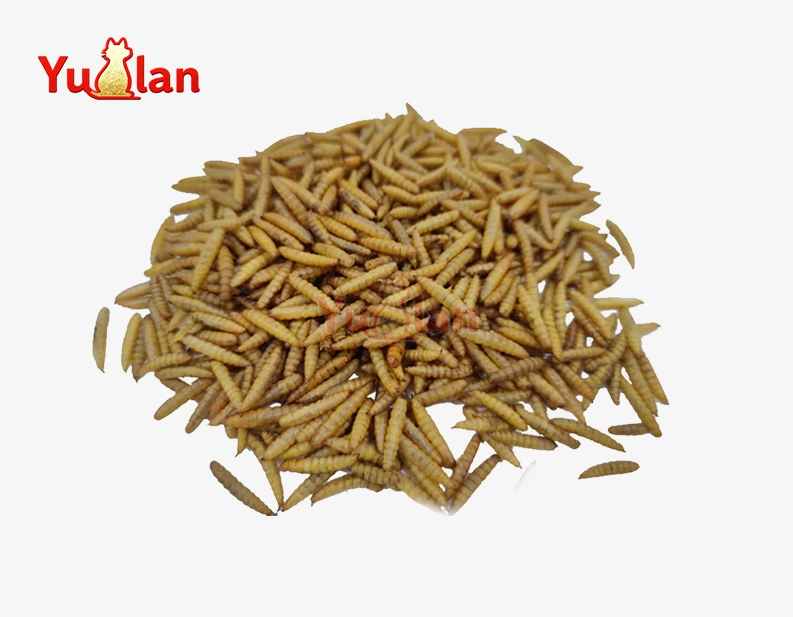
When compared to more conventional protein sources, the environmental effect of mass-produced mealworms is much lower, marking a paradigm change in sustainable protein manufacture. Growing mealworms is a lot more efficient than raising cattle in the traditional sense; it also uses considerably less water and results in far fewer emissions of greenhouse gases. These insects are perfect for conscientious farmers looking for responsible protein sources since, when processed into dried mealworms for chickens, they provide a high-protein feed supplement that is both environmentally benign and beneficial to the health of poultry.
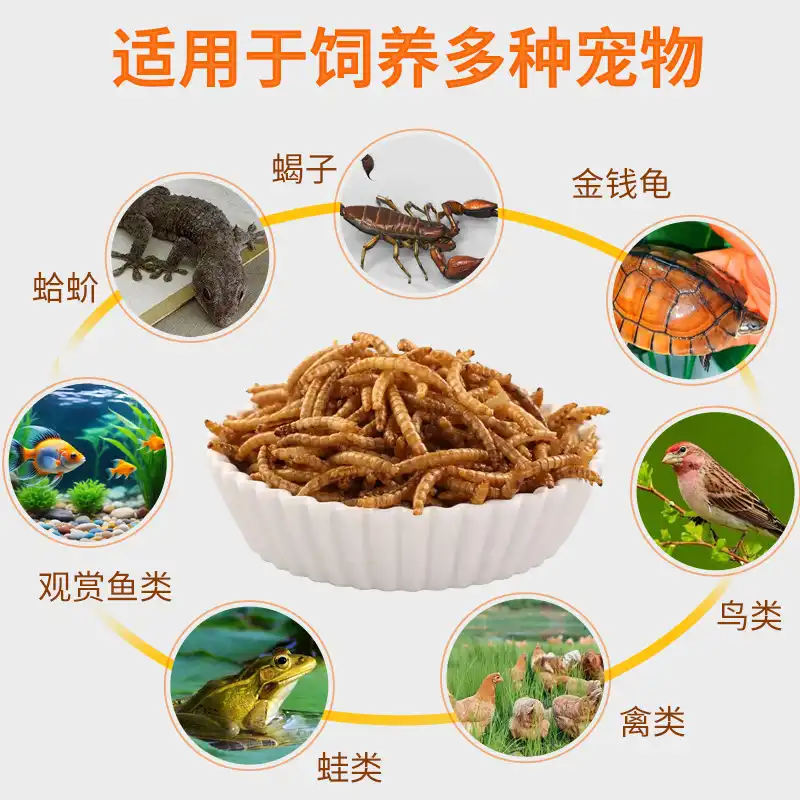
Environmental Challenges in Conventional Protein Sources for Poultry
As environmental problems become worse, the traditional chicken protein sector is having a harder time staying in business for the long term. Soybean meal and fishmeal, two common sources of protein, are major causes of deforestation and the loss of agricultural resources. To make one pound of protein, traditional methods create a lot of waste, such 1,800 gallons of water and a lot of carbon dioxide.
Resource Depletion and Land Use Concerns
Millions of acres of land are used to grow soybeans for chicken feed. This frequently means replacing ecosystems that are naturally diverse with fields that are all the same. This increase in farming makes the soil less able to hold carbon. Also, the manufacturing of fishmeal puts more stress on marine ecosystems since it includes a lot of fishing, which changes the food webs in the ocean.
Supply Chain Volatility and Regulatory Pressures
A more precarious supply chain is a reality for contemporary chicken companies due to crop failures brought about by climate change and other global concerns impacting conventional protein sources. Environmental responsibility is emphasized by regulatory systems throughout the US, which compels corporations to seek out greener alternatives. As a result of these shifts in the market, insect-based proteins, which provide supply security and adhere to environmental regulations, are becoming more attractive to businesses.
Mealworms, an alternate protein source, and other environmentally friendly production techniques may help fix these systemic issues. This isn't only an operational shift; it represents a paradigm shift in the way contemporary farms provide sustainable protein.
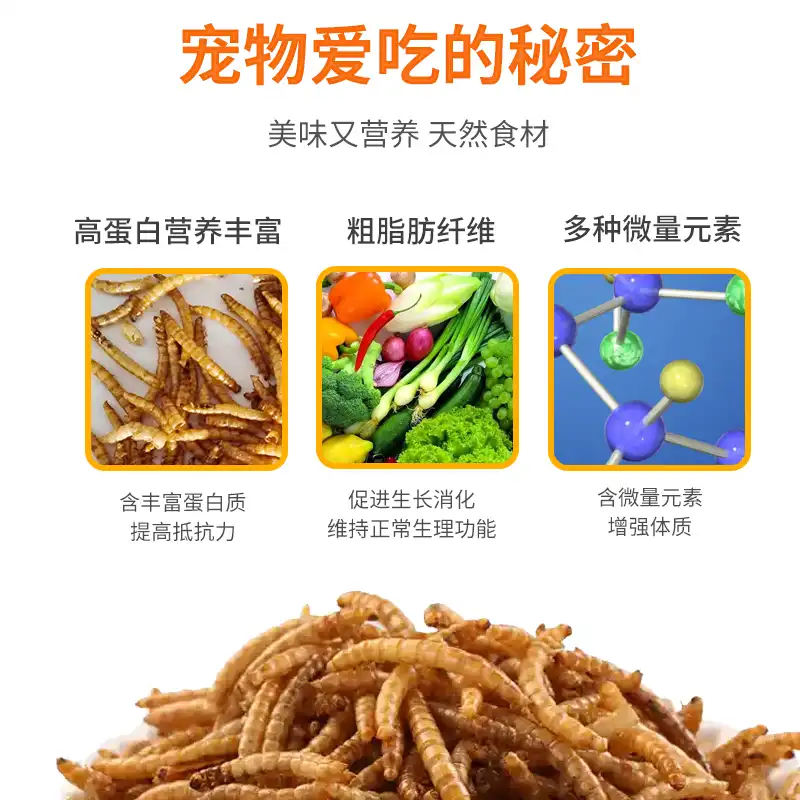
Environmental Profile of Large-Scale Mealworm Production
Producing mealworms on a big scale requires far less resources than conventional protein production methods. Studies have shown that compared to other animal protein sources, mealworms use 90% less space and 50% less water. The explanation for these staggering figures is that mealworms have feed conversion rates as high as 2:1, which is far higher than cattle's 8:1.
Resource Efficiency and Water Conservation
Mealworm farms maximize crop yield with minimal land area use by using vertical growth techniques. These plants are able to produce vast quantities of protein in an efficient manner because of their regulated environments. Water is not an issue for mealworms throughout the production cycle since they get the majority of their water needs from their organic food sources.
Greenhouse Gas Emissions and Carbon Footprint
When you make mealworms, they release roughly 75% fewer greenhouse gasses per kilogram of protein, which means they have a far less carbon footprint than other protein sources. After treatment, mealworms are light and stable, so they don't need to be moved around a lot. This is because they don't produce much methane.
Organic Waste Integration and Circular Economy Benefits
Using organic waste streams as food sources in contemporary mealworm farms is good for the environment and helps the circular economy. These steps turn food scraps, organic waste, and leftovers from farming into protein. They provide them healthy meals and also help with problems with trash disposal.
The quantity of energy required by various processing procedures varies. Green energy might be used in a variety of ways, including microwave drying and air drying. To lessen their environmental effect across the board, leading companies are switching to sustainable energy sources like solar electricity.
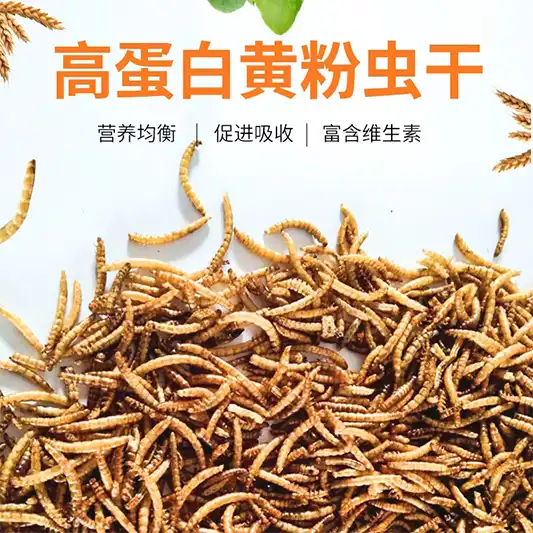
Benefits of Dried Mealworms as a Sustainable Protein Source for Chickens
Dried mealworms for chickens are really good for chickens, and farmers can feel good about giving them to their animals without worrying about them. These vitamins are full in methionine, an important amino acid for feather growth and the health of birds in general, because they are rich in protein. The birds may go through a natural metamorphosis since their meals are balanced, which leads to better eggs.
Nutritional Advantages and Health Benefits
Mealworms provide a wider range of amino acids than many other common protein sources. They help chickens keep their immune systems strong and provide them nutrients that are easy for them to absorb. Feed your chickens dry mealworms every day if you want them to be healthy and free of sickness. There is no need for artificial flavor boosters or attractants since the natural taste will make sure that people always eat it.
Safe Feeding Practices and Storage Methods
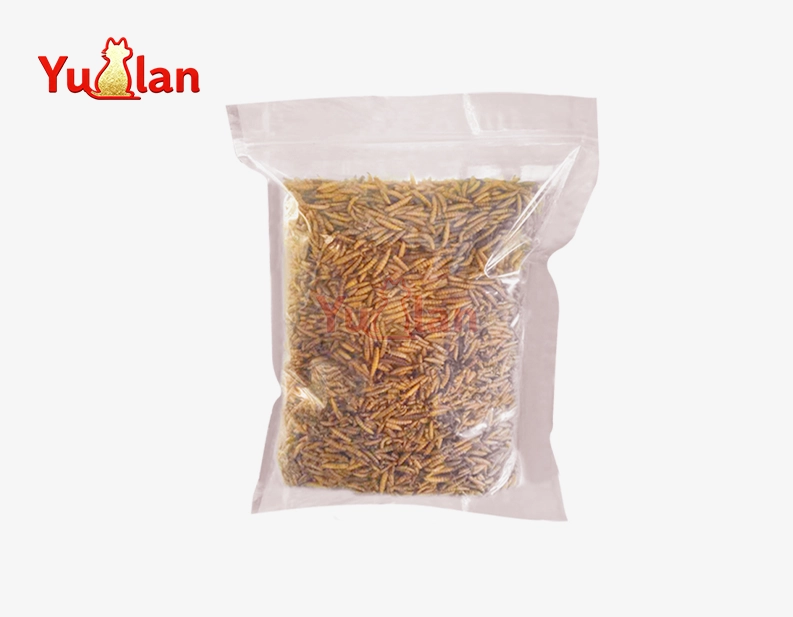
It is better to give birds 10 to 15 mealworms every day as a treat instead of making them their main source of food. You can either put these goodies on the floor to let your pet look for food on its own or add them into its regular meal to make it healthier. Using airtight containers in cold, dry places is one way to store food properly so that it stays fresh and doesn't deteriorate.
Comparative Analysis with Alternative Protein Sources
Mealworms are superior to commercial feed items and dried crickets in terms of protein content and digestibility. They are useful in both small-scale home farms and large-scale commercial farms due to their lengthy shelf life and nutritional content retention. Good mealworm products do not include any additives or preservatives, which aligns with organic agricultural ideals and client demands for natural chicken products.
Procurement Considerations for Large-Scale Adoption of Dried Mealworms
Before making a strategic purchase of mealworm protein, make sure you research your suppliers thoroughly to learn about their capabilities, quality standards, and shipping options. Providers need to demonstrate consistent quality standards, eco-friendly manufacturing processes, and dependable supply chain management for business-to-business adoption to be successful. The regulations for inspecting each batch, the paperwork for tracking, and the quality of the packaging are all crucial considerations.
Supplier Assessment and Quality Assurance
Expert buying groups should prioritize vendors with thorough quality control systems that routinely test for contamination concerns, moisture content, and protein levels. Businesses that prioritize environmental protection might benefit from sustainability permits and organic production certifications. Building trust and supporting long-term partnerships requires transparent information about product manufacturing and ingredient sourcing.
Cost Analysis and Bulk Purchasing Advantages
Discounts for bulk purchases guarantee that supplies will never run out and save a ton of money. Dried mealworms for chickens are just as affordable as other protein products since large purchases often save between 15 and 30 percent. transporting consolidation reduces the cost and environmental impact of transporting each product via improved operations management.
Customization and Operational Integration
Market leaders cater to businesses by offering flexible packaging choices, customizable shipment schedules, and detailed product information. Whether a large corporation or a tiny specialist enterprise uses their feed management system, our flexible purchase choices make integration a breeze. Technical assistance and feeding guidance from seasoned experts boost optimization outcomes and the success of adoptions.
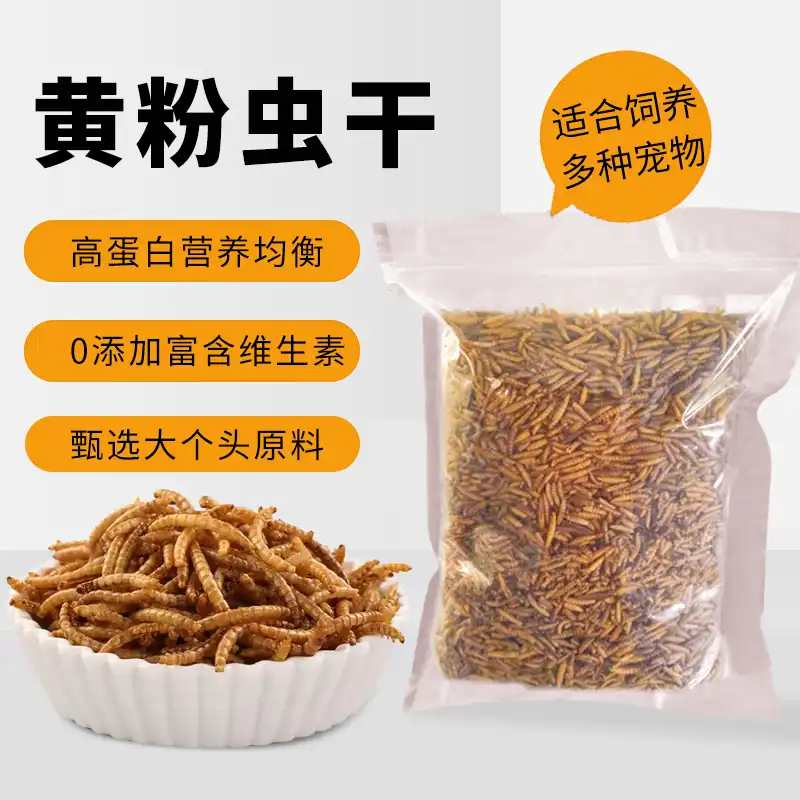
Future Trends and Strategic Implications for Poultry Feed Procurement
In the ever-evolving mealworm protein market, new technology are bringing forth more efficient and environmentally friendly production methods. Improved processing processes, more sophisticated quality control procedures, and automated agricultural systems are driving industry expansion while keeping pricing low. Market forecasts indicate that several agricultural sectors will see significant increases in demand for protein derived from insects.
Technological Innovations and Production Scaling
Climate control, automated harvesting methods, and improved feed formulations that shorten the growth cycle are all examples of new technology used to raise mealworms. Thanks to these technological advancements, we can produce more while maintaining our high quality standards. Renewable energy sources and waste-to-feed systems further improve environmental scores.
Market Dynamics and Supply Chain Resilience
Sustainable protein sources are in high demand as environmental issues get more attention from the general public. Because of this, mealworms do well on the market. Because chicken producers are seeking out feed options that are healthier for the environment without sacrificing product quality, dried mealworms for hens are benefitting from this trend. By incorporating insect protein into the supply chain, it becomes less dependent on the traditional, and potentially unstable, protein markets.
Strategic purchasing plans should include environmental impact metrics with quality and cost. In addition to adapting to new regulations and consumer expectations for sustainable agriculture, this comprehensive strategy positions businesses for sustained success.
Conclusion
Producing mealworms on a large scale offers a revolutionary solution to the environmental issues associated with conventional protein production methods. Due to their lower water and space requirements as well as their lower greenhouse gas emissions, mealworms are the most environmentally friendly option for poultry farms. Dried mealworms for chickens provide environmental advantages in addition to their nutritional advantages. Because of this, they are an all-inclusive solution that helps with chicken welfare and ecological responsibility. A sustainable agricultural venture that strikes a good mix between commercial success and environmental responsibility, mealworm protein is becoming more and more attractive as production becomes more efficient thanks to new technology and the market demand increases.
Partner with Yunlan for Premium Dried Mealworms Solutions
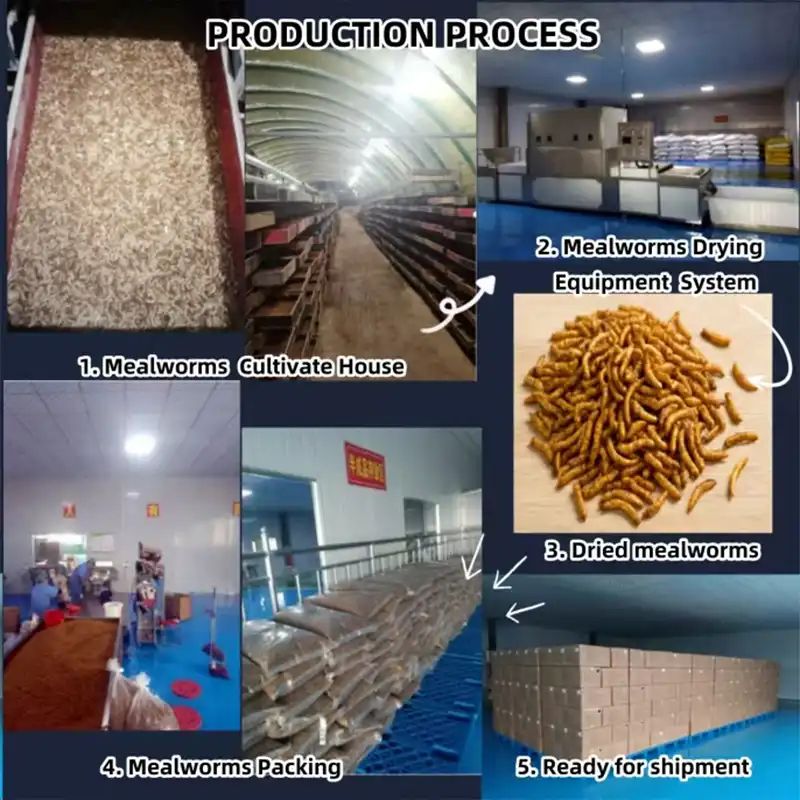
Sustainable protein production is an area in which Yunlan excels. Their microwave-dried mealworms are of the highest quality, and they are free of harmful chemicals and pesticides. The precise protein content and flavor are achieved at our modern manufacturing facilities by use of state-of-the-art processing technology. Our extensive variety of services makes us an ideal dried mealworms for chickens supplier for businesses of all kinds, from mom-and-pop shops to large-scale corporations. Our commitment to quality is shown via our use of rigorous testing techniques and eco-friendly manufacturing practices that align with our environmental care objectives. With over 20 years of expertise in exporting to over 60 countries, Yunlan is well-versed in handling the supply chain for pets. Great customer service and consistent, high-quality products are what they provide. You can email us at minghuixu6717@gmail.com to learn more about how our high-quality mealworm goods can help your environmentally friendly chicken business.
FAQ
What environmental benefits do mealworms offer compared to traditional protein sources?
When it comes to greenhouse gas emissions, mealworms make 75% less per kilogram of protein than standard livestock sources. They also use 90% less space and 50% less water.
How do I properly feed dried mealworms to my chickens?
As an addition, give chickens 10 to 15 dried mealworms for chickens every day. They can be spread out to get animals to look for food, or they can be mixed in with standard food. Always make sure there is fresh water available.
What storage methods preserve mealworm quality?
Keep dried mealworms in cool, dry places that are out of direct sunlight and away from high humidity in containers that won't let air in. Mealworms that are kept properly keep their nutritional value for a long time.
Are there any safety concerns with feeding mealworms to poultry?
When fed in the right amounts, quality dried mealworms from reputable providers don't pose any health risks. Don't give them too much, and look for signs of spoilage before using.
How does mealworm production support circular economy principles?
Mealworm farms turn organic garbage and farming byproducts into useful protein, which helps with waste management issues and provides good nutrients for chicken feed at the same time.
References
1. Oonincx, D. G. A. B., & de Boer, I. J. M. (2012). Environmental impact of the production of mealworms as a protein source for humans. Journal of Cleaner Production, 28, 89-95.
2. van Huis, A., Van Itterbeeck, J., Klunder, H., Mertens, E., Halloran, A., Muir, G., & Vantomme, P. (2013). Edible insects: future prospects for food and feed security. Food and Agriculture Organization of the United Nations.
3. Miglietta, P. P., De Leo, F., Ruberti, M., & Massari, S. (2015). Mealworms for food: A water footprint assessment. Water Resources and Industry, 11, 28-41.
4. Smetana, S., Palanisamy, M., Mathys, A., & Heinz, V. (2016). Sustainability of insect use for feed and food: Life Cycle Assessment perspective. Journal of Cleaner Production, 137, 741-751.
5. Halloran, A., Roos, N., Eilenberg, J., Cerutti, A., & Bruun, S. (2016). Life cycle assessment of edible insects for food protein: a review. Agronomy for Sustainable Development, 36(4), 1-13.
6. Thévenot, A., Rivera, J. L., Wilfart, A., Maillard, F., Hassouna, M., Senga-Kiesse, T., ... & Aubin, J. (2018). Mealworm meal for animal feed: Environmental assessment and sensitivity analysis to guide future prospects. Journal of Cleaner Production, 170, 1260-1267.