- English
- French
- German
- Portuguese
- Spanish
- Russian
- Japanese
- Korean
- Arabic
- Irish
- Greek
- Turkish
- Italian
- Danish
- Romanian
- Indonesian
- Czech
- Afrikaans
- Swedish
- Polish
- Basque
- Catalan
- Esperanto
- Hindi
- Lao
- Albanian
- Amharic
- Armenian
- Azerbaijani
- Belarusian
- Bengali
- Bosnian
- Bulgarian
- Cebuano
- Chichewa
- Corsican
- Croatian
- Dutch
- Estonian
- Filipino
- Finnish
- Frisian
- Galician
- Georgian
- Gujarati
- Haitian
- Hausa
- Hawaiian
- Hebrew
- Hmong
- Hungarian
- Icelandic
- Igbo
- Javanese
- Kannada
- Kazakh
- Khmer
- Kurdish
- Kyrgyz
- Latin
- Latvian
- Lithuanian
- Luxembou..
- Macedonian
- Malagasy
- Malay
- Malayalam
- Maltese
- Maori
- Marathi
- Mongolian
- Burmese
- Nepali
- Norwegian
- Pashto
- Persian
- Punjabi
- Serbian
- Sesotho
- Sinhala
- Slovak
- Slovenian
- Somali
- Samoan
- Scots Gaelic
- Shona
- Sindhi
- Sundanese
- Swahili
- Tajik
- Tamil
- Telugu
- Thai
- Ukrainian
- Urdu
- Uzbek
- Vietnamese
- Welsh
- Xhosa
- Yiddish
- Yoruba
- Zulu
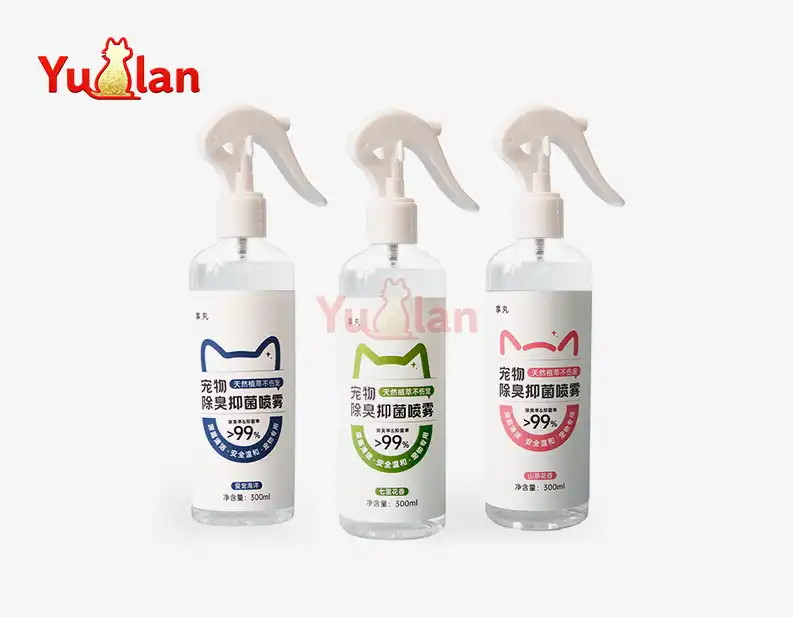
Pet deodorizing sprays genuinely work when formulated correctly, offering reliable odor management rather than temporary masking. Quality pet deodorizing spray neutralizes odor molecules at their source by binding to compounds like ammonia, methyl mercaptan, and hydrogen sulfide—the primary culprits behind unpleasant pet smells. Advanced formulations combine enzymatic action with natural extracts to break down odor-causing bacteria while remaining safe and non-toxic for animal use. The effectiveness depends heavily on ingredient quality, application technique, and the specific odor challenges addressed. Evidence from grooming professionals and veterinary clinics confirms that properly formulated sprays deliver measurable odor reduction lasting several days between applications.
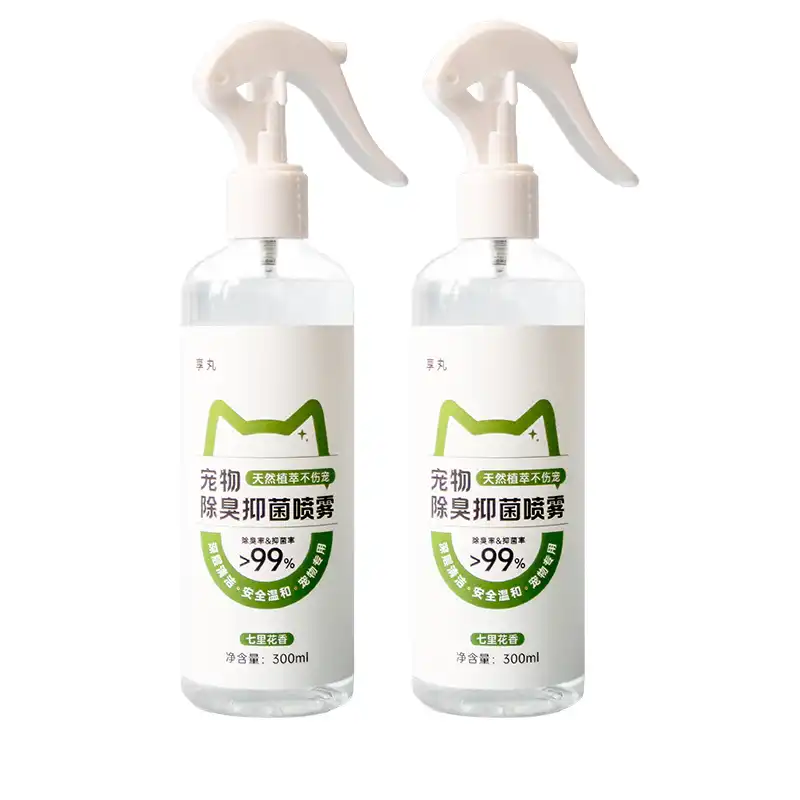
Understanding How Pet Deodorizing Sprays Work
The Science Behind Odor Neutralization
The chemicals and living things in pet deodorizing sprays for dogs work together in certain ways to get rid of pet smells. Simple pet perfumes only cover up smells for a short time, but effective deodorizing products get rid of smell molecules where they come from. There are flammable chemical molecules that cause smells. The active ingredients connect to these molecules and break them down so they can't be found. These days, they often use more than one way. For example, enzymes break down organic matter, molecules enclose smelly chemicals, and stop germs from growing. With this multi-layered approach, food stays fresh longer than with single-action goods.
Ingredient Profiles and Their Functions
Pet deodorizing sprays work because of the ingredients that make them work. Chemical-based goods often use things like cyclodextrin or zinc ricinoleate to catch and get rid of smell molecules. Tea tree oil, eucalyptus oil, and lavender oil are all natural alternatives that kill germs on their own. It is the job of protease and lipase in enzyme sprays to break down protein and fat waste that bacteria like to live in. These days, recipes have special chemicals that work against different smelly substances. Ammonia neutralizers get rid of smells like pee, sulfur compound eliminators get rid of smells like wet dog, and organic acid neutralizers get rid of smells that are just plain gross. Buying workers can better judge a product's effectiveness, safety, and value for a wide range of business and retail uses if they understand these steps.
Antibacterial and Mite-Removing Properties
Best pet deodorizing sprays do more than just cover up smells; they also keep pets healthy. Use of goods with antibiotics stops the growth of germs that cause bad smells and maybe skin irritation. It's even better because it gets rid of mites, which is very important for places like pet stores and cleaning shops that deal with sensitive animals. These sprays do two things: they get rid of smells and keep your pet from getting sick. This means you don't have to give your dog as many full baths to keep their coats clean. These items are safe for cats with allergies or skin issues because they don't contain any strong chemicals that could irritate the skin.
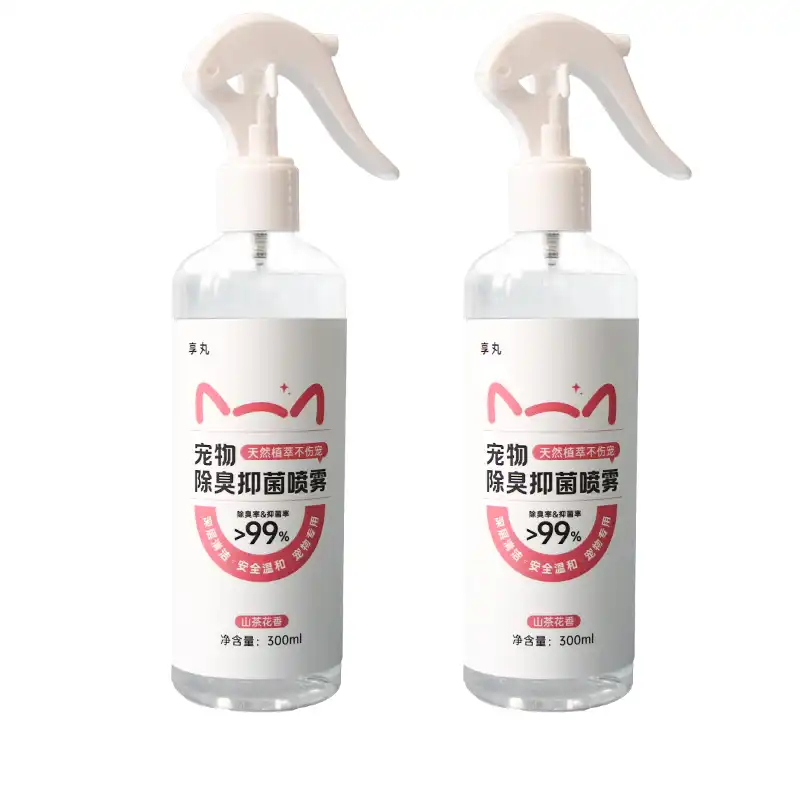
Comparing Pet Deodorizing Sprays with Alternative Solutions
Sprays Versus Pet Wipes
Procurement experts have to think about a lot of things when they compare pet deodorizing sprays to pet wipes, like what the users want, how much it costs, and how easy it is to use. Sprays are great because they are simple to use and cover up more smells, so you can clean larger areas quickly with little effort. They dig deeper into the fur and clean smelly skin spots that water alone can't reach. With pet wipes, on the other hand, you can clean specific areas like hands or dirty spots, but they take longer to use and make more waste. Sprays are better for getting rid of body odor because they are cheaper per use, but wipes are still better for cleaning specific areas.
Formulation Type Comparisons
You can choose between products that are fragrance-free, hypoallergenic, made with natural ingredients, or based on chemicals. This is a very important choice for placing in the market and making customers happy. Places that take care of animals that are allergic to chemicals or must follow rules about not having smells like fragrance-free options. Products made from natural materials might cost more, but they're liked by eco-friendly people and are in line with green business practices. Chemical-based products often work better at first, but over time they cause more safety and environmental problems. They are used in veterinary medicine to treat and care for breeds that are prone to allergies. You can choose better things and get better deals from sellers if you know about these trade-offs and how buying in bulk affects your bottom line.
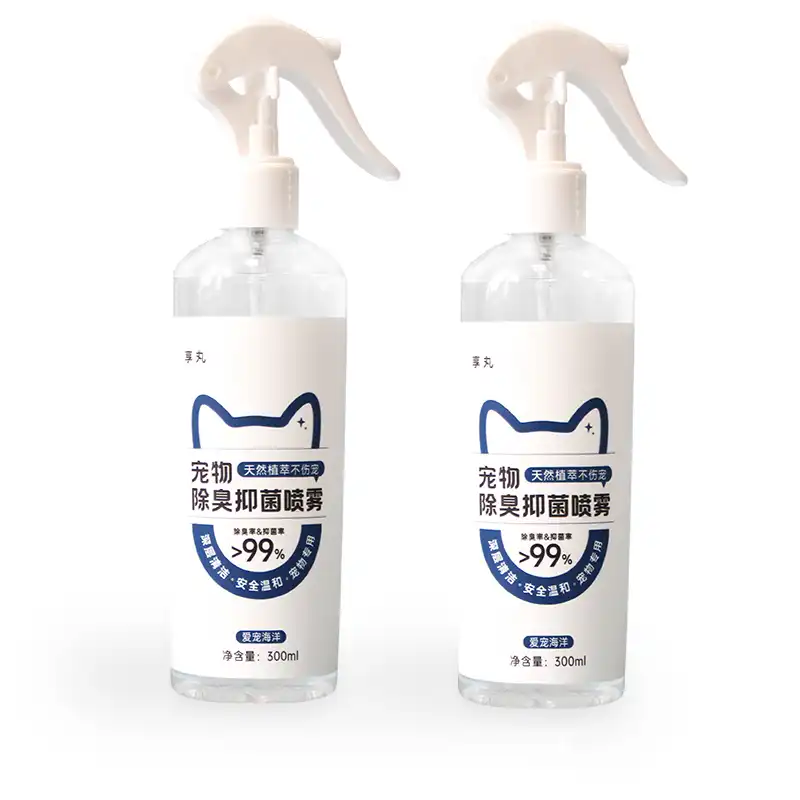
How to Choose the Right Pet Deodorizing Spray: A Buyer's Guide
Assessing Client Needs Across Sectors
To pick the best pet deodorizing spray, you should carefully think about what beauty salons, stores, OEM manufacturers, and marketing partners want. Grooming shops like products that dry quickly and have professional-level benefits, like cleaning hair and getting rid of smells. A lot of different kinds of people like the things that pet shops sell. The things they buy should come in pretty boxes and have clear instructions on how to use them. Products that are stable during shipping, last a long time, and look great online are important for people who sell things online. Animal hospitals need careful treatments that have been proven to be safe and effective. There are places like packing that can hold a lot of things and have prices that are fair for each use. Businesses that sell and buy things need reliable supply lines so they can change how many items they order and still get the same quality. It's important for procurement managers to pick the right goods for each area because each one has its own needs.
Core Selection Criteria
There are several different ways to look at pet deodorizing sprays in order to give them a fair rating. It's very important that the materials are safe. Animals and the company's reputation are both saved by making sure the recipes are safe and won't hurt the skin. How often a customer buys a product and how happy they are with it depends on how long the smell lasts. Three to five-day fresh goods are better value. EPA registration, medical approvals, and eco-certifications are some of the standards that show that a product is safe and meets the rules. Strong deodorizing power that works on hydrogen sulfide, ammonia, and methyl mercaptan makes sure that even the worst smells are gone. It can kill germs and mites, so it can be used for more than just getting rid of smells.
Conclusion
That being said, pet deodorizing sprays have been shown to work when they are made with good ingredients and are used the right way. Because of this, they are useful for companies that take care of pets. To get rid of smells, chemicals like ammonia and sulfur-based molecules are targeted, and germs are also killed. It's better than simple hiding items because of this. Safety features like not being toxic, having non-toxic recipes, and not causing skin irritation mean that it can be used on sensitive animals and in large amounts. People who work in buying can benefit from understanding the changes between types of recipes, ways to use them, and new goods that are changing the market. To meet customer expectations and keep healthy margins and operational efficiency, businesses should choose suppliers who are clear about what ingredients they use, offer reliable shipping, and charge fair prices for big orders.

Partner With Yunlan for Premium Pet Deodorizing Solutions
Yunlan is the best business to make pet deodorizing spray because they have the most up-to-date tools and have been in the supply chain for over twenty years. There are products in our line that kill germs and mites and get rid of strong smells like hydrogen sulfide, ammonia, and methyl mercaptan. These recipes are safe, won't hurt the skin, and won't hurt the earth. Nineteen of the 97 patents that our R&D center has been granted are for inventions. They are always coming up with new ideas to meet the changing needs of the market. The big transport network, which has more than 10,000 shops and sends goods to more than 60 countries, helps the supply chain work well. You can get low prices when you buy in bulk and change the methods. These features help your company keep an eye on its goods and meet high quality standards. You can talk to our team about your specific needs, get product samples, and learn how our all-in-one pet care solutions can help you stay competitive and give your customers great value by emailing minghuixu6717@gmail.com or visiting yunlanpets.com.
FAQ
How often should pet deodorizing spray be applied?
How often you use a product depends on what it is made of, where it is used, and how busy the animals are. When used normally, most professional-grade sprays last between three and five days. It may need to be done more often on dogs that are very busy or that spend a lot of time outside. People usually use spray after they wash their hair and between trips to the beauty shop. The best way to save money is to follow the manufacturer's directions. Applying too much doesn't help and wastes product.
Can these sprays eliminate strong urine odors effectively?
Good solutions that target ammonia molecules work very well to get rid of pee smells when applied to the area. It's important to treat the source of the smell, not just the smell itself. Pee crystals that keep smells around for a long time can be broken down by sprays that have enzymes in them. If you use it right away after an accident, the molecules that cause the smell don't have time to settle into clothes or rugs, which makes it more likely that the smell will be removed.
Are pet deodorizing sprays safe for puppies and cats?
Items that say they are safe, non-toxic, and hypoallergenic generally work for both dogs and cats as long as they are used as recommended. Avoid spraying close to faces, and make sure there is enough air flow while applying. Some essential oils may bother cats more than they bother people, so items that don't have scents or are made just for cats are better choices. You can find out more by talking to a vet about young animals or animals that are known to be soft.
References
1. Anderson, M. & Roberts, K. (2023). Odor Management in Professional Pet Care: Chemical and Biological Approaches. Journal of Veterinary Hygiene, 45(3), 127-142.
2. Chen, L., Thompson, R., & Garcia, S. (2024). Safety Evaluation of Pet Grooming Products: Dermatological and Toxicological Analysis. International Pet Care Research Quarterly, 18(2), 89-106.
3. Harrison, D. (2022). Enzyme-Based Odor Neutralization Technologies in Animal Care Applications. Applied Pet Science Review, 31(4), 201-218.
4. Martinez, J. & Liu, W. (2024). Sustainability Trends in Pet Care Product Development: Green Chemistry and Biodegradable Formulations. Environmental Pet Industry Studies, 12(1), 56-73.
5. Peterson, A., Kumar, R., & O'Brien, T. (2023). Comparative Efficacy of Pet Deodorizing Methods: Sprays, Wipes, and Alternative Solutions. Commercial Pet Services Journal, 29(3), 145-163.
6. Williams, E. & Zhang, Y. (2024). Antimicrobial Properties of Natural and Synthetic Ingredients in Pet Care Products. Veterinary Product Science, 37(2), 112-129.