- English
- French
- German
- Portuguese
- Spanish
- Russian
- Japanese
- Korean
- Arabic
- Irish
- Greek
- Turkish
- Italian
- Danish
- Romanian
- Indonesian
- Czech
- Afrikaans
- Swedish
- Polish
- Basque
- Catalan
- Esperanto
- Hindi
- Lao
- Albanian
- Amharic
- Armenian
- Azerbaijani
- Belarusian
- Bengali
- Bosnian
- Bulgarian
- Cebuano
- Chichewa
- Corsican
- Croatian
- Dutch
- Estonian
- Filipino
- Finnish
- Frisian
- Galician
- Georgian
- Gujarati
- Haitian
- Hausa
- Hawaiian
- Hebrew
- Hmong
- Hungarian
- Icelandic
- Igbo
- Javanese
- Kannada
- Kazakh
- Khmer
- Kurdish
- Kyrgyz
- Latin
- Latvian
- Lithuanian
- Luxembou..
- Macedonian
- Malagasy
- Malay
- Malayalam
- Maltese
- Maori
- Marathi
- Mongolian
- Burmese
- Nepali
- Norwegian
- Pashto
- Persian
- Punjabi
- Serbian
- Sesotho
- Sinhala
- Slovak
- Slovenian
- Somali
- Samoan
- Scots Gaelic
- Shona
- Sindhi
- Sundanese
- Swahili
- Tajik
- Tamil
- Telugu
- Thai
- Ukrainian
- Urdu
- Uzbek
- Vietnamese
- Welsh
- Xhosa
- Yiddish
- Yoruba
- Zulu
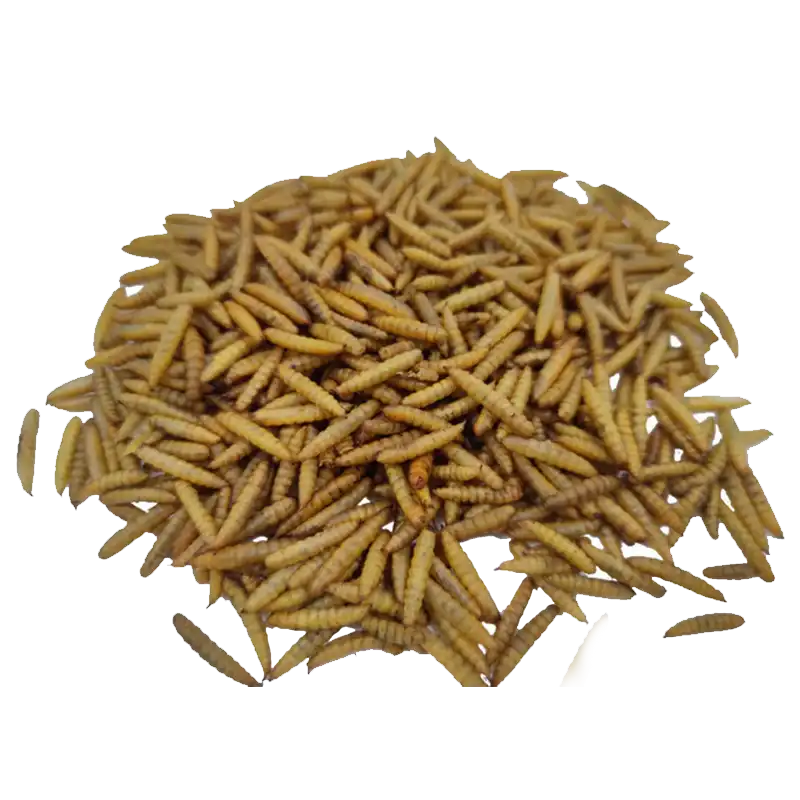
The question of whether jumping spiders can eat black soldier fly larvae is both fascinating and practical. Yes, jumping spiders can consume black soldier fly larvae, but the interaction depends on several factors including larval size, movement patterns, and the spider's hunting behavior. While jumping spiders typically prefer smaller, more mobile prey, appropriately sized BSFL can become prey items when encountered. The larvae's limited mobility and soft-bodied nature make them accessible targets for these agile hunters, though the relationship is more opportunistic than predatory by design. This interaction holds significance for businesses integrating insect protein production with natural pest management systems.
Interaction Between Jumping Spiders and Black Soldier Fly Larvae
Hunting Behavior of Jumping Spiders
Foraging animals like jumping spiders need to have good eyesight and move quickly to catch their food. These eight-eyed animals usually go after bugs that are smaller than them. They can jump very high and pounce on their prey from afar. Their preferred type of food is active, moving prey that sets off their predatory reaction. Spiders range in size from 1 mm to 25 mm, and the size of their food directly affects what they hunt. Black soldier fly larvae can draw attention from bigger jumping spider species when they are in the right size range, which is usually between 5 and 15 mm for younger instars.
Movement and Defense Characteristics of BSFL
Compared to their normal spider food, black soldier fly larvae have trouble moving around. Instead of moving quickly, these larvae move by slow contractions that make waves. Their tough shell, which is made up of chitin and makes up about 6–7 percent of their dry weight, is their main defense. Some enemies may be scared off by this protective shell, but jumping spiders have strong chelicerae that can pierce through soft food. When the larvae feel threatened, they tend to burrow into the ground. This makes them less visible to spiders that are hunting, which is a natural way to keep them safe in shared settings.
Ecological Coexistence in Production Settings
Integrative production system research shows that black soldier fly larvae and jumping spiders can live together with little trouble. The larvae like to live in places with lots of organic matter, and they hide during the day to avoid being seen by spiders that are hunting. Studies on insect farms show that predatory rates stay low as long as larvae are kept in properly designed containers with enough ground depth. Facilities can use jumping spiders to get rid of flying pests naturally without hurting the young populations too much because they are compatible. Understanding this dynamic helps procurement workers create biosecure sites that produce the most bug protein and get rid of pests naturally.
Nutritional and Environmental Value of Black Soldier Fly Larvae
Protein and Amino Acid Composition
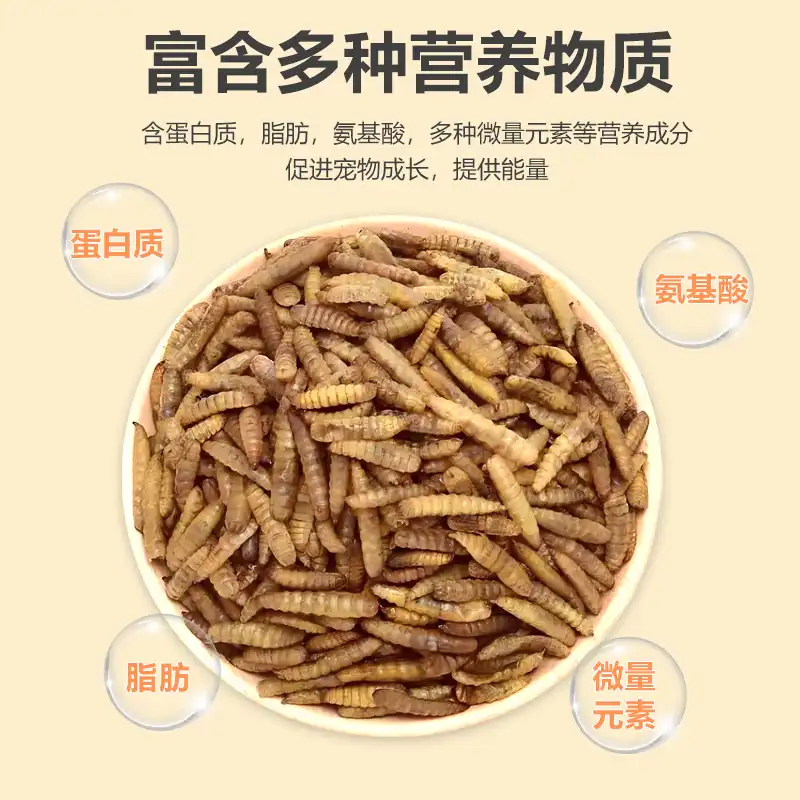
Black soldier fly larvae are a great source of protein; 40–45% of their dry weight is made up of crude protein. This protein level is about the same as standard feed ingredients like fishmeal, but it is better for the environment. The amino acid makeup is very well balanced, with the right amounts of important amino acids. Lysine levels hit 22.6-25.7 g/kg, which helps all species build muscle and keep their immune systems healthy. Methionine amounts between 7.1 and 8.7 g/kg affect the quality of feathers in birds and the state of a pet's coat. Concentrations of 19.9 to 20.3 g/kg of arginine are good for heart health and scar healing. Because of these health benefits, BSFL can be used instead of up to 33.3% of fishmeal in animal meals without affecting growth or feed conversion rates.
Beneficial Fatty Acids and Micronutrients
The lipid part of BSFL makes up 23–36% of its dry weight and is mostly made up of lauric acid and other good fatty acids. This medium-chain saturated fatty acid makes up 40–60% of the total fat mass. It kills microbes and improves the health of animals' guts. Lauric acid is useful against some viruses and gram-positive bacteria, automatically lowering the number of pathogens. The calcium level of the larvae is about 3%, and the ratio of calcium to phosphorus is 2.6:1. This helps the bones grow without the need for extra minerals. There are a lot of vitamins in this plant, like choline (1100 mg/kg), important B-complex vitamins, and pigments like beta-carotene and lutein, which help all species' immune systems and eyesight.
Environmental Advantages in Circular Economy Models
Using black soldier fly larvae to make protein is a way to solve some of the most important environmental problems that modern agriculture faces. The larvae easily turn organic waste streams like byproducts of food processing, farm waste, and food waste that has already been eaten into high-value protein. This process of change keeps trash out of dumps and lowers the amount of methane released when organic matter breaks down. When compared to traditional protein sources like soybean farming or ocean fishing, BSFL farming needs a lot less land, water, and feed resources. Lower greenhouse gas emissions per kilogram of protein created mean that the environmental impact is smaller all along the supply chain. When B2B buying clients add BSFL to feed formulations, they improve their sustainability reports and meet stricter government rules about resource efficiency and environmental impact.
Practical Guide to Raising Black Soldier Fly Larvae for Diverse Applications
Optimal Environmental Conditions and Setup
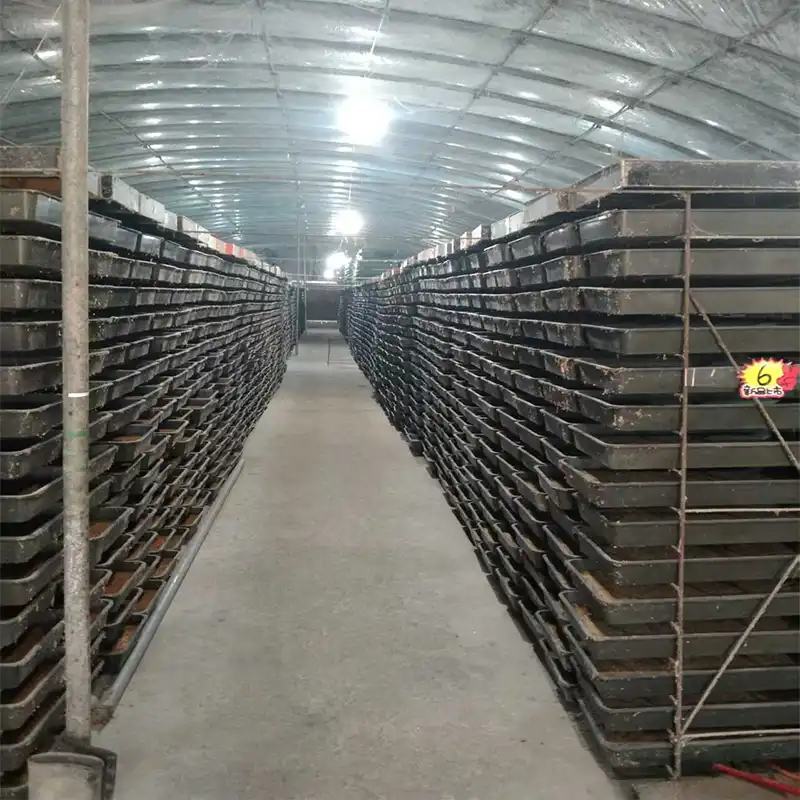
To get the most protein and larvae growth from BSFL production, the environment needs to be carefully managed. Temperature control is the most important factor. For fast growth and feed conversion rate, the best temperature ranges are between 27°C and 30°C. Keeping the humidity between 60 and 70% stops the ground from drying out and stops pathogens from spreading. Production sites should have enough air flow to keep ammonia levels under control without making drafts that stress out larvae. For small businesses just starting out, simple container-based systems with a 30–50 cm substrate depth can work. For larger businesses, automatic climate-controlled rearing halls with waste management systems that move garbage around are better. The choice of substrate affects both the nutrition of the larvae and the efficiency of the operation. For example, mixtures of food industry waste, spent grains, and farming leftovers give uniform results across production cycles.
Lifecycle Management and Harvesting Strategies
Under ideal conditions, the BSFL lifetime from egg to prepupa lasts 14–18 days, which is a short amount of time for industrial production. When adult flies lay eggs, they hatch within 4 days, letting tiny maggots out that start eating right away. The juvenile stage has several instars, ranging in size from hatchlings that are only 1 mm long to fully grown prepupae that are 18 to 25 mm long. When you harvest has a big effect on the nutrients you get and the cooking choices you have afterward. Prepupae that are picked when they start to separate themselves from the base have the highest levels of protein and fat, making them perfect for feed. For small operations, screening can be done by hand. For larger ones, automated separation systems use the larvae's natural movement pattern to cut down on labor costs while keeping product quality high during high-volume processing.
Addressing Common Operational Challenges
BSFL makers often have problems with changes in temperature, especially when the seasons change. Using protected building design along with extra heating and water cooling systems makes sure that production stays stable all year. Pathogens that could hurt the health of larvae and the safety of the product cannot get in because of hygiene rules. Monitoring the base on a regular basis for pH levels, wetness levels, and temperature differences lets problems be fixed quickly before they get worse. Getting eggs from approved sources, putting up biosecurity barriers between production groups, and keeping the right stocking density to lower stress-related mortality are all ways to stop diseases. At harvest, quality control tests make sure that the nutritional value is correct and that there are no contaminants. This makes sure that the product always meets the standards of the feed business and meets the needs of buyers.
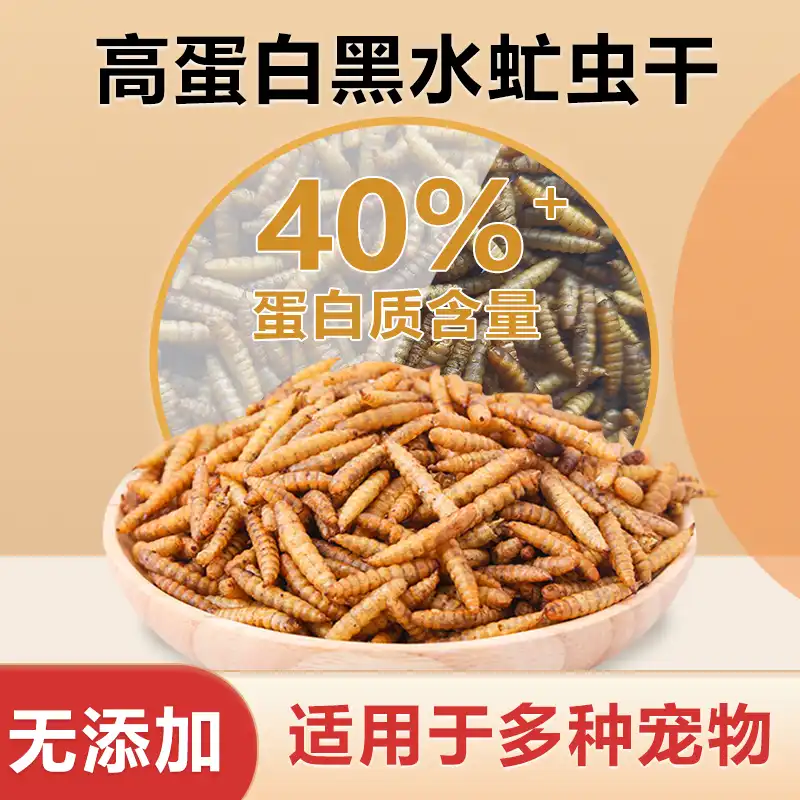
Procurement Insights: Buying and Sourcing Black Soldier Fly Larvae for B2B Needs
Supplier Evaluation and Quality Standards
To find trusted BSFL suppliers, you have to carefully look at their production skills and quality control systems. Reputable makers keep certificates like HACCP compliance, GMP standards, and safety approvals for particular species from regulatory authorities. Audits of production facilities should check the accuracy of climate control, biosecurity measures, and tracking systems that keep track of where substrates come from and how they are processed. Some of the quality requirements that can be negotiated are minimum protein content promises, maximum moisture levels, bacteria testing results, and heavy metal screening reports. When suppliers offer third-party lab tests and records of analysis for each batch, they are being honest, which lowers the risk of buying from them. When manufacturers spend in research and development, they can change the specs of their products to meet changing nutritional needs and legal rules in different target markets. This is good for long-term relationships.
Bulk Purchasing and Logistics Planning
Volume buying strategies lower unit costs and make sure that inventory levels match up with output plans. Different suppliers have different minimum order amounts. Larger businesses can get cheaper prices by buying by the container load, which is 20 to 30 percent less than buying by the pallet. How often you order depends on how you store the BSFL. Dried BSFL stays nutritious for 12 to 18 months in cool, dry conditions, but frozen product needs to be shipped in a cold chain and has a shorter shelf life. Choosing the right method of transportation for a product depends on its cost and how quickly it needs to be delivered. Ocean freight is best for products that don't go bad, while fast ground shipping is best for products that go bad quickly. Just-in-time shipping plans that work with feed manufacturing cycles keep working capital from getting stuck in stockpiles and stop stock-outs that stop production.
Market Intelligence and Emerging Suppliers
As new providers join the market and old ones increase their capacity, the BSFL supply landscape is always changing quickly. Procurement pros can learn about new regulations, price trends, and production innovations by keeping an eye on industry groups, going to trade shows, and joining in forums for suppliers. New suppliers may offer low prices to get into the market, but established companies offer reliable products and good expert help, which makes them worth charging more for. Geographic diversification across source groups lowers the risk of regional disruptions and lets you compare performance. By staying up to date on new technologies in BSFL processing, such as new ways to dry the feed, remove proteins, and keep it from going bad, buyers can use these innovations to improve feed quality and make prices more competitive.
Conclusion
The connection between black soldier fly larvae and jumping spiders shows how complicated nature's relationships can be. It also shows how well BSFLs are suited for business production. These nutrient-dense larvae have a high protein level, well-balanced amino acids, and good fatty acids that are good for all animal species' health. Environmental benefits, such as reusing trash and using fewer resources, are in line with the environmental requirements that drive modern feed buying. Clear lifecycle management and risk reduction strategies back up practical growing methods that can be used for everything from simple setups to complex operations. Comparative analysis backs up BSFL's place as a competitor to both standard and non-traditional protein sources. B2B clients can safely use this amazing feed ingredient when they use strategic buying methods that focus on supplier quality, logistics optimization, and market knowledge.
FAQs
Are black soldier fly larvae safe for all animal species?
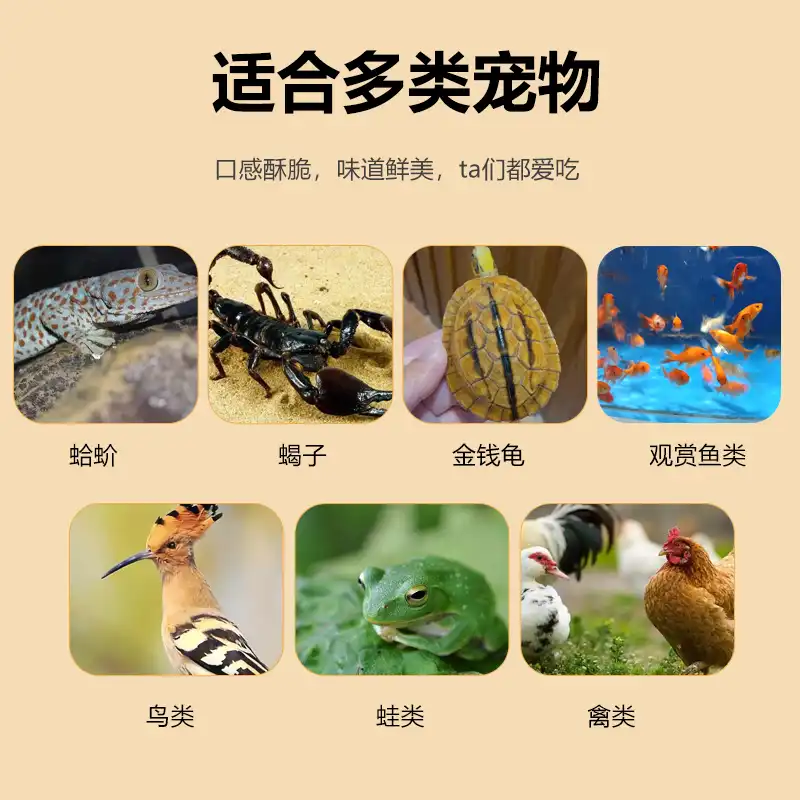
Chickens, fish, pigs, and pets like dogs, cats, and snakes have all been fed black soldier fly larvae without any problems. Research shows that they are safe for these species as long as they are made correctly and added at the right amounts. The natural antibacterial peptides and balanced diet of the larvae help keep the digestive system healthy without hurting their growth or tissue development. Regulatory approvals depend on the region and the species, so buyers should check the feed laws in their area before adding BSFL to certain animals' meals.
How should dried BSFL be stored to maintain quality?
Keeping food in the right way keeps its nutritional worth and keeps it from going bad. Dried larvae should be kept in cool, dry places with temperatures below 25°C and relative humidity below 60% in cases that can't be opened. These conditions stop the breakdown of lipids and the growth of microbes that lower the quality of proteins. When stored properly, food can last for 12 to 18 months without losing many nutrients. For the best effects, frozen BSFL should be kept at a temperature below -18°C and used within 6 months.
What inclusion rates work best in animal feeds?
The recommended rates of addition rely on the type of animal and the goals of the production. 5–15% BSFL is often used to replace some fishmeal in poultry feeds without hurting performance. For species like salmon and tilapia to grow at their fastest rates, 8–12% inclusion is used in aquaculture feeds. Formulations for pet food run from 10 to 25 percent, based on how the product is positioned and what ingredients go well with it. Gradual introduction over 7–10 days lets the digestive system get used to it and keeps taste problems from happening during diet changes.
Partner with Yunlan for Premium Black Soldier Fly Larvae Supply
Yunlan is ready to help your business with high-quality black soldier fly larvae and complete insect protein solutions, thanks to Ruixin Cloud Wave Group's many years of experience and strong infrastructure. Each of our three main brands—Yihe, Paihao, and Maodali—brings in more than 300 million yuan a year, which shows how well our products are received and how deeply we penetrate the market. We know how to meet the different quality and legal needs of more than 60 countries in the U.S., Europe, Japan, and South Korea because our products are exported to those places. Our modern factory in Suqian City uses cutting-edge protein enzymolysis technology and strict quality controls, as shown by the fact that it has 97 approved patents, including 19 idea patents. Our focused team creates unique solutions that meet your specific procurement needs, whether you run pet stores, e-commerce platforms, veterinary clinics, or wholesale distribution networks. As a reputable provider of black soldier fly larvae, we offer low bulk prices, dependable operations, and technical support that will change the products you sell and help you meet your sustainability goals. You can email us at minghuixu6717@gmail.com or visit yunlanpets.com right now to talk about your unique needs and get a quote that will help your business grow in the growing bug protein market.
References
- Wang, Y. and Shelomi, M. (2017). Review of Black Soldier Fly (Hermetia illucens) as Animal Feed and Human Food. Foods Journal, 6(10), 91-106.
- Makkar, H.P.S., Tran, G., Heuzé, V., and Ankers, P. (2014). State-of-the-art on Use of Insects as Animal Feed. Animal Feed Science and Technology, 197, 1-33.
- Barragan-Fonseca, K.B., Dicke, M., and van Loon, J.J.A. (2017). Nutritional Value of the Black Soldier Fly (Hermetia illucens L.) and Its Suitability as Animal Feed – a Review. Journal of Insects as Food and Feed, 3(2), 105-120.
- Kroeckel, S., Harjes, A.G.E., Roth, I., et al. (2012). When a Turbot Catches a Fly: Evaluation of a Pre-pupae Meal of the Black Soldier Fly as Fish Meal Substitute. Aquaculture, 364-365, 345-352.
- Henry, M., Gasco, L., Piccolo, G., and Fountoulaki, E. (2015). Review on the Use of Insects in the Diet of Farmed Fish: Past and Future. Animal Feed Science and Technology, 203, 1-22.
- Jackson, R.R. and Pollard, S.D. (1996). Predatory Behavior of Jumping Spiders. Annual Review of Entomology, 41, 287-308.