- English
- French
- German
- Portuguese
- Spanish
- Russian
- Japanese
- Korean
- Arabic
- Irish
- Greek
- Turkish
- Italian
- Danish
- Romanian
- Indonesian
- Czech
- Afrikaans
- Swedish
- Polish
- Basque
- Catalan
- Esperanto
- Hindi
- Lao
- Albanian
- Amharic
- Armenian
- Azerbaijani
- Belarusian
- Bengali
- Bosnian
- Bulgarian
- Cebuano
- Chichewa
- Corsican
- Croatian
- Dutch
- Estonian
- Filipino
- Finnish
- Frisian
- Galician
- Georgian
- Gujarati
- Haitian
- Hausa
- Hawaiian
- Hebrew
- Hmong
- Hungarian
- Icelandic
- Igbo
- Javanese
- Kannada
- Kazakh
- Khmer
- Kurdish
- Kyrgyz
- Latin
- Latvian
- Lithuanian
- Luxembou..
- Macedonian
- Malagasy
- Malay
- Malayalam
- Maltese
- Maori
- Marathi
- Mongolian
- Burmese
- Nepali
- Norwegian
- Pashto
- Persian
- Punjabi
- Serbian
- Sesotho
- Sinhala
- Slovak
- Slovenian
- Somali
- Samoan
- Scots Gaelic
- Shona
- Sindhi
- Sundanese
- Swahili
- Tajik
- Tamil
- Telugu
- Thai
- Ukrainian
- Urdu
- Uzbek
- Vietnamese
- Welsh
- Xhosa
- Yiddish
- Yoruba
- Zulu
There is a time and a place for parakeets to eat mealworms because they are high in protein. These bugs are very good for you because they are full of good nutrients like high-quality protein, important amino acids, vitamins, and minerals that help your immune system work well and your health in general. Seeds and veggies are good for parakeets on their own, but adding small amounts of live or dried bug protein, can help them get more nutrients when they are breeding or molting. It's still important to eat in moderation. To avoid eating too much fat and keep your digestive system healthy, mealworms should be eaten every day along with a healthy, well-balanced diet.
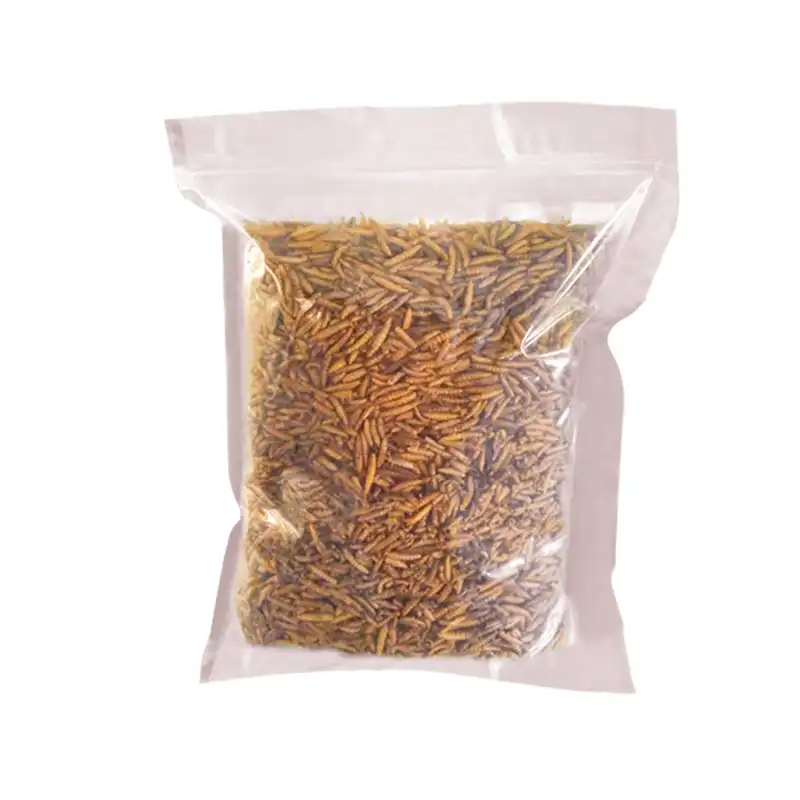
Mealworms Nutritional Value for Parakeets
What Are Mealworms and Their Biological Background?
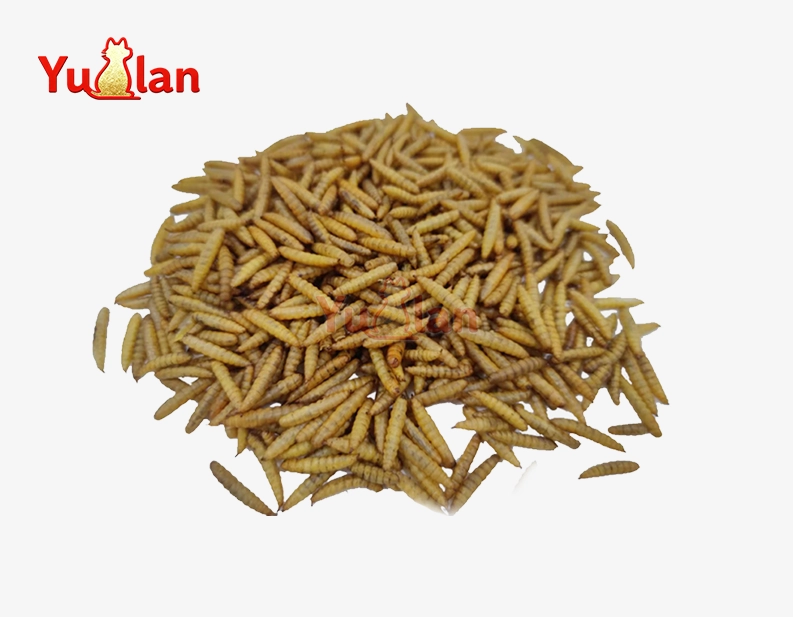
Yellow mealworms are the larvae of the darkling beetle (Tenebrio molitor). People grow them all over the world to feed their pets, birds for beauty, and farm animals. Before they become adult beetles, these bugs go through a full change. They start as eggs, become larvae, become pupae, and then return to eggs. Commercial mealworm farms keep their environments under control with stable temperatures, wheat bran beds, and vegetable scraps so that the larvae can grow as quickly as possible. Animal hospitals, pet shops, and bulk suppliers that need steady insect protein supplies can get it all year with this common way of making it.
It takes about eight to twelve weeks for an egg to turn into a worm that is ready to be harvested. So that the bug food they sell is clean and free of germs, they keep an eye on the temperature, make sure it doesn't get dirty, and do tight quality checks. Purchasing managers can tell how reliable a seller is and how fresh a product is by looking at this lifespan. These are important things to think about when supplying specialty bird supply chains, pet boarding facilities, or grooming shops.
Nutritional Composition of Mealworms for Avian Health
There is about 47–52% total protein in yellow mealworms based on dry matter. This makes them one of the most protein-dense bug foods you can buy. The amino acids that make them up contain important nutrients like lysine, methionine, and leucine. These foods are good for parakeets because they help them stay healthy and build strength. The amount of fat is between 28% and 35%, which gives the animal a lot of energy when it's molting or repairing. Micronutrients like vitamin E, zinc, iron, phosphorus, B vitamins (especially B12 and riboflavin), and phosphorus can also be found in mealworms. There are tiny nutrients in food that help the body's defenses and processes work better.
Insect protein is easier for the body to use than protein from seeds in traditional foods. Parakeets can take in more vitamins and amino acids when they eat bug meat than when they eat plant proteins. It is especially helpful for farms that raise chickens for eggs because the chickens need extra energy to lay eggs, or for pet clinics that treat birds that aren't getting enough food. It has the right amount of omega-6 and omega-3 fatty acids, which are important for heart health and feather shine, two things that breeders and bird experts look for in extra foods.
Safety and Digestibility Considerations
It has been found that parakeets can handle bug protein well if it is given slowly and in the right amounts. Digestive enzymes in animals that eat birds break down bug chitin into nutrients that birds can use. Clinical tests have shown that eating dried mealworms that make up less than 10% of your food does not hurt you. When you feed your pet too much, too much protein or fat can build up. This can put stress on the heart or make sitting pets fat.
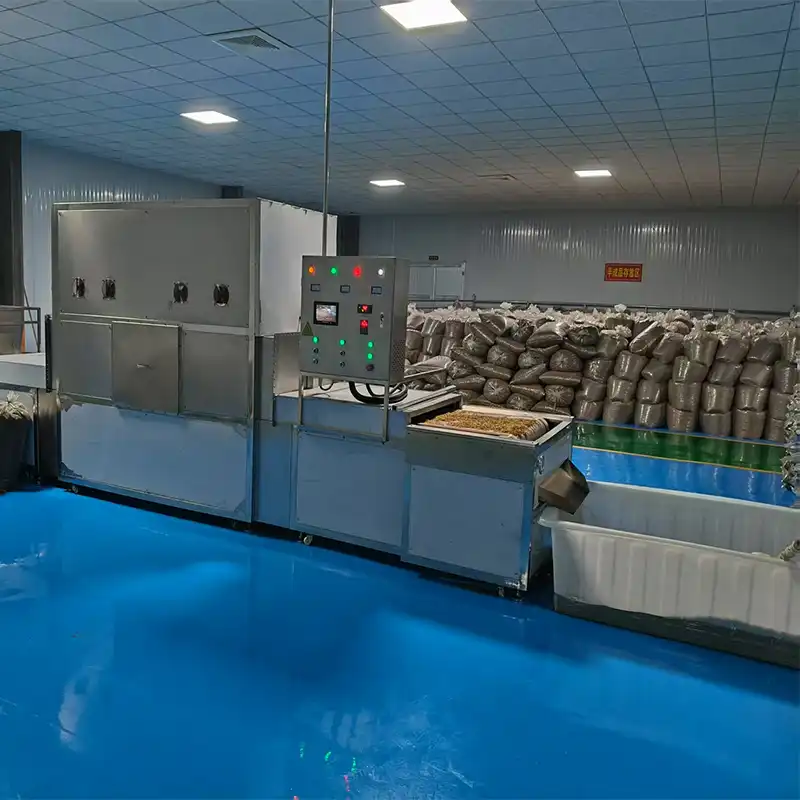
It is still very important to keep an eye on quality. Good mealworm suppliers clean their goods by freeze-drying or controlled heat treatment, which lowers the chance of getting a bacterial illness. When you buy from a farmer, make sure that their farming records are public and that their goods have been tried by a third party. Stores should teach customers how to store food correctly. Food stays healthy and mold doesn't grow when it's stored in covered packages in cool, dry places. By taking these safety steps, companies and their customers can keep their good names, and dogs can get healthy food.
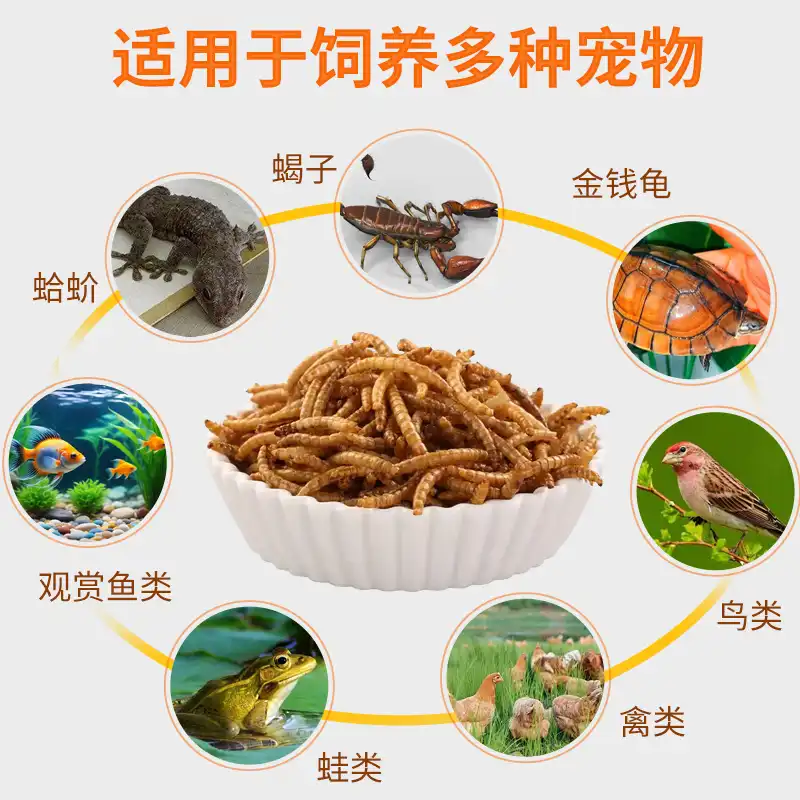
Feeding Mealworms to Parakeets: Best Practices and Guidelines
Preparation Methods and Live vs. Frozen Options
Yellow mealworms can be bought live or freeze-dried at pet shops and online. This way, businesses can meet the needs of all types of customers. People who care for birds and want to give them more natural food sources like live larvae. For instance, parakeets naturally hunt bugs that are moving, which keeps their bodies and thoughts busy. To slow down their metabolism, these worms need to stay cool. They can last up to three weeks if you store them right. Every day, stores should teach their customers how to take care of their plants. Like, they should give fresh vegetables to bugs first, then to birds, to make sure the plants stay healthy all the way up the food chain.
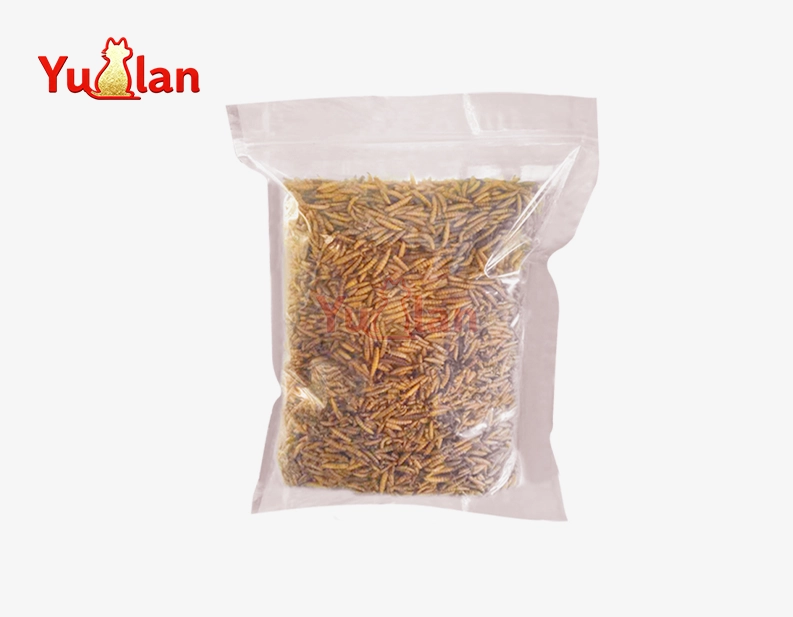
For pet owners and businesses that are always on the go, freeze-dried mealworms are easier to use. When you dry food, you concentrate the nutrients and get rid of the water that makes food go bad. These goods can stay useful for months if they are kept away from moisture, which makes it easier for sellers and wholesalers to keep their stock on hand. Some places that train birds and clean birds like dried foods because they are easier to prepare for a lot of birds at once. If you put dried mealworms in warm water for ten minutes, they will get their shape back and taste better, but many parakeets like them crunchy.
Recommended Feeding Frequencies and Portion Sizes
Vets say that parakeets should only get two or three mealworms as treats every two or three weeks. This careful method keeps people from not getting enough nutrients and gives them extra protein benefits. During times of molting, when feathers need more amino acids to grow back, caretakers may increase the frequency to every other day. Even so, they will keep an eye on the bird's health and droppings to see if there are any signs of stomach problems. To help lay eggs and raise chicks, breeding pairs need a little more food (3–4 worms per bird, three times a week). But this shouldn't be their only source of food; it should go with their seed and vegetable diet.
When birds are underweight or just getting better, pet stores that help them may make special food plans for them that include mealworms every day for a short time. Therapists need to be in charge of these plans so that the right balance of calorie density and other food components can be found. When shops offer feeding tips, they give customers the information they need to make smart decisions. This makes customers happier and reduces the number of returns. The package has labels that are easy to read and show the right serving size for each type of bird. This keeps people from giving birds too much by accident, which could be bad for their health and hurt brand trust.
Integrating Mealworms into Balanced Parakeet Diets
Yellow mealworms function best as accent nutrition when added to a wide range of foods to improve their nutritional content. The best food for parakeets is a mix of different kinds of seeds, fresh vegetables like bell peppers, carrots, and leafy greens, fruits, and protein sources every once in a while. The amount of treats a bug eats each week should be between 5 and 8 percent. Fruits, seeds, and nuts should make up the rest. Putting things in this way keeps the right amounts of macronutrients and adds variety so that people don't get bored with their food.
Animal care businesses that work with breeders, rescue groups, and specialty bird cafes can make thorough food plans that take weather changes into account. In the spring, when animals are growing, they need more energy. In the winter, they may need more fat to keep their bodies warm. Mealworm supplements are a great way to meet these cycle needs because they are flexible diet tools. In order to stand out in a crowded market, suppliers who offer training tools along with their goods build trusting, long-term relationships with their customers.
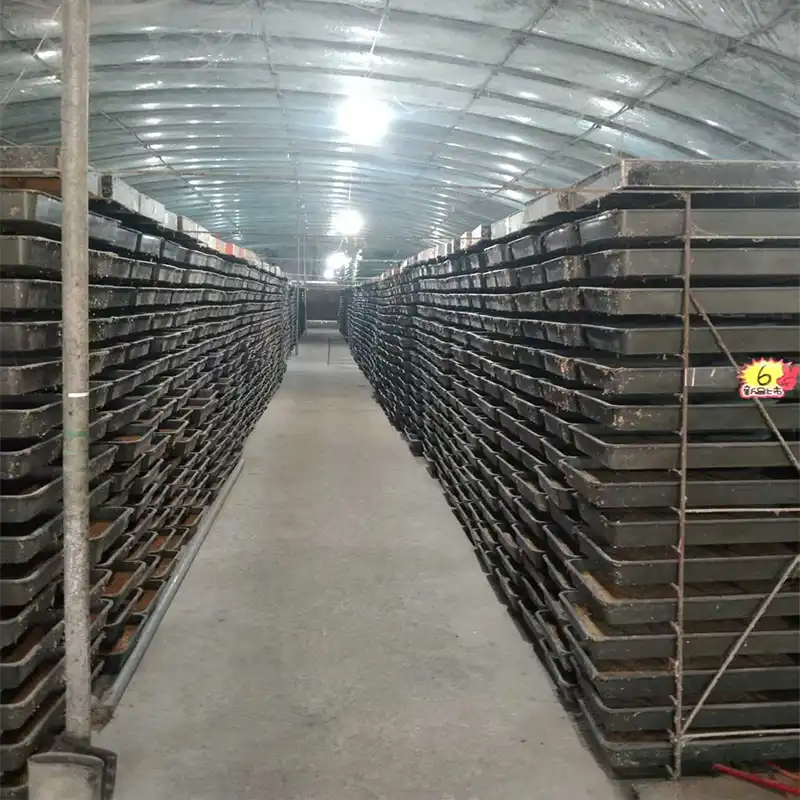
Brand Trust and Supplier Evaluation: Finding the Best Mealworm Partners
Identifying Top-Performing Mealworm Suppliers
A possible mealworms partner's reputation in the business is a good place to start when looking for one. A supplier that has been in business for five years or more has proven that their operations are stable and that they have perfected their ways of making things. Being a part of a professional group like the North American Coalition for Insect Agriculture shows that you care about your peers and want to keep the standards in your area. The product does work, as shown by customer reviews from well-known pet shops, medical networks, or breeding groups, not just what the company says it does.
Still, it's smart to try out samples first before making big sales. Order small amounts from three to four different sources and make sure the larvae's size stays the same, the smell is good (new mealworms don't smell bad), and the packaging is strong. Set up casual taste tests with test birds to see how many of them will eat the food. Keep track of how quickly your packages come and how helpful the customer service is when you first call. With these practical measures, you can guess how long-term both people will be happy in the relationship. Buyers and sellers who talk to each other ahead of time about crop conditions, price changes, or new product ideas show that they want to work together rather than just make deals. This helps friends and family stay close even when the market is unstable.
Analyzing Customer Feedback and Industry Ratings
Digital platforms let buyers leave reviews and tell sellers useful details about how they're doing. Listen to feedback that has themes that come up over and over again. People who keep saying nice things about how fresh the food is or how many maggots are dying can show trends that are hard to see in a single story. It's easier to compare goods when they have full scores for quality, delivery efficiency, and customer service from third-party review systems that can be found in business-to-business markets or industry directories.
A direct way to get honest feedback on relationship situations is to ask sellers for examples from present clients. How are problems fixed? Is the product the same from order to order? How open is the company when there are supply issues? Companies that work with specific groups of people, like animal rehabilitation centers and rare bird preserves, should look for sources who have experience with those groups. So, the providers will have a better idea of what those markets need and how to keep them safe. By meeting other businesses at trade shows and online, you can set up informal lines of communication that can tell you more about a seller than just the marketing materials they make.
Sustainability and Ethical Sourcing Commitments
Modern pet industry consumers increasingly prioritize environmental responsibility, expecting retailers to partner with suppliers who do the same. On the best mealworm farms, food waste is turned into food for insects, and then the insects' waste is turned into organic soil. This closes the nutritional loop. Carbon footprints are smaller when green energy like solar cells and biogas from organic waste is used. This helps bigger suppliers meet their ESG (Environmental, Social, and Governance) reporting requirements.
As with animal farming, standards for taking care of insects also apply, though rules are still being worked out. Ethical sellers make sure that the number of colonies is just right so that animals don't die from stress, don't use poisons that aren't needed, and treat animals well while they are being processed. Being able to track feed ingredients all the way through to finished packaging helps customers believe brands and makes them stand out in markets with lots of other brands. When stores use these stories about sustainability in their ads, they get people who care about the world and are willing to pay more. This means that spending money on ethical sources gives you an edge over other companies. When a business works with providers who promise to keep improving sustainability measures, it can be a leader in its field instead of just following what the market does.
Conclusion
If you do it right, giving parakeets yellow mealworms with their food can be very good for them nutritionally. The amino acids, vitamins, and minerals in these protein-rich bugs help pet birds molt, breed, and stay healthy in general. Fair feeding practices—mealworms should be used as supplemental food, not as the main source of nutrition—and careful provider selection based on quality, stability, and ethical production standards are required for integration to be successful. When they buy things for pet shops, online stores, veterinary clinics, and specialty bird facilities, companies have to make tough decisions about how fresh the goods are, how much they cost, and how easy they are to move. Working with reputable mealworm suppliers and showing customers how to feed their birds the right way can help businesses become trusted experts in the growing market for bird food.
Partner with Yunlan for Premium Mealworm Solutions
We can help your business by giving you high-quality yellow mealworms that are made for parakeets and other pet birds. This is because we know a lot about avian nutrition supply lines. You can get approved organic and normal insect protein from us. As a reliable mealworm supplier, Ruixin Cloud Wave Group has the advanced production skills to back up our claims. In more than 60 countries around the world, pet shops, online sellers, medical offices, grooming centers, and wholesalers use our large selection of goods. Because we have been handling the supply chain for more than 20 years, have patented processing technologies, and have spent more than 100 million yuan on focused research and development, we can promise consistent goods that protect your brand's look. Talk to our team at minghuixu6717@gmail.com about how to buy in bulk, different ways to package your food, and cheap trade prices that will help you compete in the growing market for bird food.
FAQs
How many mealworms should I feed my parakeet weekly?
Nutritionists who work with vets say that each bird should get two to three mealworms every week. They get more protein this way, and their diet doesn't become too heavy on seeds and veggies. When the animal is molting, you may temporarily change the schedule to every other day. If you see fat around your bird's middle, it means it's been fed too much.
Can baby parakeets eat mealworms safely?
When they are 8 to 10 weeks old, when they have been weaned and can eat on their own, young parakeets can eat small mealworms. To see how well they do, only one larva should be put in at first. For now, chicks that are still being fed by their parents shouldn't get protein from bugs because the adults know how much to feed the young birds.
Are dried mealworms as nutritious as live ones?
The nutritional worth of freeze-dried mealworms is about 90–95% of what it is when they are alive. When something is dried, the water is taken away and the nutrients and protein are reduced. Some water-soluble B vitamins may go down a little, but the main trends of amino acids don't change. If you rehydrate dried mealworms, they get their structure back without losing much of their nutritional value.
Do mealworms help with feather quality?
There is a lot of protein and amino acids in mealworms, which helps make keratin. Keratin is the main protein that makes feathers strong. Giving vitamins on a regular basis during molting times can make feathers shiner and lower feather stress bars. When eaten with enough vitamin A-rich vegetables, mealworms help feathers stay healthy.
References
- Smith, J.R., & Thompson, K.L. (2022). Nutritional Requirements of Companion Parakeets: A Comprehensive Guide. Avian Health Press.
- Martinez, P.D., Chen, W., & Kowalski, A. (2021). "Protein Digestibility of Insect-Based Feeds in Psittacine Species." Journal of Avian Medicine and Surgery, 35(4), 287-301.
- Anderson, M.E. (2023). Sustainable Insect Farming: Production Practices and Quality Standards. Agricultural Innovation Publishers.
- Roberts, L.K., & Yamamoto, T. (2020). "Comparative Analysis of Insect Proteins for Captive Bird Nutrition." International Journal of Poultry Science, 19(8), 412-428.
- Wilson, C.H., Singh, R., & O'Connor, B. (2022). B2B Procurement Strategies in the Pet Feed Industry. Commerce and Supply Chain Institute.
- Harper, S.J., & Lindstrom, E. (2021). "Mealworm Supplementation Effects on Feather Quality During Avian Molt." Veterinary Nutrition Quarterly, 28(2), 156-169.