- English
- French
- German
- Portuguese
- Spanish
- Russian
- Japanese
- Korean
- Arabic
- Irish
- Greek
- Turkish
- Italian
- Danish
- Romanian
- Indonesian
- Czech
- Afrikaans
- Swedish
- Polish
- Basque
- Catalan
- Esperanto
- Hindi
- Lao
- Albanian
- Amharic
- Armenian
- Azerbaijani
- Belarusian
- Bengali
- Bosnian
- Bulgarian
- Cebuano
- Chichewa
- Corsican
- Croatian
- Dutch
- Estonian
- Filipino
- Finnish
- Frisian
- Galician
- Georgian
- Gujarati
- Haitian
- Hausa
- Hawaiian
- Hebrew
- Hmong
- Hungarian
- Icelandic
- Igbo
- Javanese
- Kannada
- Kazakh
- Khmer
- Kurdish
- Kyrgyz
- Latin
- Latvian
- Lithuanian
- Luxembou..
- Macedonian
- Malagasy
- Malay
- Malayalam
- Maltese
- Maori
- Marathi
- Mongolian
- Burmese
- Nepali
- Norwegian
- Pashto
- Persian
- Punjabi
- Serbian
- Sesotho
- Sinhala
- Slovak
- Slovenian
- Somali
- Samoan
- Scots Gaelic
- Shona
- Sindhi
- Sundanese
- Swahili
- Tajik
- Tamil
- Telugu
- Thai
- Ukrainian
- Urdu
- Uzbek
- Vietnamese
- Welsh
- Xhosa
- Yiddish
- Yoruba
- Zulu
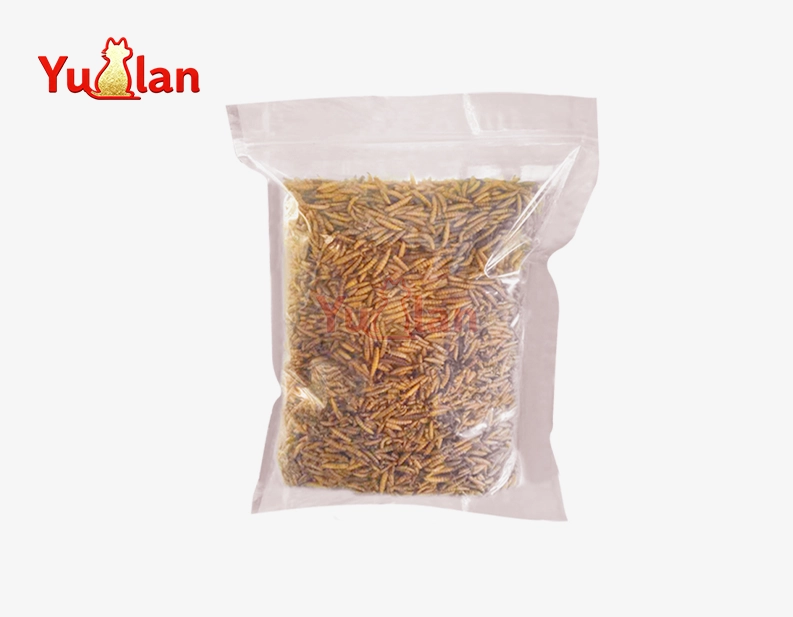
Ducks readily accept and enjoy darkling beetle larvae as a high-protein feed supplement. Every common commercial duck breed can safely consume this insect feed, and mealworms have long been recognized as a premium sustainable feed option for waterfowl farming. This guide breaks down its nutritional value, standardized feeding practices, bulk purchasing guidelines for waterfowl farms, and reliable supplier support for B2B farm buyers.
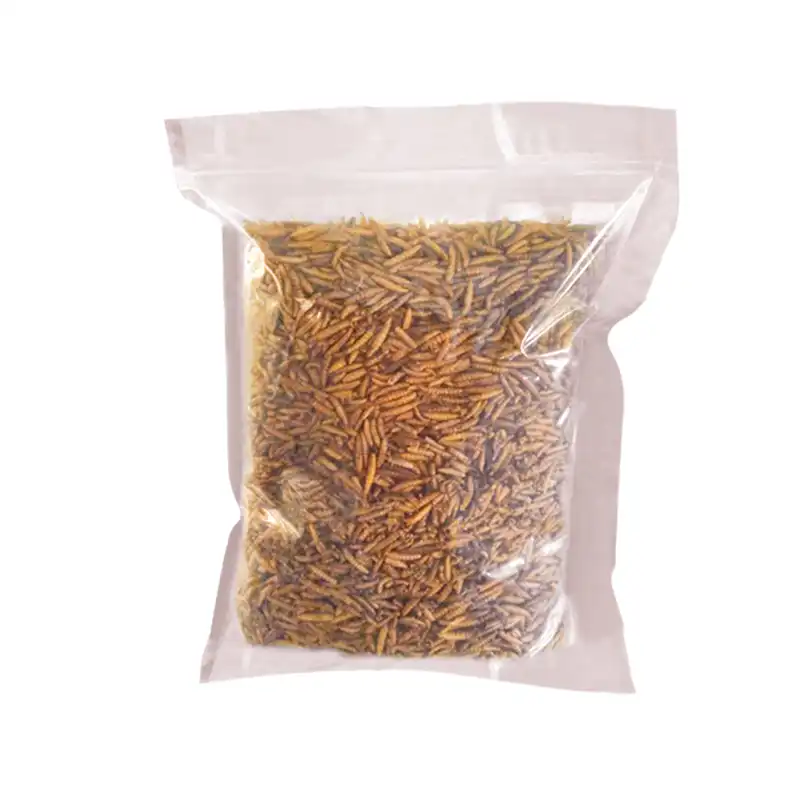
Nutritional Value & Biological Traits of Insect Larvae for Ducks
Darkling beetle larvae stand out against traditional grain feeds for duck rearing. Below we cover nutrient profiles, growth cycles, and unique feeding benefits suitable for all duck varieties, focusing on why mealworms outperform conventional feed ingredients for duck growth and health.
Nutritional Composition Matching Duck Growth Requirements
This insect feed carries balanced nutrients missing from ordinary duck rations, and high-quality mealworms deliver a premium nutrient blend tailored for waterfowl breeding. Its dry matter holds 52% to 58% protein alongside 35% to 38% fat. Such high protein content far exceeds corn, wheat and other plant-based grains.
The protein inside these larvae delivers complete essential amino acids. Lysine and methionine rank as two critical building blocks for duck development. Plant feed rarely supplies sufficient levels of these two nutrients for fast-growing young ducks and mature laying breeds.
Beyond protein and fat, the larvae contain calcium, phosphorus and iron. These minerals strengthen duck bone structure and stabilize daily egg output. Rich B-complex vitamins inside also boost digestive efficiency for all waterfowl. During cold winter months, concentrated fat reserves from this insect feed help ducks retain stable body heat.
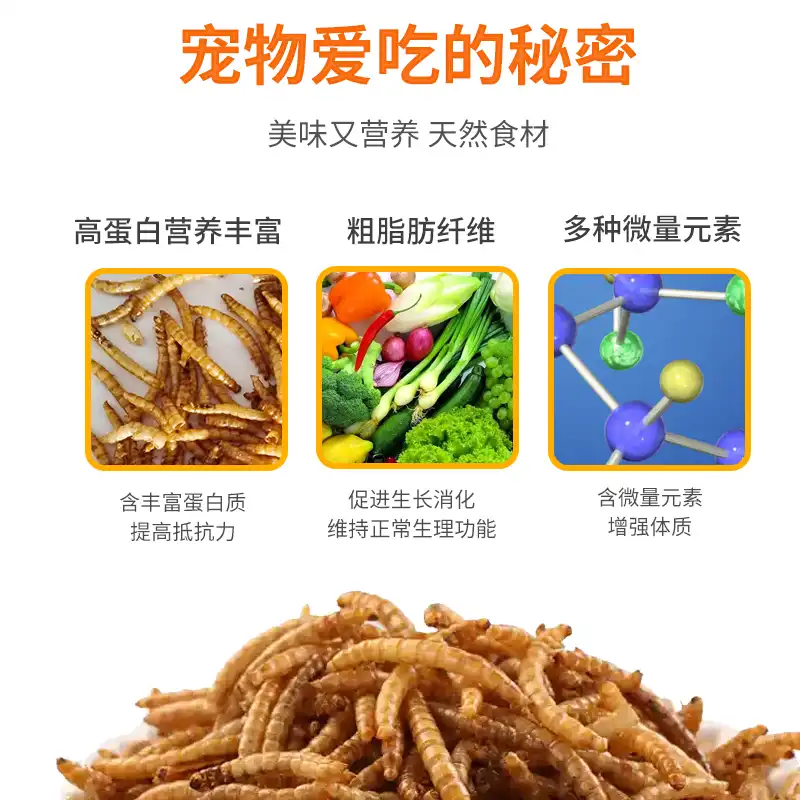
Multiple farm trials confirm regular use of the insect additive improves feed conversion ratios. Ducks fed with this supplement require less total daily feed to hit target slaughter weights. The ingredient also strengthens natural immunity and lowers overall farm disease risks.
Larvae Lifecycle & Size Matching for Different Duck Growth Stages
A full growth cycle for darkling beetle larvae lasts roughly three months. The complete development chain spans egg, larva, pupa and fully mature beetle phases, and the growth stage directly determines the practical value of mealworms for different age groups of ducks.
Small, newly hatched larva specimens work best for one-day-old ducklings. Their tiny size avoids overloading the delicate digestive systems of young birds. Mid-stage growing larvae carry the highest nutrient concentration, making them the top feed choice for fully grown meat ducks and consistent egg-laying flocks.
B2B farm procurement teams can select tailored larva sizes based on their breeding cycles. Matching insect feed specifications to duck ages stabilizes overall feed quality. This simple adjustment also cuts down wasted feed across full production seasons.
Unique Nutritional Advantages of Insect Larvae for Waterfowl
Most standard farm rations rely solely on soybeans and grains for protein intake, while mealworms fill the nutritional gaps of plant-based feed and bring exclusive benefits for waterfowl health and production. Adding beetle larvae introduces concentrated animal-sourced nutrition to balance daily duck meals.
This insect feed delivers dual financial benefits to duck farms. For meat-focused operations, it accelerates daily weight gain across flocks. For layer farms, it lifts total egg production volume. The natural savory taste of the larvae also boosts feeding enthusiasm among all duck varieties each day.
Compared to purely plant-based feed, regular insect supplementation reduces veterinary expenses on duck farms. Flocks consuming this additive show far lower infection rates. Even with slightly higher upfront raw material costs, farms achieve stronger overall breeding profitability.
Nutrient profiles and biological traits confirm beetle larvae serve as a valuable feed additive for duck operations. Understanding core nutritional benefits alone is not enough. Farm managers need clear, actionable feeding protocols to safely integrate this insect feed into daily breeding workflows.
Practical Feeding Protocols to Integrate Insect Larvae Into Duck Diets
Using darkling beetle larvae in duck feed requires controlled portion sizes, standardized feeding workflows and strict safety rules. Real-world farm trial data further verifies the measurable economic gains of adding mealworms to conventional duck rations for commercial farming.
Recommended Daily Portions of Insect Feed for Ducklings and Mature Ducks
The percentage of insect larvae within duck feed shifts based on bird age and production targets, and scientific dosage control maximizes the cost-performance of mealworms for different duck flocks. Clear portion standards simplify consistent daily farm operation.
For ducklings within their first four weeks of life, serve 5 to 8 grams of dried larvae per bird each day. Young duck digestive tracts cannot process excessive high-protein insect feed. Limited daily portions prevent indigestion and slowed early growth.
For healthy adult ducks in regular production cycles, insect larvae should make up 10% to 15% of total daily feed volume. Each mature bird consumes 12 to 18 grams of dried beetle larvae per day.
Adjust insect feed portions upward during key high-energy life phases. When ducks molt or enter peak egg-laying seasons, raise the insect additive to 20% of daily feed. Extra protein from the larvae replenishes nutrients lost during these physically taxing periods.
All farms should run small-scale group trials with varying insect feed ratios first. Trial results help lock in the most cost-effective portion of beetle larvae for local duck breeds and climate conditions.
Safe Feeding Techniques & Daily Operating Rules for Insect Larvae
Standardized feeding methods eliminate feeding risks and ensure ducks fully absorb the nutrition from mealworms in daily breeding management. Two primary feeding styles work well for farms using beetle larvae: scatter feeding and tray feeding.
Scatter distribution fits free-range and semi-enclosed duck facilities. It replicates ducks’ natural wild foraging behavior of hunting small insect prey across open ground. Tray feeding suits high-density enclosed duck barns. Feeding trays keep the insect feed clean and uncontaminated. Farm staff can quickly track consumption levels and adjust daily portions as needed.
Farms must follow a slow transition rule when first introducing beetle larvae to flocks. Gradually mix the insect supplement into standard feed over 5 to 7 days. Slow integration allows duck digestive systems to adapt to the high-protein insect feed incrementally.
Unlimited clean drinking water must always sit beside feeding stations where ducks eat beetle larvae. The dense protein content of the insect feed creates heavy digestive strain, and consistent water access prevents dehydration and internal organ damage.
Clear away any uneaten insect feed within two hours during hot weather. Leftover larvae rapidly breed harmful bacteria in warm temperatures. Timely removal of unused feed avoids intestinal illness outbreaks linked to spoiled insect material.
Real-World Farm Production Results With Insect Larvae Supplementation
Field breeding data fully proves the practical economic value of applying mealworms in large-scale commercial duck farming. A mid-sized Pekin duck farm in the American Midwest completed a 42-day controlled feeding trial. The test flock’s daily ration contained 12% dried beetle larvae, while the control group received traditional soybean-based feed with zero insect additives.
Trial data shows measurable gaps between the two flocks. Ducks consuming the insect supplement achieved 6.3% higher daily weight gain. Overall feed conversion efficiency improved by 4.8%. Duck disease cases dropped by one-third, drastically cutting farm veterinary overhead.
After calculating all input and output costs, each duck within the insect-fed group saved 18 cents in total comprehensive breeding expenses. The slightly higher raw material cost for beetle larvae gets fully offset by faster growth rates and lower flock mortality.
Identical trials run on dedicated layer duck farms delivered steady positive outcomes. Feed blended with 10% to 12% dried insect larvae increased total egg production by 7% to 9%. This insect additive directly improves the two core profit drivers of duck farms: meat yield and egg output volume.
Standardized feeding workflows unlock the full value of beetle larvae on duck farms. Large-scale year-round duck production demands steady, reliable long-term supplies of this insect feed. The following section covers complete B2B purchasing, logistics and bulk storage guidance for dried and live beetle larvae.
Bulk Sourcing, Storage Guidelines & Trusted B2B Supply of Beetle Larvae
Large duck farms and feed distributors require consistent, cost-effective supply chains for this insect feed. Stable procurement of high-quality mealworms is the key to maintaining long-term stable duck breeding benefits. This chapter outlines supplier screening benchmarks, volume pricing structures, cold-chain logistics controls, bulk storage best practices and professional manufacturer partnership channels.
Core Standards to Vet Qualified Insect Larvae Manufacturers
Strict supplier screening ensures farms obtain pure, safe and nutrient-stable mealworms for long-term duck feeding. Farms must establish strict evaluation criteria before signing long-term supply contracts for beetle larvae. Official global safety certifications act as the primary benchmark for judging reliable insect feed producers.
Reputable manufacturers hold valid ISO 22000 food safety management certification and fully implemented HACCP hazard control frameworks. These two credentials confirm larvae grow within sterile, chemical-free breeding facilities.
All suppliers must provide complete batch testing reports for every shipment of insect feed. Test documentation must list protein concentration, moisture levels and microbial safety metrics for each larva batch.

Sustained mass production capacity represents another non-negotiable requirement. Partner factories must consistently fulfill large recurring orders without supply interruptions. Gaps in beetle larvae delivery schedules halt all daily duck feeding operations entirely.
Volume Pricing, Logistics & Freshness Controls for Bulk Insect Feed
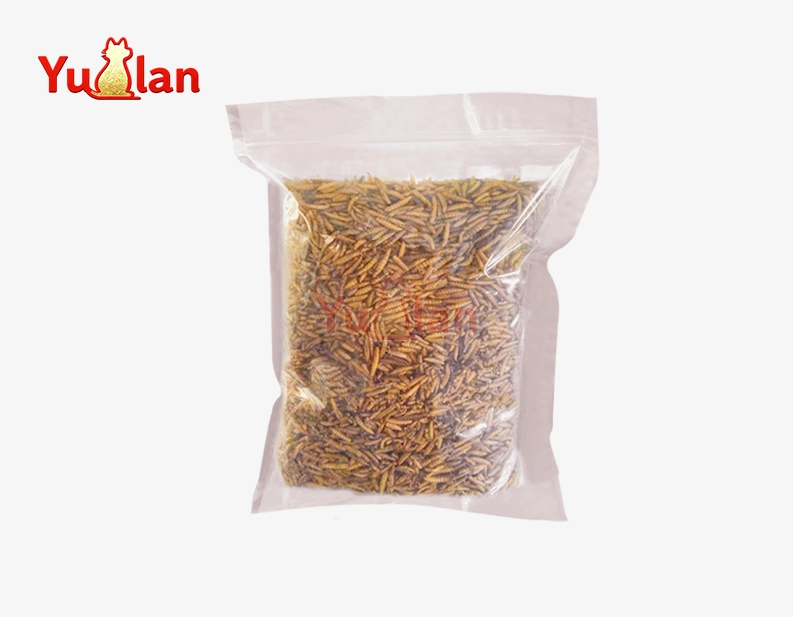
Reasonable bulk purchasing strategies help farms reduce comprehensive costs while ensuring the freshness and activity of batch-ordered mealworms. Dried beetle larvae follow clear tiered volume pricing rules. Orders exceeding 500 kilograms cost 8 to 15 US dollars per kilogram, with deeper per-unit discounts applied to larger bulk shipments.
Live larva stock carries a lower base raw material price. However, live specimens require expedited refrigerated shipping, which pushes total overall logistics expenses higher. Annual fixed-price supply contracts lock in stable rates for insect feed all year. Long-term agreements shield duck farms from unpredictable price swings within the global insect protein market.
Dried larva shipments tolerate standard ambient logistics and retain stable nutrient content over multi-day transit windows. Live larvae demand constant refrigeration between 45–55°F during delivery. Cool temperatures slow metabolic activity and extend the live specimens’ survival window.
Top-tier insect feed producers partner with dedicated cold-chain transport fleets. This infrastructure guarantees live larvae arrive active and undamaged upon delivery. Farms should secure secondary backup suppliers to avoid production halts caused by delayed larva shipments.
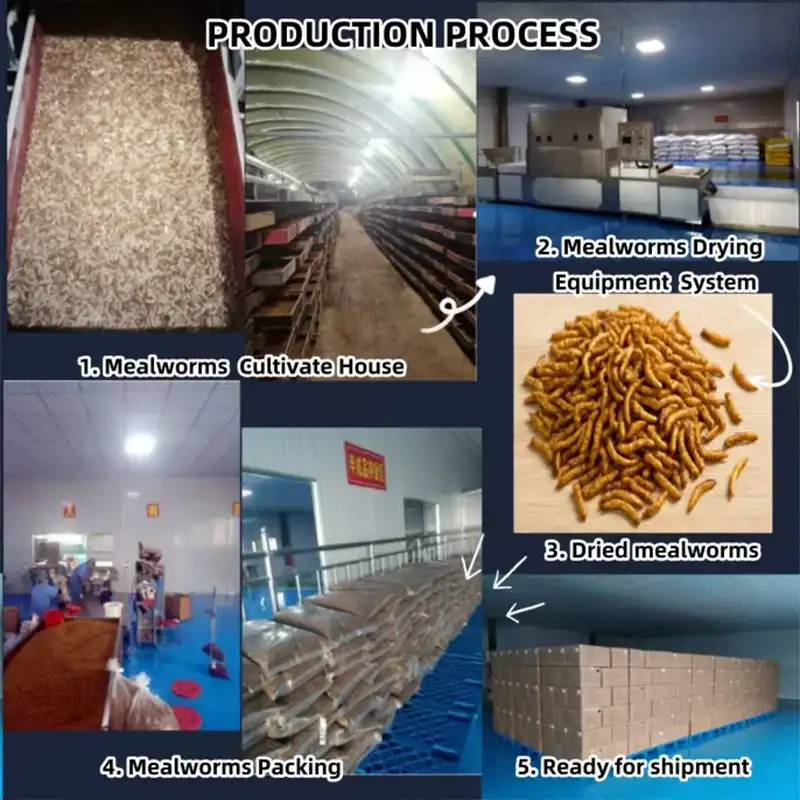
Scientific Bulk Storage Practices to Preserve Larvae Nutrient Content
Scientific storage methods can effectively lock in the nutrition of mealworms and avoid mass spoilage during bulk inventory management. Dried and live beetle larvae require entirely separate storage environments. Improper storage conditions degrade the nutritional value of the insect feed and create significant financial losses for large bulk buyers.
Store bulk dried larvae within climate-controlled warehouse spaces. Maintain internal temperatures between 60°F and 70°F, with relative humidity held below 60%. Sealed, light-proof containers prevent dried larvae from absorbing ambient moisture and developing mildew.
Warehouse teams must follow the FIFO (first-in, first-out) stock rotation rule for all dried insect feed inventory. This protocol ensures all stored larvae get utilized before gradual nutrient breakdown occurs. Properly stored dried beetle larvae retain full nutritional value for 12 to 15 months.
Live larvae require well-ventilated plastic tubs lined with thin bedding material. Fresh vegetable matter added to tubs maintains stable humidity for living specimens. Farm staff inspect all tubs daily to promptly remove any deceased larvae.
Uniform, standardized storage practices preserve consistent insect feed quality across full farm feeding cycles, fully protecting large-scale bulk procurement investments.
FAQ
Are darkling beetle larvae safe for all commercial duck varieties?
All mainstream commercial duck breeds can safely digest and absorb nutrients from mealworms without adverse reactions. Yellow beetle larvae create no breed-specific health risks for ducks. Every mainstream commercial duck breed can safely consume this insect feed without adverse side effects. Suitable varieties include Pekin, Muscovy, Rouen and Khaki Campbell ducks.
The insect supplement works equally well for meat-production flocks and dedicated egg-laying ducks. Regardless of breed, all farms should introduce the larvae slowly over several days to let duck digestive systems acclimate.
How does the nutrition of beetle larvae compare to traditional fish meal?
In terms of core feeding value for ducks, mealworms show comparable or even better comprehensive performance than traditional fish meal. The protein concentration within dried beetle larvae hits 50% to 52%, matching standard livestock-grade fish meal protein levels. Larvae contain higher fat ratios that deliver concentrated extra energy reserves to duck flocks.
The insect feed also delivers superior palatability compared to fish meal. When farms replace 5% to 7% of fish meal with beetle larvae, duck daily growth rates remain unchanged, while finished duck meat develops a cleaner, more desirable natural flavor profile.
What storage environment maximizes dried larva shelf life?
A controlled storage environment is essential to lock the nutrition and extend the shelf life of dried mealworms for long-term farm inventory. Regulate warehouse temperatures between 60°F and 70°F, and maintain relative humidity under 60%. House all dried insect feed inside fully sealed, light-blocking storage containers.
Avoid direct sunlight exposure and damp warehouse corners entirely. Both conditions speed up oxidation and mildew formation within dried larvae. When following standardized storage rules, dried beetle larvae retain stable nutritional quality for 12 to 15 months total.
Conclusion
Darkling beetle larvae serve as a sustainable, high-efficiency protein supplement for small, medium and large-scale duck farms. Controlled, regular use of this insect feed simultaneously accelerates duck growth rates, strengthens flock disease resistance and improves overall feed utilization efficiency. As a natural high-protein feed source, mealworms perfectly fit the healthy and efficient breeding needs of modern commercial duck farming.
B2B farm operators secure long-term consistent profitability by partnering with fully certified insect feed manufacturers. Farms can choose between bulk pre-processed larvae shipments or constructing independent on-site insect breeding facilities based on their operational scale, available budget and end-to-end supply chain management targets.
Global market demand for insect-derived livestock feed expands annually. Mastering standardized feeding protocols for beetle larvae will create lasting competitive advantages for duck farm businesses across international agricultural markets. Early adopters of this sustainable protein source will capture greater long-term breeding returns.
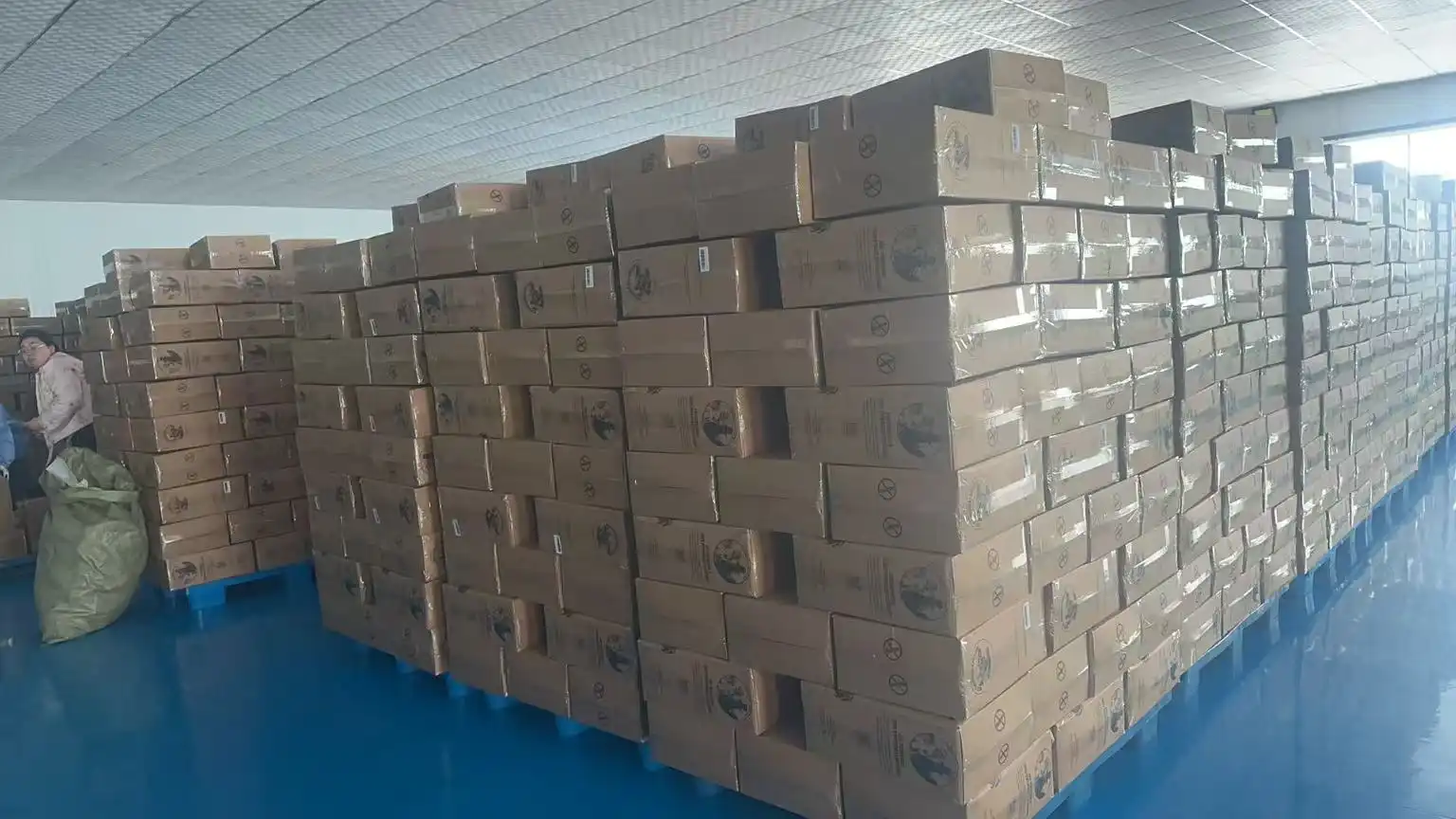
Professional Insect Feed Manufacturer Partnership
Choosing a professional and experienced supplier is the best way for B2B buyers to obtain high-quality, cost-effective mealworms for duck farming. Partnering with a stable international manufacturer streamlines all bulk insect feed purchasing work for B2B duck farm operators. Yunlan focuses exclusively on industrial insect feed production for livestock and waterfowl facilities worldwide.
The brand carries over 20 years of specialized animal feed industry experience. Its fully developed global supply network ships beetle larvae to more than 60 countries across all continents. Every batch of insect feed from Yunlan passes comprehensive independent safety and nutrition testing.
Yunlan manufactures three distinct forms of the insect supplement to match diverse farm operational demands. Clients may select bulk dried larvae, refrigerated live larva shipments or fully customized blended feed pre-mixes infused with the insect protein source.
The brand’s in-house animal nutrition team designs personalized feeding regimens tailored to each farm’s unique goals. Custom plans maximize breeding profit margins for meat duck operations, layer farms and independent feed distributors alike.
Share your farm scale, primary duck breed type and annual insect feed consumption forecast to minghuixu6717@gmail.com. Our professional team will deliver a fully customized price quotation and complimentary feeding technical guidance within 24 business hours. New bulk buyers may request small trial shipments of the insect supplement to verify flock feeding performance before finalizing formal long-term supply agreements.
Many B2B farm buyers hold recurring common questions around integrating beetle larvae into standard duck feeding routines. Below we compile three of the most frequently raised practical questions from global duck farm operators in a dedicated FAQ section.
References
- National Research Council. (2021). Nutrient Requirements of Poultry: Ninth Revised Edition. National Academies Press.
- Van Huis, A., & Oonincx, D. G. (2020). The environmental sustainability of insects as food and feed: A review. Agronomy for Sustainable Development, 40(3), 1-14.
- Józefiak, D., & Engberg, R. M. (2019). Insect proteins as a potential source of antimicrobial peptides in livestock production. Journal of Animal Science and Biotechnology, 10(1), 47.
- Makkar, H. P., Tran, G., & Heuzé, V. (2018). State-of-the-art on use of insects as animal feed. Animal Feed Science and Technology, 197, 1-33.
- Rumpold, B. A., & Schlüter, O. K. (2013). Nutritional composition and safety aspects of edible insects. Molecular Nutrition & Food Research, 57(5), 802-823.
- Oonincx, D. G., van Broekhoven, S., & van Huis, A. (2017). Feed conversion, survival and development, and composition of four insect species on diets composed of food by-products. PLOS ONE, 12(2), e0171708.