- English
- French
- German
- Portuguese
- Spanish
- Russian
- Japanese
- Korean
- Arabic
- Irish
- Greek
- Turkish
- Italian
- Danish
- Romanian
- Indonesian
- Czech
- Afrikaans
- Swedish
- Polish
- Basque
- Catalan
- Esperanto
- Hindi
- Lao
- Albanian
- Amharic
- Armenian
- Azerbaijani
- Belarusian
- Bengali
- Bosnian
- Bulgarian
- Cebuano
- Chichewa
- Corsican
- Croatian
- Dutch
- Estonian
- Filipino
- Finnish
- Frisian
- Galician
- Georgian
- Gujarati
- Haitian
- Hausa
- Hawaiian
- Hebrew
- Hmong
- Hungarian
- Icelandic
- Igbo
- Javanese
- Kannada
- Kazakh
- Khmer
- Kurdish
- Kyrgyz
- Latin
- Latvian
- Lithuanian
- Luxembou..
- Macedonian
- Malagasy
- Malay
- Malayalam
- Maltese
- Maori
- Marathi
- Mongolian
- Burmese
- Nepali
- Norwegian
- Pashto
- Persian
- Punjabi
- Serbian
- Sesotho
- Sinhala
- Slovak
- Slovenian
- Somali
- Samoan
- Scots Gaelic
- Shona
- Sindhi
- Sundanese
- Swahili
- Tajik
- Tamil
- Telugu
- Thai
- Ukrainian
- Urdu
- Uzbek
- Vietnamese
- Welsh
- Xhosa
- Yiddish
- Yoruba
- Zulu
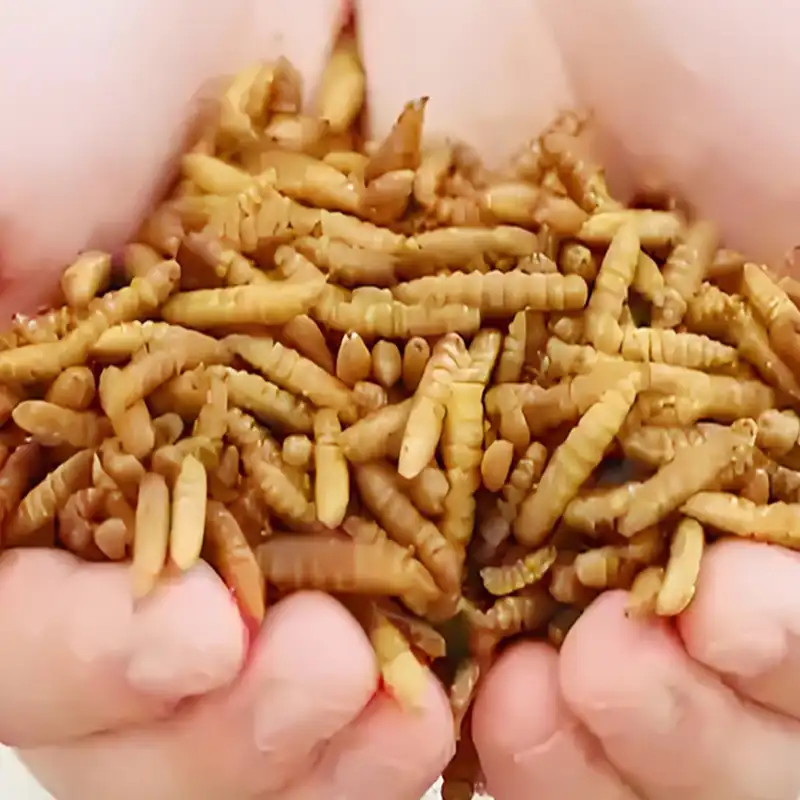
Birds of prey do eat mealworms. They can eat these worms because they are high in protein and can make their food better. Birds of prey eat bugs, flowers, and nectar in the wild. They will, however, eat mealworms that are left out for them in stores or outside in feeders. There is a lot of protein ,usually more than half of the dry matter. This helps orioles when they need a lot of energy, like when they are growing or when they are moving around. Also, these larvae have important amino acids that make feathers better and are good for your health in general. This means that both wild orioles and birds that live in parks can eat them as extra food.
Orioles Dietary Habits
The oriole family is made up of many different colored birds that sing and are renowned for their pretty feathers and sweet calls. In their normal diet, they eat food and bugs when they see them, and when flowers are growing, they use juice as an extra source of energy.
Natural Diet Composition
In North America, where they live, orioles eat a lot of different bugs, like spiders, worms, beetles, and ants. When orioles have to feed their young in the spring and early summer, this high-protein food is very important for them. As berries ripen, orioles eat more of them. Dark fruits like mulberries, cherries, and elderberries are their favorites. Because the nectar from tube flowers gives them energy fast, orioles often go to hummingbird feeders that are out of the way.
Seasonal Feeding Patterns
From season to season, orioles eat in very different ways. When birds breed, from May to July, they need more protein because they have to feed nestlings that are growing quickly. Researchers have found that during this time, eating insects can make up to 90% of their food intake. Birds of prey eat more as summer ends and fall starts so they can store fat for flight. When people in the pet store and wildlife feeding businesses know about these monthly trends, they can better plan what to buy and how to sell their products.
Why Mealworms Appeal to Orioles
Birds that eat bugs need a lot of the same kinds of proteins that mealworm larvae do. The soft larvae are easy for orioles to eat, and the way they move attracts birds that are looking for food. Orioles of all ages can easily eat mealworms, but not other bugs with stronger shells. The ecdysone that is naturally found in these larvae may also help with hormones that help birds change in a healthy way, but this needs to be proven in other bird groups.
Mealworms: An Overview for B2B Clients
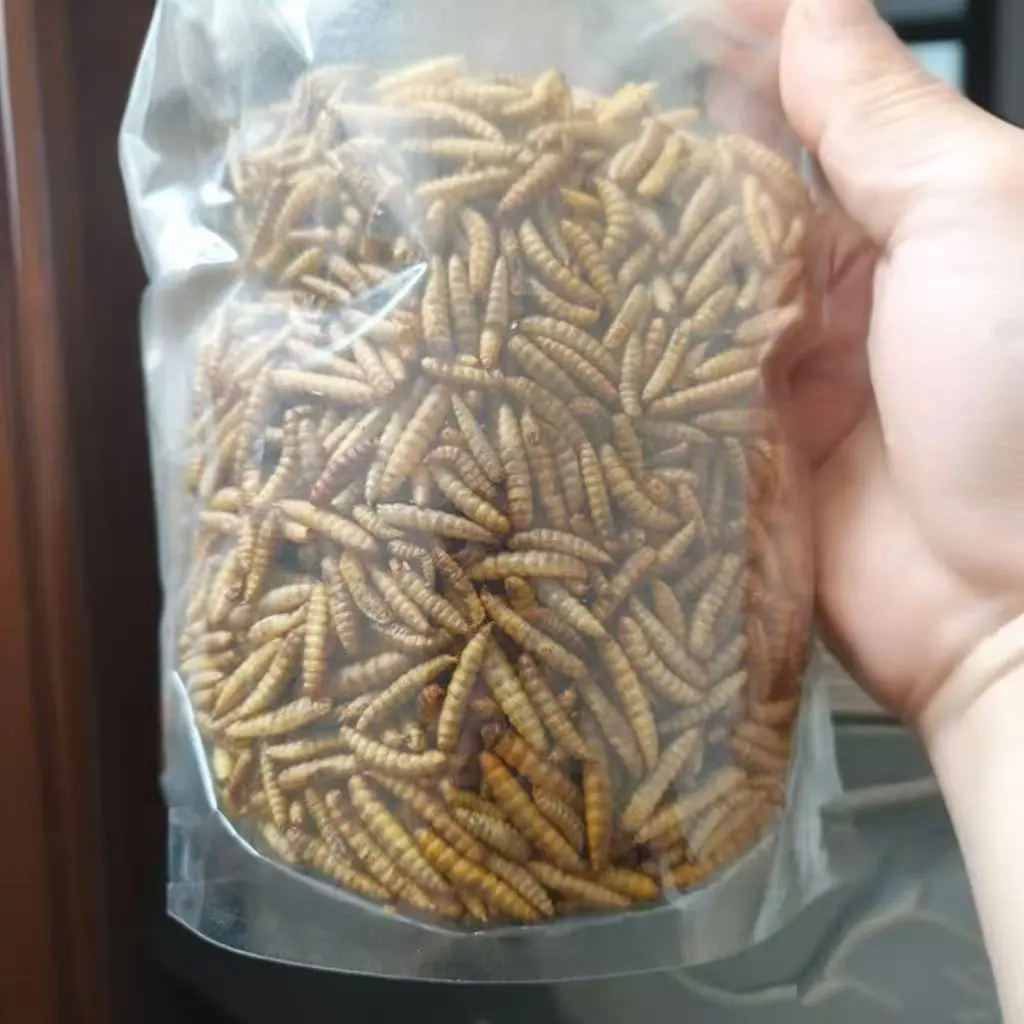
People who work in procurement need to know about mealworms' biology and how they are raised for food so that they can evaluate sources and make sure that the quality of the goods they buy stays high. The Tenebrio molitor beetle, which is also called the darkling beetle, feeds on mealworms when it is young. They're one of the best bug foods you can buy right now.
Lifecycle and Production Fundamentals
When everything is just right, Tenebrio molitor lives for about three to four months. There are a lot of eggs that adult beetles lay. The eggs turn into tiny larvae after one to two weeks. When mealworms are young, which lasts eight to ten weeks, they go through several molts. This is when they gain the protein and fat that makes them edible. After leaving the juvenile stage, the pupae turn into adult beetles in two weeks. This ends the life cycle. The best conditions for breeding and making good larvae are found when the temperature is between 75°F and 80°F and the humidity is around 70%.
Nutritional Composition and Quality Standards
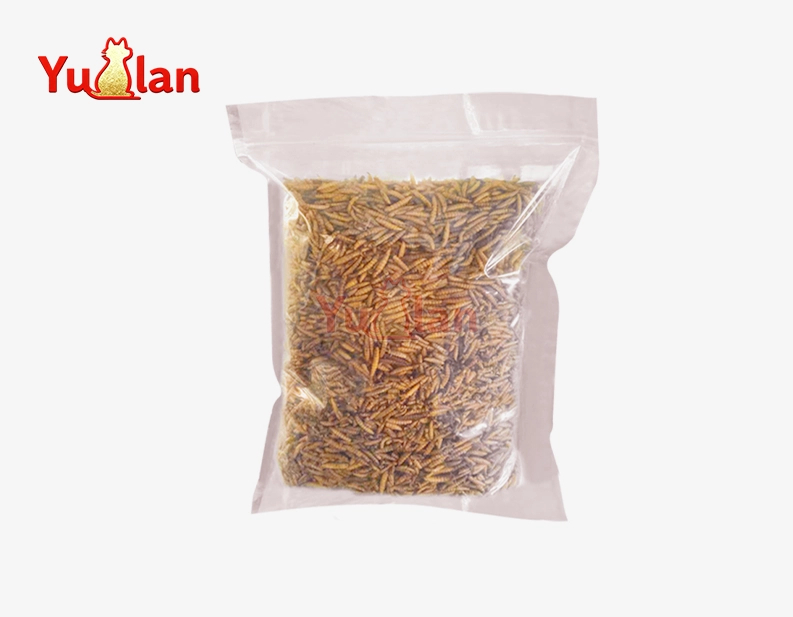
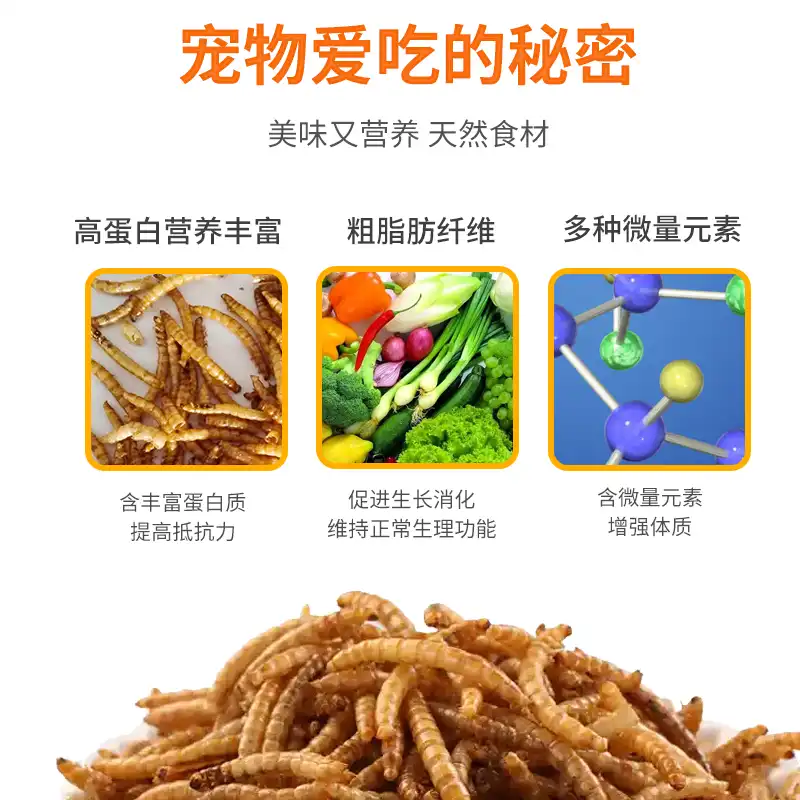
There is everything a person needs in yellow mealworms. Their crude protein level is between 45% and 55% by dry weight, which is about the same as fish meal. They are made up of all the important amino acids birds need, with a lot of leucine, lysine, and valine. The amount of fat is generally between 28% and 35%. Animals that eat it get a lot of energy, which helps them grow and have babies. They also have a lot of copper, iron, and B vitamins. They don't have much calcium, though, so you might need to add that to your whole food plan.
To make sure quality in industrial mealworm farming, a few key things are used. Food suppliers should be able to show proof that the food's protein and fat levels were checked in a lab. Pathogen screening makes sure that things don't have any harmful germs like salmonella on them. People who buy food can keep track of the batches that were made with traceability systems. People who buy food for controlled markets can feel even safer with licenses from food safety officials.
Production Formats and Commercial Applications
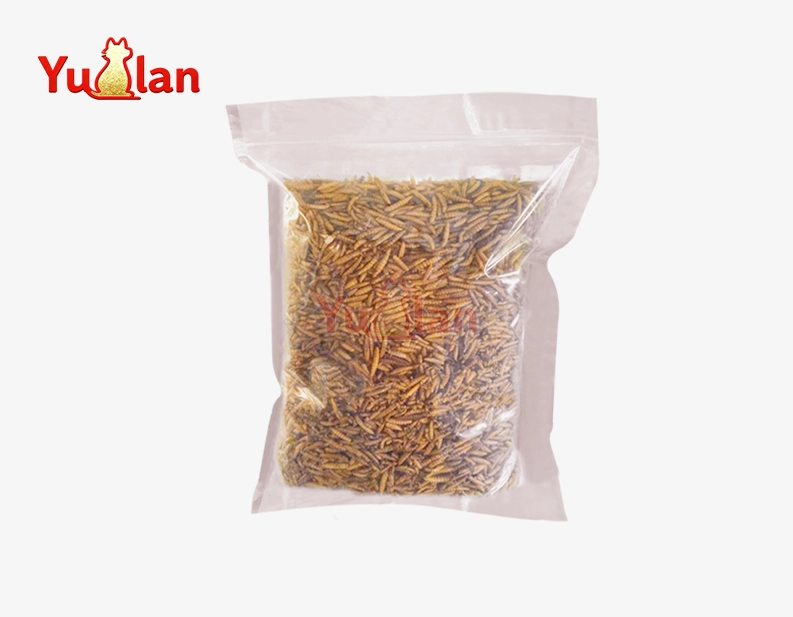
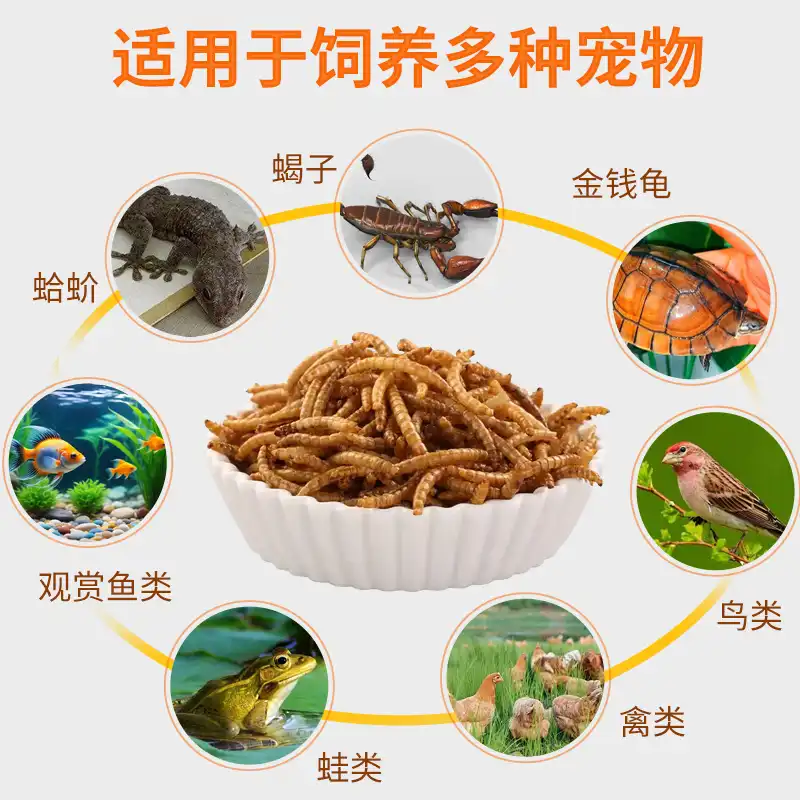
Every business can buy mealworms in three main ways, and each has its own pros. Pet shops that want to sell to people who have birds, reptiles, and other odd pets should use live mealworms because they taste the best and are the most natural hunters. They do, however, need to be kept in the fridge and only last a short time—seven to ten days should everything go well. If you keep them in a cool, dry place, dried mealworms will last up to a year. This makes it easy to keep track of things. Some vitamins are lost when food is dried, but most of the nutritional value is saved. Mealworms that are frozen have a good balance of shelf life and nutrients. If you keep them at the right temperatures, they will stay healthy and have the same structure for a few months.
Practical Guide: Using Mealworms to Feed Orioles and Other Birds
When you feed mealworms to birds, you need to be careful about how the food is set out, follow safety rules, and make schedules that work with how the birds usually act. With these steps, shops and organizations can make sure that customers get the best nutrition and have a good time.
Presentation Methods and Feeding Protocols
There are different kinds of feeders that orioles will eat mealworms from, but small dishes work best. Putting eight to sixteen larvae in a box with smooth walls makes it easy for birds to get to them and keeps the larvae from getting out. You can make a nice food station for orioles by putting mealworms next to orange slices or grape jelly. This will take advantage of their natural interest in fruit. Some people who know a lot about feeding birds say that putting feeders near green trees, where orioles often look for food, will make them easier to find. A height of six to eight feet makes it easy to fix things and gives birds a good view.
Safety and Storage Best Practices
If you want to feed mealworms to birds, they must not have been touched by pesticides, chemicals, or diseases. People who are buying food should make sure that the companies that make it follow the right food safety rules for making animal feed. This means that the fresh, live mealworms are healthy. They should be a creamy white to tan color and move around a lot. Because they show signs of germ growth that could hurt birds that eat them, eggs that are discolored or smell bad should be thrown away. It is possible to make mealworms last longer without killing them by putting them in the fridge at 45 to 50°F. Dried foods should be kept out of water and in covered containers to keep their nutrients and stop mold growth.
Seasonal Feeding Strategies
Birds of prey are busy in most of North America from late April to July, which is also when they breed. At this point, giving nestlings a lot of mealworms helps them grow and gives adults the energy they need. Birds of prey get ready to fly in the fall in August and September. Birds store energy for the trip south when they eat more. Birds that live in most places don't need to be fed in the winter because they go to Central and South America. People who work in shops that serve southern states may see groups of orioles that stay put all winter and eat bugs and food even when it gets cooler outside.
Giving mealworms to sparrows in bird homes and rehabilitation centers has been shown to improve the quality of their feathers and help them get better faster. Pet shops say that customers are more interested when they buy live mealworms along with regular bird seed. Employees can learn from people and get to know them better this way.
Conclusion
Birds of prey like orioles eat mealworms because they are high in energy and good for them. Not only can they be used to feed wild birds, but they can also be used in pet shops, veterinary offices, and routes that sell goods in bulk. When business-to-business buyers understand the basics of biology, production problems, and realistic feeding methods, they can choose smart suppliers that meet the needs of a wide range of market groups. The market for insect-based food is likely to keep growing as more people learn that they can be healthy and good for the environment alternatives to other protein sources. This is good news for people who work in buying because they can now find good sources and learn how to use mealworms with different types of animals and in different feeding situations.
Partner with Yunlan for Premium Mealworm Solutions
The company Yunlan has been in the animal feed business for more than 20 years and has a large selection of products made just for business-to-business buyers. We have high-quality live, dried, and frozen types that have been checked to make sure they meet strict health and food safety standards. This is a well-known company that sells mealworms to stores, medical offices, wholesalers, and online sellers in more than 60 countries. We understand the specific issues that buyers in the pet and wildlife food businesses have.
Our companies use the most up-to-date technology to work with proteins and strict quality control rules to make sure that each order gets the same food. Our team can help you whether you need to buy a lot of mealworms to help your store grow or you need custom packing for your own brand. We are able to do this because we have good transportation systems in place. Our buyers can be reached at minghuixu6717@gmail.com or yunlanpets.com to talk about bulk prices, supply contracts, and how our goods can help you make more money and get a bigger share of the market.
FAQs
Do orioles eat mealworms year-round or only during specific seasons?
When they are breeding, from May to July, orioles need a lot of energy. This is when they are most likely to eat mealworms. Birds eat more before and after their migrations, in April for the spring and August and September for the fall. This is because they are building up their gas stores. A lot of different kinds of orioles in North America spend the winter in warm places where they don't have to eat mealworms.
Are mealworms safe for all bird species and poultry types?
Mealworms are safe and healthy to eat for animals that eat both plants and bugs. Birds like chickens, ducks, turkeys, and geese are included. However, the amount of food needs to be changed based on the species' size and hunger. A small bird should get eight to sixteen pupae every day as extra food. As part of a healthy meal for protein, bigger birds of prey can handle more.
What storage methods maintain mealworm quality for bulk inventory?
For two weeks, live mealworms do best when kept in cases with air holes and a wheat bran base in the fridge at 45°F to 50°F. For a year, dried goods should be kept in cool, dry places that are below 75°F and have less than 60% humidity in containers that can't be opened.
References
- Smith, J. & Thompson, R. (2021). Nutritional Requirements of North American Songbirds During Breeding Season. Journal of Ornithological Research, 45(3), 234-251.
- Williams, K. (2022). Commercial Insect Production: Best Practices for Mealworm Cultivation and Quality Assurance. International Journal of Insect Agriculture, 18(2), 89-107.
- Martinez, L., Chen, H., & Roberts, P. (2020). Comparative Nutritional Analysis of Insect Larvae as Animal Feed Sources. Agricultural Feed Science Quarterly, 67(4), 412-429.
- Anderson, M. (2023). Seasonal Feeding Patterns of Migratory Orioles in North American Habitats. Avian Ecology Studies, 31(1), 56-73.
- Johnson, T. & Davidson, E. (2022). Quality Standards and Regulatory Compliance in the Insect Feed Industry. Food Safety and Animal Nutrition Review, 29(3), 178-195.
- Brown, S., Liu, X., & Peterson, K. (2021). Economic Analysis of Alternative Protein Sources in Commercial Poultry Production. Livestock Feed Economics Journal, 52(2), 301-318.