- English
- French
- German
- Portuguese
- Spanish
- Russian
- Japanese
- Korean
- Arabic
- Irish
- Greek
- Turkish
- Italian
- Danish
- Romanian
- Indonesian
- Czech
- Afrikaans
- Swedish
- Polish
- Basque
- Catalan
- Esperanto
- Hindi
- Lao
- Albanian
- Amharic
- Armenian
- Azerbaijani
- Belarusian
- Bengali
- Bosnian
- Bulgarian
- Cebuano
- Chichewa
- Corsican
- Croatian
- Dutch
- Estonian
- Filipino
- Finnish
- Frisian
- Galician
- Georgian
- Gujarati
- Haitian
- Hausa
- Hawaiian
- Hebrew
- Hmong
- Hungarian
- Icelandic
- Igbo
- Javanese
- Kannada
- Kazakh
- Khmer
- Kurdish
- Kyrgyz
- Latin
- Latvian
- Lithuanian
- Luxembou..
- Macedonian
- Malagasy
- Malay
- Malayalam
- Maltese
- Maori
- Marathi
- Mongolian
- Burmese
- Nepali
- Norwegian
- Pashto
- Persian
- Punjabi
- Serbian
- Sesotho
- Sinhala
- Slovak
- Slovenian
- Somali
- Samoan
- Scots Gaelic
- Shona
- Sindhi
- Sundanese
- Swahili
- Tajik
- Tamil
- Telugu
- Thai
- Ukrainian
- Urdu
- Uzbek
- Vietnamese
- Welsh
- Xhosa
- Yiddish
- Yoruba
- Zulu
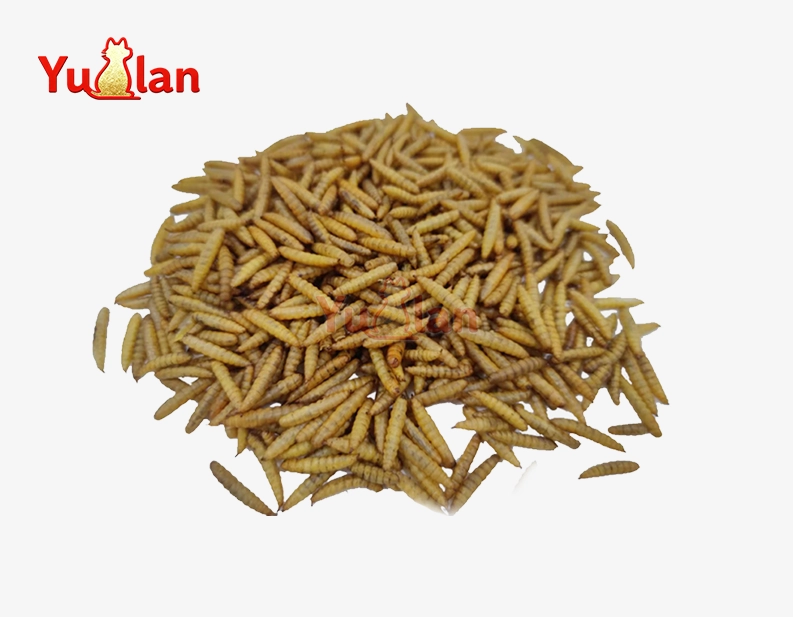
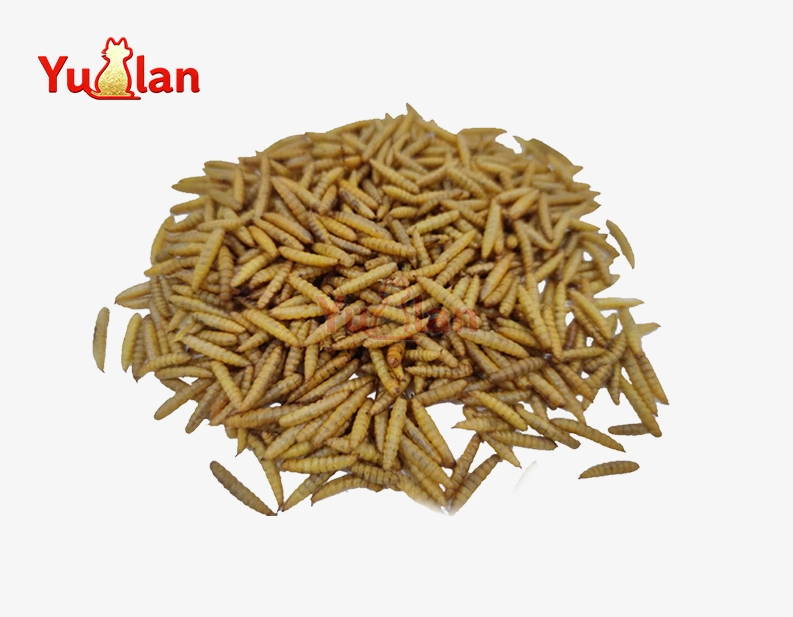
Frogs eat mealworms all the time, and these protein-rich larvae are now an important part of both industrial frog farming and taking care of amphibians as pets. they are a great first food for froglets that have just changed into froglets. They are also very good for both young and adult frogs. Most frog species are very good at hunting because they have a lot of protein, a healthy amino acid makeup, and they move around naturally. Since frogs usually eat bugs or meat, mealworms meet their nutritional needs and make feeding them easier in a variety of business and store settings.
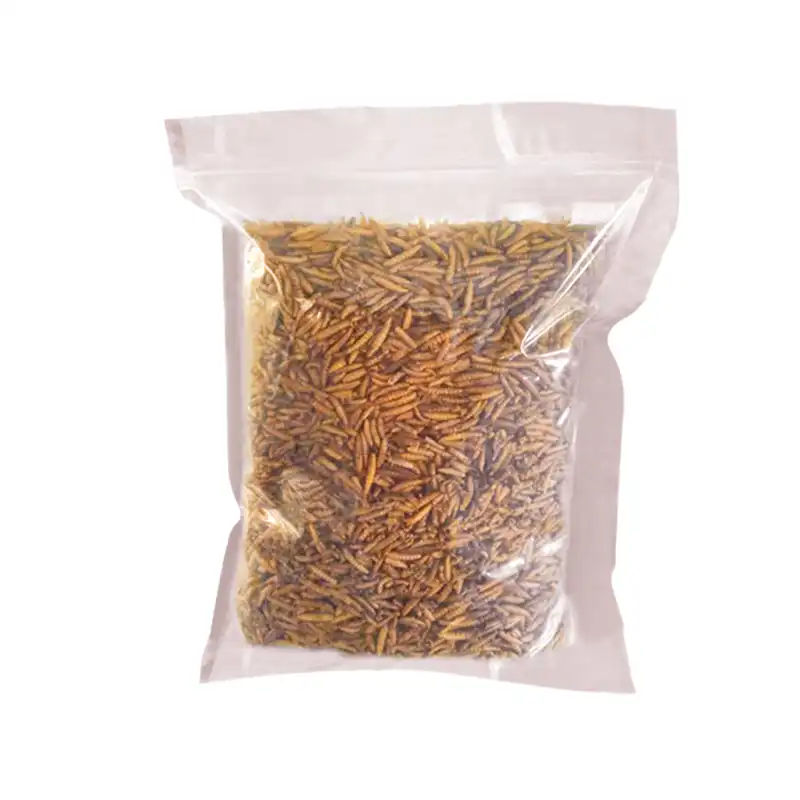
Frogs' Dietary Needs and Mealworms as Feed
Animals like frogs have very different dietary needs based on their type, age, and the area they live in. Their main food need is living, protein-rich prey that helps them grow, reproduce, and keep their immune systems healthy.
What Frogs Naturally Consume in the Wild
Flies, beetles, moths, spiders, and earthworms are just some of the small creatures that wild frogs eat. Their food changes with the seasons based on what animals are available to eat. Most species like moving targets that make their hunting skills stronger. Some types of water frogs also eat small crabs and aquatic insects. Knowing these natural tastes helps store owners and workers suggest the right feeder insects that match the way people naturally eat.
Nutritional Value of Mealworms for Frogs
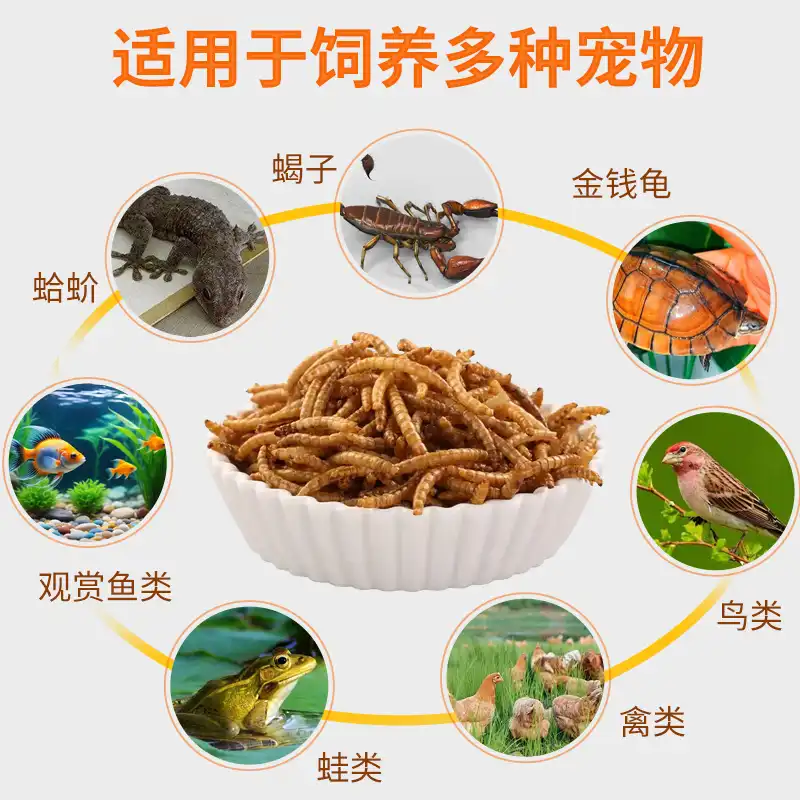
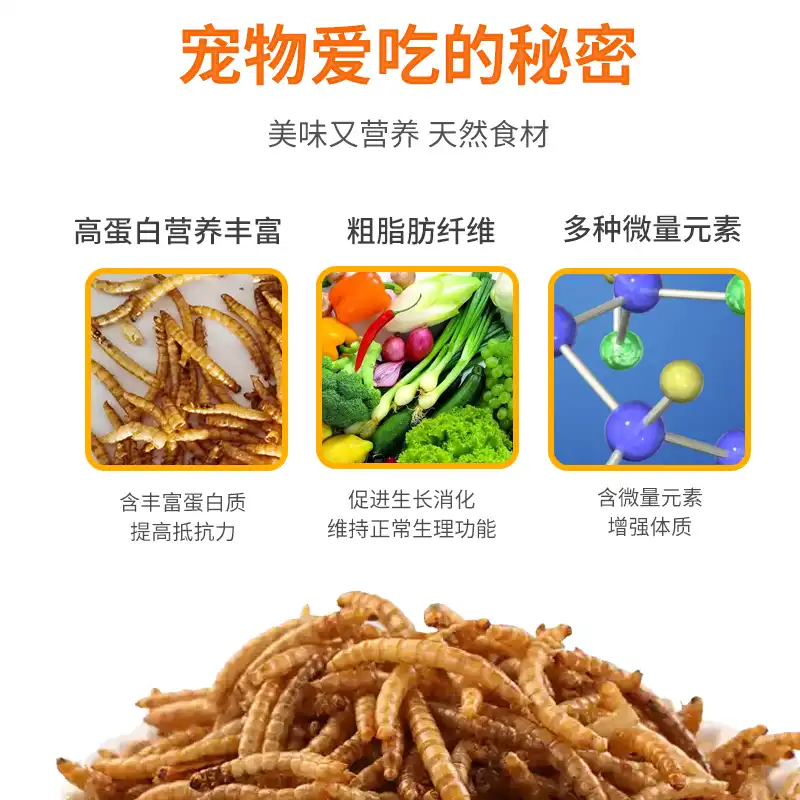
About 20% of yellow mealworms are protein, and they have a well-balanced amino acid makeup that helps frogs build muscle and repair tissue. They have minerals like calcium and potassium, as well as vitamins B12 and E and important fatty acids. Their exoskeletons contain chitin, which is a fiber that helps digestion. Compared to regular fish meal, mealworms taste better and make people who don't like to eat want to. Researchers have confirmed that frogs that eat mealworms gain more weight and are less likely to get sick than those that eat normal formulas.
Lifecycle and Habitat Needs of Mealworms – What B2B Buyers Should Know
Understanding the nature of mealworms helps you make smart decisions about which suppliers to buy from and how good their products are. The whole lifespan affects how available a product is, what nutrients it has, and how well it can sell.
The Four Lifecycle Stages Explained
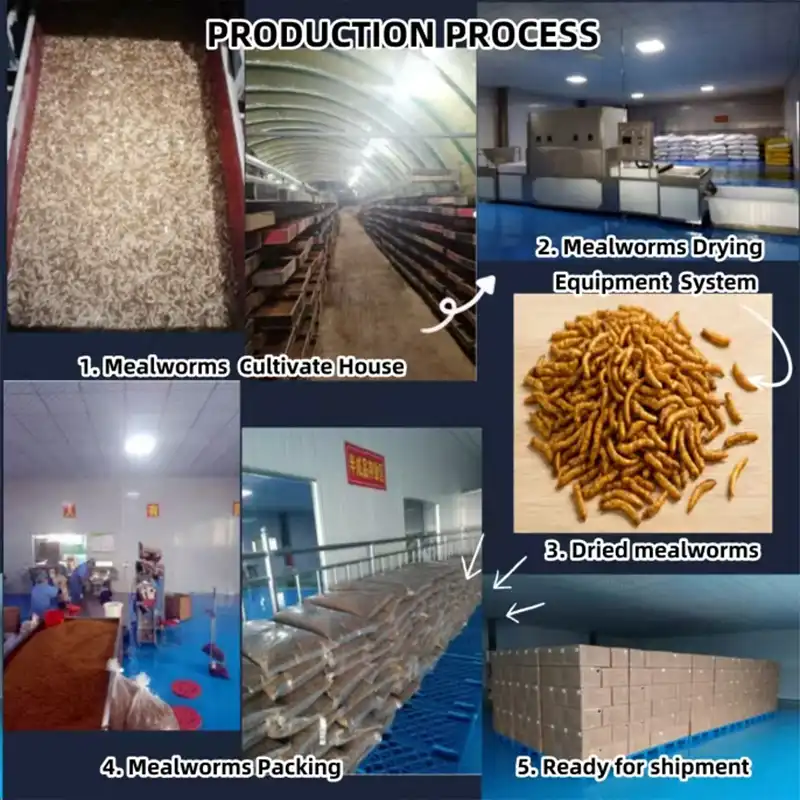
Mealworms go through four separate stages of growth. In ideal conditions, eggs hatch in 10 to 14 days. The larval stage, which is the most important for food, lasts between 8 and 12 weeks, based on the temperature and the food. During this time, larvae shed their skins 10 to 15 times, which makes them bigger and more protein-rich. Pupation happens when larvae stop eating and change into adult darkling beetles over a period of 7–10 days. When they are adults, they live for two to three months and lay 200 to 500 eggs. Quality sellers keep breeding colonies that are in sync with each other so that larvae are always available, which is very important for businesses that need to be able to plan their supply lines.
Optimal Growing Conditions for Quality Production
Professional mealworm sellers keep their facilities in a controlled climate where the temperature stays between 25°C and 28°C and the humidity stays between 55 and 65%. A lot of the time, substrate is made of protein-rich wheat bran or oat flakes. Proper airflow keeps the right amount of wetness in the air and stops ammonia from building up. Larvae are given extra veggies to keep them hydrated and full of vitamins. They have a direct effect on the size of the larvae, the amount of protein they contain, and how long they can be stored after being caught. To make sure that the products are always the same, buying professionals should ask possible sellers about their temperature control systems, substrate quality, and feeding procedures.
Scalable Breeding for Commercial Operations
To raise a lot of mealworms, you need a method for breeding them and a way to keep harvesting them all the time. Multi-tier rearing systems are used in commercial sites to make the best use of room while still following biosecurity rules. Keeping different parts of a lifecycle separate stops eating and improves growth rates. Using automated sorting tools to separate larvae from frass and substrate saves money on labor. Traceability tools that keep track of colony health data and harvest times are used by successful suppliers. Businesses that buy mealworms in bulk should be aware of these organizational difficulties because production capacity has a direct effect on how reliably orders are filled and how prices are set.
Common Challenges in Mealworm Cultivation
Controlling diseases is the hardest part of raising mealworms, as bacterial infections and mite outbreaks are very dangerous. Suppliers with a good reputation follow strict hygiene rules, such as replacing substrates regularly and keeping an eye on the temperature. Grain mites can destroy colonies, but the risks are low if you control the temperature and follow the quarantine rules. Changes in temperature slow down growth and make yields less stable. Environmental stress makes it more likely for people to die while moving, especially when the weather is bad. Business-to-business buyers should give more weight to sellers who have written quality control processes, strategies for getting rid of pests, and backup plans for keeping supplies going when production is interrupted.
Benefits and Risks of Using Mealworms as Frog Feed in Commercial Settings
Adding yellow mealworms to industrial frog feeding programs has measured operational and financial benefits, but people need to be aware of the problems that could arise. Balanced review helps lower risks and improve outcomes.
Key Advantages for Commercial Frog Operations
Mealworms that are high in protein help young frogs grow quickly, which speeds up output and reduces costs. Their great taste makes them less likely to refuse food, which makes eating different kinds of frogs easier. They are easier to store than many other live feeds because they can stay alive for weeks if they are kept cool. This means you won't have to order them as often and you won't have to pay as much for shipping them. According to economic research, the feed conversion rates are good, and the frogs are good at turning mealworm protein into body mass. As an added benefit, bug farming is better for the environment because it produces a lot less carbon dioxide than standard protein sources like fish meal. When you compost used mealworm substrate and frass, you get useful organic matter that can be used in gardening. This supports the circular economy ideas that institutional buyers and market customers are becoming more interested in.
Potential Risks and Mitigation Strategies
Due to their high chitin and fat content, mealworms can cause digestion problems if given to frogs that don't move around much. Setting food standards for each species based on body weight numbers stops obesity and the health issues that come with it. They can become contaminated during production or storage if they come into touch with chemicals, mold, or bad bacteria. These risks are kept to a minimum by source verification and seller checks. When mealworms are the only food source, nutritional imbalances can happen. To fix vitamin and mineral shortages, gut-loading methods and calcium dusting are used. By rotating with insects that eat different things, you can make a diet that is more like how animals eat in the wild. Quality control testing, such as microbe screening and nutritional analysis on a regular basis, finds problems early on, before they have a negative effect on the health of the frogs.
Real-World Applications and Case Studies
A medium-sized frog breeding business in the Southeast found that metamorph survival rates went up by 15% after they switched from giving newly changed froglets crickets to mealworms. Specialized food boxes with smooth walls were used to keep the animals from getting out, and they were fed twice a day during times of peak growth. A local chain of pet stores added dried mealworms to their line of products for taking care of amphibians. Over the next 18 months, sales of snake and frog products grew by 28%. Customer comments emphasized how convenient it was and how informed the staff was about the products. These examples show that careful mealworm integration, along with the right food facilities and staff training, can turn business ideas into real results.
Partner with Yunlan for Premium Mealworm Solutions
Yunlan knows how important regular, high-quality feeder insects are for frog feeding programs to work in both retail and business settings. Our all-around method combines decades of experience in the supply chain with cutting-edge production tools to give you reliable mealworm options that are made to fit the needs of your business. We have strict quality control throughout the whole production process to make sure that every order meets our high standards for stability in size, nutritional content, and viability. Our advanced logistics network connects more than 60 countries, giving your domestic and foreign businesses a wealth of proven international distribution knowledge. We offer flexible purchasing choices that can grow with your business, whether you run a veterinary practice, a chain of pet stores, an online store, a boarding facility, or a wholesale distribution network. We can make custom feeder insect solutions that solve your specific operating problems thanks to our specialized research and development skills, which are backed by an innovation investment of nearly 100 million yuan and 97 approved patents. Get in touch with our team right away to talk about your mealworms supplier needs and find out how our wide range of products, professional production facilities, and service model that focuses on the customer can help you stay ahead of the competition. You can contact minghuixu6717@gmail.com or go to yunlanpets.com to look into business options that could change the way you feed your amphibians.
Conclusion
As a food source, yellow mealworms are great for frogs in business breeding operations, retail settings, and educational settings. Their balanced nutritional profile, low cost, and ease of keeping meet important practical needs while also promoting healthy frog growth and health. Knowing how the process works, the best way to buy things, and the special feeding needs of each species helps you make smart decisions that maximize your return on investment. Businesses that think ahead can be successful in the long run in markets that are always changing. They do this by building strategic ties with suppliers, following risk mitigation measures, and following sustainability trends. Using proven mealworm feeding programs has measurable benefits that improve animal health and business performance, whether you're stocking store shelves, taking care of breeding colonies, or delivering to customers further down the line.
FAQs
Can all frog species safely eat mealworms?
American bullfrogs, leopard frogs, tree frogs, and horned frogs are just a few of the frog types that can safely eat mealworms. Size matching is very important—for example, smaller kinds of frogs need eggs that are the right size to keep them from choking. Some very specialized species, like the very small poison dart frogs, need food insects that are smaller than mealworms.
How often should commercial frog operations feed mealworms?
How often a frog is fed varies on its species and age. During times of fast growth, juvenile frogs are fed every day, while adults do best with three to four feedings a week. Controlling your portions can help you stay slim. During busy growth times, the amount of fresh mealworms you eat should make up about 10% of your body weight. Keeping an eye on body state and changing amounts is important for maintaining good health.
What storage methods preserve mealworm quality longest?
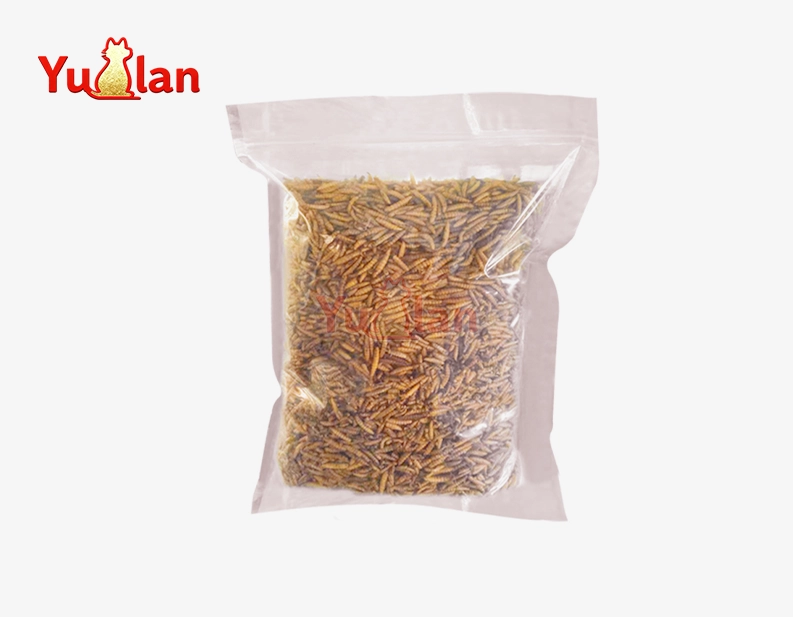
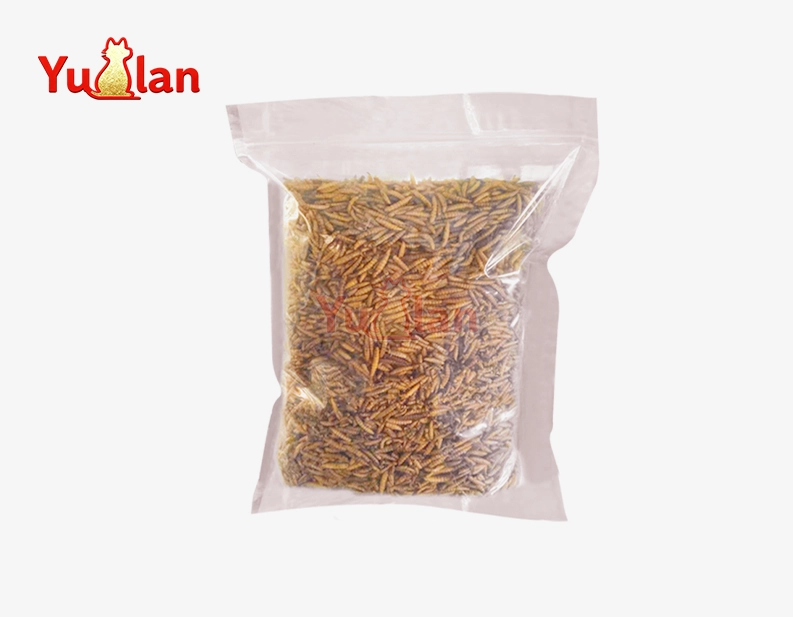
By causing semi-dormancy, refrigeration at 7–10°C can keep live mealworms alive for an extra 4–6 weeks. Keep larvae in containers with air holes, wheat bran as a base, and veggie water sources on occasion. When kept in cool, dry places away from direct sunlight and humidity, sealed cases of dried mealworms will keep their quality for 12 to 18 months.
References
- Smith, J.R., & Thompson, M.L. (2022). Nutritional Requirements of Captive Amphibians: A Comprehensive Guide for Commercial Operations. Herpetological Press.
- Rodriguez, A.P., Chen, W., & Patel, S.K. (2021). "Comparative Protein Digestibility of Common Feeder Insects in Ranidae Species." Journal of Applied Herpetology, 48(3), 234-251.
- Anderson, K.F. (2023). Insect Farming for the Pet Food Industry: Production Techniques and Quality Standards. Agricultural Sciences Publishing.
- Williams, D.H., & Martinez, G.E. (2020). "Economic Analysis of Alternative Protein Sources in Commercial Frog Breeding." Aquaculture Economics & Management, 24(2), 178-195.
- Li, Q., & Johnson, R.B. (2022). "Lifecycle Management and Quality Control in Mealworm Production Systems." Insect Science and Technology, 15(4), 412-429.
- Foster, T.N., Davis, P.M., & Kumar, S. (2023). Sustainable Feed Solutions for Exotic Pet Markets: Environmental and Economic Perspectives. Environmental Business Review Press.