- English
- French
- German
- Portuguese
- Spanish
- Russian
- Japanese
- Korean
- Arabic
- Irish
- Greek
- Turkish
- Italian
- Danish
- Romanian
- Indonesian
- Czech
- Afrikaans
- Swedish
- Polish
- Basque
- Catalan
- Esperanto
- Hindi
- Lao
- Albanian
- Amharic
- Armenian
- Azerbaijani
- Belarusian
- Bengali
- Bosnian
- Bulgarian
- Cebuano
- Chichewa
- Corsican
- Croatian
- Dutch
- Estonian
- Filipino
- Finnish
- Frisian
- Galician
- Georgian
- Gujarati
- Haitian
- Hausa
- Hawaiian
- Hebrew
- Hmong
- Hungarian
- Icelandic
- Igbo
- Javanese
- Kannada
- Kazakh
- Khmer
- Kurdish
- Kyrgyz
- Latin
- Latvian
- Lithuanian
- Luxembou..
- Macedonian
- Malagasy
- Malay
- Malayalam
- Maltese
- Maori
- Marathi
- Mongolian
- Burmese
- Nepali
- Norwegian
- Pashto
- Persian
- Punjabi
- Serbian
- Sesotho
- Sinhala
- Slovak
- Slovenian
- Somali
- Samoan
- Scots Gaelic
- Shona
- Sindhi
- Sundanese
- Swahili
- Tajik
- Tamil
- Telugu
- Thai
- Ukrainian
- Urdu
- Uzbek
- Vietnamese
- Welsh
- Xhosa
- Yiddish
- Yoruba
- Zulu
Knowing the right way to store pet food is important for handling supplies for stores, veterinary offices, grooming salons, or distribution centers because it affects the quality of the food and how much money the business makes. The right way to store food saves its nutritional value, increases its shelf life, and keeps your investment safe. All types of pet food need to be handled carefully, from rice that only has 10-15% water in it to canned food that has up to 80% water in it. Changes in temperature, exposure to humidity, and not having enough control all quickly lower the quality of the protein and make the fat less stable, which causes it to go bad, mold to grow, and nutrients to be lost. Using tried-and-true storage methods will make sure that your customers get safe goods, while also cutting down on waste and improving working efficiency across the supply chain.
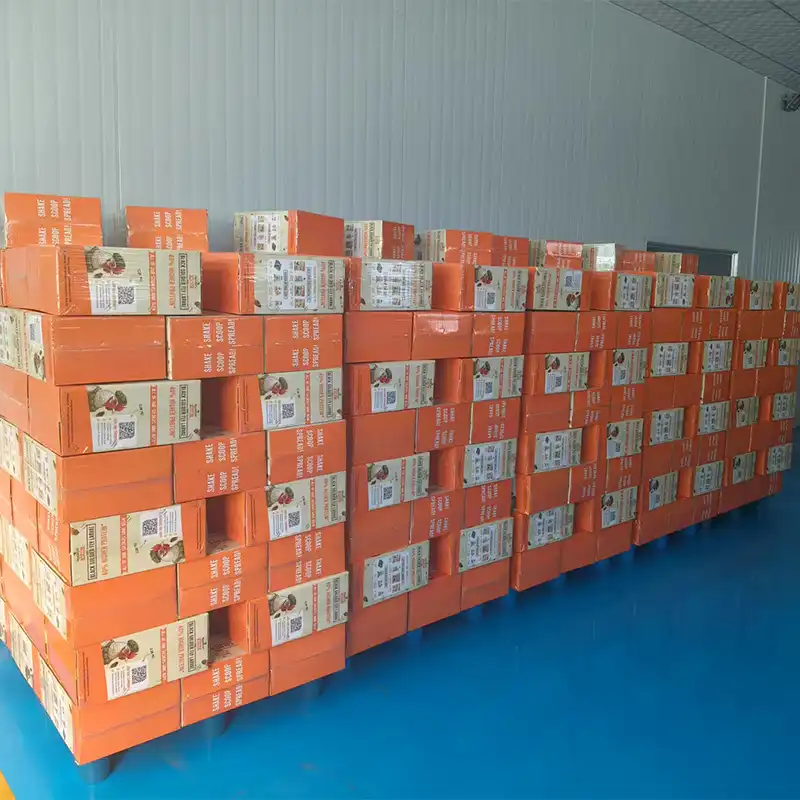
Importance of Proper Pet Food Storage
To keep the nutritional worth of a product throughout the distribution chain, it's important to know how environmental factors can damage the product's purity. Oxygen breaks down fats, wetness helps microbes grow, and heat speeds up the breakdown of chemicals. These dangers get worse when you work with specialty meals like organic recipes, grain-free recipes, and hypoallergenic options, which don't always have the artificial chemicals that regular foods do.
Why Storage Directly Impacts Product Quality
The way that protein sources are stored affects whether their amino acid patterns stay the same and whether fat-soluble vitamins stay accessible. When not kept properly, dog recipes with 22–30% protein for puppies or cat recipes with 30–35% protein for kittens stop working. The amino acid taurine is important for cats because they can't make enough of it on their own, but it breaks down in bad conditions, which could affect their eyesight and hearts. Retailers and centers that handle prescription diets are especially at fault because therapy nutrition that isn't followed doesn't help with certain health problems.
Challenges Across Different Product Categories
It is possible for mold to grow on dry pet food, which usually has 10-15% wetness. This means that it can stay on the shelf for a long time. Treats and pieces of jerky that are only slightly wet (30–50%) are at a different risk; they need to be kept at a reasonable temperature to keep their texture from breaking down. Even though they contain 70–80% water, canned versions stay stable when sealed but need to be refrigerated right away after being opened. Managing big orders adds to these problems because they need to be rotated in a planned way and kept at a certain temperature so that food doesn't go bad in one place in large stocks.
Understanding Risks for Specialty Formulations
Extra care needs to be taken with grain-free recipes that use natural spices and other food sources, like sweet potatoes. Products with new protein sources like duck, deer, or fish have higher fat levels that go bad faster if they are not stored properly. Because manmade preservatives aren't allowed in organic goods, they are especially vulnerable to being damaged during keeping. When giving warehouse space and setting up handling processes, procurement workers need to be aware of these differences.
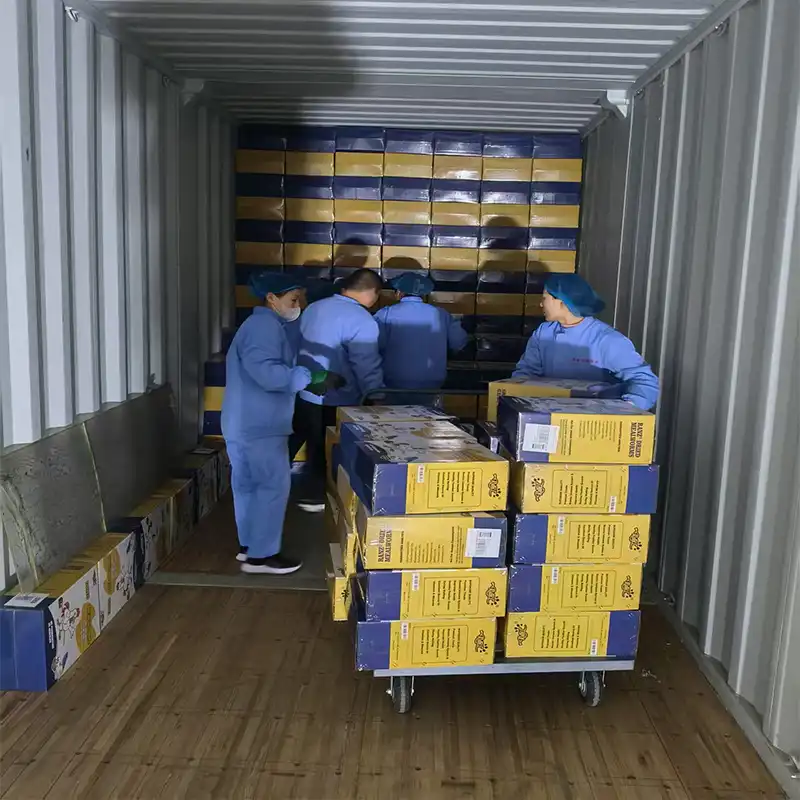
Best Practices for Storing Different Types of Pet Food
By using format-specific standards, you can protect the quality of all of your products. Because of differences in fat content, ingredient profiles, and moisture content, each group has its own specific preserving needs. This ensures your pet food inventory maintains its integrity.
Optimal Conditions for Dry Kibble
Dry formulas do best in controlled settings that stay between 50°F and 70°F and have a relative humidity below 50%. Move the items from their original bags into BPA-free, airtight cases made of dark materials that keep light out. Light breaks down B vitamins and speeds up the burning of fat, especially in recipes that use fish oils that are high in omega-3 fatty acids. The amount of space in a container should match how often it is used. Oversized containers let in too much air every time you access goods, while undersized choices need to be moved around a lot.
Elevated storage areas keep wetness from absorbing into the floor and make it easier to find pests. Cold temperatures travel through concrete warehouse floors and cause mist to form inside containers, which lets the moisture you want to keep out in. Put items on boxes or shelves that are at least six inches above the ground, and make sure there is enough air flow around all of the storage units.
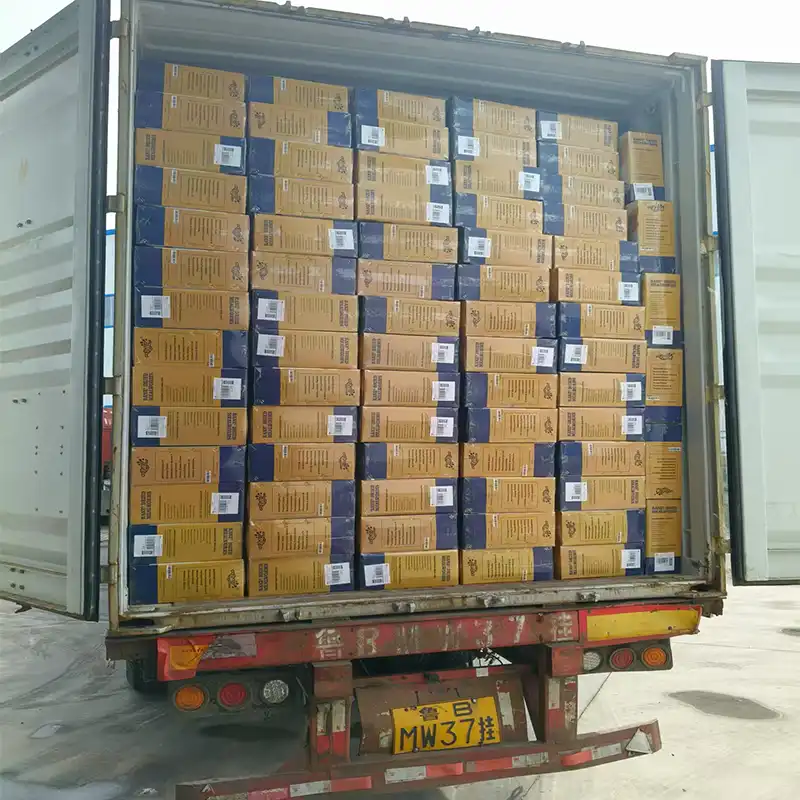
Managing Canned and Wet Varieties
Cans that are sealed stay safe at room temperature, but once they are opened, the food inside needs to be kept cool (38–40°F) and eaten within 48–72 hours. When stores use opened items for displays, they have to use strict labeling methods that include times of opening. At room temperature, the high moisture level helps bacteria grow quickly, which poses health risks and legal issues.
When you have canned goods, it's important to rotate your stock. The FIFO method makes sure that older stock goes through your system before new orders. Date-coding systems that keep track of manufacturing dates instead of expiration dates are better at making predictions because processing dates show product age more accurately than far-off expiration dates.
Handling Semi-Moist Products and Treats
Treats like jerky and dried meat bits are in the middle. They have 30 to 50 percent moisture, which makes them tasty and keeps them fresh longer than fully wet goods. Keeping these things cool, dry, and out of direct sunlight is best. Resealable packaging keeps foods fresh after they've been opened, but once they're out in the open, they should be eaten within the time limits set by the maker, which are usually 30 to 45 days. When training centers and veterinary offices use treats throughout the day, they should put the daily amounts into different containers so that big supplies don't have to be exposed to air over and over again.
Specialized Requirements for Premium and Therapeutic Lines
Raw frozen foods need to be kept at temperatures that stay at or below 0°F all the time, and backup power systems are needed to protect stock when the power goes out. These goods can't go through freeze-thaw cycles without losing their character and maybe even becoming less safe. Drugs used to treat kidney disease, food allergies, or metabolic problems have specific nutrient levels that are thrown off by breakdown. Put these valuable items in separate areas with better tracking systems to make sure the temperature and humidity stay within tight ranges.
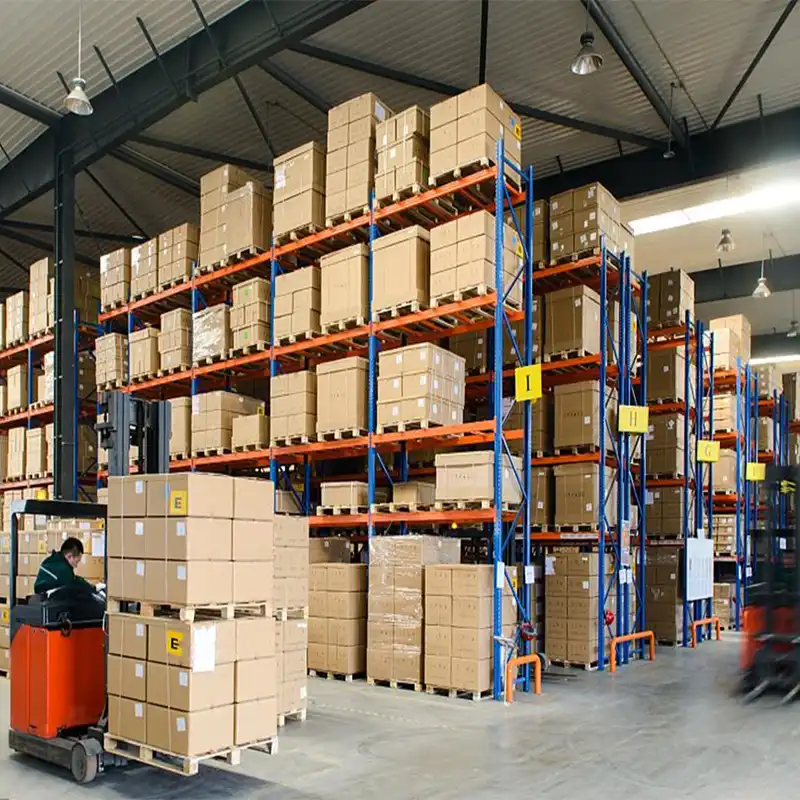
How to Read and Utilize Pet Food Labels for Storage Insights?
Label reading turns information on packages into data that can be used for inventory management. Labeling required by regulators shows important storing and movement requirements in addition to marketing claims for the pet food you procure.
Decoding Date Stamps and Freshness Indicators
The "best before" times show when the product is at its best quality, not when it should be thrown away for safety reasons. On healing diets, "use by" dates are more important because they show when nutritional claims may no longer be valid. Find SKUs that don't move quickly and need to be promoted before the quality starts to decline by removing the current date from the best-before date.
Ingredient Analysis for Storage Planning
The best way to store food is based on guaranteed measurement screens that show the amount of crude protein (18–35%), crude fat (10–20%), and moisture content. Formulations with a lot of fat, especially those with more than 15% crude fat, need to be stored at cooler temperatures and for shorter amounts of time. If a product's ingredient list includes natural stabilizers like mixed tocopherols (vitamin E) or rosemary extract, it needs to be stored more carefully than products that use manmade alternatives like BHA or BHT.
Sources of carbs are also important. Formulations that focus on corn, wheat, and rice can handle normal conditions, but those that focus on beans, potatoes, or unusual grains may absorb water in different ways. This information helps buying teams figure out what storage problems might come up when new product lines come out.
Certifications Indicating Quality Standards
AAFCO statements prove that the food is nutritionally adequate, and third-party certifications from groups that check production standards show that the supplier can be trusted. Products with organic certifications, non-GMO verifications, or human-grade labels usually cost more and draw buyers who care about quality. These things are worth the extra money to store in climate-controlled spaces that keep the features that customers pay more for.
Conclusion
The right way to store all of your products will keep their nutritional value and increase the worth of your goods across your supply chain. Understanding how sensitive things are to moisture, using format-specific methods, and making use of label information can turn storage from an inactive function into an active part of quality assurance. Environmental controls, orderly rotating, and working together with suppliers create operating greatness that makes your business stand out. Separated storage, temperature control, and clear handling methods are all common mistakes that can be avoided. These steps protect both product quality and customer trust. Using these methods will make your business a reliable source of well-kept food that meets pet owners' needs and meets their pets' standards.

Partner with Yunlan for Superior Pet Food Solutions
Yunlan knows that procurement workers need more than just good products. They also need people they can trust to help make the supply chain work well in every way. Our wide range of names, including the well-known Yihe, Paihao, and Maodali, offers full nutrition options for both dogs and cats. We bring proven manufacturing quality to every relationship. Each brand makes more than 300 million yuan a year and is sold in more than 60 countries. Our state-of-the-art factories in Suqian City use cutting-edge technologies like meat protein enzymolysis and bone crisping to make sure that the quality is always the same and can handle the demands of delivery. As a pet food seller with a lot of experience, we spent almost 100 million yuan on research and development from 2022 to 2025 and got 97 domestic patents to support new products. Whether you run a chain of stores, a medical center, a boarding facility, or a wholesale distribution business, our team can help you find storage and handling options that work for you. Email us at minghuixu6717@gmail.com to talk about how our experience can help you reach your buying goals.
FAQs
What temperature is best for storing dry kibble?
Dry food stays in the best shape when kept between 50°F and 70°F in places where the relative humidity is less than 50%. When temperatures go above 75°F, fats burn faster, especially in recipes with fish oils. Refrigeration is not needed, and letting objects come back to room temperature may cause condensation. Climate-controlled warehouse zones are great for storing large amounts of goods.
How long can opened canned products remain safe?
If you open a can of some kind, you should keep it in the fridge at 38 to 40°F and eat it within 48 to 72 hours. At room temperature, the high moisture level (70–80%) makes it possible for bacteria to grow. Instead of keeping leftover parts in the original cans, move them to sealed containers because metal exposure may change the taste. Putting a date on opened objects stops them from being used after their safe time has passed.
Do organic products have shorter shelf lives?
Natural preservatives like mixed tocopherols are often used in organic products instead of man-made ones. This makes them more sensitive to keeping conditions. They keep the same quality as regular goods as long as they are kept in cool, dry, dark places and sealed cases. But they are less tolerant of differences in storage and require stronger environmental controls during delivery.
References
- Association of American Feed Control Officials. "Pet Food Labels: Understanding Nutritional Adequacy Statements and Date Coding Systems." Official Publication, 2024.
- Journal of Animal Science and Technology. "Impact of Storage Conditions on Nutrient Stability in Commercial Pet Foods." Vol. 48, Issue 3, 2023, pp. 287-301.
- National Research Council. "Nutrient Requirements of Dogs and Cats: Implications for Storage and Handling." Committee on Animal Nutrition, 2023 Edition.
- Pet Food Institute. "Best Practices for Retail and Warehouse Storage of Pet Nutrition Products." Industry Standards Manual, 2024.
- Veterinary Clinics of North America: Small Animal Practice. "Therapeutic Diet Storage Requirements and Quality Maintenance." Vol. 53, Issue 6, 2023, pp. 1245-1262.
- International Journal of Food Science and Technology. "Moisture Migration and Oxidative Stability in Extruded Pet Food Products During Storage." Vol. 58, Issue 9, 2023, pp. 4821-4836.