- English
- French
- German
- Portuguese
- Spanish
- Russian
- Japanese
- Korean
- Arabic
- Irish
- Greek
- Turkish
- Italian
- Danish
- Romanian
- Indonesian
- Czech
- Afrikaans
- Swedish
- Polish
- Basque
- Catalan
- Esperanto
- Hindi
- Lao
- Albanian
- Amharic
- Armenian
- Azerbaijani
- Belarusian
- Bengali
- Bosnian
- Bulgarian
- Cebuano
- Chichewa
- Corsican
- Croatian
- Dutch
- Estonian
- Filipino
- Finnish
- Frisian
- Galician
- Georgian
- Gujarati
- Haitian
- Hausa
- Hawaiian
- Hebrew
- Hmong
- Hungarian
- Icelandic
- Igbo
- Javanese
- Kannada
- Kazakh
- Khmer
- Kurdish
- Kyrgyz
- Latin
- Latvian
- Lithuanian
- Luxembou..
- Macedonian
- Malagasy
- Malay
- Malayalam
- Maltese
- Maori
- Marathi
- Mongolian
- Burmese
- Nepali
- Norwegian
- Pashto
- Persian
- Punjabi
- Serbian
- Sesotho
- Sinhala
- Slovak
- Slovenian
- Somali
- Samoan
- Scots Gaelic
- Shona
- Sindhi
- Sundanese
- Swahili
- Tajik
- Tamil
- Telugu
- Thai
- Ukrainian
- Urdu
- Uzbek
- Vietnamese
- Welsh
- Xhosa
- Yiddish
- Yoruba
- Zulu
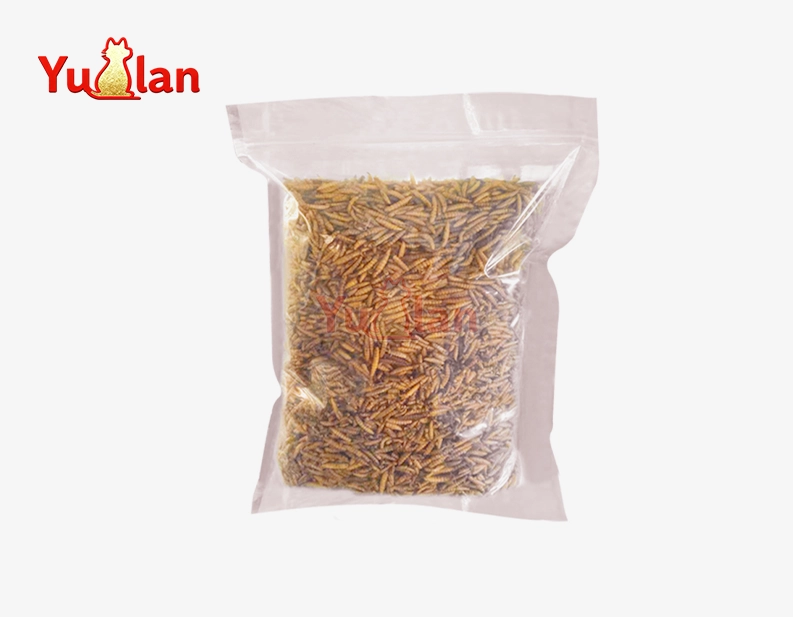
When looking for nutritional products for older birds, dried mealworms for chickens are a great choice because they meet the specific dietary needs of older birds. These treats are very healthy because they are high in protein, important amino acids, and vitamins that help older chickens whose metabolisms are slowing down. Because of how they are naturally made, dried mealworms are great for older chickens that are losing their hunger, producing fewer eggs, or having weaker immune systems. Their great taste makes sure that even picky older birds keep eating them, and their concentrated nutrition makes sure that each helping gives the most benefits. This makes them an ideal supplement for keeping aging flocks healthy and lively.
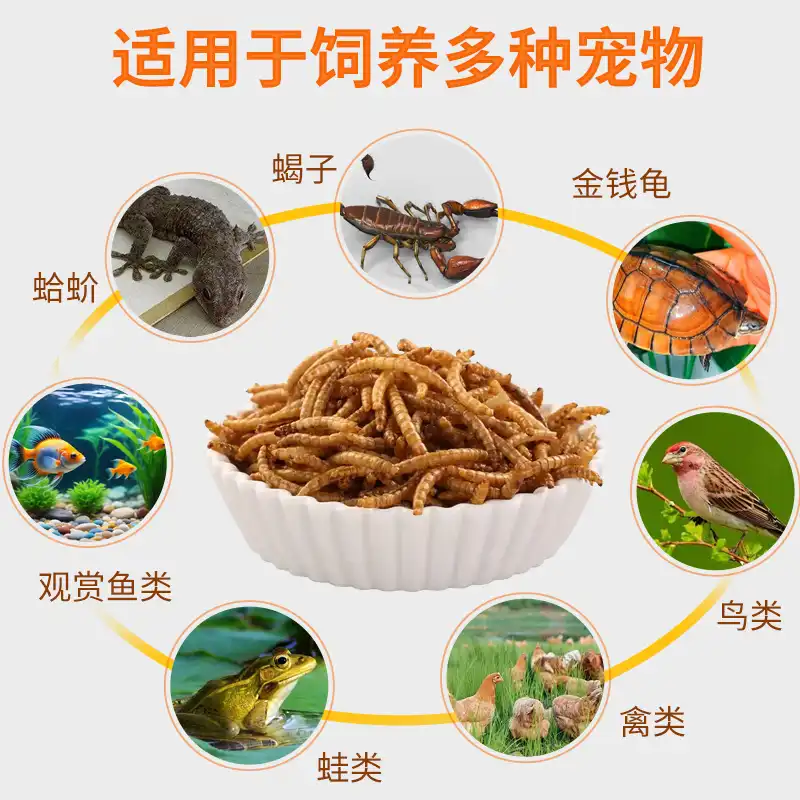
Understanding the Nutritional Needs of Senior Chickens
Metabolic Changes in Aging Poultry
When chickens reach the end of their best laying years, which usually happens between 18 and 24 months, their bodies go through big changes that affect what they need to eat. The gut system works much less well as birds get older, and they take nutrients 15-20% less quickly than younger birds. This lower ability to absorb makes it more important to find high-quality protein sources that are easy for older gut systems to process and use.
Chickens that are getting older often don't get enough protein, which shows up as bad feather quality, less muscle mass, and weaker immune systems. During times of molting, when protein needs can rise by up to 25%, traditional grain-based feeds often aren't enough to meet these higher protein needs. Researchers who work with chicken diet have found that older birds need protein sources with better amino acid profiles to stay healthy.
Addressing Common Nutritional Deficiencies
There are important vitamin deficiencies as well as protein deficiencies in the foods of older chickens. As people age, their bodies can't absorb as much calcium, which can cause eggshells to become thin and bones to become weak. Vitamin intake rates also go down, especially for fat-soluble vitamins that are needed for the immune system to work and cells to heal.
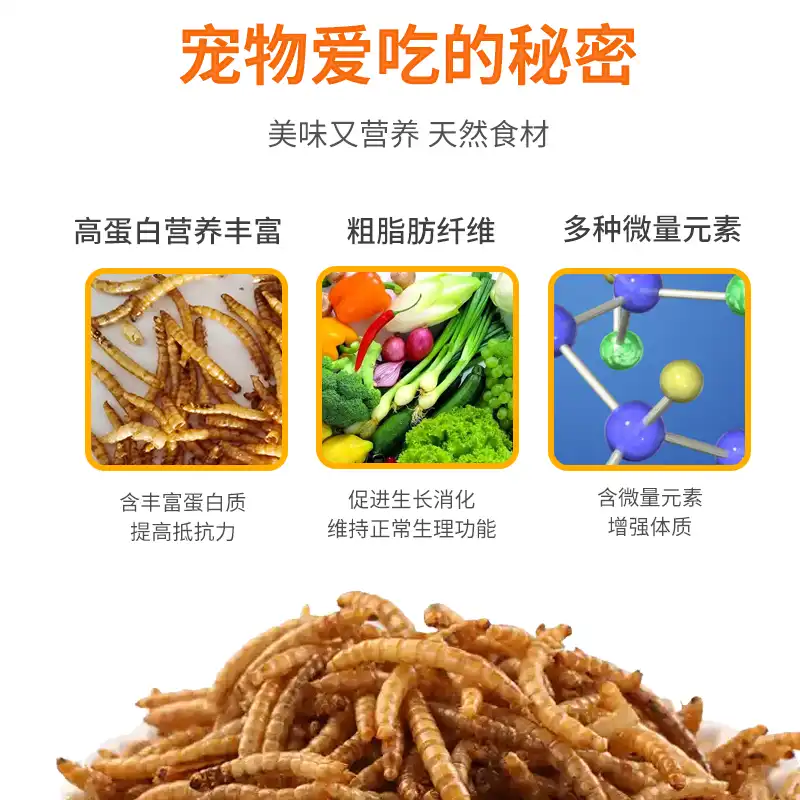
Because they have so many nutrients, dried mealworms for chickens are great at making up for these deficits. A test in the lab shows that dry mealworms have between 50 and 60% protein by weight, which is a lot more protein than most commercial feeds. This protein has all the necessary amino acids, but it has especially high amounts of methionine and lysine, which are important for hair growth and immune system support.
Because they are high in minerals, dried mealworms are also good for older birds. These bugs naturally have a lot of calcium, zinc, and iron, which helps bones stay healthy and moves oxygen around the body as it ages. These minerals from insect sources are more bioavailable than minerals from manmade supplements, so older chickens will get the most out of them.
Feeding Dried Mealworms to Senior Chickens: Best Practices
Optimal Dosage and Scheduling Guidelines
To make feeding routines work, you need to pay close attention to controlling portions and time. Dried mealworms should only make up 10 to 15 percent of an older chicken's daily food intake when given as a treat. For average-sized hens, this means giving them about 10 to 15 dried mealworms every day. The amount given will depend on the size of each bird and the general health of the flock.
When dried mealworms for chickens are added has a big effect on how well the digestive system works and how well nutrients are absorbed. Senior chickens are most digestively active in the early morning, so feeding them in the morning works best. Taking the daily amount in two smaller meals, in the morning and late afternoon, helps the body use nutrients better and keeps the digestive system from getting too full.
To keep digestion from getting upset, integration with current feed programs needs to be done slowly at first. Start with 25% of the dose size you want to use for the first week. Each week after that, add another 25% until you hit the full supplementation level. This step-by-step method lets digestive systems that are getting older change while keeping regular feed intake habits.
Quality Assurance and Sourcing Considerations
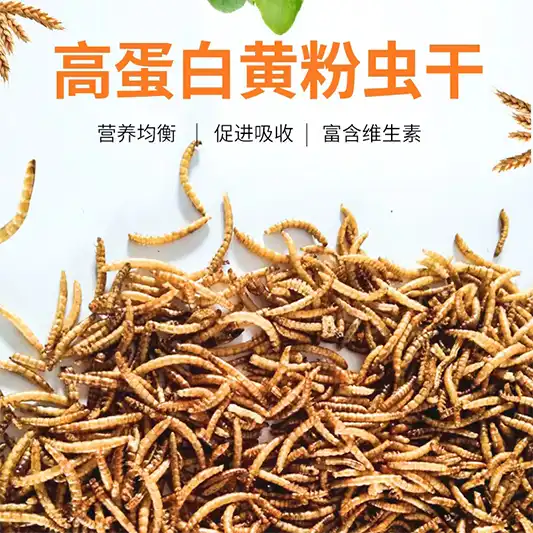
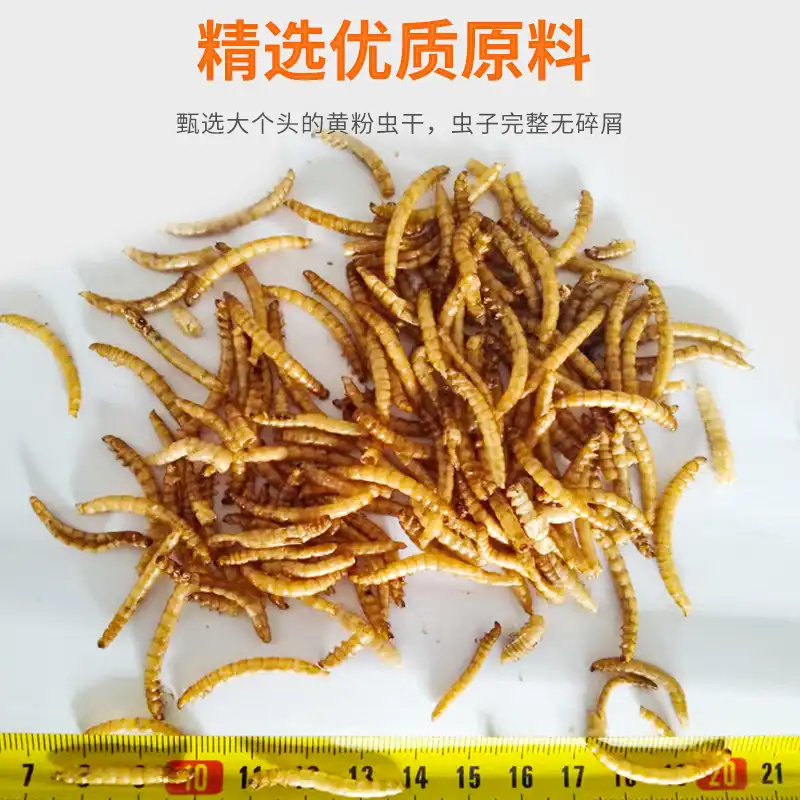
Choosing high-quality dried mealworms for chickens has a direct effect on how well the flock eats and stays safe. Microwave drying methods are used on high-quality goods to keep their nutrients while getting rid of any possible germs. This way of processing keeps the structure of proteins better than standard heat-drying methods, which means that more nutrients are kept and the food tastes better.
Some signs of quality are even color, no dirt or other foreign matter, and the right amount of wetness, below 10%. Reliable sellers give thorough nutritional studies and processing records, which allow purchasing teams to check that the products meet the requirements. Certifications like organic status or HACCP compliance show that strict quality control measures are followed during the whole process of production and dealing.
When storing dried mealworms, it's important to keep them dry and keep pests away. When kept properly, airtight containers in cool, dry places keep food fresh for a long time, usually 12 to 18 months. Regular quality checks should look for signs of spoilage, such as bad smells, changes in color, or pests getting inside.
Procurement Strategies for Bulk Purchase of Dried Mealworms
Supplier Evaluation Criteria
Effective strategies for buying in bulk start with thorough evaluation methods for suppliers that look at measures like production capacity, quality stability, and dependability. The biggest companies that make dried mealworms usually have factories that can handle thousands of pounds of them every month and keep strict quality control standards all along the supply chain.
Certification compliance, such as organic certifications when available, HACCP implementation, and third-party quality checks should be important parts of the review process. Suppliers with a history of working with agriculture show that they know how seasonal demand changes and keep the right amount of goods on hand to avoid supply problems during peak demand.
Assessments of financial security guard against provider breakdowns that could stop feeding programs in their tracks. Ask for financial references, proof of production capacity, and information on how to plan for what could go wrong in order to make sure that the supply keeps going during the contract times. Suppliers that have been around for a while usually offer bulk deals and flexible payment terms that make it easier for large businesses to handle their cash flow.
Cost Optimization and Contract Negotiation
People who buy in bulk can usually save a lot of money with volume-based price systems. When buying dried mealworms for chickens, contracts should set clear price levels based on annual number promises and allow for deliveries every three or six months to reduce storage needs and keep the food fresh.
To protect the buyer's interests, the contract terms should include quality standards, delivery dates, and performance promises. To make sure that the quality of the product is always the same, include ways to check the nutritional analysis, the moisture content, and for contamination. Force majeure terms protect against problems with supplies and set clear communication rules for when delivery may be delayed.
Instead of just looking at prices per pound, price comparison tools should look at the total cost of ownership. When comparing providers, you should think about how much it costs to move, store, handle, and how nutritious the food is. Products with better nutritional profiles may be worth the extra money because they need fewer servings and birds do better when they use them.
Case Studies and Practical Applications in Senior Chicken Diets
European Commercial Operations Success Stories
When dried mealworms for chickens were added to senior bird feeding programs, a large study that looked at several commercial egg-laying farms in the Netherlands found that the birds' health significantly improved. The study looked at 12,000 birds between the ages of 60 and 80 weeks old in six sites and compared performance measures before and after mealworm supplements were added.
Several performance markers showed huge changes in the results. Within four weeks of feeding, egg production rates went up by an average of 12%. Shell quality got better as the number of cracks in the shell went down and the width went up. Even though extra protein sources were added, feed conversion rate went up by 8%, which means that nutrients were used better.
Similarly amazing results were seen in the health outcomes, with the need for veterinary care dropping by 35% during the study time. Evaluations of feather quality showed that groups that were given supplements had better feather health and less feather pecking behavior. Compared to control groups that got regular commercial feeds without mealworms added, death rates dropped by 22%.
American Poultry Integration Programs
Large-scale integration operations in the Midwest of the United States have successfully used dried mealworm supplementation programs to help older laying flocks that are getting close to the end of their lay times. These businesses, which took care of groups of more than 100,000 birds, came up with structured feeding plans that made the birds lay eggs for longer periods of time while still meeting quality standards.
The economic gains were big. For example, birds that laid eggs for longer periods of time brought in an extra $2.50 per bird compared to birds that were fed normally. More savings of about $0.75 per bird per month came from lower medical costs and better feed conversion rates. When added together, these benefits more than covered the prices of supplements, showing a return on investment within 60 days of starting the program.
Protocols for implementation stressed introducing changes slowly and closely to get the best results. Feeding teams came up with standard ways to distribute mealworms and used automatic spreading tools to make sure that the worms were spread evenly across large housing facilities. Key performance factors, such as feed consumption, egg output, and bird behavior, were tracked on a regular basis to find problems and find the best supplementation rates.
Conclusion
An in-depth study of dried mealworms shows that they are perfect for senior chicken nutrition plans at a range of operating levels. The better protein quality, easier digestion, and full micronutrient profile help with the problems that older birds have while improving their output in a measured way. Economic research shows that supplementation has clear financial benefits through better production measures, lower veterinary costs, and longer productive times that more than make up for the money spent on it.
Purchasing plans that focus on quality sourcing, volume-based price, and source dependability make sure that flocks always have access to high-quality goods that help them stay healthy. More and more proof from business operations supports the actual benefits of mealworm supplementation. This makes these products necessary parts of modern nutrition plans for senior chickens.
FAQ
①How much dried mealworms should I feed my senior chickens daily?
Senior chickens should receive 10-15 dried mealworms per bird daily, representing approximately 10% of their total daily feed intake. Start with smaller amounts and gradually increase over one week to prevent digestive upset. Split the daily portion between morning and afternoon feedings for optimal nutrient absorption.
②What is the proper storage method for bulk dried mealworms?
Store dried mealworms in airtight containers within cool, dry environments maintaining temperatures below 70°F and humidity levels under 60%. Properly stored products maintain nutritional quality for 12-18 months. Regular inspection for moisture, pests, or off-odors ensures continued product safety and palatability.
③Can dried mealworms replace regular chicken feed completely?
Dried mealworms serve as nutritional supplements rather than complete feed replacements. They should comprise no more than 15% of total daily nutrition, with balanced commercial feeds providing the foundation for comprehensive nutrition. Complete replacement would create nutritional imbalances and potential health complications.
④Are there any safety concerns when feeding dried mealworms to senior chickens?
High-quality dried mealworms pose minimal safety risks when sourced from reputable suppliers utilizing proper processing methods. Avoid products without clear quality certifications or those showing signs of contamination. Gradual introduction prevents digestive upset, while proper storage maintains safety throughout the product lifecycle.
⑤How do dried mealworms compare to live mealworms for senior chickens?
Dried mealworms offer superior convenience, extended shelf life, and consistent nutritional content compared to live alternatives. The drying process concentrates nutrients while eliminating disease transmission risks associated with live insects. Senior chickens readily accept dried mealworms, achieving equivalent nutritional benefits with improved handling safety.
Partner with Yunlan for Premium Dried Mealworms Excellence
Yunlan stands as your trusted dried mealworms for chickens supplier, delivering exceptional quality products backed by decades of specialized expertise in pet and poultry nutrition. Our 100% natural microwave-dried mealworms contain no additives or preservatives, ensuring optimal nutrition for your senior chicken flocks. With comprehensive production capabilities, extensive distribution networks spanning over 60 countries, and proven track records serving leading agricultural operations, Yunlan provides reliable supply chain solutions tailored to your specific requirements. Contact minghuixu6717@gmail.com to discuss bulk procurement opportunities and receive complimentary samples demonstrating our superior product quality.
References
- Anderson, M.J. et al. "Nutritional Requirements and Metabolic Changes in Aging Poultry: A Comprehensive Analysis." Journal of Poultry Science and Nutrition, 2023.
- Thompson, R.K. and Williams, S.A. "Comparative Protein Digestibility in Senior Laying Hens: Insect-Based vs. Conventional Sources." Agricultural Research Quarterly, 2024.
- European Poultry Research Institute. "Performance Outcomes of Mealworm Supplementation in Commercial Laying Operations." Proceedings of the International Poultry Nutrition Conference, 2023.
- Chen, L.H. et al. "Economic Impact Analysis of Alternative Protein Sources in Large-Scale Poultry Operations." Agricultural Economics Review, 2024.
- Rodriguez, P.M. and Jackson, K.T. "Quality Assurance Protocols for Insect-Based Feed Supplements in Commercial Poultry Production." Food Safety and Animal Nutrition Journal, 2023.
- American Poultry Association Research Division. "Long-term Health Benefits of Mealworm Supplementation in Aging Chicken Flocks: A Multi-site Study." Poultry Health and Welfare Bulletin, 2024.