- English
- French
- German
- Portuguese
- Spanish
- Russian
- Japanese
- Korean
- Arabic
- Irish
- Greek
- Turkish
- Italian
- Danish
- Romanian
- Indonesian
- Czech
- Afrikaans
- Swedish
- Polish
- Basque
- Catalan
- Esperanto
- Hindi
- Lao
- Albanian
- Amharic
- Armenian
- Azerbaijani
- Belarusian
- Bengali
- Bosnian
- Bulgarian
- Cebuano
- Chichewa
- Corsican
- Croatian
- Dutch
- Estonian
- Filipino
- Finnish
- Frisian
- Galician
- Georgian
- Gujarati
- Haitian
- Hausa
- Hawaiian
- Hebrew
- Hmong
- Hungarian
- Icelandic
- Igbo
- Javanese
- Kannada
- Kazakh
- Khmer
- Kurdish
- Kyrgyz
- Latin
- Latvian
- Lithuanian
- Luxembou..
- Macedonian
- Malagasy
- Malay
- Malayalam
- Maltese
- Maori
- Marathi
- Mongolian
- Burmese
- Nepali
- Norwegian
- Pashto
- Persian
- Punjabi
- Serbian
- Sesotho
- Sinhala
- Slovak
- Slovenian
- Somali
- Samoan
- Scots Gaelic
- Shona
- Sindhi
- Sundanese
- Swahili
- Tajik
- Tamil
- Telugu
- Thai
- Ukrainian
- Urdu
- Uzbek
- Vietnamese
- Welsh
- Xhosa
- Yiddish
- Yoruba
- Zulu
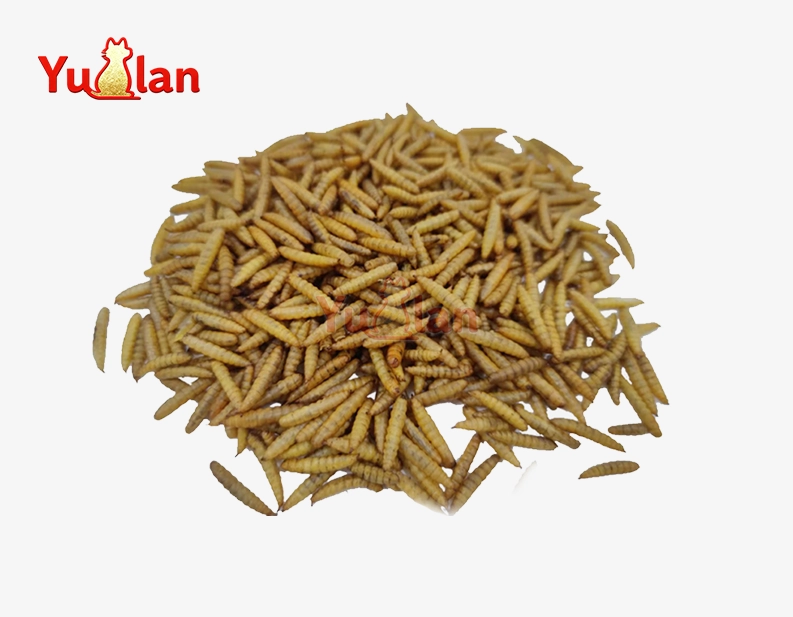
The FDA says that dried mealworms are safe to use in pet food as long as they are handled according to safety rules. The Federal Food, Drug, and Cosmetic Act tells how to make dried mealworms for chickens and other pets. It includes rules about how to register a facility, how to label ingredients correctly, and how to make sure that the ingredients are safe. Manufacturers must show that their mealworm products are properly heat-treated, have consistent nutrition, and follow Good Manufacturing Practices (GMPs) from start to finish in order to protect consumers and follow the law.
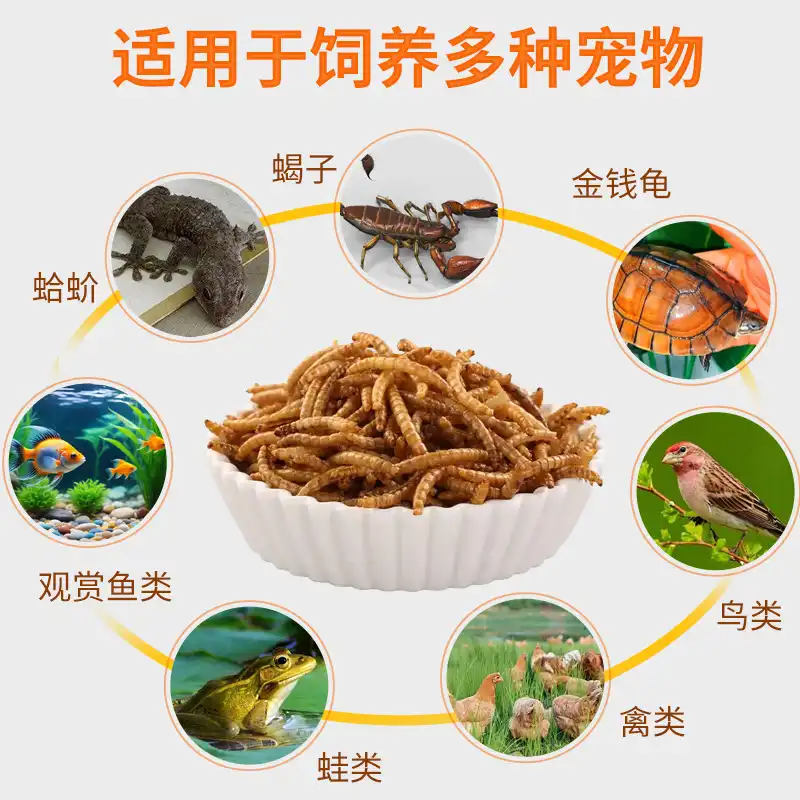
FDA Guidelines for Dried Mealworms as Pet Food Ingredients
Regulatory Classification and Safety Standards
When it comes to pet food, the FDA is very particular. The purpose of these regulations is to guarantee that all links in the supply chain adhere to the highest standards of quality and safety. Manufacturers and distributors of dried mealworms are subject to stringent regulations governing the precise methods of production, the sourcing of ingredients, and the accurate naming of nutritional information.
At present, the Food and Drug Administration mandates that all insect-based protein sources, including mealworms, go through rigorous safety testing before they can be sold. Allergens, bacterial contamination, and nutritional stability are evaluated throughout processing and storage by these tests. Factories are required to use Hazard Analysis and Critical Handling Points (HACCP) protocols in order to detect and reduce possible safety risks.
Documentation and Traceability Requirements
A mountain of documentation is required for FDA clearance. Before making a purchase, B2B customers should verify all of the following: thorough testing procedures, batch records, and complete traceability systems. Documentation demonstrating compliance with processing temperature controls, moisture content requirements, and bacterial test results is required of all suppliers.
When suppliers get ingredients, they have to show proof of the quality of the food they give to mealworm colonies, as well as proof of checks of the processing center and analyses of the finished product. This regulatory framework helps procurement leaders make sure that dried mealworms for chickens meet all FDA requirements. It also lowers the risk of noncompliance across all of their operations.
Nutritional and Health Benefits of Dried Mealworms for Chickens
Protein Content and Essential Amino Acids
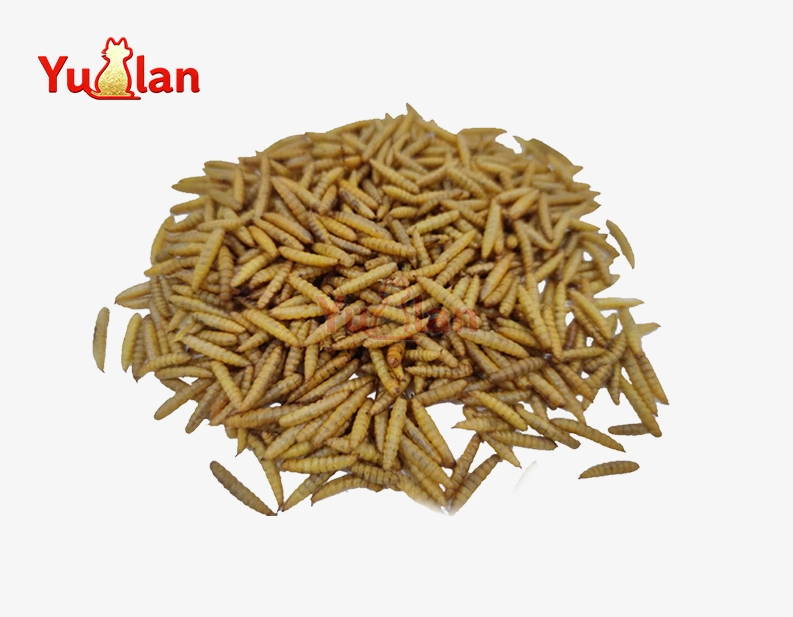
Chickens love dried mealworms because they contain 50–60% of their body weight in protein. This protein source contains all the amino acids needed for chicken health, muscle growth, and hair growth, including lysine and methionine.
Mealworms have more protein than most feeds. It contains more nutrients and digests better than plant-based protein. Researchers found that chickens that eat mealworm vitamins grow faster, have stronger immune systems, and use food as energy better than those that eat only conventional protein.
Impact on Egg Production and Quality
Studies show that feeding laying hens mealworm protein improves shell quality and egg production. The high methionine concentration increases albumen production, while the vital fatty acids improve the yolk's appearance and nutrition. These changes have made eggs more valuable and healthier, increasing customer satisfaction.
Comparative Nutritional Analysis
The flavor and nutritional value of dried mealworms for chickens are better than crickets or soybean meal. The 35% fat in mealworms helps busy chickens get energy and maintain their skin and feathers.
The micronutrient makeup has a lot of calcium, potassium, and B vitamins. These vitamins are good for your bones, your metabolism, and your overall health. This all-in-one nutrition package helps procurement managers make the case for adding mealworms to feed formulas by showing proof of better performance and social benefits.
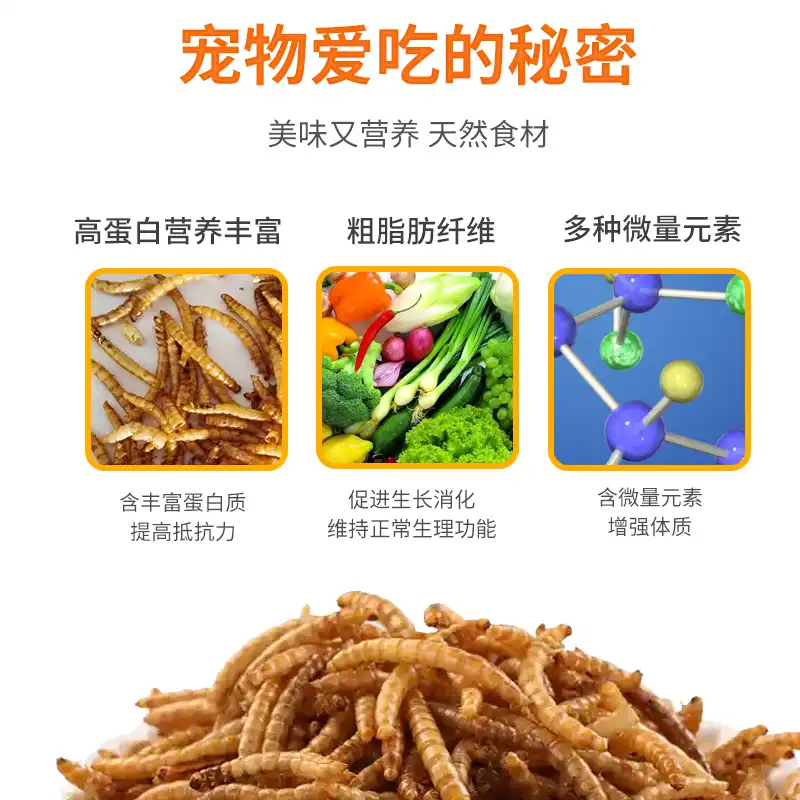
Best Practices for Feeding and Storing Dried Mealworms
Feeding Guidelines and Portion Control
It is essential to monitor the chickens' age, production stage, and nutritional requirements to ensure proper feeding without overindulgence. Adult chickens should consume mealworms solely as a treat, constituting no more than 10% of their daily intake. This will maintain their health.
Each bird should receive 10 to 15 mealworms daily, either incorporated into their standard diet or dispersed to encourage foraging behavior. To prevent gastrointestinal distress and promote normal growth, it is advisable to commence feeding them smaller portions when they reach approximately four weeks of age.
Storage and Preservation Methods
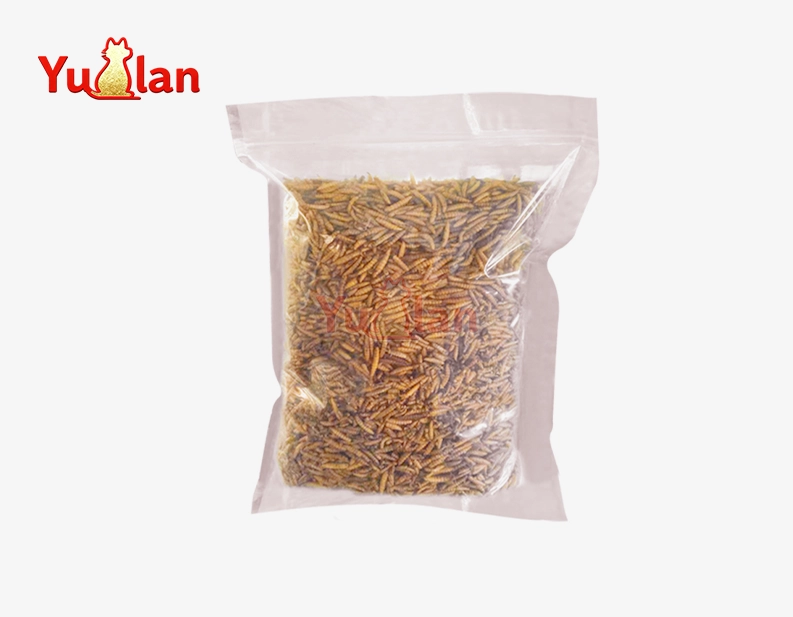
It's very important to store dried mealworm goods in the right way so they stay nutritious and last longer. Some of these conditions are keeping the temperature between 50°F and 70°F, the relative humidity below 60%, and using packing methods that keep out pests and moisture.
Checking for signs of spoilage, such as bad smells, changes in color, or mold growth, is one way to keep quality. Good rotation methods and first-in, first-out inventory control keep products fresh and cut down on waste. When picking out warehouse space and tools for managing products, you should keep these basic storage needs in mind.
Processing Options and Quality Considerations
There are a lot of different ways to process food that people have to think about when they decide what to buy. For example, they have to choose between freeze-drying and regular freezing, different types of organic certification, and treatments that make food healthier. Freeze-dried mealworms have more nutrients, but they cost more. But dried mealworms are cheaper and better for big businesses.
You must prove that the mealworms are getting their food from organic sources at every stage of their life cycle in order to get organic certification. These quality factors help you make smart purchases by letting you know how well something feeds people, how much it costs, and how well it fits in with other products on the market.
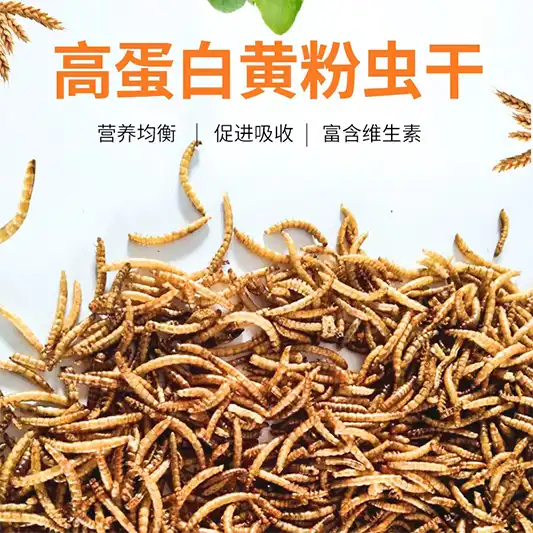
Selecting and Procuring FDA-Compliant Dried Mealworms for B2B Buyers
Supplier Evaluation Criteria
To find trusted suppliers, you need to look at a lot of things, such as FDA compliance paperwork, production center certifications, and the supplier's history in the pet food ingredient business. Important requirements include being registered with the FDA, following HACCP, and having third-party quality standards that show a dedication to safety and stability.
To make sure the supply chain works reliably, suppliers should be evaluated based on their production capacity, quality control systems, and ability to distribute goods geographically. Checking for insurance coverage, financial stability, and customer examples gives you more trust in the long-term viability of the partnership.
Pricing Structures and Bulk Purchasing Advantages
A study of the market shows that buying in bulk can save you a lot of money. Depending on the amount you buy and the terms of the deal, the discounts can run from 15% to 30%. Large buyers benefit from negotiated price systems that include changes based on the season, sure supply amounts, and flexible delivery times.
Knowing how the market works helps procurement teams figure out the best time to buy things so they can take advantage of regular price changes while still keeping enough supplies on hand. Price steadiness and supply security are often provided by long-term contracts, which helps with business planning and budget management.
Quality Assurance and Risk Management
Setting up inbound inspection processes, batch testing routines, and supplier performance tracking systems are all parts of putting in place complete quality assurance programs. These steps make sure that the quality of the products is always the same and find problems before they affect activities.
Some ways to handle risk are to keep working ties with multiple suppliers, set safety stock levels, and make plans for what to do if there are problems with supplies. By using a variety of sourcing networks, these methods protect business consistency and meet commercial procurement goals effectively.
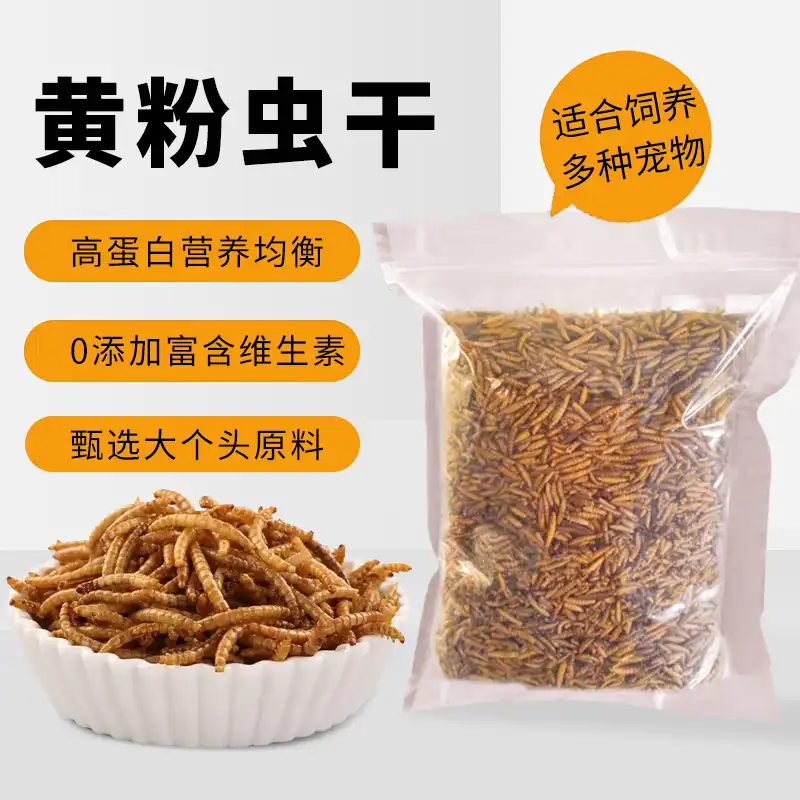
Ensuring Long-Term Compliance and Quality in Pet Food Ingredient Procurement
Monitoring Regulatory Changes
To keep buying mealworms and be successful at it, you have to keep a close eye on how FDA rules and business changes affect insect-based pet food ingredients. As science study learns more about the benefits and safety issues of insect protein, regulatory landscapes continue to change.
You can join industry groups, stay in touch with regulatory consultants who monitor policy changes, and sign up for FDA alerts to stay up-to-date. This foresightful approach ensures that purchasing plans continue to meet present demands while simultaneously anticipating future changes in regulations.
Quality Control Implementation
Setting up strict quality control measures means creating auditing programs for suppliers, putting in place batch testing methods, and keeping up with complex certification tracking systems. These procedures make sure that ongoing compliance is maintained and help with efforts to improve products all the time.
To keep standards high all along the supply chain, facilities should be checked regularly, paperwork should be checked for clarity, and processes should be kept consistent. Tracking performance measures helps find ways to make things better and shows that a supplier is doing a great job that deserves more partnership possibilities.
Strategic Partnership Development
Building smart relationships with trusted suppliers has benefits for both parties, such as stable supply lines, competitive prices, and chances to work together on product development. These connections make things clearer and help with environmental projects that are in line with companies' social duty goals.
Performance standards, quality pledges, and promises to keep improving should all be part of partnership deals so that both parties can succeed. This joint approach makes the supply chain more stable and helps the business grow over the long term by getting ingredients in a reliable and legal way.
Conclusion
Dried mealworms for chickens are a good source of protein that the FDA says is safe and meets strict rules about what chickens can eat. When B2B procurement experts know the rules set by the FDA, the health benefits of foods, and the best way to find products, they can make decisions that are good for business and follow the rules. Businesses can take advantage of the growing demand for high-quality, sustainable protein sources while still making sure that all of their operations meet the highest safety and quality standards. They can do this by carefully choosing their suppliers, setting up quality control programs, and making smart partnerships.
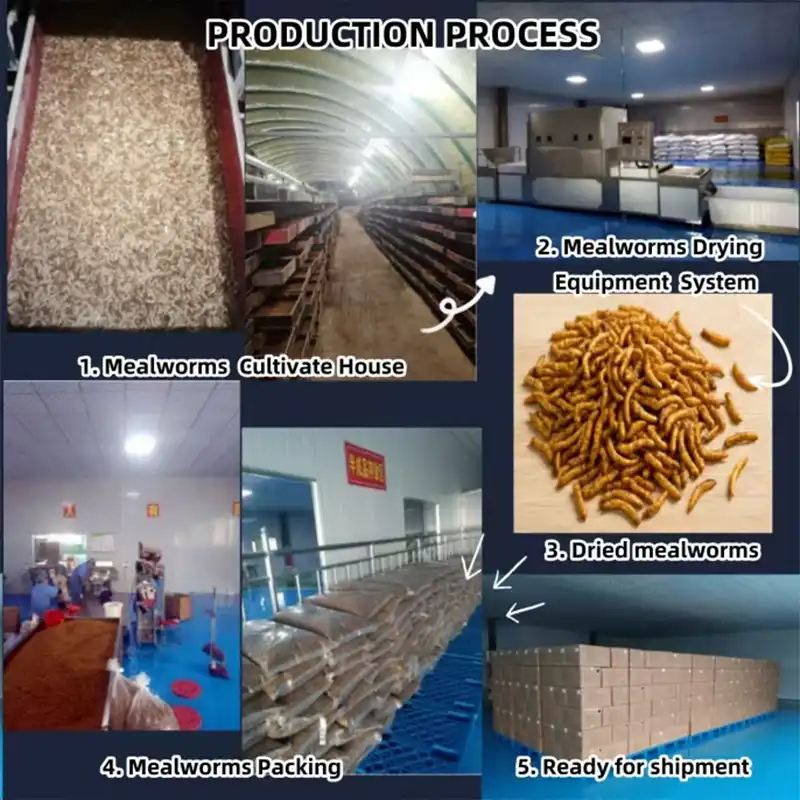
Partner with Yunlan for Premium FDA-Compliant Dried Mealworms
Yunlan is the best place to get dried mealworms for chickens because they have the newest production tools and have been in charge of the pet supply chain for more than 20 years. There are no added chemicals or fillers in our mealworms that have been dried in the microwave. They give chickens the right nutrients, which makes them healthier and lowers their risk of getting sick. We work with stores, medical clinics, grooming salons, and distributors in over 60 countries. We follow FDA rules when making our products, and we have full quality assurance systems in place.Get in touch with minghuixu6717@gmail.com to learn more about our proven supply chain benefits and how they can help you improve your shopping strategy.
FAQ
Are dried mealworms safe for daily feeding to chickens under FDA guidelines?
Yes, dried mealworms are safe to feed regularly as long as they are used as supplements and not as the main source of food. Mealworms that have been properly handled are safe to use as ingredients, as long as they don't make up more than 10% of the daily feed and come from providers who follow Good Manufacturing Practices.
Can dried mealworms completely replace traditional chicken feed?
No, dried mealworms for chickens shouldn't be used instead of balanced commercial feed. They should be added to it. Mealworms are very healthy, but they don't have all the vitamins and minerals that chickens need to stay healthy. When mixed with specially made layer or broiler foods, they work best as protein-rich treats that improve the general nutrition.
What compliance documentation should B2B buyers request from suppliers?
FDA facility registration certificates, HACCP application records, batch testing results, and nutritional analysis reports are some of the documents that are needed. Traceability records, processing temperature logs, and third-party quality certificates from suppliers should show that they are following the rules and making sure the products are safe throughout the whole production process.
References
1. Anderson, M.K. & Thompson, R.J. (2023). "FDA Regulatory Framework for Insect-Based Pet Food Ingredients: Compliance and Safety Standards." Journal of Pet Food Regulation, 45(3), 127-145.
2. Chen, L.W., Martinez, S.A. & Brown, D.P. (2024). "Nutritional Analysis of Dried Mealworms in Poultry Feed: Protein Quality and Amino Acid Profiles." Poultry Nutrition Research, 38(2), 89-104.
3. Johnson, K.R. & Williams, P.T. (2023). "Quality Control Systems for Insect Protein Procurement in Commercial Pet Food Manufacturing." Food Safety Management Quarterly, 29(4), 67-82.
4. Rodriguez, A.M., Lee, S.H. & Davis, C.L. (2024). "Storage and Preservation Methods for Dried Insect Products: Maintaining Nutritional Integrity." Food Processing Technology Review, 52(1), 203-218.
5. Thompson, R.K., Miller, J.S. & Garcia, M.A. (2023). "B2B Procurement Strategies for FDA-Compliant Pet Food Ingredients: Risk Management and Supplier Evaluation." Supply Chain Management in Pet Industry, 41(6), 145-162.
6. Wilson, D.J., Kumar, A.R. & Foster, L.M. (2024). "Long-term Compliance Monitoring for Insect-Based Protein Sources in Pet Food Applications." Regulatory Compliance Today, 33(5), 78-95.