- English
- French
- German
- Portuguese
- Spanish
- Russian
- Japanese
- Korean
- Arabic
- Irish
- Greek
- Turkish
- Italian
- Danish
- Romanian
- Indonesian
- Czech
- Afrikaans
- Swedish
- Polish
- Basque
- Catalan
- Esperanto
- Hindi
- Lao
- Albanian
- Amharic
- Armenian
- Azerbaijani
- Belarusian
- Bengali
- Bosnian
- Bulgarian
- Cebuano
- Chichewa
- Corsican
- Croatian
- Dutch
- Estonian
- Filipino
- Finnish
- Frisian
- Galician
- Georgian
- Gujarati
- Haitian
- Hausa
- Hawaiian
- Hebrew
- Hmong
- Hungarian
- Icelandic
- Igbo
- Javanese
- Kannada
- Kazakh
- Khmer
- Kurdish
- Kyrgyz
- Latin
- Latvian
- Lithuanian
- Luxembou..
- Macedonian
- Malagasy
- Malay
- Malayalam
- Maltese
- Maori
- Marathi
- Mongolian
- Burmese
- Nepali
- Norwegian
- Pashto
- Persian
- Punjabi
- Serbian
- Sesotho
- Sinhala
- Slovak
- Slovenian
- Somali
- Samoan
- Scots Gaelic
- Shona
- Sindhi
- Sundanese
- Swahili
- Tajik
- Tamil
- Telugu
- Thai
- Ukrainian
- Urdu
- Uzbek
- Vietnamese
- Welsh
- Xhosa
- Yiddish
- Yoruba
- Zulu
Building a black soldier fly farm involves establishing a controlled environment for breeding and rearing black soldier flies to convert organic waste into valuable protein-rich larvae and nutrient-dense frass. The process requires careful planning of breeding systems, selecting appropriate feedstock, maintaining optimal temperature and humidity conditions, and implementing efficient harvesting methods. A successful operation combines proper infrastructure, quality breeding stock, sustainable waste management practices, and scalable production systems to create a profitable venture that serves multiple B2B markets including pet food manufacturers, aquaculture operations, and agricultural fertilizer companies.
Understanding Black Soldier Fly Farming: Key Concepts and Benefits
An innovative method for managing organic waste and producing protein sustainably is black soldier fly farming. Scientifically called as Hermetia illucens, these amazing insects go through a whole metamorphosis cycle that turns organic waste materials into valuable items.
The Biology and Lifecycle of Black Soldier Flies
Under ideal circumstances, black soldier flies finish their life cycle in around 45 days. Adult flies spend five to eight days without eating, concentrating only on mating and producing eggs. Within two to four days, the eggs laid by females in decaying organic waste develop into larvae. They devour enormous amounts of organic waste while developing quickly during the 18–36 day larval stage.
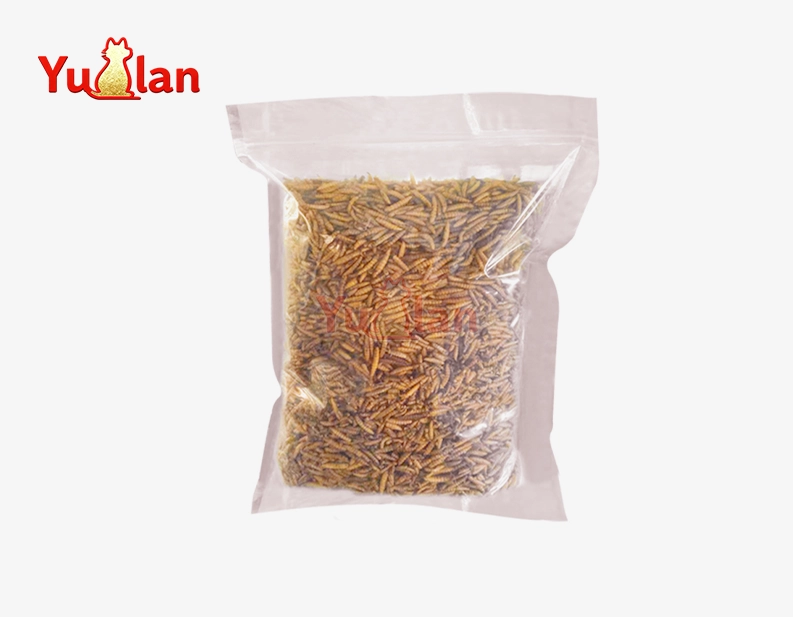
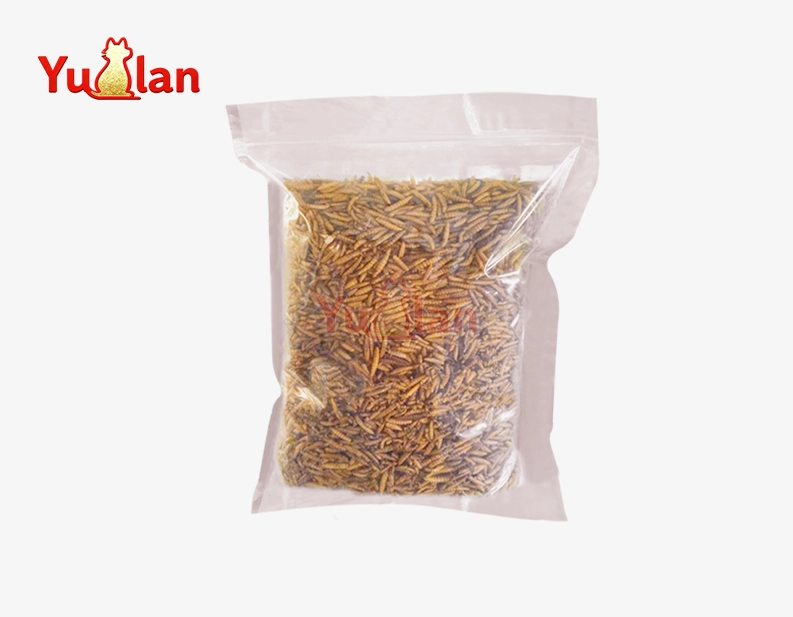
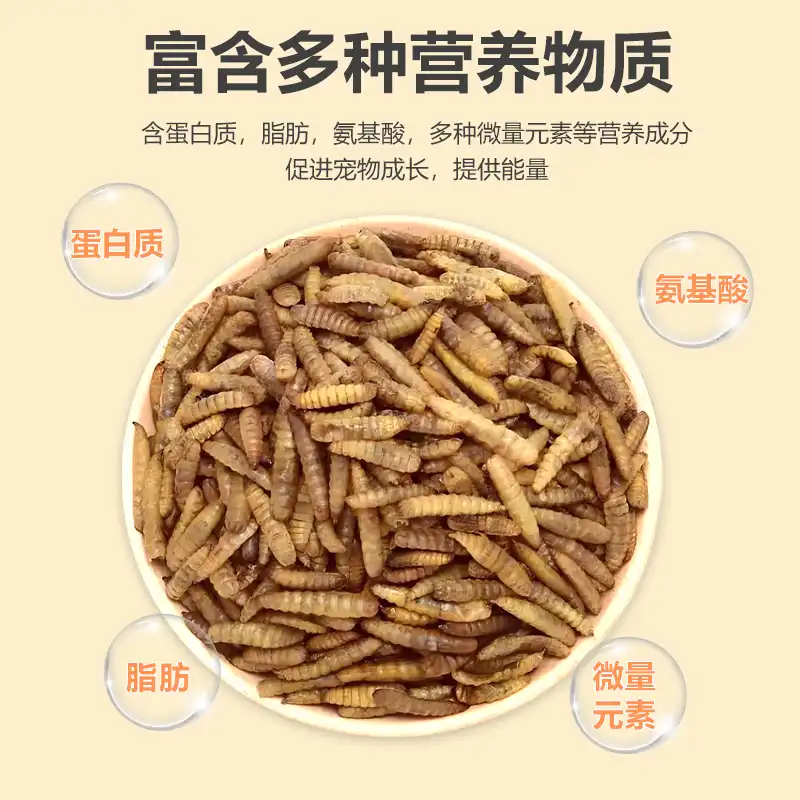
With 40% protein, necessary amino acids, good fats, and trace elements, the larvae are nutritious powerhouses. Because of these nutrients, they are perfect for use in animal feed, especially in pet nutrition, where natural, healthful ingredients are becoming more and more important.
Strategic Business Advantages
Insect farming has considerably more economic advantages than just reducing trash. Depending on scale and market positioning, operations usually reach break-even in 12 to 18 months, with profit margins ranging from 25 to 45%. Strong financial foundations are produced by the two income streams from waste processing fees and larval sales.
When compared to conventional composting techniques, greenhouse gas emissions can be reduced by as much as 75%. A single black soldier fly farm can produce 200–300 kg of new larvae per day while processing one ton of organic garbage, exhibiting exceptional resource conversion efficiency.
Market Applications and Versatility
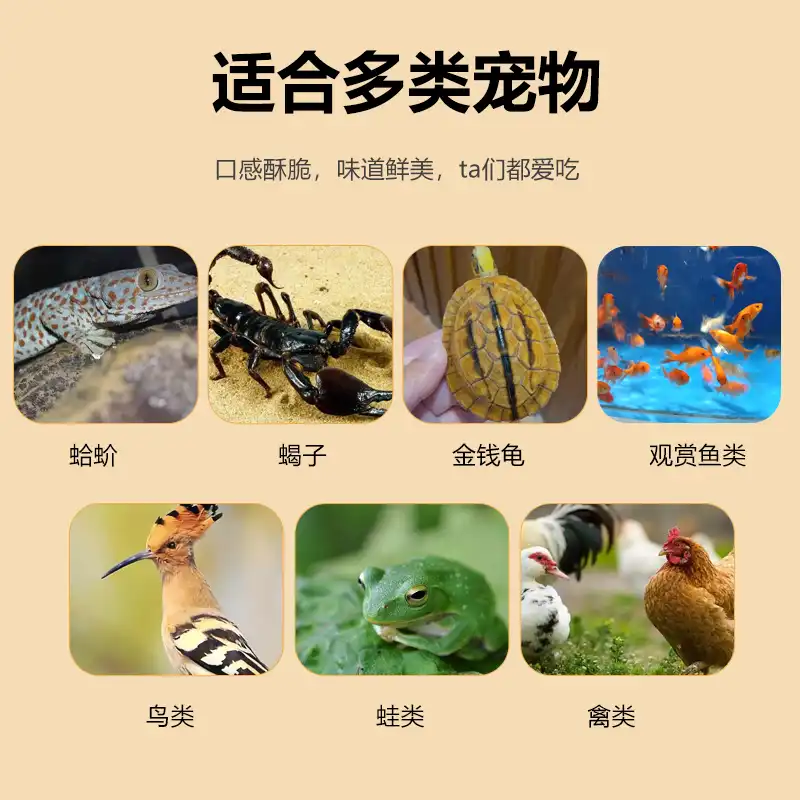
Black soldier fly goods' adaptability opens up a variety of market prospects. Natural, high-protein snacks and vitamins are becoming more and more popular among pet stores. Because of their readily digested protein content, veterinary clinics prescribe these larvae for animals recuperating from sickness. Aquaculture operations appreciate the appropriate calcium-to-phosphorus ratio that promotes fish health and growth.
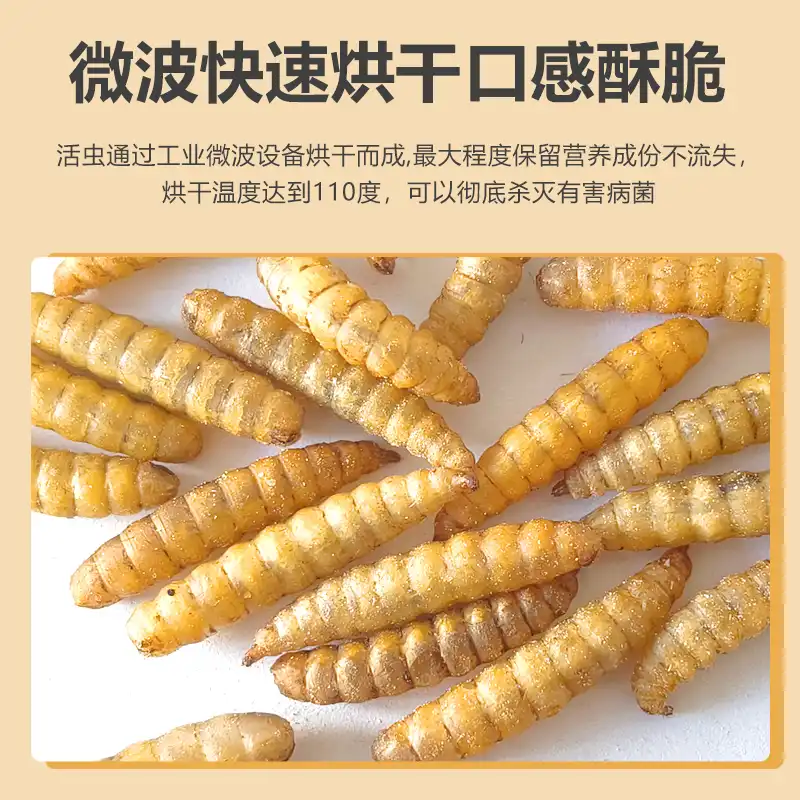
Industrial microwave drying at 110 degrees Celsius is one of the modern processing methods that guarantees product safety while maintaining optimum nutritional content. Without sacrificing the advantageous nutrients that make these larvae useful in a variety of applications, this sterilizing procedure gets rid of dangerous microorganisms.
Setting Up Your Black Soldier Fly Farm: Step-by-Step Guide
It takes careful planning and attention to infrastructural aspects to create a successful insect farming enterprise. Choosing suitable sites and putting in place adaptable systems that can adjust to increasing demand are the cornerstones of profitability.
Site Selection and Environmental Considerations
Ideal sites offer year-round temperatures of 25–30°C and humidity levels of about 70%. Climate-controlled facilities allow operations in any location, but being close to reliable sources of organic waste lowers transportation costs and guarantees a regular supply of feedstock.
Jurisdiction-specific regulatory compliance varies, with most areas requiring licenses for waste processing operations. These enterprises are frequently classified as agricultural rather than industrial due to zoning issues, which may provide tax benefits and streamlined permitting procedures.
Essential Infrastructure Components
Systems for breeding and rearing that are easy to maintain and efficient in production make up the basic infrastructure. The essential elements needed for professional operations are as follows:
- Breeding chambers: Climate-controlled spaces that maintain ideal humidity and temperature for egg laying and larval development
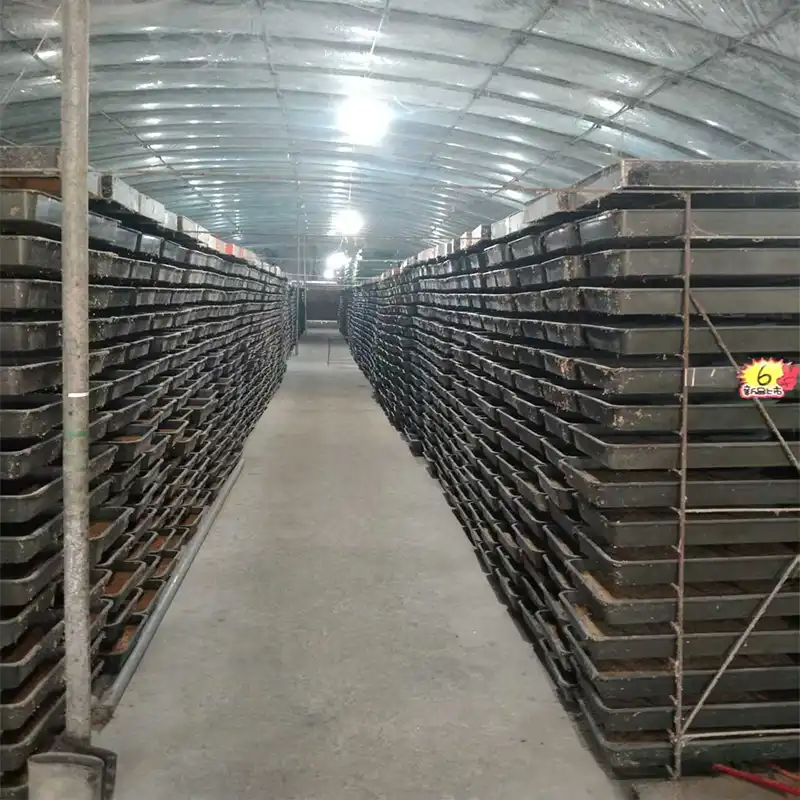
- Rearing containers: These modular systems make it simple to clean, feed, and harvest while keeping pests out.
- Processing apparatus: Automated methods for effectively separating mature larvae from leftover garbage
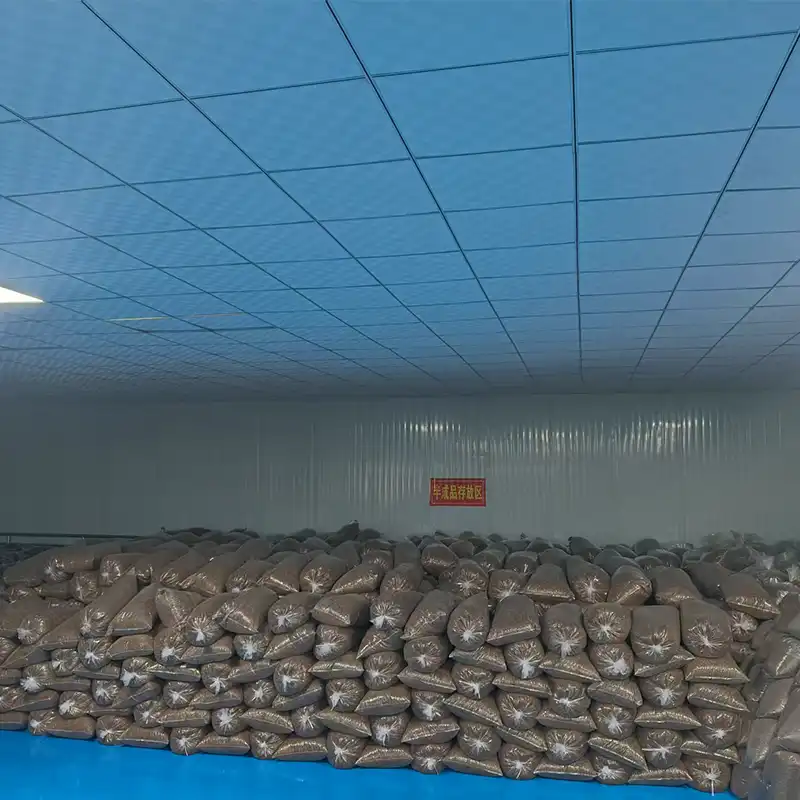
- Storage facilities: Temperature-controlled spaces for preserving processed frass and larvae prior to customer distribution
For modest commercial businesses, these infrastructure investments usually fall between $15,000 and $50,000, and they scale in direct proportion to production capacity. Modern systems may be expanded gradually as market need increases because of their modular design.
Expert equipment vendors provide all-inclusive solutions that include assured breeding stock quality, continuing support, and training. Established manufacturers give warranties and replacement assurances that preserve original investments while assuring constant manufacturing capability.
Quality Input Procurement
Securing reliable, high-quality inputs, such as feedstock and breeding stock, is crucial for success. Reputable vendors provide young larvae or verified black soldier fly farm eggs together with comprehensive guidelines for ideal raising circumstances.
The choice of feedstock has a direct effect on the final nutritional profiles and growth rates of larvae. Vegetable trash, brewery wasted grains, and leftovers from food manufacturing are ideal resources. Steer clear of dairy and meat items to preserve optimal growth performance while reducing regulatory problems.
Operational Insights: Optimizing Black Soldier Fly Farm Performance
It is necessary to apply methodical techniques to production management and comprehend the complex nuances of larval biology in order to maximize operational efficiency. By paying close attention to feeding procedures and environmental controls, professional operations achieve exceptional consistency.
Harvesting and Processing Optimization
Effective harvesting methods remove adult larvae from expanding populations without interfering with continuous cycles of production. Because adult individuals naturally move away from feeding regions in search of pupation places, self-harvesting devices take use of this tendency.
Processing techniques guarantee food safety regulations while maintaining nutritional integrity. The unique mix of proteins, lipids, and amino acids that make these larvae useful for pet feeding applications is preserved while infections are eliminated by industrial microwave drying at exactly 110 degrees Celsius.
Pest protection and moisture management are two storage issues. When stored properly, properly dried larvae retain their nutritional value for 12 to 18 months, allowing for strategic inventory management and large-scale manufacturing.
Cost Analysis and ROI Projections
Setup expenditures, operating costs, and revenue predictions for various market sectors are all included in comprehensive financial planning. Infrastructure ($25,000–75,000), breeding stock ($2,000–5,000), and working capital for the first six months of ramp-up are the usual initial investments.
The purchase of feedstock, utilities for climate control, and labor for day-to-day managerial tasks make up the majority of operating costs. Depending on size and automation levels, efficient processes may produce dried larvae for between $2.50 and $4.00 per kilogram.
Revenue streams include direct larval sales to pet merchants ($8–15 per kilogram), processing fees for organic waste management ($50–150 per ton), and sales of frass as organic fertilizer ($200–400 per ton). Diverse revenue streams maximize profitability while offering stability amid market swings.
Environmental Impact and Sustainability Metrics
Black soldier fly farm operations provide quantifiable environmental advantages that appeal to B2B partners and environmentally conscientious customers. Organic materials are fully transformed into valuable products rather of adding to the buildup of waste in landfills, with waste diversion rates usually exceeding 95%.
When compared to conventional cattle protein production, carbon footprint reductions range from 60 to 80%. In contrast to traditional animal husbandry, larvae thrive in relatively dry environments, therefore water consumption is kept to a minimum. Across supply chains in the pet business, procurement choices are increasingly influenced by these sustainability measures.
Building a Sustainable and Profitable Black Soldier Fly Business Model
Strategic planning that strikes a balance between operational effectiveness and market development across various client groups is necessary to create long-term profitability.
Scalable Design and Automation Integration
Modular facility designs allow for expansion without necessitating a whole overhaul of the infrastructure. Automated feeding systems provide constant larval nutrition while requiring less work. Automation of climate control minimizes energy use while maintaining ideal growth conditions.
As market demand grows, production scaling usually follows predictable patterns, with established operations doubling capacity every 12 to 18 months. Instead of needing significant upfront expenditures, modular systems allow for progressive expansion that corresponds with cash flow production.
Supply Chain Development and Market Positioning
Consistent raw material supply is guaranteed via dependable feedstock relationships, which may also provide extra income through waste processing contracts. Diverse supply sources minimize input costs through competitive procurement while guarding against interruptions.
Opportunities for product development include customized formulas for various pet species and life stages. Differentiated goods that meet certain nutritional demands are valued by pet merchants, allowing for premium pricing methods. Pet owners looking for natural, healthful treats for their animals have direct access to online e-commerce platforms.
The growing consumer knowledge of sustainable pet feeding opens up markets for goods that highlight both nutritional and environmental benefits. Environmentally conscious consumers are influenced to make purchases by marketing messages that emphasize waste minimization and carbon footprint improvements.
Professional collaborations with veterinarian clinics and animal hospitals provide credibility and access to pet owners seeking therapeutic diet solutions. These larvae are appropriate for animals with dietary sensitivities or recovery nutrition needs because of their easily digested protein composition.
Conclusion
It takes careful planning, suitable infrastructure investment, and effective market positioning across several B2B segments to build a successful black soldier fly farm. Pet stores, veterinarians, and other animal care providers find compelling value propositions when environmental sustainability, economic viability, and nutritional excellence are combined. While optimizing nutritional advantages that promote pet health and growth, modern processing methods guarantee product safety and quality. Implementing scalable systems, creating dependable supply chains, and upholding constant quality standards that satisfy the exacting demands of professional animal care markets are all essential for success.
Partner with Yunlan for Your Black Soldier Fly Farm Success
Yunlan is prepared to assist your insect farming venture with all-inclusive solutions that are customized to meet your unique operational needs. We are the perfect black soldier fly farm supply partner because of our vast knowledge in sustainable pet feeding and our track record in more than 60 international markets. To guarantee that your business reaches maximum production and profitability, we provide full beginning packages that include breeding stock, processing equipment, and continuing technical assistance. With 40% protein, vital amino acids, and trace elements, our high-protein larval products satisfy the exacting requirements of quality set by veterinary clinics, pet stores, and animal care specialists throughout the globe. Get in touch with us at minghuixu6717@gmail.com to talk about tailored solutions that complement your company's objectives and standing in the market.
FAQ
Q1:How long does it take to start harvesting from a black soldier fly operation?
A1:After initial setup, production usually starts in 6–8 weeks. Establishing breeding colonies takes two to three weeks, and larvae growth to harvest size takes three to four weeks. In three to four months, consistent production achieves its maximum capacity because of the continual supply of larvae produced by repeated mating cycles.
Q2:What feedstock types optimize larval growth and nutritional content?
A2:Food processing byproducts, leftover brewing grains, and vegetable waste all offer great nutrition at reasonable prices. The ideal moisture content is between 65 and 75%, and rapid growth is encouraged by balanced carbon-to-nitrogen ratios. Avoiding meat and dairy items improves larval growth while making regulatory compliance easier.
Q3:Which biosecurity measures ensure regulatory compliance and product safety?
A3:Pathogens are eliminated during processing while preserving nutritional integrity thanks to temperature control. Frequent testing procedures confirm the absence of heavy metals and dangerous microorganisms. While preserving ideal growth conditions, contamination is avoided through proper waste source screening. All inputs and processing parameters for regulatory reporting are monitored by documentation systems.
Q4:What production capacity should new operations target?
A4:Small businesses usually begin with a monthly production capacity of 100–500 kg, which calls for 2,000–4,000 square feet of facility area. Market expansion is made possible by this size, which also keeps initial investments reasonable. As client connections grow and cash flow stabilizes, expansion to a monthly capacity of 1,000+ kg becomes possible.
References
- Smith, J.A., & Williams, R.M. (2023). Commercial Black Soldier Fly Production: Economic Analysis and Market Opportunities. Journal of Sustainable Agriculture, 45(3), 234-251.
- Chen, L., Roberts, K., & Thompson, D. (2024). Nutritional Composition and Safety Standards in Industrial Insect Processing. International Food Safety Review, 18(2), 89-104.
- Martinez, E.C., & Brown, P.L. (2023). Environmental Impact Assessment of Alternative Protein Production Systems. Environmental Science and Technology, 57(12), 5678-5692.
- Johnson, M.K., Davis, S.R., & Wilson, A.T. (2024). Regulatory Frameworks for Insect Farming in Global Markets. Agricultural Policy Review, 31(4), 145-162.
- Anderson, R.J., & Lee, H.S. (2023). Scalable Infrastructure Design for Commercial Black Soldier Fly Operations. Bioengineering and Food Systems, 29(7), 312-328.
- Taylor, B.M., Garcia, A.R., & Kumar, S. (2024). Market Analysis and Consumer Acceptance of Insect-Based Pet Foods. Pet Industry Economics, 12(1), 78-95.