- English
- French
- German
- Portuguese
- Spanish
- Russian
- Japanese
- Korean
- Arabic
- Irish
- Greek
- Turkish
- Italian
- Danish
- Romanian
- Indonesian
- Czech
- Afrikaans
- Swedish
- Polish
- Basque
- Catalan
- Esperanto
- Hindi
- Lao
- Albanian
- Amharic
- Armenian
- Azerbaijani
- Belarusian
- Bengali
- Bosnian
- Bulgarian
- Cebuano
- Chichewa
- Corsican
- Croatian
- Dutch
- Estonian
- Filipino
- Finnish
- Frisian
- Galician
- Georgian
- Gujarati
- Haitian
- Hausa
- Hawaiian
- Hebrew
- Hmong
- Hungarian
- Icelandic
- Igbo
- Javanese
- Kannada
- Kazakh
- Khmer
- Kurdish
- Kyrgyz
- Latin
- Latvian
- Lithuanian
- Luxembou..
- Macedonian
- Malagasy
- Malay
- Malayalam
- Maltese
- Maori
- Marathi
- Mongolian
- Burmese
- Nepali
- Norwegian
- Pashto
- Persian
- Punjabi
- Serbian
- Sesotho
- Sinhala
- Slovak
- Slovenian
- Somali
- Samoan
- Scots Gaelic
- Shona
- Sindhi
- Sundanese
- Swahili
- Tajik
- Tamil
- Telugu
- Thai
- Ukrainian
- Urdu
- Uzbek
- Vietnamese
- Welsh
- Xhosa
- Yiddish
- Yoruba
- Zulu
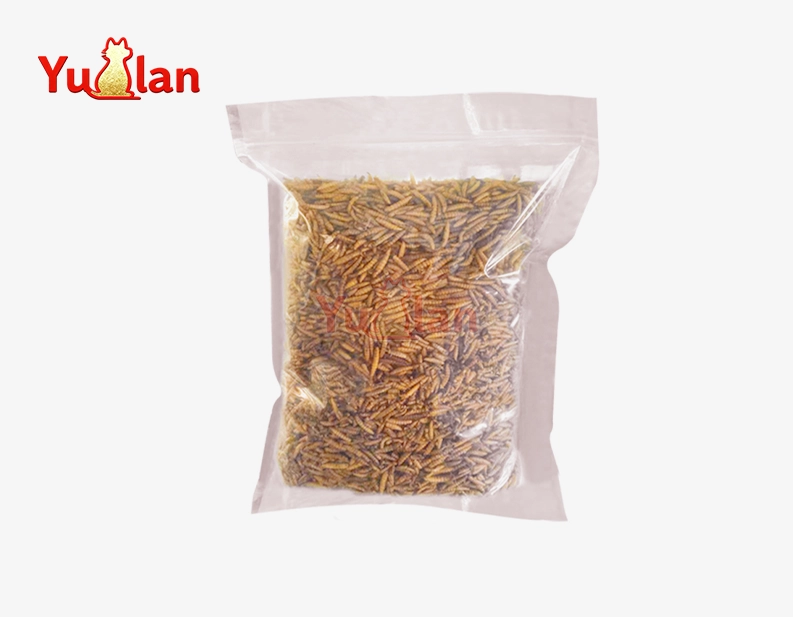
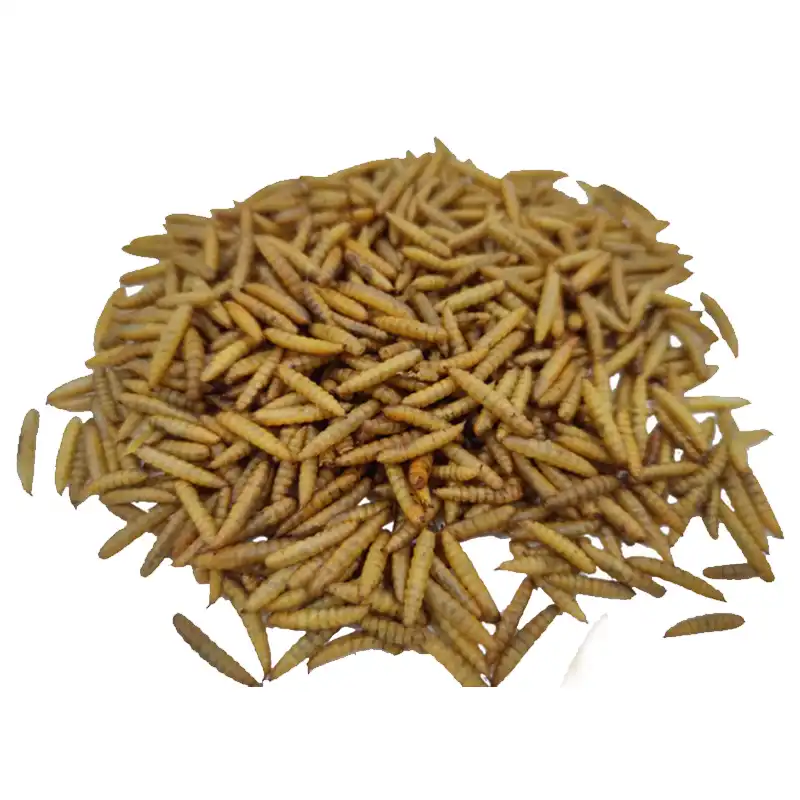
Black soldier fly larvae have emerged as a high nutrient, eco friendly sustainable protein source for modern animal feed industries. Featuring rich protein, fatty acids and active antibacterial ingredients, BSFL are widely applied in aquaculture, poultry farming, cattle breeding and pet food production. Drying is the most critical processing step to convert fresh BSFL into storable, safe and commercial feed raw materials. Proper drying treatment effectively removes excess moisture, locks core nutrients, extends product shelf life and avoids microbial contamination. This article systematically introduces the complete drying process of BSFL, covering pre drying preparation, core drying parameters, post processing standards and supply chain application guidance.
Pre Drying Preparation for Black Soldier Fly Larvae
Proper pre drying treatment is the foundation to produce high quality dried products. Complete preparation work stabilizes nutritional composition, standardizes follow up processing and prevents uneven drying and quality degradation. Every preparatory step determines the final shelf performance and feeding value of finished BSFL products.
Optimal Harvest Time and Quality Selection
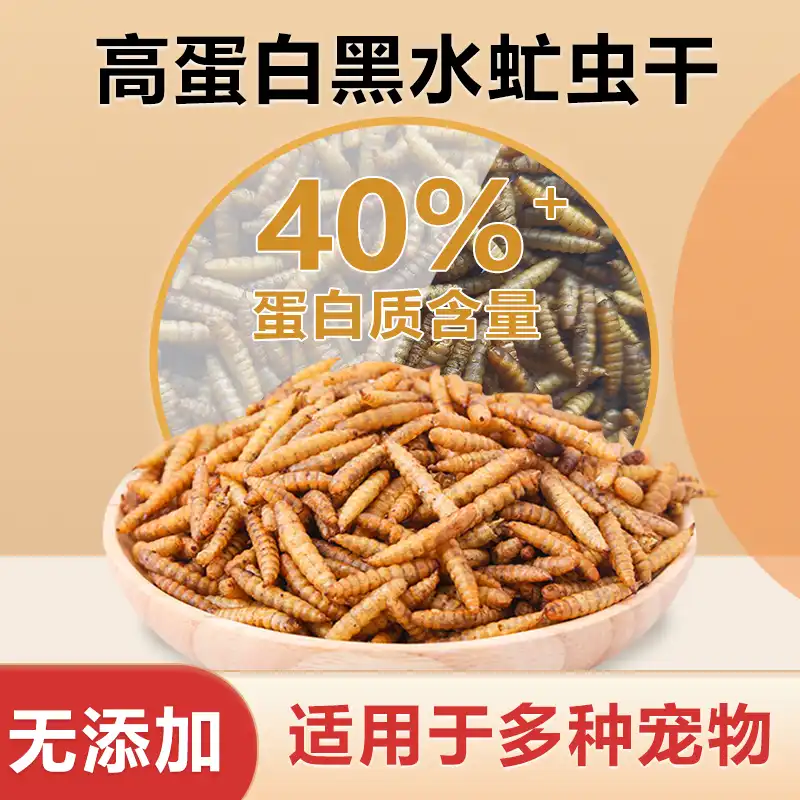
The growth cycle of black soldier fly larvae directly affects nutrient density and internal moisture content, which decides drying difficulty and final product quality. The best harvesting window is 18 to 22 days after hatching. At this growth stage, the larvae accumulate the maximum protein and fat nutrients. Calculated by dry weight, mature individuals contain 40% protein and 30% fat, with loose internal moisture that is easy to remove during drying.
Immature individuals feature higher moisture and lower nutritional reserves. They are prone to incomplete drying and post processing mildew. In comparison, mature prepupae carry the most stable nutrients and generate slight natural drying during maturation. Selecting age unified and mature individuals is the primary guarantee for consistent drying quality and stable batch output.
Cleaning and Enzyme Inactivation Treatment
Freshly harvested black soldier fly larvae carry substrate residues, frass and various tiny impurities. These contaminants reduce effective protein content and threaten feed safety. Standardized gentle cleaning can eliminate impurities completely without damaging the nutritional structure and activity of the organisms.
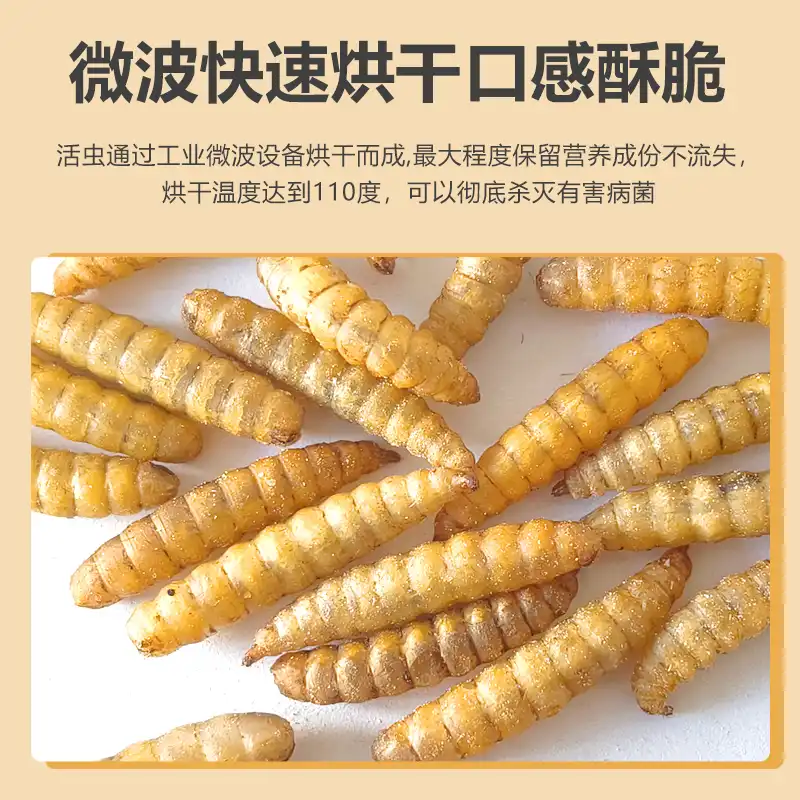
Workers rinse raw materials with qualified potable water, then spread them on mesh screens for natural air drying to remove surface moisture. For industrial standardized production, blanching is an essential procedure. Soaking the materials in 80°C hot water for 30 to 60 seconds can inactivate internal active enzymes and reduce surface bacteria. This operation effectively prevents nutrient deterioration during drying and long term storage.
Size Sorting and Moisture Detection Standard
Individual size differences of black soldier fly larvae cause severe drying inconsistency in mixed batch processing. Oversized and undersized individuals coexisting will lead to partial over drying or under drying, damaging overall product uniformity. Factories adopt automatic screening machines to classify raw materials by size, separating individuals larger than 1.5 cm and smaller than 1.0 cm for independent batch processing.
Fresh BSFL maintain a stable moisture range of 65% to 70%. Before formal drying, workers use calibrated professional moisture meters to test raw material moisture. Unified pre production detection standards accurate subsequent drying parameter setting. It ensures the final finished product moisture is stably controlled within the safe industrial range of 8% to 10%.
Drying Process and Temperature Control of Black Soldier Fly Larvae
After finishing standardized pre drying preparation, scientific process control and precise temperature management are the core to lock nutrients and ensure high quality finished products. Reasonable paving density, constant temperature control and timed moisture monitoring balance production efficiency and nutritional retention, avoiding nutrient loss and peculiar smell of BSFL products.
Standard Laying Density for Uniform Drying
Paving density is a basic factor affecting air circulation and drying uniformity of black soldier fly larvae. Both oven drying and fluidized bed drying have unified optimal paving specifications. The ideal paving thickness of raw materials is controlled at 2 to 4 cm.
This thickness enables hot air to fully wrap and penetrate each individual, realizing synchronous internal and external water volatilization. Overly dense paving blocks air circulation, slows down drying speed and causes unbalanced moisture in the same batch. This problem greatly reduces batch stability and consistent quality of finished products.
Scientific Temperature Range to Protect Nutrients
Temperature is the most critical parameter that determines the nutritional retention effect of black soldier fly larvae. Low temperature reduces production efficiency, while excessive high temperature destroys active nutrients. Industrial research verifies that 55°C to 60°C is the most balanced drying temperature range.
This mild temperature environment completely protects the complete protein structure of BSFL. It retains high value functional substances including lauric acid and antimicrobial peptides, while ensuring efficient water removal to meet large scale industrial production needs. When the temperature exceeds 70°C, although the drying speed increases temporarily, heat sensitive vitamins will decompose. High temperature oxidation also produces unpleasant off flavors, reducing the palatability of feed products for pets and livestock.
Drying Duration and Moisture Control Standard
Real time moisture monitoring throughout the drying process is essential to produce qualified black soldier fly larvae. Staff need to sample and detect material moisture every 2 to 3 hours during processing. The target moisture of finished products is strictly controlled between 8% and 10%.
This moisture standard effectively inhibits microbial reproduction, ensuring product safety while maintaining a loose and stable texture. Over drying to below 5% moisture brings no safety improvement. It only wastes production energy, makes finished products overly fragile, and may even affect the digestive absorption efficiency of feeding animals.
Post Drying Processing and Quality Standard of Black Soldier Fly Larvae
Product quality maintenance does not end after drying. Standardized post treatment procedures including natural cooling, sealed packaging and scientific storage can maximize shelf life. Strict multi dimensional quality testing ensures dried BSFL meet global safety standards for aquaculture, poultry, cattle and pet feed applications.
Cooling Treatment and Sealed Packaging Technology
High temperature dried black soldier fly larvae cannot be packaged immediately. Residual internal heat will produce condensation inside sealed packages, causing secondary moisture absorption and shortening shelf life. The standard industrial operation is to spread dried materials in thin and even layers for natural cooling.
After 30 to 60 minutes of room temperature cooling, residual heat is completely dissipated. Enterprises adopt composite barrier packaging materials made of polyethylene and aluminum foil. This material effectively isolates water, air and light, the three main factors causing product deterioration and oxidation.
Vacuum sealing or nitrogen flushing auxiliary packaging removes residual air inside packages. It significantly inhibits lipid oxidation of BSFL, greatly improving product stability during long distance transportation and long term inventory storage.
Storage Environment and Shelf Life Management
The storage environment directly decides the preservation effect of processed black soldier fly larvae. The ambient temperature must be kept below 25°C, and relative humidity controlled below 60%. Stable low temperature and low humidity conditions prevent lipid rancidity and moisture reabsorption of finished products.
Under standardized storage conditions, qualified dried BSFL can be stored for 12 to 18 months without refrigeration or chemical preservatives. The ultra long shelf life solves cross regional transportation difficulties and inventory management pressure, making it a stable and high quality green protein raw material for the global feed industry.
Quality Testing and Industry Compliance Standards
Qualified dried black soldier fly larvae must pass multi dimensional professional quality testing. Moisture detection is the core inspection item for every production batch. Manufacturers use high precision calibrated moisture meters to control detection error within 0.5%. Only products with 8% to 10% moisture are allowed to enter the market.
Third party professional institutions conduct comprehensive nutritional testing on finished BSFL. The detection items cover protein, amino acids, fatty acids and various micronutrients. Official test reports provide accurate data support for feed formula optimization and standardized production.
Meanwhile, strict microbial detection is carried out to check total bacterial count, coliform, salmonella and other harmful pathogens. All products fully comply with EU and US animal feed safety regulations. Formal suppliers complete test records and corrective action files for each batch, realizing full traceability of product quality.
Supply Chain Application and Industrial Value of Dried Black Soldier Fly Larvae
Dried black soldier fly larvae are widely applied in aquaculture, poultry breeding, cattle breeding and pet feed industries. High quality products and standardized supply chain management maximize the economic and environmental value of the raw material. Scientific procurement strategies and logistics optimization effectively reduce enterprise operating costs and improve market competitiveness.
Supplier Selection and Procurement Pricing Strategy
When purchasing dried black soldier fly larvae, feed enterprises should not only focus on low prices. Production capacity, scalability and after sales service are key evaluation indicators for reliable suppliers. Excellent suppliers can stably support growing market demand and long term enterprise development.
Different procurement channels have obvious differences in pricing and service. Direct purchasing from farmers has a lower unit price, but buyers need to undertake transportation, quality testing and inventory management work. Wholesalers and distributors have slightly higher prices, but they provide guaranteed quality, flexible payment terms and professional after sales support.
Long term bulk procurement can obtain substantial preferential policies. Suppliers usually offer 8% to 15% discounts for annual orders of 5 to 10 metric tons. Long term cooperation and advance payment can get more favorable prices, effectively reducing the overall raw material cost of feed production enterprises.
Logistics Matching and Inventory Optimization
Enterprises need to select targeted packaging specifications according to production and sales scenarios. Large scale feed mills with automatic production lines are suitable for 500 kg to 1000 kg bulk packaging of black soldier fly larvae. Small and medium distributors and retail merchants prefer 10 kg to 25 kg small specification packages to adapt to scattered sales demands.
Scientific delivery scheduling maintains stable material supply and avoids excessive inventory occupation. Most professional feed enterprises reserve 30 to 60 days of finished product inventory to cope with supply chain emergencies. Cooperating with reliable suppliers realizes synchronous docking of delivery and production, balancing inventory safety and capital utilization efficiency.
Conclusion
Standardized drying technology is the key to convert fresh black soldier fly larvae into high value industrial feed raw materials. Complete pre drying preparation, precise temperature controlled drying and standardized post processing perfectly lock the rich nutritional components of BSFL. Qualified dried products contain 40% to 45% high quality protein, balanced amino acids, antibacterial lauric acid and immune enhancing chitin, with comprehensive nutritional advantages over traditional feed raw materials.
Against the background of global circular economy development, BSFL realize resource recycling of organic waste, providing a green, sustainable and low carbon protein solution for the modern breeding and pet feed industries. Mastering scientific drying processes and strict quality standards helps processors and purchasers seize market advantages in the booming insect protein industry. Standardized processing and storage ensure stable product quality, long shelf life and high feeding value, bringing lasting economic benefits and environmental value to the entire feed supply chain.
FAQs
What moisture content supports long term safe storage of dried BSFL?
Dried black soldier fly larvae with 8% to 10% moisture content achieve the best microbial stability and storage performance. Under the environment with temperature below 25°C and relative humidity below 60%, the finished products can be stored for 12 to 18 months without refrigeration or preservatives. Excessively low moisture cannot improve product safety. It only makes materials fragile and wastes production energy, with no practical industrial significance.
How do different drying methods affect the nutrition of BSFL?
Freeze drying has the best nutritional retention effect on black soldier fly larvae, retaining 95% to 98% of internal protein, vitamins and antibacterial active substances. However, its high production cost limits large scale industrial application. Controlled oven drying and fluidized bed drying at 55°C to 65°C can retain 88% to 92% of nutrients. This processing method balances quality and cost, becoming the most mainstream and cost effective solution for industrial mass production of qualified BSFL feed raw materials.
How to quickly judge BSFL product quality without laboratory equipment?
Sensory inspection can complete preliminary quality screening of black soldier fly larvae. High quality dried products present light to medium brown color, uniform and stable texture, with neutral or slight nutty flavor. Musty odor, visible mold and excessive powder are typical signs of unqualified processing or storage. For bulk commercial procurement, professional moisture meters and supplier official inspection certificates are still required to ensure batch quality stability.
Partner With Yunlan for Premium Black Soldier Fly Larvae Solutions
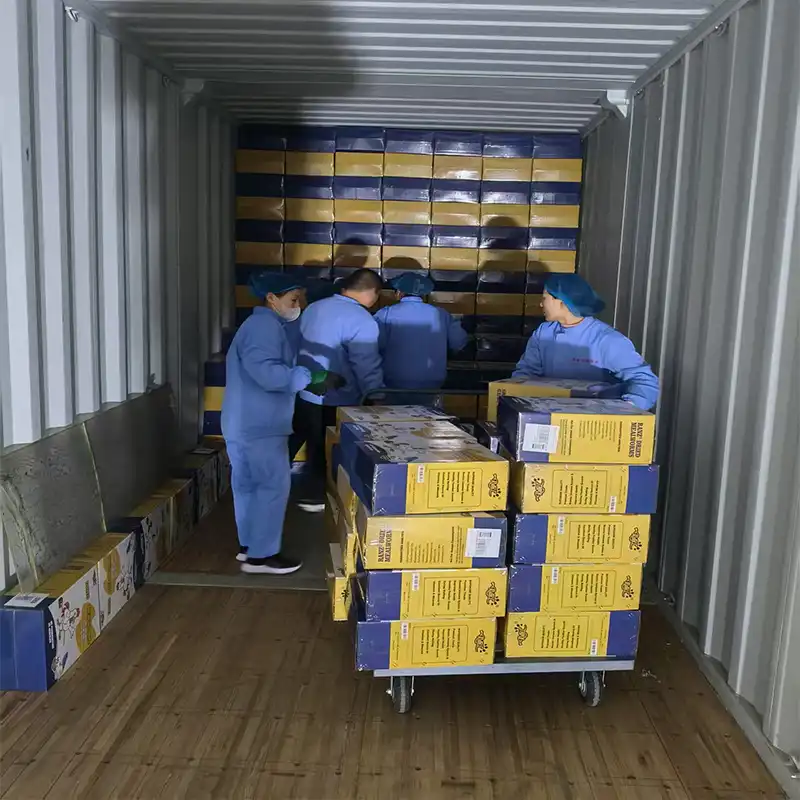
Yunlan is a professional and innovative manufacturer focusing on the R&D and production of high quality black soldier fly larvae. With decades of experience in sustainable insect protein production, we serve pet food enterprises, veterinary clinics, pet grooming institutions and global bulk wholesalers, covering North America and 60 countries worldwide.
We adopt advanced fluidized bed drying technology to process BSFL, strictly controlling finished product moisture at 8% to 10%. This precision processing mode completely retains core active nutrients including immune boosting antimicrobial peptides and high activity lauric acid. As a core brand of Ruixin Cloud Wave Group, we own a complete and mature global supply chain system to support stable product supply.
Our company has invested nearly 100 million yuan in technical research and development and obtained 97 domestic technical patents. We provide one stop services including bulk BSFL wholesale, customized retail packaging and feed formula optimization. All products support third party quality testing and provide official batch qualification certificates.
If you need high quality dried black soldier fly larvae samples, exclusive bulk discount policies and professional feed formula technical guidance, please contact our team via minghuixu6717@gmail.com. We will tailor stable supply solutions and one stop after sales services for your enterprise.
References
1. Barragan-Fonseca K B, Dicke M, van Loon J J. Nutritional value of the black soldier fly (Hermetia illucens L.) and its suitability as animal feed – a review[J]. Journal of Insects as Food and Feed, 2017, 3(2): 105-120.
2. Lalander C, Diener S, Zurbrügg C, Vinnerås B. Effects of feedstock on larval development and process efficiency in waste treatment with black soldier fly (Hermetia illucens)[J]. Journal of Cleaner Production, 2019, 208: 211-219.
3. Makkar H P S, Tran G, Heuzé V, Ankers P. State-of-the-art on use of insects as animal feed[J]. Animal Feed Science and Technology, 2014, 197: 1-33.
4. Oonincx D G A B, de Boer I J M. Environmental impact of the production of mealworms as a protein source for humans – a life cycle assessment[J]. PLoS ONE, 2012, 7(12): e51145.
5. Spranghers T, Ottoboni M, Klootwijk C, Ovyn A, Deboosere S, De Meulenaer B, Michiels J. Nutritional composition of black soldier fly larvae and its impact on broiler chicken performance[J]. Poultry Science, 2017, 96(11): 3889-3895.
6. Wang Y S, Shelomi M. Review of black soldier fly as animal feed and human food[J]. Foods, 2017, 6(10): 91-103.