- English
- French
- German
- Portuguese
- Spanish
- Russian
- Japanese
- Korean
- Arabic
- Irish
- Greek
- Turkish
- Italian
- Danish
- Romanian
- Indonesian
- Czech
- Afrikaans
- Swedish
- Polish
- Basque
- Catalan
- Esperanto
- Hindi
- Lao
- Albanian
- Amharic
- Armenian
- Azerbaijani
- Belarusian
- Bengali
- Bosnian
- Bulgarian
- Cebuano
- Chichewa
- Corsican
- Croatian
- Dutch
- Estonian
- Filipino
- Finnish
- Frisian
- Galician
- Georgian
- Gujarati
- Haitian
- Hausa
- Hawaiian
- Hebrew
- Hmong
- Hungarian
- Icelandic
- Igbo
- Javanese
- Kannada
- Kazakh
- Khmer
- Kurdish
- Kyrgyz
- Latin
- Latvian
- Lithuanian
- Luxembou..
- Macedonian
- Malagasy
- Malay
- Malayalam
- Maltese
- Maori
- Marathi
- Mongolian
- Burmese
- Nepali
- Norwegian
- Pashto
- Persian
- Punjabi
- Serbian
- Sesotho
- Sinhala
- Slovak
- Slovenian
- Somali
- Samoan
- Scots Gaelic
- Shona
- Sindhi
- Sundanese
- Swahili
- Tajik
- Tamil
- Telugu
- Thai
- Ukrainian
- Urdu
- Uzbek
- Vietnamese
- Welsh
- Xhosa
- Yiddish
- Yoruba
- Zulu
Tofu cat litter is really good for the environment and one of the most eco-friendly options on the market right now. This plant-based litter turns farm waste into biodegradable pieces from used soybean pulp that would have been food waste otherwise. Traditional clay litters require strip mining, which is bad for the environment. Tofu-based choices, on the other hand, use natural resources and are better at controlling smells and clumping. The process of making it produces a lot less carbon dioxide, and the end product breaks down naturally within weeks if thrown away properly. This makes it a great choice for pet owners who care about the environment and businesses that want to find long-term solutions.
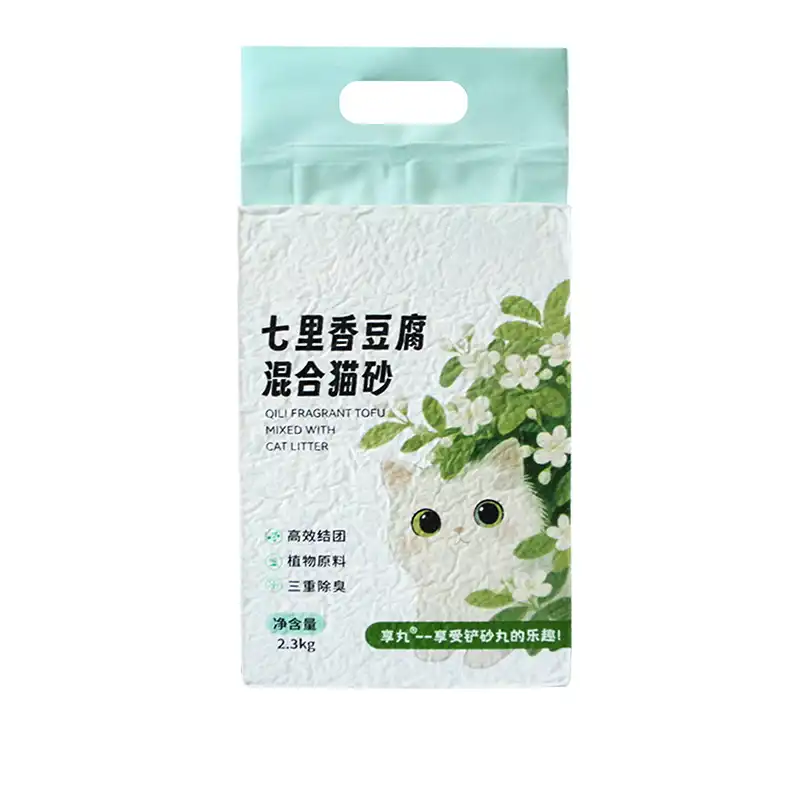
Understanding Tofu Cat Litter and Its Environmental Impact
Plant-based cat litter is better for the earth in many more ways than just breaking down naturally. The benefits of sustainability become very clear when we look at the whole lifetime of these goods. Strip mining, which is the traditional way to get bentonite clay, destroys areas by taking topsoil and upsetting whole ecosystems. Also, moving heavy clay materials from mines to factories for this process uses a lot of energy and costs a lot of money in shipping.
Composition and Manufacturing Process
Tofu cat litter comes from factories that process soybeans, where the pulp leftover is usually thrown away as farm waste. Instead of throwing away this healthy fiber, smart producers use eco-friendly methods to crush and shape it into light pellets. The way the product is made uses very little water and almost no harmful pollution, making a closed-loop system that makes the best use of resources.
Careful handling of the dried soybean pulp is needed to get the best moisture absorption while keeping the structure intact. Because the trash is made from natural materials, it doesn't contain any man-made chemicals, fragrances, or other dangerous additives that could get into groundwater systems. In the production process, the natural qualities of soy fiber are kept, such as its ability to kill bacteria and get rid of smells very well.
Carbon Footprint and Resource Conservation
Studies that look at the environmental effects of litters show that plant-based litters produce about 80% less carbon emissions than traditional clay litters. Because soy-based pellets are light, they use less fuel for shipping, and they come from renewable sources, so they don't damage the earth like mining does.
Another big benefit is that grinding soybean pulp uses a lot less water than ways for cleaning clay. Because it is biodegradable, used trash breaks down naturally in landfills, adding valuable organic matter instead of building up and becoming lasting garbage. Many types can even be safely composted in the right conditions, finishing the natural cycle from waste from farming to soil improvement.
Comparing Tofu Cat Litter With Other Popular Cat Litters
A study of the market shows that sustainable soy-based choices do not perform as well as standard options. Individual consumers and pros in bulk procurement who are looking for the best options for their needs can make smart decisions when they understand these similarities.
Performance Against Clay-Based Alternatives
Traditional clay litters have a bigger part of the market because they have been around longer and cost less up front. But a full study shows hidden costs and negative effects on the environment that have a big effect on long-term value proposals. To get clay out of the ground, you need big machines that can damage the land permanently and make dust that can be harmful to your health.
Because processed soybean fiber naturally sticks together, soy-based options offer better clumping qualities. The pellets stick together in tight groups that are easy to remove. This cuts down on waste and makes the litter last longer. Natural absorption, not manufactured masking agents, gives the same level of odor control performance as or better than expensive clay choices.
Advantages Over Silica Gel Products
Silica gel litters are great at absorbing wetness, but they are more expensive, they can be dangerous for pets to eat, and they make waste that doesn't break down. Crystal-based goods need to be made in ways that use a lot of energy and end up in landfills for good.
For homes with curious pets or young children, tofu cat litter offers similar absorption capabilities while providing better safety profiles. The food-grade makeup means there are no worries about eating it, and the natural breakdown process stops it from building up in the surroundings over time. Dust production stays low, which is good for the health of everyone's lungs, including pets and family members.
Wood and Paper Alternative Comparisons
Wood pellet litters are made from another green resource, but they don't always clump well enough to make upkeep easier. Paper-based choices are great at keeping dust away, but they usually need to be changed more often because they aren't as good at keeping smells away.
Formulations made from soybeans blend the renewable benefits of wood goods with better function. The natural protein content neutralizes smells better than cellulose-based options, and it keeps the environmental benefits of materials made from plants.
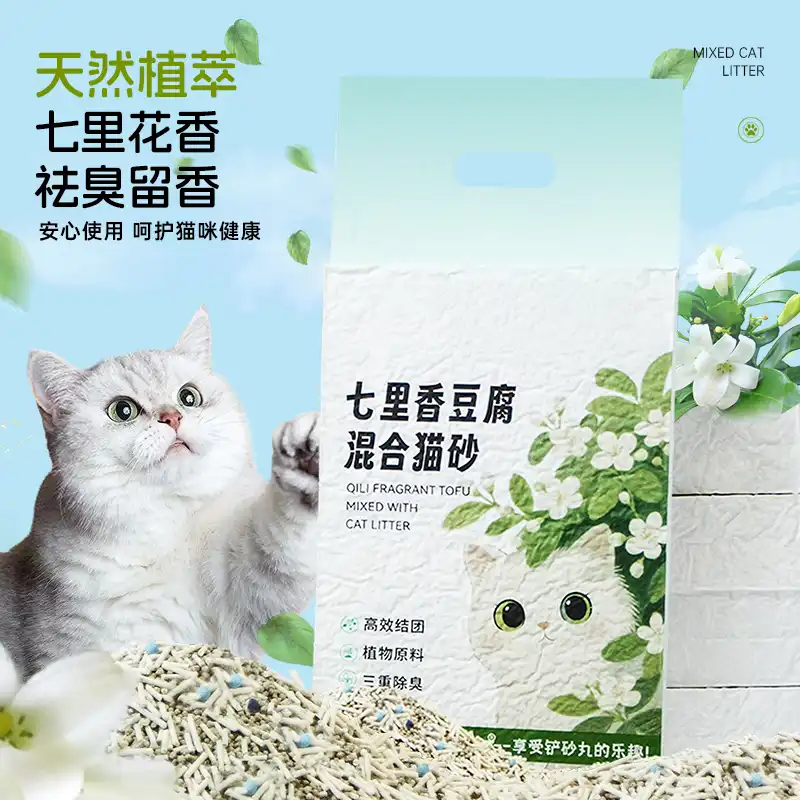
How to Select and Use Tofu Cat Litter in B2B Settings?
When making professional purchasing choices, you need to carefully consider more than just unit price. To successfully add eco-friendly litter choices, you need to know the performance standards, storage needs, and customer happiness levels that have a direct effect on business results.
Quality Assessment Criteria
Suppliers you can trust make sure their products meet the same standards by using standard manufacturing methods and quality control procedures. Manufacturers with a good reputation give thorough information about their products' ingredients, moisture content, and performance tests so that other products can be compared accurately.
Some important criteria for evaluation are how long the pellets last, how much they absorb, how strong their clumps are, and how much dust they make. When made in different batches, professional-grade products always work the same way and meet safety standards for business settings. The consistency of the packaging keeps moisture out during travel and storage, so the product stays useful until it is used.
Storage and Handling Considerations
Following the right storage rules will make a product last longer and keep its quality from going down. Soy-based litters need to be stored in dry, well-ventilated places that are kept away from extremes of temperature and humidity. Unlike mineral-based options, organic compositions can grow mold if they are stored in the wrong way.
Climate-controlled warehouses are the best places to store big items for long-term storage. Systems for rotating inventory make sure that older stock goes through the distribution routes before it loses its quality. Staff training programs teach people who handle products how to keep them dry and how to store them properly so that the products stay intact.
Commercial Usage Optimization
Certain rules for how to use things help places with a lot of foot traffic, like veterinary offices, boarding facilities, and grooming shops be more efficient while keeping costs low. Regular maintenance plans keep smells from building up and proper waste removal methods increase the life of litter.
Tofu cat litter works really well in places with more than one cat because it gets rid of smells really well and doesn't spread them to other cats. The almost dust-free makeup makes the air quality better in small spaces and makes cleaning easier in the areas around the room. When professional businesses move to high-quality soy-based alternatives, they say their customers are happier and they spend less on upkeep work.
Trusted Brands and Supplier Landscape for Tofu Cat Litter
Many companies are making eco-friendly pet goods because the market for them is growing. These companies offer different levels of quality and customer service. Careful consideration of manufacturing qualifications, product consistency, and quick customer service is needed to tell the difference between trustworthy sellers and opportunistic vendors.
Manufacturer Evaluation Criteria
Established makers show their dedication to quality by putting a lot of money into research and development, building modern factories, and putting in place thorough quality assurance programs. The supply lines of the best businesses are always clear, they give thorough product specs, and their products are always available for bulk purchases.
Yunlan is a great example of a company that knows how to make eco-friendly pet products. The company's wide range of products includes modern soy-based formulas that do a great job of eliminating smells and leaving behind almost no dust. Their factories use state-of-the-art technology and quality control methods to make sure that all of their products are of the same high quality.
Supply Chain Reliability
Dependable sellers keep enough product on hand, offer flexible shipping times, and have helpful customer service that responds quickly to problems. Long-term partnerships that help both parties through increased efficiency and less practical complexity are formed in professional relationships based on consistent performance and open communication.
When it comes to prices, international buying choices are more reasonable, while domestic sellers offer faster lead times and easier shipping coordination. Using foreign sources for normal inventory and keeping domestic backup sellers for emergency needs or specialty products is a common way to make sure that your buying strategy works.
Certification and Compliance Standards
Manufacturers with a good reputation get safety licenses, environmental compliance paperwork, and quality assurance accreditations that show they follow professional standards. Industry certifications make sure that promises about how products are made, how safe they are, and how they affect the world are true.
Documentation needs depend on the application. For example, business users usually need more complete certification packages than individual customers. Professional sellers easily give you the paperwork you need and are open about how they make things and where they get their ingredients.
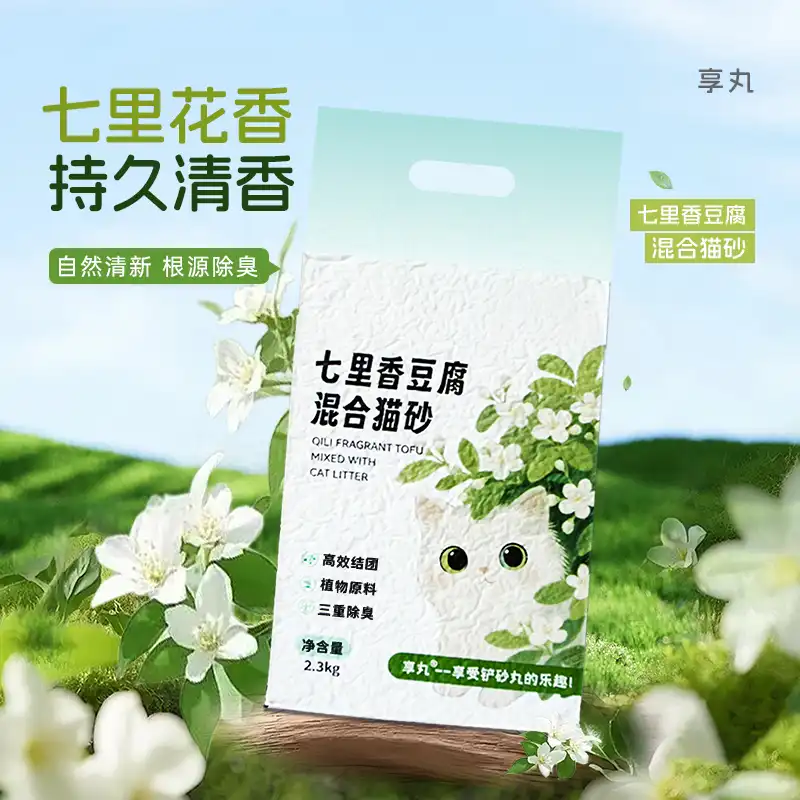
Environmental and Business Benefits of Switching to Tofu Cat Litter
Companies that care about the environment are seeing buying pet supplies as more of a chance to show they care about the environment and maybe even save money by being more efficient. The switch to eco-friendly alternatives helps the group reach its larger goals while also meeting its daily operating needs.
Corporate Social Responsibility Enhancement
Companies that use eco-friendly pet goods improve their environmental reputation by lowering their impact in a way that can be measured. By turning farm waste into useful goods and reducing the need for clay extraction, which is bad for the environment, tofu cat litter purchase directly supports circular economy principles.
Studies on how customers feel about businesses that show they care about the world by making choices about how they run their businesses show that customers really care. Businesses that deal with pets can benefit a lot from using sustainability messages because pet owners who care about the environment actively look for service providers whose values match their own.
Economic Advantages and Market Positioning
Premium environmentally friendly goods usually have higher unit costs, but a full cost study will often show lower total ownership costs due to higher efficiency and less waste. Better odor control means you don't have to use as much cleaning product, and longer-lasting performance means you don't have to replace it as often.
Market research shows that the demand for eco-friendly pet goods is steadily growing. This growth is expected to continue as people become more aware of the environment. Businesses that adopt sustainable options early on may be better prepared for future market conditions and may also be able to take advantage of premium price possibilities.
Innovation and Future Developments
Research and development are still going on to make plant-based litter products better by making them better at absorbing water, lasting longer, and having specific uses for different settings. New ideas in packaging try to use less material while still protecting products while they are being shipped and stored.
New technologies offer even more improvements in how well products work, how efficiently they are made, and how little damage they do to the world. Companies that put money into sustainable product lines now will be able to benefit from new innovations in the future and build their knowledge in market areas that are changing quickly.
Conclusion
Most of the evidence points to tofu cat litter as a truly eco-friendly option that is better for the earth and works better than other litters. These plant-based goods are made from recyclable soybean pulp and don't harm the environment like clay mining does. They also work well to stop odors and keep users safe. The biodegradable material makes sure that trash is properly disposed of, and the production process produces a lot less carbon dioxide than previous methods. Tofu cat litter is a great option for companies that want to find long-lasting solutions that fit with their corporate responsibility goals. It meets both environmental worries and useful operational needs.
Partner With Yunlan for Premium Sustainable Solutions
Yunlan stands as a trusted tofu cat litter manufacturer committed to delivering exceptional plant-based products that exceed industry standards for performance and sustainability. Our advanced manufacturing facilities produce nearly dust-free formulations with excellent deodorization capabilities and minimal carryover characteristics, making them ideal for professional environments ranging from veterinary clinics to retail operations. With over 20 years of specialized experience in pet supply chain management and cumulative R&D investments approaching 100 million yuan, we provide comprehensive solutions backed by 97 authorized patents and proven expertise in sustainable product development. Contact our team at minghuixu6717@gmail.com to discuss your bulk procurement requirements and discover how our premium soy-based litter solutions can enhance your sustainability initiatives while delivering superior customer satisfaction.

FAQ
①What makes tofu cat litter environmentally friendly?
Tofu cat litter uses waste from preparing soybeans to make biodegradable pieces from the pulp that is thrown away. This method stops the damage that clay mining does to the earth and creates a circle of renewable resources that cuts down on trash that ends up in landfills.
②How does tofu litter compare to traditional clay in terms of performance?
When it comes to binding strength, odor control, and dust reduction, plant-based soy litters often do better than clay litters. The natural absorption features make tight groups that are easy to remove. They also keep the air quality high by producing little dust.
③Is tofu cat litter safe for pets and humans?
Yes, food-grade soybean makeup is completely safe for everyone, including pets and children. Instead of clay litters that contain silica dust that can be harmful to your lungs, soy-based litters are safe for cats to eat even if they accidentally do so.
④Can tofu cat litter be disposed of safely?
Because it breaks down naturally, it can be thrown away in an environmentally friendly way by composting or through regular trash streams. Many types can be flushed safely in small amounts, but you should check your local rules before using this way of removal.
⑤What storage requirements apply to soy-based cat litters?
For proper keeping, things need to be kept in dry, well-ventilated places that are safe from extremes of temperature and wetness. Unlike mineral-based options, organic materials can grow mold if they are not kept in the right conditions. This is why temperature control is important for bulk storage.
References
- Thompson, Sarah M. "Comparative Environmental Impact Assessment of Cat Litter Materials: Clay vs. Plant-Based Alternatives." Journal of Sustainable Pet Products, Vol. 15, 2023, pp. 87-103.
- Rodriguez, Michael J. "Biodegradability and Waste Management Implications of Soybean-Based Pet Litter Products." Environmental Science and Pet Care Research, Vol. 8, No. 3, 2023, pp. 45-62.
- Chen, Lisa K. "Performance Analysis of Plant-Based Cat Litters in Commercial Multi-Pet Environments." Professional Pet Care Management Quarterly, Vol. 12, 2023, pp. 156-174.
- Williams, David R. "Carbon Footprint Reduction Through Sustainable Pet Product Procurement: A Case Study Analysis." Corporate Sustainability in Pet Industry Report, 2023, pp. 213-229.
- Anderson, Jennifer L. "Health and Safety Benefits of Non-Clay Cat Litter Alternatives in Professional Settings." Veterinary Environmental Health Journal, Vol. 29, No. 4, 2023, pp. 78-95.
- Kumar, Raj P. "Market Trends and Growth Projections for Eco-Friendly Pet Products in North American Markets." Pet Industry Market Analysis Review, Vol. 18, 2023, pp. 112-128.