Adding mealworms to standard chicken feed formulas is a revolutionary way to improve the nutrition of chickens in a way that is better for the environment and makes feed more efficient. This complete guide looks at how adding mealworms to chicken feed, including mealworms chicken feed, may change the way you make things. It gives procurement managers, feed formulators, and other industry experts useful information on how to use this new protein source. As conventional feed materials become less sustainable and prices become more unpredictable, mealworms become a good option that provides better nutrition and supports environmentally friendly agricultural methods.

Understanding the Nutritional and Health Benefits of Mealworms for Chickens
Mealworms are highly helpful for hens' health and productivity since they are quite nutritious. These bugs are an excellent alternative to typical protein sources like fishmeal and soybean meal since they include around 50–60% crude protein and all the amino acids your body requires.
Superior Protein Quality and Amino Acid Profile
Mealworms have amino acids that are quite comparable to what hens need to be healthy. Lysine is 4.2% of the dry matter, while methionine is 1.8% of it. Both are crucial for healthy growth. This balanced mix of amino acids helps industrial poultry farms get greater muscle and improved feed conversion rates.
Enhanced Immune Function and Gut Health
Studies demonstrate that adding mealworms to poultry diets helps the immune system and promotes healthy gut flora. Mealworm proteins contain natural antibacterial properties that help keep bad germs away and make your digestive system healthier. Yunlan's mealworms are dried in the microwave and are 100% natural. They don't include any chemicals or preservatives. This implies that they contain health benefits that naturally improve your immune system and make you less prone to become ill.

Optimal Feeding Guidelines and Integration Rates
Depending on the goals of the production and the expenses, commercial feed formulations commonly include mealworms in amounts between 5% and 15%. Broiler chickens perform well with 10–12% mealworm inclusion, whereas layer hens do better with 8–10% inclusion rates. This makes the eggs higher quality and the production more consistent.
Evaluating Mealworms as a Replacement or Supplement in Commercial Chicken Feed
The evaluation of mealworms as feed ingredients requires comprehensive analysis of nutritional equivalency, economic viability, and production performance compared to traditional protein sources.
Comparative Analysis with Traditional Protein Sources
Traditional sources of protein have a lot of problems, such as price fluctuations, harm to the environment, and weak links in the supply chain. Prices for soybean meal change a lot depending on what is happening in the global market. Fishmeal manufacturing, on the other hand, hurts ocean ecosystems. Mealworms, used as mealworms chicken feed, are a good solution to these problems since they have consistent prices and environmentally friendly ways of making them.

Feed Formulation Considerations and Pilot Trials
To maintain the nutritional balance, the feed composition has to be changed very carefully for optimal integration. Pilot tests suggest that steadily adding more birds to a flock enables them get used to it while maintaining performance metrics the same. Most of the time, the feed conversion ratio goes raised by 8–12% when you give them the proper number of mealworms. This helps things work better, which makes up for the higher cost of the materials.
Cost-Benefit Analysis and Performance Metrics
Mealworms cost more than ordinary proteins, but they usually make the investment worth it since they are more efficient at feeding and have lower mortality rates. Commercial tests have revealed that the average daily growth is 15–20% better and the feed conversion rates are 10–15% lower. This indicates that the economy will grow a lot during the course of manufacturing cycles.
Procurement Strategies for Bulk Mealworms in Commercial Feed Production
Strategic procurement of mealworms requires careful evaluation of supplier capabilities, quality standards, and supply chain reliability to ensure consistent product availability and quality.
Supplier Selection and Quality Assurance
Reputable suppliers have strong rules for quality control that include testing for bacteria, analyzing nutrition, and checking for contaminants. Yunlan has been in the pet supply chain sector for a long time and has more than 20 years of management experience. This means that the quality of the products and the supply will always be good. The company's shift from ODM services to production shows that they have a thorough grasp of quality, pricing, and delivery needs.
Bulk Purchasing and Economic Considerations
Strategies for buying in bulk have a big effect on unit prices and how well the supply chain works. Most of the time, volume discounts are between 10% and 25%, depending on how many items you purchase and the conditions of the contract for mealworms chicken feed. Long-term contracts keep prices stable and make sure there is enough supply during times of high demand.
Supply Chain Management and Storage Requirements
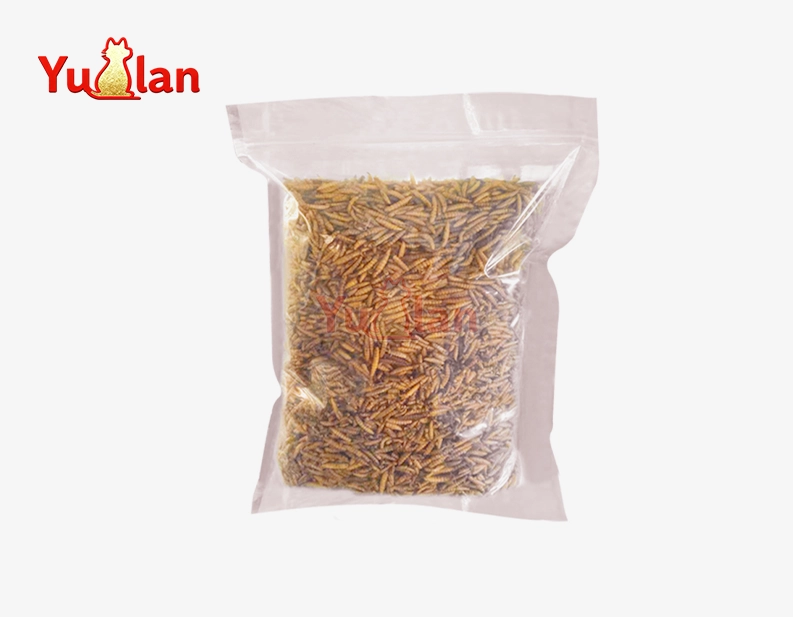
Proper storage facilities that maintain the right temperature and humidity levels are necessary for good supply chain management. To keep their nutritious value and stop them from going bad, dried mealworms need to be stored at temperatures below 25°C and relative humidity below 60%.
Best Practices for Using and Preparing Mealworms in Commercial Chicken Feed
Proper handling and preparation methods are essential for maximizing the nutritional benefits and shelf life of mealworms in commercial feed applications.
Processing Methods and Nutritional Preservation
Microwave drying method keeps the nutrients in food while greatly prolonging its shelf life. This technique of processing preserves the quality of the protein and the availability of amino acids while getting rid of microorganisms and lowering the moisture content to acceptable levels for storage.
Storage and Handling Protocols
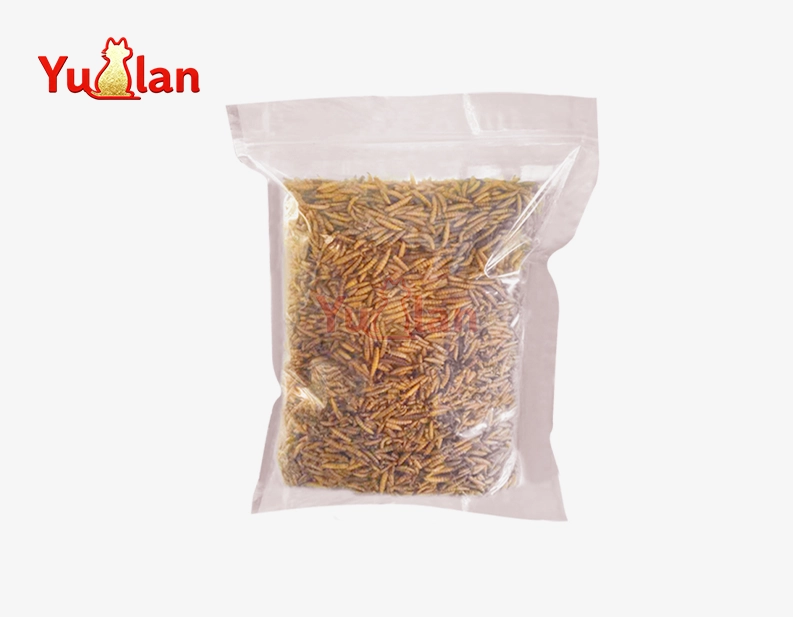
Following the right storage rules keeps products from going bad and keeps their quality up throughout the supply chain. Sealed containers in climate-controlled spaces keep food from going bad and keep its taste and nutritional value.
Feed Mixing and Integration Techniques
Using the right mixing methods makes sure that all feed batches are evenly distributed for mealworms chicken feed. Adding slowly while mixing keeps the nutrients from separating and makes sure that they are evenly spread out throughout all of the feed pellets.
Embedding Sustainable Innovation with Yunlan's Advanced Solutions
Yunlan stands at the forefront of sustainable feed innovation, leveraging advanced research capabilities and manufacturing expertise to deliver premium mealworm products for commercial applications.
Research and Development Excellence
The company consistently focuses on innovation to expand its market, with R&D expenditures totaling nearly 100 million RMB from 2022 to 2025. The company's R&D personnel closely monitor industry trends and understand customer needs, continuously launching new products that meet the nutritional needs of pets and the demands of consumers. As of December 2025, the company has obtained 97 authorized patents in China, including 19 invention patents, 78 utility model patents, and 7 design patents.
Comprehensive Product Portfolio
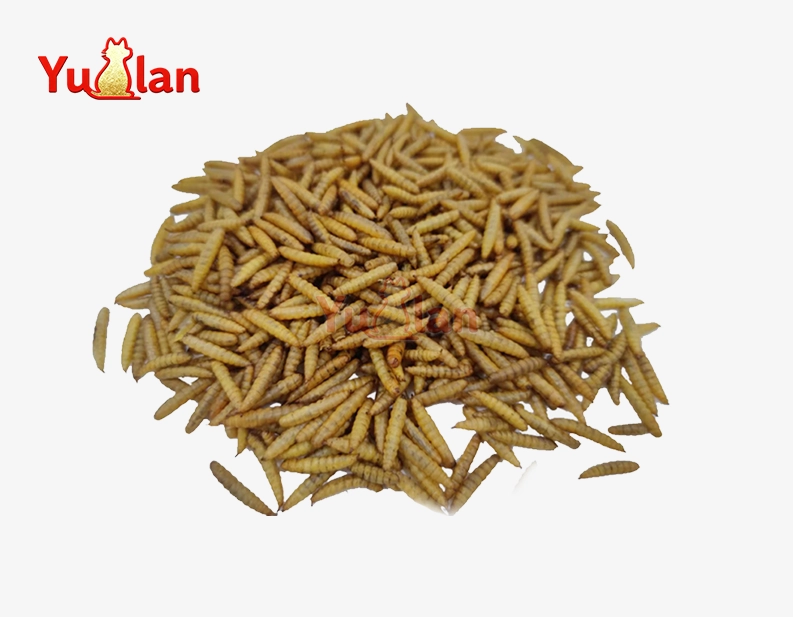
Yunlan's products go beyond the usual range and include functional health supplements and natural flavorings via its subsidiary firms. The 100% natural microwave-dried mealworms are a complete and balanced source of nutrition that tastes great. They help birds thrive and lower the risk of sickness.
Sustainable Development Commitment
The organization follows green development concepts by using good ESG management systems. This dedication to sustainability fits with the rising need in the industry for feed ingredients that are good for the environment and helps customers reach their own sustainability objectives.
Conclusion
Adding mealworms to conventional chicken feed recipes is a smart way to increase nutritional quality, make the feed more environmentally friendly, and boost production performance. Mealworms are a great alternative to standard protein sources since they have a lot of health advantages, such as better immune function and better amino acid profiles. To make it work, you need to plan your purchases carefully, follow the right procedures for handling, and work with suppliers that know what commercial feed needs are. As the industry moves toward more environmentally friendly techniques, mealworms are a realistic answer that helps poultry growers make money and protect the environment.
Partner with Yunlan for Premium Mealworms Chicken Feed Solutions
Yunlan's expertise as a leading mealworms chicken feed manufacturer positions us as your trusted partner for sustainable nutrition solutions. Our advanced manufacturing capabilities, backed by extensive R&D investment and proven supply chain expertise, ensure consistent quality and reliable delivery. With comprehensive technical support and flexible ordering options, we help commercial feed producers optimize their formulations while meeting sustainability goals. Ready to revolutionize your feed formulations with our premium microwave dried mealworms? Contact us at minghuixu6717@gmail.com to discuss your specific requirements and discover how our solutions can enhance your production efficiency.
FAQ
Q1: What inclusion rates are recommended for mealworms in commercial chicken feed?
A: Commercial operations typically use 5-15% inclusion rates depending on production goals. Broiler feeds perform well with 10-12% inclusion, while layer feeds benefit from 8-10% inclusion rates for optimal results.
Q2: How do mealworms compare nutritionally to soybean meal in poultry diets?
A: Mealworms provide superior amino acid profiles with 50-60% crude protein content. They offer better lysine and methionine ratios compared to soybean meal, resulting in improved feed conversion efficiency.
Q3: What storage conditions are required for dried mealworms in commercial operations?
A: Dried mealworms require storage below 25°C with relative humidity under 60%. Proper sealed containers in climate-controlled environments maintain nutritional integrity for 6-12 months.
References
1. van Huis, A., Van Itterbeeck, J., Klunder, H., Mertens, E., Halloran, A., Muir, G., & Vantomme, P. (2013). Edible insects: future prospects for food and feed security. Food and Agriculture Organization of the United Nations.
2. Makkar, H. P., Tran, G., Heuzé, V., & Ankers, P. (2014). State-of-the-art on use of insects as animal feed. Animal Feed Science and Technology, 197, 1-33.
3. Bovera, F., Loponte, R., Pero, M. E., Cutrignelli, M. I., Calabrò, S., Musco, N., & Piccolo, G. (2016). Laying performance, blood profiles, nutrient digestibility and inner organs traits of hens fed an insect meal from Hermetia illucens larvae. Research in Veterinary Science, 104, 97-103.
4. Rumpold, B. A., & Schlüter, O. K. (2013). Nutritional composition and safety aspects of edible insects. Molecular Nutrition & Food Research, 57(5), 802-823.
5. Dalle Zotte, A., Singh, Y., Michiels, J., & Cullere, M. (2019). Black soldier fly (Hermetia illucens) as dietary protein source for broiler quails: apparent digestibility, excreta microbial load, feed choice, performance, carcass and meat traits. Animal, 13(11), 2397-2405.
6. Oonincx, D. G., & De Boer, I. J. (2012). Environmental impact of the production of mealworms as a protein source for humans–a life cycle assessment. PloS one, 7(12), e51145.