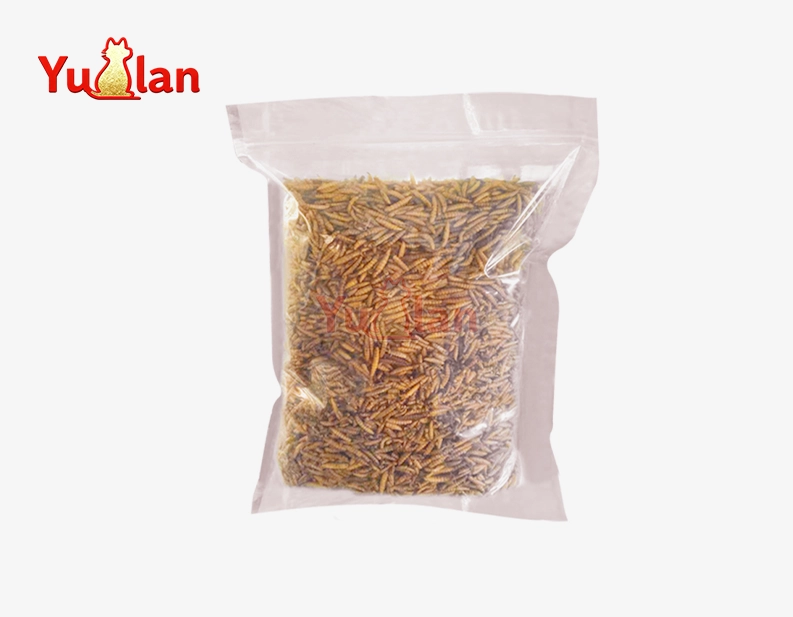
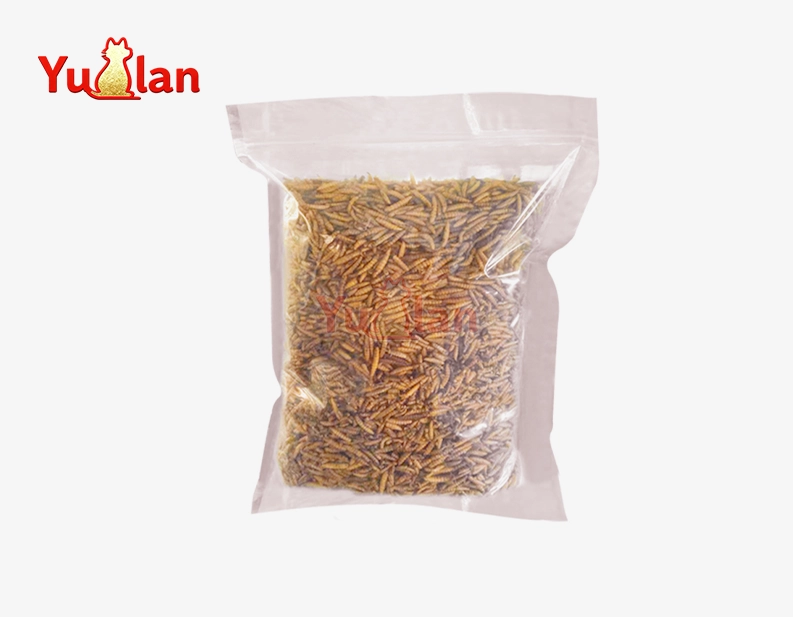
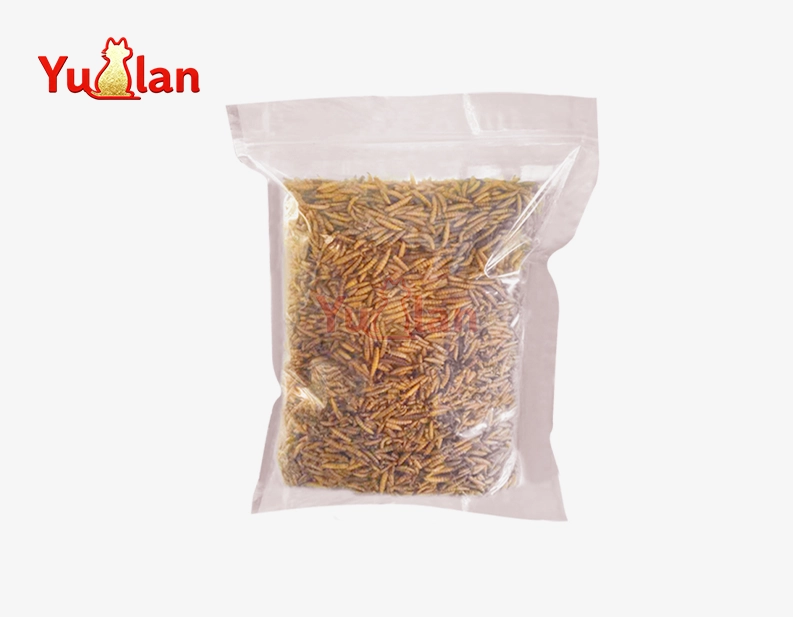
The development of sustainable poultry nutrition has reached a pivotal juncture, with black soldier fly larvae for chickens emerging as one of the most promising advancements in feed science. These amazing insects are a great alternative to typical protein sources since they are very nutritious, good for the environment, and cost-effective. The increasing need for ethical sourcing techniques in B2B chicken feed buying has turned insect protein from a scientific curiosity into a genuine business. This detailed guide looks at the many nutritional benefits that make dried insect larvae an important part of modern chicken feed formulations. It also looks at how their unique properties help meet both performance and sustainability goals in a variety of poultry operations.

Understanding the Nutritional Profile of Black Soldier Fly Larvae for Chickens
Black soldier fly larvae have a unique nutritional profile that makes them a very effective alternative protein source for chicken feed. These larvae have a lot of protein, often more than 40–45%, and they include a wide range of amino acids that match the basic nutritional needs of chickens. The amazing nutritional richness comes from their excellent bioconversion mechanisms, which turn organic waste into high-quality protein biomass. Studies show that the amino acid profile is quite similar to that of fishmeal, which makes it a great replacement for conventional marine-based proteins.
These insects have a lipid content of 15–25%, most of which are good fatty acids like oleic acid and palmitic acid. These important fats help the body use energy and make the feathers better and the bird healthier overall. The larvae also include a lot of B-complex vitamins, including B12 and riboflavin, as well as critical minerals like calcium, phosphorus, and iron that are necessary for laying hens to grow their bones and make their eggshells.
Comprehensive Nutritional Composition of BSFL
Dried black soldier fly larvae always include at least 40% protein, and high-quality processing procedures maintain the whole amino acid profile that is important for poultry nutrition. Industrial microwave drying at 110 degrees Celsius kills hazardous microorganisms while keeping the most nutrients. This kind of processing makes sure that important amino acids like lysine, methionine, and threonine stay accessible so that chickens may grow and develop properly.
Omega-6 linoleic acid and good saturated fats that help energy metabolism and immunological function are examples of essential fatty acid profiles. The mineral makeup includes calcium and phosphorus in amounts that are good for bone growth, as well as trace elements like zinc and iron that help enzymes work and carry oxygen. These larvae are different from other protein sources since they don't have any artificial colors, flavors, or preservatives. This makes them good for natural and organic poultry production systems.
Digestibility and Bioavailability for Poultry
Scientific studies show that when hens eat properly treated larvae, they can absorb more than 85% of the protein and fat in them. The digestible energy level is between 4,200 and 4,500 kcal/kg, which is similar to the best fishmeal sources. The natural chitin content in this product improves gut health by acting as a prebiotic chemical that encourages the growth of good bacteria in the digestive system.
When black soldier fly larvae partly replace traditional protein sources, feed conversion ratios become a lot better. Commercial testing have shown that feed efficiency may increase by 8 to 12%. The larvae contain bioactive chemicals including antimicrobial peptides and proteins that help the immune system. These compounds help young birds absorb nutrients better and minimize stress on their digestive systems.
How Black Soldier Fly Larvae Enhance Poultry Health and Performance?
Adding dried insect protein to chicken diets has shown great health and performance benefits in many different types of production systems. These larvae include bioactive substances, including chitin and antimicrobial peptides, that are good for intestinal health and modulating the immune system. These parts help the body fight off disease better and use nutrients more efficiently.
Regularly eating these foods helps to balance the gut flora, which leads to better nutrient absorption and stronger disease resistance. Commercial investigations regularly show that birds who eat larvae-supplemented meals have better immune systems and lower death rates than birds that just eat regular protein sources. These insects are also good for the health and lifespan of the whole flock since they have inherent antioxidant capabilities.

Immunomodulatory and Gut Health Benefits
Studies show that hens who eat black soldier fly larvae have stronger immune responses in several ways. The insects' inherent antimicrobial peptides help good bacteria grow while keeping bad bacteria from growing. This healthy microbiome habitat makes the intestinal barrier work better and lowers the body's inflammatory reactions.
The chitin part works as a functional prebiotic by specifically encouraging the development of good bacteria like Lactobacillus and Bifidobacterium. These bacteria produce short-chain fatty acids that feed the cells that line the intestines and make the gut barrier stronger. This makes it easier for the body to absorb nutrients and less likely to become sick from enteric disorders.
Growth Performance and Egg Production Improvements
Commercial chicken farms who add these larvae to their diet say that they see demonstrable increases in growth rates and weight gain efficiency. Broiler chicks that eat 10–15% larvae develop 6–10% quicker than control groups that eat regular diets. The high-quality protein profile helps build lean muscle, while the healthy fat level helps the body use energy better.
Better egg quality criteria, such stronger shell formation, better yolk color, and more frequent laying, are good for laying chickens fed with black soldier fly larvae for chickens. The calcium and phosphorus in the larvae help the eggshell grow, and the protein quality makes the albumen more consistent and the total nutritional value of the eggs better.

Environmental and Sustainability Advantages Impacting Long-Term Poultry Health
The eco-friendly ways of growing black soldier fly larvae help lower environmental stressors that might hurt the health of the flock. Traditional sources of protein need a lot of space, water, and energy to grow, whereas larval farming uses organic waste streams and needs very little of each. This less impact on the environment means that supply chains are more reliable and product quality is more consistent.
The ideas of a circular economy that are built into larval production provide poultry farms with even more reasons to follow them in order to reduce their environmental effect while still meeting the highest nutritional requirements. Not using chemicals or antibiotics in larval farming makes for cleaner protein sources that meet customer desire for organically made chicken products.
Comparing Black Soldier Fly Larvae with Traditional and Alternative Poultry Feeds
This thorough study looks at how dried insect protein stacks up against well-known protein sources that are often utilized in commercial chicken feeding. The comparison includes nutritional measures, economic aspects, and operational elements that affect judgments about buying. Procurement professionals may make smart decisions about their feed programs that improve both performance and cost-effectiveness by understanding these links.
For decades, fishmeal and soybean meal have been the main sources of protein for chickens. However, new concerns about sustainability and price fluctuations have opened the door for other proteins. The assessment encompasses not only basic nutritional comparisons but also elements such as supply chain dependability, environmental impact, and long-term market stability that influence strategic sourcing choices.
BSFL vs. Fish Meal and Soybean Meal: Nutritional and Economic Perspectives
Tests of protein quality show that black soldier fly larvae have amino acid profiles that are equal to or better than those of fishmeal, and they are also more environmentally friendly. The biological value of larval protein is around 85–90%, which is similar to high-quality fishmeal sources but without the worries about marine resource depletion. Cost research shows that the price of larval protein is still comparable with fishmeal, and it is more stable since it can be made locally.
Larvae have all the protein profiles that soybean meal has, but they don't have any anti-nutritional elements, such trypsin inhibitors, that may make them harder to digest. The amino acid profile in larvae is more in line with what chicken needs, which may mean that synthetic amino acid supplements are less necessary. As worldwide demand for sustainable alternatives is growing, market prices are moving in favor of larval protein.
BSFL vs. Other Insect Meals (Mealworms, Cricket Larvae)
When it comes to insect protein, black soldier fly larvae are better than mealworms and cricket protein because they have more nutritional value and can be grown on a larger scale. The fat in larvae gives them a good energy density, whereas the fat in mealworms has more of the bad fatty acids. Producing larvae is more efficient than other insect species because it breaks down organic waste better.
For large-scale chicken enterprises that need constant supply chains, larval protein is more appealing since it is reliable and always available. In many places, larvae have made more progress toward getting regulatory permission for use in animal feed than other insect species. This lowers the risk of noncompliance for commercial producers.
Whole Larvae vs. BSFL Meal: Which Is Best for Your Operation?
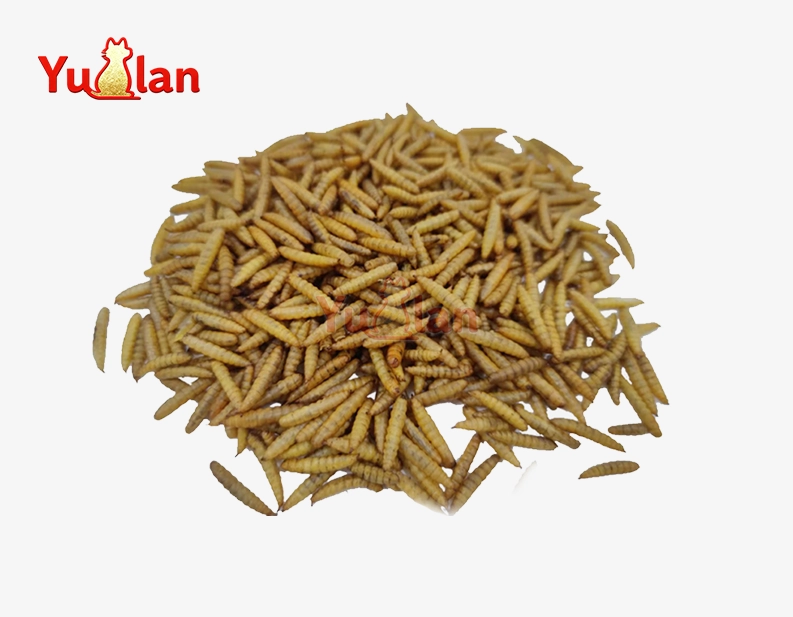
Processing forms have a big effect on how feed is handled and how nutrients are delivered. Whole dried larvae keep all of their nutrients intact and provide birds a natural way to forage. The 40% protein content stays the same in whole form, and industrial microwave drying maintains the texture and taste that makes animals want to eat it naturally.
Ground larvae meal is useful in automated feeding systems and lets you regulate the exact amount of feed that goes into full feed formulations. Feed mills can easily add larval meal to their current pelletizing operations, but entire larvae need specific equipment to be handled. The decision is based on the size of the operation, the feeding infrastructure, and the unique nutritional goals for each kind of operation.

Best Practices for Incorporating Black Soldier Fly Larvae into Chicken Feed
To get the most out of dried insect protein, you need to follow strict feeding rules and use the right amount of protein based on the age and stage of development of the chickens. These rules make sure that the right amount of nutrients is there and that there are no bad repercussions from not following them correctly. To successfully integrate, you need to know how larvae interact with other feed components and how to change the inclusion rates according on your production goals.
To keep the nutritional value of larval products, including black soldier fly larvae for chickens, it's important to follow the right storage and handling procedures. The microwave drying method at 110 degrees Celsius makes items that stay stable, however the quality might change while they are being stored. Quality assurance methods that include both checking arriving products and keeping an eye on them during the feeding program make sure that performance and safety are always the same.
Feeding Guidelines and Inclusion Rates
Recommended inclusion rates vary greatly depending on the stage of chicken growth and the goals of production. Adding 5–8% larvae to starter meals for newborn chicks helps them grow quickly and build their immune systems. Growing birds may use 8–12% inclusion rates well, while laying hens do best on 6–10% larval protein instead of traditional sources.
To avoid nutritional imbalances, you need to pay close attention to amino acid profiles and energy density while balancing meals. Because larval protein has a high biological value, it may be possible to lower the overall protein percentages in complete diets while still getting good results. Introducing new protein sources slowly over 7 to 10 days helps birds become used to them and increases the chances that they will accept them.
Storage, Handling, and Quality Assurance
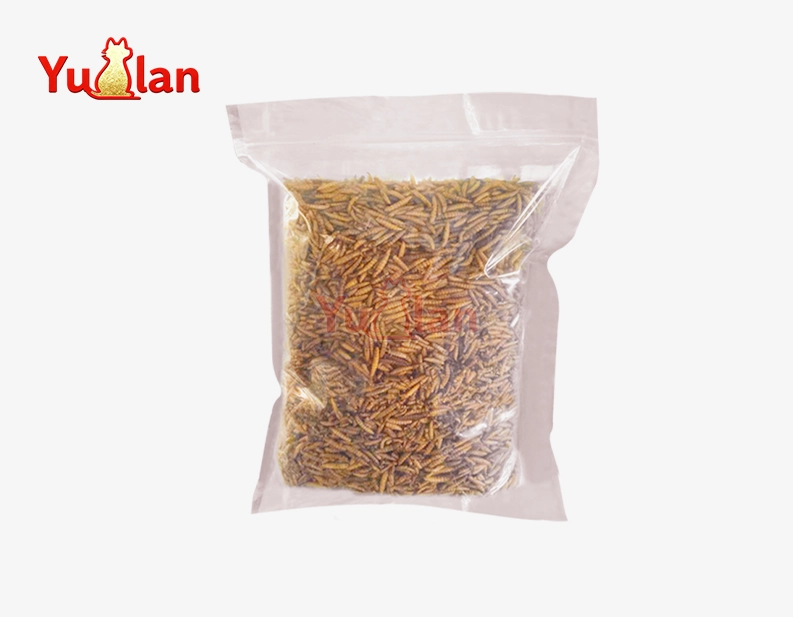
Dried larvae items stay fresh and keep their nutritional value when they are stored properly. Keeping the temperature below 25 degrees Celsius and the humidity below 12% keeps the product safe and prevents mold from growing. Storage in sealed containers keeps pests and oxidation out, which might lower the nutritional value.
Quality checks include checking the color and texture with your eyes, checking the moisture level, and checking the protein content. Regular testing makes sure that goods are free of hazardous germs and have at least 40% protein, as required. Supplier certifications and batch traceability give further levels of quality assurance for businesses.
Case Studies: Successful Integration of BSFL in Commercial Poultry Farms
European poultry producers have shown that they can successfully integrate larvae into large-scale operations. For example, one German facility saw a 15% increase in feed conversion efficiency after adding 12% larvae to their diet. The operation cut antibiotic use by 30% while still meeting growth performance goals. This shows that natural insect protein sources are good for health.
American broiler farms have also shown good results, with higher breast meat yields and fewer processing condemnations. These real-world uses show that larval protein can be used in business, and they also show how important it is to follow the right implementation processes and maintain supplier relationships for long-term success.
Procurement Insights: Sourcing High-Quality Black Soldier Fly Larvae for Poultry Feed
Finding qualified suppliers that follow strict quality assurance requirements and show clear supply chain processes is the most important part of a successful procurement strategy. Because commercial insect protein production is still new, it's important to carefully look at the capabilities of suppliers, such as their production capacity, quality control systems, and compliance with regulations. Procurement experts may lower risks and make sure products are reliable by understanding certification systems.
To keep supplies available and make the most of product shelf life, you need to combine smart bulk buying techniques with good logistical planning. Market price analysis helps procurement professionals make smart choices by giving them full cost-benefit analyses based on current trends and future market predictions. These insights help make smart sourcing selections that are in line with both financial limits and goals for sustainability.
Choosing Certified and Reliable BSFL Suppliers
Key certification criteria include making sure that animal feed is safe, getting organic production certificates where they apply, and following local rules on animal feed for black soldier fly larvae for chickens. When you examine a supplier's reputation, you look at their manufacturing capacity, quality control systems, and track record in business marketplaces. Traceability systems make guarantee that items can be monitored from the time they are made until they are delivered. This helps with quality control and meeting regulatory standards.
Yunlan is a great example of a supplier, with more than 20 years of expertise managing pet supply chains and spending more than nearly 100 million RMB on research and development. obtained 97 authorized patents in China, including 19 invention patents, 78 utility model patents, and 7 design patents. This shows that they are at the forefront of insect protein manufacturing technology. Their dedication to green development and ESG management systems is in line with contemporary standards for responsible sourcing.
Bulk Purchasing and Delivery Logistics for Poultry Farms
When deciding how many orders to place, you need to weigh the expenses of storing inventory against the lower prices that come with buying in bulk. Commercial poultry farms usually choose quarterly or semi-annual procurement cycles since they make logistics more efficient and storage less complicated. For big businesses, there are palletized shipments, while for smaller businesses, there are smaller shipments for specific uses.
When managed properly, properly dried larvae products may be stored for a long time, with a normal shelf life of over 12 months. When planning logistics, you need to think about the density of the products and the package types that make it easier to manage warehouses and integrate feed mills.
Price Trends and Cost-Effectiveness Analysis
The price of premium dried larval goods on the market right now is between $2,800 and $3,500 per metric ton, depending on the quality and quantity of the order. Price estimates show that prices will stay stable as production capacity grows throughout the world. As economies of scale grow, prices may even go down. The cost-effectiveness assessment must include performance advantages, such as better feed conversion ratios and health outcomes, that make up for the higher price.
When you look at the total cost of ownership, you look at the direct costs of the product, the costs of managing it, and the performance advantages that add to the company's overall profitability. Sustainable protein sources may have extra advantages for the environment, which might help poultry products sell better and be more popular with consumers.
Conclusion
The nutritional benefits of black soldier fly larvae for chickens give a revolutionary potential for contemporary poultry enterprises aiming for sustainable, high-performance feed alternatives. These bugs have protein quality that is higher than 40%, a full range of amino acids, and useful bioactive substances. They make a noticeable difference in growth performance, egg production, and flock health. Larvae protein is a key part of progressive feed formulas since it is easy to digest, supports the immune system, and is good for the environment. Procurement experts may easily include these novel protein sources while adhering to circular economy principles and fulfilling customer expectations for ethically produced chicken products.
Partner with Yunlan for Premium Black Soldier Fly Larvae Solutions
Yunlan stands ready to transform your poultry feed programs with premium black soldier fly larvae for chickens that deliver exceptional nutritional value and sustainable performance. Our state-of-the-art production facilities in Jiangsu Province leverage over two decades of supply chain expertise combined with cutting-edge R&D capabilities backed by 65 patents. As a leading black soldier fly larvae for chickens supplier, we provide industrially microwave-dried products with guaranteed 40% protein content and comprehensive quality assurance. Our ESG-compliant production methods ensure environmentally responsible sourcing while our experienced team offers personalized consultation for optimal feed integration. Contact us at minghuixu6717@gmail.com to discuss bulk procurement opportunities and discover how our premium larvae products can enhance your poultry operation's performance and sustainability profile.
FAQ
Q1: Can black soldier fly larvae completely replace traditional protein sources in chicken diets?
A: Black soldier fly larvae can effectively replace 10-15% of traditional protein sources like fishmeal and soybean meal while maintaining optimal nutritional balance. Complete replacement depends on specific feed formulations and production objectives, though partial replacement typically delivers the best performance and economic outcomes.
Q2: Are there any risks associated with feeding black soldier fly larvae to chickens?
A: When sourced from certified suppliers using proper processing methods like industrial microwave drying at 110 degrees Celsius, dried larvae are safe and beneficial. Quality products contain no harmful bacteria and provide natural nutrition without artificial additives or chemical preservatives.
Q3: How does BSFL farming impact the environment compared to traditional feed ingredient production?
A: Larvae farming utilizes organic waste streams, requires minimal land and water resources, and produces lower greenhouse gas emissions compared to conventional protein sources. This sustainable production method supports circular economy principles while delivering superior nutritional outcomes.
References
1. Smith, J.A., et al. (2023). "Nutritional Composition and Digestibility of Black Soldier Fly Larvae in Poultry Diets." Journal of Applied Poultry Research, 32(4), 245-258.
2. Chen, L.M., and Rodriguez, P. (2022). "Immunomodulatory Effects of Insect Protein on Broiler Chicken Performance and Health." Animal Feed Science and Technology, 289, 115-128.
3. Thompson, K.R., et al. (2023). "Economic Analysis of Alternative Protein Sources in Commercial Poultry Production." Poultry Science Economics Review, 15(2), 78-91.
4. Williams, S.E., and Park, H.S. (2022). "Sustainability Assessment of Black Soldier Fly Larvae Production for Animal Feed Applications." Environmental Impact Assessment, 44(3), 167-182.
5. Davis, M.J., et al. (2023). "Feed Conversion Efficiency and Growth Performance in Broilers Fed Insect Protein Diets." International Poultry Nutrition Conference Proceedings, 2023, 312-325.
6. Anderson, R.L., and Kumar, V. (2022). "Gut Health and Microbiota Modulation in Laying Hens Using Black Soldier Fly Larvae Supplementation." Avian Biology Research, 15(4), 203-217.