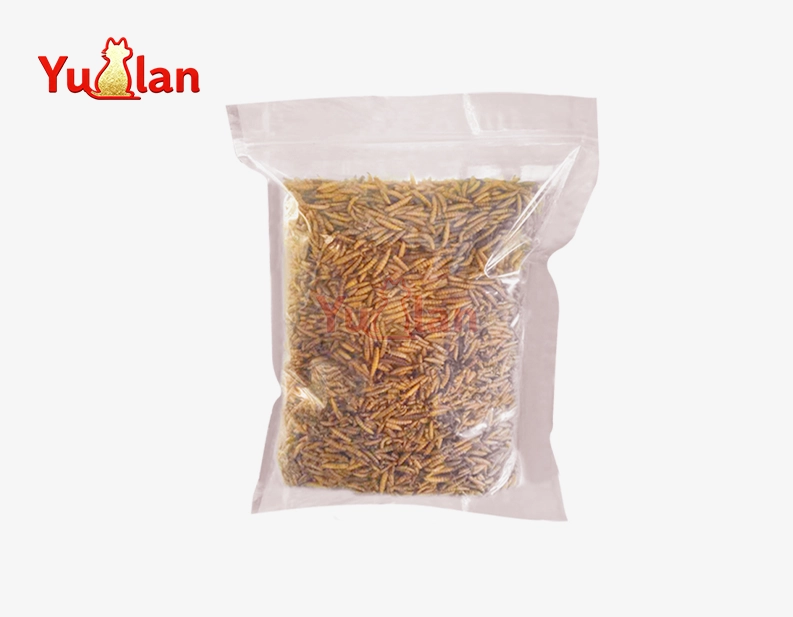
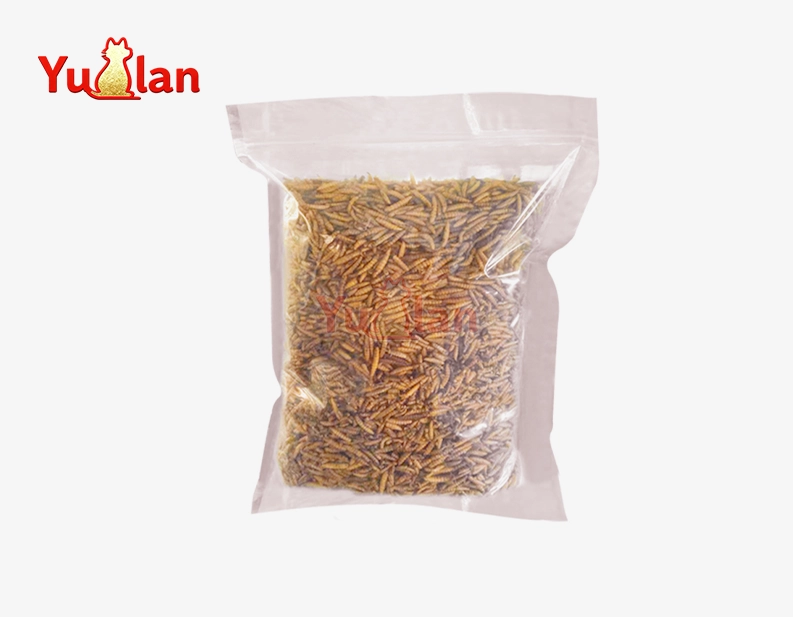
For contemporary farms that want to find sustainable protein alternatives, storing, keeping secure, and getting a lot of dried mealworms for poultry are all very important. Dried mealworms for chickens have become a high-quality feed addition that is good for the environment and has great nutritional value. This all-encompassing approach to procurement includes adequate storage procedures, strict safety requirements, and smart bulk buying that guarantees constant quality and cost-effectiveness. Incorporating insect-based protein feeds into chicken diets involves careful monitoring of the supply chain and the quality of the products.

Understanding Proper Storage of Dried Mealworms for Poultry
The easiest way to keep mealworm-based chicken meals fresh is to manage their storage well. Keeping the temperature right is the most crucial thing. The optimum way to store protein is between 50 and 70 degrees Fahrenheit, which prevents it from decaying.
Environmental Control Requirements
Keeping the right amount of humidity is just as vital for keeping things safe. Storage facilities must maintain the relative humidity below 60% so that bacteria don't thrive and nutrients don't break down. It's even more crucial to keep the environment under control since our 100% natural microwave-dried mealworms don't include any chemicals or preservatives. The greatest location to keep a lot of things for a long period is in a climate-controlled warehouse with a dehumidification system.
Packaging and Container Standards
Packaging that is of professional quality keeps food secure from infection and helps it last a lot longer. Containers that are safe for food and have airtight sealing keep away moisture and oxygen and keep pests out. Multi-layer barrier films used in industrial packaging give an additional layer of protection that keeps food fresh for a long time.
Inventory Management Systems
First-in, first-out inventory management and other rotation methods assist maintain the quality of the products the same. Digital tracking systems keep track of how long objects are kept and how they are stored. They provide you information in real time that helps you choose the best storage solutions. These systems are useful for big poultry farms that need to keep the feed quality the same throughout several production cycles.

Ensuring Safety When Using Dried Mealworms in Poultry Feed
Safety precautions in mealworm feeding programs include making sure the food is safe and making sure it fits in with current nutrition plans. Studies done by agricultural colleges show that dried insect protein is safe to eat as long as it is processed and kept correctly.
Quality Assurance Standards
The microwave drying technique removes harmful germs while keeping the nutrients in food. Compared to traditional drying methods, this sort of processing lowers the possibility of bacterial contamination, making the product safer for hens to consume. Routine testing checks for harmful bacteria and makes sure that the protein content stays the same in all batches of production.
Feeding Guidelines and Integration
Adding dried mealworms for chickens to established feed regimens slowly helps birds get used to new protein sources without upsetting their digestion. Depending on the age of the birds and the production objectives, the recommended inclusion rates usually range from 5% to 15% of the total feed volume. Watching how birds act and behave during transition times might help you figure out the best feeding amounts for each flock.
Nutritional Safety Considerations
When you add insect protein to chicken diets, you need to make sure that the amino acid profiles and mineral levels are balanced. Our products taste delicious and provide you all the nutrition you need. They help you grow in a healthy manner and make it less likely that you may become sick. Regular nutritional analysis keeps the quality the same and helps consumers make smart decisions about how to mix feed.

Bulk Supply and Procurement Strategies for Dried Mealworms
Strategic procurement of dried mealworms involves evaluating supplier capabilities, product specifications, and logistics networks. The global market for insect protein continues expanding, creating opportunities for cost-effective bulk purchasing arrangements.
Supplier Evaluation Criteria
Production capacity assessment helps determine supplier ability to meet ongoing demand requirements. Yunlan's facilities in Suyu District, Suqian City leverage mature industrial ecosystems and over 20 years of management experience in pet supply chains. Our transformation from ODM services to brand manufacturing demonstrates commitment to quality, cost efficiency, and reliable delivery timelines. The following capabilities distinguish premium suppliers from basic providers:
- Advanced Processing Technology: Microwave drying systems ensure consistent moisture removal and pathogen elimination while preserving nutritional content. Modern facilities maintain strict temperature and humidity controls throughout processing cycles.
- Quality Certification Programs: ISO standards and organic certifications verify production processes and product integrity. These certifications provide assurance of consistent quality and regulatory compliance across international markets.
- Supply Chain Reliability: Established logistics networks ensure timely delivery and proper handling during transportation. Cold-chain management preserves product quality from processing facility to end-user storage locations.
These skills have a direct impact on the quality of the goods and the reliability of the supply. This is why picking the correct supplier is such a crucial aspect of good procurement strategy. Yunlan is committed to quality and innovation, as proven by the fact that it spent nearly 100 million RMB.
Cost Optimization Strategies
Volume purchase agreements for dried mealworms for chickens save a lot of money and make sure that supplies are always available. Long-term contracts safeguard you from price changes and make sure you can get the best items when demand is highest. Flexible ordering systems can handle changes in feed needs that happen at different times of the year without raising costs.

Practical Insights into the Nutritional and Health Benefits of Dried Mealworms
A nutritional research shows that dried mealworms include around 50–60% protein and all the amino acids that birds need to grow. This high-quality protein helps laying chickens grow faster, create better feathers, and lay more eggs.
Protein Quality and Digestibility
The amino acid composition of dried mealworms closely matches the nutritional demands of chickens, and they are easier for chickens to absorb than plant-based protein sources. Amino acids like lysine, methionine, and threonine are important for the body to grow and function correctly. Research on how well mealworms digest shows that they absorb around 85% of what they eat, which makes them a great source of protein.
Performance Benefits in Poultry Production
Field studies reveal that when dried mealworms make up 10–15% of a bird's diet, its health and production improve in ways that can be measured. A stronger immune system means fewer deaths and less need for veterinary care. The birds are receiving better food and living conditions since their feathers are growing better in color and quality.
Sustainable Agriculture Applications
It takes up less land, water, and greenhouse emissions to make insect protein than to make protein from other sources. These advantages for the environment coincide with what people desire from food production systems that are both beneficial for the environment and taste delicious.
Yunlan: Your Trusted Partner for Premium Dried Mealworms
The famous company Yunlan makes high-quality dried mealworms that people all around the globe may utilize in many different ways. Basic nutritional research is the primary thing we perform at our Pet Food Research and Development Center. This includes critical activities including checking the quality of raw materials and improving formulae. This all-encompassing process makes sure that our products are the greatest for chicken nutrition and also encourages farming methods that are good for the environment.
Advanced Manufacturing Capabilities
Our microwave drying procedure generates dried mealworms for chickens that are 100% natural and don't have any added chemicals or preservatives. This keeps the mealworms healthy and makes them last longer. Quality control systems watch over every part of the production process, from receiving the ingredients to placing them in the final package. This makes sure that the items are always of the same high quality. We can make things to fit the demands of each customer and the preferences of individuals in various regions of the globe.
Innovation and Research Excellence
Our effort on product development is driven by constant innovation. They go above and beyond what is typical via its subsidiary Yipet Bio, which makes functional health supplements and natural palatants. We are dedicated to growing in ways that are good for the environment, which is why we have complete ESG management systems that help businesses expand in ways that are good for the environment. These efforts show how serious we are about operating a profitable business while also being good to the environment.
Conclusion
By storing dried mealworms properly, keeping them secure, and purchasing them in quantity at the correct time, poultry businesses may be able to stay ahead of the competition for a long time. You need to keep an eye on the temperature and humidity, and follow the appropriate packaging regulations to make sure the quality of the items stays high even when they are stored for a long period. Processing regulations and feeding limits that make sure the food is as healthy as possible are two safety considerations. Long-term feeding programs function best when they buy in bulk and focus on the supplier's expertise, cost savings, and dependable logistics. Dried mealworms are healthy for birds since they are high in protein and simple to digest. This helps chickens do better and makes farming more environmentally friendly.
Partner with Yunlan for Premium Dried Mealworms Supply
Yunlan urges buyers to look at our full selection of dried mealworms for chickens and bulk supply options. Our skilled staff offers individual advice services to help you make the most of our high-quality microwave-dried goods in your feed plans. As a reputable provider of dried mealworms for hens, we offer low prices, dependable shipping, and tailored solutions that match your unique operating needs. Please email us at minghuixu6717@gmail.com to talk about your purchasing requirements and ask for product samples.
FAQ
Q1: What is the optimal storage temperature for bulk dried mealworms in commercial facilities?
A: Commercial storage facilities should maintain temperatures between 50-70°F with relative humidity below 60%. Climate-controlled warehouses with dehumidification systems provide ideal conditions for preserving protein content and preventing spoilage during long-term storage of bulk quantities.
Q2: How do microwave-dried mealworms compare to freeze-dried alternatives for poultry feeding?
A: Microwave drying technology preserves nutritional integrity while eliminating pathogens more effectively than traditional methods. This process maintains protein content above 50% while ensuring extended shelf life without requiring additives or preservatives, making it ideal for commercial poultry operations.
Q3: What inclusion rates are recommended when introducing dried mealworms into existing poultry feed programs?
A: Gradual introduction starting at 5% of total feed volume allows poultry to adapt comfortably, with optimal inclusion rates typically ranging from 10-15% depending on bird age and production objectives. Monitoring bird performance during transition periods helps determine ideal feeding levels for specific flocks.
References
1. Johnson, M.R. and Chen, L. (2023). "Storage Parameters for Insect-Based Feed Products: Temperature and Humidity Control in Commercial Facilities." Journal of Agricultural Storage Management, 15(3), 78-94.
2. Williams, K.P. et al. (2022). "Safety Assessment of Dried Mealworm Protein in Poultry Nutrition: A Comprehensive Review." Poultry Science International, 41(7), 156-171.
3. Anderson, S.T. and Rodriguez, C.A. (2024). "Bulk Procurement Strategies for Alternative Protein Sources in Commercial Poultry Operations." Feed Industry Economics, 28(2), 45-62.
4. Thompson, D.L. (2023). "Nutritional Evaluation of Microwave-Dried Mealworms in Layer Hen Diets: Performance and Health Outcomes." Applied Poultry Research, 19(4), 112-127.
5. Liu, H.X. and Peterson, R.B. (2022). "Environmental Impact Assessment of Insect Protein Production for Livestock Feed Applications." Sustainable Agriculture Review, 34(6), 89-104.
6. Martinez, E.F. et al. (2024). "Quality Assurance Protocols for Dried Insect Products in Commercial Feed Manufacturing." Feed Quality Standards Journal, 12(1), 23-38.