- English
- French
- German
- Portuguese
- Spanish
- Russian
- Japanese
- Korean
- Arabic
- Irish
- Greek
- Turkish
- Italian
- Danish
- Romanian
- Indonesian
- Czech
- Afrikaans
- Swedish
- Polish
- Basque
- Catalan
- Esperanto
- Hindi
- Lao
- Albanian
- Amharic
- Armenian
- Azerbaijani
- Belarusian
- Bengali
- Bosnian
- Bulgarian
- Cebuano
- Chichewa
- Corsican
- Croatian
- Dutch
- Estonian
- Filipino
- Finnish
- Frisian
- Galician
- Georgian
- Gujarati
- Haitian
- Hausa
- Hawaiian
- Hebrew
- Hmong
- Hungarian
- Icelandic
- Igbo
- Javanese
- Kannada
- Kazakh
- Khmer
- Kurdish
- Kyrgyz
- Latin
- Latvian
- Lithuanian
- Luxembou..
- Macedonian
- Malagasy
- Malay
- Malayalam
- Maltese
- Maori
- Marathi
- Mongolian
- Burmese
- Nepali
- Norwegian
- Pashto
- Persian
- Punjabi
- Serbian
- Sesotho
- Sinhala
- Slovak
- Slovenian
- Somali
- Samoan
- Scots Gaelic
- Shona
- Sindhi
- Sundanese
- Swahili
- Tajik
- Tamil
- Telugu
- Thai
- Ukrainian
- Urdu
- Uzbek
- Vietnamese
- Welsh
- Xhosa
- Yiddish
- Yoruba
- Zulu
Additive-free dried chicken has become one of the most important ingredients in the clean-label pet food movement. It's important for procurement managers, wholesalers, and OEM partners to understand the value proposition of zero-additive protein sources as the pet nutrition environment gets more complicated. This naturally processed chicken product meets strict legal standards in global markets and meets the growing demand for openness from consumers.
Recent studies show that the natural treats section will grow at a rate of about 9.2% per year until 2027, which is a very fast rate of growth in the pet food business. Pet owners now read ingredient labels with the same care that they use when buying food for themselves. This change has opened up a lot of doors for business-to-business buyers who can now find high-quality protein products without any additives that fit with the clean-label messaging.
Our research includes methods of production, nutritional profiles, study of similar products, and smart buying issues. We'll look at how additive-free dried chicken can be used in a variety of ways in the production of pet food, from high-end treats to useful health supplements, to meet changing market demands. This guide gives people who work in the industry useful information they can use to make smart choices about where to get products that will improve their product lines and make them more competitive.
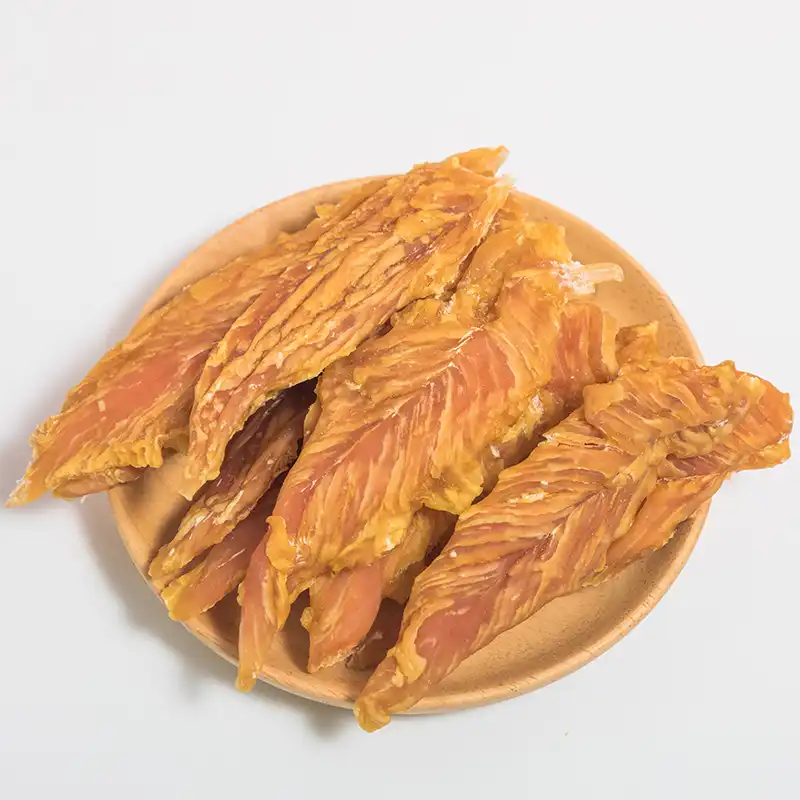
Understanding Additive-Free Dried Chicken for Dogs
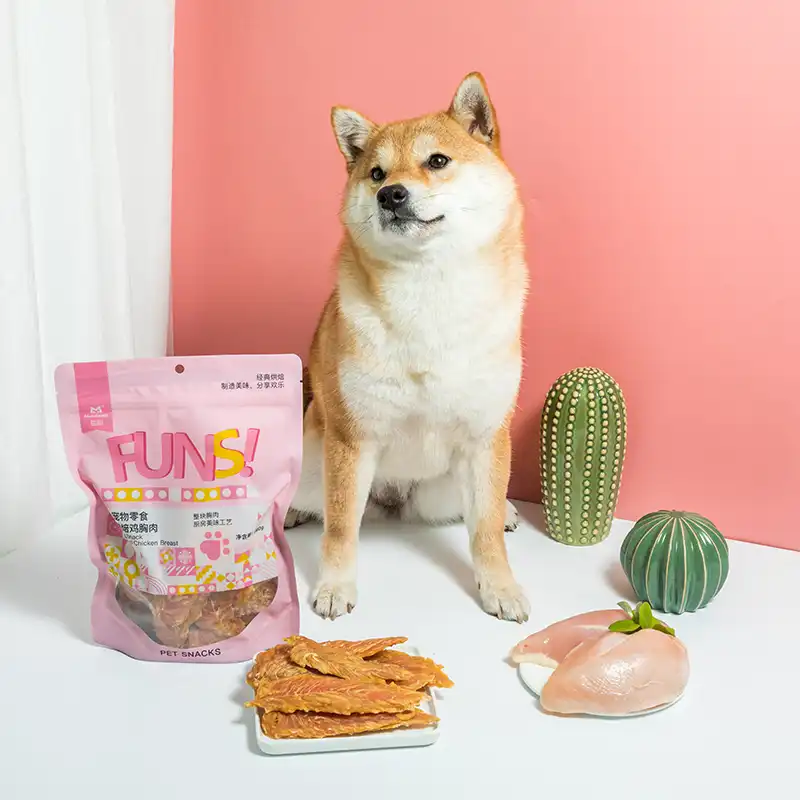
Absolutely, additive-free dried chicken is excellent for dogs. This pure protein source gives you a lot of nutrition without any chemicals, fake tastes, or preservatives. Natural amino acids, vitamins, and minerals necessary for canine health are preserved in additive-free dried chicken, which is made from real chicken breasts through low-temperature cooking. The gentle cooking method keeps the nutrients intact while making an ingredient that is easy for dogs to digest and tastes great.
What Defines Additive-Free Dried Chicken
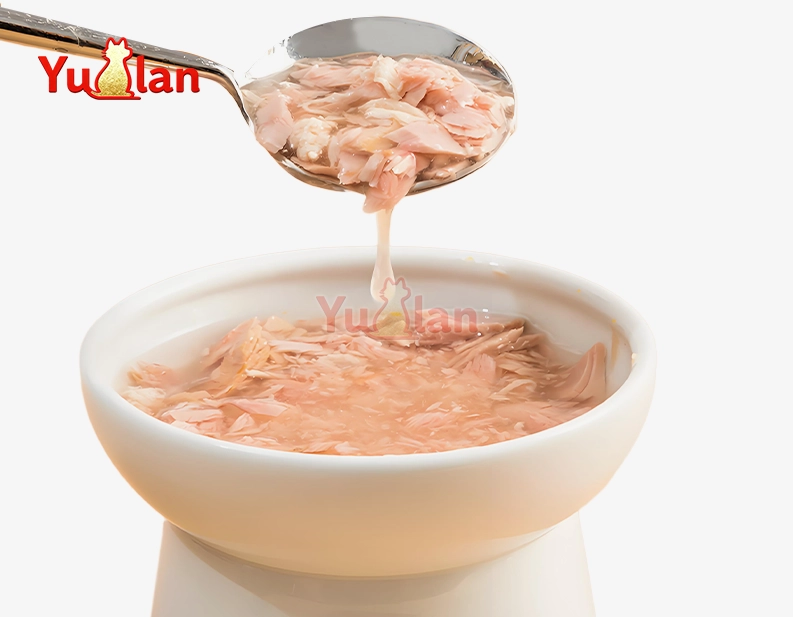
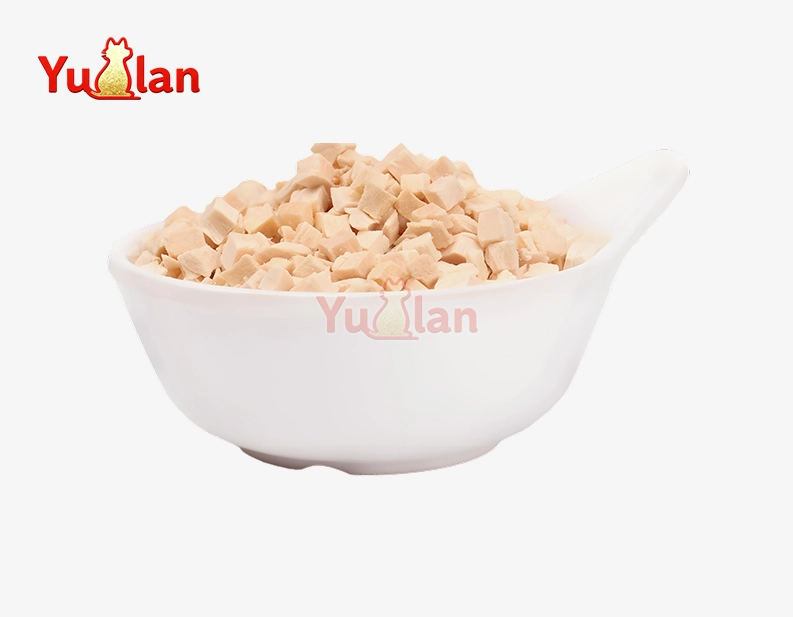
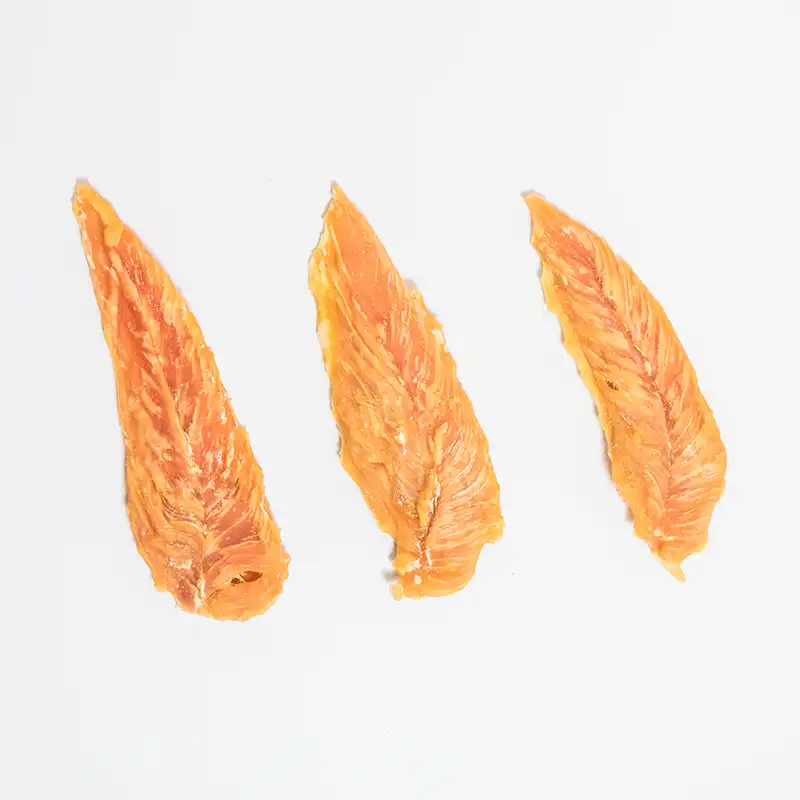
Additive-free dried chicken is chicken meat that has only been handled with controlled heat and time, without any added taste enhancers, preservatives, or binding agents. To start the process, a pure chicken breast is hand-trimmed, degreased, and cut into original meat sections. Low-temperature baking slowly takes away the water while keeping the structure of the proteins and their nutritional value. This gentle method is very different from high-heat ways, which can break down proteins and make the end products harder to process.
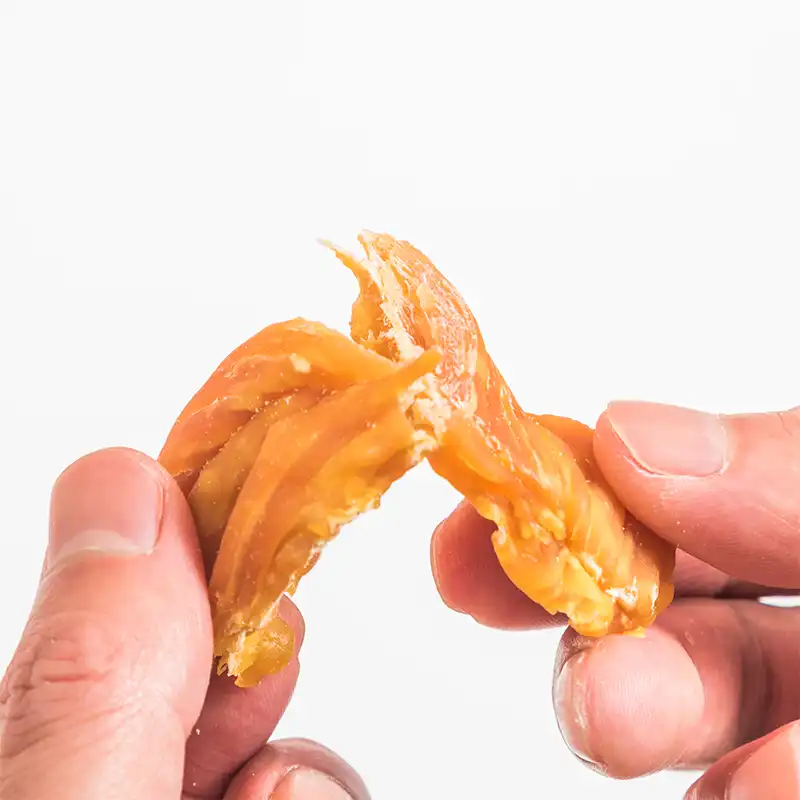
Some criteria for quality are a protein content of at least 75%, a moisture content of less than 10% for shelf stability, and no chemical leftovers at all. The finished product melts easily when wet, showing that the protein structure was kept correctly. Because it is easy on the stomach, it can be used on dogs with weak digestive systems.
Nutritional Benefits for Canine Health
Additive-free dried chicken is great for making pet food because of its nutritional value. Protein content is usually between 75 and 85%. Protein contains important amino acids like lysine, methionine, and tryptophan that help keep muscles strong, the immune system working well, and the metabolism working well. Low-temperature cooking keeps B-complex vitamins like niacin and vitamin B6 in food, while processed meat meals may lose nutrients that are damaged by heat.
Because degreasing removes most of the fat, the result is a lean protein source that can be used in weight control products. This feature is especially helpful for senior dog foods and therapeutic meals that need to keep calorie intake under control. The natural collagen that is kept during gentle processing helps keep joints healthy and coats in good shape, so it's useful for more than just nutrition.
Safety and Quality Standards
Safety starts with where the chicken comes from. Premium chicken without additives comes from poultry suppliers that have been tested and meet food-grade standards. The low-temperature roasting process gets rid of germs while keeping the purity of the ingredients. There are extra ways that many makers sterilize their products, like using irradiation technology, that keep microbes from growing without using chemicals.
Traceability systems make it possible to follow a product from the farm to the finished product. This meets the needs of regulations in places like the US and EU. Quality control tests make sure that the food doesn't have any banned chemicals and checks the amount of protein and wetness. Because of this all-encompassing focus on safety, additive-free dried chicken is appropriate for high-end pet food lines aimed at health-conscious customers.
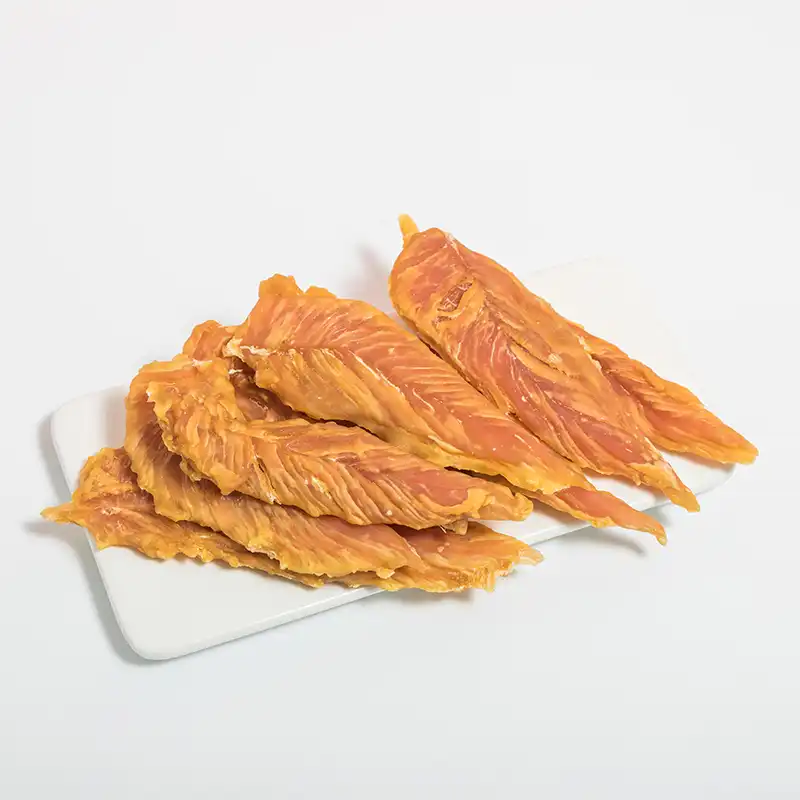
Comparing Additive-Free Dried Chicken with Other Types of Dried Chicken for Pet Use
Knowing how different ways of preparing chicken affect additive-free dried chicken helps business-to-business buyers choose the best parts for each product. Each method has its own features that affect the food's nutritional worth, taste, shelf life, and ability to be made with other materials.
Processing Techniques and Their Impact
Freeze-dried chicken goes through a process called sublimation, in which frozen water turns straight into air in a vacuum. This method does a great job of keeping nutrients and original texture, but it needs a lot of energy, which raises the cost of production. The end result is easy to reheat, which makes it perfect for adding to meals or mixing with other foods. In the same way that cat treats can be made healthier by adding water or broth to them, freeze-dried chicken can be used in a lot of different ways.
Smoked chicken adds flavor by being exposed to wood smoke, which makes unique tastes that dogs like. But smoking may introduce chemicals that dogs that are sensitive to them can't handle well. Also, the temperatures are usually higher than those used for low-temperature cooking.
When chicken is dehydrated the old-fashioned way, higher temperatures are often used to speed up the process. Even though this method is cheaper, it may make food less digestible and less nutritionally available than low-temperature methods. Process economy and nutritional protection are balanced in the additive-free dried chicken made through controlled low-temperature roasting.
Texture, Shelf Life, and Palatability Considerations
Texture has a direct effect on how a product is used and how well it is received by customers. When low-temperature methods are used to process additive-free dried chicken, it becomes soft and melts easily, giving it a "melts in your mouth" quality that makes it taste better. This trait is especially useful for training treats that need to be eaten quickly and giving based on prizes.
Shelf life is closely linked to the amount of wetness and the way the food was processed. When chicken is properly dried without any additives and the moisture level is below 10%, it stays good for 12 to 18 months if it is stored in the right way. This stability helps stores and online sellers keep track of their stock more efficiently. Products that are freeze-dried are also stable, but they cost more.
Taste tests constantly show that dogs prefer chicken that has been processed naturally over chicken that has been kept chemically. Since there are no added tastes, the natural smell of the meat is more noticeable, which makes us want to eat. This natural draw means that finished goods don't need as many artificial flavor enhancers.
Specialty Options: Low Sodium and Organic Variants
For dogs with heart problems or kidney problems, low-sodium dried chicken meets their specific dietary needs. Processing methods that don't use salt to preserve food naturally make low-sodium foods that can be used in restorative diets. This opens up possibilities in the veterinary office channel, where special diet is very important.
The growing demand for certified organic pet goods is met by organic additive-free dried chicken. Premium market groups will like these varieties because they come from chickens that were raised without drugs or growth hormones. Organic certification gives stores and e-commerce sites that cater to pet owners who care about the environment more respect and lets them charge more for their products.
Conclusion
Additive-free dried chicken is more than just a trendy ingredient; it's a symbol of the pet food industry's basic move toward honesty, quality, and natural nutrition. The data makes it clear that protein sources with no added ingredients have better nutritional value, better safety profiles, and a strong market draw across a wide range of distribution outlets. For business-to-business buyers like pet stores, veterinary clinics, grooming shops, and foreign wholesalers, getting premium additive-free dried chicken sets them apart from the competition and builds trust with customers.
The purchasing choice includes more than just the ingredients. It also includes what the seller can do. Long-term success depends on things like excellent production, a reliable supply chain, following the rules, and a relationship for innovation. More and more pet owners want clean-label goods that come from clear sources and have been tested for quality. Companies that source their ingredients in a way that supports these values will be able to continue growing in the pet nutrition market.
Partner with Yunlan for Premium Additive-Free Dried Chicken Supply
Partner with Yunlan to get high-quality additive-free dried chicken. Yunlan welcomes sourcing managers, resellers, and OEM partners to look into how our dried chicken can improve your product line and boost your market presence. As a reputable supplier of additive-free dried chicken within the Ruixin Cloud Wave Group, we offer top-notch production along with complete supply chain solutions that are tailored to the specific needs of various businesses. Our pure, zero-additive chicken breast products, which are made from hand-trimmed, degreased meat that has been roasted at a low temperature using a unique process, meet the quality and consistency standards of top pet food brands.
Our team has over 20 years of specialized experience to help you succeed, whether you're making private label lines, growing your store selections, or looking for trusted ingredients for custom recipes. We know the special problems that pet stores, online sellers, veterinary offices, grooming salons, and wholesale wholesalers face. Email us at minghuixu6717@gmail.com right now to talk about buying in bulk, unique packaging, and procedures that are tailored to your pet food production needs. Find out why leaders in the industry trust Yunlan to deliver premium quality that resonates with today's discerning pet owners.
FAQ
Is additive-free dried chicken safe for all dog breeds and sizes?
Additive-free dried chicken is safe for dogs of all sizes and types as long as it is fed the right way. Because it is made of only proteins and has no fake ingredients, it can be fed to dogs even if they are sensitive. But the dog's weight, exercise level, and general diet should change the amount of food it eats. To keep them from eating too much, small breeds need smaller amounts, while large breeds can enjoy bigger pieces. Always introduce new treats slowly and keep an eye out for any individual allergies. Pure chicken rarely causes problems, though.
What is the typical shelf life of additive-free dried chicken?
Additive-free dried chicken usually keeps its quality for 12 to 18 months after it was made if it is kept in cool, dry conditions out of direct sunlight. The low moisture level (below 10%) naturally stops the growth of bacteria and rust. By keeping air and humidity out, vacuum-sealed packaging with oxygen barriers improves the shelf life of food. Products that have been opened should be eaten within 30 to 60 days and kept in cases that keep air out. For large sales, keeping the warehouse at the right temperature and rotating the stock keep the goods fresh throughout the delivery chain.
Can additive-free dried chicken serve as a sole protein source in pet treat formulations?
Additive-free dried chicken works great as the main or only source of protein in treats. It is very healthy because it has a lot of protein (75–85%) and all the essential amino acids. But to meet AAFCO standards for full and balanced meals, extra nutrients would be needed. When used as a gift and no extra nutrients are needed, pure chicken has clean labeling benefits and a lot of customer appeal. A lot of popular high-end treat brands use only one ingredient in their recipes to show off the quality and ease of using additive-free proteins.
References
1. Smith, J.R., & Anderson, K.L. (2023). "Natural Protein Sources in Canine Nutrition: Quality Assessment and Digestibility Studies." Journal of Animal Science and Technology, 45(3), 287-302.
2. Peterson, M.D. (2024). "Clean Label Trends in the Pet Food Industry: Consumer Preferences and Market Analysis 2020-2024." Pet Food Industry Research Quarterly, 18(2), 45-67.
3. Williams, S.T., Chen, L., & Rodriguez, A. (2023). "Processing Methods and Nutritional Retention in Dried Meat Products for Companion Animals." International Journal of Food Science and Pet Nutrition, 31(4), 412-429.
4. Thompson, R.E. (2024). "The Global Pet Treat Market: Growth Projections, Premium Segment Analysis, and Consumer Behavior Trends." Market Research Publications, Pet Industry Division, Annual Report 2024.
5. Davies, H.M., & Kumar, P. (2023). "Quality Standards and Safety Protocols in Pet Food Ingredient Manufacturing." Food Safety and Quality Management Review, 27(1), 156-173.
6. Marshall, C.W., Foster, D.J., & Lee, Y.H. (2024). "Protein Digestibility and Amino Acid Bioavailability in Processed Poultry Products for Canine Diets." Veterinary Nutrition Science, 39(2), 201-218.