- English
- French
- German
- Portuguese
- Spanish
- Russian
- Japanese
- Korean
- Arabic
- Irish
- Greek
- Turkish
- Italian
- Danish
- Romanian
- Indonesian
- Czech
- Afrikaans
- Swedish
- Polish
- Basque
- Catalan
- Esperanto
- Hindi
- Lao
- Albanian
- Amharic
- Armenian
- Azerbaijani
- Belarusian
- Bengali
- Bosnian
- Bulgarian
- Cebuano
- Chichewa
- Corsican
- Croatian
- Dutch
- Estonian
- Filipino
- Finnish
- Frisian
- Galician
- Georgian
- Gujarati
- Haitian
- Hausa
- Hawaiian
- Hebrew
- Hmong
- Hungarian
- Icelandic
- Igbo
- Javanese
- Kannada
- Kazakh
- Khmer
- Kurdish
- Kyrgyz
- Latin
- Latvian
- Lithuanian
- Luxembou..
- Macedonian
- Malagasy
- Malay
- Malayalam
- Maltese
- Maori
- Marathi
- Mongolian
- Burmese
- Nepali
- Norwegian
- Pashto
- Persian
- Punjabi
- Serbian
- Sesotho
- Sinhala
- Slovak
- Slovenian
- Somali
- Samoan
- Scots Gaelic
- Shona
- Sindhi
- Sundanese
- Swahili
- Tajik
- Tamil
- Telugu
- Thai
- Ukrainian
- Urdu
- Uzbek
- Vietnamese
- Welsh
- Xhosa
- Yiddish
- Yoruba
- Zulu
A package of seeds won't cut it when it comes to parrot health. When left to their own devices, they scavenge for insects, buds, nuts, and fruits. A contemporary captive diet ought to aim to replicate such diversity. Animal protein is often neglected by owners, even tho pellets and fresh food provide most bases. As a result, dried mealworms for parrots are now a hot topic at pet stores and avian care facilities. Understanding their worth, feeding them properly, evaluating their quality, and finding a trustworthy vendor are all covered in this comprehensive book.
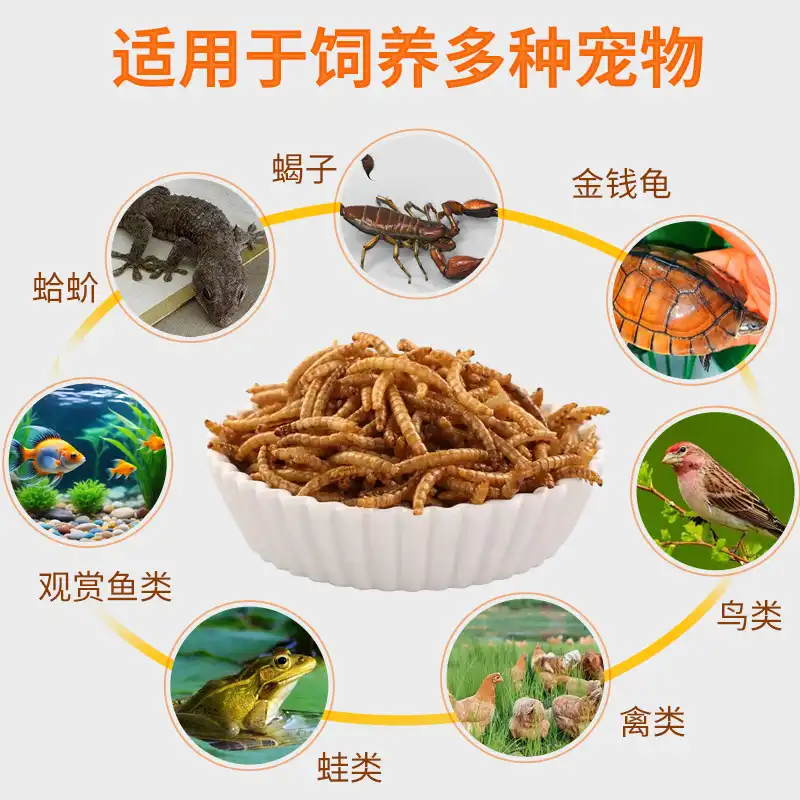
Why Dried Mealworms Are a Smart Addition to Parrot Diets?
It is helpful to know what a mealworm provides nutritionally before choosing the amount or frequency of feeding. The allure becomes apparent as soon as you look at the figures.
A Closer Look at the Nutritional Profile
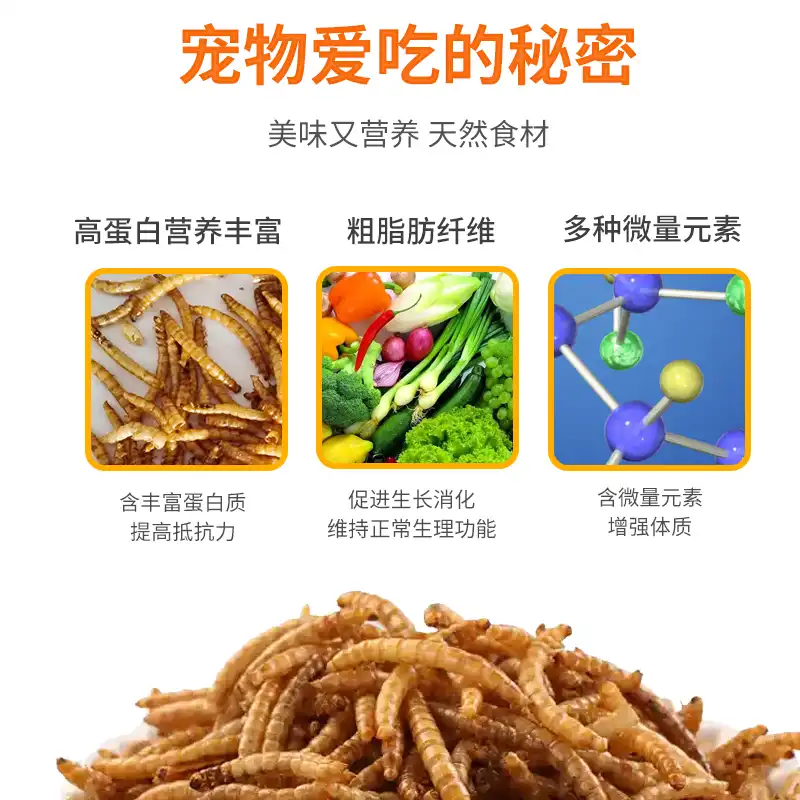
When a darkling beetle is a larva, it feeds on mealworms. Drying them makes them more shelf-stable while preserving most of their essential nutrients. The typical composition of these foods is 25–30% fat and 50–55 percent crude protein. Not only that, but they are a good source of B vitamins, potassium, iron, zinc, and fibre (around 6%). They have a full complement of amino acids. So, the protein is useful for feather production, tissue healing, and immune system support for birds.
Proteins from insects are more easily absorbed by the body than those from plants. Some parrot owners have found that include dried mealworms in their regimen has helped their pets' energy levels and plumage stand out more. That is not advertising jargon. It represents the metabolic interactions between avian amino acids and those derived from animals.
Why Seeds and Pellets Alone Fall Short?
Most people who care for parrots make the mistake of feeding them solely seeds. The seeds of sunflowers and safflowers are rich in oil, but they aren't very nutrient dense. A diet high in seeds causes a loss of plumage, fatty liver disease, and weight gain over time. Part of the issue is solved with pellets. Added vitamins and balanced macros are what they supply. On the other hand, a lot of parrots don't like pellets and will avoid them.
Antioxidants, colour, and moisture are all benefits of eating fresh produce. They don't add much protein, however. To address this need, parrots may eat dried mealworms. To top off a meal or use as a training incentive, they provide a concentrated source of animal protein that won't throw off your diet. To mimic natural foraging as much as possible, feed parrots a mix of pellets, diced veggies, and tiny bits of fruit with rotating dried mealworms.
How to Feed Dried Mealworms for Parrots Safely?
Just knowing what to eat isn't enough. The following is a more realistic concern from owners: what is the recommended serving size of mealworms and how many can a bird eat? Sort of diet, age, and species all have a role in the final decision.
Recommended Portions by Species
Insect protein is easily digested by larger parrot species including macaws, amazons, and African greys. Most individuals find that eating five or ten dried mealworms per day is the perfect amount for a snack. Three to six is ideal for medium-sized birds, such as Senegals and conures. Budgerigars, cockatiels, and lovebirds, which are smaller birds, only need one or two every day. Typically, parrots' daily dietary consumption of dry mealworms shouldn't exceed 5 to 10 percent.
A little more may be necessary for moulting birds and breeding hens. While developing their feathers and ovaries, their protein needs increase. Consult an avian vet for advice on the food if you're still confused. More important than feeding parrots daily is providing the correct quantity of dry mealworms.
Preparation Tips for Picky Eaters
Mealworms are an immediate food source for certain parrots. Some need convincing. After five or ten minutes of soaking in warm water, your bird should be more receptive to eating the worms. This makes the texture softer and gives out a pleasant scent that birds love. Dried mealworms for parrots may also be ground into a coarse powder and used as a garnish for heated mashed potatoes or chopped veggies.
Training a single worm by hand increases acceptance and fosters trust. It is best to ease into new cuisines. For the first week, mix a few dry mealworms with a parrot's favourite treat. To make the bird more comfortable, gradually raise the ratio.
Storage Best Practices
Mealworms remain fresh and safe when stored correctly. In a cool, dry place, store them in a sealed container. The container's little silica gel packet aids in moisture absorption. The product has a shelf life of 12 to 18 months when stored at room temperature. That may be prolonged even further with refrigeration, particularly in humid regions.
Never provide mealworms that have a bad odour, are discoloured, or have mould on them. Buyers in bulk should adhere to the principle of first-in, first-out rotation in order to ensure that older stock is sent or served before fresh batches. Dried mealworms for parrots, if kept properly, retain all of their nutritional value and flavour from one feeding to the next.
How to Choose High-Quality Dried Mealworms for Parrots?
Each and every one of those bags is unique. The end result is dependent on the processing technique, seed source, and quality assurance measures used. It is important for retailers and serious owners to know what to look for when purchasing in bulk.
Processing Methods That Preserve Nutrition
The market is dominated by three primary approaches. Baking at a temperature of around 110°C is both cheap and efficient in killing bacteria, however it may degrade several vitamins that are sensitive to heat. The majority of nutrients and the natural structure are preserved after freeze-drying. The increased expense contributes to the higher selling price. A more recent technique that strikes a compromise between the two is industrial microwave drying. Due to its rapid killing power, it does not need extended exposure to heat, and it preserves the majority of vitamins and amino acids.
Be sure to enquire about the drying process when comparing different types of dried mealworms for parrots. It is typically safe to trust a provider that provides straightforward responses.
Certifications and Safety Standards
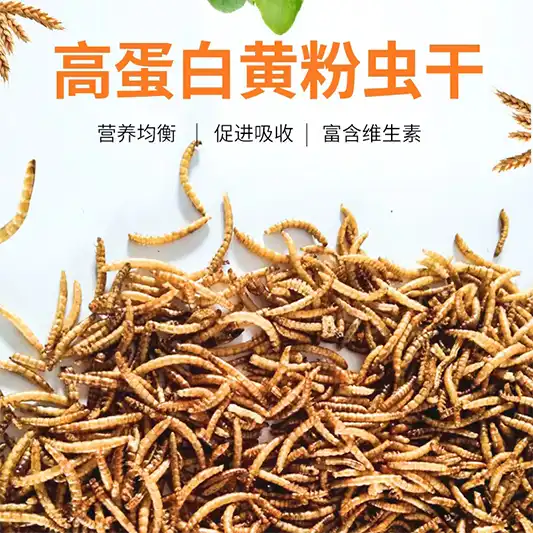
Reputable firms have GMP certification and follow the HACCP rules for food safety. You should be able to ask for independent lab tests for pesticide residues, salmonella, E. coli and heavy metals. Choose products that don't include artificial colours, tastes or preservatives. Pure dried mealworms for parrots should only contain mealworms.
Ask the factory for an audit report, a certificate of analysis and the firm purchasers for the supply chain records. These documents help protect your reputation and your clients.
Sourcing Dried Mealworms for Parrots from a Reliable Partner
Locating a provider that reliably provides the desired level of quality is the subsequent step after defining it. The questions to ask and the services provided by Yunlan to wholesale partners are detailed below.
What to Look for in a Supplier?
The powerful provider handles the practical difficulties first. What is the minimum order? ‘Tell me about the shipping channels and how long it’ll take. Do you have any samples? Do they have items that they privately label? A good partner has clear requirements, genuine credentials and communicates quickly.
Cost is a consideration but the cheapest choice could be the most costly in terms of spoilage, returns or nutritional inconsistencies. Look for a company that provides dry mealworms for parrots with consistent batches.
Why Retailers Choose Yunlan?
If you are looking for a dependable company that values quality, innovation, and customer pleasure to purchase dried mealworms for parrots, Yunlan is a fantastic choice. Industrial microwave drying technology, which we utilise in our high-tech processes, destroys germs while preserving the maximum nutritious content. By avoiding the use of artificial flavours, spices, and colours, this method produces high-quality foods. Thru our adaptable minimum order quantities, comprehensive quality certifications, and cheap bulk rates, we facilitate the development of distinctive product lines for online vendors, veterinary clinics, grooming parlours, and pet shops.
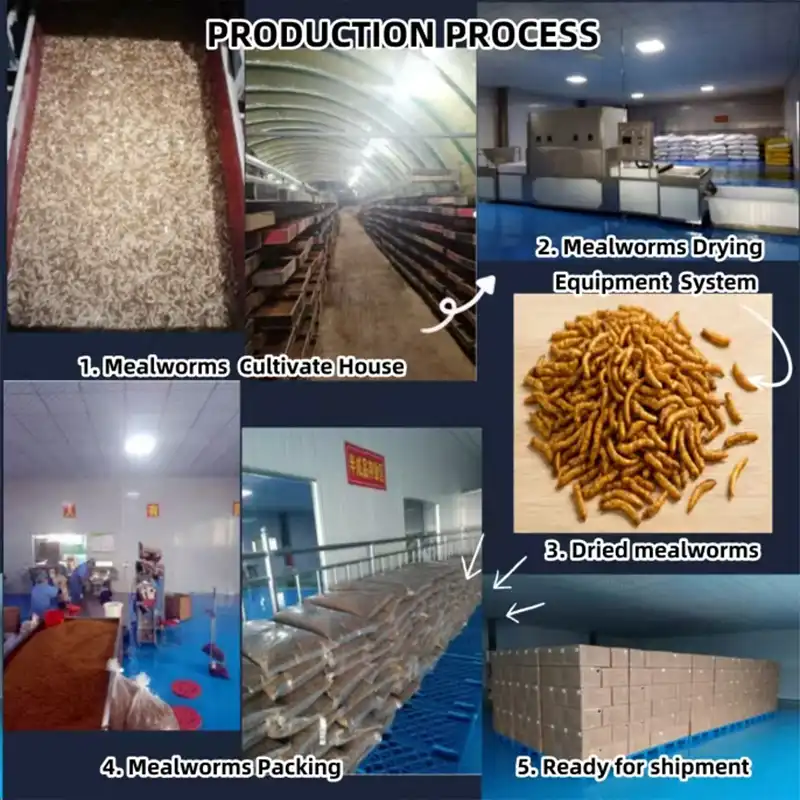
Our parent company invests about 100 million yuan annually in R&D, boasts 97 recognised patents, and has state-of-the-art manufacturing facilities. That we are dedicated to technological brilliance and ongoing innovation is shown here. Over sixty nations are linked to the United States with robust transportation networks, which serve over ten thousand shops. This demonstrates our proficiency in transportation and our familiarity with the market. Supplements for parrots are only one of the many pet food alternatives available in our specialised goods. This allows the partners to get a diverse array of items from a single, reputable manufacturer. See how our premium insect-based proteins can enhance your products and attract more customers.For example pricing, technical specifications, and assistance with any other business-related enquiries, please contact our purchasing specialists at minghuixu6717@gmail.com or visit yunlanpets.com.
FAQ
Q1: Are dried mealworms safe for all parrot species?
Yes, when produced under sanitary conditions and fed in appropriate portions. Larger species like Macaws and African Greys handle them easily. Smaller species like Budgies and Lovebirds should receive smaller amounts. Birds with kidney or liver conditions should be evaluated by a vet first, since their protein needs may differ.
Q2: How many dried mealworms can I feed my parrot each day?
For small birds, one to three per day is enough. Medium parrots can have three to six. Large parrots can enjoy five to ten. Mealworms should stay within 5 to 10 percent of total daily food. The remainder should come from pellets, fresh vegetables, and limited fruit.
Q3: Can dried mealworms replace pellets or fresh food?
No. Mealworms are a supplement, not a base diet. Pellets provide balanced macros and vitamins. Fresh produce supplies moisture and antioxidants. Mealworms add concentrated animal protein and enrichment. A balanced diet uses all three together.
Q4: Do I need to soak dried mealworms before feeding?
Soaking is optional. Many parrots enjoy them dry and crunchy. If your bird is new to insect food or prefers softer textures, a five-minute soak in warm water can help. Drain excess water before serving.
Q5: How long do dried mealworms last once opened?
In an airtight container stored cool and dry, they remain fresh for 12 to 18 months. Add a silica packet to control humidity. Refrigeration can extend shelf life further in warm climates. Discard any batch that smells off or shows mold.
References
- Harrison, G.J. & Lightfoot, T.L. (2006). Clinical Avian Medicine. Spix Publishing, Palm Beach, Florida.
- Koutsos, E.A., Matson, K.D., & Klasing, K.C. (2001). Nutrition of Birds in the Order Psittaciformes: A Review. Journal of Avian Medicine and Surgery, 15(4), 257–275.
- Finke, M.D. (2002). Complete Nutrient Composition of Commercially Raised Invertebrates Used as Food for Insectivores. Zoo Biology, 21(3), 269–285.
- Finke, M.D. (2013). Complete Nutrient Content of Four Species of Feeder Insects. Zoo Biology, 32(1), 27–36.
- Bosch, G., Zhang, S., Oonincx, D.G.A.B., & Hendriks, W.H. (2014). Protein Quality of Insects as Potential Ingredients for Dog and Cat Foods. Journal of Nutritional Science, 3, e29.
- Ravindran, V. & Blair, R. (1993). Feed Resources for Poultry Production in Asia and the Pacific. III. Animal Protein Sources. World's Poultry Science Journal, 49(3), 219–235.