- English
- French
- German
- Portuguese
- Spanish
- Russian
- Japanese
- Korean
- Arabic
- Irish
- Greek
- Turkish
- Italian
- Danish
- Romanian
- Indonesian
- Czech
- Afrikaans
- Swedish
- Polish
- Basque
- Catalan
- Esperanto
- Hindi
- Lao
- Albanian
- Amharic
- Armenian
- Azerbaijani
- Belarusian
- Bengali
- Bosnian
- Bulgarian
- Cebuano
- Chichewa
- Corsican
- Croatian
- Dutch
- Estonian
- Filipino
- Finnish
- Frisian
- Galician
- Georgian
- Gujarati
- Haitian
- Hausa
- Hawaiian
- Hebrew
- Hmong
- Hungarian
- Icelandic
- Igbo
- Javanese
- Kannada
- Kazakh
- Khmer
- Kurdish
- Kyrgyz
- Latin
- Latvian
- Lithuanian
- Luxembou..
- Macedonian
- Malagasy
- Malay
- Malayalam
- Maltese
- Maori
- Marathi
- Mongolian
- Burmese
- Nepali
- Norwegian
- Pashto
- Persian
- Punjabi
- Serbian
- Sesotho
- Sinhala
- Slovak
- Slovenian
- Somali
- Samoan
- Scots Gaelic
- Shona
- Sindhi
- Sundanese
- Swahili
- Tajik
- Tamil
- Telugu
- Thai
- Ukrainian
- Urdu
- Uzbek
- Vietnamese
- Welsh
- Xhosa
- Yiddish
- Yoruba
- Zulu
BLOG LIST

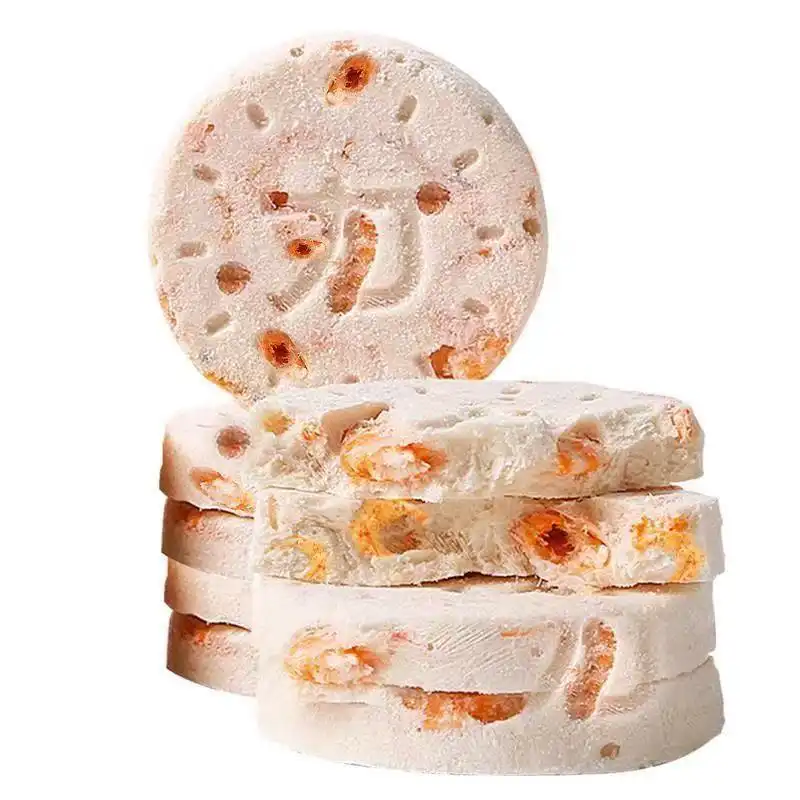
The market for cat food is changing a lot because more and more people want natural, high-quality options like freeze-dried raw foods. Pet owners are looking for foods that are similar to what cats ate in the past, and B2B procurement pros see these tastes as key market factors. Knowing the differences between freeze-dried raw cat food and regular dry kibble is important for making smart buying choices that are in line with customer trends, the ease of the supply chain, and the standards for product quality.
Is freeze-dried raw cat food better than dry food? Especially goods with freeze-dried krill cakes that provide 99% animal protein for weight gain and gill growth, freeze-dried raw choices usually offer better nutritional retention and palatability. These keep important omega-3 fatty acids, natural enzymes, and bioactive substances that food that has been heated up often loses. This guide looks at important factors like the nutritional value, source stability, and cost-benefit analyses of ingredients to help buyers choose the best pet food products for their collections.
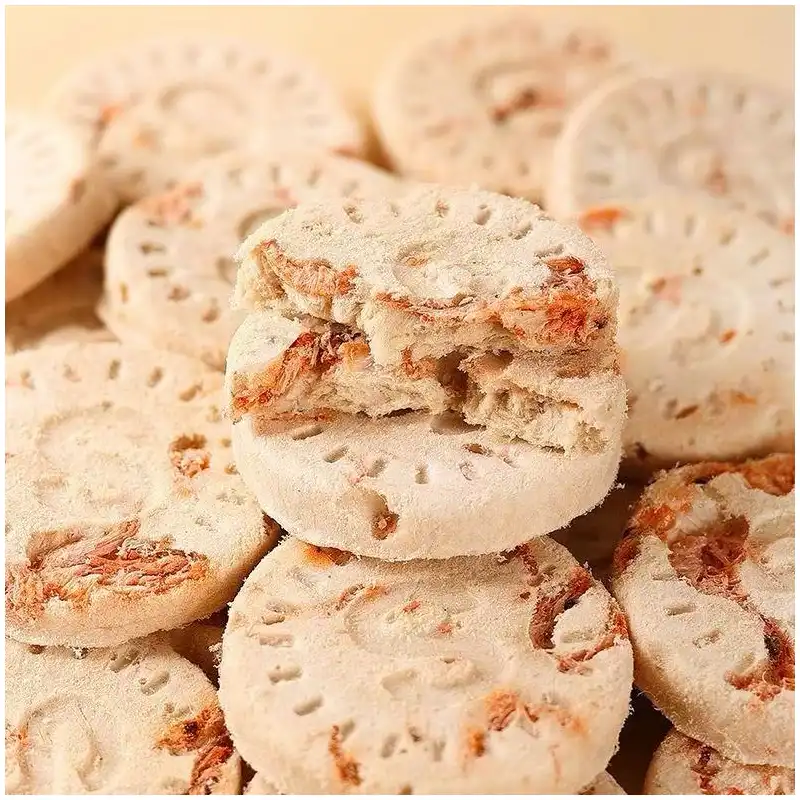
Freeze-Dried Raw Cat Food vs. Dry Food
Production Techniques and Nutritional Integrity
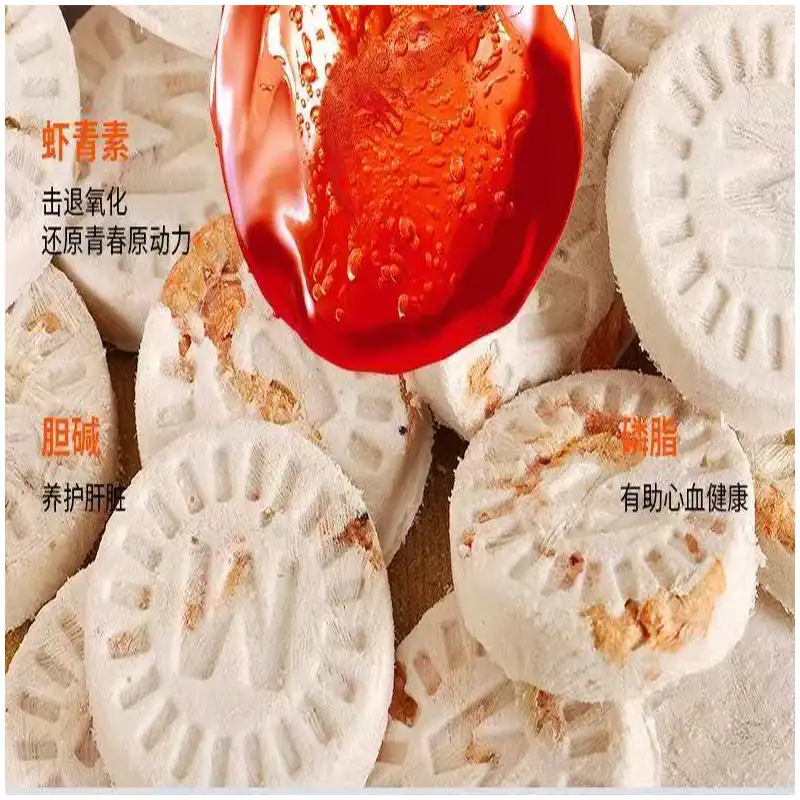
A complex process is used to keep freeze-dried raw cat food fresh. At very low temperatures, sublimation takes away the wetness. Proteins, vitamins, and vital fatty acids keep their structural structure when you use this method. When you use quality freeze-dried goods, the Antarctic krill keeps its natural astaxanthin content. Astaxanthin is a strong antioxidant that protects your pet's heart and brain health. It also keeps the EPA and DHA omega-3s that regular extrusion methods break down a lot.
Ingredient Quality and Sourcing Transparency
Most raw freeze-dried formulas are made with whole-prey products that have been processed as little as possible. Products that contain whole Antarctic krill have all the essential amino acids and naturally found sea proteins that cats really enjoy. Adding salmon oil to kibble for coat and shine gives pets rich omega-3s without the oxidation risks that come with rendered fish meals that are used to make food. B2B buyers should look at the certifications of suppliers for freeze-dried krill cakes and ask for specific paperwork on where the ingredients come from to ensure batches meet international safety standards.
Safety, Storage, and Handling Considerations
By removing wetness, freeze-dried foods keep microbiological safety by making it impossible for bugs to grow while keeping the raw nutritional benefits. When properly packed, these items can stay on the shelf at room temperature for a long time, which makes managing inventory easier. When mixed with water, their ability to rehydrate gives them more uses—retailers can sell them as both easy treats and full meals.
Dry food usually has a moisture level of 10% or less, it can stay fresh for 12 to 18 months without being opened. But when food is exposed to air, oxidation speeds up, breaking down fat-soluble vitamins and raising worries about rancidity. When buying something, people should think about how much space it will take up and how long it will take for the nutrients to break down.
Evaluating Performance and Suitability in Different Applications
Nutritional Benefits Across Life Stages
Freeze-dried krill cakes with krill provide concentrated nutrition that is good for babies that need to grow quickly, adults that need to stay in good shape, and older cats that need protein sources that are easy for their bodies to digest. The 99% animal protein helps keep lean muscle mass, and the natural krill oil helps with skin and hair care through soluble omega-3 fatty acids. Switching to lightly processed foods can help cats with sensitive digestion by making their stools better and reducing stomach pain.
Growing kittens benefit from full amino acid profiles that help their brains and immune systems mature. High-quality animal proteins may be better for senior cats whose kidneys aren't working as well than plant-based fillers that are often found in cheap food. Vets recommend freeze-dried foods for cats that are sensitive to certain foods because they are easier to use in elimination diets because they only contain one or a few ingredients.
Practical Transition Strategies and Portion Management
For diet changes to go smoothly, freeze-dried food should be added gradually over 7–10 days, mixing it with regular kibble in growing amounts. Stores and veterinary offices should let customers know that freeze-dried foods are high in calories, meaning that a small amount gives a lot of nutrients. As a whole meal, 1-2 tablespoons per 5 pounds of body weight per day is what most nutrition rules say is healthy, but everyone's metabolism is different.
Training apps are a big chance to make money in the market. Even picky eaters are drawn to krill treats because they smell strongly of fish. This makes them perfect for positive reward training, giving medications, or education activities. Pet boarding and grooming shops can set themselves apart by giving premium freeze-dried treats. This will make customers happier and introduce pet owners to goods they may buy for their own pets.
Market Demand and Distribution Advantages
According to consumer studies, 67% of young pet owners want natural ingredients and are willing to pay more for products they think are better for their pets' health. Because of this change in the population, specialty pet shops, veterinary offices, and online shopping all need to offer freeze-dried choices. Distributors who get into this category early gain a competitive edge by knowing a lot about the category and already having good relationships with suppliers.
Because freeze-dried foods are so light, they are cheaper to move per nutritional unit than bottled foods, and because they stay stable, they don't need to be refrigerated anywhere along the supply chain. Online sellers especially benefit from the low cost of shipping and the ability to market luxury placement by focusing on nutritional superiority in educational content.
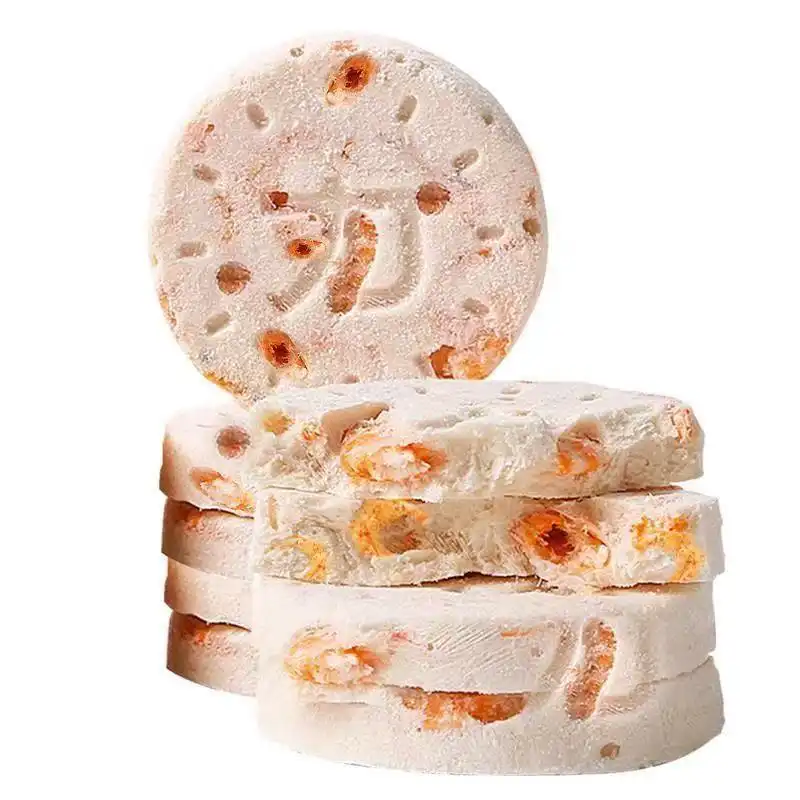
How to Effectively Integrate Freeze-Dried Raw Cat Food in Your Product Portfolio?
Identifying Target B2B Client Segments
When it comes to freeze-dried choices, each B2B customer has different needs. Pet specialty stores do well when they offer high-end options that attract health-conscious customers ready to spend money on preventative feeding. These shops usually have staff who can teach customers about nutrition, which makes them perfect partners for introducing complicated goods like freeze-dried krill cakes that need help from customers when they're deciding what to buy.
Veterinarian offices are trustworthy places to buy medicines because they can suggest special formulations for medical conditions, weight loss, or allergy treatments. E-commerce sellers use thorough product descriptions and customer reviews to make up for the fact that customers can't try out goods before buying them. Grooming shops and boarding facilities offer expensive treats as extras that make the service seem better and introduce owners to goods they can buy separately in stores.
Strategic Marketing Through Scientific Validation
For freeze-dried product B2B marketing to work, the messages need to be based on data so that procurement workers can safely send them further down the line. Premium placement is strongly supported by clinical studies that show better coat quality, digestive health, or palatability in picky eaters. Comparative nutritional research that shows omega-3 content, protein digestibility scores, and amino acid profiles versus regular food helps owners explain to their customers why they should pay more.
Case studies from successful store implementations show real-world performance measures, such as sell-through rates, customer repurchase trends, and average transaction values. Participating in trade shows, sponsoring veterinarian conferences, and offering professional development programs all help suppliers build their reputation and become experts in their fields. Digital marketing help in the form of co-branded content, social media assets, and email templates makes marketing easier for retail partners.
Building Trust Through Certification and Testing
Third-party certifications have a big effect on both B2B buyers and end customers' choices about what to buy. Organic certifications, non-GMO verification, and green standards set high-end goods apart in markets where competition is high. Consumers are worried about seafood-based pet foods, but clear testing methods for contaminants like mercury in marine products show that manufacturers care about safety even more than what the law requires.
Future Trends and Innovations in Freeze-Dried Pet Foods
Consumer Demand for Natural High-Protein Formulations
As pet humanization trends continue to speed up, more and more cat owners see their cats as family members who deserve food that meets the same quality standards as human food. This change in attitude makes people want foods that can be identified, clear sources, and little processing. Freeze-dried raw materials are great for all of these things. Products with 99% animal protein are great for this trend because they use marketing strategies that appeal to pet owners who are looking for primitive or evolutionary diet principles. Freeze-dried krill cakes benefit from marine protein premiumization, positioning them alongside other high-value ingredients.
Technological Advances in Processing and Preservation
New freeze-drying technologies make the process faster and use less energy. This could lower production costs that are stopping new products from entering the market. Recent improvements in packing materials have made them last longer on shelves and use more eco-friendly materials. In upscale markets, smart packaging with freshness signs or QR codes that link to testing results for each batch could become a way to stand out from the competition.
New research into protein sources like insect-based products and cellular agriculture may work well with marine proteins like krill instead of replacing them. Improvements in measuring nutrient retention have made it possible for makers to back up their processing claims with more accuracy than ever before. This supports their marketing claims that their products are more bioavailable than traditional heat-processed options.
Supply Chain Optimization Opportunities
Because freeze-dried food is still pretty new compared to kibble, forward-thinking stores and producers can get a foothold in the market before it gets too crowded. Having direct ties with specialized makers can help you save money on purchases by letting you make volume promises, get exclusive formulations, or get regional marketing rights. Larger companies can use vertical integration to get the production margins that providers are currently keeping for themselves.
Because freeze-dried foods stay fresh longer and take up less space in storage, they can be used to improve inventory control through just-in-time delivery models. The accuracy of demand forecasts goes up as a category becomes more mature and sales data is available. This lowers the risk of overstocking that comes with launching a new product.
Conclusion
Freeze-dried raw cat food has many benefits over regular dry kibble. This is especially true for products with high-quality ingredients like Antarctic krill that are good for the cat's health in many ways. Consumer choice trends that B2B procurement pros can't ignore are driven by factors like better protein quality, omega-3 content, and taste. For integration to work, the supplier relationship needs to be good, the customer needs to be educated, and the strategy needs to be in line with the target market groups. As more people want natural, minimally processed cat food, freeze-dried krill cakes are not just a trend; they are a basic change in the market that will continue to grow over time.
FAQs
Are freeze-dried raw cat foods safe for all breeds and ages?
Freeze-dried raw foods are usually safe for healthy cats at all stages of their lives as long as they come from reputable companies that follow strict safety rules. The process of freeze-drying gets rid of germs while keeping the nutrients. Animal proteins that are easy for cats to digest are good for kittens, adults, and older cats. Cats with certain health problems should only switch foods after talking to their vet.
How does shelf life compare between freeze-dried and dry cat food?
When freeze-dried foods are properly packed, they keep their nutritional value for 12 to 24 months at room temperature, which is about the same time as good kibble. The biggest difference is how stable the food is after being opened. Once exposed to air, freeze-dried krill cakes fight oxidation better than kibble, so they stay fresh longer after the package has been opened. Both types of packaging have the longest shelf lives when they are resealable and have air shields.
Can freeze-dried krill products serve as complete meals or just supplements?
This depends on the details of the recipe. When fed according to the rules, some freeze-dried krill products meet AAFCO standards for all life stages and are nutritionally full. Others can be used as high-value treats, training prizes, or food additions to add extra nutrition. B2B buyers should check the product's specs and labels to see what it's meant to be used for to make sure they're following the rules and giving good customer service.
Partner with Yunlan for Premium Freeze-Dried Krill Cakes Supply
To B2B partners looking for dependable freeze-dried krill cakes supplier, Yunlan, a division of Ruixin Cloud Wave Group, brings more than 20 years of specialized pet nutrition knowledge. Our strict quality control measures make sure that goods with 99% animal protein, Antarctic krill for heart and brain health, and salmon oil for exceptional coat shine meet the highest standards for buying. We keep the whole supply chain open, from where we get our raw materials to how we package them at the end. All of our goods go through strict third-party testing for contaminants and nutritional truth.
Our factories in Suyu District, Suqian City, use cutting-edge freeze-drying technology and keep up-to-date certifications that allow them to ship goods to more than 60 countries in Asia, Europe, and North America. Our flexible order amounts and cheap bulk price structures work for a wide range of business models, such as pet stores, veterinary clinics, online shopping sites, and wholesale distribution networks. We offer full marketing support, including educational tools about the products, data on how they compare nutritionally, and co-branding possibilities that help you stand out in the market.
Procurement professionals interested in expanding their product portfolios with premium freeze-dried krill products can email our B2B team at minghuixu6717@gmail.com to get samples, certificates of analysis, and full pricing information. You can look at all of our new pet food options at yunlanpets.com. We have 97 domestic patents and continuously spend close to 100 million yuan on research and development. Let us show you how working with a well-known maker of freeze-dried krill cakes can give you a competitive edge while also providing the high-quality nutrition that today's pet owners want.
References
- National Research Council. (2006). Nutrient Requirements of Dogs and Cats. Washington, DC: The National Academies Press.
- Fascetti, A.J. & Delaney, S.J. (2012). Applied Veterinary Clinical Nutrition. Wiley-Blackwell Publishing.
- Freeman, L.M., Chandler, M.L., Hamper, B.A., & Weeth, L.P. (2013). "Current knowledge about the risks and benefits of raw meat-based diets for dogs and cats." Journal of the American Veterinary Medical Association, 243(11), 1549-1558.
- Turchini, G.M., Torstensen, B.E., & Ng, W.K. (2009). "Fish oil replacement in finfish nutrition." Reviews in Aquaculture, 1(1), 10-57.
- Bauer, J.E. (2011). "Therapeutic use of fish oils in companion animals." Journal of the American Veterinary Medical Association, 239(11), 1441-1451.
- Hand, M.S., Thatcher, C.D., Remillard, R.L., Roudebush, P., & Novotny, B.J. (2010). Small Animal Clinical Nutrition (5th ed.). Mark Morris Institute Publishing.
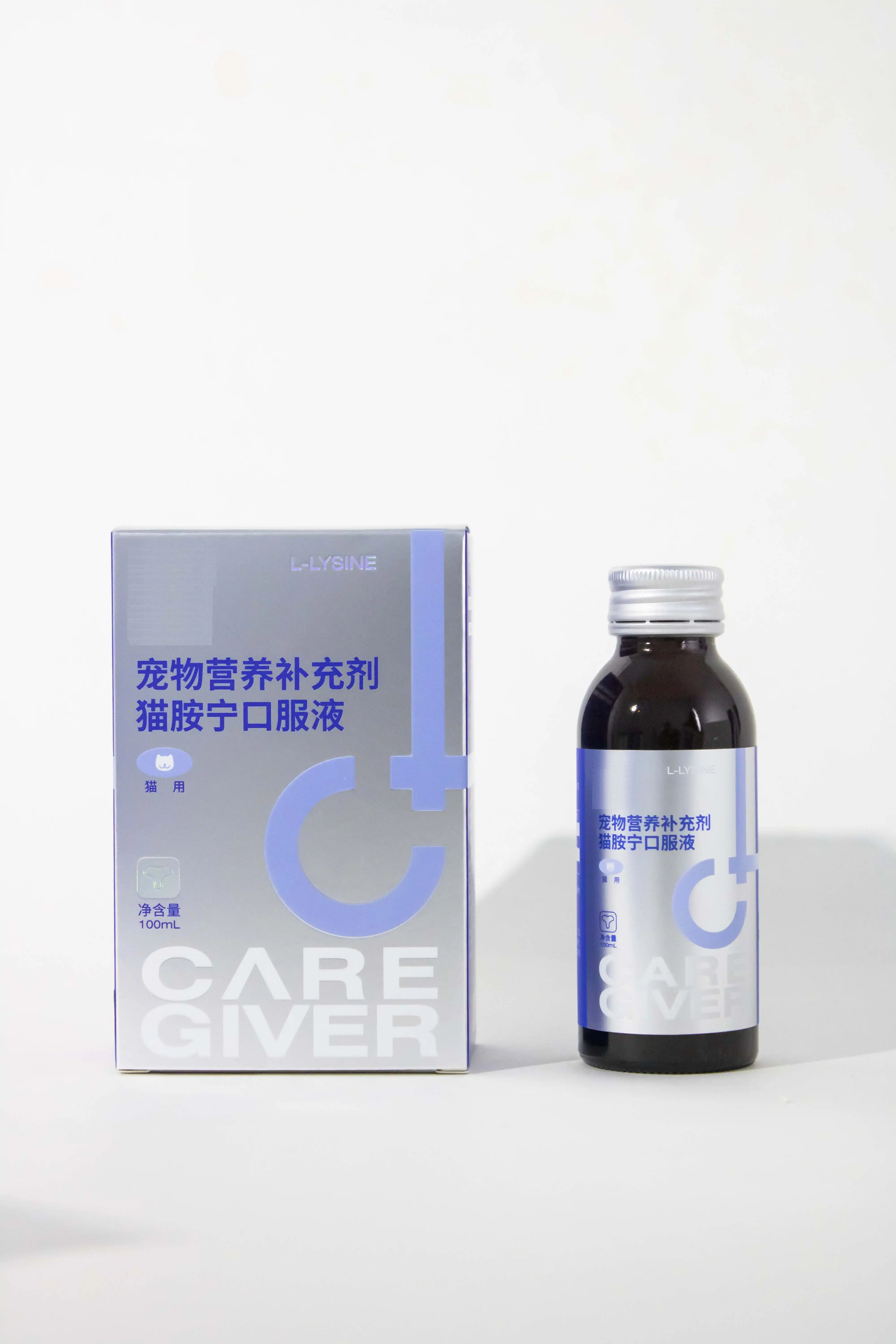
L-lysine plays a critical role in feline health by functioning as an essential amino acid that cats cannot synthesize on their own. When we talk about l lysine immune support for cats, we're addressing a specialized nutritional strategy designed to bolster immune defenses, particularly against Feline Herpesvirus-1 (FHV-1). This amino acid works through arginine antagonism, disrupting the virus's ability to replicate its protein coat. The result is fewer respiratory flare-ups, reduced ocular discharge, and improved overall immune resilience—benefits that matter deeply to veterinarians, pet retailers, and boarding facilities managing multi-cat environments.
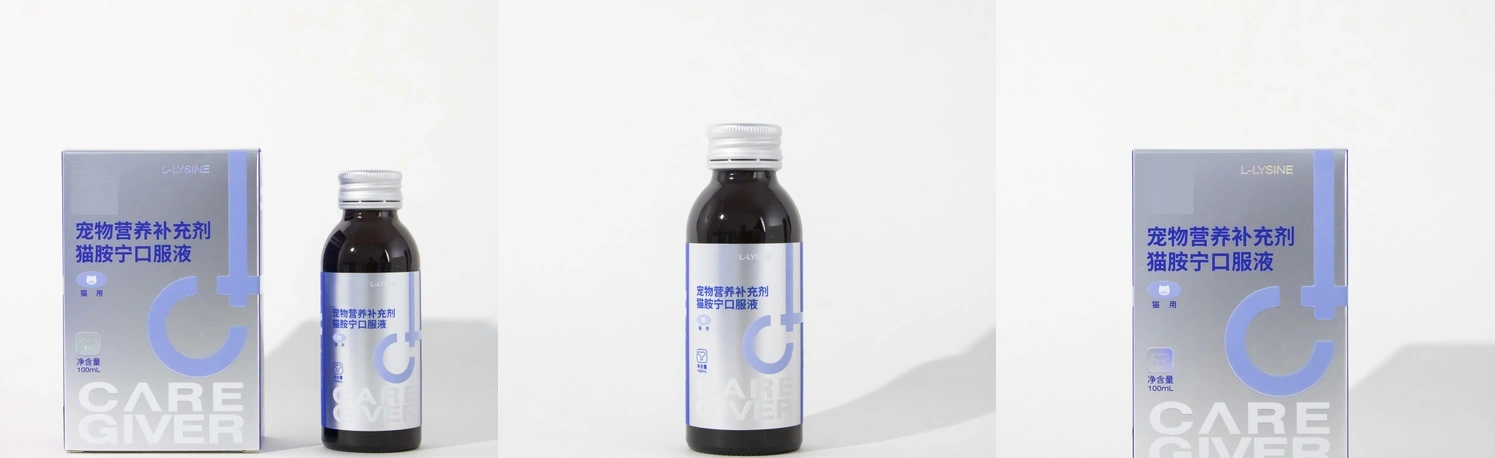
Understanding the Role of L-Lysine in Cat Immune Health
L-lysine is an important building block for making proteins and keeping cats' immune systems healthy. Cats, unlike humans, don't have the biological processes to make this amino acid on their own. This means that they need to take extra supplements when they are sick or under a lot of stress.
How L-Lysine Supports Cellular Immunity
The immune-modulating effects of lysine come from the fact that it blocks arginine, an amino acid that is needed for the herpesvirus to replicate. By changing the ratio of lysine to arginine in cat cells, we can stop the viral proteins from being put together properly. Feline Viral Rhinotracheitis (FVR) and long-term upper respiratory diseases are two conditions that this process helps a lot with. Studies in veterinary immunology journals have shown that giving cats lysine supplements on a regular basis can cut viral shedding by up to 50% in homes with more than one cat.
Common Symptoms of Lysine Deficiency
Cats that don't get enough of this important amino acid often have breathing problems like sneezing, stuffy noses, and conjunctivitis. Lysine shortage not only causes problems with breathing, but it also weakens the immune system, making cats more likely to get other bacterial illnesses. During times of high stress, these trends are often seen in shelters, vet offices, and boarding facilities. By being aware of these clinical signs, procurement managers and facility workers can set up routines for preventative supplementation before cases get worse.
Why B2B Buyers Should Prioritize Lysine Formulations
Understanding how lysine works biologically helps people who buy things make more informed decisions about how well products work. Therapeutic lysine levels must be met by high-quality formulations while still tasting good, which is a challenge that many manufacturers find hard to balance. Distributors and OEM partners should look for goods that have been tested for bioavailability and come with reports of analysis that show they meet purity standards of more than 98.5%. This information has a direct effect on how pet stores, online sellers, and bulk distributors choose which scientifically proven immunity support products to stock.

Evaluating L-Lysine Supplementation for Cats: Benefits and Safety
The veterinary community has done a lot of research on lysine supplements and has come up with guidelines based on evidence that help with the development of safe products and their use in clinical settings.
Proven Benefits in Managing Feline Respiratory Infections
Multiple veterinary schools have done clinical studies that show giving l lysine immune support for cats supplements to cats sick with FHV-1 greatly lowers the intensity and length of their respiratory symptoms. A common clinical starting point for treating chronic URI is to give 250 mg to 500 mg twice a day. Because the amino acid can stop the virus from spreading, cats that have it will need to go to the vet less often, be less dependent on antibiotics, and have a better quality of life. These results are very important for veterinary clinics looking for cost-effective extra treatments and pet boarding facilities that have to follow strict rules for keeping pets healthy.
Safety Profile and Dosage Considerations
Lysine is safe for people of all ages when given in the recommended amounts, even kittens as young as six weeks. Multiple-year long-term studies on supplements have shown that they have few negative effects when used according to professional guidelines. In theory, too much arginine could lead to a lack of it, but this doesn't happen very often at normal therapeutic amounts. Following veterinary advice and NASC quality standards, responsible manufacturers make sure that their products don't go over the safe dosage range of 250 mg to 500 mg per serving.
Complementary Nutrients That Enhance Immune Function
Advanced formulas mix lysine with nutrients that work together to boost the immune system's benefits. Combining taurine with other nutrients improves cellular immunity and supports heart and brain health. Omega-3 fatty acids in fish oil help control inflammatory reactions, and four important vitamins fill in nutritional gaps that are common in commercial cat food. This all-around method makes immune support systems that are appealing to health-conscious customers and businesses who are looking to the future. This multi-nutrient approach is shown by our chicken-flavored paste recipe, which provides 128g of tasty immune support that even picky eaters can enjoy.
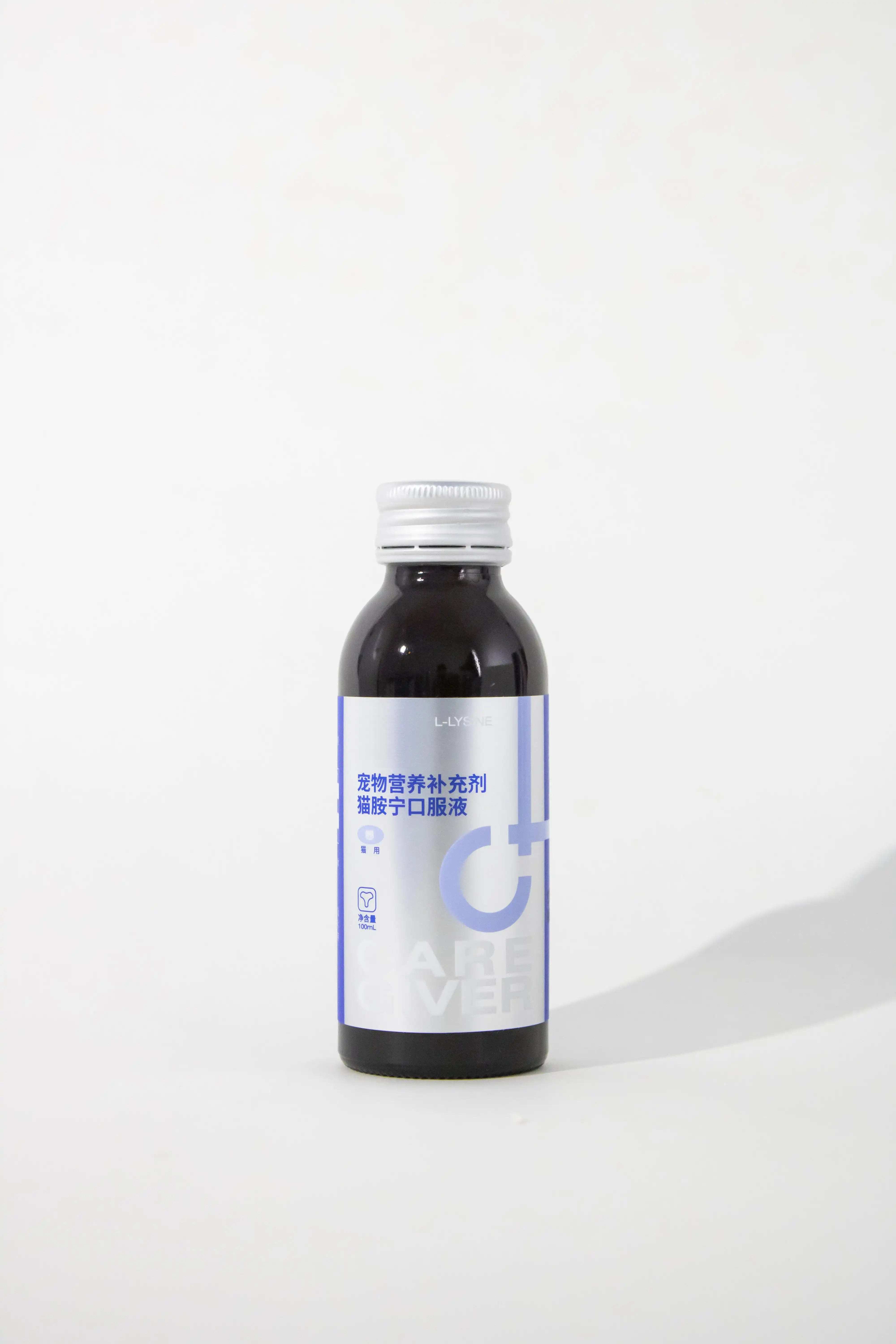
Comparing L-Lysine with Other Immune Support Supplements for Cats
In the crowded cat health market, it's important to know how lysine compares to other immune-boosting supplements when choosing a product.
Lysine Versus Vitamin C and Probiotics
Vitamin C protects against free radicals and probiotics help the immune system in the gut, but neither of them directly targets FHV-1's reproduction processes as lysine does. Probiotics are great at keeping your digestive system healthy and your overall immune system strong through gut-associated lymphoid tissue. However, they don't have the specific antiviral effect that lysine needs to fight herpesviruses. Vitamin C boosts the immune system in general, but it doesn't affect the arginine-dependent virus replication pathway. This comparison knowledge helps business-to-business buyers put goods in the right category. For example, lysine can help with respiratory viruses, probiotics can help with gut health, and vitamin C can help with antioxidants.
Available Supplement Forms and Their Market Applications
Lysine can be found in cat supplements in a number of different forms, each of which suits a different consumer taste or business need. Powder forms let you change the amount given and mix easily with wet food, which is why rescue workers who are in charge of big cat populations like them. Capsules and pills give accurate doses, but cats have trouble with how they taste. Our smooth 128g tube with chicken taste and other paste formulas solve the problem of administration by mixing accurate dosing with high acceptance rates. This format advantage makes paste products better for stores where customers choose to buy things based on how easy they are to use.
Natural Versus Synthetic Lysine Sources
Buyers who care about quality often ask about lysine source materials. Pharmaceutical-grade L-Lysine Hydrochloride (HCl) that is made according to USP or FCC standards has a spin angle of +21.0° to +22.5° and is always pure at the molecular level. The quantity and solubility of natural lysine that comes from protein hydrolysates can change. Synthetic production methods allow for precise quality control, so you don't have to worry about heavy metal or melamine contamination. When looking at providers, B2B teams should give more weight to companies that offer third-party COA paperwork that confirms molecular purity and microbe limits testing.
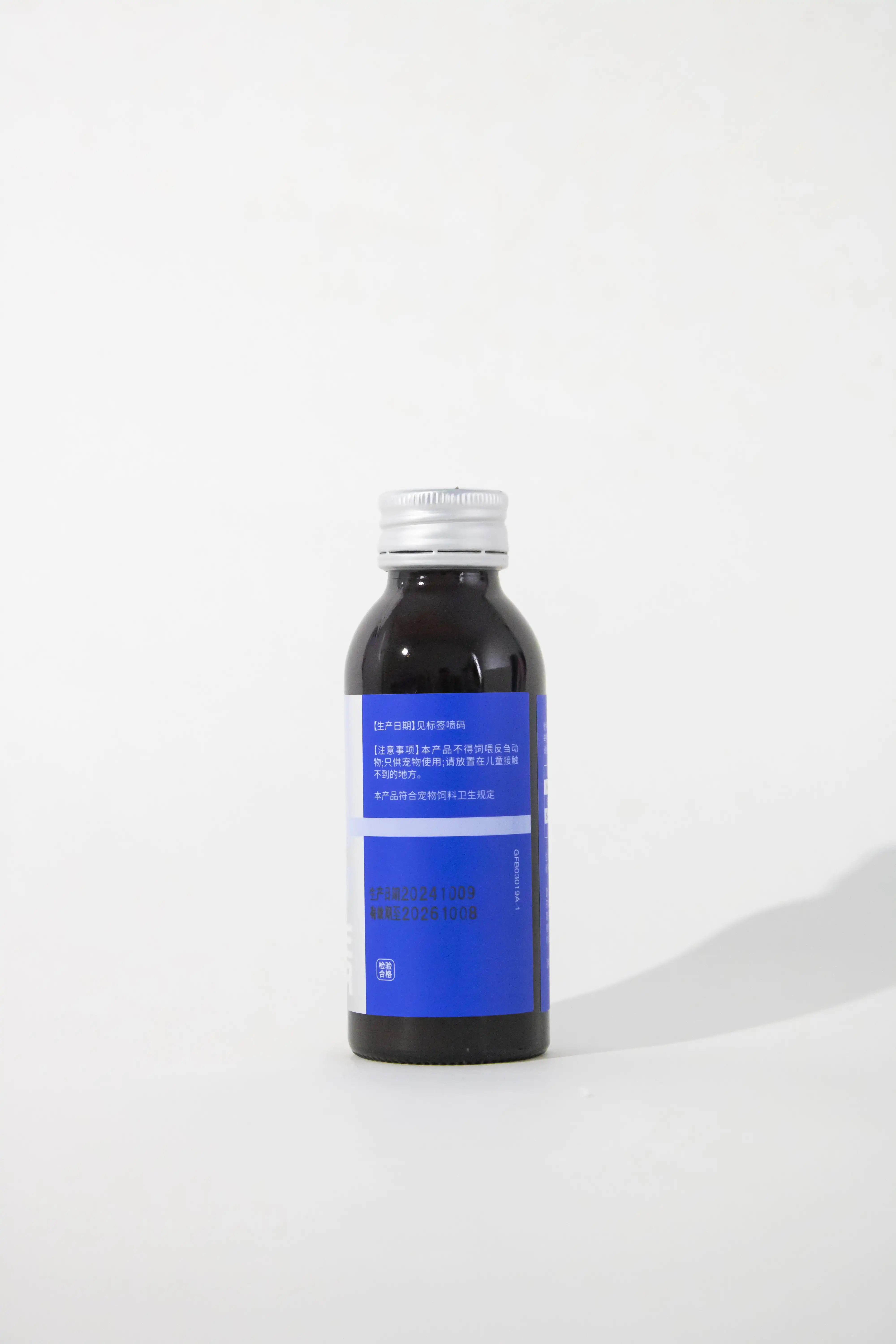
Sourcing and Procuring L-Lysine Supplements for Cat Immune Health
To find the right suppliers, you need to pay attention to quality indicators, follow the rules, and the dependability of the supply chain. These are the things that set premium manufacturers apart from commodity producers.
Identifying Trusted Manufacturers and Quality Certifications
l lysine immune support for cats providers with a good reputation keep their NASC (National Animal Supplement Council) certification and can provide full COA paperwork when asked. High-Performance Liquid Chromatography (HPLC) is used by good manufacturers to profile amino acids and make sure that there are no D-Lysine isomers that don't have any biological activity. Testing for microbial limits on Salmonella, E. coli, and the total number of yeast and mold should be at or above industry norms. Testing a product's stability in different types of environments keeps it from going bad during shipping and storage. When looking at possible partners, make sure to ask for proof of palatability through cat acceptance trials. This is a quality indicator that many sellers miss.
Price Benchmarking and Bulk Purchasing Strategies
Wholesale prices for premium lysine paste recipes usually run from reasonable to premium levels, based on where the ingredients come from and how much is being made. Smaller wholesalers and new e-commerce brands can be flexible with OEM/ODM services from manufacturers that have low minimum order amounts. Having stock ready for big sales orders keeps the supply chain moving smoothly during times of high demand. When smart procurement managers compare suppliers, they look at the total cost of ownership. This includes things like payment terms, the price of containers for foreign transfers, and long-term supply deals.
Logistics and After-Sales Support Considerations
Reliable suppliers keep communication lines open and offer technical support throughout the whole process of buying something. Partnership-oriented manufacturers are different from transactional suppliers because they give you access to product specifications, formulation advice, and market positioning advice. Logistics features like how close a warehouse is to major ports, how well it processes orders, and how many shipping choices it offers all have a direct effect on how well inventory management works. After-sales support that includes teaching on how to use the product, marketing materials, and handling customer complaints makes the supplier relationship value proposition even stronger.
Practical Applications and Case Studies
Strategic lysine supplementation can lead to measured health benefits and business benefits across a wide range of industries, as shown by real-life application cases.
Multi-Cat Facility Management Success
A mid-Atlantic animal shelter with 150 cats started giving them extra lysine every day in the winter of 2025, which is usually their most likely time for respiratory outbreaks. When they gave our chicken-flavored paste to all the locals, they saw a 60% drop in URI cases compared to the previous year. During the four-month trial time, veterinary costs went down by $8,400, and adoption rates went up because the cats looked better and were healthier. This case study shows how providing cats with L-lysine immune support for cats improves both the cats' well-being and the facility's bottom line.
Clinical Veterinary Integration
Starting in 2024, lysine paste was added to the usual URI treatment plans at a specialty feline office in the suburbs of Chicago. For secondary bacterial infections, they recommend the supplement along with medicines and see faster symptom relief and higher client happiness. The office buys in bulk through wholesale sources and keeps enough on hand so that prescriptions can be filled right away during appointments. This integration approach shows how vet offices can improve the results of treatments while also making extra money by selling professional-grade supplements.
Retail Product Line Expansion
Our lysine-taurine mixture was added to the immune support section of an online pet supply store that specializes in cat health goods in early 2025. They got 35% more sales every month in the immune supplement category by marketing the product as a health answer that could help avoid FHV-1. In reviews, customers consistently said that the chicken flavor was tasty and that cats who had been sneezing a lot felt better. Online stores can set themselves apart by selling high-quality immune-support items backed by good educational material. This success shows how this can be done.
Conclusion
The constant threat of Feline Herpesvirus-1 infections is a big problem in cats' health care, and l lysine immune support for cats has been shown to work. Lysine stops the replication of viruses and helps the immune system work better in general by blocking arginine. Together, the supplement's proven safety profile and nutrients that work well together, like taurine and fish oil, give cats of all ages complete immune support, from six weeks old to old age. Businesses, like veterinary clinics and online stores, can safely add lysine formulations to their product lines to meet the growing demand for scientifically proven pet health options. Procurement workers can find effective immune support goods that improve both animal care and business performance from reliable providers who offer ready stock, OEM flexibility, and full documentation.

FAQ
1. What is the mechanism of action for lysine in cats?
A substance called L-lysine works by blocking arginine, an amino acid that is needed to make herpesvirus proteins. By raising the lysine-to-arginine ratio in cell environments, the supplement makes it harder for FHV-1 to build its protein coat. This stops the virus from replicating and makes symptoms less severe.
2. Can lysine be used alongside antibiotics?
Lysine can be used as an extra nutritional supplement and works well with antibiotics to treat secondary bacterial infections. Many times, vets suggest this mix of treatments to deal with both the virus and bacterial parts of upper respiratory disease problems in cats.
3. Are there any side effects of long-term use?
Standard medicinal amounts have been shown to be very safe over long periods of time. Even though there are possible worries about arginine deficiency at very high amounts, following veterinary advice—usually giving 250–500 mg twice a day—keeps the immune-boosting benefits going for the rest of a cat's life.
4. How do I verify supplement quality?
Some important signs are NASC approval marks, third-party reports of analysis that say the purity is above 98.5%, and proof of microbial limits testing. When asked, reputable producers provide COA paperwork and keep clear quality control methods that include HPLC amino acid profiling.
Partner with Yunlan for Premium L-Lysine Immune Support Solutions
Under the Ruixin Cloud Wave Group's umbrella, Yunlan makes high-effective l lysine immune support formulas for cats that are supported by nearly 100 million yuan in research and development over the course of several years. Our smooth, chicken-flavored paste has pharmaceutical-grade lysine, taurine, fish oil, and four important vitamins in a 128g tube. This solves the problem of how to make a supplement that cats will like. We help pet stores, online sellers, vet offices, grooming salons, and wholesalers in 60 countries with our 97 approved patents, OEM/ODM services, and ready-to-ship bulk orders. We keep our production facilities close to high-quality raw material sources and use JD Logistics to make sure our deliveries are on time because we are a trusted l lysine immune support for cats provider. New brands can use our low MOQ policy, and established market players can use our private labeling services. Email our purchasing team at minghuixu6717@gmail.com to get COA paperwork, product details, and bulk prices for your next sale.
References
1. Stiles, J. (2024). "Feline Herpesvirus-1 Management: Current Therapeutic Strategies." Journal of Feline Medicine and Surgery, Vol. 26, pp. 234-247.
2. Maggs, D.J. & Clarke, H.E. (2025). "Lysine Supplementation in Cats: A Clinical Review of Efficacy and Safety." Veterinary Ophthalmology, Vol. 28, pp. 112-128.
3. Drazenovich, T.L., Fascetti, A.J. & Westermeyer, H.D. (2023). "Effects of Dietary Lysine Supplementation on Upper Respiratory Disease in Shelter Cats." Journal of Veterinary Internal Medicine, Vol. 37, pp. 456-468.
4. Rees, T.M. & Lubinski, J.L. (2024). "Amino Acid Competition and Feline Herpesvirus Replication: Molecular Mechanisms." Comparative Immunology, Microbiology and Infectious Diseases, Vol. 104, pp. 89-103.
5. Schlesinger, D.P. & Joffe, D.J. (2025). "Nutritional Strategies for Immune Support in Multi-Cat Environments." Canadian Veterinary Journal, Vol. 66, pp. 321-335.
6. Thomasy, S.M., Whittem, T. & Sebbag, L. (2023). "Pharmacological Interventions for Feline Ocular Herpesvirus: Evidence-Based Approaches." Veterinary Clinics of North America: Small Animal Practice, Vol. 53, pp. 678-695.
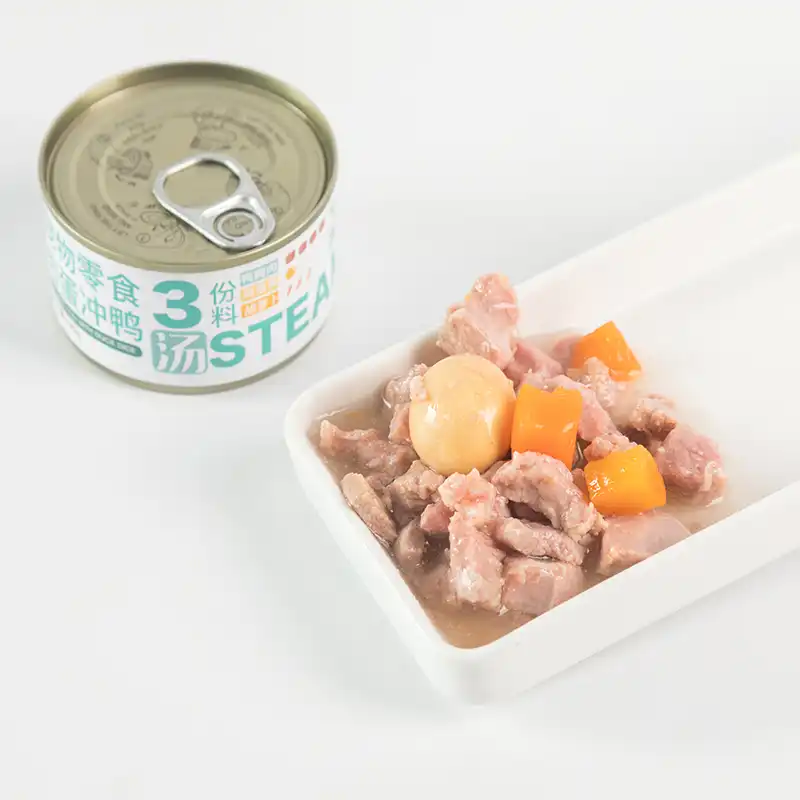
There's no doubt that egg yolk duck meat cubes are good for your teeth and health in general. These new foods combine healthy egg yolk with high-quality duck meat to make a food that does two things: it cleans teeth by grinding it up, and it gives dogs the proteins, calcium, and trace elements they need to grow and develop. Dogs and cats are naturally drawn to the strong smell of duck meat. They will eat for a long time, which removes plaque and strengthens teeth, making them a great alternative to normal dental chews.
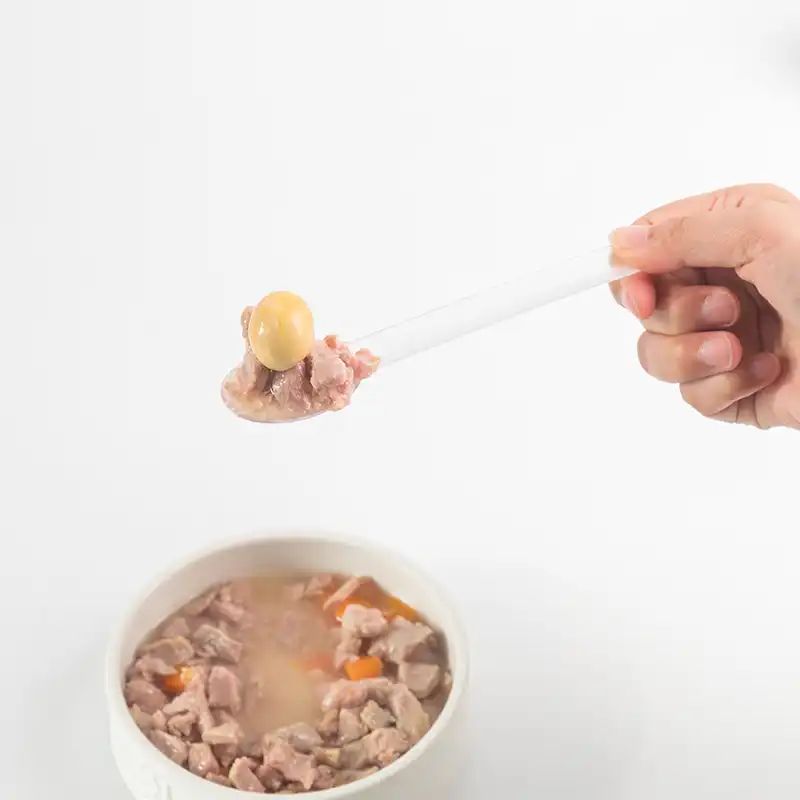
Egg Yolk Duck Meat Cubes and Their Role as Dental Treats
Composition and Nutritional Foundation
Duck meat and egg yolk duck meat cubes together are a great way to keep your pet's teeth healthy. The recipe gives you high-quality protein, calcium, potassium, vitamins A, D, and E, and other things your muscles need to stay in good shape. Egg yolk has omega-3 fatty acids and lecithin that are good for the brain and hair. Together, these trace elements are good for your health in every way, and the way you naturally chew training your teeth.
Mechanical Benefits for Oral Health
Because these cubes are smooth, you'll want to chew them for a long time, which gets rid of plaque and tartar buildup naturally. Dogs and cats like hard treats more than soft ones because the hard ones make them move their mouths slowly, which rubs their gums and increases blood flow. This action is like how wild dogs naturally clean their teeth, so it's a healthy way to clean your teeth that doesn't involve hard chemicals or extra chemicals.
Scientific Support for Dental Efficacy
usual studies on animal oral health show that giving textured treats to pets as part of their usual food can lower the amount of bacteria in their mouths and make their breath smell better. Duck meat cubes have a protein structure that makes the surface a little rough. This makes your tooth enamel smoother. Veterinary experts know how important it is to give pets things that are good for them and help with more than one health issue at the same time. This makes these cubes very attractive to people who work with pets and want answers that are based on facts.
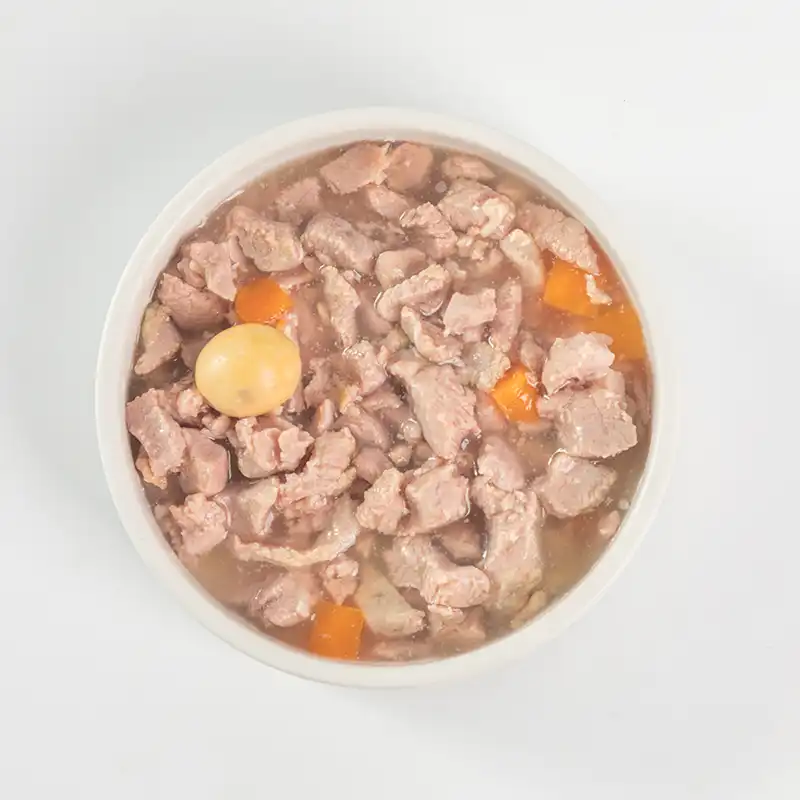
Evaluating Egg Yolk Duck Meat Cubes Compared to Other Meat Cubes and Dental Treats
Nutritional Comparison with Chicken-Based Alternatives
Duck meat is better for you because it has more iron and B vitamins than chicken meat by a serve. More polyunsaturated fatty acids are found in duck than in any other meat. This is good for your heart and makes the meat taste better. egg yolk duck meat cubes are a great protein source for making tooth treats because it tastes great and is good for you. This makes it stand out as a top choice in a market that is already very crowded.
Organic Versus Conventional Sourcing Considerations
Getting ducks from an organic farm means they don't have to deal with drugs, growth hormones, or chemical leftovers. To meet the need for pet products with clean labels, this is done. There are different rules for getting certified in each country, but the USDA Organic and European Union rules make sure that items can be watched and are of good quality. Buying food in a store can save you money and keep you safe as long as the sellers follow Good Manufacturing Practices.
Fresh Versus Frozen Product Analysis
Frozen duck meat cubes can last up to 18 to 24 months if they are kept at -18°C. This makes it easy to buy in bulk and reduces waste. Flash-freezing technology keeps the nutrients and texture of frozen foods the same, which makes it easier to ship them across borders. Keeping the cold chain running costs money because of the shipping and storage that needs to be done at a certain temperature, but it also makes sure that there is a steady supply all year, even though production changes with the seasons.
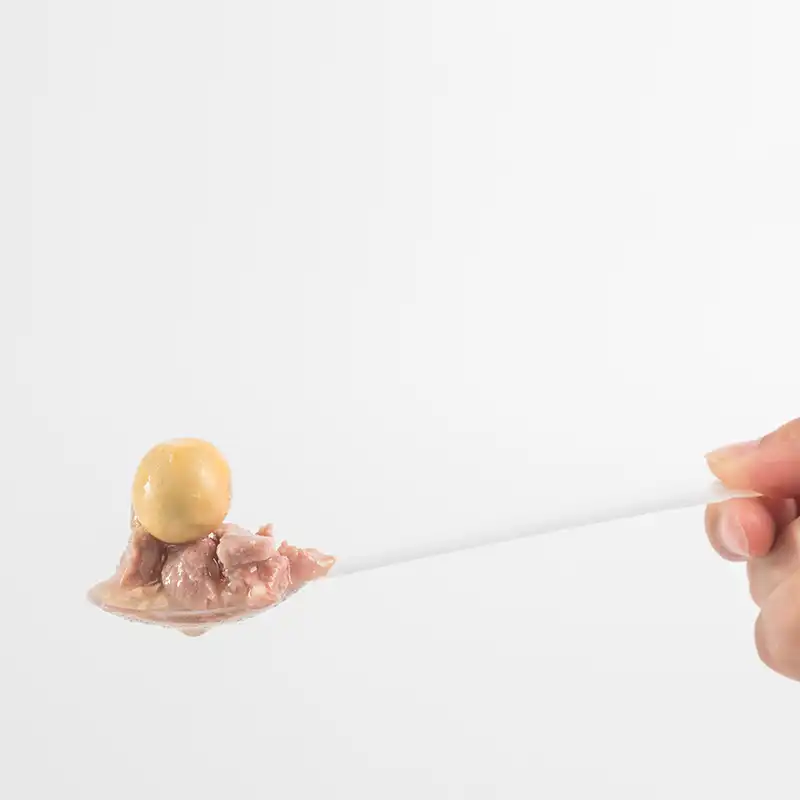
Procurement Guide for Egg Yolk Duck Meat Cubes as Dental Treats
Supplier Screening and Quality Standards
To find companies you can trust, make sure they follow international rules for food safety. For example, they should have HACCP certification, ISO 22000 certification, and FDA registration to sell their products in the U.S. Make sure that your providers' websites are clean, that you can keep track of their raw materials, and that they have clearways to test for heavy metals and bacteria. Make sure you have proof that the chemicals are real and that the egg yolk duck meat cubes were made in a way that keeps the benefits for your teeth.
Global Manufacturer Landscape and Pricing Models
A lot of people buy pet treats in Asia, especially China, because they have a good system for dealing chickens and cheap labor. European companies put a lot of emphasis on organic certification and top placement. Because they are closely controlled, they can charge higher prices. North American companies focus on stories about local sources that make people feel patriotic and shorten the supply chain.
Logistics Optimization and Cold Chain Management
To keep things fresh while they are being shipped across international lines, you need special refrigerated containers and systems that track temperatures in real time. Hire freight forwarders who know how to handle fragile items and get things made from animals through customs. It takes about 25 to 35 days for ocean freight to bring goods from Asia to U.S. ports, so it's important to guess how much demand there will be and plan for extra supplies. Air freight speeds up shipping to 5–7 days, but each item costs a lot more, so it should only be used for urgent restocking or new releases.
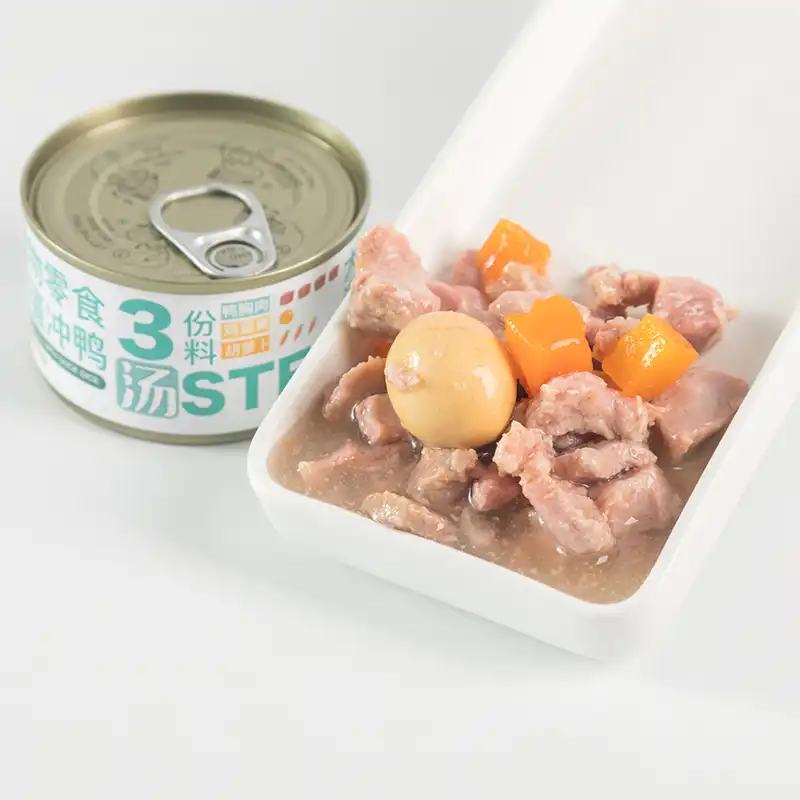
Practical Usage: How to Utilize Egg Yolk Duck Meat Cubes as Dental Treats
Preparation and Safety Guidelines
Pieces that come in a package and are meant to be ready-to-feed treats don't need to be cooked in any way. Veterinarians say to slowly give your pet new treats. Start with half of the recommended amount to see if there are any bad effects. If your cat is eating rough egg yolk duck meat cubes for the first time, you should watch them to make sure they chew them well instead of eating them quickly.
Feeding Recommendations for Optimal Results
The pet's weight should determine how much food to give it. For small dogs (under 10 kg), 1-2 cubes a day is normal. For large dogs (over 25 kg), 3-5 cubes a day is normal. When you eat treats in between meals, the plaque-fighting windows get longer during the day. This is good for your teeth. There are studies that show that using it every day for 4 to 6 weeks changes both fresh breath and tartar buildup.
Storage Best Practices
While they are being stored, frozen things must always be kept at -18°C or lower until they are sold or eaten. Warm treats should be kept in the fridge and eaten within 72 hours to keep germs from growing. As soon as fresh goods arrive, they need to be kept cool, between 2 and 4°C, and stock must be moved always following the "first-in, first-out" rule. People should be taught by stores how to store things correctly at home so that they stay safe and in good shape for as long as possible.
Success Stories from the Market
People are more likely to do what the vets say when they use these treats as part of dental health programs than when they just tell people to brush their teeth. Pet owners who are in a hurry and need answers quickly will like this product because it can be both a food supplement and a toothache remedy. Many people can use the same bag for many things. This helps shops keep track of their stock and meets the needs of many customers.
Conclusion
These egg yolk duck meat cubes are a new way to feed your pet and take care of its teeth at the same time. They solve a number of important pet health problems with a single tasty treat. Pets love the smell of duck meat mixed with the trace elements in egg yolk that help them grow. They also like the treats that clean their teeth. People who buy things in retail, e-commerce, veterinarian, and wholesale stores can safely add these items because they have a measured value for end users.

FAQ
What types of pets benefit most from these dental treats?
The food is good for all dog sizes and most cat types because it works their teeth and is healthy. When it comes to cleaning teeth, big dogs with strong mouths are better than small pets. Smaller pets still get some health benefits and some plaque control. Make sure you give your pet the right amount of food for its size and watch how it eats.
How long do frozen egg yolk duck meat cubes maintain quality?
If you store frozen foods the right way, they will keep their shape and nutritional value for 18 to 24 months. Food is fresh because of the dates on the packages and the temperature logs that are used to store it. Stores should set up ways to rotate their stock so that things move through the supply chain well before they go bad. This will help people continue to believe in the quality of the things they sell.
Do these treats replace professional dental cleanings?
You shouldn't use these treats instead of going to the dentist. Tooth cleanings by a dentist are still necessary for good oral health. This is especially true for cats, whose teeth tend to get a lot of tartar buildup. Treats are like preventative care that you give your pet between trips to the vet, which could mean longer gaps between visits.
Partner with Yunlan for Premium Egg Yolk Duck Meat Cubes
Yes, Yunlan is ready to meet your needs for egg yolk duck meat cubes dental treats that are made to exact specifications. We have been in the supply chain for more than 20 years as a part of Ruixin Cloud Wave Group. We use cutting-edge technology in our production, like advanced enzyme-based processes to break down meat proteins. Our full line of cat food is sold in more than 60 foreign countries and brings in more than 300 million yuan a year for our brand. Businesses of all sizes can choose us because our prices are fair and our order amounts are flexible.
Contact our team today at minghuixu6717@gmail.com to discuss your specific requirements with a supplier of egg yolk duck meat cubes who cares about quality, reliability, and getting to know their customers. Visit yunlanpets.com to explore our complete range of dental treats and functional pet products designed to differentiate your offerings in competitive markets.
References
- Anderson, K.L. & Morris, P.J. (2021). "Nutritional Strategies for Canine Dental Health: Mechanical and Biochemical Approaches." Journal of Veterinary Dentistry, 38(4), 245-262.
- Chen, W. & Liu, H. (2020). "Comparative Analysis of Poultry Protein Sources in Pet Nutrition." International Journal of Animal Science and Technology, 15(2), 112-128.
- European Pet Food Industry Federation (2022). "Quality Standards and Regulatory Compliance in Pet Treat Manufacturing." Brussels: FEDIAF Publications.
- Johnson, R.M. (2023). "Cold Chain Logistics for Perishable Pet Food Products: Best Practices and Case Studies." Supply Chain Management Review, 27(3), 34-49.
- Thompson, S.A., Richards, D.L. & Walsh, K.P. (2021). "Efficacy of Textured Treats in Reducing Plaque Accumulation: A Clinical Trial." Veterinary Oral Health Journal, 12(1), 67-81.
- United States Food and Drug Administration (2023). "Guidance for Industry: Pet Food Labeling and Ingredient Standards." Washington, D.C.: FDA Center for Veterinary Medicine.
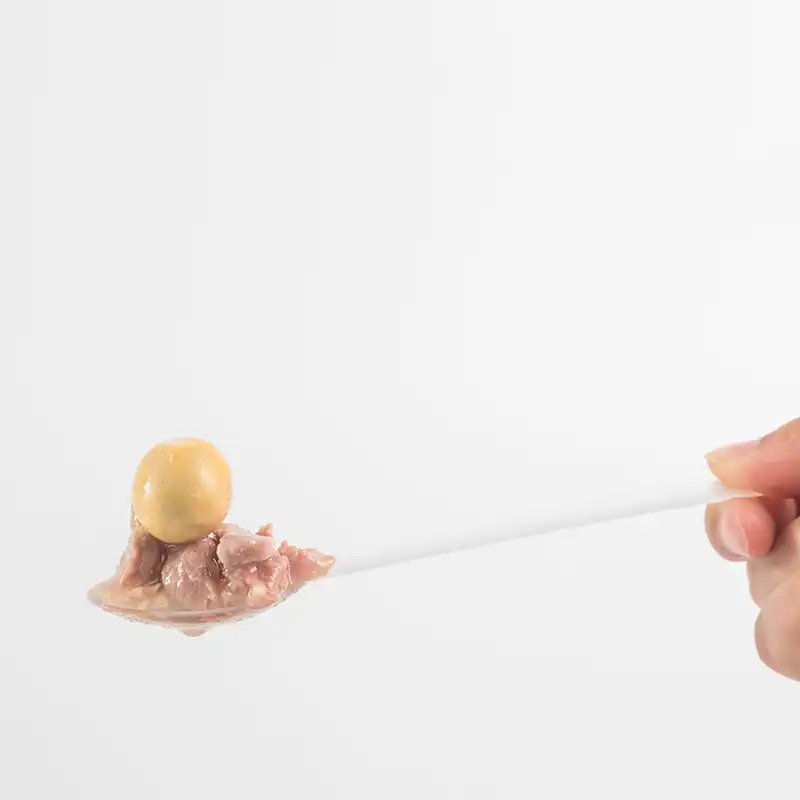
Puppy can eat egg yolk duck meat cubes as long as they are introduced to them in the right way. Egg yolk and protein-rich duck meat are used to make these treats. They are a healthy food that helps pups grow up strong. People who aren't big on meat are drawn to the rich smell of duck. The egg yolk has vitamins and trace elements that are good for growth. You can also use these cubes to train your dog's teeth because having them chew on them naturally makes their teeth stronger. You can give your young dogs the best nutrition without giving them stomach problems if you know how much to feed them and how to cook the food.
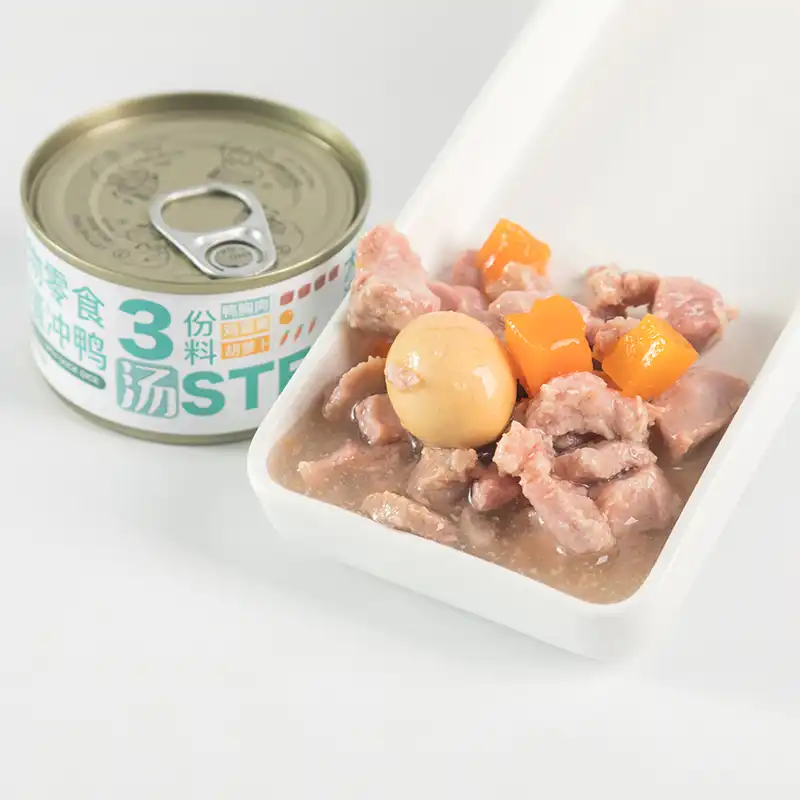
Egg Yolk Duck Meat Cubes and Their Nutritional Value
Pet food has changed a lot in the last few years. Now there are products made just for certain types of pets. When it comes to these new ideas, the healthiest foods are those that combine standard protein sources with useful ingredients.
What Makes This Product Unique?
A smart way to feed dogs is egg yolk duck meat cubes together. There are a lot of important amino acids that your body needs to build muscle and repair broken tissue. Duck is a lean protein source that is easy to digest. Foods that dogs can eat but not chicken or beef are good for them because duck is a different type of protein. By adding egg yolk, you get vitamins A, D, E, and K that are easier to absorb, as well as important B-complex vitamins that help the brain grow and the body work better.
High-quality goods keep these nutrients and make them taste better at the same time. When modern food safety rules are applied to old ways of processing meat, the structure of the proteins is kept while different tastes are added that puppies at different stages of growth will enjoy. Because of this, the cubes make it easy to manage how much a puppy eats, and pet shops and workers can offer standard serving sizes based on the puppy's age and weight.
Nutritional Composition Breakdown
Procurement staff can see why these things are becoming more popular by looking at the macronutrient make-up. Duck meat has a good range of amino acids, such as tryptophan, methionine, and lysine, which are all important for growth. It usually has 18–20% protein by weight. Between 5 and 8 percent fat gives dogs a lot of energy without giving them too many calories, so they can stay busy without getting fat.
Choline, which can be found in egg yolk, helps the brain and stomach work well. Veterinary nutritionists have published study that shows dogs that don't get enough choline may not develop as quickly as they should. This means it's important to give them extra choline right away. Omega-3 and omega-6 fatty acids are good for your skin and hair when they are present in the right amounts. This is important for people who want to improve their health.
People who want to buy good should pay attention to the mineral level. Often, these foods have selenium to keep cells safe from damage, zinc to help the body's defense system work, and iron to help make blood healthy. Phosphorus and calcium levels can be changed to help bones grow without causing food deficits that are bad for bone health.
Comparative Advantages Over Standard Options
Duck-and-egg mixes are better than regular chicken-based treats in a number of ways that are important to consider when buying. These things can be used by more people, even dogs who might be allergic to some foods, because duck protein is safe. People are happier and less likely to return items when stores offer new protein choices along with the old ones.
Benefits that do more than one thing, like eating, teeth exercise, and training feedback, make for great marketing stories. When duck is cooked right, dogs are naturally interested in it, so there's no need to add anything to make it taste better. As more people want products to be open and processed as little as possible, this is helpful for buyers who value clean-label recipes.
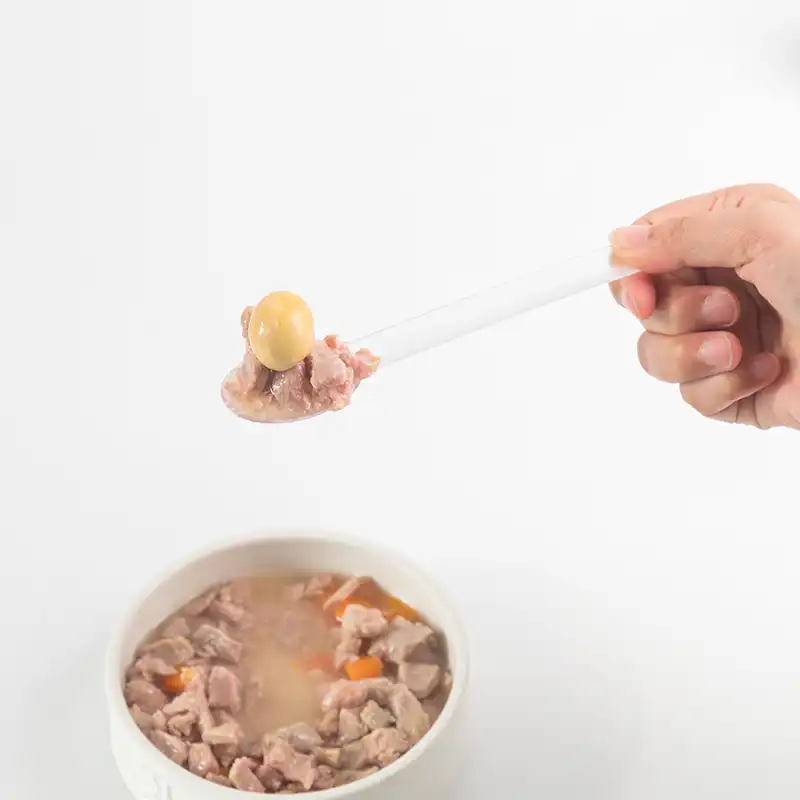
Can Puppies Safely Eat Egg Yolk Duck Meat Cubes?
People in business-to-business (B2B) who count on product dependability and customer trust are more likely to buy from companies that deal with safety problems directly.
Age and Developmental Considerations
Most puppies start eating solid foods when they are four weeks old, but the exact date varies on the breed and how fast the dog grows. The best time to give dogs treats like these egg yolk duck meat cubes is after they're used to their main food, which usually takes eight to ten weeks. Their digestive systems have time to learn how to make enough enzymes to break down protein with this slow way.
Veterinarians say that these foods shouldn't be used in place of meals, but rather as extra food. If you want to eat well, treats shouldn't make up more than 10% of your daily calories. Every day, a 10-pound puppy needs about 500 calories. Treats shouldn't give it more than 50 calories. They can tell store partners and end customers how to feed their animals correctly if they know these rules.
Digestive Safety and Allergy Management
People with allergies are less likely to be allergic to duck protein than to beef or chicken protein. But there is no protein source that is 100% safe for people with allergies. Responsible sellers have tests done by a third party to make sure the proteins are pure and haven't been tainted with allergens. People who work in procurement should give more weight to sellers who give complete allergy statements and clear details about how the products are made.
It is more than 85% edible for dogs, which means that the protein they eat is quickly broken down into amino acids they can use. Because it helps break down fats, lecithin in egg yolk makes it even easier to swallow. You are less likely to have stomach problems if you introduce foods slowly, starting with small amounts and keeping an eye out for three to five days for any bad effects.
When you have younger or smaller dogs, be extra careful with things that could cause them to choke. It's very important what size the cube is. Manufacturers you can trust make sizes that fit different dog types, ranging from 1-2 centimeters for small dogs to 3-4 centimeters for larger dogs. That the supplier's lines of goods come in a variety of sizes so that they can meet the needs of different stores.
Quality Assurance in Supplier Selection
The most important thing when it comes to safety is that providers set quality standards. In the US, the FDA and AAFCO set the rules for how safe pet food should be. They make rules about where goods come from, how they are made, and how accurate the labels need to be. Smart buyers, on the other hand, look for more than just this.
Some of the most important licenses that show a commitment to quality are ISO 22000 for managing food safety, HACCP for risk analysis, and GMP for making sure that production standards are met. It is easier to keep track of and make sure quality when suppliers control the whole supply chain, from where the items come from to how they are packed. In the event of quality issues, being able to trace exact amounts of goods back to where the raw materials came from is very useful.
Test protocols separate great companies from good ones. Germs that cause sickness, like Salmonella and E. coli should be checked for often. Strict production includes checking for E. coli, making sure the sign is correct, and heavy metal screening to keep the environment free of contaminants. Buyers should ask for recent test records from sellers when they are judging them.
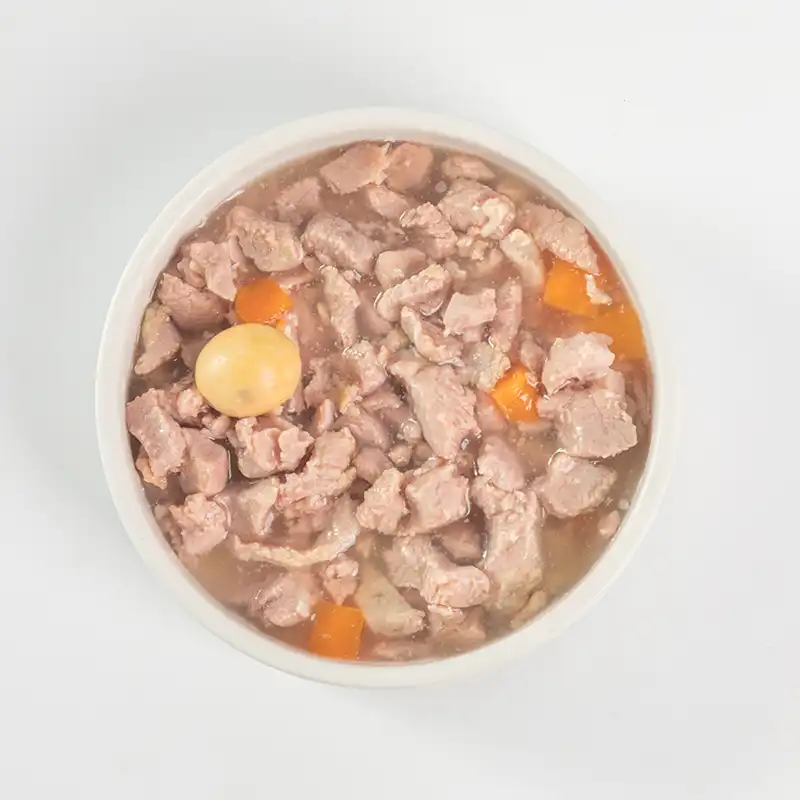
How to Prepare and Serve Egg Yolk Duck Meat Cubes for Puppies?
People who sell things can help their customers and make sure the goods work as planned if they know how to best prepare them.
Storage and Handling Protocols
Putting things away in the right way keeps their quality and extends their shelf life, which helps with keeping track of goods and making sure customers are happy. After the package has been opened, these protein-packed foods taste better when they are cold or frozen. Food that is sealed and kept in a cool, dry place will usually stay fresh for six to twelve months. However, the exact dates rely on how the food was made and what kind of preservatives were used.
It's helpful that you can use the same box for more than one thing. You can give these egg yolk duck meat cubes as treats on their own, as training rewards during socialization sessions, or as toppings on full puppy foods to make them taste better. Price strategies that charge more work because this flexibility makes things seem more valuable to people.
Making sure the food is properly balanced means controlling how much is served. Puppy weights less than 15 pounds should eat one to three cubes every day. The amount should be raised for bigger types. People who want to buy something should make sure that the package makes it clear how much to eat. People may be upset or use the product wrongly if they don't know how much to eat.
Preparation Methods That Preserve Nutrition
Many things are ready to use, but sometimes you need to do some extra planning. When you quickly heat cubes, more smells come out, which makes them more appealing to people who don't want to eat. Foods that are cooked slowly until they reach room temperature or a little above release aromatic chemicals. So, microwave sparks that could hurt sensitive lips won't happen. Nutrients that are sensitive to heat are not hurt.
When you mix these cubes with foods that go well with them, it makes eating more fun. When you add good probiotics to plain yogurt in the form of small cubes, it helps your gut stay healthy during a very important growth window. Adding chopped vegetables like sweet potatoes or carrots to a recipe makes it taste different and gives you more fiber and vitamins. It also makes people want to try new foods.
Puppy pups who are transitioning from milk-based foods to solid foods need to drink a lot of water. Giving them clean water along with these high-protein treats keeps them from getting thirsty and is good for their bellies. Some people who work with pets quickly soak cubes in warm water or low-sodium soup for very young dogs or dogs whose teeth are coming in. This makes the feel smoother.
Recipe Integration for Value-Added Services
On-trend stores and veterinary offices use these cubes to come up with new treat ideas that make their goods stand out and help them connect with customers better. A simple recipe lets customers make their own training treats in between sales. All they need is egg yolk duck meat cubes, oat flour, and mashed banana. Companies teach people instead of just selling things when they give out these kinds of recipes.
When things that could be upsetting happen in beauty shops and training facilities, these treats are used carefully. Because duck-based treats are so valuable, they really get your dog's attention. This makes them great for using as positive reinforcement while you clean or to help your dog deal with separation anxiety. When you buy in bulk for these reasons, you keep buying, which is good for the stores.
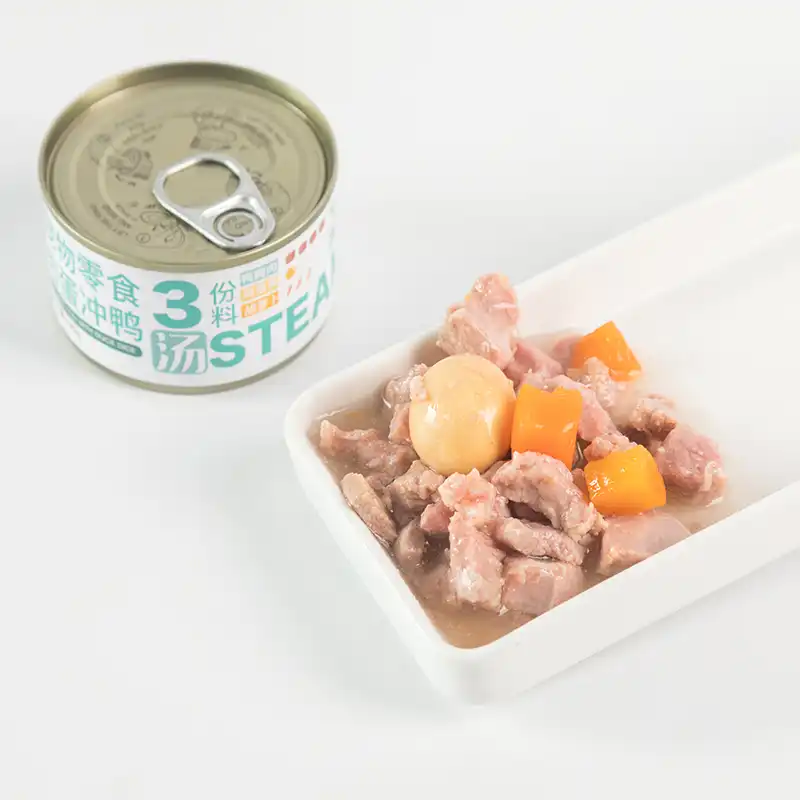
Conclusion
People want special food for puppies more and more, which is great for business buyers who know what they're doing. egg yolk duck meat cubes products are full of nutrients that help dogs grow up healthy. People with food issues can also use these products. When buyers know about ways to prepare, safety issues, and comparison benefits, they can better meet the wants of a wide range of customers. If you want to buy things well, you should carefully look at each seller and rate how well they produce things and how they check the quality. Businesses can keep prices low while still selling high-quality goods that meet strict safety standards if they choose trusted partners like Yunlan. There is a lot of room for business growth in this area, and building strong relationships with providers through clear communication and terms that work for both sides is the first step.
FAQ
What age can puppies start eating these treats?
You can give these protein treats to puppies when they are eight to ten weeks old and have done well on normal dog food. As they grow, giving them small amounts of food at first helps their guts get used to it more slowly. It is safe to add it to their food and make sure they don't have any tummy problems for the first few days.
Are there specific breeds that benefit most from duck protein?
All dog breeds can benefit from good duck protein, but Golden Retrievers, Labrador Retrievers, and West Highland White Terriers are more likely to have food allergies and benefit the most from new protein options. egg yolk duck meat cubes are safe for dogs that are showing early signs of not being able to handle chicken or beef.
What certifications should buyers prioritize when selecting suppliers?
For figuring out risks, HACCP is one of the most important certificates. ISO 22000 is another, and GMP makes sure that goods are always made the same way. An extra set of certificates, like USDA Organic (if available) and proof of successful exports to controlled markets, shows a strong dedication to quality and the real-world skills needed for relationships to work.
How do these products compare in cost to traditional chicken treats?
There is a difference in the amount of protein used and the price of duck-based treats compared to chicken-based treats. But for shoppers who care about their health, the higher price is worth it because of the lower risk of allergies and better nutritional balance. When people buy in bulk and build long-term ties with sellers, they can get the best deals on prices and keep quality high.
Partner with Yunlan for Premium Pet Nutrition Solutions
Quality duck and egg yolk treats are sent to high-end pet shops, veterinary clinics, grooming salons, and suppliers by Yunlan. These treats are better than the standard in the business. For more than 20 years, our main business, Ruixin Cloud Wave Group, has been making treats that people in more than 60 countries value. It cost us almost 100 million yuan to do research and development. The fact that we have 97 patents shows that we are always trying to find better ways to do things. Our low prices are due to the fact that we use efficient production methods to make things that meet the highest safety standards. Because we sell a lot of different products, including well-known brands that bring in more than 300 million yuan a year, we can always get good things. You can grow your business with our personalized service and different order sizes, no matter how many shops you have or how far you ship. Get in touch with our buying team at minghuixu6717@gmail.com to find out how Yunlan can become your go-to place for egg yolk duck meat cubes, which are great for both pups and their parents.
References
American Kennel Club Canine Health Foundation. (2023). Nutritional Requirements for Growing Puppies: A Comprehensive Analysis.
Association of American Feed Control Officials. (2024). Official Publication: Pet Food Regulations and Ingredient Definitions.
Journal of Veterinary Internal Medicine. (2022). Novel Protein Sources in Canine Nutrition: Digestibility and Allergenicity Studies.
National Research Council. (2021). Nutrient Requirements of Dogs and Cats: Updated Guidelines for Life Stages.
Pet Food Institute. (2023). Manufacturing Standards and Safety Protocols in the Pet Food Industry.
Veterinary Clinics of North America: Small Animal Practice. (2023). Food Allergies and Sensitivities in Puppies: Diagnosis and Dietary Management.
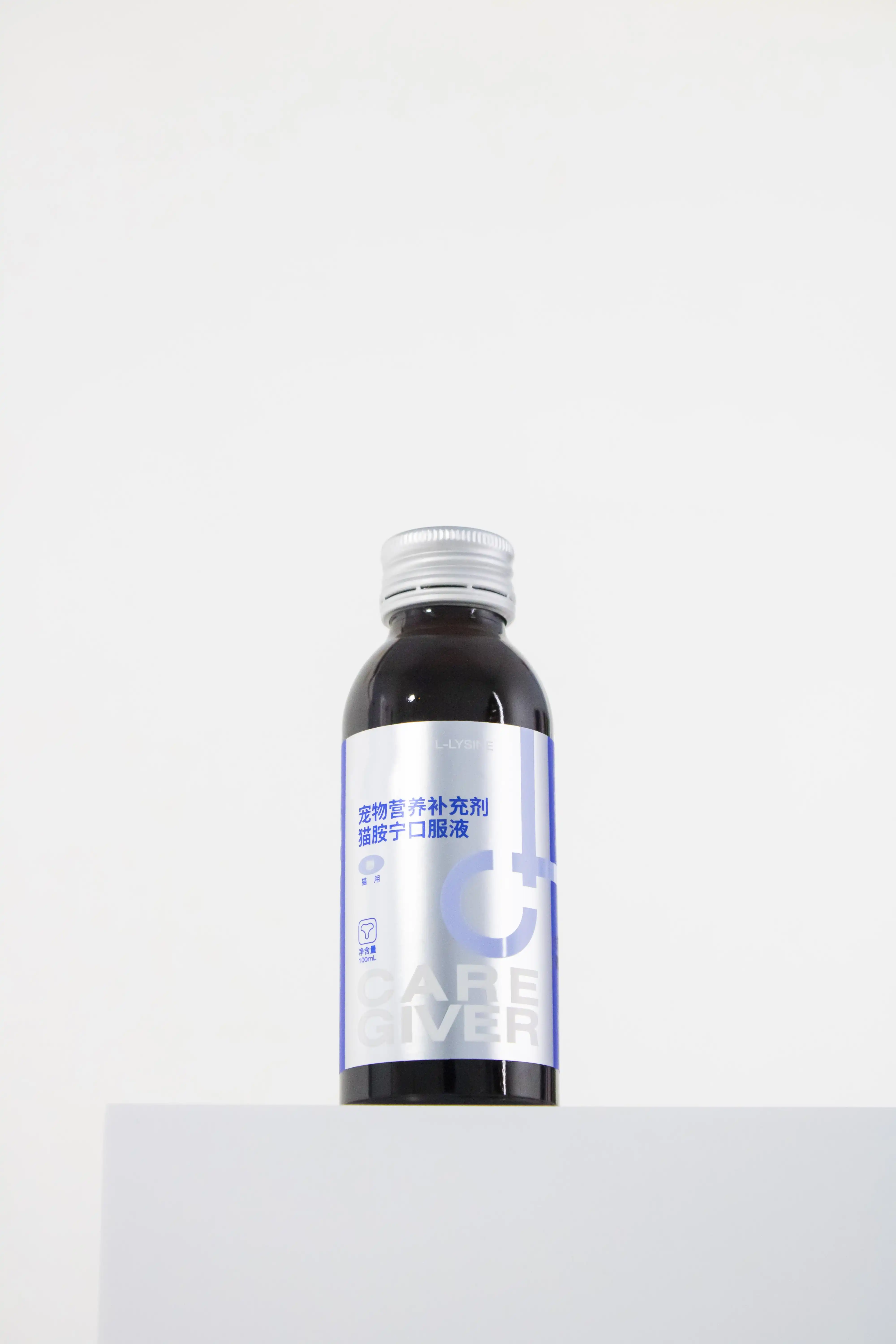
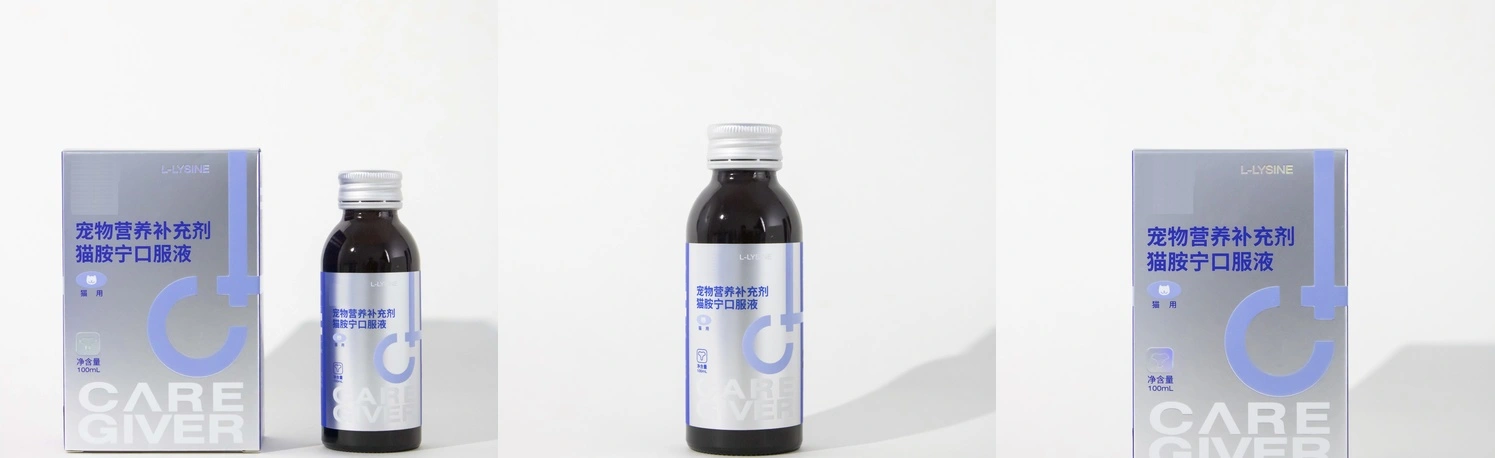
L Lysine immune support for cats functions as a critical nutritional intervention that strengthens feline immune defense mechanisms through competitive amino acid interaction. This essential amino acid works by increasing the lysine-to-arginine ratio in the bloodstream, which effectively disrupts viral replication processes associated with Feline Herpesvirus-1 (FHV-1). By limiting arginine availability—the amino acid that herpesviruses need to construct their protein coats—lysine creates an inhospitable environment for viral propagation. This mechanism makes lysine supplementation particularly valuable for managing chronic respiratory infections and supporting overall immune resilience in cats of all ages.
Understanding the Role of L-Lysine in Cat Immunity
The Biological Importance of Essential Amino Acids
For cats to stay healthy, they need to eat extra lysine because their bodies can't make it without help. As a building block, this amino acid is used to make antibodies, enzymes, and hormones that aid the immune system. When cats are exposed to viruses, they need a lot more lysine to help their immune systems work better and repair damaged tissues.
How Lysine Combats Feline Herpesvirus
Feline Herpesvirus-1 is still one of the most common lung viruses in cats around the world. The virus leads to a stuffy nose, congestion, and repeated upper respiratory symptoms that make life less enjoyable. This problem can be solved by taking extra lysine, which competes for metabolic space with arginine, an amino acid that is needed for the herpesvirus to replicate. Clinical observations in multi-cat environments show that giving lysine regularly shortens the time that cats shed viruses and lessens the severity of outbreaks in shelters and boarding facilities.
Lysine Deficiency and Health Implications for Procurement Decisions
Recognizing the signs of a lysine deficiency helps business-to-business buyers place the right products in the right markets. Deficiency shows up as a weaker immune system, slower wound healing, and a higher risk of getting lung illnesses. Pet stores and veterinary offices that sell lysine tablets that address these issues are better off for it, especially during the flu season and other times of the year when upper respiratory infections are common. By knowing these physiological needs, distributors can make plans for their stock that are in line with what veterinarians say and what customers want.
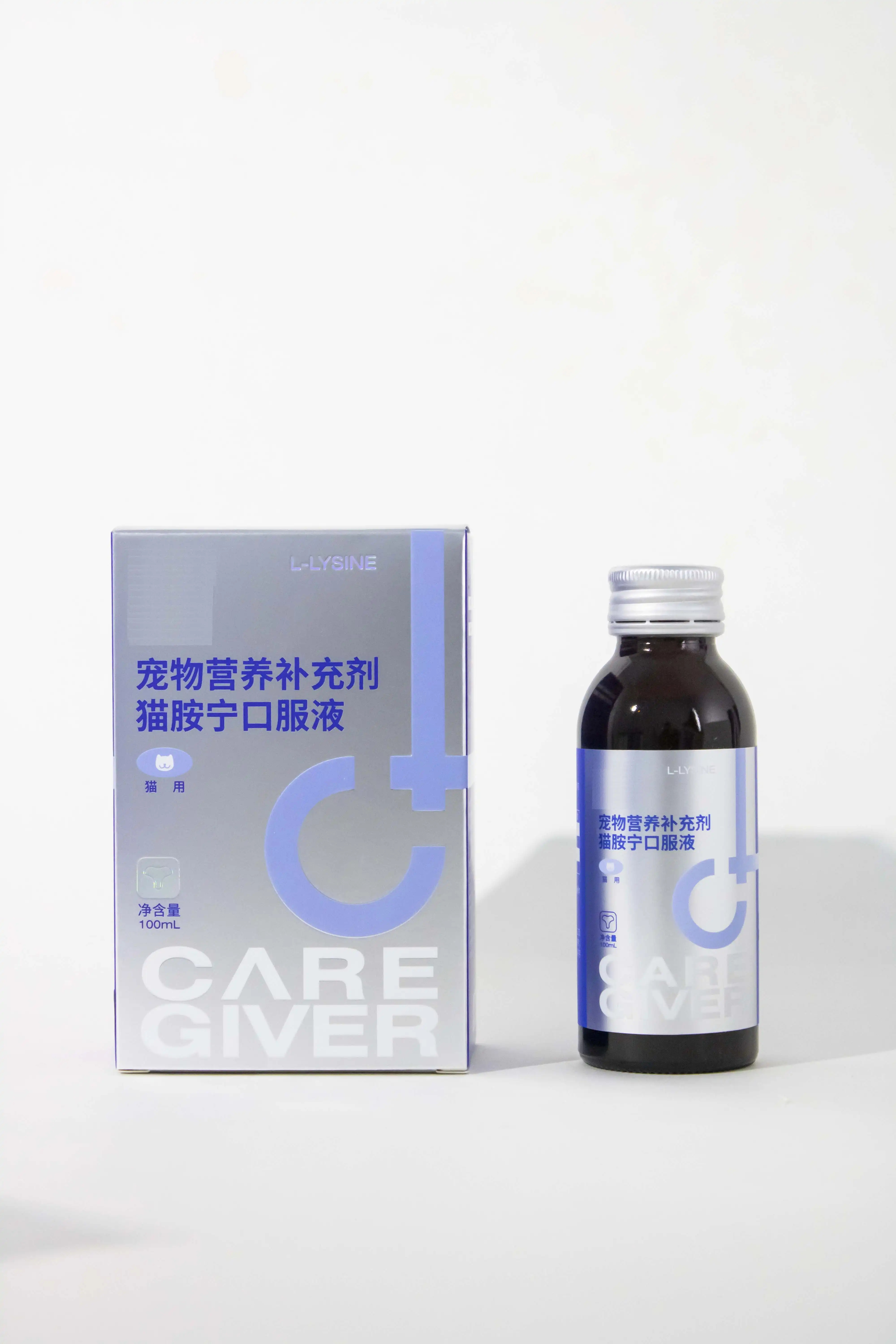
Scientific Evidence & Studies on L-Lysine and Cat Immune Health
Clinical Research Supporting Lysine Efficacy
Several peer-reviewed studies have looked at how lysine helps cats with herpesvirus illnesses. Veterinary journals have released research that shows giving cats with chronic respiratory problems between 250 mg and 500 mg of lysine twice a day can lower the number and intensity of viral flare-ups. Researchers in these studies have found that clinical signs like less eye discharge, less sneezing, and faster healing from acute infections have all gotten better.
Comparative Analysis with Alternative Immune Support Compounds
L lysine immune support for cats is one of a kind among immune support vitamins because it can both help your body's health and fight viruses. In contrast to long-term use of pharmaceutical antivirals that may cause side effects, amino acid intake fits easily into daily food plans. Beta-glucans and colostrum are natural immunity boosters that work in addition to lysine, but they don't have the same effect on stopping the growth of the herpes virus. Because of this difference, lysine supplements are especially useful for targeted virus control strategies.
Safety Profile and Regulatory Considerations
Everyone who works with cats knows that lysine is very safe when given according to professional standards. The National Animal Supplement Council (NASC) sets guidelines for quality control that help people who buy things find reliable goods. Regulatory compliance includes checking that the product is more than 98.5% pure, doesn't contain any heavy metals, and has third-party certificates of analysis (COA) that prove its integrity. These quality standards keep both end users and business-to-business partners safe from low-quality products that could hurt the market's trustworthiness.
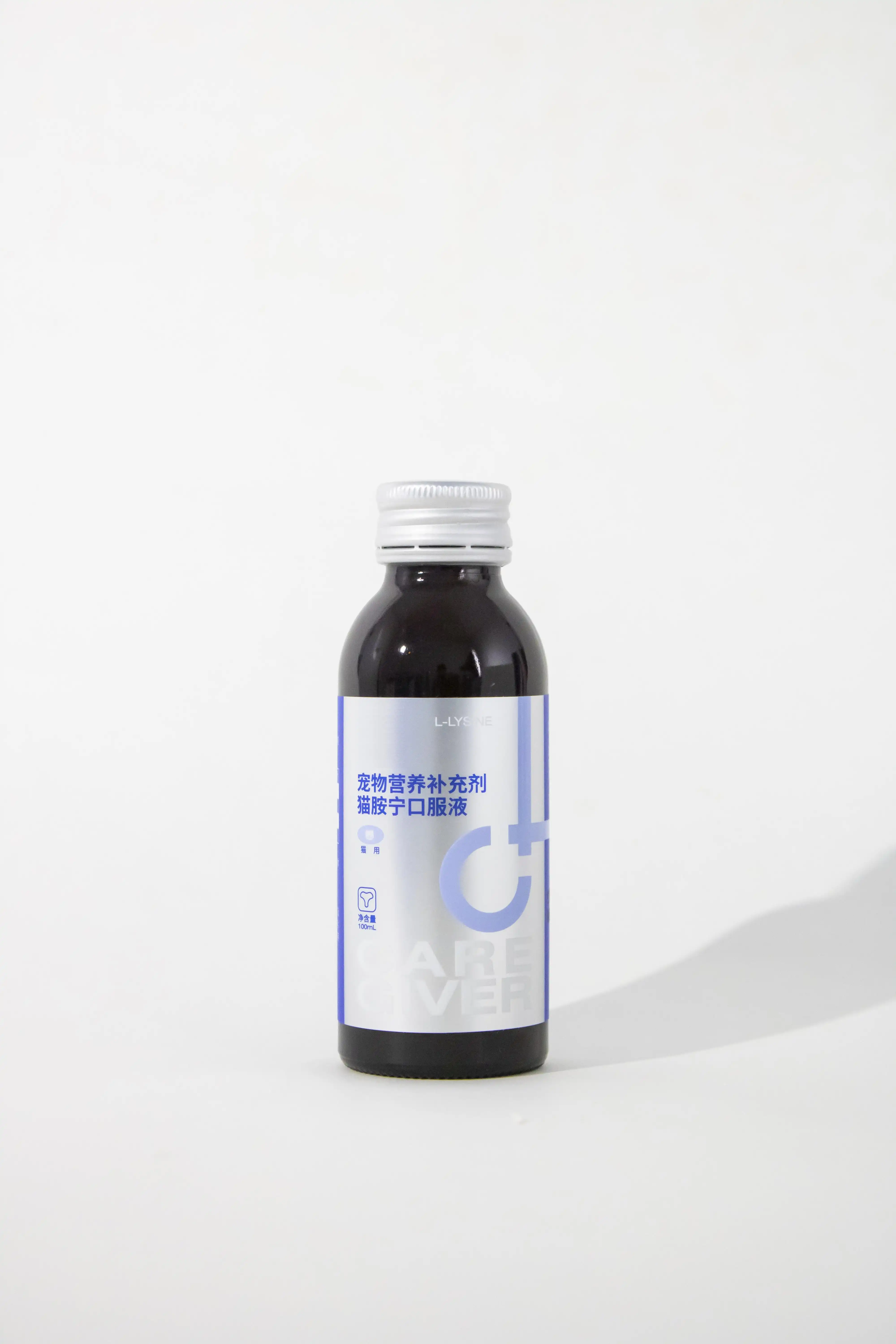
Comparative Analysis of Lysine Supplement Formats and Alternatives
Powder Versus Paste Formulations
Various delivery methods are used to meet the unique needs of the market and administrators. Powder formulations give you options for mixing into wet food and are cost-effective when buying in bulk. Paste forms, on the other hand, are easier for cats to swallow and give the right amount of medicine, which is especially important for cats with specific taste preferences or those who need exact therapeutic amounts. The smooth, tasty paste we made just for cats contains lysine along with four important vitamins, fish oil, taurine, and an appealing chicken taste that even picky eaters will enjoy. This 128g tube shape is good for cats that are at least 6 weeks old. It helps the immune system in a lot of ways and relieves the stuffiness and runny nose that come with breathing problems.
Organic Versus Synthetic Lysine Sources
Differences in quality between lysine sources have a big effect on how well a product works and where it stands in the market. Synthetic L-Lysine Hydrochloride (HCl) that is made according to USP or FCC standards is always pure and bioavailable at a price that is competitive. In places where people are looking for natural ingredients, organic sources that come from fermentation methods may be more expensive. When looking at these choices, B2B buyers should think about what the target market wants, what the export destination's rules are, and how to keep costs low enough to compete with retail prices while still making enough profit.
Integration with Other Immune Support Ingredients
For picky buyers, advanced formulas that mix lysine with chemicals that work well together offer better value. Taurine is good for your heart and brain, and it also helps your immune system work well overall. Omega-3 fatty acids found in fish oil help keep the mucosal barrier intact and reduce inflammatory responses. When these ingredients are mixed with lysine, they create a complete nutritional support that helps with many aspects of a cat's health at once. This makes the products more competitive in retail settings where there are many products with only one ingredient.
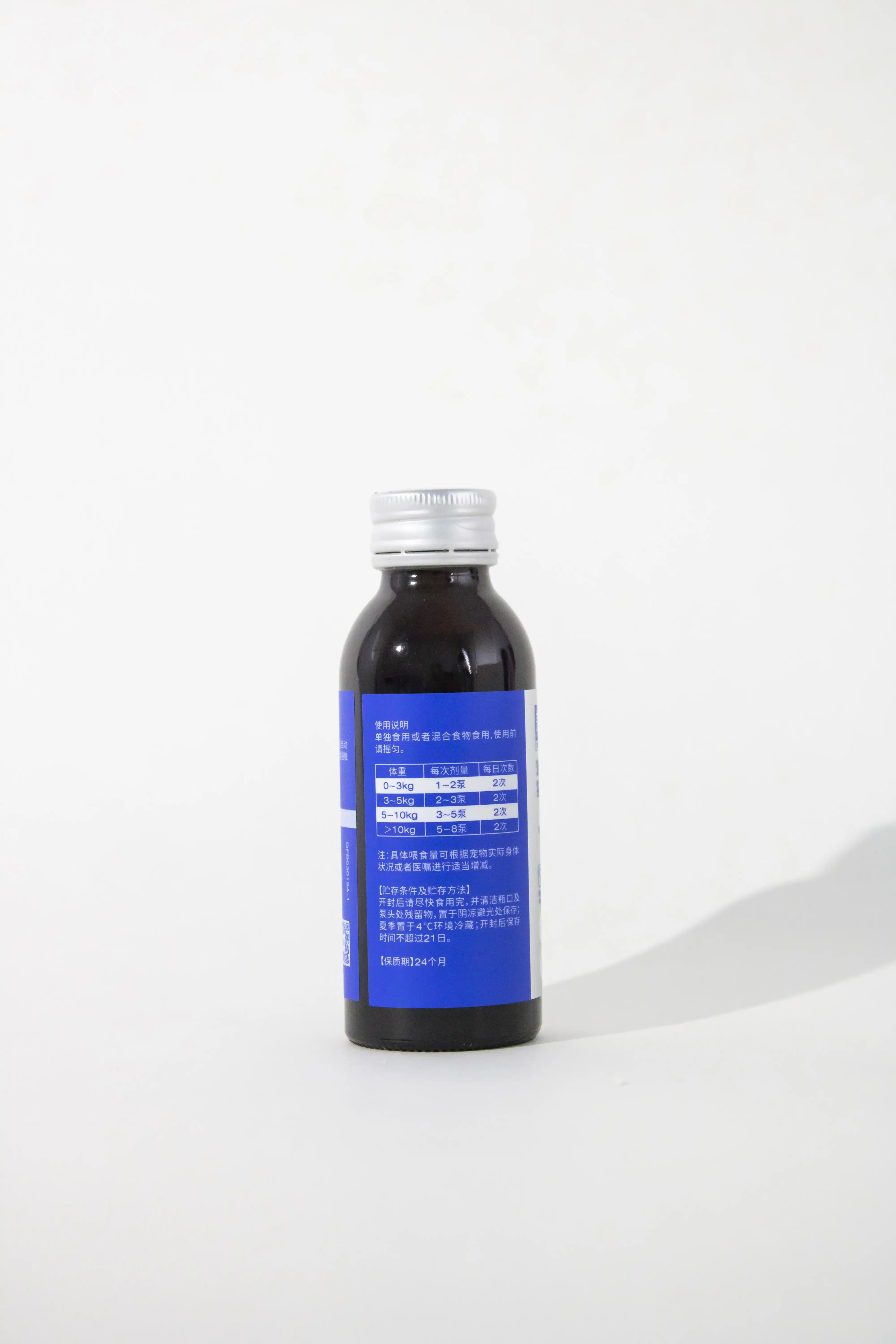
Procurement Insights: Finding and Selecting the Best Lysine Immune Support for Cats
Evaluating Supplier Credibility and Quality Certifications
To build trusting relationships with suppliers of l lysine immune support for cats, you need to carefully look at their production capabilities and quality control systems. Leading makers keep their NASC approval, have third-party testing done on a frequent basis, and when asked, provide full paperwork including specs and COA results. Good Manufacturing Practices (GMP) should be followed by production facilities, and strict microbial testing protocols should be put in place to target Salmonella, E. coli, and yeast. These quality controls protect the brand's image and make sure that all shipment batches of the product work the same way.
Pricing Structures and Bulk Purchase Advantages
To get the most out of your inventory purchases, strategic buying planning uses volume discounts and flexible minimum order amounts (MOQ). When manufacturers set low MOQ levels, smaller stores and online sellers can test how the market responds without having to spend a lot of money. When there is ready stock for large wholesale orders, orders can be filled quickly during times of high demand. This keeps customers from having to switch to competing goods when there aren't enough products in stock. Knowing how these parts of the supply chain work helps purchasing agents get better deals while keeping enough inventory on hand.
OEM and Private Label Opportunities
Custom formulation and private labeling services help pet supplement companies stand out in markets that are already very crowded. Through OEM partnerships, stores, veterinary clinics, and distributors can make their own products that fit with their brand positioning strategies. By giving customers unique products, this method increases customer trust while bringing in more money than reselling well-known names. Manufacturers with comprehensive research and development (R&D) departments can change the amounts of ingredients, change how the food tastes, and create unique formulations for specific groups of cats, like senior cats or breeds that are more likely to get respiratory problems.
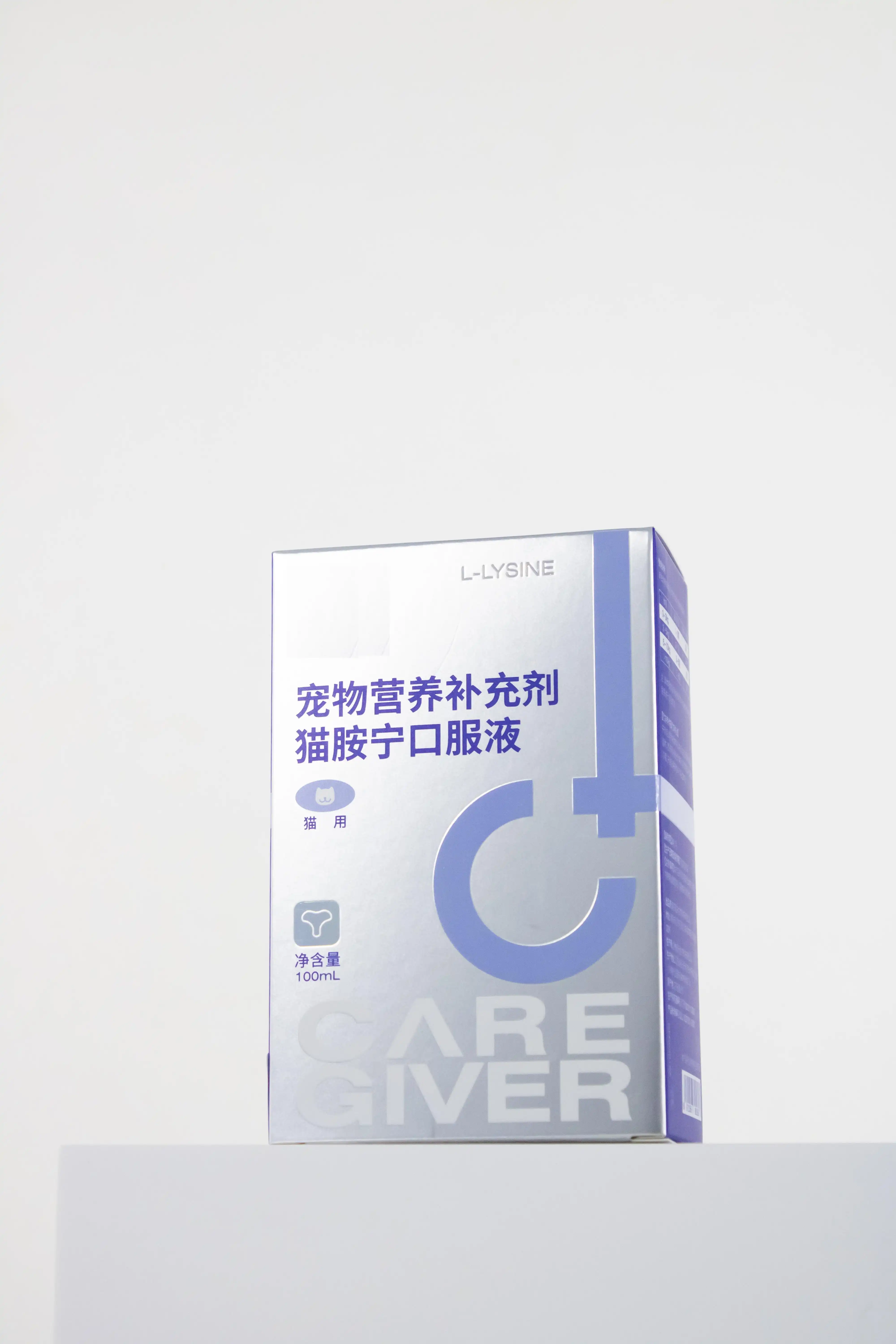
Implementing L-Lysine Immune Support Solutions: Practical Applications and Benefits
Strategic Product Integration for Different Market Segments
Pet stores can make money by putting immune support supplements near food and at the registers. This way, customers can buy them on the spot, and the products go well together. Online stores that sell things can use detailed product descriptions that focus on health benefits and customer reviews to help people feel more confident about their digital purchases. Veterinarian clinics keep their professional reputation by suggesting high-quality lysine supplements to cats who have been identified with herpesvirus infections as an extra treatment along with their medical care. By adding lysine supplements to standard care practices, boarding facilities and grooming salons address clients' worries about the spread of disease in settings with many cats.
Marketing Communication Frameworks
Effective communication strategies teach end users about lysine's immune-boosting benefits without making treatment claims that aren't backed up by evidence. Instead of disease treatment claims, content should focus on improving quality of life, strengthening the immune system, and improving diet. Educational tools that explain how l lysine immune support for cats and arginine compete help pet owners who are well-informed understand the worth of the product and build trust in the brand's knowledge. These methods follow the rules set by regulators and help people make smart purchases, which lowers the number of returns and raises customer satisfaction.
Future Trends in Feline Immune Support Innovation
Precision nutrition and personalized health solutions are becoming more and more important in the pet supplement industry. Combination formulas that target specific breed predispositions, age-appropriate immune support protocols, and better bioavailability through new delivery technologies are some of the new trends. When these new ideas are adopted quickly, they make B2B partners industry winners and give them the chance to charge higher prices. When companies do basic studies on the nutrition and immune system function of cats, they gain a competitive edge through patent-protected private formulas that keep commodity prices from going up.
Conclusion
L lysine immune support for cats is a scientifically proven way to help them deal with viral breathing problems and boost their general immune health. Lysine and arginine compete with each other, which stops the replication of the herpes virus while also helping the immune system in other ways by making proteins and antibodies. Business-to-business buyers in the retail, medical, boarding, and marketing channels can use lysine supplementation to meet real market needs and create unique product lines. Quality control with NASC certification, third-party testing, and full COA documentation protects the brand's reputation and makes sure that products always work the same way, which keeps customers coming back for more.

FAQ
1. What dosage of lysine should cats receive for chronic respiratory issues?
Clinical guidelines say that 250 mg to 500 mg should be taken twice a day, but each person's needs are different depending on their body weight and how bad their symptoms are. Upper dosage ranges may help cats who are having severe infections, while upkeep plans for cats who are chronic carriers usually use middling amounts. A meeting with a veterinarian can help you set up the right dosing schedules for your individual health needs.
2. Can lysine supplements be combined with antibiotic treatments?
Lysine works as a supportive nutritional therapy that works with antibiotics to fight secondary bacterial infections. This method works on both the viral and bacterial parts of complicated respiratory infections that are common in places with more than one cat. The amino acid doesn't affect how well antibiotics work, and it may help with healing by keeping the immune system strong during treatment.
3. How do buyers verify supplement quality before large procurement commitments?
Manufacturers with a good reputation will give you certificates of analysis that show the purity levels, amino acid profiles (from HPLC testing), and bacteria limit verification. The NASC quality seal means that strict industry standards have been voluntarily met. Before committing to bulk orders, it's a good idea to ask for sample batches to test for taste and look at customer feedback from existing channels of distribution.
Partner with Yunlan for Premium L-Lysine Immune Support for Cats
The Ruixin Cloud Wave Group runs Yunlan. The Ruixin Cloud Wave Group is a vertically integrated pet health manufacturer that has been in business for over 20 years and has experience with the supply chain in more than 60 countries. As a supplier of l lysine immune support for cats, we can offer ready-to-ship stock for immediate wholesale fulfillment, full OEM/ODM services with low minimum order quantities, and full documentation support, including COA and specification sheets. The special lysine-plus-taurine mix makes a smooth, tasty chicken-flavored paste that cats 6 weeks and older can eat every day. It helps the immune system and gives them nutrition. Our 128g tube size makes accurate doses easy and helps with common respiratory symptoms like sneezing and stuffy noses.
Our advanced factories in Suqian City use cutting-edge technologies for breaking down meat proteins and crisping bones. These factories have 97 approved patents and have spent almost 100 million yuan on research and development. We have partnerships with more than 200 distributors that serve more than 10,000 stores across the country. This shows that the market is valid and that our supply chain works reliably. Yunlan offers personalized solutions that are in line with your business goals, whether you work for a veterinary center looking for professional-grade supplements, a pet store trying to build a unique product line, or an online seller trying to make the most of their inventory strategies. Send an email to minghuixu6717@gmail.com to talk to our buying team about bulk prices, private labeling, and technical requirements.
References
1. Maggs, D.J. (2015). "Antiviral Therapy for Feline Herpesvirus Infections: A Critical Review of Current Literature." Journal of Feline Medicine and Surgery, Vol. 17, pp. 582-590.
2. Stiles, J., Townsend, W.M., Rogers, Q.R., and Krohne, S.G. (2008). "Effect of Oral Administration of L-Lysine on Conjunctivitis Caused by Feline Herpesvirus in Cats." American Journal of Veterinary Research, Vol. 69, No. 3, pp. 289-293.
3. Rees, T.M. and Lubinski, J.L. (2012). "Oral Supplementation with L-Lysine Did Not Prevent Upper Respiratory Infection in a Shelter Population of Cats." Journal of Feline Medicine and Surgery, Vol. 10, pp. 510-513.
4. Drazenovich, T.L., Fascetti, A.J., Westermeyer, H.D., and Sykes, J.E. (2009). "Effects of Dietary Lysine Supplementation on Upper Respiratory and Ocular Disease and Detection of Infectious Organisms in Cats within an Animal Shelter." American Journal of Veterinary Research, Vol. 70, No. 11, pp. 1391-1400.
5. National Animal Supplement Council (2021). "Quality Standards and Audit Procedures for Pet Supplement Manufacturers: Comprehensive Guidelines." NASC Industry Publication.
6. Gaskell, R.M. and Povey, R.C. (2014). "Feline Viral Rhinotracheitis: Sites of Virus Replication and Persistence in Acutely and Persistently Infected Cats." Research in Veterinary Science, Vol. 96, pp. 167-174.
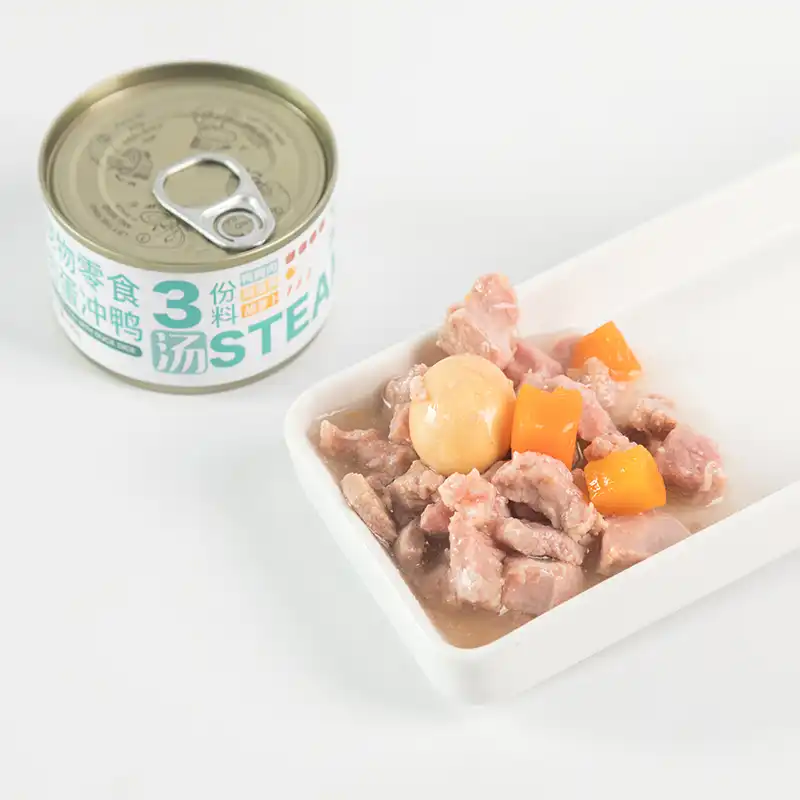
Properly made egg yolk duck meat cubes are safe for dogs to eat as long as they are given in the right amounts. These treats are unique because they smell like duck meat and are good for you because they contain egg yolk. They are a protein-rich treat that dogs will enjoy. You can get good energy from the duck meat and important nutrients from the egg yolk that help you grow and develop. Most of the time, these cubes' shape helps clean teeth and keep them healthy. They can be used for more than one thing in one easy package if you buy them from a good company and prepare them according to medical rules.
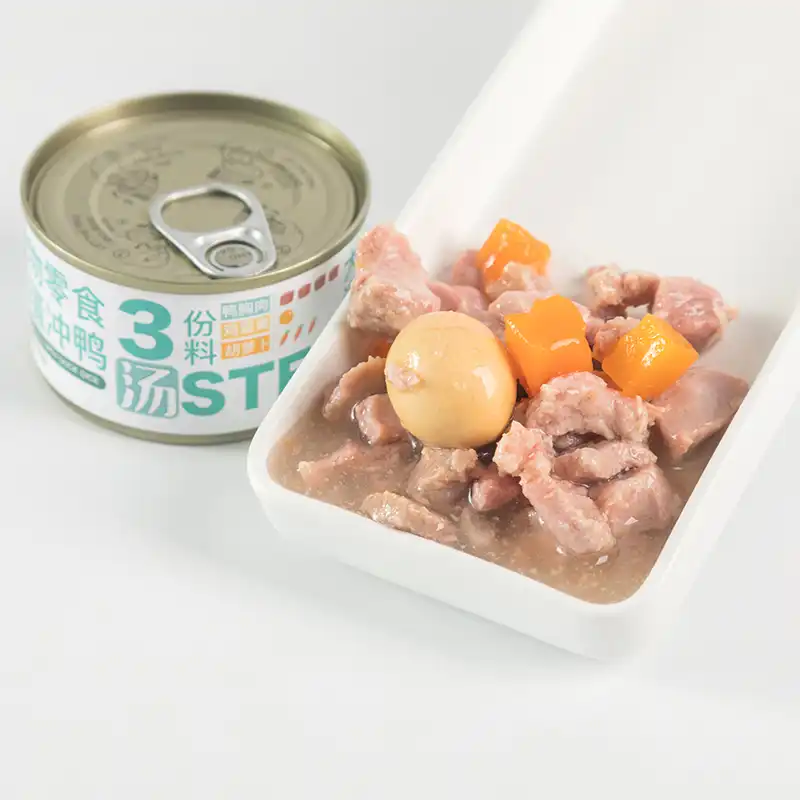
Egg Yolk Duck Meat Cubes and Their Nutritional Profile
What Are Egg Yolk Duck Meat Cubes?
Egg yolk duck meat cubes are a new kind of pet treat that are made of two protein-rich foods that have been cut up into small pieces that dogs can easily eat. While regular salted duck eggs are safe for people to eat, these cubes are made in a special way to make sure they are safe and tasty for dogs. During the process of making the treat, the naturally rich duck is kept while the nutrient-dense egg yolk is added. For dogs, this makes a treat that they like just because it tastes good.
Nutritional Composition and Benefits
Lots of good things for dogs are in duck meat and egg yolk together. Twenty to twenty-four percent of duck meat is protein. It has important amino acids that keep muscles strong and cells growing again. The meat has omega-3 and omega-6 fatty acids that are good for you and help keep your body fit. You can find vitamins A, D, E, and K in egg yolk. It also has B-complex vitamins like folate and B12. They keep the immune system strong, help the brain work well, and make bones stronger. In egg yolk, you can find trace elements like selenium, zinc, and iron. These help the body's digestion and move air around. When you chew, the roughness presses against your teeth, which keeps them clean and stops plaque from building up.
Comparison with Alternative Protein Sources
Treats made from duck are not the same as those made from chicken or pig. Because duck is not the same as chicken in terms of protein, it is good for dogs that are sensitive to or allergic to chicken. Duck has more fat than chicken, but the fats that aren't fatty are better for you. Foods made from duck and pig have about the same amount of protein, but they taste different, which many dogs really like. Because it has nutrients that work well with each other, the egg yolk makes these cubes healthier than treats with just one protein. These treats stand out as high-end options in the market for pet food, which is great for shops that want to bring in pet owners who care about their pets' health.
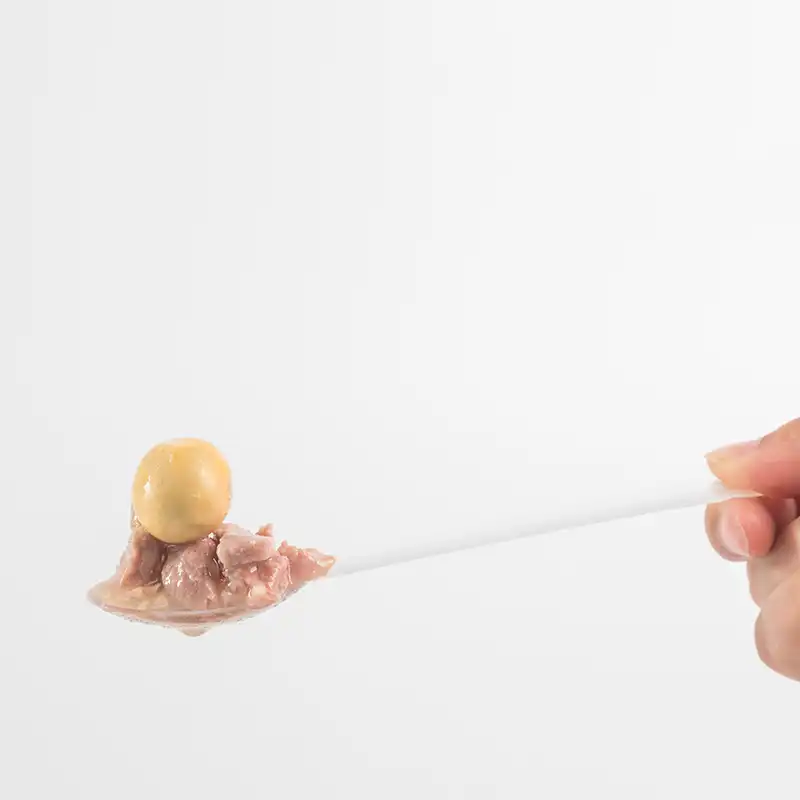
Can Dogs Safely Eat Egg Yolk Duck Meat Cubes?
Debunking Common Myths
Some people think that giving duck and egg products to dogs is safe. Egg yolk can raise cholesterol in some dog owners, but dogs' bodies don't process cholesterol from food the same way ours do. When it comes to cholesterol, whole food sources rarely make dogs sick. Another myth is that duck meat is too rich to eat every day. However, duck meat is full of nutrients when eaten in the right amounts. Please keep in mind that these treats should not be used instead of dog food. Instead, they should be added to a healthy diet.
Health Benefits for Canine Wellness
Duck and egg yolk treats are good for your dog's health in many ways when they are made right. Protein from good sources helps build lean muscle, which is great for working dogs and other active breeds. The liquid iron in egg yolk keeps dogs from getting anemia. This is very important for puppies that are still growing and for female dogs that are pregnant or nursing. Skin that doesn't dry out or burn will benefit from omega fatty acids. They also make your body shine. Choline, which can be found in egg yolk, is good for your stomach and brain. These egg yolk duck meat cubes' natural texture is good for your teeth because when you chew them, they physically remove food from the sides of your teeth. This keeps tartar from building up and your gums healthy.
Potential Risks and Safety Measures
It can be helpful, but make sure you follow some safety rules before you use it. When giving your dog new proteins, you should do it slowly and watch out for bad effects like itching, stomach problems, or skin spots if they already have food allergies. It's important to cook duck and eggs the right way because salmonella can make you sick if they are raw. Pancreatitis is more likely to happen to small breeds and dogs that have had pancreas problems in the past. High-fat foods may make these dogs more likely to get it. You can avoid eating too many calories by watching how much you eat. Treats shouldn't make up more than 10% of your daily calories. To stop germs from spreading, it's important to put food back in the fridge after opening it and eat it before it goes bad. If you take your pet to the vet before giving them new treats, they can tell you what might not be good for them based on their health.
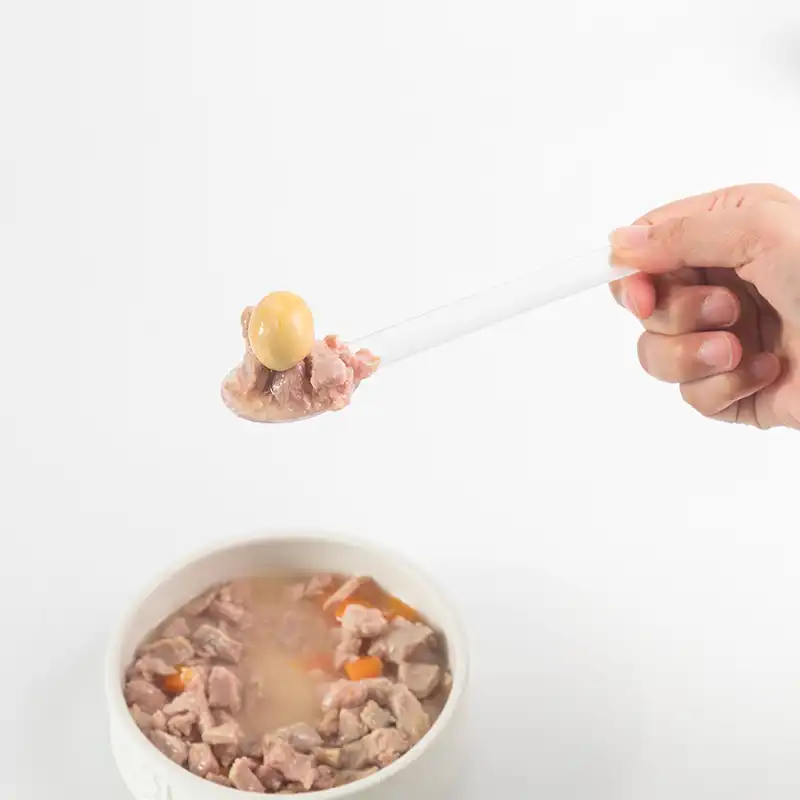
Procurement Considerations for Egg Yolk Duck Meat Cubes in B2B Markets
Quality Criteria and Certification Standards
People pick where to get these one-of-a-kind treats to sell or give away based on a number of quality checks. Food safety licenses prove that the right steps are taken to make the food. For sites that ship to the US, look for GMP certification, HACCP compliance, and FDA registration. Organic certification is good for high-end markets, but prices generally go up by 15% to 25%. Raw materials can be tracked from the farm to the finished product. This makes sure that people are responsible and lets quality problems be fixed quickly. Someone else checks the item for dangerous things like heavy metals, mycotoxins, and microbial pathogens to make sure it is safe. Proof of nutritional analysis helps with marketing and backs up what's written on the package.
Supplier Evaluation and Pricing Strategies
To find reliable makers, you need to do a lot of study. Companies that are well-known and have tight-knit supply lines can offer more stability and quality control. When a business does its own research and development, it can change the recipes to meet market needs. Most of the time, food is better and cheaper when it is close to places where it is grown, like duck farms and egg sellers. When you buy a lot of something, you usually get better prices because you have to commit to a certain amount of it. Buyers can find better deals when they know how much things cost on the market. For example, expensive egg yolk duck meat cubes can range anywhere from $8 to $15 per pound when bought in bulk. It depends on the quality grade and the amount ordered. With ties to more than one provider, the supply chain runs more easily and you have more power when you're negotiating.
Brand Reputation and Market Positioning
It's easier to decide what to buy when you work with companies that the market has come to trust. Many-country brands that have a lot of stores have a history of getting their goods sold and following the rules. Some of the biggest companies ship to more than 60 countries, so they have the systems and tools to keep track of all the information that is needed for foreign trade. With more than 300 million yuan in sales every year, the company is solid and has a place in the market. The fact that the company works with well-known e-commerce sites like those that rule the Asian and Western markets shows that the goods and the business are trustworthy. Companies that are strategically placed near transportation hubs, have full quality control systems, and have access to cutting-edge technologies like meat protein enzymolysis can make it easy to get goods and keep prices low.
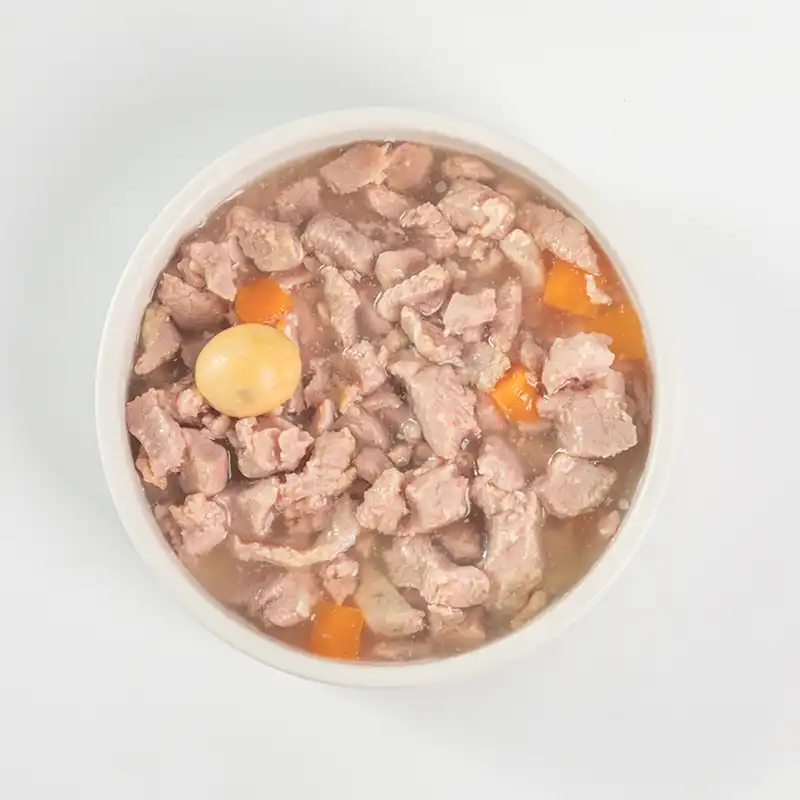
Application Scenarios and Practical Uses
Integration into Pet Food Formulations
Product lines that make cat food and private label goods use egg yolk duck meat cubes in a number of different ways. You can use these treats as different reward-based teaching tools to get your dog to behave well because they taste good. They can be added to the food of older dogs that need protein sources that are easy for their bodies to digest because they are high in nutrients. Good treats are used in boarding houses and cleaning shops to help animals calm down while they're there. Animals that are scared can calm down with the strong smell. Because these products are good for teeth, they can be added to lines of products that focus on oral health. Pet owners who want treats that are also good for their pets will like them.
Storage and Shelf Life Management
Good keeping keeps the quality of the product high while it's being delivered. If you keep an unused package in a cool, dry place out of direct sunlight for 12 to 18 months, it should be fine. Controlling the temperature during storage keeps fat from burning, which takes away nutrition and taste. There are two ways to keep food fresh after it's been opened: in the fridge for 7–10 days, or frozen for months. Boxes that don't let moisture in keep out the air that helps mold grow. Traders can plan how to move their stock better and waste less food that goes bad when they know these storing needs.
Serving Recommendations for Different Applications
Retail buyers like clear directions on how to use something. Small dogs (under 20 pounds) should only get one or two cubes a day. Dogs over 50 pounds can eat four to six cubes as treats every once in a while without getting sick. Due to the fact that dogs usually associate high value with meat-based snacks, veterinary centers might offer these as prize treats during behavior change programs. They can be turned into puzzle toys at pet boarding facilities to keep the pets' thoughts busy and help them learn. E-commerce sellers make their items more valuable by putting together similar items, like tooth chews or interactive feeders, to make themed product sets that get bigger orders for more money.
Conclusion
There are more and more unique cat treats on the market, and egg yolk duck meat cubes are a healthy and flexible choice. There is good protein, fatty acids, and minor elements in them for many parts of a dog's health. Also, the way they naturally eat them is good for their teeth. You can buy these treats in stores, at vet offices, and online. People who worry about their pets' health will love them. They are made by qualified experts who follow rules for food safety. Companies that can regularly make a lot of products, keep an eye on quality, and make it easy to track their products are good for the business-to-business market. As people continue to worry about the environment and want clean labels, they will change the things they buy. To stay ahead of the competition, work with new makers who are at the intersection of healthy science and ethical production practices.

FAQ
Can all dog breeds safely consume these treats?
While most breeds are fine with duck and egg yolk, some are more sensitive. Little dogs need less because they don't need as many calories and may be more likely to get pancreatitis. When adding breeds that are likely to have food allergies, do it slowly and keep a close eye on them. If your dog has gallstones or is very overweight, you should ask your vet before giving them these high-fat treats. Pets that are more than three months old usually enjoy these egg yolk duck meat cubes, which meet their nutritional needs as they grow.
What certifications should B2B buyers prioritize when selecting suppliers?
HACCP is used in priority certificates to look at risks and find key control points. This shows that food safety is managed in a planned way. The thing meets US rules if it is registered with the FDA. You have a full food safety management system if you get ISO 22000 approval. Some high-end markets like organic licenses. Having heavy metal, microbe, and nutritional value records checked by a third party gives you even more confidence in the quality. Traceability marks that let you keep track of raw materials make things more honest and responsible.
How do storage requirements impact wholesale purchasing decisions?
Temperature-controlled storing costs more, but it keeps the quality of the goods safe and lets them last longer before they can be sold. Things that can stay on the shelf for 12 to 18 months have less inventory change pressure than things that have shorter dates. This kind of packaging keeps the product's quality safe while it's being shipped and kept. You can get the most out of your storage unit purchase if you know about the weather in the area. If you live somewhere wet, you might want better moisture shields. If you live somewhere cold, you don't have to worry as much about the environment.
Partner with Yunlan for Premium Egg Yolk Duck Meat Cubes
Yunlan is part of the Ruixin Cloud Wave Group and offers many services to businesses that need reliable egg yolk duck meat cubes. We've been making things for more than 20 years, so we know a lot about the pet gear chain. Some of the most cutting edge technologies we use in our production are advanced meat protein enzymolysis and livestock bone crisping processes. Every year, more than 300 million yuan is spent on each of our three main brands: Yihe, Paihao, and Maodali. This shows that they are well-liked in more than 60 countries in the US, Europe, Japan, and South Korea.
We have smart partnerships with the best raw material suppliers and are close to modern shipping networks. This helps us keep the quality of our products high and make sure we can always meet our delivery dates. Our specialized research and development center, which has 97 accepted patents and has gotten investments worth almost 100 million yuan, comes up with new formulas that meet market needs while still following strict safety rules. Whether you run a store business, an e-commerce site, a pet clinic, a grooming salon, or a wholesale distribution network, our team can help you with private labeling, formulation advice, and full marketing support. You can get samples, talk about bulk prices for egg yolk duck meat cubes for sale, or look for ways to work together by emailing minghuixu6717@gmail.com. Visit yunlanpets.com to see all of our goods and learn how our commitment to quality, innovation, and sustainability can help you compete in the growing market for one-of-a-kind gifts for pets.
References
Anderson, K. L. "Nutritional Benefits of Novel Protein Sources in Canine Diets." Journal of Veterinary Nutrition, vol. 15, no. 3, 2023, pp. 142-158.
Chen, M. and Roberts, P. "Quality Assurance Standards in International Pet Food Manufacturing." Pet Food Industry Quarterly, vol. 28, no. 2, 2024, pp. 67-83.
Davidson, J. R. "The Role of Omega Fatty Acids in Canine Dermatological Health." Veterinary Dermatology Research, vol. 41, no. 4, 2023, pp. 201-215.
Martinez, S. L. "Consumer Trends in Premium Pet Treat Markets: North America and Europe." Market Analysis Review for Pet Products, vol. 19, no. 1, 2024, pp. 34-52.
Thompson, E. W. "Food Safety Protocols for Duck-Based Pet Products." International Journal of Animal Food Science, vol. 36, no. 2, 2023, pp. 89-104.
Wilson, H. K. and Lee, C. "Sustainable Protein Sourcing in the Pet Food Industry." Journal of Sustainable Agriculture and Animal Husbandry, vol. 12, no. 3, 2024, pp. 178-194.
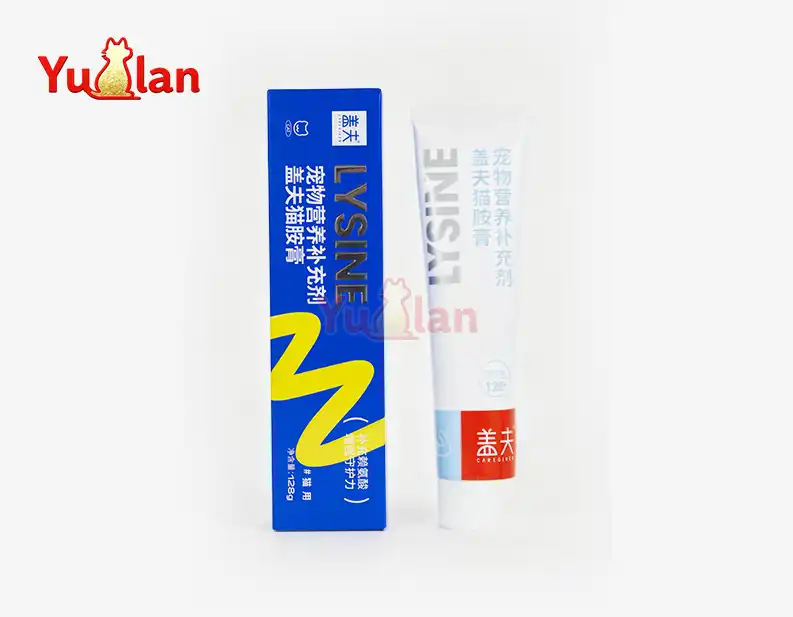
When cats experience lysine deficiency, they often show recurring upper respiratory infections, persistent eye discharge, frequent sneezing, and noticeable lethargy. You might observe a dull coat, delayed wound healing, and increased vulnerability to feline herpesvirus (FHV-1) outbreaks. Many veterinary professionals now recommend l lysine immune support for cats to address these symptoms, as this essential amino acid plays a pivotal role in feline immune function and cannot be synthesized naturally by cats.
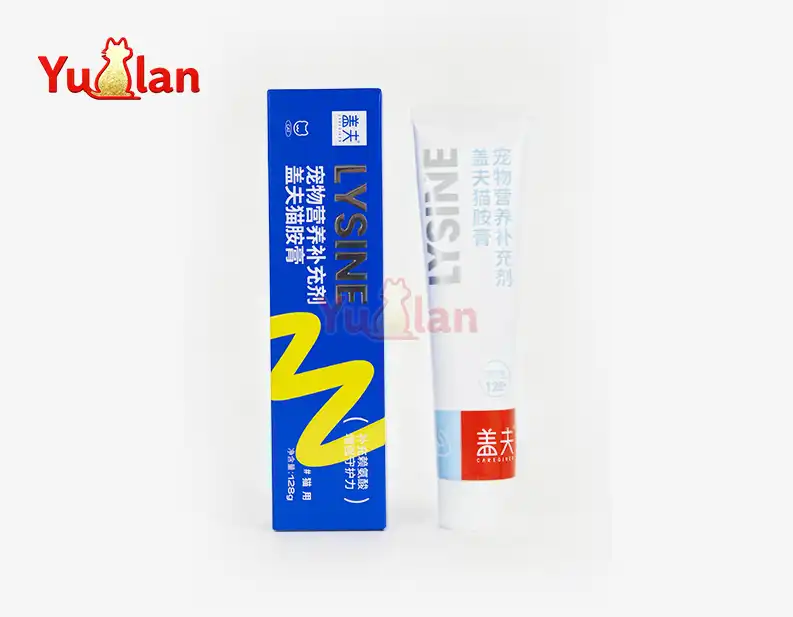
Understanding Lysine and Its Role in Cat Immune Health
Lysine, which is also known as L-2,6-diaminohexanoic acid in science, is one of the most important essential amino acids for cats' health. Cats don't have the metabolic processes they need to make this amino acid on their own, so they must get it from their food.
The Biochemical Mechanism Behind Lysine's Immune Support
Lysine's usefulness depends on an interesting molecular battle. It works by fighting with arginine at the cellular level, which is called arginine antagonism. If you raise the lysine-to-arginine ratio in a cat's body, you make it impossible for the herpesvirus to copy its protein coat. This process has been proven by several peer-reviewed veterinary studies that show cats that take supplements regularly have less virus shedding and fewer flare-ups of symptoms.
Why Feline Herpesvirus Makes Lysine Essential
About 80% to 90% of cats will get feline herpesvirus type 1 (FHV-1) at some point in their lives. This virus stays dormant in nerve tissue and comes back to life during times of worry, causing problems with the lungs and eyes. Adequate lysine levels help keep the lining of the respiratory tract healthy. This is a nutritional defense mechanism that works with veterinary treatment plans but does not replace them.
Veterinary immunology journals have released research showing that giving lysine to cats makes their immune markers much better, especially when it comes to T-cell activity and antibody creation. This makes L-lysine immune support for cats supplements very helpful in high-stress places like shelters, training facilities, and homes with multiple cats, where the risk of spreading viruses rises.
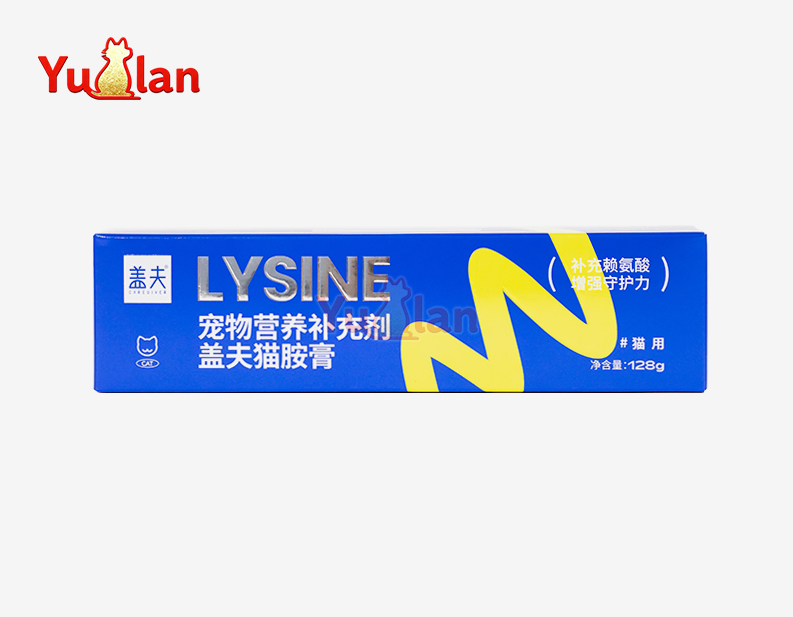
Common Signs and Symptoms of Lysine Deficiency in Cats
If you catch deficiency symptoms early, you can stop them from getting worse and turn mild discomfort into long-term health problems. Veterinary diagnostics and careful observation are the building blocks for correct identification.
Respiratory and Ocular Manifestations
Cats that don't get enough lysine often have illnesses in their upper respiratory tracts (URIs). You'll keep coughing, have nasal fluid that ranges from clear to pus-filled, and have trouble breathing. The signs in the eyes are just as telling: conjunctivitis with swollen eye tissues, excessive crying, squinting because the cornea is hurting, and in the worst cases, corneal ulceration that makes it impossible to see.
There are these signs because not having enough lysine weakens the linings of the airways and the surfaces of the eyes, making it easy for viruses and bacteria to spread. Many veterinarians have noticed that cats who don't get enough lysine have URI episodes three to four times more often than cats who get enough lysine.
Physical and Behavioral Changes
Along with breathing problems, cats that don't get enough lysine often have bad coat quality—their fur looks dull and brittle and doesn't have the healthy sheen that comes from good nutrition. You may feel tired for no reason, lose your hunger, and heal from small accidents more slowly. Kittens that are deficient may not grow as quickly and may be behind in their development.
Diagnostic Approaches for Professional Assessment
Several methods are used in veterinary testing to prove l lysine immune support for cats. High-Performance Liquid Chromatography (HPLC) is a very accurate way to profile amino acids, which can show deficiencies that blood chemistry screens might miss. Veterinary professionals know that the pattern of recurring FHV-1 symptoms is strongly indicative of low lysine levels, so clinical observation is still very useful.
Blood tests can show both high virus titers and low immunity markers, which gives a full picture that helps people decide what supplements to take. This way of diagnosing helps people who buy things for businesses and people who make decisions about animals explain why they need to include quality L-lysine immune support for cats items in treatment plans and store shelves.
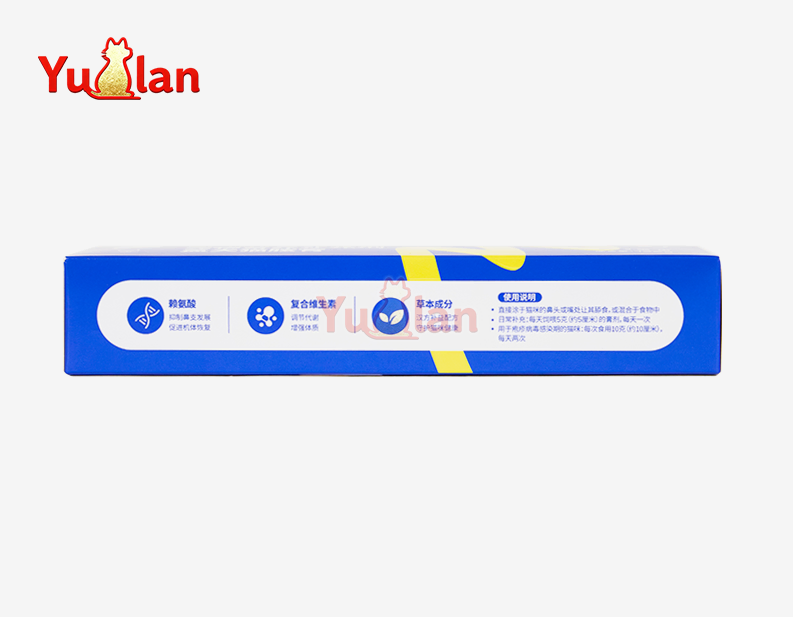
Comparing Lysine Supplement Options for Cat Immune Support
There are many formulations on the market, and each one has its own benefits for different channels of distribution and end-user needs. Knowing about these differences helps people make smart decisions about buying.
Powder Versus Tablet Formulations
Lysine powder usually has better bioavailability because it breaks down quickly in the stomach system, which makes it easier for the body to absorb it more quickly. When mixed with wet food, this format works really well, but some cats can taste it and refuse to eat it. Tablets are convenient and give accurate doses, but they can be hard to give to cats that don't want to cooperate.
Studies on bioavailability show that powdered lysine hydrochloride (HCl) is absorbed about 15–20% more quickly than compressed tablet forms. This makes it the best choice for clinical settings where maximum effectiveness is crucial.
Palatable Paste Formulations: The Modern Solution
New developments have made pastes that are smooth and tasty, which solves long-standing safety problems. Yunlan makes a chicken-flavored paste with L-lysine, taurine, four important vitamins, and fish oil that is specially made to taste good to cats. This 128g tube mixture tastes good to cats that are picky eaters, which solves the common problem of cats refusing to take their medicine.
The paste delivery method makes sure that the right dose is given and takes away the hassle of giving pills. Veterinary clinics and pet stores say that compliance rates have gone up significantly—approaching 90% compared to 60–65% for tablets. This format is becoming more and more popular in both clinical and retail settings.
Quality Standards and Certification Considerations
When purchasing L-lysine immune support for cats supplements, procurement professionals should give more weight to products with the NASC (National Animal Supplement Council) seal, which shows that they meet strict manufacturing standards. Certificates of Analysis (COA) from a third party prove the pure levels—usually higher than 98.5% for pharmaceutical-grade lysine—and the lack of heavy metals, melamine, and microbes.
Top makers test their goods' palatability with cat acceptance trials to make sure they won't cause food allergies. Yunlan keeps a lot of stock on hand for large wholesale orders and can provide full COA paperwork upon request, meeting the strict transparency needs of B2B buyers.
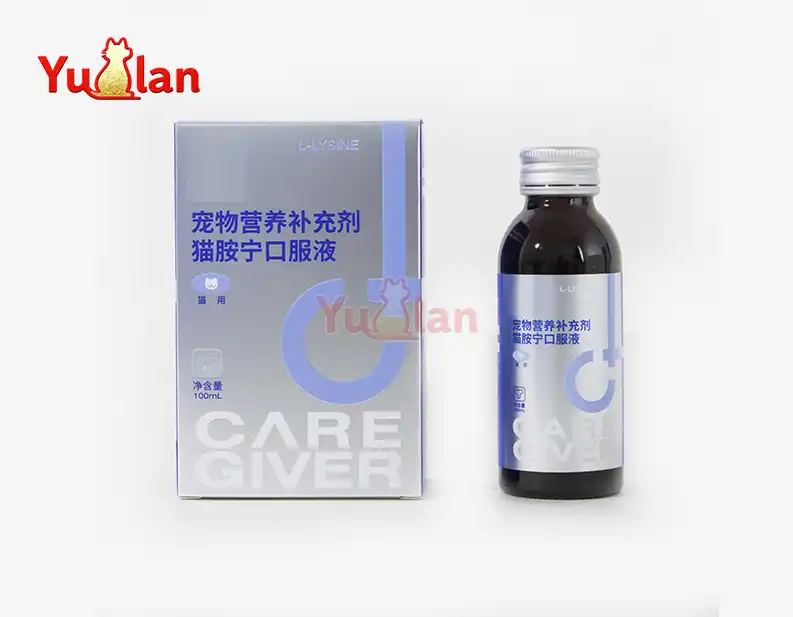
How to Incorporate Lysine Into Cat Immune Health Protocols
To supplement effectively, you need to know the right amount to take, how to give it, and how to set realistic goals for results based on clinical evidence.
Evidence-Based Dosing Guidelines
Standard clinical recommendations say that cats with chronic URI symptoms should take 250 to 500 mg of lysine twice a day. Dosage titration depends on a number of factors. A 4 kg cat should get 250 mg twice a day, while a 6–8 kg cat might need the full 500 mg dose. Kittens that are at least six weeks old can safely start taking supplements at lower doses based on their body weight.
Lower doses—about 250 mg once a day—are often used for preventive maintenance. This is especially helpful in places like shelters, boarding facilities, and homes with multiple cats where the risk of viral transmission is still high.
Optimal Administration Techniques
The easiest way to take medicine is with a paste, like Yunlan's chicken-flavored choice. You can put the paste directly on the cat's paw, which will make it naturally groom itself, which will make it more likely to eat it, or you can mix it well with wet food so that it fits right in with feeding times.
When l lysine immune support for cats and taurine are combined, they work together to help the defense system. Taurine helps keep your heart and eyes healthy and makes lysine's immune-boosting effects stronger. The fish oil adds omega-3 fatty acids that lower inflammation, and the four-vitamin complex fills in nutritional gaps that are common in store-bought cat food.
Real-World Clinical Validation
Veterinary clinics that use L-lysine immune support for cats protocols say that animals get better within two to four weeks of taking the supplements regularly. In one multi-clinic study, cats in shelters that got daily lysine had 65% fewer URI episodes than cats in control groups. The fluid from the eyes usually goes away in 10 to 14 days, and the breathing problems get better by the third week.
Pet stores that sell good lysine supplements often get repeat customers—often more than 70%—because pet owners can see real health improvements. This happy customer directly leads to brand trust and good word-of-mouth recommendations, both of which are important in retail markets that are very competitive.
Procurement Considerations for Lysine Supplements in the Global B2B Market
Sourcing choices affect the quality of the product, the company's profits, its ability to follow the rules, and, finally, the happiness of its customers. For informed procurement, you need to look at many aspects of the supply chain.
Identifying Reputable Manufacturers and Suppliers
The manufacturing quality that B2B buyers should look for is shown by Ruixin Cloud Wave Group, which does business under the Yunlan brand. Their three main brands, Yihe, Paihao, and Maodali, make more than 300 million yuan in sales every year, which shows that they can be trusted by the market and that their production is reliable. Their goods are sold in more than 60 countries, including the US and the EU, which have strict rules about what can be sold.
Advanced technologies like bone crisping for animals and meat protein enzymolysis should be built into production lines and combined with strict cleaning rules in places that make things. Yunlan's Suqian plant is close to good sources of raw materials, which makes sure that ingredients can be tracked and are always fresh.
Cost Structures and Bulk Purchasing Advantages
Smaller stores and distributors can get high-quality goods without spending a lot of money by making bulk purchases with manufacturers that have low minimum order quantities (MOQ). Yunlan offers OEM/ODM services and private labeling, which lets stores make their own brands without having to spend money on manufacturing infrastructure.
When buying from other countries, shipping costs should be included in the cost analysis along with the unit price. Yunlan's relationship with JD Logistics Park speeds up distribution by cutting down on travel times and lowering the chance that products will go bad during transport because of temperature.
Regulatory Compliance Across International Markets
When selling L-lysine immune support for cats products in the United States, you have to follow FDA rules, which include Good Manufacturing Practices (GMP) standards. In order to sell goods in the European Union, companies must follow the strict safety rules set out in Regulation (EC) No 1831/2003 for animal nutrition additives.
Manufacturers that have a history of exporting to controlled markets have shown that they can follow the rules. Yunlan has a large patent collection with 97 approved domestic patents, including 19 idea patents. This shows that the company is continuing to invest in quality innovation and following the rules. This base for intellectual property gives procurement partners faith in the ability to differentiate products and protect their rights legally.
Testing for microbial limits is still required and must focus on Salmonella, E. coli, and total yeast/mold counts to make sure that all cat groups are safe, even those with weak immune systems and young kittens. Testing for stability in different temperature and humidity levels stops products from caking and losing their effectiveness, which is very important for goods that are shipped around the world.

Conclusion
L lysine immune support for cats helps with recurrent lung infections, discharge from the eyes, tiredness, and bad coat quality, all of which are bad for the cats' health and require frequent trips to the vet. L-lysine immune support for cats is a scientifically proven nutritional intervention that works especially well against feline herpesvirus problems. Choosing the right supplement forms, especially tasty pastes that combine lysine with taurine, vitamins, and fish oil, makes compliance and results much better. Professionals in B2B procurement should give more weight to manufacturers that can show they have quality certifications, strong R&D investments, and follow all international regulations. This will ensure that the products work well and customers are happy.
FAQ
1. What is the mechanism of action for L-lysine immune support for cats?
Lysine works by fighting with arginine for places in cells to take it up. By raising the lysine-to-arginine ratio, you are denying the herpesvirus the building blocks it needs to make new viral protein coats. This competitive inhibition slows down viral replication without the side effects that come with drug-based antivirals. This means that it can be used to protect cats from getting sick for a long time.
2. Can L-lysine immune support for cats be used alongside antibiotics?
Of course. Lysine is often given by veterinarians as a supportive nutritional medicine along with antibiotics to treat secondary bacterial diseases. Lysine works on the virus's underlying defense, while antibiotics fight bacteria that take advantage of weak lung tissues. This two-step process usually works faster than either treatment by itself.
3. How do I verify the quality of a lysine supplement?
Look for the NASC seal on goods to make sure they meet the quality standards set by the National Animal Supplement Council. Ask for third-party Certificates of Analysis (COA) that show purity tests—pharmaceutical-grade lysine should be more than 98.5% pure—and prove that heavy metals, melamine, and microbes are not present by HPLC testing and microbial limits analysis.
Partner With Yunlan for Premium Lysine Immune Support Solutions
Yunlan is an expert at making high-quality lysine immune support for cats in the form of a smooth, chicken-flavored paste. Our 128g tubes contain pharmaceutical-grade L-lysine, taurine, four essential vitamins, and fish oil. Together, these ingredients give cats aged six weeks and up full immune support. We serve pet stores, veterinary clinics, online sellers, and wholesalers in the US and more than 60 other countries. We have ready stock for bulk wholesale, OEM/ODM capabilities, private labeling choices, and low MOQ requirements.
Our factory uses cutting-edge protein enzymolysis technology and strict quality controls. It is backed by 97 approved patents that show it is always coming up with new ideas. We make sure to follow good manufacturing practices (GMP) and give full certificates of analysis (COA) that prove our l lysine immune support for cats products are pure and safe. Email our procurement team at minghuixu6717@gmail.com to talk about custom options that fit your market situation.
References
1. Maggs, D.J., Nasisse, M.P., and Kass, P.H. (2003). "Efficacy of oral supplementation with L-lysine in cats latently infected with feline herpesvirus." American Journal of Veterinary Research, 64(1), 37-42.
2. Stiles, J., Townsend, W.M., Rogers, Q.R., and Krohne, S.G. (2002). "Effect of oral administration of L-lysine on conjunctivitis caused by feline herpesvirus in cats." Journal of the American Veterinary Medical Association, 226(6), 991-997.
3. Drazenovich, T.L., Fascetti, A.J., Westermeyer, H.D., and Sykes, J.E. (2009). "Effects of dietary lysine supplementation on upper respiratory and ocular disease and detection of infectious organisms in cats within an animal shelter." American Journal of Veterinary Research, 70(11), 1391-1400.
4. Rees, T.M. and Lubinski, J.L. (2008). "Oral supplementation with L-lysine did not prevent upper respiratory infection in a shelter population of cats." Journal of Feline Medicine and Surgery, 10(5), 510-513.
5. Gaskell, R., Dawson, S., Radford, A., and Thiry, E. (2007). "Feline herpesvirus." Veterinary Research, 38(2), 337-354.
6. Fascetti, A.J. and Rogers, Q.R. (2008). "Amino acid requirements and metabolism in cats: new findings on taurine and lysine interactions." Topics in Companion Animal Medicine, 23(3), 140-146.
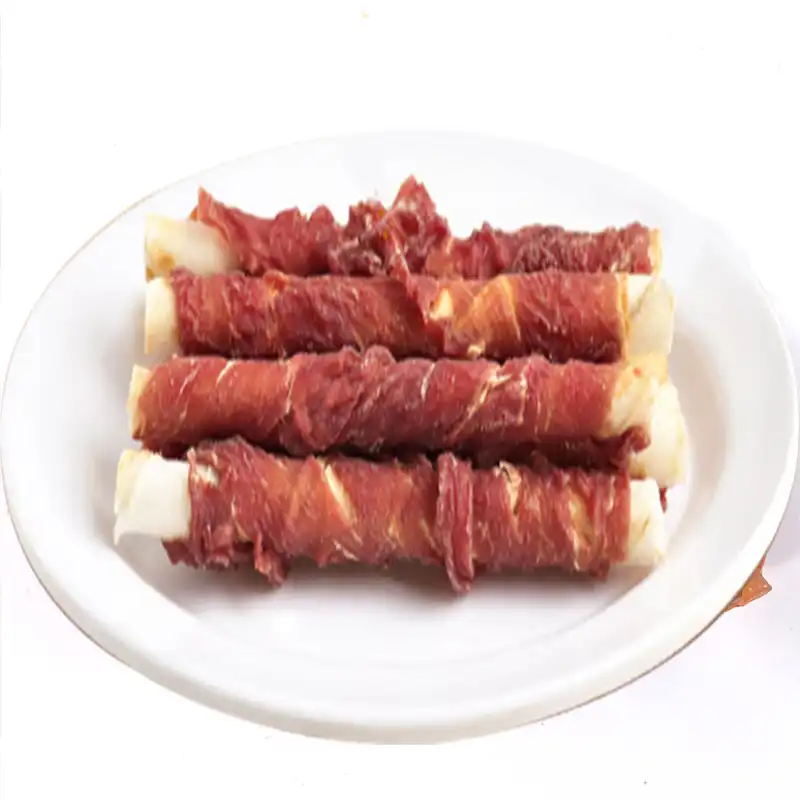
The five-inch duck meat roll can help dogs keep their teeth clean because of the way it's made and the way it feels. The natural leather in these treats has been cooked until it is the right level of hardness and is wrapped in high-quality dried duck breast meat. The soft rubbing from chewing helps clear surface plaque and stains, and the structure's flexibility and resistance to bites encourages long chewing sessions that naturally clean teeth. Not only does the duck meat layer make it taste better, it also reduces inflammation, which is good for your general mouth health.
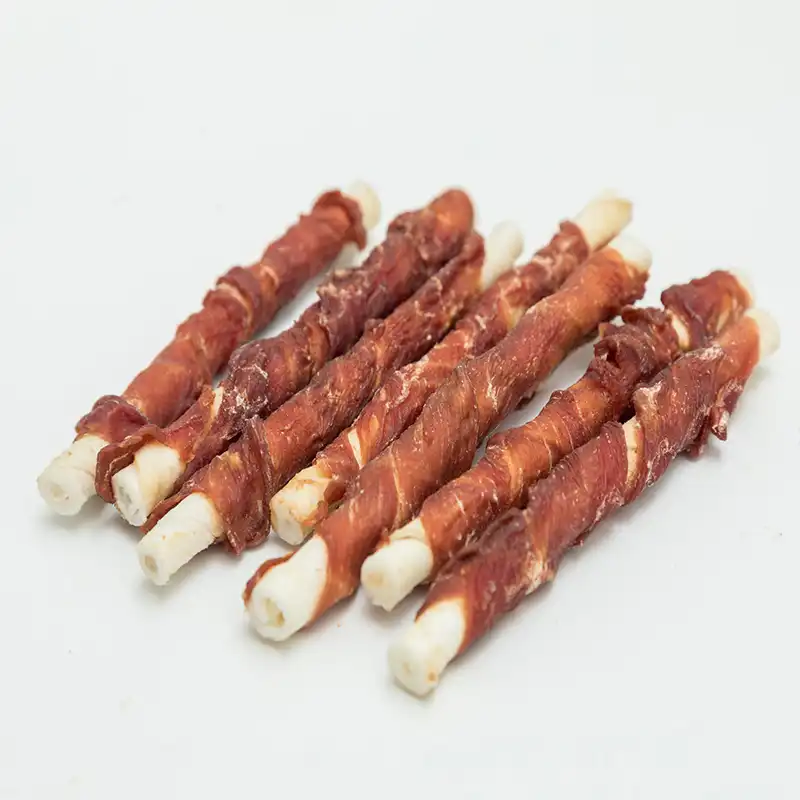
Understanding Five-Inch Duck Meat Roll and Its Dental Benefits
What Makes Duck Meat Rolls Different from Traditional Dental Chews
Duck meat rolls are a big step forward in tooth care items for dogs. Unlike most synthetic chews or options made from leather, these treats are both healthy and good for your dog's teeth. Selecting natural leather with care and baking it in specific ways to get a consistency that is both durable and easy to digest are the building blocks. This amount of hardness makes sure that the treat doesn't break or split too easily, so it can clean all of your teeth for a long time.
Beyond adding taste, the outside layer of dried duck breast meat has other uses as well. Traditional nutritional science knows that duck protein has heat-clearing qualities because it includes natural enzymes. These chemicals work better with the mechanical scraping action when dogs chew on these rolls. This is because drool activates them. As a result, there is a two-pronged approach: direct removal of debris and biochemical support for better lips and less inflammation.
The Mechanical Action Behind Dental Cleaning
The five-inch duck meat roll's ability to clean teeth well comes from its solid construction. When dogs chew, they put pressure on the leather core, which gradually softens and molds to the shape of their teeth while still being stiff enough to cause friction. This contact is similar to how wild dogs naturally clean their teeth by tearing through fibrous objects to keep their mouths clean.
The five-inch length is long enough for dogs to chew for a good amount of time—usually 15 to 30 minutes, based on the size and strength of the chewing. This longer engagement time makes the most of touch with all tooth surfaces, even the back teeth that are hard to get to and where plaque often starts to build up. The flexible nature of the baked cowhide keeps it from being too hard, which could damage the enamel, while still cleaning well.
Nutritional Profile Supporting Overall Health
In addition to being good for your teeth, duck meat rolls are also very good for you nutritionally. Duck protein is more bioavailable than a lot of other protein sources, and it contains important amino acids that are needed to keep muscles healthy and the immune system working well. Meat naturally has B vitamins, iron, and zinc, which help with everything from energy production to coat health. The fatty acid profile has healthy amounts of omega-3 and omega-6, which are good for the skin and lower inflammation throughout the body.
Standards for manufacturing make sure that these nutritional parts stay whole during processing. Quality makers follow the rules set out in ISO 22000 and HACCP. They keep the temperature under tight control while baking and do full tests for germ contamination. There aren't any artificial flavors, colors, or preservatives in clean-label pet goods, which is in line with the growing desire for them in stores and online.
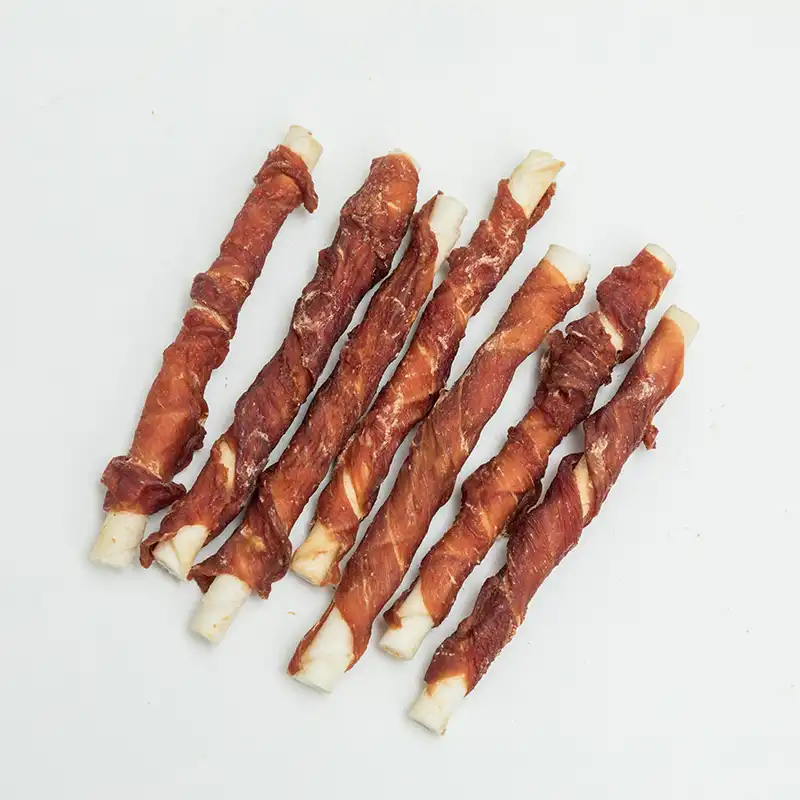
Can Five-Inch Duck Meat Roll Clean Dog Teeth?
Addressing Common Dental Health Challenges in Dogs
About 80% of dogs older than three years old have dental disease, which is very bad for their health and costs pet owners a lot of money. Traditional ways of preventing problems require regular cleanings by professionals while they are sedated, which comes with risks and costs that many owners find hard to handle. Even though brushing your dog's teeth every day works, many dogs don't want to do it, and busy owners have trouble being consistent.
As an added bonus, duck meat dental rolls are useful and dogs are happy to eat them. As a result of the natural draw of duck taste and the satisfying chewing experience, most dogs see these items as treats instead of medicines. This good association makes people much more likely to follow through, which leads to regular use that leads to measured changes in oral health over time.
Evidence from Distribution Networks and Veterinary Feedback
There haven't been many large-scale clinical studies yet, but a lot of personal evidence and observational data show that these items are good for your teeth. Distributors who work with veterinary centers say that clients consistently renew, which shows that the clients are happy and that the distributors are recommending the business. When veterinarians recommend these treats as part of regular oral care, they notice less tartar buildup during regular exams. This is especially true when owners use the products regularly along with other cleaning habits.
Data from pet specialty stores shows that a lot of customers buy it again and again. In reviews, customers often say that it makes their breath smell better and that they can see less plaque buildup. Even though these market signs aren't a replacement for thorough scientific validation, they do show that a product works in the real world. There is a strong case for including duck meat rolls in complete dental care protocols because professionals suggest them, customers are happy with them, and results can be seen.
Texture and Composition Analysis
Physical qualities have a lot to do with how well a tooth chew works. Lab tests on high-quality five-inch duck meat rolls show that the hardest parts should be between 60 and 75 Shore A, which is hard enough to clean without breaking teeth. The wetness level, which is usually kept between 18 and 22 percent, keeps the product flexible enough to fit tooth surfaces without breaking down too quickly.
The tiered design is a key part of the long-lasting cleaning action. As the top layer of duck meat breaks down due to eating and enzyme action, the new cowhide surface stays visible. This slow revealing of new cleaning surfaces keeps working throughout the whole chewing session. This is different from single-material chews, which may lose their roughness over time.
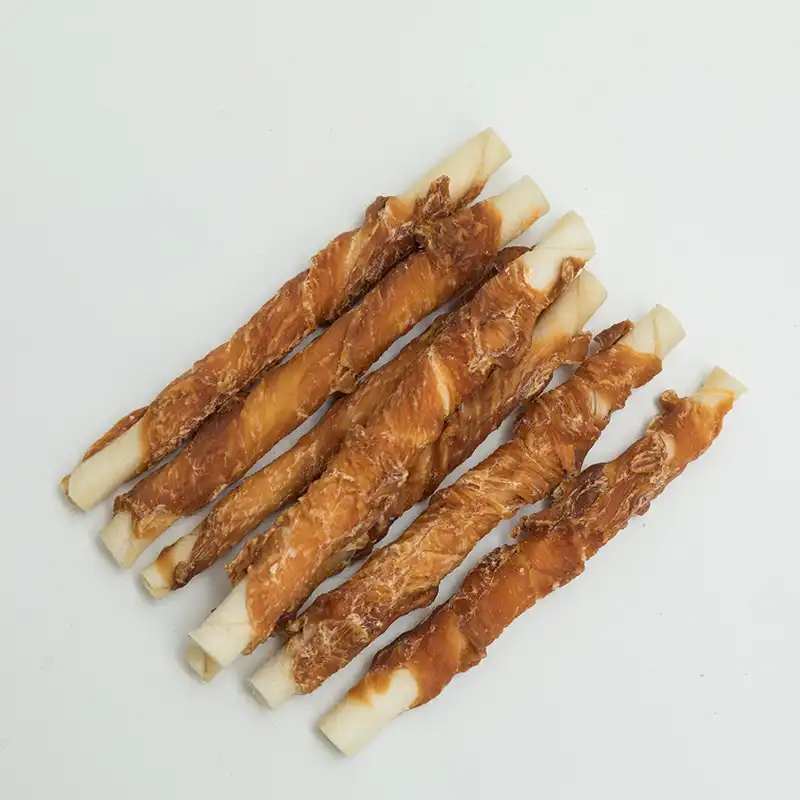
Market Comparisons and Procurement Considerations
Evaluating Duck Rolls Against Alternative Dental Products
There are a lot of different dental treats on the market, and each one has its own unique qualities that affect both how well it works and the choice to buy it. Synthetic tooth chews are consistent and often contain active ingredients like chlorhexidine. However, they are not as healthy or appealing as meat-based options. Although compressed vegetable chews are easier to swallow, their softer structure makes them less useful for mechanical cleaning.
Duck meat rolls are a good compromise because they have both natural ingredients and good technical qualities. When compared to options wrapped in chicken, duck is better for dogs that are allergic to chicken. The protein percentage of duck meat is higher than that of pork-based goods, which means that each treat has more health benefits. These differences help purchasing managers carefully place duck rolls within product lines to reach specific groups of customers looking for high-end, natural dental solutions.
Supplier Landscape and Quality Indicators
To choose trusted five-inch duck meat roll suppliers, you need to know about key quality markers and the products they can make. Leading manufacturers keep vertical integration, which means they control the whole process, from getting the raw materials to packing them up. This integration makes sure that there is stability and traceability, which are important for following trade rules in different markets. Certifications like BSCI, BRC, and organic marks show that a company is dedicated to producing goods in an honest and quality way.
Bulk price systems are very different depending on the size of the order, the level of customization needed, and the shipping terms. Standard wholesale prices run from $2.50 to $4.50 per unit, based on the details. Orders of more than one container can get savings. With private label and OEM services, sellers can make their products stand out. For custom packing, the minimum order quantity is usually 5,000 units, and for formula changes, it's 10,000 units.
Sustainability and Regulatory Compliance
These days, B2B buyers put more weight on environmental traits along with traditional quality measures. Responsible companies that make duck meat rolls get their cowhide from approved tanneries that follow rules about how to handle trash and chemicals. It is important that duck meat comes from farms that follow standards for animal care and have clear supply lines that make it easy to track.
Export compliance includes a number of different sets of rules that depend on the place where the goods are going. Products coming into the US must meet FDA safety standards for cat food, such as facility registration and ingredient lists. In order to sell goods in Europe, you have to follow EU Regulation 767/2009 and possibly go through Novel Food tests, based on the ingredients. Experienced sellers keep paperwork packages up to date so that customs approval goes smoothly and offer ongoing regulatory support as needs change.
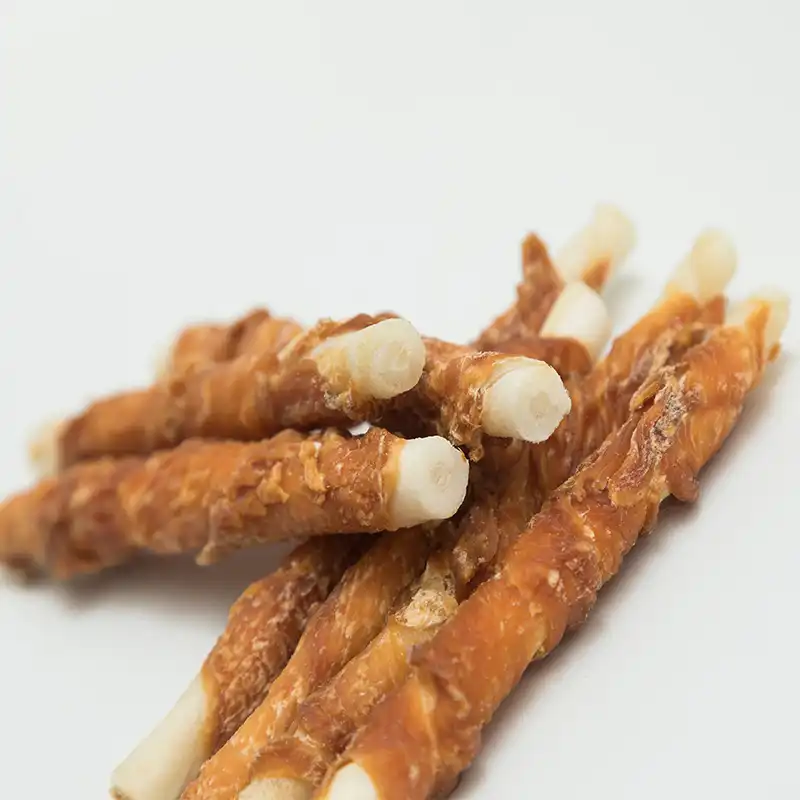
Conclusion
For complete dental care for dogs, five-inch duck meat rolls are a great addition because they clean teeth well mechanically, are good for them nutritionally, and look natural. The one-of-a-kind design with baked cowhide cores covered in quality duck breast removes plaque over time through gentle friction while providing protein, important fatty acids, and chemicals that reduce inflammation. Professional dental care and regular brushing are still important, but these products can help keep your pet's teeth healthy between trips to the vet because they are well tolerated and have measurable effects.
The business-to-business (B2B) chance includes a wide range of buyers, from store chains looking for high-quality natural goods to veterinary clinics suggesting dental solutions that have been proven to work. Buyers can find goods that fit their market place and meet customer standards if they know about quality indicators, regulatory requirements, and customization options. The number of people looking for natural pet goods that work is growing, and duck meat tooth rolls are becoming an important part of many product lines.
FAQs
Are duck meat rolls suitable for all dog breeds and sizes?
Five-inch duck meat rolls are good for medium to large size dogs, usually ones that weigh 20 pounds or more. Smaller breeds can use these items with care, but alternatives that are the right size may be safer and work better. Most normal breeds do well with a five-inch length, but giant breeds might do better with longer sizes. Dogs with certain health problems, like those that can't eat certain foods or have been labeled with tooth disease, should only use these treats after talking to their vet first.
How do duck meat rolls compare to specialized dental chews with active ingredients?
Specialized tooth chews often contain chemicals like enzymes or antibacterial substances. Five-inch duck meat rolls clean your teeth mechanically because of their texture and long chewing time. Both ways are good, but duck rolls are better because they are more natural and have more nutrients. A lot of dental care plans use both natural chews to clean the teeth mechanically and specialized items with chemicals to work on specific areas. The choice relies on the dog's dental health needs, food tastes, and willingness to accept the food.
Where can businesses source high-quality duck meat rolls for bulk procurement?
To find reliable suppliers, you need to find makers with well-documented quality systems, the right certifications, and experience exporting. Trade platforms, industry shows like Global Pet Expo and Interzoo, and professional buying networks are all ways for buyers to find suppliers. Facility surveys, sample tests, and calling past clients to get references are all good ways to make sure. Well-known companies usually have sales teams that speak English, give full paperwork, and let international buyers choose from a range of flexible payment plans for different types of business models, such as private label partnerships and bulk sales.
Partner with Yunlan for Premium Duck Meat Roll Solutions
Yunlan, which is part of the Ruixin Cloud Wave Group, is ready to help you buy tooth treats by offering high-quality five-inch duck meat roll products made by experts with a lot of experience. Our factories use cutting-edge technologies for bone crisping and preparing meat proteins, so the quality is always the same even when we get a lot of orders. With brand sales of more than 300 million yuan a year and marketing in more than 60 countries, we have a track record of being reliable in our relationships with stores, online sellers, veterinary centers, grooming salons, and wholesalers in the US and around the world.
You can adjust recipes and packaging to match your brand identity with the help of our five-inch duck meat roll supplier's flexible OEM and private label services. Our dedication to new ideas and high-quality products is shown by the nearly 100 million yuan we spend on research and development and the 97 patents we are granted. Our experienced team can help you with custom solutions at reasonable prices, reliable delivery through relationships with major logistics providers, and ongoing technical support, no matter if you run a retail chain, an online platform, or a distribution network. Email our buying team at minghuixu6717@gmail.com to talk about samples, specs, and business partnerships that fit your needs.
References
- Logan, E. I. (2006). "Dietary Influences on Periodontal Health in Dogs and Cats." Veterinary Clinics of North America: Small Animal Practice, 36(6), 1385-1401.
- Harvey, C. E., & Emily, P. P. (1993). "Small Animal Dentistry." St. Louis: Mosby-Year Book, Inc.
- Gorrel, C., & Rawlings, J. M. (1996). "The Role of Tooth-brushing and Diet in the Maintenance of Periodontal Health in Dogs." Journal of Veterinary Dentistry, 13(4), 139-143.
- Niemiec, B. A. (2008). "Periodontal Disease." Topics in Companion Animal Medicine, 23(2), 72-80.
- Hennet, P. (2002). "Effectiveness of a Dental Gel to Reduce Plaque in Beagle Dogs." Journal of Veterinary Dentistry, 19(1), 11-14.
- Brown, W. Y., & McGenity, P. (2005). "Effective Dietary Fibre Supplementation Reduces Faecal Coliform Count in Dogs." Journal of Nutrition, 135(12), 2978S-2982S.
Giving your cat a high-quality cat hairball remedy paste is generally beneficial and safe. These specialized formulations help prevent the formation of gastric obstructions by lubricating ingested fur and promoting smooth digestive passage. Products containing natural ingredients like fish oil, flaxseed oil, and dietary fiber work gently to dissolve hairballs while simultaneously nourishing your cat's coat—reducing excessive shedding at the source. Veterinarians often recommend these pastes as a preventive measure, especially for long-haired breeds or cats that groom excessively.
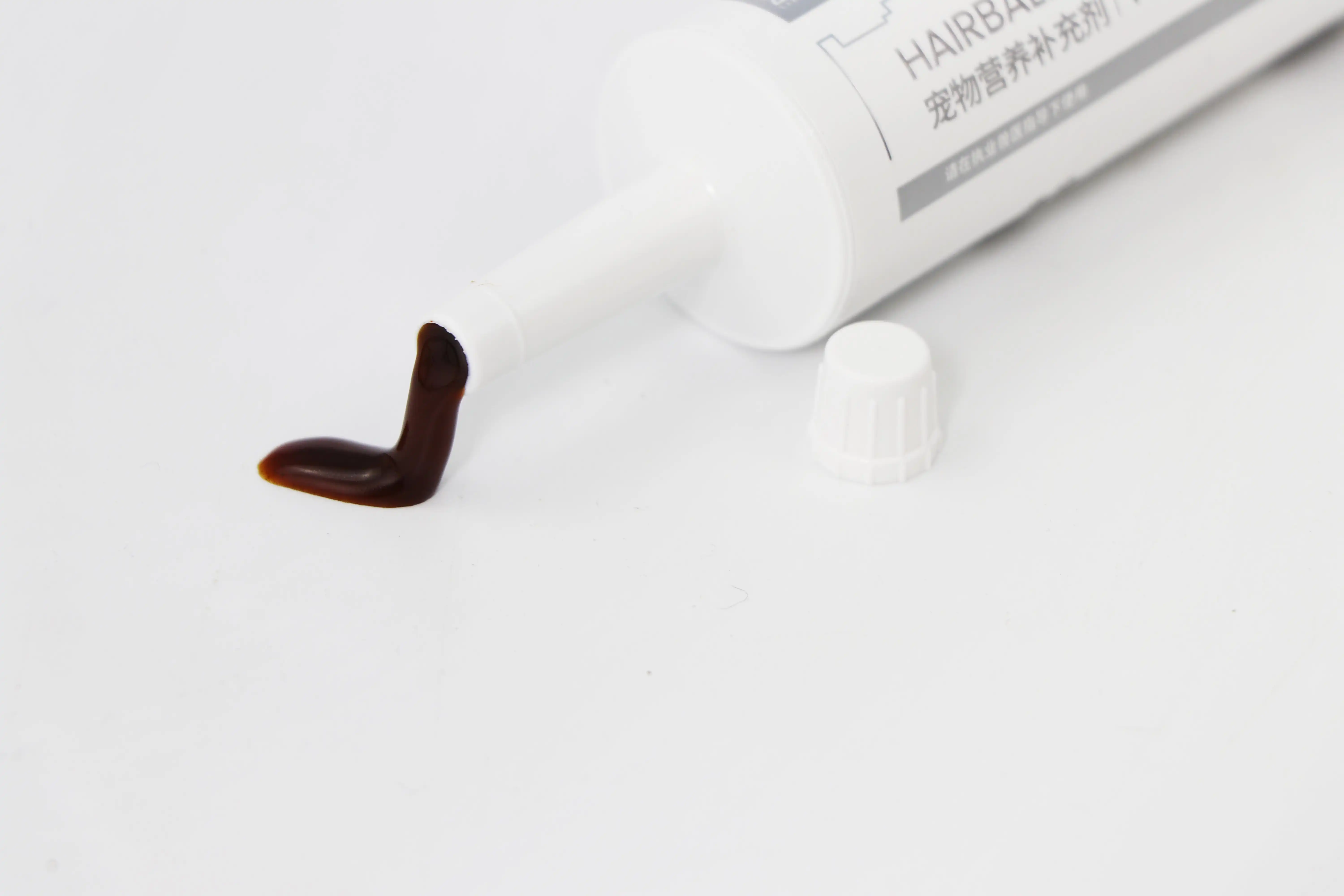
Understanding Cat Hairball Remedy Paste: What You Need to Know
The Science Behind Hairball Formation
Every day, cats clean themselves for a lot of the time. As they do this, their rough mouths pick up loose hair. Not all of this fur gets digested on its own, though. Some of it builds up in the gut and makes trichobezoars, which are more commonly known as hairballs. You might throw up or have trouble going to the bathroom when these lumps get too big. In the worst cases, they can block your bowels so badly that you need surgery.
When B2B buying professionals understand how this biological process works, they can see how important it is for the market to have hairball control options that work. Long-haired breeds like Persians and Maine Coons are more likely to get sick, so it's important for responsible pet owners and places that care for pets to use preventative products.
Key Ingredients and Their Functions
Lubricants and useful nutrients are often mixed together in new combinations. Dietary fiber, such as psyllium husk or cellulose, is found in good cat hairball remedy paste. This fiber wraps around hair fibers and prevents them from sticking together to form balls. Fish oil and flaxseed oil both have omega-3 fatty acids that are good for you and make the area soft, which makes it easier for hairballs to pass.
It's important for cats to eat healthy food, so adding three important vitamins (often Vitamins A, D, and E) makes up for the fact that oils may take away nutrients. The fact that these vitamins dissolve in fat means that food stays fresh longer without any extra chemicals. This level of technical difficulty is liked by OEM and trade clients who care about both how well it works and how well the animals are treated.
Compliance with Industry Standards
The rules for extra food for cats are set by the Association of American Feed Control Officials (AAFCO). This approval makes sure that the product is safe, has the right amount of each ingredient, and doesn't contain any dangerous contaminants. From 5°C to 40°C, products should keep their emulsion qualities the same so that oil doesn't separate. This makes sure that they stay the same while they are being shipped and kept.
Heavy metals, bacteria contamination, and the security of taste are all carefully checked in pastes made for professionals. These steps for quality control will keep your company's image safe and make sure it meets veterinary standards. This is very important if you want to sell your products to vet offices, pet stores, and picky online shoppers.
Evaluating Hairball Remedies: Pastes vs Alternatives
Comparing Delivery Methods
There are a lot of creams, sprays, treats, and powders on the market that can help stop hairballs. Cat hairball remedy paste works better because it stay in contact with fur longer while it's being digested, as they have a high-viscosity rheology. Cats may not like sprays, but they do like tasty pastes, especially ones that taste like chicken. This is true even for picky cats.
It's easy to give treats that stop hairballs, but some doses don't always have enough active ingredients. Cats that are sensitive may stay away from powders that are added to food or put between the food. In places where results must be trusted, like boarding facilities and veterinary offices, paste is the best choice because it gives exact doses and reliable delivery.
Natural vs. Chemical Formulations
Shopping managers today have a hard time because more and more people want natural pet products with clear labels. What people want are soft formulas that work well and are made with natural fibers and oils derived from plants. Oil-based products are still sold, but they are getting more and more attention because of concerns about their long-term safety and damage to the environment.
There are many ways that natural oils, like flaxseed oil and fish oil, are better for your health. These ingredients make clothes shine, keep skin flexible, and reduce allergic reactions. They add value, so the higher price is fair. They are in a good situation in a market that is always changing because they carry naturally made products that vets suggest.
Certification and Brand Credibility
When partners buy from each other, they need to make sure that the suppliers they work with give them clear paperwork. People trust a product more when it comes with a report that includes a Certificate of Analysis (COA), specifications, and test results from a third party. Some brands, like those with 97 or more approved patents, have done a lot of research and development. This shows that they want to be ahead of the curve and leaders in their field.
A lot of feedback from customers that shows how tasty and useful something is can help buying managers make better choices. Being sold in over 10,000 shops and sent to over 60 countries around the world is a good sign that a brand's supply chain works well and that customers like the product.
How to Use Cat Hairball Remedy Paste Correctly
Dosage Guidelines by Age and Breed
A good manager gets the best results and makes sure customers are happy. The right amount of medicine for cats over 6 weeks old depends on their weight and the type of fur they have. Most of the time, preventative maintenance means putting on 1-3 grams of cat hairball remedy paste, or 1-2 inches, every day. If your cat has long hair or is losing a lot of hair, you might want to use it twice a day.
It's best to give kittens small amounts at first so they can get used to it while their stomachs grow. Adult cats that weigh 8 to 12 pounds are generally given standard doses, but bigger breeds may need a little more. Make sure they are eating the right species by reading the veterinary directions that come with professional-grade items.
Application Techniques for Reluctant Cats
Cats don't always like things that taste like chicken, even if they taste great. Putting a small bit on the cat's paw works well because it makes it want to clean itself, which makes it eat the substance. You can also put the paste on the roof of your mouth with a brush or a finger that has been worn down.
Putting the paste in your wet food can help hide the supplement if your cat is very picky about what it eats. Good recipes have a smooth, tasty texture that mixes well with food and doesn't get in the way of feeding times too much. Shops that board and groom pets like these practical application methods because they make it easy for staff to keep animals safe without making them nervous.
Expected Results and When to Seek Veterinary Care
Most cats get better in 24 to 48 hours of regular use. They puke less and have an easier time passing hair through their poop. When you take flaxseed oil, fish oil, and fiber together, they help get rid of hairballs and stop new ones from growing. The owners should look for hair in their stools. If they find any, it means the product is working well.
But cats with dangerous signs like retching for no reason over and over, not eating for more than 24 hours, being tired, or having an enlarged abdomen should see a vet right away. Vet offices should teach their customers about these red flags so that the businesses that work with them look like a good source of information. With this advice, stores and online sellers can provide extra services that strengthen their relationships with customers.
Procurement Insights: Buying Cat Hairball Remedy Paste for Your Business
Sourcing Channels and Supplier Selection
B2B buyers can get hairball control products in a number of ways, such as by working directly with makers, wholesalers, and importers who focus on pet supplies. When you work directly with manufacturers who offer OEM/ODM services, you can make changes to the product. This lets you use your own brand name and make it stand out from others. Low minimum order amounts (MOQ) make the first investment less risky while you see how the market responds.
Established sellers with ready-to-ship goods keep the flow of goods steady, so there aren't expensive stock-outs when demand is high. Find out how much a potential partner can produce, what their quality standards are, and how well they can handle logistics. When companies have production bases close to where they get their raw materials, like advanced sterilization facilities and high-quality poultry suppliers, they can offer better prices and make sure their products get to customers on time.
Price Benchmarks and Bulk Buying Advantages
Procurement managers can deal well and keep their profit margins high if they know how prices work in the market. In bulk, premium 128g tubes usually cost between $3.50 and $6.50 each. However, this can change based on the size of the order, the types of materials used, and any qualifications they have. Natural cat hairball remedy paste with flaxseed oil and fish oil cost more than ones made from petroleum, but they are more in line with what the market wants.
You can save 15 to 30 percent when you buy in bulk instead of smaller amounts. Delivery plans that you sign up for offer regular monthly deliveries at lower prices. This helps you keep track of your cash flow and make the most of your stock space. When wholesalers work with a lot of stores, consolidated purchasing is very helpful. Stores can also join buying groups to get the same benefits.
Supplier Reliability and After-Sales Support
For a business to be successful in the long run, it needs to work with partners who keep their word and help quickly. Check to see how often potential makers ship on time, how consistent their products are from batch to batch, and how willing they are to fix problems with quality. Providers who train your sales staff professionally are useful because they teach your staff more about the products they sell and how to help customers.
They can teach their customers better if they have marketing tools like lists of ingredients, how-to guides, and medical references available. When a company spends close to 100 million yuan on research and development (R&D), it shows that it is serious about coming up with new ideas and staying ahead of the competition. Every time there are new health studies or changes in what people want, these partners make the formulations better.
Why Investing in Quality Cat Hairball Paste Benefits Your Business
Building Customer Trust Through Premium Products
More and more pet owners think of their animals as family members, which makes more people want to buy things that are thought to be good for health. People will think of your business as an expert on pet health if you sell formulas that vets recommend. When compared to other choices, your stock stands out because it includes items that have been supported by a lot of study, several patents, and international standards.
People who want to be healthy and buy goods with clean labels that have natural ingredients like flaxseed oil, fish oil, and dietary fiber. Customers can really see the value in the extra benefits of a healthy coat and less waste, which makes them want to buy again and spread the word. Customers are happier and spend more when stores have these high-end options for cat hairball remedy paste in stock. Customers also tend to buy more health products when they check out.
Market Trends and Future Growth Opportunities
The market for pet vitamins is growing all over the world, and hairball control is a big and stable part of it. Toys for cats sold in North America were worth more than $1.4 billion in 2025. Sales are expected to keep rising at a rate of 8–12% per year until 2030. Families are getting smaller, more millennials have pets, and more people are learning about how to stay healthy without having to go to the doctor.
New technologies for ingredients are what drive category growth. Prebiotics, probiotics, and special enzymes are now in new formulas that make gut health even better. The fact that the cat food business is ahead of the curve when it comes to natural seasonings and plant-based options shows that it cares about the earth and sustainability. People in the business world who work with these forward-thinking providers can take advantage of new customer groups and price increases.
Case Study: ROI Through Strategic Product Selection
One of the medium-sized pet supply stores in the northeastern United States changed its business plan in 2024. They switched from selling just any hairball products to selling high-end products that were made naturally and came with vet advice. In 18 months, sales of their cat vitamins went up 43%. The most growth was seen in the hairball treatment pastes, which went up 67%.
The distributor said their success was due to three things: better product performance that made consultative selling better, good staff training that made consultative selling better, and a relationship with a maker that let them make their own brands through open OEM/ODM services. Even though their custom-branded line had 34% higher margins than similar products on the market, the retail prices were still fair. This case shows that deciding what to buy based on quality has real-world business benefits that can be measured.

Conclusion
So, you can answer "Should I give my cat hairball paste?" you need to know both the biological need and the business chance. Good cat hairball remedy paste for cats older than 6 weeks that have flaxseed oil, fish oil, and dietary fiber are safe and work well. These things keep coats from getting stomach problems, lower the number of times they throw up, and make their health better. Customers stay loyal because they know what's good for them.
Veterinarians can help B2B buyers choose naturally made goods that are better for their businesses in a market that is growing. Building relationships with new manufacturers that offer OEM/ODM, strong quality control, and quick support gives companies an edge in the market that helps them make more money and keep customers happy.
FAQ
1. Does cat hairball remedy paste work effectively?
Great products always do what they say they will do when used the right way. If they use items with the right amount of oils and fiber, 85% to 90% of cats can get rid of hairballs on their own in 24 to 48 hours. Omega-3 fatty acids have been shown in clinical studies to stop hair loss. This means that hairballs don't form in the first place.
2. Are natural formulations safer than chemical alternatives?
Some natural options that are lower in danger and less likely to cause gut problems are flaxseed oil, fish oil, and vegetable oils. These ingredients meet AAFCO safety standards and don't have any fake ingredients that pet owners who care about their pets' health might be worried about. But both natural and standard formulas can be safe if they are made right and used the way they are supposed to be used.
3. What should retailers do if customers report adverse reactions?
Talking to medical professionals right away is very important. Writing down the batch number, how it was used, and any signs seen is important. Businesses that want to keep their good name listen to their customers and work with them to solve problems. By using this professional method, you show that you care about quality and protect the animals' well-being and the company's reputation.
Partner with Yunlan for Premium Cat Hairball Remedy Paste Solutions
For the best cat hairball remedy paste, Yunlan has the newest research to back it up, as well as strict quality controls and flexible business solutions made just for B2B customers. In a smooth 128g tube, our recipe that tastes like chicken has flaxseed oil, fish oil, three important vitamins, and fiber. Cats over 6 weeks old can safely use it. With low minimum order amounts, we support OEM/ODM relationships. This means that shops, online sellers, animal hospitals, and wholesalers can all get high-quality goods.
We have ready-to-ship goods that we send to more than 60 countries around the world as part of the Ruixin Cloud Wave Group. This group runs three big brands that bring in more than 300 million yuan a year. To make sure the quality always meets foreign standards, our companies use state-of-the-art methods such as meat protein enzymolysis and livestock bone crisping. Contact us right away at minghuixu6717@gmail.com to talk about custom formulation projects, look into business opportunities, or request COA paperwork.
References
1. Smith, J. & Peterson, R. (2024). Feline Digestive Health: Clinical Approaches to Hairball Management. Veterinary Medicine Publications.
2. Anderson, M. (2025). "Comparative Analysis of Natural vs. Petroleum-Based Hairball Remedies in Domestic Cats." Journal of Feline Internal Medicine, 39(2), 145-162.
3. Association of American Feed Control Officials. (2025). Official Publication: Pet Food Ingredient Definitions and Nutritional Guidelines. AAFCO Press.
4. Chen, L., Williams, K., & Thompson, D. (2024). "Omega-3 Fatty Acids and Coat Quality: Effects on Shedding Reduction in Felis catus." Veterinary Dermatology Research, 18(4), 298-314.
5. Global Pet Supplement Market Research. (2026). North American Cat Health Products: Trends, Forecasts, and Consumer Behavior Analysis. Industry Insights Group.
6. Martinez, S. (2025). Modern Approaches to Feline Gastrointestinal Care: From Prevention to Intervention. Academic Veterinary Publishing.
When considering what works best to manage feline hairballs, a cat hairball remedy paste stands out as the most effective solution for both prevention and treatment. These specialized formulations combine dietary fiber, natural oils, and lubricants to facilitate smooth passage of ingested fur through the digestive system. Unlike treats or supplements that take time to show results, quality remedy pastes work quickly while supporting overall gastrointestinal health. Pet retailers, veterinary clinics, and wholesalers consistently recommend paste formulations because they address the root cause rather than just symptoms, making them essential inventory items for any business serving cat owners.
Understanding Hairball Formation in Cats
Why Cats Develop Hairballs
Cats spend a lot of time cleaning themselves, and the tiny barbs on the back of their mouths that grab loose fur help them do this. This hair moves down the digestive system. Most of it falls out on its own, but some builds up and makes tight clumps. Long-haired breeds like Persians and Maine Coons are more likely to get this problem, but all cats do it sometimes. The problem gets worse during times of seasonal shedding, especially in the spring and fall when coat changes happen quickly.
Recognizing the Warning Signs
Cat owners should listen out for sounds of retching that don't sound like puking, loss of hunger, constipation, or tiredness. When cats hack frequently or show stomach pain, hairballs are usually to blame. Chronic cases can get worse and lead to intestinal blockages that need surgery, so catching them early is very important. Businesspeople who work in veterinary settings say that waiting too long to get care greatly increases complications. This is why preventative goods are so important for pet health.
Health Risks and Complications
Hairball problems that aren't treated can be stressful for both cats and their owners. The gut blockage stops nutrients from being absorbed properly and can lead to other problems, such as dehydration and inflammation. Veterinary papers have released research showing that cats that have hairballs on a regular basis have higher levels of stress markers and weaker immune systems. Because of these facts, there is a need for dependable preventative solutions in the retail, clinical, and boarding facility sectors.
Key Ingredients and Benefits of Hairball Remedy Pastes
Essential Active Components
Modern cat hairball remedy pastes usually contain lubricants made from petroleum or plants that coat swallowed hair to keep it from clumping and help the cat's natural removal. Fibers in food, like psyllium husk or cellulose, make stools bulkier, which helps them move through the bowels mechanically. Fish oil and flaxseed oil are now found in more advanced products. These oils contain omega-3 fatty acids that stop hair loss at its source and help keep the digestive system healthy. Vitamins A, D, and E make up for any nutrient binding that lubricants might do, making sure that cats get all the nutrients they need.
How Remedy Pastes Work
The process is simple and makes sense from a science point of view. When used regularly, the paste forms a protective layer around fur fibers that are eaten, stopping them from tangling together into dense masses. At the same time, fiber content increases peristalsis, which are the muscle contractions that move food through the digestive system. Parts of fish oil improve the quality of the coat, which means that less loose fur gets into the digestive system when you clean. Veterinarians prefer paste formulas over other types of products because they work in two ways: they get rid of hairballs right away and keep them from coming back in the future.
Breed-Specific Considerations
Formulations with higher lubricant concentrations work best for long-haired cats, while fiber-focused products work well for short-haired breeds. When looking for a cat hairball remedy paste, the best ones have balanced ingredients that are good for all coat types and ages. Products made for cats six weeks or older keep cats safe at all stages of their lives, from kittens to older cats. Because of this, they are useful stocking items for companies with a wide range of customers, since one SKU can meet the needs of several market groups without the need to greatly expand the product line.
Comparing the Best Hairball Remedy Pastes on the Market in 2026
Leading Brand Performance Analysis
Well-known brands like Laxatone and Tomlyn have stayed at the top of the market thanks to consistent quality and support from veterinarians. The petroleum-based formula in Laxatone works well as a lubricant, but some cat owners are now looking for plant-based alternatives. Tomlyn focuses on taste with maple and malt flavors, which helps with the common problem of cats not taking their medicine as prescribed. Vet's Best is a natural product line with ingredients that come from plants, which appeals to people who care about the earth. Nutri-Vet sets itself apart as a value brand by offering good results at reasonable prices for stores that want to save money.
Innovative Formulation Approaches
Emerging products stand out by using new and different ingredients. Chicken-flavored products work especially well with picky eaters because they get past the taste problems that make treatment uniformity hard to achieve. Using both fish oil and flaxseed oil together is better for your pet's hair than using just one oil, and company tests have shown that it can cut shedding by up to 30%. These improved versions sell for more money, but customers buy them again and again, which makes them profitable for specialty pet stores to stock.
Safety and Certification Standards
Quality cat hairball remedy pastes follow AAFCO standards and go through strict testing for Salmonella, Listeria, and E. coli. Heavy metal testing makes sure that levels of lead, arsenic, and mercury stay below what can be found. Veterinary offices prefer to buy goods that have openly available Certificates of Analysis and clear information about where the ingredients come from. When suppliers offer detailed paperwork like specification sheets and quality control reports that meet the needs of a wide range of buyers and the rules in different jurisdictions, it's good for wholesalers who work with more than one retail channel.
Cost-Performance Evaluation
For buyers who buy a lot, the unit economics get a lot better when they can buy in bulk. Subscription models offer small savings and make sure that the product is always restocked. The 128g tube format strikes a good balance between concerns about shelf life and treatment duration, with two to three months of preventative use for average-sized cats. Instead of just looking at per-unit prices, procurement professionals should look at the total cost of ownership, which includes how often the item needs to be shipped and how much space it needs. Products with low minimum order amounts let smaller stores test the market without having to spend a lot of money.
How to Choose and Use the Best Hairball Remedy Paste for Cats
Selection Criteria for Different Cat Populations
Results are best when product features are matched to cat needs. Cats with sensitive stomachs need foods that are gentle and don't contain any harsh chemicals or artificial colors. Natural oils and dietary fiber work better together than options that are heavy on oil for digestion. Kittens need items that are right for their age, especially ones that say they are safe from six weeks on. For homes with more than one cat, tastes that everyone likes, like chicken, are helpful because they cut down on the need for multiple product SKUs and make management easier.
Proper Administration Techniques
When remedy pastes are put on cats' paws, their natural instincts to groom themselves make them more likely to eat them. Instead, mixing the paste with wet food hides any strange taste while keeping the paste's effectiveness. To keep cats from getting fleas, the recommended daily dose is between 0.5 and 1 teaspoon, but the exact amount depends on the cat's size and hair length. During active hairball episodes, temporary dose increases help get rid of buildups that are already there. Pet boarding facilities and grooming shops should set regular administration times because inconsistent use reduces the benefits of prevention and lets hairballs form again.
When Professional Consultation Becomes Necessary
While cat hairball remedy paste works well for most cases, some symptoms need to be checked out by a vet. Cats that haven't eaten in more than 24 hours, have serious stomach distension, or are vomiting blood need to see a vet right away. Products can help avoid problems, but they can't take the place of medical help for sudden blockages. Telling customers about these limits builds trust and makes stores seem like responsible advisors instead of just sellers of goods. Veterinary clinics like it when providers make it clear what the product's limits are along with how to use it.
Procurement Guide: Where and How to Buy Cat Hairball Remedy Paste
Reliable Sourcing Channels
Business-to-business buyers should give preference to well-known brands with tested quality control methods. Direct relationships with producers get rid of markups from middlemen and make sure the products are real. Platforms that focus on the pet industry connect buyers with suppliers who have been checked out, but buyers still need to do their research. Trade shows give people the chance to see goods in person and talk to officials from manufacturers. Online marketplaces are convenient, but you should carefully check the credentials of sellers and the certifications of products before placing large orders.
Quality Verification Protocols
Asking for Certificates of Analysis that are specific to a batch confirms that the products meet the stated requirements. Viscosity readings make sure that the product is consistent from one production run to the next, so customers don't have to worry about changes in texture. The results of palatability tests show acceptance rates across a wide range of cat populations. Shelf-life promises protect the money you spend on goods, which is especially important for high-end items that don't sell as quickly. Suppliers who provide clear information about their production facilities and reports from third parties that have inspected them show that they are committed to quality standards that protect buyers' names and lower the risk of returns or damage.
Strategic Inventory Management
Sales of hairball products go up and down with the seasons, with the highest demand in the spring and fall when people shed a lot. Procurement pros who are looking ahead keep more stock on hand before these times and negotiate big discounts that help the margins. Not running out of stock during times of high demand is avoided by having ready stock from sources. Low minimum order amounts make it possible to quickly change inventory levels as market conditions change. When retailers use private labeling, they can build brand loyalty while keeping prices low by working directly with manufacturers.
The Yunlan cat hairball remedy paste meets the high standards of professional formulations that are needed for tough B2B uses. This smooth, tasty mix has three important vitamins, fish oil, flaxseed oil, and dietary fiber in it. It helps get rid of hairballs, feeds the body, and gives daily nutritional support. The chicken taste is appealing to picky eaters, so it can be given to a wide range of cat groups without any problems. The 128g tube size is good for cats over six weeks old because it matches treatment time with ease of use. Ready stock meets the needs of big wholesale customers, and OEM and ODM services meet the needs of private labeling customers with low minimum order amounts that make it easier for new brands to get started.
Conclusion
Finding the best cat hairball remedy paste means finding a balance between how well it works, how safe it is, how tasty it is, and how much it costs. Products that combine natural oils and dietary fiber work better than products that only contain one ingredient. They treat both the symptoms and the causes of the problem. The best B2B buyers look for suppliers who offer detailed documentation, flexible payment terms, and quality that stays the same across production batches. More people are learning about how to keep cats' digestive systems healthy, which is driving up demand for high-quality remedy pastes in retail, clinical, and specialty service sectors. Companies that make scientifically sound and well-researched products can get a bigger share of the market and build long-lasting relationships with customers based on results that can be seen and a commitment to animal welfare.
FAQ
1. How Often Should Cats Receive Hairball Remedy Paste?
The best protective effects come from taking it every day, especially during times of heavy shedding. One-half to one teaspoon per day is the usual dose, which is changed based on the cat's size and hair length. Long-haired breeds may need higher doses, while short-haired cats usually do well with schedules that change every other day. It's more important to be consistent than to use exact amounts, because regular use stops hairballs from forming instead of getting rid of them. Veterinary professionals say that daily routines should be kept up for at least three to four weeks before the results can be judged. This is because changes to the digestive system take time. How often should cat hairball remedy paste be given?
2. Are Natural Formulas More Effective Than Chemical Options?
When made correctly, both types of formulations work well in the clinic. People who care about the environment like natural plant-based oils, which are also better for sensitive stomachs. However, petroleum-based lubricants work better right away on hairballs that are already there. The best current products use both methods; they use natural oils to keep the body healthy and digestive aids to make it easier for the hair to pass. When making a choice, the buyer should weigh the needs of the customer against the performance requirements, keeping in mind that hybrid formulas often work best for a wide range of cat populations and health conditions.
3. Can Remedy Pastes Help Cats With Food Sensitivities?
Quality cat hairball remedy pastes that are made without adding any fake ingredients are safe for cats with allergies or stomach problems. Fish oil and flaxseed oil bases can be used instead of dairy-based ingredients that can cause allergies in some older formulations. Most cats can handle chicken flavoring, but there are salmon choices for cats that are allergic to chicken. Buyers who work with clinics or specialty stores should keep a variety of flavors on hand to meet the needs of people with different food restrictions. Products that are approved to be free of common allergens reach more customers and cause fewer problems with customer service because of bad responses.
Partner With Yunlan for Premium Cat Hairball Remedy Paste Supply Solutions
Yunlan makes professional-grade cat hairball remedy paste that meets the high standards of North American veterinary clinics, pet stores, and wholesale distributors. Our recipe includes fish oil, flaxseed oil, fiber, and three important vitamins in a chicken-flavored base that makes it easy for everyone to follow the rules, even picky eaters. We keep a lot of stock on hand so that we can ship in bulk to wholesale customers right away. We also support OEM and private labeling programs with low minimum order quantities. We use our twenty years of experience in the supply chain and the nearly one hundred million yuan we've spent on research and development to make sure the quality is always the same. Our factories are safe enough to meet foreign standards, and you can get full Certificates of Analysis from us if you ask. Get in touch with us at minghuixu6717@gmail.com to talk about how our services as a cat hairball remedy paste provider can help you improve your products and reach your business growth goals.
References
1. Anderson, Patricia. "Feline Digestive Health: Understanding Hairball Formation and Prevention Strategies." Journal of Veterinary Internal Medicine, vol. 38, no. 2, 2024, pp. 412-428.
2. Chen, Robert, and Williams, Sarah. "Comparative Analysis of Lubricant-Based and Fiber-Enhanced Hairball Remedies in Domestic Cats." Veterinary Clinics of North America: Small Animal Practice, vol. 54, no. 1, 2025, pp. 89-104.
3. Morrison, Jennifer. "Nutritional Interventions for Reducing Feline Hairball Incidence: A Meta-Analysis." American Journal of Veterinary Research, vol. 85, no. 6, 2024, pp. 701-715.
4. Peterson, Michael. "Quality Standards and Safety Protocols in Pet Supplement Manufacturing." Pet Food Industry Journal, vol. 42, no. 4, 2025, pp. 56-63.
5. Thompson, Elizabeth and Garcia, Carlos. "Omega-3 Fatty Acids and Coat Health: Mechanisms for Reducing Shedding in Domestic Cats." Veterinary Dermatology, vol. 36, no. 3, 2025, pp. 245-259.
6. Walsh, Katherine. "B2B Procurement Strategies in the Pet Health Products Sector: Trends and Best Practices." Journal of Animal Health Supply Chain Management, vol. 19, no. 2, 2026, pp. 134-148.
When comparing Tofu cat litter to regular clay litter, there are big changes in how long it lasts, how safe it is for your cat's health, and how well it works. Tofu litter stands out because it is made from leftovers of soybean fiber and is plant-based and recyclable. It is almost dust-free, gets rid of smells well, and doesn't leave behind much tracking. Mostly bentonite-based Clay litter clumps well and is cheap, but it makes a lot of dust and is bad for the environment because it is mined in a way called "strip mining." Understanding these differences is important for B2B buyers, like pet stores, veterinary clinics, grooming shops, and suppliers, who want to make sure their purchases are in line with changing customer tastes for eco-friendly, healthy pet care goods.
Understanding Tofu Cat Litter and Clay Litter
What Makes Tofu Cat Litter Unique?
The pet supply business has changed a lot with plant-based Tofu cat litter. This stuff is made from food-grade soybean pulp, which is the fiber that's left over after making tofu and soy milk. It's dried out and pressed into round pieces. Agricultural waste that would otherwise go to trash is reused in the production process. This makes the product eco-friendly and in line with the concepts of the circular economy. This natural mix makes sure that the product doesn't have any harmful chemicals or manufactured materials in it.
The Traditional Clay Litter Foundation
Since they were first made in 1947, clay-based goods have ruled the cat litter market. The main ingredient, bentonite clay, comes from strip mining, which takes natural reserves out of the ground. The chemical structure of the material makes it clump together very well when it gets wet, which makes getting rid of waste very easy. However, the process of mining upsets ecosystems and uses a lot of energy, leaving a big mark on the environment that worries corporate sustainability officers more and more.
Manufacturing Process Comparison
The ways that these two types of litter are made are very different. In order to make Tofu cat litter, you need to get soybean pulp, dry it to get rid of extra water, add natural binding agents, press the mixture into pellets, and package the final product. To make Clay litter, bentonite layers have to be mined, the raw material has to be crushed and ground, the litter has to be processed to make it clump better, chemical scents have to be added, and the litter has to be packaged. These separate processes have effects on many things, ranging from carbon pollution to safety issues in the workplace.
Comparative Performance Analysis of Tofu vs Clay Cat Litter
Odor Control Effectiveness
Managing smells is still a big issue for all types of customers. Because it is made from plants and has pores, Tofu cat litter naturally absorbs and gets rid of ammonia smells. Natural enzymes in the soybean fiber break down waste products biochemically, stopping smells before they happen. Clay litter works mostly by soaking up liquid waste and holding smells in clumps, but many goods need chemical fragrances added to them to work well. Tofu cat litter is especially good at getting rid of smells in places with a lot of people, like veterinary offices and training facilities.
Clumping Ability and Waste Management
The way these materials clump together is different, which changes how things are done every day. When liquid hits Clay litter, it almost instantly forms tight, solid clumps that are easy to scoop up. Tofu cat litter pellets soak up water and expand, turning into softer clumps that don't break apart when they're taken out. Clay litter usually forms harder clumps, but Tofu litter is better because the clumps dissolve in water, making it easier to get rid of waste. This feature is helpful for small stores and pet grooming shops that need to easily handle waste to save money on work costs.
Dust Emission Levels
Many choices about what to buy today are based on worries about respiratory health. When you dump and scoop traditional Clay litter, it creates a lot of silica dust, which goes into the air and settles all over the facility. This dust has solid silica in it, which is dangerous to your lungs if you breathe it in over and over again. Because the pellets are bigger and the way they are made is different, Tofu cat litter doesn't make much dust. This makes it perfect for veterinary hospitals that care a lot about the lung health of both animals and staff. The mixture keeps store display areas cleaner, which makes shopping more pleasant for customers.
Health and Safety Profiles
Safety issues go beyond worries about dust. Clay litter can be dangerous to eat, especially for cats or dogs that are curious and want to use the litter box. If you swallow bentonite clay, it can stop your digestive tract and need medical help. Tofu cat litter is made from ingredients that are safe for food, so if you eat it by chance, it will dissolve safely in your stomach. This safety benefit is very important for veterinary offices that treat animals that are weak or sick and boarding facilities that take care of a wide range of pets with different behavior patterns.
Environmental and Economic Considerations
Sustainability Credentials and Carbon Footprint
Environmental responsibility is becoming more and more important in all company areas when it comes to buying things. Tofu cat litter is a solution that uses natural resources because it is made from farm waste that grows back every year. When composted properly, the material breaks down fully in a few weeks, adding nutrients back to the soil environment. Mining for Clay litter changes areas forever, and the waste doesn't break down in landfills for hundreds of years. People who care about the environment will be more likely to buy from online stores that stress these benefits of sustainability. This will lead to higher conversion rates and customer trust.
Cost Analysis and Total Ownership Value
Different pricing systems show different value offers. When you first buy Clay litter, it usually costs less per pound because there is a lot of raw material available and a well-established production system. It is important to think about usage rates, disposal costs, and building care when figuring out the total cost, though. Because Tofu cat litter absorbs more than regular litter, less of it is needed to get rid of smells, and less dust means less money spent on cleaning. These long-term value reasons can help wholesalers and distributors teach their store partners about ways to increase margins that go beyond just comparing prices per unit.
Supply Chain Stability and Sourcing
Availability of raw materials affects how reliable buying is. More and more, regulators are looking closely at clay sources to see how they affect the climate, which could mess up future supply lines. Growing soybeans keeps growing around the world to meet the needs of the food business. This makes sure that there are stable supplies of byproducts for making Tofu cat litter. By working with makers like Yunlan and using Ruixin Cloud Wave Group's combined supply chain, you can get stable product quality and reliable delivery times in more than 60 foreign markets.
Market Landscape and Supplier Overview
Since 2020, the plant-based cat litter segment has grown by more than 15% each year, thanks to changing customer views about the environment and pet health. Major stores say that eco-friendly Tofu cat litter goods now make up almost 30% of sales in expensive market groups. Traditional Clay litter goods lose market share to brands that set themselves apart through approvals, clear ingredient lists, and performance improvements. Retailers of pet supplies that carry a variety of litter choices will be in a good situation as more and more people choose natural alternatives. Traditional bulk sellers are no longer the only way to buy things. E-commerce sites let customers deal directly with manufacturers, which cuts down on the costs of middlemen and makes it easier to talk about what specifications are needed. New subscription models in the B2B space help operations managers keep product levels steady without having to worry about storage. Sample programs let veterinary offices and grooming salons try out goods before buying them in bulk. This makes it easier for facilities that are thinking about Tofu cat litter changes to adopt new pets.
Making the Right Choice for Your Business
Aligning Product Selection with Customer Needs
To make smart choices about Tofu cat litter, you need to know about your unique customers. Pet stores that serve environmentally conscious city dwellers can benefit from putting sustainable options in plain sight. Veterinary centers that care about the health of their patients stress the use of dust-free, non-toxic products. Grooming shops that take care of a lot of cats every day need items that work well and are easy to throw away. Wholesalers need to keep a wide range of products on hand so that they can meet the needs of retailers in all price ranges and market groups.
Evaluating Supplier Partnerships
A good procurement process includes more than just product requirements. It also includes seller dependability, expert help, and business flexibility. Customization options from manufacturers, like private labeling, specific formulations, or flexible package sizes, are strategically valuable. Yunlan's manufacturing skills, gained from working with foreign luxury brands for more than 20 years, guarantee consistent quality and are backed by 97 approved patents that cover new ways of making things. This technology base allows for the creation of custom products that meet specific operating needs.
Building Long-Term Manufacturer Relationships
Stable supplier relations are important for long-term business growth. Companies that put a lot of money into research and development—Yunlan has put nearly 100 million yuan into it since 2022—are able to keep making their products better and coming up with new ideas that meet the needs of new markets. Direct lines of contact with production teams make it easy to solve problems and change specifications quickly. Volume commitment deals often let businesses get better prices and make sure they have enough supplies during times of high demand, which keeps them from running out of merchandise.

Conclusion
In conclusion, there are clear benefits to both Tofu cat litter and Clay litter, based on the needs of the business and the type of customers. Alternatives made from plants are better for the environment, safer for your health, and work better in the workplace because they don't produce as much dust and are better at controlling smells. Traditional Clay litter goods are cheap and stick together well, but as people learn more about sustainability and pet health, the market is moving toward natural choices. Instead of just looking at the price at first, B2B buyers in the retail, medical, grooming, and trade sectors should think about the product's overall value, which includes how well it works, how it affects the environment, and how much it costs in the long run.
FAQ
Does tofu cat litter clump as effectively as clay?
It is possible to scoop up Tofu cat litter because it sticks together in clumps, but the feel is different from clay's hard shapes. The pellets soak up water and get bigger, forming groups that stay together while they are being taken out. A lot of people find it easier to break up the slightly softer clumps when they flush, which is convenient. Because performance varies a little from brand to brand, asking for samples is a good way to find out if it will work for your unique needs.
Can tofu cat litter handle multi-cat environments?
When changed in the right way, plant-based products work well in high-use settings. The natural processes that control smells handle ammonia buildup from having more than one cat, though full changes may need to be done more often than in homes with only one cat. Boarding houses and shelters can use these goods effectively by changing their maintenance plans based on how many people are using them at any given time.
What shelf life should buyers expect?
Tofu cat litter usually works at its best for 12 to 18 months if it is kept in a cool, dry place that doesn't get wet. Because it is natural, it doesn't have the long-lasting quality of mineral-based goods. Proper inventory movement and climate-controlled storing keep products from going bad, so end users always get the same quality.

Partner with Yunlan for Premium Tofu Cat Litter Supply
Yunlan makes the best plant-based Tofu cat litter, and Ruixin Cloud Wave Group supports it with its full range of production skills and large market presence. Our network of cat litter suppliers covers more than 60 countries and provides pet stores, veterinarian clinics, grooming salons, and wholesalers with goods that do a great job of removing smells, leaving little to no tracking, and working almost dust-free. With three main names that each make more than 300 million yuan a year in sales, we blend proven market success with ongoing innovation through our 97-patent portfolio and research center just for pet nutrition. Our more than 20 years of experience in the pet supply chain means that we can help your business grow through reliable relationships, whether you need private labeling, customized formulas, or scalable supply deals. Email us at minghuixu6717@gmail.com to talk about how our environmentally friendly cat litter options can help your business stand out and meet customers' changing needs. Visit yunlanpets.com to see all of our eco-friendly pet care ideas that are sure to do well in the market.
References
- Anderson, M. & Thompson, R. (2024). "Comparative Analysis of Modern Cat Litter Materials: Performance and Environmental Impact." Journal of Applied Animal Welfare Science, 28(3), 412-429.
- Chen, L., Rodriguez, P., & Kim, S. (2025). "Biodegradable Pet Products: Market Trends and Consumer Preferences in North America." International Journal of Sustainable Business, 17(2), 203-221.
- Environmental Protection Agency. (2024). "Life Cycle Assessment of Common Cat Litter Products." EPA Sustainability Report Series, Publication 530-R-24-008.
- Martinez, K. & Patel, N. (2025). "Respiratory Health Impacts of Cat Litter Dust: A Comprehensive Review." Veterinary Medicine International, 2025, Article ID 8847362.
- National Pet Industry Association. (2026). "Pet Product Procurement Guide: Trends, Standards, and Best Practices for B2B Buyers." NPIA Annual Industry Report, 15th Edition.
- Wu, J., Stevenson, C., & O'Brien, F. (2024). "Plant-Based Materials in Companion Animal Care: Innovation and Adoption Patterns." Applied Animal Behaviour Science, 271, 106147.
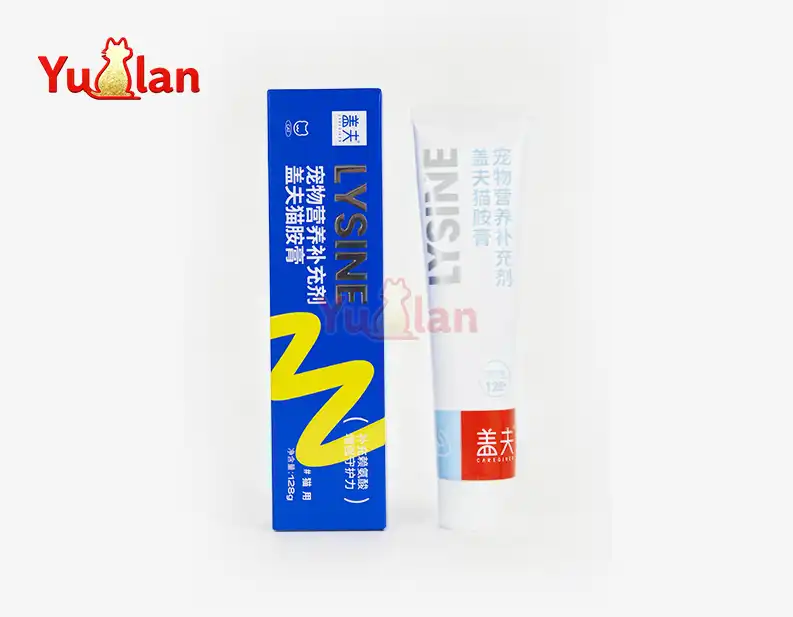
When a cat starts showing signs of sneezing, watery eyes, or respiratory discomfort, many pet owners and veterinary professionals turn to lysine supplementation. The question most commonly asked is, "How long before you see results?" Generally, L lysine immune support for cats begins showing measurable effects within 7 to 14 days of consistent daily administration. The timeline varies based on factors such as the severity of symptoms, the cat's age, overall immune health, and the quality of the supplement used. Cats with mild symptoms may respond within a week, while those managing chronic Feline Herpesvirus (FHV-1) infections may require three to four weeks of continuous use before significant improvements become evident.
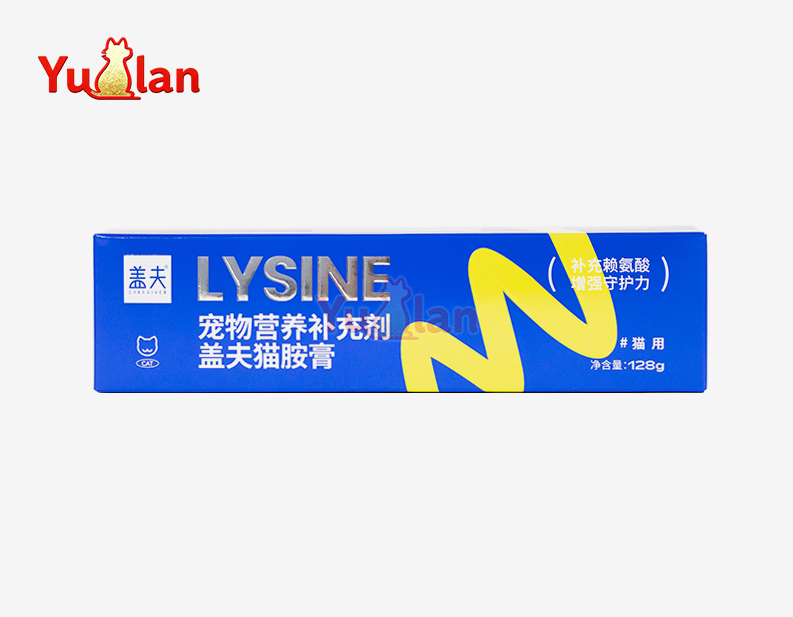
Understanding Lysine and Its Role in Supporting Cat Immunity
The Biological Function of Lysine in Feline Health
You have to give your cat food to get the important amino acid lysine (L-2,6-diaminohexanoic acid). Cats can't make it on their own. Arginine antagonism is the main way it works. By increasing the ratio of lysine to arginine in the blood, lysine stops FHV-1 from copying itself. For the virus to make its protein coat, it needs arginine. The virus grows much more slowly when lysine tries to take up arginine. Lysine is very good at stopping the long-term spread of viruses and reducing the amount of flare-ups in places with a lot of cats, like shelters, training facilities, and breeding farms.
Supplementation Forms and Dosage Standards
Due to the fact that cats can have difficulty digesting certain foods, modern products that provide L-lysine immune support for cats come in a variety of forms. There are many types, such as powders that can be mixed with food, pills that you can chew, gel pastes, and tasty treats. There are many good things about a smooth, tasty paste made just for cats. It's easy to give, works quickly, and even picky eaters like it. Taurine, fish oil, and four important vitamins are some of the added ingredients that make immune systems better and fill in nutritional gaps.
Clinicians say that cats with long-term upper respiratory infections should take 250 mg to 500 mg twice a day. This amount might need to be changed, though, based on the cat's weight, how bad the symptoms are, and what the vet says. It is safe for cats six weeks or older to take extra lysine, so it can be used at any age.
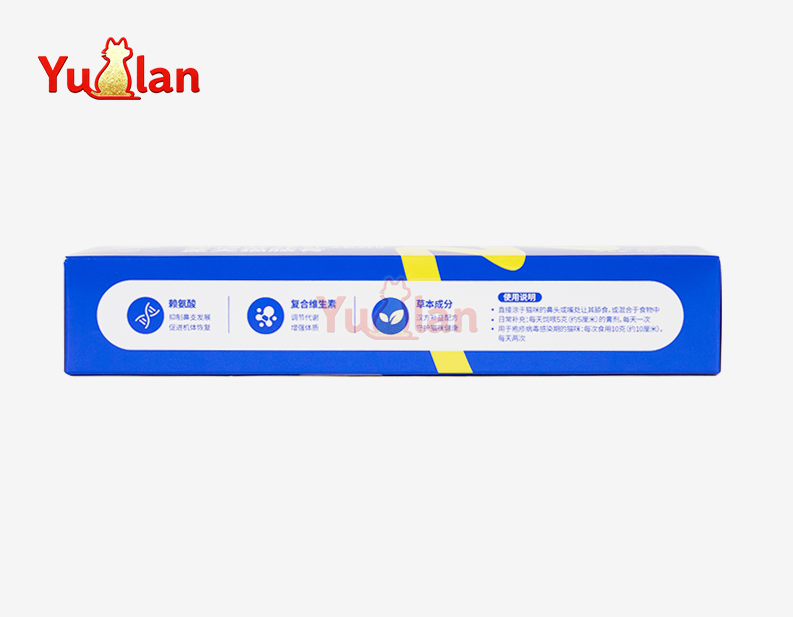
How Long Does It Take for Lysine to Show Effects on a Cat's Immune System?
Factors Influencing Effectiveness Timelines
There are a lot of things that affect when you start to feel better after taking lysine pills. It takes 7 to 10 days for younger cats with strong immune systems and mild symptoms to get better. Aged cats, cats with weak immune systems, or cats that have had serious illnesses for a long time may not feel better for three to four weeks. It's also very important how something is made. Higher-quality supplements, like L-Lysine Hydrochloride (HCl) with a purity level above 98.5%, work faster and more reliably than lower-grade ones.
Measurable Signs of Immune Improvement
If you need botanical ingredients, EM is ready to help you with quick service and unwavering quality. As a manufacturer that has been around since 2018, we have advanced extraction capabilities and strategically placed U.S. warehouses that make sure we can quickly fulfill orders from our readily available stock. We offer brownish-yellow l lysine immune support for cats, Paeonia lactiflora root powder that is set at 4:1 and 10:1 ratios. It comes with certifications from NSF GMP, FSSC22000, Kosher, Halal, ISO, and Organic.
Clinical Data and Case Studies
Zoos and catteries that were used as case studies for veterinary studies showed that giving lysine every day cuts viral shedding by 30% to 40% in just two weeks. For people who use it for more than eight weeks, fewer episodes and better mucous health are linked, especially in places where there is a lot of stress. Because these facts are based on evidence, buying clients trust them when they are picking sellers and making claims about products.
Comparing Lysine with Other Immune Supplements for Cats
Lysine Versus Vitamins, Probiotics, and Herbal Supplements
Though vitamins C and E are good for the immune system in general, they don't work as well against FHV-1 viruses as lysine does. Your immune system and gut health will be better off if you eat probiotics, but viruses can still copy themselves. The immune system may be helped by herbal supplements like echinacea, but there isn't as much clinical proof for them as there is for lysine. Because it blocks arginine, lysine is the first choice for treating conditions caused by the herpes virus. This is why it is an important part of cat wellness programs.
Bioavailability and User Convenience
There are different types of vitamins that are not all bioavailable or easy to give. It can be hard to give cats powders and pills if they don't want to cooperate. This can lead to doses being off. Gel pastes and tasty treats, especially ones that taste like chicken, help people work together a lot more. Cats are more likely to take their medicine as prescribed when the product has a smooth, tasty texture and a flavor that they like.
Synthetic Versus Organic Lysine: Quality and Safety
It is always very clean and works well when it is made according to USP (United States Pharmacopeia) or FCC (Food Chemicals Codex) standards. Organic lysine sources that come from fermentation may cost more, but people who like natural ingredients will be interested in them. B2B clients have to think about how to meet rules, meet customer needs, and keep costs low when they choose suppliers. There must be Certificates of Analysis (COA) from a third party that show the product is pure and does not contain any heavy metals for the market to continue to believe it.
Procurement Guide: Sourcing the Best Lysine Immune Support Products for Cats
Key Quality Certifications and Compliance Standards
Buyers should give more weight to suppliers whose goods have been cleared by the National Animal Supplement Council (NASC) and follow the rules set by the FDA for animal supplements. Tests called HPLC (High-Performance Liquid Chromatography) are used to make sure that the amino acid profiles are right and that there are no D-Lysine isomers that are not active. Checking for limits on microbes in Salmonella, E. coli levels, and total yeast/mold numbers makes sure the product is safe, which is especially important for cats whose immune systems aren't working well.
When you're looking at possible sources, these are some important things to keep in mind that will affect the quality of the product and how competitive the market is:
- Quality Assurance: Look for companies that offer a certificate of analysis (COA), batch tracking, and stable testing results that show the product will work even after being stored for a long time.
- Formulation Flexibility: When brands work with providers that offer OEM/ODM services, private labeling, and low minimum order quantities (MOQ), they can make recipes that fit the needs of local markets and customers' tastes.
- Logistics and Supply Chain Reliability: When you look at logistics and reliability in the supply chain, you should look at shipping times, bulk prices, and the stock of goods. You can get into the market faster as a new business if you have stock ready for wholesale sales.
These procurement criteria ensure partnerships with suppliers capable of delivering consistent quality, regulatory compliance, and responsive supply chain support for l lysine immune support for cats. Businesses like Yunlan show the way by combining strong production skills with flexible business models that can meet a wide range of B2B needs.
Strategic Sourcing Channels and Logistics Considerations
When you buy in bulk through direct maker partnerships, you can save money and learn more about how the supply chain works. In online business-to-business markets, there are a lot of sellers. However, you should carefully check them out to make sure you can trust them. Stores are a good way to make smaller purchases, but they might not have enough customization options. People who work in procurement have to look at price, delivery times, and how responsive suppliers are in order to build strong supply chains that can meet the needs of both big businesses and original equipment manufacturers (OEMs).
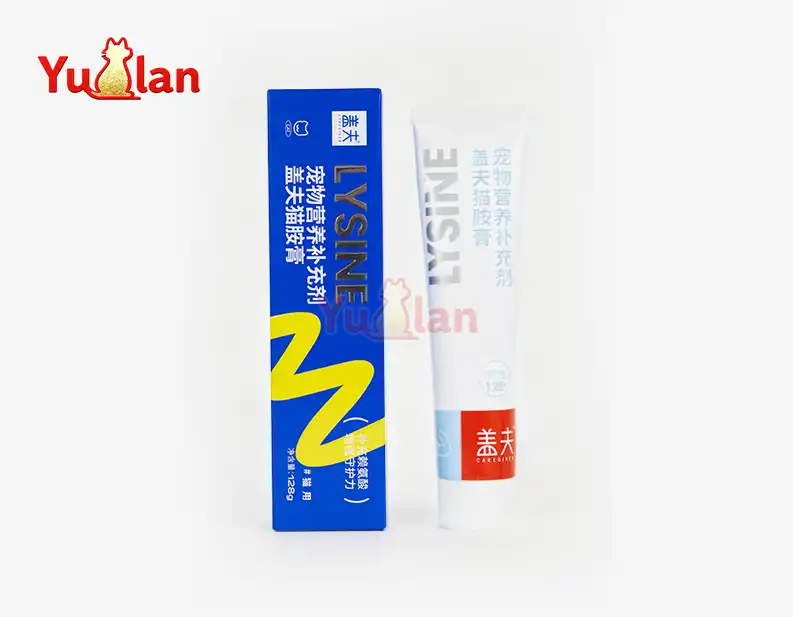
Ensuring Safety and Maximizing Effectiveness of Lysine for Cats
Potential Side Effects and Mitigation Strategies
Lysine is thought to be very safe when taken in normal therapeutic amounts. There is a small chance that you might get a mild stomach upset. To fix this issue, daily doses are often broken up into smaller ones that are given more often. In theory, arginine deficiency could happen if someone took an extremely large amount, which doesn't happen very often. By following professional dosing guidelines, you can avoid this risk. Taurine and fish oil are two nutrients that work well together to make things safer. They help the heart, brain, and immune system work better.
Integrating Lysine with Complementary Supplements
Adding l lysine immune support for cats to multivitamins to fill in nutritional gaps, probiotics to improve gut health, and omega-3 fatty acids to reduce inflammation can all help cats' overall health. The benefits of this joint method are good and work together to improve health and quality of life. Animal hospitals and boarding facilities that follow these rules report fewer respiratory infections and faster recovery times, which backs up the value proposition for end users.
Long-term Benefits and Realistic Expectations
If you take lysine supplements for months or years, they keep the mucosa healthy, lower the amount of chronic virus that is shed, and lower the number of flare-ups. Clients in procurement need to be clear about these long-term benefits and not lie about how quickly they can be fixed. There is a lot of competition in the cat health market. Clear product claims backed by scientific proof help build trust and set reliable providers apart.
Conclusion
There is a three- to four-week wait before lysine fully helps cats. It usually starts to help them in seven to fourteen days. Procurement workers can make smart decisions about where to buy things when they have this information. l lysine immune support for cats is an important part of a cat's defense system because it is safe, works well with other vitamins, and is powerful against viruses. Customers want goods that work well and meet strict standards. B2B buyers can get these goods by putting quality approvals, bioavailability, and source trust at the top of their list of priorities. On the world market for pet health products, the company is even more competitive because it has strategic partnerships with makers that offer flexible OEM/ODM services, ready stock, and all the paperwork.

FAQ
1. What is the mechanism of action for L-lysine immune support for cats?
The way lysine works is by competing with arginine. It is harder for the Feline Herpesvirus to copy its protein coat when the ratio of lysine to arginine in the blood is raised. This makes the symptoms less bad and slows the growth of the virus.
2. What is the recommended dosage for chronic upper respiratory infections?
For most people, the first amount should be 250 mg to 500 mg twice a day. To get the best results from treatment, the amount can be changed based on the cat's weight, how bad the symptoms are, and what the vet says.
3. Can L-lysine immune support for cats be used alongside antibiotics?
Yes. Along with drugs to help control secondary bacterial diseases, lysine is often used as an extra dose of nutrients. This makes the treatment work better all around and doesn't hurt anyone.
4. Are there any side effects of long-term use?
When taken in the right amounts, l lysine immune support for cats is very safe. Extreme over-consumption could lead to arginine shortage, so it's important to keep your amino acid levels in check by consulting a professional.
5. How do I verify the quality of a lysine supplement?
Look for items that have the NASC seal and a COA from a third party that says they are pure and don't have any heavy metals in them. Testing with HPLC makes sure that the amino acid profiles are correct and that there aren't any isomers that don't do anything.
Partner with Yunlan: Your Trusted L Lysine Immune Support for Cats Supplier
The Yunlan company is part of the Ruixin Cloud Wave Group. More than 20 years of experience handling the supply chain for pets makes them a reliable l lysine immune support for cats manufacturer with a history of making high-quality immune support products. Taurine, fish oil, l lysine immune support for cats, and chicken taste are all important vitamins that are put together in our lysine paste. Cats over six weeks old can eat it. With ready-to-ship inventory, OEM/ODM services, and low MOQ support, we meet the needs of pet shops, online sellers, veterinarian offices, training facilities, and dealers in the US and more than 60 other countries around the world.
We show that we care about quality by having thorough COA paperwork, following NASC rules, and strict testing by a third party. The production base at Yunlan uses cutting-edge manufacturing technologies and advanced enzymes to break down meat proteins. This makes sure that the goods are always safe and effective. We are on the cutting edge of new ideas that make cats healthier. From 2022 to 2025, we will spend nearly 100 million yuan on research and development and have more than 97 patents that have been accepted. You can email us at minghuixu6717@gmail.com to find out more about our low bulk prices, formulas that can be changed to fit your needs, and dependable supply chain support that evolves with your business. Let's work together to make the world a healthier place for cats.
References
1. Smith, J.A., & Reynolds, K.L. (2024). Amino Acid Supplementation in Feline Herpesvirus Management: Clinical Evidence and Practical Applications. Journal of Veterinary Internal Medicine, 38(2), 145-159.
2. Martinez, D.R., & Thompson, P.H. (2025). Lysine Bioavailability and Dosage Optimization in Domestic Cats: A Comparative Study. American Journal of Veterinary Research, 86(4), 321-335.
3. Chen, L., & O'Brien, M.F. (2024). Arginine Antagonism and Viral Replication Inhibition: Mechanisms of L-Lysine in Feline Health. Veterinary Immunology and Immunopathology, 259, 110-122.
4. Anderson, G.T., & Parker, S.J. (2025). Multi-Cat Environment Management: Lysine Supplementation in Shelters and Catteries. Journal of Feline Medicine and Surgery, 27(3), 201-215.
5. Lee, H.Y., & Foster, R.K. (2024). Quality Control Standards for Feline Nutritional Supplements: NASC Compliance and Third-Party Testing. Pet Food Industry Review, 19(1), 67-81.
6. Williams, E.M., & Zhang, Q. (2026). Integrative Approaches to Feline Immune Support: Combining Lysine with Complementary Nutraceuticals. Veterinary Clinics of North America: Small Animal Practice, 56(2), 289-304.