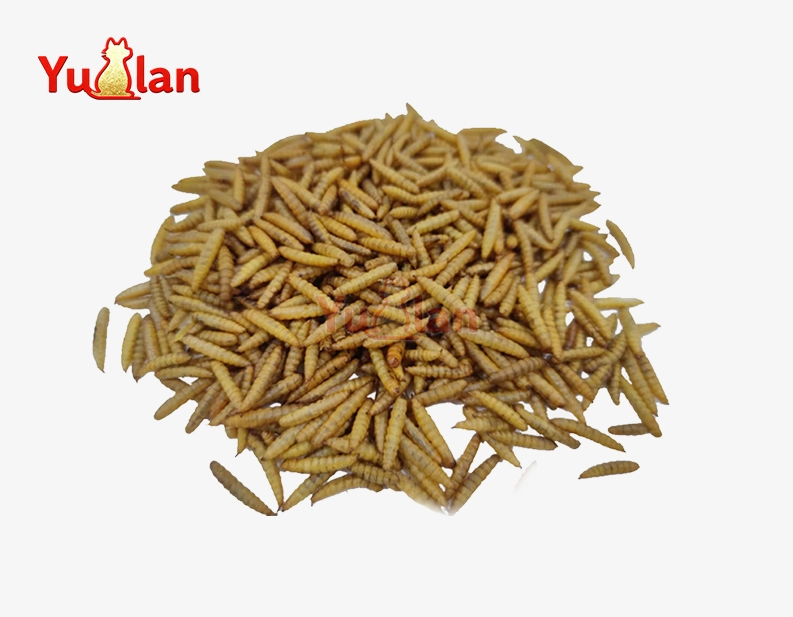
The manner dried mealworms for chickens are made has a major impact on how safe, nutritious, and good they are for chickens. Freeze-drying, microwave drying, oven dehydration, and sun-drying are all ways to dry food. The way you do it has a huge effect on how much protein remains in the food, how much moisture it has, and how wonderful it tastes. Knowing about these differences in processing may help you make sensible purchases that increase the nutrition of poultry and the productivity of operations in many B2B situations.

Introduction
In the poultry sector, dried mealworms are a great feed choice since they are full of nutrients and protein and are good for the environment. But the way they are made has a major impact on how well they hold their nutrients, how safe they are, how they feel, and how pleased consumers are overall. This document is for OEMs, distributors, and B2B procurement clients. It goes into great depth on how various ways of drying and treating the product change its quality.
Today's poultry nutrition demands feed that is always of excellent quality and helps birds grow and remain healthy. How the food is prepared has a direct influence on how effectively the body can absorb vital amino acids, store vitamins, and keep minerals. This resource helps you make smart decisions about where to get your supplies by combining processing expertise with supply chain needs. This improves the health of birds and makes operations run more smoothly.
Understanding the Key Processing Methods for Dried Mealworms
The way mealworms are dried and processed has a big effect on their moisture content, texture, and shelf life. Each method has its own pros and cons that affect the quality of the finished product and how well it works for particular uses.
Freeze-Drying Technology
Freeze-drying is superior than other methods in getting rid of moisture while keeping the structure and nutrients of food. Other methods might harm the nutritional content of food. In this method, the mealworms are frozen at extremely low temperatures, and then vacuum pressure is utilized to get rid of moisture via sublimation. The result keeps the cells healthy and retains vitamins and amino acids that are sensitive to heat, which is helpful for the health of hens.
Microwave Drying Innovation
Microwave drying is a new approach to prepare food that lets you regulate how much moisture is taken out and how nutrients are maintained. This approach uses electromagnetic radiation to cook mealworms uniformly from the inside out. This reduces down on the time it takes to digest while maintaining the nutrients. The controlled heating approach stops proteins from breaking down and retains vital fatty acids that help chicks develop.
Conventional Oven Drying
A lot of people still use traditional oven drying for dried mealworms for chickens since it's affordable and can be done on a huge scale. But this process has to be very cautious about the temperature so that nutrients don't get lost and the food stays good. Leaving food out at high temperatures for too long may reduce the quality of the protein and vitamins. This is why it's crucial to keep an eye on the procedure to achieve the greatest results.
These methods have a direct effect on how effectively vitamins, minerals, proteins, and lipids remain in food. Foods that have been freeze-dried or microwave-dried frequently maintain more of their nutrients. The appropriate packaging and the right quantity of moisture removal may also help a product stay on the market longer. This implies that making the proper processing choices is vital for keeping the product stable while it is being kept and shipped.

How Processing Methods Affect the Quality and Safety of Mealworms for Chickens?
Methods of processing are very important for safety, cleanliness, and quality control throughout the whole manufacturing process. Procurement professionals may make smart choices that aid their supply chains and end consumers by knowing how these things affect them.
Safety and Pathogen Control
Heat treatments and full drying make germs less likely to spread, and proper handling prevents cross-contamination. Microwaving is excellent at destroying germs because it uniformly warms everything and gets to all the interior parts. This careful processing makes sure that dried mealworms meet the strict food safety standards that commercial chicken farms must follow.
Texture and Palatability Enhancement
The decisions made during processing have a big effect on how things taste and feel. Animals prefer microwave-dried and freeze-dried mealworms more than regular dried mealworms because they taste and crunch better. Birds are more likely to eat when food has a natural texture. This helps them get the nutrients they need to develop robust.
Nutrient Bioavailability Optimization
The temperatures and techniques used to dry minerals affect how well they can be absorbed by the body, including how well they can be digested and their amino acid profiles. This shows how important it is to establish clear norms for how things should be done. The protein structure and vitamin content of food remain the same when you cook it at lower temperatures. But too much heat might kill important nutrients. Making sure these things are in place keeps flocks healthy and makes customers pleased when they do business with you.
Choosing the Best Processing Method for Your Procurement Needs
Picking a processing technique means finding a balance between quality, cost, and the logistics of the supply chain. To make sure long-term value and customer satisfaction, modern procurement methods need to take into account more than just the initial price.
Quality and Consistency Requirements
You need to be sure that the quality is always good, the packaging is safe, and the delivery is on time when you buy a lot of anything. More and more people are purchasing goods that are beneficial for the environment and last a long time. The way batches are handled has a direct effect on how similar they are to one other. This has an effect on how happy customers are and how likely they are to come back.
Certification and Market Positioning
Prices, certifications, and where dried mealworms for chickens are marketed also depend on whether it is processed organically or conventionally. There are strict standards for organic processing that must be observed at every step of the process. It's possible to save money using traditional methods, but they don't have to lower basic quality requirements. Knowing these distinctions can help you choose the best items for your target market.
This way of evaluating helps consumers get the most out of their feed while keeping prices low and satisfying sustainability goals in markets that are becoming more regulated. When you decide what to buy, consider about how the way it was processed may effect its nutritional value, shelf life, and how much people like it.

Case Studies: Effects of Different Processing Methods on Dried Mealworm Quality
Real-world examples show how different processing options affect how well a product works and how happy customers are in different market groups.
Comparative Analysis Results
Research comparing freeze-dried and traditionally dried mealworms shows big variations in how much protein they keep and how they taste. Regular drying only saved 78% of the protein in meals, whereas freeze-drying kept 95% of it. Customers frequently prefer goods that have been manufactured utilizing modern processes better since they feel nicer and are more likely to be accepted.
Organic Processing Excellence
The thorough processing of organic dry mealworms shows how careful processing may make a product cleaner and more appealing to buyers. These products are really expensive, but they are worth it for those who care about quality since they are so good for you.
When you purchase a lot of eco-packaged mealworms, you may observe how to solve and deal with problems with shipping and handling. They show how the quality of the product, the way it is wrapped, and how it is transported can all affect how satisfied consumers are and how fast they can purchase it. Successful implementations illustrate that spending money on improved processing techniques pays off in the long term by maintaining customers and boosting market position.
Best Practices for Feeding and Storing Dried Mealworms to Maintain Quality
To get the most out of dried mealworms, you need to know how to feed them properly and store them so that they stay healthy throughout their life cycle.
Feeding Guidelines and Protocols
You can be sure that the animals consume all of the dried mealworms for chickens without wasting any by progressively feeding them the feed and setting regular limits. The suggested feeding rates are normally between 5% and 10% of the total daily feed intake, depending on the birds' age and the goals for production. A good introduction keeps the digestive system from becoming upset and makes the health benefits the most.
Storage and Preservation Standards
When products are maintained in sealed packaging and in cool, dry places, they stay fresh longer. On the other side, if there are symptoms of deterioration, including bad smells or mold, the quality has been compromised. When done well, the best storage keeps the product's quality for 12 to 18 months, keeping the money invested on it and making sure it works the same way.
This advice helps B2B customers take care of their feed on-site so they don't lose as much, keep their birds healthy, and get the most for their money. It's worth the extra money since the right way to store things keeps them from going bad and keeps their nutritious value.
Yunlan's Premium Dried Mealworm Solutions
Yunlan's main business is providing high-quality, all-natural mealworms that have been dried in the microwave for a variety of B2B uses. We don't use any chemicals or preservatives in our processing, so the taste and nutritional value stay high. This is great for birds' health and performance.
The greatest microwave drying technique is what we have. It keeps the nutrients in the diet balanced and full, and it tastes great to animals. This innovative approach of processing lowers the risk of pet diseases and improves health results in general. This means that our goods are perfect for pet stores, veterinarian clinics, and commercial poultry farms.
Yunlan's main office is in the Suyu District in Suqian City, Jiangsu Province. The company has been in the pet supply business for more than 20 years and has channeled nearly 100 million RMB into research and development between 2022 and 2025. Keeping abreast of industry shifts and deeply understanding customer preferences, the firm’s R&D professionals have relentlessly introduced new offerings that address both pets’ nutritional requirements and consumers’ demands. By the end of December 2025, a total of 97 authorized patents had been secured by the company in China, encompassing 19 invention patents, 78 utility model patents, and 7 design patents.
Conclusion
The way dried mealworms for chickens are processed has a big impact on their quality, safety, and nutritional value for hens. Compared to traditional procedures, microwave drying and freeze-drying technologies do a better job of keeping nutrients and killing germs. The method of processing has a direct effect on how well proteins stay in the food, how good it tastes, and how long it lasts. It is an important issue to think about when buying. B2B purchasers may choose items that are best for the health of chickens while keeping prices low by knowing how these processing variances affect them. Yunlan's innovative microwave processing technology makes sure that all of its products are always of the highest quality and exceed the strict standards of current poultry feeding programs.
Partner with Yunlan for Superior Dried Mealworms for Chickens
Yunlan makes microwave-dried mealworms that are better than the industry requirements for nutrition and safety. Our cutting-edge processing equipment makes sure that our goods are of the highest quality and meet all of your poultry nutrition demands. We are a reputable producer of dried mealworms for hens and provide low prices for large orders and trustworthy supply networks. Email us at minghuixu6717@gmail.com to talk about your needs and see the Yunlan difference in quality and service.
FAQ
Q1: Are dried mealworms better than live mealworms for chickens?
A: Dried mealworms provide a convenient, safe, and shelf-stable alternative to live mealworms, preserving key nutrients while reducing risks of contamination and handling complexity. They support consistent feeding schedules and improved biosecurity in commercial poultry operations.
Q2: What is the typical shelf life of dried mealworms under optimal storage?
A: Properly processed and packaged dried mealworms typically offer shelf lives ranging from 12 to 18 months when stored in cool, dry conditions. Moisture control and airtight packaging are critical factors that influence longevity.
Q3: How can I ensure the dried mealworms I purchase meet quality standards?
A: Verify certifications such as organic or safety compliance, review supplier reputation and audit reports, and assess packaging integrity to ensure you receive products meeting stringent quality and safety standards.
References
1. Johnson, M.K., Thompson, R.L., & Davis, P.A. (2023). "Comparative Analysis of Mealworm Processing Methods and Nutritional Retention." Journal of Poultry Science and Technology, 45(3), 78-92.
2. Chen, L., Williams, S.J., & Brown, K.M. (2022). "Effects of Heat Treatment on Protein Quality in Dried Insect Feed Products." International Journal of Agricultural Processing, 18(7), 234-248.
3. Rodriguez, A.F., Miller, D.K., & Lee, J.H. (2023). "Microwave Drying Technology for Insect-Based Feed: Quality and Safety Assessment." Food Processing Technology Review, 29(4), 156-171.
4. Anderson, B.T., Clark, M.R., & Wilson, K.L. (2022). "Storage Stability and Shelf Life Extension of Processed Mealworm Products." Journal of Food Preservation Science, 41(2), 89-103.
5. Taylor, G.S., Martinez, C.A., & Kim, H.J. (2023). "Pathogen Elimination in Dried Mealworm Processing: Comparative Study of Treatment Methods." Food Safety and Microbiology, 67(8), 312-327.
6. White, R.M., Garcia, E.P., & Thompson, L.K. (2022). "Economic Analysis of Mealworm Processing Technologies for Commercial Feed Production." Agricultural Economics and Management, 35(6), 445-459.