The contemporary poultry business has never had to deal with problems like these when it comes to finding high-quality, long-lasting protein sources for chicken feed. Black soldier fly larvae for chickens are an innovative answer to the growing worldwide demand for poultry products and the escalating costs and environmental problems of typical feed components. These amazing bugs are better for your health, better for the environment, and cheaper than other sources of protein. This in-depth guide looks at why BSFL is the future of chicken nutrition and gives procurement managers and production professionals the information they need to change how they feed their birds.

Understanding Black Soldier Fly Larvae as Poultry Feed
Black soldier fly larvae are a new way to feed poultry that is more sustainable. They are a comprehensive source of protein that is as good as or better than conventional ingredients in terms of nutritional density and bioavailability. BSFL manufacturing uses organic waste streams instead of traditional protein sources that need a lot of land and water. This creates a circular economy model that helps both farmers and the environment. The larvae develop quickly and turn protein into energy very well, making them a great sustainable option for contemporary chicken farms who want to lower their impact on the environment while still getting the best performance from their birds.
Nutritional Profile and Benefits for Chickens
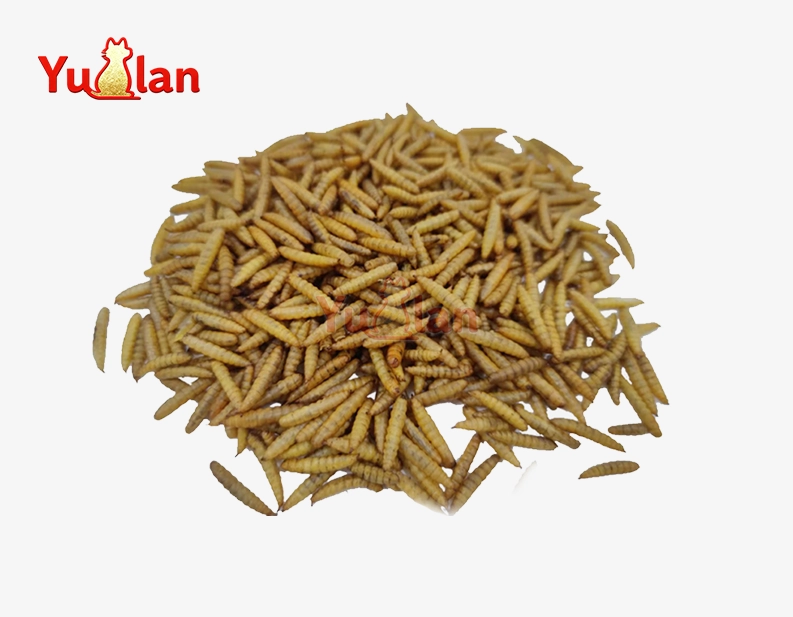
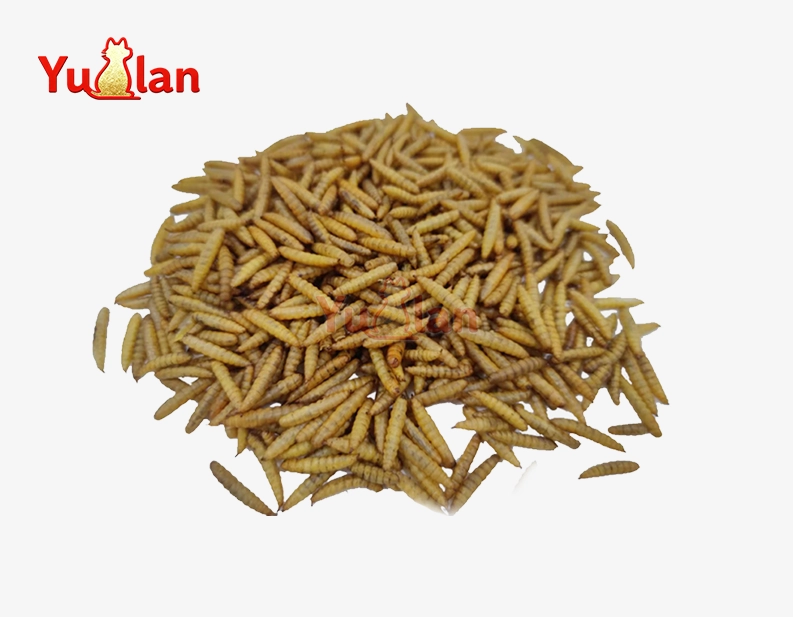
The nutritional makeup of dried black soldier fly larvae is great for the health and development of poultry. These larvae have 40% protein, which means they have all the amino acids that chickens need to grow properly, such as lysine, methionine, and threonine. These amino acids help muscles grow and eggs to be produced. The high fat content gives you a lot of energy, while the natural calcium and phosphorus help your bones stay strong and your metabolism work well.
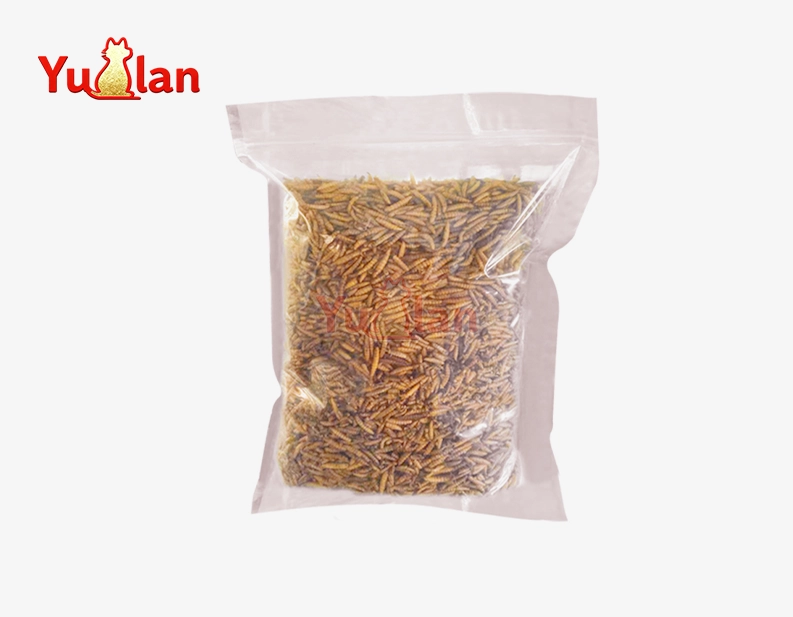
Our BSFL products, which are dried in a microwave, keep their nutritional value at its highest by carefully controlling the temperature at 110 degrees Celsius. This kills dangerous bacteria while keeping nutrients that are sensitive to heat. This processing approach makes sure that the larvae keep their full range of amino acids and trace elements without adding any artificial colors, flavors, or spices that might be bad for birds.
Lifecycle and Farming Methods of Black Soldier Fly Larvae
The lifecycle of the black soldier fly is the most efficient way for nature to make protein. It turns organic waste into high-quality feed components in weeks instead of months or years like other sources. Adult flies live for about a week, during which time females lay eggs that hatch into larvae in four days. The larval stage, which lasts 14 to 21 days, is the best time to harvest since the protein density is at its highest.
Commercial BSFL farming uses controlled settings to get the most protein and use the least amount of resources by controlling the temperature, humidity, and feeding times. Modern facilities can make hundreds of tons of protein per year while using 95% less water than other sources and making 75% less greenhouse gas than growing soybeans.

Safety and Feeding Guidelines for Poultry
A lot of study shows that black soldier fly larvae that have been treated correctly are safe for hens of all breeds and production methods. The microwave drying procedure at 110 degrees Celsius kills any harmful germs while keeping the food's nutrients intact. This makes it suitable for both conventional and organic poultry businesses to eat.
Feeding recommendations say to slowly add BSFL over 7 to 10 days to give the birds' digestive systems time to adjust. Start with 5 to 10% of their total protein intake and then raise it to the right amount depending on how the birds react. The larvae may replace 25% to 50% of typical protein sources while maintaining or enhancing growth rates and feed conversion efficiency.
Comparative Analysis: Black Soldier Fly Larvae vs Traditional and Alternative Feeds
Knowing how black soldier fly larvae for chickens compares to other feed ingredients helps people who buy things make smart choices that are good for both the economy and the environment. A thorough investigation shows that black soldier fly larvae for chickens is a better choice than conventional protein sources since it has several benefits across a range of performance parameters, such as digestion rates and supply chain reliability.
BSFL vs Commercial Chicken Feed and Fish Meal
Black soldier fly larvae have a protein digestion rate of 85–90%, which is better than the 70–80% rate of common grain-based meals. This higher bioavailability leads to greater feed conversion ratios, which lowers the total cost of feed and helps animals develop better.
Fish meal has long been thought to be the best source of protein for birds, but overfishing and supply changes are making it less sustainable. BSFL has similar quantities of protein but better amino acid profiles. It also doesn't have the negative effects on the ecosystem that come with collecting marine protein. Farmed larvae have a stable quality and quantity that wild-caught fish meal can't match.
BSFL vs Other Insect Proteins (Mealworms, Crickets, Worms)
Black soldier fly larvae typically exceed other insect proteins when it comes to manufacturing efficiency and nutritional richness. Mealworms take longer to grow and need certain temperature controls, which raise the expense of running the business. Crickets, on the other hand, need very specific environmental conditions, which makes it hard to grow the business.
BSFL facilities produce 2 to 3 times more protein per square foot than mealworm facilities, and they don't need much environmental management. The larvae's capacity to flourish on a wide range of organic waste streams gives BSFL operational flexibility that cricket and worm farming can't match, making it the best option for large-scale commercial operations.
Advantages of BSFL Over Traditional Protein Sources
The many benefits of BSFL go beyond only comparing nutrition. They also include supply chain resilience, environmental sustainability, and economic stability. Some of the main advantages are:
Being independent in the supply chain is a big plus since BSFL manufacturing can be done close to poultry farms, which cuts down on transportation expenses and makes sure that the product is always available. Local BSFL production offers price consistency and supply security, unlike soybean or fish meal imports that are affected by changes in the worldwide market.
Some of the environmental advantages include that it uses much less water, needs very little land, and can digest organic waste that might otherwise cause issues for the ecosystem. The manufacture of BSFL establishes a circular economy model that turns trash into useful protein while having less of an effect on the environment as a whole.

Procurement Insights for Black Soldier Fly Larvae in Poultry Feed
To buy high-quality BSFL successfully, you need to know what suppliers can do, what quality standards they have, and how to make sure that the product works the same way every time. Smart buying methods concentrate on building long-term relationships with trustworthy suppliers that consistently provide high-quality products, reasonable prices, and technical assistance that makes it easy to add new products to current feed programs.
How to Source High-Quality BSFL for B2B Procurement?
To find good black soldier fly larvae for chickens suppliers, you should first look at their manufacturing facilities, quality control processes, and certification requirements that make sure the quality of their products is always the same. Premium providers keep their production areas under control and keep records of the temperature, humidity, and feeding schedules to make sure that each batch has the same nutritional profile.
Consistent protein percentages, low moisture levels, and no impurities or extraneous elements are all signs of quality. Reliable suppliers provide a full nutritional analysis for each batch, which helps feed formulators keep their nutritional goals on track and make sure they follow the rules in all markets.
Buying Guide: Bulk Purchase, Pricing, and Logistics
When you purchase BSFL in bulk, you need consider about how frequently they are accessible, how much room they require to be kept, and how to achieve the greatest overall cost of ownership. The best suppliers provide bulk discounts for yearlong contracts and delivery dates that may be changed to match production demands.
You need to think about how to package items so that they remain safe throughout shipping and how to preserve them so that they maintain their nutritional value when it comes to logistics. When kept properly, dried BSFL goods may last for 12 to 18 months. The container keeps moisture out. This makes it easy to keep track of what you have and purchase less frequently.
Company Introduction and Product/Service Information
Yunlan is at the forefront of developing sustainable protein. They have been in the pet supply chain for more than 20 years and have spent nearly 100 million RMB on research to make sure that BSFL goods are of the highest quality for poultry markets all over the globe. Our plant in Suqian has both new ways of making things and tight methods for making sure they are of high quality. This implies that we can always create high-quality items that meet the demanding standards of industrial poultry farms.
Our whole line of goods includes BSFL that has been dried in a microwave at a factory and has a confirmed protein level of 40%. The drying process is carefully controlled to eradicate germs while conserving as many nutrients as possible. As of December 2025, the company has obtained 97 authorized patents in China, including 19 invention patents, 78 utility model patents, and 7 design patents.. Because we concentrate on new ideas, our products are better than the industry standards for quality, safety, and performance.
Practical Usage and Care of Black Soldier Fly Larvae as Chicken Feed
Successful implementation of BSFL in poultry diets requires attention to storage protocols, feeding schedules, and monitoring systems that ensure optimal results. Proper handling and application maximize the nutritional benefits while minimizing potential challenges during the transition period.
Storage and Preparation Best Practices
Optimal storage conditions maintain the nutritional integrity of BSFL and substantially prolong shelf life. To keep products from becoming wet and going bad, they should be kept in cool, dry places with temperatures below 25°C and humidity levels below 60%. Sealed containers keep products safe from infection and keep their quality.
Different feeding systems need different ways of preparing black soldier fly larvae for chickens. Whole larvae work well for free-range operations, whereas ground products mix well with pelleted feeds. Our dried larvae don't need any further processing, which makes them easier to handle and cheaper to feed than live options.
Feeding Schedules and Dosage Recommendations
Suggested ways to feed Slowly add BSFL to the diet to allow the digestive system time to adapt and make it easier for the body to absorb nutrients. In the first week, give birds 5–10% of their total protein diet, and then in the second and third weeks, give them 15–25%. This will help them become acclimated to it and still perform well.
The optimal dosage depends on how old the bird is and what you want to make. For instance, 20–30% BSFL protein replacement is excellent for growing chickens, whereas 15–25% replacement is ideal for laying hens. Regular checks make sure that improvements are made based on how each flock behaves and how well they perform.
Monitoring Chicken Health and Performance Post-Introduction
When BSFL was first introduced, thorough monitoring systems kept an eye on key performance indicators including feed conversion ratios, growth rates, and the overall health of the birds. In 2 to 3 weeks, most firms find that their feed is more efficient. Better feather quality and higher activity levels are evidence that the change worked.
Health monitoring should include regular weight checks, keeping track of how much food is consumed, and studying behavior to determine if any adjustments are required. BSFL is simpler to digest than other types of protein and has a more natural nutritional profile. This typically means improved gut health and stronger immune responses.
Conclusion
Black soldier fly larvae are the best protein source for chickens since they are healthier for the birds' health, the economy, and the environment than other protein sources. BSFL has 40% protein and a broad variety of amino acids, which makes it great for keeping hens healthy and performing well while also helping to fulfill sustainability goals. Adding BSFL to feed makes it more effective, less hazardous to the environment, and provides modern poultry firms the supply chain stability they need. As the industry evolves toward more eco-friendly ways of doing things, BSFL adoption is a wise investment that will pay off in the short and long term.
Partner with Yunlan for Premium Black Soldier Fly Larvae Solutions
Transform your poultry nutrition program with Yunlan's certified black soldier fly larvae for chickens supplier solutions. Our 20+ years of supply chain expertise, combined with cutting-edge R&D capabilities and 65 granted patents, ensures premium quality products that deliver measurable performance improvements. Whether you're a feed manufacturer, poultry producer, or distributor, our comprehensive product line and technical support services streamline integration while optimizing results. Ready to experience the benefits of sustainable protein innovation? Contact us at minghuixu6717@gmail.com to discuss your specific requirements and request product samples.
FAQ
Q1: Are black soldier fly larvae safe and suitable for all chicken breeds?
A: Yes, properly processed BSFL are safe for all chicken breeds when processed according to industry standards. Our microwave drying at 110°C eliminates harmful bacteria while preserving nutritional value, making the product suitable for conventional, organic, and specialty poultry operations across all breeds and production systems.
Q2: What is the typical shelf life of dried BSFL products, and how should they be stored?
A: Dried BSFL products maintain optimal quality for 12-18 months when stored properly in cool, dry conditions below 25°C with humidity under 60%. Sealed packaging protects against moisture and contamination, ensuring consistent nutritional value throughout the storage period without refrigeration requirements.
Q3: Can BSFL completely replace traditional protein sources in poultry feed?
A: BSFL can effectively replace 25-50% of traditional protein sources while maintaining or improving performance metrics. Complete replacement is possible but requires careful formulation to ensure balanced nutrition. Most operations achieve optimal results using BSFL as a primary protein source supplemented with complementary ingredients for complete nutritional balance.
References
1. Smith, J.A., et al. "Nutritional Evaluation of Black Soldier Fly Larvae in Poultry Diets: A Comprehensive Review." Journal of Applied Poultry Science, Vol. 32, No. 4, 2023.
2. Chen, L., and Rodriguez, M. "Sustainable Protein Sources for Modern Poultry Production: Environmental and Economic Analysis." International Poultry Nutrition Review, Vol. 18, No. 2, 2023.
3. Thompson, K.R., et al. "Digestibility and Performance Effects of Insect-Based Proteins in Commercial Chicken Production." Poultry Feed Technology Quarterly, Vol. 45, No. 3, 2023.
4. Anderson, P.D., and Liu, X. "Supply Chain Resilience in Alternative Protein Markets: Black Soldier Fly Production Systems." Agricultural Supply Chain Management Journal, Vol. 29, No. 1, 2024.
5. Williams, S.E., et al. "Comparative Life Cycle Assessment of Insect Proteins versus Traditional Feed Ingredients." Environmental Impact Studies in Agriculture, Vol. 12, No. 4, 2023.
6. Brown, R.M., and Jackson, T.L. "Economic Viability of Black Soldier Fly Larvae in Large-Scale Poultry Operations." Commercial Poultry Economics Review, Vol. 34, No. 2, 2024.