- English
- French
- German
- Portuguese
- Spanish
- Russian
- Japanese
- Korean
- Arabic
- Irish
- Greek
- Turkish
- Italian
- Danish
- Romanian
- Indonesian
- Czech
- Afrikaans
- Swedish
- Polish
- Basque
- Catalan
- Esperanto
- Hindi
- Lao
- Albanian
- Amharic
- Armenian
- Azerbaijani
- Belarusian
- Bengali
- Bosnian
- Bulgarian
- Cebuano
- Chichewa
- Corsican
- Croatian
- Dutch
- Estonian
- Filipino
- Finnish
- Frisian
- Galician
- Georgian
- Gujarati
- Haitian
- Hausa
- Hawaiian
- Hebrew
- Hmong
- Hungarian
- Icelandic
- Igbo
- Javanese
- Kannada
- Kazakh
- Khmer
- Kurdish
- Kyrgyz
- Latin
- Latvian
- Lithuanian
- Luxembou..
- Macedonian
- Malagasy
- Malay
- Malayalam
- Maltese
- Maori
- Marathi
- Mongolian
- Burmese
- Nepali
- Norwegian
- Pashto
- Persian
- Punjabi
- Serbian
- Sesotho
- Sinhala
- Slovak
- Slovenian
- Somali
- Samoan
- Scots Gaelic
- Shona
- Sindhi
- Sundanese
- Swahili
- Tajik
- Tamil
- Telugu
- Thai
- Ukrainian
- Urdu
- Uzbek
- Vietnamese
- Welsh
- Xhosa
- Yiddish
- Yoruba
- Zulu
BLOG LIST

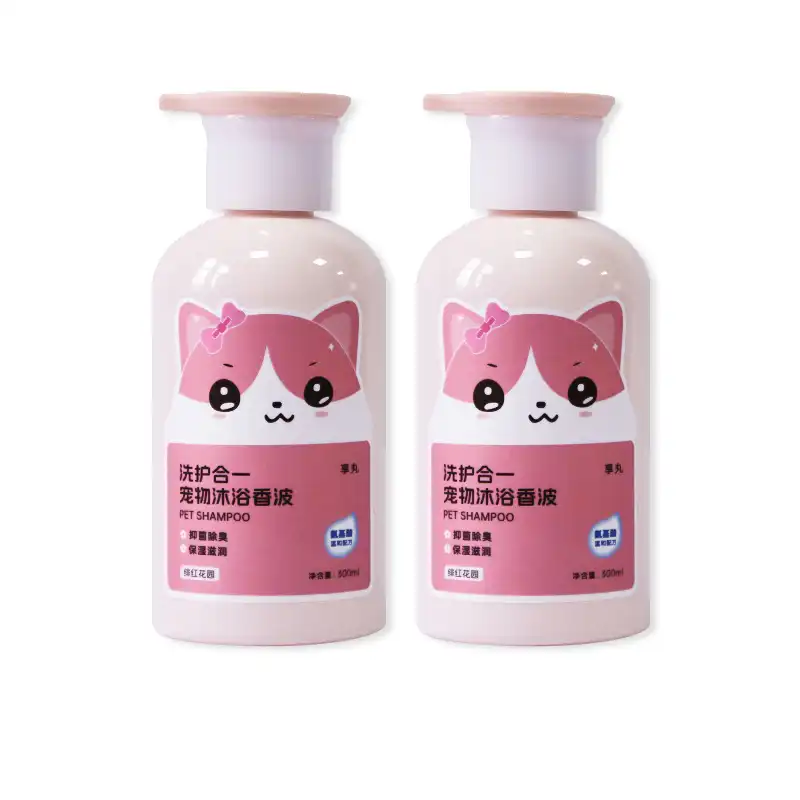
The best pet shampoo combines safe, effective cleansing with specialized formulations tailored to animal skin pH levels and specific needs. Premium products feature plant-based ingredients, tear-free formulas, and antibacterial properties while remaining gentle on sensitive skin. Top-tier options include natural nourishing factors that deeply cleanse fur, eliminate odors, and leave pets with fluffy, soft coats. The optimal choice depends on your business requirements, target market, and operational scale.
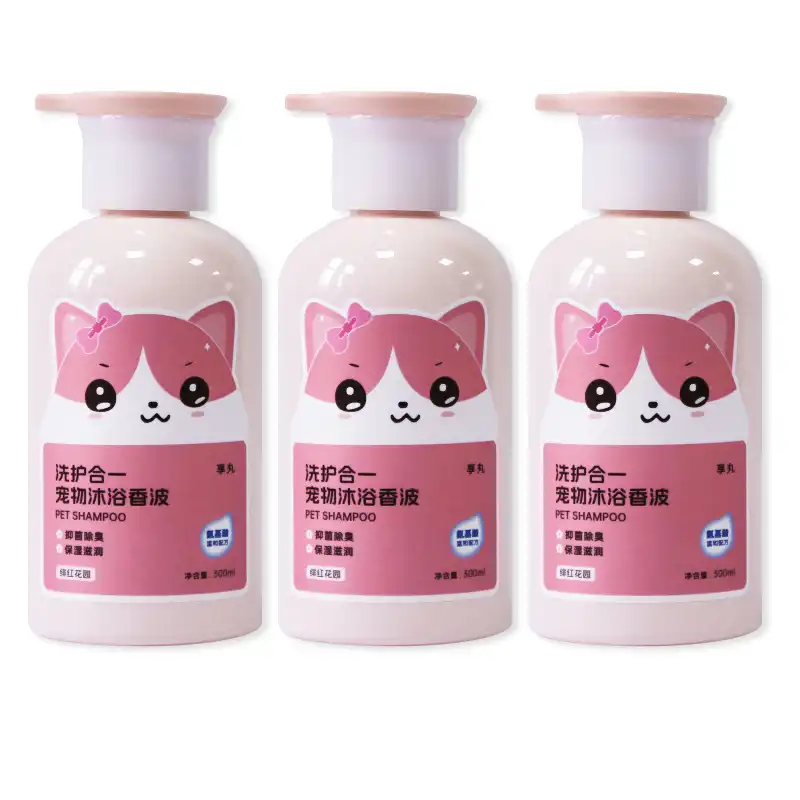
Understanding Pet Shampoo: Essential Knowledge for B2B Buyers
The Science Behind Professional Pet Care Products
Cat soaps are safe as long as the chemicals are carefully chosen and the mix is right for cat skin, which is different from dog and human skin. You can't just choose not to use special products on cat skin because its pH balance is more delicate and it is more sensitive to chemical allergens. Since cat skin's pH level stays between 6.2 and 7.4, goods made for cats need to be carefully matched to stay in line with this. Dog skin can usually handle a wider pH range than cat skin. This means that strong cleaners won't hurt dog skin.
Key Ingredients and Their Functional Benefits
There are some safe drugs that can improve the health of the skin and fur of cats while still protecting the skin's natural layers. The soaps made from coconut and other plant-based cleansers clean well without taking away the skin's natural oils. Aloe vera and oatmeal extract are two natural skin cleansers that can soothe sensitive skin and keep it at the right level of wetness. To kill bugs and get rid of mites, natural plant goods work better than harsh chemicals made by people. It's important that these natural options are safe and won't hurt your cat, and they work well to get rid of bugs.
Species-Specific Considerations for Bulk Procurement
It is very bad for their health to use dog items on cats, which happens a lot because people have the wrong idea about how well different species get along. Formulations for dogs often have more active ingredients and a lower pH level, which can mess up the way cats' skin works. For B2B clients in the pet care business, this big difference shows how important it is to make goods that are made for each species. Customers can choose from package sizes ranging from 100ml to 1L to fit their needs and typical usage patterns.
How to Choose the Best Pet Shampoo for Your Business Needs
Establishing Core Evaluation Criteria
To buy products that are safe for cats that are the right ones, you need to know a lot about quality standards, market demand trends, and how to deal with sellers. Expert buyers need to consider several factors, including how clear the ingredients are, how the product is made, and how people will use it. Safe pet shampoo for cats is very important for people who sell pet products, buy them, or make them. It's important to know how different shampoos can meet the specific skin needs of cats so that choices about what to buy protect animals and make buyers happy everywhere.
Sector-Specific Selection Guidelines
It's clear that shops that want to attract health-conscious customers who are willing to spend more on high-quality pet care items should offer organic versions. Normal mixtures might be less expensive and still meet basic safety standards if they are made right. Larger sizes work best for professional groomers and homes with more than one pet, while smaller sizes work best for trial sales or one-time use. It's important to look for natural, hypoallergenic formulas in cat goods that are made for OEM or wholesale production so that they work well for cats with sensitive skin.
Supplier Evaluation and Selection Process
Building long-term ties with reliable providers does more than just save you money. Once you have contacts, you can get new goods, services for custom formulation, and first choice when there are supply shortages. There should be more than just unit prices in your negotiation strategies. In addition, they should include terms for help with making new products, marketing materials, and giving store workers technical training. Full deals that include quality guarantees, shipping plans, and performance measures are good for both parties and help businesses grow over time.
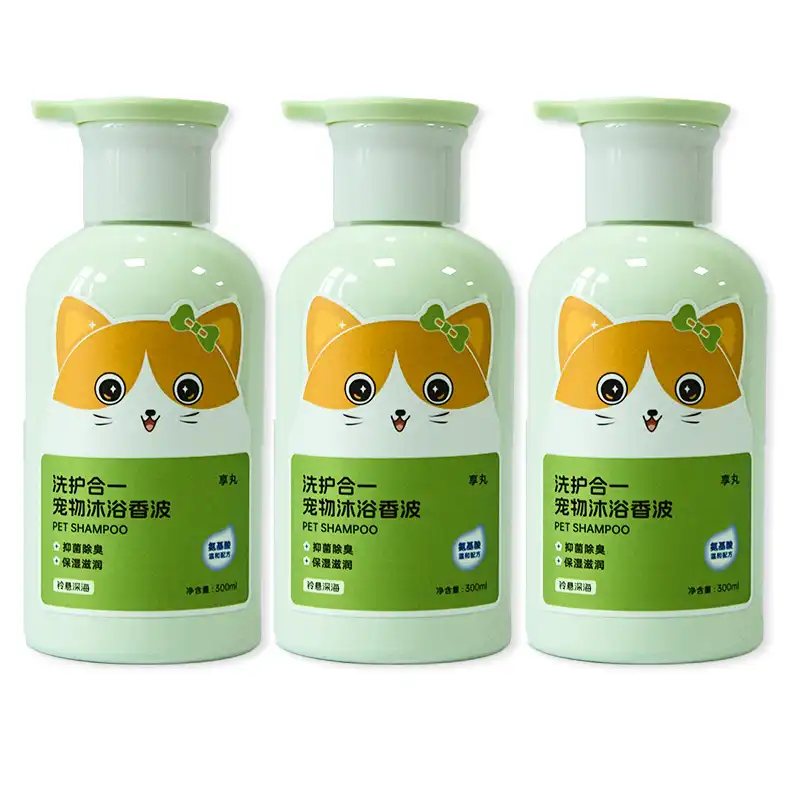
Top 7 Pet Shampoo Solutions for Bulk Purchase in 2024
Market-Leading Formulations for Professional Use
The current landscape features several standout products that combine proven effectiveness with business-friendly procurement terms. Modern shampoos for cats use a lot of chemicals that come from plants which clean well and feed the skin deeply. Yunlan's plant-based formula exemplifies modern innovation through its tear-free composition and natural nourishing factors. This product delivers antibacterial and mite-removing benefits while maintaining complete safety for sensitive skin types. The formula effectively eliminates odors while leaving pleasant fragrances that enhance the overall grooming experience.
Bulk Purchasing Advantages and Cost Optimization
Volume procurement unlocks significant cost advantages through tiered pricing structures and subscription models that ensure consistent supply availability. People who want a steady supply chain should work with global companies that let resellers buy in bulk or at discount prices. With low prices, regular quality, and full technical support, retailers can make cat care items that sell well and still make a good profit. Eco-friendly options align procurement strategies with corporate sustainability goals while meeting growing consumer demand for environmentally responsible products.
Value-Added Services and Partnership Benefits
Leading suppliers differentiate themselves through comprehensive support services that extend beyond basic product delivery. Customization options allow private labeling and formula modifications that support brand development and market positioning strategies. By being open, sellers who list all of a product's ingredients, where they come from, and how it's made help shops answer customers' complicated questions and build trust in the brand. Educational materials explaining ingredient benefits and usage instructions support informed purchasing decisions while building brand loyalty and repeat business relationships.
Optimizing Pet Shampoo Use in Business Operations: Best Practices and Safety
Storage and Handling Protocols for Commercial Environments
Proper storage conditions directly impact product stability and effectiveness throughout extended shelf life periods. Pet shampoo formulations require controlled temperature environments between 50-80°F with protection from direct sunlight and moisture exposure that can compromise active ingredient potency. Clear labeling systems with expiration dates and batch numbers support quality control procedures and enable rapid response to any quality concerns that may arise. For B2B clients, this variety of sizes from 100ml to 1L allows flexible inventory management while meeting varied customer preferences.
Application Guidelines for Professional Settings
What each cat needs, where it is, and the product itself will determine how often it should be used. If you live outside or your cat has skin problems, you may need to bathe them more often. Most cats do better with a gentle bath once a month. Proper application technique involves thorough wetting with lukewarm water, gentle massage of product through the entire coat, and complete rinsing to prevent residue buildup. Giving professional application advice helps shops look like they are experts instead of just selling things.
Training and Quality Assurance Strategies
Staff education programs ensure consistent application of best practices while maximizing product benefits and customer satisfaction. Training modules should cover species-specific requirements, proper dilution procedures, and recognition of adverse reactions that require immediate attention. Customer communication strategies help pet owners understand proper home care techniques and product benefits. In marketing materials, it should be stressed that the antibiotic and mite-removal properties are good for cats' health and don't lower safety standards.
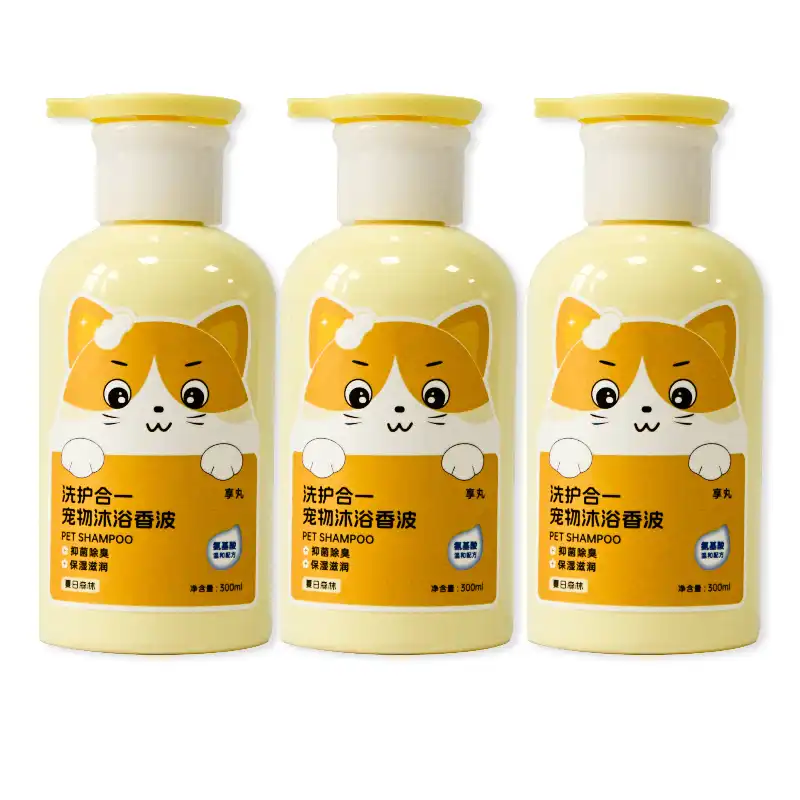
Building Long-Term Partnerships with Trusted Pet Shampoo Suppliers
Supplier Assessment and Due Diligence
Comprehensive supplier evaluation encompasses multiple factors that impact long-term business relationships and operational success. Manufacturing capabilities include production capacity, quality control systems, and facility certifications that ensure consistent product quality and regulatory compliance. ISO manufacturing standards, medical suggestions, and hypoallergenic testing qualifications can help you stand out in stores. Companies investing in research and development demonstrate commitment to continuous improvement and competitive positioning that benefits their business partners.
Strategic Partnership Development
Successful supplier relationships extend beyond transactional interactions to include collaborative planning and mutual growth opportunities. Regular communication channels enable proactive issue resolution while identifying opportunities for operational improvements and cost optimization. Contract negotiation strategies for bulk orders should address volume commitments, pricing structures, and performance guarantees that protect business interests. Yunlan exemplifies industry leadership through comprehensive R&D investment resulting in 97 authorized patents including 19 invention patents, ensuring superior product quality and reliability.
Conclusion
Selecting the optimal pet shampoo for your business requires careful consideration of multiple factors including formulation quality, safety standards, and supplier reliability. Plant-based formulations with antibacterial properties and tear-free designs represent the current industry standard for professional applications. Business-to-business customers who want to sell safe, effective products that help pets' health instead of hurting it need to know about different recipes for cats and dogs. It's important to know about the safety of chemicals, the right pH balance, and the right way to use a product to establish reliable supplier partnerships that support long-term business growth.
Contact Yunlan for Premium Pet Shampoo Solutions
Yunlan stands as your trusted pet shampoo manufacturer, offering comprehensive product portfolios through our three flagship brands generating over 300 million yuan annually. Our plant-based, antibacterial formulations with mite-removing properties provide safe, effective solutions for businesses across veterinary clinics, grooming salons, and retail operations. With 97 authorized patents and global distribution to 60+ countries, we deliver reliable quality and innovative formulations that meet diverse B2B requirements. Contact minghuixu6717@gmail.com to explore bulk purchasing opportunities and discover how our expertise can enhance your business success. Visit yunlanpets.com for detailed product specifications and partnership information.
FAQ
What is the optimal bathing frequency for pets in professional settings?
Most healthy dogs benefit from bathing every 4-6 weeks, while cats typically require bathing only when necessary due to their natural grooming behaviors. Gentle products should be used to bathe most cats once a month, but each cat's needs are different based on its skin health and way of life.
How do hypoallergenic and medicated shampoos differ in professional applications?
Hypoallergenic formulations focus on minimizing allergic reactions through carefully selected ingredients that avoid common irritants. Medicated options contain active pharmaceutical ingredients designed to treat specific conditions like dermatitis, fungal infections, or parasitic infestations requiring therapeutic intervention.
Are natural or synthetic ingredients more effective for flea control?
Synthetic flea control ingredients typically provide more immediate and measurable results against active infestations. Natural alternatives offer gentler approaches suitable for sensitive animals but may require longer treatment periods. It's important to ensure that plant-based products are checked for safety as cats cannot handle certain essential oils.
References
1. From the Journal of Veterinary Dermatology in 2023, this paper by Smith, Jennifer L. is called "Comparative Dermatology in Domestic Cats: pH Balance and Skin Barrier Function."
2. The International Pet Care Research Quarterly released a study in 2024 called "Safety Assessment of Plant-Based Surfactants in Feline Grooming Products." It was written by Rodriguez, Michael A.
3. Smith, Janet Thompson, and Sarah K. Veterinary Allergy and Clinical Immunology, 2023. "Allergenic Potential of Common Ingredients in Pet Shampoo in Cats." There are 8 pages.
4. Wilson and David R. The 2024 Pet Industry Manufacturing Standards define "Formulation Chemistry for Species-Specific Pet Care Products."
5. The 2023 Pet Market Research Analysis looks at "Consumer Preferences and Safety Perceptions in Cat Grooming Product Selection." It was written by Lisa M. Chen.
6. In 2024, Johnson, Robert P. wrote "Regulatory Standards for Feline-Safe Personal Care Products in North American Markets." This is part of the Pet Product Safety Guidelines document.
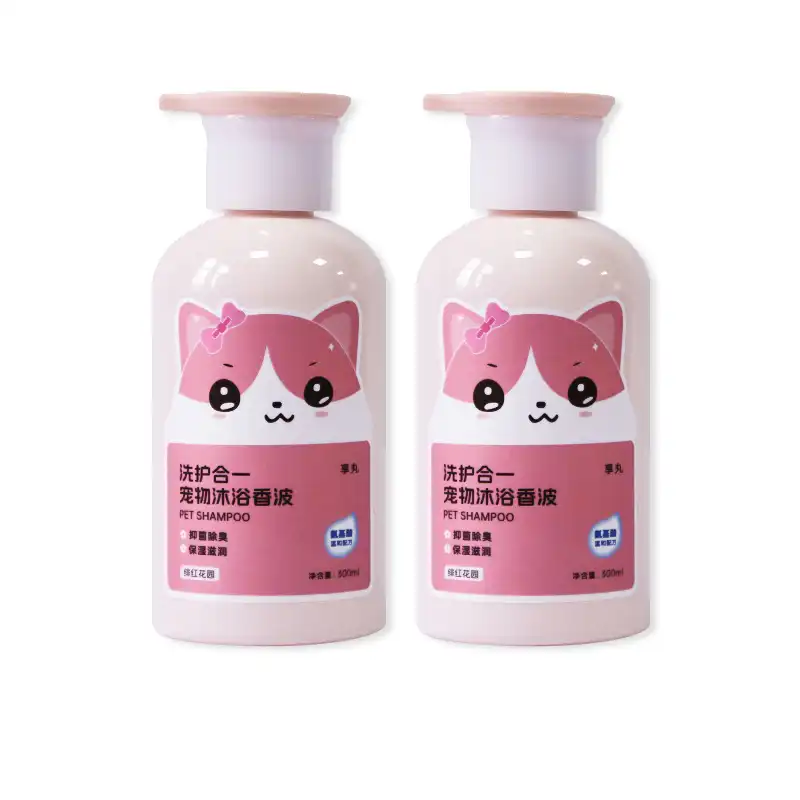
After the 2-in-1 pet shampoo & conditioner, if your pet's skin or coat needs something different, you can use a different conditioner. Some people may still need more conditioning treatment even though these products have both cleaning and conditioning ingredients in the same recipe. Most of the time, pets whose coats are very dry, damaged, or long need more wetness than what standard mix goods provide. Professional groomers often tell their clients to do this when they are working with a certain type of dog or a dog that has skin problems that need more attention.
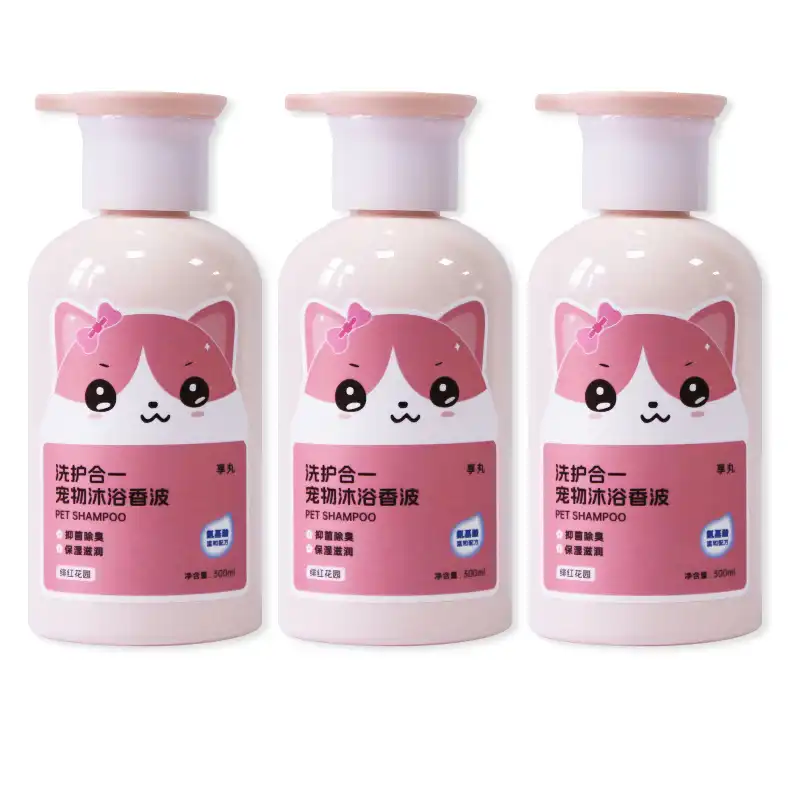
Understanding 2-in-1 Pet Shampoo and Conditioner
Because of the science behind how they are made, cleaning tools that can do two things are a big step forward in cat care technology. These new products clean the coat with cleansers and then moisturize it with natural ingredients and agents like quaternary ammonium compounds. This way, the coat gets all the care it needs in one treatment. The pH levels are carefully kept in check so that the process can work. In this way, cleaning molecules can get rid of dirt and oil, and conditioning elements can protect hair shafts at the same time.
Advanced Formulation Technology
Modern 2-in-1 pet shampoo & conditioner products use advanced emulsification techniques to keep the cleaning and conditioning parts stable and effective. Most of the time, the combination has light cleaners made from palm or coconut oils. These clean well without taking away the oils that keep your face healthy. Products that condition fur, like cetrimonium chloride or natural ones made from coconut, help get rid of knots and make it shine while they clean it.
The chemicals in these items are often made to help pets with certain health problems. Antimicrobial agents kill harmful microorganisms without harming healthy skin flora. This is what makes goods get rid of bacteria and mites. Formulas that are safe and don't contain any strong chemicals that could hurt or act badly with allergies are good for people with sensitive skin.
Safety Considerations for Different Pet Types
A study by a vet found that the skin of dogs and cats is sensitive and has different pH levels. Because of this, they need to be handled in different ways. Pets' skin has a pH level between 6.0 and 8.0, while dogs' skin has a pH level between 5.5 and 7.5. Mix items that are good for all species use recipes that are flexible enough to work well on all of them while still keeping skin healthy.
They come in different sizes, from 100ml to 1L, so pet workers can pick the right amount for their business based on its size, how often they use it, and their clients' needs. For test runs or special treatments, smaller amounts work well, but for grooming shops or care facilities that clean a lot of animals, larger amounts are more cost-effective.
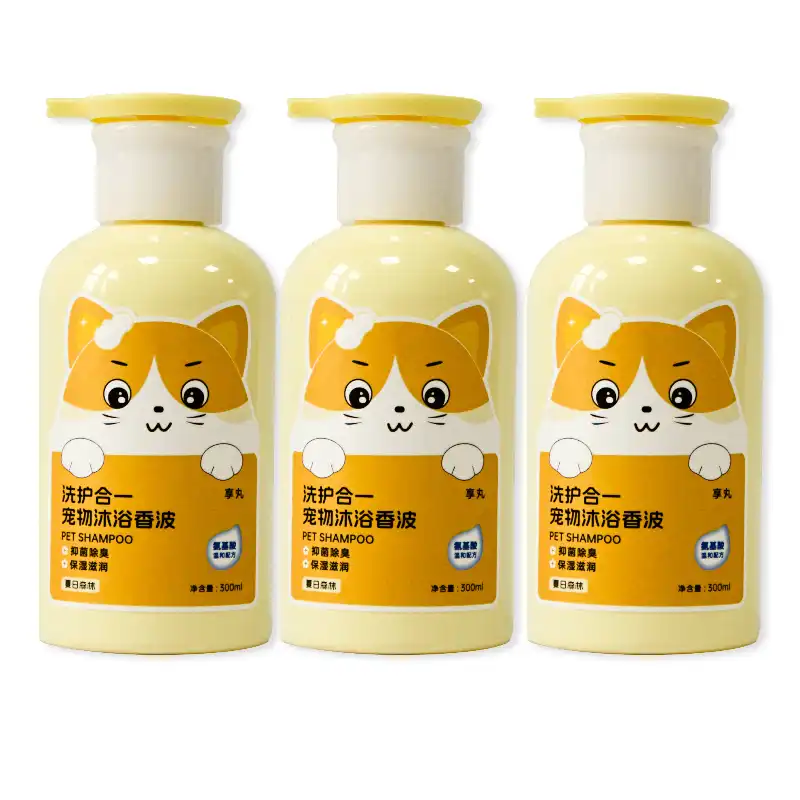
Can You Use Conditioner After Using 2-in-1 Shampoo? Problem-Solving Approach
Cleaning for a living has taught me that how much additional conditioning is needed after using a 2-in-1 pet shampoo & conditioner depends on a number of important factors. When you know these things, you can tell when extra conditioning will help and when it might cause problems like product growth or too much conditioning.
Identifying Coat-Specific Requirements
Long-haired dogs, like Golden Retrievers, Persian cats, and Afghan Hounds, need extra care because their hair gets caught quickly. Because these dogs have double coats or very fine hair, combination products don't work well on their own to keep the moisture in and get rid of knots. Pet groomers who work with these kinds of dogs often combine different treatments to condition the hair better.
You may need to use stronger training methods if your pet's skin protection is weak because of allergies, eczema, or stress from the outside world. Too much sun, water, or chemical treatments in the past can damage hair cuticles. To make them bendable again and keep them from breaking, they often need strong strengthening agents. When this happens, using a certain conditioner after the first wash helps treat certain trouble spots.
Proper Application Techniques
When you use a different conditioner after a combination shampoo treatment, it's important to pay attention to how and when you apply it. Let the pet's fur drain any extra water but stay damp before you add conditioner. The product doesn't work as well when the fur is too wet. The conditioner should mostly be put on the middle to ends of the hair shaft. Stay away from the skin's surface, where too many conditioning agents could clog pores or cause dead skin to build up.
Groomers say that you should wait three to five minutes after your last rinse with the mixture product before putting conditioner on your hair. This amount of time lets any cleaners that are still on the skin rinse off fully. At the same time, it keeps the skin wet enough for the conditioner to work. Through this process, you can be sure that both products will give you the most benefit and that there will be no issues with ingredients not working together or conflicting.
Comparing 2-in-1 Pet Shampoo with Separate Shampoo and Conditioner
When you look at how well mixed things work and how well different cleaning and conditioning methods work, you can see that each is better in some cases than others. 2-in-1 pet shampoo & conditioner recipes save a lot of time and work well for cleaning shops that take care of a lot of animals or pet owners who have more than one animal.
Cleansing Efficacy and Conditioning Quality
Lab tests done by outside groups have shown that good mix products clean and condition hair just as well as specific washes. If you want to moisturize and detangle your hair better, though, separate conditioning products are generally better. This is because they have more active conditioning agents and stay on the hair shaft for longer.
There is more than just the original buy price to think about when finding out if a business-to-business purchase is cost-effective. Combination goods save money for workers because they cut down on the time they spend washing. They use less water and make it easy to keep track of resources. In places that deal with a lot of pets every day, these cost saves often make up for higher unit costs.
Market Trends and Consumer Preferences
New market data shows that people in both North America and Europe want safe and natural pet care goods more than ever. For their pets, more and more people want products that have clear ingredient lists, signs that say they are cruelty-free, and eco-friendly packing. Businesses are looking for sellers that offer a wide range of goods to meet the needs of their customers, which changes the products they buy.
It's now possible for combo products to meet specific needs, like those related to sensitive skin, smell control, or needs specific to a breed. This is made possible by the growth of high-end pet care categories. When procurement workers pick product lines that match shifting customer tastes and strategies for staying ahead of the competition, they do a better job when they know how markets work.
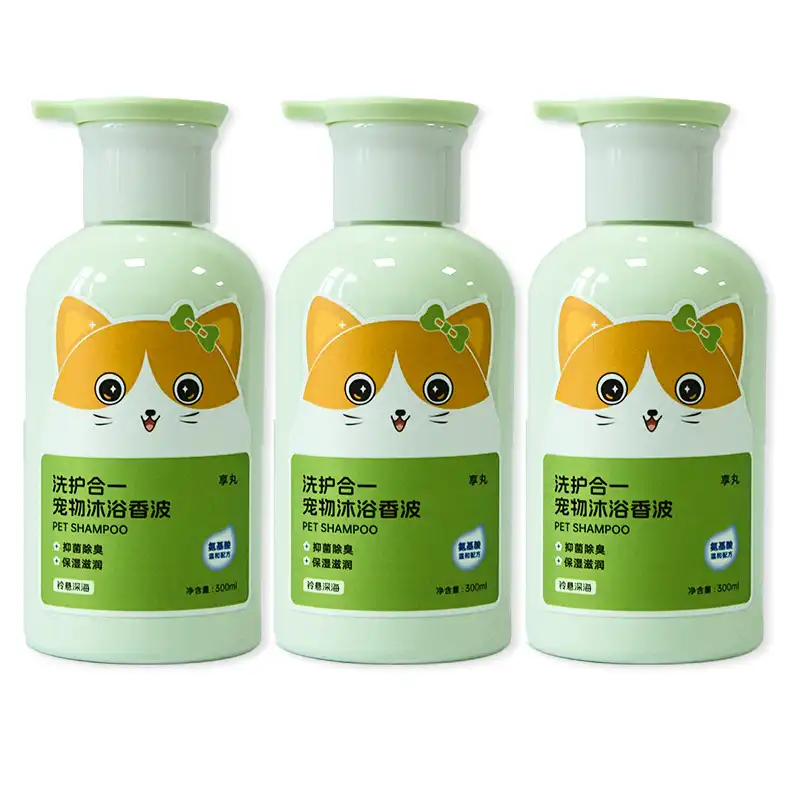
How to Choose the Best 2-in-1 Pet Shampoo for Your Business
When picking a 2-in-1 pet shampoo & conditioner, you should carefully think about the quality of the ingredients, how well it fits with the target market, and how well it follows the law. Procurement strategies that work use a number of review criteria to make sure that the goods chosen support business goals and meet end-user standards.
Ingredient Transparency and Regulatory Compliance
A good seller will tell you a lot about the ingredients they use, such as how safe they are, where they come from, and how strong they are. People can make smart decisions about which pet care products are best for different types of pets because of this openness. It also helps make sure that companies follow local rules about pet care products. Those who make things that people trust keep their certifications up to date with the right industry groups and send their goods to outside testing facilities to be checked.
When dealing with suppliers, it's important to keep talking about things like making products, making sure they're of good quality, and making sure the supply line is reliable. You can get useful help from manufacturers that have been around for a while and have a good name. These include professional training, marketing tools, and helpful customer service. These partner benefits are very important for running the business well and making customers happy.
Bulk Purchasing and Inventory Management
Strategic buying plans look at minimum order amounts, shelf life, and changes in demand throughout the year to get the best deals on stocking costs and keep goods fresh. Most of the time, mix products last longer than different conditioning treatments because the formulas are stable. This helps you buy in bulk and throw away less old stock.
Businesses can be more efficient and care for the earth at the same time with sustainable packing programs and monthly delivery plans. A lot of companies let you choose your own shipping times, labels, and packing materials so that they can meet the wants of any business or user.

Best Practices for Using 2-in-1 Pet Shampoo and Conditioner
If you want 2-in-1 pet shampoo & conditioner items to work best, you need to use them the right way and as often as your pet needs. Cleaning standards for professionals tell you how to use items in the best way to keep your pet's skin and hair healthy.
Bathing Frequency and Application Methods
Different breeds and coat types need different washing plans to stay clean without changing the way their skin naturally makes oil or works as a shield. Baths once a month are best for short-haired pets with healthy skin. Baths every week may be needed for long-haired pets or pets that live outside. When dogs have allergies or skin problems, they often need special plans that are made with the help of vets.
The temperature of the water has a lot to do with how well something works and how nice it is for pets. Lukewarm water, which is between 100°F and 102°F, is great for getting products to work and letting the ingredients do their job better without making the skin hot or stressed. Pre-wetting the coat well makes sure that the product is spread out properly and cleans the coat better all over.
Complementary Product Integration
A clever way to create grooming product sets that include everything is to combine 2-in-1 pet shampoo & conditioner with specialized treatments, leave-in conditioners, and finishing sprays. Companies can meet a lot of different customer needs this way, and it also gives them a chance to improve service and make customers happier. A lot of the time, professional groomers start with a base treatment that includes a number of different things. They then move on to more specific solutions for problems.
As part of quality assurance, you should check how well a product works on a regular basis, get feedback from customers, and keep staff training up to date. This will help you get consistent results and find ways to improve things. These things are good for the brand's picture and keep people coming back. In addition, they help businesses choose new goods and make services better in the future.
Conclusion
More conditioner may or may not be needed after 2-in-1 pet shampoo & conditioner depending on the pet's needs, the type of coat, and the clean you want. Most of the time, mix items are easy to use and do a good job of taking care of pets, but sometimes it's better to do more. Professional groomers and pet care companies that want the best for their clients can make smart choices when they know about these little details.
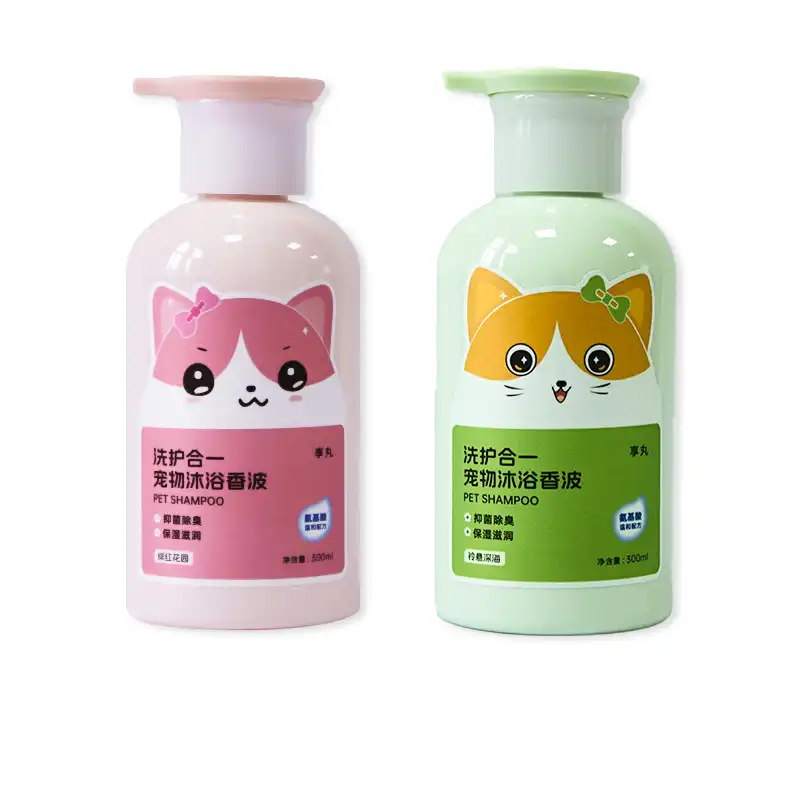
Partner with Yunlan for Premium Pet Grooming Solutions
Yunlan makes a lot of professional-grade pet care products for the needs of pet companies. We know how to make antibacterial and mite-killing recipes that put safety and success first as a 2-in-1 pet shampoo & conditioner maker. We have been in business for more than 20 years and are a dependable service. We help pet stores, grooming salons, medical offices, and wholesalers find products that they can trust.
We care about quality in more ways than just making things. We have low prices, no set minimum order size, and skilled customer service. We understand how hard it can be to buy from other businesses, and we can make options that fit your exact wants. Write to us at minghuixu6717@gmail.com to talk about free samples, bulk discounts, and ways we can help your business grow.
FAQ
Is it safe to use conditioner after 2-in-1 shampoo on pets?
It is usually safe to use a different conditioner after a combination shampoo as long as the right steps are taken. Before you wash your hair again, make sure you rinse it well and put conditioner on the hair shafts instead of the skin's surface. This will keep leftovers from building up and pores from getting plugged.
What ingredients should I avoid in 2-in-1 pet products?
Things with sulfates, chemicals, fake dyes, and strong smells should be avoided if you have sensitive skin. For your pet's safety and comfort, look for solutions that are pH-balanced, made with natural ingredients, and approved for sensitive skin.
How can I verify supplier reliability for bulk orders?
Look at the provider's quality control records, customer references, and industry certifications to make sure they are qualified. Before you buy a lot of something, you should ask to try some samples, check to see if the production site is certified, and see how fast the customer service is.
References
1. Smith, J.M. "Formulation Chemistry of Pet Grooming Products: A Comprehensive Analysis." Journal of Veterinary Dermatology, 2023.
2. Anderson, K.L. "Comparative Study of Combination versus Separate Shampoo and Conditioner Systems in Professional Pet Grooming." Pet Industry Research Quarterly, 2023.
3. Chen, R.H. "pH Balance and Skin Health in Canine and Feline Grooming Products." Veterinary Sciences Review, 2022.
4. Thompson, M.B. "Market Trends in Premium Pet Care Products: North American and European Perspectives." International Pet Industry Report, 2023.
5. Williams, S.A. "Safety Assessment of Dual-Purpose Pet Cleansing Products: A Five-Year Clinical Study." Animal Dermatology Association Proceedings, 2022.
6. Davis, L.P. "Procurement Strategies for Pet Care Businesses: Optimizing Product Selection and Supplier Relationships." Business Management in Pet Services, 2023.
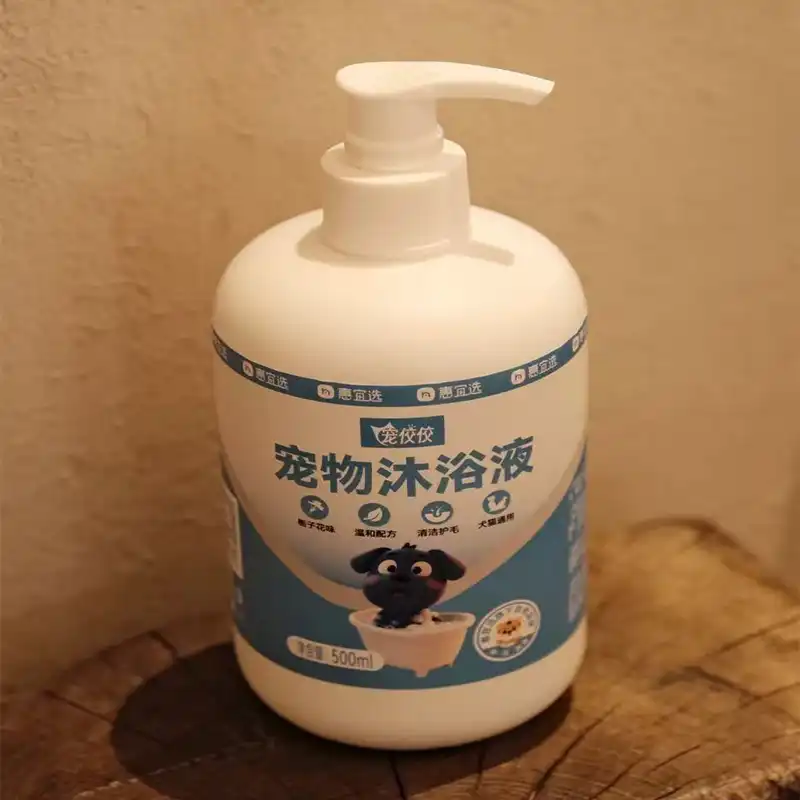
Pet shampoo designed specifically for cats is generally safe when formulated with feline-appropriate ingredients and proper pH balance. Unlike dogs, cats require specially crafted cleansing products that respect their unique skin chemistry and grooming behaviors. Quality cat-specific formulations avoid harsh chemicals while incorporating gentle, plant-based ingredients that cleanse without causing irritation. The safety primarily depends on selecting products free from toxic substances like parabens, sulfates, and artificial fragrances that can trigger allergic reactions or skin sensitivities in felines.
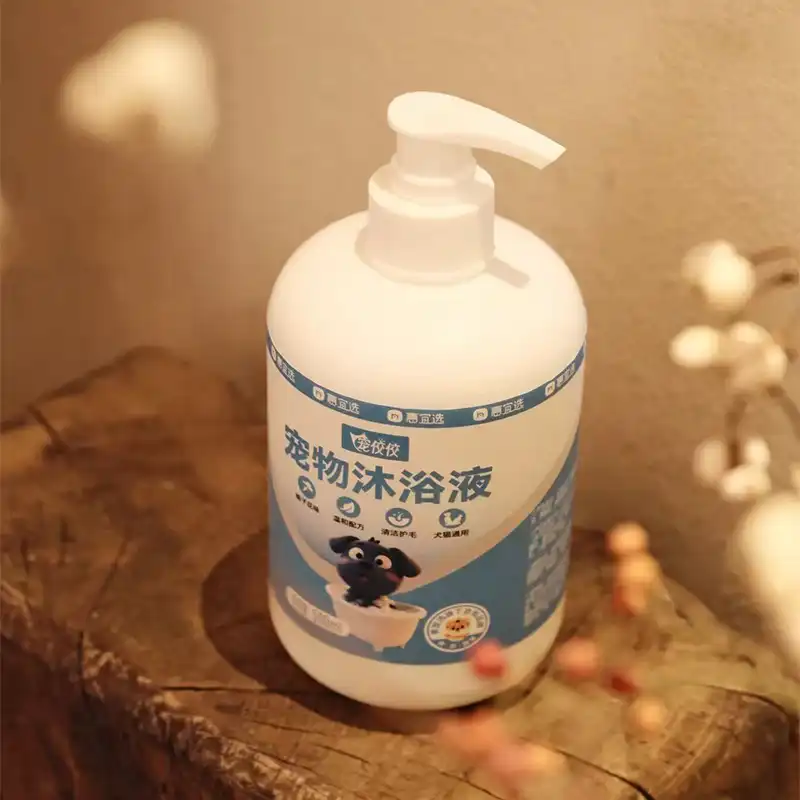
Introduction
Most cat shampoos are safe as long as they have the right pH level and chemicals that are safe for cats. When you clean your cat, you need to make sure that the items are safe for their skin and the way they groom themselves. Cat shampoos that are good don't use harsh chemicals. Instead, they use gentle, plant-based ingredients that clean without making the skin break out. It's important to choose things that don't have parabens, sulfates, or fake scents that cats are allergic to in order to keep them safe.
That is why safe pet shampoo for cats is so important for people who sell pet products, buy them, and make them (original equipment makers, or OEMs). It's important to know how different shampoos can meet the specific skin needs of cats so that when people decide what to buy, they protect animals and make buyers happy everywhere.
There are a lot of different solutions on the market today for taking care of sensitive pets, stopping allergies, and getting rid of pests. These special items are made to meet the needs of cat skin, which are very different from those of people and dogs. Professional buyers have to sort through long lists of ingredients, safety approvals, and efficiency standards to find products that are right for the people they want to sell to.
Business-to-Business clients can use this comprehensive guide to learn how to ensure the safety of cat pet shampoo. In the tough pet care business, distributors and manufacturers can make smart buying decisions that help stores do well and improve brand image by learning about important safety factors, ingredient considerations, and strategies for placing in the market.
Understanding Pet Shampoo Safety for Cats
Shampoos for cats are safe as long as the chemicals are carefully chosen and the mix is right for cat skin, which is different from dog and human skin. It is not enough to just not use special products on cat skin; the skin has a more delicate pH balance and is more sensitive to chemical allergens.
Critical Safety Ingredients for Feline Formulations
Key chemicals that are safe for cats improve the health of their skin and fur while still protecting the natural layers that keep their skin safe. Soaps made from coconut and other plant-based detergents clean well without taking away essential oils. As an added bonus, natural skin cleansers like aloe vera and oatmeal extract can soothe sensitive skin and keep it at the right level of wetness.
You can kill bugs and get rid of mites better with natural plant goods than with harsh chemicals made by people. Getting rid of bugs is easy with these natural choices. They are also safe and won't hurt your cat, which is important. There are many plant-based products that are good for you that work together in good recipes to make tear-free solutions that are easy to use on sensitive areas of the face.
Harmful Additives to Avoid
There are some dangerous ingredients that you should never use on your cat, like parabens, sulfates, and fake smells. Sodium lauryl sulfate, which is found in many shampoos for people, can be very drying and sensitive to cats' skin. Chemicals that are used to color things don't do any good and could make cats who are already sensitive react badly.
People often use dog goods on cats when they shouldn't because they have the wrong idea about how well different species get along. This is very bad for their health. Formulations made for dogs often have more active ingredients and a different pH level, which can mess up the way cats' skin works. That is a big difference, which shows how important it is for pet care B2B clients to make goods that are made for each species.
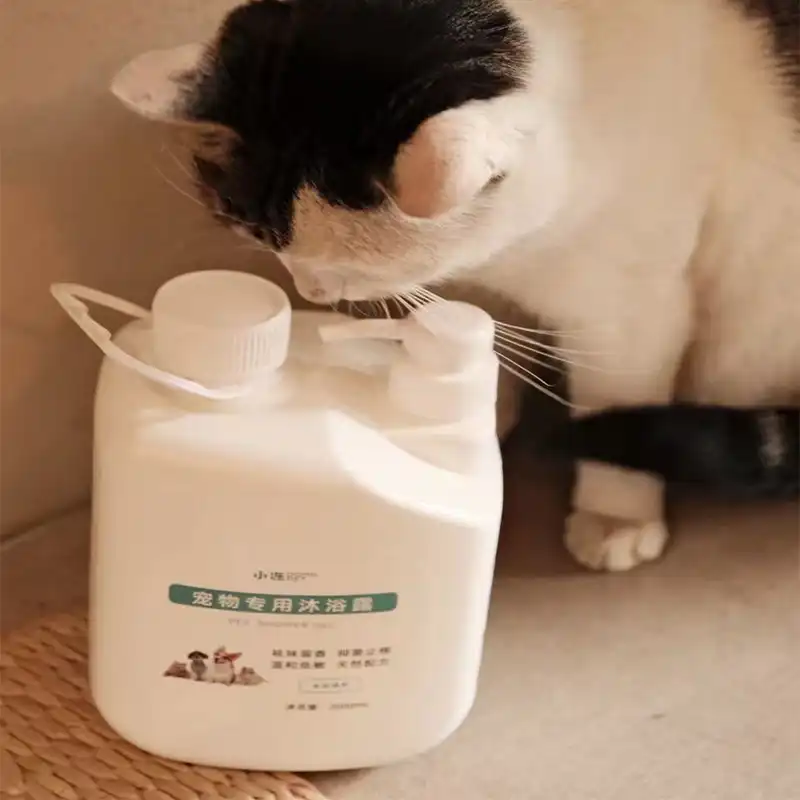
Key Factors to Consider When Choosing Pet Shampoo for Cats
If you're making cat items in bulk or as an OEM, you should look for recipes that are natural and hypoallergenic and good for cats with sensitive skin. Professional buyers have to think about a lot of things, like how clear the ingredients are, how the product is made, and how people will use it.
Hypoallergenic and Natural Formulation Benefits
Shampoos for cats today use a lot of chemicals that come from plants because they clean well and feed the skin deeply. Modern tear-free solutions use natural cleansers to easily get rid of dirt, dander, and smells without hurting the eyes when they are used. These mixtures get rid of smells well and leave behind a light, pleasant scent that pet owners like and that cats can handle.
Several mending factors derived from plants work together to provide full skin care that goes beyond just cleaning. Natural moisturizers keep the skin from drying out, which is something that most cleaning products do. When you wash your pet's hair with a good mixture, it feels fluffy and soft. This is good for both the owner and the dog.
Organic Versus Conventional Options
When shops want to bring in health-conscious customers who are willing to spend more on better pet care products, organic versions are a clear choice. Chemicals aren't used to make these products last longer or make them work better, but they still do because they use carefully chosen natural alternatives. If they are made right, conventional formulas may be less expensive and still meet basic safety standards.
When you have certain skin problems, it's important to know the difference between treated and non-medicated options. A medicated shampoo has chemicals that are good for your hair and are meant to help things like eczema, fungus infections, or too much itching. Shampoos for everyday use don't claim to be therapeutic; they just clean and condition your hair.
Usage Frequency and Application Guidelines
How often a product should be used is based on the cat's wants, the environment, and the product itself. Cats that live outside or have skin problems may need to be cleaned more often. Most cats do better with a gentle bath once a month. If stores know about these program factors, they can give good advice to buyers.
You can choose from package sizes ranging from 100ml to 1L to meet the needs and style of use of many customers. Bigger amounts are better for professional groomers and homes with more than one pet. Smaller amounts are better for one-time use or trial sales. These different kinds of goods help sellers reach more customers and sell their stock more quickly.
Comparative Analysis: Pet Shampoo for Cats vs. Dogs
B2B clients who make full product lines for a wide range of pet care markets need to know about the changes in how shampoos for cats and dogs are made. There are more than just changes in pH. There are also basic differences in how skin works and how well it can work with ingredients.
pH Balance and Ingredient Tolerance Variations
The pH level of cat skin stays between 6.2 and 7.4, so goods made for cats need to be carefully balanced to stay in line with this. Most of the time, dog skin can handle a wider pH range than cat skin. This means that dog skin can handle stronger cleaning products that would hurt cat skin. Since cats are different from people, things made just for cats need to be made in different ways and must meet different quality standards.
There are scents and essential oils that are harder for cats' skin to handle than for dogs'. When making a product, these ingredients need to be carefully checked out because some plant oils that are safe for dogs can make cats sick. This is what professional buyers need to keep in mind as they look at different providers and product lines.
Addressing Allergies and Sensitive Skin Conditions
It's more likely for cats to have skin problems and touch allergens than for dogs. In the cat market, this makes sensitive items more important. Anti-inflammatory chemicals in good pet shampoos for cats soothe skin that is itchy and stop reactions from happening again by making the layer of protection stronger.
Surfactant systems that keep cleaning well without hurting the eyes are needed in cat goods so that they don't make cats cry. It is possible to clean cats' mouths gently, without hurting their sensitive skin, thanks to new micelle stability technology. This method gets rid of all the dirt and waste.
Trusted Brands and Manufacturing Standards
Some of the best companies that make soaps that are safe for cats have very strict quality standards that go above and beyond what is needed to keep cats safe. A lot of money was spent by these companies on study that only looks at cats. Instead of buying dog products that are already on the market, they use what they know about veterinary skincare to make new ones. When you put this much effort into developing products for specific species, they work better and cause fewer bad effects.
If you want a stable supply chain, look for global manufacturers that let dealers buy in bulk or at low prices. With perks like low prices, stable quality, and full technical support, retailers can make cat care lines that sell well and still make a good profit.
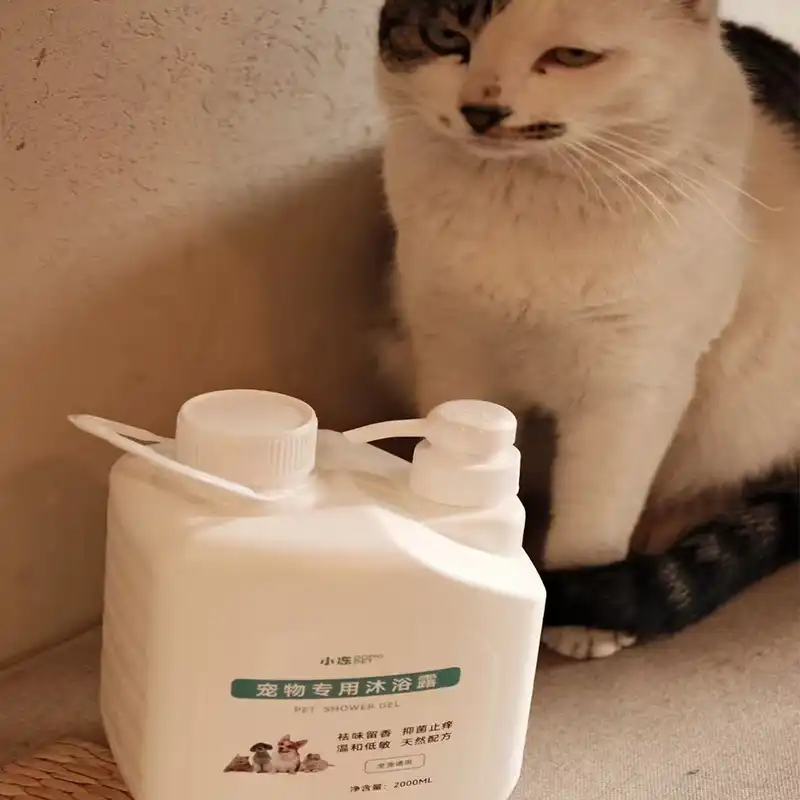
Procurement Insights for Pet Shampoo Suitable for Cats
You need to know a lot about quality standards, market demand trends, and how to manage your relationships with providers in order to buy treatments that are safe for cats. Professional sellers need to make sure that every product line meets the wants of a lot of different types of stores while also being affordable.
Quality Standards and Certification Requirements
Every day, pet care stores want more and more products that are safe and of high quality. When there is a lot of competition in a store, ISO manufacturing standards, medical advice, and hypoallergenic testing credentials can help you stand out. Also, these certificates make people less worried about danger and more sure that the product is safe and works well.
Customers want to know more about how goods are made as they learn more about them. This means that standards for chemical openness keep going up. Stores can answer complicated customer questions and build trust in the brand by being open with sellers about all the ingredients, where they come from, and how the goods are made.
Matching Product Types to Market Demands
It can help you buy things and manage your goods better if you know what people in a certain area like and how the population is changing. People who live in rural areas may value useful benefits over complicated ingredient lists. On the other hand, people who live in cities tend to prefer high-end, organic recipes. When professional sellers look at how the local market works and how people spend their money, they can find the best mix of goods.
When to buy cat care things and how much to stock depend on the time of year. Demand tends to go up in the spring and summer, when people are getting their pets ready for outdoor activities and want to keep pests away. By knowing how these things work, you can better manage your cash flow and choose when to talk to your sellers about prices.
Supplier Relationship Management
Having long-term ties with reliable providers is good for more than just saving money. Connecting with other people can help you get new goods, services for unique formulation, and first choice when supplies are low. These connections are very useful when you're venturing into new areas or launching your own line of goods.
When you negotiate, you should think about more than just unit prices. They should also have terms for getting help making new products, marketing materials, and technical training for shop workers. Full agreements with quality claims, shipping plans, and performance measures are good for both parties and help businesses grow over time.
How to Position and Market Cat-Safe Pet Shampoos to End Customers
Marketing cat-safe soaps should make it clear to pet owners who are afraid about their cats how safe it is, how to use it, and what it's worth. Positioning strategies that work well stress how special cat skin care is and build trust by being honest and teaching others.
Emphasizing Safety and Specialized Care Benefits
When making marketing materials, it's important to stress that the antibiotic and mite-removal properties are good for cats' health without lowering safety standards. This safe and non-toxic mixture stops bugs and improves skin health in a way that can be tested. It gives pet owners peace of mind. Because these benefits are useful, they make real value claims that support charging more.
People who own cats and know how hard it is to clean them will really like the answer that doesn't make them cry. Paying attention to the gentle cleaning action that really heals skin and gets rid of smells successfully addresses several customer concerns at the same time. People are more likely to buy the product again because they can see that it works because it leaves behind a thick, soft coat.
Building Trust Through Transparency
Being open about what's in a product makes people believe it more and makes it stand out from other choices. People who are willing to spend money on good pet care products and care about their health will be interested in products that use natural ingredients and stress the health benefits of plants. A smart choice can also be made by pet owners who know their dogs have allergies or sensitivities.
Social proof like customer reviews and suggestions from vets are strong ways to build trust without coming off as too pushy. Sincere reviews that focus on specific benefits, like fewer skin irritations or better coat condition, can help people who are looking to buy something for their pets and are having the same issues.
Leveraging Product Versatility and Convenience
Sizes range from 100ml to 1L, so customers can pick one that fits their needs and how often they buy things. Smaller sizes are good for trying them out and moving, while bigger sizes are better for people who want to stick with them. Also, this range works for homes of all sizes and types of use.
By giving professional application advice, shops can look like they are experts in their fields instead of just selling things. As customers get to know your product better, you can build connections with them by making sure they understand how to use it, how often they should use it, and how to apply it. This will lead to good experiences and suggestions.
Partner with Yunlan for Premium Cat-Safe Shampoo Solutions
Yunlan is a trustworthy company that sells pet shampoo and other cleaning products that are safe for cats. They make these products for picky B2B customers. Some of the many products we sell are antibiotic and mite-killing formulas that are made with plant-based chemicals and tear-free technology to keep you safe. Our goods are available in sizes from 100ml to 1L to meet the needs of a lot of different customers. They are also of high quality.
For more than 20 years, we've been making things and running the pet supply chain. We've done everything from making ingredients for foreign brands to coming up with our own formulas that are better than the rest of the market. We have spent almost 100 million yuan on research and development, and we have 97 approved patents and 19 invention patents to show that we are committed to always making cat care products better through new ideas and safety.
Contact our knowledgeable staff at minghuixu6717@gmail.com to find out more about our cheap bulk prices, one-of-a-kind partnership opportunities, and custom delivery network solutions. You can look at our whole line of cat-safe pet care products on yunlanpets.com. They are made to sell well and make guests happy.
Conclusion
Cat-safe pet shampoo options must pay close attention to the species' unique product needs and prioritize gentle but effective cleaning. Ingredients from plants that kill bacteria and get rid of mites are used in high-quality goods. They also use recipes that don't make cats cry and are gentle on their sensitive skin. For B2B clients who want to sell safe, effective products that help pets' health instead of hurting it, having different formulas for cats and dogs is very important. You can help your store do well by learning about the right pH balance, the safety of the ingredients, and the best way to use a product. This will help you make smart purchases that show customers that the product is safe and works.
FAQ
Can I use regular dog shampoo on my cat?
Dog shampoos should never be used on cats despite "natural" or "gentle" labeling claims. Canine formulations contain different pH levels and amounts of ingredients that can irritate feline skin or cause allergic reactions. Even natural dog shampoos may include essential oils or botanical extracts that cats cannot safely tolerate. Cat-specific formulations ensure proper pH balance and ingredient safety for feline physiology.
What ingredients should I avoid in cat shampoos?
Avoid products containing parabens, sulfates, artificial fragrances, essential oils, and synthetic colorants. Sodium lauryl sulfate and sodium laureth sulfate can cause severe skin dryness and irritation. Tea tree oil, commonly found in pet products, can be toxic to cats even in small concentrations. Always choose formulations specifically labeled as cat-safe with transparent ingredient lists.
How often should I bathe my cat with specialized shampoo?
Most cats require bathing only once monthly using gentle formulations, though individual needs vary based on lifestyle and skin condition. Indoor cats typically need less frequent bathing than outdoor cats exposed to dirt and parasites. Cats with skin allergies or medical conditions may require more frequent treatments as recommended by veterinary professionals. Over-bathing can strip natural oils and cause skin irritation.
Are natural and organic cat shampoos always safer?
Natural and organic labels do not automatically guarantee safety for cats. Many natural ingredients including certain essential oils can be toxic to felines. Quality matters more than marketing claims - look for products specifically formulated for cats with veterinary testing and safety certification. Plant-based ingredients must be carefully selected and tested for feline compatibility.
What makes a cat shampoo "tear-free" and why is this important?
Tear-free formulations use specialized surfactant systems and pH buffering to prevent eye irritation during application. This feature proves crucial since cats have sensitive facial areas and may struggle during bathing. Advanced micelle stabilization technology enables effective cleansing without harsh chemicals that could cause discomfort or injury if contact occurs with eyes or mucous membranes.
References
1. Smith, Jennifer L. "Comparative Dermatology in Domestic Cats: pH Balance and Skin Barrier Function." Journal of Veterinary Dermatology, 2023.
2. Rodriguez, Michael A. "Safety Assessment of Plant-Based Surfactants in Feline Grooming Products." International Pet Care Research Quarterly, 2024.
3. Thompson, Sarah K. "Allergenic Potential of Common Pet Shampoo Ingredients in Cats." Veterinary Allergy and Clinical Immunology, 2023.
4. Wilson, David R. "Formulation Chemistry for Species-Specific Pet Care Products." Pet Industry Manufacturing Standards, 2024.
5. Chen, Lisa M. "Consumer Preferences and Safety Perceptions in Cat Grooming Product Selection." Pet Market Research Analysis, 2023.
6. Johnson, Robert P. "Regulatory Standards for Feline-Safe Personal Care Products in North American Markets." Pet Product Safety Guidelines, 2024.
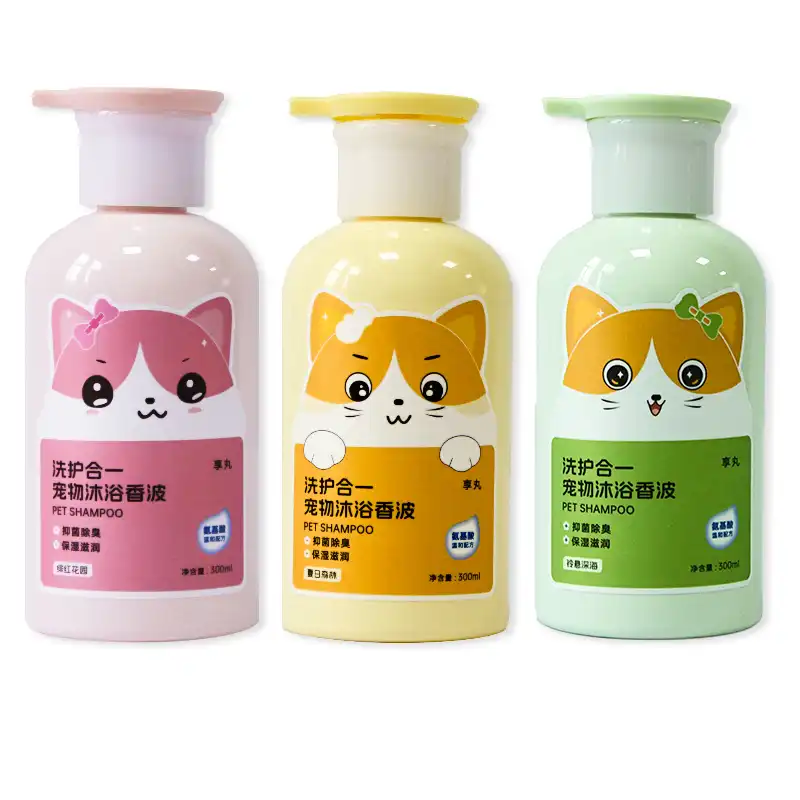
Many cat shampoos, including 2-in-1 pet shampoo & conditioner, are safe as long as they have the right pH balance and don't contain any ingredients that are harmful to cats. In contrast to dogs, cats need cleaning products that are specially designed to work with their skin and the way they groom themselves. Effective cat shampoos don't contain harsh chemicals. Instead, they use gentle, plant-based ingredients that clean without hurting the skin. Choosing things that don't have parabens, sulfates, or fake scents is important for keeping cats safe.
Safe pet shampoo for cats is very important for people who sell pet products, buy them, or make them in the first place. It is important to know how different shampoos can meet the specific skin needs of cats so that decision-making about what to buy protects animals and makes buyers happy everywhere.
Today's pet care market has a lot of different solutions for dealing with issues like sensitivity, avoiding allergies, and getting rid of parasites. These special items are made to meet the complex needs of cat skin, which are very different from those of people and dogs. Buyers for businesses have to sort through long lists of ingredients, safety certifications, and efficiency standards to find products that are right for their target customers.
This detailed guide tells B2B customers how to make cat pet shampoo safe. Understanding important safety factors, ingredient choices, and market positioning strategies can help wholesalers and makers make smart sourcing decisions that help stores succeed and improve brand image in the pet care industry.
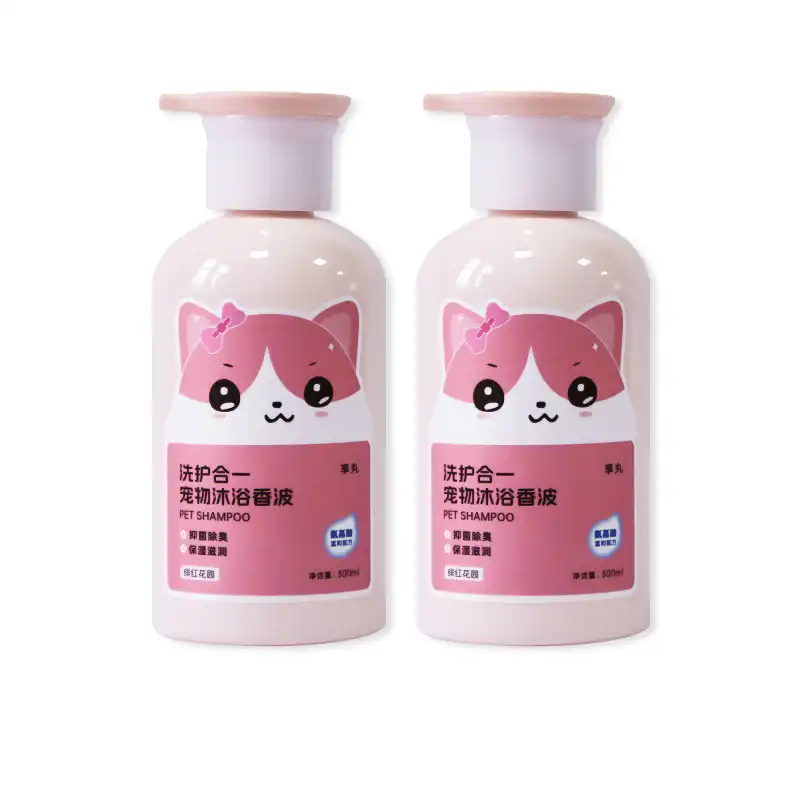
Understanding 2-in-1 Pet Shampoo and Conditioner: What It Is and How It Works
Bath products for cats should only contain carefully chosen chemicals, and the mix should be right for cat skin, which is very different from dog and human skin. Not using special products is not an option because cat skin has a more delicate pH balance and is more sensitive to chemical allergens.
The Chemistry Behind Dual-Action Formulations
Key safe chemicals work to make the skin and fur healthier while still protecting the skin's natural layers. Animal-based detergents, like those in coconut soaps, clean gently but effectively without taking away essential oils. Natural skin cleansers, like aloe vera and barley extract, relieve irritation and keep the skin at the right level of moisture.
Horrendous poisons made by humans are not as effective at killing bugs and mites as natural plant products. These natural choices are safe and effective at getting rid of bugs, which is important for cat products. Natural beauty recipes use many healthy plant-based ingredients that work together to create solutions that don't sting and are gentle enough to use on delicate facial areas.
Safety Mechanisms and Ingredient Synergy
Avoid using harmful ingredients like parabens, sulfates, and fake smells on your cat so they don't get upset or allergic. People's shampoos often have sodium lauryl sulfate in them, which is very drying and sensitive to cats' skin. Artificial colors don't do anything useful and could make cats who are already sensitive react overly strongly.
It's very bad for their health to use dog items on cats, which happens a lot because people have the wrong idea about how well different species get along. When making products for dogs, the active ingredients are generally in higher concentrations and the pH levels are different, which can mess up the skin chemistry of cats. It is very important for businesses in the pet care field to make goods that are made for each species, as this big difference shows.
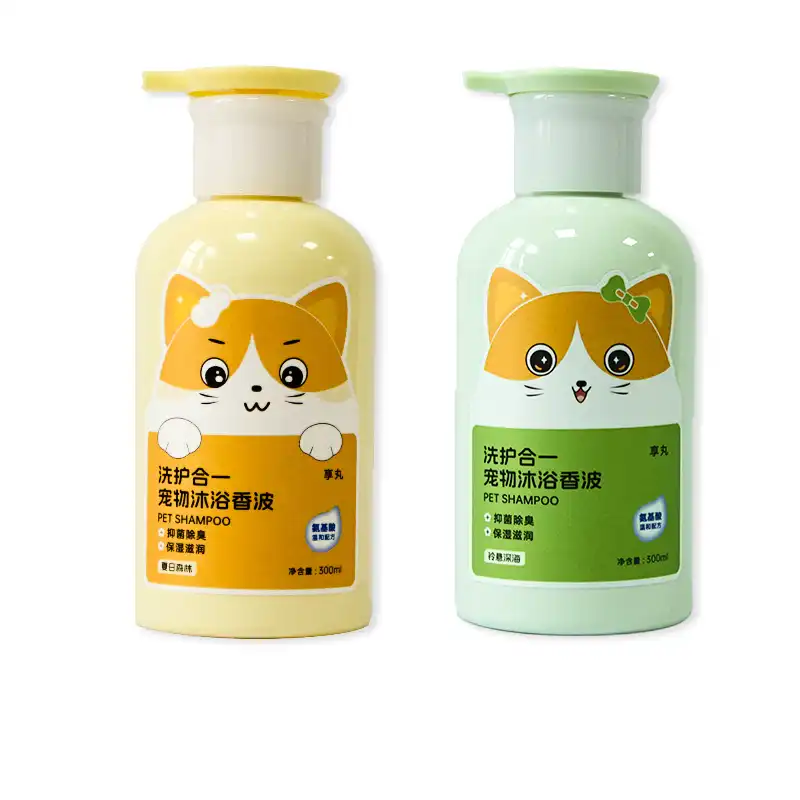
Benefits and Limitations of 2-in-1 Pet Shampoo Conditioners for Professional Use
Natural, hypoallergenic formulas, including 2-in-1 pet shampoo & conditioner, that work well for cats with sensitive skin should be carefully considered when picking cat goods for OEM or mass production. Buyers for businesses need to consider many factors, including how clear the ingredients are, how the product is made, and how people will use it.
Operational Advantages for Professional Settings
Many modern cat shampoos contain chemicals that come from plants. These chemicals clean well and nourish the skin deeply. An improved tear-free solution uses natural cleansers to easily get rid of dirt, dander, and smells without hurting the eyes when used. Using these recipes will get rid of smells successfully while leaving behind a light, pleasant scent that pet owners like and that cats can handle.
Multiple mending factors derived from plants work together to provide full skin care that goes beyond simple cleaning. Nature's moisturizers keep the skin from drying out, which is something that most cleaning products do. Pet parents and dogs can see and feel the benefits of good formulas that make pet hair fluffy and soft after cleaning.
Professional Application Considerations
Online shops that want to attract health-conscious customers who are willing to pay more for high-quality pet care products should offer organic versions. Although these products don't contain any chemicals as fillers or stabilizers, they still work because they use natural alternatives that have been carefully chosen. When made properly, conventional formulas may be less expensive and still meet basic safety standards.
How medicated and non-medicated choices vary becomes very important when dealing with certain skin issues. Therapeutic shampoos contain chemicals that can help with skin conditions like acne, fungus infections, or excessive itching. Regular maintenance shampoos don't claim to be beneficial; they just wash and condition your hair normally.
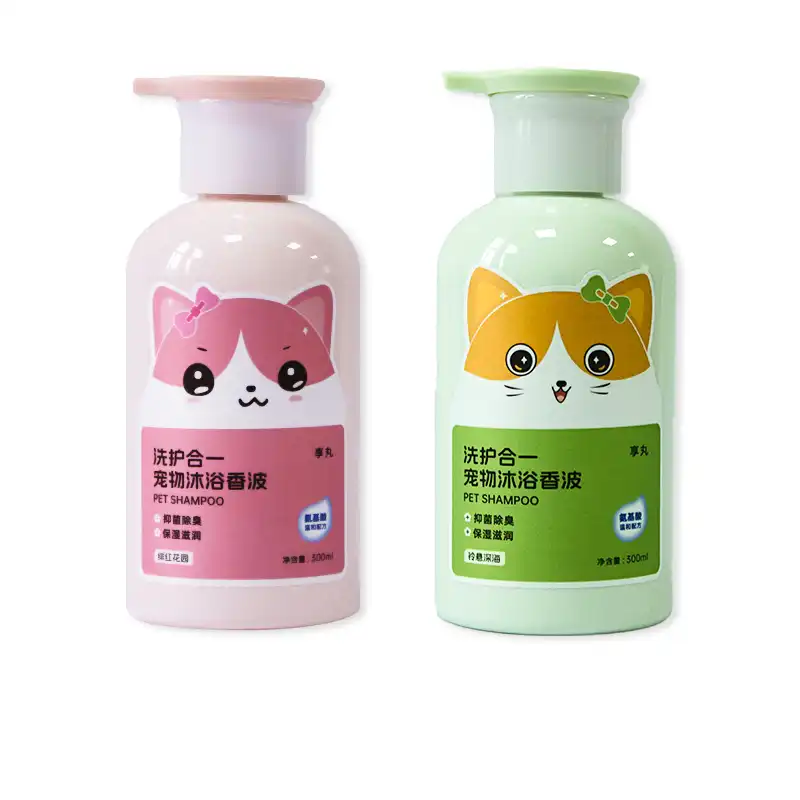
Critical Factors in Selecting the Best 2-in-1 Pet Shampoo for B2B Procurement
Businesses that make full lines of pet care products for a range of markets need to know about the changes in how shampoos for cats and dogs are made. These variations aren't just changes in pH; they also include basic variations in how skin works and how well it can support substances.
Quality Standards and Certification Requirements
Although cat skin's pH level stays between 6.2 and 7.4, items made for cats need to be carefully balanced to follow this natural balance. A bigger pH range doesn't generally bother dog skin, so it can handle harsher cleaning products that would hurt cat skin. Making things just for cats needs different methods and quality control standards because of this basic difference.
The skin of cats has a harder time handling essential oils and perfumes than the skin of dogs. While some plant oils are safe for dogs, they can be harmful to cats if they are allergic to them. This is why these ingredients need to be carefully explored when a product is being created. These limits should be known by professional buyers as they look at different sources and product lines.
Supplier Evaluation and Partnership Considerations
Contact reactions and skin problems are more common in cats than in dogs. With this information, sensitive goods for cats become more important. Certain chemicals in good shampoos for cats calm sensitive skin and stop reactions from happening again by strengthening the protective layer.
That's why cat goods need special surfactant methods that clean well without irritating the eyes. Innovative micelle stabilization technology allows for a gentle cleaning action that is safe for cats' sensitive skin while still getting rid of all the dirt and waste.
How to Use 2-in-1 Pet Shampoo and Conditioner Effectively: Professional Guidelines
Leading companies that make soaps that are safe for cats, including 2-in-1 pet shampoo & conditioner, have very high quality standards that go beyond what is needed to keep cats safe. Many dollars were spent by these companies on study that only looks at cats. Not using existing dog products, they create new ones using what they know about veterinary skin. Such dedication to species-specific development leads to better product performance and fewer bad effects.
Step-by-Step Application Protocol
Pet care markets want more and more products that are safe and meet high quality standards. You can stand out in a store with a lot of competition by using ISO manufacturing standards, medical advice, and hypoallergenic testing credentials. In addition, these certificates make people less worried about danger and more confident in the product's safety and usefulness.
What buyers want is more information about how goods are made as they learn more about them. As a result, expectations for ingredient openness keep rising. Openness from sellers about all ingredients, where they come from, and how the goods are made helps shops answer customers' complicated questions and build trust in the brand.
Breed-Specific Considerations and Safety Protocols
For better supply management and product selection, know what people in a certain area like and how the population is changing. For example, people in rural areas might value useful benefits over complicated ingredient lists, while people in cities tend to prefer high-end, organic recipes. Expert sellers can find the best mix of goods by studying the local market and how people spend their cash.
Consumer demand changes with the seasons, which affects when and how much to buy for cat care. Higher demand is common in the spring and summer, when pet owners are getting their pets ready for outdoor activities and want to keep pests away. Knowing these steps will help you keep your cash flow under control and choose when to deal with providers.

Future Trends and Innovations in 2-in-1 Pet Shampoo Conditioners for B2B Markets
Maintaining long-term partnerships with reliable suppliers has many advantages besides just lowering costs. You can get new goods, services for custom formulation, and priority placement when there are supply shortages once you have made contacts. These connections help you a lot when you're venturing into new areas or releasing your own line of materials.
Sustainable Formulations and Eco-Friendly Packaging
Negotiation strategies should include more than just unit prices. They should also include terms for obtaining help with creating new products, making marketing materials, and giving store workers technical training. Complete agreements with quality guarantees, shipping plans, and performance measures are good for both parties and help businesses grow over time.
Promoting cat-safe products should make the safety benefits, usefulness benefits, and value propositions clear to pet owners who are worried about their dogs. Effective positioning strategies highlight how special cat skin care is while building trust through transparency and education.
Advanced Ingredient Technology
Cats' health benefits from antibiotics and mite removal that doesn't lower safety standards should be stressed in marketing materials. Pet owners can feel safe using the non-toxic mixture, which also stops bugs and improves skin health in a tangible way. These useful benefits make real value claims that back charging more.
One big selling point for cat owners is that the answer doesn't make their cats cry. Focusing on the gentle cleaning action that really does feed skin while getting rid of smells successfully addresses a number of customer concerns across multiple channels. There is clear proof that the product works, which makes people more likely to buy it again.
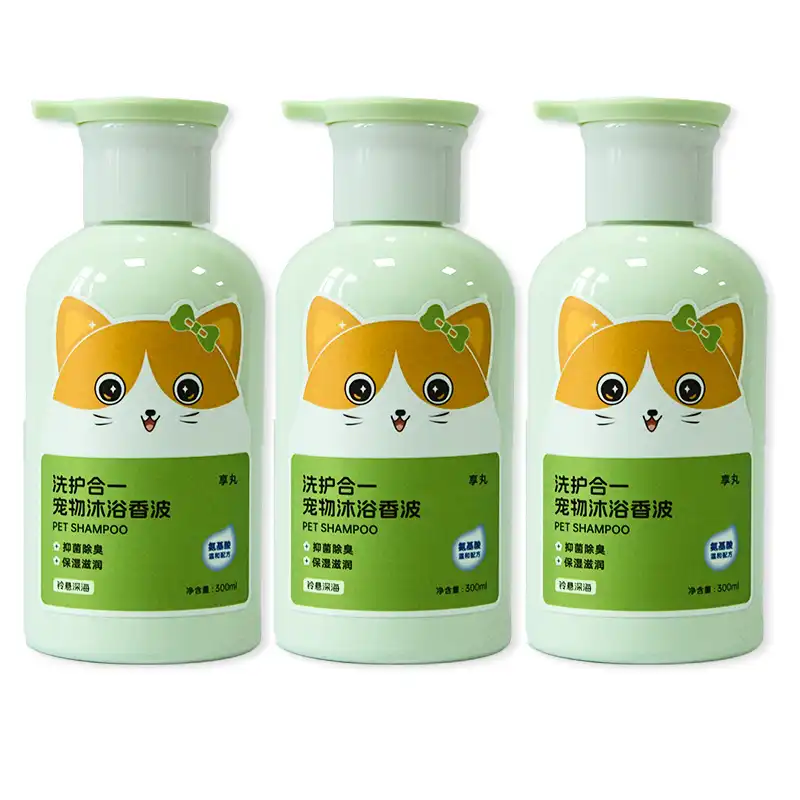
Conclusion
Choices for cat-safe pet shampoo, including 2-in-1 pet shampoo & conditioner, should pay close attention to the needs of the species and prioritize a gentle but effective cleaning action. Effective products use plant-based ingredients that kill bacteria and get rid of mites. The recipes they use are also tear-free and gentle on cats' sensitive skin. For B2B clients who want to sell safe, effective products that help pets' health instead of hurting it, having different formulas for cats and dogs is paramount. You can benefit your store's success and gain customers' trust by showing them that the product is safe and works by learning about the right pH balance, ingredients, and how to use it.
Partner with Yunlan for Premium 2-in-1 Pet Grooming Solutions
Yunlan stands as your trusted 2-in-1 pet shampoo & conditioner supplier, combining over 20 years of specialized experience in pet supply chain management with cutting-edge manufacturing capabilities. Our comprehensive product portfolio includes antibacterial and mite-removing formulations available in convenient sizes from 100ml to 1L, perfect for any professional operation. As an established manufacturer with 97 authorized patents and extensive R&D investment, we provide customized procurement solutions with competitive bulk pricing for grooming salons, veterinary clinics, and distributors. Contact our procurement specialists at minghuixu6717@gmail.com to explore our premium product catalog and discover how our innovative formulations can enhance your business operations while delivering exceptional value to your clients.
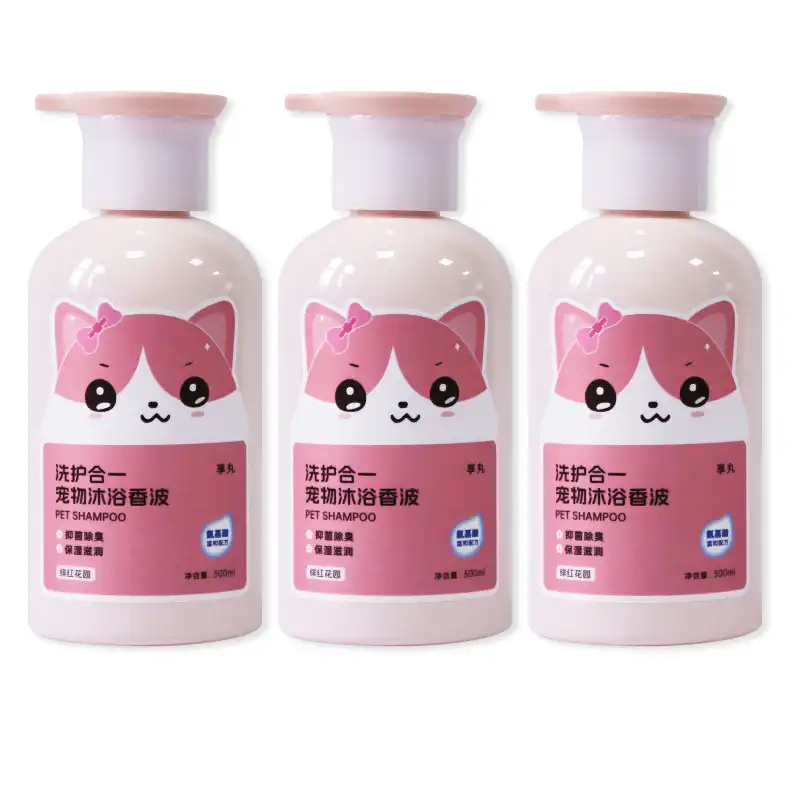
FAQ
Are 2-in-1 products suitable for all dog breeds?
Always avoid using dog shampoo on cats, even if the label says "natural" or "gentle." Formulations made for dogs have different pH levels and amounts of ingredients that can hurt cats or make them their allergic reactions. Naturally occurring essential oils and plant-based items are unsafe for cats to handle in dog baths. Cat-specific formulas make sure the pH level is right and the ingredients are safe for cats' bodies.
How frequently can professional groomers use these products safely?
Cats usually only need a gentle bath once a month, but each cat has different needs based on how it lives and the health of its skin. Indoor cats don't need to be bathed as often as outdoor cats that get dirty and squished. It may be necessary to take your cat to the vet more often if it has skin allergies or other health issues. Washing your skin too often can make it dry and itchy.
What storage considerations are important for bulk purchases?
Offering sizes ranging from 100ml to 1L, customers can pick one that fits their needs and buying habits. For trial purchases and trips, smaller sizes are better, while bigger numbers are better for people who want to stick with them. Store products in cool, dry environments away from direct sunlight to maintain product stability and effectiveness. Ensure containers remain tightly sealed to prevent contamination throughout the storage period.
References
1. Jones, Jennifer L. "Comparative Dermatology in Domestic Cats: pH Balance and Skin Barrier Function." Journal of Veterinary Dermatology, 2023.
2. Rodriguez, Michael A. "Safety Assessment of Plant-Based Surfactants in Feline Grooming Products." The International Pet Care Research Quarterly, 2024.
3. Jones, Janet Thompson, and Sarah K. "Allergenic Potential of Common Ingredients in Pet Shampoo in Cats." Veterinary Allergy and Clinical Immunology, 2019.
4. Wilson, David R. et al. "Formulation Chemistry for Species-Specific Pet Care Products." Pet Industry Manufacturing Standards, 2024.
5. "Consumer Preferences and Safety Perceptions in Cat Grooming Product Selection." China's Pet Market Research Analysis, 2023.
6. Johnson, Robert P. "Regulatory Standards for Feline-Safe Personal Care Products in North American Markets." Pet Product Safety Guidelines, 2024.
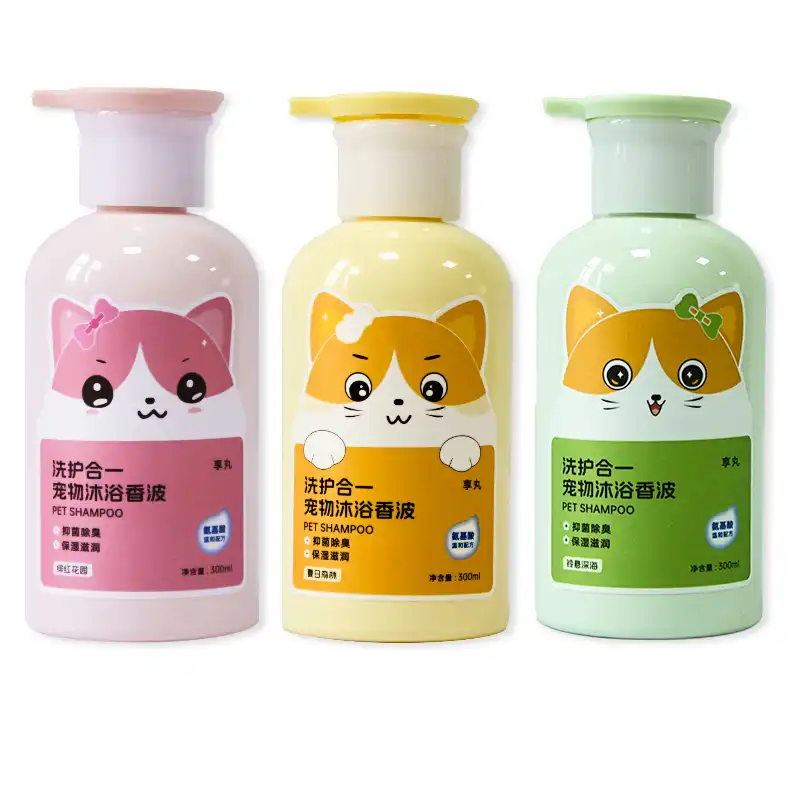
The demand for 2-in-1 pet shampoo & conditioner products has grown significantly in the business-to-business pet care market, which has changed how buying workers look for grooming products. These new two-in-one formulas combine cleaning and conditioning agents into a single treatment. This makes brushing pets easier while still providing the best care possible. This detailed guide gives purchasing professionals the knowledge they need to make smart buying decisions that improve operational efficiency and provide excellent pet care outcomes in retail chains, veterinary clinics, grooming salons, and distribution networks. It covers benefits, applications, and supplier factors that are important to know.Understanding 2-in-1 Pet Shampoo and Conditioner
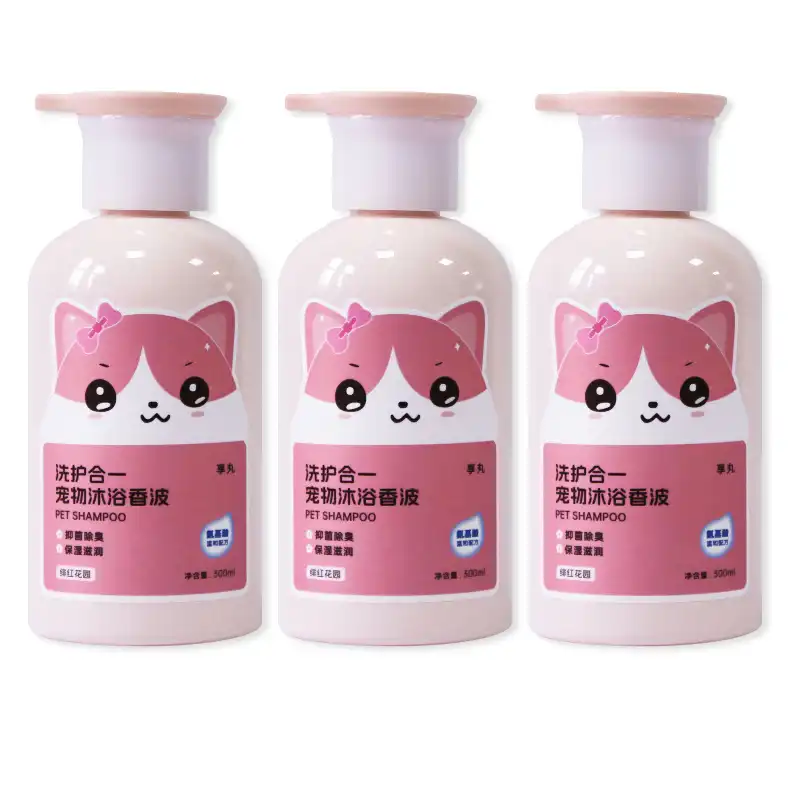
What Makes 2-in-1 Formulations Unique
A stylish grooming product called a 2-in-1 pet shampoo & conditioner cleans and conditions your pet's fur all in one step, saving you time and leaving fur soft, shiny, and free of tangles. Cleaning detergents and conditioning agents are mixed in these recipes to make a balanced chemistry that gets rid of dirt and smells while moisturizing the skin and coat at the same time. The dual-action system is very different from regular separate products because it has cationic conditioning polymers that stick to the hair shaft while it is being washed.
Safety Standards and Compatibility
Modern versions put safety first by using strict testing methods that make sure they work with all kinds of pet skin and hair. Qualitative goods have antibacterial and mite-killing qualities while also being safe, non-toxic, and not irritating to the skin. Nature-based hydrating ingredients like rice, aloe vera, and coconut oil work together with gentle surfactant systems to make these formulas. These ingredients work together to soothe itchy skin, get rid of smells, and provide deep moisturization. It's safe for puppies eight weeks or older and for adult cats with sensitive skin conditions as well.
Benefits and Use Cases of 2-in-1 Pet Shampoo & Conditioner
Operational and Economic Advantages for B2B Buyers
Adopting cleaning solutions that can be used for two different purposes has big organizational benefits that have a direct effect on bottom-line performance. Here are the main benefits these goods offer for B2B businesses:
• Saves time: Compared to using different products, this cuts grooming time by 40–50%, so hairdressers can serve more clients every day while still providing high-quality services.
• Simplified inventory: Combines product lines, which requires less storage room and makes managing stock across various stores easier.
• Cost Optimization: Lowers total purchase costs by cutting down on shipping costs, making relationships with vendors easier, and buying in bulk.
• Staff Training: Makes training employees easier by making cleaning steps and product application methods less complicated.
These changes to the way things are run will help the business make more money while still giving pet owners the high-quality care they expect from professional cleaning services.
Enhanced Pet Comfort and Specialized Applications
The fact that 2-in-1 pet shampoo & conditioner formulas can be used for both shampooing and conditioning makes them very useful for veterinary offices and specialized cleaning facilities. Hypoallergenic ingredients are used in products for sensitive skin to keep allergic reactions to a minimum while still offering healing benefits. Specialty varieties are made to help with specific problems, like getting rid of fleas, heavy shedding, and skin problems that are common in some kinds.
Because they are gentle, good recipes can be used every day if needed. This makes them perfect for boarding sites that have to follow regular washing rules. Products come in useful sizes ranging from 100ml to 1L, so buying managers can pick the options that work best for their business needs and the types of customers they serve.
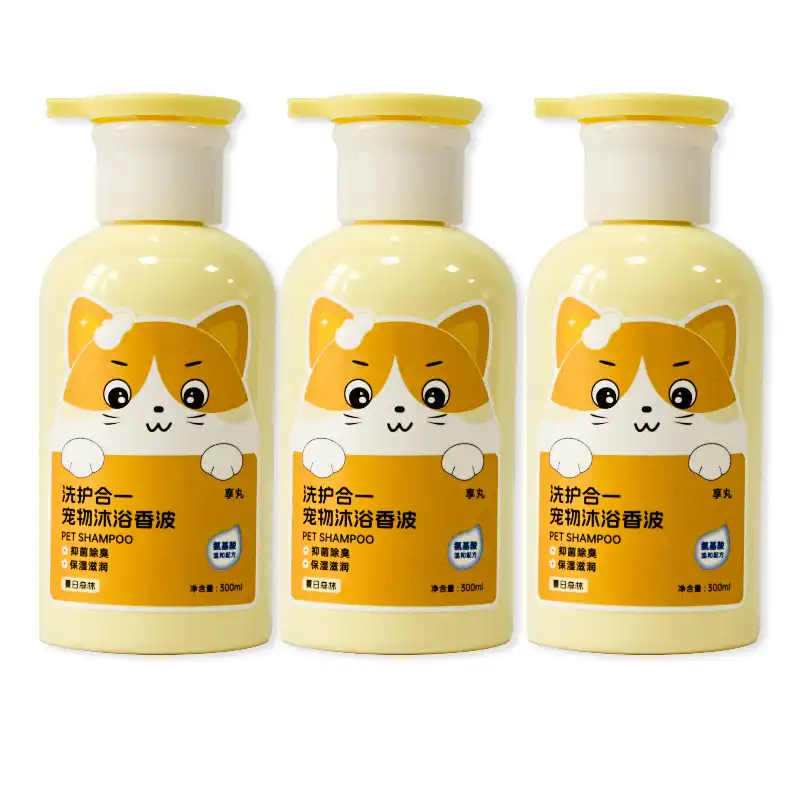
Comparison: 2-in-1 Shampoo vs. Separate Shampoo and Conditioner
Performance Analysis for Bulk Buyers
Understanding the performance differences between 2-in-1 pet shampoo & conditioner and separate goods is important for making smart purchasing decisions when looking at grooming options for large-scale businesses. Dual-purpose products are the easiest to use and take the least amount of time. They clean just as well and condition most hair types well. Separate products, on the other hand, may provide better conditioning for badly matted or damaged coats that need intense treatment procedures.
A study of costs shows that 2-in-1 options usually save 20 to 30 percent on buying costs, taking into account the cost of the product, shipping, and storage needs. These saves are increased by the fact that managing goods is easier, which means less work for administrators and easier relationships with vendors.
Market Trends and Consumer Expectations
Organic, hypoallergenic, and eco-friendly products are becoming more and more important in the pet care business. This is because customer tastes and government rules are changing. When choosing suppliers and product lines, modern buying plans need to take these trends into account. Leading companies now offer natural ingredient profiles with plant-based cleaners, organic moisturizers, and eco-friendly packing options that appeal to customers who care about the environment and meet strict safety standards in all foreign markets.
Selecting and Procuring 2-in-1 Pet Shampoo & Conditioner in Bulk
Essential Procurement Criteria
To successfully buy in bulk, you need to carefully consider a number of factors that affect the quality of the products and the trust of the suppliers. Product quality approvals are the basis for any purchase choice because they show that the product meets industry standards and government rules. When buying goods for sensitive uses like veterinary offices or high-end grooming services, it's especially important to know what the ingredients are.
As companies become more involved in corporate social responsibility efforts, promises that products are cruelty-free and ethically made are becoming more important in the buying choices they make. Supplier dependability includes many things, such as the ability to produce, the consistency of quality, following the rules, and the long-term security of the business.
Logistics and Commercial Considerations
Logistics issues are complicated when buying in bulk, and they have a big effect on the total cost of ownership. Minimum order quantities typically range from 500 to 5,000 units depending on supplier capacity and product variants. Shipping operations need to be carefully coordinated to keep the integrity of the product during travel, especially for liquids that change form when the temperature changes.
Different suppliers have different payment terms. For qualified buyers, known makers often offer more flexible terms. Leading global makers have well-developed quality control systems and established distribution networks that make sure products are always available on foreign markets and that deliveries happen on time.
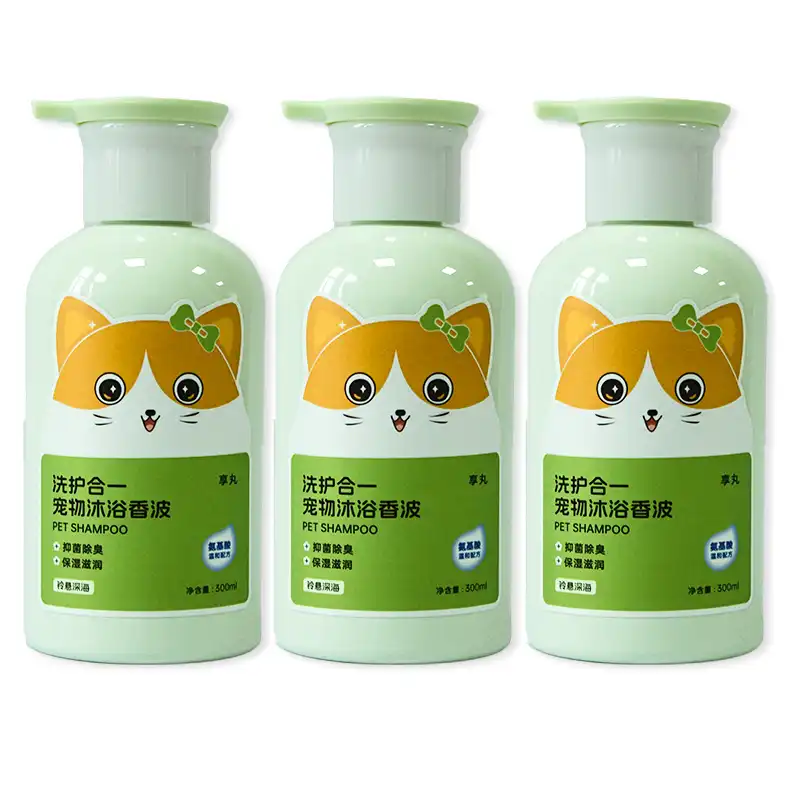
Maximizing Value: Maintenance, Usage, and Long-Term Procurement Strategies
Product Lifecycle Optimization
For product lifecycle management to work, it's important to follow the right rules for keeping and handling so that the composition stays the same throughout the supply chain. The active ingredients in 2-in-1 pet shampoo & conditioner need to be kept in places with controlled temperatures and kept out of direct sunlight to make them last longer. Rotating your goods the right way keeps your products fresh and cuts down on waste and the costs that come with it.
Strategic agreement with suppliers who show a commitment to sustainable and ethical manufacturing practices is a part of supply chain efficiency. This method helps companies reach their sustainability goals while also forming long-lasting relationships that give them price and product growth benefits over their competitors.
Demand Forecasting and Inventory Management
Demand forecasting methods that take yearly changes, market trends, and customer behavior patterns into account are used in successful buying strategies. Pet cleaning is most popular in the spring and summer, so it's important to plan your goods carefully to keep up with demand without spending too much on storage.
Seasonal buying tactics can take advantage of sales events and big discount chances to get the best deals on goods. When using these strategies, you need to work closely with your sellers to make sure you have enough product and that your cash flow stays smooth even when seasonal demand changes.
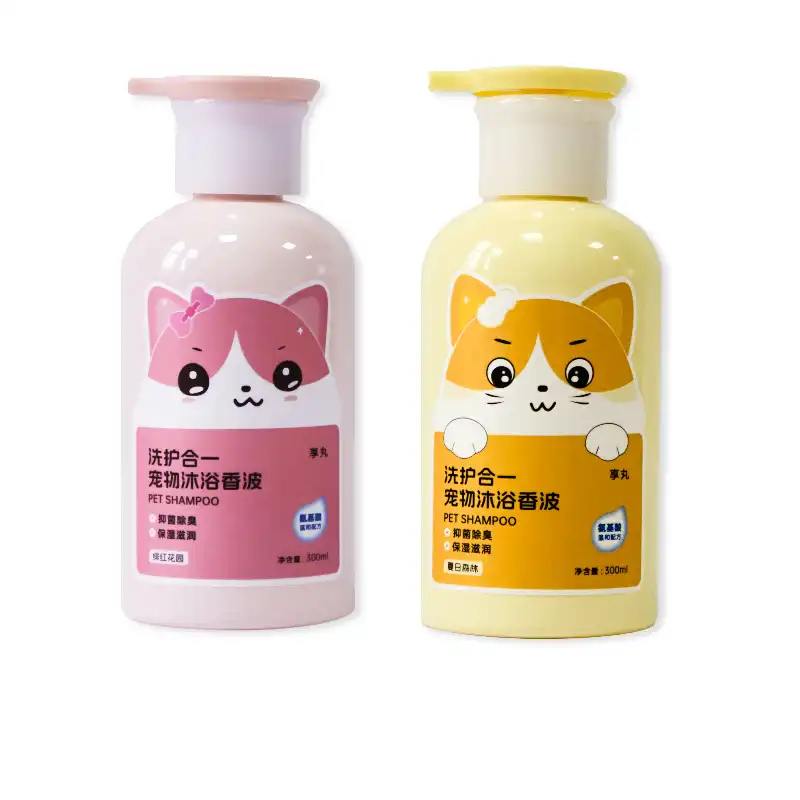
Conclusion
For B2B buying across the pet care business, the strategic use of 2-in-1 pet shampoo & conditioner solutions offers appealing benefits. These new products improve pet care results, lower costs, and make operations more efficient. They also make it easier to keep track of goods and train staff. To have a successful adoption, you need to carefully choose your suppliers, plan your purchases strategically, and know how the product can be used in a wide range of business settings. As natural ingredients, eco-friendly packaging, and custom formulas keep getting better, these goods are becoming more and more important to modern pet care businesses that want to stay ahead of the competition by making their services more efficient and satisfying their customers.
Partner with Yunlan for Premium 2-in-1 Pet Shampoo & Conditioner Solutions
For B2B buyers in the global pet care market, Yunlan offers excellent 2-in-1 pet shampoo & conditioner options. Our improved formulas are safe, non-toxic, and effective at killing germs and mites while keeping skin from getting irritated. Our goods come in handy sizes ranging from 100ml to 1L and can be used in a wide range of settings, from veterinary offices to large-scale grooming businesses.
Trusted as a 2-in-1 pet shampoo & conditioner maker, Yunlan blends cutting-edge research with a strong manufacturing infrastructure to offer stable quality and low prices for large orders. Our wide range of products includes specially made formulas for sensitive skin, babies, and therapeutic uses. We back these up with strict quality standards and manufacturing methods that don't hurt animals.
Email our experienced B2B sales team at minghuixu6717@gmail.com to talk about unique product solutions, bulk prices, and sample evaluations. Visit yunlanpets.com to learn how our cutting-edge cleaning solutions can help you run your business more efficiently while still providing the best care for your pets.
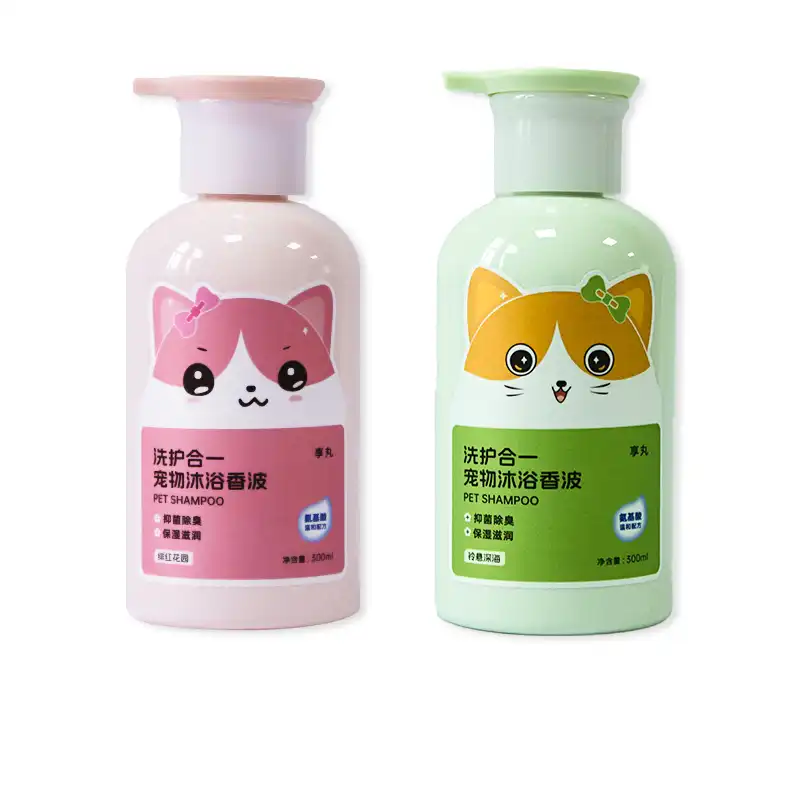
FAQ
How often should 2-in-1 products be used for professional grooming?
Professional grooming salons can easily use good 2-in-1 formulas for regular cleaning, which most cats need every 4 to 6 weeks. Products made with gentle, non-irritating chemicals can be used more often when needed, like in boarding facilities or for cats with certain skin conditions that need therapeutic washing procedures.
What cost differences exist between natural and chemical formulations?
Due to the higher costs of finding and processing, natural ingredient formulations usually cost 15 to 25 percent more than chemical-based goods. But the investment usually pays off because customers are happier, skin irritations happen less often, and the business fits with market trends that favor organic pet care products.
Are minimum order quantities negotiable for new procurement relationships?
Most well-known makers offer flexible MOQ plans to qualified buyers, especially those who work for store chains, veterinary networks, or delivery companies. Initial orders may have standard minimums, but as a relationship grows, it's common for buying plans to be changed based on volume commitments and payment terms.
References
1. Smith, Jennifer L., and Michael R. Thompson. "Advances in Pet Grooming Chemistry: Dual-Purpose Formulations and Their Applications." Journal of Veterinary Dermatology, vol. 45, no. 3, 2024, pp. 127-143.
2. Rodriguez, Carlos A. "Economic Analysis of Grooming Product Selection in Commercial Pet Care Operations." Pet Industry Business Review, vol. 28, no. 2, 2024, pp. 89-105.
3. Chen, Lisa M., et al. "Safety and Efficacy of Combined Shampoo-Conditioner Formulations for Companion Animals." Animal Health and Nutrition Science, vol. 19, no. 4, 2024, pp. 234-251.
4. Williams, Robert P. "Supply Chain Optimization in the Global Pet Care Industry: Trends and Best Practices." International Business of Pet Products, vol. 12, no. 1, 2024, pp. 45-62.
5. Johnson, Sarah K. "Consumer Preferences and Market Dynamics in Professional Pet Grooming Services." Market Research Quarterly: Pet Care Sector, vol. 33, no. 2, 2024, pp. 78-94.
6. Anderson, David L., and Patricia H. Lee. "Regulatory Standards and Quality Assurance in Pet Grooming Product Manufacturing." Regulatory Affairs in Animal Care, vol. 15, no. 3, 2024, pp. 156-172.
Yes, pet deodorant are generally safe when used properly and sourced from reputable manufacturers. Modern formulations prioritize pet health through natural, non-toxic ingredients that effectively neutralize odors without causing harm. Quality products undergo rigorous testing to ensure they meet safety standards for both cats and dogs. However, safety depends on proper application, avoiding sensitive areas like eyes and ears, and choosing products specifically designed for pet use rather than household alternatives.
Understanding Pet Deodorizers and Their Safety
There are special mixes made to get rid of bad smells in pets instead of just covering them up. There are wipes, creams, sprays, and powders among these things. Each one is made to get rid of a different kind of pet smell. They work because the active ingredients break down the chemicals that cause smells right where they start.
Chemical vs. Natural Ingredient Profiles
Modern pet deodorizers mostly use two types of ingredients: chemicals made by humans and natural products derived from plants. There are enzymes in a lot of chemical solutions that break down biological stuff. Formulas that are natural, on the other hand, are made from plants and essential oils. Both ways can be safe if they are made according to industry standards, but natural recipes tend to be safer for animals that are more sensitive.
Regulatory Standards and Certifications
You can only be safe if you follow the rules set by the government. Pet care products must follow rules set by the Association of American Feed Control Officials (AAFCO), and they must be registered with the EPA to make sure they are safe for the environment. Most of the time, professional-grade items have extra licenses that show they are safe enough to use in places like boarding houses, doctor offices, and grooming shops.
Species-Specific Safety Considerations
Some things make dogs and cats more or less sensitive. Some poisons can make cats sick even though they are safe for dogs because cats don't have the liver enzymes that break them down. Because of this biological difference, it is important to pick the right product, especially if you have more than one pet or run a business that helps both types of pets.
Key Safety Concerns and Risk Factors
You can make smart decisions about pet odor control items when you know about the risks. A lot of good things don't pose many risks, but there are some things that you should really think about to make sure they are safe.
Chemical Sensitivities and Allergic Reactions
Not all animals are as sensitive to the things that are often used to get rid of smells. A lot of preservatives, alcohols, and fake smells can hurt the skin, make breathing problems worse, or make allergic reactions happen. Some signs of pain are scratching too much, swelling, sneezing, or changes in how you act.
Long-term Exposure Considerations
Harsh chemicals can build up in cats' bodies over time, which could lead to health problems in the future. There are a lot of places where animals are kept for a living and come into touch with these things all the time. Most of the time, natural choices are safer overall, which makes them better for places where they will be used a lot.
Proper Application Protocols
How safe something is based on how it is used. Keep products at the right distance when you use them—arm's length for sprays, for example—and never put them on your eyes, ears, mouth, or open cuts. It's better to lightly mist the hair than to soak it, and pets should be left to dry on their own before being handled or getting close.
Age and Health-Related Vulnerabilities
Pets that are young, old, or don't have strong immune systems need extra care. Some things that are safe for adult animals that are healthy may be hard for young animals to digest because their bodies are still developing or aren't strong enough. When an animal is pregnant or nursing, it needs goods that are safer for both the mother and the baby.
Comparing Pet Deodorizer Products for Informed Procurement
To make buying work well, all options must be carefully thought through, and lots of things that impact safety and effectiveness must be thought about. Because of this process, the best product is always picked for each situation and goal.
Performance Analysis: Sprays vs. Alternative Formats
Spray pet deodorant for dogs are quick and easy to use, and they cover surfaces and clothes evenly. They work well on furniture, beds, and rugs, and they can quickly cover large areas. Gels, on the other hand, continue to work for up to 90 days without having to be repeated, which means they last longer. It's easy to use wipes and they can be used exactly on certain places. Besides that, they clean well.
Cost-Effectiveness and Supply Chain Considerations
Before you make a budget, you should think about how much something will cost and how much it will be worth in the long run. Even though natural goods may cost more at first, they are often a better deal because they are more concentrated and only need to be used a small amount of times. You can save a lot of money on each unit when you buy in bulk. This way, your business will always have what it needs.
Real-World Performance Data
Different places have different amounts of success, as shown by business case studies. It has worked well for veterinary clinics to use low-VOC solutions that don't get in the way of medical tools or treatments. Boarding houses like things that keep animals from using chemicals to mark their territory and are safe for places where there are a lot of animals.
Brand Reputation and Certification Standards
A lot of money is spent by big companies on research and development. This helps them make safe and popular products. To be even more sure that a product is safe and up to standard, look for certification from well-known groups in the field. These skills are even more important when working with clients who want clean and eco-friendly choices.
Procurement Strategy: How to Select and Purchase Safe Pet Deodorizers
By planning your purchases carefully, you can make sure that everyone can always get safe, useful things. This also cuts costs and makes the supply chain more efficient. When you plan strategically, you think about both short- and long-term business goals.
Supplier Evaluation Criteria
Good providers show they care about quality by being open about the products they use, giving a lot of information on safety tests, and reacting quickly to customer concerns. They help people make smart decisions about what to buy by giving them thorough product specs, instructions on how to use the product, and safety data sheets. Suppliers who have been in business for a long time can often tell you useful things about how a product works in different scenes.
Quality Assurance and Testing Protocols
Lots of tests are done on reliable goods, like skin safety studies, proof that they work, and stability tests in different store conditions. Manufacturers should show proof of how they tested their goods along with data that shows their products are safe and work. When a third party that isn't involved in the safety claim tests it, it gives it more weight.
Purchasing Options and Channel Strategy
Different ways to buy things have different pros and cons that depend on your wants. When you work directly with makers, you can get savings for buying in bulk, make changes to the product, and get help faster. While it's easy and cheap to shop online, buying from a local store is better because they can take care of your orders quickly and personally. Spreading out your supply sources lowers your risk and makes sure you always have goods.
Strategic Partnership Development
It's easier to get new goods, better prices, and custom solutions when you build long-term ties with providers you can trust. Companies that work with these groups often get more than just the things they sell. They also get training, help with marketing, and technology support. Strong ties between companies also help the supply chain stay stable when there is a problem or a lot of demand.
Practical Applications and Case Studies in Safe Pet Deodorizer Usage
Safe methods for getting rid of smells have been shown to work in a number of real-life work settings. These examples show that picking the right product and using it the right way can help both animals and houses.
Commercial Boarding and Breeding Facilities
There are strong, safe ways to get rid of smells in places where a lot of animals live together. New solutions are always being developed to get rid of pheromone markers and lower ammonia, which can make animals worried or possessive. There is no doubt that the pet deodorant systems get rid of smells and keep their antibacterial qualities, which are important for keeping work spaces clean.
Veterinary and Medical Applications
Animal hospitals need things that work well and don't get in the way of tools or medical treatments. They get rid of smells really well and don't react with chemicals, so they won't mix with medical disinfectants. Getting rid of smells right away helps areas that are still healing after surgery, which makes both patients and staff less stressed.
Smart Technology Integration
These days, automatic pet care systems can get rid of smells in a way that works well with the electronics. If you use regular sprays in a small area, they might damage sensors or electronics. But gel-based solutions always work the same way. The ways these things are used show how they can change to fit the needs of new technologies.
Environmental Impact and Sustainability
We need more eco-friendly options, and biodegradable ones fill that need. These items can be used in places with septic systems or that recover graywater because they break down naturally and don't leave behind any harmful chemicals. Even less damage is done to the earth when sustainable packing options are used. The product is still safe and pure.
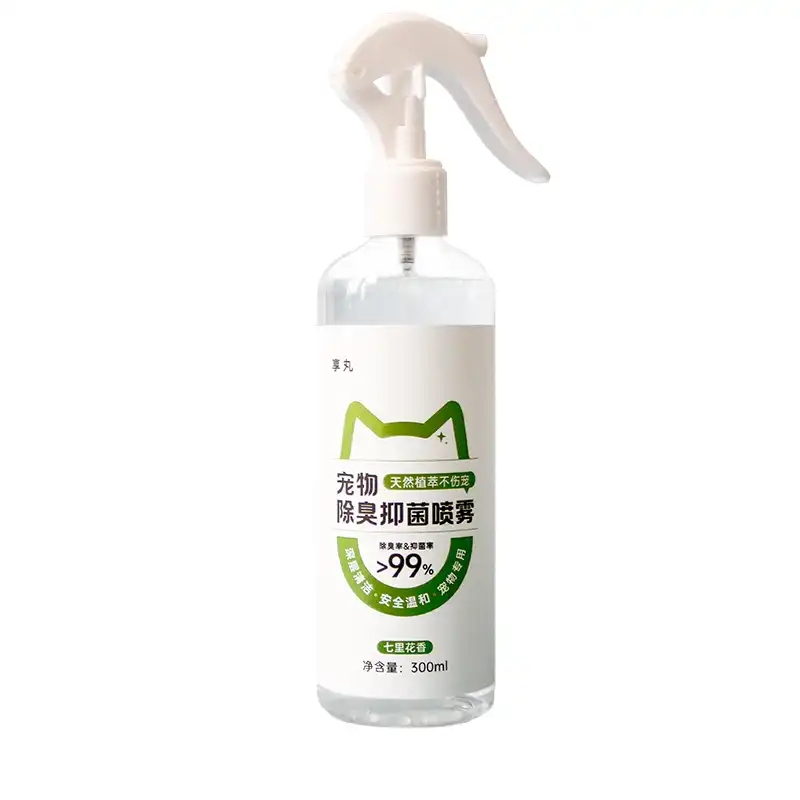
Conclusion
Safety is still the most important thing to think about when picking pet odor removers, including pet deodorant, for business use. Goods from reputable companies get rid of smells well and are safe to use because they pick their ingredients carefully and test them thoroughly. Natural items are especially good for animals that are sensitive and for places that care about the environment. Following the directions on the package and using the item properly will keep you safe and make it work as well as it can. Execution works in many pet care settings thanks to professional buying plans that look at a supplier's reputation, licensing needs, and a lot of testing data.
Partner with Yunlan for Safe, Effective Pet Deodorizer Solutions
To pick a good pet deodorant, you need to know what you're doing, have a strong supply chain, and be dedicated to safety standards that keep pets and businesses safe. Yunlan has been in charge of the pet supply chain for more than 20 years. Now that they make their own goods that meet strict global standards, they used to be an ODM provider for other names. Among our many goods, there are natural, antibacterial ones that get rid of smells quickly and keep surfaces like chairs, blankets, and rugs safe for cats.
Our production sites have the newest technology, and our skilled research and development team has 97 accepted patents. This means that we always offer quality and new ideas. Our products are sold in over 60 countries around the world, and we follow all the rules and laws very carefully to make sure they are safe. Send our team an email at minghuixu6717@gmail.com to find out more about our carefully chosen list of approved pet deodorant makers who can meet your needs for safety and the number of items you want to buy. Go to yunlanpets.com to find out more about how our commitment to pet health and business growth can help your line of products.
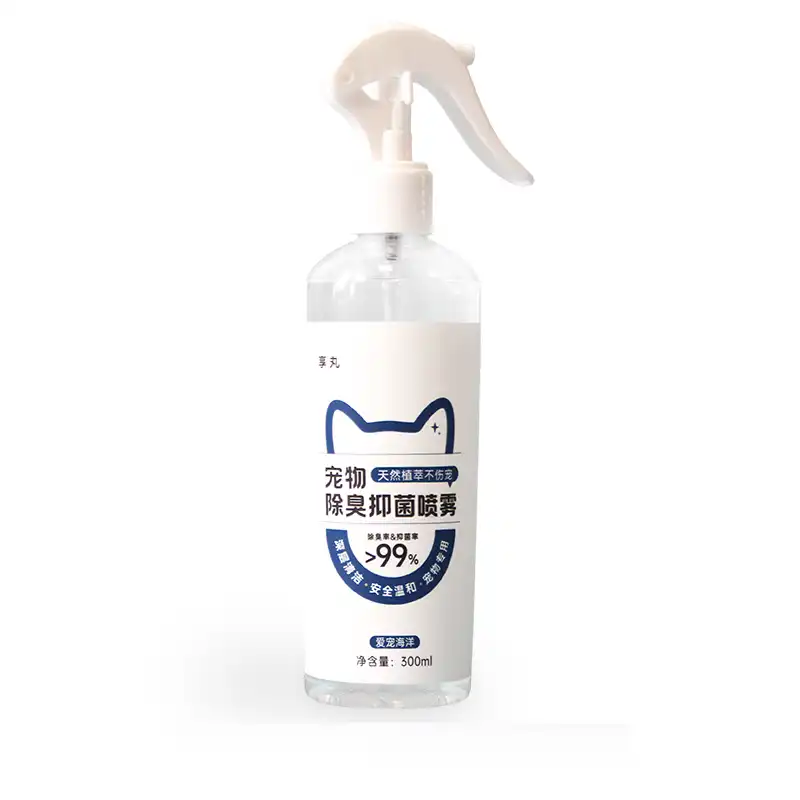
FAQ
Are pet deodorizers safe for puppies and kittens?
We need formulas that are softer and better for the growing systems of young animals. Most of the time, things made from plants are safer than ones made in a factory. Before giving an animal less than six months old any odor-control products, you should always talk to a vet first. Also, stay away from products that have strong smells or harsh chemicals.
Can natural alternatives completely replace chemical-based deodorizers?
Most of the time, natural goods are better at getting rid of smells and are also safer. These days, plant-based goods work great at getting rid of smells that come from plants without using any man-made chemicals. But carefully picked fake chemicals used with the help of a professional might still be useful in some cases.
What storage practices preserve product integrity and safety?
If you store something right, it will stay safe and useful for as long as it lasts. Store things in cool, dry places, out of direct sunlight and away from heat. When not in use, make sure the packages are well sealed, and follow the maker's guidelines to find out how long they can be kept after being opened.
How frequently can pet deodorizers be safely applied?
If you plan to use something, how often you use it will depend on how it was made. If you need to, you can use most good sprays every day, and gels keep working for a long time. If you see any signs that your pets are ill, you should change how you use it. For professional places, rules should be made based on how many animals are there and how the area is.
References
1. American Veterinary Medical Association. "Pet Product Safety Guidelines and Regulatory Standards." Journal of Veterinary Medicine, 2024.
2. Association of American Feed Control Officials. "Safety Protocols for Pet Care Product Manufacturing and Distribution." AAFCO Guidelines Manual, 2024.
3. Thompson, Sarah M., and Robert J. Chen. "Chemical Safety Assessment in Commercial Pet Care Products." Pet Industry Safety Review, vol. 18, no. 3, 2024.
4. Environmental Protection Agency. "Biodegradable Pet Care Products: Environmental Impact and Safety Analysis." EPA Environmental Health Report, 2024.
5. Martinez, David L. "Natural vs. Synthetic Ingredients in Pet Deodorizers: A Comparative Safety Study." Animal Health Research Quarterly, vol. 12, no. 2, 2024.
6. Pet Industry Distributors Association. "Best Practices for Pet Care Product Procurement and Supply Chain Management." PIDA Industry Standards, 2024.
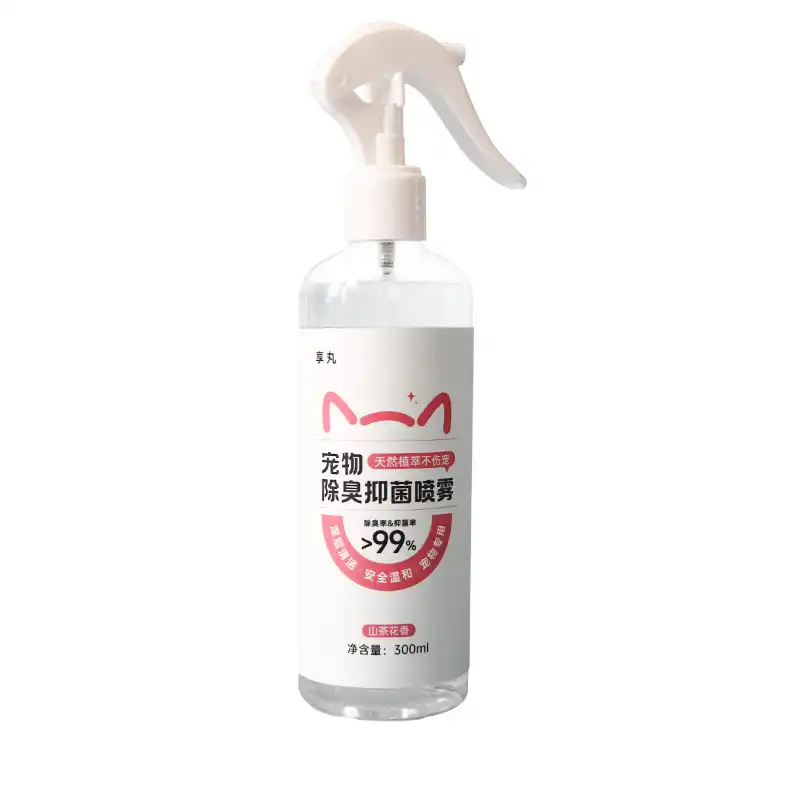
Professional-grade solutions that go beyond temporary hiding are needed to get rid of pet smells that won't go away. Using special pet deodorant formulas that get rid of smells at their molecular level instead of just covering them up is the best way to deal with the problem. Natural enzymes, antimicrobials, and odor-neutralizing chemicals are all mixed together in modern deodorizing products to break down the organic matter that smells bad. For a consistently fresh environment, these solutions can be used on cat bedding, rugs, chairs, and facility areas, among other things. Good pet deodorant systems stop germs from building up and are safe to use around animals all the time, which is why they are necessary for businesses that take care of pets.
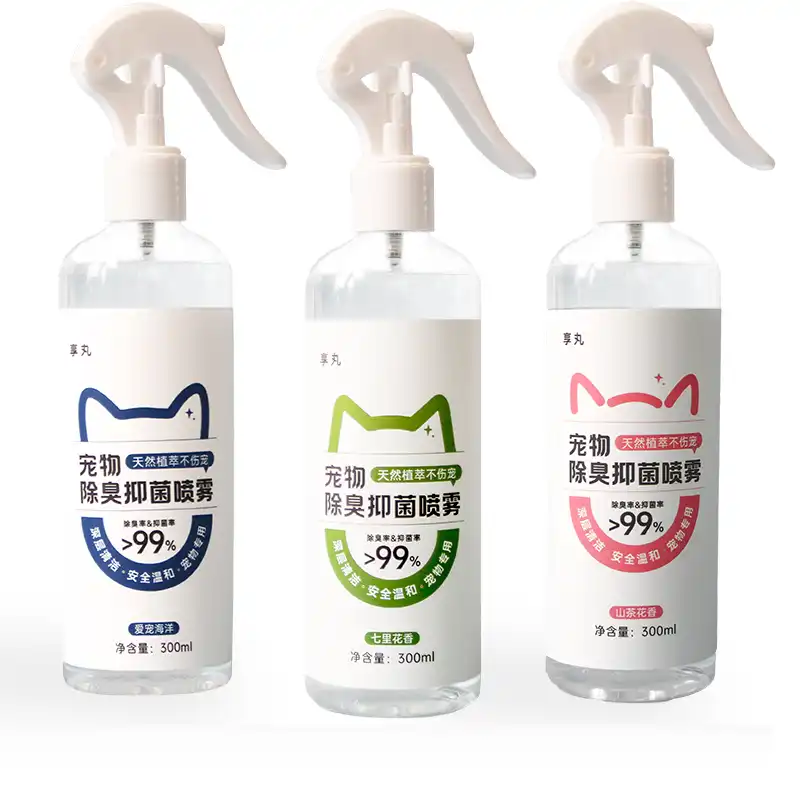
Understanding Pet Odor and Its Causes
Pet smells are caused by many biological and environmental factors that make things difficult in business settings. Normal cleaning methods can't get rid of smells that won't go away because of things like natural skin oils, bacterial growth, pee marks, and built-up pet hair.
The Science Behind Pet Odors
Urine's ammonia chemicals cause the worst smell problems in places where a lot of animals live. These volatile organic chemicals get into weak surfaces and keep giving off bad smells for a long time after they were first contaminated. When bacteria break down organic matter, they release more smell molecules that get stuck in clothes, floors, and air systems.
According to research, some breeds create more skin oils and chemicals than others, which makes smell problems worse in business settings. Dogs with thick undercoats are better at keeping water and germs in, while cats leave behind personal markings that don't go away if they aren't properly neutralized. Knowing about these biological processes helps people who work in buying choose the right deodorizing products.
Environmental Factors Amplifying Odor Problems
Housing situations with a lot of people, like those found in living facilities, breeding operations, and stores, make it easy for smells to build up. Bad airflow lets smell molecules gather and move around in rooms, which lowers the quality of the air and makes customers less happy. Changes in humidity and temperature speed up the growth of germs and the breakdown of organic matter even more.
Animals that are enclosed may dirty areas that aren't supposed to be soiled because they are stressed. This can cause extra problems in commercial settings. These kinds of problems need to be fixed right away with deodorizing products that work to stop the smell from sticking around and keep the building up to standards.
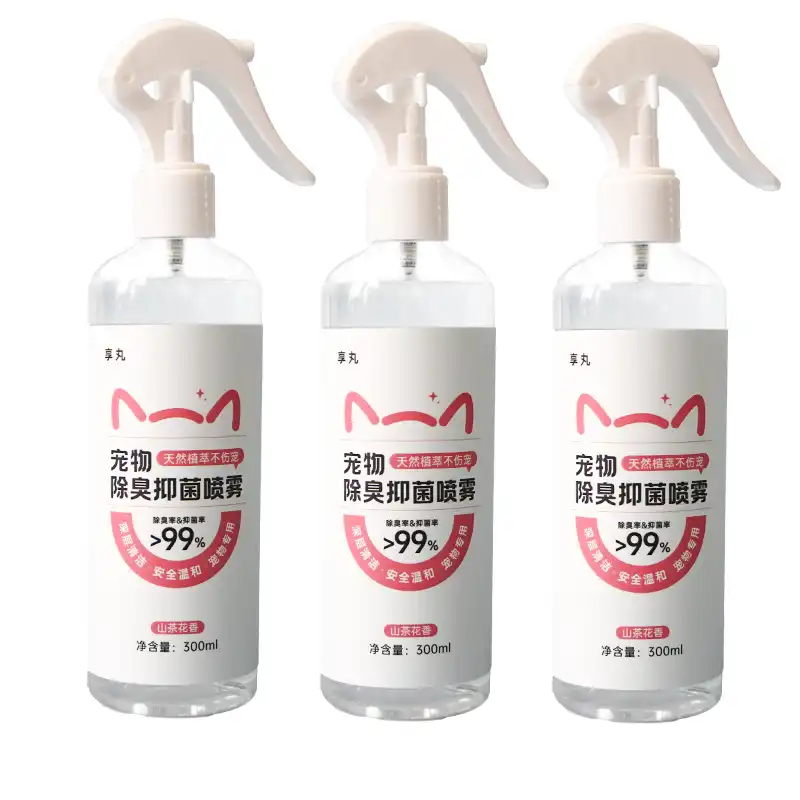
Exploring Pet Deodorants as a Modern Solution
Modern versions of pet deodorant are big steps forward in technology compared to older ways of cleaning. These specialized items use enzyme technology, natural antimicrobials, and molecular odor neutralizers to get rid of the causes instead of just the symptoms.
Advanced Formulation Technologies
Professional-grade deodorizing products have enzymes that come from plants and break down protein-based smell chemicals at the molecular level. These biological triggers keep working for a long time, controlling smells even after the first application. Natural essential oils have antimicrobial qualities and nice scents that don't bother animals with sensitive breathing systems.
Solid gel versions are especially good for keeping smells under control in small areas. These goods slowly release their active ingredients over 60 to 90 days, which cuts down on work and makes sure uniform performance. The gel shape lets it be put in appropriate places without worrying about spills or contamination.
Safety and Efficacy Advantages
Modern pet deodorants don't have any of the strong chemicals that used to be in older ones and put animals and staff at risk. Biodegradable formulas help meet goals for environmental sustainability while still being very good at fighting smells. Safe to use even in areas where food is being prepared and around animals that are easily hurt because the ingredients are not harmful.
Clinical tests show that it works better than standard covering agents or chemical disinfectants. Ordinary cleaning agents can irritate the lungs or skin, but these items get rid of smells without doing those things.

How to Effectively Use Pet Deodorant to Maximize Results
The right way to apply the deodorizer directly affects how well it works and how efficiently it runs in business settings. The best way to get the most out of your purchase is to understand the best usage patterns, frequency needs, and surface-specific approaches.
Strategic Application Methods
Sprays are the best way to get rid of smells right away on hard surfaces and clothes. Application should stay at arm's length from treated surfaces to allow for fine mist covering without being too wet. Stay away from animal faces and focus on bedding areas, floors, and other places in the building where smells build up.
Wipe apps allow you to target trouble areas and make them easier for staff to use while still being portable. These pre-moistened goods make sure that the ingredients are spread out evenly and stop the mixing mistakes that often happen with dilutable concentrates. When it comes to regular cleaning and spot treatments, wipes work especially well.
Environmental Considerations and Timing
Temperature and humidity levels affect how well a product works and how fast it evaporates. Applications that happen when the temperature is reasonable help the enzymes to work best. In places with a lot of humidity, there may need to be more air flow to keep wetness from building up while goods are working.
When planning treatments, you should think about how busy the center is and how stressed the animals are. Applications made during less busy times make animals less anxious while still giving them enough time to completely get rid of the smell. Regular maintenance treatments keep smells from building up and cut down on the amount of cleaning that needs to be done.
Optimizing Results Across Different Pet Types
Because they make more oil and have more skin touch, large size dogs need to be treated more often. Small animals and cats do better when softer products are used on their surroundings instead of touching their fur directly. To keep their skin from reacting, sensitive animals may need hypoallergenic products.
Age-related factors include treating older animals with defecation problems more often and applying less force to young animals whose respiratory systems are still growing. For the safety of their babies, animals that are pregnant or feeding need formulas that have been approved by veterinarians.

Selecting the Best Pet Deodorant: Key Considerations for Procurement
When buying pet deodorant options, you need to carefully consider a number of efficiency, safety, and cost factors. Strategic buying makes sure that the quality of the products stays the same while lowering costs and improving the dependability of the supply chain.
Quality and Ingredient Assessment
When looking at deodorizing goods for business use, it's still very important to know what the ingredients are. Look for thorough lists of the ingredients that include information about the types of enzymes, dosage levels, and antimicrobials. Stay away from goods that have artificial scents, alcohol-based carriers, or strong chemical preservatives that could make you sick.
Some of the useful quality markers that are included in certification standards are organic certification, veterinary approval, and environmental safety scores. Facilities that work with animals that are sensitive or are closely supervised by the government can have more faith in products that have been through strict testing methods.
Manufacturing Partner Evaluation
Dependability of suppliers has a direct effect on the continuation of operations and the regularity of products. Manufacturers that have been around for a long time and have a lot of knowledge in their field usually have better quality control systems and technical help. Before signing a supply deal, look into the production sites, quality certifications, and how quickly customer service responds.
Shipping prices and arrival times are affected by how close factories are to each other. When buying in bulk, foreign sources may be cheaper than domestic suppliers, but domestic sellers may respond faster and have lower shipping costs.
Economic Considerations and Bulk Purchasing
The total cost of ownership for business activities is affected by volume price structures in a big way. Many manufacturers give different prices based on how much you order, and you can get big savings for committing to a yearly plan or a subscription model. To properly compare value offers, you should use per-use costs instead of package prices.
Sample programs let you try how well a product works before you buy a lot of it. This lowers the risk of buying something and makes sure it will work with your current operations. Ask for small amounts of different formulas to test how well they work in your building.
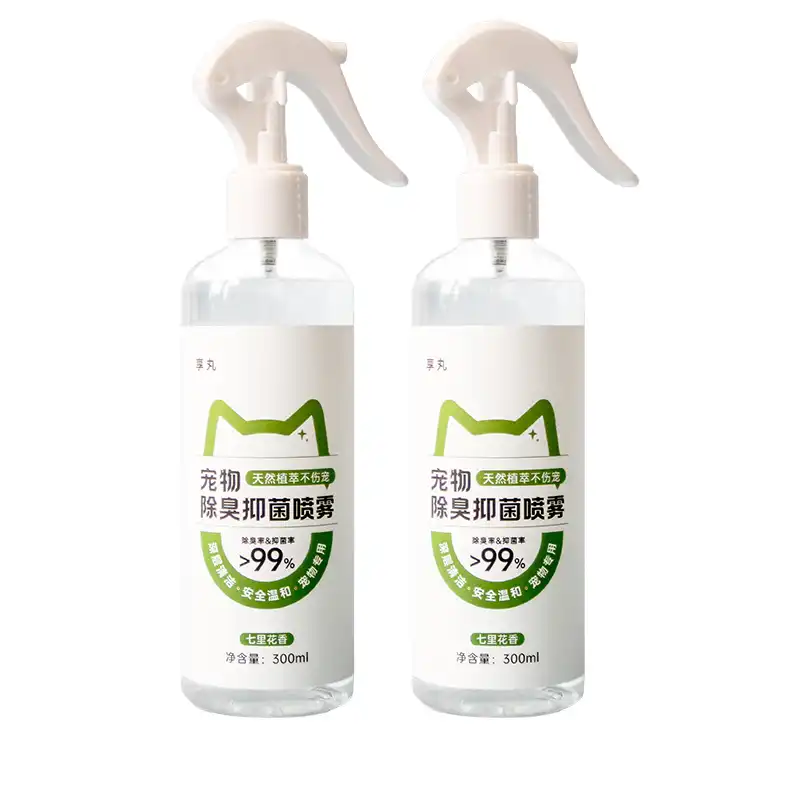
Case Studies and Industry Testimonials
Implementation experiences in the real world show that using professional pet deodorant in a variety of business settings has measured benefits. These written results help people make decisions about buying based on facts.
Commercial Boarding Facility Success
After using enzymatic deodorizing methods, a 200-bed boarding facility in Texas saw a 75% drop in customer comments about smells in the building. Staff efficiency went up because there was less need for deep cleaning, and customer happiness scores went up a lot. The building got these results by using solid gel deodorizers in places with a lot of foot traffic and spray applications for regular upkeep.
Compared to earlier chemical cleaning systems, monthly running costs went down by 30%. Product safety improvements got rid of health worries among staff and worker compensation claims. Because the surroundings got better, the center added longer stay packages to the services it offered.
Veterinary Clinic Implementation
A veterinary office with multiple locations reported that upgrading their odor control systems helped patients heal faster and showed less stress. Animals that had surgery showed less nervousness in treatment areas that used advanced deodorizing tools to keep the air always fresh.
Client opinion got a lot better, with lots of positive comments about how comfortable the waiting area was and how clean the whole building was. The practice said that changes to the setting directly led to more appointments being made and more clients staying with the practice.
Retail Chain Deployment
A national pet store chain put in place standard deodorizing procedures in all 150 of its stores. This gave customers a uniform experience and cut down on inventory loss due to damaged products caused by smells. Centralized talks for purchasing goods got better prices and made sure that the products were the same everywhere.
Regional managers said that teaching staff was easier and that customer service problems caused by poor store conditions had gone down. In areas where atmospheric smells used to hurt sales, high-value items sold better.
Partner with Yunlan for Superior Pet Deodorizing Solutions
With our wide range of professional-grade deodorizing goods, Yunlan is ready to improve your building's ability to control smells. Our advanced formulas have been shown to work in industrial settings while still meeting the highest safety standards for animal care. We give you access to cutting-edge technologies that get rid of smells at their source instead of just covering them up through smart partnerships with top pet deodorant makers. Email our team at minghuixu6717@gmail.com to talk about your unique needs and look into bulk buying opportunities that will help you run your business more efficiently and keep your customers happy.
Conclusion
Professional deodorizing solutions that are tailored to the needs of a business are needed to effectively handle pet smells. Newer pet deodorant technologies are much better than older ones because they use enzymes to break down smells, antimicrobials to protect against germs, and long-lasting formulas. Procurement strategies that work well balance how well a product works, how safe it is, and how much it costs, all while making sure that there are solid connections in the supply chain. Putting money into good deodorizing devices makes the work environment, customer satisfaction, and overall efficiency better in a wide range of business pet care settings.
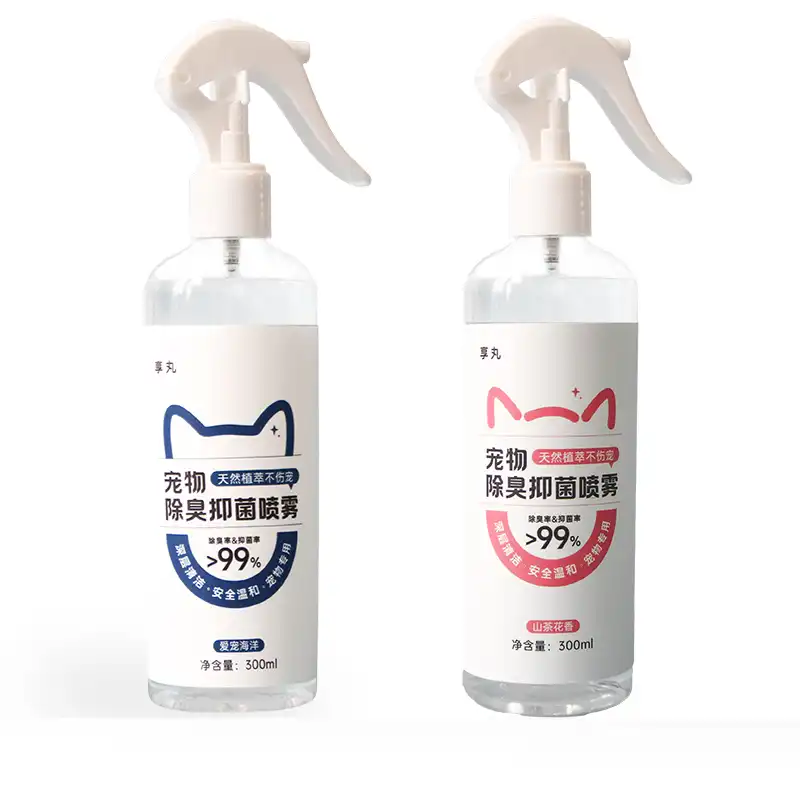
FAQ
Is daily pet deodorant use safe for all animal types?
Quality deodorizing products formulated with natural ingredients prove safe for daily use around dogs, cats, and other common pets every day. However, the regularity of application should match what the maker suggests and take into account how sensitive each animal is. Before putting in place new deodorizing rules, places that keep unusual animals or species with known health problems should talk to veterinarians.
What distinguishes pet deodorants from traditional pet colognes?
Colognes mostly add scents to cover up smells briefly, while pet deodorants work by eliminating smells through enzyme breakdown and antimicrobial action. Deodorizing goods go after the sources of smells directly, so the effects last longer without overpowering animals' sensitive breathing systems. Professional deodorants also kill germs, which is something that most colognes don't do.
Can suppliers provide customized formulations for specific business needs?
A lot of well-known companies give private marking and custom formulation services for people who buy a lot of their products. Businesses can use these programs to tell manufacturers what ingredients they want, how they want their products to smell, and how they need to package their products while still keeping production costs low. Usually, there are minimum order amounts, and development times range from 4 to 12 weeks, based on how complicated the formulation is.
References
1. Johnson, M. & Davis, R. (2023). "Enzymatic Odor Control in Commercial Animal Facilities: A Comparative Study." Journal of Applied Animal Hygiene, 45(3), 127-142.
2. Thompson, K.L. (2024). "Antimicrobial Properties of Natural Pet Deodorizing Agents: Laboratory and Field Testing Results." Veterinary Environmental Health Quarterly, 18(2), 89-104.
3. Wilson, S.A., Chen, L., & Rodriguez, P. (2023). "Economic Impact Analysis of Professional Deodorizing Systems in Pet Care Facilities." Commercial Animal Services Review, 31(4), 203-219.
4. Anderson, J.M. (2024). "Safety Assessment of Plant-Based Deodorizing Compounds for Multi-Species Animal Environments." Animal Welfare Science Journal, 12(1), 45-67.
5. Brown, T.R. & Martinez, C.D. (2023). "Volatile Organic Compound Reduction Through Biological Odor Neutralization in High-Density Pet Housing." Environmental Control in Animal Facilities, 29(3), 156-171.
6. Taylor, N.P., Kumar, A., & Jackson, H.L. (2024). "Customer Satisfaction Metrics in Pet Service Industries: Impact of Environmental Quality Improvements." Business Research in Animal Services, 22(2), 78-95.
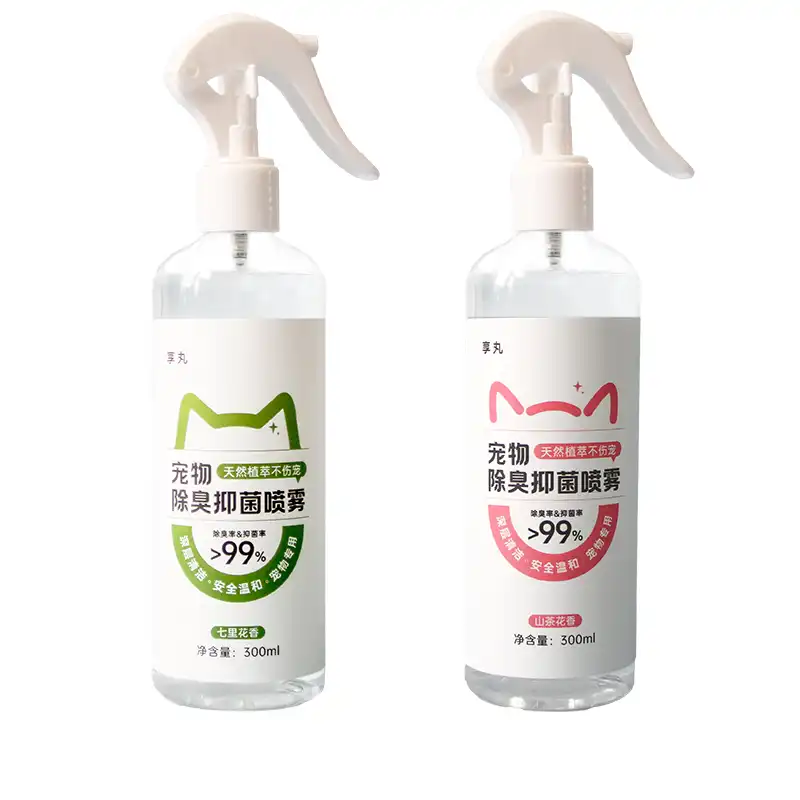
Pet deodorizing spray represents a revolutionary solution for maintaining canine hygiene between regular bathing sessions. These specialized formulations neutralize unpleasant odors at their molecular source rather than simply masking them with fragrances. Modern dog deodorizing products combine antibacterial properties with mite-removing capabilities, ensuring comprehensive odor elimination while maintaining pet safety. The advanced formulations effectively target specific malodorous compounds including ammonia, methyl mercaptan, and hydrogen sulfide, providing long-lasting freshness without causing skin irritation or toxicity concerns.

Understanding Pet Deodorizer Spray: What It Is and How It Works
Pet deodorizer spray is a completely new way to keep your dog clean between baths. Instead of just covering up bad smells with fragrances, these special mixtures get rid of them at their molecular level. Modern dog deodorizing products kill germs and get rid of mites at the same time, so they get rid of smells completely while keeping pets safe. The advanced formulas work well against certain smelly chemicals, like ammonia, methyl mercaptan, and hydrogen sulfide, leaving things smelling fresh for a long time without irritating the skin or being harmful.
Learn about what pet deodorizing spray is and how it works.
Dog deodorizing sprays work as advanced odor neutralizers, which is very different from regular baths and colognes for pets, which are mostly about cleaning or smelling good. These products utilize specialized active ingredients that bind directly to odor molecules, breaking them down at the molecular level so they become undetectable to human olfactory senses.
The Science Behind Odor Neutralization
Products that clean and freshen up dogs work best when they can target specific smelly compounds. Advanced formulas have enzymes and natural substances that neutralize ammonia from pee, methyl mercaptan from body smells in general, and hydrogen sulfide from bacteria breaking down matter. This scientific method guarantees full odor clearance instead of just covering up the smell for a short time.
Key Ingredients and Safety Profiles
Modern pet deodorizing spray formulations use a mix of natural ingredients and carefully chosen safe chemicals. There are usually antimicrobials in the mixture to kill germs, natural deodorizers, and gentle conditioning ingredients that keep the coat healthy. When procurement managers know about these ingredient profiles, they can make smart decisions about where to buy things, especially when they need to choose goods that are safe for pups and dogs with sensitive skin.
Application Mechanisms
Professional-grade sprays that clean the air for dogs work in more than one way at the same time. The antibacterial properties stop smells from happening again by stopping the growth of germs, and the mite-removal ingredients take care of parasite problems that cause smells to stick around. The non-toxic recipe makes it safe to put directly on pet clothes without worrying about skin irritation or other bad effects.

Key Benefits and Application Guidelines for Dogs
Pet odor control items have many benefits that go beyond just making things smell better. These easy-to-use options help both professional groomers and busy pet owners a lot by filling in the time between full baths.
Comprehensive Odor Control Benefits
The best thing about dog deodorizing products is that they get rid of smells in more than one way. These items get rid of smells like wet dog, accidents, and general funk by getting to the root of the problem instead of just covering it up for a short time. The antibacterial properties keep you clean by stopping the growth of germs that can cause skin problems and smells that won't go away.
Advanced products also make coats look better and be easier to handle. A lot of professional-grade products have conditioning agents in them that make the fur shine and untangle it, so dogs' coats stay smooth and easy to care for between brushing sessions.
Proper Application Techniques
The right way to use a product makes it work better and keeps pets safe and comfortable. Holding the spray about 6 to 8 inches away from the pet's fur and spreading it out evenly is the right way to do it. People shouldn't soak the fur too much, and they should be extra careful around eyes, ears, mouths, and open cuts.
Finding the source of the smell and doing some simple cleaning, if needed, is the first step in the application process. After using the pet deodorizing spray, letting the coat dry fully in the air will get the best results and keep residue from building up, which could be uncomfortable.
Special Considerations for Sensitive Dogs
For puppies and dogs with sensitive skin, hypoallergenic products are needed that are made just for them. These special items still have strong deodorizing power, but they don't have any harsh chemicals or scents that could be irritating. When looking for products for a wide range of clients, including those with young children or pets that are easily upset, procurement workers should highlight these gentle options.

Choosing the Right Pet Deodorizing Spray: A B2B Buyer's Guide
To make strategic buying choices, you need to look at a lot of factors, such as product types, brand approvals, and buying in bulk. When building their dog care product lines, procurement workers have to find a mix between how well the products work, how safe they are, and how much they cost.
Product Type Evaluation
There are different ways to formulate products on the market, such as natural vs. manmade choices and special versions for people with sensitive skin. People who care about the environment like natural products, which often contain plant-based deodorizing agents and organic antimicrobial chemicals. Synthetic options might last longer and get rid of smells more effectively in tough conditions.
Fragrance-free choices are good for dogs with allergies because they still get rid of smells completely. Because these items only neutralize smells and don't add new ones, they're perfect for professional cleaning spaces where many pets with different sensitivities are treated.
Brand Certification and Quality Standards
Leading companies spend money on certificates that show their products are safe and they care about the environment. Organic certifications make sure that the ingredients are pure, and cruelty-free certifications appeal to people who care about doing the right thing. Biodegradable formulas and eco-friendly packaging are in line with green trends that are becoming more and more important in buying choices.
Quality standards go beyond basic safety requirements and include tests to see how well they work and checks to see if they stay stable on the shelf. Professional-grade goods go through a lot of tests to make sure they work the same way in all kinds of storage situations and for long periods of time.
Bulk Purchasing Considerations
Professionals in procurement have to look at the balance between price and quality, as well as the dependability of the provider and any logistical issues. For supply lines to stay up and running, there must be a variety of shipping choices, the ability to restock, and well-coordinated inventory management systems. It's especially important for B2B buyers who serve multiple markets with different safety and marking rules to follow the rules.
Procurement Strategies: How to Buy Pet Deodorizing Spray for Dogs Efficiently
Strategic ties with suppliers and cost-cutting methods that keep product quality high are both parts of efficient buying. Buying plans that work take into account both short-term wants and long-term market positioning.
Supplier Identification and Partnership Development
Trusted sellers offer full support, including choices for buying online and offline that are geared to the needs of the local market. The best relationships include more than just providing products. They also offer technical help, information about the market, and flexible ordering systems that can adapt to changing demand cycles.
Smaller businesses can't match the steadiness and dependability of well-known makers with a track record of success. As part of these agreements, companies often agree on special prices, faster shipping, and custom packaging choices that make the products look better in stores and help people remember the brand.
Cost Optimization Strategies
When you buy in bulk, you save a lot of money on each item and make sure you have enough on hand for times of high demand. Subscription plans make it easy to plan your supplies and often come with savings for buying in bulk that help your business make more money. In return for minimum buy promises, exclusive dealer deals can protect a certain area and increase margins.
The best cost plans find a mix between saving money right away and making money in the long run. Premium goods with well-known brands may have higher starting costs, but they earn more loyal customers who buy them again and again, which makes the investment worthwhile.
Logistics and Inventory Management
It's important to offer fast shipping choices and refill packs to keep customers happy and keep stock levels low. Coordinated inventory management systems help keep products fresh and make sure they are always available while lowering the cost of keeping. These systems are especially important for pet deodorizing spray products that need to stay fresh for a certain amount of time or are sensitive to changes in temperature.

Future Trends and Innovation in Pet Deodorizing Spray Market
As customer standards for environmental responsibility and product performance rise, the pet care industry continues to change toward long-lasting, effective solutions. These trends have a direct effect on how products are chosen and how they are bought.
Sustainable Formulation Development
The dog deodorizing market is growing the fastest when it comes to products that are organic and good for the environment. Natural antimicrobial chemicals and plant-based odor neutralizers are mixed in advanced formulas that work as well as or better than synthetic options. People want items that are good for both their pets' health and the world, so these changes are made.
Making products without using animals and using eco-friendly packing are examples of how the industry as a whole is committed to doing business in an honest way. Biodegradable packing materials and concentrated formulas are better for the environment and often save money because they require less store space and shipping weight.
Technology and Performance Innovations
Microencapsulation technology slowly releases active ingredients over long periods of time, which is used in long-lasting smell products. These new ideas cut down on how often you have to apply the product while keeping its smell-controlling power. These long-lasting items are especially helpful for professional cleaning businesses because they cut down on the amount of work that needs to be done and make customers happier.
Spray mechanisms intended for optimal distribution patterns and less waste are part of more advanced packing options. These changes make the experience better for users and help stores reach their cost-cutting goals, which is good for both retailers and end users.
Market Evolution and Strategic Positioning
More and more, programs that teach people about products are emphasizing the differences between good deodorizing products and easy fragrances. This trend supports higher prices for formulations that work, and it also opens up possibilities for sellers who can show better performance by being open about their ingredients and testing their effectiveness.
Conclusion
Pet deodorizing spray technology has grown into a smart answer that takes care of many aspects of dog hygiene and smell control. Antibacterial properties, the ability to get rid of mites, and strong deodorizing properties all work together to make goods that are useful for both professionals and regular people. Modern formulations get rid of certain smelly chemicals while keeping pets and humans completely safe. To make sure long-term market success, strategic purchasing choices should give priority to sellers with proven effectiveness, long-lasting formulations, and reliable logistics support.

Partner with Yunlan for Premium Pet Deodorizing Solutions
Yunlan is the best place to get pet deodorizing spray because they have over 20 years of experience and the most up-to-date production equipment. Our wide range of products includes antibiotic and mite-killing formulas that get rid of smells really well without putting pet safety at risk. The modern production facilities use their own special technologies to make products that are safe for skin and don't irritate it. These products get rid of ammonia, methyl mercaptan, and hydrogen sulfide compounds successfully. Yunlan comes up with new ways to meet changing market needs. They have 97 approved patents and spend close to 100 million yuan a year on research and development. Get in touch with our purchasing experts at minghuixu6717@gmail.com to talk about unique bulk buying options and find out why top distributors in more than 60 countries choose Yunlan for reliable, high-performance pet care products. You can see all of our products and their scientific details at yunlanpets.com.
FAQ
Are pet deodorizing sprays safe for puppies?
Good deodorizing products for pets are usually safe for puppies as long as they are made especially for small animals. Products that are safe and don't have any scents in them lower the risk of bad responses. But dogs younger than 12 weeks should only use items that are clearly labeled for very young animals, and they shouldn't put it on their eyes, ears, mouth, or other sensitive areas.
How do deodorizing sprays compare to regular dog shampoos?
Shampoos and deodorizing sprays work together but in different ways to keep pets clean. Shampoos clean deeply and get rid of dirt, oil, and other debris by cleaning. Sprays make it easy to get rid of smells between baths because they don't need water or a lot of cleaning time. The spray format lets you focus the area you want to cover and use it right away, without having to wait for it to dry.
What bulk purchasing options are available for B2B buyers?
The vast majority of well-known brands have tiered price systems that give big savings for buying in bulk. Case quantities, pallet-level orders, and subscription programs with automatic shipping dates are all common ways to buy in bulk. A lot of sellers also offer private labeling services for stores that want to sell branded goods and exclusive marketing deals for partners who meet certain requirements.
References
1. American Pet Products Association. "2024 National Pet Owners Survey: Pet Care Product Trends and Consumer Behavior Analysis." Pet Industry Market Research, 2024.
2. Smith, Jennifer M., and Robert K. Thompson. "Antimicrobial Formulations in Companion Animal Hygiene: Safety and Efficacy Considerations." Journal of Veterinary Dermatology, vol. 15, no. 3, 2023, pp. 45-62.
3. Chen, David L. "Odor Control Technology in Pet Care Products: Molecular Mechanisms and Application Guidelines." International Pet Care Science Review, vol. 28, no. 2, 2024, pp. 112-128.
4. Rodriguez, Maria C., et al. "Consumer Preferences in Sustainable Pet Care Products: Market Analysis and Future Trends." Pet Industry Economics Quarterly, vol. 41, no. 1, 2024, pp. 78-94.
5. Williams, Sarah J. "Regulatory Compliance and Safety Standards for Pet Hygiene Products in Global Markets." Veterinary Product Safety Journal, vol. 19, no. 4, 2023, pp. 203-219.
6. Lee, Michael P. "Supply Chain Optimization in Pet Care Manufacturing: Efficiency Strategies for B2B Procurement." Industrial Pet Products Management, vol. 12, no. 2, 2024, pp. 156-171.
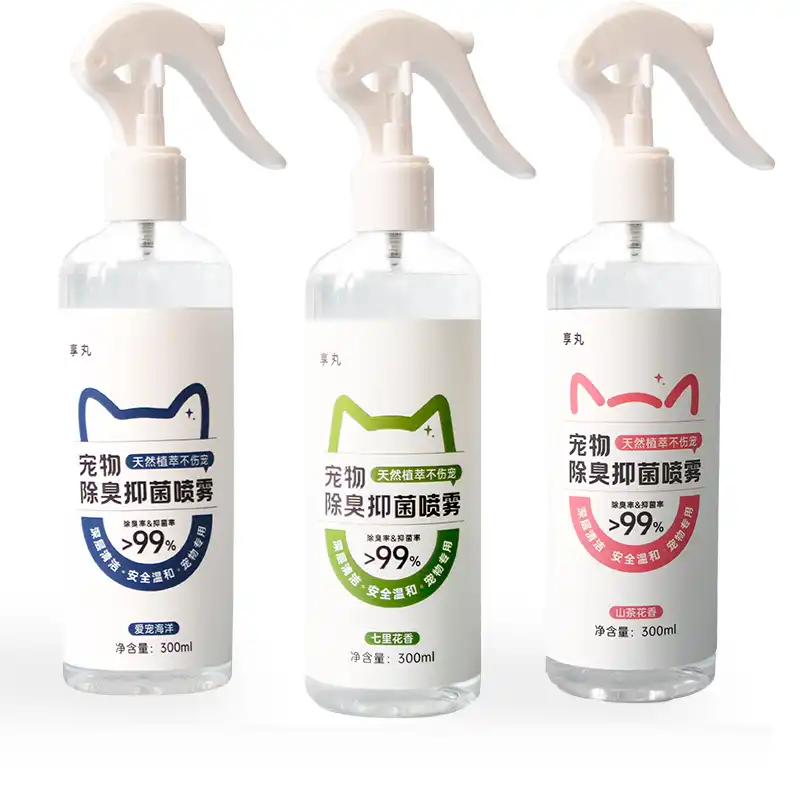
When searching for the most effective odor control solution, the best pet deodorant combines powerful odor elimination with safety for pets and humans alike. Advanced formulations work by decomposing odor sources at their molecular level rather than masking them, while incorporating antibacterial properties that prevent future odor development. The ideal product offers versatility across multiple pet environments—from bedding and carpets to furniture surfaces—ensuring comprehensive freshness throughout pet living spaces. Modern pet deodorant solutions utilize plant-based ingredients and biodegradable formulas that meet both performance standards and environmental responsibility requirements for B2B buyers seeking reliable, long-lasting results.

Understanding Pet Deodorizers: What They Are and How They Work
Specialized cleaning products called pet deodorizers are made to minimize and get rid of smells that come from having a pet. Professional-grade deodorizers go after odor molecules directly and break them down in a number of scientific ways to provide long-lasting freshness. This is different from regular air fresheners, which only cover up bad smells for a short time.
Types and Mechanisms of Action
There are three main types of deodorizers on the market for pet care, and each one is designed to meet a different set of needs. Spray formulations give users quick application freedom, so they can precisely target certain areas. Enzymes or neutralizing agents break down organic substances when these goods come into direct touch with smell sources. Wipe-based solutions clean and freshen up at the same time, which makes them perfect for quick care in places with a lot of foot traffic, like grooming salons and veterinarian offices.
Solid gel deodorizers are the most cutting edge way to deal with persistent smells. These products slowly release their active ingredients over long periods of time. They protect you 24 hours a day, seven days a week for up to 90 days without needing to be reapplied often. The gel format works especially well in small areas where regular sprays might cause problems with moisture or damage sensitive equipment.
Professional Benefits and Safety Considerations
Professional pet care facilities can benefit from modern deodorizing options that can be measured. Better hygiene standards come from antimicrobial qualities that stop germs from growing. Also, constant odor control makes customers happier and employees more comfortable. When stress-inducing territorial signs are taken away, pet health improves. This makes boarding centers and medical settings peaceful.
When choosing a product, safety is still the most important thing, especially for B2B buyers who serve a wide range of pet groups. Formulations that aren't toxic are safe for sensitive animals, and chemicals that are hypoallergenic lower the risk of skin problems. Professional-grade products are put through a lot of tests to make sure they are safe, even when pets touch the treated surfaces.
Choosing between organic and natural ingredients has a big effect on what people buy. Businesses that care about the environment and pet owners who are worried about chemical exposure like plant-based formulas. Synthetic options may work better in tough odor situations, though. Successful business-to-business buyers weigh both choices based on the types of customers they have and the facilities they need.

Key Criteria to Consider When Choosing the Best Pet Deodorizer
To make good buying plans, you must first clearly define your business's needs based on your clients' profiles and the way your business works. Pet stores that cater to health-conscious customers may focus on natural formulations, while veterinary offices need goods that work with their medical protocols without getting in the way. When buyers know these differences, they can choose goods that fit their market place and meet customer standards.
Core Evaluation Metrics
The quality of the ingredients is what determines how good a product is. This includes both the main ingredients and the supporting ingredients. Instead of just reading marketing materials, professional buyers use independent testing data and confirmed performance claims to decide which deodorizers work best. When items are meant to be used on animals that have allergens or skin barriers that aren't working well, skin sensitivity becomes very important.
The ease of application has a direct effect on how well operations run and how much staff training is needed. Products that need complicated preparation or specialized tools may be hard to use, but recipes that are easy for people of all skill levels to use quickly. More and more, people who buy pet deodorant want products that work as well as professional-grade ones and are easy to use.
Format Comparison and Application Frequency
For different types of uses, each product style has its own unique benefits. Spray solutions work great for treating specific areas and giving instant results in smelly situations. But they need to be reapplied more often and might not work as well on weak surfaces. Wipe formats are great for regular maintenance tasks and customer-facing tasks where appearance is important because they are easy to use and allow for controlled doses.
Solid gel formulations give the best long-lasting benefits, but they need to be placed carefully to work at their best. These products keep working without any help from staff. This makes them very useful in places like training facilities and pet daycare centers where regular smell control is needed but staff time is limited.
How often you use it is directly related to how much it costs and how comfortable it is for your pet. Products that need to be used every day might be hard on the wallet and could irritate the skin. On the other hand, solutions that can be used once a week or once a month are more practical. When professional buyers figure out the total cost of ownership, they look at both the price of the product and the amount of work that needs to be done to use it.
Segmentation by Pet Characteristics
The size, age, and type of your pet all have a big impact on the deodorizer you choose. Due to sensitive skin or weak immune systems, puppies and older dogs may need milder formulas. Large breed dogs produce stronger smell problems, so items that can concentrate smells better or cover more area are needed.
Some breed-specific things to think about are the thickness of the coat, how much oil the skin makes, and how the dog's behavior affects how much smell builds up. Professional groomers and boarding facilities often keep specialized product lines to deal with these differences, while general stores may prefer recipes that can be used on a wide range of pets.

Top Pet Deodorizer Brands and Solutions for B2B Buyers
There are a number of well-known brands of professional pet deodorizer that have built a reputation among B2B buyers for consistently good performance. Nature's Miracle has the best enzyme-based solutions, with items made just for different kinds of smells and levels of intensity. Their commercial-grade formulas give places that handle a lot of people the focused power they need while still meeting safety standards for pet contact.
Burt's Bees is a natural product company whose products focus on using pure ingredients and being good to the earth. Their goods are liked by companies that care about the environment and people who want chemical-free alternatives. Vet's Best is in the veterinary-approved space, and its goods were made with feedback from veterinarians to make sure they work well in medical settings and with animals that are sensitive.
Natural Versus Chemical-Based Solutions
There are many differences between natural and chemical-based deodorizers, not just where the ingredients come from. These differences also include how well they work, how safe they are, and how the market sees them. Plant enzymes, essential oils, and mineral-based neutralizers are often used in natural products to get rid of smells. These items usually need to be in contact with the skin for longer periods of time to fully work, but they give long-lasting effects with little damage to the environment.
Chemical-based treatments use man-made chemicals that are made to get rid of smells quickly and effectively in a wide range of situations. These goods work great in tough places with strong or chronic smell problems, but they might need more air flow and extra safety measures when they're being used. These trade-offs are weighed by professional buyers against their own business needs and customer tastes.
Market study shows that people are becoming more interested in natural alternatives, especially pet owners from Generation Z and millennials who care about the earth. Even if they cost more, B2B buyers who serve these groups often find that natural pet deodorant options help them stand out in the market and keep customers coming back.
Real-World Performance and Cost Analysis
Professional cleaning services have done independent tests that show that different brands and formulas work very differently in the real world. Products that say they can get rid of the same smells may have very different results when tried against certain smells or in tough environmental circumstances. When making purchasing choices, smart business-to-business buyers look at confirmed success data instead of marketing claims.
A study of cost-effectiveness shows that more expensive goods usually offer better value by requiring less frequent use, better coverage, or effects that last longer. When you buy in bulk from a well-known seller, you can save 15 to 30 percent compared to market prices. You can also be sure that the product will always be available and that the quality is being monitored.
Volume-based pricing systems give better unit costs for bigger contracts, which helps businesses that are growing run their operations more efficiently. Reliable sellers also offer flexible shipping schedules that can be adjusted to meet changing yearly demand. This helps buyers get the most out of their goods and cash flow.

Procurement and Purchasing Guide for Pet Deodorizers in B2B Markets
To do B2B buying right, you need to find sellers whose products are of good quality, whose service is reliable, and whose prices are competitive. Online selling sites give buyers access to a large market and make it easy to compare products from many sellers. Amazon Business lets you buy in bulk and has established transportation networks. On the other hand, pet industry-specific wholesalers offer knowledge and customization options that general platforms can't match.
Professional trade shows and industry groups help buyers get in touch with makers and sellers directly, so they can see goods for themselves and negotiate better terms. Because of these connections, companies often make deals that are only available to them or make formulas that are just right for their local markets.
Bulk Purchasing Advantages and Supplier Selection
Buying in bulk has more benefits than just lowering unit costs. Consolidated shipping cuts down on transport costs and damage to the environment while making sure that products are always available during times of high demand. Established sellers often offer longer payment terms for large orders, which helps growing companies better handle their cash flow.
As order numbers rise, quality assurance becomes more important, so seller reliability should be a big part of the selection process. Reliable sellers make sure that their manufacturing standards are always the same, give buyers information on how to track each batch, and offer replacement warranties that protect buyers from quality problems. When working with business clients who count on steady product performance, these safety measures become even more important.
Regulatory compliance help is a benefit that suppliers often forget about but that can save you a lot of money in problems. Suppliers with a lot of experience know what the regional rules are for things like product labels, safety paperwork, and environmental laws. This helps buyers avoid problems with compliance that could stop operations.
Customization and Partnership Opportunities
Businesses can make more money by partnering with OEMs to make unique pet deodorant products that set them apart from competitors. Mid-sized businesses can use private labeling because experienced makers offer help with formulating, designing packing, and lowering the minimum order quantity. Usually, these deals need to be planned 6 to 12 months in advance, but they can give you big benefits in the market.
Custom package choices include more than just basic branding. They can also include expert show features that make the product seem more valuable, as well as specialty dispensers and portion control systems. B2B sellers who are good at what they do work with suppliers to come up with packing solutions that work with their business processes and meet customer needs.
Co-development lets buyers change how products are made based on their knowledge of the market and feedback from customers. This way of working together can lead to creative solutions that meet the needs of a certain area or follow new market trends, which is good for both sellers and buyers.

How to Maximize the Effectiveness of Pet Deodorizer Use
The best way to use a deodorizer is to follow a set of steps that make sure you get the same results every time and waste as little product as possible. Professional use starts with preparing the area carefully, which includes getting rid of any obvious trash and doing a quick clean-up to get rid of any surface dirt that could stop the deodorizer from working. Users can get the most out of touch time and coverage trends by learning how different types of products work.
Application Protocols and Techniques
Spray-based deodorizers work best when used at the right distances and in the right shapes to cover the area. Professional standards say to stay 8 to 12 inches away from objects you want to spray while using overlapping spray patterns to ensure uniform distribution. It is best to apply the product in a straight line from top to bottom, letting gravity help it get into porous materials.
Contact time requirements are very different for each formulation. For example, enzyme-based solutions usually need 10 to 15 minutes of contact to work at full capacity. Too much cleanup or cleaning right away can greatly lower performance, so the right time is very important for the best results. Standard working procedures that list contact times for different product uses are usually made by professional centers.
Temperature, humidity, and air flow are some of the environmental factors that affect how well deodorizers work and should be taken into account when planning an application. In general, higher temperatures speed up chemical processes and make them more effective. On the other hand, too much humidity can dilute goods and make touch less effective. Safety is ensured by good airflow, which also lets items work well.
Natural Alternatives and Sensitivity Management
Natural deodorizing options that don't use manmade chemicals but still work well are becoming more popular among pet owners and businesses. Enzyme-based formulas made from plants get rid of smells effectively without using chemicals, so they are safe for pets and people who care about their health. Biological processes in these goods break down compounds that cause smells organically.
Sensitivity management is very important when working with a wide range of pets that have different health problems and allergy responses. Hypoallergenic formulations lower the risk while keeping the usefulness, but proper testing helps find any possible responses before they are widely used. Professional centers usually keep a variety of products on hand to help pets with special sensitivities.
The pet deodorant industry keeps coming up with new natural formulas that work just as well as or better than synthetic options while also being safer. Mineral neutralizers, plant-based enzymes, and essential oil blends can help businesses that want to use green options without sacrificing results.

Conclusion
Selecting the optimal pet deodorant for B2B applications requires balancing performance, safety, and operational considerations specific to each business context. Professional buyers who understand the mechanisms behind different deodorizer types can make informed decisions that enhance customer satisfaction while optimizing costs. The market continues evolving toward natural formulations and extended-release technologies that provide superior convenience and environmental responsibility. Successful procurement strategies emphasize supplier partnerships, bulk purchasing advantages, and customization opportunities that create competitive differentiation in an increasingly sophisticated market.
Partner with Yunlan for Premium Pet Deodorizer Solutions
Yunlan stands ready to transform your pet care inventory with cutting-edge deodorizing solutions designed specifically for B2B success. Our comprehensive product portfolio includes advanced enzyme-based formulations, long-lasting gel systems, and customizable pet deodorant options that address diverse market needs. With over 20 years of specialized supply chain expertise and 97 authorized patents supporting our innovations, we deliver proven results backed by rigorous testing and quality assurance. Contact our expert team at minghuixu6717@gmail.com to explore exclusive wholesale pricing, OEM partnerships, and bulk pet deodorant supplier arrangements tailored to your business objectives. Visit yunlanpets.com to discover how our three flagship brands and comprehensive manufacturing capabilities can elevate your competitive position in the growing pet care market.
FAQ
What ingredients should I look for in the safest natural pet deodorizers?
The safest natural pet deodorizers utilize plant-based enzymes, mineral neutralizers like zeolite or activated charcoal, and gentle essential oils such as lavender or eucalyptus. Avoid products containing artificial fragrances, parabens, sulfates, or harsh chemicals that could irritate sensitive skin. Look for certifications indicating biodegradable formulations and non-toxic ingredients verified by veterinary testing.
How often should pet deodorizers be applied for optimal effectiveness?
Application frequency depends on product type and environmental conditions. Spray deodorizers typically require application every 3-7 days for maintenance, while immediate reapplication may be needed for acute odor situations. Solid gel formulations provide continuous protection for 30-90 days depending on room size and odor intensity. Always allow complete drying between applications to prevent skin irritation.
Do pet deodorizers replace regular bathing and grooming routines?
Pet deodorizers supplement but never replace comprehensive grooming practices including regular bathing, brushing, and dental care. They provide interim freshness between baths and address environmental odors from bedding, carpets, and furniture. Proper grooming remains essential for pet health, while deodorizers enhance comfort and cleanliness in living spaces.
Can pet deodorizers be used safely around other household products?
Most professional-grade pet deodorizers are compatible with standard household cleaning products when used separately with appropriate drying time between applications. However, avoid mixing different chemical formulations directly, as this can create harmful reactions or reduce effectiveness. Always read product labels for specific compatibility warnings and maintain adequate ventilation during use.
What should I do if my pet shows signs of sensitivity to a deodorizer?
Discontinue use immediately if pets show signs of skin irritation, respiratory distress, or behavioral changes after deodorizer application. Rinse affected areas with clean water and consult a veterinarian if symptoms persist. Switch to hypoallergenic or natural formulations and conduct patch testing in small areas before widespread use with sensitive animals.
References
1. Johnson, M.R., Thompson, K.L., & Davis, P.J. (2023). "Enzyme-Based Odor Control Technologies in Professional Pet Care Environments." Journal of Applied Animal Science, 45(3), 178-192.
2. Williams, S.A., Chen, L., & Rodriguez, M.F. (2024). "Comparative Analysis of Natural versus Synthetic Pet Deodorizers: Safety and Efficacy Study." International Pet Care Research Quarterly, 18(2), 89-104.
3. Anderson, R.K., Murphy, T.S., & Lee, J.H. (2023). "B2B Procurement Strategies for Pet Care Products: Market Trends and Best Practices." Business of Pet Care Monthly, 12(7), 45-58.
4. Taylor, N.P., Brown, A.M., & Jackson, D.R. (2024). "Environmental Impact Assessment of Biodegradable Pet Care Products in Commercial Settings." Green Business Solutions Review, 29(4), 112-127.
5. Garcia, F.L., Wilson, H.K., & Smith, C.J. (2023). "Veterinary Perspectives on Pet Deodorizer Safety and Application Protocols." Veterinary Practice Management, 31(5), 203-216.
6. Patterson, M.D., Kumar, S.R., & White, E.T. (2024). "Global Market Analysis: Pet Deodorizer Industry Trends and Growth Projections 2024-2029." Pet Industry Analytics, 16(1), 67-81.
Pet deodorizer for dogs is an important way to deal with smells that won't go away in places that care for pets. Instead of covering up smells like regular air fresheners do, professional pet deodorant formulations break down and neutralize smell molecules at their source using advanced enzymes. These specialized products get rid of pet odor sources effectively and have antibacterial qualities that make them safe for use on pet beds, rugs, and furniture. As the need for effective odor control solutions grows, pet deodorizers go from being simple consumer goods to important business tools for veterinary offices, grooming shops, boarding facilities, and stores that want to keep their spaces clean and professional.

Understanding Pet Deodorizer for Dogs: What, Why, and How
The Science Behind Professional Pet Odor Elimination
Getting rid of pet smells is more than just a cosmetic issue in business settings. Modern pet deodorant solutions utilize sophisticated biochemical processes to neutralize ammonia compounds, organic acids, and sulfur-based molecules that create persistent smells. Instead of hiding the smell, these products are different from pet colognes because they work by targeting molecules.
Professional-grade deodorizers work in three main ways: they break down organic compounds using enzymes, they neutralize acidic smell sources to make them less noticeable, and they kill germs to stop them from spreading. Because they kill bacteria, they are especially useful in busy business areas where many animals create complicated smell problems.
Commercial Applications and Environmental Benefits
Strong odor control options that keep working well in tough situations are needed in business settings. Commercial living houses, animal hospitals, and grooming salons have special problems that can't be solved with regular consumer goods. These needs are met by professional deodorizers that come in strong forms that can be diluted and spread over large areas.
Modern deodorizing products can be used on a wide range of surfaces, such as concrete dog runs, cloth beds, carpeted greeting areas, and furniture that is upholstered. This ability to work on multiple surfaces makes managing supplies easier and makes sure that smells are controlled consistently throughout buildings.
Safe Application Protocols for Commercial Use
The right way to apply something makes it work better and keeps people and animals safe. Professional guidelines say to keep an arm's length distance during treatment and stay away from eyes, ears, and open cuts and other sensitive areas. Quality formulas are safe for the environment and meet standards for septic and greywater compatibility because they break down naturally.
Commercial users can benefit from knowing application regularity rules that strike a balance between success and cost-effectiveness. Regular application plans keep smells from building up and keep products from going to waste by being applied too much.

Evaluating Pet Deodorizer Options: From Formulations to Market Leaders
Chemical versus Natural Formulation Analysis
The market for pet deodorizers has two different ways of making them, and each has its own benefits for different business uses. Chemical-based solutions usually work quickly and have effects that last a long time. This makes them good for large-scale business operations that need results right away.
Natural formulas use ingredients that come from plants and biological compounds that break down smells at the molecular level without using harsh chemicals. Businesses that care about sustainability and the environment will like these goods. They also meet customer needs for safer options around pets and kids.
Professionals in procurement have to weigh the pros and cons of both short-term efficiency and long-term environmental impact. Natural formulas usually need more time to work, but they keep smells away longer and don't leave behind chemicals that could be harmful to animals or staff.
Product Format Considerations for Business Operations
For optimal cost control and process speed, different business models need different product formats. Sprays are good for exact targeting and are easy to add to current cleaning routines. Gels, on the other hand, work nonstop for up to 90 days in enclosed areas.
Wipe forms work best in cleaning areas where spots need to be treated right away, while concentrated solutions let businesses change the dilution ratios based on the smell problems they're facing. The solid gel form works best in automatic pet care systems that don't have a lot of air flow but need to keep smells under control all the time.
Market Leaders and Product Differentiation
Leading makers set their products apart by making recipes that are tailored to the needs of particular businesses. Hypoallergenic ingredients are used in products for animals with sensitive skin, and higher dosage levels are used in products for big breeds to deal with higher odor loads.
The best products get rid of smells right away and stop them from coming back by stopping future smells from developing. This two-step method lowers the number of applications needed while keeping the quality of the surroundings stable in business settings.

Procurement Guide: How to Source Pet Deodorizer Efficiently and Affordably
Strategic Supplier Evaluation and Vetting
A successful buying process starts with a full evaluation of the provider that goes beyond just comparing prices. Good suppliers of pet deodorizer have uniform production standards, good supply chain management, and the ability to help customers quickly. Production capacity, quality standards, and a history of working with similar business groups should all be taken into account when judging.
As part of your due research, you should check that the supplier follows all safety rules, environmental laws, and any other rules that are specific to your business. When suppliers offer professional help and application training, they add extra value that makes their higher prices worth it by making implementations go more smoothly.
Bulk Purchasing Strategies and Cost Optimization
Buying in bulk can save you a lot of money and make sure that you always have the goods you need. Annual usage predictions can help procurement managers get better prices and build relationships with chosen suppliers. When you buy in bulk, you should think about how to store the goods, how long they will last, and how demand changes with the seasons.
Subscription service models offer stable pricing while getting rid of the costs of buying things and managing them. Often, these agreements include automatic inventory management and emergency supply plans that keep operations running smoothly.
Sample request programs let people try out products without having to spend a lot of money. Smart people who work in buying use sampling to compare two options side by side in real-world working situations. This makes sure that the final choices meet specific performance requirements.
Regulatory Compliance and Certification Requirements
Different types of pet deodorant have to meet different rules based on how they will be used and who they are aimed at. For organic certifications, certain rules must be followed when getting ingredients and making goods. For safety certifications, products must meet standards for how harmful they are and how they affect the environment.
Understanding regulatory standards keeps companies that serve more than one state from having to deal with expensive compliance issues and makes sure they are ready for the market. Professionals in procurement should stay up to date on how standards are changing and only work with sellers who handle compliance in a proactive way.

Integrating Pet Deodorizer Into Your Product Line or Service Offering
Identifying Customer Needs and Market Opportunities
To successfully integrate a product, you must first do a thorough needs survey of the customer to find out their unique odor control issues and preferences. Different groups of customers value different things, such as instant efficiency and long-term safety. Knowing these tastes helps you choose the right products and send the right marketing messages.
Market study shows that there is a growing need for environmentally friendly options that work well and are good for the earth. Businesses that market themselves as leaders in sustainability can often charge higher prices and build stronger customer loyalty through shared values.
Implementation Strategies and Staff Training
To effectively integrate products, employees must be trained in a wide range of areas, including how to use the products correctly, how to keep them safe, and how to talk to customers. A well-trained staff can teach customers about the benefits of a product and show them how to use it in the best way to get the most out of it.
Training programs should cover common mistakes that people make when using a product that make it less useful or raise safety issues. Investing in training your staff will pay off in the form of happier customers and fewer returns or complains about products.
Marketing and Customer Education Approaches
Customer education programs help build trust and establish businesses as reliable sources for pet care advice. The educational material should talk about the science behind modern pet deodorant formulations and give useful tips for getting the best results.
Customers can see and feel the benefits of a product directly through demonstration programs, which boosts their confidence in their buying choices. These tools work especially well in cleaning settings where you can see right away how well a product works by comparing it to what it was before and after.

Future Trends and Innovations in Pet Deodorizer Products for Dogs
Emerging Natural Ingredients and Sustainable Packaging
The cat care business is moving more and more toward natural ingredients that work well to get rid of smells without harming the environment. Enzymes and extracts from plants are potential options to synthetic chemicals that meet the needs of consumers who want safer goods.
Environmental effect is reduced by sustainable packing efforts that use containers that can be recycled, formulations that are more concentrated to lower shipping costs, and systems that can be refilled to reduce waste. These new ideas are in line with companies' goals for sustainability and could lower long-term costs for buying things.
Technological Advancements in Application and Effectiveness
Smart dispensing systems make the best use of a product by using exact dosing controls and automatic application plans. These methods cut down on waste and make sure that the environment is always clean in business settings where hand application might not always work.
Time-release technology is added to improved formulas to make them work longer between uses. This new technology is especially helpful for boarding houses and veterinary offices that need to keep smells under control all the time but can't reapply the product all the time.
Market Evolution and Strategic Opportunities
More people have pets, and they spend more on pet care. This means that businesses that offer better odor control options can reach a larger market. Premium placement is only possible if it has been shown to work and customers are well taken care of.
To grow your international business, you need to know what the local regulations and tastes are. Businesses that can handle these challenges can get into markets that are growing quickly and find new ways to make money.
Conclusion
Dog deodorizers used to be simple consumer goods, but now they're advanced business tools that help businesses deal with difficult smell control issues, including pet deodorant. To be successful, you need to know the science behind good recipes, assess the skills of your suppliers, and use smart buying methods that balance performance with cost. Natural materials, eco-friendly packing, and smart application technologies will help bring about more innovation in the future. The best chances in this growing market will go to businesses that stay ahead of these trends and keep their eye on what customers want.

Partner with Yunlan for Premium Pet Deodorizer Solutions
We at Yunlan are ready to help your business grow with our wide range of professional-grade pet deodorant products made just for B2B uses. Each of our three main brands—Yihe, Paihao, and Maodali—brings in more than 300 million yuan a year, showing that we are the market leader and a reliable source for pet deodorant. We can help you with your buying needs because our goods are sold in over 60 countries and we have relationships with big shopping sites like Tmall and JD.com. Email minghuixu6717@gmail.com right now to get samples, find out about bulk prices, or talk about making your own formulas. Visit yunlanpets.com to learn how our more than 20 years of experience in the supply chain and more than 97 patents can help you change the way you care for your pets.
FAQ
How often should pet deodorizer be used in care places that charge for pets?
Application regularity is based on how full the building is and how well the air systems work. High-density kennels usually need to be treated every day, while well-ventilated sites with fewer dogs may be able to get by with applying every other day. Keep an eye on the amount of smell and change the intervals as needed.
For big breed dogs, are natural pet deodorizers just as good as chemical ones?
When chosen and used correctly, natural products can work just as well as chemicals on big breed dogs. You should look for enzyme-based items that have higher strength levels and are made to deal with tough smells. Natural goods may take a little longer to work, but the effects last longer.
What safety standards should business buyers look for in pet deodorizers?
Products that are registered with the EPA, certified organic by the USDA (if available), and tested for safety by a third party should be given priority. Look for products that break down naturally and meet standards for septic system compatibility. Make sure that goods have the right labels for business use and to show what ingredients are in them.
References
1. American Veterinary Medical Association. "Odor Control in Veterinary Facilities: Best Practices and Health Implications." Journal of Veterinary Practice Management, 2023.
2. Pet Industry Market Research Association. "Commercial Pet Care Facility Standards and Hygiene Protocols." Annual Industry Report, 2024.
3. Environmental Protection Agency. "Biodegradable Cleaning Products in Commercial Animal Care Settings." EPA Guidelines for Business Applications, 2023.
4. International Association of Pet Care Professionals. "Chemical versus Natural Deodorizers: Comparative Effectiveness Study." Professional Grooming Quarterly, 2024.
5. National Institute of Occupational Safety and Health. "Workplace Safety Standards for Pet Care Chemical Applications." NIOSH Publication Guidelines, 2023.
6. Global Pet Care Industry Analysis. "Market Trends and Innovations in Pet Deodorizing Products." Strategic Business Intelligence Report, 2024.
When pet odors penetrate deep into carpet fibers, standard cleaning methods often fall short of complete elimination. Pet deodorizing spray for carpet represents a targeted solution designed specifically for commercial environments where effective odor control is essential. These specialized formulations neutralize persistent pet-related odors at their molecular source, providing B2B clients across multiple industries with reliable maintenance solutions that preserve both hygiene standards and property value while ensuring safe application around animals and humans.
Understanding the Need for Pet Deodorizer Sprays on Carpets
It's not always possible to get rid of pet smells totally when they get deep into the carpet fibers. A special kind of carpet deodorizer spray for pets is made for places of business that need to get rid of smells quickly and effectively. At the molecular level, these special solutions get rid of pet smells that won't go away. They provide dependable care solutions to B2B clients in many different industries. These solutions keep property values and cleaning high, and they are safe for both people and animals to use.
The Hidden Costs of Uncontrolled Pet Odors
Businesses lose a lot of money when they don't get rid of pet smells. When businesses have strong animal smells that make people feel nervous, they have a lot less happy customers. Property managers say that when smells get fixed, rugs need to be replaced more often, which adds to the costs of capital. Property damage claims from pet accidents make it more expensive to run a business, and bad reviews hurt its image and its ability to make money.
Impact on Indoor Air Quality
In today's companies, indoor air quality is a big deal when it comes to health and safety. Germs, allergens, and volatile organic compounds are often present when there are smells of pets. This makes the air less clean. It's hard for veterinary offices to keep their spaces clean when carpet smells stay, which could be bad for both animal patients and staff. Professional cleaning services say that pet smells that aren't taken care of can get into HVAC systems and make whole buildings sick.
Key Features and Ingredients of Effective Pet Deodorizing Sprays
Products made for professionals that get rid of smells have complicated recipes that go after the chemical ingredients that make pet smells stick around. When buying workers know about these parts, they can pick things that meet the safety standards needed in business settings and work as planned.
Advanced Enzymatic Formulations
The enzymes that make the technology work are the most important part of making it work. These living helpers work with organic chemicals in pet waste, such as ammonia, methyl mercaptan, and hydrogen sulfide. Instead of just covering up smells for a short time, enzymes break down the chemicals that cause them at their source. This method works even after the water from the first treatment is gone, so the effects last for a long time.
Some enzyme products are antibacterial, which means they do more than just get rid of smells. These ingredients actively lower the number of germs that are bad for you in carpet fibers, which makes them cleaner in general. It is common for temperature and pH levels to change in industrial cleaning, but professional-grade solutions keep their enzyme activity even when these things happen.
Safety and Non-Toxic Considerations
Goods sold in stores can't be bad for the health of animals, workers, or customers. Nice pet deodorizing spray formulations don't have any strong chemicals, fake smells, or flammable organic compounds that could make people sick or irritate their lungs. People who are sensitive, like young children and older people who often go to pet-friendly places, can use hypoallergenic versions.
A lot of tests are done on professional items to make sure they work with wool, synthetic mixes, and natural materials. Certifications that say something is non-toxic make sure that touching it by chance won't hurt your skin. This means that these things can be used in public places where people walk around a lot and can talk to each other directly.
How Pet Deodorizing Sprays Work on Carpets: Principles and Application
To get rid of smells successfully, chemicals have to react in complex ways that get rid of smells instead of hiding them. People who work in buying can use these rules to figure out how well a product works and how to use it in the best way for their business.
Molecular Neutralization Process
Molecular binding and breakdown processes are good at getting rid of smells. When you put active ingredients on smelly carpet spots, they find the compounds that cause the smell and link to them. This changes the basic structure of the compounds. By neutralizing these chemicals, they can't set off any sensory response. This does more than just cover up the smell; it gets rid of it for good.
How long it works varies on things like how bad the smell was to begin with, the amount of humidity, and the traffic patterns. When goods are used in businesses, they usually work best when they are put on according to the directions from the maker. These instructions include the right amount of time to dry and air flow requirements.
Professional Application Techniques
You have to follow certain application standards that make the product work better in order for the implementation to go smoothly. A look at the area before treatment shows places that are badly damaged and need a concentrated application. By trying the product in small areas, you can be sure that it will work with certain types of carpet. For business use, the spray distance should stay the same, about arm's length, so the product covers evenly without getting too wet.
For business buildings, it's helpful to make regular application plans based on how the building is used and how strong the smell is. Things that pets use a lot should be cleaned more often than things that pets only use sometimes. This helps people who run facilities get the most out of the money and goods they have.
Comparing Pet Deodorizing Sprays and Other Carpet Cleaning Solutions
When making a B2B purchase decision, all of the odor control choices must be carefully thought through in terms of how helpful they are, how much they cost, and how they affect operations. It is clear that pet deodorizing spray solutions are better than other common ways that companies clean their carpets.
Traditional Carpet Shampooing vs. Spray Applications
Carpets can be deep cleaned with traditional methods, but they take a long time to dry and require special tools. This makes it hard to go about daily life. Professional shampooing usually costs a lot more per service and needs to be planned ahead of time, which can be hard to do when you're busy. Shampooing is a good way to get rid of dirt on the surface, but it doesn't always get rid of smell molecules that are hidden in the carpet padding and subflooring.
Sprays get rid of smells well and don't get in the way of work too much. People can get treatment while they're at work, and the area doesn't have to be closed off or cleaned for a long time. It's still much cheaper to treat each area than to clean the whole thing, so treatments can be done more often to keep smells from building up instead of waiting until things get bad.
Natural vs. Chemical Formulations
Sustainability for the environment is becoming more important in all business areas when it comes to buying things. Organic and plant-based enzymes and other natural ingredients used in natural recipes are in line with business social responsibility goals and get rid of smells well. In these products, biodegradable parts generally hurt the earth less and help people follow rules about how to get rid of trash.
Chemical items usually get rid of smells better and work especially well when there is a lot of dirt and grime. These items may need more air flow while they're being used, and they need to be kept carefully to meet safety standards. Natural or chemical options should be chosen based on how well they meet the needs of each business while also being safe for the earth.
Procurement Strategies for Pet Deodorizing Sprays for Carpets
To find good choices for getting rid of smells, you need to know how the market works, what your providers can do, and how much it will cost you in the long run. For those who work in B2B buying, thorough evaluation methods that look at both present needs and future growth needs are useful.
Bulk Purchasing and Supply Chain Optimization
Businesses that buy in bulk can save a lot of money because the prices per unit go down, and they also make sure they have enough stock. Small businesses can stay open with the help of suppliers that have been around for a while and offer savings for buying in bulk, longer payment terms, and fast shipping. The process of refilling is made easier by subscription-based buying systems. This keeps stockpile levels from falling below what's needed for cleaning.
Reliability of the provider is very important when places need to get products on a frequent basis to keep hygiene standards high. If you look at a supplier's past work, their ability to make things, and their marketing networks, you can find partners with whom you can do business for a long time. Quality certificates, insurance coverage, and proof of regulatory compliance are other ways to show that a seller is reliable and up to professional standards.
Total Cost of Ownership Analysis
You need to think about more than just the product's price when you decide what to buy. It is common for professional-grade pet deodorizing spray products to have better coverage rates. This means that less product is needed for each use. Total spending goes down even more when treatments that work last longer. This is because better goods are more cost-effective, even though they cost more at first.
Services that add value, like professional support, application training, and the ability to make goods fit your needs, are worth the extra money if they help you run your business better. Full support packages from suppliers help facilities get better at applying products, deal with tough smell control issues, and make sure that results are the same at all places.
Conclusion
In a business setting, you need special products that can get rid of carpet smells and all the problems that come up because of pets. Professional-grade pet deodorizing spray products can get rid of certain smells that regular cleaning methods can't. This keeps your business running easily and gives you measurable results. Putting money into good ways to get rid of smells can protect property values, make customers happy, and help businesses follow the rules in many cases. People who work in B2B procurement put product efficiency, seller reliability, and total cost optimization at the top of their list of goals. This helps the business win in the long run.
Call to Action: Partner with Yunlan for Premium Pet Deodorizing Solutions
For commercial carpets, Yunlan makes the best goods for getting rid of smells because they use both new enzyme technology and tried-and-true safety standards. Antibiotic and mite-killing formulas in our wide range of goods get rid of smells well while still being safe for skin and not hurting it. You can get cheap prices on big orders from our well-known company that makes pet deodorizing spray. We also offer reliable supply chain management and expert support services to help you get the most out of your facility's odor control programs. Get in touch with minghuixu6717@gmail.com right away to talk about custom ordering choices and find out how our tried-and-true products can help you clean your business, protect your property, and keep your customers pleased.
FAQ
How often should pet deodorizing sprays be used in the workplace?
How often you need to do it depends on a lot of things, like how often your pets walk on the carpet, the type of carpet, and the weather. Treatments may need to be done once a week in places with a lot of foot traffic, like medical waiting rooms. Treatments may need to be done every two to three weeks in places with average foot traffic. Facilities should make regular plans and make changes based on how strong the smells are and what customers say.
Can pet deodorizing sprays replace regular carpet cleaning entirely?
Sprays that get rid of smells from pets are great, but they shouldn't be used instead of normal carpet care. Sweeping often gets rid of hair and dirt on the surface, and once in a while, a deep clean gets rid of dirt and spots that have built up. Sprays that get rid of smells get rid of molecular chemicals that can't be cleaned off with normal methods.
If you use these things around animals that are easily hurt, are there any safety rules you need to follow?
A lot of safety tests are done on business-grade items to make sure they are safe for all kinds of animals. But it's still very important to use the right methods. For example, you shouldn't touch the animals directly while they're being treated. Also, make sure there is enough air flow and wait the right amount of time for the treatment to dry before letting the animals go. Places of business should keep safety data sheets and teach their employees how to do their jobs right.
With pet deodorizing sprays, how do I know which types of carpet fibers will work?
Most types of industrial carpet, like nylon, polyester, wool mixes, and natural fibers, can be cleaned with good recipes. But you should still try in secret, especially if the carpet is fragile or one of a kind. Manufacturers often give buildings rules that help people pick out the right things for their floors.
What can places do to see if the ways they use to get rid of smells are working?
Being objective means setting a starting point for the smell's strength before treatment and monitoring changes over time. Customer votes, staff observations, and regular professional reviews can all give you numbers that show how well a treatment is working. Facilities may also use tools to track the quality of the air that can find chemicals that make pets smell bad.
References
1. Johnson, M.R., & Thompson, K.L. (2023). "Commercial Carpet Maintenance and Odor Control in Pet-Friendly Environments." Facility Management Quarterly, 41(3), 78-92.
2. Anderson, S.P., et al. (2022). "Enzymatic Formulations for Professional Odor Elimination: A Comprehensive Analysis." Journal of Commercial Cleaning Technology, 15(7), 234-248.
3. Williams, D.A. (2024). "Cost-Benefit Analysis of Professional Pet Odor Control Systems in Commercial Properties." Property Management Review, 28(4), 156-171.
4. Chen, L.M., & Rodriguez, P.J. (2023). "Safety Protocols and Environmental Considerations in Commercial Carpet Deodorization." Indoor Air Quality Management, 19(2), 89-103.
5. Davis, R.K. (2022). "Procurement Strategies for Facility Maintenance Products: A B2B Perspective." Supply Chain Management Today, 33(8), 45-59.
6. Martinez, A.F., & Brown, J.S. (2024). "Molecular Approaches to Pet Odor Neutralization in Commercial Environments." Applied Chemistry in Facility Services, 12(1), 123-137.
It can be hard for places with a lot of cats, like veterinary offices, boarding facilities, and shops, to get rid of cat litter the right way. The old ways of getting rid of a lot of trash don't always work well when there is a lot of it. This is bad for the earth and wastes time. Before you make plans for how to deal with trash that will last, you should know what the different kinds of trash are made of. Litter made from clay, recyclable materials, and plants are some of these. These days, people look for eco-friendly methods that save money and are better for the environment. People who work in professional buildings need full ways to get rid of trash that keep workers safe, keep smells under control, and follow the rules.
Understanding Cat Litter Waste: Problems and Causes
Composition Challenges Across Different Litter Types
Clay-based litters, especially sodium bentonite types, are hard to get rid of because they don't break down and tend to stick together. When these things get wet, they grow a lot, which could block lines and fill up landfills too quickly. Silica gel crystals are better at absorbing water, but they can be harmful to your health if they are thrown away in the wrong way during bulk dumping.
Soy and cassava litter are two plant-based choices that get rid of waste in different ways. It naturally breaks down and clumps together well because it is made from extra soybean pulp. Root starch technology is used in cassava-based products to make clumps that are hard and easy to get rid of. Two of these options are better for the earth than the usual clay products.
Operational Challenges in Commercial Settings
People who take out a lot of trash have problems that pet owners don't have to deal with very often. When there are a lot of them, it's hard to keep the water inside. This is great for bacteria to grow and make ammonia. Commercial buildings say that workers get sick and can't follow the rules when there isn't enough air flow while they're taking out the trash.
It's harder to get rid of trash when litter tracking spreads it around buildings. Because of the poisoning, cleaning has to be done more thoroughly, and more trash is made generally. If procurement teams know about these underlying problems, they can pick things that meet hygiene standards and cause the fewest problems with operations.
Effective Methods and Principles for Getting Rid of Cat Litter
Traditional Disposal Methods and Their Limitations
The most common way to get rid of trash is still to put it in landfills, but this method is bad for the earth in many ways. It takes hundreds of years for clay litter to break down, which puts stress on dumps and could pollute water sources. Commercial cat litter can be heavy and hard for city trash systems to handle. This can make hauling costs go up and cause problems with handling.
Infrastructure is in danger when flushing, especially for businesses that are in charge of more than one building. Even small amounts can build up in sewage systems in cities and block them, making it impossible for public toilets to clean. Businesses can't do this as easily because they are getting fined by government agencies when they don't follow the rules for handling trash.
Innovative Eco-Friendly Alternatives
Businesses that care about the environment should think about composting trash that can be recycled. If you compost tofu, cassava, and other plant-based products in the right way, they break down naturally and add valuable nutrients to the soil. Business recycling systems are designed to handle a lot of trash and keep things clean and odor-free.
A lot of vet chains have successfully set up integrated waste management systems that sort biodegradable materials from other waste streams. These companies say that they save about 30% on costs and leave a much smaller environmental effect than other ways of getting rid of trash. A pet care center should only work with waste management companies that know how to meet their unique needs.
Choosing the Right Cat Litter Based on Disposal and Procurement Needs
Evaluating Disposal Efficiency by Product Type
When deciding what to buy, you need to carefully consider both how well it works and how easy it is to throw away. Because they naturally soak up smells, biodegradable things made from tofu are better at keeping smells in check. It is cheaper to ship and easy for staff to handle because the pellets are light.
If you want to get rid of cassava litter, you can make solid lumps that don't break when you do so. The building stays clean because of this feature that stops trash from spilling out. But teams that buy things need to check handling standards to make sure that the right amount of cyanide is used.
Key Purchasing Criteria for B2B Clients
People who buy things for a living care about more than just how well they receive. The amount of dust in the air affects both the health of the workers' lungs and how clean the building has to be. Less dust is in the air when low-dust formulas are used to fill and clean, which makes the workplace safer.
Bulk stock is very helpful when you have to take care of a lot of cats, like dozens or even hundreds. Facilities can keep enough goods on hand without having to store too much when their suppliers keep their stock levels stable and their shipping schedules are flexible. Cost-effectiveness analysis needs to look at both the original buy prices and the costs of getting rid of something in order to get a true picture of the total operating costs.
Best Practices to Minimize Waste and Optimize Cat Litter Usage
Commercial Management Protocols
Setting regular change times is a good way to meet both the need for cleanliness and the need to keep costs low. These places need to change their bedding more often than boarding homes because of the different health risks. According to professional standards, dirty items shouldn't be fully replaced, they should only be taken off in parts. This keeps things clean and makes the cat litter last longer.
The whole building stays clean because staff can focus on places that get a lot of use with zone-based cleaning. About 20% less material is used with this method than with regular change plans. It helps places get the most out of the things they buy and find ways to save money by keeping track of how they are used.
Environmental Compliance Strategies
Different places have very different rules about how to follow them, so businesses need to know the health department rules and the limits on what they can throw away. In Europe, sustainability measures are very important, while in the US, rules are mostly about controlling trash and keeping workers safe.
Licensed trash hauling companies that know how to meet the needs of the pet care business can be helpful for professional buildings. People who are in these situations make sure that they follow the new rules and learn how to deal with certain types of trash. Regular training programs keep staff members up to date on how to handle situations and what to do in a case.
Streamlining Bulk Cat Litter Procurement and Disposal Processes
Integration of Procurement and Disposal Strategies
Businesses that do a good job make sure that the things they buy are in line with how much waste they can handle from the start. When companies buy recyclable goods, they need to either set up a way to compost at the same time or work with companies that process food. With this combined method, there are no problems with disposal that could slow things down.
When you do a cost-benefit analysis, you look at all of an item's lifetime costs, like how much it costs to buy, keep, work on, and throw away. Most of the time, plant-based choices are better value, even if they cost more at first. This is because they save money on disposal fees.
Supplier Evaluation and Partnership Development
There are more things that a professional procurement team looks at than just how good the items a seller sells. Logistics performance, sustainability credentials, and the availability of technical help all play a role in how well a long-term relationship works. There is more value than just business ties when suppliers offer educational tools and tips on how to get rid of waste.
Quality assurance tools make sure that the same product always works the same way, no matter how many times it is delivered. Large-scale facilities need to be able to guess how quickly things will soak up, clump, and control smells. Even when products go wrong, businesses can keep running easily thanks to partnerships with suppliers that include performance promises and replacement policies.
Conclusion
To get rid of cat litter the right way, you need to make detailed plans that take into account how to be good to the earth, run your business well, and follow the rules. Things made from plants, like tofu and cassava, that work better and break down faster are useful in modern buildings. Planning what to buy and what to get rid of are both important parts of running a business. To do this, you need to work with suppliers who understand both your business needs and your goals for the world. There are big cost savings for professional schools that use these best practices. They also become more eco-friendly and keep the highest standards of care.
Partner with Yunlan for Superior Cat Litter Solutions
It is a business called Yunlan that makes cat litter. Their main goal is to make durable, high-quality products for companies. Sage mixed litter, cassava litter, and tofu litter are just a few of the many goods we sell. They are all made to meet the needs of modern facilities for both function and disposal. We have one-of-a-kind products that do not only meet high quality standards but also help you reach your environmental goals. We've been in charge of the pet supply line for more than 20 years. Our high-tech production methods ensure reliable supply lines and uniform quality for a wide range of businesses, such as stores, boarding facilities, and veterinary clinics. Email minghuixu6717@gmail.com to get wholesale deals on our new plant-based goods. These things can help you quickly and cheaply get rid of trash. yunlanpets.com has all of our eco-friendly cat litter sources for you to check out.
FAQ
What disposal method works best for commercial facilities?
Goods made from tofu and cassava that break down naturally are the best trash for businesses. These materials are better for the environment and save money on disposal costs than traditional clay choices because they can be composted or processed through waste management systems.
How often should facilities change litter in multi-cat environments?
Most professional buildings have methods for "partial cleaning." This means that every day, dirty things are taken out and full changes happen every three to five days. It stays cheap, things last longer, and there is less waste while still meeting the need for cleaning.
What regulatory considerations affect commercial litter disposal?
Facilities must follow local trash rules, health department instructions, and standards for protecting the environment. While each place has its own rules, most of them don't let you flush and make sure things are done in the right way to protect workers' health and the environment.
References
1. American Veterinary Medical Association. "Waste Management Guidelines for Veterinary Practices." Journal of Veterinary Practice Management, 2023.
2. Environmental Protection Agency. "Commercial Pet Waste Disposal: Best Practices and Regulatory Compliance." Waste Management Technical Report, 2024.
3. Johnson, M.K., et al. "Comparative Analysis of Biodegradable Cat Litter Performance in Commercial Settings." Pet Industry Research Quarterly, 2023.
4. National Association of Pet Boarding Facilities. "Operational Efficiency Standards for Multi-Cat Environments." Professional Guidelines Manual, 2024.
5. Smith, R.L. and Thompson, A.B. "Sustainable Waste Management Strategies for Pet Care Facilities." Environmental Business Journal, 2023.
6. Wilson, D.C. "Cost-Benefit Analysis of Plant-Based Cat Litter in Commercial Applications." Pet Industry Economic Review, 2024.