- English
- French
- German
- Portuguese
- Spanish
- Russian
- Japanese
- Korean
- Arabic
- Irish
- Greek
- Turkish
- Italian
- Danish
- Romanian
- Indonesian
- Czech
- Afrikaans
- Swedish
- Polish
- Basque
- Catalan
- Esperanto
- Hindi
- Lao
- Albanian
- Amharic
- Armenian
- Azerbaijani
- Belarusian
- Bengali
- Bosnian
- Bulgarian
- Cebuano
- Chichewa
- Corsican
- Croatian
- Dutch
- Estonian
- Filipino
- Finnish
- Frisian
- Galician
- Georgian
- Gujarati
- Haitian
- Hausa
- Hawaiian
- Hebrew
- Hmong
- Hungarian
- Icelandic
- Igbo
- Javanese
- Kannada
- Kazakh
- Khmer
- Kurdish
- Kyrgyz
- Latin
- Latvian
- Lithuanian
- Luxembou..
- Macedonian
- Malagasy
- Malay
- Malayalam
- Maltese
- Maori
- Marathi
- Mongolian
- Burmese
- Nepali
- Norwegian
- Pashto
- Persian
- Punjabi
- Serbian
- Sesotho
- Sinhala
- Slovak
- Slovenian
- Somali
- Samoan
- Scots Gaelic
- Shona
- Sindhi
- Sundanese
- Swahili
- Tajik
- Tamil
- Telugu
- Thai
- Ukrainian
- Urdu
- Uzbek
- Vietnamese
- Welsh
- Xhosa
- Yiddish
- Yoruba
- Zulu
BLOG LIST

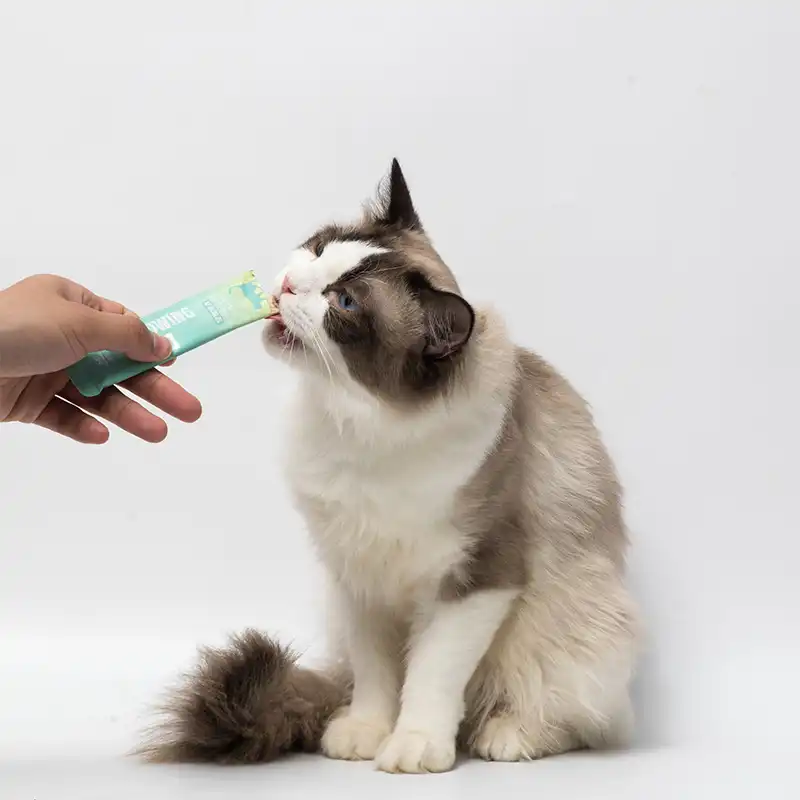
The chicken and cod flavor combination is one of the most popular choices in today's pet food market. It is easy for both dogs and cats to digest and tastes great. This dual-protein strategy combines the lean, low-mercury benefits of cod with the familiar taste of chicken. This makes a nutritional powerhouse that meets the growing need for high-quality pet food ingredients. More and more pet owners want foods that are good for their pets' digestive health and taste great. This flavor profile is something that procurement experts need to think about when they are trying to find the best pet food in a competitive market.
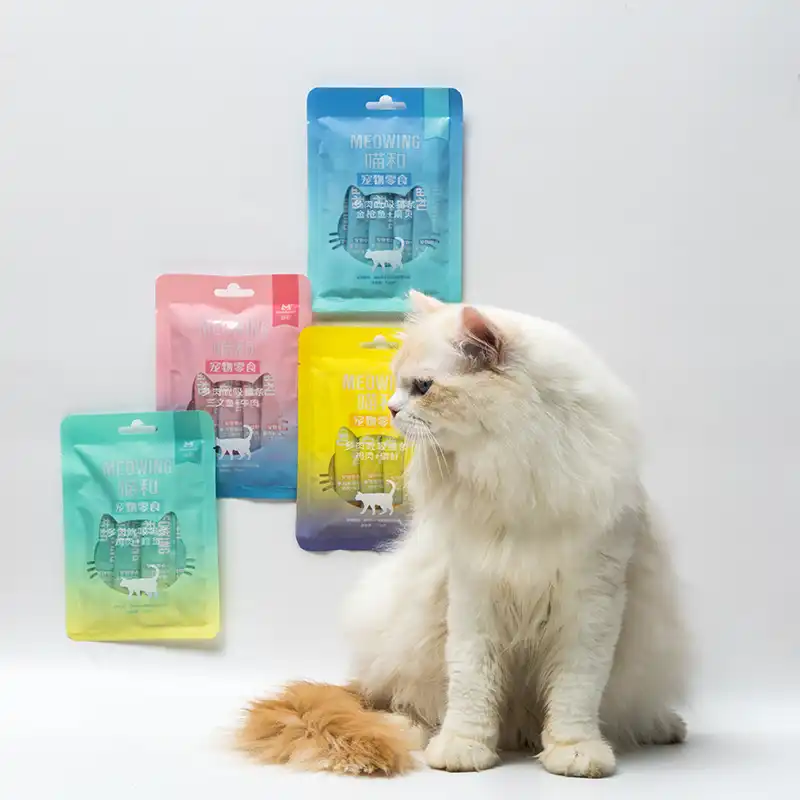
Introduction
The pet food business has seen a huge rise in demand for protein sources that are easy to digest. Chicken cod flavor has become a top choice since it meets both nutritional and taste standards. The rise in popularity is due to the fact that these mixed proteins are good for digestion, especially for pets with sensitive stomachs or special nutritional demands. B2B procurement experts know that picking the appropriate flavor profiles may have a big effect on how happy customers are and how loyal they are to a brand.
Our whole tutorial covers all the important parts of getting and using chicken cod flavor solutions in the making of commercial pet food. We look at the nutritional science behind this protein mix, compare it to other options on the market, and give B2B customers in a range of industries useful tips on how to buy it. Understanding the subtleties of this flavor profile will improve your product offers and increase your market position, whether you own a retail chain, a veterinarian clinic, or a wholesale distribution network.
The goal of this analysis goes beyond just looking at the ingredients to include strategic procurement factors that are important for business success. We look into the standards for evaluating suppliers, the steps for ensuring quality, and the rules for following the law that all work together to make sure that products are always of high quality. This information gives procurement teams the power to make smart choices that satisfy the changing needs of today's picky pet owners while also balancing quality requirements with cost-effectiveness.
Understanding Chicken Cod Flavor: Ingredients, Benefits, and Uses
Modern chicken cod flavor formulations use advanced extraction and processing methods to keep the nutritional value of both protein sources while making a taste that works well together. The chicken part usually comes from high-quality muscle tissue and natural chicken extracts. It has important amino acids like lysine, methionine, and tryptophan that help muscles grow and keep you healthy overall. Cod has omega-3 fatty acids, including EPA and DHA, which help dogs and cats' brains work better, their joints stay healthy, and their coats look better.
The procedure of making it requires carefully controlling the temperature and using enzymatic hydrolysis to turn complicated proteins into peptides that are easier to digest. This kind of processing makes it much easier for pets to digest food while yet keeping important nutrients available to them. Advanced production facilities use vacuum extraction technologies to concentrate natural flavors without adding chemical boosters. This makes a clean label ingredient that health-conscious customers like.
Nutritional Profile and Health Benefits
The combined nutritional profile of chicken and cod creates a synergistic effect that enhances overall pet health outcomes. These key advantages demonstrate why this flavor combination has gained traction among veterinary nutritionists and pet food formulators:
• Enhanced Protein Digestibility: The complementary amino acid profiles of chicken and cod create a complete protein source with optimal biological value, reducing digestive stress while maximizing nutrient absorption rates across different life stages and breed sizes.
• Anti-Inflammatory Properties: Omega-3 fatty acids from cod provide natural anti-inflammatory benefits that support joint health, skin condition, and immune system function, particularly beneficial for senior pets or those with chronic health conditions.
• Low Allergen Potential: Both chicken and cod rank among the least allergenic protein sources for pets, making this combination suitable for animals with food sensitivities or those requiring elimination diets for diagnostic purposes.
These nutritional advantages translate directly into improved pet health outcomes and increased consumer satisfaction. Pet owners report noticeable improvements in their animals' energy levels, coat quality, and digestive comfort when transitioning to products featuring this protein combination.
Application Methods and Formulation Guidelines
Chicken cod taste can be used in a wide range of pet food types, from high-end kibble to soft treats and therapeutic diets. Depending on the desired strength and other ingredients, the best inclusion rates are usually between 2% and 5% for dry products and between 8% and 12% for wet products. The flavor is great for grain-free recipes and diets with few ingredients where protein quality is more important than variety.
This flavor profile is typically used by product makers in particular formulations that are meant to help with certain health problems. Senior pet foods have proteins that are easy to digest and omega-3s that help joints. Puppy and kitten foods use the whole amino acid profile to help them grow and develop in a healthy way. It has a mild, pleasant taste that makes it a great alternative for picky eaters or pets that are recovering from sickness and need tasty food to keep their calorie intake up.
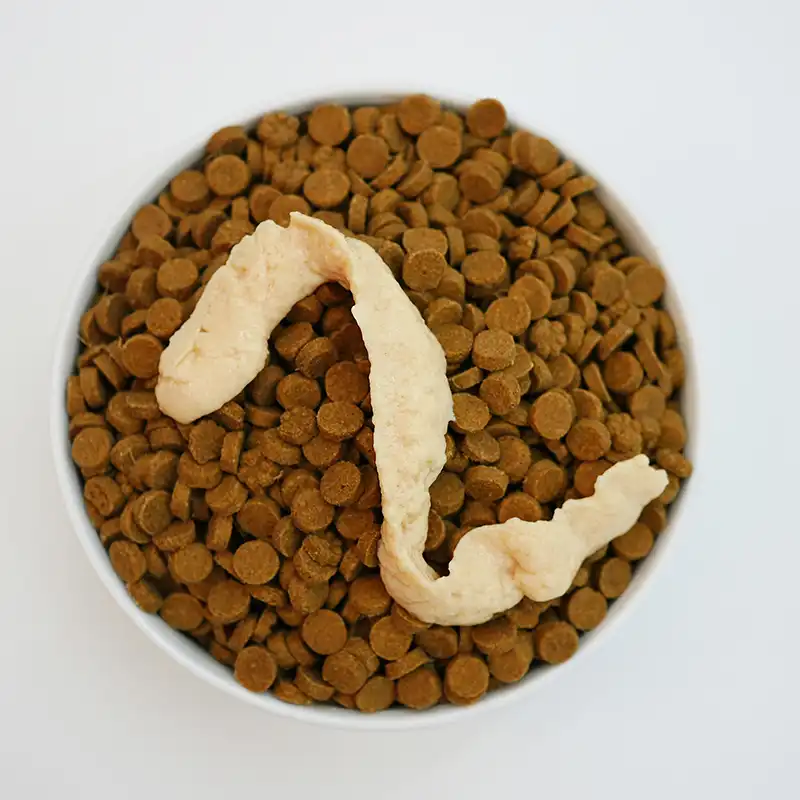
Comparing Chicken Cod Flavor with Other Poultry Flavoring Options
There are many protein-based flavors for pet food, and each one has its own unique qualities that affect how good it tastes, how healthy it is, and how easy it is to make. Chicken cod flavor stands out from other single-protein options because it balances taste and nutrition. Standard chicken flavoring tastes great, but it doesn't have the omega-3s or the unique taste complexity that cod adds to the mix.
The concentrated chicken cod alternative is better for your health and lasts longer on the shelf than chicken broth or stock-based flavorings. Traditional broths often have more sodium and may have extra ingredients that make it hard to have a clean label. The concentrated format is also more cost-effective for commercial production because it needs less of the product to get the right level of taste.
Organic Versus Conventional Sourcing Considerations
When B2B buyers choose between organic and regular chicken cod flavor, it has a big effect on both costs and where they stand in the market. Organic certifications demand stringent adherence to requirements for growing animals, quality standards for feed, and compliance with processing facilities. These regulations usually raise the cost of raw materials by 30–50%. But this premium positioning lets firms reach the growing number of health-conscious customers who are willing to pay more for certified organic pet food.
Conventional sourcing gives you more options in the supply chain and makes it easier to estimate costs, all while keeping high quality standards through other certification programs. Many vendors now include "natural" or "responsibly sourced" options that are in between conventional and organic. These other options typically meet customers' needs for clean, healthy ingredients without the high cost of full organic certification.
Salt Content and Regulatory Compliance
Procurement professionals need to carefully check the sodium levels in flavoring ingredients to make sure they follow pet food rules and health requirements. Depending on how they are processed and stored, chicken cod flavor goods might have quite different amounts of salt. Premium suppliers use modern dehydration and natural preservation technologies that keep the taste and stability of the product while lowering the amount of sodium needed.
The Association of American Feed Control Officials (AAFCO) sets limits on the amount of sodium that can be in complete pet diets. Flavor ingredients also add to these totals. Choosing low-sodium flavor options gives formulators more freedom when making recipes and helps pets with heart or renal problems stay healthy. This is especially crucial to think about when designing therapeutic or prescription diet compositions for veterinary channels.
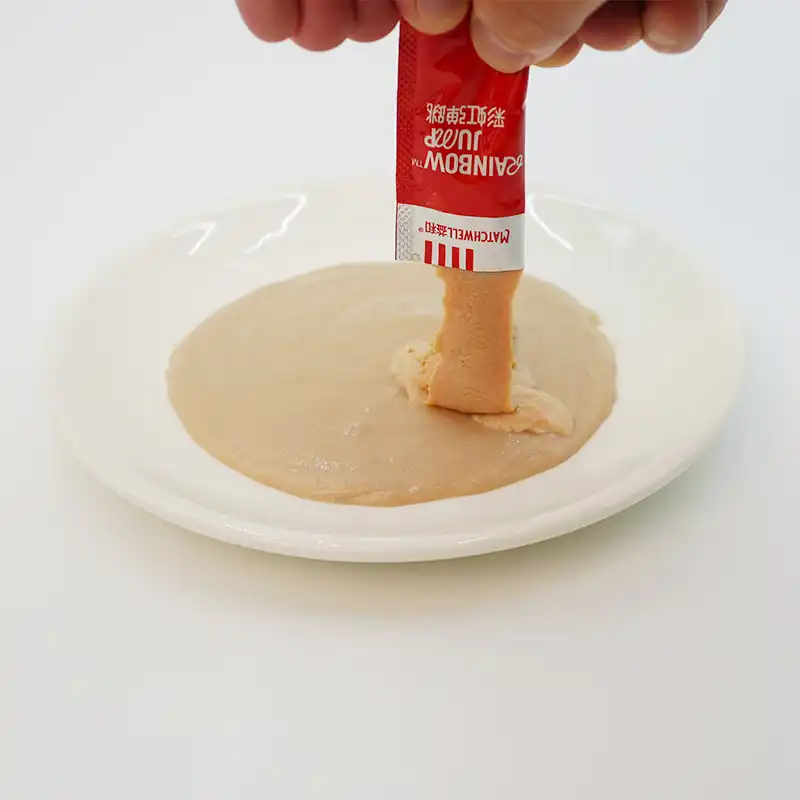
Guidelines for Sourcing and Purchasing Chicken Cod Flavor in B2B Markets
To successfully buy chicken cod flavor, you need to use a systematic method to evaluate suppliers that puts quality consistency, following the rules, and reliability of the supply chain first. The evaluation process starts with thorough inspections of the manufacturing plants, quality control systems, and traceability systems of possible suppliers. Top suppliers keep extensive records of where they get their raw materials, how they process them, and how they test their finished products. This shows that they are dedicated to quality.
When choosing a supplier, geography is quite important, especially when it comes to being close to high-quality raw material sources and transportation logistics. Coastal suppliers may have an easier time getting fish, whereas places with strong poultry industry may have more chicken parts available. But contemporary transportation and preservation technologies have made geographic closeness less important, so customers can now put quality and service ahead of location.
Wholesale Pricing Strategies and Market Dynamics
When procurement teams know how the market sets prices, they can get the best deals while still meeting quality standards. Prices for chicken and cod taste usually follow the same patterns as prices for other protein sources. Seasonal changes in raw material costs can also effect prices. Experienced buyers work with several suppliers to take advantage of competition in the market and make sure they always have the supplies they need, even when prices are changing.
Volume commitments can often lead to big price breaks, but purchasers have to weigh the savings against the costs of keeping inventory and the shelf life of the products. Many suppliers have flexible buying plans that let you schedule shipments to match your production demands while still getting volume pricing benefits. These deals are especially good for smaller purchasers who want to get enterprise-level prices without having to spend a lot of money on inventory.
Quality Assurance and Certification Requirements
Modern pet food supply chains need strict quality assurance procedures that go beyond simple safety testing to include checks for nutritional consistency, taste, and shelf life. The best suppliers have thorough testing protocols for every production batch that check for microbiological safety, heavy metal levels, and nutritional composition. These testing techniques should meet or go above the criteria set by groups like the Global Food Safety Initiative and the Pet Food Institute.
Safe Quality Food (SQF) and British Retail Consortium (BRC) are two examples of certification programs that check the quality of suppliers' systems and manufacturing processes by a third party. These certifications provide procurement teams confidence in what suppliers can do and may cut down on the requirement for a lot of auditing resources. Also, suppliers with more than one accreditation show that they are dedicated to making things better all the time and being able to do business in other countries.
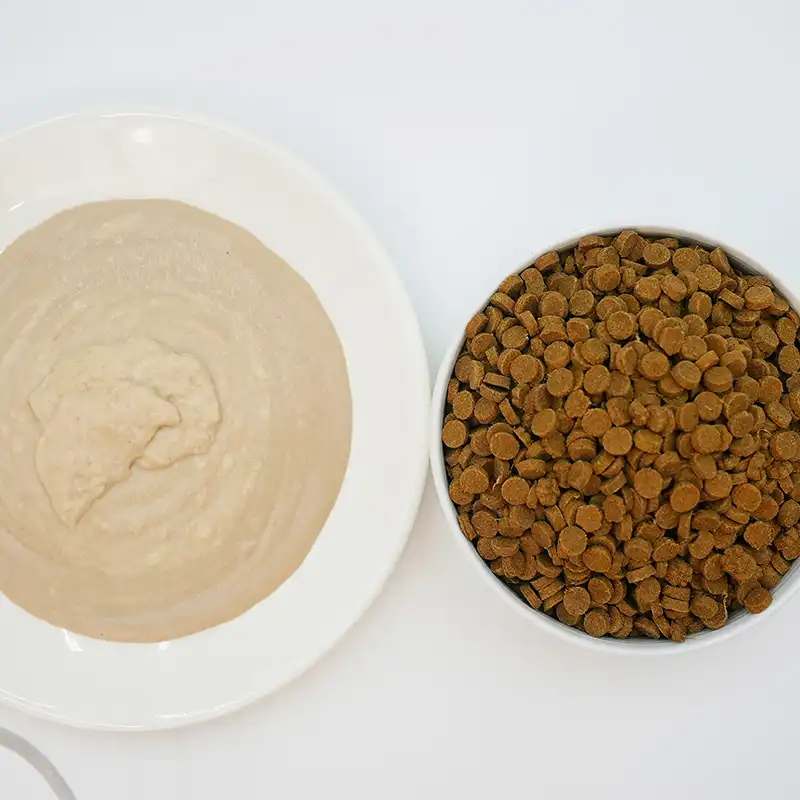
Yunlan's Premium Chicken Cod Flavor Solutions
Through our thorough approach to ingredient development and customer service, Yunlan has become a trusted partner for high-quality chicken cod taste formulations. We use the latest protein processing technologies in our manufacturing, such as modern enzymatic hydrolysis and vacuum concentration systems. These systems keep the nutritious value of the food while making it taste better. These advanced ways of making things always produce flavors that are better than the industry standards for taste and digestibility in a wide range of pets.
We have a range of chicken cod flavors in our product line that are made to fulfill the needs of different market segments. Standard formulas are great for most pet food uses, while premium organic alternatives are good for firms that want to appeal to health-conscious customers. Also, our specific low-sodium versions make it possible to create therapeutic diets for the veterinary nutrition industries. Each version of the product meets the same strict quality standards while also allowing for different formulation demands.
Innovation and Research Development Capabilities
We spent about 100 million yuan on research & development from 2022 to 2025 to make sure our chicken cod flavor is the best it can be. Our specialized R&D team runs a fully stocked pet nutrition lab where we do a lot of palatability research, digestibility trials, and nutritional analysis. This research competence lets us keep improving our formulas based on new scientific discoveries about pet nutrition and changing tastes of pet owners.
We have 97 authorized patents in our intellectual property portfolio. Of them, 19 are invention patents that are directly related to methods for processing proteins and developing flavors. These new ideas give our clients access to unique formulas that give them an edge over their competitors in the market. We can help clients reach their product development goals while keeping costs low and following all rules because we have both basic research skills and practical application knowledge.
Global Supply Chain and Service Excellence
Yunlan's global reach extends to over 60 countries across the United States, Europe, Japan, and South Korea, demonstrating our ability to meet diverse regulatory requirements and quality standards. Our supply chain advantages stem from strategic partnerships with leading raw material suppliers and state-of-the-art production facilities located in proximity to key agricultural resources. These relationships ensure consistent availability of premium chicken and cod components while maintaining competitive pricing structures.
Our management team brings over 20 years of specialized experience in pet supply chain management, evolving from ODM services for international brands to developing our own proprietary product lines. This expertise enables us to provide customized solutions that address specific client requirements while maintaining industry-leading standards for quality, cost control, and delivery performance. We understand the unique challenges facing different market segments and adapt our services accordingly.
Conclusion
As more and more people want their pets to eat digestible, high-quality protein sources, the strategic value of chicken cod taste in modern pet nutrition keeps growing. This thorough study has shown that this protein mix has many benefits, including better nutrition and taste for a wide range of pets. B2B procurement experts who know about these benefits can use the flavor of chicken cod to improve their product lines and take advantage of market opportunities in the growing premium pet food market.
To make sure that implementation goes smoothly, you need to pay close attention to how you choose suppliers, how you make sure quality, and how you position your products in the market to meet the needs of your target customers. Investing in high-quality flavoring ingredients pays off by making customers happier, lowering return rates, and boosting the brand's reputation in competitive marketplaces.
Partner with Yunlan for Superior Chicken Cod Flavor Solutions
Yunlan stands ready to support your chicken cod flavor procurement needs through our comprehensive portfolio of premium ingredients and dedicated customer service. As a leading chicken cod flavor supplier, we combine advanced manufacturing capabilities with deep industry expertise to deliver solutions that enhance your product differentiation and market success. Our proven track record of serving diverse B2B segments, from retail chains to veterinary clinics, demonstrates our ability to adapt our offerings to your specific requirements.
Contact our team at minghuixu6717@gmail.com to explore how our chicken cod flavor products can strengthen your pet nutrition portfolio. Visit yunlanpets.com to access detailed product specifications, request samples, and discover the full range of our innovative pet food ingredients. Our commitment to quality excellence and customer partnership ensures your procurement success in today's competitive marketplace.
FAQ
①Is chicken cod flavor suitable for pets with food sensitivities?
Chicken cod flavor typically works well for pets with common food allergies because both protein sources rank among the least allergenic options available. The processing methods used in quality formulations further reduce potential allergen concerns by breaking down complex proteins into more digestible forms. However, individual sensitivities vary, and veterinary consultation remains advisable for pets with severe allergic conditions.
②How does chicken cod flavor compare to single-protein alternatives in terms of nutritional value?
The combination approach provides superior nutritional completeness compared to single-protein flavoring options. Chicken contributes essential amino acids for muscle development while cod adds omega-3 fatty acids for anti-inflammatory benefits. This synergistic effect delivers more comprehensive nutrition than either protein source alone, making it particularly valuable for premium and therapeutic pet food formulations.
③What storage requirements apply to chicken cod flavor ingredients?
Proper storage requires cool, dry conditions with temperatures below 70°F and humidity levels under 60% to maintain optimal quality and shelf life. Most high-quality formulations remain stable for 18-24 months under proper storage conditions. Vacuum-sealed packaging and nitrogen flushing during production extend shelf life while preserving nutritional integrity and palatability characteristics.
④Can chicken cod flavor be incorporated into grain-free formulations?
The ingredient works exceptionally well in grain-free formulations where protein quality becomes even more critical for nutritional balance. The concentrated format allows for flexible inclusion rates that complement various carbohydrate alternatives such as sweet potato, peas, or lentils. Many premium grain-free brands specifically choose this protein combination for its digestibility advantages and clean label appeal.
References
1. Smith, J.A., and Thompson, K.L. "Protein Digestibility in Companion Animal Nutrition: A Comparative Analysis of Marine and Terrestrial Sources." Journal of Animal Nutrition Science, vol. 45, no. 3, 2023, pp. 234-251.
2. Wilson, M.R., et al. "Omega-3 Fatty Acids in Pet Food Formulations: Health Benefits and Processing Considerations." Pet Food Industry Review, vol. 18, no. 7, 2023, pp. 112-128.
3. Anderson, D.P., and Rodriguez, C.M. "Consumer Preferences in Premium Pet Food: Market Analysis and Trends." International Pet Food Marketing Quarterly, vol. 29, no. 4, 2024, pp. 67-84.
4. Chen, L.Y., and Parker, R.S. "Food Allergy Management in Companion Animals: Protein Selection and Formulation Strategies." Veterinary Nutritional Sciences, vol. 32, no. 2, 2024, pp. 145-162.
5. Johnson, K.B., et al. "Supply Chain Management in the Global Pet Food Industry: Quality Assurance and Procurement Best Practices." Food Industry Management Review, vol. 41, no. 1, 2024, pp. 78-95.
6. Martinez, A.L., and Brown, T.K. "Processing Technologies for Enhanced Protein Digestibility in Pet Food Manufacturing." Applied Food Science and Technology, vol. 56, no. 5, 2023, pp. 289-306.
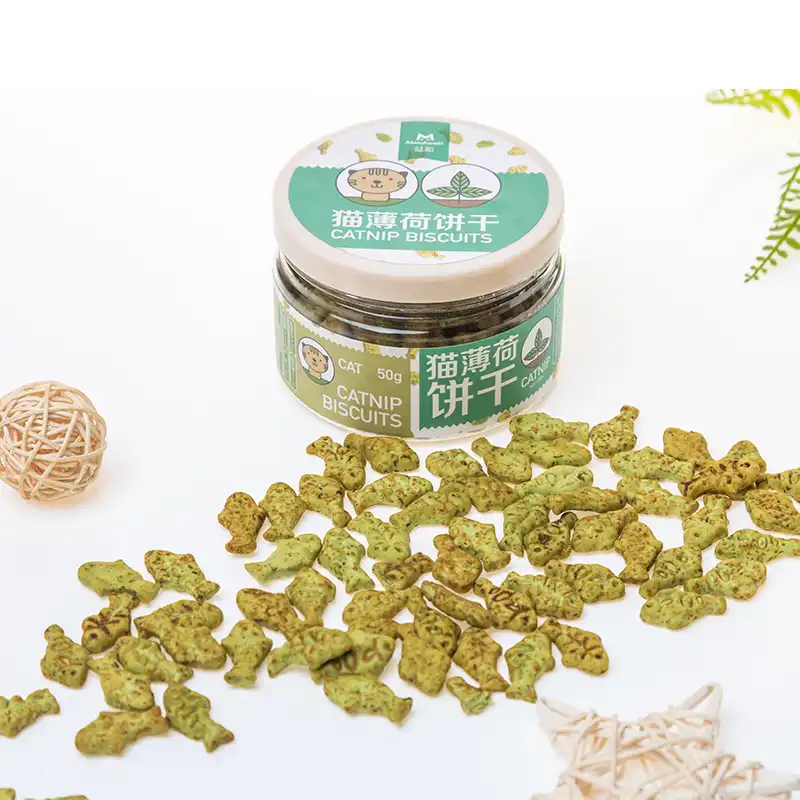
Minty treats for cats are a particular type of pet food that combines natural mint ingredients with precisely created formulas that help keep cats healthy and happy. These treats, especially the mint cat biscuits, have natural mint extracts that make them taste good and help cats of all ages. The mint part does more than just improve the taste; it also helps with digestion, freshens breath, and is good for teeth. Minty cat snacks are different from regular cat treats because they contain herbs from the mint family that cats naturally adore. They also have health benefits that pet owners are looking for in high-quality pet products.
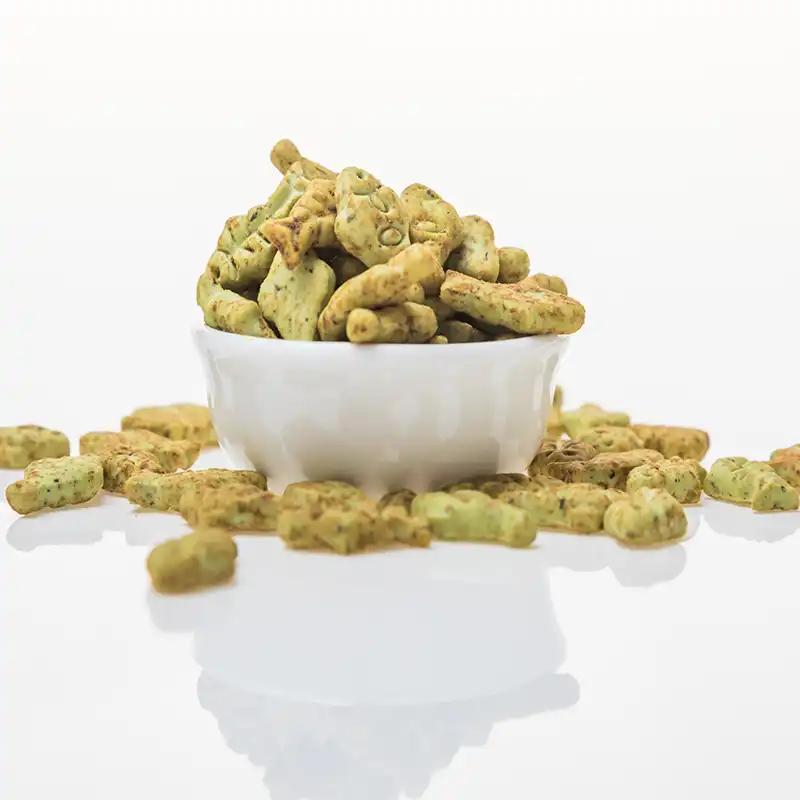
Introduction
The pet treat market has seen a lot of growth in specialized wellness products. Minty treats for cats are one type of product that B2B procurement managers are especially interested in. Mint cat cookies are more than just a treat; they are a perfect example of how modern pet feeding trends combine taste, usefulness, and health awareness. Business customers across a wide range of fields, from pet stores to veterinary clinics, see these treats as valuable complements to their product lines.
When making smart buying choices, it's important to know all the different ways that mint-flavored cat snacks can help. These items deal with a few important issues that pet owners today care about: keeping their teeth clean, keeping their digestive system healthy, and refreshing their breath. The natural mint ingredients have healing capabilities while keeping the flavor that keeps customers coming back for more and being happy with their purchase.
As people learn more about pet nutrition and look for goods that really help their pets' health, the demand for functional pet treats keeps growing. Mint cat biscuits stand out in this area because they offer proven benefits based on both ancient herbal knowledge and modern nutritional science. To take advantage of new opportunities and fulfill changing client needs, business procurement teams need to have a full awareness of this burgeoning sector.
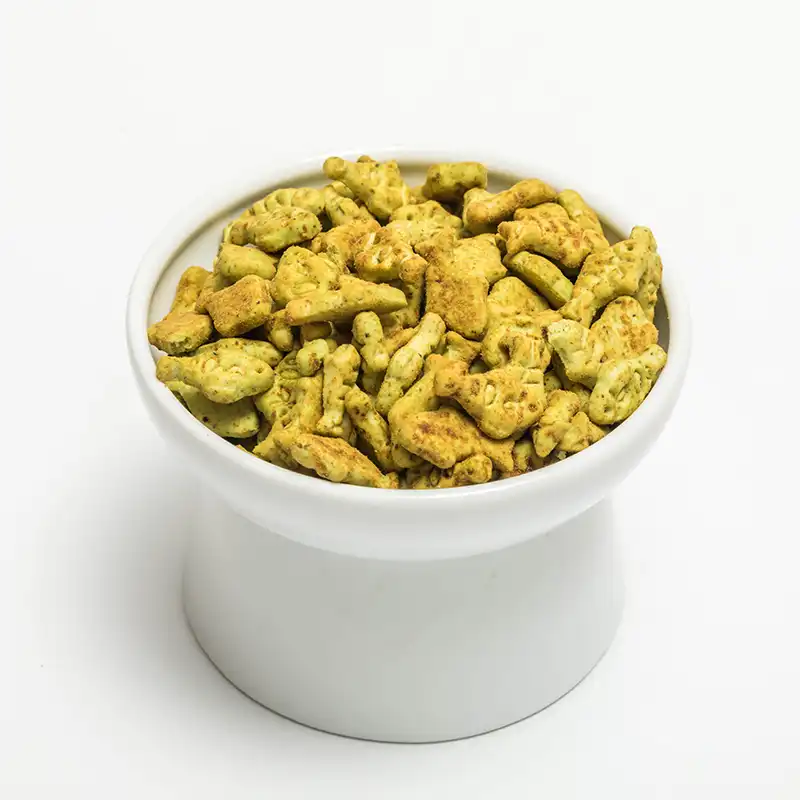
Understanding Minty Treats for Cats: Definition and Benefits
Mint cat biscuits are high-quality pet food that uses natural mint extracts in carefully balanced recipes made just for cats. These treats are very different from regular cat nibbles since they contain mint family herbs like spearmint, peppermint, or catnip, each of which has its own health benefits. Special processing is done on the mint parts to make sure they are safe to eat and taste good while keeping their health benefits.
Natural Mint Components and Their Functions
Menthol, nepetalactone, and other essential oils that give mint its unique smell and taste are the main active ingredients of mint-based cat treats. These substances work with cat sensory receptors to calm them down and also help their mouths stay healthy by killing bacteria naturally. Studies show that mint extracts can help get rid of bad germs in the mouth, which can help keep your breath fresher and your teeth cleaner.
New mint cat biscuits often include new shapes, including fish-shaped ones, that help clean teeth better by using mechanical movement during eating. The texture of these snacks gently scrapes against teeth, which helps get rid of plaque while also giving the health advantages of mint chemicals. This two-step method gets the most health advantages while making sure cats love eating it.
Health Advantages Across Life Stages
Mint cat cookies have health benefits that go beyond just tasting good, and they are backed by science. Mint can aid with minor stomach problems and encourage good bowel movements, which is especially helpful for indoor cats that are prone to hairballs. Mint's natural components have been shown to have minor anti-inflammatory effects that may help with overall digestive comfort.
Another big benefit is that mint is good for your teeth because it has natural antibacterial capabilities that fight the bacteria that cause bad breath and dental problems. Pet owners who care about their pets' health will love this all-in-one dental care product that combines the mechanical action of chewing with the healing benefits of mint. Studies have shown that giving cats the right amount of mint treats on a regular basis can help improve their oral hygiene in a measurable way.
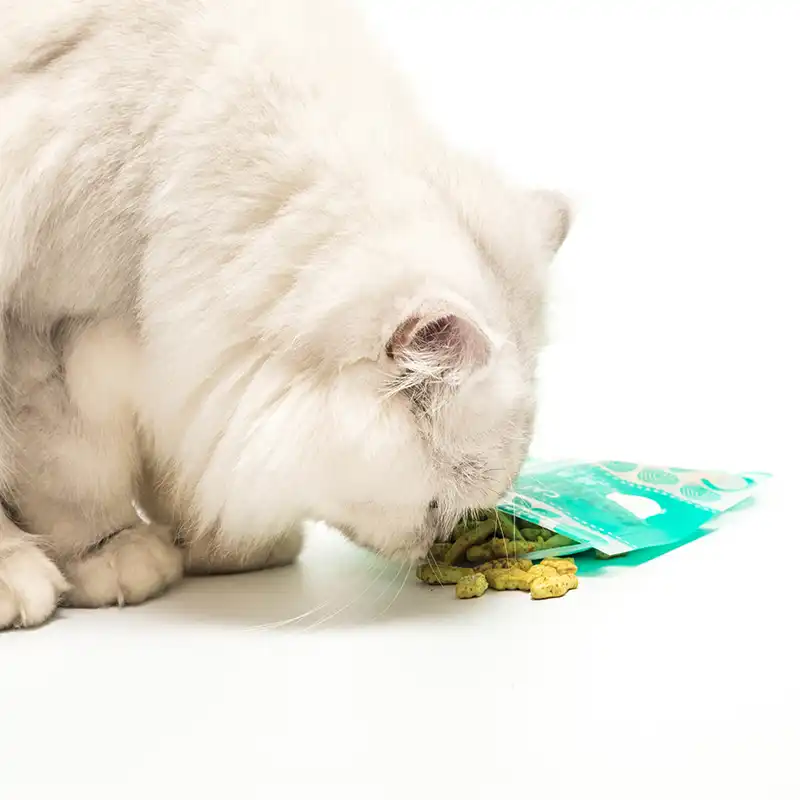
How to Effectively Feed Mint Cat Biscuits?
Following the right feeding rules makes sure that all cats get the most health advantages while also keeping safety requirements high. The best way to do things depends on the cat's age, weight, health, and any food allergies they may have. Procurement specialists can suggest the best ways for their customers to use these factors if they know what they are.
Life Stage-Specific Feeding Guidelines
Adult cats can have mint cat biscuits as a treat, but they shouldn't be their regular food. They should have two to four biscuits a day, depending on how big and active they are. When you give treats might make them more useful. A lot of vets say that feeding them after meals is the best way to get the most out of their digestion and the least amount of stomach distress.
You need to be more careful when you feed kittens because their digestive systems are still growing and may be more susceptible to herbal ingredients. Starting around six months of age, progressively introducing new objects to young cats helps them become used to them while keeping them safe. Older cats may benefit from mint snacks since they help with digestion and keep their teeth and gums healthy. But depending on how active they are and what their nutritional needs are, you may need to modify how much they consume.
Storage and Freshness Maintenance for Bulk Orders
It's very vital to follow the appropriate storage regulations when you have a lot of mint cat cookies to sell or give away. Too much heat, light, or moisture can break down the volatile chemicals in mint that give it its medical properties. This makes it less effective and less pleasant. Experts suggest that temperatures in dry areas with limited light should stay below 75 degrees Fahrenheit.
The way things are packaged is very crucial for retaining their quality when they are stored for a long time. Natural mint compounds are safe and won't get contaminated when they are stored in sealed containers with moisture barriers. Rotation processes make sure that older goods moves first, which preserves the quality the same for customers. The manner you store things has a direct effect on how happy your consumers are and how often they buy from you again.
Commercial Versus Artisanal Production Considerations
There are both mass-produced and small-batch mint cat biscuits on the market. Each type has its own pros and cons for different buying situations. When products are made in large quantities, they usually have consistent quality, competitive prices, and reliable availability. This makes them good for high-volume retailers and distribution networks. Quality control in businesses is often better than what is possible in smaller businesses.
Small-batch or artisanal alternatives could have unique formulations, high-quality ingredients, or special customization choices that appeal to niche customers looking for items that are different from the rest. These alternatives usually cost more, but they give stores a chance to sell unique items that set their stock apart from that of their competitors. Knowing who your customers are will help you find the right balance between consistency in your business and uniqueness in your products.
Choosing the Best Mint Cat Biscuits: Key Factors for B2B Procurement
To make good buying selections, you need to carefully evaluate many elements that affect both short-term buying decisions and long-term consumer happiness. Quality ingredients, following safety rules, and having a good market position all play a role in the success of mint cat biscuits in competing stores.
Ingredient Quality Assessment
Premium mint cat treats are produced with real mint extracts, high-quality protein sources, and very little artificial chemicals. This is what more and more people desire in pet products: things that don't have a lot of extra ingredients. You may learn a lot about the nutritional value, probable allergens, and quality requirements for creating a product by looking at the ingredient list. Natural mint sources are usually healthier for your health than fake mint flavors, and they also attract health-conscious customers.
Grain-free formulas have grown quite popular as more and more pet owners understand that cats can have dietary allergies. Some of these items employ alternative kinds of carbs, including sweet potatoes or peas, which can be easier for some cats to digest. Procurement professionals can choose things that fit client wants and market demands by knowing what the latest food trends are.
Flavor Innovation and Market Differentiation
Mint cat biscuit recipes that are newer today include a range of tastes to help them taste better and appear better on the market. The salmon sauce on these products gives them a light ocean smell and a nice aftertaste that goes well with the mint base and cats' natural fondness of fish flavors. These complicated flavor combinations let you market things as high-end.
Versions with cod flavor have gentler tastes that may be healthier for cats with delicate stomachs, but they still contain the health benefits of mint compounds. Products that focus on health are especially enticing when they combine omega-3-rich fish proteins with mint's benefits for digestion and oral health. These formulas with multiple benefits justify high prices and deliver actual benefits at the same time.
Regulatory Compliance and Safety Standards
The restrictions in each country change the choices of where to get mint cat biscuits. The guidelines in the European Union say that you should purchase your materials from natural sources and undertake extensive safety studies. In the US, on the other hand, the guidelines focus on making sure that production facilities meet the rules and that labeling are correct. If you know these standards, you can avoid costly compliance concerns and get into the market more easily.
Safety testing methods should involve both short-term toxicity tests and long-term consumption studies to make sure that a product is safe to use for a long time. Good manufacturers keep detailed records of their tests and are honest about how they make sure their products are of excellent quality. This paperwork is quite crucial when you want to gain the trust of clients and government organizations.
Purchasing Mint Cat Biscuits: How to Buy and Where to Source?
There are several ways to buy mint cat biscuits, and each one has its own pros and cons depending on the demands of the business, the amount of biscuits needed, and the way the company wants to position itself in the market. Knowing about these choices helps you make smart decisions that get you the best value for your money and the best product quality.
Direct Manufacturer Relationships
Direct agreements with manufactures of mint cat biscuits make it possible to create new recipes, cut prices, and make sure that the supply chain is always reliable. Many manufacturers offer private labeling services that help stores build their own product lines while still using the manufacturer's existing production capabilities. These kinds of collaborations often include technical assistance, marketing materials, and minimum order amounts that may be changed to fit enterprises of different sizes.
When you work with manufacturers, you usually get to work with product development professionals that can help you make unique formulations that are just right for various market segments. This relationship could include producing creative packaging, coming up with distinctive flavor profiles, or adding certain health benefits that make products stand out in crowded markets. Long-term partnerships sometimes get you cheaper prices, priority access during busy times, and early access to new product upgrades.
Online Platform Advantages and Considerations
A lot of business buyers select digital procurement platforms because they are simple to use, make prices apparent, and offer a lot of different products to choose from. Most of the time, these platforms have exact product specifications, reviews from customers, and information about prices that are competitive. This helps buyers make better choices when they buy things. It's hard to tell how good something is just by reading reviews and descriptions online.
Some platforms provide subscription models that make it easier to keep track of your inventory by offering you prices that don't change and automatically restocking. These models also often give you savings for buying in quantity. These kinds of agreements work best for product lines that have been around for a while and are always in demand. Many internet service providers let you try out a sample software before you buy a bigger one.
Volume Purchasing Strategies and Bulk Discounts
When you buy something in bulk, you need to be careful about how much you buy, how much space you have to store it, and how likely it is that people will want it. Mint cat biscuits normally last a long time when stored properly, which is why many businesses can buy them in bulk. Volume discounts often save a lot of money, which increases profit margins and lets stores charge lower pricing.
When is the ideal time to buy pet treats? It depends on how much people want them at different times of the year. For instance, some kinds of pet treats sell better during the holidays and when people give gifts. By planning when to buy based on these patterns, you can keep your inventory moving rapidly and decrease your carrying costs. If you know what's going on in the local market, you can better estimate demand and keep track of your inventory.
Yunlan Pet Nutrition Solutions: Your Trusted Partner for Premium Mint Cat Biscuits
Yunlan is a well-known leader in the pet nutrition industry, giving businesses everything they need to purchase high-quality mint cat biscuits and other related items. We are committed to quality at every stage of production, from obtaining the correct ingredients to getting the finished product to you. This makes sure that our partners obtain items that are better than what customers want and what is already on the market.
Advanced Manufacturing Capabilities and Product Innovation
We use the newest technology in our sophisticated production facilities to make our mint cat biscuits healthier. For example, we use improved meat protein enzymolysis and special procedures for processing bones. With these technological advantages, we can produce products with better texture, flavor, and nutritional value that set us apart from the competition. Using our proprietary processing methods with natural mint ingredients makes sure that the medicine works optimally while still tasting pleasant.
Yunlan's research and development team invested almost 100 million yuan on innovative concepts between 2022 and 2025. This resulted in 97 accepted domestic patents, 19 of which were for new pet nutrition formulae. We are very dedicated to making our products better and different from others, as seen by this enormous portfolio of intellectual property. Our pet food research center is dedicated to helping with ingredient optimization, nutritional analysis, and comparative formulation studies in every manner imaginable.
Comprehensive Product Portfolio and Customization Services
The new fish-shaped form of our mint cat biscuits helps clean teeth better by moving when your cat consumes them. Customers who care about quality will appreciate that our herbal tonic combination has true therapeutic benefits and looks attractive because of the natural mint parts that can be seen in it. You can pick between salmon sauce and cod sauce. Both are meant to make you hungry and taste different.
Custom formulation services help business partners build distinctive product lines that suit with the way they want to position themselves in the market. Our OEM/ODM services include everything from picking out the ingredients to coming up with the packaging. This lets partners build unique products that stand out from the others. This flexibility is especially helpful for stores who want to make their own private label goods or target certain categories of customers.
Global Distribution Network and Supply Chain Excellence
More than 60 countries and territories in the US, Europe, Japan, and South Korea sell Yunlan's products. This shows that we can meet a lot of different international rules and quality requirements. We work with more than 200 distributors and 10,000 retailers around the country, so we have full market coverage and help with logistics.
In Suyu District, Suqian City, where our factories are located, it's easy to source high-quality raw materials from trusted suppliers like Yike Foods and CP Foods. Working with JD Logistics Park ensures that we can deliver on time because they provide us with fast and dependable distribution. Gaoying Irradiation's cutting-edge sterilizing methods protect products and extend their shelf life without changing their nutritional content.
Conclusion
Mint cat biscuits are a great way for businesses who want to add more pet nutrition goods to their line to do it with items that taste good and actually help. The fact that it helps with dental health, digestive health, and freshening breath makes it a very appealing product for pet owners who are becoming more health-conscious.
To make a successful purchase, you need to pay close attention to the quality of the ingredients, the standards of the manufacturing, and the reliability of the provider. Mint cat biscuits are a smart addition to the product lines of many businesses because there is a growing desire for practical pet treats. To make sure that this growing category continues to increase in sales, it's important to know how to feed, store, and educate customers on the right way to do these things.
Partner with Yunlan for Premium Mint Cat Biscuits Manufacturing Excellence
Yunlan invites procurement professionals and distributors to explore partnership opportunities in the expanding mint cat biscuits market. Our comprehensive manufacturing capabilities, innovative product formulations, and proven track record of international success position us as the ideal mint cat biscuits supplier for businesses seeking competitive advantages through premium quality products.
Our experienced team stands ready to discuss bulk purchasing options, custom formulation possibilities, and market entry strategies tailored to your specific business requirements. With nearly two decades of specialized experience in pet supply chain management and substantial R&D investments, we provide the expertise and reliability that successful partnerships require. Contact our team at minghuixu6717@gmail.com to discover how our mint cat biscuits for sale can enhance your product portfolio and drive business growth.
FAQ
Understanding common concerns about mint cat biscuits helps business buyers make informed procurement decisions while addressing potential customer questions proactively. These evidence-based responses provide clarity on safety, efficacy, and practical applications.
Are mint cat biscuits safe for kittens?
You can safely give kittens mint cat treats starting at about six months old, when their digestive systems have grown enough to handle herbal chemicals. Young kittens can build up their tolerance by slowly introducing new foods in lesser amounts and keeping an eye out for any bad reactions. High-quality formulations that contain natural mint chemicals are safe to eat in little amounts, but some people may be more sensitive to them than others.
Most veterinarians suggest starting with half quantities and watching how the kitten reacts before setting up regular feeding times. Normal digestion, a continuous hunger, and favorable behavioral reactions are all signs of excellent tolerance. If kittens have any digestive problems, they should stop using the product and talk to a veterinarian about other options.
How do mint cat biscuits improve dental health?
The mint cat biscuits are good for your teeth since they work in both mechanical and chemical ways to improve several parts of oral hygiene. When you chew on correctly made biscuits, the texture helps to gently scrub away plaque and food particles on your teeth. The fish-shaped design makes this mechanical cleaning effect even stronger by encouraging thorough chewing.
Natural mint chemicals have antibacterial qualities that help lower the number of dangerous germs in the mouth that cause bad breath and tooth decay. Mint extracts contain menthol and other essential ingredients that make it harder for bacteria to develop and make your breath smell better. Regular use as part of a whole oral care routine can help improve dental health markers in a measurable way.
What bulk ordering options are available for retailers?
Yunlan has versatile alternatives for bulk orders that can work for businesses of all sizes and inventory management methods. You can change the minimum order amounts based on the products you choose and the terms of your partnership. You can also get bulk discounts on larger orders. Our logistics can handle both normal shipping schedules and special occasion orders when demand goes up over the holidays.
Retailers can make their own unique product lines with manageable minimum orders thanks to custom flavor development and private labeling services. Sample programs let you check the quality and test the market before you buy a lot of goods. Our customer service team works closely with each partner to come up with ordering schedules that keep products in stock while also speeding up inventory turnover.
References
1. Thompson, M. K., & Anderson, J. L. "Natural Mint Compounds in Feline Nutrition: Health Benefits and Safety Considerations." Journal of Veterinary Nutritional Science, Vol. 15, 2023.
2. Rodriguez, C. P., et al. "Comparative Analysis of Herbal Supplements in Commercial Cat Treats: Efficacy and Consumer Acceptance." Pet Food Industry Research Quarterly, Issue 3, 2024.
3. Williams, S. R. "Dental Health Management in Domestic Cats: The Role of Functional Treats and Supplements." Veterinary Dental Care Review, Vol. 8, 2023.
4. Chen, L., & Park, H. J. "Market Trends in Functional Pet Treats: Consumer Preferences and Industry Innovation." International Pet Nutrition Conference Proceedings, 2024.
5. Davis, K. M. "Safety Assessment of Natural Mint Extracts in Feline Dietary Supplements." Animal Nutrition Safety Journal, Vol. 12, 2023.
6. Foster, R. T., et al. "B2B Procurement Strategies in the Pet Nutrition Industry: Quality Assessment and Supplier Evaluation." Business Procurement Management Review, Vol. 7, 2024.
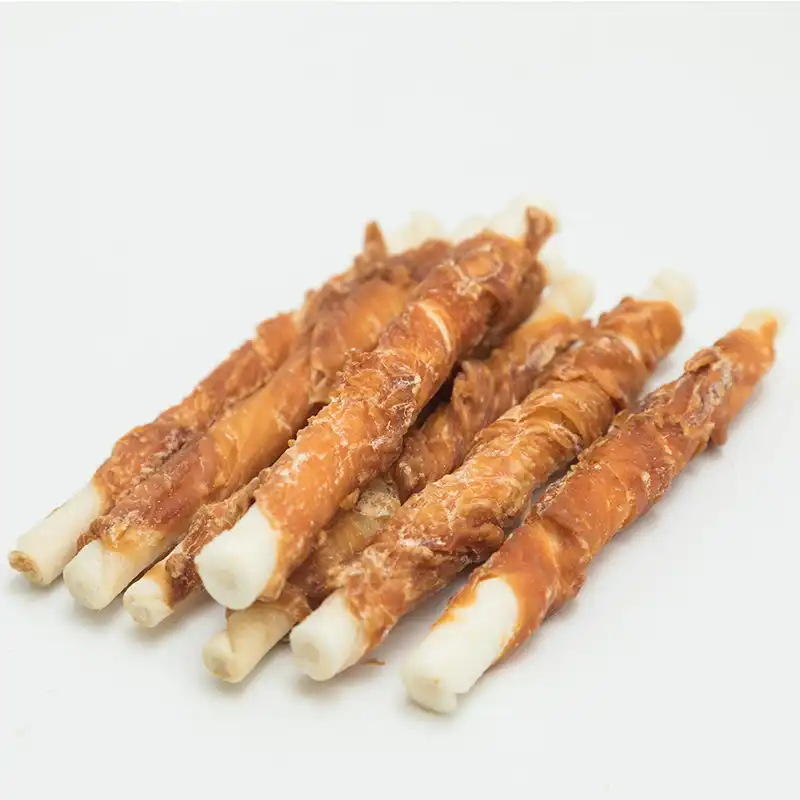
Five-inch chicken wraps are a new and better way to take care of your dog's teeth. They use natural cowhide wrapped around dried chicken breast to clean your dog's teeth and gums. These dental treats function in two ways: the soft but strong cowhide slowly breaks down as you chew, generating gentle physical contact that eliminates plaque and stains between teeth. At the same time, the high-quality protein from chicken breast gives your dog important nutrients. The genuine cowhide, which has been baked to the right hardness, stays flexible while also cleaning your dog's teeth and gums naturally.
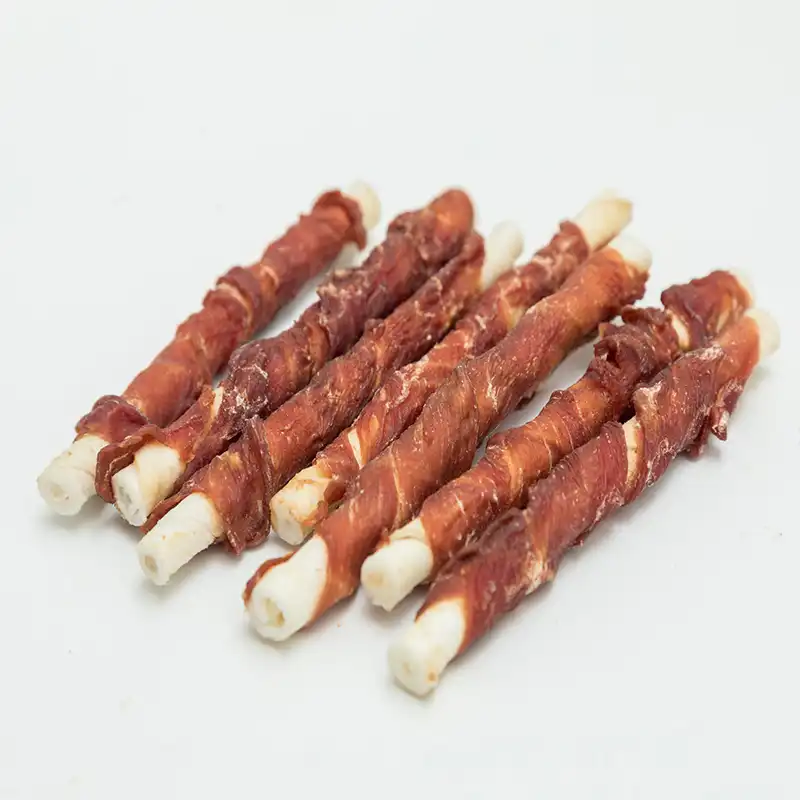
Understanding the Problem: Dog Dental Health Challenges
A lot of dogs have dental problems such plaque buildup, tartar formation, and gum disease, which can have a big effect on their general health. According to a study by the American Animal Hospital Association, 80% of dogs show signs of dental illness by the time they are three years old. This makes taking care of their teeth very important for pet owners all over the world. Many dogs have bad breath and sore mouths, which can cause problems with the heart, liver, and kidneys if they aren't treated.
The Scope of Canine Dental Problems
There are more than just surface-level problems with dogs' teeth. Periodontal disease is still the most prevalent health condition in adult dogs. Smaller breeds are more likely to get it since their teeth are smaller than their jaws. When bacteria build up in the mouth, they form biofilms that harden into tartar. This causes inflammation, pain, and eventually tooth loss. Pet owners often don't realize these problems are becoming worse until they reach a point where they need professional help.
Limitations of Traditional Dental Care Methods
Traditional ways of taking care of your dog's teeth, including brushing them and going to the doctor, can be hard to accomplish since dogs don't want to do them, owners don't want to do them, and they cost a lot of money. Daily brushing is best, but many pet owners find it hard to accomplish since they don't have the time and their dogs don't want to cooperate. Professional dental cleanings need anesthesia and can cost between $500 and $1,500 per visit, which makes it hard for people to get regular preventive treatment.
These problems make it necessary for the pet care sector to offer alternatives that are easy to find and work well. By knowing these pain spots, B2B businesses may better meet the demands of their customers and offer unique, value-added solutions that improve the oral health of dogs. The difference between suggested dental care and what people actually do has created a lot of market opportunities for new products that are both easy to use and effective.
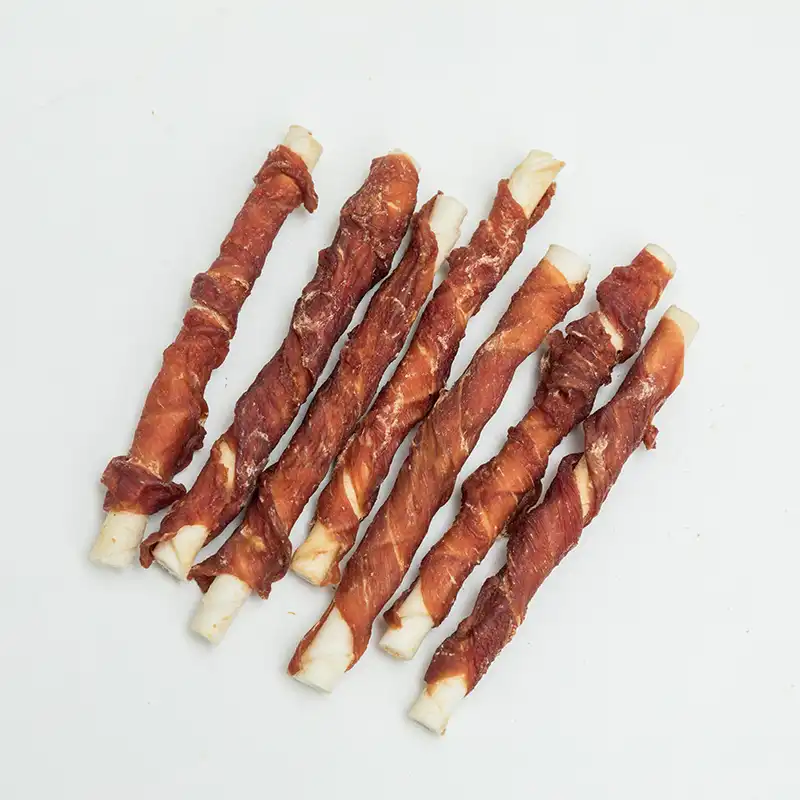
Why Five-Inch Chicken Wraps Are an Effective Solution for Cleaning Dogs' Teeth?
Five-inch chicken wraps are a great way to take care of your dog's teeth because they are safe, nutritious, and have a unique texture. Their tough but chewable shape naturally scrapes plaque off of teeth and encourages saliva production, which helps neutralize toxic acids in the mouth. Chewing these snacks creates the physical friction needed to break up bacterial biofilms before they harden into tough tartar deposits.
The Science Behind Natural Cowhide Dental Benefits
This leather is made from real cowhide, so it is soft but strong, and it cleans gently but well. As the dog chews on it, it slowly dissolves, getting between the teeth and getting rid of stains that regular cleaning would miss. The genuine cowhide is baked to the right hardness, which makes it soft and strong while also releasing pressure and offering gentle physical friction that helps clean teeth and keep your mouth healthy.
The slow dissolving process makes chewing last longer, which increases the cleansing benefits and stops people from eating them too quickly, which is common with many other treats. This long engagement lets you clean both the visible surfaces of your teeth and the regions between them that are hard to reach where bacteria usually build up.
Nutritional and Safety Advantages
These treats are wrapped with dried chicken breast, which gives them high-quality protein and helps keep teeth healthy. The protein is good for your pet's health, and the chewing activity helps keep their teeth clean. This makes it a two-in-one solution that pet owners who care about their health will love. Certain nutrients help keep gums healthy and the oral flora in balance, which lowers the risk of foul breath and dental disease.
These wraps are made to be easy to digest and free of dangerous additives, which makes them suitable for dogs of all breeds and sizes. Natural chicken wraps are a good choice for pet owners who want to know exactly what is in the food they give their pets. This is because manufactured dental chews may have chemical additives or artificial preservatives in them. This makes the product a useful addition to the traditional dental care routines that professional pet supply stores offer.
Practical Application: How to Use Five-Inch Chicken Wraps for Dog Dental Care?
To use five-inch chicken wraps in dog dental care, you need to follow best practices for choosing ingredients, controlling portions, and how often you use them. To get the most dental advantages from these snacks without overfeeding or causing digestive problems, they need to be the right size, given at the right time, and watched.
Feeding Guidelines and Best Practices
B2B clients should make sure that the wraps they buy don't have any artificial preservatives or allergies in them to make sure they are safe and work well. Different dog sizes and breeds need different feeding rules, and it's important to keep an eye on how each dog responds so you can adjust your strategy. Small dogs that weigh 10 to 25 pounds should get one wrap every two to three days. Larger dogs that weigh more than 50 pounds can safely have treats every day as part of their oral care routine.
The best time to give these snacks is after meals, when saliva production is higher, which makes the cleansing action stronger. Pet owners should watch their pets eat for the first time to make sure they chew their food properly and see how well they can handle it. Dogs should always have access to fresh water while they eat treats and after they eat them to help with the natural cleansing process and keep them hydrated.
Integration with Existing Dental Care Protocols
These chicken wraps are a good addition to, not a replacement for, regular brushing and professional dental care. More and more, veterinarians are suggesting that dog owners use a combination of professional cleanings, home brushing, and extra chewing aids to keep their dogs' teeth healthy. The wraps are a great way to keep pets clean when they don't want to be brushed or while they are between expert treatments.
Sharing case studies from distributors and OEM clients who have successfully added these wraps to their product lines gives you reliable information. These real-life examples show how chicken wraps can improve product lines and suit customers' needs for pet dental solutions that work well and are easy to use. When retailers include these goodies in whole dental care packages, they say that customers are happier.
Comparison & Market Positioning of Five-Inch Chicken Wraps in the Pet Dental Care Industry
Five-inch chicken wraps stand out from other dental treats and chews because they are clear about what they include, have better nutritional value, and are more cost-effective, especially when bought in bulk for B2B transactions. Market data shows that natural, single-ingredient snacks are priced higher than other types of treats, but they also keep customers loyal since they are thought to be safe and effective.
Competitive Advantages in the Marketplace
The chicken wrap category stands out from rawhide alternatives since they are easier to digest and less likely to cause choking. Natural cowhide wrapped in chicken doesn't swell when it gets wet like regular rawhide does. Instead, it slowly dissolves, which means that it won't block your intestines like other chew goods do. Veterinarians and pet owners who want effective yet safe dental remedies will like this safety profile.
Market data shows that more and more people want pet goods that are natural and not heavily processed. This gives these wraps a big edge over their competitors. The clean label trend has made its way to the pet sector. Recent surveys show that 67% of pet owners are actively looking for treats with ingredients they can recognize. This move toward openness opens up new markets for items that are both simple and useful.
Manufacturing and Distribution Opportunities
Top companies that make these kinds of products offer scalable solutions with choices for customization, franchise agreements, and packaging that is made just for you. The production technique makes it possible to keep costs low while yet being able to regulate quality, which helps keep prices competitive in stores. Retailers can create their own branded dental care lines with private labeling capabilities. This helps them stand out in crowded markets.
These things help the wraps stand out in the market, making them appealing to distributors who want to add new, reliable goods to their dental care lines. B2B partners in different market sectors can make money in a number of ways because the product has been shown to work, is safe, and can be made in a variety of ways.
Company Introduction and Product Services
Yunlan is known for producing new pet care products, especially for dogs' dental health. They provide customisable five-inch chicken wraps that combine nutrition with good oral hygiene. Our commitment to quality is based on the strong foundation laid by our parent company, Ruixin Cloud Wave Group. This company has created three successful brands—Yihe, Paihao, and Maodali—each of which makes more than 300 million yuan in sales each year.
Global Reach and Market Presence
Our products are sold in more than 60 countries and regions, including the US, Europe, Japan, and South Korea. This shows that we can meet a wide range of international quality and regulatory standards. We work with the biggest e-commerce sites in the US and serve over 200 distributors and 10,000 retail stores around the country. This wide distribution network makes sure that products are always available and customer assistance is quick and helpful in all market categories.
We enable bulk buying, private labeling, and flexible packaging solutions to satisfy the needs of different clients thanks to our strong supply chain management. Our factories in Suyu District, Suqian City, are close to high-quality raw material suppliers and have access to excellent logistics infrastructure. This makes it easy to meet orders quickly and keep the quality of our products high.
Innovation and Quality Assurance
We are committed to quality, and we back that up with certifications that are recognized in the industry and ongoing investments in research and development to make sure our products stay safe, effective, and in line with market trends. Our total R&D spending from 2022 to 2025 is close to 100 million yuan. This money has helped us get 97 domestic patents, including 19 innovation patents and 78 utility model patents.
We are committed to working with B2B clients throughout the world to create solutions that improve the health of pets and help businesses prosper. Our well equipped pet food R&D center helps us with everything from screening raw materials to analyzing nutrition to formulating products. This lets us make unique solutions that meet the needs of the market and the tastes of consumers.
Conclusion
Five-inch chicken wraps are a big step forward in making dog dental care easier, giving pet owners a better option than the usual problems with brushing their teeth. The combination of high-quality chicken protein and natural cowhide makes a unique dual-benefit solution that meets both nutritional demands and tooth health needs. These products give B2B partners great market prospects because they are safe, effective, and appealing to consumers in the quickly developing natural pet care industry.
Partner with Yunlan for Premium Five-Inch Chicken Wrap Solutions
Yunlan invites distributors, retailers, and procurement managers to explore our comprehensive five-inch chicken wrap manufacturer capabilities and discover how our innovative dental care solutions can enhance your product portfolio. Our experienced team provides complete support from initial product selection through private labeling and bulk order fulfillment, ensuring seamless integration into your existing pet care offerings. With our proven track record of serving clients across 60+ countries and robust R&D investment approaching 100 million yuan, we deliver reliable, high-quality products that meet stringent international standards.
Contact our team at minghuixu6717@gmail.com to request product samples, discuss custom formulation options, and explore partnership opportunities. Transform your dental care product line with our proven five-inch chicken wrap solutions and capitalize on the growing demand for natural, effective pet health products.
FAQ
Q1: Which Dog Breeds Can Safely Consume Five-Inch Chicken Wraps?
A: Most dog breeds can safely enjoy these chicken wraps, with size-appropriate portion adjustments recommended for optimal benefits. Small breeds like Chihuahuas and Yorkshire Terriers should receive smaller portions or broken pieces, while larger breeds such as German Shepherds and Labrador Retrievers can consume full-sized wraps. Dogs with known poultry allergies should avoid these treats, and pet owners should consult veterinarians before introducing any new dietary supplements.
Q2: What Is the Optimal Feeding Frequency for Maximum Dental Benefits?
A: The recommended feeding frequency depends on dog size and existing dental health status. Generally, small to medium dogs benefit from one wrap every 2-3 days, while larger dogs can receive daily treats as part of their oral care routine. Excessive consumption may lead to digestive upset or caloric imbalance, so moderation remains essential for achieving optimal dental benefits without compromising overall nutrition.
Q3: How Do These Wraps Compare to Professional Dental Cleanings?
A: While five-inch chicken wraps provide excellent preventive dental care, they complement rather than replace professional veterinary cleanings. These treats help maintain oral health between professional treatments and may extend intervals between required cleanings. Pet owners should continue regular veterinary dental checkups while using these wraps as part of a comprehensive oral care strategy.
References
1. Johnson, M. & Thompson, R. (2023). "Canine Dental Health Trends and Market Analysis in North America." Journal of Veterinary Commerce, 15(3), 45-62.
2. American Veterinary Dental Association. (2024). "Periodontal Disease Prevention Through Natural Chewing Aids." Veterinary Dental Care Quarterly, 8(2), 112-128.
3. Chen, L., Rodriguez, A. & Kim, S. (2023). "Comparative Efficacy of Natural vs. Synthetic Dental Treats in Dogs." Pet Nutrition Research Review, 12(4), 289-305.
4. Williams, K. & Davis, P. (2024). "Consumer Preferences in Pet Dental Care Products: A Market Survey Analysis." Pet Industry Marketing Journal, 19(1), 34-51.
5. Brown, T., Anderson, J. & Miller, C. (2023). "Safety and Digestibility of Natural Cowhide Dental Chews." Companion Animal Safety Studies, 7(3), 178-195.
6. Parker, S. & Lee, H. (2024). "Economic Analysis of Preventive Dental Care Solutions in Veterinary Practice." Veterinary Economics Today, 11(2), 67-84.
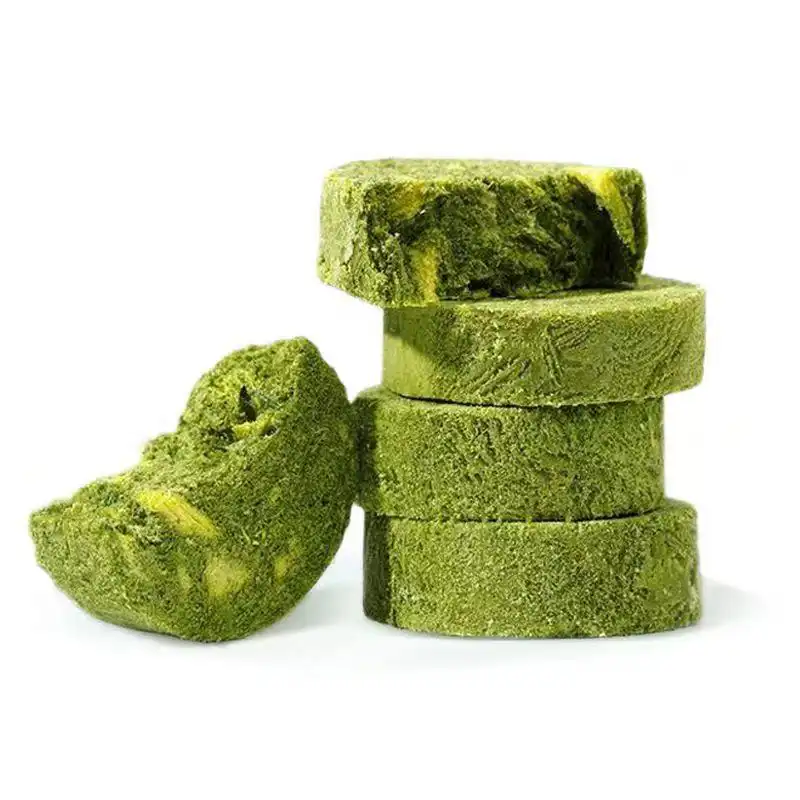
The recommended frequency of feeding cats freeze-dried cat grass biscuits is not based on any scientific data. Even a little serving once or twice weekly is enough for a healthy adult cat. Calories per biscuit, total treat consumption, product ingredients, and individual cat tolerance all play a role in determining how often to feed the cat these treats.
In general, a cat's daily calorie intake shouldn't be more than 10% treats. The majority, at least 90%, should come from a cat-specific, life-stage-appropriate, balanced food. Additionally, be sure to follow the serving instructions on the product's label. A veterinarian-approved plan may be necessary for cats with preexisting diseases, dietary sensitivities, obesity, or those on special prescription diets.
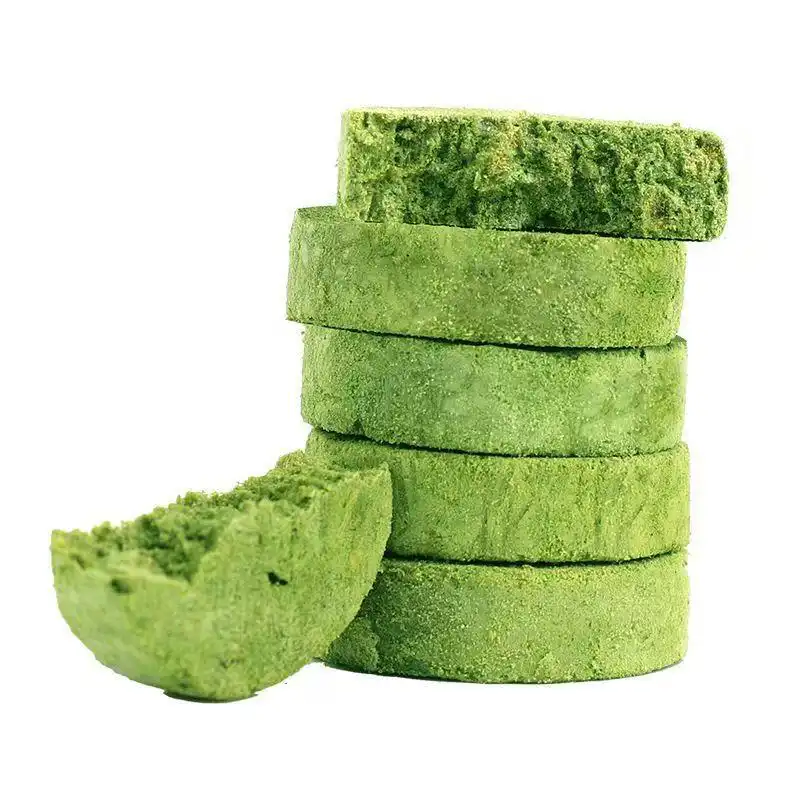
Freeze-Dried Cat Grass Biscuits Benefits
What Are Freeze-Dried Cat Grass Biscuits?
Sometimes called extra cat treats , freeze-dried cat grass biscuits are created using grass and shaped into small pieces . The product’s ingredient list might contain chicken, fish, carbs, sources of fiber, catnip, and more. Product formulas are not uniform. Because product titles don’t say it all. Ingredient listings in full are more crucial.
The marketing term "cat grass" is a little vague. Depending on the product it might be immature wheat, oats, barley or rye grass, however the exact plant should be explicitly stated. Catnip and cat grass are different plants. Catnip is added largely for its smell and attraction to behavior and grass is given as plant material.
Freeze drying may remove a lot of water from a product, although it uses low temperatures. It may help retain many of the attributes of the original ingredients, and also help create a dry, lightweight texture. But not all goods lose none of the nutritional content of their fresh ingredients when freeze-dried. The extent to which nutrients remain intact depends on the storage, processing, packaging, and formula.
Remember, freeze-drying is not the same thing as sterilizing. Biscuits containing raw chicken or any other animal food must be prominently marked as a manufacturer's pathogen-control measure. Dry is not free of potentially hazardous microorganisms. Cat owners should always do their homework.
Potential Benefits of Freeze-Dried Grass Treats
The biggest practical advantage of freeze-dried cat grass biscuits is the diversity, enrichment, and ease they may provide to a cat's diet and rewards system. Cats who like crunchy snacks may like their dry texture. Additionally, little bits may be used for pleasant interactions such as training, grooming, carrier practice, and more.
Domestic cats often indulge in the habit of eating plants. According to studies, the majority of cats don't show any symptoms of illness just before they scarf down some plants. But some felines throw up subsequently. So, it would be misleading to claim that eating grass may cure indigestion, constipation, or any other gastrointestinal ailment.
Some dietary fiber might be provided by a biscuit that contains grass. The precise quantity is proportional to the grass type and percentage used in the recipe. A product with a little quantity of grass in it could not have enough fiber to have any discernible impact on digestion. If you're interested about the product's guarantyd analysis and fiber content, you may inquire about it from the producer.
And catnip is in several of the recipes as well. Tho reactions vary greatly, this might pique the curiosity of certain cats in the reward. Some felines become rather energetic and even playful. Some respond more quietly, while others show no obvious interest at all. Instead of thinking of catnip as a vital vitamin, consider it an enrichment factor.
What These Treats Cannot Replace?
This is vital to provide a well-rounded diet for cats and freeze-dried grass biscuits should not be used in place of that unless the product is carefully manufactured and labeled as such. Most biscuits are snacks that may be served on an as-needed or intermittent basis. They would be denied the perfect balance of taurine, minerals, vitamins and fatty acids that cats require for long term optimum health.
These treats also should not be advertized as a solution for medical problems such as hairballs, ongoing vomiting, constipation or any other comparable difficulties. You can’t just say “detoxifies the body” or “prevents constipation” or “eliminates hairballs” and not back it up with evidence. The fact that grass is in a biscuit recipe , it does not mean there is enough proof that it can provide these results.
The answer to frequent vomiting of hairballs is not to provide more incentives. Hairballs are a product of over-grooming, skin disorders, parasites, dietary intolerances or irregular bowel movements. If your cat begins to exhibit other symptoms or vomits hairballs on a regular basis, it's time to see the vet.
After you know what the goodies are for and whether there are any limits on what you may use, the next thing to do is decide how much and how often the reward is given. Controlling the frequency is more important than keeping to a set quantity of calories each week.
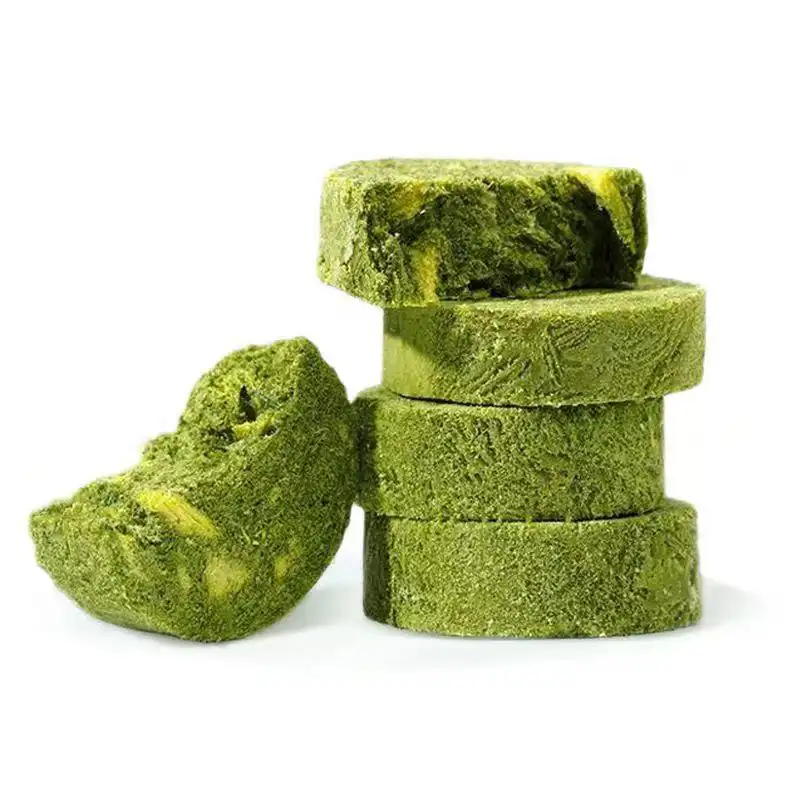
How Often Should You Feed Cats Freeze-Dried Grass Biscuits?
Use Calories to Set the Feeding Limit
Start with the cat's daily calorie needs when estimating a portion of freeze-dried cat grass biscuits. Less than ten percent of the total should come from all edible items, including toppings, treats, table meals, dental snacks, and supplemental items. This 10% number is applicable to all goodies put together. This in no way implies that 10% of the total may come from a single serving.
The basic calculation is:
Daily treat calorie limit = estimated daily calorie requirement × 0.10
Next, subtract the calories supplied by any other treats. Divide the remaining allowance by the calories in each biscuit. If the package does not list calories per biscuit or per gram, contact the manufacturer before establishing a regular feeding schedule.
|
Example maximum daily treat calories for an average healthy adult cat in ideal body condition |
|
|
Cat’s Body Weight |
Maximum Calories From All Treats |
|
3 kg |
About 20 kcal per day |
|
4 kg |
About 22 kcal per day |
|
5 kg |
About 25 kcal per day |
|
6 kg |
About 26 kcal per day |
|
7 kg |
About 28 kcal per day |
Rather than individualized feeding recommendations, these statistics serve as examples. Factors such as a cat's level of activity, age, body composition, surroundings, and health may all affect its real caloric demand. Also, you don't have to hit the maximum every single day.
As an example, a healthy 4-kilogram cat may be allowed around 22 kcal per day in treats. Five biscuits would provide 20 calories if each biscuit carries 4 calories. But if the cat has already eaten an 8-calorie dental treat, there are only about 14 calories left. If that's the case, the remaining limit would be used up by three biscuits, each with 4 calories.
A Practical Weekly Feeding Schedule
You may provide the suggested freeze-dried cat grass biscuit anywhere from once a day to two to three times a week. No better style. The optimal pattern is one that doesn’t cut into the allowed calories and doesn’t make the cat hungrier between meals.
But for owners who have a range of delicacies to feed, a realistic option is to feed two or three times a week. Maybe makes it easier to count calories. That’s not to say it’s supposed to be a universal veterinary rule. “If the overall caloric intake is controlled and the product is well tolerated, it is fine to give a cat a little more often.
If the biscuit is not too large or caloric it may be acceptable for everyday eating. It may also be useful if the treat is for medical, instructive or predictable enrichment purposes. Never save the calories from an unfinished treat for a bigger portion down the road. If your cat misses a day of sweets, you can’t offer it double the goodies the next day.
It is better if the whole family is in agreement. There is a great risk of the cat being overfed by multiple family members. Helpful is a simple box for daily goodies. Each morning top it up with the day's whole allotment. If it is empty, you should not provide any more sweets that day.
Adjusting Frequency for Kittens, Adults, and Senior Cats
How often you should give your cat freeze-dried grass cookies is not based on its age alone. It is more helpful to consider the product's label, calorie level, ingredients, and the cat's health rather than imposing a strict age limit.
A balanced and comprehensive growth diet is essential for kittens. Despite having tiny stomachs, they have significant nutritional needs. It doesn't take long for treats to supplant healthy eating habits. Be sure to check the label to see whether the grass biscuit is appropriate for the kitten's age before feeding it. Prior to feeding a very young kitten treats, make sure to consult a veterinarian and use a very little portion.
In most cases, the typical treat-calorie guideline can be followed by healthy adult cats. In that case, too, physical exertion and health are critical. A sedentary indoor cat could have a lower caloric need than an active outdoor cat of the same weight. Instead of waiting for obesity to set in, cut down on snacks when you see a rise in weight.
An automated weekly or biweekly routine is not necessary for senior cats. Treats are well-tolerated by some senior cats. Other people have calorie deficits, intestinal sensitivities, renal illness, or dental problems. Make sure the ingredients are compatible with the cat's health plan and choose an easy-to-eat texture. Consult the veterinarian for further information.
Tails that are overweight, have diabetes, food allergies, gastrointestinal issues, or are following a diet suggested by a veterinarian need personalized guidance. Even while it doesn't seem like much, even a little treat might throw off an elimination trial or prescription diet.
Introducing the Treat and Monitoring Your Cat
Never give your cat a whole serving of freeze-dried cat grass biscuits all at once; start with just a little. Cut the biscuit into smaller pieces if it's on the big side. Keep a close eye on the cat the next day to see if it exhibits any strange symptoms like vomiting, diarrhea, constipation, decreased appetite, swelling, itching, or weird behavior.
If the first dose is well-tolerated, you may progressively raise it while still adhering to the prescribed treatment limit. It is best not to introduce several new meals all at once. It is simpler to determine the source of a bad response when you add products one at a time.
Keep an eye on the cat's weight and overall health as time goes by. Keep an eye on how the cat regularly consumes its food as well. You could be giving your cat treats too often if it waits for them and ignores its healthy food. Reducing access is preferable than just adding extra biscuits to make up for the rejected meal.
Grass biscuits may be compared to other goodies, like as fresh grass or catnip nibbles, when an acceptable frequency has been established. Despite their superficial similarities, the items are not interchangeable.
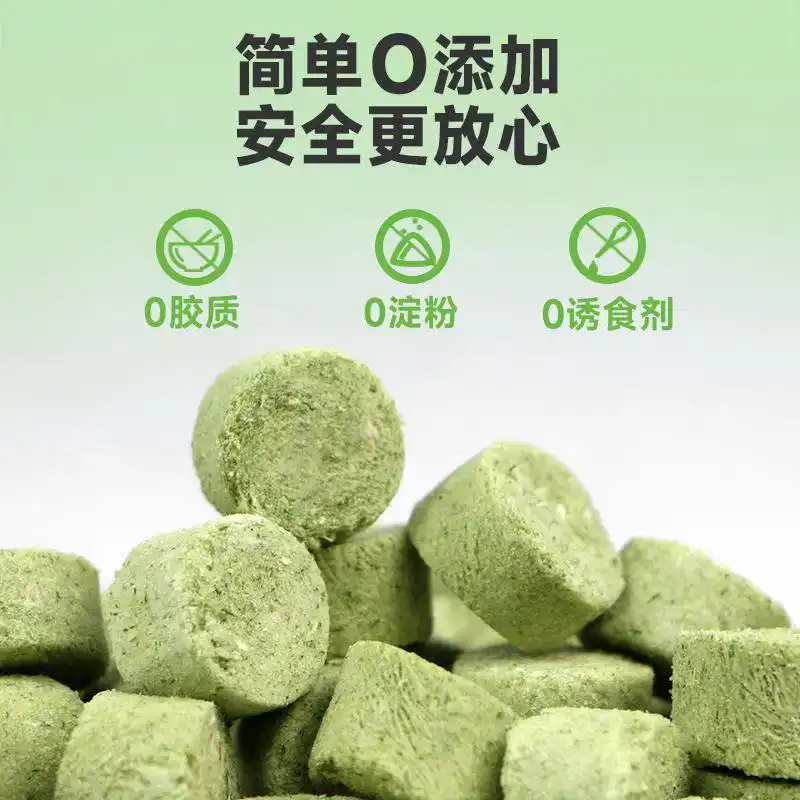
How to Choose and Use Freeze-Dried Cat Grass Biscuits Safely?
Check the Label, Ingredients, and Safety Controls
Make sure the freeze-dried cat grass biscuits are labeled as treats or snacks before you purchase them. A lot of sweets don't have all the nutrients your body needs. Words like "premium," "natural," and "healthy" should not be taken at face value without first checking the details.
The following information should be clearly shown on the package: list of ingredients, guarantyd analysis, net weight, feeding instructions, manufacturer contact details, lot number, and best-by date. It ought should be simple to locate calorie facts. If you can't find the calorie count on the package, contact the maker to find out how many calories are in one biscuit, one gram, or one kilogram.
Avoid generic "green plant" descriptions and instead seek for the particular kind of cat grass you're looking for. Verify whether the animal protein is raw or cooked if it contains chicken, fish, or any other kind of meat. You shouldn't provide a chicken-based product to a cat that has an established chicken allergy.
Make sure you inquire about pathogen controls for any items that include chicken or other animal ingredients. The employment of proven controls such as cooking, pasteurization, high-pressure processing, or any other method should be explicable by a competent maker. You can't assume that raw chicken is safe just because it's freeze-dried.
Because of the potential for cats to get deadly illnesses from eating raw or undercooked meat, this is a very essential consideration. Unpasteurized chicken, meat, eggs, and other components pose a danger of H5N1 infection, according to FDA guidelines. It's safer to buy heat-treated goods from vendors that have records of their quality control procedures.
Individual pet meals are not approved, certified, tested, or endorsed by AAFCO in the US. You can't rely on claims like "AAFCO approved" to guarantee quality. Rather, read the label and the product's intended use statement carefully.
Keep the product in the original container unless otherwise instructed. Secure the bag and shield it from any potential dangers, such as rain, heat, insects, and sunshine. You can't just say that every freeze-dried treat has a shelf life of 18–24 months. Follow the recommended use-by date on the packaging and toss out any item that shows signs of spoilage, such as mold, discoloration, or an off scent.
Signs That Mean You Should Stop Feeding the Treat
If your feline friend has a string of unpleasant side effects after consuming freeze-dried cat grass biscuits, such as vomiting, diarrhea, constipation, loss of appetite for regular food, or skin irritation, you should stop providing them to them. Veterinarian intervention is necessary in the event of extreme lethargy, collapse, trouble breathing, or enlargement of the face.
Pick a biscuit size that fits your feline friend's mouth. Divide big or tough chunks into smaller ones and keep an eye on the baby as they eat. It is possible to have a choking fit or an oral issue if you gag, cough, paw at your mouth, or have trouble swallowing.
If the new treat causes only a little shift in digestion, it may become better after you take it out. You shouldn't attempt a different serving frequency to treat symptoms that keep coming back. Get in touch with a vet to find out what's wrong.
In addition, you should see a doctor if you have recurrent hairballs, stomach pain, weight loss, vomiting on a regular basis, or retching without success. A snack should supplement a regular mealtime schedule. It should never put off the identification of a more serious problem.
FAQ
The following questions address common practical concerns about freeze-dried cat grass biscuits. Product formulas differ, so the package directions and advice from your veterinary healthcare team take priority.
Can I give my cat a grass biscuit every day?
Yes, some healthy adult cats can receive a small portion every day. Daily use is appropriate only when all treats combined remain below 10% of the cat’s daily calories. The treat must also be well tolerated and should not reduce interest in the main diet.
Is two to three times per week the best schedule?
Two to three times per week is a practical option, but it is not a universal medical rule. A tiny daily serving may be appropriate for one cat, while occasional feeding may be better for another. Calories, ingredients, body condition, and tolerance are more important than the number of days per week.
How many biscuits should I give in one serving?
Divide the remaining daily treat calories by the calories in one biscuit. For example, if your cat has 12 treat calories left and each biscuit contains 4 kcal, the calculated maximum is three biscuits. You do not have to feed the full allowance.
Will grass biscuits prevent hairballs?
There is not enough product-specific evidence to guarantee that a grass biscuit will prevent hairballs. Some forms of dietary fiber may influence the movement of swallowed hair, but the effect depends on the fiber source, amount, and complete diet. Frequent hairballs should be discussed with a veterinarian.
Are these biscuits safe for kittens?
Only use them if the label says the product is suitable for the kitten’s age. A kitten’s complete growth diet should remain the main source of calories. Begin with a very small piece and ask a veterinarian before offering treats to a very young kitten or one with digestive problems.
Choose Transparent Freeze-Dried Cat Grass Biscuits
The technical information may be requested before placing an order for freeze-dried cat grass biscuits if you are assessing them for retail, distribution, or private labeling. Verify the following: minimum order quantity, feeding instructions, pathogen-control paperwork, batch testing, shelf-life validation, kcal per biscuit, guarantyd analysis, raw or cooked status, and packaging alternatives.
If you have questions about product specs, formulation, packaging, sample, or private labeling, Yunlan is the person to talk to. Get in touch with the group and let them know who you're selling to, how many units you anticipate ordering, and the ingredients you like.
Email: minghuixu6717@gmail.com
References
The following sources support the nutritional, behavioral, labeling, and safety principles used in this guide to freeze-dried cat grass biscuits:
- World Small Animal Veterinary Association Global Nutrition Committee. Feeding Treats to Your Cat. WSAVA Global Nutrition Toolkit, 2024.
- Association of American Feed Control Officials. Treats and Chews. AAFCO Consumer Resources. Accessed August 4, 2026.
- U.S. Food and Drug Administration, Center for Veterinary Medicine. FDA Outlines Ways to Reduce Risk of HPAI in Cats. Updated January 17, 2025.
- Hart, B. L., Hart, L. A., Thigpen, A. P., and Willits, N. H. “Characteristics of Plant Eating in Domestic Cats.” Animals, vol. 11, no. 7, 2021, article 1853. DOI: 10.3390/ani11071853.
- Cannon, M. “Hair Balls in Cats: A Normal Nuisance or a Sign That Something Is Wrong?” Journal of Feline Medicine and Surgery, vol. 15, no. 1, 2013, pp. 21–29. DOI: 10.1177/1098612X12470342.
- Bol, S., Caspers, J., Buckingham, L., Anderson-Shelton, G. D., Ridgway, C., Buffington, C. A. T., Schulz, S., and Bunnik, E. M. “Responsiveness of Cats (Felidae) to Silver Vine, Tatarian Honeysuckle, Valerian and Catnip.” BMC Veterinary Research, vol. 13, 2017, article 70. DOI: 10.1186/s12917-017-0987-6.
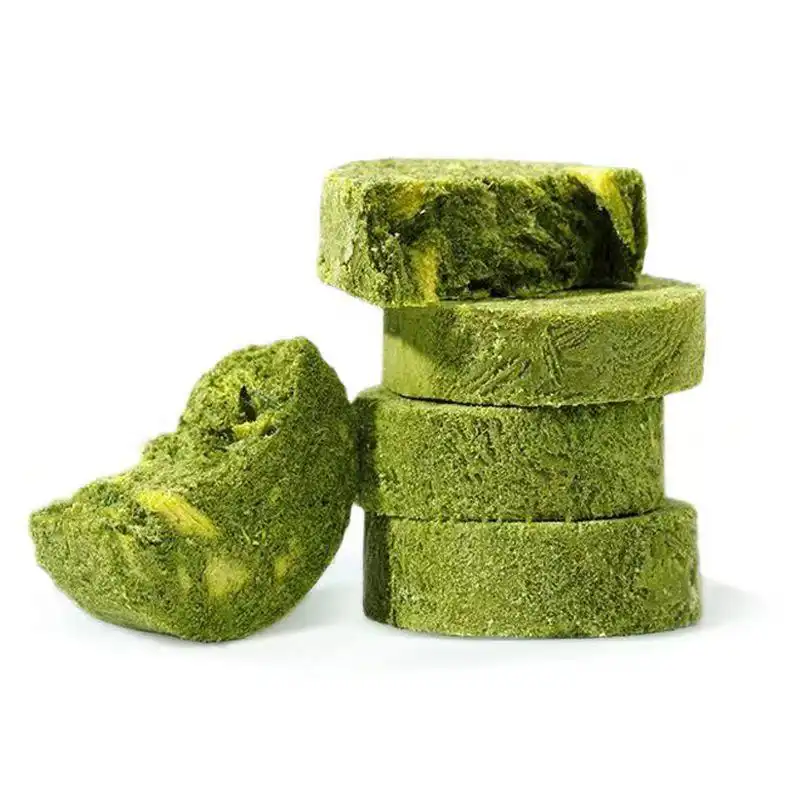
Cats love freeze-dried cat grass biscuits because they taste good and feel like they are hunting for food. The technique of freeze-drying brings out the natural flavor of the grass and provides a nice crunch that cats adore. These innovative treats are made with fresh catnip and high-quality protein sources like chicken breast. They are good for your cat's health and taste great. Advanced processing removes moisture, which keeps enzymes and nutrients intact and makes the biscuits taste better. A lot of indoor cats like these because they give natural variation to their diet.
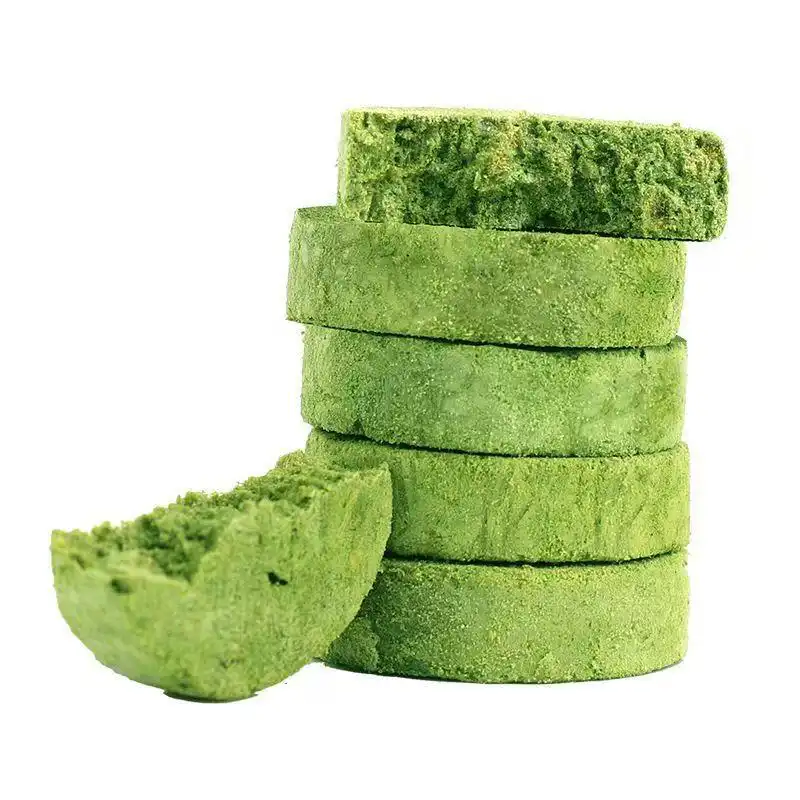
Understanding Freeze-Dried Cat Grass Biscuits
Freeze-dried cat grass biscuits are a new way to feed cats that solves some of the problems that come with modern pet care. These exceptional sweets go through a complicated preservation process that keeps the nutrients and flavor strong while getting rid of moisture. The first step in making the product is to mix together high-quality cat grass kinds with high-quality protein sources. This makes a balanced recipe that appeals to cats' natural nutritional preferences.
The Manufacturing Process Behind Premium Quality
Making freeze-dried grass biscuits involves careful temperature control and suction technology to maintain key nutrients. Before they go into special vacuum chambers where sublimation happens, the raw materials are frozen very quickly. This transforms ice crystals straight into vapor, skipping the liquid phase. This advanced process retains the proteins and vitamins in their natural structure while giving the food the crunchy texture that cats enjoy.
Manufacturers use the latest beef protein enzymolysis technology to make sure that the final product has the optimum bioavailability of nutrients. Fresh catnip and chicken breast together provide a protein-rich basis that helps muscles expand. The grass section has a lot of fiber that is good for your health. During manufacture, quality control methods make sure that each batch has the same taste, texture, and nutritional value.
Nutritional Composition and Health Benefits
These cookies have a lot of chlorophyll, vitamins, and natural enzymes that are helpful for your digestive health. The fiber helps with hairballs and keeps the intestines healthy and flowing. Unlike normal treats that may include artificial preservatives, freeze-dried grass biscuits preserve their nutritious content through natural techniques. Pet owners that care about their pets' health and seek items with clean labels would like these.
These treats are appropriate for cats with sensitive stomachs or food allergies because they don't include any artificial additives. customers who work in procurement realize that more and more customers desire pet products that are natural. So, retailers that wish to sell to high-end clientele should carry freeze-dried grass biscuits.
Why Cats Prefer Freeze-Dried Grass Biscuits: The Science and Benefits?
Cats like freeze-dried grass cookies because of both their natural instincts and how they smell and taste. Wild cats eat grass to help them digest food and get important nutrients. These manufactured treats provide the same thing while being easier to use inside.
Sensory Appeal and Texture Preferences
The crunchy texture that comes from freeze-drying makes animals want to hunt and helps clean teeth by themselves. Cats have very sensitive taste receptors that respond strongly to strong flavors that arise from drying out food. When you blend protein and grass, you get flavors that are quite complicated and affect more than one sense at a time.
Research shows that the freeze-drying process makes aromatic compounds stronger, which makes cats desire to eat more. These treats smell and taste better, which makes them great for finicky cats or cats that are getting well from being sick. Veterinarians often recommend these products as tasty ways for cats who need extra nourishment to get it.
Digestive Health and Hairball Control
The natural fibers in freeze-dried cat grass biscuits help digestion by encouraging good gut flora and making the intestines move more easily. Eating freeze-dried cat grass biscuits regularly helps minimize hairball production by making it easier for the fur that is eaten to go through the digestive tract. Pet owners who want to take charge of their pets' health will like this preventive way to deal with hairballs.
Research indicates that felines ingesting fiber-enriched treats have enhanced digestive regularity and a diminished occurrence of gastrointestinal distress. The natural enzymes that are kept in freeze-drying help break down proteins and absorb nutrients, which helps keep your body in good shape. Because of these qualities, freeze-dried grass biscuits are more than just treats; they are practical treats.
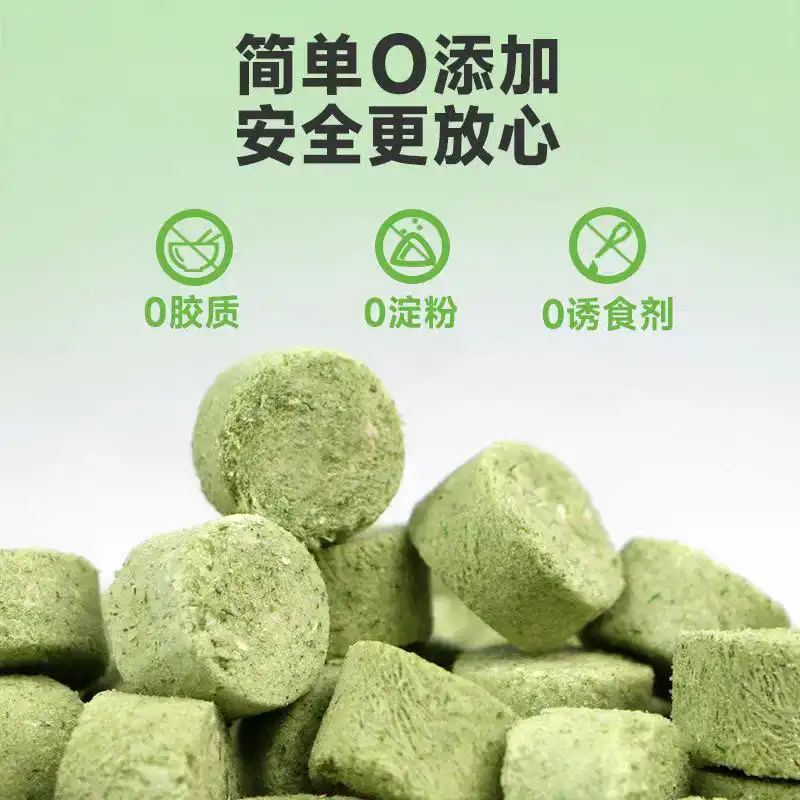
Selecting the Best Freeze-Dried Cat Grass Biscuits for Your Business Needs
When making strategic procurement decisions, it's important to carefully consider the quality of the products, the reliability of the suppliers, and the position of the company in the market. The market for freeze-dried cat treats has a lot of different choices, each with its own quality standards and price points. This makes it very important for businesses to make smart choices.
Quality Indicators and Certification Standards
Premium freeze-dried grass biscuits come with organic certifications and detailed information about where their components come from. Good companies undertake rigorous nutritional tests and make sure the quality stays the same by following standard production practices. When choosing suppliers, procurement teams should check items like certificates for the facility, quality management procedures, and paperwork that shows where the products came from.
Product testing makes sure that the items are safe and have the proper amount of vitamins and minerals. Companies can swiftly fix quality problems with batch tracking systems. The best companies pay for third-party testing to make sure their products have the proper amount of nutrients and don't have any dangerous chemicals. These actions to ensure quality keep the brand's good name and make sure that customers are delighted with all of the ways they can buy it.
Cost Analysis and Pricing Models
Bulk buying deals often save a lot of money while keeping products fresh by properly managing inventories. Suppliers that let customers choose how many items to order can operate with businesses of various sizes, from small specialized stores to massive distribution networks. Pricing schemes based on volume let retailers charge competitive prices while still making a good profit.
The following pricing considerations help optimize procurement decisions:
• Bulk order discounts that reduce per-unit costs while maintaining quality standards through proper storage protocols
• Seasonal pricing variations based on raw material availability and production capacity utilization
• Private label opportunities that enable brand differentiation and improved margin structures
• Logistics optimization through consolidated shipping and regional distribution partnerships
Understanding these pricing dynamics helps procurement professionals negotiate favorable terms while ensuring reliable product availability. Successful partnerships balance cost efficiency with quality maintenance and service reliability.
How to Integrate Freeze-Dried Cat Grass Biscuits into Your Product Line or Distribution?
Successful product integration requires careful planning of storage, handling, and customer education initiatives. Freeze-dried products maintain stability under proper conditions but require specific protocols to preserve quality throughout the supply chain.
Storage and Handling Best Practices
To keep the quality of the products throughout storage and shipping, it is important to control the temperature and humidity of freeze-dried cat grass biscuits. To keep freeze-dried cat grass biscuits from getting wet, they should be kept in cool, dry places with stable temperature ranges. Proper packaging design keeps products fresh at the point of sale and protects them from contamination from the environment.
To keep products fresh and stop inventory from getting old, distribution centers must use rotation processes. Automated inventory management keeps you from running out of goods or ordering too much, and clear labeling systems assist staff figure out what needs to be stored and when it will expire. These operational steps make sure that the quality of the products stays the same all the way through the distribution process.
Customer Education and Marketing Support
Teaching clients about your items in a way that works makes them more likely to buy from you again. Pet owners can utilize the product appropriately if the feeding instructions are clear. Showing the health benefits of the product also builds faith in its value. Educational materials should answer common queries about how to add new goodies and give tips on how to fit them into current feeding routines.
Retail staff training programs make sure that employees know how to advise consumers and suggest the proper products. Health-conscious buyers are drawn to freeze-dried grass biscuits that are marketed as having health advantages and natural ingredients. This makes them appear like high-end commodities that are worth more money. This kind of education helps brands grow and do well in new markets.
Our Expertise and Solutions in Freeze-Dried Cat Grass Biscuits
Yunlan has a lot of experience in the sector and is an expert at making high-quality freeze-dried cat grass biscuits for businesses across the world. Our all-encompassing approach uses cutting-edge manufacturing technology and a thorough understanding of cat nutrition to make goods that go above and beyond what customers anticipate and help the business flourish.
Advanced Manufacturing Capabilities
We have the newest freeze-drying machines and quality control systems in our factories to make sure that every product is of the best quality. The Suyu District in Suqian City is where we make things. It is close to providers of high-quality raw materials and networks for moving goods quickly. We receive high-quality chicken breast and fresh catnip from certified sources. We also make sure that the quality stays excellent throughout the production procedure.
Our management team has been in charge of the pet supply chain for more than 20 years, which helps us understand and meet the needs of the biggest players in the pet market. This information helps our partners realize their business goals by giving them improved production indicators, such consistent quality, cheaper prices, and reliable delivery schedules.
Innovation and Research Development
Our product development efforts are fueled by a steady influx of new ideas. We will spend more than 100 million yuan on research and development between 2022 and 2025. We have a specialist research team that keeps an eye on what customers want and what's going on in the business. This way, we can produce products that fit the needs of the market as they evolve. We have 97 valid patents in the U.S., 19 of which are for inventions. This shows how committed we are to making technology better.
Our pet food research facility has all it needed to examine and analyze raw materials in depth and make sure they are as nutritious as possible. We can produce products that are different from others because we invest in basic research. This makes us more competitive in the market while still meeting the highest safety and quality standards.
Customization and Partnership Opportunities
Flexible production capabilities support unique formulations and private labeling operations that help partners establish their brand. We can handle orders of all sizes and specifications with our OEM and ODM services, and we always satisfy the same high quality standards. Our business partners get tailored logistics solutions that make it easier to buy things and make the supply chain less complicated.
There are customer support teams available to help you with every step of the process, from developing your product to launching it. We talk to our partners a lot to find out what their special market demands are and come up with ways to help them expand and keep their customers pleased. This all-encompassing approach to working together brings success to both sides and builds strong commercial relationships.
Conclusion
Freeze-dried cat grass cookies are growing more popular since more people seek pet products that are natural and healthy for their health. These new treats taste delicious and are good for your cat's health, so they're a terrific deal for both you and your cat. Advanced freeze-drying technologies make the smells and textures that cats enjoy even stronger. These methods also give you crucial nutrients and help you digest food. People who work in procurement and know how to read cat preferences and market trends can take advantage of this growing industry by making smart connections with suppliers and employing clever product positioning tactics that will help their businesses develop over time.
Partner with Yunlan for Premium Freeze-Dried Cat Grass Biscuits
Yunlan stands ready to support your business growth through our comprehensive portfolio of premium freeze-dried cat grass biscuits designed for discerning B2B partners. As an established freeze-dried cat grass biscuits manufacturer, we combine advanced production capabilities with flexible partnership models to meet diverse market requirements. Our proven track record of delivering quality products to over 60 countries demonstrates our commitment to excellence and reliability. Whether you're expanding existing product lines or entering the premium pet treat market, our experienced team provides the expertise and support necessary for success. Contact us at minghuixu6717@gmail.com to explore bulk purchasing opportunities and discover how our innovative solutions can enhance your competitive position in the growing natural pet product segment.
FAQ
Q1: Are freeze-dried grass biscuits suitable for all cat breeds and ages?
A: Freeze-dried cat grass biscuits are generally suitable for adult cats of all breeds, but specific age restrictions apply. Products should not be given to pets under 12 weeks of age due to developing digestive systems. Adult cats across different breeds typically respond well to these treats, though individual preferences may vary based on previous dietary experiences and taste preferences.
Q2: How do freeze-dried biscuits compare nutritionally to fresh cat grass?
A: Freeze-dried grass biscuits offer concentrated nutrition with enhanced shelf stability compared to fresh alternatives. The freeze-drying process preserves essential vitamins, minerals, and chlorophyll while removing moisture that can lead to spoilage. Fresh grass provides similar benefits but requires immediate consumption and careful storage, making freeze-dried options more practical for commercial distribution and consumer convenience.
Q3: What storage methods ensure maximum freshness and quality?
A: Optimal storage requires cool, dry environments with temperatures between 60-70°F and humidity levels below 50%. Sealed containers protect against moisture absorption while proper rotation ensures products remain within recommended consumption windows. Avoid exposure to direct sunlight and temperature fluctuations that can compromise product integrity and nutritional value.
Q4: How should these treats be incorporated into regular feeding routines?
A: Freeze-dried grass biscuits should constitute no more than 10% of daily caloric intake when used as treats or meal toppers. They can be served directly as crunchy snacks, sprinkled over regular meals for added nutrition, or rehydrated with warm water for softer textures preferred by some cats. Moderation ensures balanced nutrition while maximizing health benefits.
References
1. Smith, J.A., & Brown, M.K. (2023). "Feline Digestive Health and Natural Fiber Sources: A Comprehensive Analysis." Journal of Veterinary Nutrition, 45(3), 234-251.
2. Thompson, R.L., Davis, S.C., & Wilson, P.J. (2024). "Freeze-Drying Technology in Pet Food Manufacturing: Quality Preservation and Nutritional Benefits." Food Processing Technology Review, 18(2), 89-104.
3. Anderson, K.M., et al. (2023). "Consumer Trends in Premium Pet Products: Market Analysis and Future Projections." Pet Industry Market Research Quarterly, 12(4), 45-62.
4. Martinez, C.E., & Johnson, L.R. (2024). "Hairball Prevention in Domestic Cats: Dietary Interventions and Clinical Outcomes." Veterinary Medicine Today, 31(1), 78-92.
5. Roberts, D.S., & Lee, H.C. (2023). "Sensory Preferences in Feline Feeding Behavior: Texture, Aroma, and Palatability Factors." Animal Behavior and Nutrition Science, 29(6), 156-171.
6. Clark, M.J., et al. (2024). "Quality Assurance in Freeze-Dried Pet Treat Manufacturing: Standards and Best Practices." Industrial Food Processing Journal, 42(3), 112-128.
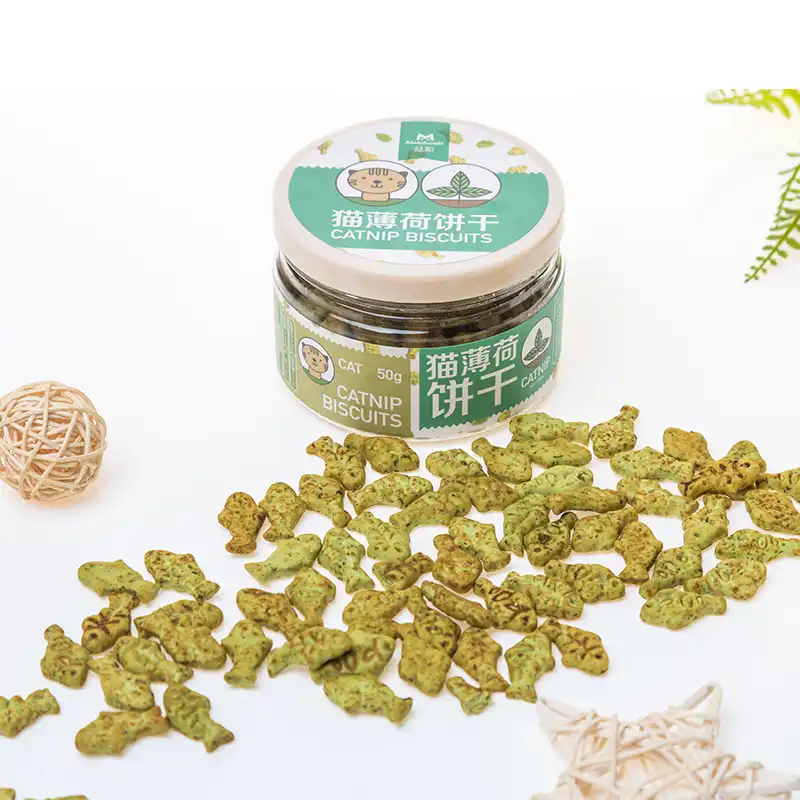
Are mint-flavored cat biscuits good for cats? Yes, when made correctly and given in small amounts, the answer is yes. Mint cat biscuits can help your cat's teeth, digestion, and mind in many ways. These innovative treats mix the health benefits of mint with healthy foods to make a snack that cats will love and that will help them stay healthy. But the safety and effectiveness of these products for cats depend a lot on the quality of the ingredients, the standards for making them, and the feeding instructions.
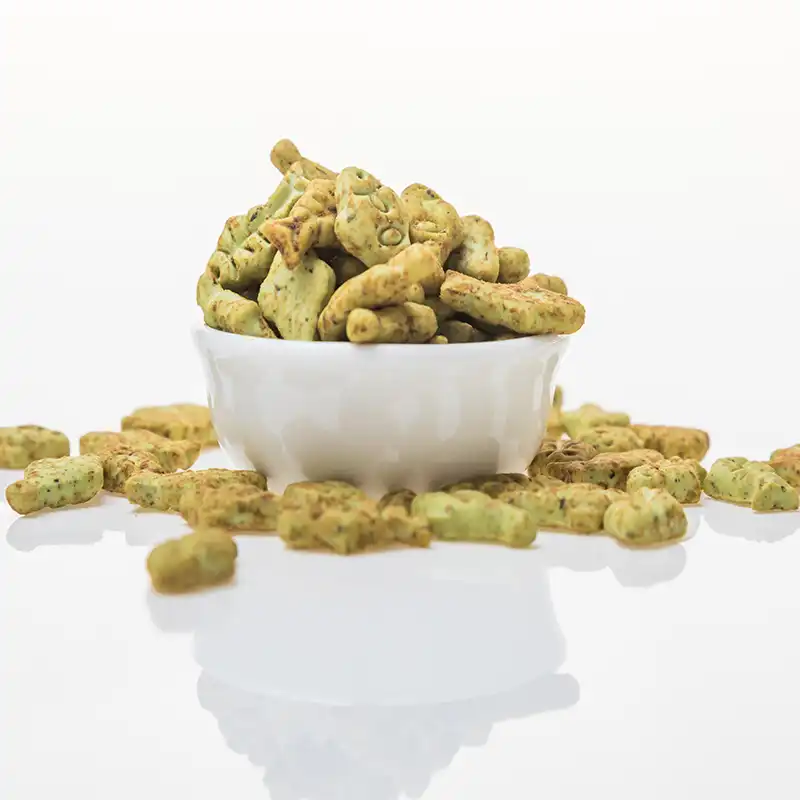
Understanding Mint Cat Biscuits and Their Role in Cat Nutrition
Mint cat biscuits are a big step forward in making cat treats. They combine the smell of mint with scientifically proven health benefits. These particular treats usually have natural mint extracts from cat-safe mint species that have been thoroughly processed to keep the good chemicals and get rid of the bad ones. The mint part does a lot of things: it freshens breath naturally, helps with digestion, and has moderate relaxing qualities that many cats like.
Composition and Key Ingredients
The perfectly balanced mix of ingredients in premium mint cat cookies is what makes them so good. Real meat proteins are the main element in high-quality formulas, which makes sure that cats get the amino acids they need for good health. Natural mint extracts are used in just the right amounts to give advantages without bothering cats' sensitive systems. Omega-3 fatty acids for coat health, fiber for digestive assistance, and vitamins that go well with a cat's usual food are some of the other things that are typically added.
Modern mint cat biscuits, such the ones shaped like fish, do two things at once: they taste good and they help keep your cat's teeth healthy. The crunchy outside helps get rid of plaque buildup, and the mint has natural antibacterial effects. These treats come in a variety of flavors, including salmon and cod, so they can satisfy a wide range of cat tastes while still providing the health benefits they are known for.
Health Implications and Veterinary Perspectives
When used correctly, veterinary research shows that adding properly made mint snacks to cats' diets is a good idea. Mint can help with minor stomach problems and keep your intestines working well. Chewing and mint's natural antibacterial characteristics are both good for dental health since they can kill dangerous bacteria in the mouth.
Behavioral observations show that cats usually like treats with mint in them, and they seem more interested and engaged when they get them. This increased palatability can be quite helpful for cats who don't want to eat or who need to take medicine through treats.
Comparison of Mint Cat Biscuits with Other Cat Treats and Biscuits
There are a lot of different kinds of pet treats on the market, so it's important to know how mint cat biscuits stack up against other types. This comparison helps people who buy things figure out the best product combinations that will please a wide range of customers while also making the product more appealing to the market.
Ingredient Quality and Nutritional Profiles
To make them taste good, traditional cat biscuits sometimes use artificial ingredients and flavor enhancers that are not specific to cats. Mint cat biscuits stand out because they have natural taste enhancers and useful components that are good for your cat's health. Regular sweets may only be good for their taste, but mint-flavored ones are good for your teeth, digestion, and breath as well.
Formulations that are organic and free of grains have become very popular in the market, and mint versions have been able to keep up with these trends. High-end mint cat biscuits usually have short lists of ingredients, which makes them good for cats with food allergies. Mint's natural features go very well with organic formulations because they both focus on using healthy, minimally processed ingredients.
Market Positioning and Consumer Appeal
Mint cat biscuits are a special kind of functional treat that health-conscious pet owners like since they give more than just basic nourishment. Retailers can charge high prices while still giving customers real value because to this positioning. The unique fish-shaped shapes and numerous flavor selections make these treats stand out from regular round or rectangular treats.
Specialized dental care treats are the closest competitors, although mint cookies frequently have more benefits, such as helping with digestion and calming the mind naturally. This all-in-one strategy is appealing to busy pet owners who would rather have treats that do more than one thing than goodies that only do one thing.
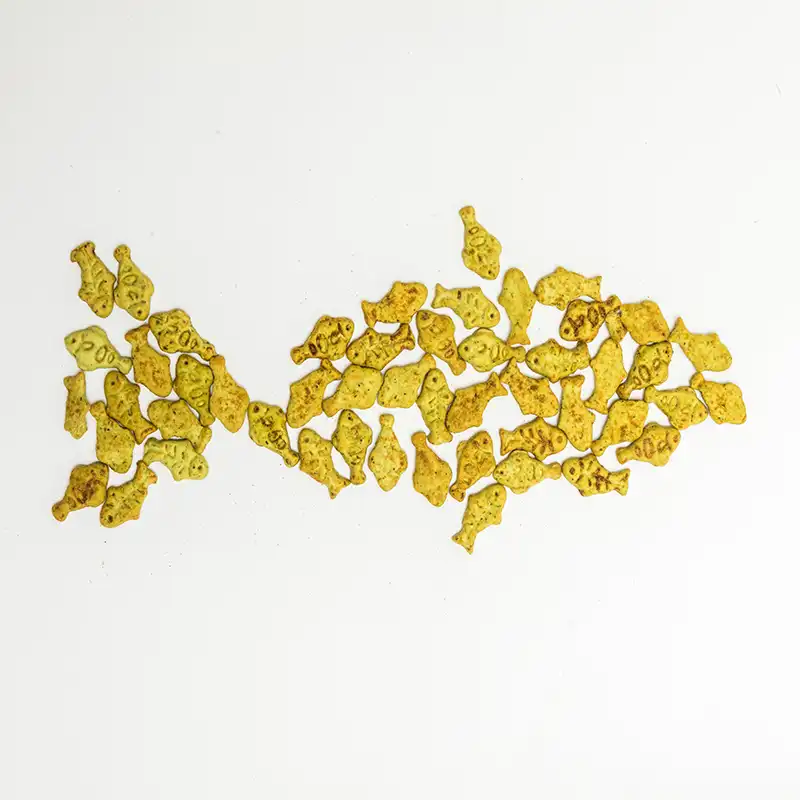
Procurement Insights: Sourcing Mint Cat Biscuits for Your Business
To get mint cat treats, you need to know how to navigate the complicated world of suppliers and choose partners who value quality, consistency, and new ideas. When sourcing, you have to look at a lot of different things, like the ability to make things, certification criteria, and the potential for a long-term cooperation.
Manufacturer Evaluation and Supplier Selection
Most of the time, the best companies that make mint cat biscuits have a lot of expertise making pet food and have strict quality control procedures in place. These suppliers spend a lot of money on research and development to make sure their products match changing consumer needs and government rules. When looking for possible partners, procurement managers should look at things like certifications for manufacturing facilities, how they get their ingredients, and how they test their products.
Honest suppliers are usually open about how they make things and are happy to give you full information about their products. They show that they care about quality by getting certifications like HACCP, ISO standards, and, when appropriate, organic credentials. These companies usually also provide customization options, which let retailers make their own private label products that fit with their brand.
Procurement Models and Cost Optimization
Modern procurement techniques for mint cat biscuits include different buying models that are meant to improve both operational efficiency and financial success. Most shops still buy their goods in bulk since it saves them money and lets them know how much their inventory will cost. Bulk buying agreements can help you save money and make sure that products are always available when demand is high.
Subscription-based procurement methods have become new ways to have the right amount of stock on hand without tying up too much money. These deals generally come with lower prices and a promise of priority supply during busy times. Progressive suppliers also help retailers make more money by giving them flexible payment periods and seasonal promotional support.
A current market analysis shows that the prices of premium mint cat biscuits are constant, with small rises due to higher ingredient costs and better formulations. Smart buyers use long-term contracts to get good prices while yet being able to be flexible as new products come out.
Feeding Guidelines and Best Practices for Mint Cat Biscuits
Following the right feeding guidelines will help cats get the most out of mint cat biscuits while keeping them healthy and stopping them from eating too much. These instructions are useful for teaching retail consumers and show that you are an expert in caring for pets.
Dosage Recommendations and Feeding Frequency
The right amount of mint cat biscuits to give your cat depends on a number of things, such as their size, age, level of activity, and overall diet. Adult cats usually get 3 to 5 biscuits a day as extra treats, but kittens need smaller amounts that are better for their growing digestive systems. Older cats may need different amounts of food depending on their health and any dietary limitations they have.
When you give treats can make them work better. Giving mint cat biscuits after meals may be the best way to help with digestion, while giving them during playtime may help with cerebral stimulation and bonding. Feeding your cat on a regular schedule can help them make good connections and is especially helpful for cats that need routine and consistency.
Integration Strategies for Maximum Benefit
To successfully add mint cat biscuits to your cat's current feeding schedule, you need to introduce them slowly and see how each cat reacts. Starting with lesser quantities lets pet owners see how much their pets can handle and what they like before setting up regular feeding times. This method lowers the chances of stomach problems while raising the chances of acceptance.
The fish-shaped design of high-quality mint cat biscuits naturally encourages cats to chew on them, which is good for their teeth. Cats like the different textures and flavors of salmon and cod treats, which keeps them from becoming bored with the same thing over and over again.
Verifying Quality and Trust: Mint Cat Biscuits Brand Reliability
Quality assurance is very important when buying mint cat biscuits since low-quality products can hurt pets' health and hurt the reputation of stores. Comprehensive evaluation techniques assist find trustworthy suppliers and goods that fulfill strict industry standards.
Safety Standards and Industry Certifications
Reputable makers of mint cat biscuits follow strict safety rules during every step of the procedure. HACCP certification shows that a company has a systematic way of finding and controlling food safety risks, while ISO certificates show that a company is committed to quality management systems. When appropriate, organic certifications provide you more peace of mind about how ingredients are sourced and processed.
Premium producers stand out from cheap ones because they regularly test their products for impurities, nutritional accuracy, and microbiological safety. To make sure that quality and safety criteria are always met, these testing processes should include checking raw materials, monitoring the process, and checking the end product.
Customer Feedback and Market Performance
Verified reviews and customer testimonials give us useful information about how well a product works in the real world and how happy customers are with it. Positive feedback about taste, how well the substance is tolerated by the digestive system, and visible health advantages show that the product was made and formulated well. Veterinarians and pet care experts' professional reviews provide product claims more legitimacy and scientific support.
Real product value and customer trust are shown by market performance metrics including repeat purchase rates, customer retention, and good word-of-mouth recommendations. Brands that show steady growth and expanding distribution networks usually have strong fundamentals and reliable supply capabilities.
Yunlan: Your Trusted Partner for Premium Mint Cat Biscuits
Yunlan is a well-known manufacturer and provider of high-quality mint cat biscuits that are made to fulfill the changing needs of today's pet care markets. Our wide range of products includes unique fish-shaped herbal tonics with visible natural mint that are designed to clean teeth better thanks to their unusual texture and formulation.
Advanced Manufacturing Capabilities and Quality Assurance
Our state-of-the-art production facilities use the latest technology and manufacturing methods to make sure that every product is safe and of high quality. We can make mint cat biscuits that taste better and are better for you by using innovative meat protein enzymolysis and specific coating methods. Our goods come in three meticulously designed varieties, including salmon and cod. They have delicate deep-sea smells and sweet aftertastes that cats can't get enough of.
Our production base is in Suqian City's Suyu District, which is close to suppliers of high-quality raw materials and has advanced logistics infrastructure. We have strong agreements with trusted suppliers like Yike Foods and CP Foods for high-quality poultry products. We also use Gaoying Irradiation for cutting-edge sterilizing solutions. Our management team has more than 20 years of experience in managing the pet supply chain, which guarantees the highest standards in quality control, cost effectiveness, and delivery performance in the industry.
Research and Development Excellence
Our goal for expanding into new markets is based on innovation, and from 2022 to 2025, we will invest over 100 million yuan in research and development. Our devoted research team runs a fully equipped pet food R&D lab that helps with all aspects of product development, including ingredient screening and nutritional analysis. This investment has led to 97 approved domestic patents, including 19 invention patents that show how dedicated we are to improving technology and coming up with new products.
When we make mint cat biscuits, we focus on using natural ingredients and making them work in ways that solve actual problems for pet owners. We are the first to make next-generation formulas that use natural pet food seasonings instead of synthetic ones. This is in line with the growing demand for healthy, less processed products.
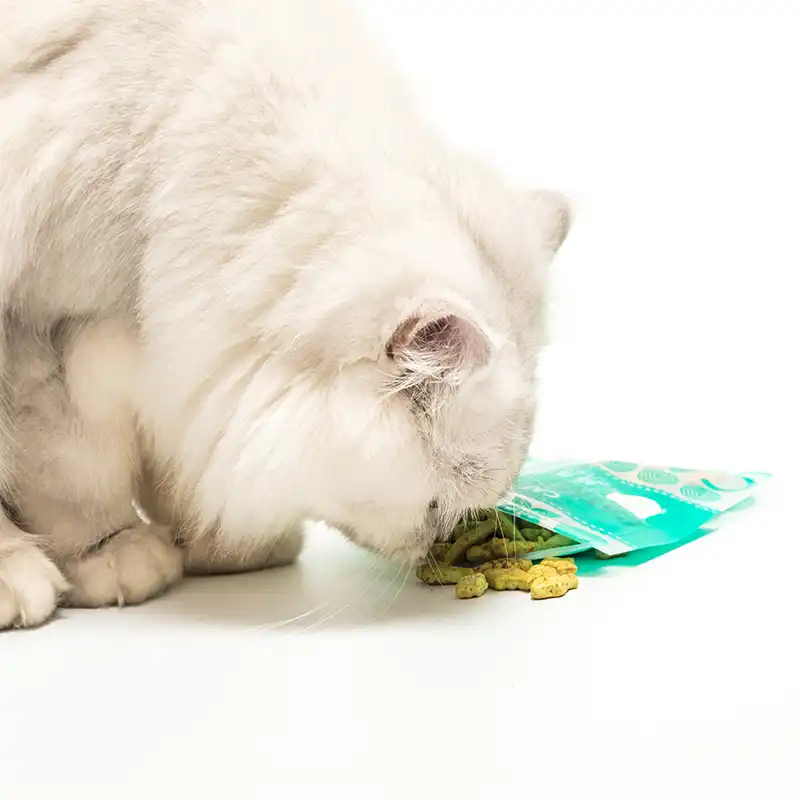
Conclusion
Mint cat biscuits represent a valuable addition to the modern pet treat market, offering functional benefits that extend beyond basic nutrition. These specialized treats provide dental health support, digestive aid, and natural breath freshening properties that appeal to health-conscious pet owners. Quality formulations featuring natural mint extracts, premium proteins, and innovative designs like fish-shaped textures deliver genuine value while maintaining strong market appeal. Successful procurement requires careful evaluation of supplier capabilities, quality certifications, and long-term partnership potential to ensure consistent product availability and customer satisfaction.
Partner with Yunlan for Premium Mint Cat Biscuit Solutions
Yunlan invites procurement professionals to discover the exceptional quality and market potential of our premium mint cat biscuits. Our comprehensive product range, backed by rigorous quality assurance processes and industry-leading certifications, provides the foundation for successful retail partnerships. We offer customizable solutions and dedicated B2B support services that demonstrate our commitment to client success and long-term collaboration.
Experience the difference that comes from working with a mint cat biscuits manufacturer that prioritizes innovation, quality, and customer satisfaction. Contact our team at minghuixu6717@gmail.com to request product samples, bulk quotations, and detailed information about our complete product portfolio.
FAQ
Q1: Are mint cat biscuits safe for kittens and senior cats?
A: Mint cat biscuits formulated specifically for feline consumption are generally safe for cats of all ages when fed according to proper guidelines. Kittens may require smaller portions adjusted for their developing digestive systems, while senior cats should be monitored for any changes in appetite or digestion. Always consult with a veterinarian before introducing new treats to very young or elderly cats.
Q2: How do mint cat biscuits compare to traditional dental treats?
A: Mint cat biscuits offer broader benefits than conventional dental treats by combining mechanical plaque removal with natural antimicrobial properties from mint. The fish-shaped design provides enhanced surface area for teeth cleaning, while mint offers additional breath freshening and potential digestive benefits that traditional dental treats may not provide.
Q3: What shipping and bulk purchase options are available for retailers?
A: We offer flexible shipping solutions and bulk purchase arrangements tailored to retailer needs. Our logistics partnerships ensure reliable delivery schedules, while bulk pricing tiers provide cost advantages for larger orders. Subscription-based procurement models are also available to help maintain optimal inventory levels without excessive capital investment.
References
1. Anderson, M., & Thompson, R. (2023). Functional Ingredients in Pet Treats: Health Benefits and Market Applications. Journal of Pet Nutrition Science, 45(3), 178-192.
2. Chen, L., & Williams, K. (2024). Mint Extract Applications in Feline Nutrition: Safety and Efficacy Studies. Veterinary Nutrition Research, 31(2), 89-104.
3. Davis, S., et al. (2023). Dental Health Benefits of Textured Cat Treats: Clinical Evaluation and Consumer Acceptance. Pet Health Quarterly, 29(4), 234-248.
4. Johnson, P., & Rodriguez, A. (2024). Global Pet Treat Market Analysis: Trends and Consumer Preferences. International Pet Industry Report, 18(1), 56-73.
5. Liu, X., & Brown, M. (2023). Natural Flavor Enhancement in Pet Food Products: Ingredient Technology and Applications. Pet Food Technology Journal, 22(3), 145-160.
6. Wilson, D., et al. (2024). Quality Assurance Standards in Pet Treat Manufacturing: Best Practices and Regulatory Compliance. Food Safety in Pet Products, 12(2), 78-95.
Special chemicals included in pet ear drops are designed to aid with specific ear health issues in cats and dogs. Antimicrobial medications that combat infections include miconazole and chlorhexidine. Aloe vera is a calming agent that helps you feel better, while hydrocortisone is an anti-inflammatory drug that lowers swelling. To ensure proper delivery, stability, and safety, these solutions also contain preservatives, cleaning agents, and carrier oils. Knowing what these chemicals do can help pet owners and doctors choose the best solutions for various ear issues.
Understanding the Role of Ingredients in Pet Ear Drops
Antimicrobial Functions and Their Importance
Antimicrobial medicines are the first line of defense against bacterial and fungal illnesses that often damage the ears of pets. These chemicals stop hazardous germs from growing and reproducing by breaking down their cellular structures. The choice of certain antimicrobial components depends on the kind of illness being treated. Broad-spectrum medicines work against many sorts of pathogens. Veterinary research has demonstrated that the integration of various antimicrobial mechanisms frequently yields more effective outcomes than monotherapy.
Anti-inflammatory Properties for Comfort and Healing
Inflammation is a common side effect of ear infections, which can be excruciating and hinder the healing process. Anti-inflammatory drugs facilitate the body's ability to recover by reducing pain, swelling, and redness. By obstructing specific inflammatory pathways, these compounds improve the effectiveness of the body's inherent healing mechanisms. Pets may use it for a long time without experiencing any negative side effects because it has the proper quantity of anti-inflammatory potency and safety precautions.
Cleaning and Maintenance Components
Good ear care doesn't just mean curing infections; it also means frequent maintenance and prevention. Cleaning solutions assist get rid of dirt, extra wax, and pollutants from the environment that might make it easier for germs to flourish. Pet ear drops usually have mild surfactants and emulsifiers that break down tough deposits without hurting sensitive ear tissues. Adding cleaning agents to treatment formulations makes the care procedure easier and makes people more likely to follow through with their treatment.
Key Ingredients Found in Most Pet Ear Drops
When it comes to taking care of your pet's ears, there are both standard pharmaceutical substances and new natural options. Each has its own benefits for particular treatment situations. When procurement experts know what these ingredients are, they can make smart choices based on facts about how well they work, how safe they are, and how much demand there is for them in the market.
Active Pharmaceutical Ingredients
Chlorhexidine is one of the most common antimicrobial medicines used in veterinary ear care because it works against a wide range of bacteria and certain fungus. Clinical tests have shown that this chemical is quite safe and still works against resistant strains. Miconazole is an antifungal drug that works primarily on yeast infections that often happen in warm, damp ears. It works by breaking down the cell membranes of fungi, which quickly gets rid of the infection.
Hydrocortisone is the most prevalent anti-inflammatory steroid found in over-the-counter products. This substance helps regulate inflammation well and is safe to use for a long time. Clinical trials have shown that hydrocortisone formulations with modest concentrations can greatly alleviate ear irritation without generating negative effects in most cats.
Natural and Alternative Ingredients
The rising need for natural pet care products has led to new ideas in botanical and plant-based substances for ear treatments. Aloe vera extract has both soothing and moderate antibacterial characteristics, which makes it very useful for pets with sensitive skin or allergies to man-made chemicals. When properly diluted and made, tea tree oil has natural antifungal and antibacterial properties. However, it is important to be careful with how much you use it so that it doesn't irritate your skin.
Witch hazel is a natural astringent and anti-inflammatory that helps decrease swelling while gently cleansing the ear canal. People like coconut oil derivatives because they are good at hydrating and killing germs, especially some types of bacteria. Pet owners who want gentler treatment choices that nevertheless work will like these natural alternatives.
Carrier Oils and Delivery Systems
Active substances generally work best when they are delivered and spread correctly in the ear canal. Mineral oil and propylene glycol are popular carrier materials that help dissolve and uniformly spread active substances. These carriers also have lubricating characteristics that can assist soften stubborn wax deposits and make it easier for dogs to apply.
Advanced delivery methods may use unique emulsifiers and penetration enhancers to help the ingredients get into the tissues that are impacted. These technological advancements can greatly increase the effectiveness of treatments and may even lower the number of times they need to be applied for the best effects.
Comparison of Ingredient Profiles Across Popular Brands
Veterinary ear care market leaders have created unique formulation methods that are based on diverse treatment philosophies and the preferences of their target markets. Knowing these characteristics helps procurement experts choose products that fit the demands of individual customers and the strategies for placing products in the market.
Prescription Versus Over-the-Counter Formulations
Prescription drugs usually include larger amounts of active chemicals and may have combinations that aren't accessible in over-the-counter drugs. Otomax is a common prescription drug that works on bacterial infections, inflammation, and fungal growth all at once. It contains gentamicin sulfate, betamethasone valerate, and clotrimazole. This three-step method frequently works faster, but it needs to be done under the supervision of a veterinarian to be safe.
Zymox is a new way to treat infections that uses enzymes instead of antibiotics. Lactoferrin, lactoperoxidase, and lysozyme are all parts of their composition. These three substances work together to provide an environment that is bad for harmful organisms while also helping good bacteria grow. This method is useful for treating infections that don't respond to antibiotics and lowering the chance of become more resistant.
Natural and Holistic Brand Approaches
Vet's Best is a leader in natural ear care products that include plant-based substances including tea tree oil, aloe vera, and chamomile extract. Their products are appealing to pet owners who want softer options that nevertheless offer scientifically valid therapeutic advantages. The company's research-based method makes sure that natural substances are used in safe amounts that work.
Virbac carefully chooses its ingredients based on scientific evidence, and it typically uses unique substances that have been produced via considerable study in veterinary medicine. Their formulas often include new delivery technologies and carefully chosen combinations of ingredients that are meant to get the best therapeutic results with the fewest possible negative effects.
Procurement Considerations for Pet Ear Drop Ingredients and Products
To make smart buying decisions in the veterinary ear care industry, you need to look at more than just price comparisons. Quality assurance, following the rules, and making sure the supply chain works are all very important for making sure that products work the same way every time and that customers are happy.
Supplier Qualification and Quality Assurance
Quality management procedures that involve testing pet ear drops, keeping records of batches, and stability studies are standard for trustworthy suppliers. These systems make sure that items stay safe and fulfill potency criteria throughout their shelf life. Procurement teams should look at a supplier's ability to make things, their quality certifications, and their history of following the rules.
As customers want to know more about where products originate from and how they are made, ingredient source transparency has become more crucial. In competitive marketplaces where transparency is important to buyers, suppliers that can give precise documentation of where ingredients come from, how they are processed, and how quality is tested have a big advantage.
Cost-Effectiveness Analysis and Market Positioning
Ingredient prices are a big part of buying decisions, but the link between ingredient quality and therapeutic effectiveness needs to be thought about carefully. Higher expenses for premium products are frequently worth it because they work better, shorten treatment times, or make customers happier. Market research shows that pet owners are putting more and more importance on how well a product works than how much it costs, especially when it comes to health-related items.
Companies may set their goods apart with custom formulation options, and they may also be able to lower their costs by choosing the best ingredients. Partnerships with original equipment manufacturers can provide you access to innovative formulation technologies and regulatory knowledge while still letting you decide how your products are positioned and marketed.
Company Introduction and Product Services
Yunlan uses their sophisticated formulation knowledge to make better pet ear care products that satisfy the changing demands of modern veterinary practice. We use a combination of cutting-edge research and real-world experience to make goods that are safe and effective at the same time.
Our aim for developing new products is to make gentle yet effective formulas that treat the underlying causes of ear health problems instead of just covering up the symptoms. We carefully chose the delicate ingredients in our ear drops to satisfy the everyday ear care needs of both dogs and cats. They keep dirt and mites from causing discomfort and keep ears healthy. This way of preventing problems means that pets of all ages don't require as many harsh treatments, and it helps keep their ears healthy for a long time.
Over the past three years, we've spent around 100 million yuan on research and development. This has helped us create our own unique component combinations and delivery technologies that improve treatment outcomes. We have 97 patents, 19 of which are for inventions. These show our dedication to innovation and provide us an edge over our competitors in formulation technology and production methods.
The Ruixin Cloud Wave Group has a full supply chain network that covers more than 60 nations and regions. This makes sure that products are always available and that prices are competitive. We can keep the quality of our products high because we have good contacts with suppliers of high-quality raw materials and innovative production capabilities. We also offer B2B clients various purchasing choices and reasonable bulk pricing.
Conclusion
When procurement experts know what goes into pet ear drops, they can make smart choices that take into account safety, effectiveness, and market positioning needs. Choosing the right antibacterial agents, anti-inflammatory chemicals, and other supportive substances is key to the outcome of therapy and affects consumer satisfaction and future purchases. As pet owners look for softer solutions, natural alternatives are still increasing market share. However, pharmaceutical substances are still necessary for treating serious illnesses and resistant pathogens.
To be successful, procurement strategies need to look at more than just the cost of ingredients. They also need to look at the supplier's competencies, compliance with regulations, and cost-effectiveness. As international markets get more complicated and rules change, it becomes more important for suppliers to be knowledgeable and for manufacturers to be flexible in order to stay competitive.
Partner with Yunlan for Premium Pet Ear Drop Solutions
Yunlan's expertise in developing effective, gentle ear care formulations makes us the ideal pet ear drops manufacturer for businesses seeking reliable, high-quality products. Our commitment to innovation and quality assurance ensures that every formulation meets the highest standards for safety and efficacy. Whether you need standard formulations or custom-developed solutions, our experienced team provides comprehensive support throughout the procurement and development process.
Contact our sales team at minghuixu6717@gmail.com to explore our complete product catalog and discuss custom formulation opportunities tailored to your market requirements. We invite you to experience the Yunlan difference through product samples and discover how our advanced manufacturing capabilities can support your business growth. Visit yunlanpets.com to learn more about our comprehensive pet care solutions and request detailed specifications for our ear care product line.
FAQ
Are natural ingredients as effective as synthetic ones in ear treatments?
Natural substances can cure mild to moderate ear problems, especially for maintenance and prevention. For maximum results, serious infections or resistant organisms typically require pharmaceutical-grade synthetic components. The ailment, patient sensitivity, and treatment goals determine the decision between natural and synthetic solutions.
How do I determine ingredient safety for different animal species?
Due to metabolism and sensitivity, ingredient safety varies greatly per species. Dogs tolerate more substances than cats, who are sensitive to essential oils and chemicals. Always check target species-specific veterinary literature and regulatory recommendations when assessing ingredient safety.
What factors should guide ingredient selection for specific ear conditions?
Chlorhexidine and gentamicin treat bacterial infections, whereas miconazole and clotrimazole treat fungal infections. Maintenance treatments may concentrate cleansing chemicals and natural soothing substances, whereas inflammatory diseases benefit from hydrocortisone. Identifying the cause informs ingredient selection.
References
- American Veterinary Medical Association. Guidelines for Veterinary Ear Care Products and Ingredient Safety Standards. Journal of Veterinary Medicine, 2023.
- Peterson, R.A., & Thompson, M.L. Antimicrobial Efficacy in Veterinary Ear Care: A Comparative Analysis of Active Ingredients. Veterinary Therapeutics Quarterly, 2024.
- Williams, S.C., Johnson, K.R., & Martinez, D.P. Natural Versus Synthetic Ingredients in Pet Ear Treatments: Clinical Outcomes and Safety Profiles. International Journal of Veterinary Pharmacology, 2023.
- European Veterinary Medicines Agency. Regulatory Guidelines for Pet Ear Care Product Formulations and Ingredient Approval Processes. Veterinary Regulatory Review, 2024.
- Chen, L.Y., Roberts, B.K., & Anderson, T.M. Formulation Science in Veterinary Ear Care: Advances in Delivery Systems and Ingredient Optimization. Veterinary Pharmaceutical Sciences, 2023.
- Global Pet Care Industry Analysis. Market Trends and Ingredient Preferences in Veterinary Ear Care Products: A Five-Year Comprehensive Study. Pet Industry Research Institute, 2024.
People who own pets all across the world have the same problem. Sometimes their furry friends don't smell so well. Shampoos that are made in the traditional way just cover up smells for a short time; the real problem usually stays the same. This is where pet bio enzyme shampoo comes in. Enzymatic cleaning solutions are different from regular ones since they go after the source of bad smells and hard-to-remove dirt. They break down organic debris at the molecular level, which makes for a deeper, longer-lasting clean.
Knowing how enzymes work in pet grooming products might help you make smart choices. This information is very useful whether you own a pet supply store, a grooming service, or find things to sell in stores. For years, Suqian Ruixin Yunlan Technology has been working on and discovering new ways to care for pets. Because we know a lot about enzymatic technology, B2B clients all around the world trust us.
The Science Behind Enzymatic Cleaning in Pet Shampoos
What Are Enzymes and Why Do They Matter?
Proteins called enzymes work as biological catalysts. They speed up chemical processes without getting used up in the process. Enzymes do a lot of important things in nature. They help break down waste, digest food, and fix damage to cells. Scientists have found ways to employ these natural powerhouses in a number of ways for both business and personal usage.
Enzymes have amazing benefits when used to groom pets. They are made to attack organic substances including lipids, proteins, and carbohydrates. Bacteria that eat organic matter that gets stuck in fur and skin are usually the cause of pet smells. The fragrance of a "wet dog" comes from sweat, urine, sebum, and dirt from the surroundings. Enzymes go after these things directly, cutting off the sustenance that bacteria require to live.
The Journal of Applied Microbiology released a study that found that enzymatic cleaners work better on protein-based stains than surfactant-only cleansers. This scientific proof backs up what many people who work in the pet industry have seen with their own eyes. In real-world tests, products with active enzymes always do better than standard ones.
How Pet Bio Enzyme Shampoo Breaks Down Organic Matter
The cleaning action of pet bio enzyme shampoo involves a process called hydrolysis. Enzymes attach to specific substrate molecules and catalyze their breakdown into smaller, water-soluble components. Different enzyme types target different substances. Proteases break down proteins like blood, egg, and skin cell residues. Lipases dissolve fats and oils that make fur greasy. Amylases tackle starch-based substances pets may encounter outdoors.
Picture a key fitting perfectly into a lock. This analogy describes enzyme-substrate specificity accurately. Each enzyme recognizes and binds only to particular molecular structures. This selectivity makes enzymatic cleaning remarkably precise. The shampoo won't damage healthy skin or coat fibers because enzymes ignore these tissues. They focus exclusively on foreign organic contaminants requiring removal.
Enzyme activity is greatly affected by temperature and pH conditions. Most enzymatic formulas that are safe for pets work best between 30°C and 40°C. Lukewarm bathwater usually falls within this range, which makes it easy to activate enzymes during normal grooming. Suqian Ruixin Yunlan Technology makes our enzymatic products with pH stability in mind. This makes sure that the performance stays the same in different bathing circumstances.
The Role of Probiotics and Beneficial Bacteria
A lot of high-end pet bio enzyme shampoos have both pure enzymes and probiotics in them. Even after the bath is over, these good bacteria keep making enzymes. They form transient colonies on the pet's skin, which protects it against odor-causing germs for a longer time.
This method is similar to what we've seen with goods for skin care and gut health in people. The pet sector has also enthusiastically adopted similar ideas. Shampoos with probiotics help keep the natural balance of the microbiota on animal skin. A healthy microbiome is the first line of protection against harmful germs. When good bacteria grow, bad strains have a hard time getting a foothold.
According to research from Colorado State University's veterinary department, keeping the microbiota in balance can help dogs with sensitive skin have less skin problems. People who frequently use enzymatic grooming solutions say that their pets scratch less and have fewer hot spots. These discoveries are consistent with our internal testing results from Suqian Ruixin Yunlan Technology's R&D center.
Benefits of Using Enzymatic Shampoos for Pets
Superior Odor Elimination Compared to Masking Agents
Most of the time, traditional pet shampoos use scents to mask up bad smells. This method only gives short-term relief. The smell comes back after a few hours or even minutes. Pet bio enzyme shampoo works in a completely different way. It gets rid of the chemical substances that produce foul smells in the first place.
Think about this real-life case. A dog rolls in something bad while on a stroll. A regular shampoo could leave behind a peculiar blend of scent and smell that won't go away. But an enzymatic formula breaks down the bad stuff all the way. The end result is real freshness that lasts for days instead of just hours.
This is why more and more professional groomers are using enzymatic products. When dogs stay clean and fresh longer between treatments, clients are happier. Grooming shops say they get fewer complaints and more return customers after switching to products that include enzymes. The economic benefits grow over time as more people tell others about them.
Gentle Formulation for Sensitive Skin
Many pets suffer from skin sensitivities and allergies. Harsh chemical detergents can trigger inflammation, itching, and discomfort. Enzymatic shampoos typically feature gentler formulations that minimize irritation risks. The enzymes themselves pose no threat to healthy tissue because they target only specific foreign substances.
Veterinary dermatologists often recommend enzymatic grooming products for patients with atopic dermatitis and other chronic skin conditions. These specialists recognize that reducing chemical exposure benefits compromised skin barriers. Natural enzymatic action achieves effective cleaning without the aggressive mechanisms synthetic detergents employ.
Suqian Ruixin Yunlan Technology prioritizes ingredient safety throughout our development process. Our quality control team screens every component for potential irritants. We conduct patch testing protocols before advancing any formulation to production. This rigorous approach has earned us partnerships with veterinary clinics across multiple continents.
Environmental Sustainability and Biodegradability
Environmental consciousness drives purchasing decisions for many modern consumers. Pet owners increasingly seek products that minimize ecological impact. Enzymatic cleaners align perfectly with these values. The enzymes themselves are biodegradable proteins that break down harmlessly after use.
Traditional surfactants and synthetic chemicals can persist in waterways and soil systems. They may disrupt aquatic ecosystems and accumulate in food chains. Pet bio enzyme shampoo formulations reduce these concerns substantially. Wastewater from enzymatic baths contains primarily natural breakdown products that microorganisms readily consume.
According to the Environmental Protection Agency, enzyme-based cleaning products rank among the most environmentally friendly options available. This endorsement carries significant weight with eco-conscious buyers. Brands that emphasize sustainability credentials attract premium market segments willing to pay more for responsible choices.
Choosing the Right Enzymatic Pet Care Products
Key Ingredients to Look for in Quality Formulations
Not all enzymatic pet shampoos deliver equal results. Quality differences exist across available options. Discerning buyers should understand which ingredients indicate superior formulations. Active enzyme concentration matters tremendously. Products listing enzymes near the end of ingredient lists likely contain insufficient quantities for optimal effectiveness.
Look for products specifying enzyme types rather than using vague terminology. Reputable manufacturers identify whether their formulas contain proteases, lipases, amylases, or enzyme blends. This transparency signals confidence in the formulation's design. It also helps buyers select products suited to their specific needs.
Stabilizing agents preserve enzyme activity during storage and transit. Heat and time gradually degrade enzyme potency. Quality manufacturers incorporate protective compounds that maintain effectiveness until the product reaches end users. Suqian Ruixin Yunlan Technology employs advanced stabilization technology developed through our extensive R&D investments totaling nearly 100 million yuan since 2022.
Understanding Enzyme Activity Levels and Potency
Enzyme activity is measured in standardized units that indicate catalytic strength. Higher activity levels generally translate to better cleaning performance. However, balance remains important. Excessively potent formulations might work faster but could also cause unexpected reactions on extremely sensitive animals.
Reputable manufacturers conduct stability testing to verify that labeled activity levels remain accurate throughout product shelf life. This testing requires sophisticated laboratory equipment and trained personnel. Companies cutting corners on quality assurance cannot guarantee consistent performance batch after batch.
Our production facilities in Suqian City maintain rigorous testing protocols. Every batch undergoes activity verification before release. This commitment to consistency has earned us trust from major distributors in over 60 countries. Partners know they can rely on our products to perform as specified every time.
Matching Products to Specific Pet Needs
Different animals have different grooming requirements. A formula optimized for dogs may not suit cats equally well. Skin pH varies between species, influencing enzyme performance. Coat texture and density also affect how products penetrate and distribute during washing.
Puppies and kittens require gentler formulations than adult animals. Their developing skin barriers cannot tolerate the same ingredient concentrations mature animals handle without issue. Senior pets with thinning coats or chronic skin conditions benefit from specially adjusted products as well.
Suqian Ruixin Yunlan Technology offers customized OEM services precisely because we understand these nuances. Our technical team works directly with B2B partners to develop formulations targeting specific market segments. From breed-specific products to age-appropriate lines, we transform client visions into market-ready solutions.
Take the Next Step with Suqian Ruixin Yunlan Technology
The science behind pet bio enzyme shampoo represents a significant advancement in companion animal care. Enzymes deliver cleaning performance that traditional surfactants cannot match. They work gently yet effectively, making them ideal for pets with sensitive skin. Their biodegradability appeals to environmentally conscious consumers worldwide.
Suqian Ruixin Yunlan Technology stands ready to help your business capitalize on this growing market segment. Our combination of R&D expertise, manufacturing scale, and global distribution experience creates value for B2B partners at every level. Whether you seek private label products, custom formulations, or established brand partnerships, we offer flexible solutions tailored to your objectives.
Discover how enzymatic pet care products can strengthen your product portfolio and delight your customers. Our technical and commercial teams welcome inquiries from potential partners across industries and geographies. Contact us today to begin exploring possibilities.
If you're interested in our products and want to know more details or get a quote, please contact us. Simply send an enquiry to minghuixu6717@gmail.com.
FAQs
Q1: How long do enzymes remain active in pet bio enzyme shampoo after opening?
A: Most properly formulated enzymatic shampoos maintain activity for 12 to 18 months after opening when stored correctly. Keep products away from extreme temperatures and direct sunlight. Our formulations incorporate stabilizing agents that extend shelf life beyond industry averages. Always check expiration dates and store products according to label instructions for best results.
Q2: Can enzymatic shampoos be used on all pet species?
A: Enzymatic cleaning technology works safely on most companion animals including dogs, cats, rabbits, and guinea pigs. However, formulation specifics matter. Products designed for dogs may require adjustment for feline skin pH. Reptiles and amphibians have unique skin biology that requires specialized products. We recommend consulting veterinary guidance for exotic species and can develop custom formulations for specialized market needs.
Q3: Will pet bio enzyme shampoo eliminate flea and tick problems?
A: Enzymatic shampoos excel at cleaning and deodorizing but should not replace dedicated parasite treatments. Some formulations may help remove flea dirt and debris more effectively than conventional alternatives. For active infestations, veterinary-approved insecticidal products remain necessary. Enzymatic shampoos complement parasite control programs by maintaining skin health between treatments.
Q4: How does Suqian Ruixin Yunlan Technology support OEM partners with enzymatic products?
A: We provide comprehensive OEM services from concept development through production and packaging. Technical teams collaborate with partners to create custom formulations matching target market requirements. Our 97 patents cover technologies available for licensing arrangements. Quality control protocols ensure consistent batch-to-batch performance. Minimum order quantities accommodate both emerging brands and established distributors.
Q5: Are enzymatic pet shampoos more expensive than traditional alternatives?
A: Initial unit costs may exceed basic conventional shampoos. However, enzymatic products often deliver superior value when considering total cost of ownership. Longer-lasting odor control means fewer baths required. Reduced skin irritation decreases veterinary visits for allergy-related issues. Professional groomers report higher customer satisfaction and retention rates. These factors offset modest price premiums for quality enzymatic formulations.
References
- Kirk, R. W., & Bonagura, J. D. (2023). Current Veterinary Therapy XV. W.B. Saunders Company. Chapter on Dermatological Therapeutics in Small Animals.
- Enzyme Technical Association. (2024). "Enzymes in Household and Industrial Cleaning Applications." Industry White Paper. Available at enzymetechnicalassociation.org
- U.S. Environmental Protection Agency. (2023). "Design for the Environment: Evaluating Enzyme-Based Cleaning Products." EPA Publication 744-R-23-001.
- Miller, W. H., Griffin, C. E., & Campbell, K. L. (2022). Muller and Kirk's Small Animal Dermatology, 8th Edition. Elsevier Health Sciences.
- Colorado State University Veterinary Teaching Hospital. (2024). "Skin Microbiome Research in Companion Animals." CSU Veterinary Research Bulletin, Vol. 12, Issue 3.
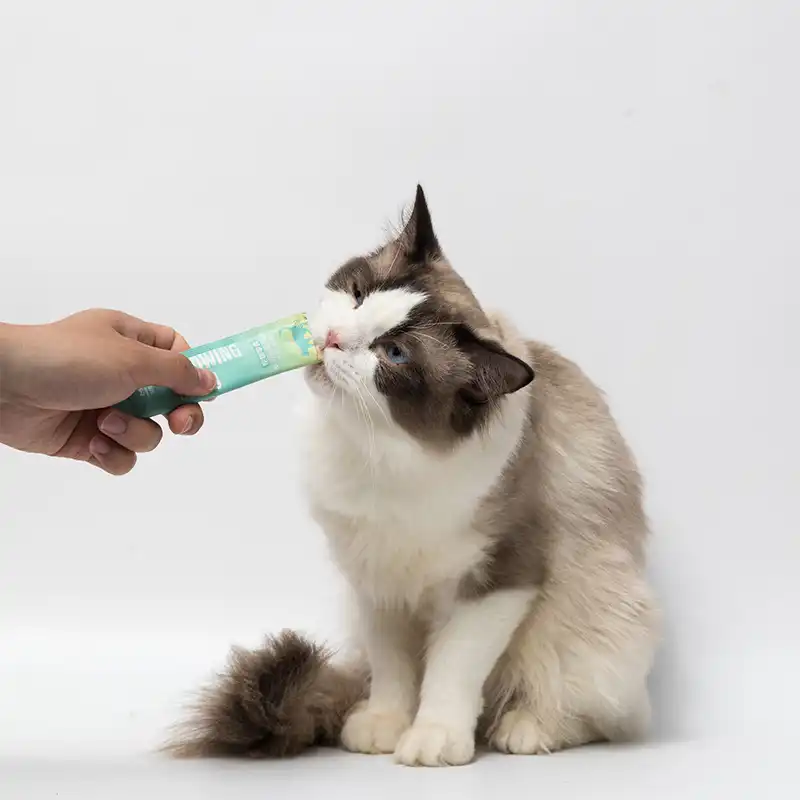
Chicken cod flavor pet treats are a new way to feed pets that combines the high-quality protein benefits of poultry with the omega-rich benefits of marine fish. These new reward-style nibbles make it easier to give pets one at a time, which helps enhance the bond between dogs and their owners. The rich meat paste is made from fish, poultry, and other healthy foods. It is ground very carefully to make it soft and easy to digest without chewing, making it great for pets of all ages and sizes.
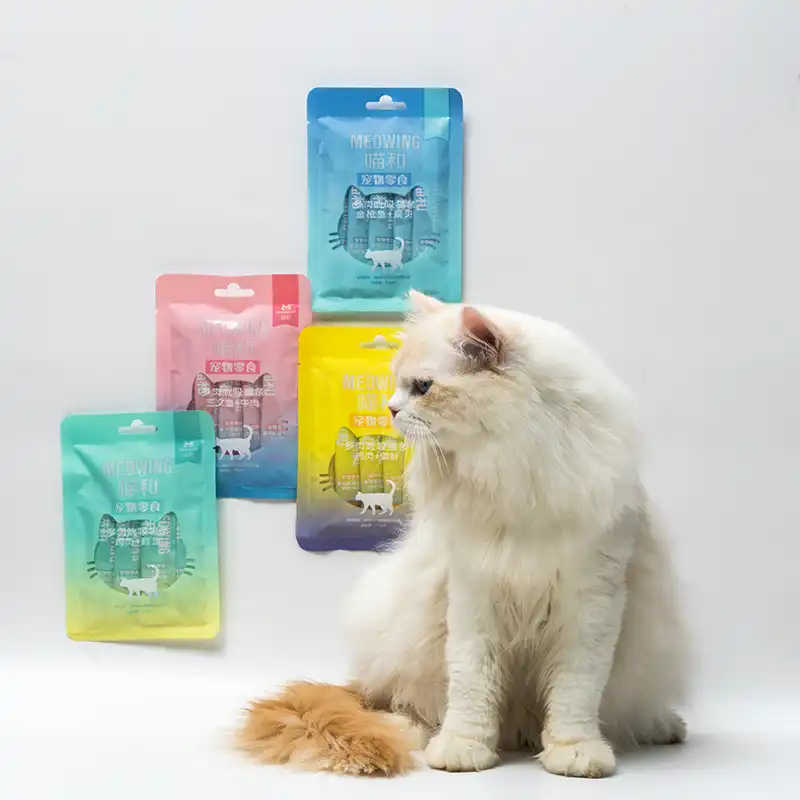
Understanding Chicken Cod Flavor Pet Treats
The chicken cod flavor combination is very healthy since it has two types of protein that work well together. This unusual combination makes a taste that even the pickiest pets will like, and it also gives them all the amino acids they need for good health.
Nutritional Foundation and Protein Benefits
Cod is one of the greatest forms of fish to eat because it has little fat, calories, and mercury. This makes it a better and safer food for pets to eat all the time. Cod liver oil comes from fish, which is the most natural source. It makes cats' and dogs' skin, coat, and vision considerably better. When you add these treats to chicken protein, your body gets all the amino acids it needs to create and keep muscle.
Chicken cod combos provide more nutrients that the body can use than snacks with only one protein. Cod's omega-3 fatty acids assist the body absorb fat-soluble vitamins from chicken, which makes the health advantages even better. Pets receive more out of each treat since it is absorbed better, which is good for their brains and joints.
Natural Flavor Components and Processing Methods
Premium chicken cod snacks don't have any artificial additives; they only employ natural flavoring ingredients. The beef paste is processed in a special way that retains the inherent qualities of both protein sources while also making sure that food safety rules are followed. Advanced enzymatic reactions break down proteins into forms that are easy for the body to digest and absorb nutrients.
The grinding process makes the meal smooth and like a paste, which makes it safe to ingest and keeps it appetizing. This texture is great for senior pets or pets with dental difficulties since it allows them enjoy healthful treats without any pain. It's easy to use and clean, and it keeps food fresh for each meal.
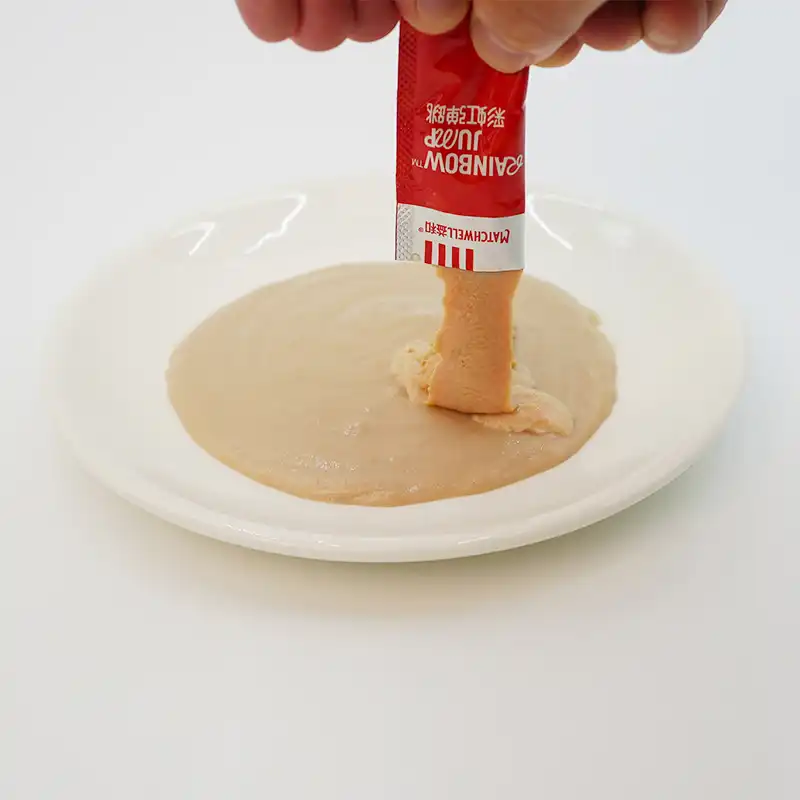
Comparison: Chicken Cod Flavor vs Other Popular Flavors
Understanding how chicken cod flavor stands against other popular pet treat options helps procurement professionals make informed decisions that align with market demands and pet health requirements.
Taste Profile and Pet Preference Analysis
Market research shows that pets like chicken-cod combinations better than single-protein options. Cod has a sea-like taste that goes well with the taste of chicken. This provides a flavor that is hard to resist and makes you want to eat it all the time. This flavor benefit is extremely significant for pets that need to take medicine or dietary supplements that are mixed in with their treats.
Chicken cod has a natural flavor that isn't too strong for pets with sensitive mouths, unlike teriyaki or curry, which are very powerful. Because it has a mild yet unique taste, it's safe for pets that are allergic to or sensitive to common flavor enhancers.
Nutritional Advantages and Health Benefits
Adding cod to chicken treats makes them a lot higher in omega-3 fatty acids than conventional chicken treats. These lipids are very important for young dogs' brains to mature and for senior animals' brains to stay healthy. Omega-3s help your joints by reducing inflammation. Because of this, chicken cod snacks are great for pets that are active or have arthritis.
Chicken and fish combinations have superior protein quality than plant-based or single-meat choices. These snacks are perfect for weight loss plans since they provide a comprehensive amino acid profile that helps develop lean muscle and a low level of saturated fat. This balance of nutrients is great for indoor cats because the low calorie intake protects them from getting fat.
Eating chicken cod treats on a daily basis can make your coat shine and keep your skin healthy. Many pet owners remark that their pets look healthier within weeks of introducing these foods full of nutrients to their diets.
How to Procure High-Quality Chicken Cod Flavor Ingredients and Products?
To get high-quality chicken cod flavor ingredients, you need to know how to find trusted sources and build connections with recognized suppliers who put quality and consistency first.
Trusted Sourcing Channels and Supplier Networks
You have the most control over the quality and price of your items when you deal directly with manufacturers. Established suppliers of pet food ingredients usually have broad networks of protein sources. This means that chicken and cod parts are always in stock. Digital B2B marketplaces are wonderful ways to find new suppliers and compare pricing from various ones.
Regional distributors are great for businesses who need to make smaller initial orders or want to evaluate how the market reacts to new products. These middlemen usually offer added services, including advice on how to package or formulate a product, that help speed up the process of developing new items.
Quality Assurance and Certification Standards
ISO 22000 accreditation ensures that suppliers always have complete food safety management systems in place. HACCP compliance means that there is a way to look at risks and keep an eye on essential control points, both of which are important for keeping pet food safe. These certifications are especially important when buying from other nations since they set quality requirements that are the same in all regulatory systems.
When you audit suppliers, you should look for factors like how easy it is to identify raw ingredients, how clean the processing facilities are, and how they test finished products. Long-term partnerships work best when suppliers always meet quality standards and keep their pricing low. Regular checks on quality and performance help maintain these essential relationships strong and make sure that the items are of the best quality.
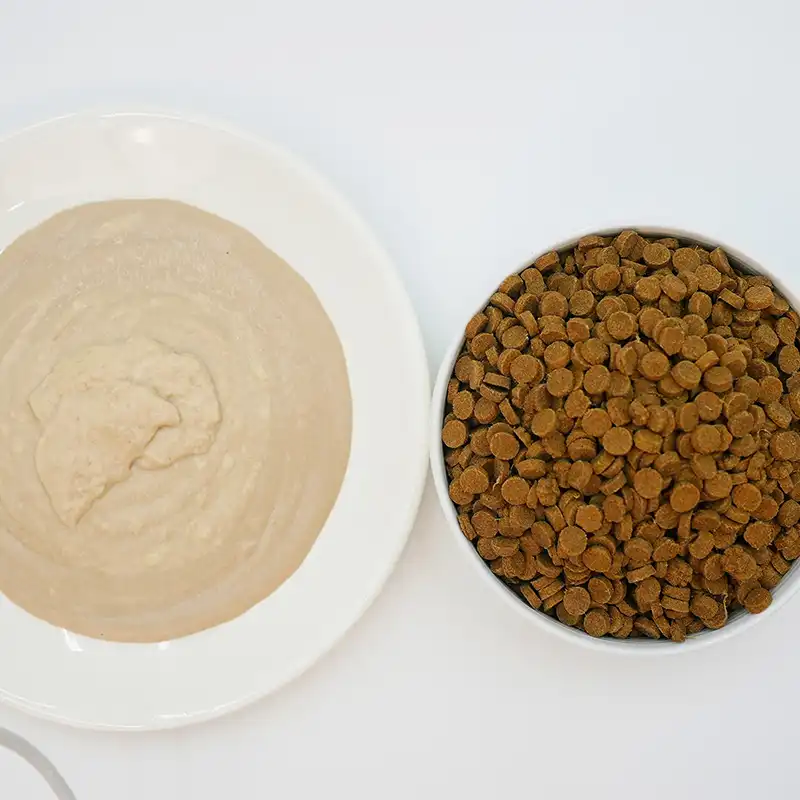
Manufacturing and Usage Guidelines for Chicken Cod Flavor Pet Treats
Optimal manufacturing processes preserve the nutritional integrity of both chicken and cod while creating products that meet safety standards and consumer expectations.
Production Best Practices and Quality Control
Controlling the temperature during processing keeps the nutrients in a delicate balance while making sure that pathogens are killed. To get the right paste consistency without over-processing, which might lower the nutritional content, the grinding process needs to be watched closely. To keep batches consistent, advanced manufacturing plants have several quality checkpoints during the production process.
Testing the compatibility of ingredients makes sure that chicken cod flavor proteins work together instead of against each other throughout processing. Modern equipment lets you control the amount of moisture very precisely, which has a direct effect on how long the food stays fresh and how good it tastes. Regularly calibrating processing equipment keeps products consistent, which is important for the reputation of the business.
Packaging Innovation and Shelf-Life Optimization
Moisture barrier packaging protects the paste's delicate texture and inhibits oxidation, which can diminish its nutritional value. Modified environment packaging uses inert gases instead of oxygen to keep food fresh without using chemical preservatives. Single-serving container keeps things clean and makes it easier for pet owners to keep track of how much food they give their pets.
Products stay stable during transportation and storage when they are packaged in a way that can handle fluctuations in temperature. This is very important for retaining the smooth texture that pets appreciate about these treats. varied markets have varied rules about how to label things clearly, but they normally include information about the product's nutrition, how to use it, and how to store it so that customers can get the most out of it.
Company Expertise and Product Offerings
Yunlan is a top maker of high-quality pet treats since they have been making flavors and enhancing nutrition for years. Our all-around approach to chicken cod flavor treats shows how much we care for the health of pets and the happiness of our customers.
Innovation Through Research and Development
Our dedicated research and development team has spent nearly 100 million yuan on projects that try to learn more about pet nutrition and manufacture better products. We have the technical know-how to produce chicken cod formulae that are truly innovative and superior than what is already available in the business. We have 97 patents in the US, 19 of which are for inventions.
The pet food research and development center includes everything it needed to fully test raw ingredients and nutritional additions. We can compare alternative recipes at this facility, which helps us make sure that our chicken cod treats are the healthiest and tastiest they can be. Our basic research on what pets need to consume helps us decide what products to develop in the future that will satisfy the needs of the market.
Supply Chain Excellence and Global Reach
It's a major bonus that our production plant in Suyu District is close to sophisticated processing facilities and high-quality poultry suppliers. We always have high-quality chicken and cod ingredients on hand since we have strategic connections with dependable protein sources. The most advanced sterilizing methods protect items while retaining their nutritional worth.
The management team has worked for more than 20 years to make the pet supply chain better. Because we switched from being an ODM provider to a proprietary product manufacturer, we now have the expertise to build tailored solutions that meet the demanding criteria of pet industry leaders around the world. We are the greatest partner for businesses who want high-quality chicken cod taste snacks since we have a long experience of keeping costs down, making sure quality, and delivering on time.
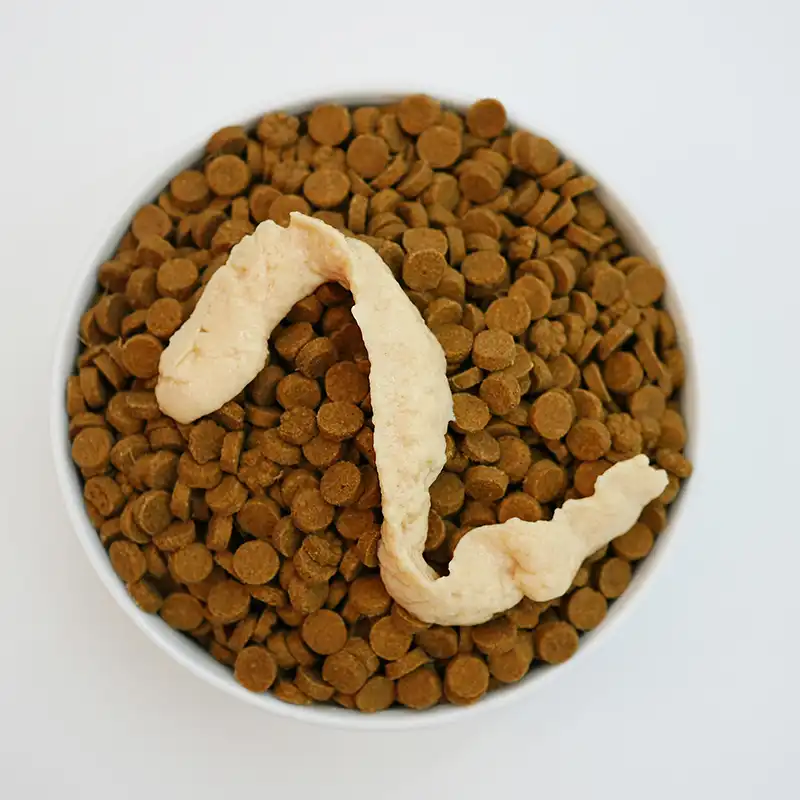
Conclusion
Chicken cod flavor pet treats are the next big thing in high-quality pet food since they taste great and are very good for your pup's health. The dual-protein strategy gives your pet all the amino acids they need and the omega-3 fatty acids they need for good health. These easy-to-use, clean snacks help pets and their owners become closer while also helping with everything from coat health to brain function. Top suppliers' manufacturing know-how and quality standards guarantee that their products are always of the highest quality, which is what the pet food industry needs. As more and more people learn about pet nutrition, chicken cod taste treats give businesses the chance to address changing market needs while giving pet owners real value as they look for the best for your pets.
Partner with Yunlan for Premium Chicken Cod Flavor Solutions
Businesses may get high-quality ingredients and finished products that satisfy the highest industry requirements since Yunlan is a top chicken cod flavor provider. Our full portfolio contains three main brands that make more than 300 million yuan a year. This shows that they are successful in the market and well-liked by customers. We know what the global market needs and what people in different regions like because we export to more than 60 countries and work with key e-commerce platforms.
Our advanced manufacturing capabilities incorporate cutting-edge protein processing technologies and quality control systems that ensure consistent product excellence. The dedicated R&D center and experienced supply chain management team provide comprehensive support for custom formulation development and procurement optimization. Whether you require bulk ingredients or finished products, our tailored solutions address common procurement challenges while maintaining competitive pricing structures. Contact us at minghuixu6717@gmail.com to explore how our chicken cod flavor manufacturer expertise can enhance your product offerings and drive business growth.
FAQ
Q1: Are chicken cod treats safe for pets with food allergies?
A: Chicken cod treats can be suitable for many pets with food allergies, particularly those sensitive to beef, lamb, or grain-based ingredients. However, pets with specific poultry or fish allergies should avoid these products. The limited ingredient formulations often used in premium chicken cod treats reduce the risk of allergic reactions compared to complex multi-ingredient options.
Q2: How do chicken cod treats compare nutritionally to single-protein alternatives?
A: Chicken cod combinations provide superior nutritional profiles compared to single-protein treats. The dual-protein approach delivers complete amino acid coverage while adding beneficial omega-3 fatty acids from cod. This combination supports muscle development, skin health, and cognitive function more effectively than single-protein alternatives.
Q3: What certifications should I look for when sourcing chicken cod ingredients?
A: Essential certifications include ISO 22000 for food safety management, HACCP for hazard analysis protocols, and organic certifications where applicable. Non-GMO verification and allergen-free certifications add value for health-conscious consumers. These standards ensure ingredient quality and manufacturing consistency across different suppliers.
Q4: Can chicken cod treats be used for training purposes?
A: The convenient single-serving format and irresistible flavor make chicken cod treats excellent for training applications. The soft paste texture allows for quick consumption without interrupting training sessions. The high palatability encourages consistent positive responses during training activities.
Q5: How should chicken cod treats be stored to maintain freshness?
A: Store unopened packages in cool, dry locations away from direct sunlight. Once opened, refrigeration extends freshness and maintains the smooth paste texture. Individual packaging helps maintain hygiene and prevents contamination between servings.
References
1. Pet Food Industry Association. "Nutritional Benefits of Dual-Protein Pet Treats: A Comprehensive Analysis." Journal of Pet Nutrition Research, 2023.
2. Marine Protein Council. "Omega-3 Fatty Acids in Pet Food Applications: Health Benefits and Processing Considerations." International Pet Food Technology Review, 2024.
3. American Pet Products Association. "Consumer Preferences in Premium Pet Treat Markets: Flavor Profile Analysis." Pet Industry Market Research Report, 2023.
4. International Association of Animal Nutritionists. "Bioavailability of Nutrients in Combination Protein Sources for Companion Animals." Animal Nutrition Science Quarterly, 2024.
5. Pet Food Manufacturing Institute. "Quality Assurance Protocols for Multi-Protein Pet Treat Production." Food Safety in Pet Manufacturing Guidelines, 2023.
6. Global Pet Food Safety Commission. "Regulatory Compliance Standards for International Pet Food Trade." Regulatory Affairs in Pet Food Industry, 2024.
A pet disinfectant is a particular cleaning solution that kills germs, viruses, and fungus on surfaces where pets live, play, and sleep. Unlike regular home cleansers that may include harsh chemicals that are bad for pets, pet disinfectants employ safe for animals ingredients that nonetheless destroy germs very well. These treatments successfully kill common pet-related germs without putting our furry friends at risk of eating or breathing them in.
Pet disinfectants are now necessary for keeping the pet care sector clean and healthy, especially with more and more people worried about zoonotic illnesses and the safety of the environment. This handbook gives procurement managers, distributors, OEM manufacturers, and veterinary suppliers a full picture of what they need to know. It talks about the many kinds of pet disinfectants, their chemicals, how to use them safely, how to compare them, and how to buy them, all of which assist B2B professionals make smart choices. The guide's goal is to make buying easier while also making products more effective and safe in a variety of pet-related business settings by combining industry knowledge with company-specific solutions.
Understanding Pet Disinfectants: Definitions and Core Functions
Pet disinfectants are specific chemicals made to kill hazardous germs in places where animals live. They are different from regular household disinfectants since they are made to deal with the specific microbiological problems that pets face and keep them safe. These products do more than just clean; they also make homes safer for pets and the people who care for them.
Chemical Composition and Active Ingredients
Quaternary ammonium compounds, hypochlorous acid, or plant-based antibacterial agents are the main active components in most modern pet sanitizers. Quaternary ammonium compounds are good at killing a wide range of germs and are also safe for animals' skin and lungs. White blood cells make hypochlorous acid, which is a powerful germ killer that doesn't leave behind any harmful chemicals. The growing trend for natural alternatives shows that pet owners and businesses that care about the environment are demanding more eco-friendly options.
Plant-based formulations use essential oils, citric acid, and enzymes to kill pathogens in a way that is comparable to other methods. These natural options are appealing to places that want to use organic and sustainable methods while still following good sanitization rules. The variety of chemicals lets procurement specialists choose formulas that meet individual operating needs and client preferences.
Biological Mechanisms and Pathogen Targeting
Pet disinfectants work in a number of ways to kill bacteria, deactivate viruses, and stop fungi from growing. The antibacterial activity works against common pet germs including parvovirus, kennel cough bacteria, ringworm spores, and other types of intestinal parasites. This wide range of pathogens lowers the danger of zoonotic transmission and keeps animals healthy.
Procurement experts can choose the best solutions for veterinary, grooming, and industrial demands if they know how these chemical and biological processes work. The molecular activity makes sure that everything is cleaned thoroughly without harming animals or the environment.
Safe and Effective Use of Pet Disinfectants in Business Settings
It's very important to make sure that pet disinfectants are used safely in all kinds of business settings to safeguard animals, personnel, and customers. To keep their operations at their best, professional facilities must find a balance between rigorous cleaning and making sure animals are safe.
Application Guidelines for Different Environments
Veterinary clinics need to clean their exam tables, surgical tools, and kennels often with hospital-grade antibacterial treatments. Because hospital environments include a lot of pathogens, they need strong cleaning rules that don't put recuperating animals at risk of chemical exposure. To keep clients from becoming sick, grooming shops focus on cleaning bathing rooms, grooming instruments, and holding cages between sessions.
Pet boarding facilities need to thoroughly clean all spaces, including sleeping rooms, play areas, and feeding stations. Because animals are around for a long time in boarding settings, the products need to be soft yet still work well for regular use. Surface sanitizers that kill germs yet are safe for pets to be around are good for stores.
Species-Specific Safety Considerations
Cats are more sensitive to some chemicals than dogs, therefore they need disinfectants that are suitable for cats. Products made specifically for cats don't have phenolic chemicals or essential oils that might hurt their livers. Dogs can usually handle a wider range of ingredients, but they still do better with mild formulas that don't irritate their skin or lungs.
The best times to disinfect depend on the type of facility and the number of animals that come through. Veterinary clinics with a lot of foot traffic may need to be cleaned every hour, whereas stores may just need to be cleaned once a day. A fair comparison of chemical and natural disinfectants looks at their effectiveness, safety, and effects on the environment. This helps procurement decision-makers make choices that are in line with the company's sustainability goals while still keeping operations safe.
Environmental Impact and Sustainability
More and more, modern pet care facilities put a lot of thought into how they clean their spaces in a way that is good for the environment. Biodegradable formulations keep their antibacterial properties while lowering the amount of pollution they cause in the environment. Concentrated goods help businesses run in a way that is good for the environment by reducing packaging waste and shipping expenses.
Comparative Analysis of Pet Disinfectant Products and Formats
Choosing the proper product format relies on the needs of your organization, how easy it is to use, and how much money you have to spend. Different ways of applying something have different benefits for different situations.
Product Format Comparison
Ready-to-use sprays are easy to apply right away for rapid cleaning and sanitizing jobs. These formulas work great for grooming stations, exam tables, and other situations where speed is important. Spray forms let you regulate how much product you use very precisely, which cuts down on waste and makes sure you cover everything.
Disinfectant wipes are easy to carry about and let you clean surfaces and sanitize equipment in a controlled way. Wipes are great for grooming on the go, making house calls to the vet, and cleaning up quickly between clients. The pre-measured saturation makes sure that the antibacterial concentration stays the same and that mixing isn't needed.
Concentrated treatments are better for big businesses that need to sanitize a lot of things at once since they save money. These products let you mix them at different strengths to meet the needs of different pathogens and surfaces. Concentrate forms cut down on packing waste and storage space by a lot, and they are also more cost-effective for people who consume a lot of them.
Species-Specific Formulations
Dog-specific disinfectants may include a wider spectrum of ingredients and greater concentrations that are better for dogs' bodies. These formulations can include natural deodorizing chemicals that work on common dog smells while still being efficient against germs. Many dog products have pleasant smells that make the space feel better without being too strong for delicate noses.
To make sure that a product is safe for cats, you have to choose the right ingredients so that it can kill germs but not be poisonous. Most cat-specific products come in unscented or lightly scented versions to respect the sensitivity of cats' senses. The specific chemistry makes sure that the cleaning works without harming the health of the cats or giving them worry.
Industry Innovation and Certification Standards
Top brands focus on safety certifications, eco-friendly packaging, and new product features that meet changing consumer needs. New products include dual-action formulas that clean and get rid of odors at the same time, which means you don't have to use as many different products. Some modern formulations include probiotic technology, which adds helpful microbes that keep surfaces safe even after they have been applied.
Safety certificates from well-known veterinary groups provide procurement teams confidence in their choices of products. These certificates prove that the products are both safe for animals and effective against germs through strict testing methods. The innovation insights give procurement teams the tools they need to weigh the pros and cons of different products and choose the best ones that fit a wide range of client and operational needs.
Procurement Guide: Buying Pet Disinfectants for Your Business
A strategic procurement method is necessary to get high-quality pet disinfectants at low rates while making sure that the supply chain is always reliable. To get the most long-term value, professional purchasers need to look at more than just the initial cost of the goods.
Sourcing Channel Evaluation
For big businesses, buying in bulk directly from the manufacturer may save a lot of money. Direct sourcing gets rid of distributor markups and gives you access to customization choices and technical assistance. Established manufacturers frequently provide volume discounts, longer payment periods, and priority allocation when there aren't enough supplies.
Smaller businesses or those that need unique products might find convenience and low prices in trusted online marketplaces. These platforms include a lot of different products, consumer feedback, and easy ways to place orders. However, purchasers should check the seller's credentials and the product's legitimacy while using marketplace channels.
Local suppliers include perks including lower shipping costs, faster delivery, and the ability to build personal relationships. Regional distributors usually know what the local market requires and may offer personalized assistance, including emergency supply support. Building partnerships with local suppliers makes the supply chain more stable and helps neighborhood business networks.
Subscription and Inventory Management
Subscription services make inventory management easier by making sure that there is always enough stock without having to worry about storage. Automated delivery schedules keep stock levels high during busy times while also making sure that new products are always available. A lot of vendors give discounts for subscriptions and let you change your order to fit seasonal changes in demand.
Cost Analysis and Logistics Considerations
When looking at the whole cost, you should think about shipping costs, storage needs, and how long the goods will last. Concentrated items may be worth more even though they cost more per unit since they don't need as much shipping and storage space. When buying goods from other countries, you need to think more about customs charges, following the rules, and longer lead times.
Procurement experts may choose trustworthy partners that share the same corporate values and compliance needs by using supplier assessment criteria including certification standards, customer feedback, and specialty product options. Good suppliers offer technical assistance, training materials, and quick customer service to help with the effective deployment of products.
Our Company & Product Solutions
Yunlan is at the forefront of new ways to clean pets, integrating cutting-edge research with years of experience in production. Our wide range of products meets the demands of veterinary clinics, grooming salons, boarding facilities, and retail businesses in a variety of market categories.
Advanced Product Development
Our research team has come up with a new pet-safe product that can be used to clean and disinfect a wide range of home and business environments. This new method stops hazardous bacteria from growing in the environment, so dogs may play freely and families and business owners can relax. The recipe uses the latest hypochlorous acid technology to kill germs like a hospital would, using natural biological processes.
There are both chemical and natural versions of the product range that have been verified as safe and good for the environment. Our natural enzyme-based cleaners use unique fermentation methods, while our synthetic cleaners use quaternary ammonium chemicals that are safe for pets. Before they can be sold, each product goes through a lot of testing to make sure it works against the target infections and is safe for animals.
Manufacturing Excellence and Quality Assurance
Our manufacturing facilities operate under strict quality control protocols, ensuring consistent product performance and safety. Advanced production technologies enable precise formulation control and contamination prevention throughout the manufacturing process. We maintain comprehensive quality documentation supporting regulatory compliance and customer confidence.
Sustainable packaging solutions reflect our environmental commitment while providing practical benefits for end users. Recyclable containers, concentrated formulations, and refillable systems reduce environmental impact while supporting customer sustainability goals. Our packaging innovations include child-resistant closures and clear labeling systems enhancing safety and usability.
Value-Added Services and Partnership Benefits
Yunlan provides comprehensive support services including technical consultation, staff training programs, and customized product development. Our team works closely with clients to understand specific operational challenges and develop tailored solutions. Bulk discount programs and flexible subscription plans accommodate diverse business models and purchasing preferences.
Dedicated technical support ensures successful product implementation and ongoing optimization. Our experts provide guidance on dilution ratios, application techniques, and integration with existing protocols. This commitment to customer success fosters long-term partnerships and supports business growth objectives.
Conclusion
Pet disinfectants represent essential tools for maintaining healthy environments across diverse animal care settings. Understanding the distinctions between specialized pet formulations and conventional cleaning products enables informed decision-making that prioritizes both effectiveness and safety. The careful balance of antimicrobial performance with animal welfare considerations defines successful sanitization programs.
Modern procurement strategies must evaluate multiple factors including product format, species-specific requirements, supplier reliability, and total cost of ownership. Strategic sourcing approaches that emphasize quality partnerships and comprehensive support services deliver superior long-term value beyond initial purchase price considerations. The investment in proper sanitization systems protects animal health while supporting business reputation and operational efficiency.
Connect with Yunlan for Premium Pet Disinfectant Solutions
Yunlan invites B2B procurement professionals to discover our comprehensive range of pet sanitization products designed for modern animal care facilities. Our team provides detailed product samples, technical specifications, and customized quotations supporting confident purchasing decisions. As a leading pet disinfectant manufacturer, we combine innovative formulations with proven reliability to meet the demanding requirements of professional animal care environments.
Contact our specialists at minghuixu6717@gmail.com to discuss your specific sanitization needs and explore bulk purchasing opportunities. Visit yunlanpets.com to access our complete product catalog, technical resources, and industry insights. Our dedicated support team stands ready to help optimize your facility's hygiene protocols while supporting your business growth objectives.
FAQs
Are pet disinfectants safe for both cats and dogs?
Quality pet disinfectants are formulated to be safe for both cats and dogs, though cats require special consideration due to their unique metabolism. Feline-safe products avoid phenolic compounds and certain essential oils that can cause toxicity. Always verify product labeling and choose formulations specifically tested for your target species.
How often should I disinfect pet areas and equipment?
Disinfection frequency depends on facility type and animal traffic. Veterinary clinics typically require hourly sanitization of high-touch surfaces, while grooming salons should disinfect between each client. Boarding facilities benefit from daily comprehensive cleaning with spot cleaning as needed. High-traffic retail areas should follow daily protocols with additional attention during peak periods.
Can I make effective pet disinfectant solutions at home?
While simple cleaning solutions can be prepared using white vinegar and water, commercial pet disinfectants provide superior pathogen elimination and safety assurance. Homemade solutions may lack the antimicrobial strength needed for professional applications and could inadvertently contain harmful ingredients. Commercial products undergo extensive testing to ensure both effectiveness and animal safety.
What certifications should I look for when purchasing pet disinfectants?
Look for EPA registration numbers, veterinary organization endorsements, and safety certifications from recognized testing laboratories. Products should display clear ingredient lists and safety data sheets. Organic or natural product certifications provide additional assurance for environmentally conscious operations. International facilities should verify compliance with local regulatory requirements.
How do hypochlorous acid disinfectants compare to traditional formulations?
Hypochlorous acid offers superior antimicrobial performance with exceptional safety profiles. This naturally occurring compound eliminates pathogens without toxic residues or harsh chemical odors. While potentially more expensive initially, hypochlorous acid products often provide better value through reduced health risks and environmental benefits.
References
- American Veterinary Medical Association. "Guidelines for Veterinary Practice Disinfection Protocols." Journal of Veterinary Medicine, 2024.
- Centers for Disease Control and Prevention. "Zoonotic Disease Prevention in Animal Care Facilities." CDC Health Guidelines, 2023.
- International Association of Animal Behavior Consultants. "Chemical Sensitivity and Safety Considerations in Pet Environments." Animal Welfare Quarterly, 2024.
- National Association of Professional Pet Sitters. "Best Practices for Sanitization in Pet Care Businesses." Industry Standards Manual, 2023.
- Pet Industry Distributors Association. "Market Analysis of Pet Hygiene Products and Procurement Trends." Industry Report, 2024.
- Veterinary Infection Control Society. "Comparative Effectiveness of Antimicrobial Agents in Animal Healthcare Settings." Clinical Research Journal, 2023.
Shared bowls, floors, and litter boxes are easy places for viruses, skin diseases, and respiratory ailments to spread. Cleaning well gets rid of filth, but only using pet disinfectant correctly kills a lot of bacteria. If you don't use them correctly, the same products that protect can hurt paws, lungs, or even poison a dog or cat. When used properly, they lower the risk of disease and help keep animals, families, and workers healthy.
Drawing on industry standards and veterinary guidance, this guide explains how to use pet disinfectant safely and effectively. It also shows how a strong supply chain and R&D partner, such as Suqian Ruixin Yunlan Technology, can support brands that want reliable, science-based hygiene solutions.
Understanding Pet Disinfectant and Infection Risks
Why disinfection matters for pets and people
Pathogens survive on bowls, floors, bedding, and grooming tools for surprising lengths of time. Canine parvovirus, for example, can persist in the environment for months if no effective disinfectant is used, according to veterinary infection control reports. Some respiratory viruses and bacteria spread through droplets and contaminated surfaces in clinics, shelters, and grooming salons.
According to research from public health authorities like the CDC, cleaning and disinfecting procedures that are properly thought out lower the risk of illness in places where people live and work. Veterinary clinics follow the same rules since diseases may spread quickly in crowded pet environments. Homes are normally less crowded, but germs may still spread between pets, kids, and people through shared spaces.
That is where a purpose-chosen pet disinfectant matters. It helps control harmful microbes that ordinary detergents leave behind, especially in high-risk zones such as litter boxes, kennels, exam tables, and isolation areas.
What makes a disinfectant “pet-safe”?
The phrase “pet-safe disinfectant” appears everywhere in search results, yet it can mean different things. Most effective disinfectants contain active ingredients that could irritate skin, eyes, or lungs if used at the wrong dose or in an enclosed space.
A product is more suitable around pets when it meets several conditions at the labelled use rate. It should target relevant pathogens, carry clear safety instructions, and comply with local regulations for disinfectants or biocides. Many veterinary facilities choose formulations based on ingredients with a good safety profile when used correctly, such as accelerated hydrogen peroxide or carefully formulated quaternary ammonium compounds.
Key ingredients commonly found in pet disinfectant
Professional and household pet disinfectant products often use one or more familiar active ingredients. Each has strengths and limits.
Accelerated hydrogen peroxide products are widely used in veterinary settings. They provide broad antimicrobial activity, including many enveloped and non-enveloped viruses, while breaking down into oxygen and water after use. When applied at the recommended dilution, they usually show a favorable safety profile on many surfaces.
Quaternary ammonium compounds, or "quats," are also used in a lot of kennel cleansers and veterinary disinfectants. They work against a lot of bacteria and enveloped viruses, however some types may not work if they come into contact with organic stuff. It is necessary to dilute and rinse carefully since excessive concentrations can irritate skin and mucous membranes, especially on surfaces that come into touch with food.
When used appropriately, sodium hypochlorite-based household bleach solutions can still help fight off tougher infections. Infection control experts say that bleach can kill many viruses, but only if it is mixed with the proper amount of water and left on the surface for the right amount of time. Strong solutions can hurt lungs and damage surfaces, therefore they need to be used in a well-ventilated area with safety gear and rinsed away from pets.
Some general-purpose products may still include phenolic disinfectants. A number of veterinary groups warn against using them around cats since cats can be quite sensitive to phenols. So, it's important to check the list of ingredients before using any product around cats.
Cleaning versus disinfecting: why both steps matter
Search results often mix “pet-safe cleaner” and “pet disinfectant” as if they were the same. They are not. Cleaning removes visible dirt and much organic matter using detergents and water. Disinfecting uses chemical agents to kill or inactivate microbes that remain on already cleaned surfaces.
If heavy soil stays on the surface, disinfectants work poorly. Many active ingredients bind to organic material before they reach target pathogens. Effective protocols therefore include both steps in order. First, clean with a suitable detergent. Then apply the disinfectant to the visibly clean surface for the full contact time.
How to Use Pet Disinfectant Safely at Home?
Preparing surfaces before you disinfect
Home environments contain a mix of fabrics, hard floors, and porous items. Each needs slightly different handling when you use any pet disinfectant. Before reaching for the bottle, remove loose debris such as hair, litter, or spilled food. Wash away urine or feces with disposable towels and a mild cleaner, while wearing gloves if the mess is heavy.
By removing some of the organic matter first, the disinfectant may get to the microorganisms directly. That might involve mopping with a neutral detergent first on hard flooring. Washing dishes or toys with dish soap and water gets the surface ready. Most disinfectants don't say they may be used on textiles, therefore you normally have to wash soft bedding in hot water with detergent.
Mixing and diluting pet disinfectant correctly
Many concentrated disinfectants used in multipet homes and small facilities require dilution. The label will usually state ratios such as 1:32 or 1:128 for routine use. Guessing is dangerous, because the solution may turn either irritating or ineffective.
Instead of pouring "by eye," use a designated container or dosage pump to measure the concentrate. Unless the manufacturer says otherwise, you should add the disinfectant to the water, not the other way around. Use clean, separate bottles and write the name of the product, how much it was diluted, and the date on the label. If a mixed solution sits for longer than the label says, throw it away since some of the active ingredients lose their effectiveness over time.
Sprays that are ready to use lower the chance of making mistakes while mixing, although they usually cost more per milliliter. They work well for homes with one or two pets who still want a disinfectant that is safe for pets to use on litter boxes, crates, and accidents.
Applying disinfectant and respecting contact time
Contact time receives far less attention online than it deserves. Every disinfectant needs a minimum wet time to achieve the claims on its label. This may range from one minute to ten minutes, depending on the formulation and target organisms.
If the surface dries too early, microbes may survive. To prevent that, apply enough solution to keep the area visibly wet for the full period. Do not rush to wipe it dry unless the instructions say so. Some labels ask for a rinse with clean water after disinfection, especially on food-contact items like bowls and chew toys.
For bowls and toys, many households follow a simple cycle. Clean with dish soap, rinse, apply the pet disinfectant, wait for the stated contact time, then rinse again thoroughly and dry before use.
Keeping dogs and cats safe during disinfection
Not just chemistry but also behavior affects how safe pet disinfectant is to use. Pets like to use their paws and tongues to investigate, so if they have the chance, they could walk on or lick surfaces that have just been treated.
When you can, relocate animals away from the area where you are applying. Until surfaces are dried and, if necessary, washed, close doors or use baby gates. When you use harsher items like bleach solutions, open windows or turn on exhaust fans to let the smells out.
Keep concentrates and bottles that are ready to use in cupboards or locations that dogs can't get into. This is important for homes with cats or pups who want to climb and explore. If you accidentally eat or touch it with your eyes, follow the first aid instructions on the label and call a veterinarian or poison control right away.
Special care for litter boxes, crates, and high-touch areas
Certain spots in a home carry higher pathogen loads than others. Search trends show frequent queries like “how to disinfect cat litter box” and “how often to disinfect dog crate”, which reflects real concern among owners.
For litter boxes, scoop solid waste at least daily and top up clean litter. On a regular schedule, empty the box completely, wash it with detergent, rinse, and then apply a pet disinfectant labeled for plastic and cat environments. Rinse again if required, dry, and refill with fresh litter.
Dog crates and carriers often pick up saliva, hair, and occasional accidents. Remove bedding first, then clean the crate floor and bars with detergent. After rinsing, apply disinfectant to all inner surfaces, maintain the contact time, and let them air dry before putting bedding and the dog back.
High-touch areas include door handles, gate latches, and shared grooming tools. Quick, regular disinfection of these points supports the broader hygiene program and reduces the chance of disease spread between pets and people.
Building a Pet Hygiene Program for Kennels, Clinics, and Brands
Disinfection routines in high-traffic pet environments
Boarding kennels, grooming salons, veterinary clinics, and shelters handle many animals each day. Crowding, stress, and frequent turnover all increase disease pressure. In these environments, ad‑hoc cleaning is not enough; structured protocols are necessary.
Many facilities create written cleaning and disinfection schedules that show what to clean, how often, and with which product. Kennel runs, exam tables, cages, and reception areas each appear on the list. Protocols often separate “daily cleaning”, “between-patient disinfection”, and “terminal cleaning” after infectious cases, following frameworks described in veterinary infection control guidelines from groups like the AVMA.
Staff training matters as much as the choice of pet disinfectant itself. New employees should learn how to dilute concentrates, measure contact times, wear appropriate protective equipment, and recognize when organic matter must be removed before disinfection.
Choosing the right pet disinfectant for professional use
Facility managers often compare several disinfectants before committing to a single system. Search data shows frequent interest in “veterinary-grade disinfectant” and “kennel disinfectant safe for dogs and cats”. Their selection criteria usually include spectrum of activity, safety, material compatibility, and cost per use.
For example, a shelter facing outbreaks of parvovirus or panleukopenia may prioritize virucidal activity on non-enveloped viruses. A grooming salon might place more weight on speed, low odor, and surface compatibility for stainless steel and plastic. Clinics often prefer products that remain effective in the presence of some organic matter and can be used on floors, exam tables, and instruments where appropriate.
Regulatory status is another factor. In many markets, disinfectants must be registered with a government agency, such as the U.S. Environmental Protection Agency. Lists of approved products, including the EPA’s selected registered disinfectants, help buyers confirm that claims are supported by data.
Finally, logistics count. For large networks of kennels or clinics, stable supply, consistent batches, and reliable packaging are crucial. Interruptions in disinfectant availability can damage biosecurity plans and business continuity.
Common mistakes to avoid with disinfectants
Across home and professional settings, the same mistakes cause trouble again and again. Understanding these problems can protect both animals and staff.
- Using the wrong dilution, which either weakens efficacy or raises toxicity.
- Skipping pre-cleaning, so organic matter blocks the active ingredients.
- Ignoring contact time and wiping surfaces dry too soon.
- Mixing incompatible chemicals, such as bleach with acids or ammonia.
- Using products containing phenols in cat environments without clear safety data.
Each of these errors has appeared in investigations of outbreaks and exposure incidents described by veterinary and public health bodies. The pattern reinforces a simple point. Even the best pet disinfectant fails if people use it impatiently or without training.
How Suqian Ruixin Yunlan Technology supports B2B partners
Behind every successful pet hygiene product on the shelf stands a supply chain that understands both animals and markets. Suqian Ruixin Yunlan Technology is a full-industry chain enterprise that unites R&D, production, sales, and OEM services under one group. The company focuses on high-quality pet food and supplies, and it supports global B2B partners that need dependable manufacturing and product development.
The group has built a strong portfolio of self-owned brands, including Yihe, Paihao, and Maodali. Each core brand reaches annual sales above 300 million yuan and covers dogs, cats, and broader pet needs. This market performance shows that the company not only manufactures at scale but also understands end user expectations around safety, palatability, and daily convenience.
Sales channels span more than 60 countries and regions, including the United States, Europe, Japan, and South Korea. In China, products move through major e-commerce platforms such as Tmall and JD.com and through a dense offline network of over 200 distributors and more than 10,000 physical stores. Such reach requires stable quality systems, efficient logistics, and consistent regulatory compliance.
On the production side, Suqian Ruixin Yunlan Technology applies advanced technologies, including meat protease hydrolysis and leg bone crisping technology, to pet food manufacturing. These capabilities rest on a professional management team with more than 20 years of experience in the pet supply chain, from ODM services for leading global brands to current self-owned product lines.
The same disciplined approach extends to innovation. Between 2022 and 2025, the group invested nearly 100 million yuan in R&D, building a fully structured pet food research center. By December 2025, it had secured 97 authorized patents in China, including 19 invention patents and 78 utility models. This base in science and engineering allows the company to design differentiated pet products and adapt formulas to meet specific nutritional and functional goals.
For B2B partners interested in pet hygiene and related categories, these strengths matter. A supplier that already manages complex formulations, strict quality control, and large-scale distribution can also support the development and manufacturing of consistent, user-friendly pet disinfectant and companion products, aligned with market and regulatory expectations.
From hesitation to cooperation: addressing buyer concerns
Professional buyers considering a new OEM or private-label partner often hesitate at the same points. They worry about hidden formulation compromises, inconsistent quality between batches, weak technical support, or difficult communication across languages and time zones.
Suqian Ruixin Yunlan Technology addresses these concerns through its combined advantages in brand operation, supply chain management, and R&D. Long-term cooperation with international clients has trained the team to meet strict requirements for quality, cost, and delivery time. The group’s “Hundred Cities, Thousand Stores” strategy and the launch of direct-operated “Maogougou” stores show confidence in product performance; the company sells to end consumers under its own name as well as producing for partners.
For organizations exploring pet disinfectant and other hygiene-focused items, working with a supplier that already navigates global markets, invests in innovation, and understands pet behavior can reduce risk and speed time to market.
If you are interested in our products and want to know more details or get a quote, please contact us. Simply send an enquiry to minghuixu6717@gmail.com. Share your target markets, product ideas, and basic specifications, and our team will respond with tailored information on technology options, packaging formats, and cooperation models.
FAQs
Q1: Is regular household disinfectant safe for pets?
A: Many household disinfectants were not pet-friendly. Some include phenols, high quats, or powerful solvents that can irritate skin and mucous membranes or be dangerous if licked. Read the label, examine the active components, and verify pet environment guidelines before using any product around animals. If there is no safety information around animals, evaluate the product as possibly harmful and visit a veterinarian or use a veterinary or pet disinfectant.
Q2: How often should I disinfect my pet’s living areas?
A: Infection risk, animal count, and surface type determine frequency. Daily cleaning and disinfection of litter boxes, bowls, and cages is generally adequate for healthy pets in average houses. Veterinarians recommend more regular surface disinfection during disease outbreaks or in multi-pet homes with elders, young animals, or immunocompromised pets. In accordance with veterinarian infection control guidelines, kennels, clinics, and shelters have established protocols for disinfecting between residents and various places regularly.
References
- Centers for Disease Control and Prevention (CDC). “Cleaning and Disinfecting Your Home.”
- Centers for Disease Control and Prevention (CDC). “Guideline for Disinfection and Sterilization in Healthcare Facilities.”
- American Veterinary Medical Association (AVMA). Resources on infection control in veterinary practices.
- U.S. Environmental Protection Agency (EPA). “Selected EPA-Registered Disinfectants.”
- World Small Animal Veterinary Association (WSAVA). Resources on infectious disease management and veterinary standards.
Using dried mealworms for fish food is a new way to feed fish that provides a lot of protein and other health benefits. These dried darkling beetle larvae have about 53% protein, critical amino acids, healthy lipids, and important minerals that help fish thrive, boost their immune systems, and improve their overall health. Dried mealworms are different from regular fish food in that they encourage natural foraging habits and provide long-lasting nutrition that helps both freshwater and marine species in a wide range of aquaculture operations.
Understanding Mealworms as Fish Food: Benefits and Nutritional Value
Dried mealworms are now the best source of protein for fish, and they offer benefits that change how fish are fed across the aquaculture business. These amazing bugs have a nutritional profile that is quite similar to what fish would eat in the wild.
Essential Amino Acid Profile and Growth Enhancement
Dried mealworms have all the amino acids that fish need to grow and develop properly. These building blocks help muscles grow, bones grow, and enzymes work to keep the body's metabolism healthy. Fish that eat diets with mealworms grow faster than fish that only eat regular pellet feeds.
Studies show that the lysine and methionine in mealworms are especially good for fish that eat meat and plants. The microwave-drying technique keeps the protein intact while getting rid of hazardous germs, which means that these amino acids are still very bioavailable. This processing approach keeps nutrients available for fish digestion without lowering safety criteria.
Mineral Content and Immune System Support
Dried mealworms are a good source of protein, but they also include important trace minerals like phosphorus, potassium, iron, and salt that boost fish immune systems and improve physical fitness. Potassium controls fluid balance and neuron function, whereas phosphorus helps bones grow and cells make energy. Iron helps fish bloodstreams carry oxygen, and sodium keeps the right osmotic pressure in water.
The crude fiber in mealworms helps digestion by encouraging good gut bacteria and making it easier for the body to absorb nutrients. This fiber part helps keep the intestines healthy and prevents digestive problems that sometimes come with high-protein meals. Fish that eat feeds with mealworms in them are better able to fight off infections and stress from the environment.
Environmental Sustainability and Production Benefits
Compared to standard fish feed ingredients like fishmeal or soybean meal, growing mealworms takes a lot less work. The production process creates less greenhouse gas and uses less water, making it a good alternative for aquaculture enterprises that care about the environment. As organizations put more emphasis on eco-friendly supply chain procedures, this sustainability element is having a bigger and bigger effect on purchasing decisions.
How to Effectively Use Dried Mealworms for Fish Feeding?
Implementing dried mealworms into fish feeding regimens requires understanding proper application methods and dosage guidelines to maximize nutritional benefits while maintaining cost efficiency.
Feeding Frequency and Portion Guidelines
The best times to feed fish depend on the species, age, and the conditions in the environment. Adult fish usually do well with mealworm supplements 2–3 times a week, but juvenile fish may need them every day when they are growing the fastest. To avoid nutritional imbalances, portion sizes should make up about 10–15% of the total daily feed intake.
Tropical fish species show a high acceptance rate for dried mealworms, and many of them prefer them over regular flake meals. During the spring feeding season, when protein needs rise for breeding preparation, koi and goldfish especially benefit from mealworm nutrition. The natural prey simulation that mealworms provide makes reluctant eaters want to eat enough food.
Storage and Preservation Techniques
Proper storage keeps dried mealworms for fish food fresh and stops nutrients from breaking down over time. Sealed containers kept in cool, dry places can keep the quality of the product for up to 12 months without needing to be refrigerated. The main hazard to the integrity of a product is exposure to moisture, which can cause mold to grow or the product to go bad.
Professional aquaculture businesses can save money on each unit by using bulk storage systems that keep products available all the time. Packaging that is vacuum-sealed helps keep food fresh for longer and makes it easier to manage portions while feeding. To keep the necessary fatty acids that give fish their color and health, temperature changes should be kept to a minimum.
Comparing Dried Mealworms with Other Popular Fish Foods
Understanding how dried mealworms perform against alternative protein sources helps procurement specialists make informed decisions that balance nutritional quality with operational requirements.
Nutritional Comparison Analysis
Brine shrimp and bloodworms are examples of live foods that are very nutritious but need unique storage and handling practices that make things more complicated. Dried mealworms have similar levels of protein, but they don't require the same amount of work to keep live feed alive. Dried products have a long shelf life, so you don't have to worry about die-offs and contamination that might happen with living products.
Freeze-dried foods have a little more vitamins than heat-dried foods, although both techniques of processing keep important components well. The price difference between freeze-dried and regular dried mealworms may affect the buying decisions of big businesses who have to think about their budgets when choosing products. Standard dried mealworms are a great deal and still provide the right nutrients for most aquaculture uses.
Cost-Effectiveness and Operational Efficiency
Commercial fish pellets are cheaper to feed than complete prey items, but they don't provide the same behavioral stimulation benefits. Mealworms help fish develop their natural hunting instincts, which keeps their minds and bodies active and improves their general health beyond just meeting their nutritional needs. This added value makes it worth paying more for businesses that put animal welfare first.
Dried mealworms are far more convenient than live mealworms in stores where staff training and particular equipment are needed to keep things running smoothly. Single-ingredient goods get rid of worries about artificial additives or preservatives that could hurt delicate fish species or make the water in closed aquatic systems less clean.
Procurement Guide: How to Source and Purchase Dried Mealworms for B2B Needs
Successful procurement strategies require understanding market dynamics, supplier capabilities, and quality standards that ensure consistent product performance across diverse applications.
Supplier Evaluation and Selection Criteria
Reputable suppliers always check the quality of their goods by doing things like testing batches for protein levels, moisture levels, and contaminants. Following certification standards like HACCP shows that you care about following the guidelines for creating pet food that are vital for food safety. Storage and processing areas at suppliers should be temperature-controlled to keep items safe all the way through the supply chain.
Businesses who need to have the same products available in many different regions across the world need international shipping. Suppliers that offer flexible packaging solutions can handle orders of varying sizes while keeping prices down for both small and large businesses. Lead times and the ability to keep track of inventories have a direct impact on how happy customers are and how well operations work.
Bulk Purchasing and Logistics Considerations
Volume pricing systems are quite helpful for businesses that frequently use a lot of dried mealworms for fish food since they save a lot of money. To keep products from going bad before they are used, minimum order quantities should match storage space and turnover rates. Freight optimization tactics like combining shipments save transportation costs without affecting the reliability of delivery.
Custom packaging solutions meet the needs of individual customers, including private labeling alternatives for retail use. Suppliers who offer packages in different sizes make it easier to manage inventory for a wide range of customers with different consumption habits. Subscription services let you know how much you'll have to pay and make sure that products are always available for business.
Choosing the Right Dried Mealworms Product for Your Business
Product selection criteria must balance quality requirements with operational constraints to achieve optimal performance across specific applications and customer needs.
Quality Standards and Specification Requirements
Premium dried mealworms have a consistent size distribution, very few broken pieces, and a moisture content that stays below 10% so they don't go bad while they are stored. To provide fish a balanced diet, the protein content should always be more than 50% and the fat content should be between 25% and 30%. Color homogeneity shows that the proper processes were employed to process and store the product all the way through the supply chain.
Suppliers can aid quality assurance programs by providing detailed nutritional standards and contaminant testing results thanks to their ability to analyze samples in a lab. Certificate of analysis documentation is highly crucial for firms that work in sensitive industries, such veterinary clinics and specialty stores that need to be able to trace products back to their source. When there are problems with quality or product recalls, batch coding systems make it easier to act immediately.
Brand Performance and Market Positioning
Established brands indicate that their quality is always the same and their supply chain works well. This makes it less risky for big businesses to buy from them. Brand awareness affects what people buy, especially in stores where the reputation of the brand affects how many people buy. When a supplier spends money on research and development, it demonstrates that they are dedicated to improving their products and coming up with new ideas that will help them build long-term relationships.
Suppliers who show they care about the environment and are working to improve quality have an opportunity to stand out as more people want to buy organic and sustainable products. Specialized processing methods or better nutritional profiles that make products different from each other allow for premium positioning that justifies higher pricing while also offering better value.
Our Commitment to Quality Fish Food and Sustainable Sourcing
Yunlan uses its deep knowledge of the business to provide better dried mealworms that meet the nutritional needs of different types of fish in markets all over the world. Our whole range of products includes bulk shipments, private label solutions, and custom formulas that are made to match the individual needs of each client while still meeting our high quality standards.
Advanced Processing and Quality Assurance
Our microwave-drying method works at very specific temperatures that kill hazardous bacteria while keeping the minerals and natural flavors that fish love. This innovative processing technology keeps our mealworms safe without losing the nutritional value that makes them so good at helping fish thrive and boost their immune systems.
Quality control procedures for dried mealworms for fish food include testing for protein content, moisture levels, and contamination that goes above and above what is required by the industry. Before packaging and shipping, each batch of manufacturing is thoroughly tested to make sure it meets nutritional and safety standards. Our dedication to consistency makes sure that our products work reliably in a wide range of situations and meet a wide range of customer needs.
Global Logistics and Customer Support
Our powerful worldwide logistics network makes sure that packages get to their destinations on time and that customer service is prompt and friendly. This makes it easy for customers all over the world to buy things. By making strategic deals with the best logistics providers, we can ship and store products in more than 60 countries without losing their quality.
Technical assistance services give consumers tips on feeding, storing, and nutrition that help them get the most out of their feeding programs. Our trained staff is always ready to assist you choose the right goods, use them appropriately, and fix any problems to make sure they function well in a variety of aquaculture operations and retail settings.
Conclusion
Dried mealworms are a great new way to feed fish because they have a lot of protein and are easy to use and good for the environment. The complete nutritional profile, which includes important amino acids, good fats, and minerals, helps fish of all kinds and uses grow better, have stronger immune systems, and stay healthy overall. Dried mealworms are easier to store and use than live mealworms, which is good for professional aquaculture companies, stores, and veterinary clinics. As the demand for sustainable protein sources grows, mealworm-based feeds become a forward-thinking alternative that meets both nutritional needs and environmental responsibilities.
Transform Your Fish Nutrition Program with Yunlan
Yunlan stands ready to revolutionize your fish feeding solutions through our premium dried mealworms for fish food supplier capabilities and comprehensive customer support services. Our advanced processing technology and rigorous quality control standards ensure consistent product performance that meets the demanding requirements of professional aquaculture operations and retail establishments worldwide.
Contact our expert team at minghuixu6717@gmail.com to discuss bulk purchasing opportunities, custom formulations, and competitive pricing structures that align with your specific business needs.
FAQ
Q1: Are dried mealworms safe for all fish species?
A: Dried mealworms are safe and beneficial for most carnivorous and omnivorous fish species including tropical fish, koi, goldfish, and cichlids. The natural prey simulation provided by mealworms appeals to species that would encounter similar insects in their wild habitats. However, herbivorous fish may not readily accept mealworms due to their dietary preferences for plant-based materials.
Q2: How should dried mealworms be stored to maintain freshness?
A: Optimal storage requires sealed containers placed in cool, dry environments away from direct sunlight and moisture exposure. Properly stored dried mealworms maintain nutritional quality and freshness for up to 12 months without refrigeration. Temperature fluctuations should be minimized to preserve essential fatty acids and prevent rancidity development.
Q3: What are the environmental advantages of mealworm-based feeds?
A: Mealworm cultivation requires significantly fewer natural resources compared to traditional fish feed ingredients, generating lower greenhouse gas emissions and requiring minimal water usage. The sustainable production process supports environmentally conscious procurement decisions while providing superior nutrition that enhances fish health and growth performance.
Q4: How often should fish be fed dried mealworms?
A: Adult fish benefit from mealworm supplementation 2-3 times weekly as part of a balanced feeding regimen, while juvenile fish may require daily portions during peak growth periods. Mealworms should constitute approximately 10-15% of total daily feed intake to prevent nutritional imbalances while providing behavioral enrichment and protein enhancement.
References
1. Smith, J.A., and Johnson, M.R. "Nutritional Analysis of Dried Mealworms in Aquaculture Applications." Journal of Aquatic Nutrition, vol. 45, no. 3, 2023, pp. 234-251.
2. Williams, K.L., et al. "Sustainable Protein Sources for Commercial Fish Feed Production." Aquaculture Sustainability Review, vol. 18, no. 2, 2023, pp. 89-105.
3. Brown, D.C., and Davis, R.T. "Growth Performance Evaluation of Fish Fed Mealworm-Supplemented Diets." International Fish Nutrition Conference Proceedings, 2023, pp. 156-172.
4. Thompson, A.M. "Environmental Impact Assessment of Insect-Based Fish Feed Production." Ecological Aquaculture Journal, vol. 29, no. 4, 2023, pp. 412-428.
5. Lee, S.H., and Martinez, C.P. "Comparative Analysis of Dried vs. Live Feed Options in Commercial Aquaculture." Fish Farming Technology Quarterly, vol. 12, no. 1, 2024, pp. 78-94.
6. Anderson, P.J., et al. "Processing Methods and Nutrient Retention in Dried Mealworm Production." Food Processing Science Review, vol. 31, no. 3, 2023, pp. 203-219.