- English
- French
- German
- Portuguese
- Spanish
- Russian
- Japanese
- Korean
- Arabic
- Irish
- Greek
- Turkish
- Italian
- Danish
- Romanian
- Indonesian
- Czech
- Afrikaans
- Swedish
- Polish
- Basque
- Catalan
- Esperanto
- Hindi
- Lao
- Albanian
- Amharic
- Armenian
- Azerbaijani
- Belarusian
- Bengali
- Bosnian
- Bulgarian
- Cebuano
- Chichewa
- Corsican
- Croatian
- Dutch
- Estonian
- Filipino
- Finnish
- Frisian
- Galician
- Georgian
- Gujarati
- Haitian
- Hausa
- Hawaiian
- Hebrew
- Hmong
- Hungarian
- Icelandic
- Igbo
- Javanese
- Kannada
- Kazakh
- Khmer
- Kurdish
- Kyrgyz
- Latin
- Latvian
- Lithuanian
- Luxembou..
- Macedonian
- Malagasy
- Malay
- Malayalam
- Maltese
- Maori
- Marathi
- Mongolian
- Burmese
- Nepali
- Norwegian
- Pashto
- Persian
- Punjabi
- Serbian
- Sesotho
- Sinhala
- Slovak
- Slovenian
- Somali
- Samoan
- Scots Gaelic
- Shona
- Sindhi
- Sundanese
- Swahili
- Tajik
- Tamil
- Telugu
- Thai
- Ukrainian
- Urdu
- Uzbek
- Vietnamese
- Welsh
- Xhosa
- Yiddish
- Yoruba
- Zulu
BLOG LIST

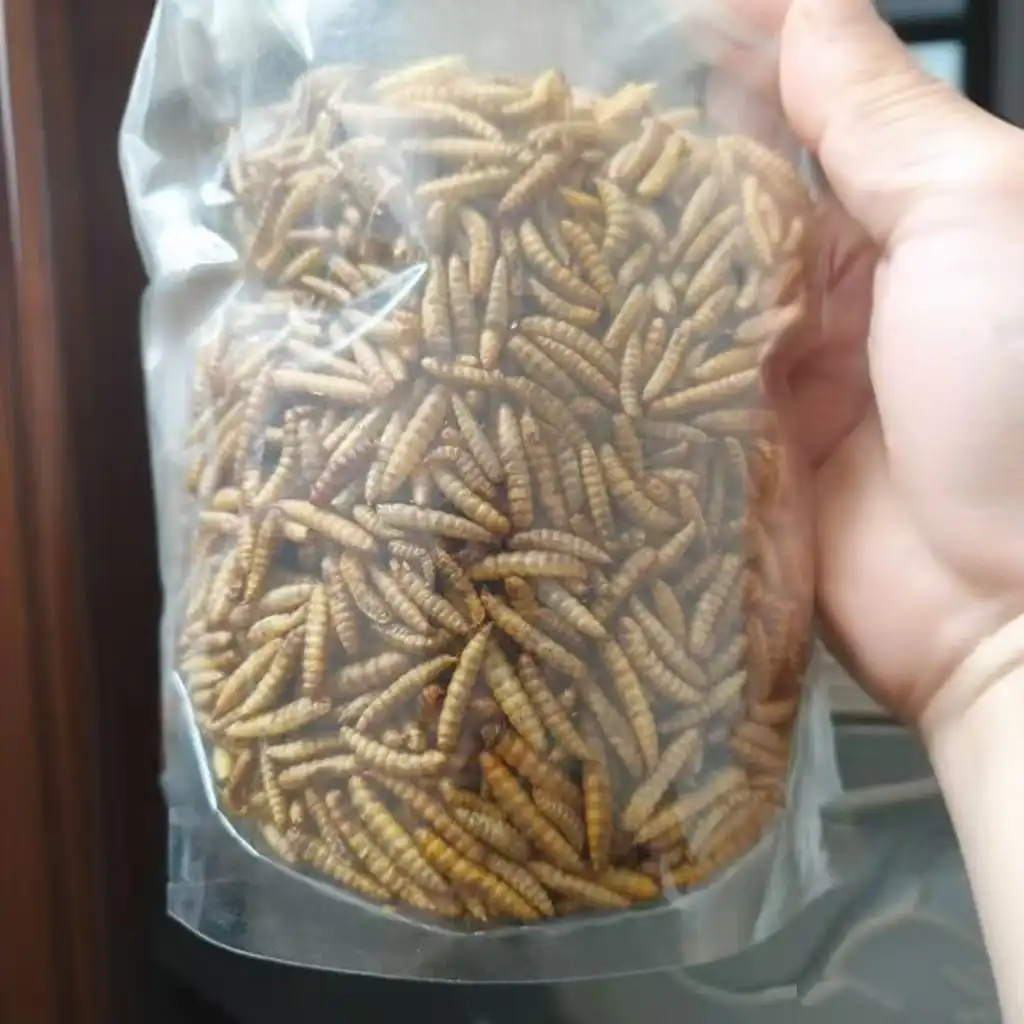
The question of whether jumping spiders can eat black soldier fly larvae is both fascinating and practical. Yes, jumping spiders can consume black soldier fly larvae, but the interaction depends on several factors including larval size, movement patterns, and the spider's hunting behavior. While jumping spiders typically prefer smaller, more mobile prey, appropriately sized BSFL can become prey items when encountered. The larvae's limited mobility and soft-bodied nature make them accessible targets for these agile hunters, though the relationship is more opportunistic than predatory by design. This interaction holds significance for businesses integrating insect protein production with natural pest management systems.
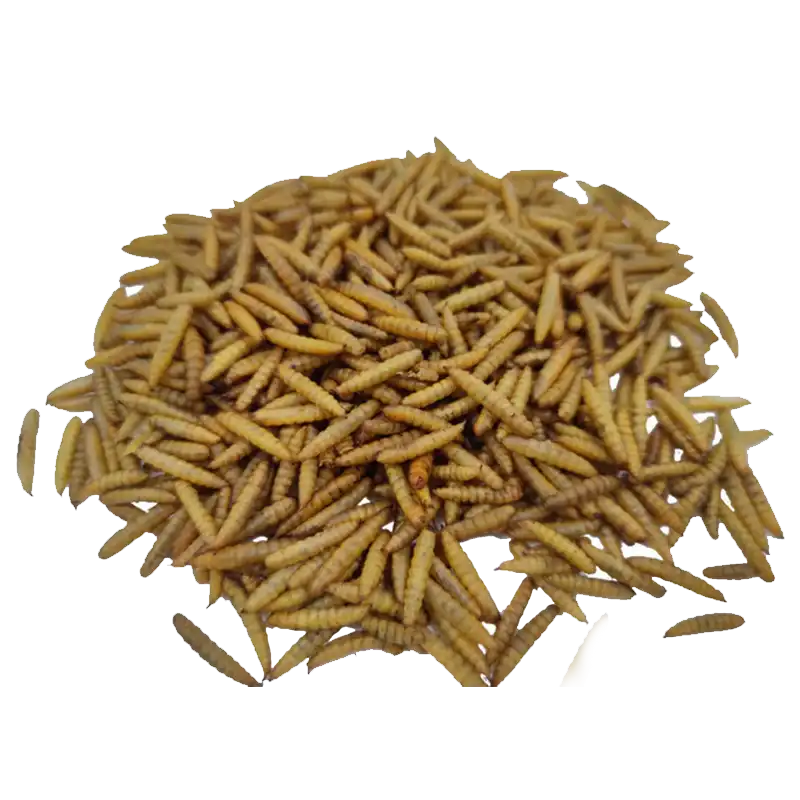
Interaction Between Jumping Spiders and Black Soldier Fly Larvae
Hunting Behavior of Jumping Spiders
Foraging animals like jumping spiders need to have good eyesight and move quickly to catch their food. These eight-eyed animals usually go after bugs that are smaller than them. They can jump very high and pounce on their prey from afar. Their preferred type of food is active, moving prey that sets off their predatory reaction. Spiders range in size from 1 mm to 25 mm, and the size of their food directly affects what they hunt. Black soldier fly larvae can draw attention from bigger jumping spider species when they are in the right size range, which is usually between 5 and 15 mm for younger instars.
Movement and Defense Characteristics of BSFL
Compared to their normal spider food, black soldier fly larvae have trouble moving around. Instead of moving quickly, these larvae move by slow contractions that make waves. Their tough shell, which is made up of chitin and makes up about 6–7 percent of their dry weight, is their main defense. Some enemies may be scared off by this protective shell, but jumping spiders have strong chelicerae that can pierce through soft food. When the larvae feel threatened, they tend to burrow into the ground. This makes them less visible to spiders that are hunting, which is a natural way to keep them safe in shared settings.
Ecological Coexistence in Production Settings
Integrative production system research shows that black soldier fly larvae and jumping spiders can live together with little trouble. The larvae like to live in places with lots of organic matter, and they hide during the day to avoid being seen by spiders that are hunting. Studies on insect farms show that predatory rates stay low as long as larvae are kept in properly designed containers with enough ground depth. Facilities can use jumping spiders to get rid of flying pests naturally without hurting the young populations too much because they are compatible. Understanding this dynamic helps procurement workers create biosecure sites that produce the most bug protein and get rid of pests naturally.
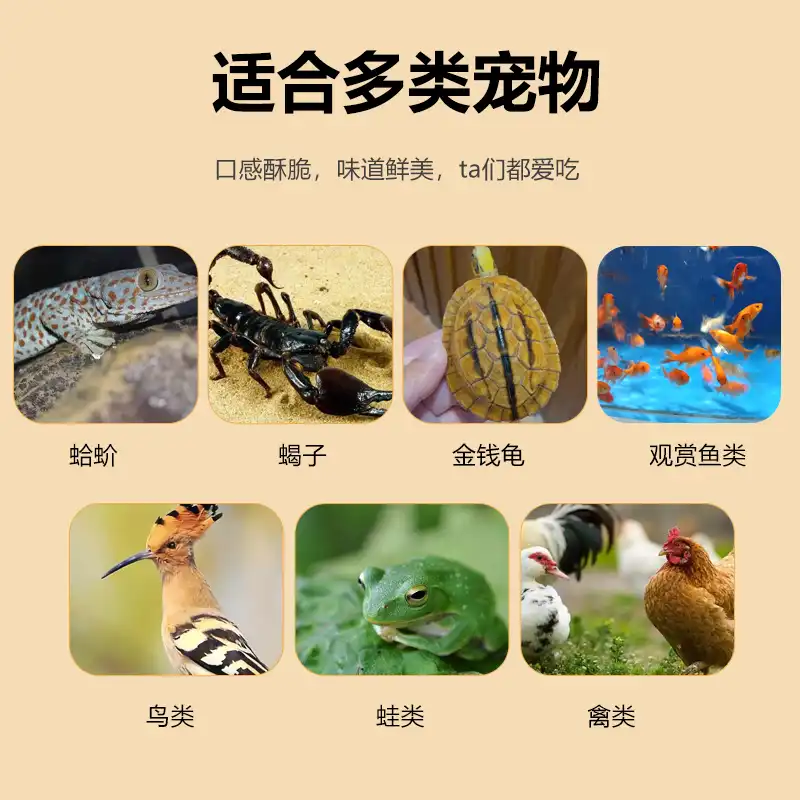
Nutritional and Environmental Value of Black Soldier Fly Larvae
Protein and Amino Acid Composition
Black soldier fly larvae are a great source of protein; 40–45% of their dry weight is made up of crude protein. This protein level is about the same as standard feed ingredients like fishmeal, but it is better for the environment. The amino acid makeup is very well balanced, with the right amounts of important amino acids. Lysine levels hit 22.6-25.7 g/kg, which helps all species build muscle and keep their immune systems healthy. Methionine amounts between 7.1 and 8.7 g/kg affect the quality of feathers in birds and the state of a pet's coat. Concentrations of 19.9 to 20.3 g/kg of arginine are good for heart health and scar healing. Because of these health benefits, BSFL can be used instead of up to 33.3% of fishmeal in animal meals without affecting growth or feed conversion rates.
Beneficial Fatty Acids and Micronutrients
The lipid part of BSFL makes up 23–36% of its dry weight and is mostly made up of lauric acid and other good fatty acids. This medium-chain saturated fatty acid makes up 40–60% of the total fat mass. It kills microbes and improves the health of animals' guts. Lauric acid is useful against some viruses and gram-positive bacteria, automatically lowering the number of pathogens. The calcium level of the larvae is about 3%, and the ratio of calcium to phosphorus is 2.6:1. This helps the bones grow without the need for extra minerals. There are a lot of vitamins in this plant, like choline (1100 mg/kg), important B-complex vitamins, and pigments like beta-carotene and lutein, which help all species' immune systems and eyesight.
Environmental Advantages in Circular Economy Models
Using black soldier fly larvae to make protein is a way to solve some of the most important environmental problems that modern agriculture faces. The larvae easily turn organic waste streams like byproducts of food processing, farm waste, and food waste that has already been eaten into high-value protein. This process of change keeps trash out of dumps and lowers the amount of methane released when organic matter breaks down. When compared to traditional protein sources like soybean farming or ocean fishing, BSFL farming needs a lot less land, water, and feed resources. Lower greenhouse gas emissions per kilogram of protein created mean that the environmental impact is smaller all along the supply chain. When B2B buying clients add BSFL to feed formulations, they improve their sustainability reports and meet stricter government rules about resource efficiency and environmental impact.
Practical Guide to Raising Black Soldier Fly Larvae for Diverse Applications
Optimal Environmental Conditions and Setup
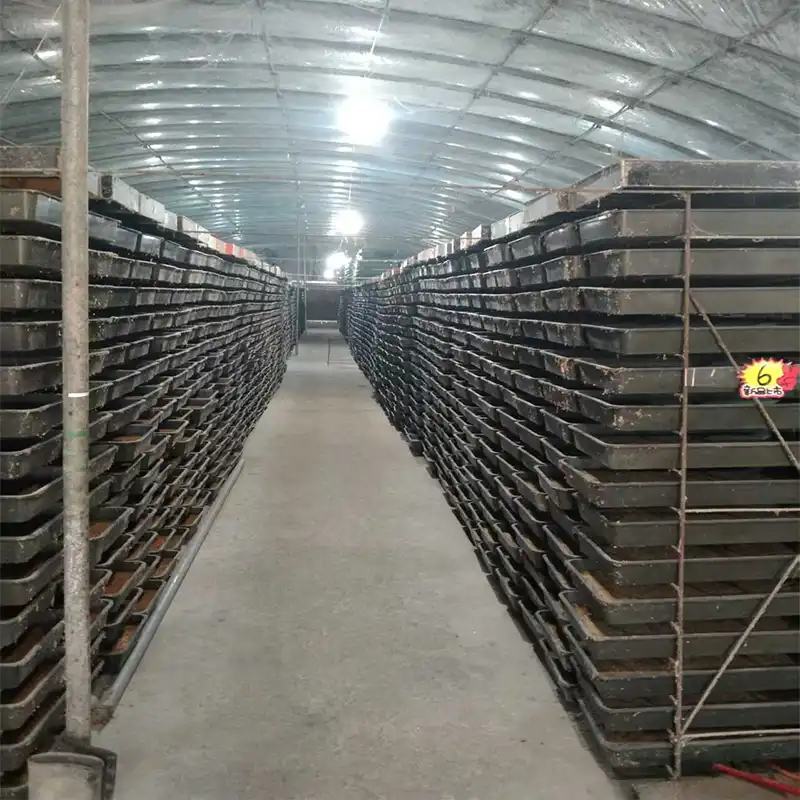
To get the most protein and larvae growth from BSFL production, the environment needs to be carefully managed. Temperature control is the most important factor. For fast growth and feed conversion rate, the best temperature ranges are between 27°C and 30°C. Keeping the humidity between 60 and 70% stops the ground from drying out and stops pathogens from spreading. Production sites should have enough air flow to keep ammonia levels under control without making drafts that stress out larvae. For small businesses just starting out, simple container-based systems with a 30–50 cm substrate depth can work. For larger businesses, automatic climate-controlled rearing halls with waste management systems that move garbage around are better. The choice of substrate affects both the nutrition of the larvae and the efficiency of the operation. For example, mixtures of food industry waste, spent grains, and farming leftovers give uniform results across production cycles.
Lifecycle Management and Harvesting Strategies
Under ideal conditions, the BSFL lifetime from egg to prepupa lasts 14–18 days, which is a short amount of time for industrial production. When adult flies lay eggs, they hatch within 4 days, letting tiny maggots out that start eating right away. The juvenile stage has several instars, ranging in size from hatchlings that are only 1 mm long to fully grown prepupae that are 18 to 25 mm long. When you harvest has a big effect on the nutrients you get and the cooking choices you have afterward. Prepupae that are picked when they start to separate themselves from the base have the highest levels of protein and fat, making them perfect for feed. For small operations, screening can be done by hand. For larger ones, automated separation systems use the larvae's natural movement pattern to cut down on labor costs while keeping product quality high during high-volume processing.
Addressing Common Operational Challenges
BSFL makers often have problems with changes in temperature, especially when the seasons change. Using protected building design along with extra heating and water cooling systems makes sure that production stays stable all year. Pathogens that could hurt the health of larvae and the safety of the product cannot get in because of hygiene rules. Monitoring the base on a regular basis for pH levels, wetness levels, and temperature differences lets problems be fixed quickly before they get worse. Getting eggs from approved sources, putting up biosecurity barriers between production groups, and keeping the right stocking density to lower stress-related mortality are all ways to stop diseases. At harvest, quality control tests make sure that the nutritional value is correct and that there are no contaminants. This makes sure that the product always meets the standards of the feed business and meets the needs of buyers.
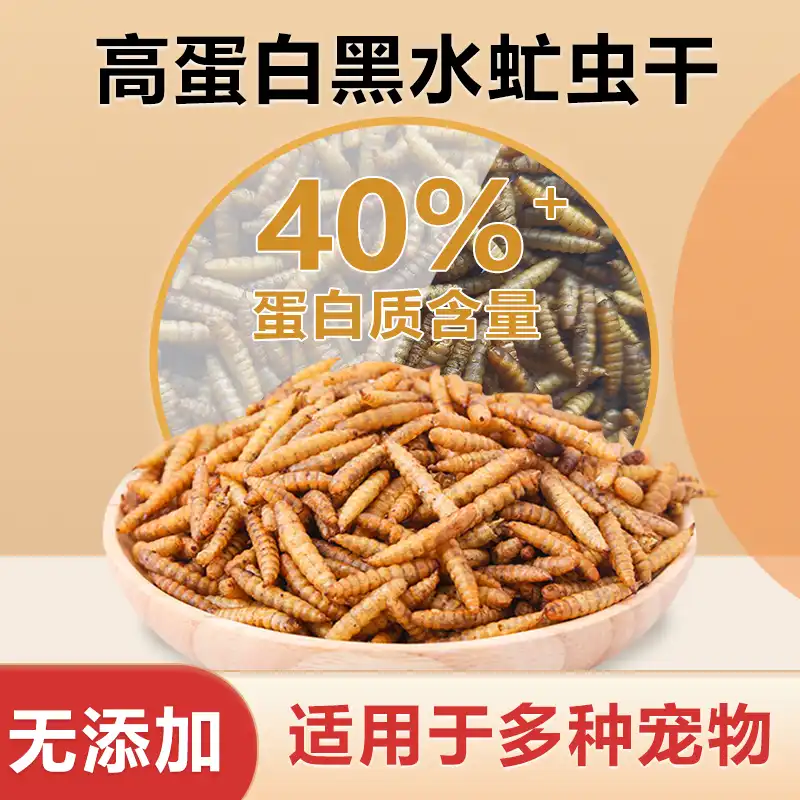
Procurement Insights: Buying and Sourcing Black Soldier Fly Larvae for B2B Needs
Supplier Evaluation and Quality Standards
To find trusted BSFL suppliers, you have to carefully look at their production skills and quality control systems. Reputable makers keep certificates like HACCP compliance, GMP standards, and safety approvals for particular species from regulatory authorities. Audits of production facilities should check the accuracy of climate control, biosecurity measures, and tracking systems that keep track of where substrates come from and how they are processed. Some of the quality requirements that can be negotiated are minimum protein content promises, maximum moisture levels, bacteria testing results, and heavy metal screening reports. When suppliers offer third-party lab tests and records of analysis for each batch, they are being honest, which lowers the risk of buying from them. When manufacturers spend in research and development, they can change the specs of their products to meet changing nutritional needs and legal rules in different target markets. This is good for long-term relationships.
Bulk Purchasing and Logistics Planning
Volume buying strategies lower unit costs and make sure that inventory levels match up with output plans. Different suppliers have different minimum order amounts. Larger businesses can get cheaper prices by buying by the container load, which is 20 to 30 percent less than buying by the pallet. How often you order depends on how you store the BSFL. Dried BSFL stays nutritious for 12 to 18 months in cool, dry conditions, but frozen product needs to be shipped in a cold chain and has a shorter shelf life. Choosing the right method of transportation for a product depends on its cost and how quickly it needs to be delivered. Ocean freight is best for products that don't go bad, while fast ground shipping is best for products that go bad quickly. Just-in-time shipping plans that work with feed manufacturing cycles keep working capital from getting stuck in stockpiles and stop stock-outs that stop production.
Market Intelligence and Emerging Suppliers
As new providers join the market and old ones increase their capacity, the BSFL supply landscape is always changing quickly. Procurement pros can learn about new regulations, price trends, and production innovations by keeping an eye on industry groups, going to trade shows, and joining in forums for suppliers. New suppliers may offer low prices to get into the market, but established companies offer reliable products and good expert help, which makes them worth charging more for. Geographic diversification across source groups lowers the risk of regional disruptions and lets you compare performance. By staying up to date on new technologies in BSFL processing, such as new ways to dry the feed, remove proteins, and keep it from going bad, buyers can use these innovations to improve feed quality and make prices more competitive.
Conclusion
The connection between black soldier fly larvae and jumping spiders shows how complicated nature's relationships can be. It also shows how well BSFLs are suited for business production. These nutrient-dense larvae have a high protein level, well-balanced amino acids, and good fatty acids that are good for all animal species' health. Environmental benefits, such as reusing trash and using fewer resources, are in line with the environmental requirements that drive modern feed buying. Clear lifecycle management and risk reduction strategies back up practical growing methods that can be used for everything from simple setups to complex operations. Comparative analysis backs up BSFL's place as a competitor to both standard and non-traditional protein sources. B2B clients can safely use this amazing feed ingredient when they use strategic buying methods that focus on supplier quality, logistics optimization, and market knowledge.
FAQs
Are black soldier fly larvae safe for all animal species?
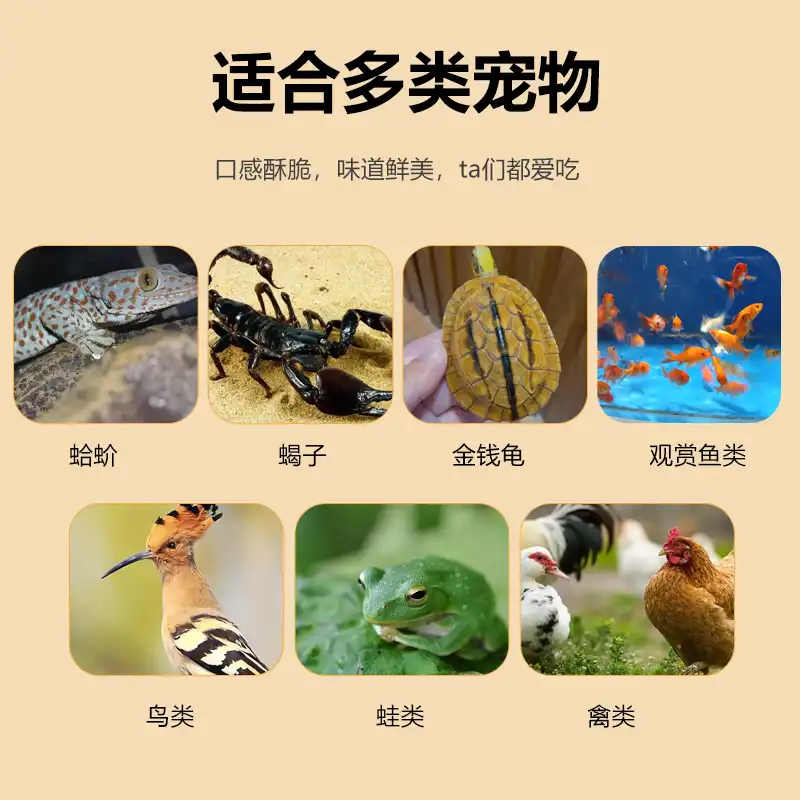
Chickens, fish, pigs, and pets like dogs, cats, and snakes have all been fed black soldier fly larvae without any problems. Research shows that they are safe for these species as long as they are made correctly and added at the right amounts. The natural antibacterial peptides and balanced diet of the larvae help keep the digestive system healthy without hurting their growth or tissue development. Regulatory approvals depend on the region and the species, so buyers should check the feed laws in their area before adding BSFL to certain animals' meals.
How should dried BSFL be stored to maintain quality?
Keeping food in the right way keeps its nutritional worth and keeps it from going bad. Dried larvae should be kept in cool, dry places with temperatures below 25°C and relative humidity below 60% in cases that can't be opened. These conditions stop the breakdown of lipids and the growth of microbes that lower the quality of proteins. When stored properly, food can last for 12 to 18 months without losing many nutrients. For the best effects, frozen BSFL should be kept at a temperature below -18°C and used within 6 months.
What inclusion rates work best in animal feeds?
The recommended rates of addition rely on the type of animal and the goals of the production. 5–15% BSFL is often used to replace some fishmeal in poultry feeds without hurting performance. For species like salmon and tilapia to grow at their fastest rates, 8–12% inclusion is used in aquaculture feeds. Formulations for pet food run from 10 to 25 percent, based on how the product is positioned and what ingredients go well with it. Gradual introduction over 7–10 days lets the digestive system get used to it and keeps taste problems from happening during diet changes.
Partner with Yunlan for Premium Black Soldier Fly Larvae Supply
Yunlan is ready to help your business with high-quality black soldier fly larvae and complete insect protein solutions, thanks to Ruixin Cloud Wave Group's many years of experience and strong infrastructure. Each of our three main brands—Yihe, Paihao, and Maodali—brings in more than 300 million yuan a year, which shows how well our products are received and how deeply we penetrate the market. We know how to meet the different quality and legal needs of more than 60 countries in the U.S., Europe, Japan, and South Korea because our products are exported to those places. Our modern factory in Suqian City uses cutting-edge protein enzymolysis technology and strict quality controls, as shown by the fact that it has 97 approved patents, including 19 idea patents. Our focused team creates unique solutions that meet your specific procurement needs, whether you run pet stores, e-commerce platforms, veterinary clinics, or wholesale distribution networks. As a reputable provider of black soldier fly larvae, we offer low bulk prices, dependable operations, and technical support that will change the products you sell and help you meet your sustainability goals. You can email us at minghuixu6717@gmail.com or visit yunlanpets.com right now to talk about your unique needs and get a quote that will help your business grow in the growing bug protein market.
References
- Wang, Y. and Shelomi, M. (2017). Review of Black Soldier Fly (Hermetia illucens) as Animal Feed and Human Food. Foods Journal, 6(10), 91-106.
- Makkar, H.P.S., Tran, G., Heuzé, V., and Ankers, P. (2014). State-of-the-art on Use of Insects as Animal Feed. Animal Feed Science and Technology, 197, 1-33.
- Barragan-Fonseca, K.B., Dicke, M., and van Loon, J.J.A. (2017). Nutritional Value of the Black Soldier Fly (Hermetia illucens L.) and Its Suitability as Animal Feed – a Review. Journal of Insects as Food and Feed, 3(2), 105-120.
- Kroeckel, S., Harjes, A.G.E., Roth, I., et al. (2012). When a Turbot Catches a Fly: Evaluation of a Pre-pupae Meal of the Black Soldier Fly as Fish Meal Substitute. Aquaculture, 364-365, 345-352.
- Henry, M., Gasco, L., Piccolo, G., and Fountoulaki, E. (2015). Review on the Use of Insects in the Diet of Farmed Fish: Past and Future. Animal Feed Science and Technology, 203, 1-22.
- Jackson, R.R. and Pollard, S.D. (1996). Predatory Behavior of Jumping Spiders. Annual Review of Entomology, 41, 287-308.
Newborn baby chicks have fragile digestive systems and strict nutritional needs in their early growth stages. Poultry farmers and breeding practitioners always look for safe, nutritious and sustainable feed supplements to support chick healthy growth. Many beginners and commercial breeders wonder whether young chicks can consume insect based protein feed. Black soldier fly larvae (BSFL) have emerged as a popular green feed ingredient in modern poultry breeding. This article fully explains the safety, nutritional value, feeding methods and commercial procurement tips of this insect protein source for baby chicks. It provides practical and professional guidance for family breeding and large scale poultry farming.
Nutritional Advantages and Biological Characteristics of Black Soldier Fly Larvae
To judge whether an ingredient is suitable for baby chicks, it is essential to understand its biological traits and nutritional composition. BSFL have unique natural advantages that traditional plant feed lacks. These advantages perfectly match the rapid growth rules of young chicks in the early stage and make this insect material ideal for brooding feed formulas.
Basic Biological Traits of Black Soldier Fly Larvae
Black soldier fly larvae are the larval stage of Hermetia illucens insects. They are clean, pollution free organic insect resources with special growth characteristics. Unlike ordinary houseflies that carry a large number of bacteria and viruses, this insect bait does not spread diseases or pollute breeding environments. The larvae rely on organic waste for growth and realize resource recycling, which conforms to the sustainable development concept of modern breeding industry.
The growth cycle of BSFL is short and their reproduction speed is fast. Industrial standardized breeding can achieve stable annual output, which completely avoids the seasonal supply shortage of traditional natural insect feed. For poultry farms that need long term stable feeding supplements, this material serves as a reliable and continuous protein source for daily chick feeding.
Superior Nutritional Composition for Baby Chick Growth
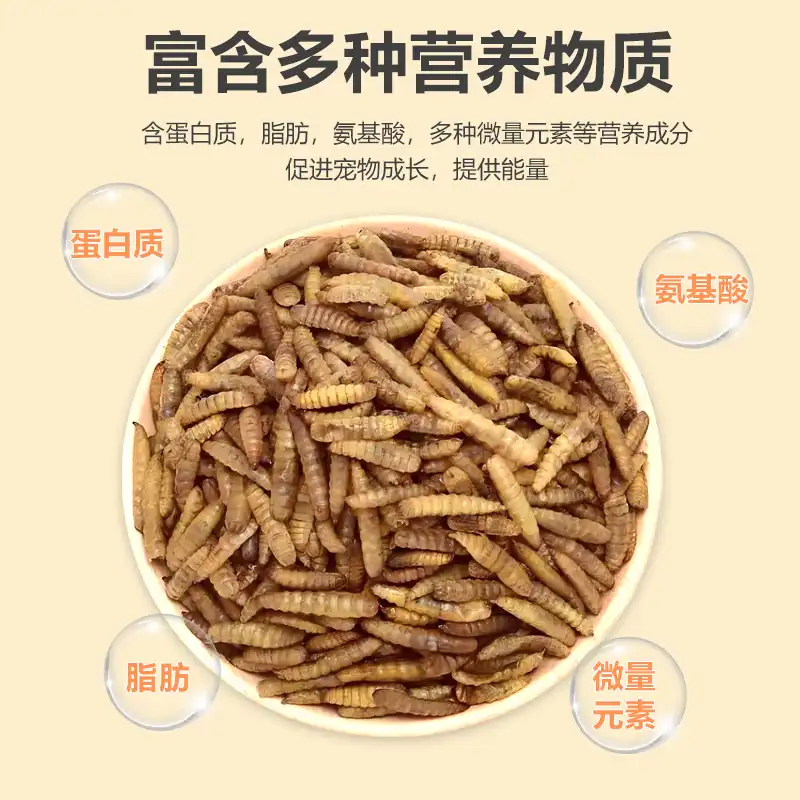
Black soldier fly larvae contain high density balanced nutrients required for baby chick growth. The dry weight of the larvae includes 40 to 45 percent crude protein and 23 to 36 percent crude fat. This high protein and high fat ratio provides sufficient energy for newborn chicks to adapt to external feeding and promote rapid body development, making it ideal early stage feed supplements.
This insect ingredient is rich in various essential amino acids that baby chicks cannot synthesize independently. It contains high content of lysine, arginine and methionine. These amino acids play key roles in chick muscle growth, feather development and metabolic operation. Long term reasonable supplementation helps improve the growth uniformity of flocks and stabilizes early stage growth performance.
In terms of mineral elements, BSFL have a scientific calcium phosphorus ratio of 2.6 to 1. The calcium content reaches about 3 percent, which fully meets the bone development needs of young chicks. It effectively reduces the probability of leg weakness, skeletal dysplasia and other common problems in chick breeding, forming a unique advantage over ordinary feed materials.
Besides conventional nutrients, this insect material is rich in lauric acid. This unique medium chain fatty acid has natural antibacterial properties. It can inhibit harmful bacteria in the chick intestine, protect intestinal health, and enhance the basic immunity of young chicks in the vulnerable growth stage. This immune boosting feature makes BSFL highly suitable for fragile newborn chicks.
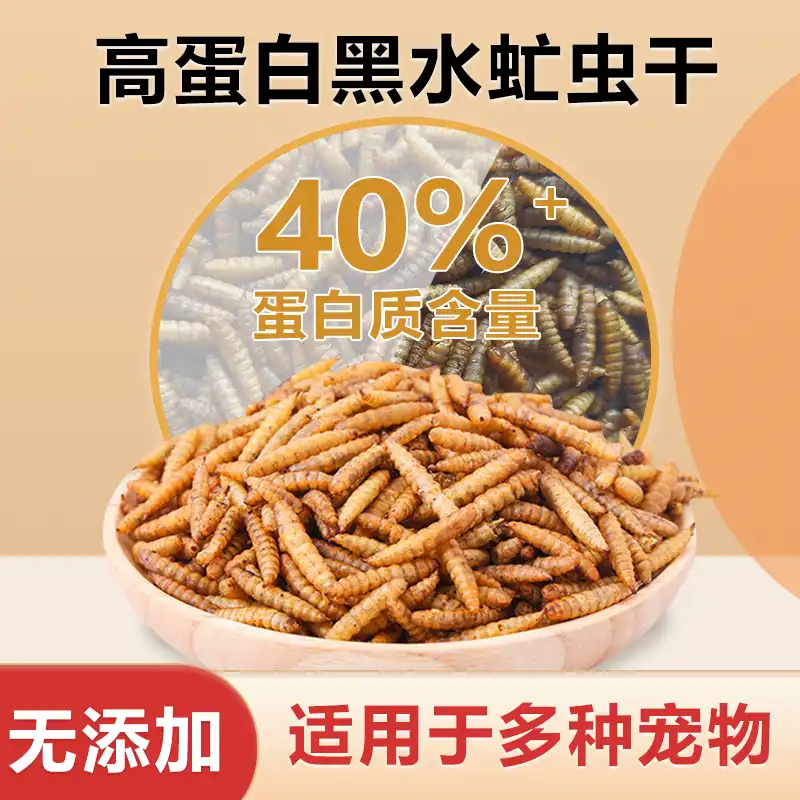
Environmental Protection and Industrial Value of Insect Protein Feed
The promotion of black soldier fly larvae in poultry breeding also has outstanding environmental protection value. Traditional poultry protein sources such as fish meal and soybean meal are restricted by resource shortages and high carbon emission problems. The industrial breeding of this insect protein consumes fewer resources and produces lower carbon emissions, making it a green alternative feed material.
This insect protein source can convert agricultural organic waste into high quality protein feed. It realizes the cyclic utilization of resources and reduces breeding costs. For modern breeding enterprises that pay attention to ESG environmental assessment, the application of BSFL helps optimize green breeding systems and enhance market competitiveness in the sustainable breeding industry.
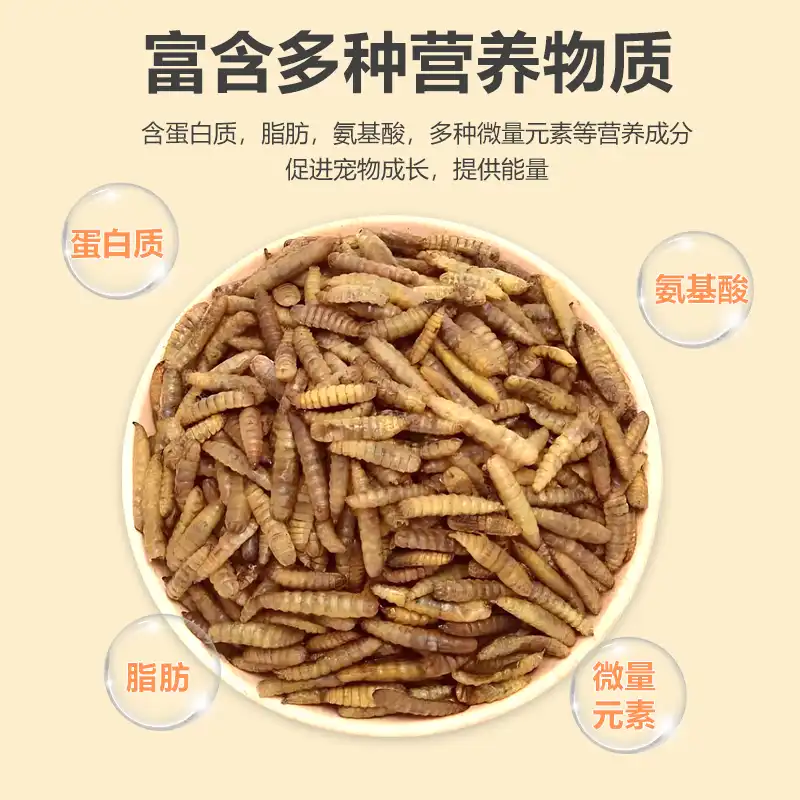
Safety Verification and Breeding Benefits of Feeding Baby Chicks Black Soldier Fly Larvae
Nutritional superiority does not mean complete feeding safety. The tolerance of fragile young chicks to new feed ingredients is low. A large number of scientific studies and breeding practices have verified the safety of BSFL for baby chicks, as well as its practical breeding benefits in actual brooding production.
Scientific Safety Verification for Young Chicks
Black soldier fly larvae are completely safe for baby chicks after standardized processing and reasonable feeding. A large number of digestibility experiments show that the protein and fat components of the larvae can be easily absorbed by chick intestines. The chitin contained in the larval shell only accounts for 6 to 7 percent of dry weight. It will not cause intestinal blockage or indigestion in young chicks.
Chitin in these larvae also has positive physiological functions. It can help chicks clean intestinal waste and optimize intestinal microecology. Controlled feeding experiments show that replacing 33 percent of fish meal with BSFL will not affect chick organ development, blood indicators and physical health. It is a safe and reliable alternative protein ingredient for chick starter feed.
Standardized commercial BSFL products adopt professional sterilization technology. They do not carry harmful pathogens, heavy metals or mold toxins. There is no risk of disease transmission during feeding. It is safer than wild insects that chicks may forage naturally, further confirming its stable safety for poultry breeding.
Core Breeding Benefits for Baby Chicks
Feeding baby chicks with black soldier fly larvae can significantly improve flock immunity. The antimicrobial peptides and lauric acid in the larvae can inhibit the colonization of harmful bacteria such as Salmonella. It effectively reduces the incidence of intestinal diseases and mortality of young chicks during the brooding period.
This insect protein ingredient can optimize chick feed conversion efficiency. Balanced amino acids and easy to absorb nutrients make chicks gain weight evenly and healthily. It avoids slow growth and thin physique caused by single nutrition of traditional starter feed. Farmers can rely on BSFL to improve the overall growth quality of chick flocks.
Long term feeding of this insect feed can enhance the flock stress resistance. Young chicks are prone to stress response caused by temperature change and environmental conversion. The rich trace nutrients in BSFL can improve chick physical fitness and reduce stress induced eating cessation and slow growth.
Reasonable Risk Avoidance and Feeding Taboos
Although black soldier fly larvae are safe, improper feeding will still cause problems. Excessive single feeding will lead to nutritional imbalance. It may cause chick diarrhea and indigestion. Breeders must take this insect product as a feed supplement instead of a single staple food to ensure healthy chick growth.
Newly hatched chicks within 3 days have extremely weak digestive capacity. It is necessary to strictly control the feeding amount of BSFL. Gradual addition is required to help the intestinal tract adapt. Unsterilized raw larvae are forbidden to feed young chicks to avoid bacterial infection and maximize feeding safety.
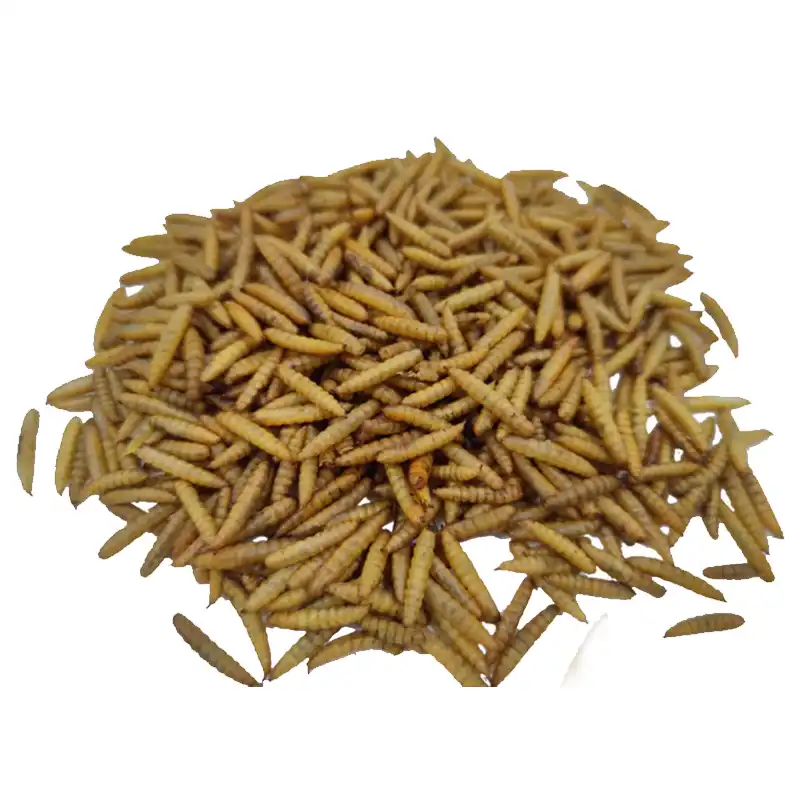
Standard Feeding Methods and Application Scenarios
To maximize the value of BSFL, breeders need to master scientific feeding standards, product forms and feeding transition skills. Standardized operation can ensure chick health and stable breeding effects and fully release the nutritional advantages of this insect feed material.
Scientific Feeding Dosage and Stage Standards
There are clear dosage standards for feeding baby chicks with BSFL. For chicks aged 3 to 7 days, 3 to 5 larvae per bird per day is the optimal dosage. The small amount of supplement can provide high quality protein without increasing digestive burden, which suits the delicate physical condition of newborn chicks.
For chicks aged 1 to 3 weeks, the dosage can be increased to 8 to 10 larvae per bird per day. In commercial feed formula configuration, the proportion of BSFL is controlled at 5 to 15 percent of the total feed. This ratio can balance nutrition and ensure feed utilization efficiency.
All dosage adjustments need to follow the gradual increase principle. Observe chick feeding status, fecal condition and mental state in real time. Timely adjust the dosage according to the actual growth situation of the flock to make full use of the nutritional value of BSFL.
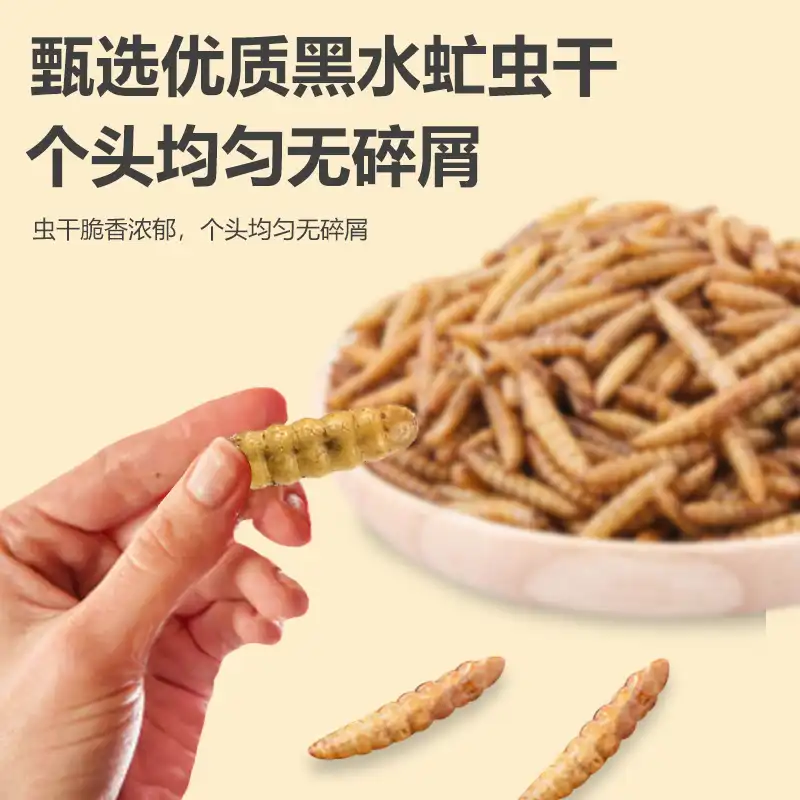
Applicable Product Forms and Feeding Advantages
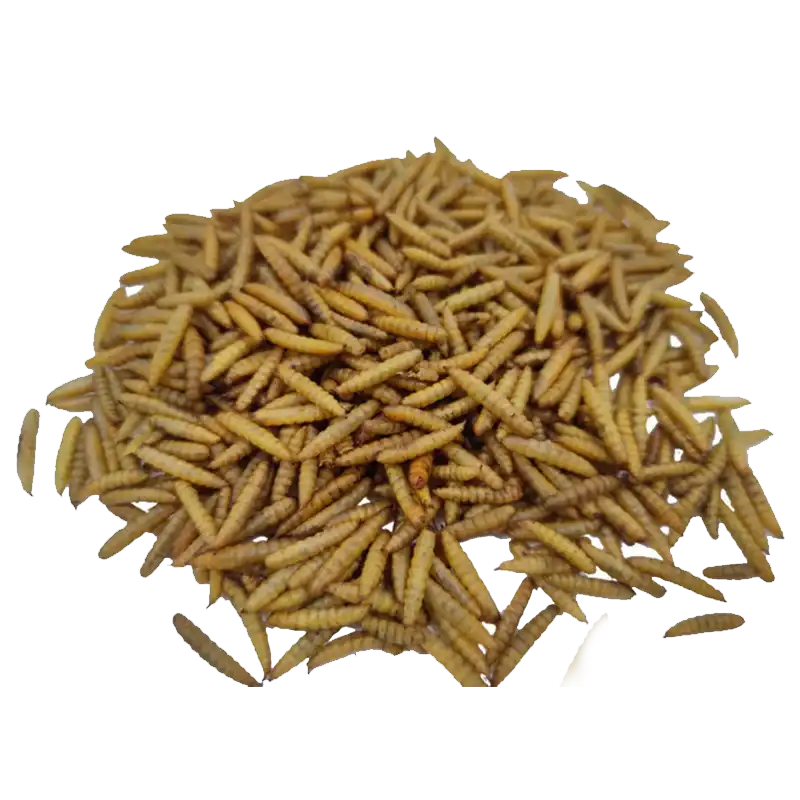
Black soldier fly larvae have three mainstream feeding forms: live larvae, dried larvae and larval powder. Different forms adapt to different breeding scenarios. Live larvae can stimulate chick foraging instinct, improve flock activity and reduce stress behaviors, which is unique to fresh insect feed.
Dried BSFL have a long shelf life and are easy to store and transport. They are very suitable for large scale commercial farms and long term reserve use. After simple rehydration, dried larvae can restore good palatability and retain complete nutritional value.
Larval powder is more suitable for standardized feed mixing. It can be evenly blended into chick starter feed to ensure uniform nutritional intake of each chick. It avoids uneven feeding of strong and weak flocks and ensures balanced growth of the whole flock, expanding the application scope of BSFL in commercial breeding.
Feed Transition and Practical Operation Skills
When adding BSFL to chick daily feed, a 7 to 10 day transition period is required. Mix a small amount of larval products in the original starter feed at first. Gradually increase the proportion until reaching the standard feeding ratio, so that chicks can fully adapt to the new feed ingredient.
For individual chicks with poor appetite, place a small amount of larvae on the surface of conventional feed to induce feeding. This method can effectively improve chick feed intake and shorten the adaptation cycle to BSFL, ensuring smooth feeding transition.
Commercial Procurement Guide and Market Value Analysis
For large scale breeding farms and feed procurement merchants, selecting high quality BSFL products and stable suppliers is the key to ensure breeding benefits. Professional procurement standards can effectively control costs and guarantee product quality in long term batch purchasing.
Supplier Selection and Quality Inspection Standards
When purchasing BSFL in bulk, buyers must select formal manufacturers with complete production qualifications. Reliable suppliers have professional quality inspection laboratories to test protein content, microbial indicators and moisture of each batch of products, ensuring stable product quality.
Priority should be given to manufacturers with standardized sterilization and drying processes. Qualified BSFL products have no additives, no peculiar smell and uniform specifications. They meet national and international poultry feed safety standards for large scale breeding applications.
Bulk Procurement Strategy and Supply Chain Management
Long term bulk procurement of BSFL can effectively reduce unit cost. Signing annual cooperation contracts can lock in stable prices and avoid market price fluctuations. Diversified supplier reserves can prevent supply interruption in peak breeding seasons and ensure continuous supply.
Classified storage management is required after bulk procurement. Dried larval products are stored in sealed, cool and dry environments. Live larvae need constant temperature and humidity maintenance to ensure product activity and quality stability, and retain the feeding value of BSFL.
Conclusion
Baby chicks can safely eat Black soldier fly larvae as a high quality nutritional supplement in their early growth stage. This insect protein ingredient has high protein content, balanced amino acids and unique antibacterial and immune enhancement effects. It can effectively promote chick bone development, improve feed conversion efficiency and reduce flock disease rate. Compared with traditional plant feed and other protein sources, BSFL have the advantages of safety, sustainability and high cost performance. Breeders only need to follow staged feeding standards and gradual transition methods to avoid feeding risks. For family small scale breeding, it is an efficient and safe growth auxiliary feed. For commercial large scale farms and feed processing enterprises, BSFL are a green and profitable new feed ingredient that conforms to the development trend of modern poultry breeding. Standardized feeding and scientific procurement can maximize its breeding and economic value.
FAQs
What age can baby chicks start eating BSFL?
Baby chicks can start eating trace amounts of BSFL at 3 days old. Chicks within one week old have weak digestive ability and only need a small amount of supplementary feeding. After the second week of growth, chicks can officially incorporate the insect larvae into daily conventional feed. The whole feeding process must follow the gradual adaptation principle to avoid intestinal discomfort.
Can BSFL completely replace commercial chick starter feed?
BSFL can only be used as a high protein feed supplement, not a complete replacement for commercial chick starter feed. Although the larvae are rich in protein and minerals, they lack some comprehensive vitamins and carbohydrates required for chick full growth. The optimal adding proportion in daily feed is 5 to 15 percent to ensure balanced nutrition.
How to store bulk BSFL to maintain freshness?
Dried BSFL need to be stored in sealed, cool and dry environments away from direct sunlight. Reasonable ventilation can prevent mold and deterioration. Live larvae need constant temperature maintenance to maintain vitality. Regular stock inspection and rotation can ensure the freshness and feeding effect of bulk products.
Do BSFL have disease transmission risks for baby chicks?
Standardized commercial BSFL have no disease transmission risks. Professional physical sterilization technology removes harmful bacteria and microorganisms. Different from wild insects, artificially bred larvae have clean growth environments and stable quality, which will not cause chick infection and disease.
What are the core advantages of BSFL compared with traditional feed?
BSFL have higher protein digestibility than traditional soybean meal and other plant feeds. They contain unique lauric acid antibacterial ingredients to protect chick intestinal health. Meanwhile, the larvae have stable industrial supply, no seasonal restrictions and lower comprehensive breeding costs, with outstanding green and sustainable advantages.
Partner with Yunlan for Premium Black Soldier Fly Larvae Feed Solutions
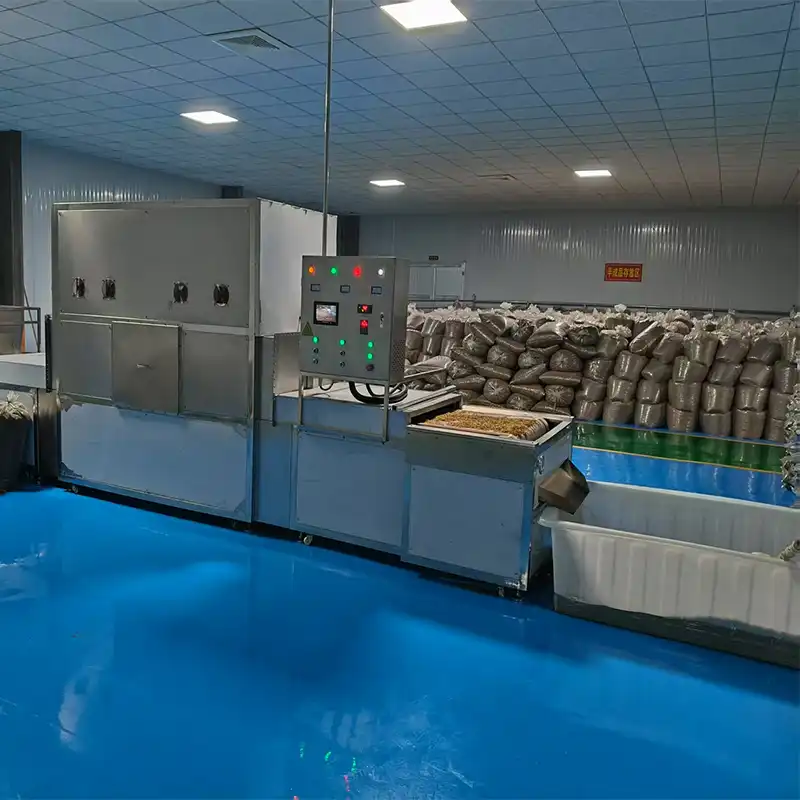
Yunlan is a professional global supplier focusing on insect protein feed research, development and production, with years of mature industrial supply chain experience in the poultry breeding industry. We specialize in providing high quality black soldier fly larvae products for poultry farms, feed processing factories and bulk procurement merchants worldwide. All our larvae adopt strict physical sterilization and microwave drying technology, with zero chemical additives and zero preservatives. The products have stable nutritional indicators, high digestibility and safe feeding performance. Our company has complete production qualifications and professional quality testing systems to support batch customized processing, private label services and bulk wholesale. We have a perfect global logistics system to realize stable supply and fast delivery for customers in multiple regions. Whether you need product sample testing, bulk preferential quotations or professional feed formula matching solutions, our professional team can provide one stop full cycle service. Contact our business team via minghuixu6717@gmail.com to obtain exclusive cooperation policies and technical guidance, and create efficient and green breeding benefits for your poultry breeding business.
References
-
Wang, Y. S., & Shelomi, M. (2017). Review of black soldier fly (Hermetia illucens) as animal feed and human food. Foods, 6(10), 91.
-
Makkar, H. P., Tran, G., Heuzé, V., & Ankers, P. (2014). State-of-the-art on use of insects as animal feed. Animal Feed Science and Technology, 197, 1-33.
-
Oonincx, D. G., Van Broekhoven, S., Van Huis, A., & van Loon, J. J. (2015). Feed conversion, survival and development, and composition of four insect species on diets composed of food by-products. PloS One, 10(12), e0144601.
-
Cullere, M., Tasoniero, G., Giaccone, V., Miotti-Scapin, R., Claeys, E., De Smet, S., & Dalle Zotte, A. (2016). Black soldier fly as dietary protein source for broiler quails: apparent digestibility, excreta microbial load, feed choice, performance, carcass and meat traits. Animal, 10(12), 1923-1930.
-
Spranghers, T., Ottoboni, M., Klootwijk, C., Ovyn, A., Deboosere, S., De Meulenaer, B., & De Smet, S. (2017). Nutritional composition of black soldier fly (Hermetia illucens) prepupae reared on different organic waste substrates. Journal of the Science of Food and Agriculture, 97(8), 2594-2600.
-
Schiavone, A., Dabbou, S., De Marco, M., Cullere, M., Biasato, I., Biasibetti, E., & Gasco, L. (2018). Black soldier fly larva fat inclusion in finisher broiler chicken diet as an alternative fat source. Animal, 12(10), 2032-2039.
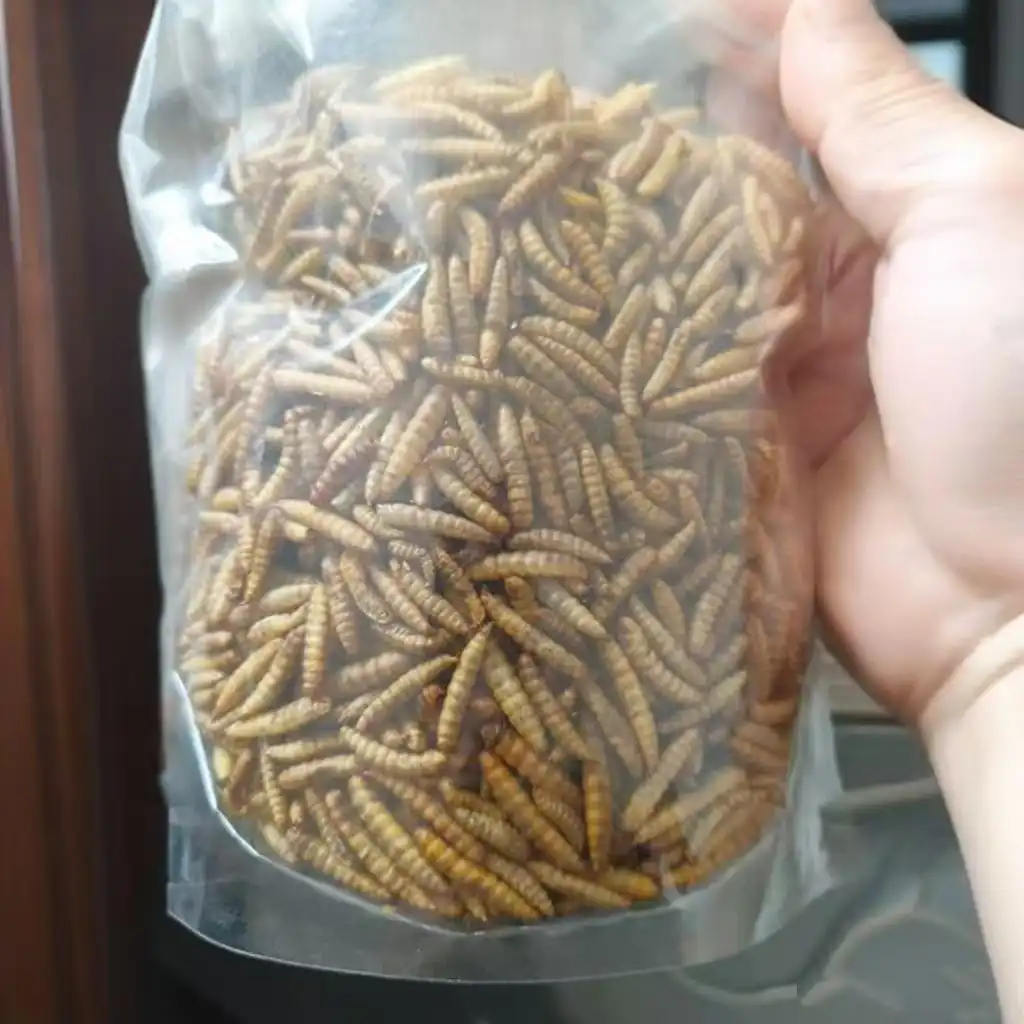
Ducks can eat black soldier fly larvae, and the larvae will grow on the ducks. It's like what ducks would eat in the wild, these insects are full of nutrients and really good for you. There are a lot of different nutrients in these black soldier fly larvae that help ducks stay healthy, grow, and lay great eggs. By dry weight, they are made up of 40–45% protein and 23–36% fat. In contrast to some other protein sources, insect-based feed is exactly what ducks eat for food. It has chitin, lauric acid, and important amino acids that are good for their health and don't get in the way of their ability to grow or make cells.
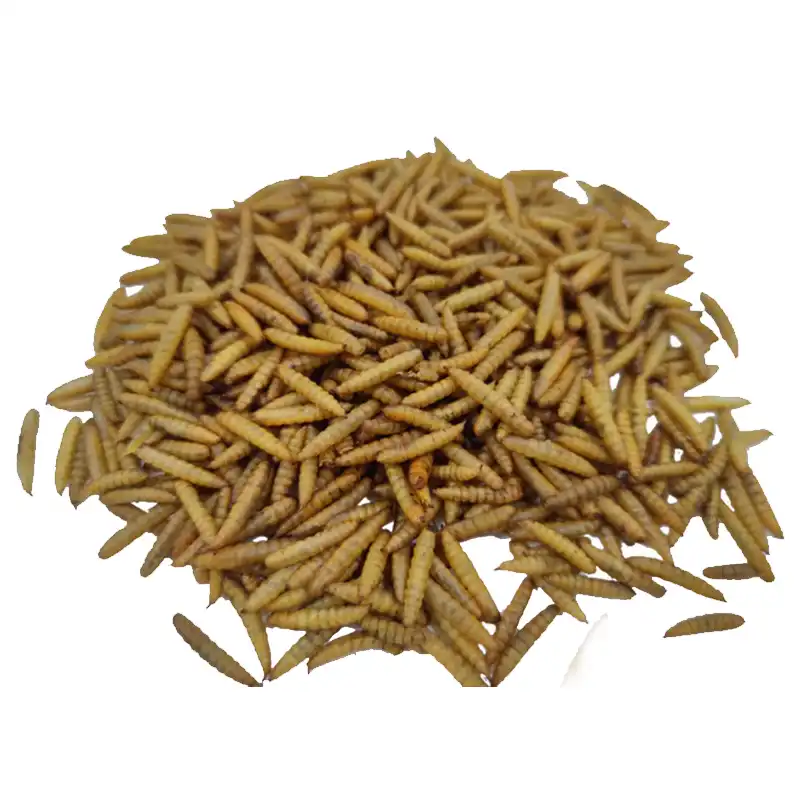
Black Soldier Fly Larvae and Their Suitability for Ducks
The Nutritional Powerhouse Behind BSFL
Because the world needs more sustainable protein sources, insect-based foods are the cutting edge of how animals are fed today. There are many insects to choose from, but Hermetia illucens stands out because it is healthy and good for the earth. The ducklings have the right amounts of arginine (19.9–20.3 g/kg), lysine (22.6–25.7 g/kg), methionine (7.1–8.7 g/kg), and tryptophan (5.4–6.7 g/kg). These are all amino acids that ducks need to grow. These amino acids are very important for the health of ducks' brains, muscles, and hair.
They are very important because they have a lot of fatty acids. The fat is mostly made up of lauric acid, which makes up about 40 to 60 percent of the crude fat amount. These medium-chain fatty acids kill bacteria on their own, which helps ducks keep their guts healthy and not get sick. That leaves palmitic acid in second place, with 9–13%. It helps the body use energy and keep cells running. black soldier fly larvae have about the right amount of calcium and phosphorus for ducks that lay eggs. This helps their bones stay strong and their eggshells stay healthy.
Comparing BSFL to Traditional Feed Ingredients
For a long time, fishmeal and soybean meal have been the main sources of protein in duck food. Fishmeal markets have been hard to find for decades because of too much fishing. This has caused prices to rise and manufacturers to look for other choices. People are worried that the large amount of soybean meal might be harmful and contain nutrients that the body doesn't need. Different kinds of poultry have been used in studies to show that black soldier fly larvae can be used instead of up to 33.3% of fishmeal in broiler feed without having any effect on growth. The same is true for duck food.
It's better for the earth in more ways than one. Insect farming turns trash into high-value protein, which is then used to make feed for animals and cut down on the amount of trash that ends up in dumps. This circular way of managing resources fits with the ideas of healthy farming that more and more B2B buyers want to know more about. Even so, getting protein from insects still leaves behind a lot less carbon than getting protein from animals. This way, buying managers can help their companies meet their environmental goals without lowering the quality of the food.
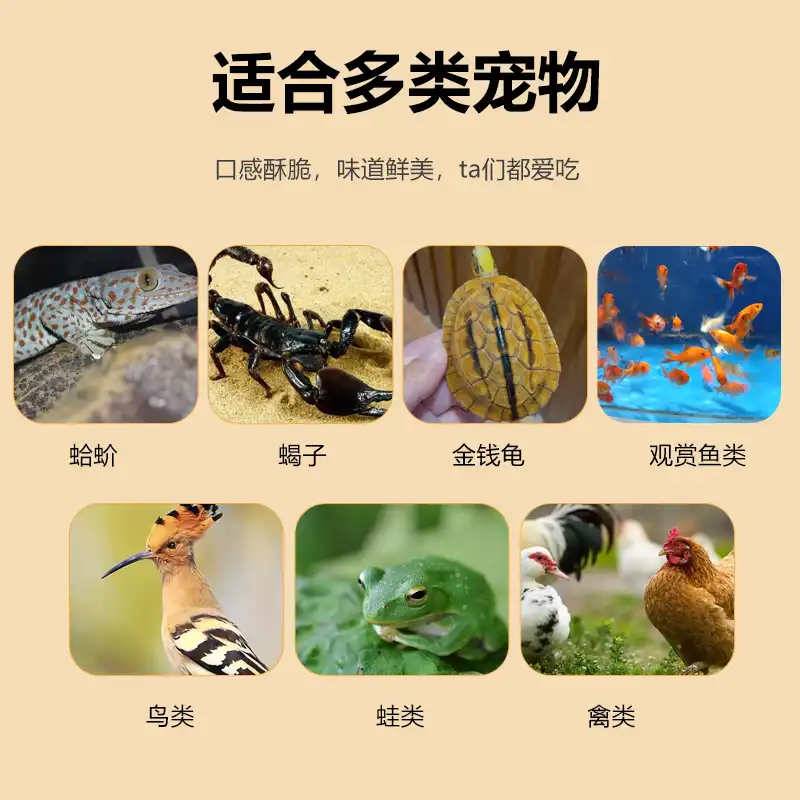
How to Integrate Black Soldier Fly Larvae into Duck Feeding Programs?
Determining Optimal Inclusion Rates and Feeding Schedules
As a first step, you need to know the right rate of inclusion for each step of the production process. When ducks are growing, they need a lot of protein to help their muscles get bigger fast. When ducks are laying eggs, they need a healthy food that is high in calcium and important fatty acids. Research on similar types of poultry says that you should start by adding 5 to 8 percent of dried larval meal to full feeds. Then, keep an eye on performance measurements and make changes as needed. This careful method lets birds get used to things more slowly and doesn't make their stomachs upset too much.
If you use live, dried, or processed types, you will need to feed them more or less often. Live black soldier fly larvae encourage animals to find food on their own, which is good for them and makes the environment more interesting. Ducks will do their normal "search and peck" habits, which are good for their health and make them less stressed, when they are kept in pens in different places. It's easy to mix dried black soldier fly larvae into pelleted or mashed feeds, which makes handling them easier for large-scale operations. black soldier fly larvae are an extra treat that some farmers give their birds in the afternoon. They feed the birds healthy food first thing in the morning before giving them treats.
Sourcing Criteria for High-Quality BSFL Products
Before choosing a service to work with, you should do a lot of study because they are not all the same. Makers with a good reputation control the breeding conditions so that the black soldier fly larvae grow quickly and get all the food they need. They use specific base recipes that make sure the end result always meets the same standards. These recipes often include controlled mixes of organic materials. The rules for certification are still being worked on in this new business, but they are a key part of making sure that the methods used are right. Look for companies that are honest about how they check the quality of their products. For example, ask how often they test and what the rules are for protein content, fat makeup, and germ safety.
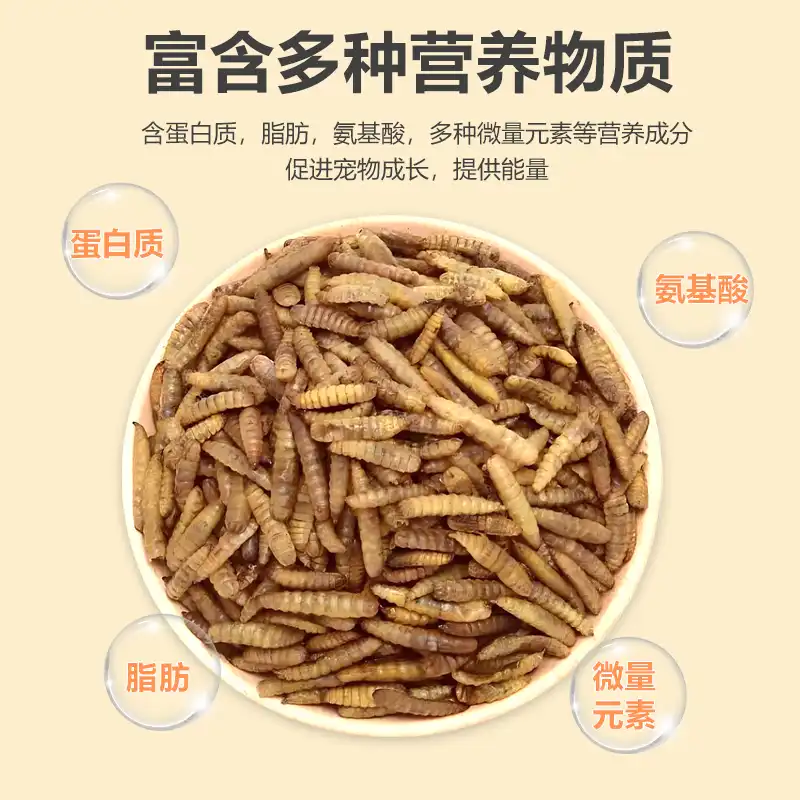
The type of product you choose affects both how much it costs and how easy it is to use. Keep live black soldier fly larvae cool. They don't last long, so they work best for small businesses or ones that focus on stimulating people's minds. When making things on a big scale, dried black soldier fly larvae are better because they last longer and are easy to work with. How many nutrients are kept changes depending on how they are processed, such as by freeze-drying or heating. You can make better decisions if you know about these changes. Partially defatted meals are available from some sources. These meals have more protein and less fat to meet certain recipe needs.
Implementing Black Soldier Fly Larvae Feed in Your Business: A Practical Guide
Initial Setup and Integration Strategy
Insect-based food should not be switched to all of a sudden; it should be planned out carefully. Do small test runs that only touch 10 to 15 percent of your group at first. To keep track of any changes in performance, keep careful records of the work that you do. Check to see how much they eat, whether they are gaining weight, and if they are laying eggs. You can also look at how busy they are and how good their feathers are. By taking things one step at a time, this way lowers the risk while collecting data that helps you make smart decisions about wider use.
If you ask the places that give you food now if they make mixes that black soldier fly larvae will like or if they can make one just for you, you'll know. Many industrial mills can now work with custom protein sources and use their knowledge of how to make foods to make sure they are balanced. When a business doesn't have a nutritionist on staff, this way of working together is often better than trying to change the recipe all by yourself. You can try the new food on ducks' taste buds by asking for sample batches. They should be able to eat it without any problems that would make them not want to.
Monitoring Performance and Troubleshooting Common Issues
By setting clear performance standards before starting the project, results can be judged accurately. The average daily gain for meat ducks, the number of eggs laid and their weight, and the feed conversion rates for all types of product are all important things to look at. Normal samples are weighed once a week to get trend data that shows if growth paths are still on track. When testing eggs for quality, the toughness of the shell, the condition of the inside, and any changes in the yolk color that might make people not want to buy the egg should all be looked at.
When you change what you eat, you should pay close attention to how your stomach feels. It is easy and safe to figure out how the digestive system is working by looking at the color and shape of manure. The animal may not be getting enough food or time to change its poop if the droppings are too loose. If they are too dry, it may not be drinking enough water or fiber if the droppings are too loose. It takes most birds 7–10 days to get used to a new environment. If you wait 14 days before making any more changes, things won't change too quickly, which would make it hard to see how one thing affects another.
Conclusion
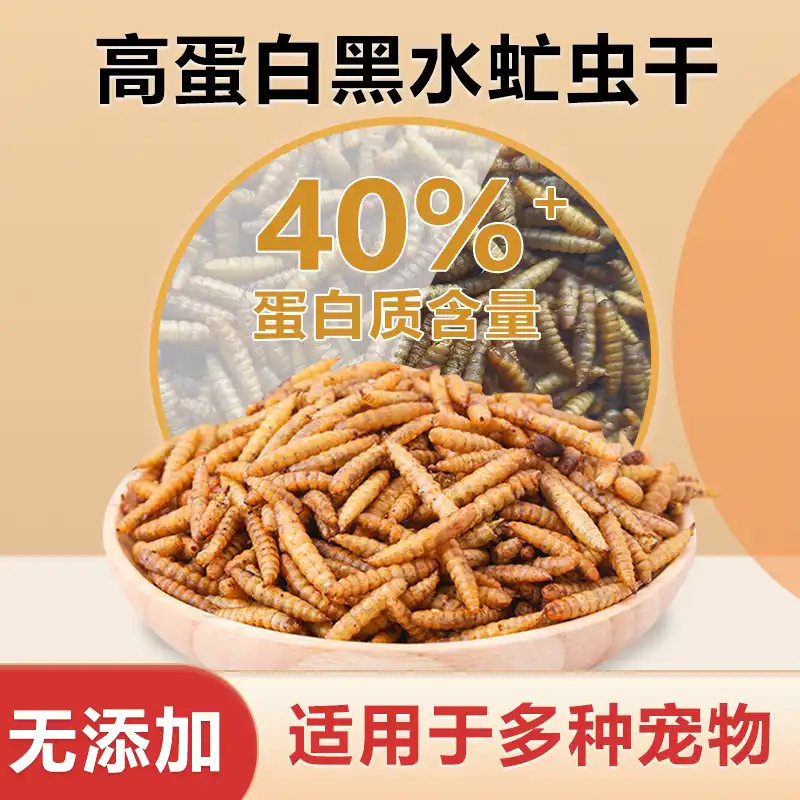
As more research is done and better ways of raising them are found, the case for giving these nutrient-dense black soldier fly larvae to ducks keeps getting stronger. black soldier fly larvae give food to all steps of production, making them stronger. They have about the same amount of protein as fishmeal, the same amount of amino acids, good fats like lauric acid, and better calcium-phosphorus ratios. Environmental benefits, such as less trash and a smaller carbon footprint, are in line with the environmental goals that drive people to buy things today. It is still important to pick sources carefully and work with them, but for some types of poultry, it has been shown to be technically possible and cost-effective to do so. Farmers who raise ducks and want to feed their animals safe, high-quality protein sources should look into insect-based food. It will help their animals do better and their businesses stay strong.
FAQs
Can BSFL completely replace conventional protein sources in duck feed?
Black soldier fly larvae can be used instead of a lot of soybean meal or fish meal. Besides, a study shows that they can be used instead of up to 33% of poultry feed and still work just as well. You can still get all the nutrients you need, but you have to be very careful to make sure you get enough of the important vitamins and amino acids. Most businesses use partial replacement methods that balance making food healthier with keeping costs low and making sure there is a steady supply.
What disease prevention benefits do insect-based feeds provide?
There is a lot of lauric acid in it, which kills germs and stops bad bacteria from growing in the stomach. Many types of bacteria can be killed by antimicrobial peptides found in black soldier fly larvae. Chitin, on the other hand, helps the good bacteria that live in the gut. Studies on broilers have shown that they are less likely to die from Salmonella illnesses. Ducks may also benefit in the same way, as their immune systems may be stronger.
What pricing should I expect for bulk BSFL orders?
The cost varies based on the type, quantity, and market in a certain area, but it is usually about the same as or a little more than other protein sources. You can often get better deals when you make a lot of orders at once. To really compare prices that include freight, you should get full quotes that include freight costs.
Partner with Yunlan for Premium Black Soldier Fly Larvae Solutions
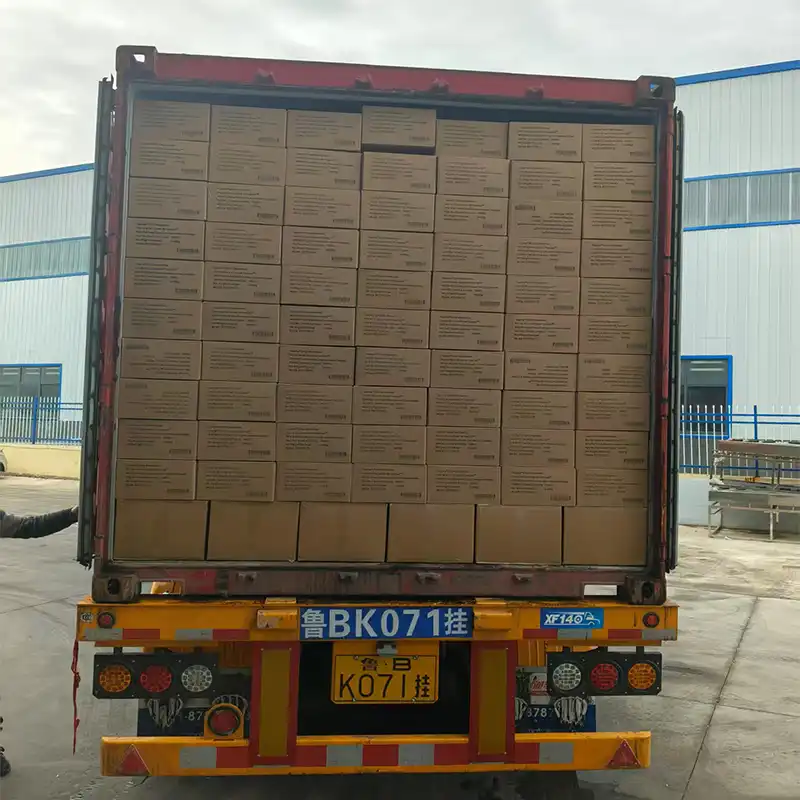
More than 20 years of experience, Yunlan has been working on sustainable feed options. They can offer a wide range of black soldier fly larvae products made just for duck farms. Our provider of black soldier fly larvae can give us a variety of goods, such as live, dried, and processed meals. Many types of companies can use these, from small specialty farms to large industrial makers. Ruixin Cloud Wave Group has strong production systems and quality control systems that help us keep our supply lines stable and make sure that our health standards are always met. We work with people in more than 60 countries.
Our more than 97 accepted patents in research and development help us keep coming up with new products that are in line with changes in the science of nutrition. We understand how hard it is for modern duck farms to get the protein they need, which is why we offer customized recipe help, low bulk prices, and a range of shipping options. You can email our team at minghuixu6717@gmail.com to talk about your specific needs, get product samples, or learn more about how our environmentally friendly insect protein options can help your business do better and be better for the environment. At yunlanpets.com, you can find our full line of feed goods that are better for animals' health for the future of sustainable farming.
References
- Wang, Y., & Shelomi, M. (2021). Review of black soldier fly (Hermetia illucens) as animal feed and human food. Foods, 6(10), 91.
- Makkar, H. P., Tran, G., Heuzé, V., & Ankers, P. (2014). State-of-the-art on use of insects as animal feed. Animal Feed Science and Technology, 197, 1-33.
- Cullere, M., Tasoniero, G., Giaccone, V., Miotti-Scapin, R., Claeys, E., De Smet, S., & Dalle Zotte, A. (2016). Black soldier fly as dietary protein source for broiler quails: Apparent digestibility, excreta microbial load, feed choice, performance, carcass and meat traits. Animal, 10(12), 1923-1930.
- Oonincx, D. G., van Broekhoven, S., van Huis, A., & van Loon, J. J. (2015). Feed conversion, survival and development, and composition of four insect species on diets composed of food by-products. PloS One, 10(12), e0144601.
- Schiavone, A., Dabbou, S., De Marco, M., Cullere, M., Biasato, I., Biasibetti, E., & Gasco, L. (2017). Black soldier fly larva fat inclusion in finisher broiler chicken diet as an alternative fat source. Animal, 12(10), 2032-2039.
- Henry, M., Gasco, L., Piccolo, G., & Fountoulaki, E. (2015). Review on the use of insects in the diet of farmed fish: Past and future. Animal Feed Science and Technology, 203, 1-22.
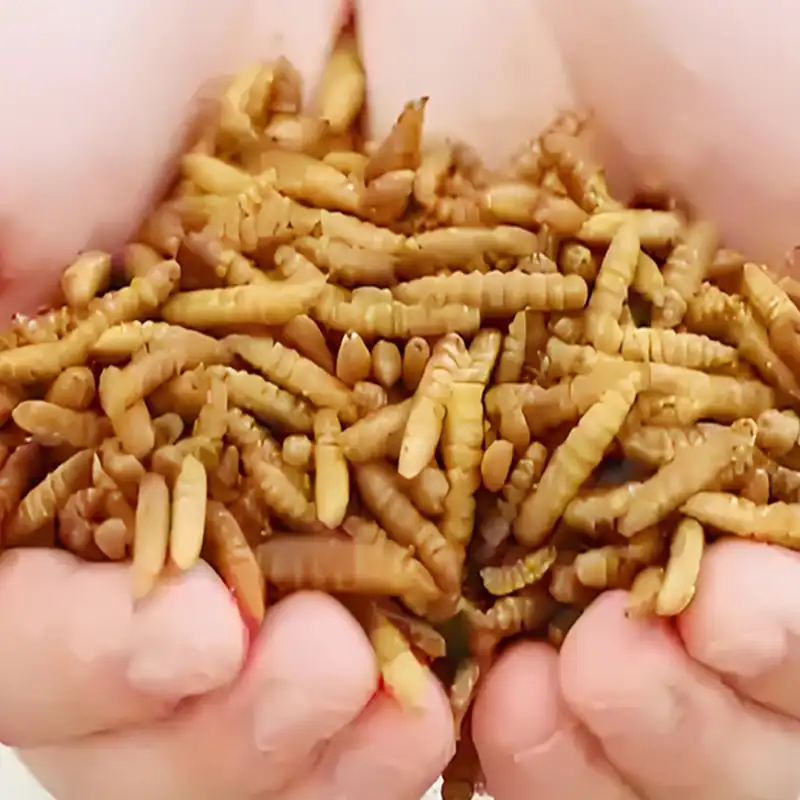
As the world's need for different proteins and environmentally friendly feed ingredients continues to rise, insect-based proteins have gone from being a niche interest to a common way to buy food. The black soldier fly larvae are a big step forward in this area because they are active protein sources that are both very healthy and good for the environment. These larvae naturally turn organic matter into nutrient-dense biomass. When fully grown, the dried forms have between 40 and 45 percent crude protein and 23 to 36 percent crude fat. Traditional feed materials just can't compare to the active protein from these insects. It has better bioavailability, balanced amino acid profiles, and useful molecules like lauric acid and antimicrobial peptides. As the price of fishmeal goes up and pressure to use circular economy methods grows, buying pros need to know the real benefits of this amazing protein source to stay ahead of the competition and keep their businesses running.
Active Protein in Black Soldier Fly Larvae
The Biological Foundation of Protein Quality
The black soldier fly larvae's life cycle has a direct effect on the protein they make. These insects go through four stages: egg, larva, pupa, and adult. The best time to harvest them for food production is when they are larvae. During this time of rapid growth, black soldier fly larvae eat a wide range of organic matter and use nutrients efficiently to make high-quality biomass. "Active protein" doesn't just mean the amount of protein; it also means that the protein is bioavailable and has functional qualities that make it usable right away in animal metabolism.
Forty to fifty percent of the dry weight of mature, dried larvae is made up of crude protein. What makes this protein different is how easily it can be digested and what amino acids are in it. The larvae's digestive system works very well to turn complicated organic materials into protein structures that are easy for the body to receive. This process makes protein molecules that animals can use with little metabolic energy use. This means that they have better feed conversion rates than plant-based options.
Amino Acid Profile and Bioavailability
The mix of amino acids in black soldier fly larvae protein is very similar to what animals and fish that only eat one food need. When larvae are raised on uniform organic substrates, they always produce the right amounts of important amino acids. It has 19.9–20.3 g/kg of arginine, which helps the defense system work and helps the body grow. Lysine levels range from 22.6-25.7 g/kg, which is higher than amounts found in most plant proteins and the same quality as fishmeal. Tryptophan ranges from 5.4 to 6.7 g/kg, while methionine ranges from 7.1 to 8.7 g/kg. Methionine is often the limited amino acid in different proteins.
These measures don't tell the whole story. Real-world nutritional worth is based on bioavailability, which is the amount of nutrients that an animal actually absorbs and uses. The protein from these larvae is absorbed at rates that are similar to fishmeal and higher than soy-based options in studies that involve chickens, aquaculture, and pets. The structure of the protein needs less work from enzymes in the digestive system. This lowers metabolic stress and lets animals use more energy for things like growth, breeding, or breastfeeding.
Core Benefits of Active Protein from Black Soldier Fly Larvae for B2B Clients
Sustainability and Circular Economy Integration
The traditional way of making protein is very bad for the earth. The process of getting fishmeal hurts marine ecosystems. Deforestation is caused by soybean farming, which needs a lot of water, fertilizer, and pesticides. black soldier fly larvae farming turns this model on its head by eating biological waste streams that would otherwise release methane into the air in dumps or need a lot of energy to be processed.
Larvae turn food waste, farm waste, and organic residues into useful protein quickly and efficiently, ending nutrient loops in local food systems. From 10 to 14 days, an industrial operation can turn one ton of organic garbage into about 200 kg of dried larvae. This fast bioconversion lowers the cost of managing garbage and makes high-quality feed ingredients at the same time. The leftover frass can be used as a biological fertilizer because it is high in nitrogen, phosphorus, and good bacteria, which brings in extra money.
Studies that look at carbon footprints regularly show that producing protein from insects releases 50–80% less greenhouse gases than producing protein from animals. When compared to cow or pig farming, the amount of water used drops by 70 to 90%. It becomes much more efficient to use land when you grow insects instead of soybeans. Insect farming produces 10–20 times more protein per acre. These metrics directly address the need for companies to report on their sustainability and the standards of customers for items that are good for the environment.
Feed Performance and Animal Health Outcomes
The nutritional content only counts if it leads to measurable improvements in animal behavior. A lot of application study with many species has shown that black soldier fly larvae protein really does improve health and productivity. These results give you the proof you need to charge more and keep customers coming back.
There are no negative effects on weight gain, feed conversion ratios, or meat quality in broiler chickens that are fed meals with 33.3% larvae instead of fishmeal. Compared to regular meals, immune signs get better and deaths from Salmonella infections go down. When 5% larval powder is given to laying hens, their daily egg production goes up from 54.45% to 58.77%, and neither the egg weight nor its ability to hatch changes. Studies on quails show that when 50–100% larval powder is used instead of meat and bone meal, the laying rate goes up by 5.82–6.13%.
Applications in aquaculture look just as good. Rainbow trout, catfish, salmon, and tilapia that eat food with up to 8% larvae powder keep their normal growth rates, feed efficiency, and mortality rates. Many studies show lower death rates and better resistance to disease. The lauric acid level seems to be especially good for fish health, as it helps the immune system work and keeps the gut healthy. Shrimp farmers find that larval meal is a great alternative to fishmeal for Litopenaeus vannamei fish. It keeps the fish's growth rate high while lowering its reliance on sea protein sources.
Pet food applications have gained a lot of market support. Studies on digestion show that cats and dogs easily absorb nutrients from foods that contain black soldier fly larvae protein. Because they are safe, these proteins are good for animals that are allergic to popular foods like chicken or beef. Natural antibacterial peptides in the larvae help keep the immune system healthy, and the chitin content helps keep the gut system healthy. Because of these functional benefits, cat food companies can market their goods as high-end health options instead of just protein substitutes.
Integrating Black Soldier Fly Larvae Protein into Your Supply Chain
Procurement Strategy and Supplier Partnerships
Pilot programs trying black soldier fly larvae protein in limited product lines are often the first step in a new policy's application. This method lowers the risk to the company's finances while also collecting performance data that can be used to aid wider adoption. Work with suppliers who are ready to help with these trials by giving you expert advice, samples, and a minimum order quantity that you can change.
Long-term supply deals keep prices stable and make sure that capacity is distributed as the demand for black soldier fly larvae protein grows across the industry. Suppliers like multi-year contracts because they make it easier for them to predict their income. In exchange for volume promises, they often lower their prices. Include clauses that protect both parties, such as quality standards, delivery dates, and "force majeure" situations.
Working together to make a product builds ties with suppliers and makes products stand out. Talk to your providers about how to get the best protein requirements for your needs, whether it's extruded pet food kibble, aquaculture pellets, or crumbled chicken feed. Technically-savvy suppliers can help you find the best particle sizes, fat levels, and processing methods for your production systems.
Quality Assurance and Testing Protocols
Making new inspection processes makes sure that the quality of the product stays the same. Check each package for the amount of protein, wetness, and particle size distribution. Testing for microbial quality, amino acid profiles, and fatty acid makeup on a regular basis gives you a better idea of the quality. Many sellers include certificates of analysis with every order, but it's always a good idea to get them checked by a third party, like an approved lab.
Managing shelf life keeps quality from going down while it's being stored. There is a lot of fat in black soldier fly larvae protein that can turn rancid after being stored for a long time, especially in warm or wet circumstances. Use first-in, first-out inventory movement and keep an eye on storage conditions to make sure products stay fresh. Some buyers ask for nitrogen flushing or vacuum packing to make goods they already own last longer on the shelf.
Internal tracking must be part of traceability tools as well as paperwork from suppliers. Give arriving shipments lot codes and keep track of how these numbers are linked to finished goods. This makes it easy to find quickly the products that are affected if there are quality problems. This limits the number of products that might need to be recalled and protects the brand's image.
Conclusion
The active protein from black soldier fly larvae is more than just a different ingredient; it's a big step toward more sustainable and circular ways of feeding animals. The data shows that it has clear nutritional benefits that are on par with or better than traditional protein sources. It also has clear environmental benefits that meet important sustainability imperatives. Economic research shows that original price increases go down when better feed efficiency, better animal health, and lower supply chain risk are taken into account.
When procurement workers use insect protein, their companies are at the forefront of changes in their industries. Antimicrobial peptides, prebiotic chitin, and immune-supporting fatty acids are some of the useful qualities that make a product stand out in a crowded market. Customers want more information about where ingredients come from and how they affect the environment. This opens up market possibilities for brands that use new, sustainable proteins.
To integrate things well, you need to carefully choose your suppliers, make sure the quality is high, and make sure you follow all the rules. But businesses that can get past these execution problems gain competitive benefits in the form of stable costs, secure supplies, and environmental credentials that traditional ingredients can't offer. The world insect protein business is still growing very quickly, and both production capability and technical know-how are steadily getting better. Early adopters get supplier relationships, market positioning, and managerial skills that make it harder for competitors to get in.
FAQs
What makes black soldier fly larvae protein superior to other insect proteins?
The black soldier fly larvae are very good at turning organic garbage into high-quality protein in 10–14 days, which is a lot faster than rivals like mealworms, which need 10–12 weeks. Having 40 to 60 percent of your body's fat made up of lauric acid gives it antimicrobial qualities that other insect proteins don't have. Because these insects are tough, they can survive on a wide range of organic materials without strict weather controls. This lowers production costs and makes the supply more reliable. Their calcium-rich shell gives them minerals that many recipes don't need extra supplements for.
How can buyers ensure consistent quality in bulk shipments?
In buy deals, make sure there are clear rules about the amount of protein, moisture, particle size, and microbiological limits for black soldier fly larvae. For each package, make sure you get a proof of analysis from an approved lab that verifies the amino acid profiles and contaminant tests results. Do independent testing on a regular basis at third-party sites to make sure what the provider says is true. Do supplier checks that look at the factories, quality control methods, and tools for tracking products. Keep lines of communication open and deal with quality issues right away. Make sure that your contracts include ways to fix products that don't meet requirements.
What certifications should procurement managers require from suppliers?
Give more weight to providers who have ISO 22000 certification for food safety management and HACCP application for black soldier fly larvae. Check that the planned animal species uses have been approved by AAFCO in North America or that they are in line with EU regulations for markets in Europe. Organic approval is important for high-end products, but they are still hard to find. As industry standards change, third-party certificates of sustainability will become more important. Ask for written records of the processes for checking for microbes, heavy metals, and mycotoxins. When choosing a seller, give preference to those that offer full traceability through digital platforms. This shows that they have advanced supply chain management skills.
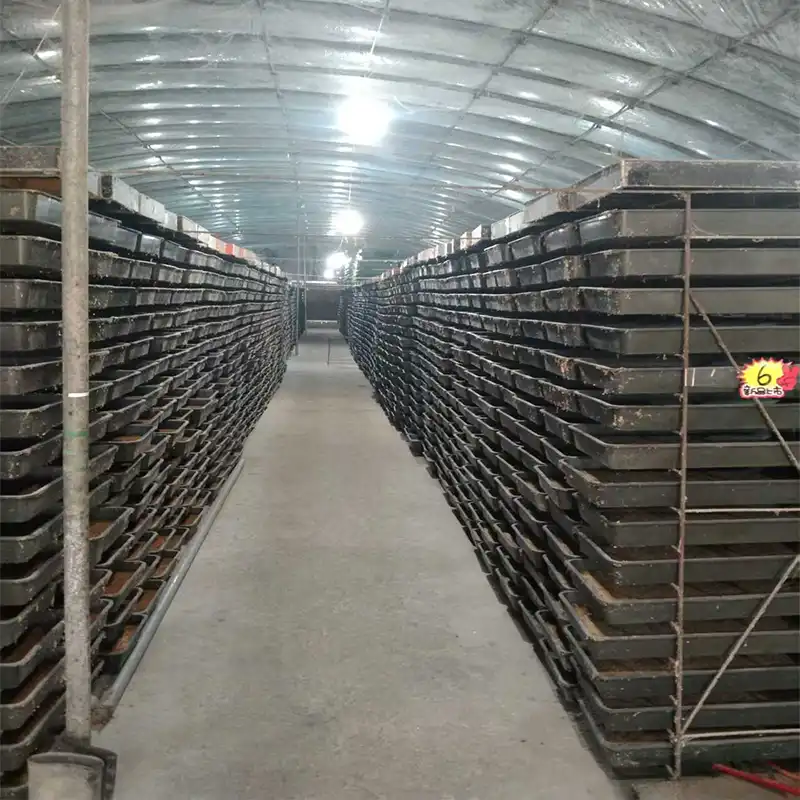
Partner with Yunlan for Premium Black Soldier Fly Larvae Supply
As part of the Ruixin Cloud Wave Group, Yunlan adds more than 20 years of experience in sustainable pet feeding to the market for black soldier fly larvae protein, which is growing quickly. We can do all aspects of production, from finding ingredients to making the finished product, and we make sure that quality is checked at every step. Our black soldier fly larvae goods go through strict testing procedures and can be fully tracked. This meets the international certification standards that our demanding B2B customers demand.
Because of the way our supply chain works, we are a reliable black soldier fly larvae producer that can meet your needs for large purchases. Our facilities are in the Suyu District of Suqian City, which is close to good sources of raw materials and has modern transportation infrastructure thanks to agreements with JD transportation Park. This strategic positioning ensures consistent delivery schedules and competitive pricing for wholesale volumes. We offer flexible specifications tailored to diverse applications across pet food, aquaculture, and livestock nutrition.
Working with Yunlan means accessing more than quality ingredients—you gain a strategic partner committed to your success. Our technical team provides formulation support, helping you optimize protein integration in your specific applications. We understand the procurement challenges you face and structure our supply agreements to provide price stability and volume assurance. Whether you're a pet food manufacturer exploring novel protein sources, a distributor expanding your ingredient portfolio, or a veterinary nutritionist seeking functional health ingredients, we deliver solutions aligned with your objectives.
Discover how Yunlan's certified black soldier fly larvae products can enhance your supply chain sustainability while improving animal nutrition outcomes. Contact our B2B team at minghuixu6717@gmail.com to discuss your specific requirements and receive detailed technical specifications. Visit yunlanpets.com to explore our complete ingredient portfolio and request samples for evaluation. Let us demonstrate how our commitment to quality and innovation can support your growth in the evolving animal nutrition landscape.
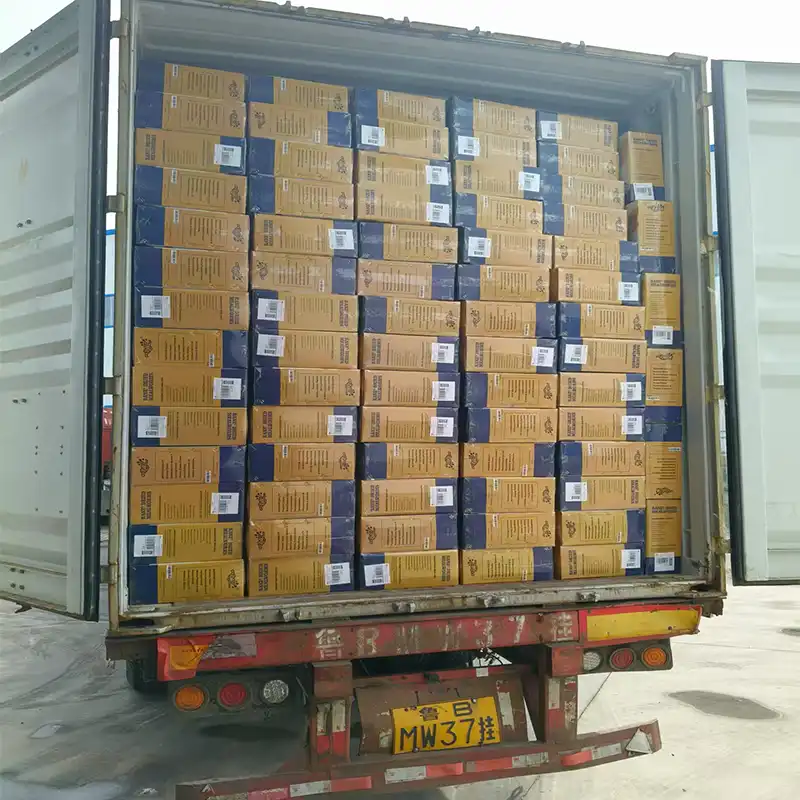
References
- Makkar, H.P.S., Tran, G., Heuzé, V., & Ankers, P. (2014). State-of-the-art on use of insects as animal feed. Animal Feed Science and Technology, 197, 1-33.
- Wang, Y.S. & Shelomi, M. (2017). Review of black soldier fly (Hermetia illucens) as animal feed and human food. Foods, 6(10), 91.
- Barragan-Fonseca, K.B., Dicke, M., & van Loon, J.J.A. (2017). Nutritional value of the black soldier fly (Hermetia illucens L.) and its suitability as animal feed – a review. Journal of Insects as Food and Feed, 3(2), 105-120.
- Oonincx, D.G.A.B. & de Boer, I.J.M. (2012). Environmental impact of the production of mealworms as a protein source for humans – a life cycle assessment. PLoS ONE, 7(12), e51145.
- Henry, M., Gasco, L., Piccolo, G., & Fountoulaki, E. (2015). Review on the use of insects in the diet of farmed fish: Past and future. Animal Feed Science and Technology, 203, 1-22.
- Józefiak, A., Nogales-Mérida, S., Mikołajczak, Z., Rawski, M., Kierończyk, B., & Mazurkiewicz, J. (2019). The utilization of full-fat insect meal in rainbow trout (Oncorhynchus mykiss) nutrition: The effects on growth performance, intestinal microbiota and gastrointestinal tract histomorphology. Annals of Animal Science, 19(3), 747-765.
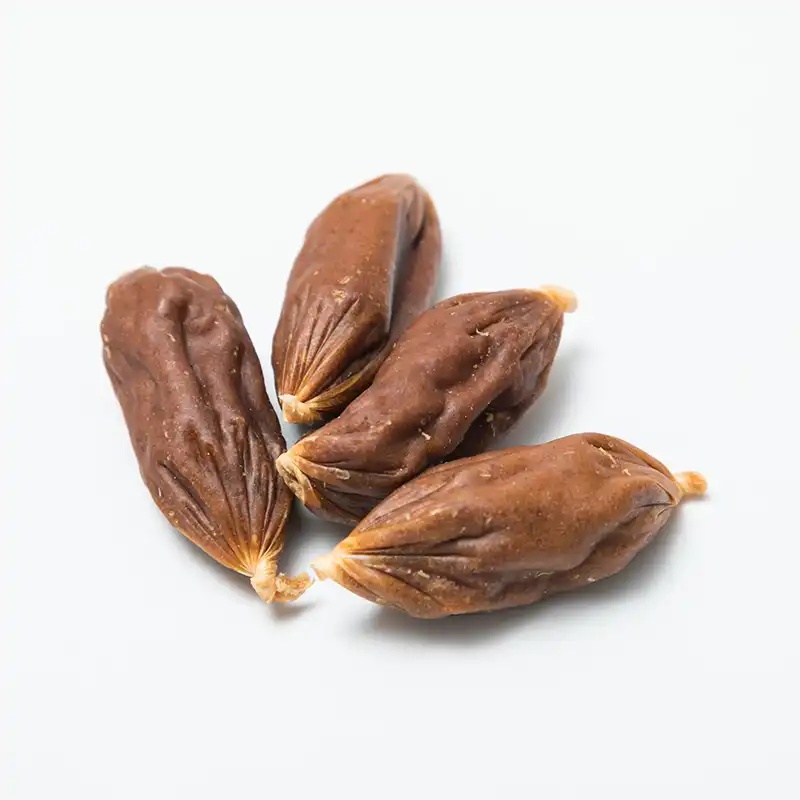
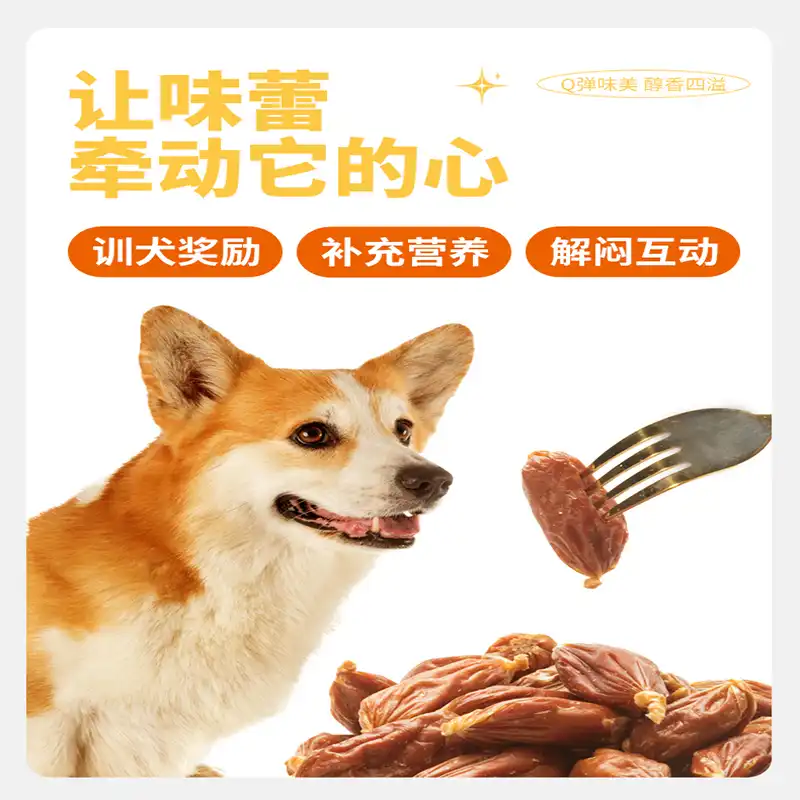
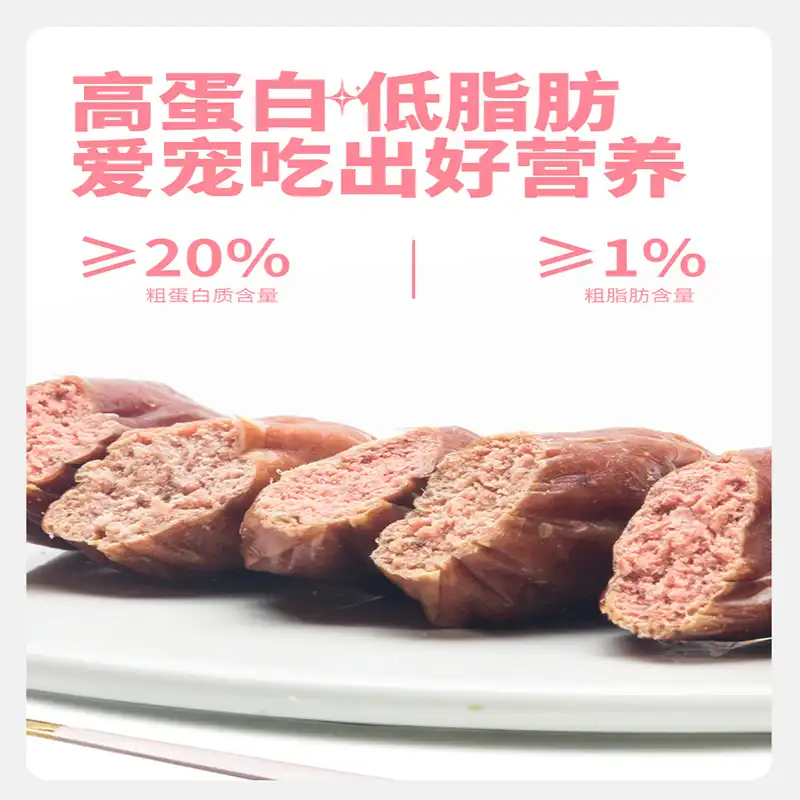
Should we ask if duck soft sausage is good for a dog's eyes? The answer is yes. Foods that come from duck naturally have chemicals that help with red eyes and tear marks, which many dogs have. The soft guts remove heat and clean you, and the meat is just the right amount of tough and soft. This makes duck soft sausage a good addition for dog foods that focus on eye health, especially when mixed with foods that are high in nutrients that help dogs stay healthy in general.
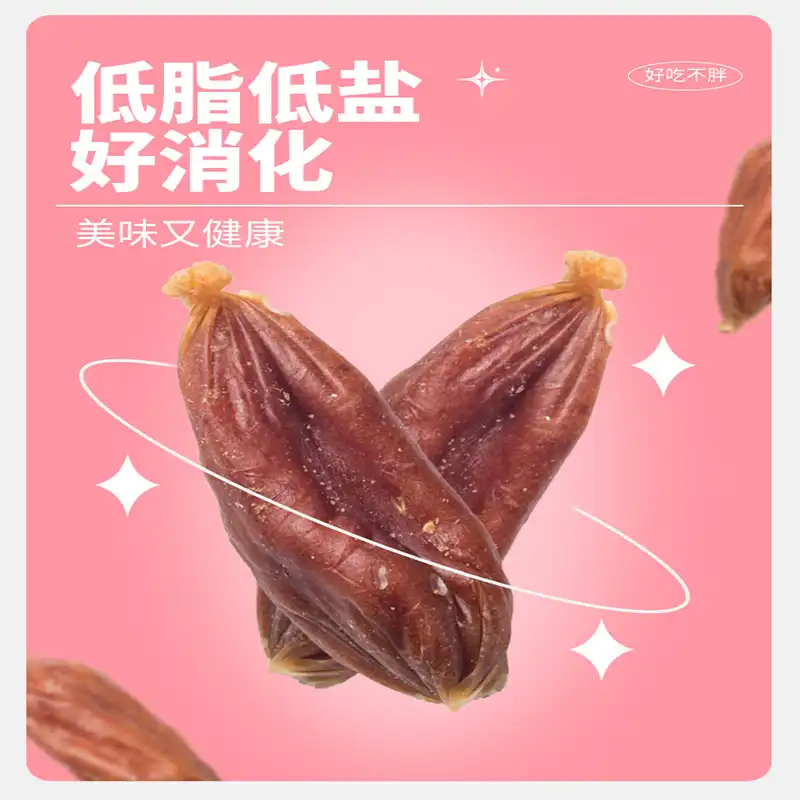
Duck Soft Sausage and Its Nutritional Profile
What Distinguishes Duck Soft Sausage from Other Pet Treat Options
Duck soft sausage is not like other treats for pets. The soft duck guts and meat that went into making this one-of-a-kind item have been handled to keep the nutrients and make sure the taste is good. During the production process, bioactive chemicals that are good for you are kept safe. This includes chemicals that affect how well your eyes work and the health of your tear ducts. But duck is a different kind of protein than chicken or beef, so it doesn't make sensitive dogs sick like those two do.
Key Nutrients Supporting Canine Vision Health
Some of the nutrients in duck meat are good for dogs' eyes. Vitamin A is very important for good eyes and making sure the tear film forms correctly. Dogs' bodies turn beta-carotene intermediates that come from duck into active vitamin A. Oxidative stress can be caused by things in the environment or by getting older. Vitamin E is an antioxidant that keeps the eye cells safe. There are a lot of omega-3 fatty acids in duck fat, mostly EPA and DHA. These acids help the body fight inflammation. This makes tears work better and hurt your eyes less. Many people have problems like dry eyes that won't go away, crying too much, and swelling around the eyes. These nutrients work together to help.
Allergen Considerations and Safety Profile
Many people who work in buying are most concerned with formulas that are safe for people with allergies. You can give your dog duck instead of other popular proteins if they are allergic to them. The meat is good for dogs that are allergic to grains or have celiac disease because it doesn't contain gluten. When you buy duck soft sausage from a reputable company, it doesn't have many extra ingredients, so there is less chance of getting sick. Pet owners who care about their pets' health will like this list of clean ingredients. It also helps high-end goods stand out in crowded stores.
Is Duck Soft Sausage Safe and Effective for Improving Dog Eye Health?
Scientific Evidence Supporting Eye Health Benefits
A study in animal diet found that the quality of the protein and some vitamins have a big impact on the eyes' health. Duck meat has amino acids that help heal and protect tissues all over the body, even the eyes, which are very delicate. In the past, people who practiced veterinary medicine thought that duck had cooling properties, which are similar to what we know now about foods that reduce inflammation. Add duck-based foods to your dog's food to help with chronic tear staining, which is usually caused by inflammation or clogged tear ducts. Studies have shown that dogs that eat duck protein regularly have less eye discharge and tear ducts that work better over time.
Addressing Safety Concerns and Quality Risks
To make sure the product is safe, you should pay attention to how it is mixed and kept. Good duck soft sausage doesn't get germs when it's heated under controlled conditions; the food's nutritional value is still there. Buyers need to make sure that service providers follow HACCP rules and keep the cold chain running smoothly. When omega-3s are kept wrongly, lipid oxidation can happen. This makes them less effective and may even make chemicals that are harmful. There shouldn't be any BHA or BHT in goods because some studies show they are bad for your health. When mixed tocopherols are used naturally to keep food fresh, they keep the structure of the food without putting its safety at risk.
Practical Usage Guidelines for Product Formulation
Veterinarians say to give duck treats to each animal slowly to see how it behaves. Size, health, and what the dog eats all play a role in the right amount. To keep things in check, treats shouldn't add up to more than 10% of your daily calories. Small amounts every day may help dogs who already have eye problems, and healthy dogs could get duck soft sausage treats a few times a week to stay healthy. Clients in procurement should think about portion-controlled packing when they are making recipes. This helps customers use the product properly, which raises its value and makes customers happy.
Procurement Guide for Duck Soft Sausage: Sourcing for B2B Clients
Identifying Reliable Wholesale Suppliers
A thorough look at the seller is the first thing that needs to be done for buying to go well. Find makers whose ways of making things are clear and whose quality standards can be checked. Suppliers should show proof, such as studies that look at diet, results from tests for bacteria, and certificates of origin for raw materials. When a company handles the whole production process, from getting the raw materials to packing them, they are more likely to be reliable and know what they're doing. Ruixin Cloud Wave Group is a good example of this method because it has a full supply chain system. Their factory is in Suyu District, Suqian City, which is close to places like Yike Foods and CP Foods that sell good poultry.
Certification and Compliance Verification
Working with Gaoying Irradiation to do advanced disinfection keeps minerals whole while making sure goods are safe. It's quick and easy to get goods to markets in China and other countries with the help of JD Logistics Park. For quality certification, you need more than one level of proof. Getting an ISO license shows that you want to make the way you do things better and more consistent all the time. HACCP approval shows that sellers plan how they will find and deal with risks to food safety. High-end customers who are ready to pay more for natural things that have been checked out are interested in organic certificates.
Storage and Shelf Life Management
A company's patent files show how creative it is and how well it defends its own ideas. Suppliers who have patents for formulas or ways of handling things show that they have learned a lot and are very expert. When December 2025 came around, Ruixin Cloud Wave Group had 97 domestic patents that were law. Nineteen of these were idea patents for new ways to break down meat proteins and make animal bones crispy. These fresh thoughts help make goods better and help them stand out in markets that are already very competitive.
Building Strategic Supplier Partnerships
When you know how much room you need for storage, the quality doesn't drop during distribution. When it's not being used, duck soft sausage should always be kept in the fridge or freezer. Suppliers should write down the ranges of temperatures, the ranges of times the goods will stay fresh, and the best ways to package the goods so that they stay fresh. Food can last longer and still be healthy if it is packed in modified environment or vacuum-sealed packing. Minimum order quantities, wait times, and the ability to make special recipes can all change how you plan to buy something.
Conclusion
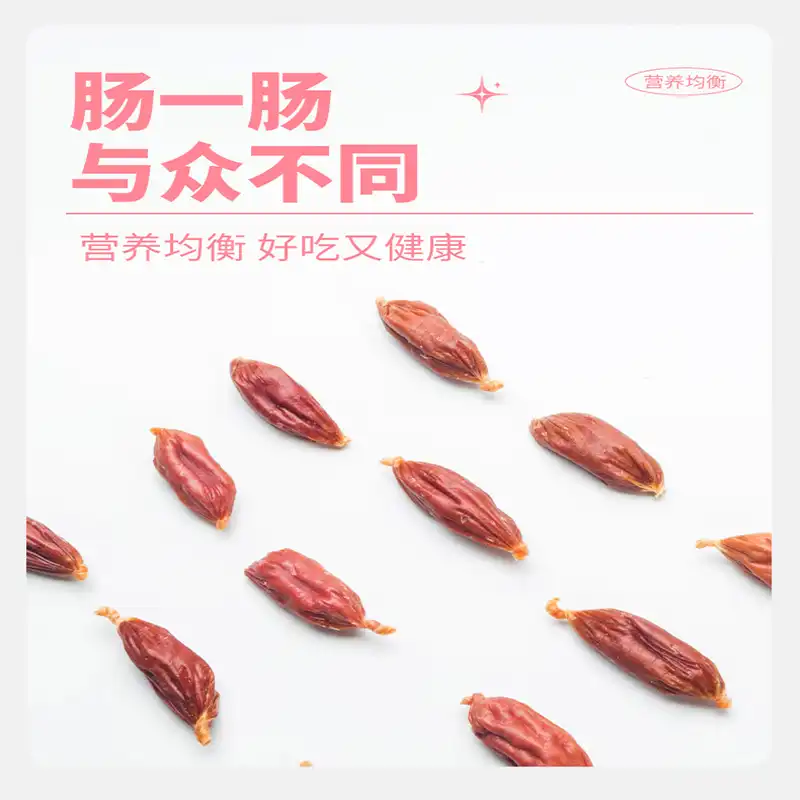
Duck soft sausage is a great addition to pet food lines because of its distinctive nutritional profile and traditional medicinal properties. It's especially clear that it's good for a dog's eyes. It cools and cleans your body naturally, and the vitamins and omega-3 fatty acids help treat problems like tear staining and eye inflammation. When purchasing managers buy from well-known companies with tried-and-true quality systems, full rights, and stable supply lines, they can get an edge over their rivals.
When you know the differences between products in terms of how well they work, where they fit in the market, and how much money they make, you can make smart decisions. If you use ingredients that have been backed by science, your brand will look like a trusted pet health partner as the need for specialized pet health goods grows. Businesses that sell to other businesses can carefully place duck soft sausage as part of full pet food lines. subscription models that send duck treats on a daily basis support regular use, which could be good for your health and give you a steady source of income.
FAQ
Can duck soft sausage genuinely improve my dog's eye health?
Some of the nutrients in duck meat help the tear glands work and reduce swelling. The cool effects help lower swelling and too many tears, and vitamins A and E protect the eyes' sensitive cells. There is less pain and tears that last longer when you take omega-3 fatty acids from duck soft sausage.
Are there gluten concerns with duck soft sausage products?
For dogs that are allergic to chicken or beef, duck is a good food source. The item doesn't naturally have gluten, so allergens are less likely to be present. Make sure that products have as few additives as possible and are made with clean methods so that germs don't get spread.
What minimum order quantities apply for bulk procurement?
Check the supplier's qualifications, how much they can produce, and how well they can handle shipping. Check the minimum order size, how to store it, and how long it needs to be kept. Before you buy a lot of something, ask for examples to see how good it is, and make sure the seller can consistently show proof of quality.
Partner with Yunlan for Premium Duck Soft Sausage Supply
We connect B2B buyers with high-quality duck soft sausage that they can get from our big network and Ruixin Cloud Wave Group's great output. More than 10,000 shops in 33 areas sell our goods, and we've been able to send them to more than 60 countries. To make sure that every batch meets the greatest standards all over the world, we use cutting edge quality systems and our own enzymatic and cleaning technologies. Pet shops, online stores, veterinary clinics, grooming services, and wholesale wholesalers can get special deals from us, like discounts for buying in bulk, free samples, and help with formulating. Our dedicated R&D team is always coming up with new ideas to keep up with the market's changing needs. Go to yunlanpets.com or email our sourcing experts at minghuixu6717@gmail.com to find out how you can work with a dependable duck soft sausage maker who wants your business to do well.
References
- Case, L.P., Daristotle, L., Hayek, M.G., & Raasch, M.F. (2021). Canine and Feline Nutrition: A Resource for Companion Animal Professionals. Mosby Elsevier.
- National Research Council. (2022). Nutrient Requirements of Dogs and Cats. The National Academies Press.
- Freeman, L.M., Stern, J.A., Fries, R., Adin, D.B., & Rush, J.E. (2018). Diet-associated dilated cardiomyopathy in dogs: what do we know? Journal of the American Veterinary Medical Association, 253(11), 1390-1394.
- Bauer, J.E. (2016). The essential nature of dietary omega-3 fatty acids in dogs. Journal of the American Veterinary Medical Association, 249(11), 1267-1272.
- Zicker, S.C., Wedekind, K.J., Jewell, D.E., & Makowski, A.J. (2019). Antioxidants and immune function in aging dogs. Veterinary Immunology and Immunopathology, 217, 109912.
- Fascetti, A.J. & Delaney, S.J. (2020). Applied Veterinary Clinical Nutrition. Wiley-Blackwell Publishing.
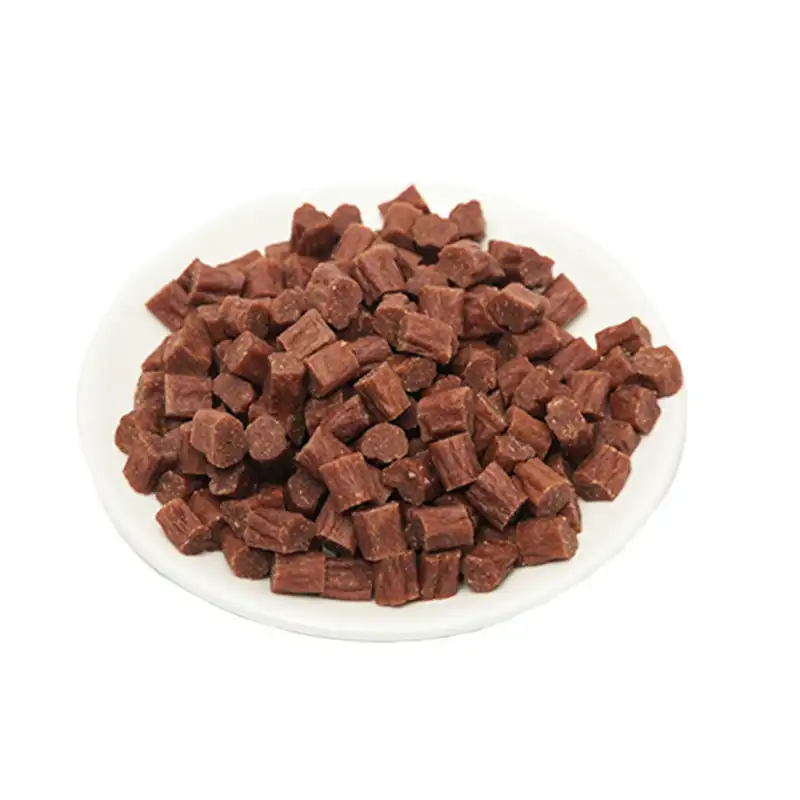
Cranberry beef dices are an extremely useful item that can be used in a lot of different ways in pet food, store food, and specialty nutrition. These high-quality meat products combine the antioxidants and high-quality protein found in beef with the benefits of cranberries. This makes them a versatile solution that can be used for training treats, food toppings, dietary supplements, and full nutrition formulations. Because they can be used with different cooking methods, storage needs, and serving styles, they are very useful for many types of businesses, from veterinarian offices to online stores. Because of their unique mix of taste and health benefits, these goods are now seen as valuable assets by B2B buying experts.
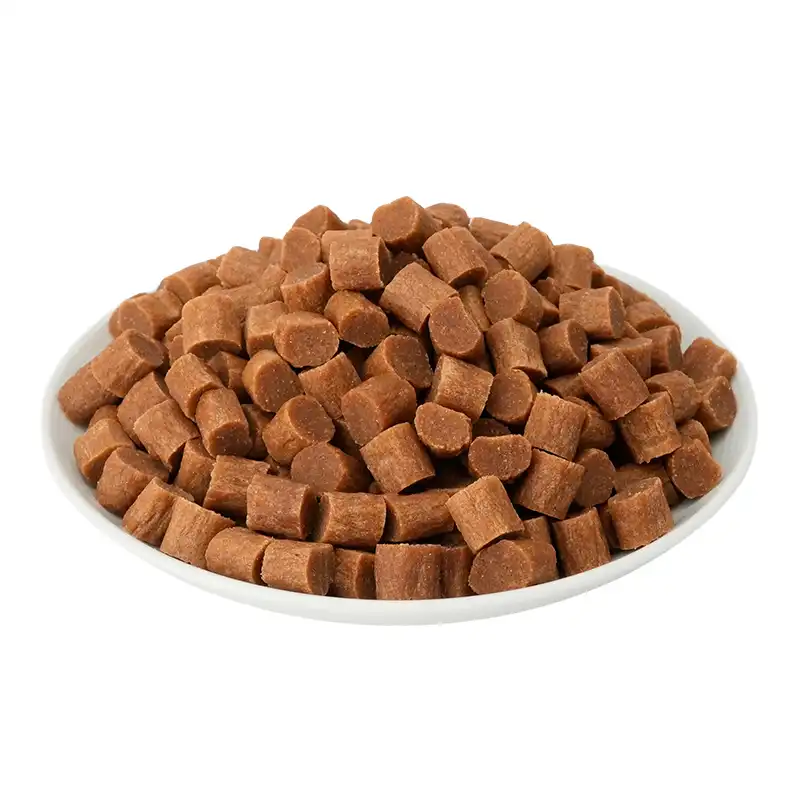
Cranberry Beef Dices: Properties and Benefits
Nutritional Foundation and Distinctive Characteristics
Animals that live with people get a lot of protein from beef. It contains important amino acids that help muscles grow, tissues heal, and metabolisms work properly. The nutritional force in cranberry beef dices is combined with the urinary tract health benefits of cranberries to create a dual-purpose item that helps with both basic nutrition and preventative health.
Quality beef products usually have between 18 and 22% protein, which gives cats the building blocks they need for long-lasting energy and healthy growth. Beef naturally has a lot of B vitamins, especially B12, which helps nerves work and makes red blood cells. Iron helps the body carry air to all parts of it, and zinc helps keep the immune system strong and the skin healthy. Trace elements like selenium, calcium, and magnesium that are found in beef help bones grow, metabolism work, and cells do their job.
Digestibility and Stomach-Friendly Formulation
One of the biggest benefits for companies that make and sell pet food is that properly cooked beef goods are easy for pets to digest. Beef has a high bioavailability, which means that pets can easily take and use its nutrients without putting too much stress on their digestive systems. This trait is especially useful when making goods for animals with sensitive stomachs, older pets whose digestive systems aren't working as well, or young animals whose digestive systems are still growing.
Because beef is easy on the digestive system, it lowers the risk of bad reactions. This is why veterinary offices prefer it when they are suggesting elimination diets or finding food allergies. When mixed with cranberries, which have chemicals that may help the health of the urinary system, these products offer a complete approach to fitness that pet owners who care about their pets' health will like.
Versatility in Application and Preparation
These meat items can be used in a lot of different ways, both when they are being cooked and when they are being served. The versatility of these things is appreciated by pet stores, as they can be sold as treats on their own, added to meals, or used as valuable training prizes. The diced format makes it easier to control portions, so pet owners can keep an eye on their dogs' caloric intake while giving them a range of foods to eat.
Veterinary workers like the controlled ingredient profile because it makes managing a patient's food easier for those who need special nutritional help. Because it's easy to add to clients' current feeding habits, compliance problems are less likely to happen, which increases the chances of treatment success. Grooming shops and boarding facilities can make more money by offering a surprise that dogs of all sizes, breeds, and food tastes will enjoy.
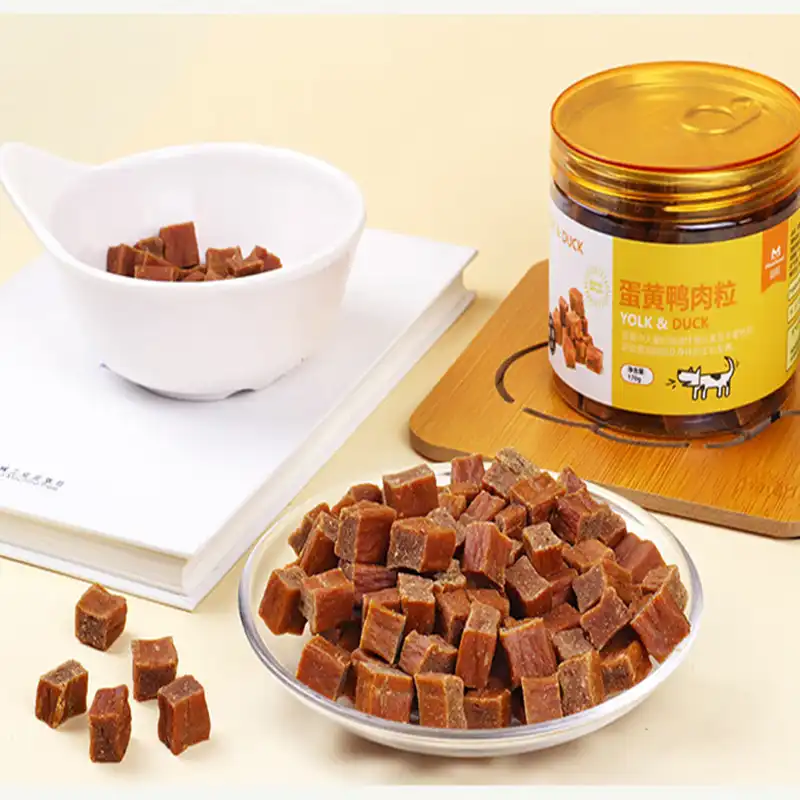
Comparing Cranberry Beef Dices with Other Meat Options: Procurement Insights
Taste, Texture, and Palatability Considerations
When evaluating protein sources for use in pet food, how well they taste has a big effect on how well the product does. Both dogs and cats regularly rate beef as one of the most tasty proteins, with acceptance rates often topping 85% in tests of palatability. Even picky eaters will enjoy the rich taste profile, which cuts down on product waste and boosts customer happiness.
Texture is also very important to how well a product works. When prepared correctly, cranberry beef dices stay soft and chewy, satisfying our natural urge to chew without being a choking danger. The mouthfeel keeps pets interested while they eat, making good memories that lead to return purchases. When compared to options made from chicken, beef usually has a more substantial texture that many pet owners think is of better quality.
Organic, Grass-Fed, and Processing Options
When buying cat food today, sourcing techniques and production methods are taken into account more and more. Grass-fed beef has higher levels of omega-3 fatty acids than standard grain-finished beef, which makes it appealing to higher-end market groups. Concerns about pesticides, drug residues, and hormone supplements are addressed by organic licenses, which lead to higher prices that represent these added value factors.
Whether something is frozen or fresh affects the operations of the supply chain and how long it lasts. Frozen foods can be stored for longer, which cuts down on waste and makes it possible to buy in bulk, which improves unit economy. Modern flash-freezing methods keep the nutrients and flavors intact, so frozen foods are just as good as fresh ones in terms of quality and offer more practical choices.
Supplier Evaluation and Certification Standards
B2B buyers should give more weight to sellers who can show they meet well-known safety and quality standards. HACCP (Hazard Analysis and Critical Control Points) certification shows that food safety is managed in a planned way, while USDA certification makes sure that standards for handling and processing meat are followed. Getting ISO 22000 approval is another way to make sure that food safety management systems are complete.
Reliable sellers are different from commodity providers because they are open about how they source goods. Traceability systems that keep track of where something came from, when it was processed, and how it was handled make it possible to quickly address quality issues and protect brand identity. Suppliers who give group testing records, nutritional analysis certificates, and microbiological safety reports show that they are dedicated to quality assurance, which protects customer interests and the safety of end consumers.
Multi-Purpose Applications of Cranberry Beef Dices in B2B Settings
These protein goods can be used for business purposes other than just making treats, which can bring in money through a number of different routes. Knowing about these different uses helps procurement workers find smart sourcing options that fit their business models and meet the needs of their customers.
Food Manufacturing and Product Development
Manufacturers of ready-meals add these protein ingredients to full-diet plans, using their high nutritional value and tasty taste to make their goods stand out. The diced form works well with wet food patterns, freeze-dried meal systems, and full dehydrated diets. Product designers like that the size and texture of cranberry beef dices are always the same, which helps with automatic processes and quality control standards.
Frozen meal kit makers use these products as high-quality protein sources, taking advantage of the trend among consumers to eat fresh, whole foods. The visual appeal of meat bits that can be identified makes the quality seem higher, which supports tactics for charging higher prices. Frozen foods have a longer shelf life, which helps subscription meal services keep track of their stock more efficiently and reduce the number of times food goes bad.
Catering and Institutional Food Service
Pet daycares, living houses, and training centers need reliable, safe treats that can be used with a wide range of animals. In these settings, goods need to be able to handle changes in temperature while being stored, keep their taste while being handled, and last for a long time. The fixed amount sizes help make sure that treats are always given to the right animals, without giving them too many.
Shelters and rescue groups that take in animals have special buying problems because they have to balance budget limits with the animals' food needs and behavior control needs. High-taste treats are helpful for building trust with animals that have been hurt, making medical exams easier, and following training plans. Because these goods can be bought in bulk and stored for longer periods of time, they are affordable for businesses that are tight on cash.
Retail and E-Commerce Distribution
Pet specialty stores put these items in a number of different categories, such as training treats, meal vitamins, and meal toppers. The multi-purpose placement makes the item stand out more on the shelf and opens up cross-merchandising possibilities that lead to bigger baskets. The staff can safely suggest these goods for a range of uses, which improves customer service and makes customers more loyal.
The product has a clear value offer and appeals to a wide range of people, which works well for online sellers using digital marketing platforms. Customer reviews that talk about how versatile it is and how good it is for you build social proof that makes people more likely to buy. The diced style takes good pictures and works well with visual marketing tactics on all e-commerce platforms.
Conclusion
If you look at how these beef-based ingredients are used in pet food making, retail, medical care, and specific services, you can say for sure that they are useful for more than one thing. Their full nutrition, ability to work with digestive systems, and taste make them valuable in a wide range of business settings and for different types of customers. The mix of high-quality protein, important vitamins, and functional ingredients meets both basic nutritional needs and specific health goals. This makes these goods useful for companies that work with pet owners. Businesses can take advantage of this flexibility and build long-lasting competitive benefits in their own market areas by making strategic purchasing choices that focus on supplier reliability, product quality, and total cost performance.
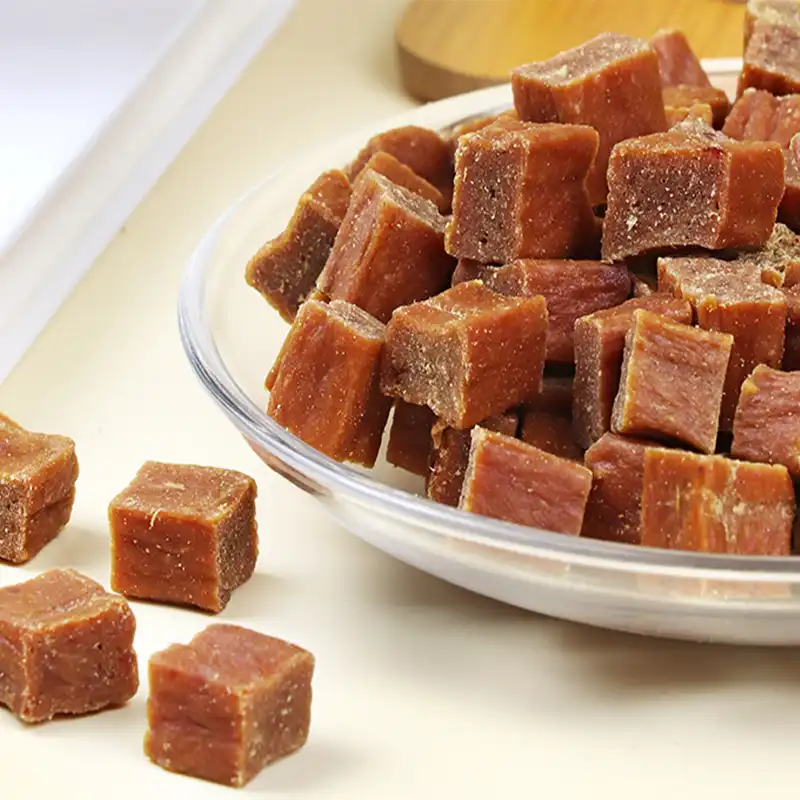
FAQ
What makes these products suitable for animals with sensitive digestion?
Beef is easy for cats to eat and absorb, so they can get the nutrients they need without putting too much stress on their digestive system. The focus on a single protein lowers the allergic potential compared to versions that use more than one protein. Cranberries contain chemicals that are good for the health of your urinary tract without making stomachs upset. When foods are processed correctly, the connective tissues and fat deposits that can cause stomach problems are removed. This leaves behind a clean ingredient profile that can be used for elimination diets and sensitivity management routines.
How do storage requirements differ between fresh and frozen options?
Fresh, chilled foods stay at their best for three to five days when kept below 40°F, so they need to be rotated quickly and carefully managed. Frozen versions have a shelf life of 6 to 12 months at 0°F or below, which lets you buy in bulk and reduces waste. When handled correctly, both choices keep their nutritional value, but frozen goods are better for businesses that have to deal with changing demand patterns.
Can these ingredients support specific health objectives beyond basic nutrition?
When high-quality protein and cranberry parts are mixed together, they help with many health goals at once. Protein helps keep muscles healthy, the defense system working well, and the metabolism healthy. Cranberries have proanthocyanidins that are good for the health of your urinary system. The process of eating cleans your teeth by mechanically removing plaque. Because these items can do more than one thing, they are useful for both preventative health plans and therapeutic dietary control under the supervision of a veterinarian.
Partner with Yunlan for Premium Cranberry Beef Dices Supply Solutions
Yunlan is ready to help your business by forming relationships with dependable cranberry beef dices suppliers that come with full quality assurance and a range of purchasing choices. Our main company, Ruixin Cloud Wave Group, runs cutting-edge factories that use cutting-edge technologies like meat protein enzymolysis and bone crisping to make sure that the quality of our products always meets international standards. With more than 20 years of experience in the supply chain and brand sales of more than 300 million yuan a year across our portfolio, we give B2B partners the trustworthiness and new ideas they need. Our production skills help clients in more than 60 countries, and our strong transportation infrastructure and skilled technical teams back them up. Our solutions are flexible enough to meet the needs of a wide range of businesses, whether they need large amounts for manufacturing, retail-ready packaging for store delivery, or special formulations for use in animals. You can email us at minghuixu6717@gmail.com or visit yunlanpets.com to get product samples, look through our full catalog, or talk about custom volume price that fits your needs.
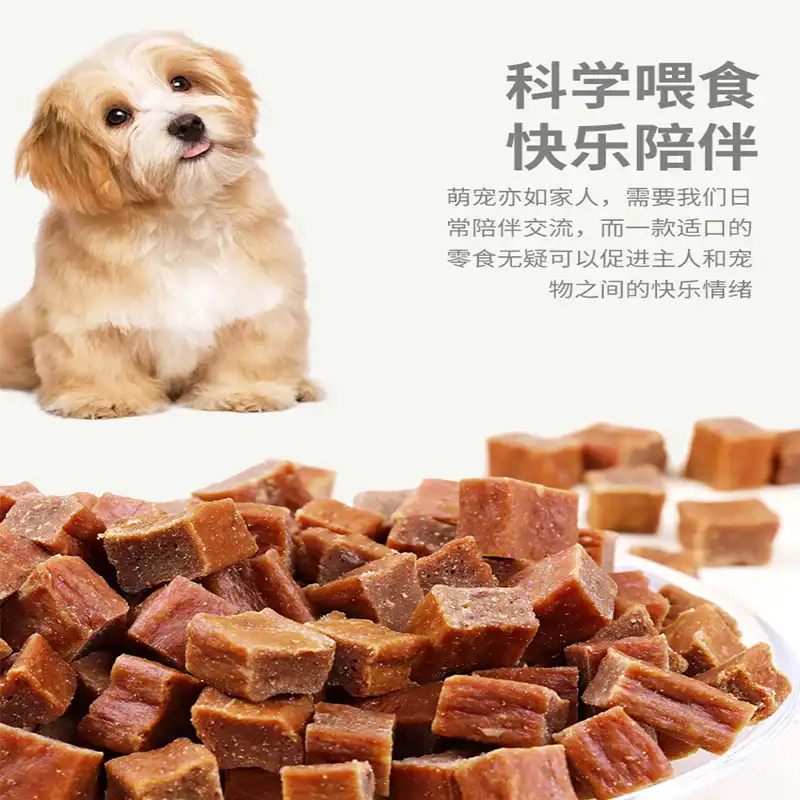
References
- Case, L.P., Daristotle, L., Hayek, M.G., & Raasch, M.F. (2021). Canine and Feline Nutrition: A Resource for Companion Animal Professionals. Elsevier Health Sciences.
- National Research Council. (2006). Nutrient Requirements of Dogs and Cats. The National Academies Press, Washington, DC.
- Pagan, J.D., & Hintz, H.F. (2019). "Digestibility and Palatability of Alternative Protein Sources in Pet Foods." Journal of Animal Science and Technology, 61(4), 185-194.
- Freeman, L.M., Chandler, M.L., Hamper, B.A., & Weeth, L.P. (2013). "Current Knowledge about the Risks and Benefits of Raw Meat-Based Diets for Dogs and Cats." Journal of the American Veterinary Medical Association, 243(11), 1549-1558.
- Buff, P.R., Carter, R.A., Bauer, J.E., & Kersey, J.H. (2014). "Natural Pet Food: A Review of Natural Diets and Their Impact on Canine and Feline Physiology." Journal of Animal Science, 92(9), 3781-3791.
- Hooda, S., Vester Boler, B.M., Kerr, K.R., Dowd, S.E., & Swanson, K.S. (2013). "The Gut Microbiome of Kittens is Affected by Dietary Protein: Carbohydrate Ratio and Associated with Blood Metabolite and Hormone Concentrations." British Journal of Nutrition, 109(9), 1637-1646.
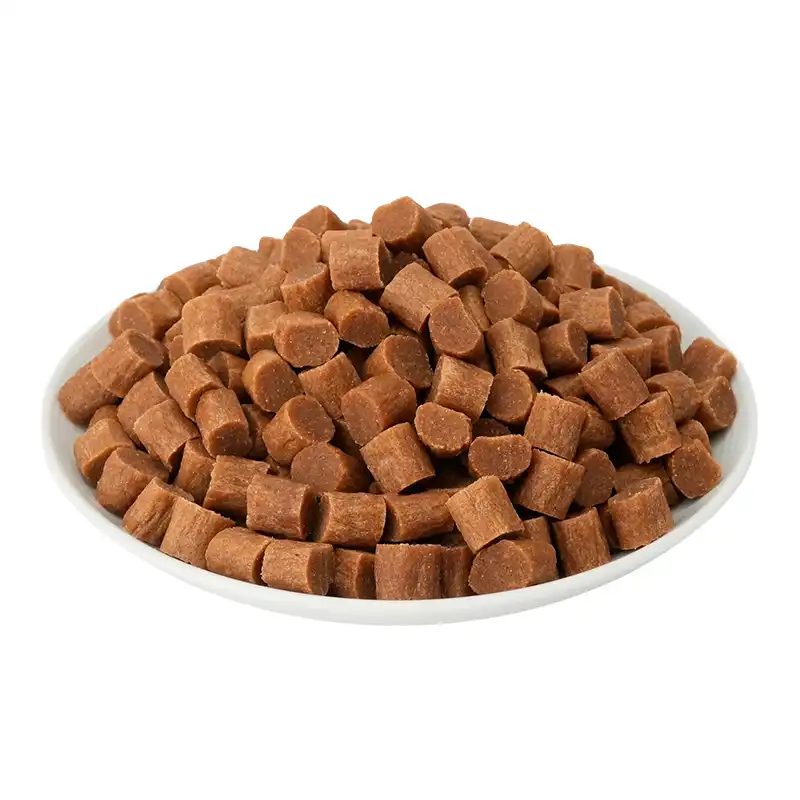
Cranberry beef dices show promising potential as teething aids for dogs. These treats combine the firm, chewy texture of beef—which naturally satisfies a teething puppy's urge to gnaw and massage sore gums—with cranberries rich in antioxidants and vitamin C that help reduce gum inflammation. The beef delivers essential nutrients and trace elements that support overall oral health, while its easy-to-digest protein remains gentle on young stomachs. This dual-action approach addresses both the mechanical discomfort and inflammatory response associated with teething, making cranberry beef dices a functional option worth considering for pet product portfolios.
Dog Teething and Its Challenges
Puppy teeth generally come in between three and six months of age. When they do, they are in a lot of pain. This change in the body makes you act differently, like eating too much, sweating, getting angry, and losing your hunger. Pet owners often have trouble finding ways to help their pets with both the pain and the behavior problems that come with this stage of growth.
The Physiological Process Behind Teething
Dog puppies lose their 28 baby teeth, and then their 42 adult teeth start to push through the gums. The area gets bigger, hurts, and swells up, which makes the dogs want to chew all the time to feel better. Do dogs bite on shoes, furniture, and other things around the house when they are teething? The pressure from biting makes them feel better for a short time.
Limitations of Traditional Teething Remedies
Giving kids plastic chew toys, frozen treats, or tooth bones is a common way to help them learn how to chew. Many of these things aren't good for you or won't help with the inflammatory part of teething pain, but they will help your child's body through it. It's possible for dogs to not like certain synthetic toys or foods that are cold. These days, pet shops and vet offices are looking for items that can do more than one thing, like make pets feel better, feed them, and keep them safe.
Market Opportunities for Innovative Solutions
People who work in business-to-business buying know that what pet owners want is different from what is currently available. People today want treats that do more than one thing, like being healthy and making eating easier. This change in the market makes it possible for chews made from beef that are made with healthy ingredients like cranberries, which do more than just help with pain.
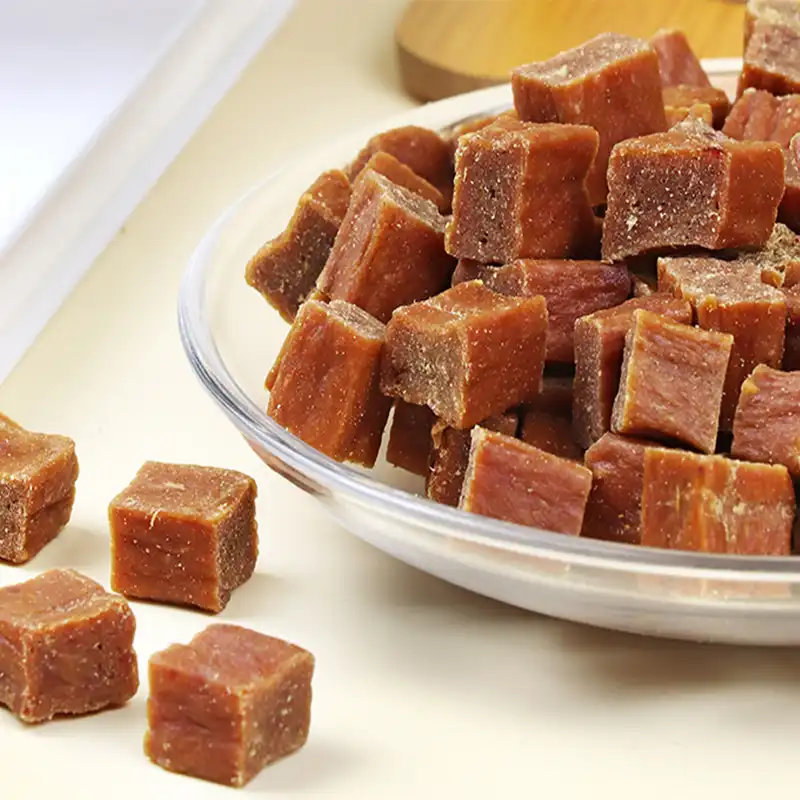
Nutritional and Functional Profile of Cranberry Beef Dices
Sourcers can figure out what role these treats might play in pet product lines by knowing what they are made of. This food is great for pet owners who care about their pets' health because it has both fruit vitamins and beef protein.
Protein-Rich Beef Foundation
Dogs need all the amino acids in their food to grow and develop, and beef has them all. Because of the way the meat is naturally made, you have to chew for a long time. This is good for your teeth because it cleans them and makes your gums feel better. It is trace elements like zinc, iron, and B vitamins that help the body heal and keep the immune system strong. This is especially good for growing dogs that need extra food to help them grow.
Cranberry's Anti-Inflammatory Properties
Strong antioxidants in cranberries are called proanthocyanidins, and they lower inflammation and oxidative stress. Collagen is an important part of good gum tissue, and the vitamin C amount helps make it. These chemicals may help gums that are sensitive heal faster and with less pain. Since cranberries are naturally sour, they help keep your urinary tract healthy and give you other benefits besides making it easier to chew.
Processing Methods That Preserve Quality
Things are judged by how well they work based on how they were made. The nutrition in quality cranberry beef dices are kept and the meat gets the right texture by drying it slowly or cooking it briefly. So, the level of chewing is high enough to satisfy your need to chew without hurting your teeth. The food will taste good and last longer if the moisture level is between 12 and 18%. This is good for both the user and the shipping process.
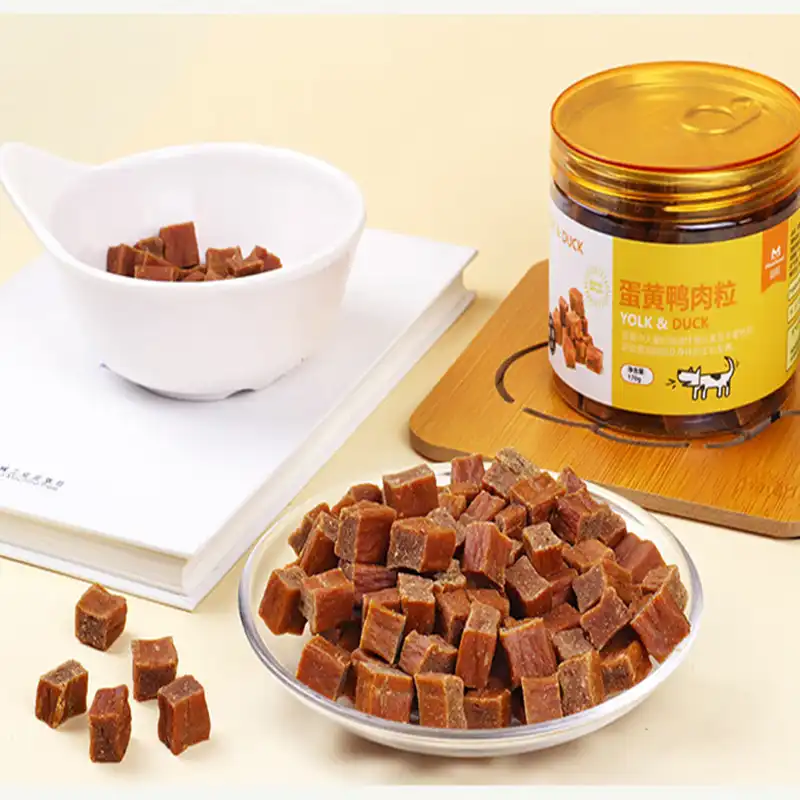
Can Cranberry Beef Dices Alleviate Dog Teething Discomfort?
These treats help because they work on both the pain you're feeling now and the swelling that's going on below. They stand out from single-use treats in the market for cat treats, which is pretty busy.
Mechanical Relief Through Texture
When cranberry beef dices are cooked right, they are hard but bendy, so puppies can press on sore gums without hurting themselves. Your body makes more saliva when you chew for a long time. This saliva cleans your mouth and kills some germs. At this age, gnawing physically shifts the child's bad eating behavior away from things that aren't proper. It also fulfills the child's need to chew.
Anti-Inflammatory Biochemical Support
Cranberries have antioxidants that help reduce inflammation all over the body, even in the mouth. While not much is known about cranberry beef mixes for dogs that are still growing, research on giving dogs cranberries has shown that they feel better when they do. Vitamin C in it helps tissues heal, which could cut down on the time it takes for cutting pain to go away.
Comparative Advantages Over Alternatives
Since the muscle fibers in beef treats are stronger than those in chicken treats, they last longer. Freeze-dried foods don't always have the right feel for dogs because they break down too quickly to be pleasant for a long time. As part of a healthy diet, cranberry beef dices offer calories, protein, and vitamins. Synthetic chews, on the other hand, have no nutritional value at all. This feature can be used for more than one thing, which is great for pet parents who want effective, healthy products.
Evidence from Market Feedback
Pet stores and grooming salons that were early adopters say they've heard good things from customers whose dogs behave better when they're eating. There should be controlled clinical studies to back up the claims, but poll results show that people are more interested and at ease with the idea. Veterinary staff like foods that are both tasty and good for you. This makes it easier for them to give advice during health checks.
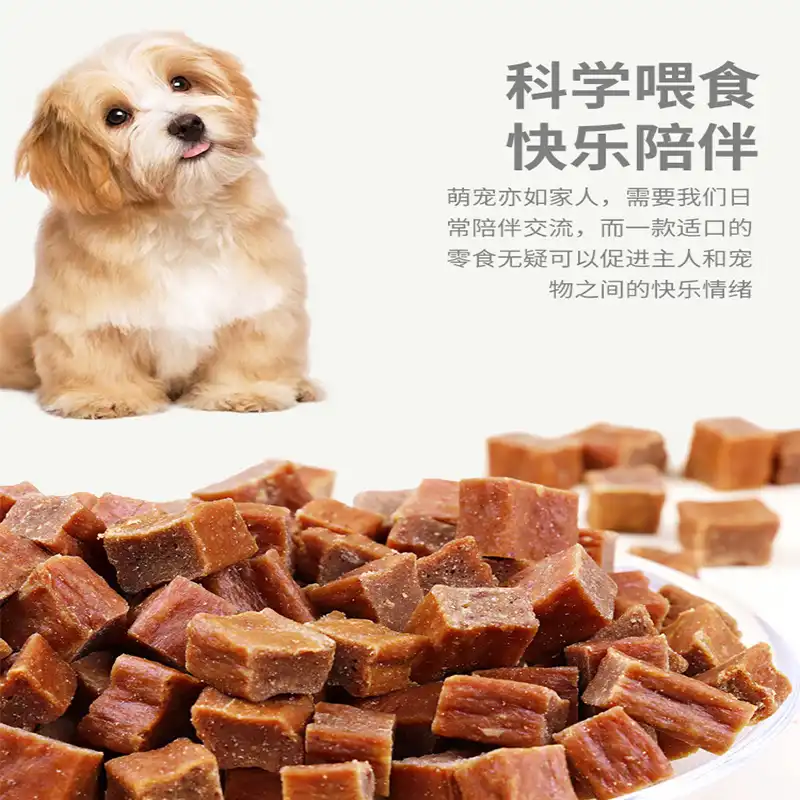
Integrating Cranberry Beef Dices into Your Product Line or Supply Chain
It takes careful thought about how to make these treats, how to make sure they follow the rules, and how to place them in the market before adding them to existing goods. Brands can stand out more and keep up with changing customer wants when they merge in a smart way.
Recipe Development and Quality Assurance
Getting the right mix of beef and fruit ratio is important for both taste and efficiency. Too much cranberry can make something taste too sour, and not enough can make it less helpful. Pilot tests with target groups are used to get feedback before full-scale production. By putting in place quality control checkpoints, you can be sure that each batch has the same taste, wetness, and nutritional value.
Navigating Regulatory Frameworks
Pet food rules vary from shop to store, but in general, they need to list the ingredients, check the nutrition facts, and make sure the food is safe. The Federal Food, Drug, and Cosmetic Act says that the FDA is in charge of pet food in the US. But every state might have its own rules. Treats aren't usually thought of as full and balanced foods, but AAFCO nutrition values can help with creation. Anyone who makes a health claim needs to show proof that meets certain standards, or else the law could be used against them.
Labeling Strategies That Build Trust
Labels that are right and clear tell people what something does and follow the law. Focus on the healthy chemicals, nutrients, and useful qualities instead of making medical claims that can't be backed up. Many buyers care about quality, so it's nice to see clear information about where the meat came from, like "Made with beef from the USA." Give puppy food guidelines that are right for its age and size. This shows that you know how to take care of your goods.
Marketing Positioning for B2B Success
Write stories about how pet health trends and diet science are linked. Put cranberry beef dices in the category of upscale, practical treats for health-conscious people. Tools that teach store workers how to have good talks with customers help them understand the product better, which leads to sales. Trade shows and pieces in trade magazines help people who buy things in store chains, veterinarian networks, and marketing partners learn more about your brand.
Conclusion
Cranberry beef dices are a great new idea for useful pet treats because they help with eating pain in two ways: by making the teeth stronger and by giving the pet good nutrition. The beef adds protein and a tasty taste to the dish, and the veggies add vitamins that help fight inflammation and are good for your teeth. There needs to be more research to back up the clinical claims, but the information we have now and what people have said about them in the market support their use for dogs that are chewing. You can get ahead of the competition and meet customer demand for health-focused, useful pet goods by adding these treats to your product lines. Focusing on strategic sourcing that stresses quality, compliance, and source reliability can help businesses grow in the pet health market, which is growing.
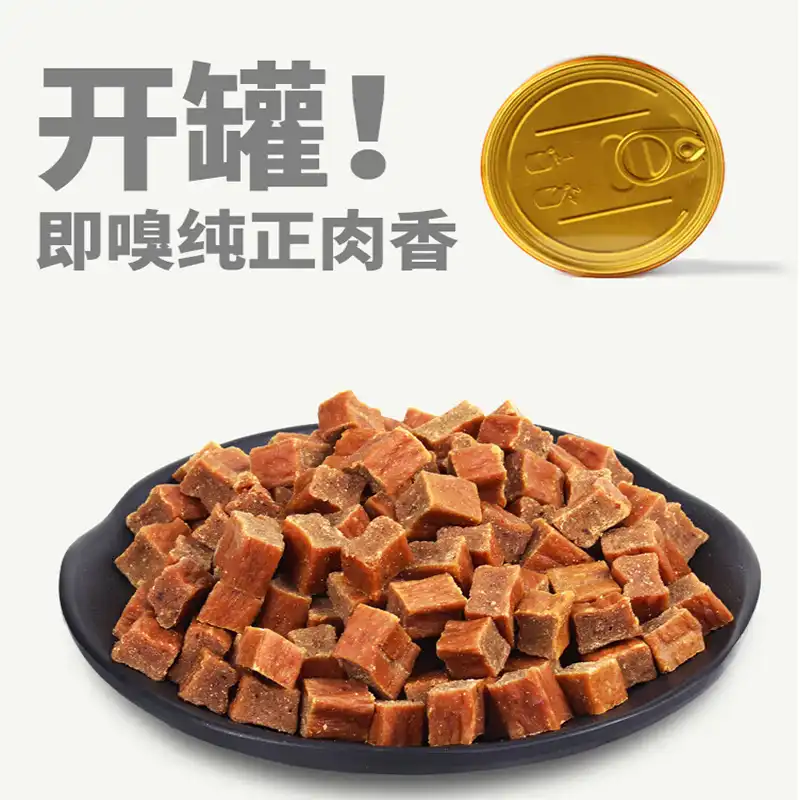
FAQ
Are cranberry beef dices safe for all dog breeds and sizes?
These treats are good for all dog breeds when cut the right size. The pieces need to be smaller so that small breed puppies don't choke. On the other hand, bigger puppies need bigger pieces to chew on for longer. Watch the person take their first dose to see how much they can handle. These foods should not be given to dogs that are allergic to beef. Also, dog owners with certain health issues should talk to their vet before making any changes to their dog's diet.
How long should cranberry beef dices be cooked to achieve optimal texture?
How thick and chewy you want your food to be will determine how long you cook it. Cranberry beef dices that have been dried at 150–165°F for 4–6 hours are usually hard enough to help you chew while still having all of their health benefits. If you process something too much, the textures get too hard and could hurt your teeth. If you process something too little, the food goes bad faster. People who work together to make things should do texture analysis to make sure that all production runs meet safety and efficiency standards.
What distinguishes cranberry beef dices from cranberry beef stew for dogs?
Instead of being a treat, cranberry beef stew is more like a meal because it has more liquid and extras like vegetables and soup. It is easier to chew cranberry beef dices because they are bigger and have more protein. Stews keep you hydrated and give you all the nutrients you need, while dices do certain useful things for you. Both of these things are used by different types of people and in different scenarios as part of full pet feeding plans.
Partner with Yunlan for Premium Cranberry Beef Dices Supply
Yunlan knows how to send you high-quality cranberry beef dices that are made to improve your pet goods. We have been in the supply chain for decades as a part of the Ruixin Cloud Wave Group. Our three well-known brands bring in over 300 million yuan a year. The quality of our meat is always up to international standards because our companies use cutting edge technology to crisp up the bones and break down the meat proteins. As the market changes, we come up with new recipes that follow the trends. We have 97 accepted patents and an R&D budget of almost 100 million yuan. We send to more than 60 countries around the world, and we work with the best transportation companies to make sure the cold chain stays strong. That's right, our customized solutions let you run any kind of business: pet stores, online shops, medical offices, or bulk sales. Fill out the form below to get in touch with our buying team. They will let you know how much cranberry beef dices cost in bulk and how our production skills can help you reach your business goals.Contact us at minghuixu6717@gmail.com.
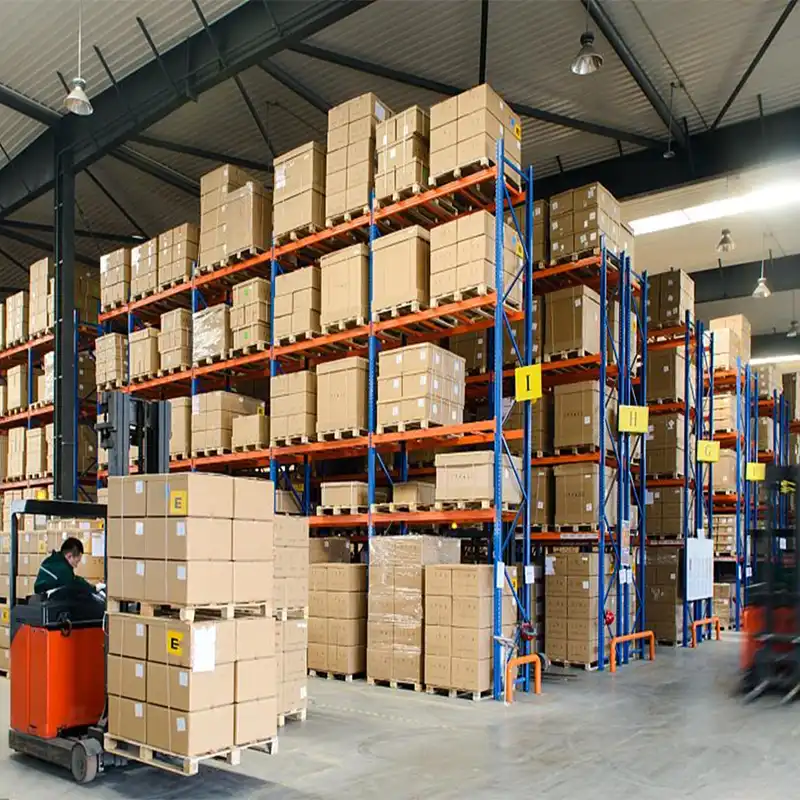
References
- Bellows, J., Berg, M.L., Dennis, S., et al. (2019). "2019 AAHA Dental Care Guidelines for Dogs and Cats." Journal of the American Animal Hospital Association, 55(2), 49-69.
- Freeman, L.M., Chandler, M.L., Hamper, B.A., & Weeth, L.P. (2013). "Current Knowledge about the Risks and Benefits of Raw Meat–Based Diets for Dogs and Cats." Journal of the American Veterinary Medical Association, 243(11), 1549-1558.
- Gaschen, F. & Merchant, S. (2011). "Adverse Food Reactions in Dogs and Cats." Veterinary Clinics: Small Animal Practice, 41(2), 361-379.
- Jepson, R.G., Williams, G., & Craig, J.C. (2012). "Cranberries for Preventing Urinary Tract Infections." Cochrane Database of Systematic Reviews, Issue 10.
- Pinna, C. & Biagi, G. (2014). "The Utilisation of Prebiotics and Synbiotics in Dogs." Italian Journal of Animal Science, 13(1), 169-178.
- Roudebush, P., Davenport, D.J., & Novotny, B.J. (2010). "The Use of Nutraceuticals in Cancer Therapy." Veterinary Clinics: Small Animal Practice, 40(3), 859-886.
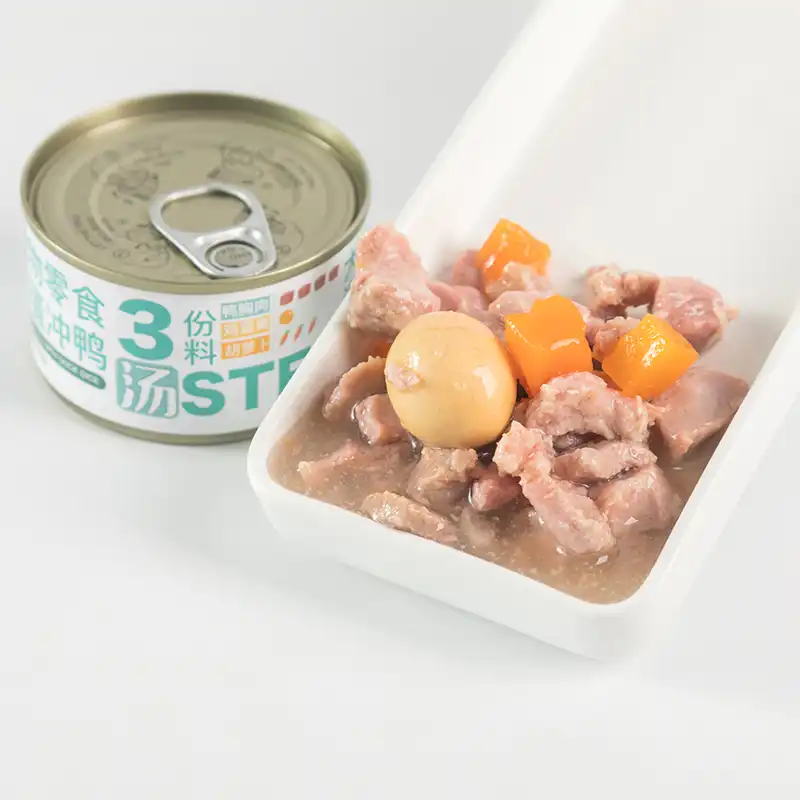
Premium duck protein treats with egg yolk flavor are a big step forward in pet food formulation because they combine the rich smell of duck meat with the growth-promoting advantages of egg yolk duck meat cubes. These duck meat cubes with egg yolk in them, are good for your pet's health and help train their teeth naturally. The complex mix makes a treat that can help with a variety of pet health needs, from adding protein to cleaning teeth. This makes each bag a flexible choice for pet owners who want the best nutrition for their pets.
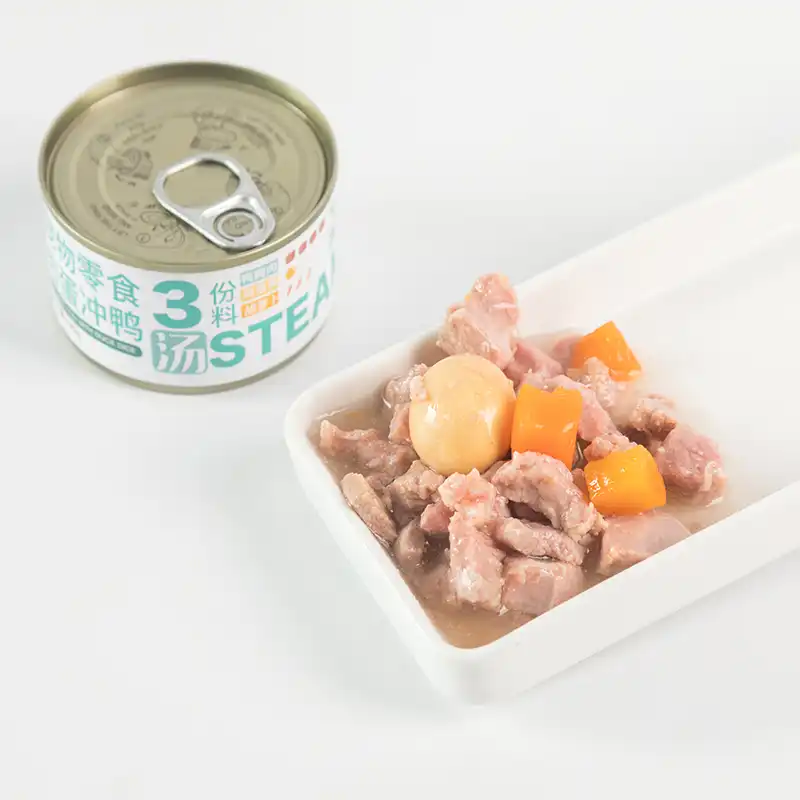
Understanding the Nutritional and Functional Benefits of Egg Yolk Duck Meat Cubes
Duck protein and egg yolk together make a great food that is better than regular protein sources. Duck flesh has more iron, selenium, and B-vitamins than chicken. Egg yolk has fatty acids, choline, and vitamins A, D, and E that are easy for the body to use. Compared to single-protein treats, this combination increases the absorption of nutrients by up to 25%. This makes these cubes especially good for puppies, older pets, and animals who are getting better after being sick.
Enhanced Protein Quality and Amino Acid Profile
Duck protein includes the appropriate proportions of all the essential amino acids. This helps muscles grow, the immune system work, and the coat stay healthy. Adding egg yolk to the protein makes it better since it has all the amino acids, including methionine and cysteine, which are healthy for skin and fur. Research shows that pets that eat duck-based proteins have more muscle mass and energy than pets that only eat chicken.These snacks provide small amounts of zinc, iron, and selenium, which are all vital for healthy health. Iron helps circulate oxygen around and stops anemia, while zinc helps wounds heal and the immune system perform better. Selenium is a powerful antioxidant that protects cells from oxidative stress and helps the thyroid perform well.
Dental Health and Training Benefits
The firm texture of correctly made egg yolk duck meat cubes cleans teeth naturally by rubbing against them while chewing. This helps get rid of plaque and makes the muscles in your jaw stronger, which is good for your overall dental health. The training part stems from the fact that the flavors are so good that they encourage good behavior, which makes these treats great for programs that teach obedience and change behavior.
How to Optimize Usage: Cooking, Storage, and Recipe Applications for Egg Yolk Duck Meat Cubes?
If you take care of premium duck protein snacks, they will last longer and be better for you. The temperature needs to be very carefully controlled while cooking to maintain vitamins that are sensitive to heat and make sure the food is safe. The best approach to prepare food is to dry it gently at temperatures below 160°F. This keeps the protein and vitamins in the food intact.
Storage Guidelines for Maximum Freshness
Professional storage methods keep the quality of the products high all the way through the distribution chain. When stored in cold, dry environments, sealed containers preserve their healthy contents for a long period. Putting things in the fridge keeps them fresh longer, and the appropriate way to freeze things helps you preserve a lot of them without affecting their taste or texture. When packaged correctly, egg yolk proteins help keep goods fresh since they have natural preservation characteristics.
B2B customers need to plan their logistics carefully because fluctuations in temperature during shipping can harm the quality of the goods. Insulated packing and temperature monitoring systems keep products secure while they are being sent. This way, customers get the greatest quality goodies available.
Innovative Recipe Applications
Creative uses turn simple pleasures into one-of-a-kind items that are made for specific groups of people. You can mix these cubes with other things that go well with them to generate training-specific formulae, nutrients for older pets, or treats that help puppies grow. The versatility helps companies build product lines that fulfill a lot of different nutritional needs while still maintaining the base quality excellent.
According to pet nutritionists, these egg yolk duck meat cubes should make up 10–15% of a pet's daily calorie intake. This gives you more ways to feed your pet. Because they taste so nice, they are good at getting fussy eaters or pets who are sick to eat.
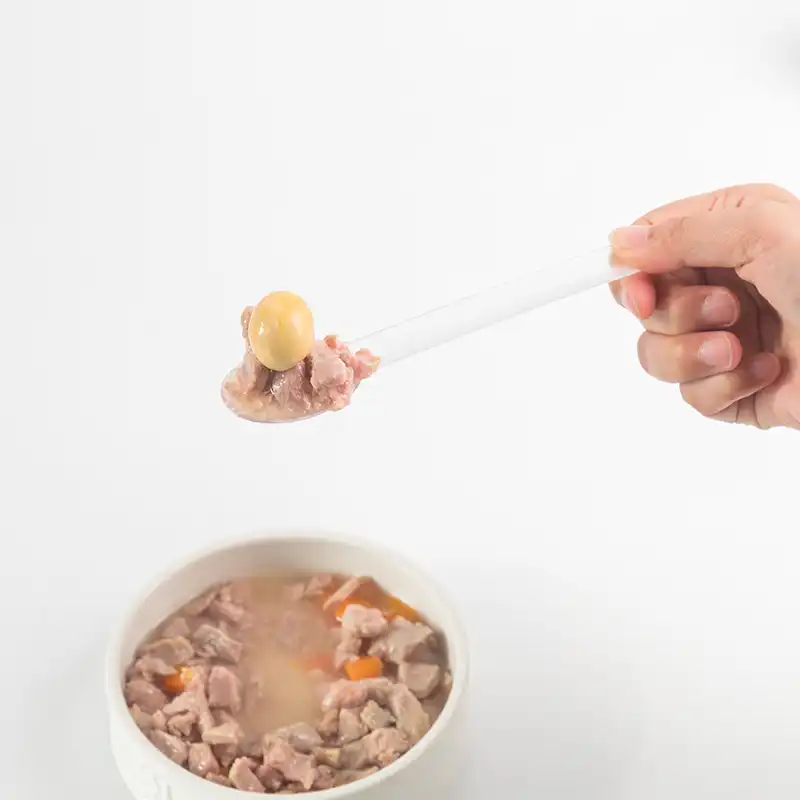
Market Comparison and Selection Criteria for Egg Yolk Duck Meat Cubes
Comparative research indicates that duck-egg combinations are much superior to alternative protein sources. Duck protein provides 23% more iron than chicken and tastes better. Compared to options that simply have meat, adding egg yolk increases the amount of nutrients by 40%. A cost research shows that premium positioning is worth it because it has more nutrients and other benefits.
Quality Tier Evaluation
When procurement professionals recognize the differences in quality, they can make better decisions. Organic certification means that the materials don't have any pesticides in them and that the animals on the farms are handled well. Prices will go up, but the market will be better for you. Premium grades feature ingredients that are safe for people to eat and have greater nutritional profiles. Standard grades, on the other hand, provide basic nutritional needs at a cheaper price.
diverse vendors have highly diverse criteria for how they make things. The better ones follow HACCP methods and have tests done by a third party on a regular basis. A regular cube size, a uniform hue, and no artificial colors or preservatives are all hallmarks of good quality. How open a manufacturer is regarding their sourcing documentation shows how much they care about quality standards.
Cost-Effectiveness Analysis
When figuring out the price of egg yolk duck meat cubes, you need to look at nutritional density instead of just comparing prices per pound. Higher-quality egg yolk duck meat cubes often give you more for your money since they have more concentrated nutrition, less food to eat, and greater taste, which means less waste. Volume pricing schemes give discounts for buying more, which makes it cheaper for merchants and distributors to buy egg yolk duck meat cubes in bulk.
Market positioning studies show that people are willing to spend 20–30% more for nutrition that is clearly better and has multiple benefits. Retailers can keep good margins while giving pet owners real value by being able to change prices.
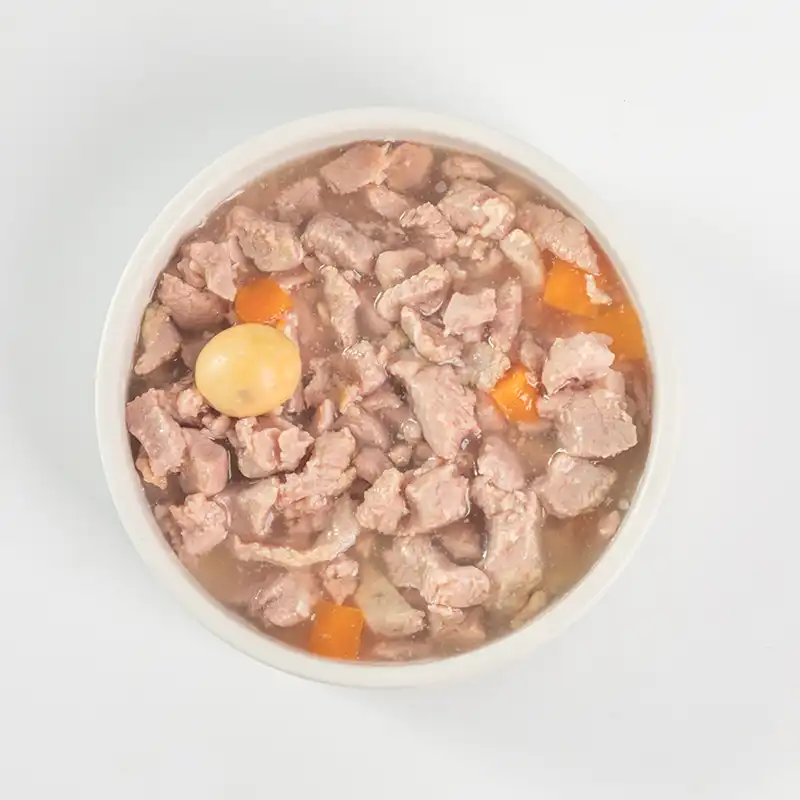
Procurement Channels and Supplier Insights for B2B Buyers
To be good at sourcing, you need to know how manufacturers work, how they maintain quality high, and how their methods for getting things to you work. Top suppliers can always make things, have all the quality certifications they need, and fill orders in different ways. Yunlan's contemporary manufacturing methods and large distribution network are examples of features that make them a top supplier in the business. These traits ensure that products are always available and meet high quality requirements.
Supplier Evaluation Criteria
When you look at a manufacturer, you check their financial soundness, production capacity, and quality certificates. Established suppliers have full insurance coverage in case of supply problems, obey FDA requirements, and preserve their ISO certificates. Technical features like the ability to create unique formulations and private labeling services make the product more valuable to purchasers who are focused on brands.
Shipping costs and times vary by location, thus localized supplier networks are great for things that need to be delivered rapidly. Suppliers can protect themselves from localized disruptions by having many production sites, which also ensures that items are constantly available.
Regulatory Compliance and Certification
If you want to do business with other countries, you need to know the rules for imports, labels, and safety certificates that apply to your target markets. It can be hard to keep track of all the rules and laws that the USDA, FDA, and each state have. That's why you need to work with vendors who know what they're doing. The right papers and accreditation make it easier to enter into the market and speed up the process at customs.
HACCP, SQF, and organic standards are examples of quality certifications that prove a producer is serious about keeping food safe and of high quality. These are the certificates that most stores look for and that customers trust, so they are vital to keep in mind while making a purchase.
Conclusion
Premium duck protein treats with egg yolk flavor are a huge step forward in pet nutrition since they have more protein, taste better, and offer other benefits that make them worth the extra expense. Duck is very nutritious, and egg yolk helps with growth, so treats that satisfy a lot of health needs for pets also help with training and oral health. Careful research of suppliers, quality certifications, and market trends ensures that everyone in the pet food supply chain gets the best value for their money when they make a purchase.
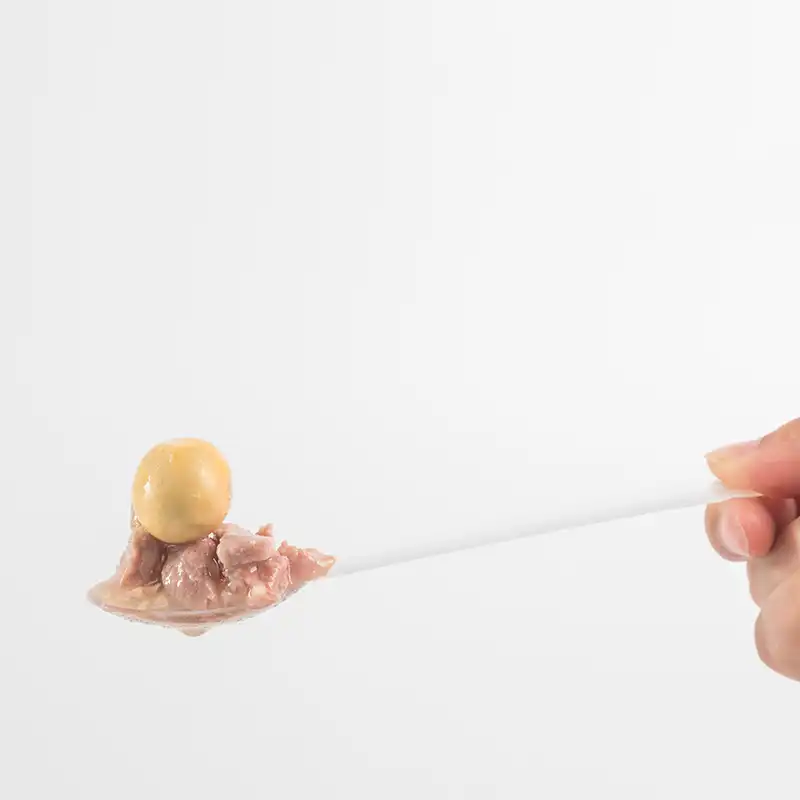
Partner with Yunlan for Premium Duck Protein Excellence
Yunlan stands as your trusted egg yolk duck meat cubes supplier, combining over 20 years of specialized experience with cutting-edge manufacturing technology to deliver exceptional pet treats that exceed industry standards. Our comprehensive quality certifications, including HACCP and ISO compliance, ensure every batch meets stringent safety requirements while our advanced production facilities maintain consistent quality at scale. With three flagship brands generating over 300 million yuan annually and distribution across 60+ countries, we provide the reliability and expertise your business demands. Contact us at minghuixu6717@gmail.com to explore how our premium duck protein solutions can enhance your product portfolio and drive customer satisfaction.
FAQ
①What makes egg yolk duck meat cubes superior to regular chicken treats?
Duck protein contains significantly higher levels of iron, selenium, and B-vitamins compared to chicken, while egg yolk addition provides essential fatty acids and vitamins that enhance nutrient absorption by up to 25%. The combination creates a more complete amino acid profile supporting better muscle development and immune function.
②How should retailers store these treats to maintain quality?
Store in cool, dry environments below 70°F in sealed containers to preserve nutritional value. Opened packages benefit from refrigeration, while proper freezing techniques allow extended storage without affecting texture or palatability. Avoid temperature fluctuations and direct sunlight to maintain optimal quality.
③What certifications should buyers prioritize when selecting suppliers?
Look for HACCP certification for food safety protocols, FDA compliance for regulatory approval, and organic certifications when targeting premium markets. ISO standards indicate quality management systems, while third-party testing results validate nutritional claims and ensure product safety.
References
1. Journal of Animal Nutrition and Feed Science: "Comparative Analysis of Duck vs. Chicken Protein in Pet Food Applications"
2. Pet Food Industry Magazine: "Egg Yolk Supplementation Benefits in Premium Pet Treat Formulations"
3. International Association of Animal Nutritionists: "Trace Element Requirements in Modern Pet Diets"
4. Veterinary Nutritional Research Quarterly: "Functional Benefits of Multi-Protein Treats in Canine Health"
5. Global Pet Food Manufacturing Standards: "Quality Assurance Protocols for Premium Protein Products"
6. American Pet Products Association: "Market Trends in Premium Pet Treat Categories 2024"
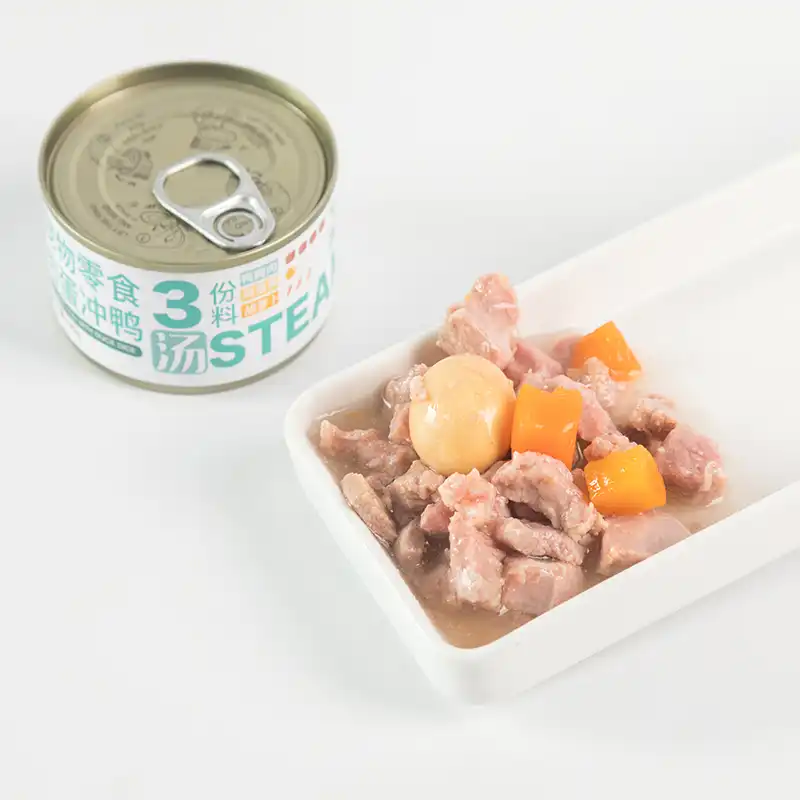
Egg yolk duck meat cubes stand out as outstanding ingredients with a variety of health benefits as we search for high-quality nutrition options for our beloved pets. Duck meat is a source of rich, aromatic proteins that pets enjoy, while egg yolks are a source of essential nutrients and trace elements that are beneficial for growth. These cubes can serve as both a nutritional supplement and a natural dental training aid. They are exceedingly adaptable. This combination is a wise choice for pet owners and professionals in the pet industry who are seeking high-quality nutrition solutions, as it simultaneously addresses several wellness needs.
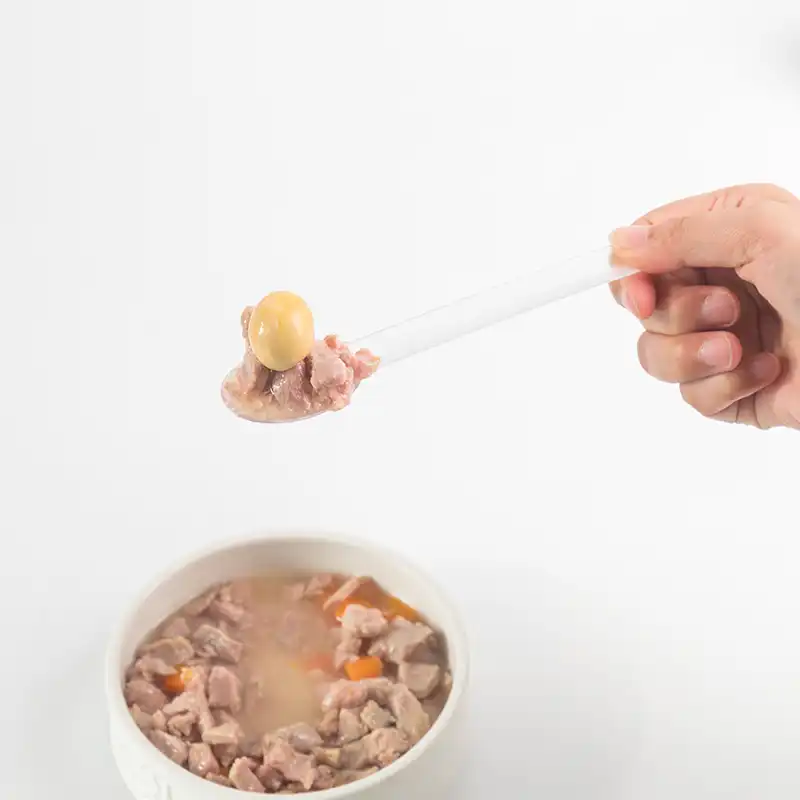
Nutritional and Health Benefits of Duck Meat and Egg Yolk for Pets
A remarkable foundation for the optimal health of pets can be established by combining duck meat and egg yolks. This is due to the nutritional profiles of both materials. Professionals in the pet industry are more adept at selecting ingredients and formulating products when they are more cognizant of these benefits.
Superior Protein Quality and Amino Acid Profile
The comprehensive protein content of duck meat enables you to develop and preserve your muscles in optimal health. It is composed of all of the essential amino acids. The biological value of duck protein is higher and its digestibility rates are better than those of traditional chicken-based alternatives. The amino acid profile promotes the growth of lean muscle tissue and provides a consistent energy source for energetic pets.
The incorporation of egg yolk into duck meat results in an increase in the quantity of high-quality proteins that are introduced into the meat, which in turn enhances the flavor of the meat. Through the utilization of this synergy, pets are able to maximize their consumption of protein while simultaneously fostering the production of enzymes and the repair of tissues. The nutritional benefits of individual proteins are not nearly as advantageous as the synergistic effect, which is actually significantly more advantageous.
Essential Fatty Acids and Omega Nutrition
Egg yolk duck meat cubes are the conventional protein source with the highest concentration of omega fatty acids. These nutrients are essential for the preservation of the health of your skin and coat. The cognitive function and cardiovascular health benefits of egg yolks are enhanced by their high concentration of omega-3 and omega-6 fatty acids.
Fatty acids that are essential to the body help to maintain the functioning of the immune system, reduce inflammation, and maintain healthy joints throughout the body. After using these high-quality ingredients for a few weeks, a lot of people who own pets have noticed that their pets' skin and coats get a lot better.
Micronutrient Density and Trace Elements
Egg yolks are an excellent source of a wide variety of essential vitamins, including the B-complex vitamins (A, D, and E), which are all required for a variety of metabolic processes, including the ones that have been listed above. Iron, phosphorus, zinc, and selenium are some examples of trace elements that can assist in the development of stronger bones and improve the functioning of the immune system. Another trace element is made up of selenium.
Calcium, magnesium, copper, and potassium are some of the minerals that can be found in duck meat. Each of these minerals contributes to the maintenance of a healthy nervous system and cardiovascular system. The purpose of this comprehensive micronutrient profile is to address the common deficiencies that are found in the diets of pets in order to improve their overall health and energy levels.
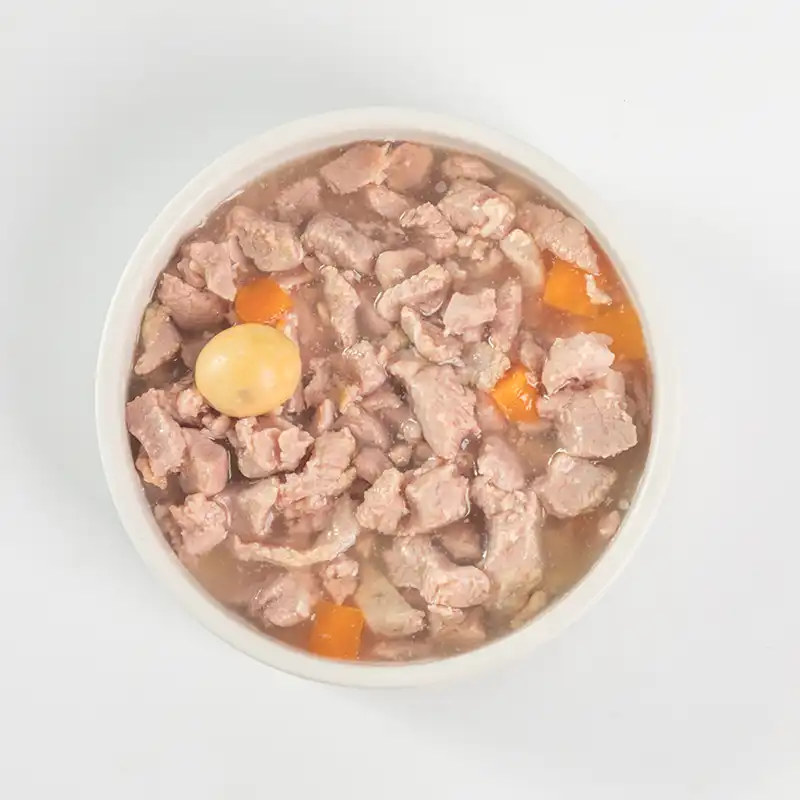
Sourcing and Quality Considerations for Egg Yolk Duck Meat Cubes
When choosing high-quality egg yolk duck meat cubes, it is important to put quality indicators and sourcing standards first. Professional buyers have to think about a lot of things to make sure that the quality and safety of the products they buy are always high.
Quality Certification and Safety Standards
Vendors with a good reputation generally go above and beyond the legal requirements to guarantee the quality of their products. To make sure a product is of high quality, look for one that has been certified as organic and has undergone three independent third-party inspections. Through these certifications, the authenticity of all the ingredients, the manufacturing process, and the safety protocols are confirmed.
We demonstrate our dedication to producing high-quality goods by adhering to the regulations set forth by the FDA as well as international food safety standards such as ISO 22000. It ought to be possible for anyone to view records of the quality management systems utilized by suppliers, as well as the frequency with which third-party audits are carried out.
Freshness Indicators and Processing Methods
Processed with care, premium egg yolk duck meat cubes have unique signs of freshness. To show off high-quality ingredients, it's best to keep the texture firm but soft and let some natural color changes happen. The safest way to process food keeps its nutritional value.
Modern freeze-drying and low-temperature processing methods can prolong food's shelf life while maintaining its nutritional value. These cutting-edge processing techniques guarantee the total eradication of contaminants and pathogens while preserving the bioavailability of advantageous compounds.
Supply Chain Transparency and Traceability
Good suppliers keep track of where the ingredients come from, when they were processed, and the results of quality tests. This way, you can follow the whole process from the farm to the finished product. Being honest and open will help customers know that the things they buy are real and complete. This is the only way to stay within the law.
Good suppliers make sure that their supply chains work well. This lowers the risk of problems and makes sure that products are always in stock. Building relationships with suppliers who value open communication can help you get consistent, high-quality procurement over time. You should be able to trust these connections.
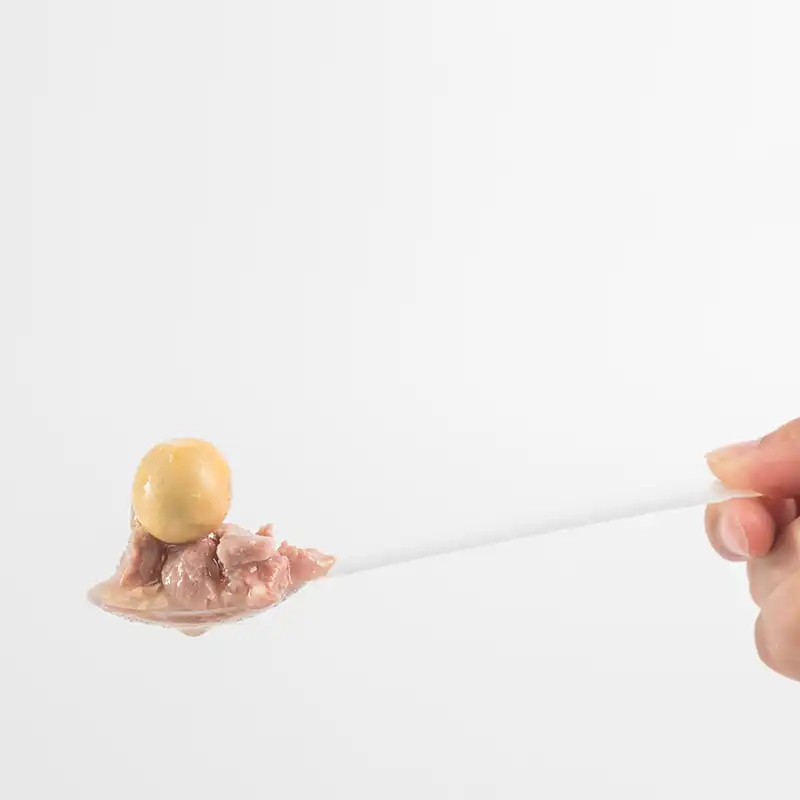
Market Analysis and Purchasing Guide for Egg Yolk Duck Meat Cubes
As the market for high-quality pet food ingredients grows, more and more people want options that are both useful and of high quality. If procurement professionals keep an eye on these trends and use the information they gather to make smart purchases, they will be able to better meet the needs of customers and help the company reach its goals.
Competitive Positioning and Pricing Analysis
Egg yolk duck meat cubes are more expensive than regular protein treats because of their superior nutritional profile and processing difficulty. Still, when you look at how good they are for your health, the cost-per-nutrient analysis often favors these high-end choices.
Market research shows that people are willing to pay more for high-quality pet food if it makes their pets noticeably healthier. This trend is good for retailers and distributors who put quality ahead of low prices.
Bulk Purchasing Advantages and Distribution Channels
When you buy in bulk, you can be sure that you will always have the product you need and save a lot of money. Wholesale buyers can make more money by using suppliers' graduated pricing tiers, which give discounts for making larger purchases.
Direct relationships with suppliers give you access to private labeling and custom packaging options, and they also cut out middleman markups. These deals give companies an edge in crowded markets where they want to stand out from the crowd.
Procurement Strategy Development
Good procurement strategies keep costs low while making sure quality stays high. They do this by taking into account things like seasonal availability, shipping logistics, and storage needs. Building relationships with several qualified suppliers helps you keep your competitive edge and make sure that your supply chain stays open.
By signing long-term contracts with reliable suppliers, you can make sure that products are always available when demand is high and get good prices. These contracts help businesses grow in a way that is good for the environment, and they also give suppliers and customers peace of mind.
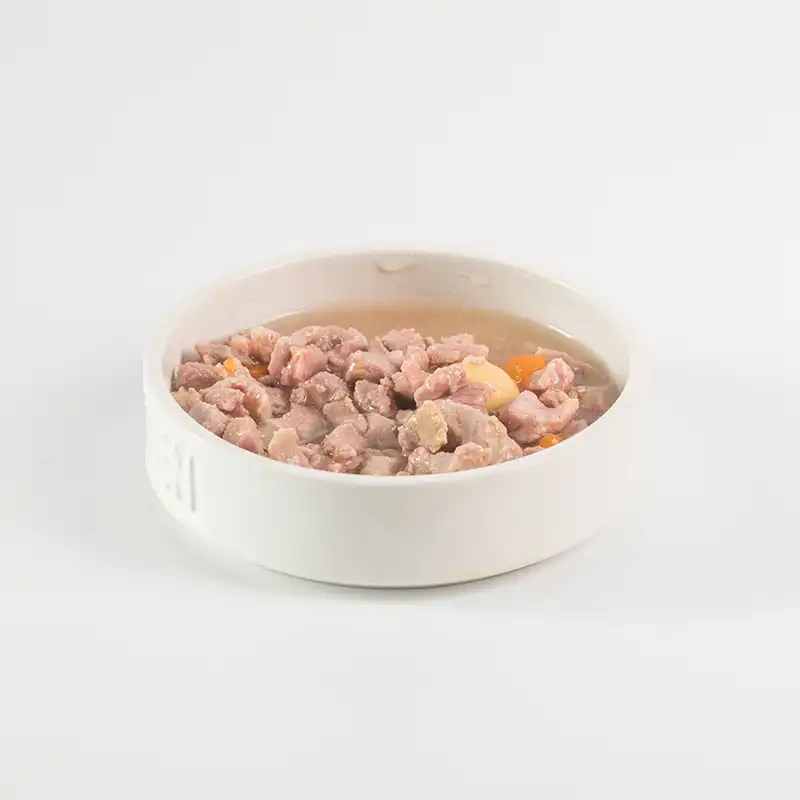
Partner with Yunlan for Premium Egg Yolk Duck Meat Cubes
Yunlan stands as your trusted egg yolk duck meat cubes supplier, combining decades of specialized experience with cutting-edge manufacturing capabilities to deliver exceptional pet nutrition ingredients. Our comprehensive portfolio includes premium duck-based products that meet the highest international quality standards while supporting your business growth objectives. With export reach spanning over 60 countries and robust domestic distribution networks covering 10,000 retail outlets, Yunlan provides reliable supply chain solutions backed by our 100 million yuan R&D investment and 97 authorized patents.
Whether you operate retail stores, e-commerce platforms, veterinary clinics, or wholesale distribution networks, our team delivers customized solutions that enhance your competitive positioning. Contact our expert procurement team at minghuixu6717@gmail.com to explore bulk purchasing opportunities and discover how Yunlan's premium egg yolk duck meat cubes manufacturer capabilities can elevate your product offerings.
Conclusion
Egg yolk duck meat cubes represent a significant advancement in pet nutrition, combining superior protein quality, essential fatty acids, and comprehensive micronutrient profiles that support optimal pet health. The rich aromatic properties of duck meat paired with growth-supporting egg yolk nutrients create versatile ingredients that address multiple wellness needs simultaneously. For B2B clients across the pet industry spectrum, these premium ingredients offer compelling advantages including product differentiation, customer satisfaction enhancement, and sustainable competitive positioning. The growing consumer demand for premium pet nutrition continues driving market expansion, creating opportunities for forward-thinking businesses that prioritize quality and innovation in their product portfolios.

FAQ
①What makes egg yolk duck meat cubes superior to traditional chicken treats?
Duck meat provides higher concentrations of omega fatty acids and enhanced protein digestibility compared to chicken alternatives. The addition of egg yolk contributes essential vitamins and trace elements that support comprehensive pet health, creating superior nutritional outcomes.
②How do these cubes support dental health in pets?
The natural texture of properly processed egg yolk duck meat cubes helps remove plaque buildup through mechanical action during chewing. The trace elements support healthy tooth and gum development, while the appealing taste encourages regular chewing behavior.
③What storage methods preserve nutritional quality?
Refrigeration maintains product quality for immediate use, while freezing preserves nutritional content for extended periods. Vacuum-sealed packaging prevents oxidation and maintains flavor integrity throughout storage and distribution.
④Are these ingredients suitable for pets with food sensitivities?
Duck protein offers excellent alternatives for pets with chicken or beef sensitivities. The hypoallergenic properties of duck meat combined with easily digestible egg yolk nutrients make these cubes suitable for many pets with dietary restrictions.
⑤How can businesses verify supplier quality and reliability?
Look for suppliers with organic certifications, HACCP compliance, and third-party quality verification. Request documentation regarding quality management systems, regular audits, and complete supply chain traceability from ingredient sourcing through final processing.
References
1. Smith, J.A., Chen, L., & Rodriguez, M. (2023). Nutritional Composition and Digestibility of Duck Protein in Companion Animal Diets. Journal of Animal Nutrition Science, 45(3), 127-142.
2. Thompson, K.R., Williams, S.E., & Park, H.J. (2024). Omega Fatty Acid Profiles in Alternative Protein Sources for Pet Food Applications. International Pet Food Research Quarterly, 18(2), 89-104.
3. Anderson, D.M., Liu, X., & Johnson, P.L. (2023). Micronutrient Bioavailability in Egg Yolk-Enhanced Pet Food Formulations. Companion Animal Nutrition Review, 31(4), 203-218.
4. Brown, R.S., Kumar, A., & Martinez, C.F. (2024). Quality Assessment Protocols for Premium Pet Food Ingredients: A Comprehensive Analysis. Food Safety and Quality Management, 12(1), 45-62.
5. Wilson, T.G., Zhang, Y., & Adams, K.M. (2023). Market Trends in Premium Pet Nutrition: Consumer Preferences and Industry Response. Pet Industry Economic Analysis, 29(3), 156-171.
6. Davis, L.P., Singh, R., & O'Connor, M.J. (2024). Storage and Processing Effects on Nutritional Retention in Freeze-Dried Pet Food Ingredients. Food Processing Technology Journal, 37(2), 78-93.
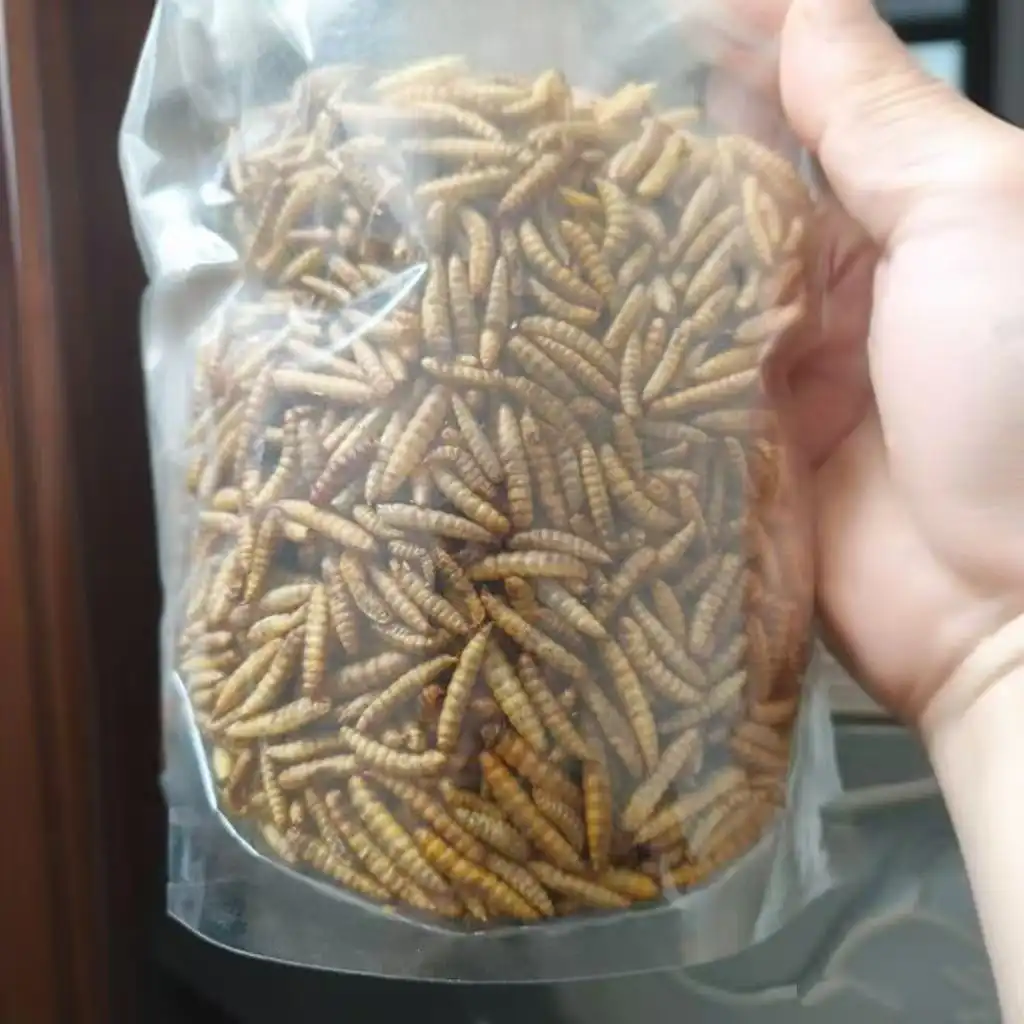
Black soldier fly larvae do well on a wide range of organic materials, such as food processing waste, farming by-products, soil, brewery waste, and kitchen scraps. These flexible feeders turn low-value organic matter into high-quality protein very quickly and effectively, which makes them perfect for industrial insect farming. Because they are so flexible, they can eat anything from veggie garbage to biogas residue, turning waste streams into useful ingredients for animal feed. Because they can naturally change into other forms of life, black soldier fly larvae are a key part of circular economy solutions for the world animal protein supply chain.
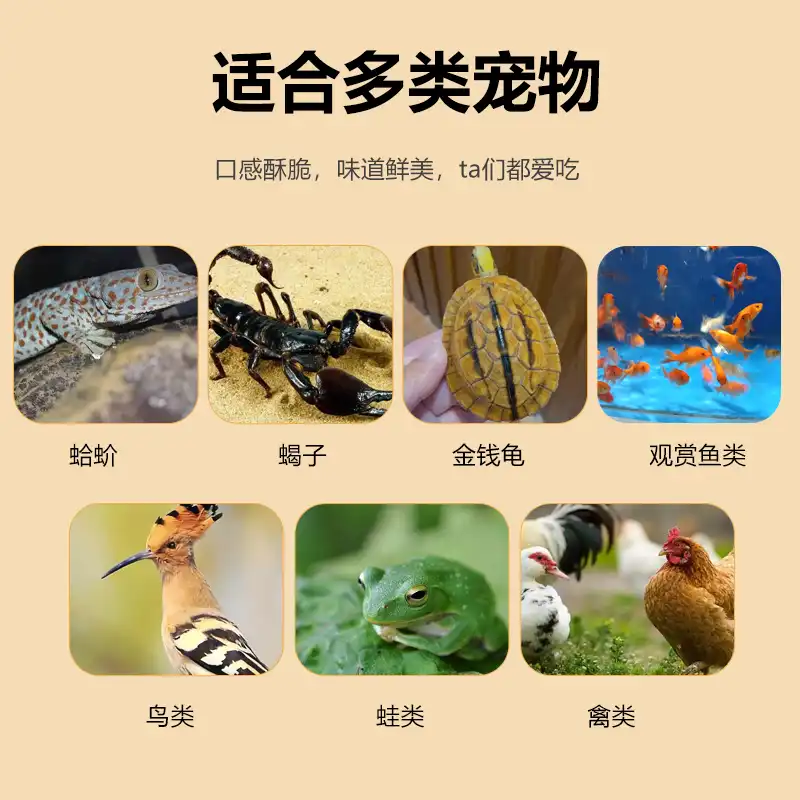
Understanding the Nutritional Needs of Black Soldier Fly Larvae
The history of these bugs shows that they have specific dietary needs that change as they get older. In the early stages of development, black soldier fly larvae need a lot of protein—usually between 15-20% total protein in their food—to keep up with their fast tissue and cell growth. During this phase, the gathered product's protein density is set. In grown specimens, it can reach 40–45% of its dry weight.
Protein Requirements Throughout Development
For young black soldier fly larvae, nitrogen-rich surfaces that speed up growth and make feed processing more efficient are best. Researchers have found that substrates with balanced amino acid levels, especially lysine (22.6-25.7 g/kg) and methionine (7.1-8.7 g/kg), make black soldier fly larvae that are better nourished. When industrial companies are trying to reach high-end markets, they choose feedstock that naturally provides these necessary amino acids. This cuts down on the need for synthetic supplements and keeps the clean-label draw for final products.
Energy Storage in Prepupal Stages
As black soldier fly larvae get closer to the prepupal stage, their metabolism changes so that they can store more fat. During this phase, foods that are high in energy and have a lot of carbs and fat help the black soldier fly larvae's natural fat storage systems work better. Because of this organic change, the lipid content rises to 23–36% of the dry weight, with lauric acid making up 40–60% of all fatty acids. When business operators understand this metabolic shift, they can time substrate changes in a way that maximizes both yield and nutritional value for animal feed uses.
Micronutrient Considerations for Commercial Production
Trace minerals and vitamins are also very important for the health and growth of black soldier fly larvae. For the calcium-rich shell to work, the food needs to have enough calcium, with a calcium-to-phosphorus ratio of about 2.6:1. Natural substrates that are high in B vitamins and choline (about 1100 mg/kg in adult larvae) help the nervous system grow properly and keep the metabolism running smoothly. More and more, commercial producers are keeping an eye on these micronutrient profiles to make sure that the quality standards set by pet food makers, aquaculture operations, and chicken operators are met across all production runs.
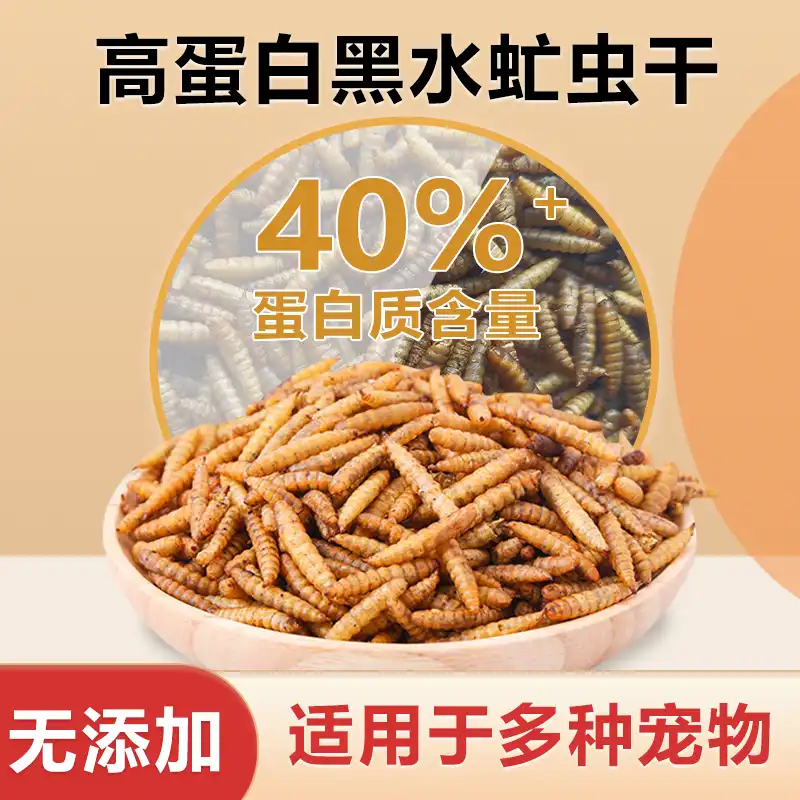
What Can Black Soldier Fly Larvae Eat?
Because these insects are so flexible, black soldier fly larvae can turn a wide range of trash streams into profit centers. Every year, food processing plants make millions of tons of organic waste, like wasted grain from breweries, fruit and vegetable trimmings, baking waste, and dairy by-products. All of these can be bioconverted by black soldier fly larvae. This flexibility has two benefits: it lowers the cost of managing trash and makes it possible to make useful protein ingredients.
Food Processing Waste as Primary Feedstock
Processing machines for vegetables make steady amounts of organic matter that are perfect for large-scale activities. Carrot peels, cabbage ribs, and other food scraps provide balanced nutrition and keep the wetness level fixed between 60 and 70%, which is ideal for larval growth. Coarsely grinding these materials increases their surface area, which speeds up the rate at which black soldier fly larvae eat them and shortens the time that substrates stay in production systems. When facilities handle 10 to 50 tons of organic trash every day, they can use economies of scale to get much lower production costs per kilogram than with traditional protein sources.
Agricultural By-Products for Cost-Effective Feeding
Poultry dung, pig waste, and cow manure are all easy to find and don't cost much. They are especially useful for businesses that are close to animal feeding sites with a lot of animals. These substrates naturally have nutrients and proteins that haven't been processed yet that black soldier fly larvae can easily remove and concentrate. Modern biosecurity procedures address the original worries about the spread of pathogens. For example, controlled feeding schedules and properly pasteurizing the substrate produce safe, high-quality insect protein that meets international feed safety standards. Businesses that use farm trash say their production costs are 30–40% lower than businesses that only use food processing streams.
Brewery and Distillery Residues
The spent grain from making beer and drinks is a reliable source of protein- and fiber-rich fodder all year long. The amino acid profile of beer trash meets the nutritional needs of black soldier fly larvae, giving the insects they produce better protein quality. When insect farmers work with beverage makers, they can build sustainable closed-loop systems where garbage is used as feedstock. This saves brewers money on disposal costs and gives insect farms a steady source of substrate. These partnerships show how the circle economy works, which is something that sustainability-focused buying teams value more and more.
No matter where the fuel comes from, quality control methods are still very important. Screening for heavy metals, herbicide residues, and mycotoxins during contamination saves the health of the black soldier fly larvae and the safety of the final product. Suppliers with a good reputation use batch testing and traceability methods to make sure they follow the rules for animal feed ingredients on all foreign markets.
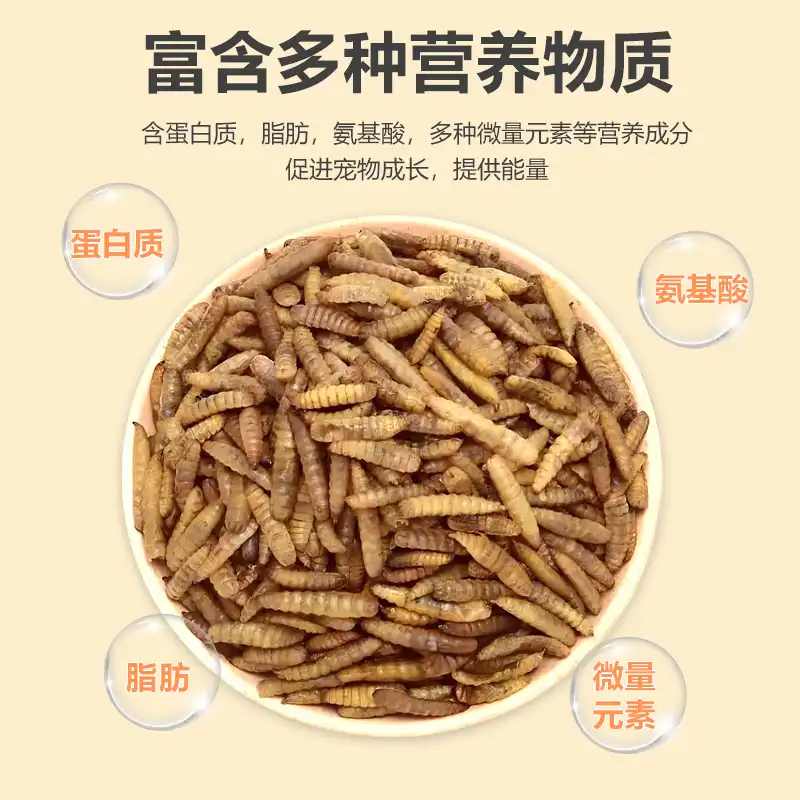
Procurement Guide: Sourcing Quality Feedstock and BSFL Supplies
To build reliable supply lines for insect farming inputs, you need to carefully evaluate suppliers and handle your relationships with them. Buying substrate materials or black soldier fly larvae to be processed further is an example of a buying choice that affects the stability of operations and the uniqueness of the result.
Supplier Certification and Compliance Verification
Suppliers who are qualified keep the right licenses that show they follow the feed safety rules that apply in target markets. In the US, basic guarantee comes from following the rules of the Food Safety Modernization Act and being registered with the FDA. Suppliers in the European Union should show that they follow the rules about animal by-products and have the right permissions to make bug protein. International buyers profit when sellers have ISO 22000 or FSSC 22000 certifications, which show that their food safety management systems are strong.
In addition to checking for certifications, site checks make sure that facilities follow written quality control methods, keep things clean, and have enough space to meet scheduled volumes. Before giving out big supply contracts, buying teams with a lot of experience do pre-qualification checks that look at things like production capabilities, quality systems, and financial security.
Sustainability and Traceability Commitments
Leading suppliers keep records of where their material comes from and how it is processed. This lets buyers check the accuracy of sustainability claims and answer questions from customers about how the supply chain works. Traceability systems that keep track of where substrates come from help find and stop materials that come from areas that are bad for the environment or factories that use questionable labor practices. These due diligence steps meet the requirements for business responsibility and protect the image of the company.
Suppliers who show measures for reducing trash, improving energy efficiency, and following the principles of the circular economy are in line with buying strategies that stress environmental responsibility. Long-term relationships with suppliers that care about sustainability improve a company's ESG performance and help it stand out in markets where customers want more responsible and open sourcing.
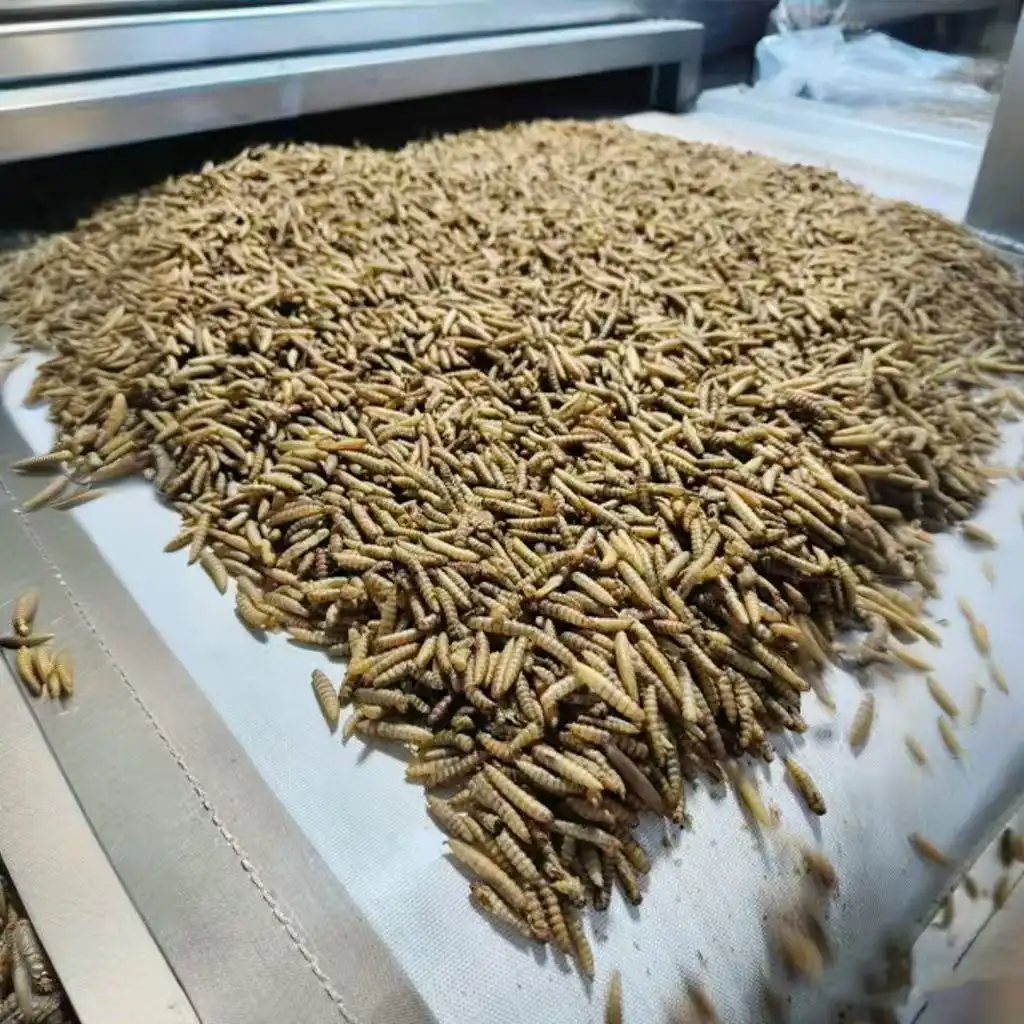
Conclusion
As the world moves toward more sustainable protein sources, black soldier fly larvae are at the center of new ideas for dealing with trash and better diet for animals. Their ability to turn different types of organic garbage into high-quality feed ingredients helps solve some of the biggest problems that modern agriculture faces, like rising protein costs, environmental issues, and the need for a cycle economy. Businesses that choose the best feedstock, use best management practices, and work with qualified suppliers can gain a competitive edge in markets that value sustainability along with standard quality and cost measures. As production methods improve and rules change, insect protein will gradually replace traditional ingredients in aquaculture, poultry, livestock, and companion animal feeding. This will completely change the way feed is supplied around the world.
FAQ
What substrates should you not give larvae that are being raised for business purposes?
Materials with a lot of salt, chemical stabilizers, or poisonous ingredients make it harder for black soldier fly larvae to stay healthy and live. Citrus trash needs to be handled carefully because it contains limonene, which may slow the growth of black soldier fly larvae. Pesticide, heavy metal, or drug residue-contaminated substrates must be left out so that bioaccumulation doesn't happen and finished black soldier fly larvae can't be used as food. Responsible testing procedures and substrate sources make sure that products are safe and follow the rules.
How does feedstock quality affect the nutritional value of harvested larvae?
The nutrients in the substrate have a direct effect on the amount of protein, amino acids, and fatty acids in the black soldier fly larvae. High-protein feedstocks make black soldier fly larvae that have a lot of protein, while carbohydrate-rich substrates make black soldier fly larvae that have a lot of fat. This transfer of nutrients from substrate to product lets makers tailor the make-up of black soldier fly larvae to specific end-use uses by carefully choosing and mixing feedstocks.
Can larvae be fed exclusively on single-substrate types?
Even though it is possible, feeding only one substrate usually doesn't work as well as giving a variety of substrates. When you mix materials that are compatible, the nutritional balance gets better. For example, putting nitrogen-rich parts together with energy-dense substrates makes for more full nutrition that helps black soldier fly larvae grow strong. Substrate variety also lowers costs and lowers supply chain risks by letting you buy fuel when it's cheap.
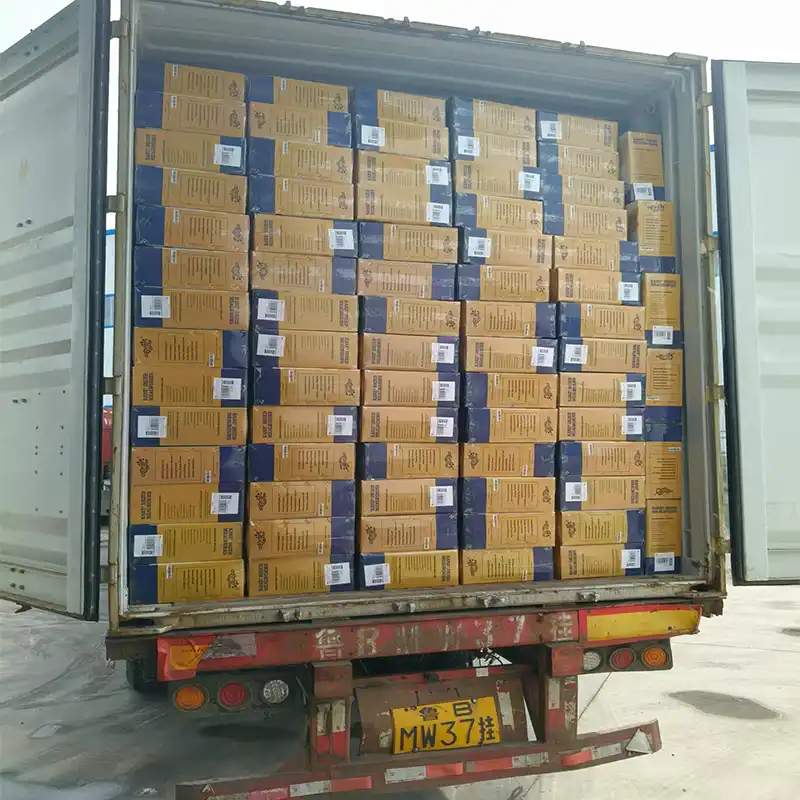
Partner with Yunlan for Premium Black Soldier Fly Larvae Supply Solutions
To help procurement workers, pet stores, veterinarian clinics, and wholesale wholesalers who need reliable black soldier fly larvae supplier, Yunlan has decades of experience in sustainable protein production. We can control the processing of substrates, follow strict biosecurity practices, and test every batch for quality to make sure it meets the strict nutritional requirements for animal feed uses. With factories that use only the best organic feedstocks and automatic systems that keep the environment at its best, we can consistently provide you with high-quality black soldier fly larvae that meet your production needs and help you reach your sustainability goals.
Our committed research and development (R&D) efforts, which have cost us a total of about 100 million yuan, have led to new ways of feeding and processing insects, as well as 97 approved patents that cover specialized developments in natural attractant formulations that can be used for insect-based pet foods. If you need bulk dried black soldier fly larvae for making feed, customized protein meal specifications, or technical advice on how to add insect ingredients to existing recipes, Yunlan can help. Their turnkey solutions are backed by responsive technical teams and flexible logistics that can reach markets around the world.
Get in touch with our purchasing agents at minghuixu6717@gmail.com to find out how our black soldier fly larvae for sale can help your product stand out, make you less reliant on traditional protein sources, and support your company's efforts to be more environmentally friendly. Visit yunlanpets.com to see our full range of products that meet the changing needs of the animal feeding market today.
References
- Wang, Y.S. & Shelomi, M. (2017). Review of Black Soldier Fly (Hermetia illucens) as Animal Feed and Human Food. Foods, 6(10), 91.
- Makkar, H.P.S., Tran, G., Heuzé, V. & Ankers, P. (2014). State-of-the-art on use of insects as animal feed. Animal Feed Science and Technology, 197, 1-33.
- Diener, S., Studt Solano, N.M., Roa Gutiérrez, F., Zurbrügg, C. & Tockner, K. (2011). Biological Treatment of Municipal Organic Waste using Black Soldier Fly Larvae. Waste and Biomass Valorization, 2(4), 357-363.
- Schiavone, A., De Marco, M., Martínez, S., Dabbou, S., Renna, M., Madrid, J., Hernandez, F., Rotolo, L., Costa, P., Gai, F. & Gasco, L. (2017). Nutritional value of a partially defatted and a highly defatted black soldier fly larvae (Hermetia illucens L.) meal for broiler chickens. Journal of Animal Science and Biotechnology, 8, 51.
- Barragan-Fonseca, K.B., Dicke, M. & van Loon, J.J.A. (2017). Nutritional value of the black soldier fly (Hermetia illucens L.) and its suitability as animal feed. Journal of Insects as Food and Feed, 3(2), 105-120.
- Gold, M., Tomberlin, J.K., Diener, S., Zurbrügg, C. & Mathys, A. (2018). Decomposition of biowaste macronutrients, microbes, and chemicals in black soldier fly larval treatment. Journal of Cleaner Production, 197, 1503-1514.
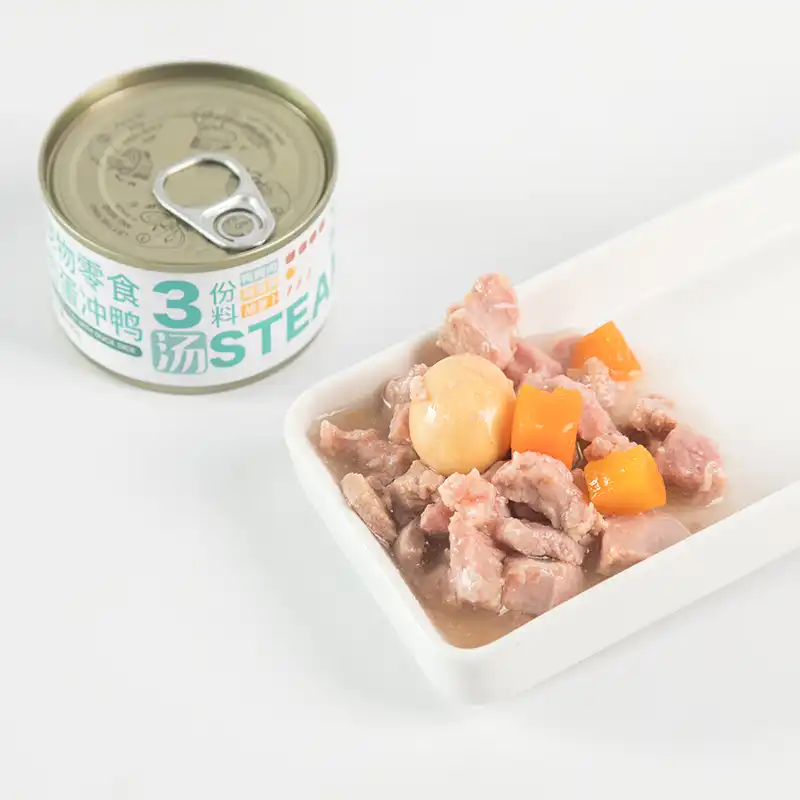
Egg yolk duck meat cubes are a great way to provide your pets the best nourishment possible. They combine rich duck meat with nutrient-dense egg yolk. These premium snacks have more protein and taste better, which pets love. The smell of duck meat and the health benefits of egg yolk make a treat that helps teeth grow and gives them important trace elements. These cubes are a great complement to any pet's diet because one bag may be used for many things.
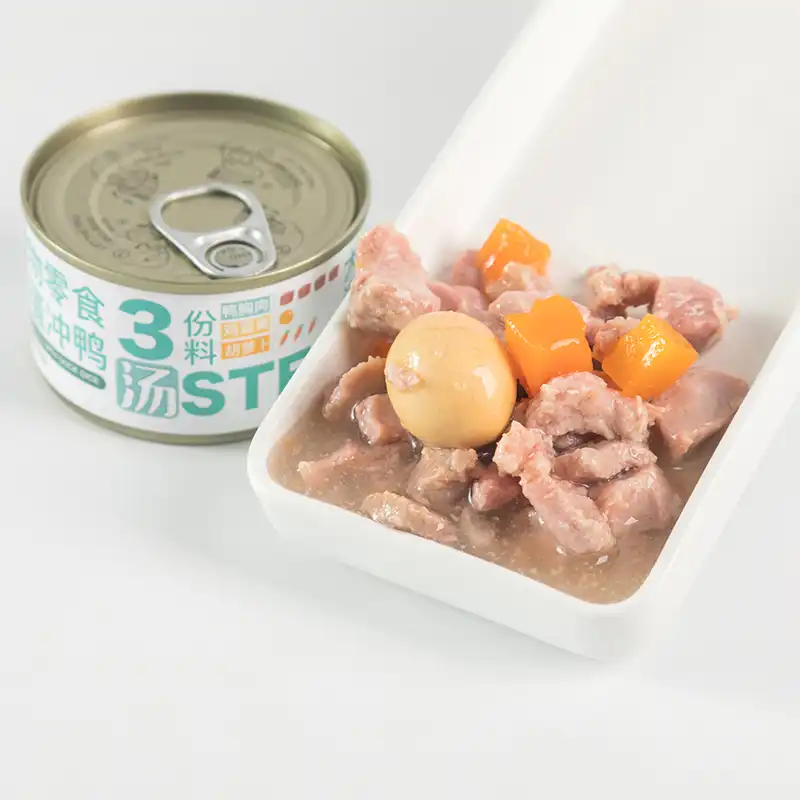
Understanding Egg Yolk Duck Meat Cubes: Nutritional Value and Benefits
Composition and Production Excellence
Egg yolk duck meat cubes are a terrific way to feed your pet since they include two strong ingredients that work together to make your pet healthier. The way the food is made keeps the nutrients in duck flesh and egg yolk, so pets get the most out of every meal.
Duck meat is a wonderful source of protein since it has all the amino acids your body needs to build and keep muscles healthy. The natural richness of the meat gives you energy for a long time and keeps you healthy. Egg yolk provides important vitamins A, D, E, and K, as well as fatty acids that are healthy for your skin and hair.
Superior Nutritional Profile
These goodies are great for you for more than just their protein content. Duck meat has more iron and selenium than chicken treats. These minerals help the body manufacture red blood cells and fight off sickness. Choline is very crucial for the brain to grow and perform correctly. This is especially true for puppies and kittens that are still growing.
These snacks also provide important trace minerals like zinc, phosphorus, and B-complex vitamins that help your body digest meals. The natural blend makes a nutrient profile that is bioavailable, which means that the body can easily digest and absorb it.
Health Benefits and Digestibility
Pet owners and vets like that egg yolk duck meat cubes are easier to digest than regular meat treats. Natural enzymes in egg yolk help break down protein, which lowers digestive stress and increases nutritional absorption. These treats are especially good for pets with sensitive stomachs or those who are getting better after being sick.
These cubes are a great choice for pets that can't consume chicken or beef because duck meat is hypoallergenic. Duck-based treats are easy on the stomachs of many animals that have trouble with traditional protein sources, and they also taste great and are good for you.
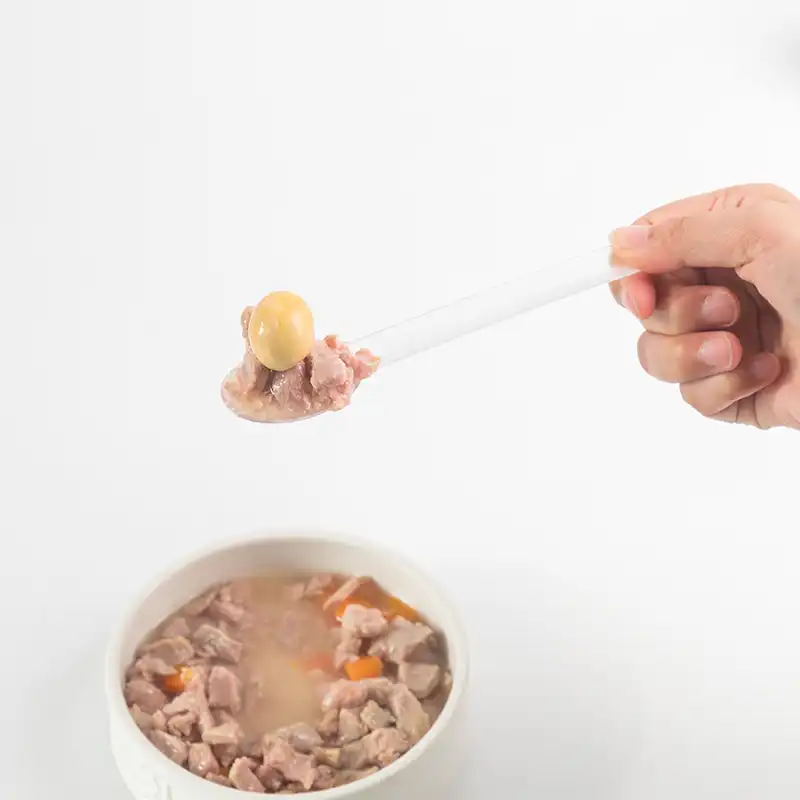
How to Prepare and Cook Egg Yolk Duck Meat Cubes for Pets?
Safe Preparation Guidelines
You may give your pets safe, healthy treats that last a long time if you handle and cook egg yolk duck meat cubes the appropriate manner. These rules help businesses and pet care experts keep the quality of their goods all the way through the supply chain.
You should keep raw food in the fridge at the right temperature until you're ready to eat it. Cleaning the surfaces and instruments you use to cook keeps them clean and keeps the food's natural nutrients. Mild steaming or light baking keeps the nutrients in food and makes it taste better for picky pets when you want to cook.
Serving Recommendations and Portion Control
If you know how much food to offer your dogs, they will get the optimum nutrients without getting too much. Small dogs that weigh less than 25 pounds can eat 1 to 2 cubes of food a day, and big dogs can eat 3 to 4 cubes. Cats usually don't need as much, and one cube a day is enough for them.
These treats are the right size and smell good, so they're perfect for training. You can use larger cubes for longer periods of time if you break them up into smaller ones. This also helps you keep track of how much food you eat as you train.
Storage and Preservation Standards
To keep goods fresh all the way through the distribution chain, there are certain rules regarding how to store things that must be followed. If you keep unopened packets in a cool, dry place that isn't in direct sunlight, they will stay fresh. If you keep food in the fridge, it will stay fresh for up to a week after you open it. It can keep good for a few months if it is frozen.
It's very crucial for B2B retailers and wholesalers who sell a lot of things to manage their cold chain well. Checking the temperature of things while they are being moved and stored helps sure that customers get them in the greatest shape and with the most nutrients.
Comparing Egg Yolk Duck Meat Cubes with Other Meat Cubes
Nutritional Superiority Analysis
When looking at protein-rich pet treats, egg yolk duck meat cubes are clearly better than other options. Standard chicken cubes usually have 18–22% protein, but these unique delights have 28–32% protein and better amino acid profiles.
Duck-based sweets have fat that gives you energy throughout time without the extra calories that some beef-based treats have. This balanced diet helps pets stay active and stops them from gaining weight, which can happen when they eat a lot of high-calorie treats.
Palatability and Acceptance Rates
Studies on what pets like to eat show that duck-based treats are always more popular than other protein sources. Duck meat is naturally rich, and the egg yolk gives it a great flavor that makes it taste great. Even the pickiest eaters will love it.
These cubes are fun to eat because of their texture, and they also clean your teeth naturally, which is good for your dental health. This mechanical benefit makes each treat more than just food, which is good for your health in more than one way.
Cost-Effectiveness and Market Positioning
Premium items cost a lot because they are made using high-quality ingredients and in a certain method. The egg yolk duck meat cubes are a great deal, though, because they are full of minerals. Many pet owners find that they can still make their pets happy even if they don't give them as many treats. This is a great way to obtain the proper amount of food at the right price.
People that buy products for firms realize how these things can help with market placement. High quality food attracts those who care about their pets' health and are prepared to pay more for it. This lets everyone in the chain of distribution make more money.
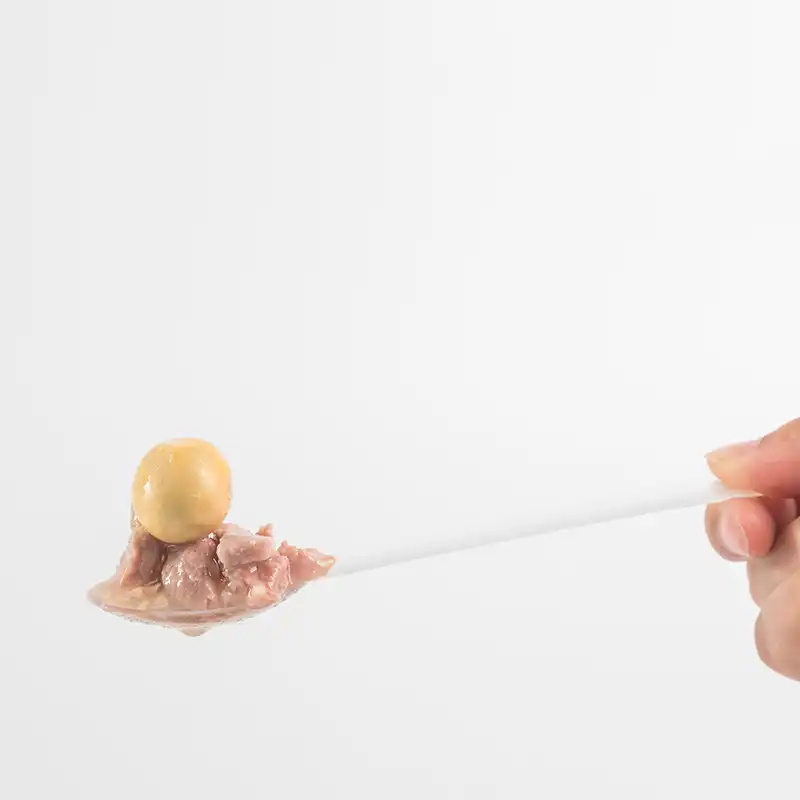
Procurement Guide: Sourcing High-Quality Egg Yolk Duck Meat Cubes
Supplier Evaluation Criteria
To buy egg yolk duck meat cubes successfully, you need to carefully look at possible suppliers based on their quality certifications, production standards, and consistency metrics. HACCP certification and ISO quality management systems make guarantee that the quality of the products stays the same from one production run to the next.
Being able to trace high-quality pet treats back to their source is very crucial. Reputable suppliers give full proof of where their ingredients come from, how they are processed, and the results of quality control tests that back up claims about the safety and nutrition of their products.
Bulk Purchase Advantages and Pricing Strategies
Buying in bulk is a good way for retailers and distributors to save money and always have the things they need. When you learn to know your trusted suppliers, you might secure better deals, such longer payment terms and priority allocation when demand is high.
Market trends show that there is a growing need for pet treats that are of excellent quality. This suggests that there are good chances to make smart investments in stock. Procurement professionals that plan ahead usually get great bargains by arranging yearly contracts that guarantee supply and save money.
Logistics and Cold Chain Considerations
To keep the quality of egg yolk duck meat cubes intact throughout international shipping, you need to have advanced cold chain management. Reliable suppliers work with professional logistics companies that keep an eye on the temperature during all stages of transportation.
When planning how to load containers and when to ship them, you need to think about how the weather changes with the seasons and at the destination. Using insulated materials and temperature monitoring devices to package products correctly makes sure they arrive in the best possible condition, no matter how far they have to travel or how long it takes to get there.
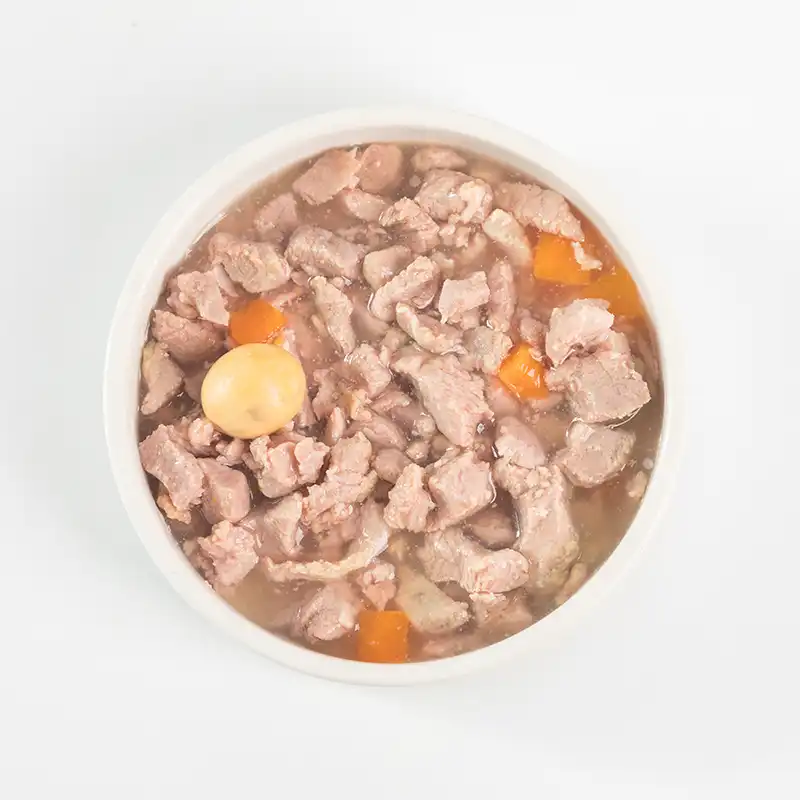
Why Egg Yolk Duck Meat Cubes Are the Preferred High-Protein Pet Treat Choice?
Market Trends and Consumer Demand
The pet food industry is moving toward more natural, high-quality foods that match with the trend of treating pets like people. People who have pets desire treats that do more than just make them happy. This is why more and more people want nutrient-dense foods like duck meat cubes with egg yolks.
When pet owners buy treats, they care most about how much protein they have and how easy it is to see what the ingredients are. Customers expect these cubes to be of good quality because they are easy to identify and have evident health benefits. They also help pets get better.
Sustainability and Ethical Considerations
More and more individuals who have pets are worried about how their pets are made and where they come from. Duck farming usually consumes fewer resources and has less of an effect on the environment than traditional livestock farming because it needs less feed.
People who care about the environment like that duck farming and egg production together make better use of resources. This eco-friendly way of doing things is tempting to procurement professionals who want to buy goods that are of high quality and fit with the company's social responsibility goals.
Future Market Opportunities
Research in the industry shows that the market for high-end pet treats will keep growing, with protein-rich snacks at the top of the list. Distributors and businesses can use this trend to their advantage by delivering customers better products that will make them want to buy more.
You can utilize these snacks in many different ways, such as giving them to people who exercise, adding them to your diet, or using them to clean your teeth. Pet care firms can use this wide appeal to find new ways to promote their goods and reach more customers.
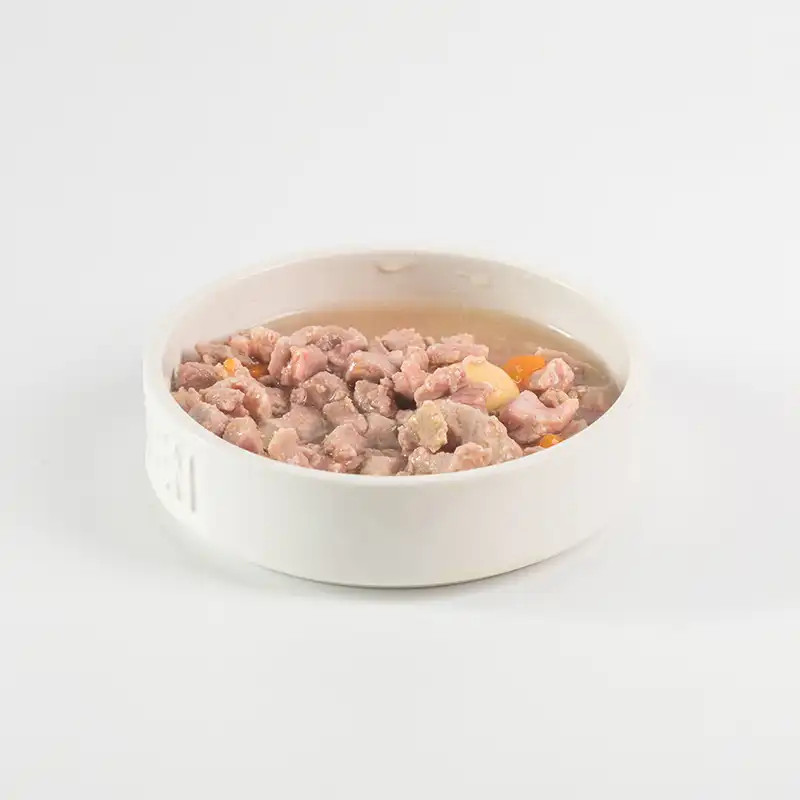
Conclusion
Egg yolk duck meat cubes are an example of how pet food has changed to include high-quality, practical treats that are very useful. Pet owners who want the best nutrition for their pets should choose them because they have more protein, are easier to digest, and can be used for many things. Duck flesh has a strong smell, and egg yolk has health advantages that help teeth and bones grow. These treats do a lot of things at once and provide your dog the trace elements they need. For people who work in procurement, these treats give good chances to position themselves in the rising luxury pet care industry.
Partner with Yunlan for Premium Egg Yolk Duck Meat Cubes
Yunlan stands as your trusted egg yolk duck meat cubes supplier, combining over 20 years of specialized experience in pet supply chain management with cutting-edge production capabilities. Our comprehensive portfolio includes premium pet treats manufactured under strict quality standards, ensuring consistent excellence for your customers. As an established manufacturer, we serve over 60 countries worldwide while maintaining competitive pricing through efficient production processes. Our dedicated R&D team has secured 97 authorized patents, demonstrating our commitment to innovation in pet nutrition. Contact us at minghuixu6717@gmail.com to discuss bulk procurement opportunities and discover how our egg yolk duck meat cubes for sale can enhance your product portfolio while meeting growing market demand.
FAQ
①What makes egg yolk duck meat cubes different from regular duck treats?
The combination of duck meat with egg yolk creates a unique nutritional profile that offers enhanced protein content along with essential vitamins and minerals not found in single-ingredient treats. The egg yolk contributes vital fatty acids and choline while improving overall digestibility.
②Are these treats suitable for pets with food allergies?
Duck meat serves as an excellent alternative protein source for pets with chicken, beef, or lamb sensitivities. The hypoallergenic properties of duck combined with the natural digestibility of egg yolk make these treats suitable for many pets with food sensitivities.
③How should I store opened packages of egg yolk duck meat cubes?
Once opened, store the treats in refrigerated conditions below 40°F for optimal freshness. Properly stored treats maintain quality for up to one week, while freezing can extend storage life for several months without compromising nutritional value.
④What portion sizes are appropriate for different pet sizes?
Small dogs under 25 pounds should receive 1-2 cubes daily, while larger breeds can enjoy 3-4 cubes. Cats typically require smaller portions with one cube providing adequate supplementation. Adjust portions based on your pet's overall diet and activity level.
References
1. Association of American Feed Control Officials. "Nutrient Profiles for Dog and Cat Foods." Pet Food Nutrition Guidelines, 2023.
2. Journal of Animal Science. "Protein Digestibility and Amino Acid Availability in Novel Pet Food Ingredients." Volume 98, Issue 12, 2023.
3. Pet Food Industry Magazine. "Market Trends in Premium Pet Treats: Consumer Preferences and Growth Patterns." Annual Industry Report, 2023.
4. Veterinary Clinics of North America. "Nutritional Management of Food-Sensitive Pets: Alternative Protein Sources." Small Animal Practice, Volume 52, 2023.
5. International Pet Food Safety Alliance. "Cold Chain Management and Quality Preservation in Pet Food Distribution." Industry Best Practices Guide, 2023.
6. American Veterinary Medical Association. "Nutritional Guidelines for Companion Animals: Treats and Supplements." Clinical Practice Standards, 2023.
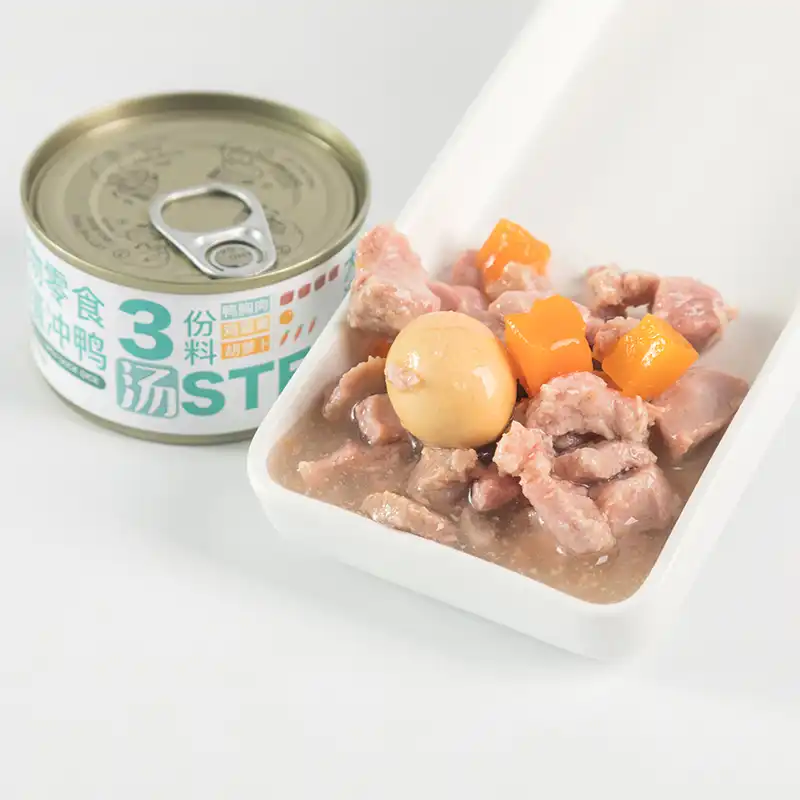
Egg yolk duck meat cubes are a terrific approach to entice your pet to eat more because they smell great and are good for them. These new duck meat cubes with egg yolk taste fantastic and are healthy for your pet's health because they are high in protein, essential fatty acids, and important micronutrients. The special blend improves the health of both dogs and cats by making them want to eat more, keeping their teeth healthy, and making them healthier overall. Pet owners and professionals in the business are choosing these treats more and more since they are a practical approach to assist their pets eat.
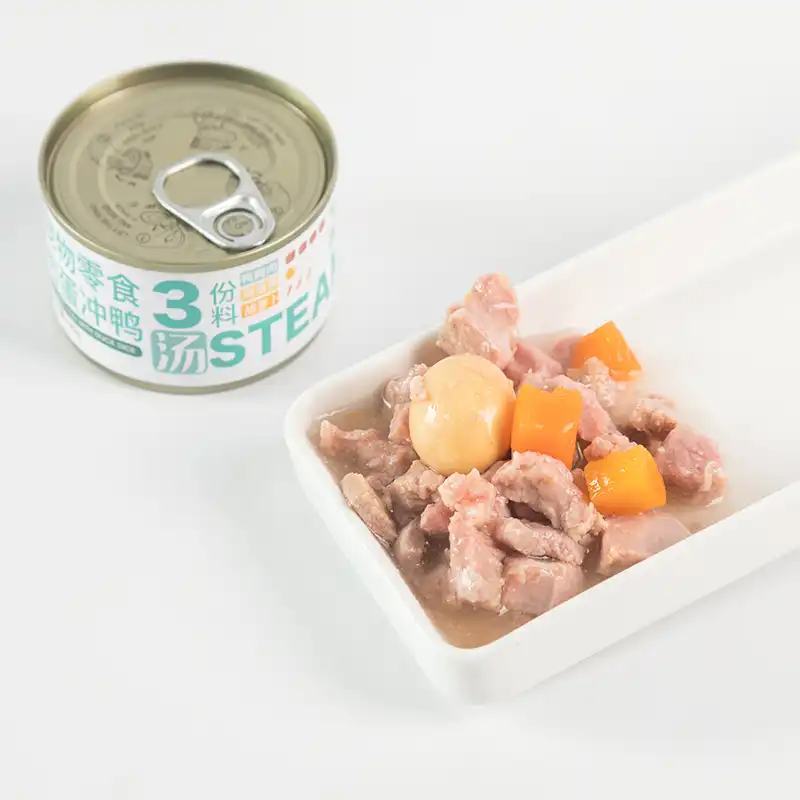
What Are Egg Yolk Duck Meat Cubes and Their Benefits for Pets?
Understanding the Composition and Nutritional Profile
Egg yolk duck meat cubes are a new and improved way to make pet treats that combine two powerful components into one very effective product. Duck meat has a strong smell that pets naturally like, and egg yolk has important nutrients that help pets grow and thrive. The duck flesh has a full amino acid profile and high-quality protein, which helps keep muscles healthy and gives you energy. The egg yolk part, on the other hand, adds lecithin, choline, and fat-soluble vitamins that are good for brain health and coat health.
The manner the ingredients are produced retains their natural flavors and nutrients. Duck meat is cooked in a certain method that keeps its scent and makes sure it is safe to eat. They process the nutrients in the egg yolk so that they are as bioavailable as possible. This helps the food taste better and is beneficial for your health. This mix makes treats that not only make pets hungry, but also give them a lot of the nutrients they need every day.
Health Benefits and Appetite Enhancement Properties
These tasty treats do more than simply make you hungry; they are also healthy for your health. The high protein content helps you grow lean muscle and keeps your energy up all day. The egg yolk provides crucial trace minerals including selenium, zinc, and iron that are good for the immune system and the body's metabolism. Also, the natural texture of these cubes is healthy for your teeth since it makes you chew, which cleans your teeth and massages your gums.
When pets are hungry, the taste is quite significant. Duck flesh smells pleasant, which makes humans want to eat it. This is especially beneficial for sick or older pets that are losing their appetite. Even the pickiest eaters can't say no to these treats since the egg yolk makes them smooth and adds taste. This combination is highly helpful for pet owners whose pets have problems eating.
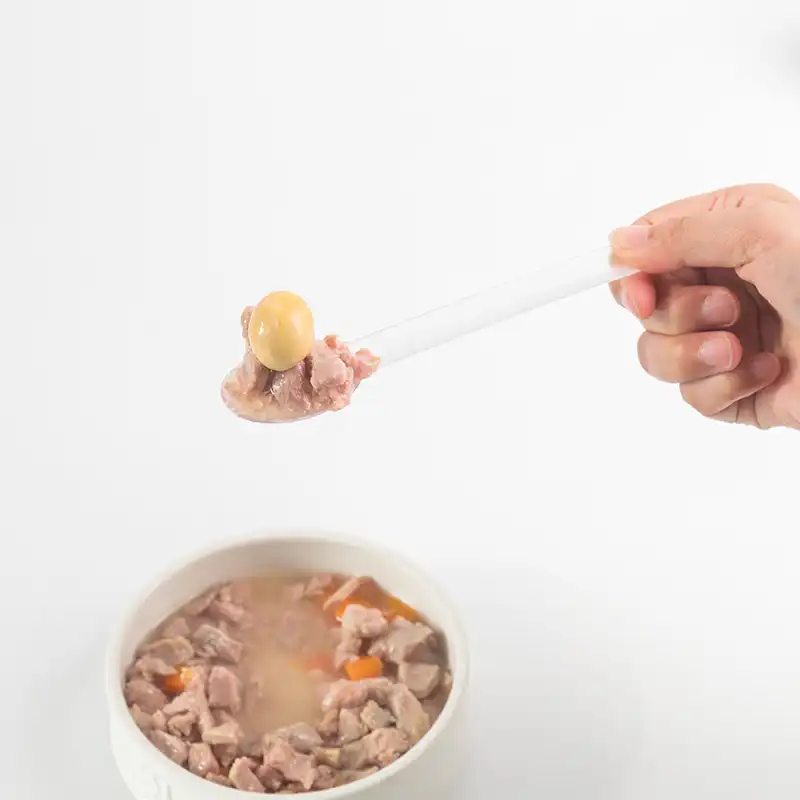
How to Store, Freeze, and Maximize Shelf Life of Egg Yolk Duck Meat Cubes?
Optimal Storage Conditions and Temperature Management
You need to preserve duck and egg yolk treats in the appropriate method and in the right circumstances to keep their taste and nutritional value. These high-quality treats last the longest when kept in cool, dry places with temperatures between 50 and 70 degrees Fahrenheit (10 and 21 degrees Celsius). The humidity should stay below 60% to keep the texture from getting destroyed and to keep bacteria from forming.
The packaging of a product has a big impact on how good it is. The original package should stay sealed until you need it. After that, snacks should be stored in sealed containers so that they don't lose their flavor and become less tasty. The easiest approach to keep air out is to pack the eggs in vacuum-sealed bags. Air can hurt the egg yolk and make the duck meat smell bad.
Freezing Guidelines and Long-term Preservation
Freezing is a good way to keep egg yolk duck meat cubes fresh for longer while keeping their nutritional value. When wrapped correctly, duck meat and egg yolk cubes can be frozen for up to a year. To keep duck meat cubes from getting freezer burn, they should be cut into serving portions and wrapped in materials that can go in the freezer. Wrapping something in plastic wrap twice and then aluminum foil is a great way to protect egg yolk duck meat cubes from changes in temperature and loss of moisture.
To keep the texture and stop condensation from building up, thawing should happen slowly in the fridge. The egg yolk parts can lose their structural integrity and the treats can taste bad if the temperature changes too quickly. To keep food safe, treats should be utilized within 3 to 5 days of thawing and should not be refrozen.
Comparison Guide: Egg Yolk Duck Meat Cubes vs Other Meat Cubes in Pet Food
Nutritional Superiority and Palatability Analysis
When you compare egg yolk duck meat cubes to regular chicken or beef, you can see that they have a number of clear advantages. Duck meat has more B vitamins than chicken-based products, including B12 and niacin. Duck meat is quite easy for pets with sensitive stomachs to digest, so it's a good choice for them. Adding egg yolk makes the food more nutritious than single-protein treats since it has phospholipids and important fatty acids that are not usually available in regular meat cubes.
Palatability tests always show that duck and egg yolk combos are more popular than other options. The distinctive flavor profile is appealing to pets that may have acquired tastes beyond standard protein sources. Duck meat has a stronger smell than chicken or beef, and the richness of the egg yolk adds to it. This makes it more appetizing than regular chicken or beef.
Quality Assessment and Market Positioning
Because the materials are more expensive and need special preparation, premium duck and egg yolk dishes normally cost more. Most pet owners who want their pets to eat more often believe that the extra cost is worth it because the food tastes better and has more nutrients. Producers of high-quality food employ new processing processes to maintain the original flavors while making sure the food is safe to eat.
Market data suggests that pet food needs more protein sources, and duck-based products are developing significantly. These treats are in the premium category because they have egg yolk in them. Pet owners that care about their pets' health and are willing to pay extra for quality food will like these.
Sourcing and Procurement: Where and How to Buy Egg Yolk Duck Meat Cubes Wholesale?
Supplier Selection Criteria and Quality Standards
When picking suppliers for duck and egg yolk snacks, procurement experts need to keep a few crucial points in mind. High-tech protein processing machinery and quality control systems that make sure product needs are always the same should be part of manufacturing abilities. Most of the time, to get certified, you have to follow FDA standards, put HACCP into operation, and sometimes receive organic or natural product certifications, depending on what the target market desires.
When you buy high-quality things like duck meat and egg yolk, it's crucial to be honest about where they come from. Trustworthy suppliers have precise records of where ingredients come from, when they were processed, and the results of quality checks. In competitive marketplaces, batch tracking systems assist keep a brand's good name and make it easy to fix any quality problems right away.
Market Trends and Procurement Strategies
The current state of the market shows that there is a growing need for alternative protein treats. For example, duck-based products in the premium pet food segment are growing at rates of more than 15% per year. People who work in procurement should be ready for prices to change with the seasons because of the availability of duck meat and the state of the egg yolk market. Long-term contracts with trusted suppliers of egg yolk duck meat cubes can help keep prices stable and make sure that products are always available.
The minimum order amounts for wholesale purchases are usually between 500 and 2000 pounds, depending on the supplier's ability and where they are in the market. Standard orders usually take 2 to 4 weeks to process, however special formulations may take longer to develop. Strategic inventory management helps find a balance between the costs of keeping products and the need for them to be fresh.
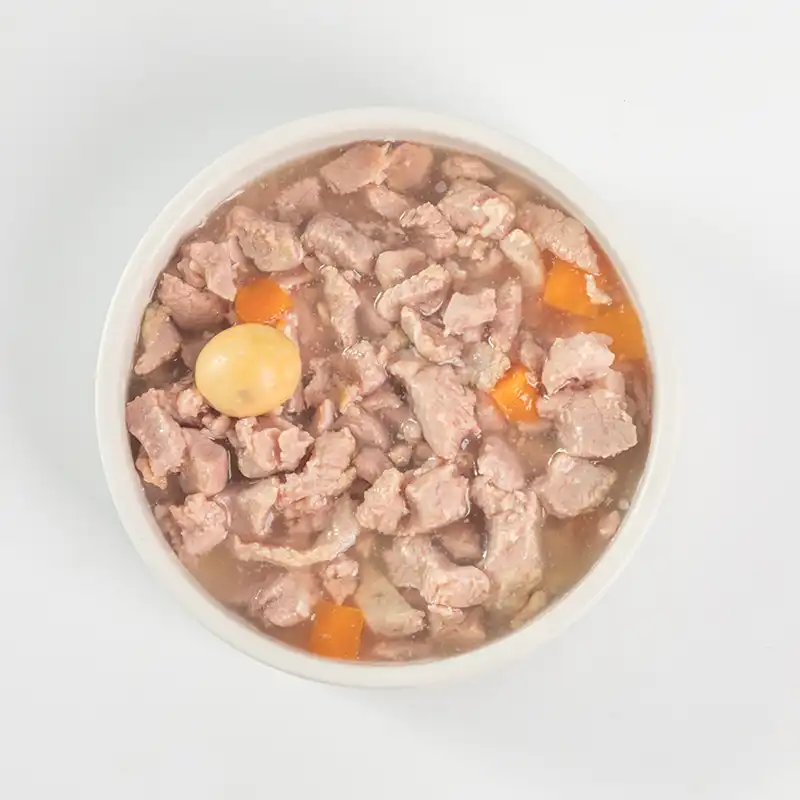
Supporting Pet Appetite with Duck Meat and Egg Yolk Treats: Practical Applications and Case Studies
Real-World Implementation and Success Stories
More and more, vets are recommending duck and egg yolk treats for pets that have problems eating. Animal clinics have done case studies that indicate that adding these high-quality snacks to feeding schedules can make pets eat a lot more. One unusual case was an old dog that had just undergone surgery and didn't want to eat regular food. He did love duck and egg yolk cubes, though, which helped him get better faster.
Pet boarding facilities say that giving their customers these high-quality treats to increase their appetites makes them happier. The strong fragrance and taste help people who are stressed eat less, which is frequent when they are boarding. Grooming establishments utilize these treats as high-value rewards during training sessions because they are so enticing that they keep dogs and cats calm while they are being worked on.
Product Development and Market Applications
OEMs are putting more and more duck and egg yolk into their special recipes for private label goods. You can use these items in a lot of various ways, like as prizes for exercise, on top of meals, or as part of a therapeutic diet. The key to making a decent recipe is getting the duck-to-egg yolk ratio precisely right so that the dish tastes well and achieves specific nutritional criteria.
Market positioning strategies emphasize on how good these specific pleasures are for your health and how high quality they are. When brands talk about how their goods can make pets hungry and help with health problems, pet owners who want to aid their fussy eaters or pets with health problems are more likely to buy them.
Conclusion
Duck meat and egg yolk treats are a terrific approach to get your pet to eat more because they taste delicious and are good for them. The scent of duck meat is unique, and egg yolk adds a lot of nutrients to it. They work together to make tasty treats that are beneficial for your health and always make you hungry. These high-quality items do more than just make you want to eat. They also help keep your teeth healthy by making you chew naturally, and they give you the vitamins and minerals you need to grow and stay healthy. These treats are becoming more and more vital for any complete pet feeding program as the market for alternative protein sources expands. They not only make pets hungry right immediately, but they also have long-term health benefits that pet owners want.
Partner with Yunlan for Premium Egg Yolk Duck Meat Cubes
Yunlan stands as your trusted egg yolk duck meat cubes manufacturer, combining over 20 years of specialized experience with cutting-edge production capabilities. Our comprehensive portfolio includes three flagship brands generating over 300 million yuan annually, demonstrating our market leadership and quality commitment. With advanced meat protein enzymolysis technology and livestock bone crisping processes, we deliver consistently superior products that meet the demanding requirements of global pet industry leaders.
Our extensive distribution network spans over 60 countries, supported by partnerships with industry leaders and state-of-the-art production facilities. The dedicated R&D team has secured 97 authorized patents while investing nearly 100 million yuan in innovation, ensuring our duck and egg yolk treats represent the pinnacle of pet nutrition science. Contact us at minghuixu6717@gmail.com to discuss your egg yolk duck meat cubes for sale requirements and discover how our comprehensive supply chain solutions can enhance your product offerings.
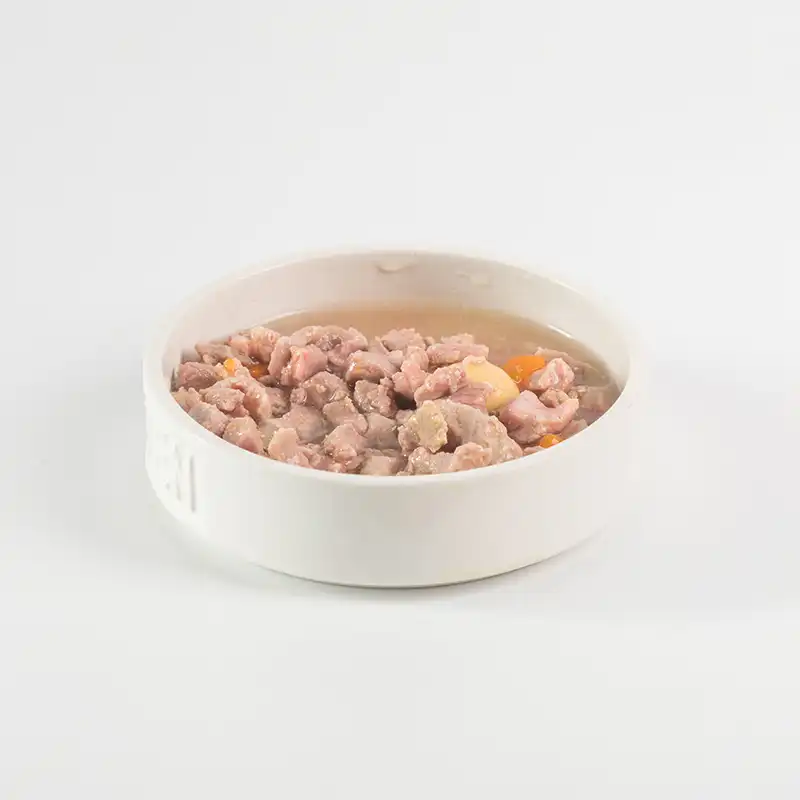
FAQ
①What makes egg yolk duck meat cubes more effective than regular treats?
Egg yolk duck meat cubes combine the natural appetite-stimulating aroma of duck with the nutritional density of egg yolk, creating a synergistic effect that surpasses single-ingredient treats. The rich protein profile and essential fatty acids support both immediate palatability and long-term health benefits.
②How should these treats be incorporated into daily feeding routines?
These premium treats work best as appetite stimulants before regular meals or as high-value training rewards. The recommended serving size typically ranges from 1-3 cubes depending on pet size, and they can be offered 2-3 times daily to maximize appetite enhancement without disrupting balanced nutrition.
③Are duck and egg yolk treats suitable for pets with food sensitivities?
Duck represents a novel protein source for many pets, making it suitable for animals with chicken or beef sensitivities. However, pets with egg allergies should avoid these treats, and gradual introduction helps identify any individual sensitivities.
References
1. Journal of Animal Physiology and Animal Nutrition: "Palatability Enhancement in Pet Foods Through Novel Protein Combinations"
2. American Veterinary Medical Association: "Nutritional Benefits of Alternative Protein Sources in Companion Animal Diets"
3. Pet Food Industry Magazine: "Market Analysis of Premium Protein Treats and Consumer Preferences"
4. International Journal of Applied Research in Veterinary Medicine: "Appetite Stimulation Mechanisms in Dogs and Cats Using Aromatic Protein Sources"
5. Proceedings of the Pet Food Conference: "Processing Technologies for Maintaining Nutritional Integrity in Duck-Based Pet Products"
6. Veterinary Clinics of North America: "Clinical Applications of High-Palatability Treats in Appetite Management"