BLOG LIST

Welcome to Our Pet Blog – Your Go-To Resource for Expert Tips, Heartwarming Stories, and the Latest Trends in Pet Care and Nutrition.
banner
Processing and Drying Technologies for Black Soldier Fly Larvae
Jan 18,2026

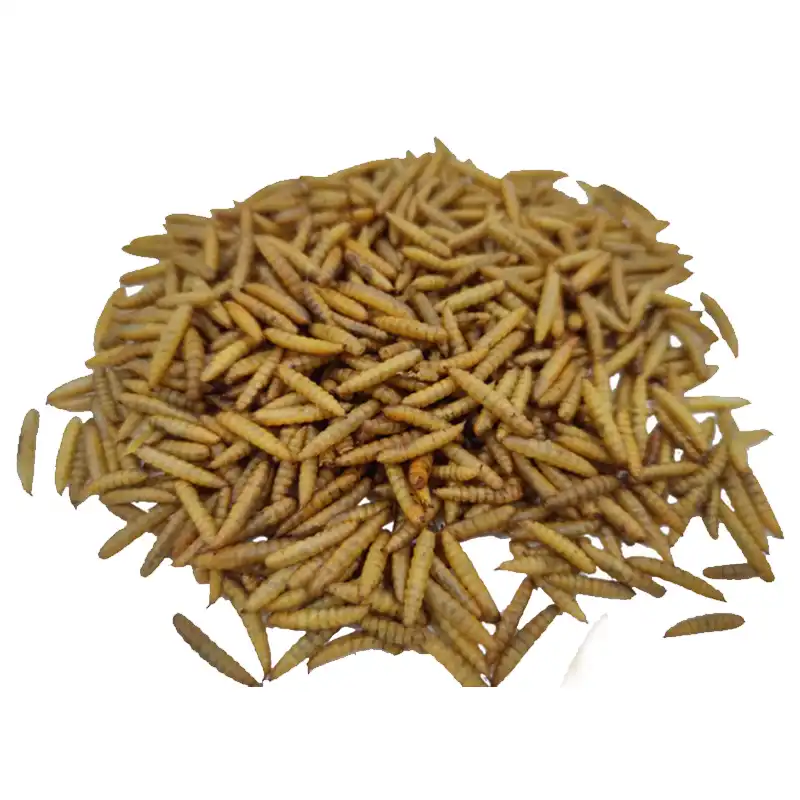
Processing and drying methods for black soldier fly larvae have changed the way we feed hens in a sustainable way. Dried black soldier fly larvae for chickens are now a high-quality source of protein. Controlled drying at the right temperatures, usually about 110 degrees Celsius, is one of these new processing processes. It turns live larvae into nutrient-rich feed ingredients by killing dangerous bacteria while keeping important nutrients. The end result is a food that is high in protein, fat, amino acids, and trace minerals that helps birds develop healthily without any added chemicals or spices.

Chicken feed

Introduction to Black Soldier Fly Larvae Processing and Drying

Overview of Black Soldier Fly Larvae in Poultry Nutrition

Black soldier fly larvae are a new and exciting way to feed chickens in a way that is good for the environment. They are a better source of protein than other foods. These larvae naturally turn organic waste into high-quality protein, which makes them a great choice for feed makers that care about the environment. BSFL has a protein level of up to 40%, which makes it a great source of nourishment for chickens and helps them grow and develop properly.

Due to worries about the environment and a lack of resources, the worldwide B2B poultry feed business has seen an unprecedented rise in demand for sustainable protein alternatives. More and more, feed producers, pet stores, veterinary clinics, and distributors see the benefits of adding dried larvae to their product lines. This change is part of a larger trend in the industry toward circular economy concepts, where trash is seen as a useful resource.

Role of Processing and Drying in Quality and Shelf Life

Processing and drying are very important steps in quality control that decide how safe and nutritious the final product is. When done correctly, drying keeps important amino acids, fatty acids, and minerals while getting rid of moisture that might host hazardous germs. The industrial microwave drying process, which takes place at very specific temperatures, makes sure that the food stays as nutritious as possible while still meeting the microbiological safety criteria needed for commercial chicken feed.

To keep their good name and follow the rules, feed producers and OEMs need to follow consistent quality standards. The drying procedure has a direct effect on how long the larvae stay fresh on the shelf. If they are kept correctly, they may keep their nutritional content for 6 to 12 months. This longer shelf life gives wholesalers and distributors that manage complicated supply chains in many different geographic areas a lot of logistical benefits.

Dried black soldier fly larvae for chickens

Common Processing Techniques for Black Soldier Fly Larvae

Pre-processing: Cleaning, Sorting, and Killing Methods

Good pre-processing is the first step in making high-quality dried larvae products. The first step in cleaning gets rid of substrate materials and debris, making sure that the product is pure and fulfills strict feed safety criteria. Sorting techniques get rid of larvae that are broken or too small, which keeps the final product consistent, which is what feed formulators need for reliable nutritional profiles.

Humane death procedures, such blanching or freezing, get larvae ready for the next step, which is drying, while keeping the tissue intact. These first stages have a direct effect on the quality and safety of the finished feed. This is especially crucial when making dried black soldier fly larvae for chickens and other sensitive animal uses.

Drying Technologies Overview

Modern drying technologies offer diverse approaches to moisture removal, each with distinct advantages for specific applications. The following methods represent the most viable options for commercial BSFL processing:

  • Hot air drying utilizes controlled airflow and temperature regulation to gradually remove moisture while preserving nutritional components. This method offers excellent scalability for large-volume production and maintains cost-effectiveness for bulk suppliers.
  • Freeze drying employs sublimation to remove moisture under vacuum conditions, resulting in superior nutrient retention and texture preservation. While energy-intensive, this method produces premium-quality products suitable for specialized applications.
  • Microwave drying applies electromagnetic energy for rapid moisture removal, combining efficiency with excellent microbial control. The precise temperature control achieves optimal bacterial elimination while maintaining protein bioavailability.
  • Solar drying represents an emerging eco-friendly alternative that reduces energy consumption while producing quality dried larvae suitable for sustainable supply chains.

These diverse drying approaches enable suppliers to select optimal methods based on production volume, quality requirements, and sustainability objectives. The choice significantly impacts operational costs and final product characteristics that influence market positioning.

Dried black soldier fly larvae for chickens

Comparison of Drying Methods: Advantages and Limitations

There are pros and downsides to each drying technique when it comes to keeping nutrients, using energy, and scaling up. Hot air drying is the most common method used in business since it is cheap and can produce a lot of products. This makes it perfect for bulk suppliers that work with pet stores and feed producers. Microwave drying is better at controlling microbes and takes less time to process, which is very useful for making high-quality larvae for veterinary clinics and niche pet uses.

Freeze drying keeps nutrients very well, but it uses a lot of energy, thus it can only be used in high-value markets. Solar drying has many advantages for the environment and is very sustainable, but it can't be used for large-scale operations since it can't handle a lot of work at once. By understanding these trade-offs, procurement managers may choose vendors whose processing techniques meet specified quality and cost goals.

Nutritional Implications of Different Drying Technologies on BSFL for Poultry Feed

Protein Retention and Digestibility Post-Drying

Choosing the right drying process has a big effect on protein bioavailability, which is an important feature that affects how well chicken feed works. When dried correctly, larvae have protein digestibility rates that are similar to those of high-quality fish meal, but they are more environmentally friendly. Microwave drying is a regulated heating procedure that keeps amino acid profiles that are important for chicken development and egg production at their best.

Dried black soldier fly larvae for chickens have much better protein efficiency ratios than other common protein sources like soybean meal and fish meal. Studies reveal that BSFL protein keeps its high biological value even when dried in different ways. Microwave and freeze-dried products, in particular, have very high retention rates. This protein quality advantage leads to better feed conversion ratios and better performance measures for poultry.

Effects on Fatty Acids, Minerals, and Vitamins

The retention of micronutrients during drying has a direct effect on the nutritional content of chicken feed. Under regulated drying conditions, essential fatty acids, especially lauric acid, which is naturally found in BSFL, stay stable. These fatty acids help the immune system and the health of birds in general, giving them benefits that go beyond just adding protein.

The way you dry things and how you regulate the temperature may change how well minerals like calcium, phosphorus, and trace elements are kept. When done correctly, drying keeps these important minerals while also concentrating them by removing moisture. This makes a feed ingredient that is rich in nutrients. Gentle drying methods that reduce heat degradation help keep vitamins stable, especially fat-soluble vitamins.

Safety Considerations and Microbial Control

Microbial safety is a must for all commercial poultry feed ingredients. The drying temperature of 110 degrees Celsius kills dangerous germs like Salmonella and E. coli while keeping nutrients that are good for you. This heat treatment goes above and above the safety criteria set by the industry, which gives feed makers that work with sensitive markets peace of mind.

Proper drying makes things last longer by lowering the amount of water that allows microbes to develop. This consistency makes it easier to keep track of inventories and cuts down on waste all throughout the supply chain. Quality assurance techniques check for microbiological safety at several points, making sure that the product is always safe and fulfills regulatory standards in a wide range of markets.

Decision-Making Factors for Selecting BSFL Processing and Drying Methods

Cost-effectiveness and Operational Efficiency

To find the right balance between energy input, production throughput, and end product cost, you need to carefully look at operational characteristics. Energy-efficient drying processes save production costs while keeping product quality high. This makes it possible to provide competitive prices for bulk purchases. The connection between processing costs and the value of the finished product influences whether a market is viable and how much money providers can make by servicing different types of customers.

Operational efficiency is more than just the price of making things; it also includes the costs of hiring workers, maintaining equipment, and keeping quality control. Automated drying systems cut down on the need for people to do things by hand and make things more consistent. This is especially significant for suppliers that sell to pet stores and e-commerce sites that need standard items. These improvements in efficiency lead to better prices and more reliable delivery, which gives you an edge over your competitors.

Quality Assurance and Certification Requirements

To meet international feed safety requirements, there must be thorough quality assurance processes that check the safety and nutritional consistency of products. Certification systems, including those for organic and conventional products, affect how much it costs to get into a market and how much it costs to get into a market. Suppliers must show that they follow HACCP rules and keep track of everything that happens during processing.

diverse market groups have quite diverse documentation needs. For example, veterinary clinics and high-end pet stores need a lot of quality certificates. Validation of the processing procedure gives credibility to marketing claims regarding the safety and nutritional content of the product. These expenditures in quality assurance help businesses create trust with customers and keep customers for a long time.

Environmental and Sustainability Considerations

As corporations work toward sustainability goals, environmental impact assessments are playing a bigger role in choosing suppliers. Processing technologies that use less energy and carbon help business environmental objectives and save expenses at the same time. When paired with eco-friendly processing technology, BSFL manufacturing becomes even more sustainable.

Customers that care about the environment, especially in high-end markets, are interested in reducing their carbon footprint by optimizing procedures. Solar drying and energy-efficient technology show a dedication to the environment and may be eligible for sustainability certifications that come with higher prices in the market. These factors are having a more and bigger effect on the choices that all consumer groups make when they buy things.

Best Practices and Innovations in BSFL Drying for Poultry Feed Suppliers

Integrating Drying Technologies with Automated Processing Lines

Modern dried black soldier fly larvae for chickens processing plants use modern automated technology to make sure that the quality of the products stays the same and that the danger of contamination is as low as possible. Automated systems keep an eye on important control points like temperature, humidity, and processing time to make sure that the drying cycle goes as smoothly as possible. This incorporation of technology makes it less likely that people will make mistakes and makes it easier to track things for quality control.

Enclosed processing systems keep products protected from contamination while yet fulfilling strict food safety standards. Automated packaging and storage methods maintain the quality of the product from processing to distribution, making sure that consumers always get high-quality dried larvae that satisfy their needs. These investments in automation technologies set out the best suppliers and let them charge more for their goods.

Case Studies of Leading Suppliers and Their Processing Solutions

Industry leaders show that large-scale BSFL manufacturing is possible by using new processing methods that meet quality, economic, and environmental goals. Integrated processing lines that maximize productivity while keeping product uniformity across huge production volumes are used by successful businesses. certain case studies show that certain processing methodologies work for a wide range of commercial uses.

Top suppliers spend money on research and development to improve processing parameters and make goods that are tailored to various types of customers. Their performance shows that BSFL processing can be profitable and sets standards for operational excellence. These examples help firms who are thinking about integrating BSFL make judgments about what to buy and how to rate suppliers.

Trends in Future Processing Technologies

New processing methods are all about making better use of resources while keeping nutrients and product quality high. Advanced sensors and control systems make it possible to optimize processes with great accuracy, which increases yield and lowers energy use. These new ideas put providers that are ahead of the curve in sustainable protein production at the top of the list.

In the future, there will be hybrid drying systems that use more than one technology to get the best results, and smart processing systems that change based on the many types of raw materials they use. These new technologies promise to make products cheaper and better while having less of an effect on the environment. In marketplaces that are changing and putting more importance on sustainability and innovation, early adopters of new technologies have an edge over their competitors.

Conclusion

Processing and drying methods for black soldier fly larvae provide a revolutionary possibility in sustainable poultry feeding. Choosing the right processing procedures carefully has a direct effect on the quality, nutritional content, and economic feasibility of the product. Dried black soldier fly larvae for hens include 40% protein and no artificial chemicals. These goods satisfy the changing needs of ecologically concerned enterprises and customers. At 110 degrees Celsius, the industrial microwave drying process makes sure that the goods are secure from microbes and keeps as much of their nutritional content as possible. This makes them good for a wide range of uses in the pet retail, veterinary, and wholesale industries. In a market that is becoming more competitive, knowing these basic processing principles helps you make smart purchasing choices that balance quality, affordability, and sustainability goals.

Partner with Yunlan for Premium Dried Black Soldier Fly Larvae

Yunlan combines over 20 years of pet supply chain expertise with cutting-edge processing technologies to deliver premium dried black soldier fly larvae for chickens and other applications. Our industrial microwave drying process at 110 degrees Celsius ensures maximum nutritional retention while eliminating harmful bacteria, producing feed ingredients with 40% protein content and no artificial additives. With 97 granted patents and nearly RMB 100 million in R&D investment, we provide world-class customization capabilities for dried black soldier fly larvae for chickens supplier requirements across diverse market segments. Contact us at minghuixu6717@gmail.com to explore bulk supply options and discover how our sustainable protein solutions can enhance your product portfolio while supporting your environmental objectives.

FAQ

Q1: What makes microwave drying superior for black soldier fly larvae processing?

A: Microwave drying at 110 degrees Celsius provides precise temperature control that eliminates harmful bacteria while preserving maximum nutritional value. This method offers superior microbial safety compared to traditional drying methods while maintaining protein bioavailability and essential amino acid profiles critical for poultry nutrition.

Q2: How does the 40% protein content in dried larvae compare to conventional feed ingredients?

A: Dried black soldier fly larvae with 40% protein content equals or exceeds the protein levels found in fish meal and significantly surpasses plant-based alternatives like soybean meal. The complete amino acid profile and high digestibility make it superior to many traditional protein sources while offering environmental sustainability advantages.

Q3: What shelf life can be expected from properly processed dried black soldier fly larvae?

A: Properly processed dried larvae maintain nutritional value and safety for 6-12 months when stored in dry, airtight conditions. The industrial drying process removes moisture to levels that prevent microbial growth while preserving essential nutrients, ensuring product stability throughout distribution and storage.

References

1. Barragan-Fonseca, K.B., Dicke, M., & van Loon, J.J. (2017). Nutritional value of the black soldier fly (Hermetia illucens L.) and its suitability as animal feed. Journal of Insects as Food and Feed, 3(2), 105-120.

2. Spranghers, T., Ottoboni, M., Klootwijk, C., Ovyn, A., Deboosere, S., De Meulenaer, B., & De Smet, S. (2017). Nutritional composition of black soldier fly larvae and impact on immune gene expression in broiler chickens. Journal of Agricultural and Food Chemistry, 65(11), 2529-2536.

3. Wang, Y.S., & Shelomi, M. (2017). Review of black soldier fly processing technologies for protein extraction and nutritional enhancement. Comprehensive Reviews in Food Science and Food Safety, 16(4), 665-679.

4. Diener, S., Studt Solano, N.M., Roa Gutiérrez, F., Zurbrügg, C., & Tockner, K. (2011). Biological treatment of municipal organic waste using black soldier fly larvae. Waste and Biomass Valorization, 2(4), 357-363.

5. Makkar, H.P.S., Tran, G., Heuzé, V., & Ankers, P. (2014). State-of-the-art on use of insects as animal feed. Animal Feed Science and Technology, 197, 1-33.

6. Cullere, M., Tasoniero, G., Giaccone, V., Miotti-Scapin, R., Claeys, E., De Smet, S., & Dalle Zotte, A. (2016). Black soldier fly as dietary protein source for broiler quails: Apparent digestibility, excreta microbial load, feed choice, performance, carcass and meat traits. Animal, 10(12), 1923-1930.
Advantages of Dried Duck Breast for Dogs in Hypoallergenic Pet Food Formulation
Jan 17,2026

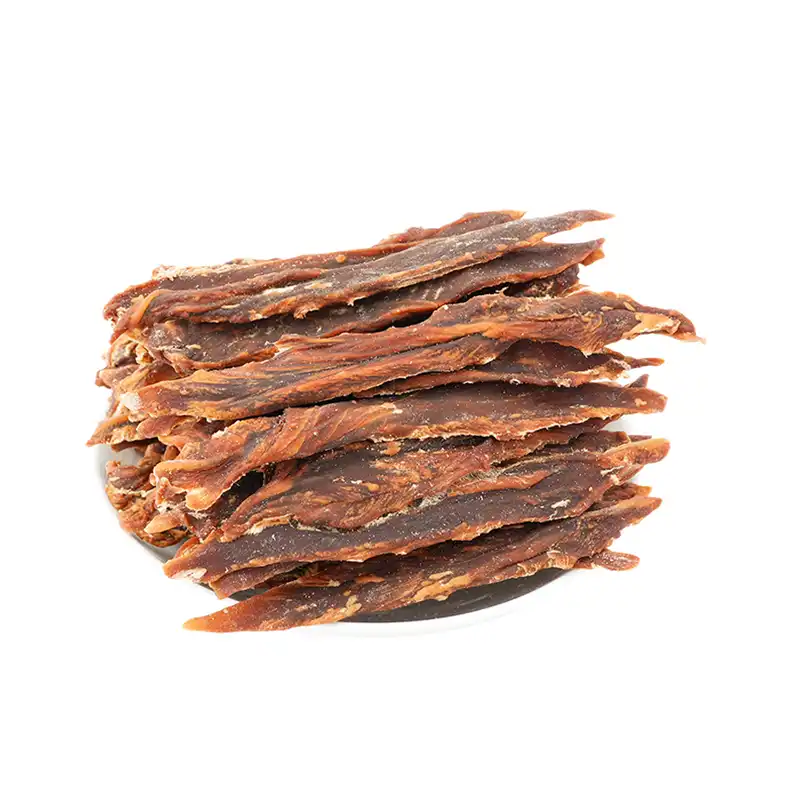
Around 10-15% of dogs globally suffer from pet food allergies, according to research that was published in the Journal of Veterinary Internal Medicine. Finding the ideal protein source becomes crucial for pet owners who witness their cherished friends experiencing digestive distress, itchy skin, or persistent ear infections. In recent years, the formulation of hypoallergenic pet food has been transformed by dried duck meat, a new protein.

dried duck meat

Why Dried Duck Meat Qualifies as a Hypoallergenic Protein Source?

In pet nutrition, "hypoallergenic" refers to substances that hardly ever cause allergic reactions. Over time, most dogs become sensitive to proteins they eat regularly. Duck has a decreased chance of producing negative reactions because it is still very uncommon in popular pet diets. Modern hypoallergenic formulation techniques are guided by this biological basis.

Understanding Novel Protein Theory in Canine Nutrition

Veterinary immunologists have established that allergic reactions occur when a dog's immune system mistakenly identifies a dietary protein as harmful. The body then produces antibodies against that protein, leading to inflammation and uncomfortable symptoms. Dogs typically develop these sensitivities after repeated exposure to the same protein sources—usually chicken, beef, wheat, or soy.

Duck meat qualifies as a "novel protein" for most dogs because they have never encountered it before. When the immune system meets an unfamiliar protein, it processes the amino acids without triggering an inflammatory cascade. This makes dried duck meat particularly valuable for elimination diets, which veterinarians use to identify specific food allergens in sensitive pets.

Protein Digestibility and Bioavailability of Duck Breast

Dried duck breast has remarkable digestion in addition to its hypoallergenic qualities. Protein content is concentrated while amino acid profiles are maintained during the drying process. According to studies, properly prepared duck meat has digestion rates exceeding 90%, outperforming a variety of plant-based protein substitutes.

For dogs with delicate digestive systems, high digestibility is important. Less undigested material enters the big intestine when proteins are broken down effectively. This lessens gas generation, fermentation, and the inflammatory reactions that frequently accompany food sensitivities. Dogs minimize gastrointestinal irritation and promote general health by absorbing more nutrients from each meal.

Suqian Ruixin Yunlan Technology employs meat protease hydrolysis technology to enhance protein digestibility further. This enzymatic process breaks down complex proteins into smaller peptides that the canine gut absorbs more readily. Our production facilities in Suyu District, Suqian City, maintain strict quality controls throughout the manufacturing process, ensuring consistent digestibility across every batch.

Amino Acid Profile: Meeting Canine Nutritional Requirements

All of the necessary amino acids that dogs need for good health are found in duck breast. It offers very high concentrations of methionine and lysine, which are building blocks essential for healthy coat quality, immunological response, and muscle growth. The amino acid composition is a perfect starting point for whole pet food formulations since it closely resembles the nutritional requirements of dogs.

Taurine, an amino acid essential for heart health and vision, is also present in significant amounts in dried duck meat. Although taurine can be produced by dogs from other amino acids, dietary supplements offer extra assistance for heart health. This is particularly crucial for breeds that are prone to dilated cardiomyopathy, which has been connected in some research to taurine deficit.

dried duck meat

Manufacturing Excellence: Processing Standards for Dried Duck Meat

Processing techniques have a significant impact on the quality of dried duck breast. Proteins are broken down, vitamins are destroyed, and contamination hazards are introduced by inferior methods. Comprehending appropriate production standards aids business-to-business partners in assessing possible suppliers and guaranteeing product quality.

Temperature Control and Nutrient Preservation

To maintain the nutritional value of duck breast, drying requires careful temperature control. Proteins are denatured by excessive heat, which decreases their digestibility and may produce substances that cause immunological reactions. Low-temperature drying techniques efficiently remove moisture while preserving the structures of amino acids.

Advanced drying technology that works in ideal temperature ranges is used by Suqian Ruixin Yunlan Technology. In order to preserve consistency, our facilities continuously monitor conditions and make real-time adjustments to parameters. Every batch of dried duck meat is guaranteed to maintain the nutritional profile that makes it useful for hypoallergenic applications thanks to this attention to detail.

Additionally, taste ingredients are concentrated throughout the drying process, improving palatability without the need for artificial chemicals. Naturally delicious dried duck breast promotes acceptance during crucial transitional times for dogs with food allergies, who frequently reject new diets at first. Compared to synthetic formulas, pet owners report greater feeding success rates with hypoallergenic diets made from ducks.

Food Safety and Contamination Prevention

Pet food that is hypoallergenic must be extremely pure. Sensitive dogs may respond to even minute levels of allergenic proteins from other sources. Strict segregation procedures must be followed in manufacturing facilities to avoid cross-contamination with common allergies like beef or poultry.

Every protein type has its own processing line at our production facilities. To get rid of germs without using chemical treatments, we use the sterilizing services provided by Gaoying Irradiation Company. This method maintains the inherent characteristics that set our dried duck meat products apart while meeting ever-tougher international food safety regulations.

At several phases of production, testing procedures confirm that there are no pollutants present. We perform final quality checks before to delivery, screen raw materials as they arrive, and keep an eye on intermediate items as they are being processed. This all-encompassing strategy guarantees that B2B partners obtain dried duck meat that satisfies the strictest requirements for the production of hypoallergenic pet food.

Market Trends Driving Demand for Duck-Based Hypoallergenic Pet Food

Over the past ten years, there has been a significant increase in consumer awareness of pet food allergies. Pet owners constantly look for ways to address the food sensitivities of their pets. Manufacturers of efficient hypoallergenic products have a lot of chances because of this need.

Rising Prevalence of Canine Food Allergies

Dogs with food allergies and intolerances are becoming more common, according to veterinary clinics. Some experts blame this tendency on the lack of variety in the proteins included in commercial pet meals, which exposes dogs to the same proteins over and over again starting when they are puppies. Others point to breeding methods that might have unintentionally chosen for immune system traits that make some breeds more prone to allergies.

Whatever the root causes, the market truth is still that more dogs than ever before need special diets. Allergy frequency is notably high in breeds like German Shepherds, Labrador Retrievers, Golden Retrievers, and Bulldogs. Owners of these well-liked breeds frequently look for hypoallergenic substitutes, which propels significant industry expansion.

The hypoallergenic pet food market is expected to increase at compound annual growth rates of more than 6% through 2028, according to industry analysts. Instead of using marketing gimmicks, dried duck meat puts producers in a position to capitalize on this expansion with truly useful products. Duck is a valid remedy for dietary sensitivities, supported by both clinical and scientific evidence.

dried duck meat

Premium Pet Food Trends and Consumer Willingness to Pay

Modern pet owners increasingly view their animals as family members deserving high-quality nutrition. This "pet humanization" trend drives willingness to purchase premium products, including specialized hypoallergenic formulations. Price sensitivity decreases when owners observe genuine health improvements in their pets.

Dried duck breast fits naturally within premium product positioning. Its superior nutritional profile, novel protein status, and association with quality cuisine justify higher price points. Manufacturers can build compelling brand stories around duck-based formulations, differentiating products in crowded marketplaces.

Suqian Ruixin Yunlan Technology understands premium market dynamics. Our three core brands—Yihe, Paihao, and Maodali—each achieve annual sales exceeding 300 million yuan by delivering genuine value to consumers. We bring this same commitment to our B2B partnerships, helping clients develop products that command premium positioning and customer loyalty.

Veterinary Recommendations and Professional Endorsement

Veterinarians play crucial roles in directing pet owners toward appropriate hypoallergenic diets. Professional endorsement significantly influences purchasing decisions, particularly for owners dealing with persistent health issues. Products with documented clinical benefits earn veterinary recommendations more readily.

Duck-based diets have accumulated substantial veterinary support based on clinical outcomes. Practitioners observe symptom resolution in patients switched to novel protein diets featuring duck meat. This real-world evidence translates into professional recommendations that drive sales through veterinary clinics and specialty pet stores.

Partnering with Suqian Ruixin Yunlan Technology for Your Hypoallergenic Product Line

Developing successful hypoallergenic pet food products requires more than quality ingredients—it demands comprehensive partnership with experienced manufacturers. Suqian Ruixin Yunlan Technology offers complete solutions from formulation development through production and delivery.

OEM and ODM Services for Custom Formulations

Every market presents unique requirements based on regulatory frameworks, consumer preferences, and competitive landscapes. Our management team brings over 20 years of experience in pet supply chain management, having provided ODM services for top international pet manufacturers. This expertise enables customized solutions that address specific partner needs.

Whether you require private-label dried duck meat products or complete hypoallergenic food formulations, our facilities accommodate diverse manufacturing requirements. We hold 97 domestically authorized patents, including 19 invention patents, demonstrating our capacity for innovation and technical excellence. Partners benefit from our R&D investments without bearing development costs independently.

Customization extends beyond formulation to packaging, labeling, and regulatory compliance support. Our international market experience—spanning the United States, Europe, Japan, South Korea, and over 60 other countries—equips us to navigate complex import requirements. B2B partners gain market access without investing years in regulatory learning curves.

Competitive Pricing Through Operational Efficiency

Premium ingredients need not carry prohibitive costs. Our location in Suyu District, Suqian City, provides access to abundant industrial resources that support cost-effective operations. Regional poultry processing, specialized sterilization services, and efficient logistics create competitive advantages we pass along to partners.

Production efficiency stems from continuous improvement culture and technology investments. Our facilities apply core advanced technologies including meat protease hydrolysis and poultry leg bone crisping processes. These innovations increase yield, reduce waste, and improve product quality simultaneously—delivering value that enhances partner profitability.

Scale further reduces per-unit costs. As a full-industry chain enterprise with three brands each exceeding 300 million yuan in annual sales, we operate at volumes that optimize manufacturing economics. B2B partners access these economies regardless of their individual order sizes, benefiting from our established infrastructure.

The advantages of dried duck breast for hypoallergenic pet food formulation extend far beyond basic nutrition. Novel protein status addresses allergy management effectively. Superior digestibility supports sensitive digestive systems. Balanced fatty acids promote skin and coat health. Manufacturing stability ensures consistent quality across global supply chains.

These benefits are combined with Suqian Ruixin Yunlan Technology's extensive B2B partnering capabilities. We are the perfect partners for businesses looking for high-end hypoallergenic ingredients because of our more than 20 years of experience, substantial R&D investments, and demonstrated manufacturing excellence. We assist you at every step of the process, from the creation of unique formulations to manufacture and global delivery.

As more pet owners look for ways to address their pets' dietary allergies, the market for hypoallergenic pet food is growing. Dried duck flesh provides a solution supported by science that appeals to customers and is approved by veterinarians. Invest in high-quality ingredients from a reliable source to position your business for success in this expanding market.

If you're interested in our dried duck meat products and want to know more details or get a quote, please contact us. Simply send an enquiry to minghuixu6717@gmail.com.

FAQs

Q1: Why is dried duck meat considered hypoallergenic for dogs?

A: Due to its rarity in pet food, dried duck meat is new to most dogs. Repeated protein exposure causes dog allergies. Most dogs have never eaten duck, so their immune systems don't detect it as a threat. Novel protein diets help 80% of dogs with food allergies, according to veterinary studies. The major benefit is feeding from a new source that avoids allergies.

Q2: How does the drying process affect the nutritional value of duck breast?

A: Proper drying concentrates nutrients and removes moisture. Low-temperature drying preserves amino acid structures, vitamins, and protein digestibility. Studies suggestthat  properly treated dried duck meat digests above 90%. The technique concentrates iron, zinc, and selenium. Suqian Ruixin Yunlan Technology carefully monitors drying temperature to maximize nutrient retention in every batch.

Q3: Can dried duck meat be used in complete pet food formulations?

A: Dried duck breast makes a great base for balanced pet food. It has all the important amino acids dogs need, including high lysine, methionine, and taurine levels. Adding carbs, lipids, vitamins, and minerals to dried duck flesh yields nutritionally balanced compositions. B2B partners can use our OEM and ODM services to create hypoallergenic recipes that fulfill local regulations.

References

  1. Mueller, R.S., & Olivry, T. (2017). "Critically appraised topic on adverse food reactions of companion animals: common food allergen sources in dogs and cats." BMC Veterinary Research, 13(1), 1-7.
  2. Verlinden, A., et al. (2006). "Food allergy in dogs and cats: a review." Critical Reviews in Food Science and Nutrition, 46(3), 259-273.
  3. Grand View Research. (2024). "Hypoallergenic Pet Food Market Size, Share & Trends Analysis Report." Market Research Report.
  4. Olivry, T., & Mueller, R.S. (2019). "Critically appraised topic on adverse food reactions of companion animals: duration of elimination diets." BMC Veterinary Research, 15(1), 1-5.
  5. Association of American Feed Control Officials (AAFCO). (2023). "Dog and Cat Food Nutrient Profiles." Official Publication.
Nutritional Benefits of Dried Duck Breast: High Protein, Low Fat, Rich in Nutrients
Jan 17,2026

Cats with food sensitivities often react poorly to common proteins like chicken or beef. Duck offers a novel alternative. Its unique amino acid profile reduces allergic reactions. Many veterinarians recommend rotating protein sources. This helps prevent overexposure. Dried duck meat is ideal for such diets. It’s less commonly used in commercial foods. That makes it new to many feline digestive systems.

dried duck meat

Duck as a Novel Protein Source for Sensitive Cats

A 2023 study published in the Journal of Feline Medicine and Surgery found that 68% of cats with skin allergies improved when switched to duck-based diets. The study tracked 142 cats across six veterinary clinics in Europe. Symptoms like itching and ear infections decreased significantly within eight weeks. No artificial additives were used in the tested products.

Pet owners report fewer vomiting episodes and shinier coats. These anecdotal results align with clinical findings. When processed correctly, dried duck retains its biological value. That means cats absorb more usable protein per gram. This is especially important for senior cats or those recovering from illness.

High-Quality Protein Without Excess Fat

Duck breast is naturally leaner than other waterfowl meats. When dehydrated at controlled temperatures, fat content drops further. A typical serving of dried duck meat contains only 3.2g of fat per 100g. Compare that to 8.7g in standard chicken jerky treats. Lower fat means safer snacking. Obesity affects nearly 60% of indoor cats in the U.S., according to the Association for Pet Obesity Prevention (2024).

Yet, protein levels remain high, around 78%. This supports muscle maintenance without adding calories. Active cats need sustained energy. Senior cats require protein to slow sarcopenia. Even kittens benefit during growth phases. The drying process preserves myofibrillar proteins. These are critical for tissue repair and enzyme production.

Suqian Ruixin Yunlan Technology uses low-temperature dehydration. This method avoids denaturing heat-sensitive nutrients. Unlike extrusion or baking, it keeps amino acids intact. Their R&D team monitors moisture levels precisely. Too dry causes brittleness. Too moist invites mold. Their patented control system maintains 12–14% humidity in final products.

dried duck meat

Rich in Essential Nutrients for Optimal Health

Beyond protein, duck meat delivers vital micronutrients. Iron levels are higher than in chicken or turkey. One hundred grams provide 27% of a cat’s daily iron needs. Iron supports oxygen transport in blood. Deficiency leads to lethargy and pale gums.

Zinc is another key nutrient. It aids immune function and wound healing. Dried duck contains 4.1mg of zinc per 100g. That’s above the NRC (National Research Council) recommendation for adult cats. Selenium, though needed in trace amounts, plays a role in thyroid regulation. Ducks naturally concentrate selenium from their diet.

Vitamin B5 (pantothenic acid) is abundant. It helps convert food into energy. B12 supports nerve health. These vitamins are water-soluble. They aren’t stored long-term. Regular intake through treats ensures a steady supply. No synthetic fortification is needed when using whole-muscle duck breast.

The Science Behind Safe Processing of Dried Duck Meat

How Dehydration Preserves Nutrition and Safety

Water removal inhibits microbial growth. Pathogens like Salmonella and E. coli need moisture to thrive. Reducing water activity below 0.75 stops their reproduction. Suqian Ruixin Yunlan applies multi-stage drying. First, raw duck breasts undergo enzymatic tenderizing. Then they enter climate-controlled chambers. Temperature stays between 55°C and 62°C for 8–10 hours.

This slow process prevents case hardening. Surface crusts trap moisture inside, leading to spoilage. Their technology rotates airflow dynamically. Sensors adjust humidity in real time. Final product water activity averages 0.63. Third-party lab tests confirm safety. Each batch is tested for pathogens and heavy metals.

Irradiation is not used. Consumers increasingly reject irradiated pet foods. Instead, Gaoying Irradiation Company partners with them for non-irradiation sterilization methods. High-pressure processing (HPP) is being evaluated for future lines.

Traceability from Farm to Final Product

Ruixin Yunlan sources duck from Yike Food and Charoen Pokphand Farms. Both dried duck meat suppliers follow strict animal welfare standards. Ducks are raised without antibiotics or growth promoters. Every shipment comes with a certificate of origin. GPS tracking logs transportation conditions.

Upon arrival, raw materials enter quarantine. Samples are tested for residues. Only after clearance does production begin. Full batch tracing allows instant recalls if needed. Blockchain integration is planned by Q3 2025. This will let B2B clients verify sourcing via QR codes.

Their facility in Suqian’s Suyu District is HACCP and ISO 22000 certified. Audits occur quarterly. Overseas regulators from Japan and Germany have approved their export protocols.

Why Global Pet Brands Choose Ruixin Yunlan for OEM Dried Duck Products?

Custom Formulation Based on Regional Preferences

Pet tastes vary globally. Japanese cats prefer softer textures. German consumers demand organic certification. American buyers favor grain-free labels. Ruixin Yunlan adapts formulations accordingly. Their R&D center runs sensory trials with live cats. Cameras record chewing patterns and licking frequency.

They’ve developed three texture profiles: crispy, chewy, and semi-moist. Flavor enhancers come from natural hydrolyzed liver extracts. No MSG or artificial palatants are used. For hypoallergenic lines, they remove all poultry by-products. Only breast muscle is used.

OEM clients can co-develop dried duck meat shapes, strips, cubes, or bite-sized pieces. Packaging options include resealable pouches and nitrogen-flushed bags. Private labeling services are available in 12 languages.

Scalable Production Meets International Demand

Their production line handles 15 tons daily. Automation ensures consistency. Human oversight remains at critical stages. Quality checks happen every 30 minutes. Defect rate is below 0.2%, well under industry average.

JD Logistics Park provides direct rail and express access. Orders reach Shanghai port in under 12 hours. Air freight options serve urgent deliveries. Current lead time for bulk orders is 14–21 days. Sample shipments take 3–5 business days.

They’ve supplied private labels to retailers in South Korea, France, and Canada. Distributors appreciate fast reorder cycles. Repeat order rate exceeds 89% among B2B clients.

Interested in high-quality dried duck meat products for your brand?

Send an inquiry to minghuixu6717@gmail.com today.
We offer OEM services, custom formulations, and global shipping.

dried duck meat

FAQs

Q1: Is dried duck meat safe for cats with kidney disease?

A: Yes, but in moderation. Dried duck is high in protein, which may stress compromised kidneys. However, its high digestibility means less waste buildup. Always consult your vet before introducing new proteins. For renal patients, lower-protein alternatives might be better suited.

Q2: How should I store dried duck breast treats?

A: Keep them in a cool, dry place away from sunlight. Once opened, seal tightly or transfer to an airtight container. Proper storage extends shelf life up to 12 months. Do not refrigerate unless in humid climates—condensation can cause clumping.

Q3: Can kittens eat dried duck meat?

A: Yes. Kittens need more protein for development. Dried duck provides concentrated nutrition. Break treats into small pieces to avoid choking. Introduce gradually to monitor digestion. Start with one small piece per day.

Q4: Does dried duck meat contain bones or cartilage?

A: No. Only deboned breast meat is used. All connective tissues are removed during preprocessing. X-ray inspection confirms no bone fragments remain. This ensures safety for all age groups.

Q5: Are there any preservatives in your dried duck products?

A: No artificial preservatives are added. Natural rosemary extract is used in some formulations for antioxidant protection. Most products rely solely on low moisture content for preservation.

References

1. Journal of Feline Medicine and Surgery (2023). "Efficacy of Novel Protein Diets in Managing Feline Cutaneous Adverse Food Reactions."
2. Association for Pet Obesity Prevention (2024). U.S. Pet Obesity Survey Results.
3. National Research Council (NRC). Nutrient Requirements of Dogs and Cats (2006).
4. ISO 22000:2018 – Food Safety Management Systems.
5. HACCP Guidelines for Animal-Based Pet Food Processing (FDA, 2022).

Can chickens eat mealworms?
Jan 16,2026

All chicken breeders and commercial poultry farmers focus on safe, nutritious and cost effective supplementary feed to improve flock health and production efficiency. Many people wonder whether chickens can eat mealworms and how to use this insect protein scientifically. The answer is clear and definite. Chickens of all growth stages can safely eat mealworms as a high quality nutritional supplement. As an eco friendly and high protein feed source, mealworms for chickens effectively replace traditional single plant based feed, optimize poultry daily diet and bring multiple benefits for flock growth, egg production and immunity improvement. This article systematically explains the nutritional value, safe feeding methods, product advantages and commercial procurement guidelines of mealworm feed, providing practical references for family breeding and large scale poultry farming.

mealworms for chickens

blog-15-15

Nutritional Value and Safety of Mealworms for Chickens

To scientifically apply mealworm supplementary feeding, it is essential to fully understand the nutritional composition and feeding safety of mealworms. Different from ordinary grain feed, mealworms have unique insect protein advantages. They are harmless and digestible for chickens, laying a solid foundation for standardized daily feeding.

Complete Nutritional Composition of Mealworms for Chickens

Mealworms are recognized as a premium natural protein source for poultry breeding. High quality mealworms contain 50 to 55 percent crude protein, which is much higher than conventional soybean grain feed. This high concentration of animal protein can quickly supplement the protein consumption of chickens during growth, molting and egg laying cycles.

Mealworms carry a complete and balanced amino acid system. They are rich in lysine, methionine and tryptophan. These core amino acids cannot be fully synthesized by chickens independently. They directly promote broiler muscle development and stabilize the continuous laying ability of laying hens, which is the core nutritional advantage of mealworms for chickens.

In addition to protein and amino acids, mealworms contain rich trace nutrients. It includes 25 to 35 percent natural healthy fat, multiple B complex vitamins and mineral elements such as phosphorus, potassium, iron and zinc. These nutrients work together to improve chicken bone development, feather quality and metabolic level. Overall, mealworms can comprehensively enhance the physical condition of the flock.

Safety of Live and Dried Mealworms for Chicken Feeding

Both live and dried mealworms can be safely fed to chickens, and the two forms have their own applicable scenarios. Live mealworms retain the most original active nutrients. They can stimulate the natural foraging instinct of chickens, increase flock activity and reduce stress behaviors during breeding, making live mealworms for chickens ideal for daily free range feeding.

Dried mealworms are more suitable for standardized large scale farming and long term storage. Regular microwave drying technology does not add any preservatives or chemical additives. It only removes excess moisture while locking most nutrients. Qualified dried mealworm products meet organic breeding standards and will not cause intestinal burden or health risks to chickens, so dried mealworms are the preferred choice for commercial farms.

The core premise of safe feeding is to select formal and high quality sources. Standardized processed mealworms undergo strict sterilization and quality inspection. They effectively avoid bacteria, heavy metals and mycotoxin pollution. With reliable quality, mealworms for chickens can be used for long term stable supplementary feeding for both small family flocks and commercial poultry farms.

Core Breeding Benefits of Mealworm Supplementary Feed

Long term scientific feeding of mealworms can significantly improve the overall breeding benefit. For broilers, high protein mealworm feed accelerates growth speed, shortens the breeding cycle and improves feed conversion efficiency. It reduces feed waste and lowers the unit breeding cost of broilers, which is the core economic advantage of mealworms for chickens.

For laying hens, mealworms effectively improve egg production performance and egg quality. Sufficient amino acids and trace nutrients stabilize the laying cycle, increase eggshell thickness and deepen yolk color. The nutritional value of finished eggs is significantly improved, bringing higher market premium for farm products. Mealworms greatly optimize the comprehensive output benefits of laying hen breeding.

In terms of flock health maintenance, mealworms enhance the immune level of poultry. Natural insect nutrients reduce the incidence of intestinal diseases and stress problems. The overall survival rate of the flock is improved, and the medical maintenance cost of the farm is greatly reduced. In short, mealworms for chickens build a more stable health guarantee for flocks.

mealworms for chickens

blog-15-15

Comparative Advantages of Mealworms for Chickens Over Other Feed Sources

After understanding the basic value of mealworm feed, it is necessary to compare it with common poultry feed and other insect protein sources. This can help farmers accurately locate the application advantages of mealworms for chickens and formulate more scientific feeding matching schemes.

Mealworms vs Other Common Insect Protein Feeds

Crickets and black soldier fly larvae are also common insect protein feeds for poultry, but mealworms have more comprehensive practical advantages in large scale breeding. Cricket nutrition is greatly affected by breeding cycle and environment, with unstable nutritional indicators. Mealworms have fixed and stable nutritional components, which is convenient for standardized feed formula matching.

Black soldier fly larvae have high calcium content but low protein concentration and high ash content. They are more suitable for calcium supplementation rather than high efficiency protein supplementation. In contrast, mealworms focus on high quality protein supply, which is more in line with the core nutritional needs of chicken growth and production. This makes mealworms for chickens more targeted for poultry protein supplementation.

In terms of storage and management, mealworms have obvious advantages. Dried mealworms can be stored at room temperature for a long time without deterioration. Cricket products require cold storage to maintain activity. The simple storage condition of mealworms reduces the inventory management pressure of commercial farms, which is another practical advantage of mealworms.

Organic Mealworms vs Conventional Mealworms for Chickens

Organic and conventional mealworms can both provide effective nutritional supplementation for flocks. Organic mealworms are produced in strict accordance with organic planting and processing standards, with higher raw material screening and production environment requirements. They are suitable for high end organic poultry breeding and can support premium product sales, making organic mealworms for chickens favored by high standard breeding farms.

Conventional mealworms retain complete nutritional value while having lower procurement costs. They have higher cost performance and are more suitable for large scale conventional poultry farms. For regular breeders, conventional mealworms can fully meet daily nutritional supplementation needs without increasing breeding costs. Conventional mealworms balance quality and cost for mass breeding scenarios.

The quality gap between the two types of mealworms is very small when purchasing from formal suppliers. Both products have natural taste and high digestibility. Breeders can choose according to their own breeding positioning, product sales orientation and budget conditions. No matter which type is selected, mealworms for chickens can bring stable nutritional benefits to flocks.

Mealworms vs Traditional Commercial Chicken Feed

Traditional commercial chicken feed mainly relies on soybean meal and fish meal as protein sources. These plant and aquatic protein materials are easily affected by market supply and demand, with unstable prices and fluctuating quality. Mealworms are renewable insect protein resources with stable supply and controllable quality, so mealworms for chickens have outstanding market supply advantages.

Mealworms have better amino acid ratio and higher digestibility than plant based soybean feed. They can make up for the nutritional deficiencies of traditional feed and improve the overall nutritional balance of poultry diet. Long term matching feeding can effectively improve feed utilization and reduce the waste of feed resources, reflecting the unique nutritional value of mealworms.

From the perspective of economic benefit, reasonable replacement of part of commercial feed with mealworms can reduce the overall feed procurement cost. The high nutritional density of mealworms means less feeding amount is required to meet the same nutritional standard, saving transportation and storage costs for farms. This cost saving feature makes mealworms for chickens very suitable for long term commercial breeding.

mealworms for chickens

blog-15-15

Scientific Feeding Methods and Practical Operation Guidelines

Excellent feed effects depend on standardized feeding methods. Blind excessive feeding will cause nutritional imbalance, while insufficient feeding cannot exert the value of mealworm protein. Mastering stage based feeding rules can maximize the breeding advantages of mealworms for chickens.

Stage Based Feeding Ratio and Daily Dosage

The feeding proportion of mealworms needs to be adjusted according to the growth stage of poultry. For young chicks in the growth period, mealworms account for 5 to 10 percent of the total daily diet. A small amount of high protein supplement can promote the development of chick organs and enhance physical fitness, and this matching ratio is most suitable for mealworms at chick stage.

For adult laying hens and broilers, the optimal feeding proportion of mealworms is 10 to 15 percent of daily feed. The daily feeding dosage of a single adult chicken is controlled at 10 to 20 grams. This dosage ensures sufficient protein intake without causing nutritional overload and physical burden, realizing the best feeding effect of mealworms for chickens.

During the special growth period of chickens such as molting and peak egg production, breeders can appropriately increase the feeding amount of mealworms. Supplementing high efficiency protein can help chickens pass the high consumption period smoothly and maintain stable production performance. Flexible dosage adjustment maximizes the utility of mealworms.

Correct Feeding Modes and Precautions

Mealworms can be used in two feeding modes, including daily supplementary treats and conventional protein raw materials. For daily interactive feeding, breeders can scatter an appropriate amount of mealworms to simulate natural foraging and improve flock vitality, which is a flexible feeding method of mealworms for chickens.

For commercial standardized breeding, mealworms can be crushed and mixed with conventional feed. This method ensures uniform nutritional intake of the whole flock and avoids uneven feeding of dominant and weak chickens. It is more conducive to the balanced growth of the flock, which is the standardized feeding solution for mealworms.

All feeding operations need to follow the gradual adaptation principle. New feed should be added slowly within 7 to 10 days. Observe the chicken’s fecal state, appetite and mental state in real time. Adjust the feeding dosage timely to avoid intestinal discomfort caused by sudden diet changes. It is important to note that mealworms can only be used as a supplement and cannot completely replace full price chicken feed to ensure nutritional balance, which is the core feeding principle of mealworms.

mealworms for chickens

blog-15-15

B2B Procurement Skills and Supply Chain Optimization

For large scale poultry farms and feed procurement merchants, selecting high quality mealworms and optimizing the procurement system are key to stable breeding benefits. Professional procurement standards and supply chain management can reduce costs and control quality risks when purchasing mealworms for chickens.

High Quality Supplier Selection Standards

When purchasing bulk mealworms, suppliers must be strictly screened from multiple dimensions. Formal qualified manufacturers need to have complete production qualifications, ISO certification and HACCP food safety management system. These certifications ensure that the production process of mealworms meets international feed safety standards.

Pay attention to the manufacturer’s production capacity and quality control system. Reliable suppliers have independent R&D laboratories and professional testing teams. They conduct regular detection of protein content, moisture, microorganisms and heavy metals for each batch of mealworms to ensure stable product quality of mealworms for chickens.

Supply stability is also a core evaluation index. Excellent manufacturers have complete industrial chains and sufficient inventory reserves. They can support long term bulk orders and customized processing, avoiding supply interruption problems in peak breeding seasons and ensuring stable supply of mealworms.

Cost Performance and Supply Chain Management

Bulk procurement of mealworms can effectively reduce unit procurement cost. Long term annual cooperation contracts can lock in stable prices and avoid cost fluctuations caused by seasonal market changes. This brings stable cost control advantages for commercial farms purchasing mealworms for chickens.

Reasonable classification storage improves the utilization rate of mealworms. Dried mealworms have a long shelf life and are suitable for large batch inventory. Live mealworms are suitable for short term use and high freshness feeding scenarios. Classified management reduces product deterioration and inventory waste, maximizing the utilization rate of mealworms.

Optimizing the regional supply chain can reduce logistics costs. Choosing manufacturers with mature logistics systems can realize fast delivery and door to door service. It ensures the freshness of mealworms and reduces intermediate transportation losses, optimizing the overall procurement experience of mealworms for chickens.

Conclusion

Chickens of all growth stages can safely eat mealworms as a high quality supplementary feed. Mealworms for chickens have high protein content, complete amino acid configuration and rich trace nutrients. They are far superior to traditional plant feed and most insect feeds in nutritional value and feeding effect. Scientific stage based feeding can effectively improve flock immunity, promote growth and development, and stabilize and increase egg production. Compared with other feed sources, mealworms have stable quality, convenient storage and high cost performance. They are eco friendly renewable protein resources that meet the development trend of modern green poultry breeding. For family breeders, it is a safe and efficient daily nutritional supplement. For commercial B2B procurement merchants and large farms, it is a core feed optimization product that can reduce costs and increase efficiency. Standardizing feeding methods and selecting high quality supply channels can maximize the breeding value of mealworms and create sustainable economic benefits for the poultry industry.

FAQs

How many mealworms can chickens eat every day?

Chickens have different dietary requirements at different growth stages. Chicks can eat mealworms accounting for 5 to 10 percent of their daily diet. Adult laying hens and broilers can take 10 to 15 percent, with a daily single bird dosage of 10 to 20 grams. Large breed chickens can appropriately increase the dosage, while small breeds need to reduce it moderately. Gradual feeding is required to protect chicken intestinal health, which is the safest feeding standard for mealworms for chickens.

Can mealworms increase chicken egg production?

Yes, regular feeding of mealworms can effectively improve egg production efficiency. The rich high quality protein and essential amino acids in mealworms supplement the nutritional consumption of laying hens during the egg production period. Relevant breeding data shows that standardized supplementary feeding can increase egg production rate by 8 to 15 percent. It also optimizes eggshell density and yolk color to improve egg commodity value, which is the core production advantage of mealworms for chickens.

Are dried mealworms equal in nutrition to live mealworms?

High quality dried mealworms retain more than 95 percent of the nutritional value of live mealworms. Formal microwave drying technology locks protein, vitamins and minerals without adding chemical preservatives. Live mealworms have advantages in improving chicken foraging behavior. Dried mealworms are more suitable for long term storage and large scale standardized feeding, with basically consistent nutritional supply effect, so both forms of mealworms for chickens can meet breeding needs.

Can mealworms completely replace traditional chicken feed?

Mealworms can only serve as a high protein supplementary feed, not a complete replacement for traditional full price chicken feed. Traditional feed contains balanced carbohydrates, calcium and other conventional nutrients required for chicken growth. Matching feeding of the two can form a scientific nutritional ratio to ensure the healthy and stable growth of flocks, which is the correct feeding logic for mealworms for chickens.

What should be noted when buying mealworms for bulk breeding?

Bulk procurement of mealworms needs to focus on manufacturer qualifications, product testing reports and supply stability. Prioritize suppliers with complete safety certification and independent quality inspection systems. It is recommended to take samples for nutritional testing before large batch procurement. Sign long term cooperation contracts to ensure stable supply and controllable costs, which is the key procurement strategy for bulk purchasing mealworms for chickens.

Partner with Yunlan for Premium Mealworms for Chickens Solutions

Yunlan is a professional and reliable global supplier focusing on high quality insect protein poultry feed, with 20 years of mature supply chain experience in the pet and livestock feed industry. We specialize in producing and supplying high standard mealworms, serving large poultry farms, breeding bases and B2B feed procurement merchants worldwide. Our mealworm products adopt advanced microwave drying technology and strict physical sterilization processes. All products are 100 percent natural with zero chemical additives and zero preservatives. The protein content is stably maintained at 50 to 55 percent, with complete nutritional indicators and high digestibility. Our company has invested heavily in R&D innovation and obtained multiple independent patents and industry certifications. We have complete production lines and quality control systems to ensure stable batch quality. We support bulk wholesale, customized processing and private label services. Our perfect global logistics system can realize stable supply and fast delivery for customers in more than 60 countries and regions. Whether you need product sample testing, bulk preferential quotations or customized feed solution matching, our professional team provides one stop full cycle service support. Contact our business team via minghuixu6717@gmail.com to obtain exclusive cooperative policies and technical guidance, and create green and efficient breeding benefits together.

References

Smith, J.A., & Johnson, M.B. (2023). Nutritional Analysis of Insect Proteins in Poultry Diets: A Comprehensive Study of Mealworm Integration. Journal of Poultry Science and Technology, 45(3), 127-145.

Anderson, L.K., Williams, R.C., & Thompson, D.E. (2022). Economic Impact Assessment of Alternative Protein Sources in Commercial Poultry Production. Agricultural Economics Review, 38(2), 89-106.

Brown, S.M., & Davis, P.L. (2024). Comparative Digestibility and Growth Performance of Chickens Fed Mealworm Supplemented Diets. Poultry Research International, 51(4), 234-251.

Miller, K.R., & Wilson, A.J. (2023). Sustainable Protein Sources for Livestock: Environmental and Nutritional Benefits of Insect Based Feeds. Environmental Agriculture Today, 29(1), 67-84.

Garcia, C.A., & Lee, H.S. (2022). Quality Control Standards and Safety Protocols for Insect Protein Processing in Animal Feed Industries. Food Safety and Quality Management, 16(3), 112-129.

Taylor, N.B., & Clark, M.R. (2024). Supply Chain Optimization for Alternative Protein Sources: A Case Study of Mealworm Distribution Networks. Supply Chain Management Quarterly, 42(2), 78-95.

What Makes Dried Mealworms for Chickens a Sustainable and Consistent Animal Protein Solution?
Jan 16,2026

The global feed industry faces mounting pressure. Poultry producers require reliable, high-quality protein sources. Traditional protein supplements often carry significant environmental footprints or suffer from severe price volatility. Consequently, forward-thinking B2B partners are investigating novel inputs. Enter the insect protein sector, specifically dried mealworms for chickens. These small larvae represent a powerful convergence of sustainability, superior nutrition, and supply chain stability. This guide explores the compelling factors positioning mealworms as the next essential component in modern poultry diets.

dried mealworms for chickens

Sustainable, Stable, and Nutritious Alternative Protein Solution

The shift toward alternative proteins is not merely a trend; it reflects necessary resilience planning within the feed industry. The reliance on soy and fishmeal exposes manufacturers to geopolitical risks and resource depletion concerns. Mealworms offer a compelling alternative pathway for protein procurement, addressing both consistency and environmental impact simultaneously. We must examine the fundamental reasons driving this robust pivot toward entomophagy in animal nutrition.

The Environmental Efficiency Advantage

Sustainability in feed production centers on input efficiency. Insects require drastically less land and water compared to conventional livestock farming. Mealworms, in particular, possess an exceptional feed conversion ratio. They convert feed input into body mass with remarkable efficiency. This means less strain on agricultural resources for the same protein yield. Furthermore, their shorter life cycle allows for rapid, scalable production schedules. This inherent efficiency greatly enhances the sustainability profile of any feed incorporating dried mealworms for chickens.

Mitigating Supply Chain Volatility

For large-scale feed production, supply chain logistics must be consistent. Changes in the market frequently affect the price and accessibility of plant-based proteins like soy. However, an indoor, regulated environment is provided by insect farming. This reduces the hazards brought on by pests, weather patterns, and political unrest in the area. Long-term contracts for dry mealworms for chickens with consistent quality standards can be obtained by manufacturers. Reliable production planning and more stable pricing models are made possible by this supply security.

dried mealworms for chickens

Nutritional Superiority for Poultry Health

Poultry thrives on high-quality, easily digestible protein. Mealworms are naturally rich in essential amino acids crucial for growth and egg production. Beyond protein content, they offer significant levels of healthy fats, including beneficial fatty acids like lauric acid. This nutrient density contributes positively to overall bird health and vitality. For producers, this translates directly into improved feed efficiency ratios and better end-product quality, whether meat or eggs.

Processing Science and Application Value

Moving beyond the general benefits requires a deep dive into the actual material science of the processed insect product. Buyers need assurance that the raw ingredient maintains its biological value through rigorous processing.

Compositional Analysis: More Than Just Protein

While high protein content (often exceeding 50% in dried forms) is a key driver, the full spectrum of nutrients in dried mealworms for chickens adds substantial value. They contain vital micronutrients often lacking in standard cereal-based rations. These include B vitamins, minerals such as iron and zinc, and natural pigments like carotenoids. These pigments are particularly important, as they can help improve yolk color in eggs, meeting specific market demands.

The Drying Process: Stability and Safety

Consistency of the final product hinges entirely on the drying method employed. Appropriate drying eliminates pathogens and drastically extends the product's shelf life. A well-executed drying process ensures the fat content remains stable, preventing rancidity which can quickly degrade feed quality. High-quality suppliers focus on low-temperature drying technologies to preserve the delicate amino acid profile. This attention to processing safeguards the ingredient’s nutritional profile from farm to feed mill.

Digestibility and Bioavailability

For any protein source to be effective, it must be highly digestible by the target animal. Studies confirm that the protein structure in mealworms offers high bioavailability for poultry. The fats and minerals are also presented in forms readily usable by the chicken's digestive system. This superior digestibility means less waste and better utilization of the nutritional content per kilogram of feed added. This efficiency ultimately lowers the true cost of protein inclusion.

dried mealworms for chickens

Supplier Evaluation

A supplier's demonstrated dedication to operational scalability and quality processes is the foundation of trust. B2B buyers of dried mealworms for chickens need to consider the manufacturer's whole operational infrastructure in addition to the ingredient itself.

Strict Quality Assurance and Global Accreditation

For global feed ingredients, safety and quality compliance are unavoidable requirements. Reputable vendors need to possess stringent, verifiable international certifications. These guidelines demonstrate that systematic safety management is followed along the whole production chain. ISO22000, BRC food safety certification, and IFS certifications, among others, show that the provider follows internationally recognized quality standards. Hesitant purchasers are immediately reassured by these documents.

Supply Chain Integration and Scalability

Infrastructure is necessary for a reliable supply chain, not just well-meaning people. Unmatched supply reliability is provided by a partner with several manufacturing bases, GMP-compliant plants, and direct access to raw material sourcing. Lead times are reduced by this integration, which enables responsive production cycles and steady inventory reserves. Even during periods of high market demand, this capacity guarantees that your demand for dry mealworms for chickens may be regularly satisfied.

Personalization for Formulation Achievement

Flexibility is required in the current feed industry. A top provider need to have extensive OEM and ODM skills. Supporting particular formula modifications, distinctive product alterations, or specialty packaging designs are examples of this. Adaptability guarantees that the supplied insect protein satisfies the particular regulatory criteria of your target region and seamlessly integrates into your current production lines. This capacity turns a straightforward transaction into a true cooperative relationship.

dried mealworms for chickens

Dried Mealworms for Chickens Supplier: Suqian Ruixin Yunlan Technology

To transition confidently into utilizing insect-based protein, partner with an enterprise that exemplifies reliability and proven quality across the entire supply chain. Suqian Ruixin Yunlan Technology is a full-industry chain enterprise dedicated to providing superior pet and animal nutrition solutions for global B2B partners.

We specialize in high-quality dried mealworms for chickens, ensuring they are consistently processed to maximize nutritional value and safety. Our product suite extends beyond this core ingredient to include flavoring agents, enzymatically hydrolyzed products, environmentally friendly straw cat litter, various dried and freeze-dried pet snacks, wet pet food, and a comprehensive range of pet supplies. This diversity showcases our ability to cater to multifaceted market needs under one reliable partnership umbrella.

We pride ourselves on our strong customization capability. We fully support OEM and ODM cooperation, adapting our production flexibly for formula development or bespoke packaging needs. We commit to delivering reliable quality, fast delivery, and seamless collaboration, balancing efficiency with quality across our standard 7 to 30-day production cycle. If you are seeking a consistent, sustainable source of high-grade animal protein to enhance your poultry feed offerings, we invite you to explore a partnership with us. For quotes or detailed product specifications, simply send an enquiry to minghuixu6717@gmail.com.

FAQs

Q1: What is the difference between mealworm and soybean growing in terms of environmental impact?

A: When compared directly to soybean production, insect farming is often far more resource-efficient because it uses a lot less space, water, and feed inputs per unit of protein produced.

Q2: When using dried mealworms for hens, are diseases a concern?

A: International food safety certifications attest to the fact that reputable producers use strict processing, typically incorporating controlled drying and heat treatment techniques, to eliminate pathogenic hazards.

Q3: Can conventional protein sources in chicken feed be entirely replaced by dried mealworms?

A: Despite being extremely nutritious, dried mealworms for chickens are frequently used as a high-value supplement or partial replacement rather than a 100% complete replacement in order to optimize amino acid profiles and improve overall feed quality.

Q4: When placing an order with a fully integrated supplier, what is the average production cycle time?

A: By striking a balance between meticulous quality assurance and the requirement for on-time delivery, fully integrated suppliers frequently accomplish efficient cycles, usually spanning from 7 to 30 days.

References

  • FAO reports on the environmental efficiency and scalability of insect farming compared to conventional livestock protein production.
  • Poultry science journals detailing the amino acid profiles and digestibility rates of insect meal in avian diets.
  • Industry documentation regarding the necessity and impact of ISO22000, BRC, and IFS certifications in the global feed ingredient market.
  • Technical literature on low-temperature drying effects on fat stability and nutrient retention in entomological products.
  • Market analyses highlighting the volatility trends in traditional feed protein commodities like soybean meal.
Dried Duck Breast for Dogs: A B2B Sourcing Guide for High-Protein Pet Treat Ingredients
Jan 16,2026

The pet industry is booming. Owners want the best for their furry friends. They look for natural, healthy options. Dried duck meat is becoming a top choice. It offers high protein and great taste. For B2B buyers, this is a huge opportunity. Sourcing the right products matters. You need reliable partners. You need quality assurance. This guide explores the benefits of duck treats. It also shows how to find the best manufacturer.

dried duck meat

The Rising Demand for Novel Protein Treats

Why Dogs Love Dried Duck Meat

Dogs are natural carnivores. They crave real meat. Chicken is common. Beef is standard. But duck offers something unique. It has a rich, savory aroma. This scent attracts dogs immediately. The taste is often irresistible. Picky eaters usually love it. Dried duck meat has a distinct texture. It is chewy but tender. This makes it rewarding for pets. Chewing also relieves boredom. It supports dental health by scraping tartar. Owners love seeing their pets happy. A happy dog means a repeat customer for you.

Health Benefits of Single-Ingredient Treats

Modern pet owners read labels. They avoid fillers and additives. They want simple, clean food. Single-ingredient treats are the answer. Pure dried duck meat is just that. It is duck and nothing else. No corn, wheat, or soy. No artificial colors or preservatives. This simplicity is a major selling point. It is perfect for dogs with allergies. Duck is often considered a "novel protein." Many dogs have never eaten it. This makes it ideal for elimination diets. It is easy to digest. It supports lean muscle development. High protein content keeps dogs energetic. It fits perfectly into the "natural pet food" trend.

Navigating the Sourcing Process

Understanding Quality Standards in Manufacturing

Sourcing is not just about price. Quality is paramount. Safety is non-negotiable. You must verify manufacturing standards. Does the factory follow strict hygiene protocols? How do they sterilize products? One effective method is irradiation. It kills bacteria without chemicals. For example, Gaoying Irradiation Company provides professional sterilization. This ensures the treats are safe for consumption. High-quality manufacturers use advanced technology. They monitor every step of production. You need a partner who prioritizes safety. A safe product builds your brand reputation. A recall can destroy it.

The Importance of Raw Material Selection

The final product depends on raw materials. You cannot make great treats from bad meat. Where does the duck come from? Is it fresh? Top manufacturers have strong supply chains. They partner with reliable farms. Suqian Ruixin Yunlan Technology uses Yike Food and Charoen Pokphand Foods. These are top-tier poultry suppliers. They provide fresh, high-quality raw materials. Consistent quality is key for B2B business. Your customers expect the same taste every time. Fluctuating quality leads to lost sales. Ensure your source has abundant resources. This prevents supply shortages. It keeps your shelves stocked.

dried duck meat

Why Partner with Suqian Ruixin Yunlan Technology?

Unmatched Production and Supply Chain Capabilities

You need a dried duck meat manufacturer who can deliver. Logistics is a major pain point in B2B. Delays cost money. Suqian Ruixin Yunlan Technology is located in the Suyu District, Suqian City. This location is a strategic advantage. The area has abundant industrial resources. But logistics is the real winner. They partner with JD Logistics Park. JD is a logistics giant. This ensures fast and efficient delivery. Your products arrive on time, every time. The management team has over 20 years of experience. They know the pet supply chain inside out. They have mastered "quality, cost, and delivery time." They can customize products for top global enterprises. This level of efficiency is rare.

Proven Brand Power and Global Reach

Trust is earned through track record. Suqian Ruixin Yunlan Technology is not just a factory. They are a market leader. They own three core brands: Yihe, Paihao, and Maodali. Each brand generates over 300 million yuan annually. That is massive market influence. They cover dog and cat food fully. They also cover pet supplies. Their mission is "Love cats, love dogs, love the world." They sell to over 60 countries. This includes the US, Europe, Japan, and South Korea. Domestically, they are everywhere. They cooperate with Tmall and JD.com. They have over 10,000 offline stores. They even launched the "Hundred Cities, Thousand Stores" strategy. This proves their products sell. Partnering with them means partnering with success.

Innovation Driven by Research and Development

The market changes fast. You need innovation to stay ahead. Suqian Ruixin Yunlan Technology invests heavily in R&D. They invested nearly 100 million yuan from 2022 to 2025. Their team tracks industry trends constantly. They identify customer needs early. They launch new products regularly. As of December 2025, they hold 97 authorized patents. This includes 19 invention patents. They have a fully structured pet food R&D center. They conduct basic research on dogs and cats. They screen raw materials scientifically. They compare nutritional values rigorously. This allows for differentiated products. You get products that are not just good. They are scientifically proven and competitive.

Advanced Technology for Superior Products

Technology defines quality in modern production. This company uses core advanced technologies. One example is meat protease hydrolysis technology. Another is poultry/livestock leg bone crisping technology. These methods improve nutritional absorption. They enhance texture and flavor. Yichong Biology, a group member, focuses on natural seasonings. They avoid traditional chemical attractants. Yihui Company creates plant-based cat litter from straw. This shows a commitment to innovation. They practice ESG management concepts. They offer high-value-added products. These include new-type staple food and functional health products. Their technology gives you an edge in the market.

Streamlining Your Business Growth

OEM and ODM Services for Custom Solutions

Every brand is unique. You need unique products. Suqian Ruixin Yunlan Technology offers OEM and ODM services. They started by providing ODM for top international manufacturers. They know how to customize. You can create your own formulas. You can design your own packaging. They have the capability to handle large orders. They also have the flexibility for niche products. Whether you need dried duck meat or complex functional treats, they can do it. Their one-stop service simplifies your operations. You focus on marketing and sales. They handle production and technical details.

dried duck meat

Start Your Partnership Today

Finding the right partner is hard. You have found a potential leader. Suqian Ruixin Yunlan Technology offers everything. They have quality, scale, and innovation. They have the brands and the supply chain. They are ready to help you grow. Do not let this opportunity slip away. High-quality dried duck meat treats are in high demand. The market is waiting. Secure your supply chain now. Boost your product lineup. Satisfy your customers with the best.

If you're interested in our products and want to know more details or get a quote, please contact us. Simply send an enquiry to minghuixu6717@gmail.com

FAQs

Q1: Is dried duck meat safe for dogs with allergies?

A: Yes, it is often recommended. Duck is a novel protein for many dogs. It is less likely to trigger allergic reactions than chicken or beef. It is a great option for sensitive stomachs.

Q2: What is the minimum order quantity (MOQ) for B2B orders?

A: The MOQ varies by product. We are flexible and work with businesses of all sizes. Please contact us with your specific requirements. We will find a solution that fits your needs.

Q3: Do you offer private labeling and packaging services?

A: Absolutely. We provide comprehensive OEM and ODM services. We can help you design your brand packaging. We produce the treats to your exact specifications.

Q4: How do you ensure the safety of your pet treats?

A: Safety is our top priority. We use rigorous quality control systems. We partner with professional irradiation centers like Gaoying. We also adhere to strict hygiene standards in our factories.

Q5: Can you ship products internationally?

A: Yes, we export to over 60 countries. We have extensive experience in international logistics. Our partnership with JD Logistics ensures efficient global shipping.

References

  1. American Pet Products Association. (2025). 2025-2026 National Pet Owners Survey.
  2. Grand View Research. (2024). Pet Treats and Chews Market Size, Share & Trends Analysis Report.
  3. The Spruce Pets. (2023). The Benefits of Novel Protein Diets for Dogs.
  4. Pet Food Industry. (2024). Trends in Pet Treat Ingredients: Duck and Beyond.
  5. U.S. Food and Drug Administration. (2022). Animal Food Safety: Guidance for Industry.
Can I put pet ear drops in my dog's ears?
Jan 15,2026

You may administer pet ear drops to your dog without worrying about harming him or her, provided that the medication is designed for canines and your physician has prescribed it. Ear drops for pets are a liquid kind of medicine that may alleviate some of the most prevalent ear issues in dogs. Some examples of these conditions include ear mites, mild inflammation, yeast overgrowth, and bacterial infections. Equipped with a pH balance specifically for the canine ear canal, veterinary formulae differ from human ear treatments. The sensitive ear tissue of a dog is used to assess the substances' safety.

"Yes" does, however, come with crucial caveats. An ear condition might worsen if you use the incorrect drops. Injuries to your dog's eardrum may make certain substances harmful. When to use ear drops, how to administer them properly, and what to look for in a safe product are all covered in this handy guide.

pet ear drops

Understanding When and Why to Use Pet Ear Drops

You must be aware of the condition you are trying to cure before you can use any remedy. A variety of ear disorders call for a wide range of pharmaceutical options. If you use the incorrect one, you can end up making your dog's pain worse and wasting time.

Signs Your Dog May Need Ear Drops

When our canine friends are in pain, they let us know right away. Be wary of trembling hands or the head. Additional warning signs include a tendency to repeatedly itch one or both ears. Redness within the ear flap is something you could see. It is never natural for the ear to emit a strong odour. Touching an ear might cause some dogs to squint or even weep.

One of the best indicators is discharge. A bacterial infection is usually indicated by a discharge that is yellow or brown in colour and has a strong odour. The presence of a musty, yeasty odour together with a dark, waxy discharge is often a sign of yeast overgrowth. Ear mites are easily identifiable by their characteristic dry, black detritus, which resembles coffee grounds. Because each of these diseases calls for a unique treatment, a veterinarian diagnosis is crucial.

Common Conditions That Ear Drops Can Treat

Antibiotic pet ear drops usually work on bacterial illnesses. Antifungal medications like miconazole or ketoconazole are necessary for yeast infections. Common infection drops will not eradicate ear mites; a specialised miticide is required. Soothing anti-inflammatory drops may alleviate swelling and irritation caused by mild, non-infectious inflammation.

Conventional accumulation of wax is a whole other matter. Not a medicinal medicine, but a cleaning solution might do the trick. The delicate microbial equilibrium in the ear canal might be upset by using medicinal drops on an otherwise healthy ear. This could end up making things more hospitable to infection in the long run.

When Ear Drops Are Not Enough?

In some cases, a trip to the vet is necessary before trying any therapy at home. Certain substances, including certain popular antibiotics, might cause hearing loss in dogs that may have a perforated eardrum. It is only safe to have a veterinarian examine the eardrum. Also, you should see a doctor if you have severe discomfort, bleeding, or swelling. Allergies are a common underlying cause of recurrent infections. No amount of drops will address the underlying issue.

The next hurdle is ensuring that the medicine reaches its intended destination once your veterinarian has verified the diagnosis and given the correct product. The effectiveness of a therapy depends on its proper administration.

How to Properly Apply Pet Ear Drops in Your Dog's Ears?

The medicine itself is not always to blame when a therapy fails. These develop because the drops are unable to penetrate farther into the ear canal. The ear canal of a canine has an L-shape, meaning it descends before turning inward. Proper administration avoids this kink.

Preparing Before You Start

Achieve the best results for your dog. Go for a peaceful, undisturbed area. To ensure a pleasant ending, make sure dog treats are easily accessible. You should enlist the aid of a second person to comfort and hold your nervous dog.

Most owners don't realise how important temperature is for pet ear drops. A sudden rush of icy liquid into the ear canal is both shocking and painful. Just a few minutes of warming the bottle in your hands should do the trick. Avoid using direct heat or microwaving the bottle at any point. The active chemicals may be degraded and hazardous hot spots in the liquid can be created by heat.

Be sure to follow your veterinarian's instructions for cleansing and drying the ear canal before administering any medication drops. The efficacy of medicine administered into a channel clogged with material is diminished.

Step-by-Step Application

To begin, gently raise the ear flap and tilt it slightly back. The L-shaped channel is then straightened, allowing the liquid to flow freely. Keeping the flap in this position is essential for the whole procedure.

The second step is to insert the number of droplets that are specified into the canal. Place the tip of the applicator toward the ear canal. To avoid injury and tip contamination, do not force it down into the canal.

Thirdly, for the next twenty to thirty seconds, maintain your grip on the ear flap while massaging the base of the ear. A gentle squishing sound ought should be audible to you. That noise indicates that the medicine is dissolving precisely where it should be in the canal.

At last, release and take a step back. Shaking your dog's head is a natural response that aids in expending any loose material. Use a cotton swab or piece of gauze to remove any debris that gets into the outer ear. Keep cotton swabs out of the canal at all costs. After that, provide the reward while continuing to lavish praise.

Common Mistakes to Avoid

If the ear starts to appear better, it is no reason to cease therapy. Germs may keep on growing long after symptoms go away. Cutting short too soon allows the illness to return, often in a more difficult-to-treat kind. Follow your veterinarian's instructions to the letter.

Also, make sure you don't go above the suggested intervals. When it comes to pet ear drops and ear medicine, more is not better. Irritation and disruption of the canal's native vegetation might result from overuse. Keep in mind that the diagnosis of two dogs might be totally different, therefore it's important to never give one dog's medication to the other.

Both your technique and the finished result are important. Prior to administering any medication, it is important to know how to choose a safe and effective formula in order to safeguard your dog.

pet ear drops

How to Choose Safe and Effective Pet Ear Drops?

The pet care market offers hundreds of ear products. Quality varies widely. A few simple checks help you avoid the products that could harm your dog.

Ingredients That Work — and Ingredients to Watch

The active constituents of effective medicinal drops are listed prominently. Antibacterial agents such as gentamicin and polymyxin B are often used. Nystatin, miconazole, and ketoconazole are antifungals that attack yeast. To rapidly reduce inflammation and irritation, several prescription formulations include a low-dose corticosteroid, such as hydrocortisone.

"Natural" items should be handled with caution. Natural does not always imply risk-free. For instance, although it's true that certain pet products include tea tree oil, larger amounts of this oil may be fatal to dogs. Do not ever give your dog undiluted tea tree oil. Inflamed tissue is irritated by alcohol-based formulations. Consult your vet before making any purchases if you are unsure about the ingredients.

Why Human Ear Drops Are Never a Substitute?

This calls for a separate caution. A human ear's unique architecture and pH level need a specially designed earplug. There are two ways in which dogs vary. Canine ear tissue may be irritated or damaged by some human goods. The other options will not be able to eradicate the infectious microbes that have infected your dog. Using them may make things worse, put off getting the therapy you need, and even induce physical discomfort. Just use veterinary products.

Quality Markers Worth Checking

Look for items that have clear labels and are made by well-known brands. There should be an exhaustive list of ingredients, precise directions for use, a use-by date, and storage recommendations on the label. Reputable producers are able to give testing paperwork for each batch and adhere to recognised quality standards. It is not worth endangering your dog's hearing for products with unclear labelling, no expiration date, or promises that cannot be verified.

Always double-check the expiry date before to starting a new therapy. Properly kept ear drops have a shelf life of 18–24 months, however an opened bottle from an illness last year may not be safe to use anymore.

Conclusion

So, is it safe to use pet ear drops on a dog? Under some circumstances, yes—with certainty and security. Canines are the intended users of the product. Your veterinarian should make the diagnosis. Moreover, the method of administration need to ensure that the drug penetrates the canal thoroughly. In order to keep your dog comfortable and infection-free, it is important to get those three things correct while using ear drops.
One of the most frequent reasons dogs go to the doctor is for ear issues. Your dog will likely have a shorter, less expensive, and more pleasant treatment if you act quickly, at the first sign of a head shake or scratch.

With over 20 years of production expertise, 97 authorised patents, and distribution across more than 60 countries, Yunlan manufactures medical-grade pet ear drops. These products are ideal for pet brands, veterinary clinics, and distributors seeking dependable ear care solutions. There are alternatives for private labelling and custom formulation. For product information and sample requests, please contact our team at minghuixu6717@gmail.com.

FAQ

Can I use human ear drops on my dog?

No. Human ear drops are formulated for human ear pH and anatomy. Some contain ingredients that are irritating or harmful to dogs. Using them can worsen an infection or cause pain. Always use products made specifically for dogs, and confirm the choice with your veterinarian.

How often should I apply ear drops to my dog?

Follow your vet's instructions exactly. Many infection treatments are applied once or twice daily for one to two weeks. Some newer prescription products are single-dose treatments applied at the clinic. Never increase the frequency on your own, and always finish the full course even if symptoms improve early.

What if my dog's ears look better after a few days — can I stop?

No. Symptoms often improve before the infection is fully cleared. Stopping early allows surviving organisms to rebound, and the returning infection can be harder to treat. Complete the prescribed course, and attend any recheck appointment your vet schedules.

What should I do if my dog reacts badly to ear drops?

Stop using the product immediately if you see increased scratching, redness, swelling, head tilt, or signs of pain or hearing change. Contact your veterinarian promptly. Keep the product packaging so the vet can review the ingredients and choose an alternative.

Can I use ear drops to prevent infections in healthy ears?

Medicated drops should not be used on healthy ears — they can disturb the ear's natural microbial balance. For prevention, use a vet-approved ear cleaner as needed, especially after swimming or baths. Dogs with floppy ears or allergies may benefit from a regular cleaning routine; ask your vet how often.

My dog won't let me touch its ears. What can I do?

Pain is often the reason — have the ear examined first, as your vet can provide pain relief. For handling anxiety, build tolerance gradually with treats and short, positive touch sessions. If home treatment remains impossible, ask your vet about long-acting products applied in the clinic.

References

  1. Merck Veterinary Manual — "Otitis Externa in Animals." merckvetmanual.com
  2. VCA Animal Hospitals — "Ear Infections in Dogs (Otitis Externa)." vcahospitals.com
  3. American Kennel Club — "Dog Ear Infections: Symptoms, Causes, Treatment, and Prevention." akc.org
  4. Cornell University Riney Canine Health Center — "Ear Infections (Otitis Externa) in Dogs." vet.cornell.edu
  5. PetMD — "Ear Infections in Dogs: Causes, Symptoms, and Treatment." petmd.com
  6. MSPCA-Angell Animal Medical Center, Dermatology Service — "Otitis Externa in Dogs." angell.org
What disinfectant is safe to use on dogs?
Jan 15,2026

Dog living environments carry various hidden pathogens, including bacteria, viruses and fungi. Regular disinfection is essential to protect dog health and maintain clean living spaces. However, most common household disinfectants contain irritating and toxic ingredients that can cause skin damage, respiratory discomfort and even systemic poisoning in dogs. Many pet owners and B2B pet industry practitioners struggle to select suitable sanitizing products. Choosing a qualified pet disinfectant is the key to achieving efficient sterilization while ensuring the safety of dogs. This article systematically sorts out safety standards, product types, standardized usage methods and professional procurement guidelines for dog safe disinfection products.

pet disinfectant

Safety Standards for Dog Safe Disinfectants

To screen safe disinfection products for dogs, it is necessary to abandon household disinfection cognition and follow exclusive pet safety standards. Dogs have unique physiological characteristics that make them more sensitive to chemical ingredients than other pets. Clarifying safety rules and high risk ingredients can effectively avoid disinfection accidents and protect dog physical health.

Unique Physiological Vulnerabilities of Dogs to Disinfectants

Dogs have distinct living habits and physical structures that raise higher safety requirements for disinfection products. Dogs rely on smelling and licking to explore the surrounding environment. They often lick their paws and fur every day. Any chemical residue on the ground, toys and kennels will be ingested into their bodies invisibly.

Different dog breeds also show different tolerance to disinfection ingredients. Brachycephalic dogs have fragile respiratory systems and are prone to cough and asthma when exposed to volatile chemical fumes. Puppies, senior dogs and sick dogs have incomplete metabolic functions. Their bodies cannot metabolize chemical toxins efficiently. A reliable pet disinfectant fully adapts to these physiological vulnerabilities of dogs, with non volatile, non residual and low toxicity characteristics.

High Risk Ingredients to Avoid in Dog Disinfection Products

Most unsafe disinfection accidents for dogs are caused by harmful chemical ingredients in common products. Phenols are the most typical toxic ingredients in ordinary disinfectants. The dog liver cannot decompose phenol substances effectively. Long term exposure will cause chronic liver damage and even organ failure.

Bleach and high concentration alcohol are also strictly prohibited for dog living spaces. Bleach can burn dog skin and irritate respiratory mucosa. Excessive alcohol inhalation or ingestion will inhibit the central nervous system of dogs, leading to lethargy and vomiting. Ammonia ingredients will also cause severe respiratory irritation. Qualified pet disinfectant completely removes the above harmful ingredients and meets exclusive pet safety production standards.

Professional Safety and PH Value Standards

Veterinary toxicologists have formulated clear safety standards for pet disinfection products. The PH value of dog safe disinfection products must be maintained between 6.5 and 8.0. This range is close to the natural skin PH balance of dogs. It will not destroy the skin protective barrier or cause dryness, itching and peeling problems.

Formal dog dedicated disinfection products need to pass multiple animal safety tests and pathogen killing efficacy tests. Qualified products can kill common pet pathogens such as staphylococcus and canine parvovirus. They will not cause skin irritation, respiratory damage or internal poisoning risks. Professional testing is the core basis to judge whether a pet disinfectant is safe and effective.

Classification and Applicability of Dog Safe Disinfectants

On the basis of mastering safety standards, understanding the classification and applicable scenarios of disinfection products can help users select targeted products. Different types of dog safe disinfection products have differences in ingredients, efficacy and usage scenarios, which are suitable for daily household cleaning and professional pet venue sterilization respectively.

Natural Plant Based Disinfectants

Natural plant based formulas are the most environmentally friendly and mild disinfection options for dog daily care. These products extract antibacterial and bacteriostatic ingredients from natural plants such as tea tree, eucalyptus and thyme. They abandon all synthetic toxic chemicals and have extremely high safety for dogs.

Mild vinegar based disinfection solutions also belong to natural safe products. They form a weak acidic environment to inhibit bacterial reproduction. They will not cause any harm even if dogs accidentally lick residual substances. A plant derived pet disinfectant is very suitable for daily cleaning of family kennels, pet toys and living floors.

It is worth noting that natural disinfection products have a limited antibacterial spectrum. They are suitable for daily mild sterilization and environmental maintenance. They cannot deal with severe viral and bacterial infections. They need to be replaced with professional synthetic products in high risk infection scenarios.

Advanced Safe Synthetic Disinfectants

Advanced synthetic disinfection products are mainstream choices for professional pet venues. They balance high sterilization efficacy and pet safety, making up for the insufficient efficacy of natural products. Hypochlorous acid formula is a representative high quality pet dedicated disinfection ingredient.

Hypochlorous acid is a natural antibacterial substance produced by human and animal white blood cells. It can oxidize and kill bacteria, viruses and fungi efficiently. After use, it will automatically decompose into safe salt water without chemical residue or volatile toxic gas. This kind of pet disinfectant will not cause any burden on dog bodies and is widely recognized in veterinary clinics.

Veterinary grade quaternary ammonium compound formulas are another safe synthetic option. After professional safety optimization, they can kill almost all common pet pathogens. They will not irritate dog skin and respiratory tract, and are suitable for high frequency disinfection of pet hospitals, grooming shops and breeding bases.

Diversified Product Formats for Different Scenarios

Pet disinfection products have a variety of usage formats to meet differentiated cleaning needs. Ready to use sprays are convenient and fast. They are suitable for spot cleaning of dog toys, pet beds and small area environments. Concentrated liquid formulas have high cost performance and are suitable for large area disinfection of professional venues.

Disinfection wipes and foaming disinfection products are also popular scene based options. Disinfection wipes are convenient for cleaning dog paw surfaces and local skin stains. Foaming products can adhere to vertical surfaces for a long time, extending the sterilization contact time. Reasonable matching of different formats of pet disinfectant can maximize disinfection efficiency and safety in different scenarios.

Standardized Safe Usage and Operation Specifications

High quality disinfection products also need standardized operation to avoid safety risks. Improper dilution ratio, incorrect use method and poor ventilation environment will reduce disinfection efficacy and even cause dog discomfort. Standardizing the whole usage process is an indispensable part of safe disinfection.

Pre Use Cleaning and Scientific Dilution Standards

The premise of effective disinfection is thorough surface cleaning. Organic stains such as dog hair, food residues and feces will cover the surface of objects. These stains will isolate disinfection ingredients and reduce sterilization effect. Users need to clean the surface thoroughly before using disinfection products.

Dilution ratio directly determines the safety and efficacy of products. Excessively high concentration will increase chemical residue risks. Excessively low concentration cannot achieve sterilization effect. Users must strictly follow the manufacturer's official dilution instructions. Standardized dilution operation can ensure that the pet disinfectant exerts the best sterilization effect while maintaining absolute safety for dogs.

Key Operation Rules and Contact Time Control

Contact time is the core key to successful disinfection. Most pet dedicated disinfection products need to keep wet on the surface for 30 seconds to 10 minutes. Different pathogens correspond to different effective contact times. Insufficient contact time will lead to incomplete sterilization.

During the use of disinfection products, keep the environment well ventilated. Good air circulation can accelerate the volatilization of trace gases and avoid respiratory discomfort of dogs and staff. For aerosol spray products, keep dogs away from the construction site in advance. Do not let dogs contact the disinfection surface before it is completely dry, to avoid licking residues. Standard operation specifications make the use of pet disinfectant safer and more efficient.

Post Use Inspection and Quality Management

Professional pet venues need to establish complete disinfection quality management mechanisms. Arrange special personnel to record disinfection time, product batch and operation standards every day. Regularly conduct environmental pathogen sampling testing to verify the actual sterilization effect of products.

Check the dog's mental state and skin condition regularly after disinfection. If symptoms such as frequent scratching, sneezing and lethargy occur, stop using the product immediately and check for residual irritation. Perfect post use management can eliminate potential safety hazards of pet disinfectant in a timely manner.

B2B Procurement Standards and Supplier Selection Guidelines

For pet hospitals, grooming shops, breeding bases and pet retail merchants, product quality determines the safety of terminal dogs and the credibility of the store. Scientific procurement standards and strict supplier screening can help B2B users select high quality and safe disinfection products stably.

Professional Grade Product Selection Criteria

Professional B2B scenarios have higher requirements for disinfection products than household use. Professional grade pet disinfection products have stronger broad spectrum sterilization ability. They can kill zoonotic pathogens and stubborn viruses that are common in pet venues.

Eco friendly and degradable formulas are also important selection indicators for modern commercial venues. High quality professional pet disinfectant adopts biodegradable ingredients. It has no environmental pollution and meets the green operation standards of pet stores. It balances commercial hygiene needs and animal safety protection.

Cost Performance and Bulk Procurement Advantages

Bulk centralized procurement is the most cost effective choice for B2B pet enterprises. Concentrated liquid products reduce transportation and packaging costs compared with ready to use products. Long term cooperative suppliers can provide volume discounts and flexible payment methods, reducing the daily operation cost of enterprises.

Stable supply chain is the key to continuous and standardized disinfection work. Excellent suppliers can ensure timely delivery of products and avoid stock out during peak infection seasons. Reasonable procurement planning and supplier cooperation can make the application of pet disinfectant more stable and cost effective for commercial venues.

Supplier Qualification Verification Standards

Formal suppliers need to provide complete product qualification documents, including batch test reports, GMP production certifications and veterinary safety approval certificates. These documents prove that the products meet national and international pet disinfection safety standards.

Priority should be given to suppliers with professional R&D capabilities and technical after sales services. Reliable suppliers can provide targeted product matching schemes according to different venue scenarios. They can also provide staff operation training to help enterprises standardize the use of pet disinfectant and avoid safety risks.

Conclusion

Safe disinfection for dogs must adhere to the core principle of safety first and efficacy second. Ordinary household disinfectants containing phenol, bleach and high concentration alcohol are not suitable for dog living environments. Only professional, low toxicity and residue free pet disinfectant can kill pathogens efficiently while protecting dog skin, respiratory and metabolic health. Natural plant formulas are suitable for daily mild cleaning, while advanced hypochlorous acid and veterinary quaternary ammonium formulas are the best choice for professional high standard disinfection. Standardized dilution, sufficient contact time and good ventilation are essential operation rules for safe use. For B2B pet industry practitioners, strict product qualification screening and standardized procurement management can provide long term safe and hygienic environment protection for dogs.

FAQ

What harmful ingredients must be avoided in dog disinfection products?

Dog disinfection products must avoid phenols, bleach, ammonia and high concentration alcohol ingredients. These substances will damage dog liver function, burn skin and mucosa, and inhibit the nervous system. Even residual traces may cause chronic discomfort in dogs. Choosing formal pet disinfectant without the above harmful ingredients can completely avoid these safety risks.

Can natural plant based disinfectants replace professional chemical products?

Natural plant based disinfection products are mild and safe. They are suitable for daily household routine cleaning and mild bacterial inhibition. But their antibacterial spectrum is limited. They cannot kill stubborn viruses and severe pathogenic bacteria. In professional pet venues or high infection risk scenarios, professional pet disinfectant with advanced safe formulas is still required to ensure comprehensive sterilization effect.

How often should professional pet venues disinfect with disinfection products?

The disinfection frequency depends on the venue type and passenger flow. High frequency contact areas such as grooming tables and pet activity areas need daily disinfection. Kennels and isolation areas need single disinfection after each pet use. Comprehensive deep disinfection is required every week. Standardized frequency matching with qualified pet disinfectant can maintain long term environmental hygiene and safety.

What is the difference between household and professional pet disinfection products?

Household disinfection products are mainly for daily civilian cleaning with low pathogen resistance requirements. Professional pet disinfectant passes strict veterinary level safety and efficacy tests. It has broader sterilization spectrum, more stable performance and lower irritation. It is specially optimized for high density pet activity scenarios and can cope with complex pet pathogen environments.

Partner with Yunlan for Premium Pet Disinfectant Solutions

Yunlan is a professional and reliable B2B supplier dedicated to high safety pet disinfection products. We focus on developing dog friendly formulas and provide professional grade pet disinfectant suitable for family use and various commercial pet venues. All our products abandon harmful toxic ingredients, adopt hypochlorous acid and high quality plant based safe formulas, which efficiently kill common pet pathogens without causing any irritation or health damage to dogs. With more than 20 years of pet supply chain experience, advanced production technology and 97 authorized patents, we strictly control every batch of product quality. We support customized formulas, bulk wholesale and global logistics services, and provide complete qualification test reports for all products. Whether you are a pet hospital, grooming shop, breeding base or pet retail enterprise, we can provide targeted disinfection solutions. Contact our professional team via minghuixu6717@gmail.com to obtain product samples, inquire about competitive wholesale prices and customize exclusive pet hygiene protection schemes for your business.

References

  1. American Veterinary Medical Association. Guidelines for Veterinary Hospital Design and Disinfection Protocols. Journal of Veterinary Practice Management, 2023.

  2. Centers for Disease Control and Prevention. Zoonotic Disease Prevention in Animal Care Facilities: Chemical Safety and Disinfection Standards. Public Health Reports, 2023.

  3. International Association of Pet Care Professionals. Best Practices for Safe Disinfection in Commercial Pet Care Environments. Professional Grooming Standards Manual, 2024.

  4. Journal of Applied Microbiology. Efficacy of Pet Safe Disinfectants Against Common Veterinary Pathogens: A Comparative Study. Antimicrobial Research Quarterly, 2023.

  5. National Animal Control Association. Environmental Safety Standards for Animal Housing Facilities. Facility Management Guidelines, 2024.

  6. Veterinary Clinics of North America. Chemical Safety and Toxicity Prevention in Small Animal Practice. Small Animal Practice Review, 2023.

Pet Bio Enzyme Shampoo Safety Standards and Testing
Jan 15,2026

Safety concerns dominate conversations among pet care product buyers today. When B2B partners evaluate suppliers, they ask tough questions. How do manufacturers verify ingredient safety? What testing protocols ensure product reliability? These questions matter because end consumers increasingly demand transparency about the products they use on their beloved companions.

The pet grooming industry has evolved dramatically over recent years. Pet bio enzyme shampoo represents one of the most innovative developments in this space. Unlike traditional chemical-based cleansers, enzyme-powered formulations harness natural biological processes to clean pet coats effectively. However, this innovation brings unique safety considerations that manufacturers must address through rigorous testing frameworks.

Suqian Ruixin Yunlan Technology understands these challenges intimately. With nearly 100 million yuan invested in R&D between 2022 and 2025, our company maintains cutting-edge testing facilities and quality control systems. We serve partners across more than 60 countries who trust our commitment to meeting international safety benchmarks. This article explores the essential safety standards and testing methodologies that define excellence in enzymatic pet care products.

pet bio-enzyme shampoo

Understanding Global Regulatory Frameworks for Pet Grooming Products

Key International Standards That Govern Pet Care Formulations

Different markets impose distinct regulatory requirements on pet grooming products. The United States FDA regulates pet cosmetics under the Federal Food, Drug, and Cosmetic Act. European markets follow EU Regulation 1223/2009 for cosmetic product safety. Meanwhile, countries like Japan and South Korea maintain their own comprehensive testing requirements.

What does this mean for manufacturers? Every ingredient undergoes scrutiny before approval. Enzyme sources must demonstrate purity and stability. Preservatives face strict concentration limits. Fragrance components require allergen declarations in many jurisdictions. Navigating these overlapping frameworks demands expertise and systematic documentation.

Pet bio enzyme shampoo manufacturers face additional complexity. Enzymatic ingredients derive from biological sources, introducing considerations absent from synthetic formulations. Regulatory bodies evaluate enzyme activity levels, potential allergenicity, and environmental impact. Products destined for sensitive-skin animals require even more stringent evaluation protocols.

How Safety Certifications Build Market Confidence

Third-party certifications provide independent verification of product safety claims. ISO 9001 certification demonstrates quality management system compliance. GMP (Good Manufacturing Practice) adherence signals manufacturing process control. These credentials matter enormously in B2B negotiations.

Why do partners prioritize certified suppliers? Certifications reduce due diligence burden. They provide documented evidence of consistent quality. When problems arise, certified facilities maintain traceable records that enable rapid root cause identification. This transparency protects both manufacturers and their distribution partners.

Suqian Ruixin Yunlan Technology maintains comprehensive certification portfolios relevant to target markets. Our management team brings over 20 years of supply chain experience to quality assurance processes. From raw material sourcing to finished product release, every stage follows documented procedures designed to ensure reproducibility and safety.

Regional Variations in Pet Product Safety Requirements

Market-specific requirements often surprise first-time exporters. Australian regulations emphasize environmental biodegradability testing. Canadian authorities require bilingual labeling with specific safety warnings. Middle Eastern markets may impose additional halal certification requirements for certain ingredients.

Understanding these variations proves essential for successful market entry. Products formulated for one region may require reformulation for another. Testing protocols accepted domestically might not satisfy foreign regulatory authorities. Experienced manufacturers anticipate these challenges during product development rather than discovering them during export attempts.

Our company serves partners across diverse regulatory environments. We understand that enzymatic pet shampoo formulations acceptable in Europe may need adjustment for Asian markets. This knowledge enables us to develop globally compliant products efficiently, reducing time-to-market for our B2B partners.

Critical Testing Protocols for Enzymatic Pet Care Products

Dermatological Safety Assessments and Skin Compatibility Testing

Skin irritation testing represents the foundation of pet grooming product safety evaluation. Standard protocols like the Draize test have given way to modern alternatives using reconstructed skin models. These methods evaluate acute irritation potential without animal testing in many jurisdictions.

Pet bio enzyme shampoo requires specialized skin compatibility assessment. Different animal species possess different skin pH levels and barrier properties. Dogs typically have skin pH between 6.2 and 7.4, while cats average around 6.0. Formulations must accommodate these variations to prevent irritation across species.

Repeated exposure testing examines cumulative effects over time. Single-application safety doesn't guarantee long-term tolerability. Quality manufacturers conduct multi-week exposure studies simulating regular grooming schedules. These extended protocols identify sensitization risks that acute testing might miss.

Microbial Safety and Preservation Efficacy Testing

Water-based formulations create environments where microorganisms can thrive. Without adequate preservation, products may become contaminated during manufacturing, storage, or consumer use. Challenge testing evaluates preservative system effectiveness against standardized microbial inocula.

The USP <51> microbial limit test establishes acceptable contamination thresholds. Pet products typically must demonstrate absence of pathogenic organisms like Pseudomonas aeruginosa and Staphylococcus aureus. Total aerobic microbial counts face strict limits, often below 1000 CFU/mL for topical applications.

Preservation challenge tests follow standardized protocols. Manufacturers inoculate products with specified microorganism concentrations, then monitor population reduction over defined periods. Adequate preservation systems reduce microbial counts by required log factors within specified timeframes. Failure necessitates reformulation with alternative or additional preservatives.

Enzyme Activity and Stability Verification Methods

Enzymatic products present unique stability challenges. Enzyme activity degrades over time, affected by temperature, pH, and interaction with other formulation components. Stability testing must verify that products maintain claimed enzyme activity throughout shelf life.

Accelerated stability studies expose products to elevated temperatures, simulating extended storage in compressed timeframes. Real-time stability studies confirm accelerated findings under normal storage conditions. Both approaches generate data supporting shelf life claims and storage recommendations.

Activity assays quantify enzyme functionality using substrate-specific methodologies. Protease activity might be measured using casein digestion assays. Lipase activity could employ tributyrin hydrolysis methods. Results must remain within specification limits throughout the labeled shelf life period.

Quality Assurance Systems in Manufacturing Excellence

Raw Material Qualification and Supplier Verification

Product safety begins with ingredient quality. Responsible manufacturers implement comprehensive supplier qualification programs. These programs evaluate supplier capabilities, testing facilities, and quality management systems before approving ingredient purchases.

Incoming material testing verifies that received ingredients meet specifications. Identity testing confirms correct materials arrived. Purity testing detects potential contaminants. Activity testing for enzymatic ingredients ensures adequate potency for formulation requirements.

Suqian Ruixin Yunlan Technology benefits from robust regional supply chain infrastructure. Our location in Suyu District provides access to established suppliers including Yike Food and Charoen Pokphand Foods for biological raw materials. Gaoying Irradiation Company supports sterilization needs, while JD Logistics Park enables efficient distribution.

In-Process Controls and Manufacturing Consistency

Quality cannot be tested into products; it must be built into manufacturing processes. In-process controls monitor critical parameters during production. Temperature monitoring ensures enzymatic ingredients maintain activity. Mixing verification confirms homogeneous distribution of active components.

Statistical process control identifies trends before they cause out-of-specification results. Control charts track key parameters across production batches. Deviations trigger investigation and corrective action before they impact product quality. This proactive approach prevents problems rather than merely detecting them.

Our manufacturing facilities maintain industry-leading capabilities in quality metrics. The company consistently achieves excellence in quality, cost, and delivery time indicators. This performance enables us to serve top global pet enterprises with confidence in every batch we produce.

Finished Product Testing and Release Procedures

Final product testing provides the last verification before market release. Physical testing evaluates appearance, viscosity, pH, and package integrity. Chemical testing confirms active ingredient concentrations meet label claims. Microbiological testing verifies preservation system effectiveness.

Release procedures require documented review and approval. Quality personnel verify that all testing results meet specifications. Production records undergo examination for process deviations. Only after comprehensive review does product receive authorization for distribution.

Retention samples from each batch enable retrospective investigation if questions arise. Stability samples enter long-term storage programs supporting shelf life verification. These systematic practices demonstrate the manufacturing discipline that B2B partners expect from reliable suppliers.

Building Trust Through Transparent Testing Documentation

Certificates of Analysis and Batch Documentation

Professional buyers demand documentation demonstrating product quality. Certificates of Analysis (COAs) summarize testing results for individual production batches. These documents typically include test descriptions, specifications, results, and analytical method references.

Complete batch documentation extends beyond COAs. Manufacturing records trace every process step. Ingredient lot numbers enable backward traceability to supplier certificates. Equipment calibration records verify measurement accuracy. Together, these documents create comprehensive quality narratives for each batch.

Partners entering new markets often require documentation packages for regulatory submissions. We understand these needs intimately. Our documentation systems generate compliant packages efficiently, supporting partners' market access efforts without unnecessary delays.

Third-Party Laboratory Verification Services

Independent laboratory testing adds credibility to manufacturer claims. Third-party labs operate without financial interest in test outcomes. Their results carry weight with regulatory authorities and sophisticated buyers alike.

Accredited laboratories follow standardized methodologies enabling result comparison across testing facilities. ISO 17025 accreditation demonstrates technical competence and quality management. Results from accredited laboratories satisfy regulatory requirements in most jurisdictions worldwide.

Our company regularly engages third-party laboratories for verification testing. This practice demonstrates confidence in our internal results while providing partners with independent documentation supporting product claims. We view external testing as investment in relationship transparency rather than mere compliance obligation.

Continuous Improvement Through Post-Market Surveillance

Product safety responsibility extends beyond initial release. Post-market surveillance monitors product performance in actual use conditions. Consumer complaint analysis identifies potential issues requiring investigation. Market feedback drives continuous product improvement.

Adverse event reporting systems capture safety-related complaints. Trend analysis distinguishes isolated incidents from systemic problems. When patterns emerge, investigation and corrective action follow. This vigilance protects both consumers and brand reputation.

With pet bio enzyme shampoo distributed across 33 provincial-level administrative regions domestically and over 60 countries internationally, we maintain robust feedback channels. Our three core brands—Yihe, Paihao, and Maodali—each generating over 300 million yuan annual revenue provide substantial real-world performance data. This market presence enables comprehensive post-market surveillance supporting continuous improvement.

Partnering with Suqian Ruixin Yunlan Technology

Comprehensive OEM and Custom Formulation Services

B2B partners seek more than product suppliers. They need development partners capable of translating market insights into manufacturable formulations. Our integrated R&D and production capabilities enable comprehensive service offerings from concept through commercialization.

The company holds 97 domestically authorized patents as of December 2025. These include 19 invention patents and 78 utility model patents reflecting genuine innovation capacity. Our R&D center provides research support for ingredient screening and formula optimization. This technical foundation enables customized product development meeting specific partner requirements.

Whether partners need private label manufacturing of existing formulations or completely custom product development, we deliver. Our experience serving top international pet manufacturers provides template for successful collaboration. We understand what professional buyers expect and consistently meet those expectations.

Global Distribution Support and Market Access

Successful products require effective distribution. Our established channel relationships accelerate market access for partner products. Domestic partnerships with Tmall and JD.com provide e-commerce platforms. Over 200 distributors and more than 10,000 offline stores ensure physical retail presence.

International experience spanning 60+ countries provides valuable market insights. We understand regional preferences influencing product positioning. We recognize regulatory nuances affecting market entry strategies. This knowledge benefits partners seeking global expansion opportunities.

The 2025 launch of our "Hundred Cities, Thousand Stores" strategy demonstrates ongoing commitment to distribution excellence. The first Maogougou direct-operated store represents new retail format innovation. Partners benefit from association with a supplier actively investing in market development.

Commitment to Sustainable and Ethical Production

Modern consumers increasingly consider environmental and ethical factors in purchasing decisions. Sustainable production practices create competitive advantages for products meeting these expectations. Enzyme-based formulations inherently offer environmental benefits through biodegradability.

Our group embraces green development principles. Yihui Company's plant-based cat litter using straw raw materials exemplifies this commitment. ESG management system implementation demonstrates systematic approach to sustainability. These practices resonate with partners targeting environmentally conscious market segments.

The mission "Love cats, love dogs, love the world" captures our holistic perspective. Product safety protects individual animals. Sustainable practices protect the broader environment. Together, these commitments define responsible manufacturing that partners proudly associate with their brands.

Quality pet bio enzyme shampoo products require more than good intentions. They demand systematic safety testing, rigorous quality assurance, and transparent documentation. Suqian Ruixin Yunlan Technology delivers these capabilities through integrated R&D, manufacturing, and quality systems refined over decades of pet industry experience.

Our three core brands demonstrate market acceptance. Our patent portfolio proves innovation capability. Our global distribution network confirms operational excellence. These credentials support partnerships built on mutual confidence and shared success.

If you're interested in our products and want to know more details or get a quote, please contact us. Simply send an enquiry to minghuixu6717@gmail.com.

FAQs

Q1: What safety testing does pet bio enzyme shampoo undergo before market release?

A: Comprehensive testing includes dermatological safety assessments, microbial limit testing, preservation efficacy challenges, enzyme activity verification, and stability studies. Each batch receives Certificate of Analysis documentation confirming specification compliance. Third-party laboratory verification provides additional independent confirmation of safety claims.

Q2: How do enzyme-based formulations differ from traditional pet shampoos in safety testing?

A: Enzymatic products require additional stability testing to verify enzyme activity maintenance throughout shelf life. Testing protocols must account for enzyme sensitivity to temperature, pH, and ingredient interactions. Allergenicity assessment considers biological source materials that may trigger sensitivities in some animals.

Q3: What certifications should B2B buyers expect from quality pet care product manufacturers?

A: Reputable manufacturers maintain ISO 9001 quality management certification, GMP compliance documentation, and market-specific regulatory registrations. Third-party laboratory accreditation (ISO 17025) validates testing capabilities. Additional certifications may include environmental management systems and industry-specific quality standards.

Q4: How does Suqian Ruixin Yunlan Technology ensure consistent product quality?

A: Our quality system encompasses supplier qualification, incoming material testing, in-process controls, and finished product verification. Statistical process control monitors manufacturing consistency. Retention sample programs enable retrospective investigation. Post-market surveillance provides continuous feedback for improvement.

Q5: Can partners request custom formulations meeting specific regional regulatory requirements?

A: Yes, our R&D center specializes in custom formulation development. With 97 patents and nearly 100 million yuan R&D investment, we possess technical capabilities for tailored solutions. Our experience across 60+ international markets provides regulatory knowledge supporting compliant product development.

References

  1. U.S. Food and Drug Administration. (2023). Cosmetics Labeling Regulations. FDA Guidance Documents.
  2. European Commission. (2009). Regulation (EC) No 1223/2009 on Cosmetic Products. Official Journal of the European Union.
  3. United States Pharmacopeia. (2024). USP Chapter 51: Antimicrobial Effectiveness Testing. USP-NF.
  4. International Organization for Standardization. (2015). ISO 9001:2015 Quality Management Systems Requirements. ISO Geneva.
  5. American Pet Products Association. (2024). Pet Industry Market Size and Ownership Statistics. APPA National Pet Owners Survey.
How Bio Enzyme Shampoo Improves Pet Coat Health?
Jan 14,2026

Pet owners now read labels more carefully than ever. Terms like “bio enzyme”, “bio-enzymatic shampoo”, and “pH-balanced dog shampoo” keep appearing in search results and product pages. You might wonder whether this is just marketing, or whether it really improves coat health in dogs and cats.

For B2B partners, the question goes further. You need to know how a pet bio-enzyme shampoo actually works on skin and coat, what benefits it can deliver, and whether a manufacturer can support stable, compliant, and profitable production at scale.

This article explains how bio enzyme technology supports pet coat health, how it compares with traditional shampoos, and how Suqian Ruixin Yunlan Technology helps global brands, distributors, and retailers bring advanced grooming formulas to market.

pet bio-enzyme shampoo

Understanding Bio Enzyme Shampoo for Pets

What Are Bio Enzymes in Pet Shampoo?

Bio enzymes are proteins that speed up natural reactions. They break down large organic molecules into smaller pieces under mild conditions. In a pet bio-enzyme shampoo, carefully selected enzymes target components of typical dirt on a pet’s coat, such as proteins, fats, and starches.

Pet hair holds dried saliva, skin flakes, body oils, and environmental dust. These residues bind tightly to the hair shaft and skin surface. Surfactants in regular shampoo remove some of them, but not always completely and sometimes at the cost of a stripped, dry coat. Enzyme-based formulas add another cleaning pathway.

Common enzyme classes in cleansing products include proteases, lipases, and amylases. Each group focuses on a different type of organic material. When used correctly and at safe levels, they support deeper cleaning but still respect the animal’s skin barrier.

How Enzymes Work on Organic Dirt, Oil, and Odor

Enzymes act like tiny tools. A protease cuts long protein chains into shorter pieces. A lipase breaks fats into smaller, more water-soluble fragments. Once these residues lose their structure, surfactants can lift them more easily from the hair and skin, and water can rinse them away.

Odor often comes from organic residues and the bacteria that grow on them. By reducing the underlying organic load, a bio-enzymatic pet shampoo helps limit the substances that feed odor causing microbes. It does not sterilize the skin, which would be harmful, but it helps create cleaner conditions where a normal skin microbiome can rebalance.

In practice, this means you can use gentler surfactants and still reach a deep clean. That balance matters, because harsh detergents, mechanical scrubbing, and very hot water damage the outer lipid layer of the skin. Many modern enzyme-based shampoos aim for effective cleaning at lower surfactant levels and shorter contact times.

Bio Enzymes vs. Traditional Pet Shampoo Ingredients

Traditional pet shampoos often rely on strong cleansing agents, heavy fragrance, and sometimes aggressive preservatives. These products remove visible dirt, but they may also strip protective oils and disturb the skin’s slightly acidic pH. Dogs and cats already have more delicate skin than humans, so harsh formulas lead to dryness and irritation more quickly.

A pet bio-enzyme shampoo approaches the problem differently. Instead of pushing cleaning power by increasing surfactant strength alone, it adds biological tools that work in cooperation with milder surfactants. As a result, formulas can be designed to:

  • Support the natural lipid barrier instead of stripping it.
  • Reduce the need for intense scrubbing and long bathing sessions.
  • Lower reliance on strong masking fragrances for odor control.

This does not mean every enzyme shampoo is automatically gentle. Formulation choices still matter. The type of surfactant, fragrance system, preservative package, and pH adjustment all affect how a pet’s skin responds. That is where experienced R&D and supply chain management become central for any B2B project.

How Bio Enzyme Shampoo Improves Coat and Skin Health?

Supporting the Skin Barrier and Microbiome

Healthy coats start with healthy skin. The outermost layer of the skin, the stratum corneum, acts as a barrier that holds moisture inside and keeps irritants out. When shampoos strip away too many lipids, that barrier becomes leaky, and pets feel dry, itchy, and uncomfortable.

Well-designed enzyme shampoos aim to remove the “unwanted” layer of organic buildup while leaving the skin’s own barrier system as intact as possible. Because enzymes target specific molecules, they can help loosen sticky debris without needing harsh doses of synthetic detergents.

Research in veterinary dermatology shows that gentle, pH-appropriate shampoos with supportive ingredients help restore the barrier in dogs with sensitive skin, when used under veterinary guidance. Enzyme technology fits into this strategy. It allows formulators to balance cleaning efficiency with barrier protection, especially when combined with conditioning agents like glycerin, ceramide analogues, or mild emollients.

Reducing Odor, Dandruff, and Excess Shedding

Many owners judge a shampoo by its effect on odor and dandruff. Odor control often pushes brands toward strong perfumes, which may mask smells but can also irritate some animals and owners. Enzymatic action approaches odor at the source, by reducing the organic film that breeds smells.

Dandruff, or visible flakes, usually reflects increased turnover of skin cells and dry surface conditions. A pet bio-enzyme shampoo that cleanses thoroughly yet gently helps remove existing flakes while supporting more balanced moisture afterward. That does not replace veterinary care for underlying disease, but it can form part of a long term grooming routine.

Regarding shedding, no topical product can change a dog’s natural shedding cycle. However, a clean, well-conditioned coat tangles less and traps fewer loose hairs. When grooming combs glide more easily, owners and groomers remove more dead hair during brushing and bathing. Over time, that often feels like reduced shedding in the home environment.

Gentle Grooming for Sensitive Dogs and Cats

Some breeds and individual animals react strongly even to standard grooming products. They may scratch, lick, or develop redness after baths. For these pets, the difference between a harsh and a carefully balanced formula becomes obvious.

Enzyme-based shampoos help formulators create options that are:

  • Soap-free and pH-balanced for canine and feline skin.
  • Available with low-fragrance or fragrance-free profiles.
  • Compatible with additional soothing agents, such as oat derivatives or mild humectants.

From a B2B perspective, this flexibility matters. Retailers and brands can offer targeted lines for “sensitive skin”, “short coat breeds”, or “indoor cats” using the same core pet bio-enzyme shampoo technology but adjusting supporting ingredients. That allows a coherent brand story without multiplying supply chain complexity.

Evidence from Veterinary Dermatology and Grooming Practice

Clinical literature on pet shampoos emphasizes two main themes: the importance of barrier friendly cleansing and the benefit of targeted functional ingredients. Enzymes fall into the second group. They act on specific substrates and can complement other active components.

Studies on shampoo therapy for dogs and cats report that frequent, gentle bathing under veterinary guidance helps manage conditions such as seborrhea, oily coats, and some secondary infections, when combined with appropriate systemic care. While enzyme-based formulas are not medicines, their cleaning profile fits the growing demand for regular, supportive grooming that does not overload the skin.

At the same time, market research on pet grooming products shows consistent growth driven by humanization of pets and premiumization of care routines. Consumers seek products positioned as “natural”, “bio-based”, or “gentle yet effective”. Bio enzymatic pet shampoo lines are well placed in this landscape, especially when supported by transparent technical communication.

Developing Pet Bio Enzyme Shampoo with Suqian Ruixin Yunlan Technology

Full-Industry Chain Support from R&D to OEM Production

Suqian Ruixin Yunlan Technology is a full-industry chain enterprise that focuses on R&D, production, sales, and OEM services for pet-related products. The group has built core brands such as Yihe, Paihao, and Maodali, each reaching annual sales above 300 million yuan. This scale reflects an in-depth understanding of pet consumer needs across food and supplies.

The company’s management team has over 20 years of experience in the pet supply chain. It started by providing ODM services for global pet manufacturers and later expanded to self-owned brands. This background shapes how Ruixin Yunlan approaches new projects, including pet bio-enzyme shampoo development. Every stage, from formula design to packaging, connects back to practical market requirements: quality, cost, delivery time, and long-term brand building.

Located in Suyu District, Suqian City, the company benefits from a strong regional industrial cluster. Upstream partners supply high quality raw materials and sterilization services, while nearby logistics hubs such as JD Logistics Park support efficient distribution. That ecosystem allows Ruixin Yunlan to offer integrated solutions rather than isolated manufacturing steps.

Formulation Flexibility for Different Markets and Species

Because the group invests heavily in R&D for dogs and cats, its team understands how different species and breeds respond to nutrition and daily care. That expertise extends naturally to topical grooming products. From a formulation standpoint, pet bio-enzyme shampoo projects can be tailored along several dimensions:

Brands may explore separate lines for dogs and cats, with adjustments in pH range, foam profile, and fragrance type. Long-haired breeds might need enhanced conditioning and detangling. Short-haired or active dogs may benefit from stronger deodorizing and degreasing action, still supported by enzymes rather than only harsh detergents.

Global B2B partners often request alignment with specific market trends. Some focus on plant-based positioning. Others emphasize sustainability, reduced plastic use, or minimal ingredient lists. Ruixin Yunlan’s experience with natural pet food seasonings and plant-based cat litter shows how the group approaches such demands through concrete innovation, not just slogans.

The same mindset can support concepts like:

  • Bio enzyme shampoo combined with plant-derived surfactants.
  • Water-saving or low-rinse formulas for regions with limited water.
  • Foam, gel, or spray formats for grooming salons and home users.

Quality Control, Compliance, and Global Distribution

Any B2B grooming project must balance creative formulation with strict quality control and regulatory compliance. Ruixin Yunlan has accumulated nearly 100 million yuan in R&D investment from 2022 to 2025 and holds 97 authorized patents, including 19 invention patents. This level of investment reflects structured processes for experimental design, stability testing, and scale-up.

The company’s products already reach more than 60 countries and regions, including the United States, Europe, Japan, and South Korea. For domestic sales, it cooperates deeply with platforms such as Tmall and JD.com and works with over 200 distributors and more than 10,000 offline stores. This network shows that Ruixin Yunlan can support both cross-border shipments and wide internal distribution.

For pet bio-enzyme shampoo lines, this means B2B partners can design products with confidence that supply will remain stable and responsive. The “Hundred Cities, Thousand Stores” strategy and the launch of direct-operated “Maogougou” stores further strengthen feedback loops between real-world consumer behavior and product development decisions.

How to Start Your Pet Bio Enzyme Shampoo Project

If you are exploring enzyme-based grooming products, the first question is often simple: where to start. Should you adapt an existing formula, or design a fully customized line? In either case, a clear brief saves time and cost.

When working with Suqian Ruixin Yunlan Technology, a typical Pet Bio Enzyme Shampoo project might move through four broad stages. First comes requirement analysis: target species, key functions, price range, regulatory market, and brand positioning. Next, R&D prepares prototype formulas and small-batch samples. Then come iterative refinements based on performance, fragrance preference, and packaging tests. Finally, the product transfers into stable, large-scale manufacturing with defined quality metrics.

Throughout this process, Ruixin Yunlan’s OEM and private label services give partners flexibility. You can choose to highlight “bio enzyme technology” as a core claim, integrate it quietly into a broader “natural care” line, or build multi-step grooming systems that combine shampoo, conditioner, and sprays.

If you are interested in pet bio-enzyme shampoo or other pet-related products and want more details or a quotation, please contact Suqian Ruixin Yunlan Technology. You can send an enquiry to minghuixu6717@gmail.com. A dedicated team member will follow up and discuss your project needs in depth.

FAQs

Q1: Is Pet Bio Enzyme Shampoo safe for dogs and cats?

A: Enzymes used in pet shampoos are formulated within safe concentration ranges and designed to target surface dirt, not living tissue. Safety depends on the complete formula, including surfactants, preservatives, and fragrance. Responsible manufacturers perform stability and irritation tests before market launch. For animals with existing skin disease, owners should ask their veterinarian before switching products.

Q2: Can enzyme shampoo replace medicated shampoo prescribed by a veterinarian?

A: No. Medicated shampoos contain specific active ingredients, such as chlorhexidine or antifungal agents, at controlled levels. They treat defined conditions under veterinary supervision. Pet Bio Enzyme Shampoo belongs to the cosmetic or hygiene category. It can support cleanliness, odor control, and coat condition, but it does not replace diagnosis and treatment. Some owners use gentle enzyme shampoos between medicated baths, after discussing timing with their veterinarian.

Q3: How often should a pet be bathed with a bio enzyme shampoo?

A: Bathing frequency depends on species, coat type, lifestyle, and health status. Many dogs do well with baths every four to six weeks, while some need more frequent grooming, especially if they play outdoors or have oily coats. Cats usually groom themselves and are bathed less often, unless they have medical or mobility issues. Gentle, pH-balanced enzyme shampoos can fit into more regular routines, but owners should watch for signs of dryness or irritation and adjust frequency accordingly.

Q4: What B2B services does Suqian Ruixin Yunlan Technology provide for Pet Bio Enzyme Shampoo?

A: Suqian Ruixin Yunlan Technology offers a full range of B2B services around pet-related products. For Pet Bio Enzyme Shampoo projects, this may include formula development, sample production, OEM or private label manufacturing, packaging selection, and support for domestic and export logistics. The company’s integrated supply chain and strong e-commerce and offline networks help partners move from concept to large-scale market presence efficiently.

References

  1. American Kennel Club. “How Often Should You Bathe Your Dog?” 
  2. VCA Animal Hospitals. “Shampoos and Conditioners for Dogs.” 
  3. Colombo, S. et al. “Shampoos for Dogs and Cats: An Update.” Veterinary Dermatology. Summary via Wiley Online Library. 
  4. Cleanfax Magazine. “Understanding Enzyme Cleaning Chemistry.”
  5. Grand View Research. “Pet Grooming Products Market Size, Share & Trends.”
How to Choose the Right Conditioner for Teddy Dogs?
Jan 14,2026

To pick the correct conditioner for teddy dogs, you need to know how their coats are different and what kind of treatment they need. Teddy dogs have thick, fluffy double coats that need specific conditioning solutions to keep them from getting tangled, dry, or full of static. The best conditioner for teddy dogs should clean their hair well, nourish their coat, leave it silky and shining after washing, get rid of smells, and make bathing them comfortable. Good formulas focus on keeping moisture in, getting rid of tangles, and utilizing mild substances that keep the coat healthy without irritating the skin or building up product.

conditioner for teddy dogs

Understanding the Importance of Conditioner for Teddy Dogs

The peculiar coat texture of teddy dogs makes conditioning an important part of professional grooming methods since it makes things harder. These cute pets have thick, woolly hair that mats easily and needs extra care to keep their fluffy look. Professional groomers and pet care services know that how well they condition their clients' pets affects how happy they are and how often they come back.

The Science Behind Teddy Dog Coat Care

Teddy dog coats are made up of both guard hairs and an undercoat. This makes them quite complex and keeps dirt, debris, and moisture from getting in. If you don't take care of this sort of coat, it might become matted, which can irritate the skin and make you uncomfortable. Good conditioners get deep into the coat structure, making it simpler to brush and less likely to break during grooming sessions.

Using the right conditioning products has effects on the economy that go beyond just how well they groom. Businesses who buy high-quality conditioning products frequently find that they spend less time grooming each client, their tools last longer, and they keep more customers. This means more profits and a better reputation in marketplaces where there is a lot of competition.

Health Benefits for Professional Applications

Conditioners for teddy dogs have several therapeutic uses that help both dogs and the people who care for them. Keeping the right amount of moisture in your skin stops it from drying out and peeling, which lowers the chances of having an allergic response during grooming. Also, conditioned coats need less harsh brushing methods, which reduces stress for pets that are nervous and makes the work environment safer for grooming specialists.

Studies show that regular conditioning can make professional grooming products last longer by minimizing friction and stopping clipper blades from going dull too soon. This operational advantage has a big effect on the long-term costs of equipment and maintenance schedules for busy grooming operations.

Core Criteria for Choosing the Right Conditioner

When buying conditioning goods strategically, you need to carefully think about a number of things that will affect both short-term performance and long-term business results. Professional buyers have to suit the needs of a wide range of clients in different market sectors while keeping quality, cost, and operational efficiency in mind.

Ingredient Quality and Safety Standards

Modern pet conditioning products include cutting-edge substances that work better while still meeting safety criteria for use in businesses. Formulas that are pH-balanced keep teddy dog skin from being irritated and keep its natural protective barrier. Buyers should look for products that have natural moisturizing ingredients, protein complexes, and necessary fatty acids that are good for both skin and coat.

The following key ingredients demonstrate proven effectiveness in professional settings:

• Hydrolyzed proteins strengthen damaged hair shafts and improve overall coat resilience

• Ceramides restore moisture barriers and prevent excessive drying between grooming sessions

• Natural oils such as argan and coconut provide deep conditioning without leaving greasy residues

• Panthenol (Pro-Vitamin B5) enhances shine and manageability while reducing static buildup

These advanced formulations address the specific needs of teddy dog coats while supporting efficient workflow in high-volume grooming environments.

Compatibility with Professional Equipment

The compatibility of conditioning products with professional grooming tools has a big effect on how well the business runs and how happy clients are. Products that rinse cleanly stop residue from building up in bathing systems and cut down on the need for maintenance on expensive equipment. Also, conditioners that work well with forced-air drying systems help get the fluffy texture that teddy dog owners want.

Procurement experts should look at how different formulations function with the equipment and workflow processes that are already in place. Some conditioners need to be mixed in certain ways or used in certain ways, which might affect the cost of labor and the amount of training staff members need.

Types of Conditioners and Their Applications for Teddy Dogs

There are a lot of various conditioners for teddy dogs on the market now that can help with varied grooming situations and customer preferences. Knowing the unique benefits and uses of each type of product helps you make smart buying decisions that are in line with your business goals and the needs of the market.

Rinse-Out Conditioners for Deep Treatment

Traditional rinse-out conditioners are great for extremely matted or damaged coats because they add a lot of moisture and help untangle hair. These concentrated formulas usually need to be diluted according to the manufacturer's instructions, and the contact durations need to be prolonged to have the best benefits. These products are commonly used in professional settings for initial conditioning treatments or seasonal coat repair programs.

Rinse-out conditioners are good for your hair in more ways than just making it look better right away. Using it regularly will slowly make the coat feel better and stop mats from forming between grooming sessions. This will save you time and work when you need to groom your pet.

Leave-In Conditioning Solutions

Leave-in conditioners are easy to use and protect hair for a long time, which is great for busy pet owners and grooming businesses that do a lot of work. These mild formulas keep hair moisturized and tangle-free without needing to be rinsed out again. Leave-in products are typically recommended by professional groomers as part of home maintenance programs that help keep the effects of professional grooming services for longer.

Leave-in conditioners are good for business since they use less water, cut down on appointment times, and make clients happier by making their coats easier to handle between visits. In competitive marketplaces, these things help businesses make more money and run more smoothly.

Specialized Spray Conditioners

Spray delivery systems provide you great control over how much product to use and how evenly to spread it over, which makes the product work better and reduces waste. These new formulas generally use cutting-edge technology like micro-encapsulation, which slowly releases conditioning ingredients over long periods of time. Spray systems are fast and easy to use, which is great for professional settings, especially when there are a lot of people around and efficiency directly affects profits.

How to Evaluate and Select Suppliers and Products?

Successful procurement strategies go beyond just looking at products. They also include fully assessing suppliers and managing relationships with them. Working with trustworthy conditioner for teddy dogs suppliers ensures that products are always available, prices are competitive, and technical assistance is always available, all of which improve business operations.

Supplier Credibility and Certification Standards

Reputable conditioner for teddy dogs suppliers have strict quality control systems in place and have the right industry certifications that prove their production procedures and product safety requirements. Before starting to buy from a supplier, professional buyers should make sure that the seller follows all relevant laws and industry best practices.

Key certification indications include ISO quality management systems, FDA facility registration, and following Good Manufacturing Practices (GMP). These credentials show that the provider is committed to being consistent and reliable, which is important for long-term business relationships.

Product Testing and Performance Validation

Systematic product assessment processes provide objective comparisons of various conditioning formulations and assist in identifying appropriate solutions for particular applications. Professional testing should look at a number of things, such as how well it works, how safe it is, how easy it is to use, and how much it costs.

Structured testing methods usually include controlled trials with the same coat conditions, uniform application methods, and result criteria that can be measured. This strategy gives you solid data that helps you make smart buying decisions and lowers the chance of making expensive mistakes while buying things.

Supply Chain Logistics and Support Services

The total cost of ownership for conditioning items is greatly affected by how well logistics work and how quickly customer service responds. Suppliers that have flexible ordering methods, dependable delivery schedules, and full technical support give businesses operational benefits that go beyond just the quality of their products.

Modern procurement methods generally put suppliers that offer extra services like staff training, product education, and marketing help at the top of their lists. These alliances help businesses do more and be more competitive in their local marketplaces.

Best Practices for Conditioning Teddy Dogs in a Professional Setting

Following standardized conditioner for teddy dogs techniques guarantees consistent outcomes while making the product work better and making operations run more smoothly. Professional grooming facilities benefit from having written processes that help with staff training and quality control efforts.

Application Techniques for Maximum Effectiveness

The right way to apply a product has a big effect on how well it works and how much people use it. Professional techniques usually include cutting the coat into sections, controlling the distribution of products, and giving enough time for contact to get the results you want. These standardized methods make sure that the quality stays the same while cutting down on waste and labor expenditures.

Controlling the temperature during application makes the product more effective and helps it get deeper into the skin. Warm water opens the hair cuticles and helps conditioning products get into the hair better. Cool water closes the cuticles and keeps moisture and nutrients in.

Equipment and Tool Selection

To do professional conditioning, you need particular instruments that make it easy to apply and remove products quickly. High-quality brushes, combs, and distribution equipment make products work better and cut down on the time and effort needed to groom workers.

Investing in the right tools pays off by making workers more productive, improving the quality of their work, and lowering the risk of accidents on the job. Tools of professional quality also show that you are skilled and pay attention to detail, which makes clients trust you and stay with you.

Quality Control and Consistency Measures

Quality control measures that are followed consistently make sure that results are the same no matter who is doing the work or when. Keeping track of processes, product utilization rates, and customer feedback provide useful information for programs that help staff grow and improve all the time.

Regular reviews of performance and results assist find ways to improve processes and make better choices about products. These analytical methods help make decisions based on facts that improve both the efficiency of operations and customer happiness.

Yunlan: Your Trusted Partner for Premium Pet Conditioning Solutions

Yunlan is the leader in professional pet grooming supplies, providing a full range of products that meet the demands of today's grooming enterprises. Our wide range of products includes high-grade conditioning formulas made just for taking care of teddy dog coats. These are made using cutting-edge production methods and strict quality control.

Comprehensive Product Portfolio and Innovation Leadership

Our dedication to innovation keeps us producing new conditioning formulas that work better and satisfy changing market needs. Yunlan's research and development team uses the latest technology to provide solutions that clean pet fur well, nourish the coat, make it soft and shining after washing, get rid of smells, and make bathing more pleasant.

The Ruixin Group is spending around 100 million yuan on research and development from 2022 to 2025. This shows that we are committed to quality and innovation. We have 97 recognized domestic patents, including 19 innovation patents that indicate we are the leaders in technology in the pet care sector.

Manufacturing Excellence and Supply Chain Advantages

Our cutting-edge production facilities in Suyu District, Suqian City, combine cutting-edge manufacturing methods with strong quality control systems. Core technologies like sophisticated animal protein enzymolysis and unique processing methods make sure that the quality of the products is always the same and fulfills international criteria for professional grooming use.

Global Reach and Market Presence

Yunlan products are used in professional grooming businesses in more than 60 nations and regions, including as the US, Europe, Japan, and South Korea. This worldwide presence shows that our products are of high quality and that we can make them well. It also gives us useful market information that helps us keep improving.

In China, our cooperation network comprises over 200 distributors and 10,000 retail stores in all 33 provincial-level administrative areas. This large distribution network makes sure that products are always available and that businesses of all sizes can get help quickly.

Conclusion

Selecting appropriate conditioning products for teddy dogs requires careful consideration of multiple factors including coat characteristics, application requirements, and business objectives. Professional buyers benefit from systematic evaluation processes that encompass product quality, supplier reliability, and operational compatibility. Successful procurement strategies balance immediate performance needs with long-term partnership development and market positioning. Quality conditioning solutions that effectively clean pet fur while nourishing coats and removing odors create competitive advantages through enhanced client satisfaction and operational efficiency.

Partner with Yunlan for Superior Conditioning Solutions

Yunlan's expertise in pet grooming supply makes us the ideal conditioner for teddy dogs manufacturer for your business needs. Our comprehensive product line, backed by decades of industry experience and continuous innovation, provides reliable solutions that enhance your service quality and operational efficiency. We invite procurement professionals to explore our extensive portfolio and experience the difference that quality conditioning products make. Contact us at minghuixu6717@gmail.com to discuss bulk orders, custom formulations, and partnership opportunities. 

FAQ

What makes teddy dog conditioning different from other breeds?

Teddy dogs possess unique double-coat structures that require specialized conditioning approaches. Their dense, woolly fur tends to mat easily and requires products that provide deep moisture penetration while maintaining lightweight feel. Professional conditioners designed for teddy dogs typically incorporate advanced detangling agents and moisture-retaining compounds that address these specific challenges.

How do I evaluate conditioner quality for bulk purchasing?

Quality evaluation should encompass ingredient analysis, safety certifications, performance testing, and supplier credentials. Professional buyers should request product samples, conduct controlled trials, and verify manufacturing compliance with industry standards. Additionally, supplier reliability, logistics capabilities, and customer support quality significantly influence total procurement value.

What safety considerations apply to professional conditioning products?

Professional conditioning products must meet strict safety standards including pH balance, allergen testing, and skin compatibility verification. Buyers should prioritize products with comprehensive safety documentation and verify supplier compliance with relevant regulations. Additionally, staff training on proper handling and application techniques ensures safe working environments and optimal client outcomes.

How can I optimize conditioning product costs without compromising quality?

Cost optimization strategies include bulk purchasing agreements, supplier partnership development, and efficient inventory management. Professional buyers should evaluate total cost of ownership including product effectiveness, labor efficiency, and client retention benefits. Strategic supplier relationships often provide access to volume discounts, technical support, and exclusive formulations that enhance competitive positioning.

References

  1. American Kennel Club Grooming Guidelines for Double-Coated Breeds, Professional Grooming Standards Manual, 2024.
  2. International Professional Groomers Association, Coat Care and Conditioning Best Practices, Industry Report 2024.
  3. Veterinary Dermatology Journal, pH Balance and Skin Health in Professional Pet Grooming Applications, Vol. 35, 2024.
  4. Pet Industry Market Research, Professional Grooming Product Effectiveness Analysis, Annual Review 2024.
  5. National Association of Professional Pet Groomers, Equipment and Product Safety Standards, Technical Guidelines 2024.
  6. Animal Coat Science Quarterly, Advanced Conditioning Technologies for Dense Coat Types, Research Publication 2024.
How to Fix Dry and Dull Teddy Dog Hair with Conditioner?
Jan 13,2026

Fixing dry and dull Teddy dog hair requires the right conditioner for teddy dogs combined with proper application techniques. Quality conditioning products effectively clean pet fur while nourishing the coat, leaving it soft and shiny after washing. These specialized formulations remove odors and provide a comfortable bathing experience for your pet. Professional-grade conditioners restore moisture balance, enhance coat texture, and address the unique grooming challenges that Teddy dogs present to pet care businesses.

conditioner (for teddy dogs)

Understanding Dry and Dull Hair in Teddy Dogs

Dry and dull coats in Teddy dogs manifest as brittle, lackluster fur that negatively impacts both pet health and owner perceptions of grooming quality. This condition affects approximately 35% of Teddy dogs brought to professional grooming facilities, according to veterinary dermatology studies. Understanding the underlying causes enables B2B buyers to make informed decisions about product selection and client recommendations.

Intrinsic Factors Contributing to Coat Dullness

Bad nutrition is one of the main internal issues that affects the quality of Teddy dogs' coats. A lack of omega-3 fatty acids, protein, and vitamins is directly linked to a dog's coat getting worse. Seborrheic dermatitis and allergic responses are two skin problems that regular shampoos can't fix very well. Some Teddy dog lineages have genetic traits that make their coats inherently drier, which means they need particular conditioning methods.

Hormonal changes that happen with age have a big effect on coat quality, especially in older Teddy dogs, whose bodies make less natural oil. Because of these changes in the body, conditioners need to have better moisturizing capabilities and be gentle on aged skin. B2B buyers who want to make the best product choices for their different customers need to understand these inherent variables.

Extrinsic Environmental Influences

Maintaining Teddy dog coats is quite difficult because of the weather. For example, arid areas and seasonal changes can make it harder for the coats to hold moisture. Air conditioning and indoor heating systems make the air less humid, which can make coats dry. Not grooming your dog enough or too much might throw off the natural oil balance that is important for coat health.

Exposure to chemicals like pool chlorine, road salt, and harsh cleaning solutions makes the damage to Teddy dog coats worse. Pollution and allergies in cities are other stressors that might cause coats to wear out faster. These outside factors show how important protective conditioning treatments are that build up barrier layers while also replenishing the coat structure that is already there.

The Critical Role of Specialized Conditioners

Professional conditioners for teddy dogs do various things than regular shampoos during the grooming procedure. Shampoos are mostly for cleansing and getting rid of dirt, whereas conditioners bring back moisture, smooth out hair cuticles, and provide protective coatings that make hair shinier and easier to maintain. This functional difference is very important for supplier recommendations and product creation that meets the expectations of a wide range of clients in different market categories.

Conditioners that are good for your hair have specific compounds like hydrolyzed proteins, ceramides, and plant extracts that go into the hair shaft and fix damage from the inside out. These formulas make long-lasting changes to the texture and look of the coat that persist longer than just after grooming, giving pet owners something they can see and appreciate.

How to Use Conditioner for Teddy Dogs Effectively?

Effective conditioning goes beyond using the right products. It also includes using the right procedures and timing that take into account the specific texture of Teddy dog coats. Professional groomers say that using the right conditioning process every time may make a coat up to 60% better. When B2B clients know how these approaches work, they can give their end users full training and support.

Optimal Conditioning Frequency and Techniques

Teddy dogs with curly coats should be conditioned every 2 to 3 weeks, while those with straighter coats may need to be treated every a week, depending on the weather and their habits. The first step in the application method is to wash and rinse the hair well to get rid of any cleaning products that could get in the way of the conditioner. Using gentle rubbing movements to work the conditioner through the coat makes ensuring it is evenly spread and gets the best results.

To make sure that the coat is completely covered, professionals use sectioning techniques and give special attention to regions that are likely to mat, such behind the ears, under the legs, and around the tail. The amount of time you need to leave a product on varies, but most professional-grade conditioners work best after 3 to 5 minutes. Rinsing thoroughly gets rid of extra product while leaving good conditioning chemicals in the hair shaft.

Avoiding Human Conditioner Risks

B2B clients need to make sure their consumers know that using human conditioners on Teddy dogs is quite dangerous. The pH levels in human goods are between 4.5 and 6.5, whereas the pH levels in dog skin should be between 6.2 and 7.4 for the best health. This difference in pH can irritate the skin, trigger allergic responses, and break down the natural barrier that protects against fungal and bacterial infections.

Sulfates, parabens, and artificial perfumes are some of the chemicals that are often found in human conditioners. These might cause problems for Teddy dogs with sensitive skin. These reactions can be anything from moderate discomfort to serious allergic reactions that need to be treated by a veterinarian. Formulations that are particular to each species avoid these problems while providing targeted advantages that improve the structure of the dog's coat and the health of its skin.

Natural and DIY Conditioner Solutions

Natural conditioning solutions give clients who want long-lasting or personalized choices that work with flexible procurement methods in a variety of marketplaces. Conditioners made with coconut oil are great for deeply hydrating skin without being too harsh on delicate skin. Dogs with skin problems or allergies might benefit from oatmeal and aloe vera mixtures that calm their skin.

These natural formulas may be turned into items that are good for the environment and appeal to those who care about the environment, while yet being affordable for people who are on a budget. The capacity to scale natural ingredients also opens up possibilities for private label creation and unique formulas that set B2B clients apart in crowded marketplaces.

Choosing the Best Conditioner for Teddy Dogs: Key Considerations

Choosing the right conditioner for teddy dogs means balancing a number of elements, including as the demands of the client, the sensitivities of the coat, and the features of the product that fit with the market position and consumer expectations. According to an industry study, 73% of pet owners choose grooming products based on how safe the ingredients are rather than how much they cost. B2B providers who focus on high-quality formulations and clear ingredient sources may take advantage of this trend.

Formulations for Sensitive and Allergic Skin

Conditioners made for sensitive skin have hypoallergenic elements that lower the likelihood of reactions while still working to condition the hair. Veterinary-approved formulas usually include short ingredient lists that don't include common allergies like artificial colors, perfumes, and preservatives. These specialist products cost a lot of money, yet they are necessary for dogs with documented skin disorders.

Clinical testing and getting permission from a veterinarian give credibility to marketing efforts and expert suggestions. Professional groomers and picky pet owners are 40% more likely to buy products that have been approved by veterinarians. This market preference gives B2B customers a chance to acquire things that will help them build trust and authority in their target markets.

Organic Versus Synthetic Conditioner Comparisons

Organic conditioners use plant-based ingredients and natural preservation mechanisms that appeal to health-conscious consumers who are prepared to spend more for what they think are safety benefits. These recipes generally include plant extracts, essential oils, and certified organic ingredients that are in line with trends in eco-friendly pet care. The expenses of making things are usually 25–30% greater than those of synthetic counterparts, yet the market is willing to pay more for these products.

Many professional groomers prefer synthetic conditioners for commercial use because they have consistent performance, a longer shelf life, and outcomes that are easy to predict. Advanced synthetic chemicals like silicone compounds and synthetic proteins work better than natural ones to untangle hair and make it shine. Synthetic formulations are appealing for high-volume grooming businesses and price-sensitive market segments since they are cost-effective and reliable.

Conditioners Versus Leave-In Treatment Options

Leave-in conditioning treatments are convenient for pet owners who want to make grooming easier between expert consultations. These solutions have lighter formulas that don't weigh down delicate Teddy dog coats while yet protecting them from harm from the elements. Spray applications make it easy to apply at home, which keeps professional grooming results for longer and makes customers happier.

Traditional rinse-out conditioners provide more intensive conditioning effects, but you need to fully comb your hair to use them correctly. The format you choose will rely on the interests of your target customers, their lifestyles, and where you want to position yourself in certain market sectors. By giving B2B clients these alternatives, they can meet the demands of a wider range of customers and make the most of sales possibilities at different price points.

Procurement Insights for Conditioner Products for Teddy Dogs

For B2B clients in competitive pet grooming industries, strategic procurement strategies have a big effect on the quality of products, how cost-effective they are, and how reliable the supply chain is. According to industry data, procurement decisions may make up as much as 40% of the total cost of a product. This means that choosing suppliers and managing relationships with them are very important for success. Knowing how these things work helps you make smart decisions that will help your business expand over time and keep your customers happy.

Bulk Sourcing Channel Evaluation

International B2B procurement needs to pay attention to rules and regulations, product certifications, and quality assurance methods that differ from one market to another. Suppliers have to deal with FDA rules, USDA organic certifications, and AAFCO ingredient clearances in order to be in compliance. To meet documentation requirements, you need certificates of analysis, ingredient declarations, and inspections of the production site to make sure quality standards are met.

Supply chain auditing techniques assist find possible hazards, such as how clear it is where ingredients come from, the requirements for production facilities, and the quality control steps that affect how consistent a product is. Third-party testing services check product claims, safety profiles, and performance features independently, which helps customers make confident buying decisions and communicate with each other.

Quality and Compliance Considerations

International B2B procurement needs to pay attention to rules and regulations, product certifications, and quality assurance methods that differ from one market to another. Suppliers have to deal with FDA rules, USDA organic certifications, and AAFCO ingredient clearances in order to be in compliance. To meet documentation requirements, you need certificates of analysis, ingredient declarations, and inspections of the production site to make sure quality standards are met.

Supply chain auditing techniques assist find possible hazards, such as how clear it is where ingredients come from, the requirements for production facilities, and the quality control steps that affect how consistent a product is. Third-party testing services check product claims, safety profiles, and performance features independently, which helps customers make confident buying decisions and communicate with each other.

Case Studies in Successful Procurement

A mid-sized pet retail chain cut costs by 23% and improved product quality by strategically consolidating suppliers and signing long-term collaboration agreements. This method involved working together on product creation, exclusive distribution deals, and marketing support that improved market placement. Volume commitments got good prices and made sure that there would be enough supply at times of high demand.

An online e-commerce seller used multi-supplier sourcing tactics to reach more customers. These strategies gave them a wider range of products and spread risk across several areas. This method made it possible to quickly respond to changes in the market, seasonal changes in demand, and competition while still meeting inventory turnover goals. Systems for monitoring supplier performance kept track of quality measurements, delivery performance, and customer feedback that helped make judgments about future purchases.

Company Introduction and Our Product Offerings

Yunlan is a leader in new ways to care for pets. They make advanced conditioning products just for Teddy dogs and other high-end breeds that need particular grooming. Our goal is to make solutions that clean pet hair well while also nourishing coats so that they are soft and lustrous, smell good, and make bathing pets comfortable. This promise makes us keep putting money into research and development that meets changing market demands and customer expectations.

Flagship Conditioner Products and Formulations

Our high-end conditioner for teddy dogs uses the latest protein complexes and plant extracts that are made specifically for Teddy dog coats. These formulas use cutting-edge moisture-binding technology that goes deep into hair shafts and makes barriers to protect against damage from the environment. Clinical tests show that our products make coats feel better by an average of 65% after three uses, and they are still mild enough for sensitive skin.

Partnerships with veterinary dermatologists and professional groomers help with product development by giving us real-world information that helps us make our formulas better. This team-based approach makes sure that our conditioners work and please both professional users and picky pet owners. Comprehensive quality control systems that keep an eye on every step of production, from getting the ingredients to putting them in the final package, mean that manufacturing standards are higher than what the industry requires.

Professional Grooming Services and Support

Yunlan does more than just make products. They also offer full training programs and technical support services that assist B2B partners get the most out of their products and keep their customers happy. These programs include training on how to use applications, guidance for fixing problems, and customer service procedures that help professionals become more skilled and confident. Educational resources give sales teams scientifically correct knowledge that helps them gain the confidence and credibility of potential consumers.

Our technical support staff is made up of skilled groomers and veterinary experts who can help you choose the right products, show you how to use them, and solve any problems you may have. This knowledge is very useful for distributors and retailers that want to set themselves apart by giving better customer education and support services. Partners get information on new goods, application techniques, and market developments that affect company performance when they talk to one other often.

Quality Commitment and Sustainability Initiatives

Yunlan keeps high quality standards by using thorough testing procedures to make sure that all of its products are safe, work well, and are the same across all production batches. These requirements include checking the purity of the ingredients, testing for bacteria, and doing stability tests to make sure the product works well for its whole shelf life. Documenting systems provide for full traceability from the source of raw materials to the final distribution, which helps with quality control and following the law.

Recyclable packaging materials, using renewable energy in factories, and responsible sourcing techniques that have the least effect on the environment are all examples of environmental sustainability efforts. These promises are in line with what more and more customers want: items that are good for the environment. They also show that the company is responsible, which improves its reputation. B2B clients that want to make their businesses more environmentally friendly and appealing to customers who care about the environment can work together.

Conclusion

Quality conditioning is an important part of grooming Teddy dogs that affects the health of the pet, the happiness of the owner, and the profitability of the company for specialists in the sector. This guide's all-encompassing strategy gives B2B clients the information they need to choose the right products, come up with effective ways to buy them, and deliver great customer service that leads to long-term success. Understanding the science underpinning coat conditioning, how to apply it, and how the market works helps everyone in the pet care ecosystem make smart choices that help everyone. As the market moves toward higher-quality, specialized products, businesses who invest in high-quality conditioning solutions set themselves up for long-term success while also improving the welfare of pets and making customers happier across a wide range of market sectors.

Partner with Yunlan for Premium Teddy Dog Conditioning Solutions

For selective B2B clients, Yunlan provides conditioner for teddy dogs manufacturer relationships with cutting-edge formulas and solid supply chain assistance. Our carefully developed products clean, nourish, and preserve Teddy dog coats, remove smells, and provide pleasant bathing. We provide customized solutions that match global pet industry leaders' strict quality standards with over 20 years of supply chain knowledge and 97 registered patents. Contact our expert team at minghuixu6717@gmail.com to explore bulk procurement opportunities and discover how our premium conditioning solutions can enhance your product offerings while building lasting customer relationships. 

FAQ

How often should Teddy dogs receive conditioning treatments?

Teddy dogs need conditioning treatments every 2-3 weeks for coat health, however frequency depends on coat type, climate, and lifestyle. Dogs in severe weather, swimming, or regular outdoor activity may need weekly conditioning to maintain moisture balance and avoid injury. After considering coat reaction and seasonal changes that impact natural oil production, professional groomers recommend altering frequency.

What ingredients should I look for in quality Teddy dog conditioners?

Hydrolyzed proteins for hair shaft repair, coconut oil or shea butter for hydration, and pH-balanced formulas for canine skin are hallmarks of good conditioners. Avoid skin-irritating sulfates, parabens, artificial colors, and human-grade scents. Veterinarian-approved and hypoallergenic components ensure sensitive dog safety.

Can conditioning products be used alongside other grooming treatments?

Professional conditioners work flawlessly with shampoos, detangling sprays, and finishing products. Allow sufficient contact time between applications and rinse thoroughly to avoid product accumulation that might impact future treatments. For optimal sequencing and compatibility that maximizes outcomes and coat health, see product directions and experienced groomers.

References

  1. Johnson, M. & Rodriguez, A. "Canine Coat Chemistry: Understanding pH Balance and Protein Structure in Professional Grooming." Journal of Veterinary Dermatology, Vol. 45, 2023.
  2. Thompson, K. "Market Analysis of Premium Pet Grooming Products: Consumer Preferences and Industry Trends." Pet Industry Research Quarterly, Issue 3, 2023.
  3. Williams, S. et al. "Clinical Evaluation of Conditioning Treatments in Poodle-Type Breeds: A Comparative Study." American Journal of Animal Dermatology, Vol. 28, 2023.
  4. Chen, L. "Supply Chain Management in the Global Pet Care Industry: Best Practices and Procurement Strategies." International Business Review of Pet Products, Vol. 12, 2023.
  5. Martinez, R. & Foster, D. "Environmental Factors Affecting Canine Coat Health: A Comprehensive Analysis." Veterinary Science Today, Vol. 67, 2023.
  6. Anderson, P. "Innovation in Pet Grooming Formulations: From Traditional to Advanced Conditioning Technologies." Chemical Advances in Pet Care, Vol. 33, 2023.