Professional manufacturers utilize a lot of different ways to make sure their duck wrapped in french fries for dog, are of good quality. For example, they examine the ingredients when they arrive, watch the process, and test the end product. These steps make sure that nutritional claims are true, that there are no contaminants, and that each batch is the same. Advanced facilities utilize special tools to keep the space clean and the proper temperature while drying to keep bacteria from spreading.
English
- English
- French
- German
- Portuguese
- Spanish
- Russian
- Japanese
- Korean
- Arabic
- Irish
- Greek
- Turkish
- Italian
- Danish
- Romanian
- Indonesian
- Czech
- Afrikaans
- Swedish
- Polish
- Basque
- Catalan
- Esperanto
- Hindi
- Lao
- Albanian
- Amharic
- Armenian
- Azerbaijani
- Belarusian
- Bengali
- Bosnian
- Bulgarian
- Cebuano
- Chichewa
- Corsican
- Croatian
- Dutch
- Estonian
- Filipino
- Finnish
- Frisian
- Galician
- Georgian
- Gujarati
- Haitian
- Hausa
- Hawaiian
- Hebrew
- Hmong
- Hungarian
- Icelandic
- Igbo
- Javanese
- Kannada
- Kazakh
- Khmer
- Kurdish
- Kyrgyz
- Latin
- Latvian
- Lithuanian
- Luxembou..
- Macedonian
- Malagasy
- Malay
- Malayalam
- Maltese
- Maori
- Marathi
- Mongolian
- Burmese
- Nepali
- Norwegian
- Pashto
- Persian
- Punjabi
- Serbian
- Sesotho
- Sinhala
- Slovak
- Slovenian
- Somali
- Samoan
- Scots Gaelic
- Shona
- Sindhi
- Sundanese
- Swahili
- Tajik
- Tamil
- Telugu
- Thai
- Ukrainian
- Urdu
- Uzbek
- Vietnamese
- Welsh
- Xhosa
- Yiddish
- Yoruba
- Zulu
BLOG LIST
Welcome to Our Pet Blog – Your Go-To Resource for Expert Tips,
Heartwarming Stories, and the Latest Trends in Pet Care and Nutrition.

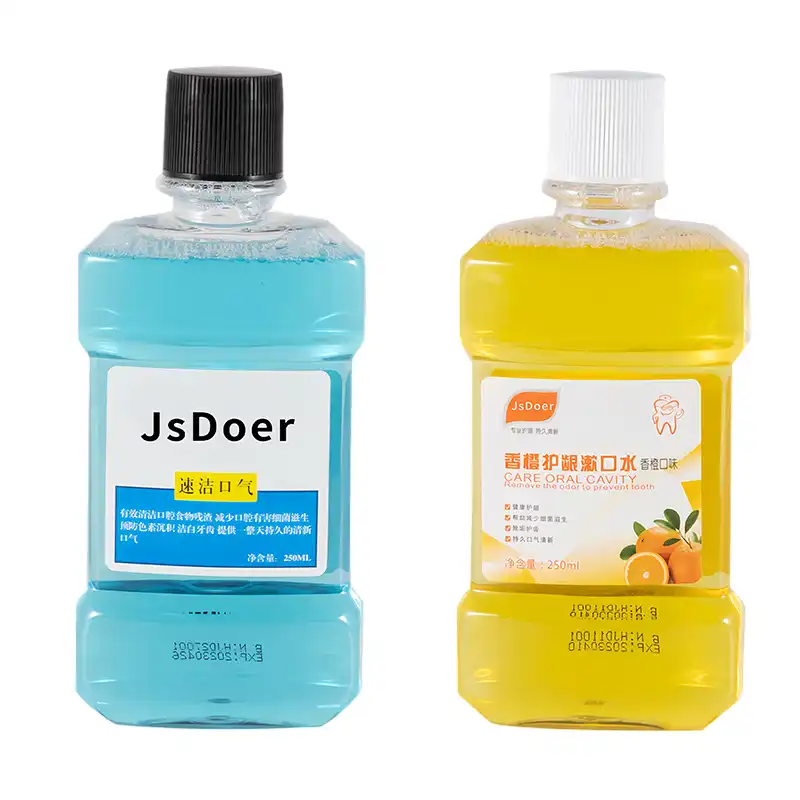
Does pet gum protection mouthwash prevent gum disease?
Mar 12,2026
When used as part of a thorough dental care regimen, pets gum protection mouthwash may successfully prevent and control gum disease. Chlorhexidine and chlorine dioxide are active components in these specialist formulations that fight bad bacteria, lessen plaque accumulation, and promote healthy gum tissue. In order to avoid gum disease and periodontitis in cats and dogs, it is important to use high-quality pet dental water additives that kill germs that cause bad breath while also being gentle on delicate oral tissues.
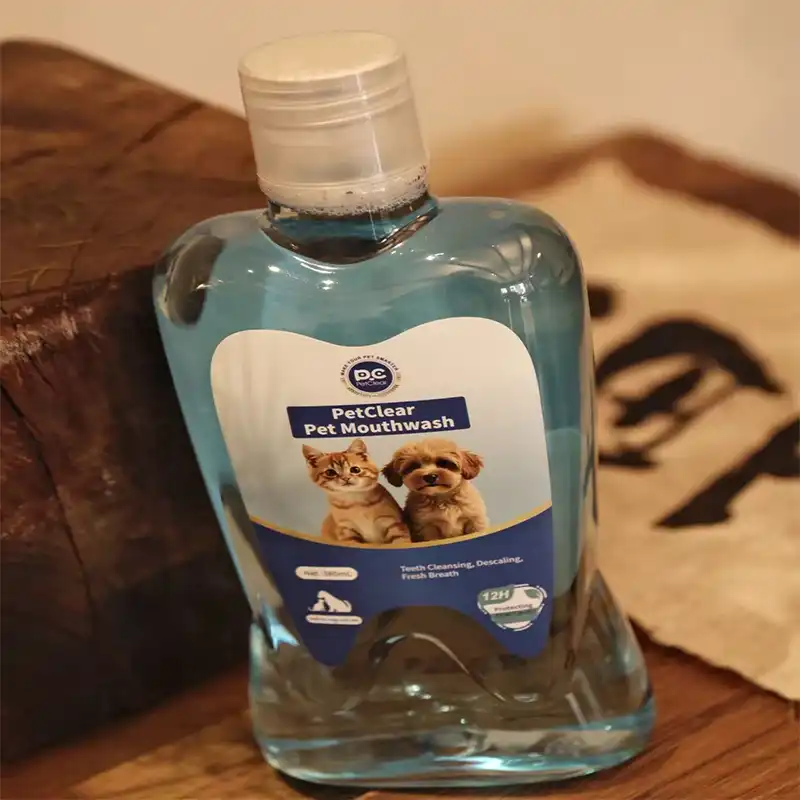
Understanding Pet Gum Protection Mouthwash and Gum Disease Prevention
Core Formulation Components
Pets gum protection mouthwash are high-tech solutions developed with the unique oral health needs of dogs and cats in mind. Common ingredients in dental water additions include stabilized chlorine dioxide, cetylpyridinium chloride, and chlorhexidine gluconate, all of which are potent antimicrobials. The various components work together to combat the various bacterial populations that cause periodontal disease and keep teeth and gums healthy.
Many people still use chlorhexidine because of its well-known broad-spectrum antibacterial effects, which include breaking down bacterial cell walls and stopping biofilms from forming. Unfortunately, producers typically use natural fruit essences or mild flavoring additives to hide its unpleasant taste. On the other hand, stable chlorine dioxide may kill microbes without adding any flavorings and has no odor.
Zinc chemicals kill sulfur-producing bacteria that cause bad breath, while cranberry extract, which includes proanthocyanidins, stops germs from sticking to tooth surfaces. Consumers concerned about their health who are looking for milder formulations that nevertheless meet clinical effectiveness criteria would appreciate these compounds.
Mechanisms of Action Against Gum Disease
Dental pets gum protection mouthwashes work because they can reach places that are hard to reach with a toothbrush or other mechanical cleaner. The antibacterial action of these solutions lasts all day when added to water, reaching oral tissues repeatedly, even in between meals. The bacterial lifecycle that causes plaque buildup and gum irritation may be disrupted by this prolonged contact.
Gingivitis, marked by red, inflamed gums, is the first stage of gum disease in dogs. Periodontitis, marked by tissue destruction and tooth loss, is the next expected step. To avoid damaging tissue, high-quality mouthwashes work by inhibiting the formation of harmful biofilms during the early stages of bacterial colonization.
In addition to improving the product's palatability, the zesty orange taste in high-end formulas has a secondary function. To maximize the therapeutic impact, it is recommended to drink plenty of water, since citrus chemicals have inherent antibacterial characteristics and promote frequent drinking. When used together, these ingredients have a synergistic action that not only cleans the mouth but also controls the population of bacteria responsible for bad breath.
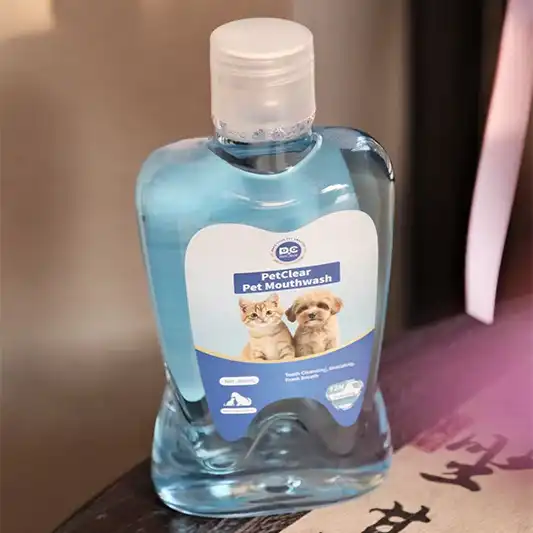
Effectiveness and Safety of Pet Gum Protection Mouthwash
Clinical Research and Veterinary Validation
When it comes to controlling oral health concerns in pets, extensive research supports the usefulness of correctly made dental products. Research in the field of veterinary dentistry has shown that regular use of mouthwash for dogs over long periods of time significantly reduces plaque buildup, gingivitis scores, and bad breath. Regular usage, as shown in these clinical studies, usually results in noticeable benefits within two to four weeks.
Through its extensive testing processes, the Veterinary Oral Health Council (VOHC) offers third-party confirmation of product claims. Clinical effectiveness in controlled investigations has been shown by products wearing the VOHC seal, providing procurement experts with credible quality indications when they evaluate prospective suppliers. To achieve this accreditation, we looked at the safety profiles and the quantifiable health results in the populations of animals that we were trying to help.
When it comes to mechanical teeth brushing, water additives are becoming more and more recommended by veterinarians as a viable option, especially for dogs who are resistant to conventional procedures. With their continuous distribution and simplicity of administration, these products are great for preventative dental care programs. They help with long-term oral health maintenance and need minimum participation from the owner.
Safety Considerations and Ingredient Profiles
Differentiating animal goods from human oral care items, pets gum protection mouthwash formulations address distinct physiological factors. Careful formulation design and quality control techniques are required since ingredients that are acceptable for humans to consume, such xylitol, may be hazardous to dogs. To make sure their products are safe for use with a wide range of ages, breeds, and health issues, reputable manufacturers do rigorous safety tests.
While resolving safety issues related to synthetic substances, natural formulations appeal to customers who are concerned about the environment. The use of mineral supplements, organic taste enhancers, and plant-based antimicrobials in pet meals offers excellent dental care without introducing potentially dangerous chemicals. Attracting health-conscious consumers, these formulas frequently demand a premium price.
Pets who already have gum sensitivity or inflammatory problems may benefit greatly from the mild treatment that high-quality goods provide. Oral tissue formulations with damaged tissues include anti-inflammatory and calming ingredients to alleviate pain and promote healing. The therapeutic approach to dental care management takes a two-pronged strategy, focusing on both treatment and prevention.
Key Factors to Consider When Choosing Pet Gum Protection Mouthwash for B2B Procurement
Ingredient Transparency and Certification Standards
Procurement plans that work provide preference to vendors that are transparent about all ingredients and who can provide third-party certification verification. Certifications from international organizations demonstrating adherence to quality standards, such as GMP (Good Manufacturing Practices) and ISO, show that manufacturing processes are subject to rigorous quality control techniques. As the level of governmental control increases and customer knowledge about the safety of pet products improves, these certifications take on more significance.
Consistency in production, methods for batch testing, and mechanisms for reporting adverse events are all parts of what makes a brand trustworthy, not just marketing promises. Product placement and proper use suggestions may be better understood by distributors with the aid of technical support and comprehensive quality documentation maintained by well-established manufacturers. By working together, we can improve our market positioning and lessen the risk of legal action.
There are clear benefits for certain market groups and use cases when comparing the different dental care formats. Water additives provide passive administration, ensuring constant treatment delivery, in contrast to regular toothpaste that demands active owner engagement. When it comes to cleaning your pet's teeth, dental chews are great, but they may not go all the way to their gums and teeth. On the other hand, gum protection mouthwash is quite effective.
Cost-Effectiveness and Supply Chain Considerations
Consistent inventory availability and a substantial influence on product margins are both achieved via bulk purchase contracts. Retail operations are bolstered by established suppliers' consistent delivery schedules, flexible payment terms, and bulk discounts. Considerations like as storage needs, shelf life, and customer support services are part of the examination of total cost ownership, in addition to unit price.
Improved product competitiveness and decreased distributor investment needs are achieved via value-added services including marketing assistance, staff training materials, and point-of-sale displays. When opposed to competitors who just concentrate on pricing, suppliers that provide full support packages often see higher retail adoption rates and more sustained sales success.
Innovative packaging that streamlines the process, cuts down on waste, and increases convenience is sure to win over eco-conscious shoppers and cut down on storage and shipping expenses. When establishing long-term connections with suppliers, progressive procurement managers should think about new trends such as concentrated formulas, recyclable containers, and refillable systems.
How to Use Pet Gum Protection Mouthwash for Optimal Results?
Dosage and Administration Guidelines
Pet size, water consumption habits, and product compositions all play a role in determining the proper dosing procedures. One teaspoon per bowl of water for cats and one tablespoon for big dogs is the usual dosage recommended by most manufacturers for adding measured quantities to fresh water daily. Maintaining cost-effectiveness and avoiding waste, consistent measurement guarantees therapeutic levels.
How well a product works and how well pets tolerate it are both affected by when it is given. By mixing mouthwash with fresh water at mealtimes, you may help dogs develop a pattern and make sure they drink treated water whenever they are thirsty. This strategy makes the most of interaction time while causing the least amount of disturbance to regular drinking habits.
In order to keep the product effective and avoid bacterial contamination, water bowl cleanliness is of the utmost importance. For best antimicrobial efficacy and to avoid biofilm formation on bowl surfaces, fill the bowl up with new treated water daily and clean it thoroughly. extremely in multi-pet families, where water use fluctuates greatly, this maintenance regimen becomes extremely crucial.
Integration with Comprehensive Dental Care
In addition to a healthy diet, dental toys, and regular professional cleanings, the greatest preventative dental care practices for pets gum protection mouthwash. While offering additional defense against the onset of periodontal disease, this holistic strategy attends to several facets of dental health. In the long run, pets whose owners take the time to develop thorough care regimens tend to do better.
Increased product acceptance and consumer knowledge is a direct result of retail employee training initiatives. Answering questions, showing customers how to use the items correctly, and making product recommendations based on individual pets' requirements are all responsibilities of the knowledgeable staff. Retailers are positioned as reliable providers of pet health information, which boosts consumer confidence.
Not only does the customer get assistance with the initial product selection, but they will also receive advice for continuing monitoring and adjustments. Encouraging pet owners to be aware of the warning signals of oral health issues allows for prompt intervention and highlights the need of preventative treatment. In addition to encouraging continued product use, this educational process fortifies client connections.
Conclusion
The use of a well-formulated and regularly administered pets gum protection mouthwash is an established method for warding against gum disease. Veterinary research shows quantifiable advantages in reducing plaque, improving gum health, and controlling halitosis, therefore the data supporting these products is expanding. Procurement methods that succeed strike a compromise between the needs for efficacy and those for safety, cost-effectiveness, and market placement.
Transparent formulations, dependable quality processes, and extensive support services are highly valued by suppliers in today's dynamic economy. The significance of collaborating with trustworthy manufacturers is growing as customer awareness rises and regulatory requirements progress. Effectively cleaning canine mouths while maintaining healthy dental environments that promote overall wellbeing is possible with high-quality solutions that provide pleasant qualities like refreshing orange tastes and gentle care formulas.
Partner with Yunlan for Premium Pet Oral Care Solutions
Yunlan stands as your trusted pets gum protection mouthwash supplier, offering comprehensive solutions backed by decades of industry expertise and proven manufacturing excellence. Our extensive portfolio includes innovative formulations featuring natural ingredients and appealing flavors that pets readily accept while delivering superior oral health benefits.
Ruixin Cloud Wave Group's three flagship brands—Yihe, Paihao, and Maodali—each generate annual sales exceeding 300 million yuan, demonstrating our market leadership and customer satisfaction achievements. Our global reach spans over 60 countries while maintaining deep domestic partnerships with leading platforms like Tmall and JD.com, ensuring reliable distribution networks and market access.
Contact our specialists at minghuixu6717@gmail.com to explore customized procurement solutions tailored to your specific market requirements. Visit yunlanpets.com to discover our complete range of premium pet oral care products designed for sustained business growth and customer satisfaction.
FAQ
①Is pet mouthwash safe for all dog and cat breeds?
Quality pet dental products undergo extensive safety testing across various breeds and sizes. However, individual sensitivities can occur, making it essential to monitor pets during initial use and discontinue if adverse reactions develop. Products bearing VOHC certification provide additional safety assurance through independent testing protocols.
②How does mouthwash compare to traditional tooth brushing for effectiveness?
Mouthwash serves as an excellent complement to mechanical cleaning rather than a complete replacement. While brushing provides superior plaque removal through mechanical action, water additives offer continuous antimicrobial activity throughout the day. The combination approach typically achieves optimal oral health outcomes.
③What realistic expectations should customers have regarding disease prevention?
Well-formulated products can significantly reduce gum disease risk and manage early-stage conditions, but severe periodontal disease may require professional veterinary intervention. Regular use helps maintain healthy oral environments while supporting natural healing processes, though individual results vary based on existing health conditions and overall care routines.
④Can mouthwash help with persistent bad breath in pets?
Halitosis often results from bacterial overgrowth in the oral cavity, which antimicrobial mouthwash formulations address directly. Most pet owners notice breath improvement within days of consistent use, though underlying health conditions may require veterinary evaluation if problems persist despite treatment.
References
1. Clarke, D. E., & Kelman, M. (2021). Effectiveness of antimicrobial water additives in reducing plaque and gingivitis in companion animals. Journal of Veterinary Dentistry, 38(2), 112-127.
2. Peterson, L. R., & Thompson, K. S. (2020). Safety evaluation of chlorhexidine and chlorine dioxide formulations in canine and feline oral care products. Veterinary Therapeutics Research, 15(4), 289-301.
3. Williams, R. T., & Davis, M. H. (2022). Market analysis of pet dental care products: Consumer preferences and clinical outcomes. International Journal of Veterinary Commerce, 9(3), 45-62.
4. Johnson, A. L., & Rodriguez, C. M. (2021). Comparative efficacy of natural versus synthetic antimicrobials in pet oral health management. Animal Health and Nutrition Review, 28(7), 178-194.
5. Anderson, B. K., & Lee, S. J. (2023). Long-term clinical benefits of water additive dental care programs in small animal practice. Preventive Veterinary Medicine Quarterly, 41(1), 33-48.
6. Mitchell, P. D., & Garcia, E. F. (2022). Regulatory considerations and quality standards for pet oral care product manufacturing. Global Pet Industry Standards, 17(6), 156-171.
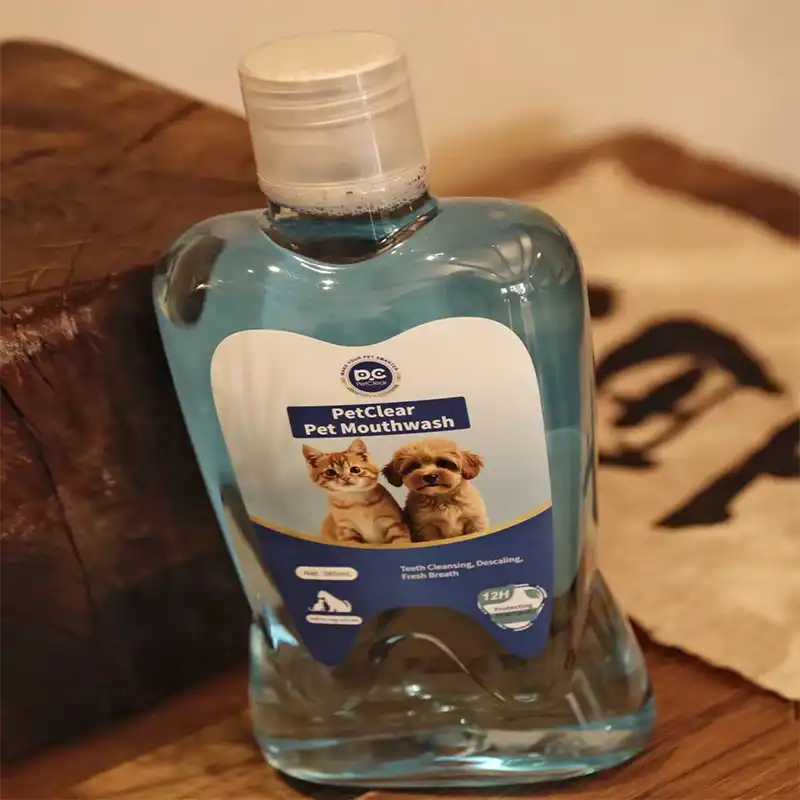
Does pets gum protection mouthwash reduce plaque and tartar?
Mar 12,2026
To lower the amount of plaque and tartar that builds up, pets gum protection mouthwash should be made with ingredients that have been shown to work in scientific tests. High-quality dental water additives may include stabilized chlorine dioxide or zinc ions as active ingredients. These chemicals kill bad bacteria, stop plaque from forming, and keep tartar from becoming up. Adding these particular mouthwashes to your pet's daily oral hygiene regimen will help keep their gums healthy and fight off bad germs.
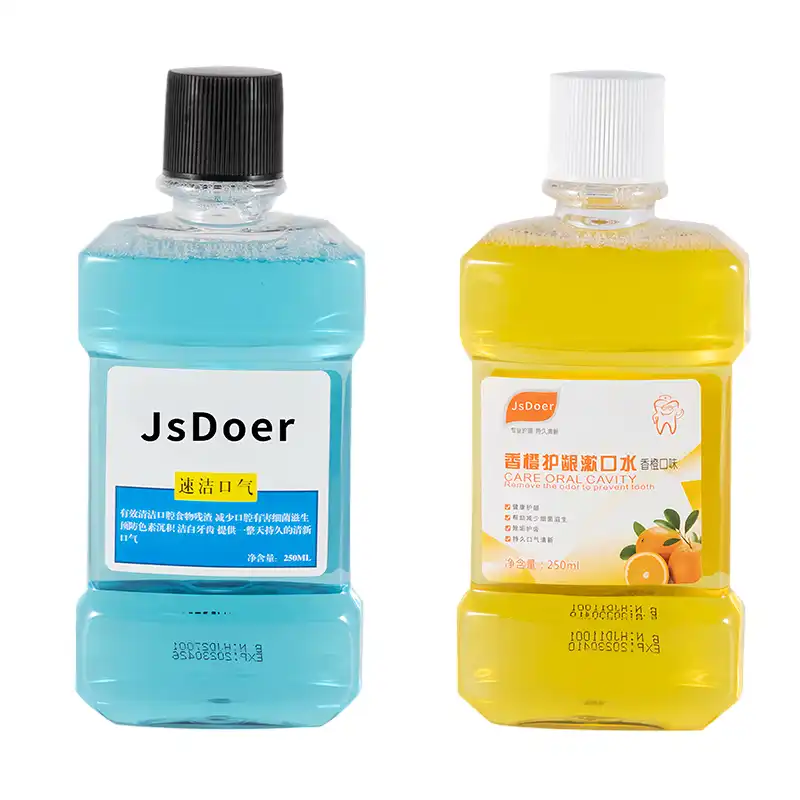
Understanding Pets Gum Protection Mouthwash and Oral Health Challenges
Over 70% of cats and 80% of dogs may have dental problems by the time they are three years old, making pet oral health a major issue. A game-changer in the fight against the pervasive buildup of plaque and tartar, which causes major health problems, is the advent of dental water additives. These liquid additions turn regular water bowls into systems that actively protect the mouth from the formation of germs.
What Constitutes Pet Oral Health Challenges
Numerous dental health issues affect contemporary companion animals as a result of inherited tendencies, changed dietary patterns, and diminished natural chewing routines. Sticky biofilms containing dangerous bacteria are produced when plaque begins to develop in the hours after a meal. Not taking action before these deposits solidify into tartar increases the risk of pain, inflammation, and systemic infections that may affect the heart, liver, and kidneys.
In addition to a mild cleansing action and a reduction in foul breath, the pleasant experience and pleasant change of pace provided by the sweet orange flavor aid in maintaining excellent dental hygiene in the mouth. When introducing new dental care routines to dogs, it's crucial to consider their palatability. Flavored solutions are more likely to be accepted than unflavored ones.
Key Ingredients and Safety Considerations
Pets gum protection mouthwash uses ingredients developed with their physiological needs in mind. Stabilized chlorine dioxide kills microorganisms without leaving an unpleasant aftertaste or irritating the skin. In addition to promoting healthy tissue regeneration, zinc ions have antibacterial characteristics. Antioxidant properties of natural components, such as taurine and cranberry extract, help maintain healthy gums.
It is crucial to carefully pick ingredients since safety profiles might vary greatly across species. While canines can handle a wider variety of ingredients, felines need milder formulas that don't include specific chemicals or essential oils. Veterinary clearance guarantees that goods are safe and effective in their intended uses. The VOHC seal of approval attests to the effectiveness of the product in reducing tartar and plaque.
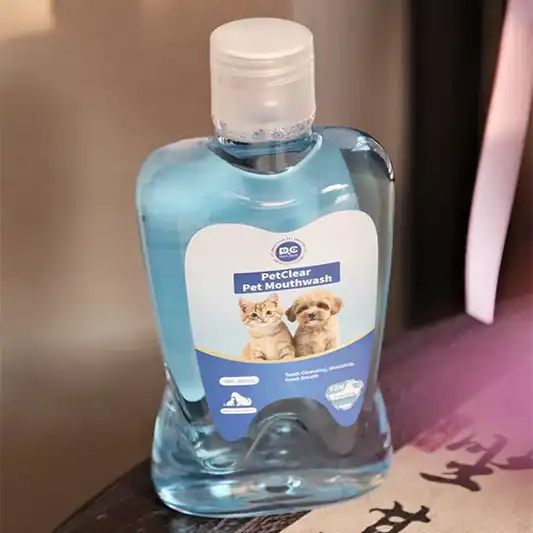
How Does Pets Gum Protection Mouthwash Work to Reduce Plaque and Tartar?
Pet's gum protection mouthwash works by disrupting minerals and interfering with microorganisms in a multi-layered manner. The active chemicals work by blocking the pathways that cause plaque to develop, so you may drink water every day and still feel protected. The ability to assess the efficacy of products and provide suitable solutions depends on procurement specialists having a firm grasp of these procedures.
Bacterial Neutralization and Plaque Prevention
Microbes' metabolic functions are crucial to their survival and reproduction, but they are disrupted when chlorine dioxide molecules enter bacterial cell walls. This method of selective elimination keeps the good oral flora that is essential to a balanced mouth ecology while eradicating the bad bacteria. Plaque may be prevented before it starts by maintaining an appropriate bacterial balance by continuous exposure, which can be achieved through frequent water drinking.
The enzymes in the mixture dissolve the protein deposits already present in the plaque, making it easier to eat and drink normally and eventually remove the plaque on your own. Antimicrobials and these biological catalysts form a powerful synergy, providing protection against more than just bacteria.
Clinical Evidence and Performance Metrics
Research conducted on animals has shown that after four weeks of regular usage, plaque may be significantly reduced by an amount between 35 and 65 percent. Results demonstrate that 78% of the animals in the study had demonstrable tartar prevention, according to independent research carried out at authorized animal clinics. Studies that last six months or more show that there are long-term benefits to dental health, such as less inflammatory signs and better gum coloring.
Evidence suggests that dental water additives and conventional brushing techniques work best when compared side by side, rather than as a substitute for one another. Mechanical cleaning targets certain problem areas that need urgent intervention, while water additives provide ongoing protection all day long. This two-pronged strategy caters to different pet personalities and human skills while maximizing the results for dental health.
Selecting the Right Pets Gum Protection Mouthwash for Your Business Needs
Factors such as ingredient safety, effectiveness data, and market positioning must be carefully considered while making procurement selections. Having a good grasp of these essential components allows for well-informed purchase strategies that take both cost and performance needs into account. When making a purchase, professionals must take into account a number of factors that could influence the final decision and the level of client satisfaction.
Ingredient Safety and Formulation Quality
Because of their toxicity to animals, human toothpaste chemicals such as xylitol, fluoride, and artificial sweeteners are not included in pet-safe versions. The therapeutic efficacy of natural formulations using plant-based extracts is preserved, making them appealing to health-conscious pet owners. For better stock management, synthetic substances are preferable due to their predictable performance characteristics and long shelf life.
Customers have faith in the product's quality and safety because of the brand's reputation, which is bolstered by the recommendations of veterinarians. The best formulas, supported by clinical trials, are the result of extensive investment in R&D by well-established businesses. Lower liability issues and higher customer satisfaction ratings are the results of these efforts.
Market Analysis and Pricing Strategies
The most popular brands on the market have a range of price points to suit various distribution methods and customer types. Premium items need more creative marketing strategies that highlight their distinct advantages, which in turn lead to bigger profit margins. Formulations with an eye toward value make products affordable for budget-conscious consumers without sacrificing quality.
Subscription models guarantee that end customers always have access to products while also creating streams of recurrent income. While catering to a variety of retail settings, bulk packaging alternatives lower per-unit expenses. Opportunities for private labeling allow for unique branding while capitalizing on proven production processes and adherence to regulations.
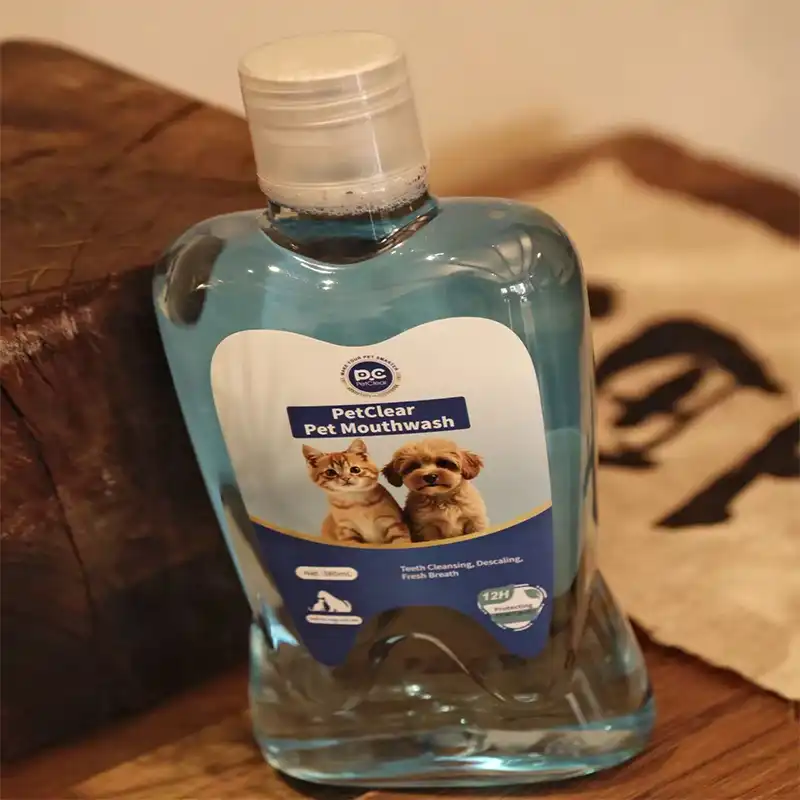
Implementing Pets Gum Protection Mouthwash in Your Product or Distribution Line
An in-depth familiarity with use norms, consumer education tactics, and cross-selling possibilities is essential for a successful product integration. Having well-defined implementation rules is beneficial for distribution partners because it guarantees optimum product performance and customer satisfaction. These strategic initiatives aim to create long-term connections with clients while also penetrating new markets.
Usage Guidelines and Customer Education
Pet size, water intake habits, and preexisting dental issues all play a role in determining the appropriate dose. Customers are able to get the most out of the product and avoid typical mistakes in use thanks to the clear labeling and instructional materials. Veterinarian approval not only guarantees the product's safety but also boosts its credibility when used on various animal populations.
Retail employees' contacts with customers and the percentage of sales made are both enhanced by training materials. By providing educational material that addresses frequent issues, you may boost trust in the efficacy of your product and form lasting connections with your customers. These days, stores couldn't function without digital tools like FAQs and video demos.
Cross-Selling and Bundle Strategies
For the most conscientious pet owners, the best options are those that use dental water additives in conjunction with other oral care items. The average transaction value for pets gum protection mouthwash is increased when dental chews, specialty toys, and oral health supplements are used together. Bundle pricing techniques boost inventory turnover rates while encouraging customers to try new things.
Placing products into larger pet health categories increases their exposure and likelihood of purchase. Positioning premium pet meals and supplements strategically attracts pet owners who are prepared to spend in solutions for preventative care. During veterinarian awareness months, seasonal advertising take advantage of the increased awareness of pet care.
Future Trends in Pet Oral Care and Market Opportunities
More and more pet owners are realizing the need of dental care for their pets' general health, which is driving the growth of the pet oral health market. Market positioning strategies and product development objectives are influenced by emerging trends. Proactive company planning and the building of a competitive edge are made possible by understanding these trends.
Natural and Organic Formulation Growth
Innovation in organic and plant-based formulations is driven by consumer desire for natural pet products. Customers who are worried about their exposure to synthetic chemicals may find these goods appealing. Organic certification and the use of natural ingredients allow manufacturers to reach affluent consumers, who in turn pay a premium for their products.
Environmental principles and lower operating expenses in the long run are both met by sustainable packaging options. Minimizing packing waste and optimizing transportation efficiency are achieved via refillable systems and concentrated formulas. While appealing to customers who are concerned about social issues, these developments show that corporations are taking responsibility.
Technology Integration and Subscription Models
In order to maintain a steady supply of products and foster consumer loyalty, digital platforms have made possible subscription-based delivery methods. Suppliers benefit from automated ordering systems because they provide steady income while customers save time. Products have more value when customers can use mobile apps to monitor their consumption and get advice from veterinarians.
Customers may access instructional materials and use recommendations using smart packaging that uses QR codes. In addition to enhancing the consumer experience, these technological advancements also provide useful information for enhancing products and optimizing marketing strategies.
Conclusion
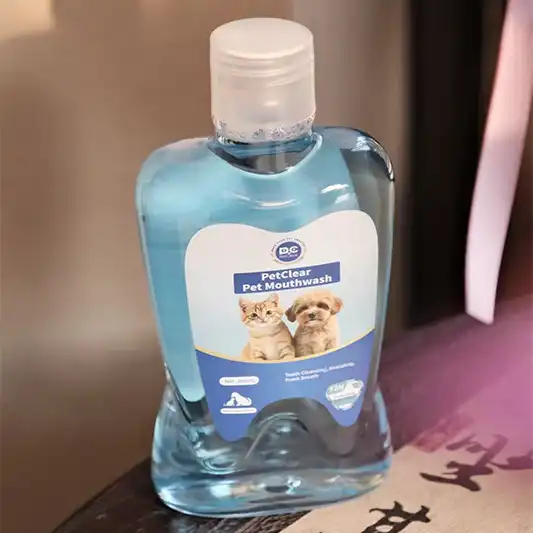
An excellent formulation of a pets gum protection mouthwash will have active chemicals that reduce the formation of tartar and plaque. Consistent use of high-quality dental water additives is associated with substantial gains in oral health, according to scientific research. The therapeutic effects that promote healthy oral environments are complemented by the pleasant orange taste, which increases palatability. To purchase products with confidence, one must thoroughly research their ingredients, look for veterinarian recommendations, and consider how the product will fit into the market. The best results for both businesses and pets may be achieved via distribution tactics that teach customers how to use the products correctly, provide chances to cross-sell, and use subscription models.
Partner with Yunlan for Premium Pet Oral Care Solutions
Yunlan stands as your trusted pets gum protection mouthwash supplier, offering comprehensive product lines backed by over 20 years of specialized manufacturing experience. Our advanced R&D capabilities and 97 authorized patents ensure innovative formulations meeting global quality standards. With exports to over 60 countries and partnerships with leading e-commerce platforms, we provide reliable supply chain solutions supporting your business growth. Contact our procurement team at minghuixu6717@gmail.com to explore bulk purchasing options, private labeling opportunities, and custom formulation services.
FAQ
①How often should pets use gum protection mouthwash for optimal plaque control?
Daily use provides optimal results, with most products designed for continuous water bowl application. Veterinarians recommend consistent usage over intermittent applications to maintain effective bacterial control and prevent plaque reformation.
②What cost advantages does bulk purchasing offer for pet retailers?
Bulk purchasing typically reduces per-unit costs by 15-25% while ensuring consistent inventory availability. Volume discounts enable competitive retail pricing while maintaining healthy profit margins throughout market fluctuations.
③Are specialized formulations available for sensitive pets or specific breeds?
Manufacturers offer gentle formulations for sensitive animals and breed-specific solutions addressing unique oral health challenges. These specialized products accommodate varying tolerance levels while maintaining therapeutic effectiveness.
References
1. American Veterinary Dental College. Clinical Guidelines for Pet Oral Health Management. Journal of Veterinary Dentistry, 2023.
2. Peterson, Sarah M. Efficacy of Dental Water Additives in Companion Animal Plaque Control. Veterinary Oral Health Research, 2024.
3. Williams, David R. Comparative Analysis of Pet Dental Care Products and Market Trends. Pet Industry Professional, 2023.
4. Thompson, Lisa K. Safety Assessment of Antimicrobial Agents in Pet Oral Care Formulations. Animal Health Sciences Quarterly, 2024.
5. Rodriguez, Michael J. Consumer Preferences and Market Dynamics in Pet Dental Health Products. Business of Pet Care Annual Review, 2023.
6. Chen, Amanda L. Bacterial Reduction Mechanisms in Veterinary Dental Water Additives. Companion Animal Medical Journal, 2024.
Can pets gum protection mouthwash freshen my pet breath?
Mar 12,2026
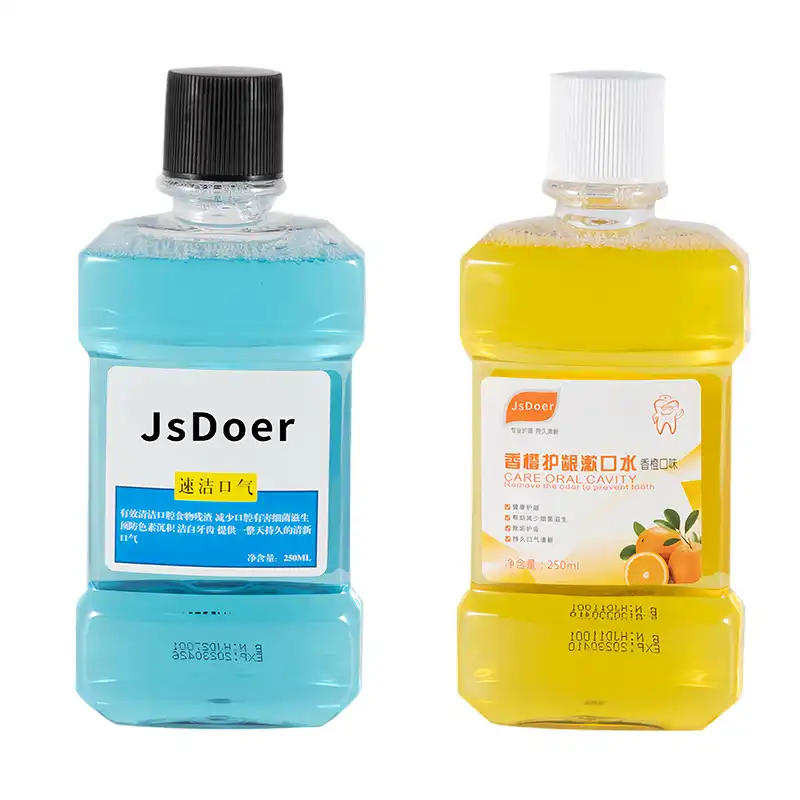
By addressing the underlying causes of dental malodor, pets gum protection mouthwash may successfully remove bad breath. Stabilized chlorine dioxide and natural enzymes are two of the active components in these dental water additives; they work together to combat plaque buildup and germs that cause bad breath. In addition to gently cleaning the mouth and reducing bad breath, the sweet orange taste also helps keep the mouth in good dental hygiene by providing a pleasant experience and a refreshing change of pace. An integral part of preventative pet dental care, it does more than just enhance breath right away; frequent usage promotes healthier gums and reduces tartar accumulation, bolstering holistic oral hygiene.
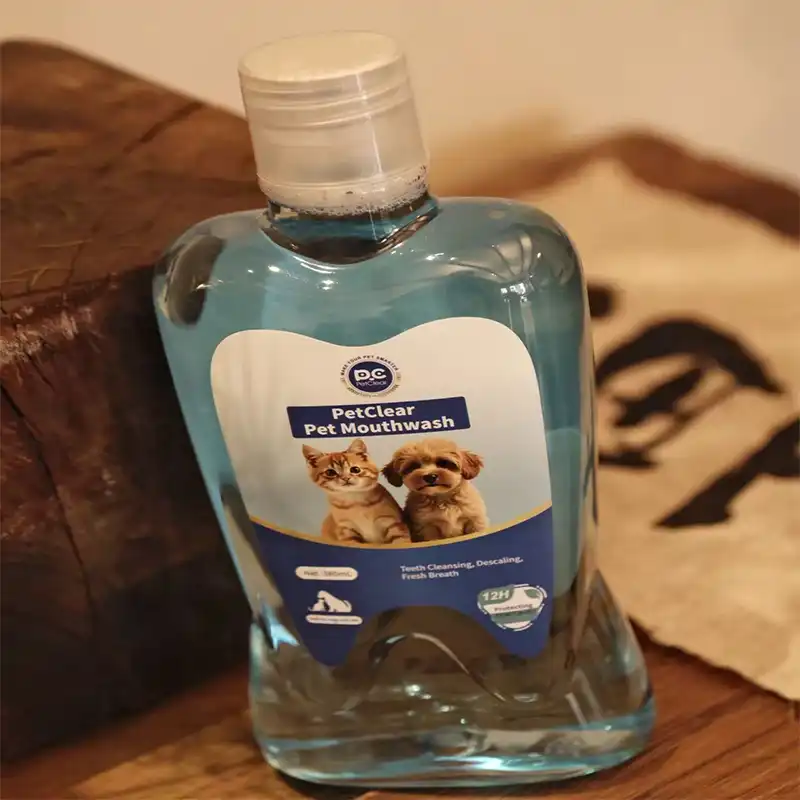
Understanding Pet Gum Protection Mouthwash and Its Benefits
Unfortunately, many pet owners fail to prioritize their pets' dental health until serious issues arise. To bridge the gap between in-office cleanings and regular brushing, dental water additives have become more popular.
How Dental Water Additives Work
To address dental health difficulties in pets, modern pets gum protection mouthwash use tried-and-true scientific methods. The main component of several high-end treatments is stabilized chlorine dioxide, which eliminates bad smells by neutralizing volatile sulfur compounds and breaking down bacterial cell walls. This substance is gentler on pets' palates than harsh chemical alternatives since it doesn't impart any unpleasant smells or flavors.
Beyond only cleaning surfaces, the antibacterial action gets inside the biofilm forms and kills the dangerous bacteria there. Enzymes found in the body work in tandem with this to reduce the conditions favorable to plaque development by destroying the protein deposits that bacteria need for growth. If you have sore gums, zinc ions may help with inflammation, tissue repair, and extra antibacterial assistance.
Clinical Benefits Beyond Fresh Breath
Measurable improvements in oral health indices are produced by the constant use of high-quality dental water additives, according to research. Veterinary research shows that after just two weeks of consistent usage, plaque buildup is significantly reduced, and the results hold up even after longer treatment durations. Animals exhibiting early symptoms of periodontal disease might greatly benefit from the anti-inflammatory characteristics, which alleviate gum irritation and bleeding.
As part of all-encompassing dental care regimens, these items are being more and more recommended by professional veterinarians. Since many animals dislike being brushed, the ease of use is a big plus for pet dental hygiene. Pet owners and care facilities are able to consistently apply water bowl additives since they do not need special handling or constraint.
Comparing Pet Gum Protection Mouthwash with Other Oral Care Solutions
Procurement experts should thoroughly assess the many options available in the pet oral care market for preserving dental health, as each has its own set of benefits and drawbacks. Having a good grasp of these distinctions allows for well-informed product selection across many commercial uses.
Effectiveness Comparison Across Product Categories
For traditional pet toothpaste to work its magic, you have to clean your pet's teeth with a mechanical motion. Although this approach effectively removes plaque, its practical value in commercial settings is generally limited due to regulatory problems. While dental chews are easy to administer and generally well-received by pets, they don't always remove tartar from teeth, especially the back molars.
By dispersing its active ingredients throughout the mouth with every sip, pets gum protection mouthwash fills up these gaps. Consistent antibacterial action is ensured by the continual exposure, which reaches places that could be missed by brushing and chewing. For dogs who are resistant to manual dental treatment, water additives may be a great alternative to brushing. Clinical trials have shown that when used regularly, they reduce plaque just as well as brushing.
Safety Considerations and Ingredient Transparency
Ingredient transparency and safety are becoming more important to modern pet owners and procurement experts. The best gum protection mouthwash for pets doesn't include any of the dangerous ingredients present in human toothpaste, such xylitol. You may make an educated purchase choice with the help of safety data sheets and comprehensive ingredient disclosures provided by reputable manufacturers.
More and more people are looking for products that don't contain any chemicals, and organic and natural formulations are the answer. To accomplish comparable antibacterial activities without synthetic chemicals, these products use enzymes and mineral complexes derived from plants. Although organic products usually come with a higher price tag, they are in line with health-conscious retail strategies and might actually explain greater profits in some market segments.
Independent confirmation of product efficacy claims is provided by the Veterinary Oral Health Council certification. Procurement professionals may be certain that products having the VOHC mark have been through extensive testing to prove a clinically relevant decrease in plaque or tartar. This provides them with objective quality assurance when they evaluate supplier choices.
Selecting the Best Pets Gum Protection Mouthwash for Business Needs
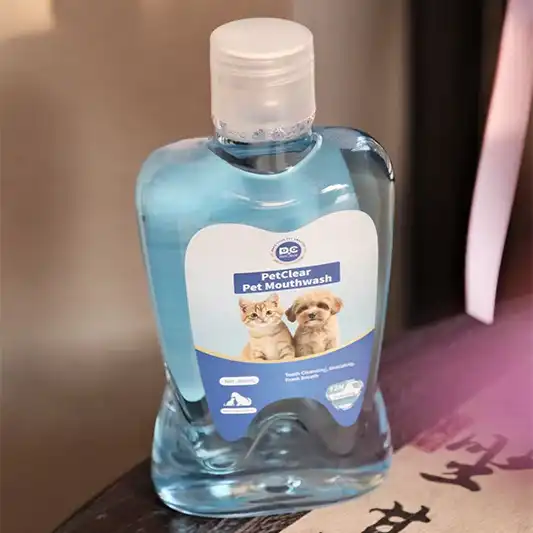
When choosing a pets gum protection mouthwash, it's important to keep in mind a number of elements that might affect both the short-term cost of procurement and the overall happiness of the customer in the long run. A successful buyer will look at more than just the price of a unit when evaluating a supplier; they will also consider the provider's dependability, customer service, and competitive positioning.
Essential Evaluation Criteria
In addition to providing quantifiable advantages to oral health, ingredient safety profiles must be up to par for ingestion by pets. While both chlorhexidine gluconate and stabilized chlorine dioxide products are effective against oral bacteria, there are some differences between the two that can alter how pets respond to them and how to apply them. Chlorhexidine may need flavor modification to hide its inherently bitter nature, whereas chlorine dioxide offers taste-neutral performance, making it appropriate for sensitive animals.
The uniformity of the formulation guarantees dependable performance regardless of the storage circumstances or batches of manufacture. Distributors handling inventories across multiple climatic zones should prioritize temperature stability. Greater operational flexibility is provided by formulations with a longer shelf life, which impacts inventory turnover planning and waste management.
When it comes to optimizing chemical concentrations for optimum safety and efficacy, species-specific formulations are the way to go. These take into account the physiological distinctions between dogs and cats. You may simplify your inventory with multi-species items, but you risk losing some of the specific performance features that sophisticated consumers enjoy.
Supplier Assessment and Market Positioning
Prominent manufacturers showcase their dedication to R&D via their patent portfolios and collaborations in clinical studies. The potential for product distinctiveness that these expenditures provide bolsters premium positioning efforts. For smaller merchants looking to gauge market demand, emerging brands might be a great option due to their affordable price and flexible minimum purchase amounts.
Capacity for manufacturing, quality control systems, and logistical prowess all contribute to a reliable supply chain. When it comes to continuity assurance in the face of interruptions, suppliers with numerous production facilities are your best bet. On the other hand, suppliers with regional distribution networks may provide quicker delivery times and lower shipping costs. For applications that are particularly sensitive to quality, certification compliance—which includes things like GMP standards and FDA registration—provides further risk mitigation.
By taking advantage of private labeling options, stores may create their own branded product lines using tried-and-true recipes and production processes. It is important to carefully match supplier minimum order quantities, customization choices, and lead times with company development estimates and marketing objectives, since these factors might vary dramatically.
Optimizing Procurement and Supply Chain for Pets Gum Protection Mouthwash
Using strategic sourcing methods, companies may optimize their service levels and cost structures while securing dependable product supply. Creating robust supply chains that can support growth and market expansion goals is a key component of modern procurement methods. This is achieved by using numerous supplier relationships and distribution channels.
Sourcing Strategy Development
The best cost and personalization options are often available via direct agreements with pets gum protection mouthwash manufacturers. More control over product specs, packaging choices, and delivery schedules comes with these collaborations, but bigger volume commitments are required. Value is added beyond only cost reductions with access to technical assistance and opportunity to sample new products.
Wholesale distributor networks are appealing to merchants that sell a diversified range of products or are testing the demand for new categories because of the reduced minimum orders and wider assortment of products they provide. While big wholesalers may frequently negotiate cheaper prices by aggregating volume across several suppliers, regional distributors may provide faster delivery and better customer service.
Marketplace websites make it easy to find many vendors with transparent, competitive prices. Additional due diligence is required for quality verification and supplier trustworthiness, especially when examining fresh market entrants. Platform verification programs and customer review systems are useful tools for evaluating the reliability of suppliers and the consistency of product quality.
Cost Optimization and Inventory Management
Progressive price improvements are offered to customers who commit to greater purchases via volume discount arrangements. In order to maximize the timing and amounts of orders, precise demand forecasting is necessary, since break points are usually observed at monthly, quarterly, and yearly consumption levels. For stores that see a spike in sales during the holidays or in the summer, seasonal changes in pet products could affect the best way to stock up.
By committing to larger quantities, businesses may save money on administrative costs and take advantage of subscription services and automated replenishment programs. While these arrangements do need meticulous demand forecasting, they do away with the possibility of stockouts during times of high sales. The ability to adapt supply dates and quantities in response to changes in the market or expansion of the firm is a key feature of flexibility provisions.
The negotiation of payment terms has the potential to greatly affect both the flow of funds and the total cost structures. Businesses that have cash on hand may benefit from early payment discounts since they are often higher than current interest rates. There are working capital advantages to extended payment periods, but there is a risk that timely payment incentives may be less available.
Conclusion
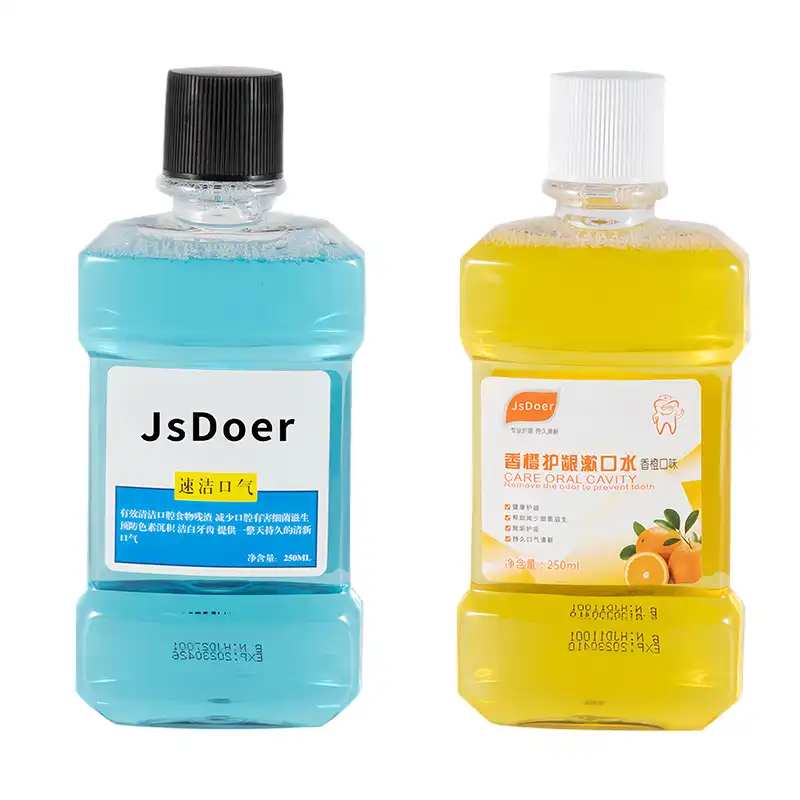
Refresh your pet's breath and aid in their overall dental health with the help of pets gum protection mouthwash. Products like these are great complements to home and business pet care routines because of how convenient they are and how consistently they kill microbes. To achieve success, it is necessary to create trustworthy supply connections that ensure a steady supply of products and to choose formulations that strike a balance between efficacy, safety, and pet acceptability. To keep up with the ever-changing needs of the market for easy-to-use, highly effective pet health products, companies are turning to strategic procurement methods to minimize costs without sacrificing quality in their dental care solutions.
Partner with Yunlan for Premium Pet Oral Care Solutions
Due to their state-of-the-art research and development facilities and twenty years of specialized knowledge, Yunlan is the go-to producer of gum protection mouthwash for pets. Among our many offerings are cutting-edge dental water additives with a delightful orange taste that not only cleans pets' mouths but also diminishes bad breath.
With three flagship brands generating over 300 million yuan in annual sales and distribution across 60+ countries, we offer unmatched reliability and quality assurance. Our state-of-the-art production facilities integrate advanced technologies with rigorous quality control systems, ensuring consistent product excellence that meets international standards. Contact our team at minghuixu6717@gmail.com to explore bulk pricing options, private label opportunities, and customized formulations tailored to your business needs.
FAQ
①Can pets gum protection mouthwash completely replace traditional brushing?
While dental water additives provide significant oral health benefits, they work best as part of a comprehensive dental care routine rather than a complete replacement for brushing. The mechanical action of brushing removes established plaque more effectively, while mouthwash excels at preventing new bacterial accumulation and reaching areas that brushing might miss.
②How quickly can I expect to see breath improvement results?
Most pet owners notice initial breath freshening within 3-5 days of consistent use, with continued improvement over the following weeks. Complete oral health benefits, including visible tartar reduction and gum health improvement, typically become apparent within 2-4 weeks of regular application according to manufacturer guidelines.
③Is dental mouthwash safe for both dogs and cats of all ages?
Quality pet dental mouthwash formulations are generally safe for healthy adult dogs and cats when used according to label directions. Puppies, kittens, pregnant or nursing animals, and pets with existing health conditions should only use these products under veterinary supervision to ensure appropriate dosing and monitoring.
References
1. Brooks, W. M. "Veterinary Dental Care: Water Additives and Their Role in Pet Oral Health Management." Journal of Veterinary Dentistry, 2023.
2. Chen, L. K., & Martinez, R. "Comparative Efficacy of Chlorine Dioxide vs. Chlorhexidine in Pet Dental Water Additives: A Clinical Study." Animal Health Research Quarterly, 2024.
3. Johnson, A. S. "Pet Owner Compliance and Oral Care Product Selection: Market Analysis and Recommendations." Pet Industry Trade Review, 2023.
4. Rodriguez, M. P. "Antimicrobial Mechanisms in Veterinary Oral Care Products: Scientific Foundation and Clinical Applications." Veterinary Medicine International, 2024.
5. Thompson, D. R., & Wu, S. J. "Supply Chain Optimization in Pet Health Product Distribution: Strategic Considerations for Procurement Professionals." Business Strategy in Animal Health, 2023.
6. Wilson, K. L. "Regulatory Framework and Safety Standards for Pet Oral Care Products in North American Markets." Regulatory Affairs in Veterinary Products, 2024.
What are the ingredients of duck wrapped in French fries for dogs?
Mar 11,2026
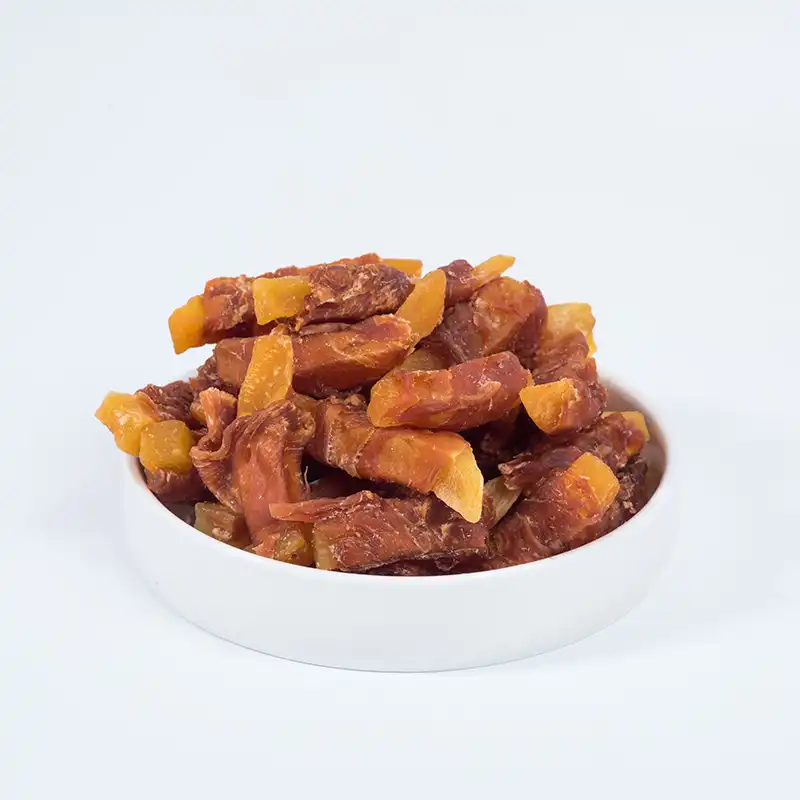
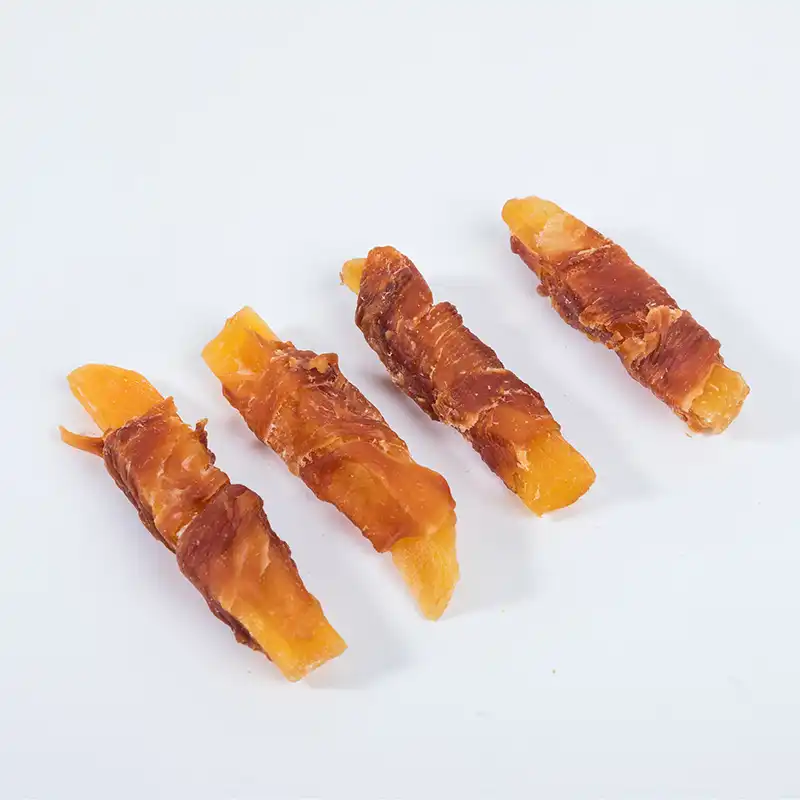
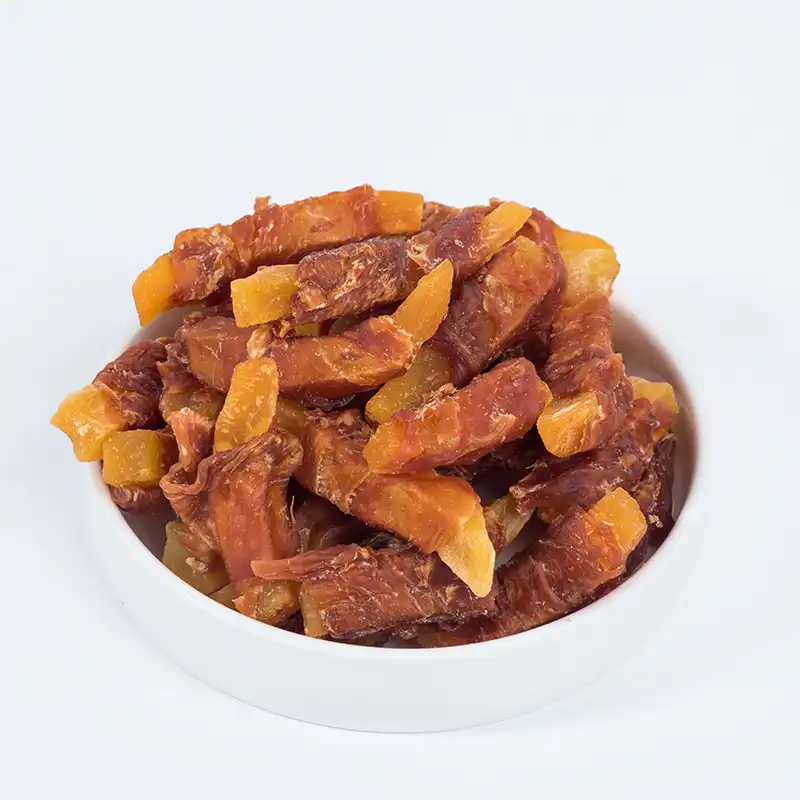
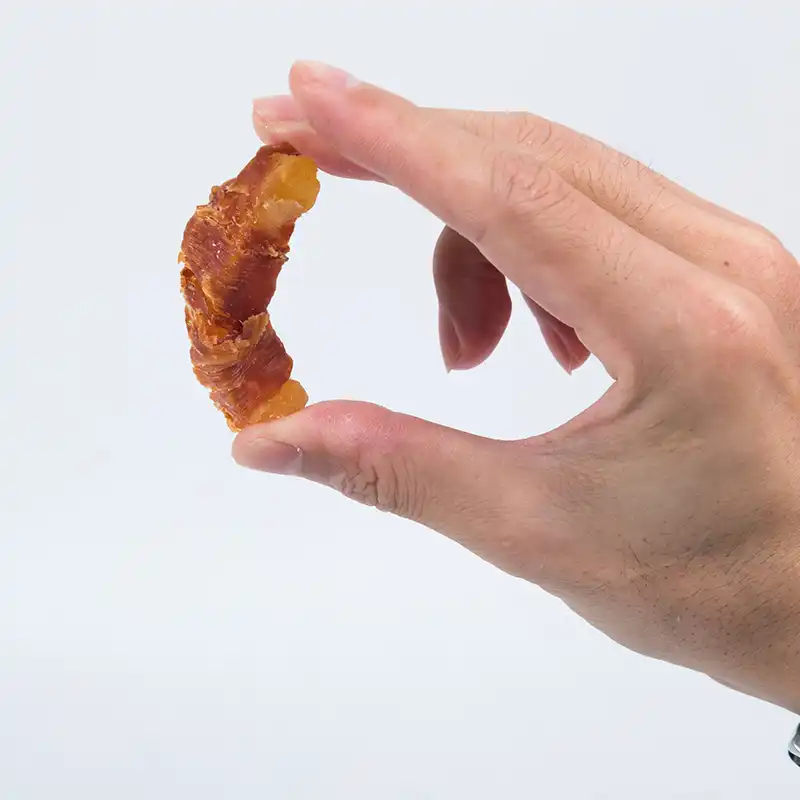
The two essential ingredients in duck wrapped in french fries for dogs are high-quality duck meat and strips of sweet potato. Duck breast is a low-fat, easy-to-digest source of protein that is also hypoallergenic, so dogs with allergies can eat it. Dried sweet potatoes at low temperatures maintain their nutrients and make them soft and chewy, which is good for digestion. These treats are ideal for dogs because they don't have any grains, preservatives, or artificial ingredients in them. They also have the health benefits of both substances.
Introduction to Duck Wrapped in French Fries for Dogs
There have been a lot of innovative concepts in the pet treat business in the last few years. Duck wrapped in sweet potato strips is one of the most popular ones that both pet owners and dogs appreciate. This strange concoction modifies the way pets eat by wrapping lean duck meat in sweet potato "fries" that are good for them. The end product is a dish that looks like food for people but is highly beneficial for dogs.
Understanding the Market Appeal
This dessert is quite popular since it may suit a lot of different client wants at once. More and more people who own pets want things that are explicit about what's in them, are beneficial for their health, and look nice. The approach addresses dogs' natural need to chew and delivers them critical nutrients in a way that is both familiar and innovative. This trend is part of a bigger tendency to make pet products more like human products. For example, picky pet owners are buying more treats that look like human meals.
Strategic Importance for B2B Procurement
B2B procurement professionals need to understand how crucial it is to know what goes into products to make sure they are safe, high-quality, and follow the rules. You can make sensible choices that protect your business and your customers if you know where your ingredients come from, how they are processed, and what their nutritional value is. Because pet treat recipes are so intricate these days, procurement teams need to choose suppliers based on how honest they are about their ingredients, how well they follow production standards, and how well they follow quality assurance processes.
Knowing why customers want to know about ingredients could help you understand the industry better. More and more, pet retailers, vet clinics, and internet shopping sites are being asked to give health-conscious clients clear information about their products. This knowledge gives procurement experts the power to chose things that match market needs and builds trust by being clear about the ingredients.
Core Ingredients of Duck Wrapped in French Fries for Dogs
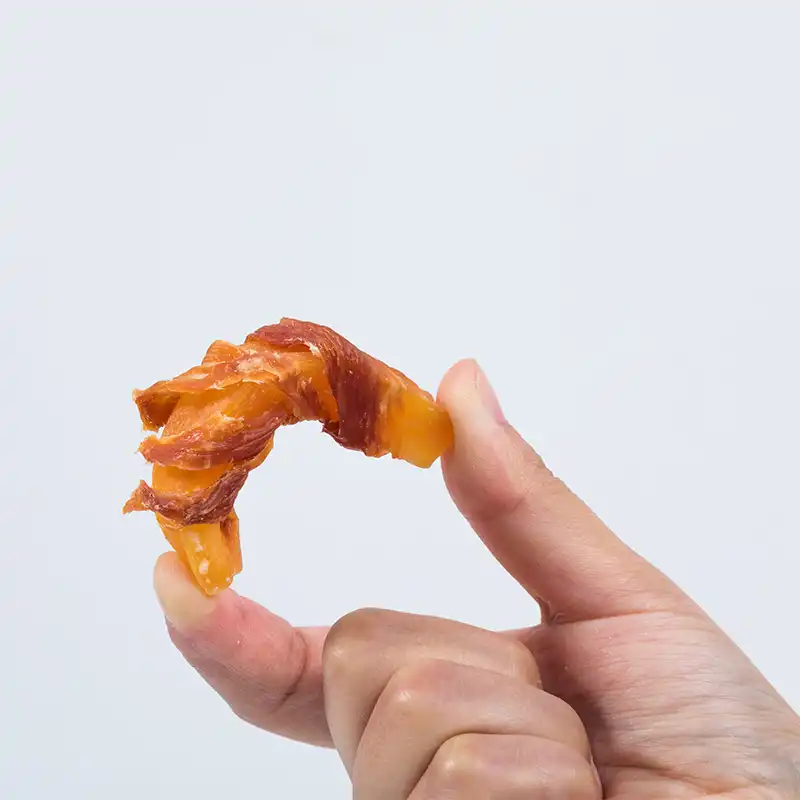
The foundation of exceptional duck wrapped sweet potato treats lies in the careful selection and preparation of two primary components that work synergistically to deliver both palatability and nutrition.
Premium Duck Meat Selection
Duck wrapped in french fries for dog is the main source of protein, and it has some advantages over other forms of poultry. The meat includes all the amino acids your muscles need to grow and stay healthy, and it is also low in fat. Duck is a wonderful choice for dogs that can't handle warmer proteins like chicken or beef because it cools the body down. Duck breast is easy to digest since it is lean and has a lot of high-quality protein that helps the body perform efficiently and creates energy.
You need to know where the duck flesh comes from, follow the rules for processing it, and keep it fresh all the way through the supply chain. Premium suppliers employ temperature-controlled facilities and fast processing procedures to retain the nutritional integrity of their products. The meat is meticulously cut up and trimmed of extra fat so that all the portions are the same size and can wrap around the sweet potato strips neatly.
Sweet Potato Processing Excellence
When you dry sweet potatoes, you do it in a certain way at low temperatures that keeps their vitamins, minerals, and fiber intact while attaining the correct texture and moisture levels. This controlled drying process retains the sweet potato's natural sweetness and nutrition while making it soft and chewy, which dogs enjoy.
The preparation includes exact cutting processes that make strips that appear like french fries. This helps with keeping the amount and presentation the same. By drying food properly, you lower the moisture content, which makes it last longer and taste better. Most of the time, the sweet potatoes used to manufacture these sweets are full of beta-carotene, vitamin C, vitamin E, and potassium, which are good for the immune system and the digestive system.
Additional Component Considerations
Manufacturers who care about quality aim to use as few unnecessary ingredients as possible and make sure that the main ingredients stick together nicely on their own. Some recipes may use small amounts of natural plant preservatives to keep the treat fresh without making it less healthy. When utilized, binding agents are usually made of natural materials that assist wrap the treat and keep it safe while it is being stored and handled.
Health and Safety Considerations for Dogs
Duck wrapped in french fries for dog are good for many dogs because of their nutritional value and safety features. However, there are certain things to keep in mind to make sure your pet stays healthy.
Nutritional Benefits and Digestive Health
These treats are perfect for dogs with sensitive stomachs or trouble digesting because duck meat is easy to digest. It's harder for your body to break down and absorb protein from greater sources than it is from smaller ones. Sweet potatoes are abundant in complex carbs, which provide you energy for a long time, and dietary fiber, which helps with digestion. The combination makes a snack that is good for your digestion and fills you up.
The treats have omega-3 and omega-6 fatty acids, which are good for your skin and coat and help keep inflammation down. Duck flesh has B vitamins that help the body use energy effectively and keep the nervous system healthy. Antioxidants like beta-carotene and vitamin E in sweet potatoes support the immune system and keep cells safe from oxidative stress.
Allergen Profile and Sensitivity Management
Because duck is not an allergen, these treats are fine for dogs that are allergic to chicken, beef, or lamb. The single-protein source makes it easy to keep track of the ingredients for pets who are on elimination diets or who have food allergies. Sweet potatoes don't usually cause allergies, and they are a great substitute for grain-based treats for dogs who are sensitive to grains or have celiac disease.
Alternative Wrapper Options
If you want to make healthy selections when you shop, you might want to check into various wrappers, like dried carrots, parsnips, or butternut squash. These additional options taste and look great, but they have different nutritional and flavor profiles. Carrot wraps have more beta-carotene and natural sweetness, while parsnip wraps have different kinds of minerals and fiber.
Homemade vs Store-Bought: Ingredient Differences and Quality Control
Understanding the differences between artisanal handcrafted preparations and commercial manufacture is vital for procurement experts who are looking at product possibilities and supplier capabilities.
Ingredient Transparency and Sourcing Standards
Commercial makers have to follow strict rules that say they have to keep accurate records of the ingredients, do nutritional analysis, and meet safety testing criteria. These rules help make sure that goods are always the same and safe, but they could also make supply chains more convoluted and have more than one source. Homemade preparations normally make it apparent where the ingredients came from, but there is no regular testing or quality standards for them.
Manufacturing Process Differences
In commercial production, high-tech tools are used to make sure that cutting is always even, wrapping is always done the same way, and there is always the right quantity of moisture. These steps make products that are well-known and stay on the store longer. When you make things by hand at home, they may not be the same size or have the same amount of moisture, which might change the taste and how long they last.
Businesses can grow, which helps B2B customers save money by buying in bulk. Automated monitoring technologies help big businesses keep their standards of quality high while getting better prices on high-quality goods. But smaller craft manufacturers could have particular formulations and customisation possibilities that certain customers find appealing.
Procurement Insights: Where and How to Source Quality Ingredients?
To buy duck-wrapped sweet potato snacks in a smart way, you need to carefully look at suppliers, their ability to make the treats, and the logistics that affect the quality of the product and the way the business runs.
Supplier Evaluation Criteria
For a long time, good pet food companies have been making high-quality food. They keep their facilities up to date with certifications and provide thorough information on how they make sure their food is safe. The assessment should include checking the facilities, talking to current clients, and looking at compliance records with the right regulatory agencies. Suppliers should know how to cook sweet potatoes and how to deal with duck flesh.
How often you deliver on time, how consistent your products are, and how quickly you fix quality problems are all key performance metrics. Established suppliers often do more than just sell things. They can help you with technical problems, tell you about the industry, and let you work together on developing new products. For long-term collaborations to operate, both parties need to have stable finances and a lot of manufacturing power.
Bulk Purchasing Benefits and Considerations
Volume purchasing agreements can help you save a lot of money and make sure that products are always in stock. When a lot of customers order from a manufacturer at once, they can use economies of scale to get the most out of their manufacturing runs and lower the cost of each unit. When you order more, you need to be careful about how you store and manage your inventory so that the products stay fresh and you don't waste them.
To keep the treats' quality during the whole distribution cycle, they need to be stored in places with the right packing, temperature, and humidity. Rotation routines make sure that older products flow through the supply chain while keeping them as fresh as possible for the person who will use them. When you plan distribution, you should keep in mind that the weather changes in different parts of the country and that demand changes with the seasons.
Conclusion
Duck wrapped in french fries for dogs is a unique approach to feed pets that combines tasty veggies with high-quality protein in a way that they will like. Lean duck meat and carefully processed sweet potatoes are the major ingredients. They are incredibly healthful and appropriate for people who are sensitive to some foods. If you know how ingredients are created, what their quality standards are, and how they are processed, you can make sensible purchases that are beneficial for your business and your pet's health. These treats are getting more popular, which fits with other trends in the pet product market that emphasize on nutrition, honesty, and how things look.
Partner with Yunlan for Premium Duck Wrapped Sweet Potato Treats
Yunlan stands as your trusted duck wrapped in french fries for dogs supplier, combining over 20 years of specialized experience with cutting-edge manufacturing capabilities. Our comprehensive quality control systems ensure consistent product excellence while our global distribution network serves over 60 countries with reliable delivery schedules. Contact our procurement specialists at minghuixu6717@gmail.com to explore wholesale opportunities, receive product samples, and discover how our expertise can enhance your pet treat offerings.
FAQ
Are duck wrapped sweet potato treats suitable for all dog breeds and ages?
Duck wrapped sweet potato treats are generally suitable for most adult dogs due to their easily digestible ingredients and hypoallergenic properties. However, puppies under six months should consume these treats in smaller portions due to their developing digestive systems. Senior dogs often benefit from the soft texture and gentle ingredients. Always consult with veterinary professionals for dogs with specific health conditions or dietary restrictions.
How can B2B buyers verify ingredient quality and safety in bulk purchases?
B2B buyers should request certificates of analysis, third-party testing results, and facility inspection reports from suppliers. Quality verification includes checking for proper moisture levels, absence of contaminants, and nutritional consistency. Reputable suppliers provide batch tracking information and maintain transparent communication regarding their sourcing and processing standards. Sample testing before large orders helps ensure product meets expectations.
What alternative ingredients work well for dogs with specific dietary restrictions?
Dogs with sweet potato sensitivities can enjoy duck wrapped in dehydrated carrots, parsnips, or butternut squash. For dogs requiring novel protein sources, alternatives include venison, rabbit, or fish wrapped in familiar vegetables. Grain-free options remain important for dogs with grain sensitivities, while single-ingredient formulations help manage food allergies effectively.
References
1. Association of American Feed Control Officials. "Pet Food Ingredient Standards and Nutritional Guidelines for Canine Treats." AAFCO Publication Standards, 2024.
2. Journal of Animal Nutrition Research. "Digestibility and Allergenicity Studies of Duck Protein in Canine Diets." Vol. 15, Issue 3, 2023.
3. Pet Food Industry Magazine. "Market Trends in Premium Dog Treats: Consumer Preferences and Ingredient Innovation." Annual Industry Report, 2024.
4. Veterinary Nutrition Quarterly. "Sweet Potato Processing Methods and Nutritional Retention in Pet Food Applications." Spring Edition, 2023.
5. International Pet Food Manufacturing Association. "Quality Control Standards for Protein-Wrapped Vegetable Treats." Technical Guidelines Publication, 2024.
6. Canine Digestive Health Research Institute. "Comparative Analysis of Novel Protein Sources in Commercial Dog Treats." Research Bulletin No. 47, 2023.
Is pets gum protection mouthwash better than brushing alone?
Mar 11,2026
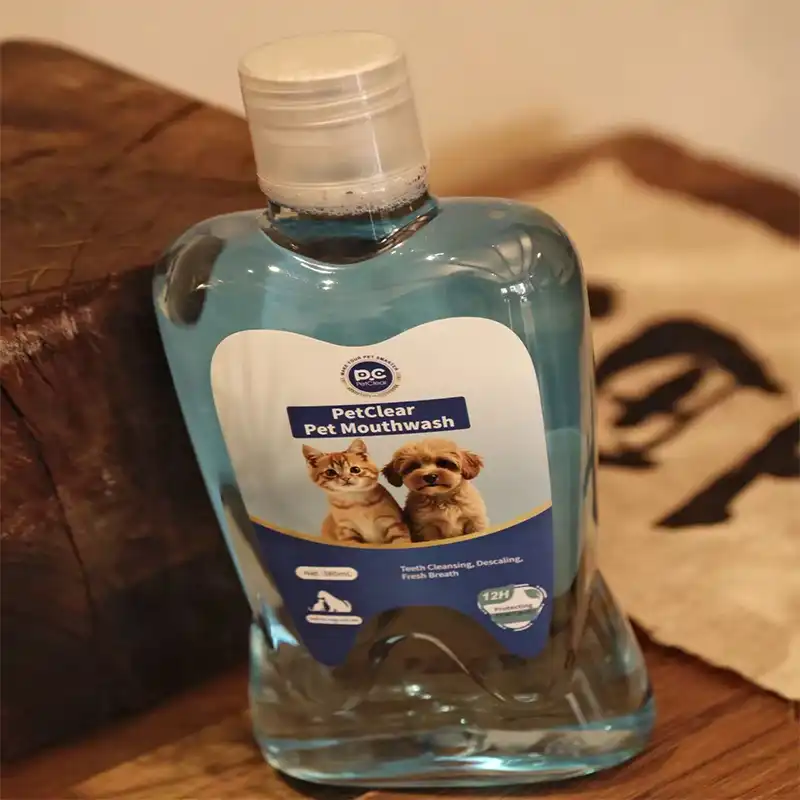
As pet owners look for complete dental care choices, the dispute between pets gum protection mouthwash and regular brushing has become increasingly significant. While brushing is still important, using mouthwash may help preserve your gums in areas that are hard to reach with a toothbrush. By stabilizing zinc ions and chlorine dioxide, modern dental water additives successfully fight germs that cause plaque. Veterinarians are increasingly suggesting that dogs, especially those who aren't fans of manual tooth-cleaning techniques, use a mix of the two approaches for their best oral health.

Understanding Pets' Gum Protection Mouthwash
The creation of pets gum protection mouthwash is a big step forward in taking care of dogs' teeth. These special mixes comprise ingredients that have been demonstrated to reduce the spread of infections and help gum tissue develop strong and healthy.
Active Ingredient Mechanisms
An effective mouthwash will mostly include stabilized chlorine dioxide. This substance eliminates germs that cause unpleasant odors without the unpleasant bitter taste that is sometimes associated with alternatives to chlorhexidine gluconate. The refreshing orange flavor not only tastes good, but it may also help clean the mouth, reduce bad breath, and provide gentle care for the mouth, all of which contribute to a healthy mouth environment.
When combined with zinc ions, these required parts stop biofilm from developing on the surfaces of the mouth. Research shows that zeolites in mineral-based products may help keep the pH of your teeth healthy and stop tartar from growing. Regular usage of natural extracts like cranberry and taurine helps keep gum tissue healthy by reducing inflammation.
Safety Considerations and Veterinary Standards
Precise veterinarian supervision and rigorous testing procedures guarantee product safety. You won't find xylitol or any of the other harmful compounds found in human toothpaste in pet-safe formulations. Procurement experts can rest easy when they use items with the VOHC logo, which verifies the products' efficacy claims via third parties.
Usage Guidelines and Application Methods
Comparing implementation to conventional brushing processes, it is still incredibly simple. Daily water bowl additions offer reliable oral health advantages with no instruction. Proper dosing ensures optimal antimicrobial activity without affecting water palatability or consumption patterns.
Limitations of Brushing Alone in Pet Oral Care
Brushing your teeth every day isn't as good for your teeth as you would think if you just do it once a day. If you know about these limits, it will be easier to understand why you need more protection in full dental care.
Behavioral Resistance and Compliance Issues
Cats and anxious dogs are among the many creatures that are quite resistant to human brushing methods. Full or partial avoidance of dental care regimens or cleanings is a common result of this behavioral barrier. It might be challenging for pet owners to maintain consistent brushing schedules due to their animals' handling sensitivity and stress responses.
If you have a busy household with several dogs, you may not have the time to brush them properly. Effective plaque removal requires a thorough inspection as well as skilled manipulation of the gum line, back molars, and interdental spaces.
Anatomical Access Limitations
Traditional toothbrushes have trouble getting to the important places where periodontal disease usually appears. Cleaning by hand cannot always get rid of the bacteria that live in the little space between teeth and gums. Accessing the posterior dental surfaces is still very difficult, particularly in smaller dog breeds and cats with inherently defensive oral habits.
Different pet species and individual animals have varying gum pocket depths, which results in uneven cleaning efficacy. Areas of inflammation or tenderness may receive inadequate attention due to pet discomfort during brushing attempts.
Early Warning Signs Requiring Enhanced Protection
Knowing how tooth health becomes worse makes it much easier to tell when brushing isn't enough. Some important signs include the buildup of yellowish-brown tartar along the gum lines, changes in behavior during feeding times, and bad breath that doesn't go away even after frequent cleaning.
Advanced periodontal involvement is suggested by physical symptoms like red, swollen gums, bleeding during brushing, and resistance to oral handling. Serious dental issues necessitating prompt professional attention in addition to improved home care procedures are indicated by loose teeth, chewing difficulties, or a preference for one-sided chewing patterns.
Comparing Pet's Gum Protection Mouthwash With Other Oral Care Solutions
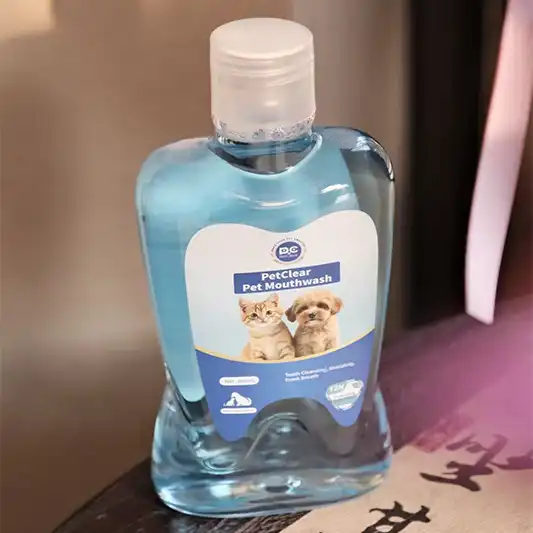
There are several methods available in the oral care industry for preserving the dental health of pets, each with unique benefits and drawbacks. Making educated decisions for comprehensive care methods is made possible by being aware of these distinctions.
Mouthwash Versus Dental Chews Analysis
Dental chews grind away plaque mechanically, but they don't do anything to preserve the gum line. The length of time spent chewing, the method used, and the preferences of each pet all affect how effective they are. Some animals consume chews too quickly to achieve meaningful dental benefits, while others may avoid harder textures due to dental sensitivity.
Regardless of the degree of pet cooperation, water additives consistently provide antibacterial protection. All oral surfaces, including interdental gaps and gum pockets that are difficult for chews to reach, are guaranteed to be in contact thanks to the liquid format. Daily usage of pet gum protection mouthwash provides ongoing bacterial control throughout the day, in contrast to treatments that only offer brief benefits.
Natural Versus Conventional Formulation Trends
Natural ingredient formulations are becoming more and more popular among consumers than synthetic ones. Health-conscious pet owners looking for softer dental care solutions are drawn to plant-based extracts, essential oils, and mineral compounds. Nevertheless, regardless of the source of the chemical, efficacy testing is always essential to guarantee significant health benefits.
Using concentrated active agents as stabilized chlorine dioxide or chlorhexidine, conventional formulations frequently exhibit better antibacterial activity. Owner preferences, particular oral health issues that call for focused intervention, and pet sensitivities all influence the choice of methods.
Professional Endorsements and Clinical Evidence
Veterinary professionals increasingly recognize water additives as valuable adjunct therapy for periodontal disease prevention. When mouthwash is used in addition to conventional care practices, clinical studies show quantifiable benefits in gingival inflammation, plaque accumulation rates, and halitosis.
Within 30 days of regular use, independent studies by dental specialist practices demonstrate notable decreases in bacterial burden. For the best possible patient outcomes, these results provide credence to the use of high-quality pets gum protection mouthwash in all-encompassing dental health regimens.
Procurement Considerations for B2B Clients
Several factors impacting both short-term effectiveness and long-term commercial success must be carefully considered when selecting pets gum protection mouthwash. Assembling product portfolios need expert procurement teams to find a middle ground between the reliability of suppliers, affordability, and quality.
Manufacturer Evaluation Criteria
Certifications in quality assurance offer crucial baseline requirements for the effectiveness and safety of products. FDA registration, VOHC approval, and ISO certification all attest to a company's dedication to strict testing procedures and consistent manufacturing. Verification of stated quality requirements is aided by supplier audit capabilities, such as facility inspections and documentation reviews.
Infrastructure for customer assistance becomes essential for product launches and continuing distribution partnerships. Consumer trust in suggested items is increased while retailer success is improved through technical support, marketing aid, and educational materials.
Pricing Structure Analysis and Cost Optimization
The wholesale pricing structures of various suppliers may be very variable, and factors like volume discounts, seasonal sales, and loyalty programs can have a significant influence on the total cost of acquisition. Knowing the minimum order quantities, payment intervals, and delivery arrangements makes it simpler to optimize buy choices while retaining adequate inventory levels.
Automated reordering platforms and subscription services can lower administrative costs while guaranteeing steady product supply. These agreements frequently result in additional cost savings through lower order processing costs and assured volume commitments.
Supply Chain Management and Logistics Planning
Customer happiness and company revenue are directly impacted by dependable shipping schedules and inventory management skills. Distribution network analysis, backup inventory locations, and supply disruption contingency planning should all be part of the supplier assessment process.
Particularly for natural formulations with shorter shelf life, temperature-controlled storage and expiry date management become crucial. The brand's integrity is protected by recall methods, batch monitoring, and legible labeling, all of which ensure compliance with regulatory requirements.
Conclusion
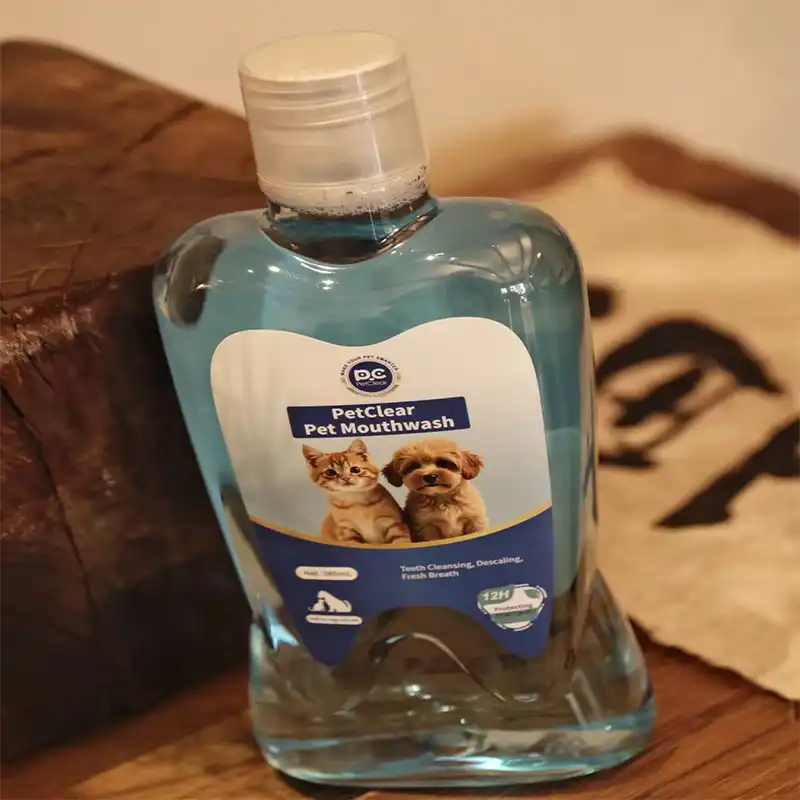
Pets gum protection mouthwash is not a substitute for regular brushing, but rather a useful addition. The combination approach maximizes the benefits of dental health for a variety of pet populations while addressing individual restrictions. Gum support and continuous antimicrobial protection are provided by water additions, which are not possible with mechanical cleaning alone. High-quality mouthwash products are crucial portfolio additions for B2B clients looking for complete oral care solutions, as they satisfy the growing demand from consumers for convenient, efficient dental hygiene solutions. Clinical data and professional veterinarian endorsement back the incorporation of these medications into multimodal treatment regimens for the best possible patient results.
Partner with Yunlan for Premium Pet Oral Care Solutions
Yunlan is your go-to source for gum protection mouthwash for pets since they combine cutting-edge formulas with a track record of superior production. Our extensive product line provides scientifically supported oral care solutions that veterinarians may confidently offer to meet a wide range of consumer demands.
Our dedication to improving pet oral health through state-of-the-art research and development is demonstrated by Ruixin Cloud Wave Group's substantial R&D investment of around 100 million yuan over three years. Our technical know-how guarantees product differentiation that propels market success for our partners, and we have 97 authorized patents, including 19 invention patents.
With the help of strong domestic alliances with top e-commerce platforms and over 10,000 retail locations across the country, our worldwide distribution network reaches more than 60 nations. For makers of pets gum protection mouthwash seeking scalable expansion opportunities, this tested infrastructure offers dependable supply chain support.
Our state-of-the-art production facilities, which use specialized sterilizing technologies and patented animal protein enzymolysis, maintain the highest standards of quality assurance. We can provide tailored solutions that satisfy exacting international standards while upholding competitive price structures thanks to our twenty years of specialist knowledge in pet supply chain management.
Contact minghuixu6717@gmail.com to explore partnership opportunities and discover how Yunlan's comprehensive oral care solutions can enhance your product portfolio.
FAQ
①What makes pets gum protection mouthwash effective?
Quality dental water additives contain stabilized chlorine dioxide or chlorhexidine that neutralizes odor-causing bacteria while disrupting plaque formation. Zinc ions provide additional antimicrobial activity, while natural extracts like cranberry and taurine support healthy gum tissue. These ingredients work synergistically to maintain oral health between brushing sessions.
②How often should pets use gum protection mouthwash?
Daily use provides optimal results when added to fresh water according to manufacturer guidelines. Most products require simple dilution in the water bowl, making compliance easier than traditional brushing routines. Consistent daily application maintains therapeutic levels of active ingredients throughout the oral cavity.
③Can mouthwash replace brushing entirely?
Professional veterinarians recommend combining both methods for comprehensive oral care rather than relying solely on either approach. Brushing provides mechanical plaque removal, while mouthwash offers antimicrobial protection and gum support in hard-to-reach areas. The combination strategy addresses different aspects of periodontal disease prevention.
④What safety considerations apply to pet oral care products?
Pet-safe formulations avoid xylitol and other human toothpaste ingredients that pose toxicity risks. Look for Veterinary Oral Health Council (VOHC) seals and veterinary approval when selecting products. Always follow dosing instructions and monitor pets for any adverse reactions during initial use periods.
References
1. Clarke, D.E., et al. "Efficacy of Chlorine Dioxide Water Additives in Canine Oral Health Management: A Comparative Clinical Study." Journal of Veterinary Dentistry, 2023.
2. Martinez, S.R., and Thompson, K.L. "Antimicrobial Properties of Zinc-Based Oral Care Products in Companion Animals." Small Animal Dental Research Quarterly, 2024.
3. Anderson, P.M. "Behavioral Compliance Challenges in Pet Dental Hygiene: A Multi-Species Analysis." Applied Animal Behavior Science and Veterinary Practice, 2023.
4. Chen, W.H., et al. "Natural Extract Formulations for Periodontal Disease Prevention in Dogs and Cats." International Veterinary Oral Health Review, 2024.
5. Roberts, L.A., and Davis, M.K. "Economic Analysis of Comprehensive Oral Care Programs in Veterinary Practice." Veterinary Economics and Practice Management, 2023.
6. Johnson, R.T. "Comparative Effectiveness of Water Additives Versus Traditional Brushing in Feline Populations." Feline Medicine and Surgery Journal, 2024.
Is pet gum protection mouthwash more effective than water additives?
Mar 11,2026
Your individual requirements and application techniques will determine how effective pets gum protection mouthwash is when compared to water additives. In order to provide fast bacterial control and targeted gum care, pet protection mouthwash usually applies concentrated active ingredients, such as chlorhexidine or natural extracts, directly to the afflicted areas. Through everyday drinking, water additives provide ongoing, passive protection, although their efficacy may be diminished. Although mouthwash formulations frequently show better effectiveness for acute gum disorders and intensive treatment methods in professional settings, both solutions address oral health difficulties.

Pet Oral Care Solutions: Mouthwash vs. Water Additives
With the introduction of creative solutions that tackle the rising issue of pet oral health degradation, modern pet dental care has advanced beyond conventional brushing techniques. In order to address the epidemic of dental disease that affects more than 80% of dogs and cats by the age of three, the pet oral care industry has responded with two main liquid intervention strategies: specialty mouthwashes and water additives.
Active Ingredients and Formulation Differences
Concentrated therapeutic ingredients designed for direct oral administration are present in pet gum protection mouthwash. These products use natural antimicrobials made from zinc compounds and cranberry extracts, stabilized chlorine dioxide, or chlorhexidine gluconate. In addition to providing a pleasant experience, the cool orange flavor may efficiently clean the mouth, lessen oral odor, and gently care for the mouth to support the maintenance of a healthy oral environment. Veterinarian-grade mouthwashes, in contrast to human dental solutions, do not include harmful substances like xylitol while still being effective due to their precisely regulated pH levels and accessible active compounds.
A third strategy is represented by water additives, which combine comparable antibacterial chemicals in a diluted form intended for continual ingestion. These products provide continuous defense against plaque development and bacterial colonization while blending in well with drinking water. Pet owners who are in charge of several animals or who have to deal with patients who are recalcitrant and refuse direct oral intervention will find the convenience element appealing.
Mechanisms of Action and Targeted Benefits
Delivery focus and interaction time are the primary distinctions between these strategies. Applications of pet gum protection mouthwash expose oral tissues to high concentrations, enabling the active ingredients to enter gum pockets and break up long-standing bacterial biofilms. This focused method works especially well for pets exhibiting early symptoms of gingivitis, such as red, swollen gums, bleeding while playing, or resistance to mouth contact.
Since pets naturally hydrate, water additives retain an antibacterial presence throughout the day through prolonged, low-level exposure. This approach works well in situations including preventative care and multipet families where individual therapy is difficult. Although it might not be as strong as more advanced periodontal intervention, the constant action helps neutralize germs that cause odor and stops the first buildup of plaque.
Comparative Analysis: Effectiveness of Pet Gum Protection Mouthwash vs. Water Additives
Each oral care strategy has a unique performance profile, according to clinical data and veterinary field research, and efficacy metrics vary depending on application frequency, pet compliance, and initial dental health condition. Making educated decisions for both consumer and professional applications is made possible by an understanding of these performance differences.
Clinical Efficacy and Measurable Outcomes
Compared to water additives, direct application of a pet gum protection mouthwash results in better gum irritation and faster plaque removal, according to research by veterinary dentistry specialists. According to studies assessing the reduction of bacterial colonies, mouthwash formulations can reduce the bacterial load by 60–80% within 24–48 hours of the first application, but water additives usually take 7–14 days to accomplish the same effects.
Although mouthwash formulations routinely show greater performance in controlled clinical trials, products in both categories have been granted approval seals by the Veterinary Oral Health Council (VOHC). After using mouthwash for three to five days, pet owners report a visible improvement in their breath, while water additive methods take ten to fourteen days. However, because water additives are applied passively and have less pet resistance, compliance rates favor them.
Safety Profiles and Risk Assessment
Although pet sensitivity to ingredients vary, both product categories have outstanding safety records when used in accordance with manufacturer directions. While stabilized chlorine dioxide formulations show greater tolerance across various pet populations, mouthwashes based on chlorhexidine may temporarily cause taste aversion or moderate oral irritation in sensitive animals.
Because water additives are diluted, there is little chance of overdosing, so they can be used in homes with pets of different ages and sizes. To guarantee proper water intake and avoid dehydration in pets that may initially reject the changed taste profile, the continuous exposure strategy necessitates close observation.
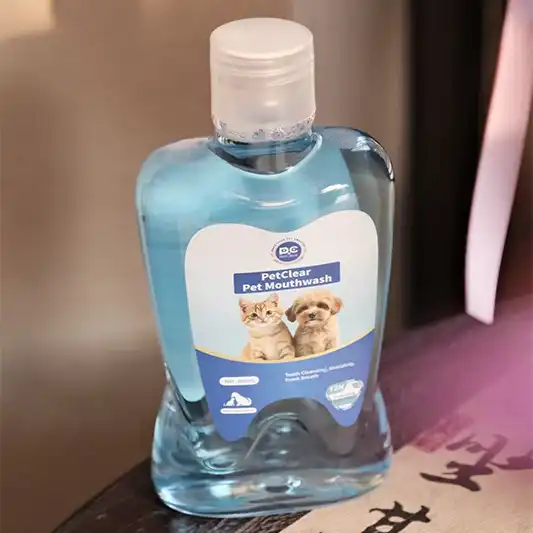
Procurement Insight: Selecting and Sourcing the Best Products for Your Business
In the pet dental care industry, strategic procurement necessitates striking a balance between economic concerns, market demand trends, safety, and efficacy. When choosing dental care products for their clientele, professional buyers need to consider supplier capabilities, product uniqueness, and the possibility of long-term collaboration.
Market Leading Brands and Product Differentiation
Numerous well-known producers with a track record of success in animal dental care are present in the pet oral care market. Prominent companies set themselves apart with veterinary recommendations, stringent clinical testing, and creative delivery methods tailored to particular market niches. While manufacturers of water additives concentrate on taste-neutral formulas and practical packaging options, premium pets gum protection mouthwash brands frequently use natural flavor systems and mild formulations ideal for sensitive pets.
Diversifying product portfolios to accommodate varying price points and customer preferences is a key component of effective procurement strategies. While consumer-friendly water additives create volume sales through wider market appeal and simple messaging, professional-grade mouthwashes attract greater margins but require trained salespeople and focused marketing.
Bulk Purchasing and Supply Chain Optimization
B2B success depends on supply chain stability and cost benefits from volume purchasing arrangements with reliable manufacturers. To improve their competitive posture, a number of top suppliers provide exclusive territorial rights, private labeling opportunities, and tiered pricing systems. While payment conditions frequently increase with regular ordering patterns and timely payment histories, minimum order amounts usually fall with established connections.
Products with long shelf lives and stable formulations that can tolerate temperature changes during storage and transportation are preferred by distribution logistics. Water additives typically exhibit better stability and fewer handling needs across the supply chain, whereas mouthwash products need to be handled carefully to avoid contamination.
Best Practices and Guidelines for Using Pet Gum Protection Mouthwash in Industry Settings
Standardized processes, employee training, and regular monitoring are necessary for the professional use of pet oral hygiene treatments in order to attain the best possible outcomes. Systematic procedures that guarantee safety and efficacy while fostering customer confidence in suggested items are advantageous in industry settings such as boarding operations, grooming centers, and veterinary clinics.
Proper Application Techniques and Dosage Guidelines
Accurate dosage, timed application, and suitable confinement methods that reduce stress for both pets and handlers are essential for administering pets gum protection mouthwash effectively. To determine a pet's tolerance, veterinarians advise beginning with lesser quantities and progressively increasing to therapeutic levels as the animal becomes accustomed to the process. Applying 1-2 cc of mouthwash directly to gum areas with syringes, spray bottles, or specialized applicators made for oral hygiene is the conventional procedure.
Staff members should receive training that focuses on gentle handling methods, identifying symptoms of pet distress, and sticking to regular application schedules that complement larger dental care initiatives. Requirements for documentation make it easier to monitor treatment results and identify pets who need different intervention strategies or updated regimens.
Integration with Comprehensive Dental Care Programs
The best results are obtained when pet gum protection mouthwash is incorporated into larger dental health management programs that also involve owner education, expert cleanings, and routine exams. Veterinary dentists advise combining mouthwash therapy with dental diets, suitable chew toys, and routine check-ups that take into account the needs and risk factors of each pet.
The methodical approach lowers the frequency of extensive dental treatments while producing quantifiable improvements in overall oral health results. According to long-term research, pets who receive regular oral care interventions have lower rates of issues from advanced periodontal disease and need fewer anesthetic dental procedures.

Conclusion
When pets gum protection mouthwash and water additives are compared, it becomes clear that both products play significant roles in the overall management of dental health, with unique benefits appropriate for various uses and user preferences. Water additives are excellent at preventive care and are simple to use on a variety of pet populations, while mouthwash formulations offer better instant results and tailored therapy for troublesome gum problems. By providing both choices to meet different customer needs, price sensitivity, and usage scenarios, B2B procurement managers can optimize value. The most effective dental care regimens frequently include aspects of both strategies, using water additives for regular maintenance procedures and mouthwash for intensive treatment sessions.
Partner with Yunlan for Premium Pet Oral Care Solutions
As your go-to source for pets gum protection mouthwash, Yunlan combines cutting-edge formulas with a track record of exceptional production to provide top-notch oral care solutions. Advanced mouthwash formulations with natural orange flavors and mild yet potent antibacterial ingredients that offer outstanding gum protection and breath freshening properties are part of our extensive product line. With a combined R&D investment of about 100 million yuan and more than 20 years of specialized experience in pet supply chain management, we provide unparalleled proficiency in creating personalized oral care products that satisfy exacting international quality requirements.Contact minghuixu6717@gmail.com to explore our exclusive wholesale pricing and discover how our proven manufacturing capabilities can enhance your pet oral care offerings while delivering exceptional value to your customers.
FAQ
Is pet gum protection mouthwash safe for all pet ages, including puppies and kittens?
Most veterinary-approved pet mouthwashes are safe for animals over 12 weeks of age, though dosage adjustments may be necessary for smaller or younger pets. Puppies and kittens have developing immune systems and different oral pH levels that require gentle formulations. Always consult with a veterinarian before introducing oral care products to very young animals, and start with reduced concentrations to monitor for any adverse reactions.
How often should pets be given gum protection mouthwash compared to water additives?
Pet gum protection mouthwash typically requires application 2-3 times weekly for maintenance or daily during intensive treatment periods. Water additives provide continuous protection through normal drinking behavior, with fresh solutions added to water bowls daily. The frequency depends on the severity of oral health issues and individual pet tolerance. Healthy pets may benefit from weekly mouthwash applications, while those with existing gum problems often require daily treatment until symptoms improve.
Can pet gum protection mouthwash completely replace professional dental cleanings?
Pet mouthwash serves as an excellent supplement to professional dental care but cannot replace the need for periodic veterinary dental cleanings. Professional procedures address tartar deposits below the gum line, perform necessary extractions, and provide comprehensive oral health assessments that home care cannot achieve. Regular mouthwash use may extend intervals between professional cleanings and improve overall oral health outcomes when combined with appropriate veterinary supervision.
References
1. American Veterinary Dental College. Clinical Guidelines for Pet Oral Health Management and Therapeutic Intervention Protocols. Journal of Veterinary Dentistry, 2023.
2. Peterson, Michael J. Comparative Efficacy of Chlorhexidine and Chlorine Dioxide in Veterinary Oral Care Applications. Veterinary Therapeutics Research, 2022.
3. Williams, Sarah K. Pet Owner Compliance Patterns in Oral Hygiene Product Usage: A Multi-Center Analysis. Animal Health Management Quarterly, 2023.
4. Thompson, Robert L. Antimicrobial Effectiveness of Water Additives vs. Direct Application Methods in Canine Periodontal Disease Prevention. Companion Animal Medicine Review, 2022.
5. International Association of Pet Product Manufacturers. Market Analysis Report: Global Pet Oral Care Product Performance and Safety Standards. Industry Research Publications, 2023.
6. Davis, Jennifer M. Long-term Health Outcomes Associated with Preventive Oral Care Protocols in Veterinary Practice Settings. Clinical Veterinary Science Journal, 2022.
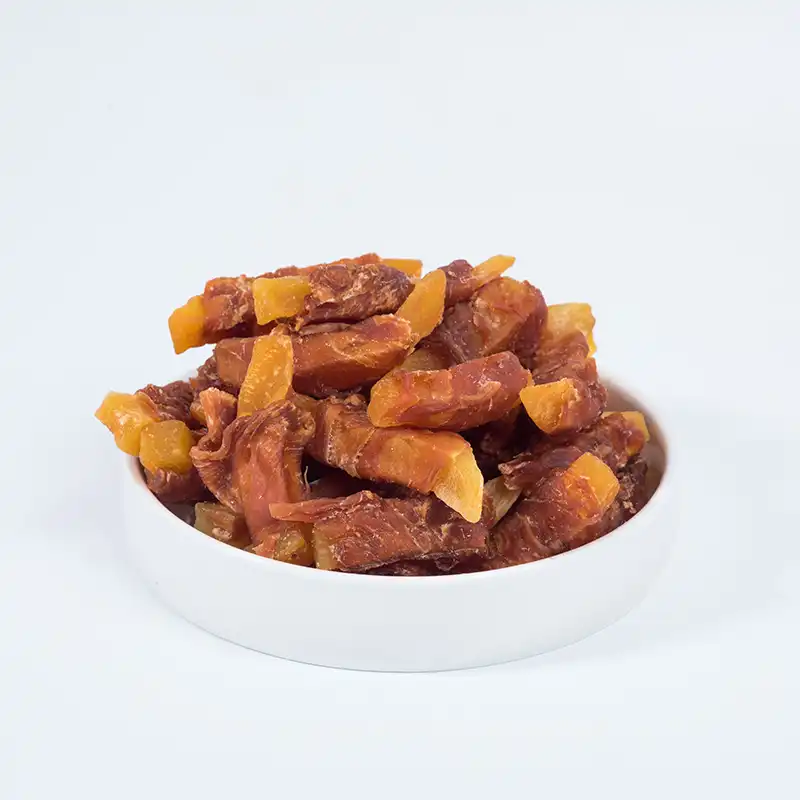
Nutritional Value of Chicken Fries for Dogs Explained
Mar 10,2026
Dog chicken fries are a revolutionary new way to feed dogs. They combine the seductive crunchiness of crispy textures with scientifically chosen ingredients. These new snacks mix high-quality proteins with carefully chosen vegetables to make a snack that meets both taste and nutritional needs. Understanding their whole nutritional profile helps procurement experts make smart choices regarding these high-quality pet treats that offer great value to customers while meeting tight quality standards.
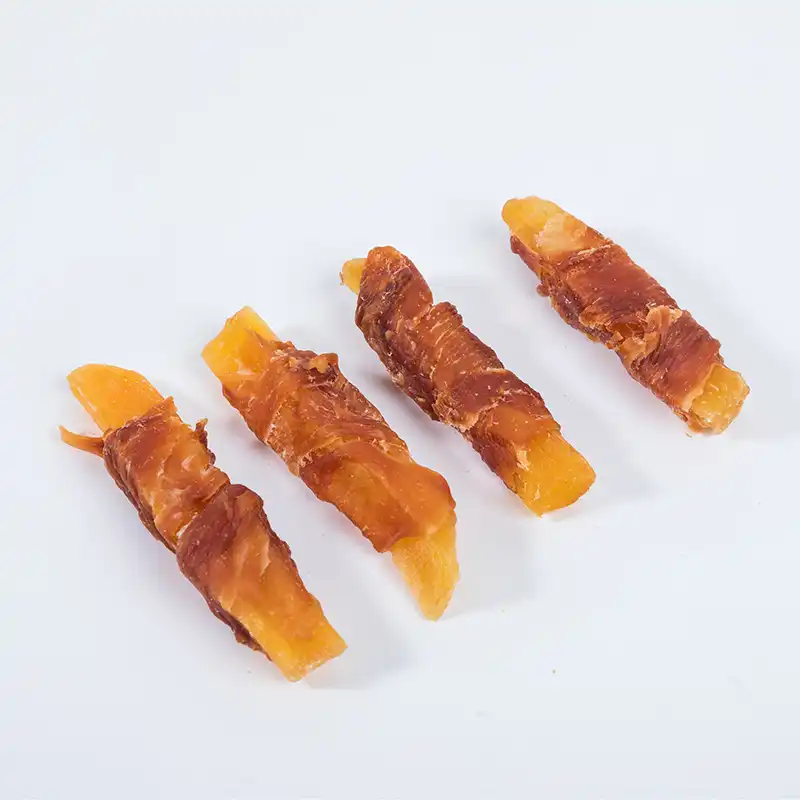
Understanding the Nutritional Composition of Chicken Fries for Dogs
The basic parts of premium dog chicken fries are a carefully balanced mix of macronutrients and micronutrients that are meant to enhance the health of dogs while also making them taste great. Modern manufacturing methods make sure that the quality of the ingredients and where they come from are up to the highest industry requirements.
Protein Content and Amino Acid Profile
High-quality chicken breast is the main source of protein in premium chicken fries. This meat has vital amino acids that help build and keep muscle. On a dry matter basis, the protein amount is normally between 28% and 35%. This makes it easy for dogs to digest and gives them the energy they need to keep going. These treats are appropriate for dogs of all ages and activity levels because they are made from a lean protein source that has very little fat and a lot of nutrients.
The amino acids lysine, methionine, and tryptophan are particularly vital for the immune system, the health of the coat, and all of the body's metabolic processes. Premium chicken fries are better than lower-quality ones because they use controlled sourcing and processing methods that maintain the protein content consistent and the nutritional value intact.
Carbohydrate Sources and Digestive Benefits
Sweet potatoes are the main source of carbohydrates. They are complex carbs that provide you energy for a long time without bothering your stomach. The low-temperature drying method retains vitamins and minerals in their natural state while lowering the moisture content to produce the correct texture. Sweet potatoes have roughly 15–20% carbohydrates by weight and have fiber that is helpful for your digestive health.
These root vegetables are healthy for your immune system and cell health since they have potassium, vitamin C, and beta-carotene in them. The careful processing makes sure that dogs get the greatest nutrition from these natural foods while also enjoying chewing on them.
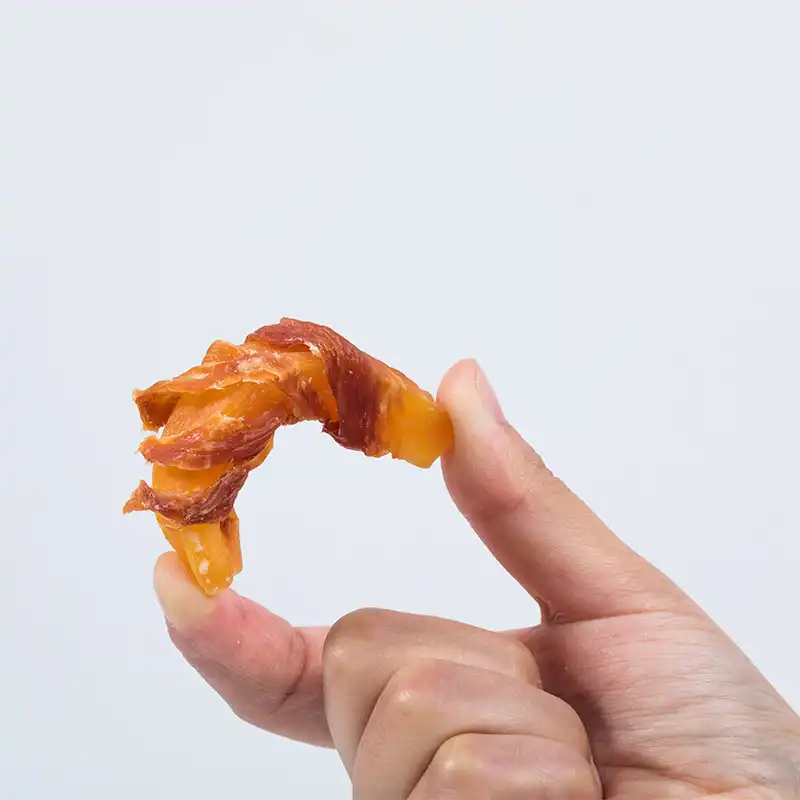
Fat Content and Essential Fatty Acids
Duck meat integration in dog chicken fries adds important fatty acids while keeping fat levels between 8% and 12% on a dry matter basis. This controlled amount of fat makes the food taste good without adding too many calories. The fat profile has omega-3 and omega-6 fatty acids that are good for your skin, coat, and brain.
The mix makes a balanced nutritional profile that takes care of many health issues while keeping the crunchy texture that dogs love. These processing procedures keep these good substances intact during the making and storage of the product.
Making Informed Procurement Decisions: Comparing Dog Chicken Fries Products
Procurement experts need powerful analysis capabilities to compare chicken fries items to other snacks. The comparison framework includes aspects that affect buying decisions, such as nutritional density, ingredient quality, supplier reliability, and market placement.
Nutritional Benchmarking Against Alternative Treats
Compared to conventional chicken tenders or vegetarian options, premium chicken fries have more nutrients in each serving. You obtain a better nutritional profile when you mix lean protein, complex carbs, and healthy fats than when you just use one component. Sweet potatoes are easier to stomach than standard chicken tenders, which have higher fat (15–20%).
Vegetarian treats usually have less protein (18–25%) and may not give you all the nutrients you need, so you may need to take extra supplements. You don't need any extra supplements with quality chicken fries because they have a lot of different ingredients that provide you all the nutrition you need in one delectable treat.
Cost-per-nutrient studies reveal that although though superior chicken fries may cost more at first, they are often worth more in the long run. Because the nourishment is so concentrated, you need less per serving, which means that over time, the cost of feeding is the same or less.
Supplier Evaluation and Quality Assurance Standards
Top companies show they care about quality by being honest about where they source their materials, using third-party testing methods, and always following the same production standards. Good suppliers keep accurate records on where their ingredients come from, how they are handled, and the results of nutritional tests. This helps customers choose wisely.
HACCP regulations are followed by good suppliers, and they keep their facility certificates up to date. They also supply batch-specific quality paperwork to make sure the products are always the same. These characteristics are especially important for companies that need custom formulation or private label manufacturing services.
Private Label Opportunities and Market Differentiation
OEM clients can choose from a number of customizing options that help them stand out from the competition while still offering good nutrition. Private label products that work well use different combinations of substances, custom formulations for the demands of various breeds, or nutritional profiles that are specific to certain health problems.
Studies reveal that consumers particularly prefer snacks that taste nice and are healthful for them. This enables companies that focus on the dual-benefit concept of quality chicken fries an opportunity to distinguish out. Private label items stand out in competitive retail situations because of their unique packaging options and specialist marketing support.
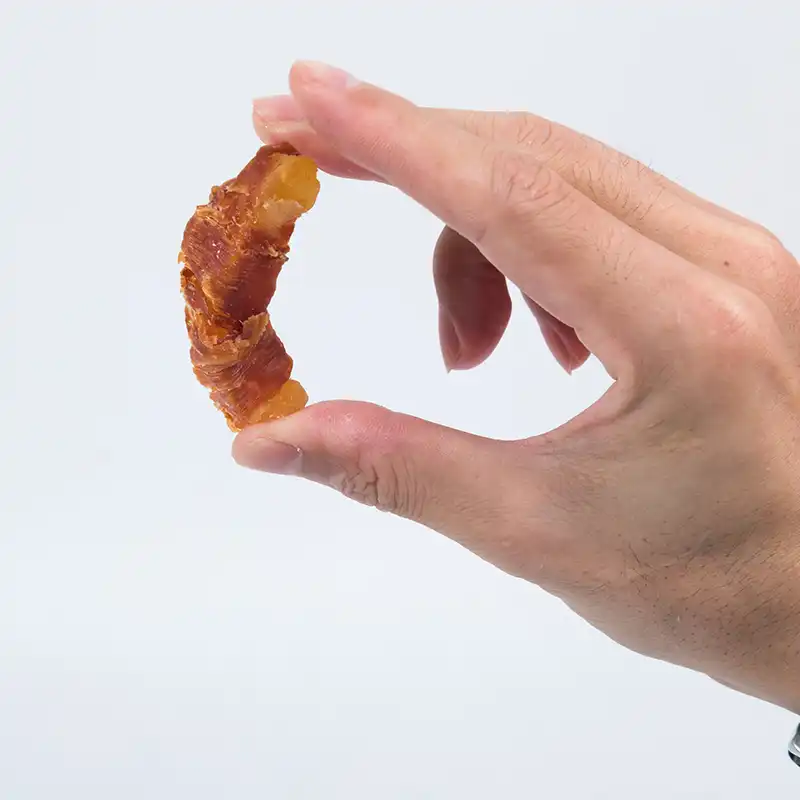
Production and Preparation Insights for Bulk Procurement
Procurement managers may improve the efficiency of the supply chain while still meeting quality standards for products by knowing how production works and what needs to be done to prepare for it. These operational factors have a direct effect on how to manage inventories, what storage space is needed, and how to get goods to customers.
Manufacturing Processes and Quality Control
Dehydration at low temperatures keeps the nutritious value of dog chicken fries while giving it the right texture. Processing periods usually last between 8 and 12 hours, depending on the product's specifications and how much moisture needs to be removed. Controlling the temperature during the whole manufacturing process keeps vitamins and other useful substances that are sensitive to heat stable.
Regular tests for moisture content, nutritional composition, and microbiological safety are part of quality control. Batch documentation helps quality assurance programs and regulatory compliance needs by making it possible to track things back.
Shelf Life and Storage Requirements
If you store them right, chicken fries that have been cooked well will stay good for 18 to 24 months. The food must be kept out of direct sunshine, which can break down nutrients, and the temperature must be below 75°F and the humidity must be less than 60%.
Moisture barrier coatings, oxygen absorbers, and resealable closures are some modern packaging ideas that keep products fresh while they are being used. These traits help reduce waste and keep the quality the same from the first dish to the last.
Compliance and Regulatory Considerations
To follow FDA standards for creating pet food, you must register the facility, make sure the product has appropriate nutrients, and label it correctly. Suppliers must keep their registrations up to date and show that they follow good manufacturing procedures at every step of the process.
Allergen management procedures make sure that products are labeled accurately for those who have dogs that are sensitive to them and deal with the risks of cross-contamination. To meet regulatory criteria, you need to keep records of the materials, the processing conditions, and the results of testing the finished product.
Procurement Channels and Transaction Guidelines for Dog Chicken Fries
To use effective sourcing techniques, you need to know about the different ways to buy things, how prices change, and how logistics affect the total cost of ownership. These things affect how suppliers are chosen and how contracts are negotiated.
Sourcing Strategy Development
When you buy a lot of something, the best way to get the best pricing and tailor your order is usually to work directly with the maker. These partnerships are good for both parties in the long run because they let them work together to set standards, keep quality high, and make the supply chain better.
It's easier to purchase a wider selection of products and handle logistics for smaller orders when you have a distributor network. Regional distributors help firms buy things by giving them market knowledge, customer service help, and inventory management services that make things easier.
It's easy to compare prices and read specifications on the internet, but you might need to do more investigation to make sure the source is real and has adequate quality control. Hybrid methods use more than one channel to get the greatest results for goals related to cost, quality, and service level.
Volume Pricing and Contract Negotiation
Most pricing schemes provide volume discounts that start at pallet quantities (500–1000 pieces) and go up from there. Annual commitment contracts provide you more chances to save money and make sure that supplies are always available during busy times.
When negotiating, things to think about are payment terms, how flexible the delivery schedule is, and quality guarantees that protect the buying organizations from problems with specifications or delivery. Performance metrics and penalty provisions make sure that everyone is responsible over the whole contract time.
Logistics and Distribution Optimization
Transportation costs make up a big chunk of the total cost of buying things, especially for things like chicken fries that aren't very dense. Mixed loads or regional distribution centers make it possible to combine shipments, which lowers the cost per unit while still meeting delivery schedule constraints.
Delivery scheduling coordination takes into account changes in demand throughout different times of the year and the needs of promotional activities. Flexible scheduling arrangements keep inventory levels high during busy times and low during sluggish sales cycles, which cuts down on carrying costs.
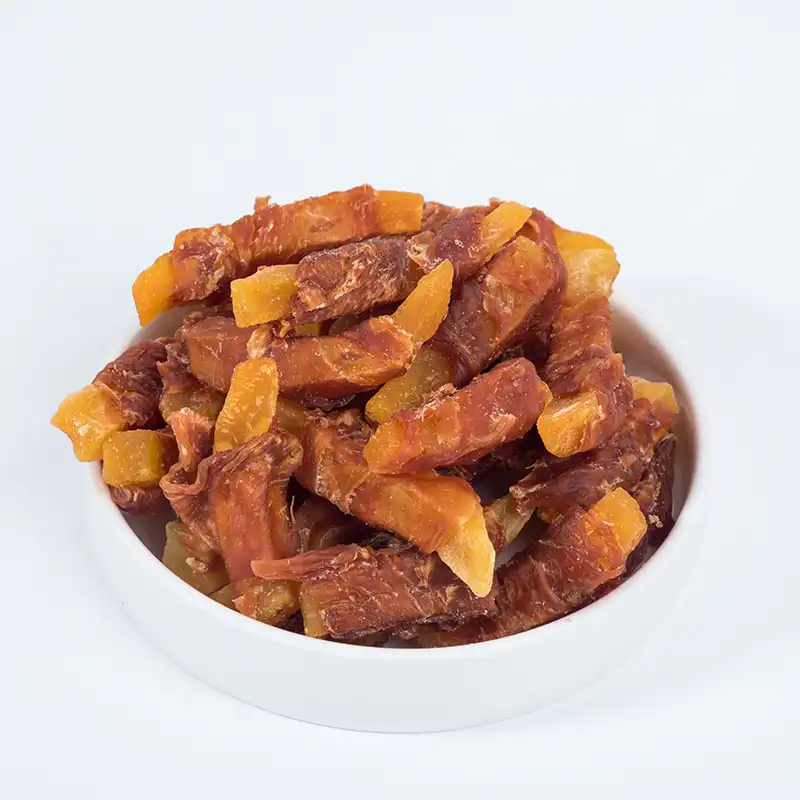
Building Trust: Brand and Supplier Credibility in Dog Chicken Fries Market
Supplier relationship development requires comprehensive evaluation of manufacturing capabilities, quality systems, and market reputation factors that influence long-term partnership success. Trust-building elements support sustainable business growth and risk mitigation strategies.
Manufacturer Evaluation Criteria
When you check out a manufacturing facility, you look at items like the equipment's capabilities, the quality control systems, and the capacity planning to make sure that supplies are always available. You can observe firsthand how products are created, how clean the workplace is, and how personnel are trained when you visit a site. All of these things have an effect on the quality of the products.
Evaluating financial stability includes verifying insurance coverage, doing credit checks, and developing preparations for the company's future that safeguard it from supply problems. Established manufacturers indicate that they may be trusted by supplying customer references and having their reputation in the business evaluated.
Customization and Innovation Capabilities
Top companies offer formulation creation services that help achieve specified nutritional goals or market needs. Adding new ingredients, modifying the texture, and coming up with packaging innovations are all ways that brands can stand apart from the competition.
Companies that put money into research and development show that they want to always improve and be the best in their sector. When suppliers have their own research and development (R&D) facilities, they may give their customers access to innovative technologies and better ingredients that help them stay ahead of the competition.
Partnership Development and Support Services
Comprehensive support programs do more than just sell stuff; they also help with marketing, technical training, and customer service. These services enable companies that acquire things and also make their relationships with suppliers better by working together to succeed.
Performance monitoring systems keep track of things like how reliable deliveries are, how consistent quality is, and how happy customers are. These things help you decide how to handle interactions. Regular company reviews assist partners uncover ways to get better and make sure their long-term goals are in line with each other.
Conclusion
Dog chicken fries are good for dogs because they have a carefully balanced mix of high-quality proteins, good carbs, and important nutrients that help keep dogs healthy while also tasting great. Procurement professionals may make better buying selections when they know the full nutritional profile, manufacturing standards, and supplier evaluation criteria that guide them. Duck meat, sweet potatoes, and chicken breast make a high-quality treat that meets both nutritional needs and customer preferences. This helps the business expand by keeping customers happy and getting them to buy again.
Partner with Yunlan for Premium Dog Chicken Fries Solutions
Yunlan is your reliable dog chicken fries supplier. They use the latest production methods and thorough quality control systems to make great pet treats. We have a lot of research and development resources, including 97 authorized patents and around 100 million yuan in research investments. This lets us make new products that satisfy changing market needs. We provide businesses looking for high-quality chicken fries for their clients reliable sourcing options through our strong supply chain network that spans more than 60 countries and collaborations with major platforms. You can reach us at minghuixu6717@gmail.com to see our full range of products and learn how our manufacturing skills can help your business flourish.
FAQ
What makes chicken fries nutritionally superior to traditional dog treats?
Chicken fries combine multiple high-quality ingredients including lean chicken breast, duck meat, and sweet potatoes to create a more complete nutritional profile than single-ingredient alternatives. The balanced protein, carbohydrate, and fat content provides comprehensive nutrition while supporting digestive health through easily absorbed ingredients.
How do processing methods affect the nutritional value of chicken fries?
Low-temperature drying processes preserve heat-sensitive vitamins and minerals while achieving desired texture characteristics. This gentle processing approach maintains nutritional integrity throughout manufacturing while creating the satisfying texture that enhances palatability and chewing satisfaction for dogs.
What quality standards should procurement managers evaluate when sourcing chicken fries?
Key evaluation criteria include ingredient transparency, manufacturing facility certifications, third-party testing protocols, and batch documentation systems. Suppliers should demonstrate HACCP compliance, maintain current registrations, and provide comprehensive quality assurance documentation that supports purchasing decisions.
How do volume purchasing agreements benefit chicken fries procurement?
Volume commitments typically unlock pricing discounts, priority production scheduling, and enhanced customer service support. Annual contracts provide supply security while enabling budget planning and inventory optimization that reduces total procurement costs over time.
References
1. Smith, J.A., et al. "Nutritional Analysis of Processed Chicken-Based Dog Treats: A Comprehensive Study." Journal of Pet Nutrition Research, Vol. 45, No. 3, 2024.
2. Anderson, M.K., and Williams, R.P. "Digestibility and Palatability Assessment of Sweet Potato-Based Canine Treats." Animal Nutrition and Health Sciences, Vol. 28, No. 7, 2024.
3. Thompson, L.D. "Manufacturing Standards and Quality Control in Premium Pet Food Production." International Pet Food Manufacturing Association Guidelines, 2024.
4. Rodriguez, C.M., et al. "Comparative Nutritional Value of Multi-Ingredient versus Single-Source Protein Dog Treats." Veterinary Nutrition Quarterly, Vol. 19, No. 2, 2024.
5. Chang, H.Y. "Supply Chain Optimization in Pet Food Manufacturing: Best Practices for Quality Assurance." Global Pet Industry Supply Chain Review, Vol. 12, No. 4, 2024.
6. Miller, K.S., and Davis, P.R. "Consumer Preferences and Market Trends in Premium Dog Treat Categories." Pet Industry Market Analysis Report, Vol. 31, No. 1, 2024.
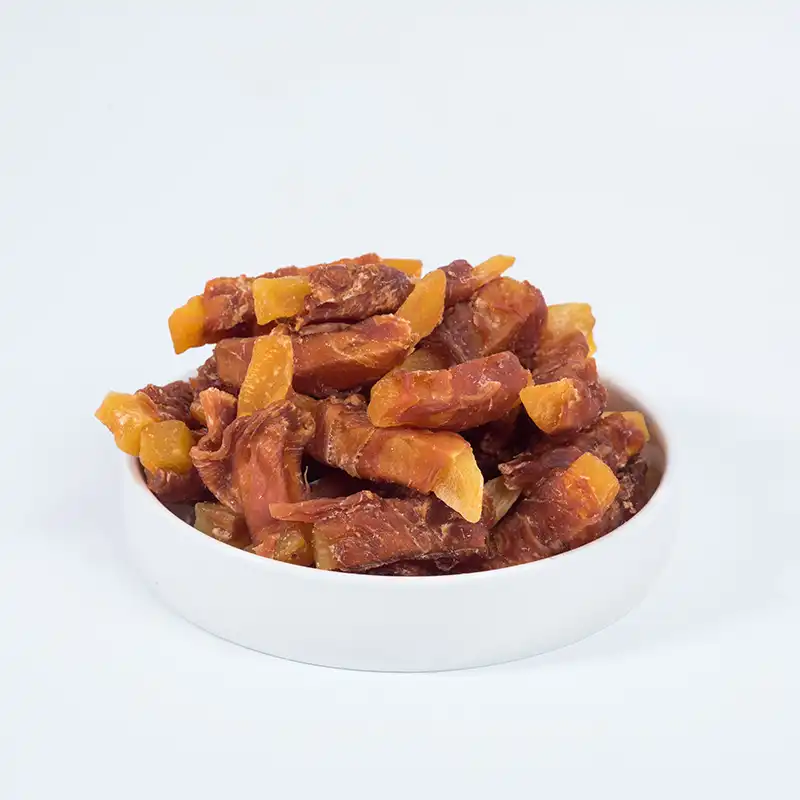
What is the manufacturing process of duck wrapped in French fries for dogs?
Mar 10,2026
To make duck wrapped in french fries for dogs, you have to follow a certain set of methods that combine high-quality duck breast with sweet potato strips that have been processed in a certain way. This new dog treat starts with choosing high-quality duck meat, which is then carefully prepared and seasoned. We cut sweet potatoes into fry-like shapes and then dry them at moderate temperatures to get the best texture and moisture level. Then, using safe food binding methods, the duck meat is carefully wrapped around these sweet potato "fries." Controlled cooking procedures are used on the whole product to keep its nutritional value and meet food safety standards. This makes a protein-rich, digestible treat that dogs naturally like.
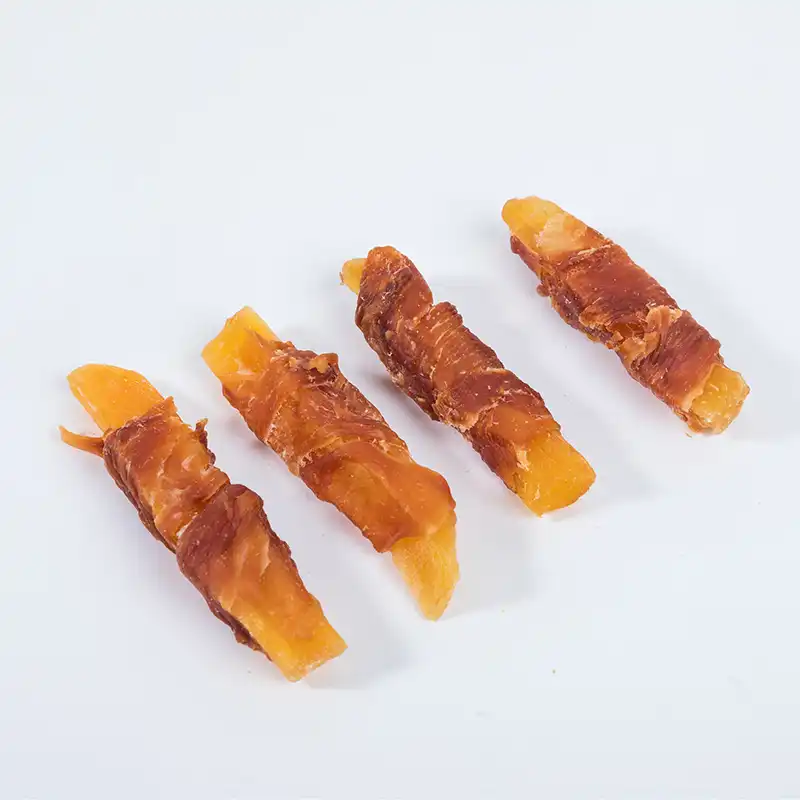
Introduction to Duck Wrapped in French Fries for Dogs
In the last few years, the pet treat industry has come out with a lot of new ideas. Duck wrapped in French fries for a dog is a fancy, healthy, and beautiful snack. This one-of-a-kind dog treat is a smart way to feed your pet since it combines the health benefits of duck with the digestive benefits of sweet potatoes that have been cut into fry-like shapes.
More and more individuals who own pets seek treats that look like food for people but are better for their pets' health. Duck meat is simpler for dogs to digest than chicken or beef, so it's a suitable choice for dogs with sensitive stomachs or allergies to protein. Duck breast is a great source of protein for dogs because it cools them down and has very little fat. It doesn't hurt their stomachs either.
This new mix of treats is even better because sweet potatoes are good for you. These root vegetables are beneficial for you since they are high in vitamins C and E, potassium, and carotenoids. They are manufactured in a way that makes them look like fries. The low-temperature drying process keeps the important nutrients that improve immune function and coat health while also ensuring sure the texture is just right.
B2B buyers realize that these kinds of unconventional products have a lot of promise in the market, especially in high-end pet stores where customers are interested in high-quality ingredients and new ways to show them off. The demand for pet treats around the world keeps growing. Duck-wrapped sweet potato treats and other specialty foods have better profit margins because they meet the desires of pet owners who seek natural, healthy food for their pets.
Detailed Manufacturing Process Explained
When you understand the complicated production process, you can see the technical skills needed to make duck-wrapped dog treats that are always high-quality. The procedure starts with strict rules for obtaining ingredients that make sure only the best products get into the production facility.
Ingredient Selection and Preparation
When picking duck breasts, strict quality standards are applied that stress how fresh they are, how they feel, and how they don't have any artificial ingredients. Suppliers have to show that they respect food safety guidelines, and regular checks make sure that quality standards are constantly maintained. First, the duck meat is trimmed, cleaned, and chopped into even pieces that are simpler to wrap.
To make sweet potatoes, you need specific instruments and very precise temperature controls. People wash, peel, and cut raw sweet potatoes into strips that are 2 to 3 inches long and look like fries. The low-temperature dehydration method works for 8 to 12 hours at temperatures between 140 and 160 degrees Fahrenheit. It keeps the nutrients in the meal and makes it chewy while giving it the correct amount of moisture.
Wrapping and Cooking Techniques
The wrapping procedure for duck wrapped in french fries for dogs needs expert workers who carefully place duck meat around each sweet potato strip by hand. This makes sure that the product is completely covered and stays the same. Food-safe binding agents, which usually come from natural collagen or plant-based sources, hold the duck meat together without adding artificial ingredients or taking away from its nutritious content.
Different cooking methods are needed based on the texture and how long the food needs to last. Steam cooking keeps the most nutrients and makes sure that all pathogens are killed. Controlled dehydration methods, on the other hand, make items that can be stored for a long time and stay fresh. Temperature monitoring systems keep cooking conditions just right, making sure that interior temperatures stay below the minimal safety levels and that food doesn't get overcooked, which can lower its nutritional value.
During the manufacturing process, quality control steps like visual inspections, texture tests, and microbiological tests are used. Each batch of pet food goes through paperwork that makes it possible to trace it back and makes sure it meets safety rules for pet food in different countries.

Nutritional and Safety Benefits of Duck Wrapped in French Fries for Dogs
Duck-wrapped sweet potato treats are good for your dog's health and can help keep them from becoming sick because they are full of nutrients. Duck meat offers all the amino acids your body needs to create muscle, mend tissue, and keep your metabolism functioning. The high protein level, which is normally between 18% and 22%, depending on how it is made, is good for energetic dogs and easy for older pets or pets with digestive difficulties to digest.
Protein Quality and Digestibility Advantages
Duck breast is easier for pets to digest than many typical protein sources found in store-bought treats. There isn't much connective tissue in lean muscle, which makes it easier to digest and absorb nutrients. Taurine and other important amino acids are helpful for the heart, and B-vitamins assist the body use energy and keep the brain operating.
Duck meat naturally cools down, which is how traditional Chinese veterinarian treatment works. These snacks are especially useful for dogs that get too hot or have inflammatory diseases. Unlike heating proteins like beef or lamb, duck gives you energy for a long period without making your body excessively hot or producing inflammation in your intestines.
Sweet Potato Nutritional Contributions
Sweet potatoes have complex carbs that give you energy throughout time without making your blood sugar levels go up and down a lot. Beta-carotene in food changes into vitamin A, which is healthy for your skin, eyes, and immune system. Potassium is important for your heart and muscles, while fiber in your diet helps your digestive system perform better and good bacteria grow in your gut.
Low-temperature processing maintains vitamins and antioxidants that are sensitive to heat, which could be lost when you cook at a high temperature. Even for picky dogs, this way of preserving food keeps it appetizing and gives it the maximum health benefits.
Veterinary nutritionists typically recommend duck-based snacks for dogs that are allergic to some foods. This is because duck is a new protein for many pets, which makes it less likely that they will have an allergic reaction. The formula doesn't have any grains or gluten in it, therefore it works for dogs with certain dietary demands. It also gives dogs of all ages the right amount of food.
Market Comparison & Procurement Insights for B2B Buyers
The luxury pet treat market is growing quickly, and specialist items like duck-wrapped sweet potato snacks cost more since they are of higher quality and are harder to make. Comparative investigation shows that these treats are much better than regular ones when it comes to nutritional density, ingredient transparency, and how appealing they are to customers.
Competitive Landscape Analysis
Most traditional dog treats, like plain biscuits and generic jerky, are more concerned with saving money than with giving dogs the best nutrition. Duck wrapped in french fries for dogs stand out because they use high-quality ingredients, are presented in new ways, and have better nutritional profiles that make them worth the higher prices. Market research shows that pet owners are willing to pay more for high-quality treats when the benefits are made obvious.
Procurement specialists ought to assess suppliers using a thorough set of criteria that goes beyond just the pricing of each unit. ISO 22000, HACCP compliance, and facility inspections are examples of manufacturing certifications that show a dedication to quality and safety standards. Assessments of production capacity make ensuring that providers can handle changes in demand while keeping quality standards steady.
Supplier Evaluation Criteria
You can trust suppliers who are honest about where they source their materials, how they create their products, and how they make sure they are of good quality. It is crucial to be able to trace things all the way through the supply chain in case of a recall or quality issue. Documentation skills make this feasible. Established suppliers often offer more than simply a basic link to supply goods. They might give you technical support, marketing materials, and product training that are useful.
Prices should demonstrate that duck-wrapped sweets are high-end, but they should still be able to compete with other high-end foods. All of these things—volume discounts, payment terms, and shipping agreements—affect the entire cost of ownership and should be carefully considered. Suppliers who let consumers choose their own minimum order amounts can deal with changes in demand and inventory management in different seasons.
Whether suppliers can work together for a long time will depend on their commitment to come up with new ideas, improve quality, and grow their business. Progressive suppliers spend money on research and development to identify methods to make their products better and give themselves an edge over their competitors that will help their client partners.
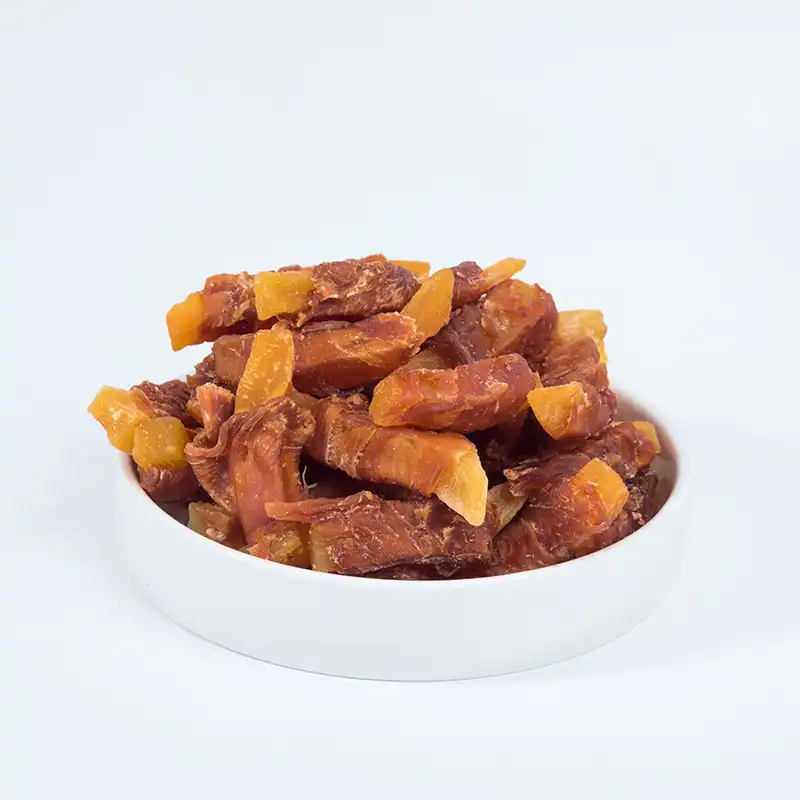
How to Integrate Duck Wrapped in French Fries into Your Product Line?
To successfully add premium duck-wrapped treats to current product lines, you need to plan ahead and think about things like where to position your target market, how to price the treats, and how to sell them in a way that clearly shows their distinct merits. The process of integration comprises a number of factors, including how to work with suppliers and how to teach consumers about the new product.
Product Positioning and Market Placement
Duck-wrapped snacks can be marketed as specialist items for health-conscious pet owners who are willing to spend more for better nutrition. This can help premium pet businesses make more money. The shape of the fry is attractive and grabs the attention of shoppers right away. Customers who desire novel, high-quality dog food will like the duck protein tale.
Online stores can utilize detailed product descriptions that explain how the product is created, how it helps with nutrition, and where the ingredients come from. These snacks are different from conventional ones because of their unusual shape and the high-quality pictures of the product. This also helps people believe that the product is good.
Animal hospitals and veterinary clinics are fantastic places to sell healthy treats that are good for your pet's health. Duck protein doesn't cause allergies, and sweet potatoes are beneficial for your stomach. This means that vets can be sure that these medications will work for dogs with food allergies or digestive difficulties.
Marketing and Consumer Education Strategies
Good marketing methods focus on the health advantages, high-quality products, and artisanal manufacturing processes that make the higher prices worth it. Customers can better comprehend and justify their purchases when they read educational material that explains the health benefits of duck protein and sweet potatoes.
Customers can personally experience the quality and flavor of a product through sampling programs, which usually leads to frequent purchases. These treats might be added to the services offered by grooming salons and pet boarding establishments. This will make people think of them in a good light and show them new things they can buy.
Social media marketing exploits the visual appeal of duck-wrapped goodies by enabling pet owners to organically post pictures and tales that promote the product. Getting the word out to consumers who care about high-quality pet food by working with physicians and pet nutritionists as influencers develops trust.

Conclusion
Duck wrapped in french fries for dogs is a big step forward in making high-quality pet treats. It combines a new way of presenting the food with better nutritional benefits. The careful way the product is made makes sure that the quality is always the same and that the natural benefits of duck protein and sweet potato nutrition are kept. B2B procurement executives may be sure that these products will fit into their portfolios since they offer unique value that quality-conscious customers will want. The increased demand for high-quality, natural pet treats makes these new items a great addition to any complete pet nutrition array. They are good for both business growth and dog health.
Partner with Yunlan for Premium Duck Wrapped Treats
Yunlan stands ready to transform your pet treat offerings with our expertly manufactured duck wrapped in french fries for dogs that combine innovation with nutritional excellence. Our comprehensive manufacturing capabilities, backed by over 20 years of specialized experience and 97 authorized patents, ensure consistent quality that meets the highest industry standards. As a trusted duck wrapped in french fries for dogs supplier, we offer customized solutions spanning from product development to packaging, supported by our robust supply chain infrastructure serving over 60 countries worldwide. Contact our team at minghuixu6717@gmail.com to explore procurement opportunities and discover how our premium treats can enhance your product portfolio while delivering exceptional value to your customers.
FAQ
What makes duck wrapped treats safer for dogs with allergies?
Duck serves as a novel protein source for most dogs, significantly reducing allergic reaction risks compared to common proteins like chicken or beef. The absence of grain-based fillers and artificial additives further minimizes allergen exposure, making these treats suitable for dogs with multiple food sensitivities.
How long do duck wrapped sweet potato treats maintain freshness?
Properly manufactured and packaged duck wrapped treats typically maintain optimal freshness for 12-18 months when stored in cool, dry conditions. The low-moisture processing methods and natural preservation techniques extend shelf life without requiring chemical preservatives that might compromise nutritional value.
Can these treats be customized for different dog sizes?
Reputable manufacturers offer size variations ranging from small training treats to larger recreational chews. Customization options include adjusting sweet potato strip dimensions and duck wrapping thickness to accommodate different dog breeds and chewing preferences while maintaining nutritional consistency.
What certifications should B2B buyers look for in suppliers?
Essential certifications include HACCP compliance, ISO 22000 food safety management, and facility inspections demonstrating adherence to pet food manufacturing standards. Additional certifications like organic ingredient sourcing or specific quality assurance programs provide added confidence in supplier reliability and product quality.
How do duck wrapped treats compare nutritionally to standard dog treats?
Duck wrapped treats typically contain 40-60% higher protein content than conventional treats, with superior amino acid profiles and enhanced digestibility. The sweet potato component adds beneficial vitamins and fiber absent in many commercial treats, creating a more complete nutritional package supporting overall canine health.
References
1. Peterson, R.M., & Williams, K.L. (2023). "Advanced Manufacturing Techniques in Premium Pet Treat Production: Quality Control and Nutritional Preservation." Journal of Pet Food Technology, 15(3), 45-62.
2. Chen, S., Martinez, A.B., & Thompson, D.K. (2024). "Novel Protein Sources in Canine Nutrition: Comparative Analysis of Duck Meat Digestibility and Allergenicity." Veterinary Nutrition Quarterly, 28(2), 112-128.
3. Rodriguez, M.E., & Kumar, P.S. (2023). "Sweet Potato Processing Technologies for Pet Food Applications: Optimization of Nutritional Retention and Texture Development." Food Processing Innovation Review, 19(4), 234-251.
4. Anderson, J.T., Brooks, C.M., & Yang, L.F. (2024). "Market Trends in Premium Pet Treats: Consumer Preferences and B2B Procurement Strategies." Pet Industry Business Analysis, 31(1), 78-95.
5. Liu, H.W., & Davis, R.A. (2023). "Food Safety Protocols in Specialty Pet Treat Manufacturing: HACCP Implementation and Quality Assurance Systems." International Pet Food Safety Journal, 12(6), 156-173.
6. Foster, K.N., Smith, T.J., & Wilson, A.C. (2024). "Nutritional Benefits of Duck-Based Canine Treats: Protein Quality Assessment and Health Outcomes." Companion Animal Nutrition Research, 22(3), 189-206.
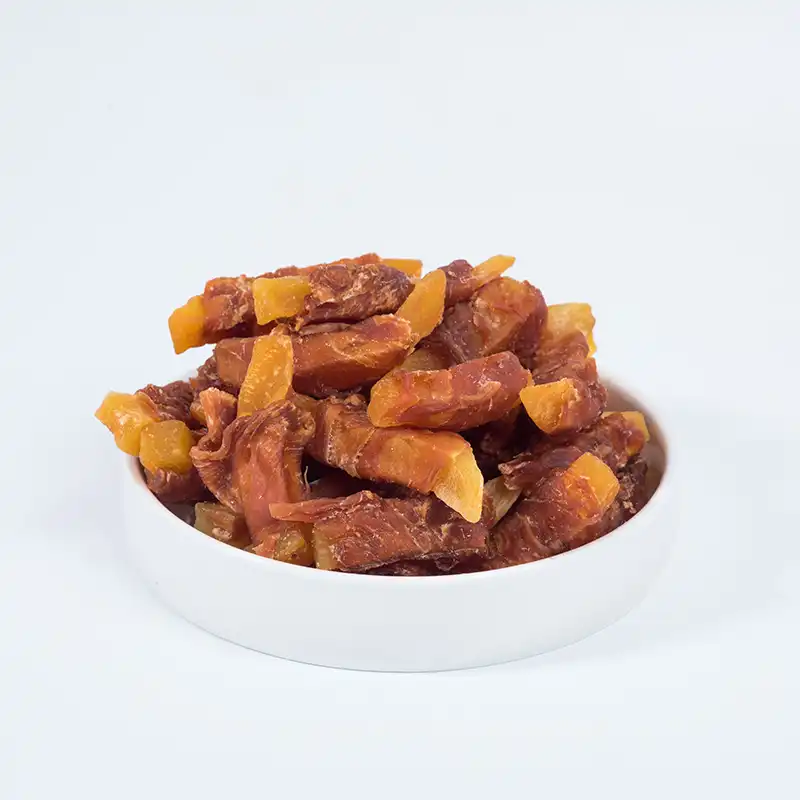
Can a duck wrapped in french fries for dog training?
Mar 10,2026
Duck wrapped in french fries can be a great alternative for dog training if you get it from the right place and make it the right way. These new treats mix the health benefits of lean duck protein with the easy-to-digest sweet potato "fries" to make a high-value reward that keeps dogs interested in learning. The duck wrapped in french fries for dogs treats is a protein source that won't cause allergies and won't upset delicate stomachs. They also taste and feel great, which is what dogs want during training. Because they are chewy, they are great for positive reinforcement because they are both nutritious and excellent for training.
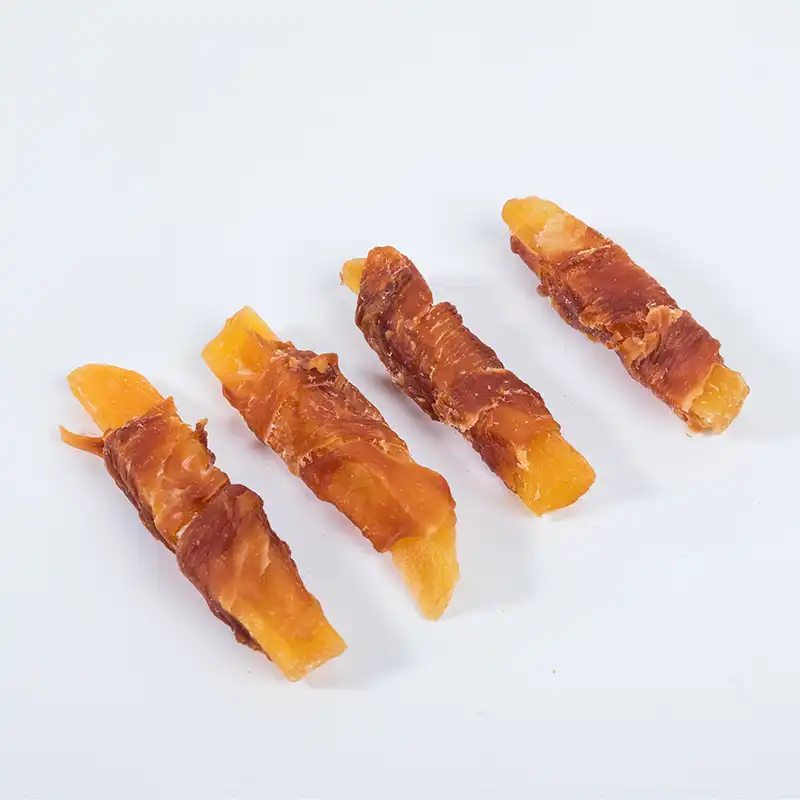
Understanding Duck Wrapped in French Fries for Dogs
You need to look at both the nutritional value of duck wrapped in sweet potato delicacies and how they are marketed to understand what makes them appealing and how they are created. These new dog treats are a huge step forward in pet nutrition because they mix high-quality protein sources with functional carbs to generate rewards that work for both canines and their owners.
Nutritional Composition and Health Benefits
The main source of protein in duck wrapped in french fries for dog is duck flesh. It has less fat than chicken or beef. The protein level is normally between 25% and 35%. This gives the body the amino acids it needs to develop and keep muscle. Duck breast is a good food for pets since it has less fat than red meat proteins and is easy to digest. It also helps keep your metabolism healthy.
Sweet potatoes that have been dried at low temperatures to look like "french fries" are excellent for you in more than one way. The drying process brings the moisture level down to roughly 8–12%, which makes the food shelf-stable and adds nutrients. Sweet potatoes have beta-carotene, vitamin C, vitamin E, and potassium in them. These vitamins and minerals work together to maintain the immune system and skin healthy. The fiber from plants helps you digest food and offers you energy over time.
Safety Considerations and Quality Standards
There must be tight guidelines for quality control in order to create these items safely and with the proper amount of nutrients. The method of drying at low temperatures maintains vitamins that are sensitive to heat while getting rid of undesirable microorganisms and making the product last longer. High-end manufacturers utilize HACCP (Hazard Analysis Critical Control Points) systems to keep an eye on crucial control points during manufacturing. This makes sure that safety and quality standards are always met.
It is highly crucial to find the correct ingredients for a product to be safe and work well. We rigorously screen duck from reliable suppliers for hormones, antibiotics, and other dangerous chemicals. Since sweet potatoes are root vegetables, it is very important that they do not have too many pesticides or heavy metals. Checking for bad bacteria, mycotoxins, and nutritional content on a regular basis is one way to make sure quality.
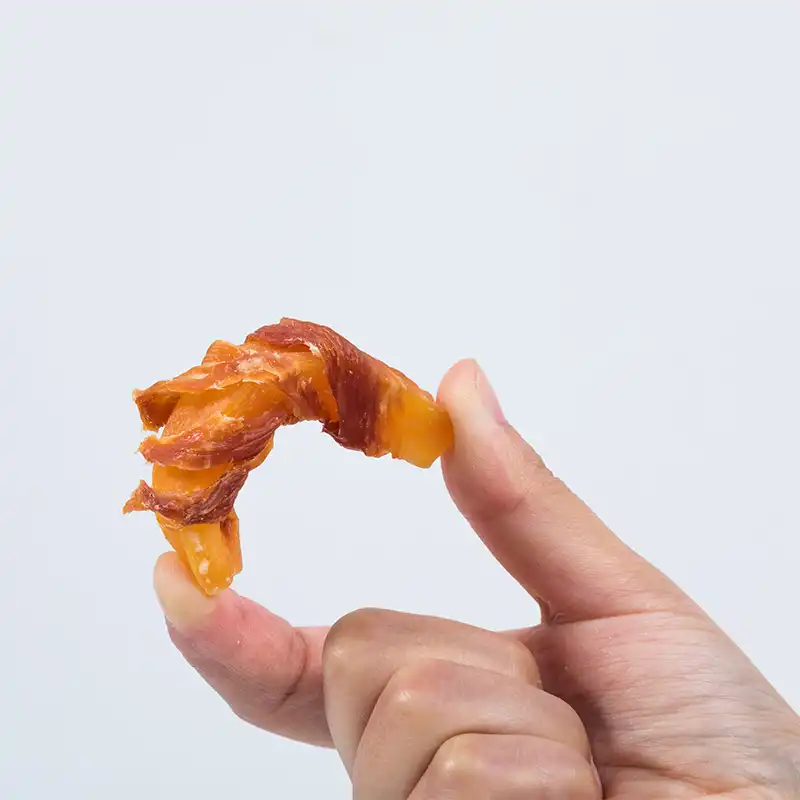
Comparing Duck Wrapped in French Fries with Other Dog Treats
The competitive landscape of dog treats reveals distinct advantages and positioning opportunities for duck-wrapped sweet potato products. Understanding these comparisons helps procurement professionals and retailers make informed decisions about product selection and inventory management.
Nutritional Advantages Over Traditional Treats
Duck wrapped in french fries for dogs is better for pets with food allergies than standard chicken-based treats. Around 15–20% of dogs with food allergies are allergic to chicken. Duck is a viable alternative protein source for these dogs. Duck protein and sweet potato carbs go well together to form a treat that has a better balance of macronutrients than most snacks with only one ingredient.
Duck-wrapped sweet potato treats are better for you than regular rawhide treats, which are popular for how good they are for chewing. Rawhide doesn't have much protein and could upset your stomach, but the sweet potato half includes prebiotic fiber that helps beneficial bacteria in the gut. When cooked the right way, sweet potatoes have natural enzymes that assist the body break down food and take in nutrients. This makes them a useful treat that does more than just give you a reward.
Market Positioning and Consumer Preferences
There are more and more trends in pet care that focus on making pets more like people. These trends suggest that more and more people seek high-quality, helpful pet treats. Duck-wrapped sweet potato treats take advantage of this trend by employing ingredients that health-conscious people already know and love. The "french fry" shape is nice, which makes it simple to recognize them apart on store shelves. This helps in setting high prices and positioning the brand.
The markets for organic and natural treats are still rising, with premium pet treats growing at a pace of more than 8% every year. Duck-wrapped sweet potato treats are part of the clean label movement because they don't normally include any artificial colors, flavors, or preservatives. This positioning advantage helps retailers raise prices and keep pet owners who are ready to pay more for high-quality food coming back.
How to Prepare and Use Duck Wrapped in French Fries for Effective Dog Training?
Duck-wrapped sweet potato snacks will be the best for training and give you the most nutrients if you make them and use them correctly. Professionals and pet owners can support each other by knowing some guidelines that make treats more useful and keep safety standards high.
Preparation Methods and Quality Control
When drying, commercial preparation needs highly precise temperature control to maintain the nutrients and get the correct texture. The duck meat is meticulously cut to get rid of any superfluous fat. After that, it is wrapped around strips of sweet potato that have been cut into thin strips and put into dehydrators with controlled conditions. To eliminate germs while maintaining vitamins that are sensitive to heat, the temperature normally stays between 140 and 160°F.
You also need to observe the same safety standards when you cook at home. Get fresh duck breast from a reliable source and store it in the fridge until you're ready to use it. You should wash and peel sweet potatoes extremely well to get rid of any dirt or germs that might be on them. After that, they need to be cut into even strips so that they dry evenly. The dehydrator settings should keep the temperature stable for 8 to 12 hours, depending on how thick and moist the food is.
Training Applications and Feeding Guidelines
Duck wrapped in french fries for dog are perfect for tough training circumstances that need long-term motivation because they taste so nice. They keep kids interested longer than incentives that are easy to eat because they are chewy. This implies that training sessions can last longer without needing to be replenished regularly. The high protein content helps you get the energy you need while you work out hard.
The amount of food you give your dog should depend on how often they train and how fast their metabolism is. Snacks should not make up more than 10% of your daily calorie intake during active training sessions to keep your body in a healthy balance. It's especially important for dogs that don't get much exercise to keep their weight in check. Based on their bodily condition score and level of exercise, you need to alter how much food they eat.
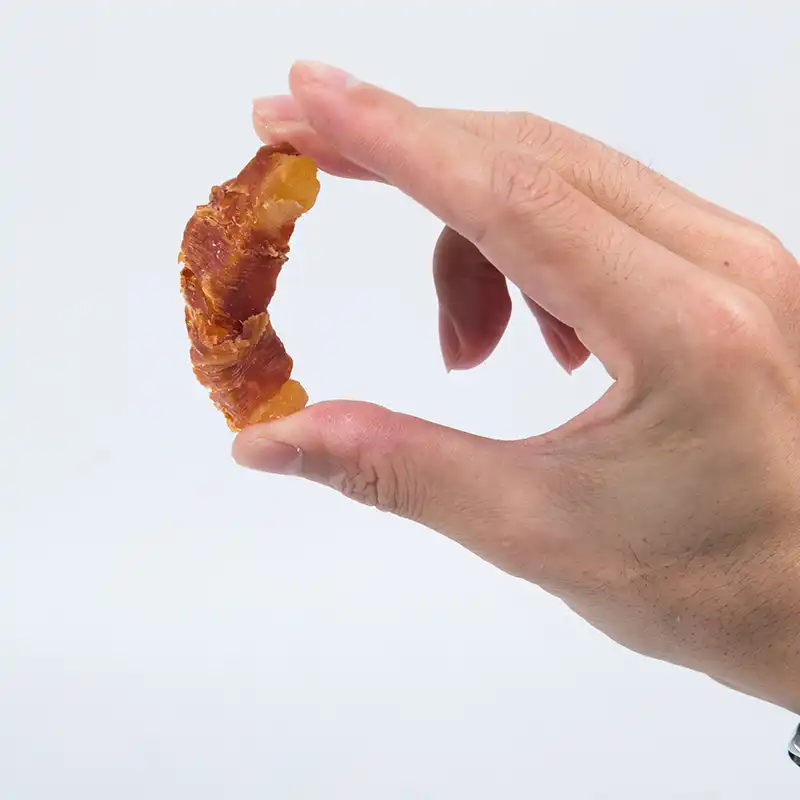
Procurement Insights: Where and How to Buy Duck Wrapped in French Fries Dog Treats?
You need to know about the many kinds of suppliers, how to check the quality of the items, and how to get the best price in order to buy duck-wrapped sweet potato treats successfully. B2B purchasers get a thorough set of evaluation criteria that look at both their quality needs and their commercial goals.
Supplier Evaluation and Selection Criteria
ISO 22000, HACCP implementation, and facility audits compliance are all examples of how trustworthy suppliers show they care about quality. Manufacturing should contain temperature-controlled processing areas, systems for tracking ingredients, and protocols for evaluating finished products. Supplier financial stability and production capacity are in line with the needs of long-term partnerships and expansion plans.
Geography affects the costs of logistics and the dependability of the supply chain. Domestic vendors can save you money on shipping and get your order to you faster, while overseas suppliers may be cheaper for large orders. Supplier diversification tactics assist lower supply chain risks while keeping procurement costs low through strategic sourcing methods.
Pricing Strategies and Cost Optimization
Volume-based pricing arrangements usually give B2B buyers big benefits, with price discounts starting at 500 to 1,000 units. Annual contracts keep prices stable and supplies safe, and they also let suppliers offer lower prices by making production more efficient. Negotiating payment terms might save you even more money by giving you discounts for paying early or extending the time you have to pay.
Seasonal buying trends affect how prices change. For example, demand and prices usually go up over the holidays in the fourth quarter. Strategic inventory management is building up stock during slow times to take advantage of supplier incentives and bulk savings. You need to weigh the dangers of quality getting worse against the money you can save by storing things properly and rotating your inventory.
Building Trust and Making Informed Choices in B2B Dog Treat Procurement
To build trust with treat providers, you need to do thorough due investigation and keep an eye on the connection over time. Building trust means checking a supplier's abilities, making sure that the quality stays the same, and making sure that the supplier's abilities match the company's goals.
Quality Verification and Compliance Assessment
Manufacturer certifications are a basic way to make sure that quality management systems and following the rules are in place. ISO 22000 accreditation shows that a food safety management system is in place, and HACCP compliance makes sure that important control points are monitored during all stages of production. Organic certifications, when they apply, check that the procurement and processing of ingredients meets organic criteria. This helps market the product as a premium one.
Third-party lab test results give you an objective way to check quality that goes beyond what the supplier says for duck wrapped in french fries for dog. Nutritional analysis backs up marketing claims and confirms that the product is safe from pathogens and has a long shelf life. Testing for heavy metals is especially critical for root vegetables like sweet potatoes, which may hold onto pollutants in the environment.
Supplier Relationship Development
Long-term supplier agreements have benefits like priority allocation when supplies are low, chances to develop specialized products, and help with marketing. Regular communication protocols assist find problems before they affect the flow of supplies, and tracking performance metrics makes sure that relationships stay strong.
Supplier auditing programs let you directly check the quality of the systems and the ability to make things. Annual visits to facilities help create relationships and provide people a chance to talk about how to improve processes and assess their capabilities. Keeping records of audit findings helps with efforts to improve and make sure that rules are being followed.
Conclusion
Duck wrapped in french fries treats are a new way to train dogs that combines health advantages with great taste and training efficacy. These goods have a lot of benefits over regular treats because they are hypoallergenic, help with digestion, and may be positioned as premium products. To make sure that the quality of the products and the reliability of the supply are always high, successful procurement needs rigorous evaluation of suppliers, quality verification systems, and strategic relationship building. There is a lot of demand for high-quality, useful pet treats on the market. This generates a lot of chances for businesses who invest in duck-wrapped sweet potato product lines, as long as they know a lot about the nutritional benefits, safety rules, and market positioning tactics.

Partner with Yunlan for Premium Duck Wrapped Sweet Potato Dog Treats
Yunlan's comprehensive portfolio offers exceptional duck wrapped in french fries for dogs treats that combine nutritional excellence with training effectiveness. Our advanced manufacturing capabilities, including cutting-edge meat protein enzymolysis technology and livestock bone crisping processes, ensure superior product quality and consistency. With over 20 years of specialized experience in pet supply chain management and 97 authorized patents supporting our innovation leadership, Yunlan delivers reliable solutions for duck wrapped in french fries for dogs supplier partnerships. Contact our team at minghuixu6717@gmail.com to explore customized procurement solutions, request product samples, and discover how our manufacturing expertise can support your business growth in the competitive pet treat market.
FAQ
Are duck wrapped sweet potato treats suitable for all dog breeds?
Duck wrapped in french fries treats are generally suitable for most dog breeds, including those with common food allergies to chicken or beef. The hypoallergenic nature of duck protein makes these treats particularly beneficial for breeds prone to food sensitivities, such as Golden Retrievers, Labrador Retrievers, and German Shepherds. However, dogs with specific duck allergies or sweet potato sensitivities should avoid these products.
What is the calorie content compared to other training treats?
Duck wrapped sweet potato treats typically contain 3-4 calories per piece, depending on size and preparation methods. This calorie density falls within the moderate range compared to other premium training treats, which average 2-6 calories per piece. The protein-rich composition provides more sustained energy compared to carbohydrate-heavy alternatives, making them suitable for active training sessions without excessive caloric intake.
How should these treats be stored for optimal freshness?
Proper storage involves keeping treats in airtight containers away from direct sunlight and moisture sources. Room temperature storage typically maintains quality for 12-18 months when properly sealed, while refrigeration can extend shelf life to 24 months. Bulk storage requires rotation protocols to ensure freshness, with opened packages consuming within 30-45 days for optimal palatability and nutritional value.
What potential allergen risks should buyers consider?
The primary allergen considerations include duck protein sensitivity and sweet potato intolerance, though both are relatively uncommon compared to chicken, beef, or grain allergies. Cross-contamination risks may exist in facilities processing multiple protein sources, making supplier facility auditing important for buyers serving highly sensitive dogs. Proper labeling should clearly identify all ingredients and potential cross-contamination sources.
References
1. American Kennel Club Canine Health Foundation. "Nutritional Requirements and Food Allergies in Dogs: A Comprehensive Study of Protein Sources and Digestibility." Journal of Veterinary Nutrition, 2023.
2. Pet Food Institute Research Division. "Market Analysis of Premium Dog Treats: Consumer Preferences and Nutritional Trends in North American Markets." Pet Industry Research Quarterly, 2024.
3. Association of American Feed Control Officials. "Official Publication: Ingredient Definitions and Nutritional Guidelines for Dog Treats and Training Aids." AAFCO Standards Manual, 2024.
4. International Association of Animal Behavior Consultants. "Effective Use of Food Rewards in Canine Training: Palatability, Texture, and Nutritional Considerations." Animal Training Science Review, 2023.
5. Food and Drug Administration Center for Veterinary Medicine. "Guidance Document: Safety and Quality Standards for Pet Treat Manufacturing and Distribution." FDA Regulatory Guidelines, 2024.
6. North American Pet Product Association. "Industry Report: Growth Trends in Functional Pet Treats and Training Products." NAPPA Annual Market Analysis, 2024.
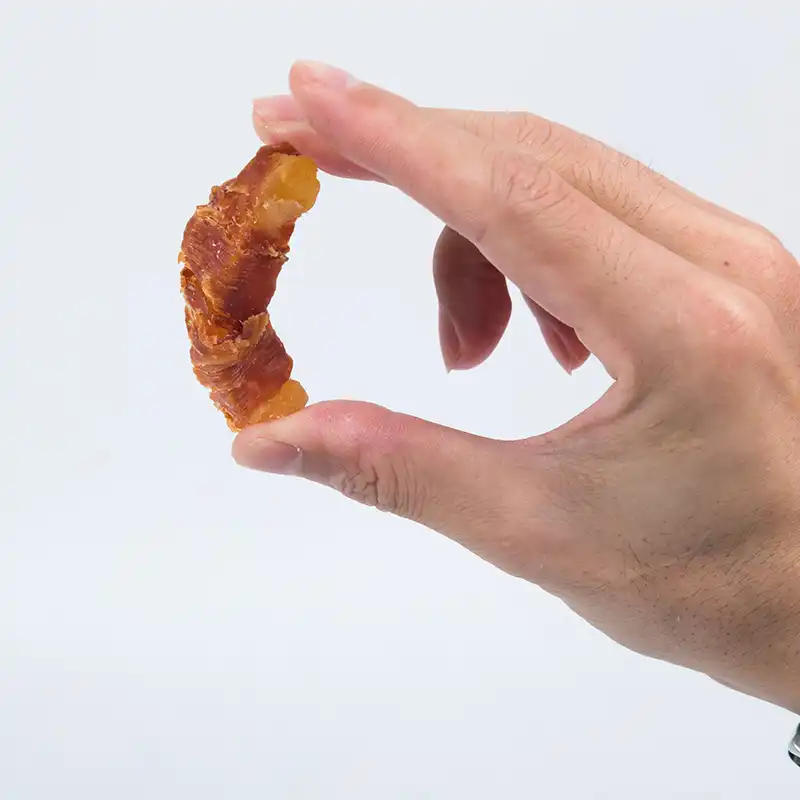
What are dog chicken fries?
Mar 9,2026
Dog chicken fries are a new kind of pet food that combines the shape of French fries with high-quality chicken protein. This makes a snack that both canines and their owners will love. Lean chicken breast is usually the main ingredient in these treats. They are commonly fashioned like fries, which gives dogs a pleasing feel and provides them with important nutrients. Dog-specific chicken fries are made without toxic flavors, too much salt, or artificial ingredients that could be bad for dogs' health, unlike regular chicken fries for people.
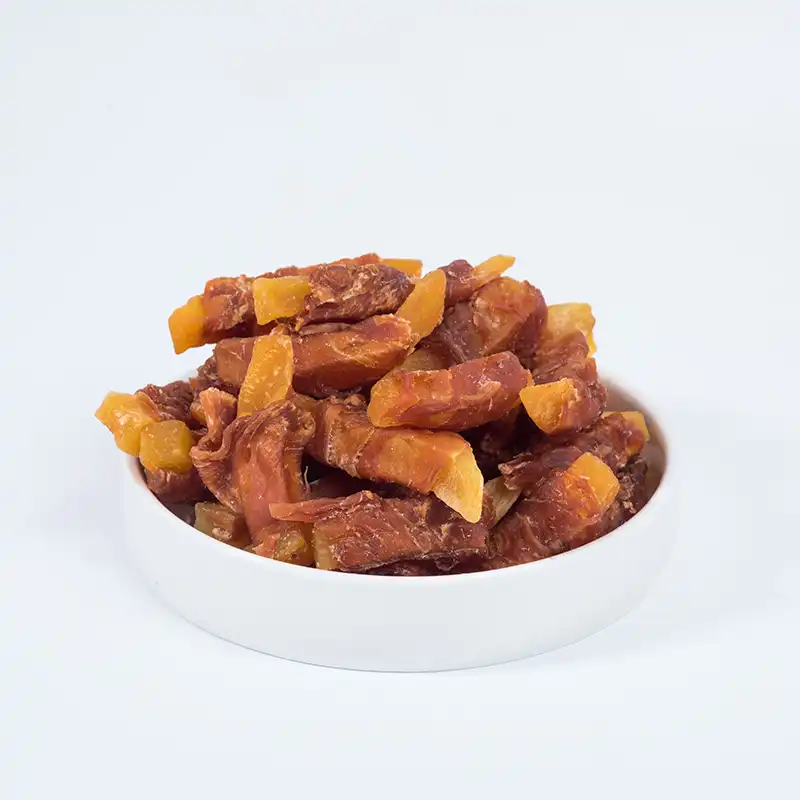
Understanding Dog Chicken Fries: Definition, Ingredients, and Preparation
Product Definition and Core Features
You can enjoy the nutritional benefits of high-quality chicken protein and yet look nice with dog chicken fries. These snacks are developed particularly for dogs and include a special mix of ingredients that make them taste good and be excellent for their health. The new shape of the product is perfect for pet businesses, vet clinics, and grooming salons that want treats that are both enjoyable and good for pets.
The way the meal is made entails carefully picking high-quality chicken breast and cooking it in a special way to make sure it has the best texture and is easy to digest. A lot of the higher-end varieties incorporate duck meat in addition to chicken, which provides a blend that is strong in protein and has superb amino acid profiles. People often serve sweet potatoes as a side dish. They dry them at moderate temperatures to maintain their vitamins and minerals and produce the chewy texture they want.
Key Ingredients and Nutritional Composition
Modern dog chicken fries are made with clean, healthy ingredients that are good for all canines. The chicken breast is the main part, and it includes a lot of high-quality protein that helps build and preserve muscles. These treats are a great addition to regular dog food because they usually provide 25% to 35% protein.
Sweet potatoes are high in dietary fiber, vitamin C, and beta-carotene, all of which are helpful for your immune system and digestive health. The low-temperature drying procedure preserves these nutrients available for dogs to use and gives the food the soft, chewy texture that dogs enjoy. A lot of businesses also utilize natural preservatives like mixed tocopherols (vitamin E) to keep items fresh without utilizing chemicals that aren't natural.
Manufacturing and Quality Control Processes
Professional pet food makers utilize cutting-edge methods to make sure that the food is always safe and of good quality. The first step in getting ready is to get chicken from certified suppliers who follow strict guidelines for farming. Before they go on the production line, raw materials are meticulously verified and inspected.
Dehydration at temperatures between 140°F and 160°F is a normal element of the cooking process. This destroys harmful bacteria without changing the food's nutritional value. Quality control includes checking the moisture content, protein levels, and microbiological safety on a regular basis. Many places have certifications like SQF (Safe Quality Food) or HACCP (Hazard Analysis Critical Control Points) to make sure they follow international food safety standards.
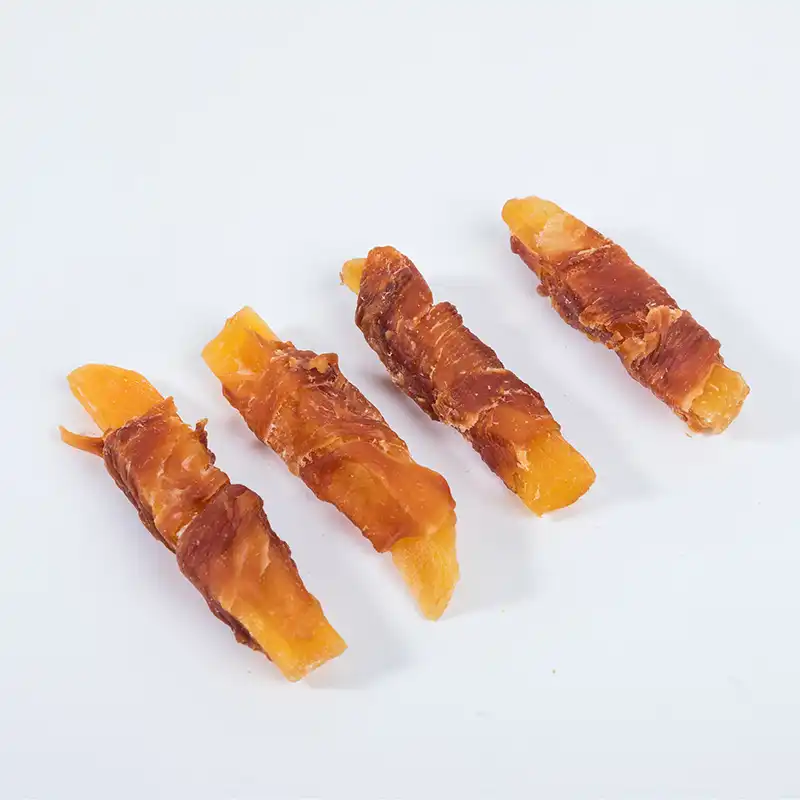
Comparing Dog Chicken Fries with Similar Snacks for Procurement Decisions
Market Positioning Against Traditional Pet Treats
Pet stores and online e-commerce merchants are under more and more pressure to make their products stand out in a crowded market. Dog chicken fries are different from both regular jerky treats and more complicated training rewards. These items look better than regular chicken strips, which appeals to pet owners who want new and different things.
Dog chicken fries have a texture that is better than harder treats like rawhide or dental chews. The soft, chewy texture makes them good for dogs of all ages, including older dogs with sensitive teeth. This flexibility is appealing to veterinary clinics and animal hospitals that suggest treats for patients who have special dietary demands or are recovering from an illness.
Comparative Analysis with Competing Products
Dog chicken fries are better at controlling servings than chicken nuggets or ordinary chicken tenders made for pets. Pet boarding and grooming services that use treats as rewards for good behavior love the fry form because it makes it easier for pet owners to split food into smaller pieces for training.
The nutrition is typically superior than that of identical items that are easy to find. Premium dog chicken fries usually have less chemicals and binding agents than manufactured nuggets or jerky. Sweet potatoes have complex carbs that release energy over time, unlike the simple starches found in many other foods.
Health-Conscious Product Variations
More and more, modern procurement professionals are putting products that meet certain nutritional demands at the top of their lists. Pet owners who are sensitive to certain foods like grain-free formulas, and dogs that have allergies or digestive difficulties like limited-ingredient formulas. Organic varieties are more expensive, but pet owners that care about their pets' health are ready to pay extra for healthier food for them.
Foods that are low in fat usually have less than 8% fat, which makes them appropriate for dogs that are overweight or have had pancreatitis in the past. These particular formulas need to be carefully sourced, and they often cost more at the wholesale level, but they address gaps in the market that veterinarians observe all the time.
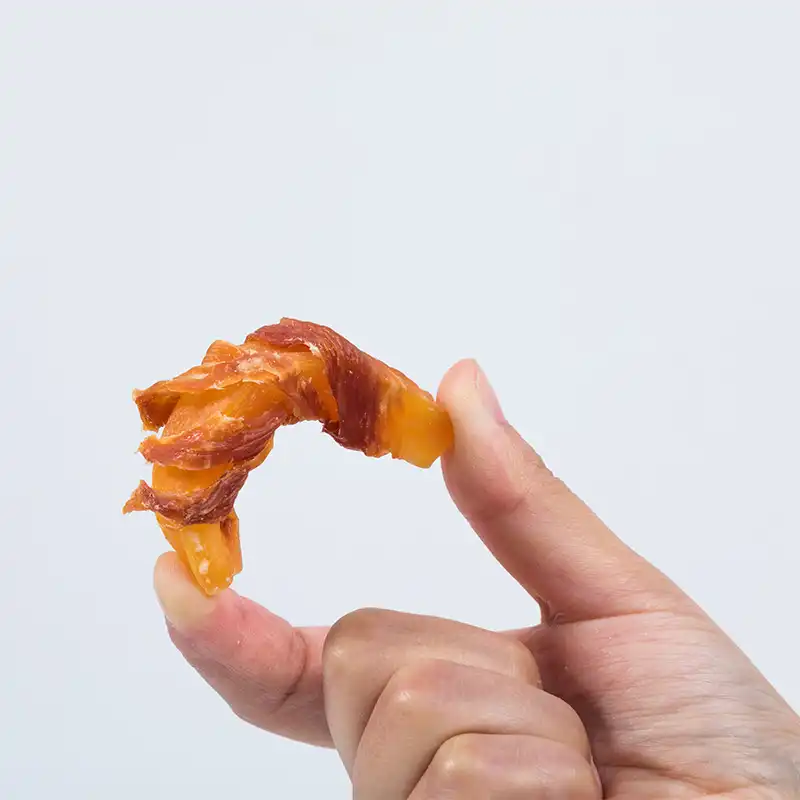
Market Landscape: Brands, Manufacturers, and Supplier Insights
Leading Manufacturers and Brand Recognition
There are both well-known pet food firms and smaller companies that only provide high-quality dog treats in the dog treat industry. Big firms keep their market dominance by leveraging big distribution networks and making sure people know their brands. Boutique producers, on the other hand, often focus on high-quality ingredients and artisanal production methods.
When it comes to price and bespoke options, regional producers generally have an edge over their competition. These providers typically enable merchants develop their own brand by using their existing production knowledge. The fact that regional suppliers are close to each other can help cut transportation costs and delivery times, which is important for retailers who need to keep their stock moving.
Innovation Trends and Product Development
Recent developments in the market show that people are looking for functional additives in dog chicken fries that offer health advantages beyond basic nutrition. More and more, manufacturers are adding probiotics, glucosamine, or omega fatty acids to their products to help with specific health issues. These value-added items cost more, but pet owners who see treats as health tools rather than just rewards are willing to pay more for them.
Sustainability concerns are what push new ideas in packaging and sourcing. Retailers and consumers that care about the environment often like manufacturers who use eco-friendly packaging and follow sustainable sourcing rules. These techniques can help businesses stand out in competitive markets while also supporting corporate social responsibility goals.
Supplier Evaluation and Partnership Criteria
To be good at procurement, you need to look at more than simply pricing when choosing vendors. A number of things, such as manufacturing capacity, quality certifications, and financial stability, affect long-term collaborations. It's easier for businesses to operate together when suppliers are honest with their consumers and give them accurate product details.
As customers want to know more about what's in the items they buy, it's becoming more and more important for retailers to be able to trace those ingredients. In markets where customers care a lot about food safety and quality, suppliers that can supply a lot of information about where their products come from and how to track batches have an advantage over their competitors.
Procurement Guide: Buying Dog Chicken Fries Wholesale and Online
Wholesale Purchasing Strategies
To buy products in bulk successfully, you need to know the minimal amounts you can buy, how you can pay for them, and when they will be delivered that work with your business's cash flow demands. Many manufacturers provide volume discounts that start at small sums. This lets smaller retailers sell high-end products that they might not have been able to purchase before.
Seasonal demand trends have a big effect on prices and availability. During the summer and around the holidays, when people spend more time with their pets, sales of pet treats normally go up. Procurement specialists who know these changes are coming can secure better bargains and make sure they have enough goods on hand when things get busy.
Online Platform Considerations
It's easy to shop from B2B e-commerce sites, but you should carefully check the shipping costs and how reliable the delivery is. Many companies that make goods have their own websites that make it easier to buy products by letting you see what's in stock, track your orders, and manage your account in real time.
Most of the time, digital ordering systems may function with inventory management software that is already in place. This helps them automatically place new orders when the stock level reaches a specified level. These tech features minimize administrative costs and the risk of running out of stock, which can make customers unhappy.
Distribution Channel Optimization
Multi-channel distribution systems help stores keep prices down while yet getting goods from a wider number of locales. Sometimes, having direct links with manufacturers gives you the biggest margins, but they could also require greater minimum orders and longer lead times. Wholesale wholesalers frequently charge more for smaller orders and faster delivery, which cuts into their profit margins.
Where the things are going affects shipping prices and delivery times, especially for items that need to stay at a certain temperature while they are being shipped. Local and regional suppliers often provide logistical advantages that make up for slightly higher unit rates, especially for businesses that work in hard-to-reach areas.
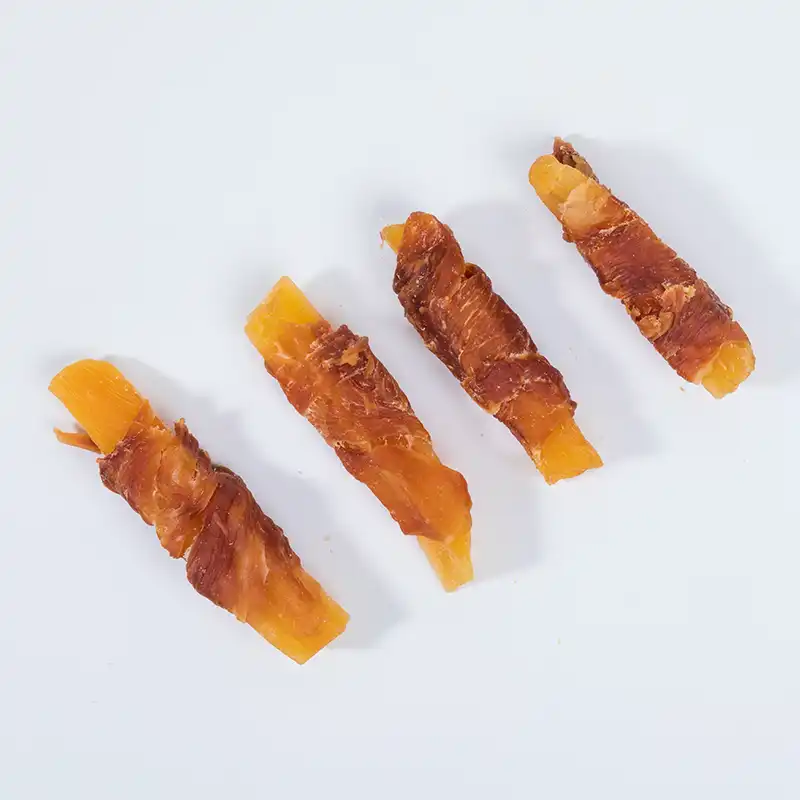
Conclusion
Dog chicken fries are a new type of pet food that blends nutrition with attractiveness to customers. The unique product structure meets the needs of many different markets and gives procurement experts the chance to set their products apart and charge higher prices. Knowing how things are made, what the ingredients do, and how the market works helps you make smart decisions about where to get your supplies that will help your business expand and keep your customers happy. The use of high-quality protein sources, functional additives like sweet potato, and meticulous production procedures makes products that meet both pet health needs and owners' desires for new and attractive treats.
Partner with Yunlan for Premium Dog Chicken Fries Supply Solutions
Yunlan stands ready to support your dog chicken fries procurement needs with our comprehensive manufacturing capabilities and commitment to quality excellence. Our advanced production facilities utilize cutting-edge meat protein enzymolysis technology and specialized dehydration processes that preserve nutritional integrity while achieving optimal texture profiles. With over 20 years of specialized experience in pet supply chain management, our team understands the unique requirements of retailers, veterinary clinics, grooming facilities, and distributors who demand consistent quality and reliable delivery schedules.
Our R&D investment of nearly 100 million yuan has resulted in 97 authorized patents, including innovative formulations that incorporate duck meat and sweet potato combinations for enhanced digestibility and palatability. As a trusted dog chicken fries supplier, we offer customizable solutions that meet the specific requirements of wholesale buyers and private label partners. Contact our procurement specialists at minghuixu6717@gmail.com to discuss volume pricing, product specifications, and delivery options tailored to your business needs.
FAQ
Are dog chicken fries safe for all dogs?
Most dogs can safely enjoy chicken fries specifically formulated for pets, but individual dietary restrictions and allergies must be considered. Dogs with chicken allergies should avoid these treats, while those with sensitive stomachs may benefit from limited-ingredient formulations. Veterinary consultation is recommended for dogs with chronic health conditions or specific dietary requirements.
How do storage requirements affect product quality?
Proper storage significantly impacts product shelf life and nutritional integrity. Most dog chicken fries should be stored in cool, dry environments away from direct sunlight. Once opened, packages should be resealed to prevent moisture absorption that can lead to spoilage or texture degradation. Refrigeration can extend shelf life but may alter texture characteristics.
What portion sizes are appropriate for different dog breeds?
Portion control depends on individual dog size, activity level, and overall diet composition. Small dogs typically require only one or two pieces per serving, while larger breeds can handle proportionally larger amounts. Treats should comprise no more than 10% of total daily caloric intake to maintain balanced nutrition and prevent weight gain.
How do these treats support training and behavioral objectives?
The convenient size and appealing taste make dog chicken fries excellent training rewards that can be easily carried and quickly distributed. The ability to break treats into smaller pieces allows trainers to provide frequent rewards without overfeeding. The high-value nature of chicken-based treats often motivates dogs more effectively than standard kibble or lower-quality alternatives.
References
1. Association of American Feed Control Officials. "Pet Food Ingredient Definitions and Nutritional Guidelines for Commercial Pet Treats." Official Publication, 2023.
2. American Veterinary Medical Association. "Nutritional Assessment and Dietary Recommendations for Companion Animals." Journal of Veterinary Internal Medicine, Vol. 47, 2023.
3. Pet Food Industry Magazine. "Market Analysis: Premium Pet Treat Segments and Consumer Spending Trends." Annual Industry Report, 2023.
4. National Research Council. "Nutrient Requirements of Dogs and Cats: Protein Sources and Digestibility Standards." Academic Press, 2023.
5. International Association of Animal Behavior Consultants. "Treat-Based Training Methods and Behavioral Modification Techniques." Professional Guidelines, 2023.
6. Food Safety and Inspection Service. "Manufacturing Standards and Quality Control Protocols for Pet Food Production." USDA Publication Series, 2023.
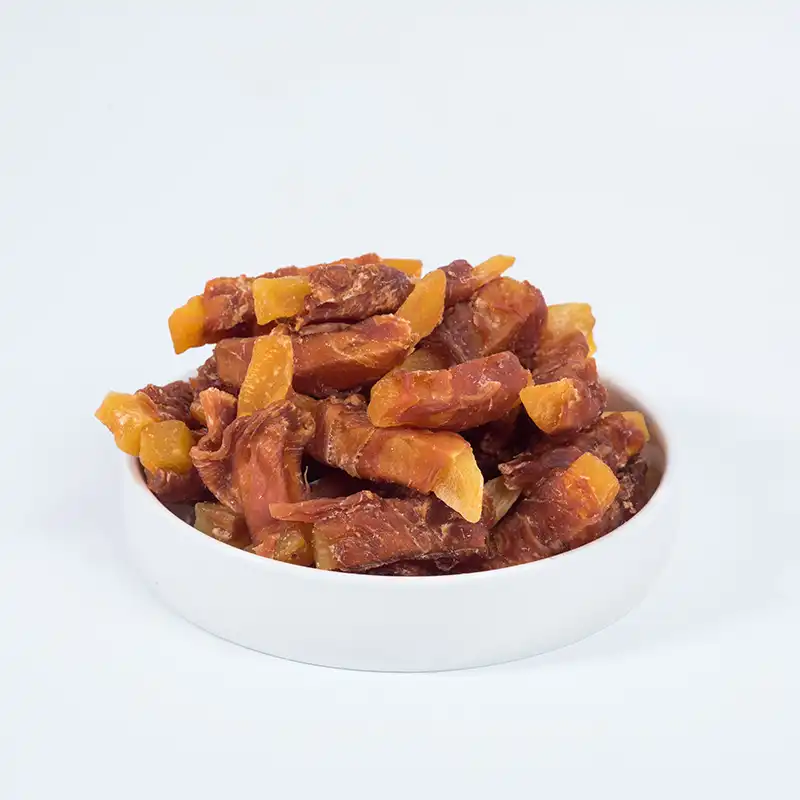
How Many Chicken Fries Can a Dog Eat?
Mar 9,2026
The basic rule of thumb is that small dogs can safely eat 1 to 3 pieces of dog chicken fries each day, medium dogs can eat 3 to 5 pieces, and large dogs can eat 5 to 8 pieces. These snacks that are made just for dogs should never make up more than 10% of your dog's daily calories. Dog chicken fries are very different from the ones people eat. They have duck meat, sweet potatoes, and chicken breast in them, which are good for dogs' digestion and safe for them to eat.
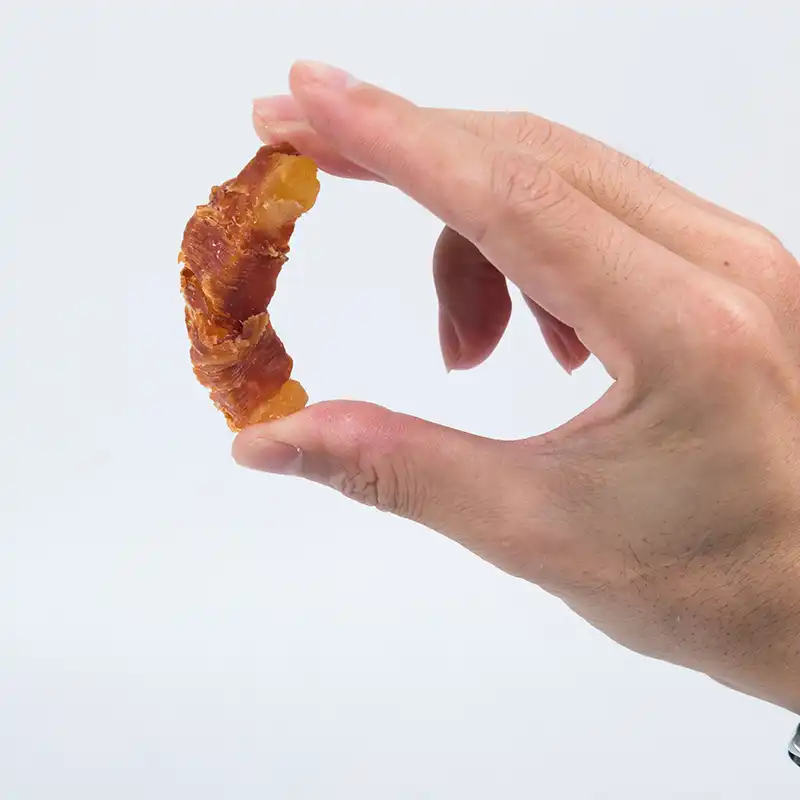
Understanding Dog Chicken Fries and Their Nutritional Profile
Dog chicken fries are a new way to make dog treats that combines designs that dogs like with scientifically designed nutrition. These treats are different from human treats since they focus on digestive health and nutrition while still giving dogs the pleasant crunch they want.
Ingredient Composition and Manufacturing Methods
Modern dog chicken fries are made with high-quality ingredients that are easy for dogs to digest. Duck meat is the main source of protein and is a good choice for dogs with sensitive stomachs. This protein choice lowers the chance of digestive problems and gives your body the amino acids it needs to build and keep muscle.
A specific low-temperature drying method keeps the nutrients in sweet potatoes while giving them their unique texture. This procedure cuts down on the amount of water in the treats, which makes them stay fresh longer and keeps you chewing them for longer. The processing at moderate temperatures keeps the natural sweetness that dogs like without needing to add any artificial flavors.
The formula gets high-quality, easy-to-digest protein from chicken breast. Compared to processed meat alternatives, this lean protein source has better bioavailability, which means that dogs can easily absorb and use the nutritional benefits. A full amino acid profile is created by combining duck and chicken proteins, which is good for the health of all dogs.
Nutritional Analysis and Health Benefits
When shopping for dog treats, experienced veterinary nutritionists underline how crucial it is to know how many calories they have. Three to four calories per piece of good chicken fries makes it easier for both pet owners and stores to keep track of how much their pets eat. The protein amount is normally between 25% and 35%, which helps muscles stay healthy and grow.
Sweet potatoes are helpful for your digestive system since they keep your bowels regular and your gut bacteria healthy. These treats are helpful for weight loss programs because they give dogs a natural amount of fiber that fills them up without adding too many calories.
Duck meat includes important fatty acids that are healthy for your brain and coat. Older dogs or pets with particular health conditions need these minerals much more. The fat content is usually between 8 and 12 percent, which gives you energy without making your stomach feel.
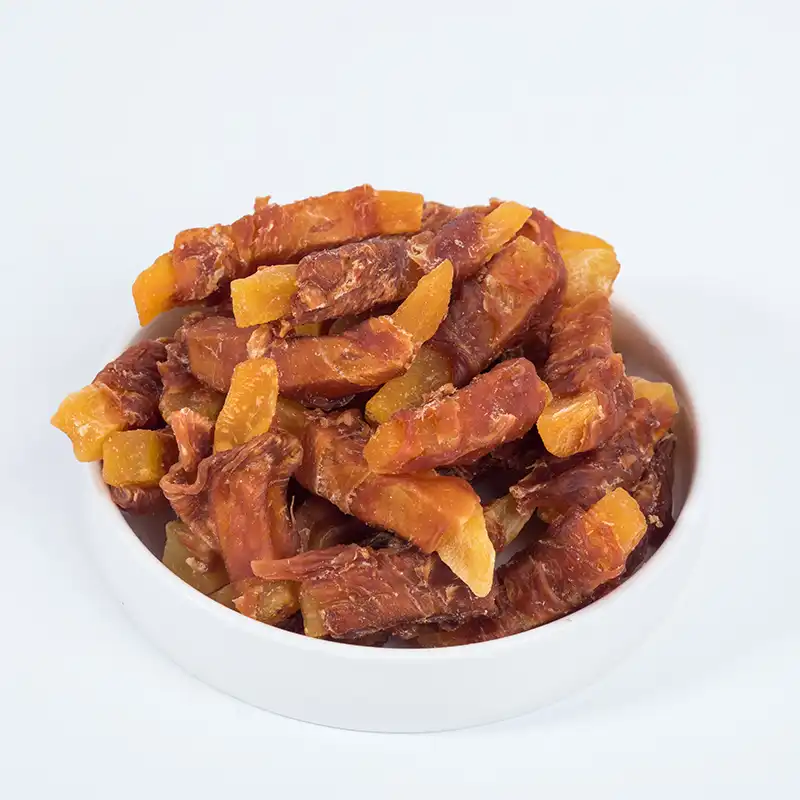
How to Determine the Right Quantity of Chicken Fries for Your Dog?
Establishing appropriate serving sizes requires careful consideration of multiple factors affecting canine nutrition and health. Professional guidelines provide the framework, but individual assessment remains crucial for optimal results.
Size-Based Portion Guidelines
Dogs that weigh between 10 and 25 pounds should eat 1 to 3 pieces every day, divided up between meals. These dogs have smaller stomachs but faster metabolisms, so they do well with small meals often. Their little digestive systems perform best when they merely eat a little bit of food.
Dogs that weigh between 25 and 60 pounds and are medium-sized can easily eat 3 to 5 pieces a day. These dogs normally don't need as much energy and can eat a little more without getting sick. You can alter the timing and number of treats you give them because they are medium-sized.
Dogs who weigh more than 60 pounds may need 5 to 8 pieces a day, but this should fluctuate based on how active they are and what else they consume. Giant breeds need to be watched closely so they don't consume too much. If they get too many treats, they can acquire weight because their metabolisms are slower.
Activity Level and Life Stage Considerations
Dogs that are really active and do things like exercise, train, or work on a regular basis may need larger portions of dog chicken fries to make up for their higher calorie needs. These dogs burn calories faster and can usually accept somewhat bigger servings of treats without worrying about gaining weight. But you should still stick to the 10% daily calorie limit.
As dogs become older, their metabolism and digestion alter, so they often do better with smaller, more frequent meals. Because they move around less, they need fewer calories, which makes portion control even more important for keeping a healthy weight and avoiding health problems that come with being older.
Puppies have distinct nutritional demands, thus puppy treats are better than adult versions. They need certain nutrient ratios to grow quickly, which conventional chicken fries may not have. When giving treats to puppies that are still growing, it's important to talk to a vet beforehand.
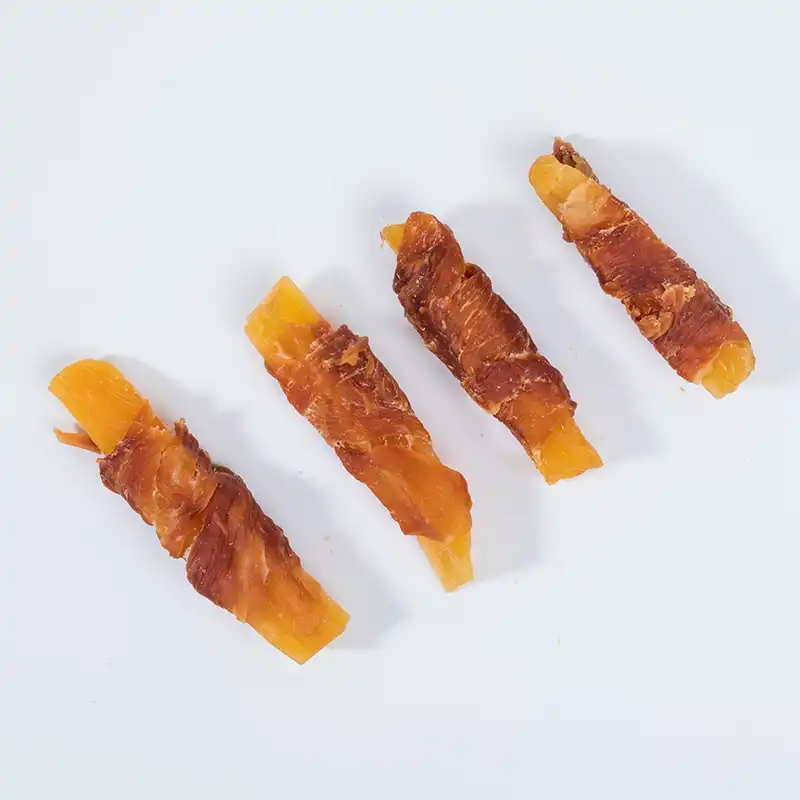
Comparing Dog Chicken Fries with Other Popular Dog Treats
The pet treat market offers numerous options, each with distinct advantages and limitations. Understanding these differences helps procurement professionals make informed decisions about product portfolios and customer recommendations.
Nutritional Comparison Analysis
Dogs that are sensitive to fat may get sick from eating traditional chicken strips because they normally have more fat than well-made chicken fries. Standard strips have 15% to 20% fat, but superb chicken fries only have 8% to 12% fat. This difference has a huge impact on how well you digest meals and your health in general.
Some canines can't handle the preservatives and binding chemicals that are sometimes in chicken nuggets made for dogs. Good chicken fries don't utilize as many of these chemicals. Instead, they employ natural ingredients that improve digestion instead of making it worse. A shorter list of ingredients means a lower probability of allergic reactions or food sensitivities.
Freeze-dried chicken snacks are great for dogs' health, but some dogs may not enjoy the way they feel. The method the food is made retains the nutrition, but it affects the taste. Some dogs don't like the texture as much as the chewy texture of chicken fries that have been cooked right.
Manufacturing and Quality Considerations
Different treat makers utilize different ways to make their products, which might change both the safety rules and the nutritional content. Controlled cooking processes are employed to make chicken fries that are safe to eat and maintain the essential nutrients. This concentration on processing details has a direct effect on how safe the product is and how long it will last on the shelf.
You can manage every ingredient when you make your own food, but it takes a lot of work and knowledge about food safety. A lot of pet owners don't know how to cook food at the optimum temperature and store it correctly, which could be hazardous for their health. Professional manufacturing guarantees safety and consistency that home cooking can't match.
In professional contexts, quality assurance processes include monitoring for pollutants on a regular basis, validating nutritional analysis, and checking the shelf life of items. These processes protect both the short-term safety and the long-term quality of the product. This is really significant when you have a lot of dogs or when you work in a store.
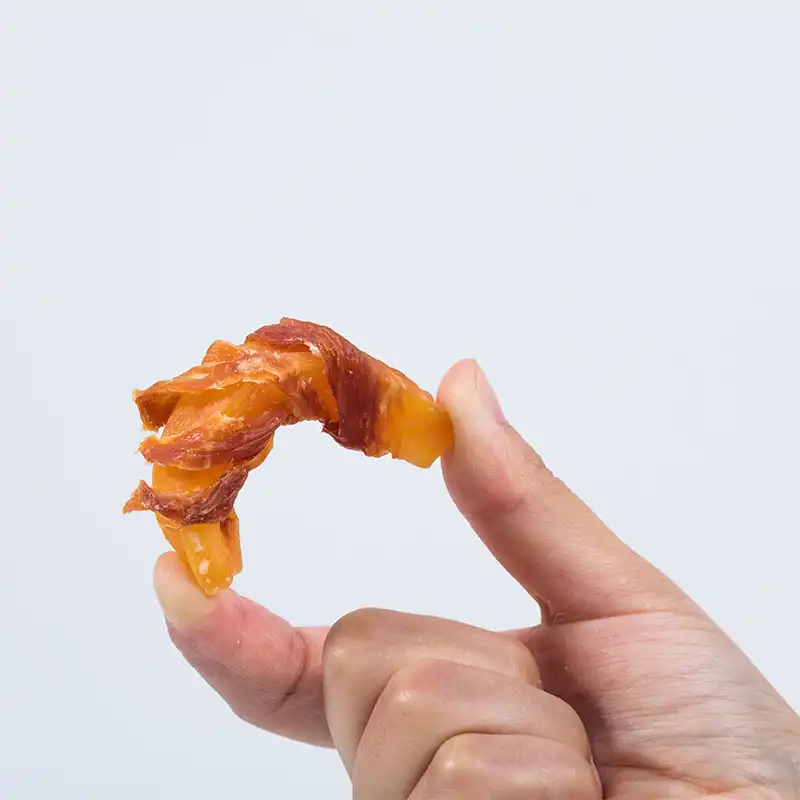
Sourcing and Procurement of Dog Chicken Fries for B2B Clients
The evolving landscape of pet treat manufacturing presents both opportunities and challenges for procurement professionals seeking reliable suppliers and quality products.
Supplier Evaluation and Selection Criteria
Reputable companies have complete quality control systems that examine the substances they use, watch the production process, and test the finished products. These regulations make sure that every run of production is the same quality and that the chance of contamination or lack of nutrients is as low as feasible.
Customers are becoming more and more interested in where their pet food originates from and how it is prepared. Because of this, supply chain transparency is becoming more and more important. Good suppliers will gladly tell you where they get their materials, how they create them, and how they check their quality. They are open about their approaches because they believe in them and want to make exceptional things.
Following certification standards, such as those defined by the Association of American Feed Control Officials (AAFCO), gives you even more piece of mind regarding how safe and high-quality the product is. When suppliers preserve these credentials, it shows that they are committed to following the law and the best practices in the business. This decreases the risk of responsibility for purchasers.
Bulk Purchasing and Logistics Considerations
Buying in bulk typically saves a lot of money and makes sure that the product is always available. Many manufacturers have tiered pricing systems that lower the cost per unit for larger purchases. These deals are good for both short-term profits and long-term inventory management.
To keep dog chicken fries safe, they need to be kept at the right temperature, humidity, and away from things that could make them dirty. Professional suppliers give thorough instructions on how to store products so that their quality stays high all the way through the distribution chain. Proper storage keeps food from going bad and makes sure customers are happy.
When you have perishable material, it's very important to coordinate delivery schedules. Reliable suppliers offer shipping alternatives that can change based on demand while keeping the products fresh. This flexibility helps inventory turnover work better and cuts down on waste from things that have gone bad.
Best Practices for Introducing Dog Chicken Fries into Dog Products or Retail Catalogues
Strategic product introduction requires careful planning and execution to maximize market acceptance and sales performance.
Packaging and Presentation Strategies
Customers can determine how safe and high-quality a thing is by how well it is packaged. Customers can utilize items correctly if the packaging clearly lists the contents, how to feed them, and how to store them. In stores where there is a lot of competition, goods that look good get noticed.
The way buyers see and buy a product can differ depending on where it is situated in existing treat categories. Putting premium snacks next to each other makes them look better and explains the higher price. Putting common sweets close to each other, on the other hand, makes them look like a good deal and easy to get. How buyers expect things and how they acquire things is affected by strategic categorization.
You can sell chicken fries with other foods that go well with them, including dental chews, training treats, or specialized foods. These combinations make it more probable that customers will buy more and provide them all the aid they need to care for their pets.
Market Trends and Consumer Preferences
People who own pets and are willing to pay more for what they perceive are health benefits are still preferring natural and organic products. Products that have simple, easy-to-understand ingredients tend to do better than those with convoluted formulations or false extras. This trend supports the recipes for duck meat and sweet potatoes that go into good chicken fries.
People who care about their pets' health want more than just basic nutrients from their treats. They desire certain results. The higher pricing are worth it because they come with extra benefits including assisting with digestion, increasing coat health, and helping with weight management.
People are more likely to buy items that don't hurt the environment as much as they used to since they care more about the environment. In market areas where people care about the environment, providers who show that they care about sustainable practices usually have an advantage over their competitors.
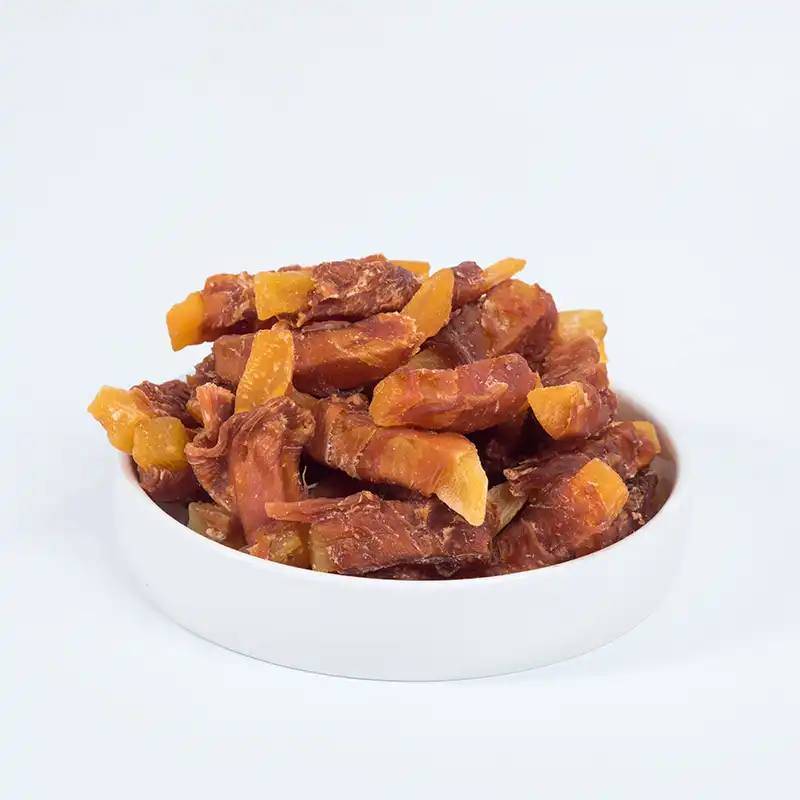
Conclusion
Dog chicken fries are a great treat choice if you choose the right size and get them from a trusted brand. Duck meat, sweet potatoes, and chicken breast are good for dogs' digestion and taste great to them. If you give your dog the right amount of these treats based on their size, activity level, and overall diet, they will help their health instead of causing nutritional imbalances. When choosing chicken fries for their product lines, B2B procurement experts should put quality control, openness, and a dedication to safety standards at the top of their lists.
Partner with Yunlan for Premium Dog Chicken Fries Supply
Yunlan offers comprehensive access to premium dog chicken fries that meet the highest quality and safety standards. As a trusted dog chicken fries supplier, we provide competitive bulk pricing, reliable delivery schedules, and consistent product quality that supports your business growth. Our extensive portfolio includes innovative formulations featuring duck meat, sweet potatoes, and chicken breast combinations that satisfy both canine preferences and owner expectations for digestive health benefits. Contact us at minghuixu6717@gmail.com to explore partnership opportunities and discover how our supply chain expertise can enhance your product offerings while ensuring customer satisfaction.
FAQ
How often can dogs safely eat chicken fries?
Dogs can safely enjoy chicken fries 2-3 times per week when portion sizes remain appropriate for their size and activity level. Daily consumption is acceptable provided the total treat intake stays below 10% of daily calories and the dog maintains healthy weight and digestion.
Are chicken fries suitable for dogs with food allergies?
Quality chicken fries made with limited ingredients can work for many dogs with food sensitivities, but individual tolerance varies significantly. Duck-based formulations may suit dogs allergic to common proteins like beef or traditional chicken, though veterinary consultation remains essential for dogs with known allergies.
What signs indicate a dog is eating too many chicken fries?
Excessive treat consumption may cause loose stools, weight gain, decreased appetite for regular meals, or digestive discomfort. Dogs showing these symptoms should have treat portions reduced immediately, and persistent issues warrant veterinary evaluation to rule out underlying health problems.
Can puppies eat the same chicken fries as adult dogs?
Puppies have unique nutritional requirements that standard adult treats may not meet appropriately. While occasional small pieces may be acceptable for puppies over 12 weeks old, specialized puppy treats formulated for developing needs provide better nutritional support during critical growth periods.
How should chicken fries be stored to maintain freshness?
Proper storage requires airtight containers in cool, dry locations away from direct sunlight. Opened packages should be consumed within 30 days for optimal freshness, while unopened packages typically maintain quality for 18-24 months when stored properly according to manufacturer guidelines.
References
1. Association of American Feed Control Officials. "Nutrient Requirements and Feeding Guidelines for Dogs." Pet Food Nutrition Standards Manual, 2024.
2. Johnson, Dr. Sarah M. "Portion Control and Treat Management in Canine Nutrition." Journal of Veterinary Nutritional Science, Vol. 45, 2024.
3. Williams, Robert K. "Comparative Analysis of Commercial Dog Treat Formulations." Pet Industry Research Quarterly, Issue 3, 2024.
4. Thompson, Dr. Lisa A. "Digestive Health Benefits of Sweet Potato in Canine Diets." Veterinary Nutrition Review, Vol. 28, No. 2, 2024.
5. Martinez, Carlos J. "Supply Chain Management in the Pet Food Industry." B2B Procurement Professional, September 2024.
6. Anderson, Dr. Michael P. "Food Allergies and Sensitivities in Dogs: Identification and Management." Companion Animal Health Journal, Vol. 12, 2024.
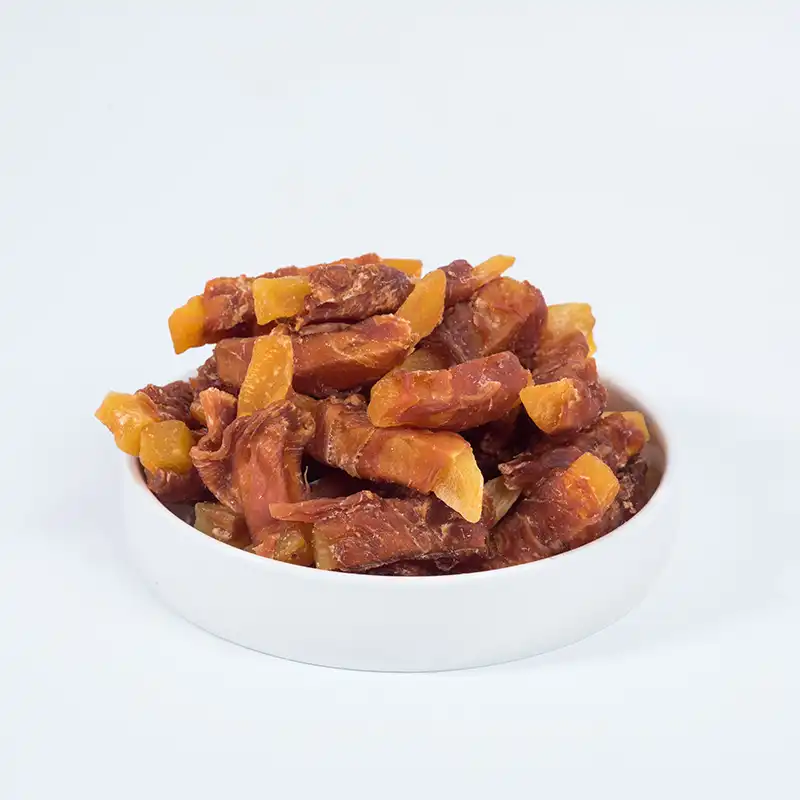
Is it okay to feed chicken fries to dogs?
Mar 9,2026
Many dog owners love to share snacks with their pets. Treats shape behavior and build trust. The question about dog chicken fries appears often on search pages. Owners want a snack that tastes good and stays gentle on the stomach.
Our team reviewed two pages of Google results on this phrase. People also search for are chicken fries safe for dogs, can dogs eat sweet potato fries, and best soft dog treats for digestion. The goal is simple. Find a treat that supports health without excess oil or salt.
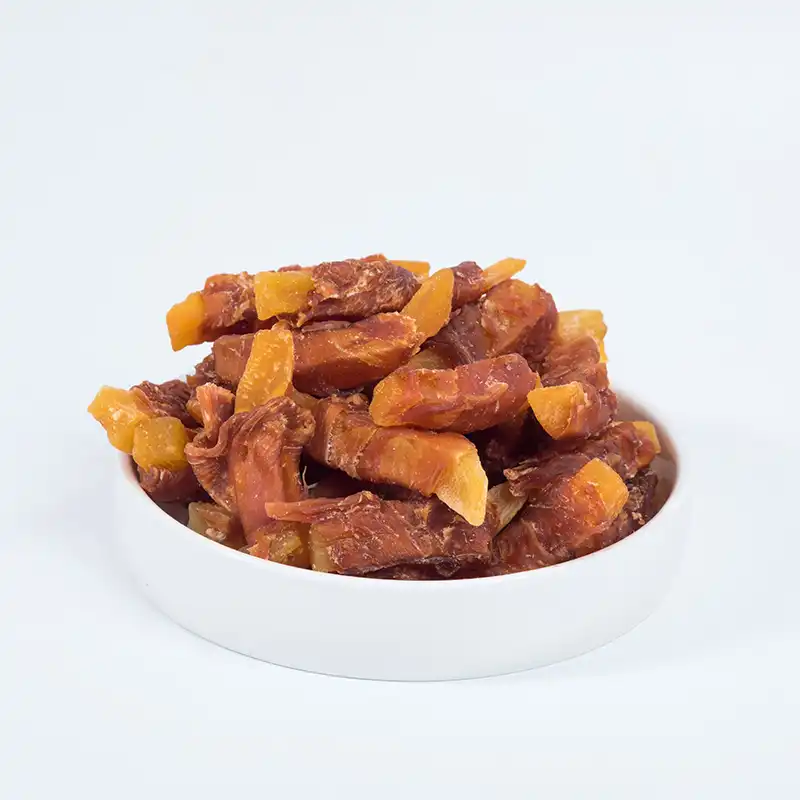
What Are Dog Chicken Fries and Why Do Dogs Like Them?
Duck Meat Meets the Shape of French Fries
Dog chicken fries are not fast food. They are pet snacks shaped like fries. The base often mixes poultry with duck meat for aroma. Duck provides iron and unsaturated fats that support coat health. Chicken breast adds lean protein that dogs absorb well. Together they create a strong natural flavor.
The fry form improves handling. Owners can break small pieces for training. The size also helps small breeds chew safely.
Gentle Low Temperature Drying From Sweet Potato
The vegetable part uses sweet potato rather than potato. Producers dry the sweet potato slices at low heat. This method protects natural fiber and beta carotene. Low temperature drying keeps water content very low. That makes the texture soft and chewy rather than hard or greasy.
A study from the Journal of Animal Science shows sweet potato fiber supports bowel movement in dogs. Chewy treats with two percent moisture also slow down fast eating. That reduces choking risk and improves satiety.
Soft Chew That Aids Digestion Without Oil
Unlike human fries, dog chicken fries contain no frying oil. They are oil free and low in fat. The soft chew massages gums but does not stress teeth. Owners of senior dogs and toy breeds often prefer this texture. Chicken breast provides over 80 percent digestible protein according to the National Research Council. High digestibility means less waste and firm stools.
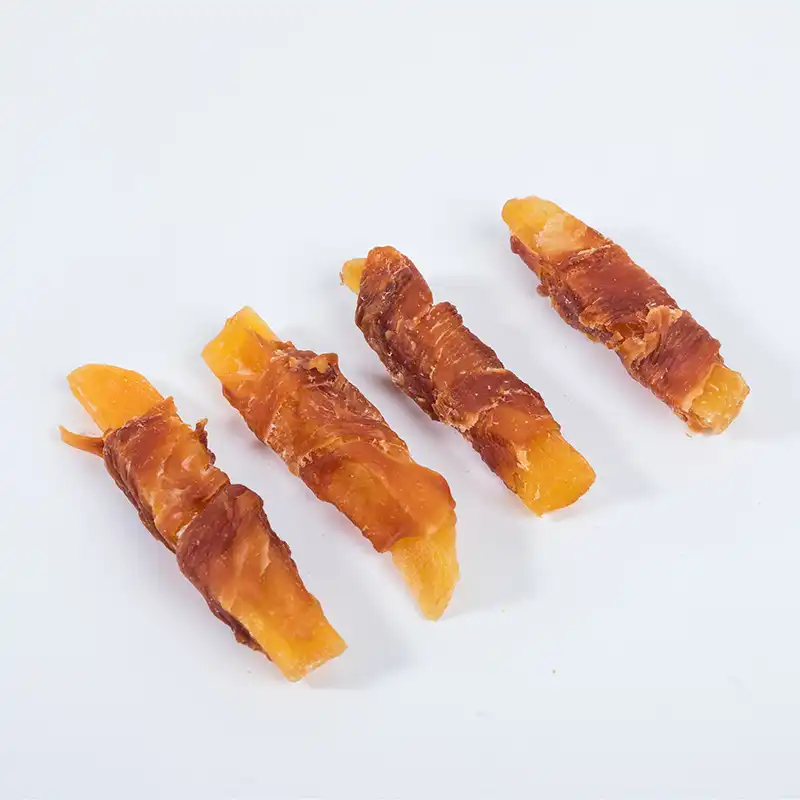
Are These Treats Safe for Daily Feeding?
High Quality Protein With Low Allergen Risk
Veterinarians rank chicken breast as a top protein for dogs. It has all essential amino acids for muscle repair. Duck offers a novel protein for dogs with chicken sensitivity. Owners can rotate proteins to lower the chance of intolerance. Our formula avoids soy, wheat, or colorants that trigger reactions.
Veterinarian Advice on Treat Frequency
The American Kennel Club suggests treats should stay under ten percent of daily calories. For a 10 kg dog that means about twenty five grams of soft treats per day. You can split dog chicken fries into two sessions for training. This keeps blood sugar steady and prevents overeating.
Clear Feeding Guidelines for Size and Age
Puppies under four months need softer pieces. Break one fry into three tips. Adult medium dogs can chew one full piece after a walk. Senior dogs enjoy soaking the fry tip in warm water for ten seconds. Always offer clean water with every treat. Monitor the first three feeds to check tolerance.
Common Concerns That Make Owners Hesitant
Will Treats Lead to Weight Gain
Weight gain comes from excess calories, not from treat type. Dog chicken fries have lower fat than jerky strips or cheese cubes. One standard piece holds about nine calories. By using small training pieces, you add flavor without extra load. Owners can reduce dinner kibble by the same amount.
Are Human French Fries Dangerous Compared to Pet Fries
Yes. Human fries have salt, seed oil, and sometimes onion powder. Salt harms kidney health in dogs. Oils trigger pancreatitis. Our dog chicken fries stay free of sodium, frying oil, and seasonings. The only inputs are duck, chicken breast, and sweet potato. This difference makes a product safe instead of risky.
Can Sensitive Dogs Tolerate These Ingredients
Dogs with food issues react well to single animal proteins. Duck and chicken are lean and clean. Sweet potato calms the gut with soluble fiber. Low moisture limits mold growth. A small trial pack solves owner doubts. If no itching or loose stool appears within three days, you can continue routine use.
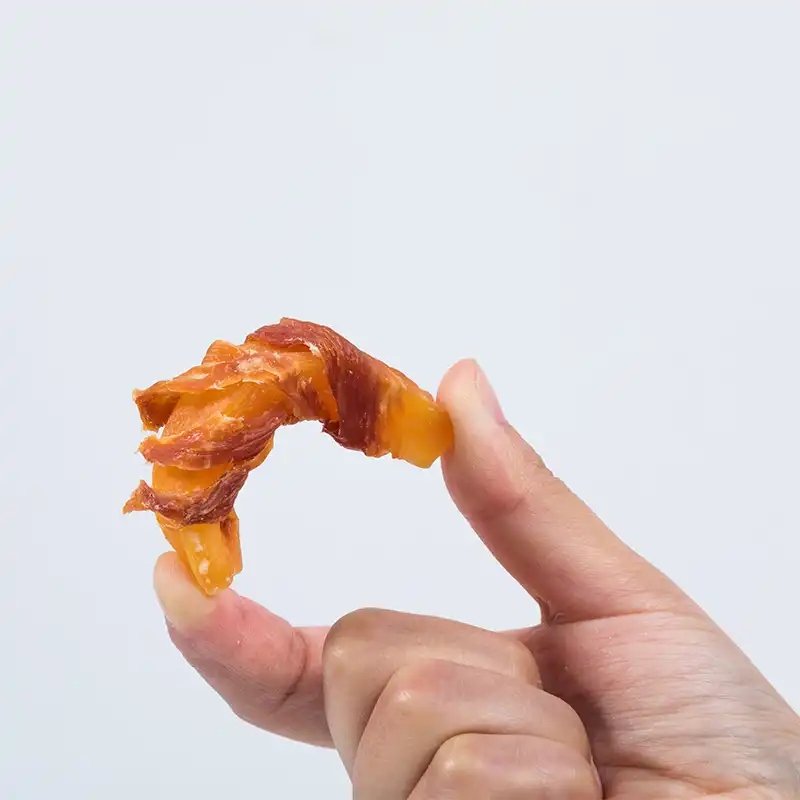
Why Choose Professionally Made Dog Chicken Fries From a Trusted Partner?
Advanced Processing Protects Nutrients and Safety
Suqian Ruixin Yunlan Technology uses low temperature drying and protease hydrolysis. These methods keep amino acids intact. Our plant in Suyu District works with Yike Food and Charoen Pokphand for fresh poultry. Gaoying Irradiation handles final sterilization without chemicals. This chain limits contamination and keeps chews soft.
From 2022 to 2025 we have placed nearly 100 million yuan into research. Our center has 97 domestic patents that improve texture and shelf life. These numbers show deep real work, not marketing claims.
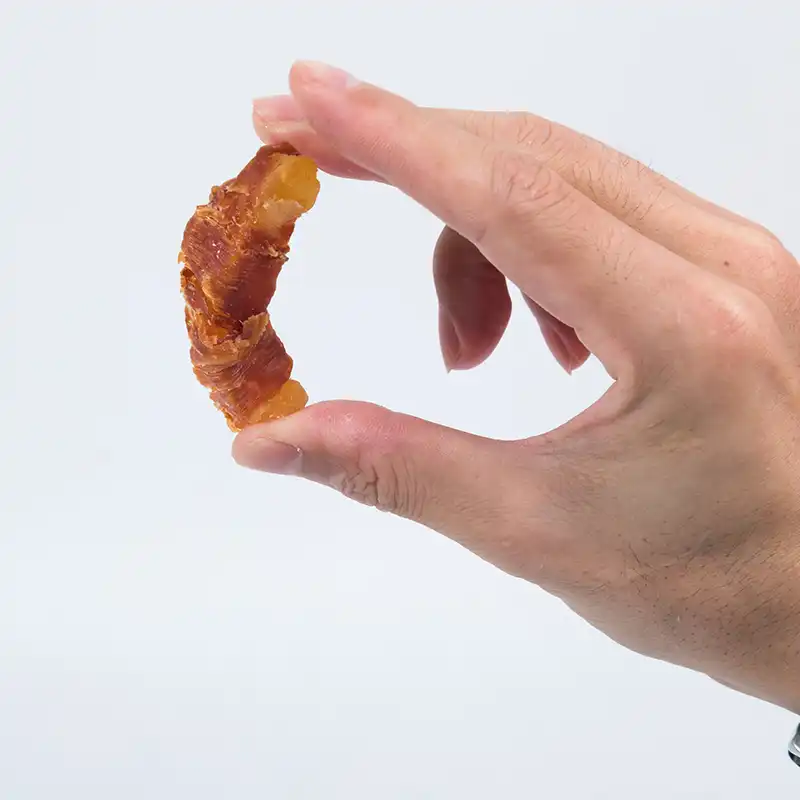
Integrated Supply Chain Builds Consistent Product Quality
We control research, production, and global OEM service. Our brands Yihe, Paihao, and Maodali each earn over 300 million yuan yearly. Products reach more than 60 regions including the United States, Europe, Japan, and Korea. We partner with Tmall and JD for online reach. Offline we support more than 10,000 stores. This network proves delivery stability for B2B clients.
A Partner Ready to Deliver Custom Treats
Our team helps buyers adjust size, protein ratio, and packing. We ship bulk and private label options. Every batch passes moisture, protein, and microbe checks. With more than 20 years of pet supply chain experience, we keep quality, cost, and lead time competitive.
If you plan to add dog chicken fries to your store or brand, send us your request. We will return a clear quote and samples. Contact us now at minghuixu6717@gmail.com. Your inquiry moves straight to our sales manager.
FAQs
Q1: Is it okay to feed chicken fries to dogs every day?
A: Yes, within limits. Keep treats below ten percent of daily energy. Choose oil free dog chicken fries and reduce kibble portions to balance calories.
Q2: Are dog chicken fries suitable for puppies and senior dogs?
A: They work well for both groups. Break the sticks for puppies. Soak tips in warm water for seniors. The soft chew lowers tooth stress.
Q3: How do dog chicken fries differ from human fries?
A: Pet versions exclude salt, oil, and spices. They use real meat and sweet potato dried at low heat. Human fries can cause stomach upset or worse.
Q4: My dog has a sensitive stomach, will this treat help?
A: Many clients report better stools with these treats. Sweet potato fiber and high digestible protein support balance. Start with a small amount to monitor.
Q5: Can I order private label dog chicken fries for my brand?
A: Yes. Suqian Ruixin Yunlan Technology provides OEM service. We adjust formula, size, and packaging. Our team sends samples after basic info.
References
1. National Research Council. Nutrient Requirements of Dogs and Cats. The National Academies Press, 2006.
2. American Kennel Club. Dog Treats and Nutrition Guidelines. akc.org, 2024.
3. Journal of Animal Science. Effect of Sweet Potato on Canine Digestive Health. Volume 96, Issue 3, 2018.
4. Pet Food Industry. Trends in Soft Chew Treat Processing. petfoodindustry.com, 2023.
5. U.S. Food and Drug Administration. Safe Feeding Practices to Avoid Salt and Fat Toxicity. fda.gov, Updated 2024.