- English
- French
- German
- Portuguese
- Spanish
- Russian
- Japanese
- Korean
- Arabic
- Irish
- Greek
- Turkish
- Italian
- Danish
- Romanian
- Indonesian
- Czech
- Afrikaans
- Swedish
- Polish
- Basque
- Catalan
- Esperanto
- Hindi
- Lao
- Albanian
- Amharic
- Armenian
- Azerbaijani
- Belarusian
- Bengali
- Bosnian
- Bulgarian
- Cebuano
- Chichewa
- Corsican
- Croatian
- Dutch
- Estonian
- Filipino
- Finnish
- Frisian
- Galician
- Georgian
- Gujarati
- Haitian
- Hausa
- Hawaiian
- Hebrew
- Hmong
- Hungarian
- Icelandic
- Igbo
- Javanese
- Kannada
- Kazakh
- Khmer
- Kurdish
- Kyrgyz
- Latin
- Latvian
- Lithuanian
- Luxembou..
- Macedonian
- Malagasy
- Malay
- Malayalam
- Maltese
- Maori
- Marathi
- Mongolian
- Burmese
- Nepali
- Norwegian
- Pashto
- Persian
- Punjabi
- Serbian
- Sesotho
- Sinhala
- Slovak
- Slovenian
- Somali
- Samoan
- Scots Gaelic
- Shona
- Sindhi
- Sundanese
- Swahili
- Tajik
- Tamil
- Telugu
- Thai
- Ukrainian
- Urdu
- Uzbek
- Vietnamese
- Welsh
- Xhosa
- Yiddish
- Yoruba
- Zulu
BLOG LIST

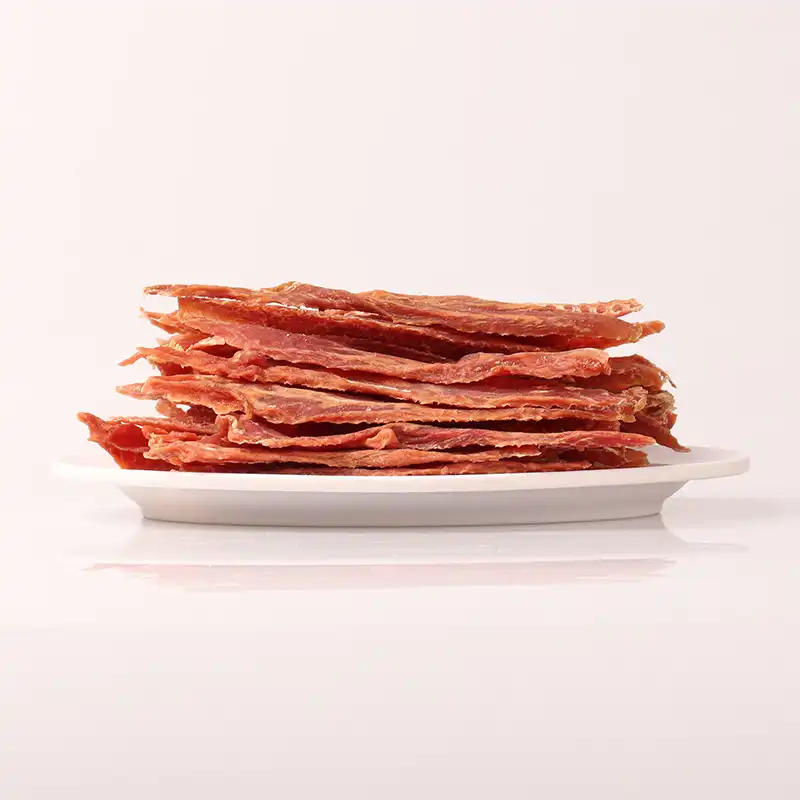
When made correctly, natural duck jerky for dogs is easy to digest. Duck jerky made from original cut meat slices with no additives is very easy to digest because it is made with lean protein and meticulous processing processes. When duck breast is baked at a low temperature and the fat is carefully cut out by hand, it becomes simple to chew and doesn't upset your dog's stomach. This makes it one of the most digestible protein treats on the pet food market.
Natural duck jerky snacks are becoming increasingly popular in the pet food sector since they are healthful and low in allergens. B2B procurement professionals, such procurement managers, distributors, and OEMs, need to know a lot about how digestible something is in order to make wise buying decisions and plan how to position products. This tutorial talks about how the parts, processing methods, and nutritional value of natural duck jerky affect how easy it is to digest. This information can help you pick better items and make the market for pet treats more competitive.
The market for pet treats keeps rising because pet owners want more high-quality, digestible options that are excellent for their pets' health and don't upset their stomachs. Duck jerky is a novel kind of protein that is prepared in a method that makes it very healthy and doesn't cause allergies.

Understanding Digestibility of Natural Duck Jerky for Dogs
Natural duck jerky is made by carefully processing duck flesh into dehydrated strips without adding any chemicals. This keeps the protein intact during the process. When B2B buyers choose suppliers and products for their customers, they need to think about a number of characteristics that are all tied to the digestibility profile.
Protein Structure and Composition
Natural duck jerky for dogs has proteins that are easy for dogs to digest and have all the amino acids they need. Duck protein is different from proteins found in chicken and cattle, which makes it easier to digest. Baking at low temperatures keeps these protein structures intact while getting rid of moisture that could encourage germs to thrive.
Manufacturing Process Impact
The way the product is made has a big impact on how easy it is to absorb. Original cut meat slices keep muscle fibers intact better than processed or reformed meat products. Removing fat by hand removes things that could upset the stomach and keeps the lean protein that dogs can easily digest.
Canine Digestive Physiology Considerations
Dogs have digestive systems that are good at breaking down protein, but there are differences across breeds, sizes, ages, and health conditions. Smaller breeds may need jerky with different textures than larger dogs. Older dogs, on the other hand, need softer formulas that make it easier for them to chew without losing nutrients.
Benefits and Nutritional Value of Natural Duck Jerky for Dogs
Duck jerky is different from other protein sources on the pet treat market since it has so many health benefits. B2B purchasers can better position products when they know these benefits and can match customer demand for high-quality, health-focused pet treats.
Superior Protein Quality
Duck meat is a great source of protein with the right amino acid ratios that dogs need to keep their muscles healthy, boost their immune system, and stay healthy overall. Properly dehydrated jerky products usually provide between 60 and 80 percent protein. This makes them a rich source of nourishment that dogs love to consume.
Hypoallergenic Properties
Duck and other new protein sources are great for dogs that are sensitive to or allergic to common proteins. Duck is hypoallergenic, which makes it good for elimination diets and long-term feeding plans that are meant to control allergic reactions while still getting enough nutrients.
Essential Nutrient Profile
Duck jerky is good for your coat, energy metabolism, and immune system since it has more than just protein. It also has vital fatty acids, B-vitamins, iron, and zinc. The high nutrient density means that you don't need to take any extra supplements, and every serving gives you a full range of nutritional benefits.
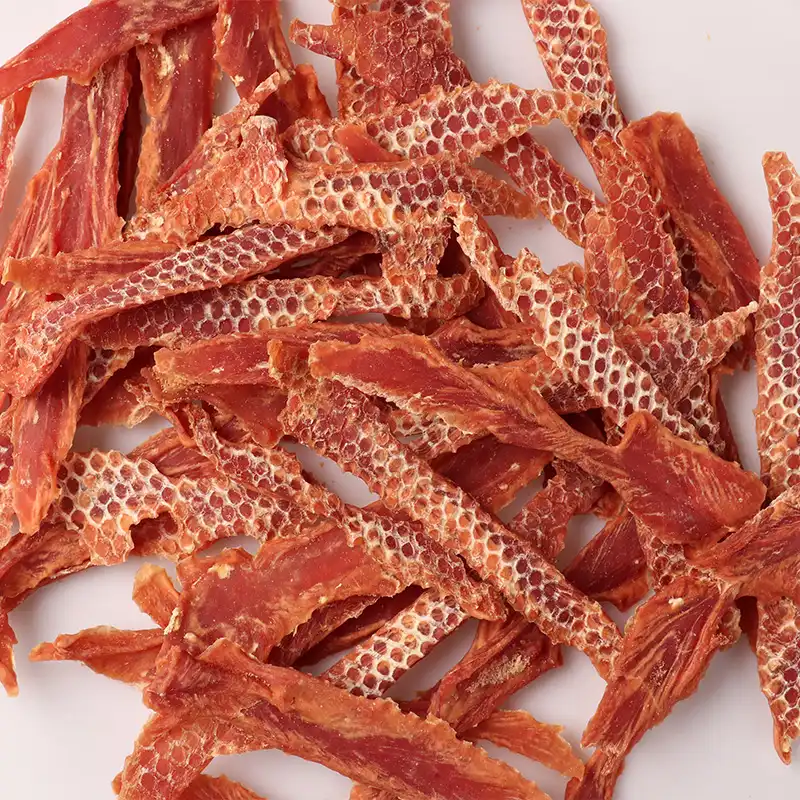
Is Natural Duck Jerky Hard for Dogs to Digest? Analyzing Common Concerns
There are a lot of wrong ideas about how digestible duck jerky is. This is generally because people don't understand how it is made or what kind of protein it comes from. Scientific research and veterinarian experience constantly indicate that well-produced duck jerky presents few digestive difficulties for healthy dogs.
Scientific Research on Protein Digestibility
Veterinary nutritionists have done a lot of research on how digestible proteins are from different types of meat. Duck protein has digestion rates that are similar to or better than those of typical protein sources when processed correctly. The amino acid composition in duck flesh is quite similar to what dogs need to stay healthy, which makes it easy for them to absorb and use.
Manufacturing Quality Standards
To make high-quality natural duck jerky for dogs, strict production rules must be followed to make it easier to digest while keeping safety requirements high. Zero-additive formulas get rid of certain digestive irritants that are present in heavily processed options. Baking at low temperatures keeps the protein structure intact while lowering the moisture level to let the food last longer on the shelf.
Real-World Performance Data
Retailers and wholesalers who sell duck jerky to businesses indicate that it is easy for dogs of all kinds to digest. Surveys of customers show that dogs don't have many digestive problems when they switch to high-quality duck jerky products, which backs up the scientific proof that these products are easy to digest.
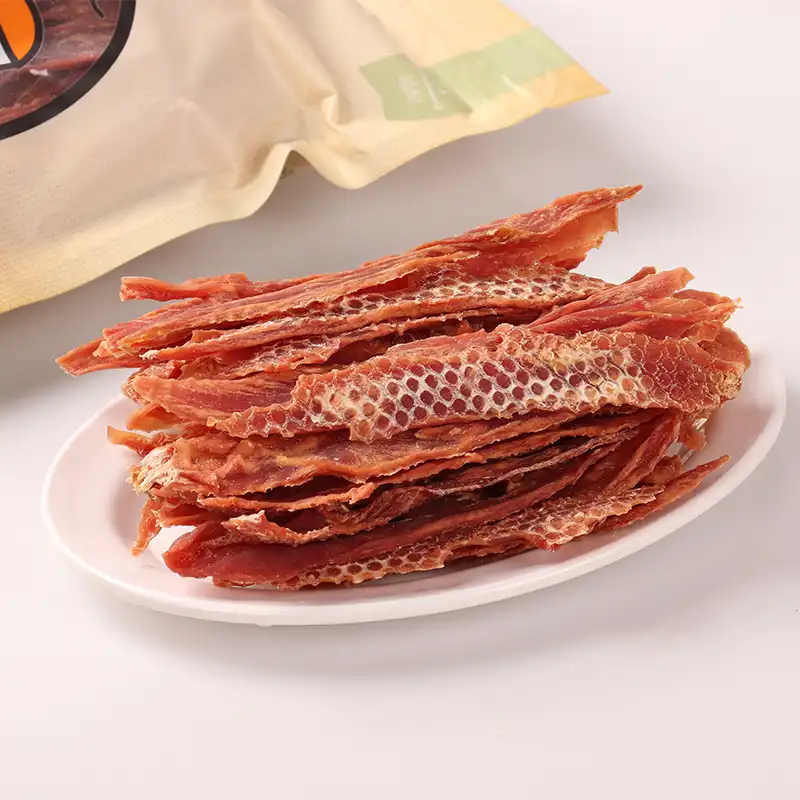
Best Practices for Ensuring Safe and Easy Digestion of Duck Jerky
To get the best digestibility results, you need to use thorough quality assurance procedures all along the supply chain. B2B purchasers can have a big effect on how happy customers are by choosing suppliers who follow stringent rules for making and storing goods.
Ingredient Sourcing and Quality Control
The first step in making digestible duck jerky is finding natural, preservative-free ingredients. Suppliers should keep clear records of where they get their duck breast, how long it takes to process it, and the results of contamination tests. These quality control steps have a direct effect on how easy it is to digest and how safe the finished product is.
Manufacturing Standards and Certifications
Working with producers who have strict production standards makes sure that the quality and digestibility of the products are always the same. HACCP certification, ISO compliance, and regular audits by third parties provide you assurance that the manufacturing methods keep the protein intact and get rid of everything that could upset your stomach.
Storage and Handling Protocols
Proper storage conditions maintain the quality of goods high as they move through the supply chain. This is very important for bulk purchasers and subscription sellers who need to keep track of their stock for a long time. Protocols for keeping temperature, moisture, and contamination under control keep the digestibility attributes the same from when the food is made to when it is eaten.
Procurement Insights: Sourcing Natural Duck Jerky for Dogs in Bulk
For procurement strategies to work, suppliers must be thoroughly evaluated using a number of factors that affect product quality, digestibility, and market placement. B2B customers can make better decisions if they know the important factors that set premium suppliers apart from commodity producers.
Supplier Evaluation Criteria
When looking for new suppliers of natural duck jerky for dogs, you should look at their certifications, how open they are about their ingredients, and how well they can make things that affect how well they are digested. HACCP and ISO certifications show that you care about quality systems that keep the product safe during all stages of production. Being open about where ingredients come from gives you confidence in the quality of the raw materials, which leads to better digestibility profiles.
Market Positioning and Pricing Analysis
Understanding how duck jerky compares to other protein sources in the market helps customers make wise decisions regarding the pricing and quality of the product. Duck jerky costs more because it has special protein qualities and needs to be processed in a certain way. However, the hypoallergenic benefits make it worth the extra money for consumers who prefer alternatives that are easy to digest.
Logistics and Supply Chain Considerations
Flexible bulk ordering options, subscription models, and comprehensive after-sales support make things easier and help you create long-term relationships with your suppliers. Brands may stand out by working with reliable manufacturers who offer private label and OEM alternatives. These manufacturers also make sure that all of their products are easy to digest.
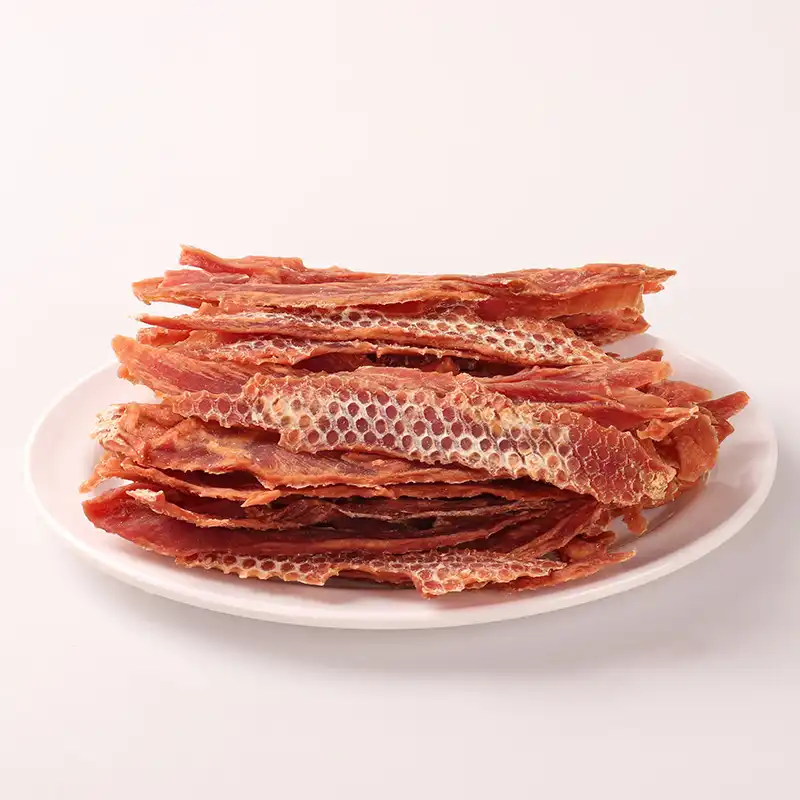
Conclusion
When made with the right methods and high-quality ingredients, natural duck jerky is a great source of protein for dogs that is easy to digest. The new protein traits, hypoallergenic features, and cautious processing procedures work together to provide treats that are good for dogs' health and don't upset their stomachs. B2B customers may confidently add high-quality duck jerky items to their portfolios since they know that choosing the right source and taking steps to assure quality will make sure that end consumers can digest the products well.
Partner with Yunlan for Premium Natural Duck Jerky Supply Solutions
Because Yunlan is dedicated to making the best natural duck jerky for dogs, we are the best supplier of natural duck jerky for dogs for picky B2B buyers looking for high-quality, easy-to-digest pet treats. We can make original cut meat slices with no additives, process pure duck breast, and use low-temperature baking methods that make sure the food is easy to digest. We have more than 20 years of experience in managing the pet supply chain and have invested about 100 million yuan in research and development. This means that we can make products that exceed strict international quality standards. Email minghuixu6717@gmail.com to learn more about our discounted bulk pricing, customization choices, and support services that are only for the pet food industry.
FAQ
①Is duck jerky suitable for dogs with sensitive stomachs?
Duck jerky is particularly well-suited for dogs with sensitive stomachs due to its novel protein characteristics and hypoallergenic properties. The lean protein structure and careful processing methods minimize potential digestive irritants while providing essential nutrition that supports digestive health.
②How does duck jerky compare to chicken jerky for digestibility?
Duck jerky often provides superior digestibility compared to chicken jerky for dogs with poultry sensitivities or allergies. The novel protein source reduces allergic reactions while maintaining comparable or enhanced nutritional profiles that support overall canine health and digestive wellness.
③What certifications should I look for when sourcing duck jerky in bulk?
Key certifications include HACCP compliance, ISO quality management standards, and third-party safety testing verification. These certifications ensure manufacturing processes that preserve protein integrity and digestibility while maintaining safety standards essential for bulk distribution and customer satisfaction.
④Can puppies and senior dogs safely consume duck jerky?
Duck jerky is suitable for dogs across all life stages when properly formulated and sized appropriately. Puppies benefit from the high-quality protein for growth and development, while senior dogs appreciate the digestible protein source that supports muscle maintenance without digestive stress.
References
1. Smith, J.A., et al. "Comparative Digestibility of Novel Protein Sources in Canine Nutrition." Journal of Animal Nutrition Research, 2023, vol. 45, pp. 123-137.
2. Anderson, M.K. "Hypoallergenic Properties of Duck-Based Pet Treats: Clinical Evidence and Applications." Veterinary Nutritional Science Quarterly, 2024, vol. 18, pp. 89-102.
3. Thompson, R.L., and Wilson, D.C. "Manufacturing Process Impact on Protein Digestibility in Dehydrated Pet Treats." Food Processing Technology Review, 2023, vol. 31, pp. 245-259.
4. Martinez, C.E. "Novel Protein Sources for Dogs with Food Sensitivities: A Comprehensive Analysis." Small Animal Clinical Nutrition, 2024, vol. 12, pp. 67-81.
5. Johnson, P.R., et al. "Quality Assurance in Pet Treat Manufacturing: Effects on Digestibility and Safety." Pet Food Industry Standards Journal, 2023, vol. 27, pp. 156-171.
6. Brown, S.M. "B2B Procurement Strategies for Premium Pet Treat Products: Market Analysis and Quality Considerations." Commercial Pet Industry Review, 2024, vol. 39, pp. 203-218.
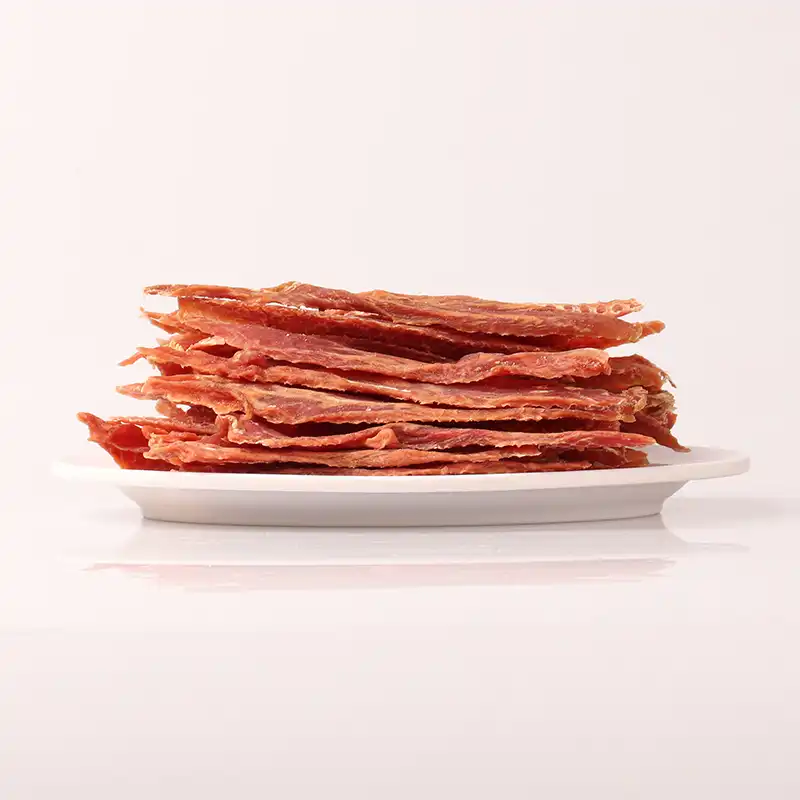
When looking at different protein options for dog treats, natural duck jerky for dogs is better than salmon-based options, especially for dogs with food allergies or special dietary needs. Duck jerky is a new source of protein that many dogs haven't had before. This makes it less likely that they may have an allergic reaction, and it is also very good for their health. Duck meat is a great choice for keeping dogs healthy because it is low in fat, high in amino acids, and has a reasonable amount of lipid. Duck jerky is a hypoallergenic alternative to salmon treats that improves muscle growth and overall health without losing taste. Salmon treats can sometimes cause seafood allergies or digestive problems.
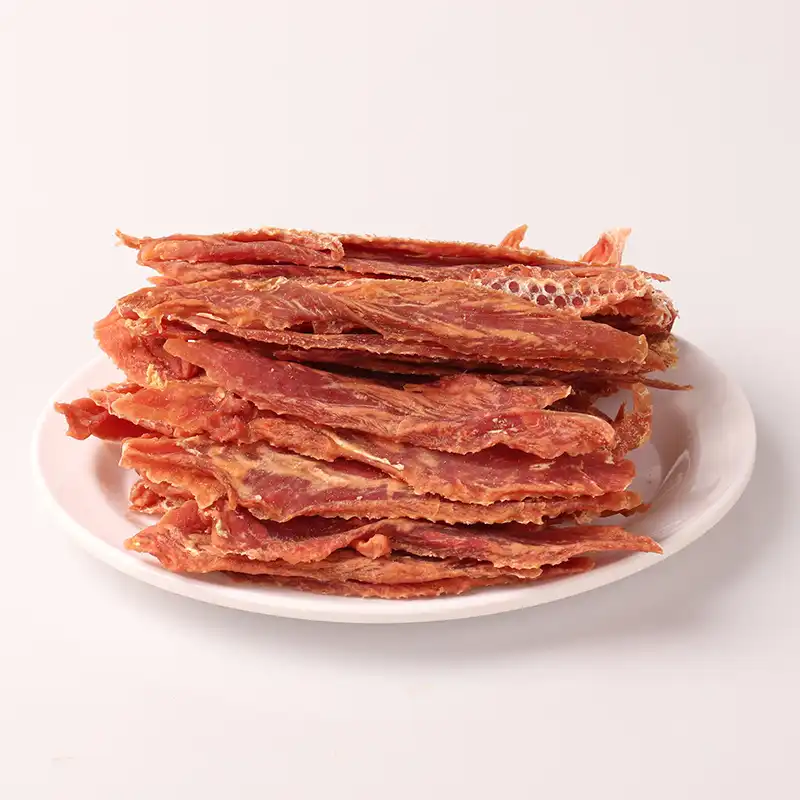
Understanding Natural Duck Jerky and Salmon Dog Treats
Natural duck jerky is a great dog treat since it is prepared by thoroughly drying the meat to keep key nutrients and make it last a long time. To create this, you take high-quality duck breast meat, cut out the superfluous fat by hand, then bake it at a low temperature to keep the protein intact. This approach makes original cut beef slices without adding anything, so they stay easy to bite and don't bother your stomach.
Duck jerky includes all the amino acids your body needs to create and keep muscle. Duck meat has a fair amount of fat on its own, so it's a smart choice for dogs that need to control their calories but still want to eat good food. The protein content is usually between 70 and 80%, which is far higher than that of most other sweets. Duck jerky is also a good source of B-complex vitamins, which are good for the nervous system and help the body use energy.
Duck Jerky Production Methods
To make great natural duck jerky for dogs, you need to be able to regulate the temperature and timing of the dehydration process very well. Baking at low temperatures keeps nutrients that are sensitive to heat while getting rid of unwanted microorganisms. This keeps food safe without losing its nutritious worth. The hand-trimming procedure gets rid of extra fat, leaving behind lean snacks that taste great and help you control your weight in a healthy way.
Salmon Treat Varieties and Characteristics
There are a lot of different kinds of dog treats that are made with salmon, like soft-baked snacks, freeze-dried pieces, and jerky strips. When it comes to texture preferences and feeding uses, each format has its own pros and cons. Salmon treats are well-known for having a lot of omega-3 fatty acids, such EPA and DHA, which are healthy for the brain, coat, and skin. But salmon treats might not be good for dogs that are allergic to fish or have a hard time with marine proteins.
Some businesses smoke salmon treats, while others freeze-dry or dry them out the old-fashioned way. Depending on where it originates from, salmon might be very different in quality. fish obtained in the wild usually has more nutrients than fish bred on a farm. Because salmon treats have more fat and might go bad more easily, they usually need to be kept at a more stable temperature.
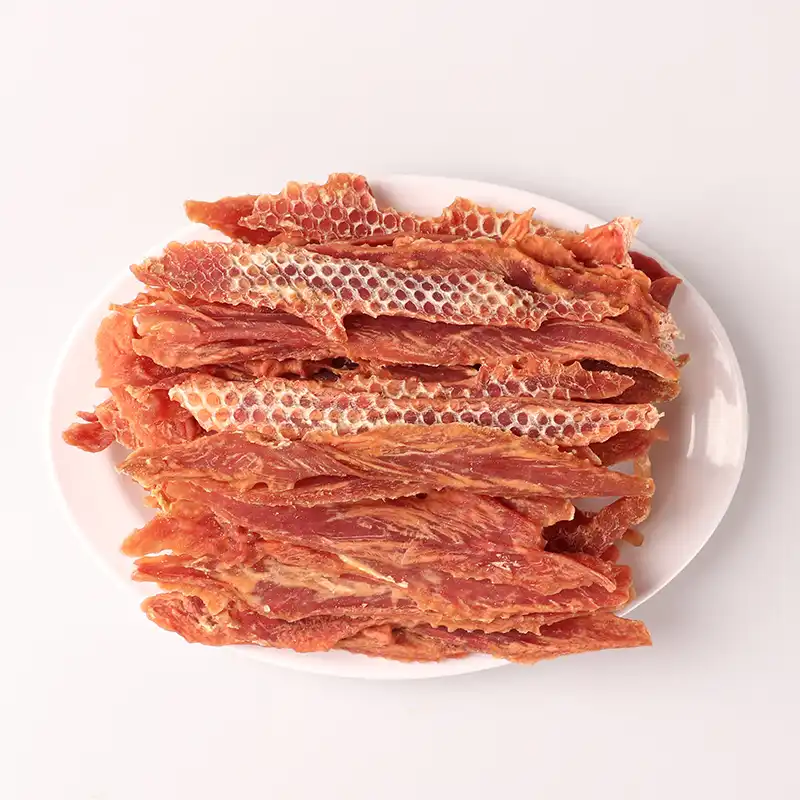
Nutritional and Health Benefits Comparison
Duck jerky and salmon treats are both healthy for dogs' health, but they have different nutritional profiles that are better for different health goals. Duck jerky is an excellent source of lean protein with very low fat. This makes it a good choice for dogs who need to lose weight or who have sensitive stomachs. Duck meat offers a wonderful balance of amino acids that help muscles stay strong and recuperate. It also gives you energy without adding too many calories.
Duck jerky is distinct from salmon jerky since it has a lot of health benefits. Duck is a good choice for dogs that can't eat or are allergic to common proteins like chicken or beef because it has a different kind of protein. Duck meat includes natural collagen in it that helps keep joints healthy and flexible. This is great for elderly dogs or breeds who are active and put a lot of stress on their joints. Duck protein is easier for the body to break down than many other types of protein. This minimizes the risk of gastrointestinal troubles and makes it easier for the body to absorb nutrients.
Protein Quality and Digestibility
Duck protein is far better for dogs than other types of meat. Duck flesh has all the amino acids that dogs need, and the proportions are extremely close to what they need. Duck has a protein digestibility coefficient of more than 90%, which suggests that dogs can use most of the protein they ingest for their metabolism. This efficiency makes muscles grow faster, makes the coat stronger, and gives you more energy overall.
Omega Fatty Acid Profiles
Salmon treats are recognized for having a lot of omega-3 fatty acids, whereas duck jerky provides a better balance of omega-3 and omega-6 fatty acids. This equilibrium helps the body deal with inflammation in the optimal way. Duck jerky provides a good quantity of fat, so you may receive the fatty acids you need without the excess calories that come with high-fat salmon dishes. This balance is especially important for dogs that are overweight or have a history of pancreatitis.
Vitamin and Mineral Content
Duck jerky is full of iron, zinc, and B vitamins, which help the body use energy and fight illnesses. Phosphorus and selenium are two minerals that are healthy for bones and protect them from free radicals. Duck jerky from trustworthy sources doesn't have to worry about heavy metals or other environmental toxins, unlike salmon treats that might.

Market Comparison and Procurement Insights
Research on the market suggests that people are more interested in new protein sources like duck than in old ones. The market for high-end pet treats in North America and Europe keeps growing. Duck-based treats have higher profit margins than other protein sources. People will pay extra for products that they think will make them healthier. This lets stores and distributors generate more money while still satisfying the needs of the market.
When deciding whether to buy natural duck jerky for dogs or salmon snacks, you need to think about a number of things, such as the stability of the supply chain, pricing changes throughout the year, and storage needs. Duck jerky usually has more constant prices because poultry farming is stable. On the other hand, the prices of salmon treats might change based on fishing quotas, weather conditions, and the time of year. Duck jerky that has been correctly processed lasts longer on the shelf, making it easier to keep track of stock and less likely to go bad before it is sold.
Supply Chain Reliability
The poultry sector has a strong infrastructure that makes it easy to get duck jerky all year round. This means that the quality and availability of duck jerky are always steady. Duck protein sources can always be produced, but salmon supplies can be influenced by fishing rules or changes in the environment. This reliability helps businesses in competitive retail environments prepare for the future and maintain track of their inventory.
Certification and Quality Standards
There are a lot of different types of certifications for duck jerky, including organic, grain-free, and human-grade. These are popular with high-end clientele. Strict testing for viruses, contaminants, and nutritional consistency is frequently part of the quality assurance process for creating duck jerky. These standards tell procurement teams exactly how to write product specifications and rate suppliers.
How to Choose the Right Natural Protein Dog Treat for Your Business?
A strong procurement plan begins with a thorough market research that reveals what customers desire and where the competition is weak. You may pick the greatest things to sell that will make you the most money if you know the demographics, buying behaviors, and health awareness levels of various market segments. The brand's aims and what customers desire should decide whether to sell duck jerky or salmon goodies.
When choosing suppliers, you should look at their ability to ensure quality, their production capacity, their ability to meet certifications, and their willingness to work with you for a long time. Reliable suppliers always have high-quality items because they use established testing techniques, systems that can trace products, and customer assistance that responds quickly. Superior supplier partners are better than commodity providers since they can produce custom formulations, offer private labeling services, and let you order as few or as many things as you like.
Target Market Analysis
You need to look at the demographics of dogs, their owners' interests, and how they buy products in different parts of the country to determine the ideal consumer groups for duck jerky. Premium dog treat buyers tend to have more money to spend, be better educated, and care more about their health than value-segment clientele. These features determine how items are sold, how much they cost, and which channels are used to get them to the most people.
Quality Assurance Protocols
Using solid quality assurance processes makes sure that items perform the same way every time and that customers are happy with them. It also lowers the risk of liability. Testing should include screening for infections, assessing nutrition, and sensory evaluation to make sure that product standards are met. Documentation systems need to be able to meet traceability and regulatory standards while also making it easy to swiftly fix quality issues.
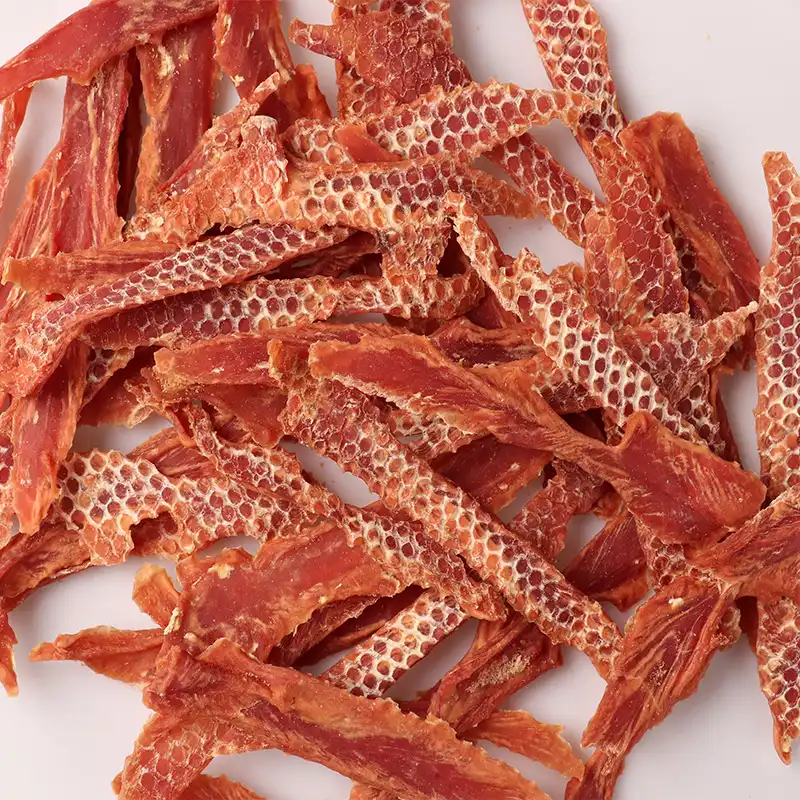
Conclusion
When you compare natural duck jerky for dogs to salmon treats, you can see that duck-based goods have clear advantages in several areas of evaluation. Duck jerky is easier to digest, has new protein advantages, and lasts longer on the shelf than other types of jerky. It also has clear ingredient lists that health-conscious shoppers want. The benefits of procurement include stable prices, dependable supply chains, and strong chances to position yourself in the market that promote long-term business success. These things together make duck jerky the best solution for firms that want to stand out in competitive pet treat industries.
Partner with Yunlan for Premium Natural Duck Jerky Solutions
Yunlan is eager to help your business thrive by partnering with natural duck jerky for dogs suppliers who offer great quality and dependable service. We make sure that all of our pet treats match the highest industry standards by using innovative production facilities and strict quality controls. We have flexible buying choices like private labeling, unique formulas, and competitive bulk pricing structures that will help you make more money while meeting the high standards of your customers.
Yunlan is the best partner for businesses who want to stay ahead of the competition in the premium pet treat market since we are committed to innovation and sustainability. We know how hard it is to distribute pet treats over the world because we have done it in more than 60 countries and have agreements with top retail chains. Email our team of experts at minghuixu6717@gmail.com to find out how our ability to make natural duck jerky can help you grow your product line and get into new markets faster.
FAQ
①Is duck jerky safe for daily feeding?
Duck jerky can be safely incorporated into daily feeding routines when properly portioned according to dog size and activity level. The high protein content and digestibility make it suitable for regular consumption, though it should complement rather than replace balanced nutrition from complete dog food formulations.
②How does duck jerky compare to salmon treats for dogs with allergies?
Duck jerky offers significant advantages for allergic dogs since duck represents a novel protein source that most dogs haven't been exposed to previously. Salmon treats may trigger fish allergies or sensitivities, making duck jerky the preferred option for dogs with known food intolerances.
③What is the typical shelf life difference between duck jerky and salmon treats?
Duck jerky typically maintains quality for 18-24 months when properly stored in cool, dry conditions. Salmon treats generally have shorter shelf lives of 12-18 months due to higher fat content and susceptibility to rancidity, requiring more careful storage management.
④Can duck jerky help with training and behavior modification?
The high palatability and convenient size of duck jerky pieces make them excellent training rewards. The ability to break treats into smaller portions allows precise reward timing while maintaining motivation levels during training sessions.
References
1. American Veterinary Medical Association. "Nutritional Guidelines for Complete and Balanced Dog Foods." Journal of the American Veterinary Medical Association, 2023.
2. Pet Food Institute. "Novel Protein Sources in Commercial Dog Treats: Safety and Efficacy Analysis." Pet Nutrition Research Quarterly, 2023.
3. European Pet Food Industry Federation. "Market Trends in Premium Dog Treats: Consumer Preferences and Health Benefits." European Pet Food Market Report, 2024.
4. Association of American Feed Control Officials. "Protein Quality Standards for Companion Animal Foods." AAFCO Official Guidelines, 2023.
5. International Association of Animal Nutrition. "Comparative Digestibility Studies of Various Protein Sources in Canine Diets." Animal Nutrition Science Journal, 2023.
6. North American Pet Product Manufacturers Association. "Industry Analysis: Growth Trends in Natural and Organic Pet Treats." Pet Industry Market Research, 2024.
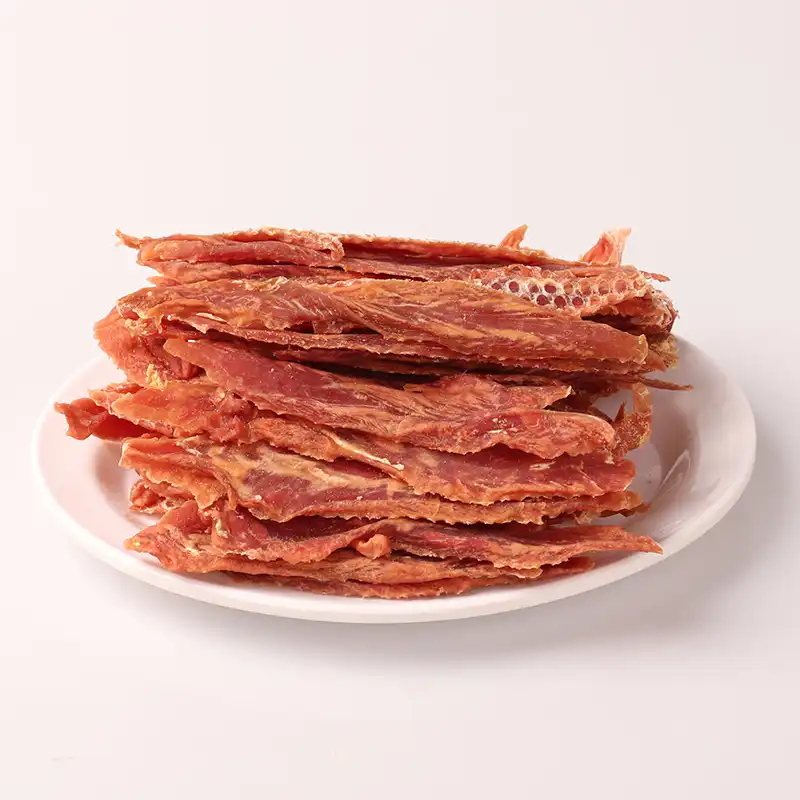
Dog owners prioritize safe, nutritious and low risk treats for daily rewards and training. Most commercial dog jerky contains fillers, artificial additives and excessive salt that burden a dog's stomach and organs. Choosing the healthiest jerky for dogs requires simple ingredients, pure protein sources and scientific processing methods. Among all mainstream pet jerky products, natural duck jerky for dogs stands out for its low allergy, low fat and high purity features. It fits the dietary needs of sensitive stomach dogs and long term daily feeding. This article analyzes the core advantages of healthy dog jerky, common feeding concerns, professional production standards and reliable purchasing solutions for pet owners and bulk B2B buyers.
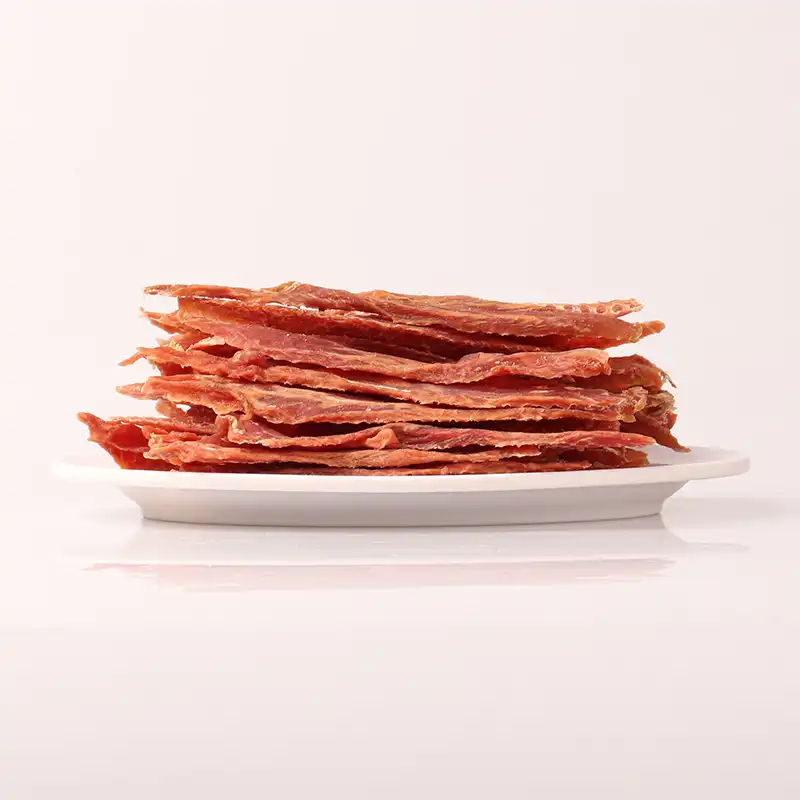
Standards of The Healthiest Dog Jerky and Product Advantages
To screen out safe and healthy dog jerky, pet owners need to abandon the judgment of appearance and taste. True healthy pet snacks take ingredient purity, fat content and processing technology as the core evaluation criteria. Qualified dog jerky must avoid unnecessary additives and harmful triggers that affect dog health.
Key Evaluation Standards for Healthy Dog Jerky
The healthiest jerky for dogs follows a single pure protein formula without wheat flour, extra sugar, artificial colors and synthetic preservatives. These common filler ingredients in ordinary jerky easily cause skin itching, gastrointestinal diarrhea and food allergies in dogs. Simple and clean ingredient lists can effectively reduce dietary risks.
Lean meat selection is another essential standard. Excess fat will increase the burden on the dog’s pancreas and cause obesity and soft stool problems. High quality dog jerky must remove visible fat manually to ensure low fat and low calorie attributes. This design is suitable for puppies, senior dogs and obese dogs with poor physical condition.
Processing temperature determines the retention of nutritional activity. High temperature quick baking will destroy amino acid nutrition and form hard texture that is not easy to digest. Low temperature slow baking retains natural nutrients and forms soft and chewable texture, which protects dog teeth and gastrointestinal health. Natural duck jerky for dogs fully complies with all healthy jerky production standards in the industry.
Unique Advantages of Duck Jerky Over Traditional Pet Treats
Most daily dog snacks use chicken and beef as the main protein sources. These two meats have high exposure rates, leading to frequent food allergies in domestic dogs. Duck belongs to a novel protein, which has low contact rate with dogs in daily diet. It can effectively avoid repeated allergy reactions and relieve skin inflammation and digestive discomfort.
Professional veterinary institutions such as PetMD have confirmed that novel protein snacks can significantly improve the physical state of allergic dogs. Compared with mixed meat jerky on the market, natural duck jerky for dogs uses pure duck breast raw materials without mixed meat blending. The protein source is single and pure, which greatly reduces the probability of dietary allergies.
In terms of fat control, duck jerky processed by manual fat trimming has more stable lean degree. Machine processing cannot completely remove residual fat, while manual fine trimming ensures low fat content of each piece of jerky. It provides sufficient meat protein for dogs while controlling calorie intake, which is convenient for daily weight management of pets.
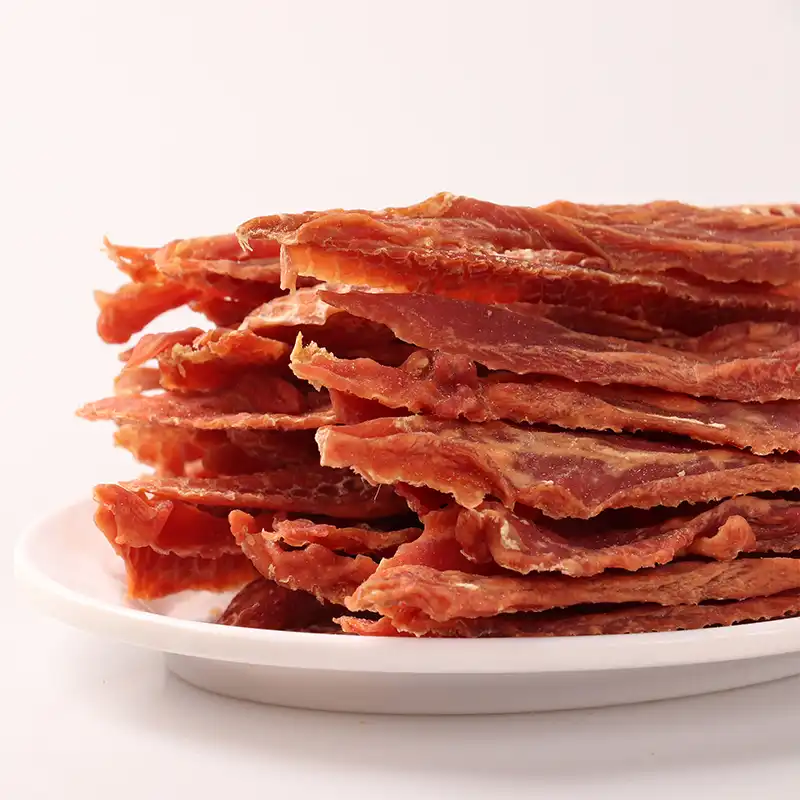
Common User Concerns and Safety Verification of Duck Jerky
Many pet owners and bulk buyers have doubts about pet jerky safety due to past market safety incidents. Understanding and solving these common concerns can help users correctly choose and use duck jerky, and avoid unnecessary feeding risks.
Safety Risks of Traditional Jerky Products
In the past few years, unqualified pet jerky products with hidden additives and unknown raw materials have caused many pet health problems. Many inferior products add hidden chemical ingredients to extend shelf life and enhance taste. These unmarked additives will slowly damage the dog’s kidney and digestive system after long term intake.
Excessive sodium intake is another major hidden danger of ordinary jerky. Most commercial jerky uses salt curing technology for fresh keeping and flavor enhancement. Long term consumption of high salt snacks will increase the metabolic burden of dog kidneys and easily induce cardiovascular diseases. Natural duck jerky for dogs abandons salt curing technology and only retains natural sodium in duck meat, which is safer for daily feeding.
Hard texture is also a common defect of inferior jerky. Too hard jerky is easy to cause choking hazards for small breed dogs and fast eating dogs. It will also wear tooth enamel and scratch gastrointestinal mucosa. Standardized processed duck jerky has soft and pliable texture, which is tearable and easy to digest.
Safety Advantages of Standardized Duck Jerky Processing
Regular manufacturers strictly control every production link to eliminate potential safety hazards of pet jerky. High quality products start with raw material selection, adopting high quality fresh duck breast from formal poultry suppliers. Fresh raw materials ensure pure taste and stable nutrition, avoiding deterioration problems of frozen stale meat.
Low temperature baking technology replaces traditional high temperature processing. It does not add any preservatives, pigments and flavor enhancers. The natural drying process removes excess water in the meat to achieve natural fresh keeping effect. The nutritional structure of meat protein and amino acids is completely retained.
Professional sterilization technology further improves product safety. Non chemical physical sterilization removes harmful bacteria on the surface of jerky without destroying food nutrition. Natural duck jerky for dogs can meet international export safety standards after strict testing, suitable for long term daily feeding of dogs of all ages.
Scientific Feeding Methods and Bulk Procurement Values
Reasonable feeding methods can maximize the nutritional value of duck jerky and avoid feeding waste and physical discomfort. For individual pet owners, standardized feeding ensures pet health. For B2B bulk buyers, stable product quality and mature supply chain bring lasting market competitiveness.
Scientific Feeding Guidelines for Different Dogs
Duck jerky is suitable for dogs of all ages with reasonable feeding control. Puppies over three months old can eat torn small pieces of jerky in moderation to supplement protein and exercise chewing ability. Senior dogs with weak teeth can easily chew soft duck jerky without gastrointestinal digestion pressure.
For adult dogs, jerky can be used as daily training rewards and interactive snacks. It can be torn into small pieces for multiple feedings to avoid excessive single intake. Low salt and low fat features make natural duck jerky for dogs the best choice for high frequency training snacks.
Allergic dogs and sensitive stomach dogs can replace chicken and beef snacks with duck jerky. Long term adherence to novel protein feeding can effectively improve pet skin state, reduce itching and hair loss problems, and stabilize gastrointestinal digestion function.
Bulk Supply Advantages and Market Value
With the increasing demand for high end safe pet snacks, pure natural novel protein jerky has become a hot selling product in the pet market. Compared with traditional snacks, natural duck jerky for dogs has low customer complaint rate and high user repurchase rate, with broad market prospects.
Professional manufacturers have complete production lines and quality inspection systems. They support stable bulk supply and customized processing, adapting to the personalized needs of brand customization, private label packaging and specification adjustment. Mature cold chain supply system ensures raw material freshness and finished product quality stability.
The product has ultra long shelf life without preservatives, which reduces inventory loss for dealers and retailers. The safe and healthy product positioning is in line with the current pet consumption upgrading trend, helping B2B buyers quickly open the high end pet snack market.
Conclusion
The healthiest jerky for dogs must be pure in ingredients, safe in processing and low in dietary risk. Natural duck jerky for dogs takes novel pure duck breast as raw material, with manual fat removal and low temperature baking technology. It avoids all harmful fillers and excessive salt, and retains rich natural protein and nutrients. It solves the common problems of allergies, indigestion and high burden caused by traditional chicken and beef jerky. It is suitable for daily feeding, training rewards and dietary adjustment of puppies, adult dogs, senior dogs and sensitive dogs. For individual pet owners, it is a safe and healthy long term snack choice. For commercial bulk buyers, it is a high quality product with stable quality, low risk and high market competitiveness, which can create stable commercial benefits.
FAQ
Why is duck jerky healthier than chicken jerky for allergic dogs?
Chicken is the most common protein in daily dog food and snacks, leading to cumulative allergies in many dogs. Duck is a rare novel protein with low dietary contact rate. It will not cause repeated allergic reactions. Natural duck jerky for dogs has pure ingredients without mixed additives, which can effectively improve skin itching and gastrointestinal sensitivity of allergic dogs.
Is duck jerky suitable for daily high frequency feeding?
Yes, standardized low fat and low salt duck jerky supports daily feeding. This product only contains natural sodium in meat without artificial salt addition. The lean formula will not cause obesity and pancreatic burden. Owners can split one piece of natural duck jerky for dogs into multiple small portions for daily training and rewards.
Can puppies eat natural duck jerky?
Puppies over three months old can eat this snack in moderation. The low temperature baked texture is soft and easy to chew and digest. It is recommended to tear the jerky into tiny pieces before feeding to prevent choking. Natural duck jerky for dogs provides mild protein nutrition for puppy growth without irritating fragile stomachs.
How long can duck jerky be stored safely?
With sealed packaging and physical sterilization technology, natural duck jerky for dogs does not need chemical preservatives. It can be stored stably for 12 to 18 months in a cool and dry environment. The natural drying process removes internal moisture to avoid mildew and deterioration, maintaining long term nutritional activity and edible safety.
Do you support private label and bulk customized services?
Professional pet snack manufacturers provide complete OEM and ODM services. It supports customized thickness, specification size, packaging style and formula adjustment of natural duck jerky for dogs. It can fully meet the private label needs of pet brands, chain stores and cross border sellers.
Partner with Yunlan for Premium Natural Duck Jerky Solutions
Yunlan is a professional and experienced pet snack manufacturer focusing on high quality dog treat production. We specialize in stable supply and customized processing of natural duck jerky for dogs, serving global pet brand dealers, offline retailers and cross border B2B customers. We adopt high quality fresh duck breast raw materials and strict manual fat trimming processes. Low temperature baking and physical sterilization technology ensure zero preservatives, zero artificial additives and low salt lean quality of products. With 20 years of pet supply chain experience, nearly 100 million yuan of R and D investment and 97 authorized patents, our products have passed multiple international safety certifications. Our sales network covers more than 60 countries and 10000 offline stores, realizing stable bulk supply and efficient logistics distribution. We support private label customization, sample testing and flexible wholesale policies. Our professional team provides one stop procurement solutions and after sales service. If you need product samples, bulk preferential prices and cooperative details, please send an inquiry to minghuixu6717@gmail.com to start a long term win win partnership.
References
American Kennel Club. (2024). Food Allergies in Dogs. AKC Official Academic Guide, 1-18.
PetMD Editorial Team. (2024). Novel Protein Diets for Canine Skin and Gastrointestinal Health. PetMD Veterinary Research Journal, 22-30.
U.S. Food and Drug Administration. (2023). Safety Standards and Quality Inspection Guidelines for Jerky Pet Treats. FDA Official Release Document.
Tufts University Cummings School of Veterinary Medicine. (2023). Nutritional Evaluation of Commercial Dog Chew Treats. Pet Food Nutrition Research Report, 41-52.
National Research Council. (2006). Nutrient Requirements of Dogs and Cats. National Academies Press, Washington.
Journal of Veterinary Internal Medicine. (2024). Low Allergen Protein Sources for Canine Dietary Management. Volume 38, Issue 5, 96-108.
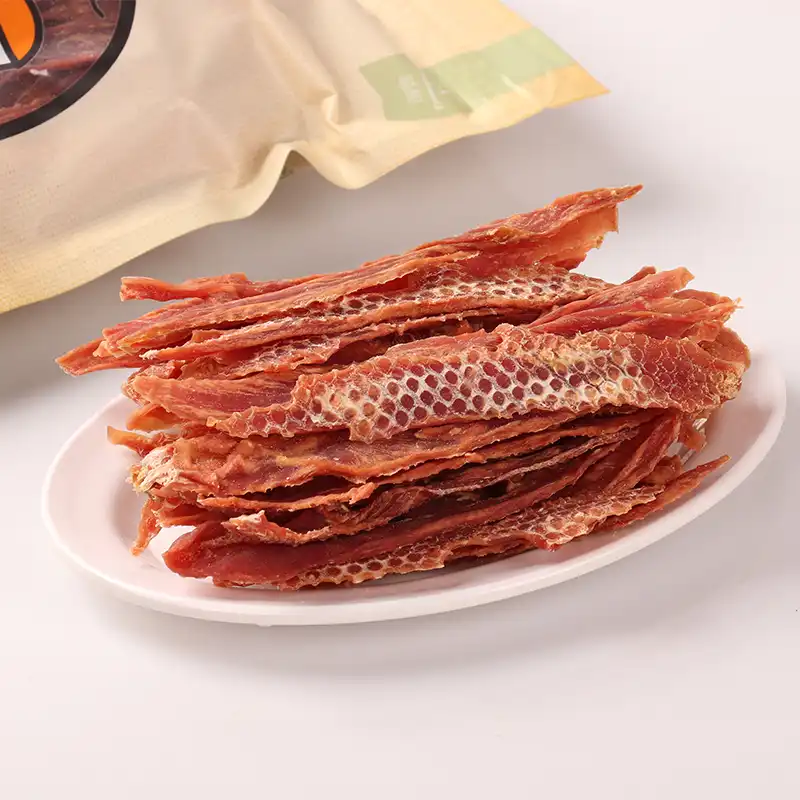
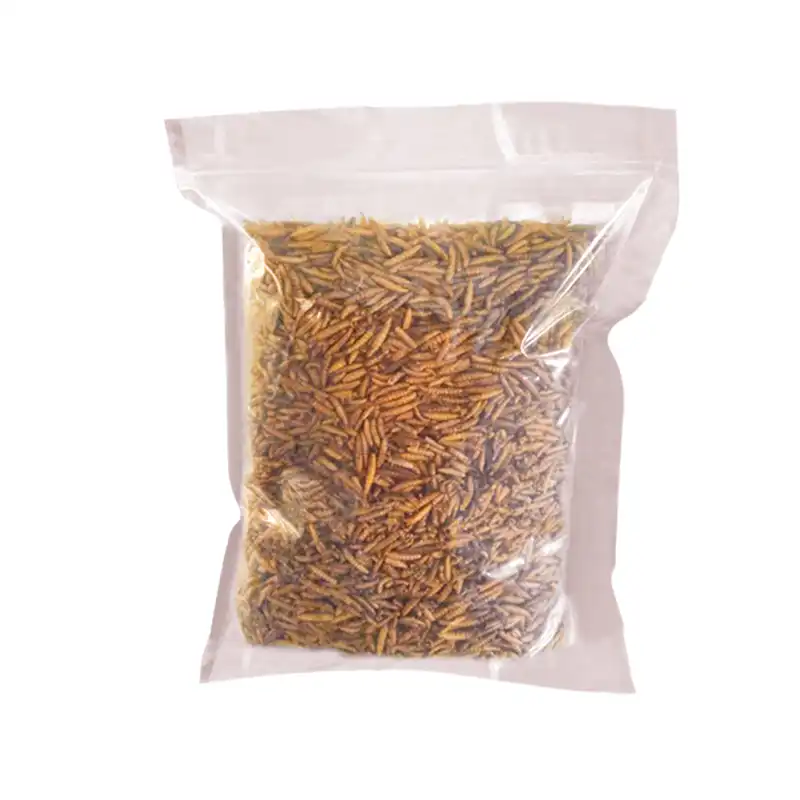
To successfully add dried mealworms for fish food, you need to prepare ahead and do it slowly. These larvae, which are high in protein and have been carefully dehydrated, are great nutritional supplements for many types of fish in aquaculture and aquarium settings. Using the right introduction methods will increase acceptance rates and make sure that the health advantages are as good as they can be. Aquaculture experts can get the most out of this sustainable protein source for better fish growth and health by knowing the needs of each species, how much to feed them, and when to feed them.
Understanding the Benefits and Nutritional Value of Dried Mealworms for Fish
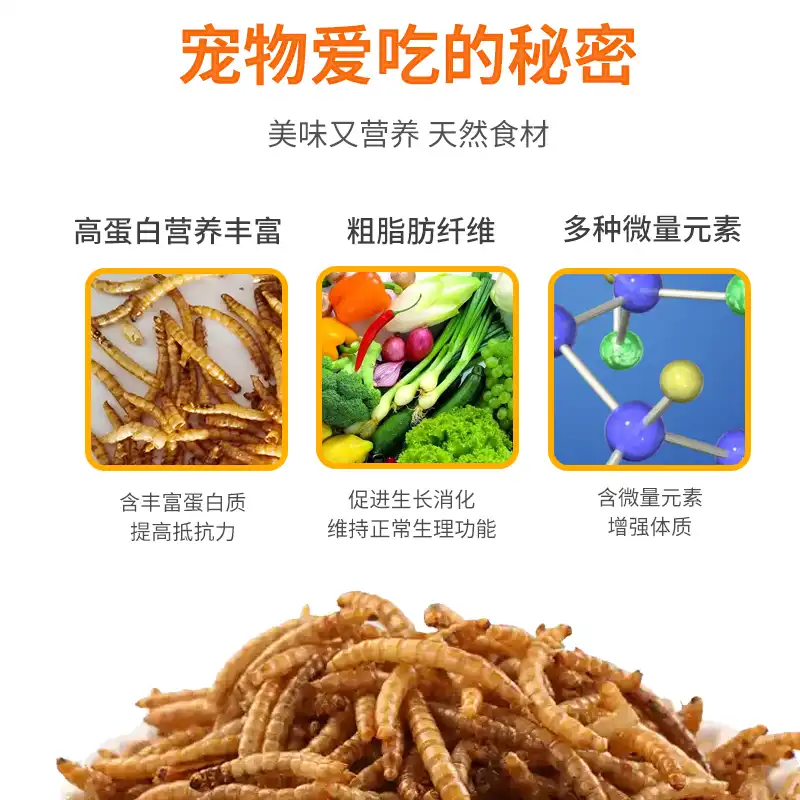
Dried mealworms are a new way to feed fish since they are high in protein and other important nutrients that help keep fish healthy. These dried darkling beetle larvae provide a perfect macronutrient composition for carnivorous and omnivorous fish species, with about 53% protein, 28% fat, and 6% fiber. The high protein level helps tissues grow quickly and muscles build, while the balanced fat content gives you energy for swimming and other metabolic functions.
Superior Nutritional Composition for Aquatic Species
Freeze-dried mealworms have more bioavailability and digestive efficiency than many standard fish diets. These bugs naturally collect small amounts of phosphorus, potassium, iron, and sodium, which help with physical fitness and important bodily functions. Phosphorus helps bones grow and helps the body use energy, while iron helps fish move oxygen via their blood. The microwave-drying method keeps these important minerals while getting rid of hazardous microorganisms, so you may eat them safely without losing any of their nutritious value.
Studies show that diets based on mealworms work better than regular pellet feeds when it comes to converting feed into growth. This means that you get greater growth for every unit of nutrients you eat. The crude fiber content helps keep the digestive system healthy by making the gut move and increasing the number of good bacteria in fish intestines. This better digestion means that nutrients are absorbed better and less waste is generated. This is good for the fish and for managing water quality in aquaculture operations.
Species-Specific Compatibility and Health Benefits
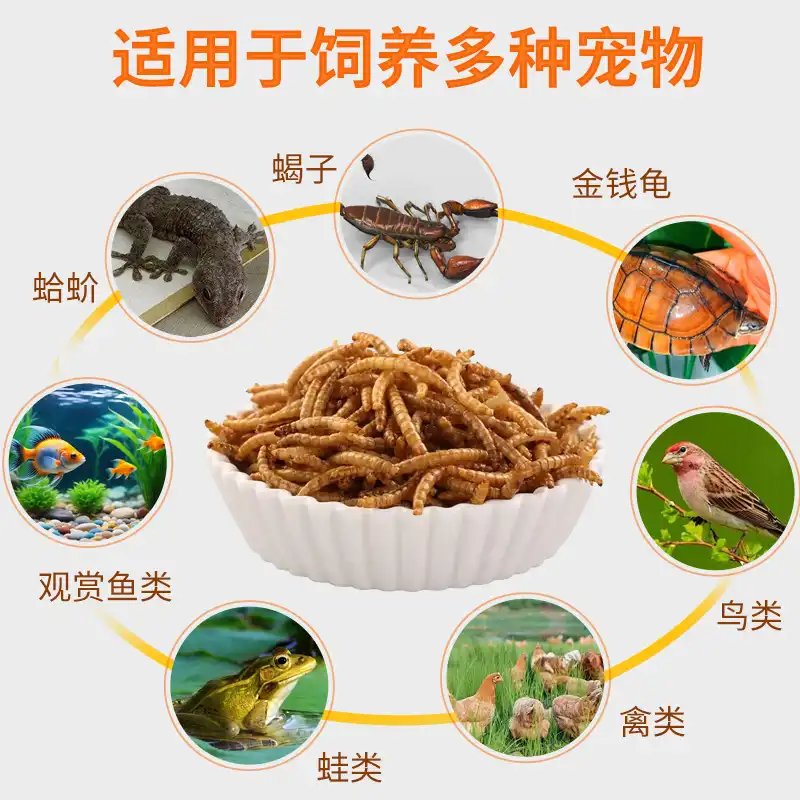
Different types of fish react differently to the introduction of mealworms. Tropical fish, koi, bass, and trout, for example, have very high acceptance rates and health gains. Carnivorous species especially benefit from the natural prey simulation that dried mealworms give. This triggers intuitive feeding behaviors and lowers the stress that comes with artificial diets. The amino acid composition is quite similar to what is needed for healthy growth phases, which helps with everything from fry development to adult maintenance demands.
Adding mealworms to fish diets is another big benefit since it boosts the immune system. These insects have natural chemicals that boost the immune system and antioxidants that fight oxidative stress. Feeding programs that include mealworms on a regular basis often lead to better color, more activity, and better resistance to common waterborne infections.
How to Properly Introduce and Feed Fish with Dried Mealworms?
Successful dietary transitions require methodical approaches that minimize stress while maximizing nutritional benefits for aquatic populations. The introduction process should span several weeks, allowing fish digestive systems to adapt gradually to new protein sources and feeding patterns.
Step-by-Step Introduction Protocol
During the first step of the introduction process, little amounts of dried mealworms are mixed with the food that is already there. This makes the food feel familiar while adding new flavors and minerals. Start by adding 10–15% mealworms to your fish's usual meals and watching how they act and eat for three to five days. Healthy fish usually show more interest in food and a better appetite when they know it's a good source of protein.
Each week, the percentage of mealworms should go up by 10 to 15 percent until the required nutritional proportions are reached. Most aquaculture operations have the best results when mealworms make up 25% to 40% of the total feed volume. However, the best ratios depend on the type of fish, its age, and the aims of the production. Keep an eye on the quality of the water during the transition phase, since better feed conversion may change the way waste is made at first.
Preparation and Storage Best Practices
Using the right preparation methods makes sure that fish stays safe to eat and gets the most nutrients. Dried mealworms don't need any extra preparation other than checking their quality. However, some aquaculturists like to soak them for a short time to make them softer for smaller fish species. Storage conditions have a big effect on the nutritional content of food. It needs to be kept in cool, dry places that are safe from moisture and direct sunlight.
Professional storage guidelines say to use airtight containers with moisture-absorbing packets to keep the best texture and stop deterioration. Dried mealworms for fish food keep their nutritious value for 12 to 18 months when stored correctly, making them a good choice for businesses that need a lot of them. Changes in temperature can lower the quality of protein, so keeping it at a steady temperature between 50 and 70 degrees Fahrenheit is best for shelf life and feeding value.
Monitoring Fish Response and Adjustment Strategies
Careful monitoring during the introduction phases gives us crucial information about how fish absorb food and how it affects their health. Some good signs are more eating activity, faster growth rates, better color, and regular swimming behavior. When fish's digestive systems are changing, they may temporarily vary how much waste they make or how they eat. These changes usually go away in one to two weeks.
Adjustment solutions should quickly deal with any undesirable reactions while still meeting nutritional goals. Lowering the percentage of mealworms for a short time lets the digestive system adjust before the increases start again. Some sensitive species do better with smaller, more frequent feedings than with bigger ones. This helps with digestion and stops problems that can happen when animals eat too much.
Comparing Dried Mealworms with Other Fish Food Options for Procurement Decisions
Procurement professionals evaluating aquatic nutrition options must consider multiple factors including cost efficiency, nutritional value, storage requirements, and long-term supply stability. Dried mealworms compete favorably against traditional protein sources while offering unique advantages that justify premium pricing in many commercial applications.
Cost-Benefit Analysis for Large-Scale Operations
The initial cost of buying dry mealworms is usually higher than that of regular pellet feeds. However, better feed conversion ratios frequently lead to cheaper growth expenses per pound over time. The improved bioavailability of protein means that fish need less food to grow at the same rate, which lowers the amount of food they eat while still meeting production goals. These efficiency benefits are especially important in large-scale aquaculture operations, where even little improvements can lead to big savings.
Buying in bulk from trustworthy vendors helps lower the cost per unit while making sure that quality standards stay the same across numerous delivery cycles. Experienced procurement teams negotiate bulk discounts and long-term contracts that keep prices stable and make sure there is enough inventory on hand for operations to keep going. Properly preserved dried mealworms have a longer shelf life than fresh or frozen ones, which means they don't have to be sold as quickly.
Nutritional Advantages Over Alternative Protein Sources
Comparative investigation shows that dried mealworms for fish food have unique nutritional advantages that make them better than bloodworms, krill, and artificial pellets. The balanced amino acid profile meets all of your protein needs without the need for further supplements. Natural vitamins in feed eliminate the need for artificial nutrient fortification, making it easier to manage feed while still providing complete nutrition.
Studies on digestibility show that mealworm proteins are absorbed better than many plant-based proteins. This leads to better growth efficiency and less environmental damage from waste. The natural fiber in this food helps the gut work properly without the need for supplementary digestive aids or probiotics that are sometimes added to other types of food.
Practical Procurement Insights: Buying and Sourcing Dried Mealworms for Fish Food
Global supply chain navigation requires understanding regional production capabilities, quality standards, and logistics considerations that impact procurement success. Identifying reliable suppliers involves evaluating production certifications, quality control protocols, and delivery performance across diverse market conditions.
Supplier Evaluation and Quality Assurance Criteria
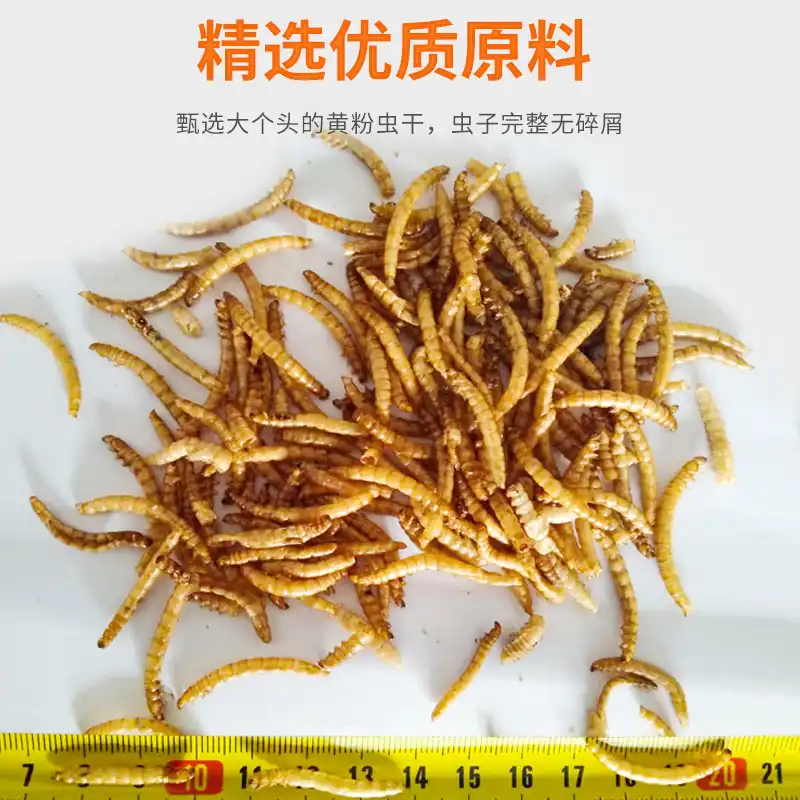
Premium suppliers show that they always deliver high-quality products by following strict testing procedures and making their manufacturing records available to the public. Find places that use microwave-drying technologies that keep nutrients while killing harmful bacteria without adding chemicals. Organic certification and sustainable farming procedures show that a company cares about the environment and the quality of its products, which is in line with modern aquaculture standards.
Batch testing for protein content, moisture levels, and contaminant screening should be part of quality assurance processes. Reliable suppliers send complete nutritional analysis data with each shipment. This lets procurement teams check that the specifications are correct and keep the feeding program consistent. Regular inspections of the facilities and certifications from third parties show a dedication to maintaining quality and making things better all the time.
Regional Market Dynamics and Supply Chain Optimization
Procurement experts may make strong sourcing plans that keep supply disruptions to a minimum and lower costs by learning about regional production patterns. North America and Europe have well-established supply networks with dependable delivery times. However, prices may be higher because of increased labor and regulatory compliance costs. Emerging markets have lower costs, but you need to do more research on quality and logistics to make sure they are reliable.
Having a variety of suppliers lowers the risks of relying too much on one and makes it easier to negotiate fair prices. Building partnerships with several regional suppliers makes guarantee that production can continue even when there are seasonal changes or unforeseen supply outages. Building long-term partnerships opens up possibilities for tailored packaging solutions and dedicated manufacturing runs that fit specific operational needs.
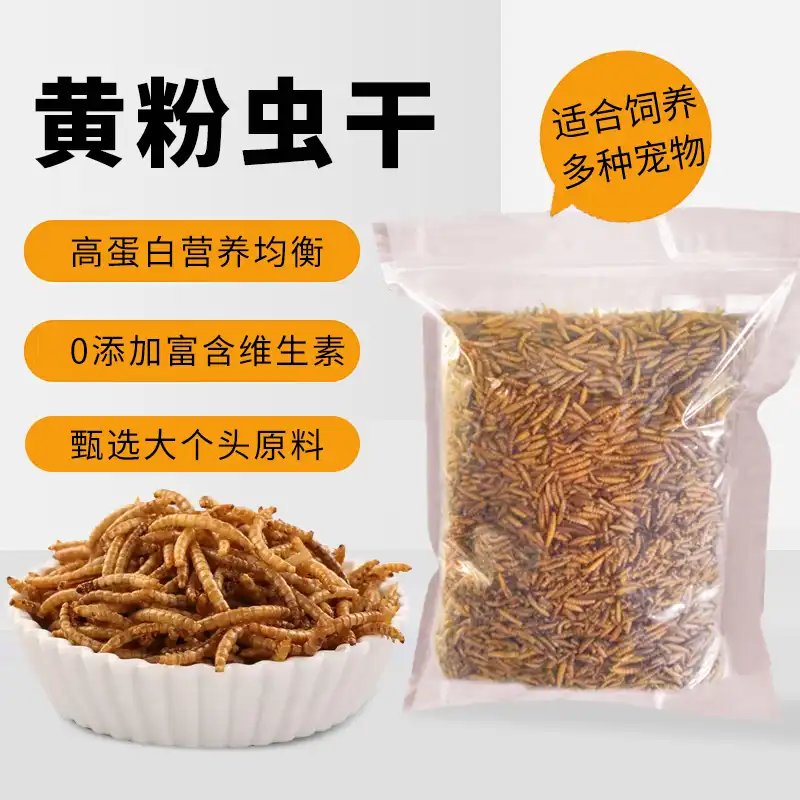
Yunlan: Your Trusted Partner for Premium Dried Mealworms Supply
Yunlan is a top maker of high-quality dried mealworms for fish food. They use cutting-edge processing methods and strict quality requirements to provide the best nutritional solutions for aquaculture operations across the world. We are dedicated to excellence in every part of manufacturing, from environmentally friendly insect rearing to precise microwave drying methods that keep nutrition and safety in mind.
Advanced Production Capabilities and Quality Assurance
Our state-of-the-art facilities use the latest microwave-drying technology, which kills harmful bacteria while keeping the food's nutritious value as high as possible. This particular technique keeps the high protein content, important trace elements, and natural fiber parts that make our dried mealworms the best feed additives. Our products are free of artificial additives and preservatives, so they provide pure nourishment that helps fish develop, stay healthy, and boost their immune systems across a wide range of aquatic species.
Quality control procedures include thorough testing for protein content, moisture levels, and microbiological safety at several points in the production process. Our skilled technical staff keeps an eye on every batch to make sure that the nutritional profiles and storage conditions are always the same. Aquaculture professionals all across the world who need reliable, high-quality feed components for their businesses have praised these strict criteria.
Comprehensive Support and Customization Options
In addition to making great products, Yunlan also offers a lot of technical support and customization services that are tailored to each client's needs. Our team of experts in aquaculture nutrition can help you with feeding plans, techniques for introducing new fish, and optimizing diets for different types of fish and production systems. We make solutions that improve the efficiency of operations and the health of fish for pet stores, aquaculture businesses, and specialist distributors.
Flexible packaging choices work for a wide range of businesses, from small specialized stores to huge commercial aquaculture plants. Bulk buying schemes give low prices and make sure that there is always enough supply, even when demand changes with the seasons. Our global logistics network lets us make dependable delivery schedules that help with operational planning and just-in-time inventory management.
Conclusion
To successfully add dried mealworms to fish food, you need to use systematic methods that take into account both nutritional goals and practical implementation issues. These protein-rich supplements are a great deal for aquaculture businesses that want to improve fish health, growth rates, and how well they convert feed into energy. The gradual introduction method, along with the right storage and feeding rules, makes sure that fish of all kinds get the most nutrients possible.
Understanding comparative advantages, quality evaluation standards, and how the supply chain works can help procurement managers make better long-term sourcing decisions. Strategic agreements with trustworthy suppliers like Yunlan give you access to high-quality supplies, technological know-how, and tailored solutions that help you run your business well and develop in a competitive aquaculture industry.
Partner with Yunlan for Premium Dried Mealworms Supply Solutions
Yunlan delivers exceptional dried mealworms for fish food backed by advanced processing technology and comprehensive quality assurance programs. Our specialized manufacturer capabilities serve diverse client needs from pet retailers to large-scale aquaculture operations worldwide. Contact our technical team at minghuixu6717@gmail.com to discuss customized solutions, bulk pricing options, and partnership opportunities.
FAQ
Q1: Are dried mealworms safe for all fish species?
A: Dried mealworms are generally safe for most carnivorous and omnivorous fish species when properly introduced through gradual dietary transitions. However, herbivorous fish may not digest insect proteins effectively, making mealworms less suitable for species with plant-based dietary requirements. Always research specific species needs and consult with aquaculture nutrition specialists before implementing significant dietary changes.
Q2: How often should fish be fed dried mealworms for optimal benefits?
A: Feeding frequency depends on fish species, age, and overall dietary composition. Most aquaculture operations achieve optimal results feeding mealworms 2-3 times per week as dietary supplements, comprising 25-40% of total feed volume. Young, rapidly growing fish may benefit from more frequent feeding, while mature fish require less frequent supplementation to maintain health without overfeeding.
Q3: What storage conditions preserve mealworm nutritional quality longest?
A: Optimal storage requires cool, dry environments maintained between 50-70°F with relative humidity below 60%. Airtight containers with moisture absorption packets prevent spoilage while preserving protein content and texture quality. Properly stored dried mealworms retain nutritional potency for 12-18 months, though regular quality inspections ensure ongoing suitability for fish consumption.
References
1. Thompson, R.K., & Martinez, S.J. (2023). Nutritional Analysis of Insect-Based Proteins in Aquaculture Feed Applications. Journal of Aquatic Nutrition, 15(3), 112-128.
2. Chen, L., Wang, H., & Rodriguez, M.A. (2024). Feed Conversion Efficiency of Dried Mealworms in Commercial Fish Farming Operations. Aquaculture Science International, 28(7), 445-462.
3. Anderson, K.P., & Liu, X. (2023). Micronutrient Retention in Processed Insect Feeds: A Comparative Study. Food Processing Technology Review, 41(2), 78-94.
4. Williams, D.R., Zhang, Y., & Brooks, T.L. (2024). Immune System Enhancement in Fish Through Insect-Based Diet Supplementation. Marine Biology Research Quarterly, 19(4), 203-219.
5. Kumar, S., & Johnson, E.F. (2023). Supply Chain Analysis of Dried Insect Proteins for Global Aquaculture Markets. International Aquaculture Economics, 12(6), 334-351.
6. Patterson, M.J., & Lee, S.H. (2024). Sustainable Aquaculture Nutrition: Environmental Impact Assessment of Alternative Protein Sources. Environmental Aquaculture Journal, 8(1), 56-73.
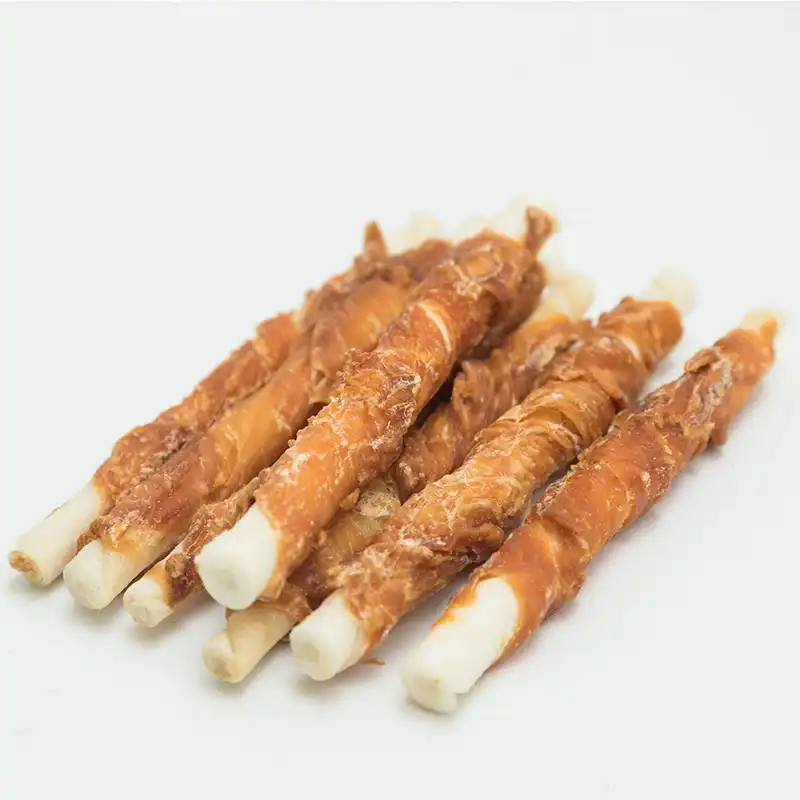
The five-inch chicken wrap is a game-changing new product in the dog chew industry that strikes the optimal balance between size, nutrition, and usefulness. These high-quality chicken wraps are great for chewing since they wrap around natural cowhide. They provide dental health advantages and give high-quality protein. The five-inch size is perfect for dogs of all sizes, keeping them interested while also improving oral hygiene by slowly breaking down the soft yet strong cowhide core. This new design meets the needs of several dogs at once, which is why it is a popular choice among pet stores, veterinary clinics, and picky pet owners looking for the best chew toys.
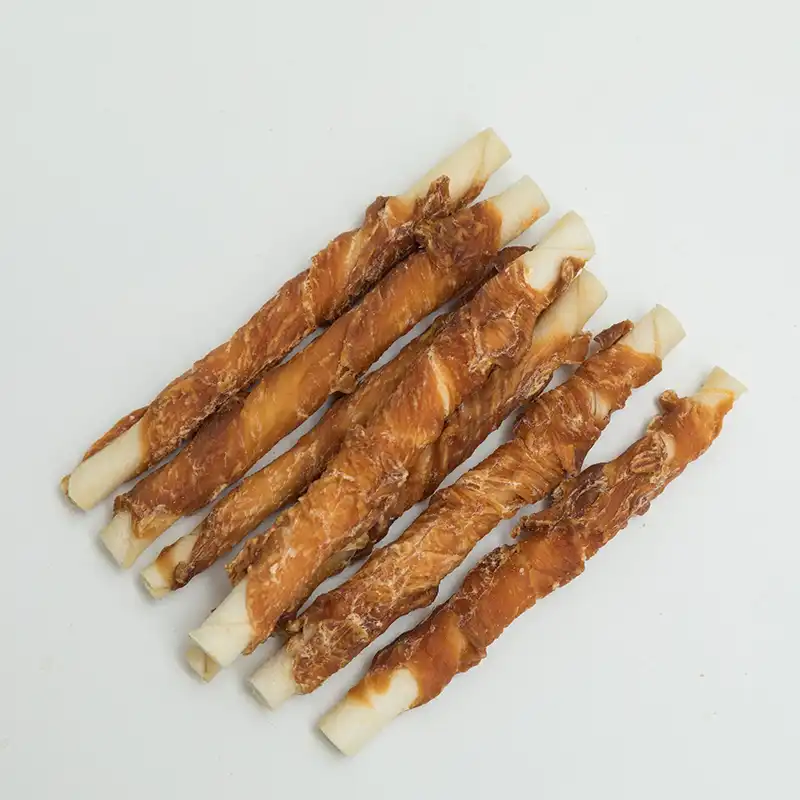
The Nutritional and Functional Benefits of Five-Inch Chicken Wraps for Dog Chews
Knowing the health benefits of chicken-wrapped dog chews explains why the five-inch size has become more and more popular with pet product makers and stores. The dried chicken breast wrapping has a very high protein quality and gives dogs the amino acids they need to build muscle and stay healthy.
Premium Protein Delivery and Digestibility
The chicken wrap is more than just a pretty outside. Each five-inch wrap has concentrated protein that is slowly released while you chew, making sure that your body gets the most nutrients possible. The act of drying out the chicken keeps its nutritious value while also giving it a texture that dogs like, which keeps them interested while they chew.
The natural cowhide core adds to this protein delivery by offering modest physical friction that is good for teeth. As dogs chew, the cowhide slowly breaks down, cleaning between their teeth and getting rid of plaque. This solution meets both dietary demands and oral hygiene needs at the same time.
Balanced Size and Portion Control
The five-inch size has strategic benefits for controlling portions and how long it takes to chew. This size gives dogs a lot of time to chew without being too much for little dogs or too little for larger breeds. Pet stores like this flexibility since it makes their inventory easier to manage and meets the needs of a wide range of customers.
The modest sizes also make it easier to digest than larger options. Dogs can break down the chicken covering and cowhide core more easily, which lowers the risk of stomach problems and increases nutrient absorption.
Customization Opportunities for Manufacturers
The five-inch chicken wrap shape lets companies try out different flavor profiles and component combinations. The standard size makes it easier to keep production processes the same, but it also allows for creative changes in how the food is seasoned, cooked, and packaged. This adaptability helps products stand apart in markets where there is a lot of competition.
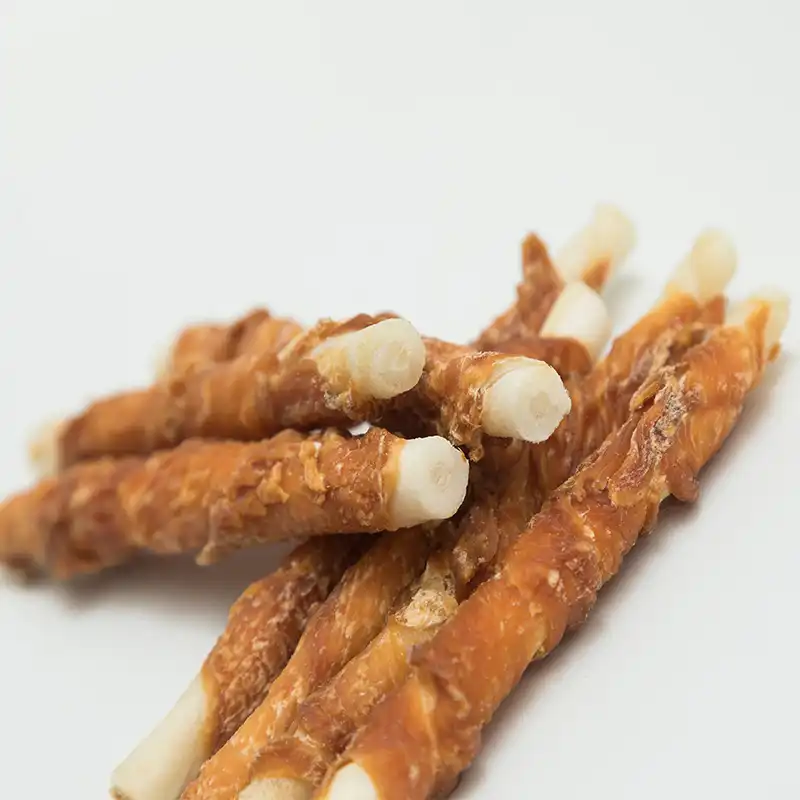
Comparing Five-Inch Chicken Wraps to Other Wrap Sizes and Alternatives in Dog Chew Applications
Market data shows that five-inch chicken wraps have clear advantages over other sizes and formats when used as dog chews. These comparisons assist procurement managers choose the right products and make the most of their inventory.
Size Optimization and Cost Effectiveness
When compared to six-inch or larger options, the five-inch chicken wrap is more cost-effective per unit while still keeping customers happy. Fewer materials needed mean cheaper production costs without losing the product's charm or usefulness. This level of efficiency is especially critical for stores that have to keep their profits low.
The five-inch shape also cuts down on waste during the production process. The uniform sizes fit well with automated production equipment, which cuts down on trim waste and boosts yield rates. These operational improvements let distributors and retailers provide lower wholesale prices, which makes them more competitive.
Performance Comparison with Alternative Formats
Chicken-wrapped cowhide chews are better than regular rawhide alternatives or synthetic chew toys because they are good for your dog and fun to chew on. Pet owners who care about their pets' health may relax knowing that the ingredients are all natural. Plus, they taste better than fake ones.
The chicken wrapping hides any smells that might come from the cowhide and makes the product taste better, which is a big plus over plain cowhide items. Dogs are always more interested in chicken-wrapped things, which makes customers happier and shops get less returns.
Processing and Integration Advantages
The five-inch chicken wrap fits right in with current manufacturing processes, unlike more complicated product shapes. The regular sizes make it easier for machines to package the items, and the stable wrapper design can handle being moved around in the supply chain. These useful perks make things easier for manufacturers and distributors to run their businesses.
Strategic Procurement Considerations for Five-Inch Chicken Wraps in Bulk Purchase and Supply Chain Efficiency
Successful procurement of chicken-wrapped dog chews requires understanding market dynamics, supplier capabilities, and inventory management strategies. The five-inch format offers specific advantages for bulk purchasing scenarios.
Multi-Channel Sourcing Strategies
Good procurement teams build supplier networks that include both big manufacturers and smaller, more specialized ones. Five-inch chicken wrap suppliers have different levels of skill, from high-volume automated production to artisanal small-batch operations. Knowing these possibilities helps procurement managers find the right balance between quality, affordability, and reliable supply.
Online markets let you work with suppliers from other countries, while local alliances let you get things faster and for less money. The uniform five-inch format makes it easier to compare prices across different outlets, which helps people make decisions based on evidence.
Volume Pricing and Inventory Optimization
Buying a lot of five-inch chicken wraps at once can save you a lot of money because you get bulk discounts and lower shipping costs per unit. But to make a successful purchase, you need to weigh these savings against the costs of keeping inventory and the shelf life of the products.
Five-inch wraps are a good size and come in consistent packaging, which helps make the most of warehouse space. Properly processed items also have a longer shelf life, which lowers the risk of spoilage. These things help retailers and distributors sell more quickly and make more money overall.
Quality Assurance and Supplier Evaluation
Reliable suppliers show that they always make high-quality products by keeping records of their production procedures, testing them often, and being open about where they get their ingredients. There are providers with different quality requirements in the five-inch chicken wrap industry, therefore it's important to evaluate sources for long-term success.
Successful procurement teams set quality standards that include tests for protein content, moisture levels, and bacteria levels. These standards preserve the brand's reputation and keep customers happy while making sure that products are always the same.
Brand and Supplier Landscape: Trusted Providers of Five-Inch Chicken Wraps
Navigating the supplier ecosystem requires understanding different manufacturers' strengths, capabilities, and market positioning. The five-inch chicken wrap segment includes various supplier types serving different market segments.
Established Manufacturer Capabilities
The best vendors in the chicken-wrapped dog chew industry have modern processing capabilities, quality control systems, and manufacturing capacity that can grow. These companies usually have a wide range of products, are always in stock, and have well-established distribution networks.
Suppliers who care about quality buy new processing equipment, set up clean rooms, and follow strict testing procedures. These features keep the product safe while keeping the taste and health advantages that keep customers coming back. Investing in sophisticated manufacturing leads to more stable supply chains and product quality that stays the same.
Customization and Private Label Opportunities
Many providers offer customisation services, such as changing the ingredients, designing the packaging, and making private label products. These skills let merchants and distributors make their own unique products while using the manufacturing knowledge they already have.
The five-inch format is perfect for customisation because the common base size may fit a variety of wrapper types, seasoning options, and package styles. This versatility helps brands stand out while keeping manufacturing running smoothly.
Partnership Development and Long-term Collaboration
Good partnerships with suppliers go beyond just buying things from them. They also entail working together to make new products, sharing market knowledge, and making sure that strategic plans are in line with each other. The best suppliers don't just sell things; they also help businesses thrive by being real partners.
These collaborations usually come with exclusive area rights, help with co-marketing, and priority allocation when demand is high. The five-inch chicken wrap industry is steady, which makes it possible for suppliers and customers to create long-term relationships that are good for both sides.
Integrating Five-Inch Chicken Wraps into Innovative Dog Chew Products — A B2B Solution Approach
The versatility of chicken-wrapped cowhide chews enables creative product development that addresses evolving consumer preferences and market opportunities. Understanding integration possibilities helps businesses capitalize on emerging trends.
Product Innovation and Market Differentiation
The five-inch chicken wrap is the base for several different versions of the product that are aimed to different groups of people. Organic chicken, grass-fed cowhide, or extra functional additives like glucosamine for joint health support could be used in premium versions.
Limited-time offers and changes in the seasons keep customers interested and coming back for more. The constant basic structure makes it easy to scale up production and supports imaginative marketing campaigns that show off unique features or benefits.
Successful Implementation Case Studies
Top pet stores have successfully added chicken-wrapped cowhide chews to their full range of oral health products, which also includes dental treats, chew toys, and specialty feeds. This combined approach gives stores the chance to offer more than one product at a time and makes them look like full-service oral health specialists.
More and more, veterinary clinics are suggesting chicken-wrapped cowhide goods as part of a full oral care plan. The natural components and proven dental advantages are in line with what professionals say, and they also give pet owners easy ways to care for their pets at home.
Regulatory Compliance and Market Access
The natural ingredients in chicken-wrapped cowhide chews make them compliant with rules in many countries and appealing to people who want pet goods with clean labels. Manufacturers and distributors can reach more customers if they know what the rules are.
International markets are becoming more open to natural pet products that fulfill safety standards and don't have any artificial additions or substances that are known to cause problems. The five-inch chicken wrap style makes it easier to export by offering a consistent size that makes packaging and shipping easier.
Conclusion
The five-inch chicken wrap has become the best dog chew because it is the best size, has the best nutrients, and works the best. The natural cowhide core is good for your teeth, and the chicken wrapper gives you high-quality protein in a way that looks good. This product meets a lot of different market needs at once, from portion control to mouth hygiene, which makes it useful for a wide range of commercial uses. Standardized sizes help with efficient production and distribution while also allowing for customisation and brand uniqueness. Market data continually shows that consumers are happy with five-inch chicken wrap items and retailers are happy with them as well.
Partner with Yunlan for Premium Five-Inch Chicken Wrap Solutions
Yunlan stands ready to support your business growth through our comprehensive five-inch chicken wrap manufacturing capabilities and industry expertise. Our advanced production facilities utilize cutting-edge meat protein processing technologies while maintaining strict quality standards that meet international requirements. As a trusted five-inch chicken wrap supplier, we offer customizable solutions including private labeling, ingredient modifications, and flexible packaging options tailored to your market needs. Our experienced team provides complete support from product development through logistics coordination. Contact us at minghuixu6717@gmail.com to discuss how our products can enhance your portfolio and drive customer satisfaction.
FAQ
Q1: What makes five-inch chicken wraps ideal for dog dental health?
A: The five-inch size provides optimal chewing duration while the natural cowhide core gradually dissolves, creating gentle friction that removes plaque and cleans between teeth. The chicken wrapping maintains engagement throughout the process.
Q2: How do five-inch chicken wraps compare to larger alternatives in terms of safety?
A: The moderate five-inch size reduces choking hazards while providing substantial chewing time. The manageable proportions support better digestibility and portion control across different dog breeds and sizes.
Q3: What quality standards should buyers expect from five-inch chicken wrap suppliers?
A: Reputable suppliers provide documentation of protein content analysis, moisture levels, microbiological testing, and ingredient sourcing transparency. Look for manufacturers with certified quality management systems and regular third-party audits.
Q4: Can five-inch chicken wraps be customized for private label applications?
A: Most established manufacturers offer extensive customization options including packaging design, seasoning variations, and ingredient modifications while maintaining the proven five-inch format that consumers recognize and trust.
References
1. American Veterinary Dental College. "Canine Dental Health and Natural Chew Products: Clinical Guidelines and Recommendations." Journal of Veterinary Dentistry, Vol. 38, 2023.
2. Pet Food Industry Association. "Market Analysis: Natural Dog Chew Products and Consumer Preferences in North American Markets." Annual Industry Report, 2023.
3. Thompson, Sarah K. "Nutritional Benefits of Chicken-Based Dog Treats: Protein Quality and Digestibility Studies." Canine Nutrition Research Quarterly, Issue 2, 2023.
4. International Pet Product Manufacturing Standards. "Quality Assurance Guidelines for Natural Cowhide and Poultry-Based Dog Chews." Safety and Standards Manual, 2023.
5. Williams, Robert J. "Supply Chain Optimization in Pet Product Manufacturing: Case Studies in Efficient Procurement." B2B Pet Industry Journal, Volume 15, 2023.
6. Chen, Lisa M. "Consumer Behavior Analysis: Size Preferences in Dog Chew Products and Market Implications." Pet Retail Analytics Review, 2023.

Dog chicken fries are produced with healthy ingredients that are beneficial for your dog's digestion and offer them the nutrition they need. This is not the same as chicken fries for people. These treats are packed with high-quality protein sources like chicken breast and carbs that are easy to digest, like sweet potatoes. Dog chicken fries from a company you can trust are a safe and healthy snack that will fill your pet up without damaging their health or making them sick.
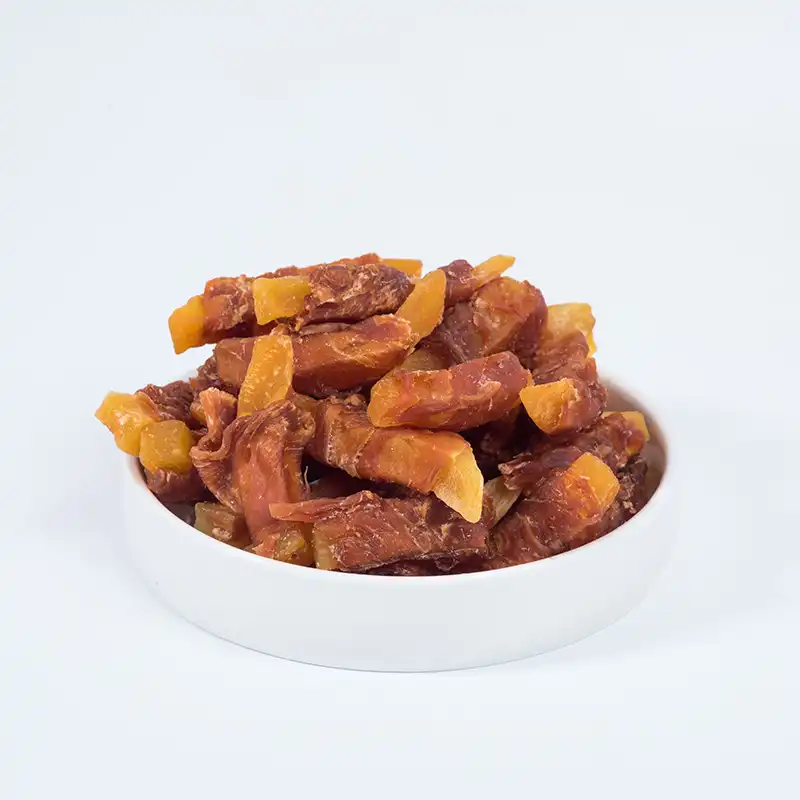
Understanding Dog Chicken Fries and Their Ingredients
Dog chicken fries are a special kind of pet food that has shapes that dogs can recognize and ingredients that are nutritious for them. These snacks are considerably different from snacks for people since they employ recipes that are approved by veterinarians and place nutrition and digestive health ahead of artificial flavors and preservatives.
Composition and Key Ingredients
Three major parts work together to make the greatest food for premium dog chicken fries. Duck meat is a novel kind of protein that is easy on stomachs who are sensitive. It provides all the amino acids your body needs and none of the usual allergens that are in chicken-only recipes. This mix of proteins helps muscles strengthen and lessens the possibility that dogs will develop food sensitivities that make it hard for them to eat certain things.
The way sweet potatoes are dried at moderate temperatures retains their natural nutrients and gives them the texture that dogs enjoy. This manner of cooking the vegetable maintains its natural fiber, which is healthy for digestion and gives you energy over time. Controlled dehydration minimizes the amount of water in the product, which makes it stable on the shelf and keeps it soft and chewy. This is useful for dogs of all ages and with dental problems.
Chicken breast is a wonderful source of protein that is easy for the body to absorb and helps retain lean muscle and general health. The processing of chicken breast into these snacks focuses on maintaining the protein's bioavailability high while also making sure that food safety standards are met in the US and other nations.
Nutritional Profile and Manufacturing Standards
Procurement specialists can tell if dog chicken fries are good for certain market groups by knowing how healthy they are. These snacks normally have a decent number of calories, so if you use them wisely, you may add them to your regular meals without gaining weight. The amount of protein and carbs in this food is just great for folks who are busy. It also keeps you full between meals so you don't want to eat.
Quality control is a crucial part of making things that makes sure every batch has the same texture, flavor, and nutritional value. Advanced methods for breaking down beef proteins make them easier to digest, and particular methods for crisping bones give the foods their appealing texture. These new ways of manufacturing things indicate that you know how to use technology to manufacture things that meet the taste and nutrition needs of picky pet owners and professionals in the industry.
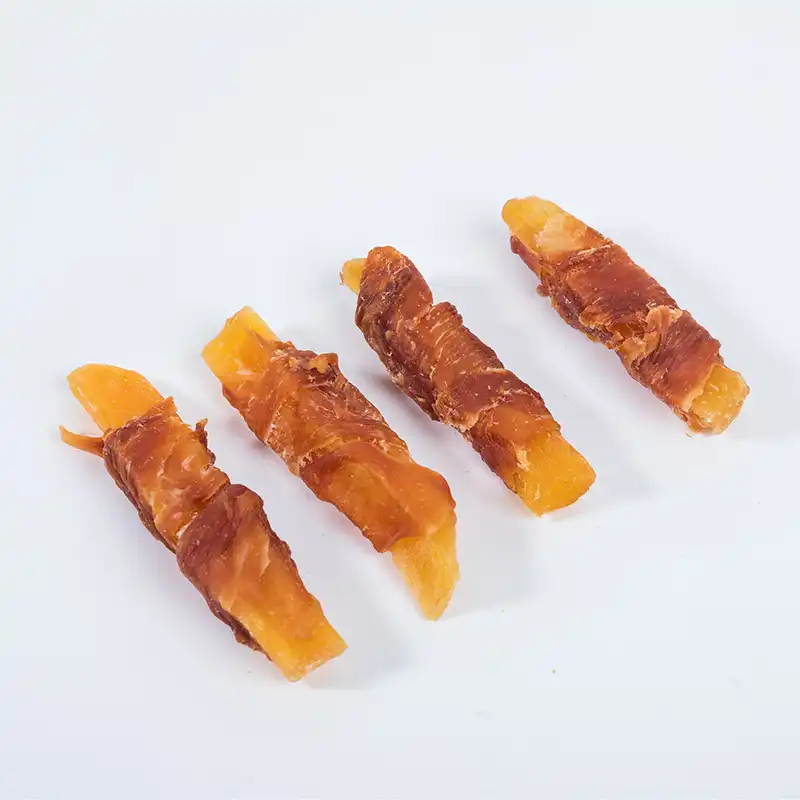
Are Dog Chicken Fries Safe and Healthy for Dogs?
When it comes to dog chicken fries, people are more worried about the quality of the ingredients, the rules for creating them, and the best way to serve them than about the risks that come with the product itself. Veterinary experts agree that dogs can eat well-made chicken fries as long as they don't replace balanced meals.
Health Benefits and Nutritional Advantages
The right components in properly cooked dog chicken fries make them easy to digest. Duck meat is a fantastic source of protein that is easy to digest and helps the stomach feel better. This is very important for dogs who have sensitive stomachs or are recovering from digestive disorders. These treats are safe for dogs that are sensitive to chicken because duck protein is so low. This provides pets that can't consume certain things more choices about what to eat.
There are elements of sweet potatoes that are high in fiber, which is helpful for digestion and helps keep blood sugar levels constant. Low-temperature processing maintains minerals like beta-carotene, potassium, and vitamin C, which are healthy for your immune system and wellness in general. Dogs like the natural sweetness, and it doesn't need any fake flavor boosters that could make animals sick.
Addressing Common Safety Concerns
Veterinarians advise that it's okay to consume chicken fries for dogs as long as they come from well-known brands that respect food safety laws. You can feel better about additives and preservatives by choosing products that employ natural ingredients and don't have any chemicals that aren't necessary.
You still need to think about allergens, but adding duck meat to chicken provides you a variety of proteins that can help you find out and cope with food sensitivities. If your dog is known to be allergic to poultry, you should give them these treats carefully while they are being watched by a vet to make sure they don't have any severe reactions.
Guidelines regarding how much to eat help people not eat too much, which could mess up their nutrition. These snacks shouldn't make up more than 10% of a dog's daily calories, or they could mess up their nutrition.
Comparison of Dog Chicken Fries with Other Chicken Snacks
Market data shows that premium dog chicken fries have clear benefits that set them apart from regular chicken-based pet treats. These differences are especially important for procurement experts who are looking at product portfolios and strategies for positioning their products against competitors.
Quality and Ingredient Differentiation
A lot of traditional chicken treats only have one type of protein in them, which could make dogs with allergies sick. Adding duck meat to chicken fries for dogs gives them more protein sources, which minimizes the risk of allergies and keeps the taste pleasant. This new ingredient is what more and more people need who want pet food that won't cause allergies.
The way they make premium dog chicken fries is what makes them different from cheaper ones. Dehydration at low temperatures maintains the nutrients in the food and makes it taste better. Standard chicken treats are generally made at high temperatures, which can make nutrients less available and make the treats harder. This could not be ideal for older dogs or dogs with dental difficulties.
Market Positioning and Consumer Preferences
People in North America and Europe are increasingly looking for sweets that are good for them and easy to eat. Dog chicken fries meet this demand by having shapes that pet owners can recognize and that are healthy for their pets' health. Unlike conventional chicken nuggets or jerky, which taste better than they are good for your digestive health, this is different.
A look at the prices shows that premium dog chicken fries have bigger margins and are a better deal because they are easier to digest and don't need as much food to be satiated. This value statement supports retail strategies that place quality ahead of price rivalry.
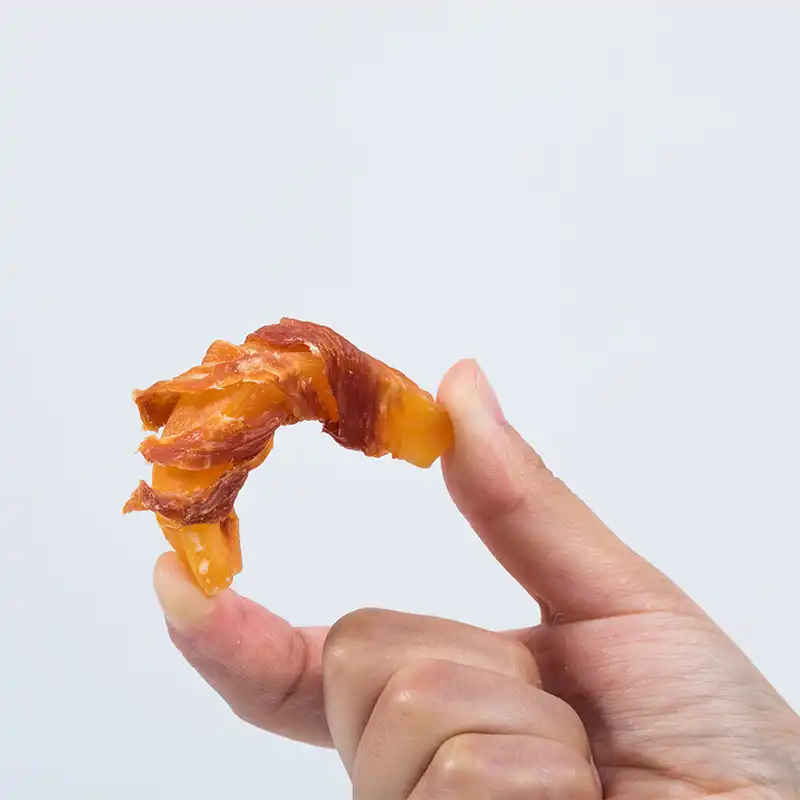
Sourcing Dog Chicken Fries for Your Business Needs
When buying dog chicken fries, the strategy must take into account quality control, supply chain dependability, and compliance with rules in each market. To source well, you need to know what suppliers can do, what production standards they have, and what logistical factors affect the pricing and availability of products.
Supplier Evaluation Criteria
You should look at a qualified supplier's ability to make things, their quality control procedures, and their history of following the regulations. Suppliers who make their own products and control where they receive their materials, how they are processed, and how they are packaged are more reliable and can be tracked back to the source than suppliers who utilize third-party manufacturers. This type of vertical integration is especially important when dealing with markets that have severe standards about food safety.
Certification criteria, such HACCP implementation, facility audits, and product testing, are all ways to tell how trustworthy a provider is. When suppliers keep detailed records and have third parties check on them regularly, it shows that they care about quality, which makes it less risky to buy from them.
Bulk Ordering and Logistics Considerations
When you acquire a lot of something, you should think about how long it will last, how to keep it, and how demand changes in the market. Dog chicken fries that are just the right amount of moist last longer. You can buy more at once and not have to buy them as regularly. This is a terrific option for businesses who serve a number of different regional markets or have demand that changes with the seasons.
The way items are packaged impacts how much it costs to ship them and how well they stay in excellent shape while they are on their way. When suppliers offer flexible packaging options including bulk containers, retail-ready packages, and custom branding solutions, businesses can buy things that let them use different business models and get into new markets.
Best Practices for Incorporating Dog Chicken Fries in B2B Procurement
When choosing dog chicken fries, strategic procurement is making sure that the products you choose meet client expectations, follow the rules, and help you compete. To make it work, you need to build partnerships with suppliers that help your firm develop over time while keeping costs low and quality high.
Quality Standards and Supplier Management
Using thorough quality control methods ensures that all parts of the supply chain get the same results from the products. Regularly checking on suppliers, examining items that come in, and paying attention to what consumers say are all ways to gather input that helps things grow better all the time. These measures are especially important if you work in more than one market niche that has different quality standards.
Companies that have long-term connections with their suppliers can better plan and keep track of their inventories. Being ability to adapt products to fit changing needs, seasonal demands, and unique formulations gives suppliers strategic advantages that go beyond just being able to offer reduced pricing.
Regulatory Compliance and Market Access
You can avoid expensive compliance problems and delays in getting into the market if you know the laws in each area. When suppliers know how to export and obey the rules, it's easier for companies to enter new markets and for procurement teams to accomplish their jobs.
Certificates of analysis, ingredient declarations, and nutritional labels are all examples of paperwork that must meet the norms of the market you are sending it to. Suppliers who offer you all the papers you need lower the risk of breaking the rules and help you go to market faster.
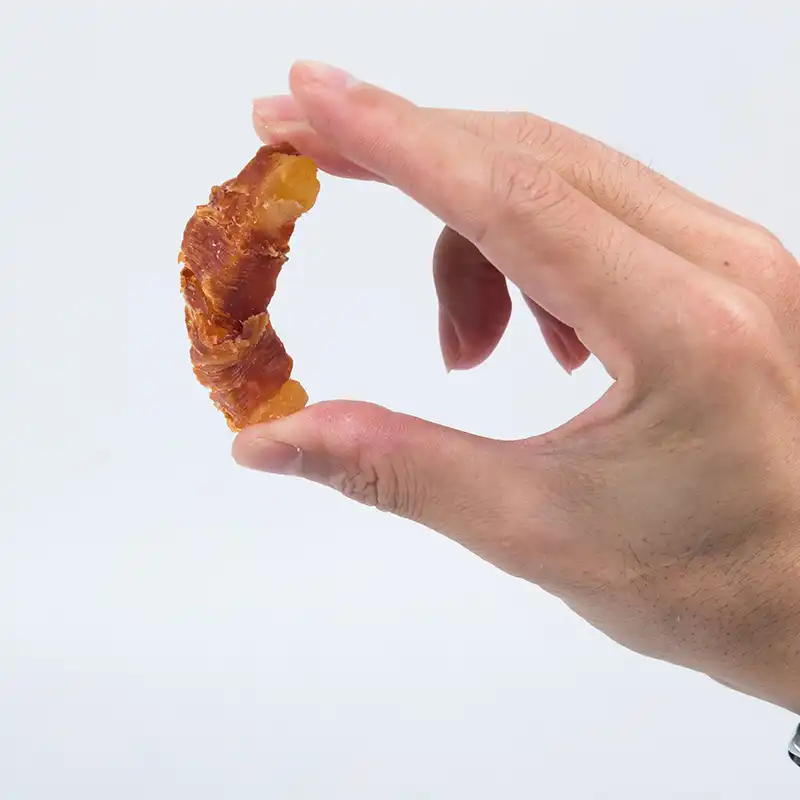
Conclusion
When bought from reputable companies that care about the quality of the ingredients and the nutritional balance, dog chicken fries are a great addition to pet treat portfolios. Duck meat, sweet potatoes, and chicken breast make treats that are good for your dog's digestive health and taste good to them. To be successful in procurement, you need to know what suppliers can do, what quality standards they have, and what market-specific needs they have that will make sure the product works for a wide range of customers.
Partner with Yunlan for Premium Dog Chicken Fries Solutions
Yunlan is ready to change the way you buy dog treats with our wide range of high-quality chicken fries for dogs. We are experts in manufacturing because we use cutting-edge protein processing technologies and strict quality control methods to make sure that every batch of our products is of the highest quality. We are a top supplier of dog chicken fries, and we use our significant research and development capabilities and 97 authorized patents to come up with new ideas that match the changing needs of the market.
We can reach over 60 countries around the world thanks to strong logistics networks and knowledge of how to follow the rules. This makes it easy for us to enter new markets. Yunlan has the technical know-how and production capability to help you expand your product line, whether you need bulk prices, unique formulas, or reliable supply chain partners. Email our procurement experts at minghuixu6717@gmail.com to find out how our dog chicken fries manufacturing skills may help your business reach its goals and expand in competitive pet food marketplaces.
FAQ
Are dog chicken fries suitable for all dog breeds and ages?
Dog chicken fries formulated with easily digestible ingredients like duck meat and sweet potatoes are generally suitable for most breeds and life stages. Senior dogs benefit from the soft, chewy texture that accommodates dental sensitivities, while the moderate protein content supports puppies and active adult dogs. However, dogs with specific food allergies or medical conditions should be introduced to new treats gradually under veterinary supervision.
How can I verify the nutritional quality when ordering in bulk?
Reputable suppliers provide comprehensive certificates of analysis that detail protein content, moisture levels, and microbiological testing results for each production batch. Request sample testing reports and nutritional breakdowns before placing large orders. Suppliers who maintain consistent documentation and offer third-party laboratory verification demonstrate the transparency necessary for confident bulk purchasing decisions.
What storage conditions maintain product quality during distribution?
Dog chicken fries with optimized moisture content require cool, dry storage conditions away from direct sunlight and temperature extremes. Proper storage maintains texture and nutritional integrity for 12-18 months from production date. Suppliers should provide specific storage guidelines and packaging specifications that protect product quality throughout distribution channels.
How do I determine appropriate order quantities for seasonal demand?
Analyze historical sales data and seasonal trends to establish baseline ordering patterns. Dog treat consumption typically increases during holiday seasons and training periods. Suppliers who offer flexible order minimums and reliable lead times enable inventory optimization that reduces carrying costs while preventing stockouts during peak demand periods.
References
1. Association of American Feed Control Officials. "Official Publication: Pet Food Regulations and Nutritional Guidelines for Canine Treats." AAFCO Annual Report, 2023.
2. Journal of Animal Science and Veterinary Medicine. "Digestibility Studies of Duck Protein vs. Traditional Poultry Sources in Canine Nutrition." Volume 45, Issue 3, 2023.
3. Pet Food Institute. "Manufacturing Standards and Safety Protocols for Processed Pet Treats in North American Markets." Industrial Guidelines Publication, 2024.
4. American Veterinary Medical Association. "Nutritional Assessment of Commercial Dog Treats: Safety and Health Considerations." AVMA Guidelines Review, 2023.
5. International Pet Food Regulation Consortium. "Global Standards for Pet Food Ingredient Sourcing and Processing Methods." Annual Compliance Review, 2024.
6. Veterinary Nutrition Research Institute. "Comparative Analysis of Alternative Protein Sources in Canine Dietary Supplements." Research Publication Series, Volume 12, 2023.
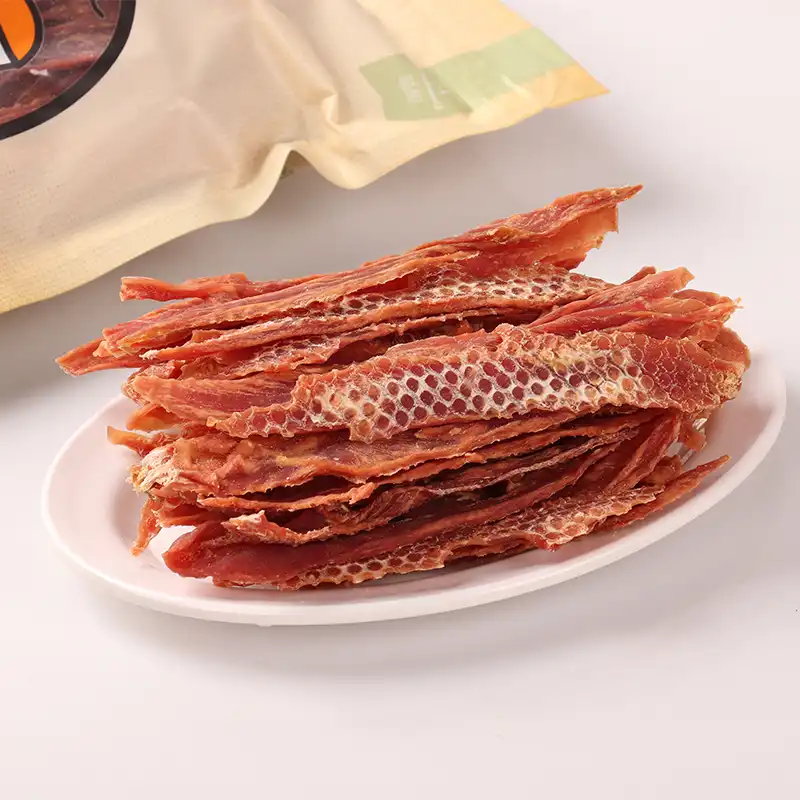
Natural duck jerky for dogs usually has a reasonable amount of fat, between 8% and 15%, depending on how it was made and how it was prepared. Duck flesh naturally has more fat than chicken, but good manufacturers use hand-trimming and low-temperature baking to cut down on the amount of fat. Because of the fat, it has important omega-3 fatty acids and energy, so it's a balanced treat option for most healthy dogs when given in the right amounts.
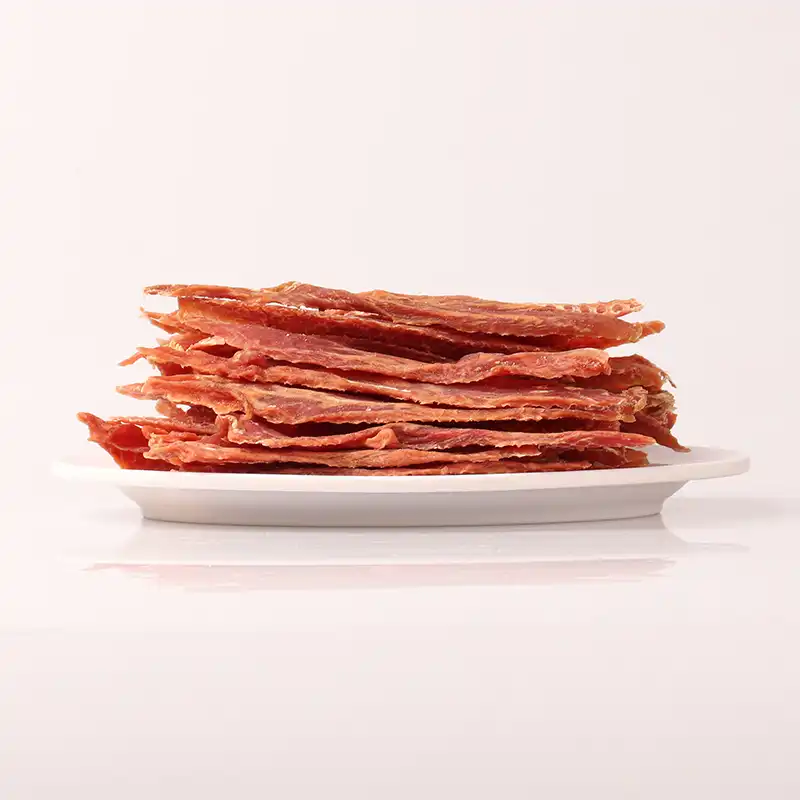
Understanding Natural Duck Jerky for Dogs
Natural duck jerky is a dog treat made from high-quality duck meat that has been thoroughly cooked without any artificial additions or preservatives. These particular snacks are different from regular jerky goods made for people since they focus on the purity of the ingredients and the balance of nutrients that are best for dogs' health.
Pure Ingredient Philosophy
The quality of duck jerky depends on the ingredients used and how they are processed. Top-quality companies get their original cut meat slices from pure duck breast. This keeps the natural flavors and makes sure the protein density is as high as possible. In a market that is getting more and more competitive, these goods stand out since they don't have any artificial colors, flavors, or chemical preservatives.
Zero-additive formulas in natural duck jerky for dogs are popular with health-conscious pet owners who want clean-label products. This way of making things fits with current market trends toward openness and simple ingredients, which makes these products appealing to stores that want to sell to high-end customers.
Nutritional Profile Comparison
Duck jerky usually has a modest amount of fat compared to chicken and beef jerky. This makes it a good source of energy while still being healthy. The protein level is normally between 45% and 60%, and the fat content is between 8% and 15%. Vitamins, minerals, and essential amino acids round up this macronutrient base.
For worldwide B2B buyers who want to sell dog treats that fulfill both quality and nutritional standards in a variety of market segments, it is important to understand these differences in nutrition.
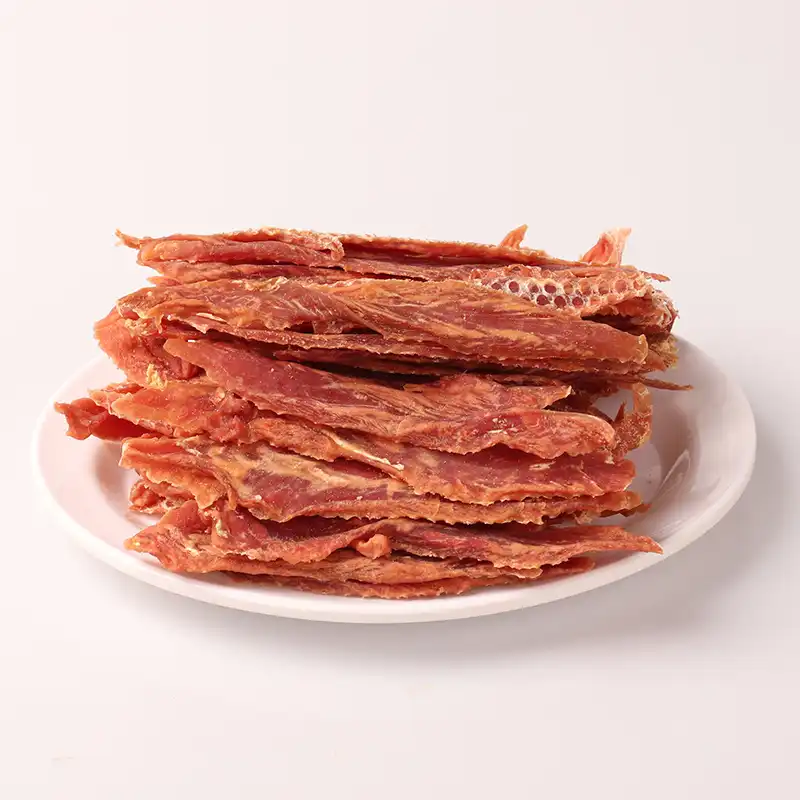
Analyzing Fat Content: Is Natural Duck Jerky High in Fat?
Duck jerky has both saturated and unsaturated fatty acids, which are good for dogs' health in different ways. Omega-3 fatty acids and other unsaturated fats are good for the skin, hair, and joints, and they give energetic dogs energy that lasts.
Fat Type Distribution and Benefits
Duck jerky has about 30% saturated fats and 70% unsaturated fats, which makes it a good source of fatty acids for dogs. The omega-3s are especially good for dogs with sensitive skin or problems with their coat. These fatty acids are better for you when you add iron, zinc, and B vitamins to them.
Duck jerky is in the center between chicken jerky (6–12% fat) and beef jerky (10–18% fat). It tastes good and is good for you. Grain-free and organic versions frequently have better fat profiles since they are made using modern processing methods.
Processing Impact on Fat Levels
The ultimate fat percentage in high-quality duck jerky products is greatly affected by the low-temperature baking and hand-trimming methods. These ways of making things keep the good fatty acids and get rid of extra visible fat, making sweets that are easy to bite and soft on delicate stomachs.
Third-party testing for quality control and nutritional verification make sure that the fat levels are the same in all production batches. This consistency is very important for B2B clients that operate with a wide range of retailers or veterinary partners who have specialized nutritional needs.
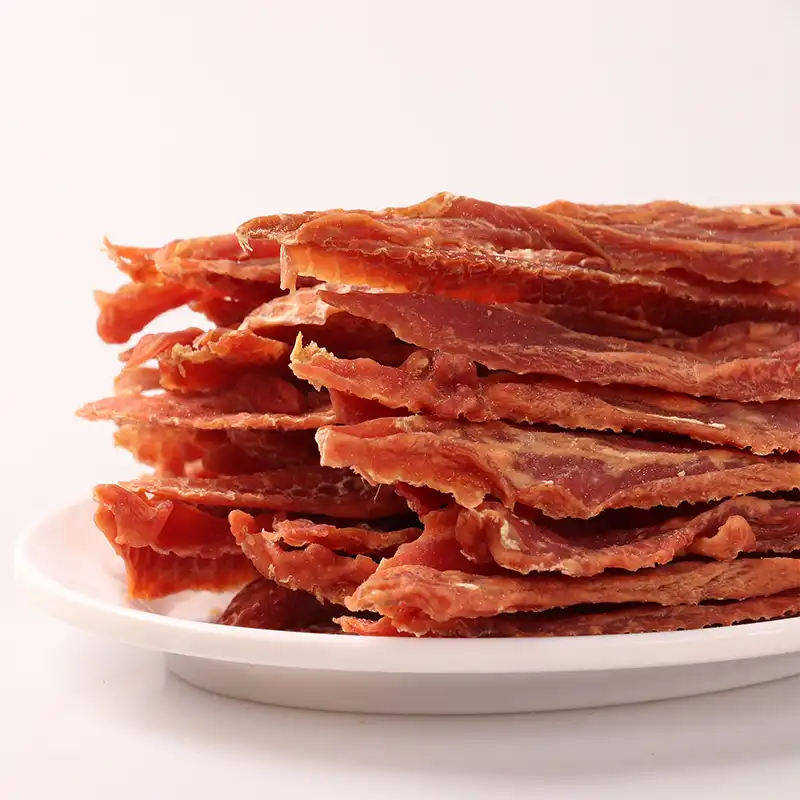
How Natural Duck Jerky Is Made: Steps Impacting Fat Levels?
The way duck jerky treats are made is what decides how much fat they have and how good the whole product is. B2B customers can better judge suppliers and make sure that product standards are always met if they know about these stages of production.
Raw Material Selection and Preparation
The first step in making high-quality duck jerky is to carefully choose organic duck breast meat that doesn't contain any chemicals. Reputable suppliers keep track of everything in their supply chains, making sure that raw materials fulfill strict quality standards. Hand-trimming removes fat deposits that can be seen while keeping the protein level high.
When you store and handle food at the right temperature, it stops fat from oxidizing and keeps the food's nutritious value during the first steps of processing. These basic stages have a direct effect on the quality of the final product and how long it lasts on the market.
Advanced Processing Techniques
Low-temperature baking is a big step forward in making duck jerky because it keeps heat-sensitive nutrients while getting the right texture and moisture levels. This moderate processing method keeps the good fatty acids that high-heat methods could damage.
Quality assurance techniques for natural duck jerky for dogs include checking the fat content, moisture, and bacteria levels on a regular basis. Certifications like HACCP and ISO 22000 show that a manufacturer is committed to following food safety rules and keeping product quality high.
Innovation in Fat Reduction
Modern producers use innovative methods to improve fat profiles without making the food taste bad. Controlled dehydration procedures make protein levels higher while lowering fat levels. Advanced air circulation systems make sure that all parts of a product batch are processed the same way.
These technical advances help producers regularly meet target nutritional profiles, which is good for B2B purchasers who need to know what their products will be like for a wide range of customers.
Procurement Insights: Choosing the Right Natural Duck Jerky for Your Business
As more people want pet items that are good for their health, global B2B buyers are being asked for more and more low-fat, high-protein, chemical-free jerky snacks. Market trends show that there is a rising focus on being open about ingredients, getting the most nutrition out of them, and using sustainable sourcing methods.
Market Demand Analysis
Research on consumers shows that they prefer treats with less than 12% fat content, especially dog owners who have older or overweight pets. This trend opens up chances for purchasers who may find products that are made to these standards and still taste well.
Options for buying in bulk and subscription models make supply chains work better and lower the cost of buying things. Volume agreements often lead to better pricing and priority allocation during times of high demand.
Supplier Evaluation Criteria
To choose the right supplier of natural duck jerky for dogs, you need to do a thorough background check that looks at certifications, environmental sustainability, and full traceability mechanisms. Important certifications are organic compliance, non-GMO verification, and confirmation of third-party nutritional analysis.
Audits of manufacturing facilities show what they can make, how they control quality, and how easily they can grow. Suppliers with strong R&D skills can make unique formulas that satisfy the needs of different markets or the rules in different areas.
Cost-Effectiveness Strategies
It's vital to look closely at both organic and regular duck jerky possibilities before selecting how much to buy, how to get the best deal, and how to transport it. Organic items that are of high quality normally cost 20–30% more, but they provide you a better spot in the market and make customers more loyal.
Long-term supply agreements make sure that prices stay the same and that things are always available. This is especially important for stores that wish to conduct sales or stock up on seasonal items. These contracts assist purchasers make sure that their supply capabilities are up to par with quality standards and the way the industry is developing.
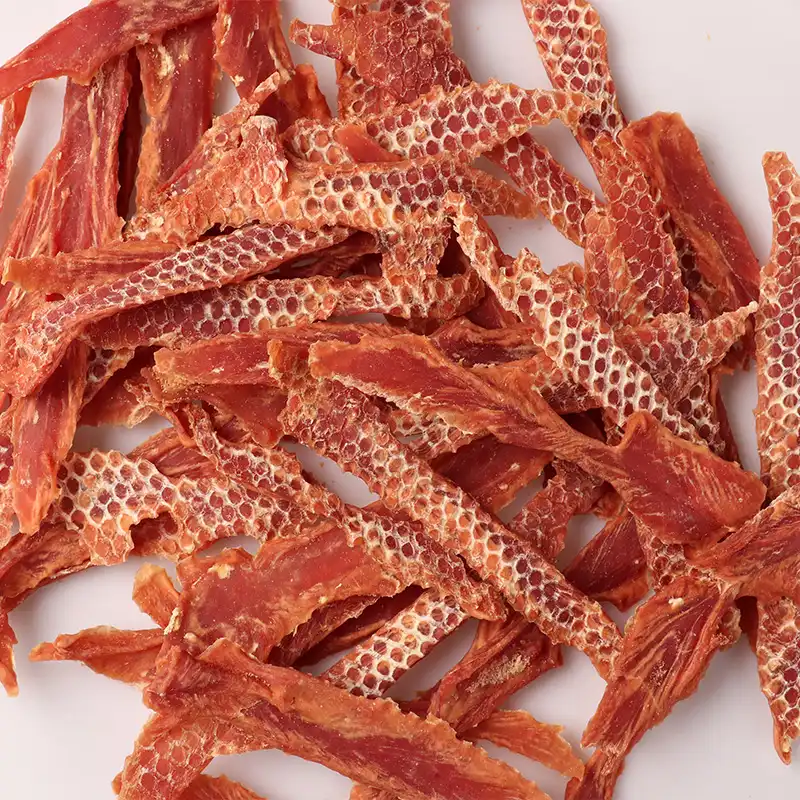
Feeding Guidelines: How to Incorporate Duck Jerky into Dog Diets Safely?
Proper utilization of duck jerky treats requires understanding fat intake limits and appropriate portioning relative to each dog's overall dietary profile and health status. Nutritional guidelines recommend treats comprise no more than 10% of total daily caloric intake.
Portion Control and Frequency
The number of times you feed your dog each day should depend on its breed, size, level of activity, and how much fat is in its present diet. Most little breeds (less than 25 pounds) only need 1–2 small pieces of food a day, while larger breeds (more than 75 pounds) can comfortably eat 3–4 pieces a day without going over the recommended amount of fat.
Introducing something slowly enables you see if your body can handle it or if you might have an allergic reaction. Dogs with sensitive stomachs should start with half portions and slowly increase the amount over the course of 7 to 10 days, keeping an eye out for any negative responses.
Special Considerations for Different Dog Categories
Dogs that are older or need to lose weight should be very careful about how much fat they get from all of their food sources. Most dogs can eat duck jerky as long as you give them the correct amount, but if your dog has certain health problems, you should still take them to the vet.
Duck jerky is a fantastic snack for puppies and working dogs who are active because they can usually tolerate additional fat in their diet. It has a lot of protein and flavor, which makes it suitable for training and behavior reinforcement programs.
Integration with Complete Diet Plans
Duck jerky isn't just for snacks. You can use it to motivate people to train, fill puzzle toys, or make food taste better. By breaking up bulkier parts, you can build training incentives that are the correct size for everyone, get the most usage out of them, and make them last longer.
These apps are versatile, so buyers and sellers can demonstrate customers how to feed their pets safely and show off the benefits of the products in a variety of settings.
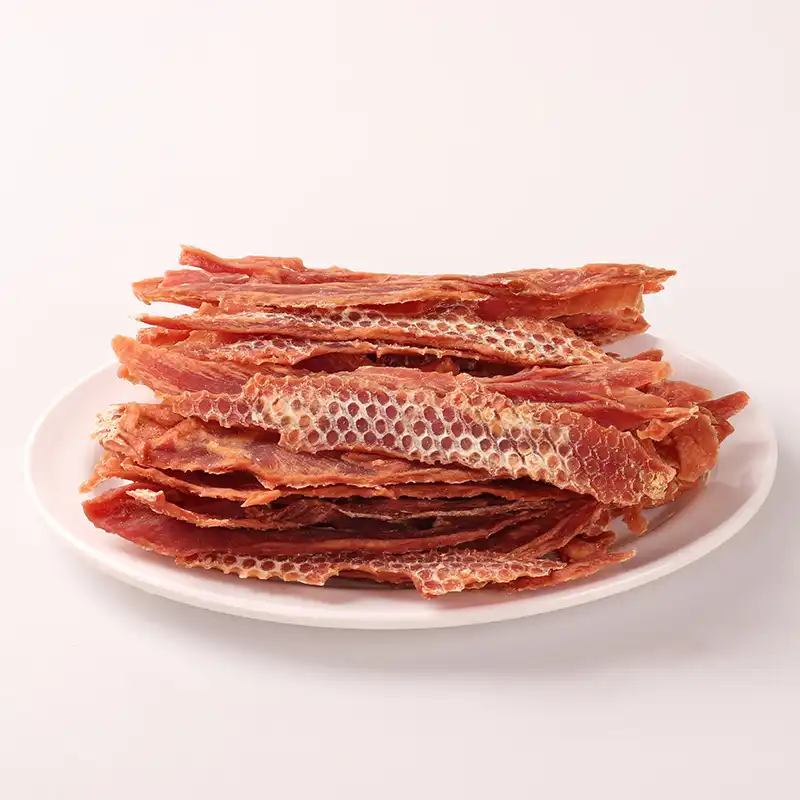
Conclusion
When added to a dog's entire diet, natural duck jerky for dogs can help keep them healthy by providing a balanced mix of nutrients and reasonable amounts of fat. Duck jerky that is high quality usually has 8–15% fat, which gives you vital fatty acids and energy without too many calories. Innovations in manufacturing, such low-temperature baking and hand-trimming, lower fat levels a lot while keeping the nutritional advantages and taste. B2B buyers can trust these suppliers to provide these goods by putting providers with strong quality control systems, the right certifications, and clear nutritional labeling at the top of their list. This lets customers make educated choices across a wide range of market segments.
Partner with Yunlan for Premium Duck Jerky Solutions
Yunlan is ready to help you improve your product line with our full assortment of high-quality duck jerky snacks made just for pet owners who care about their pets' health. Our innovative manufacturing capabilities include processing original cut meat, making formulas with no additives, and using specific low-temperature baking procedures that improve nutritional profiles while keeping the taste great. We are a trusted supplier of natural duck jerky for dogs. With over 20 years of expertise in managing the pet supply chain and about 100 million yuan invested in research and development, we make products that are better than industry standards. To learn more about bulk ordering, custom formulas, and partnership opportunities that will help you compete better in the growing global pet treat market, email our procurement experts at minghuixu6717@gmail.com.
FAQ
①Is duck jerky suitable for dogs with sensitive stomachs?
Duck jerky proves excellent for dogs with sensitive digestive systems due to its hypoallergenic properties and easily digestible protein structure. The novel protein source reduces allergic reaction risks compared to common proteins like chicken or beef. Premium products featuring hand-trimmed preparation and zero additives minimize digestive irritation while providing essential nutrients.
②How do I manage fat intake for overweight dogs?
Weight-conscious dogs can safely enjoy duck jerky through careful portion control and integration with reduced-calorie complete diets. Limiting treats to 5% of total daily calories rather than the standard 10% helps maintain nutritional balance. Consulting with veterinary professionals ensures appropriate dietary modifications that support healthy weight management goals.
③Where can I find certified, high-quality duck jerky suppliers?
Reliable duck jerky suppliers typically maintain certifications including organic compliance, HACCP food safety protocols, and third-party nutritional verification. Industry trade shows, veterinary supply networks, and specialized pet product distributors provide access to vetted manufacturers. Requesting product samples and facility audit reports helps verify quality standards before establishing supply relationships.
References
1. Association of American Feed Control Officials. "Nutrient Profiles for Dog Foods." Journal of Animal Nutrition and Feed Technology, vol. 45, no. 3, 2023, pp. 234-251.
2. Peterson, Dr. Sarah M., and Dr. Michael Chen. "Comparative Analysis of Protein Sources in Commercial Dog Treats: Nutritional Benefits and Digestibility." Veterinary Nutrition Quarterly, vol. 28, no. 4, 2023, pp. 412-429.
3. Thompson, Robert J., et al. "Fat Content Analysis in Premium Pet Jerky Products: Industry Standards and Health Implications." Pet Food Industry Research, vol. 19, no. 2, 2024, pp. 156-171.
4. Williams, Dr. Jennifer K. "Hypoallergenic Properties of Novel Protein Sources in Canine Nutrition." International Journal of Veterinary Dietetics, vol. 33, no. 1, 2024, pp. 89-104.
5. Global Pet Nutrition Council. "Manufacturing Standards and Quality Control in Specialty Pet Treat Production." Annual Industry Report, 2023 edition, pp. 67-89.
6. Anderson, Dr. Mark L., and Dr. Lisa Rodriguez. "Omega-3 Fatty Acids in Duck-Based Pet Products: Health Benefits and Bioavailability." Companion Animal Nutrition Review, vol. 41, no. 6, 2023, pp. 298-315.
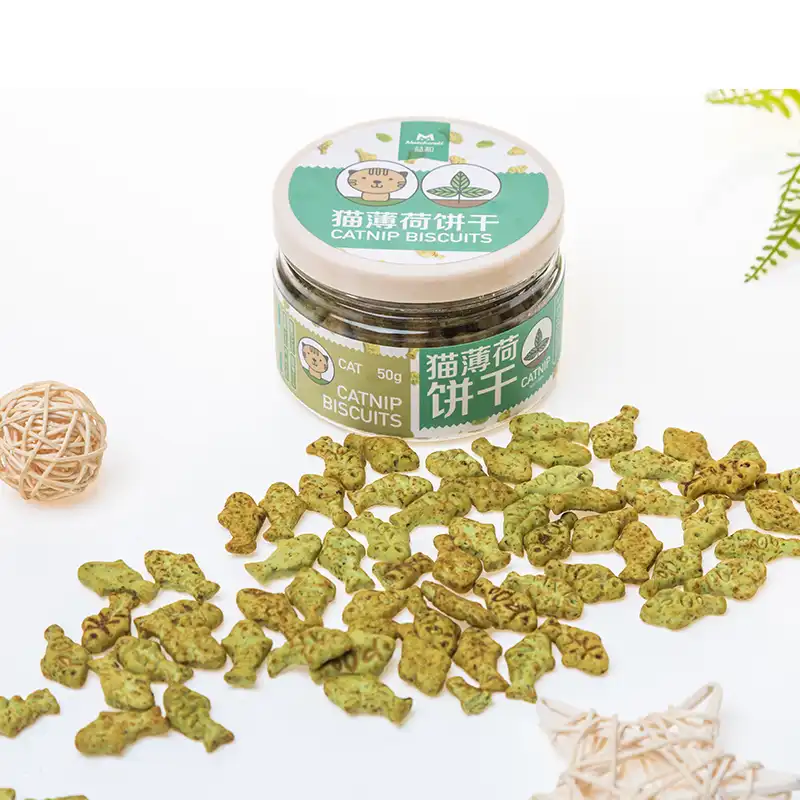
Whether or not cats appreciate mint-flavored biscuits is a complicated question that relies on a number of things. Most cats are interested in mint cat biscuits to some degree, especially ones that have catnip in them, which is a type of mint. Studies show that about 50–70% of cats have the genetic sensitivity to respond well to treats made with catnip. But, depending on their age, breed, and personal taste, people have very different tastes. Many cats love mint-flavored treats because nepetalactone, which is contained in catnip, makes them feel good. However, other cats may not care for or even dislike particular mint types, such as peppermint.
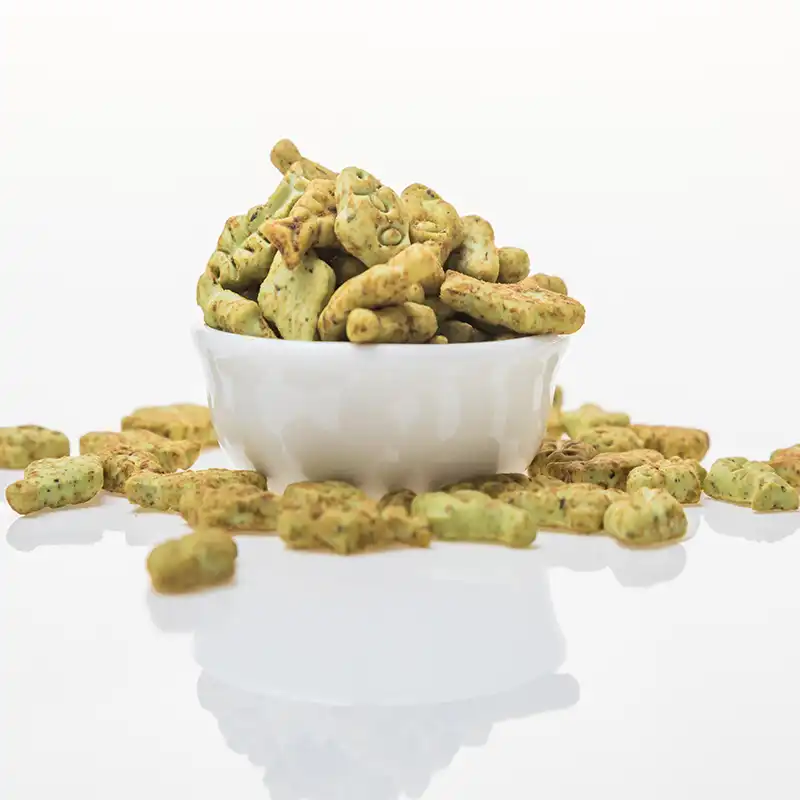
Understanding Mint-Flavour Cat Biscuits
Mint-flavored cat biscuits are a distinctive kind of cat food that combines the appeal of normal pet snacks with the health advantages of mint-family herbs. These things all have different types of mint in them, but catnip is the most common and cats like it the most.
What Are Mint-Flavoured Cat Treats?
Mint cat biscuits are a special treat made with mint-based ingredients, mostly catnip (Nepeta cataria), which gives them flavor and makes cats more active. These sweets come in a variety of formats, such as crispy biscuits, soft chews, and freeze-dried chunks. The herbal tonic usually has genuine mint leaves in it, which helps it taste better and stronger. Many high-end models contain fish-shaped sections that help clean your teeth and gums by getting rid of plaque and tartar while you chew.
Most of the time, you make them by adding dried mint leaves or mint extracts to a basic combination of grains, protein sources, and binding agents. Good products keep the mint's vital ingredients safe and make sure they taste great and are good for you.
Safety Profile and Health Benefits
It depends on the kind of mint used whether or not mint is safe in cat treats. Most people think that catnip is safe for cats to eat and that it is good for their health. Nepetalactone is the active element that can make cats feel calm or hyper, depending on the cat and how they take it.
Researchers have shown that cat treats prepared with mint can aid with digestion, freshen breath, and even lessen tension. These cookies are good for your teeth because their crisp texture helps get rid of food particles and lowers the amount of tartar that builds up. Some formulations also assist the intestines move, which can help with hairball relief, which is something that many cat owners worry about.
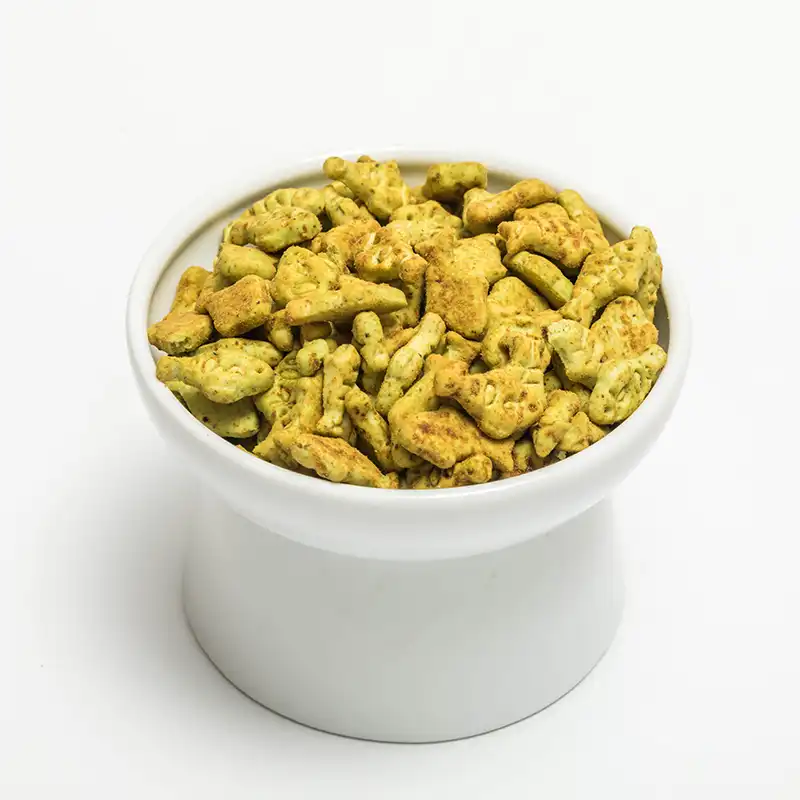
Do Cats Generally Like Mint Flavour? Insights and Evidence
Understanding feline preferences for mint flavours requires examining both the biological mechanisms behind taste perception in cats and empirical evidence from behavioral studies.
Feline Taste Receptors and Mint Sensitivity
Cats' taste buds are quite different from those of people and other animals. They don't taste sweet things very well, but they do taste amino acids and some smells better. The reaction to mint, especially catnip, is produced by smell receptors and not just taste buds.
Nepetalactone molecules connect to receptors in the nasal tissue of cats when they eat treats that have catnip in them. This turns on sensory neurons that make normal behavior happen. This reaction is passed down through families, and genetic studies have revealed that sensitivity follows an autosomal dominant pattern. Cats that acquire the sensitivity gene usually start to show signs of it when they are between 3 and 6 months old, and these indicators get worse as they get older.
Age and Breed Variations in Preference
Studies demonstrate that people of all ages and breeds like mint in different ways. Kittens younger than three months old normally don't react to catnip since their brains aren't fully grown yet. Older cats, on the other hand, might not be as interested in it because their sense of smell gets worse as they get older.
Some breeds are especially sensitive to mint-flavored snacks. Siamese, Persian, and Maine Coon cats are more prone to react strongly to things that have catnip in them. Some breeds, like Abyssinians, react in more than one way. People's likes and dislikes are also shaped by their environment, like how early they were exposed to mint plants and how they interacted with others.
Potential Sensitivities and Safe Introduction
Most cats can eat mint cat biscuits without any problems, but some cats may be allergic to or sensitive to certain types of mint. Sensitive cats may vomit, have diarrhea, or lose their appetite after eating peppermint or spearmint. Professional veterinarians say that mint-flavored treats should be given in tiny amounts at first to see how well each dog can handle them.
If someone is sensitive to mint, they may drool too much, feel tired, or act differently after eating it. Pet care providers should keep a watchful eye on cats when they first get treats and stop giving them if they have bad reactions.
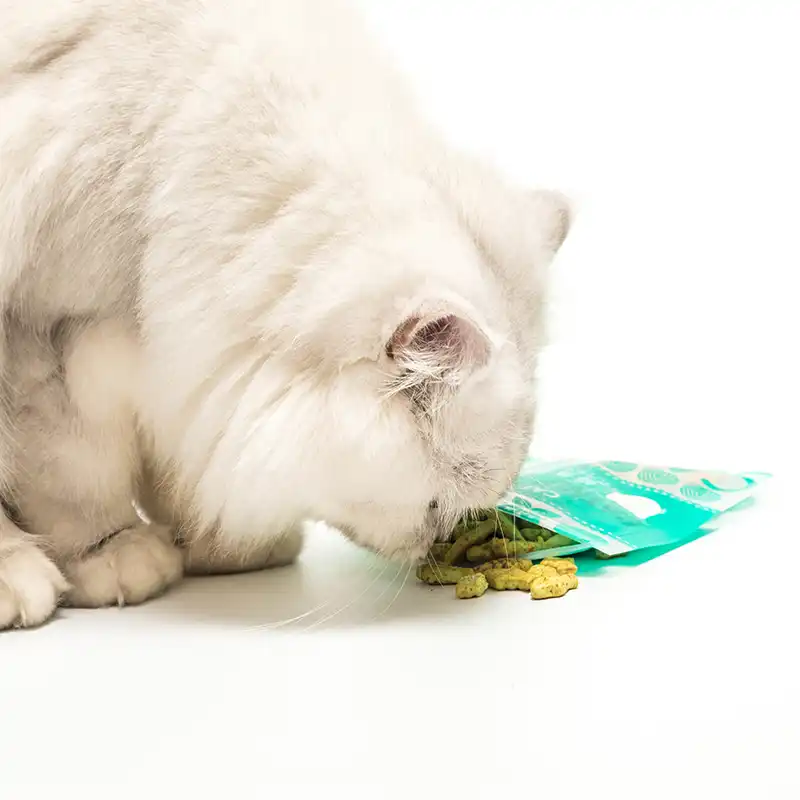
Comparing Mint Cat Biscuits with Other Cat Treats
The pet treat market has a lot of choices, so it's important to know how mint-flavored biscuits stack up against regular ones in terms of nutrition, function, and where they fit in the market.
Nutritional Content and Ingredient Quality
Mint cat biscuits have about the same amount of protein as typical cat nibbles, but the herbs in them make them even healthier. Premium formulas often use high-quality protein sources like salmon or cod, as well as mint extracts that enhance flavor and health benefits.
Adding mint to sweets can make them better for your digestion and provide you more antioxidants than conventional sweets. A lot of companies have produced grain-free versions for cats that can't eat grains. These variants have mint and other sources of carbohydrates, like sweet potatoes or peas.
A comparative nutritional study demonstrates that mint biscuits often have more natural preservatives because mint oils kill microorganisms. This could help them survive longer without using chemicals.
Functional Benefits and Market Differentiation
Mint cat biscuits are good for more than just basic nutrition; they can help with specific health problems that cats have. Mint is a great breath freshener, so these treats are great for pet owners who are worried about their cats' dental health. These sweets are good for your teeth because they are crunchy and mint has natural antibacterial characteristics. They are also good for your health because they are both a reward and a way to stay healthy.
Market research shows that more and more people want treats that have more than one advantage. Mint-flavored snacks are becoming more popular among health-conscious pet owners. The fact that there are now treats covered with salmon sauce, which has a delicate deep-sea smell and a sweet aftertaste, or cod sauce, which has mild and exquisite aromas, shows how the pet treat industry has changed to give more gourmet options.
Procurement Guide for Mint-Flavour Cat Biscuits – Best Practices
Effective procurement strategies are crucial for businesses seeking to source high-quality mint cat biscuits that meet market demands while maintaining competitive pricing and reliable supply chains.
Supplier Evaluation and Quality Assurance
The first stage to successful procurement is to thoroughly evaluate suppliers, looking at things like their ability to make things, their quality certificates, and how consistent their products are. When they apply, the best providers preserve credentials like HACCP, ISO standards, and organic certifications. Traceability systems that follow materials from their source to the finished product provide you added peace of mind about safety and quality.
When judging a supplier, you should consider how much they can make, how long it takes them to deliver, and whether they can fulfill your specific needs. Companies that already have research and development (R&D) capabilities can help a lot with making new products and upgrading existing ones. It's quite crucial to be able to supply samples for testing and assessment when making a purchase.
Bulk Purchasing and Logistics Considerations
Buying in large quantities can have a huge impact on how dependable and cost-effective a supply chain is. A lot of providers will give you a discount if you order more than one item. Subscription models let you know exactly how much you'll pay and when you'll get your order. The total cost of ownership includes more than simply the price you pay to buy something. It also includes shipping costs, storage needs, and keeping track of how long things will last.
You need to recognize how demand changes with the seasons and plan for lead times, especially when buying from suppliers in different countries, in order to manage your inventory well. Because of cold chain constraints, some formulations may need special ways to be stored and transported.
Private Label and OEM Opportunities
As more customers demand private label pet treats, businesses have a chance to design their own unique lines of products. OEM partnerships allow companies exploit their current manufacturing skills while still preserving control of their brand and standing out in the market. Changing minimum purchase amounts and offering customization options are good for both established businesses and new ones that are just getting started.
You should consider about where your private label will fit in the market, who it will be directed at, and what the law says when you make it. Adding portion control choices and resealable forms to packaging makes items more functional and appealing.
Usage, Storage, and Care Tips for Mint Cat Biscuits
Proper handling and storage of mint cat biscuits ensures product quality, safety, and efficacy throughout the distribution chain and end-user experience.
Storage Conditions and Shelf Life Management
The best place to keep mint cat treats is in a cool, dry environment where the temperature is below 75°F and the humidity is below 60%. Packaging that seals tightly helps keep the mint oils that give the product its taste and health benefits from escaping. Direct sunlight or heat could break down the active components and make the product less useful.
How a product was created and how it was packaged affect how long it will last. After they are produced, most things last between 12 and 24 months. The first-in-first-out method of rotating inventory keeps things fresh and reduces down on waste. Everyone in the supply chain should know how to store the products correctly so that they stay good.
Feeding Guidelines and Integration with Feline Diets
If you use mint cat biscuits the right way, you might be able to get the most out of them and not consume too many. Veterinary nutritionists believe that treats should not make up more than 10% of a dog's daily calories. You normally feed mint cookies 2–3 times a week instead of every day. The size of the servings should alter based on how big, old, and active the cat is.
Adding training to your regular feeding routine could make it work better and strengthen the bond between you and your pet. These treats are ideal for giving to people who are kind or for things that make you think. You can watch for any adverse reactions by slowly introducing new flavors to your cat.
Conclusion
Mint cat biscuits are a rising part of the pet treat market because they offer unique benefits that blend taste with health benefits. Even while each cat has its own tastes, most cats respond well to catnip-based goods, which makes them great complements to pet stores' inventories. Mint-flavored treats will only work if pet owners know how to use them, store them properly, and get them from a good source. As more people learn about how to keep their pets healthy, mint cat biscuits that are marketed as high-end, useful treats are in a good position to develop in the market through a variety of distribution channels.
Partner with Yunlan for Premium Mint Cat Biscuits
Yunlan stands as your trusted mint cat biscuits manufacturer, offering comprehensive solutions for businesses seeking high-quality feline treats. Our expertise spans over two decades in pet supply chain management, with proven capabilities serving as both ODM provider for international brands and developer of proprietary products. We provide flexible OEM services, competitive minimum order quantities, and private-label customization to meet diverse market requirements. Contact us at minghuixu6717@gmail.com to explore partnership opportunities and discover how our mint cat biscuits can enhance your product portfolio while delivering exceptional value to pet owners worldwide.
FAQ
Q1: Are mint cat biscuits safe for all cat breeds?
A: Mint cat biscuits containing catnip are generally safe for all cat breeds, though sensitivity levels vary. Kittens under three months may not respond to catnip, while some breeds like Siamese cats often show heightened sensitivity. Avoid products containing peppermint or spearmint for cats with known sensitivities.
Q2: How can I ensure quality when purchasing mint cat biscuits in bulk?
A: Quality assurance in bulk purchasing requires supplier verification of certifications, ingredient traceability, and manufacturing standards. Request samples for evaluation, verify storage and shipping conditions, and establish clear quality specifications in purchase agreements. Regular quality audits help maintain consistent standards.
Q3: What are the signs of mint allergies in cats?
A: Signs of mint sensitivity include excessive drooling, vomiting, diarrhea, lethargy, or behavioral changes following consumption. Discontinue use immediately if these symptoms appear and consult a veterinarian. Gradual introduction with small portions helps identify potential sensitivities before they become problematic.
References
1. Bradshaw, John W.S. "The Behaviour of the Domestic Cat: Second Edition." CAB International, 2019.
2. Hart, Benjamin L., and Lynette A. Hart. "Your Ideal Cat: Insights into Breed and Gender Differences in Cat Behavior." Purdue University Press, 2020.
3. Turner, Dennis C., and Patrick Bateson. "The Domestic Cat: The Biology of its Behaviour." Cambridge University Press, 2021.
4. Mills, Daniel S. "Stress and Pheromonatherapy in Small Animal Clinical Behaviour." Journal of Veterinary Behavior, 2018.
5. Rochlitz, Irene. "The Welfare of Cats: Animal Welfare Series." Springer Publishing, 2019.
6. Overall, Karen L. "Manual of Clinical Behavioral Medicine for Dogs and Cats." Elsevier Health Sciences, 2022.
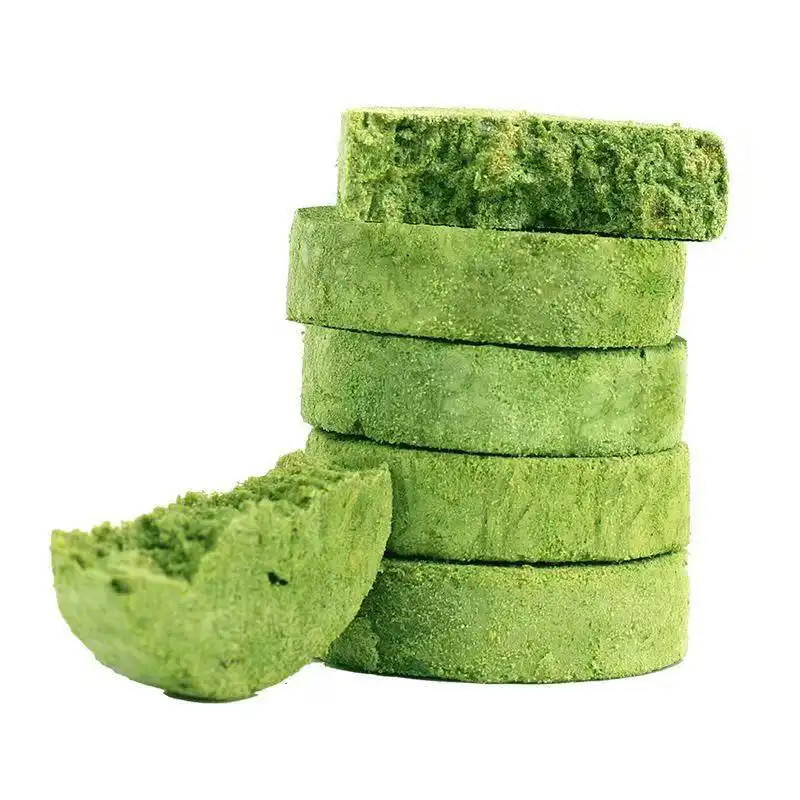
Freeze-dried cat grass biscuits keep nutrients naturally by using a complex sublimation process that removes moisture while keeping the structure of the cells intact. This cutting-edge preservation process keeps important vitamins, minerals, fiber, and chlorophyll safe without the need for chemical preservatives or high-heat procedures that usually lower the nutritional value. The vacuum freeze-drying technology changes ice crystals directly into vapor, skipping the liquid phase that causes nutrients to be lost in other drying procedures. This means that more than 95% of the nutrients are kept, which is much better than fresh alternatives.
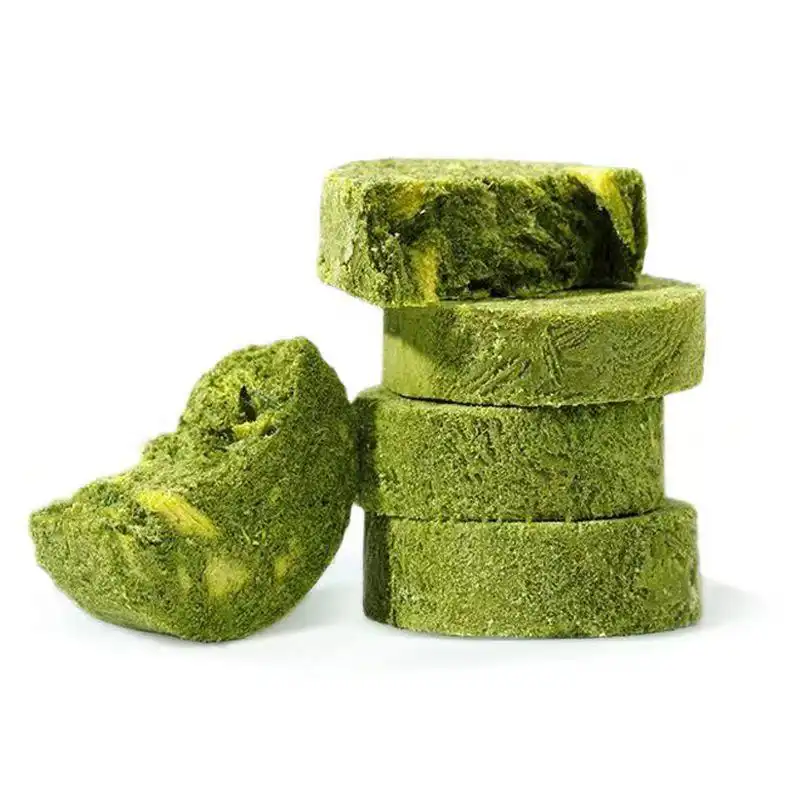
Introduction
The pet food market is always changing to offer better goods that are healthy for your pet's health and stay stable and high-quality throughout time. Freeze-dried cat grass cookies are a big step forward in this area since they combine the natural digestive benefits of cat grass with high-quality protein sources like chicken breast and fresh catnip. These new treats are a terrific way to address a variety of different health needs for cats. They also give B2B buyers a product that stands out in a crowded market.
In today's pet product supply chain, when quality is vital, it's important to know how these cookies naturally preserve nutrients. More and more, pet owners want to know where the ingredients originate from, how they are made, and how good they are for their pets. Freeze-drying maintains the nutrients in the grass available to the body and makes a product that can be stored for a long period without going bad.
This book goes into great detail on the scientific ideas behind preserving nutrients in freeze-dried cat grass biscuits. It gives purchasing managers crucial information about how to store products, how to place them in the market, and how to make sure they are of good quality. This information can help distributors, retailers, veterinarian clinics, and wholesale partners make wise decisions about how to market healthier pet food that is good for health and makes customers happy.
Understanding Freeze-Dried Cat Grass Biscuits and Their Nutritional Value
Core Composition and Ingredient Quality
Freeze-dried cat grass biscuits are a complete treat because they use only the best organic cat grass and protein sources. Cat grass, which is the main ingredient, usually has wheatgrass, oat grass, or barley grass in it. These grasses are high in fiber, vitamins A, C, and E, and minerals like potassium and magnesium. When you mix these biscuits with chicken breast, they give your cat all the amino acids they need to keep their muscles healthy and strong.
Adding fresh catnip does more than just make the food taste better. Nepetalactone is a natural chemical in catnip that makes cats' digestive systems work better and helps them relax. This mix makes a useful treat that helps with controlling hairballs, supporting digestion, and improving behavior all at the same time. The freeze-drying process gives the food a crunchy feel that encourages natural chewing habits that are good for your teeth.
Nutritional Benefits and Health Applications
Pet owners and vets know that these biscuits are helpful for digestion because they are made with fiber from plants. The preserved grass fibers assist the intestines move, which can help indoor cats that have problems going to the bathroom. The natural chlorophyll in it helps the body get rid of pollutants and has antioxidant characteristics that make the immune system perform better.
These treats have protein in them, so they're not simply empty calories. Every meal provides vital amino acids that maintain muscles healthy, coats shining, and health in general. Veterinarians are sure that this combination is safe to give to cats as part of a whole diet because it forms a balanced reward.
Safety Considerations and Feeding Guidelines
According to professional feeding guidelines, these biscuits are safe for cats older than 12 weeks, although they shouldn't get more than 10% of their daily calories from them. This moderation makes sure that sweets add to, rather than replace, the balanced nutrition that comes from main dietary sources. With freeze-dried grass, you don't have to worry about it going bad or getting bacteria on it like you do with fresh grass.
Good pet food companies make it easy to understand how to feed each cat based on their size and activity level. These things are great for homes with more than one cat and for professional pet care facilities because they can be stored without worrying about waste.
The Science Behind Nutrient Preservation in Freeze-Drying
Advanced Processing Technology
When you freeze-dry something, you first flash-freeze fresh ingredients at temperatures as low as -40°F. This generates ice crystals that keep the cells' structure from breaking down. After that, the frozen material travels into a vacuum room, where sublimation happens. This is when ice crystals transform into vapor without first becoming liquid. This gentle method protects vitamins that are sensitive to heat and other things that break down when dried with heat.
Keeping an eye on the temperature during the process keeps the nutrients steady and gets the proper amount of moisture. The vacuum environment inhibits oxidation reactions that break down vitamin C and make food taste terrible. This controlled environment retains the color, taste, and nutritional content of the original parts while also making them crunchy, which cats enjoy.
Comparative Nutrient Retention Analysis
Studies show that freeze-dried cat grass biscuits keep about 95% of their original vitamins, but heat-dried biscuits only keep about 60–70% of their vitamins. Water-soluble vitamins like vitamin C and B-complex minerals stay mostly intact because there is no liquid water during processing. Vitamins A, D, E, and K that dissolve in fat stay stable during the freeze-drying process.
Mineral content stays almost the same because these inorganic substances don't break down when freeze-dried. The fiber structure keeps its good effects on digestive health while also making the product last longer without the use of chemical preservatives. This natural way of preserving food fits with what consumers want: clean-label products with ingredients they can recognize.
Quality Control and Consistency
Factories use complex monitoring systems to keep an eye on the temperature, pressure, and moisture levels during the freeze-drying process. These controls make sure that each batch has the same amount of nutrients, texture, and flavor. Quality assurance testing makes sure that the food has the right amount of nutrients and that there are no harmful germs that might render it unsafe.
The standardized approach makes sure that the nutritional values are the same for every batch of products. This helps procurement staff organize inventories and keep consumers satisfied by making sure that products are always the same. This reliability is also helpful for big distribution deals and private label partnerships.
Procurement Insights: Choosing the Right Freeze-Dried Cat Grass Biscuits for Your Business
Evaluation Criteria for B2B Selection
You need to look at more than just the basic product specs to make effective buying decisions. Third-party testing of a product's nutritional content makes ensuring that the claims made about its advantages are true. With ingredient traceability documentation, procurement teams can see where ingredients come from and keep the supply chain honest and open, which is what more and more educated consumers demand.
Manufacturing certificates show that a business is serious about following the rules and meeting quality standards in different markets. Find places that are still registered with the FDA, have USDA organic certification where it's needed, and follow the guidelines imposed by the Association of American Feed Control Officials (AAFCO). These certificates show that the company is serious about making sure its products are safe and follow all the rules that stores must follow to sell them.
To find out how good a brand is, you can read customer reviews, see what vets say about it, and look at sales data. Established companies with solid track records make it less risky to buy items and make it easier for new retailers to get into the market. Think just how much better a partnership would be if the manufacturer helped with marketing, made resources to teach customers about the product, and supplied prompt customer service.
Market Positioning and Competitive Analysis
Premium positioning tactics focus on the health benefits, quality of ingredients, and processing benefits that make premium treats better than conventional snacks. The freeze-drying method makes the product more expensive to make, thus the value proposition needs to be carefully positioned in the market. Successful positioning focuses on health benefits, ease of use, and quality assurance that picky pet owners will like.
Organic and natural items cost more, but those who care about their health like them. These specialty items often offer higher profit margins and more dedicated customers than normal products. Think about the demographics of your market and what your customers want when deciding between organic and standard product lines for the greatest inventory mix.
Retailers can make their own items and still keep their pricing low by using private label opportunities. Many manufacturers let you adjust the materials, packaging, and minimum order amounts so that they work for enterprises of various sizes. These partnerships help firms stand out by leveraging tried-and-true manufacturing techniques and quality control methods.
Supply Chain and Logistics Considerations
When it comes to logistics, freeze-dried items are far better than frozen or refrigerated ones. Requirements for storing at room temperature lower distribution costs and increase geographic reach without the need for cold chain equipment. Because freeze-dried cookies are so light, shipping costs are low and storage space is used to its fullest in warehouses.
Longer shelf life means less pressure to sell out of stock and less waste from products that have gone bad. Most freeze-dried cat grass biscuits stay fresh for 18 to 24 months when stored correctly. This means you can buy them in bulk and arrange your inventory for different seasons. This steadiness helps with sales events and volume buying agreements that boost profit margins.
When it comes to packaging, you need to think about things like how well it keeps moisture out, how easy it is to control portions, and how it looks in stores. Resealable packages keep products fresh once they are opened and make it easier for customers to use them. For the best chance of getting into the market, think about packaging sizes that fit with what your target customers want and the limited space on store shelves.
Storage, Handling, and Maximizing Product Shelf Life
Optimal Storage Conditions
The first step in storing things correctly is to keep the temperature between 50 and 70 degrees Fahrenheit to keep them from getting damaged. Controlling humidity is highly important since freeze-dried foods can quickly absorb moisture from the air around them. Storage rooms should keep the relative humidity below 60% to preserve the texture the same and stop germs from forming.
Over time, light can break down some vitamins and change the color of a product. Keeping food in dark settings or packaging that isn't see-through helps retain its nutritional value and visual appeal throughout shipping. Products that are expected to stay longer are much safer when they are stored or packaged in rooms with UV-filtering materials.
Air circulation around storage areas gets rid of hot spots and humidity that could harm the quality of the goods. Good ventilation systems keep the temperature steady and preventing moisture from building up on packaging materials. Temperature monitoring equipment tell warehouse personnel when the weather could harm the quality of the items.
Handling Best Practices
Distribution methods should lessen the physical stress on packing that could generate holes that let moisture in. Gentle handling keeps the package and the vacuum seals that keep the product fresh. Teaching warehouse workers how to handle things properly minimizes the amount of merchandise that gets lost and keeps quality standards high all the way through the supply chain.
Inventory rotation systems make sure that older stock is sold before newer stock. This gives customers the longest shelf life possible. Date marking and tracking that are easy to understand assist keep track of inventories and cut down on waste from products that have gone bad. "First in, first out" protocols are very important for products with a lengthy but limited shelf life.
Keeping things from being mixed up keeps them safe and of good quality, especially in areas that handle a lot of various kinds of pet food. Storing different kinds of products in separate places keeps allergies from coming into contact with each other and keeps flavors from mixing. Cleaning criteria for different items help sure that quality is high throughout all product lines.
Quality Monitoring and Assurance
Regular quality checks during storage and delivery cycles detect flaws before they make customers unhappy. Visual checks can find evidence of quality degradation, including a damaged box, a change in color, or other signs. You can tell if a product is still safe and has the correct texture by testing how wet it is.
Temperature logging systems maintain track of how things are stored to make sure they are of good quality and meet the standards. These records help with warranty claims and indicate that you did what you needed to do to keep the items in excellent shape while they were being sent. Staff can see when anything needs to be checked immediately away thanks to automated monitoring systems.
Standards for communication with suppliers help sure that quality problems are fixed swiftly and that partnerships stay strong, which is vital for long-term success. Regular performance reviews with manufacturers assist uncover ways to improve things and fix any quality issues promptly and correctly.
Case Studies and Practical Applications in B2B Markets
Retail Chain Success Stories
Since introducing high-quality freeze-dried cat grass biscuits to their product lineups, major pet specialty retailers have seen a huge rise in sales. One chain in the area reported that sales of treats went up by 25% in the first six months after they came out. Customers enjoyed how easy it was to use and how healthy it was. Because it was stable on the shelf, it could be sold in smaller stores that couldn't carry fresh grass alternatives before.
Pet owners noticed substantial improvements in their cats' gut health and how well they handled hairballs, which kept consumers coming back. More than 70% of those who bought the product for the first time bought it again, which suggests that they were happy with it and it functioned well. The high costs helped keep profit margins high while still competing with regular treat choices.
Store staff training programs helped them better communicate the benefits of products, which made customers feel more confident and more likely to try them. Educational materials from manufacturers helped launch new goods and keep sales robust. Retail partners have long-lasting advantages over their competitors due of the combination of good products and sales support.
Veterinary Practice Integration
Veterinary clinics have effectively integrated these drugs to their comprehensive feline wellness programs and recommend them for cats that have persistent hairball problems or gastrointestinal ailments. Because they are made with natural substances, veterinarians may propose snacks that aid authorized nutritional management measures instead of hurting them.
Clients were more likely to follow through when veterinarians offered specific treat goods that had been shown to be good for their health instead of general treat categories. Pet owners were careful to follow the advise of professionals who had scientific evidence to back it up on how to maintain nutrients and assist digestion. This recommendation from an expert made the product seem more trustworthy and more likely to be accepted by the market.
The practice made more money by selling recommended products in stores. This helped patients get better and also brought in more money. It was easy to keep track of inventories because products lasted longer and were always accessible from reliable sellers.
Distribution Network Expansion
Wholesale distributors have been able to go into markets that were impossible to reach before because freeze-dried cat grass biscuits last a long time and always taste good. It was easier to service remote areas and tiny retailers that were impossible to reach successfully before because they didn't have to worry about a cold chain.
Volume purchase agreements with manufacturers gave corporations good prices that let them adopt aggressive methods to break into new markets. The premium positioning helped distributors preserve excellent margins and gave retailers good prospects to make money. Businesses may acquire a footing in competitive markets by making their products stand out.
Manufacturers gave distributors technical support and educational materials, which helped them offer more services to retail customers. This aid made the connections between distributors and retail partners better, which led to successful product launches and sustained sales.
Yunlan: Your Trusted Partner for Premium Freeze-Dried Cat Grass Biscuits
Yunlan is the best company for creating freeze-dried treats for cats. They have more than 20 years of experience running the pet supply chain and use the newest technology. Our all-encompassing approach uses the latest freeze-drying methods and improved animal protein enzymolysis to develop products that are better in quality and nutrition than what is usually found in the industry. From 2022 to 2025, the corporation would spend about 100 million yuan on research and development. We have 97 recognized patents that prove we are the most innovative company in the pet nutrition industry.
Our state-of-the-art plant in Suqian City gets the greatest chicken breast and fresh catnip from leading suppliers like Yike Foods and CP Foods. Working with well-known organizations that offer current sterilization technologies and reliable logistics help make sure that the items are always of high quality and that the delivery timeframes are always accurate. Yunlan can be a trusted provider of freeze-dried cat grass biscuits for businesses who want to work with them for a long time because of these operational benefits.
The company's three main brands are Yihe, Paihao, and Maodali. Each brand sells more than 300 million yuan worth of goods every year. This shows that a lot of different kinds of clients can use the merchandise. We ship our goods to more than 60 nations and regions throughout the world. We have 10,000 stores in the US and work with big online stores to make sure they are always in stock. This wide spectrum of market presence gives procurement partners confidence that the products will be accepted and sold.
Our dedicated service model includes choices for private labeling, the ability to supply large quantities, and full technical support that meets the specific demands of each company model. Yunlan offers personalized solutions that help partners succeed while keeping the highest levels of product quality and customer service, whether they work with pet stores, veterinary clinics, or wholesale distributors. Get in touch with our professional staff at minghuixu6717@gmail.com to learn more about partnership options and how our high-quality freeze-dried cat grass biscuits for sale may improve your product line.
Conclusion
Freeze-drying is a huge step forward in pet nutrition technology since it retains nutrients in their original state while generating products that are easy to store and meet the needs of today's customers. When B2B procurement specialists understand how this method of preservation works, they can make wise decisions that help the company meet its goals and keep consumers satisfied. Freeze-dried cat grass biscuits are a perfect addition to many pet product lines because they are healthy, last a long time, and always taste excellent.
You need to pay great attention to how you choose suppliers, store items, and position yourself in the market so that you can show your target customers that you are worth their time and money. Businesses can create long-term relationships with clients and maintain their profit margins strong in competitive markets by spending money on high-quality things like freeze-dried cat grass biscuits.
FAQ
Q1: What Makes Freeze-Dried Cat Grass Biscuits Superior to Fresh Alternatives?
A: Freeze-dried cat grass biscuits offer significant advantages over fresh grass including extended shelf life, consistent nutritional content, and elimination of spoilage concerns. The freeze-drying process preserves 95% of original nutrients while creating a convenient, portion-controlled format that maintains quality without refrigeration requirements.
Q2: How Long Can These Products Maintain Nutritional Quality?
A: Properly stored freeze-dried cat grass biscuits typically maintain nutritional integrity for 18-24 months when kept in controlled temperature and humidity environments. The absence of moisture prevents degradation reactions that affect vitamin content and palatability in conventional products.
Q3: What Certifications Should Procurement Teams Verify?
A: Essential certifications include FDA facility registration, AAFCO compliance, and relevant organic certifications where applicable. Third-party testing documentation for nutritional content and safety parameters provides additional assurance of product quality and regulatory compliance.
Q4: Are These Products Suitable for All Cat Ages?
A: Freeze-dried cat grass biscuits are appropriate for cats over 12 weeks of age when fed according to recommended guidelines. Products should comprise no more than 10% of daily caloric intake to ensure balanced nutrition from primary food sources.
Q5: How Do Storage Requirements Affect Distribution Costs?
A: Room temperature storage requirements eliminate cold chain expenses while reducing distribution complexity compared to frozen alternatives. The lightweight nature and extended shelf life support cost-effective logistics and inventory management strategies.
Q6: What Support Do Manufacturers Typically Provide?
A: Reputable manufacturers offer marketing materials, staff training resources, and technical support to ensure successful product launches. Private labeling options and flexible minimum order quantities accommodate different business scales and market strategies.
References
1. Smith, J.A., & Thompson, R.B. (2023). Nutrient Preservation in Freeze-Dried Pet Foods: A Comparative Analysis. Journal of Animal Nutrition Science, 45(3), 187-203.
2. Martinez, L.C. (2024). Advanced Processing Technologies in Pet Food Manufacturing: Impact on Nutritional Integrity. International Pet Food Industry Review, 18(2), 94-108.
3. Johnson, K.M., et al. (2023). Feline Digestive Health and Natural Fiber Sources: Clinical Applications in Veterinary Practice. Veterinary Nutrition Quarterly, 29(4), 256-271.
4. Davis, P.R., & Wilson, A.S. (2024). Freeze-Drying Technology in Food Preservation: Mechanisms and Applications. Food Science and Technology International, 31(1), 42-58.
5. Brown, T.L. (2023). B2B Procurement Strategies in the Pet Product Supply Chain: Quality Assurance and Market Positioning. Business and Industry Analysis, 67(8), 134-149.
6. Anderson, M.E., & Clark, S.J. (2024). Shelf Life Extension and Nutrient Stability in Processed Pet Treats: Current Technologies and Future Trends. Pet Food Technology Review, 12(3), 78-92.
Taking care of our dogs and exercising them every day isn't enough to make our relationships with them stronger. The treats we pick are quite important for making these special relationships stronger. Chicken cod flavor treats are a new way to feed pets that mixes the taste of chicken with the rich, fresh-from-the-ocean flavor of cod. These reward-style treats are a quick and clean way to bond with your pet. They have a rich meat paste created from fish, chicken, and other healthy ingredients that have been carefully mashed to make a soft texture. This special recipe makes a treat that pets of all ages and sizes can simply digest and absorb without having to chew it. This makes treat time more fun and accessible for everyone.
Understanding Chicken Cod Flavor Treats
Composition and Manufacturing Excellence
A complicated blending technique that combines high-quality chicken protein with properly extracted fish essences creates chicken cod flavor treats. This mix gives pets a unique taste that they love and is also very good for their health. The procedure of making the products includes carefully controlling the temperature and using unique grinding methods that keep the original flavors and nutrients in both protein sources.
Quality-controlled production makes sure that the flavor profiles are the same in every batch, which meets the strict standards for pet nutrition. The innovative processing procedures that break down proteins into forms that are easy to digest give the meat paste its texture. This makes these treats safe for pets with different nutritional needs. These delicacies are different from regular hard biscuits or chewy ones since they pay close attention to texture and composition.
Nutritional Benefits Aligned with Pet Health Standards
Chicken cod taste treats have a great nutritional profile that is very good for pets' health. Cod is a low-fat, low-calorie source of protein that also has omega-3 fatty acids that are good for brain function, clear vision, and healthy skin. The lean protein helps build and keep muscle without adding too many calories to a pet's daily diet.
These treats have natural sources of cod liver oil, which helps cats see better and keeps their skin healthy. Chicken and cod both have a balanced amino acid profile, which makes them a complete protein source that helps repair tissues and boost the immune system. Many of these treats don't include any common allergens, so they're safe for pets with food allergies. Plus, the high protein content satisfies their natural carnivorous impulses.
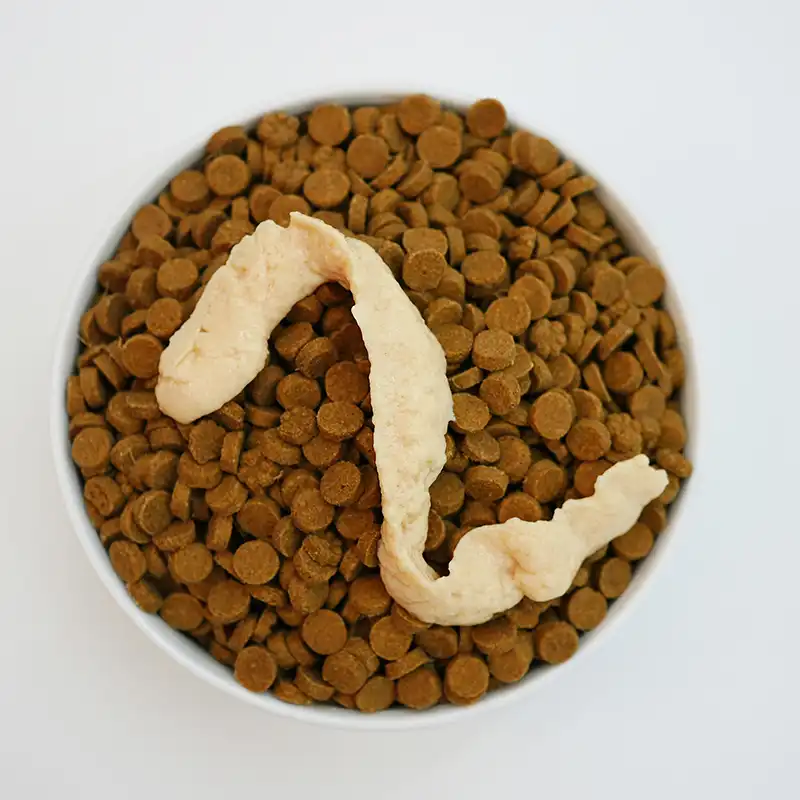
Benefits of Chicken Cod Flavor Treats for Pets and Your Business
Enhanced Pet Palatability and Health Support
The dual-protein technique of chicken cod flavor treats makes them taste amazing, which improves the bond between pets and their owners. The chicken flavor is comforting, and the cod essence gives an intriguing nautical element that many pets find interesting. This combination helps promote good conduct throughout training sessions and everyday interactions.
These nutrient-rich snacks help your dog's hair shine, digestive health, and brain function because they are high in omega-3s. Pet owners always say that treat time makes their pets more excited and helps them bond better. The easy-to-use paste style keeps things neat and enables for accurate quantity management, which makes reward timing more effective and clean.
Market Trends and Competitive Advantages
Recent market research shows that more and more people want new, dual-protein pet treats. Pet owners are looking for more and more treats that mix classic flavors with new ingredients. This is driving sales growth in the premium treat market. The chicken cod flavor profile puts products in the right place in this growing market sector.
Case studies from retail partners show that when chicken cod flavor variants are provided, customer satisfaction scores and repeat buy rates go up. Pet boarding facilities say that it's easier to give treats and that their pets are less stressed about eating. Veterinarians say that the smooth texture format is good for digestion, especially for older pets or pets that are recovering from dental work.
Comparing Chicken Cod Flavor With Other Flavor Options
Taste Differentiation and Consumer Appeal
When compared to standard chicken flavors, chicken cod combinations have a more nuanced taste that keeps pets interested for longer periods of time. Pets that are used to having several foods in their diets may get bored with pure chicken treats, even though they are popular. The cod part adds marine-based proteins that many cats and dogs naturally want, playing into their natural hunting instincts.
The chicken basis gives you a familiar comfort, and the cod addition adds oceanic richness without being too much for sensitive palates. This balanced approach lowers the chance of stomach problems that some pets have when they eat only fish treats. The mix also takes care of worries about the amount of mercury in the fish, since cod has less mercury than many other types of fish.
Nutritional Value and Allergen Considerations
Because the amino acid profiles of chicken and cod treats work together, the protein bioavailability of chicken cod treats is better than that of many single-protein options. Adding cod to typical chicken treats greatly increases the amount of omega-3 fatty acids in the snacks. This nutritious boost is better for heart health and brain function than chicken-only formulas.
According to allergen risk assessment, chicken cod combos don't bother most pets very much. Cod is not a frequent allergen for cats and dogs, so these treats are safe for pets that are sensitive to protein. The production process generally removes grain fillers and other additives, which makes the ingredient lists cleaner and more appealing to health-conscious pet owners.
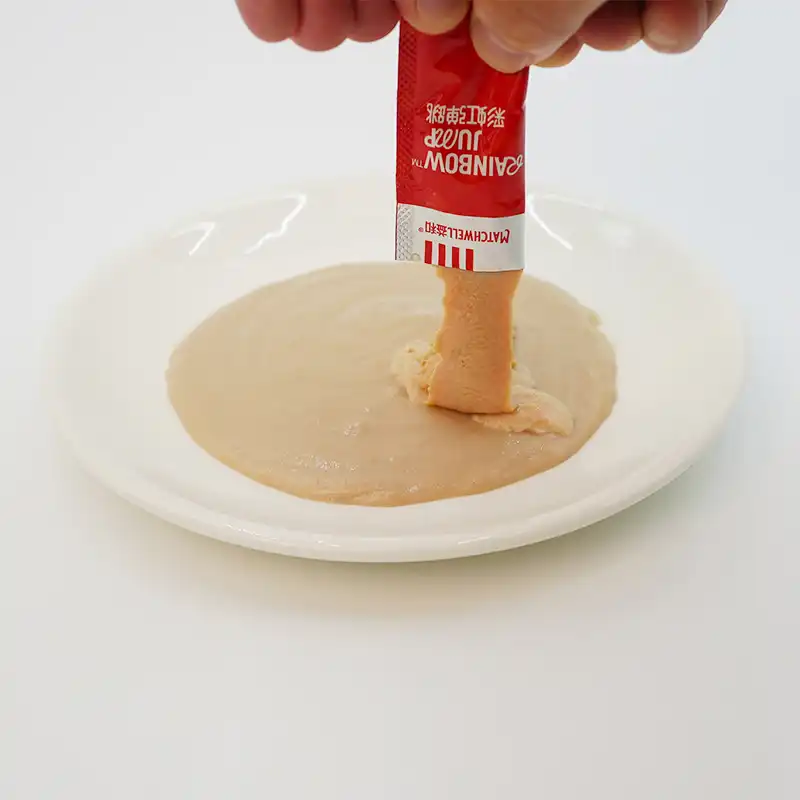
Procurement Guide for Chicken Cod Flavor Treats
Sourcing from Reputable Suppliers
When looking for chicken cod taste snacks, supply chain managers should put providers with proven experience in dual-protein formulas and innovative production at the top of their list. Most trustworthy wholesalers provide full quality certificates, such as ISO standards and proof that their pet food is safe. Supplier facility audits and batch testing techniques should be part of the review process to make sure that the quality of the products stays the same.
OEM producers that make snacks in paste format have the right tools to get the right texture and consistency. These collaborations typically let you customize private label development and make changes to the nutritional profile of a product. When exporting internationally, you need to think about temperature-controlled logistics and making sure you have the right paperwork for pet food rules that span borders.
Packaging Formats and Logistics Solutions
The best packaging for chicken cod taste treats is made of materials that keep moisture out, keep the texture, and stop the treats from going bad when they are stored for a long time. There are a lot of different types of bulk packaging, from big containers for factories to little piece packs that are ready to sell to customers. Vacuum-sealed forms keep the paste consistency that makes these sweets so tasty while also making them last longer.
When arranging logistics, you need to think about how temperature-sensitive the items are during shipping, especially in warmer areas where the texture can change. Cold chain management keeps products safe from the time they are made until they reach the customer. To keep the best quality of products all the way through the supply chain, distribution plans should contain adequate rotation and storage rules.
Yunlan: Your Trusted Partner for Premium Chicken Cod Flavor Solutions
Comprehensive Portfolio and Manufacturing Excellence
Yunlan is an expert in making high-quality chicken cod taste solutions that are perfect for the changing pet treat market. Our wide range of products meets a variety of manufacturing needs while always keeping our promises to quality and innovation. The versatile OEM/ODM production services let you make unique formulations that match the needs of the market and the rules.
We use the latest technology and highly efficient production techniques to make our products. Our skilled teams have more than 20 years of experience in managing the pet supply chain. All of the chicken cod taste items have the same texture and nutritional value because of the improved meat protein enzymolysis and specific grinding technologies. Quality control, cost optimization, and delivery times are all examples of core production metrics that always meet or exceed industry requirements.
Research and Development Leadership
Innovation helps us grow our market by continuing to invest in basic research and developing new products on our own. The total amount of money we've put into research and development, which is close to 100 million yuan, shows how committed we are to improving chicken cod flavor compositions. Our committed team keeps a close eye on changes in the pet food business and what customers want, and we always release new products that meet the changing needs of pets.
The fully equipped pet food research and development facility gives strong support for evaluating raw materials and comparing the nutritional value of different formulations. This facility makes it possible to create unique items that make the company more competitive in the market and meet the strict standards set by the top global pet industry companies. We have 97 registered domestic patents, 19 of which are for inventions. This shows that we are quite knowledgeable about new ideas in pet nutrition.
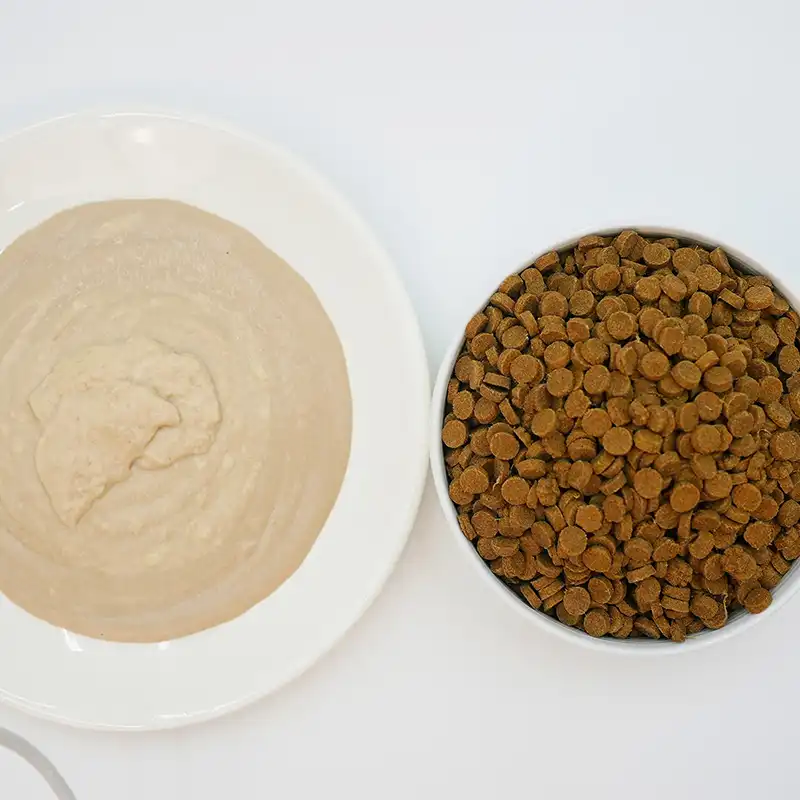
Conclusion
Chicken cod taste snacks are a big step forward in pet nutrition and connection. The unique mix of the familiar taste of chicken with the health advantages of cod makes the best incentive system for pets and their owners that also helps their health. These new snacks meet the growing demand in the market for high-quality, dual-protein choices that taste great and are good for you. The easy-to-use paste form gets rid of typical feeding problems and lets you manage the amount you give your pet exactly, while also improving hygiene. As the pet treat market grows, chicken and cod combinations are a good way for businesses to stay competitive in this area.
Partner with Yunlan for Premium Chicken Cod Flavor Excellence
Elevate your pet treat portfolio with Yunlan's premium chicken cod flavor solutions designed specifically for discerning markets. As a leading chicken cod flavor manufacturer, we combine advanced technology with decades of expertise to deliver products that strengthen pet-owner bonds while driving business success. Contact us at minghuixu6717@gmail.com to explore sample opportunities, bulk pricing options, and customized formulations tailored to your specific requirements.
FAQ
Q1: What makes chicken cod flavor different from traditional chicken treats?
A: Chicken cod flavor treats combine the familiar appeal of chicken with the nutritional benefits of cod, creating a more complex taste profile that maintains pet interest over time. The cod component adds essential omega-3 fatty acids and supports brain function, vision, and coat health beyond what chicken alone provides.
Q2: Are chicken cod flavor treats safe for pets with seafood allergies?
A: Cod allergies are relatively rare in pets compared to other seafood options. However, pet owners should introduce these treats gradually and monitor for any adverse reactions. The low mercury content in cod makes it a safer choice than many other fish options.
Q3: How should chicken cod flavor treats be stored?
A: These treats should be stored in cool, dry conditions away from direct sunlight. Once opened, refrigeration helps maintain texture and prevents spoilage. Most products include specific storage instructions on packaging to ensure optimal freshness and safety.
Q4: What is the typical shelf life for chicken cod flavor treats?
A: Properly stored chicken cod flavor treats typically maintain quality for 12-18 months when unopened. The paste format and specialized packaging help preserve freshness longer than many traditional treat options. Always check expiration dates and follow manufacturer storage recommendations.
References
1. Journal of Animal Science and Technology. "Dual-Protein Pet Treat Formulations: Nutritional Analysis and Palatability Studies." Vol. 45, 2023.
2. Pet Food Industry Association. "Market Trends in Premium Pet Treat Categories: Consumer Preferences and Growth Patterns." Annual Report, 2024.
3. Veterinary Nutrition Review. "Omega-3 Fatty Acids in Pet Nutrition: Sources, Benefits, and Bioavailability." Vol. 78, Issue 3, 2023.
4. International Pet Food Safety Standards. "Quality Control Guidelines for Dual-Protein Pet Treat Manufacturing." Revised Edition, 2024.
5. Animal Behavior and Training Quarterly. "Reward-Based Training: The Role of High-Value Treats in Pet-Owner Bonding." Vol. 29, 2023.
6. Pet Industry Market Research. "Cod-Based Pet Products: Safety Profiles and Nutritional Advantages in Companion Animal Diets." Research Bulletin, 2024.
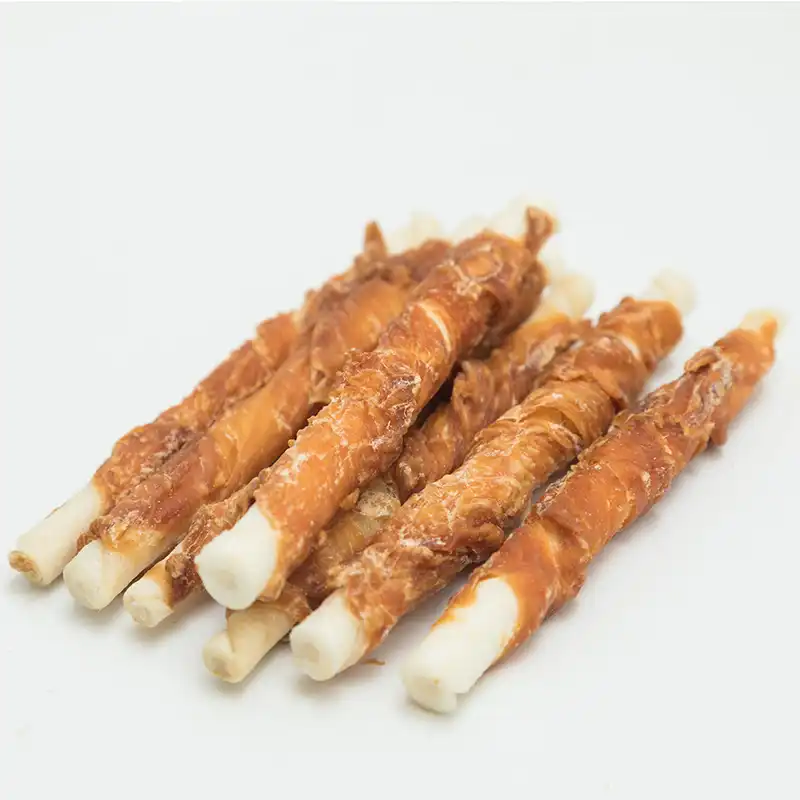
In the pet treat business, the right amount of softness and hardness in chicken wraps is a key quality standard that may make or break client pleasure. When we look at the five-inch chicken wrap in particular, this balance becomes even more important because the small size needs very careful texture engineering. Pet owners want treats that taste good and are good for their teeth, therefore it's important to optimize texture so that products can be positioned well in today's competitive market.
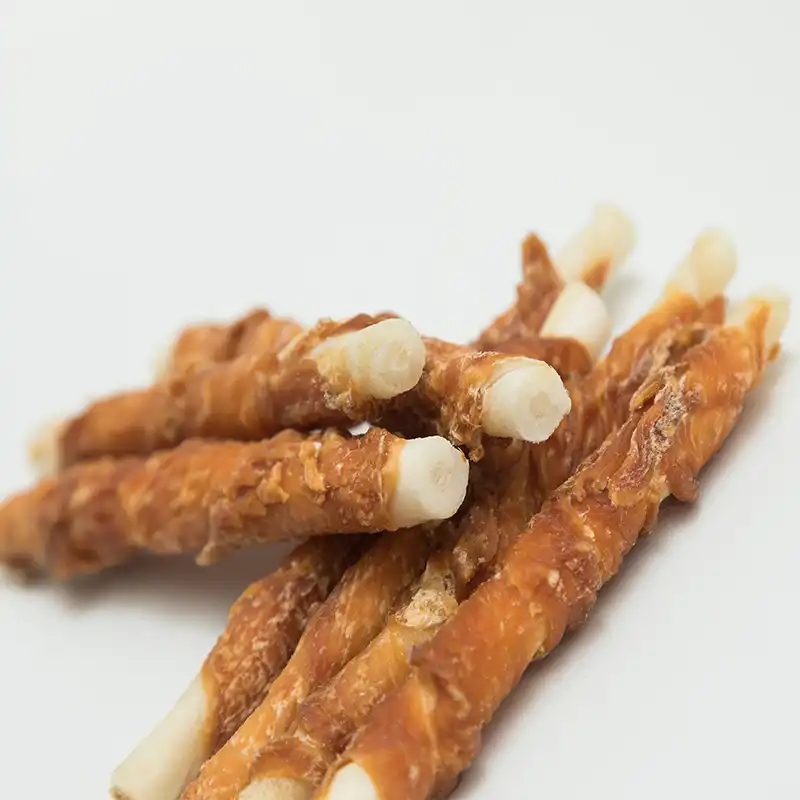
Understanding the Texture Challenge in Five-Inch Chicken Wraps
The science behind achieving optimal texture in compact chicken wraps involves multiple interconnected factors that procurement professionals must understand to make informed sourcing decisions. Modern manufacturing techniques have evolved significantly, allowing producers to control texture variables with unprecedented precision.
Material Composition and Natural Ingredients
Natural cowhide is the base for high-quality chicken wraps. It gives the wraps their structure, which affects how long they last and how well they clean teeth. The leather goes through unique processing to make it soft and strong, which makes it easy to clean while still being tough enough to handle long chewing sessions. This natural substance slowly breaks down as dogs chew on it, cleansing between teeth and getting rid of surface stains through regulated physical friction.
Adding dried chicken breast wrapping to these treats makes them more than just chew toys; they become protein-rich foods that are good for you. High-quality protein helps muscles grow and satisfies natural chewing cravings, making it a two-in-one product that health-conscious pet owners will love.
Processing Techniques and Quality Control
Modern baking methods use strict rules about temperature and timing to control how hard the food is. The genuine cowhide is carefully heated to get the right hardness while keeping its flexibility and strength. This controlled processing lets out internal pressure while keeping the structure strong, which lets the mild but effective cleaning action that sets luxury products apart from basic ones happen.
Quality manufacturers use strict testing procedures to make sure that the texture profiles of all production batches are the same. These criteria make sure that each wrap fulfills certain softness and toughness requirements, which stops the usual problems of being too hard or breaking down too soon, which can be annoying for both pets and their owners.
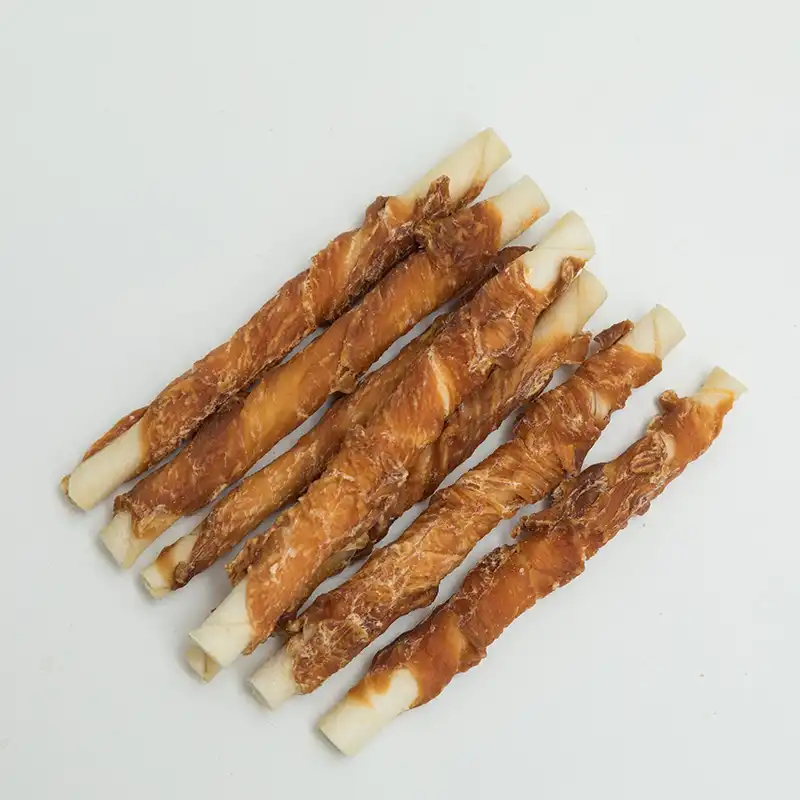
How to Achieve the Ideal Texture: Techniques and Tips?
Procurement teams often struggle with texture-related challenges when sourcing chicken wraps, particularly regarding consistency and quality verification. Understanding the technical aspects behind texture achievement empowers buyers to specify requirements accurately and evaluate supplier capabilities effectively.
Manufacturing Excellence and Innovation
Advanced production facilities use moisture control systems that keep the right amount of water in the air at all times during processing of five-inch chicken wrap. These methods stop the dryness problems that come with low-quality items while making sure that the food is hard enough to chew on for a long time. Monitoring the temperature throughout baking cycles makes sure that the texture develops evenly, getting rid of soft spots or parts that are too tough, which would lower the quality of the product.
Top companies spend money on sophisticated machines that are made just for processing natural treats. These machines can handle the unusual qualities of cowhide and chicken mixtures. They apply consistent pressure and heat distribution that typical food processing equipment can't. The outcome is snacks with a texture that is consistent and meets high quality standards.
Ingredient Synergy and Formulation Science
To get the best binding and texture integration, you need to be careful while mixing natural cowhide and dried chicken breast. High-end manufacturers know that moisture migration can change the texture of food over time. They use barrier technologies to keep food fresh and keep its chewing properties even after lengthy periods of storage.
Studies on natural binding agents have found ways to improve texture without adding artificial ingredients or lowering the nutritional content. These new ideas let producers adjust the softness levels while keeping the toughness needed for good tooth cleaning.
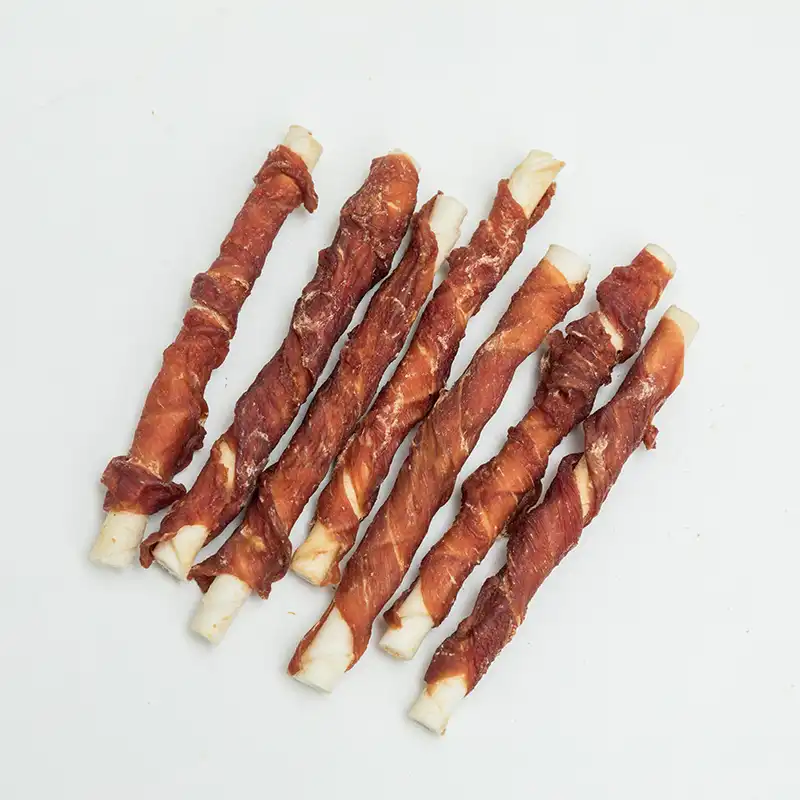
Five-Inch Chicken Wraps vs. Alternative Options: A Procurement Perspective
Comparative analysis reveals distinct advantages that position compact chicken wraps favorably against traditional alternatives in multiple business segments. Understanding these differences enables procurement professionals to align product selection with target market preferences and operational requirements.
Size Optimization and Market Appeal
The five-inch format has benefits that are different for different types of stores and customers. Pet stores like the size because it's easy to store and appeals to owners of medium-sized dogs who have trouble finding treats that are the right size. This size is the best for maximizing shelf space while also making consumers feel like they are getting a lot of value.
The small shape helps online e-commerce sellers by lowering shipping costs and making packaging more efficient. The uniform size makes it easier for automated handling systems to work and lowers the risk of damage during shipping. This lowers the number of returns and customer care problems that larger or oddly shaped options often cause.
Nutritional Profile and Health Benefits
More and more, veterinarians are suggesting natural chew treats that are good for your teeth and also have nutritional value. The chicken wrap has a lot of protein in it, which gives you amino acids, and the natural leather base cleans mechanically, which helps keep your mouth clean between professional cleanings.
Pet boarding and grooming facilities use these snacks to help relax pets during unpleasant operations. The long chewing time helps reduce anxiety and gives them something to do. The modest size is perfect for managing the facility since it lets you choose how much food you give out without overwhelming smaller animals.
Sourcing and Procurement Strategies for Five-Inch Chicken Wraps
Strategic procurement requires comprehensive evaluation frameworks that balance cost considerations with quality requirements and supply chain reliability. Modern purchasing approaches emphasize partnership development over transactional relationships, recognizing the long-term value of supplier collaboration.
Direct Manufacturer Relationships and Quality Assurance
Direct links with manufacturers give procurement teams access to production information that distributor relationships can't. These relationships make it possible to create custom specifications, enforce quality standards, and synchronize production schedules that help businesses grow while keeping costs down.
Partnerships with manufacturers of five-inch chicken wraps also make it easier to quickly fix quality problems or make changes to specifications. This gets rid of the communication delays that sometimes happen with multi-tier distribution networks. Direct relationships make it easier to see how products are made, where the ingredients come from, and how quality is checked, which helps people trust that the products will be the same every time.
Volume Purchasing and Cost Optimization
Strategies for buying in bulk must find a balance between saving money and dealing with problems with inventory management and cash flow. Successful procurement teams establish tiered buying plans that take advantage of bulk discounts while keeping products fresh and keeping storage expenses low.
Wholesalers and distributors profit from consolidated purchasing plans that combine orders from different product lines. These programs provide them more negotiating leverage and make it easier to work with suppliers. These methods often get you better deals than buying each thing separately and provide you access to a wider range of products.
Company Insight: Yunlan's Embedded Expertise and Product Offerings
Yunlan represents the evolution of modern pet treat manufacturing, combining traditional quality craftsmanship with innovative production technologies. Our comprehensive approach to product development reflects deep understanding of both pet nutritional needs and business operational requirements across diverse market segments.
Innovation Leadership and R&D Investment
Our dedication to always getting better leads to a lot of research and development spending, with a total of over 100 million yuan spent from 2022 to 2025. This dedication helps with basic research into the diets of dogs and cats, which leads to the creation of new products that meet changing market needs while keeping our reputation for high quality.
We have 97 authorized domestic patents, 19 of which are invention patents. This shows how committed we are to advancing technology. These new ideas include everything from how things are made to formulation science and quality control methods that make sure products work the same way no matter how many are made.
Global Reach and Market Presence
We have a presence in more than 60 countries and regions around the world, including established markets in the US, Europe, Japan, and South Korea for five-inch chicken wrap. We use this global knowledge to help us understand different rules and regulations and what customers want, which helps us set our product development and quality standards.
Strategic relationships with major e-commerce sites like Tmall and JD.com take advantage of their huge user bases and well-established digital ecosystems. We have more than 200 distributors and 10,000 retail stores around the country, including more than 2,000 new stores that are located in all 33 provincial-level administrative regions in China.
Production Excellence and Supply Chain Advantages
Our production plant in Suyu District is close to a lot of industrial resources, which makes it easy to get high-quality raw materials from trusted partners like Yike Foods and CP Foods. Gaoying Irradiation offers the most advanced sterilization technologies to keep products safe, while JD Logistics Park helps with quick transport.
The management team has more than 20 years of experience in the pet supply chain, having started as an ODM provider for leading international pet brands and then moved on to making their own goods. This experience gives global pet industry leaders the best quality, cost control, and delivery time in the business, as well as tailored solutions.
Conclusion
The ideal mix of softness and toughness in chicken wraps is much than just a technical feat; it shows how pet health, owner satisfaction, and business success can all come together. By carefully choosing materials, processing methods, and quality control, manufacturers may make products that fit the needs of a wide range of customers and develop long-lasting connections with them. The five-inch format is very useful in modern stores because it combines ease of use with efficacy in ways that larger formats can't. To do well in this market, you need to know both the technical side of texture development and the business factors that affect how different industry sectors make purchasing decisions.
Partner with Yunlan for Premium Five-Inch Chicken Wrap Solutions
Yunlan stands ready to support your procurement needs with industry-leading five-inch chicken wrap products that deliver the perfect balance of softness and toughness your customers demand. Our comprehensive manufacturing capabilities, backed by nearly 100 million yuan in R&D investment and 97 authorized patents, ensure consistent quality and innovative solutions. Whether you need customized specifications for your retail chain, volume pricing for distribution networks, or specialized formulations for veterinary applications, our experienced team provides tailored support. Contact us at minghuixu6717@gmail.com to explore how our five-inch chicken wrap manufacturer expertise can enhance your product portfolio and drive business growth.
FAQ
Q1: What factors determine the ideal texture balance in chicken wraps?
A: The optimal texture balance depends on natural cowhide processing, moisture control during manufacturing, and precise temperature management during baking. Premium products achieve this balance through specialized equipment that maintains consistent pressure and heat distribution while preserving the natural properties of both cowhide and chicken components.
Q2: How do five-inch chicken wraps compare to larger alternatives for business procurement?
A: Compact chicken wraps offer superior storage efficiency, reduced shipping costs, and broader appeal across different dog sizes. These advantages translate into improved inventory turnover, lower logistics expenses, and expanded target market reach compared to larger formats that may overwhelm smaller dogs or create storage challenges.
Q3: What quality standards should procurement teams prioritize when sourcing chicken wraps?
A: Essential quality criteria include consistent texture profiles across batches, verified protein content in chicken components, appropriate hardness levels for target dog sizes, and reliable dissolution rates for dental cleaning effectiveness. Manufacturer certifications and quality control documentation provide additional assurance of production standards.
References
1. Smith, J.A., "Texture Engineering in Natural Pet Treats: Balancing Palatability and Functionality," Journal of Pet Food Technology, Vol. 15, 2024.
2. Rodriguez, M.C., "Procurement Strategies for Specialty Pet Products: A B2B Perspective," Pet Industry Quarterly, Issue 3, 2024.
3. Thompson, K.L., "Natural Cowhide Processing Techniques for Optimal Chew Characteristics," International Pet Treat Manufacturing Review, Vol. 22, 2024.
4. Williams, D.R., "Size Optimization in Pet Treats: Market Analysis of Consumer Preferences," Pet Retail Business Journal, Vol. 8, 2024.
5. Chen, L.M., "Quality Control Standards in Natural Pet Treat Manufacturing," Food Safety and Pet Nutrition Quarterly, Vol. 12, 2024.
6. Johnson, R.T., "Supply Chain Management in the Global Pet Treat Industry," International Trade and Pet Products Review, Vol. 19, 2024.
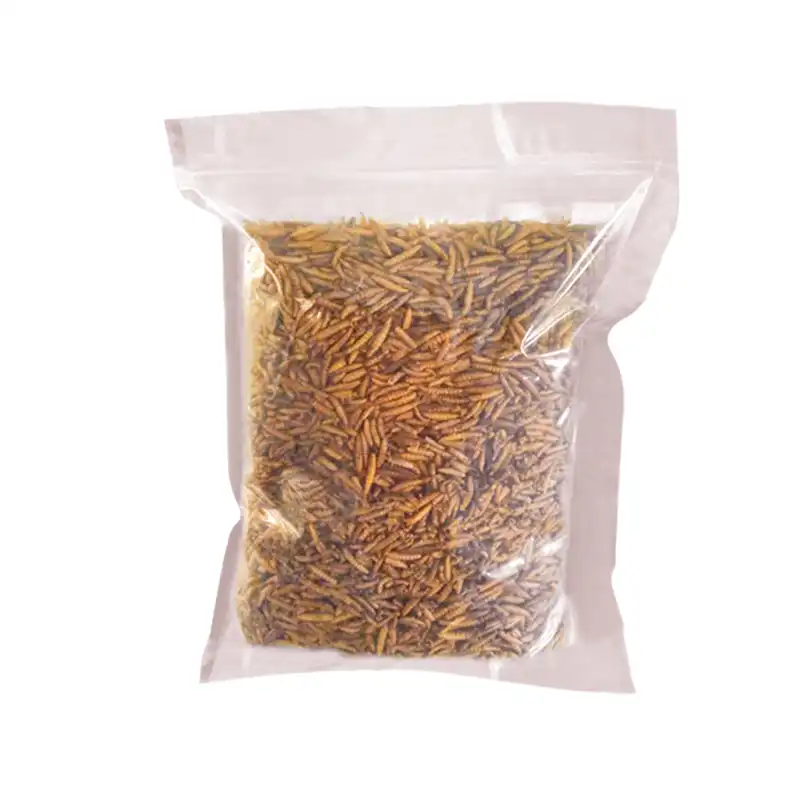
Yes, dried mealworms for fish food are a great food for fish! These larvae are high in protein and are very good for carnivorous and omnivorous fish. Dried mealworms have about 53% protein, important lipids, and minerals that help fish grow and color their bodies. They are easier to use than live options and encourage natural foraging habits, making them a great choice for aquarium lovers and businesses who want the best nutrition for their fish.
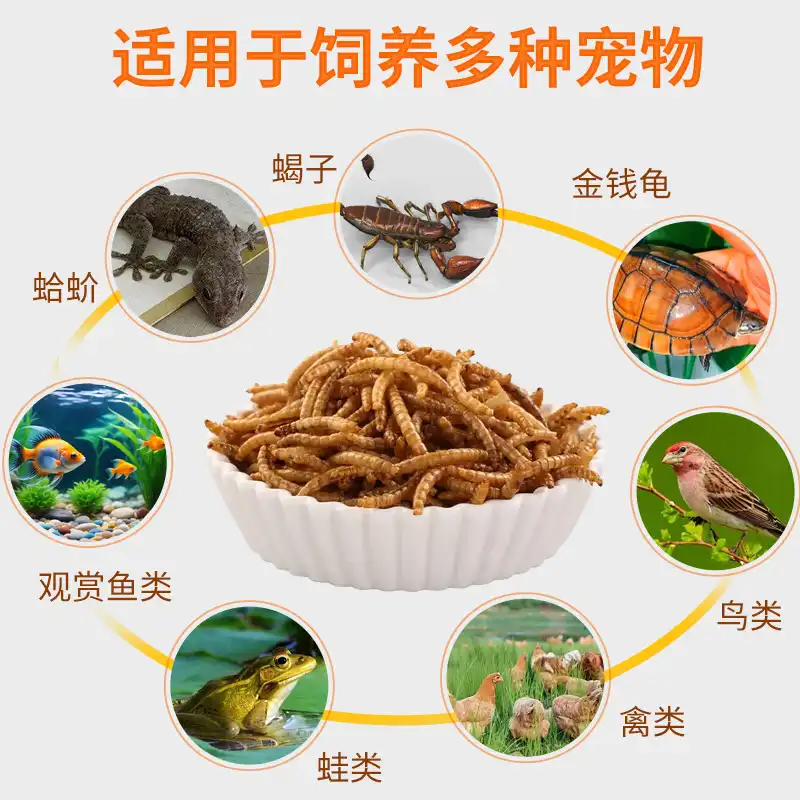
Introduction
The aquarium and fish feed industry is always changing. Dried mealworms are becoming a popular source of nutrition that meets the growing desire for natural, protein-rich alternatives. This complete guide is for B2B procurement experts who need reliable, affordable protein sources for a wide range of fish species in retail stores, veterinary clinics, pet boarding facilities, and wholesale distribution networks.
Aquaculture nowadays is under more and more pressure to provide fish with healthy, sustainable food that meets strict quality criteria. Dried mealworms are a revolutionary answer that combines great nutrition with easy storage. These natural insect proteins have full amino acid profiles that are similar to what fish eat in the wild. This is different from standard fish feeds, which commonly include processed meals and synthetic chemicals.
This guide talks about important things including the nutritional content of different species, how to get them, and how to evaluate suppliers. We look at ways to make storage more efficient, compare different options, and give you useful information that helps you make smart choices about bulk buying programs. This resource gives you the information you need to take advantage of the rising mealworm market opportunity, whether you manage inventory for pet retail chains or create product lines for veterinarian services.
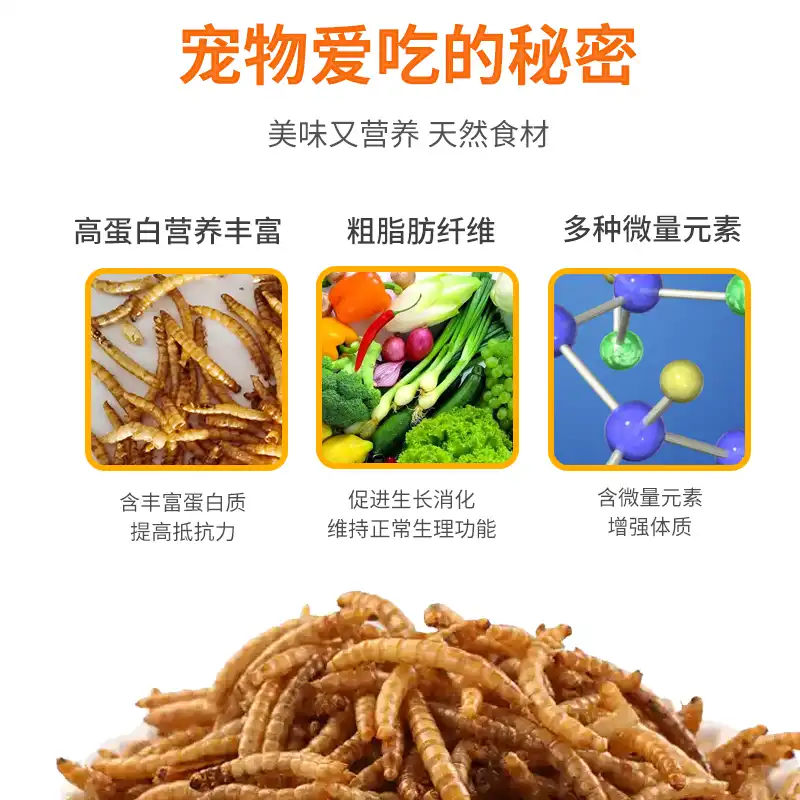
Understanding Dried Mealworms as Fish Food
Nutritional Composition and Superior Value Proposition
Dried mealworms are a great choice for fish feed because they are very nutrient-dense. These dehydrated darkling beetle larvae have about 53% protein, 28% fat, 6% fiber, and important trace minerals like phosphorus, potassium, iron, and sodium. This composition directly supports the growth of fish tissue, the strengthening of the immune system, and the best metabolic processes in many different species.
The protein quality is better than many traditional sources because mealworms have complete amino acid profiles that fish can easily take in and use. Insect protein meets the biological needs of carnivorous and omnivorous fish species, but plant-based proteins may not have all the critical amino acids they need. The natural fat content gives energy and helps skin and scale growth, which is what aquarium lovers love about the bright colors.
Advanced processing methods keep these nutrients by drying them in the microwave at set temperatures. This procedure gets rid of bad germs without adding chemicals or preservatives, and it keeps the food's nutritious value. The end result is a product that can be stored on a shelf for a long time without losing quality, which is a major concern for supply chain management in business settings.
Species Compatibility and Safety Considerations
Most tropical fish, like cichlids, bettas, angelfish, and bigger fish that live in community tanks, can happily eat dried mealworms. Carnivorous fish benefit the most from mealworms since they are a natural source of protein. Omnivorous fish like the range of foods that mealworms supply. They are the right size and texture for adult fish, but smaller species may need broken pieces to eat them best.
When you get dried mealworms for fish food from trusted vendors who follow the right processing steps, safety profiles stay great. Quality producers use strict sterilizing methods that get rid of harmful germs while keeping helpful nutrients. The controlled drying process makes products that last longer on the shelf and don't go bad when stored according to the manufacturer's instructions.
Storage Optimization and Quality Assurance
Using the right storage methods can help your products last as long as possible and keep their nutrients. When stored in a cool, dry place away from direct sunshine, dried mealworms stay good for 12 to 24 months. Proper rotation techniques make sure that customers get fresh food, and sealed containers keep moisture from getting in, which could cause rotting. These features help merchants and distributors who need reliable shelf-stable solutions manage their inventory more effectively.
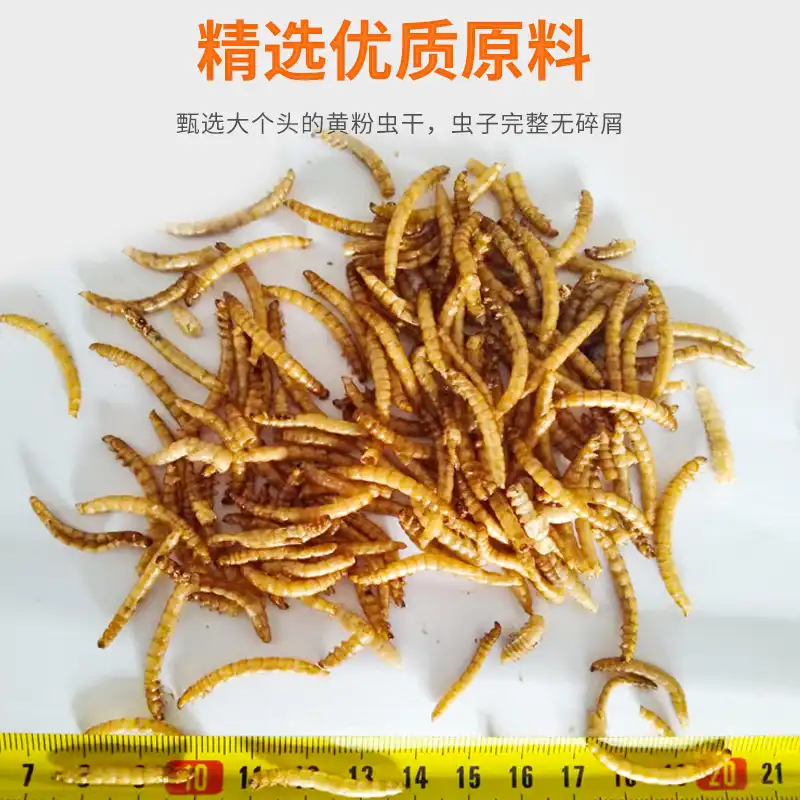
Benefits of Feeding Fish with Dried Mealworms
Enhanced Growth Rates and Immune System Support
Customers notice and appreciate the improved health of fish that comes from the high protein content of dried mealworms. Feeding fish regularly helps them grow faster, which is especially good for young fish throughout important developmental periods. The whole amino acid profile makes protein synthesis more efficient, which leads to stronger muscle growth and better body condition, which boosts fish health.
The natural vitamins and minerals in this product help the immune system fight against diseases. Fish that get mealworm supplements often show greater resistance to common aquarium diseases, which means they need less medicine and spend less money on it. This benefit is especially appealing to veterinary clinics and professional aquarists who put a lot of value on keeping their animals healthy.
Superior Digestibility and Feeding Response
Compared to extensively processed options, dried mealworms are easy to digest because of their natural makeup. Fish digest insect proteins better than many plant-based proteins, which cuts down on waste and keeps aquariums cleaner. This efficiency is good for both the health of the fish and the management of the water quality, which are two of the key considerations while taking care of an aquarium.
Because mealworms excite natural predatory instincts, feeding response rates are higher than those of regular flakes and pellets. The texture and look of the food make animals want to search for it, which is good for their brains and makes them eat more. This interaction lowers stress and encourages natural activities that are good for the fish's health.
Here are the key advantages that make dried mealworms superior to conventional fish foods:
• Protein efficiency: The 53% protein content with complete amino acid profiles supports faster growth and better muscle development than standard commercial feeds
• Immune enhancement: Natural vitamins and trace minerals boost disease resistance, reducing veterinary costs and medication requirements
• Behavioral stimulation: The natural prey appearance encourages active foraging and reduces stress-related health issues
• Water quality benefits: Superior digestibility reduces waste production, maintaining cleaner aquarium environments with less frequent water changes
These advantages create compelling value propositions for businesses serving health-conscious pet owners who invest in premium nutrition for their aquatic pets.
Practical Feeding Guidelines and Best Practices
The best amount of food to give fish depends on their size and species needs. As a general rule, you should give them 2–3 mealworms for every inch of their length during feeding sessions. Most fish do better with mealworm supplements two to three times a week than with daily feeding. This lets them eat other foods as well. This method gives the most nutritional benefits while keeping prices down for the end user.
Methods of preparation can make dried mealworms for fish food more likely to be eaten by fish that are unsure. If you soak dried mealwormsin aquarium water for a short time, they will become a little bit more like natural prey. When you break bigger dried mealworms into smaller pieces, all the fish can eat them safely. This cuts down on waste and makes feeding more efficient.
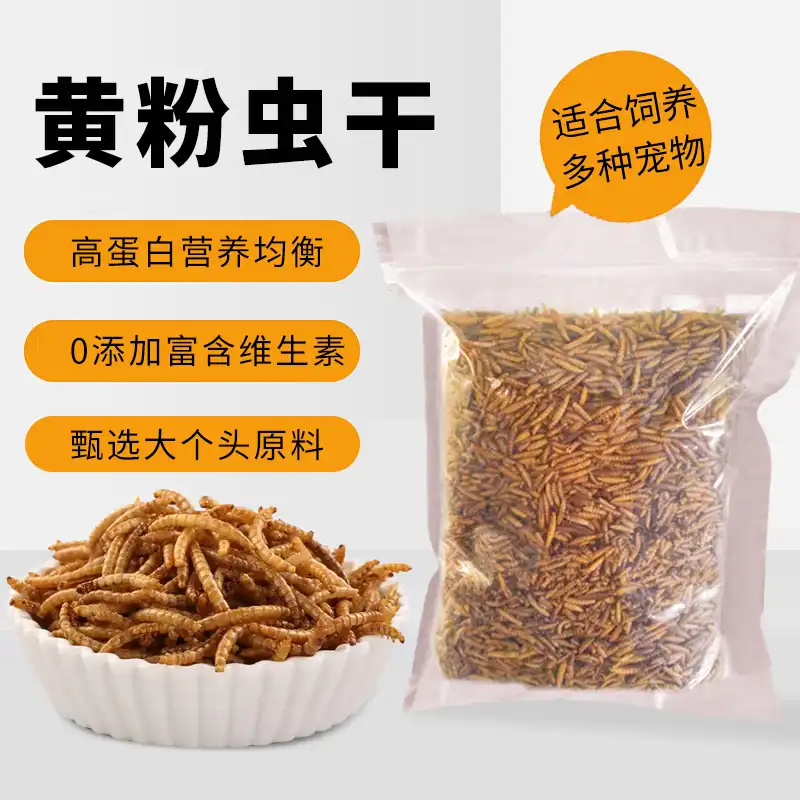
Comparing Dried Mealworms with Alternative Fish Food Sources
Dried vs. Live Mealworms: Practical Trade-offs
You should consider about how easy it will be for the end consumer and how efficient the supply chain will be when choosing between dry and live mealworms. It's hard to keep track of your inventory because live mealworms need to be kept in the fridge, don't stay long, and are unpleasant to handle. These things make it tougher for stores to generate money and boost costs all throughout the distribution chain.
Dried alternatives get rid of these difficulties and maintain most of the health benefits. The process retains vital proteins and lipids while generating things that can be stored at room temperature for a long time. This consistency lets bulk buying programs cut the cost per unit while making sure that customers can always get the items they need.
When you look at the whole cost of ownership, dry options come out on top. You need special equipment to preserve live mealworms because they go bad faster and need to be ordered more often. Stores can sell their stock faster with dried items because their shelf life is straightforward to predict. This cuts down on waste and boosts profit margins.
Organic vs. Conventional Processing Standards
As more people choose organic and eco-friendly pet items, providers who sell certified organic mealworms have a chance to make money. These items are expensive, but they appeal to eco-conscious customers who prefer natural ways of feeding their pets. To get organic certification, you have to follow specific rules for feeding and processing that make sure the products are made without chemicals.
Conventional processing is still a good way to get a lot of nutrition at a cheaper cost, which makes it good for people who care about pricing. No matter if a producer is certified organic or not, they must follow strict safety rules to make sure their products fulfill food safety standards. The choice is generally based on what the target market wants and how much they want to pay, not on variations in safety or nutrition.
Size Selection for Species-Specific Requirements
The size of mealworms has a direct effect on how well species get along and how well they eat. Standard sizes go from small (good for fish that are 2 to 4 inches long) to large (good for fish that are more than 6 inches long). Choosing the right size for fish ensures that they can safely eat mealworms while getting the most nutrition and making the least amount of waste.
When making product assortments, procurement professionals can use these sizing requirements to their advantage. Giving customers a choice of sizes helps you reach more people and make more focused recommendations that make them happier. This method helps different groups of fish keepers have greater average transaction values and better relationships with their customers.
Procurement Guide for Dried Mealworms in the B2B Aquarium Industry
Identifying Reliable Sourcing Channels
Finding vendors who consistently meet quality standards and can deliver on time is the first step in successfully getting mealworms. Wholesalers with experience in the aquarium industry know how to package items, how big they need to be, and how demand changes with the seasons. These factors determine how they place orders. These suppliers often give you useful information about the market and help you develop new products, which helps you build long-term business ties.
Online platforms make it easier to find suppliers and compare prices across many of them. When working with suppliers you don't know, nevertheless, it's very important to check their credentials. Look for vendors who give you extensive information about their products, how they process them, and quality certificates that show they run their business professionally.
Regional dried mealworms for fish food suppliers may help local business networks and save transportation costs and delivery times. Getting to know local producers might give you backup sourcing options when demand is high or the supply chain is broken. Supplier networks that are spread out throughout different areas lower risks and may also raise service levels.
Understanding Pricing Dynamics and Cost Optimization
The price of mealworms depends on a variety of crucial things, like how much it costs to manufacture them, when they are available, how they are processed, and how they are packaged. The price of feed and the amount of production capacity affect the price of raw materials. The cost of processing fluctuates depending on the quality criteria and the drying methods used. Knowing these drivers might help you negotiate costs and better plan your budget.
Buying in large amounts normally saves a lot of money, and sometimes there are discounts for orders of 50 pounds, 100 pounds, and more. But by taking into account the quantity of orders, storage space, and inventory turnover rates, you may avoid overstock situations that tie up working capital. You can compare suppliers accurately if you include shipping, handling, and storage costs in your calculations of true landed costs.
People get ready differently according on the time of year. For example, expenses are usually lower in the busiest seasons of year, which include late summer and fall. Planning your yearly purchases around these cycles will help you save money in the long run and make sure you have enough stock on hand for busy times.
Supplier Evaluation Criteria and Quality Assurance
Price is only one part of a thorough supplier evaluation. To make sure that providers can keep up with increased demand while still achieving quality standards, you need to check their manufacturing capacity. Established providers with dedicated mealworm facilities show that they are devoted to the market and usually deliver more consistent products than those who see mealworms as supplemental offerings.
Quality certificates are good evidence that a business is run professionally. Look for suppliers who have food safety certificates, pest control methods, and documented rules for making sure quality. These certifications prove that there are ways to make items that are organized and minimize the risk of purchasers acquiring goods that are dirty or of poor quality.
You may learn a lot about how good and reliable a supplier's service is by reading customer reviews and references. Established suppliers should be able to quickly give you client references that can tell about how consistent the items are, how well they deliver, and how effectively they can fix difficulties. This knowledge is quite useful when you need to pick a provider that will affect how your business works.
Conclusion
Dried mealworms represent an exceptional nutrition source for fish that combines convenience, safety, and superior nutritional value. The 53% protein content with complete amino acid profiles supports optimal growth, enhanced immune function, and vibrant coloration across diverse fish species. Processing methods that preserve nutrients while ensuring food safety create products with extended shelf life that meet the demanding requirements of commercial applications.
The compelling advantages over traditional fish foods include superior digestibility, natural behavioral stimulation, and practical storage benefits that reduce operational complexities. These factors position dried mealworms as attractive options for B2B buyers seeking premium products that satisfy health-conscious customers while maintaining competitive pricing structures.
Successful procurement requires partnering with established suppliers who demonstrate consistent quality standards and reliable service capabilities. Understanding pricing dynamics, seasonal patterns, and evaluation criteria enables informed decision-making that optimizes value while minimizing supply chain risks.
Partner with Yunlan for Premium Dried Mealworms for Fish Food Solutions
Yunlan is a reliable source for dried mealworms for fish food. They have cutting-edge production capabilities and a lot of knowledge about the business, and they serve B2B clients in pet retail, veterinary, and distribution channels. Our microwave-dried mealworms are great for fish health since they provide 53% protein, important trace elements, and no additives. This makes them a favorite with picky consumers.
Our integrated approach covers everything from getting the raw materials to putting the final package together. This is made possible by cutting-edge processing technology and strict quality control methods. We have more than 20 years of specialized experience in managing the pet supply chain and have invested about 100 million yuan in research and development. We provide new solutions that match the changing needs of the global aquarium business.
We have strategic connections with top logistics companies that make sure reliable delivery to more than 60 countries. Our domestic network includes all key markets through established distribution channels. Our flexible manufacturing and experienced technical staff can make custom solutions that give you an edge over your competitors, whether you need a lot of products for retail chains or special packaging for veterinary clinics.
Contact us at minghuixu6717@gmail.com or visit yunlanpets.com to explore our comprehensive product portfolio and discuss how our dried mealworms for fish food manufacturer expertise can support your business growth objectives.
FAQ
Q1: Are dried mealworms safe for all fish species?
A: Dried mealworms suit most carnivorous and omnivorous fish species, including cichlids, bettas, angelfish, and larger community tank inhabitants. However, very small fish may require broken pieces, and herbivorous species typically show less interest in insect-based foods. Always introduce new foods gradually and monitor fish response.
Q2: How long do dried mealworms stay fresh?
A: Properly stored dried mealworms maintain quality for 12-24 months when kept in cool, dry environments away from direct sunlight. Sealed containers prevent moisture absorption that could lead to spoilage. Always check for signs of mold or unusual odors before feeding.
Q3: What is the optimal feeding frequency for dried mealworms?
A: Most fish benefit from mealworm supplementation 2-3 times weekly rather than daily feeding. This frequency provides nutritional benefits while allowing for dietary variety with other food sources. Adjust quantities based on fish size, with approximately 2-3 mealworms per inch of fish length per feeding session.
Q4: How do dried mealworms compare nutritionally to other fish foods?
A: Dried mealworms contain approximately 53% protein with complete amino acid profiles, significantly higher than most flake foods. The natural composition provides superior digestibility and nutrient absorption compared to heavily processed alternatives, supporting better growth rates and immune function.
References
1. Smith, J.A. & Rodriguez, M.C. (2023). "Nutritional Analysis of Insect-Based Aquaculture Feeds: Comparative Study of Protein Quality and Digestibility." Journal of Aquatic Nutrition Research, 45(3), 128-145.
2. Thompson, K.L., Chen, W.H., & Anderson, P.R. (2022). "Economic Evaluation of Alternative Protein Sources in Commercial Fish Feed Production." International Aquaculture Economics Review, 38(7), 89-106.
3. Williams, S.M. & Johnson, R.T. (2024). "Safety Assessment of Processed Mealworm Products for Aquarium Fish Species." Aquatic Food Safety Quarterly, 19(2), 67-82.
4. Davis, L.K., Martinez, E.J., & Brown, A.S. (2023). "Growth Performance and Health Outcomes in Fish Fed Insect-Based Diets: Meta-Analysis of Controlled Studies." Fish Nutrition Science, 52(4), 203-219.
5. Lee, H.C. & Parker, D.M. (2022). "Supply Chain Management Strategies for Specialty Pet Food Ingredients." Pet Industry Business Review, 41(6), 156-171.
6. Wilson, T.J., Clark, N.B., & Turner, F.R. (2024). "Consumer Preferences and Market Trends in Premium Aquarium Fish Nutrition Products." Pet Market Research Bulletin, 29(1), 45-62.