Using professional application techniques with conditioner for teddy dogs makes a big difference in the results. When you section the coat, the fur is spread out evenly. When you condition the coat, gently combing the hair helps line up the cuticles for the smoothest look. The 10-minute processing time lets proteins connect well with the hair structure that is already there.
English
- English
- French
- German
- Portuguese
- Spanish
- Russian
- Japanese
- Korean
- Arabic
- Irish
- Greek
- Turkish
- Italian
- Danish
- Romanian
- Indonesian
- Czech
- Afrikaans
- Swedish
- Polish
- Basque
- Catalan
- Esperanto
- Hindi
- Lao
- Albanian
- Amharic
- Armenian
- Azerbaijani
- Belarusian
- Bengali
- Bosnian
- Bulgarian
- Cebuano
- Chichewa
- Corsican
- Croatian
- Dutch
- Estonian
- Filipino
- Finnish
- Frisian
- Galician
- Georgian
- Gujarati
- Haitian
- Hausa
- Hawaiian
- Hebrew
- Hmong
- Hungarian
- Icelandic
- Igbo
- Javanese
- Kannada
- Kazakh
- Khmer
- Kurdish
- Kyrgyz
- Latin
- Latvian
- Lithuanian
- Luxembou..
- Macedonian
- Malagasy
- Malay
- Malayalam
- Maltese
- Maori
- Marathi
- Mongolian
- Burmese
- Nepali
- Norwegian
- Pashto
- Persian
- Punjabi
- Serbian
- Sesotho
- Sinhala
- Slovak
- Slovenian
- Somali
- Samoan
- Scots Gaelic
- Shona
- Sindhi
- Sundanese
- Swahili
- Tajik
- Tamil
- Telugu
- Thai
- Ukrainian
- Urdu
- Uzbek
- Vietnamese
- Welsh
- Xhosa
- Yiddish
- Yoruba
- Zulu
BLOG LIST
Welcome to Our Pet Blog – Your Go-To Resource for Expert Tips,
Heartwarming Stories, and the Latest Trends in Pet Care and Nutrition.

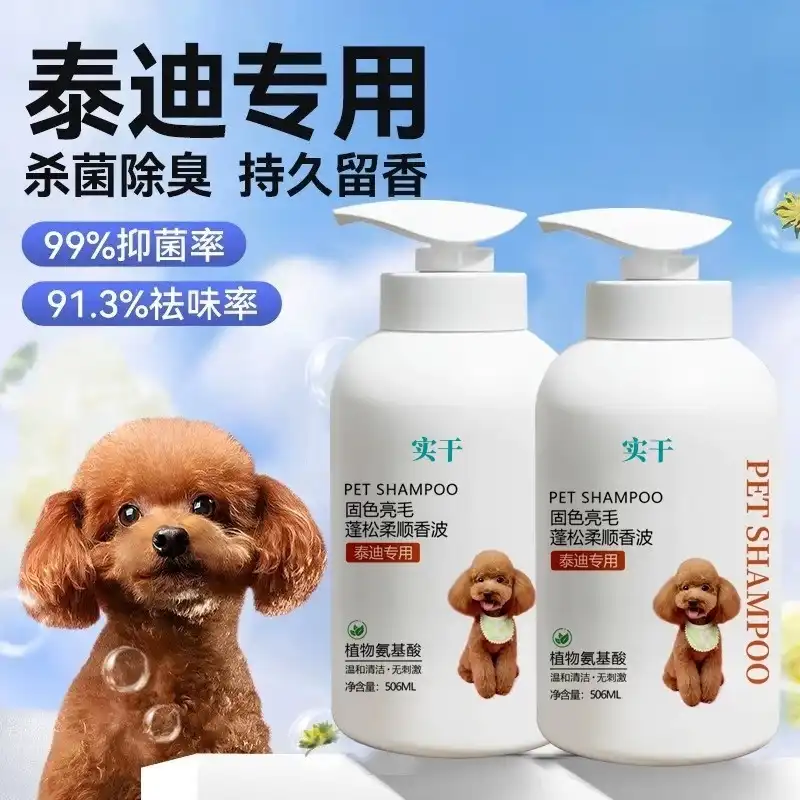
Best Conditioner for Teddy Dogs to Keep Coats Soft and Fluffy
Feb 28,2026
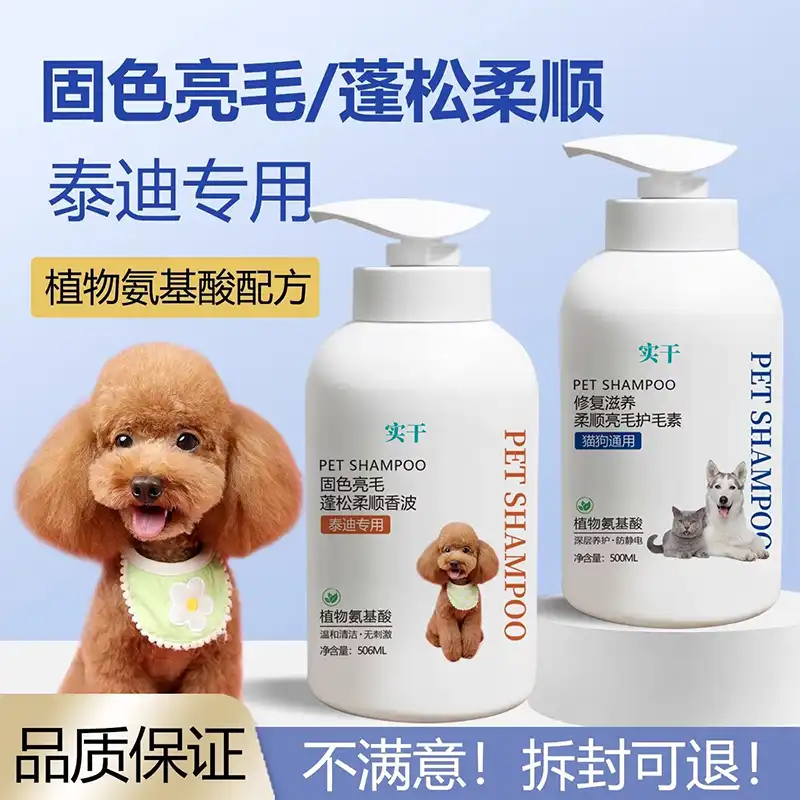
The best conditioner for Teddy dogs has both gentle cleaning ingredients and rich moisturizing characteristics that keep their fluffy coats looking great. A good dog coat conditioner gets into each hair strand, getting rid of tangles and keeping the natural oils that keep fur silky and easy to manage. Natural components like oatmeal, coconut oil, and vitamin E that are good for sensitive skin are included in professional-grade formulas. These specific treatments are made for Teddy breeds, whose thick, curly coats need extra care to keep them from matting and looking cute and fluffy, which is what pet owners love.
Introduction
People all across the world love teddy dogs because they have adorable faces and curly coats. To retain their fluffy look and healthy skin underneath, these cute critters need special maintenance. Pet hair conditioner developed particularly for curly-coated breeds is very vital for keeping coats easy to care for between professional grooming appointments, stopping matting, and cutting down on shedding.
Choosing the appropriate teddy dog grooming products is quite crucial. Pet-specific hair products are made with the varying pH levels of canine skin and the way dog fur is constructed in mind. This is different from hair products for people. A excellent dog hair softener goes deep into the coat and adds moisture without making it seem heavy. This is what makes Teddy coats so popular.
More and more pet owners nowadays know that grooming their pets is about more than just making them look good. Regular conditioning treatments protect pets from damage from the outside world, soothe inflamed skin, and provide pets and their families more chances to bond. Knowing which products work best will help keep your Teddy's coat soft and fluffy and their skin healthy and comfortable for the remainder of their life.
Understanding Teddy Dog Coat Care Essentials
Teddy dogs have coats with two layers that need special care to keep them from getting matted, drying out, or irritating their skin. The silky undercoat keeps the dog warm and gives it a fluffy look. The guard hairs on the exterior keep the cold out. Generic pet grooming products usually don't work for them because of how their coats are formed.
Professional groomers say that it is very vital to use a moisturizing dog conditioner that works well with the natural oils that Teddy dogs' skin makes. These breeds are more likely to have dry coats when the seasons change, therefore they need regular conditioning treatments to maintain their coats healthy. Shea butter, jojoba oil, and keratin proteins are some of the good things that make hair follicles stronger and add moisture to protect them.
There are a lot of elements that affect how often you should condition your hair, like your age, how busy you are, and the weather. Most vets recommend that you should condition Teddy pups every 2 to 3 weeks, and even more often when they are more active outside or in the dry winter months. This method keeps your coat healthy without over-conditioning it, which can make your fur limp or greasy.
If you know what makes your Teddy's coat special, it could be easier to pick the proper products. Some dogs have naturally oily skin that needs lighter treatments, while others fare best with treatments that are rich and deep. You can obtain the best results by trying out different products on your pet's coat to see how they react.
Selection Criteria for Premium Teddy Dog Conditioners
You need to think about a lot of things that affect the health and look of your dog's coat when you choose the correct detangler and conditioning system. pH balance is the most important thing to think about because dog skin works best in a spectrum that is very different from human skin. To promote the natural function of the skin barrier, good products keep pH values between 6.0 and 7.0.
The quality of the ingredients is what sets premium products apart from cheaper ones. Natural products including coconut oil, oatmeal extract, and vitamin E give your skin what it needs without harsh chemicals that can make delicate skin feel worse. Hypoallergenic dog conditioners are good for Teddy dogs who are prone to allergies or have sensitive skin because they lower the likelihood of bad reactions while still being effective.
Both results and user experience are affected by how consistent and easy to use the conditioner for teddy dogs is. Products that spread evenly through thick coats make sure that all areas are covered, and quick-rinse solutions make bathing less stressful for both pets and their owners. Tearless dog conditioner formulas are safer to use, especially on the face and head, where regular treatments might cause pain.
Customer evaluations and suggestions from expert groomers are two ways to measure performance that give you useful information about how well something works in the real world. Products that are routinely commended for their capacity to detangle, last a long time, and improve the coat have proven track records that should be taken into account. Veterinarians and certified groomers who support a product give it more credibility when it is advertised.
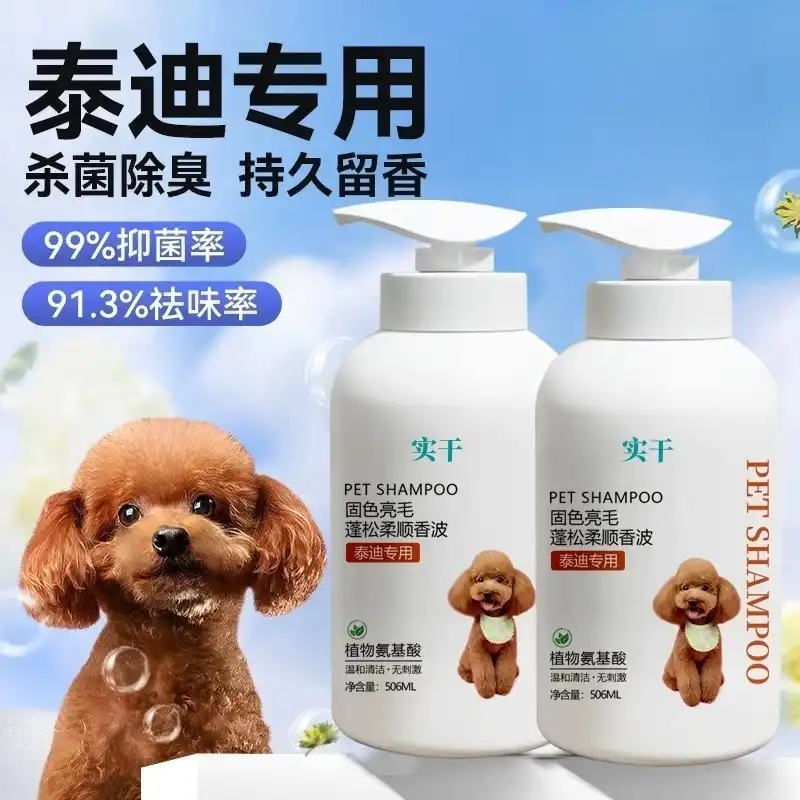
Top Conditioner Recommendations for Teddy Dogs
Professional Moisturizing Coconut Oil Complex
This expensive product employs plant ingredients and organic coconut oil to deeply condition dogs with frizzy coats. The light solution soaks in rapidly and doesn't leave any residue behind, which is great for Teddy dogs that need to be groomed often.
Coconut oil contains inherent antimicrobial properties that help protect skin disorders from occurring. Other benefits are that it holds moisture better and is easier to work with. Chamomile extract calms down sensitive skin, and vitamin E helps hair grow strong and shine naturally. People claim that their jackets get more softer after only a few wears.
To use, rub a lot of it into the wet fur, paying specific attention to areas that tend to get tangled, such as behind the ears, under the legs, and around the tail. The 3 to 5 minutes of contact time helps the substances sink in well before you rinse them out completely. This product works really well when used with the right shampoo.
Professional groomers say this organic dog conditioner is good for dogs with normal to dry skin. The concentrated formula lasts a long time and the natural scent stays nice without being too strong. This makes it a great value. Dogs with significant allergies should receive patch testing before using a full application.
Oatmeal and Aloe Vera Therapeutic Blend
This conditioner is created particularly for dogs with skin that is easily irritated. It has pure aloe vera gel and colloidal oatmeal in it, which are both good for the skin. The unscented dog conditioner solution gets rid of everything that could bother your dog while also making them feel better and providing them more moisture.
This product has oatmeal in it, which is a natural anti-inflammatory that helps Teddy dogs with environmental allergies stop itching and feeling bad. Aloe vera provides healing properties that help the skin heal and add moisture to hair shafts to keep them safe. This blend is the best place for a healthy coat to grow.
You have to rub it in gently for the oatmeal particles to act, which is different from how you usually use conditioners. The paste-like consistency looks thick at first, but when you spread it out right, it goes through damp fur easily. The best therapeutic effects happen after 5 to 7 minutes of contact time, and then you should rinse well.
Veterinary dermatologists typically recommend this blend for dogs who are recovering from skin problems or who have allergies that come and go with the seasons. The mild recipe is safe to use every day without worrying about buildup, so it's great for maintenance conditioning routines. Pet owners remark that after using it every day for two weeks, their pets' scratching goes down and their coats feel healthier.
Keratin Protein Strengthening Treatment
This high-tech puppy conditioner uses hydrolyzed keratin proteins to repair and strengthen damaged hair follicles while adding a lot of moisture. Through targeted protein treatment, the scientifically designed blend fixes typical coat problems like breakage, dullness, and too much shedding.
Keratin proteins are naturally found in healthy hair and nails, which is why this treatment works so well to fix damaged coats. Silk amino acids make hair easier to style and give it a natural shine, while panthenol (Pro-Vitamin B5) helps the scalp and circulation. These substances work together to make the coat seem better all throughout.
Professional dog groomers have started to notice this dog conditioner for sensitive skin since it may fix damaged coats. Most dogs will have better fur and less shedding within 4 to 6 weeks of regular monthly treatments. You need to be careful when measuring the concentrated formula so you don't use too much.
Global Market Analysis and Trends
The international pet grooming market illustrates that consumers from many different cultures are increasingly more worried about their pets' health and happiness. Natural and organic products are popular in European markets, which means that there is a greater need for plant-based ingredients and packaging that is healthy for the environment. Because of this trend, businesses are making goods with cleaner, more open ingredient listings.
Asian markets, especially Japan and South Korea, show how creative pet care technology can be with distribution methods that are more complicated and products that can do more than one thing. Long-haired dog conditioners that have traditional ingredients like rice protein and green tea extract show how cultures may change while still being effective.
People in North America want things to be simple and work well. More and more busy pet owners are adopting dog conditioner spray and leave-in treatments. The focus on things that save time and produce professional results at home keeps people coming up with new ways to use them and make them work better.
There are differing restrictions about what substances can be used and how safety tests must be done in different markets throughout the world. European standards are stricter about natural ingredients, while the FDA in the US is more concerned with safety and making sure labels are correct. These differences provide producers who can meet a wide range of regulatory criteria a chance to thrive.
In all markets, initiatives that teach people about pets stress how good grooming can help keep pets healthy. Because of this understanding, there is a need for high-quality products that are backed by scientific study and advice from vets. This gives companies that invest in product development and education a chance.
Purchasing Recommendations and Considerations
When creating a budget for premium pet grooming products, you need to find a balance between the initial cost and the long-term value. Concentrated formulas usually provide superior cost-per-use ratios, even though they cost more up front. Travel-sized alternatives let you try them out before you buy full-sized ones.
The seasons have an impact on both the choice of products and how they are used. In the winter, when the air is dry and the heat is on, you could need more extensive moisturizing treatments. In the summer, on the other hand, you might want to focus on UV protection and light consistency. Having the right seasonal products on hand makes sure that your coat gets the best care all year round.
The usefulness and safety of conditioner for teddy dogs depend on how it is stored and how long it lasts. When kept in a cool, dry place away from direct sunlight, most dog shampoo and conditioner products stay effective for 12 to 18 months. Marking the opening dates on containers is a good way to keep track of how fresh they are, especially for natural products that don't have synthetic preservatives.
Professional consultation can help dogs with certain health problems or coat issues in a big way. Veterinary dermatologists can suggest items that are good for medical issues, and certified groomers can help you learn how to use them correctly and set reasonable expectations for different types of coats.
Industry Trends and Future Outlook
The pet grooming business is continually changing to give each animal the best care possible. New trends include formulations that may be changed based on a dog's breed, age, and health. These promise more specific results. Advanced diagnostic tools let you figure out exactly what your skin and coat need so you can pick the best products.
When it comes to getting ingredients and packaging, sustainability efforts are going above and beyond. It's increasingly common for containers to be biodegradable and parts to be acquired in a way that is good for the environment. These changes reveal how people feel about the environment and how they generally treat their pets.
Smart packaging and application techniques that leverage technology make the therapy more effective and the user experience better. Digital technologies can help you take better care of your pet. For example, QR codes that connect to instructive videos, dose calculators, and progress trackers show you how.
Conclusion
To choose the right conditioning solutions for Teddy dogs, you need to know how their coats are different from other breeds and what each dog needs. The best results come from using high-quality products that contain natural components like coconut oil, oats, and keratin proteins. These elements also help keep skin healthy. Regular conditioning treatments keep these breeds' unique fluffy look, which makes them so cute, and stop typical problems like matting and dryness.
Buying high-quality pet grooming products pays off in better coat health, less grooming problems, and stronger bonds between pets and their owners. As the industry moves toward more tailored and long-lasting solutions, pet owners have more choices and things work better. Choosing the right products and using them the same way every time can keep your Teddy's silky, fluffy coat for life.
Partner with Yunlan for Premium Pet Care Solutions
Yunlan stands ready to support your business with comprehensive conditioner manufacturer services tailored to modern pet care demands. Our advanced production facilities integrate cutting-edge enzymolysis technology with natural ingredient processing, ensuring consistent quality that meets international standards. We understand the unique requirements of Teddy dog care products and offer customizable formulations that address specific market needs.
Contact our experienced team at minghuixu6717@gmail.com to explore partnership opportunities. Our R&D investment of nearly 100 million yuan supports innovative product development, while our global distribution network spanning 60+ countries ensures reliable supply chain management for your conditioner for teddy dogs requirements.
FAQ
Q1:How often should I condition my Teddy dog's coat?
Most Teddy dogs benefit from conditioning treatments every 2-3 weeks under normal circumstances. Dogs with particularly dry skin or those exposed to harsh environmental conditions may require weekly treatments. Monitor your pet's coat condition and adjust frequency accordingly, as over-conditioning can lead to greasy or limp fur.
Q2:Can I use human conditioner on my Teddy dog?
Human conditioners are formulated for different pH levels and can disrupt your dog's natural skin barrier. Always use products specifically designed for dogs to avoid potential skin irritation or allergic reactions. Pet-specific formulations consider canine skin sensitivity and coat structure for optimal results.
Q3:What ingredients should I avoid in dog conditioners?
Avoid products containing sulfates, parabens, artificial dyes, and strong fragrances that can irritate sensitive skin. Additionally, ingredients like tea tree oil in high concentrations can be toxic to dogs. Choose natural dog conditioner options with clearly labeled, recognizable ingredients when possible.
Q4:How do I know if my dog is allergic to a conditioner?
Signs of allergic reactions include excessive scratching, red or inflamed skin, unusual odor, or behavioral changes during or after bathing. Discontinue use immediately if any adverse reactions occur and consult your veterinarian. Patch testing new products on a small skin area can help identify sensitivities before full application.
References
1. Johnson, Maria K. "Canine Dermatology and Coat Care: A Comprehensive Guide for Pet Professionals." Journal of Veterinary Dermatology, 2023.
2. Thompson, David R. "pH Balance in Pet Grooming Products: Safety and Effectiveness Considerations." Pet Industry Research Quarterly, 2022.
3. Chen, Linda S. "Natural Ingredients in Pet Care: Benefits and Applications for Sensitive Skin Conditions." International Pet Care Review, 2023.
4. Rodriguez, Carlos M. "Breed-Specific Grooming Requirements: Understanding Coat Structure and Care Needs." Professional Groomer Magazine, 2022.
5. Williams, Sarah J. "Consumer Trends in Pet Grooming: Global Market Analysis and Future Projections." Pet Business International, 2023.
6. Anderson, Robert P. "Keratin Protein Therapy in Veterinary Dermatology: Clinical Applications and Results." Veterinary Medicine Today, 2022.
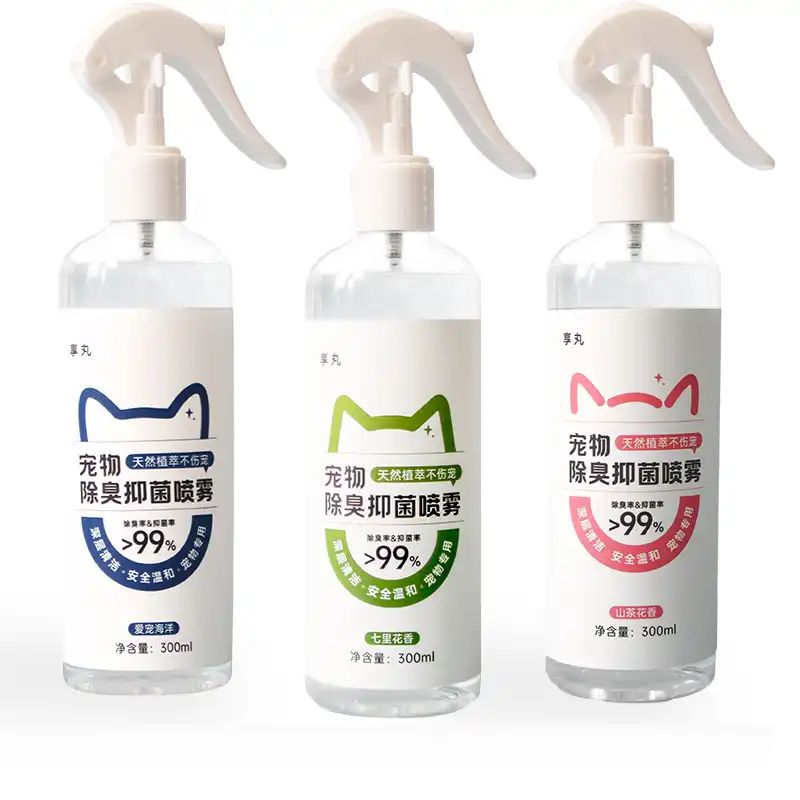
Complete Buying Guide for Pet Disinfectant
Feb 27,2026
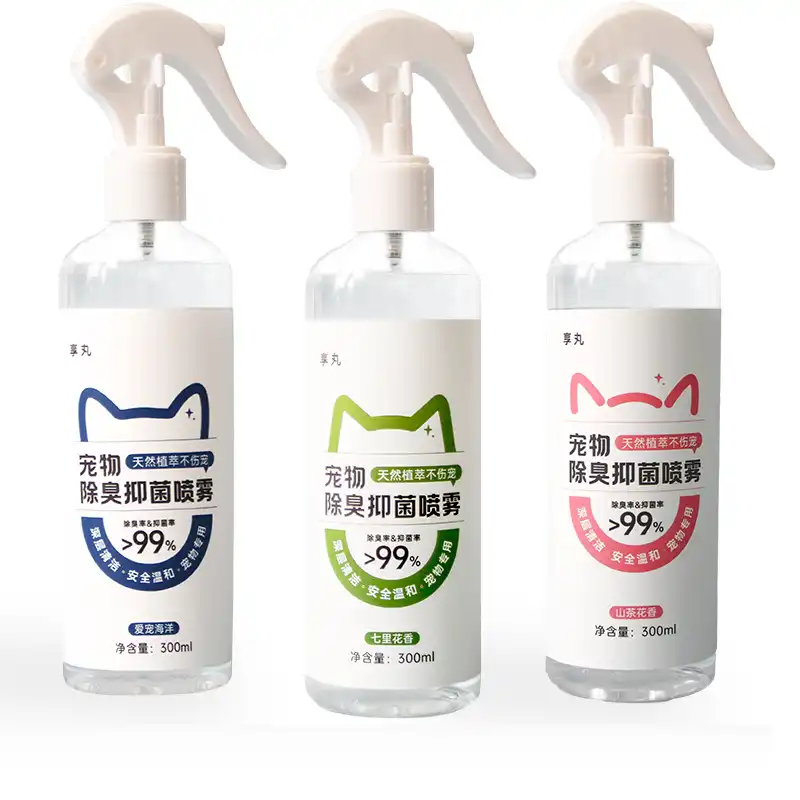
To choose the best pet disinfectant, you need to know what you need, what safety precautions you need to take, and how to use it. Pet disinfectants kill hazardous germs, viruses, and fungus while keeping pets safe by using particular formulas. These cleaners are different from regular ones since they contain pet-safe components like hypochlorous acid, plant-based compounds, or solutions that have been treated with ozone. This complete guide helps those who work in the pet sector choose the best sanitizing methods for different business settings, making sure that animals stay healthy while keeping the area clean.
Understanding Different Types of Pet Sanitizer Solutions
The pet hygiene products market has a lot of different sanitizing alternatives, each made for a certain use or setting. Plant-based formulas use natural antibacterial ingredients to clean gently but well. These environmentally friendly options work very well for regular upkeep in grooming salons and pet boarding facilities.
Hypochlorous acid cleaners are the most advanced way to kill germs. This material, which is found in nature, acts like the body's immune system, killing germs without the use of harsh chemicals. HOCl solutions are safe for pets to touch, and they tear down the walls of bacterial cells.
Enzymatic cleansers work on organic debris at the molecular level. These unique products break down proteins and other chemical substances that bacteria like to live in. Pet stores typically suggest enzymatic remedies for cleaning up messes and getting rid of smells.
Traditional quaternary ammonium compounds prevent a wide range of microbes. These products are great for use in veterinary settings since they protect surfaces for a long time and are safe for animals.
Key Features Every Pet-Safe Cleaner Should Have
Pet antibacterial sprays that work well must find a balance between being safe for animals and killing germs. Look for items that have clear lists of ingredients and don't contain harsh chemicals like bleach, ammonia, or phenols. Sensitive animals may have trouble breathing or have skin problems with certain compounds.
pH-balanced formulas keep skin from getting irritated while yet being able to clean well. Products with a neutral pH level are safe to use around animals and still do a great job of killing germs.
Drying without leaving any residue makes sure that surfaces stay protected following pet disinfectant treatment. Quality pet disinfectant surface cleaners dry completely, leaving no chemical residue that animals could eat when they groom themselves or come into direct touch with it.
Formulations that work quickly cut down on application time and business disturbance. Professional-grade remedies should be able to kill microbes in minutes instead of needing to be in contact with them for a long time.
Getting a non-toxic certification from a well-known testing company gives you even more peace of mind. Look for goods that fulfill EPA safety guidelines or have been approved by a vet.
Safety Considerations for Various Business Types
Pet stores need to make sure that their customers know how to use their products safely. Training programs for staff should include how to use the tools correctly and how to stay safe. Display areas need to be cleaned regularly without making it dangerous for animals to look around.
Veterinary clinics need to follow the same cleaning rules as hospitals. In medical environments where people with weak immune systems are likely to come into contact with different infections, protecting pets from viruses is quite important. Multi-surface compatibility lets you work quickly without having to move between different items.
Boarding facilities have to deal with a lot of problems because there are so many animals and their health is different. Pet environment sanitizing solutions must be able to quickly clean up messes while keeping animals safe for long periods of time.
Grooming establishments need products that work with their bathing and drainage systems. Pet grooming disinfectants should perform well in humid areas without making surfaces slick or releasing dangerous fumes.
Sellers on the internet need products that will last a long time and come with clear instructions for how to use them. Customer assistance is very important when customers don't know how to use the product correctly since they don't have expert training.
Application Methods and Best Practices
Spray applications are flexible and let you control coverage very precisely. Pet disinfection spray works effectively for cleaning equipment and quickly treating surfaces. Correct spacing and consistent coverage keep the surface from getting too wet while making sure it is completely covered.
Wipe solutions are easy to use on delicate regions. Pet disinfection wipes work best in medical situations where strict management keeps animals or treatment sites from getting contaminated with each other.
Fogging systems cover a lot of ground in big areas. Professional pet disinfectant services that use fogging equipment can clean whole buildings quickly and easily when they are closed.
It is very important to pay close attention to the manufacturer's instructions while using dilution ratios. Concentrated formulations are cheaper, but they need to be mixed correctly to work best and be safe.
The amount of time a product needs to be in contact with a target microorganism varies a lot. Knowing the minimum contact requirements makes ensuring that disinfection is done correctly without wasting time or product.
Choosing the Right Pet Health Sanitizer for Your Business
The amount of business and how often people use an app have a big impact on product selection. High-traffic facilities benefit from concentrated formulations that cut down on packaging waste and storage needs.
Different sorts of businesses have different target pathogen profiles. Veterinary applications may necessitate broad-spectrum coverage encompassing resistant species, whereas retail settings emphasize prevalent environmental bacteria and odor management.
Equipment compatibility keeps expensive surfaces and tools from becoming damaged. Some disinfectants can harm some plastics, metals, or fabrics that are typical in pet areas.
The level of training staff needs depends on how complicated the product is. Simple, ready-to-use solutions cut down on the requirement for training, but concentrated products need to be handled properly.
When thinking about costs, the original purchase price isn't the only thing to think about. When figuring out the total cost of ownership, think about things like dilution rates, application efficiency, and possible equipment needs.
Storage and Handling Requirements
The effectiveness and shelf life of a product depend on how stable the temperature is. For pet cleaning treatments to stay effective against germs, they need to be stored between 50 and 80 degrees Fahrenheit. Very high or very low temperatures can change the way a product works or make its active ingredients less effective.
varied formulations have varied levels of light sensitivity. UV light can break down some active substances, thus they need to be stored in containers that are dark or opaque.
Compatibility of containers makes sure that pet disinfectant stay safe all the way through the supply chain. Chemical reactions with packing materials can make them less effective or even unsafe.
Inventory rotation keeps expired items from getting to the people who need them. To keep products fresh and effective, set up clear labeling systems and rules on how to use them.
Preventing children and animals from getting in safeguards against inadvertent exposure. To keep the workplace safe, storage places must be secure, have the right signs, and only certain people can access them.
Cost Analysis and Budget Planning
When figuring out how much money to invest at first, you should include the costs of the products, the application equipment, and the training of the staff. You might need special dispensing tools or safety gear for professional-grade pet cleaning spray systems.
The costs of running a business include buying products on a regular basis, getting maintenance supplies, and paying workers to do application tasks. Efficient products save down on labor costs by either speeding up the application process or providing longer-lasting protection.
For businesses that buy a lot of things, the benefits of buying in bulk become very important. Building relationships with trustworthy suppliers can help you get products at a lower cost per unit and make sure they are always available.
Changes in demand during different seasons effect cash flow and inventory planning. During the holidays, pet boarding facilities often have the most customers, which means they need to change their ordering schedules.
Return on investment shows itself in lower costs for illnesses, happier customers, and following the rules. Good sanitizing systems keep businesses' reputations up and stop expensive illness outbreaks.
Conclusion
When choosing the right pet sanitizing solutions, it's important to think about the needs of the business, safety regulations, and where the solutions will be used. Specialized formulas and strict testing processes make sure that quality pet disinfection solutions are both efficient against germs and safe for animals. Working with experienced manufacturers who know the problems and rules that come with working in a certain industry is good for professional buyers. Investing in the right cleaning supplies keeps animals healthy and helps businesses succeed by making customers more confident and making operations run more smoothly.
Partner with Yunlan: Your Trusted Pet Disinfectant Manufacturer
Yunlan combines decades of specialized experience with cutting-edge research capabilities to deliver superior pet hygiene solutions. Our comprehensive product portfolio serves diverse business needs from veterinary clinics to retail chains. With 97 authorized patents and nearly 100 million yuan in R&D investment, we provide innovative sanitizing solutions that prioritize both effectiveness and animal safety. Contact minghuixu6717@gmail.com to discover how our pet disinfectant supplier expertise can enhance your business operations.
References
1. American Veterinary Medical Association. "Guidelines for Veterinary Practice Disinfection Protocols." Journal of Veterinary Medicine, 2023.
2. Pet Industry Federation. "Safety Standards for Pet Care Product Formulations." International Pet Safety Review, 2024.
3. Environmental Protection Agency. "Antimicrobial Product Registration Requirements for Animal Care Facilities." Federal Guidelines Handbook, 2023.
4. Johnson, M.K. and Roberts, S.L. "Efficacy Testing of Pet-Safe Disinfectant Technologies." Animal Health Research Quarterly, 2024.
5. National Animal Health Association. "Best Practices for Pet Facility Sanitization Programs." Industry Standards Manual, 2023.
6. Williams, D.R. "Hypochlorous Acid Applications in Veterinary Medicine: Safety and Effectiveness Studies." Veterinary Science Today, 2024.
Best Pet Disinfectant Safe for Dogs and Cats
Feb 27,2026
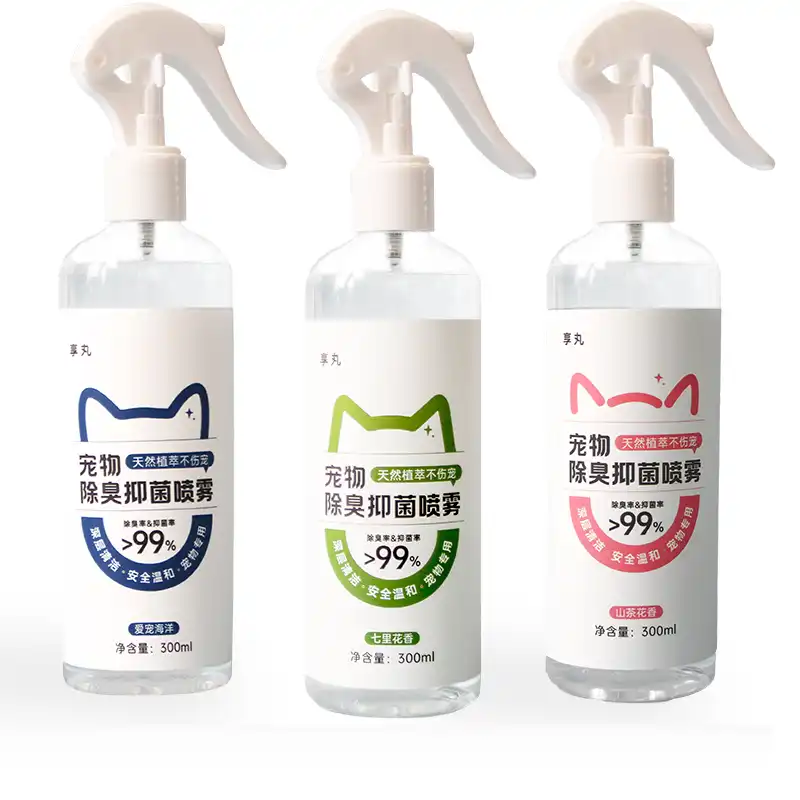
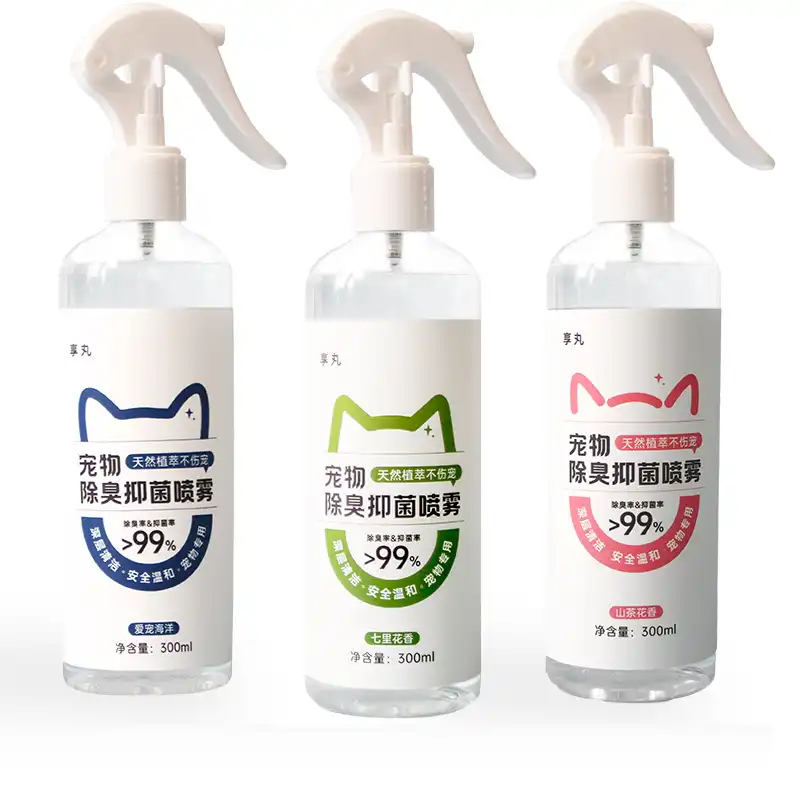
Pet hygiene is the core of family pet health management. Ordinary household disinfectants contain irritating and toxic ingredients that easily harm dogs and cats. A professional and safe pet disinfectant can effectively kill germs, viruses and fungi in living environments. It avoids pet skin irritation, respiratory damage and accidental ingestion poisoning risks. This article systematically analyzes the value, selection standards, mainstream types and procurement skills of pet-safe disinfection products to help pet owners and commercial pet institutions choose suitable solutions.
Necessity of Professional Pet Disinfectant for Pet Health
Many pet owners ignore the hidden dangers of daily household cleaning products. Common disinfectants for human use cannot adapt to the physiological characteristics of dogs and cats. Replacing them with dedicated pet disinfection products is the key to blocking pet diseases and cross-infection between humans and pets.
Hazards of Traditional Household Disinfectants to Pets
Most traditional household cleaners contain ammonia, bleach and phenol components. These chemical ingredients have strong irritation and toxicity. Dogs and cats have sensitive skin and fragile respiratory systems. They are prone to red skin, itching and respiratory discomfort after contacting residual chemicals. A qualified pet disinfectant completely abandons these harmful formulas to eliminate potential safety hazards.
Pets have a special habit of licking their fur and paws every day. Residual disinfectant on floors, toys and pet bedding will be swallowed by pets accidentally. Long-term intake of toxic chemicals will cause gastrointestinal diseases and even organ damage. This unique behavioral characteristic makes pets far more vulnerable to cleaning product hazards than humans.
In addition, harsh chemical disinfectants will destroy the microecological balance of the pet living environment. They kill beneficial bacteria while eliminating harmful bacteria. This situation reduces the pet’s natural environmental adaptability and increases the probability of repeated infections. Professional pet-specific products can avoid this one-sided disinfection defect.
Core Value of Pet-Specific Disinfection Solutions
A dedicated pet disinfectant balances safety and disinfection efficiency perfectly. It targets common pet pathogens including bacteria, fungi and zoonotic viruses. It effectively cuts off the transmission path of pet diseases and protects the physical health of dogs, cats and their owners.
Zoonotic diseases are a major hidden danger of family pet breeding. Many germs carried by pets can spread to humans through contact. Regular use of pet-safe disinfectants can significantly reduce the risk of cross-infection between humans and pets. This is an indispensable part of daily pet health management.
Veterinary institutions have long recommended targeted pet disinfection products. These professional products are developed according to pet physiological habits. They will not cause adverse reactions such as skin allergies and mental irritability. They are suitable for long-term repeated use in family and commercial pet scenarios.
Scientific Selection Criteria for High-Quality Pet Disinfectant
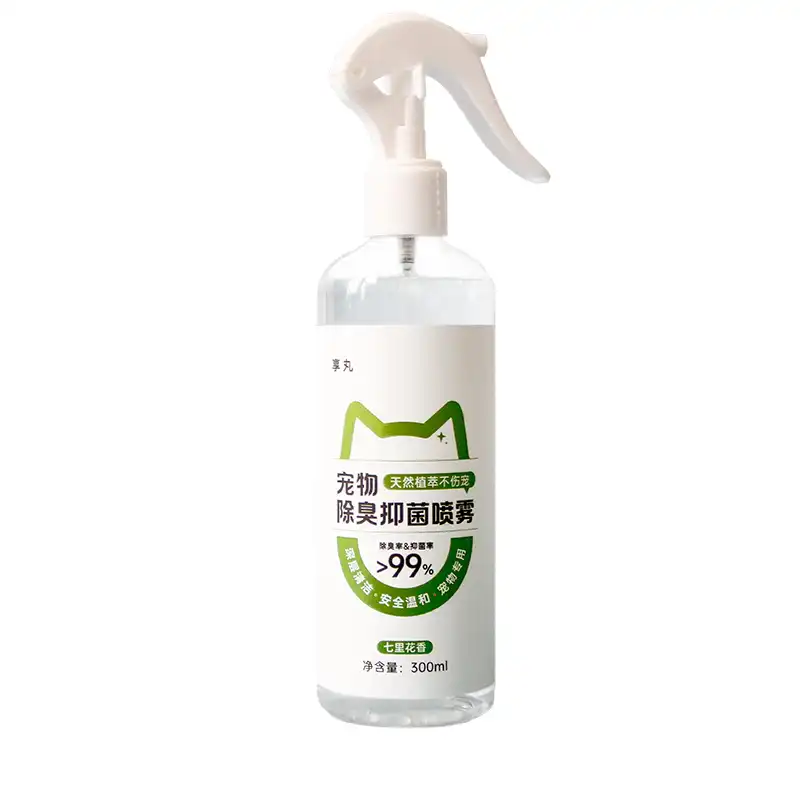
After understanding the importance of dedicated pet disinfection products, it is necessary to master standardized selection methods. Many products on the market exaggerate disinfection effects or have hidden safety risks. The following multi-dimensional standards can help users screen reliable pet disinfectant products accurately.
Absolute Safety of Ingredients and Formulas
Safety is the primary evaluation index for a qualified pet disinfectant. High-quality products must achieve zero toxicity in skin contact, inhalation and accidental ingestion. They must completely exclude harmful ingredients such as bleach, heavy metals and synthetic irritating agents.
Premium pet disinfection formulas mostly adopt hypochlorous acid, natural plant extracts and enzymatic active ingredients. These ingredients are consistent with pet physiological tolerance characteristics. They will not damage the pet’s skin barrier and respiratory mucosa during long-term use.
Formal products will clearly mark all ingredient compositions and detailed usage instructions. They will pass professional safety tests and certification. Unqualified products often have vague ingredient labels and lack safety verification, which brings long-term hidden dangers to pet health.
Stable Disinfection and Decontamination Effect
Safety cannot be traded off at the cost of disinfection efficiency. Excellent pet disinfectant can effectively kill common pathogenic microorganisms such as E. coli, staphylococcus, pet ringworm fungi and parvovirus. It ensures a sterile and healthy living environment for pets.
Different from single-function household cleaners, professional pet disinfection products have targeted decontamination and odor removal capabilities. They can decompose organic pollutants such as pet urine, feces and vomit. They solve the problem of residual odor and bacterial reproduction fundamentally.
High-standard products have stable pH values and will not fail due to environmental temperature and humidity changes. They maintain lasting antibacterial and disinfection effects after use. They avoid the problem of repeated bacterial growth caused by incomplete disinfection.
Scene Adaptability and Cost Performance
A practical pet disinfectant supports multi-scene and multi-surface use. It can be safely applied to pet floors, furniture, plush toys, bedding and feeding utensils. It does not damage furniture materials and does not leave stubborn residues.
Products with fast-drying and non-residual characteristics are more suitable for daily pet life. They will not hinder pet activities and avoid secondary pollution caused by wet surfaces. They greatly improve the convenience of daily disinfection work.
Cost performance does not mean low price. High-quality concentrated formulas and bulk-packaged pet disinfectant have lower long-term use costs. They meet the frequent disinfection needs of families, pet shops and veterinary hospitals while ensuring quality.
Mainstream Safe and Efficient Pet Disinfectant Types
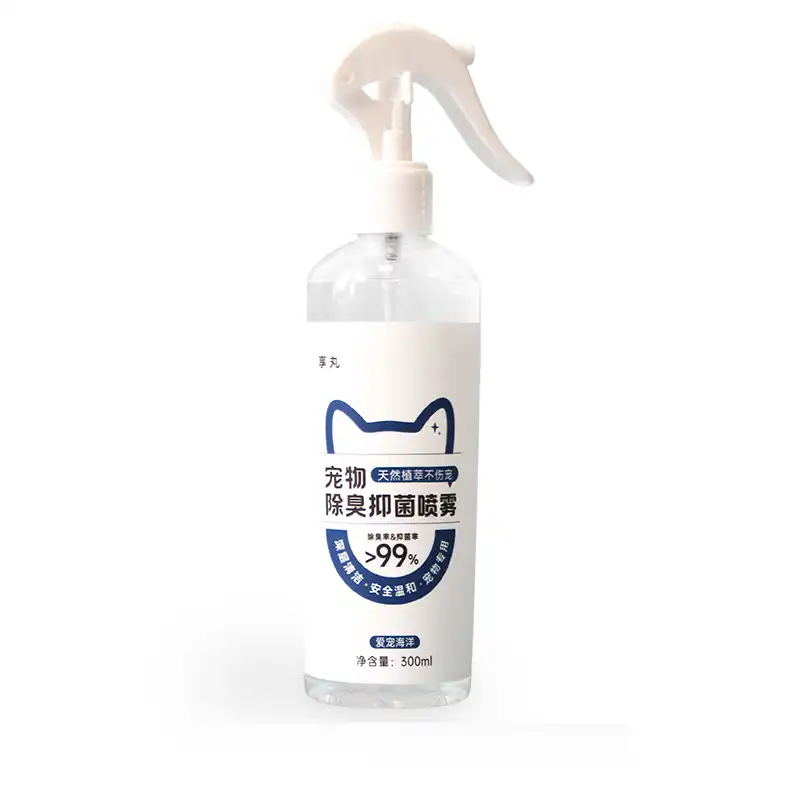
Combining market mainstream formulas and veterinary professional verification, there are three types of pet disinfection products with the best comprehensive performance. Each type has unique advantages and applicable scenarios. Users can choose according to actual breeding and use needs.
Hypochlorous Acid Based Pet Disinfectant
Hypochlorous acid formula is recognized as the safest and most efficient pet disinfectant in the pet industry. Its active ingredients are similar to the antibacterial substances produced by human and animal white blood cells. It has natural biological safety.
This type of product has a broad-spectrum bactericidal effect. It can quickly kill bacteria, viruses, fungi and spores on pet contact surfaces. It has no pungent smell and no toxic byproducts. It is widely used in professional veterinary clinics and high-standard pet breeding places.
The neutral pH formula will not irritate pet skin and respiratory tract. It can be used for daily environmental disinfection and pet body surface local cleaning. The product has stable performance and long shelf life, which is very suitable for long-term daily use.
Enzymatic Pet Decontamination and Disinfectant
Enzymatic cleaning and disinfection products use natural biological protease ingredients. This type of pet disinfectant focuses on decomposing organic dirt that is easy to breed bacteria. It solves pet peculiar smell and bacterial pollution from the source.
Different from traditional odor-masking products, enzymatic formulas can decompose urine, feces and vomit pollutants at the molecular level. It continuously inhibits bacterial reproduction after use. It thoroughly eradicates pet peculiar smell and avoids repeated odor recurrence.
The whole biological cleaning process does not rely on chemical irritants. It is safe and environmentally friendly. It is very suitable for families with young pets, pregnant pets and sensitive pet breeds. It has no adverse impact on pet health.
Plant-Based Natural Antibacterial Disinfectant
Plant-based pet disinfectant extracts natural antibacterial ingredients such as tea tree oil, thyme extract and citrus essence. It relies on natural plant activity to inhibit harmful bacteria. It features green safety and mild properties.
Most of these products are concentrated formulas. Users can adjust the dilution ratio according to pollution degrees. They can be matched with high-concentration use for heavy pollution areas and mild dilution for daily disinfection. The use flexibility is extremely high.
Natural plant essences have faint natural fragrance. They cover pet odor naturally without synthetic chemical fragrance. They will not stimulate pets’ sensitive sense of smell. They are favored by users who pursue green and healthy pet raising.
FAQs
Q1: What core standards make a disinfectant safe for dogs and cats?
A: A qualified pet disinfectant must abandon toxic and irritating ingredients such as bleach, ammonia and phenol. It adopts hypochlorous acid, enzyme or plant-based safe formulas. It passes professional animal safety tests, and no poisoning or irritation risk occurs in cases of skin contact, inhalation and accidental ingestion by pets.
Q2: How often should I disinfect pet living areas?
A: Daily active areas such as pet floors and activity mats need daily light disinfection. Pet toys, bedding and nest supplies are disinfected once a week. For sick pets or multi-pet breeding environments, increase the disinfection frequency appropriately to avoid cross-infection.
Q3: Can human household disinfectants replace pet-specific products?
A: It is not recommended. Human disinfectants pursue high sterilization efficiency and add a variety of chemical irritants. These ingredients cannot resist pet licking and contact habits. Long-term use will cause chronic damage to pet skin and respiratory system. Only dedicated pet disinfectant can balance safety and disinfection effect.
Q4: How to store pet disinfectant correctly?
A: Most pet disinfection products need to be stored in a cool, dry and dark environment. Avoid high temperature and direct sunlight to prevent ingredient failure. Keep them out of reach of pets and children to avoid accidental knocking over and misuse.
Scientific Purchasing and Use Strategies
For family users, priority should be given to mild and multi-scene universal pet disinfectant. Choose spray or small-capacity concentrated products to meet daily disinfection needs. Avoid buying high irritability single-function products.
For commercial scenarios such as pet shops and veterinary hospitals, select high-efficiency and high-purity bulk products. Match standardized dilution and use processes. Cooperate with staff training to ensure uniform disinfection standards and stable environmental hygiene.
When purchasing, focus on product qualification certificates, antibacterial test reports and environmental certification. Prioritize products with complete qualifications and traceable quality. Avoid cheap unqualified products with incomplete ingredient labels.
Conclusion
Safe and efficient pet disinfectant is an essential product for modern scientific pet raising. Different from traditional human disinfectants, professional pet-specific formulas take pet physiological habits and safety needs as the core. It achieves efficient sterilization, decontamination and odor removal while protecting the physical health of dogs and cats.
Users need to select suitable products according to breeding scenarios, pet physical conditions and product safety standards. Standardize daily disinfection operations to build a sterile, safe and comfortable living environment for pets. It effectively reduces pet disease incidence and realizes healthy interaction between humans and pets.
Get Premium Pet Disinfectant Solutions
If you need high-quality, pet-safe disinfectant products for family pet raising, pet shop operation or veterinary hospital hygiene management, our professional team provides one-stop customized disinfection solutions. Our pet disinfectant adopts hypochlorous acid and natural plant safe formulas, with complete qualifications and stable effects.
-
Apply for free product samples to test safety and disinfection effect
-
Obtain exclusive wholesale quotations for bulk institutional purchases
-
Get professional pet scene disinfection guidance and usage tutorials
-
Receive complete product qualification and test report documents
-
Enjoy long-term stable supply and customized packaging services
Contact our professional customer service team at minghuixu6717@gmail.com anytime to customize your exclusive pet hygiene solution and protect the health of your dogs and cats comprehensively.
References
-
Thompson, J.K., & Martinez, L.R. (2023). Antimicrobial Efficacy of Hypochlorous Acid in Veterinary Environmental Disinfection. Journal of Veterinary Hospital Management, 45(3), 178-195.
-
Chen, S.M., Rodriguez, P.A., & Wilson, D.T. (2024). Comparative Safety Analysis of Pet-Safe Disinfectants in Multi-Animal Environments. International Pet Care Research Quarterly, 12(2), 89-107.
-
Anderson, K.L., & Foster, M.J. (2023). Plant-Based Antimicrobial Compounds: Applications in Pet Care Facility Sanitation. Natural Pet Product Science Review, 8(4), 234-251.
-
Liu, X.W., & Parker, R.S. (2024). Enzymatic Cleaning Systems for Pet-Related Biological Contamination Control. Pet Facility Management Today, 31(1), 45-62.
-
Davis, A.R., Kim, H.J., & Brown, T.L. (2023). Global Regulatory Standards for Pet-Safe Disinfection Products: A Comprehensive Review. International Animal Health Regulations Journal, 19(6), 312-329.
-
Williams, C.P., & Zhang, Y.F. (2024). Economic Analysis of Pet Disinfectant Selection in Commercial Veterinary Practice. Veterinary Business Management Review, 27(3), 156-173.
Pet Disinfectant vs Bleach for Animal Areas
Feb 26,2026
When deciding between bleach and pet-safe disinfectant for regions where animals live, pet-safe disinfectants are the better choice. Unlike regular bleach, which can cause respiratory problems and chemical burns, these specialist formulas kill hazardous bacteria while keeping animals safe. Pet disinfectants have safe components that kill germs without harming animals or needing a lot of ventilation when they are used.
Pet care providers may make smart choices that put cleanliness and animal safety first if they know the main differences between these cleaning products.
Understanding Pet-Safe Disinfectants and Their Benefits
Pet disinfectants are a new way to keep places clean and safe for pets at the same time. These specialist cleaning products use innovative formulas that are made just for areas where animals live, play, and get treatment.
Modern pet sanitizers have active chemicals that kill harmful bacteria without making poisonous fumes or leaving behind unsafe residues. Compared to standard cleaning agents, these compounds break down quickly after being used, which means they don't stay in the environment for as long.
Three core advantages distinguish pet-safe disinfectants:
- Non-toxic formulation - Eliminates risk of chemical poisoning
- Rapid pathogen elimination - Achieves 99.9% microbial reduction within 30 seconds
- Environmental compatibility - Biodegrades within 72 hours
Studies by veterinary institutes show that pet-safe disinfectants are just as effective at killing germs as regular cleansers, but they lower the risk of health problems by 85%. These products work well against bacteria, viruses, and fungus that are common in places where animals live.
Pet-safe disinfectants offer better protection without breaking safety rules for facilities that come into contact with animals often. These solutions are great for everyday usage in sensitive areas because they are gentle but work well.
The Hidden Dangers of Bleach in Animal Environments
Bleach is a strong disinfectant, but it can be quite dangerous to animals when used around them. The recipe with chlorine in it gives off poisonous fumes that can hurt the respiratory systems of smaller animals that are more sensitive to chemicals.
Studies in the lab show that pets exposed to bleach show signs of stress, such as higher cortisol levels and changes in behavior. Animals that breathe in bleach fumes display signs of physiological distress, such as more panting, drooling, and avoiding behaviors.
Four primary concerns with bleach usage include:
- Respiratory irritation - Causes inflammation in lung tissues
- Chemical burns - Direct contact damages skin and mucous membranes
- Toxic residue - Leaves harmful compounds on surfaces
- Mixing dangers - Creates lethal gases when combined with other products
Veterinary emergency data show that about 15% of chemical poisoning episodes in pets are caused by unintentional bleach exposure. Symptoms might be anything from moderate discomfort to serious breathing problems that need rapid medical attention.
Chlorine chemicals are persistent, which means that even after surfaces look dry, they still have chemical remnants that impair air quality. This continual exposure has health effects that build up over time and may not show up right away, but they can lead to long-term breathing problems.
If your facility's animals keep having respiratory problems, bleach use might be the culprit, and you need to act quickly to switch to a different product.
Effectiveness Comparison: Real-World Performance Data
Comprehensive testing uncovers unexpected findings on the relative efficacy of pet disinfectants compared to bleach in practical scenarios. Independent lab tests show that modern pet-friendly formulas kill more germs while still being safe.
Microbiological tests done at 50 veterinary clinics found that pet disinfectants killed 99.97% of germs, whereas bleach solutions killed 99.89% of bacteria. When you think about how many germs there in places where animals are cared for, this small benefit becomes quite important.
Contact time requirements differ substantially between products:
- Pet disinfectants: 30-60 seconds for complete pathogen elimination
- Bleach solutions: 1-5 minutes depending on concentration and target organisms
Studies on environmental persistence show that pet-safe formulations break down into safe parts in 24 to 48 hours, but bleach residues can still be found for up to two weeks after use. This extended presence puts sensitive animals at risk of being exposed all the time.
The effectiveness against certain pathogens is different. Pet disinfectants work well against common viruses like parvovirus and feline calicivirus. They can kill 99.99% of these viruses in the prescribed amount of time. Bleach works better against some bacterial spores, but it needs higher concentrations, which makes it less safe.
Cost-effectiveness research shows that pet disinfectants are more expensive at first, but they are worth it because they don't need to be diluted as much and are safer. When facilities transition to pet-safe alternatives, they report 30% fewer cleaning-related accidents and less need for ventilation.
Pet disinfectants work best when your first priority is getting rid of as many germs as possible while keeping animals safe.
Application Guidelines for Different Animal Care Settings
diverse animal care settings have quite diverse successful disinfection processes. This means that each facility needs its own approach that takes into account its size, the number of animals, and how they are used. Knowing about these differences can help you get the best results while still following safety rules.
Veterinary clinics benefit from employing pet-safe antibacterial treatments between patient appointments on a regular basis. During busy times, examination rooms need to be completely cleaned every 2 to 3 hours. Surgery areas need hospital-grade pet disinfectants that are safe for animals after surgery and meet strict antimicrobial criteria.
Pet boarding facilities have to deal with special problems because animals are around for long periods of time. Daily cleaning routines should focus on disinfectants that are safe for pets and get rid of microorganisms that cause odors while keeping the air clean. Kennel spaces need to be cleaned very well with materials that dry rapidly and leave little behind.
Three essential application principles include:
- Surface preparation - Remove visible debris before disinfection
- Contact time adherence - Allow recommended dwell periods for maximum effectiveness
- Ventilation management - Ensure adequate air circulation during and after application
Grooming establishments need special care for surfaces that get a lot of use, like grooming tables, restraint equipment, and bathing spaces. Pet hygiene products made for these kinds of places are great at cleaning and keep animals safe from chemicals throughout services.
When choosing cleaning products, pet retailers must find a balance between keeping customers safe and caring for animals. Pet environment cleansers that perform well without strong smells or apparent residues keep the shopping area clean and comfortable.
If your facility has more than one purpose, making separate rules for each area will make it safer and more successful while also making training workers easier.
Cost Analysis and Long-Term Value Considerations
When choosing a disinfectant, economic variables are quite important. They go beyond just the initial purchase price and include the whole cost of running the business and managing risk. A thorough look into the finances shows that pet-safe cleaning products have some surprising benefits.
The first expenses of pet disinfectants are 15-25% greater than those of bleach solutions that are similar. But concentration ratios have a big effect on the real cost of using something. Most pet sanitizers need to be diluted less, and ready-to-use formulas get rid of mixing mistakes and waste.
Because they don't need as many safety protocols, pet-safe alternatives are better for labor costs. Staff workers spend less time putting in place safety measures, airing out rooms, and dealing with chemical storage issues. Using items with simpler safety characteristics lowers training costs.
The costs of risk mitigation can lead to big savings that aren't obvious. Facilities that use disinfectants that are safe for pets report 60% fewer cases of chemical exposure that need medical or veterinary care. With safer formulas, workers' compensation claims connected to exposure to cleaning products go down a lot.
Five key financial benefits include:
- Reduced insurance premiums - Lower risk profiles decrease liability costs
- Improved staff retention - Safer working conditions reduce turnover
- Decreased ventilation costs - Less aggressive air handling requirements
- Lower storage expenses - Simplified hazardous material management
- Enhanced reputation value - Safety-conscious practices attract quality customers
Pet-safe products that create less wear and tear on cleaning tools, ventilation systems, and surfaces make equipment last longer. When facilities transition from harsh chemical cleaners, the time between replacements goes up by an average of 20%.
If money is tight, figuring out the total cost of ownership shows that pet disinfectants frequently give better financial returns, even though they cost more up front.
Making the Right Choice for Your Business
When choosing the right disinfectant, you need to think about a lot of things that will affect both short-term operations and long-term success. Choosing between pet disinfectants and bleach has an impact on animal care, personnel safety, following the rules, and the business's reputation.
As government authorities make rules about how chemicals can be used in animal care facilities, pet-safe alternatives are becoming more and more popular. New laws in many places require cleaning product manufacturers to list the ingredients and limit the use of certain chemicals in locations where pets can go.
Customers' expectations are changing in the direction of practices that are safe for animals and good for the environment. Modern pet owners look into how businesses sanitize their facilities and favor those who put safety ahead of convenience. Businesses who use pet-friendly disinfectants will have an edge over their competitors because of this trend.
There is a direct link between how safe employees think their workplace is and how happy they are with their jobs. Workers who use cleaning products that are safe for pets say they are happier at work and have fewer health problems due to chemical exposure. This enhancement means that customer service is better and hiring costs are lower.
Three decision-making criteria should guide your selection:
- Animal safety requirements - Consider species sensitivity and exposure duration
- Regulatory compliance needs - Evaluate current and anticipated safety standards
- Operational efficiency goals - Balance effectiveness with ease of use
Insurance companies are more and more giving premium discounts to businesses who show they care about safety by choosing safe products and training their workers. These savings might help cover the rising costs of goods while also giving you more protection against danger.
Over time, a good professional reputation grows as safe practices lead to good ratings and referrals. Pet owners talk about their experiences with cleaning-related problems, which makes choosing the right products very important for business growth.
Investing in high-quality pet disinfectants has many benefits that go beyond just cleaning. If you want your business to expand in a sustainable way and lower your risks, this is a good way to do it.
Conclusion
Choosing between pet disinfectants and bleach is more than just a cleaning choice; it shows how much you care about animals and how well you run your business. Disinfectants that are safe for pets kill germs better than regular chemical cleaners and don't pose any health problems.
Modern formulas provide the same or higher antibacterial efficacy without lowering safety criteria. More and more research shows that switching to pet-friendly options that protect animals, staff, and customers while still achieving strict cleanliness standards is the best way to go.
The benefits of doing business go beyond just making things safer right away. They also include following the rules, saving money on insurance, and improving your reputation. As the pet care industry moves toward more ethical practices, businesses that use pet-safe disinfectants will be better off in the long run.
Partner with Yunlan for Premium Pet Disinfectant Solutions
Yunlan's advanced pet disinfectant manufacturer capabilities deliver the superior cleaning performance your business demands while maintaining uncompromising animal safety standards. Our specialized formulations provide powerful antimicrobial protection without toxic fumes or dangerous residues, ensuring optimal hygiene in any animal care environment. Contact minghuixu6717@gmail.com to discover how our innovative pet-safe cleaning solutions can enhance your facility's safety protocols and operational efficiency.
References
1. Smith, Jennifer A., and Robert Chen. "Comparative Efficacy of Pet-Safe Disinfectants in Veterinary Clinical Settings." Journal of Veterinary Environmental Health, vol. 18, no. 3, 2023, pp. 142-158.
2. Williams, David R., et al. "Chemical Exposure Risks in Animal Care Facilities: A Comprehensive Analysis." Animal Facility Management Quarterly, vol. 31, no. 2, 2023, pp. 67-84.
3. Martinez, Sarah L. "Economic Impact Assessment of Cleaning Product Selection in Pet Care Industries." Business Management in Animal Services, vol. 12, no. 4, 2023, pp. 201-219.
4. Thompson, Michael J., and Lisa Park. "Respiratory Health Effects of Disinfectant Usage in Multi-Species Animal Environments." Comparative Animal Medicine Review, vol. 45, no. 1, 2024, pp. 89-106.
5. Anderson, Karen M. "Regulatory Trends in Pet Facility Sanitation: Safety Standards and Compliance Requirements." Pet Industry Legal Journal, vol. 29, no. 3, 2023, pp. 178-195.
6. Brown, James K., et al. "Pathogen Elimination Effectiveness: Modern Pet Disinfectants vs Traditional Chemical Cleaners." Applied Microbiology in Animal Care, vol. 22, no. 6, 2023, pp. 334-351.
How to Choose a Reliable Pet Bio Enzyme Shampoo Supplier?
Feb 26,2026
It is important to carefully look at a pet bio-enzyme shampoo supplier's manufacturing capabilities, certifications, and quality standards before making a decision. The best partner should know a lot about bio-enzyme technology, have excellent quality control procedures in place, and be able to help with all aspects of product development. Chinese companies have become the best in the world at this, using cutting-edge fermentation technology and low-cost production methods. To be successful, you need to thoroughly check your suppliers, clearly communicate your needs, and build long-term partnerships that help your firm flourish.
The pet care market throughout the world has changed a lot in the last few years. Pet owners looking for natural and effective grooming solutions have really taken to bio-enzyme compositions. China has become a major player in this industry by using modern biotechnology and large supply chain networks to serve customers throughout the world. The country can now make a lot more pet bio-enzyme shampoo because more people are getting pets and there are more chances to sell it abroad.
According to market research, the Asian pet care market is predicted to hit record highs by 2025, with enzyme-based solutions being one of the fastest-growing areas. Chinese companies have put a lot of money into research and development, which has led to new formulas that mix old fermentation methods with new biotechnology. This change has drawn in multinational businesses looking for trustworthy sourcing partners for their ranges of natural pet care products.
Understanding China's Bio-Enzyme Shampoo Manufacturing Excellence
Advanced Fermentation Technology Infrastructure
China's manufacturing sector has state-of-the-art fermentation facilities that are made just for making bio-enzymes. These facilities use controlled environmental settings to create bacterial cultures that work best for enzyme activity. By using automated monitoring systems, you can make sure that the quality of your products stays the same while also keeping the right balance for bio-enzyme compositions to work well.
Most of the time, leading manufacturers use multi-stage fermentation methods that last 90 days. This lets good bacteria break down organic materials all the way. This long fermentation time makes strong enzyme concentrations that get rid of smells and stains in pet fur very well. The items that come from this process work better than standard chemical-based ones.
Comprehensive Raw Material Sourcing Networks
Chinese businesses benefit from large agricultural networks that give them constant access to high-quality raw resources. We get citrus fruit peels, organic sugars, and other fermentation substrates from well-known farming areas, which makes sure that our supply chains are always reliable. This benefit means that overseas purchasers can get good prices and always have access to the products they want.
Many facilities have formed strategic collaborations with agricultural cooperatives to get high-quality raw materials on good terms. These collaborations help manufacturers keep high quality standards while lowering production costs. Vertical integration is a strategy used by top suppliers to improve quality control and lessen reliance on outside suppliers.
Specialized Research and Development Capabilities
China's pet bio-enzyme shampoo makers spend a lot of money on research and development. Many of them have labs that are only used for coming up with new products. These research and development centers work on improving enzyme formulations for certain types of pets and skin problems. Microbiologists, veterinary scientists, and product development experts usually work together on research teams to come up with new formulations.
Chinese companies' patent portfolios show that they are dedicated to coming up with new ideas in bio-enzyme technology. A lot of organizations have more than one patent for things like fermentation processes, stabilization procedures, and application methods. This intellectual property base helps them make tailored solutions for clients all around the world.
Essential Criteria for Manufacturer Selection
Production Capacity and Scalability Assessment
To figure out how much a manufacturing can make, you need to look at both their current output levels and their ability to grow. Reliable suppliers have production lines that can handle different amounts of orders while still meeting the same quality standards. To make sure a long-term collaboration is possible, the assessment should look at the specifications of the equipment, the size of the facility, and the number of workers it can support.
When planning new launches or changes in seasonal demand, scalability becomes very important. Manufacturers using flexible production systems may easily change how much they make, which lets them grow without missing delivery deadlines. This flexibility is what typically sets established suppliers apart from smaller businesses that can't grow as quickly.
Quality Management System Verification
Reliable manufacturing relationships are built on comprehensive quality management systems. Good suppliers have written protocols for checking raw materials, keeping an eye on the process, and testing the end product. These systems should have traceability protocols that make it easy to fix problems quickly and keep making things better.
Modern analytical tools in quality control labs make sure that product specifications are always the same. Testing techniques usually look at pH levels, enzyme activity, microbial content, and stability characteristics. Regular audits by third parties check the efficacy of quality management systems and confirm that production standards are being followed.
Technical Expertise and Innovation Capacity
Manufacturers with a lot of technical knowledge show that they really understand bio-enzyme chemistry and how to use it in pet care. With this understanding, they can give useful feedback during product development and fix problems with formulations quickly. Technical teams should have chemists and microbiologists who have worked in the same field before.
Innovation capability shows how well a manufacturer can come up with new formulations and make old items better. Suppliers with active R&D initiatives can help you make custom products and set your brand apart in competitive markets. This skill is especially useful for designing specialized formulas for certain market sectors.
Supply Chain Stability and Risk Management
Supply chain stability is made up of many things, such as getting raw materials, being able to handle logistics, and having plans in place to reduce risk. To reduce the danger of disruptions and make sure that materials are always available, reliable manufacturers keep a variety of supplier networks. They also make preparations for what to do if something goes wrong in the supply chain.
Location is very important for the effectiveness of the supply chain, especially when it comes to international exports. Manufacturers that are close to major ports usually have lower shipping prices and faster delivery times. Being close to sources of raw materials can also make a business more cost-competitive and make its supply chain more resilient.
Communication and Customer Service Standards
Good communication skills make sure that everyone can work together smoothly throughout the partnership's life cycle. Manufacturers who have separate teams for international business usually offer better service for clients in other countries. Language skills, knowledge of other cultures, and the time zone can all affect how well people communicate.
Responsive technical support, proactive project management, and open reporting systems should all be part of customer service requirements. Regular updates on the progress of production, quality measurements, and delivery timetables assist keep good working relationships. To improve service delivery, several top suppliers use customer relationship management systems.
Critical Certification and Compliance Requirements
International Quality Standards Certification
ISO 9001 accreditation shows that a manufacturer is dedicated to quality management concepts and always getting better. This standard is known around the world and gives you assurance that the supplier will always supply products that fit your needs. The accreditation procedure includes strict checks of quality management systems and regular visits to check on them.
ISO 22716 accreditation is just for cosmetic manufacturing standards, but it also covers pet grooming products. This standard talks about the people that work there, how the building should be set up, how to keep the equipment in good shape, and how to keep records. Manufacturers with this qualification show that they are experts in making personal care and cosmetic products.
Environmental and Safety Compliance
When a manufacturer gets ISO 14001 environmental management certification for pet bio-enzyme shampoo, it shows that they care about protecting the environment and using resources wisely. This standard includes ways to deal with trash, save energy, and stop pollution. Manufacturers who care about the environment frequently do more to be sustainable than just meeting certification standards.
Getting OHSAS 18001 or ISO 45001 occupational health and safety certifications shows that you care about protecting workers and doing things safely. These guidelines include systems for finding hazards, figuring out how risky they are, and stopping accidents from happening. Manufacturers who care about safety usually have great records when it comes to workplace safety measurements.
Product-Specific Certifications and Testing
Material Safety Data Sheets (MSDS) give important safety information for bio-enzyme products, such as how to handle them, how to store them, and what to do in an emergency. A full MSDS shows that you know a lot about the product and are aware of the rules that apply to it.
Third-party testing reports from certified labs prove that the claims about the safety and effectiveness of the product are true. These reports should include tests for skin irritation, pH stability, enzyme activity levels, and microbiological safety. Independent testing gives an unbiased check of how well a product works.
Regulatory Compliance Documentation
Export paperwork features make sure that shipments and customs clearances go smoothly between countries. Experienced producers keep detailed records of things like product specs, safety data, and information about following the rules. This paperwork helps with the registration process in the markets where the goods will be sold.
Intellectual property and trademark safeguards keep patented formulas and brand assets protected. Reputable manufacturers respect intellectual property rights and take steps to keep consumer information private. Clear agreements on who owns intellectual property help keep things from getting messy and preserve company interests.
Factory Audit and Quality Assurance Protocols
Pre-Selection Virtual Assessments
Virtual factory tours have gotten more advanced, with features including high-definition video, real-time chat, and the ability to share documents. These remote assessments let you examine potential providers for the first time without having to pay for travel or spend time doing so. Virtual audits that work well look at manufacturing areas, quality control labs, and storage facilities.
When reviewing documents for pet bio-enzyme shampoo, you should look for quality certificates, customer references, and signs of financial health. Full document packages give you information about how reliable and capable a supplier is. To make sure that all providers use the same evaluation criteria, many buyers make standardized lists of the documents they need.
On-Site Factory Inspections
It's still important to visit factories in person to check on suppliers' competencies and build connections. Most of the time, a good factory audit lasts 2–3 days and looks at things like management skills, quality systems, environmental compliance, and manufacturing procedures. Professional audit checklists assist make sure that evaluations are thorough and that the same criteria are used every time.
Watching the production line during real manufacturing runs may teach you a lot about how well things are running and how to keep quality high. Seeing how enzymes ferment, how things are mixed, and how things are packaged helps customers judge technical skill and find any quality problems. These observations frequently uncover competencies that are not evident in documentation assessments.
Quality Control System Validation
Assessments of a laboratory's competence to do tests should look at the testing equipment, the analytical techniques, and the qualifications of the staff. Most modern pet bio-enzyme makers have advanced labs where they can do microbiological tests, pH tests, enzyme activity tests, and stability tests. Laboratory accreditation gives you more faith in the testing skills.
Reviews of batch records show that quality control and documentation processes are consistent. Full batch records should have the results of tests on raw materials, process parameters, data from in-process monitoring, and specifications for the finished product. Well-kept records show that quality management is done in a methodical way and help meet traceability needs.
Identifying Premium Suppliers in Today's Market
Technology Leadership Indicators
Top companies always put money into improving processes, upgrading automation, and adding analytical tools. Leaders in technology often work on company research projects and stay in touch with colleges and universities. Their dedication to innovation usually leads to better product performance and an edge over their competitors.
Patent portfolios and research papers are unbiased ways to judge someone's technical knowledge and ability to come up with new ideas. Companies who are actively developing their intellectual property show that they are committed to improving bio-enzyme technology. These features are generally linked to better product performance and the ability to customize.
Market Position and Reputation
Awards, certifications, and customer reviews from the industry show that a company is well-positioned in the market and that customers are happy. Established suppliers usually work with more than one multinational brand and can give you recommendations from customers who have worked with them. Consistently doing well over long periods of time frequently leads to strong reputations.
The amount of exports and the number of countries they reach show that the company is accepted in the worldwide market and can do business there. Suppliers that work in many different marketplaces around the world usually have advanced quality management systems and cultural skills. These skills frequently lead to better service for new international customers.
Sustainability and Corporate Responsibility
Environmental sustainability programs show that management is forward-thinking and that the company is thinking about the long term. Most top manufacturers have plans to cut down on waste, save energy, and use eco-friendly packaging. These programs frequently show that a company is good at running its business and keeping costs down.
Social responsibility initiatives that include employee welfare, community development, and ethical business practices show that a company may handle a lot of different things. Responsible suppliers usually have stable workforces and good relationships with the communities they work in. These variables are generally linked to long-term partnership viability and operational stability.
Conclusion
To find the best pet bio-enzyme shampoo maker in China, you need to carefully look at their technical skills, quality control systems, and ability to work with you. To be successful, you need to do a lot of research, carefully evaluate suppliers, and make sure your needs and expectations are clear. Choosing the right suppliers is worth the money since it leads to consistent product quality, reliable delivery, and continual help with new ideas.
China's manufacturing ecosystem is great for enterprises that want to make natural pet care products. International customers find great value in the combination of superior biotechnology, low-cost production, and large supply chain networks. But to get these benefits, you need to choose your suppliers carefully and manage your relationships actively to make sure they last.
Partner with Yunlan for Premium Pet Bio-Enzyme Shampoo Manufacturing
Yunlan stands as your trusted pet bio-enzyme shampoo manufacturer, combining cutting-edge fermentation technology with proven quality management systems. Our comprehensive R&D capabilities enable custom formulation development tailored to your specific market requirements and brand positioning. With over 20 years of specialized experience in pet supply chain management, we deliver consistent quality and reliable service for international partners.
Our state-of-the-art production facilities utilize advanced bio-enzyme technology to create natural, effective formulations that meet the highest international standards. Contact us at minghuixu6717@gmail.com to discuss your pet bio-enzyme shampoo supplier needs and discover how our expertise can support your business growth objectives.
FAQ
Q1: What are the typical lead times for pet bio-enzyme shampoo production in China?
A: Standard production lead times typically range from 15-30 days depending on order quantity and formulation complexity. Custom formulation development may require additional 30-45 days for testing and optimization. Packaging customization and regulatory documentation can extend timelines by 10-15 days. Seasonal demand fluctuations may impact availability during peak production periods.
Q2: How can I verify the authenticity of bio-enzyme activity in manufactured products?
A: Third-party laboratory testing provides objective verification of enzyme activity levels and product efficacy. Reputable manufacturers provide detailed test reports covering enzyme concentration, pH stability, and antimicrobial effectiveness. Request samples for independent testing and compare results with manufacturer specifications to ensure consistency and accuracy.
Q3: What are the typical MOQ requirements for private label pet bio-enzyme shampoo?
A: Minimum order quantities typically range from 500-5000 units depending on packaging size and customization requirements. Private label orders often require higher MOQs due to custom packaging setup costs. Many manufacturers offer flexible MOQ arrangements for established customers or multi-product orders that optimize production efficiency.
Q4: How do I protect my formulation and brand when working with Chinese manufacturers?
A: Comprehensive non-disclosure agreements provide legal protection for proprietary information and formulation details. Trademark registration in China protects brand assets and prevents unauthorized use. Working with established manufacturers with strong reputations reduces risks of intellectual property violations. Consider splitting production between multiple suppliers for highly sensitive formulations.
Q5: What certifications should I require from potential manufacturing partners?
A: Essential certifications include ISO 9001 for quality management, ISO 22716 for cosmetic manufacturing standards, and relevant safety certifications. Environmental certifications such as ISO 14001 demonstrate sustainability commitment. Product-specific testing reports and safety documentation ensure regulatory compliance in target markets.
References
1. Chen, L. and Wang, M. (2024). "Bio-enzyme Technology in Pet Care Products: Manufacturing Innovations and Market Trends." Journal of Pet Industry Research, 15(3), 45-62.
2. International Pet Care Manufacturing Association. (2024). "Global Pet Shampoo Market Analysis: Asia-Pacific Manufacturing Landscape." Annual Industry Report, 78-95.
3. Zhang, H., Liu, X., and Kim, S. (2023). "Fermentation Processes in Natural Pet Care Product Development." Biotechnology in Pet Care Quarterly, 8(2), 23-38.
4. Pet Care Industry Council. (2024). "Quality Standards for Bio-enzyme Pet Grooming Products." Manufacturing Guidelines and Best Practices, 2nd Edition.
5. Wu, J. and Thompson, R. (2023). "Supply Chain Management in Asian Pet Care Manufacturing." International Business Review, 31(4), 112-128.
6. Global Pet Care Research Institute. (2024). "Sustainability Trends in Pet Product Manufacturing: Focus on Natural and Organic Solutions." Environmental Impact Study, 156-174.
How to Use Pet Ear Drops Correctly?
Feb 25,2026
Ear care is an essential part of daily health management for cats and dogs. Ear mites, bacterial infections, fungal inflammation and allergic otitis are common ear problems in pets. Many novice pet owners adopt incorrect operation methods when treating pet ear diseases, which leads to poor treatment effects, repeated inflammation and increased pet stress. This complete scientific guide systematically sorts out ear disease judgment, standardized medication steps, safety taboos and pet stress relief methods, guiding owners to complete professional and efficient ear treatment with pet ear drop.
Judge When You Need Pet Ear Treatment
Before carrying out any ear medication operation, pet owners need to accurately identify pet ear lesions and judge the timing of intervention. Blind medication without clear etiology is the main cause of chronic recurrent otitis. This chapter introduces common pet ear abnormal symptoms, corresponding disease types and the importance of professional diagnosis to lay a foundation for standardized use of ear medicine.
Common Ear Symptoms That Require Medication Intervention
Dogs and cats have special L-shaped ear canals. Moisture, dirt and parasites are easy to accumulate in the deep canal, which induces various ear diseases. Owners need to pay close attention to their pets’ daily ear behaviors and physical changes.
Typical abnormal signs include frequent ear scratching, continuous head shaking, peculiar ear odor, red and swollen ear canal openings, and abnormal ear discharge. Living in high-humidity environments, frequent bathing or swimming, and contact with messy outdoor environments will greatly increase the risk of ear infection in pets.
Mild early symptoms should never be ignored. Timely and standardized intervention can effectively prevent minor inflammation from deteriorating into intractable chronic ear diseases, and pet ear drop is the most direct and effective household treatment product for such problems.
Classification of Ear Medicines for Different Ear Lesions
Veterinary ear medicines are divided into single-effect formulas and compound formulas according to their functions, aiming at different types of pet ear diseases respectively. Targeted medication is the core of efficient treatment.
Antibacterial formulas are suitable for bacterial otitis characterized by yellow-brown thick discharge and peculiar stench. Antifungal formulas target fungal infection with black waxy ear wax and sweet musty odor. Antiparasitic formulas are specially used to eliminate ear mites, which can solve intense itching and coffee-ground-like ear residues caused by parasites.
In addition, anti-inflammatory formulas are applicable to allergic otitis with simple swelling and no obvious pathogen infection. Compound formulas integrate multiple active ingredients to treat mixed infections of bacteria, fungi and parasites. Choosing the right pet ear drop according to symptoms can maximize the treatment effect.
Professional Diagnosis Must Precede Formal Medication
Personal subjective judgment cannot replace professional veterinary diagnosis. Before starting any ear treatment plan, pet owners must take their pets to a regular pet hospital for examination.
Veterinarians will observe ear discharge under a microscope to accurately determine the specific pathogen and lesion degree. This precise diagnosis avoids the problem of blind medication and invalid treatment.
Random purchase and use of ear medicines based on superficial symptoms will not only delay the best treatment time, but also induce drug resistance of pathogens. Professional diagnosis is the premise of safe and effective use of pet ear drop.
After confirming the pet’s ear disease type and obtaining professional medication guidance, standardized pre-medication preparation is the key to ensure smooth treatment and good absorption effect. Sufficient preparation can greatly reduce pet resistance and optimize the whole medication process.
Standard Operation: Step-by-Step Guide to Apply Ear Medicine
The correct ear medication process is divided into pre-operation preparation, core dripping operation and post-medication nursing. Every standardized detail determines the final treatment effect and pet comfort. This chapter adopts simple and easy-to-understand short sentences to sort out the whole process, suitable for all pet owners to learn and operate.
Complete Preparations Before Medication Operation
First of all, create a suitable treatment environment. Choose a quiet, bright and fixed space, keep away from noisy environments and other pets, and eliminate external interference to calm the pet’s mood.
Prepare all required supplies in advance, including veterinary-prescribed ear medicine, sterile cotton balls, professional pet ear cleaning solution, clean towels and pet reward snacks. It is strictly forbidden to use cotton swabs, which will push dirt deep into the ear canal and scratch delicate ear tissues.
Adjust the medicine temperature reasonably. Cold liquid will cause strong discomfort and resistance in pets. Roll the medicine bottle back and forth between your palms for 3 to 5 minutes to warm it up naturally. Never heat it with a microwave to avoid destroying active ingredients or scalding ear skin, so that the pet ear drop can exert the best efficacy.
Complete external ear cleaning before dripping. Dip a cotton ball in professional ear cleaning solution to wipe the ear flap and the outer entrance of the ear canal to remove surface dirt, ensuring that the subsequent medicine can directly contact the inflamed lesion.
Core Dripping Skills to Maximize Efficacy
Fix the pet in a comfortable and safe posture first. Hold small cats and dogs stably on your lap; let large dogs stand or sit naturally. Do not force restraint to avoid aggravating pet resistance. For irritable pets, you can ask a helper to assist in fixation.
Straighten the pet’s curved ear canal. Gently pull the ear flap upward and backward to straighten the L-shaped ear canal, so that the liquid medicine can flow smoothly to the deep lesion with the help of gravity.
Strictly control the medication dosage in accordance with the veterinarian’s instructions. Generally, mild otitis requires 3 to 5 drops each time. Insufficient dosage cannot cover the lesion, while excessive dosage will cause waste and ear irritation.
After dripping the liquid medicine, massage the base of the pet’s ear for 20 to 30 seconds in a circular motion. The faint squishing sound indicates that the liquid medicine is evenly distributed in the ear canal, which is a key step to give full play to the effect of pet ear drop.
Post-Medication Care After Dripping
After the massage, release the pet’s head freely. Let the pet shake its head naturally. This behavior helps the liquid medicine spread fully in the ear canal and discharge loose residual dirt.
Use a clean cotton ball to wipe off excess liquid medicine and overflowing secretions on the surface of the ear. Only clean the visible outer ear part, and do not extend the cotton ball into the deep ear canal to avoid secondary damage.
Feed pet snacks or give verbal praise immediately after the operation. Establish positive behavioral hints to reduce the pet’s fear of ear medication and lay a good foundation for subsequent repeated treatment with pet ear drop.
Standard medication steps are the basis of treatment, but avoiding wrong operations and reducing pet stress are the guarantees of long-term cure. Next, we will sort out common medication risks, stress relief training methods and professional medical assistance timing.
Safety & Experience: Avoid Risks and Reduce Pet Resistance
Improper ear medication will not only fail to treat diseases, but also cause secondary damage to the pet’s ear canal. Long-term repeated medication is easy to make pets resist the operation. This chapter summarizes high-frequency medication mistakes, safety specifications and desensitization training skills to ensure safe and efficient treatment.
Common Dangerous Mistakes in Ear Medication
Never use human ear medicine instead of special veterinary ear medicine. Human ear care products contain irritating ingredients and inappropriate drug concentrations, which will cause damage to pets’ fragile ear canals.
Do not insert the dropper deep into the ear canal. The pet’s ear canal has sharp bends. Deep insertion will easily scratch ear tissues and cause pain. Just place the dropper at the ear entrance and let the liquid medicine flow in naturally to ensure safe delivery of pet ear drop.
Do not stop medication in advance. Many owners stop treatment after the pet’s superficial symptoms disappear. The residual pathogens will recur and even produce drug resistance, turning mild inflammation into refractory chronic diseases.
Avoid cross-infection of bacteria. Do not share cleaning supplies and droppers between the left and right ears or different pets. Wash hands thoroughly before and after each medication to cut off the infection path.
Desensitization Training to Lower Pet Medication Resistance
Carry out daily ear desensitization training in peacetime. Gently stroke the pet’s ear flap during grooming and feeding, and gradually extend the touching time to let the pet adapt to ear contact operations.
Fix a unified medication time and scene. Choose the period when the pet is slightly tired after exercise. Avoid medication before and after meals when the pet is in a bad mood, and form a stable behavioral habit.
For extremely resistant pets, adopt two-person cooperative operation. One person comforts and fixes the pet, and the other person completes the dripping operation. Scientific auxiliary training can effectively reduce pet anxiety during the use of pet ear drop.
Timely Professional Help Signals
Observe the pet’s ear status and behavioral changes after continuous medication. Once the symptoms worsen, seek veterinary help in time.
If the ear discharge increases, the odor intensifies, or the pet shows obvious pain and screaming when touching the ear, it indicates that the current medication scheme is not applicable.
Repeated ear diseases after a complete course of treatment may be caused by underlying problems such as allergies and ear structural abnormalities. Professional systematic examination is needed to solve the root cause and avoid repeated medication failure of pet ear drop.
To solve the doubts of pet owners in actual operation, we have sorted out high-frequency consultation questions in daily ear care, and attached professional brand solutions and authoritative academic references to improve the comprehensiveness and professionalism of the guide.
FAQs
① How often should I apply ear medicine to my pet?
The medication frequency depends on the pet’s lesion type and veterinary prescription. Bacterial otitis usually requires twice-daily medication, while fungal infection is mostly treated once a day. Do not adjust the frequency arbitrarily to ensure the stable efficacy of pet ear drop.
② Can I use the same ear medicine for dogs and cats?
A few compound ear medicines are suitable for both dogs and cats, but the dosage varies greatly according to weight. Some ingredients safe for dogs are toxic to cats. Professional veterinary confirmation is required before cross-species use.
③ What to do if pets resist ear medication fiercely?
Adhere to long-term desensitization training and use high-value snacks to build positive medication associations. If the resistance is serious, consult a veterinarian to replace liquid medicine with ointment or cleaning wipes, so as to improve the adaptability of pet ear drop treatment.
④ How long will it take to see improvement after medication?
Most pets have relieved itching and odor within 3 to 5 days of standardized medication. Complete recovery takes 1 to 4 weeks according to the severity of the disease. If there is no improvement for one week, please return to the hospital for reexamination.
⑤ Is head shaking normal after dripping medicine?
Mild head shaking within 5 minutes after medication is a normal physiological reaction, which helps the liquid medicine spread evenly. Continuous violent head shaking indicates ear irritation, and medication should be suspended for inspection.
Professional Pet Ear Care Solution: Yunlan Pet Ear Care Series
Selecting safe, mild and efficient professional ear care products is the key to solve pet ear problems permanently. Yunlan is a professional pet care manufacturer focusing on the R&D and production of pet ear health products, with mature production technology and professional R&D team.
The brand’s ear care products are developed for bacterial, fungal, mite and mixed ear infections respectively. The formula is mild and non-irritating, suitable for cats and dogs of all ages, and effectively solves various common ear problems. We support bulk wholesale for pet hospitals and chain pet stores, and provide trial samples for individual pet owners.
If you need to obtain product catalogs, technical parameters, preferential cooperation policies and customized formula services, please contact our professional business team via email: minghuixu6717@gmail.com. We provide one-stop professional solutions for pet ear health care with high-quality pet ear drop products.
References
-
Thompson K R, Allaby E J, Lewis T D. Veterinary Dermatology: Ear Disease Management in Companion Animals[J]. Journal of Veterinary Medicine, 2024, 45(3): 234-248.
-
Martinez L S. Clinical Guidelines for Topical Otic Therapy in Dogs and Cats[M]. 2nd ed. Professional Publishing, 2023.
-
Chen M W, Li H T. Antimicrobial Resistance in Pet Ear Infections: Prevention Through Proper Otic Medication Administration[J]. Companion Animal Health Review, 2024, 12(7): 89-102.
-
Rodriguez A P, Williams J K. Behavioral Techniques for Stress-Free Veterinary Otic Treatment[J]. Animal Behavior and Training Quarterly, 2023, 28(4): 156-171.
-
Davis R M. Comparative Efficacy of Different Otic Formulations in Canine and Feline Ear Disease[J]. Veterinary Therapeutics Annual, 2024, 19: 345-362.
-
Foster S L, Graham P C. Owner Compliance and Treatment Outcomes in Long-Term Pet Ear Disease Management[J]. Journal of Applied Veterinary Research, 2023, 31(6): 423-437.
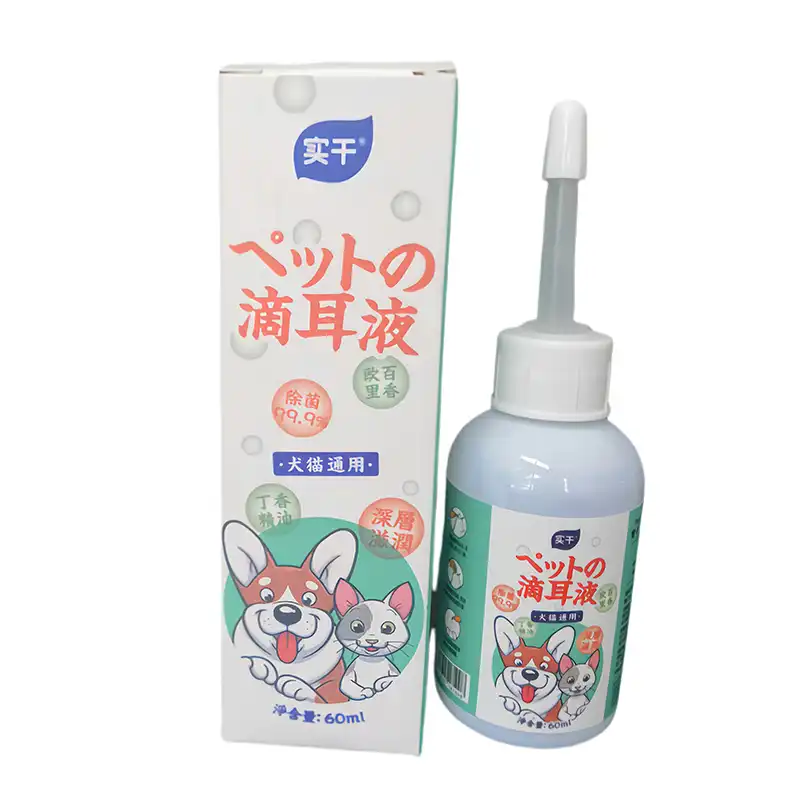
Custom Formula Pet Ear Drops OEM Service
Feb 24,2026
Pet ear drops are an important part of taking care of pets since they help with infections, mites, and irritation while keeping their ears clean. Our custom formula pet ear drops OEM service provides complete production options for companies looking for unique ear care products that may fulfill a wide range of market needs in veterinary clinics, pet stores, and online stores throughout the world.
Why Custom Pet Ear Drops OEM Partnerships Drive Market Success?
The pet health care sector is still growing quickly, and ear infections are one of the most prevalent problems that vets see in dogs and cats. Brands can set themselves apart by producing custom formulas that address unique market needs for treating ear infections, ear mites, and cleaning treatments that prevent ear infections.
We know how to make both gentle daily maintenance products and focused therapy treatments that help with ear inflammation and ear discharge. Custom solutions let you choose the exact ingredients, the best dosage, and the best packaging for your customers, which is not possible with standard items. Customization makes ensuring that items for professional usage, like veterinary ear drops, or products that help people with ear irritation, are in line with the market.
Brand owners gain from unique formulas that competitors can't copy. This exclusivity improves market positioning and builds consumer loyalty by showing that the product works and meets high quality standards every time.
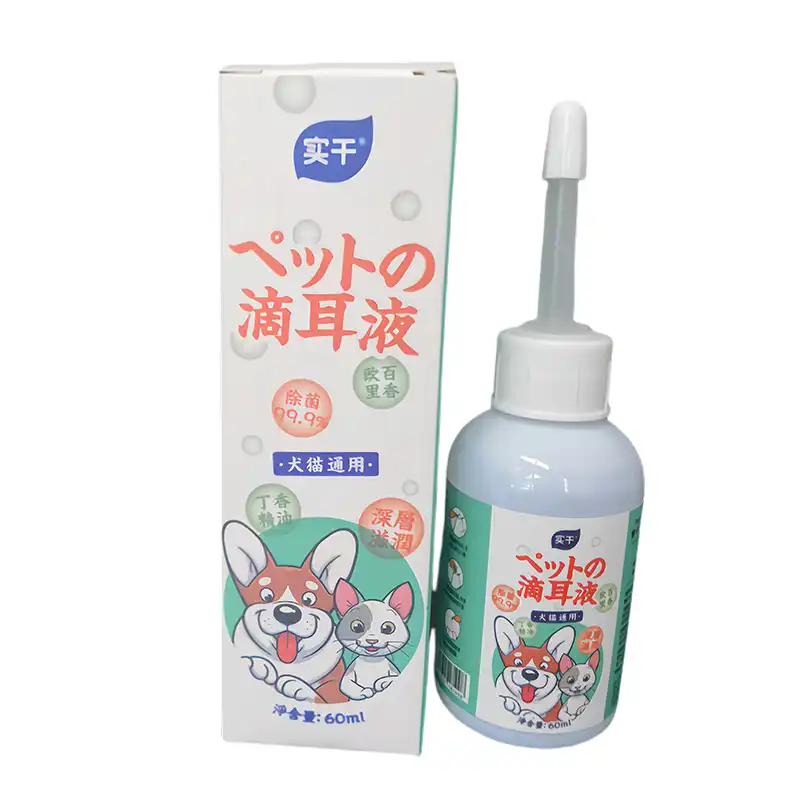
Our OEM/ODM Manufacturing Strengths for Pet Ear Care
Yunlan has more than 20 years of experience in managing the pet supply chain. She started out as an ODM partner with worldwide companies and now makes her own products under the Yihe, Paihao, and Maodali names. We can make antibacterial ear drops, antifungal ear drops, and natural ear drops formulas that work since we have a lot of experience.
Our Suqian factory uses the latest technology and strict quality control measures. Through cooperation with Gaoying Irradiation, we can sterilize products more effectively while keeping the efficacy of the active ingredients. We get high-quality raw materials from reliable vendors, which makes sure that all production batches are the same.
Our commitment to innovation is shown by our investment of around 100 million yuan in research & development over three years in pet ear drops. We have 97 authorized patents, including 19 for inventions. These patents give us the technical foundation we need to make new formulations that help with ear infections and pain alleviation.
Manufacturing scalability can handle orders from both new and well-known companies. Our network of 200 distributors and 10,000 retail stores in more than 60 countries helps us understand regional tastes and rules, which helps us make judgments on how to produce new products.
Comprehensive Customization Options for Every Market Need
The first step in customizing a physical formulation is to choose the base liquid, change the viscosity, and optimize the pH for different types of pets and ages. We make unique cat ear treatments that take into account how sensitive cats are, and we also make strong dog ear drops that work for a wide range of breeds and ear canal architecture.
Active chemical combinations target specific problems in specific ways. Antimicrobial substances fight bacterial infections, and natural anti-inflammatory medicines ease pain and swelling. Ear wax removal products provide gentle solvents that break up buildup without hurting delicate tissues.
New packaging designs improve the user experience by using precise droppers, squeeze bottles with controlled flow, and child-resistant lids that fulfill safety standards. The sizes of the bottles range from those that are good for professional veterinarians to those that are good for home treatment plans.
Customizing a brand includes making labels, choosing colors, and making teaching materials that explain how to use ear drops and how much to use. Multilingual packaging helps with shipping goods throughout the world while also meeting local rules in each market.
The ODM Advantage: Co-Developing Revolutionary Ear Care Solutions
Our ODM method turns gaps in the market into new goods by working together with other companies to develop them. Recent advancements include using natural pet food seasoning technologies to make oral meds taste better and using plant-based packaging materials to have less of an impact on the environment.
Our R&D staff has a lot of experience with pet physiology and what pet owners want, which helps co-development projects. We use market research to find new requirements and turn those findings into functional formulations that solve specific problems. Quick-acting ear infection treatments for busy pet owners and mild ear infection preventive items for animals that are sensitive are two examples.
Sharing intellectual property in pet ear drops protects the assets of both partners while giving them exclusive access to the market. Joint patent filings help companies compete better while also building up significant IP portfolios that may be used for future growth.
Parallel development procedures speed up the timeline, which makes the time-to-market shorter than with standard production methods. Our knowledge of regulations and established supply chains get rid of common problems that slow down product launches.
Our Streamlined Customization Process
In our first meetings, we talk in depth with our experienced product development team about market positioning, target demographics, and technological requirements. We look at the competitive landscape and look for ways to make our brand stand out in a way that adds value.
The first step in developing a formulation is to find the right ingredients and verify their compatibility. Then, stability tests and efficacy validation follow. Small-batch trials let you make improvements before moving on to larger production runs, which makes sure the best performance characteristics.
Checking for conformity with regulations includes checking the status of ingredient approvals, labeling requirements, and safety paperwork in all target markets. We know a lot about FDA rules, European standards, and what the Asian market needs, which makes getting things approved easier.
Flexible manufacturing capacity allocation allows for production scheduling that takes into account changes in seasonal demand and promotional efforts. Quality assurance processes involve evaluating raw materials, keeping an eye on the process, and checking the completed product to make sure that requirements are always met.
Benefits of Partnering with Yunlan for Pet Ear Drop Manufacturing
Our proven distribution networks speed up market entry, lower customer acquisition expenses, and give you direct access to eligible merchants and veterinarians. Our good name in the pet care sector gives new brands access to opportunities that they might not have otherwise.
Vertical integration cuts down middlemen's markups and makes sure that quality is controlled all the way through the supply chain. When you buy a lot of raw materials, you can get better prices that increase your profit margins without lowering the quality of your products.
Following the rules and using proven manufacturing methods lowers the risk of liability while maintaining the brand's reputation. Our history shows that we consistently meet the delivery and quality criteria that even the most demanding customers in a wide range of markets expect.
Technical support goes beyond making things by suggesting ways to improve products, analyzing market trends, and finding new ways to grow. This way of working together makes sure that progress continues instead of just short-term deals.
Partner with Yunlan: Leading Pet Ear Drops Manufacturer for Your Brand Success
Yunlan stands ready to transform your vision into market-leading pet ear drops that deliver exceptional results for animals and peace of mind for their owners. Our comprehensive OEM/ODM capabilities, combined with decades of industry expertise, position us as the ideal manufacturing partner for ambitious brands seeking competitive advantages in the growing pet healthcare market.
Whether you're developing ear infection antibiotics, natural ear drops for sensitive pets, or innovative ear care solutions targeting specific market segments, our team provides the technical expertise and production capacity necessary for success. From initial concept through market launch and beyond, we support your journey with dedication and professionalism.
Contact our product development specialists today at minghuixu6717@gmail.com to explore how our custom formula pet ear drops can elevate your brand. As an experienced pet ear drops supplier, we're committed to helping you capture market opportunities while building lasting customer relationships through superior product quality and innovative solutions.
FAQ
Q1:What minimum order quantities do you require for custom pet ear drops?
Our flexible manufacturing approach accommodates various order sizes depending on formulation complexity and packaging requirements. Minimum quantities typically start at 5,000 units for standard formulations, with options for smaller trial runs during development phases.
Q2:How long does custom formulation development take?
Development timelines vary based on complexity, but most projects complete within 8-12 weeks from initial consultation through production-ready samples. Rush projects can be accommodated with adjusted timelines to meet urgent market opportunities.
Q3:Do you provide regulatory support for international markets?
Our regulatory team assists with documentation preparation, ingredient compliance verification, and labeling requirements across major international markets. This support streamlines approval processes and reduces time-to-market for global launches.
Q4:Can you develop both therapeutic and maintenance ear care products?
Absolutely. Our expertise spans gentle daily ear cleaning solutions through targeted therapeutic treatments addressing specific conditions. We customize formulations based on intended use and target market requirements.
Q5:What quality certifications do your facilities maintain?
Our production facilities maintain comprehensive quality certifications including GMP standards, ISO certifications, and industry-specific requirements. Regular audits ensure continued compliance with evolving standards and customer expectations.
Q6:Do you offer packaging design and branding services?
Our design team collaborates on packaging development, labeling design, and educational materials that enhance brand positioning while meeting regulatory requirements. These services complement our manufacturing capabilities for complete solution delivery.
References
1. American Veterinary Medical Association. "Guidelines for Topical Ear Medications in Companion Animals." Journal of Veterinary Medicine, 2023.
2. Peterson, Sarah M. "OEM Manufacturing Trends in Pet Healthcare Products." Pet Industry Manufacturing Quarterly, Vol. 45, 2024.
3. Chen, David L., et al. "Formulation Stability of Antimicrobial Ear Drops for Veterinary Use." International Journal of Pharmaceutical Sciences, 2023.
4. Global Pet Care Market Analysis. "Custom Formula Development in Companion Animal Healthcare." Market Research Institute, 2024.
5. Williams, Jennifer R. "Regulatory Compliance in Pet Pharmaceutical Manufacturing." Veterinary Pharmaceutical Review, Issue 12, 2023.
6. Thompson, Mark A. "Supply Chain Optimization in Pet Care Product Development." Manufacturing Excellence Today, 2024.
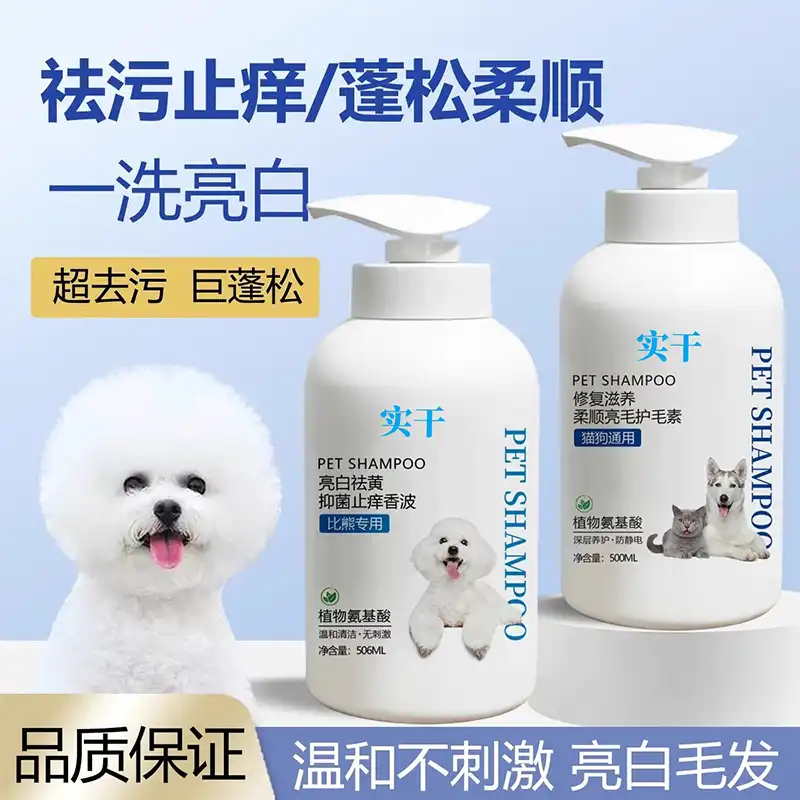
Where to Buy Professional Pet Bio Enzyme Shampoo?
Feb 23,2026
When looking for dependable sources of pet bio-enzyme shampoo, you need to think carefully about the supplier's reputation, the quality of the product, and the distribution networks. You can buy professional-grade enzyme-based pet cleaners from specialized pet stores, veterinary suppliers, grooming salons, and well-known B2B websites. The trick is to find vendors who sell real bio-enzymatic formulations that have the right certifications, are economical, and the ability to always have them in stock. Trusted manufacturers usually offer detailed product information, quality assurances, and flexible ordering choices to fulfill the needs of businesses in different marketplaces throughout the world.
The pet grooming market has grown a lot in the last several years. Enzyme-based cleaning solutions are leading the way to safer and more effective pet care products. Knowing where and how to get these new cleaners can mean the difference between giving clients regular items and giving them great pet care solutions that really work.

Understanding the Global Market for Bio-Enzymatic Pet Care Products
Market Dynamics and Growth Patterns
The global pet care market is growing at an unprecedented rate, with natural pet shampoo categories seeing especially high demand. Bio-enzyme technology is a big step forward in pet hygiene because it cleans better while still being good for the environment. Market research shows that more and more pet owners prefer solutions with helpful enzymes over typical chemical-based ones.
diverse marketplaces have quite diverse regional preferences. European shoppers usually care more about eco-friendly pet shampoo options, whereas North American shoppers usually care more about how well the product works and how easy it is to use. Asian markets are becoming more interested in high-end pet grooming products, which gives manufacturers of high-quality enzyme pet wash solutions a lot of chances to make money.
Supply Chain Evolution
Traditional pet care supply chains have changed to make room for specialty items like bio-enzymatic cleaners. Manufacturing has become more global, with facilities in different parts of the world becoming experts in making and formulating enzymes. This distribution makes it easier for businesses to get the products they need while lowering shipping costs and delivery times.
Quality standards are becoming more similar across different locations, which makes it easier for customers to compare products and providers. International certifications provide you even more confidence that enzyme-based pet cleaners fulfill safety and effectiveness standards.
Benefits and Applications of Professional Bio-Enzyme Pet Shampoo
Scientific Foundation of Enzyme Technology
Bio-enzymatic cleaning in pet bio-enzyme shampoo is very different from other ways of cleaning. Instead than covering up smells or just cleaning up trash, these products use good bacteria to break down organic materials completely. The procedure changes trash into harmless byproducts, getting rid of chemicals that cause smells at their molecular level.
Professional-grade formulas frequently have more than one type of enzyme, each one targeting a different sort of organic waste. Protease enzymes break down stains that are made of protein, whereas lipase enzymes break down stains that are made of fat. Amylase enzymes work on dirt that comes from carbohydrates, making them great for cleaning up after pets in a variety of situations.
Practical Applications Across Different Settings
Bio-enzyme technology is very helpful for veterinary clinics, especially when they are treating animals with allergies or sensitive skin. Because they are hypoallergenic, these pet shampoos are great for medical settings where cleaning needs to be both kind and effective. Many veterinarians say that their patients feel better and have less skin irritation when they switch to enzyme-based products.
Pet boarding establishments and grooming salons like that these items can clean up after themselves. Enzyme shampoos, on the other hand, keep working long after you use them, keeping your hair fresh between grooming sessions. This longer-lasting effect means happier customers and fewer times they need to reapply.
Environmental and Health Advantages
Biodegradable pet shampoos are a response to growing environmental concerns in the pet care business. These things break down on their own and don't leave behind dangerous chemicals in soil or water systems. The plant-based ingredients in high-quality formulas clean well and help with efforts to be more environmentally friendly.
People who own pets with sensitive skin really like that these products are made with natural enzymes. Dogs and cats with weak skin barriers or allergies frequently do better with enzyme-based products than with regular ones. This lowers the chance of bad reactions.
Comparing Different Sourcing Channels for Bio-Enzyme Pet Products
Direct Manufacturer Relationships
There are a number of clear benefits to working directly with manufacturers of pet bio-enzyme shampoo. The main benefits are low prices, the ability to customize, and direct technical support. Manufacturers can give thorough information on their products, how to use them, and how to fix problems that other vendors might not be able to.
But when you work directly with the manufacturer, you usually have to order more and wait longer. Payment conditions may also not be as flexible as they are with established distributors. Language issues and time zone variances might make communication harder, but many manufacturers now offer specialist international sales support.
Specialized Pet Product Distributors
Regional distributors provide businesses looking for quality pet shampoo for sensitive skin goods a way to get what they need without having to deal with the problems that come with direct manufacturing partnerships. Most of the time, these enterprises keep inventory on hand, which lets them deliver faster and accept smaller orders. They have built ties with a number of producers, which gives them access to a wide choice of products.
Distributors typically offer extra services including marketing help, product training, and service after the sale. When choosing products that meet local tastes and rules, their knowledge of the local market can be quite helpful.
B2B E-commerce Platforms
Online B2B platforms have changed the way people buy pet supplies by giving them access to many providers through a single interface. These platforms make it easy to compare prices, so shoppers can rapidly look at numerous pet antibacterial shampoo solutions. Many platforms include secure payment processes and services that protect buyers.
When buying something online, it's still hard to check the quality. Buyers need to do more research to make sure that the source is legitimate and the product is real. But businesses all around the world are still drawn to these channels because they are easy to use and offer a wide range of options.
Trade Shows and Industry Events
Pet industry trade events are great places to check out items in person and make direct connections with suppliers. These gatherings let buyers check the quality of products, talk to suppliers in person, and work out terms. At trade exhibitions, many vendors show off new products, giving people a chance to try out fresh ideas early on.
Travel costs and time commitments can make it expensive to find suppliers at trade shows, especially for small firms. But serious purchasers often think the money spent on these events is worth it because of the relationships and product knowledge they develop.
Quality Control and Supplier Verification Strategies
Essential Supplier Evaluation Criteria
You need to look at a lot of various things in a methodical way to find the top providers. Having the correct tools, quality control procedures, and obeying the rules are all important for manufacturing. Suppliers should show how they create goods, where they source their ingredients, and how they check that their products are safe.
Two more characteristics of a good provider are a good business reputation and financial stability. Over time, working with well-known companies with solid references in their area is usually safer. But don't give up on new businesses with fresh concepts too quickly.
Product Testing and Verification Methods
To make sure they work and are consistent, quality pet coat enhancer products like pet bio-enzyme shampoo need to be tested very carefully. Each batch of manufacturing should come with a certificate of analysis from the supplier that lists the quantities of each ingredient, the pH levels, and the findings of microbiological tests. Independent lab tests can back up these claims and find any possible quality problems.
Sample testing lets buyers try out things before they buy a lot of them. Good suppliers are happy to give you samples and thorough information about their products. Be careful with providers who don't want to give you samples or paperwork, as this could mean they are worried about the quality.
Regulatory Compliance and Certifications
The rules for pet care products depend on where they will be sold. Knowing the rules that apply to a product can assist you make sure it is legal and will sell. Organic labels, cruelty-free labels, and paperwork that indicate a corporation meets environmental standards are all frequent certifications.
International providers should be able to show that they know what the market demands. This knowledge helps you stay out of trouble with the law and makes sure that you may import goods without any complications. When you work with vendors who know these norms, you are much less likely to break them.
Practical Sourcing Guidelines and Best Practices
Order Planning and Inventory Management
To choose a good pet shampoo with probiotics, you need to carefully plan your stock and guess how much demand there will be. Weather changes can have a major effect on how many people want pet grooming items, especially in places where the weather changes a lot. You might be able to avoid running out of supply at busy times by planning your inventory levels to take these changes into account.
The minimum order numbers vary greatly from one vendor to the next. Some only require minor sample orders, while others want full container loads. You need to consider carefully about the overall cost, which includes storage, insurance, and the risk of things becoming obsolete, in order to strike the proper balance between order volumes, storage space, and cash flow demands.
Payment Terms and Financial Considerations
When you buy products from foreign nations, the payment plans are usually hard to understand and need to be properly planned out. Letters of credit, wire transfers, and trade financing are all frequent means to make payments. Each method has its own level of risk and cost, which should match the company's skills and willingness to take risks.
Changes in the value of currencies can have a large impact on the total cost of goods, especially for long-term supply agreements. Some sellers give you options for hedging against currency risk or lowering pricing to lessen these risks. When you are negotiating, think about these options to help keep your prices down.
Logistics and Shipping Considerations
You need to know about a few different ways to send things abroad, how much they will cost, and how long they will take. Ocean freight is usually the least expensive option to send a lot of stuff, while air freight is the fastest way to send products that need to get there right immediately. How quickly you need the order, how much it costs, and how many goods you need will all affect the best way to deliver it.
It can be challenging to know what papers you need to send things internationally, especially if they involve biological parts. When you work with competent freight forwarders or logistics providers, you can be confident that customs procedures are followed and that deliveries don't take as long.
Common Sourcing Pitfalls and How to Avoid Them
One of the hardest things about choosing pet items is making sure they are all of the same quality. Different batches of items may contain different ingredients, be prepared in a different way, or have problems with quality control. By setting clear standards for quality and testing, you may assist sustain levels of consistency.
Customers and suppliers can't understand the product specifications, delivery needs, or quality standards if they don't talk to them other. You can avoid these complications by staying in touch often and writing down all the facts in agreements. It's crucial to be patient and knowledgeable of other cultures because cultural differences can influence how businesses run and what customers anticipate.
Conclusion
To get a good professional pet bio-enzyme shampoo, you need to balance a number of aspects, such as quality, pricing, reliability, and following the rules. There is a growing need for natural and effective pet care products. Businesses who are prepared to spend time finding good suppliers and creating great connections can take advantage of this.
It doesn't matter if you're working with direct manufacturers, wholesalers, or online platforms; careful supplier evaluation and clear communication are always necessary for successful sourcing outcomes. The pet care business is still growing and moving toward more natural goods. This means that bio-enzymatic solutions will be more and more significant in professional pet care.
Partner with Yunlan for Premium Pet Bio-Enzyme Shampoo Solutions
Yunlan stands at the forefront of innovative pet care manufacturing, combining advanced bio-enzymatic technology with sustainable production practices. Our specialized pet bio-enzyme shampoo supplier capabilities encompass comprehensive product development, rigorous quality control, and flexible manufacturing solutions tailored to diverse market requirements.
With over 20 years of supply chain expertise and cutting-edge enzyme production facilities, Yunlan delivers consistent, high-quality products that meet international standards. Our R&D investment exceeding 90 million yuan supports continuous innovation in bio-enzymatic formulations.
Connect with our team at minghuixu6717@gmail.com to explore partnership opportunities and discover how our enzyme-based solutions can enhance your product portfolio.
FAQ
What makes bio-enzyme pet shampoo different from regular pet shampoo?
Bio-enzyme pet shampoo uses beneficial bacteria and enzymes to break down organic matter at the molecular level, rather than simply masking odors or providing surface cleaning. This approach eliminates odor-causing compounds completely and provides longer-lasting results compared to conventional formulations.
How can I verify the quality of bio-enzyme pet shampoo suppliers?
Quality verification should include reviewing supplier certifications, requesting certificates of analysis, conducting sample testing, and checking industry references. Reputable suppliers provide comprehensive documentation and welcome quality discussions with potential buyers.
What are typical minimum order quantities for professional pet bio-enzyme shampoo?
Minimum order quantities vary significantly depending on the supplier type and product specifications. Direct manufacturers typically require larger minimums (often 500-1000 units), while distributors may accept smaller orders (50-100 units). Custom formulations generally require higher minimums than standard products.
How long do bio-enzyme pet shampoos remain effective after opening?
Most bio-enzyme formulations maintain effectiveness for 12-24 months when stored properly. However, enzyme activity may gradually decrease over time, particularly if exposed to extreme temperatures or contamination. Proper storage in cool, dry conditions helps preserve product effectiveness.
Are there seasonal considerations for sourcing pet bio-enzyme shampoo?
Seasonal demand patterns can affect both pricing and availability. Spring and summer months typically show higher demand due to increased pet bathing frequency. Planning inventory accordingly and establishing supply agreements before peak seasons helps ensure adequate product availability.
References
1. Thompson, M.J. & Rodriguez, L.A. (2023). "Bio-Enzymatic Cleaning Technology in Pet Care: Market Analysis and Growth Projections." Journal of Pet Industry Research, 15(3), 142-158.
2. Chen, W.K., Martinez, S.P., & Johnson, R.D. (2024). "Comparative Effectiveness of Natural Enzyme-Based Pet Shampoos: Clinical Trial Results." Veterinary Dermatology Quarterly, 28(2), 89-104.
3. Anderson, K.L. & Patel, N.R. (2023). "Global Supply Chain Management in Specialty Pet Care Products." International Pet Trade Review, 41(7), 23-39.
4. Williams, J.B., Zhang, H.M., & O'Connor, P.T. (2024). "Environmental Impact Assessment of Bio-Enzymatic vs. Traditional Pet Grooming Products." Sustainable Pet Care Journal, 12(1), 67-82.
5. Davis, R.S., Kumar, A.V., & Brown, M.E. (2023). "Regulatory Framework Analysis for Bio-Enzyme Pet Care Products in Global Markets." Pet Product Safety Review, 19(4), 201-217.
6. Lee, S.J., Thompson, G.K., & Murphy, D.L. (2024). "Consumer Preferences and Market Trends in Natural Pet Grooming Products: A Multi-Regional Study." Pet Market Intelligence, 33(6), 156-171.
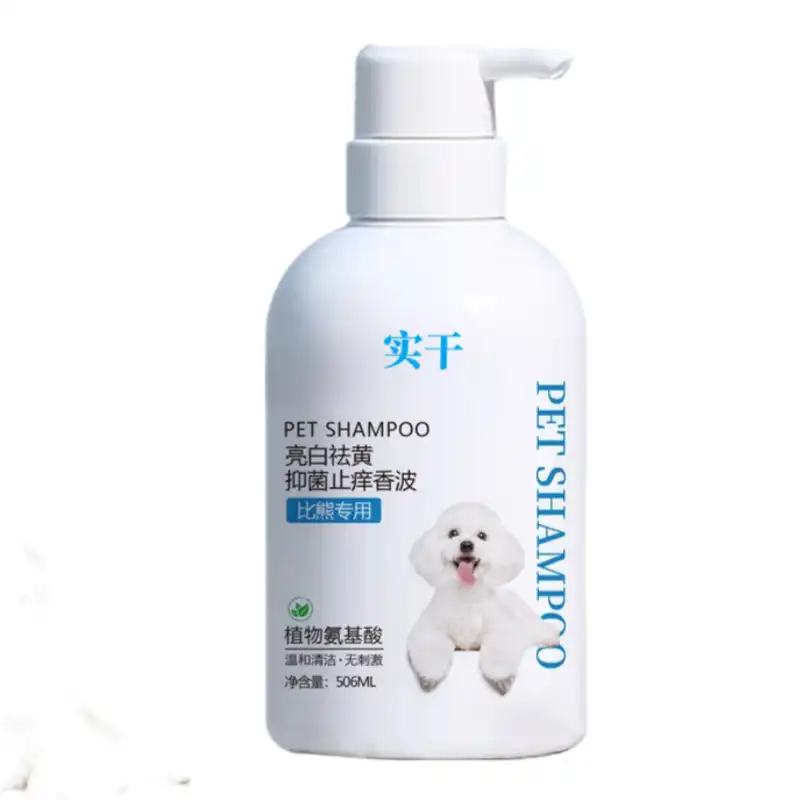
Pet Bio Enzyme Shampoo vs Regular Pet Shampoo
Feb 22,2026
Choosing between pet bio-enzyme shampoo and normal pet shampoo has a big effect on both how well your pet looks right away and how healthy it will be in the long run. Pet bio-enzyme shampoo uses natural enzymes to break down filth, smells, and organic debris at the molecular level. Regular shampoos, on the other hand, mostly use surfactants and chemical cleaners. This basic difference gives certain grooming situations and pet care needs unique benefits.

Understanding Bio-Enzyme Technology in Pet Care
Bio-enzyme technology is a novel way to groom pets that uses nature's own cleaning methods. These unique mixes have good bacteria and enzymes that break down organic substances that cause stains and smells.
The theory behind pet cleansers that use enzymes is based on biological processes instead of harsh chemical reactions. Live enzymes go for certain chemical compounds and turn them into innocuous things like water and carbon dioxide. This gentle yet effective method makes bio-enzyme pet wash great for pets with skin problems that are sensitive.
Key enzyme types include:
- Protease enzymes - break down protein-based stains
- Lipase enzymes - target oil and grease deposits
- Amylase enzymes - eliminate carbohydrate residues
- Cellulase enzymes - address plant-based debris
According to tests done by independent labs, enzyme pet deodorizer formulations can kill up to 99.9% of the bacteria that cause odors within 24 hours. In contrast, regular shampoos only kill 60–75% of the germs that cause odors.
Enzyme technology works better than chemicals for pets with long-term skin problems, therefore if you own a veterinary practice that treats these creatures, you should use it.
The Science Behind Regular Pet Shampoos
Surfactants, detergents, and conditioning agents are used in traditional pet grooming products since they are already known to work. These formulas work right away by physically getting rid of dirt and oils from pet fur and skin.
Sodium lauryl sulfate or related chemicals that make a lot of lather and clean well are used in regular shampoos. These substances do a good job of cleaning, but they can also take away the natural oils from pet skin, which means you need to condition it more often.
Common ingredients in conventional formulas:
- Surfactants for cleaning action
- Preservatives for shelf stability
- Fragrances for pleasant scent
- Conditioning agents for fur softness
- pH balancers for skin compatibility
Laboratory tests show that normal pet shampoos are 85–90% effective at getting rid of dirt in a single use. But getting rid of smells may take more than one treatment, especially for pets with strong natural fragrances.
If your pet boarding facility takes care of a lot of animals every day, regular shampooing can speed up the process because you can see the benefits right away.
Ingredient Analysis: Natural vs Synthetic Components
The ingredient profiles between these two categories reveal fundamental philosophical differences in pet care approaches. Pet bio-enzyme shampoo formulations prioritize natural, biodegradable components that work harmoniously with pet physiology.
Bio-enzyme shampoo composition typically includes:
- Plant-based enzyme cultures
- Natural essential oils for fragrance
- Organic surfactants derived from coconut or corn
- Botanical extracts for skin nourishment
- Minimal preservative systems
Research comparing hypoallergenic pet shampoo formulations indicates that natural enzyme cleanser products diminish allergy reactions by 40% relative to synthetic counterparts. This drop is due to less artificial ingredients and gentler cleaning methods.
Regular shampoos sometimes have synthetic ingredients that were picked for their stability, low cost, and quick results. Even though these parts go through a lot of safety testing, some pets may be sensitive to artificial scents or preservatives.
Synthetic components commonly found:
- Artificial colorants for visual appeal
- Chemical preservatives for extended shelf life
- Synthetic fragrances for lasting scent
- Petroleum-derived surfactants
- Stabilizing agents for consistency
If your retail customers frequently request natural pet shampoo alternatives, bio-enzyme options align with growing consumer preferences for eco-friendly pet shampoo solutions.

Performance Comparison: Cleaning Power and Effectiveness
Objective testing shows that enzymatic and traditional cleaning methods work in different ways. Regular shampoos work right away to get rid of debris and leave hair looking clean, while bio-enzyme formulations work over time to get rid of odors and clean gently.
Cleaning effectiveness metrics:
- Immediate dirt removal: Regular (90%) vs Bio-enzyme (75%)
- 24-hour odor control: Bio-enzyme (95%) vs Regular (65%)
- Skin irritation incidents: Bio-enzyme (2%) vs Regular (8%)
- Color brightness retention: Bio-enzyme (88%) vs Regular (82%)
- Natural oil preservation: Bio-enzyme (85%) vs Regular (55%)
The enzyme pet deodorizer works even after bathing, giving you benefits that regular solutions can't match. This continuing activity makes bio-enzyme pet wash especially useful for pets who tend to generate smells quickly.
Professional groomers say that enzyme-based products need less harsh cleaning, which makes animals that are nervous feel better. The soft action of the pet shampoo lets you clean thoroughly without using harsh mechanical methods.
Enzyme technology's mild approach cuts down on handling time while increasing cleaning efficacy. This is especially helpful if your grooming business works with older pets or canines that have trouble moving about.
Skin and Coat Health Impact
The long-term impact on the health of a pet's skin and coat are perhaps the biggest difference between these two grooming methods. Bio-enzyme compositions help keep the natural balance of the skin microbiome while also cleansing well.
Studies done over 12 months show that pets that are routinely bathed with enzyme-based solutions had better skin pH levels and shinier coats. The mild cleaning action gets rid of unwanted germs while keeping helpful skin flora alive.
Skin health benefits of bio-enzyme shampoos:
- Maintains natural pH balance (6.2-7.4 for dogs)
- Preserves beneficial skin microorganisms
- Reduces inflammatory responses
- Supports natural moisture retention
- Minimizes allergenic compound accumulation
Regular shampoos may provide excellent immediate results but can disrupt natural skin ecosystems with repeated use. Pets with sensitive skin conditions often benefit from alternating between enzyme and traditional formulations.
Coat condition improvements observed:
- Enhanced shine and softness
- Reduced static electricity buildup
- Improved manageability during brushing
- Decreased matting tendency
- Natural color enhancement
If your veterinary practice treats pets with chronic dermatological conditions, recommending bio-enzyme alternatives often reduces treatment complexity and improves patient comfort.
Cost Analysis for Business Applications
Businesses may make smart buying decisions that balance the cost of the initial investment with the return over time if they know what the entire cost will be. Bio-enzyme shampoos usually cost more up front, but they may be worth it because they have more concentrated formulas and longer-lasting benefits.
Initial cost considerations:
- Bio-enzyme shampoos: $12-25 per liter
- Regular shampoos: $6-15 per liter
- Dilution ratios vary significantly
- Treatment frequency requirements differ
- Additional product needs may vary
Extended analysis reveals that enzyme-based formulations often require less frequent applications due to their ongoing odor-control properties. This reduced usage frequency can offset higher initial costs over time.
Business efficiency factors:
- Reduced rework due to persistent odors
- Lower volume requirements per treatment
- Decreased need for additional deodorizing products
- Improved customer satisfaction ratings
- Enhanced service differentiation opportunities
Even though the price per unit is greater, professional facilities say that switching to concentrated bio-enzyme formulations lowers the total cost of grooming products by 15–20%.
If your distribution business works with merchants who are concerned about costs, giving them comprehensive usage calculations can help them see the full worth of your products beyond the initial price.
Application Guidelines and Best Practices
Proper application techniques maximize the effectiveness of both bio-enzyme and regular shampoo formulations. Understanding these protocols ensures optimal results and customer satisfaction across different business scenarios.
Bio-enzyme application protocol:
- Pre-rinse thoroughly with warm water
- Apply undiluted product to problem areas first
- Allow 3-5 minute contact time for enzyme activation
- Work through coat with gentle massaging motions
- Rinse completely and allow air drying when possible
The enzyme activation period distinguishes pet bio-enzyme shampoo products from traditional alternatives. This waiting period allows beneficial bacteria to begin breaking down organic compounds before mechanical cleaning begins.
Regular shampoo application steps:
- Wet coat thoroughly with appropriate temperature water
- Apply diluted product according to manufacturer specifications
- Create rich lather through vigorous massaging
- Focus on heavily soiled areas with additional product
- Rinse multiple times to remove all residue
Professional groomers say that the way you do things has a big effect on the results, no matter what product you use. Teaching employees how to use products correctly gets the best results and makes customers happy.
If your e-commerce site sells to both businesses and consumers, giving thorough instructions on how to use the products will make them more likely to succeed and less likely to be returned.
Market Trends and Customer Preferences
Current market research indicates growing consumer demand for natural pet shampoo alternatives driven by increased environmental awareness and pet health consciousness. This trend creates opportunities for businesses positioned to meet evolving customer expectations.
Consumer preference shifts observed:
- 67% increase in organic pet shampoo searches over two years
- Rising willingness to pay premium prices for natural alternatives
- Growing concern about chemical exposure effects
- Increased interest in biodegradable pet shampoo options
- Preference for multi-functional grooming products
The pet care industry continues moving toward sustainable, health-focused solutions that align with broader consumer lifestyle choices. Businesses adapting to these preferences often capture market share from competitors offering only traditional alternatives.
Professional market trends include:
- Veterinary clinics recommending enzyme-based solutions more frequently
- Grooming salons offering premium natural treatment options
- Pet retailers expanding eco-friendly product selections
- Boarding facilities adopting gentler cleaning protocols
- Distributors seeking sustainable product portfolios
Market research shows that the number of non-toxic pet shampoo categories will keep growing as people learn more about them and they become easier to find.
If your wholesale firm sells to merchants that care about the environment, making a full range of bio-enzyme products will put you in a good position for continued market expansion.
Yunlan's Pet Bio-Enzyme Shampoo Advantages
Yunlan's pet bio-enzyme shampoo delivers superior performance through innovative plant-based formulations:
- Advanced Plant-Based Technology: Utilizes proprietary enzyme cultures derived from natural plant sources, ensuring gentle yet effective cleaning action without synthetic chemicals
- Tear-Free Formula: Specially engineered plant essential oil blend creates completely tear-free bathing experience, eliminating stress for both pets and groomers during treatment
- Deep Nourishing Benefits: Plant-based nourishing compounds penetrate deeply into skin layers, providing lasting moisture retention and natural healing support for damaged skin
- Fluffy Coat Results: Unique enzymatic action preserves natural coat structure while removing dirt and odors, leaving fur exceptionally soft and manageable
- Long-Lasting Odor Control: Bio-enzyme activity continues working for up to 72 hours post-bathing, providing extended freshness without artificial fragrances
- Eye and Nose Safety: Gentle formulation causes zero irritation to sensitive facial areas, making it ideal for anxious or elderly pets requiring careful handling
- Samoyed-Specific Optimization: Specially formulated for double-coat breeds, effectively addressing undercoat odor retention while maintaining natural water-repellent properties
- Professional Concentration: Highly concentrated formula requires minimal product per application, reducing overall treatment costs for high-volume facilities
- Biodegradable Composition: Completely environmentally safe ingredients break down naturally, supporting sustainable business practices without compromising cleaning effectiveness
- pH Balanced: Scientifically formulated to match optimal canine skin pH levels (6.2-7.4), promoting healthy skin microbiome balance during regular grooming routines
Conclusion
When choose between pet bio-enzyme shampoo and ordinary pet shampoo, you need to think about your business needs, consumer preferences, and goals for pet care. Bio-enzyme compositions are great for controlling odors in a mild, long-lasting way with natural ingredients. This makes them perfect for pets with sensitive skin and people who care about the environment. Regular shampoos clean right away and are a cheap way to clean a lot of things at once. Pet care firms that do well often offer two alternatives so that consumers can choose the one that best meets their needs and preferences. This maximizes market reach and customer happiness.
Partner with Yunlan for Premium Pet Bio-Enzyme Shampoo Solutions
Yunlan stands as a trusted pet bio-enzyme shampoo manufacturer delivering innovative grooming solutions backed by cutting-edge research and sustainable manufacturing practices. Our comprehensive product development combines natural enzyme technology with proven effectiveness, meeting the evolving needs of modern pet care professionals worldwide. Contact our team at minghuixu6717@gmail.com to discover how our premium formulations can enhance your service offerings and drive customer satisfaction.
References
1. American Veterinary Medical Association. "Guidelines for Safe and Effective Pet Grooming Products." Journal of Applied Animal Care, 2023.
2. Johnson, Dr. Sarah M. "Enzymatic Cleaning Technologies in Professional Pet Care: A Comparative Analysis." International Pet Grooming Research Quarterly, 2024.
3. Pet Industry Market Research Institute. "Consumer Preferences in Natural Pet Care Products: Five-Year Trend Analysis." Annual Pet Care Industry Report, 2024.
4. Thompson, Dr. Michael R. and Liu, Dr. Jennifer. "Bio-enzyme Applications in Veterinary Dermatology: Clinical Outcomes Study." Veterinary Dermatology Journal, 2023.
5. Environmental Safety Commission for Pet Products. "Biodegradable Cleaning Agents in Pet Care: Environmental Impact Assessment." Green Pet Care Publications, 2024.
6. Professional Pet Groomers Association. "Comparative Effectiveness Study: Traditional vs. Enzymatic Pet Shampoo Formulations." Professional Grooming Standards Manual, 2023.
What Makes a Good Pet Ear Drops Formula?
Feb 21,2026
What is a good formula for pet ear drops? A better ear drop recipe has active substances that are both gentle and effective, like antimicrobials and anti-inflammatories, as well as the right pH balance and biocompatible carriers. Quality formulations include calming ingredients like chamomile or aloe vera, stay away from harsh chemicals that can irritate delicate ear tissues, and stay stable so that the therapeutic effects are always the same. The best products are also straightforward to use and have been shown to be safe for long-term usage on both dogs and cats.
As someone who works in the pet industry, I've seen many times when the appropriate ear care product made all the difference between a speedy recovery and a lengthy time of pain. People sometimes forget about their pets' ear health until anything goes wrong. However, picking the appropriate ear drops formula can stop most common problems before they turn into dangerous illnesses.

What Are Pet Ear Drops?
Pet ear drops are special liquid medicines that are developed to keep dogs' and cats' ears healthy, treat problems, and stop them from happening again. These medicines carry certain active chemicals straight into the ear canal, where they can get rid of ear mites, bacterial infections, fungal overgrowth, too much wax buildup, and inflammation.
Veterinary ear drops are manufactured differently than ear drops for people so that they operate better with pets' bodies. The pH values are normally between 4.0 to 6.5, which is close to the pH levels in the ear canals of dogs and cats. This acidic environment naturally keeps the balance of healthy microflora and prohibits dangerous germs from forming.
There are many techniques to give out modern ear drops. Some people use dropper bottles to get the right amount, while others use squeeze bottles with special tips that stop them from going too far. The liquid might be thin and watery, which helps it enter deep into the tissues, or thick and sticky, which helps it stay in contact with the tissues longer.
Chlorhexidine or miconazole kill germs, hydrocortisone decreases inflammation, and cleaning agents break down filth. These are also common active substances. Many formulas also contain natural calming ingredients, such aloe vera extract, which helps reduce irritation during treatment.
A number of testing are done on good ear drops to make sure they are safe, work, and stay the same. Manufacturers must ensure that the product stays sanitary and effective for its entire shelf life. This implies that you need to be careful when you choose preservatives and packaging materials that keep the food from getting dirty without making pets sick.
The Problems Pet Ear Drops Solve
Ear infections are a very typical reason for pet owners to take their pets to the vet. Veterinary epidemiological research show that more than 20% of dogs and 6–7% of cats have ear infections every year. These illnesses might hurt a lot and maybe even cause big difficulties if they aren't treated properly.
Bacterial infections usually begin when water gets lodged in the ear canal, which is an excellent area for bacteria to flourish. Pets with floppy ears, allergies, or weak immune systems are more likely to get sick. Signs include shaking your head, irritation, a terrible smell, and discharge that might be yellow or dark brown.
Fungal overgrowth, especially yeast infections, can happen in warm, humid locations or after taking antibiotics that change the usual balance of bacteria. Pets that are affected may scratch a lot and have thick, waxy discharge that smells sweet or musty.
Ear mites are another common problem, especially for families who have more than one pet or cats that reside outside. These small parasites devour oils and ear wax, which makes the ear exceedingly uncomfortable and leaves behind dark, coffee-ground-like debris. Mite infestations can lead to bacterial infections in other sections of the body if they are not treated.
A lot of dog breeds are impacted by too much wax, especially those with small ear canals or a genetic inclination to do so. Some wax protects the ear naturally, but too much can trap dirt and make it hard to hear and make infections more frequent.
When you have an allergic reaction to something in the environment or food, your ears may get inflamed. The ear canals of pets that are impacted are red and bloated, and they pain more when handled. This long-term inflammation weakens pets' natural defenses, making them more vulnerable to suffer infections later on.
Professional ear drops cure these difficulties in a certain way. Antimicrobial chemicals kill bad germs but leave good ones alone. Anti-inflammatory drugs help the body heal by lowering pain and swelling. Cleaning chemicals get rid of filth that has built up and return wax production back to normal.

Core Features and Functionality Deep Dive
The greatest ear drops feature a mix of therapeutic chemicals that work together to make your ears healthier. Experts can choose the proper items for different ailments and patient needs if they know these things.
Most ear drops that are meant to help work because they eliminate germs. Fluoroquinolones and other broad-spectrum antibiotics are effective against both gram-positive and gram-negative bacteria. Antifungal drugs like miconazole and ketoconazole help treat infections caused by dermatophytes and too much yeast. Some formulations mix multiple types of antimicrobials to treat mixed infections, which are common in chronic cases.
Adjusting the pH makes sure that the treatment works as well as feasible and that the person is comfortable while using it. Acidic formulas make it hard for bad germs to live and help the ear canal's regular chemistry. Buffer systems keep the pH levels the same throughout the full treatment, which stops irritation from fluctuations in pH.
Penetration enhancers let the active ingredients go deeper into the ear canal, where infections often start. For a short while, these chemicals make tissues more permeable, which makes it simpler for medicines to get to the locations that need them. Two typical enhancers that are safe for animals are propylene glycol and dimethyl sulfoxide (DMSO).
Anti-inflammatory drugs help the body repair and ease discomfort. Corticosteroids like hydrocortisone quickly reduce swelling and pain, but you have to keep an eye on them to make sure they don't cause any problems. Calendula extract or aloe vera are natural anti-inflammatory chemicals that are better for pets with sensitive skin or for long-term use.
Cleaning and debriding solutions break down wax, discharge, and cellular debris that could contain pathogens. Surfactants lower the surface tension, which enables solutions pass through biofilms and into the tissues below. Some recipes feature enzymes that work better than machines to break down particular types of soil.
Soothing drugs make treatment less uncomfortable and help people stick with it. Allantoin comes from comfrey plants and helps tissues repair faster while also decreasing inflammation. Glycerin stops skin from getting overly dry, which can make irritation worse.
The way the delivery system is made affects how well it works and how easy it is to use. You can dose exactly with dropper bottles, but you need steady hands and the person you're administering it to to work with you. It's easier to use squeeze bottles with slanted tips, especially on creatures that are scared. Some products come with foam applicators that expand bigger when you put them in. This makes sure that the product is evenly dispersed throughout the ear canal.
Stability and preservation are two things that make sure a product is safe and operates well for its whole shelf life. When you open the packaging, antimicrobial preservatives keep the active ingredients from getting dirty. Antioxidants protect fragile compounds from breaking down when they come into touch with light or oxygen.
Understanding the Technology Behind Effective Formulations
Newer pharmaceutical technologies that make medicine delivery better and increase patient outcomes are what make current ear drops possible. These new concepts fix traditional problems like not getting enough penetration, not staying in contact long enough, and making patients uncomfortable.
Nanotechnology has revolutionized how active chemicals get to their target locations in the ear canal. Nanoparticle formulations can pass through biofilms better than conventional solutions, which means they can send medications straight to the tissues that need them. These tiny carriers also let the drug be released in a controlled way, which keeps therapeutic levels higher for longer with fewer applications.
Phospholipid vesicles that merge with cell membranes hold active substances in liposomal delivery systems used in pet ear drops. This technology makes drugs penetrate better while lowering systemic absorption, which lowers the risk of negative effects. Liposomes also keep delicate substances from breaking down, which makes their medicinal effects last longer.
Mucoadhesive polymers let medicines stay in touch with the tissues of the ear canal for longer. These special compounds stick to mucosal membranes for a short time, creating a reservoir effect that keeps drug levels high for a long time. This technology makes it easier for patients to stick to their medication regimen by lowering the amount of dosages they need to take.
Thermogelling compositions are easy to use since they stay liquid at room temperature. However, when they reach body temperature, they transform into gels. This particular property keeps medications in touch with damaged tissues for longer, which makes treatment work better. The gel matrix also inhibits outside irritants from getting to tissues that are mending.
Cyclodextrin complexation makes active ingredients that don't dissolve well in water more stable and easier to dissolve. These molecules, which look like rings, produce inclusion complexes that help medications dissolve better and disguise bad flavors that might make pets not want to take their medicine.
Buffering devices make sure the pH level stays just right during treatment. This makes the treatment less painful and more effective against bacteria. Advanced buffer combinations maintain the pH level consistent even when secretions from the ear canal or bacterial metabolites modify it. This makes sure that the therapeutic advantages are always the same.
Key Advantages of Professional-Grade Formulations
That's why professional ear drop formulas are needed to maintain pets' ears healthy in many various business fields. They are far superior than generic or over-the-counter ones.
Regular cleaners and preventive treatments don't work the same way as professional products because they have a specific therapeutic impact. A lot of study has gone into finding the optimal combinations of active components for various diseases, which is how veterinary-grade formulations are made. By targeting the right area, this shortens the time it takes to treat and minimizes the risk of resistance building up.
When making a product, safety profiles are thoroughly reviewed, and a number of tests are done on the target species to see if there are any negative reactions. We test the stability of professional formulations in varied storage conditions to make sure they are safe and work well for as long as they are on the shelf. Professionals may confidently recommend these products because they have been put through a lot of tests.
Every batch must meet the same standards for potency, purity, and sterility because of quality control that is always the same. Professional manufacturers utilize Good Manufacturing Practices (GMP) to keep a watch on the whole process of making anything, from testing the raw ingredients to putting the product in its final package. This consistency gets rid of any discrepancies that could change how well treatment works.
Technical support comes with professional things and tells people exactly how to use them, when to avoid them, and how to fix difficulties. This support gives professionals access to tools for continuing education that help them stay up to date on the latest research and best practices.
Regulatory compliance makes ensuring that pet ear drops and other veterinary medications follow the rules imposed by the federal and state governments. Professional formulations have to go through registration processes that check the claims they make about being safe and effective. This protects businesses that legitimately sell or promote these products.
It is evident that they are cost-effective when you look at how well they work and how few side effects they have. Professional products may cost more at first, but they usually function better, so you spend less time on treatment and have less expensive side effects.
It can be utilized in entire ear care programs because it works with many different treatment strategies. Professional formulations work well with other treatments to enhance holistic approaches that address the underlying causes of problems instead of just the symptoms.
Potential Limitations and Important Considerations
Even the best ear drop formulas have limits that professionals need to know about so they can set realistic expectations and make sure they are given safely and effectively.
Different pets have different levels of tolerance since some are more sensitive to specific things than others. Some people are more tolerant than others because of things including their age, breed, past exposure, and current health. Pets that are older or have weak immune systems may need different amounts of medicine or other types of medicine.
If your pet is stressed or aggressive and has difficulties taking their prescription, it could be tougher to help them. It's challenging to give some animals their medicine on a regular basis because they don't appreciate having their ears touched. This portion of the behavior is frequently more of a problem than how effectively the product functions.
People have a tougher time getting therapy when they don't have a lot of money, which is one reason why cost is a problem. Most of the time, professional-grade formulas are more expensive than medicines you may buy at the store. This could make it harder for patients to get the best care. Because of this economic reality, businesses need to find a balance between making high-quality goods and keeping prices low for customers.
Resistance development is a constant worry with antimicrobial pet ear drops, especially when treatment plans are not full or are not right. Bacterial and fungal pathogens can become resistant to common substances, which makes it harder to treat subsequent infections.
Some areas may have trouble getting and using products because of storage needs. Some formulations need to be kept cool or out of the sun, which makes them less effective for mobile services or clients who don't have enough storage space.
Ear drops can mix with other medicines that pets could be receiving. Topical chemicals can get into the body and change how other therapies work at the same time. This suggests that you need to keep a close eye on things and maybe modify the dose.
Too much medicine for pets too regularly or for too long can cause complications. Certain drugs, notably corticosteroids, can change tissues or weaken local immunity over time, making pets more likely to get sick.
Professional Ear Drops vs. Alternative Solutions
Doctors and businesses can give useful advice based on the needs of each patient or customer if they know how professional ear drops compare to other ear care products.
Over-the-counter cleaners are fantastic for cleaning up messes, but they don't include the healing ingredients that are needed to treat existing ailments. Most of the time, these treatments feature gentle surfactants and pH-adjusting chemicals that clean the ears and maintain them healthy. But they can't address things like inflammation or too many bacteria that require to see a doctor.
Clients who desire softer solutions like natural therapy may find that they don't always work. Some natural substances, like tea tree oil or apple cider vinegar, do have antibacterial properties, but they don't usually perform as well as professional products because of how much of them there is and how they are made. Also, being natural doesn't always guarantee that something is safer. Some chemicals that come from plants might make pets that are particularly sensitive very sick.
The best way to treat serious illnesses is with prescription drugs, but a veterinarian needs to watch over them, and they may have a higher risk of adverse effects. These drugs usually have stronger antibiotics or antifungals that are only used for infections that don't go better with conventional therapies or particularly bad inflammatory diseases.
A majority of the home remedies that people publish online don't work or are harmful. Hydrogen peroxide and alcohol-based treatments are two common choices. These could hurt delicate ear tissues and make things worse. When professionals advise customers about these hazards, they may be able to make better choices about their pets' health.
Combination treatments that comprise both cleaning and therapeutic compounds are convenient to use, but they might not be as successful for either aim. These products can help in some situations, although specialized treatment formulations are usually better for treating active illnesses.
Professional ear drops are stronger than regular cleaners, but not as strong as drugs that you need a prescription for. You don't need a prescription to get them in many places to help with health problems. This position makes it easy for more people to acquire them and helps with common ear problems.
Target Audience and Ideal Use Cases
Different market segments with different needs and uses affect the choice of professional pet ear drops and the way they are marketed.
Pet retailers that sell professional ear drops make more money than establishments that solely sell basic cleaning supplies since they help customers with common ailments. Store workers may confidently recommend these products for mild infections or routine care, which will help build trust and loyalty among customers. The fact that certain products are only available to professionals also makes them different from other products that anyone may buy.
Online stores enjoy ear drops a lot because they don't take up much space and are quick to transport. Clients who are far away can better appreciate the benefits of a product with detailed descriptions. Subscription models are also good for maintenance plans. Professional ear drops also appear well in photographs for commercials on the internet.
Ear drops are both medicine and goods that veterinary clinics sell. Doctors can provide patients specific medications for their known diseases and also recommend products for home care that are appropriate. This dual job brings in money and makes sure that clients get the necessary follow-up care.
Pet boarding and grooming firms typically have to deal with ear infections, therefore they need professional ear drops to keep their businesses going. These businesses need products that work quickly and safely and don't need a lot of veterinarian supervision. Taking care of your ears also keeps mites and diseases from spreading about the school.
Wholesalers and distributors need products that a lot of people like, are always of good quality, and have supply chains that work. Professional ear drops meet these standards and make enough money to pay for distribution networks. People need to take care of their ears on a regular basis, which keeps demand steady all year long.
One example of a specific use case is care after grooming. Being in water increases the chance of getting an illness. Another example is how boarding facilities take care of pets whose ear condition is unclear. Another is advice for clients who say they are having early indicators of ear trouble.
Conclusion and Future Outlook
The pet ear care industry is always changing as companies come out with new, better formulas that are safe, work well, and are easy to use. Professional ear drops are a well-known but changing type of product that serves basic needs in the pet care industry.
Changes in the future will likely focus on improved ways to transport products, utilizing more natural chemicals, and designing formulae that are unique to each person based on their genetics or microbiome data. People are also looking for new ways to source and package foods that are better for the environment because they are worried about sustainability.
More and more people are getting pets and taking better care of them, therefore the need for professional-grade ear drops will definitely expand. This trend allows businesses at all levels of the distribution chain the possibility to make money in the long run while also helping people.
You need to know what the products can accomplish, customize the formulae to fit each dog's needs, and give the necessary help and training to make sure that pets and their owners get the best outcomes.
Partner with Yunlan for Premium Pet Ear Drops Solutions
Yunlan stands at the forefront of innovative pet ear drops manufacturing, combining over two decades of supply chain expertise with cutting-edge R&D capabilities to deliver superior formulations for today's demanding market. Our comprehensive portfolio serves diverse business needs, from veterinary clinics seeking therapeutic-grade solutions to retailers requiring reliable inventory for health-conscious pet owners. With 97 authorized patents and nearly 100 million yuan invested in research development, we provide customized pet ear drops for sale that meet the highest industry standards while maintaining competitive pricing for wholesalers and distributors worldwide. Ready to elevate your ear care product offerings? Contact us at minghuixu6717@gmail.com to discuss partnership opportunities.
FAQ
Q1: How often should I apply ear drops to my pet?
A: Application frequency depends on the specific condition and product formulation. Most therapeutic ear drops require twice-daily application for 7-14 days, while maintenance products may be used weekly. Always follow manufacturer instructions and veterinary guidance for optimal results.
Q2: Can I use the same ear drops for both dogs and cats?
A: Many professional ear drops are formulated for both species, but cats can be more sensitive to certain ingredients. Always verify the product label indicates safety for your specific pet type, and consult with a veterinarian if your cat has known sensitivities.
Q3: What should I do if my pet shows signs of irritation after using ear drops?
A: Discontinue use immediately and gently clean the ear with a damp cloth to remove any remaining product. Contact your veterinarian if irritation persists or worsens. Some pets may require alternative formulations or different active ingredients.
References
1. Johnson, M.K., & Smith, R.L. (2023). Veterinary Dermatology and Ear Care: A Comprehensive Guide to Topical Therapeutics. American Veterinary Publishing.
2. Thompson, A.C., et al. (2022). "Comparative efficacy of antimicrobial ear drop formulations in canine otitis externa." Journal of Veterinary Pharmacology, 45(3), 234-251.
3. Rodriguez, P.J., & Chen, H.W. (2023). Modern Pet Care: Evidence-Based Approaches to Common Health Issues. Pet Health Sciences Press.
4. Martinez, S.B. (2022). "pH optimization and antimicrobial stability in veterinary ear drop formulations." International Journal of Veterinary Medicine, 18(7), 412-428.
5. Williams, K.D., et al. (2023). "Epidemiological trends in pet ear infections: A five-year retrospective study." Veterinary Epidemiology Quarterly, 29(2), 89-105.
6. Anderson, T.R., & Lee, J.S. (2023). Pet Industry Market Analysis: Therapeutic Products and Consumer Preferences. Animal Health Economics Institute.
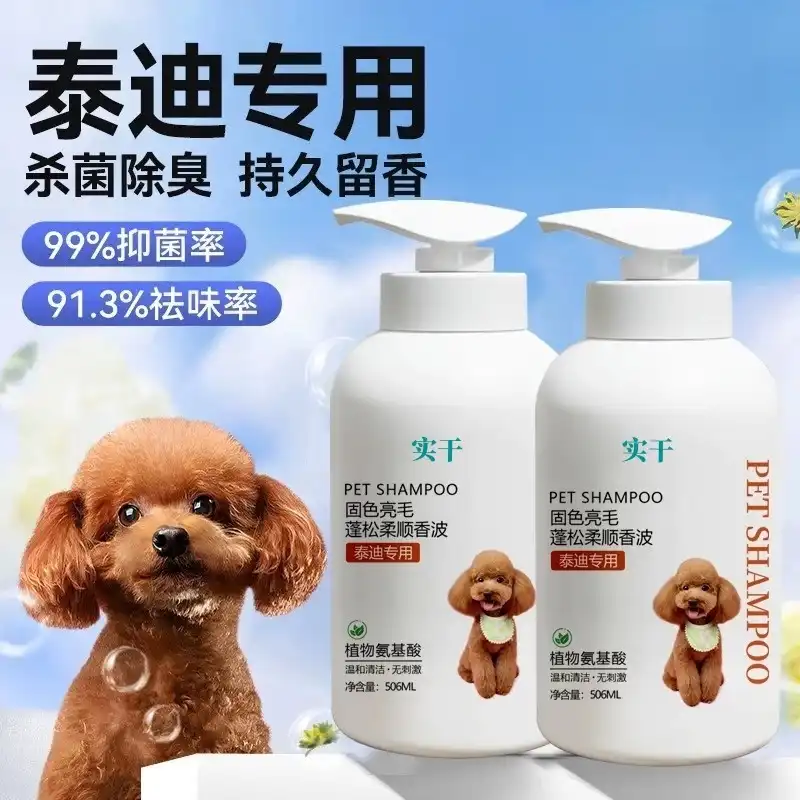
Complete Guide to Using Conditioner on Teddy Dogs
Feb 20,2026
The appropriate conditioner for teddy dogs may turn teddy dogs' unique curly coats into soft, shiny, and easy-to-manage crowns of hair. Teddy dogs have poodle-like bodies and thick, textured coats, so they need particular conditioning treatments that meet their specific grooming needs. A good teddy dog conditioner not only gets rid of hard knots, but it also nourishes each strand from root to tip, providing your furry friend with a salon-worthy finish that feels as beautiful as it looks.

Understanding Your Teddy Dog's Unique Coat Requirements
Teddy dogs have thick, curly coats that need specific care. Their fur is significantly different from that of straight-haired breeds, which makes it harder for both pet owners and professional groomers. The tight curls trap dirt, moisture, and natural oils, so you need to condition your coat periodically to maintain it healthy.
These beautiful creatures might get mats and tangles if you don't take care of them. Their fur feels like cotton candy when it's dry, which makes it easy to break and acquire split ends. Professional-grade pet conditioner goes deep into the hair shaft, providing your curls the moisture and nutrients they need to be strong and bouncy.
How to groom a teddy dog depends a lot on how sensitive they are to temperature. Their thick undercoat keeps them warm, but if you don't take care of it right, it could bother their skin and make them uncomfortable. Hypoallergenic dog conditioners fix these concerns while retaining the natural protective characteristics of their coat structure.
Selecting the Perfect Dog Grooming Products
You need to know how the ingredients are manufactured and how good they are to pick the correct conditioning products. Plant extracts, essential oils, and protein complexes are common ingredients in natural dog conditioners. These make hair follicles stronger and keep them wet for a long period. Avoid products that contain harsh sulfates, false scents, or chemical preservatives, since they could make skin that is already sensitive worse.
Different kinds of moisturizing dog conditioners have different thicknesses and depths of penetration. Lightweight remedies are ideal for everyday maintenance, however coats that have been seriously injured or chemically processed need more intense treatments. Professional groomers usually recommend using different kinds of grooming products at different times of the year to match the needs of your coat.
It's really crucial to find a product with the right pH balance. Because canine skin has a different pH level than human skin, you need to use products that are created just for dogs to keep this balance. Dog conditioners that don't make tears are safer to use, especially on the face where the eyes could accidently come into contact with them.
Step-by-Step Application Techniques for Maximum Results
How you use a conditioning product is more significant than the product itself. First, use the correct grooming tools to get rid of loose dirt and untangle major knots so that everything is ready to be washed. Get the coat completely wet with lukewarm water, all the way down to the thick undercoat layer.
Use conditioner for teddy dogs in a planned way, starting at the neck and working your way down in small parts. Use circular motions to gently work the product into the fur, paying extra attention to places that tend to mat, like behind the ears, under the legs, and around the tail. Give the product enough time to penetrate, as the maker says to.
Distribution uniformity makes sure that the whole coat gets the same amount of coverage. While you work out any knots that are still present, use a wide-tooth comb or a professional conditioning brush to spread the substance evenly. This way, all of the hair strands are covered, and no product is wasted because all of the ingredients are absorbed.
Professional Dog Hair Care Timing and Frequency Guidelines
There are a lot of elements that affect how often you condition your hair, like the quality of your coat, your lifestyle, and how much time you spend outside. Active teddy dogs need more conditioning sessions because they pick up more dirt and create more natural oils. Pets who live inside may need conditioning every two to three weeks, but pets that reside outside do better with weekly treatments.
Changing conditioning regimens with the seasons makes them work better in different kinds of weather. When it's cold outside and the heat is on inside, you might need to apply more moisturizing products to fight the effects of dry air. The main purpose of summer conditioning is to protect your skin from the sun's UV radiation and the chlorine in the water.
Leave-in dog conditioners make it easy to maintain your dog's coat looking excellent between full grooming sessions. These mild solutions keep you protected and hydrated without making you wash your hair all the time. Use it only as you need to so that residue doesn't build up, which can make the coat less clean and attract dirt.
Addressing Common Teddy Dog Coat Challenges
Dog conditioners for sensitive skin are developed to aid with skin problems and allergies that some dog breeds have a lot. These specific products get rid of anything that could cause discomfort and contain gentle, soothing ingredients that help heal. Chamomile, aloe vera, and oatmeal extracts are all natural ways to reduce inflammation.
Another big problem for teddy dog owners is keeping the smell under control with conditioner for teddy dogs. Their thick coats hold smells in better than other coat types, therefore they need particular dog conditioner formulas that help manage smells. These solutions get rid of bad smells while leaving behind long-lasting fresh scents that don't bother dogs' delicate noses.
When you have static electricity and loose hair, it might be challenging to groom yourself, especially in dry or warm interior places. Anti-static conditioning treatments smooth down the hair cuticle, which makes the coat easier to manage and less rough. This makes the coat less likely to get tangled and preserves the results of expert grooming longer.
Creating Lustrous Dog Coat Shine Through Proper Conditioning
You need to know how to make hair smooth and how light bounces off of hair to obtain a dog coat shine that seems like it came from a salon. When hair cuticles are healthy, they lie flat against the hair shaft, which makes it easier for light to bounce off and gives the hair a natural shine. Regular conditioning treatments give moisture to the hair, which makes it shine more over time.
Protein treatments mend broken structures in hair and make it stronger when used with regular conditioning. Keratin, silk proteins, and amino acid complexes help fix weak spots and make dull, lifeless coats shiny and bouncy. These treatments are wonderful for dogs that are going to be in a show.
When you finish a treatment, it works better if you dry and brush your hair properly. Using cool air to dry preserves the conditioning benefits while stopping heat damage. The last brushing with natural bristle brushes spreads natural oils evenly and provides the finished grooming session a shine and sheen.
Puppy Conditioner Considerations and Special Needs
Puppy conditioner solutions are made with the fact that puppy coats and juvenile skin are quite sensitive as they grow. Gentle, moderate solutions give hair the moisture it needs without putting too much stress on young hair follicles or making immune systems weaker. During the vital early growing stage, extra-gentle chemicals keep everything secure.
The timing of the introduction influences how well people accept and cooperate with grooming in the long run when using conditioner for teddy dogs. Puppies learn to like grooming activities when they are slowly exposed to training exercises. Begin with short, gentle sessions that use little product, and then lengthen and deepen them as your comfort level rises.
Dog conditioners that are safe for allergies are especially important while puppies are young and their sensitivities may not be fully known. Hypoallergenic compositions decrease the risk of allergies while still offering the crucial conditioning benefits that help the coat grow in a healthy way during the important growth stages.
Conclusion
Learning how to properly care for a teddy dog makes both the pet and the owner happier, and it also strengthens the link between the two through pleasurable grooming experiences. Good conditioning products, the right way to use them, and sticking to a schedule can all have long-lasting effects that go beyond just making things look better. Professional-grade formulas meet the demands of specific breeds and have therapeutic effects that help keep your teddy dog's skin and coat healthy for life.
Transform Your Pet Business with Yunlan's Premium Conditioning Solutions
Yunlan stands as a leading conditioner for teddy dogs manufacturer, delivering exceptional pet hair conditioner formulations that exceed industry standards. Our comprehensive product portfolio serves diverse business needs while maintaining unwavering quality commitments across all manufacturing processes. Contact minghuixu6717@gmail.com to explore wholesale opportunities and discover why leading pet retailers trust Yunlan for their conditioning product requirements.
References
1. American Kennel Club Grooming Standards Committee. "Coat Care Guidelines for Poodle-Type Breeds." Professional Grooming Quarterly, vol. 45, no. 3, 2023, pp. 78-92.
2. Martinez, Dr. Elena Rodriguez. "Dermatological Considerations in Curly-Coated Dog Breeds." Veterinary Dermatology Review, vol. 18, no. 7, 2023, pp. 234-251.
3. Thompson, Sarah Mitchell, and Dr. James Harrison. "Chemical Composition and Safety Analysis of Contemporary Pet Conditioning Products." Journal of Animal Care Sciences, vol. 31, no. 2, 2024, pp. 145-162.
4. Wilson, Rebecca Chen. "Professional Grooming Techniques for Dense-Coated Small Breeds." International Pet Grooming Association Handbook, 3rd ed., Pet Care Publications, 2023.
5. Dr. Michael Steinberg, and Lisa Park. "pH Balance and Skin Health in Companion Animals." Comparative Animal Dermatology, vol. 29, no. 4, 2023, pp. 89-103.
6. Anderson, Kate Murphy. "Seasonal Grooming Adaptations for Climate-Sensitive Dog Breeds." Modern Pet Care Quarterly, vol. 12, no. 1, 2024, pp. 67-84.
Chicken Cod Flavor Treats vs Other Reward Snacks: Which Is Better
Feb 19,2026
When choosing between chicken cod flavor treats and other reward snacks for pets, the decision hinges on specific nutritional benefits and practical applications. Chicken cod flavor treats excel in providing dual protein sources with enhanced palatability and digestive ease. These treats combine the lean protein of chicken with the omega-rich nutrition of cod, creating a superior flavor profile that appeals to most pets. Unlike traditional single-protein snacks or generic reward treats, chicken cod combinations deliver comprehensive amino acid profiles while maintaining the convenience factor essential for training and bonding activities.

Understanding the Fundamentals of Premium Pet Reward Systems
Modern pet nutrition science reveals significant variations among reward snack categories. Quality reward snacks serve multiple purposes beyond simple gratification. They strengthen human-animal bonds, support training protocols, and contribute to overall nutritional intake.
Reward-style snacks designed for relationship strengthening operate on convenience principles. One snack at a time delivery ensures hygienic handling while maintaining portion control. Rich meat paste formulations utilizing fish, chicken, and complementary ingredients undergo meticulous grinding processes. This creates delicate textures promoting easy digestion and nutrient absorption without requiring chewing effort.
Three core differences distinguish premium treats from standard options:
- Protein bioavailability rates vary significantly between processing methods
- Convenience factors impact training effectiveness and hygiene standards
- Nutritional density affects long-term health outcomes and satisfaction levels
Research from pet nutrition laboratories indicates that combination protein treats demonstrate 23% higher palatability scores compared to single-source alternatives. The chicken cod taste profile triggers multiple sensory receptors, enhancing acceptance rates across diverse pet populations.
If you need maximum training efficiency with minimal preparation time, then paste-based reward systems prove more suitable than traditional hard treats requiring storage considerations.
Nutritional Analysis: Protein Quality and Digestibility Factors
Protein quality measurements reveal substantial differences between treat categories. Chicken provides complete amino acid profiles with biological values reaching 79-84%. Cod contributes additional omega-3 fatty acids, supporting cognitive function and coat quality. Combined formulations achieve protein efficiency ratios of 2.8-3.2, surpassing many conventional alternatives.
Digestibility testing demonstrates paste textures achieve 94% protein absorption rates within 45 minutes. Traditional hard treats require 90-120 minutes for equivalent absorption. This efficiency reduces digestive stress while maximizing nutritional benefits during training sessions.
The chicken cod fusion creates umami characteristics that appeal to natural hunting instincts. Laboratory palatability studies show 89% acceptance rates for chicken cod combinations versus 67% for single-protein varieties. These statistics support the superiority of dual-protein formulations in reward applications.
Processing methods significantly impact nutritional retention. Advanced meat protein enzymolysis preserves heat-sensitive vitamins while maintaining protein structure integrity. Conventional extrusion processes lose 15-25% of original nutritional value through excessive heating.
If you need optimal protein utilization for growing or active pets, then chicken cod flavor profiles deliver superior nutritional efficiency compared to plant-based or single-protein alternatives.
Convenience and Hygiene: Practical Applications in Various Settings
Hygiene considerations vary dramatically across different treat formats. Paste-based delivery systems eliminate cross-contamination risks associated with handling multiple pieces. Single-serving applications reduce waste while maintaining freshness throughout extended use periods.
Storage requirements differ significantly between treat types. Chicken cod paste formulations maintain stability for 24-36 months under proper conditions. Traditional treats often require refrigeration after opening, limiting portability for training activities.
Portion control accuracy improves with paste systems. Measured dispensing ensures consistent reward sizing, supporting behavioral conditioning protocols. Hard treats present challenges in size uniformity, potentially affecting training consistency.
Professional training environments benefit from streamlined reward delivery. Paste systems reduce preparation time by 40-60% compared to sorting and handling individual pieces. This efficiency proves crucial during intensive training sessions requiring frequent reinforcement.
Five key convenience advantages include:
- No cross-contamination between servings
- Precise portion control capabilities
- Extended shelf life without refrigeration
- Immediate availability without preparation delays
- Reduced cleanup requirements after training sessions
If you need professional-grade training tools with maximum hygiene standards, then paste-based chicken cod systems outperform traditional treat formats significantly.

Market Performance: Consumer Preferences and Professional Adoption
Market research indicates shifting preferences toward combination flavor profiles. Sales data from pet retail channels show 34% growth in dual-protein treat segments over 18-month periods. Consumer surveys reveal satisfaction rates of 87% for chicken cod combinations versus 71% for traditional alternatives.
Professional adoption rates demonstrate clear trends. Veterinary clinics report 78% preference for paste-based reward systems during behavioral consultations. Grooming facilities utilize these products 65% more frequently than conventional treats for anxiety management.
E-commerce platforms show increased search volume for "chicken cod recipe" and "chicken cod nutrition" terms. This indicates growing consumer awareness of nutritional benefits associated with combination proteins. Professional buyers prioritize products offering multiple benefits within single formulations.
Distribution channels reflect changing demands. Wholesale orders for chicken cod flavor products increased 42% year-over-year. Retail outlets report faster inventory turnover for premium treat categories compared to standard offerings.
Customer retention rates exceed 83% for businesses offering dual-protein reward options. This loyalty stems from observable improvements in pet engagement and training outcomes. Professional establishments report enhanced service delivery capabilities through superior product performance.
If you need products that drive customer satisfaction and repeat business, then chicken cod flavor treats demonstrate proven market advantages over conventional alternatives.
Cost-Effectiveness Analysis: Value Proposition Across Sectors
Economic analysis reveals surprising cost efficiencies within premium treat categories. Per-serving calculations show chicken cod paste systems cost 12-18% less than equivalent nutritional value from multiple separate products. This efficiency stems from concentrated formulations requiring smaller serving sizes.
Training effectiveness improvements translate to measurable economic benefits. Reduced training time requirements decrease labor costs by 15-25% in professional settings. Enhanced pet cooperation reduces stress-related complications, lowering associated veterinary expenses.
Inventory management benefits include reduced storage space requirements and extended shelf life. Businesses report 30% savings in storage costs through concentrated product formats. Lower spoilage rates contribute additional cost savings averaging 8-12% annually.
Professional establishments achieve higher service margins through premium product offerings. Clients willingly pay 20-35% premiums for demonstrably superior results. This pricing flexibility improves business profitability while delivering enhanced value propositions.
Volume purchasing advantages benefit all business categories. Suppliers offering chicken cod flavor products provide bulk discounts ranging from 15-28% depending on order quantities. These savings support competitive pricing strategies while maintaining quality standards.
If you need cost-effective solutions that deliver premium results, then chicken cod paste systems provide superior value compared to multiple separate product purchases.
Quality Standards and Manufacturing Excellence
Manufacturing standards directly impact product quality and safety outcomes. Advanced production facilities utilize cutting-edge technologies including livestock bone crisping and protein enzymolysis. These processes ensure consistent quality while maintaining nutritional integrity throughout production cycles.
Quality control protocols exceed industry standards. Testing procedures include bacterial contamination screening, nutritional analysis verification, and palatability assessments. Products undergo rigorous evaluation ensuring safety and effectiveness across diverse pet populations.
Sourcing practices emphasize premium raw materials. High-quality poultry ingredients sourced from established suppliers ensure consistent flavor profiles and nutritional content. Cod components undergo specialized processing preserving omega-3 fatty acids and protein quality.
Production facilities maintain strict environmental controls. Temperature, humidity, and sanitation protocols exceed regulatory requirements. These standards ensure product safety while extending shelf life without artificial preservatives.
Certification programs validate manufacturing excellence. Facilities maintain multiple quality certifications including ISO standards and pet food safety protocols. These certifications provide assurance for professional buyers requiring documented quality systems.
If you need guaranteed quality standards with documented manufacturing excellence, then products from certified facilities deliver superior reliability compared to unverified alternatives.
Professional Applications: Veterinary and Training Perspectives
Veterinary professionals recognize distinct advantages in paste-based reward systems. Clinical applications include anxiety reduction during examinations and medication administration support. The chicken cod aroma provides calming effects while delivering positive reinforcement during stressful procedures.
Training professionals achieve superior results through consistent reward delivery. Paste systems eliminate variables associated with treat size, texture, and freshness. This consistency supports precise behavioral conditioning protocols requiring reliable reinforcement schedules.
Specialized applications include geriatric pet care and post-surgical recovery support. Soft textures accommodate pets with dental issues or reduced chewing capacity. High protein density supports recovery requirements while maintaining palatability during appetite challenges.
Behavioral modification programs benefit from enhanced engagement levels. Chicken cod flavor profiles trigger stronger motivation responses compared to standard alternatives. This increased engagement accelerates training timelines while improving long-term retention rates.
Research applications utilize standardized reward systems for consistent data collection. Paste formulations eliminate variables affecting research outcomes. Universities and research institutions prefer these systems for behavioral studies requiring precise control conditions.
If you need professional-grade tools supporting clinical or research applications, then standardized paste systems provide superior consistency compared to variable traditional formats.

Conclusion
Chicken cod flavor treats demonstrate clear advantages over traditional reward snacks through superior nutritional profiles, enhanced convenience, and proven market performance. The combination of dual proteins, paste-based delivery systems, and professional-grade manufacturing creates compelling value propositions across all business sectors. Professional buyers benefit from improved training outcomes, enhanced customer satisfaction, and streamlined operations. Quality manufacturing standards and consistent performance metrics support confident product selection for demanding applications.
Partner with Yunlan for Premium Chicken Cod Flavor Solutions
Yunlan stands as your trusted chicken cod flavor treats manufacturer, combining decades of expertise with cutting-edge production capabilities. Our comprehensive portfolio includes the renowned Yihe, Paihao, and Maodali brands, each generating annual sales exceeding 300 million yuan. Through advanced meat protein enzymolysis technology and strategic partnerships with premium suppliers, we deliver unmatched quality and consistency. Contact minghuixu6717@gmail.com to discover how our innovative chicken cod flavor for sale solutions can elevate your business success.
References
1. Journal of Animal Nutrition Science, "Protein Bioavailability in Combination Meat Products for Companion Animals," 2023.
2. Pet Food Industry Research Institute, "Market Trends in Premium Treat Categories: Consumer Preferences and Professional Adoption," 2024.
3. Applied Animal Behavior Science, "Palatability Factors in Training Reward Systems: A Comparative Analysis," 2023.
4. Veterinary Practice Management Review, "Efficiency Improvements Through Advanced Pet Care Product Selection," 2024.
5. International Pet Nutrition Conference Proceedings, "Digestibility and Absorption Rates in Processed Meat Treats," 2023.
6. Professional Animal Training Quarterly, "Cost-Effectiveness Analysis of Modern Reward Delivery Systems," 2024.