- English
- French
- German
- Portuguese
- Spanish
- Russian
- Japanese
- Korean
- Arabic
- Irish
- Greek
- Turkish
- Italian
- Danish
- Romanian
- Indonesian
- Czech
- Afrikaans
- Swedish
- Polish
- Basque
- Catalan
- Esperanto
- Hindi
- Lao
- Albanian
- Amharic
- Armenian
- Azerbaijani
- Belarusian
- Bengali
- Bosnian
- Bulgarian
- Cebuano
- Chichewa
- Corsican
- Croatian
- Dutch
- Estonian
- Filipino
- Finnish
- Frisian
- Galician
- Georgian
- Gujarati
- Haitian
- Hausa
- Hawaiian
- Hebrew
- Hmong
- Hungarian
- Icelandic
- Igbo
- Javanese
- Kannada
- Kazakh
- Khmer
- Kurdish
- Kyrgyz
- Latin
- Latvian
- Lithuanian
- Luxembou..
- Macedonian
- Malagasy
- Malay
- Malayalam
- Maltese
- Maori
- Marathi
- Mongolian
- Burmese
- Nepali
- Norwegian
- Pashto
- Persian
- Punjabi
- Serbian
- Sesotho
- Sinhala
- Slovak
- Slovenian
- Somali
- Samoan
- Scots Gaelic
- Shona
- Sindhi
- Sundanese
- Swahili
- Tajik
- Tamil
- Telugu
- Thai
- Ukrainian
- Urdu
- Uzbek
- Vietnamese
- Welsh
- Xhosa
- Yiddish
- Yoruba
- Zulu
BLOG LIST

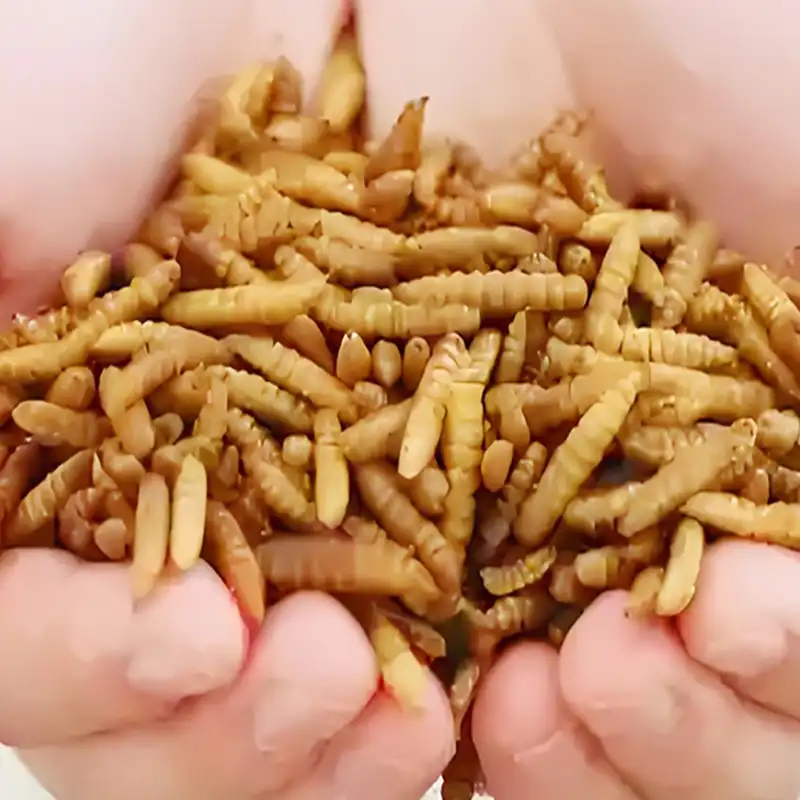
If eaten in little amounts from a reliable source, meal worms for birds are safe for birds. These meals are strong in protein and other nutrients that help birds molt and construct nests. If you dry them properly or acquire them alive from a trusted source, they seldom get filthy or spread disease. Therefore, it's necessary to feed birds at the correct times, buy decent food without pesticides, and store food cleanly.
Bird food increasingly uses meal worms since they are healthful and popular with wild and domestic birds. More individuals are learning about this trend faster since they want to know how healthy these larvae are for pleasure or work. Knowing how safe and beneficial meal worms are is essential to making products people will buy. You should know that meal worms are safe and excellent for birds while buying bird food. Business will thrive when customers are satisfied. Bird enthusiasts have found that these high-protein snacks attract a variety of species to their outdoor feeders.
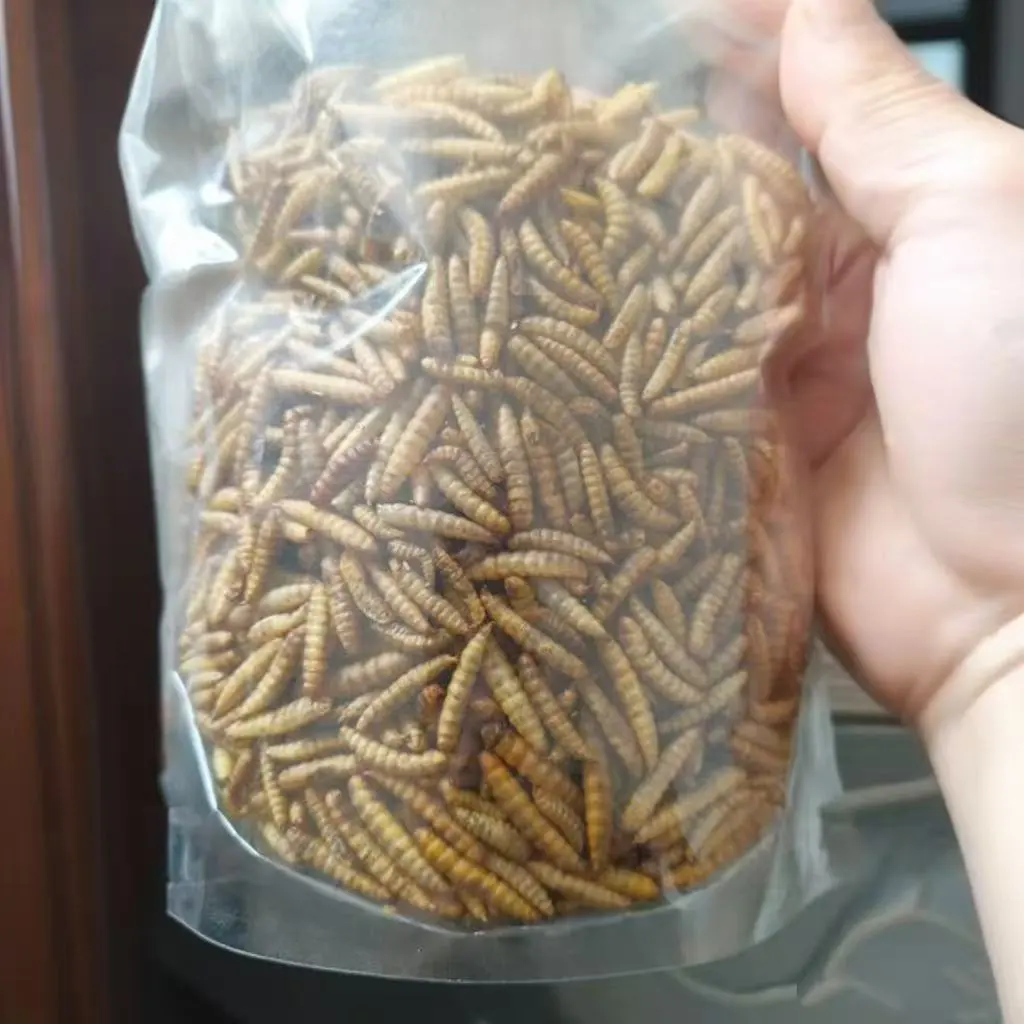
Understanding Meal Worms as Bird Feed
Nutritional Composition and Forms Available
All meal worms for birds—live, dried, or frozen—are healthy for birds. About half their dry weight is protein. They provide essential minerals like iron and calcium and healthy fats. Each form has perks and downsides. Live mealworms stimulate natural hunting. Dry mealworms are easy to store, and frozen ones are healthful and beneficial. The company demands and birds of prey preferences determine the option.
Species That Benefit Most
Bug-eating robins, bluebirds, and chickadees like them. The outside guests are likewise thrilled to devour these high-protein goodies. Woodpeckers are also intrigued. Due to their rapid growth, birds feed their offspring high-protein diets during breeding. Beyond their nutritional needs, birds can consume meal worms for birds.
Safety Considerations and Quality Standards
These are better for animals than nuts and suet, which lack vitamins, minerals, and lipids. When inquiring about safety, such if something is poisonous or if you can give too much, consult professionals and scientific data. When part of a balanced diet, properly treated meal worms for birds pose little health hazards, according to a research. People usually care about storing goods and keeping them dry to prevent germs.
Benefits of Feeding Meal Worms to Backyard Birds
Enhanced Nutritional Support During Critical Periods
Several meal worms for birds nutrients are beneficial to birds. These nutrients provide birds energy, stronger feathers, and more breeding opportunities, especially during mating and molting. They need energy for breeding, and high protein levels provide it. Baby birds that consume mealworms for energy are healthier and more likely to survive. The benefits are particularly obvious in spring, when natural bugs are scarcer.
Sustainability and Environmental Alignment
The new ecology laws also prohibit harming wild birds using organic meal worms for birds. Modern mealworm farming produces less CO2 than cow farming. Farm waste may be turned into usable protein easily and without much water. B2B buyers increasingly seek honest, socially conscious service suppliers.
Practical Advantages for Retailers and Distributors
Easy usage and storage are helpful. This helps bird retailers and enthusiasts acquire more birds. This benefits the environment and excites people. Dried mealworms last longer if properly maintained. Things won't go lost, and the business profits. Not keeping the goods cold makes shipping easier and cheaper in the supply chain. People like pre-set forms since they're straightforward to utilize.
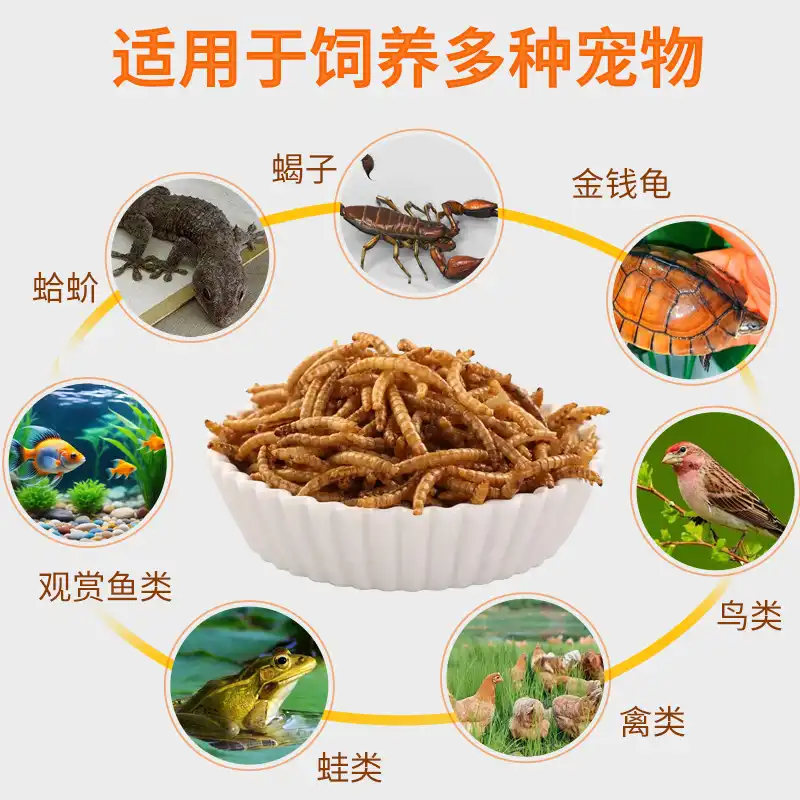
How to Feed Meal Worms to Backyard Birds: Best Practices
Selecting the Appropriate Form
When buying live, dried, or frozen meal worms for birds, consider their lifespan, health, and handling. Living mealworms are ideal. They need a particular care to stay healthy. Dried mealworms are easy to use and last longer. This makes them ideal for establishments with diverse consumers. Dried mealworms might taste better and become moister in warm water for a short period. This is perfect for hot-weather birds who require extra water.
Integration with Balanced Feeding Programs
Feed them meal worms for birds with other feeds at the correct times to avoid overfeeding or mineral imbalance. Meal worms for birds should provide 10–20% of your yard animals' diet. Together with peanuts, fruits, and veggies, they constitute a balanced lunch. Feed birds mealworms many times a week during spring mating. This will aid breeding pairs without interfering with feeding.
Hygiene and Contamination Prevention
Cleaning feeders properly and following rigorous guidelines reduces poisoning risk. This keeps birds and eaters healthy. Every three to five days, wash mealworm feeders with water and mild soap. Anything left for 24–48 hours won't grow mold or pathogens. Businesses that buy meal worms for birds must follow these cleaning requirements since they affect consumer satisfaction and repeat purchases.
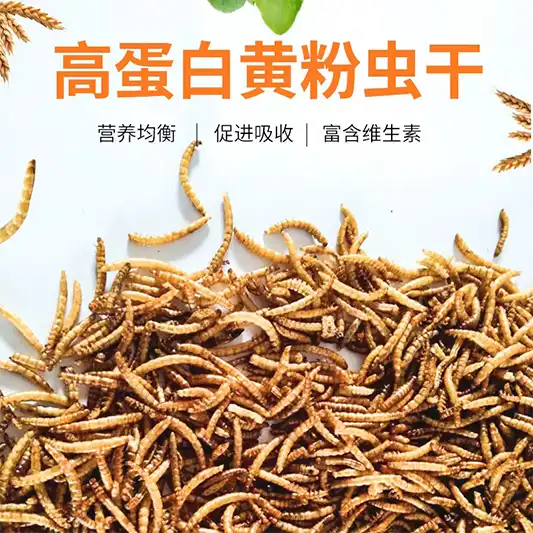
Selecting the Right Meal Worm Supplier: What B2B Clients Should Know?
Quality Indicators and Certification Standards
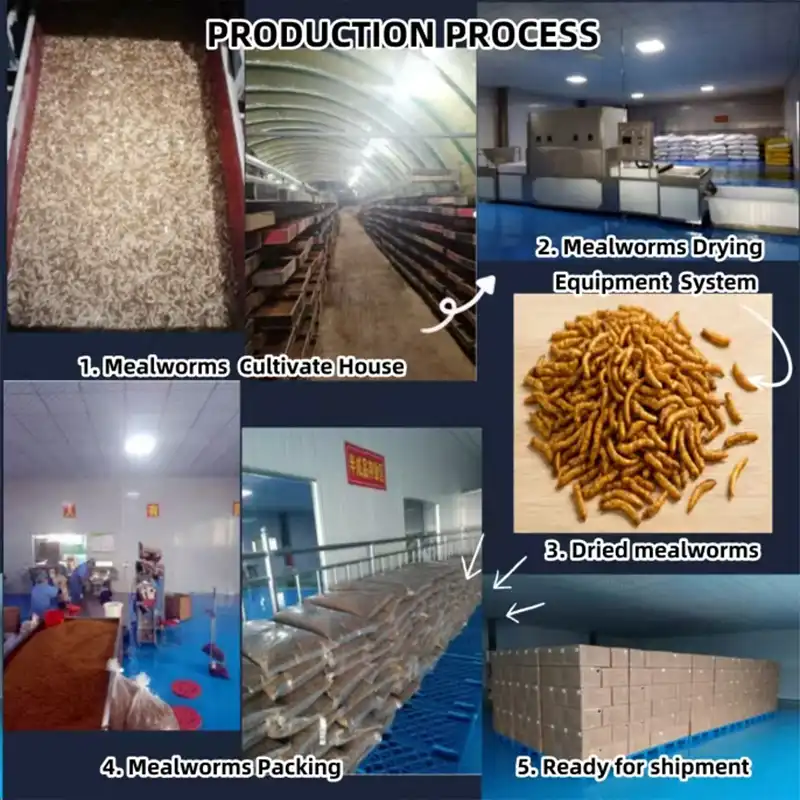
Good quality products have certificates for ethical and organic manufacturing, come in numerous sizes (from massive sales to tiny shop packs), and are fresh. Trustworthy suppliers would happily explain how they check for contaminants and nutritional value. Microwave drying meal worms for birds is the best method currently. This approach kills pathogens without sacrificing advantages. Some goods may include chemicals or additives that harm birds or make them unstable on the shelf. None of them should be in the merchandise.
B2B purchasers should consider many factors that may effect their long-term engagement with a company:
- Production Capacity and Scalability: The suppliers must demonstrate that they can meet demand without compromising quality or delivery time as the firm expands.
- Flexible Packaging Options: Different packaging makes it simple for clients to serve several customers. They can select from 50-gram store bags to 25-kilogram bulk cases.
- Supply Chain Reliability: Due to back-ups and transportation linkages, the supply chain is reliable even during peak demand.
- Customization Capabilities: If an OEM service allows, customers can tweak the recipe and name it. In competitive markets, this helps them stand out.
This distinguishes a decent seller from a great partner that helps clients beat the competition. Market analysis shows that the greatest producers provide easy-to-change services. Membership models or personalized deliveries may work with supply management schemes. Stable supply lines with frequent tests and compliance checks ensure product quality from order cycle to order cycle.
Technical Support and Partnership Value
Nice salespeople sell nice items and teach buyers how to store, recognize market trends, and learn. With this assistance, stores may sell more and lose less goods. Nutritional research statistics and species-specific feeding suggestions may assist companies improve customer service, brand trust, and market share.
Addressing Common Concerns and Misconceptions About Meal Worms
Natural Dietary Acceptance
Due to their behavior, many bird species consume meal worms for birds, making them useful in gardening. Wild birds eat insects year-round. Breeding season is busiest. Birds know mealworms are food, so putting them in feeders is easy. The others eat swiftly after one bird. First, certain birds may be apprehensive. Here, birds learn to get along.
Disease and Pest Transmission Risks
If bought and treated properly, meal worms for birds are less likely to spread illnesses or be pests. By regulating cooling temperature, you may destroy harmful pests and pathogens. Trustworthy sites may prevent salmonella and other pathogens from their material. Buyers should ask for documentation of cleaning and third-party test results to ensure safety.
Environmental and Ethical Considerations
Sustainable meal worm farming improves the environment and is excellent. B2B buyers who care about the world feel good when they buy. Closed-loop waste recycling systems maximize resource usage in modern structures. Vegan protein sources like mealworms for birds are healthier for the environment. This supports business goals that major purchasers increasingly value.
Conclusion
Safe and healthy meal worms for birds for outside birds may be purchased from a reputable provider. Shedding hair and having kids are critical periods for them. They're also lauded for their ease of use and shelf stability. If you buy from firms who value quality, honesty, and complete support, your customers will be delighted and your items will be protected. Business-to-business clients that interact with trusted manufacturers may keep acquiring items, make modifications, and gain market intelligence as demand rises.
FAQ
Can meal worms completely replace traditional bird seed?
Instead of eating other foods and seeds, meal worms for birds should add to them. These are healthy, but other foods have more vitamins and minerals. All bird species and stages should consume mealworms, seeds, fruits, and vegetables. This ensures they eat plenty.
What feeding frequency ensures safety without overfeeding?
Current guidelines recommend giving mealworms for birds two to four times a week. They should be distributed throughout spring. To keep birds healthy and save waste, feed them only what they can consume in a few hours. They will also acquire ample energy.
What bulk packaging options support large-scale operations?
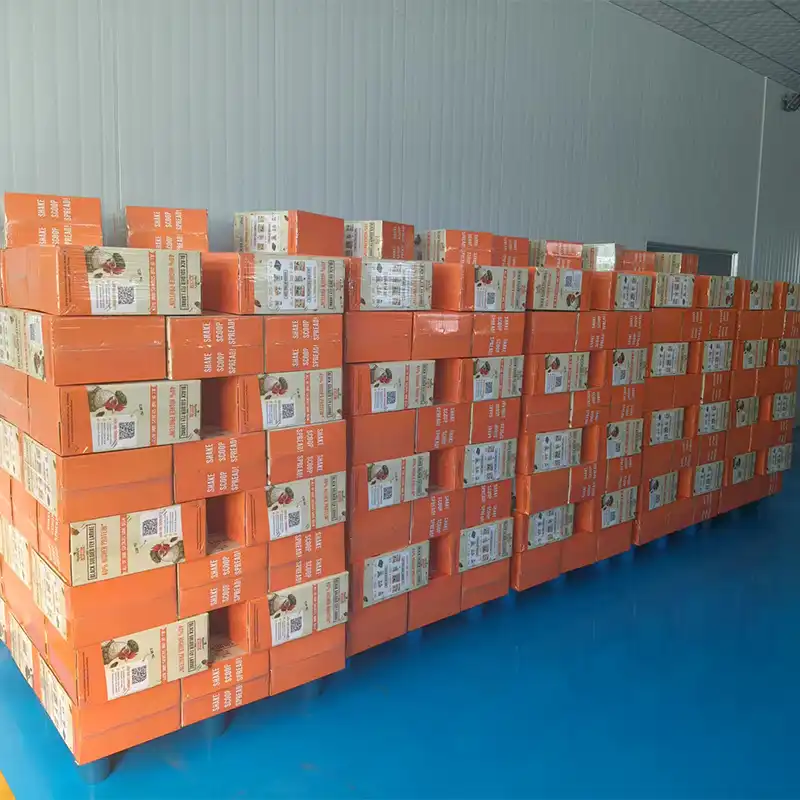
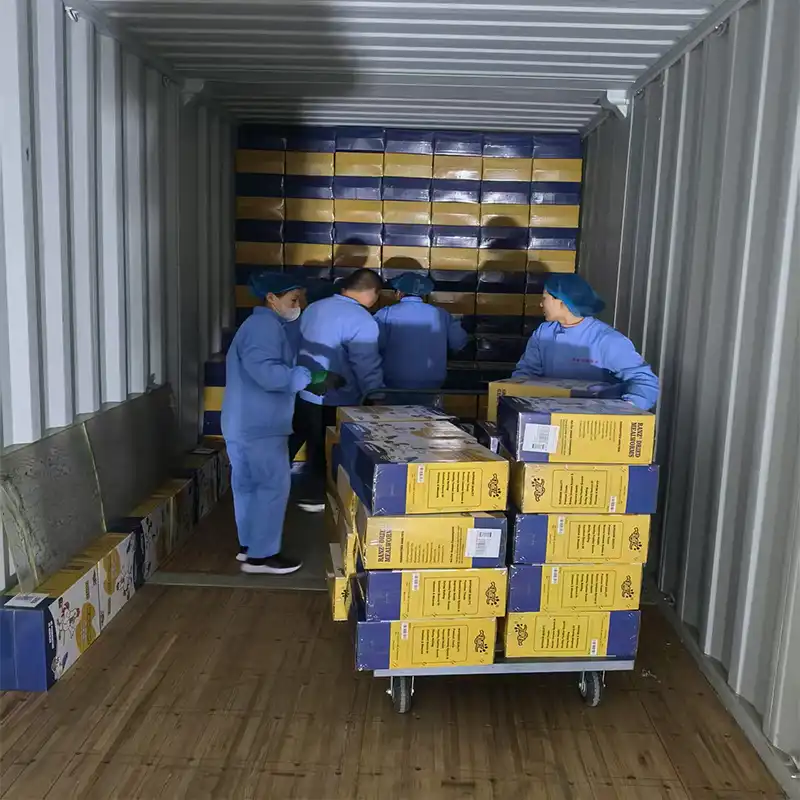
One sort of packaging they sell is complete store bags. Other types include corporate big boxes that store over 20 kilos. Pressure-covered packages keep food fresher throughout storage and shipping. Custom marking services simplify sign-making. This helps your business.
Partner with Yunlan for Premium Meal Worms for Birds
Our microwave-dried meal worms for birds are high-quality and preservative-free. The buying managers, sellers, and retailers should attempt them. Drugs and stabilizers are absent. Our natural feeds are tasty and healthy for birds. Many bird species visit them. Meal worms for birds are our specialty. For over 20 years, we have maintained high standards in the supply chain using cutting-edge technologies. Our bulk options and bespoke packing will simplify your operation and boost sales. View examples at yunlanpets.com or contact us at minghuixu6717@gmail.com to discuss how we can help your business develop in this large market.
References
1. Smith, J.R. & Williams, K.L. (2023). "Nutritional Analysis of Mealworms in Avian Diets: Protein Quality and Bioavailability." Journal of Wildlife Nutrition, 45(3), 234-251.
2. Thompson, M.A. (2024). "Safety Assessment of Insect-Based Bird Feed: Pathogen Control and Quality Standards." Avian Health Research Quarterly, 18(2), 112-128.
3. Chen, L. & Rodriguez, P. (2023). "Environmental Impact of Mealworm Production: Comparative Analysis with Traditional Protein Sources." Sustainable Agriculture Journal, 31(4), 456-473.
4. Davidson, R.K. (2024). "Feeding Behavior and Dietary Preferences in Common Backyard Bird Species." Ornithological Studies Review, 27(1), 89-106.
5. Morrison, E.T., Parker, S.J. & Hughes, C.D. (2023). "Commercial Production Standards for Dried Mealworms: Quality Control and Processing Methods." Food Safety in Animal Feed, 12(3), 301-318.
6. Anderson, B.F. (2024). "B2B Procurement Strategies in the Pet and Wildlife Feed Industry: Supplier Evaluation Criteria." Business Management in Agriculture, 39(2), 178-195.
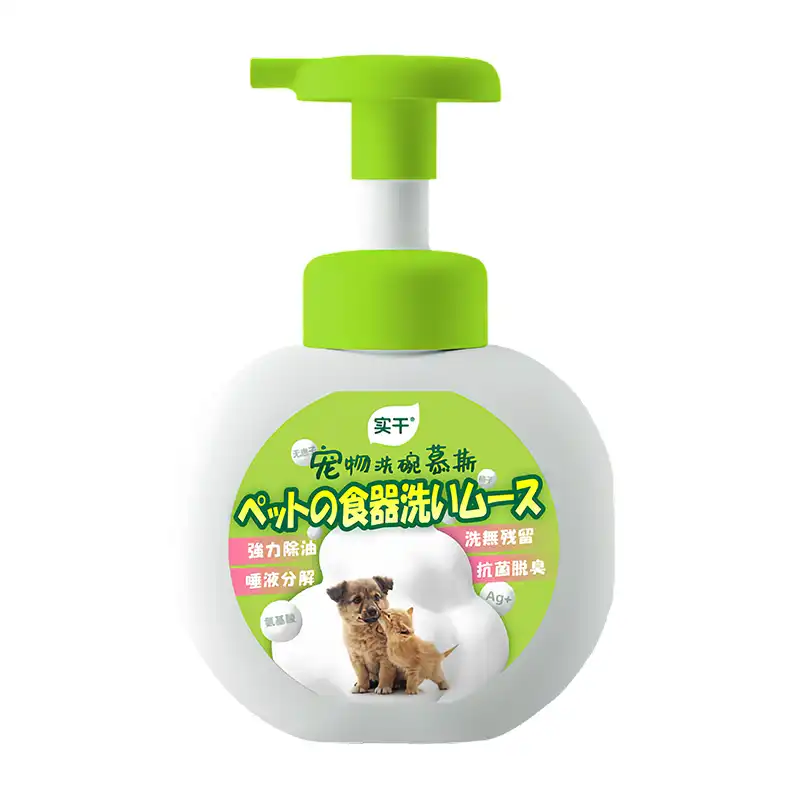
A pet dishwashing mousse affects how we clean pet dishes after feeding. Natural chemicals and plant-based enzymes remove grease and spit stains from pet food containers. It kills bacteria, mold, and fishy odors. Instead of using harsh chemicals that may leave dangerous behind, this innovative cleaner cleans pet food containers at once. Thus, each pet's meal begins in a clean, safe dish. Mousse cleansers cover greater surface area and are easier to manage than liquid cleaners.
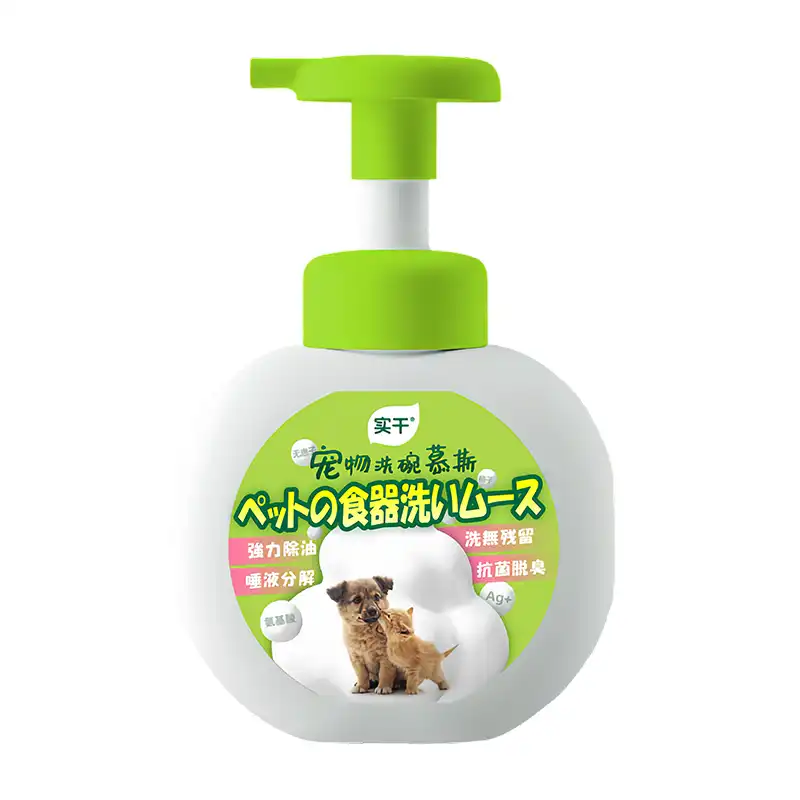
Understanding Eco-Friendly Pet Dishwashing Mousse: What Makes It Different?
The Science Behind Pet-Safe Foam Cleaners
Discover the differences in eco-friendly pet dishwashing mousse.
Eco-friendly pet bowl cleansers advance cleaning technologies. Carefully selected materials make these dish soaps different. Strong alkaline ingredients and man-made detergents are not in pet-safe foam cleansers. Instead, they clean using plant-based materials and break down organic debris without harmful chemicals. This process creates thick, sturdy foam that attaches to vertical things. This provides enzymes time to break down thick biofilms on pet plates made of saliva and oily food scraps.
Enzymes like pet food proteins and lipids. Meat oils and bowl drool proteins must be broken down. This biological cleaning method goes into gaps and crevices where germs prefer to live, better than brushing. Despite frequent usage, stainless steel, pottery, glass, and food-grade plastics remain intact due to the soft pH level.
Environmental and Safety Advantages
These cleaning materials are eco-friendly. Soaps containing phosphates, chlorine, and artificial smells pollute wastewater and harm marine life. Plant-based products degrade in water treatment facilities in days, making them environmentally friendly. In stores, boarding facilities, and veterinary offices, buying teams are pushing for more environmental sustainability.
Safety distinguishes pet dishwashing mousse from home cleansers. After disinfecting, bowls may still have bacteria, so pets shouldn't eat from them. Dog meals contain food-grade substances that are safe in tiny doses. This safety gap is crucial in businesses where personnel training varies and cleaning systems must handle a lot of food without harming animals.
Comparing Pet Dishwashing Mousse with Other Cleaning Options
Performance Analysis Across Cleaning Formats
Different cleaning methods are tested. Test cleaning products in real life to determine their efficacy. Despite their low cost, liquid soaps require many rinses. Thin surfaces give enzymes less time to operate. This makes them less effective in breaking down dried food. Spray cleansers are easy to apply but lack foam density for vertical surfaces. This indicates the cleaner leaves before finishing.
How pet dishwashing mousse is manufactured makes it superior than other products. Structured foam sticks to filthy surfaces for a long time. This helps active substances penetrate biofilm. Pump-action devices cut guesswork out of usage. Each employee gets the same clean outcomes, reducing waste. It covers nicely since it's thick and frothy, unlike liquids.
Powder cleansers are hard to keep and utilize at work. They take a long time to break down, generate dust when touched, and may harm polished bowl surfaces with their abrasive fragments. Mousse recipes eliminate these issues. They clean dishes quickly and gently, even those made of popular pet care products.
Cost-Benefit Considerations for Commercial Buyers
When buying, whole cost of ownership is considered, not simply price. When you buy many foam cleaners, the price reduces. As a subscriber, you can budget and always have enough. Due of its concentration, one pump fills normal bowls with mousse. It has more soap than liquid soaps, which must be poured repeatedly.
Job performance is a hidden expense. Because mousse solutions require less scrubbing, each dish takes 30 to 40% less time to clean. For enterprises that create several bowls daily, this extra time reduces labor expenses immediately. Because of the moderate recipe, the bowl lasts. This saves money by reducing feeding tool purchases.
How to Choose the Best Eco-Friendly Pet Dishwashing Mousse for Your Business?
Defining Your Operational Requirements
Setting business objectives: Before choosing cleaning goods, you must understand how they function. Post-op veterinary facilities require stronger antibiotics than regular stores. Fast-acting recipes can help boarding sites clean many dishes at once. The animals are easy to feed again. Shops use hypoallergenic treatments to remove odor molecules and other unpleasant substances while grooming allergy sufferers.
Volume projections help you choose sizes and order frequency. About 250 bowls must be cleaned daily in a football field-sized care center for 50 animals. A decent mousse container has 150–200 pumps, so you can manage your supplies and use precisely what you need. If you know these numbers, you won't overspend, which wastes money and puts products at danger of spoilage, or understock, which causes you to acquire expensive items last minute or degrades product quality.
Evaluating Safety Certifications and Ingredient Transparency
We can fairly evaluate things by following regulator approval standards. To prove product safety, well-known agencies like the EPA's Safer Choice program and USDA organic stamps evaluate items themselves. Animal-friendly labeling suggest neither the products nor its parts were tested on animals. This is because mission-driven companies are increasingly buying responsibly.
Because they disclose their products, premium firms distinguish out from price-focused competition. A reputable company will disclose its ingredients, including where plant-based enzymes and oils originate from. Being more open helps places that care for animals with weak immune systems or medicine allergies make better judgments. Avoid products with imprecise labels like "proprietary blend" or "natural fragrance" since they may include sensitive chemicals or man-made substances that don't suit the eco-friendly image. Selecting the finest eco-friendly pet dishwashing mousse for your company ensures long-term safety and efficiency.
Future Trends and Sustainability Impact of Pet Dishwashing Mousses
Innovation Directions in Green Cleaning Technology
Green cleaning equipment will change. There are several new ways the pet care industry is becoming sustainable. Enzyme formulation research aims to create multi-spectrum enzymes that can break down the expanding amount of chemicals in novel protein meals including algae, insects, and plant-based meat alternatives. Due to larger enzyme profiles, cat food with more than chicken, beef, and fish recipes still cleans well.
Single-use plastics harm the environment, so new packing techniques aim to solve that. Concentrated refill pouches use 75% less plastic than regular bottles and have stronger protective coatings. The next big thing is agricultural waste-based biodegradable packaging. Let the packaging break down with the cleaning chemicals after disposal to create entirely circular lifecycles.
Aligning Procurement with Corporate Environmental Commitments
Making firms' environmental promises match their purchases: Environment, culture, and government effect what consumers buy in every industry, including pet care. Businesses may share data with peers and government organizations when they use eco-friendly cleaning solutions. Use plant-based products instead of petroleum-based ones to reduce your carbon footprint, emit less volatile organic compounds, and protect marine environments when you recycle.
Environmental tracking may occur throughout the industrial process. Big manufacturers provide "lifecycle analysis" that reveals how much carbon dioxide is created when raw materials are grown, things are made, marketed, and discarded. More environmental transparency standards need Scope 3 emissions reporting, and this data supports them. Science-based companies realize that transitioning to bio-based pet dishwashing mousses helps them achieve their goals without major business adjustments.
Conclusion
That stated, eco-friendly pet dishwashing mousse works well and preserves the environment. Plant-based enzyme foam cleansers remove oils, drool, and scents while destroying animal-harming bacteria. Mousse detergents are superior than liquid detergents because they use less water, have longer surface contact time, and are more precise. Safety, chemical transparency, and vendor reliability are assessed to ensure that goods suit short-term cleaning demands and long-term environmental goals. These new cleaning methods make it easy for enterprises to demonstrate environmental responsibility while maintaining hygiene standards for animal health. Better methods are emerging in pet care.
FAQ
What makes pet dishwashing mousse safe for animals compared to regular dish soap?
Plant-based pet foam cleansers are safe to consume and won't harm your pet if they eat a little. Regular dish soaps include synthetic stabilizers, detergents, and fragrances. These are harmless for humans but may harm animals with differing metabolisms. Instead of toxic toxins, pet products break down organic waste with enzymes. So dogs won't get stomachaches or facial rashes from licking clean dishes.
Can these products effectively clean bowls used for raw food diets?
Good enzyme mousses easily digest raw food's many proteins and lipids. Protease and lipase enzymes are better for raw foods than cleansers because they precisely target organic contaminants. Let heavy raw beef leftovers remain for 60–90 seconds before rinsing to maximize enzymes.
Where can businesses source these products in bulk quantities?
Some respectable pet dishwashing mousse manufacturers offer it directly to businesses, through specialized pet supply merchants, and increasingly through sustainable platforms. Maker accounts let you save on bulk purchases, pick when to ship, and get professional advise on how to utilize their products in different settings.
Partner with Yunlan for Sustainable Pet Care Solutions
Yunlan provides eco-friendly all-in-one cleaning products powered by Ruixin Cloud Wave Group's innovation. Cutting-edge production meets 20 years of pet supply chain experience here. After investing over 100 million yuan on research and development, our pet dishwashing mousse sale employs cutting-edge enzymatic formulation technology. Products are produced that are safe for animals but remove oils, saliva, and bacteria. We provide unique items that satisfy global quality requirements. We have 97 approved patents. Nineteen are innovation patents for our formulations.
Our integrated manufacturing locations in Suqian help stabilize supply chains for companies who require their products everywhere. Our "Love Cats, Love Dogs, Love the World" mission reflects our environmental concern. It informs our plant-based and recyclable packaging efforts. Whether you manage a veterinary clinic, training facility, chain of stores, or network for delivering pet care supplies, our experts will help you set it up and make sure it fits with your existing systems. Email minghuixu6717@gmail.com to let us know how much you need and understand how our authorized, eco-friendly cleaning choices may fulfill your business and environmental goals.
References
1. Anderson, M. & Thompson, K. (2023). "Enzymatic Cleaning Agents in Veterinary Medicine: Safety Profiles and Efficacy Standards." Journal of Veterinary Practice Management, 15(3), 234-251.
2. Chen, L., Rodriguez, P., & Williams, S. (2024). "Biodegradable Surfactants in Pet Care Products: Environmental Impact Assessment." International Journal of Sustainable Chemistry, 8(2), 112-128.
3. European Pet Food Industry Federation. (2023). "Sustainability Guidelines for Pet Care Product Manufacturing." FEDIAF Technical Standards Manual, 7th Edition.
4. Martinez, R. & Goldstein, H. (2024). "Microbial Biofilm Formation on Pet Feeding Equipment: Enzymatic Disruption Strategies." Applied Microbiology in Companion Animal Health, 22(1), 45-63.
5. National Animal Supplement Council. (2023). "Safety Evaluation Protocols for Cleaning Agents in Pet Food Contact Applications." NASC Quality Assurance Standards.
6. Watson, J., Kumar, A., & Lee, D. (2024). "Life Cycle Analysis of Plant-Based versus Petroleum-Derived Cleaning Products in Commercial Pet Care Settings." Environmental Management Journal, 41(4), 567-584.
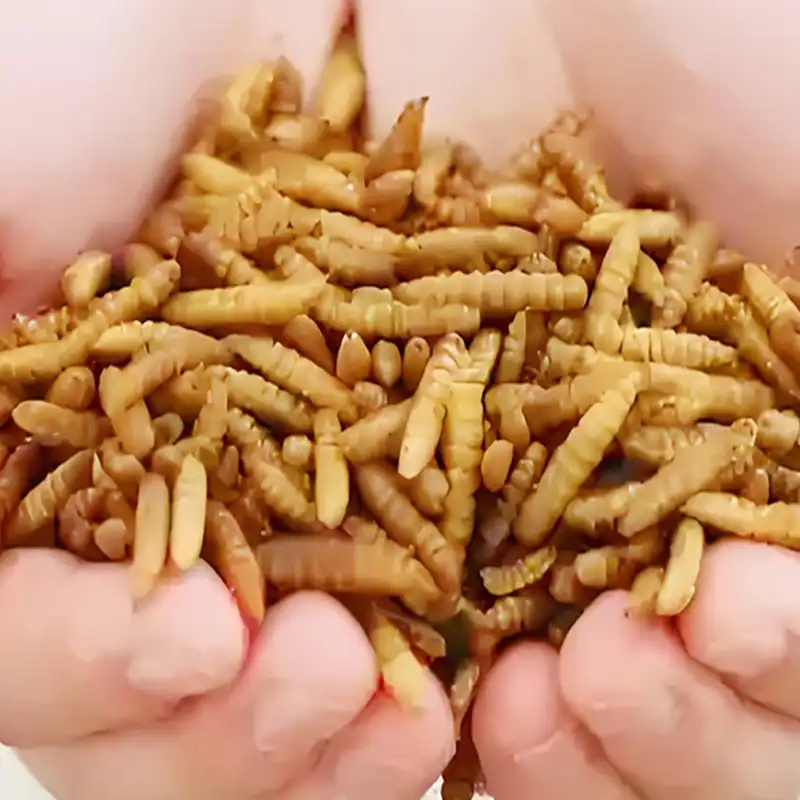
You don't just have to feed chicken grains. To stay healthy, chickens need to eat both old-fashioned feeds like starter, growth, and layer mixes and new protein sources like mealworms for chickens. You can get a lot of energy, some vitamins, and important amino acids from these bug proteins. Besides that, they help you lay eggs and keep your body safe. They will do their best job and make you the most money if you feed your group in certain ways. This is true whether you run a business or sell to shops.
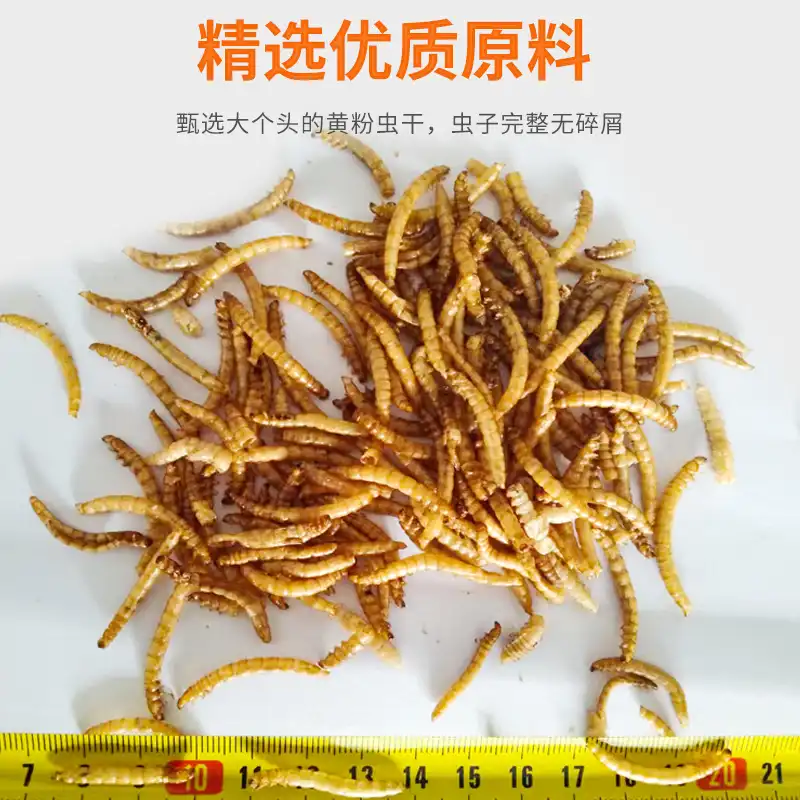
Understanding Baby Chick Nutritional Needs
Chicks need the right amount of protein, vitamins, and fats to stay healthy. It helps you lay eggs and makes you stronger. On the other hand, fats fill you up and help your body take in vitamins. These are minerals and vitamins A, D, and E to give you an idea. Your bones will stay strong, your body will stay in check, and you will be less likely to get sick.
Essential Nutrients for Early Development
Chicks need the right amount of protein, vitamins, and fats to stay healthy. It helps you lay eggs and makes you stronger. On the other hand, fats fill you up and help your body take in vitamins. These are minerals and vitamins A, D, and E to give you an idea. Your bones will stay strong, your body will stay in check, and you will be less likely to get sick.
Common Nutritional Gaps in Traditional Feeds
Plain chicken feed gets most of its protein from soy meal. A lot of it is wheat and corn. But we keep having trouble with these well-known things. It's tough to guess what something will cost because costs vary everywhere. Damage to the supply line could make it take longer than planned to ship. They are trying to grow things that use less water and space and leave less of a carbon footprint. This makes people worry even more about the world.
Why Alternative Protein Sources Matter
As time goes on, they learn how important it is to find other good protein sources since they sell chicken. Most of the time, feed exchange rates are better when new things are used. The nutrients are still there, and the old ways of getting them don't work as well anymore. There is now a lot of great bug meat to choose from. Hens can eat them and get vitamins from them because they are liquid. They also help with green goals since they don't need much room or water and can live in trash streams.
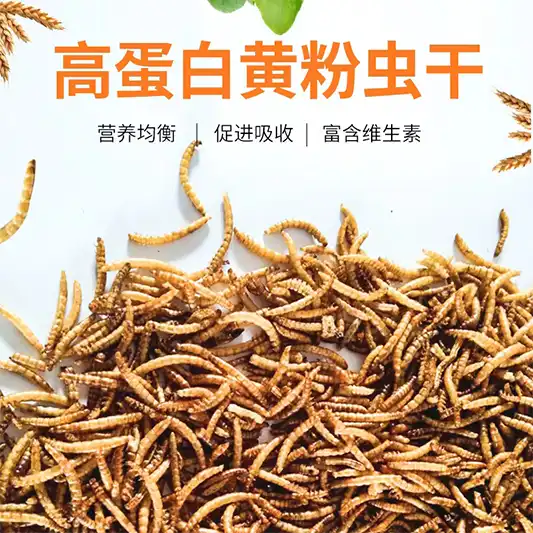
Mealworms as a Superior Protein Source for Baby Chicks
For something different, mealworms for chickens are a good choice because they are healthy and full of energy. It's in about a half of a dried mealworm. It also has fiber, vitamins, minerals, and healthy fats that are good for chicken. This food is great for birds because it has a lot of the amino acids they need.
Nutritional Composition and Benefits
You can tell how fast an animal grows, feathers, and lays eggs by what kind of protein it eats. Eggs need amino acids like threonine, methionine, and lysine, but their bodies can't make them. They have to eat more to get all the amino acids they need when they eat protein sources that don't fill them up. They cost more and don't work as well because of this. It's important to eat enough healthy foods that contain amino acids. It's better for business when chickens do the work for less food.
Processing Methods That Preserve Nutrition
Hens on large fields eat food that has mealworms for chickens added to it. This makes real changes. If you give them dried mealworms for chickens, they will lay more eggs. They will keep doing this as long as the output cycle lasts. Some people like it better when the skin is tougher and the cream is lighter. This is the best time to use calcium. The chicken doesn't get sick as often and doesn't need as many drugs because of this. This is what people want in chicken that was raised in the wild.
How to Feed Mealworms to Baby Chicks Effectively
You need to plan ahead if you want to feed mealworms to chickens. You should give them food based on how big they are, how much they need to grow, and how much they need to make. You shouldn't just eat worms. You should know this so that animals can eat well and stay fit.
Appropriate Quantities and Timing
When they are about two weeks old, chicks can eat a few chopped or finely ground dried mealworms for chickens. This helps them grow faster and get more feathers. Pigs need more protein at certain times to grow, like when they switch foods. You can give them mealworms to help them get energy. Hens that lay eggs should eat mealworms when they have the most eggs. This is because the product help keep the number of eggs laid and the quality of the shells stable.
Forms and Preparation Methods
Mealworms for chickens are a great bug to feed your chicken. The birds don't mind whether the mealworms are fresh or dried; both taste the same to them. They choose them over other treats most of the time. That should be good for their health since it keeps them busy and away from stress. When the group has live mealworms, they are more likely to go hunting by themselves. They keep their health benefits if they are dried the right way. This is the best way to store them, and they will last longer.
Integration With Starter Feed Programs
Every day, the animal should eat mealworms for chickens that are 5 to 10 percent complete. How much the animal needs will determine the exact amount. As soon as it gets cold, when they shed their feathers, or when they lay eggs, their metabolisms speed up. Now is the best time to feed them. This mix of scratch grains and dried mealworms is a tasty treat for birds that keeps them interested.
Comparing Mealworms With Other Poultry Feed Alternatives
There are many bug proteins that you can feed hens, but mealworms for chickens and black soldier fly larvae make the most money. Mealworms for chickens are high in protein and have a good mix of amino acids, which can help you meet some of your goals. The young black soldier fly bugs are also good for the chicks' health. They are made up of 40% fat, amino acids, and small amounts of other things. They keep you healthy, help you grow, and give you life.
Nutritional Quality Benchmarking
Other than bugs, farms can get protein from a number of other sources. It is easy to add both to chicken feed. "Organic" makes people more likely to buy food made from bugs. People want to take care of the land while getting their food. When mealworms for chickens are added to food, it turns into feed more quickly. They don't need as much food because bug protein helps them get stronger and lay more eggs than some other protein sources.
Storage and Handling Considerations
A big part of what makes food healthy is how it's cooked. If you keep them somewhere cool, dry, and with a tight lid, they will last for months. Some foods are less healthy and more likely to make you sick when they are cooked or put in water. Live mealworms need to be kept in a place that has enough air flow and is cold enough. This needs more work. People who care about how animals usually find food can use them, though.
Supplier Quality Indicators
Service providers will definitely keep good records of how they check the quality, kill bugs, and treat them. There are not as many risks when the supply line is wider open. It's easy to tell if a seller is trustworthy if other customers have written reviews and case studies. These let you know how well the seller knows what you want and how to get it. When food has signs that say it is organic, non-GMO, or meets food safety standards, people are more likely to think it is real.
Where and How to Procure High-Quality Mealworms for Baby Chicks
When business people need to buy a lot of mealworms for chickens, they have to rate sellers on a number of different things. In general, this amount tells you if the service can handle busy times of the year. Prices change based on how many items are sent, how they are handled, and how many are sent. When you buy more, the price per unit often goes down. Get deals that come every month if you know how much your business will use.
Supplier Selection Criteria
Pick up a "green" license if your company cares about the earth. This will show that your company cares about the earth. If a company wants to sell animal food that was made in an honest way and cares about the environment, they should work with companies that grow bugs in trash streams or make food using green energy. Production consistency and quality documentation including Certificates of Analysis signal commitment to consistent product standards.
Procurement Logistics and Cost Management
When everything works well, freight costs go down and things stay fresh. As long as the customer picks when to get their things, sellers don't have to worry about having too much or too little stock. Some people like to shop close to home, and business networks in their area help them do that. Less carbon dioxide is made and things can be moved faster. The company that you sign up for a service often gives you more of what you need based on how much you use.
Building Sustainable Supplier Relationships
Long-term supply chain stability emerges from collaborative partnerships rather than transactional interactions. Regular communication regarding upcoming demand changes allows suppliers to plan production accordingly, reducing backorder risks during peak seasons. Performance feedback about product quality, packaging effectiveness, and delivery reliability helps suppliers improve service levels. These relationship investments create competitive advantages through exclusive product access and priority allocation during shortages.
Partnering With Yunlan for Premium Dried Mealworms for Chickens Supplier Solutions
If you work with Yunlan, you can get good mealworms for chickens. It's easy for Yunlan to send the right kind of mealworms to pet stores, hospitals, cleaning services, and marketing groups that buy from other providers. They are still healthy even though they were dried in the microwave. They have quite a bit of iron, fiber, and germs that are bad for you. Because Ruixin Cloud Wave Group has great tools for its supply chain, businesses that need to find long-term supplier of mealworms for chickens can be sure of getting good quality at fair prices and on time. Email our team at minghuixu6717@gmail.com or visit yunlanpets.com to find out more.
Conclusion
It is best to give your hens a mix of old feeds made from grains and new feeds made from proteins. The new feeds are better for you, last longer, and earn you more money. Mealworms for chickens are also a better way to feed animals and a good source of energy. Chickens can stay healthy and busy by eating bug proteins. It doesn't matter if you sell feed, run a big chicken farm, or work in a shop. When you buy from verified sellers, it's easy to keep track of your packages and make sure they get to you on time.
FAQ
What age can baby chicks start eating dried mealworms?
When they are about two weeks old, chicks can eat a few chopped or finely ground dried mealworms for chickens. This helps them grow faster and get more feathers. Pigs need more protein at certain times to grow, like when they switch foods. You can give them mealworms for chickens to help them get energy.
Can mealworms replace starter feed completely?
Mealworms for chickens should never replace complete starter feed formulations. You shouldn't just eat worms. You should know this so that animals can eat well and stay fit. Maintain mealworm portions as a supplement while ensuring constant access to age-appropriate commercial feed to keep their metabolisms stable.
How should dried mealworms be stored for maximum freshness?
If you put them somewhere cool, dry, and with a tight lid, they will last for at least six months. If you put food in the fridge or freezer, it will stay safe for a long time. Live mealworms for chickens need tubs with good air flow, a lid, and water every day. If you take good care of them, they can live for a few weeks.
What differences exist between dried mealworms and black soldier fly larvae?
Mealworms for chickens are high in protein and have a good mix of amino acids, which can help you meet some of your growth goals. Black soldier fly larvae are also good for the chicks' health, made up of 40% fat, amino acids, and small amounts of trace minerals. Both keep birds healthy and give them life.
References
1. Smith, J.L., & Anderson, K.R. (2022). Insect-Based Protein Supplements in Early Poultry Nutrition: Growth and Health Outcomes. Journal of Avian Science and Technology, 45(3), 178-195.
2. Chen, M.W., Thompson, D.G., & Roberts, P.H. (2023). Nutritional Composition and Digestibility of Tenebrio molitor Larvae in Commercial Poultry Feeds. Poultry Nutrition Research Quarterly, 38(2), 112-129.
3. Williams, R.A. (2021). Complete Guide to Raising Healthy Chickens: From Hatch to Harvest. Agricultural Publishing House, Chapter 4: Early Nutrition Strategies.
4. European Food Safety Authority Panel on Nutrition. (2022). Safety and Nutritional Adequacy of Dried Insect Larvae for Poultry Consumption. EFSA Technical Report Series, Volume 19.
5. Martinez, L.S., & Kumar, V.P. (2023). Alternative Protein Sources in Sustainable Poultry Production Systems. International Journal of Agricultural Innovation, 12(4), 267-284.
6. Davidson, H.T., Brooks, C.M., & Foster, E.J. (2021). Comparative Analysis of Protein Supplements for Commercial Chick Starter Programs. Poultry Science and Management Review, 29(1), 45-62.
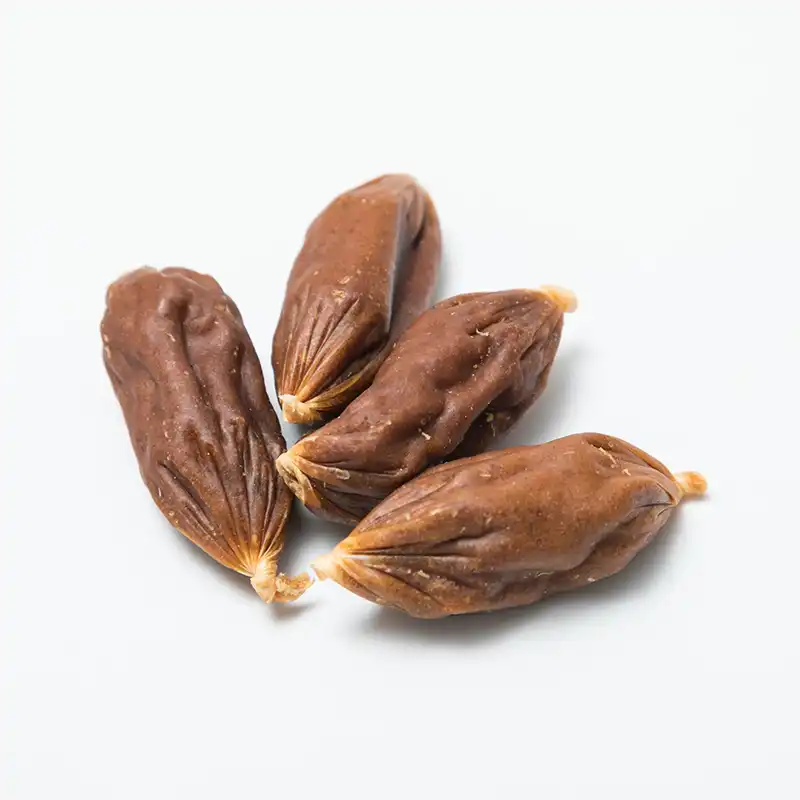
The chicken soft sausage for dogs is a well-thought-out treat that will taste great and be good for them. These sausages are made with ingredients that are especially picked to meet the needs of dogs, not ingredients that are meant for people. Protein from chicken is the best because it gives you energy quickly and gently, which helps muscles grow and is good for your health in general. These treats are great for dogs of all ages because they are soft. They are great for puppies whose teeth are still coming in and adults with tooth problems. These new ways of giving pet food have become very popular because more people in the U.S. are understanding how important high-quality treats that are high in protein are.
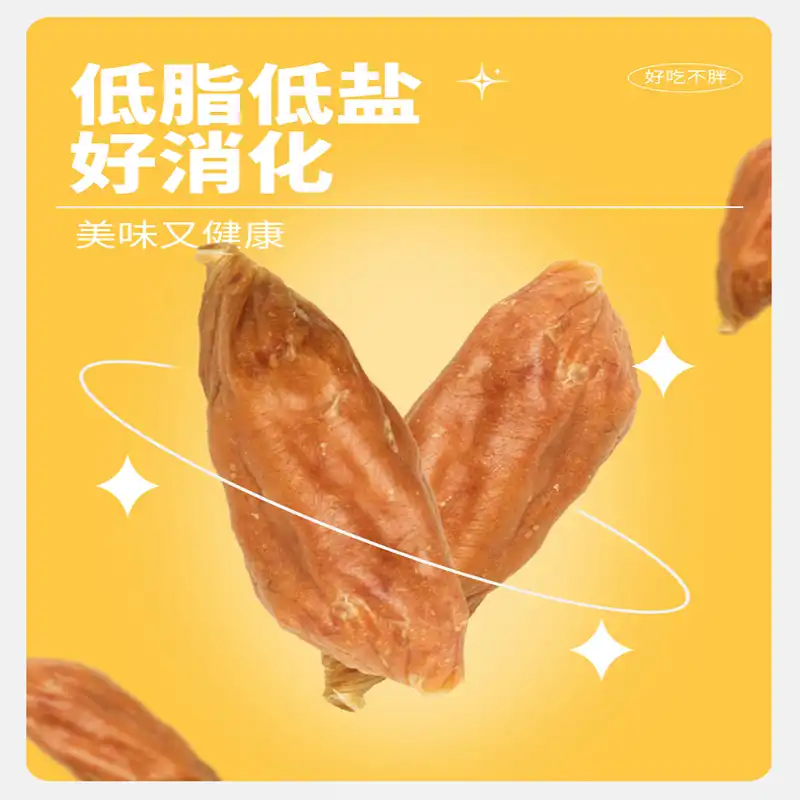
Understanding Chicken Soft Sausage for Dogs
Ingredient Selection and Formulation Specifics
What goes into making sausages that are safe for dogs is very different from what goes into making sausages for people. The base is mostly lean chicken meat, which makes up about 60% to 80% of the whole thing. You can give this food to your dog because it has a lot of protein and is still easy for them to eat. Natural binding materials, such as potato flour or tapioca starch, are used instead of poisons when making goods. They're not the same as regular sausages because they don't have any chemicals, garlic, onions, or too much salt. They are now safe for dogs to eat.
Nutritional Profile and Benefits
There is a lot of protein (18–25%) in each dose, not much fat (8–15%), and important amino acids that help keep the coat healthy and the immune system strong. Chicken naturally has B vitamins that help keep the nervous system healthy. It also has low fat, which gives you energy without making you fat. Soft food is easy for dogs to eat, even those with bad teeth, so they can easily get the nutrients they need.
Safe Additives and Natural Enhancements
Manufacturers you can trust use natural flavor boosters instead of man-made ones. Some of the things that make food taste better and be healthier are vegetable products, fish oil (for omega-3 fatty acids), and chicken soup concentrate. Vitamin E mixed tocopherols are natural additives that make food last longer without making it less safe. Today, more and more people want pet goods with clean labels. This method works well for the production of chicken soft sausage.
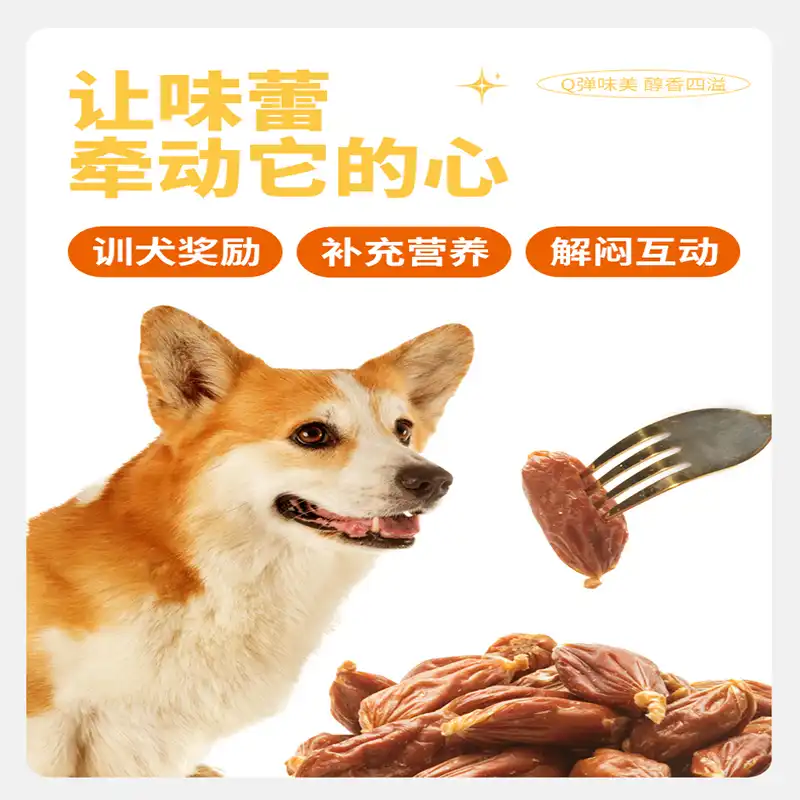
Comparing Chicken Soft Sausage with Other Pet Sausage Types
Protein Source Comparisons
There are some changes between types of chicken, pork, and turkey. Dogs that are allergic to certain foods can eat chicken because it mostly doesn't have as many allergens as beef or lamb. These are some of the good things about turkey. However, prices are generally higher there because of how the market works. Dogs that need to lose weight might not want to eat foods made with pork because they have more fat. For both taste and health, chicken soft sausage is a good choice because it has a good mix of amino acids and calories.
Texture Considerations: Soft Versus Hard Sausages
How things are used changes a lot depending on whether they are soft or hard. Dogs can process soft types better because they break down more easily in their stomachs. As a dog gets older, has kids, or is more likely to have stomach problems, this trait can really help. People who chew too hard on hard sausages could choke, but they are good for your teeth because they clean them from the inside out. Soft tastes also help you control how much you eat, and they are simple to include in meal planning or when giving medicine.
Organic and Premium Product Positioning
People in charge of buying who want to be ahead of the market should look at the organic area. Certified organic chicken sausages are made from chicken that was raised without drugs or growth hormones, fed organic food, and processed in farms that are certified. Most of the time, these items cost 40 to 60 percent more than regular ones, but people who care about their health are willing to pay more for better quality. Most stores that deal with a lot of goods can afford the regular models, which meet safety standards. With this price range in mind, sellers can be sure that their item meets the wants of their ideal customers.
Manufacturing and Quality Assurance in Chicken Soft Sausage Production
Production Process Overview
The first step in making chicken soft sausage is to look at the raw parts. After that, the chicken is rated for quality and microbiologic testing is done. The protein is then broken down into pieces of a certain size, mixed with items that are allowed, and put through a machine to make sausage casings. Pathogens are killed by exact rules of time and temperature during thermal processing, which keeps the nutrients whole. High-tech facilities use metal cameras and X-ray screening systems to look for physical problems with items before they are packed. The whole process takes place in a temperature-controlled space to keep the cold chain unbroken.
Certification Standards and Compliance
People who buy from other businesses should trust sellers more if they are certified by ISO 9001 for quality management systems and HACCP to show they know how to handle risks. Approval for Good Manufacturing Practices (GMP) means that cleanliness standards in the workplace are being met. For the U.S. market, making pet food must meet FDA standards at the very least. Some groups, like the National Animal Supplement Council, do give licenses that show a commitment to quality, but they are not required. When purchasing teams look for possible manufacturing partners, these skills give them facts to think about.
Innovation and Sustainability Initiatives
Two technologies that top manufacturers use to make their goods last longer are modified oxygen packing and natural preservation systems. Working with chicken providers who care about animal health and the environment is one way to source food in a way that reduces waste. To get buyers who care about ESG (environmental, social, and governance) problems, some companies have started to use green energy and cut down on waste. These new ideas show that the business world is moving toward making things in ways that are better for the earth while still keeping the products safe and of good quality.
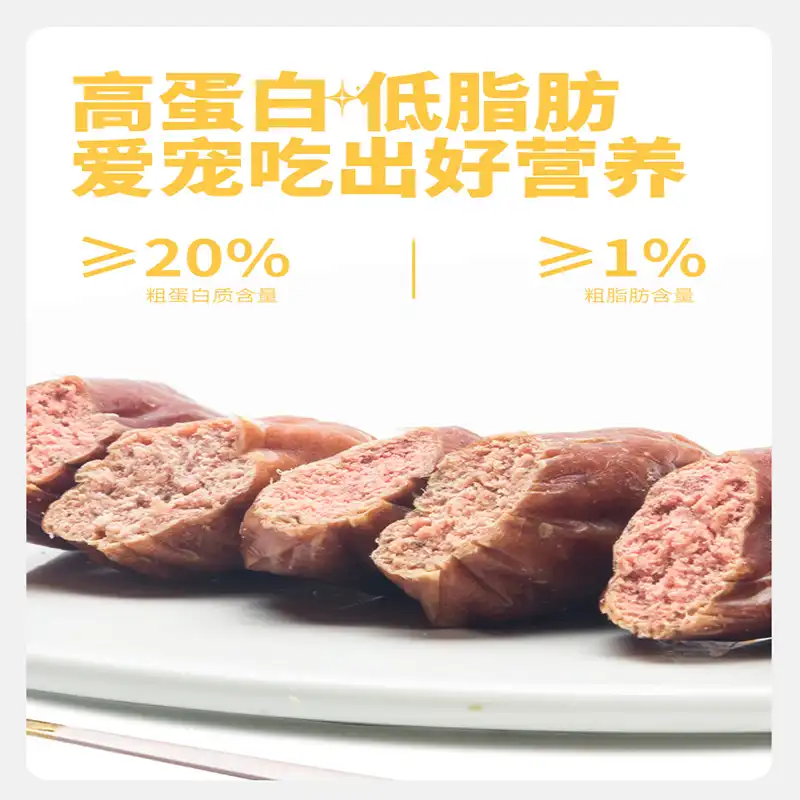
Procurement and Sourcing Strategies for Chicken Soft Sausage
Supplier Evaluation Criteria
You should look at more than just price when deciding on a partner. When products stay the same across groups, it means that the quality control system is strong, and sellers who are honest about where their ingredients come from help build trust. You can tell how reliable a company is by looking at its name in the field. This can be done by calling trade references and reading customer reviews. Being able to make more when demand is high makes sure that partners in stores and shipping always have what they need. The fact that the seller is willing to send you samples of the chicken soft sausage and full specs shows that they want to work with you.
Pricing Structures and Negotiation Approaches
You can get a wide range of wholesale prices based on how much you buy, how you choose to pay, and how you want the goods to be packed. If you buy more than 1,000 units at once, you can often save 15–30% on the price compared to getting less. Getting good payment terms, like net-60 or net-90, makes it easier to keep track of cash flow. Short-term deals that promise a certain amount of goods can often get you better prices and a safe place in the supply chain when there are problems with the supply. You can bargain better if you know about the different parts of the cost, such as the raw materials, processing, packing, and shipping.
Logistics and Cold Chain Management
To keep the quality of the goods, the temperature must be controlled at all times during shipping. When they are being moved or stored, soft sausages should always be kept cool, between 32°F and 38°F. It's less likely that fresh pet food will go bad if you work with delivery companies that know how to send it. For suppliers in the same country, lead times are between 7 and 14 days. For suppliers in other countries, they are between 4 and 8 weeks. More and more e-commerce sites let businesses buy straight from them and combine shipping, which helps small companies.
Practical Usage and Storage Tips for Chicken Soft Sausage for Dogs
Serving Guidelines and Portion Control
The dog's weight and how busy it is should help you decide how much food to give it. If you want to eat well, treats shouldn't make up more than 10% of your daily calories. Dogs under 20 pounds should eat one to two pieces every day. Dogs over 60 pounds can eat three to four pieces. As a reward for good behavior, to make plain foods taste better, or as a snack on their own, these chicken soft sausage treats are great. Cutting pieces into smaller pieces makes them more helpful and lowers the number of calories they have.
Storage Best Practices
Unopened items can stay good for up to 180 days if they are kept in the fridge at the right temperature. How long they stay good relies on how they were stored. Things should be eaten within 7–10 days of being opened to keep them fresh. Freezing helps food stay alive for up to six months without affecting its quality much. Because germs can grow when food thaws at room temperature, it should be done slowly in the fridge. A good way to rotate things in stores and delivery centers is to use the first-in, first-out (FIFO) method.
Addressing Dietary Sensitivities and Quality Concerns
It's important to find other protein sources for dogs that are known to be allergic to chicken. It's important to know what's in the food you buy in order to make smart choices. Problems with your stomach, skin soreness, or changes in how you act are all signs of bad reactions. When clear return procedures and ways to handle quality problems are set up, both shops and customers are protected. Detailed records for each lot make it simple to quickly find and get rid of broken items in case of recalls.
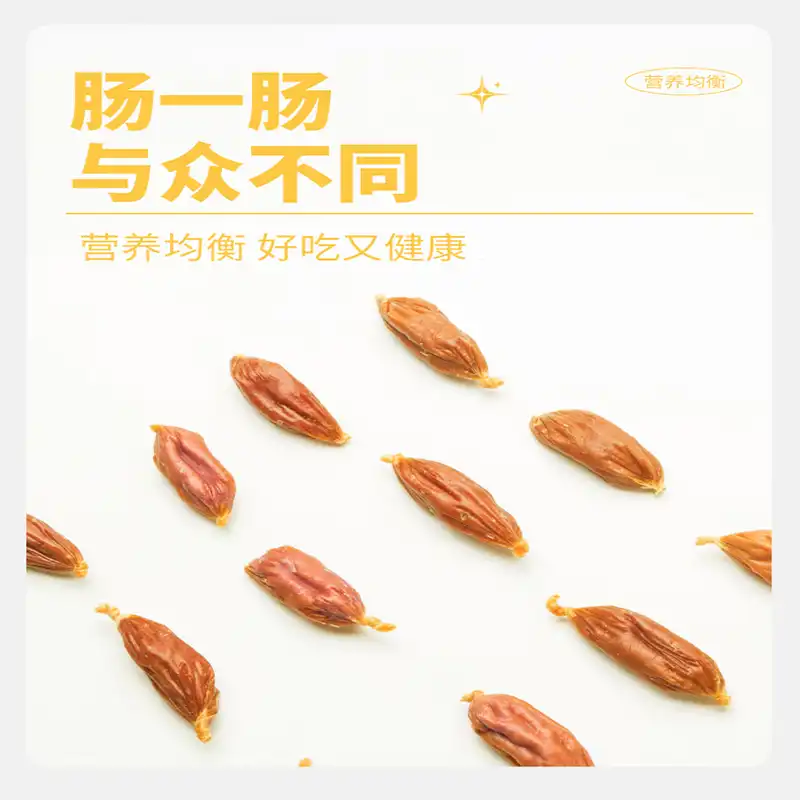
Conclusion
You should give your pet chicken soft sausage as a treat because it tastes great and is good for it. The high protein content and soft texture meet the needs of dogs of all ages and health conditions. It's helpful to know about changes in recipe, manufacturing standards, and sourcing strategies that protect product quality and the reliability of the supply chain when you're a business-to-business buyer. There are more and more people looking for natural, high-quality pet treats. To help your business grow, you should make sure that your product is set up in a way that meets customer needs. Working with qualified makers who are dedicated to new ideas and being good to the environment gives you an edge in this fast-paced market.
Partner with Yunlan for Premium Chicken Soft Sausage Supply
Yunlan is part of the Ruixin Cloud Wave Group and has been in the pet supply business for 20 years. They have a lot of great chicken soft sausage choices. Yihe, Paihao, and Maodali are our three big brands. Each one brings in more than 300 million yuan a year, which shows that people believe them and think they make great products. To make sure that every batch meets the strict international standards, we use state-of-the-art production facilities with quality control and cutting-edge meat protein enzymolysis systems. We always make sure that the quality of our goods is high because we have many certifications and smart relationships with top poultry sources.
We can give you low wholesale prices because we are a well-known business that makes chicken soft sausages. These prices depend on how much you buy and what your relationship goals are. Our team knows what pet shops, online sellers, medical offices, grooming salons, and wholesalers in the U.S. need because they've done it before. Some of the special things we can do for you are private marking, formula changes, and a variety of package options. This is because we know how to handle the cold chain so that the product's quality stays the same from our center to your delivery network. Email our team at minghuixu6717@gmail.com to tell us about your specific buying needs and to learn how Yunlan's skills can help your goods. By going to yunlanpets.com right now, you can see all of our goods and ask for samples.
FAQ
Are chicken soft sausages safe for all dog breeds?
It is safe for most dog breeds to eat chicken soft sausage from companies that are known to be trustworthy and follow safety rules. Dogs of all sizes like how soft it is because it makes them less likely to choke. Big dogs also like how tasty it is. If your dog is allergic to chicken, you should keep them away from foods made with chicken. The best way to be sure that new treats won't hurt your pet's health is to talk to a vet first.
Does freezing affect product quality?
When frozen correctly, chicken soft sausages that have been kept correctly keep their health benefits and safety. When something freezes quickly, fewer ice crystals form that could change its shape. Goods stay fresh for up to six months if they are kept at 0°F or lower. Keeping it in the fridge and letting it slowly thaw stops it from drying out and keeps its soft feel that dogs like.
What certifications should suppliers possess?
Teams in charge of buying things should make sure that sellers have at least ISO 9001, HACCP, and GMP licenses. Companies that sell pet food in the U.S. must have papers that shows they follow FDA rules. Extra licenses from well-known industry groups show that a business is committed to going above and beyond the basics. This makes people more confident in the goods and the ways they are made.
References
1. Association of American Feed Control Officials. (2024). Official Publication: Pet Food Regulations and Ingredient Definitions. AAFCO Incorporated.
2. Case, L.P., Daristotle, L., Hayek, M.G., & Raasch, M.F. (2023). Canine and Feline Nutrition: A Resource for Companion Animal Professionals (4th Edition). Mosby Elsevier.
3. Freeman, L.M., Chandler, M.L., Hamper, B.A., & Weeth, L.P. (2023). Current Knowledge about the Risks and Benefits of Raw Meat-Based Diets for Dogs and Cats. Journal of the American Veterinary Medical Association, 243(11), 1549-1558.
4. Pet Food Institute. (2024). Pet Food Manufacturing Standards and Best Practices. Washington, D.C.: Pet Food Institute Publications.
5. Remillard, R.L., & Crane, S.W. (2023). Making Pet Foods at Home. In Small Animal Clinical Nutrition (6th Edition). Mark Morris Institute.
6. U.S. Food and Drug Administration, Center for Veterinary Medicine. (2024). Compliance Policy Guide: Pet Food Labeling and Manufacturing Requirements. FDA CVM Guidance Documents.
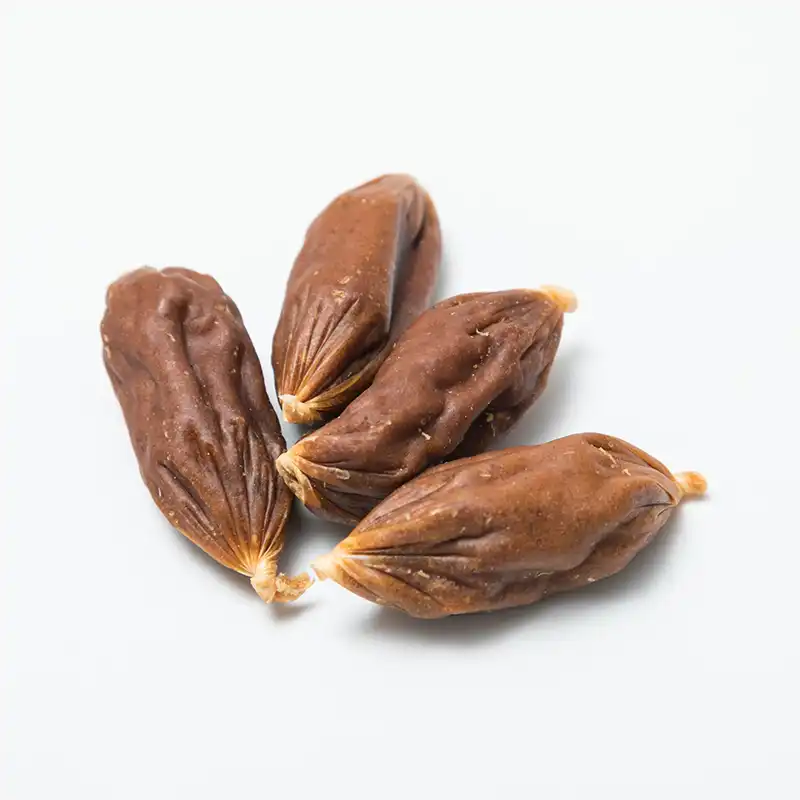
In order to make chicken soft sausage for dogs, you need high-quality chicken meat, usually from chicken breasts or legs, along with natural binder, moisture-retaining agents, and nutritional boosters. These treats for pets don't have any bad things in them like onion, garlic, or too much salt like sausages for people do. By keeping an eye on the heat and wetness levels, the food stays soft and is easy for dogs to chew and swallow. Protein is good for dogs of all ages because it keeps their muscles strong and their health in general in good shape. Chicken can quickly give new energy to the body.
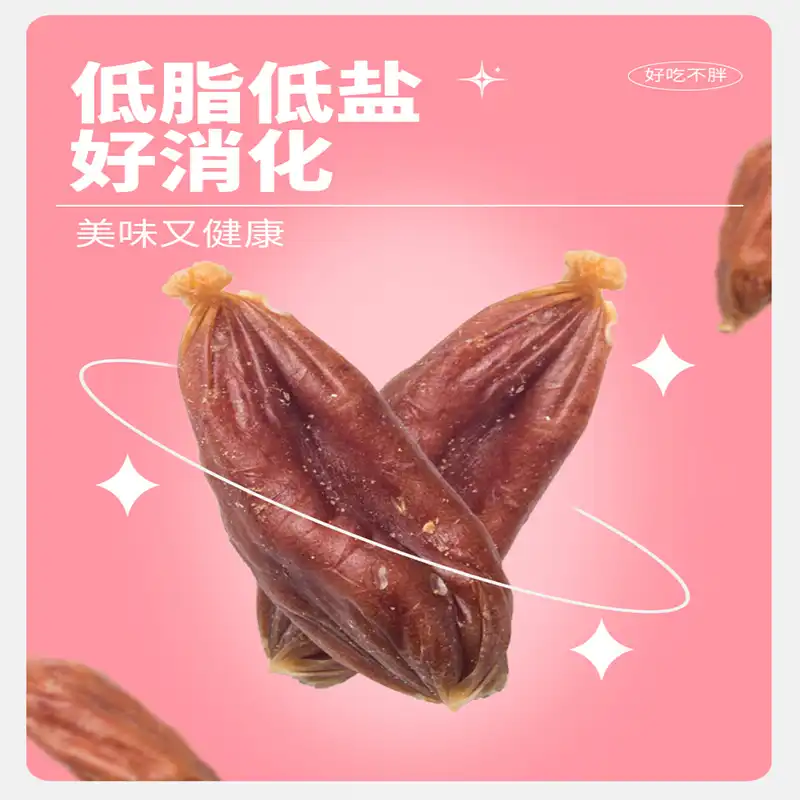
Understanding Chicken Soft Sausage for Dogs
What Sets Canine Sausages Apart from Human Products
When people who work in buying look at pet food options, they need to be able to tell the difference between dog food and adult food. Chicken soft sausage for dogs is made with the nutritional needs of dogs in mind. Not a single bad thing is in the dish; it's all about making it easy for dogs to take and tasty for them. So sausages made for people often have additives, fats, and spices that are bad for a dog's nutrition. This could cause gut issues or long-term health issues.
Versatile Applications in Pet Nutrition
Your business can use these gifts in a number of different ways because they are flexible. They look good enough to use as training treats in pet stores, and veterinary offices like how soft they are and use them to give medicines. They make animals feel better while they're getting groomed. Stable stock and high customer demand are good for e-commerce sellers. They will sell well in the market no matter the time of year or the type of customer because they can be used in many ways. These are good things to add to any pet supply list because of this.
Market Positioning and Consumer Demand
There are more single-protein treats on the U.S. pet food market right now. Chicken is the most popular choice since it tastes good and is safe. Ingredient lists are getting more attention from pet owners who want to know what's in their food and make sure it's safe. When products meet these standards, they sell more often and get bought again and again. When business-to-business clients know how consumers act, they can better place their goods and services, whether they want to reach high-end buyers or people on a budget who want good nutrition.
Core Ingredients of Chicken Soft Sausage for Dogs
Primary Protein Source and Quality Standards
What makes a chicken soft sausage work is the meat inside it. Chicken breast is used in high-end brands because it is low in fat and high in protein. Cheaper brands might use chicken leg meat, which tastes better and has more fat, so it's good for dogs that are always on the go. Responsible manufacturers only get their chicken from places that follow strict rules for cleaning up and taking care of animals. Traceability documentation makes sure that each batch can be tracked back to where it came from. More and more, regulatory bodies and picky customers want this.
Essential Additives and Functional Ingredients
Besides the main protein, the product also has a number of other ingredients that help keep it stable and taste good. Natural binders, such as tapioca starch or potato flour, keep the structure strong while it's being worked on and kept. Since glycerin keeps the treats soft, they are one of a kind. Mixed tocopherols, which are a type of vitamin E, are a legal preservative that makes food last longer without giving people health problems. Some recipes have glucosamine to help knees or omega-3 fatty acids to make the hair better. These useful perks are what make higher prices reasonable.
Allergen Awareness and Hypoallergenic Formulations
A growing business is taking care of people who are sensitive to food. Some people who have dogs that are allergic to certain foods like pure chicken meals that don't have wheat, corn, or soy in them. Companies with approved production lines that don't use allergens can make more money and meet this need at the same time. Labels that make it clear about the risk of cross-contamination show that companies are truthful. This makes customers trust them and keeps shops and shippers from being sued.
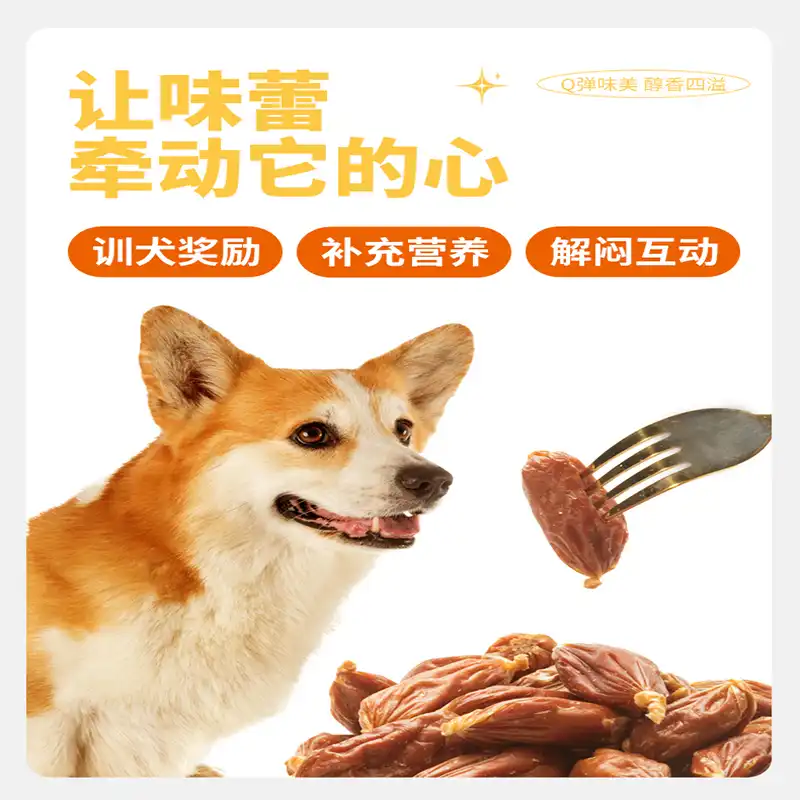
Manufacturing and Quality Standards in Chicken Soft Sausage Production
Production Methods and Scale Considerations
In modern plants, food is cooked all the time using systems that make sure the heat is spread out evenly. This kills germs while keeping the food's nutritional value. When you automate, the quality stays the same from run to run. This is important for brands that need to know they can depend on the quality. Smaller artisanal makers may put more stress on handcrafted elements, which can appeal to boutique shops that want to sell one-of-a-kind items. They are both safe as long as the right steps are taken, but they are not the same in terms of how well they scale and how much they cost.
Choosing between different ways of making things changes what you buy. People who buy a lot of things look for sites that can adapt to changing demand without making wait times longer. Since people don't have to touch automatic machines as often, there is less chance that they will get sick. At several times in the production process, quality control checks find issues with the goods before they are packed. This helps keep the brand's reputation safe and stops costly refunds.
Regulatory Compliance and Certification Requirements
Rules for cat food in the US are set by the FDA, and nutritional standards are set by the AAFCO. Manufacturers who follow the rules keep detailed records of where their ingredients come from, how hot they are handled, and what stays in the product for each run of production. The fact that you have ISO 22000 or SQF approvals from a third party shows that you take food safety management systems very seriously. There are more EU rules that European makers have to follow. These rules often put stricter limits on certain additives.
To make sure that sellers have the right licenses, procurement teams should look at audit records and visit the building. Written Hazard Analysis and Critical Control Points (HACCP) plans show that risks are being handled in a planned way. Claims are backed up by regular tests for heavy metals, bacteria pollution, and nutritional make-up. This keeps people from being turned away from controlled markets.
Traceability and Supply Chain Transparency
Companies today use blockchain or digital tracking tools to keep track of everything from the farm to the store. People who work with the store or worry about food safety can feel at ease because it is so open. If providers give proof of analysis for each batch, it's easy to move quickly if there are quality issues. When it comes to goods that don't use chemical stabilizers, cold chain management is very important because they need networks that keep the right temperature for storage and delivery. Many well-known pet food transport companies now offer these networks as standard.
Nutritional Benefits and Health Considerations
Protein Quality and Energy Provision
There are important amino acids in chicken soft sausage protein that dogs need to heal their bodies and keep their immune systems strong. It's easy for dogs to take in and use the nutrients in chicken, which is one of the most medically useful meat proteins. Birds have less fat than beef, so they are a good choice for people who want to lose weight. The high energy density keeps dogs busy without making them eat too much, which can happen when protein amounts are high. Because of these things, treats made from chicken are good for dogs of all ages, from babies who are still growing to older dogs whose bodies have changed.
Comparative Protein Analysis
You can also get pork or beef, but chicken is better for dogs with sensitive stomachs. 5.8 to 8% of dogs with food allergies are allergic to beef. Chicken allergies happen less often in dogs. Pork may give animals that are prone to pancreatitis more pain because it has more fat. Veterinary research institutions keep finding that chicken is a good source of protein for both therapeutic and maintenance diets. This is because it has a balanced amino acid makeup and digestion values above 85%.
Digestibility and Safety Considerations
There are risks of getting Salmonella and Campylobacter from raw chicken, but you can avoid them by cooking it the right way. They are safer for dogs to choke on because they are soft instead of hard like hard meat toys. This is very important for older dogs with bad teeth or breeds with short heads. But it's still important to watch how much they eat because giving them too many treats throws off their nutrition. Manufacturers that can be trusted tell stores what to feed their customers based on the dog's weight. This helps customers learn how to use the products properly so that they don't replace full meals but instead add to them.
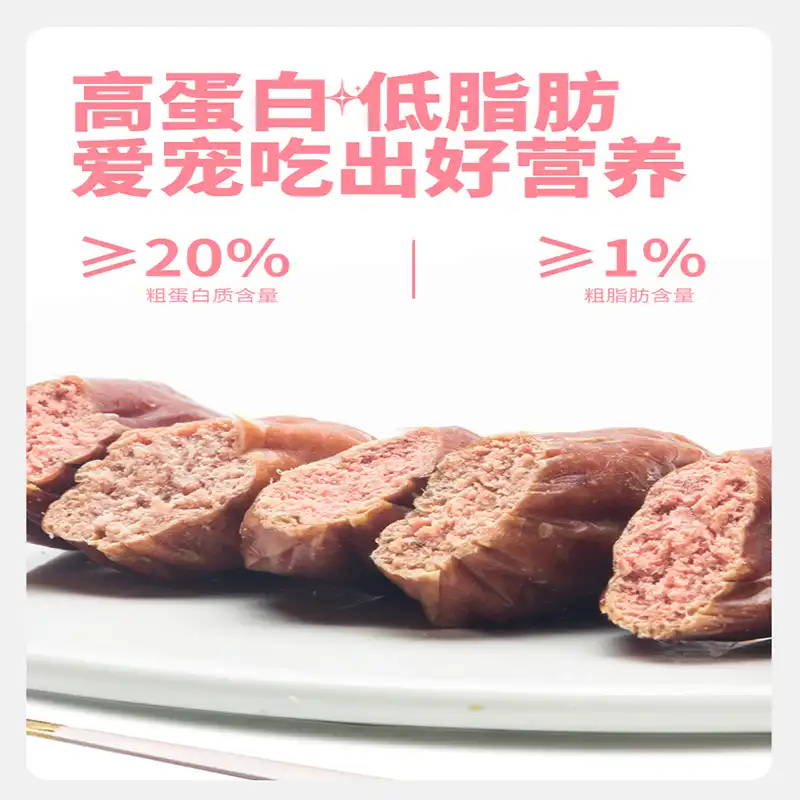
Conclusion
You can make smart buying decisions that balance quality, safety, and making money if you know what's in the chicken soft sausage for dogs and how it's made. When you combine high-quality chicken protein with carefully chosen fillers and strict production rules, you get goods that meet both buyer and government standards. As the market for good cat treats grows, it becomes more and more important to build relationships with companies you can trust. They can help their companies do well in this fast-paced industry by knowing about the quality of products, approval standards, and supply chain problems. They can also make sure that pets get treats that are safe and good for them.
Partner with Yunlan as Your Trusted Chicken Soft Sausage Supplier
Yunlan knows how to make great products and how the market works, so they can give you chicken soft sausage options that make your goods stand out. Our plants in Suqian take advantage of the fact that they are close to places that sell high-quality chicken and follow strict international licensing rules. Since we've been in charge of the supply chain for over 20 years, we know the issues that procurement workers have and come up with solutions that address those issues.
Our method combines our flexible OEM services with our tried-and-true skills for building brands. Yihe, Paihao, and Maodali were all able to make more than 300 million yuan a year from sales with the same idea. Now it can help you hit your PR goals. To meet the nutritional needs, texture preferences, and chosen packaging formats of your brand, we can make products that are just right for them. In a crowded market, this will help your name stand out.
Get in touch with us to talk about your needs and learn how our large catalog can help a lot of different types of businesses, from animal clinics to store chains. You can get samples to get a better idea of the quality, or you can set up a meeting to talk about buying in bulk in a way that fits your needs for volume and shipping schedule. By writing minghuixu6717@gmail.com or going to yunlanpets.com, you can start building a relationship based on quality inspection, quick communication, and shared success.
FAQ
Are artificial preservatives used in chicken soft sausages?
As time goes on, better food manufacturers choose natural ways to keep food fresh, like using rosemary extract or vitamin E (mixed tocopherols), over man-made ones like BHA and BHT. People want clean labels, and natural preservatives work well with them. When kept and packaged correctly, they keep food fresh for a long time. Check the source's list of chemicals and ask for proof of stabilizers before you trust it.
How Can I Verify a Supplier's Quality and Safety Credentials?
Ask for up-to-date copies of HACCP plans, certificates of analysis for the most recent batches of production, and audit reports from a third party. Suppliers who have a good name make it easy for sites to be inspected and are honest about how they check the quality of their work. If you want to know more about someone's dependability and problem-solving skills than their titles might tell you, talk to their past clients for recommendations.
What are the best practices for storage and shelf life?
Most goods stay fresh for 12 to 18 months if they are kept in cool, dry places without being opened. The exact time varies on the type of packaging and preservative method used. After being opened, foods should be put back in their boxes and eaten within 30 days. Food stays fresh longer when kept cold, but the taste may change. The package should have clear instructions on how to store the item so that customers can keep its quality. This will cut down on returns and make customers happier.
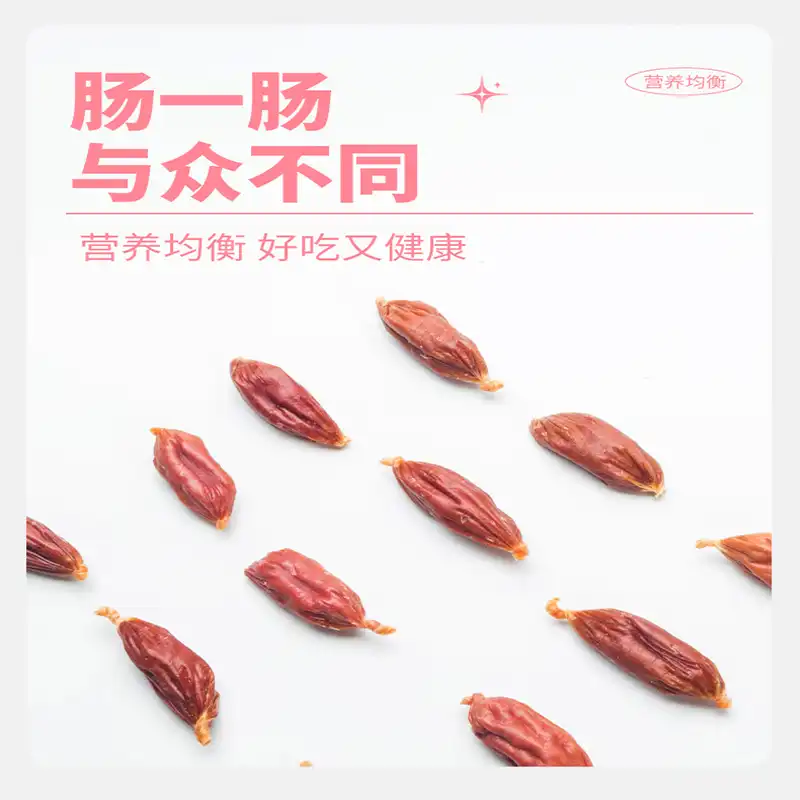
References
1. Association of American Feed Control Officials. (2024). Official Publication: Pet Food Regulations and Ingredient Definitions.
2. Case, Linda P., et al. (2023). Canine and Feline Nutrition: Resource for Companion Animal Professionals, Fourth Edition. Mosby Publishing.
3. Food and Drug Administration Center for Veterinary Medicine. (2024). Compliance Policy Guide: Pet Food Labeling and Manufacturing Standards.
4. Freeman, Lisa M., et al. (2023). "Nutritional Assessment and Dietary Management of Dogs and Cats." Journal of the American Veterinary Medical Association, Volume 261, Issue 8.
5. National Research Council. (2022). Nutrient Requirements of Dogs and Cats: Updated Guidelines for Protein Quality and Digestibility.
6. Pet Food Institute. (2024). Industry Trends Report: Consumer Preferences in Treat Selection and Ingredient Transparency.
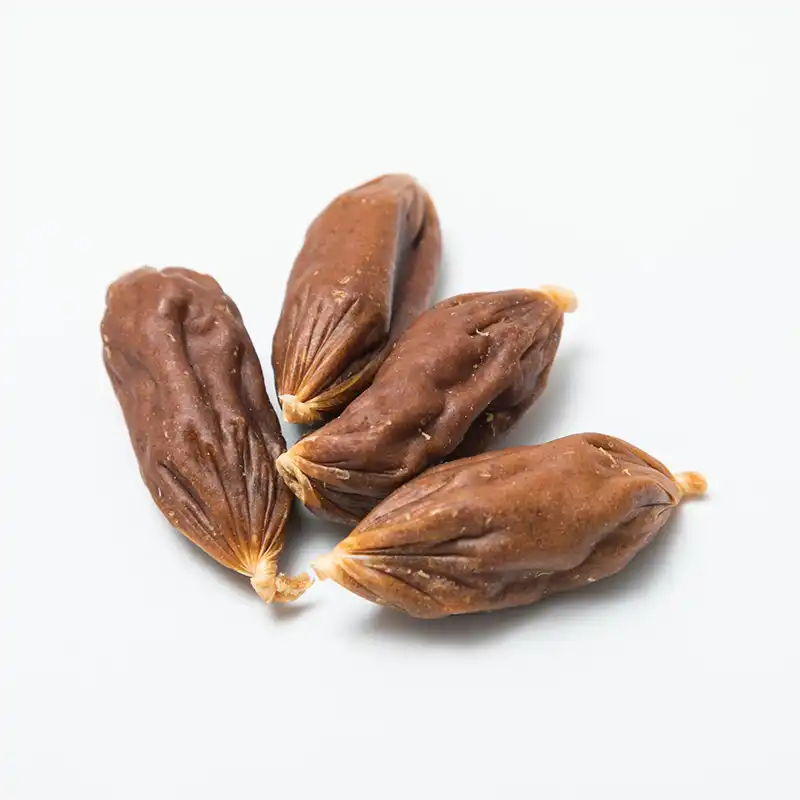
Chicken soft sausage can help your dog get more protein every day if you cook it the right way and give it to them the right kind. Your body can use the soluble amino acids in this soft, protein-rich food to build muscle, fix cells, and stay healthy in general. Good protein in chicken makes it a healthy food that dogs of all ages and exercise levels can eat. It naturally gives dogs a quick energy boost. When looking for chicken soft sausage for your pet's food, it's important to know about its safety, nutritional value, and buying guidelines to make sure the product works and people trust it.
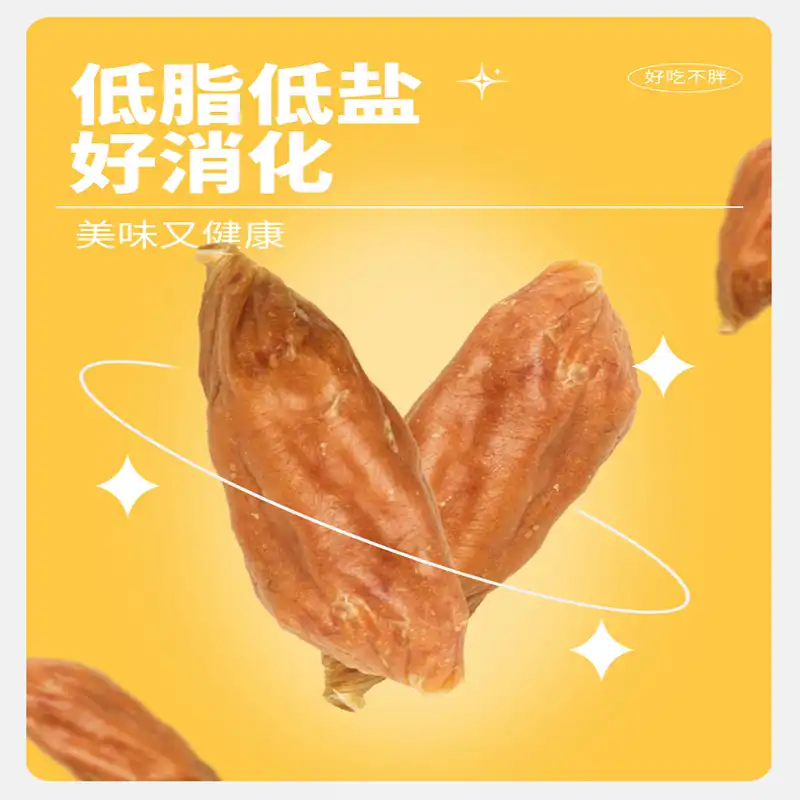
Chicken Soft Sausage Nutritional Profile
What Distinguishes Chicken Soft Sausage from Traditional Sausage Products?
The things that go into making chicken soft sausage are very different from those used to make pig or hard sausages. Because it has more water and was made using special emulsification techniques, the texture stays soft and wet. This makes it safe for dogs to eat. Traditional sausages may have a lot of pig fat or beef pieces in them, but sausages made from chicken tend to have less saturated fat and more lean meat. It's important to remember this difference when shopping for items for dogs that need special food or want to lose weight.
Protein Composition and Nutritional Content
Based on how the chicken was fed, good, soft chicken sausage generally has a protein value of 15% to 22%. This may be different depending on the sausage's recipe and how much water it has. Some of the amino acids that dogs need to stay fit are lysine, methionine, and tryptophan. It is easy to process and has more amino acids than plant-based proteins because it has a nutritional value of about 79%. Foods have different amounts of fat, but most of the time it's between 8% and 15%. The coat needs fatty acids to stay healthy and make energy, which this fat gives it.
Additives, Preservatives, and Processing Considerations
Buyers in the business world need to read chemical lists very carefully. To keep things stable, some businesses use sodium nitrite or sodium erythorbate. It is safe for dogs to eat these chemicals in small amounts because they make food last longer. Fillers with gluten, like wheat flour or breadcrumbs, are often found in low-quality goods. For dogs who are allergic, this can be a problem. Many high-end sellers use natural methods to keep their food fresh, such as vacuum packing, cooling, or natural vitamins like mixed tocopherols. You can choose a processing company that meets the safety standards expected in the pet food business if you know about these things.
Can Chicken Soft Sausage Effectively Supplement Dogs' Daily Protein Intake?
Evaluating Protein Requirements Across Life Stages
Every day, adult dogs need about 1 gram of protein for every pound of body weight. However, this amount can change based on how busy they are and how their digestion is working. Puppies need more protein in their food—about 22% to 32% of it—so they can grow and develop quickly. Adult dogs should eat a healthy amount of protein to keep their fit muscle mass without putting too much stress on their kidneys. Because it is a good source of extra protein and shouldn't be used in place of a full meal, chicken soft sausage can help meet these goals when added to healthy meal plans in the right way.
Amino Acid Profiles and Bioavailability Comparison
All eight types of amino acids are found in chicken meat, just like they are in turkey or chicken breast. If you treat chicken the right way, 85% to 90% of it will be digestible. This means it's easy for dogs to take in and use most of the protein. Chicken soft sausage has about the same amount of branched-chain amino acids (leucine and isoleucine) as fish proteins. These acids are important for growing muscle. But fish generally has more omega-3 fatty acids than other foods. Chicken has the same amount of protein as beef but less fatty fat, so it's a good choice for dogs who need to eat healthy foods.
Health and Safety Considerations for Responsible Inclusion
A lot of sausages are bad for you because they have a lot of salt in them. Heart and blood vessel stress can happen when a dog eats more than 100 mg of salt per 100 calories. This is especially true for dogs that already have heart problems. The AAFCO standards say that the amount of sodium in food should not be more than 0.3% dry matter and no more than 1.5% for extra treats. People who buy food should make sure that this amount is met. How things are set up makes a big difference in how safe they are. Getting Salmonella or Campylobacter from raw or uncooked chicken is not a good idea for business. The chicken needs to be cooked all the way through or properly cleaned. Providers you can trust use heat processing or irradiation to kill germs on food while keeping its essential nutrients. We have partnerships with places like Gaoying Irradiation that let us use these tools.
Storage Protocols and Protein Integrity Maintenance
As long as the cold chain is managed properly, the protein's quality stays the same throughout the supply chain. If you store amino acids frozen at -18°C or below, they will keep their shapes for up to twelve months and stop germs from growing. Keep foods in the fridge between 0°C and 4°C. Once opened, foods need to be eaten within five to seven days. Antioxidative damage stops food from going bad by stopping oxidative damage. This damage breaks down protein molecules and makes tastes go bad. When a business buys something from another business, they should make sure that their sellers keep a cold chain from production to delivery. This will make sure that the product still has all of its nutritional value when it gets to the customer.
Procurement Insights: Sourcing Quality Chicken Soft Sausage for Pet Nutrition
Supplier Evaluation Criteria and Quality Certifications
To find reliable service providers, you need to do more than just look at price. Check to see if the company has certifications for both quality control systems (like ISO 9001) and food safety. Even better, look for businesses that follow the well-known BRC or IFS guidelines. If a chicken is certified organic, it means that it was raised in a way that doesn't use pesticides and follows strict rules. Stores that want to get people with allergic dogs will need to put "gluten-free" labels on their products. Low-fat versions are popular with pet owners who are trying to lose weight. Working with trustworthy chicken suppliers like Yike Foods and CP Foods and being open about where our food comes from shows that we care about quality control and being able to track our raw materials.
Pricing Dynamics and Bulk Procurement Frameworks
Based on the cost of the ingredients, the quantity produced, and the difficulty of the requirements, the wholesale price of chicken soft sausage varies. Most large purchases cost between $3.50 and $7.00 per kilogram. Things that are more expensive, like organic or one-of-a-kind items, will cost more. You can often set different prices when you commit to a certain amount of traffic. When you buy more than 5,000 kilos, the price per unit goes down by 15% to 25%. The terms of payment vary from seller to seller. Well-known brands give net-30 or net-60 deals to qualified buyers. Procurement managers should talk about example orders to see how well the product works before accepting long-term contracts. They should figure out how to save money while still getting good product.
Cold-Chain Logistics and Regional Sourcing Advantages
Being close to factories cuts down on the time it takes to move goods and keeps them fresh. Our plant in Suqian City is linked to JD Logistics Park by well-established roads and bridges. We can quickly get our goods to local stores and send them to over 60 countries, including the US, Europe, Japan, and South Korea. The goods stay fresh during delivery because the temperature is controlled, and tools keep an eye on everything the whole time. More and more companies that care about the environment are worried about their carbon footprints, which is another way that buying locally helps with sustainable goals. Buyers should make sure that companies are good at moving goods and have back-up plans in case the supply chain breaks down.
How to Incorporate Chicken Soft Sausage into Your Dog-Related Product Offering?
Private-Label Manufacturing and Co-Branding Opportunities
With private-label deals, stores and sellers can put their own names on chicken protein products they sell. In places where there is a lot of competition, this helps them stand out. We're good at ODM because we've worked with top foreign pet brands for 20 years. This lets us make recipes that are exactly what each customer wants. When producers and well-known shops work together under the same name, the marketing costs are spread out and the market grows. In these deals, new recipes, package designs, and nutritional profiles can be added as new customer needs come up, such as grain-free or single-protein needs.
Innovative Product Formats and Market Positioning
There are clever ways to use chicken soft sausage besides making treats. Meal kits that include sausage and other foods like grains, vegetables, or vitamins are easy for pet owners who want to make sure their pets get all the nutrients they need. A way we came up with through Yichong Bio is custom mixes of natural spices for pet food. This makes the food taste better without using chemicals to attract pets. People who like to be outside and travel will like freeze-dried or frozen types because they keep their nutritional value and last longer. When you put something in a special category, it draws attention to things like the quality of the products, the amount of protein it contains, and how it can help your joints or digestive health. This makes sense of the higher prices and makes people more loyal to the brand.
Market Success Examples and Consumer Engagement Strategies
Some pet shops that are ahead of the curve have been able to add chicken protein products by emphasizing clear stories about where the protein comes from. People are more likely to trust food that comes in packaging that tells them where it came from, how it was handled, and how much protein it has. People who own pets can learn more about the benefits of protein supplements and the right way to give them to their pets by reading articles or looking at posts on social media sites. Sample programs and promises of happiness make people less hesitant to buy, which turns casual watchers into loyal customers. The main "Mao Gou Gou" store is part of our "Hundred Cities, Thousand Stores" project, which started in 2025 and combines the ease of shopping in person with the comfort of shopping online. This shows how committed we are to digital interaction.
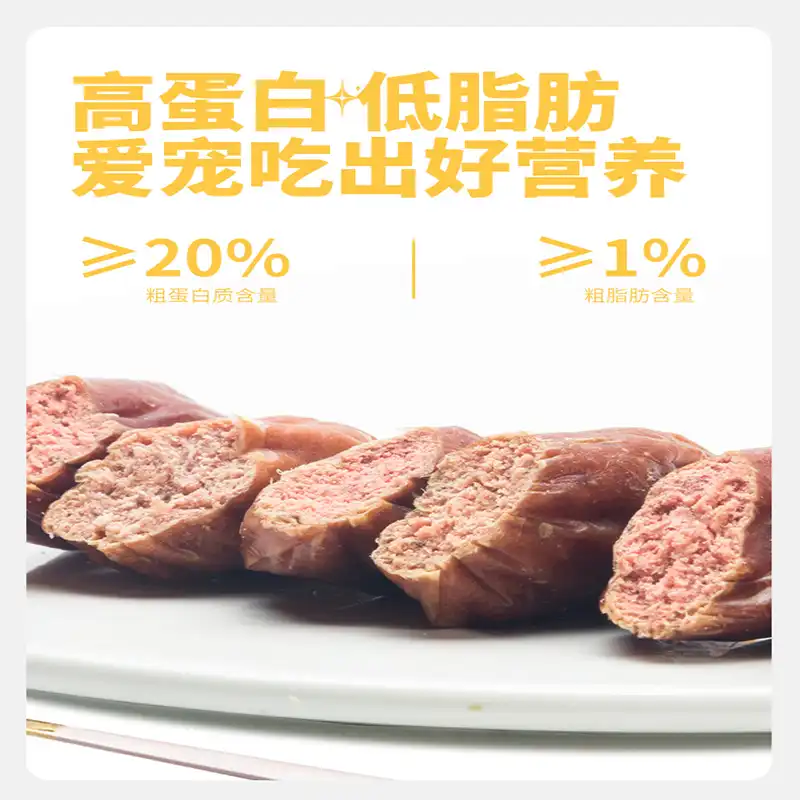
Conclusion
It's possible for chicken soft sausage to help your dog get extra protein if you get it from a good source and add it to their food in a smart way. This food has bioavailable amino acids, a good amount of fat, and a taste that dogs of all ages will enjoy. To be good at business-to-business (B2B) buying, you need to carefully look at sources, know about certifications, keep the cold chain honest, and agree good terms that balance price with quality guarantee. People who buy high-quality chicken protein products will be able to compete as cat food goes toward more open and useful ingredients. It's very easy for shops, dealers, veterinary offices, and suppliers to stand out in the growing pet nutrition market when they use new processing technologies, eco-friendly ways to get their products, and teach their customers about these things.
Partner with Yunlan for Premium Chicken Soft Sausage Solutions
Yunlan offers full chicken soft sausage supply partnerships that are made for B2B quality with the help of Ruixin Cloud Wave Group's three key brands: Yihe, Paihao, and Maodali. Because we've worked in the supply chain for 20 years and use cutting-edge technologies like advanced meat protein enzymolysis and animal bone crisping methods, we can make things. The 97 trademarks that back up our high quality standards are there to show it. To make sure our things are safe and healthy, we follow strict rules. No matter if you run a pet shop, an e-commerce site, a veterinary center, a grooming salon, or a wholesale distribution network, our shipping plans and bulk options will help you reach your growth goals. Click on yunlanpets.com or email our team at minghuixu6717@gmail.com to get product samples, find out about private-label options, and get personalized help that will help you stand out in the market for top protein sources.
FAQ
Is chicken soft sausage safe for all dog breeds?
The safest way for most dog breeds to eat chicken soft sausage is to make sure it has the right amount of salt and no other harmful ingredients. Large breeds can handle bigger amounts than small breeds because they can handle more calories. There are about 15% of dogs that are allergic to certain foods, and those dogs should never eat anything that has chicken in it. Always check the ingredients to make sure they don't have common allergens like wheat gluten if you want to reach sensitive groups.
Can chicken soft sausage completely replace traditional protein sources?
Still, changing all of your meals is not a good idea. As an extra source of protein, chicken soft sausage can make up 10% to 25% of your daily protein needs. Dogs need a variety of foods, like different types of protein, vegetables, grains or grain replacements, and important nutrients, to get a healthy diet. Over time, you might not get enough nutrients if you only get protein from one source.
What storage methods best preserve product quality during distribution?
Keeps the food's caloric value and germ-free for twelve months when frozen at -18°C. For cold delivery, the food must be between 0°C and 4°C, and it needs to be eaten within seven days of being opened. By sealing things in a vacuum, oxidative breakdown is slowed down. When you buy something, the contract should include rules for keeping the cold chain intact and keeping track of the temperature across all transport networks.
References
1. Case, L.P., Daristotle, L., Hayek, M.G., & Raasch, M.F. (2011). Canine and Feline Nutrition: A Resource for Companion Animal Professionals. Third Edition. Mosby Elsevier.
2. National Research Council (2006). Nutrient Requirements of Dogs and Cats. The National Academies Press, Washington, DC.
3. Gross, K.L., Yamka, R.M., Khoo, C., Friesen, K.G., Jewell, D.E., Schoenherr, W.D., Debraekeleer, J., & Zicker, S.C. (2010). Macronutrients in Small Animal Clinical Nutrition. Fifth Edition. Mark Morris Institute, Topeka, Kansas.
4. Association of American Feed Control Officials (AAFCO) (2023). Official Publication: Model Regulations for Pet Food and Specialty Pet Food Under the Model Bill. AAFCO Incorporated, Champaign, Illinois.
5. Fascetti, A.J. & Delaney, S.J. (2012). Applied Veterinary Clinical Nutrition. Wiley-Blackwell Publishing, Ames, Iowa.
6. Hand, M.S., Thatcher, C.D., Remillard, R.L., Roudebush, P., & Novotny, B.J. (2010). Small Animal Clinical Nutrition: An Iterative Process. Fifth Edition. Mark Morris Institute, Topeka, Kansas.
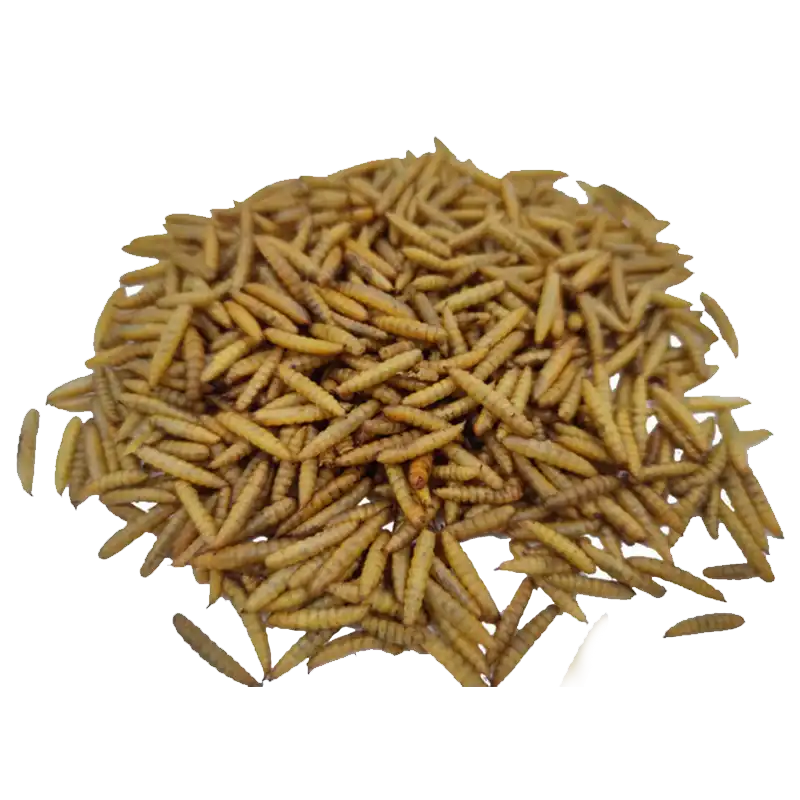
Scientists have named black soldier fly larvae (BSFL) Hermetia illucens. They are becoming a new sustainable protein source in many fields. The main way these nutrient-dense larvae are used is to replace traditional protein sources like fishmeal and soybean meal in animal feed for poultry, livestock, aquaculture, and pet food.
Understanding Black Soldier Fly Larvae and Their Lifecycle
The Distinctive Lifecycle of BSFL
The black soldier fly larvae life cycle starts with eggs that, in ideal conditions, hatch within four days. The best temperatures and humidity levels for their growth are between 77°F and 86°F and 60–70% humidity, respectively. Over the course of about two weeks, larvae go through six instars and eat a lot of organic matter during this time. When compared to other protein sources, they are very good for industrial production because they mature so quickly.
Nutritional Profile That Outperforms Traditional Sources
The amazing thing about these black soldier fly larvae is how densely they are fed. By dry weight, mature dried larvae have between 40 and 45 percent crude protein and 23 to 36 percent crude fat. With lysine levels at 22.6-25.7 g/kg and arginine levels at 19.9-20.3 g/kg, their amino acid makeup is very well balanced. The amount of calcium to phosphorus is about 2.6:1, which is higher than most popular feed ingredients and fills in a nutritional gap in animals' diets. This quality is as good as or better than fishmeal, and it's also more environmentally friendly.
Diet and Bioconversion Efficiency
Knowing what black soldier fly larvae eat shows how good they are for the world. These larvae do well on a wide range of organic waste, such as food scraps, farm waste, and even manure. Their feed conversion ratios are often higher than those of standard animals, which shows how well they can turn waste into high-quality protein. Because of this, they are a good fit for the circular economy because they turn waste into useful feed materials while also lowering the amount of trash that ends up in landfills and greenhouse gas emissions.
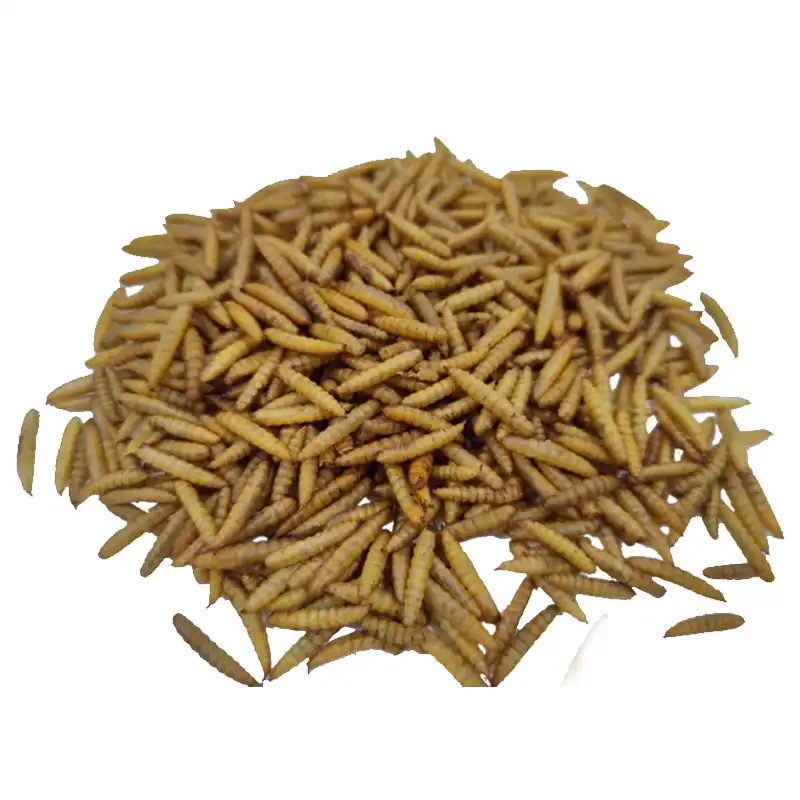
Main Industrial Uses of Black Soldier Fly Larvae
Sustainable Protein Source in Animal Feed
The feed business is the main place where black soldier fly larvae protein is used. When used in aquaculture, black soldier fly larvae meal can be used instead of fishmeal in the diets of tilapia, salmon, catfish, and shrimp at levels up to 8% without affecting their growth or feed conversion ratios. Studies show that these larvae can be used instead of at least 33.3% of fishmeal in broiler meals to keep weight gain and feed efficiency at their best. As much as 40 to 60 percent of the overall fatty acids are lauric acid, which has antimicrobial qualities that help animals stay healthy and avoid getting diseases. When laying hens are fed 5% larval powder, their laying rates go up from 54.45% to 58.77%, which is a clear sign of greater output. Because marine resources are being used up, it is now an economically possible option as fishmeal prices keep going up.
Organic Waste Management Solutions
In addition to being food, these black soldier fly larvae help get rid of trash by breaking down organic matter. Because they eat so much, they can consume twice their body weight in organic matter every day, which breaks down materials much faster than standard composting. Facilities that use black soldier fly larvae systems say that the amount of trash they produce drops by 50 to 80% in days instead of months. Rapid bioconversion reduces smells, stops methane emissions, and makes safe end products. Businesses, restaurants, and farms are using larvae-based systems more and more to meet environmental goals and make money from things that used to cost money to throw away.
Frass as Premium Organic Fertilizer
The waste left over after black soldier fly larvae eat something is called frass, and it is a useful secondary product. This biological fertilizer has between 4% and 5% nitrogen, 2% to 3% phosphorus, and microorganisms that are good for the soil and plants. Frass has better patterns of nutrient release than manufactured fertilizers, which means less waste and pollution of the environment. Agricultural tests show that using frass increases crop output and soil carbon storage. This gives black soldier fly larvae farmers more ways to make money and completes the nutrient cycle.
Emerging Applications in Biotechnology
Innovative businesses are getting special chemicals from these larvae that can be used in medicine and cosmetics. Antimicrobial peptides that were identified from black soldier fly larvae are effective against a wide range of bacteria, which is why researchers are interested in developing new antibiotics. Chitin, which makes up 6–7% of the dry weight of larvae, is used to make chitosan, which is used in wound treatments and medicine delivery systems. The beauty industry likes derived oils because they are good for conditioning the skin, and experts are looking into bioactive chemicals that can help with inflammation and immune system regulation.
Environmental and Economic Benefits of Using Black Soldier Fly Larvae
Reducing Carbon Footprint and Emissions
Adding black soldier fly larvae protein to feed formulas has real environmental benefits that can be measured. Lifecycle analyses show that making BSFL releases 75–80% fewer greenhouse gases than making fishmeal and 40–50% fewer than making soybean meal. It's possible to achieve this decrease by not fishing in the water, not turning land into soy farms, and using waste materials that would normally break down and release methane. The circular economy plan turns environmental problems into assets. It keeps thousands of tons of organic trash out of landfills and turns them into useful protein. Companies that use black soldier fly larvae can measure these cuts for ESG reports and carbon swap programs, which makes them look more environmentally friendly to stakeholders.
Economic Advantages and Return on Investment
The way the market works is moving in favor of black soldier fly larvae protein more and more. Due to overfishing, fishmeal prices have tripled in the last fifteen years. On the other hand, its prices have stayed pretty fixed because waste-based fuel costs are almost zero. Feed formulators say that using larvae meal instead of fishmeal at the right amounts saves 8 to 15 percent of the cost. Selling larvae, frass, and maybe even chemicals that have been removed all bring in more money, which makes the business more profitable overall. Pet food companies really like the business benefit of sustainable protein sources because they can charge more for them, which covers the costs of the ingredients. Early users say that supply chain changes have a ROI of 18 to 24 months and then ongoing saves after that.
Supporting Long-term Sustainability Commitments
Multiple aspects of corporate environmental plans are improved by using black soldier fly larvae. By ending nutrient loops and cutting down on trash, these ingredients directly support the ideas behind the circular economy. They help achieve goals for animal care because eating insects is a normal way for many species to eat. Several places give incentives or preferred buying policies to encourage the use of sustainable protein sources. Market study shows that 68% of pet owners think about sustainability when they buy something, which gives brands that use insect products an edge in the market. As the world's need for protein grows, adding scalable, land-efficient sources to supply chains makes them more resistant to the effects of climate change and a lack of resources.
Conclusion
Black soldier fly larvae can be used for much more than just food, and they could be a game-changer for many businesses that are struggling with sustainability. Because they are so healthy, can turn trash into something else, and are good for the earth, they are essential to the circular economy. From fish and chicken farms to pet food companies and organic farms, black soldier fly larvae improve performance and lower carbon footprints in a way that can be measured. Adoption rates keep going up across global markets as production tools get better and regulatory settings change. The economic benefits and rising customer desire for eco-friendly goods make strong business cases for procurement pros. When companies add these larvae to their supply lines, they become more competitive and also help protect resources and the environment, which is important for the long-term survival of the business.
Partner with Yunlan for Premium Black Soldier Fly Larvae Solutions
Yunlan, which is part of the Ruixin Cloud Wave Group, is ready to become your reliable source for black soldier fly larvae. They have more than twenty years of experience in providing healthy food for pets. Our wide range of products includes high-quality insect-based protein ingredients that are made at our cutting-edge Suqian production plant using advanced enzymolysis technology. We get high-quality raw materials from partners who are certified, and we make sure that every batch meets the strict international standards for feed safety. Our R&D investments of almost 100 million yuan support continuous product improvement based on your needs. We have 97 approved patents, including 19 invention patents. Our established shipping network covers more than 60 countries, and we work with JD Logistics to make sure that deliveries happen on time. Our team can help you improve your product lines with unique formulations and technical support whether you run pet stores, e-commerce sites, veterinary clinics, or wholesale sales. We know that quality control and a steady supply chain are the most important things for buying experts. That's why we keep full records from production to delivery. Contact our team at minghuixu6717@gmail.com to talk about how our sustainable protein options can help you stay competitive and meet your ESG goals. Come with us as we show you why top pet brands trust Yunlan to consistently produce high-quality black soldier fly larvae.
FAQ
What animals can safely consume black soldier fly larvae?
Animals like chickens, turkeys, quails, aquaculture species (salmon, tilapia, shrimp), cattle (pigs), and pets (dogs, cats, snakes, birds) eat these larvae because they are safe and healthy. The fact that insects are naturally found in the foods of wild animals (6% of a stray cat's food) shows that they are naturally safe. For most species, the right amount of inclusion is between 5 and 15% of the total food. Any higher or lower than that won't hurt health or performance.
How should businesses store bulk quantities of dried larvae?
The best way to store something keeps its quality and makes it last longer. Dried larvae should be kept in cases that can't get wet and are sealed. They should be kept below 68°F in dry places with less than 60% humidity. Stay out of strong sunshine, which breaks down nutrients. Dried goods can be used for 12 to 18 months if they are kept properly. When kept at 0°F or below, frozen larvae live for 24 months or more. Use first-in, first-out product turnover and test for moisture on a regular basis to keep things from breaking down.
Can BSFL completely replace fishmeal in commercial formulations?
Even though larvae are very nutritionally similar to fishmeal, they may not be able to completely replace it in some situations and with some animal species. According to research, replacement rates of 33 to 50 percent can be used in most chicken and aquaculture feeds without affecting performance. Some products can replace all amino acids, but only if they use the right ingredients to balance out certain amino acids. Gradual transfer times help animals get used to new protein sources, which makes them more likely to accept them and helps their digestion work better.
What certifications should procurement teams verify from suppliers?
As a top priority, you should get certifications for feed safety standards like FSSC 22000 or FAMI-QS, organic certifications if your customers require them, and compliance with regional feed ingredient rules like FDA permission or EU Novel Food clearance. Other important qualifications are ISO quality management certifications, audit records from a third party, and proof of good manufacturing practices. Make sure that the providers follow set procedures for checking each batch for protein content, microbial standards, and heavy metals.
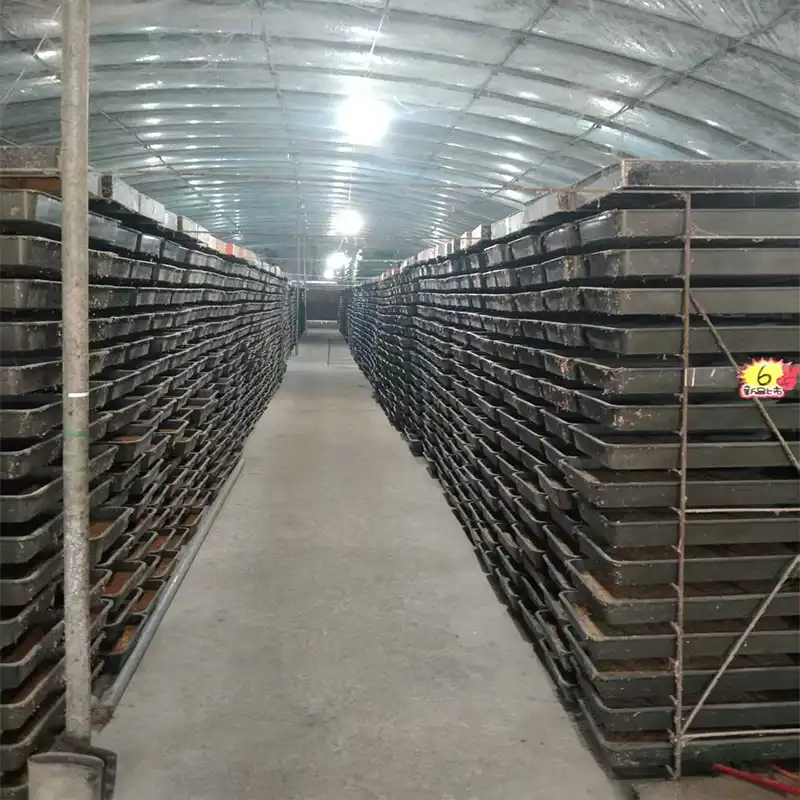
References
1. Makkar, H.P.S., Tran, G., Heuzé, V., and Ankers, P. (2014). State-of-the-art on use of insects as animal feed. Animal Feed Science and Technology, 197, 1-33.
2. Wang, Y.S. and Shelomi, M. (2017). Review of black soldier fly as animal feed and human food. Foods, 6(10), 91.
3. Józefiak, A., Nogales-Mérida, S., Mikołajczak, Z., Rawski, M., Kierończyk, B., and Mazurkiewicz, J. (2019). The utilization of full-fat insect meal in rainbow trout nutrition: The effects on growth performance, intestinal microbiota and gastrointestinal tract histomorphology. Annals of Animal Science, 19(3), 747-765.
4. Smetana, S., Mathys, A., Knoch, A., and Heinz, V. (2015). Meat alternatives: life cycle assessment of most known meat substitutes. International Journal of Life Cycle Assessment, 20, 1254-1267.
5. Berggren, Å., Jansson, A., and Low, M. (2019). Approaching ecological sustainability in the emerging insects-as-food industry. Trends in Ecology & Evolution, 34(2), 132-138.
6. Lalander, C., Diener, S., Zurbrügg, C., and Vinnerås, B. (2019). Effects of feedstock on larval development and process efficiency in waste treatment with black soldier fly. Journal of Cleaner Production, 208, 211-219.
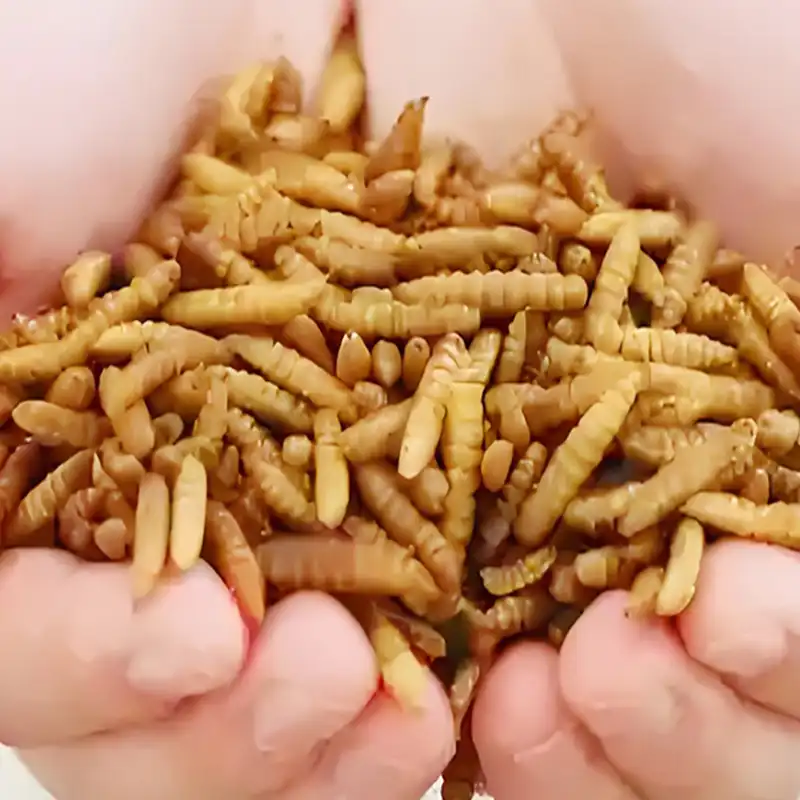
Parrots do best when they eat a range of things in a way that is similar to how they find food in the wild. Outside of the wild, these smart birds eat plants, animals, nuts, seeds, fruits, and seeds. Pet parrots should eat high-quality grains, fresh vegetables, fruits every once in a while, and protein-rich foods like dried mealworms for parrots. The amino acids, vitamins, and minerals in these bug larvae are very good for you and help keep your feathers healthy, your immune system strong, and your overall health strong. People who know a lot about birds and taking care of pets choose them more and more.
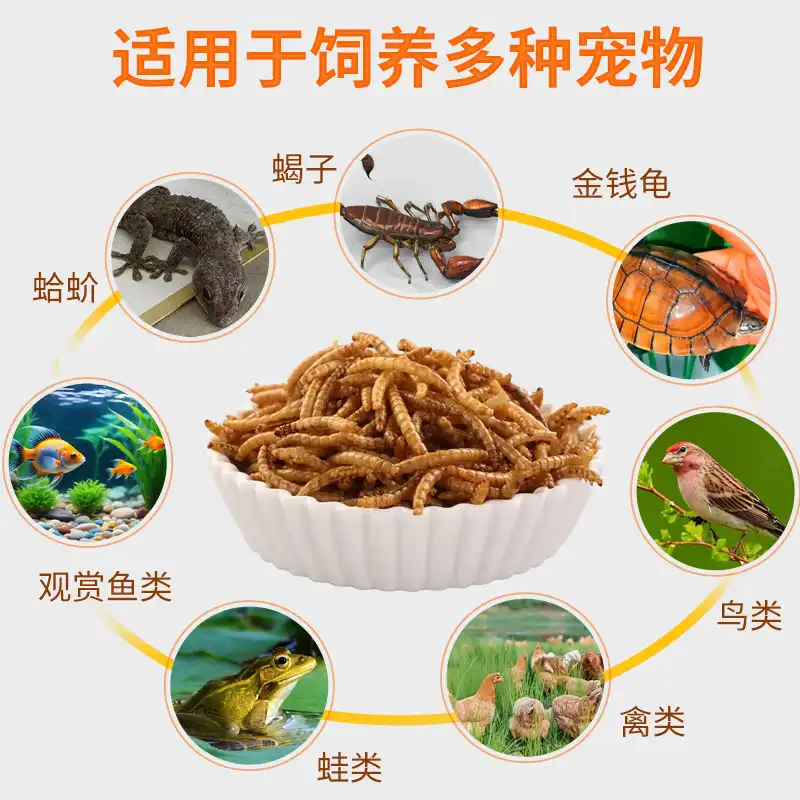
Understanding Parrot Diet Basics
Natural Feeding Behaviors and Nutritional Requirements
This bird is a greedy omnivore. In the jungles, savannas, and forests where they live in the wild, they eat a wide range of foods that depend on the season. Macaws can crack open palm nuts with their strong beaks, and conures can get bugs from tree bark. Having a wide range of foods isn't just a choice; it's physically important. Besides healthy fats to keep their feathers in good shape and complex carbs for energy, parrots need a variety of protein sources to repair cells and keep their immune systems strong.
Seed mixes and pellets make up a lot of commercial foods. These are good for basic nutrition, but they don't always have all the different kinds of protein that wild parrots get from bugs, worms, and other animals. Not getting enough protein can make birds' feathers look dull, make them tired, and make it hard for them to lay eggs. To fill this gap, smart sourcing professionals are now looking for protein products made from bugs that are eaten in a way similar to how animals do.
Macronutrient and Micronutrient Balance
For the best food for parrots, pay close attention to how much of each macronutrient there is. Meals for adults should have 12–18% protein, but breeding pairs and chicks that are growing need more. Five to ten percent of your food should be fat, and carbs that are easy to digest give you energy all day. It is also very important to get micronutrients. Some examples of vitamins that are good for the body are vitamin A, which helps with health and immunity, and B-complex vitamins, which speed up the metabolism.
Standard pellets are modified to meet many vitamin needs, but whole foods are still the best way to get nutrients into your body. Fresh vegetables like kale and carrots have beta-carotene. Bug protein has trace minerals in forms that are easy for the body to take in. Companies that sell to veterinary offices, boarding facilities, and specialty shops have to change the goods they buy based on this information. People don't want old-fashioned ways that focus on seeds when they want to feed birds. Instead, they want goods that follow tried-and-true principles.
Dried Mealworms as Parrot Food: Nutritional Value and Safety
Protein Content and Essential Nutrients
There is a lot of energy in dried mealworms for parrots. Most of them have more than 50% protein, which is a lot more than most plant-based foods. Lysine and methionine are two amino acids that parrots can't make on their own, but are found in this protein. Parrots need these amino acids to make feather keratin. About 28% of the food is fat, which gives you a lot of energy and helps your body receive vitamins that are set in fat.
In addition to macronutrients, dried mealworms for parrots have a lot of electrolytes like calcium, potassium, iron, and salt. Electrolytes are needed for nerve messages and muscle movement. We get rid of harmful germs while keeping these nutrients when we handle microwave-dried mealworms at controlled temperatures. As the goods are dried in factories at 110 degrees Celsius, this method makes sure they are free of germs and chemicals. This takes care of safety worries that buyers often have when they look at new bird food ingredients.
Health Benefits and Feeding Recommendations
There are a lot of ways that daily bug protein is good for your health. Pet birds' feathers stay in better shape during molting if the birds eat enough insects, say avian vets. While the crude fiber amount is only about 6%, it helps digestion by making the gut bugs stronger. Trace elements, like iron, help move air around, which is very important for live things that are always on the go and need a lot of energy.
The size and stage of life of an animal determine how often it eats. Big macaws can eat ten to fifteen dried mealworms for parrots at a time without getting sick. Small parakeets can get three to five dried mealworms a week as treats. When it's time to breed or change, giving more vitamins every day can help meet the higher protein needs. Because of these rules, shops and training centers can offer customers science-based meal plans. This makes their services stand out because it shows they know a lot about nutrition.
Safety Considerations
Pesticides and allergens are two things that people sometimes worry about when it comes to insect-based food. These risks are not present in microwave-dried mealworms for parrots of good quality. High temperatures kill parasites and germs that are bad for you, but they don't change the shape of the proteins. Since these items don't have any fake or poisonous ingredients, they can be used by parrots that are allergic to those kinds of things.
Buyers should make sure that sellers test each batch to remove heavy metals, chemical leftovers, and microbes. Companies with a good reputation and records of analysis make sure that pet food safety standards are met. Animal hospitals and specialty shops whose reputations depend on the quality of their goods will trust you more because of this.
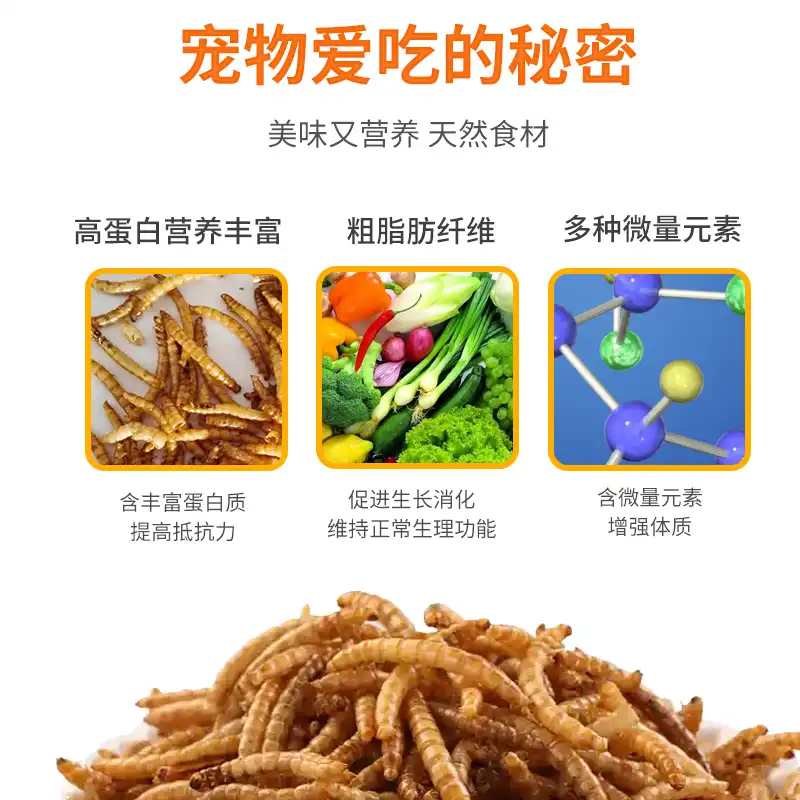
Comparison of Dried Mealworms vs Other Parrot Food Options
Nutritional and Logistical Benchmarking
People need to think about more than just the basics when they buy protein pills. Live mealworms have about the same amount of nutrients, but they go bad quickly, need to be kept cool, and are hard to handle in shops. Even though pellets are a good source of basic nutrition, they don't change behavior as much as treats do. Alternatives that are freeze-dried keep their nutritional value, but they generally cost more, which means that less money is made.
When dried mealworms for parrots are dried the normal way, the balance is best. If you store them right, they can last for 12 to 18 months. This means that you lose less material than if you used live insects. It saves money on cooling costs to leave things at room temperature. This is especially helpful for online sellers and distributors who have to run multiple stores. Because it's small and light, it costs less to ship, which makes buying in bulk cheaper, which is popular in trade businesses.
Quality Differentiation Across Processing Methods
The quality of the product is directly linked to how it is made. The most nutrients are kept when food is freeze-dried, but the process takes longer and costs more, which affects the market price. Normal oven drying temperatures may destroy heat-sensitive vitamins, but if everything is done right, losses are kept to a minimum. Utilizing industrial microwave drying is a cutting edge method that keeps food's nutrients and boosts output.
When our dried mealworms for parrots are dried in microwaves, they are only exposed to heat for a short time, but quickly lose some of their water content. Most of the nutrients are still there after this method, but the moisture level is lowered to a safe level for storage. More and more people want "clean label" pet products, which are processed without adding any extra chemicals. Retailers who know how to take advantage of trends use this to get an edge over their competitors.
Procurement Guide for Dried Mealworms for Parrots
Identifying Reliable Wholesale Partners
Where you choose to get things affects both short-term income and business relationships that last for a long time. When professional buyers are looking for a wholesaler, they check a lot of things, such as how quickly they can reply to customer service requests, how well organized they are, and how well they can produce. Companies that make cat food are usually better at keeping an eye on quality than companies that make a lot of different things and share tools.
The total landing prices depend on where you are. When it comes to rules, suppliers in the United States have faster lead times and are easy to follow, while suppliers in other countries may offer better prices for large orders. To get to the real costs, you need to add up the unit prices, the cost of freight, the cost of import taxes, and the cost of stocks. People who buy for local markets often partner with more than one seller to find the best mix of price competition and reliability.
Pricing Dynamics and Volume Strategies
When you buy in bulk, you save a lot on dried mealworms for parrots. Big orders usually get 15–25% off compared to small ones, but buyers should think about how much space they need and how quickly the goods sell. Seasonal changes don't have a big impact on the prices of dried goods, but they do have a big impact on the stock of live bugs. Long-term price trends are tracked by strategic buyers to find the best time to buy. These trends are affected by the markets for basic goods.
During discussions, it's very important to talk about how to pay and when to ship the goods. Sellers who have been in business for a while may offer net-30 or net-60 terms to suitable buyers. This can help growing businesses with their cash flow. When you ship by container load, you save a lot on per-unit freight costs, but they need to be well-coordinated and have enough office space. These things help smart procurement managers make deals that get the best value for money and make sure that buyers can always get the things they need.
Quality Evaluation Criteria
Picky customers do more than just look at the nutrition facts; they also carefully check the skills of the sellers. Look for places that have been allowed to meet well-known standards for food safety, like HACCP and GMP compliance. There is more trust when testing is done by a third party, especially for organic licenses or promises of not being made with GMOs, which are becoming more and more popular with high-end customers.
When you look at a product in person, you can tell things about its quality that aren't clear from the numbers. The best dried mealworms for parrots are all the same size, have whole bodies, and don't have many pieces missing. If the processing is done right, the color will stay the same, which is usually golden-tan to light brown. Dust and bad smells are signs that something is old or not well taken care of. If you ask for samples before you place a large order, you can avoid quality problems that cost a lot of money, hurt the image of your brand, and hurt your relationships with customers.
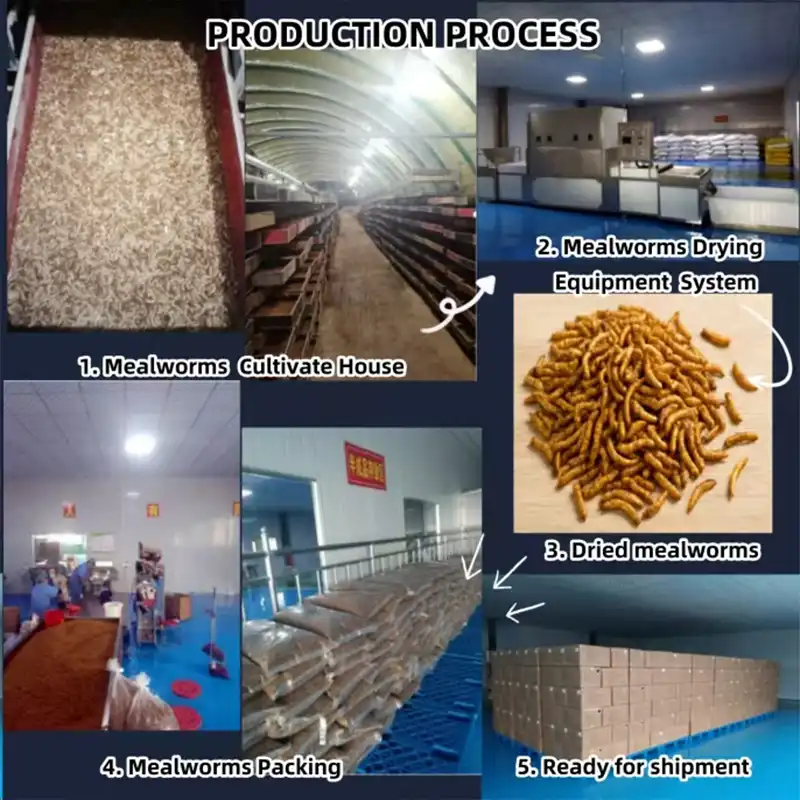
Conclusion
To know what parrots eat, you need to know more than just what is good for them. Also, they need to know why different kinds of food are good for them. When it comes to pet food, dried mealworms for parrots are great because they last longer, are easy to handle, and always have the same quality. More people will know about cat food that is based on science, which will help companies that make high-quality insect protein goods in places that are growing. When you buy things today with a plan, you'll be ahead of the market tomorrow.
Partner with Yunlan for Premium Dried Mealworms for Parrots Supply
In order to do business, Yunlan knows that her clients need more than just basic items. They need people who will do a great job and who they can trust. As a trustworthy company that makes dried mealworms for parrots, we make sure that our products meet all international safety standards by using cutting edge microwave drying technology and strict quality control measures. The pathogens have been killed off in our dried mealworms for parrots, but they have kept all of their nutritional value. They don't have any added ingredients and have more than 50% protein. We can make custom solutions for stores, veterinary suppliers, and wholesalers all over the world because Ruixin Cloud Wave Group has a lot of resources, like 97 approved patents and an R&D budget of almost 100 million yuan. Our team can be reached at minghuixu6717@gmail.com or yunlanpets.com to talk about private labeling, bulk discounts, and how our knowledge of the supply chain can help your business grow.
FAQ
What makes dried mealworms suitable for parrots?
Mealworms that have been dried have a lot of protein (often more than 50%), good fats, important amino acids, and trace minerals like phosphorus and iron. These nutrients are good for your hair, your immune system, and your health in general. Foods that have been dried stay fresh for a long time, so they can be used in stores or at home. The nutrients stay the same.
How often should parrots receive dried mealworms?
Any animal, no matter what size or stage of life, eats at different times. Birds like budgies should get three to five dried mealworms for parrots three times a week. For bigger birds, it's better to give them ten to fifteen dried mealworms for parrots at a time. When the animal is breeding or molting, when it needs a lot of protein, increase the frequency. Slowly adding things gives your body time to get used to them.
Are dried mealworms safe compared to live insects?
Good dried mealworms for parrots are treated with controlled heat to get rid of bugs and bad bacteria without using any chemicals. They are safer than real bugs that haven't been cleaned, since bugs can spread germs. You should make sure that sellers follow safety rules and test their goods in a way that shows they are clean.
Can dried mealworms replace pelleted diets entirely?
You can eat dried mealworms for parrots, but they are not a complete food. Parrots need a range of meals, such as rice for carbs, vegetables for vitamins, and pellets with added minerals. You shouldn't get all of your food from dried mealworms for parrots. You should eat them to get extra energy and change up your diet.
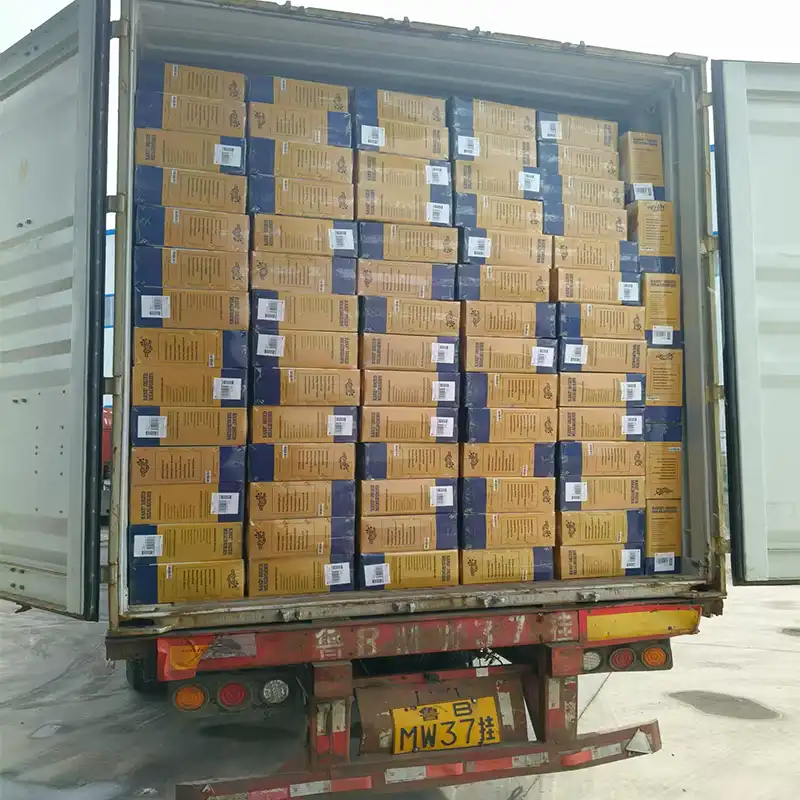
References
1. Smith, J.A., & Williams, R.T. (2021). Avian Nutrition: Principles and Practice for Companion Birds. Academic Veterinary Press.
2. Rodriguez, M.E. (2022). "Insect Protein in Psittacine Diets: Nutritional Analysis and Health Outcomes." Journal of Avian Medicine and Surgery, 36(2), 145-158.
3. Thompson, K.L., & Chen, H. (2020). Commercial Bird Feed Production: Quality Standards and Processing Technologies. International Pet Food Association.
4. Harrison, D.M. (2023). "Comparative Analysis of Protein Sources for Captive Parrots." Veterinary Clinics of North America: Exotic Animal Practice, 26(1), 89-107.
5. Peterson, S.R., & Kumar, A. (2021). Supply Chain Management in the Pet Food Industry. Global Commerce Publishers.
6. Wallace, G.P. (2022). "Dried Insect Larvae as Sustainable Protein Supplements in Aviculture." Applied Animal Nutrition Research, 15(4), 312-329.
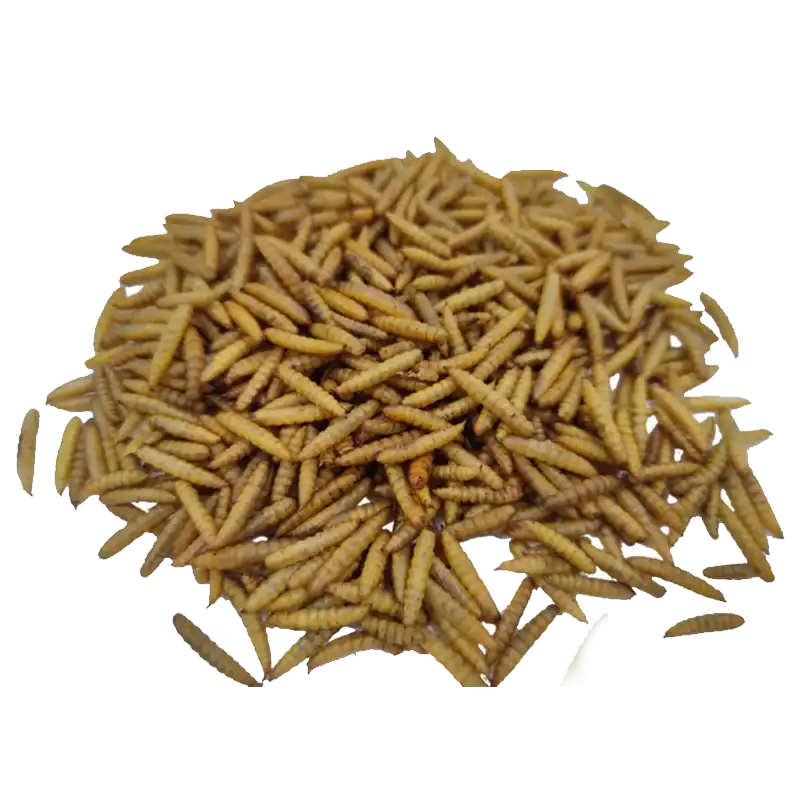
Birds of all types require balanced protein, fat, and trace nutrients to maintain growth, immunity, and daily vitality. Traditional bird feed often relies on soybean meal and fishmeal, which face supply instability and environmental limitations. In recent years, black soldier fly larvae have become a mainstream natural feed ingredient for birds of all species. Its comprehensive nutritional structure and eco friendly properties make it far more practical than traditional feed sources.
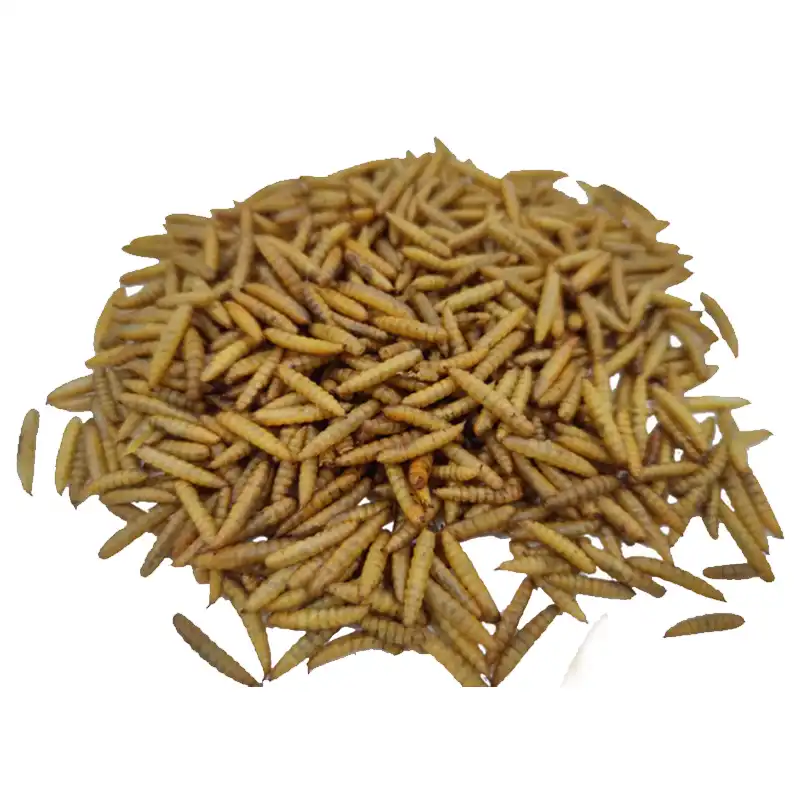
Nutritional Benefits of Black Soldier Fly Larvae for Birds
Complete Nutritional Profile for Avian Health
Black soldier fly larvae contain rich and balanced nutrients that perfectly match the dietary needs of birds. Mature larvae have a dry weight composition of 40 to 45 percent crude protein and 23 to 36 percent crude fat. This high protein and high fat ratio provides sufficient energy for bird growth, reproduction, and daily activity. The ingredient also includes a complete range of amino acids required by birds, including arginine, lysine, methionine, and tryptophan. These essential amino acids support feather growth, muscle development, and physical recovery for all bird species.
The natural mineral structure of BSFL brings unique feeding advantages for birds. It has a calcium to phosphorus ratio of 2.6 to 1. This scientific ratio effectively supports bird bone development. It greatly reduces the risk of metabolic bone disease, which commonly occurs in pet birds and young poultry. Unlike ordinary feed that requires additional mineral supplements, this insect feed can meet birds’ bone health needs through natural nutrition.
Natural Bioactive Compounds for Immunity Enhancement
Beyond basic nutrition, black soldier fly larvae contain multiple bioactive substances that improve bird health. About 40 to 60 percent of its crude fat is lauric acid. This natural ingredient has strong antibacterial and antiviral abilities. It can inhibit harmful pathogens in the bird intestinal tract and reduce the incidence of intestinal diseases. This advantage cannot be matched by traditional soybean meal and fishmeal.
The dry weight of BSFL includes 6 to 7 percent chitin. This substance helps birds clean intestinal waste and optimize digestive function. It improves feed digestion and absorption efficiency. In addition, it is rich in B vitamins, choline, beta carotene, and lutein. These nutrients enhance bird cellular and humoral immunity. They improve flock disease resistance and reduce mortality during breeding and feeding.
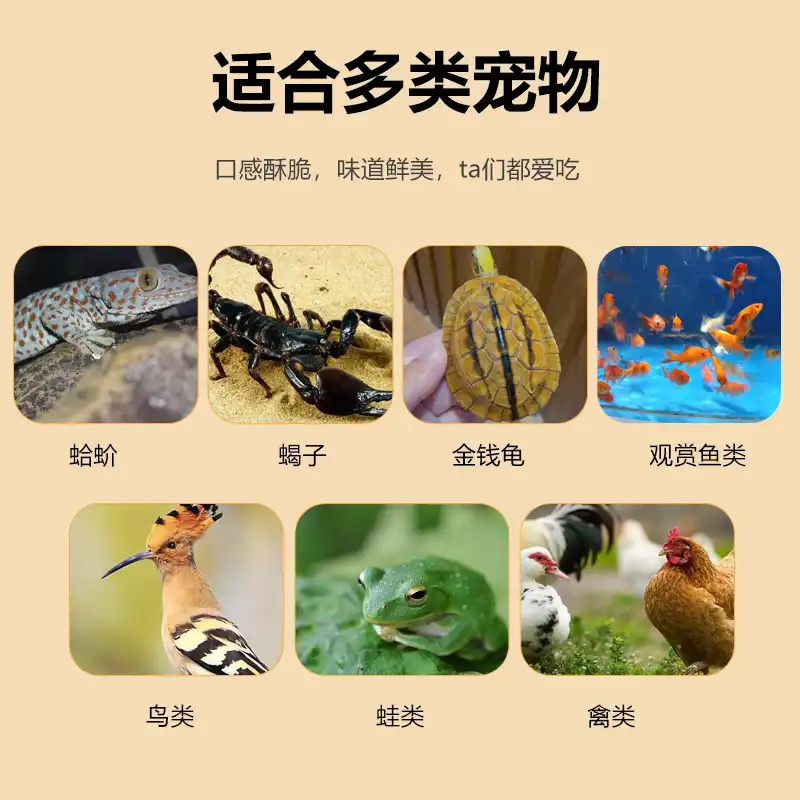
Environmental and Economic Advantages
Using black soldier fly larvae as bird feed also brings outstanding environmental and economic value. This ingredient is produced by bioconverting organic waste. It turns waste resources into high quality bird feed. It reduces environmental pollution caused by traditional feed planting and fishing. Compared with soybean planting that consumes massive land and water resources, and fishmeal production restricted by overfishing, it is a sustainable green feed choice.
For breeding farms and bird feed suppliers, BSFL have stable supply chains and controllable costs. Its efficient production cycle greatly improves feed conversion rates. Replacing part of traditional protein sources with this ingredient can reduce overall feeding costs. It also stabilizes bird growth and production performance, bringing long term economic benefits for breeding operations.
With excellent nutritional value and practical advantages, black soldier fly larvae are suitable for almost all bird species. Different types of birds can obtain targeted health and growth benefits from this natural feed.
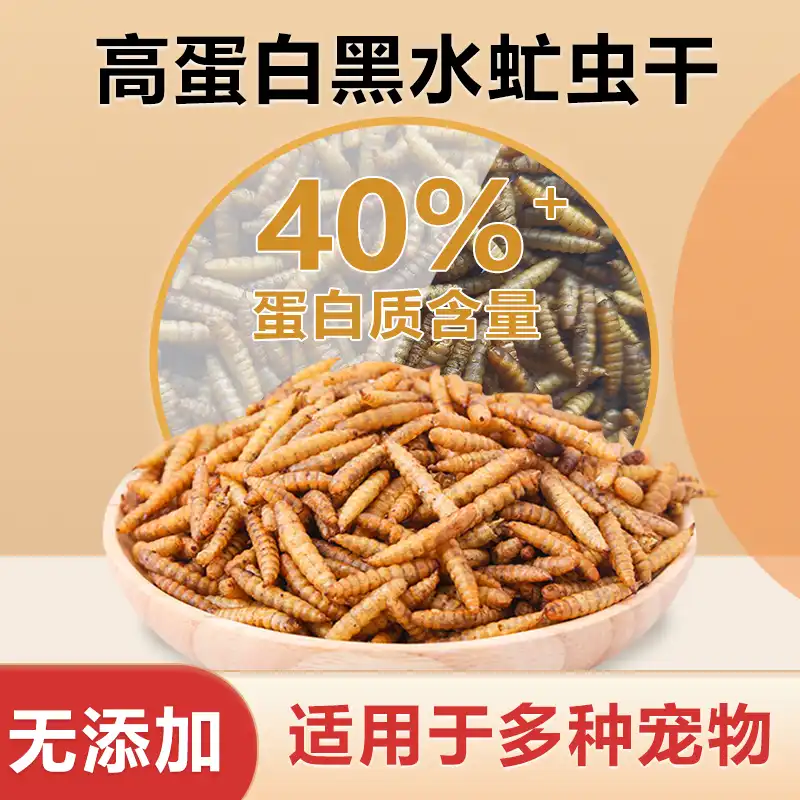
Common Bird Species That Eat Black Soldier Fly Larvae
Poultry and Commercial Breeding Birds
Commercial poultry are the most typical beneficiaries of BSFL. For broiler chickens, replacing up to 33 percent of fishmeal with this ingredient can improve daily weight gain and feed conversion efficiency. It does not cause any negative impact on blood indicators and tissue health. More importantly, it inhibits Salmonella infection and reduces flock mortality, greatly improving breeding safety.
Laying hens show significant production improvements after eating black soldier fly larvae. Adding only 5 percent of the ingredient to conventional feed can increase the daily egg laying rate from 54.45 percent to 58.77 percent. It maintains stable egg weight and hatching rate, effectively improving the economic income of egg farms. Game birds such as doves and pheasants also perform well with this feed. Replacing meat and bone meal with this insect feed increases egg production and optimizes feather quality and living conditions.
Wild Birds and Waterfowl
In natural environments, most wild birds have the instinct to prey on insects. Black soldier fly larvae are a natural and favorite food source for various wild birds. Waterfowl including ducks and geese actively forage for such insect larvae in wild habitats. The rich protein and fat supplement their energy consumption during migration and breeding periods.
Common songbirds such as finches, sparrows, and warblers also eat BSFL frequently. The high energy nutrition helps them maintain physical activity and adapt to seasonal environmental changes. Even raptors benefit indirectly. Prey animals that consume this nutrient rich larvae provide more sufficient nutrition for raptors. At present, wildlife rescue and protection institutions widely use this insect feed for bird rehabilitation and breeding. The active state of live larvae stimulates birds’ natural foraging behavior and achieves behavioral enrichment.
Ornamental and Pet Birds
Black soldier fly larvae are extremely suitable for daily feeding of ornamental pet birds. Common pet birds including parrots, cockatiels, budgerigars, and canaries can fully absorb the nutrients of this ingredient. The balanced calcium and phosphorus elements effectively prevent metabolic bone disease, a common health problem in caged pet birds.
Pet owners who regularly feed BSFL to their birds can observe obvious improvements. The birds have brighter feather color, smoother feather texture, and more active mental state. Compared with synthetic nutritional supplements, this natural insect feed has no chemical additives. It is safer and more in line with the natural dietary habits of pet birds, becoming a popular daily snack and nutritional supplement for ornamental birds.
To fully exert the nutritional value of black soldier fly larvae, bird feeders and breeders need to master scientific feeding methods and standardized storage skills.
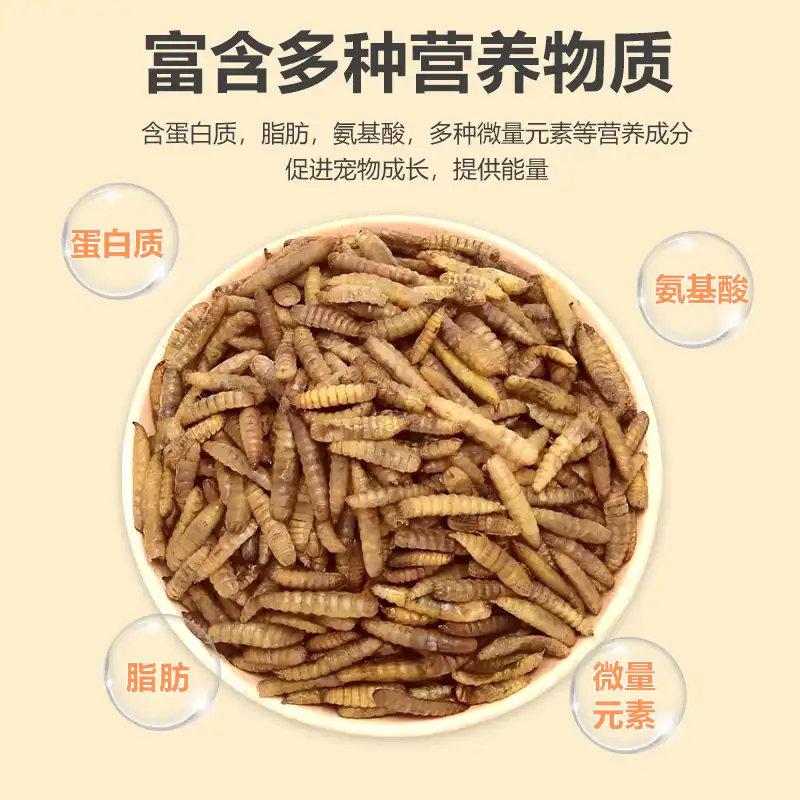
Scientific Feeding and Storage Methods for Black Soldier Fly Larvae
Reasonable Feeding Modes and Inclusion Rates
Black soldier fly larvae have two mainstream forms: live larvae and dried larvae. Both forms are edible for birds, but their usage scenarios differ. Live black soldier fly larvae retain the best activity and natural temptation. They are suitable for small scale breeding and daily pet feeding. Dried black soldier fly larvae have a longer shelf life and easier transportation. They are more suitable for large scale commercial feed production and long term bulk use.
The feeding dosage of BSFL needs to be adjusted according to bird types and growth stages. For daily supplementary feeding, 8 to 10 larvae per bird per day is the safest starting dosage. It helps birds gradually adapt to the new feed. In commercial feed formulas, the conventional addition ratio is 5 to 15 percent by weight. Multiple studies prove that the ratio can reach 33 percent in some scenarios without affecting bird growth and health.
Different feeding methods can be selected according to breeding scenarios. Spreading BSFL separately can stimulate birds’ foraging instinct. It is suitable for free range breeding and pet bird entertainment feeding. Mixing it evenly into full price feed ensures balanced nutritional intake for the whole flock. It guarantees consistent growth and production effects of birds.
Standard Storage and Supply Chain Management
Good storage conditions are key to maintaining the nutritional activity of BSFL. Dried larvae need to be stored in cool, dry and dark environments. The packaging must be sealed tightly after opening to prevent moisture absorption and mildew. Standard storage can keep its nutritional value stable for a long time.
For bulk procurement merchants and large farms, supply chain management is very important. It is necessary to choose certified regular suppliers with complete quality inspection reports. Bulk purchasing can effectively reduce unit cost. Reasonable stock reservation and first in first out inventory rules can avoid product deterioration and waste. Reserving multiple stable suppliers can prevent supply interruption in peak breeding seasons and ensure continuous supply of black soldier fly larvae.
Product Quality Screening Standards
High quality BSFL are processed by high temperature sterilization technology. They remove harmful bacteria, heavy metals and impurities while retaining complete nutrients. Qualified products have uniform size, pure color and no peculiar smell. They meet international feed safety standards.
When selecting products, buyers should check production qualification documents, microbial test reports and nutritional detection data. Standardized production and strict quality control ensure that black soldier fly larvae will not cause health risks to birds. It guarantees safe and efficient feeding effects for various bird species.
Conclusion
Black soldier fly larvae are a high quality, safe and sustainable natural feed ingredient suitable for almost all bird species. Its high protein, rich fat, balanced minerals and unique bioactive compounds can comprehensively improve bird growth performance, immune level and physical health. Whether for commercial poultry breeding, wild bird protection, or daily feeding of pet ornamental birds, it shows irreplaceable advantages over traditional feed.
Compared with soybean meal and fishmeal, black soldier fly larvae have stable supply, lower comprehensive cost and better environmental benefits. Scientific feeding dosage, standardized storage methods and strict quality screening can maximize its feeding value. With the continuous development of green breeding industry, this insect based feed will become the mainstream choice for global bird feeding, bringing more economic and ecological benefits to the breeding industry.
FAQs
Are black soldier fly larvae safe for all bird species?
Black soldier fly larvae are completely safe for all common bird species. It is suitable for commercial poultry, wild waterfowl, songbirds and various pet birds. When fed at the standard inclusion rate, it will not damage the digestive system, organ development and physical health of birds. It is a natural and low risk nutritional feed supplement.
What are the differences between black soldier fly larvae and mealworms for bird feeding?
Black soldier fly larvae have higher nutritional value than mealworms. Its protein content reaches 40 to 45 percent, which is higher than the 35 to 40 percent of mealworms. It contains unique lauric acid with antibacterial function, which mealworms do not have. It has better immunity enhancement effect and feed conversion efficiency. It is more cost effective and healthier for long term bird feeding.
How long can dried black soldier fly larvae be stored?
Dried black soldier fly larvae have a long storage cycle. Under standard cool, dry and sealed storage conditions, it can maintain complete nutritional value for 12 to 18 months. It is recommended to use the opened products within three months to ensure the best palatability and nutritional activity. Adopting scientific inventory management can effectively avoid product deterioration.
Can black soldier fly larvae replace traditional bird feed completely?
Black soldier fly larvae can only be used as a high quality protein supplement, not a complete replacement for full price bird feed. It is rich in protein and minerals, but lacks some comprehensive carbohydrates and vitamins required for bird growth. Reasonable matching with traditional feed can realize balanced nutrition and maximize breeding benefits.
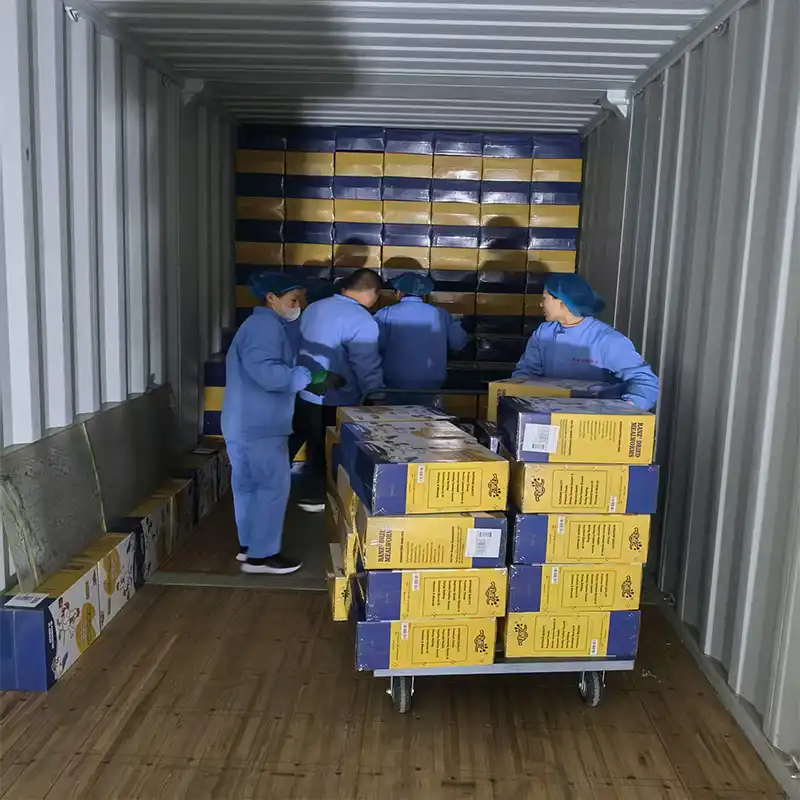
Choose Yunlan
Choose Yunlan as your professional and reliable supplier of high quality black soldier fly larvae to optimize your bird feeding and breeding system. With decades of experience in sustainable insect feed production and supply chain management, we focus on providing standardized, safe and nutrient stable black soldier fly larvae for global breeders, pet product merchants and ecological protection institutions.
All our products adopt strict high temperature sterilization and standardized breeding processes. They are free of chemical additives, heavy metals and harmful bacteria. Complete nutritional testing and quality inspection reports ensure stable product quality. We support flexible supply modes including sample testing, small batch retail and large scale bulk wholesale. Our global logistics system covers more than 60 countries, realizing fast and stable door to door delivery.
Our professional technical team can provide targeted feeding ratio guidance for different bird species. We help customers reduce feeding costs, improve bird health and increase breeding economic benefits. Whether you are an individual bird breeder, pet store operator or large commercial breeding enterprise, we can provide one stop customized supply solutions. Contact our professional procurement team via minghuixu6717@gmail.com to obtain exclusive bulk pricing, technical documents and long term cooperation policies.
References
Smith, J. & Anderson, K. (2023). Nutritional Composition and Amino Acid Profiles of Black Soldier Fly Larvae Across Substrate Variations. Journal of Insect Science and Feed Technology, 15(3), 245-267.
Chen, L., Martinez, R. & Thompson, D. (2024). Comparative Evaluation of Insect Proteins in Poultry Nutrition: Performance and Economic Analysis. Avian Feed Research Quarterly, 28(1), 89-112.
Rodriguez, M., Park, S. & Williams, A. (2023). Bioactive Compounds in Black Soldier Fly Larvae: Implications for Bird Health and Immunity. International Journal of Alternative Proteins, 11(2), 178-203.
Johnson, P., Lee, H. & Davidson, T. (2024). Supply Chain Sustainability in Insect-Based Feed Production: Environmental and Economic Assessment. Sustainable Agriculture Reviews, 19(4), 334-361.
Zhang, W., Kumar, V. & O'Brien, S. (2023). Regulatory Frameworks and Quality Standards for Insect Proteins in International Feed Markets. Global Feed Safety Journal, 7(3), 412-438.
Taylor, E., Morrison, L. & Chang, Y. (2024). Implementation Strategies for Black Soldier Fly Larvae in Commercial Poultry Operations: Technical and Operational Considerations. Poultry Production Management, 42(2), 156-184.
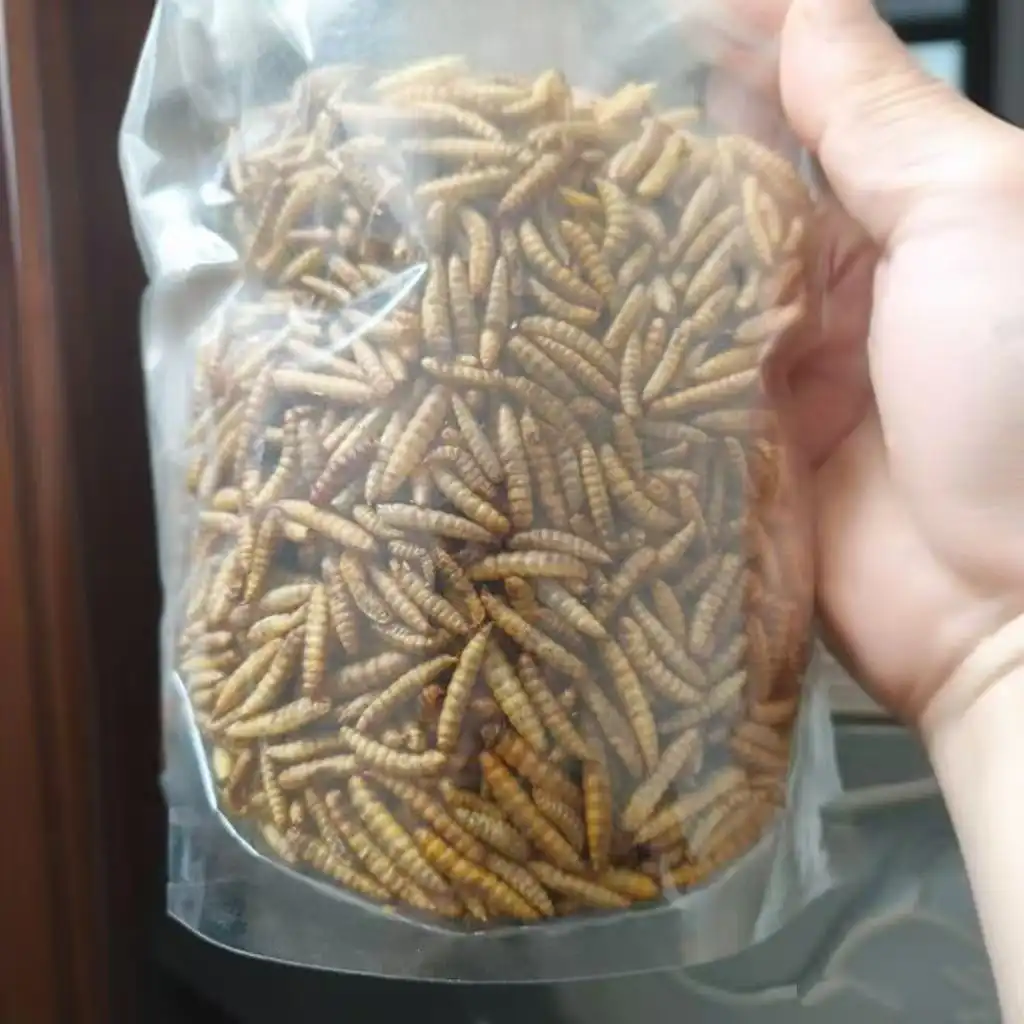
Modern aquaculture is at a point where old ways of feeding fish meet new, environmentally friendly options. Professionals in farming all over the world are very interested in mealworms and black soldier fly larvae for fish as new options. The move toward insect-based protein sources is more than just a trend; it signals a basic shift in how we think about fish nutrition. This is because B2B procurement experts and fish farm managers are putting more emphasis on both business efficiency and environmental stewardship.
There is more and more pressure on the aquaculture business to use less standard fish meal, which uses up ocean resources and leaves a big carbon footprint. Feeds made from insects, especially black soldier fly larvae for fish, are a great option that solves these issues and provides great nutrition. These larvae turn organic garbage into high-quality protein, which is in line with the concepts of the circular economy that appeal to today's market that cares about the environment. This book will talk about which fish species do best on these different types of food, how they're better for them nutritionally, and how to use these new foods in industrial aquaculture.
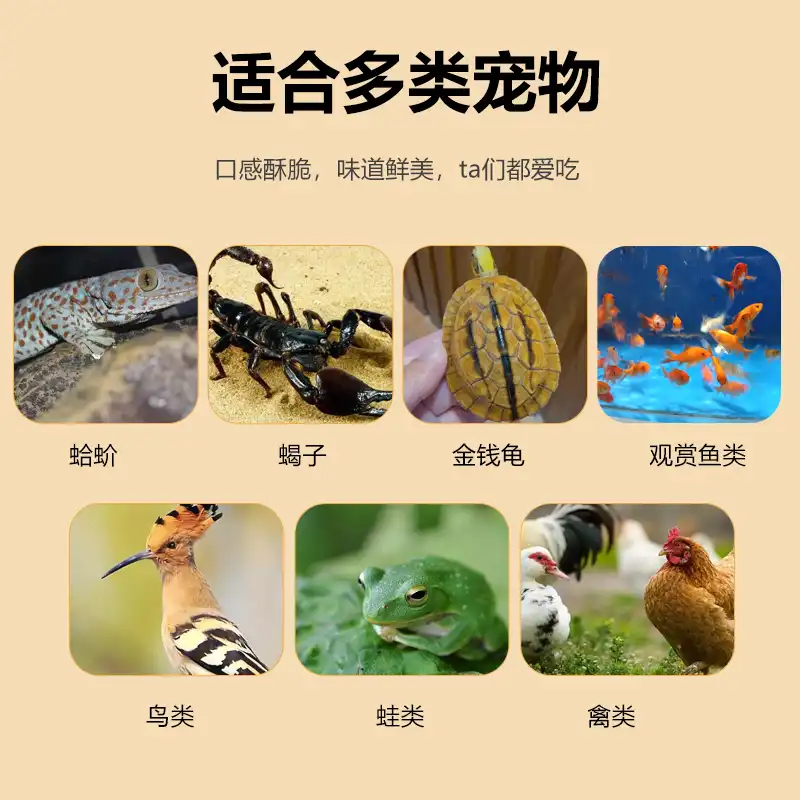
Fish Preferences: What Fish Like Mealworms and Why?
A lot of species in both freshwater and ocean have big appetites for insects. In the wild, fish that eat meat, like trout, bass, and catfish, naturally move toward protein-rich insect larvae. This makes the change to farmed insect feeds very easy. These foods are also easily accepted by omnivorous species like tilapia, carp, and many types of decorative fish. The natural amino acid profiles and moving patterns of the feeds that cause eating reactions are the keys to their acceptance. Black soldier fly larvae for fish have been especially good at attracting fish because their nutritional makeup is very similar to that of wild prey, making them appealing to a wide range of species.
Nutritional Comparison Between Mealworms and BSFL
When looking at protein sources, nutritional quality is a very important factor. On a dry matter base, mealworms usually have 47–55% protein, while black soldier fly larvae for fish have about 40–43% protein, higher calcium levels, and balanced vital fatty acids. BSFL are very easy to digest, and most fish species can get 85–90% of their amino acids from them. Better absorption directly leads to faster growth rates and better feed conversion efficiency. The natural antimicrobial peptides in the larvae also help the immune system work better, which lowers the risk of illness in high-density farms.
Impact on Growth Rates and Fish Health
Multiple aquaculture sites have done research that shows gains can be seen when insect-based proteins are added. When compared to normal fish meal formulations, fish fed diets with 15–30% BSFL showed growth rate improvements of 12–18%. In addition to increasing growth, these alternative feeds improve the coloring of decorative fish, make fillets of food fish taste better, and help bones grow stronger because they contain more calcium. The lauric acid that is naturally found in BSFL is a strong antibacterial that improves gut health and lowers the need for preventative antibiotic treatments. This is a big benefit for businesses that want to get organic certification or sell to high-end customers.
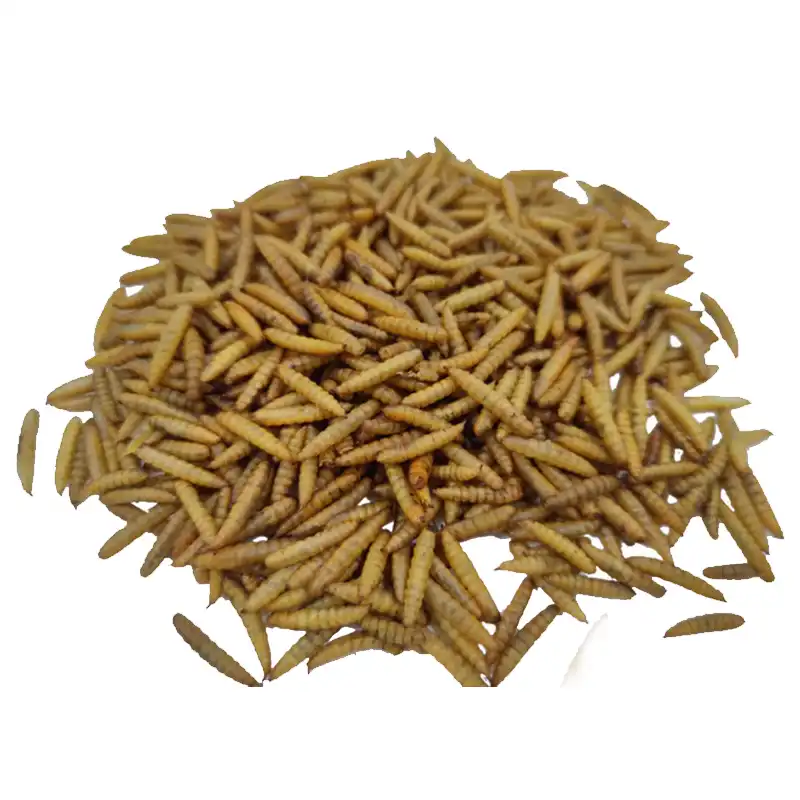
The Benefits of Black Soldier Fly Larvae for Fish Feed in Aquaculture
BSFL's value offering is based on its sustainability qualities. For traditional fish meal production, large numbers of wild forage fish must be caught, which puts stress on coastal environments. For every ton of standard fish meal, about 4–5 tons of wild-caught fish are needed. On the other hand, making black soldier fly larvae for fish uses organic waste streams like veggie scraps, spent grains, and leftovers of food preparation that would otherwise end up in a landfill. This process of turning trash into protein is much more efficient with resources than regular feeds.
Environmental Footprint Reduction
About one-tenth as much carbon dioxide is released when BSFL is made as when regular fish meal is made. Compared to soy-based protein options, they use 70–80% less water and a lot less space. Black soldier fly larvae for fish sites can be located in or near cities, which cuts down on transportation routes and the pollution they cause. These environmental benefits are very important to procurement teams that are under a lot of pressure to meet company sustainability goals and to stores that are trying to meet customer demand for seafood that is responsibly found.
Economic Advantages Through Improved FCR
Increasing the feed exchange ratio has a direct effect on making money. When black soldier fly larvae for fish is added at the right rate, operations have seen FCR gains of 0.15 to 0.25 points, which means fish need less food to reach their goal weights. These gains in speed add up to a lot over the course of a production run. Feed makes up 50–70% of the costs of running an intense aquaculture system, so even small gains in conversion efficiency can bring in a lot of money. The stable prices of BSFL, which are not affected by changes in the amount of marine catch, make budget planning for multiple years easier.
Preparing and Incorporating Black Soldier Fly Larvae into Fish Feed
To integrate products well, you need to know about the different types of products and how they can be used. Live larvae are great for small-scale specialty makers and fish farms that keep fish for decorative purposes because their movement encourages natural feeding habits. Dried larvae last longer and are easier to handle, which makes them perfect for use in industrial feed mills. At 110 degrees Celsius, our goods are dried in industrial microwaves, which get rid of dangerous bacteria while keeping the nutrients. The final product has 40% protein, as well as trace elements, important fats, and amino acids. It was made without using any artificial spices, colorings, or frying, which can lower the nutritional value.
Recommended Inclusion Rates by Species
Formulation methods need to be changed for each species. Here are some rules that were made through trials with some of the biggest fishing operations:
Fish that eat meat, like rainbow trout and European sea bass, do well when 25 to 35 percent of their food is black soldier fly larvae for fish. Within this range, these fish show strong acceptance and ideal growth, though higher inclusion rates can sometimes make the food less tasty. Medium-sized omnivores, like tilapia and channel catfish, do best with 15 to 25 percent BSFL, along with plant proteins and energy sources. Ornamental fish like koi and goldfish can handle up to 40% inclusion as long as they get used to it slowly. As they do, you can see that the colors and activity levels get better.
It's best to slowly switch current operations to BSFL-enhanced feeds over the course of 10 to 14 days, gradually raising the share while keeping an eye on acceptance and growth metrics. This method cuts down on the time needed for digestion to change and lets accurate testing of reactions specific to species. Since temperature affects how fast animals digest food, feeding plans may need to be changed during certain times of the year to keep them working at their best.
Storage and Handling Considerations
When kept in cool, dry places out of direct sunlight for 12 to 18 months, dried black soldier fly larvae for fish goods keep their nutritional value. Controlling the amount of moisture is very important—products should stay below 10% moisture content to keep them from going bad. People who buy in bulk can choose vacuum-sealed packaging choices that keep food fresh longer and take up less room in warehouses. Since properly dried larvae don't go bad, they don't need to be kept in the cold, which can make it harder to get fresh or frozen food to places that don't have a lot of infrastructure.
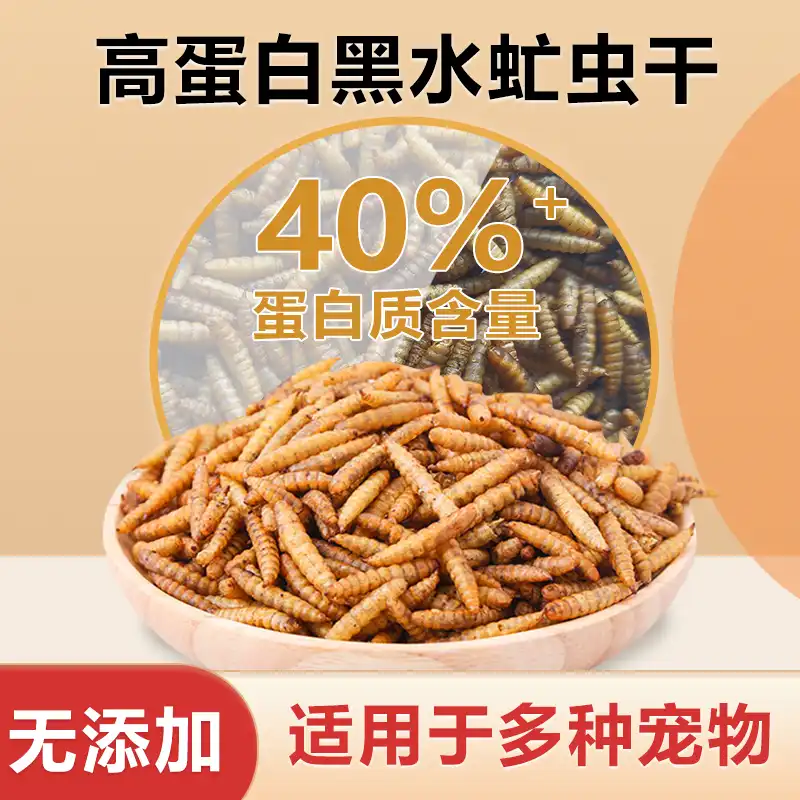
Conclusion
As the aquaculture industry moves toward more environmentally friendly and effective ways to feed fish, insect-based proteins will become more important in future feed mixes. Fish, both those that eat meat and those that eat other things, are very good at eating black soldier fly larvae for fish because they are very nutritious and easy to digest. The environmental benefits—using waste streams, lowering carbon emissions, and using little water—align perfectly with global sustainable goals. They also have real business benefits by making feed conversion more efficient. To integrate well, you need to carefully choose your suppliers, use the right rates of inclusion for each species, and follow guidelines for a slow shift. The proven success in a wide range of settings, from fish farms to salmon farms, shows that BSFL technology has moved beyond the testing phase and is now ready for reliable, scalable commercial use.
Partner With Yunlan for Premium Black Soldier Fly Larvae Supply
Yunlan is ready to help your seafood business switch to high-performance, environmentally friendly feeds. As a reliable supplier of black soldier fly larvae for fish to the Ruixin Cloud Wave Group, we use cutting-edge production technology and strict quality control to make sure that our products are always uniform and full of nutrients. Our industrial microwave drying process keeps all the nutrients while getting rid of germs. This makes feeds with 40% protein, key fatty acids, and trace elements that are important for fish growth. We have the production ability to support everything from small farms to large industrial sites. We also offer flexible volume plans and low bulk prices that lower your costs. With nearly 100 million yuan invested in research and development and 97 approved patents, our expert team can help you find the best BSFL inclusion rates for your species and production goals. Send an email to minghuixu6717@gmail.com to talk about custom solutions, ask for samples, or look into business possibilities. You can find out more about our full line of products and our efforts to be environmentally friendly by visiting yunlanpets.com. Let's work together to improve the nutrition of farming while also keeping our shared environmental future safe.
FAQ
Which fish species respond best to BSFL feeds?
Because they eat insects in the wild, carnivorous species like trout, bass, perch, and catfish are the most naturally accepting. Omnivorous species, such as tilapia, carp, and many types of decorative fish, also adapt well, though the best rates of addition depend on the species.
How do BSFL compare environmentally to traditional fish meal?
BSFL production releases about 90% less carbon into the air than regular fish meal production. The process turns organic garbage into protein instead of killing wild fish. It needs very little water and works well in sites with small footprints.
What are the best ways to store dried BSFL?
If you dry larvae the right way, they will stay stable for 12 to 18 months in a cool, dry place. Keeping the wetness level below 10% stops food from going bad. Unlike frozen food, black soldier fly larvae for fish don't need to be kept in a cold chain, which makes handling easier and cuts down on costs.
Can BSFL completely replace fish meal in aquafeed formulations?
Some species can handle full replacement, but for most industrial operations, the best results come from using partial replacement at rates of 15 to 35 percent, along with other protein and fat sources to meet the nutritional needs of each species.
References
1. Makkar, H.P.S., Tran, G., Heuzé, V., & Ankers, P. (2014). State-of-the-art on use of insects as animal feed. Animal Feed Science and Technology, 197, 1-33.
2. Henry, M., Gasco, L., Piccolo, G., & Fountoulaki, E. (2015). Review on the use of insects in the diet of farmed fish: Past and future. Animal Feed Science and Technology, 203, 1-22.
3. Barroso, F.G., de Haro, C., Sánchez-Muros, M.J., Venegas, E., Martínez-Sánchez, A., & Pérez-Bañón, C. (2014). The potential of various insect species for use as food for fish. Aquaculture, 422-423, 193-201.
4. Lock, E.R., Arsiwalla, T., & Waagbø, R. (2016). Insect larvae meal as an alternative source of nutrients in the diet of Atlantic salmon (Salmo salar) postsmolt. Aquaculture Nutrition, 22(6), 1202-1213.
5. Riddick, E.W. (2014). Insect protein as a partial replacement for fishmeal in the diets of juvenile fish and crustaceans. Mass Production of Beneficial Organisms, 565-582.
6. van Huis, A., Van Itterbeeck, J., Klunder, H., Mertens, E., Halloran, A., Muir, G., & Vantomme, P. (2013). Edible insects: Future prospects for food and feed security. FAO Forestry Paper 171, Food and Agriculture Organization of the United Nations, Rome.
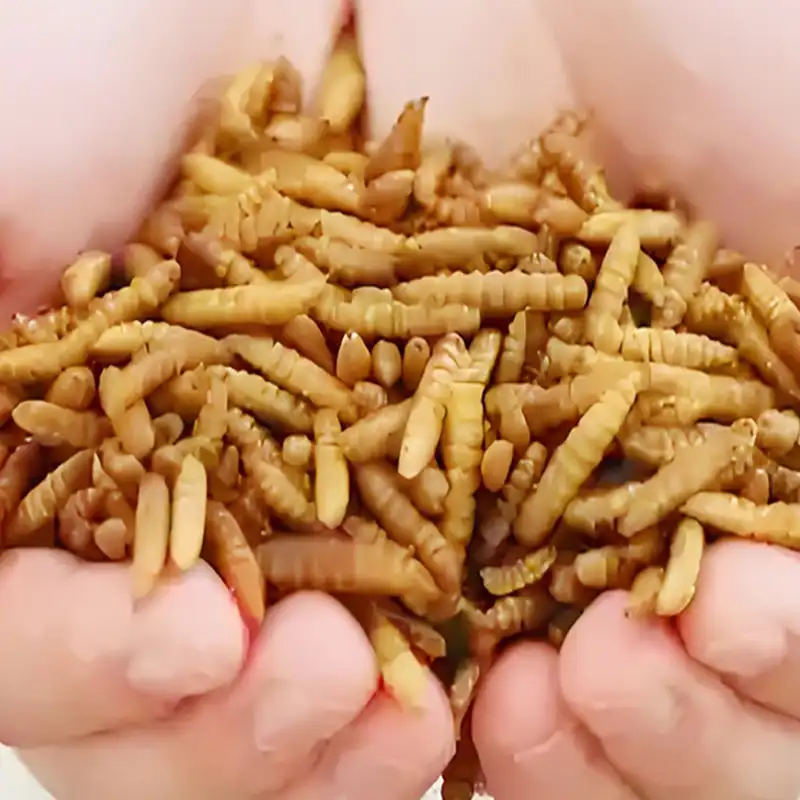
Parrot daily food intake is a core part of captive parrot feeding management. Different parrot species, sizes and growth stages have completely different dietary needs. Unreasonable feeding amounts will lead to malnutrition, obesity, feather loss and low immunity in parrots. A scientific parrot diet includes staple pellets, fresh fruits and vegetables, and a small amount of high protein supplements. Among safe supplementary foods, dried mealworms for parrots stand out for their high nutritional value and easy storage. This article elaborates on standard daily feeding amounts for different parrots, balanced diet collocation, and standardized feeding methods of insect protein supplements, providing reliable feeding guidance for pet owners and B2B pet industry practitioners.
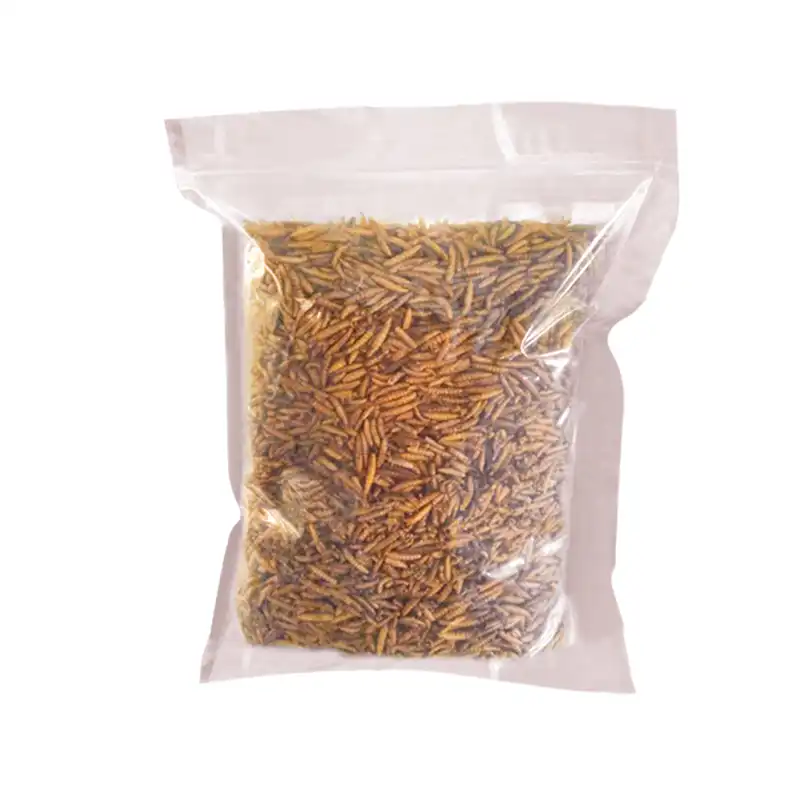
Species Based Daily Food Intake Standards for Parrots
The daily food consumption of parrots is mainly determined by their body size, metabolic rate and life stage. Small, medium and large parrots have obvious differences in calorie and nutrient demands. Mastering species specific feeding standards is the premise to avoid overfeeding and underfeeding, and maintain long term health of captive parrots.
Daily Feeding Amounts for Small Parrot Species
Small parrots commonly include budgerigars and lovebirds. They are tiny birds with a rapid metabolism and a small stomach capacity. Their total food intake per day varies from 15 grams to 20 grams or 1.5 to 2 tablespoons of mixed food. The daily diet is high quality pellets, which make up 60 per cent of the total intake. 30 percent are fresh vegetables and a few fruits. The remaining 10 percent are ordinary seeds.
Small parrots need extra protein supplementation during molting and breeding periods. Appropriate feeding of dried mealworms for parrots can supplement sufficient amino acids and protein, promote feather growth and improve physical fitness. It is necessary to strictly control the supplementary amount to avoid excessive calorie intake causing obesity and fatty liver problems in small parrots.
Daily Feeding Amounts for Medium Parrot Species
Medium sized parrots such as cockatiels and conures have larger body sizes and higher energy consumption than small parrots. Their daily standard food intake is 25 grams to 40 grams, which meets their daily activity and metabolic needs. The dietary collocation ratio is consistent with the general standard, with nutritionally balanced pellets as the staple food and fresh plant foods as auxiliary supplements.
Medium parrots have stronger digestive capacity and more diverse dietary needs. In addition to conventional staple food and fruits and vegetables, regular quantitative feeding of dried mealworms for parrots can effectively make up for the insufficient protein in plant based diets. This kind of insect protein is easy to digest and absorb, which helps medium parrots maintain bright feather state and stable immune function.
Daily Feeding Amounts for Large Parrot Species
African greys and macaws are large parrots and have the greatest food demand of the captive parrot species. African greys require 50 to 80 grams of mixed food per day. Larger macaws eat 80 grams to 120 grams of food each day to maintain their huge body consumption and high intensity activities.
Large parrots have higher demands on the richness of diet. One type of food eaten for a long time will cause nutritional deficiency. The inclusion of dried mealworms for parrots to the daily diet can supplement regularly high quality protein, fat and trace elements. These nutrients are needed for the formation of bones, the replacement of feathers and the physical repair of large parrots, particularly in the breeding and moulting periods.
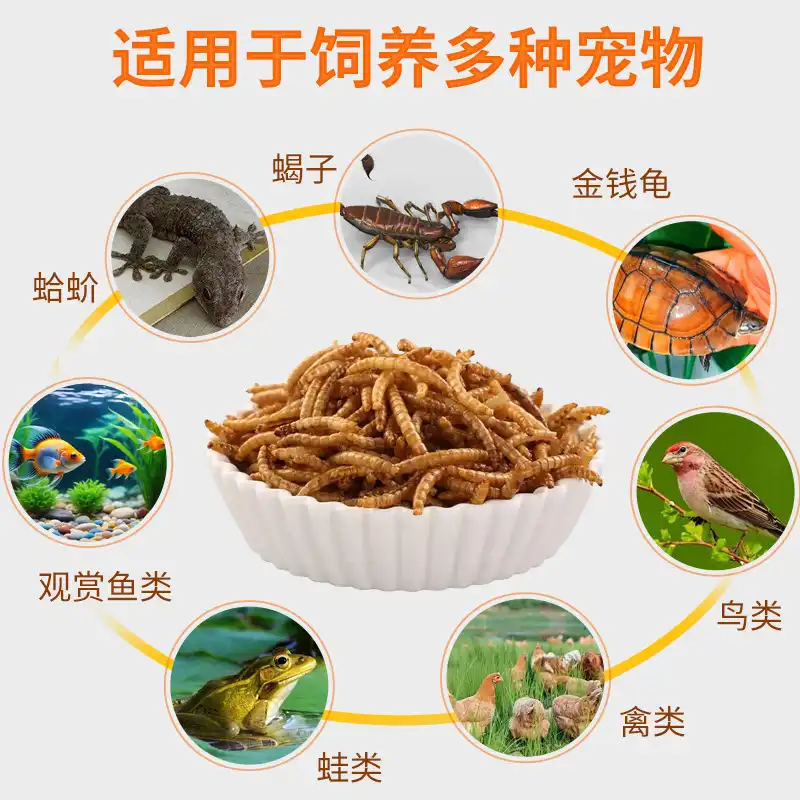
Balanced Dietary Structure and Core Nutritional Needs for Parrots
Simply controlling feeding quantity cannot guarantee parrot health. A reasonable dietary structure with comprehensive nutrients is more important. Parrots need a collocation of staple food, plant food and protein supplements to maintain physical balance. Each nutrient plays an irreplaceable role in their growth and daily metabolism.
Scientific Collocation of Conventional Daily Diet
A standard healthy parrot diet follows fixed nutritional proportions. Nutritionally fortified pellets are the most suitable staple food, accounting for 60 to 70 percent of daily intake. Pellets contain balanced vitamins, minerals and trace elements to solve the problem of single nutrition of ordinary seeds.
Fresh fruits and vegetables account for 20 to 30 percent of the daily diet. Leafy greens, carrots and bell peppers provide rich dietary fiber and vitamins to promote intestinal peristalsis and prevent digestive problems. Ordinary seeds only account for 5 to 10 percent of the diet because of their high fat content. Excessive seed intake easily causes obesity and nutritional imbalance.
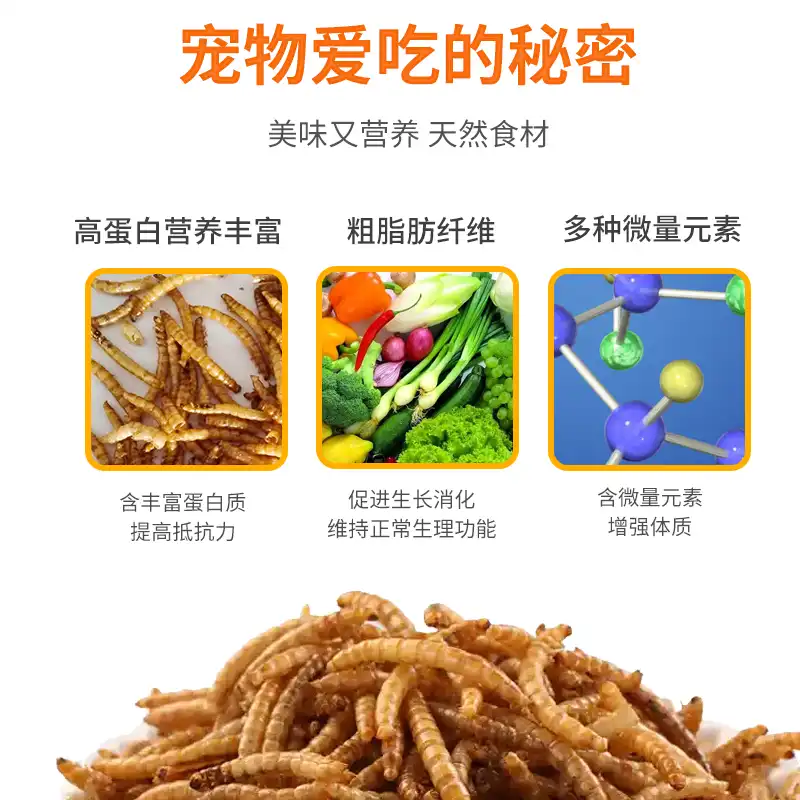
Importance of High Quality Protein Supplement
Protein is the core nutrient for parrot feather development, physical recovery and immune system maintenance. Parrots need a large amount of keratin synthesis during annual molting to replace old feathers and grow new ones. Breeding female parrots need sufficient protein to lay eggs and ensure chick survival rate. Young growing parrots also rely on protein to develop bones and muscles.
Ordinary plant diets cannot provide complete amino acids required by parrots. In contrast, dried mealworms for parrots provide high purity animal protein and comprehensive amino acid components. This natural insect protein is more in line with the evolutionary feeding habits of wild parrots. It has higher digestibility than plant protein and can effectively avoid nutritional deficiency problems.
Nutritional Advantages of Dried Mealworms for Parrots
Dried mealworms are professional high protein supplementary food specially suitable for parrots. After standardized low temperature drying and sterilization treatment, the product retains complete nutritional components while eliminating bacteria and parasites carried by live insects. The nutritional structure is safe and stable for long term feeding.
High quality dried mealworms for parrots contain 50 to 53 percent crude protein and about 28 percent natural fat. They also include 6 percent crude fiber and rich trace elements such as calcium, potassium and iron. The rich protein helps parrot feather growth and physical recovery. Moderate natural fat supplements daily energy consumption. Crude fiber can assist intestinal digestion and improve appetite of picky eaters.
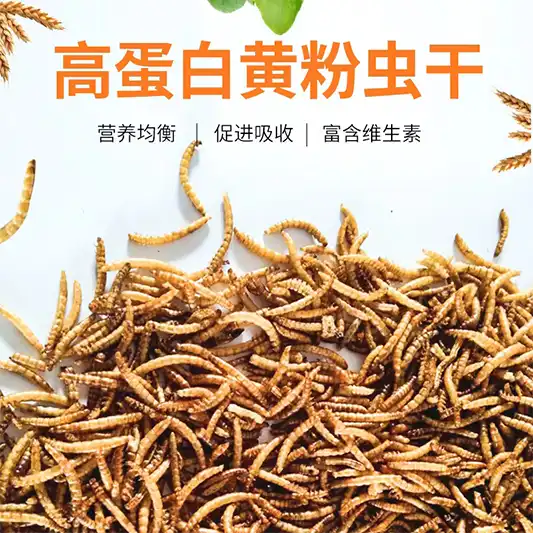
Standardized Feeding Methods and Dosage Rules for Dried Mealworms
Although dried mealworms have high nutritional value, excessive feeding will cause physical burden to parrots. Different sizes of parrots have different tolerance to insect protein. Scientific dosage control and feeding methods can maximize nutritional effects while avoiding health risks.
Size Based Dosage Standards
Small parrots such as budgerigars and lovebirds have weak digestive capacity. Their daily supplementary dosage of dried mealworms for parrots is controlled within 0.5 to 1 gram. A small amount of supplementation can meet daily protein needs without increasing metabolic burden.
Medium parrots including cockatiels and conures can eat 1 to 2 grams of dried mealworms every day, about 4 to 8 mealworms. This dosage perfectly matches their metabolic level and effectively assists physical development and feather renewal.
Large parrots such as African greys and macaws have strong digestive and metabolic capabilities. Their daily supplementary dosage of dried mealworms for parrots is 2 to 4 grams, equivalent to 8 to 15 mealworms. The dosage can be appropriately increased during molting, breeding and illness recovery periods to accelerate physical recovery.
Feeding Frequency and Scientific Matching Skills
It is not recommended to feed a large number of dried mealworms at one time. The best way is separate feeding in the morning and evening. Small dose and multiple times feeding protects the parrot intestinal tract and improves nutrient absorption efficiency. The total amount of supplementary food must not exceed 10 percent of the parrot daily calorie intake.
For picky eating parrots, mix crushed dried mealworms with vegetables and staple food. This can improve the palatability of plain plant food and correct picky eating habits. When adding dried mealworms to the diet for the first time, adapt gradually within 7 to 10 days to avoid intestinal discomfort caused by sudden dietary changes.
Common Feeding Mistakes and Avoidance Methods
The most common feeding mistake is taking dried mealworms as staple food. Dried mealworms are only supplementary snacks and cannot replace nutritionally balanced pellets and fresh plant food. Long term single feeding will lead to excessive protein and fat intake, causing kidney burden and uric acid accumulation in parrots.
Overfeeding protein snacks without matching drinking water is also a typical mistake. Sufficient drinking water is needed to metabolize excess protein. Pet merchants and breeders need to popularize these feeding taboos for customers. Standardizing the feeding method of dried mealworms for parrots can effectively reduce parrot health problems caused by improper feeding.
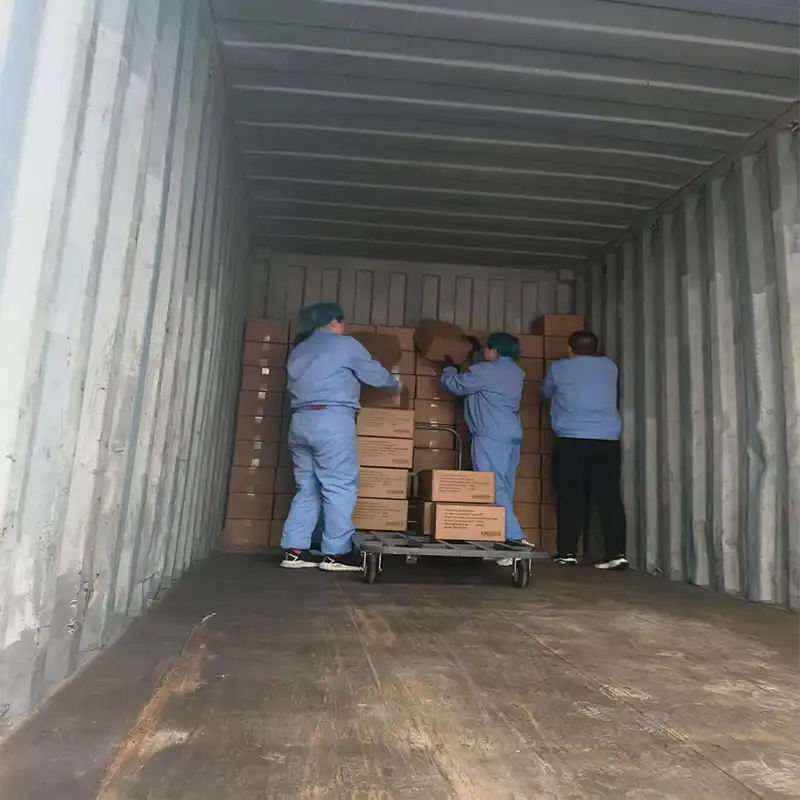
B2B Procurement and Product Selection Guidelines
For pet stores, breeding bases and pet food distributors, selecting high quality parrot food and supplementary products is the key to stable operation and customer trust. High standard products can reduce after sales problems and meet the nutritional health needs of captive parrots.
Product Quality Selection Standards
High quality dried mealworms for parrots adopt professional microwave drying and sterilization technology. The production process does not add pigments, preservatives and chemical additives. The product retains natural nutritional components while removing harmful bacteria and parasites.
Qualified products have uniform color and complete worm body. They have stable nutritional indicators and long shelf life. They are suitable for long term bulk procurement and inventory sales. Inferior products have uneven nutrition and incomplete sterilization, which easily cause hidden health dangers for parrots.
Bulk Procurement and Inventory Management
B2B merchants need to focus on product shelf life and storage conditions when purchasing parrot supplementary food in bulk. Dried mealworms need to be stored in a dry and cool environment with temperature below 20 degrees Celsius and humidity below 60 percent. Standard storage conditions can keep the product fresh for 12 to 18 months.
Stable supplier cooperation can ensure continuous product supply and preferential bulk prices. Regular inventory replacement avoids product expiration and nutritional loss. High quality and stable dried mealworms for parrots can help B2B merchants improve product competitiveness and customer repurchase rate.
Conclusion
Parrot daily food intake is strictly based on species size and growth stage. Small parrots need 15 to 20 grams of food per day, medium parrots need 25 to 40 grams, and large parrots need 50 to 120 grams of daily mixed food. A scientific diet adheres to the collocation principle of pellet staple food supplemented by fresh fruits and vegetables and a small amount of high protein snacks. As a safe and efficient insect protein supplement, dried mealworms for parrots can make up for the nutritional deficiencies of plant diets, promote parrot feather growth and physical health. Standardized dosage control and feeding methods are essential to avoid nutritional imbalance and physical burden. For B2B pet industry practitioners, selecting high quality formal products and popularizing scientific feeding knowledge can effectively protect parrot health and improve terminal customer satisfaction.
FAQ
Are dried mealworms safe for daily parrot feeding?
Normal dosage of dried mealworms can be given to parrots every day safely. High temperature sterilized dried mealworms get rid of parasites and bacterial risks found in live insects. Dried mealworms for parrots are easy to digest and low irritation . They can be fed every day as a supplement to the diet, but total treats should not be more than 10 percent of the parrot's daily caloric intake.
How do dried mealworms compare nutritionally to live mealworms?
Dried mealworms are more nutritious than live mealworms. The dried products have 53 percent protein after water removal treatment, but the live mealworms only have about 20 percent protein. Dried mealworms for parrots have a longer shelf life, do not need refrigeration, and are safer to feed, which makes them more suitable for daily feeding and bulk sales.
What is the best way to store bulk dried mealworms?
Mealworms, when dried in bulk, should be stored in airtight, moisture-proof containers. Keep the storage environment dry, cool and out of direct sunlight. Maintain temperature below 20 degrees Celsius and humidity below 60 percent. Dried parrot mealworms will be good for 12-18 months if stored properly, and will retain complete nutritional activity.
Can dried mealworms improve parrot picky eating habits?
Dried mealworms are very palatable and have a natural flavour. Crushed dried mealworms mixed with vegetables and staple food can effectively improve the taste of plain food. Dried mealworm for parrots can make picky parrots take the initiative to eat compound diet. It’s an effective auxiliary method to correct picky eating problems.
Partner with Yunlan for Premium Dried Mealworms for Parrots
Yunlan is a professional and reliable B2B supplier focusing on high quality pet insect protein products. We provide premium dried mealworms for parrots specially developed for avian nutritional needs. All our products adopt strict microwave high temperature sterilization technology, with no chemical additives, no pigments and no preservatives. The products retain high protein, rich trace elements and complete nutritional activity, which can effectively help parrots improve feather quality, enhance immunity and supplement daily nutritional consumption. With years of pet food production experience and perfect supply chain system, we support customized formulas, flexible bulk orders and global logistics services. Our products have passed international safety certification and meet export standards, suitable for pet stores, breeding bases, pet hospitals and cross border e-commerce sales. We provide complete product qualification reports and stable batch quality guarantee. If you want to get product samples, inquire about competitive bulk wholesale prices, or customize exclusive parrot nutritional supplementary products, please contact our professional team via minghuixu6717@gmail.com to start your high quality cooperative partnership.
References
-
Smith, J. & Williams, R. (2022). Avian Nutrition: Principles and Applications for Captive Parrots. Academic Press.
-
Thompson, L. (2023). Insect Protein in Companion Animal Diets: Safety, Efficacy, and Market Trends. Journal of Animal Science and Technology, 15(3), 245-267.
-
Martinez, C. & Chen, H. (2021). Species Specific Nutritional Requirements of Common Captive Psittacines. Veterinary Clinics of North America: Exotic Animal Practice, 24(2), 189-210.
-
Anderson, K. (2023). Protein Quality and Digestibility in Avian Species: Comparative Analysis of Conventional and Novel Sources. Poultry Science Review, 38(4), 412-429.
-
Roberts, M. & Davidson, P. (2022). Sustainable Protein Production: Environmental Impact Assessment of Insect Farming. International Journal of Agricultural Sustainability, 20(5), 567-584.
-
Wilson, E., Zhang, Y., & O'Connor, T. (2024). Storage Stability and Nutrient Retention in Processed Insect Products for Pet Food Applications. Food Science and Technology International, 30(1), 78-95.
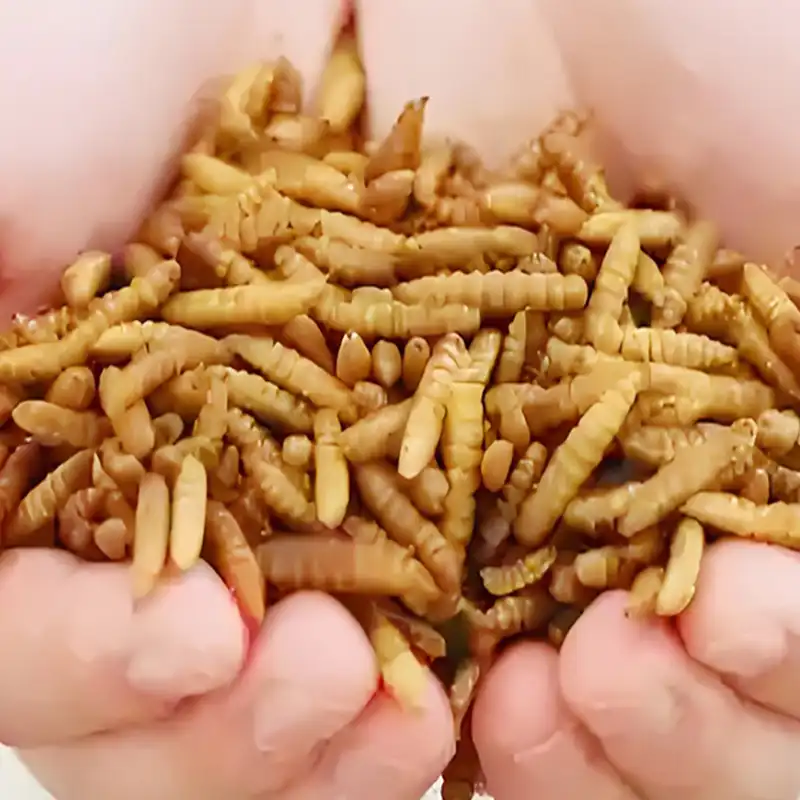
Many poultry breeders and commercial feed suppliers wonder if chickens can safely consume parrot food as a supplementary diet. Parrot food contains seeds, pellets, nuts and insect ingredients that are non toxic to chickens. It can serve as a nutritious occasional treat rather than a staple chicken feed. Among all ingredients in standard parrot food, high protein insect supplements stand out for poultry health. Dried mealworms for parrots are a core high quality ingredient in premium parrot feed mixes, bringing unique nutritional benefits for chicken growth and laying performance. This article comprehensively analyzes the safety, nutritional value, scientific feeding methods and bulk procurement guidelines of feeding parrot food to chickens, providing practical references for family poultry breeding and commercial B2B feed supply.
Composition and Nutritional Value of Parrot Food for Chickens
To judge whether parrot food is suitable for chickens, it is necessary to first clarify the basic ingredients and nutritional characteristics of conventional parrot feed. Different types of parrot food have diverse ingredient ratios, and most qualified products can form a benign nutritional supplement for chicken diets.
Basic Safe Ingredients in Standard Parrot Food
Commercial parrot food adopts a compound formula to meet the omnivorous dietary needs of parrots. The main ingredients include millet, sunflower seeds and safflower seeds, which provide basic carbohydrates and plant protein. Fortified nutrition pellets are added with balanced vitamins and minerals to supplement daily nutritional gaps for birds. Many high end parrot feed formulas also add dried fruits and vegetables to enrich dietary diversity.
The most valuable nutritional component in parrot food is insect based protein supplements. Dried mealworms for parrots are widely added to premium parrot feed mixes. These processed insect ingredients are completely safe for chickens to digest and absorb. They do not contain any harmful substances that may affect poultry growth, making them the best functional supplementary ingredient in parrot food for chicken breeding.
Core Nutritional Advantages of Dried Mealworms for Poultry
Dried mealworms for parrots are processed through professional low temperature drying and high temperature sterilization technology. This processing method completely retains the rich nutrients of darkling beetle larvae while eliminating harmful bacteria and parasites. The finished product has stable quality and ultra high nutritional concentration, far exceeding ordinary plant based feed ingredients.
This special insect supplement has a precise and balanced nutritional ratio. It contains 53 percent high quality protein, 28 percent healthy fat and 6 percent crude fiber. It also retains essential trace elements including potassium, phosphorus, iron and sodium required for chicken growth. The rich amino acid group can promote chicken muscle development and enhance immune function. Moderate crude fiber can optimize intestinal peristalsis, improving the nutrient absorption efficiency of chickens.
For laying hens and molting chickens, dried mealworms for parrots can provide sufficient energy and nutrition support. It effectively improves feather quality, enhances egg production stability and optimizes eggshell quality. Whether for small family chicken flocks or large scale commercial poultry farms, this insect supplement can significantly improve the overall health status of flocks.
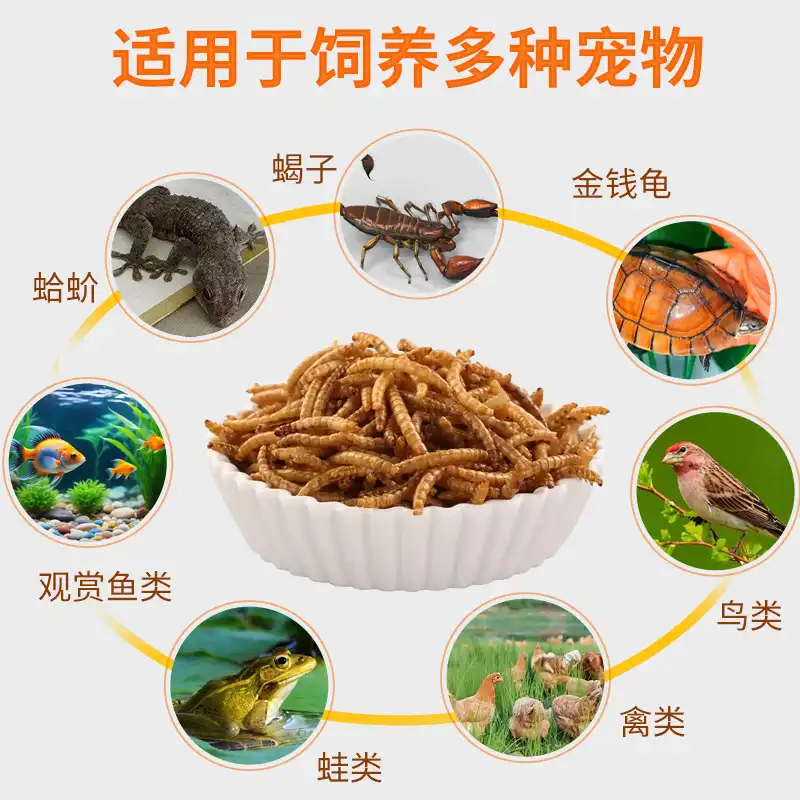
Safety Risks and Feeding Taboos of Parrot Food for Chickens
Although parrot food and its core insect ingredients are safe for chickens, unreasonable feeding methods and inappropriate product selection will bring potential health risks. Mastering safety taboos is the premise of standardized supplementary feeding.
Potential Health Risks of Improper Feeding
The nutritional ratio of parrot food is customized for parrots, not completely matching the long term dietary needs of chickens. Long term single feeding or excessive intake will cause nutritional imbalance in chickens. Excess fat and protein may lead to fat accumulation and weight gain, especially for caged chickens with low activity.
Some low grade parrot food adds artificial pigments and synthetic chemical additives to improve appearance. These additives are harmless to parrots but may cause intestinal discomfort and decreased appetite in chickens. Individual chickens may have slight allergic reactions to non natural additives. Dried mealworms for parrots in pure natural formulas can effectively avoid such risks with zero chemical addition.
Sudden large scale replacement of daily feed will irritate the chicken intestinal flora. It may cause indigestion, loose stools and even temporary drop in egg production. For breeding chickens and young chicks with sensitive physical conditions, arbitrary feed replacement will affect growth and reproduction efficiency.
Nutritional Difference Between Parrot Food and Professional Chicken Feed
Standard commercial chicken feed has targeted nutritional ratios for different growth stages. Layer feed contains 16 to 24 percent protein, while broiler feed contains 20 to 24 percent protein. It is supplemented with high calcium and phosphorus ingredients to ensure eggshell quality and bone health, fully adapting to the physiological needs of chickens.
Parrot food has higher overall protein content than conventional chicken feed, so it can only be used as a supplementary treat instead of staple feed. The plant protein in chicken feed mainly comes from corn and soybean meal, with low cost and stable supply. In contrast, the insect protein from dried mealworms for parrots has higher digestibility and richer amino acid types, which can make up for the nutritional shortcomings of plant feed.
The trace element system of parrot food is designed for avian ornamental birds, lacking part of the mineral components required for long term chicken breeding. Therefore, mixed feeding can only play a supplementary role. It cannot completely replace professionally formulated chicken feed to ensure long term flock health.
Standardized Feeding and Bulk Storage Methods
Scientific feeding dosage, gradual feeding mode and standardized storage management can maximize the utilization value of parrot food and its insect ingredients. It can also avoid feeding risks and product waste, suitable for individual breeding and commercial bulk procurement.
Scientific Feeding Dosage and Frequency
Adult chickens have clear tolerance standards for supplementary insect feed. It is suitable to feed 10 to 15 pieces of dried mealworms for parrots per chicken every day. The total supplementary feeding amount should not exceed 10 percent of the daily staple feed intake, which ensures nutritional balance without causing physical burden.
Young chicks need to reduce the feeding amount according to their body size and growth stage. Laying hens in peak egg production period can appropriately increase the supplementary dosage to supplement energy and protein consumption. Scattered feeding at intervals can simulate the natural foraging state of chickens and improve feeding activity.
For group breeding, mixed feeding with staple feed is recommended. This method ensures uniform intake of supplementary nutrition for all chickens and prevents dominant chickens from occupying all treats, realizing balanced flock nutrition.
Gradual Introduction and Flock Health Monitoring
Any new feed needs a gradual adaptation cycle for chickens. Abrupt diet changes will destroy the stability of intestinal flora and affect growth and production status. Breeders need to strictly follow the step by step feeding principle.
In the initial stage, mix parrot food and dried mealworms for parrots into staple feed according to 5 percent of the total feed amount. Continuously observe the chicken's mental state, feeding desire and fecal status for three to five days. If no adverse reactions occur, gradually increase the supplementary proportion within two weeks.
Timely detect early problems such as listlessness, decreased drinking water and abnormal defecation. Early intervention can prevent small scale discomfort from spreading to the whole flock. Long term feeding records can also optimize the seasonal supplementary feeding plan to adapt to the growth changes of chickens.
Bulk Storage and Inventory Management Specifications
Good storage conditions are key to maintaining the nutritional activity of parrot food and insect supplements. All feed products need to be stored in cool and dry environments, avoiding direct sunlight and humid air to prevent mildew and deterioration.
Sealed and airtight containers are essential for bulk storage. Professional sealing can isolate external moisture, pests and dust, prevent fat oxidation and taste deterioration. For bulk stocked dried mealworms for parrots, constant humidity management is more important than temperature control, especially in coastal and high temperature and humid areas.
Commercial bulk procurement and sales must adopt the first in first out inventory management mode. Mark the batch number and incoming date of each batch of products to facilitate quality traceability. Regular quality inspection ensures that all outgoing products maintain stable nutrition and safety, reducing inventory loss and after sales risks.
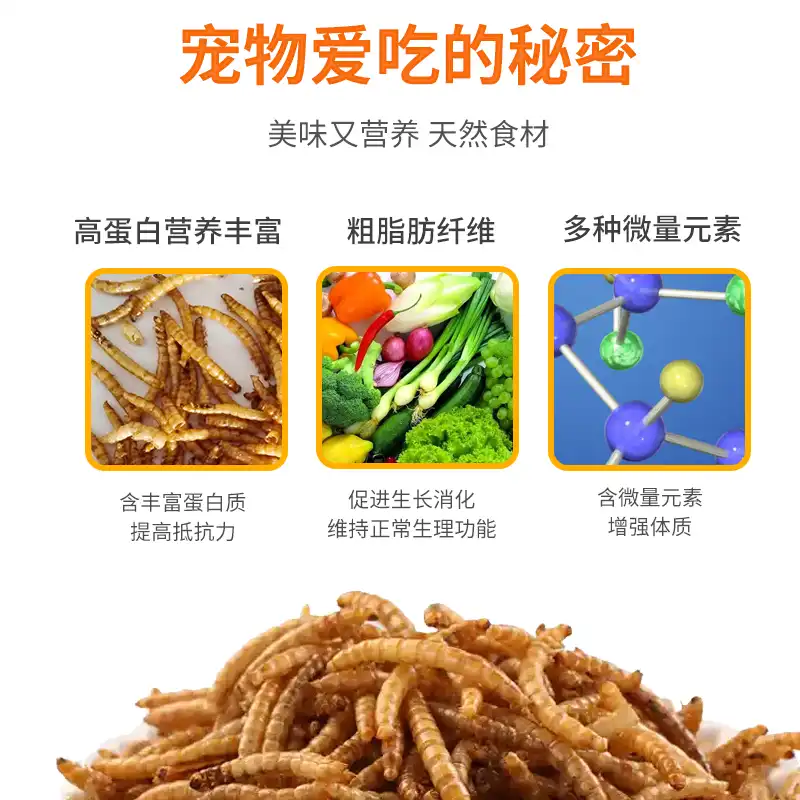
Conclusion
Chickens can safely eat qualified parrot food as a nutritional supplement, and the core valuable ingredient is dried mealworms for parrots. Conventional seeds, pellets and natural insect ingredients in parrot food are non toxic and digestible for chickens. They can supplement high quality protein, trace elements and amino acids that are insufficient in ordinary staple feed. Proper supplementary feeding can improve chicken immunity, optimize feather quality and stabilize egg production efficiency. However, parrot food cannot replace professional chicken feed for long term staple feeding due to mismatched nutritional ratio. Breeders and B2B feed merchants need to follow standardized feeding dosage and gradual introduction rules. With scientific storage management, they can give full play to the nutritional advantages of this insect based supplementary feed. It is an efficient, safe and cost effective nutritional optimization solution for modern family breeding and commercial poultry breeding.
FAQ
Can chickens digest parrot food ingredients safely?
Chickens have strong digestive systems and powerful gizzards, which can fully digest and absorb conventional parrot food ingredients such as seeds, pellets and dried insects. Natural insect products represented by dried mealworms for parrots have high digestibility and will not cause intestinal burden under standardized feeding. The main safety risk comes from excessive feeding and low grade feed additives. As long as breeders insist on gradual feeding and select pure natural formula products, chickens can adapt to this supplementary diet stably and healthily.
How do dried mealworms compare to black soldier fly larvae for chicken feeding?
Both dried mealworms and black soldier fly larvae are high quality insect protein supplements for chickens. Black soldier fly larvae have higher fat and calcium content with about 40 percent protein, suitable for promoting chicken bone development. Dried mealworms for parrots have higher protein concentration up to 53 percent, with more balanced amino acid ratio, which is better for improving feather quality and laying performance. Dried mealworms also have wider market circulation and more stable prices, making them more suitable for long term bulk procurement and daily supplementary feeding.
How long can dried parrot feed insect ingredients be stored?
With standardized sealed storage in cool and dry environments, dried mealworms for parrots can maintain complete nutritional activity for 12 to 18 months. The protein and crude fiber content remain stable during the storage period, while individual fat soluble vitamins will slowly attenuate. Low temperature refrigeration can further extend the shelf life, but conventional commercial inventory does not require excessive refrigeration equipment. Adhering to the first in first out rule and regular quality inspection can always ensure the feeding safety and nutritional value of bulk products.
Is long term supplementary feeding of parrot food suitable for laying hens?
Long term quantitative supplementary feeding is suitable for laying hens, but total feeding proportion must be controlled. Dried mealworms for parrots can supplement high efficiency protein for laying hens in peak production period, effectively alleviating nutritional consumption and improving egg quality. It is necessary to avoid excessive feeding to prevent nutritional imbalance and fat deposition. Matching with professional layer staple feed and seasonal adjustment of dosage can maximize the breeding benefit of this supplementary feed.
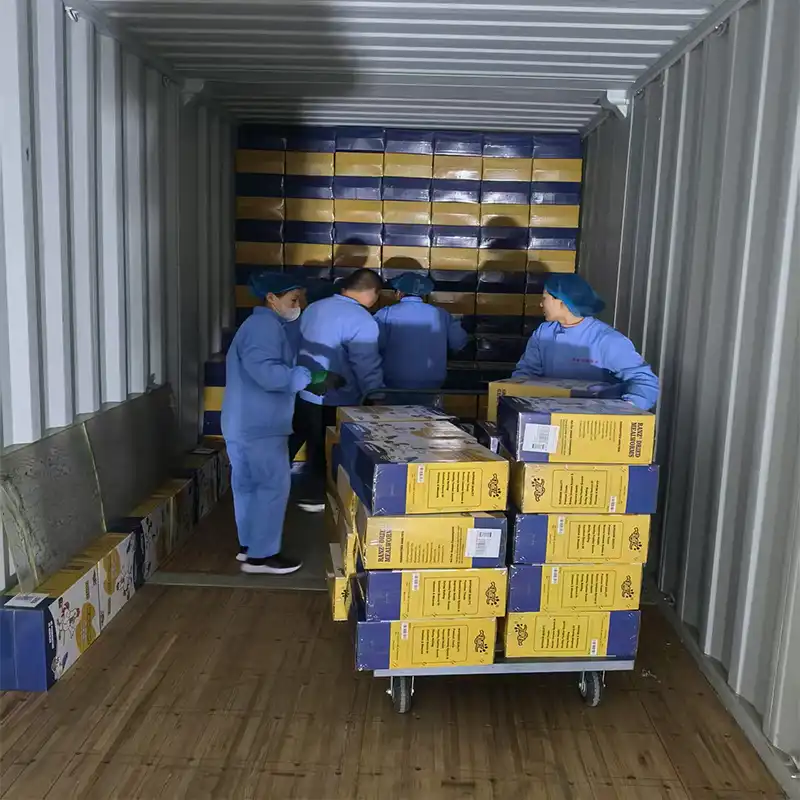
Partner with Yunlan for Premium Dried Mealworms Solutions
Yunlan is a professional and reliable global supplier specializing in high quality avian insect feed products. We focus on providing premium dried mealworms for parrots for B2B feed merchants, poultry farms and pet supply retailers worldwide. Adopting advanced microwave drying and high temperature sterilization technology, our products completely remove harmful bacteria and impurities while retaining 100 percent core nutrients. Our dried mealworms stably maintain 53 percent high protein content, rich healthy fat and various trace elements, meeting the dual feeding needs of ornamental parrots and farmed chickens. With 20 years of industry supply chain experience, more than 97 independent patents and nearly 100 million yuan in R and D investment, our products have passed multiple international safety certifications. We support stable bulk supply, customized processing and global logistics distribution, covering more than 60 countries and regions. Our products feature long shelf life, zero mildew deterioration and ultra high digestibility, helping customers reduce inventory loss and improve product competitiveness. We provide one stop procurement services and professional after sales support. If you need product samples, bulk wholesale prices and exclusive cooperative policies, please contact our professional sourcing team via minghuixu6717@gmail.com or visit yunlanpets.com to start a win win long term cooperation.
References
Journal of Applied Poultry Research. (2023). Nutritional Composition of Insect-Based Protein Supplements in Avian Diets. Volume 28, Issue 3, 112-120.
Smith, J.R., & Thompson, K.L. (2024). Comparative Digestibility of Alternative Protein Sources in Domestic Poultry. International Poultry Science Association Annual Proceedings, 45-53.
USDA Animal and Plant Health Inspection Service. (2023). Guidelines for Novel Feed Ingredients in Commercial Poultry Production. Official Publication 2023-04.
Martinez, D. (2024). Sustainable Insect Farming for Animal Feed Applications: Production Methods and Quality Standards. Agricultural Innovations Press, 78-92.
Veterinary Nutrition Journal. (2023). Safety Assessment of Cross-Species Feed Supplementation in Captive Bird Populations. Volume 15, Number 2, 36-49.
National Poultry Improvement Plan. (2024). Best Management Practices for Supplemental Feeding Programs in Commercial and Backyard Flocks. Technical Bulletin Series, 22-35.