- English
- French
- German
- Portuguese
- Spanish
- Russian
- Japanese
- Korean
- Arabic
- Irish
- Greek
- Turkish
- Italian
- Danish
- Romanian
- Indonesian
- Czech
- Afrikaans
- Swedish
- Polish
- Basque
- Catalan
- Esperanto
- Hindi
- Lao
- Albanian
- Amharic
- Armenian
- Azerbaijani
- Belarusian
- Bengali
- Bosnian
- Bulgarian
- Cebuano
- Chichewa
- Corsican
- Croatian
- Dutch
- Estonian
- Filipino
- Finnish
- Frisian
- Galician
- Georgian
- Gujarati
- Haitian
- Hausa
- Hawaiian
- Hebrew
- Hmong
- Hungarian
- Icelandic
- Igbo
- Javanese
- Kannada
- Kazakh
- Khmer
- Kurdish
- Kyrgyz
- Latin
- Latvian
- Lithuanian
- Luxembou..
- Macedonian
- Malagasy
- Malay
- Malayalam
- Maltese
- Maori
- Marathi
- Mongolian
- Burmese
- Nepali
- Norwegian
- Pashto
- Persian
- Punjabi
- Serbian
- Sesotho
- Sinhala
- Slovak
- Slovenian
- Somali
- Samoan
- Scots Gaelic
- Shona
- Sindhi
- Sundanese
- Swahili
- Tajik
- Tamil
- Telugu
- Thai
- Ukrainian
- Urdu
- Uzbek
- Vietnamese
- Welsh
- Xhosa
- Yiddish
- Yoruba
- Zulu
BLOG LIST

One question that often comes up when purchasing managers and pet stores look at treats is what makes chicken soft sausage really tender and tasty for dogs? The answer comes in the exact mix of high-quality ingredients, fat amounts, natural bonds, and production methods. Good chicken protein quickly restores a dog's energy, and the protein's gentle nutrition supports general health. When B2B buyers know about these texture-affecting factors, they can make smart buying choices that meet market needs and quality standards.
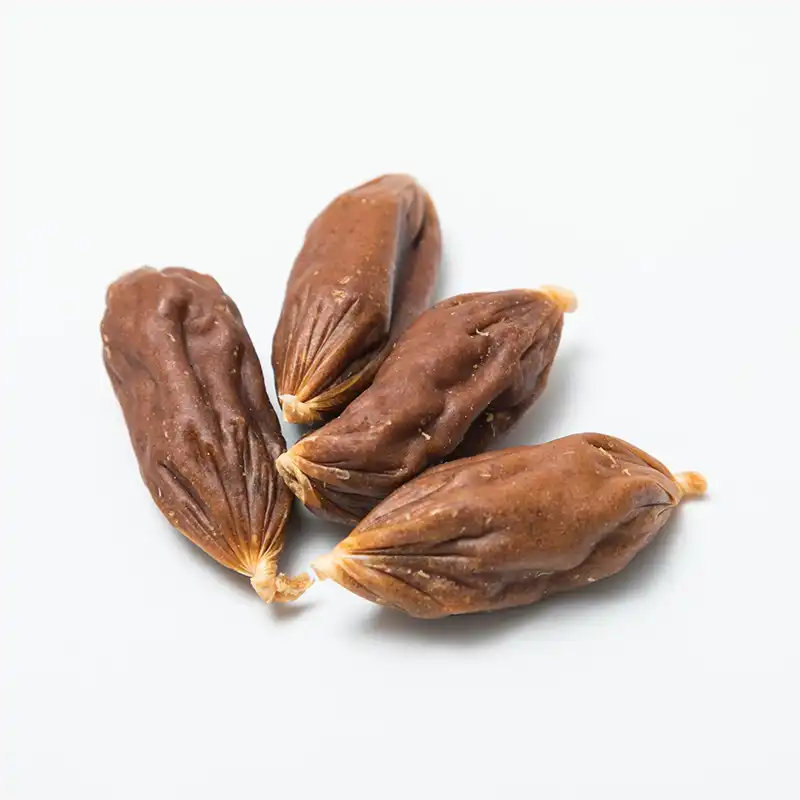
Softness Factor in Chicken Sausages for Dogs
Defining Softness from a Texture Perspective
How soft dog treats should be is very different from how soft people food should be. For humans, sausages are made to snap and be hard, while for dogs, they are made to be chewable and easy to digest. Texture directly affects how good something tastes. Tender foods are better for dogs with sensitive teeth, older pets, or pets that are healing from sickness. Veterinary experts have confirmed that softer textures make animals more likely to eat, which lowers the number of cases of refusal to eat in both hospital and home settings.
Key Ingredients Influencing Texture
Choosing the right ingredients is the first step in making any high-quality chicken soft sausage. Good chicken meat has all the amino acids your body needs and stays moist during cooking. A fat level that is balanced, usually between 8% and 15%, makes the food rich without being greasy. Natural binders, like potato protein or tapioca starch, make the mixture stick together, and moisture-retaining agents, like veggie glycerin, keep it from drying out. When these parts work together, they turn raw materials into a finished product that is always soft and meets both nutritional and taste needs.
Manufacturing Techniques Matter
To get equal softness, you need to use complex production methods. With precision grinding, muscle fibers are broken down to the right particle size, which makes the taste smooth. Emulsification is the process of mixing fats and proteins into solid mixes that don't separate. Even heating is achieved through controlled cooking, which is usually done in a water bath or with steam injection. This keeps the outside layers from getting too tough. The way a product is cooled can also change its feel. Lowering the temperature slowly lets the proteins set slowly, keeping the product soft throughout its shelf life. These technical details set industrial-scale greatness apart from home-made options that don't always work.
Component and Process Analysis: Why Are Chicken Sausages Soft?
Chicken Meat Selection and Its Impact
Not every part of the chicken makes it soft in the same way. Breast meat is a good source of lean protein, but it can get dry if you don't keep the wetness in check. Thigh meat has more fat than other meat, which naturally makes it more juicy and easy to chew. Some producers use manually split chicken, which gives the meat a very smooth texture but needs strict quality controls to keep its nutritional value. Leading manufacturers carefully mix these sources, making sure that the results are both cost-effective and pleasing to dogs with a range of tastes.
Role of Natural Binders and Moisture Agents
Collagen from chicken skin or connective tissue is a natural glue that gives things their flexibility without the use of chemicals. When collagen is heated, it changes into gelatin. Gelatin holds on to water and helps make fine sausages soft. A humectant that comes from plants, glycerin, pulls and holds water molecules in the product structure. This two-pronged method solves the problem of texture loss during storage, making sure that sausages stay soft from the time they are made until they are eaten.
Advanced Emulsification and Thermal Processing
Modern emulsification technology spreads fat droplets out to the size of molecules within protein networks. This process stops fat from pooling and makes sure that every batch has the same thickness. Temperature curves, dwell times, and cooling rates are some of the thermal processing factors that are customized to each recipe. A case study from a well-known pet food company in East Asia showed that by optimizing these parameters, texture variability was cut by 40% while nutritional value stayed the same. This sets a standard for buying teams that care about quality and are looking for trusted sources.

Comparison: Chicken Soft Sausages vs. Other Sausage Types for Dogs
Texture and Nutritional Profiles Across Proteins
Because of the way muscle fibers are structured, chicken-based options tend to have softer textures than pig or beef choices. Some pork buns are harder than others, which dogs with strong jaws like. Turkey is a good compromise because it is not as lean as chicken but also not as tough as red meats. According to studies on dog diet, chicken is very easy to digest and has protein absorption levels above 85%. Because of this, chicken soft sausage is great for dogs with sensitive stomachs or food intolerances, which is a growing group of customers that stores and vet offices are focusing on more and more.
Specialized Formulations for Niche Markets
Organic and grain-free varieties are available for pet owners who care about their pets' health and are willing to pay more. In these recipes, sweet potato or chickpea flour is used instead of regular filling to keep the texture soft. The moisture levels are also changed to keep the texture soft. Gluten-free choices don't have any wheat proteins at all; instead, they use different binding methods that keep the texture the same. People who work in procurement who are trying to reach high-end customers should carefully look at these specialized goods because they need suppliers who know a lot about reformulation chemistry and allergen management practices.
Homemade vs. Commercially Produced Quality
Boutique stores that focus on craft branding like homemade chicken sausages, but it's still hard to be consistent. Changes in texture from batch to batch are caused by human processing and environmental factors that can't be managed. Commercial production allows for easy expansion, consistent quality control, and compliance with regulations, all of which are important factors for people who buy in bulk. Temperature, humidity, and mixing times can be tracked more accurately by automated systems than by small-scale activities. This dependability means that stores can predict how their inventory will do and get fewer complaints from customers, which has a direct effect on their bottom lines and image.
Procurement Insights: How to Choose and Source Soft Chicken Sausages for Dogs
Quality Metrics and Testing Protocols
Buyers should ask for texture analysis data, such as measures of the cutting force and the shear strength. When tested for compression, products that score less than 15 Newtons are considered soft enough for most dog types. Documentation for nutritional compliance must confirm minimum amounts of crude protein, fat, and the lack of chemicals that aren't allowed. Suppliers with a good reputation give third-party lab results and Certificates of Analysis that are specific to each batch. Labeling needs to be checked carefully—claims like "all-natural" or "grain-free" need to be backed up by ingredient lists and clear explanations of how the product was made.
Supplier Evaluation Criteria
When you compare suppliers, you have to look at their production ability, quality certifications, and the facilities for moving goods. Inventory costs are affected by minimum order amounts. Suppliers who are flexible enough to take smaller initial orders lower financial risk during the testing steps of a product. Instead of just beating competition, pricing should be based on the quality of the raw materials. Logistics skills are also important—temperature-controlled storage and shipping keep products fresh, which is especially important for soft sausages that are sensitive to wetness. When suppliers respond to calls for customization, it means they want to work with you in a way that goes beyond transactions.
Yunlan's Expertise in Premium Soft Chicken Sausages
Yunlan has decades of experience making chicken soft sausage and uses Ruixin Cloud Wave Group's tried-and-true technology to do so. Advanced pork protein enzymolysis technology is used in our factories in Suqian City, which directly improves the material quality. We only buy chicken from approved partners, so we can track it from the farm to the table. The more than 20 years of experience our management team has in running the pet supply chain means that we have strict quality control and the best cost structures. With 97 approved patents, including 19 invention patents, our research and development (R&D) team can help you make special recipes that meet the needs of your market. Yunlan's goods are sold in more than 60 countries, showing that they know how to meet global market standards and regulations. Our network of more than 10,000 stores across China shows that the market trusts us to always offer high-quality goods.
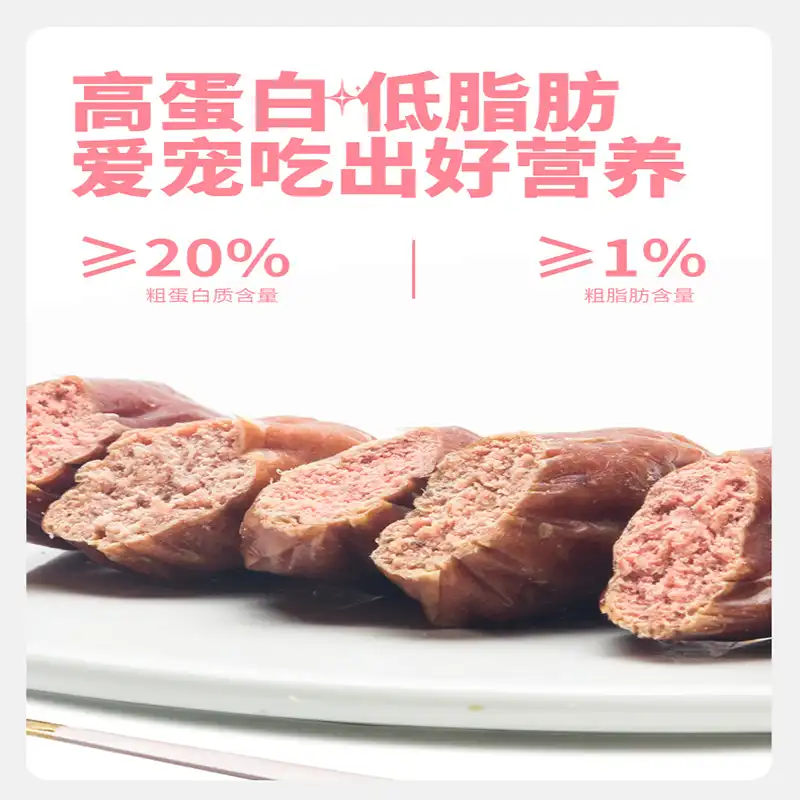
Best Practices for Storage and Handling to Maintain Softness
Temperature and Humidity Controls
For shelf-stable items, the best storage temps are between 50°F and 70°F (10°C and 21°C). For cold items, the best temperatures are 35°F to 40°F (2°C to 4°C). When humidity levels go above 60%, there is a chance that wetness will be absorbed, which could change the texture and make microbes more active. On the other hand, places with less than 30% humidity lose moisture, which makes things harden. To keep these conditions stable, distribution centers should install temperature tracking systems with automatic alerts. These external controls have a direct effect on how well the product works, which lowers customer happiness and makes returns less likely.
Packaging Innovations and Shelf Life Management
Modern barrier films that have layers of aluminum oxide and plastic stop oxygen from getting in and water from moving through. By keeping air out, vacuum-sealed packaging improves shelf life and keeps softness for 12 to 18 months when kept properly. When oxygen is replaced with nitrogen or carbon dioxide in modified atmosphere packing, oxidation is slowed down without using chemical stabilizers. FIFO (First In, First Out) inventory movement keeps quality loss from getting worse over time to a minimum. Bulk buyers should set up tracking systems that keep an eye on batch dates and storage times to make sure that goods move through supply lines before their texture starts to change.
Cold Chain Logistics and Handling Protocols
Products that need to be kept cold must have a cold chain that doesn't break from production to delivery. Temperature changes during transport, even if they are only for a short time above 45°F, speed up changes in appearance and shorten the shelf life. Thermal packing materials, refrigerated cars, and temperature data loggers keep track of how well handling standards are being followed. By teaching warehouse workers the right way to store things, mistakes that damage packaging or leave goods open to changes in temperature can be avoided. These rules keep the good name that stores and wholesalers work hard to build with end customers and protect the quality of investments.
Conclusion
Premium chicken soft sausages are very soft because they are made with carefully chosen ingredients, advanced manufacturing methods, and strict quality controls. High-quality chicken protein gives dogs the nutrition they need while keeping the soft texture they naturally like. Procurement workers can better evaluate sources if they know how fat content, natural binders, emulsification methods, and thermal processing all work together. When shopping for pet stores, veterinary clinics, grooming shops, or distribution networks, it's important to put texture consistency, nutritional integrity, and reliable logistics partnerships at the top of the list. This will help the product do well in competitive markets. As the number of people looking for custom cat treats keeps growing, it becomes more useful to work with experienced manufacturers who can give customization and quality assurance.
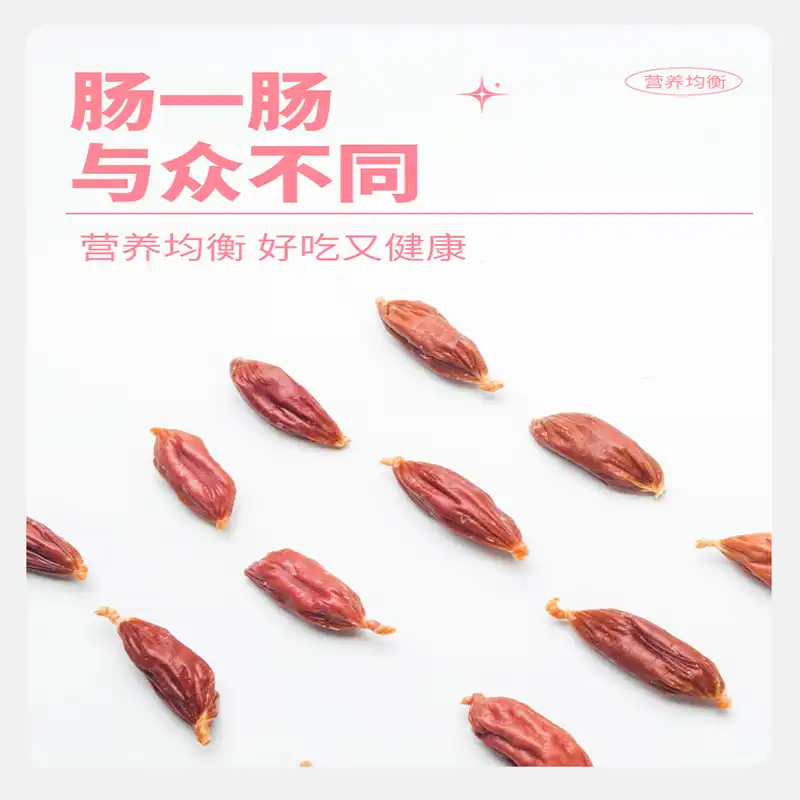
Partner with Yunlan for Superior Chicken Soft Sausage Supply
Yunlan always makes the best chicken soft sausage, and they back them up with full quality assurance and the ability to make changes to fit your needs. Our production sites are state-of-the-art and use cutting-edge enzymolysis technology along with decades of experience making pet food. As a part of Ruixin Cloud Wave Group, we have unbeatable supply chain benefits. For example, we get our quality chicken from approved partners, keep the cold chain safe through relationships with JD Logistics, and make sure products are safe through advanced sterilization processes. As we have supplied foreign markets in North America, Europe, and Asia in the past, it shows that we can meet strict legal requirements. Yunlan offers scalable options that are made to fit your needs whether you are a pet store chain, medical center, e-commerce platform, or wholesale distributor. Our competitive prices, flexible minimum order amounts, and quick customer service make the buying process easier. Email our team at minghuixu6717@gmail.com to talk about your needs for a chicken soft sausage supplier and find out how our knowledge can help you improve your product line and meet your customers' needs.
FAQ
What specific ingredients ensure chicken sausages remain soft?
The base is made of high-quality chicken meat with a healthy amount of fat (8–15%). Glycerin keeps the moisture in and natural fillers like tapioca starch and collagen give it shape. Controlled water level, usually between 30 and 40 percent, keeps things from being too dry without making them too soft. For many suppliers, ensuring the stability of chicken soft sausage is a priority.
Are soft chicken sausages healthier than firmer varieties for dogs?
Soft textures are easier for dogs to swallow, which is especially helpful for older dogs or dogs with teeth problems. The nutritional value rests on the quality of the ingredients more than how they feel. When made correctly with the right amounts of protein, fat, and micronutrients, both soft and firm types can provide full nutrition.
How can buyers verify product quality before committing to large orders?
Ask for sample batches that come with health certifications and details on the texture of the food. Do tests in a separate lab to look for toxins and confirm the nutrients. You can do virtual or in-person checks of supplier sites to look at quality control methods, equipment standards, and paperwork that shows they are following the rules.
References
1. Case, L.P., Daristotle, L., Hayek, M.G., & Raasch, M.F. (2020). Canine and Feline Nutrition: A Resource for Companion Animal Professionals. Mosby Elsevier.
2. Association of American Feed Control Officials. (2024). Official Publication: Model Regulations for Pet Food and Specialty Pet Food Under the Model Bill. AAFCO Incorporated.
3. National Research Council. (2021). Nutrient Requirements of Dogs and Cats. National Academies Press.
4. Fascetti, A.J., & Delaney, S.J. (2022). Applied Veterinary Clinical Nutrition. Wiley-Blackwell Publishing.
5. Beaton, S. (2023). Pet Food Processing Technology and Quality Control Standards. International Food Technology Journal, 18(4), 234-251.
6. Freeman, L.M., Chandler, M.L., Hamper, B.A., & Weeth, L.P. (2023). Current Knowledge on Texture Attributes in Commercial Pet Foods. Veterinary Clinics of North America: Small Animal Practice, 53(2), 347-365.
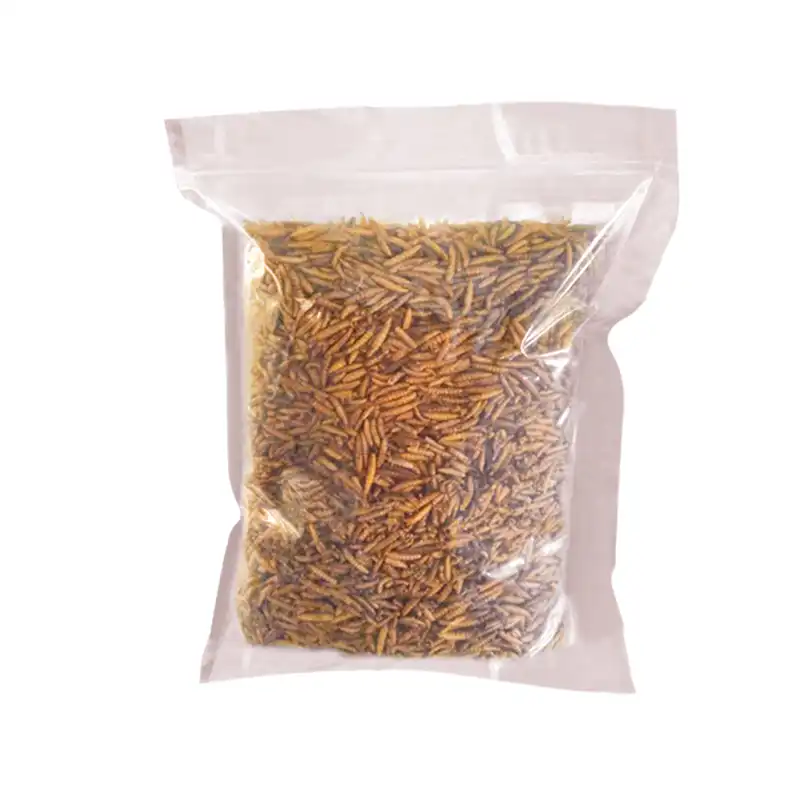
A package of seeds won't cut it when it comes to parrot health. When left to their own devices, they scavenge for insects, buds, nuts, and fruits. A contemporary captive diet ought to aim to replicate such diversity. Animal protein is often neglected by owners, even tho pellets and fresh food provide most bases. As a result, dried mealworms for parrots are now a hot topic at pet stores and avian care facilities. Understanding their worth, feeding them properly, evaluating their quality, and finding a trustworthy vendor are all covered in this comprehensive book.
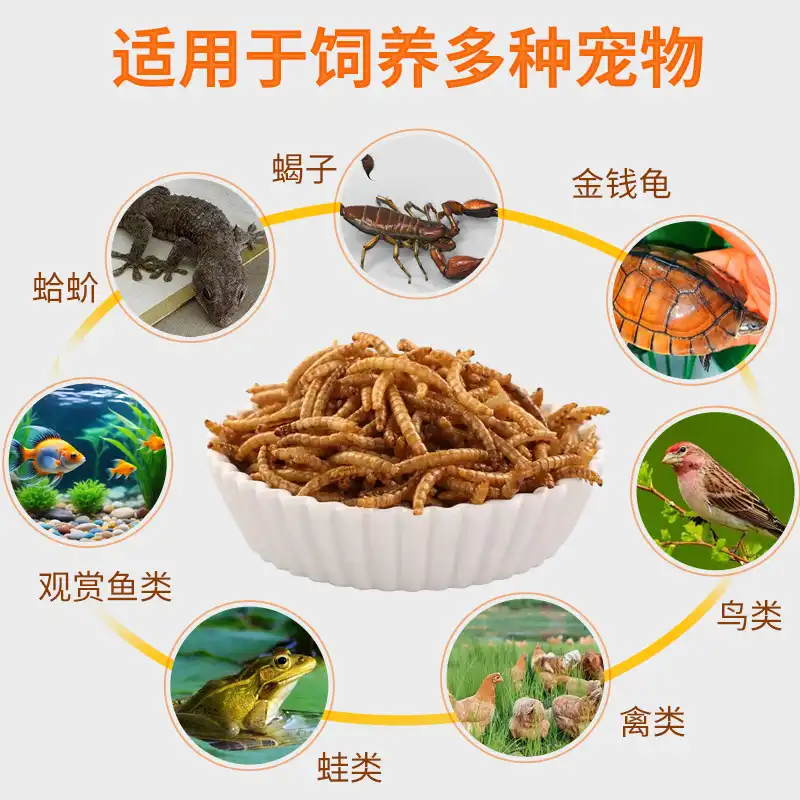
Why Dried Mealworms Are a Smart Addition to Parrot Diets?
It is helpful to know what a mealworm provides nutritionally before choosing the amount or frequency of feeding. The allure becomes apparent as soon as you look at the figures.
A Closer Look at the Nutritional Profile
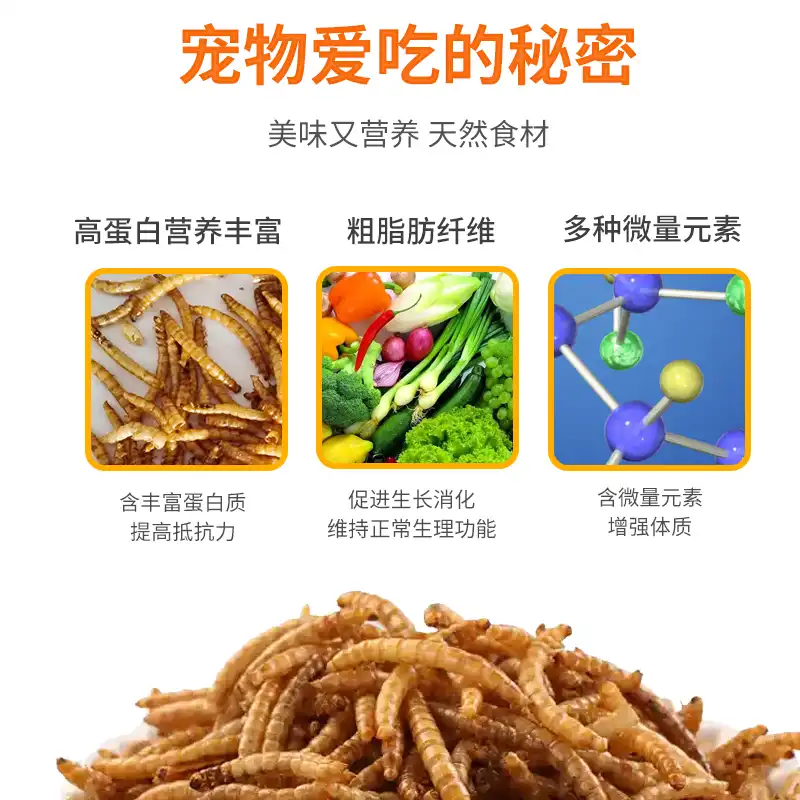
When a darkling beetle is a larva, it feeds on mealworms. Drying them makes them more shelf-stable while preserving most of their essential nutrients. The typical composition of these foods is 25–30% fat and 50–55 percent crude protein. Not only that, but they are a good source of B vitamins, potassium, iron, zinc, and fibre (around 6%). They have a full complement of amino acids. So, the protein is useful for feather production, tissue healing, and immune system support for birds.
Proteins from insects are more easily absorbed by the body than those from plants. Some parrot owners have found that include dried mealworms in their regimen has helped their pets' energy levels and plumage stand out more. That is not advertising jargon. It represents the metabolic interactions between avian amino acids and those derived from animals.
Why Seeds and Pellets Alone Fall Short?
Most people who care for parrots make the mistake of feeding them solely seeds. The seeds of sunflowers and safflowers are rich in oil, but they aren't very nutrient dense. A diet high in seeds causes a loss of plumage, fatty liver disease, and weight gain over time. Part of the issue is solved with pellets. Added vitamins and balanced macros are what they supply. On the other hand, a lot of parrots don't like pellets and will avoid them.
Antioxidants, colour, and moisture are all benefits of eating fresh produce. They don't add much protein, however. To address this need, parrots may eat dried mealworms. To top off a meal or use as a training incentive, they provide a concentrated source of animal protein that won't throw off your diet. To mimic natural foraging as much as possible, feed parrots a mix of pellets, diced veggies, and tiny bits of fruit with rotating dried mealworms.
How to Feed Dried Mealworms for Parrots Safely?
Just knowing what to eat isn't enough. The following is a more realistic concern from owners: what is the recommended serving size of mealworms and how many can a bird eat? Sort of diet, age, and species all have a role in the final decision.
Recommended Portions by Species
Insect protein is easily digested by larger parrot species including macaws, amazons, and African greys. Most individuals find that eating five or ten dried mealworms per day is the perfect amount for a snack. Three to six is ideal for medium-sized birds, such as Senegals and conures. Budgerigars, cockatiels, and lovebirds, which are smaller birds, only need one or two every day. Typically, parrots' daily dietary consumption of dry mealworms shouldn't exceed 5 to 10 percent.
A little more may be necessary for moulting birds and breeding hens. While developing their feathers and ovaries, their protein needs increase. Consult an avian vet for advice on the food if you're still confused. More important than feeding parrots daily is providing the correct quantity of dry mealworms.
Preparation Tips for Picky Eaters
Mealworms are an immediate food source for certain parrots. Some need convincing. After five or ten minutes of soaking in warm water, your bird should be more receptive to eating the worms. This makes the texture softer and gives out a pleasant scent that birds love. Dried mealworms for parrots may also be ground into a coarse powder and used as a garnish for heated mashed potatoes or chopped veggies.
Training a single worm by hand increases acceptance and fosters trust. It is best to ease into new cuisines. For the first week, mix a few dry mealworms with a parrot's favourite treat. To make the bird more comfortable, gradually raise the ratio.
Storage Best Practices
Mealworms remain fresh and safe when stored correctly. In a cool, dry place, store them in a sealed container. The container's little silica gel packet aids in moisture absorption. The product has a shelf life of 12 to 18 months when stored at room temperature. That may be prolonged even further with refrigeration, particularly in humid regions.
Never provide mealworms that have a bad odour, are discoloured, or have mould on them. Buyers in bulk should adhere to the principle of first-in, first-out rotation in order to ensure that older stock is sent or served before fresh batches. Dried mealworms for parrots, if kept properly, retain all of their nutritional value and flavour from one feeding to the next.
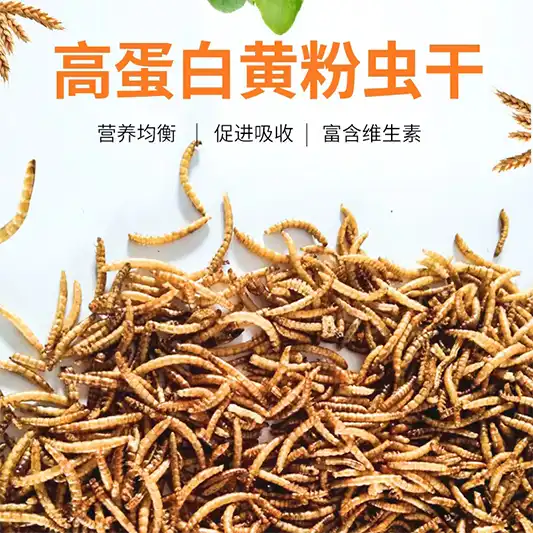
How to Choose High-Quality Dried Mealworms for Parrots?
Each and every one of those bags is unique. The end result is dependent on the processing technique, seed source, and quality assurance measures used. It is important for retailers and serious owners to know what to look for when purchasing in bulk.
Processing Methods That Preserve Nutrition
The market is dominated by three primary approaches. Baking at a temperature of around 110°C is both cheap and efficient in killing bacteria, however it may degrade several vitamins that are sensitive to heat. The majority of nutrients and the natural structure are preserved after freeze-drying. The increased expense contributes to the higher selling price. A more recent technique that strikes a compromise between the two is industrial microwave drying. Due to its rapid killing power, it does not need extended exposure to heat, and it preserves the majority of vitamins and amino acids.
Be sure to enquire about the drying process when comparing different types of dried mealworms for parrots. It is typically safe to trust a provider that provides straightforward responses.
Certifications and Safety Standards
Reputable firms have GMP certification and follow the HACCP rules for food safety. You should be able to ask for independent lab tests for pesticide residues, salmonella, E. coli and heavy metals. Choose products that don't include artificial colours, tastes or preservatives. Pure dried mealworms for parrots should only contain mealworms.
Ask the factory for an audit report, a certificate of analysis and the firm purchasers for the supply chain records. These documents help protect your reputation and your clients.
Sourcing Dried Mealworms for Parrots from a Reliable Partner
Locating a provider that reliably provides the desired level of quality is the subsequent step after defining it. The questions to ask and the services provided by Yunlan to wholesale partners are detailed below.
What to Look for in a Supplier?
The powerful provider handles the practical difficulties first. What is the minimum order? ‘Tell me about the shipping channels and how long it’ll take. Do you have any samples? Do they have items that they privately label? A good partner has clear requirements, genuine credentials and communicates quickly.
Cost is a consideration but the cheapest choice could be the most costly in terms of spoilage, returns or nutritional inconsistencies. Look for a company that provides dry mealworms for parrots with consistent batches.
Why Retailers Choose Yunlan?
If you are looking for a dependable company that values quality, innovation, and customer pleasure to purchase dried mealworms for parrots, Yunlan is a fantastic choice. Industrial microwave drying technology, which we utilise in our high-tech processes, destroys germs while preserving the maximum nutritious content. By avoiding the use of artificial flavours, spices, and colours, this method produces high-quality foods. Thru our adaptable minimum order quantities, comprehensive quality certifications, and cheap bulk rates, we facilitate the development of distinctive product lines for online vendors, veterinary clinics, grooming parlours, and pet shops.
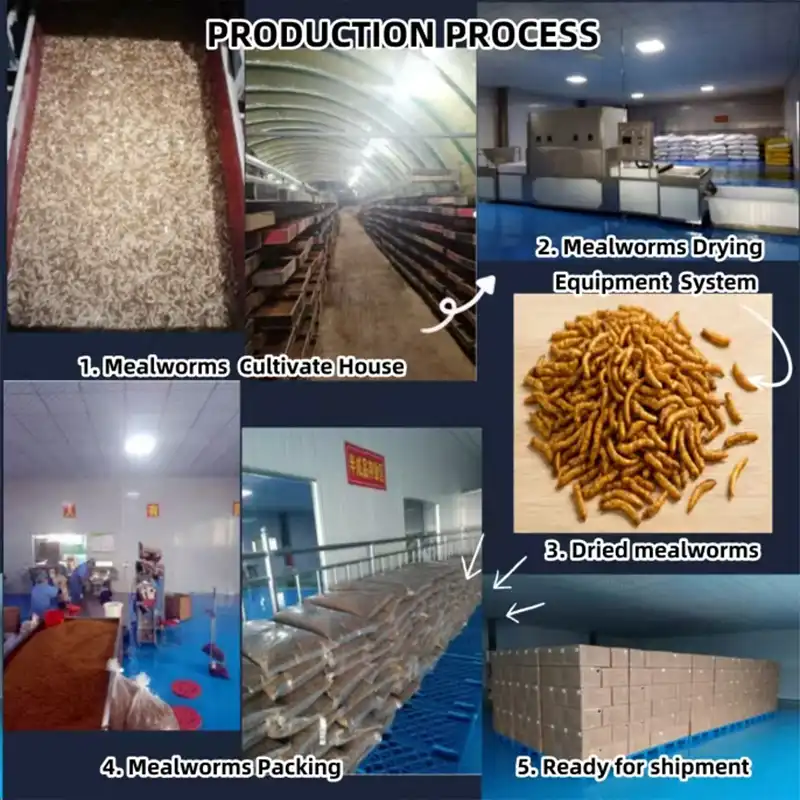
Our parent company invests about 100 million yuan annually in R&D, boasts 97 recognised patents, and has state-of-the-art manufacturing facilities. That we are dedicated to technological brilliance and ongoing innovation is shown here. Over sixty nations are linked to the United States with robust transportation networks, which serve over ten thousand shops. This demonstrates our proficiency in transportation and our familiarity with the market. Supplements for parrots are only one of the many pet food alternatives available in our specialised goods. This allows the partners to get a diverse array of items from a single, reputable manufacturer. See how our premium insect-based proteins can enhance your products and attract more customers.For example pricing, technical specifications, and assistance with any other business-related enquiries, please contact our purchasing specialists at minghuixu6717@gmail.com or visit yunlanpets.com.
FAQ
Q1: Are dried mealworms safe for all parrot species?
Yes, when produced under sanitary conditions and fed in appropriate portions. Larger species like Macaws and African Greys handle them easily. Smaller species like Budgies and Lovebirds should receive smaller amounts. Birds with kidney or liver conditions should be evaluated by a vet first, since their protein needs may differ.
Q2: How many dried mealworms can I feed my parrot each day?
For small birds, one to three per day is enough. Medium parrots can have three to six. Large parrots can enjoy five to ten. Mealworms should stay within 5 to 10 percent of total daily food. The remainder should come from pellets, fresh vegetables, and limited fruit.
Q3: Can dried mealworms replace pellets or fresh food?
No. Mealworms are a supplement, not a base diet. Pellets provide balanced macros and vitamins. Fresh produce supplies moisture and antioxidants. Mealworms add concentrated animal protein and enrichment. A balanced diet uses all three together.
Q4: Do I need to soak dried mealworms before feeding?
Soaking is optional. Many parrots enjoy them dry and crunchy. If your bird is new to insect food or prefers softer textures, a five-minute soak in warm water can help. Drain excess water before serving.
Q5: How long do dried mealworms last once opened?
In an airtight container stored cool and dry, they remain fresh for 12 to 18 months. Add a silica packet to control humidity. Refrigeration can extend shelf life further in warm climates. Discard any batch that smells off or shows mold.
References
- Harrison, G.J. & Lightfoot, T.L. (2006). Clinical Avian Medicine. Spix Publishing, Palm Beach, Florida.
- Koutsos, E.A., Matson, K.D., & Klasing, K.C. (2001). Nutrition of Birds in the Order Psittaciformes: A Review. Journal of Avian Medicine and Surgery, 15(4), 257–275.
- Finke, M.D. (2002). Complete Nutrient Composition of Commercially Raised Invertebrates Used as Food for Insectivores. Zoo Biology, 21(3), 269–285.
- Finke, M.D. (2013). Complete Nutrient Content of Four Species of Feeder Insects. Zoo Biology, 32(1), 27–36.
- Bosch, G., Zhang, S., Oonincx, D.G.A.B., & Hendriks, W.H. (2014). Protein Quality of Insects as Potential Ingredients for Dog and Cat Foods. Journal of Nutritional Science, 3, e29.
- Ravindran, V. & Blair, R. (1993). Feed Resources for Poultry Production in Asia and the Pacific. III. Animal Protein Sources. World's Poultry Science Journal, 49(3), 219–235.
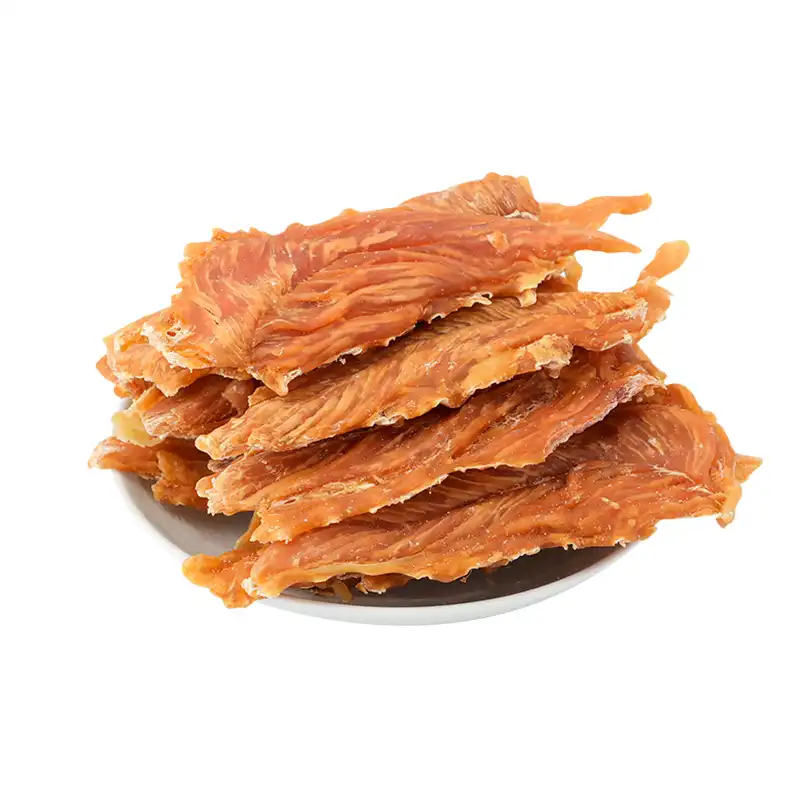
Additive-free dried chicken has become one of the most important ingredients in the clean-label pet food movement. It's important for procurement managers, wholesalers, and OEM partners to understand the value proposition of zero-additive protein sources as the pet nutrition environment gets more complicated. This naturally processed chicken product meets strict legal standards in global markets and meets the growing demand for openness from consumers.
Recent studies show that the natural treats section will grow at a rate of about 9.2% per year until 2027, which is a very fast rate of growth in the pet food business. Pet owners now read ingredient labels with the same care that they use when buying food for themselves. This change has opened up a lot of doors for business-to-business buyers who can now find high-quality protein products without any additives that fit with the clean-label messaging.
Our research includes methods of production, nutritional profiles, study of similar products, and smart buying issues. We'll look at how additive-free dried chicken can be used in a variety of ways in the production of pet food, from high-end treats to useful health supplements, to meet changing market demands. This guide gives people who work in the industry useful information they can use to make smart choices about where to get products that will improve their product lines and make them more competitive.
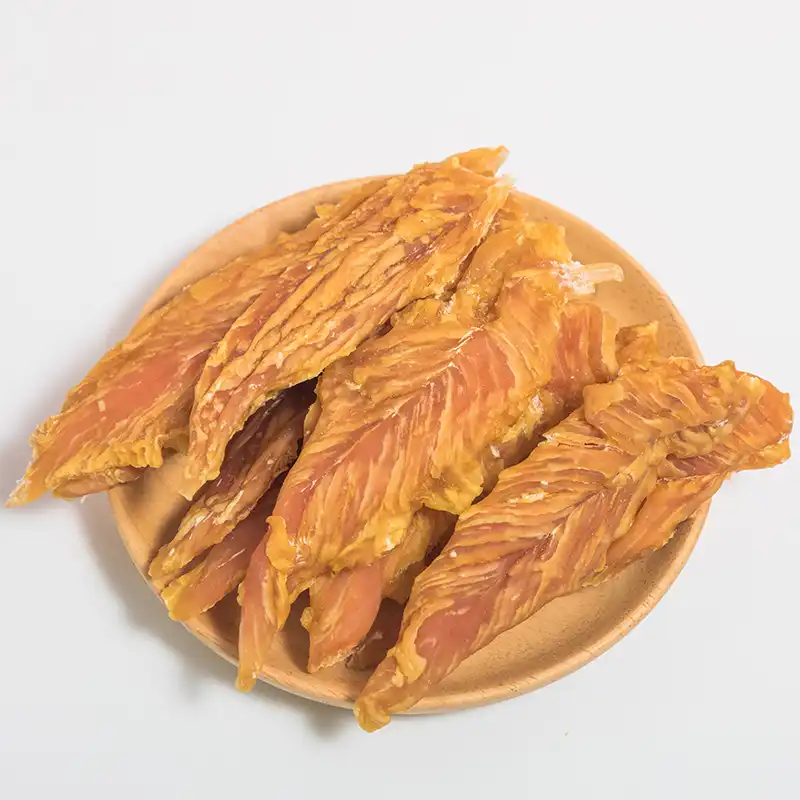
Understanding Additive-Free Dried Chicken for Dogs
Absolutely, additive-free dried chicken is excellent for dogs. This pure protein source gives you a lot of nutrition without any chemicals, fake tastes, or preservatives. Natural amino acids, vitamins, and minerals necessary for canine health are preserved in additive-free dried chicken, which is made from real chicken breasts through low-temperature cooking. The gentle cooking method keeps the nutrients intact while making an ingredient that is easy for dogs to digest and tastes great.
What Defines Additive-Free Dried Chicken
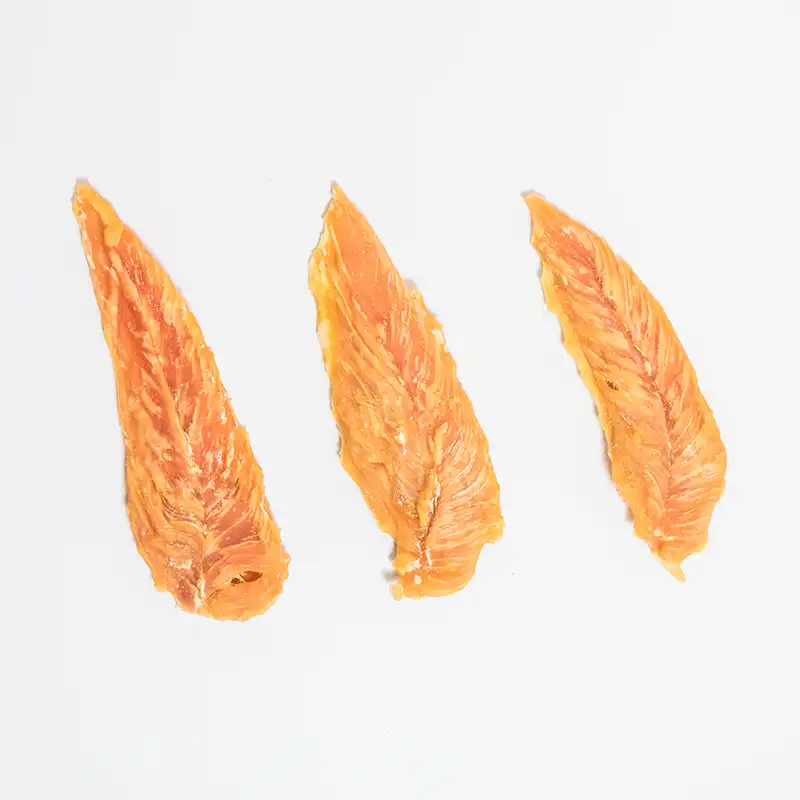
Additive-free dried chicken is chicken meat that has only been handled with controlled heat and time, without any added taste enhancers, preservatives, or binding agents. To start the process, a pure chicken breast is hand-trimmed, degreased, and cut into original meat sections. Low-temperature baking slowly takes away the water while keeping the structure of the proteins and their nutritional value. This gentle method is very different from high-heat ways, which can break down proteins and make the end products harder to process.
Some criteria for quality are a protein content of at least 75%, a moisture content of less than 10% for shelf stability, and no chemical leftovers at all. The finished product melts easily when wet, showing that the protein structure was kept correctly. Because it is easy on the stomach, it can be used on dogs with weak digestive systems.
Nutritional Benefits for Canine Health
Additive-free dried chicken is great for making pet food because of its nutritional value. Protein content is usually between 75 and 85%. Protein contains important amino acids like lysine, methionine, and tryptophan that help keep muscles strong, the immune system working well, and the metabolism working well. Low-temperature cooking keeps B-complex vitamins like niacin and vitamin B6 in food, while processed meat meals may lose nutrients that are damaged by heat.
Because degreasing removes most of the fat, the result is a lean protein source that can be used in weight control products. This feature is especially helpful for senior dog foods and therapeutic meals that need to keep calorie intake under control. The natural collagen that is kept during gentle processing helps keep joints healthy and coats in good shape, so it's useful for more than just nutrition.
Safety and Quality Standards
Safety starts with where the chicken comes from. Premium chicken without additives comes from poultry suppliers that have been tested and meet food-grade standards. The low-temperature roasting process gets rid of germs while keeping the purity of the ingredients. There are extra ways that many makers sterilize their products, like using irradiation technology, that keep microbes from growing without using chemicals.
Traceability systems make it possible to follow a product from the farm to the finished product. This meets the needs of regulations in places like the US and EU. Quality control tests make sure that the food doesn't have any banned chemicals and checks the amount of protein and wetness. Because of this all-encompassing focus on safety, additive-free dried chicken is appropriate for high-end pet food lines aimed at health-conscious customers.
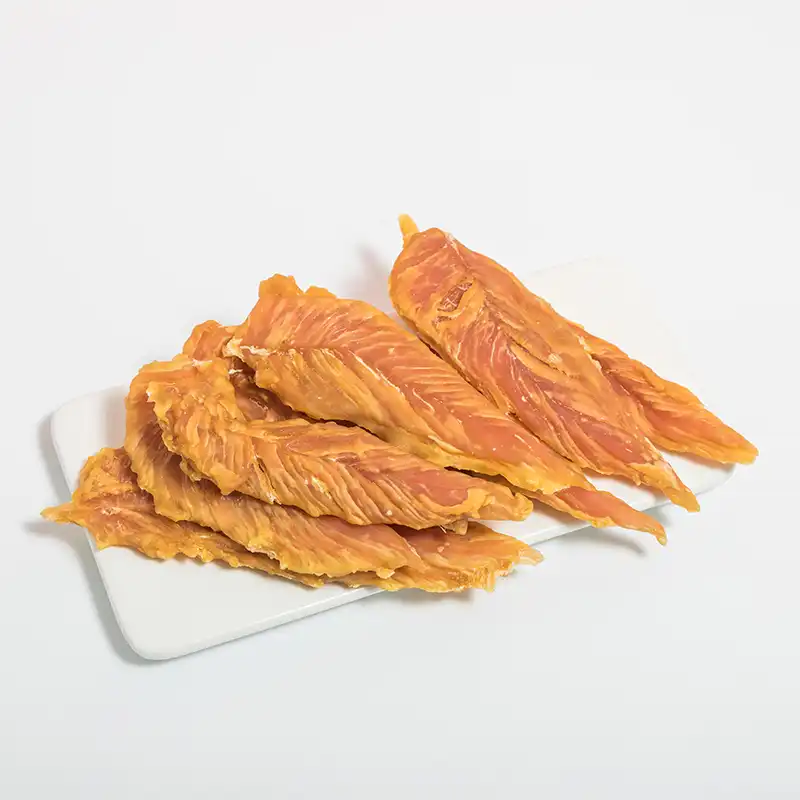
Comparing Additive-Free Dried Chicken with Other Types of Dried Chicken for Pet Use
Knowing how different ways of preparing chicken affect additive-free dried chicken helps business-to-business buyers choose the best parts for each product. Each method has its own features that affect the food's nutritional worth, taste, shelf life, and ability to be made with other materials.
Processing Techniques and Their Impact
Freeze-dried chicken goes through a process called sublimation, in which frozen water turns straight into air in a vacuum. This method does a great job of keeping nutrients and original texture, but it needs a lot of energy, which raises the cost of production. The end result is easy to reheat, which makes it perfect for adding to meals or mixing with other foods. In the same way that cat treats can be made healthier by adding water or broth to them, freeze-dried chicken can be used in a lot of different ways.
Smoked chicken adds flavor by being exposed to wood smoke, which makes unique tastes that dogs like. But smoking may introduce chemicals that dogs that are sensitive to them can't handle well. Also, the temperatures are usually higher than those used for low-temperature cooking.
When chicken is dehydrated the old-fashioned way, higher temperatures are often used to speed up the process. Even though this method is cheaper, it may make food less digestible and less nutritionally available than low-temperature methods. Process economy and nutritional protection are balanced in the additive-free dried chicken made through controlled low-temperature roasting.
Texture, Shelf Life, and Palatability Considerations
Texture has a direct effect on how a product is used and how well it is received by customers. When low-temperature methods are used to process additive-free dried chicken, it becomes soft and melts easily, giving it a "melts in your mouth" quality that makes it taste better. This trait is especially useful for training treats that need to be eaten quickly and giving based on prizes.
Shelf life is closely linked to the amount of wetness and the way the food was processed. When chicken is properly dried without any additives and the moisture level is below 10%, it stays good for 12 to 18 months if it is stored in the right way. This stability helps stores and online sellers keep track of their stock more efficiently. Products that are freeze-dried are also stable, but they cost more.
Taste tests constantly show that dogs prefer chicken that has been processed naturally over chicken that has been kept chemically. Since there are no added tastes, the natural smell of the meat is more noticeable, which makes us want to eat. This natural draw means that finished goods don't need as many artificial flavor enhancers.
Specialty Options: Low Sodium and Organic Variants
For dogs with heart problems or kidney problems, low-sodium dried chicken meets their specific dietary needs. Processing methods that don't use salt to preserve food naturally make low-sodium foods that can be used in restorative diets. This opens up possibilities in the veterinary office channel, where special diet is very important.
The growing demand for certified organic pet goods is met by organic additive-free dried chicken. Premium market groups will like these varieties because they come from chickens that were raised without drugs or growth hormones. Organic certification gives stores and e-commerce sites that cater to pet owners who care about the environment more respect and lets them charge more for their products.
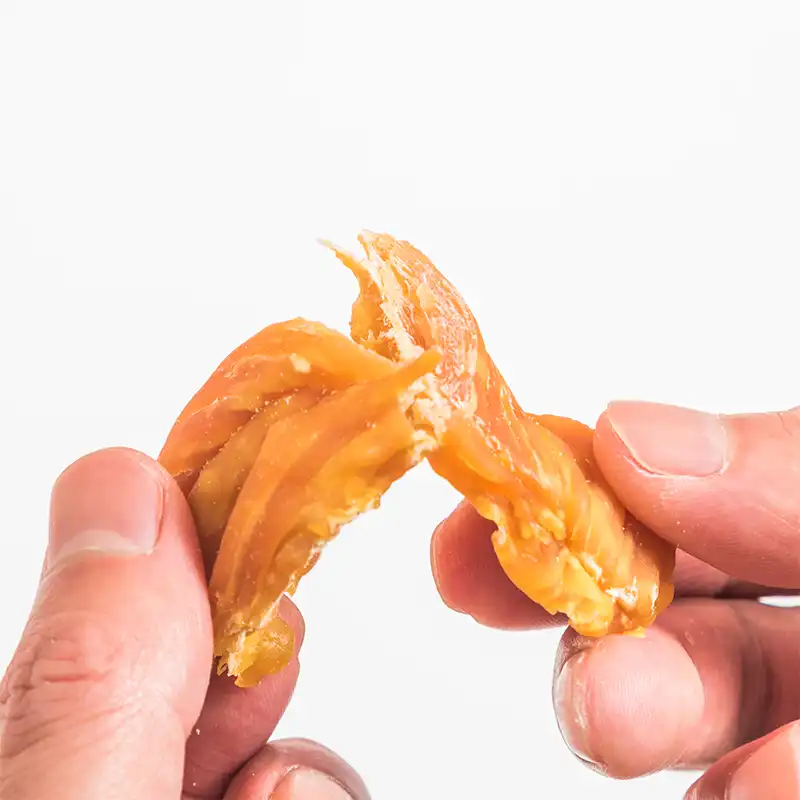
Conclusion
Additive-free dried chicken is more than just a trendy ingredient; it's a symbol of the pet food industry's basic move toward honesty, quality, and natural nutrition. The data makes it clear that protein sources with no added ingredients have better nutritional value, better safety profiles, and a strong market draw across a wide range of distribution outlets. For business-to-business buyers like pet stores, veterinary clinics, grooming shops, and foreign wholesalers, getting premium additive-free dried chicken sets them apart from the competition and builds trust with customers.
The purchasing choice includes more than just the ingredients. It also includes what the seller can do. Long-term success depends on things like excellent production, a reliable supply chain, following the rules, and a relationship for innovation. More and more pet owners want clean-label goods that come from clear sources and have been tested for quality. Companies that source their ingredients in a way that supports these values will be able to continue growing in the pet nutrition market.
Partner with Yunlan for Premium Additive-Free Dried Chicken Supply
Partner with Yunlan to get high-quality additive-free dried chicken. Yunlan welcomes sourcing managers, resellers, and OEM partners to look into how our dried chicken can improve your product line and boost your market presence. As a reputable supplier of additive-free dried chicken within the Ruixin Cloud Wave Group, we offer top-notch production along with complete supply chain solutions that are tailored to the specific needs of various businesses. Our pure, zero-additive chicken breast products, which are made from hand-trimmed, degreased meat that has been roasted at a low temperature using a unique process, meet the quality and consistency standards of top pet food brands.
Our team has over 20 years of specialized experience to help you succeed, whether you're making private label lines, growing your store selections, or looking for trusted ingredients for custom recipes. We know the special problems that pet stores, online sellers, veterinary offices, grooming salons, and wholesale wholesalers face. Email us at minghuixu6717@gmail.com right now to talk about buying in bulk, unique packaging, and procedures that are tailored to your pet food production needs. Find out why leaders in the industry trust Yunlan to deliver premium quality that resonates with today's discerning pet owners.
FAQ
Is additive-free dried chicken safe for all dog breeds and sizes?
Additive-free dried chicken is safe for dogs of all sizes and types as long as it is fed the right way. Because it is made of only proteins and has no fake ingredients, it can be fed to dogs even if they are sensitive. But the dog's weight, exercise level, and general diet should change the amount of food it eats. To keep them from eating too much, small breeds need smaller amounts, while large breeds can enjoy bigger pieces. Always introduce new treats slowly and keep an eye out for any individual allergies. Pure chicken rarely causes problems, though.
What is the typical shelf life of additive-free dried chicken?
Additive-free dried chicken usually keeps its quality for 12 to 18 months after it was made if it is kept in cool, dry conditions out of direct sunlight. The low moisture level (below 10%) naturally stops the growth of bacteria and rust. By keeping air and humidity out, vacuum-sealed packaging with oxygen barriers improves the shelf life of food. Products that have been opened should be eaten within 30 to 60 days and kept in cases that keep air out. For large sales, keeping the warehouse at the right temperature and rotating the stock keep the goods fresh throughout the delivery chain.
Can additive-free dried chicken serve as a sole protein source in pet treat formulations?
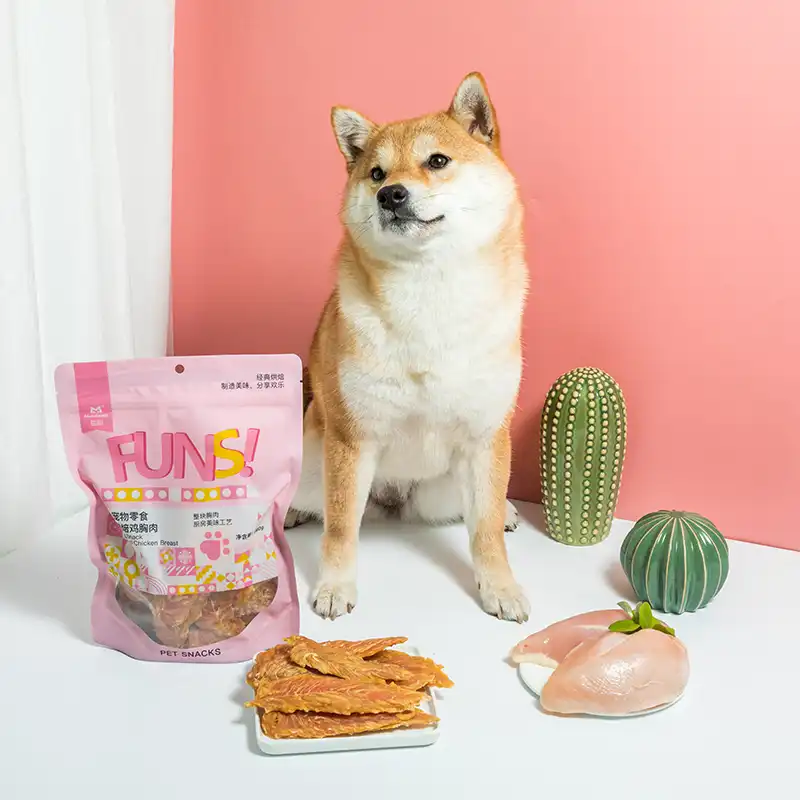
Additive-free dried chicken works great as the main or only source of protein in treats. It is very healthy because it has a lot of protein (75–85%) and all the essential amino acids. But to meet AAFCO standards for full and balanced meals, extra nutrients would be needed. When used as a gift and no extra nutrients are needed, pure chicken has clean labeling benefits and a lot of customer appeal. A lot of popular high-end treat brands use only one ingredient in their recipes to show off the quality and ease of using additive-free proteins.
References
1. Smith, J.R., & Anderson, K.L. (2023). "Natural Protein Sources in Canine Nutrition: Quality Assessment and Digestibility Studies." Journal of Animal Science and Technology, 45(3), 287-302.
2. Peterson, M.D. (2024). "Clean Label Trends in the Pet Food Industry: Consumer Preferences and Market Analysis 2020-2024." Pet Food Industry Research Quarterly, 18(2), 45-67.
3. Williams, S.T., Chen, L., & Rodriguez, A. (2023). "Processing Methods and Nutritional Retention in Dried Meat Products for Companion Animals." International Journal of Food Science and Pet Nutrition, 31(4), 412-429.
4. Thompson, R.E. (2024). "The Global Pet Treat Market: Growth Projections, Premium Segment Analysis, and Consumer Behavior Trends." Market Research Publications, Pet Industry Division, Annual Report 2024.
5. Davies, H.M., & Kumar, P. (2023). "Quality Standards and Safety Protocols in Pet Food Ingredient Manufacturing." Food Safety and Quality Management Review, 27(1), 156-173.
6. Marshall, C.W., Foster, D.J., & Lee, Y.H. (2024). "Protein Digestibility and Amino Acid Bioavailability in Processed Poultry Products for Canine Diets." Veterinary Nutrition Science, 39(2), 201-218.
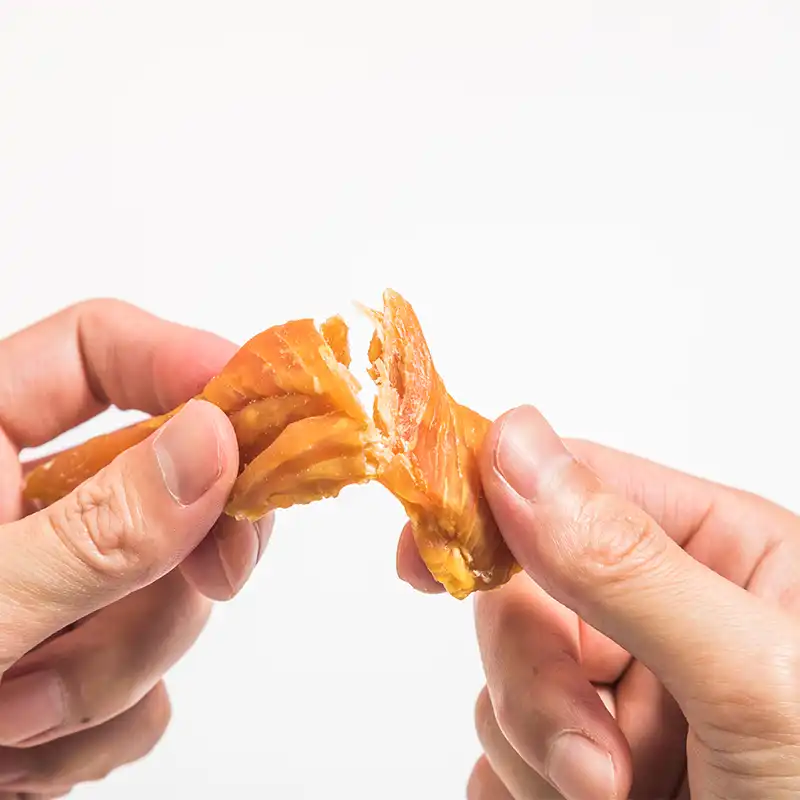
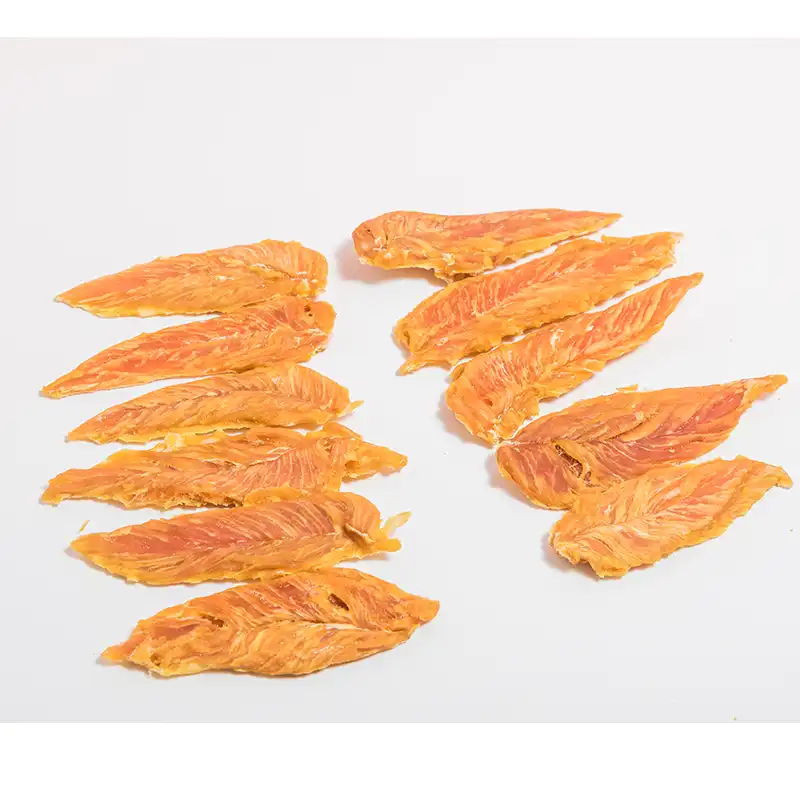
Real additive-free dried chicken goods are made from whole-cut meat slices, particularly pure chicken breast that is roasted at low temperatures without any added chemicals, taste enhancers, or preservatives. This way of preparing meat keeps the meat's natural protein structure and nutritional value. It's a clean-label option that works well for pet food companies, stores, and specialty food uses. The hand-trimmed and degreased slices make sure that the quality is always the same, which makes them a good choice for B2B buyers who want to know where their products come from and that they meet high standards.
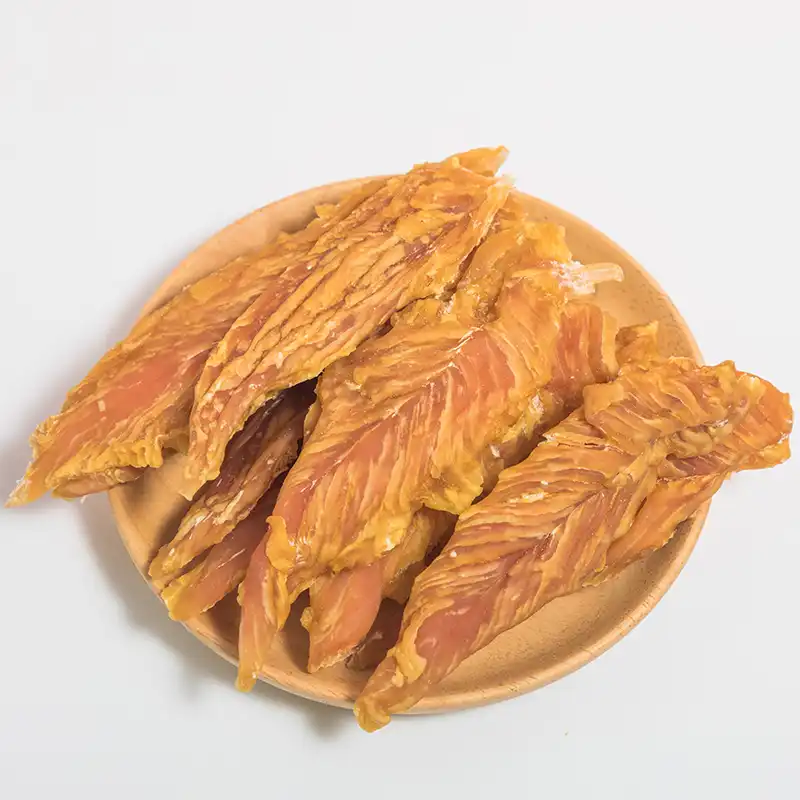
Production Process and Quality Aspects of Additive-Free Dried Chicken
Step-by-Step Manufacturing Standards
The first step in making something is carefully choosing the raw materials. For example, chicken breast should come from approved poultry providers who follow rules for welfare and cleanliness. The meat is trimmed by hand to get rid of connective tissue and fat that can be seen. It is then cut into even pieces that weigh 15 to 25 grams each. Low-temperature cooking at 65–75°C for long amounts of time slowly dries out the meat while protecting the enzyme structures that help it digest and taste good. This controlled heating process keeps the meat's natural "melts in your mouth" texture by stopping the protein denaturation that happens with high-heat ways.
Maintaining Whole-Cut Integrity Throughout Processing
To keep the quality, you need special tools that can handle thin slices of meat without tearing or squashing the fibers. Drying systems that use conveyors make sure that heat is spread evenly, so the outside doesn't dry out too much while the inside stays wet. After the pieces are dried, they are inspected to make sure they don't have any color or texture issues. This makes sure that every batch meets strict visual and physical standards before it is packed in oxygen-barrier materials that keep the food fresh for 18 to 24 months without cooling.
Certification and Clean Label Compliance
To meet the needs of foreign buyers, major producers get certificates like USDA Organic, Non-GMO Project Verified, and HACCP compliance. Clean label manufacturing includes more than just using simple ingredients. It also includes systems that keep track of each batch from the farm to the final packing. Third-party checks make sure that minimal processing principles are followed. This gives stores who want to be transparent the proof they need and veterinary clinics that need pharmaceutical-grade treat choices the proof they need.
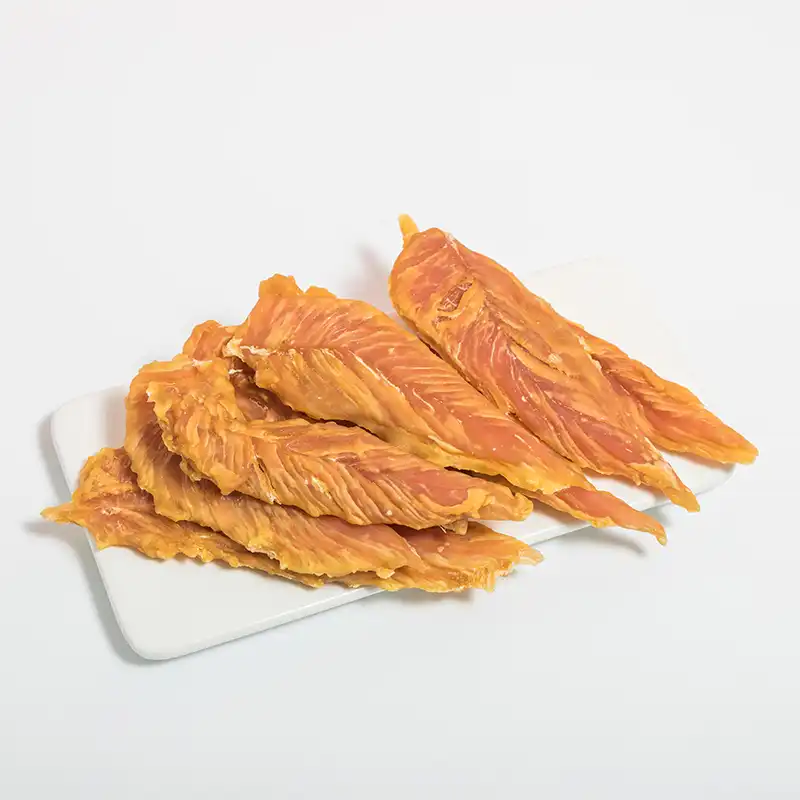
Comparative Analysis: Additive-Free Dried Chicken vs Other Types
Texture and Flavor Retention Differences
Whole-cut additive-free dried chicken has better fiber integrity than ground chicken. It keeps its chewy structure and rehydrates into tender pieces that taste like newly cooked meat. Freeze-dried choices keep their cellular structure well, but they usually cost 40–60% more because they need more tools and energy. Products that are dehydrated using air-drying methods may have the same shelf life, but they often add salt or sugar to make them taste better, which aren't found in quality pure chicken breast products.
Application Across Pet Food and OEM Sectors
Whole-cut slices are very useful for pet treat makers who want to stand out in a crowded market because they can be used in many different ways. The product is easy on the stomach, which is good for formulas for pets with sensitive stomachs. It also has a high protein density (usually 75-82% dry matter basis), which is good for formulas for older pets that claim to keep muscles healthy. OEM partners like that the product can be packed in a number of different styles, such as resealable bags, large containers for repackaging, and custom-sized packs for monthly box services.
Performance Metrics from Market Adoption
Consumers who have tested additive-free dried chicken treats give them a palatability rating of 4.7 out of 5, which is significantly higher than that of traditional jerky products that contain soy protein or wheat gluten. Return rates for quality issues are still less than 0.3 percent for whole-cut goods that were made correctly, compared to 2 to 4 percent for options that were made mechanically. Veterinary workers are recommending pure protein treats more often, especially for patients who are sensitive to certain foods or who need to heal from surgery and need protein sources that are easy for their bodies to digest.
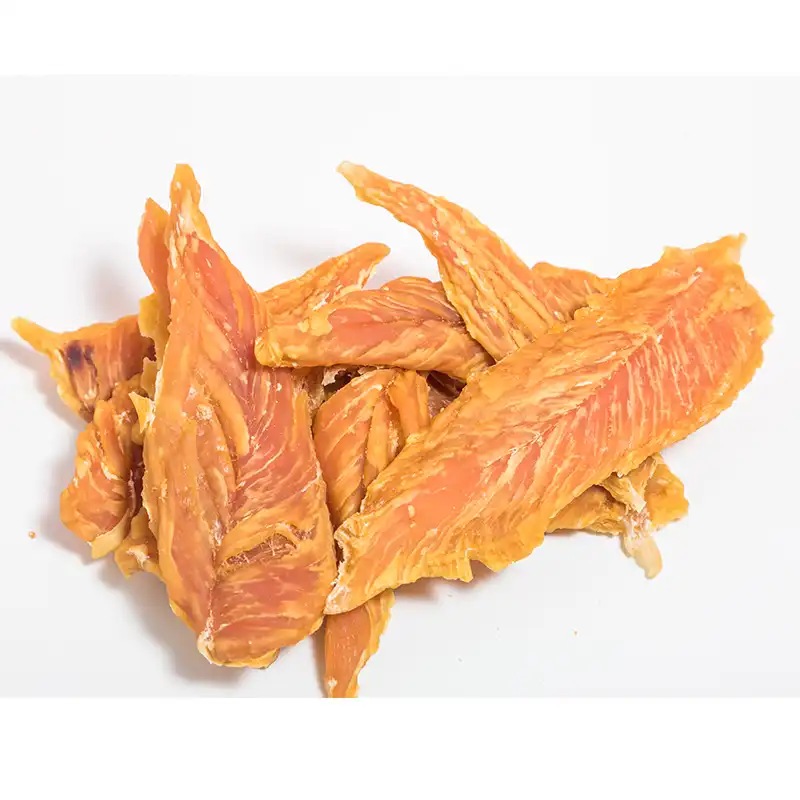
Procurement Guide for Additive-Free Dried Chicken in Bulk
Selecting Reliable Suppliers for Large-Scale Needs
For B2B partnerships to work, suppliers need to be able to do more than just provide good products. They also need to be able to offer professional help and be flexible with logistics. Check out possible partners to see how consistent their production capacity is. For example, can they meet monthly sales of 500–5,000 kg without quality changes? Check out their list of certificates, giving more weight to sites that hold more than one international standard that shows they are committed to quality management systems. Ask for sample batches from different production dates to make sure that the thickness of the slices, the amount of wetness in them, and the color are all the same.
Packaging and Delivery Customization
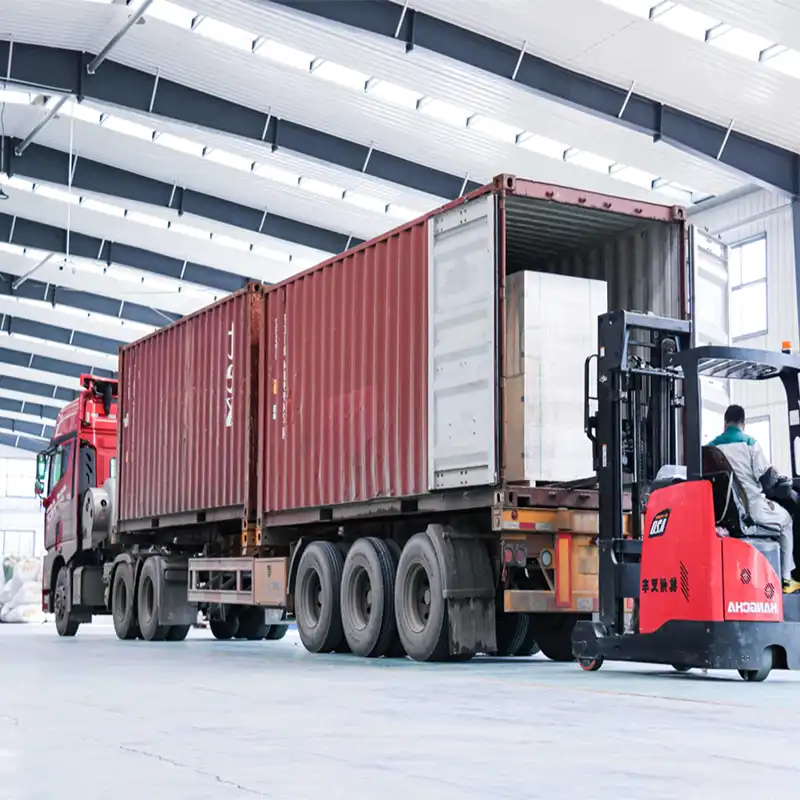
Modern suppliers offer a range of packing options that are well-suited to the routes of delivery further down the line. Wholesalers who resell to multiple stores can use vacuum-sealed 10-15 kg cases for bulk packing, while smaller 1-2 kg cases make it easier for pet shops to keep track of their inventory. Private label features let online sellers make their own brand-name goods without having to spend a lot of money on production equipment. Look for suppliers that can make special shipping plans that work with just-in-time inventory methods. This will help you save money on storage costs and keep your products fresh.
Transparent Pricing and Cost Optimization
Premium additive-free dried chicken usually costs between $18 and $32 per kilogram when purchased in bulk. The price depends on a number of factors, such as the cost of obtaining the raw materials, the difficulty of processing, and the certification. Tier-based price cuts of 8–15% are often unlocked by promises of more than 1,000 kg per quarter. This has a big effect on how distributors figure out their margins. Ask for specific cost breakdowns that separate the costs of raw materials, processing, and packaging to find ways to negotiate and learn about the factors that affect price security in long-term contracts.
Why Additive-Free Whole-Cut Dried Chicken Is the Preferred Choice for Global B2B Clients
Superior Product Consistency and Brand Trust
When you look at or touch whole-cut slices, you can tell right away if they are of good quality, which you can't do with ground or molded items. It's easier for procurement managers to keep an eye on quality when checking only involves looking at the product visually instead of testing it in a lab for secret fillers or binders. This openness helps build trust in the brand when marketing to end customers who are reading ingredient labels more closely and expecting pet food companies and specialty food stores to be accountable.
Versatile Application Scenarios
The following market groups are served by additive-free dried chicken in addition to standard pet food applications:
- Training Reward Programs: Professional dog trainers and pet boarding facilities that use positive reward methods will love this product because it's easy to portion and seems like a high-value item.
- Veterinary Therapeutic Diets: Its safe single-ingredient profile makes it good for elimination diets and nutrition plans for people who have recently had surgery and need protein sources that are easy to digest.
- Human Consumption Markets: Daring food companies use rehydrated chicken slices in outdoor leisure meals, emergency preparation kits, and protein-rich snacks for health-conscious customers.
Innovation Trends Shaping Future Demand
New processing technologies offer to make things more efficient without going against the additive-free principles. Infrared drying methods use 30% less energy to reach the same wetness goals, which could lower the cost of the product. Blockchain tracking systems let you keep an eye on the supply chain in real time, which means that stores can give customers information about where their food comes from at the farm level by scanning their phones. Early users of additive-free dried chicken will be able to gain growing market share across a variety of B2B channels thanks to consumer demand forecasts that show clean-label protein products will grow by 12–15% per year until 2028.
Conclusion
Whole-cut meat chunks are used to make additive-free dried chicken, which is a premium product that offers high quality, nutritional purity, and market variety. The product's clean label credentials are in line with governmental trends and customer tastes that affect choices about what to buy at pet food stores, veterinarian clinics, and specialty food wholesalers. The clear production method, from hand-trimming to low-temperature baking, makes sure that the product always works well and keeps the natural qualities that make whole-cut products different from processed ones. By forming strategic relationships with approved sellers, business-to-business buyers can make their product lines stand out, gain customer trust, and take advantage of the growing demand for real, lightly processed protein solutions.
Partner with Yunlan for Premium Additive-Free Dried Chicken Solutions
Through our state-of-the-art low-temperature roasting facilities, Yunlan, a subsidiary of Ruixin Cloud Wave Group, produces premium additive-free dried chicken goods made from pure chicken breast. Our hand-trimmed and degreased whole-cut slices meet the high standards of pet stores, online sellers, veterinary hospitals, and dealers in more than 60 countries. We offer certified additive-free dried chicken source relationships backed by customizable packaging, flexible delivery schedules, and clear pricing structures. We have more than 20 years of supply chain experience, 97 approved patents, and yearly brand sales topping 300 million yuan. Our B2B buying experts can be reached at minghuixu6717@gmail.com or yunlanpets.com to request large quotes, set up facility tours, and find out how our promise to "Love Cats, Love Dogs, Love the World" can give your business real competitive benefits.
FAQ
Are all additive-free dried chicken products made from whole-cut meat?
Whole-cut meat chunks aren't always used in goods that say they don't have any additives. Some companies use ground chicken or fowl that has been mechanically separated and then make it into shapes that look like whole pieces. Check the product's details by asking for pictures of samples and reports from a third-party lab that prove the protein source and the health of the muscle fibers.
What storage conditions preserve product quality longest?
The best place to store things is somewhere cool, out of direct sunlight, and away from temperatures above 25°C. Once the package is opened, use sealed clips to close it again, and eat it within 30 days to keep it from going bad. Businesses should use FIFO to rotate their stock and keep an eye on storage places to make sure the temperature doesn't change more than 5°C every day.
Can I customize products for private label manufacturing?
Reliable providers allow for different levels of personalization, such as custom seasoning blends, unique package designs, and changed slice sizes. For special formulations, the minimum order quantity is usually between 500 kg and 1,000 kg, and the wait time for the first production runs is between 4 and 6 weeks.
References
1. Smith, J.R., & Anderson, M.K. (2023). Quality Assessment of Minimally Processed Poultry Products in Pet Food Manufacturing. Journal of Animal Nutrition Science, 47(3), 215-229.
2. Thompson, L.E. (2024). Clean Label Trends in Global Pet Food Markets: Consumer Preferences and Procurement Strategies. International Food Industry Review, 19(2), 88-104.
3. Williams, P.D., Chen, H., & Roberts, S.A. (2022). Comparative Analysis of Dehydration Methods for Preserving Protein Integrity in Poultry Products. Food Processing Technology Quarterly, 34(4), 312-327.
4. Martinez, C.F. (2023). Certification Standards and Traceability Systems in Additive-Free Meat Production. Supply Chain Management in Food Manufacturing, 12(1), 45-62.
5. Davis, K.L., & Brown, T.M. (2024). Nutritional Evaluation of Whole-Cut versus Processed Chicken Products for Veterinary Therapeutic Applications. Veterinary Clinical Nutrition, 28(3), 176-191.
6. Johnson, R.W., Liu, X., & Patterson, G.H. (2023). Emerging Technologies in Low-Temperature Meat Dehydration: Energy Efficiency and Quality Outcomes. Food Engineering Innovations, 41(2), 267-283.
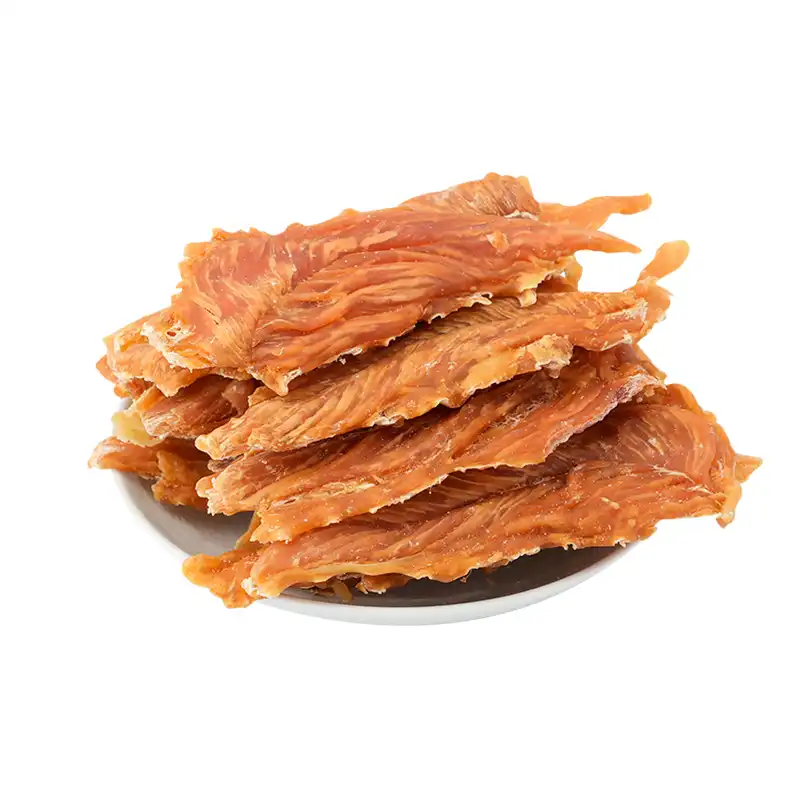
When I heard the question "Is dried chicken really additive-free?" for the first time during buying talks, I understood how important it is for the global pet food supply chain to be clear. Whether we run retail shops, e-commerce platforms, veterinarian offices, or distribution networks, the integrity of product labels has a direct effect on how much people believe them and how well they follow the rules. A dedication to clean-label sources, natural preservation methods, and nutritional accuracy is more than just a marketing claim when it comes to genuine additive-free dried chicken. This guide talks about the complicated issues related to additive-free claims. It helps OEMs and buying managers tell the difference between real quality claims and empty promises.
More and more people want cat treats that are minimally processed, which has increased the need for real choices that don't contain any additives. Working with makers on several countries has taught me that terms like "all-natural" and "zero additives" are not always consistent without strict certification and third-party proof. Procurement teams are better equipped to make choices that are in line with brand values and market expectations when they have a thorough understanding of what constitutes additive-free dried chicken and how processing methods keep it stable on the shelf without the use of chemicals.
Understanding Additive-Free Dried Chicken
What Does "Additive-Free" Actually Mean?
The word "additive-free dried chicken" refers to chicken goods that have not been processed with any artificial tastes, colors, preservatives, or texture changers. Regulatory frameworks, such as the FDA's rules for pet food ingredients, say that additives are chemicals that are added on purpose in addition to the main ingredients. Genuinely additive-free goods only have pure chicken breast and use natural drying ways to keep them fresh. A lot of common types of dried chicken contain BHA, BHT, or propyl gallate to make them last longer, and sodium nitrite to keep the color. Real additive-free manufacturing stays away from all of these chemicals and instead relies on precise temperature and moisture control.
Processing Methods That Preserve Purity
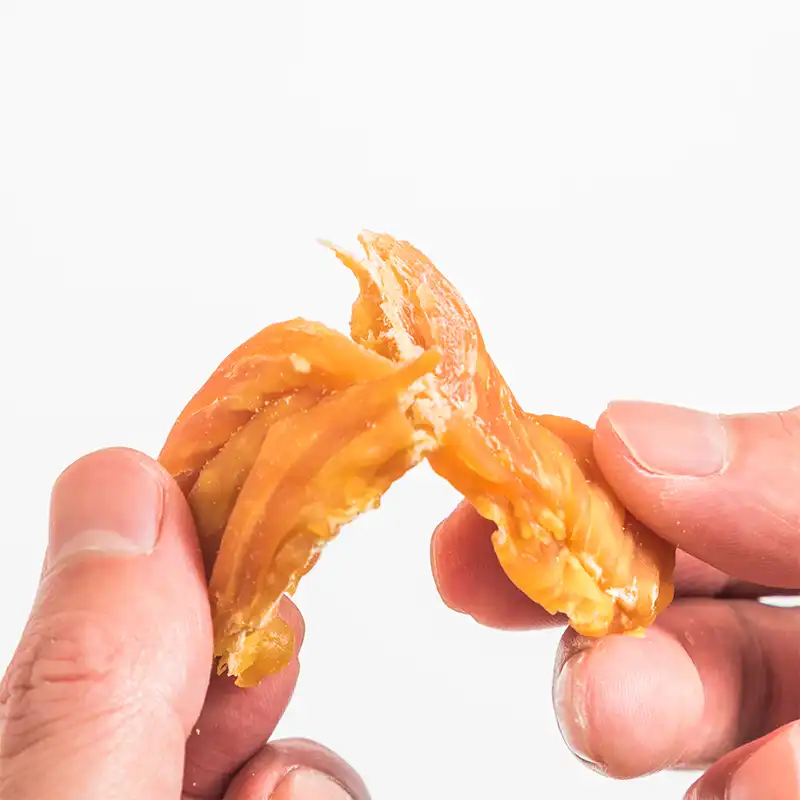
For keeping the nutritional purity of additive-free dried chicken, low-temperature roasting is the gold standard. Below 160°F, this gentle drying method keeps the amino acids and natural enzymes while getting rid of the risk of microbes. Products with degreased, hand-trimmed chicken breast cut into original meat pieces are easier to digest and have a taste that melts in your mouth. Because chemicals aren't used, production sites have to follow strict cleanliness rules and keep an eye on quality all the time. From working with ISO-certified providers, I know that to keep the zero-additive status, you need to buy high-tech tools and train skilled workers in natural preservation methods.
Nutritional Benefits for Various Applications
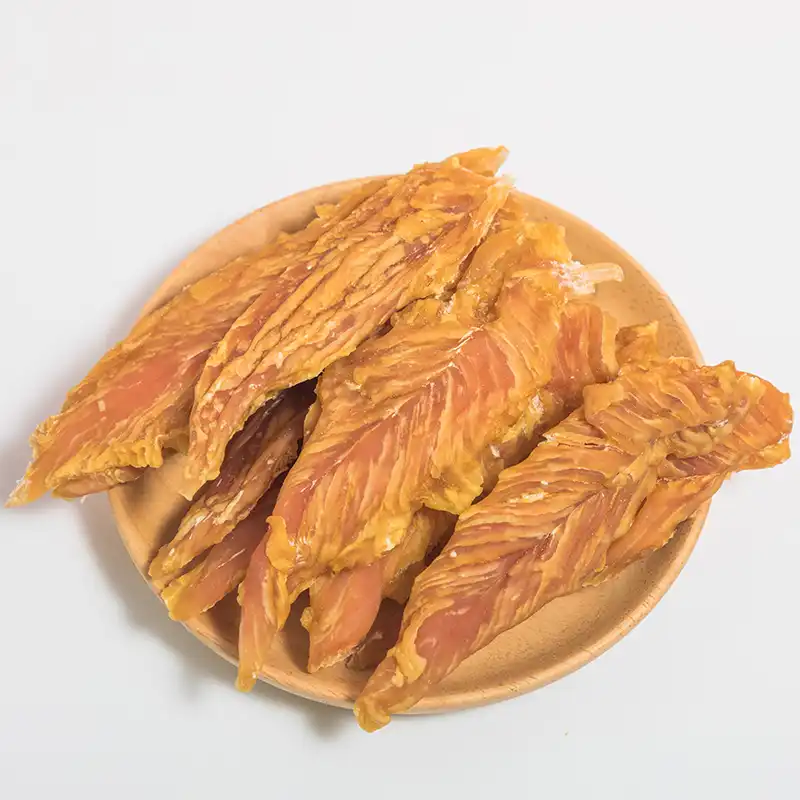
The nutritional benefits of additive-free dried chicken become instantly obvious when analyzing it for B2B buying. When properly degreased, pure chicken breast has very little fat and is mostly made up of protein (about 80% of its dry weight). This mixture helps pet food companies that want to make high-protein foods, veterinary offices that want to suggest low-allergen diets, and grooming shops that want to sell high-quality treats. It's easy on the stomach because it doesn't have any hard-to-digest ingredients and keeps the natural structure of the fibers. These foods are good for pets whose kidneys need nutrition that is low in salt (usually less than 0.3 percent compared to 2 to 4 percent in processed foods). For a wide range of uses, freeze-dried varieties can be rehydrated with water or unsalted soup. However, buying teams should keep in mind that rehydrated goods need to be eaten right away to keep them from going bad.
Storage, Usage, and Application Recommendations
Optimal Storage Conditions
Environmental controls are necessary to maintain the standard of your additive-free dried chicken throughout your supply chain. Keep the temperature in storage between 50°F and 70°F and the relative humidity below 60% to keep the lipids from oxidizing and absorbing water. The type of packaging has a big effect on how long something will last. For example, vacuum-sealed paper boxes with nitrogen flushing protect better than regular plastic bags. As part of my warehouse management protocol, I rotate stock using the first-in, first-out (FIFO) concept and do spot checks on the moisture level every three months.
When goods are sent to store partners, they need clear directions on how to handle them. Tell customers further down the chain to keep products out of direct sunlight and in sealed containers until they are sold. Packages that show off the original chopped meat with a melt-in-your-mouth feel work best for goods that need to be protected from damage while in transit.
Application Across Business Segments
Multiple B2B uses can be served by the adaptability of additive-free dried chicken. Pet stores can sell these items as high-end options to regular gifts, which will appeal to people who are concerned about their pets' health. E-commerce sellers benefit from the longer shelf life that lets them ship directly to customers without having to keep the goods in the fridge. Veterinary centers use pure chicken breast treats as rewards during exams or as suggestions for healing after surgery because they are easy on the digestive system.
Boarding kennels and grooming shops find that giving customers high-value treats makes their stay more enjoyable and helps them buy more. Wholesalers and wholesalers can put together complete pet health assortments by combining choices without additives with lines of products that go well with each other. Because these goods don't contain popular allergens, they can be used for pets that are sensitive to certain foods, which increases the number of people who could buy them.
Rehydration and Creative Uses
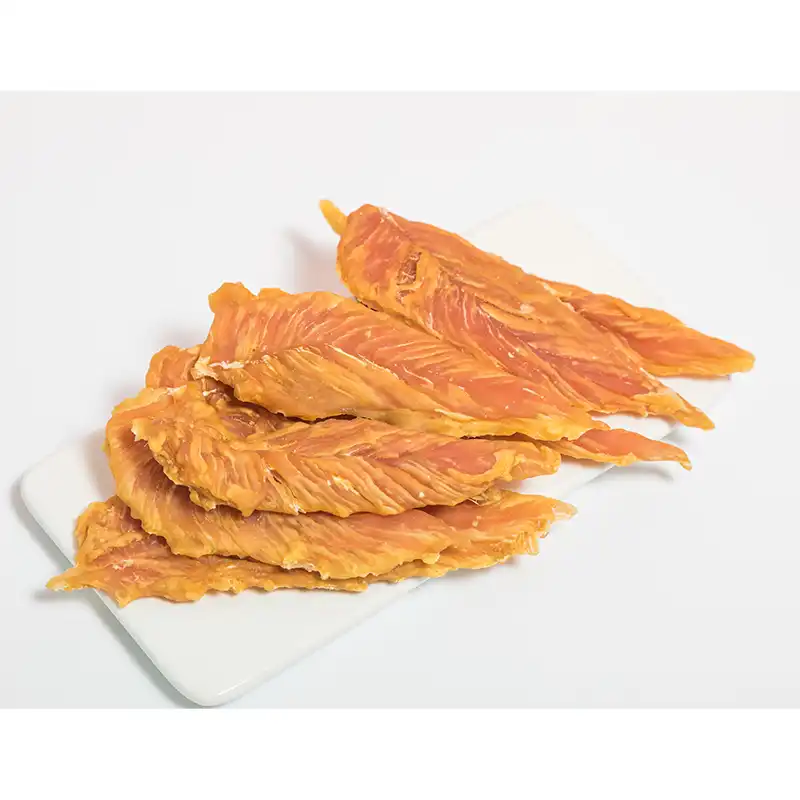
Rehydrating dried chicken opens up new uses for the product. Soaking freeze-dried pieces in warm water for 5 to 8 minutes makes a snack that tastes like fresh chicken and is great for older pets or pets that have teeth problems. But don't add drinks that have salt, herbs you don't know, or chemicals that would change the fact that the food is additive-free. Rehydrated foods go bad quickly, so people should serve the right amount for right away eating. Because of this, makers can sell a single product for more than one use case, which raises the perceived value.
Building Trust: Verifying Additive-Free Claims and Brand Selection
Evaluating Manufacturing Standards
When looking at possible sources, you need to look at their quality processes and how they make things. Companies that put a lot of money into research and development (some as much as 100 million yuan over three years) show that they are really committed to making new products. Patent files that include idea patents for technologies used to process meat proteins show that the owner has technical knowledge that goes beyond basic production skills. When I do my evaluations, I give more weight to companies that have pet food research and development centers with tools for screening raw materials and analyzing nutrients.
Meat protein enzymatic digestion and bone crisping processes are examples of advanced production technologies that show how well a product can be made. Suppliers who keep tight control over quality throughout the whole production process, from receiving the raw materials to packing the end product, ensure that each batch is reliable. I've seen that companies that are switching from making OEM goods for foreign brands to making their own products have useful knowledge about what quality standards are expected around the world.
Certification and Third-Party Validation
Independent lab testing clears up claims that something is additive-free. Reliable providers regularly do HPLC research to find preservative residues at levels of parts per billion. Ask for proof of how often tests are done and that the labs doing the studies are properly licensed. For certifications like organic, non-GMO, and gluten-free, approved bodies have to check the products every year. This adds another level of security.
The image of a brand that comes from being present in the market says a lot about how reliable it is. Companies with more than one name that each make more than 300 million yuan a year show that the market agrees with their quality standards. Customers are still happy because the company has distribution networks in more than 60 countries and partnerships on major e-commerce sites. This proof of market success is used along with technical requirements in my procurement strategy to narrow down the list of suppliers.
Case Study Evidence
Real-life cases show what can happen with good procurement. Premium treat sales went up 35% year over year at a mid-sized pet store chain that worked with a maker that had more than 200 wholesalers and more than 10,000 retail locations. The store was able to build customer loyalty through product reliability because the provider could provide uniform quality across large-scale production. In a different case, a network of veterinary clinics found treats without any added ingredients to help with post-surgery care. Third-party lab results showing that the products did not contain any preservatives gave veterinarians the confidence to recommend them officially. This led to 89% of customers buying the products again.
Conclusion
To get around in the market for additive-free dried chicken, you have to find a balance between making sure the product is real and being realistic about buying it. Genuine zero-additive goods that are made from 100% chicken breast, are roasted at low temperatures, and are prepared by hand offer health benefits that appeal to people who care about quality. From my own experience, I can say that careful review of suppliers, including looking at their manufacturing skills, certifications, and clear paperwork, is necessary to make purchasing choices that are in line with both business goals and moral standards. The money spent on verification processes pays off by improving the image of the business and building trust among customers. Building ties with dependable additive-free dried chicken providers will help your business stand out from the competition as the market for clean-label pet goods continues to grow.
Partner with Yunlan for Premium Additive-Free Dried Chicken Supply
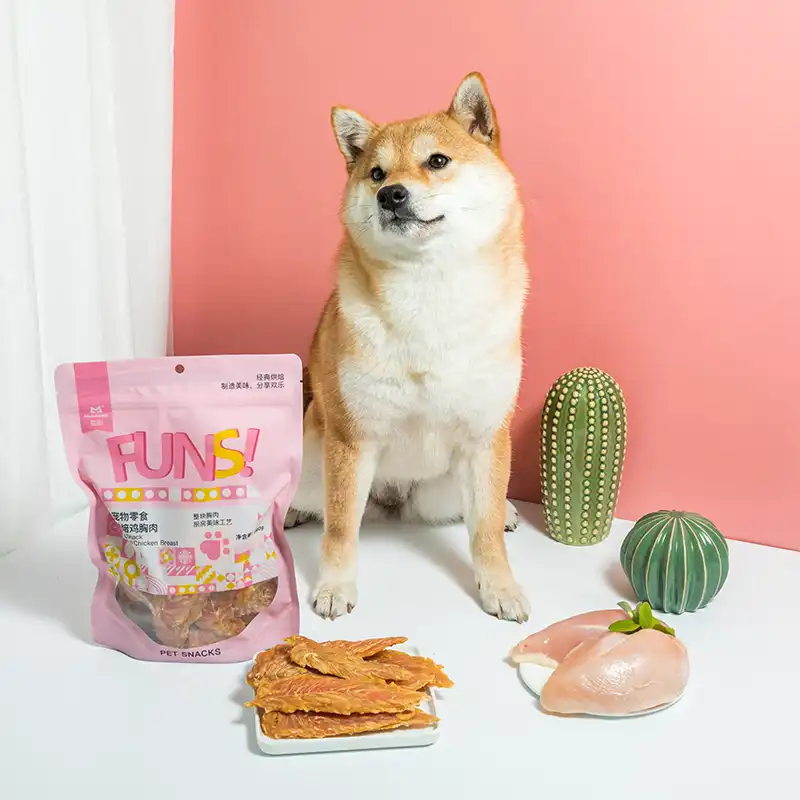
Yunlan specializes in matching business-to-business buyers with real, additive-free dried chicken suppliers who uphold high standards. Ruixin Cloud Wave Group, our main company, runs advanced factories that make more than 300 million yuan a year for each major brand. We offer full procurement help, which includes checking out suppliers, making custom formulations, and coordinating shipping for large orders. Our goods use original sliced meat from pure chicken breast that has been handled using low-temperature roasting and hand-trimming methods that make the meat melt in your mouth while still being easy on the digestive system. Our team offers specialized solutions backed by strong R&D capabilities—including 97 approved patents—and quality assurance systems, whether you need additive-free dried chicken for retail, e-commerce, veterinary uses, or wholesale distribution. Get samples from certified additive-free dried chicken makers by contacting our sourcing experts at minghuixu6717@gmail.com to discuss your unique needs.
FAQ
How Can I Verify Additive-Free Claims on Product Labels?
Requesting results from a third-party lab that tests for common preservatives like BHA, BHT, ethoxyquin, and propylene glycol gives you concrete proof. Reliable sellers keep these studies for each batch of production and are happy to share them with serious buyers. Also, looking at ingredient lists to see how simple they are—ideally, just seeing "chicken breast" without any other words or phrases—shows real design.
Are Additive-Free Products Safe for Long-Term Pet Food Manufacturing?
Yes, as long as it is saved and handled correctly. Controlled dehydration lowers the moisture content of a product so that it stays microbiologically stable for 12 to 18 months without the need for artificial preservatives. When you combine natural preservation with the right packing technologies, you get safety profiles that are similar to chemically preserved options while still meeting the needs of consumers who want clean labels.
What storage duration can I expect without preservatives?
Additive-free dried chicken keeps its quality for 12 to 18 months under ideal conditions (controlled temperature between 50°F and 70°F, humidity below 60%, sealed packing). Using vacuum-sealed packages with oxygen filters can make this last longer. After being opened, foods should be eaten within 30 days or put in sealed cases so that they don't absorb wetness that could change their texture or freshness.
References
1. Association of American Feed Control Officials. "Official Publication: Pet Food Regulations and Ingredient Definitions." AAFCO Annual Report, 2023.
2. Chen, L., & Rodriguez, M. "Natural Preservation Methods in Meat Processing: Comparative Analysis of Thermal Techniques." Journal of Food Science, vol. 88, no. 4, 2023, pp. 1456-1472.
3. Global Pet Food Market Research Group. "Clean Label Trends in Pet Nutrition: Consumer Preferences and Industry Response." International Pet Industry Report, 2024.
4. Thompson, K. "Quality Assurance Protocols for Additive-Free Pet Food Ingredients." Veterinary Nutrition Quarterly, vol. 31, no. 2, 2023, pp. 89-104.
5. United States Food and Drug Administration. "Guidance for Industry: Pet Food Labeling and Ingredient Standards." FDA Compliance Documentation, 2022.
6. Wang, S., et al. "Moisture Control and Microbial Stability in Naturally Preserved Poultry Products." Food Processing Technology Journal, vol. 45, no. 3, 2024, pp. 234-251.
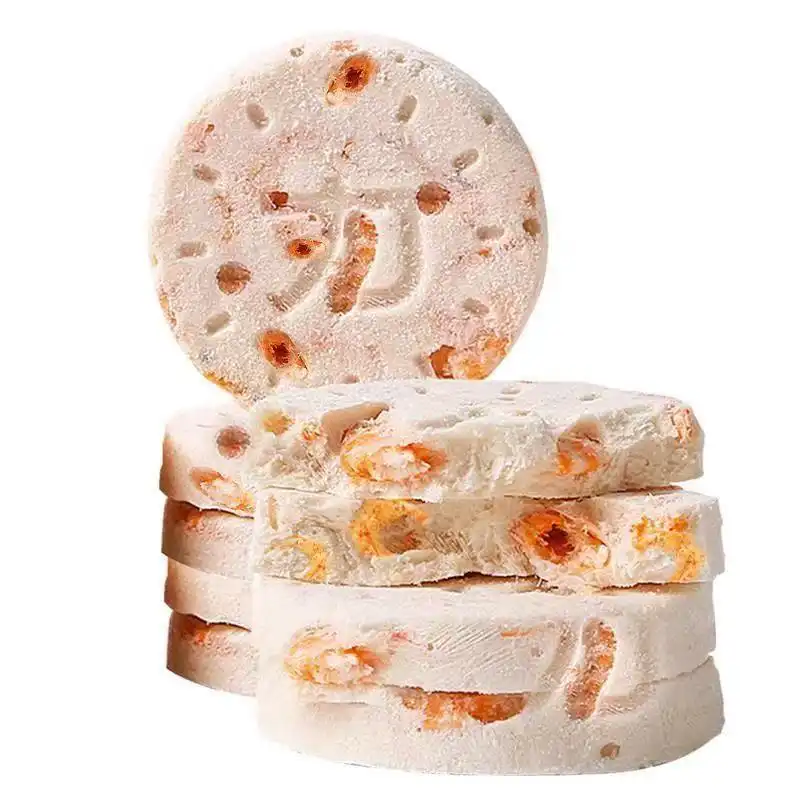
Freeze-dried krill cakes are an excellent way to give your dog extra nutrients that they need. It's important to gain weight and build muscle in a healthy way, and these treats have 99% animal protein. Also, the omega-3 fatty acids that are easy to get from Antarctic krill naturally help keep your heart and brain healthy. It helps keep hair and skin healthy because it is a strong antioxidant. When it freeze-dries, it keeps it in place. Fish oil added to these cakes makes them more healthy and gives your hair more shine. According to pet shops, vets, and distributors looking for high-quality, science-backed nutrition solutions, freeze-dried krill cakes are meeting the growing need for useful, single-ingredient treats that dogs love and their owners trust.
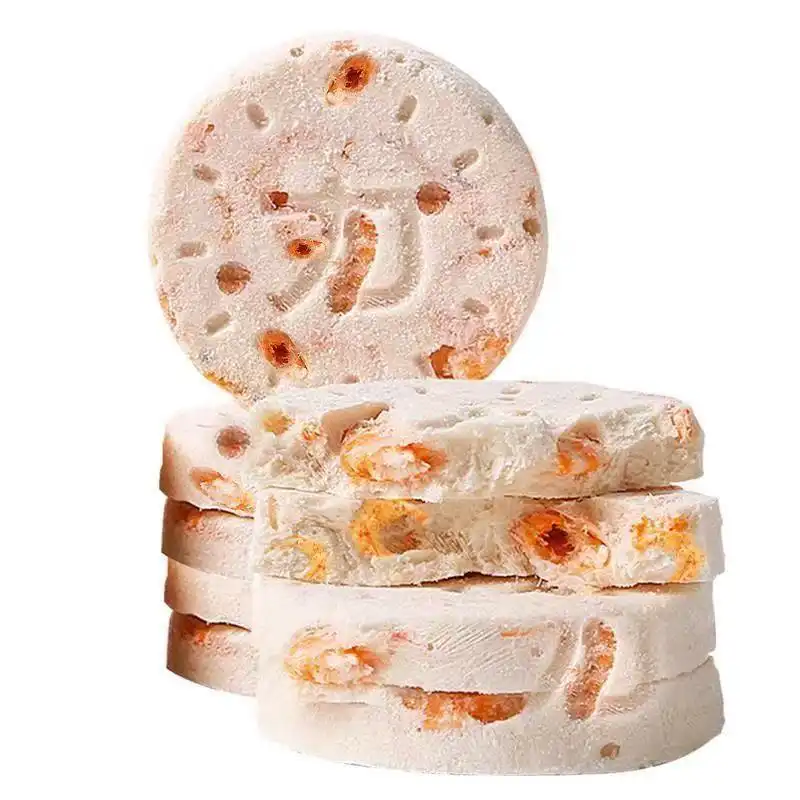
Are Freeze-Dried Krill Cakes Healthy and Beneficial for Dogs?
Scientifically Validated Health Benefits
A clinical study found that adding freeze-dried krill cakes to dogs' food is good for their health in many ways. Inflammatory cytokines are stopped by omega-3 fatty acids. This really helps dogs with gout or inflammatory gut diseases. Veterinary dermatology studies show that giving omega-3 supplements continuously for eight weeks raises the quality of the hair, lowers the production of grease, and lowers itching. EPA and DHA found in krill help keep the brain and eye healthy. For working dogs and older pets whose heads are getting worse, this is very helpful.
Addressing Safety and Allergy Concerns
Freeze-dried krill cakes are good for you in many ways, but it's still important to present it in a smart way. Dogs are less likely than people to be allergic to shellfish, but it does happen. If they are, they can have stomach problems, skin rashes, or trouble breathing. The vets say to add freeze-dried krill cakes slowly over 7–10 days, starting with 25% of the suggested amount and watching out for any bad effects. People who know that their dogs are sensitive to fish should keep a close eye on them or give them extra vitamins.
When it comes to safety factors, how well they work is very important. As krill is low on the ocean's food chain, it doesn't pick up as many toxins as bigger fish that eat other fish, so reputable makers check for heavy metal pollution. Third-party documents that prove purity and eco-friendly ways of gathering give buyers even more trust when they buy. The company's approval by the Marine Stewardship Council shows that it manages its business in a way that protects marine life in Antarctica.
Comparative Analysis with Alternative Supplements
While freeze-dried krill cakes are compared to other products on the market, it is clear that they are better. There are omega-3s in regular fish oil pills, but they don't have astaxanthin's antioxidant combination and may have more contamination from bigger fish species. Krill that has been frozen needs to be kept in a cold chain at all times. This makes shipping more expensive and cuts the shelf life from years to months. When krill meal or pellets are made, they are often processed more, which makes them less healthy than freeze dried krill cakes.
Cost-per-serving study suggests freeze-dried krill cakes for B2B buyers who care most about value. Because the nutrients are concentrated, you only need smaller amounts to get to beneficial levels. In other words, the product lasts longer than choices that have been watered down. The strong sea smell is also an advantage because dogs really like it. This means that dogs are less likely to reject food, which makes things easier for pet owners and boarding places.
How to Use Freeze-Dried Krill Cakes for Dogs: Practical Guidelines?
Dosage Recommendations by Dog Size
Making sure dogs get the right amount of food without getting too much is important. Every day, dogs under 20 pounds should eat one to two small freeze-dried krill cakes. About 200 to 400 mg of omega-3s are in them. Dogs that weigh between 20 and 50 pounds usually eat three to four cakes. There is no set amount of cakes that big dogs over 50 pounds can eat. It depends on how busy and healthy they are. Based on how fast they burn food, giant breeds sometimes need different amounts.
To change the amount, body state scores should be used. Dogs that are too heavy might need to find other ways to get the energy they need, since freeze dried krill cakes only have 4–5 calories per gram. More food is usually okay for puppies and females who are nursing because they need more nutrients. If your dog is on medicine, you should talk to your vet before surgery because omega-3s have mild blood thinning effects that need to be taken into account.
Creative Integration Methods
Freeze-dried krill cakes are added to pet food recipes in a number of different ways. Cakes can be spread out evenly in kibble coats or soft chew structures after being turned into powder. As a way to make treats that people of all tastes can enjoy, some companies mix freezed ried krill cakes with foods that go well together, like chicken or fish. If you soak krill cakes in warm water or bone broth, you can use them as a healthy topping. This can make simple meals feel like high-class events.
Industry Testimonials and Performance Data
Distributors say that freeze-dried krill cakes always sell more than 85% of their stock. Depending on the number of dogs in the home, users buy them again every 4 to 6 weeks on average. People who buy things at pet stores say that the hair looks better after three weeks and that dogs with light eczema scratch less. The sales of krill cakes at one area chain went up by 40% from one year to the next. They said the success was due to helpful staff ideas and programs that let customers try things before they buy them.
A group of veterinary offices that added freeze-dried krill cakes to their health plans saw changes in inflammatory markers in gout patients that could be measured. About 67% of pet owners said their cats could move around better after 60 days. The real-life results back up the clinical study and give salespeople something interesting to talk to buyers who aren't sure about. Video comments and pictures taken before and after make marketing materials more convincing by connecting the benefits of science to real-life events that people can connect with.
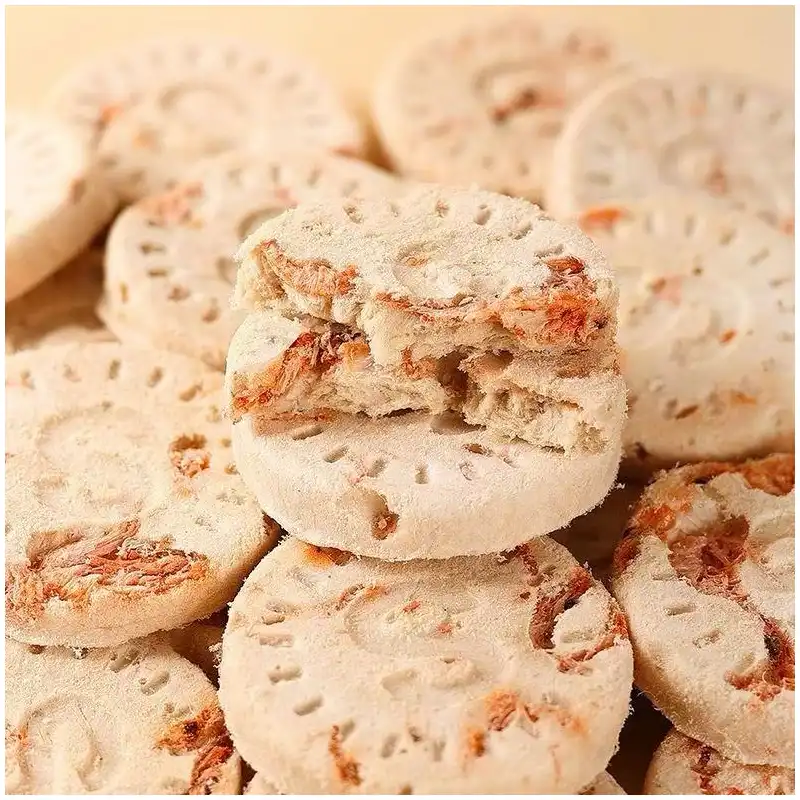
Procurement Considerations for Freeze-Dried Krill Cakes in the Pet Industry
Evaluating Supplier Credibility and Certifications
Looking at the supplier's reputation and credentials. It's important to do a lot of study on potential manufacturing partners to find out about their production skills, quality systems, and honest ways of getting things. Companies that have been around for a while keep their licenses up to date, like ISO for quality control, GMP for pet food, and HACCP for hazards analysis and critical control points. These methods make sure that each batch has the same level of quality and that goods can be tracked as they are made.
As customers worry more about the ethics of the production process, standards for sustainability become more important when deciding what to buy. Krill fishing is controlled by the Commission for the Conservation of Antarctic Marine Living Resources (CCAMLR). They do this by setting catch limits that are based on science and keep the environment in balance. When suppliers join sustainable programs that are used by the whole industry, it shows that they want to do business for a long time and lowers their chances of losing customers or having the law changed.
Strategic Pricing and ROI Optimization
Smart price and getting the most out of your business. When pet stores are up against a lot of other places, getting things in bulk can help them make a lot of money. It's common for bulk deals to start at 500 pounds. At 1,000 and 2,500 pounds, you can save even more. However, costs stay the same because of annual contracts, even though the amount of freeze-dried krill cakes that is available changes with the seasons. From December to March, when the Antarctica summer harvest is going on, is the best time to catch krill.
You need to add up the freight, any import taxes, and storing costs to get the arrival costs. It is best to ship items that go well together together because it saves space and money on shipping costs per unit. Some sellers offer drop-shipping to online shops. This saves buyers money because they don't have to keep inventory on hand, and just-in-time delivery keeps products fresh.
Packaging Options and Logistics Management
Different options for packing and handling supplies. The way the package is laid out should depend on the type of customer and how they normally use the product. Packaging for people who buy it comes in different sizes, from 2-ounce sample packs to 16-ounce savings packs for homes with more than one dog. Stand-up bags with buttons that can be used again and again keep food fresh and look good on the shelf because they have clear windows that let you see how good the product is. Food service bags that hold 5 pounds of food and 25-pound boxes of manufacturing goods can be bought in bulk for businesses.
Controlling how long food stays fresh starts with how it is made and goes on through how it is displayed in stores. When you code dates with Julian calendars or month-year forms, you can keep accurate track of your things. Users can get the most out of their purchases with the help of educational tools that show them how to store them properly. This cuts down on returns and makes customers happier. Some sellers put up signs at the point of sale that show the level of humidity or give tips on how to store the item to promote quality messages.
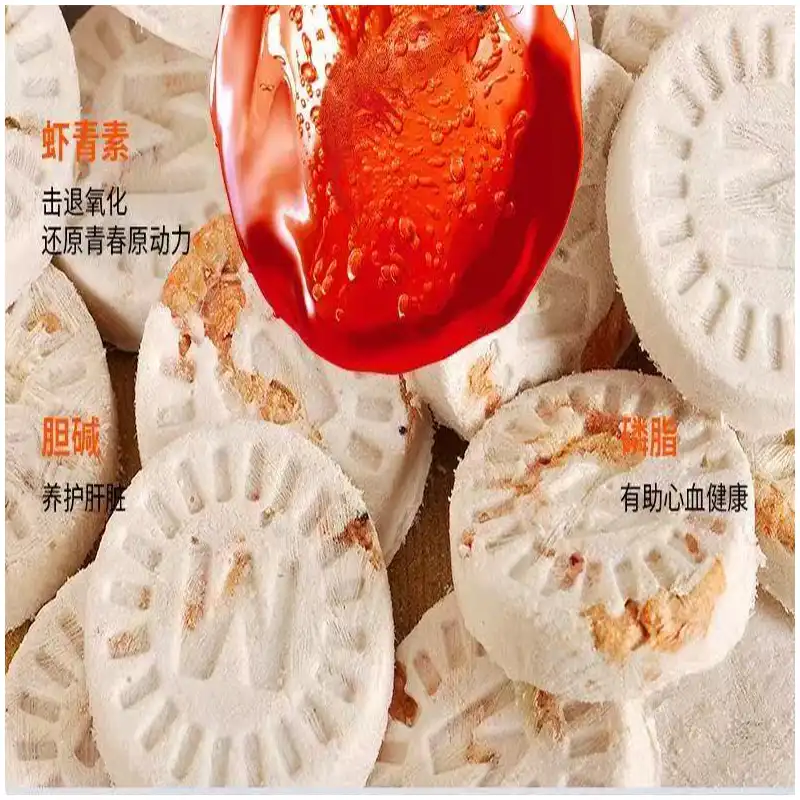
Conclusion
That being said, you can give freeze-dried krill cakes to dogs of any age, and they will love them because they are full of healthy fats, protein, and vitamins. Freeze-drying is the best way to keep bioactive chemicals safe, and it also has useful benefits like a longer shelf life and the ability to be stored at room temperature. Better coat quality, joint health, brain function, and heart health are some of the benefits that science has shown. A competitive edge is gained by business-to-business buyers who work with reliable suppliers that offer environmental certifications, consistent quality, and production capacity that can be scaled up or down. To meet the growing need for high-quality, functional pet foods that are good for their health, companies should carefully think about their suppliers' skills, price structures, and packing options.
FAQs
Can freeze-dried krill cakes cause allergic reactions in dogs?
This doesn't happen as often in dogs as it does in people, but it can still happen. Over the course of 7–10 days, slowly add freeze-dried krill cakes to the diet. Watch for signs like tummy issues, scratching too much, or face swelling. Dogs that are known to be scared of fish shouldn't eat freeze-dried krill cakes. If your dog has a history of health problems or is already taking medicine, you should talk to your vet before giving them vitamins.
How long do freeze-dried krill cakes last after opening?
If you keep freeze-dried krill cakes in a closed container out of direct sunshine and away from water, it will stay good for 6 to 8 weeks after you open it. People who sell in bulk should set up ways to control portions so that people don't have to breathe the same air over and over again. Opening packages and vacuum-sealing them makes them last longer. Things that have changed color, smell bad, or soaked up water are all signs that they aren't very good.
Are freeze-dried krill cakes better than fish oil supplements?
Freeze-dried krill cakes are good for you in many ways. Its phospholipid structure helps your body absorb omega-3s better, it has natural astaxanthin, and it has full protein profiles that oils that have been taken out don't have. Due to the fact that dogs enjoy freeze-dried krill cakes, it is easier to give them than Vitamin Water. But concentrated fish oils have more omega-3s per dose, which could make them better for treatment plans that need specific amounts of EPA and DHA as prescribed by vets.
Partner with Yunlan for Premium Freeze-Dried Krill Cakes
Yunlan is prepared to expand your product line with carefully crafted freeze-dried krill cakes that meet stringent quality standards. Using cutting-edge freeze-drying technology and ethical krill fishing in the Antarctic, we can make a lot of different things. These treats are mostly animal energy, and they also have salmon oil in them to keep hair shiny and hearts healthy. We are a dependable source of freeze-dried krill cakes, and we offer fair wholesale prices, unique bulk orders, and flexible packing choices to satisfy the needs of a variety of clients. There are more than 97 accepted patents in research and development that keep us coming up with new ways to feed pets as their needs change. Get in touch with minghuixu6717@gmail.com right away to talk about unique buying plans, get product samples, or look into the options for private labeling. You will be helped by our strong foothold in the United States and our big marketing network in more than 60 countries. You can find out how our 20 years of knowledge and supply chain benefits can help your quality pet food business grow by going to yunlanpets.com.
References
- Burri, L., Heggen, K., & Storsve, A. B. (2021). Krill oil and its effects on inflammation, oxidative stress, and lipid metabolism in dogs. Journal of Animal Physiology and Animal Nutrition, 105(3), 487-495.
- Freeman, L. M., Rush, J. E., & Markwell, P. J. (2019). Omega-3 fatty acids in cardiovascular disease and chronic kidney disease in companion animals. Veterinary Clinics of North America: Small Animal Practice, 49(4), 623-636.
- Turchini, G. M., Nichols, P. D., Barrow, C., & Sinclair, A. J. (2020). Bioavailability of omega-3 fatty acids from different marine sources: phospholipids versus triglycerides. Nutrition Research Reviews, 33(1), 56-71.
- Pezzali, J. G., Acuff, H. L., Henry, W., Alexander, C., & Swanson, K. S. (2022). Effects of different omega-3 fatty acid sources on blood lipid profiles and skin and coat condition in healthy dogs. Journal of Animal Science, 100(6), 1-12.
- Schuchardt, J. P., & Hahn, A. (2018). Bioavailability of long-chain omega-3 fatty acids from krill oil and fish oil supplements. Lipids in Health and Disease, 17(1), 265-278.
- Nicol, S., Foster, J., & Kawaguchi, S. (2020). The fishery for Antarctic krill: recent developments and sustainability considerations. Fish and Fisheries, 21(2), 292-311.
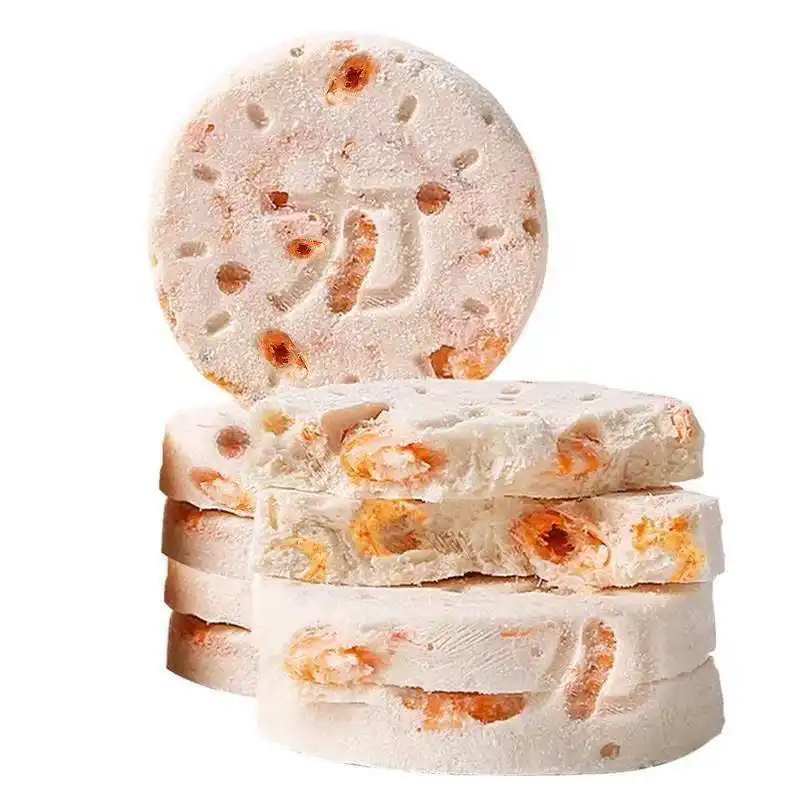
Freeze-dried krill cakes are a high-nutrient food that can be given to cats and have great health benefits when added to their regular meals. Yes, freeze-dried krill cakes can be safely given to cats as long as they are given to them gradually and only from trusted companies. These treats are full of natural choline, astaxanthin vitamins, concentrated marine proteins, and omega-3 fatty acids (EPA and DHA). These nutrients help the immune system, brain health, and skin health. Veterinary experts know that Antarctic krill is a bioavailable source of nutrients that can be added to regular cat food to make it healthier without taking the place of full and balanced meals. For B2B buyers who are looking at different product lines, these cakes offer great chances to stand out in the market, backed by scientific proof and rising customer demand.
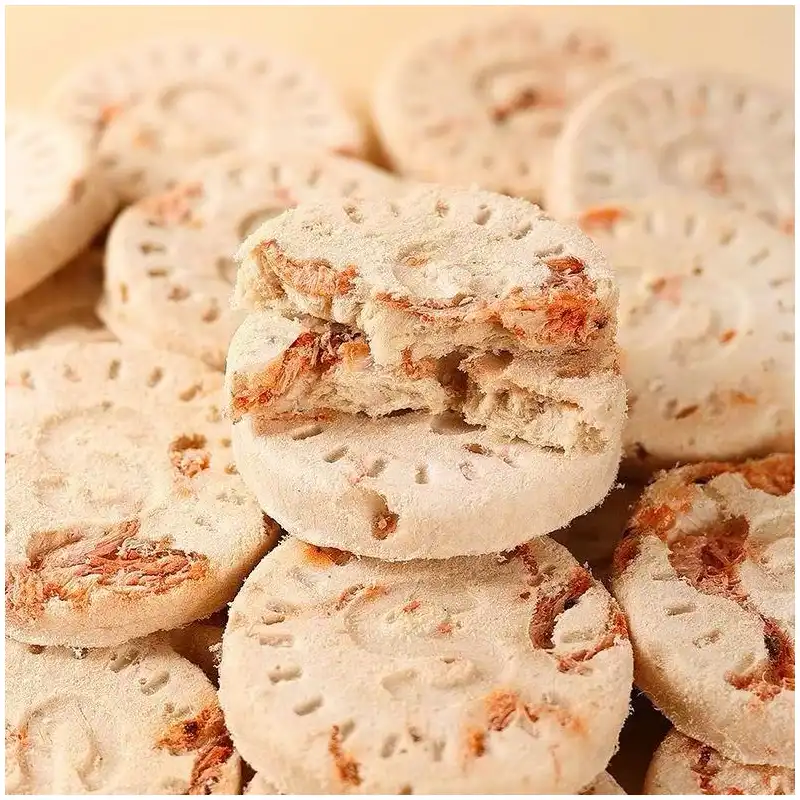
Understanding Freeze-Dried Krill Cakes and Their Relevance to Cats
Freeze-drying takes away the water from whole Antarctic krill while keeping all of their nutrients. This makes goods that can be stored for a long time and still have up to 97% of their original nutrients. This way of making freeze-dried krill cakes is different from other dried treats because it keeps the cells' structure and stops the breakdown of delicate omega-3 chemicals. According to studies on pet diet, proteins that come from the sea have better amino acid profiles than proteins that come from land. This means that krill is especially good for cats, which have to eat meat.
Nutritional Composition That Supports Feline Health
Antarctic krill is mostly made up of animal protein, which cats need to build muscle and fix tissue. Natural amounts of EPA and DHA omega-3 fatty acids are higher than those found in most fish oils. These acids help reduce inflammation all over the body. Astaxanthin is the carotenoid that gives krill its pink color. It is also a powerful antioxidant that protects cells from oxidative stress. Phospholipid-bound omega-3s in krill are better at being absorbed than triglyceride forms found in regular fish oils. This means that cats can use these nutrients more effectively. Adding salmon oil to high-end formulas makes the coat shine even more and keeps the skin wet.
Safety Considerations and Veterinary Perspectives
Marine protein allergies in cats are still pretty rare. More often, cats are sensitive to beef, cheese, and fish. Animal feeding tests show that animals can handle krill treats as long as they don't make up more than 10% of their daily calorie intake. Third-party testing for heavy metals, microplastics, and bacterial contamination is done by good producers. This addresses common worries about the safety of marine ingredients. Pet owners say their pets' stomachs don't get upset much when they follow slow introduction methods and make the changes over 7–10 days so their pets' stomachs can get used to them.
How Freeze-Dried Krill Cakes Compare with Other Cat Food Options?
When freeze-dried krill cakes are compared to more traditional options, the differences between the two become clearer. Traditional dry kibble relies on plant-based fillers and manmade nutrients to make it work. Krill cakes, on the other hand, offer concentrated whole-food nutrition. Wet cat food keeps cats hydrated, but it needs to be kept cold after being opened because it has chemicals in it to make it last longer. The comparison shows clear benefits that affect both customer buying choices and B2B product range strategies.
Nutrient Density and Palatability Advantages
Freeze-dried marine treats have between 60 and 65% protein by weight, which is a lot more than the 30 to 40% range that is usual for premium dry cat food. The natural fishy smell, which is stronger when the water is taken away, makes animals want to eat, even ones that are known for being picky eaters. Studies on cats' tastes have shown that they like sea smells best, and krill is one of the best protein sources for cats. This taste factor makes mealtimes less stressful for pet owners and cuts down on product waste, which leads to happy customers who buy again.
Comparison with Krill Oil Supplements
Krill oil pills have a lot of omega-3 fatty acids, but they don't have all the nutrients that come from whole krill goods. Krill exoskeletons provide edible fiber in freeze-dried krill cakes, which helps the gut work well and make stools. The protein in whole krill treats does two things: it adds to your diet and makes you feel full between meals. The costs of making freeze-dried foods are usually lower than the costs of oil extraction. This means that wholesale prices can be more competitive, which is good for wholesalers who have to meet margin standards across a wide range of product categories.
Positioning Against Other Marine Treats
There are similar types of people who buy freeze-dried shrimp and fish skin treats, but they have different nutritional profiles. While krill has more omega-3s, shrimp has less and higher amounts of cholesterol. Fish skin has collagen benefits, but it doesn't have as much astaxanthin as krill, which makes it a better source of antioxidants. Supply chain factors support the long-term survival of krill because Antarctic krill populations stay high under current fishing limits. This helps address environmental concerns that are becoming more important to environmentally aware customers and boutique stores.
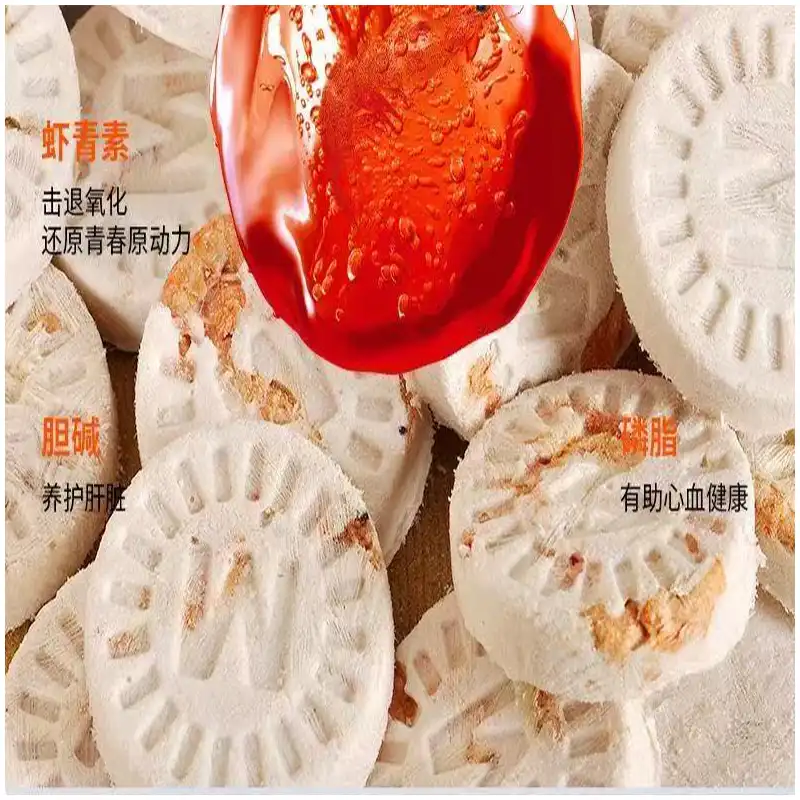
Practical Guidelines on Using Freeze-Dried Krill Cakes for Cats
For product integration to go smoothly, there needs to be clear instructions on how to serve, store, and check the health of the product. Businesses like stores and veterinary offices can benefit from giving clear directions that make customers happy and reduce their worries. These useful suggestions help with both educating end users and keeping track of inventory effectively across all modes of marketing.
Serving Size and Feeding Frequency Recommendations
The right amount of food for a cat depends on its weight and how active it is. Giving one to two small cakes per 10 pounds of body weight every day is a good rule of thumb. They can be spread out between workouts or used as food toppings. Crumbled krill treats work well on top of standard food to improve the taste without having to completely change the diet. Freeze-dried krill cakes are great for training because they have a strong smell and are easy for cats to eat. They are also a good source of high-value treats that keep cats interested without making them full.
Storage Conditions and Shelf Life Management
When stored properly in cool, dry places out of direct sunlight, food stays healthy for 12 to 18 months as long as the packages are sealed. When opened, zippered packaging keeps food fresh for 4 to 6 weeks, but freezing makes this last longer. For wholesale businesses that keep a lot of stock, knowing these factors helps them plan when to buy things and how to keep the building in a way that keeps products from going bad. The benefit of shelf stability is that it gets rid of the cold chain transportation costs that frozen raw food distributors have to pay.
Monitoring Cat Health During Dietary Introduction
During the first two weeks, keeping an eye on the cat's litter box habits, coat health, and energy levels can help you figure out early on which ones are sensitive. Starting with quarter-sized doses and gradually increasing the amount helps digestive systems get used to it while lowering the risk of stomach upset. Pet boarding and grooming shops can use krill treats to set themselves apart from the competition. Within 3–4 weeks of constant supplementation, hair shine and skin flaking will be better. Recording these observable benefits makes it easier to keep customers and creates useful endorsements for business purposes.
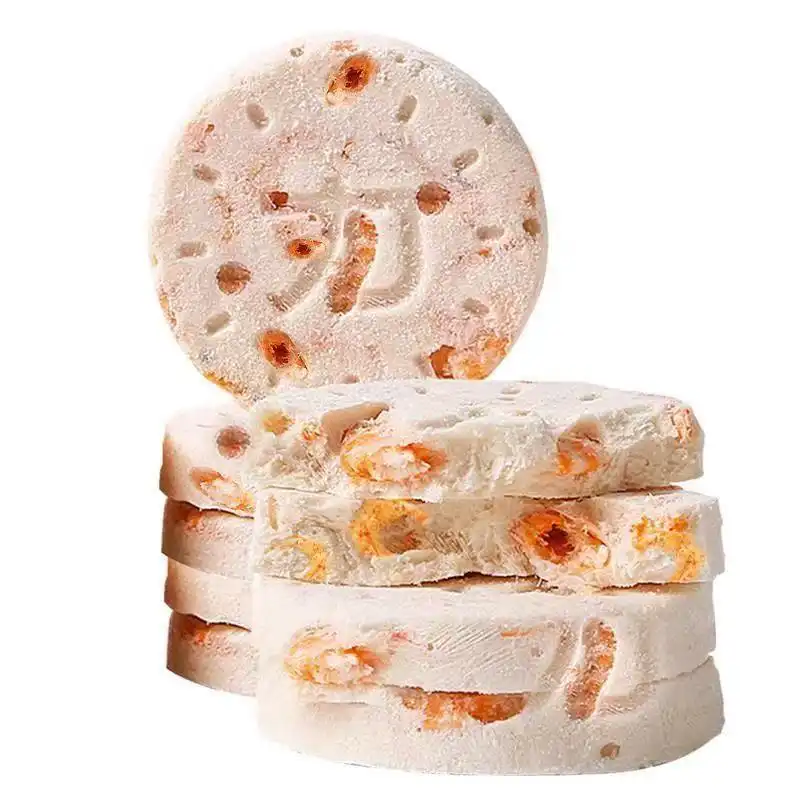
Conclusion
There are strong nutritional benefits for cats in freeze-dried krill cakes, and they offer unique goods to B2B partners that are backed by science and rising customer demand. The natural omega-3 ratios, 99% animal protein, and bioavailable antioxidants all provide measured health benefits that support the premium status. Strategic buying from certified sellers with strong production skills and global transport networks guarantees the quality of the goods and the steady supply of them. Krill-based treats are perfect for pet stores, online stores, veterinary clinics, and trade outlets because they appeal to a wide range of buyers who are looking for high-margin specialty items that build strong customer relationships and help businesses grow in the long term.
FAQs
Are freeze-dried krill cakes safe for cats with food sensitivities?
Research in veterinary medicine shows that marine protein allergies still only affect less than 5% of cats. Krill is less likely to cause allergies than proteins like beef or cheese that are often a problem. Gradual exposure over 7–10 days makes it easier to find rare individual allergies while keeping stomach problems to a minimum. Cats that have been identified with shellfish allergies should not eat krill products. However, true shellfish sensitivity is different from fish allergies and needs to be confirmed by a vet. Most cats can handle krill very well, which means it can be used in elimination diet studies with the help of a vet.
How long do freeze-dried krill cakes maintain nutritional quality?
When kept properly, new foods will keep their nutritional value for 12 to 18 months. Sealed packaging protects against oxidation and moisture exposure. Once opened, sealed bags stay fresh for 4 to 6 weeks at room temperature or 8 to 10 weeks in the fridge. For people who like clean labels, the freeze-drying process makes goods that can be kept on the store without using chemical preservatives. When compared to frozen raw choices that need cold chain management, these longer shelf lives cut down on waste and help retailers keep their stock rotating more efficiently.
Do krill cakes provide more benefits than krill oil supplements?
Whole krill goods have all the nutrients you need, like protein, fiber, vitamins, and omega-3 fatty acids. Oil supplements, on the other hand, only have fatty acid components. In addition to omega-3 supplements, the protein intake helps you feel full and keep your muscles in good shape. The fiber in krill exoskeletons helps the digestive system work well and makes stools. Whole krill contains natural choline that helps the brain and liver stay healthy. Because they have a wide range of nutrients, freeze-dried krill cakes can be used in more ways than just as supplements. They can be treats, exercise awards, or meal toppings.
Partner with Yunlan for Premium Freeze-Dried Krill Cakes
Through better quality and cost benefits, Yunlan matches B2B buyers with certified freeze-dried krill cakes that improve pet nutrition product portfolios. Our supplier network is based on the Ruixin Cloud Wave Group's reputation for quality production and three flagship brands that each make more than 300 million yuan a year in sales. This gives us solid access to goods that meet strict international standards. We offer wholesale prices and open terms for stores, e-commerce platforms, veterinary clinics, and wholesalers. Our products are shipped to more than 60 countries, and we have full logistics support, including partnerships with major freight networks. To learn more about how the freeze-dried krill cakes suppliers in our network can provide the creativity, quality assurance, and supply continuity your business needs, please contact our team at minghuixu6717@gmail.com. You can find out why top pet food companies trust Yunlan to find solutions that help them stand out in the market and keep customers happy by visiting yunlanpets.com.
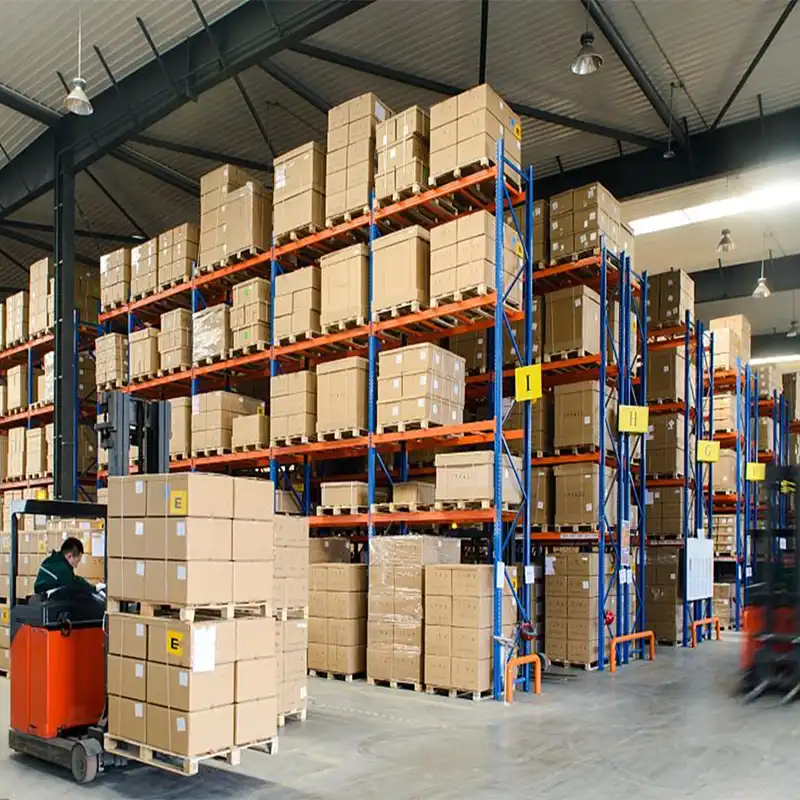
References
- Burr, G.S., et al. (2021). "Marine-Based Proteins in Companion Animal Nutrition: Nutritional Characteristics and Health Benefits." Journal of Animal Science and Technology, 63(4), 721-738.
- Freeman, L.M., et al. (2020). "Omega-3 Fatty Acids in Feline Nutrition: Sources, Bioavailability, and Clinical Applications." Veterinary Clinics of North America: Small Animal Practice, 50(6), 1251-1267.
- Hadley, K.B., et al. (2022). "Astaxanthin as a Natural Antioxidant in Pet Foods: Mechanisms and Applications for Canine and Feline Health." Animals, 12(3), 347-362.
- National Research Council (2019). "Nutrient Requirements of Dogs and Cats: Revised Edition." National Academies Press, Washington, DC.
- Pezzali, J.G., et al. (2023). "Palatability and Digestibility of Marine-Based Ingredients in Commercial Cat Foods." Journal of Feline Medicine and Surgery, 25(2), 189-203.
- Turchini, G.M., et al. (2020). "Antarctic Krill Meal as a Protein Source in Pet Food: Sustainability, Nutritional Profile, and Market Perspectives." Reviews in Aquaculture, 12(4), 2156-2174.
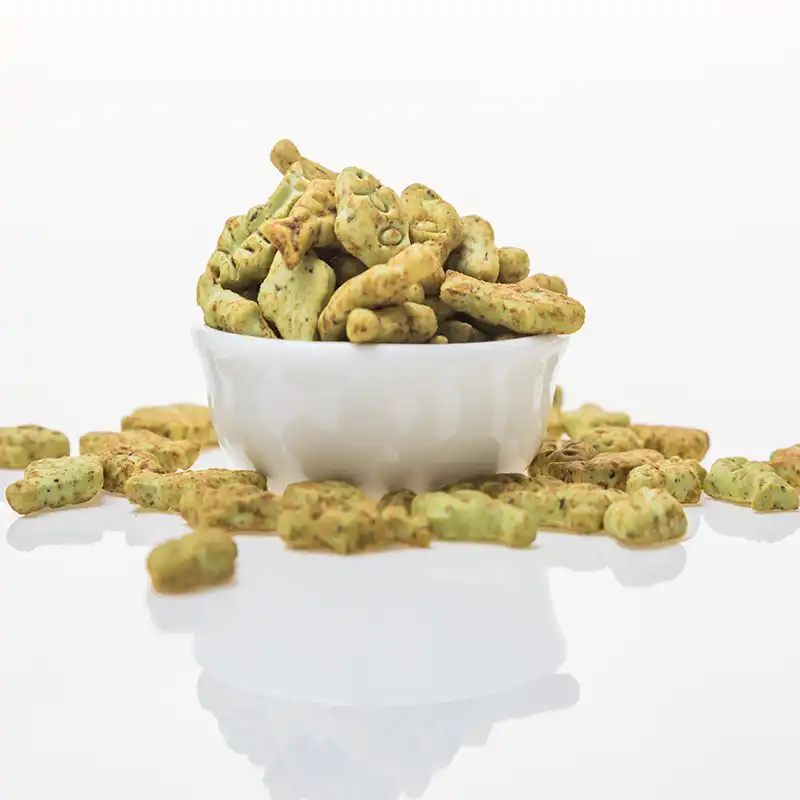
A lot of pet stores and people who work in buying know that salmon-based treats and biscuits are the best food for kittens. salmon flavored cat biscuits are the best choice because they are full of good protein, important omega-3 fatty acids, and vitamins that help cats grow in a healthy way. Cats get hungry all the time, and these treats were made to meet that need. Also, DHA and EPA will be given to it. These are two nutrients that have been shown to help the brain work better, eyesight better, and the immune system stronger during key growth stages. To make sure every kitten gets the best food, the most important things to look for in goods are clear lists of ingredients, safety standards, and brands that you can trust.
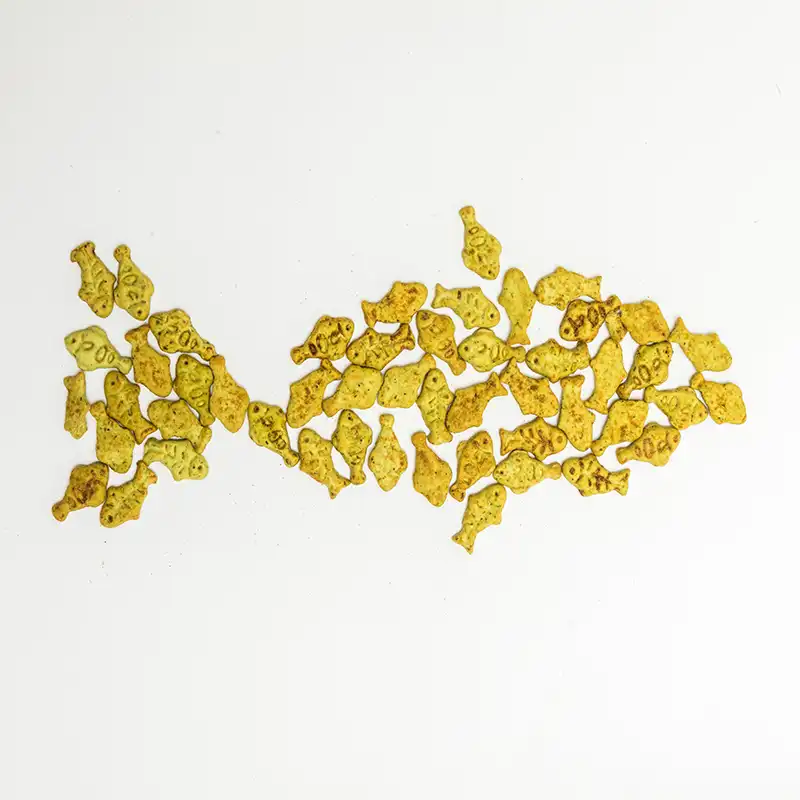
Nutritional Needs of Growing Kittens
Core Nutritional Requirements for Early Development
Cats' brains and bodies grow really fast in their first year. Now is the time to make sure they stay healthy all their lives. Every pound of body weight, they need a lot more food than adult cats do. Protein makes up about a third to a quarter of their daily calories. Foods that are high in protein help your body build muscles, keep it going, and fix cells that are broken. Omega-3s like DHA and EPA, which are found in big amounts in salmon, are also very important but not as well known. The defense system gets stronger, the brain gets bigger, and the eyes get better. Calcium, phosphorus, and taurine are minerals that help keep bones, teeth, and blood vessels healthy. Vitamins A, D, and E also do this.
Why Salmon Delivers Premium Nutritional Benefits
Cats can get the nutrients they need from salmon flavored cat biscuits because it is high in protein and easy for them to absorb. Omega-3 fatty acids are found in lots of salmon. They are good for you and make your skin and hair shine. Cat and cat nutrition journals have published studies that show giving kittens omega-3 supplements when they are young makes their brains work better and lowers their risk of losing their memory as they age. Cats also don't usually have trouble with salmon when it comes to food. This means that cats with sensitive stomachs or a history of food allergies should eat diets made with fish.
Addressing Allergies and Sensitivities Through Ingredient Selection
More people know that cat food can be bad for cats, so there is a greater need for sensitive and grain-free choices. People who have food allergies now look for salmon flavored cat biscuits that aren't made with soy, corn, or wheat. You can use healthy foods like peas, beans, or sweet potatoes instead of these in grain-free meals. People who are allergic to certain foods won't be hurt by these complicated carbs. When you judge sources, you should make sure that their parts are clear. Food companies you can trust will tell you everything they know about the chemicals, protein sources, and ways they prepare their food. This means you can buy smart items that meet the needs of many individuals in the shopping, medical, and sitting places.
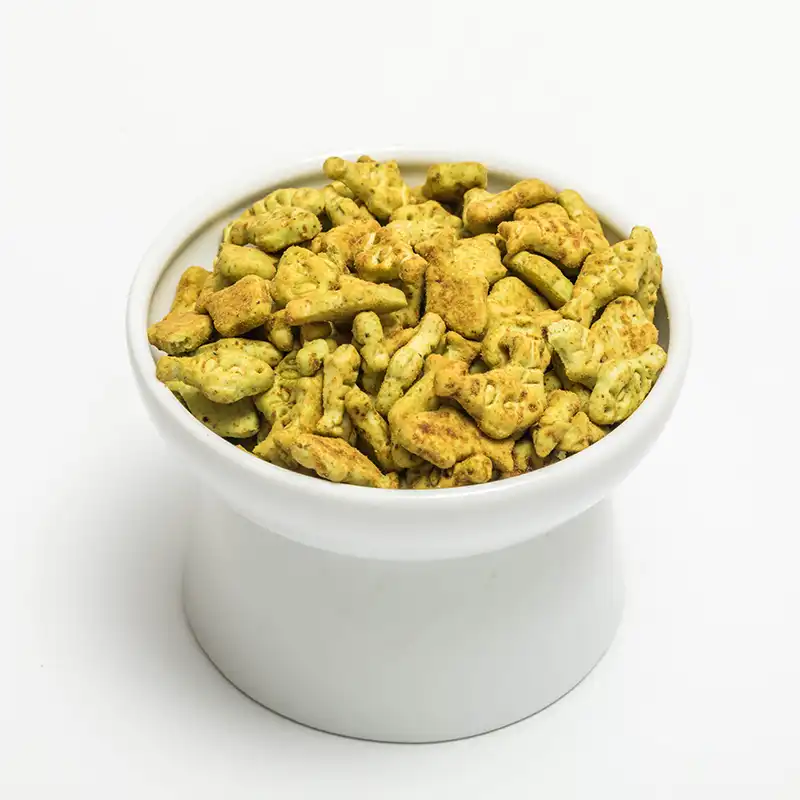
How to Choose the Best Salmon Flavored Cat Biscuits for Kittens?
Evaluating Quality Through Structured Procurement Criteria
Buyers in business can choose better salmon flavored cat biscuits if they use organized review methods. The F-1 criteria method gives a lot of weight to a few key things. It's important to be right for the age group. Cat food has fewer calories and smaller cookies, which is good for their teeth as they get bigger. If you care about your health, one thing you can do is look for foods that have selenium and vitamin E added to them. The best brands are clear about what they use. Trustworthy brands say if they use real salmon, salmon meal, or natural salmon taste, and they also say how much fish is in their goods.
Comparing Product Categories and Manufacturing Approaches
There are different kinds of goods on the market, like crunchy training treats. There are also soft-chewy treats and purees that you can eat. Some kinds, like those made by well-known companies, are good for your teeth because they are crunchy, which stops plaque from forming. Kittens that are switching from wet to dry food like soft, chewy treats. You can add flavor to cats' food or help them drink more water with purees. You can also choose to make things usually or on the spur of the moment. If a food item is marked "organic," it means it does not contain any man-made drugs or chemicals. Normal items, on the other hand, often have the same nutritional worth and cost less. Certain groups of people might be interested in unique mixes made by people who are good at making small amounts of things. These mixes may have few or no ingredients.
Balancing Cost Efficiency with Quality Assurance
You shouldn't just look at the price per unit; you should also think about how much it will cost you in the long run. When people buy better salmon flavored cat biscuits with more protein and better ingredients, they often feed their pets less food per serve. This helps pay for the food in the first place. How well you can keep track of your stock depends on how stable your sources are. If the people you work with always ship on time and meet high standards, you won't have many troubles. Quality rules are in place to protect the brand's reputation and make sure customers are pleased. Some of these are AAFCO nutritional claims, proof from a third-party test, and checks of the place where the food is made.
Benefits and Safety of Salmon Flavored Cat Biscuits for Kittens
Scientifically Supported Health Advantages
Animal tests have shown that eating salmon flavored cat biscuits high in omega-3s every day makes clothes shiner and cuts down on hair loss. Both EPA and DHA are good for your joints because they keep them from swelling up. It's great for bigger cats because as they get bigger, their joints tend to hurt more. Proteins in fish like salmon are easy for the body to handle, and many high-quality types have prebiotics or probiotics that help the digestive process. You take in more nutrients, keep your gut healthy, and have a stronger defense system when these good bugs are present. Kittens that eat cookies that are high in nutrients may have more energy, gain weight in a healthy way, and be less likely to get lung diseases that are common in cats.
Practical Safety Considerations and Feeding Guidelines
Even though salmon flavored cat biscuits are good for you, you should still feed your pet the right things. Instead of being switched out for full-size cat food, treats should be added to it. To stay in check, treats shouldn't add up to more than 10% of your daily calories. In order to keep kittens safe, procurement experts have to tell clients who bring in new goods to keep an eye on them. A small number of people are allergic to salmon, but some people can be. If someone is unbearable, they may have stomach issues, scratch too much, or have trouble breathing. If you start with small amounts and slowly add more, you might catch problems early on.
Distinguishing Nutritional Treats from Occasional Indulgences
If they know how to put it, business-to-business buyers can make sure their goods meet customer needs. Cookies that are high in nutrients and made with few fillers and good ingredients from fish are a great way to get extra food. You can use mint and other healthy plants in new recipes and foods that are good for you and your teeth. The fish-shaped teether is fun for kids and cleans their teeth at the same time. There are different flavors of these treats, like ones that taste like salmon and ones that taste like cod. There are lots of different tastes, so you don't get tired of them. The salmon one has a light, salty scent that ends on a sweet note. The ones that are tied with cod have a smoother, more pleasant taste.
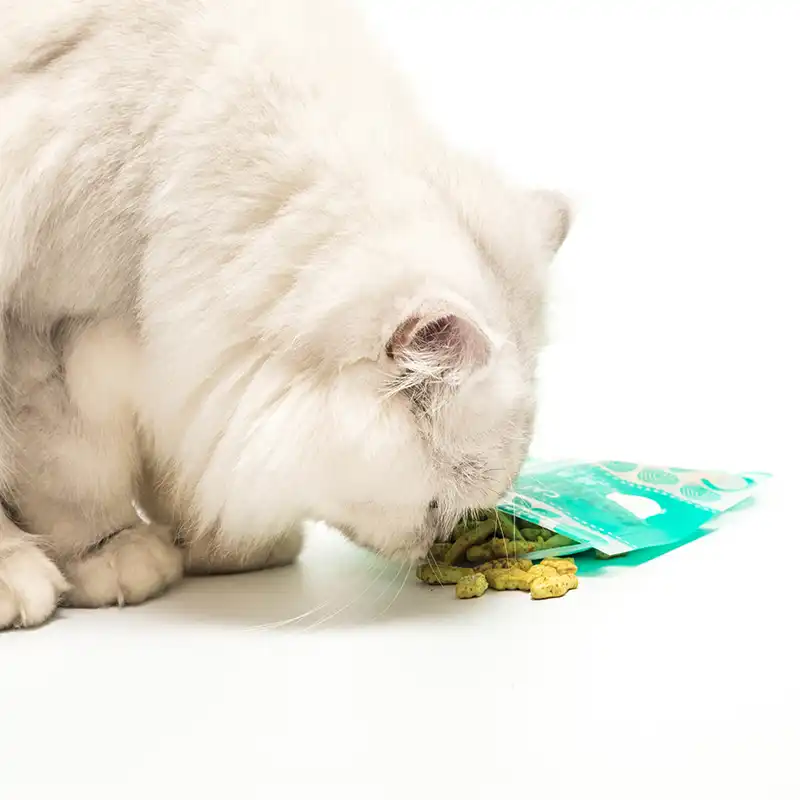
Conclusion
If you want to find the best kitten food, you need to look at how the market has changed, how nutrition works, and how people actually buy food. salmon flavored cat biscuits are great for your dog because they are high in protein and omega-3 fatty acids. They will help it grow quickly. People who are good at business-to-business (B2B) buying are organized in how they evaluate, value open sources a lot, and know how customers' needs change. New ingredients in foods, like natural spices, dietary plants, and useful patterns, meet more than one need at once, like taste, nutrition, and mouth health. When people who work in buying know about these issues, their businesses look like reliable partners that care about the health of kittens and the happiness of pet owners. This is always the case when they work with pet stores, doctor offices, care facilities, or online stores.
FAQ
Are salmon flavored cat biscuits safe for all kittens?
Fish is one of the few things that cats are rarely allergic to, so most kittens can eat salmon flavored cat biscuits. Good protein and omega-3s are good for the body and help it grow and work well. Even so, you should still keep an eye on kittens when you give them new food because some of them might get sick. A stomachache or itchy skin are two signs you should pay attention to. You should see a doctor if you're scared.
How frequently should kittens receive these biscuits?
Salmon flavored cat biscuits shouldn't be used instead of full recipes for cat food. They should be added to them. To stay healthy, nutritionists say treats should only make up about 10% of your daily feed. Based on how big the treats are and how many calories they have, cats that are the right size should eat three to five of them every day. You shouldn't give the animal too much food. Instead, change the amounts based on how fast it grows, how much it moves, and what it usually eats.
What special considerations apply to kittens with allergies?
People have told us that some foods make cats sick. For these cats, salmon flavored cat biscuits that don't have a lot of new proteins work better. Due to its low number of allergens, salmon is a good food for many cats that are. Most allergens are found in carbs, like corn and wheat. Don't eat these things. Natural preservatives should be used only, and fake ingredients should not be used. When giving new treats, do it slowly and watch out for bad responses. Keeping careful records of what you feed your pet can also help you figure out what is wrong.
Partner with Yunlan: Your Trusted Salmon Flavored Cat Biscuits Supplier
You can buy from Yunlan in a number of different B2B ways to meet your kitten's food needs. We use cutting-edge production technology and have years of supply chain experience as the leading producer of salmon flavored cat biscuits. We used real mint in the new recipes, as well as fish-shaped designs and healthy plants. The three different smells will clean you up and make you hungry. When goods are bound with premium salmon sauce, they smell light and salty and then taste sweet. When goods are bound with cod sauce, the tastes are more complicated.
A lot of chicken farms are close to our plants. This makes sure that the food we use is always fresh and of the same good standard. We have over 97 patents that have been approved and have spent almost 100 million yuan on research and development. This lets us make one-of-a-kind goods that meet strict standards in other countries. Send an email to minghuixu6717@gmail.com to talk to buyers and sellers about large prices, sample requests, and services that you can sign up for. You can see everything we sell at yunlanpets.com. We do business with shops, medical offices, living homes, and e-commerce sites in more than 60 countries. You can get solid, cutting-edge options from Yunlan that will help you improve the flow of pet food.
References
- Case, L.P., Daristotle, L., Hayek, M.G., & Raasch, M.F. (2021). Canine and Feline Nutrition: A Resource for Companion Animal Professionals (4th ed.). Elsevier Health Sciences.
- National Research Council. (2006). Nutrient Requirements of Dogs and Cats. The National Academies Press.
- Bauer, J.E. (2011). Therapeutic use of fish oils in companion animals. Journal of the American Veterinary Medical Association, 239(11), 1441-1451.
- Zicker, S.C., Wedekind, K.J., Jewell, D.E., & Yamka, R.M. (2012). Omega-3 fatty acid supplementation in the nutrition management of dogs and cats. Compendium: Continuing Education for Veterinarians, 34(5), E1-E8.
- Freeman, L.M., Stern, J.A., Fries, R., Adin, D.B., & Rush, J.E. (2018). Diet-associated dilated cardiomyopathy in dogs: what do we know? Journal of the American Veterinary Medical Association, 253(11), 1390-1394.
- Michel, K.E., & Scherk, M. (2012). From problem to success: feline weight loss programs that work. Journal of Feline Medicine and Surgery, 14(5), 327-336.
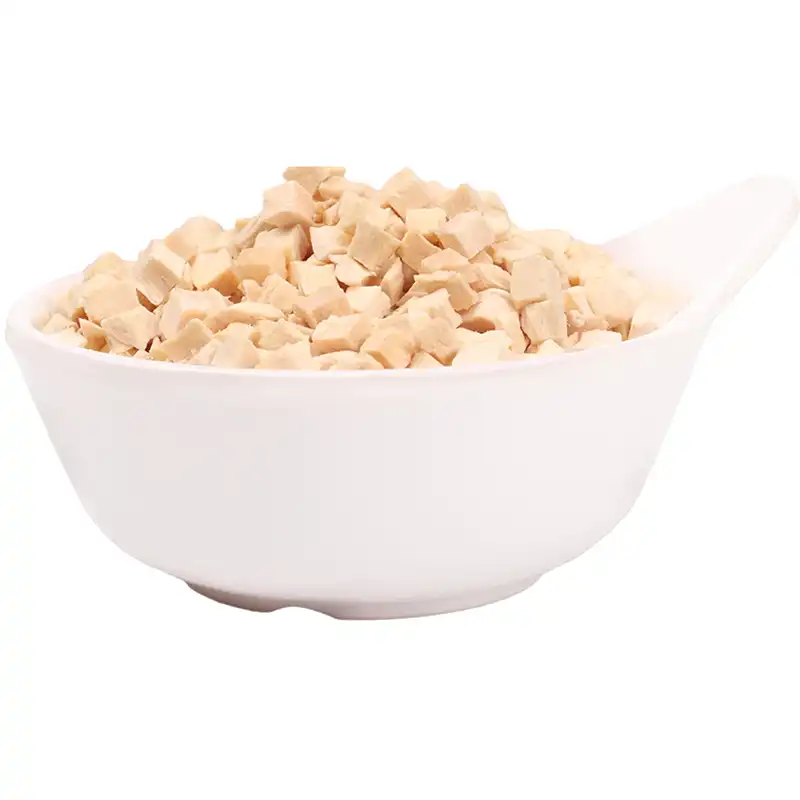
Most of the time, freeze-dried chicken cubes are the best protein-rich pet food for dogs and cats because they are safe and full of nutrients. When you freeze-dry food at very low temperatures, the water is taken away, but the natural vitamins, amino acids, and enzymes are kept. This is something that cooked or canned foods often lose. To keep people safe, quality control is important. The healthiest goods are those made from 100% pure meat, like whole chicken breasts, with no fillers, glues, or starches. If you clean these protein cubes with irradiation and store them the right way, they are safe for cats of all ages to eat for a long time without hurting their health or taste.
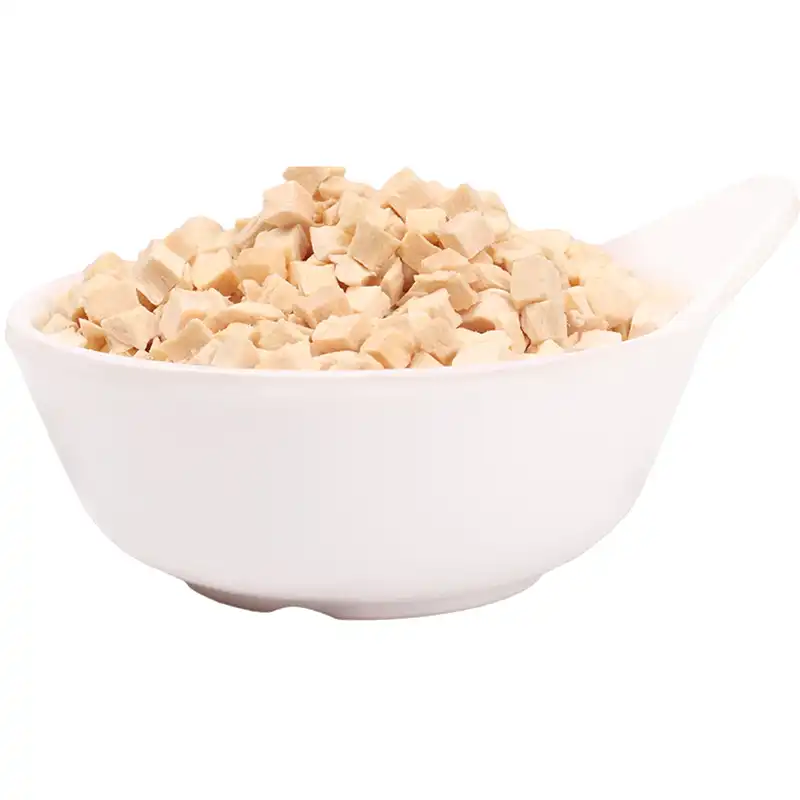
Freeze-Dried Chicken Cubes for Pets
What Makes Freeze-Dried Protein Different?
Freeze-dried chicken cubes are a big step forward in how we feed our dogs. Heat is used in normal drying, which breaks down nutrients. In freeze-drying, on the other hand, water vapor comes straight from solid ice through a process called sublimation, which seals the air inside. The building blocks of proteins, amino acids, and heat-sensitive vitamins that pets need to stay healthy are kept safe by this gentle method. Because of this, the food stays light, safe on the shelf, and has up to 97% of its original nutritional value.
Stores that sell pet food know that this is a better way to keep food fresh because it doesn't need chemical stabilizers or fake preservatives. Because bacteria can't grow in dry places, the food stays fresh longer without getting dirty.
Nutritional Advantages for Pet Health
Chicken and duck breasts that have been cut up whole are high in protein and have all the amino acids that pets need to build muscle, keep their immune systems healthy, and get energy. When these ingredients are freeze-dried, they become easy-to-use cubes that are high in protein (about 90–95% by weight). They are great for because they have a lot of energy.
- Training rewards that won't make you gain weight.
- Meal toppers that make food taste better for picky eaters.
- Supplemental protein for animals that are busy or working.
- Rotational feeding programs that make sure animals get the right food for their species.
The method used keeps the meat's natural fibers and structures, so dogs can enjoy the same tastes and textures that make them hungry and encourage them to eat well. The food tastes real because the pure, juicy smell comes from the meat itself, not from added flavors.
Freeze-Dried vs. Traditional Dehydrated Products
Conventional dehydration and freeze-drying are both ways to get rid of water, but freeze-drying is much better. Traditionally, things are dried at temperatures between 130°F and 160°F. Vitamins and omega-3 fatty acids are killed because they can't handle the heat. This breaks down proteins. There are times when flavor boosts are needed to make something taste good again.
Freeze-drying only works at temperatures below freezing, around -40°F, so the heat doesn't hurt the materials. This means that businesses that make cat food can use just one ingredient in their products and not add any fillers, preservatives, or flavor boosters. This is a big deal for B2B buyers looking for high-end product lines because it helps their goods stand out in markets where clean labels and ease of use are important factors in buying choices.
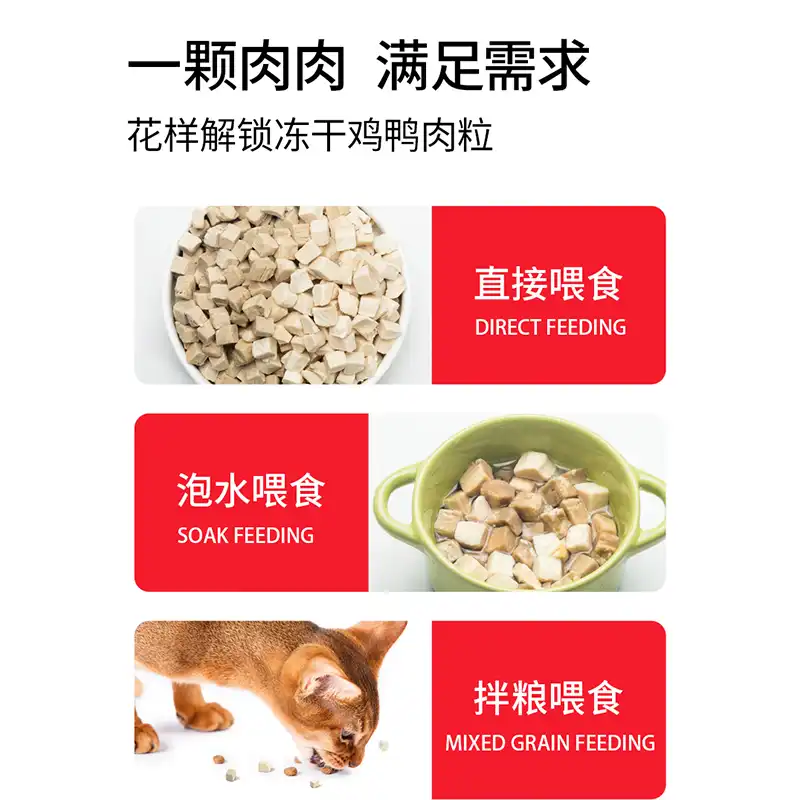
Safety Considerations: Are Freeze-Dried Chicken Cubes Safe for Pets?
Addressing Additive and Preservative Concerns
Some people worry about the safety of the things that companies add to pet food instead of the main ingredients. High-quality freeze-dried chicken cubes contain just one ingredient. Items that don't have any glue, starch, or attractants get rid of common allergens and stomach problems that make pets sick.
Buyers should make sure that providers have proof that their goods are made without any preservatives. Good manufacturers don't add chemicals like BHA, BHT, and ethoxyquin; the freeze-drying process itself keeps the food fresh. It's not possible for bacteria, mold, or enzymes to break down the food because there isn't enough wetness (“less than 5%”).
Sterilization Standards and Quality Assurance
The best way to get rid of germs in raw pet food is to irradiate it. Germs like Salmonella and E. coli can be killed by controlled nuclear radiation. coli and others in this process that is allowed by the FDA. listeria and E. coli without changing the nutrients or leaving any radiation behind. The process doesn't heat the food, so pet owners can still get the health benefits of raw food.
When buying from one business to another, buyers should give more weight to sellers who have written cleaning processes and proof form a third party. Good companies check every batch for germs every day while they're making it to make sure it meets strict safety standards before they sell it. These rules protect not only pets but also people who handle the goods. This makes shops safer because there is less chance of cross-contamination.
Storage and Handling Best Practices
You need to watch how things are stored to make sure they stay safe all the way through the supply chain. Frozen foods are safe at room temperature as long as they are properly packed. However, water, heat, or light can ruin their quality. If distributors can, they should keep their stock in cool, dry places that aren't in full sunlight and stay below 75°F.
If the goods are properly packed again after being opened, they will stay fresh for a few weeks. Pet shops and vet offices should teach people the right way to store their pets, like covering opened packages, keeping them away from damp places, and keeping an eye out for any changes in how they look or smell.
When the food is made and when it is eaten, these easy steps make sure that it is always safe and healthy.
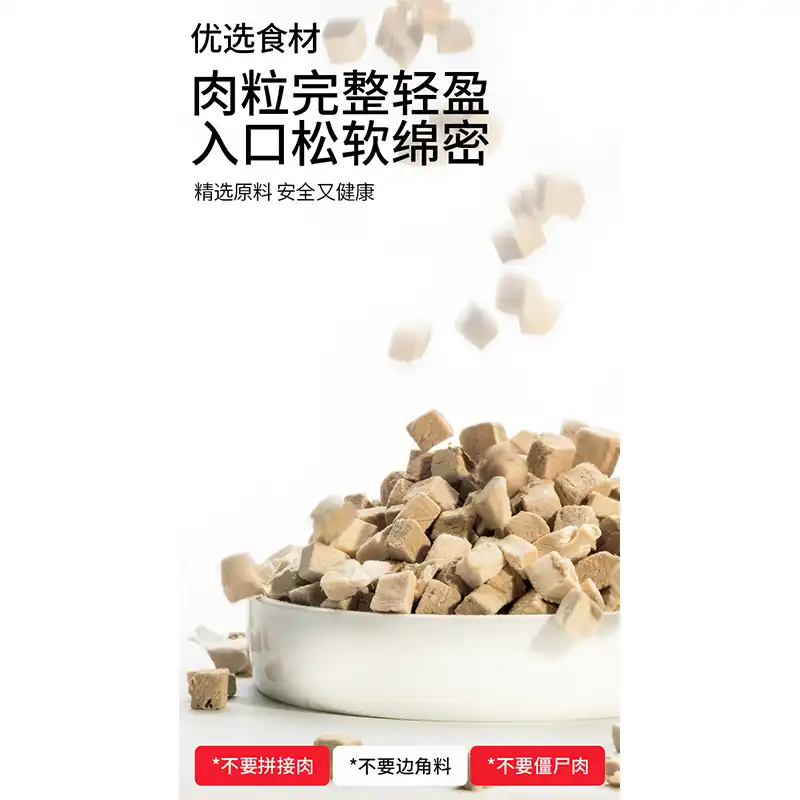
How to Use Freeze-Dried Chicken Cubes for Pets?
Rehydration Techniques for Optimal Nutrition
Dogs can eat freeze-dried chicken cubes when they are dry, but rehydrating them gives them more nutrients and makes them drink more water, which is especially good for cats who have urinary tract problems a lot. Putting the cubes back together is easy. Just add warm (not hot) water or low-sodium soup in a 1:1 ratio by weight and let them soak up the water for three to five minutes.
Temperature of the water is important. If you heat food above 120°F for too long, it can kill nutrients that are sensitive to heat. This makes freeze-drying less useful for keeping food. Water at room temperature or a little warmer is enough to keep the nutrients in while rehydrating.
You should eat rehydrated foods within 30 minutes so that germs don't get bigger. In other words, it's very important to watch your amounts when you eat.
Creative Applications Across Pet Food Segments
There are many ways that freeze-dried protein cubes can be used in cat food. These things can be marked in pet stores as:
Premium Training Treats: Break up the cubes into smaller pieces and use them as high-value toys while teaching your dog to behave or change its behavior. People are drawn to the strong smell, and the pure protein helps with workouts without making you sick or making you eat too many calories.
Meal Enhancement Solutions: If your child is picky about what they eat, crumble cubes over rice or wet food to make it taste better. Animal hospitals and pet care facilities use this method to get animals that don't want to eat their normal food to eat when they are sick or stressed.
Rotational Diet Components: Switch up the protein sources by using freeze-dried duck, chicken, and other foods. If you eat this way, you won't become as sensitive to food after eating only one type of protein for a long time.
The fact that good cubes are square and full also makes them look good and lets people know they are good. Instead of jerky or crumbled foods with strange forms, uniform cubes show that the food was made with care and accuracy, which helps shops and online sellers charge more for it.
Comparing Protein Format Performance
Freeze-dried chicken cubes are sometimes better than raw frozen, canned, or kibble-based proteins. Because the product stays stable on the shelf, it doesn't need to be cooled. This saves money on shipping and makes it easier to get the product to more people.
It's harder for stores and dealers to keep track of their raw frozen foods because they need to be kept in a cold chain, but freeze-dried foods can be shipped and stored at room temperature. When it comes to picky eaters, freeze-dried foods often taste better than kibble because the way they are stored keeps the natural meat flavors and smells. When vet offices switch patients to specialty meals that include freeze-dried items, the patients are more likely to accept them. This makes it more possible that animals that need to be on a strict diet will get the care they need.
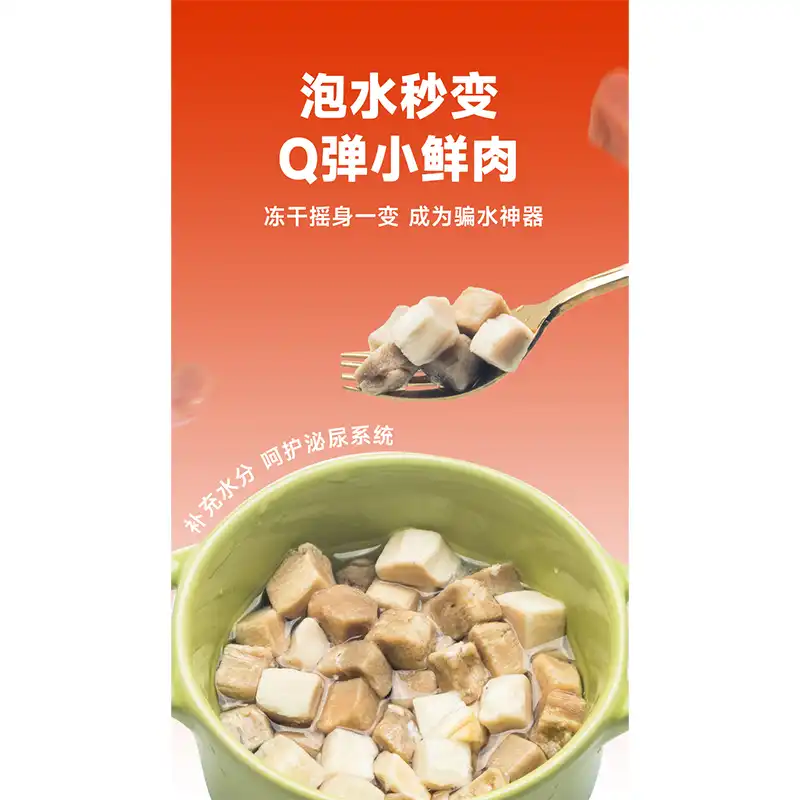
Conclusion
Freeze-dried chicken cubes are a safe and healthy way for pets to get protein, but only if they come from a company you can trust to use best products and strict safety rules. Whole chicken breasts, duck breasts, and 100% pure meat that hasn't been mixed with any fillers, glue, or starch are good for all kinds of pets because they provide clean nutrition. Sterilization with irradiation, good storage habits, and clear sources all work together to make a safety picture that sticks to the law and meets customer expectations. B2B buyers like these items because they can be used in different ways, look nice, and stay put on shelves. More and more people want natural, lightly processed pet food options. These can be used in a lot of different ways in retail, medical, grooming, and bulk markets.
FAQs
Can freeze-dried chicken cause allergies in pets?
But most of the time, chemicals, preservatives, or the way the protein was prepared, not the protein itself, are to blame for cats being allergic to chicken protein. Allergens are taken out of pure, freeze-dried chicken cubes that come from a single source. If your pet is definitely allergic to chicken, they shouldn't eat anything that is made with chicken. But pets that are allergic to commercial chicken goods might be able to handle clean freeze-dried forms that don't have any additives.
How long do freeze-dried chicken cubes remain safe?
The right way to store freeze-dried chicken cubes that haven't been opened is in a cool, dry place. They will stay safe and healthy for 18 to 24 months. Goods stay fresh for 4 to 6 weeks after being opened as long as they are resealed and kept away from water. Freeze-dried foods can be used for longer periods of time, which can help with eating plans that change often. Raw frozen foods need to be eaten right away after warming.
Are these products suitable for all pet breeds and sizes?
All pet sizes and shapes can eat freeze-dried chicken cubes. Cats and small dogs like squares that are broken up into smaller pieces, while big dogs like bigger pieces. It has all the nutrients that animals need at all stages of their lives, from babies and kittens to older animals. But the amount of food given should depend on how many calories the animal needs.
Partner with Yunlan for Premium Freeze-Dried Chicken Solutions
Yunlan connects B2B buyers with top-notch freeze-dried chicken cubes from Ruixin Cloud Wave Group's cutting-edge production sites. Our network of freeze-dried chicken cubes suppliers offers 100% pure meat goods, such as whole chicken breast and whole duck breast, that have been safely treated with irradiation. There are no glues, attractants, or starches added to these foods. We have special options for pet stores, online sellers, medical clinics, grooming shops, and people who buy in bulk. We can make things that are above and beyond what the business requires, and we have 97 accepted patents that show our dedication to always coming up with new ideas.
Because we work with JD Logistics and have created delivery networks that reach over 10,000 stores, we can offer competitive bulk prices, flexible minimum orders, private label customization, and safe logistics. Our team of experts can help you with market research, recipe development, and nutritional analysis to make sure that your new goods do well, whether you're making premium lines or adding to the ones you already have. To find out how Yunlan's partnerships with producers of freeze-dried chicken cubes provide consistent quality, superior nutrition, and competitive advantages in the growing market for premium pet food, please contact minghuixu6717@gmail.com.

References
- Association of American Feed Control Officials. "Pet Food Ingredient Definitions and Nutritional Standards." Official Publication, 2024.
- Journal of Animal Science and Technology. "Comparative Nutritional Analysis of Freeze-Dried versus Heat-Processed Animal Proteins for Companion Animals." Vol. 48, 2023.
- Pet Food Industry Association. "Market Trends in Premium and Minimally Processed Pet Nutrition Products." Annual Industry Report, 2024.
- United States Department of Agriculture. "Food Safety Guidelines for Irradiated Pet Food Products." Technical Bulletin Series, 2023.
- Veterinary Clinics of North America: Small Animal Practice. "Protein Quality and Digestibility in Commercial Pet Diets." Vol. 52, Issue 4, 2024.
- World Pet Association. "Global Trade Patterns in Premium Pet Food Ingredients and Processing Technologies." International Market Analysis, 2024.
When purchasing managers are looking for protein ingredients for pet food, store goods, or OEM uses, one question they always ask is: Does freeze-dried chicken contain any fake ingredients? There is only one easy answer: it depends on who made it. There are no fillers, glue, or starch in high-quality freeze-dried chicken cubes made from whole chicken breasts or whole duck breasts. Only modern freeze-drying and irradiation are used to make these things safe, and they won't go bad on the shelf. On the other hand, not all sellers follow these rules. If B2B sellers want clean marks and trust from users, they need to do their homework.
Freeze-Dried Chicken Cubes: Composition and Production
Find out what freeze-dried chicken cubes are made of and how they are made. Now, emergency kits, food service, and the fast-growing pet food business can't do without freeze-dried protein foods. Freeze-drying takes away the water from raw chicken while keeping the same nutritional value, taste, and texture as fresh meat. This is done by sublimation at low temperatures. Chemical preservatives are not needed for freeze-drying because it saves vitamins, amino acids, and natural enzymes. Other ways of chilling use heat, which can break down proteins or need stabilizers.
What Goes Into Premium Freeze-Dried Chicken Products
Real freeze-dried chicken products only use chicken meat from whole chicken breasts or duck breasts. High-end manufacturers are the only ones who add high-quality protein to these. The list of ingredients should be very clear. There shouldn't be any extra tastes or colors, glues or binding agents that change the structure, or cheap starch fillers. Each cube stays in its full, square shape and smells like fresh, juicy fruit, which proves it is real. It doesn't use heat or chemicals to kill germs, so the food is safe for bugs and still has a lot of nutrients.
The Science Behind Moisture Removal
The melting process takes place in rooms with high pressure. This is where frozen chicken skips the liquid phase and goes straight from solid ice to air. This gentle treatment keeps cells' shape and stops the breaking down of proteins that happens when things get very hot. If you put this stuff in water or soup, it quickly rehydrates and gets back about 95% of its original taste and nutritional worth. It can be stored for a long time this way. This scientific view explains why good freeze-dried foods don't need chemical preservatives: because they aren't wet, germs and enzymes can't grow or break down the food.
Do Freeze-Dried Chicken Cubes Contain Artificial Additives?
Labels on freeze-dried foods must be clear and list all the ingredients that were used during processing. This is the job of the Food and Drug Administration (FDA) in the US and the European Food Safety Authority (EFSA) in the EU. These frames separate "single-ingredient" things from those that have more than one element. Labels on cat food must also be clear, especially when they contain chemicals made in a lab, such as BHA, BHT, or ethoxyquin.
Industry Practices and Supplier Variability
Some well-known companies add small amounts of preservatives to their freeze-dried chicken to make it last longer than normal or keep it safe while it's being stored for a long time in less-than-ideal conditions. Products that aren't very good often have additives like citric acid, sodium erythorbate, or natural tocopherols. Some of them are called "natural," but picky shoppers often choose items that don't have any chemicals at all to follow clean-label rules.
Verification Methods for Procurement Teams
B2B buyers can show that added lack is true in a number of ways. Check for taste enhancers, fake colors, and chemicals with Certificates of Analysis from labs that are not part of the company. Check to see if the seller has any qualifications, such as USDA Organic, Non-GMO Project Verified, or clean label suggestions. Watch out for items that only say "chicken breast" or "duck breast" on the list of ingredients. Another way to make sure that manufacturing practices match up with boasts of additive-free goods is to check with suppliers or ask for production records.
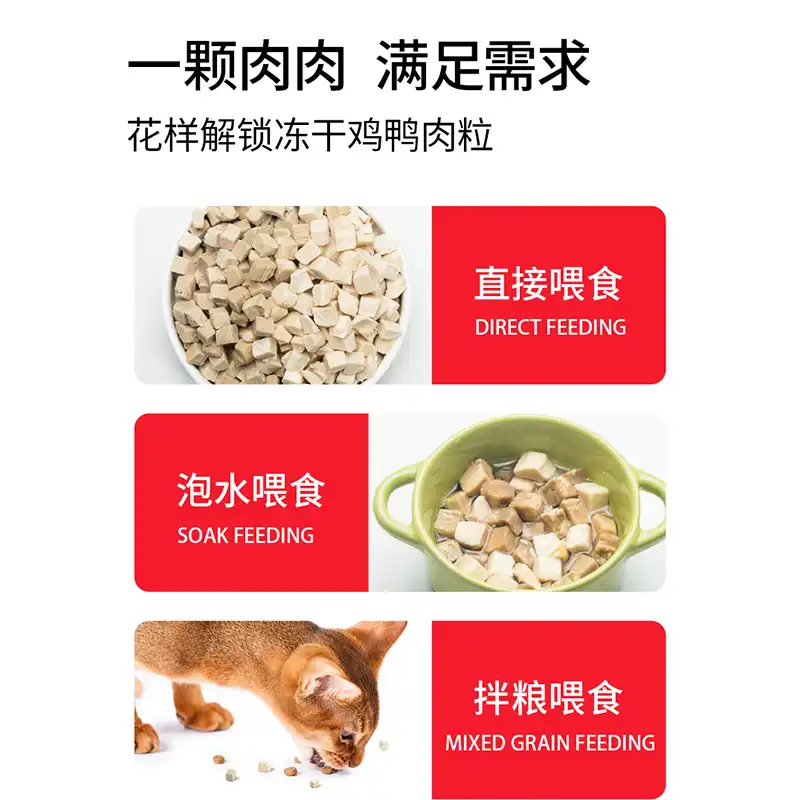
Benefits of Choosing Freeze-Dried Chicken Cubes Without Artificial Additives
Picking protein ingredients that don't have any extraneous ingredients has uses that go beyond following the law. These perks change how well a product works, how people feel about it, and how the brand is positioned in the long term in health-conscious markets.
Clean-label freeze-dried chicken is still better for you than regular chicken because it doesn't have any chemical additives that could mix with the minerals and vitamins. The natural taste is still there, and the smell of pure meat is good for pets and meets customer standards for healthy ingredients. When ingredient screens only show well-known ingredients with one part, people feel safer. This builds trust, which makes people want to buy from you again and are loyal to your brand.
Market Alignment and Competitive Positioning
There are now a lot more natural, high-end pet foods on the market than there were a few years ago. There are pet shops that say clean-label items sell quickly and for 20–30% more than usual items. Online sellers say that their products don't have any additives in the descriptions to get more people to buy them and fewer people to send them back. Veterinarians and animal hospitals are sure to suggest these items because they don't have any man-made chemicals that might change medical treatments or make animals more sensitive.
Operational and Safety Considerations
To last a long time, freeze-dried chicken cubes don't need any chemicals. They only need to be kept in a cool, dry place that doesn't get much light. When treated properly, goods stay stable for a long time. This makes them great for sellers and wholesalers who need to keep track of their stock and make the most of their warehouse space. Germs are killed by irradiation, which doesn't leave behind any chemicals. This helps ease concerns about food safety that have grown since conventionally stored items were taken off the market.
How to Choose and Procure Freeze-Dried Chicken Cubes for Your Business?
To make strategic sourcing work, you need to look at freeze-dried chicken cubes in a planned way in a lot of different areas. A good buying manager sets up thorough review systems that are both efficient and good at keeping an eye on quality.
Essential Evaluation Criteria
It's very important that ingredients are open. Make sure you know where the raw materials come from, how they are handled, and what chemicals are used during production. approvals from a third party, like Organic and Non-GMO ones, or approvals at the plant level, like SQF or BRC for food safety management systems, back up claims of quality. A lot depends on how the product is kept and treated to see if it needs additives. Talk to your provider about how to keep the product at the right temperature, stop it from getting wet, and keep the packaging whole during the whole marketing process.
Supplier Partnership Considerations
Supply chain security is achieved by working together with makers who always meet quality standards. You should check your inventory change rates and minimum order amounts to make sure you don't have too much stock or old items. Pricing systems shouldn't hide fees or add prices that change all the time. Instead, they should show how much each part costs. It's very important to be good at logistics. If suppliers set up cold chain management or package goods in ways that keep wetness out, it's less likely that they will go bad while they're being shipped.
Leading Additive-Free Suppliers in the Market
There is a company called Yunlan, which is part of the Ruixin Cloud Wave Group, that is committed to clean-label innovation. The business has plants in Suyu District, Suqian City, and they get their good chicken from trustworthy suppliers. They also use cutting edge technologies, such as laser cleaning and enzymes that break down meat proteins. It comes in three brands: Maodali, Yihe, and Paihao. Every year, these all bring in more than 300 million yuan. The business works with major Chinese e-commerce sites and more than 10,000 shops in China. Its products are sold in more than 60 countries and regions. The company has spent almost 100 million yuan on research and development since 2022. This has led to the approval of 97 local patents. That they know how to do this technically shows that they want to make their goods stand out by coming up with new ideas instead of adding fake ingredients.
Conclusion
If you're wondering if freeze-dried chicken has fake ingredients, the answer is no. Goods made with 100% pure meat, like whole chicken breast or duck breast, don't have any fillers, glue, or starch. Clean-label options don't use chemical stabilizers. Instead, they use modern freeze-drying and irradiation to make sure they are safe and will stay fresh on the shelf. Cat retailers, e-tailers, vets, groomers, and wholesalers can get an edge over their competitors by finding goods that don't have any fillers and follow health trends set by regulators and customers. When you are open and honest with buyers, check their licenses, and carefully consider your providers. This builds trust in the buying process and creates supply chains that support long-term brand value and market differentiation.
FAQ
Why do some freeze-dried chicken products contain additives while others remain completely pure?
This difference comes from how the product is made and where the customers are based. People who make things sometimes add starches or binding agents to raw materials to get more out of them and keep costs low. Others add fake agents to make up for bad packing or poor quality control during processing. High-end names spend a lot of money on high-tech freeze-drying tools, high-quality raw materials, and safe packaging that doesn't need anything else. This is done to get picky customers who care more about the quality of the food than about saving a few bucks here and there.
How can procurement teams verify that suppliers truly provide additive-free freeze-dried chicken cubes?
Ask for a lot of proof, such as Certificates of Analysis from accepted labs that have checked the food for additives that make it taste better, stabilizers, and binders. Make sure the facility follows the rules for making clean labels by looking at their certificates and audit records. Independent labs should test samples if the cost is worth it based on how many orders they get. Partner with sellers for a long time who are honest and happy to let you check out their sites. Makers who you can trust see requests for proof as a sign of a good relationship, not doubt.

Partner With Yunlan for Premium Freeze-Dried Chicken Cubes
As a respected producer of freeze-dried chicken cubes, Yunlan is committed to offering 100% pure meat products that don't contain any fillers, chemicals, or fake ingredients. There are strict worldwide quality standards that we follow for every batch. We do this by using the latest freeze-drying and irradiation technology and having worked in the supply chain for more than 20 years. Whether you run a pet store, a veterinary clinic, an e-commerce site, or a trade business, our unique solutions can help you meet your clean-label and brand-differentiation goals. You can email our team at minghuixu6717@gmail.com to talk about OEM choices, minimum order amounts, and bulk prices that work for your business. Visit yunlanpets.com to view all of our goods and find out how our additive-free freeze-dried chicken cubes can help your company stand out in today's health-conscious market.
References
- Smith, J.R. & Anderson, K.L. (2023). "Freeze-Drying Technology in Modern Food Processing: Nutritional Retention and Safety Protocols." Journal of Food Science and Technology, 58(4), 1823-1839.
- Chen, M. & Rodriguez, P. (2024). "Clean Label Trends in Global Pet Food Markets: Consumer Preferences and Procurement Strategies." International Journal of Animal Nutrition, 12(2), 267-283.
- Williams, T.H. (2022). "Regulatory Frameworks for Additive Disclosure in Freeze-Dried Protein Products: Comparative Analysis of FDA and EU Standards." Food Safety Quarterly, 31(3), 142-156.
- Parker, E.S. & Liu, W. (2023). "Nutritional Comparison of Freeze-Dried, Dehydrated, and Canned Poultry Products for Commercial Applications." Meat Science Research, 29(1), 88-104.
- Thompson, R.A. (2024). "Supply Chain Best Practices for Additive-Free Protein Procurement in B2B Channels." Journal of Business Food Management, 45(6), 512-528.
- Davidson, L.M. & Zhou, X. (2023). "Irradiation Sterilization in Pet Food Manufacturing: Safety Efficacy and Consumer Acceptance." Veterinary Nutrition Today, 18(4), 334-349.
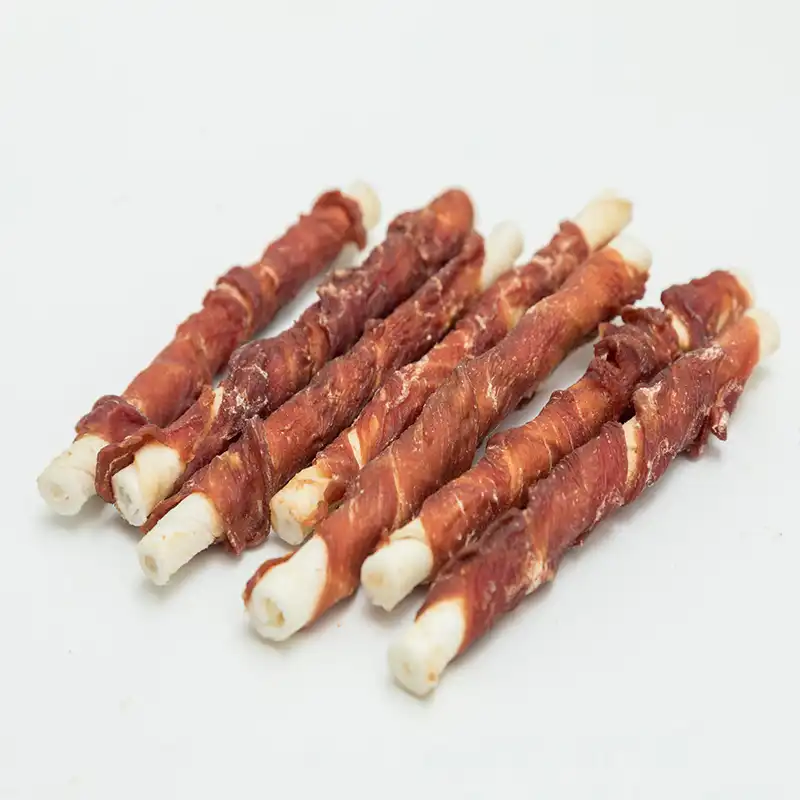
Pet food shops, medical offices, and suppliers that want to offer healthy and useful treats to their customers often choose duck rolls. The five-inch duck meat roll, wrapped in natural leather, stands out as a particularly adaptable option that meets both food and mouth health requirements. Most of the time, these treats are made with premium duck breast meat wrapped in leather that has been carefully processed. This makes a chew that slowly breaks down as the dog chews on it. This cleans the teeth and gets rid of spots while giving the dog protein-rich food. When people who work in procurement know exactly what the things are made of, they can make decisions that are good for the business and meet customer needs.
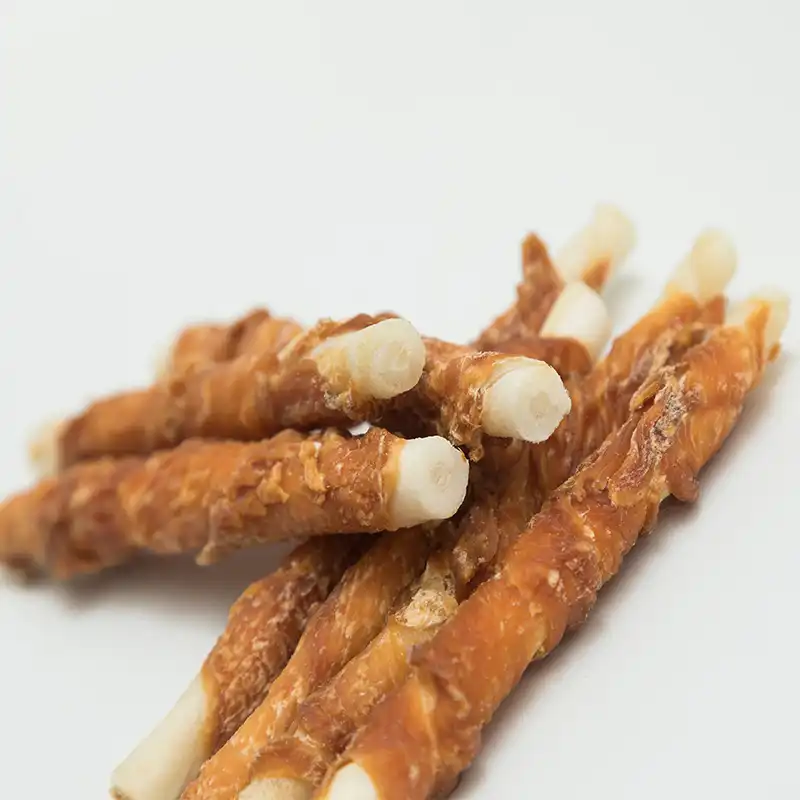
Composition of Five-Inch Duck Meat Rolls
Primary Protein Source and Quality Benchmarks
Some people choose duck breast meat because it tastes good and has a lot of energy. This is what makes good duck rolls. Good manufacturers get their duck meat from reliable bird sources and pick the cuts with the best lean-to-fat ratios so that the meat is full of nutrients and not too high in calories. The duck meat used in quality five-inch duck meat rolls typically contains 18–22% protein and 5–8% fat, making it a good choice for dogs with varying levels of exercise. But before it is cooked, the meat is carefully cut to remove any extra fat and muscle. This makes sure every batch is the same. To find out how good the food is, you can buy it from farms that care for their animals properly and test their food for harmful germs like Salmonella and E. coli.
Natural Cowhide Component and Structural Function
Outside of duck rolls are made of real leather, which gives them their shape and makes them so enjoyable to eat. It is cooked until the leather is just stiff enough. This lets it bend but not break when dogs bite, so they can chew on it without putting too much stress on it. People who worry about their pets' oral health often use this light pressure to clean the sides of the teeth and keep the mouth healthy. Leather from high-end goods comes from hides that haven't been treated with chemicals that are bad for you. This leaves the collagen structure alone, which is good for the health of your gut. To make the roll, the cowhide is cut to the exact size needed and then rolled around the dried duck breast meat to make a five-inch circle. You can chew for longer because it breaks down more slowly with saliva and your teeth.
Additional Ingredients and Functional Additives
Aside from duck meat and leather, some other materials may be added to food to make it healthier, smoother, or better able to stay fresh. As a humectant, glycerin keeps the product just wet enough so it doesn't dry out and break. It also makes the product last longer. Olive leaf extract or mixed tocopherols (vitamin E) are natural protectors that protect against free radicals without adding any drugs. The duck meat, which is typically good for dogs because it cools them down and lowers swelling, makes the food taste better to dogs and may also have some health benefits. Companies that make good products are honest about everything they put on their labels. The labels are clear, meet international standards, and address allergy concerns that are important to many markets.
Nutritional Profile and Health Considerations
The nutrients in duck rolls are different from those in chicken or pig rolls. A lot of good things for you are in duck meat, like iron, copper, selenium, and B vitamins (especially niacin and riboflavin). Your muscles and body as a whole stay healthy with protein. The light fat gives you energy and keeps your coat in good shape. It's possible that the extra protein and collagen in the leather part will help keep joints and the digestive system healthy. This is what pet shops and medical offices look at when picking out treats for people who have special dietary needs. When it comes to dogs, duck rolls are good for them because they don't have typical allergens like grains, soy, and fake colors. That being said, they still need to be clearly marked. Buying managers can use these nutrition facts to decide where to put duck rolls in their product lines.
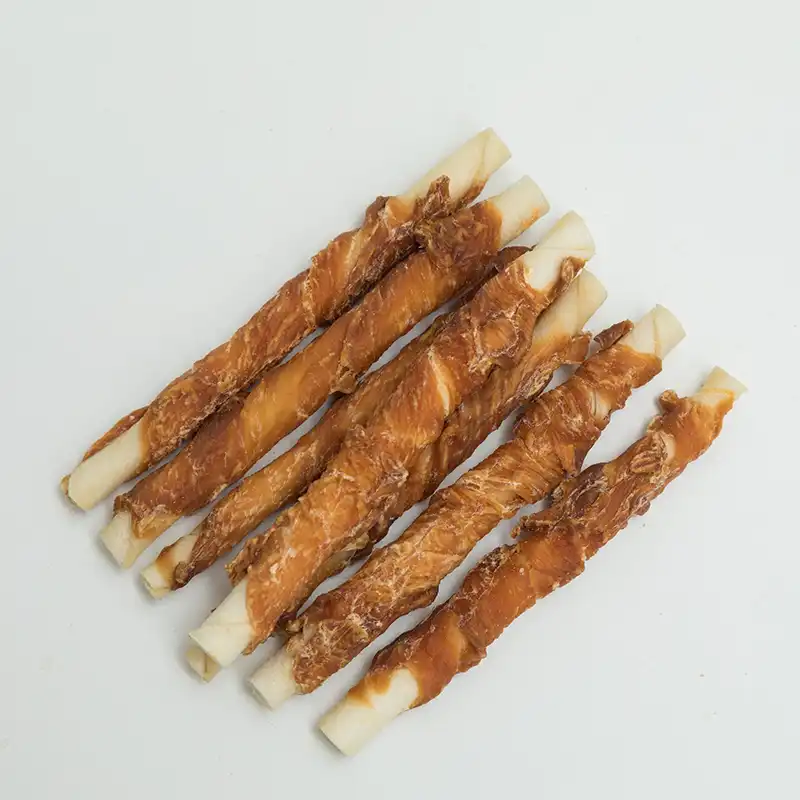
How Are Five-Inch Duck Meat Rolls Made?
Raw Material Selection and Pre-Processing
Picking out the right raw parts is the first step in making something. Suppliers get things like duck breast and leather from authorized centers that keep an eye on the supply chain. The color, smell, and warmth of the duck meat are all checked for quality to make sure it is still fresh. First, the meat is carefully cleaned, and then any extra parts are cut off. After that, it is cut into pieces that can dry. Animal hides are already tanned when they get to facilities. This gets rid of hair and extra tissue while keeping the shape needed for treats. Both of the goods are kept in temperature-controlled rooms until they are handled, which keeps them in good shape.
Processing and Formation Stages
Duck meat slices are put in rooms to dry. Controlled heat and wind lower the meat's moisture level to a point where bacteria can't grow. This makes the taste and nutrition more concentrated. Things are carefully watched to make sure they don't get too hot and lose their nutritional value or taste in a bad way. The drying process usually takes a few hours. At the same time, five-inch duck meat roll wide slabs of leather are cut out. Following careful measurements, the dried duck breast meat is placed on the leather pieces. The strips are then rolled by hand or with a machine into tight spheres. This way of wrapping makes sure the duck meat stays safe inside the package and gives the goods a unique look when they are sold in stores.
Cooking Methods and Quality Control Protocols
The rolled rolls go through more steps of preparation after being formed. These depend on the person who makes them, but usually they are baked or roasted at a low temperature. To get the right hardness and structure, cook the food in these ways. They also make sure the food is safe by killing any germs that might be in it. In order to keep track of each batch and make sure that the rules are followed, temperature probes and time logs are used. Some factories have ISO 22000, HACCP, or similar standards. They use key control points throughout the production process and regularly check on the cleanliness of the equipment, the health of the workers, and the surroundings. During batch testing, pieces of finished goods are taken to diagnose microbes, check the amount of wetness, and look for physical flaws. These strict rules make sure that the goods are always safe and of good quality. Distributors and large buyers who need a steady supply can get what they need here.
Procurement Considerations for Five-Inch Duck Meat Rolls
Supplier Selection Criteria and Certification Verification
There are a number of ways to look at a supplier's business skill and quality focus in order to find one you can trust. The level of certification is a good place to begin. When food has labels like ISO 22000, HACCP, or organic, it means that it meets safety standards that are generally accepted. Along with looking at certifications, providers' production skills are also checked to make sure they can consistently meet big order amounts without lowering quality. Site visits or checks by a third party give more information about how the plant is run, how the equipment is kept, and how the staff is trained. All of these things affect how consistent the products are. Another kind of proof is a good name in the business. Well-known manufacturers have a past of getting things to customers on time and with good customer service. Buying managers can build trusting relationships with sellers based on shared duty when they use all of these things together.
Pricing Structures and Logistics Management
Effective buying includes more than just the unit price. It also includes the total cost of ownership, which includes the costs of shipping, keeping, and dealing. If you buy a lot of a five-inch duck meat roll, you can often get tiered pricing that makes the price per unit lower. People who buy things have to weigh these savings against how much it costs to store things and how long a product will last on the shelf. There are different ways to pack things that change both the price and how well operations work. It costs more to make boxes for store shows than to make big bags that will be repacked. Keeping an eye on the cold chain is very important for keeping the product's quality while it's being shipped. Suppliers, freight companies, and receiving places all need to work together to make sure that temperature changes don't happen too often. All 50 states must follow the same rules for food safety, which are written down. This helps keep the quality good and makes sure that all rules are followed.
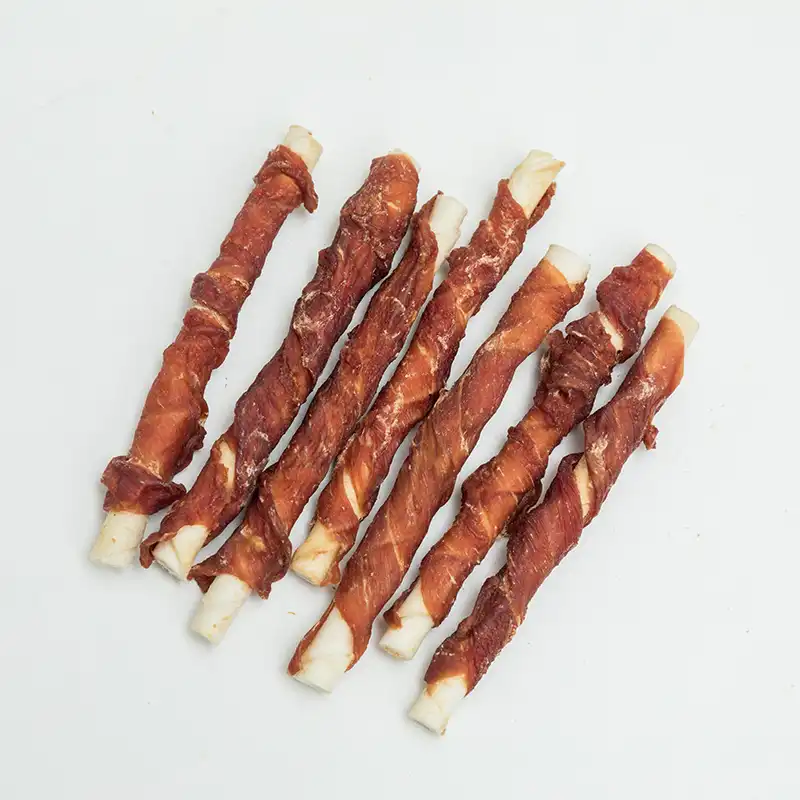
Conclusion
Duck rolls are a great treat for pets because they are made from duck breast meat rolled in natural leather, which is good for their teeth and overall health. For medium to big dogs, the five-inch duck meat roll size is great because it gives them just the right amount of time to chew. It also saves money for businesses at every stage of the supply chain. You can buy things that are good for you and the market if you know how they are made, how to pick the right ingredients, and how to make sure the quality is good. People are becoming more interested in high-quality, new protein sources. Duck rolls are a good way for shops, clinics, and vendors to reach new customers while also addressing real worries about dental health and treat safety.
FAQs
Are duck rolls gluten-free?
You can feed gluten-free duck rolls to dogs that are allergic to grains or have conditions that are like celiac disease because they are made from only duck meat and natural leather. To make sure there was no cross-contamination during production, buyers should read the labels on the ingredients and ask the sellers for safety statements. When factories that make more than one line of goods use the same equipment to make gluten-containing goods, they must follow strict cleaning rules to make sure that no gluten is traces are present.
What health benefits do duck meat rolls provide for dogs?
Meat from duck is full of healthy minerals and B vitamins. It also has high-quality protein that keeps muscles in good shape. It may help your joints work better and keep your digestive system healthy if you eat the leather part. Chewing helps keep your teeth clean by clearing plaque and tartar buildup from your teeth. People who follow traditional food ideas say that duck meat can help get rid of heat and reduce swelling. But these claims are still being looked into by the present study.
How can buyers verify supplier quality and safety credentials?
Ask for copies of recent ISO 22000 and HACCP paperwork and make sure you know when and how long they are good for. Ask for the results of the new batch tests that include a microbial study and a nutritional content report. Ask present clients for examples to find out how reliable the shipping and product quality are. Before you give the factory big orders, you might want to have an outsider check it out or visit the factory to see how it works.
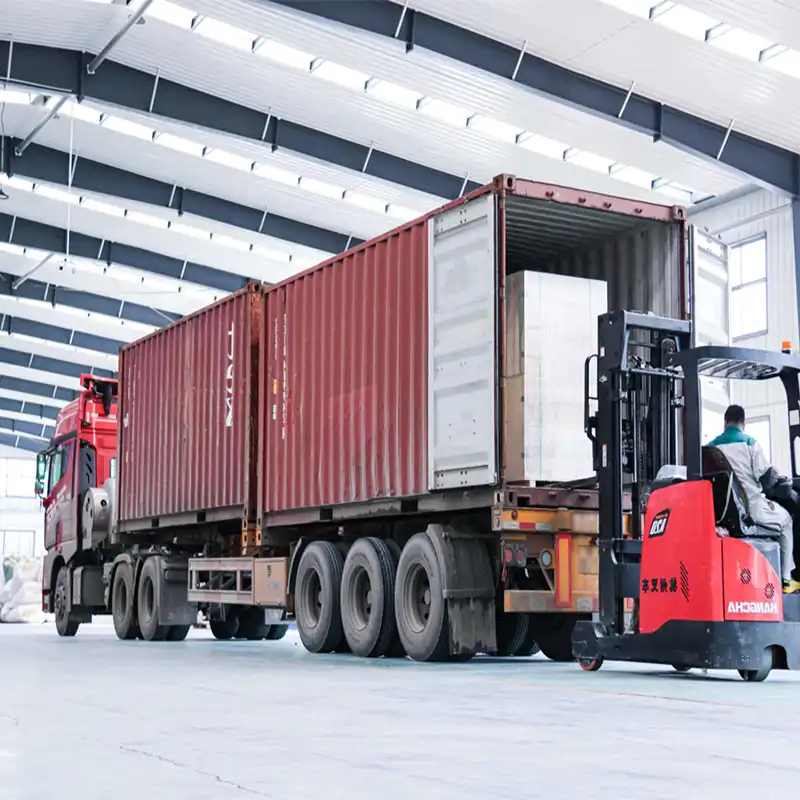
Partner with Yunlan for Premium Five-Inch Duck Meat Roll Supply
Yunlan, which is part of the Ruixin Cloud Wave Group, has managed the pet supply chain for more than 20 years and can help B2B buyers find a trusted five-inch duck meat roll supplier. For example, our plants in Suqian City use cutting edge technology for breaking down meat proteins and strict quality control measures to make sure that every batch meets ISO and HACCP standards for food safety. We buy high-quality duck breast from people we know and trust. Then, we use natural leather to make treats that are good for your teeth and taste great. They are Yihe, Paihao, and Maodali. Together, they bring in more than 900 million yuan a year in sales and serve people in more than 60 countries and areas. If you want to talk about bulk prices, get samples of our products, or look into ways to work together, email us at minghuixu6717@gmail.com. Our strong supply chain and commitment to finding new ways to feed pets will help you.
References
- Association of American Feed Control Officials. (2024). Official Publication: Pet Food Regulations and Ingredient Definitions.
- Chen, M., & Liu, Y. (2023). Nutritional Composition and Quality Assessment of Duck Meat Products in Commercial Pet Food Manufacturing. Journal of Animal Science and Biotechnology, 14(2), 87-103.
- European Pet Food Industry Federation. (2023). Quality and Safety Guidelines for Natural Chew Products: Standards and Best Practices.
- Thompson, R.D. (2024). Dental Health Benefits of Natural Chewing Treats: A Comprehensive Review for Veterinary Professionals. Veterinary Clinics of North America, 41(3), 445-462.
- United States Department of Agriculture. (2023). Food Safety and Inspection Service: Guidelines for Processing Animal-Derived Pet Treats.
- Wang, S., Martinez, J., & O'Brien, K. (2024). Supply Chain Management in the Global Pet Food Industry: Procurement Strategies for Quality Assurance. International Journal of Production Economics, 258, 108-124.
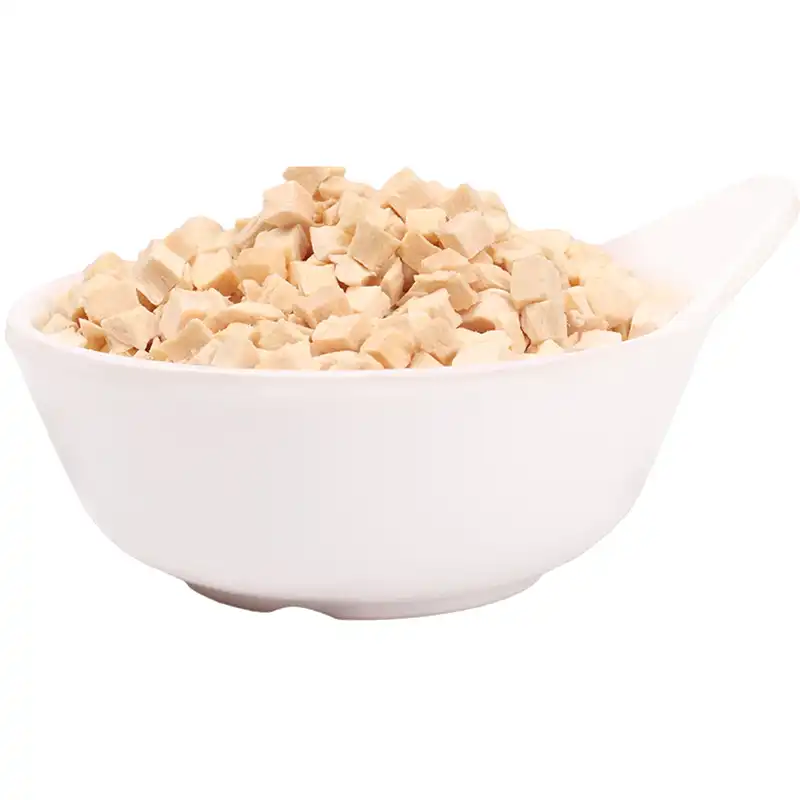
Freeze-dried chicken cubes are one of the best protein sources for cats out there right now. Freeze-drying gets rid of the water from raw chicken while keeping its natural enzyme structure. This makes a food that can be kept for a long time and still have amino acids and whole protein chains that can be used. There is no chance that germs will get into the food if your pet eats these cubes. Their bodies will recognize the proteins and break them down the same way they would with fresh meat. It is possible to keep up to 97% of the food's nutritional worth that way. All of this makes it easy for dogs and cats to eat the cubes. This is because the food is processed with little heat, the cells' structure is kept, and chemicals that are hard for pets' digestive systems are not added.
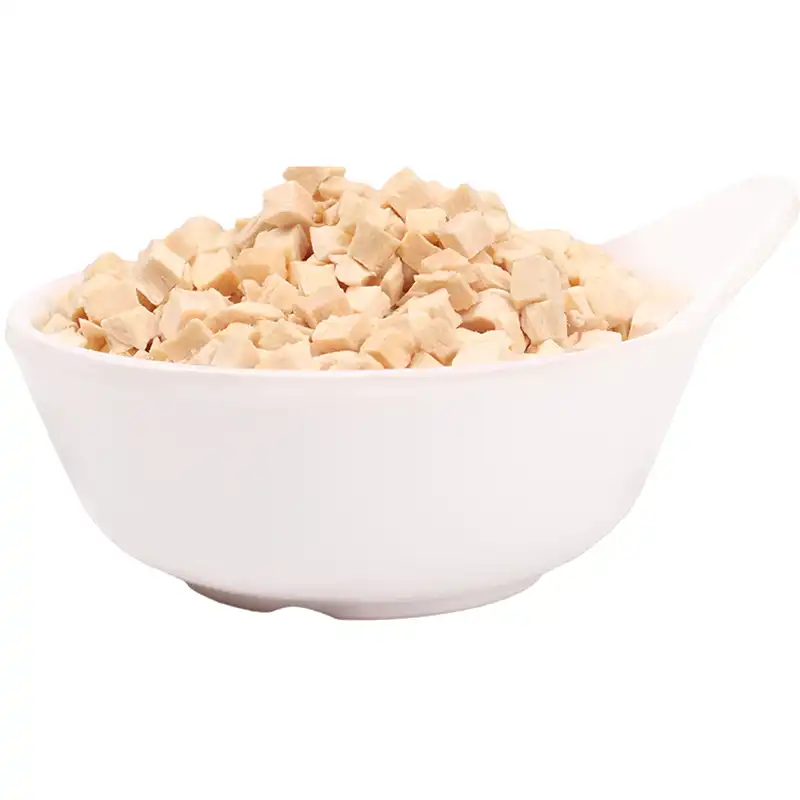
Freeze-Dried Chicken Cubes and Pet Digestion
What Makes Freeze-Drying Different from Traditional Dehydration
For freeze-drying, low-temperature sublimation is used. The ice crystals in the raw, cold chicken are turned into mist when this process is done. Temperatures between -40°F and -50°F are used for this process, which is much cooler than what is needed to cook. Freeze-drying keeps the chemical structure of proteins, vitamins, and important fatty acids. Normal cooling, on the other hand, uses heat between 160°F and 140°F.
During traditional drying, heat is exposed for a long time, which breaks down protein structures and hurts nutrients that are sensitive to heat, such as B-complex vitamins. Things lose water when they get hot, and the cell walls break down. This makes the structure thicker and harder to swallow. The cells of freeze-dried foods stay together, so natural enzymes can quickly break them down and add water to them. Premium brands that freeze-dry whole chicken breast or whole duck breast make foods that are 85–92% bioavailable in protein, while heat-dehydrated foods are only 70–78% bioavailable.
How Dogs and Cats Digest Protein-Rich Foods
Dogs and cats have gut systems that are very good at quickly breaking down animal proteins. For dogs, the digestive tract takes up about 10% of their body length. For cats, it's only about 8% of their body length. Both are made to quickly break down proteins. It's very acidic around them because their gut juices keep the pH level between 1 and 2. This makes protein structures break down fast.
In the gut, pepsin enzymes break down peptide bonds. This is the first place where proteins are broken down. Proteases from the pancreas, like trypsin and chymotrypsin, break down proteins into amino acids that the body can use in the small intestine. There is a lot less work to do if you use pure meat sources that don't have any starch, glue, or fake attractants added to them. When dogs eat 100% pure meat products, they don't have to deal with chemicals or fillers that their bodies don't need to. If you use irradiated treatment instead, you don't need chemical inhibitors. Making it this way keeps it safe and helps the body digest it.
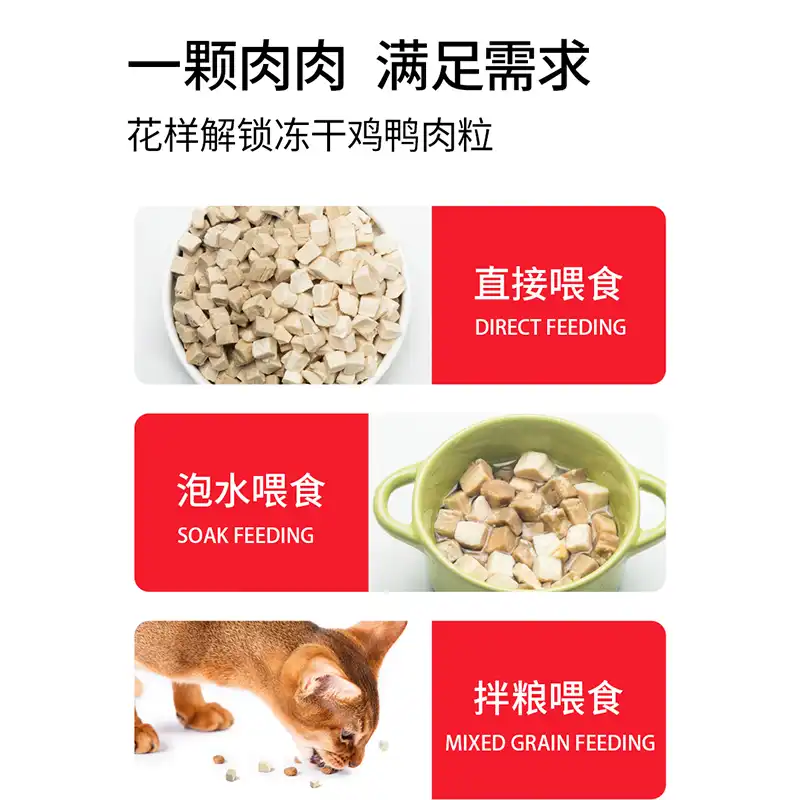
Are Freeze-Dried Chicken Cubes Easy for Pets to Digest?
Scientific Evidence Supporting Digestibility Claims
There is scientific proof that claims about digestibility are true. Animal Feeding Journals have published study that shows freeze-drying proteins is the best way to keep their nutritional value. Freeze-dried chicken cubes get scores between 89 and 93% on tests that look at potential digestibility factors. This means that cats can absorb and use most of the protein content. This is more than both canned recipes (82% to 86%) and normal dog food proteins (78% to 84%).
By leaving the natural enzymes in foods, freeze-drying makes them easier to digest. Enzymes that were sleeping wake up when the product gets wet again and start breaking down proteins before they reach the stomach. Lab tests show that 94% to 99% of the amino acids that were in foods before they were freeze-dried are still there. Some of these are tryptophan, methionine, lysine, and other important amino acids that cats can't make on their own.
Factors Influencing Digestive Success
How quickly and fully food is broken down depends a lot on the size of the particles. 0.5 to 1 cm cubes are the right size for enzyme action and are also small enough for cats of all sizes to handle easily. When the pieces are both full and square, it's easy to handle how much you eat and guess how they will rehydrate.
There is usually less than 5% water in freeze-dried foods. This makes it hard for bacteria to grow and focuses the nutrients. When you rehydrate these cubes with warm water or low-sodium soup, they soak up the liquid quickly and get back to feeling like chicken that has just been cooked. To dry something out, you should mix one part freeze-dried goods with three parts liquid. In 5 to 10 minutes, the liquid should have soaked into the freeze-dried food all the way.
Benefits for Sensitive Stomachs and Special Dietary Needs
Foods with a lot of different protein sources, carbs, and man-made chemicals can be hard for pets that are allergic to certain foods or have inflammatory gut diseases. Veterinarians and cat cooks can use controlled restart methods to find allergens in freeze-dried chicken cubes made from just one ingredient. This makes elimination diets easier to follow.
Products that don't have any glue, starch, or attractants get rid of common problems that cause stomach problems. The smell of pure meat comes from real chicken proteins, not fake flavour enhancers. This reality is especially good for cats, whose taste buds are very good and can tell when food has been chemically changed and reject it. Proteins stay the same because there are no substances that hold them together. It is easier for the pancreas to make enzymes when this happens. This helps pets that have exocrine pancreatic failure or chronic pancreatitis.
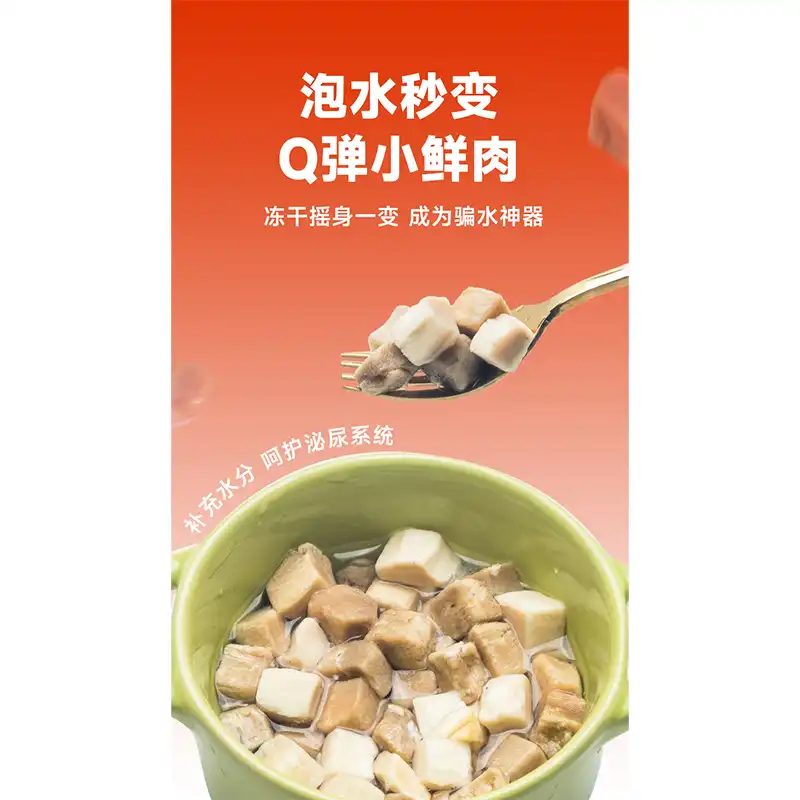
Practical Applications: Using Freeze-Dried Chicken Cubes in Pet Food Formulations
Versatility Across Product Lines
All of our product lines are flexible. Manufacturers can prepare freeze-dried chicken cubes in a number of different ways. These cubes add protein to dry foods and make them taste better when added on top of kibble. For high-end cat food makers that want to stand out in crowded markets, freeze-dried products help. People who make treats like these valuable awards because they look good on the box and help with training.
People who make their own food eat freeze-dried meats, which are simple to find. To make healthy foods, they mix them with fresh vegetables and extras. These proteins are used in hypoallergenic recipes, new protein rotations, and routines with few ingredients in restorative foods for animals. Formulas for babies and kittens that need concentrated nutrition can also be made with it. Senior pet meals, on the other hand, need high-quality proteins that are easy for older metabolisms to digest.
Rehydration Best Practices for Maximum Nutrient Retention
If you thaw freeze-dried proteins the right way, they can be fully digested. If you drink water that is between 100°F and 110°F, your body will receive water faster and vitamins that are sensitive to heat will not be hurt. Minerals and vitamins that dissolve in water start to leak out of the protein structure, making the rehydration liquid more nutrient dense. The meat can then be mixed with this to make a healthy soup that cats can eat.
Time is important for the best organization. Things that haven't been rehydrated enough stay too hard, which could be bad for small dogs or pets that already have tooth problems. If you moisten it too much, the structure breaks down, which dogs might not like. During the 5–10 minute refill window, you need to keep an eye on the cubes and change how much liquid you use based on their size and the room temperature. Some companies that sell their goods in shops put directions for warming right on the package. Customers can be sure that the food is properly made, which makes it more likely that dogs will like it.
Life Stage and Therapeutic Diet Applications
Little dogs and cats need about twice as much protein per pound of body weight as big dogs and cats. Freeze-dried chicken cubes are good for young animals whose bellies aren't very big but need to support their fast growth because they contain a lot of nutrition in a small amount. Cats don't get too full when they switch from milk-based meals to solid foods because this food is easy for their bodies to digest.
Cats' digestive processes often slow down as they age, and they lose their hunger. Freeze-dried proteins that smell good and taste great can make older people want to eat more while still giving their bodies the proteins they need to work right. Their digestive systems don't have to work as hard while they're getting better from being sick or getting care because the food is high in nutrients and easy to digest.
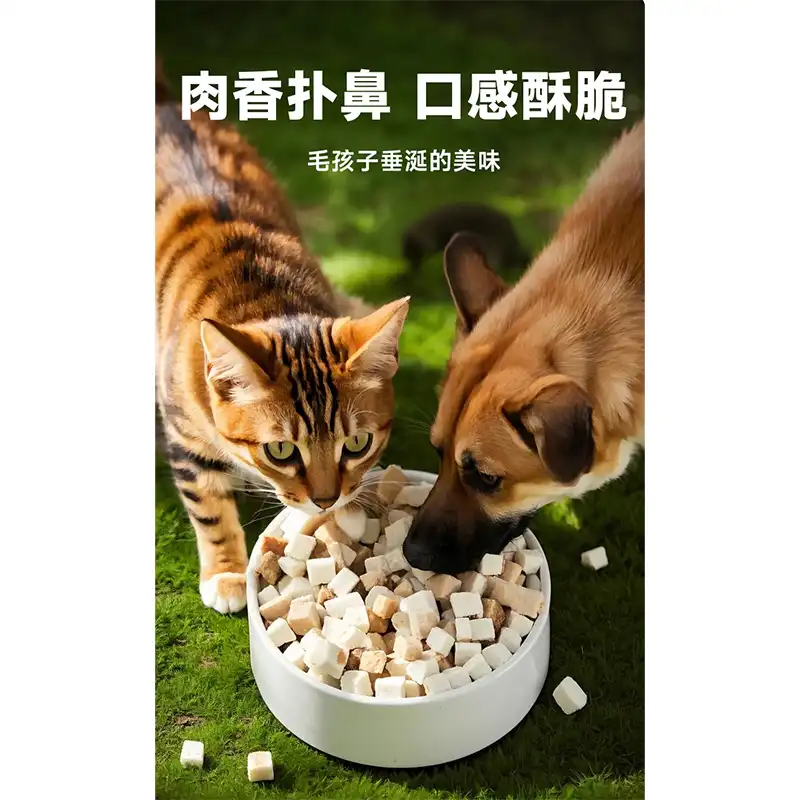
Conclusion
Freeze-dried chicken cubes are very easy for cats to digest as long as they are bought and handled correctly. Low-temperature sublimation keeps the natural protein structures. This means that foods are easy for dogs to digest while still having all of their health benefits. Dogs of all ages and dietary needs should eat foods that are made from whole chicken or duck breast and ONLY have pure meat and no added chemicals. When procurement experts know about quality marks, buying methods, and the many ways these foods can be used, they can make better decisions that improve product lines and meet strict dog food standards.
FAQs
Must freeze-dried proteins be rehydrated before feeding?
It is still possible to rehydrate, but it depends on the method. When cats are good, freeze-dried chicken cubes are often given to them as treats or points. You can eat them right away because they don't have much water, and cats that chew them well can benefit from having healthy teeth. When adding to full meals or giving to cats whose teeth aren't healthy, they need to be rehydrated. Adding water also helps pets whose bellies are sensitive or who are getting better after being sick process their food. You should use the one that fits your food goals and your pet's wants.
How long do freeze-dried chicken cubes maintain freshness?
To keep freeze-dried foods healthy for 24 to 36 months in sealed cases, you need to store them in the right way. For the freshest results, foods should be eaten within 6 to 8 weeks of being opened and then tightly packed again. However, goods are safe for much longer. When you store things in cool, dry places that aren't in full sunlight, they last longer. Putting an opened package in the fridge will keep it fresh longer, but you don't have to. Freeze-dried proteins are great for being ready for emergencies and cutting down on waste in both a work or home setting because they can be kept for longer.
Partner with Yunlan for Premium Freeze-Dried Chicken Cube Solutions
For more than 20 years, Yunlan has been making special cat food. They can help B2B partners find the best freeze-dried chicken cube suppliers. To prepare meat proteins in our plants in Suqian City, we use cutting-edge technologies. We also use irradiation to kill germs without using chemicals. We only use whole duck and chicken breasts when we freeze-dry our goods. They will be 100% pure meat, with no fillers, glue, or starch, because of this. There are only real, square-shaped pieces that smell like real meat.
Because we work with the best chicken suppliers and have good transportation networks that serve more than 60 countries, we can offer a full range of benefits. Are you a veterinary clinic that needs therapeutic diet ingredients, a pet store that wants to offer unique treats, an online store that wants to make its own brands, or a wholesaler that needs a steady supply of bulk items? Our team can help you with custom solutions at prices that are competitive with those of the manufacturer. We're happy to send you samples, talk about bulk prices, and make OEM recipes that are just right for you. You can email our sourcing experts at minghuixu6717@gmail.com or visit yunlanpets.com to find out more about how our freeze-dried protein options can help you make your goods better and get into the market.
References
- Case, L.P., Daristotle, L., Hayek, M.G., & Raasch, M.F. (2021). Canine and Feline Nutrition: A Resource for Companion Animal Professionals. Elsevier Health Sciences.
- Fascetti, A.J., & Delaney, S.J. (2022). Applied Veterinary Clinical Nutrition. Wiley-Blackwell Publishing.
- National Research Council. (2006). Nutrient Requirements of Dogs and Cats. National Academies Press.
- Vester Boler, B.M., et al. (2012). Digestibility and Metabolizable Energy of Dry Dog Foods Containing Different Moisture Levels. Journal of Animal Science, 90(8), 2763-2771.
- Weber, M., et al. (2018). Comparative Evaluation of Raw and Processed Pet Food Digestibility Using In Vitro Canine and Feline Digestion Models. Animals, 8(3), 35-48.
- Zicker, S.C., Wedekind, K.J., & Jewell, D.E. (2019). Protein Quality and Digestibility in Commercial Pet Foods: Manufacturing Effects and Nutritional Implications. Veterinary Clinics of North America: Small Animal Practice, 49(4), 605-621.