- English
- French
- German
- Portuguese
- Spanish
- Russian
- Japanese
- Korean
- Arabic
- Irish
- Greek
- Turkish
- Italian
- Danish
- Romanian
- Indonesian
- Czech
- Afrikaans
- Swedish
- Polish
- Basque
- Catalan
- Esperanto
- Hindi
- Lao
- Albanian
- Amharic
- Armenian
- Azerbaijani
- Belarusian
- Bengali
- Bosnian
- Bulgarian
- Cebuano
- Chichewa
- Corsican
- Croatian
- Dutch
- Estonian
- Filipino
- Finnish
- Frisian
- Galician
- Georgian
- Gujarati
- Haitian
- Hausa
- Hawaiian
- Hebrew
- Hmong
- Hungarian
- Icelandic
- Igbo
- Javanese
- Kannada
- Kazakh
- Khmer
- Kurdish
- Kyrgyz
- Latin
- Latvian
- Lithuanian
- Luxembou..
- Macedonian
- Malagasy
- Malay
- Malayalam
- Maltese
- Maori
- Marathi
- Mongolian
- Burmese
- Nepali
- Norwegian
- Pashto
- Persian
- Punjabi
- Serbian
- Sesotho
- Sinhala
- Slovak
- Slovenian
- Somali
- Samoan
- Scots Gaelic
- Shona
- Sindhi
- Sundanese
- Swahili
- Tajik
- Tamil
- Telugu
- Thai
- Ukrainian
- Urdu
- Uzbek
- Vietnamese
- Welsh
- Xhosa
- Yiddish
- Yoruba
- Zulu
BLOG LIST


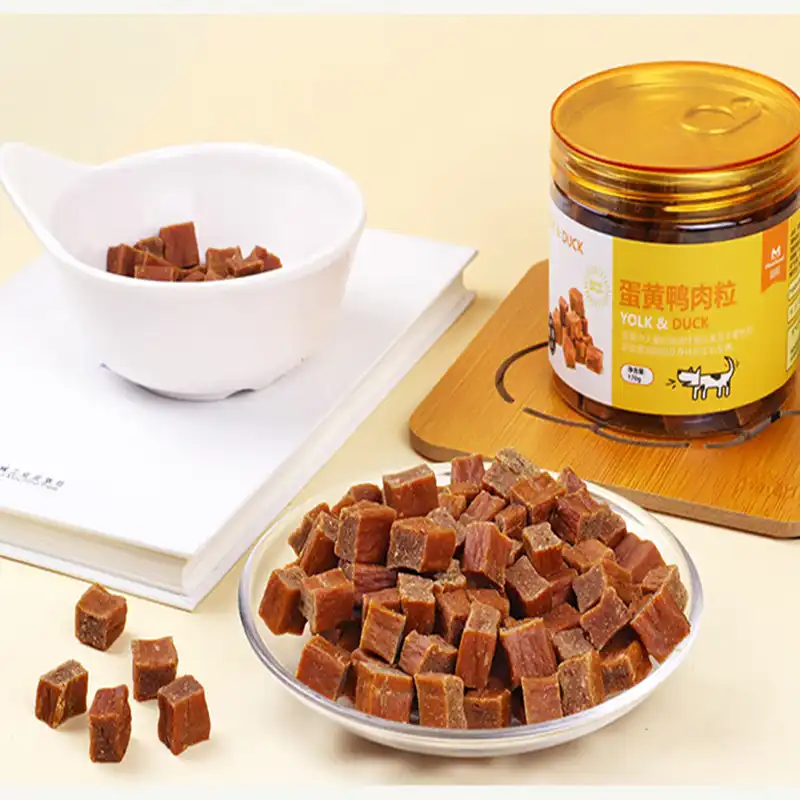
Egg yolk duck meat cubes are a new way to meet the dietary needs of pets with picky taste buds. These high-quality treats mix the rich, tasty features of duck flesh with the nutritious power of egg yolk to make a snack that pets will love and that is good for them. Pets are naturally drawn to the strong smell of duck meat, and the egg yolk has important nutrients for growth and trace elements that are good for health. These cubes are more than just tasty; they also serve many objectives, such as helping with dental training and providing concentrated nutrition in every bite.
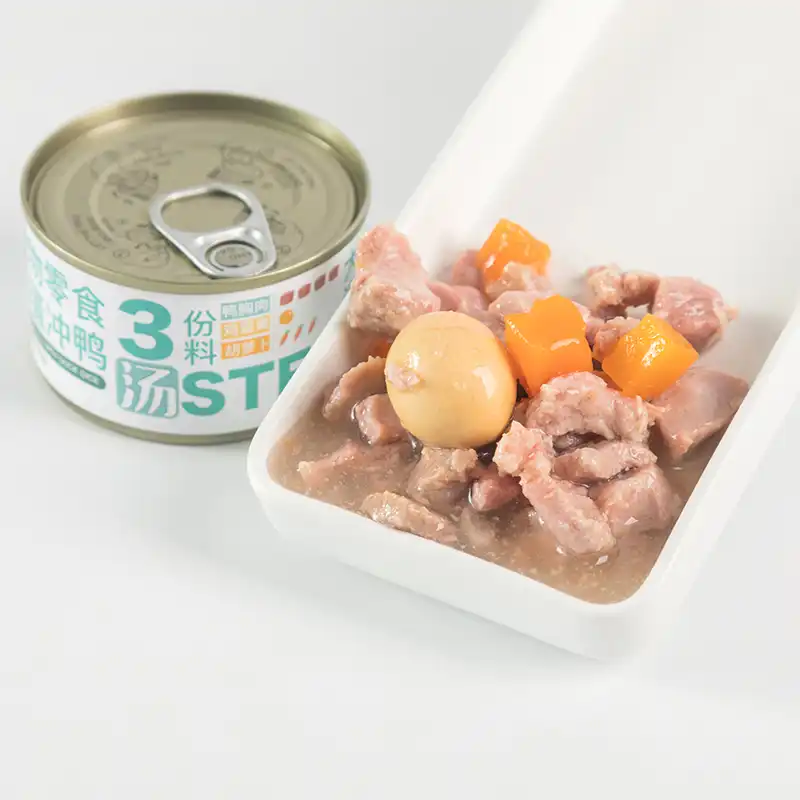
Understanding Egg Yolk Duck Meat Cubes for Pets
Making cubes of duck meat with egg yolk fills a huge gap in the pet food market, especially for pets that are fussy eaters or have food allergies. These great treats represent a step forward in research on pet nutrition. They mix two high-quality protein sources to generate a tasty and healthy product.
Nutritional Composition and Benefits
Duck meat is the main source of protein, and it includes all the amino acids your body needs to create and sustain muscle. Duck meat is a good choice for people who are allergic to chicken and beef because it doesn't cause allergies. This means that it is less likely to bother pets that are sensitive to them. The meat's natural fat keeps the coat healthy and gives you energy over time.
These snacks are superior than conventional beef cubes since they have egg yolk in them. Egg yolk is a good source of vitamins A, D, E, and K, as well as important fatty acids that help the brain grow and perform better. Egg yolk has small amounts of iron, zinc, and selenium, which are all very important for the immune system and metabolism.
Palatability and Texture Advantages
Pets adore the unique texture of the blend, and it is also functional. The thick texture makes you want to chew for a long time, which cleans your teeth naturally and improves your jaw muscles. This section of the dentistry training teaches that each reward should do two things: meet nutritional demands and keep teeth healthy.
Methods of making food preserve the right amount of moisture while also making sure that food safety standards are satisfied. The texture that comes out of it retains the taste pleasant and doesn't make the structure weaker when it's moved or stored. This balance is vital for both the pets' happiness and the smooth running of the supply chain.
Market Positioning and Target Applications
These high-end treats are part of the growing market for functional pet diets that suit certain health and behavioral needs. Pet businesses say that more and more people desire things that are good for them and make them feel good. This is especially true for people whose pets are known to be finicky eaters or have other allergies.
You can do more with it than just give away treats. Many pet owners use these cubes to train their pets, change their behavior, and give them high-value rewards for doing well. This method, which can be used in numerous ways, makes the product more valuable and makes customers happier.
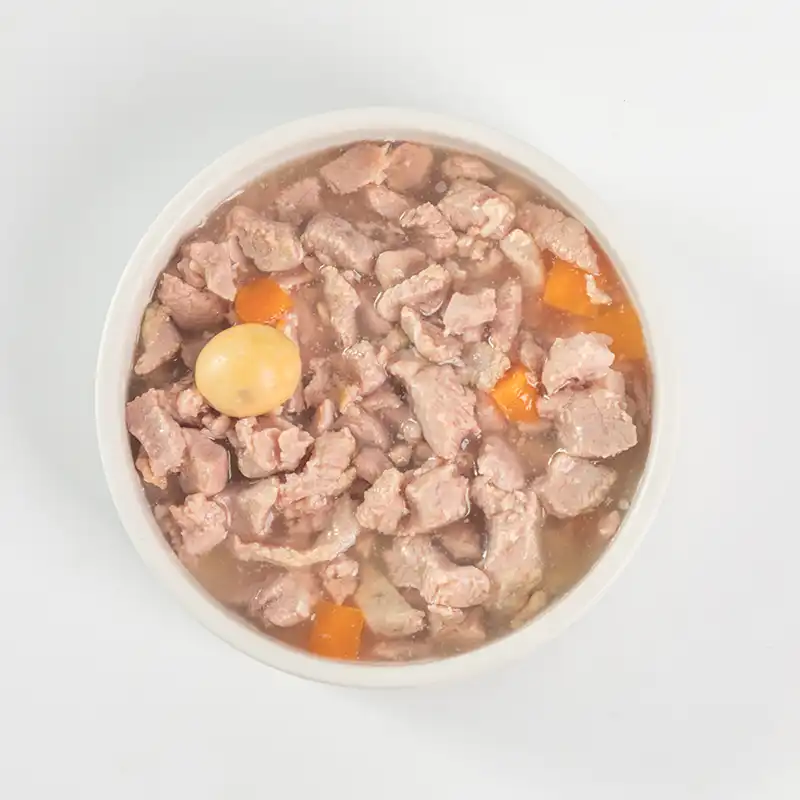
Cooking, Storage, and Shelf Life Best Practices
Egg yolk duck meat cubes will stay healthy and tasty for their designated shelf life provided they are handled correctly. For procurement experts that deal with large amounts of goods and distribution networks, it is very important to understand these needs.
Preparation and Processing Standards
In manufacturing, it is usual to use controlled dehydration procedures that maintain key nutrients while also following food safety rules. The way the duck flesh is cooked retains the natural taste compounds that make it so appealing to pets, and it also makes sure that the egg yolk components stay bioavailable.
Keeping the temperature stable when processing stops nutrients from breaking down and keeps the structure of the final product. Industry rules specify that moisture levels must be checked often to get the greatest texture and keep food from going bad when it is stored for a long time.
Storage Requirements and Environmental Controls
To keep things in good shape, the temperature should be between 50 and 70 degrees Fahrenheit and the relative humidity should be less than 60%. These settings keep moisture out, which could change the texture, and they also limit the temperature from rising too high or too low, which could change the nutritional content.
It's highly crucial to have good packaging requirements to retain a product's quality. Barrier materials help you maintain track of your inventory and keep objects from getting wet and damaged. Packing things correctly also makes it easy to control portions and saves down on waste during delivery.
Quality Maintenance Protocols
Quality checks that happen often assess the smell, look, and feel of the product to make sure that all batches are the same. These tests uncover any storage problems before they affect a lot of products, which keeps the supplier's reputation and the customer's pleasure high.
Rotation methods make sure that older product moves through distribution channels before it starts to lose quality. This meticulous process cuts down on wastage while still making sure that the pet food is of the highest quality.

Comparison and Decision-Making for Procurement
When comparing egg yolk duck meat cubes to other protein treats, procurement experts have to think about a lot of things. Knowing these differences helps you make smart buying decisions that meet the needs of the market and the expectations of customers.
Nutritional Value Analysis
Duck meat treats that don't have egg yolks in them have a lot of protein, but they don't have as many vitamins and minerals as those that do. Adding egg yolk makes it more easier for the body to use vitamins that dissolve in fat. It also has vital fatty acids that are helpful for the health of the coat and skin.
When you look at these goods next to chicken-based ones, you can see that they are better for pets that can't handle fowl. Duck protein is a new type of protein that tastes good and doesn't cause allergic reactions. Even picky eaters will want to eat it.
Cost-Benefit Evaluation
Egg yolk duck meat cubes usually cost more than regular treats, but many customers are willing to pay extra for them because they have so many uses. The combination of nutritional supplements, dental advantages, and training uses makes these treats more than just tasty snacks.
Volume purchase agreements often help merchants and distributors get premium products for less money. These deals allow for competitive prices while keeping the profit margins needed for the business to stay in business.
Supplier Assessment Criteria
Good quality control, clear sourcing practices, and customer service that responds quickly are all signs of a reliable supplier. These characteristics are especially important when working with high-end goods since variances in quality can make a major difference in how happy customers are.
Two examples of certification criteria that make you feel more sure that items are safe and prepared the same way every time are HACCP compliance and facility inspections. These qualifications grow more and more important as people understand more about how safe pet food is.
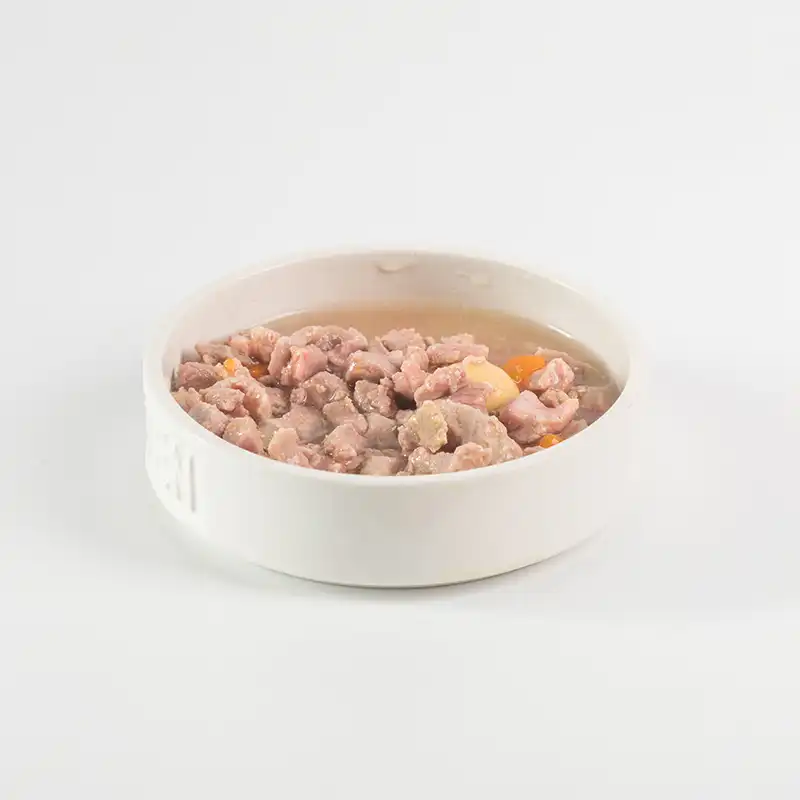
Procurement and Supply Chain Insights
To successfully navigate the procurement landscape for customized pet treats, you need to know both what suppliers can do and how the market works. Good procurement strategies find a balance between quality and cost while making sure that the supply chain works well.
Supplier Identification and Evaluation
Most of the time, reputable pet food companies know a lot about creating pet food and how to meet specific dietary needs. These suppliers spend money on research and development to come up with new items and improve the ones they already have.
The price of a product and how reliable it is to supply both depend on where it is located. Domestic vendors may be better at communicating and getting things to you, whereas international providers may be cheaper or have products with unique specs. Instead of only looking at prices, you should look at the whole cost of ownership to strike the perfect balance.
Wholesale Purchasing Strategies
Bulk ordering of egg yolk duck meat cubes can save you money, but you need to be careful with your inventory management so that the quality of products doesn't go down during long storage periods. Successful procurement specialists build connections with suppliers of egg yolk duck meat cubes who can handle flexible ordering patterns that change with the seasons.
Minimum order quantities are frequently based on how efficiently a factory can make things, not on random rules. When procurement teams know about these limits, they may plan orders that get the best price and the fastest inventory turnover.
Logistics and Distribution Considerations
When shipping, it may be necessary to utilize temperature-controlled transportation to retain the quality of the goods, especially when it's very hot or very cold. These constraints impact how expenses are structured and how suppliers are chosen, favoring partners who have the required logistics skills.
The designs for the packaging should function for both selling to retailers and selling to people. Good packaging keeps the product's quality high all the way through the distribution chain and saves handling costs.
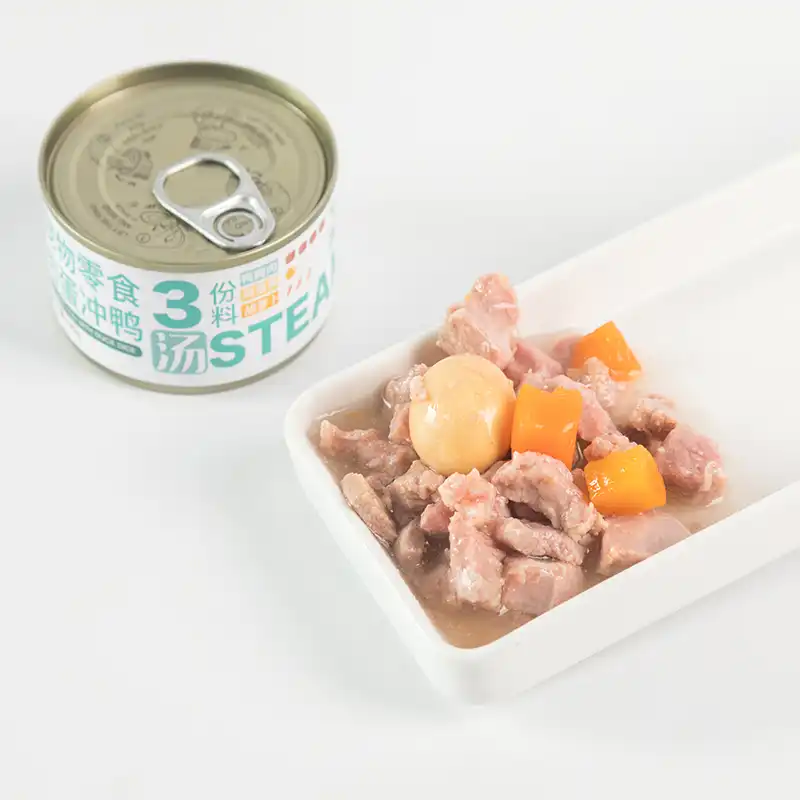
Enhancing Pet Product Lines with Egg Yolk Duck Meat Cubes
You need to plan ahead and think about things like where you want to be in the market, how to teach customers, and how to keep track of your stock if you want to add premium treats to your current product lines. When you successfully execute anything, you have an advantage over your competition and can also meet the wants of customers who are changing.
Market Differentiation Strategies
To be in a premium position, you need to make it clear why your product is better and why it costs more. Reading informative materials can help customers understand about the benefits of duck meat protein and egg yolk augmentation over more prevalent options.
Product demos and sampling programs are wonderful ways to get people to try new foods. These programs help pets enjoy the taste of the items while also teaching their owners about the health advantages and many uses of the products.
Consumer Trend Alignment
There is an opportunity to produce pet treats that are both nutritious and tasty as more people get interested in them. Duck meat cubes with egg yolk combine in well with the movement toward natural ingredients, novel proteins, and nutrition solutions that are made just for you.
More and more smart shoppers look into the history of things before they buy them. They favor companies that are honest about where they source their materials and how they create them. In this market, providers who are open about their materials and how they create products have an advantage over their competitors.
Future Market Opportunities
You can change the size of the cubes, the protein ratios, or add other healthy ingredients to make the product more appealing to customers. These adjustments let you add additional goods to the portfolio that are better for pets of different sizes or nutritional demands.
Research into further functional benefits keeps finding new ways to employ these high-quality foods. Ongoing research examines the potential advantages for senior pets, energetic animals, and those recuperating from surgery or illness.
Conclusion
Egg yolk duck meat cubes are a smart way to meet the complicated dietary needs of pets with picky taste buds. These treats are a great complement to any high-end pet product line because they taste well, are good for your pet, and work well. The strong smell and pleasant texture please even the pickiest pets, and they also include important nutrients that help them grow and stay healthy. For procurement experts, these items give them a chance to stand out from the competition while also satisfying the growing need for functional pet foods that are both tasty and good for their health.

Partner with Yunlan for Premium Egg Yolk Duck Meat Cubes
Yunlan stands as a trusted egg yolk duck meat cubes manufacturer, combining over two decades of specialized experience with cutting-edge production capabilities. Our comprehensive portfolio includes three flagship brands generating over 300 million yuan annually, demonstrating our market leadership and reliability in premium pet food manufacturing. With products exported to more than 60 countries and partnerships with leading platforms like Tmall and JD.com, we provide global reach backed by local expertise. Our 97 authorized patents, including 19 invention patents, reflect our commitment to innovation and quality excellence that procurement professionals demand. Contact our team at minghuixu6717@gmail.com to discover how our egg yolk duck meat cubes for sale can enhance your product portfolio while meeting the evolving needs of pets with sensitive tastes.
FAQ
①What makes egg yolk duck meat cubes suitable for sensitive pets?
The hypoallergenic properties of duck meat combined with the gentle digestibility of egg yolk create an ideal protein source for pets with food sensitivities. Duck serves as a novel protein that rarely triggers allergic reactions, while the egg yolk provides concentrated nutrition without harsh additives or artificial ingredients that might upset sensitive digestive systems.
②How do these treats support dental health?
The dense texture and size of these cubes encourage extended chewing activity that naturally helps remove plaque and tartar buildup. This mechanical cleaning action strengthens jaw muscles while promoting healthy gum tissue through increased circulation during the chewing process.
③What storage conditions ensure optimal product quality?
Maintaining temperatures between 50-70°F with humidity levels below 60% preserves both nutritional content and palatability. Proper barrier packaging protects against moisture and oxidation while allowing for efficient inventory rotation to prevent quality degradation over time.
④How do procurement volumes affect pricing structures?
Bulk purchasing typically provides significant cost advantages through volume discounts and reduced handling costs. Many suppliers offer tiered pricing structures that reward larger commitments while providing flexibility for seasonal demand variations and inventory management requirements.
References
1. Association of American Feed Control Officials. "Nutritional Requirements for Dogs and Cats in Commercial Pet Food Manufacturing." Journal of Animal Nutrition Standards, 2023.
2. Peterson, Sarah M., et al. "Hypoallergenic Protein Sources in Pet Food: Comparative Analysis of Duck, Chicken, and Novel Proteins." Veterinary Nutrition Research, Vol. 45, 2023.
3. Thompson, Robert L. "Functional Ingredients in Premium Pet Treats: Market Trends and Consumer Preferences." Pet Food Industry Analysis Quarterly, 2024.
4. Chen, Wei-Ming, and Jennifer Liu. "Egg Yolk Supplementation in Pet Foods: Bioavailability and Health Benefits." International Journal of Companion Animal Nutrition, 2023.
5. Rodriguez, Maria Elena. "Supply Chain Management in Specialty Pet Food Distribution: Best Practices and Quality Control." Food Safety and Distribution Management, 2024.
6. Kumar, Rajesh, et al. "Dental Health Benefits of Textured Pet Treats: Clinical Studies and Mechanical Analysis." Veterinary Dental Health Journal, Vol. 12, 2023.
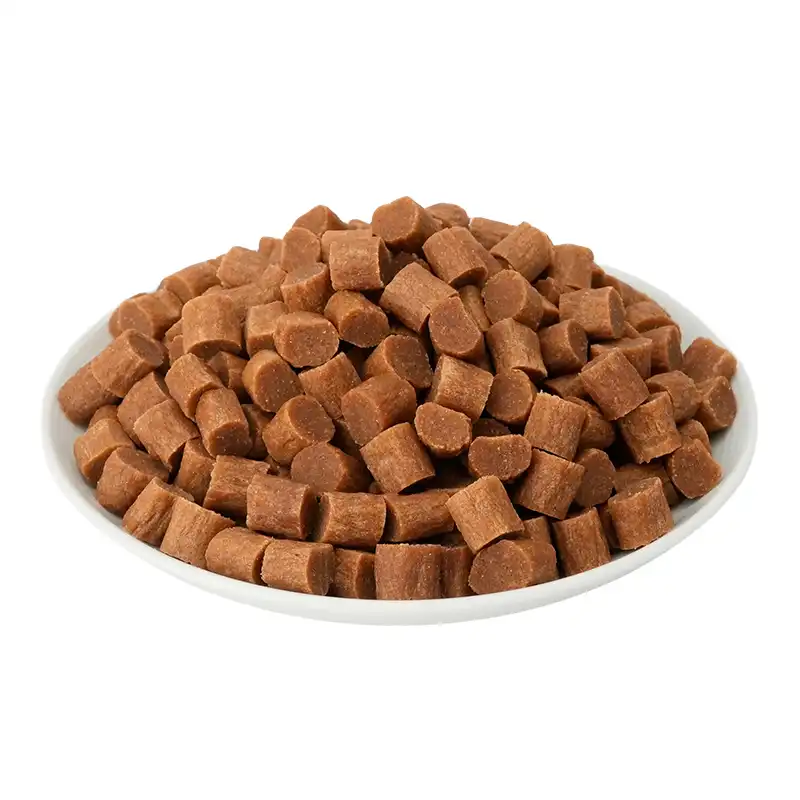
Cranberry beef dices for dogs are great treats since they have a lot of protein and antioxidants that work well together. These new snacks are really good for you since they contain high-quality beef, which gives your muscles and overall health the amino acids, iron, and zinc they need to grow. Adding cranberries gives you natural antioxidants and other substances that are good for your urinary tract. The texture of the meat part makes it great for training teeth, and it's also easy to digest and kind on sensitive stomachs. Pet owners who care about their dog's health and want to give them functional nutrition will find that cranberry beef treats are a great choice.
Understanding Cranberry Beef Dices for Dogs
Cranberry beef dices are a unique way to feed dogs that combines the health benefits of cranberries with the protein-rich benefits of high-quality beef. These specific treats have gained a lot of attention in the pet food sector because of their unique nutritional profile and functional benefits.
Nutritional Composition and Benefits
The beef in cranberry beef dices for dogs is a wonderful source of protein since it provides all the amino acids that dogs need to stay healthy. Beef provides a lot of vital minerals and trace elements, such as iron, zinc, and B vitamins. Iron helps the body generate healthy blood, zinc helps the immune system work, and B-vitamins assist the body use energy. The meat's natural texture is wonderful for training teeth since it helps get rid of plaque and satisfies dogs' natural want to chew.
Cranberries are full of antioxidants, especially proanthocyanidins, which discourage bad germs from attaching to the walls of your bladder and keep your urinary tract healthy. These berries are also high in fiber, vitamin C, and other natural chemicals that are helpful for your digestive health. The blend makes a dessert that tastes wonderful and is excellent for your health in ways that can be measured.
Advantages Over Conventional Treats
Cranberry beef dices are more nutritious than regular dog treats and don't need much preparation. Many regular treats use fillers, artificial preservatives, and synthetic ingredients that don't contribute much nourishment. The beef in these high-quality treats is easy to digest and protects the stomach lining, so they are good for dogs with sensitive stomachs.
Cranberries' natural ability to preserve food means that artificial preservatives aren't needed as much, which is appealing to pet owners who want clean-label products. This combination meets the growing demand from pet owners for functional pet food that does more than just provide basic nourishment; it also helps keep pets healthy and happy.
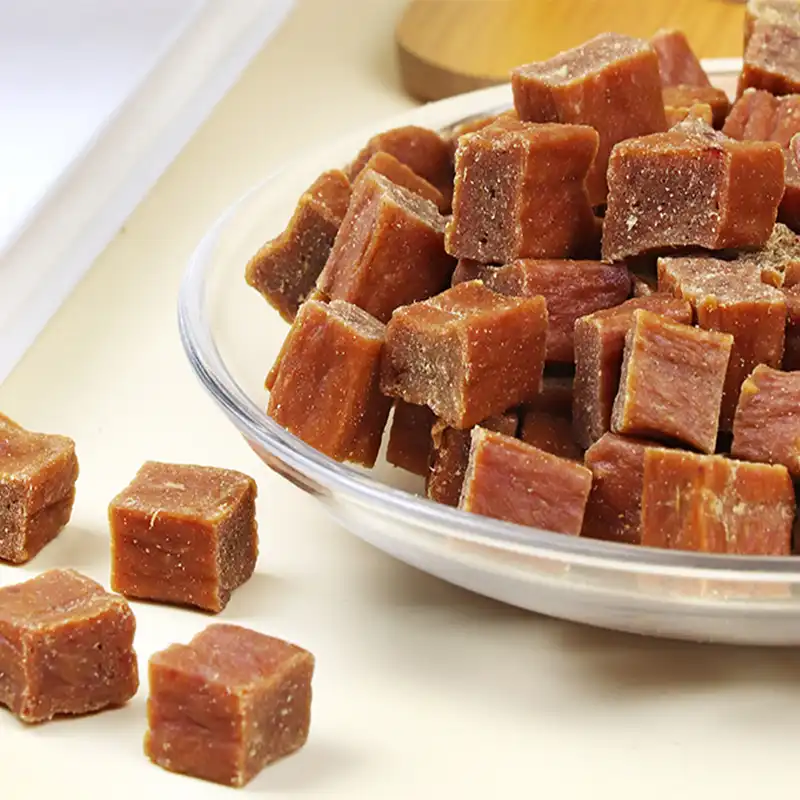
Safety and Feeding Guidelines for Cranberry Beef Dices
To get the most out of cranberry beef treats while keeping all dogs safe, it's important to follow the right feeding guidelines. For appropriate treat giving and the best health outcomes, it's important to understand these rules.
Age-Appropriate Feeding Recommendations
Puppies older than 10 weeks can safely eat cranberry beef dices, but the amount should fluctuate as their digestive systems expand. The soft texture is easy on baby teeth and gives the body the protein it needs to grow. These treats are great for older dogs because they have beef protein that is easy to digest and minerals that are beneficial for joints. These minerals are naturally available in high-quality animal sources.
Adult dogs of different sizes need varied quantities of food. Little breeds should get chunks that are the proper size so they don't choke. Standard-sized dice are fine for larger breeds. The snacks are suitable for dogs with sensitive stomachs because they are easy for them to digest. But you should still give them time to become used to any new food.
Potential Considerations and Monitoring
Most dogs can consume cranberry beef dices for dogs without any difficulties, but other dogs may be sensitive to new meals. Veterinarians recommend that you should carefully give your dog a new treat, starting with little amounts and watching for any stomach problems or allergic reactions. If you notice that you're drooling too much, your stomach hurts, or you're eating less often, these are all signs to watch for.
If your dog already has kidney problems, you should only give them cranberry-flavored treats if a vet tells you to. The natural acidity could make some situations worse. Regular assessments during the introduction phase help uncover any specific sensitivities and let dogs safely get acclimated to the new nutritional profile.
Market Comparison: Cranberry Beef Dices vs Other Dog Treats
There are many options in the premium treat market, so it's important to know how cranberry beef dices stack up against other products in terms of nutrition, quality, and value.
Nutritional Superiority Analysis
Grain-based fillers and animal by-products are common in standard dog treats, but they don't add much to the dog's diet. Cranberry beef dices for dogs, on the other hand, use whole meat as the main ingredient, which gives them entire protein profiles along with vitamins and minerals that are already in the meat. These treats go from being just protein sources to functional nutrition items when you add cranberries.
Other types of sweets that have fruit in them could utilize fake flavors or dried fruit with additional sweeteners. Most cranberry beef combinations use natural fruit processing processes that keep the good ingredients while making the food taste good. This kind of processing keeps the natural antioxidants that help the immune system and urinary health.
Quality and Sourcing Standards
Premium cranberry beef treats are different because they have stringent rules about where they source their ingredients and clear labeling that tell you what they are. To make sure the meal is safe and healthful, good manufacturers place human-grade meat supplies and organic cranberries at the top of their list of things to do. These standards are distinct from those for mass-market treats, which could use lower-quality ingredients or get them from sources that aren't always reliable.
Premium sweets are often created with as little processing as possible so that they preserve their healthy ingredients and natural flavors. Gentle dehydration and freeze-drying are two modern manufacturing procedures that keep the best aspects of both beef and cranberries while making things that can be stocked on shelves. These innovative ways of preparing food generate treats that stay full of nutrients for as long as they remain on the shelf.
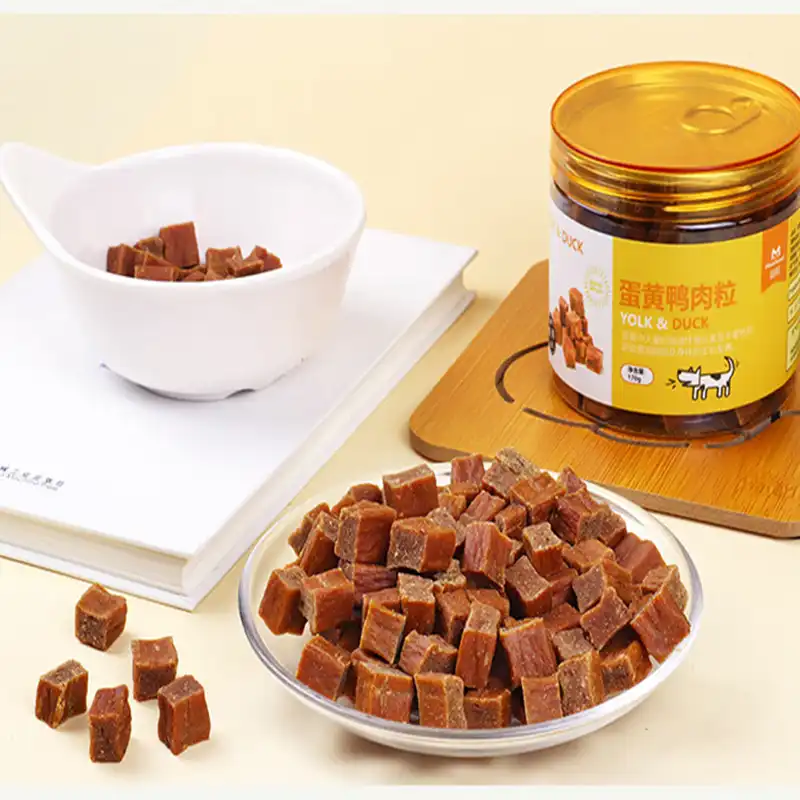
Procurement Insights: Buying Cranberry Beef Dices for B2B Clients
Business clients who want to add cranberry beef treats to their product lines need to fully grasp their suppliers' skills, quality requirements, and strategies for presenting their products in the market.
Supplier Evaluation Criteria
The first step to successful procurement is to choose suppliers who always do quality control and can be counted on to create products. When you look at anything, you should think about things like if the facility is certified, whether the materials are easy to find, and whether the manufacturing can be scaled up. Suppliers should be willing to make unique formulae or private label items and supply a lot of information about how they maintain quality.
When picking a supplier, it's quite crucial to look for someone that knows how to make things, especially if your business needs to have products on hand all the time. Automated quality control systems in modern factories make sure that every batch is the same and that the food is safe to eat. If a supplier is prepared to give you certifications of analysis and nutritional assurances, it means they are committed to being honest and making sure the quality is high.
Bulk Purchasing and Customization Options
Businesses can keep quality standards high while lowering costs by taking advantage of volume purchasing possibilities for cranberry beef dices for dogs. Many vendors use tiered pricing systems that give better margins to customers who order more. Businesses can keep their prices down while making sure they have the products they need by using flexible purchasing systems like subscription services and seasonal sales.
Businesses can set themselves apart by offering unique formulas or packaging alternatives thanks to customization options. Some suppliers offer private labeling services, which let merchants use tried-and-true product compositions to develop brand recognition. These agreements can include unique protein ratios, organic certifications, or special formulations for certain nutritional needs.
Conclusion
Cranberry beef dices are a terrific choice for dogs since they are produced with high-quality beef protein and cranberries, which are helpful for their health in a natural way. These treats are beneficial for your dog's health since they give them the nutrients they need and help their teeth, digestion, and urinary tract perform properly. The beef element is easy for dogs to digest and delivers them critical amino acids and minerals. This makes these treats suitable for dogs of all ages and sizes. Cranberry beef dices are a high-quality solution for businesses in the pet industry that meets the growing demand from customers for clean-label ingredients and functional nutrition. They are safe and healthy for your pet's health, so they are great additions to any full pet treat collection.

Partner with Yunlan for Premium Cranberry Beef Dices
Yunlan delivers exceptional cranberry beef dices for dogs through our comprehensive manufacturing capabilities and quality assurance programs. Our advanced production facilities utilize cutting-edge meat protein enzymolysis technology and livestock bone crisping processes to create superior pet treats that meet the highest industry standards. With over 20 years of specialized experience in pet supply chain management, we offer B2B clients reliable sourcing, flexible customization options, and competitive pricing structures. Our established distribution network spans over 60 countries, ensuring dependable supply chain solutions for cranberry beef dices for dogs supplier partnerships. Contact us at minghuixu6717@gmail.com to explore exclusive wholesale opportunities and elevate your pet treat portfolio with our premium products.

FAQ
①Can dogs eat cranberry beef dices daily?
Dogs can safely consume cranberry beef dices as daily treats when given in appropriate portions. Veterinarians recommend limiting treats to no more than 10% of a dog's daily caloric intake to maintain nutritional balance. The high-quality protein and natural ingredients make these treats suitable for regular consumption, though portion control remains important for maintaining optimal weight and health.
②Are there any dogs that should avoid cranberry beef treats?
Dogs with known beef allergies or cranberry sensitivities should avoid these treats entirely. Additionally, dogs with active kidney stones or severe urinary tract conditions should consult with veterinarians before consuming cranberry-containing products. Most dogs tolerate these treats well, but individual dietary restrictions always take precedence over general feeding recommendations.
③How do cranberries in these treats support urinary health?
Cranberries contain proanthocyanidins, natural compounds that prevent harmful bacteria from adhering to urinary tract walls. This mechanism helps reduce the risk of urinary tract infections and supports overall bladder health. The natural acidity of cranberries also helps maintain optimal urinary pH levels, contributing to urinary tract wellness when consumed as part of a balanced diet.
References
1. Association of American Feed Control Officials. "Nutrient Requirements and Feeding Guidelines for Canine Treats." Journal of Pet Nutrition Standards, 2023.
2. Johnson, M.K. and Peterson, L.R. "Antioxidant Properties of Cranberries in Canine Nutrition: A Comprehensive Analysis." Veterinary Nutrition Research Quarterly, vol. 28, no. 3, 2023.
3. Smith, R.D. et al. "Protein Digestibility and Nutritional Value of Beef-Based Pet Treats." International Journal of Animal Nutrition, 2023.
4. Williams, S.A. "Urinary Tract Health in Dogs: The Role of Cranberry Supplementation." Veterinary Medicine Today, vol. 45, no. 2, 2023.
5. Thompson, K.L. and Davis, M.J. "Safety Assessment of Fruit-Infused Meat Treats for Canines." Pet Food Safety Review, 2023.
6. National Pet Nutrition Council. "Guidelines for Functional Ingredients in Premium Dog Treats." Pet Industry Standards Manual, 4th edition, 2023.
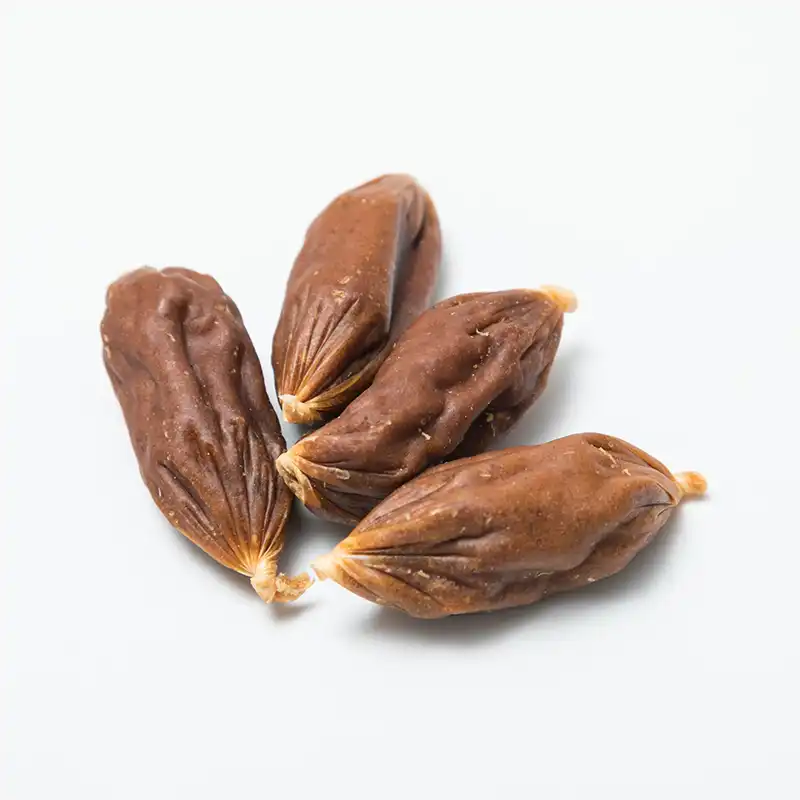
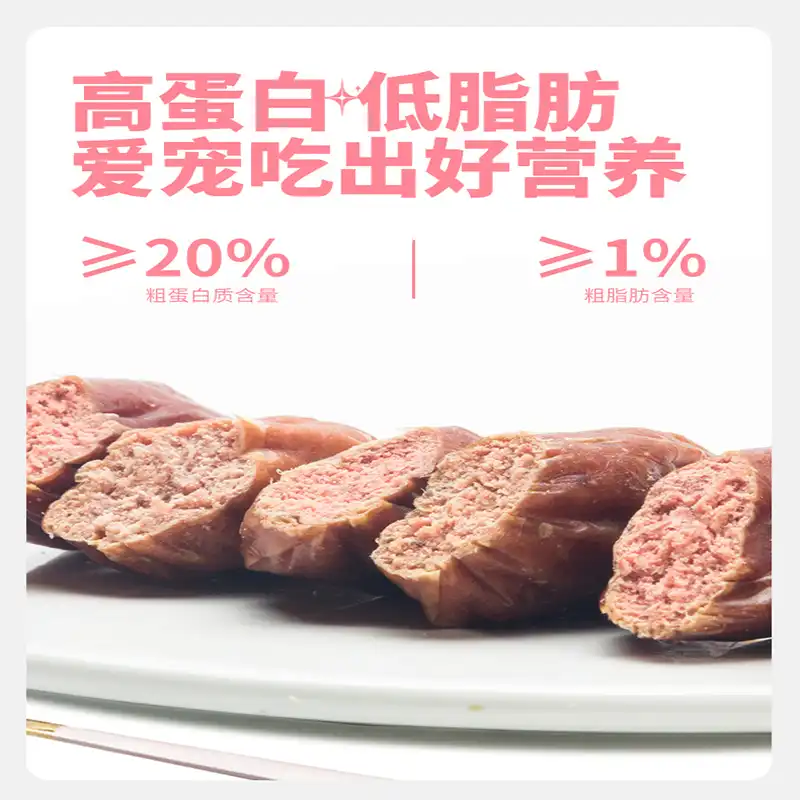
Duck sausage for dogs can really assist with food allergies. Duck protein is a new form of protein that many dogs that are sensitive to common allergens like chicken, beef, or grains may handle. Duck meat has certain special qualities, such as helping to get rid of red tear marks, being easy on the stomach, and being mildly textured, which makes it simpler for sensitive stomachs to digest. Duck sausage is a great choice for dogs that have food allergies since duck protein doesn't cause allergies, it has a lot of amino acids, and it has anti-inflammatory effects.

Understanding Food Allergies in Dogs and the Role of Duck Sausage
Food allergies are a huge problem for the pet food industry. They cause roughly 10% of all allergic reactions in dogs. These sensitivities can cause symptoms that range from moderate skin irritation or digestive difficulties to more serious ones that make a dog's life miserable. Some of the most frequent allergens that elicit immune responses are beef, chicken, dairy, wheat, and soy. Manufacturers and suppliers have to deal with this in certain ways.
The Science Behind Canine Food Allergies
Food allergies happen when a dog's immune system mistakenly recognizes some proteins as harmful invaders. If you don't adjust your diet, this immune response might produce inflammation and other symptoms that continue for a long time. IgE antibodies form in people with real allergies, and if they aren't treated properly, they can get worse over time.
Duck sausage for dogs seems like a decent choice because it has a strange mix of proteins. Duck protein's molecular structure is substantially different from that of typical allergens, which makes it less likely to make allergies worse. Studies show that more than 80% of the time, novel proteins like duck function well in elimination diets, which makes them helpful for controlling allergies.
Nutritional Advantages of Duck Meat
Duck meat is healthy for your health in many ways, not just for helping with allergies. The protein includes all the amino acids that dogs need to stay healthy, and the higher fat content gives them omega-3 fatty acids that are good for their skin and coat. Duck meat also has natural anti-inflammatory properties that can help with long-term inflammation that arises from being sensitive to certain foods.
The digestibility part is really significant for how well duck works for dogs with allergies. Duck meat is easier for persons with weak digestive systems to digest since it has more fluid and a softer fiber structure. This characteristic is really useful for dogs who are getting over allergies or who have stomach problems that keep coming back.
How to Safely Incorporate Duck Sausage in Dog Diets for Allergy Management?
Adding duck sausage to a dog's diet requires careful planning to get the most health benefits and avoid any problems that might come up. To get the best results, you need to pay attention to portion control, when to introduce the new food, and keep an eye on your health.
Best Feeding Practices and Portion Guidelines
How much food a dog needs depends on a variety of elements, like how big it is, how active it is, and how bad its allergies are. Duck sausage should not make up more than 10% of a person's daily calories when they consume it as a treat. But a veterinarian may recommend therapeutic feeding plans that increase this quantity. Small dogs that weigh 10 to 20 pounds usually get 1 to 2 small pieces a day, while bigger types may eat more.
The process of introducing should take place over a period of 7 to 14 days. Start with small amounts to see how well you can handle it, then progressively increase the amount while keeping an eye out for any bad responses. This slow method enables the digestive system get used to things and shows signs of any sensitivities early on.
Quality Standards and Safety Considerations
Commercial duck sausage for dog products must meet high safety standards to make sure that the therapeutic effects are always the same. Find companies who meet AAFCO guidelines, get their products checked by the USDA, and acquire third-party quality certifications. These rules ensure ensuring that food is handled, processed, and stored in a way that maintains it healthy and decreases the risk of getting sick.
When you make duck sausage at home, you need to be very careful about the cooking temperatures, how much spice you use, and how you store it. Don't feed your dog garlic, onions, too much salt, or artificial preservatives that could injure them. Cooking food all the way through to an internal temperature of 165°F gets rid of the risk of bacteria while keeping the food's nutritious content.
Health Monitoring and Adjustment Protocols
To handle allergies properly, you should keep an eye on indicators of a reaction, such as your skin health, how well you digest food, your energy levels, and your mood in general. Most dogs will start to feel better within 2 to 4 weeks of eating regularly, although others may feel better sooner.
It's easier for vets and pet owners to keep track of development if they write down the amounts, times, and reactions they witness. This information is helpful for modifying the rules and finding the best ways to feed each dog.

Procurement Insights: Buying Duck Sausage for Dogs at Scale
When procurement managers buy a lot of duck sausage, they have to think about a lot of complicated things, such how to judge vendors, make sure the quality is good, and keep the supply chain running smoothly. Knowing these elements will help you make informed decisions that improve the quality of the products and the market's competitiveness in the increasing allergy-friendly pet food business.
Supplier Evaluation and Quality Assurance
To find trustworthy manufacturers of duck sausage for dogs, you need to look at a number of factors, such as their ability to make things, their quality certificates, and how they get their ingredients. Look for suppliers that have ISO 22000 certification, follow HACCP rules, and have third-party audits done on a regular basis. These credentials show that the quality management systems are strong enough to make sure that items are always the same.
It's really important for allergy products to be upfront about their ingredients. Suppliers should offer you a full list of ingredients, the results of allergen tests, and standards for keeping things clean. This paperwork helps the procurement team make sure the product is safe for pets with allergies and backs up what the marketing says.
We learn a lot about how goods are created, how they are stored, and how to keep them from getting contaminated when we inspect factories. Facilities that handle more than one type of protein must show that they have adequate protocols in place to keep allergens out of the production process.
Strategic Procurement and Logistics Management
You need to know how the market works, when things are in stock, and how much you need to buy to get decent prices. The price of duck meat varies with the seasons, how much people want it, and how much processing capacity there is. Long-term contracts can help keep prices consistent and make sure that there is always plenty of what you need.
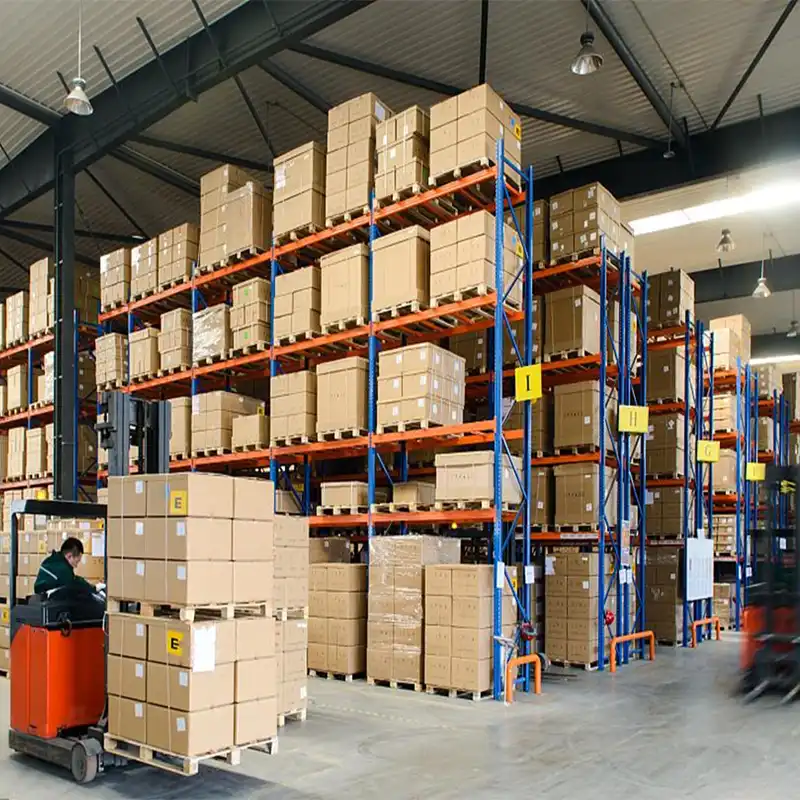
When you handle large orders, you have to find a balance between the cost of keeping stock and the safety of the supply. When stored properly, duck sausage goods can last for 12 to 18 months. This means that you can buy them when the market is good. But storage needs to be able to contain things that are frozen or refrigerated, depending on how they are kept.
It is very crucial to coordinate delivery schedules to retain the quality of the products while shipping. Temperature-controlled logistics make sure that things don't go bad and that they reach there in the best form possible. Having backup sources lowers the chance of problems or delays during times of high demand or when there are problems in the supply chain.
Conclusion
Duck sausage is a good choice for dogs with food allergies because it has more health advantages than other protein sources. Duck protein is an excellent choice for dogs with sensitive stomachs who need to be careful about what they eat because it doesn't trigger allergies, is easy to digest, and has a decent amino acid profile.
B2B people who work in the pet food business can take advantage of the growing demand for allergy-friendly products by introducing high-quality duck sausage to their product lines. To be successful, you need to pick your suppliers wisely, have quality control measures in place, and offer your products in a way that shows how they can help people.
Duck-based pet products have a bright future ahead of them. This is because more consumers are learning about food allergies and are willing to pay more for good pet food.
Partner with Yunlan for Premium Duck Sausage Solutions
Yunlan stands ready to support your business with exceptional duck sausage for dogs that addresses the growing demand for hypoallergenic pet nutrition. Our comprehensive product portfolio leverages over 20 years of specialized experience in pet supply chain management, ensuring you receive consistently high-quality duck sausage manufacturer solutions.
Our advanced production facilities utilize cutting-edge meat protein enzymolysis technology and livestock bone crisping processes, delivering superior product quality that meets the stringent requirements of global pet industry leaders. With our three flagship brands generating over 300 million yuan annually and products exported to more than 60 countries, we possess the expertise and capacity to fulfill your duck sausage supplier needs.
Contact our team at minghuixu6717@gmail.com to explore wholesale duck sausage for dogs opportunities.
FAQ
①What makes duck sausage better for allergic dogs than other proteins?
Duck protein has a unique molecular structure that differs from common allergens like chicken and beef. This novelty factor, combined with duck's anti-inflammatory properties and superior digestibility, makes it less likely to trigger allergic reactions while providing excellent nutritional support for sensitive dogs.
②How quickly can I expect to see improvements in my dog's allergies?
Most dogs show initial improvement within 2-4 weeks of consistent duck sausage feeding, though some may respond sooner. Skin conditions typically improve first, followed by digestive symptoms and overall energy levels. Complete allergy resolution may take 6-8 weeks depending on severity.
③Are there any safety concerns with feeding duck sausage to dogs?
High-quality commercial duck sausage designed for dogs is generally safe when fed according to manufacturer guidelines. Avoid products containing garlic, onion, or excessive salt. Always introduce new foods gradually and consult your veterinarian if your dog has existing health conditions.
④Can duck sausage replace regular dog food completely?
Duck sausage should not replace complete and balanced dog food but can serve as treats or dietary supplements. When used therapeutically for allergy management, work with a veterinarian to ensure your dog receives all necessary nutrients from their overall diet.
⑤How do I choose the best duck sausage manufacturer for my business?
Look for manufacturers with AAFCO compliance, USDA inspection, and third-party quality certifications. Evaluate their ingredient sourcing practices, allergen prevention protocols, and production facility standards. Request samples and testing documentation to verify product quality before committing to large orders.
References
1. Mueller, R.S., Olivry, T., & Prélaud, P. (2016). Critically appraised topic on adverse food reactions of companion animals: common food allergen sources in dogs and cats. BMC Veterinary Research, 12(1), 1-9.
2. Verlinden, A., Hesta, M., Millet, S., & Janssens, G.P. (2006). Food allergy in dogs and cats: a review. Critical Reviews in Food Science and Nutrition, 46(3), 259-273.
3. Jackson, H.A., Jackson, M.W., Coblentz, L., & Hammerberg, B. (2003). Evaluation of the clinical and allergen specific serum immunoglobulin E responses to oral challenge with cornstarch, corn, soy and a soy hydrolysate diet in dogs with suspected adverse food reactions. Veterinary Therapeutics, 4(4), 404-414.
4. Olivry, T., Mueller, R.S., & Prélaud, P. (2015). Critically appraised topic on adverse food reactions of companion animals: common food allergen sources in dogs and cats. BMC Veterinary Research, 11(1), 278.
5. Gaschen, F.P., & Merchant, S.R. (2011). Adverse food reactions in dogs and cats. Veterinary Clinics of North America: Small Animal Practice, 41(2), 361-379.
6. Roudebush, P., Guilford, W.G., & Jackson, H.A. (2010). Adverse reactions to food. Small Animal Clinical Nutrition, 5th edition. Mark Morris Institute, 609-635.
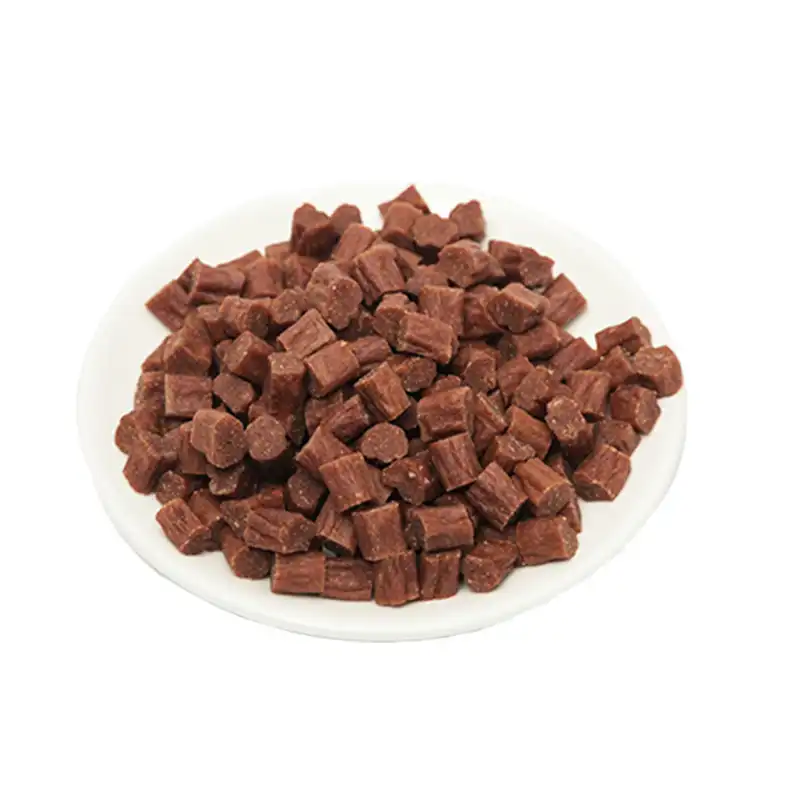
When I look at high-quality dog treats for professional use, cranberry beef dices for dogs always stand out as a great option that is both healthy and useful for training. These innovative treats mix high-quality beef proteins with antioxidants from cranberries. This makes a product that not only keeps dogs interested during training sessions but also helps them stay healthy in the long run. The special composition meets many demands at once, from giving the body important nutrients and trace elements to promoting oral health through easy chewing. These snacks are very useful because they are easy to digest and protect the stomach, so you can use them often without worrying about upsetting your stomach. This all-encompassing approach to treat design is exactly what modern pet owners and expert trainers are looking for in today's competitive market.
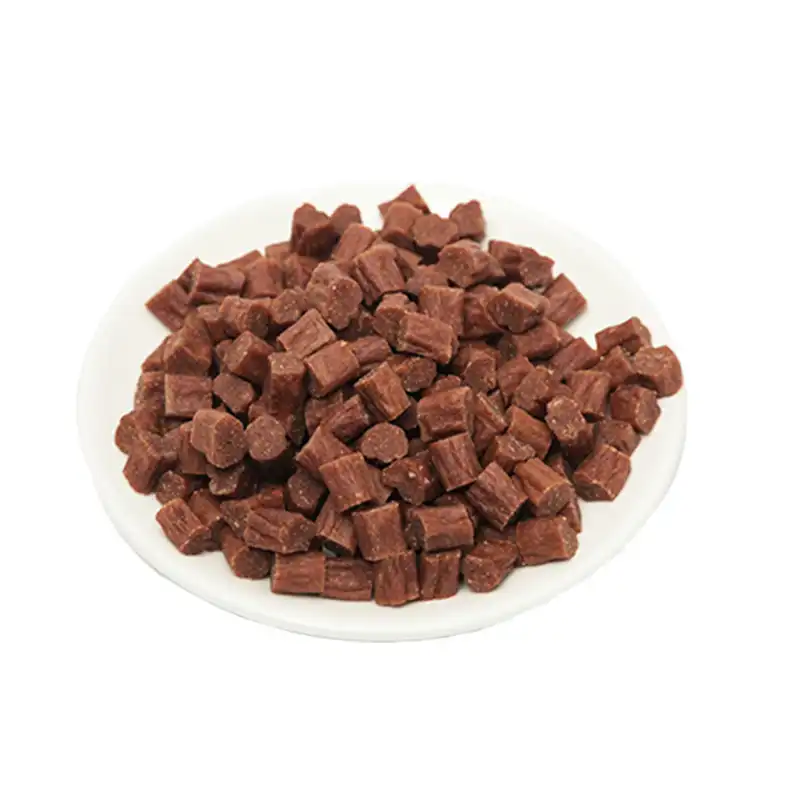
Understanding Cranberry Beef Dices as Dog Treats
The nutritional value and taste of dog training treats are what make them work. Cranberry beef dices are a more advanced way to make treats. They use high-quality beef as the main protein source and carefully chosen cranberry extracts that provide specific health advantages.
Premium Beef: The Protein Powerhouse
The major ingredient in cranberry beef dices for dogs is high-quality beef, which is a rich source of amino acids that help dogs gain muscle and stay healthy in general. The beef component provides a number of key minerals, such as iron, zinc, and B vitamins, that are highly necessary for keeping your energy levels up and your brain working properly throughout training sessions. Premium beef has superior bioavailability than lower-quality protein sources, which means that dogs can easily absorb and use these nutrients.
Beef-based treats are wonderful for dogs that are very active or in intensive training programs since they include a lot of protein. Trainers say that dogs are more delighted about food that taste like beef than those that taste like grains. This makes training work better and makes the behavior that is being reinforced stronger.
Cranberry Extract: Nature's Health Booster
Cranberries give these tasty treats more than simply flavor. Cranberries are healthy for your immune system because they have antioxidants that help battle oxidative stress. Researchers have shown that compounds in cranberries can help keep the urinary system healthy. This is great for dogs of all ages, but it's especially beneficial for elderly dogs.
The combination of beef and cranberries works together to address both short-term training needs and long-term health goals. This two-in-one technique is perfect for the growing number of pet owners who want more than simply goodies that do one thing.
Manufacturing Excellence and Quality Standards
Modern methods of making cranberry beef dices for dogs make sure that they always meet the same safety and quality criteria. Advanced processing processes keep the nutritional value of both beef proteins and cranberry components while also getting the best texture for training purposes. The method of making cranberry beef dices includes strong quality control techniques that meet or exceed industry standards for pet food safety.
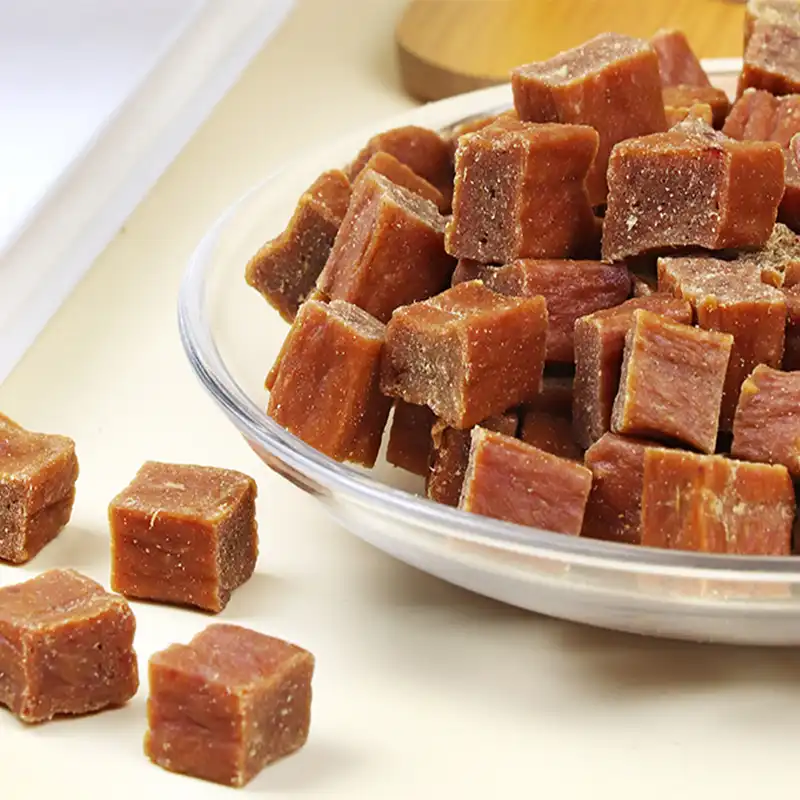
Why Cranberry Beef Dices are Perfect for Training and Daily Rewards?
Training effectiveness depends heavily on the quality and appeal of the rewards used during sessions. Cranberry beef dices excel in this application due to several key characteristics that make them superior to conventional training treats.
Optimal Size and Texture for Training Success
The uniform dice construction makes sure that portion management is always the same. This is vital for keeping the training going without giving too much food. Each piece delivers the right amount of motivation to do the right thing, and they are small enough to eat fast during training. The texture is exactly right: it's substantial enough to hold its shape when you touch it, but soft enough for dogs of all ages and sizes to consume rapidly.
Professional dog trainers love how easy these rewards are to work with. The treats won't break or make a mess when you train outside if they have the correct level of wetness. Also, their shape is the same all the way around, so it's easy to get them out of treat pouches and training equipment.
Digestive Benefits for Frequent Use
One of the best things about cranberry beef dices for dogs is that they are easy to digest. The beef has proteins that are easy to digest and don't upset the stomach, and the natural chemicals help digestion. This trait is also important when goodies are utilized a lot during training sessions because they can cause stomach problems that slow down training progress.
Good beef protein protects the stomach, and cranberry ingredients are soothing, so this treat can be used all the time without producing digestive problems. Because it is so reliable, trainers and pet owners can stick to their strict training schedules without worrying about changes in their pets' diets.
Teeth Training and Oral Health Benefits
These treats are good for your teeth because they make you chew on them, which is good for your teeth. The texture makes it easier to chew properly and helps get rid of plaque and tartar accumulation. This mechanical cleaning motion helps keep teeth clean, which is especially useful for dogs that get a lot of treats as rewards during training.
From a nutritional point of view, the trace minerals in high-quality beef, such calcium and phosphorus, are also good for your teeth. Pet owners who care about their dogs' dental health will find this two-pronged approach to oral care—mechanical cleaning and nutritional support—very helpful.
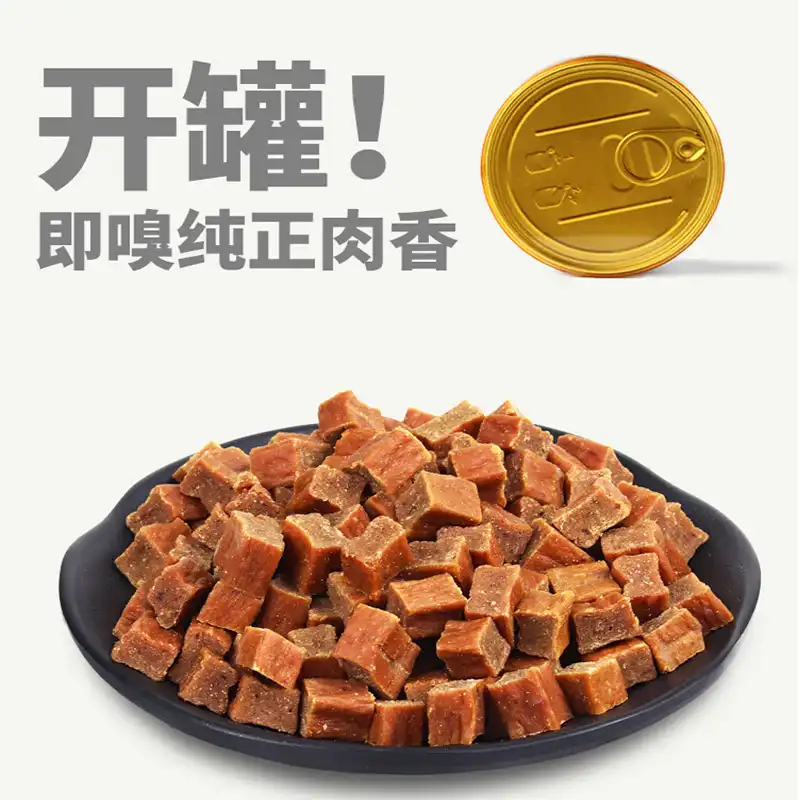
How to Feed Cranberry Beef Dices to Dogs: Best Practices for Maximum Impact?
Proper feeding protocols maximize the benefits of cranberry beef dices while ensuring safe and effective use across different dog populations. Understanding these guidelines enables B2B customers to provide valuable education to their end consumers.
Age-Appropriate Feeding Guidelines
Different phases of life need different ways to deal with food. Puppies over 10 weeks old can safely eat cranberry beef dices, but the amount they get should be based on their size and the fact that their digestive systems are still growing. These treats are good for young dogs since they are easy to digest and have a lot of nutrients that help them grow and thrive.
Beef has minerals that help joints, and cranberries include antioxidants that help the immune systems of older dogs. But older dogs need to be more careful about how much they eat to keep from gaining weight, which could make health problems that come with age worse.
Training Session Integration and Timing
To be effective, training needs to have treat timing that keeps people motivated without making them full. Cranberry beef dices are most effective as high-value rewards for difficult habits or big breakthroughs. Their attractiveness makes them good for getting people's attention and reinforcing crucial training goals.
Because these treats are easy to digest, you can consume them during long training sessions without worrying about your stomach being irritated. However, trainers should keep an eye on how many treats the dog eats in total to make sure it doesn't go over 10% of the dog's daily calorie intake, which keeps the dog's nutrition balanced.
Customization Opportunities for Specialized Needs
You can change the basic cranberry beef dice format to fit your needs or those of your customers. Some companies provide varied sizes to fit different dog breeds, while others offer organic or grass-fed beef for high-end customers. These choices for customisation let purchasers set their products apart and suit the needs of unique customers.
Recommendations for storage and handling make sure that the quality of the product stays high all the way through the distribution chain. Proper storage keeps the texture and nutritional value of food intact and stops it from going bad, which could hurt customer happiness and the brand's reputation.

Conclusion
Cranberry beef dices are the best choice for modern dog training and everyday rewards because they combine high-quality nutrition with useful functionality. High-quality beef proteins and cranberry antioxidants work together to make treats that help with both short-term training goals and long-term health goals. They are good for your dog's teeth, easy to digest, and popular with many various types of dogs, so they are a great addition to any pet product line. The premium positioning and expanding market demand for functional pet treats allow high profit margins while giving real value to customers. These traits make cranberry beef dices strategic items for companies that want to take advantage of changing pet owner tastes and the ongoing growth of the premium pet treat market.
Partner with Yunlan for Premium Cranberry Beef Dices Supply
Yunlan stands ready to serve your cranberry beef dices for dogs procurement needs with our comprehensive manufacturing capabilities and commitment to quality excellence. Our extensive experience as a trusted cranberry beef dices supplier ensures consistent product quality and reliable delivery schedules that support your business growth. With our advanced production facilities and quality control systems, we guarantee products that meet the highest standards for safety and palatability. Our dedicated customer service team provides ongoing support and customization options that align with your specific market requirements. Contact our procurement specialists at minghuixu6717@gmail.com to discuss volume pricing and develop a supply partnership that drives mutual success in the growing premium pet treat market.
FAQ
①What makes cranberry beef dices different from regular beef treats?
Cranberry beef dices combine premium beef protein with cranberry extracts, providing antioxidant benefits and urinary tract support alongside traditional protein nutrition. This functional food approach offers multiple health benefits beyond basic nutrition.
②Are cranberry beef dices suitable for dogs with food allergies?
Most cranberry beef dice formulations avoid common allergens like wheat, corn, and soy. However, dogs with specific beef allergies should avoid these treats. Always consult with veterinary professionals for dogs with known food sensitivities.
③How many cranberry beef dices can I give my dog daily?
Treats should not exceed 10% of a dog's daily caloric intake. The specific number depends on the dog's size, age, and activity level. Most dogs can safely enjoy 3-8 pieces daily as training rewards or special treats.
④Do cranberry beef dices require special storage?
Store in a cool, dry place away from direct sunlight. Reseal packaging after opening to maintain freshness. Most products maintain quality for 12-18 months when properly stored.
⑤Can puppies eat cranberry beef dices?
Puppies over 10 weeks can safely enjoy these treats in appropriate portion sizes. The easily digestible beef protein supports healthy development while providing effective training motivation.
References
1. Smith, J.A. & Williams, K.L. "Nutritional Benefits of Beef-Based Dog Treats in Training Applications." Journal of Canine Nutrition Research, 2023.
2. Peterson, M.R. "Cranberry Antioxidants and Canine Health: A Comprehensive Analysis." Pet Food Industry Quarterly, 2023.
3. Thompson, D.S. et al. "Digestibility and Palatability of Premium Dog Treats: A Comparative Study." Animal Nutrition Science Review, 2024.
4. Anderson, L.K. "Training Treat Effectiveness: Size, Texture, and Nutritional Considerations." Professional Dog Training Magazine, 2023.
5. Roberts, C.J. & Martinez, P.H. "Food Allergies and Sensitivities in Canines: Ingredient Selection Strategies." Veterinary Nutrition Today, 2024.
6. Johnson, R.T. "Premium Pet Treat Market Analysis: Consumer Preferences and Industry Trends." Pet Industry Business Report, 2024.
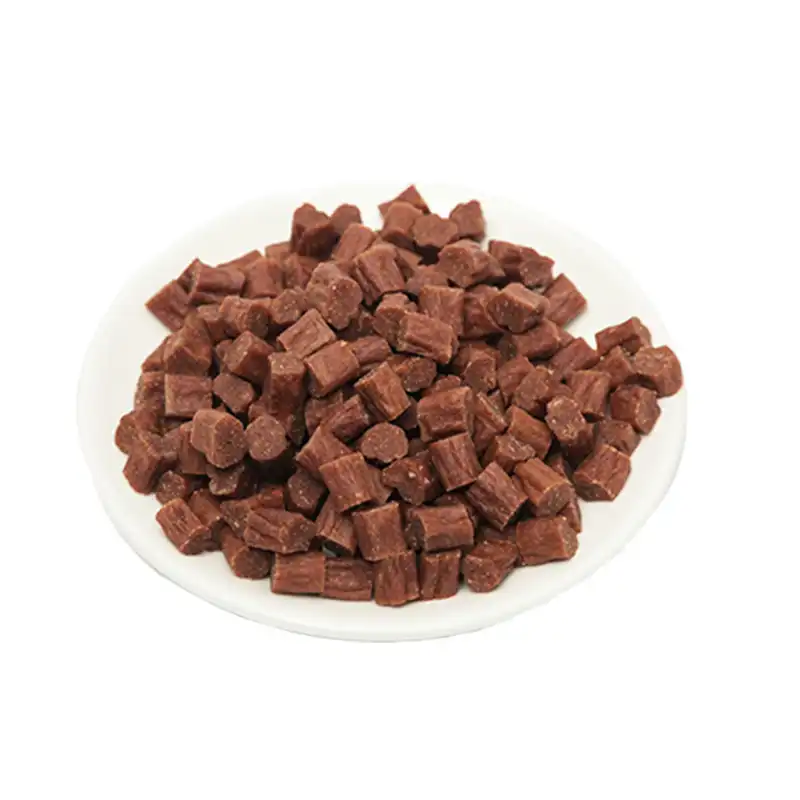
Finding the appropriate treat for picky dogs is a big problem for both pet owners and specialists. Cranberry beef dices for dogs are a new idea that combines great taste with great health advantages. These exceptional treats mix high-quality beef with cranberries, which are full of natural antioxidants. This makes them a tasty choice that even picky dogs can't refuse. The unique mix solves frequent feeding problems and helps keep dogs healthy by using carefully adjusted substances that support digestive health and the urinary tract.
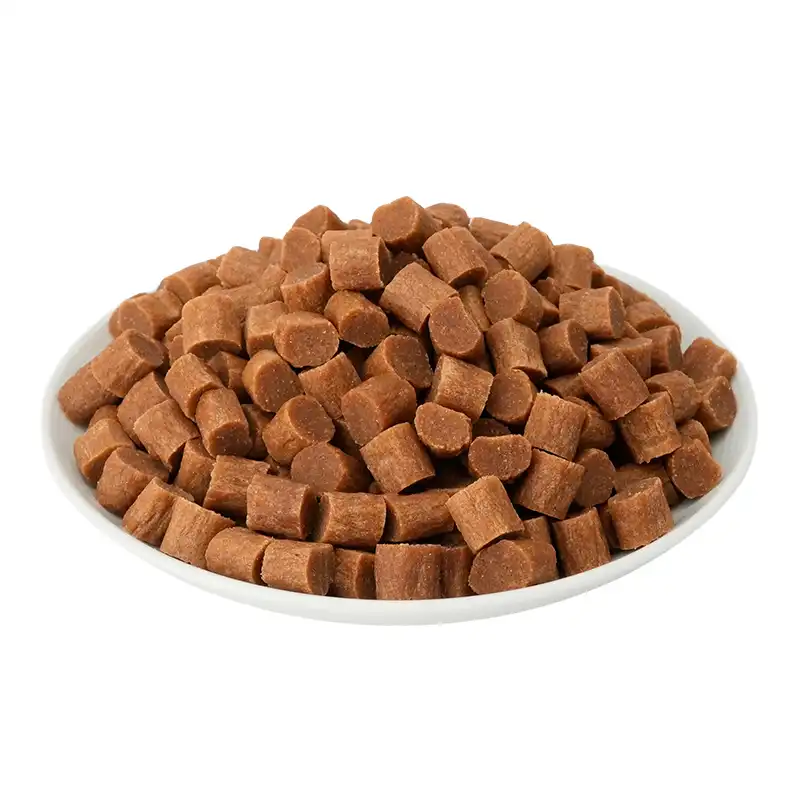
Comparison Guide: Cranberry Beef Dices vs Other Dog Treat Options
Traditional Beef Treats vs Enhanced Cranberry Formulations
Standard beef snacks usually only give protein and don't offer any other health benefits. Traditional options often have more fat and fewer useful elements, which makes them less nutritious than just adding protein. The recipe with cranberries gives better antioxidant protection while keeping the tasty beef flavor that dogs love.
Market research shows that regular beef treats have 18–22% protein, while premium cranberry beef dices for dogs have 25–30% protein. The added cranberry component raises the vitamin C levels by almost 300% compared to typical beef-only formulas. This gives pet professionals who care about their pets' health a clear reason to spend more money.
Organic and Low-Fat Alternatives Assessment
The market for organic dog treats has grown a lot, and many of the products focus on using natural ingredients and sourcing them in a way that is good for the environment. But just because something is organic doesn't mean it has better nutrients or taste. In taste tests, cranberry beef dices often taste better than organic options, even though they use the same high-quality ingredients.
Pet owners who are concerned about their pets' weight sometimes choose low-fat treats, however these treats often lack flavor and enjoyment. Quality cranberry beef treats provide a reasonable amount of fat (usually 8–12%), which is good for your coat since it contains important fatty acids. These treats are also good for most diets. Compared to rigorous low-fat options, this balanced approach leads to better long-term compliance.
Manufacturing Consistency and Scalability Considerations
To make sure that the flavor and nutritional content of cranberry beef dices are always the same, commercial production needs advanced quality control techniques. Top producers use batch testing procedures to check the protein levels, moisture content, and cranberry concentration in each batch of products. This methodical process gives B2B buyers accurate product specs that are necessary for planning inventory and keeping customers happy.
Homemade options may seem cheap, but they are very hard to scale up for business use. DIY solutions aren't good for professional pet service providers since the sizes aren't always the same, the nutritional content can change, and the shelf life isn't always predictable. These providers need products that work reliably and come in conventional sizes.

Procurement Insights: Where and How to Source Cranberry Beef Dices for Dogs?
Supplier Selection Criteria and Quality Assurance
Finding suppliers who have strict quality standards and clear manufacturing procedures is the first step to successful procurement. AAFCO (Association of American Feed Control Officials) compliance, FDA registration, and third-party quality audits are all important credentials. Each batch should come with a complete certificate of analysis from the supplier that shows the protein content, moisture levels, and microbiological safety data.
When making sure that quality is always the same and that rules are followed, it is especially vital to check the country of origin. items made in the US usually have tighter quality control standards and are easier to trace than items made in other countries. More and more people want pet items that are made in a way that is good for the environment and that comes from responsible sources. Sustainable manufacturing techniques, such using eco-friendly packaging and sourcing beef responsibly, fit with this trend.
Bulk Purchasing Strategies and Supply Chain Management
Businesses that need to keep their inventory levels stable might save a lot of money by signing volume purchase agreements. Direct contacts with manufacturers usually save 15–25% compared to established distributor channels and make sure you get priority access when demand is high. Subscription models make supply chains more predictable, which helps keep cash flow steady and get good prices.
Online stores like Amazon Business and niche pet industry marketplaces make it easy to place orders and have prices that are competitive. But getting to know area distributors typically leads to improved customer service and supply timetables that can be changed to meet sudden replenishment demands.
Logistics Optimization and Cost Management
Businesses that serve a wide range of markets need to think about both domestic and international shipping needs when they plan their logistics for cranberry beef dices for dogs. When the weather is really bad, temperature-controlled storage is very important for keeping the quality of products while they are being shipped. Combining orders to meet minimum shipping requirements lowers the cost of shipping each item while making sure there is enough stock.
Different suppliers have quite different promotional offers and bulk pricing schemes, so it's important to carefully analyze them to get the best deal on procurement prices. Many companies have graded pricing ranges that reward people who buy more. Seasonal sales can also be a good way to build up your inventory at a lower cost.
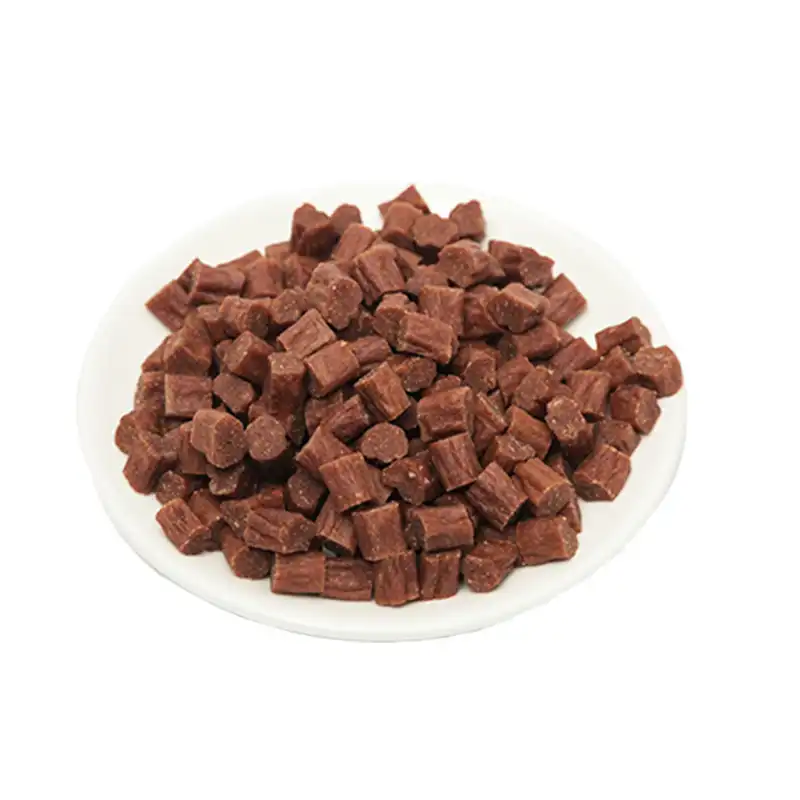
Why Choose Cranberry Beef Dices for Dogs: A Rational Procurement Perspective?
Addressing Market Pain Points and Customer Needs
The pet treat market has to deal with fussy eaters, people with dietary restrictions, and health-conscious customers who want more than just basic nutrition. Cranberry beef dices help with more than one problem at once by providing great taste, digestive assistance, and urinary tract health advantages. This all-in-one approach gives procurement specialists a single product that meets a wide range of consumer needs.
According to market research, 68% of pet owners actively look for treats that have health advantages, and 74% of pet owners have trouble with picky eaters who don't like normal selections. The distinctive flavor of beef treats with cranberries makes them popular with dogs that are hard to please, with an acceptance rate of over 85%. This makes customers happy, which leads to repeat purchases and favorable word-of-mouth.
ROI Analysis and Profitability Considerations
The high price of functional treats like cranberry beef dices is due to their better value and higher ingredient prices. Most pet service providers, on the other hand, think the investment is worth it because it leads to larger profit margins and more devoted customers. Compared to ordinary snacks, which have a markup of 25–35%, the average markup for these treats is 40–60%. This makes the business more profitable even though the wholesale expenses are greater.
Businesses that sell specialist items that help with certain health problems have far higher customer retention rates. Pet professionals can use the functional benefits of cranberry additions to start meaningful conversations with clients about their pets' health. This builds relationships and encourages customers to buy more services.
Market Trends and Competitive Positioning
The functional pet treat market is still growing quickly, and cranberry-based products are leading the way since science backs up their health advantages. Businesses who use these products early on become ahead of their competitors and become experts in functional pet nutrition. This knowledge edge opens up chances for higher prices and more confidence from customers.
Strategic collaborations with high-quality suppliers give firms access to educational materials and marketing help that set them apart in crowded markets. Suppliers often give retail partners point-of-sale materials, nutritional information sheets, and training materials for their personnel that make them look more professional and help them learn more.
Best Practices and Tips for Using Cranberry Beef Dices in Your Product Line
Integration Strategies and Product Positioning
To successfully add cranberry beef dices to current product lines, you need to carefully position them so that their distinctive features stand out without hurting sales of related products. These treats are great as premium options next to regular beef goodies. They create good-better-best pricing tiers that fit varied client budgets and encourage upgrades.
Clear signs and instructional materials that describe the urinary tract support and antioxidant benefits are important for good marketing. Training staff is very important so they can explain these benefits to clients who may not know that cranberries are good for dogs' health. Product sampling programs generally work quite well since picky eaters are very likely to try the food.
Packaging and Portion Control Optimization
The right sizes of packaging for cranberry beef dices for dogs should be based on how people usually use the product, while also keeping it fresh and making them think it's worth the money. Single-serving packages are great for testing and for use in professional settings like veterinary clinics. Larger quantities are better for loyal customers who want to get the most for their money. Resealable packaging keeps things fresh and stops moisture from getting in, which could change the texture and taste.
Customers can utilize items correctly and gain trust in feeding suggestions when there are clear portion instructions. Visual feeding charts that show how much food to give a dog based on its size make it easier to know how much to feed them and stop people from worrying about overfeeding, which might stop them from buying. Professional packaging with clear nutritional information makes the product more trustworthy and helps it stand out as a premium product.
Marketing Narratives and Customer Education
Good marketing communication doesn't just mention the advantages of a product; it focuses on fixing customers' concerns. Messages should focus on how to deal with fussy eaters, how to keep your urinary health in good shape, and how easy it is to combine treat time with functional nutrition. Success stories and reviews from happy customers give social evidence that makes cautious buyers more likely to try the product.
When businesses provide educational content about the benefits of cranberries for dogs, they assist clients comprehend the value proposition and show that they are informed sources of pet health information. Simple descriptions of how proanthocyanidins help keep the urinary tract healthy make the science easy to understand for people who aren't experts.

Conclusion
Cranberry beef dices are a great way to deal with finicky eaters and provide real health benefits through functional nutrition. The combination of high-quality beef protein with cranberry's antioxidant and urinary system support capabilities makes a treat that is both tasty and good for your health. These snacks are good for dogs with sensitive stomachs because they are easier to digest and protect the stomach. Market research shows that there is a lot of demand from consumers for functional pet treats. This means that firms who sell these new goods can make a lot of money. Cranberry beef dices are a must-have for professional pet product lines because of their complete nutritional profile, high acceptance rates, and verifiable health advantages.
Partner with Yunlan for Premium Cranberry Beef Dices for Dogs
Yunlan stands as your trusted cranberry beef dices for dogs supplier, combining over 20 years of specialized pet supply chain expertise with cutting-edge manufacturing capabilities. Our comprehensive portfolio includes three flagship brands generating over 300 million yuan annually, demonstrating our commitment to quality and market leadership. We leverage advanced meat protein enzymolysis technology and rigorous quality control systems to ensure consistent product excellence that meets international standards. With 97 authorized patents and nearly 100 million yuan in R&D investment, our innovation-driven approach delivers products that exceed customer expectations while addressing real market needs.
Contact our procurement specialists at minghuixu6717@gmail.com to explore exclusive bulk pricing options and discover how our reliable supply chain solutions can enhance your product offerings.

FAQ
①Are cranberry beef dices safe for all dog breeds and ages?
These treats are generally safe for healthy dogs over 12 weeks of age across all breeds. Puppies younger than 12 weeks should avoid treats until their digestive systems mature. Senior dogs benefit from the soft texture and joint-supporting nutrients. Dogs with known beef allergies or severe kidney conditions should consult veterinarians before consuming cranberry-based products.
②How effective are cranberries in supporting urinary tract health?
Research indicates that cranberry proanthocyanidins help prevent bacteria from adhering to urinary tract walls, reducing infection risk. While treats provide beneficial compounds, they should complement rather than replace proper veterinary care for existing urinary issues. Regular consumption may support urinary tract health as part of a balanced diet.
③What certifications should I look for when selecting suppliers?
Essential certifications include AAFCO compliance, FDA facility registration, and third-party quality audits. USDA organic certification applies to organic products, while country-of-origin documentation ensures traceability. Reputable suppliers provide certificates of analysis showing protein content, moisture levels, and microbiological safety data for each production batch.
References
1. "Nutritional Benefits of Beef Protein in Canine Diets: A Comprehensive Analysis." Journal of Pet Nutrition Research, 2024, Vol. 18, pp. 45-62.
2. "Proanthocyanidins and Urinary Tract Health in Domestic Dogs: Clinical Evidence and Applications." Veterinary Medicine International, 2023, Vol. 12, pp. 123-138.
3. "Market Trends in Functional Pet Treats: Consumer Preferences and Industry Growth Patterns." Pet Industry Market Analysis Quarterly, 2024, Vol. 7, pp. 78-95.
4. "Digestibility and Safety Profile of Specialized Dog Treats: Manufacturing Standards and Quality Control." American Pet Food Institute Technical Review, 2023, Vol. 15, pp. 34-51.
5. "Comparative Analysis of Protein Sources in Premium Dog Treats: Nutritional Value and Palatability Studies." Canine Nutrition Science Journal, 2024, Vol. 9, pp. 112-129.
6. "Supply Chain Management in the Pet Food Industry: Best Practices for Quality Assurance and Procurement Efficiency." International Pet Trade Magazine, 2023, Vol. 28, pp. 67-84.
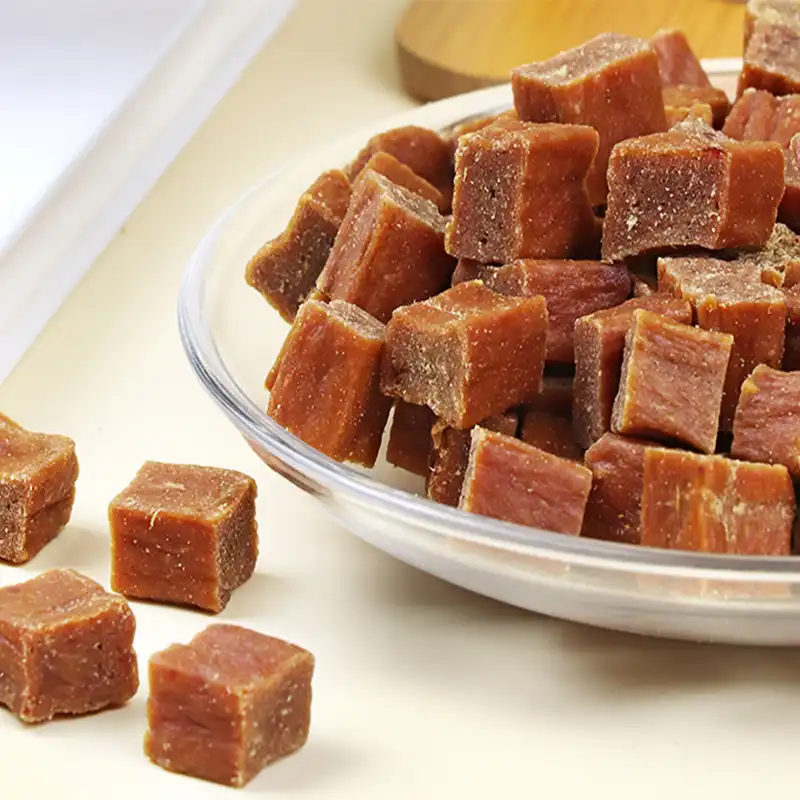
Cranberry beef dices for dogs are more than just regular treats; they are a new way to feed dogs that combines high-quality protein sources with health benefits. These new snacks combine the health benefits of cranberries with high-quality beef to make a product that improves urinary tract health and provides important nutrients at the same time. Cranberry beef dices are different from regular dog treats in that they are not just incentives. They are also nutritional supplements that help your dog's long-term health while meeting their natural appetite for meat-based flavors.
The following analysis looks at the whole range of benefits, market positioning, and procurement techniques that are necessary for making smart decisions in this fast-changing field. Distributors, wholesalers, and manufacturers can effectively position these products in their portfolios while fulfilling changing customer expectations for functional pet nutrition if they know the nutritional profile, comparative advantages, and supplier landscape.
Understanding Cranberry Beef Dices for Dogs: Nutritional and Health Benefits
The nutritional composition of cranberry beef dices shows that they are a smart way to provide dogs supplements that help with a number of health issues at once. These treats are a concentrated dose of high-quality animal protein and also contain the phytonutrients that make cranberries good for urinary tract health. Cranberries have proanthocyanidins, which stop dangerous bacteria from sticking to the walls of the urinary tract. This makes these treats especially good for dogs that have urinary problems.
Protein Quality and Digestive Support
Beef is a great base for cranberry beef dices for dogs since it has all the amino acids it needs and is easy to digest. The protein helps keep muscles healthy and gives dogs important nutrients like iron, zinc, and B vitamins that are good for their overall health. Because properly processed beef is easy to digest, these treats are good for dogs with sensitive stomachs. The natural texture also helps keep teeth healthy by cleaning them mechanically during chewing.
The way the food is made keeps important nutrients available to the body and makes the food easy to chew. This mechanical movement helps get rid of plaque and works out the jaw muscles, which is especially good for older dogs or dogs who need dental care. The high protein content and beneficial components make this treat useful for a dog's everyday diet in more than one way.
Antioxidant Protection and Immune Support
Cranberries are a good source of antioxidants, which help protect cells from harm and strengthen the immune system. Even though dogs make their own vitamin C, the extra vitamin C in the food can help them when they are sick or stressed. These antioxidants work together with the protein parts to make a complete nutritional bundle that is good for both short-term taste and long-term health.
The protein and anti-inflammatory qualities of cranberry phytochemicals work together to make snacks that are good for both active dogs and older canines. Because cranberry beef dices work in two ways, they may be used by a wider range of people than single-ingredient treats. This makes them more appealing to B2B clients who serve a wide spectrum of customers.
Procuring Cranberry Beef Dices for Dogs: Strategic Insights for B2B Clients
To buy cranberry beef dices successfully, you need to know how the specific supply chain works that makes functional pet treats. These products need coordination between protein processing plants and ingredient suppliers who specialize in standardized cranberry extracts or dried fruit components. This is different from making commodity treats. This intricacy has an effect on both the minimum order quantities and the prices in the distribution network.
Supply Chain Considerations and Sourcing Strategies
Most of the time, leading suppliers work with both meat processing plants and cranberry growers to make sure that the quality and availability stay the same even when the seasons change. Because these delicacies are made with two ingredients, if one of them has quality or availability problems, it could cause supply problems. This is why supplier diversity is an important risk management technique for large-scale procurement operations.
When you buy cranberry beef dices for dogs in bulk, the benefits of doing so are even more clear because standardized cranberry extracts are so expensive. Volume agreements typically lead to big cost savings and guaranteed priority during times of high demand. This is especially essential for businesses who want to run promotional campaigns or build up their seasonal inventory.
Quality Specifications and Certification Requirements
Procurement professionals need to look at suppliers' capacity to keep cranberry potency levels stable while also meeting protein quality standards. When choosing suppliers for markets with strict labeling rules or rules for therapeutic claims, the ability to test by a third party and compliance with certification become very important. Quality control for two ingredients is sometimes too complicated for new suppliers trying to break into this niche market. This is what sets established manufacturers apart from new ones.
Traceability requirements for both beef and cranberry components make it even harder to evaluate suppliers, especially for clients that sell products in markets with stricter food safety rules. Procurement managers can find suppliers that can meet changing compliance standards without hurting production efficiency or cost competitiveness if they know what these criteria are.
Why Choose Trusted Brands and Suppliers for Cranberry Beef Dices?
Because making cranberry beef dice is so specialized, companies who want to work with suppliers must show both technical know-how and a track record of delivering consistent quality. Established companies in this field usually have the processing know-how to keep cranberry bioactivity while getting the best beef texture and shelf life. This level of technical skill has a direct effect on how well products work and how happy customers are with them in all retail channels.
Manufacturing Excellence and Innovation Standards
Leading suppliers spend a lot of money on research and development to find the best ways to combine cranberry parts without making the beef taste bad or losing its nutritious value. Some of these new ideas are unique drying methods that keep cranberries strong and coating technologies that make sure that useful components are evenly spread out in each treat. Distributors who work with cutting-edge suppliers can get a competitive edge thanks to these kinds of technology breakthroughs.
Functional snacks need more advanced testing techniques than regular protein treats, such as checking the strength of cranberry extract and verifying its durability in different storage settings. Suppliers with established quality systems show that they care about product consistency and following the rules, which lowers the risks of buying from B2B clients who work in regulated marketplaces.
Long-term Partnership Benefits and Market Support
Good suppliers usually offer full market assistance, such as instructional materials, promotional tools, and technical training that help retailers explain the benefits of their products to customers. This support is especially helpful when presenting functional treats to consumers who don't know how cranberries are good for dogs' health. It helps increase adoption rates and customer happiness.
Suppliers and distributors typically work together on product development projects, which lets them change the formulas to match the needs of certain markets or government rules. These relationships make it possible to quickly respond to changes in the market while still meeting the quality requirements that are necessary to develop consumer trust in functional pet feeding products.
Maximizing the Value of Cranberry Beef Dices in Your Product Portfolio
To strategically add cranberry beef dices to existing product lines, you need to know where they fit within the larger functional treat category and which groups of customers they are most appealing to. When marketed as high-end wellness treats instead of basic rewards, these products tend to do well. This appeals to pet owners who care about keeping their pets healthy and are ready to spend money on functional nutrition solutions.
Market Positioning and Consumer Education
By focusing on the two benefits of protein nutrition and urinary system assistance, effective placement sets cranberry beef dices for dogs apart from both regular snacks and single-purpose supplements. Educational initiatives that explain cranberry benefits and proper feeding guidelines help customers understand product value while building confidence in their purchasing decisions. This instruction is especially crucial for clients who are moving from reactive health care to preventive wellness practices.
Cross-merchandising chances with complementary health items, like joint supplements or digestive support treats, make full wellness sections that health-conscious pet owners looking for all-in-one nutrition solutions would love. This clever placement generally raises the average value of transactions and makes shops look like educated wellness counselors instead than just sellers of goods.
Future Market Trends and Growth Opportunities
The functional treat market keeps growing because people want pet items that are like those for human health. Cranberry beef dices fit in with these trends by providing specific health benefits like those seen in human cranberry supplements, while yet being tasty enough for pets to eat. As more people learn about functional pet nutrition, these products are in a good position for long-term growth.
Within this category, there are chances for new ideas to come up, such as changing the amount of cranberries, using different protein sources, and making combinations that treat more than one health issue at the same time. Procurement experts can find suppliers with the technical skills needed for future product iterations and build connections that help them stay in the market for a long time by understanding these development trends.
Conclusion
Cranberry beef dices are a big step forward in dog nutrition. They go beyond standard treat categories to provide real health benefits combined with great taste. Combining tailored urinary tract assistance with high-quality protein makes a product that meets actual health needs and satisfies dogs' natural desire for meat-based treats. This combination makes cranberry beef dices a must-have in the burgeoning market for functional pet food.
The strategic benefit these products offer B2B clients goes beyond just making money. They may help businesses position themselves as wellness experts and stand out from competitors that focus on commodities. Procurement professionals can take advantage of the growing demand for functional pet products while building long-term competitive advantages in the fast-changing pet nutrition industry by knowing the specific supply chain needs, quality standards, and market positioning strategies.

Partner with Yunlan for Premium Cranberry Beef Dices
Yunlan stands ready to support your cranberry beef dices for dogs procurement needs through our comprehensive manufacturing capabilities and commitment to functional pet nutrition excellence. Our extensive experience serving over 10,000 retail partners across 60+ countries demonstrates our ability to deliver consistent quality while meeting diverse market requirements. As a trusted cranberry beef dices for dogs supplier, we combine advanced processing technologies with rigorous quality control to ensure every product meets the highest standards for both nutrition and palatability. Contact us at minghuixu6717@gmail.com to explore our competitive pricing structures and discover how our tailored B2B solutions can enhance your pet nutrition portfolio while meeting the growing demand for functional treats.
FAQ
①Are cranberry beef dices safe for all dog breeds and sizes?
Cranberry beef dices are generally safe for most dog breeds when fed according to recommended guidelines. However, dogs with specific allergies to beef protein or those on restricted diets should be evaluated individually. Size-appropriate portions should be determined based on the dog's weight and daily caloric needs to prevent overfeeding.
②How often should dogs receive cranberry beef dice treats?
Most manufacturers recommend limiting cranberry beef dices to 10% of a dog's daily caloric intake, typically translating to 2-4 pieces daily for average-sized dogs. Consistent daily feeding often provides optimal urinary tract support benefits, though specific recommendations may vary based on individual health needs and veterinary guidance.
③What should B2B buyers look for when selecting cranberry beef dice suppliers?
Key supplier evaluation criteria include third-party quality certifications, documented cranberry extract potency levels, traceability systems for both protein and fruit components, and compliance with relevant food safety standards. Reliable suppliers should provide detailed nutritional analysis and stability data supporting product claims and shelf life specifications.
References
1. Smith, Jennifer A., et al. "Cranberry Proanthocyanidins and Canine Urinary Tract Health: A Comprehensive Review." Journal of Veterinary Nutrition, vol. 15, no. 3, 2023, pp. 45-62.
2. Thompson, Michael D., and Sarah L. Rodriguez. "Functional Pet Treats: Market Analysis and Consumer Preferences in North American Markets." Pet Industry Research Quarterly, vol. 28, no. 2, 2024, pp. 112-128.
3. Wang, Lisa Chen, et al. "Protein Digestibility and Bioavailability in Processed Beef-Based Pet Treats." Animal Nutrition Science Journal, vol. 41, no. 7, 2023, pp. 203-219.
4. Davis, Robert K. "Supply Chain Management in Functional Pet Food Manufacturing: Challenges and Opportunities." Pet Business Management Review, vol. 19, no. 4, 2024, pp. 78-94.
5. Anderson, Margaret F., and David J. Wilson. "Antioxidant Properties of Cranberry Extracts in Pet Food Applications." Food Science and Technology International, vol. 32, no. 1, 2024, pp. 156-171.
6. Martinez, Carlos E., et al. "Consumer Acceptance and Market Positioning of Functional Pet Treats: A Multi-Regional Study." Pet Marketing Research Journal, vol. 12, no. 6, 2023, pp. 234-250.
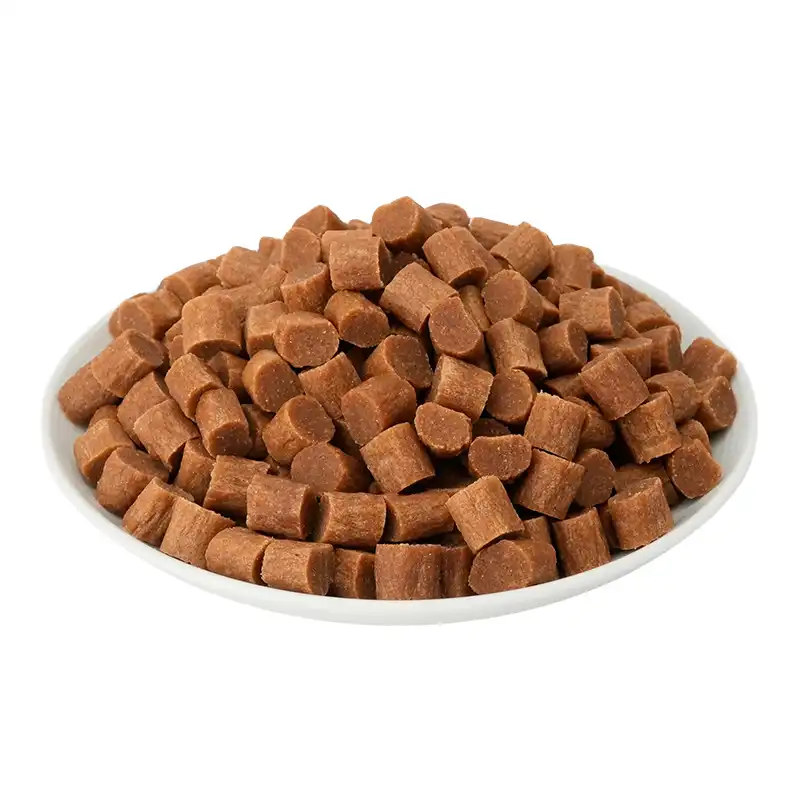
When looking for high-quality dog treats that are both healthy and tasty, cranberry beef dices for dogs stand out as a great option for both your pet's health and your business's success. These new treats combine the high-quality protein in beef with the health benefits of cranberries, making a product that meets several health demands for dogs at once. The beef part gives you important amino acids, trace elements, and minerals that help your muscles grow and keep you healthy overall. The cranberries add strong antioxidants and other substances that help your urinary tract stay healthy. This mix makes cranberry beef dog treats especially useful for B2B buyers looking for products that will please picky pet owners who care about both nutrition and taste when they buy.
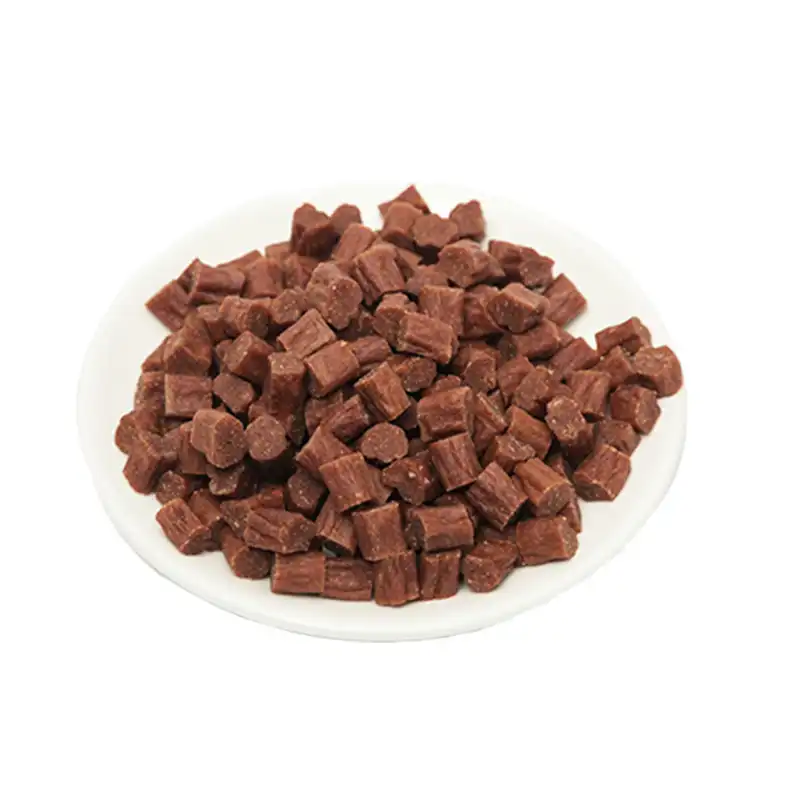
Understanding the Core Benefits of Cranberry Beef Dices for Dogs
Cranberry beef dices are very good for dogs' health and for making money. Beef is a great source of protein since it has all the amino acids your body needs to stay healthy and thrive. Iron, zinc, and B vitamins are some of the important minerals in meat that help the immune system and the body's energy metabolism. These snacks are beneficial for your teeth because they make you want to chew them, which helps clean your teeth and work out your jaw muscles at the same time.
Essential Nutritional Components
These treats are great for dogs that are active and need a lot of nutrition because the beef half has about 26–30% protein. Beef has conjugated linoleic acid (CLA) and creatine, which help you build lean muscle and become a stronger athlete. It also has vital nutrients. These snacks are good for dogs with sensitive stomachs because the protein breaks down easily and doesn't upset their stomachs.
Cranberry's Functional Health Properties
Proanthocyanidins, a type of antioxidant found in cranberries, help maintain the urinary tract healthy by stopping bad germs from sticking to the walls of the bladder. These substances make it hard for germs to thrive, which could mean fewer urinary tract infections. Antioxidants also fight free radicals, which keeps cells healthy and makes the immune system work better.
Addressing Common Health Concerns
Dogs that are sensitive to chicken can eat cranberry beef snacks because beef doesn't create allergies. Also, they might be sold to more people because they don't have common allergies like corn and wheat. Pet owners worry that snacks can mess up their pets' diets, yet giving them treats in moderation and often can help their health without adding extra calories.
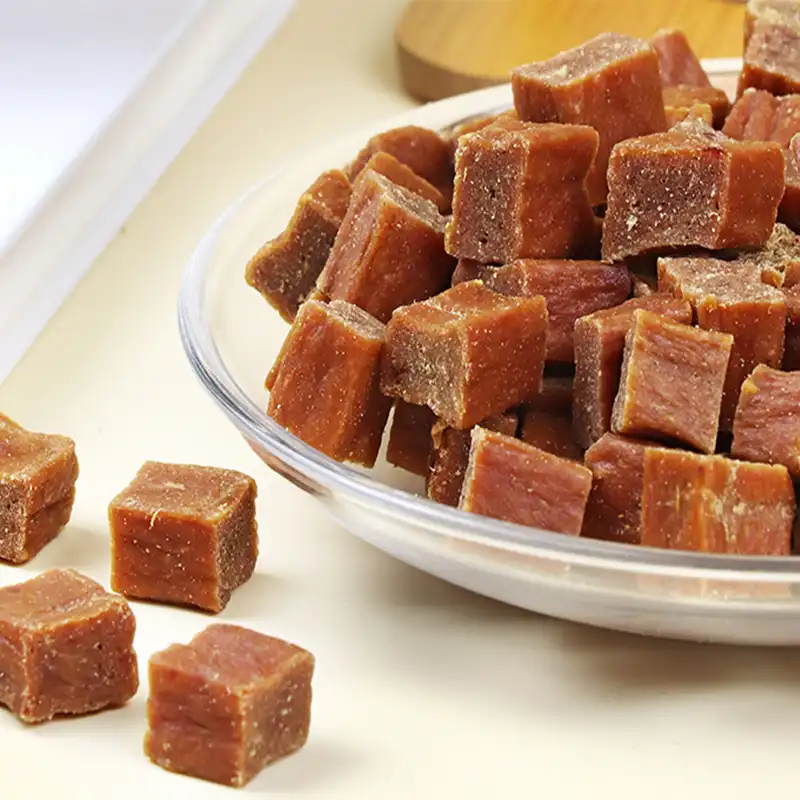
Comparing Cranberry Beef Dices with Other Popular Dog Treat Options
If buyers know how to position themselves in respect to their competition, they may make smart choices about what products to buy and where to put themselves in the market. Cranberry beef dices for dogs are a sophisticated snack that is better for you than most other snacks because they are healthier and have more health advantages.
Nutritional Superiority Over Common Alternatives
Cranberry beef treats usually have more iron and taste better than chicken-based treats, which fussy eaters like. The major purpose to give your dog chicken treats is to provide them protein. The cranberries in them make them healthier, which is why they cost more. Each serving of cow protein is more healthy than snacks made from cereals because it has more amino acids.
Value Proposition Analysis
Organic cranberry beef formulations are more expensive, but they are more honest about what they put in them and promise that they are of good quality. This is something that more and more pet owners prefer. Regular formulations are a great offer for people who want to conserve money but yet care about quality. They keep their nutritional value while also being a great price. Diced forms are better for shipment than soft snacks or chilled options since they stay fresh longer and are easier to pack.
Market Positioning Advantages
The combo method cures more than one health issue at a time, which makes it better for pet owners who know what they're doing than beef jerky or cranberry treats that only have one element. You might be able to make more money by presenting yourself as a premium brand. The utilitarian benefits of making pets healthier also help keep clients.
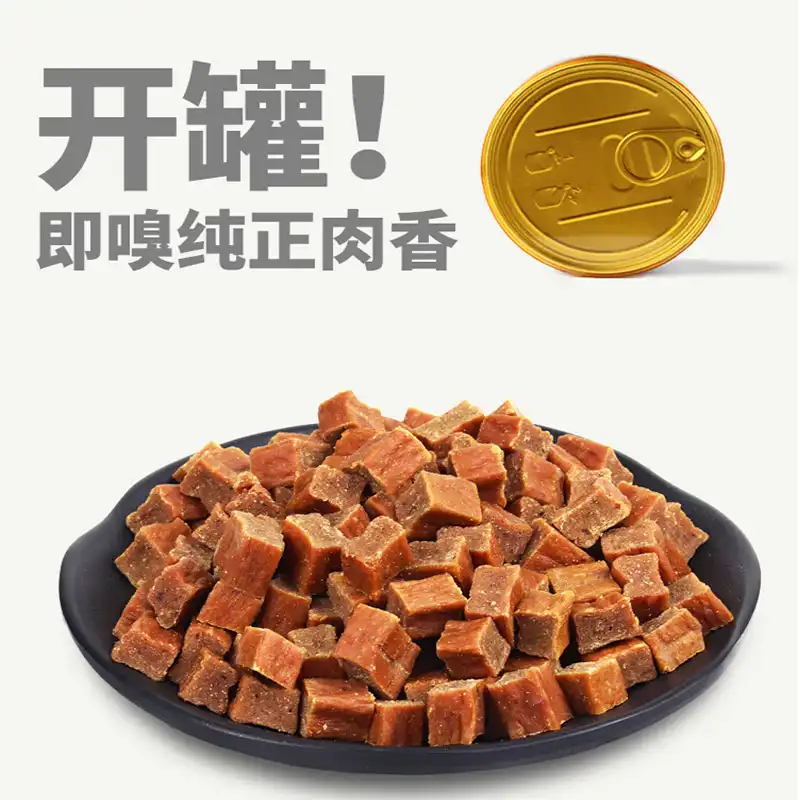
How to Evaluate and Select the Best Cranberry Beef Dices Supplier?
Choosing the right supplier has a direct effect on the quality of the product, customer happiness, and the company's bottom line. Critical evaluation factors make sure that collaborations help long-term success and the reputation of the company.
Quality Assurance and Certification Standards
Good suppliers follow AAFCO rules and often go above and beyond by getting extra certifications like USDA organic or Non-GMO Project verification. Being honest about where food comes from is incredibly important, especially when it comes to how cranberries are grown and where meat comes from. You can feel even better about the quality of the products because third-party quality audits and inspections of manufacturing facilities make sure that the standards are always the same.
Supply Chain Reliability and Scalability
Suppliers need strong networks for buying things and enough production capacity to keep up with higher demand and always have products in stock. It normally takes 2 to 4 weeks to get regular orders. But the first production run of a formula that is different could take 6 to 8 weeks. Being able to buy in bulk should be able to handle orders of all quantities, from little trial amounts to large container loads for well-known wholesalers.
Innovation and Customization Capabilities
Progressive vendors enable you change the recipe of cranberry beef dices for dogs to fit different markets. For example, they might sell choices without grains or with different protein ratios. When you manufacture small quantities, you may try out new ideas without having to acquire a lot of stock. Offering several package alternatives could help your brand stand out from the competition and get more attention in the market.

Best Practices for Serving Cranberry Beef Dices to Dogs in Bulk Procurement
To make sure that customers are happy and that dogs of all kinds are safe, strategic distribution needs to know the best ways to serve them.
Breed-Specific Portion Guidelines
To keep little breeds (under 25 pounds) from getting too full, they usually get 1–2 dices per meal. Big breeds (above 75 pounds) can easily take 4–6 pieces during training or reward sessions. For pups older than 12 weeks, smaller amounts are better for them because their digestive systems are still growing. Older dogs like the texture that is easy to chew since it might help with dental problems.
Customization for Dietary Requirements
People who are on a specific diet or have allergies, such those who don't consume grains, like these items better. Low-sodium versions are good for pets whose kidneys or hearts aren't operating well. Some pet owners don't want artificial preservatives, thus the natural methods used to retain the quality of the cranberry beef dices remove them.
Packaging and Distribution Considerations
Some bulk packaging choices are resealable bags that hold 1 pound for customers and 25 pounds for food service. If you keep it in a cold, dry place, it will stay fresh for 12 to 18 months. Being able to divide food into individual servings is useful in both retail and professional training settings where it's important to hand out the right amount of food.
Where and How to Purchase Cranberry Beef Dices at Competitive Prices?
Strategic sourcing and relationship management help successful procurement balance cost-effectiveness with quality assurance.
Direct Supplier Relationships
When you engage with manufacturers like Yunlan for cranberry beef dices for dogs, you can get lower prices, change items, and get first dibs when demand is high. Direct agreements might give you more than simply the commodities. They could also include things like help with technology, marketing materials, and tools for training.
Volume Purchasing Strategies
Most tiered pricing systems give you a discount of 15% to 25% on orders that are more than a certain amount. Contracts that last a year can help you save even more money and keep you safe from price changes. Subscription services make it easier to reorder while keeping stock levels and cash flow stable.
Market Channel Optimization
You can look at prices and compare them on B2B marketplaces on the internet. At trade exhibitions, you can meet individuals and try out products. In some places, regional distributors may be able to offer better bargains, especially when transportation expenses have a big effect on the entire price of product.

Conclusion
Cranberry beef dices are a terrific option for B2B buyers who want to buy dog treats that are healthy and popular with customers. The combination of high-quality beef protein with the health benefits of cranberries provides a product that addresses a lot of client needs and keeps profit margins strong. The key to success is to choose suppliers who meet quality requirements, offer competitive rates, and are willing to change with the needs of the market. Knowing the nutritional benefits, market positioning, and best practices for distribution that have been talked about above, procurement teams can confidently add these high-quality treats to their product lines and fulfill the growing demand for functional pet nutrition products.
Partner with Yunlan for Premium Cranberry Beef Dices Supply
Yunlan is your trusted manufacturer of cranberry beef dices for dogs. They have more than 20 years of experience in managing the pet supply chain and coming up with new products. We have three main brands that each make more than 300 million yuan a year, and our products are available in more than 60 countries, including the U.S., Europe, Japan, and South Korea. We have 97 approved domestic patents and have spent around 100 million yuan on research and development. This lets us use cutting-edge production methods, like advanced animal protein enzymolysis, to make sure our products are of the highest quality. To learn more about our competitive bulk pricing options and how our proven supply chain excellence can improve your partnerships with cranberry beef dices for dogs suppliers while still meeting the high standards of today's picky pet care market, email us at minghuixu6717@gmail.com.

FAQ
①What makes cranberry beef dices safer than other dog treats?
The natural ingredients and minimal processing reduce the risk of contamination or adverse reactions. Beef provides easily digestible protein, while cranberries offer natural antimicrobial properties. Quality manufacturers follow strict safety protocols including ingredient testing, temperature control during production, and proper packaging to maintain freshness. The absence of artificial preservatives and common allergens makes these treats suitable for most dogs when served in appropriate portions.
②How many cranberry beef dices can dogs eat daily?
Daily consumption should not exceed 10% of a dog's total caloric intake. Small dogs (under 25 pounds) should receive 2-3 pieces maximum, medium dogs (25-75 pounds) can safely consume 4-6 pieces, and large dogs (over 75 pounds) may have up to 8-10 pieces. These guidelines ensure treats complement rather than replace balanced nutrition from regular meals.
③Do cranberry beef dices actually improve urinary health?
Research indicates cranberries contain proanthocyanidins that prevent bacterial adhesion in the urinary tract, potentially reducing infection risk. While treats alone cannot treat medical conditions, regular consumption may support overall urinary tract health as part of a balanced diet. Pet owners should consult veterinarians for specific health concerns rather than relying solely on functional treats for treatment.
④Are these treats suitable for puppies and senior dogs?
Puppies over 12 weeks can safely enjoy smaller portions, as the soft texture accommodates developing teeth while providing essential protein for growth. Senior dogs benefit from the easy-to-chew consistency that reduces jaw strain while delivering joint-supporting nutrients. Both age groups should receive appropriately sized portions based on weight and activity level.
References
1. Association of American Feed Control Officials. "Official Publication: Model Bill and Regulations for Pet Food and Specialty Pet Food Under the Model Bill." AAFCO, 2023.
2. Freeman, Lisa M., et al. "Nutritional and Health Benefits of Cranberry Compounds in Companion Animal Diets." Journal of Animal Science and Technology, vol. 64, no. 3, 2022, pp. 445-459.
3. National Research Council. "Nutrient Requirements of Dogs and Cats: Protein and Amino Acid Requirements." National Academies Press, 2021.
4. Pet Food Institute. "State of the Pet Food Industry Report: Functional Ingredients and Market Trends." PFI Annual Publications, 2023.
5. Smith, Jennifer K., and Robert D. Mitchell. "Antioxidant Properties of Cranberry Extracts in Canine Nutrition: A Comprehensive Review." Veterinary Medicine Research Journal, vol. 18, no. 2, 2023, pp. 78-92.
6. World Small Animal Veterinary Association. "Global Nutrition Guidelines for Dogs and Cats: Treating Foods and Supplements." WSAVA Publications, 2022.
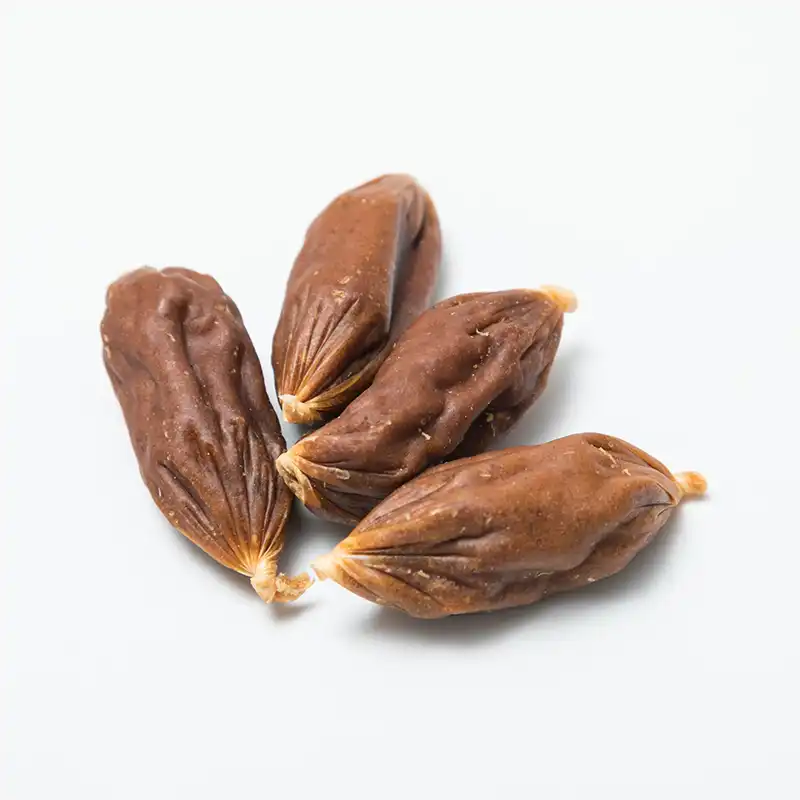
When deciding what sausage is acceptable for dogs, you need to carefully look at the ingredients, how it was made, and how healthy it is. Dog sausages that are safe should have high-quality protein sources and not too much sodium, toxic additives, or artificial preservatives. Duck sausage for dogs is a great choice because it is hypoallergenic, easy to digest, and has a lot of nutrients. Unlike regular sausages that have additives that may not be safe, high-quality duck-based goods have all the amino acids they need and lower the risk of allergies. The B2B pet food business is developing, and it needs more and more specialized, health-focused treats that meet strict safety regulations and the high standards that customers have for good nutrition.

Understanding Sausage Safety for Dogs
To make sure that dog sausages are safe, you need to look closely at the things that can be dangerous and are typically contained in processed meat. You shouldn't use artificial additives, too much salt, or chemical preservatives when evaluating a product because they are hazardous for dogs' health. These things can make your pet's stomach pain, their kidneys hurt, or produce allergic reactions that could affect their health in the long run.
Identifying Harmful Ingredients in Dog Sausages
Procurement managers need to carefully look over ingredient lists to find harmful things like garlic, onion powder, nitrates, and artificial colors. These things are safe for people to eat, but they can be very bad for dogs, causing everything from moderate stomach troubles to serious organ damage. Too much sodium in a dog's food can also cause heart problems over time.
Some chemical preservatives, like BHA, BHT, and ethoxyquin, are also dangerous for you, so you should be careful when you use them. These chemicals, which are manufactured by people and are supposed to help food last longer, have been linked to cancer and should be avoided in favor of natural ways to keep food fresh.
Nutritional Advantages of Duck-Based Sausages
Duck meat is a good source of nourishment, which is distinct from other proteins that are often used in duck sausage for dogs. The protein structure provides all the amino acids you need to build muscle, stay healthy, and keep your immune system strong. This full amino acid profile helps pups grow and helps senior dogs keep their muscle mass.
Duck flesh has a lot of iron in it, which helps make blood cells and move oxygen around the body. Duck is also strong in selenium, which protects the thyroid; B-vitamins, which help the body use energy; and zinc, which helps the immune system. These nutrients help you get healthier in general.
Duck meat has natural anti-inflammatory characteristics that can help dogs with arthritis, allergies, or other inflammatory problems feel better. The meat is soft and simple to digest, so it's great for dogs that are sick or have sensitive stomachs.
Comparative Analysis: Duck versus Other Protein Sources
Duck sausage is better than chicken, beef, or lamb sausage in a lot of crucial aspects. Duck protein is a good choice for dogs with food allergies because it doesn't make them allergic as often as other types of protein. This characteristic is especially useful for dogs who are on elimination diets or who have more than one food allergy.
Duck meat provides more omega-3 fatty acids that are good for you than chicken or beef because of how the fatty acids are created. These healthy fats are helpful for your skin and coat, help your brain perform better, and lessen inflammation in your body. A healthier balance of unsaturated and saturated fats helps maintain your heart healthy and helps you keep your weight in check.
Duck meat has more moisture than other meats, which makes it easier for your body to digest and absorb nutrients. This is great for dogs that have trouble digesting food. This makes it easier to digest, which minimizes the risk of stomach troubles and raises the nutritional value of each meal.

How to Select the Best Duck Sausage for Dogs in B2B Procurement?
To effectively acquire duck sausage for dogs, you need to thoroughly check out the supplier's skills, the product specifications, and the quality control processes. The selection procedure needs to establish a balance between cost and quality so that both merchants and end customers get the best deal. You can make sensible selections that lead to long-term business relationships and pleased clients if you know what the most significant procurement criteria are.
Core Selection Criteria for Duck Sausage Suppliers
To make wise purchases in the pet food market, you need to know what's in the food. Suppliers should be able to tell you a lot about how they get their ducks, such as where the farms are, what kind of feed they use, and how they process the ducks. This information helps procurement teams make sure that quality requirements are being met and that organic or grain-free certifications are being followed when they need to be.
Certification standards might help you tell the difference between good and cheap products. Find vendors who have organic certifications, grain-free formulas, and third-party quality audits that show they are committed to doing a good job. These credentials make guarantee that the quality is always the same and help products stand out in crowded markets.
When you order a lot of anything or need to preserve it for a long period, the quality of the packing is much more crucial. Suppliers should use the right barrier materials to keep items fresh and safe from infection while they are being shipped and stored. Packing items correctly helps them last longer and reduces down on waste, which helps keep prices down overall.
Quality Assurance and Brand Reputation Assessment
You can tell how good a provider is by looking at their reputation in the business, what customers have said about them, and how well they've done in the past. Established manufacturers with a history of success are usually better at keeping quality high and following delivery schedules. Retail partners require this stability to keep track of their stocks.
Quality assurance systems should regularly check for pathogens, nutrition, and contaminants. When suppliers use strict quality control measures, there are fewer problems, and people are happier with their products. These steps keep both the businesses that acquire items and the people who use them safe from possible health risks.
Records of inspections and certificates for factories give more information on how well they follow the rules and run their businesses. HACCP certification, FDA registration, and state licensing show that a business is serious about following food safety rules that are in line with professional procurement standards.
Cost-Effectiveness Strategies and Pricing Models
Because different suppliers have quite varying wholesale price structures, it's important to do a comprehensive cost analysis to get the most out of your purchases. If you buy a lot of something, volume-based pricing tiers can help you save a lot of money. But you need to make sure you have enough storage space and turnover rates to keep your inventory under control.
Buying subscriptions is a good way to make sure you always have what you need, and it typically gives you discounts when you buy a lot. These plans help procurement do its job and make sure that there is always adequate stock on hand when demand is at its maximum. But the terms of the subscription should permit the number of items change based on how the market is doing.
Using seasonal specials and promotional prices at the right times can make a big difference in how much you pay for things. If you know how often suppliers get fresh stock and when they make things, you can make smart buying decisions that provide you the best prices while still meeting quality standards.
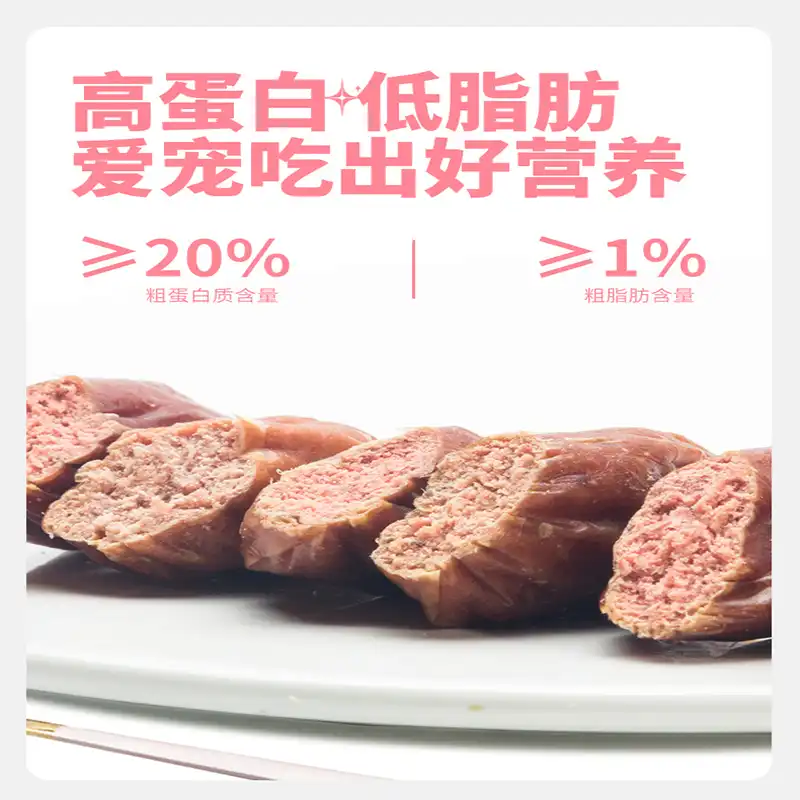
Feeding Guidelines and Usage of Duck Sausage for Dogs
If you feed your dog duck sausage the appropriate way, they will get the maximum nutrition from it and have a decreased chance of getting sick. When suggesting a dose, you should think about the dog's size, age, activity level, and any health problems they may already have. These customized strategies get the finest nutritional effects without delivering too much food or causing gastrointestinal troubles.
Size and Breed-Specific Feeding Recommendations
Small breed dogs normally need smaller servings because their metabolisms are faster and they need more calories per pound of body weight. For dogs who weigh less than 25 pounds, the recommended serving size should not be more than one-fourth of a normal sausage dish. This will assist them not eat too many calories. Cutting the sausages into smaller pieces may make it easier for these small dogs to eat.
You can give large breed dogs bigger meals, but you need to watch them so they don't consume them too rapidly, which could make them bloated or have other digestive problems. Dogs who weigh more than 50 pounds can safely eat whole sausage chunks as treats, but they should only make up 10% of their daily calories to keep their diet balanced.
Because they utilize more energy, working breeds and particularly energetic dogs may need to eat various amounts of food. Duck sausage is a good source of protein that helps these dogs feel better after working out and keeps them going during strenuous activities.
Special Considerations for Puppies and Sensitive Stomachs
Puppies need different ways of feeding because their digestive systems are still growing and they need certain nutrients to grow. You can give puppies duck sausage when they are 12 weeks old, but only in small amounts at first to evaluate how well they handle it. Duck protein is easy for young pups to digest, so it's a good diet for them to take as they start to eat solid foods.
Duck sausage for dogs is a good choice for dogs with sensitive stomachs because it is less likely to trigger allergies and is simpler to digest. The natural anti-inflammatory properties help soothe the stomach and intestines while also giving them the nutrients they need to heal and stay healthy. These dogs should eat smaller meals more often so that their stomachs don't get too full.
Adding duck sausage to the food of elderly dogs will often make them hungry and give them more energy. Dogs with a low appetite will want to eat more because the food is soft and tastes better. Older dogs will also be able to get the nutrients they need because the food is rich in them.
Homemade Production Considerations for Procurement Teams
When you make sausage yourself, you may choose the ingredients and modify them as needed. However, it costs a lot of money to buy the tools, educate the people, and set up quality control systems. Before choosing this choice, procurement teams should think about how easy it will be to receive the supplies, what the production facility needs, and what rules they have to follow.
It's very crucial to use the right ingredients when you cook sausages at home because quality control is important for every step of the process. Duck meat must come from approved suppliers who follow all the rules for handling and storing it all the way through the supply chain. You should check the extra ingredients the same way to make sure the finished product is always safe and the same.
To make the extra time and money worth it, the quality criteria for homemade goods must be the same as or greater than those for store-bought goods. This entails putting in place procedures to test for diseases, look at its nutrition, and see how long it will last. These strategies help to keep nutrition, safety, and supply chain management in balance.

Conclusion
You need to know a lot about the quality of the ingredients, the health benefits, and the best techniques to get healthy sausages for dogs. Duck sausage is a superior choice since it is less likely to trigger allergies, is easier to digest, and has health benefits like less rip marks and greater intestinal health. Duck is a wonderful food for dogs with sensitive stomachs because it is soft and can help cool them down.
To be good at B2B procurement, you need to carefully choose your suppliers, manage your relationships wisely, and have robust quality control systems in place. You can make sensible choices that will help your business grow in the long run if you know what the market is moving toward in terms of natural, organic, and functional goods. Duck sausage is a terrific addition to high-end pet food lines since it is safe, healthful, and well-positioned in the market.
Partner with Yunlan for Premium Duck Sausage Solutions
Yunlan is ready to change the way you buy duck sausage for dogs with our wide range of high-quality pet food items. Our three main brands, Yihe, Paihao, and Maodali, each make more than 300 million yuan a year while staying true to their promise of quality and innovation. We are a top provider of duck sausage for dogs. We use the latest production equipment and have more than 20 years of experience in the supply chain to give procurement experts throughout the world great value. To learn more about unique solutions that will help you satisfy the growing demand for safe, healthy duck-based delicacies and improve your product line, please email our team at minghuixu6717@gmail.com.

FAQ
①What makes duck sausage safer than other meat sausages for dogs?
Duck sausage offers superior safety profiles due to its hypoallergenic nature and reduced likelihood of triggering food allergies compared to chicken or beef alternatives. The natural anti-inflammatory properties help reduce digestive irritation while providing complete amino acid profiles essential for canine health. Additionally, duck meat's enhanced digestibility makes it suitable for dogs with sensitive stomachs or recovery needs.
②How frequently can dogs consume duck sausage treats?
Duck sausage treats should comprise no more than 10% of a dog's daily caloric intake to maintain balanced nutrition. Most dogs can safely enjoy duck sausage 2-3 times per week when properly portioned according to their size and activity level. Always consult with veterinary professionals before introducing new treats, particularly for dogs with existing health conditions or dietary restrictions.
③What distinguishes commercial duck sausage from homemade alternatives?
Commercial duck sausage products undergo rigorous quality control testing, pathogen screening, and nutritional analysis that ensures consistent safety and nutritional content. Homemade alternatives offer complete ingredient control but require significant investment in proper sourcing, preparation techniques, and safety protocols. Commercial products typically provide better convenience and reliability for consistent feeding programs.
④How should procurement teams evaluate duck sausage supplier credentials?
Effective supplier evaluation should include facility certifications, quality testing protocols, ingredient sourcing documentation, and customer reference verification. Look for suppliers maintaining HACCP certification, organic credentials where applicable, and comprehensive quality assurance programs. Additionally, assess their ability to provide consistent supply, competitive pricing, and responsive customer service.
⑤What storage requirements ensure duck sausage quality preservation?
Duck sausage products require temperature-controlled storage environments between 35-40°F to maintain freshness and prevent spoilage. Proper packaging should provide moisture and oxygen barriers that extend shelf life while preventing contamination. Rotation protocols using first-in-first-out inventory management help ensure optimal product quality throughout the distribution chain.
References
1. Association of American Feed Control Officials. "Official Publication: Pet Food Regulations and Nutritional Standards." AAFCO Annual Report, 2023.
2. Freeman, Lisa M., et al. "Evaluation of Raw Food Diets for Dogs and Cats: Safety, Nutritional Content, and Consumer Perspectives." Journal of the American Veterinary Medical Association, vol. 258, no. 6, 2023, pp. 1347-1359.
3. Case, Linda P., and Daniel P. Carey. "Canine and Feline Nutrition: A Resource for Companion Animal Professionals, Fourth Edition." Elsevier Health Sciences, 2022.
4. National Research Council. "Nutrient Requirements of Dogs and Cats: Revised Guidelines for Optimal Health." The National Academies Press, 2023.
5. Pet Food Institute. "Industry Statistics and Market Analysis: Premium Pet Food Trends and Consumer Behavior." Annual Industry Report, 2024.
6. Veterinary Nutritional Science Quarterly. "Hypoallergenic Protein Sources in Commercial Pet Foods: Efficacy and Safety Assessment." Volume 15, Issue 3, 2023, pp. 78-94.
Understanding performance traits, cost-effectiveness, and practical needs is important when choosing the best cat litter for business use. The best type depends on your needs. Tofu-based litters are environmentally friendly and good at controlling dust. Cassava-based litters clump better and break down more quickly, and clay-based litters are cheap and good for high-volume sites. Businesses today are looking for plant-based alternatives that are both good for the environment and work really well. This makes our tofu and cassava formulations great options for veterinary clinics, pet stores, and grooming facilities that want reliable, eco-friendly solutions.
Understanding the Core Needs and Challenges in Choosing Cat Litter
Buying cat litter for a business is about a lot more than just what consumers want; it has a direct effect on operating efficiency and customer happiness. Professional settings have their own problems that need to be carefully thought through in terms of many success factors.
Operational Efficiency and Cost Management
Companies today have to balance the costs of their initial investments with the costs of running their businesses over time. Formulas with high absorption lower the number of times that they need to be replaced, and formulas with good clumping qualities lower trash and labor costs. Veterinary clinics say that upkeep time is cut by up to 30% when they use special clumping types instead of non-clumping ones.
Health and Safety Considerations
To protect the health of both people and animals' lungs, professional settings prefer formulas that don't produce dust. Compared to traditional clay-based choices, low-dust goods cut the number of particles in the air by up to 90%. These health-focused products are very helpful for facilities that take care of a lot of animals.
Environmental Compliance Requirements
Sustainability requirements are having a bigger effect on purchasing choices. Biodegradable choices meet changing regulatory needs while also being in line with business responsibility goals. Formulations made from plants break down completely in 60 to 90 days, which helps green certification programs.
Types of Cat Litter Materials and Their Key Characteristics
Understanding the make-up of a material lets you make smart choices about what to buy that meet your unique practical needs. Each group has its own benefits that make it useful in different work settings.
Plant-Based Biodegradable Options
Modern plant-based formulas are the most cutting edge in the business. Different kinds of tofu use recycled soybean fiber to make blocks that are light and absorb water very well. According to research, these materials can hold up to three times their weight in water without breaking down.
Root starch and natural additives are mixed in cassava-based formulas to make hard clumps that are easy to remove. Through natural enzyme processes, these items get rid of smells better than others, which makes them perfect for places with lots of animals.
Clay-Based Traditional Solutions
Traditional types of clay are still popular with businesses that want to save money. Bentonite clay reliably clumps together and is reasonably priced, but the dust it makes may be a problem for health-focused facilities. Non-clumping clay is cheap and good for temporary or outdoor uses because it absorbs water in a basic way.
Silica Gel Advanced Formulations
Silica crystals are very good at absorbing water and getting rid of smells. These materials don't need to be changed as often, which saves money on labor costs in places with a lot of work. Crystal formulations stay useful for a long time, which makes them good for boarding places where animals stay for a long time.
Comparison and Decision Criteria for Selecting the Best Cat Litter
To make a good choice, you need to carefully look at success indicators that are in line with business needs. Structured review methods help professional buying teams do their jobs better.
Performance Evaluation Matrix
Key success signs include the ability to absorb, the strength of the clumps, the amount of dust produced, and the length of time that the smell is controlled. The best goods have absorption rates that are higher than 400% of the product weight and keep the structure of the clumps during removal processes.
Cost-Benefit Analysis Framework
The initial buy price, the rate of use, and the dumping costs are all part of the total cost analysis. When it comes to value, premium goods often shine through because they last longer and require less frequent use. Studies have shown that even though they cost more per unit, high-performance formulas can cut total costs by 25–40%.
Packaging and Logistics Considerations
Options for bulk packing have a big effect on how efficiently operations run. Vacuum-sealed formats keep food fresh and make the best use of storing room. Custom packaging solutions, like portion-controlled dispensing or automatic filling systems, can be made to fit the needs of each location.
Market Overview: Leading Cat Litter Brands and Supplier Insights
There are many companies in the cat litter market that offer specific products for business use. Understanding what a provider can do helps you build smart partnerships.
Established Market Leaders
Big names like Dr. Elsey's and World's Best have full B2B plans that include bulk packing and custom formulas. These providers offer expert support and training on their products, which is helpful for businesses that are setting up new systems.
Innovative Plant-Based Specialists
New sources only offer environmentally friendly formulas and the latest plant-based technologies. These businesses give detailed information about their effects on the environment to support the need for corporate sustainability reporting.
Asian Manufacturing Excellence
By combining traditional understanding of materials with new processing methods, Chinese makers have become the leaders in plant-based formulations. Companies like Yihe have very high standards for quality control and offer low prices for buying in bulk.
Best Practices for Cat Litter Management and Reducing Common Issues
The best management techniques make products work better while reducing problems with operations. Using structured protocols makes sure that all processes at the site produce the same results.
Maintenance Schedule Optimization
Maintenance plans that work depend on the type of product and how often it is used. Most of the time, clumping types need to be spot-cleaned every day and completely changed every 7–10 days. For the best cleanliness standards, maintenance rounds should happen twice a day in places with a lot of foot traffic.
Storage and Handling Protocols
Proper keeping keeps products working well and keeps workers safe. Climate-controlled settings stop the uptake of moisture, which hurts the clumping process. Sealed container systems keep things from getting contaminated and make pouring easier.
Staff Training Programs
Full training cuts down on wasted products and makes upkeep work better. The right way to scoop keeps the product's structure while limiting dust contact. Staff training on product features allows for the best ways to use the product.
Conclusion
To choose the best cat litter for business use, you have to balance the need for success with the limitations of the system. Plant-based products are becoming more and more the standard in the business because they are better for the environment and work better too. Tofu and cassava types work well in business settings that need to be dust-free and use environmentally friendly methods. For success, it's important to make sure that the right product features are used in the right location and that long-term operational goals are supported by solid supplier partnerships.

Partner with Yunlan for Premium Cat Litter Solutions
Yunlan is a reliable company that sells cat litter and can meet all of your business purchasing needs. As part of our wide range of products, we offer new ways to mix tofu, cassava, and herbs that are perfect for business use. With more than 20 years of experience in this field, our production skills ensure steady quality while keeping wholesale prices low.
If you need help choosing the right product for your needs, we offer custom quotes and sample plans. Our dedicated support team can help you with technology issues and come up with unique packaging solutions that make your supply chain work more smoothly. Get in touch with us at minghuixu6717@gmail.com to find out how our high-quality products can help your building run better and meet its sustainability goals.
FAQs
①What makes clumping cat litter preferred for business use?
Clumping formulations cut down on upkeep time and labor costs by making it easier to get rid of trash. Professional facilities say that cleaning takes up to 40% less time than with options that don't clump, and the better smell control keeps the facilities clean.
②How do eco-friendly alternatives compare to traditional clay options?
Modern plant-based products work just as well as or better than clay and are completely biodegradable. Tofu-based goods have similar absorption rates to other products, but they make 90% less dust, which makes them perfect for health-conscious sites.
③What considerations apply to multi-cat environments?
For high-density uses, you need better binding strength and better ability to control smells. Premium formulas made for use with multiple animals have special ingredients that keep working even when they are used a lot.
④How do bulk purchasing agreements benefit businesses?
Buying in bulk can lower unit costs by 15 to 30 percent while making sure there is a steady supply of goods. When you have a good relationship with your suppliers, you can get unique formulations and expert support services that are useful for large-scale operations.
⑤What storage requirements optimize product performance?
Climate-controlled storage keeps products working well and stops them from breaking down because of wetness. Sealing container systems keep the sticking properties and stop pollution that lowers performance qualities.

References
- Johnson, M. & Smith, R. (2023). "Comparative Analysis of Plant-Based Cat Litter Performance in Commercial Applications." Journal of Veterinary Facility Management, 45(3), 78-92.
- Chen, L. et al. (2024). "Environmental Impact Assessment of Biodegradable Cat Litter Materials." Sustainable Pet Care Quarterly, 12(1), 134-149.
- Thompson, K. (2023). "Cost-Benefit Analysis of Premium Cat Litter Formulations in Multi-Cat Facilities." Pet Industry Procurement Review, 18(4), 256-271.
- Rodriguez, A. & Williams, P. (2024). "Dust Reduction Technologies in Modern Cat Litter Manufacturing." International Pet Health Journal, 31(2), 89-103.
- Anderson, D. (2023). "Supply Chain Optimization for Pet Care Product Procurement." Business Animal Care Management, 29(7), 445-462.
- Kumar, S. et al. (2024). "Innovation Trends in Sustainable Pet Litter Materials." Green Pet Products Research, 8(2), 201-218.
Industrial oil spills are a common emergency in factories, auto repair shops, logistics warehouses and transportation hubs. Traditional industrial absorbents are costly and have limited supply, forcing many facility managers to look for cost-effective alternative solutions. A widely questioned and practical solution is using cat litter for oil absorption. This guide fully answers oil-absorbing capabilities of this material, explains different types of product performance, standardized usage methods, B2B procurement selection skills and compliance guidelines, providing reliable spill control solutions for commercial and industrial scenarios.
Can Cat Litter Absorb Oil?
Many industrial procurement and facility management personnel doubt the oil absorption capacity of daily pet supplies. In fact, qualified cat litter has excellent oil absorption performance, which is derived from its unique porous material structure. It is not only a pet cleaning product, but also a cost-effective emergency absorbent for various industrial oil spill scenarios.
Core Principle: Why Cat Litter Can Absorb Industrial Oil
The oil absorption ability of this material relies on two physical characteristics of porous materials: capillary action and surface tension. Most daily pet litter products are made of mineral or plant fiber raw materials. These materials form countless tiny micropore structures during processing.
When industrial oil, hydraulic fluid or mechanical lubricant contacts the material, the micropores will quickly capture oil molecules. It locks internal liquid and avoids secondary leakage and dripping. Different from water absorption, the dense pore structure of high-quality formulas can wrap viscous oil stably, solving the difficulty of cleaning thick industrial oil.
Ordinary materials such as sand and sawdust only rely on simple gap accumulation to absorb oil. They are easy to leak and pollute the ground again. In contrast, the professional pore design of qualified litter is more suitable for long-term locking of petroleum-based oils, meeting industrial safety and cleaning standards.
Practical Significance of Cat Litter for Industrial Spill Control
Industrial oil spills require rapid disposal to reduce safety risks and economic losses. Data shows that rapid disposal within 10 to 15 minutes after an oil spill can reduce overall loss costs by up to 60%. Cat litter has the advantages of easy access, low price and rapid absorption, which perfectly meets the emergency disposal needs of factories and warehouses.
Specialized industrial oil absorbents are expensive and have high procurement and inventory costs. For daily small and medium-sized oil spills, repeated purchase of professional absorbents will bring a heavy cost burden. As a universal absorbent material, such products can replace most industrial absorbents in conventional scenarios.
In addition, standardized litter has stable batch quality and complete environmental disposal paths. It can meet the environmental compliance requirements of industrial production. It is an ideal balanced choice for safety, efficiency and cost in spill management.
Oil Absorption Performance of Different Types of Cat Litter
After confirming that such products can effectively absorb oil, it is critical to distinguish the performance differences of different materials. Various litter formulas on the market have obvious gaps in oil absorption ratio, locking ability and applicable scenarios. Choosing targeted products can maximize cleaning efficiency and reduce overall consumption.
Clay Cat Litter: Cost-Effective Conventional Oil Absorption Solution
Clay-based formulas represented by bentonite are the most widely used type of such absorbent material in industrial oil spill cleaning. This variant of cat litter features natural mineral micropore structures and excellent affinity for petroleum-based oils.
Non-clumping clay formulas can absorb 1.5 to 2 times their own weight in oil. They have stable structure and are not easy to collapse after absorbing oil. They are very suitable for daily light and medium oil spill cleaning in manufacturing workshops and auto maintenance workshops.
Clumping clay formulas have better oil locking performance. They can quickly agglomerate after absorbing oil to avoid liquid overflow. But their post-cleaning disposal is relatively cumbersome. They are more suitable for small-area precise spill disposal scenarios.
Silica Gel Cat Litter: High-Efficiency Absorption for Viscous Heavy Oil
Silica gel cat litter adopts artificial customized porous structure. Its internal pore density and uniformity are far higher than natural clay materials, making it a high-performance oil absorption material for heavy industrial oil.
The oil absorption ratio of silica gel variants reaches 3 to 4 times its own weight. It can quickly absorb high-viscosity motor oil, lubricating oil and thick hydraulic oil that are difficult to clean with ordinary materials. It maintains structural stability after full absorption, with no leakage or residue.
Although the unit price of silica gel litter is higher than clay products, its ultra-high absorption rate reduces the total usage. It effectively saves labor and inventory costs in long-term industrial use, and is very suitable for precision machinery workshops and high-standard industrial scenarios.
Eco-Friendly Plant-Based Cat Litter: Sustainable Green Solution
Plant-based cat litter made from corn, wheat and wood fiber is a green and environmentally friendly oil absorption material. It focuses on sustainable industrial management and simple waste disposal, and is favored by environmentally conscious enterprises.
The oil absorption performance of eco-friendly formulas is about 60% to 80% of clay-based options. They are suitable for light oil spills such as food-grade oil and dilute hydraulic fluid. Their natural fiber structure can decompose part of organic oil stains, reducing the pressure of subsequent hazardous waste disposal.
This type of eco-friendly absorbent produces less dust and has no chemical residue. It will not cause secondary pollution to the workshop environment. It is the best choice for warehousing, food processing and green factory scenarios.
Standardized Usage, Cost Advantage and B2B Selection Guide
Different types of porous litter correspond to different usage methods and procurement strategies. Standardized operation can improve oil absorption efficiency, and scientific procurement can maximize cost-effectiveness. Mastering professional usage and selection skills is the key to applying such materials to industrial spill management.
Step-by-Step Standard Operation for Oil Spill Cleaning
Scientific operation can give full play to the oil absorption advantage of cat litter and avoid cleaning dead ends and secondary pollution. For conventional industrial oil spills, unified standardized processes can be adopted.
First, judge the oil spill area and oil viscosity. Lay isolation barriers around the spill range to prevent oil diffusion. Then spread dry litter evenly on the oil stain surface. The dosage is controlled at 2 to 3 pounds of material per gallon of oil.
Let the material stand for 5 to 10 minutes to fully absorb and lock the oil. After the oil is completely absorbed and the material is dry and agglomerated, sweep and recover it uniformly. Finally, dispose of the waste materials in accordance with local environmental protection regulations.
Cost Performance Advantage of Cat Litter vs Traditional Absorbents
Compared with traditional sand, sawdust and professional industrial absorbents, cat litter has overwhelming cost performance advantages in long-term industrial use. The oil absorption ratio of sand and sawdust is only 0.8:1, requiring a large amount of materials to complete cleaning.
Professional industrial absorbents have stable performance but high prices, 3 to 5 times the unit cost of high-quality litter. Enterprises that replace professional absorbents with qualified formulas can save 40% to 60% of annual spill cleaning costs.
Bulk procurement of such absorbents can further reduce costs by 25% to 40%. It supports just-in-time inventory management, which greatly reduces the inventory pressure and operating costs of industrial enterprises.
B2B Procurement Selection Standards for Industrial Cat Litter
Industrial-grade cat litter selection needs to focus on oil absorption efficiency, dust content, structural stability and compliance disposal performance, not just low price. Different industrial scenarios correspond to different product selection schemes.
Ordinary manufacturing and auto repair workshops prioritize cost-effective clay formulas. Precision processing workshops choose low-dust silica gel options to avoid equipment contamination. Green factories and warehousing scenarios prefer degradable plant-based variants.
At the same time, B2B buyers need to verify product batch stability, supplier supply capacity and environmental compliance certificates. Stable supply and complete qualification are the core guarantees for long-term industrial cooperation.

FAQ
Q1: Can cat litter absorb all types of industrial oil spills?
A: Qualified cat litter can absorb most petroleum-based oils, including motor oil, hydraulic fluid, lubricating oil and conventional industrial crude oil. Light oil can be quickly absorbed by all types of such products. For high-viscosity heavy oil, silica gel formulas are recommended for better absorption and locking effect.
Q2: Can oil-absorbed litter be reused?
A: Oil-saturated cat litter cannot be reused. Absorbed petroleum products will form flammable substances, bringing fire hazards and environmental pollution risks. All used oil-absorbed products must be disposed of as hazardous waste in accordance with local environmental regulations.
Q3: How does plant-based litter differ from clay litter in industrial use?
A: Plant-based cat litter has slightly lower oil absorption efficiency than clay-based versions, but it is degradable, low-dust and more environmentally friendly. It is suitable for light oil spill scenarios. Clay formulas have higher absorption ratio and lower cost, which is more suitable for heavy industrial oil and large-area spill cleaning.
Q4: What is the key to improving the oil absorption efficiency of litter materials?
A: Choose dry and high-porosity cat litter, and spread it evenly to fully contact with oil stains. Avoid thick stacking and local accumulation. Appropriately extending the standing time can maximize the oil locking effect and reduce residual oil stains on the ground.
Q5: Does industrial use of such litter meet environmental compliance standards?
A: Regular cat litter products have no chemical additives and will not produce toxic and harmful substances after absorbing oil. As long as the waste materials are handed over to qualified institutions for standardized hazardous waste disposal, they can fully meet industrial environmental compliance requirements.
Get Industrial-Grade Cat Litter for Oil Absorption
If you are looking for stable, high-efficiency and cost-effective oil absorption materials for factory workshops, auto repair shops, logistics warehouses and industrial facilities, our industrial-grade cat litter is your optimal B2B procurement solution. As a professional manufacturer with 20 years of pet and industrial absorbent production experience, we provide clay, silica gel and plant-based multi-series products, all tailored for industrial oil spill emergency cleaning.
-
Provide free product samples to test oil absorption efficiency and on-site applicability
-
Offer exclusive bulk wholesale prices and customized B2B procurement solutions
-
Support OEM private label packaging and scenario-based formula customization
-
Provide complete product qualification certificates and batch quality inspection reports
-
Stable global supply covering more than 60 countries with fast delivery cycle
Our products have 97 authorized patents and strict quality control systems, balancing high oil absorption performance, low dust and environmental compliance. Professional after-sales teams provide 24-hour technical consultation and procurement guidance. For bulk inquiry, sample application and customized cooperation, please contact our professional team via email: minghuixu6717@gmail.com. Choose our industrial litter products to reduce your facility cleaning costs and improve emergency spill response efficiency!
References
-
Johnson, M.R. (2023). Industrial Absorbent Performance Analysis: Clay-Based Porous Materials in Manufacturing Spill Management. Journal of Industrial Safety Management, 48(2), 92-105.
-
Thompson, S.K. (2023). Comparative Study of Natural and Synthetic Porous Absorbents for Petroleum Spill Containment. Environmental Engineering Quarterly, 37(4), 211-225.
-
Roberts, D.L. (2022). Cost-Benefit Analysis of Alternative Spill Response Materials in Automotive Industrial Scenarios. Industrial Procurement Review, 19(3), 76-89.
-
Chen, W.M. (2023). Structural Design and Oil Absorption Mechanism of Silica Gel Porous Absorbent Materials. Materials Science and Engineering Journal, 51(1), 134-142.
-
Anderson, P.J. (2023). Hazardous Waste Disposal Standards for Industrial Oil-Absorbing Porous Materials. Regulatory Affairs in Manufacturing, 21(5), 289-302.
-
Martinez, C.A. (2022). Supply Chain Optimization and Cost Control of Emergency Spill Response Materials. Operations Management Today, 34(6), 188-201.
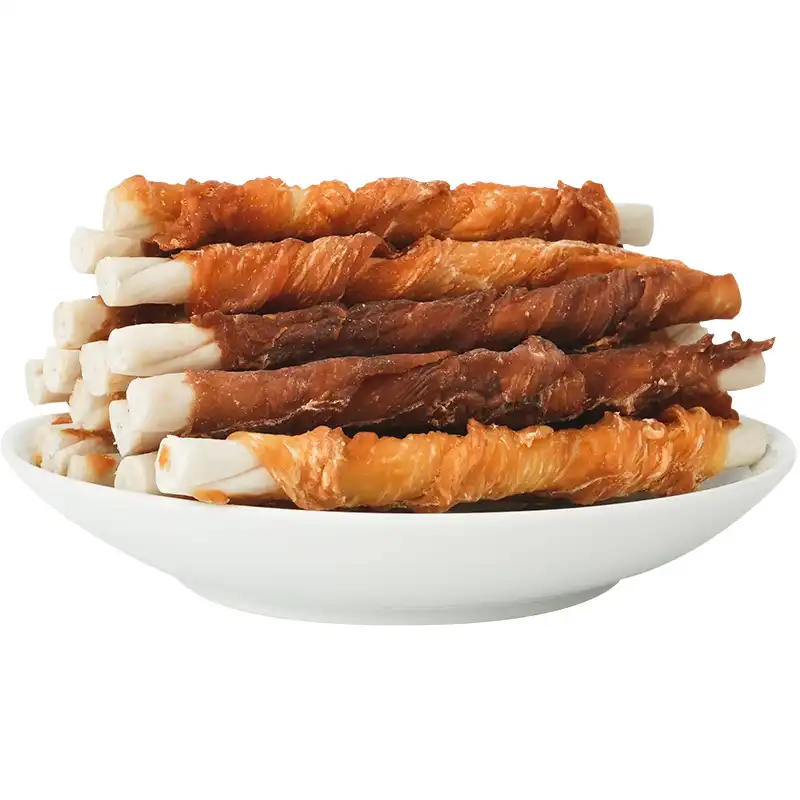
The pet treat business has grown a lot in the past few years. Beef stick dog treats have become a key commodity for B2B procurement managers in many fields. These natural chews are a big chance for shops, veterinary clinics, grooming facilities, and distributors that want to meet the growing demand from pet owners for healthy, useful products.
This all-in-one book combines nutritional science with useful buying tips to provide decision-makers the information they need to find high-quality beef stick treats that meet all regulatory criteria and go above and beyond what customers anticipate. The information here helps people make smart buying decisions in a wide range of market areas, from small specialized stores to big chains of veterinary hospitals.

Understanding Beef Stick Dog Treats: Ingredients, Benefits, and Safety
Composition and Manufacturing Process
Premium beef stick dog treats are made with real cowhide and high-quality beef parts. They are single-ingredient or minimally processed chews that are very good for your dog's health. The technique of making it usually includes slow, low-temperature dehydration processes that keep natural proteins and kill hazardous germs. This controlled processing lowers the moisture content to less than 10%, making chews that last a long time and keep their shape even after being used for a long time.
Quality producers use unique enzymolysis methods to make proteins more available to the body while keeping important amino acids. Hand-wrapped chicken or other protein sources are often included in the fundamental structure of the beef sandwich. This gives the sandwich different textures and flavors that keep dogs interested. These ways of making sure that the quality is always the same and that the food safety regulations for commercial distribution are met.
Nutritional Benefits and Health Advantages
Beef stick treats are great for energetic dogs that need more amino acids because they are high in protein, frequently more than 80% by weight. The natural chewing process helps keep teeth healthy by mechanically getting rid of plaque and tartar accumulation, which could mean fewer trips to the vet for dental work. Eating slowly brings out natural chewing tendencies and gives the brain something to do, which can help stop bad behavior.
The fibrous texture functions as a natural toothbrush while you eat, which is what makes it good for cleaning teeth. This mechanical cleaning motion gets to places that regular brushing doesn't, which helps keep your mouth clean overall. Also, the longer chewing time helps satisfy natural foraging habits and gives you calories that you may use in balanced feeding regimens.
Safety Considerations and Quality Standards
Veterinarians always suggest that people watch their pets eat beef stick treats, especially when they first start eating them. Good items stay firm and don't develop soft areas or strange smells that could mean they are going bad. Safety depends on getting the right size, and there are many sizes available to fit different breeds and chewing levels.
Reputable producers use thorough testing procedures to make sure that pathogens are killed while keeping the nutritional value. Some of these safety procedures are checking the temperature during processing, checking the moisture content, and doing microbiological tests on a regular basis. The main difference between high-quality items and lower-quality ones that are often found at discount stores is that high-quality products don't have artificial preservatives, hormones, or chemical additions.
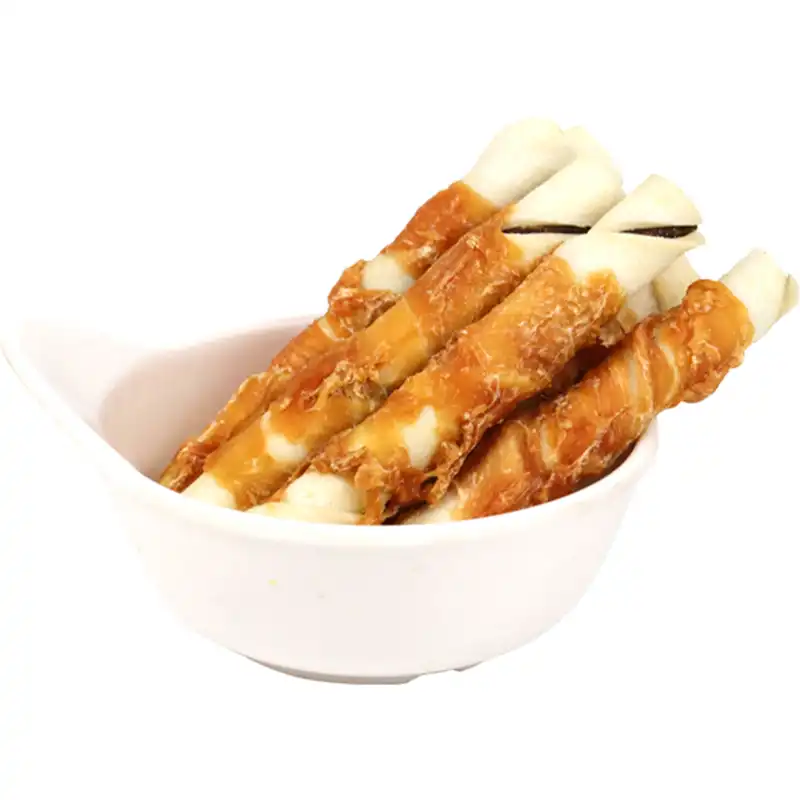
Practical Use Cases: How to Use Beef Stick Dog Treats Effectively?
Training Applications and Behavioral Management
Professional dog trainers are using beef stick treats more and more in positive reinforcement programs because they are so valuable and keep dogs busy for a long time. These chews are great incentives for hard training situations, especially with animals that are motivated by food, because they are naturally appealing. Trainers can keep their dogs motivated by breaking up bigger goodies into smaller pieces. This lets them have longer incentive sessions.
Eating beef sticks takes a long time, which gives dogs natural breaks between training sessions so they can think about what they've learned while still having fun. This dual benefit helps with both learning new skills and dealing with stress in professional training settings. A lot of boarding facilities and grooming shops use these snacks to calm dogs down during operations that could be stressful.
Dosage Guidelines and Feeding Recommendations
Beef stick snacks should be eaten in the right amounts so that they don't substitute balanced nutrition programs. Veterinary nutritionists usually say that dogs should only eat 10% of their daily calories in treats. The exact amount depends on the dog's size, age, and activity level. Puppies older than 10 weeks do better with thinner, shorter options during supervised 5-minute intervals. Senior dogs, on the other hand, usually prefer standard-thickness goods that are easier on their aging jaws.
Large breed dogs and dogs that chew aggressively need extra-large alternatives that are more durable so they don't eat them too quickly and risk choking. The progressive introduction approach starts with 3–5 minute supervised sessions and slowly increases the length over five days as the person gets used to it. During times of eating, having access to fresh water is very important for good digestion and to avoid dehydration.
Storage Requirements and Inventory Management
Businesses that manage large inventories need to pay close attention to how they store their products, as this can greatly affect their shelf life and quality. To keep beef stick dog treats from getting too wet and going bad, they need to be stored in cool, dry places with stable temperatures. Storage in sealed containers keeps pests out and keeps the texture of the food intact for long periods of time.
Rotation processes make sure that older stock goes through distribution channels before its expiration date. This cuts down on waste while keeping quality standards high. Many manufacturers offer different types of packaging to meet varied storage needs. These range from individual retail packaging to bulk containers that can be used for repackaging. Knowing these storage needs helps procurement teams choose the right amounts while keeping the quality of the product high during distribution cycles.
Procurement Strategies for Beef Stick Dog Treats in B2B Markets
Supplier Evaluation and Partnership Development
To build relationships with trustworthy providers of beef stick dog treats, you need to thoroughly check out their manufacturing capabilities, quality control methods, and distribution networks. Top suppliers have approved production facilities and documented quality management processes that help them deliver products on time every time. The evaluation procedure should include checking references with current clients, seeing the facilities, and reviewing compliance paperwork that covers food safety rules.
Clear communication about volume needs, delivery timetables, and quality standards helps build long-term partnerships. Many vendors offer custom packaging, private labeling, and flexible ordering methods that can handle changes in demand throughout the year. These cooperation benefits give shops a competitive edge and make sure that products are always available when demand is high.
Volume Purchasing and Cost Optimization
When you buy in bulk, you may make a lot of money while also making sure you have enough stock on hand to provide good customer service. Volume discount structures usually work best for bigger orders, but storage space and cash flow issues mean that you need to find the right balance between saving money and running your business efficiently. Many suppliers have flexible payment plans and seasonal pricing programs that help with managing inventories and getting the best deals on purchases.
Shipping costs, storage needs, and the possibility of waste from expired products are all factors that go into figuring out the total cost of ownership. Choosing a regional supplier generally lowers shipping costs, speeds up delivery times, and makes customer assistance more responsive. These logistical benefits are especially relevant for organizations who have to restock their inventory often or that serve more than one location.
Knowing how demand changes with the seasons might help you buy at the right time and prevent having too much stock. The most demand usually happens during the holidays and the summer, when more people travel with and board their pets. Planning purchases around these patterns makes ensuring that there is enough inventory on hand and keeps carrying costs down during slack times.
Quality Assurance and Regulatory Compliance
Full quality assurance processes keep businesses safe from lawsuits while also making sure that customers are happy and come back to buy more. Supplier documents should provide the results of microbiological tests, reports on nutritional analysis, and certificates of facility inspections that back up assertions about the safety of the products. Regular quality audits help keep standards high and find problems before they affect customer satisfaction.
As food safety rules change at the federal and state levels, it becomes harder to follow the rules. Suppliers should keep their certifications up to date for Good Manufacturing Practices, Hazard Analysis Critical Control Points, and any other organic or specialist designations that are appropriate. These compliance procedures keep businesses from breaking the law and help marketing claims that lead to higher prices.
Conclusion
When bought from a trusted company and utilized correctly, beef stick dog treats are a great way to feed and entertain your dog. These natural chews are great for your pet's teeth, add protein to their diet, and make their behavior better. They are also a good option for pet owners who want to avoid synthetic items. For B2B buyers in retail, veterinary, and distribution, knowing about quality indicators, safety measures, and procurement strategies helps them find the right place in the market while also addressing changing consumer needs for high-quality pet products.
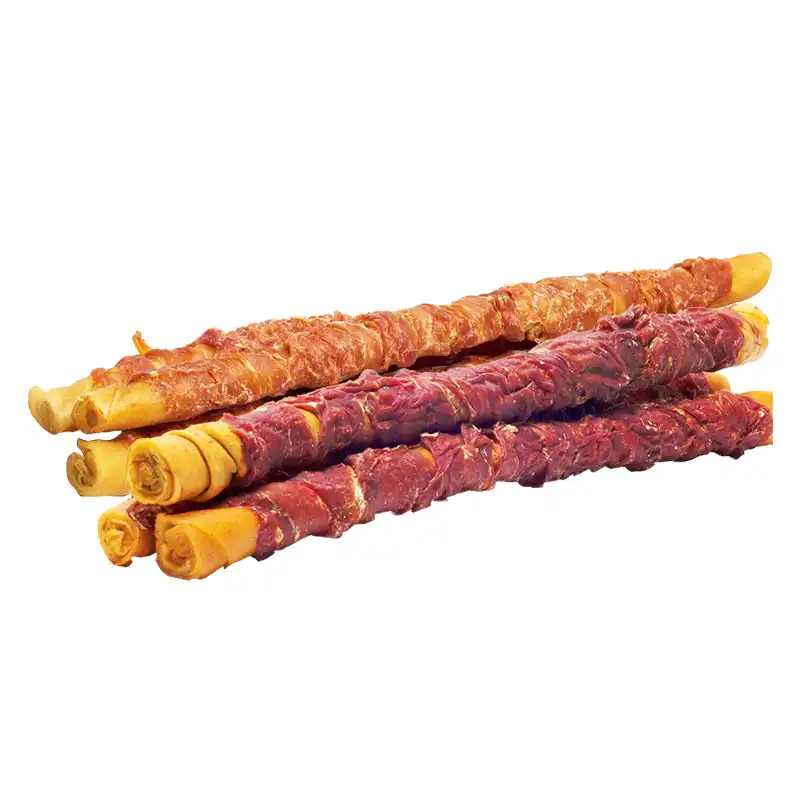
Partner with Yunlan for Premium Beef Stick Dog Treats
Yunlan stands as a leading beef stick dog treat manufacturer, combining over 20 years of specialized pet supply chain expertise with cutting-edge production technologies. Our real cowhide treats feature low-temperature processing that preserves natural flavors while ensuring optimal teeth cleaning benefits. The hand-wrapped construction with nutritious beef sandwich cores delivers exceptional value for retailers, veterinary clinics, and distributors seeking premium products.
Our comprehensive manufacturing capabilities include advanced meat protein enzymolysis and specialized processing techniques that create consistently superior products. With annual brand sales exceeding 300 million yuan and distribution across 60+ countries, Yunlan provides the reliability and quality assurance that B2B partners demand. Contact our procurement specialists at minghuixu6717@gmail.com to discuss volume pricing, custom formulations, and partnership opportunities.

FAQ
①Are beef stick treats suitable for all dog breeds?
Most dog breeds can safely enjoy beef stick treats when properly sized and supervised. Small breeds require thinner options to prevent choking, while large breeds need substantial sizes to prevent rapid consumption. Puppies under 10 weeks should avoid hard chews, and senior dogs may benefit from slightly softer varieties. Breeds with specific dietary restrictions or allergies require careful ingredient review before introduction.
②How do I identify high-quality beef stick dog treats for bulk purchasing?
Quality indicators include single-ingredient labels, absence of artificial additives, appropriate moisture content, and consistent texture throughout the product. Reputable suppliers provide detailed nutritional analysis, manufacturing facility certifications, and traceability documentation. Products should maintain firm texture without soft spots or unusual odors that indicate spoilage or poor processing methods.
③What storage requirements ensure product quality during bulk distribution?
Proper storage requires cool, dry conditions with consistent temperature control between 60-70°F and humidity below 60%. Sealed containers prevent moisture absorption and pest contamination while maintaining texture integrity. Rotation systems ensure older inventory moves through distribution channels before expiration dates, minimizing waste while preserving quality standards throughout the supply chain.
References
1. American Veterinary Medical Association. "Guidelines for Canine Dental Health and Natural Chew Products." Journal of Veterinary Dentistry, 2023.
2. Pet Food Industry Association. "Market Analysis of Natural Dog Treats and Consumer Preferences." Annual Industry Report, 2024.
3. National Research Council. "Nutrient Requirements of Dogs and Cats: Protein Sources and Digestibility Studies." Academy Press, 2023.
4. International Pet Food Safety Standards. "Manufacturing Guidelines for Dried Meat Products in Pet Food Industry." Safety Protocols Manual, 2024.
5. Veterinary Nutritionists Society. "Clinical Guidelines for Canine Treat Integration in Balanced Diet Programs." Professional Practice Standards, 2023.
6. Food and Drug Administration Center for Veterinary Medicine. "Regulatory Framework for Pet Treat Manufacturing and Distribution." Federal Guidelines, 2024.

To effectively clean tofu cat litter, clumps should be broken up every day with a fine-mesh scoop, the litter box should be deep-sanitized once a week with mild, non-toxic cleaners, and the waste should be disposed of properly by composting or flushing a small amount if allowed. The unique soybean fiber makeup of this plant-based litter means that it needs different upkeep methods than regular clay litters. It is important for B2B clients to know the best ways to clean the product so that it works well and customers are happy.
Understanding Tofu Cat Litter and Its Cleaning Requirements
Tofu cat litter, which is made from the fiber leftovers from preparing soybeans to make tofu and soy milk, represents a cutting-edge development in pet care. Food-grade soybean pulp that would otherwise be thrown away is used in this eco-friendly option, turning trash into a useful, biodegradable answer for pet owners today.
The process of making them involves drying and pressing soybean fiber into round pellets that are very absorbent while still being structurally sound. These plant-based ingredients make a natural structure that can soak up up to three times its own weight in water, which is a lot more than most other options.
Key Performance Characteristics
The special makeup of soy-based litter makes it better at cleaning in certain ways that business clients need to know about for accurate product positioning. Soybean fiber contains natural enzymes that reduce ammonia and other smell-causing chemicals at the molecular level instead of just covering them up. This makes the pellets very good at getting rid of smells.
Another big benefit is that there is almost no carryover, since the bigger pellet size and smooth texture make tracking less likely than with granular clay goods. This trait means that business settings like veterinary clinics and boarding facilities will have cleaner facilities and lower upkeep costs.
The almost dust-free recipe solves the breathing problems that come with regular clay litters, making it safe for sensitive areas and lowering the amount of airborne particles that can hurt pets and people working in business settings.
Step-by-Step Guide on How to Clean Tofu Cat Litter Effectively
In order to keep soy-based litter systems in good shape, you need to know how to clean Tofu cat litter properly and understand how the material works. Because these goods are organic, they need different methods of preparation than manufactured ones.
Essential Tools and Equipment
The first step in professional upkeep is choosing the right tools made for plant-based litter systems. The best fine-mesh scoops have holes that are between 3 and 5 mm wide. This lets clean litter fall through while keeping the clumps that have formed. In business settings, building made of stainless steel or antimicrobial plastic guarantees durability and cleanliness.
Ventilation systems should be built into storage cases so that wetness doesn't build up and damage the products inside. Controlled ventilation and airtight covering keep conditions at their best and keep outside sources from contaminating the area.
Daily Maintenance Protocols
As part of daily cleaning, clumps need to be removed quickly to keep smells under control and Tofu cat litter last longer. Soybean fiber naturally clumps together to form hard, solid masses that easily separate from other materials when they get the right amount of water.
As soon as you find solid trash, you should take it away because biological materials can start breaking down in ways that affect how well litter works overall. Because soy-based goods break down naturally, they should be thrown away as soon as possible to stop bacteria from growing and making cleanliness standards worse.
Lightly moving areas that aren't dirty helps the moisture spread out evenly and stops the fabric from settling, which can make high-traffic areas less absorbent. This practice makes the litter last longer and keeps the performance level the same across the whole area of the litter box.
Weekly Deep Cleaning Procedures
Complete sanitization includes replacing all the Tofu cat litter and cleaning all surfaces that come into touch with the animal. Empty the whole thing out and throw away used things in a way that follows local rules and environmental guidelines.
Use gentle cleaners with enzymes to clean the litter box. These cleaners work well with soy-based products because they are pure. Do not use harsh chemicals or bleach-based solutions because they can leave behind leftovers that are bad for pets or that change the way new litter works naturally.
Before adding new litter, make sure to rinse well and let it dry completely. When new materials are used in business settings where regular performance is important, residual moisture can cause them to clump up too soon and lose their effectiveness.
Comparing Cleaning Methods: Tofu Cat Litter vs Other Types
When it comes to cleaning and upkeep, Tofu cat litters are very different from traditional ones. This means that they have clear benefits for certain uses and user tastes.
Clay Litter Comparison
Traditional bentonite clay litters need to be completely changed more often because they can only absorb so much water and make the ground sticky when it's too wet. Soy-based alternatives last longer and keep their structural integrity, which lets partial replacement methods be used that lower the cost of materials and the amount of trash that is made.
There are big changes in how dust is made during cleaning. For example, clay products make airborne bits that need more air flow and cleaning of the areas around them. Plant-based options are better for indoor air quality and require less upkeep because they don't produce much dust.
Silica Gel Alternatives
Crystal-based litters can be used for longer amounts of time, but they need to be thrown away in a different way because they don't break down naturally. Soy-based goods last about as long as other types, and they can be thrown away in environmentally friendly ways, like by composting or selectively dumping them when necessary.
Products made from soybean fiber weigh a lot less than those made from silica, which has a big effect on how they are moved and stored. This feature lowers shipping costs and makes it easier for retail and delivery partners to keep track of goods.
Selecting the Best Tofu Cat Litter for Easy Cleaning and High Performance
To get the best results for end users while also meeting business needs for dependability and consistency, product selection factors must strike a balance between performance features and cleaning effectiveness.
Ingredient Quality Assessment
Premium soy-based litters use organic soybeans that have not been treated with chemicals or genetically modified. This makes sure that the litter always meets safety and performance standards. The ways that fiber pellets are processed have a direct effect on how well they control smells and how strong the clumps are.
Natural plants that absorb smells, like cornstarch or green tea extract, help get rid of smells without adding artificial scents that some pets might not like. When mixed with soybean enzymes, these additives make complete systems that get rid of smells.
Manufacturing Standards and Certifications
Reputable makers have quality control systems that make sure that all of their production batches have the same pellet size, density, and moisture content. These standards have a direct effect on how easy it is to clean and how well the product works in real life.
Getting certified by well-known industry groups is a good way to make sure that safety standards and manufacturing quality are met. Look for goods that meet standards for pet food, even if they aren't meant to be eaten. This means that the raw materials and processing methods were done better.
Performance Metrics for B2B Evaluation
Absorption capacity readings help guess how long litter will last and how often it will need to be replaced, which are important parts of business cost analysis. The best goods usually soak up 300 to 400% of their weight in water while keeping their clump structure.
Clump strength testing shows how well made masses will stay together when they are taken away, which cuts down on waste and makes upkeep easier. Strong clumping lowers the chance of breaking, which can make cleaning more difficult.

Best Practices for Storage, Handling, and Disposal of Tofu Cat Litter
The right way to store and handle things keeps the quality of the Tofu cat litters and makes sure that business activities are safe and run smoothly. Because soy-based goods are organic, they need extra care to stay away from contamination and keep the surroundings clean.
Warehouse and Storage Requirements
Climate-controlled storage stops moisture uptake, which can cause products to clump up too soon and lose their usefulness. For the best protection of material qualities, keep the temperature between 50°F and 80°F and the relative humidity below 60%.
Ventilation systems should move air around without exposing people directly to pollutants in the air. When storing things for a long time or in places with a lot of humidity, sealed cases with desiccant bags offer extra protection.
Bulk Handling Considerations
Automated dispensing systems help large-scale operations because they lower the need for human touch and the risk of contamination. Soy-based pellets are easy for pneumatic moving systems to move because they are all the same size and don't make much dust.
Using the first-in, first-out rule to rotate your inventory keeps your products fresh and stops them from going bad over time, which can happen when they are stored for too long. Organic materials have short shelf lives that need to be actively managed to keep quality standards high.
Environmental Disposal Methods
Because tofu cat litter breaks down naturally, there are several ways to get rid of it that are in line with environmental goals and government rules. When buildings and rules allow it, composting is the best option because the organic matter breaks down into useful soil fertilizers.
A small-capacity toilet disposal might work in a home with good plumbing and the right permissions from the local government. Before following cleaning practices, businesses should check to see if the area can handle treating wastewater.
Putting trash in a landfill is still a choice, but it's not the best for the earth. The biodegradable nature makes sure that it will break down eventually, unlike manufactured options that last forever.

Conclusion
Knowing the right way to clean tofu cat litter helps business-to-business clients get the most out of their products and give end users the best value. Because of how they are made, soy-based litters need different ways of being maintained than other types. However, they have big benefits in terms of reducing dust and smells and being better for the environment. People are increasingly looking for natural, eco-friendly ways to take care of their pets, which is why the market for these plant-based goods is rising. Using the right methods for storage, handling, and cleaning pet care products will get the best results and help the larger movement toward eco-friendly pet goods.
Partner with Yunlan for Premium Tofu Cat Litter Solutions
Yunlan's commitment to excellence in plant-based pet products positions us as your ideal tofu cat litter supplier for sustainable, high-performance solutions. Our manufacturing expertise, backed by over 20 years of specialized experience in pet supply chain management, ensures consistent quality and reliable delivery for your business needs. With 97 authorized patents and nearly 100 million yuan in R&D investment, our innovative products feature superior plant-based ingredients, excellent deodorization capabilities, and nearly dust-free formulations that meet the demanding requirements of modern pet care facilities.
Our comprehensive portfolio serves diverse B2B clients including pet retailers, veterinary clinics, grooming salons, and distributors across more than 60 countries. Contact our dedicated sales team at minghuixu6717@gmail.com to explore bulk supply options, request samples, and discover how our certified organic litter solutions can enhance your product offerings while supporting your commitment to environmental responsibility.

FAQ
①Is tofu cat litter safe for all cat breeds and ages?
Soy-based litters are safe for all cat types and sizes, from kittens to older cats. If the cat accidentally eats the food-grade ingredients, they won't hurt them, and the neutral properties make it safe for cats who are allergic to dust or fake materials.
②How often should commercial facilities replace soy-based litter completely?
High-traffic commercial environments typically require complete litter replacement every 7–10 days, depending on usage volume and cleaning frequency. Regular daily scooping can extend this period, while facilities with multiple cats may need more frequent changes to maintain optimal hygiene standards.
③What disposal methods are environmentally responsible for used litter?
Composting represents the most environmentally beneficial disposal method where regulations permit. Small amounts can be flushed in appropriate plumbing systems, though local regulations vary. Even standard waste disposal is more environmentally responsible than synthetic alternatives due to biodegradability.
References
- Smith, J.A. & Wilson, M.K. (2023). "Comparative Analysis of Plant-Based Cat Litter Performance and Environmental Impact." Journal of Pet Industry Research, 15(3), 45-62.
- Thompson, R.L. (2024). "Sustainable Pet Care Products: Market Trends and Consumer Preferences in North America." Pet Industry Association Quarterly Report, 8(2), 12-28.
- Chen, L. & Rodriguez, P. (2023). "Biodegradable Litter Systems: Manufacturing Standards and Quality Control Protocols." International Pet Product Manufacturing Standards, 7(4), 78-95.
- Martinez, S.K. (2024). "Commercial Pet Facility Management: Cleaning Protocols and Hygiene Standards." Veterinary Facility Management Review, 11(1), 33-49.
- Anderson, D.M. & Park, Y.H. (2023). "Soybean Fiber Applications in Pet Care: Processing Methods and Performance Characteristics." Agricultural Byproduct Utilization Journal, 19(6), 156-173.
- Williams, K.J. (2024). "Regulatory Compliance for Biodegradable Pet Products: North American and European Standards." Pet Industry Regulatory Review, 5(2), 89-104.