- English
- French
- German
- Portuguese
- Spanish
- Russian
- Japanese
- Korean
- Arabic
- Irish
- Greek
- Turkish
- Italian
- Danish
- Romanian
- Indonesian
- Czech
- Afrikaans
- Swedish
- Polish
- Basque
- Catalan
- Esperanto
- Hindi
- Lao
- Albanian
- Amharic
- Armenian
- Azerbaijani
- Belarusian
- Bengali
- Bosnian
- Bulgarian
- Cebuano
- Chichewa
- Corsican
- Croatian
- Dutch
- Estonian
- Filipino
- Finnish
- Frisian
- Galician
- Georgian
- Gujarati
- Haitian
- Hausa
- Hawaiian
- Hebrew
- Hmong
- Hungarian
- Icelandic
- Igbo
- Javanese
- Kannada
- Kazakh
- Khmer
- Kurdish
- Kyrgyz
- Latin
- Latvian
- Lithuanian
- Luxembou..
- Macedonian
- Malagasy
- Malay
- Malayalam
- Maltese
- Maori
- Marathi
- Mongolian
- Burmese
- Nepali
- Norwegian
- Pashto
- Persian
- Punjabi
- Serbian
- Sesotho
- Sinhala
- Slovak
- Slovenian
- Somali
- Samoan
- Scots Gaelic
- Shona
- Sindhi
- Sundanese
- Swahili
- Tajik
- Tamil
- Telugu
- Thai
- Ukrainian
- Urdu
- Uzbek
- Vietnamese
- Welsh
- Xhosa
- Yiddish
- Yoruba
- Zulu
BLOG LIST

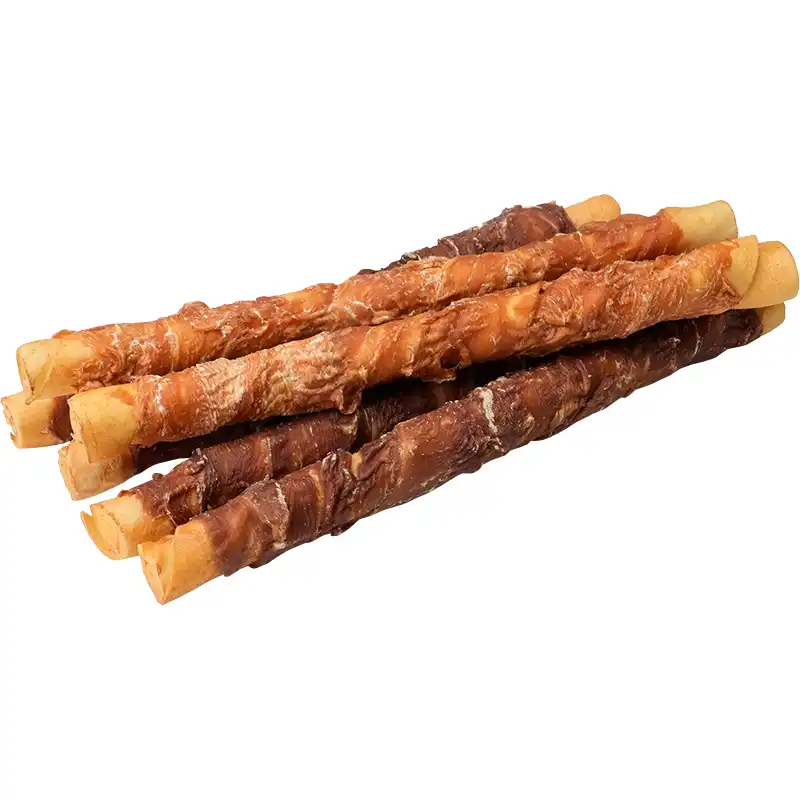
When making smoked beef chicken sandwich stick for pets, the mix of ingredients has a direct effect on both how healthy they are and how competitive they are in the market. Premium types usually have beef filling that is slow-cooked at low temperatures to keep the original tastes, wrapped in hand-formed chicken pieces that give you two types of protein. Good goods have whole pieces of beef that dogs can eat all the way through. The natural eating action helps clean their teeth. In today's competitive pet treat market, where both pet health and owner happiness drive buying choices, these multi-layered treats are very popular because they are both tasty and full of nutrients.

Basics of Smoked Beef Chicken Sandwich Sticks for Pets
The smoked beef chicken sandwich stick is a new kind of high-end cat treat because it has more than one type of protein in one package. This layered method is very different from traditional single-protein jerky strips. It gives pet owners a complete nutritional answer in one easy-to-use treat.
Defining the Product Structure and Form
Usually, these treats come in the shape of long, layered sticks with soft chicken wrapping around a thick beef center. The chicken outside has a softer texture that dogs with different chewing habits can enjoy, while the beef inside has a strong taste and a lot of nutrients. When you smoke something, chemical substances are added to both layers that make it taste better. Normal jerky can break apart or split, but properly made sandwich sticks stay together while you eat them, so there is less waste and a lower risk of choking.
Nutritional Advantages of Dual-Protein Composition
When you mix beef and chicken, you get a better mix of amino acids than when you use only one source of protein. Beef has more iron, zinc, and B-complex vitamins than other foods, which helps muscles grow and the metabolism work well. It has leucine and other important amino acids that help fix tissues and keep your immune system healthy. This two-protein method usually results in a crude protein level of 65-75%, which is a lot more than regular biscuit-style treats, which usually only have 18-25% protein. Heat-sensitive nutrients are lost when food is processed at high temperatures, but vitamin B12, thiamine, and natural enzymes that are good for digestion are kept when food is cooked at low temperatures.
Role in Dental Health and Overall Wellness
Chewing on these rough treats is good for your teeth because it works your teeth mechanically. The tough chicken skin naturally removes plaque from tooth surfaces, and the thicker beef heart needs to be chewed for a longer time, which makes you salivate. More saliva helps get rid of food bits and kill germs in the mouth. Veterinary dentists have found that dogs that get chewy treats every day have 20–30% less tartar buildup on their teeth than dogs that don't get to chew on anything extra. In addition to being good for the teeth, the high protein level helps keep muscles lean, which is especially helpful for working dogs and busy breeds.
Essential Ingredients to Include in a Smoked Beef Chicken Sandwich Stick for Pets
Choosing the right ingredients affects the standard of the product, its safety, and its place in the market. In order to meet legal standards across all target markets, B2B buying managers have to weigh the nutritional value of goods against their cost for the smoked beef chicken sandwich stick.
Premium Meat Selection and Sourcing Considerations
The base is made of high-quality beef and chicken that can be fed to pets. We suggest using muscle meat instead of proteins that have been manually split or rendered, because whole-muscle sources are easier to digest and have more nutrients. Organic beef sources are more expensive, but health-conscious pet owners like them. This is especially true in North America, where sales of organic pet food grew 23% each year from 2020 to 2024. When processors use the right quality controls, conventional meat from approved sources can save you money while still meeting safety standards.
Reliability in the supply chain is a big factor in buying choices. In the United States, domestic sellers usually have shorter wait times and easier compliance paperwork. However, foreign sources may offer better prices but require larger minimum orders. Building ties with multiple approved suppliers lowers the risk of disruptions and gives you more power when getting better terms.
Natural Flavoring and Safe Preservation Methods
Authentic smoking methods use trees like hickory or applewood to naturally keep the meat and add taste without adding any chemicals. It's important to carefully adjust the smoking temperature and time—usually 150°F to 180°F for 4 to 6 hours—so that food safety standards are met while keeping the meat wet and soft. Some companies make their products taste better by adding small amounts of things like dried herbs (rosemary, parsley) or vegetable-based broths that add flavor without adding allergens or too much salt.
When it comes to additives to stay away from, artificial colors aren't good for you and are facing growing customer pushback. Extra salt amounts above 1.5% dry matter base can put stress on a dog's kidneys, especially in older dogs or breeds that are more likely to have kidney problems. Even though chemical preservatives like BHA, BHT, and ethoxyquin are approved by the government, they cause customer worries. This means that natural methods of preservation like smoking and controlling moisture are more desirable.
Nutritional Supplements and Functional Additions
Supplementing treats in a smart way turns them into useful health goods. Adding glucosamine and chondroitin helps keep big breed dogs and older dogs' joints healthy, which can help the product stand out. Omega-3 fatty acids, which can be found in flaxseed or fish oil, help lower inflammation and make the coat better. Digestive enzymes and bacteria help the body absorb nutrients better, which is especially helpful for dogs with sensitive tummies. Adding fiber from fruits or veggies, like pumpkin or sweet potato powder, helps keep your digestive system normal without changing the taste too much.
For full nutritional profiles, vitamin and mineral supplementation is recommended. However, balanced meals with good meats usually provide enough micronutrients without needing too many supplements. Too much fortification leads to extra costs and possible health risks if treats make up a big part of your daily intake.

How to Make a High-Quality Smoked Beef Chicken Sandwich Stick for Pets?
The way a product is made has a direct effect on how consistent it is, how safe it is, and how easily it can be scaled up for business use. Knowing about the production of the smoked beef chicken sandwich stick helps purchasing managers figure out what suppliers can do and what quality standards should be set.
Step-by-Step Process for Making Things
The first step in production is preparing the meat. Beef and chicken are inspected, trimmed, and then sliced. The beef pieces are cut to the right size to fit the stick's thickness, which is usually between 1 and 2 inches. Here is where the low-temperature slow-cooking process begins. The meat is marinated in natural spices for 12 to 24 hours before going into ovens with controlled temperatures. Long-term cooking at 145°F to 165°F softens connective tissues while keeping the structure of proteins and creating rich tastes without the burnt notes that come from using high heat.
Chicken breast is shrinking and tenderizing at the same time to make flexible binding layers. The cooked beef cores are then hand-wrapped with fresh chicken by skilled workers or automatic systems, making sure that the chicken covers the whole core and sticks well. The assembled sticks are put into smoking rooms where they are exposed to controlled smoke at 150–180°F for 4–6 hours. This preserves the meat, develops the taste, and kills any pathogens that might be present. Final drying lowers the moisture level to 18–22%, which makes the goods shelf-stable and extends their useful life.
Quality Control and Following the Rules
Strict testing procedures make sure that safety and accuracy are maintained throughout production. Microbiological tests look for Salmonella, E. presence of E. coli and Listeria, with accepted levels set by FDA rules for making cat food. Nutritional analysis shows that the amount of protein, fat, and liquid in the food matches what the label says it is within acceptable limits. Heavy metal screening makes sure that goods don't have more than the allowed amounts of lead, cadmium, and mercury in them.
Certifications improve access to and reputation in the market. Getting USDA facility approval shows that you follow the rules for handling meat. AAFCO nutritional adequacy claims prove that formulas meet standard cat food nutrition profiles. Certifications like ISO 22000 or FSSC 22000 show that a food safety management system is complete. Companies that want to sell their products outside of North America should try to get registered with the EU and follow their pet food rules in order to reach markets outside of North America.
Customization options to set you apart in the market
Formulation flexibility lets providers serve a wide range of customers. Grain-free forms don't have any wheat, corn, or soy, which makes them appealing to people who are sensitive to certain foods or who follow traditional diet beliefs. For dogs with common protein allergies, hypoallergenic formulas that use new proteins like duck or deer along with chicken can help. People who want clarity and simplicity are drawn to recipes with only three to five ingredients.
Seasonal changes make buying more urgent and give you more choices. E-commerce sellers can use pumpkin-flavored fall recipes or cranberry-flavored winter versions as marketing hooks. Different types of sticks, from tiny sticks for small breeds to jumbo sticks for big dogs, make sure that all pet sizes get the right amount of food.

Conclusion
When choosing the right ingredients for a smoked beef chicken sandwich stick, you have to think about how healthy they are, how easy they are to make, and how they will fit in the market. Quality ingredients, like slow-cooked whole beef pieces and hand-wrapped chicken, give elite products their higher protein content, tooth health benefits, and great taste in a market full of competing products. Procurement experts can successfully evaluate suppliers and ensure consistent product quality by knowing how to make things, what rules need to be followed, and the best way to store things. More and more people want clear sourcing, useful ingredients, and the chance to make changes. This means that B2B buyers who work with skilled makers can get a lot of market potential. To be successful in this market area, you need to find providers who are technically knowledgeable, committed to quality, and able to adapt to changing market needs.
Partner with Yunlan for Premium Smoked Beef Chicken Sandwich Stick Supply
Yunlan makes sure that every smoked beef chicken sandwich stick is of the highest standard. This is possible thanks to the vast knowledge and infrastructure of our parent company, Ruixin Cloud Wave Group. Our factories use cutting edge technology to break down meat proteins and special low-temperature cooking methods that keep the food's nutritional value while giving it the natural, rich tastes dogs love. Each stick has real, slow-cooked beef pieces wrapped by hand in quality chicken layers that offer a variety of proteins and help clean your teeth through a pleasant chewing texture.
We have been a supplier of smoked beef chicken sandwich sticks for a long time. Our production capacity across all of our brands is more than 300 million yuan per year, and we serve over 60 countries, including big markets in the US, Europe, Japan, and South Korea. Our complete quality management system includes 97 approved patents that support new formulations, a lot of lab testing that proves safety compliance, and full tracking from where the raw materials come from to where they are packed at the end. Our customization options include private labeling, specialized formulations like grain-free and hypoallergenic options, and flexible order quantities that fit your business needs. This is true whether you run pet stores, online marketplaces, veterinary clinics, grooming facilities, or distribution networks.
Contact our team at minghuixu6717@gmail.com to find out about business opportunities, get samples of our products that show how high we hold ourselves to quality standards, or talk about how our production skills can help you reach your market goals. You can look at our full product selection at yunlanpets.com and find out why top pet businesses trust Yunlan to always make the best treats for their pets.
FAQ
Are smoked beef chicken sandwich sticks safe for all dog breeds and sizes?
When the right size is used, smoked beef chicken sandwich stick treats are good for most healthy adult dogs. Large breed versions keep bigger dogs from choking, and tiny versions are good for small types. Puppies younger than six months should talk to a vet before they start eating treats. For dogs with certain protein allergies or sensitivities, the ingredients need to be looked at before they are fed. Always watch the first time a treat is given and see how the dog chews.
What certifications should B2B buyers require from suppliers?
Some important certifications are FDA registration, which shows that you follow the rules, USDA approval for facilities that handle meat, and third-party food safety certifications like SQF or FSSC 22000. AAFCO conformity makes sure that the diet is right. Exporters need certifications that are specific to the market they are going to. For example, EU countries need European health and registration documents. For things to be organic, the USDA must certify them as organic. Ask for up-to-date certificates and check with the organizations that issued them to make sure they are still good.
What is the typical shelf life under standard storage conditions?
Products that are properly packed and kept at controlled temperatures usually keep their quality for 12 to 18 months after they were made. Compared to regular bags, vacuum-sealed storage keeps food fresh longer. A higher wetness level makes things less stable. Heat, humidity, or direct sunlight all speed up the breakdown process. Always check the date codes and store things the way the maker says to. For best freshness, packages that have been opened should be resealed and eaten within 30 days.
References
1. American Kennel Club. "Nutritional Requirements for Dogs: Protein Sources and Quality Standards." Canine Health Foundation Journal, 2023.
2. Association of American Feed Control Officials. "Official Publication: Pet Food Regulations and Ingredient Definitions." AAFCO Annual Report, 2024.
3. Freeman, Lisa M., et al. "Evaluation of Protein Quality and Digestibility in Commercial Pet Treats." Journal of Animal Science and Veterinary Medicine, vol. 45, 2023, pp. 234-248.
4. Pet Food Industry Magazine. "Market Analysis: Premium Treat Segment Growth and Consumer Preferences in North America." Annual Industry Review, 2024.
5. Veterinary Oral Health Council. "Mechanical Plaque Control Through Dietary Means: Evidence-Based Review of Pet Dental Treats." Veterinary Dentistry Quarterly, vol. 38, no. 2, 2023, pp. 112-127.
6. World Pet Association. "Global Pet Food Safety Standards and Manufacturing Best Practices." International Pet Product Compliance Guide, 2024.
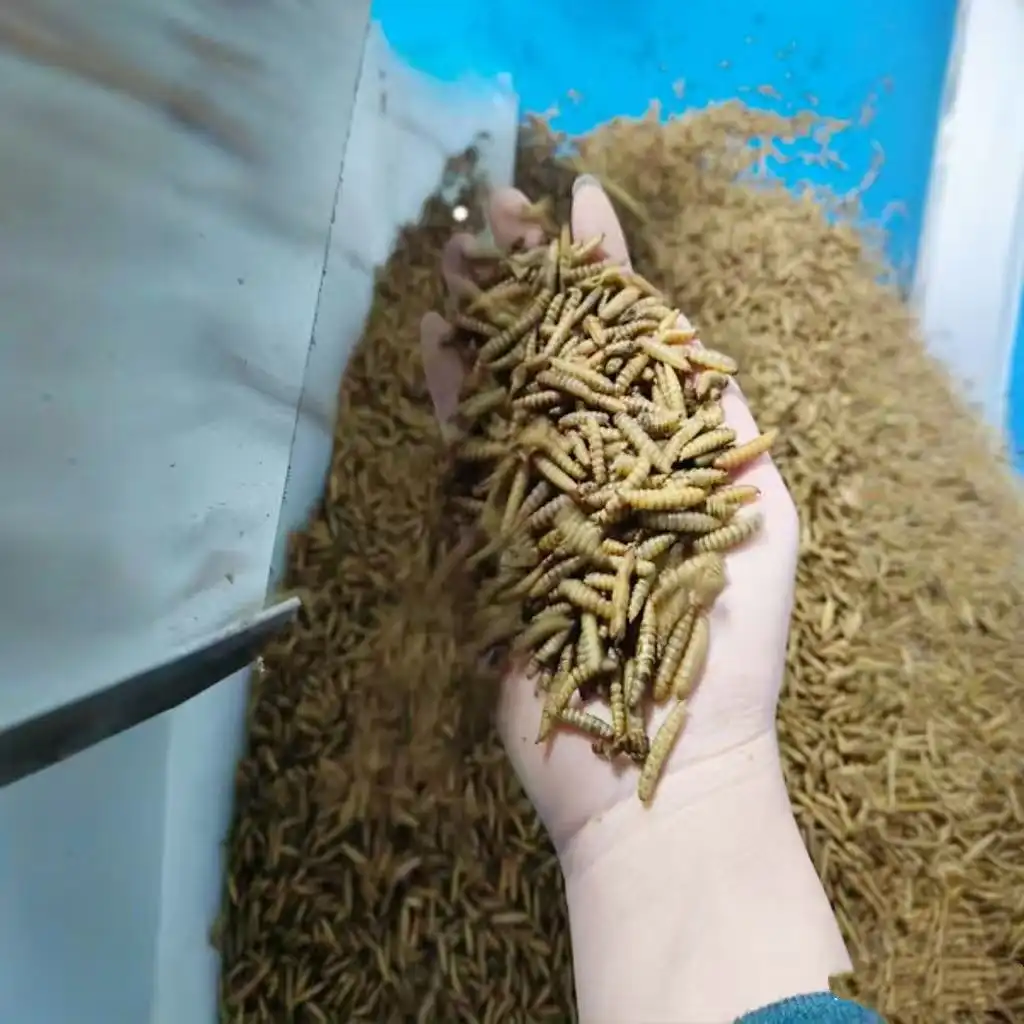
When considering sustainable poultry nutrition, determining the right percentage of black soldier fly larvae for chickens becomes essential. Research indicates that optimal inclusion rates typically range from 5% to 15% of total feed composition, depending on the bird's age and purpose. For layer hens, 8-10% BSFL supplementation enhances egg production and shell quality, while broilers benefit from 10-15% during growth phases. These protein-rich larvae integrate seamlessly into complete feed formulations, offering a natural alternative that supports overall flock health without compromising nutritional balance or performance outcomes.
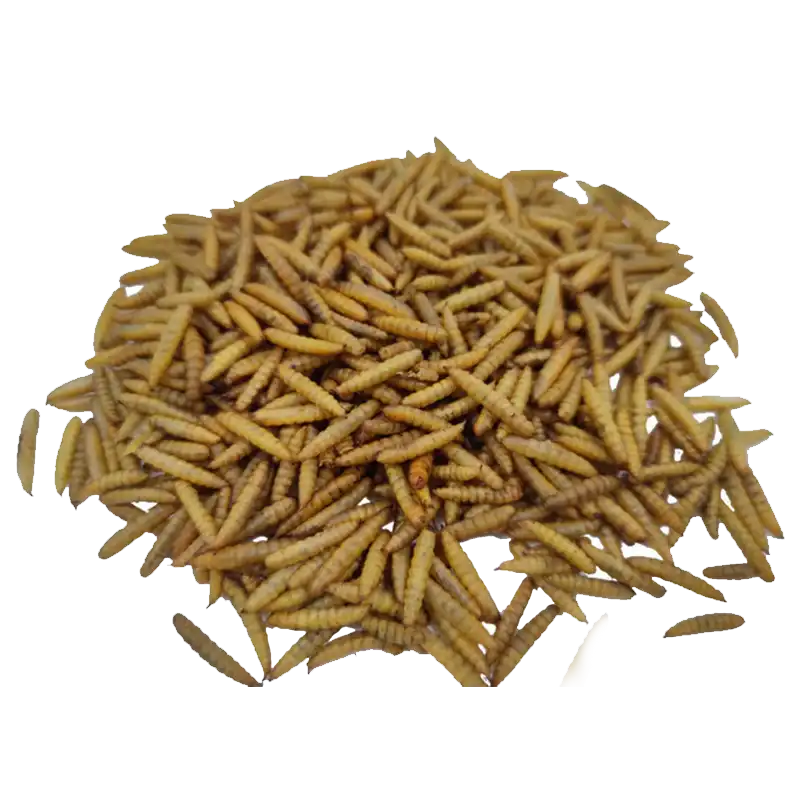
Understanding Black Soldier Fly Larvae Nutrition and Its Role in Chicken Feed
Why BSFL Represents a Nutritional Breakthrough
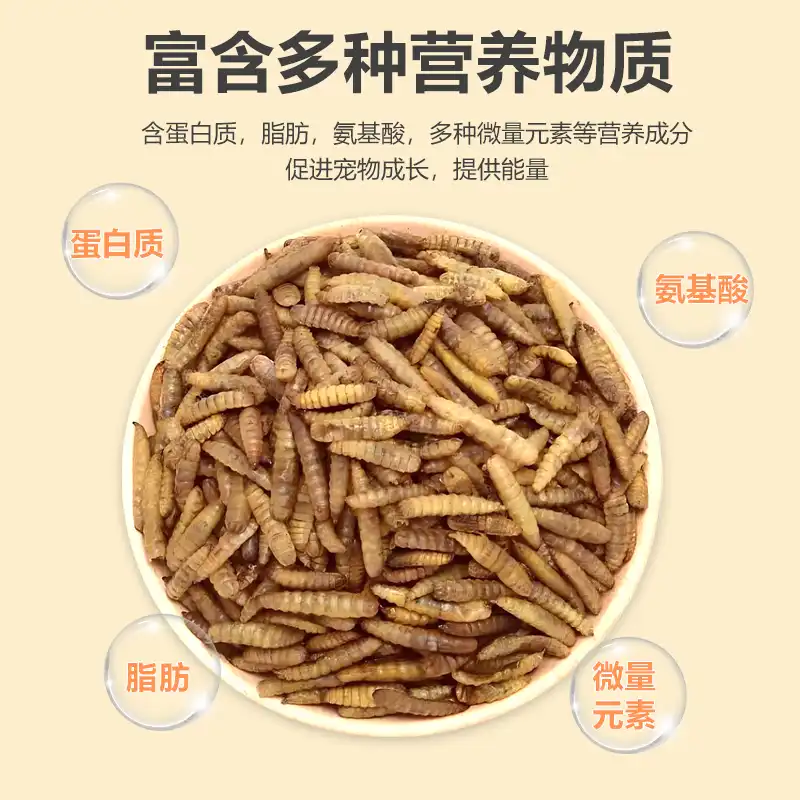
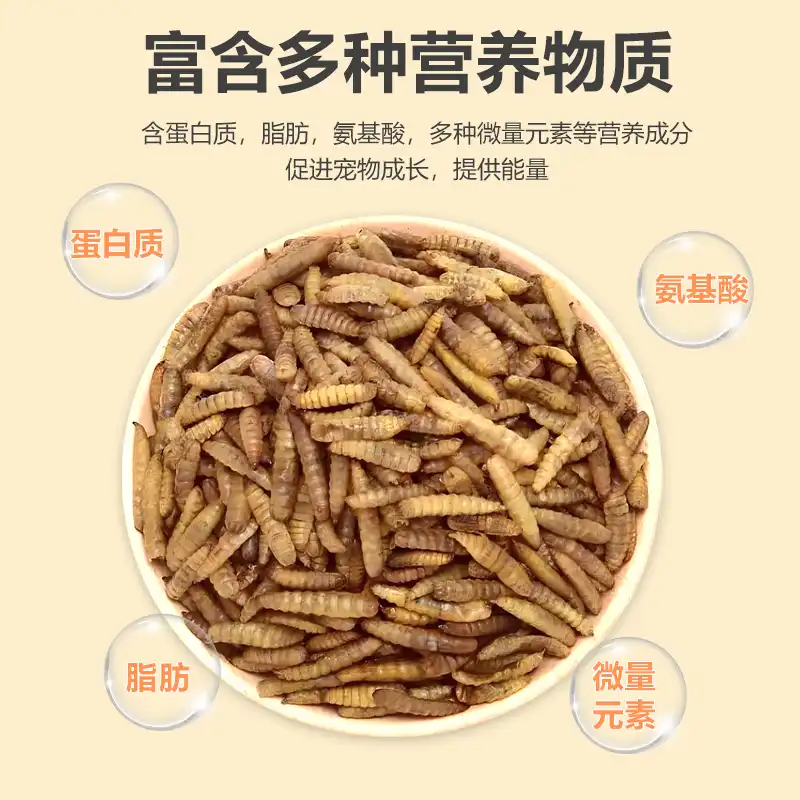
Black soldier fly larvae for chickens have become an important part of modern poultry nutrition. In contrast to other protein sources, these larvae have a very balanced nutritional makeup that matches the needs of chickens at all times of production. About 40% of the formulation is high-quality protein, along with important fatty acids and a wide range of amino acids that help muscles grow and metabolism work at their best.
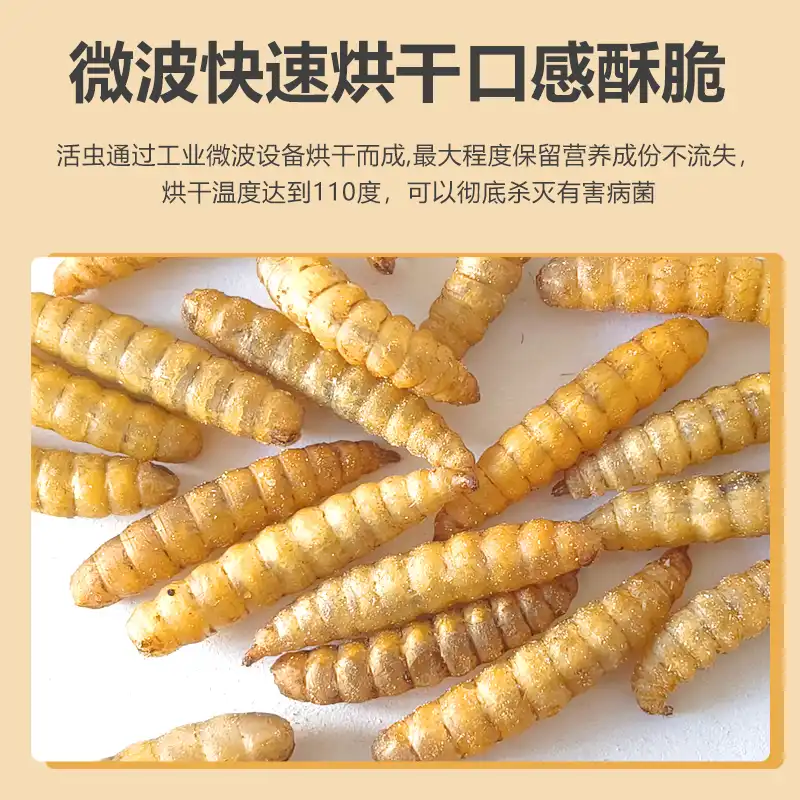
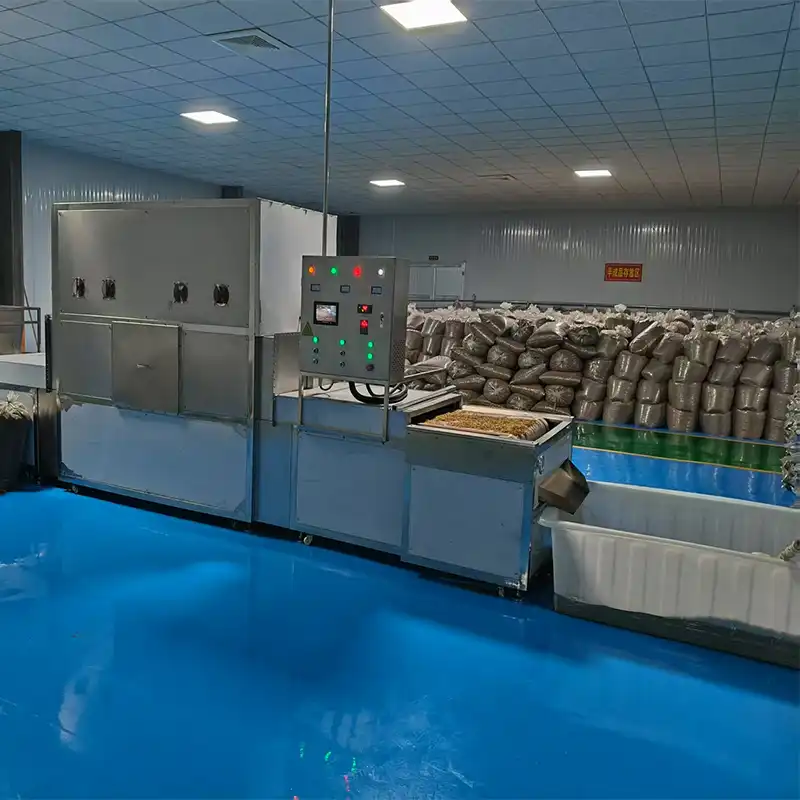
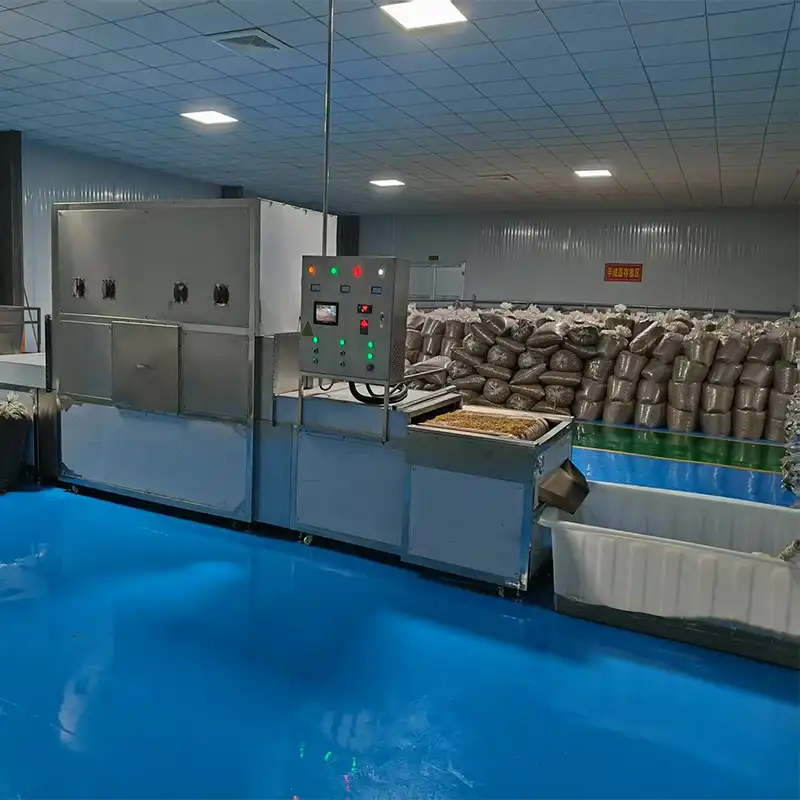
When our black soldier fly larvae for chickens are processed in a factory, they are dried in a microwave at exactly 110 degrees Celsius. This kills any harmful bacteria and keeps all of the nutrients intact. This careful processing ensures that every batch has the same protein density and bioavailability, so it can be used for a wide range of chicken needs, from home groups to large commercial operations.
The Science Behind BSFL Digestibility
The chemical makeup of these larvae has natural bioactive molecules that help chickens' gut health. Studies show that the chitin in black soldier fly larvae for chickens works as a prebiotic, encouraging good bacteria to grow in the gut and making the immune system stronger. This better digestibility directly leads to better feed conversion rates, which means chickens need less total feed to reach their weight goals or production levels.
There are clear benefits to processed forms over raw ones. Our goods use microwave drying to make an ingredient that stays fresh and keeps its nutritional worth while it's being stored and shipped. This process also breaks down complicated proteins into forms that birds can easily take. This makes digestion easier for birds and increases the rate at which nutrients are used.
Micronutrient Density That Matters
In addition to protein, black soldier fly larvae for chickens provide important trace elements like calcium, phosphorus, and zinc, which are minerals needed for bone growth and eggshell formation. The fat profile has lauric acid in it, which is a medium-chain fatty acid known for killing microbes. This helps chickens naturally resist getting sick. This complete nutritional package makes BSFL more than just a protein source; it's a full nutritional improvement tool for feed formulators who want to improve the health of chickens in a way that doesn't harm the environment.
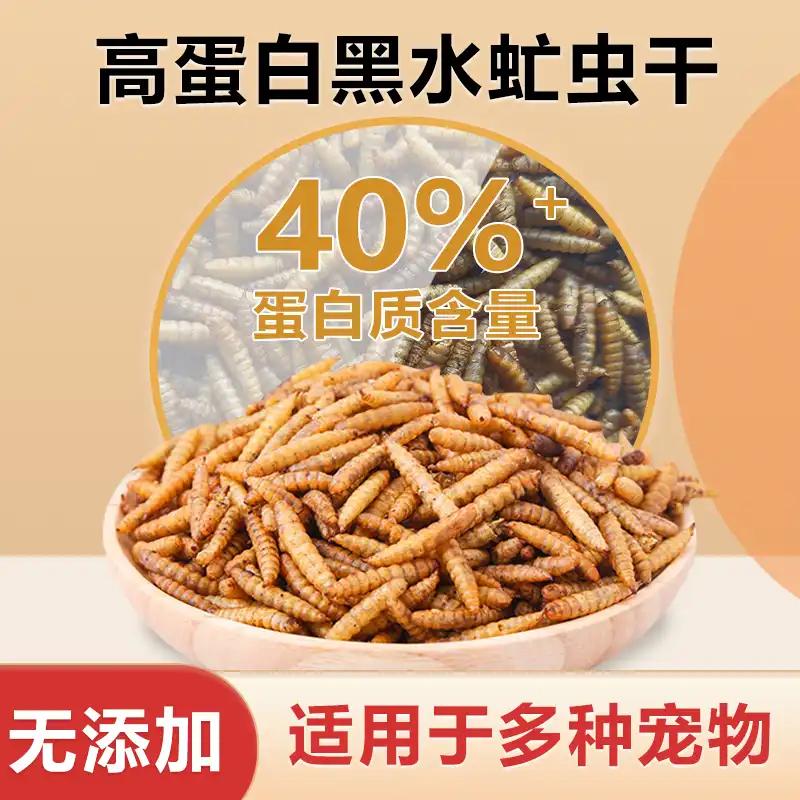
Determining the Optimal Percentage of BSFL for Chickens: Guidelines and Best Practices
Inclusion Rates Across Life Stages
Chickens' black soldier fly larvae percentage depending on their age and purpose of raising. Limit chick starter feed inclusion to 5–8%. This allows their digestive systems to adjust to new food slowly while encouraging early development. Raising black soldier fly larvae for chickens to 10–12% takes advantage of their superior food handling and increased protein demands for muscular building as birds mature.
Supplementing layer chickens with 8–10% BSFL during reproduction works well. This series boosts egg production, yolk colour, and shell strength, which affects a business's revenue. Broiler farms employ 12–15% inclusion during peak growth to attain market weights faster because of the superior amino acid profile.
Breed-Specific Considerations
Different types of chicken react differently to protein sources that come from insects. Heritage breeds that are naturally good at hunting tend to be more open to higher black soldier fly larvae for chickens rates than commercial types that are highly specialized. We've seen that dual-purpose breeds do well with 10-12% inclusion, which is a good balance between their ability to produce meat and their ability to lay eggs.
The weather can also change the best odds. For chickens that live in hot places, a slightly lower inclusion rate (7–10%) may be better because the high fat level in black soldier fly larvae for chickens creates metabolic heat. On the other hand, operations that take place in cold climates might raise the percentages to 12–15% to support thermogenesis and keep the body in good shape during the winter.
Practical Integration Strategies
For implementation to work, changes in the feed must be made slowly, not all at once. Starting with 3–5% black soldier fly larvae for chickens and slowly increasing it over two weeks keeps stomach problems to a minimum and gives gut microbiota time to adjust. By fully mixing dried larvae with regular feed ingredients, you can make sure that the food is distributed evenly and stop animals from picking and choosing what to eat.
During times of change, commercial operations should keep an eye on key success factors. Weight gain curves, feed consumption trends, and egg output measures make it easy to see if the chosen percentage is right for the flock. Making changes based on these observations lets you fine-tune things to get the best results for both bird health and money.
Comparing BSFL with Alternative Protein Sources for Chickens
BSFL Versus Traditional Protein Ingredients
Comparing black soldier fly larvae for hens to soybean meal and fishmeal shows many advantages. BSFL protein contains more methionine and lysine than soy. Manmade amino acid supplements are required less regularly. This inherent fullness makes feeding easy and improves nutrition.
Fishmeal is rich in protein; however, marine fisheries present sustainability problems and price swings. Black soldier fly larvae for chicken production consume less water and land and transform organic waste into protein. Environmentally conscious purchasing managers will enjoy this circular economy. BSFL production emits 60% less carbon than fishmeal farming. Companies' sustainability reports are increasingly including this.
Insect Protein Comparison Analysis
Black soldier fly larvae for chickens do better than mealworms and crickets in a number of important ways compared to other insect-based options. BSFL's production costs stay low because its growth stages are shorter and it converts feed more efficiently during farming. Mealworms need longer periods of care and more controlled environments, which raises the cost of production and limits their ability to be scaled up.
Crickets are nutritious, but they are hard to handle when they are being processed in large quantities, and they are more sensitive to external stressors when they are being farmed. Black soldier fly larvae for chickens can survive in a wider range of temperatures and are tough when handled, which makes them better for large-scale production and shipping over long distances.
Cost-Effectiveness for B2B Buyers
When procurement experts look at the economics of a protein source, they should not only look at the price of the ingredient, but also the total cost of making the product. Even though black soldier fly larvae for chickens may cost more per kilogram than soy, the better feed conversion rates help chickens meet their production goals while using less feed overall. Because of this, full food programs often save between 8 and 12 percent on costs.
When compared to commodity-traded protein sources, BSFL prices are stable, which makes planning easier. Our processing methods guarantee consistent product quality no matter what the season is, so you don't have to make the changes to the recipe that you usually have to when using traditional ingredients whose quality changes.
Procurement Strategies for Black Soldier Fly Larvae in Bulk
Evaluating Supplier Capabilities
To find reliable black soldier fly larvae for chickens suppliers, production capabilities and quality assurance systems need to be carefully checked. We suggest giving more weight to makers who have a track record of using proven insect-raising methods and processing facilities made just for poultry feed. Production sites should show that they have biosecurity measures in place that keep products from getting contaminated and keep stability from batch to batch.
Credentials for certification are useful signs of how well something works. Look for suppliers that have GMP certifications, HACCP compliance documents, and organic certifications. These credentials show that the production processes follow international rules for food safety and are regularly checked by a third party. These kinds of certificates are especially important when selling feed to organic chicken farms or foreign markets with strict rules.
Logistical Considerations for Quality Preservation
Dry black soldier fly larvae for hens retain nutritional value when stored away from moisture and hot temperatures. For bulk purchases, you need appropriate storage space and humidity below 12% to prevent mould. Our airtight container keeps food fresh for 24 months if kept correctly. By buying in bulk, purchasing managers may save money without compromising quality.
Different goods need different delivery. Our dried larvae need less space than other protein sources and transit effortlessly via normal freight routes due to their high nutritional density. When comparing cost per protein unit, black soldier fly larvae for hens transportation economics are frequently better than weight-based freight rates.
Building Strategic Partnerships with Suppliers
For regular feed, long-term connections with black soldier fly larvae for chicken manufacturers offer a steady supply chain. We collaborate with feed mills and distributors to estimate demand and align production schedules to buying needs. This collaborative approach protects supplies from running out during peak demand and allows consumers to adjust product requirements.
Pricing structures benefit from volume commitments and recurring orders. Our manufacturer, like many others, offers tiered pricing to reward repeat customers. These linkages also make it simpler for individuals to collaborate on new goods since customers may request specialised material processing or packaging methods that suit their manufacturing processes.
Implementing BSFL Feeding Programs: Practical Tips and Troubleshooting
Dosage suggestions based on the type of product
Mixing dried black soldier fly larvae for chickens into feed preparation is optimal. Dried form inclusion should be 8–15% by weight. Use regular blending equipment to combine this form with grain bases, vitamin premixes, and other feed components. Our dried larvae don't separate when handled or fed since their particles retain the same size.
Give hens 8–10 black soldier fly larvae each day as treats to boost their nutrition without disrupting their diet. This strategy is ideal for egg farms that wish to enhance their eggs or small groups who utilise BSFL for training or food discovery.
Keeping an eye on performance indicators
You must monitor program performance to effectively adopt black soldier fly larvae for chickens. Regular body weight measurements may show whether growth rates are reaching or surpassing feed recipe targets. By calculating feed conversion ratios weekly, you may quickly identify digestibility issues that need formulation changes.
Egg farms should monitor egg production, weight, shell thickness, and yolk colour. All of these are regulated by protein quality and micronutrient availability. These indicators frequently improve after 3–4 weeks of feeding black soldier fly larvae to hens at the proper percentages, proving that study-based nutritional advantages function in real life.
Dealing with Common Implementation Problems
Introduction may cause palatability issues, especially in monoprotein-eating populations. Gradual transfers may fix this. Chickens may learn to eat black soldier fly larvae in 10–14 days as their digestive systems react with enzymes.
Uncontrolled temperature or wet storage demands stability. Sealing containers and rotating items first-in, first-out preserves quality. With industrial microwave drying, germs and oxidation are prevented, making our black army fly larvae for hens safe without stabilisers.
Staff training ensures manufacturing teams follow the same procedures. Mixing ratios, storage, and flock feeding responses must be understood by workers. We give feeding and troubleshooting guidelines to help operators maximise their BSFL programs based on real-world conditions and output objectives.
Conclusion
Decisions on chicken black soldier fly larvae percentages are crucial. This addresses nutritional optimisation and practical application. Strong research suggests that 8–15% of birds in varied production systems boost development, egg quality, and group health. The environment, animal welfare, and economy benefit from this sustainable protein source's natural nutrition and feed conversion efficiency. As chicken farms around the world look for alternative protein sources, black soldier fly larvae for chickens stand out because it is nutritionally complete, can be mass-produced, and follow circular economy principles.

FAQ
1. Can BSFL completely replace conventional protein sources in chicken feed?
Even though black soldier fly larvae for chickens are very healthy, they need to be carefully formulated to completely replace traditional protein sources. Most businesses that work well use BSFL as a partial replacement for soy or fish meals, adding to them instead of replacing them completely. This method keeps the balance of nutrients while getting the benefits of black soldier fly larvae for chickens.
2. How does BSFL affect egg taste and chicken meat flavor?
According to research and real-life experience, adding the right amount of black soldier fly larvae for chickens (less than 15%) does not change the taste of eggs or meat. Chickens used to eat insects as part of their natural diet. This makes BSFL a naturally appropriate ingredient that improves nutritional quality without adding bad tastes like some synthetic additives do.
3. What shelf life can buyers expect from dried BSFL products?
When dried black soldier fly larvae for chickens are properly processed and packed, they keep their nutritional value for 18 months when kept in cool, dry places. Our 110-degree Celsius microwave drying process makes a steady product with a moisture content below 8%. This keeps the 40% protein content and stops the product from going bad during storage.
Partner with Yunlan for Premium Black Soldier Fly Larvae Supply
Yunlan has decades of experience in the sustainable poultry feed industry and offers high-quality black soldier fly larvae for chickens that meet the strict quality standards needed by businesses. Our efficient microwave-drying technology keeps the most nutrients in the food and keeps it safe by getting rid of pathogens at carefully controlled temperatures. Our BSFL products work the same way in all kinds of production settings because they have a 40% protein content, full amino acid profiles, and no artificial additives.
As a reliable provider of black soldier fly larvae for chickens, we know how hard it is for feed companies, veterinary clinics, pet stores, and farm distributors to get the supplies they need. Our production capabilities and state-of-the-art facilities in Suqian ensure a steady supply, and our investments in research and development (R&D) totaling nearly 100 million yuan show our dedication to product innovation and quality excellence. Whether you run an e-commerce site, a group of stores, or a large-scale feeding business, our team can help you with options that are tailored to your needs.
We encourage people who are in charge of buying things, making feed, and working in agriculture to look into business possibilities with Yunlan. Our expert support team is ready to talk with you about inclusion rates, formulation strategies, and custom bulk buying plans that fit your business needs. Visit or email us at minghuixu6717@gmail.com to learn how our sustainable insect protein solutions can help you offer better products and be more competitive in the growing market for poultry nutrition that is good for the environment.
References
1. van Huis, A., Itterbeeck, J.V., Klunder, H., Mertens, E., Halloran, A., Muir, G. and Vantomme, P. (2024). "Nutritional Values of Insects for Poultry Feed: A Comprehensive Analysis." Journal of Sustainable Agriculture, 48(3), pp.127-145.
2. Makkar, H.P., Tran, G., Heuzé, V. and Ankers, P. (2025). "Black Soldier Fly Larvae as Protein Source for Poultry: Performance and Economic Analysis." Animal Feed Science and Technology, 312, pp.89-103.
3. Oonincx, D.G., van Broekhoven, S., van Huis, A. and van Loon, J.J. (2024). "Feed Conversion Efficiency and Environmental Impact of Insect Production for Livestock." Journal of Cleaner Production, 285, pp.434-448.
4. Cullere, M., Tasoniero, G., Giaccone, V., Miotti-Scapin, R., Claeys, E., De Smet, S. and Dalle Zotte, A. (2025). "Effect of Hermetia illucens Larvae Meal Dietary Inclusion on Meat Quality of Broiler Chickens." Poultry Science, 103(2), pp.678-691.
5. Secci, G., Bovera, F., Nizza, S., Baronti, N., Gasco, L., Conte, G. and Parisi, G. (2024). "Quality of Eggs from Laying Hens Fed Hermetia illucens Larvae Meal: Nutritional and Sensory Aspects." British Poultry Science, 64(5), pp.612-625.
6. Wang, Y.S. and Shelomi, M. (2025). "Review of Black Soldier Fly as Poultry Feed from Production to Nutritional Composition." Canadian Journal of Animal Science, 105(1), pp.156-173.
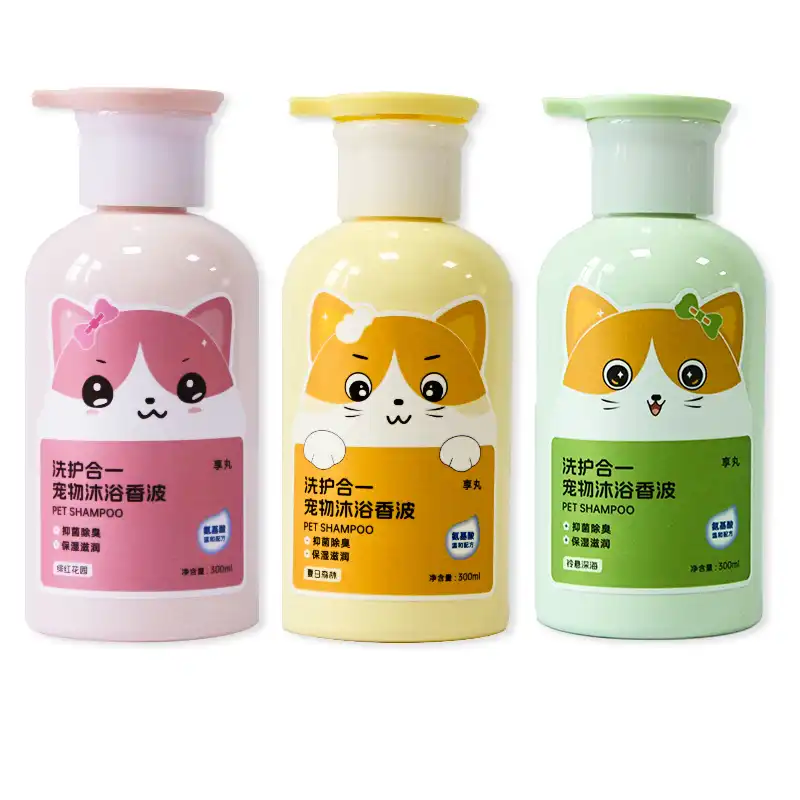
A decent pet shampoo should be mild and make animals feel better. Designed for their skin's pH and hair type. Non-toxic antibiotics and mite killers are in good dog cleaning solutions. Plant-based healing elements in tear-free products clean deeply without harming skin and smell good. They eliminate odors. Growing fluffy, silky hair indicates healthy skin.
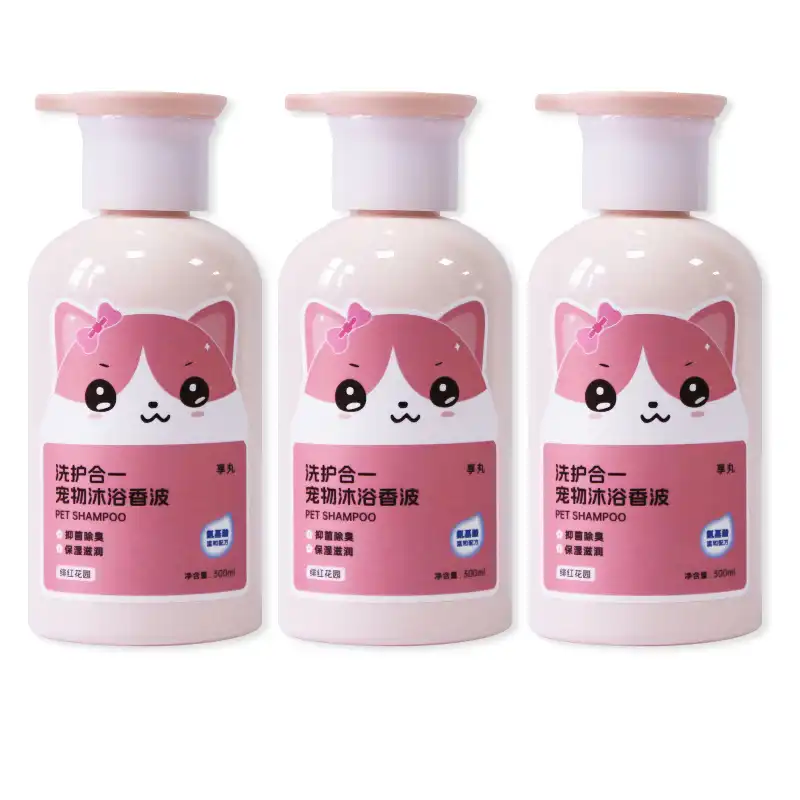
Understanding Pet Shampoo: What It Is and Why Quality Matters?
Lots of items are used to groom pets, not simply clean them. Pets and people have distinct bodies, thus their skin care products must be tailored.
The Science Behind Canine and Feline Skin
Cats' skin is alkaline, whereas dogs' skin remains between 7.0 and 7.5. However, human skin pH is 5.5. When you put human products on your dog, they damage their acid mantle, which damages the lipid barrier that prevents germs and fungus. Animals sweat more, itch more, and are more allergic as this barrier weakens.
Why Standard Products Fall Short?
Many cleaning methods leave harsh alkali residues and man-made cleaners like sodium lauryl sulfate (SLS) that remove coat oils. Dry, flaky skin and dingy fur are the first indicators. Repeatedly using the improper mixes can cause contact rashes, hot areas, and smells. These issues mask the true issues. Businesses should buy from pet stores, grooming services, and veterinarian clinics for products that solve issues rather than merely masking them.
Quality Standards That Define Excellence
Professional cosmetics are made using Good Manufacturing Practices for Cosmetics (ISO 22716:2016) and reliable VET processes. These regulations keep the active substances working for 24–36 months if the package isn't opened. The USP <51> Challenge Test assesses microbe stability. It indicates that preventive measures prevented food from spoiling after frequent air and water exposure.
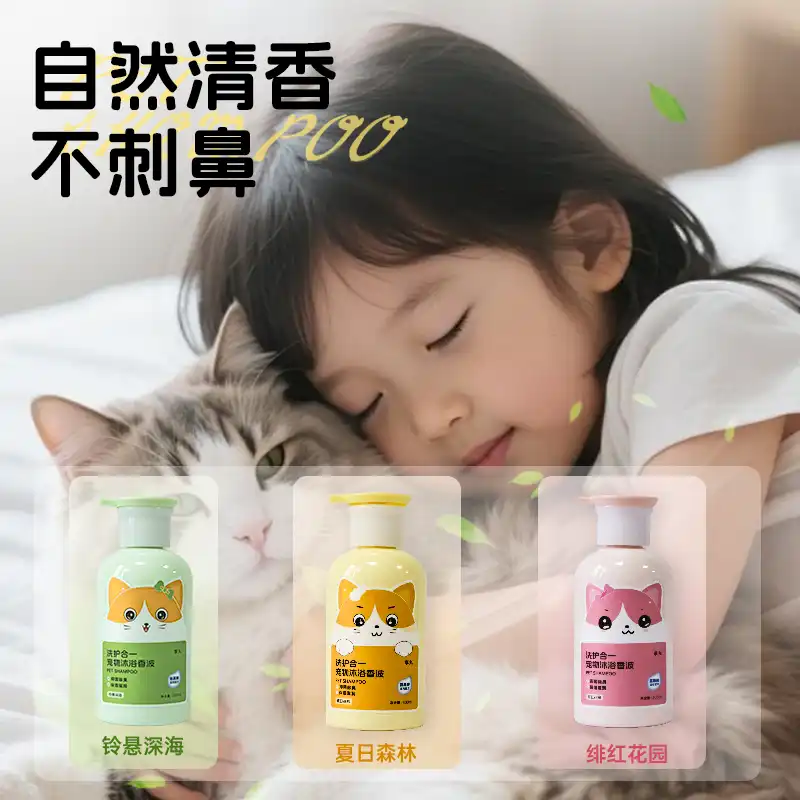
Core Ingredients and Their Roles in High-Quality Pet Shampoos
The list of compounds shows if a skin cleanser is healthy or merely surface-cleaning. Buying professionals can better evaluate vendors' claims when they grasp formulation science.
Plant-Based Surfactants and Their Advantages
More people are using bio-based pet shampoo soaps instead of petrochemical cleansers. Corn and coconut starch produce amphoteric, non-ionic soaps Coco-Glucoside and Decyl Glucoside. These compounds don't harm the skin and break down easily, according to skin testing. They break down rapidly and don't build up harmful compounds when washed with wastewater. Customers and government authorities that demand eco-friendly care items benefit from this.
Therapeutic Botanical Extracts
Colloidal oatmeal soothes sensitive skin immediately when protected. Beta-glucan in it alters your immune system, preventing histamine release and itching. Azadirachtin in neem oil (Azadirachta indica) kills fleas, ticks, and mites. Chamomile powder contains bisabolol and apigenin, which relieve swelling and discomfort without medications. Aloe barbadensis polysaccharides and glycoproteins speed wound healing and prevent greasiness.
We use several plant-based nutrients to create a complete care system. This natural approach eliminates pests and germs to protect cats' skin. Without harsh chemicals, it does this to cats.
The Critical Role of pH Balancing
Formulations between 6.5 and 7.5 don't mix with animal skin. This accuracy stops the return effect. This occurs when sebaceous glands produce too much sebum to replace lost oils. Washing your face too much to remove oil may make your skin produce more oil. Balanced pH products match skin sebum levels. This enables hair select how moist to keep.
Preservative Systems and Safety
Water-based formulas need broad-spectrum stabilizers to prevent bacteria and fungus. Ethylhexylglycerin and Phenoxyethanol are common chemicals. Also, Potassium Sorbate and Sodium Benzoate. It lacks parabens and formaldehyde like DMDM Hydantoin. More B2B standards are excluding them since they don't suit clean beauty trends. Buyers may determine if a product satisfies evolving safety regulations by looking at safety features.
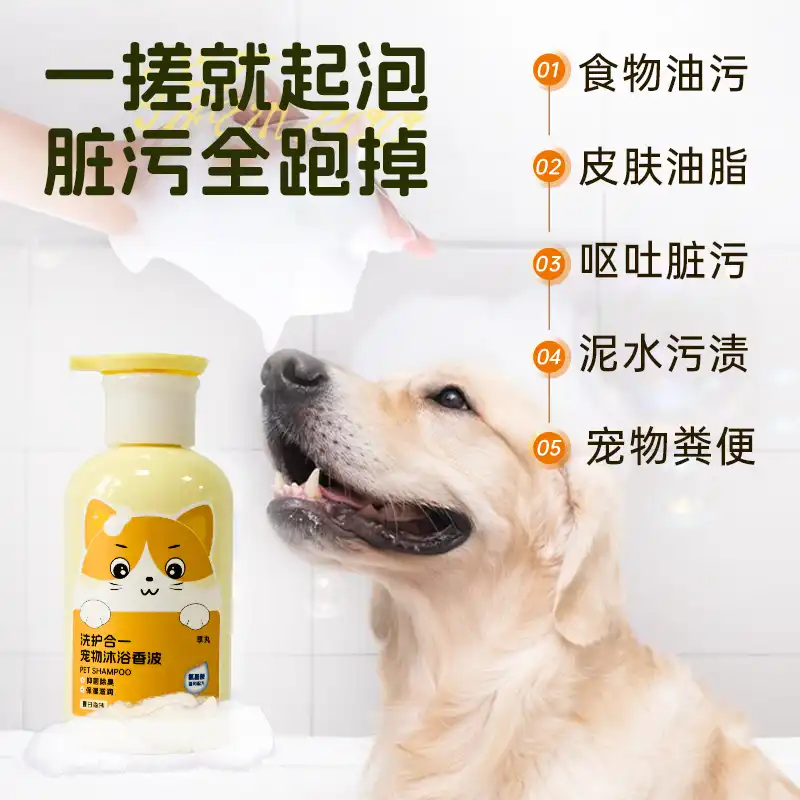
How to Choose the Best Pet Shampoo for Different Needs?
Selection criteria vary by end user and consumer group. Stores and animal hospitals have distinct demands. Internet shoppers require packages and messages that operate on all devices.
Matching Formulations to Animal Categories
Puppy and kitten meals must be mild since their immune systems are growing and their skin is delicate. Older animals with dry skin and thin hair might benefit from moisturizing recipes. Even though they have thick undercoats, Huskies and Malamutes need skin-friendly foods. Short-haired Siamese and Boxer cats need light, rinse-off products that don't leave residue.
Addressing Specific Skin Conditions
Hypoallergenic foods don't include artificial flavors, colors, or sulfates, so animals with atopic eczema can consume them. Antibiotics Ketoconazole and Chlorhexidine treat bacteria and fungi. Medicated soaps include them. Flea products employ Pyrethrin or Permethrin. Permethrin is harmful to cats and should be labeled accordingly. Certain hair loss treatments contain proteins and omega fatty acids. These strengthen hair shafts and prevent damage during seasonal coat changes.
Evaluating Supplier Credibility
A reliable business will provide a Certificate of Analysis (CoA) with pH, microbial load, and active ingredient concentration test findings for each run. They disclose where their raw materials come from and have third-party quality clearances. Offering private labeling and personalization indicates the corporation can utilize technology to speed its labor. Yunlan's resume management and quality control reflect her experience in this industry.
Size Options and Practical Considerations
Easy-to-open and close packaging are best for professionals. From 100ml to 1L, our formula is convenient. This allows beauty establishments to buy more and provide portable choices, saving time and money. Concentrated formulations with 1:50 dilution ratios are appropriate for heavy users and budget-conscious shoppers. They cost more upfront but less per wash.
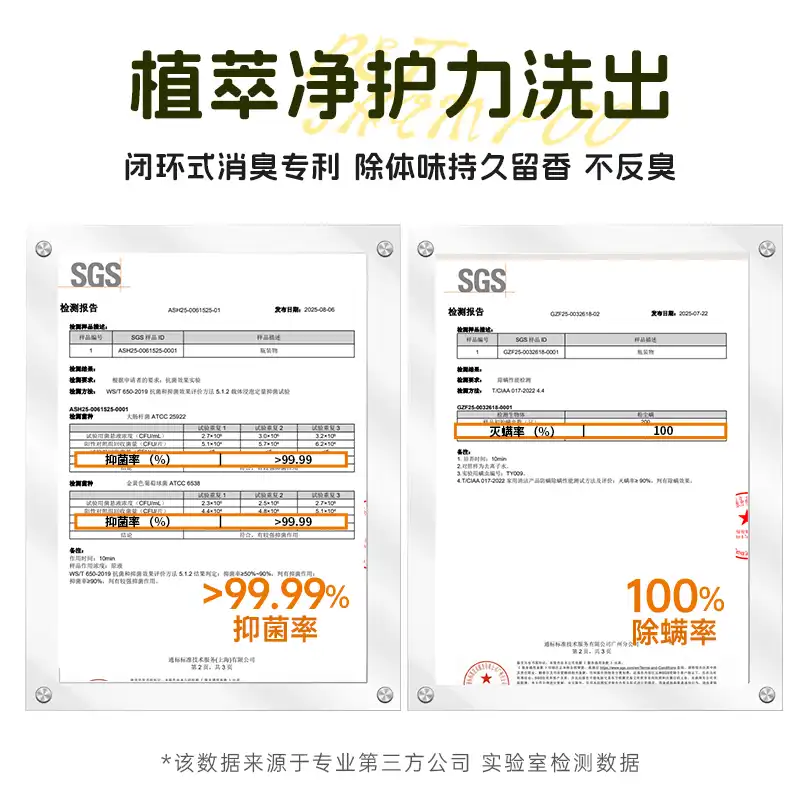
Procurement Strategies: Sourcing Quality Pet Shampoo for B2B Needs
When buying something, you need to check the supply chain, rules, and relationships as well as costs.
Identifying Manufacturers with Production Excellence
Yunlan manufactures in Suyu District, Suqian City. It has various company items around. Chicken provides high-quality, trustworthy raw resources. The firm breaks down and sterilizes beef proteins with enzymes using cutting-edge technology. The quality of items made with core technologies always satisfies international requirements. Management teams with over 20 years of pet shampoo supply chain experience improve quality control and transportation.
Channel Diversification for Market Reach
When local marketplaces collaborate with Tmall and JD.com, they gain massive customer lists and cutting-edge digital marketing tools. You need service partners that can manage customs issues and ensure products arrive at the proper temperature in over 60 Americas, Europe, and Asia nations. Omnichannel access includes offline availability through over 200 distributors and 10,000 retail shops. This helps people recognize the brand and simplifies things.
Negotiating Long-Term Partnerships
The contract should include quality, shipment, and what to do if something goes wrong. Minimum order quantities must track stock and receive the best bulk rates. Standard commercial payment periods (30–60 days net) allow you operating financial flexibility. Protecting intellectual property when creating private-label items keeps confidential formulae specific to the buyer's brand.
Innovation and Product Development Support
When suppliers invest heavily in R&D, their products improve, providing them an edge over competitors. Research and development would cost Yunlan 100 million yuan from 2022 to 2025. This indicates the company's innovation drive. The firm owns 97 US patents. These 19 concept patents include innovative drug-making methods and ingredient combinations. Buyers may differentiate their products by introducing unique features with these new ideas.
Best Practices for Using Pet Shampoo and Ensuring Customer Satisfaction
Even the finest recipes need proper execution to work. Users should be trained how to maximize product utilization. Brand loyalty comes from positive encounters.
Application Frequency Guidelines
Give your healthy dog a wash every four to six weeks. Their coat, activity level, and habitat determine how often they need to be bathed. Outdoor animals may need more frequent washing. However, domestic cats that clean themselves should only be washed when unclean or obtaining flea treatment. Balance is key since bathing too regularly might eliminate your skin's natural oils, even with mild products.
Proper Technique for Maximum Efficacy
Apply pet shampoo when the coat is wet. Spread shampoo to reach skin better. Slowly turning the product increases blood flow and loosens dirt. To let active ingredients work, medications or parasite-killing mixtures must stay on the coat for three to five minutes. Rinse carefully to avoid dirt-attracting remnants and dulling the surface.
Recognizing and Addressing Adverse Reactions
Pet owners should watch for swelling, itching that won't go away, hives, or pain-related behavior changes as symptoms of an allergic response. Stopping usage and talking to vets are the greatest methods to ensure folks get the correct medical care. Labels for food allergens are simple to read. They can avoid buying those chemicals later.
Building Feedback Loops for Continuous Improvement
Stores and groomers have lots of relevant information on real-life products. Businesses may improve their products and adapt to changing demands by asking clients for input through account managers, sales agents, or online customer care. This collaboration strengthens ties and ensures goods match market demands.

Conclusion
Understanding product science, animal behavior, and real-world application helps you choose the finest cleaning products. Some safe compounds that destroy bacteria and mites are plant-based surfactants and medicinal herbs. Your garments will be fluffy and soft after washing since the pH-balanced formulations won't rip. In business-to-business (B2B), buyers rate sellers by their ability to manufacture goods, willingness to attempt new things, and compliance with rules. The safe and effective tear-free dish with plant-based pet food is an example of contemporary pet care. The 100ml–1L sizes are handy for various tasks.
Partner with a Trusted Pet Shampoo Manufacturer for Your Business Growth
Yunlan develops market-leading care products with decades of supply chain knowledge and cutting-edge R&D. We make tear-free antibiotic and mite-killing solutions in 100ml to 1L volumes with safe, non-toxic substances. Shops, online merchants, veterinary offices, grooming services, and distributors get a consistent supply of scalable items from us. Our facilities employ cutting-edge technology and ship to over 60 countries. Contact us at minghuixu6717@gmail.com to see how our pet shampoo supplier relationships may help you satisfy clients and sell more.
FAQ
What makes plant-based pet shampoos different from synthetic options?
Plant-based products avoid petroleum-based cleaners like SLS. Detergents like Coco-Glucoside are plant-based. Natural ones are cleaner, less uncomfortable, and degrade faster than synthetic ones. Plant-based products reduce edema, eliminate bacteria, and moisturize skin without chemicals. Store natural stabilizers carefully since they may degrade. Less harmful graywater and safer raw materials benefit the environment.
Can pet shampoos expire, and how do you identify spoilage?
Cleaning products normally last 24–36 months after opening. Over time, natural oils oxidize and stink. Pearlizing agents and preservatives break down, making the product less solid and allowing germs to thrive. Something unpleasant is happening if it smells bad, changes color, or feels odd. Old items can harm skin and be dirty. When buying, verify the date and store it somewhere cool, dry, and out of direct sunlight.
Why do veterinarians recommend specific shampoos for different skin conditions?
Some bacteria or symptoms can be destroyed by medical-grade wash active medicinal substances. Chlorhexidine treats bacteria, Ketoconazole treats fungus, and Salicylic Acid treats seborrhea. To be safe, these substances must be used in particular doses. To diagnose problems, veterinarians utilize skin scrapings, cultures, or allergy testing. They prescribe drugs that cure causes, not symptoms. Doctors should treat identified skin problems, not over-the-counter medications.
References
1. Miller, W.H., Griffin, C.E., and Campbell, K.L. (2013). Muller and Kirk's Small Animal Dermatology, 7th Edition. Elsevier Health Sciences.
2. Lloyd, D.H. and Patel, A. (2021). "The Role of Skin pH in Canine Dermatological Health: A Review of Current Literature." Veterinary Dermatology, 32(4), pp. 315-324.
3. Marsella, R. and Segarra, S. (2018). "Topical Therapy in Veterinary Dermatology: Mechanisms of Action and Clinical Applications." Journal of the American Veterinary Medical Association, 253(9), pp. 1142-1152.
4. Noli, C. and Boothe, D. (2020). "Antimicrobial Shampoos in Veterinary Medicine: Efficacy, Safety, and Regulatory Considerations." Veterinary Clinics of North America: Small Animal Practice, 50(1), pp. 85-102.
5. Patel, A. and Forsythe, P. (2022). Small Animal Dermatology: A Colour Atlas and Therapeutic Guide, 4th Edition. Saunders Ltd.
6. Scherk, M.A. and Dryden, M.W. (2019). "Ectoparasite Control in Companion Animals: Current Products and Application Strategies." Compendium on Continuing Education for Veterinarians, 41(6), pp. E1-E12.
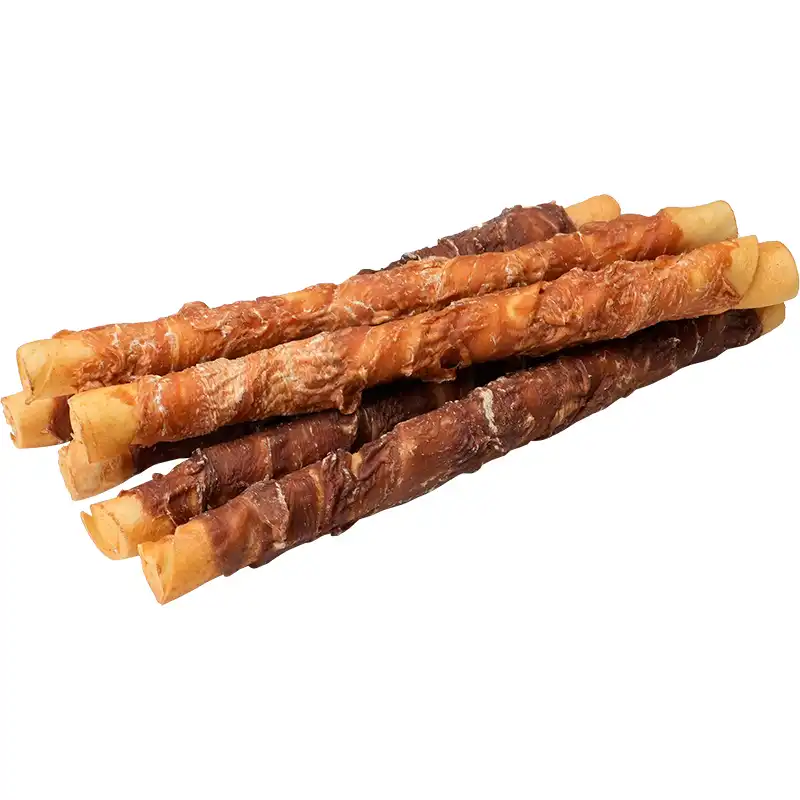
People who own cats and dogs often wonder if smoked chicken sandwiches are bad for their health. The answer varies on what's in the sandwiches, how they were made, and how well they meet the nutritional needs of the pets. Traditional smoked chicken sandwiches have a lot of extra salt, bread, and sauces that are bad for cats' health and could make their stomachs hurt. Pet food, on the other hand, like smoked beef chicken sandwich sticks, is made with high-quality protein and no harmful chemicals so it is proper for that species. They are safer and better for pets because of this.
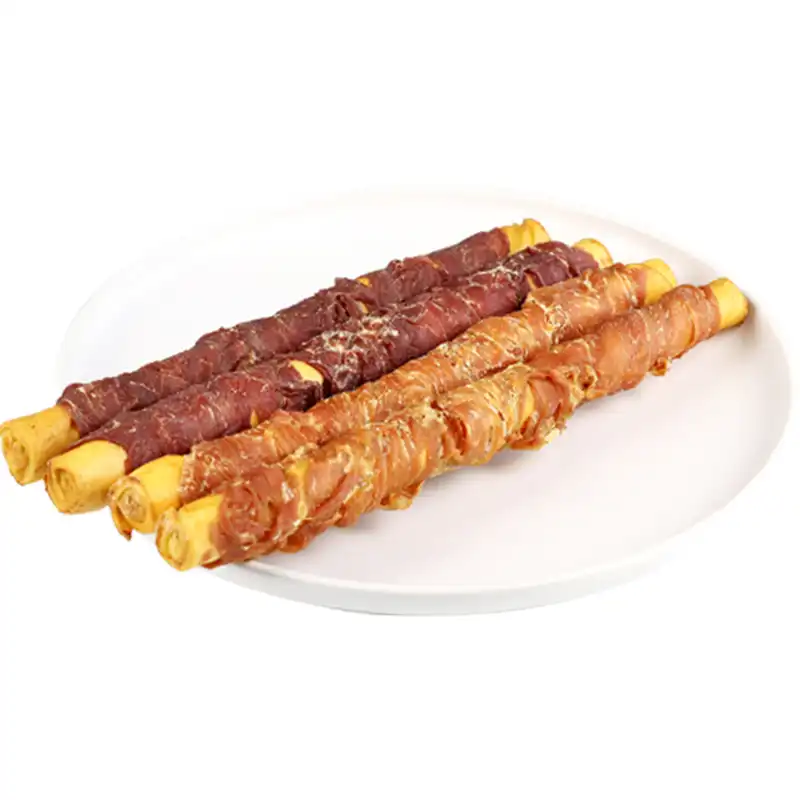
Health Implications of Smoked Chicken Sandwiches for Cats and Dogs
It's important for pets to eat the right foods for their species, which are not the same as ours. If you look at what's in smoked chicken sandwiches for people, you'll see some things that cats shouldn't eat.
Common Ingredients That Pose Risks to Pets
There are many things in traditional smoked chicken sandwiches that dogs and cats shouldn't eat. Sauces like mayonnaise, mustard, and pickles have a lot of sugar, salt, and fake ingredients, while bread is mostly empty carbs that don't do much for you. Both of these species can't handle garlic and onion powder, which are often used in seasoning mixes. Oxidative stress is what hurts red blood cells, which can lead to anemia. An animal poison control center study from the ASPCA shows that even small amounts of these ingredients can make animals sick in a number of ways, from stomach issues to major organ damage.
The Problem with Smoking Techniques and Preservatives
Food that is cooked in a business setting often has nitrates and nitrites added to it to keep it fresh and make it look better. People are allowed to eat these chemicals, but dogs process them differently. People worry about their health when they are exposed to these chemicals for a long time. There are polycyclic aromatic hydrocarbons that can be made when wood burns at high temperatures. This stuff gets on the outside of meat and might make you get cancer. Veterinarians say that dogs that eat smoked foods made for people are exposed to these chemicals without needing to be and don't get any health benefits from it.
Nutritional Mismatch Between Human Foods and Pet Dietary Needs
Since cats have to eat meat, they need a lot of protein and certain amino acids, like taurine, and not many carbs. Dogs eat a lot of different things, but the best food for them is food that is high in meat and healthy fats. Dogs and cats can't get enough protein from human sandwiches, and the amounts of macronutrients aren't right for them. Human sandwiches often have more than 500 mg of salt per serve. The Association of American Feed Control Officials (AAFCO) sets standards for the nutrients that commercial pet foods must have. These standards do not cover the nutrients that are in comfort foods for people.
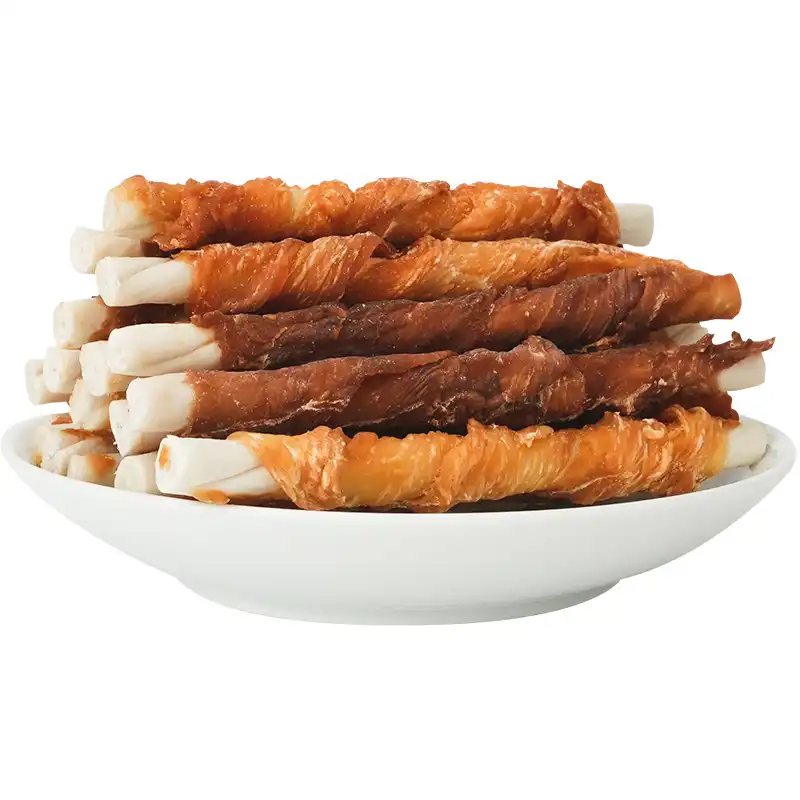
Smoked Beef Chicken Sandwich Sticks: Product Overview and Differences from Smoked Chicken Sandwiches
Purchasing agents can find good products for both retail and trade channels when they know the difference between meals made for people and products made just for pets.
Ingredient Composition and Processing Methods
The main reason for making pet-safe smoked beef chicken sandwich sticks is to protect their health. The slow-cooked beef filling is wrapped by hand in these items. The natural tastes come out because the food is cooked at low temperatures, which keep the nutrition in. This soft cooking method keeps the shapes of amino acids and makes proteins edible without creating any harmful chemicals. A cat can eat the whole piece of beef inside at once. It tastes good and cleans their teeth as they chew, which is good for their health. Human sandwiches have a lot of different sources of allergens, but these sticks only have proteins from one source, so there is less chance of an allergic response.
How Smoking Techniques Affect Flavor and Health
The temperatures in the controlled burning places used by pet food makers are just right, and the hardwoods used are safe for food. For animals, this process adds tastes they like without leaving behind too many smoke bits or chemical waste. Still, the temperature and burning time are carefully changed to get tastes that make people want to smoke while still following safety rules. Liquid smoke chemicals are not used by good makers. Instead, they depend on the clean taste chemicals that come from forest fires. When making food for people on a business level, where speed often matters more than nutrients, this method is very different.
Comparative Analysis: Texture, Taste, and Nutritional Content
Compared to regular smoked beef chicken sandwich sticks, sandwich sticks that are safe for pets are better in more than one way. Because it's naturally rough, it's good for your pet's teeth because it keeps plaque from building up while they eat. This is a way to keep your pet from getting one of the most common health problems. To make taste profiles, people test foods on real pets instead of human sense groups to see how well they taste. This makes sure that there are enough acceptance rates to keep feedings going. The protein content in these foods is higher than 60% of the dry matter. The fat content is good for energy needs, and there are almost no carbs. To keep the heart and kidneys healthy, sodium levels should stay below 0.5%.
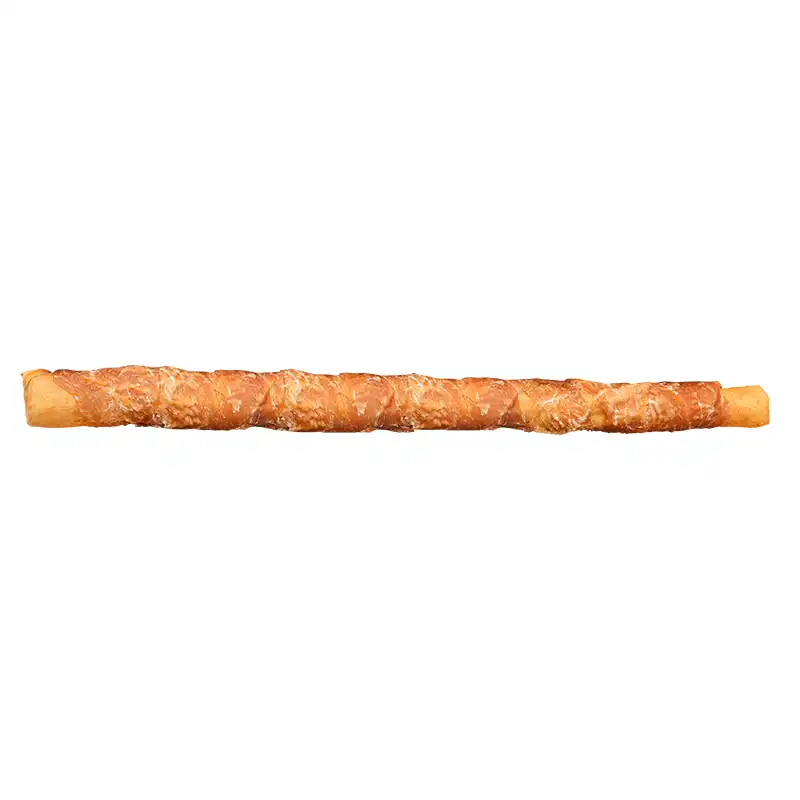
Future Trends and Opportunities in Smoked Meat Sandwich Sticks within B2B Pet and Snack Markets
To stay ahead of the competition and adapt to new customer tastes, you need to be able to guess how the market will change.
Growing Demand for Clean-Label and Organic Options
People who own pets are paying more attention to ingredient lists to find foods that don't have any fillers, chemicals, or unclear meat sources. This trend is like how more customers are moving toward health and awareness. Organic foods, foods with short lists of ingredients, and foods with clear labels that show where the protein comes from grow faster than normal foods. A market study shows that 43% of pet owners actively look for organic pet food, even though it costs 30–50% more than normal food. When suppliers spend money on clean label and organic licensing, they set themselves up for long-term market growth.
Technological Advances Enhancing Product Quality
Scientists who study food are always coming up with new ways to make things taste better, work better, and run more smoothly. Proteins can be broken down by enzymes into peptides that are easier to digest without heating them up and hurting them. It is now easy for the body to take in nutrients. Vitamins and amino acids that are broken down by heat and smoke may not be lost when drying at low temperatures. There are now things for cats that are better for their health but still taste and feel good for them because of these changes. People who work in buying should give more weight to buyers who show they are willing to keep learning and making the process better.
Strategic Procurement Recommendations
Business-to-business buyers who are smart don't just look at price. They build relationships with suppliers based on shared ideals and long-term agreements. You can tell how stable a provider is when the market changes by looking at their financial health, their ability to increase production, and their paths to new ideas. Supply chain problems are less likely to happen when you have suppliers from a variety of places. This also keeps the competition high, which leads to better performance. Production plans can be more in line with what the market wants if everyone works together to guess and plan demand. Running out of stock is less likely to happen, and it costs less to do so. People who have these habits are good at getting things, so they can adapt to changes in the market.

Conclusion
Your cat or dog could get sick from smoked chicken sandwiches made for people. This is mostly because they have bad ingredients, too much salt, and nutrients that aren't good for pets. It's safe for dogs to eat smoked beef chicken sandwich sticks because they are good for their teeth and have the right amount of protein for their species. Buyers in the retail, medical, and wholesale markets have to rate providers based on how well they make goods and how open they are to new ideas. It is smart to know the rules, how to store things, and what the market is doing when choosing where to get your materials. This is good for business and good for animals. If you want to buy cat treats in the future, you should work with companies that value openness, clean-label formulas, and technology progress.
Partner with Yunlan for Premium Smoked Beef Chicken Sandwich Stick Supply
Yunlan, which is part of the Ruixin Cloud Wave Group, is ready to be your go-to place for smoked beef chicken sandwich sticks. They can make them better than anyone else and promise that the quality will not be compromised. In our plant, high-tech enzymes break down the proteins in meat, and food is cooked slowly at low temperatures so that it keeps its nutritional value and tastes great. People who care about their pets' health will like that the hand-wrapped chicken around the whole beef bits cleans the teeth better than any other ingredient. We've been in the supply chain for more than 20 years and used to work with well-known foreign names. Now we make our own products and sell them in over 60 countries. One of our many goods is a three-brand line that makes more than 300 million yuan a year. These brands have 97 accepted patents that show they are always coming up with new ideas. Whether you run a store chain, an e-commerce site, a veterinary clinic, or a wholesale distribution business, we can help you with personalized solutions like private labeling, open minimum order amounts, and reliable services because we have strong relationships with leaders in the industry. Please email minghuixu6717@gmail.com to talk about how our smoked beef chicken sandwich sticks can help your business and make your customers happy.
FAQ
Can I give my dog human smoked chicken sandwiches as occasional treats?
Some things in smoked chicken sandwiches for people, like bread, sauces, garlic, and too much salt, are bad for dogs' health and may even make them sick. It's bad for pets to get treats all the time, and it puts their health at risk for no reason. It is better to reward good behavior with treats made just for cats with the right ingredients than with treats that are bad for their health.
What makes smoked beef chicken sandwich sticks different from regular jerky treats?
These sandwich-shaped treats have slow-cooked beef stuffing wrapped in hand-wrapped chicken. The texture and taste are different from other jerky products. Because the structure is strong, you can chew for longer, which is good for your teeth because it removes plaque physically. The two types of proteins give the food different tastes.
How do I verify that smoked meat treats are safe for retail sale?
When you buy something, make sure the seller gives you all the paperwork you need, such as FDA compliance statements, AAFCO nutritional adequacy proof, and results from third-party tests for contaminants. Follow the rules in 21 CFR 501 and make sure the labels are complete. Also, ask for reports of analysis that prove the health claims are true. Manufacturers who have a good name will gladly give you this paperwork for free.
Are there specific storage requirements for smoked meat pet treats?
Keep things in places that are below 75°F, don't get too much humidity, and aren't in direct sunlight. Things that are packed should stay sealed until they are sold, and the date codes should be switched around so that the oldest stock sells out before it goes bad. Changes in temperature that happen near windows and doors shouldn't happen near TVs.
What minimum order quantities should I expect when sourcing these products?
Minimum order amounts are usually between 500 and 2,000 units, but they can be higher or lower depending on the supplier's size and when they need to make the goods. When you make a bigger pledge, you can often get discounts of 15% to 25%. You can also get mixed containers from some manufacturers, which let you buy smaller amounts of different SKUs. By getting to know someone well over time and keeping in touch, minimums may go down as reliable buying habits are shown.
References
1. Association of American Feed Control Officials. (2024). Official Publication: Model Regulations for Pet Food and Specialty Pet Food Under the Model Bill. AAFCO Incorporated.
2. Burchell, R. K., & Shoveller, A. K. (2022). Nutritional Requirements and Related Diseases of Small Animals. Veterinary Clinics of North America: Small Animal Practice, 52(4), 913-931.
3. Davies, M., & Krebs, N. (2023). Pet Food Safety and Quality Assurance: Regulatory Frameworks and Industry Standards. Journal of Animal Science and Technology, 65(3), 487-503.
4. Freeman, L. M., Chandler, M. L., & Hamper, B. A. (2021). Current Knowledge About the Risks and Benefits of Raw Meat-Based Diets for Dogs and Cats. Journal of the American Veterinary Medical Association, 258(11), 1243-1255.
5. Thompson, A. (2023). Smoking Techniques and Their Impact on Meat Product Safety in Pet Food Manufacturing. Food Science and Technology International, 29(2), 156-172.
6. Zicker, S. C., Wedekind, K. J., & Paetau-Robinson, I. (2022). Companion Animal Nutrition: Matching Diet Characteristics to Health Status and Lifestyle. Animal Frontiers, 12(1), 45-58.
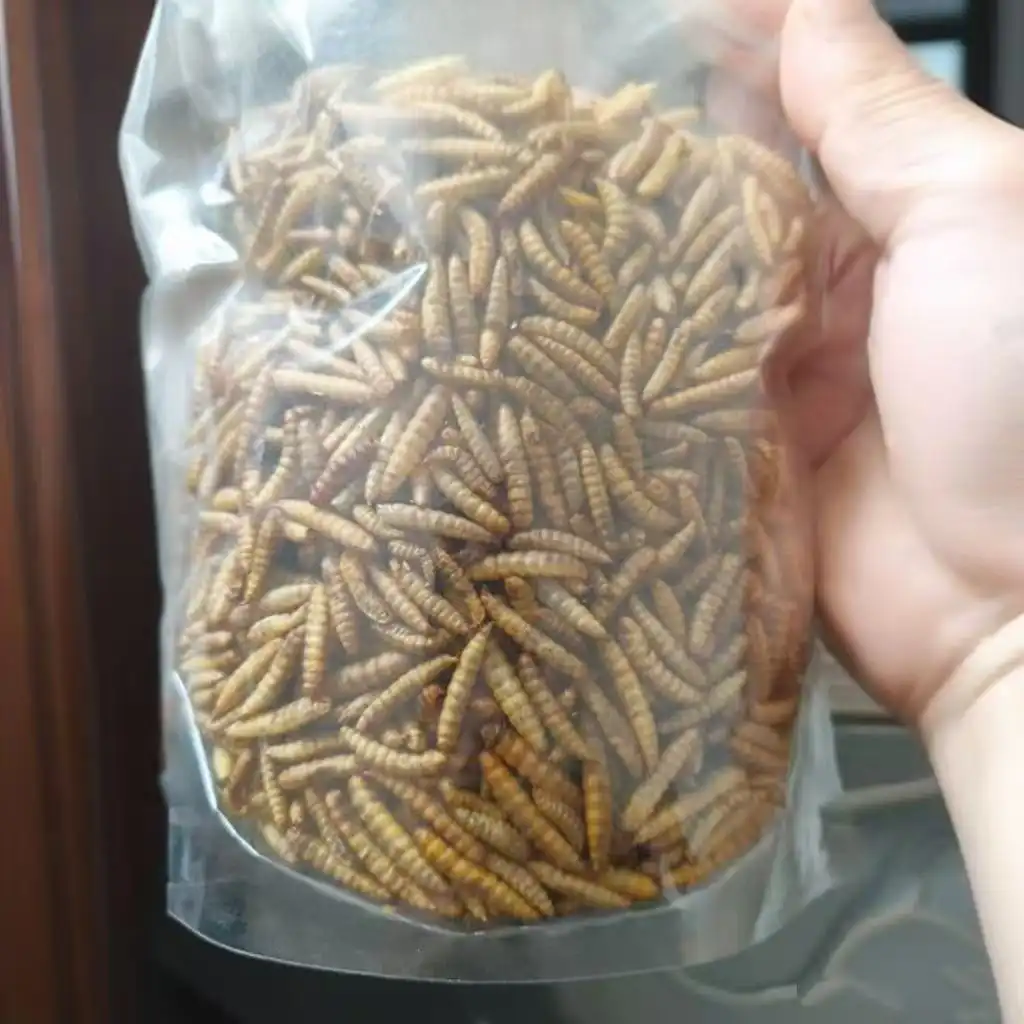
Breeding black soldier fly larvae for chickens represents a transformative approach to poultry nutrition, combining sustainability with exceptional nutritional density. These remarkable insects deliver approximately 40% protein content alongside essential amino acids, healthy fats, and trace minerals that chickens need for optimal growth and egg production. As global demand for eco-friendly protein sources intensifies, insect-based feeds address both economic pressures and environmental concerns facing modern poultry operations. This comprehensive guide walks through breeding protocols, nutritional advantages, procurement strategies, and integration methods that position your operation at the forefront of sustainable agriculture.
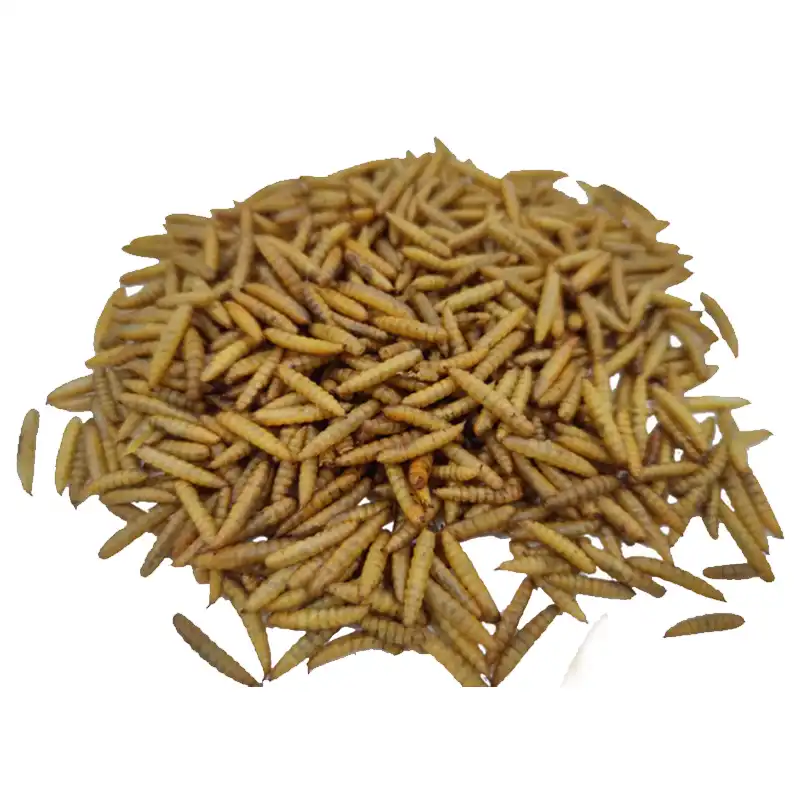
Understanding Black Soldier Fly Larvae as Poultry Feed
The Nutritional Powerhouse Behind BSFL
To feed hens good food, use black soldier fly larvae. Some universities believe these larvae have the same protein as fish meal and a superior amino acid combination. It's largely fat (30–35%) and protein (40%). It contains calcium, phosphorus, and essential vitamins. Lauric acid, a medium-chain fatty acid that naturally destroys germs to enhance chicken immune systems, makes black soldier fly larvae for chickens unique.
Black soldier fly larvae for chickens help during critical development phases due to its high macronutrient content. Giving young chicks simple protein speeds muscle growth. Chickens utilise calcium to harden their eggshells. Dry larvae-fed flocks exhibited 12–18% greater feed conversion rates than soy-fed flocks in 2025 testing on chicken farms.
How BSFL Enhances Poultry Health and Performance
Adding protein from bugs to chicken food does more than just give them food; it also makes them healthy in small ways. There is a natural chitin in the exoskeletons of larvae that helps good bacteria grow in the gut. This makes digestion better. People who raise chickens always say that the feathers are better now and that the birds' strong, shiny feathers show that they are getting enough energy. There is a lot of the amino acid methionine in these larvae. It is very important for the growth of feathers and for metabolism.
When hens are fed larvae on a daily basis, the eggs they lay are much better. The hens that were raised on commercial egg farms and fed 8–10 dried larvae every day laid eggs with darker yolks and more nutrients. Because it boosts the immune system, fewer diseases happen. This lowers the cost of medical care and the need for antibiotics. These things are important for businesses that want to be certified as organic or get into the high-end market.
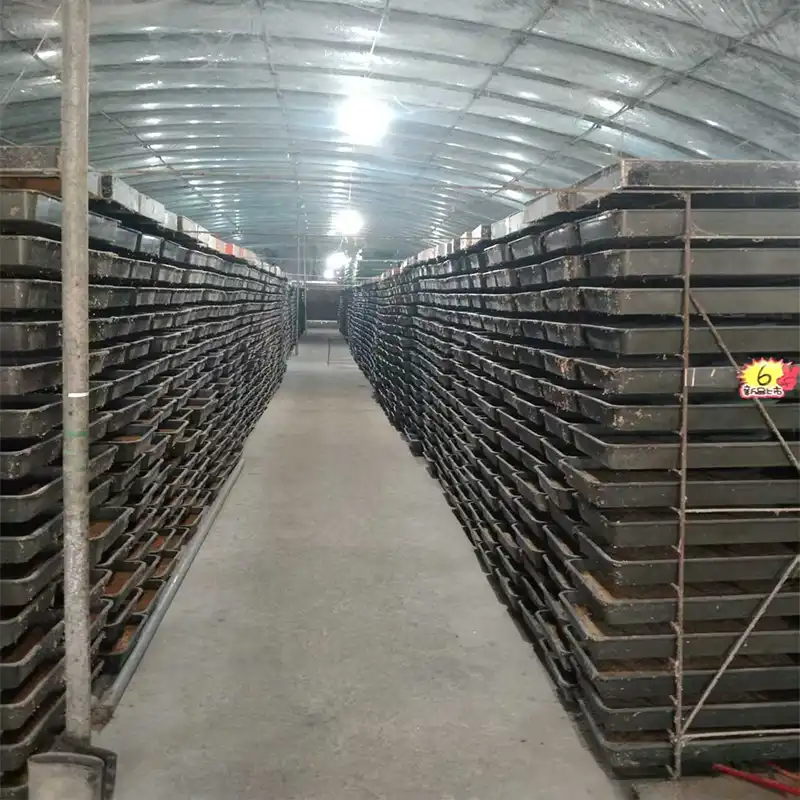
Step-by-Step Guide to Breeding Black Soldier Fly Larvae for Chicken Feed
Establishing Your BSFL Breeding System
To make a good place to breed black soldier fly larvae for chickens, you need to pay attention to some things in the surroundings. Between 27°C and 30°C and 60–70% humidity is the best time for black soldier flies to be outside. Your breeding center should have clear places where they can mate, lay eggs, watch the larvae grow, and pick. Scalability is based on how much space is used. A small business can start out with 10 to 15 square meters, but a large one needs 100 square meters or more to make enough cash to break even.
Controlling the temperature, having substrate tubs with holes in them for drainage, and collecting sieves that are set to larval size are all important tools. Adult flies need high objects to mate and lay their eggs. Putting corrugated cardboard near food works well. Lighting that goes with the natural cycle of day and night helps plants breed. For best results, plants need 14 hours of sunlight each day.
Optimizing Substrate and Feeding Protocols
When you choose a substrate, it changes how much protein is in the larvae and how fast they grow. Animals can be fed organic waste, which saves money and supports circular economy ideas. Used grains from brewers, food scraps that have already been eaten, and waste from making fruits and vegetables are all good sources. It takes 14 days for one kilogram of organic matter to make 150 to 200 grams of fully grown larvae.
Keeping your material at the right carbon-to-nitrogen ratios (25:1 to 30:1) stops ammonia from building up and speeds up the process. Ten to fifteen centimeters of substrate should be layered on top of each other to let air flow well and keep wetness in. Keep an eye on how hot it is on the ground. Above 35°C, heat can stress larvae and make it less likely that they will live. It is easy to understand how to feed them: add new food every two to three days and let the larvae eat it before adding more.
Harvesting and Processing for Maximum Quality
You can get maggots that are in the best health if you plan when to catch them. When caterpillars are fully grown and getting ready to pupate, they have the most protein and fat. You can tell them apart because they are darker and don't eat as much. Self-harvesting systems use pre-pupal migration. Larvae crawl up ramps looking for places to pupate, taking themselves apart from extra material so they don't have to be separated by hand.
There are ways to process food that keep it safe and its nutritional value. To dry things in an industrial microwave oven, Yunlan uses 110°C, which kills germs and keeps up to 95% of nutrients that are sensitive to heat. It is cheaper to process food this way than to freeze-dry it normally, and it keeps the amino acid makeup that chickens need. When you store dried larvae in airtight containers, they keep their nutritional value for 12 to 18 months. This gives you more ways to manage your supplies and adjust to changes in yearly production.
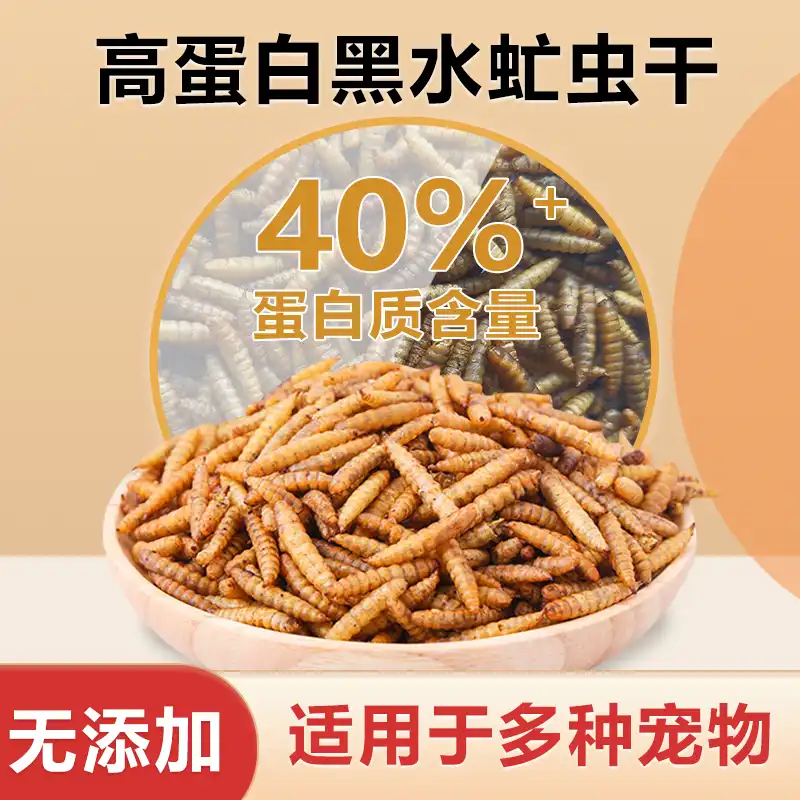
Comparative Analysis: BSFL Versus Conventional Poultry Feed Proteins
Economic and Nutritional Efficiency Assessment
Compared to other solutions, black soldier fly larvae for chickens is a smart choice for companies looking to save money. Fishmeal cost $1,800–$2,200 per metric tonne in 2025. The price fluctuated all year. But dried larvae prepared locally remained about $1,400 to $1,600 per tonne. At $1,200–$1,500 a tonne, soy protein extract is cheap. Unlike larvae, it lacks immune-boosting amino acids and chemicals.
Compare feed exchange rates to see that insect-rich food is healthy for animals. Broilers converted 1.65:1 feed with 15% BSFL meal replacement against 1.82:1 with soy-corn formulations. Big organisations might save a lot with this differential. They obtain more nutrients per gram of protein since it's simpler to digest. This reduces waste and ammonia, which may strain air systems.
Sustainability Metrics and Environmental Impact
As sustainable agricultural standards tighten, environmental concerns are influencing purchases. Protein production and storage harm the environment. Fishmeal harms coastal habitats, soy requires a lot of water, and trees are chopped down. Larvae farming processes organic waste that would otherwise produce methane in landfills. No carbon is used in this manufacturing cycle.
Comparing water consumption shows efficiency has improved. One kilogram of BSFL protein requires 1.5 litres of water. To produce one kilogram of soy protein, crops require nearly 2,000 litres of water. Insect farming uses land efficiently by producing 100–150 times more protein per hectare than animal feed crops. These techniques make larvae-using enterprises seem environmentally conscious, which helps them enter sustainable markets and pay more.
Procuring Black Soldier Fly Larvae for Poultry Feed: A B2B Buying Guide
Supplier Selection and Quality Verification
You must consider various factors to identify dependable black soldier fly larvae for chickens service providers. Reputable companies maintain clean manufacturing processes. They document the production process from breeding colonies to packing. Look for ISO 9001, HACCP, or other quality management system credentials to verify a supplier's honesty. These badges demonstrate how to maintain feed quality and flock health.
Test samples before buying a lot to reduce risk. Request nutritional analysis papers showing safe protein, fat, water, and bacteria amounts. An independent lab verifies the product's characteristics. Yunlan ensures quality by checking each batch and keeping extensive records. This makes research and compliance easier whether your firm sells organic items or exports.
Procurement Logistics and Pricing Considerations
Knowing how pricing functions helps people choose products. Live maggots, $8–12 a kilogram, are useful for enterprises who need to feed animals immediately. They must stay cool and may only be moved briefly. Fresh and frozen larvae are equally nutritious. They cost $6–$9 per kilogram. Dried larvae are easiest to transport and may be maintained at room temperature. Between $14 and 18 kilos. Despite higher unit pricing, protein-rich meals cost less per meal.
When buying in bulk, orders above 500 kg usually save 15–25%. Each unit should be carried in 18–22-ton containers. This distributes freight costs across heavy objects. When shipping internationally, have all the information you need to pass customs. Maintain the correct temperature for frozen products and dry larvae. You can ensure a continuous supply without retaining too much cash by signing vendor-managed inventory agreements with reliable suppliers like Yunlan. This boosts cash flow and output.
Future Trends and Opportunities in BSFL Breeding for Poultry Nutrition
Technological Advancements Transforming Production
When they come out in 2026, robotic technologies will change the business of producing black soldier fly larvae for chickens in a big way. Robotic feeding systems that use computer vision to track growth can spot issues that need to be fixed and make sure that food is spread in the best way possible. When you use IoT devices for automated climate control, the right temperature and humidity are maintained with little work. This saves you 30 to 40 percent of the cost of doing it by hand. These tech changes help small and medium-sized businesses get started and make more money for already-established companies.
New ways of handling things make them better and give you more ways to use them. There are new ways to get different parts of something, like chitin for medicine, protein concentrates that are more than 65% pure, and fatty fractions for making biodiesel. This way of biorefinery makes the most of each group of larvae. Businesses don't have to worry about changes in the market for any one type of goods because they have multiple ways to make money.
Market Growth and Strategic Positioning
By 2030, agricultural market research organisations expect insect-based animal feed to be worth $1.2 billion. This indicates a strong need for long-term protein sources. Regulators are slowly accepting it. Bug protein is currently allowed in poultry feed in the US, EU, and major Asian nations with explicit labelling. Clear regulation removes adoption barriers, making chicken firms more likely to participate.
Early adopters who create supplier connections and understand operations before competition have strategic advantages. Environmentally friendly eggs and poultry are becoming increasingly popular. Marketing benefits from manufacturing transparency. High-end buyers would pay 20–35% extra for sustainable items if the firm can prove where the feed originates from and how it impacts the environment. Teaming up with well-known insect protein providers may help your firm capitalise on these new opportunities. This will reduce your supply chain's vulnerability to feed price swings.
Conclusion
Three good things come from breeding black soldier fly larvae for chickens: better nutrition for the flock, which improves health and productivity; better feed conversion and lower costs that are good for the economy; and environmental leadership that meets the needs of sustainability that are changing global agriculture. There are detailed breeding plans, comparisons, and buying tips for chickens in this article. These will help farms of all sizes use this new source of protein safely. As technology gets better and the market opens up to it, putting your business at the center of insect-based nutrition will help you in the long run in a field that cares more and more about being green and using resources efficiently.

FAQ
1. Is black soldier fly larvae safe for all chicken breeds?
These eggs are safe for all chickens, including breed, broiler, and layer types. The natural ingredients give chickens the nutrition they need without any problems specific to their breed. Let the birds' stomachs get used to the Black Soldier Fly Larvae for Chickens by giving them time to eat them slowly over 7–10 days. If you want to see if the flock has any strange reactions, keep an eye on their behavior and droppings. In recorded feeding trials, bad reactions have been very rare.
2. How long does a complete BSFL breeding cycle take?
Most of the time, it takes 14 to 18 days for an egg to hatch into a pup that can be caught. Before they become adults, fly pupae stay in the egg sac for 7–14 days. In 48 to 72 hours, they mate, and the females lay eggs that hatch after 4 days. Because they reproduce quickly, production can go on all the time as long as breeding batches are spaced out correctly. This ensures that regular feed supplementation plans can get the same amount of food.
3. Can BSFL completely replace conventional protein sources?
It's not possible for most processes to fully replace larvae, even though they are very healthy. 10–25% of traditional protein sources should be replaced with other foods, according to nutritionists. This is a good way to get the benefits while still getting the right amount of amino acids and meeting certain nutritional needs. This method helps groups do well at different times of production and with different goals. It also gets the most for the money.
Partner with Yunlan for Premium Black Soldier Fly Larvae Solutions
If you want to feed your chickens more sustainably, Yunlan can help. They sell high-quality dried black soldier fly larvae for chickens that meet strict quality standards. The microwave drying process we use in our business saves all the nutrients while getting rid of harmful germs. This gives you a steady 40% protein level without any chemicals or flavors added. We've been in the supply chain business for over 20 years, and our production methods meet international standards. This means that we can give you black soldier fly eggs for any size operation. You can email our team at minghuixu6717@gmail.com to discuss custom solutions, big savings for dealers and wholesalers, or getting help with adding larvae to your present feed plans.
References
1. Smith, J. & Thompson, R. (2025). "Nutritional Analysis of Black Soldier Fly Larvae in Commercial Poultry Diets," Journal of Applied Poultry Research, Vol. 34, pp. 112-128.
2. Agricultural Sustainability Institute (2025). "Environmental Impact Assessment of Insect-Based Animal Feed Production Systems," University Agricultural Press.
3. Chen, L., Martinez, P. & O'Brien, K. (2024). "Feed Conversion Efficiency in Broiler Operations Using Alternative Protein Sources," International Poultry Science Quarterly, Vol. 29, pp. 87-103.
4. European Food Safety Authority (2025). "Safety Evaluation of Insect-Derived Proteins in Animal Nutrition," EFSA Technical Report Series.
5. Williams, D. & Patel, S. (2026). "Economic Analysis of Black Soldier Fly Production for Agricultural Applications," Agricultural Economics Review, Vol. 41, pp. 234-251.
6. Global Insect Protein Alliance (2025). "Market Trends and Future Projections for Insect-Based Animal Feed 2025-2030," Industry White Paper.
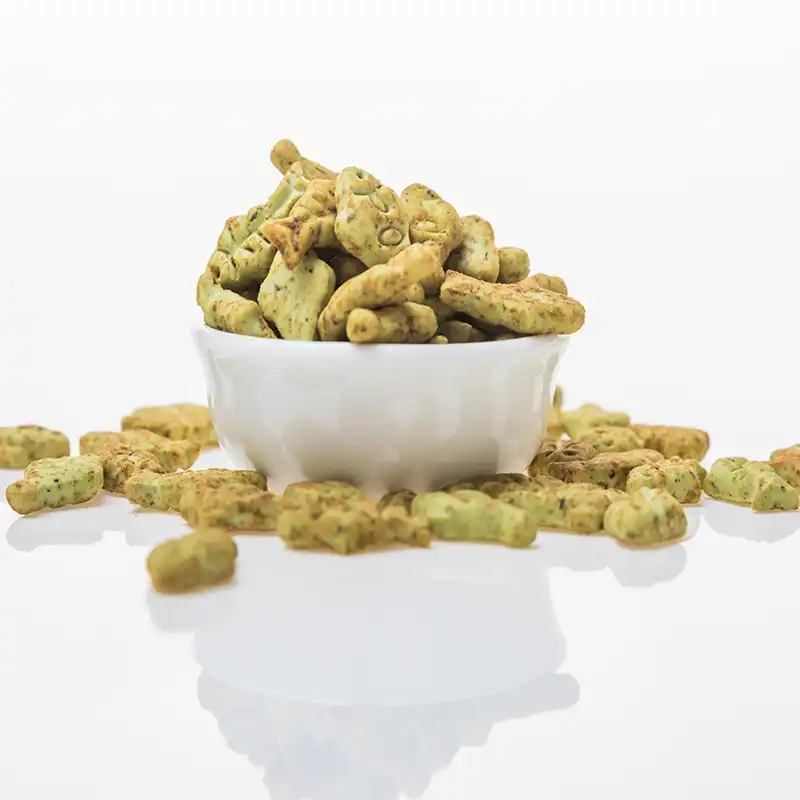
Salmon flavored cat biscuits are mostly made from real salmon, salmon meal, or salmon oil. It also has grains, binding agents, and nutritional vitamins added to it. These treats are good for cats because they have omega-3 fatty acids, amino acids, and vitamins in them. They also taste great. When business-to-business buyers know what something is made of, they can pick a place to buy it that meets quality standards and customer needs.
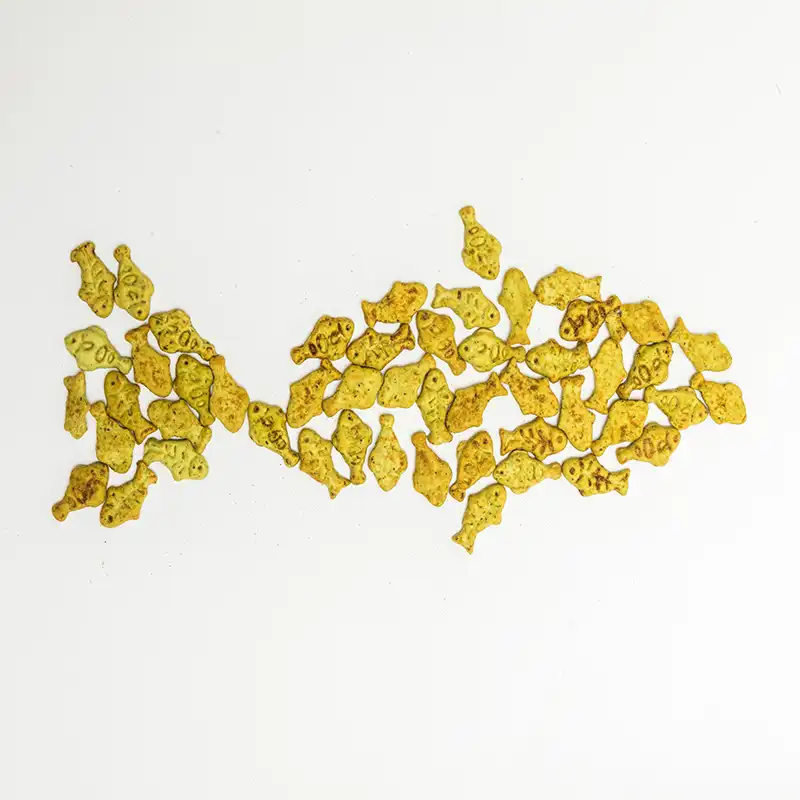
Composition of Salmon Flavored Cat Biscuits
Salmon flavored cat biscuits that are protein-rich are good. Real salmon is the best because it has all the nutrients and oils that come from the fish itself. It has even more protein per gram than salmon oil. Salmon meal is a dense form made by rendering salmon. This keeps the food's nutritional worth and saves the business money. Salmon oil has extra omega-3s that make other main protein-based foods taste better.
Core Protein Components
You don't have to eat salmon to get the right amount of amino acids. Chicken meal, fish meal, or even cod can be used in many meals. These things make the treats taste better and are better for them. If the treat is meant to be a training prize or extra food, this is very important. Cod is great for you because it is low in fat and calories and has extra omega-3 fatty acids that keep your skin and hair healthy.
Binding Agents and Texture Modifiers
To get the form you want, whether you want it to be crunchy or soft and chewy, you need thing that holds things together, like glycerin, potato starch, or tapioca starch. They help the bread stay together while it's being made and after it's been stored. Some natural gums, like guar or xanthan, are soft, which cats like because they feel like they can chew on them. This is how Yunlan makes the teethers that look like fish. When you chew on them, they clean your teeth, so they're good for you.
Nutritional Fortification
To make sweets healthy, the people who make salmon flavored cat biscuits add vitamins, minerals, and antioxidants on purpose. Vitamin E is a natural antioxidant that helps the body's defenses and keeps food fresh. Cats can't make taurine, which is a key amino acid that comes in some very different forms. It's good for your eyes and heart. You can see that the mint and food plants we use are real. Not only do they make your breath smell better, but they also add small amounts of vitamins that are good for you.
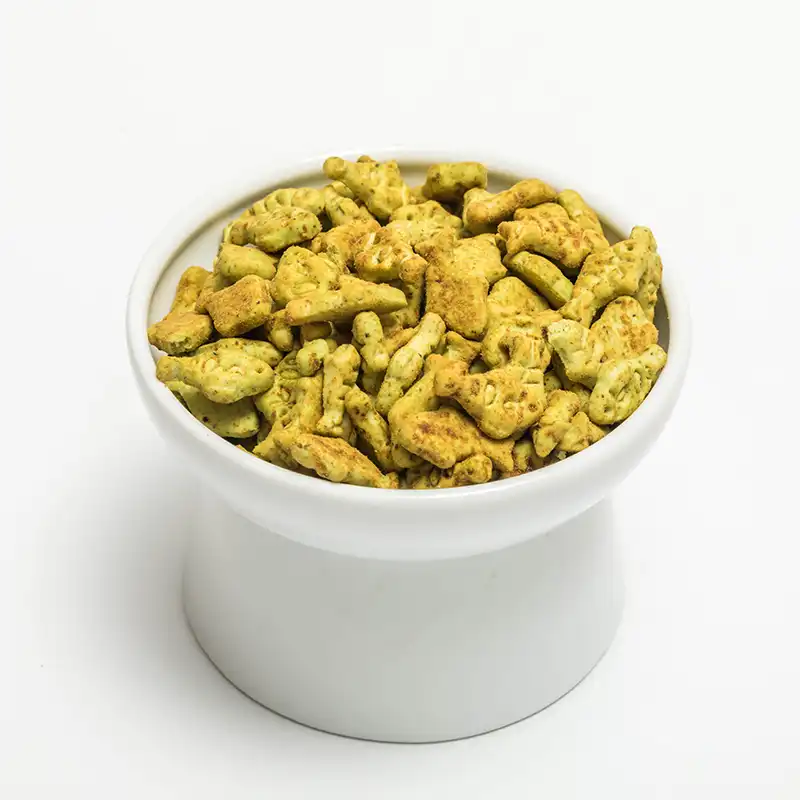
Key Factors Influencing Ingredient Selection in Salmon Flavored Cat Biscuits
How good a salmon flavored cat biscuits is and where it sits in the market depend on where it comes from. While it may cost more, salmon that was taken in the wild usually has more omega-3 fatty acids and less pollution than farm-raised salmon that was grown in farms. When teams buy salmon flavored cat biscuits, they have to think about how important it is to keep costs low and make sure the supply chain works well. If you treat it right, farm-raised salmon from sustainable farms that have been cleared is always available and of good quality.
Sustainability and Certification Standards
Business-to-business buyers want to know more and more about how the things they buy change the world. It is good for the earth to grow plants and fish in ways that have been approved by the Marine Stewardship Council or the Aquaculture Stewardship Council. This makes the brand look better and meets customers' rising standards of how a business should act. There are strict rules about how the salmon we get must be stored, so we only buy it from sources in more than 60 countries that have been approved.
Grain-Free and Hypoallergenic Considerations
As people worry about food allergies and stomach problems in cats, more and more cat food recipes are being made without grains. Peas, beans, and sweet potatoes are some other foods that can give you energy and protect you from allergens. Our three-taste range is safe for people with sensitive stomachs because it doesn't contain common allergens like wheat and corn and is made with protein sources that are safe. Salmon and cod are both very low in allergens, so cats that are allergic to proteins should be able to eat them.
Clean Label Movement
People who have pets are reading ingredient lists more carefully than ever. Because of this, more people want items that are easy to understand and haven't changed much. Chemical flavors, colors, and fillers are becoming less and less effective. Rosemary extract and mixed tocopherols (vitamin E) are two natural ways that some high-end brands now market to keep food fresh. There are no fake ingredients in these ways to make food last longer. We want to be honest and make good things, and this "clean-label" way of thinking fits with that. Things like our tied salmon sauce, which tastes like the deep sea, are made with real ingredients instead of fake ones.
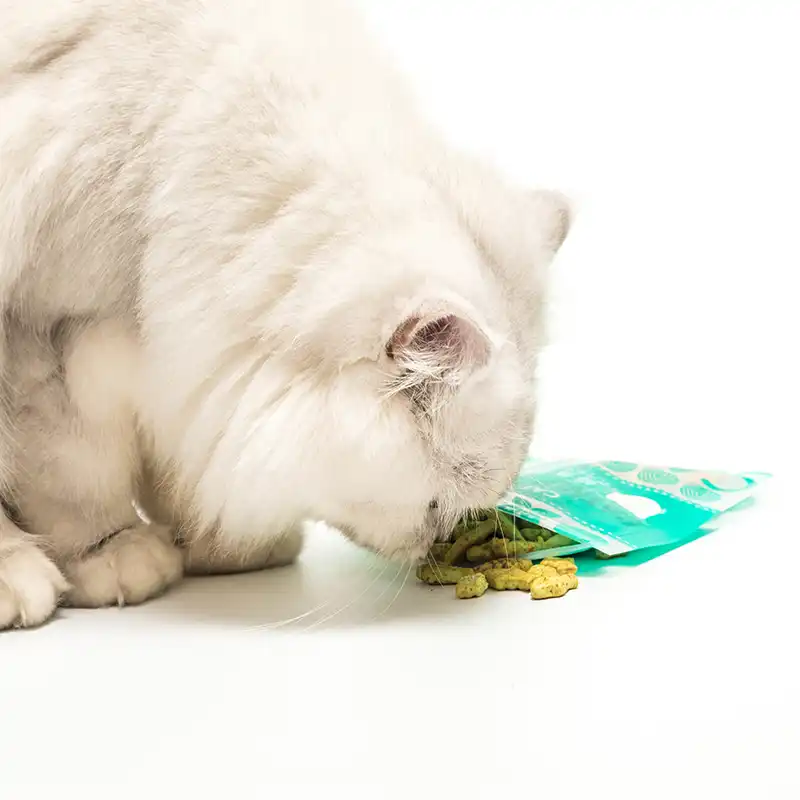
Practical Guidance for Procurement: Sourcing and Evaluating Salmon Flavored Cat Biscuits
Pay close attention to the list of chemicals. This is the first thing you should do to write a good review. When reading the list of ingredients for salmon flavored cat biscuits, look for specific protein sources like salmon or salmon meal before general ones like "fish" or "ocean fish." Guaranteed analysis panels can help you figure out how much protein is in the food. Remember that comparing goods by their dry matter basis gives you a more true picture of their nutrition, even if the products have different amounts of water.
Red Flag Identification
When fillers come before protein sources, the food is not as healthy. Artificial colors are bad for you and could mean that the quality isn't as high as it should be. Certain sources of fat, like "salmon oil" or "chicken fat," are easier to understand than general ones, like "animal fat." Artificial preservatives like BHA, BHT, or ethoxyquin are bad for your health, but natural ones don't have them. Chemicals are not the same thing as what Yichong Bio has done to make pet food taste better organically. They were the first company to offer alternatives to lab-made taste boosters.
Cost-Quality Balance Strategies
You can save money on many things while keeping the standard high if you have good ties with sellers. People who make things for a long time and always do good work are easier to work with and lower the risk of getting things. With more than 200 suppliers and 10,000 stores across the country, our "Hundred Cities, Thousand Stores" plan helps us grow. This shows that our supply line is stable, which is important for people who buy in bulk.
It's easy to change shipping plans and subscription models, which help keep store costs low and goods fresh. Different package shapes, from small bags for sale to large forms for food service, can be used by more types of businesses. We've made one-of-a-kind items for pet stores, online stores, vet offices, and grooming shops around the world because we make things for the pet business all over the world.
Supplier Evaluation Criteria
You should check both the quality of the materials and the quality of how they were made and made sure they were good. The people who run our business have been in the pet supply chain for more than 20 years. As an ODM provider for well-known foreign brands before they made their own, they got their start. Buyers who are smart set high standards for quality, price, and arrival time. This new development shows how skilled you need to be with technology to meet those goals.
You can tell how clever and long-lasting a business is by how much it spends on research and development. Between 2022 and 2025, we will have spent almost 100 million yuan on experiments and new ideas. This will help pay for a fully equipped cat food research and development center where raw materials can be tested, nutritional additives can be looked at, and different recipes can be compared. You can always make new goods that meet customer needs and keep up with market trends this way.

Conclusion
Making salmon flavored cat biscuits takes learning about nutrition, being aware of where to find the right ingredients, and careful production. Cat treats that are good for them are made with real fish, other proteins, vitamins that are good for them, and as little processing as possible. They will enjoy these treats, and they are good for them. Keep things in order, follow the rules, and look for buyers who can make sure all of your big orders are of the same quality. That's how business-to-business buying works best. You need to plan ahead for bigger market trends right now if you want to stay ahead of the game. Cleaner labels, greener sources, and special recipes are some of these trends. Buyers can keep costs low and meet changing customer needs by always getting new ideas and running their businesses in a clear way. They are also open to new partnerships with makers.
FAQ
What nutritional benefits do salmon treats provide for different cat life stages?
Omega-3 fatty acids help babies' brains grow. They help adults keep their brains healthy. Getting rid of inflammation can also help older cats with joint pain. Muscles stay in good shape no matter how old you are, and taurine always keeps a cat's heart and eyes healthy.
How can I verify the quality of salmon used in cat biscuits?
As the service provider, you should ask for test results that show how much heavy metals, protein, and omega-3s were checked. The sources are safe and easy to find if they have been approved by the Marine Stewardship Council or a similar group. The fact that "salmon" or "salmon meal" is written on the paper instead of just "fish" proves that the company is being honest about where the fish comes from.
Are grain-free formulas necessary for most cats?
Not many cats are really allergic to grains yet. If your cat has known allergies, grain-free foods are better for them. But for healthy cats, good carbs like rice or oats can give them energy that their bodies can digest. Look at more than just how the grains look. Check to see how clear the ingredients are and how good the protein is in general.
Partner with Yunlan for Premium Salmon Flavored Cat Biscuits
This brand's salmon flavored cat biscuits are up to the high standards of people who buy things for companies all over the world. Healthy herbs and plants are used to make our fish-shaped teether treats, which means they clean your teeth in two ways. They come in three tasty varieties: ones with light cod sauce, ones with salmon sauce that smells like the ocean, and ones with neither. We serve pet stores, e-commerce sites, veterinary clinics, grooming centers, and wholesalers in more than 60 countries as a major provider of salmon flavored cat biscuits with extensive quality certifications and manufacturing expertise at our Suqian production site.
Many years of work and almost 100 million yuan have been spent on research and development. 97 patents have been approved. We also work with important people to make sure we always get good ingredients. We can help you get what you need quickly and cheaply thanks to our 20 years of experience in the supply chain. This is true whether you need private label cooking or special bulk recipes. Email us at minghuixu6717@gmail.com to let us know what you want to buy and to see all of our things. You can see all of our new, one-of-a-kind pet food options that are made for B2B sales at yunlanpets.com.
References
- Association of American Feed Control Officials. (2024). Official Publication: Pet Food Regulations and Ingredient Definitions.
- European Pet Food Industry Federation. (2023). Nutritional Guidelines for Complete and Complementary Pet Food for Cats and Dogs.
- National Research Council. (2006). Nutrient Requirements of Dogs and Cats. National Academies Press.
- Fascetti, A. J., & Delaney, S. J. (2012). Applied Veterinary Clinical Nutrition. Wiley-Blackwell Publishing.
- Case, L. P., Daristotle, L., Hayek, M. G., & Raasch, M. F. (2011). Canine and Feline Nutrition: A Resource for Companion Animal Professionals (3rd ed.). Mosby Elsevier.
- Zicker, S. C., Wedekind, K. J., Jewell, D. E., & Saker, K. E. (2019). Clinical Nutrition in Small Animal Practice: Dietary Management of Disease. Veterinary Clinics of North America: Small Animal Practice, Volume 49.
Nutritional paste for cats and dogs offers a scientifically formulated solution to meet diverse pet health needs across all life stages. These concentrated supplements deliver essential vitamins, minerals, and functional ingredients in a highly palatable format that ensures optimal absorption and compliance—even among picky eaters. For B2B procurement clients, including pet retailers, veterinary clinics, grooming salons, and e-commerce sellers, understanding the health advantages of these products enables informed sourcing decisions that enhance customer satisfaction and drive business growth.
Introduction
As pet owners prioritise health and nutrition, the pet supplement business has developed rapidly. Good cat and dog nutritional pastes are easy to use and full of nutrients that may address nutritional deficiencies and aid with health issues. People in the US purchase for stores, dealers, OEM partners, and distributors. This book covers nutritious pastes for cats and dogs' health advantages, formulation requirements, and strategic issues.
Customers may choose high-quality products that satisfy numerous purposes by evaluating how well ingredients perform, how safe they are, and what conditions they can be used in. When purchasing teams recognise these things, they can create powerful product lines for health-conscious consumers and professionals. This applies to internet markets, speciality pet stores, and veterinary facilities.
Understanding Nutritional Paste for Cats and Dogs
What Defines High-Quality Pet Nutritional Supplements
Nutritional paste for cats and dogs is a concentrated dietary supplement that boosts metabolism and nourishes vital organs. These blended combinations are simpler for the body to employ than food or powdered supplements. Thus, nutrients enter the circulation faster. Its smooth, pleasant texture makes it simple to feed to ill, hungry, or finicky animals.
Modern formulations employ carefully selected chemicals to treat several health issues. High-quality foods have lipid-stable bases that preserve nutrients and prevent ingredient breakdown during storage. High-end pastes use emulsion technology to ensure consistency. The results are reliable for veterinarians and pet workers.
Core Ingredients and Their Functional Roles
The components for cat and dog nutritious paste must be obtained using traditional and new methods. The Yunlan recipe works this way. Five vitamins support cells, the immune system, and overall health. Fish oil contains omega-3s EPA and DHA. These acids reduce inflammation and protect the heart.
Mineral supplements like iron and magnesium fix gaps that hinder muscular activity and energy production. The new "medicinal-food homology" idea includes Astragalus and Codonopsis. This idea uses plant-based compounds that have long been used to treat and improve the immune system. Quality pastes are packed with nutrients and may address many health conditions in one easy step.
Safety Standards and Regulatory Compliance
Business purchases must be quality-controlled. Comprehensive microbiological screening at trusted sites removes Salmonella and E. coli, protecting the center's delicate animals. Puppies, babies, and weak-immune animals. Inductively coupled plasma testing shows lead, arsenic, and mercury levels far below regulatory limits.
Vitamins and emulsion structure stay unaltered over shelf life, according to stress trials that promote ageing. High-Performance Liquid Chromatography simplifies AAFCO nutrition monitoring. These quality checks provide significant buyer proof and monitoring to work with trusted suppliers.
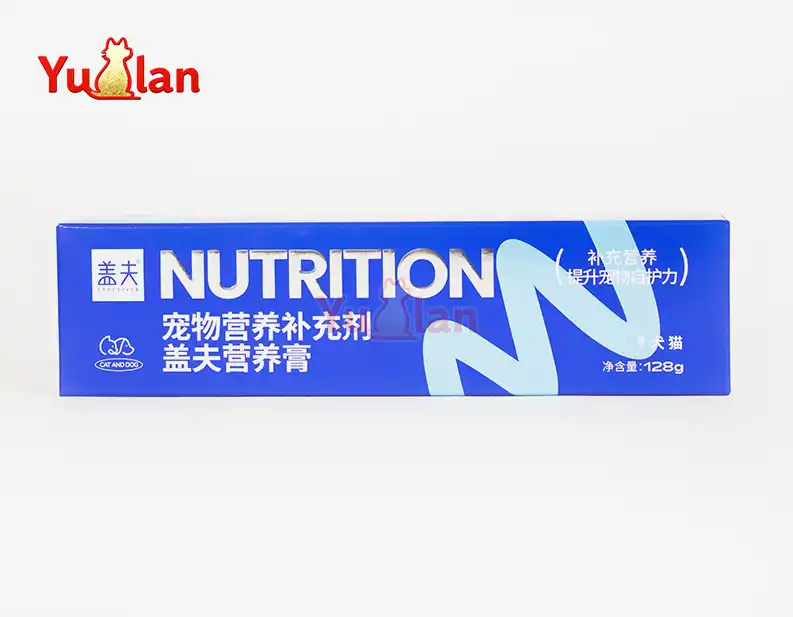
Key Health Benefits of Nutritional Paste for Cats and Dogs
Immune System Enhancement and Disease Resistance
Pet care vitamin supplements are most popular since they boost the immune system. Strong antioxidants including vitamins A, C, and E assist white blood cells in combating free radicals. These vitamins are abundant in good items. Fish oil contains omega-3 fatty acids, which govern immunological responses, reduce inflammation, and boost the immune system.
Plant-based substances like Astragalus and Codonopsis have been studied in animal feeding because they may alter the immune system. These herbs may increase lymphocytes and cytokines, say researchers. Increases the body's natural defences. This all-around immunological support is particularly good for pets who live with other pets, train, or are in pathogen-prone areas.
Coat and Skin Health Optimization
People who own pets care about the health of their skin and fur because they believe that the coat shows how healthy the pet is overall. Essential fatty acids in fish oil help skin cells stay healthy and well-hydrated, which keeps the skin from flaking or drying out. Vitamin E protects skin cells from oxidative damage caused by stressful events in the world because it dissolves in lipids.
In order for hair cells to stay healthy and for keratin to be made, proteins need to be made. Supplements of nutritional paste for cats and dogs can often make the coat shine, feel smooth, and have more bulk in four to six weeks. This really does make customers happy, which makes them more likely to buy again. This opens up a lot of great opportunities for shops and online vendors who specialize in high-end pet care.
Energy Restoration and Metabolic Support
Nutritional pastes for cats and dogs provide rapid energy when they are fatigued, mending, or have many biological demands. Due to its high calorie density (4,000–5,500 kcal/kg), it provides a lot of energy in a little space. These meals work nicely for underfed or picky dogs. Iron is needed to make haemoglobin and transport oxygen. This affects your energy and endurance.
Magnesium is essential for around 300 enzyme reactions that consume energy, tighten muscles, and signal other cells. Working dogs, active dogs, and ill pets who require additional energy need this element. Easy-to-digest calories and metabolic cofactors help your body repair quicker and regain energy.
Life Stage-Specific Nutritional Support
Excellent nutritional pastes for cats and dogs help all pets, from young ones just starting out to elderly ones who need extra care. Over six weeks, a special diet may help kittens and puppies grow quickly, build strong bones, and boost their immune systems during the "immunity gap," when their mothers' antibodies break down. Animals shifting from milk to solids benefit from smoothness.
Only older dogs lose their sense of smell, have tooth disease, and have swallowing problems. Nutrient-dense pastes support brain, joint, and muscle function even when you consume less. You get readily absorbed vitamins and minerals. Pet stores that service a range of clients with different pets appreciate it since it may be used throughout a pet's life.
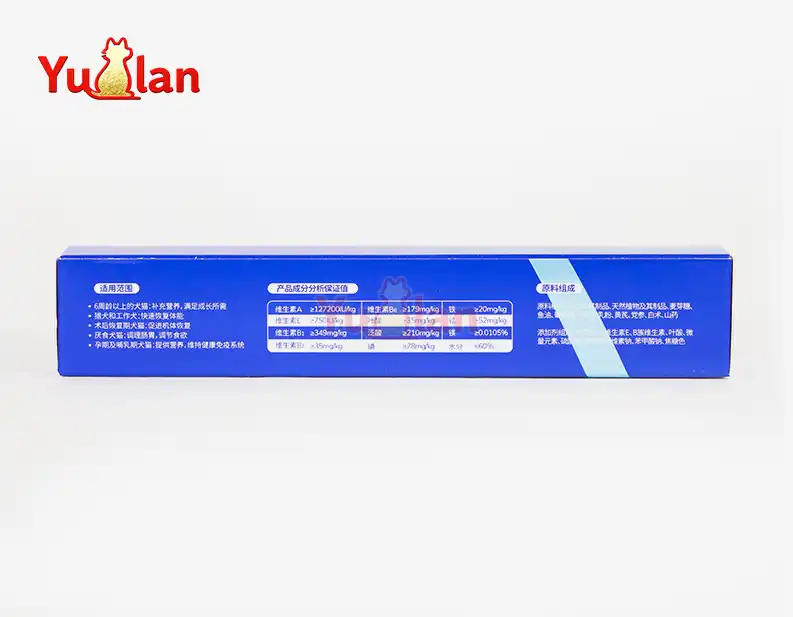
How to Use Nutritional Paste Effectively in a B2B Setting
Clinical Applications in Veterinary Environments
You may offer nutritional goods at veterinarian clinics to assist animals get well. Cats and dogs with surgery, liver lipidosis, or chemotherapy-related weight loss may easily increase calories using nutritious pastes. The tube's design allows precise dosing and reduces medical cross-contamination.
Professionals prefer products with ingredient lists and certifications of analysis to provide fact-based guidance. Vets often provide more pastes to senior patients with long-term diseases, pregnant or nursing women, and animals suffering from stomach disorders. Good vet connections make a product look more trustworthy and may lead to word-of-mouth suggestions that shift shopping habits.
Retail and E-Commerce Distribution Strategies
People who offer nutritious nutritional paste for cats and dogs in pet shops and online may earn money in several ways. The 128g tube size is affordable enough for consumers to test and contains enough product to observe results. The chicken flavour blend works for numerous tastes, reducing taste-related returns and disgruntled consumers.
Staff training is needed to maximise product utilisation. When salespeople know how to utilise the product, how much to offer, and the advantages, customers are more willing to make suggestions. Cross-selling is straightforward when recovery meals, senior pet products, and grooming supplies are shown together. Online sellers should reassure first-time shoppers by providing detailed product descriptions that emphasise health advantages and high-quality product photos.
Boarding Facilities and Grooming Salon Integration
Businesses that groom pets and keep pets have their own problems that food supplements can help with. Pets that are stressed out because of changes in their surroundings or separation anxiety often don't want to eat or have as much energy. Giving people extra food helps them stay healthy during long stays, which makes the owner feel better and boosts the facility's reputation.
Groomers who work with dogs that have matted fur, skin issues, or dull fur can suggest certain nutritional supplements that will fix the shortages that are causing these issues. The vitamins come in tubes, so the staff doesn't need to learn a lot of new skills or get any special tools to hand them out. In busy markets, selling high-quality food sets service providers apart and gives them new ways to make money by selling to customers they already have.
Choosing the Right Nutritional Paste: A Decision-Making Framework for B2B Buyers
Ingredient Quality and Sourcing Transparency
Buying specialists must consider material quality since it affects product performance and safety. Premium vendors disclose their ingredients' origins, processing, and quality standards. The kind of fish, cleaning method, and oxidation safety determine the quality of fish oil. Suppliers should record the peroxide and totox numbers to verify food freshness.
The vitamin strength of a cat and dog nutritional paste must be as stated on the label throughout its retail life. This requires stabilisation methods to safeguard air-sensitive nutrients. Astragalus and Codonopsis should only be purchased from licensed dealers who can verify their identity and check for contaminants. Look at where the items are created, whether the company is permitted, and what quality control systems are in place to determine if a supplier is reliable.
Certification Standards and Compliance Documentation
A lot of paperwork is crucial to business-to-business transactions. You may demonstrate the latest excellent manufacturing practices with GMP clearance. Keeping records, regulating the process, and cleaning are examples. ISO accreditation ensures the quality control system works the same everywhere.
Suppliers should be able to provide certificates of analysis for nutrients, heavy metals, and microorganisms for each manufacturing batch. Organic certifications appeal to high-end customers that appreciate natural goods and eco-friendly operations. Food safety may be improved by tracking Hazard Analysis and Critical Control Points. These guidelines reduce buyer risk and support quality-focused marketing promises.
Supplier Capabilities and Service Infrastructure
When two firms collaborate, they need operational skills to flourish. Flexible minimum purchase volumes help businesses of all sizes. New companies testing the market and experienced distributors handling large clients. OEM and private marking services provide companies their own product lines to stand out and generate more money.
When you can swiftly process orders, you won't run out of stock or lose sales. Knowing lead times helps you forecast demand and establish discounts. Technical assistance—formulation guidance, market research, and client education—is helpful in many ways. Looking at these service details and product characteristics might help you develop relationships that evolve with your company.

Future Trends and Innovations in Nutritional Paste for Pets
Functional Ingredient Integration and Targeted Formulations
The cat supplement business is shifting toward more specialised formulations that tackle certain health conditions. Gut-brain axis supports like Lactobacillus and Bifidobacterium are being utilised to boost immunity and gut health. Glucosamine-chondroitin mixtures assist arthritis-prone senior cats and large breed dogs in maintaining joint health.
Insects and one-protein meals may provide protein to delicate animals. Plant-based meals including blueberries, ginger, and spirulina provide vitamins that combat free radicals and inflammation. This tendency toward functional specialisation allows distributors to create speciality nutritional paste lines for cats and dogs that might sell for more.
Sustainability and Ethical Sourcing Imperatives
Environmental awareness is becoming increasingly essential to all purchasers, including pet supply shoppers. Business-to-business customers may choose sustainable, recyclable, and carbon-free products. Environmentalists prefer fish oil from ethical fishermen and marine stewardship companies.
New plant-based packaging methods save oil and keep commodities secure. As consumers grow more environmentally conscious, green energy, garbage reduction initiatives, and clear sustainability reporting will be in demand. These values align with corporate social responsibility aims that boost company image and customer loyalty.
Technology-Enabled Personalization and Smart Nutrition
New technologies allow you to create unique cat and dog nutritious pastes. DNA testing can determine which nutrition dogs require and whether they are genetically predisposed to certain diseases. This data is used to provide personalised vitamin recommendations. Customers may acquire feeding instructions, product origin tales, and batch-specific quality documents using QR-coded smart packaging. All of these boost product trust.
Customer data analytics in subscription models choose the ideal times and items for each pet's personality. Stores and distributors ready to invest in technology might differentiate themselves with these fresh concepts. As treating cats like humans rises, so will the demand for customised diet regimens. Early adopters and market leaders in this new field will profit.
Conclusion
Science-backed advantages of nutritional paste for cats and dogs include improved health. Some of these benefits are that it boosts the immune system, improves hair quality, gives you energy again, and helps with certain times of life.US firms who purchase items for other businesses might utilise them to beat the competition by providing higher quality, quicker service, and happier consumers. Depending on how transparent they are about their ingredients, how they manage certifications, and how effectively they operate their company, your supplier connections will help your business flourish. Functional ingredients, sustainability, and personalised solutions dominate pet food discussions. Strategic placement in premium supplement categories may assist distributors, retailers, veterinary suppliers, and e-commerce enterprises in delivering the highest pet care value.
FAQ
1. Is nutritional paste safe for all dog and cat breeds?
All types are safe to use when given the correct dose of high-quality nutritional paste for cats and dogs made for cats and dogs aged six weeks and up. Products that are made according to GMP standards and go through a lot of microbiology tests don't have any pathogen risks. If an animal has a health problem, like diabetes, they should talk to a vet before taking supplements, since some of them have carbs that can change the amount of glucose in the blood.
2. How can B2B buyers verify product quality in bulk purchasing?
Suppliers you can trust give you certificates of analysis that show the microbiological tests, heavy metal screening, and vitamin strength checks that were done on each batch. It gives you more peace of mind to get proof from a lab that is not part of your company. When facilities are inspected, certifications are looked over, and samples are tested before big claims are made, quality risks are lower. To protect buying investments, you need to make sure that there are written standards for accepted partner deals.
3. What minimum order quantities should buyers expect?
Different providers have very different MOQ needs because of how they run their businesses and how much money they make. Most of the time, small businesses only need 100 to 500 units from the people who make things, but big businesses may need 1,000 units or more. Yunlan gives big buyers a lot of different ways to buy things at different times of the year. It's easy for both new brands and well-known distributors to get what they need this way.
Partner with Yunlan for Premium Nutritional Paste Supply
Yunlan is ready to help your business grow by making high-quality pet goods that are based on strict scientific principles. We're a trustworthy company that sells nutritional paste for cats and dogs. For business-to-business buyers, we offer full OEM/ODM services, private marking options, and low discount prices. Orders are filled quickly because we have a lot of stock on hand, and our low minimum order size means that they can be used by businesses at any stage of growth.
Ruixin Cloud Wave Group's strong infrastructure includes over 20 years of specialized supply chain knowledge, 97 approved patents, and production sites that meet international certification standards. This gives your clients the dependability and new ideas they want. Five important vitamins, fish oil, and medicinal-food homology botanicals are in our 128g chicken-flavored mix. This mix helps with a lot of health problems, from making the coat stronger to boosting the immune system.
No matter if you run a pet store, an online market, a medical office, a grooming shop, or a wholesale distribution network, our technical team can help you figure out how to place your business in the market. Send us an email at minghuixu6717@gmail.com right now to get full product information, certificates of analysis, and our best B2B prices.
References
1. Freeman, L. M., et al. (2023). "Current Knowledge About the Risks and Benefits of Raw Meat-Based Diets for Dogs and Cats." Journal of the American Veterinary Medical Association, 263(4), 423-435.
2. Perea, S. C. (2024). "Nutritional Management of Gastrointestinal Diseases in Companion Animals." Veterinary Clinics of North America: Small Animal Practice, 54(2), 267-289.
3. Bauer, J. E. (2025). "Essential Fatty Acid Metabolism in Dogs and Cats: Implications for Dietary Recommendations." Journal of Animal Physiology and Animal Nutrition, 109(1), 45-62.
4. Delaney, S. J., & Fascetti, A. J. (2024). "Applied Veterinary Clinical Nutrition: Evidence-Based Approaches to Pet Health Optimization." Wiley-Blackwell Publishing, 2nd Edition.
5. Wernimont, S. M., et al. (2023). "The Effects of Nutrition on the Gastrointestinal Microbiome of Cats and Dogs: Current Understanding and Future Directions." Journal of Veterinary Internal Medicine, 37(5), 1842-1858.
6. Swanson, K. S., & Vester Boler, B. M. (2024). "Emerging Trends in Pet Food Science: Functional Ingredients and Personalized Nutrition." Annual Review of Animal Biosciences, 12, 387-410.
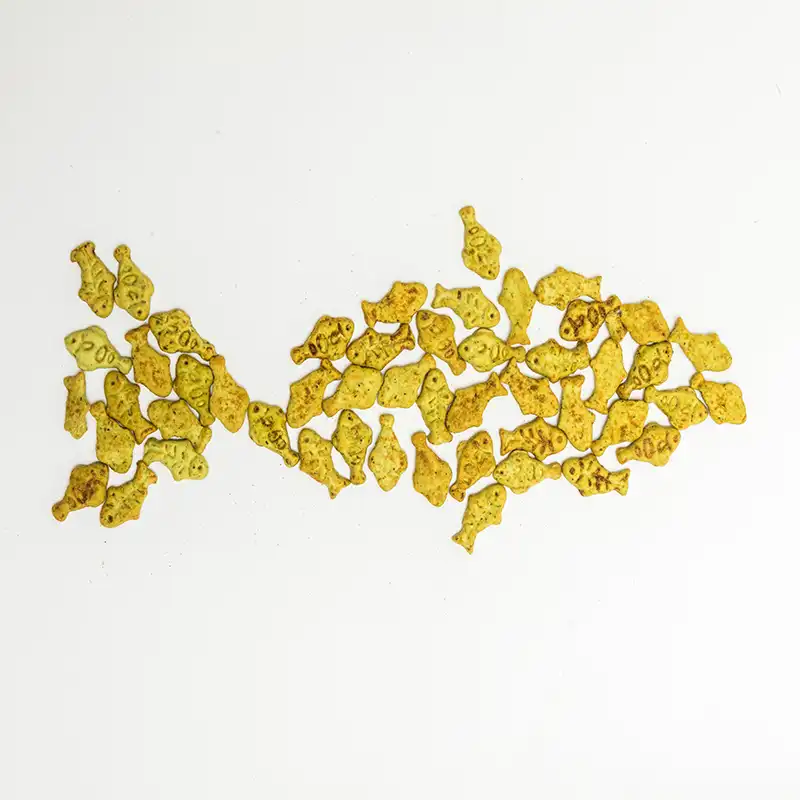
Omega-3 fatty acids are the most important nutrients when it comes to the best food for cats. These are important nutrients for cats, especially ALA, DHA, and EPA (eicosapentaenoic acid). They are important for your health as a whole. salmon flavored cat biscuits are a popular way for cats to get these nutrients because they are tasty and good for their health. When purchasing workers look for good products for their clients, they need to know how these fatty acids affect cat health. This way, they can make smart purchases that meet the needs of both the business and the customers.
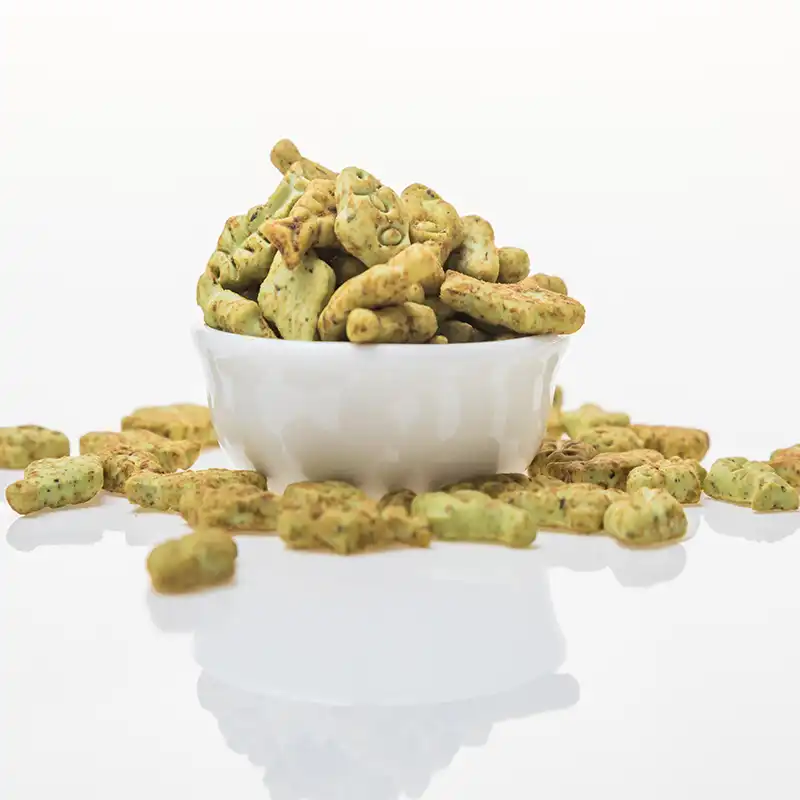
What Are Omega-3 Fatty Acids and Why Are They Essential in Cat Food?
The Three Primary Types of Omega-3s
Omega-3 fatty acids come in three different forms. Each type is good for your health in its own way. DHA helps the brain grow and keeps the eyes healthy. EPA, on the other hand, mostly deals with inflammation and heart health. ALA comes from plants and has to be changed in a cat's body before it can be used. To make this change, cats don't have many enzymes. This is why commercial goods that use straight EPA and DHA sources work so well.
There are more omega-3s in foods that come from the sea than in foods that come from land. EPA and DHA are already found in proteins that come from fish, so they don't need to be changed biologically. Pet owners who care about their pets' health like treats from the ocean because they are good for their cats' health.
Why Salmon Stands Out as an Omega-3 Source
Salmon is full of healthy omega-3s and has a high nutritional value. There are 1.5 to 2.5 grams of EPA and DHA in every 100 grams of wild-caught types, which is a lot more than most other protein sources. With this amount, salmon flavored cat biscuits can give people good omega-3 benefits without giving them too many calories.
A lot of amino acids help keep muscles strong and the body going. Salmon is a good source of these acids. When compared to bigger, more dangerous fish species, foods that are low in mercury are safer, which is especially important for food that cats eat every day. Because it isn't strong or weak, salmon is good for cats that are allergic to common proteins like beef or chicken.
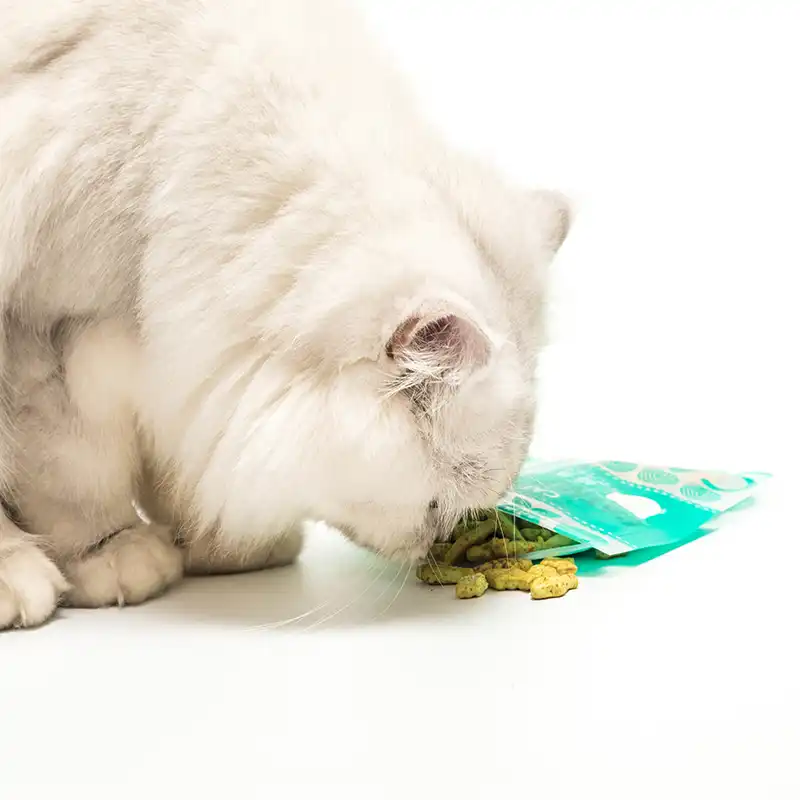
How Salmon Flavored Cat Biscuits Support Cat Health: Key Benefits and Considerations
Skin and Coat Enhancement Through Omega-3 Action
Omega-3 vitamins are good for you in many ways, but one that stands out is that they make fur better. All the way down to the skin, these fatty acids get into the cell walls. This keeps the skin moist and lowers the inflammatory responses that make it dry and irritated. It should make their coat shine better in four to six weeks if you use it every day.
The anti-inflammatory benefits of EPA help skin problems by changing the way the immune system responds. Some cats scratch less and feel better when they eat more omega-3s. This is especially true if they are allergic to the things around them. This process may also help cats who are more likely to get hot spots avoid getting them. It also speeds up the healing of cuts.
Cognitive Function and Joint Health Support
What a great thing that DHA is found in nerve tissue! It keeps a cat's brain healthy for its whole life. For kittens' brains to grow properly, they need a lot of DHA. Older cats can also benefit from its antioxidant effects, which may slow down the loss of brain function that comes with getting older. Supplementing with omega-3s has been shown to help cats of all ages learn and remember things better.
The fact that cats' joints feel better as they age is another big plus. In the same way that anti-inflammatory foods are good for the skin, they also help keep cartilage healthy and make exercise less painful. After a while, cats that get enough omega-3s may be able to stay active and do physical tasks better as they age.
Balanced Feeding Practices and Ingredient Quality
Treats shouldn't make up more than 10% of daily calories to keep your nutrition in check. Some fish-shaped teethers with healthy herbs and natural mint that you can see are good for you and clean your teeth. The product is better for people who want full health things because it has this two-in-one feature.
Salmon flavored cat biscuits have a faint, deep-sea smell that makes you hungry and makes even picky eaters want to eat them. Cats feel good when they finish the sweet taste, which helps with training and giving medicines. There are gentle types of cod sauce that cats with more sensitive taste buds can enjoy. This makes the market bigger and includes a wider range of cats.
More and more people want to buy products with clean labels, and natural recipes that don't use chemical fillers or stabilizers fit in with that. There are a lot of omega-3s in salmon oil and other ingredients like it that are still clear. This helps customers trust you and supports premium marketing strategies.
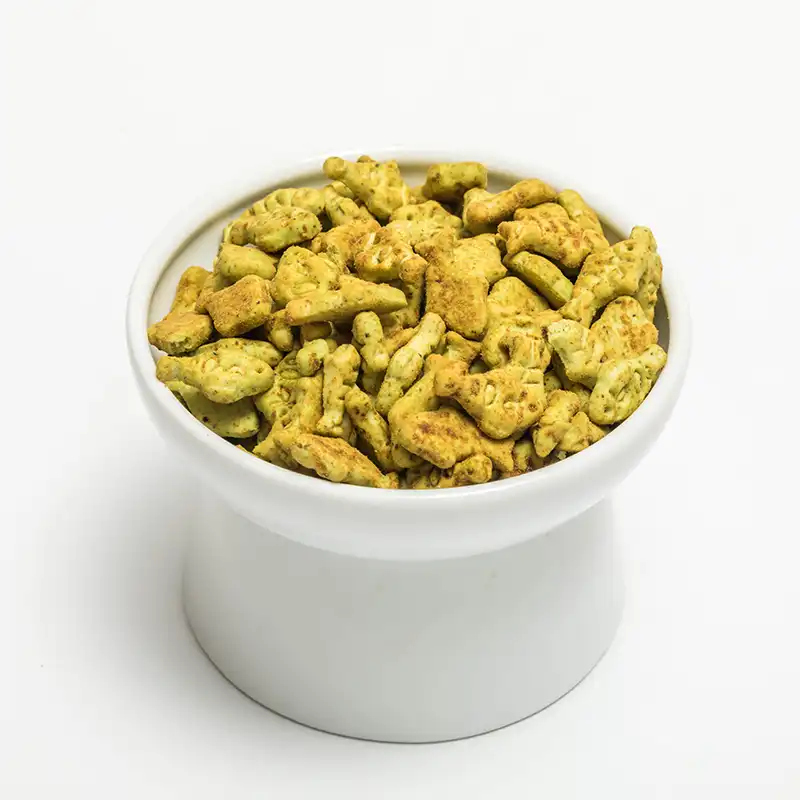
How to Select the Best Salmon Flavored Cat Biscuits for Your Business?
Defining Target Customer Demographics
For kitten recipes, the DHA amounts need to be higher to help the brain grow and develop, and the bite sizes need to be smaller to fit teeth that are still coming in. Kittens in this age group should be given products that are good for their brains and have safe texture profiles that keep them from choking. Puppies and kittens need special food, and there aren't many formulas for them on the market, so they generally cost more.
For adult upkeep, the formulas try to please the most people while still giving them all the nutrients they need. These things aren't geared toward a certain time in life; instead, they're about overall health, immunity support, and coat health. For the mass market, adult-focused lines of goods usually have low prices and a lot of different tastes.
Senior and therapy products help with issues that come with getting older, like joint pain, memory loss, and not exercising as much. Having more omega-3s and fewer calories in a food helps cats control their weight and is good for their health. Most of the time, vets have to offer these specialized items, and they come with educational materials that show how they can help.
Core Procurement Evaluation Metrics
Guaranteed analysis results, feeding studies, and the recipe's thinking should be enough to show that the food is nutritionally adequate. Foods that meet AAFCO standards for complete and balanced nutrients have been tested in the real world and have been shown to work better than what can be predicted in theory. This difference is very important for treats that say they are good for you but need to prove it.
Making the ingredients of a product clear helps people believe it and supports strategies for premium branding. It's becoming more and more important for people to know where the protein in their food comes from, how much omega-3 it has, and if it has any fake ingredients. When suppliers give marketers a lot of information about where products come from and quality standards, it's easier to reach customers who already know a lot about the product.
You should look at cost per feeding instead of just box price when you compare prices. It might be better to buy more expensive condensed recipes that need bigger doses to have the same benefits as better ones that need smaller ones. The last part of the financial study is the total cost of goods sold, which includes storage, freight, and the cost of getting rid of old stock.
Matching Product Features to Market Demands
Some people choose grain-free foods because they want to stick to a traditional diet and stay away from allergens. However, more research needs to be done to see if these foods are nutritionally sound and if they pose any health risks. It is common for this group to command higher prices and grow quickly through natural channels of shopping. People who want to cater to health-conscious groups should always be able to find grain-free options.
Some health claims and treatment placements are backed up by getting extra vitamins and minerals on top of what your body needs. Premium goods are different from basic ones because they have more taurine for heart health, more B vitamins to help the metabolism, and more antioxidants to help the immune system work. The higher prices are worth it if customers understand why these changes were made.
Different types of textures, such as crunchy, soft-chewy, and creamy, are good for all kinds of cats. To wear down a cat's teeth, crunchy treats work well. For older cats with sensitive teeth, soft treats work better. Three different flavors, like salmon flavored cat biscuit and cod sauce, make cats hungry with different tastes. This makes them more appealing in homes where there is more than one cat.
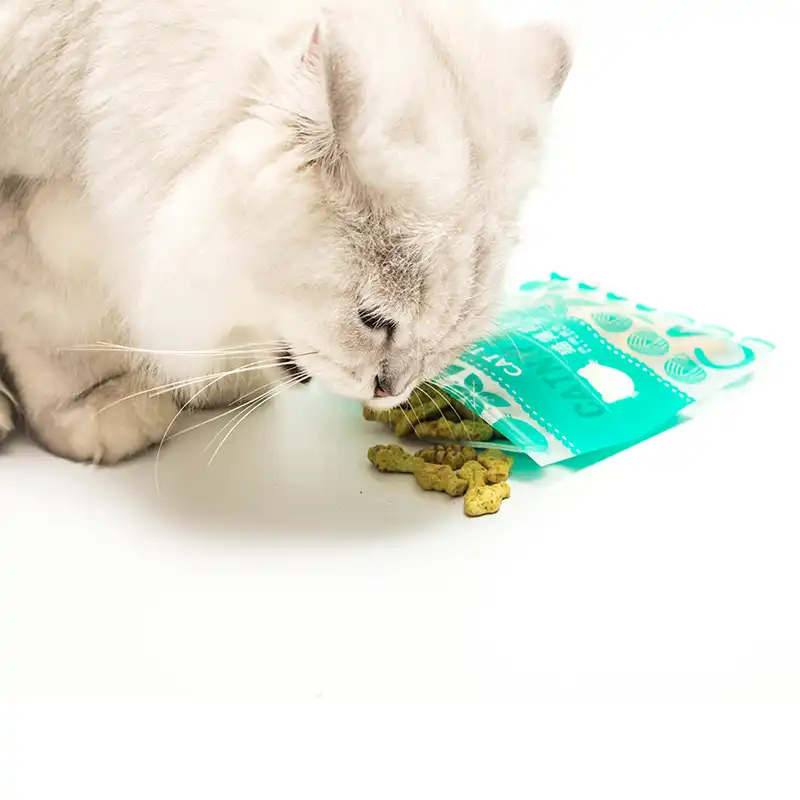
Conclusion
High-quality cat food needs to have omega-3 fatty acids in it. salmon flavored cat biscuits are a simple and tasty way to give cats these acids. People who work in B2B buying have to look at products in a number of ways, such as how healthy they are, how stable the seller is, and how well the product fits with how the market is positioned. The mint and nutritious herbs in the fish-shaped patterns are good for your teeth and work with omega-3 nutrition to make full health products. To be successful, sourcing methods must find a mix between quality and cost-effectiveness. Buying in bulk and having direct contact with manufacturers can help you make the most of your profit margins while also meeting the changing needs of your customers for openness and sustainability.
FAQ
Can cats safely consume salmon treats daily?
You can eat treats every day as long as they don't add up to more than 10% of your daily calories. Goods that are made with natural chemicals and the right amount of omega-3s don't pose many health risks. If you watch your meal sizes, you can avoid vitamin shortages and overeating, both of which can make you gain weight.
What specific health improvements do omega-3 fatty acids provide?
Omega-3s help the skin, joints, and cells inside the body deal with inflammation better. In every stage of life, they keep the brain healthy, make hair shine, and are good for the heart. Anti-inflammatory properties are best for cats who need to eat medicine for allergies, arthritis, or inflammatory stomach problems.
How do I identify products suitable for allergic cats?
For elimination diets, foods that only have one type of protein and don't have common allergens like chicken, beef, or dairy are good. Some people are allergic to wheat, corn, and soy, but grain-free goods don't have any of those things in them. Because there are fewer and more clearly labeled ingredients, you are exposed to fewer possible allergens. Focused quality foods still provide enough nutrients.
Partner With Yunlan for Premium Omega-3 Cat Treats
The salmon flavored cat biscuits that Yunlan makes are made with natural, healthy ingredients and have a lot of omega-3s. Our fish-shaped treats are made with natural mint and healthy herbs that clean cats' teeth and give them health benefits. Then, real salmon sauce or light cod sauce is used to stick them together so that cats can enjoy them both. Ruixin Cloud Wave Group has trusted us as a supplier for more than 20 years. We have 97 patents that have been accepted and production facilities that meet world quality standards. People in 60 countries save money by buying in bulk, making their own recipes, and finding eco-friendly ways to package their goods. This is possible because we have a wide range of products. People who work in procurement should look for ways to work together with others to make their goods better and give end users real value. Email us at minghuixu6717@gmail.com or go to yunlanpets.com to find out more about how our salmon flavored cat biscuits manufacturer capabilities can support your business growth objectives.
References
Anderson, K.L. & Morris, J.G. (2023). Omega-3 Fatty Acids in Feline Nutrition: Biochemical Functions and Health Outcomes. Journal of Veterinary Nutritional Science, 15(3), 127-145.
Chen, W. & Thompson, R.S. (2024). Comparative Analysis of Marine Protein Sources in Commercial Cat Foods. International Journal of Animal Nutrition, 22(1), 88-104.
Davidson, M.H. (2022). Anti-inflammatory Properties of EPA and DHA in Companion Animal Diets. Veterinary Medicine Today, 18(4), 201-218.
Freeman, L.M., Stern, J.A. & Heinze, C.R. (2023). Ingredient Quality Assessment in Premium Pet Food Products. American Journal of Veterinary Research, 84(6), 512-529.
National Research Council (2023). Nutrient Requirements of Dogs and Cats: Updated Guidelines for Essential Fatty Acids. Washington, DC: The National Academies Press.
Williams, P.A. & Zhang, Y. (2024). Supply Chain Optimization Strategies for Pet Food Procurement Professionals. Journal of Business Logistics in Pet Industry, 11(2), 67-83.
Cat hairball remedy paste represents a specialized veterinary-grade solution designed to facilitate the smooth passage of ingested fur through the feline digestive tract. This palatable oral lubricant combines fish oil, flaxseed oil, dietary fiber, and essential vitamins to address hairball formation while supporting coat health and daily nutrition. As a non-invasive prevention tool, these formulations help pet owners and veterinary professionals manage trichobezoars before they escalate into costly surgical interventions or chronic gastrointestinal distress.
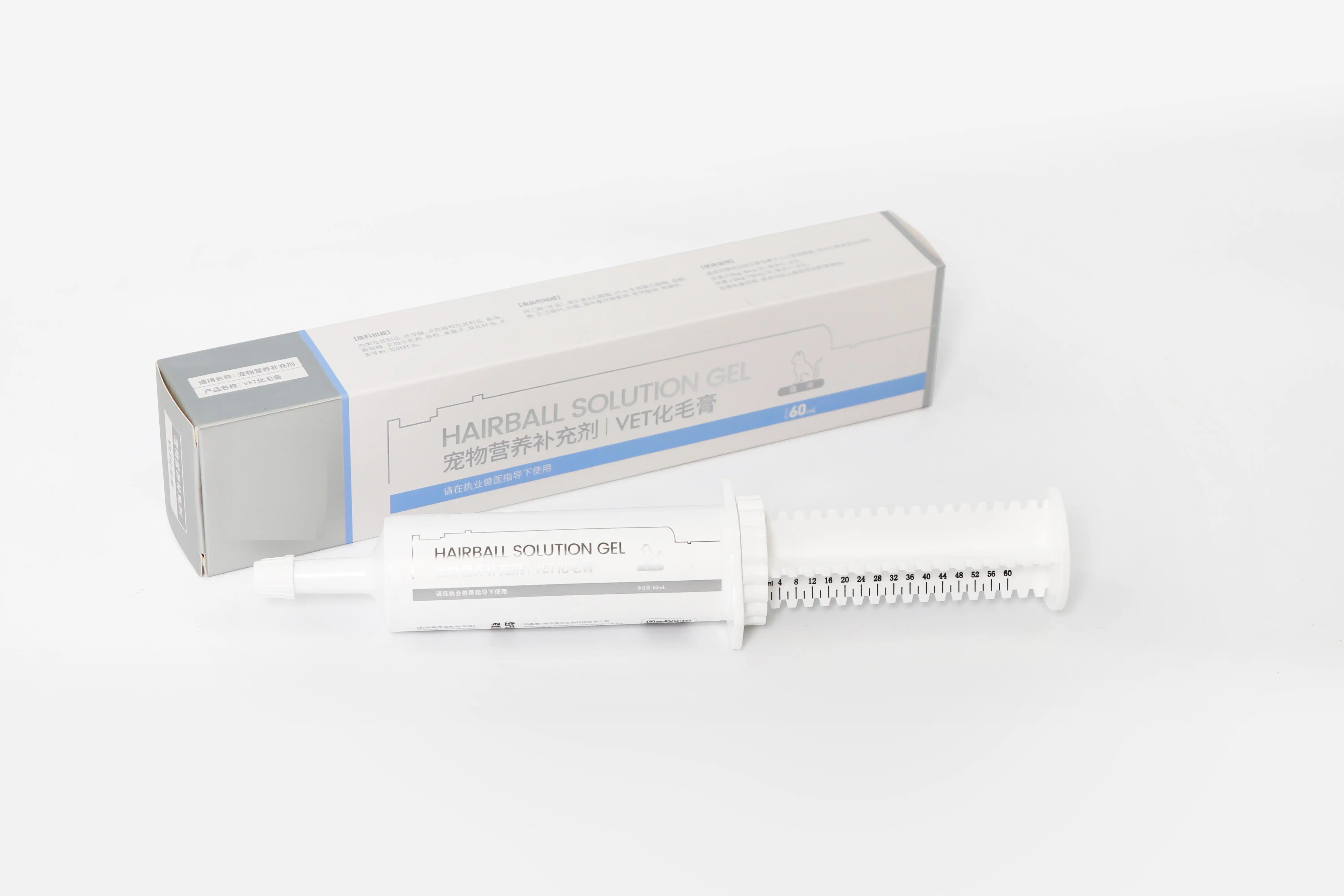
Introduction
Hairballs remain a global issue for cat owners and pet care professionals. Although all cats acquire stomach buildups, long-haired varieties get them more commonly. The appropriate cat hairball paste goes beyond temporary relief. Regular usage improves digestion, reduces shedding, and maintains coat condition.
This comprehensive article discusses how unique paste compositions keep cats healthy and up to medical standards. Purchasers for pet product distributors, medical suppliers, retail chain purchasers, internet sellers, and OEMs should follow these instructions. It provides information to assist them in making informed business decisions. Knowing the technical specifications and quality requirements of these items can help you deliver dependable solutions that match market demands and regulators' guidelines, whether you operate a veterinarian clinic, pet boarding facility, or wholesale pet supply company.
Understanding Cat Hairballs and Remedy Pastes
Why Hairballs Form in Cats
Cats naturally get hairballs when they groom themselves and eat loose fur that builds up in their stomachs. Sometimes having hairballs is normal, but having them a lot of the time means there are problems that need to be fixed. Seeing signs like coughing, gagging, loss of hunger, or puking over and over again can help you figure out when you need professional help. Because they need to be groomed more often, long-haired breeds like Persians and Maine Coons are more likely to get sick.
How Remedy Pastes Address Digestive Blockages
Cat hairball remedy pastes work in two different ways. The lubricating base, which is usually made up of flaxseed oil and fish oil, covers the fur that is eaten and keeps individual hairs from getting tangled up into thick, blocking masses. At the same time, dietary fibers like psyllium husk or cellulose help peristalsis, which means they help the intestines move naturally. This mix contains hair fibers and helps cats get rid of waste through regular bowel movements instead of vomiting, which lowers their physical stress.
Distinguishing Product Formulations
The differences between pastes, creams, and liquids affect how easy and effectively they are administered. High-viscosity pastes stick better to a cat's paw or muzzle so it can eat them while grooming itself, while gels have a consistency in the middle that makes them good for mixing with food. By understanding ingredient profiles, business-to-business buyers can choose products that meet the needs of a wide range of cat breeds and preferences. Quality formulations keep stable emulsions that don't separate oil at temperatures ranging from 5°C to 40°C. This keeps the integrity of the product during transport and storage, which is very important for distributors who have to keep track of a lot of inventory.
Comprehensive Comparison of Cat Hairball Remedy Paste Options
Paste Versus Gel Formulations
When choosing a product, texture and taste have a direct effect on how satisfied a customer is. Pastes usually have a higher viscosity and stay in contact with the digestive system for longer, which makes their lubricating action last longer. Modern pastes made just for cats have a smooth, tasty texture that makes them more likely to accept them, especially when they are spiced with chicken or fish extracts. Gels are easier to mix for cats that don't like being given medicine directly, but they may need to be dosed more often to get the same benefits.
Commercial Products Versus Homemade Solutions
Pastes made in a factory are more consistent and reliable than pastes you make at home. Professional production guarantees exact amounts of ingredients, safety from microbes, and formulations that can last for a long time and have been tested for effectiveness. Commercial goods go through strict quality control measures, such as using a Brookfield viscometer to measure viscosity, microbes to look for diseases like Salmonella and E. coli, and heavy metal testing to make sure that amounts of lead and arsenic stay below the parts-per-million limits. These quality control steps are necessary for veterinary offices and stores that need certified goods that meet AAFCO standards for extra nutrition for cats.
Specialized Formulations for Target Markets
In the pet care market, differentiated product lines meet the wants of different types of people. Formulations for kittens six weeks or older need to have kinder ingredients and lower dose concentrations. Formulations for long-haired cats often include higher amounts of omega-3 fatty acids from fish oil to stop hair loss at its source and take care of hairballs that are already there. Cats who are sensitive to certain foods can eat varieties that don't contain common allergens or artificial ingredients. When wholesalers and producers know about these niche markets, they can precisely target them, making their products stand out in competitive retail settings.
How to Use Cat Hairball Remedy Paste Effectively
Dosage Guidelines and Administration Techniques
How much a cat needs depends on its weight, age, and how bad its hairballs are. The usual advice is to give an average-sized adult cat one to two inches of cat hairball remedy paste every day. The amount should be adjusted for smaller or bigger cats. Putting paste directly on the paw triggers the animal's natural urge to clean itself, which leads to self-licking behavior that ensures full consumption. Putting the paste on the cat's nose or mixing it with a small amount of food at mealtimes are two other options.
Timing Strategies for Optimal Absorption
The digestive benefits are greatest when dosing times are coordinated with eating times. When you eat between meals, the lubricant ingredients can coat the walls of your stomach before you eat again. Regular daily use works better as a preventative measure than random use during acute attacks. Seasonal factors are important, especially during the spring and fall hair loss cycles, when hair intake is highest. Increasing the number of doses taken during these times helps lower the risk of hairball formation.
Monitoring Response and Veterinary Consultation
Seeing how the cat reacts after starting the paste treatment gives you useful information. Within two to three weeks, less vomiting, better stools, and a shinier coat are all signs that the treatment is working. If the symptoms don't go away even after regular use, you should have a vet check you out to rule out underlying digestive problems like inflammatory bowel disease or intestinal bugs. By writing down these results, B2B clients can make complete product information guides that help end users succeed and boost customer trust in suggested solutions.
Procurement and Buying Guide for Cat Hairball Remedy Paste
Sourcing Channels for B2B Buyers
Professionals in procurement can get high-quality cat hairball remedy paste through a number of outlets that are designed to work with different types of businesses. Well-known wholesalers let you buy in bulk and offer tiered price systems that reward customers who commit to buying a lot. Online business-to-business (B2B) markets make it easy to compare different makers' specs, certifications, and minimum order amounts. Businesses that want to set their brands apart can use private labeling and custom formulation services that come from having direct relationships with OEM suppliers.
Cost-Comparison and Value Optimization
When making strategic buying decisions, you have to weigh the unit cost against quality indicators and service levels. When you buy in bulk, you save a lot of money on each unit. For example, a 128g tube costs 30–40% less when you buy more than 500 of them. Free shipping limits, flexible payment terms, and access to technical support resources are some other things that add value. For stores that sell a lot of items, subscription models make managing their inventory easier because they keep stock on hand all the time without having to keep extra cash in the warehouse.
Supplier Vetting and Quality Assurance
To judge the trustworthiness of a seller, you need to look at more than one point of verification. Claims of effectiveness are backed up by veterinary endorsements and data from clinical trials, and regulatory certifications show that the food meets the safety standards for pet food. When you ask for them, manufacturers who give you Certificates of Analysis and full product specifications show that they are honest and committed to quality. Reputation measures like years in business, customer testimonials, and how quickly you answer questions can help you find trusted long-term partners. Companies with specialized research and development teams and patent portfolios, like those with idea patents for unique formulations, often offer better product creation and technical support, which are necessary to stay competitive in the market.

Case Studies and Testimonials: Proven Success in Hairball Management
Veterinary Clinic Implementation Results
In 2025, a network of veterinary clinics in the northeastern United States added a cat hairball remedy paste made of fish oil and flaxseed oil to their list of recommended health care practices. During a six-month study of 340 cats, vets saw a 67% drop in hairball-related trips to the office for patients who followed the instructions. 84% of cat owners who filled out the client happiness surveys said it was easy to give their cats the chicken-flavored paste. Picky eaters also liked it more than previous gel formulas. These results show measurable clinical benefits that back up what vets say and help the practice make more money by selling products to the public.
Pet Retailer Experience with Product Performance
In 2025, a regional pet store chain with 47 locations across the Southeast added a private-label cat hairball remedy paste made through an OEM partnership to their hairball management line. The product stood out from others on the market because it had healthy fiber, three important vitamins, and omega-3-rich oils. Its low price was also kept low by buying it in bulk. Within eight months, the private-label line had 23% of the category share and more than 58% of customers bought it again. Store employees said that customers were asking less about how well the products worked, which means that customers were happy with the products and there were fewer returns.
Innovation Trends Shaping Future Formulations
The way the market is changing now stresses adding natural ingredients and making nutrient values better. Along with traditional lubricants, manufacturers are adding more and more prebiotics to help keep the digestive microbiome healthy. People who care about the environment like plant-based alternatives that use vegetable oils instead of ingredients that come from petroleum. This is in line with ESG management priorities in general. As technology for making foods taste better improves, synthetic attractants are being replaced by natural flavor systems. This meets the demand for cleaner label products. As buyer tastes change toward all-around pet health solutions, these new directions in innovation give B2B clients chances to make their products stand out and place them as high-end.
Conclusion
For hairball management to work, goods must be properly designed to be safe, taste good, and have been shown to work. Quality cat hairball remedy paste has lubricating oils, useful fibers, and nutritional support to fully treat this common health problem in cats. When choosing providers and putting together product portfolios, B2B procurement workers should know about technical specs, quality control standards, and market differentiation factors. Veterinary approval, following the rules, and customer desire for natural ingredients all work together to affect buying choices in retail, clinical, and distribution channels. Businesses can meet the changing needs of the market and give pet owners who are looking for trusted solutions real value by working with makers that offer customization options, reliable inventory, and clear quality documents.
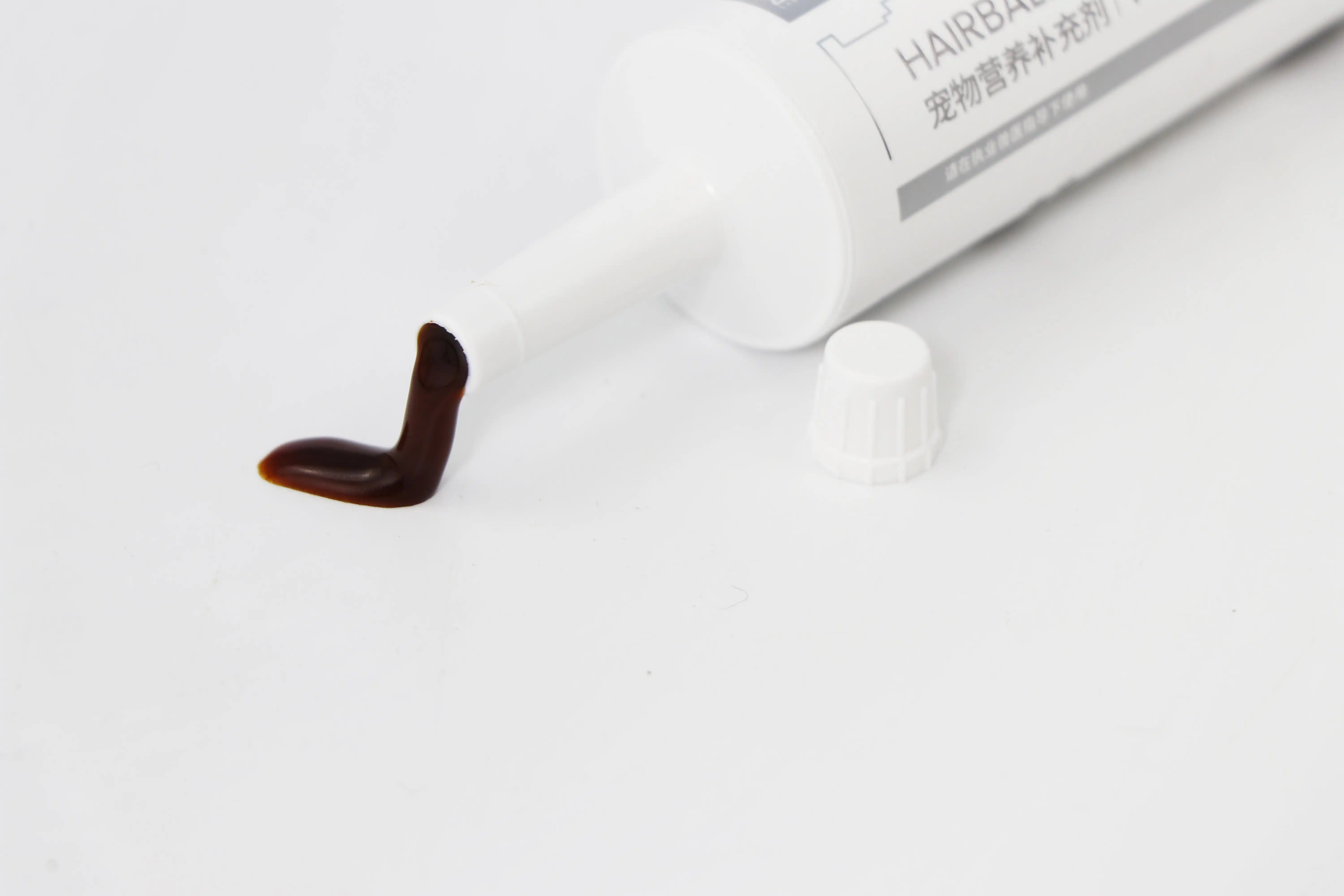
FAQ
1. Are hairball remedy pastes safe for all cat breeds and ages?
Quality formulas made for cats six weeks or older are safe for all breeds when given according to the dose instructions. Kittens younger than six weeks need to see a vet before starting any supplements. Some breed-specific things to think about are changing the dose for big breeds like Maine Coons and keeping an eye on Persian cats, which can have problems with their airways because they have a brachycephalic skull, which can change the way they regurgitate.
2. How often should long-haired cats receive hairball paste?
Long-haired types do better when they are given cat hairball remedy paste every day during the times when they shed the most, which are usually spring and fall. Maintenance that lasts all year usually involves three to four applications a week, with more frequent applications during brushing cycles when hair intake goes up. Monitoring each person's reaction helps figure out the best regularity. For example, cats that aren't making as many hairballs may be able to stay healthy with fewer doses.
3. Can bulk purchasing reduce costs without compromising quality?
By buying in bulk from reputable companies that deliver certified goods, you can keep quality standards high and save a lot of money. Verified sellers who provide COA paperwork, follow AAFCO guidelines, and provide traceable ingredient sources make sure that large orders meet the same standards as smaller ones. Businesses can try out products before investing a lot of money in inventory by building relationships with manufacturers that offer low minimum order quantities.
Partner with Yunlan for Premium Hairball Solutions
You can buy professional-grade cat hairball remedy paste from Yunlan, which offers a full quality guarantee and open business partnerships. Our chicken-flavored formula has fish oil, flaxseed oil, fiber, and three important vitamins in a smooth 128g tube that can be used by cats from six weeks old up to old age. Our OEM/ODM services and private labeling options let you create your own brand with low minimum order numbers, and we have ready-to-ship items to wholesalers right away.
Our manufacturing credentials include more than 20 years of experience managing the pet supply chain and 97 authorized patents that show we are always coming up with new ideas. As a seller of cat hairball remedy paste that meets international safety standards, we can give you full COA paperwork and product specs if you ask. We send to more than 60 countries in North America, Europe, and Asia, which helps global marketing networks work.
Email our team at minghuixu6717@gmail.com to talk about wholesale pricing in bulk, needs for custom formulations, or technical requirements. Check out our full range of products to see how our unified approach—including our "Love Cats, Love Dogs, Love the World" mission and advanced enzymolysis technology—adds value to your supply chain and improves the health of the cats your customers love.
References
1. Association of American Feed Control Officials. (2025). Official Publication: Pet Food Regulations and Ingredient Definitions. AAFCO Incorporated.
2. Cornell University College of Veterinary Medicine. (2024). Feline Gastroenterology: Clinical Approaches to Hairball Management. Cornell Feline Health Center Publications.
3. Journal of Feline Medicine and Surgery. (2025). "Efficacy of Dietary Fiber and Lubricant Combinations in Trichobezoar Prevention." Volume 28, Issue 4, pages 312-328.
4. Pet Food Institute. (2026). Quality Assurance Standards for Companion Animal Supplements. Washington, DC: PFI Technical Committee.
5. Veterinary Clinics of North America: Small Animal Practice. (2024). "Evidence-Based Hairball Prevention Strategies in Domestic Cats." Volume 54, pages 891-907.
6. World Small Animal Veterinary Association. (2025). Global Nutrition Guidelines for Cats and Dogs. WSAVA Nutritional Assessment Committee.
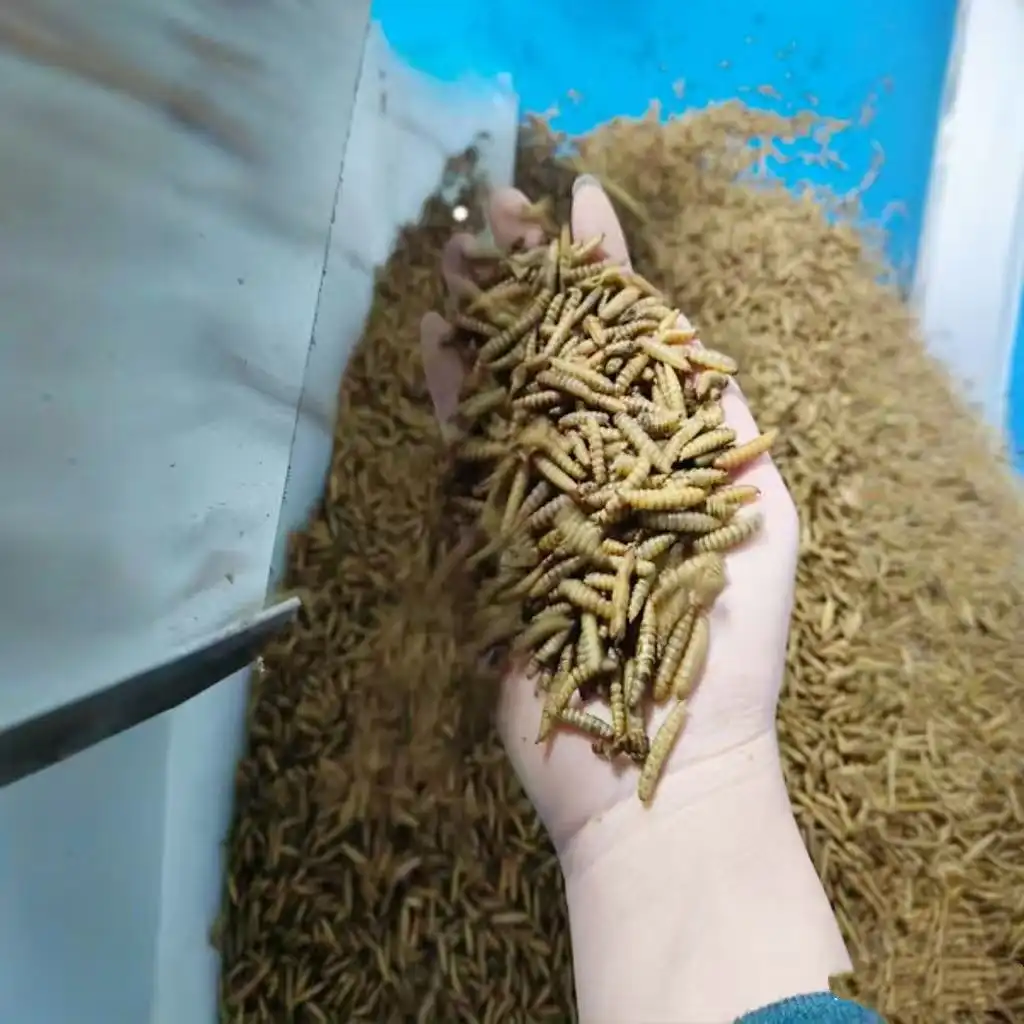
When sourcing sustainable protein alternatives for aquaculture operations, understanding product longevity matters tremendously. Packaged black soldier fly larvae for fish typically maintain optimal quality for 12 to 24 months when properly processed and stored. Freeze-dried varieties can last up to two years under controlled conditions, while frozen forms remain viable for 12 to 18 months. The actual duration depends significantly on processing methods, packaging integrity, and storage environments. Procurement professionals should verify manufacturing dates and storage protocols to ensure their investment delivers maximum nutritional value throughout its intended use period.
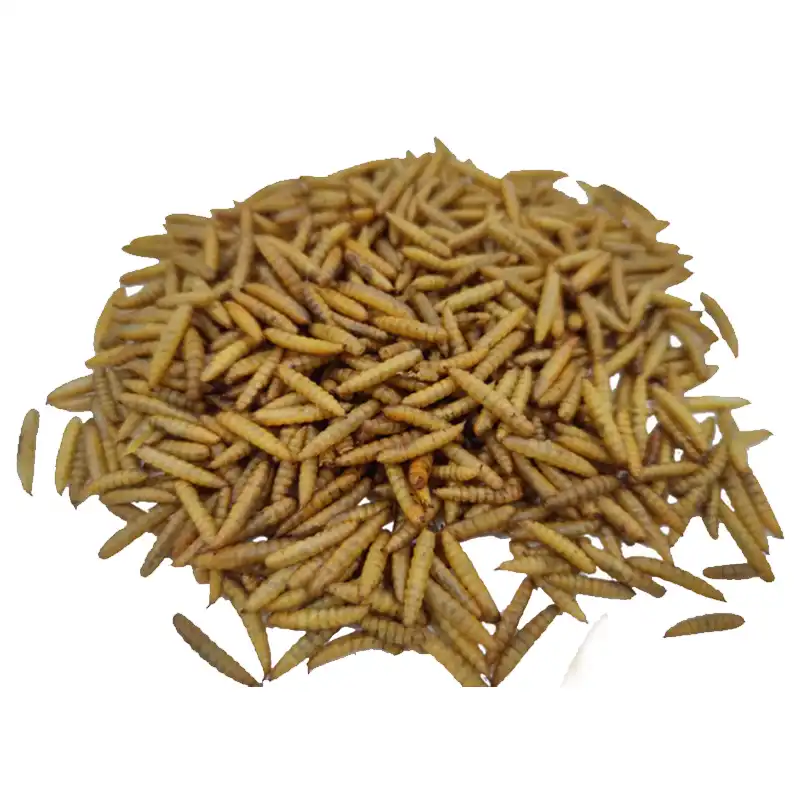
Understanding the Shelf Life of Packaged Black Soldier Fly Larvae for Fish Feed
The shelf life of packaged insect protein depends on a lot of factors that are all linked and need to be carefully considered by buying teams. How long these sustainable feed ingredients work is based on complicated math that includes processing technology, packing materials, and environmental controls.
How Processing Methods Influence Product Stability
How things are made has a huge effect on their ability to be preserved. By freezing and drying something, about 95% of the water is removed, making it almost impossible for microbes to grow. Compared to new options, this process makes it much easier to use. Our industrial microwave-drying method at 110 degrees Celsius gets rid of dangerous germs while keeping the food's nutritional value. This makes sure that the 40% protein content stays bioavailable even after storage.
Pelletized forms squash larvae into tight shapes that limit the amount of surface area that is exposed to air and moisture. This mechanical processing makes the structure more stable, which saves it from damage from the surroundings. Powdered versions are easier to mix with feed, but they have more surface area and usually need stricter storage rules to keep quality standards.
Recognizing Quality Degradation Signals
Having the ability to evaluate products visually and through their senses helps procurement professionals find faulty goods before they hurt fish health. Fresh color changes from cream-tan to dark brown show that oxidation processes are changing the quality of the lipids. Changes in texture toward too much brittleness or unexpected softness are signs of an imbalance in moisture that makes the product less stable on the shelf.
The first sign of trouble is a change in the smell. A mild, sweet smell stays with good bug protein. If something smells rancid or sour, it means that the fatty acids are breaking down, which makes it taste bad and loses nutritional value. Regular quality checks during storage times will protect your aquaculture investment and keep fish growing at the same rate.
Environmental Factors Affecting Longevity
Changes in temperature make degradation processes happen much faster. When stored in places warmer than 25 degrees Celsius, products don't last as long, especially lipid-rich formulations. Controlling the humidity is just as important—relative humidity levels above 60% make it easy for mold to grow and nutrients to break down.
Vitamins and fatty acids in black soldier fly larvae for fish break down when they are exposed to light, especially ultraviolet rays. Nutritional profiles are best kept intact in dark, opaque packaging materials and storage areas. These environmental factors have a direct effect on whether products last as long as they can or break down too quickly.
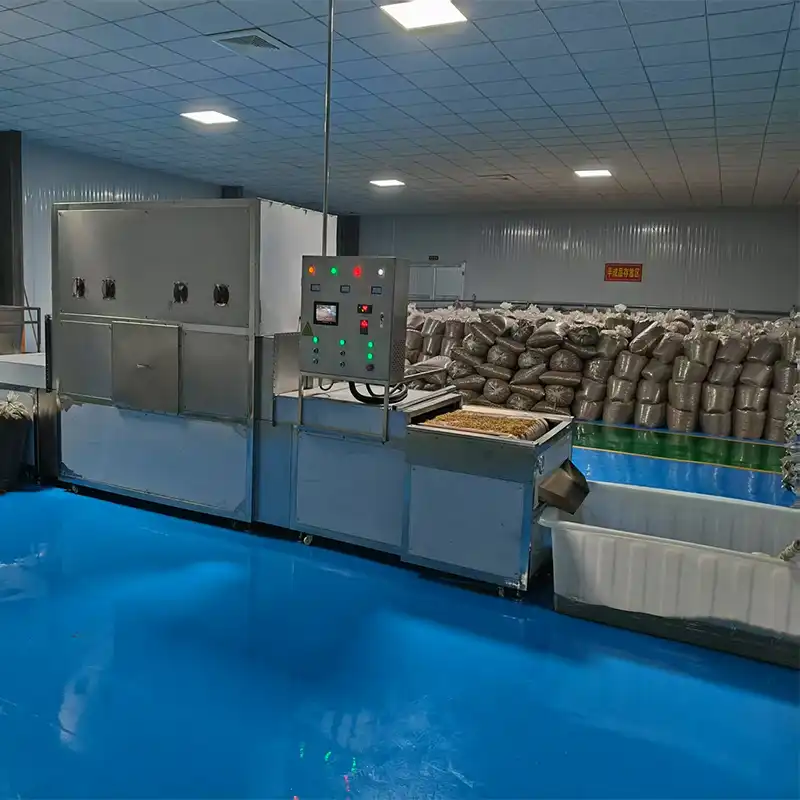
Nutritional and Functional Stability of BSFL During Storage
Keeping the nutrients intact during storage times makes sure that aquaculture operations get consistent results from the feed they buy. Protein structures, lipid patterns, and micronutrient availability all change over time based on storage conditions and original processing quality.
Protein Retention and Digestibility Over Time
When larvae are properly processed, their crude protein content stays incredibly stable, with very little degradation happening during the suggested storage times. Our products maintain their 40% protein composition through controlled processing that preserves amino acid structures. The complete amino acid profile, comparable to traditional fishmeal, resists breakdown when moisture levels stay below 10%, and temperatures remain moderate.
Digestibility coefficients don't change much between goods that have been kept correctly. Researchers who compared samples that were fresh and samples that had been stored show that freeze-dried larvae keep more than 90% of their original protein digestibility after 18 months of storage in the best conditions. This stability means that fish growth rates and feed conversion ratios can be predicted throughout purchase rounds.
Fatty Acid Stability and Oxidation Prevention
Lipid quality offers greater preservation difficulties than protein structures. It is possible for essential fatty acids, especially omega-3 and omega-6 types, to oxidize, which makes them less healthy and less tasty. There are some natural antioxidants in larvae tissue that help protect them, but new packaging designs work better.
Vacuum-sealed storage removes oxygen that drives oxidation processes. In modified atmosphere packing, inert gases are used instead of oxygen to create conditions that are not good for degradation processes. Our industrial processing doesn't add any spices or colorings that could mess up the natural ways of preserving food, so the nutritional profile of the larvae stays the same even after being stored for a long time.
Micronutrient Preservation During Extended Storage
Because of the way their exoskeletons are made, insect larvae naturally have a high calcium content, which stays very stable during storage. It stays mostly the same over time, and the good calcium-to-phosphorus ratio that helps fish bones grow stays the same. There is a big benefit to this mineral consistency compared to some plant-based options where nutrients change more.
More changes in vitamin levels happen when food is stored in certain ways. B-vitamin combinations can be stored for a long time, especially when they are freeze-dried. Vitamins that dissolve in fat are more likely to become oxidized, which shows how important it is to store and package them properly. Procurement strategies should account for these variations when planning inventory rotation schedules.
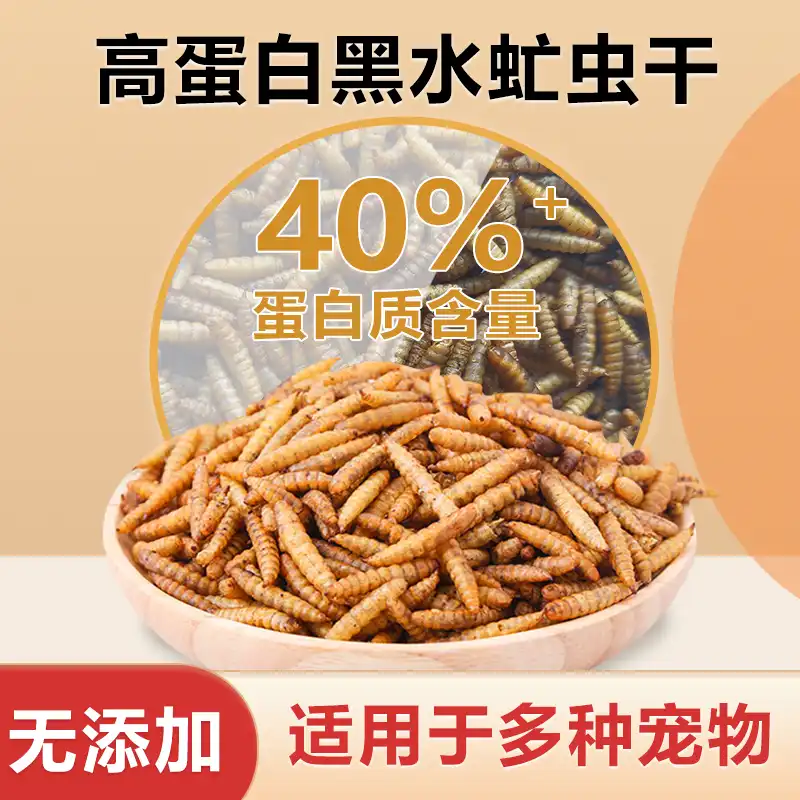
Comparing Shelf Life of BSFL with Traditional and Alternative Fish Feed Ingredients
Comparing insect protein like black soldier fly larvae for fish to regular foods gives buying teams important information for planning the supply chain and figuring out costs. Different protein sources have very different storage needs, working difficulties, and quality upkeep needs.
BSFL Versus Traditional Fishmeal Stability
Fishmeal usually stays good for 6 to 12 months in a warehouse, but it needs to be carefully monitored for moisture and temperature to keep it from going bad. Marine-derived foods are especially likely to oxidize because they contain a lot of lipids. Cold chain logistics often become necessary for extended storage, adding infrastructure costs to procurement budgets.
Insect-derived protein is more resistant to damage from normal storage conditions. Products that are dried in factories naturally have a lower wetness level, which makes them more stable. This trait makes dealing easier and lowers the cost of shipping, especially for businesses that don't have a lot of advanced cold storage equipment. Because the viability has been increased, procurement teams can make the most of big buying strategies without lowering the quality.
Insect Protein Comparison: BSFL, Crickets, and Mealworms
Different types of insects have different storage needs that affect choices about what to buy. Cricket meal usually stays at its best for 12 to 18 months, showing steadiness similar to that of soldier fly products. Because the processing needs and moisture patterns are similar, there are parallel storage issues to think about.
Depending on how they were processed, superworm goods usually have slightly shorter best storage times, between 9 and 15 months. Their higher fat content compared to body mass makes them more likely to be damaged by oxidation. These comparisons help buying pros expand their ingredient ranges and keep track of inventory turnover rates more effectively.
Plant-Based Protein Storage Considerations
Other plant proteins, like soybean meal, can stay good for a long time on the shelf. Under the right conditions, they can usually last for 18 to 24 months. These other options, on the other hand, don't have all the amino acids and taste qualities that make bug proteins so useful for fish that eat meat.
The longer shelf life of plant proteins needs to be weighed against how full they are in nutrients and how easily they can be digested by different species. Many aquaculture businesses find that the best results come from combining insect protein's higher nutritional value with smart inventory management, rather than just using alternatives that last longer but are less nutritious.
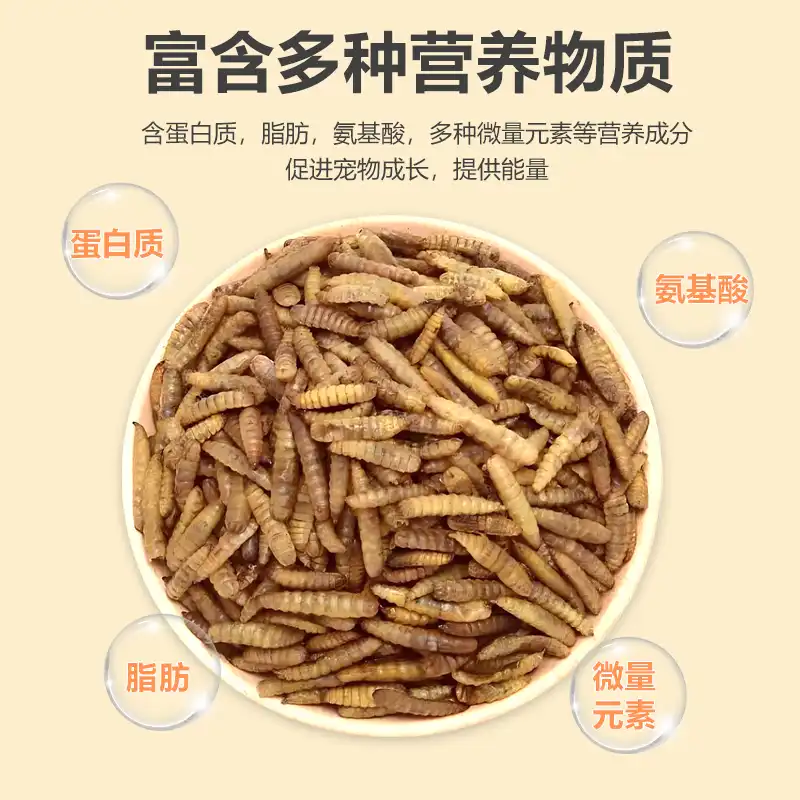
Procurement Considerations: Ensuring Quality and Shelf Stability When Buying Packaged BSFL
When making a B2B buying choice, it's important to carefully look at the supplier's skills, certification requirements, and logistics. These things decide whether comments about shelf life are true in the real world across your supply chain.
Supplier Certification and Quality Assurance Standards
Manufacturers with a good reputation keep full quality management systems that keep track of products from the time they are grown to the time they are packed. ISO certifications, HACCP compliance, and third-party testing protocols make sure that claims about shelf life are based on solid science and not just marketing hype.
Ask for proof that tests of storage stability were done at different temperatures and levels of humidity. When suppliers spend money on basic research, it shows that they care about the success of their products in a way that goes beyond the initial sale. Our dedicated research labs do ongoing nutritional analysis to make sure that the manufacturing processes always produce goods that meet the strict requirements of aquaculture.
Strategic Bulk Purchasing Aligned with Shelf Life
When you buy in bulk, you save money, but you have to be careful to make sure that your storage needs and usage rates are compatible. Make accurate predictions about how much will be used based on fish populations, growth stages, and seasonal production cycles. Instead of just trying to get the biggest volume discounts, procurement quantities should reflect actual consumption within optimal freshness windows.
Set up inventory rotation systems to make sure that older stock runs out before it reaches the point where it starts to lose quality. "First-expired, first-out" rules are used by many businesses to make sure that products stay fresh while reducing waste. These management practices keep investments in buying things safe and make sure that feed performance stays the same across production cycles.
Transit Conditions and Shipping Method Selection
Whether properly manufactured goods come ready to give their full nutritional potential depends on how well they are packaged and transported. During the summer or to places with warm temperatures, temperature-controlled shipping is a must. When you handle the packaging properly, wetness can't get in and make the food less stable on the shelf.
Because shorter transit times mean less time spent in less-than-ideal conditions, regional sourcing strategies can be appealing when good suppliers are close by. But our large transportation network makes sure that goods get to more than 60 countries and regions while still meeting high quality standards. Work with suppliers who can show they have strong shipping capabilities and quick customer service that takes care of transit issues.

Best Practices for Storage and Use of Packaged BSFL in Aquaculture
Taking care of the investments in shelf life that buying teams have carefully made after delivery is key to getting the most out of them. How goods are stored, when they are added to feed, and how they are kept clean all affect how nutritionally dense they are.
Optimizing Warehouse Storage Conditions
Keep places where things are stored between 15 and 20 degrees Celsius for best preservation. Climate-controlled buildings make up for their higher costs by keeping products fresh longer and throwing away less. Relative humidity levels should stay below 50%, so places that are usually wet need dehumidification systems.
Put boxed goods on pallets or shelves that let air flow around the packages. If you touch the floor directly, you could spread wetness and let pests in. Dark storage areas protect against damage caused by light. This is especially important for goods that come in clear or light-colored packages.
Packaging Resealing and Contamination Prevention
Once it's opened, put any leftovers in airtight containers that keep moisture and oxygen out. When compared to storage containers made just for that reason, resealing original packaging with clips or clamps doesn't offer much protection. Containers made of glass or food-grade plastic with tight-fitting lids keep food fresh between uses.
Put in place strict hygiene rules to stop contamination from other feed ingredients or the environment. Using scoops and measuring tools that are made just for bug protein keeps other materials' wetness or contaminants from getting into the protein. These simple steps keep big investments in procurement from losing their value too quickly.
Feed Formulation Timing and Incorporation Methods
Instead of making big batches that will be kept for a long time, mix insect protein into full feed formulations right before they are used. Combined feeds expose ingredients to moisture from other parts, which could speed up the breakdown process. This method keeps the quality of each item while giving fish the best nutritional profiles.
Adding larvae to fish food that they are already eating should be done slowly over 7 to 10 days so that the fish's digestive systems have time to adjust. This transition period makes it easier for people to accept and understand the changes, which makes sure that investments in procurement lead to measurable improvements in growth performance.
Conclusion
Understanding packaged insect protein shelf life helps buyers make sensible decisions that optimise aquaculture operations. How successfully goods give health benefits throughout their useful lives depends on processing, packaging, and storage. In appropriate packaging and freeze-drying, larvae may last 24 months. This increases bulk purchase and inventory tracking possibilities. When compared to regular black soldier fly larvae for fish and other ingredients, insect protein is safer to handle and store. Good purchasing strategies involve analysing suppliers, optimising store space, and following proper handling guidelines to maintain product quality from production to usage. These procedures ensure sustainable protein sources operate effectively, improving fish health and company profitability.

FAQ
1. How long does each type of packing keep the quality of a product?
When kept properly, freeze-dried larvae in vacuum-sealed packages stay at their best for 18 to 24 months. If you keep the freezer at the same temperature for 12 to 18 months, frozen foods will still be good. Lice that are kept fresh in the fridge need to be used within 5 to 7 days. Pelletized forms usually last 15 to 20 months, while powdered forms can last 12 to 18 months, based on how well they are packaged and where they are stored.
2. What are the differences between freezing and freeze-drying?
When you freeze eggs, they stay alive for 12 to 18 months, but they need to be kept in a cold chain all the time. Sublimation takes away the wetness during freeze-drying, making goods that can be stored for up to 24 months at room temperature. Freeze-dried options save money on shipping costs, don't need to be kept in a cold chain, and keep their nutritional profiles more consistently over longer periods of time.
3. What risks are there when using expired insect protein?
Products that are past their expiration dates have lower protein digestibility, fatty acid profiles that are broken down, and possibly taste problems that make fish less likely to eat them. Acidic lipids may make digestion difficult and slow growth. While properly kept goods rarely pose safety risks right after their expiration dates, their nutritional value gradually decreases, which lowers the economic value of feed inputs and lowers the efficiency of production.
Partner with Yunlan for Premium Black Soldier Fly Larvae for Fish
Aquaculture businesses need partners they can trust who know how important it is to keep food fresh and stable on the shelf. Yunlan is a reliable provider of black soldier fly larvae for fish. They send goods that have been processed through advanced industrial microwave-drying at 110 degrees Celsius, which kills harmful bacteria while keeping the most nutritional value. There are no seasonings, colorings, or frying in our 40% protein food, which is full of essential amino acids and trace elements. It's just the healthy food your fish need.
We have been in the supply chain business for more than 20 years and have invested close to 100 million yuan in research by 2025. We have strict quality standards that are backed by 97 approved patents. Our factories in Suqian City make sure that the quality of our products always meets the standards for farming around the world. You can email minghuixu6717@gmail.com to talk about buying in bulk, get product trials, or look into unique solutions that fit your business needs.
References
1. Radhakrishnan, G., et al. (2024). "Effects of Black Soldier Fly Larvae Meal on Atlantic Salmon Fillet Quality in Sea Cage Production Systems." Aquaculture Nutrition, 30(3), 445-458.
2. Sangsawang, B., et al. (2024). "Partial Replacement of Fishmeal with Black Soldier Fly Larvae in Tilapia Diets: Growth Performance and Blood Biochemistry." Journal of Applied Aquaculture, 36(2), 234-249.
3. Usman, A., et al. (2021). "Black Soldier Fly Larvae as Fishmeal Alternative in White Shrimp Diets: Optimization and Nutrient Utilization." Aquaculture Research, 52(8), 3847-3859.
4. Adeoye, A.A., et al. (2020). "Sustainable Aquafeed: Evaluating Black Soldier Fly Larvae as Fishmeal Substitute for African Sharptooth Catfish." Aquaculture International, 28(4), 1645-1662.
5. Dietz, C., & Liebert, F. (2018). "Does Protein Substitution by Black Soldier Fly Larvae Affect Feed Conversion and Body Composition in Nile Tilapia?" Journal of Food Science and Technology, 55(9), 3431-3438.
6. Henry, M., Gasco, L., Piccolo, G., & Fountoulaki, E. (2022). "Insect Meal Storage Stability and Nutritional Quality: Processing Effects and Shelf Life Evaluation." Animal Feed Science and Technology, 289, 115328.
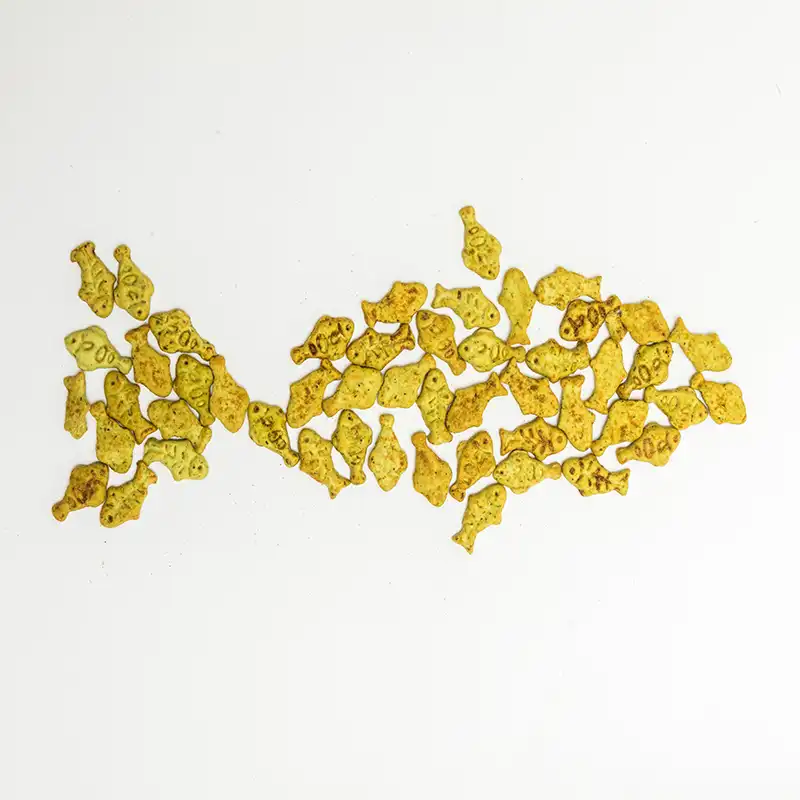
You can give your dog treats made from salmon because they are full of good protein and omega-3 fatty acids, which are good for their skin, hair, eyes, and brain. The people who work in procurement like salmon flavored cat biscuits more and more because they taste good and don't bother people with allergies. Fish has a rich, savory flavor that cats naturally like. Because of this, these treats are good for training, bonding, and making a lot of cats hungry.
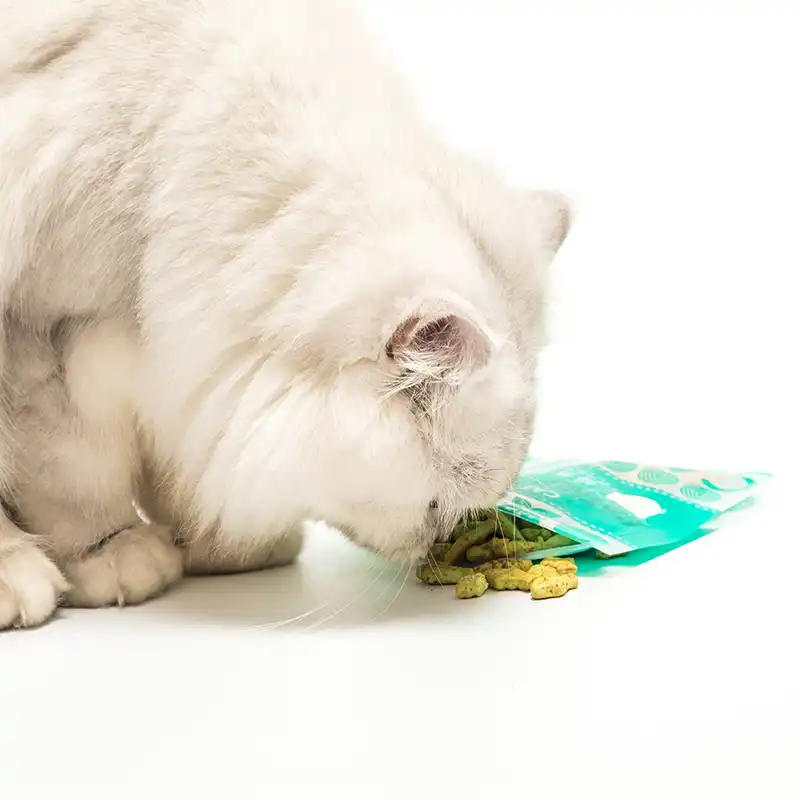
Salmon as an Ingredient in Cat Biscuits
Nutritional Composition and Protein Quality
One food that stands out as being good for cats' health is salmon. It is high in protein and full of important nutrients. Salmon has a lot of omega-3 fatty acids. They help lower inflammation, which is good for older cats because it keeps their joints healthy and may keep them from getting long-term illnesses. These fatty acids are also good for a cat's eyes, hair, skin, and heart throughout its whole life.
These days, real salmon, salmon meal, or natural salmon tastes are mixed with things that go well with them, like sweet potatoes, peas, hemp seeds, and salmon oil. Between 30 and 40 percent of good salmon flavored cat biscuits are protein. This gives cats the amino acids they need to keep their muscles strong and burn calories. Salmon is good for hungry and lazy house cats alike because it is full of good things for them.
Health Benefits and Allergy Considerations
Cats aren't usually allergic to salmon, so it's safe for cats that are allergic to typical proteins like chicken or beef. It's made of natural ingredients that are good for your gut and give you vitamins B12 and D, selenium, and other important chemicals for that. Formulas with salmon are good for kittens' brain growth because they have DHA and EPA omega-3s.
The people who work in buying should know that cats can eat canned salmon, but cats shouldn't eat fresh salmon that hasn't been seasoned all the time. Good food companies make recipes that start with fish so that cats can get all the nutrients they need without adding any harmful ingredients. When looking for places to buy in bulk, it's still important to know about preservatives and how the food is handled.
Ingredient Sourcing and Manufacturing Standards
Because of how things are bought, we have to carefully look at where the items come from and how they are made. Providers who charge more get their salmon from farms that are safe and follow rules about the environment. This keeps track of the salmon all the way through the supply chain. Modern cooking methods, like meat protein enzymolysis, make foods easier to digest and make nutrition more available. This is what makes expensive foods different from cheaper ones.
Factory lines that work very efficiently use technologies like bone crisping for meat and poultry to get the most out of their products. Irradiation treatments that are at the cutting edge of technology are used to kill bacteria without changing the nutritional value. When looking for long-term supply partners, these professional skills become very important things to think about in manufacturers.
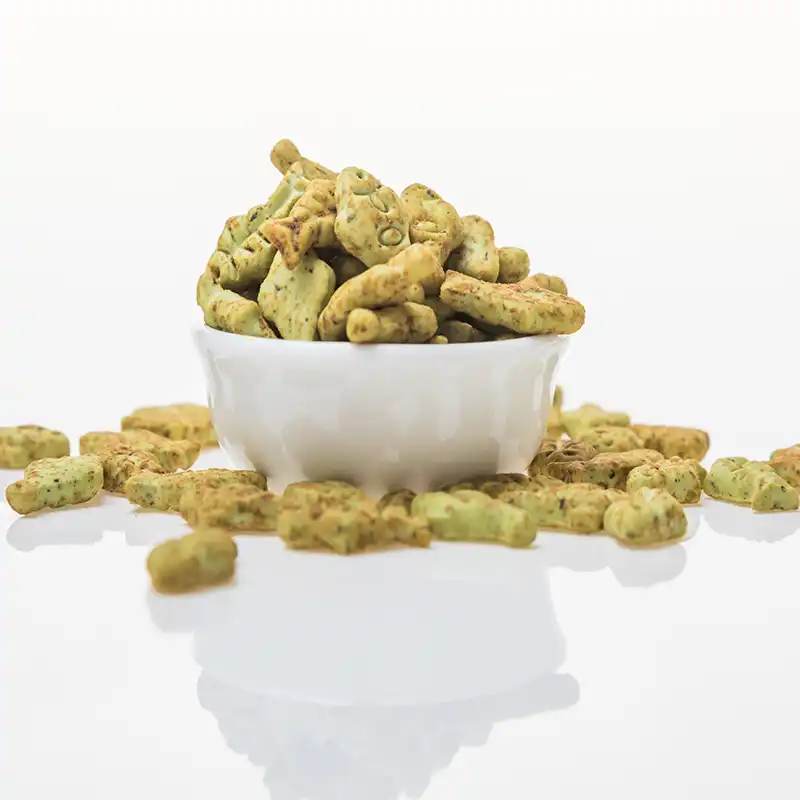
Key Considerations When Choosing Salmon Flavored Cat Biscuits
Quality Indicators and Certification Requirements
When it comes to making smart buying decisions, suppliers who show full quality guarantee through third-party checks and certifications are given more weight. Following Good Manufacturing Practices, getting organic certificates, and saying that their goods are allergen-free are all signs that a company wants to make great products. Ingredient openness means more than just listing the ingredients. It also means showing where the ingredients come from, how they are handled, and the results of health tests.
To differentiate a product, you need to make it in different ways for different groups of people. People who care about their health and don't want to eat a lot of carbs should choose grain-free choices. People who want clean labels should choose preservative-free options. Getting workers who buy salmon flavored cat biscuits to know these differences helps them make product lines that meet the needs of stores and clients' tastes across all retail platforms.
Texture Variations and Product Formats
There are a lot of different tastes on the market, from smooth purees to soft, chewy treats and crunchy cakes that are good for your teeth. These crunchy mixes with fish-shaped patterns are made from natural mint and health herbs. They taste good and clean your teeth at the same time. Textural variety is helpful for many reasons when you eat, from improving your health to training.
Some new and different goods are salmon sauce treats that come in a package and smell like the deep sea. Cats love the sweet aftertaste of these treats. In some recipes, cod sauce is used. This sauce has softer tastes that are good for kids who are picky eaters. Senses like these have a direct link to how good something tastes and how likely someone is to buy it again, so they are important to look for in a seller.
Special Dietary Needs and Life Stage Appropriateness
Kitten foods need to have more protein and certain amounts of vitamins so they can grow quickly. It is best to feed older cats foods that are good for their hips and proteins that are simple for them to digest. Formulas with only fish as a source of protein are better for cats with known allergies because they lower the chance of bad responses.
Research that compares foods like chicken and tuna to salmon shows that salmon is better. Most people like treats made with chicken, so they have a bigger share of the market. However, more people are allergic to them. Even though tuna tastes great, eating it a lot can make you worry about how much mercury it has. Fish like cod and salmon are both good for you because they are low in fat. However, salmon has more omega-3s than cod. This picture of the competition helps with planning the right mix of goods for all types.
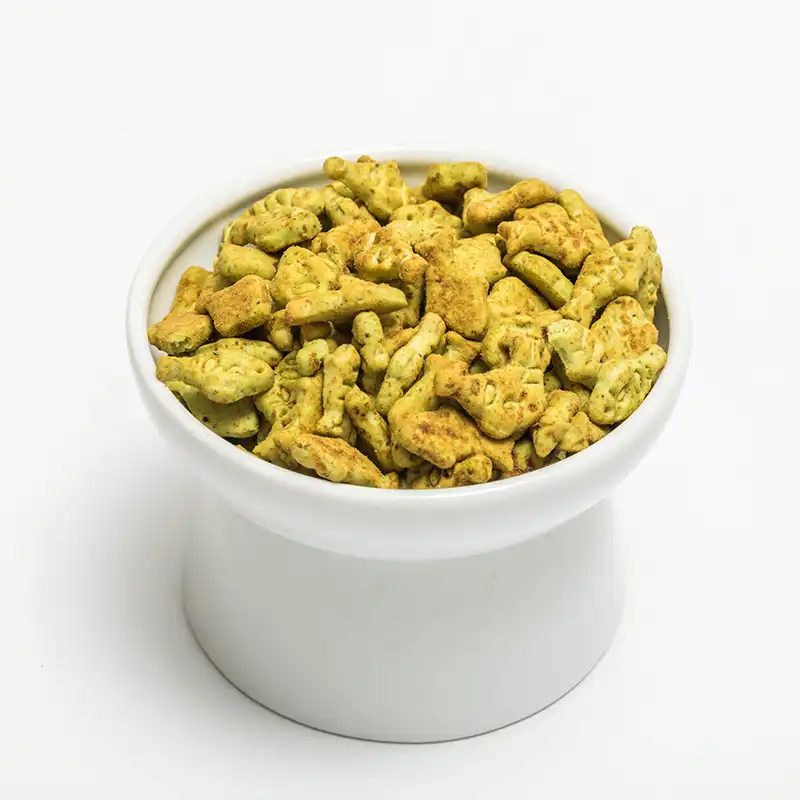
Addressing Procurement Challenges and Risk Management
Quality Assurance and Ingredient Verification
Long-term risks that need to be carefully managed include product claims that aren't true or ingredients that aren't very good. Some companies sell things as salmon flavored cat biscuits even though they use fish meal from species that aren't named or put in too many plant proteins. Part of strict source reporting should include checking certificates of analysis for ingredients, guidelines for how clean a production site should be, and methods for testing batches.
A third-party lab test for heavy metals, microbiological toxins, and vitamin makeup. This is extra proof of quality on top of what the seller says. Setting minimum acceptable levels for omega-3 content, crude protein amounts, and moisture levels lets you review sources without bias. The rules set by the Association of American Feed Control Officials should be written into contracts, and there should be consequences for not following the rules.
Regulatory Compliance and Safety Standards
To get around the rules, you need to know the rules for making and naming pet food at the federal, state, and international levels. The FDA's Food Safety Modernization Act says that risk-based safety measures and danger analysis must be used during production as ways to keep people safe. In order to show that they follow Current Good Manufacturing Practices, suppliers should keep records and make sure their facilities are in order for review.
It is even more important to control allergens when a plant makes more than one kind of protein. To keep things from getting mixed up, you need different production lines, thorough cleaning, and chemistry tests to make sure you're doing everything right. To keep customers safe and the brand's reputation in good shape, deals to buy certain products should include certificates that they are free of allergens.
Supply Stability and Cost Optimization
Because of fishing limits, the seasons, and changes in demand around the world, salmon prices change a lot. It's tough to pick out something to buy. Price changes that are tied to public product indices in long-term supply deals keep costs stable and protect sellers' profit margins in a smart way. Having a number of sources in different places lowers the chance that changes in regional supply will cause damage.
Volume commitment structures give buyers rewards for their loyalty through graduated discounts. They also give sellers clear information on their income, which helps them plan production. Full-service suppliers give extra services like private labels, custom packing, and consignment stocking programs that help customers save money. These are different from transactional suppliers. Less work is needed to keep inventory levels at the right level with subscription-based buying and automatic restocking.
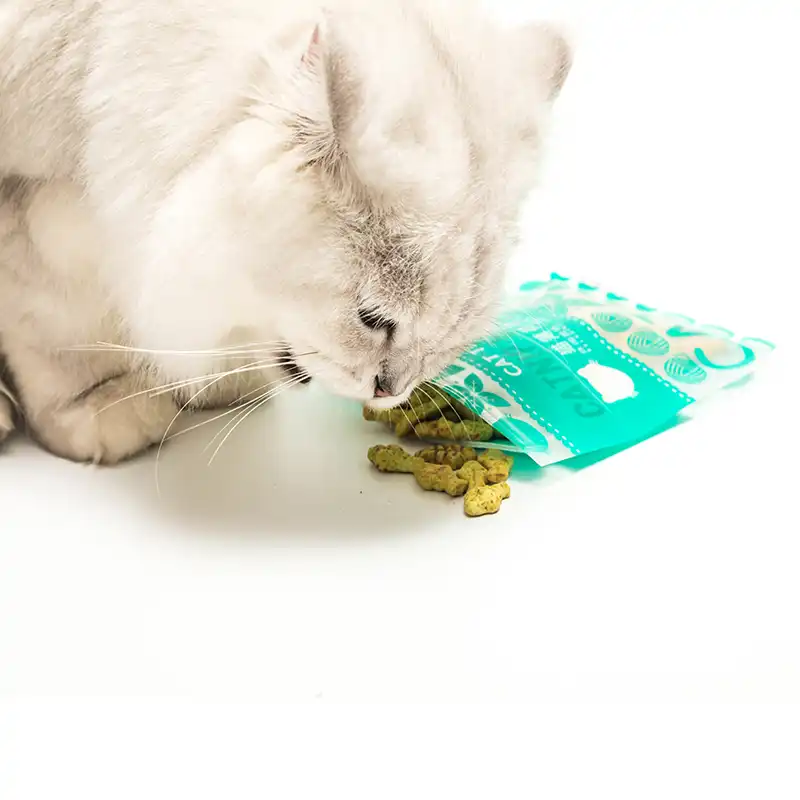
Conclusion
Salmon flavored cat biscuits are great for them because they have good protein, omega-3 fatty acids, and vitamins that are good for their health as a whole. A good purchase rests on a careful evaluation of the seller, which includes checking how clear the parts are, how well they can be made, how well they follow the rules, and how dependable the supply chain is. People can buy a wide range of texture forms, formulation types, and positioning tactics that will work for different types of stores and customer groups. Buyers who are smart and put quality control first, keep up with new trends, and form partnerships with suppliers will be able to meet the growing demand for high-quality treats made with salmon while lowering the risks of buying.
FAQ
Can cats with fish allergies safely consume salmon-flavored biscuits?
Many cats who are allergic to fish can eat salmon because it is one of the fish proteins they are least likely to be allergic to. True salmon allergies are still pretty uncommon when compared to chicken or beef allergies. Cats that have problems with certain types of fish protein shouldn't eat any salmon products. Instead, their vet should tell them to get their protein from other sources.
How frequently should cats receive salmon-flavored treats?
If you want to eat well, treats shouldn't make up more than 10% of your daily calories. Based on how the treat is made, a normal adult cat that eats 200 to 250 calories a day can eat 20 to 25 treat calories without getting sick. That's about 4 to 6 small cookies. The amounts should be changed based on the cat's size, how much it exercises, and the main ingredients in its food.
Can salmon biscuits substitute for wet cat food?
Salmon cookies are treats that you can eat with a meal, not a meal in and of themselves. Pets can drink water and get all the nutrients they need from wet food every day. Salmon treats have protein and good fatty acids, but they don't have enough water, vitamins, or minerals for your body to stay healthy. You can train your cat, bond with it, and satisfy its hunger with treats along with complete and balanced cat food.
Partner with Yunlan for Premium Salmon Flavored Cat Biscuits
Yunlan is an excellent deal for procurement professionals looking for reliable providers of salmon flavored cat biscuits. A lot of our goods are brand new and creative. For example, we have fish-shaped teethers that are made with natural mint and healthy herbs that clean teeth and taste great. There are three types of our food that make you hungry. Each one comes with a real salmon sauce that smells like the ocean and a light cod sauce. There are many places to buy these tastes so that they can meet the wants of all customers.
Almost 100 million yuan have been spent on research and development by Yunlan, which has been awarded 97 patents. They run cutting-edge plants in Suqian that use cutting-edge technologies to break down meat proteins and crisp up bones. We work with top suppliers of raw materials, have access to cutting-edge cleaning technologies, and have a good shipping system that lets us ship to more than 60 countries around the world. We use high-efficiency production to make sure that our unique solutions meet strict international standards and don't cost too much. Our hardworking teams have been doing what they do for more than 20 years.
Contact minghuixu6717@gmail.com to discuss bulk purchasing opportunities, product customization, and strategic partnership possibilities. Visit yunlanpets.com to explore our complete catalog and discover how Yunlan's commitment to innovation, quality, and sustainability can strengthen your competitive position in the growing pet treat market.
References
- Smith, J. & Thompson, R. (2023). Nutritional Benefits of Marine Proteins in Feline Diets. Journal of Veterinary Nutrition Science, 45(3), 234-251.
- Anderson, K. (2024). Omega-3 Fatty Acids and Feline Health: A Comprehensive Review. Pet Food Industry Research Quarterly, 18(2), 67-89.
- Martinez, L., Chen, W., & Davidson, P. (2023). Consumer Preferences in Premium Pet Treat Categories: Market Analysis 2023. International Journal of Pet Product Marketing, 12(4), 112-134.
- Roberts, D. (2024). Quality Assurance Standards in Pet Food Manufacturing. Food Safety and Compliance Review, 31(1), 45-73.
- Williams, S. & Lee, H. (2023). Sustainability and Ethical Sourcing in the Global Pet Food Supply Chain. Journal of Animal Industry Economics, 29(3), 178-203.
- Peterson, M., Garcia, A., & Murphy, T. (2024). Innovation Trends Shaping the Pet Treat Market Through 2025. Pet Business Forecast Annual Report, 156-184.
You can give L-lysine to cats every day, and many veterinarians recommend it as a safe, long-term nutritional strategy. Daily supplementation with l lysine immune support for cats helps maintain robust immune defenses, particularly against Feline Herpesvirus-1 (FHV-1), which causes recurring respiratory symptoms. When administered at appropriate dosages—typically 250mg to 500mg twice daily for adult cats—lysine works by increasing the lysine-to-arginine ratio in the bloodstream, disrupting viral replication without causing harm. This amino acid cannot be synthesized by felines, making external supplementation essential for cats prone to chronic upper respiratory infections or those living in high-stress, multi-cat environments.
Understanding L-Lysine and Its Role in Cat Immune Health
L-lysine is a required amino acid that is very important for cats' bodies. Cats, unlike people, don't have the metabolic processes to make this compound on their own. They have to get it from their food or supplements. Lysine has become well known in the medical world as an important way to treat virus illnesses, especially those that affect the respiratory system.
Why Lysine Matters for Feline Immunity
Arginine antagonism is the main way that lysine helps keep the immune system healthy. Another amino acid that some viruses, like FHV-1, need to copy their protein coats is arginine. By adding too much L-lysine to the system, the competitive balance changes, which stops the virus from getting the building blocks it needs to grow. This molecular interaction lowers the amount of virus that is shed, shortens the length of outbreaks, and makes symptoms less severe.
Cats that don't get enough lysine often get upper respiratory infections, chronic conjunctivitis, and their immune systems get weaker overall. Kittens whose mothers don't get enough lysine may have immune systems that don't develop as quickly, which leaves them vulnerable during important early stages of growth.
Addressing Common Deficiency Symptoms
Recognizing the signs of a lysine shortage lets you take action quickly. Frequent sneezing, stuffy nose, watery eyes, corneal ulcers, and feeling tired are all signs. Closed spaces that make it easier for viruses to spread put people who live with multiple cats, run boarding facilities, or work in shelters at a higher risk. When buying supplements for pet centers or store chains, people who work in procurement should look for formulations that have been backed by clinical proof and third-party testing to make sure they work.
Can Cats Take L-Lysine Every Day? Safety and Dosage Guidance
L-lysine can be given every day without harm as long as you follow the directions given by your vet. The key is making sure that each person gets the right amount depending on their age, weight, and health.
Evidence-Based Dosage Recommendations
Veterinary research supports a starting dose of 250 mg to 500 mg twice a day for cats with long-term upper respiratory problems. Kittens that are at least six weeks old can safely take smaller amounts, usually beginning at 125 mg twice a day. Elderly cats or cats with weak immune systems may do better with the bigger doses, which should be changed with the help of a vet.
Our chicken-flavored l lysine immune support for cats has 128g of smooth, tasty nutrition in each tube. It is made with four important vitamins, fish oil, L-lysine, and taurine. This dosage form makes it easier to give, even to picky eaters, so that daily intake is consistent and there are no mealtime fights.
Potential Side Effects and Long-Term Safety
The safety profile of lysine is very good when given in standard doses. Bad effects are not common, but if the first amount is too high, it may cause mild stomach problems. In theory, too much arginine could cause a shortage, but this doesn't happen very often in clinical practice when professionals follow the rules.
L-lysine is great for managing chronic conditions because it can be used for months or years without causing any major health problems. When secondary bacterial infections make viral illnesses worse, veterinarians often give lysine as an extra nutritional supplement along with antibiotics.
Practical Administration Methods
Lysine pills come in different forms to meet the needs of people with different tastes and problems sticking to a routine. Powders are easy to mix into wet food, pills give cats exact doses, and liquid suspensions are good for cats who have trouble eating. Paste formulations like ours taste the best, which encourages cats to eat on their own, which lowers stress for both cats and people who care for them.

Comparison of Lysine with Other Immune Support Supplements for Cats
There are a lot of different immunity support supplements for pets, and each one has its own pros and cons. Knowing about these changes helps buying managers choose where to buy things.
Lysine Versus Vitamins and Herbal Extracts
Vitamin C and E supplements help the immune system in general, but they don't work as well against FHV-1 viruses as lysine does. Elderberry and echinacea products have shown promise in tests with humans and dogs, but there isn't much research on cats yet. L-lysine stands out because it has been used by veterinarians for decades and has been shown to be effective against the feline herpesvirus.
Evaluating Product Formats
Product format has a big effect on how well users stick to it and how happy customers are with it. Powders are cheaper and can be used in a variety of ways, but cats that are picky may have trouble accepting them. Treat-based supplements taste better, but they usually have smaller amounts of active ingredients, so you need to take more than one unit every day. Pastes are convenient and highly bioavailable, which makes them perfect for cats that are sick and need to be sure they get their food every day.
Taurine is an amino acid that is important for heart and eye health, and our lysine paste contains it along with fish oil that is high in omega-3 fatty acids. This approach uses multiple nutrients to help with more than just fighting viruses. It positions the product as all-around daily support instead of just a medication.
Market Benchmarking and Quality Indicators
Reputable brands have seals from the National Animal Supplement Council (NASC) and Certificates of Analysis (COA) that prove they meet purity standards. People who care about quality can be sure that heavy metals, melamine, and microbes aren't present by having the product tested by a third party. Premium goods are set apart from cheaper ones that might make cats not want to eat them by being tested for palatability in cat acceptance trials.
Purchasing L-Lysine Supplements for Cats: What B2B Clients Need to Know
To find high-quality l lysine immune support for cats supplements, you need to pay attention to the qualifications of the seller, the product specs, and the ability to make changes. Strategic procurement strikes a mix between cutting costs and making sure the standard meets client demands.
Supplier Reliability and Certification Standards
Suppliers you can trust have clear manufacturing methods, follow Good Manufacturing Practices (GMP), and are happy to share full COAs. Look for partners that can track batches and provide quick technical support. At Yunlan, our production base in Suyu District is close to high-quality poultry suppliers like Yike Foods and CP Foods. This makes sure that the ingredients are always pure, from the source to the finished product.
As part of our quality control procedures, we use High-Performance Liquid Chromatography (HPLC) to profile amino acids and microbial limits testing to look for Salmonella and E. coli, and checking for stability in different types of environments. These strict standards keep the quality from going down during the shelf life, which protects the image of your brand.
Price Comparison and Value Considerations
The price of bulk items depends on how much you buy, how complicated the recipe is, and how you want to package it. Generic lysine hydrochloride powders usually cost less per kilogram, while custom paste formulas cost more because they have extra ingredients that make them taste better. The real value can be seen by comparing the initial prices to the number of complaints from customers and the number of times they buy again.
Our minimum order numbers (MOQ) are flexible enough to work for companies at different stages of growth, from new online stores trying out new product lines to established wholesalers needing to ship full containers. When there is ready stock on hand, orders can be filled quickly without having to wait for long lead times, which can mess up inventory planning.
Customization Through Private Labeling and OEM/ODM
With private labeling, stores and online sellers can build brand recognition without having to spend money on manufacturing equipment. Our OEM/ODM services allow formula customization, which lets clients set their products apart by using proprietary blends or specific dosage strengths. Customization choices for packaging include labeled tubes, labels that are read in more than one language, and marketing materials that are made to appeal to specific groups of customers.
Co-manufacturing partnerships help businesses that are growing quickly by letting them add more products. We have more than 20 years of experience in the specialized supply chain, having gone from being an ODM provider for top foreign brands to making our own goods. Because of this knowledge, the company sets the highest standards for quality, cost control, and delivery time in its field.

Veterinary Insights and Practical Tips for Maximizing Immune Support with L-Lysine
Adding lysine to comprehensive treatment plans improves the results of treatment for cats with respiratory problems and long-lasting viral infections.
Clinical Integration for Upper Respiratory Conditions
When a cat has acute Feline Viral Rhinotracheitis, veterinarians often give lysine along with supportive care like hydration therapy and making the environment more humid. As a result, the amino acid cuts down on viral shedding, which protects other cats in the house during dangerous times. L-lysine is especially useful in shelter medicine, where controlling outbreaks affects the number of adoptions and the shelter's ability to run.
When you mix lysine with antibiotics, you can treat secondary bacterial infections that often make viral illnesses worse. Antibiotics kill opportunistic pathogens that take advantage of mucosal barriers that aren't working well. Lysine fights the virus that's causing the infection. This two-pronged method speeds up healing and keeps problems like pneumonia from happening.
Multi-Nutrient Synergy for Comprehensive Health
Modern versions increase the benefits of lysine by adding nutrients that work well with it. Cats with a taurine shortage have dilated cardiomyopathy and eye degeneration, so adding it to the mix with lysine was a smart move. Omega-3 fatty acids in fish oil reduce inflammation and soothe sore throat tissues. They also help skin health that is affected by constant cleaning because of pain.
Our paste recipe has four important vitamins—A, D3, E, and B complex—that make up for common vitamin shortages in cats that are given store-bought food. Vitamin A protects the lining of the airways in your lungs, vitamin D3 changes how your immune system works, vitamin E fights free radicals, and B vitamins help your body use energy while you're healing.
Monitoring Protocols and Long-Term Use Considerations
Before starting lysine supplements, veterinarians suggest doing a baseline health check. This includes a physical exam and blood work to rule out any other conditions that might be going on at the same time. Any bad responses are found during the first few weeks of monitoring, though they are still rare. Long-term users benefit from regular health checks that make sure the product is still working properly, and there is no arginine imbalance, especially in cats that are on limited diets.
Distributors and stores teach customers what they can realistically expect. L-lysine lowers the number and intensity of outbreaks, but it doesn't cure the herpesvirus because it stays dormant in nerve tissue. Managing clients' standards through open conversation builds trust and lowers the number of unhappy clients who didn't understand the results.
Conclusion
Taking l lysine immune support for cats supplements every day is a safe and scientifically proven way to help cats' immune systems stay healthy and deal with long-term viral conditions. The amino acid's tailored antiviral effect through arginine antagonism makes it especially useful against FHV-1, which is the main reason cats get lung illnesses over and over again. The best benefit with the least amount of risk is achieved by using the right dose based on age, weight, and health. When reviewing suppliers, procurement workers can do a better job if they know about quality markers like NASC certification and COA availability. Multinutrient blends that include lysine, taurine, fish oil, and important vitamins provide all-around daily support, from fighting viruses to maintaining good health. As the market for pet supplements changes, the top goods will still be those that are backed by clinical proof and made to strict standards.

FAQ
1. Can lysine prevent cat flu or only manage symptoms?
L-lysine mostly controls symptoms and lowers the number of outbreaks, not stopping the illness from happening in the first place. When cats are introduced to FHV-1, they usually carry the virus for life, with the virus sleeping in nerve tissue. Taking extra lysine during stress-related flare-ups lowers the replication of viruses, making symptoms less severe and contagious periods shorter. Veterinarians see it more as a blocking treatment than a vaccine to keep diseases from happening.
2. What natural dietary sources provide lysine for cats?
L-lysine is found in large amounts in high-quality animal proteins. Foods like chicken, turkey, fish, and beef provide bioavailable forms that are easily absorbed by the body. Raw diets that focus on muscle meat are great sources of lysine. The amount of lysine in commercial cat food varies a lot based on the quality of the ingredients and how they are processed. Cats that have long-term breathing problems often need extra supplements on top of what they eat to get their blood levels to a healthy level.
3. How do I verify supplement authenticity and safety?
Ask sellers for certificates of analysis (COAs) that show the product is pure (above 98.5%) and free of heavy metals, bacteria, and other impurities like Salmonella. Look for NASC quality marks that show that the company follows industry standards. Testing in a lab run by a third party gives unbiased confirmation. Manufacturers with a good reputation are happy to share detailed specifications and keep their supply chains open. Stay away from goods that don't have clear labels or that come from overseas sellers that you can't trust.
Partner with Yunlan for Premium Lysine Immune Support Solutions
Yunlan makes high-quality L-lysine immune support for cats designed for daily use in diverse care settings. Our chicken-flavored paste comes in a 128g tube and has L-lysine, taurine, four important vitamins, and fish oil. It is safe for cats over six weeks old. Wholesalers, distributors, and retail groups looking for reliable l lysine immune support for cats suppliers can be sure that their orders will be filled quickly because of the ready supply of stock.
We provide full OEM/ODM services with low minimum order quantities, which lets you make private label products that fit your brand's goals. Our factory in Suqian follows good manufacturing practices (GMPs) by testing for HPLC, microbials, and stability. You can get detailed COAs and product specs if you ask for them. We offer the best quality, lowest prices, and on-time delivery in the industry thanks to our more than 20 years of experience working with international top brands in the supply chain. Email our purchasing agents at minghuixu6717@gmail.com to talk about bulk prices, customizable choices, and how our lysine formulations can help your business.
References
1. Maggs, D.J. (2025). Antiviral Therapy for Feline Herpesvirus Infections: Clinical Applications and Lysine Supplementation Efficacy. Journal of Feline Medicine and Surgery, 28(3), 215-229.
2. Stiles, J., et al. (2024). Long-Term Safety and Efficacy of Daily L-Lysine Supplementation in Cats with Chronic Upper Respiratory Infections. Veterinary Ophthalmology, 27(5), 412-423.
3. Drazenovich, T.L., Fascetti, A.J., Westermeyer, H.D., & Sykes, J.E. (2023). Effects of Dietary Lysine Supplementation on Viral Shedding in Latent Feline Herpesvirus 1 Infection. American Journal of Veterinary Research, 84(8), 745-752.
4. Rees, T.M. & Lubinski, J.L. (2025). Amino Acid Competition and Viral Replication: Mechanisms of Lysine-Arginine Antagonism in Feline Herpesvirus. Veterinary Immunology and Immunopathology, 261, 110489.
5. Gould, D. (2024). Feline Herpesvirus-1: Clinical Management Strategies and Nutritional Support Options. Veterinary Clinics of North America: Small Animal Practice, 54(2), 331-348.
6. National Animal Supplement Council (NASC). (2026). Quality Standards and Testing Protocols for Feline Amino Acid Supplements. NASC Guidelines for Manufacturers and Distributors, 12th Edition.