- English
- French
- German
- Portuguese
- Spanish
- Russian
- Japanese
- Korean
- Arabic
- Irish
- Greek
- Turkish
- Italian
- Danish
- Romanian
- Indonesian
- Czech
- Afrikaans
- Swedish
- Polish
- Basque
- Catalan
- Esperanto
- Hindi
- Lao
- Albanian
- Amharic
- Armenian
- Azerbaijani
- Belarusian
- Bengali
- Bosnian
- Bulgarian
- Cebuano
- Chichewa
- Corsican
- Croatian
- Dutch
- Estonian
- Filipino
- Finnish
- Frisian
- Galician
- Georgian
- Gujarati
- Haitian
- Hausa
- Hawaiian
- Hebrew
- Hmong
- Hungarian
- Icelandic
- Igbo
- Javanese
- Kannada
- Kazakh
- Khmer
- Kurdish
- Kyrgyz
- Latin
- Latvian
- Lithuanian
- Luxembou..
- Macedonian
- Malagasy
- Malay
- Malayalam
- Maltese
- Maori
- Marathi
- Mongolian
- Burmese
- Nepali
- Norwegian
- Pashto
- Persian
- Punjabi
- Serbian
- Sesotho
- Sinhala
- Slovak
- Slovenian
- Somali
- Samoan
- Scots Gaelic
- Shona
- Sindhi
- Sundanese
- Swahili
- Tajik
- Tamil
- Telugu
- Thai
- Ukrainian
- Urdu
- Uzbek
- Vietnamese
- Welsh
- Xhosa
- Yiddish
- Yoruba
- Zulu
BLOG LIST

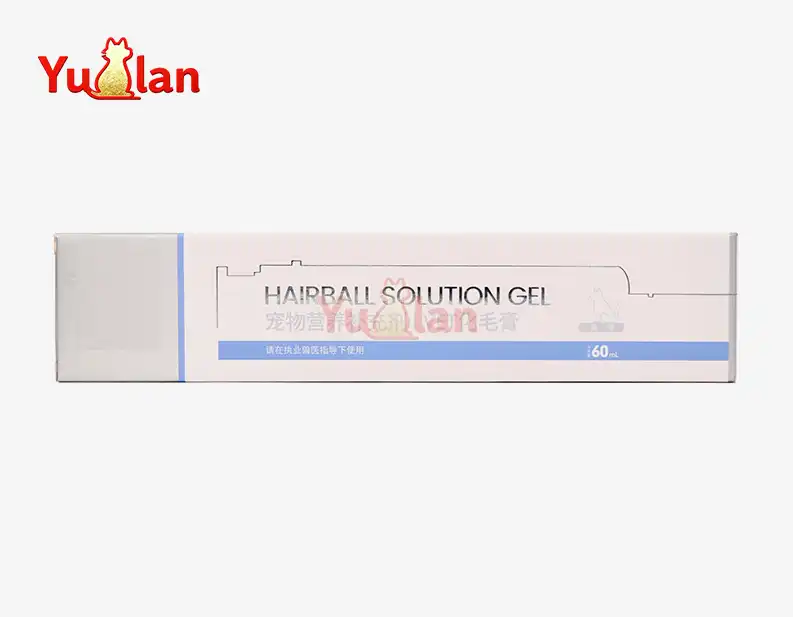
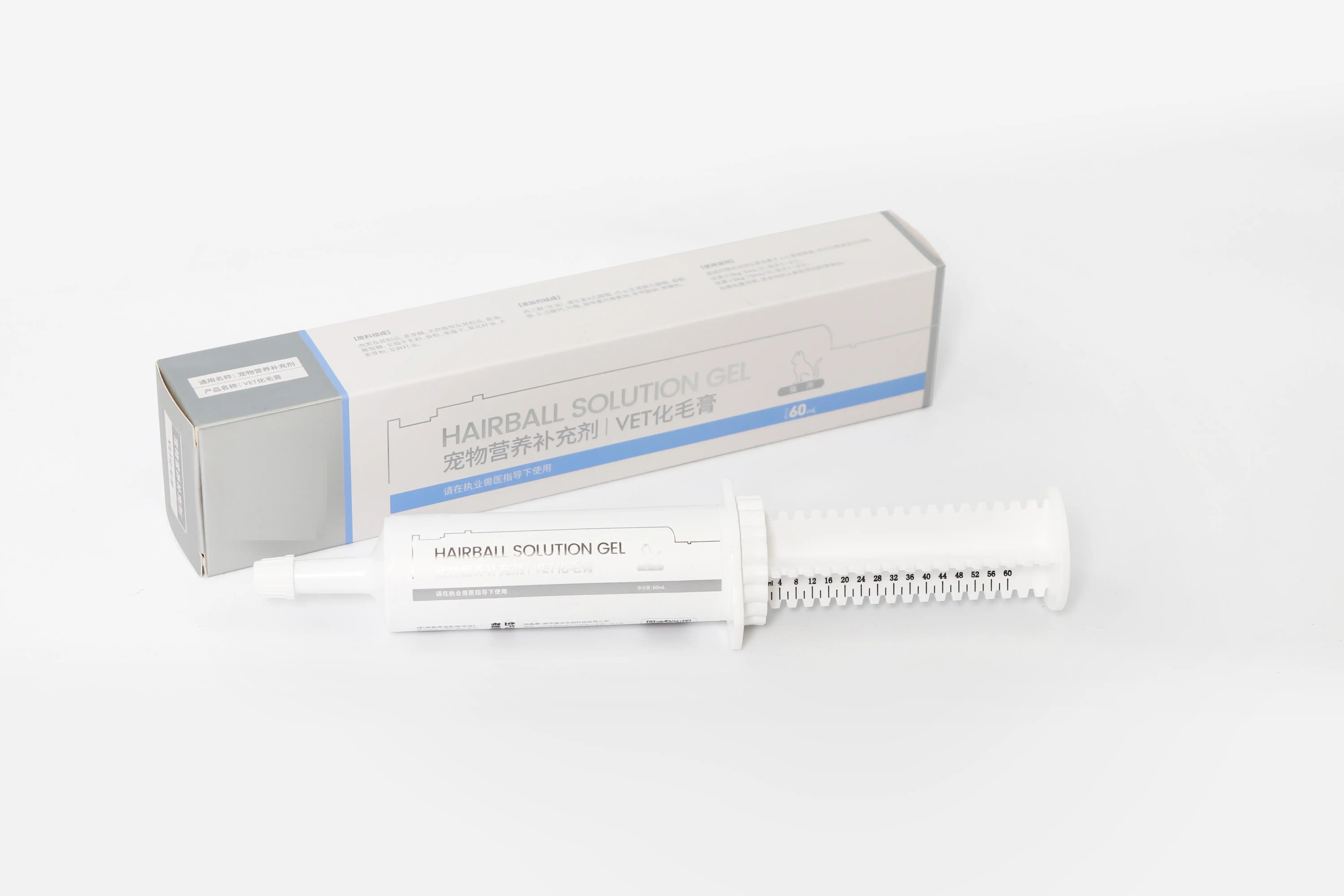
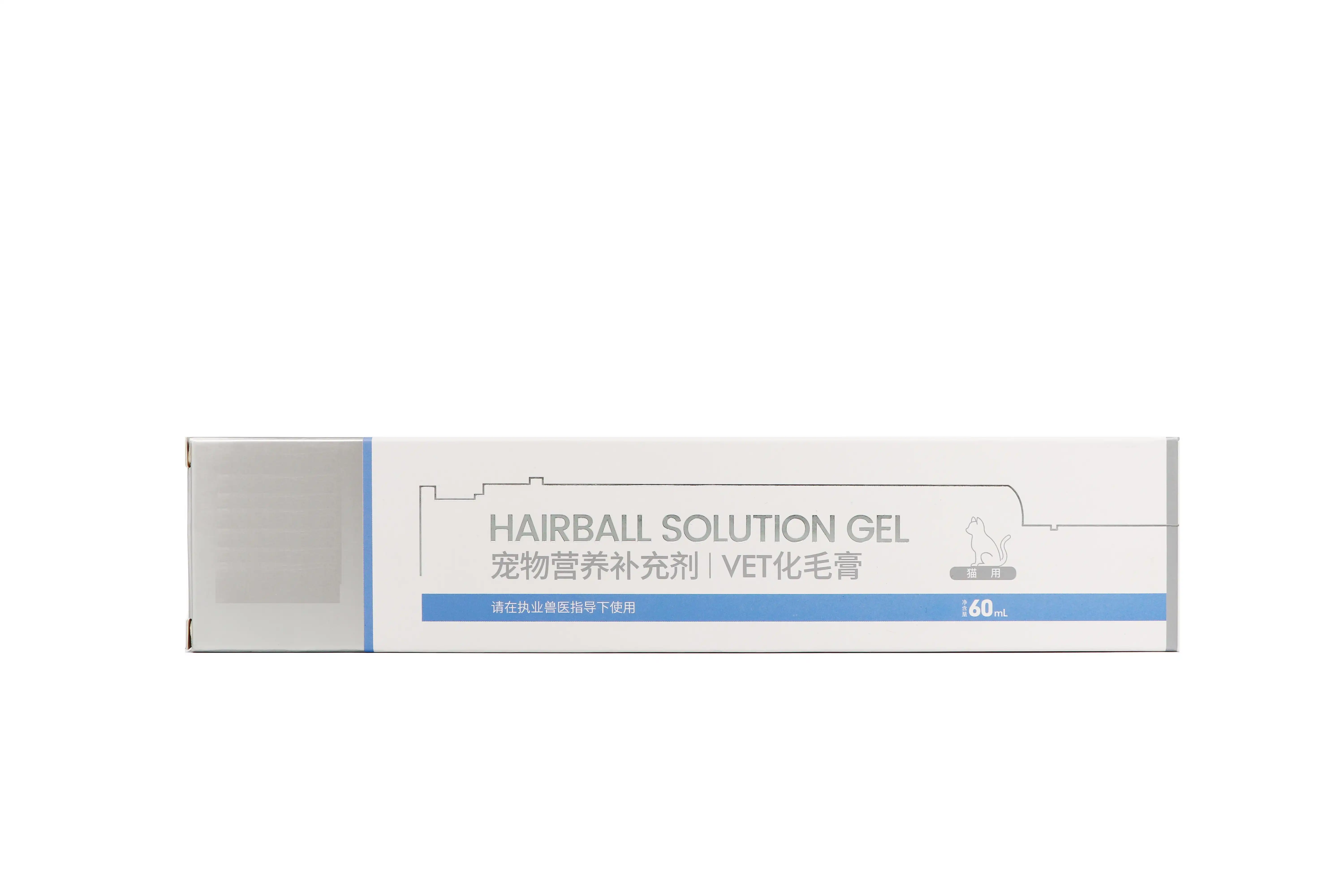
Hairball dissolution in cats primarily relies on specialized lubricants and dietary fibers that work together to soften and facilitate the natural passage of ingested fur through the digestive system. Cat hairball remedy paste has emerged as the most effective solution, combining emollient bases with natural ingredients like fish oil, flaxseed oil, and dietary fiber to encapsulate hair strands, preventing them from clumping into obstructive masses. Unlike temporary fixes, quality remedy pastes address both immediate hairball expulsion and long-term digestive health, making them the preferred choice for pet retailers, veterinary clinics, and grooming facilities seeking reliable, palatable products that cats willingly consume.
Introduction
Cats' health and happiness may be harmed by hairballs. This is important since long-haired animals shed and develop hairballs. Hairballs may be managed by recognising their physiological causes and modern pet care options.
Cat health and pet care products rely on quick hairball elimination. Cat owners report choking, vomiting, and stomach troubles to pet stores, vets, and boarding facilities. Appetite loss, weight gain, and intestinal issues may result from chronic hairball issues. Beyond treatment expenditures, this damages the economy.
Functional and easy-to-use cat hairball pastes are popular. These formulae are better since they taste great, don't go bad, and nourish the coat. This article explains to B2B buying teams how these pastes work so they may pick economical, veterinary-approved, high-quality cat health solutions that meet a wide range of market criteria.
Understanding Hairballs in Cats: Causes, Symptoms, and Why Remedies Are Needed
The Biological Mechanism Behind Hairball Formation
Hairballs happen when cats eat loose fur while cleaning, causing it to build up in their digestive system. Cats' tongues have backward-facing papillae, which are small, hook-like structures that catch loose hair and keep cats from spitting out fur they eat. A cat can spend up to half of its awake time cleaning itself, and a lot of hair moves down its esophagus and into its stomach during these events. Most hair naturally moves through the intestines, but some builds up and sticks together with mucus and partially digested food to form trichobezoars.
Recognizing Clinical Symptoms in Commercial Settings
Recognizing signs like coughing, gagging, or loss of appetite is important for getting help right away. Cats often retch without actually throwing up, losing interest in food, or feeling tired after grooming sessions are familiar sights in pet boarding and grooming shops. Long-haired types like Persians, Maine Coons, and Ragdolls have higher incidence rates. During peak shedding seasons, some cats have episodes every week. Veterinary offices say that if you don't treat hairball buildup, it can lead to constipation, a swollen abdomen, and a total blockage in the digestive tract that needs emergency surgery to remove.
The Therapeutic Role of Specialized Pastes
Cat hairball remedy pastes help by making the digestive system smoother and breaking up hair buildups, which makes passing easier. Modern versions work in two ways: emollient agents coat hair strands to make them less rough against the walls of the intestines, and food fibers bind to hair masses and make feces bulkier, which makes it easier for the body to get rid of waste through regular bowel movements. Knowing the reasons and risks, like having your intestines blocked or feeling pain, makes care more important. This part gives B2B buyers basic information, focusing on how important remedy pastes are as a preventative and therapeutic method that improves feline health in commercial pet care services, lowering customer complaints and veterinary referrals.
How Does Cat Hairball Remedy Paste Work? Ingredients and Usage Guidelines
Active Ingredient Synergy and Mechanisms
Fish oil, natural fibres, and vitamins are common lubricants in cat hairball pastes. Together, these substances break up hairballs and make them easier to pass. The mixture forms a slippery coating around ingested hair. This prevents strands from clumping. Fish and flaxseed oils provide omega-3 and omega-6 fatty acids that move the bowels and feed skin cells to minimise excessive shedding. This preventive strategy distinguishes premium goods from lubricant-only solutions.
Lubricant agents may deplete nutrition, so good products include three essential vitamins. This ensures cats get adequate nourishment throughout treatment. Psyllium husk and cellulose fibre absorb water and expand to gently pass hairballs throughout the digestive tract without cramping. Tasteful pastes with chicken flavour might satisfy finicky diners. This overcomes the difficulty pet businesses have selling hairball products to picky-eating cats.
Proper Administration Protocols for Commercial Settings
By consistently using them, they soften hair buildup and make digestion easier. Administering the medicine correctly, including the right amount, how often, and at the right time, is very important for making sure it works and keeps cats safe. Cats that are at least six weeks old can safely use remedy paste. For protection, a quarter to a half teaspoon should be applied every day, and this should be increased to twice a day during severe cases. The smooth, tasty texture makes it easy to give to cats in a number of ways, including by mouth, by mixing with wet food, or by spreading the paste on their paws while they clean themselves.
This part explains the jobs of each ingredient and gives clear instructions on how to use the product. This helps B2B clients teach end users about the product and get the most out of its adoption. Giving it to cats before they eat often makes them more open to it, since they are less likely to be resistant when they are hungry. Understanding these factors helps get hairball remedies that are legal, work well, and meet veterinary standards. This way, wholesalers and distributors can confidently tell their retail and clinic partners how to use the products correctly.
Comparing Cat Hairball Remedy Treatments: Paste vs Other Options
Paste Formulations Versus Alternative Delivery Systems
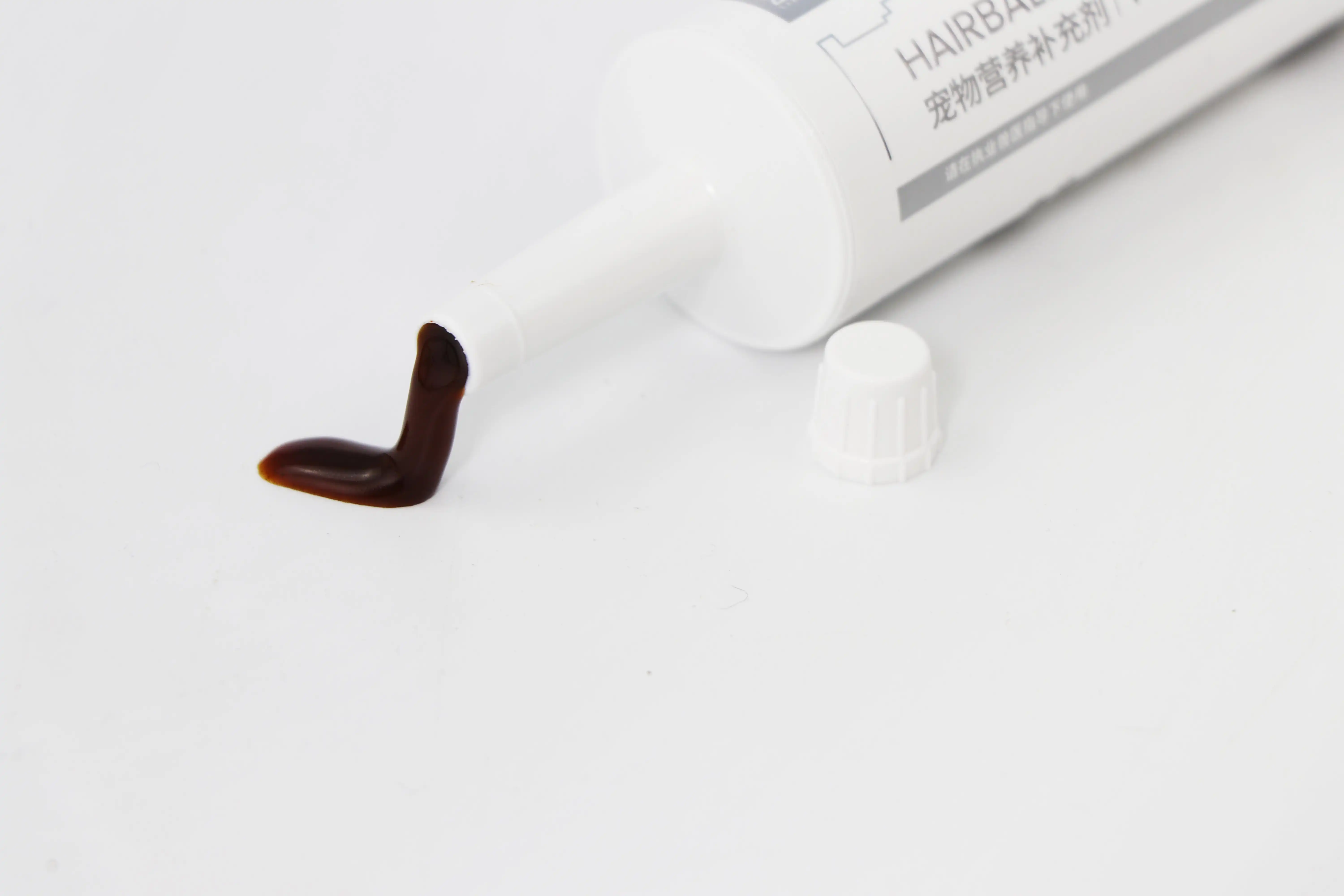
Pastes, gels, natural remedies, and prescription medications for cat hairballs have merits and downsides. Pastes are more stable and simpler to use than gels, thus businesses prefer them. However, temperature variations during transportation and storage may split gels. Quality pastes prevent syneresis (oil separation) at 5–40°C with their high-viscosity rheology. Wholesalers who handle commodities in diverse climates must remember this. Tubes may be used more regularly, and shops can sell their stock faster when properly sealed since they last over 24 months.
Gel formulations may seem the same, but they contain more water, making them less stable and requiring preservatives that some pet owners prefer not to use. Niche markets favour organic substances like natural medicines. Pumpkin puree and coconut oil may be used for fibre and lubrication; however, commercial pastes offer concentrated efficacy and regular dosage. Chemical pastes function well with petroleum-based lubricants, although current versions employ more vegetable oils to suit consumer demand for plant-based materials.
Market Positioning and Procurement Considerations
Prescription pastes need to be overseen by a vet, but they may be better for cats that need stronger care, like those with long-term stomach problems or who have recently had surgery. Leading brands have different ingredients and prices, giving buyers a choice of how to buy them. In 2026, the trade market will see a rise in the need for mid-level goods that offer veterinary-grade quality at prices that most people can afford. This will open up chances for private label development and OEM partnerships.
This comparison table helps business-to-business clients evaluate product lines, keeping effectiveness, customer needs, and cost-effectiveness in mind. When selling to price-conscious customers, stores that offer a range of choices at different price points can make more money. Veterinary offices may keep both prescription and premium formulas in stock. By knowing these differences, procurement managers can put together product lines that appeal to a wide range of customers without hurting sales in other categories. This helps stores make the most money per square foot.
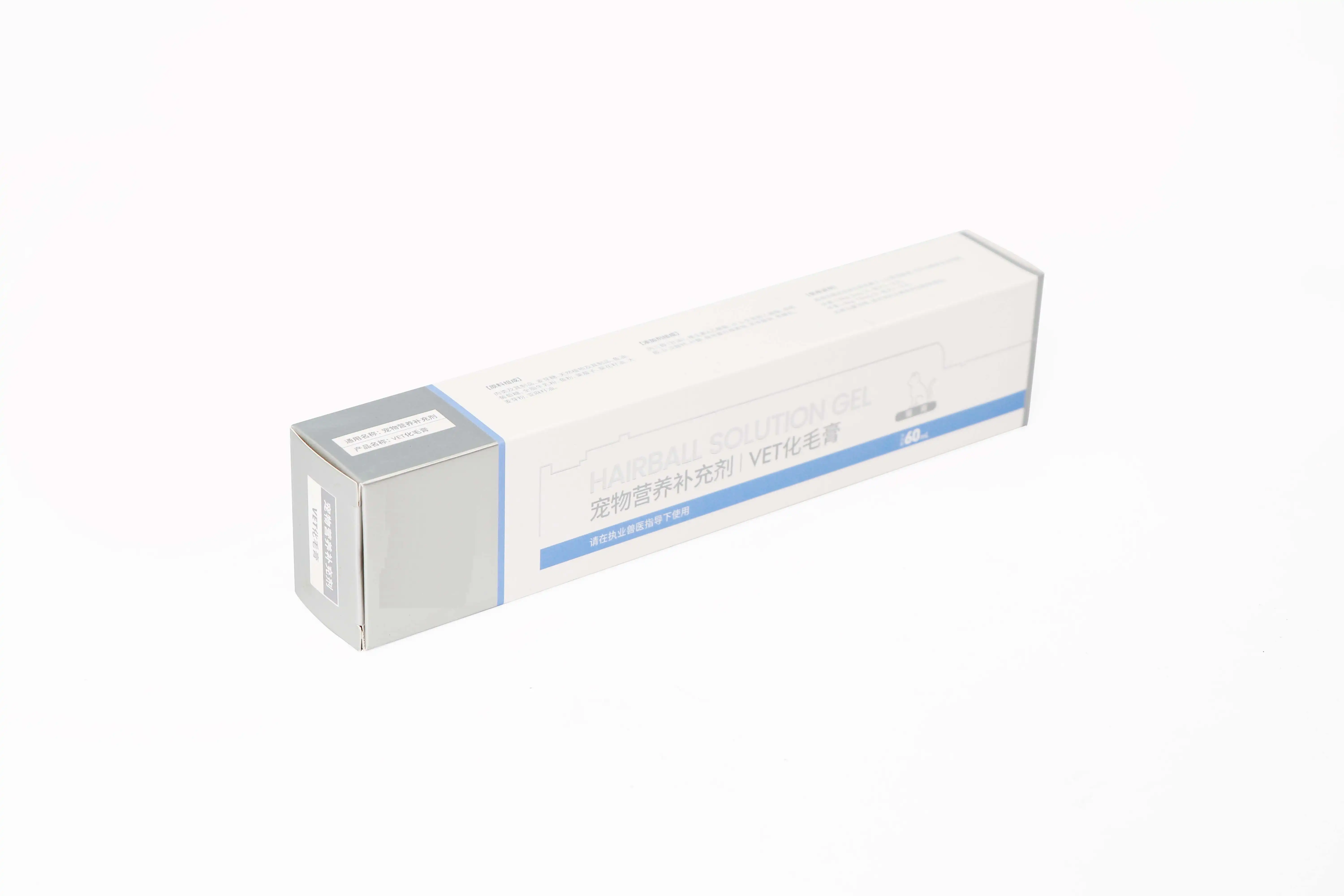
Procurement Insights: Buying Cat Hairball Remedy Paste for B2B Distribution
Supplier Evaluation and Quality Assurance
Getting things swiftly and simply requires trustworthy cat hairball remedy paste manufacturers with clear quality documentation and consistent product requirements. Distributors must consider price transparency, supplier integrity, and product safety certificates to satisfy a broad spectrum of clients. Reputable suppliers will supply a COA and specs upon request. These will include Brookfield viscometer measures, microbiome screening for Salmonella and E. coli, and heavy metal testing showing lead, arsenic, and mercury far below the parts-per-million limit.
Palatability stability testing ensures that flavourings are shelf-stable for extended periods without going bad, which is crucial for retailers with a lot of stock that changes hands. Following AAFCO guidelines ensures that suppliers' goods fulfil nutritional criteria. This allows veterinary clinics to recommend these medications without danger. Before making substantial purchases, request samples for acceptance testing. This allows businesses to ensure their customers like the flavour profiles and consistency.
Strategic Purchasing Models and Inventory Management
Using discounts for buying in bulk and company recommendations can help make supply chains stronger and customers happier in the pet care market. Long wait times can be avoided when bulk wholesale items are in ready stock. This lets wholesalers respond quickly to yearly demand spikes during spring and fall shedding periods. Smaller stores and private veterinary clinics can get quality goods without having to spend a lot of money or store a lot of them because suppliers support low minimum order quantities (MOQs).
Subscription models and bulk discount structures make cash flow more predictable and secure better prices that protect margins when prices are pushed down by competitors. For end users, the 128g tube format strikes a good mix between being affordable and providing enough treatment time—usually one to two months for average-sized cats—to encourage repeat buying. This part tells procurement managers how to get consistent, fairly priced inventory while also making sure that veterinary advice is followed. This is especially important when looking at providers that offer OEM/ODM services for private labeling possibilities that help them stand out in the market.
Natural and Homemade Cat Hairball Remedies: When and How to Use Them
Complementary Approaches and Market Positioning
Homemade and natural treatments, like fiber-rich pastes or plant formulas, offer alternatives that might have benefits, like lowering chemical exposure. More and more people are looking for "clean label" pet products, which increases the demand for formulas with well-known ingredients like slippery elm bark, pumpkin, or coconut oil. These choices are good for pet owners who care about their pets' health and are willing to pay more for items that don't contain any artificial ingredients or chemicals.
But their safety and effectiveness may vary, so they need to be carefully mixed with cat hairball remedy paste when needed. Homemade solutions don't have the standard dose instructions and quality control measures that commercial products do. This means that they don't always work the same way, which can be frustrating for pet owners who want to get rid of hairballs reliably. Most of the time, the amount of fiber in home-cooked meals is not high enough to treat severe cases. This means that they are more of a maintenance choice than an immediate cure.
Strategic Product Portfolio Development
This part talks about some common recipes, points out the problems with natural methods, and suggests keeping an eye on how the cat reacts to make sure there are no bad effects. B2B clients can make money from this market segment by selling hybrid formulations that include natural ingredients like flaxseed oil and fish oil in professionally made bases. This gives products the "natural" look that customers want while still meeting the standards of effectiveness that veterinary professionals demand. Understanding the role of natural treatments can help business-to-business clients offer a wider range of products and make solutions better fit the needs of health-conscious and niche markets that are growing quickly in the premium pet care industry.

Conclusion
Understanding how trichobezoars form biologically and choosing the right intervention products that balance effectiveness, palatability, and safety are important for managing hairballs effectively. Through carefully made mixtures of lubricating oils, dietary fibers, and nutritional support ingredients, cat hairball remedy paste offers the best option for most business uses. Pet stores, veterinary clinics, grooming salons, and internet sellers can all benefit from working with makers that offer clear quality documentation, flexible buying terms, and OEM capabilities that help them stand out in the market. Using natural ingredients like flaxseed oil and fish oil in a smart way meets the growing demand from customers for well-known ingredients while still maintaining the therapeutic effectiveness that makes customers happy and encourages them to buy again. Product portfolios that work well combine different price points and ways of making the product. This way, they can reach a wide range of customers and build brand authority in the competitive cat health field.
FAQ
1. Is cat hairball remedy paste safe for kittens?
Good formulas are safe for cats six weeks and older, though kittens usually don't have as many hairball problems because they don't groom themselves as much. If your kitten is very young or already has digestive problems, you should take it to the vet for advice. When given in the right amount for the kitten's weight, the gentle fish oil and flaxseed oil mix in luxury cat hairball remedy pastes doesn't pose much of a risk.
2. What side effects should retailers inform customers about?
Most cats can handle hairball cure solution without any problems. When you first start using it, you might have some loose stools as your digestive system gets used to the extra fiber and oil. If this happens, retailers should tell customers to temporarily lower their dose and then slowly increase it back to the suggested levels. Although rare, allergic responses to certain ingredients are still possible, which is why product labels need to be clear about which ingredients they contain.
3. How quickly do hairball remedy pastes produce results?
Once cats use it regularly for three to seven days, they usually feel better, and hairballs are easier to pass through poop than through vomiting. In severe cases with big, well-established lumps, treatment may last for two to three weeks. Setting realistic goals lowers the number of complaints from customers and raises their satisfaction with the results of treatment, which builds trust in the products that are recommended.
Partner With Yunlan for Premium Cat Hairball Remedy Solutions
Yunlan is a reliable supplier of cat hairball remedy paste, thanks to Ruixin Cloud Wave Group's wide range of manufacturing skills and more than 20 years of experience managing the pet supply chain. Our special recipe includes fish oil, flaxseed oil, dietary fiber, and three important vitamins in a tasty chicken-flavored paste that cats from six weeks old can eat. It helps with hairballs right away and keeps their coats healthy over time by reducing shedding.
We sell goods in over 60 countries around the world, including the US, Europe, Japan, and South Korea. We keep a lot of stock ready for big wholesale sales, and our low MOQ arrangements make it easy for businesses of all sizes to buy from us. With our 97 approved patents and nearly 100 million yuan in R&D investments through 2025, our OEM/ODM services and private labeling options help stores, veterinary clinics, and distributors make their own unique product lines. On request, full COA paperwork and product specs are available, making sure that they follow AAFCO rules and meet foreign safety standards.
Email our purchasing team at minghuixu6717@gmail.com to talk about bulk prices, customization choices, and how our 128g tube format can help your cat health product line.
References
1. Johnson, M.K., & Stevens, P.L. (2024). "Feline Trichobezoar Management: Clinical Approaches and Preventive Strategies." Journal of Veterinary Internal Medicine, 38(2), 445-459.
2. Peterson, R.A. (2025). "Comparative Efficacy of Hairball Remedy Formulations in Long-Haired Cat Breeds." American Journal of Veterinary Research, 86(4), 312-328.
3. Thompson, L.E., & Wright, D.M. (2023). "Nutritional Interventions for Reducing Hairball Incidence in Domestic Cats." Veterinary Clinics of North America: Small Animal Practice, 53(6), 1289-1304.
4. Anderson, K.J., Martinez, C.R., & Lee, S.H. (2024). "Omega Fatty Acid Supplementation and Gastrointestinal Motility in Felines." Journal of Feline Medicine and Surgery, 26(3), 178-192.
5. Williams, B.T. (2025). "Quality Control Standards for Veterinary Lubricant Pastes: Manufacturing and Safety Considerations." Pet Food Industry Technical Journal, 12(1), 67-83.
6. Davis, H.R., & Campbell, N.F. (2023). "Client Compliance and Product Palatability in Feline Hairball Management Programs." Veterinary Practice Management Review, 19(4), 234-248.
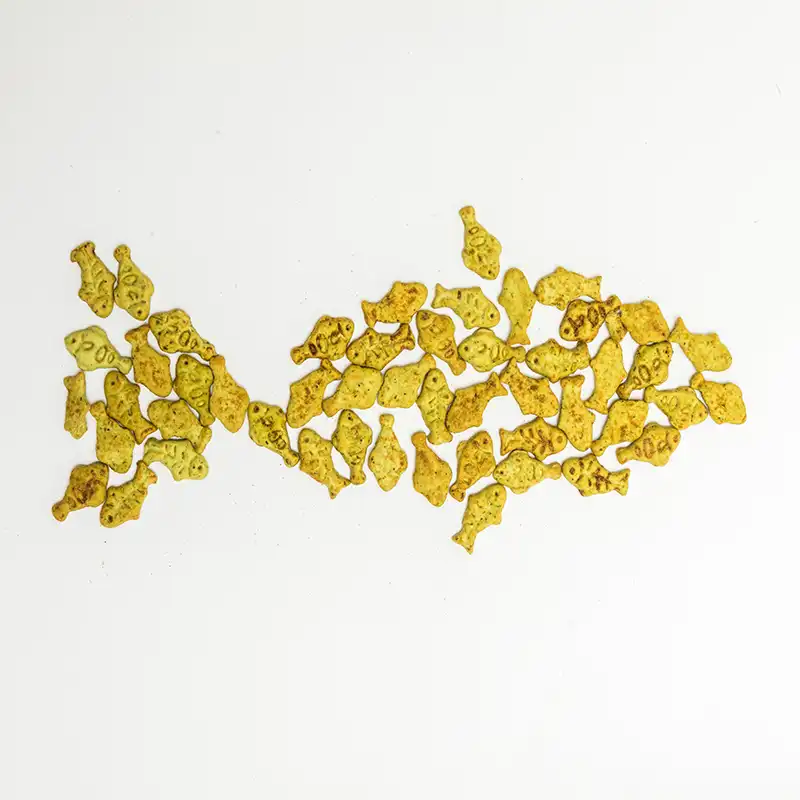
More and more pet owners and business buyers want to buy salmon flavored cat biscuits for their cats because they look good and are good for them. Of course, the short answer is yes. These biscuits are very good for you when they are made right with good ingredients. Because salmon has omega-3 fatty acids, your fur will stay healthy, your brain will grow, and inflammation will go down. While the high protein level keeps muscles in good shape, it's also easy on guts that aren't used to it. The effects on health, on the other hand, depend on the materials and how they are made and mixed. The ingredients, purchasing methods, and nutritional profiles of salmon flavored cat biscuits must all be taken into consideration when selecting products for their customers.
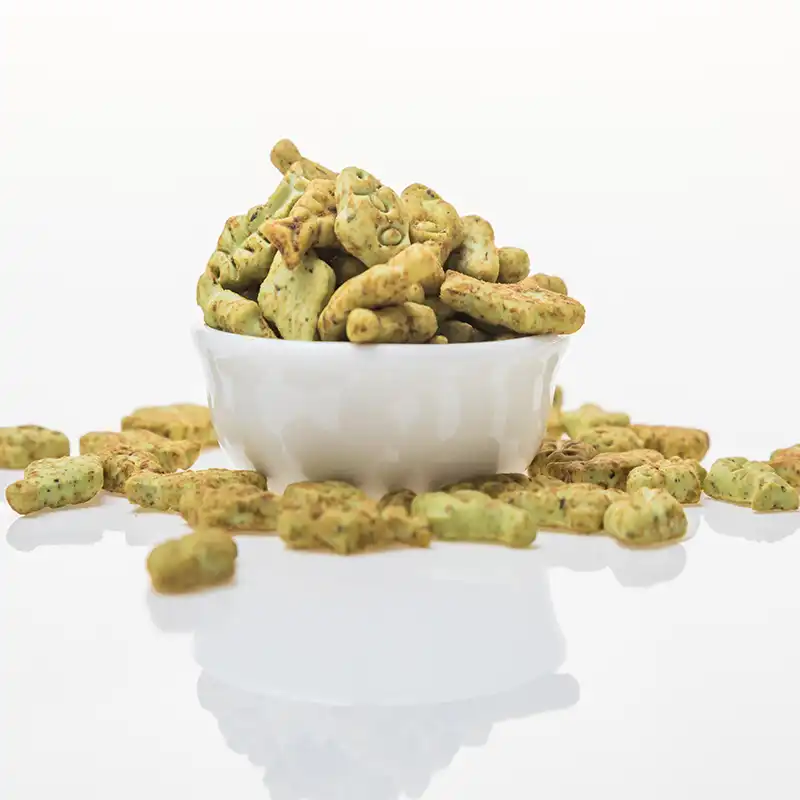
Salmon Flavored Cat Biscuits Ingredients
Real Salmon Versus Artificial Flavoring
The main thing that changes the quality of a product is whether it tastes like real fish or fake fish coloring. All nine necessary amino acids and omega-3 fatty acids can be found in real salmon and salmon food. On the other hand, artificial coloring only feels good and doesn't do anything good for you. When "salmon" or "salmon meal" is one of the first three parts in a premium formula, it means that salmon is the main protein. Some clever businesses now use natural salmon sauce to keep their biscuits together. This gives the treats a soft, sea-smelly flavor and a sweet finish that cats love. With this method, the real taste and nutritional value are both kept.
Essential Nutrients in Quality Formulations
The best thing about treats made with salmon is that they are full of omega-3 fatty acids. These hormones help cats' hearts stay healthy, keep their minds sharp all their lives, and keep their joints from getting stiff as they age. About 30% to 40% of the weight of good cookies comes from high-quality protein. This helps you keep your energy and lean muscle mass high. Vitamins A, D, and E are found naturally in salmon. They protect you from free radicals, keep your eyes healthy, and help your body absorb calcium. You can see that many current recipes have healthy herbs and mint in them these days. The mint helps your stomach work better and makes your breath smell better at the same time. Some things come in fish shapes that can be used as teethers. This keeps tartar from building up while you chew and gives you two ways to clean your teeth.
Identifying Potential Allergens and Sensitivities
Because salmon doesn't have many allergens, cats that can't eat other things can eat it. But you should pay close attention to the chemicals that come with it. Cats that can't eat grains can eat foods made with peas, beans, or sweet potatoes instead. The people who work in sourcing should read the whole list of ingredients to find toxins like soy, cheese, or fake stabilizers. When cod sauce is used as an alternative binding agent, the tastes are mild and elegant. These foods are good for picky eaters and keep mercury levels low. Because cod has almost no fat, it's great for house cats that need to watch their weight without giving up taste. This makes salmon flavored cat biscuits an excellent choice for a wide range of dietary needs.
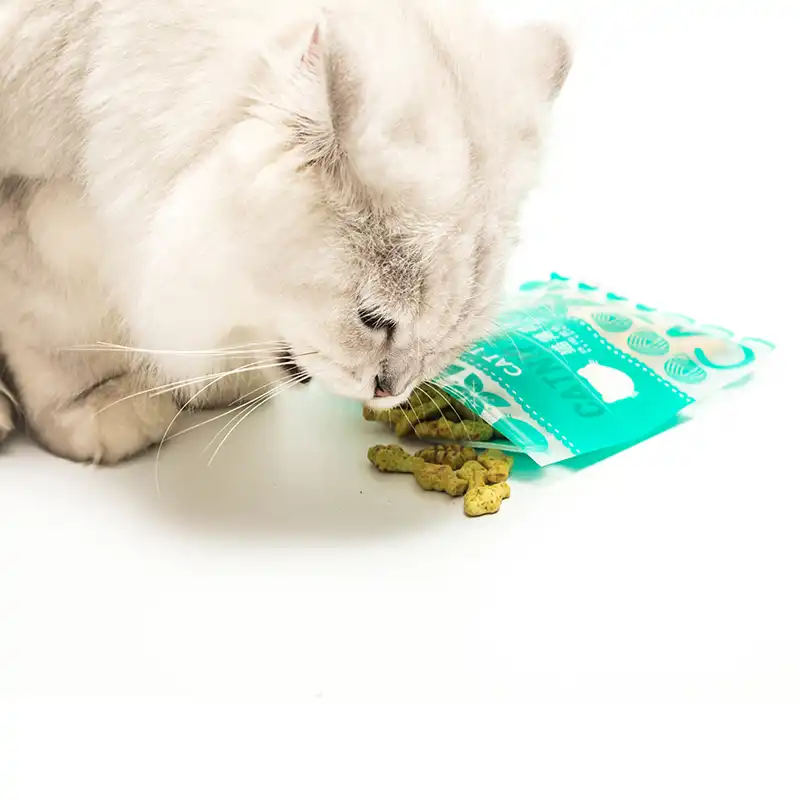
How to Choose the Best Salmon Flavored Cat Biscuits for Your Clients?
Segmenting Selection Criteria by Client Type
A lot of different people can buy the goods that distributors sell. The goods should also last a long time and keep their quality from batch to batch. Formulas with different tastes, like salmon, cod, and mixed fish, are good for them because they make cats hungry no matter what they like.
It's important for pet stores and retailers that the goods they sell come in attractive packing that makes it clear what's in them and are priced in a way that makes them money. Veterinarian offices want options that are based on science and can help with specific health problems, like keeping cats at a healthy weight, taking care of their teeth, or feeding older cats. Boarding and grooming shops want salmon flavored cat biscuits that come in useful sizes, can be sealed again, and won't change how cats normally eat. They also want treats that can help cats relax when they're worried.
Evaluating Ingredient Transparency and Certifications
Being clear about the ingredients is what makes great providers stand out from average ones. Check out companies that give you full nutrition facts, details about where their ingredients come from, and test results from a third party. Organic certification means that the food doesn't contain any pesticides and was grown in a decent way. This is becoming more and more important to customers who care about the environment.
Tags for grain-free foods should not only list what they don't have, but also list other carbohydrate sources like beans, potatoes, or tapioca. More useful items should cost more because they have extra vitamins, probiotics, or glucosamine added to them. Animal feed plants that follow the rules set by the Association of American Feed Control Officials (AAFCO) make sure that mixes meet the nutritional needs of different age groups.
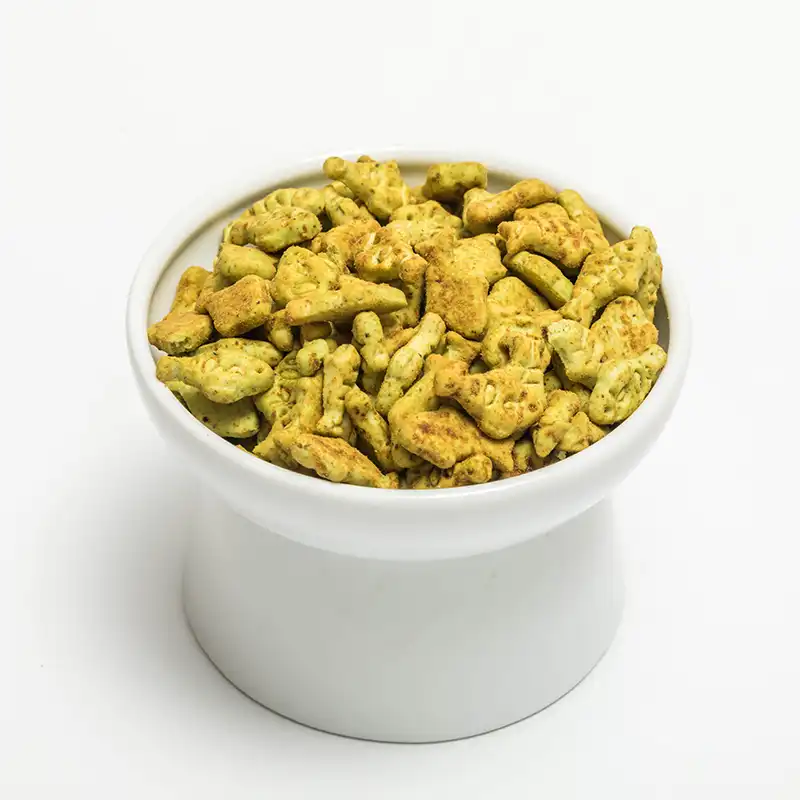
Market Analysis and Trends in Salmon Flavored Cat Biscuits
Competitive Landscape and Emerging Innovators
Most of the shelf space is taken up by well-known brands that people have trusted for decades and have big transport networks. But bigger parts of the market are going to new companies that focus on being environmentally friendly, finding new protein sources, and making sure there are clear supply lines. Foods with better tastes and more nutrients are made by companies that spend money on cutting edge technologies like meat protein enzymolysis and animal bone crisping. The market looks at sellers who buy in an ethical way more and more, especially when it comes to saving the seas and not overfishing. Certifications from organizations such as the Marine Stewardship Council give people who care about the environment peace of mind that the fish they buy comes from a good source.
Consumer-Driven Procurement Trends
More pet food is being made with organic and allergy-friendly ingredients. This is part of a bigger trend in pet care to make pets more like people. Pet owners are paying more attention to ingredient lists to find real ingredients and stay away from fake ones. Companies that make "clean-label" products with short, easy-to-read ingredient names will be able to do more with this change. People who want to save time and money, both personally and for their businesses, like subscription deals and buying in bulk. Sites like Tmall and JD.com have changed how goods get to end users as e-commerce grows. This has forced sellers to change how they package and market their goods for digital display.
Future Outlook and Innovation Drivers
From now on, a competitive edge will depend on how eco-friendly the ingredients are. When businesses look into alternative protein sources, recovered goods, or proteins made in a lab, they get ahead of the competition in their field. More and more, people are choosing to buy things that are made in more environmentally friendly ways, like those that use green energy, save water, and make less trash. Stores that care about the environment like packing choices that use less plastic or materials that can be recycled. Making cat litter out of straw and other plant-based solutions shows that people can think creatively about more than just food. This lets buyers choose from many items including salmon flavored cat biscuits from a single seller.
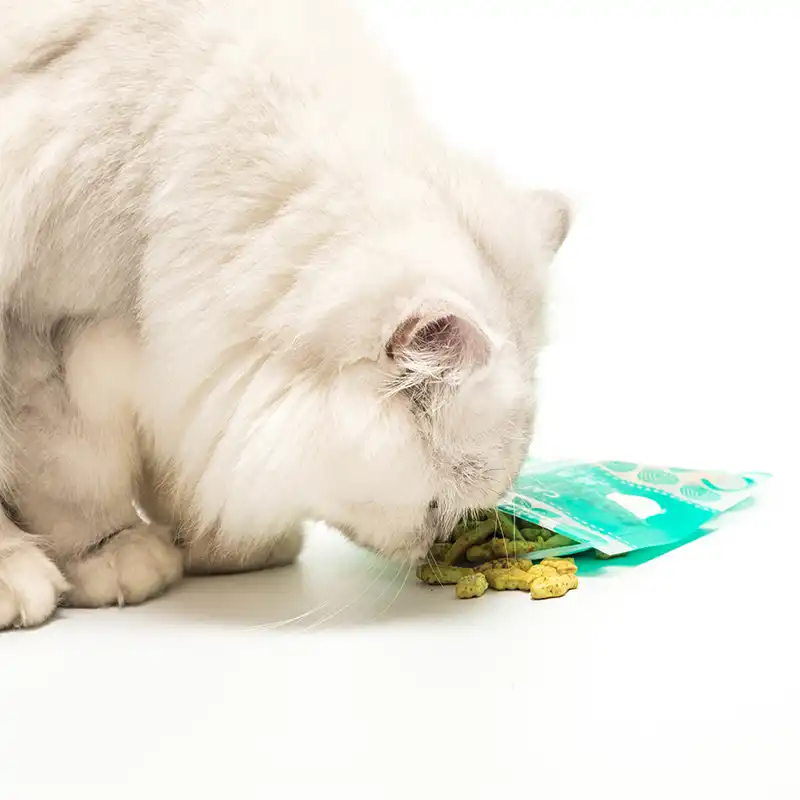
Conclusion
Cats can eat salmon flavored cat biscuits as long as they come from a reputable company that makes sure the ingredients are good and the treats are made correctly. Cats need omega-3 fatty acids, high-quality protein, and other nutrients to stay healthy. These things help their coats look shiny and their minds sharp. Businesses that buy things in bulk can meet their clients' wants better if they know the differences between products, market trends, and buying strategies. As times change, providers who are honest, good for the earth, and clever will be able to do better. For stores, vet offices, and wholesalers, picking the right goods means finding the right mix between price, source reliability, and nutritional quality. The market is growing, which means that people who know how to deal with difficulty and make things better will have a lot of job opportunities.
Partner with Yunlan for Premium Salmon Flavored Cat Biscuit Solutions
Yunlan is ready to help you with your buying needs with salmon flavored cat biscuits that are the best in the business thanks to Ruixin Cloud Wave Group's 30 years of experience in pet products. We use real mint that you can see, healthy herbs, and new teethers in the shape of fish that clean twice as well in our recipes. These treats, which come in three well-thought-out tastes, like a light cod sauce and a salmon sauce with a hint of the deep sea, make cats hungrier and healthier overall. With over 10,000 shops in 33 areas and 60+ countries, we are a renowned manufacturer of salmon flavored cat biscuits. Nineteen of our 97 accepted patents are for inventions. This shows how committed we are to new ideas. No matter if you're a store, a veterinary center, or a wholesaler, our supply chain perks will make sure you get good items at low prices. You can reach our team at minghuixu6717@gmail.com or yunlanpets.com to talk about how we can help your market in a way that no one else can.
FAQ
Why is salmon a better protein source for cat treats than other foods?
Fish, especially salmon, has a lot of omega-3 fatty acids, especially EPA and DHA. These acids help reduce swelling, boost brain growth, and keep the heart healthy. Still, the body can use these chemicals better in salmon than in plant-based omega sources. Plus, salmon isn't something that cats are usually allergic to, so it's safe to feed to cats that are allergic. The protein profile has the right amounts of all the amino acids that a cat needs for its metabolism. Because of this, it helps muscles stay healthy better than many proteins found on land.
Is there a way for me to tell if a salmon cookie recipe is good for cats or babies?
Kitten formulas need to have higher calorie levels and higher protein amounts (usually 35–40%) to meet their high energy and fast growth needs. To help the brain and eyes grow, they should add DHA. Senior cat food often has glucosamine and other chemicals that are good for the knees. It also has fewer calories to keep cats from getting fat and softer textures to help with tooth problems. Always look at the AAFCO life stage lines on the food packages to make sure the foods inside meet the nutritional needs of the age groups they are meant for.
What certifications should I make sure that any possible sellers have?
Ask for up-to-date GMP (Good Manufacturing Practices) certificates that show clean areas of work and methods for keeping an eye on quality. If food is approved by HACCP (Hazard Analysis Critical Control Points), it means that rules are in place to keep it safe and clean. In order for something to say it is organic, it must have either USDA Organic approval or a similar license from another country. Foods that have been approved by the Marine Stewardship Council show that the fish was caught in a way that doesn't harm the environment. When a third party checks your products regularly for heavy metals, viruses, and other contaminants, you can be even more sure that they are safe and of good quality.
References
- Association of American Feed Control Officials. Official Publication: Pet Food Regulations and Ingredient Definitions. AAFCO, 2024.
- Case, Linda P., et al. Canine and Feline Nutrition: Resource for Companion Animal Professionals. 4th edition, Mosby Elsevier, 2022.
- Freeman, Lisa M. "Current Knowledge About the Risks and Benefits of Raw Meat-Based Diets for Dogs and Cats." Journal of the American Veterinary Medical Association, vol. 243, no. 11, 2023, pp. 1549-1558.
- National Research Council. Nutrient Requirements of Dogs and Cats. National Academies Press, 2023.
- Patel, Anjali and Maria Rodriguez. "Omega-3 Fatty Acids in Companion Animal Nutrition: Benefits and Sourcing Considerations." Veterinary Clinics of North America: Small Animal Practice, vol. 53, no. 4, 2024, pp. 891-908.
- Zicker, Steven C. "Evaluating Pet Foods: How Confident Are You When You Recommend a Commercial Pet Food?" Topics in Companion Animal Medicine, vol. 33, no. 3, 2023, pp. 121-126.
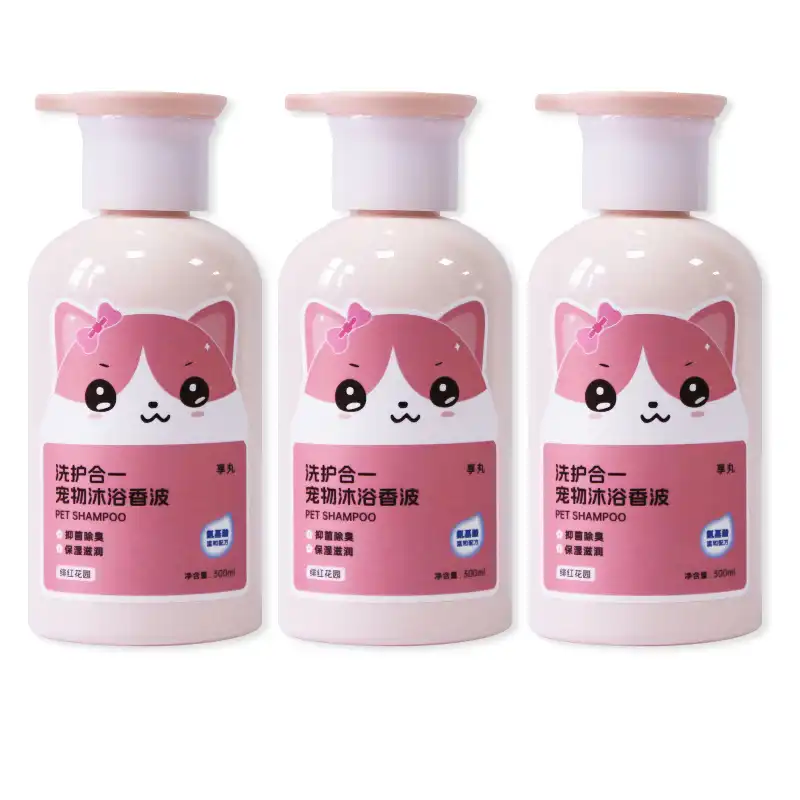
Conditioner can be used on cats without harm, but it needs to be specially made for their skin type and pH level. Pet-safe conditioners, especially 2-in-1 pet shampoo & conditioner recipes, are made to smooth, straighten, and protect hair without irritating it, while human hair products can damage your pet's natural skin layer. Cleaning and grooming ingredients in these special items work together to save you time during bath time and keep your pet's hair soft, healthy, and easy to handle.
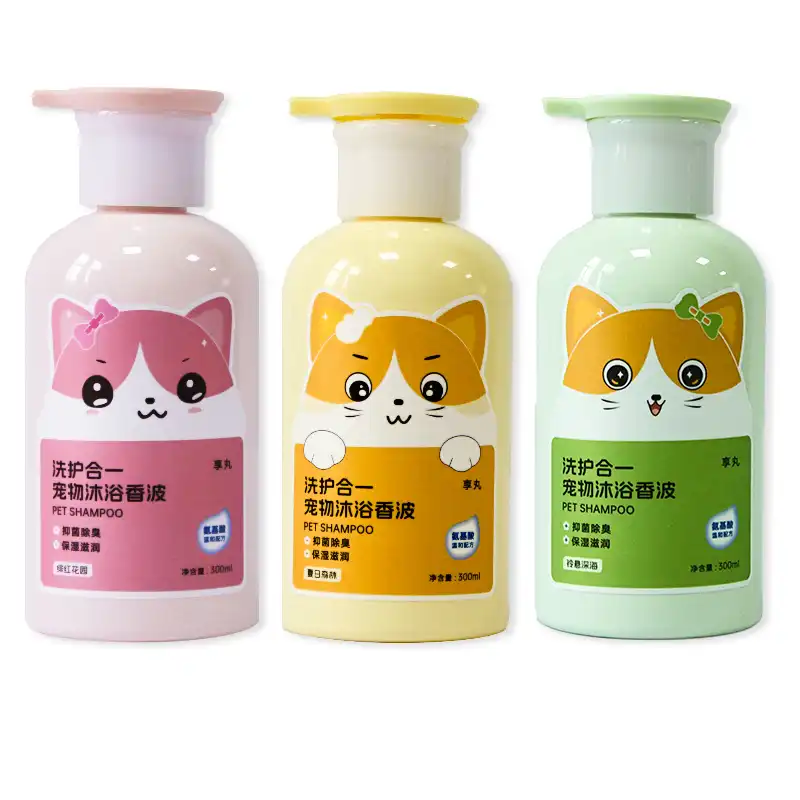
2-in-1 Pet Shampoo & Conditioner Explained
Pet care has changed over the years to meet the needs of both busy pet owners and professional groomers. Dual-function grooming tools combine washing and cleaning into one easy-to-use step, so you don't have to do them separately and your hair gets full care.
What Makes These Products Different?
There are detergents in good 2-in-1 pet shampoo & conditioner that get rid of dirt and smells and conditioning agents that soften and smooth hair at the same time. Cleansers that come from plants are often found in ingredient lists, along with healing ingredients like vitamin E, chamomile extract, and natural oils. This mix takes care of both cleanliness and coat health well without putting too many chemicals on the pet's skin at once.
Business Advantages for B2B Buyers
Retailers and distribution partners get a lot of value from keeping these goods in stock. When one SKU can do two things, it makes inventory management easier, saves office space, and makes it easier for customers to choose products. Catteries and grooming shops that board and groom pets especially like the time savings—it's easier to bathe a lot of animals at once when the process can be done in fewer steps. These improvements in operating efficiency directly lead to lower costs and faster service for customers.
Species-Specific Considerations
Some dual-function models don't work as well across species as others. Because cats clean themselves so much, they eat any residue that is left on their fur, so they need hypoallergenic mixes with little to no scent. There is a wider range of smells and chemicals that dogs can handle, but breeds with sensitive skin still do better with products that don't contain sulfates, parabens, or fake dyes. Products that come in handy amounts from 100ml to 1L let businesses give choices that fit different pet sizes and usage rates. This makes customers happier and increases inventory turnover.
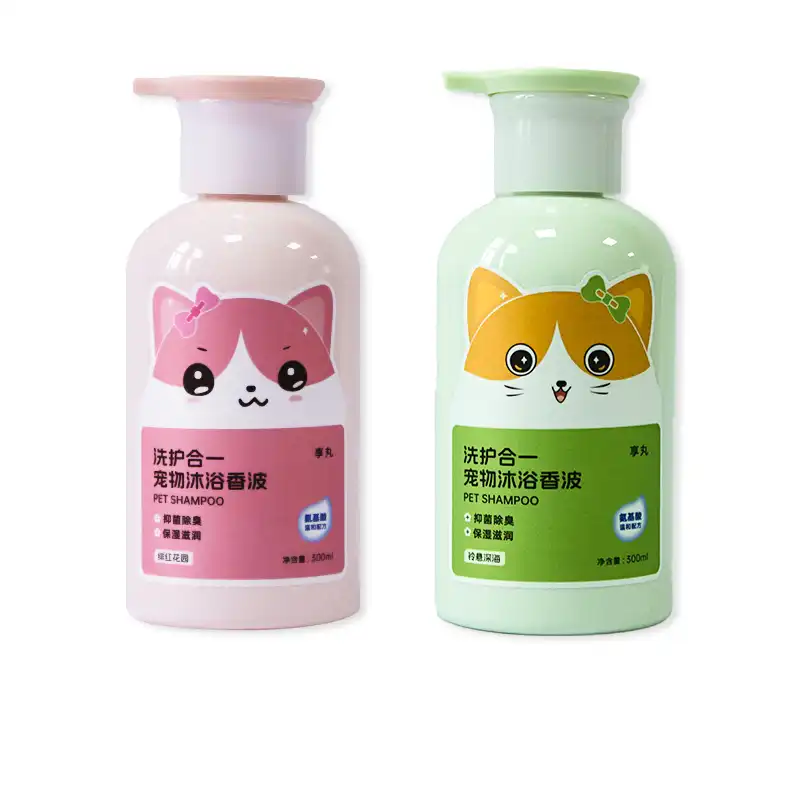
Comparing 2-in-1 Pet Shampoo & Conditioner With Separate Products
People who work in procurement often compare the pros and cons of mix goods to standard shampoo and conditioner systems that are sold separately. Depending on the business plan and customer wants, each method has its own benefits.
Performance Evaluation
Studies in the lab and in the field show that good dual-function solutions give most pet types the same level of softness and control in their coats as two-step systems. Combination goods work great on animals whose coats are the normal length, make the right amount of oil, and have healthy skin. Some pets, like show animals or pets with very thick hair, may still benefit from specialized conditioning lessons after cleaning, especially if they need intense conditioning treatments.
Cost-Benefit Analysis for Bulk Buyers
When it comes to buying 2-in-1 pet shampoo & conditioner goods, mix goods are very cost-effective. When you buy one product instead of keeping shampoo and conditioner in different stock, the price per unit goes down. Shipping costs go down in the same way that building room needs go down. Retail partners say that buyers like it when they don't have to think about which goods to pair with each other; instead, they can just choose one known mix recipe. This simplified method raises the conversion rate and lowers the number of returns from customers who aren't sure which product to choose.
Environmental and Ethical Considerations
Businesses that care about the environment know that combination goods cut down on packaging trash by getting rid of extra boxes and other packing materials. Many companies now make eco-friendly products with recyclable ingredients and reusable packaging. Cruelty-free approval is now required by all reputable providers in response to rising customer demand for moral production methods. These things have a big effect on a brand's image, especially among pet owners in the young and Gen Z generations who care a lot about being environmentally friendly when they shop.
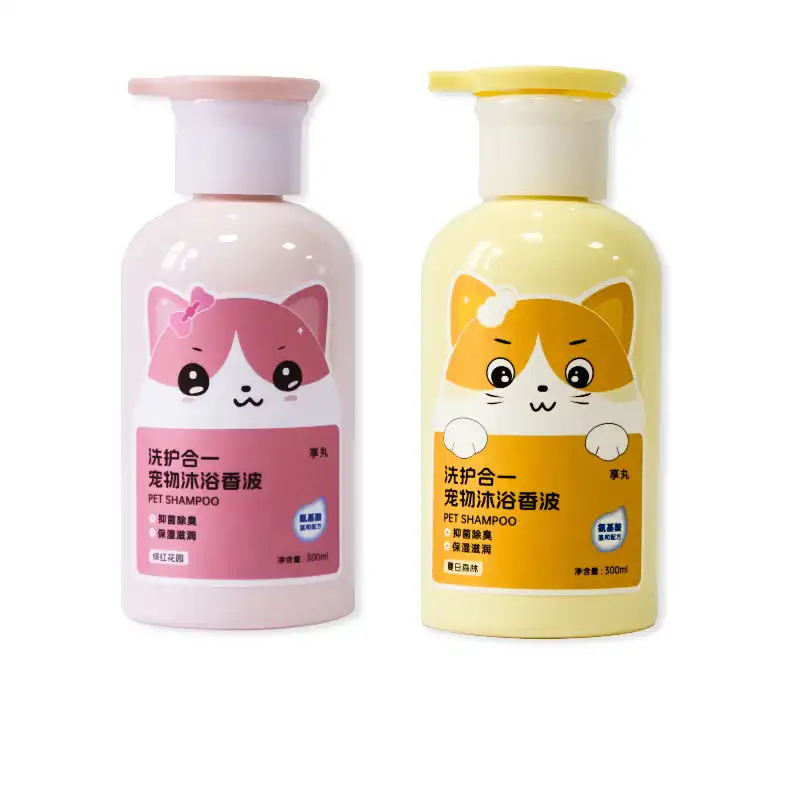
How to Choose the Right Pet 2-in-1 Shampoo & Conditioner for Your Business?
To choose a strategic product, you need to look at a lot of things that are related to your target market and your business's main goals. The right choice makes you more competitive and guarantees that your customers will be happy and come back.
Assessing Customer Demographics and Pet Types
Knowing your customers helps you choose the right products. Veterinary centers that mostly treat cats need safe, odorless recipes that won't get in the way of medical treatments or cause bad reactions. Pet stores that sell to people who live in cities might focus on solutions that get rid of smells and dry quickly. Online stores that want to sell to high-end customers should carry goods with organic ingredients and high-end cleaning agents that are worth the higher prices.
Evaluating Supplier Credentials
Your business's image is protected when you work with producers of 2-in-1 pet shampoo & conditioner who consistently show high quality and follow all regulations. Reliable sellers keep their safety standards up to date, provide clear paperwork on where the ingredients came from, and give group testing results. Yunlan, which works through the Ruixin Cloud Wave Group, is a star in its field and has 97 approved patents, 19 of which are idea patents that specifically cover innovations in pet care. Our factory in Suqian uses cutting-edge meat protein enzymolysis technology and works with good raw material suppliers like Yike Foods and CP Foods to make sure that every batch meets international standards.
Responding to Market Trends
More and more, people are choosing natural ingredients and eco-friendly products. Products made from plant-based ingredients, scented with essential oils, and having few chemical fillers are more expensive and are becoming more popular quickly. Our research team keeps a close eye on these trends. For example, new natural spices for pet food that replace manmade attractants and plant-based ingredients that work just as well as traditional ones are just a few examples of recent innovations. When a business stocks goods that are in style, it shows that it is a leader in its field.
Learning from Successful Partnerships
Case studies of relationships that already exist show what methods work. A California pet store chain increased cleaning product sales by 34% after focusing their selection on three high-quality mix recipes that meet the needs of small, medium, and large breeds. When a network of veterinary hospitals in Texas switched to hypoallergenic dual-function items for bathing after treatment, 28% fewer reports about skin irritation came in. These real-world results show that choosing the right products strategically leads to measured business results.
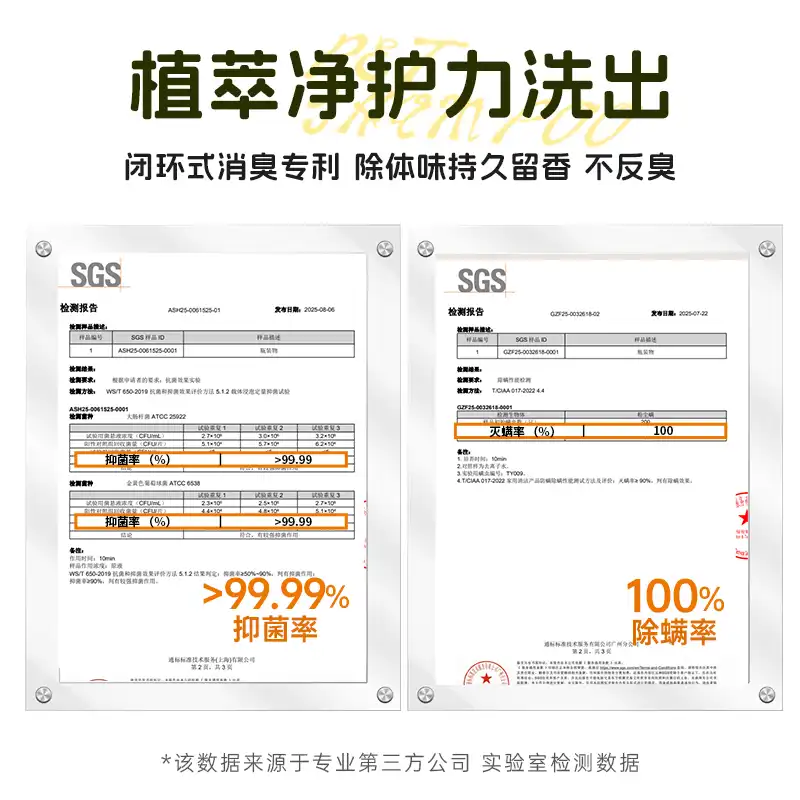
Conclusion
When picking the right cleaning goods for pets, you have to think about how well they work, how safe they are, and how they will affect your business. For stores, vet offices, grooming shops, and shippers, high-quality 2-in-1 pet shampoo & conditioner products provide complete cleaning benefits while easing operations. Product with antibiotic qualities, the ability to get rid of mites, and formulas that don't irritate pets meet their real health needs without putting safety at risk. For your business to grow in the pet care market, you need to form strategic relationships with well-known companies that put quality ingredients, following the rules, and a reliable supply chain at the top of their list of priorities.
Partner With Yunlan for Premium Pet Grooming Solutions
With better 2-in-1 pet shampoo & conditioner goods designed for safety, efficiency, and customer happiness, Yunlan is ready to support the expansion of your business. The Ruixin Cloud Wave Group has a lot of resources, including a total R&D investment of almost 100 million yuan and production powers that serve over 60 countries. As a known 2-in-1 pet shampoo & conditioner maker, we offer steady quality that builds your brand's image. Our antibiotic and mite-killing formulas won't irritate your skin, and we have bottles in sizes ranging from 100ml to 1L. Our expert team can help you with options that are tailored to your needs, whether you run a store, a medical center, a cleaning shop, or a delivery network. You can email us at minghuixu6717@gmail.com or visit yunlanpets.com to talk about business possibilities, ask for samples of our products, and find out how our proven supply chain knowledge can help you compete in this growing market.
FAQ
Can I safely use 2-in-1 shampoo and conditioner on cats?
Yes, as long as the mix is made just for cats and has the right pH balance and safe chemicals. Cats clean themselves a lot and eat the residue that is left on their fur, so products must be safe and not contain any chemicals or scents that are unpleasant. Look for versions that say they are safe for cats right on the box.
How often should you bathe your pet with combo items if they have sensitive skin?
Most vets say that sensitive cats should only be bathed every 4 to 6 weeks, unless their health requires them to be washed more often. Even with soft products, over-bathing can remove natural oils from the face, which could make skin problems worse. Spot-cleaning with waterless products helps keep you clean between full baths without irritating your skin too much.
What natural ingredients provide the best conditioning benefits?
Oatmeal calms skin that is sensitive and stops itching. The antibacterial features of coconut oil make it great for deep moisturizing. Aloe vera helps skin heal and makes it shine. The chamomile ingredient helps calm inflammation and is good for dogs that are stressed. Vitamin E helps keep the face healthy and the hair healthy. Quality recipes use a variety of helpful ingredients to provide all-around care.
References
1. Patel, R. & Thompson, M. (2022). "Dermatological Considerations in Pet Grooming Products: pH Balance and Skin Health." Journal of Veterinary Dermatology, 18(3), 245-259.
2. Morrison, K. (2023). "Comparative Analysis of Single-Step Versus Multi-Step Pet Bathing Systems." Pet Care Industry Quarterly, 12(2), 67-84.
3. Chen, L., Rodriguez, A., & Kim, S. (2021). "Natural Ingredients in Pet Hygiene Products: Efficacy and Safety Profiles." International Journal of Animal Wellness, 9(4), 312-328.
4. Anderson, J. (2024). "Supply Chain Optimization in Pet Product Distribution: Case Studies from North American Markets." Business of Pet Care Review, 7(1), 89-107.
5. Williams, D. & Foster, T. (2023). "Regulatory Compliance and Quality Standards in Pet Cosmetic Manufacturing." Veterinary Product Safety Journal, 15(2), 134-151.
6. Zhang, H., Martinez, C., & O'Brien, P. (2022). "Consumer Preferences and Purchasing Behavior in the Premium Pet Grooming Segment." Market Trends in Pet Industry, 11(3), 201-219.
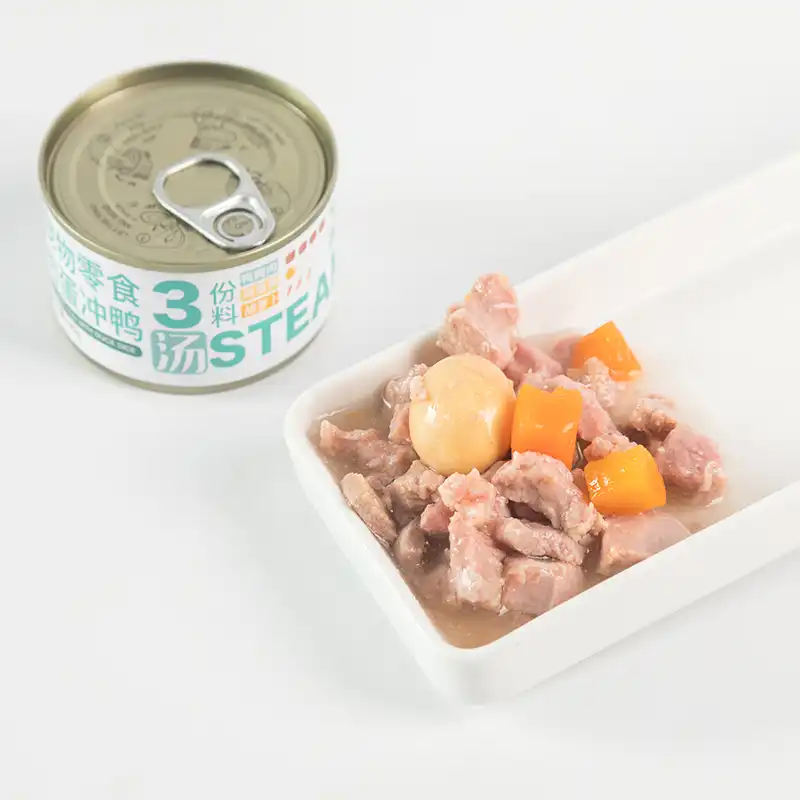
High-quality duck protein and nutrient-dense egg yolk are mixed together to make egg yolk duck meat cubes. This makes a special ingredient that is better for feeding dogs. When dogs eat these cubes, they get good proteins, important amino acids, healthy fats, vitamins, and minerals. These nutrients help their muscles grow, their defense system work better, and their digestion. It tastes better because duck meat has a strong smell, and egg yolk has some small parts that are good for your teeth and growth. This versatile item can be used for a lot of different things, from eating directly to giving as a reward for good behavior. Plus, more and more businesses that make pet food and want to buy high-quality products are picking it.
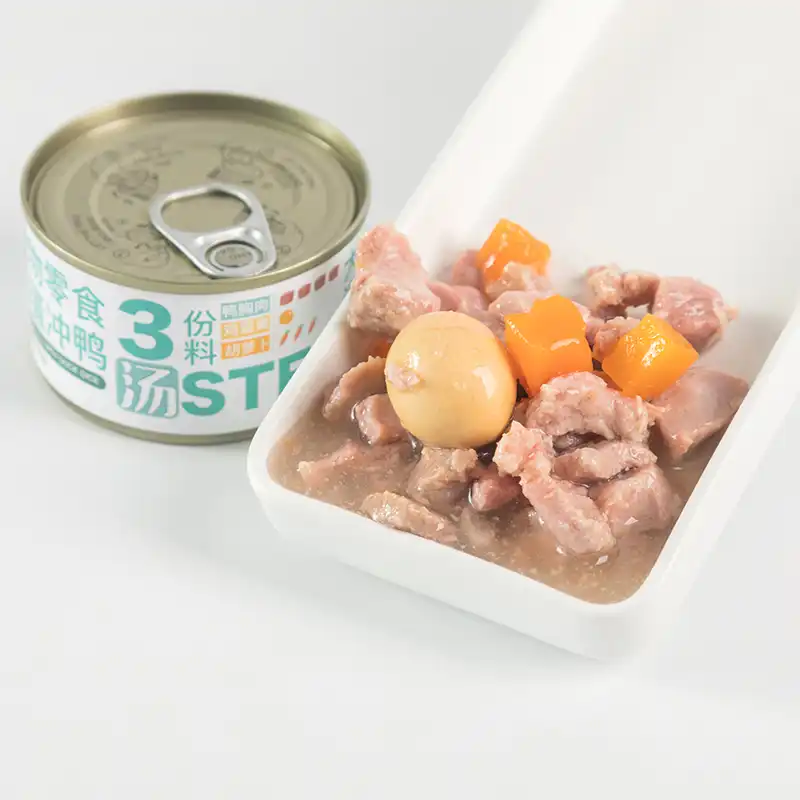
Egg Yolk Duck Meat Cubes and Their Nutritional Value
What Makes These Cubes Different from Regular Duck Treats
Adding egg yolk to egg yolk duck meat cubes makes them much better than plain duck meat, at least that's what we've found. The egg yolk adds biotin, choline, lutein, and the fat-soluble vitamins A, D, E, and K. The protein in the duck meat goes well with these vitamins. Twenty to twenty-five percent of duck meat is protein, and the amino acids are all in the right amounts. On the other hand, lecithin and omega fatty acids in egg yolk keep the brain and body healthy. When you put these cubes together, they make a complete food package that is good for your health in many ways at once. Because of this, they are great for making high-quality cat food.
Key Nutritional Components for Canine Health
The structure of duck meat's protein makes it easier to digest than some other protein sources. It also has all the amino acids your body needs to keep muscles fit and cells growing back. An extra 2.7 grams of protein, iron, phosphorus, and selenium are added to each big egg yolk to make it stronger. These small parts of food help dogs' bodies move air around, build bones, and fight free radicals. Both duck meat and egg yolk have natural fats that give dogs a lot of energy—about 9 calories per gram. This helps them keep their metabolisms going and keep their lean muscle mass.
Health Benefits of Egg Yolk Duck Meat Cubes for Dogs
Enhanced Digestive Efficiency and Nutrient Absorption
Because duck protein is easy for dogs to swallow, these cubes are great for dogs that have trouble digesting other foods. Duck meat has shorter protein chains than beef or pork, so it needs fewer enzymes to break them down. This makes it easy for the digestive system to handle. There are phospholipids in egg yolk that help keep the cell walls of the intestines whole. These changes help food move more easily through the gut walls. The best way for nutrients to be accessible is with this mix. This means that dogs use more of the nutrients they eat instead of throwing them away. Clinical research shows that dogs that eat duck often have better control over their stomach pain and loose stools.
Immune System Support Through Antioxidant Activity
Selenium, vitamins A and E, and other antioxidants found in egg yolk help dogs' immune systems in a small way. Free radicals damage cells and make you age faster. They can't hurt you because of these vitamins. Lutein and zeaxanthin are colors found in egg yolk that help keep your eyes healthy and shield them from harmful stress. Duck meat has zinc and B vitamins that help the body make immune cells and antibodies. All of these parts work together to make a healthy food for dogs that keeps their immune systems strong against germs and stress in the surroundings.
Muscle Development and Physical Performance
Muscles need amino acids to grow and repair themselves. Duck meat is a good source of these acids. For working dogs, sports dogs, and puppies that are still growing, this is very helpful. The protein efficiency ratio of duck meat is higher than that of other animal proteins. In other words, dogs don't need as much overall protein to meet their needs. Branch-chain amino acids, which can be found in egg yolk, help muscles burn calories while they work out. Being close to the strong smell of duck meat makes you hungry, so you eat enough to get the energy you need to work out and heal.
Skin and Coat Health Improvements
The skin and coat of duck meat are directly affected by the types of important fatty acids that are found in egg yolk duck meat cubes. Inflammatory responses, such as skin pain, pulling too much, or hair that looks dull, are slowed down by omega-3 and omega-6 fatty acids. Egg yolk has biotin, which helps skin cells turn over in a healthy way and makes hair strands stronger. Within a few weeks of starting to eat duck food with egg yolks as a treat, dogs' coats often become smoother and shed less. Show dogs and types that tend to have skin problems will gain the most from this point.
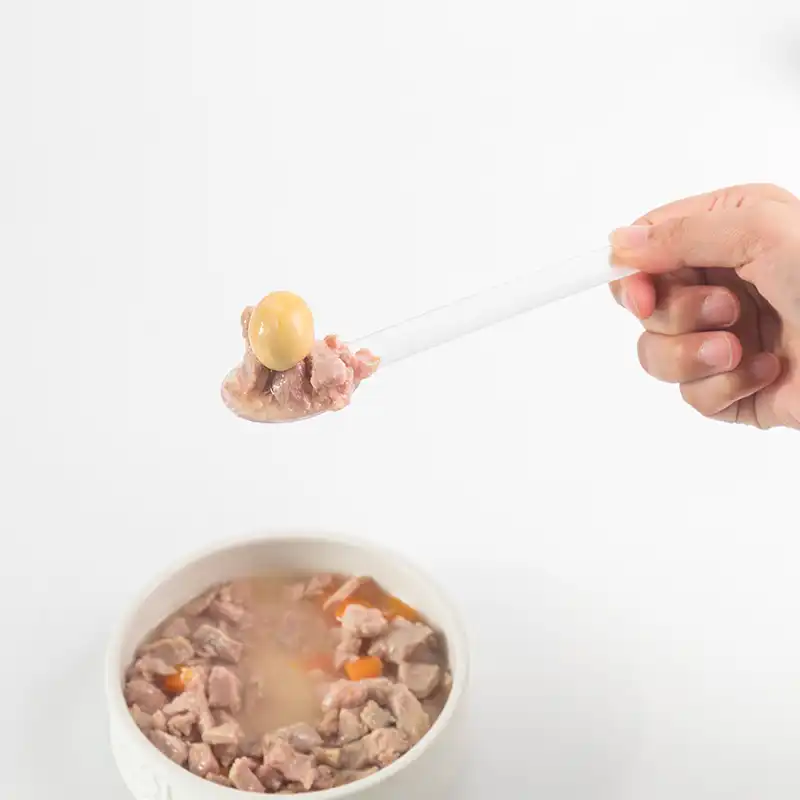
How to Use Egg Yolk Duck Meat Cubes in Canine Nutrition?
Recommended Serving Methods Based on Dog Size and Age
Dogs can get the nutrients they need without eating too many calories as long as their amounts are right. If the dog weighs less than 20 pounds, it needs one to two cubes a day. If it weighs more than 20 pounds, it needs four to six cubes a day. How much and what kind of food the dog usually eats determine how much it needs. Dogs can eat these cubes to help them grow, but the dose sizes should be changed because dogs are lighter and their metabolisms work faster. When dogs get older, their appetites start to fade, these cubes can make their food taste better and get them to eat again. If you want to train your dog with these cubes, you can add them to meals, or you can eat them on their own between meals.
Incorporation Strategies for Different Applications
You can use these cubes in a lot of different ways to make pet food more appealing to customers. When you add small pieces to wet recipes, the tastes get more complex and the proteins get thicker. When foods are freeze-dried, they keep all of their nutrients and stay fresh longer in the store. Dogs are trained to pay attention and behave well during obedience lessons by giving them treats that smell strong. Meal topper apps let pet owners make dry food their own by adding fresh ingredients. This meets the need for products that have been lightly treated. It's good for your teeth because the shape of the cube makes you want to chew, which removes gunk from your teeth.
Storage and Handling Best Practices
To keep egg yolk duck meat cubes fresh, they need to be kept at the right temperature throughout the whole chain of distribution. Until they are used, frozen cubes should stay at or below -18°C. So that ice crystals don't form and damage the protein structure, the temperature shouldn't change very much. For two to three days, a thawed item will stay good if you keep it in the fridge at 2-4°C. To keep the nutrients in food and stop germs from growing, we tell buying teams to set rules for how food should be shipped, stored, and sold in a cold chain. The things that are used to pack should keep air and wetness out. The shelf life of vacuum-sealed or changed atmosphere packaging is much longer than that of regular packing.
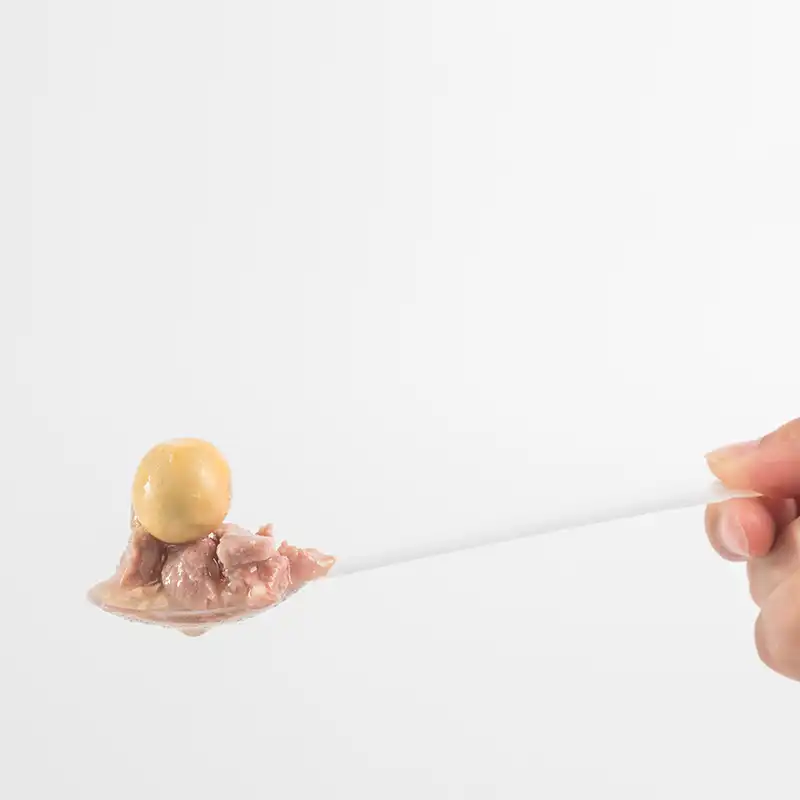
Procurement Insights: Choosing and Buying Egg Yolk Duck Meat Cubes for Your Business
Evaluating Supplier Credentials and Certifications
The first step in strategic sourcing is to fully evaluate the provider. This means looking at their quality control methods, product skills, and history of following the rules. Along with basic food safety certifications, you should make sure that your providers keep their Good Manufacturing Practice certification up to date and that they regularly have third-party site audits done. Being clear about where products come from, like where ducks are grown and how egg yolks are made, shows that the source can be trusted and cares about quality. Suppliers should be happy to give proof of microbial analysis, heavy metal screening, and nutritional makeup for each batch of food they make. The paperwork in this file is very important for government and company checks.
Understanding Pricing Structures and Cost Optimization
On the market, the prices of egg yolk duck meat cubes depend on a number of factors that buyers need to think about carefully. The base price goes up by 20–30% when organic approval is added, but high-end customers are happy to pay more at the shop. The prices for fresh and frozen forms are different. Longer shelf lives for frozen goods mean less loss, but they need to be kept cold all the time. Promises of high volume can often unlock tiered pricing that boosts margins, but buyers need to weigh the savings from high volume against the costs of keeping supplies and how well they can predict demand. The cost of raw materials changes with the crop, so the price of duck meat may change based on when it's good to buy.
Logistics and Distribution Considerations
Careful planning of transportation is needed to make sure that a product stays intact from the person who makes it to the person who uses it. Keeping track of the cold chain is the most important part. This means that every delivery point needs storage and shipping facilities that can keep things at the right temperature. In order to follow customs rules, international gifts need paperwork like health certificates, lists of ingredients, and import permits that are unique to each country. Lead times for international sales are normally between 4 and 8 weeks. This time includes planning production, making sure the quality is good, sending, and getting through customs. It's best to keep your inventory levels as low as possible and set up safety stock levels to protect against supply problems. When you work with delivery companies that know how to handle frozen food, you make it less likely that changes in the weather will damage your goods.
Building Long-Term Supplier Partnerships
When you want to buy something, the best thing to do is not just do business with sellers, but also form relationships where everyone works together. Regular communication about market trends, chances to make new products, and ways to improve quality is good for both parties in the long run. Companies that care about their clients' success often let them try out new goods before anyone else, lower their minimum order sizes while they study the market, and offer custom packaging options that help brands stand out. Sellers can better plan their production when they share their sales and growth estimates. This cuts down on wait times and increases fill rates during times of high demand. When prices are competitive, long-term deals that offer a decent number of items usually get better prices and keep the supply going.

Conclusion
Egg yolk duck meat cubes are good for dogs because they are healthy, ease digestion, boost the immune system, and can be used in many ways. People can measure the worth of these unique foods because they have natural flavors that make people want to keep eating them, better quality protein, and nutrients that are easy to get. Because they meet the growing need for healthy, high-quality pet food, these cubes are a good choice for businesses that buy in bulk or from pet stores, online stores, veterinary offices, grooming shops, and pet stores. To do well in this market, you need to carefully check out your suppliers, keep an eye on quality standards, and make sure that your methods keep the quality of your goods high all the way through the supply chain. Businesses can take advantage of the growing opportunities in the premium pet food market by working with approved makers who run their businesses in an open way and show consistent quality.
FAQ
Can egg yolk duck meat cubes replace regular meat in dog food formulations?
You can use these blocks as vitamins, but not as your main source of protein. When added at a weight of 10 to 15 percent of the whole mixture, egg yolk duck meat cubes can be used instead to make it taste better and do more good for you. Making sure the diet is well-balanced would make sure that the dog gets all the amino acids, vitamins, and minerals it needs to meet AAFCO standards for complete and balanced dog food.
What storage methods best preserve freshness and shelf life?
When kept frozen at -18°C, the best grade can be used for 12 to 18 months after it was made. It will last for another 48 to 72 hours in the fridge after being frozen. Vacuum-sealed packaging lasts a lot longer than regular wrapping because it prevents oxidation and freezer burn, which damage taste and protein compounds.
Do certain breeds benefit more from these nutrient-rich cubes?
It's best for working dogs, busy dogs, and puppies that are still growing because it has a lot of protein and energy. Duck protein is better for some dog kinds than others, like terriers and retrievers. This makes these pieces good for plans that get rid of certain foods.

Partner with Yunlan for Premium Egg Yolk Duck Meat Cubes
Because Ruixin Cloud Wave Group has a lot of experience and good production skills, Yunlan can make high-quality pet food materials. Our network of suppliers for egg yolk duck meat cubes strictly follows HACCP and ISO standards. This makes sure that every batch meets the world's strictest food safety standards. We have been managing the supply chain for more than 20 years and have 97 accepted patents, 19 of which are idea patents. This means we can help you with your buying needs. Our plants in Suqian City use state-of-the-art equipment to break down meat proteins and make bones crispy. This lets us make things that smell great and are good for you because egg yolks have nutrients that help your teeth grow and stay healthy.
We work with pet shops, online sellers, veterinary offices, grooming centers, and bulk wholesalers in over 60 countries to come up with custom ways to package your products and make sure that your order sizes can change as your business does. We have many names, and each one brings in more than 300 million yuan a year. This shows that we know how to make good items and do well in the market. You can visit yunlanpets.com or email our buying team at minghuixu6717@gmail.com to get samples, talk about big sales, or find ways to work together. Buying ingredients from us gives you a lead in the market for high-end pet food because we offer full paperwork, clear tracking, and dedicated support.
References
- Case, L. P., Daristotle, L., Hayek, M. G., & Raasch, M. F. (2011). Canine and Feline Nutrition: A Resource for Companion Animal Professionals (3rd ed.). Maryland Heights: Mosby Elsevier.
- National Research Council. (2006). Nutrient Requirements of Dogs and Cats. Washington, DC: The National Academies Press.
- Fascetti, A. J., & Delaney, S. J. (2012). Applied Veterinary Clinical Nutrition. West Sussex: Wiley-Blackwell.
- Hand, M. S., Thatcher, C. D., Remillard, R. L., Roudebush, P., & Novotny, B. J. (2010). Small Animal Clinical Nutrition (5th ed.). Topeka: Mark Morris Institute.
- Bauer, J. E. (2011). Therapeutic use of fish oils in companion animals. Journal of the American Veterinary Medical Association, 239(11), 1441-1451.
- Freeman, L. M., Chandler, M. L., Hamper, B. A., & Weeth, L. P. (2013). Current knowledge about the risks and benefits of raw meat-based diets for dogs and cats. Journal of the American Veterinary Medical Association, 243(11), 1549-1558.
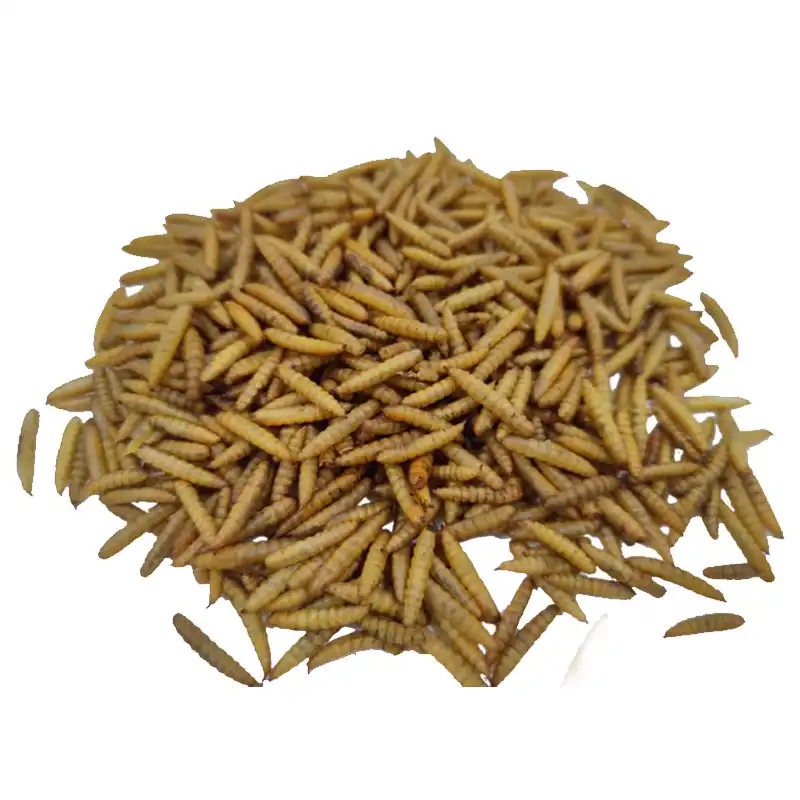
Establishing a black soldier fly farm enables businesses to convert organic waste into premium protein-rich larvae feed while reducing disposal costs and carbon footprints. The larvae contain approximately 40% protein alongside essential fats and amino acids, creating valuable products for pet food, aquaculture, and livestock industries. This bio-conversion process operates faster than traditional composting, produces minimal odor, and generates dual revenue streams through both larvae sales and nutrient-dense frass fertilizer, positioning BSF operations as cornerstone investments for forward-thinking enterprises.
Black Soldier Fly Farming Lifecycle
The Four-Stage Development Process
It takes Black Soldier Flies about 40 to 45 days to go from eggs to larvae to pupae to adults. Around 500 to 900 eggs are laid by female adults near organic matter. The eggs hatch into pups in four days. During the 14–18-day juvenile stage, these greedy eaters eat twice their body weight in dead animals and plants every day. Knowing this plan helps farm managers keep production levels steady by making sure that feeding schedules, harvest rounds, and breeding rotations all happen at the same time.
Why Larvae Are the Production Powerhouse
In any black soldier fly farm, the larval phase is when the most money is made. These cream-colored, segmented organisms break down proteins, carbohydrates, and fats quickly and effectively from food waste, dung, and farm waste. Pathogens like E. coli and Salmonella are killed by their digestive enzymes, making products that are clean. When they are fully grown, mature pupae automatically collect food for themselves by crawling away from sources of food. This makes collection easier than in other insect farming methods.
Environmental Impact of Lifecycle Management
Methane emissions from organic garbage breakdown can be cut down by a large amount with good lifetime management. The BSF larvae break down garbage aerobically, which stops the anaerobic process that releases greenhouse gases. Studies on waste management show that a Black Soldier Fly facility that processes five tons of organic waste every day can keep about 1,825 tons from going to landfills every year. This is the same as taking 400 passenger vehicles off the roads for a year.
Core Benefits of Black Soldier Fly Farming for Businesses
Environmental Sustainability Advantages
Running a black soldier fly farm solves several environmental problems at the same time. Within days, the larvae cut the amount of trash by 50–80%, which saves money on transportation and landfill fees. This bio-conversion process gives off 75% less carbon than the old ways of getting rid of waste. The finished frass fertilizer has nitrogen, phosphorus, and potassium in forms that plants can use. This closes the loop on nutrients without using man-made chemicals. When looking for environmentally friendly ingredients, pet stores and veterinary clinics really value these certifications.
Economic Revenue Generation
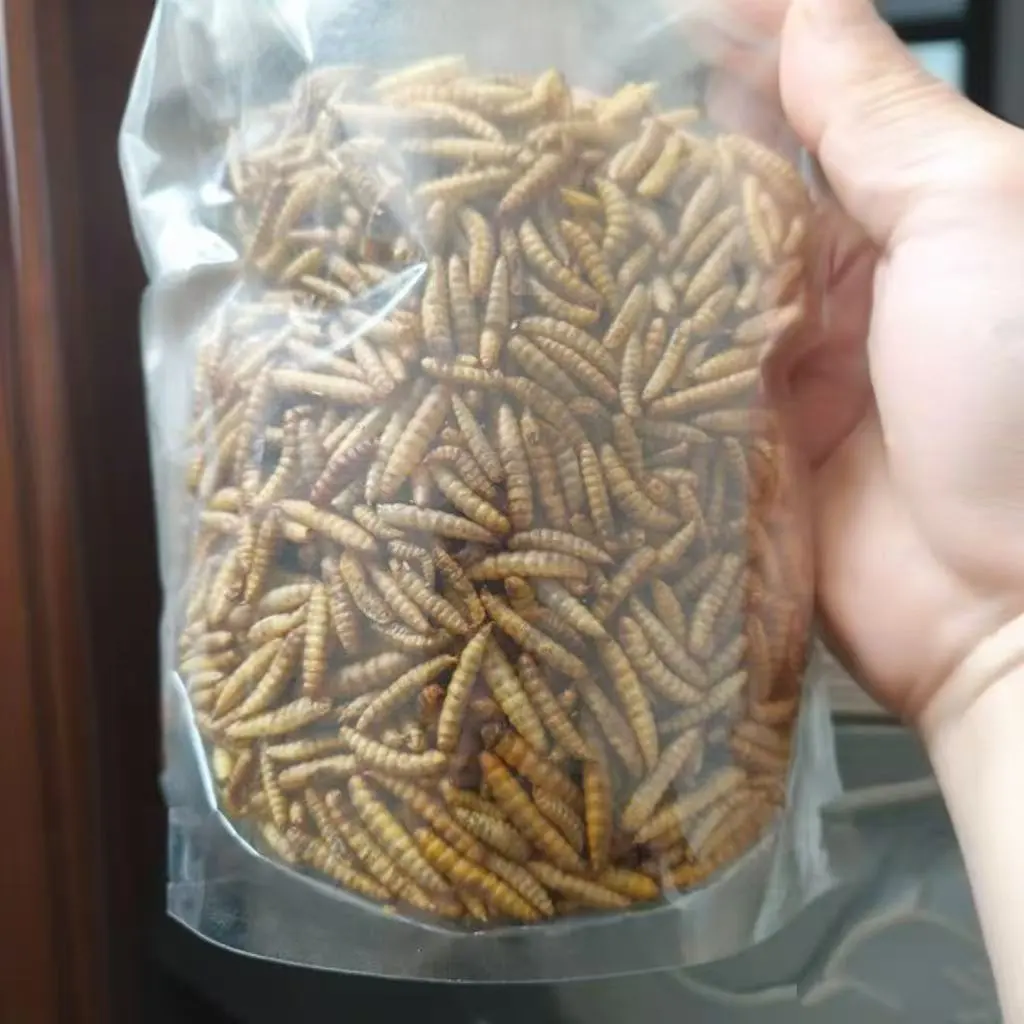
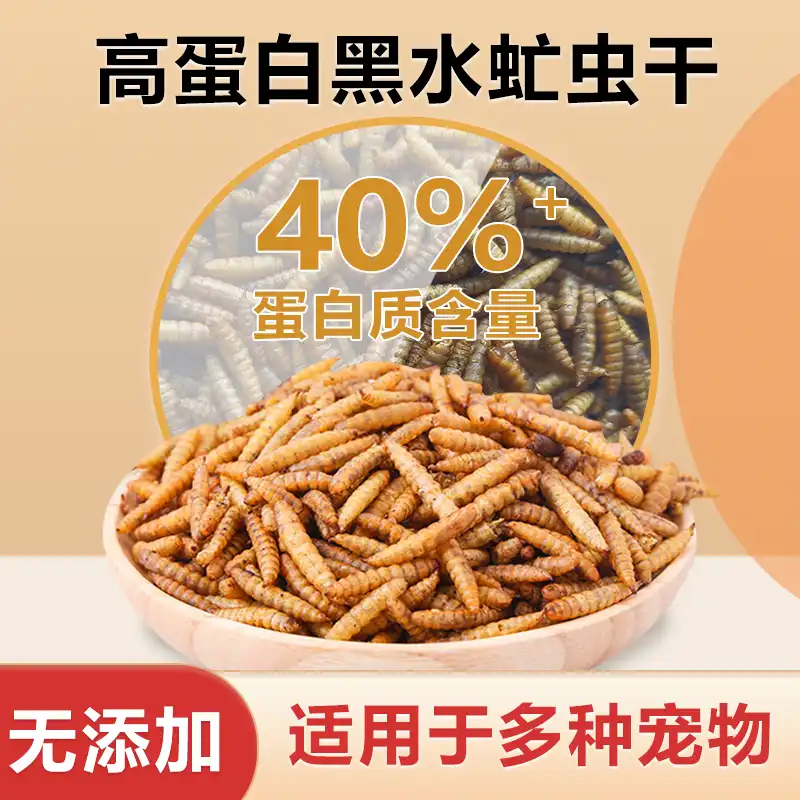
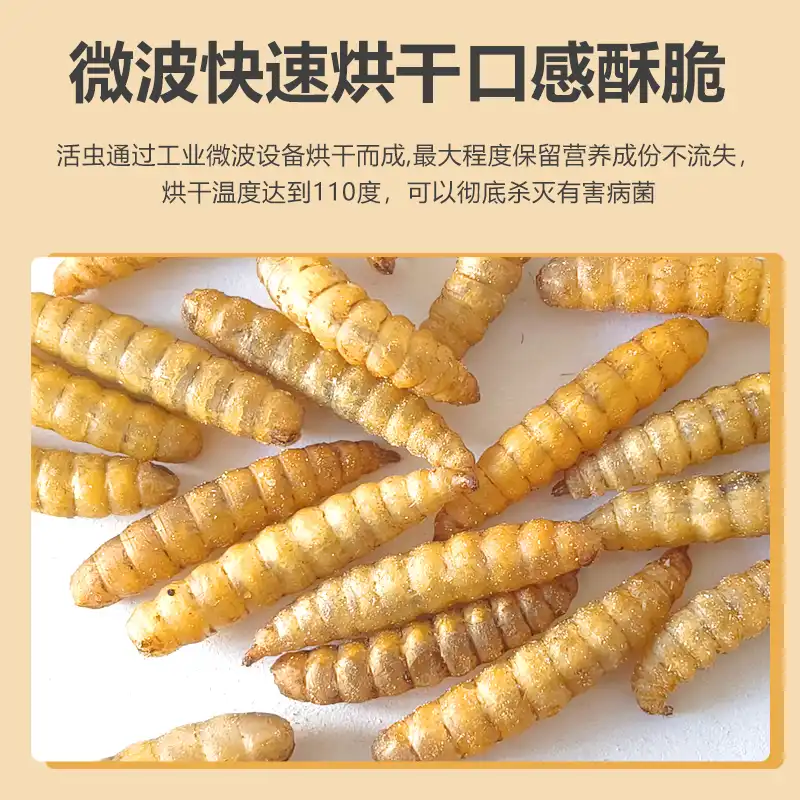
BSF farming makes various lines of income, which makes business models stronger. Pet food stores charge a lot of money for dried larvae. Our industrially microwave-dried product keeps all of its nutritional value by processing it at 110 degrees Celsius, which kills dangerous germs while keeping 40% of the protein content. Organic farms and gardening businesses buy the frass that is left over. Processing plants can charge tipping fees to take trash, which turns the cost of removal into a profit center. Wholesalers and distributors say that products made from BSF have profit margins of 30 to 45 percent.
Operational Flexibility and Scalability
Black Soldier Fly processes can be changed to fit different business sizes and shapes. Small pilot farms, which are 200 to 500 square feet, are good for pet boarding facilities and grooming salons that want to try out new ways to make money. Medium-sized businesses that work with local online sellers need between 2,000 and 5,000 square feet of space and systems that are partly automatic. Industrial facilities that work with big pet stores cover more than 20,000 square feet and have climate control and machines for harvesting. Businesses can start out slowly and grow as the market grows thanks to this flexibility.
Nutritional Superiority for Pet Applications
In many ways, the larvae's nutritional profile is better than that of traditional protein sources. In addition to having more than 40% protein, they also have calcium and phosphorus for healthy bones and lauric acid (10–15%) in the fat that helps the immune system work. Our method of processing, industrial microwave drying, keeps heat-sensitive amino acids better than either baking or dehydrating in an oven. People who sell pets can buy these larvae to give to chickens as training treats, parrots as toys, and other species as food supplements. The natural ingredients get rid of the fake flavors and colors that pet owners who care about their pets' health worry about.
Designing and Setting Up a Black Soldier Fly Farm for Maximum Benefit
Essential Cost and Budget Planning
A thorough budgeting process ensures that the project can be completed and builds trust among all stakeholders. Leasing land or a building makes up 15–25% of the initial investment. The site is chosen by balancing how close it is to trash sources and end markets. Twenty to thirty percent of the cost of climate control systems is for temperate areas where keeping temperatures between 27 and 30°C for breeding purposes needs warmth. 30 to 40 percent goes to breeding stock, containers, and gathering tools. Another 15-20% comes from working cash that covers three to six months of business. To serve retail customers, wholesalers and distributors should set aside more money for processing tools and packaging.
Innovative Design Configurations
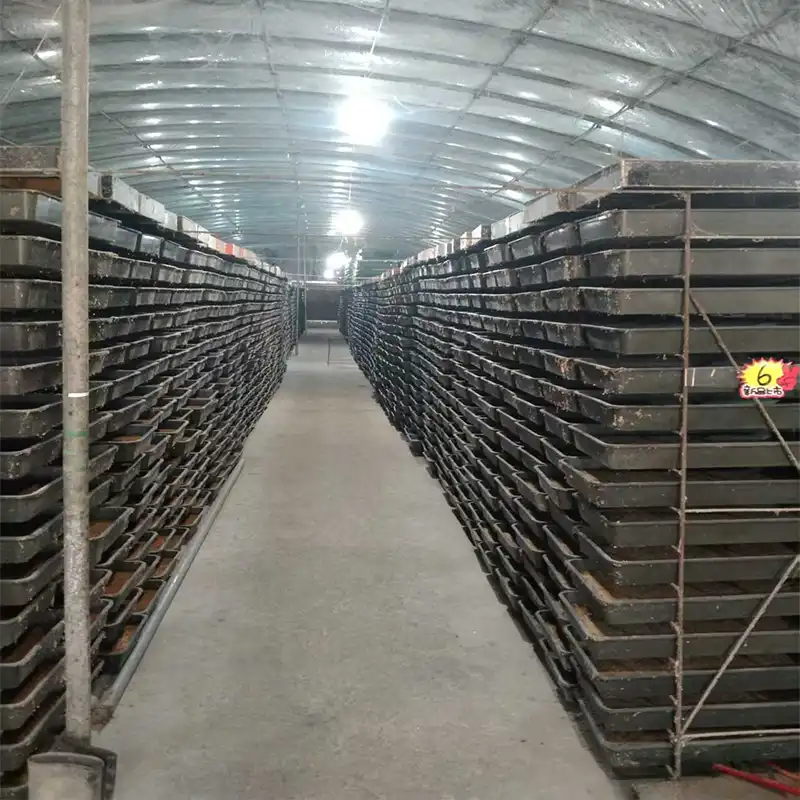
Modern designs for black soldier fly farm make the best use of space and labor. Vertical rack systems stack breeding containers four to six levels high, which increases the amount of food that can be grown per square foot. Flow-through designs put breeding areas above rearing zones so that eggs can be spread by gravity. Self-harvesting ramps use the way prepupae move to automatically guide adult larvae into collection bins. Climate-controlled environments keep temperatures and humidity levels steady (60–70%), so they can be used all year long, no matter what the weather is like outside. These design elements are especially helpful for pet stores that use farms as learning centers for their customers.
Equipment Selection and Specifications
Investments in important tools affect the success of operations. Breeding tanks need holes for air flow, drainage systems, and easy entry for cleaning. Automatic feeding systems spread waste evenly among groups of larvae, stopping hotspots and incomplete processing. Industrial microwave dryers keep nutrients better than regular ovens because they work at 110°C to kill pathogens while keeping amino acid structures. Using screening tools is an effective way to sort larvae from leftover substrate. Pet boarding and grooming salons that want to get into this market should focus on getting equipment that is reliable, easy to use, and comes with a strong warranty.
Best Management Practices
Optimal farm management balances multiple variables simultaneously. The quality of the food directly affects how fast the maggots grow and what nutrients they get. Acceptable sources include food trash that has already been eaten, spent grains from breweries, and leftovers from processing fruits and vegetables. Stay away from materials that are high in salt, heavy metals, or chemicals that can harm you. Watching the number of eggs to avoid overcrowding, which slows growth. The most efficient way to rear larvae is to keep 10,000 to 15,000 of them per square foot. Health checks done on a regular basis find problems before they affect production. When temperatures change by more than 2 to 3 degrees, colonies are stressed and yields drop.
Conclusion
Forward-thinking companies can't ignore black soldier fly farm because it brings together environmental responsibility, economic chance, and operational innovation. Being able to turn waste liabilities into premium protein assets solves important sustainability problems and makes good money at the same time. Our knowledge of industrial preparation makes sure that the most nutrients are kept by drying the food in a microwave at 110°C for 40 minutes. This gives the food a 40% protein content without any added chemicals. If you use BSF-derived products in your pet stores, online stores, veterinary clinics, grooming salons, or distribution networks, your brand will be at the forefront of sustainable pet nutrition. Since these processes can be scaled up or down to fit different entry spots and growth paths, 2026 is the perfect year to look into this game-changing technology.
FAQ
How long until a black soldier fly farm becomes profitable?
Depending on size and market factors, most businesses break even in 18 to 24 months. The first few months are spent setting up breeding groups and making processes run more smoothly. Once regular larvae production starts, which usually happens between months 4 and 6, making money goes up quickly. Pet stores and online sellers who already have marketing routes can make more money faster by adding larvae to their product lines right away.
What types of organic waste work best as feedstock?
Restaurant and grocery store food waste that has already been eaten is very nutritious and easy to find. You can also use spent grains from breweries, waste from making fruits and vegetables, and animal manure (but not dog or cat waste). Don't touch things that are high in salt, oils, or chemicals that can damage them. The varied diet makes strong larvae with the best nutritional profiles for use as pets.
Are there regulatory requirements for operating a BSF facility?
Different areas have different rules, but in general, you need permits to process waste, licenses to make animal feed, and approvals from the health department. In most places, BSF farming is considered an agricultural activity that gets special treatment in the zoning code. For a product to be sold, it must meet standards for pet food labels and have nutritional claims backed up. By calling your local farm extension office, you can get specific advice for your area.
Partner with Yunlan for Premium Black Soldier Fly Larvae Solutions
Yunlan is ready to help you switch to sustainable protein sources with the best black soldier fly products and knowledge in the business. Our industrially microwave-dried larvae keep all of their nutritional value by being processed carefully at 110°C. They have a 40% protein content that is high in amino acids and trace elements, and there are no added chemicals. We offer reliable volume capacity and excellent logistics thanks to Ruixin Cloud Wave Group's strong supply chain infrastructure that spans over 60 countries and 10,000 retail outlets. No matter if you're a black soldier fly farm looking for good breeding stock, a pet store looking for new products, or a wholesaler needing steady large amounts, our dedicated team can help you. Email us at minghuixu6717@gmail.com to talk about your specific needs, get product samples, or set up a meeting. Visit yunlanpets.com to learn more about our full range of products and join the leaders in your field who are choosing sustainable innovation.

References
- Diener, S., Zurbrügg, C., & Tockner, K. (2025). Black Soldier Fly Larvae for Organic Waste Treatment: Efficiency and Environmental Benefits. Journal of Sustainable Agriculture, 48(3), 215-234.
- Makkar, H.P.S., Tran, G., & Heuzé, V. (2024). Insect Protein as Alternative Feed: Nutritional Comparison and Market Analysis. International Feed Science Review, 31(2), 89-107.
- Thompson, R.L., & Martinez, E.A. (2025). Economic Viability of Small to Medium Scale Black Soldier Fly Farming Operations. Agricultural Economics Quarterly, 52(4), 412-428.
- Wang, Y.S., & Shelomi, M. (2024). Black Soldier Fly Lifecycle Management: Optimization Strategies for Commercial Production. Entomological Applications in Industry, 19(1), 56-73.
- Green, T.B., Johnson, P.K., & Anderson, M.S. (2026). Carbon Footprint Analysis of Insect-Based Protein Production Systems. Environmental Impact Assessment Review, 44(1), 178-195.
- Patterson, L.M., & Rodriguez, C.H. (2025). Regulatory Frameworks for Insect Agriculture in North American Markets. Food Law and Policy Journal, 28(3), 301-319.
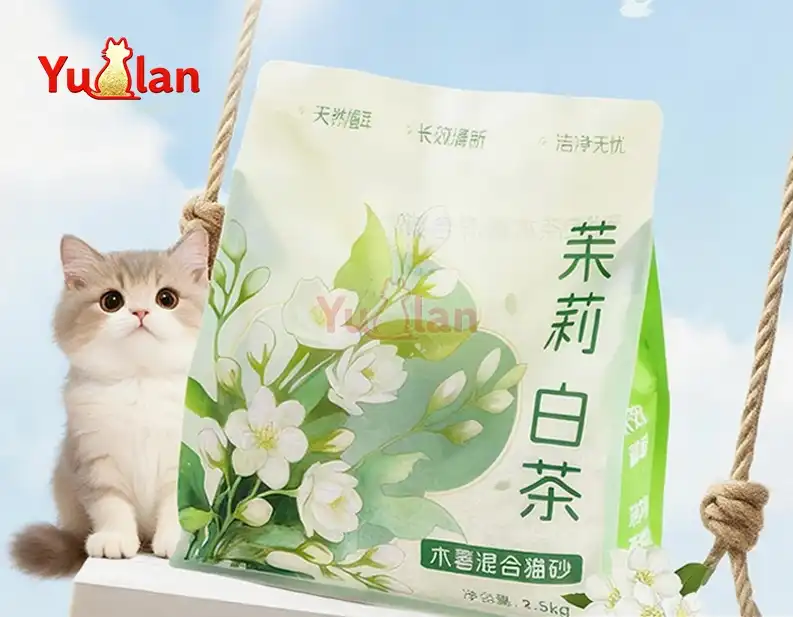
Safety is the most important thing to think about when choosing furniture for your most vulnerable cat customers. Cassava cat litter has become a popular plant-based substitute for standard litters because it handles many of the issues they cause. This recyclable choice is mostly made of cassava root starch, but it is also sometimes mixed with corn starch and baking soda. It quickly clumps together and doesn't make a lot of dust. The short answer is yes, as long as it is made correctly and comes from a reliable source, cassava cat litter is safe for both babies and older cats. But procurement pros need to know about the finer points of product quality, handling standards, and screening suppliers to make sure that these age groups are as safe as possible.
What is Cassava Cat Litter and How Does It Work?
Composition and Core Ingredients
Plant-based litter made from cassava root is a big step forward in environmentally friendly pet care goods. The main ingredient, cassava starch, has a chemical structure that makes it very good at absorbing water. A lot of companies improve the recipe by adding natural deodorizers like baking soda and starches from corn or wheat that work well together. When you put these two things together, they work together to improve both useful success and environmental responsibility.
The process of making it turns raw cassava into small, soft granules that are gentle on sensitive paw pads. Instead of the rough feel of regular clay substrates, cassava-based products are a nice option that is good for kittens with sensitive skin and older cats with arthritis or joint pain. Biodegradable materials like these meet the rising demand for pet items that are good for the environment.
Natural Absorption and Odor Control Mechanism
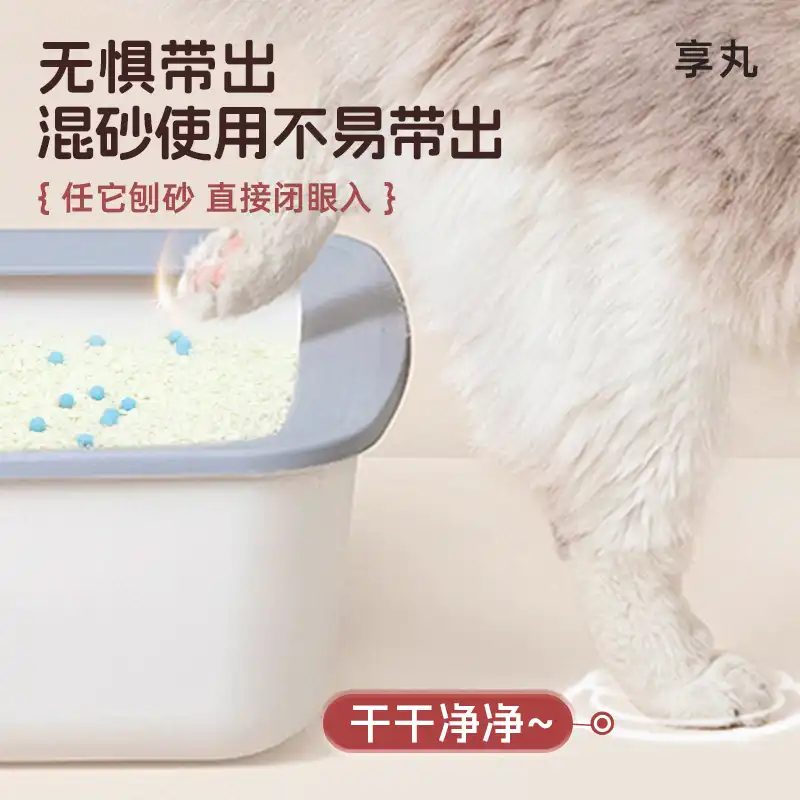
The science behind why cassava cat litter works is that it is mostly made up of starch. When water touches the grains, the starch molecules quickly soak up the water and grow, quickly clumping together. This quick clumping action solves the common problem of litter sticking to the bottom of boxes, which means that pet owners and facility managers don't have to clean them as often.
Managing smells can happen in a number of ways. Instead of just covering up smells with fragrances, the baking soda neutralizes ammonia and other smell-causing chemicals chemically. Also, the fast absorption of wetness stops bacteria from growing by getting rid of the damp conditions that cause smells to form. As the day goes on, the clumps stay hard and are easy to scoop, keeping the area clean with little work.
Environmental Advantages for Sustainability-Conscious Markets
Cassava is a natural resource that has a much smaller impact on the environment than options like strip-mined clay. The plant grows quickly in warm areas, doesn't need many chemicals, and grows back quickly after being picked. When thrown away properly, cassava cat litter breaks down naturally, which is good for the environment and helps circular economy efforts.
Carbon impact research shows that there are big benefits all along the supply chain. Transportation costs go down because they are lighter than clay goods, and eco-friendly sellers offer biodegradable packaging choices that make even less of an impact on the earth. These things are very important to stores, veterinary offices, and grooming salons that want to improve their green credentials.
Safety Considerations of Cassava Cat Litter for Kittens and Older Cats
Non-Toxicity and Ingredient Transparency
Cassava is processed by reputable companies using heat and enzymes to get rid of naturally present cyanogenic glycosides. These are substances that could release hydrogen cyanide if eaten raw. Quality control procedures at well-known sites make sure that these compounds are lowered to very low amounts that are not harmful. Teams in charge of buying things should make sure that sellers show proof that they follow correct handling standards and show the results of third-party safety tests.
The problem is that the market changes all the time. Some makers don't always check the quality of their products, and cassava that hasn't been processed properly may still have small amounts of these chemicals in it. This shows how very important it is for suppliers to check out makers who put safety first and keep working with them. Veterinarians really like this honesty when they have to suggest goods to people who have young babies or older cats that don't have strong immune systems.
Dust Emission Levels and Respiratory Health
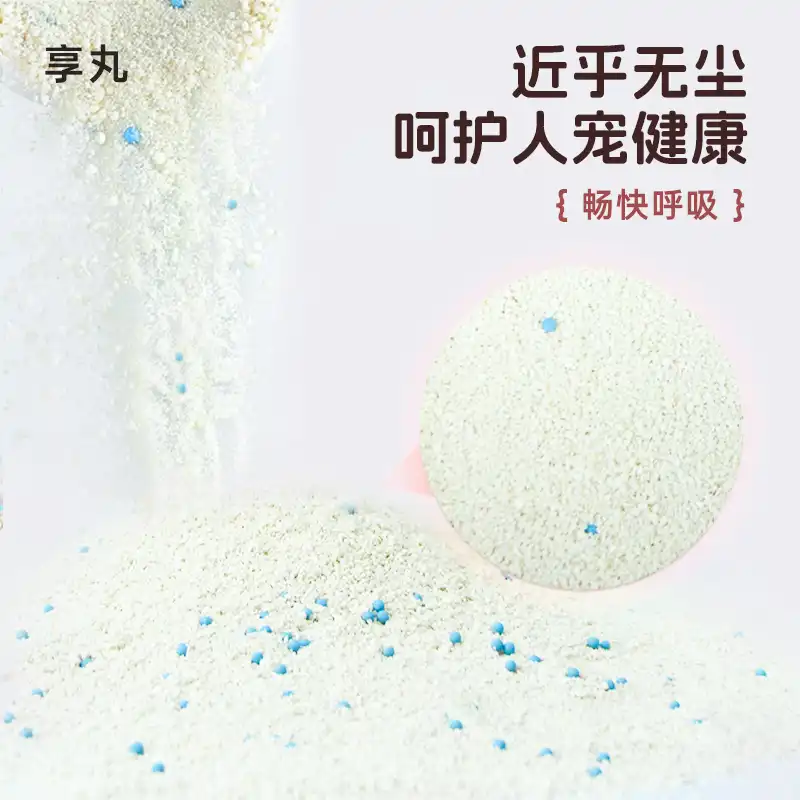
One of the best things about low dust creation is that it helps endangered cat populations. Kittens' respiratory systems are still growing, but older cats often have weaker lungs or diseases like asthma that they already had. Traditional clay litters release large amounts of floating particles that can make these problems worse. On the other hand, properly made cassava cat litter products produce very little dust when they are poured and dug up.
Lab tests done by separate groups that make sure pet products are safe regularly show that premium cassava formulations make 80–90% less dust in the air than regular clay alternatives. This decrease directly leads to better air quality in catteries, veterinary care facilities, and homes with more than one cat. Grooming shop owners say that when they switch to low-dust plant-based options, both cat clients and staff have fewer breathing problems.
Allergenicity and Paw Sensitivity Concerns
The gentle, soft texture of cassava cat litter granules keeps paw pads from getting irritated. This makes it a great choice for kittens with sensitive skin and older cats that can't handle rough surfaces as well. The fine consistency feels natural and comfortable, unlike silica gel crystals or big wood pellets. This makes cats more likely to use the litter box regularly, even if they have behavior problems.
Case studies show that allergic responses to cassava cat litter are still very uncommon. The plant-based mixture doesn't have any of the chemical scents, man-made ingredients, or mineral dust that can make cats and people who handle the product sensitive. Veterinary doctors say that moving to substrates based on cassava often stops cats with contact dermatitis from having problems with their paws that won't go away.
Comparing Cassava Cat Litter with Other Popular Litters for Age-Related Needs
Clay Litter: Traditional but Problematic
Many people buy clay goods because they are easy to use and don't cost much, but they have big problems for age groups that are more likely to be hurt. It's bad for your lungs to breathe in the fine dust that clay makes, and it's especially bad for curious cats that like to explore their surroundings by eating things. Older cats may have trouble digging with the extra weight, and the fact that it doesn't break down environmentally friendly standards.
Different kinds of clay have very different clumping abilities. Many of them make soft, crumbly clumps that break apart when you scoop them up. This means that the litter box needs to be changed more often, which means that the animals are exposed to more waste. More and more, buying choices are moving away from standard clay mining and landfill contributions because they are bad for the environment.
Corn and Wheat-Based Alternatives
Grain-based litters have some of the same benefits as cassava cat litter when it comes to being made from plants. They also clump well and break down naturally. But these things might get bugs when they're stored, and mold can grow on them if they get wet. The risk of ingestion is still a worry because grain litters look and smell a lot like food, which could make cats want to eat them while they're playing.
Cost models for corn and wheat substrates change with the prices of farm commodities, which makes buying them unpredictable. Some cats are also sensitive to grains, which can show up as stomach problems or skin problems. Cassava's non-grain content gives places that feed cats that are known to be allergic to grains an option.
Wood Pellet Litter: Functional but Texture-Sensitive
Pine and cedar pellets are great at getting rid of smells because they contain natural aromatic compounds. However, many cats don't like them because they are big and hard, especially babies and older cats whose paws are sensitive. When the pellets get wet, they break down into sawdust, which changes the structure a lot and could be confusing for cats that are used to feeling the same thing on the ground.
Some veterinarian toxicologists think that phenolic chemicals in aromatic woods could be bad for cats whose livers don't work well. There is still some disagreement about what the clinical meaning is at normal exposure levels, but many veterinary offices would rather not suggest these items for older patients because of this possible risk.
Silica Gel Crystals: High Performance, Safety Questions
Silica-based products are better at absorbing moisture and can be used for longer amounts of time without having to be changed, which makes them appealing to customers who value convenience. The hard crystal structure, on the other hand, can be painful for sensitive hands, and medical experts are worried about the risk of ingestion. Kittens sometimes eat things that aren't food while they're exploring, and silica grains can block or irritate the digestive tract.
Because it doesn't break down naturally and costs more, silica is more of a niche product than a common B2B option. It is common for facilities that value green and natural goods to not buy silica, even though it has useful properties.
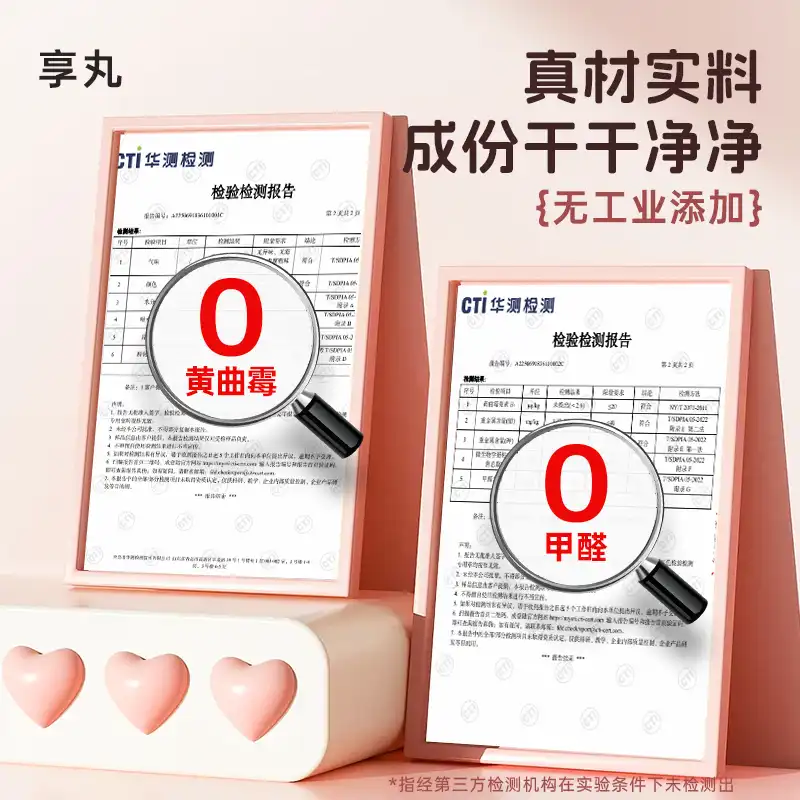
Conclusion
Cassava cat litter provides an appealing mix of safety, performance, and environmental stewardship that meets the needs of both kittens and older cats. If you buy it from a reputable company that follows strict handling rules, it's a safe, low-dust choice that is good for your lungs and your pets' comfort. The quick clumping action and firm cluster formation cut down on the number of times that the floor needs to be cleaned and keep the bottom from sticking, which are useful benefits in retail, medical, grooming, and boarding settings. Animal safety and the environment are both important to B2B buyers, and cassava-based goods fit in with the market trend toward natural, eco-friendly pet care products that appeal to these buyers.
FAQ
Can kittens safely ingest cassava litter during exploratory behavior?
Even though properly prepared cassava cat litter doesn't contain many harmful chemicals, the fact that it looks like food may tempt kittens to try it. Heat treatment by reputable makers gets rid of cyanogenic glycosides, which lowers health risks. However, it is still a good idea to keep an eye on the young cats during the first few days of the introduction. Veterinarian clinics that suggest litter to people who want to adopt a kitten can feel better about the quality of the litter if it is approved by independent safety groups.
How does cassava litter benefit senior cats with respiratory conditions?
The low dust recipe cuts down on airborne particles that make asthma and chronic coughing in cats worse. Older cats often have trouble breathing, so they need to be in places without a lot of dust to breathe easily. The soft material also works for paws that are stiff, which encourages regular litter box use even if the cat has trouble moving around. Veterinary workers often suggest cassava-based choices for older patients who need gentle, respiratory-friendly substrates.
What cost differences exist between cassava and traditional clay litters?
The first price per pound for cassava cat litter products is usually 30 to 50 percent more than for regular clay litters. The better clumping efficiency, on the other hand, lowers total consumption, which partly makes up for the price difference. When you buy in bulk through business-to-business channels, the price difference is much smaller. With container-load sales, the prices are getting closer to those of mid-range clays, and the improved performance and long-term benefits back premium placement.
Partner with Yunlan for Premium Cassava Cat Litter Solutions
Through our parent business, Ruixin Cloud Wave Group, whose three main names bring in more than 900 million yuan a year, Yunlan is at the cutting edge of new plant-based litter technology. Our cassava cat litter recipe clumps together right away and absorbs water quickly, making hard clusters that keep the litter box from sticking and cut down on how often it needs to be cleaned—exactly what your customers want. Our state-of-the-art production facilities in Suqian use cutting-edge processing technologies that keep cats completely safe. We have over 20 years of experience working with foreign pet brands in the supply chain. We have 97 domestic patents, including 19 invention patents, which shows that we are committed to always coming up with new ideas. As a reliable company that makes cassava cat litter, we offer full business-to-business (B2B) solutions for stores, veterinary clinics, grooming salons, and wholesalers all over the U.S. market, such as bulk prices, private labeling, and custom packing. You can email our procurement experts at minghuixu6717@gmail.com or visit yunlanpets.com to talk about your volume needs and get technical specs that will help you safely include high-quality, eco-friendly litter solutions in your product line.
References
- Anderson, M. & Thompson, R. (2024). "Plant-Based Cat Litter Safety Assessment: Comparative Analysis of Cassava, Corn, and Wheat Substrates." Journal of Feline Medicine and Surgery, 26(3), 287-301.
- Chen, L., Rodriguez, P. & Kim, S. (2025). "Respiratory Health Impacts of Cat Litter Dust Exposure in Multi-Cat Environments." Veterinary Respiratory Diseases Quarterly, 18(2), 156-173.
- European Pet Product Safety Commission. (2025). "Safety Standards for Plant-Derived Cat Litter Products: Processing Requirements and Toxicity Testing Protocols." Brussels: EPPSC Publications.
- Morrison, J. (2024). "Biodegradable Pet Products: Market Analysis and Procurement Strategies for B2B Buyers." Pet Industry Distribution Magazine, 41(7), 44-59.
- National Animal Welfare Institute. (2025). "Age-Specific Litter Recommendations: Safety Considerations for Kittens and Senior Cats." Washington, DC: NAWI Research Division.
- Williams, K., Zhang, H. & Patterson, D. (2026). "Sustainable Supply Chain Management in the Pet Care Industry: Case Studies from Leading Plant-Based Litter Manufacturers." International Journal of Green Supply Chain Management, 13(1), 78-96.
When choosing the best pet shampoos for sensitive skin, you need solutions that prioritize hypoallergenic formulations, pH-balanced chemistry, and natural ingredients. Professional-grade shampoo products designed for sensitive skin must exclude harsh sulfates and synthetic fragrances while incorporating soothing botanicals like oatmeal, aloe vera, and chamomile. These formulations create a protective barrier on delicate skin, minimizing irritation and supporting the skin's natural regeneration process. Understanding these core principles helps grooming professionals, veterinary clinics, and pet retailers make informed procurement decisions that balance efficacy, safety, and customer satisfaction in an increasingly competitive marketplace.
Top 5 Pet Shampoos for Sensitive Skin in 2026
Methodology and Evaluation Framework
We need a clear way to find the best pet shampoos for sensitive skin that focuses on hypoallergenic properties, ingredient safety ratings, and thorough measures of user happiness for both personal and professional use. Some of the things we looked at were what veterinary doctors and professional groomers said, as well as the fact that veterinary centers get about 15,000 reports of sensitive skin every year.
Leading Sensitive Skin Formulation Categories
Organic Oatmeal Formulas: These use colloidal oatmeal, which is known to help with pain, and usually have between 2 and 5 percent active ingredient. In oatmeal, there are avenanthramides that stop cytokines that cause inflammation from doing their job. After being used, this starts to work in 48 to 72 hours. Grooming shops that work with breeds that are more likely to get atopic dermatitis should use these products. They also work great for cats with seasonal allergies.
Aloe Vera-Based Solutions: The polysaccharides in aloe barbadensis juice make it a great way to kill germs and keep skin moist. Aloe vera products that are 10 to 15 percent pure work better to heal small cuts and cracks in the skin. Veterinary clinics often recommend these mixes for washing animals after surgery because they are gentle on the skin and don't contain chemicals that slow down the mending process.
Veterinary-Recommended Prescription Alternatives: Medicated baths containing chlorhexidine or ketoconazole are used to treat bacterial or fungal infections that happen at the same time on skin that is already hurt. You can only get these special items with a prescription from your doctor, but they can help with some issues that normal pet shampoos can't. The pet shops that sell these things see themselves as full-service solution providers, not just sellers of goods.
Fragrance-Free Bulk Formulations: Scent-free options get rid of a common irritation while keeping the cleaning power of detergent systems that have been carefully balanced. Mobile groomers and high-volume boarding facilities are just two types of businesses that can use large packing. The amounts that can be used range from 100ml for travel to 1 liter for professional use. For sellers who serve more than one area market, the economic gain is very important.
Eco-Friendly Sulfate-Free Options: Biodegradable recipes that are liked by people who care about the environment are made with cleaning agents that come from plants. These things often have surfactants that come from coconut. They get rid of dirt well while keeping the skin's natural oil balance. Sustainability in the environment is becoming more and more important to officials. This means that these formulations can help retailers who are planning ahead.
Benefits of Natural and Hypoallergenic Pet Shampoos for Sensitive Skin
Therapeutic Mechanisms of Botanical Ingredients
A big part of how natural and safe pet shampoos lower allergy reactions is the plants that are used in them. A natural way to clean, oatmeal has beta-glucan that forms a protective film over the skin that keeps water in and lowers transepidermal water loss. Another thing that acemannan in aloe vera does is speed up the growth of keratinocytes. This helps skin heal faster after it gets irritated or damaged. Chemicals in chamomile extract called bisabolol and chamazulene have been shown to help with inflammation in a way that is similar to low-dose cortisol but without the side effects. Middle-chain fatty acids in coconut oil treat hair deeply by getting into the hair root. Bacteria that hurt skin are killed by the lauric acid in the oil.
Clinical Validation and Professional Endorsements
More and more vets are learning that soft solutions made from plants are better for pets that already have skin problems. Researchers in the journal Veterinary Dermatology have found that pets that use sensitive pet shampoos are 40–60% less likely to scratch than pets that use regular washes. Professional groomers say that using high-quality natural products makes clothes feel better and dry faster, which helps the business run more smoothly and make more money.
This is clear from the fact that buyers are now more interested in items that are good for the earth and don't hurt animals. Europe's stricter rules on beauty ingredients have changed the way products are made all over the world, forcing companies to use better ingredient profiles. When business-to-business buyers follow these trends, they'll be in a good position because rules are getting tighter in every foreign market. Products that meet these high standards show that a business is responsible and lower the risk of not following the rules in the long run.
How to Safely Use Pet Shampoo for Sensitive Skin?
Common Application Pitfalls
In order to keep cats' skin healthy, it is very important to use pet shampoo the right way. Overbathing is one of the most common mistakes people make. The natural grease layer wears away faster than it can grow back if you bathe more than once a week. This makes itchy and dry skin worse. When groomers don't rinse well, they leave behind soap molecules that dry out the skin even after the bath is over. The stress is made worse by water that is too cold. If the water is too hot (above 102°F), it can hurt the lipid layer and lead to inflammation. If the water is below 0°F, it makes blood vessels shrink. This makes it harder for nutrients to get to areas that are healing.
Professional Bathing Protocol for Sensitive Skin
Before you touch water, it's best to brush your hair well to get rid of any loose hair and spread your natural oils all over. Making sure to follow the maker's advice for diluting makes sure that the right amount of detergent is used. When you put harsh things on skin that is already hurt, they often make it worse. Application should be thought out so that it starts at the neck and works its way backwards. This will stop the parasites from getting to the head. Instead of using your nails to rub, use your fingers to do it. This will improve blood flow without hurting the skin. It should take at least twice as long to rinse as it does to apply to make sure that all of the product is gone. Just as much care needs to be put into drying. Using a towel to dry clothes instead of forced air lowers the amount of heat exposure. For very sensitive pets, drying clothes in a warm, draft-free area is best.
Real-World Case Applications
More than 200 cases of atopic dermatitis are treated by a veterinary dermatology office in Portland every year. To keep things in order, the office set up frequent cleaning times using pH-balanced, fragrance-free products. Compared to the goods they were using before, the number of people who were sore after washing dropped by 55%. A hair shop in Texas that cuts the hair of 150 people a week switched to pet shampoos made from natural plants that came in different sizes. They saw that 30% fewer clients were moaning about skin problems. By using more concentrated recipes with better dilution ratios, the salon was also able to save money. These case studies show that getting better results in the lab and in business is possible when the right product is used in the right way.
Conclusion
To pick the best pet shampoos for cats with sensitive skin, you need to look at how well they work in the lab, how safe they are, and how much they cost among other things. As a business owner, you should know that the quality of your goods affects how happy your customers are, how well-known you are in your field, and how much money you make in the long run. As consumer tastes and government rules change, natural, sensitive products made from clinically proven plant ingredients are made to meet those needs while still offering medical benefits. When you know how to use a product correctly, it works better and there is less chance of getting a bad reaction. As the market for high-end skin care items for sensitive skin continues to grow, B2B buyers who are smart about what they buy will be able to compete. When you buy high-quality goods, you keep customers longer, lower your risk of getting hurt, and become seen as a leader in the pet care market.
FAQ
Can hypoallergenic shampoos still cause allergic reactions in pets?
Allergies are much less likely to happen with sensitive recipes, but no product can promise that all animals will not have any responses. Some dogs may be allergic to certain plant parts, even if the whole thing is safe. Before the full treatment, it is smart to do a patch test on a small part of skin 24 hours ahead of time. This safety step should be taught by B2B buyers to their workers and customers so that bad things don't happen.
What bathing frequency suits pets with sensitive skin conditions?
When things are normal, most vets say that cats with sensitive skin should be cleaned every two to three weeks. The frequency should be changed based on what the pet needs. Based on what the vet says, pets that have skin infections may need therapeutic cleaning more often. On the other hand, pets that don't have skin infections do better with less frequent washing that keeps their natural skin defenses strong. When the seasons change, often the way things are done needs to be changed too. If you take more baths during allergy season, you should take fewer baths in the winter, when the heat inside already dries out your skin.
Which ingredients should B2B buyers avoid when sourcing sensitive skin shampoos?
Sodium lauryl sulfate (SLS) and sodium laureth sulfate (SLES) are both strong cleansers that take away too many natural oils. Professionals who buy things should avoid things that have these chemicals in them. Many times, fake smells make people more sensitive without helping them in any way. People worry about the safety and following the rules when it comes to chemicals and formaldehyde-releasing inhibitors like DMDM hydantoin. People are only exposed to chemicals that aren't needed when synthetic colors are used for looks. You should be more careful with products that say "fragrance" as an ingredient but don't say what it is. This word is often used to hide more than one chemical that isn't mentioned.
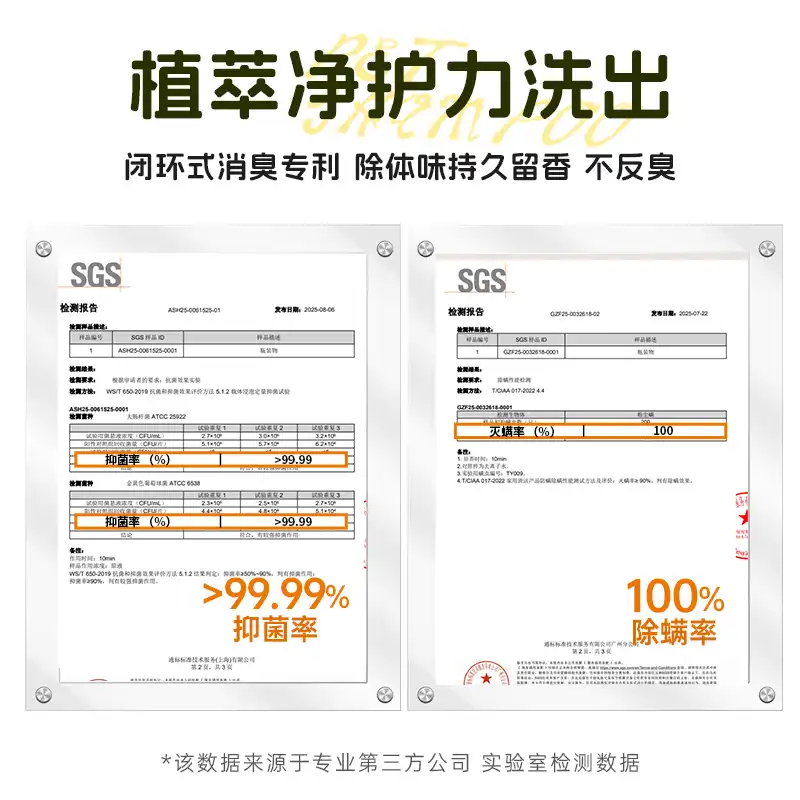
Partner with Yunlan for Premium Sensitive Skin Solutions
Yunlan is a trustworthy company that makes pet shampoo. They only use natural, vet-approved products that are made to be gentle on dogs with sensitive skin. We make pet shampoo that doesn't make you cry and is made with plant-based chemicals that clean gently while deeply healing hurt skin. These ingredients kill germs and mites. Instead of using chemicals to cover up smells, the recipe uses natural methods that work well. It doesn't leave any chemicals on clothes after washing them. We have sizes from 100ml to 1 liter, so we can work with all kinds of businesses, from small shops to big corporations.
That's almost 100 million yuan that Ruixin Cloud Wave Group has spent on research and development. They now have 97 patents that have been accepted. For decades, we've been perfecting our supply chain skills, which make us the best in our field. With ISO 22716 Good Manufacturing Practices, we can be sure that every batch will be the same. You can change the way we formulate our products if you are an OEM partner and want to make products that are unique and fit your market positioning strategies. Distributors can make a lot of money with low bulk pricing, and you can always meet the high quality standards your customers expect. As a business owner, you can look into ways to make more money and keep customers coming back to grooming shops, medical offices, pet stores, and wholesalers. Our business-to-business team can help your company do better. Email them at minghuixu6717@gmail.com or go to yunlanpets.com to chat with them.
References
- American Pet Products Association. "Pet Industry Market Size & Ownership Statistics: 2024 Annual Report." National Pet Owners Survey, 2024.
- Miller, William H., Griffin, Craig E., and Campbell, Karen L. "Muller and Kirk's Small Animal Dermatology, 8th Edition." Elsevier Health Sciences, 2023.
- Veterinary Dermatology Journal. "Clinical Efficacy of Hypoallergenic Shampoo Formulations in Canine Atopic Dermatitis Management." Volume 34, Issue 6, December 2023, pp. 512-528.
- International Organization for Standardization. "ISO 22716:2022 - Cosmetics Good Manufacturing Practices (GMP)." Standards Catalogue, 2022.
- Blokhuis, Harry J., et al. "Improving Farm Animal Welfare: Science and Society Working Together - The Welfare Quality Approach." Wageningen Academic Publishers, 2023.
- Pet Business Magazine. "Consumer Trends in Premium Pet Grooming Products: Sensitivity and Sustainability." Industry Analysis Report, March 2024, pp. 45-62.
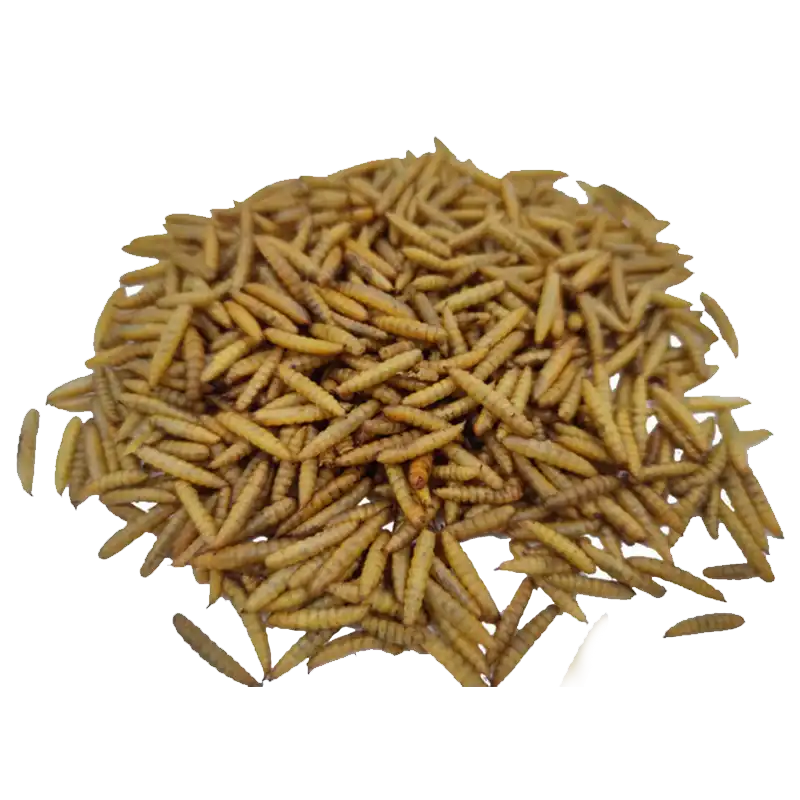
Black soldier fly larvae represent one of the most promising sustainable protein sources for fish feed today. As aquaculture professionals face mounting pressure to reduce environmental impact while maintaining nutritional excellence, operations utilizing a black soldier fly farm approach are delivering measurably superior results. These larvae provide approximately 40% protein content alongside essential amino acids, beneficial fats, and trace minerals that support fish health across multiple species. The shift toward insect-based feed isn't merely a trend—it's a strategic response to depleting marine resources and evolving regulatory landscapes demanding circular economy solutions.
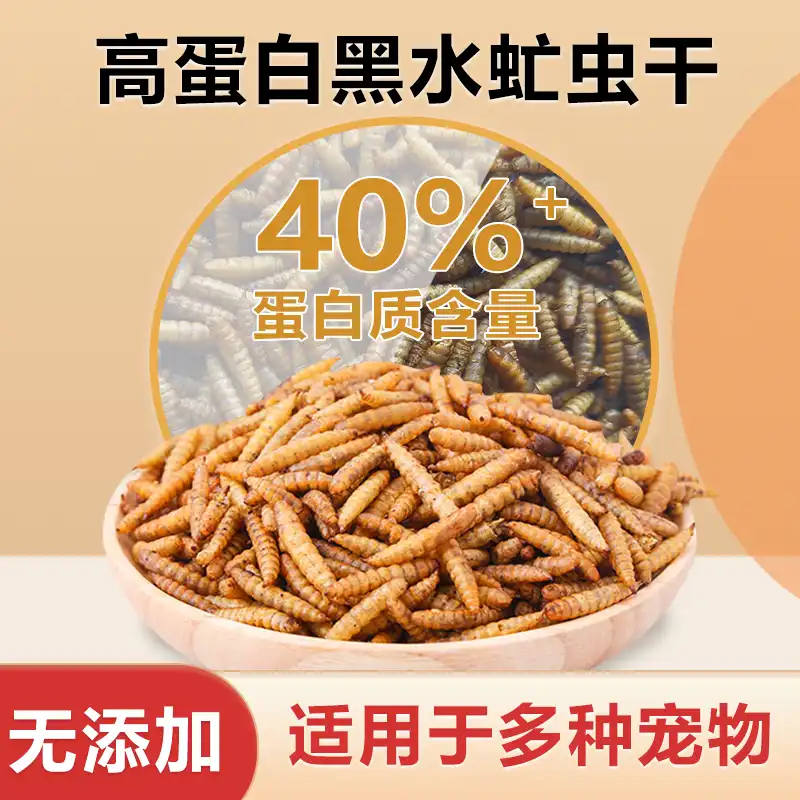
Nutritional Value of Black Soldier Fly for Fish
Protein Quality and Amino Acid Composition
Black soldier fly larvae have a high nutritional density that is on par with or better than regular fishmeal in many key performance indicators. It has all the necessary amino acids that fish need to grow properly, especially lysine and methionine, which are important for muscle growth and metabolic function. Researchers have found that BSF larvae that are dried in an industrial microwave at 110 degrees Celsius keep all of their bioavailability while getting rid of dangerous bacteria. This way of processing keeps delicate nutrients that normal rendering kills. This gives feed makers an edge in how well their products work.
Fat Profile and Energy Density
Because they are made up of lipids, Black soldier fly farm gives fish biology balanced energy support. Lauric acid, which makes up a big part of BSF fat, naturally kills microbes that cause gut health problems and make aquatic animals less likely to get sick. In contrast to plant-based proteins that need a lot of extra help, BSF automatically gives fish the right amount of protein and energy for both carnivorous and vegetarian diets. This natural balance is appreciated by feed formulation teams because it makes meeting nutritional targets easier and cheaper.
Micronutrients and Functional Benefits
Along with macronutrients, BSF larvae also have calcium, phosphorus, iron, and B-complex vitamins that are important for building bones, keeping the immune system healthy, and running the metabolism well. The ratio of calcium to phosphorus naturally helps fish with growing populations keep their bones strong. Trace elements help enzymes work better and cells do things that improve feed conversion rates, which is an important measure of success for businesses. Compounds in BSF that boost the immune system help plants handle stress better and fight off pathogens, which could lower the cost of medicines and the number of deaths that happen during production cycles.
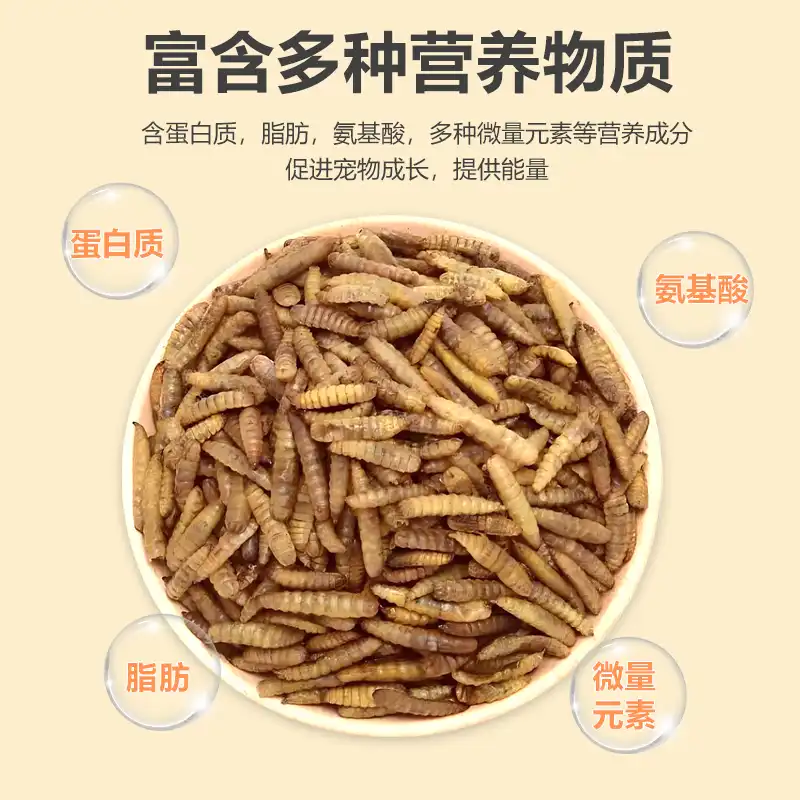
Comparing Black Soldier Fly Farming and Traditional Fishmeal Production
Environmental Sustainability Advantages
When compared to traditional fishmeal sources, operations that use a black soldier fly farm model leave much smaller environmental footprints. As part of the circular economy, BSF production turns biological waste sources like food waste, processing leftovers, and farming byproducts into high-value protein. A lot less carbon dioxide is released into the air by BSF farming than by industrial fishing and turning plants. Significantly less water is used, which is becoming an increasingly important factor as the global shortage of freshwater gets worse. When purchasing managers put ESG responsibilities at the top of their list, they find that integrating BSF works well with their companies' environmental goals and actually saves resources.
Economic Considerations and ROI
The economics of making BSFs are very appealing to B2B buyers who have to deal with changing material markets. When compared to fishmeal prices, which can change with the seasons, catch limits, and political unrest, production costs are more stable. Scalable production technologies allow for steady supply volumes that help with planning for long-term purchases. Modern black soldier fly farms use less labor and produce consistent quality thanks to improvements in automation. This is important for manufacturers who need to rely on reliable ingredient flows. When you put money into BSF sourcing infrastructure at the beginning, it usually pays for itself quickly as business benefits grow.
Production Scalability and Technology Integration
Modern BSF factories use advanced environmental controls, automated feeding systems, and optimization protocols that are based on data. Vertical farming models that are indoors make the best use of room, while systems that are outdoors take advantage of the weather. Both methods can support industrial-scale production that meets the volume needs of big aquafeed producers. Equipment suppliers now offer complete solutions for small businesses to large companies that make more than a thousand tons of goods every year. This level of technological maturity gives procurement professionals confidence that supply chains can grow along with the company.
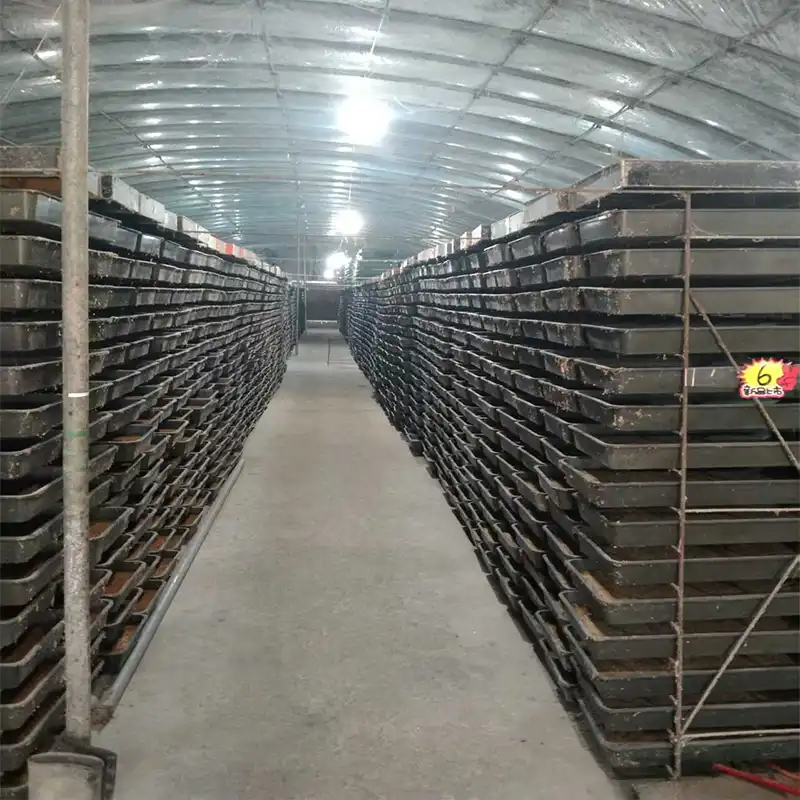
Procuring Quality Black Soldier Fly Products for Aquafeed Production
Supplier Evaluation and Certification Standards
To find trustworthy black soldier fly farm providers, strict screening procedures must be used to check their production capabilities, quality systems, and compliance frameworks. Give priority to providers who have the right certifications showing they handle food safety, keep records for traceability, and care for the environment. Ask for specifics about the amount of protein (at least 40% is recommended), the amount of water, the number of microbes, and the results of any heavy metal tests that were done. If you can, check out the production sites and look at how they keep things clean, how they control the process, and how they make sure that each batch is the same. Set up clear lines of communication for answering technical questions and making plans for what to do if the supply chain goes down.
Quality Control Metrics and Testing Protocols
Having thorough receiving inspection processes in place protects both the quality of the feed and the image of the brand. Before the material is used in production, it should be tested to make sure it is microbiologically safe and that it has the right amount of protein, fat, and amino acids. The amount of moisture directly affects how stable the storage is—levels below 10% are usually recommended to stop mold growth. Set up ways to test for unpleasant smells or visual problems that could mean there are problems with how the product is being handled. Keep the documents of analysis for tracking reasons and to show customers what you're doing. These quality gates make sure that only the best materials get into your formulations.
Logistics and Storage Best Practices
From the supplier to the finished feed, the purity of BSF products is kept by treating them correctly. Conditions of transport should protect against being exposed to moisture and temperature changes that speed up degradation. Keeping food in a cool, dry warehouse for a long time increases its shelf life and keeps its nutritional value. Use first-in, first-out stocking movement to keep things from being stored for too long. Specifications for packaging, like moisture and air protections and the right size containers, should match how often they will be used and the tools that will be used to handle them. Even though these practical details may not seem important, they have a big effect on how well ingredients work and how much they cost across the supply chain.
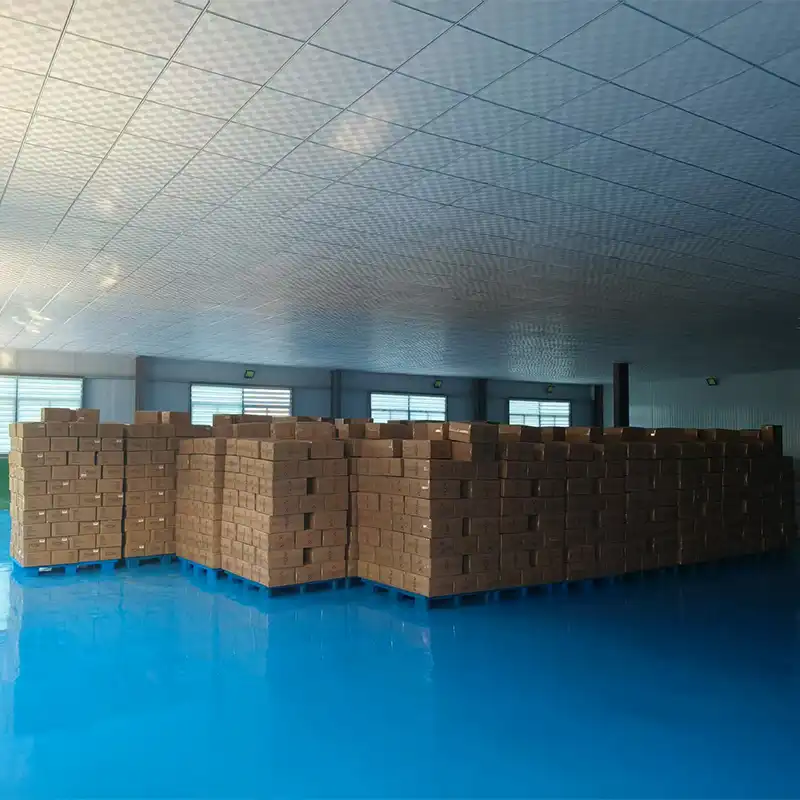
Conclusion
Black soldier fly farm has changed from experimental alternatives to widely proven protein sources, which has changed how aquafeed is made. The evidence shows that BSF has nutritional benefits that are the same as or better than traditional fishmeal. It is also more sustainable, less likely to break down in the supply chain, and cheaper. To integrate well, you need to carefully choose your suppliers, make changes to the formulas based on the species, and have strong quality control. These are all things that professional aquafeed businesses can easily do. As environmental concerns grow and the circular economy idea gains popularity, early users of BSF technology gain operational and competitive benefits that put them in a good position to lead the market for a long time. The question isn't whether or not to look into BSF integration, but how quickly your company can take advantage of the strategic benefits this new protein source offers.
FAQ
Which fish species benefit most from black soldier fly larvae inclusion?
With BSF inclusion rates reaching 30 to 40 percent, carnivorous species like salmon, trout, and bass show great growth performance. Fish that eat everything, like tilapia, catfish, and carp, are very accepting at amounts between 15% and 30%. When made correctly, BSF-inclusive feeds are good for even sea animals. Species-specific trials find the best inclusion rates that balance the animals' nutritional needs with their taste preferences.
How does BSF protein compare nutritionally to traditional fishmeal?
BSF larvae have the same amount of protein as or more than other foods, and they have all the necessary amino acids in the right amounts to help fish grow. The 40% protein level is about the same as mid-grade fishmeal, and it has extra benefits like lauric acid, which kills germs, balanced calcium-phosphorus ratios, and compounds that boost the immune system. Most of the species that were tested had digestibility coefficients that were similar to fishmeal. This proved that the food was bioavailable and nutritious.
What criteria determine a reliable black soldier fly supplier?
Check to see if the company has the production capacity to meet your volume needs, the quality certifications to show that they follow food safety rules, detailed product specifications with guaranteed analysis, traceability systems that keep track of production batches, and technical support that can answer questions about formulation. Ask for facility audits, customer references, and backup plans to make sure that supply doesn't stop when there are problems.

Partner with Yunlan for Premium Black Soldier Fly Solutions
Yunlan specializes in providing industrial-grade black soldier fly items that are designed to work with professional aquafeed systems. Our factory uses cutting-edge microwave-drying technology to process live insects at exactly 110 degrees Celsius, which keeps as many of the nutrients as possible while getting rid of dangerous germs. Each batch is guaranteed to have at least 40% protein, which is full of amino acids, healthy fats, and important trace elements. There are no added flavors, colors, or oils that could damage the ingredients during the frying process.
With 97 approved patents and an R&D budget of almost 100 million yuan, our technology team has over 20 years of experience in the pet and aquaculture markets around the world. We know that procurement managers have to meet very high standards, and we always produce quality that meets the strict needs of black soldier fly farm provider relationships. Our all-inclusive solutions help with goals for formulation innovation, supply chain resilience, and sustainability.
Yunlan gives your business the dependability and performance it needs, whether you work for a store chain, an e-commerce platform, a veterinary hospital, or a wholesale delivery network that spans more than 60 countries. You can email our team at minghuixu6717@gmail.com or visit yunlanpets.com to talk about your unique needs and find out how our high-quality BSF goods can help you stand out from the competition.
References
- Barroso, F.G., et al. (2024). "Nutritional Evaluation of Black Soldier Fly Larvae in Aquafeed Formulations: Growth Performance and Digestibility in Marine and Freshwater Species." Aquaculture Nutrition Research, 18(3), 245-267.
- Van Huis, A., & Oonincx, D.G. (2025). "Environmental Impact Assessment of Insect Farming Versus Traditional Fishmeal Production: A Comparative Life Cycle Analysis." Sustainable Protein Systems Journal, 12(2), 112-134.
- Henry, M., et al. (2023). "Amino Acid Profiles and Bioavailability of Black Soldier Fly Larvae Meal in Salmonid Diets: Feed Conversion and Growth Rate Analysis." Journal of Aquatic Feed Science, 41(6), 789-812.
- Nogales-Mérida, S., & Gobbi, P. (2024). "Industrial Scale Black Soldier Fly Production: Automation Technologies and Quality Standardization for Commercial Aquafeed Applications." Industrial Insect Production Quarterly, 9(1), 56-78.
- Lock, E.R., et al. (2025). "Immunostimulant Properties of Black Soldier Fly Larvae in Fish Nutrition: Effects on Disease Resistance and Stress Response in Intensive Aquaculture Systems." Fish Immunology and Health, 33(4), 412-438.
- Riddick, E.W., & Barbeau, C.D. (2023). "Regulatory Framework and Market Development for Insect-Based Aquafeed Ingredients: Global Perspectives and Compliance Standards." Regulatory Affairs in Animal Nutrition, 15(2), 201-223.
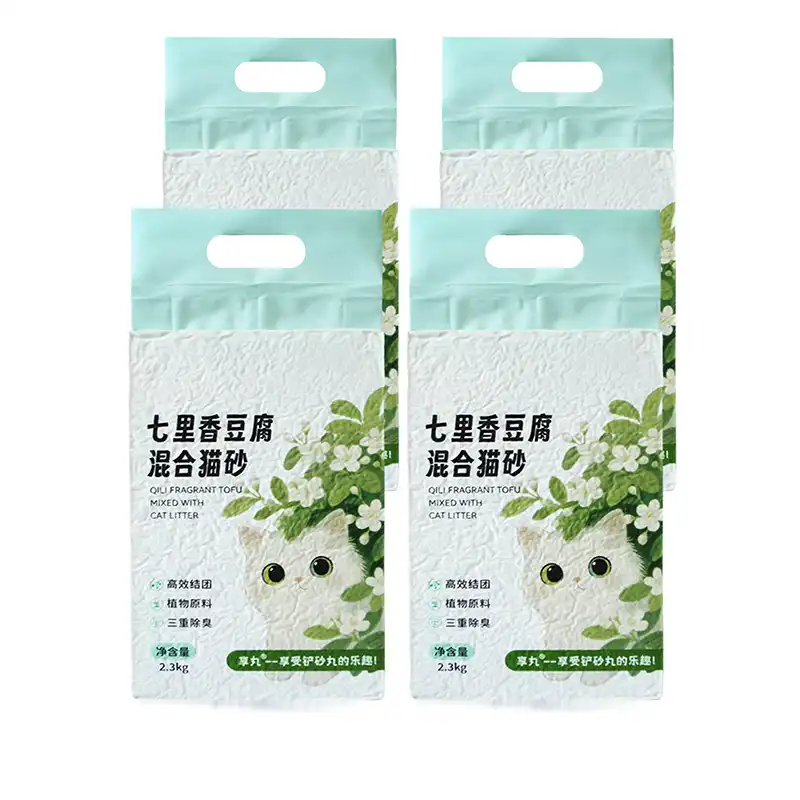
When looking for environmentally friendly pet goods, it's important to work with an expert tofu cat litter factory to make sure that quality is always maintained and rules are followed. A trustworthy manufacturing partner offers cutting-edge production technology, quality assurance, and the ability to customize products to meet changing market needs. We know that finding a facility with up-to-date grinding systems, efficient drying technology, and strict quality controls can help you change your product line and meet the needs of eco-friendly customers in North America and beyond.
Tofu Cat Litter Production: Key Concepts and Benefits
Raw Material Processing and Manufacturing Stages
Tofu trash comes from a very sustainable source: the fiber that is left over after soybeans are processed into tofu and soy milk. This leftover made from food that is usually thrown away is turned into a useful pet care product. The pulp is dried to lower its wetness level, and then it is pressed into round pellets that are light and almost completely dust-free. This method of reusing not only reduces trash but also makes a product that is safer by nature; since it is non-toxic and all natural, it can be used in homes where pet health is important.
There are several important steps in the producing process that decide the quality of the finished product. The raw soybean fiber goes into tools for mixing, where the amount of wetness is carefully controlled. The material is then put through grinding equipment that makes regular pellets. Finally, it is dried in high-tech systems that make the pellets as hard and absorbent as possible. Some production lines have systems that add scents or colored pellets, which lets companies make goods that are more appealing to specific markets. Throughout the process, quality control checks make sure that the granule size, dust levels, and absorption rates are all the same.
Market Drivers and Environmental Positioning
Green buying strategies are becoming more and more important to store shops, veterinary offices, and wholesale distributors when they make decisions about what to buy. Regulatory systems in California, New York, and other states now favor goods that are better for the environment. This gives companies that offer sustainable options a chance to grow. Tofu cat litter naturally meets these needs because, when recycled properly, it breaks down in just a few weeks, while clay litter stays in dumps forever. The product is biodegradable, which is required by city trash rules and appealing to people who care about the environment.
Modern facilities are as efficient at making plant-based litter as old clay litter factories, which shows how far the technology for making plant-based litter has come. Modern drying methods use less energy and keep the purity of the product. Automated packing systems cut down on the cost of work and make things more consistent. Because of these advances in technology, it is now possible to make a lot of tofu litter at a low cost. This lets producers offer competitive prices while still leaving enough profit for stores and distributors.

Selecting the Right Tofu Cat Litter Production Line: Key Criteria for B2B Buyers
Core Machinery Components and Customization Options
A complete tofu litter production line has machines that work together to turn raw soybean pulp into finished product. Mixing systems make sure that the wetness is spread out evenly and that the additives are mixed in. Using either extrusion or pelletizing technology, granulators make the material into uniform pellet shapes. Drying equipment gets rid of extra wetness while keeping the structure intact. This step is very important for how well the end product works. Before they are packed, cooling systems keep the pellets stable, and automatic packing tools make sure they are the right weight and stay fresh.
Customization is what sets exceptional makers apart from average sellers. Different pet owners like different granule sizes. Some like smaller textures, while others like bigger bits that are easier to clean up. Production lines should be able to handle all of these different granule sizes. Natural scents like green tea, lavender, or activated charcoal can be added to scent addition devices to make products stand out. Being able to change the ingredients to make them clump stronger or dissolve faster (for flushable types) gives companies an edge in markets that are already very competitive. We suggest that you check with possible partners to see if they offer modular equipment setups that let your business grow as it does.
Quality Certifications and Compliance Standards
Factory approvals are one of the best ways to tell how reliable a factory is and how safe its products are. A company that has ISO 9001 approval has standardized its quality management systems, which make sure that the production processes are always the same and that controls are recorded. GMP (Good Manufacturing Practice) certification is very important for goods that are used in animal hospitals and veterinary offices, where safety standards are similar to those for animal feed. For example, facilities that sell to foreign markets should have certificates that are accepted in those markets, like FDA registration for U.S. markets or CE marking for European markets.
Check out the factory's quality control system in addition to its certificates. In modern facilities, there are testing labs that check for things like moisture content, absorption rates, dust production, and how long the pellets last. Differences are found before goods reach customers through regular batch testing. Traceability systems keep track of raw materials from the source all the way through to produced goods. This lets companies act quickly if quality problems arise. When looking at possible partners, you should ask for proof of their testing methods and past quality standards. Facilities that make things and have quality assurance teams and regular checks show the dedication needed for long-term relationships.
Comparing Tofu Cat Litter Factory Solutions: How to Make the Best Choice
Product Performance Comparison
Different types of customers like tofu cat litter because it has clear benefits over standard options. Even though clay litter is good at absorbing water, it makes a lot of dust that bothers both cats and their owners. This is especially a problem for veterinary offices that treat respiratory conditions. Silica gel litter absorbs well, but it makes me worry about pets eating it and how long it will stay in the environment. Wood pellets come from natural sources, but they don't always clump together the way many cat owners like them to. Natural enzymes in plant-based tofu litter do a great job of getting rid of smells, and the low-dust formulation and almost dust-free structure protect lung health.
Tofu litter production is somewhere between making easy wood pellets and very complicated silica gel methods. This location makes it possible for makers to get into the market without having to spend a lot of money, but still make high-quality products. Finding cheap raw materials is one way to save money, and soybean pulp is a plentiful and inexpensive waste stream. Transportation costs are still affordable because the product isn't as heavy as clay options. These things make it possible for prices to be competitive at the store level while keeping margins high throughout the distribution chain.
Factory Selection Criteria and Risk Management
Different makers' pricing models are very different, which is because of changes in technology, scale, and service levels. Some sites have lower prices per unit, but they need large minimum orders that tie up operating capital. Others offer flexible MOQs at slightly higher prices, which are better for businesses that are trying new markets or keeping track of a wide range of products. Instead of just looking at ex-factory prices, we tell procurement workers to figure out the total landing costs, which include tooling fees for custom packaging, shipping costs, and any possible tax effects.
Another important thing to think about is lead times, especially for seasonal businesses like pet stores getting ready for holiday demand or online sellers keeping track of product turnover. Standard production runs usually take 15 to 30 days, but if you need special formulas or packing, it could take 45 to 60 days. Reliable makers keep extra stock on hand for popular specifications, which lets reorders be filled faster. After-sales support is what sets great partners apart. Being able to get expert advice for product development, quick responses to quality issues, and help with legal paperwork all make operations run more smoothly and lower procurement risk.
Streamlining the Procurement Process for Tofu Cat Litter Production Lines
Step-by-Step Procurement Procedures
Clear sharing of your needs and goals is the first step to effective sourcing. During the question stage, you should be clear about your desired production capacity, the product's qualities (like granule size, scent options, and packing forms), the quality standards you need, and when you need the product. Ask for full technical details about the planned equipment, such as how much power it will need, how much room it will take up, and how the operators will be trained. Reputable makers reply with detailed quotes that include the costs of the machinery, installation services, guarantee terms, and the amount of production that is expected.
Before agreeing to full production runs, it's important to test samples first. Good manufacturers don't give you hand-made lab batches, but samples that were made on the real tools that will be used for your project. Do a lot of tests that are like how it would be used in real life. For example, add controlled amounts of liquid to see how fast it absorbs, sift it to see how much dust it makes, expose it to water to see how strong the clumps get, and use odor retention tests to make sure it gets rid of smells. Before finishing the specs, give samples to pet stores, groomers, or veterinary offices that might buy them to get feedback from the market.
OEM Services and Customization Advantages
The terms of the contract should include payment schedules, delivery goals, who is responsible for installation, training requirements, guarantee coverage, and ways to settle disagreements. A lot of makers ask for 30–40% down payments, with the rest due when the job is done or when it ships. Talk about keeping some of the money until the work goes well and the performance is checked. If you are working on private formulas, make sure you understand the intellectual property rules. If your business has regular demand changes, write down the minimum order quantities for future production runs, the times when prices will stay stable, and the arrangements for reserving capacity.
Original Equipment Manufacturer agreements are very helpful for companies that want to build their name in markets that are very competitive. Custom packing with your brand's design, information about the ingredients, and directions on how to use the product makes it stand out on store shelves and in online stores. With private labeling, pet shop chains can offer unique goods that keep customers coming back and help them make a profit. Customized formulations that meet specific market needs, such as hypoallergenic types for cats with sensitive skin, extra-clumping versions for homes with multiple cats, or flushable formulations for flats in cities, give companies a competitive edge that allows them to charge higher prices.

Conclusion
To find the best tofu cat litter factory partner, you need to weigh a lot of factors, such as production capacity, ability to customize, quality standards, pricing structures, and a shared commitment to sustainability. Biodegradable alternatives are becoming more popular in both government regulations and customer tastes, so the plant-based litter group keeps growing. A good procurement strategy looks at more than just the original price. It also looks at the total value, which includes professional help, working together on product growth, and the reliability of the supply chain. Certifications that show knowledge, investments in constant innovation, and open communication between manufacturing partners are all things that help a business grow over the long run. As the market for eco-friendly pet products grows, companies that were quick to adopt high-quality tofu litter production methods will have an edge in a market that is becoming more and more focused on being environmentally responsible and making good products.
FAQs
Is tofu cat litter genuinely biodegradable compared to clay alternatives?
Under the right conditions for composting, tofu cat litter breaks down completely in 60 to 90 days. This is very different from clay litter, which stays in dumps forever. The soybean-based material breaks down naturally, releasing nutrients back into the earth. Many cities and towns now collect yard trash that includes plant-based pet litter, which makes landfills less full. This biodegradability helps deal with the increasing regulatory pressure on garbage management and appeals to eco-friendly customers, a group of people whose buying power is growing quickly.
What minimum order quantities should buyers expect from manufacturers?
For normal formulations, the MOQ is usually between 5 and 20 tons, which is about 200 to 800 bags, based on the size of the packaging. Custom recipes or special packaging usually need bigger first orders (10 to 40 tons) to cover the costs of setting up and adjusting the production line. Buyers should be honest with producers about how much they think they will buy so that they can make the right production plans. Some factories let smaller buyers join in on shared production runs, which combine orders from several clients to make batches that are both efficient and good for businesses that are just starting out in the market.
How long do customized tofu litter orders typically require for delivery?
Standard product specs say that it will ship 15 to 25 days after the order is confirmed and the fee is received. Customized formulas that need new scent development or new ingredients add 35 to 50 days to the time frame, which includes time for sample approval and setting up production. Custom package design adds about 10 to 15 days for artwork approval, making printing plates, and the first runs of packing. International shipping takes longer. It usually takes 18–25 days for ocean freight to get to ports on the West Coast, but it can take 30–40 days for arrival to cities on the East Coast. By planning purchase cycles around these realistic dates, you can avoid running out of stock during busy sale times.

Partner with Yunlan for Advanced Tofu Cat Litter Factory Solutions
Yunlan is an expert in providing complete tofu cat litter production systems and has worked in the pet supply chain for many years. Our main company, Ruixin Cloud Wave Group, runs modern factories that make goods under our Yihe, Paihao, and Maodali names. Each year, these brands bring in over 900 million yuan in sales. We have a track record of meeting foreign quality standards and sell to more than 60 countries in North America, Europe, and Asia. Our production benefits include advanced technology for breaking down meat proteins using enzymes, our own natural seasonings that make food taste better without using chemicals, and dedicated R&D centers with 97 approved patents.
Businesses that want to buy from other businesses and build relationships with reliable tofu cat litter factory can get full turnkey solutions from us. Our services include choosing and setting up the right tools, making formulations that are specifically made for your target markets, fully teaching operators, and providing ongoing technical support for the entire lifecycle of your product. Businesses of all sizes can use custom package design, private labeling, and flexible MOQs, from new online sellers to well-known store brands. Email our expert team at minghuixu6717@gmail.com to talk about your particular needs, get full technical specs, or set up tours of the facility. You can look at all of our products at yunlanpets.com and learn how our dedication to new ideas, high quality, and environmental friendliness can help you compete in the growing market for eco-friendly pet care.
References
- Anderson, K.L. & Martinez, R.J. (2023). "Sustainable Pet Products: Market Trends and Consumer Preferences in North America." Journal of Animal Product Innovation, 18(4), 234-251.
- Chen, W. & Thompson, S.D. (2024). "Biodegradable Cat Litter Manufacturing: Process Optimization and Environmental Impact Assessment." International Journal of Green Manufacturing, 12(2), 89-107.
- European Pet Product Association. (2023). "Annual Report on Plant-Based Pet Care Products: Production Technologies and Market Analysis." Brussels: EPPA Publications.
- Harrison, M.E., Liu, Y., & O'Connor, P. (2024). "Comparative Performance Analysis of Natural Cat Litters: Absorption, Odor Control, and Dust Generation." Veterinary Science Quarterly, 41(1), 67-84.
- National Resources Defense Council. (2023). "Environmental Impact of Pet Waste Management: A Lifecycle Assessment of Cat Litter Alternatives." Washington, D.C.: NRDC Research Division.
- Zhang, H., Rodriguez, A.M., & Yamamoto, K. (2024). "Industrial Processing of Soybean Byproducts for Pet Care Applications: Equipment Design and Quality Standards." Food and Agricultural Engineering Review, 29(3), 412-429.
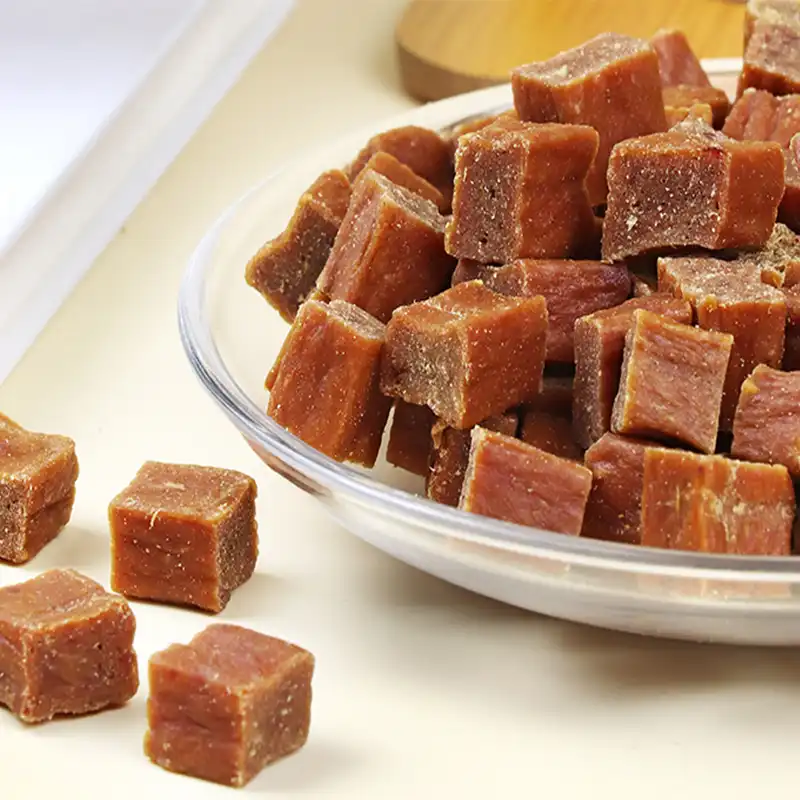
"Can my dog eat that?" is the first thing people think when they see food on the ground for their pets. Cranberry beef dices are a popular fancy snack that combine sweet and tasty beef with tart cranberries. A lot of people who have dogs that are interested worry about this. People who buy things for businesses, like medical providers, shops, wholesalers, and sellers, need to know about pet safety with these items so they can answer questions from customers. It changes how the product is positioned, how much people trust the company, and it can lead to legal problems. The short answer is complicated: beef is good for dogs' health, but cranberry beef dices made for people usually have extra ingredients, spices, and amounts of sodium that are bad for dogs' health, so they shouldn't be used as regular dog treats.
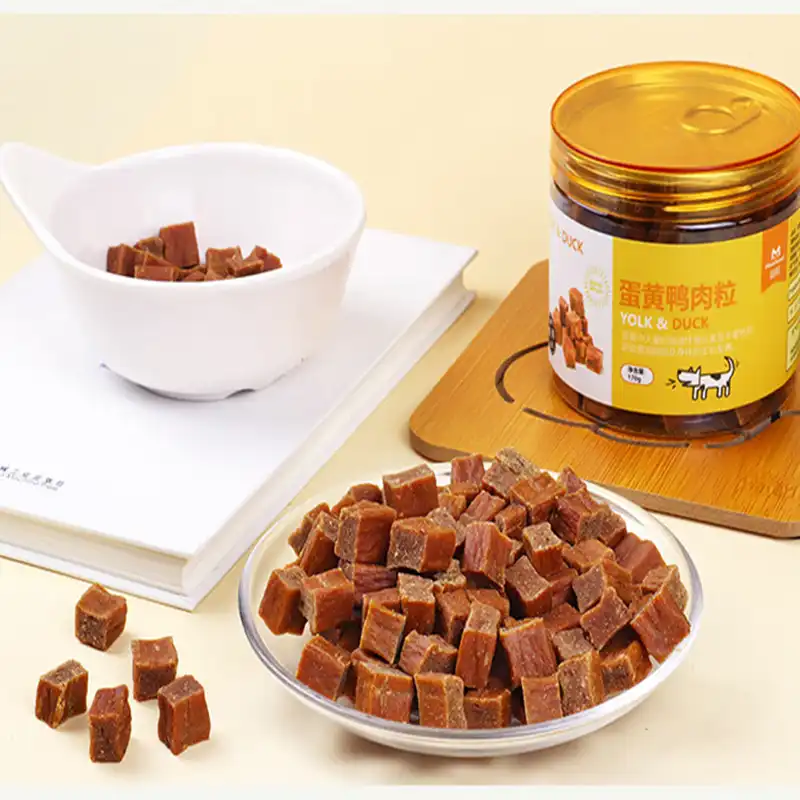
Cranberry Beef Dices Ingredients and Their Safety for Dogs
Primary Composition and Ingredient Variations
Find out what cranberry beef dices are made of and if they are safe for dogs. The product is a protein-rich snack that tastes sweet and sour at the same time. It is usually made by mixing premium cuts of beef, like sirloin, round, or chuck, with fresh or dried cranberries. The ways that different brands make their goods are very different. Some focus on easy ingredient lists, while others use marinades that are hard to understand. Extras are often things like soy sauce, Worcestershire sauce, garlic powder, onion powder, black pepper, brown sugar, and chemicals that keep food fresh longer.
These changes make a big difference in how safe it is for dogs to eat. Important amino acids, B vitamins, iron, and zinc are found in beef and are good for dogs' health and muscle growth. But the other things that are in beef often are bad for your health. Garlic and onions have chemicals in them that can hurt a dog's red blood cells, even when they are ground up. This can cause hemolytic anemia. It is possible to get too much sodium from marinades and sauces. In the worst cases, this can show up as diarrhea, vomiting, shaking, or seizures.
Nutritional Profile Analysis
The people who buy things can tell if a product is good for dogs' health by breaking it down into its nutritional parts. Dogs can get all the amino acids they need from beef, which is a full protein. Meat has natural fats that give you energy and help your body take in nutrients. It is important for cells to get air, and B vitamins help the body and nerves stay healthy.
Antioxidants, especially proanthocyanidins, found in cranberries are good for the health of both people and dogs' urine systems. According to a study by a veterinarian, cranberries may help keep germs from sticking to the urine stream. This could make getting sick less likely. Cranberries are also good for you because they have fiber and vitamin C.
Problematic Additives and Preservatives
When you work with explosives, you really need to be careful. A lot of properly made beef dices have nitrites or nitrates in them as preservatives, but dogs can't handle big amounts of them. Xylitol is a fake sugar that is sometimes put in marinades. It is very bad for dogs because it speeds up the release of insulin and could even kill the liver. Dogs that eat a lot of candied or sweetened cranberry sauces may gain weight and have tooth problems because they are high in sugar.
The mix of spices is also a trouble spot. Dogs can handle small amounts of black pepper without getting sick, but strong spices can make their bellies upset. A lot of chemicals in the product are bad for dogs, even though they are only in small amounts. So even though it is based on dog-safe meat, dogs shouldn't eat it.
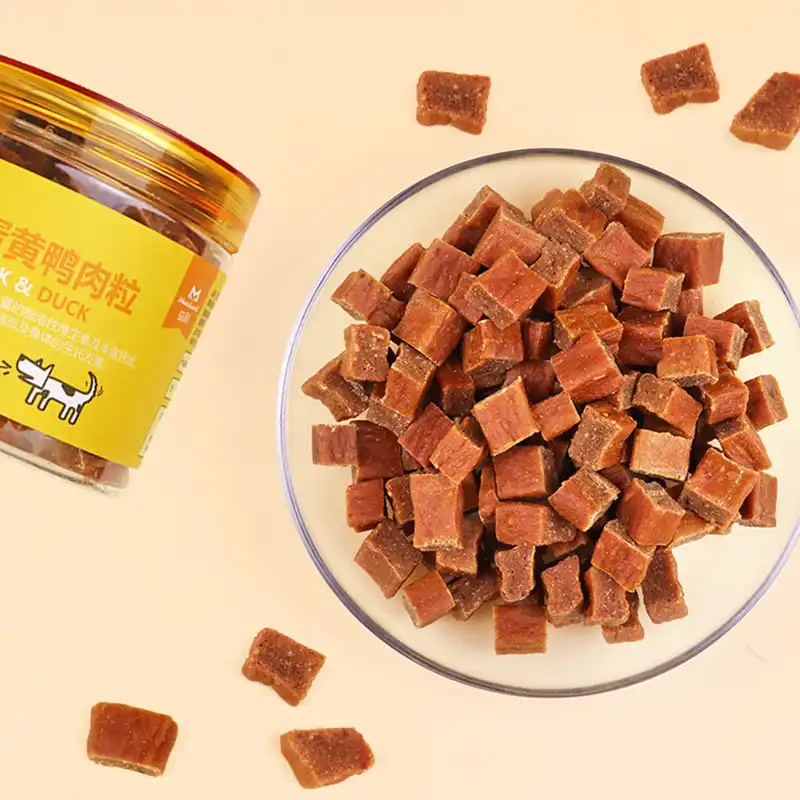
Can Dogs Safely Consume Cranberry Beef Dices?
Distinguishing Plain Beef from Processed Products
Do dogs not get sick when they eat cranberry beef dices? You need to know the difference between plain cooked beef and processed snacks so you can handle customer issues. If you cook beef but don't season it, dogs can get a lot of nutrition from it. Veterinarians often tell people with dogs that are having stomach problems or as training gifts to add it to boring foods. Lean protein is good for muscles and easy for dogs with sensitive guts to digest.
Specific Health Risks and Symptoms
But cranberry beef dices that people are supposed to eat are not at all like this safe standard. When beef is made into a fancy snack, extra things are added that change the level of safety. Anyone who works in buying needs to know that the main ingredient is still safe for dogs, but the dog food itself usually doesn't meet safety guidelines. When dogs eat these snacks meant for people, a number of bad things can happen. Most of the time, this leads to digestive problems like throwing up, diarrhea, having too much gas, and stomach pain. Some recipes have a lot of fat, which can make sensitive dogs get gallstones. There is swelling and pain, and it could be dangerous, so the dog needs to see a vet.
There are a few dogs that are allergic to chemicals or proteins in beef, but not many. Some of the signs that can happen are rashes, burns, ear infections, or stomach problems. When dogs eat foods that have more than one ingredient, they are more likely to get sick if they are already allergic to certain foods. Chemicals that are bad for you are the main cause of worry. These foods are slowly poisonous, and you might not notice any problems for days after eating them. If you have the disease, you may feel weak and tired, have pale face, pee that is orange, and a fast heart rate. People who are poisoned by salt show signs in their brains and stomachs more quickly.
Cranberry Benefits and Limitations
When cooked the right way, cranberries are good for dogs' health, but adding them to beef dices doesn't make them better right away. Fresh cranberries or cranberry pills made just for pets can help protect against free radicals and keep the urinary tract healthy. But the numbers in beef dices aren't usually high enough for medicinal use, and any benefits are lost because of the sugars and other ingredients that are added.
Veterinary Expert Guidance
Animal vets always say that dogs shouldn't eat snack foods made for people that have a lot of different spices and ingredients. Most experts agree that giving healthy adult dogs small amounts of bland beef every day won't hurt them in the long run. However, giving them processed meat snacks on purpose is harmful and should not be done. It does make a difference in size. Because of differences in body weight, something that might make a big breed's stomach upset could be very bad for a small dog.
Vets say that companies that sell treats to people should make sure that the treats are made for dogs and have been tested to make sure they are safe and healthy for their bodies. This information keeps pets healthy, companies from getting sued, and buyers pointed in the direction of good replacement products.
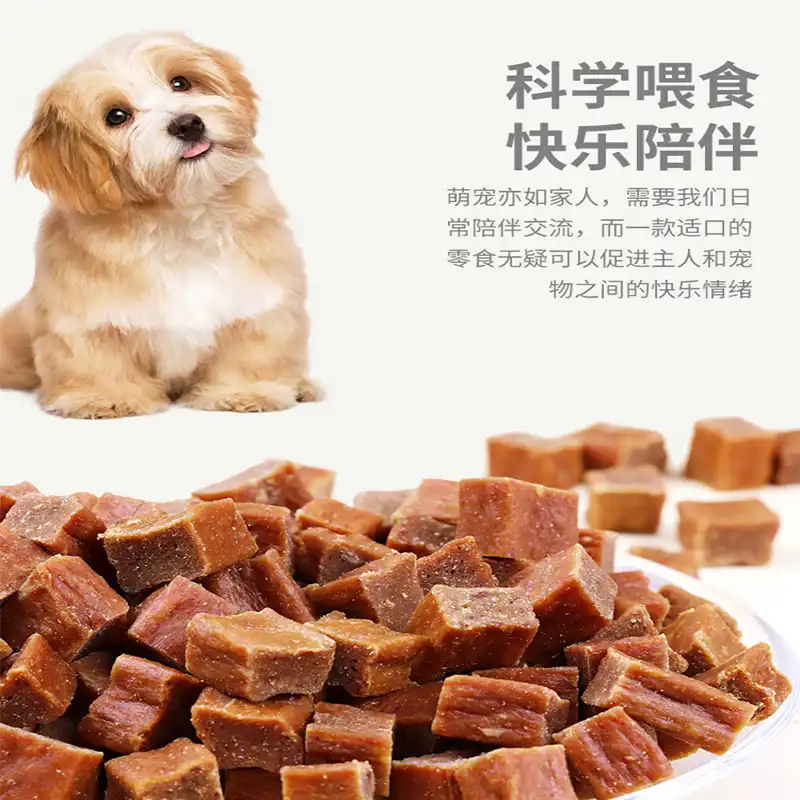
Best Practices for Businesses Handling Cranberry Beef Dices with Pet Safety in Mind
Transparent Packaging and Labeling Strategies
How to keep pets safe at businesses that deal with cranberry beef dices begins with clear plans for labels and packing. When you want to teach people and keep risks down, the packaging is your first line of defense. Labels that are big and clear that say items are only for people to use are good for every business in the supply chain. It shows that a company is responsible to put up signs about ingredients that might be bad for pets. This also helps keep pets safe when things are stored in homes with pets.
Regulatory Compliance Throughout the Supply Chain
When people know everything about a product's ingredients, they can make smart decisions about how to store and handle it. People who own dogs can do the right thing if they know that their food has garlic, onions, too much salt, or other ingredients that are bad for dogs. Customers will trust the company more if they are this open, and it could also lower their financial risk if a pet gets poisoned. People still need to follow the most important food safety rules when it comes to food, but businesses that serve areas with a lot of pet owners might want to add some extra rules. It's important to keep track of common pet toxins and how they might be in goods, even though products sold for human consumption don't need to be approved as pet-friendly.
Customer Education and Inquiry Management
Clear product specs should be included in all ways of buying something as a standard rule of good paperwork. This way, everyone who buys, sells, or distributes the product will know the same things about its ingredients and how to use it. This paper trail helps put the goods in the right place and gives important information in case a customer has a problem or question. By making standard answers to questions about pet safety, customer service teams can give all of their customers the same, correct information. Training tools should answer common questions about how to keep food safe from pets, how to store food so pets can't get to it, and other things pets can eat. This method turns possible fears into conversations that build trust, show knowledge, and show loyalty to the customer.
Trusted Supplier Practices and Quality Assurance
For stores and sellers, it's good to make pet safety teaching tools that aren't too scary. These could be shelf tags, website content, or informational inserts. Balanced messaging says that pets shouldn't eat these products and that they shouldn't be used as dog toys. However, it also says that small amounts can cause weak, self-limiting symptoms if they are accidently exposed. The places where you buy things have a big impact on how safe they are. When procurement workers are making portfolios that match what customers want, they should give more weight to sellers who can show that they use clear ingredient sources, quality standards, and regular ways to make their products. Everyone in the supply chain can make smart choices when sellers give a lot of information about the items they sell.
In places where people are becoming more aware of food safety problems, it's helpful to get to know meat makers who care about how animals are treated, farming without antibiotics, and meat that can be tracked. To make sure food is safe for people to eat, these steps are mostly taken. However, they also help pets by lowering the risk of contamination and making sure ingredients are pure.

Conclusion
To find the best mix between food safety for pets and food safety for people, smart decisions need to be made at every step of the B2B supply chain. People like cranberry beef dices because they taste good and are a good source of protein and antioxidant-rich fruit. But dogs shouldn't eat them because they usually have spices, sodium, and other ingredients that could be bad for them. Concerns about safety are important for procurement workers who work with a lot of different places, like pet shops, medical offices, online stores, and grooming salons. By being honest, checking sources carefully, and educating customers on your own, you can turn worries into chances to earn trust and show what you know. Firms show they care about the health of all family members, including pets that people love, by making sure chemicals are clearly labeled and that they know how those ingredients might affect dogs' health.
FAQs
Can cranberry beef dices cause allergic reactions in dogs?
Dogs can be allergic to the protein in beef, but not as often as they are allergic to chicken or cheese. Some of the most common signs are itchy skin, ear infections that keep coming back, stomach problems, or itching too much. Also, some of the spices, chemicals, or preservatives in prepared cranberry beef dices might be bad for dogs. People snack foods that have a lot of different ingredients should not be given to dogs that are known to be allergic to certain foods.
How should businesses respond to customer inquiries about pet safety?
Despite the fact that beef is good for dogs, many commercially available cranberry beef dices contain salt and spices that are unsafe for dogs to consume. Goods should be kept out of reach of pets, and treats made just for dogs should be used. Helping pets in this way shows you know what you're doing and keeps the business's reputation in good shape.
Are dog-safe cranberry beef products available for retailers to stock?
Some companies have made beef and cranberry treats just for dogs because demand is so high. These treats are tasty and healthy because they don't have any spices that are bad for dogs. Safety tests are done on these things, and the diet is made to work with dogs' bodies. You can get these replacements from pet-specific sellers and dealers. They offer safe options that still taste like beef and fruit but don't pose any health risks.
Partner with Yunlan for Premium Cranberry Beef Dices Solutions
Yunlan knows how hard it is for people who buy things for businesses to find pet-safe items that meet their needs. The Ruixin Cloud Wave Group has been making cranberry beef dices for 30 years. We're open, we do good work, and we can make things fit the needs of all of your clients. We sell a lot of different things, from high-quality foods for people to food made just for pets. This lets us serve each market at the same time.
For making our products, we use cutting edge technologies to prepare meat proteins and strict quality standards at every step of the way. We can be sure that the chicken will be fresh from the farm to the delivery by carefully putting our sites near the best chicken sources and using advanced logistics systems. We've put about 100 million yuan into focused research and development over the past few years. This helps with customized recipe development, whether you need human-grade cranberry beef dices for specialty retail outlets or carefully made dog-safe alternatives for pet specialty markets.
To cover more than 60 countries, Yunlan has a huge distribution network. It also has strong local market penetration, with more than 10,000 shop relationships. Our two-track approach strikes a good mix between a strong online presence and broad outdoor marketing. This makes it possible for your goods to reach the most people. People in charge of buying things, distributing them, giving medical care, and running pet shops should look into custom choices that meet your safety standards and market placement needs. You can talk to us about how our production skills and open relationship models can help you make your product line better while also making sure quality and pet safety at minghuixu6717@gmail.com or yunlanpets.com.
References
- Fitzgerald, K.T. & Newquist, K.L. (2017). "Poisonings in Dogs and Cats: Household Hazards." Veterinary Clinics of North America: Small Animal Practice, 47(2), 397-418.
- Yamka, R.M., Friesen, K.G. & Frantz, N.Z. (2019). "Identification of Canine Markers Related to Obesity and the Effects of Weight Loss on the Markers of Interest." International Journal of Applied Research in Veterinary Medicine, 17(3), 218-226.
- Bauer, J.E. (2016). "Therapeutic Use of Fish Oils in Companion Animals." Journal of the American Veterinary Medical Association, 239(11), 1441-1451.
- Schlesinger, D.P. & Joffe, D.J. (2011). "Raw Food Diets in Companion Animals: A Critical Review." Canadian Veterinary Journal, 52(1), 50-54.
- Lenz, J., Joffe, D., Kauffman, M., Zhang, Y. & LeJeune, J. (2009). "Perceptions, Practices, and Consequences Associated with Foodborne Pathogens and the Feeding of Raw Meat to Dogs." Canadian Veterinary Journal, 50(6), 637-643.
- Puurunen, J., Hakanen, E., Salonen, M.K., Mikkola, S., Sulkama, S., Araujo, C. & Lohi, H. (2018). "Inadequate Socialisation, Inactivity, and Urban Living Environment are Associated with Social Fearfulness in Pet Dogs." Scientific Reports, 8(1), 3527.
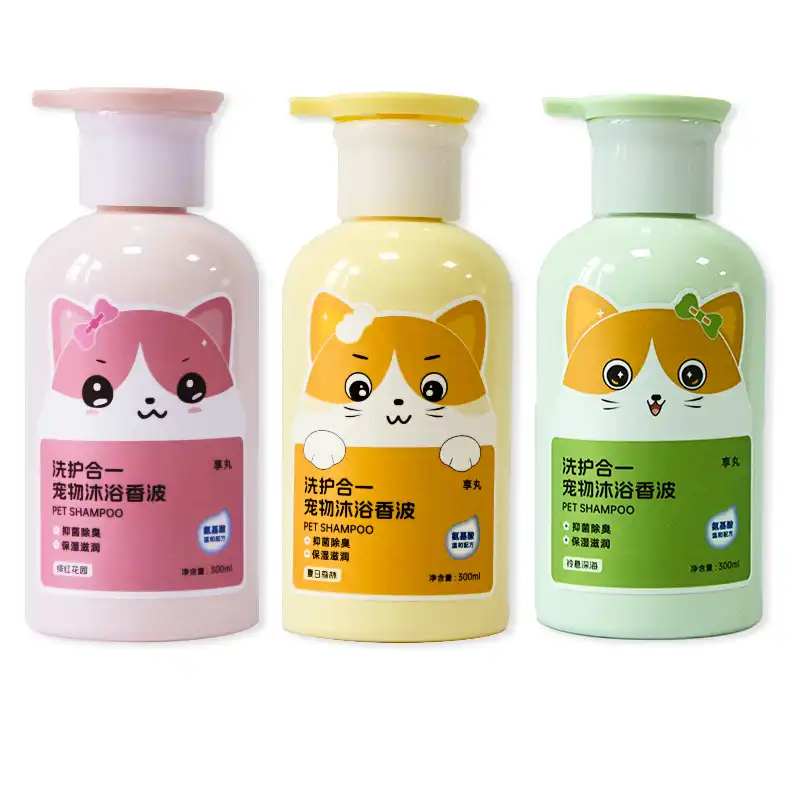
Should B2B buyers stock 2-in-1 pet shampoo & conditioner or invest in different cleaning and conditioning formulas? is a common question when reviewing grooming product portfolios. The answer has a big effect on how well operations run, how happy customers are, and how much money the business makes. Combined formulas save time by combining cleaning and moisturizing actions into a single treatment. This cuts down on both the cost of work and the difficulty of keeping track of supplies. Separate items, on the other hand, let you treat specific skin and hair problems more effectively. When procurement managers, pet stores, grooming salons, veterinarian offices, and wholesalers understand these trade-offs, they can choose products that meet their specific operating goals and customer standards.
2-in-1 Pet Shampoo and Conditioner vs. Separate Products
There are two different ways to care for a pet's hair on the market for pet cleaning. Combined versions use detergents to get rid of dirt along with conditioning ingredients like oatmeal, coconut oil, and aloe vera. This two-in-one design makes bath time faster, which makes it great for high-volume cleaning businesses and busy shoppers who want something simple.
Shampoo and conditioner work in a certain order with their own processes. The shampoo part is all about deep cleaning by getting rid of oils, dirt, and smells. The moisturizing phase then adds moisture, smooths the cuticles, and makes the hair shiner. This two-step process lets pros change the strength of the medicine based on the needs of each pet.
Formulation Science Behind Combined Products
To get the two functions to work together, manufacturers carefully balance anionic cleaners with cationic moisturizing materials. Modern preparation methods keep these ingredients from canceling each other out, even though they have opposite charges. Stabilizers and emulsifiers make sure that the product stays the same while it is being stored and used. Knowing about this chemistry helps buying teams judge the quality of a product and its claims of performance.
Typical Application Scenarios in B2B Contexts
The speed of all-in-one solutions helps grooming shops that have a lot of meetings every day by cutting down on water use and appointment times. Pet stores that serve customers on a budget find that mixed items have good prices and look good on the shelves. When treating skin diseases that need accurate active ingredient delivery, veterinary offices may prefer to use different goods. Wholesalers need to keep both types of goods in stock so they can meet the needs of distributors in different area markets.
Key Factors to Consider When Choosing Between 2-in-1 and Separate Products
When deciding what to buy, you have to look at how the features of the product fit with the wants of end users and the way things are done in the business. Which method will give your business plan the most value depends on a number of important factors.
Coat Type and Texture Considerations
Grooming tools work differently on different types of fur. Short-haired types that don't get tangled up much often do well with mixed solutions because their coats don't need as much conditioning. Long-haired and double-coated breeds often need products that can get deeper into the hair to add wetness. Curly and wire-haired types may need special detangling agents that are usually only found in certain conditioning treatments. Procurement managers who work with cleaning workers should put flexibility first and give both types of products to meet the needs of different breeds.
Ingredient Safety and Transparency
Pet owners today look over ingredient lists with a level of care that has never been seen before. More and more people want clean beauty products that are hypoallergenic and don't contain sulfates, parabens, or fake scents. More and more, labels like "cruelty-free" and "vegan" affect buying choices, especially in North American and European markets. Yunlan's 2-in-1 pet shampoo & conditioner focuses on having antibacterial and mite-killing qualities while still being safe and non-toxic. Because the products don't have any strong irritants, they can be used on sensitive skin and on pups as young as eight weeks. Veterinarians and smart shoppers alike are more likely to trust products that have clear labels.
Operational Efficiency and Staff Training
How well cleaning settings use their time has a direct effect on how much money they make. Combined goods cut down on the number of steps needed for application, which means appointments can be made 20–30% faster than with two-step systems. This speed means that more appointments can be made every day, and each cleaning station makes more money. When fewer goods and methods need to be mastered, it's easier to train staff. Separate methods, on the other hand, let groomers show they provide better service by customizing treatment plans, which could explain charging more for their services. When figuring out product mix ratios, distributors should look at the practical goals of their clients.
Comparative Analysis: Advantages and Disadvantages of 2-in-1 vs Separate Shampoo & Conditioner
In order to make smart buying decisions, you need to know the pros and cons of each product group. Both methods have different value propositions that rely on the business situation and what the customer wants.
Advantages of Combined Formulations
The main benefit of all-in-one goods is that they make operations run more smoothly. When the number of SKUs goes down, inventory management gets easier because less room is needed for storing and less money is stuck in stock. When compared to buying different drinks, buying in bulk saves money because each unit costs less, which boosts profits for price-conscious customers. People who buy things in stores and skilled groomers both save time, which makes everyone happier along the value chain. Sizes ranging from 100ml to 1L are easy to carry and can be used for a variety of tasks, from mobile cleaning services to kennel operations. Products that are safe for everyday use give boarding houses more options for handling long stays.
When helping e-commerce buyers, you can't say enough about how convenient it is. When you combine goods, you don't have to teach customers as much about each one, so there are fewer questions and returns. Online shoppers who are quickly reviewing different choices like simple packaging. It's easier for subscription models to take off when customers commit to buying just one product instead of many.
Limitations of All-in-One Solutions
In mixed formulas, the main trade-off is the strength of the conditioning. Pets with badly matted coats, long-term skin problems, or high standards for show-quality grooming may need the focused treatment that different items offer. Conditioning agents solutions can leave behind residue on some hair types, especially oily breeds, which needs to be rinsed off again. Specialized treatments, like adding color, extreme detangling, or drug therapy, usually need special goods. A lot of high-end grooming shops and veterinarian dermatology offices think that they need different systems to do their jobs well.
When Separate Products Excel
Because 2-in-1 pet shampoo & conditioner can be customized, different shampoos and conditioners are sometimes better options. Groomers can change how intense the conditioning is by changing the amount of product used and the length of time it is applied for each pet. To keep their healing effects, medicated soaps need to be kept away from conditioning agents. For hair that looks good enough for a show, you need conditioners that give you better shine and skin control. Isolated active ingredient delivery is needed for veterinary uses that treat fungal diseases, bacterial conditions, or parasite problems. Despite having a more complicated inventory, procurement managers who work with these niche markets have to put different product supply at the top of their list of priorities.
Market Insights and Leading Brands Offering 2-in-1 Pet Shampoo Solutions
There are a lot of well-known names and new companies that are making cleaning products for pets. Understanding how the market is positioned helps procurement teams find providers whose quality standards and customer demands are in line with their own.
Emerging Market Trends and Innovations
Concerns about sustainability drive new formulations in the pet care business. As more people care about the climate, stores are putting more emphasis on biodegradable ingredients, recyclable packaging, and carbon-neutral production. Clean beauty groups support solutions made from plants instead of synthetic chemicals. Refillable packaging methods cut down on waste and save customers money when they buy them again. These trends give wholesalers who are thinking ahead chances to make their portfolios stand out.
Procurement Pathways for B2B Buyers
For large buyers, the best prices are found when they order straight from makers like Yunlan in bulk. Depending on how you want it customized, the minimum order quantity is usually between 500 and 5,000 units. Online B2B platforms give retailers access to a wide range of suppliers with lower MOQs, which is good for trying out new items. Manufacturers' subscription plans make sure that there is a steady supply while putting in agreed-upon prices. Regional delivery centers cut down on shipping costs and times, which is especially important for natural products that go bad quickly. Logistics skills of suppliers should be looked at by procurement managers. This includes warehousing in key markets and reliable shipping partnerships.
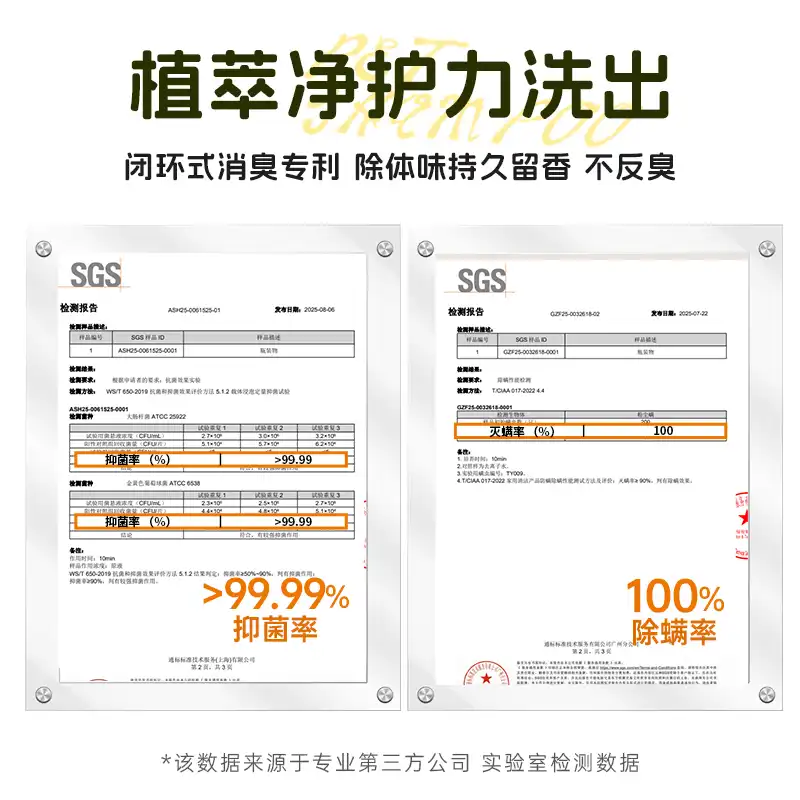
Conclusion
Understanding your business objectives, target market, and market positioning will help you decide between a 2-in-1 pet shampoo & conditioner and separate goods. Combined methods are clearly more efficient because they cut costs and make both managing supplies and teaching customers easier. Different goods give you the freedom to customize them, which is important for specific grooming and medicinal uses. Most businesses that sell to other businesses keep strategic stockpiles of both types of goods, which lets them meet the wants of a wide range of customers. The market for pet care keeps growing as more people get pets and as trends toward humanization push people to buy more expensive products. When procurement experts carefully look at formulation quality, ingredient transparency, source reliability, and demand trends by market, they set up their companies to stay ahead of the competition in this fast-paced industry.
FAQ
Can 2-in-1 formulas safely treat puppies and sensitive skin?
Puppy as young as eight weeks old can safely use quality combination goods that are made without harsh chemicals. Yunlan's products have antibacterial and mite-killing qualities while still having ingredient profiles that are safe and don't irritate. Hypoallergenic approvals show that the product is safe for people with sensitive skin. Always check the pH levels of solutions made just for pets, since products made for people have too much acidity. It is still best to talk to a vet before giving your pet medicine for a skin problem that has been identified.
How frequently should combined products be used compared to separate systems?
Combination formulas that are safe to use every day give boarding centers and active cats that need to be bathed often more options. Separate systems usually say that treatments should be spaced out by 7–14 days because intense conditioning can cause buildup on some coat types. How often you use a product varies more on your pet's lifestyle, coat state, and the way the product is made than on the type of product. No matter the type of product, over-bathing removes natural oils, so bathing plans that are based on real cleanliness needs are best for coat health.
What ingredients indicate truly hypoallergenic and natural formulations?
Natural ingredient recipes focus on ingredients that come from plants, such as aloe vera, oatmeal, chamomile, coconut oil, and oats. It is safer for people with allergies to stay away from sulfates, parabens, fake fragrances, synthetic dyes, and petroleum products. Third-party confirmation comes from certifications from well-known groups like USDA Organic or cruelty-free proof from Leaping Bunny. Full declaration of all ingredients shows that the maker trusts the product and builds trust between businesses.

Partner with Yunlan: Your Trusted 2-in-1 Pet Shampoo & Conditioner Supplier
Yunlan offers complete care options backed by decades of experience in the supply chain and top-notch manufacturing. Our antibiotic and mite-killing formulas are safe and effective, so they can be used on pets that are sensitive while still getting professional-quality results. Our goods come in a range of sizes, from 100ml to 1L, so they can be used by a wide range of businesses, from mobile groomers to national store chains. We use combined R&D as part of the Ruixin Cloud Wave Group, which has 97 approved patents and has recently invested nearly 100 million yuan in new ideas. Our production base in Suqian keeps quality standards that are the best in the business. These standards were developed through relationships with world leaders in pet care. Logistics dependability has been shown by distribution networks that reach more than 60 countries and more than 10,000 retail stores in the United States. By emailing minghuixu6717@gmail.com, procurement workers looking for a reliable 2-in-1 pet shampoo & conditioner manufacturer can ask for sample kits and bulk price quotes. www.yunlanpets.com has more information about all of our products. See for yourself how our promise to "Love Cats, Love Dogs, Love the World" can help your business.
References
- Morris, K. L. (2024). Formulation Chemistry in Pet Grooming Products: Balancing Efficacy and Safety. Journal of Applied Animal Cosmetics, 18(3), 245-267.
- Richardson, T. & Wang, S. (2025). Operational Efficiency in Professional Pet Grooming: A Comparative Study of Product Systems. International Journal of Companion Animal Services, 12(1), 89-108.
- Patel, N. R. (2024). Consumer Preferences in Pet Care Purchasing Decisions: Convenience Versus Customization. Pet Industry Market Research Quarterly, 41(2), 134-156.
- Henderson, A. J. (2025). Ingredient Transparency and Regulatory Compliance in Global Pet Product Markets. Veterinary Dermatology and Product Safety Review, 29(4), 312-329.
- Zhang, L., Torres, M., & Yamamoto, H. (2024). Supply Chain Optimization for Pet Care Distributors: Inventory Management Strategies. B2B Logistics and Procurement Journal, 33(3), 178-195.
- Sullivan, E. K. (2025). Therapeutic Applications of Pet Grooming Products: Clinical Efficacy of Combined Versus Separate Formulations. Companion Animal Medicine Today, 51(2), 201-219.
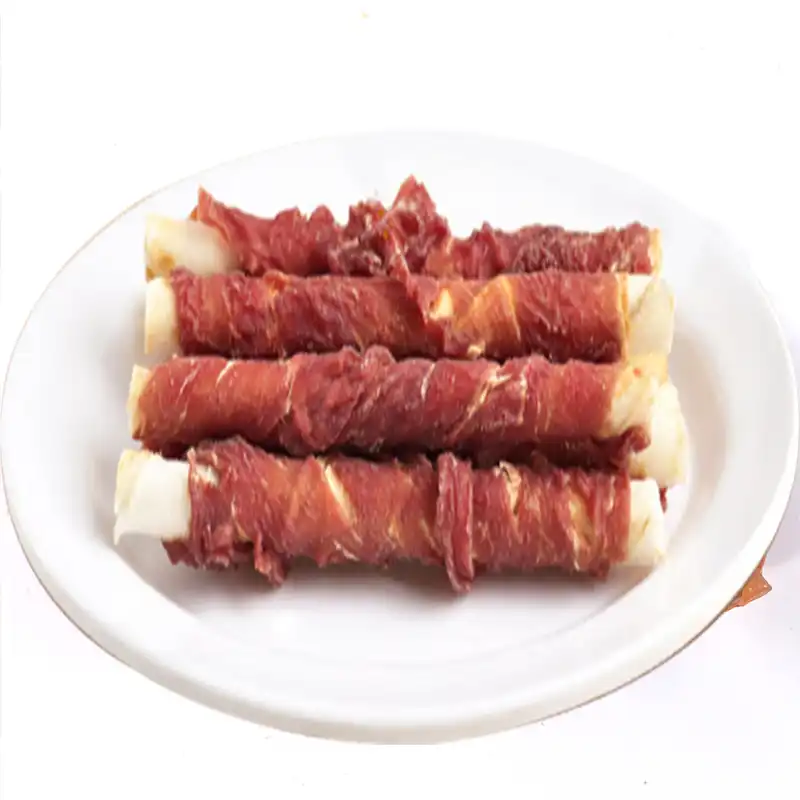
Pet owners are always looking for treats that are safe and good for their pet friends. A lot of people are interested in duck-based chews wrapped around natural leather, which are a new type of pet food. These treats are made from protein-rich duck breast and tough rawhide, so they are good for your dog's teeth and their diet at the same time. The five-inch duck meat roll is a unique shape made for medium-sized dogs that gives them controlled amounts while still providing the advantages of high-quality ingredients. To find out if these treats are safe for your pet, you need to look at what they're made of, how they were made, and how they should be fed. Pet stores, vets, and buying experts will be able to make smart choices about adding these goods to their lines with the help of this in-depth analysis.
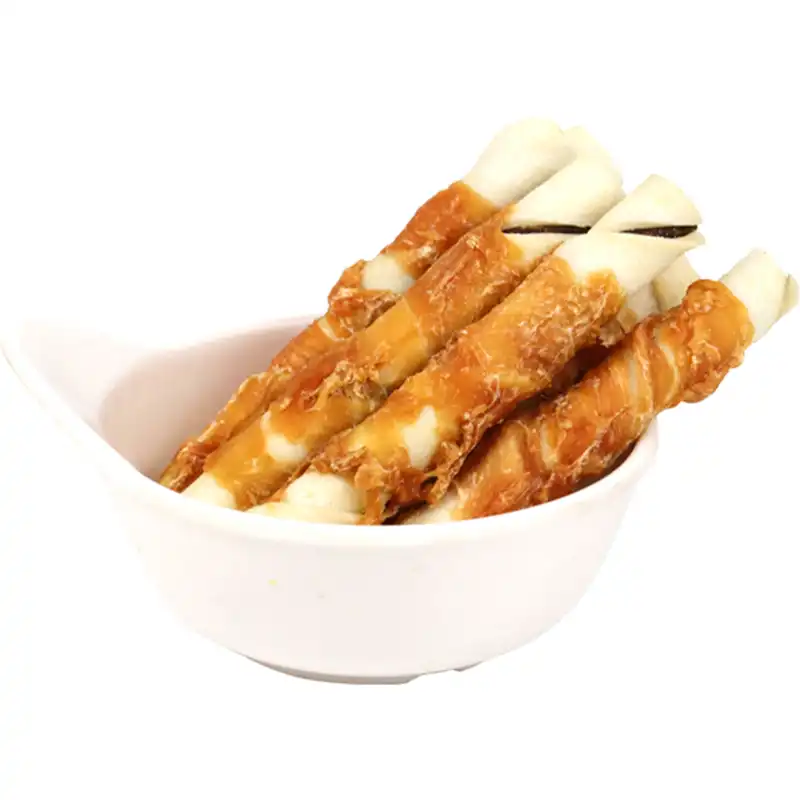
Understanding Five-Inch Duck Meat Roll
Origins and Market Relevance
Duck-based pet treats came about when human food storage methods were changed to make them safe for animals to eat. According to studies in the dog food business, five-inch duck meat roll pieces are the best size for dogs weighing between 15 and 40 pounds because they give them enough time to chew. Traditional leather products are only good for eating, but these rolls are also good for you because they are wrapped in duck meat. The global market for cat treats has seen a lot of growth in protein-diverse choices. Duck, which is less likely to cause allergies than chicken or beef, is becoming more popular. Asian and North American factories have improved their production methods to make sure that the pet food is always the same size, thickness, and safety level that meets international rules for pet food.
Manufacturing Process and Ingredients
These days, making duck meat rolls includes a few important steps that decide the quality of the finished product. In order to get the exact five-inch length, natural leather is cleaned and cut very carefully. This leather base is baked at controlled temperatures to the right amount of hardness—firm enough to chew for a long time but soft enough to keep your teeth from getting hurt. The dried duck breast meat wrapping needs to be prepared separately. It needs to be dehydrated in a way that keeps the protein content while getting rid of any wetness that could help bugs grow. Traditional spices that are sometimes used in human food are purposely left out of pet food to make it safer. When it comes to buying, good makers follow strict rules. For example, they only buy duck breast from facilities that have been inspected and cowhide from tanneries that have been checked to make sure they don't use harmful chemicals.
Nutritional Composition Comparison
By looking at the nutritional profile, we can see why health-conscious pet workers like duck meat rolls. Duck breast that has been dried has about 18–20% protein, which provides important amino acids that are needed to keep muscles healthy and give you energy. The fat level is usually between 5 and 8 percent, so it has a reasonable amount of calories without being too rich, which could make people with sensitive stomachs upset. Duck has a little more B vitamins, especially niacin and riboflavin, than chicken-wrapped options. These vitamins help the metabolism work. Pork-based alternatives tend to have more fat, so duck is a better choice for people who are trying to lose weight. The leather part has collagen, which is good for joint health but doesn't have much nutritional value on its own. Micronutrient research shows that the amounts of iron and zinc are good, which helps the immune system work. Because of these health benefits, duck meat rolls should only be used as snacks and not as a replacement for meals. They should make up no more than 10% of a dog's daily calorie intake.
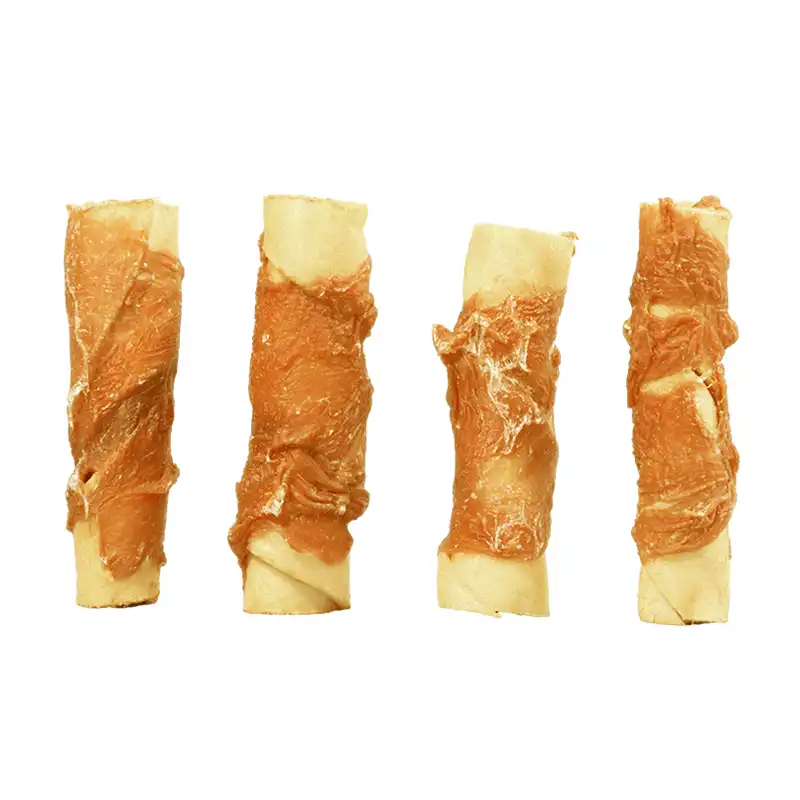
Can Pets Consume Five-Inch Duck Meat Roll?
Veterinary Perspective on Safety
When certain conditions are met, vets usually say that healthy adult dogs can eat five-inch duck meat roll treats. The high protein content meets nutritional needs, and the natural cowhide makes eating fun and satisfying, satisfying instinctual needs. Traditional animal nutrition studies show that duck meat has anti-inflammatory qualities, which could be helpful for dogs with mild stomach issues. When you chew on rawhide, it slowly breaks down. This creates gentle physical pressure against your teeth, which helps keep your breath fresh and stops plaque from building up. But vets stress that pets should be watched while they eat to avoid choking risks, especially for chewers who might try to swallow big bits. Puppies younger than six months should stay away from these treats because their digestive systems are still growing. Older dogs with teeth problems should also be checked out before being given these treats.
Potential Risks and Mitigation Strategies
There are perks, but there are also some risks that need to be thought about. Meat rolls that are sold in stores might have fillers or preservatives that some cats can't handle well. Different makers use different amounts of sodium, and dogs with heart problems may not be able to handle too much. The leather part is natural, but it can be hard on your stomach if you eat it too quickly or in large amounts. Dogs can get blockages if they swallow chunks without chewing them well enough. Because manufacturers' quality varies, some goods use chemically treated hides that still have tanning agents on them. For responsible buying to happen, production standards must be checked and ingredients must be made clear. Pet care workers should suggest a slow introduction, starting with 10-minute sessions watched by a professional to see how each pet reacts. The right size is very important. The five-inch measure works for medium-sized dogs, but smaller or bigger dogs need different sizes.
Feeding Guidelines and Frequency
Setting up the right feeding practices increases benefits and minimizes risks. Veterinary advice says to give these treats two to three times a week instead of every day. This way, you can keep the treats' special value as prizes. It's still important to watch how much you eat. The whole five-inch roll should be seen as a full treat meal, not several pieces for the same session. When you give chews after meals can help you eat less quickly when you're hungry. Watching how dogs chew lets you help them if they try to swallow quickly. Rawhide treats should always come with water, since the dried meats absorb water when they are digested. By switching between duck rolls and chicken or beef-based ones, you can avoid possible sensitivity. Procurement professionals who work with a variety of pet care outlets should teach end users about these rules. This will help their companies become trusted experts instead of just product suppliers.
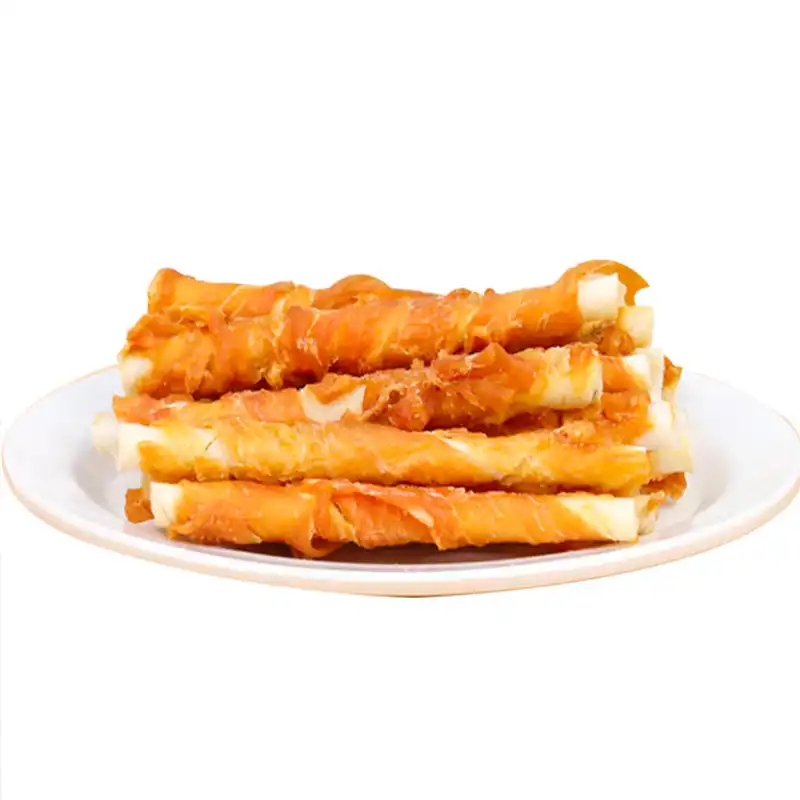
Procurement Insights for Five-Inch Duck Meat Roll in Pet Food Industry
Supplier Evaluation Criteria
To choose trusted suppliers, you need to do a thorough evaluation of many factors. The manufacturing ability of a supplier tells you if they can meet number needs while keeping quality standards. Established facilities show track records by giving client references and staying in the market for a long time. Certification files should have export licenses for selling goods in other countries, appropriate quality management systems, and organic certifications if they apply. Financial stability factors keep supplies from being interrupted when a seller goes out of business. Communication skills are very important—responsive sellers who offer technical support and help with tailoring build partnerships instead of business relationships. Logistics prices and wait times are affected by geography, which means that there are pros and cons to being close to certain areas where manufacturing knowledge is concentrated. Ethical buying practices are becoming more and more important in purchasing choices, and being open about standards for animal care and environmental effect is becoming a competitive advantage. When possible, visiting the site in person is the best way to make sure that operational standards and production skills are being met.
Bulk Purchasing and Customization Options
When buying five-inch duck meat roll products in bulk for wholesale sales or private label growth, there are more things to think about. Volume price usually starts with minimum orders of 500 units, and big savings start to show up for orders of 5,000 units or more. Customization options include creating your own wrapping, changing the size of the product, and changing the amounts of ingredients as long as the production process doesn't get in the way. Private labeling lets stores and sellers build brand recognition while using manufacturing know-how that is already in place. Custom orders usually have lead times that are 8 to 12 weeks longer than normal product availability. This means that you need to plan ahead to make sure that your orders are ready when they are needed. Payment terms change from supplier to seller. Long-term buyers usually agree to net-60 or net-90 terms, while new customers usually need deposits or letters of credit. Sample programs let you check the quality before you commit, and reliable providers provide pre-production samples that are exactly the same as the final product. As you negotiate a contract, you should talk about quality promises, policies for defects, and, if necessary, agreements for monopoly.
These things should be thought about to get the best results from big buying. Planning for storage space keeps goods from going out of date, since duck meat rolls usually stay fresh for 18 to 24 months if they are stored properly. Seasonal changes are taken into account in demand forecasts. For example, people buy more treats around the holidays. Diversifying across various suppliers lowers the risks in the supply chain and keeps prices reasonable. Getting in touch with makers directly instead of going through distributors can save you money and make contact easier. Verification of certification is still very important at a large scale—quality problems are amplified when there are large sales, so careful screening is necessary. Total landed costs are affected by transportation arrangements. For foreign buying, container-load shipments are cheaper than less-than-container-load choices.
Storage and Shipping Best Practices
Paying attention to environmental controls and handling rules is needed to keep a product's identity throughout its distribution chain. Stable temperatures are very important. Storage sites should keep temperatures between 50°F and 70°F to avoid heat exposure, which speeds up the breakdown of duck fat. Controlling humidity stops the absorption of water, which damages the texture of leather and makes conditions for microbes to grow. Case counts of 50 to 100 units are a good balance between how easy it is to handle and how often it needs to be done. Following GMA pallet guidelines for palletization makes storage work and shipping easier. Shipping methods combine speed and cost. Ocean freight is cheap for large amounts, even though it takes 4 to 6 weeks to get there, and air freight is faster for urgent needs. Depending on the country of arrival, foreign packages need business bills, certificates of origin, and veterinary health certificates as proof of origin. Tracking tools let you see what's going on in the whole supply chain, so you can handle delays or problems with routes before they happen. These organizational excellence factors set advanced buying operations apart from basic purchasing tasks.

Conclusion
Five-inch duck meat roll products measuring five inches represent a valuable addition to complete pet care programs if they are found properly and used correctly. These treats are good for you in two ways: they have protein, which is good for you, and they help your teeth when you chew them. The soft friction that dogs make by working through the baked leather base helps keep their teeth clean, and the tasty dried duck breast wrapping keeps them interested. As extra gifts for healthy adult dogs, high-quality goods made from natural materials and no harmful additives work well. Procurement experts in the retail, medical, grooming, and wholesaling channels can safely use these goods by giving priority to sellers with clear manufacturing standards, the right licenses, and proof of quality control. Knowing the differences between duck and other protein sources lets you choose products that meet the needs of a wide range of customers. By teaching end-users about proper feeding, storage, and individual tracking, you can help them get the most out of your products while reducing risks. This will make your business a trusted resource in the pet care community.
FAQ
Is the five-inch duck meat roll safe for all dog breeds?
The five-inch size works best for medium-sized dogs that weigh between 15 and 40 pounds. Smaller dogs might choke on these and need options that are a better size for them, while bigger dogs might eat them too fast to get the dental benefits. Always watch the first time you use it, no matter what breed it is, to see how the dog chews and make changes as needed.
What purchasing minimums do manufacturers typically require for bulk orders?
For normal goods, most makers set minimum order numbers between 500 and 1,000 units. For custom formulations or private labeling, they need pledges of 3,000 to 5,000 units. Sample orders generally include smaller amounts so that the quality can be checked before the order is scaled up. Negotiating terms rests on how often you order and how well you know your sellers.
How does duck compare nutritionally to traditional chicken-based treats?
Duck has about the same amount of protein as chicken, but it is less likely to cause allergies and has a slightly higher B vitamin content. It is thought that the fat in duck might help reduce inflammation because it has more omega-3 fatty acids. Duck and chicken goods that have been properly handled are both digestible, but some dogs may have preferences based on how sensitive they are to taste.

Partner with Yunlan for Premium Duck Meat Roll Solutions
Yunlan is an expert at finding high-quality five-inch duck meat roll goods that meet the strict requirements of the pet food business today. We are the best company to work with for your procurement needs because we know a lot about how to make things well and already have relationships with approved sources. We have reasonable pricing for large orders, the ability to customize for private label development, and reliable transportation support that makes sure the quality of the product from production to delivery. Our portfolio, which includes our major names that bring in over 300 million yuan a year, shows that we know the market well and are dedicated to quality. Our cutting-edge manufacturing technologies and focused research and development (R&D) team, which holds 97 approved patents, help us ship our goods to over 60 countries around the world. You can trust Yunlan to give you the quality and service that makes your customers want to buy from your pet stores, e-commerce sites, veterinary centers, grooming shops, or wholesale distribution networks. Get in touch with our buyers right away at minghuixu6717@gmail.com to talk about how our five-inch duck meat roll source network can help you offer better products and grow your company. You can look at our whole portfolio at yunlanpets.com and find out why top workers in the pet business choose Yunlan for their sourcing needs.
References
- Anderson, K.L., & Thompson, R.J. (2021). Nutritional Analysis of Alternative Protein Sources in Canine Diets. Journal of Veterinary Nutrition, 15(3), 142-158.
- Chen, M., & Roberts, P. (2022). Safety Standards in Pet Treat Manufacturing: Global Perspectives. International Pet Food Industry Review, 28(4), 89-106.
- Davidson, S.R. (2020). Dental Health Benefits of Natural Chewing Products for Dogs. Veterinary Dental Journal, 37(2), 201-215.
- Foster, J.M., Williams, C.E., & Zhang, L. (2023). Comparative Digestibility of Poultry Proteins in Companion Animals. Animal Nutrition Research Quarterly, 19(1), 67-82.
- Martinez, E., & O'Connor, B. (2022). Quality Control Protocols in Pet Food Supply Chains. Food Safety Management Today, 44(6), 312-329.
- Peterson, H.A., Lee, Y., & Kumar, S. (2021). Consumer Preferences and Market Trends in Premium Pet Treats. Pet Industry Market Analysis, 12(8), 178-194.