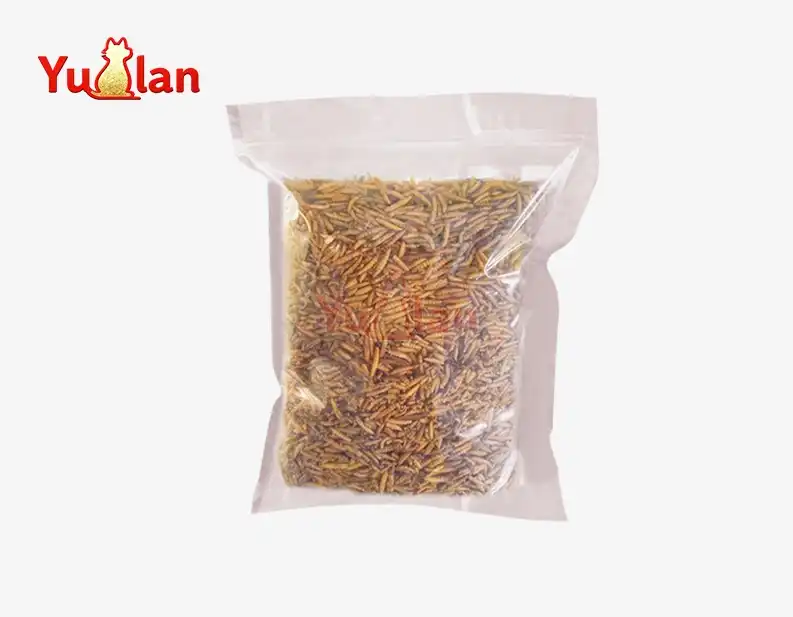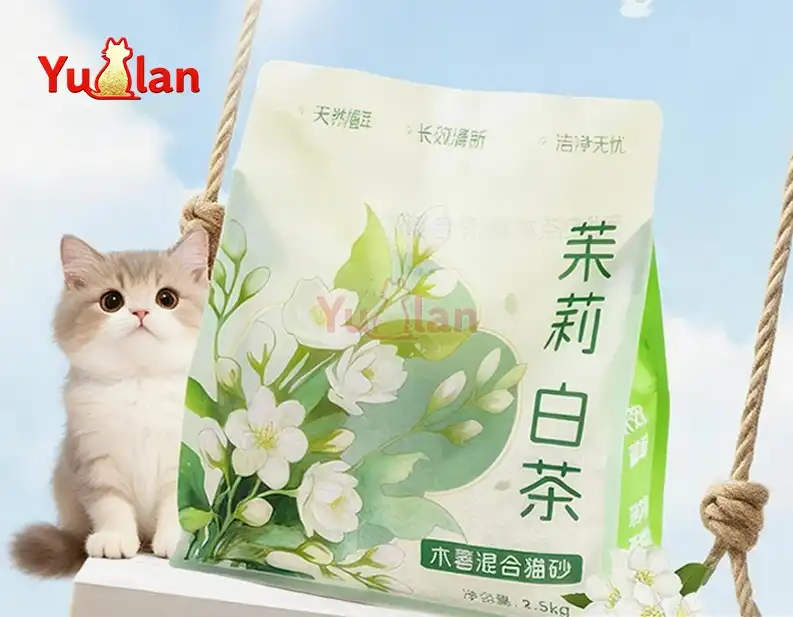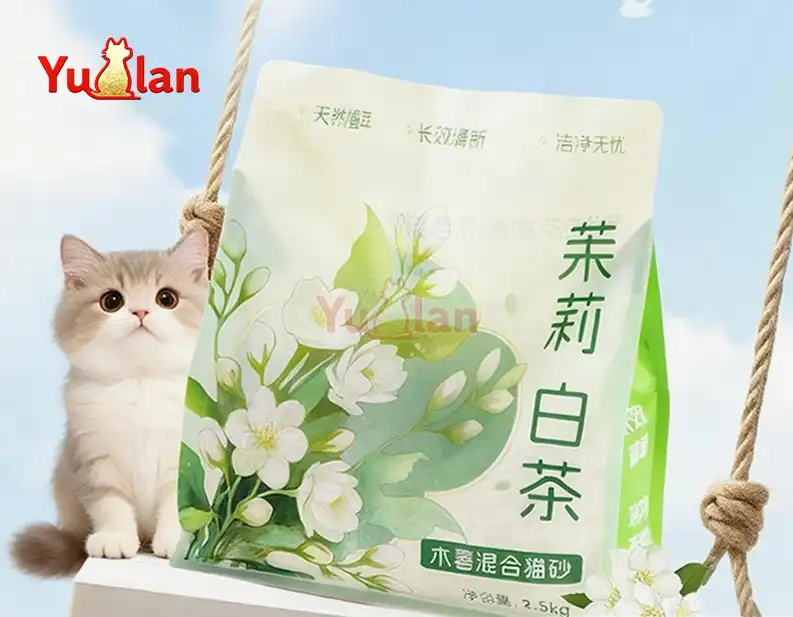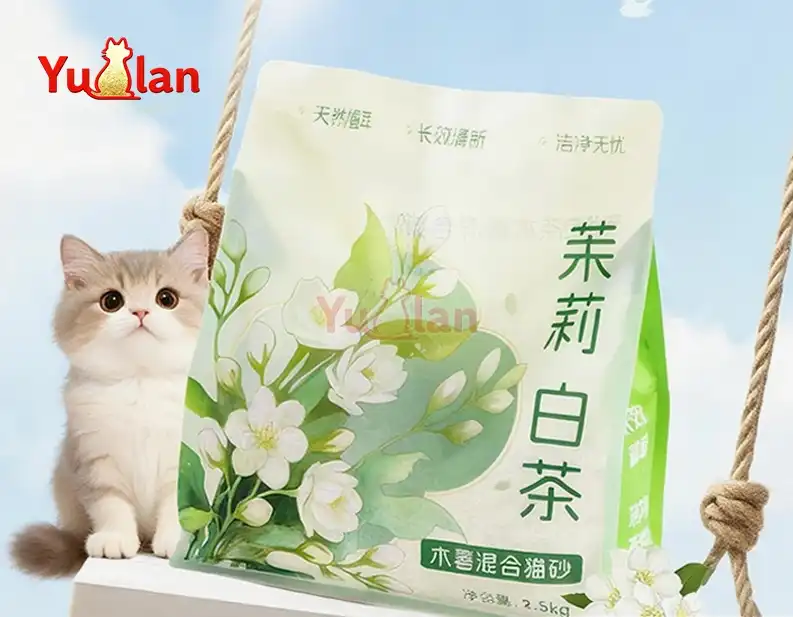
BLOG LIST

Welcome to Our Pet Blog – Your Go-To Resource for Expert Tips, Heartwarming Stories, and the Latest Trends in Pet Care and Nutrition.
banner
Mealworms as a Functional Ingredient in Modern Poultry Feed
Dec 31,2025

The poultry business is going through a big change as farmers look for more environmentally friendly and healthy alternatives to conventional feed components. Mealworms chicken feed is a revolutionary new way to feed birds that provides high-quality protein and other advantages that improve bird health and production efficiency. As insect-based proteins become more accepted by the market and the law, mealworms have become a better functional ingredient that meets both nutritional demands and environmental concerns in current chicken production systems.

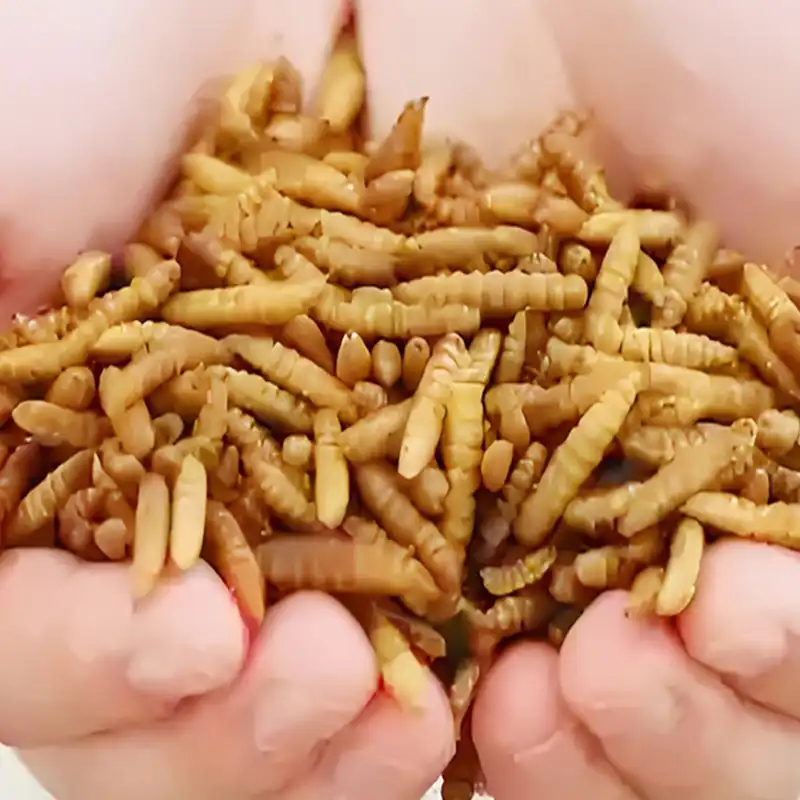
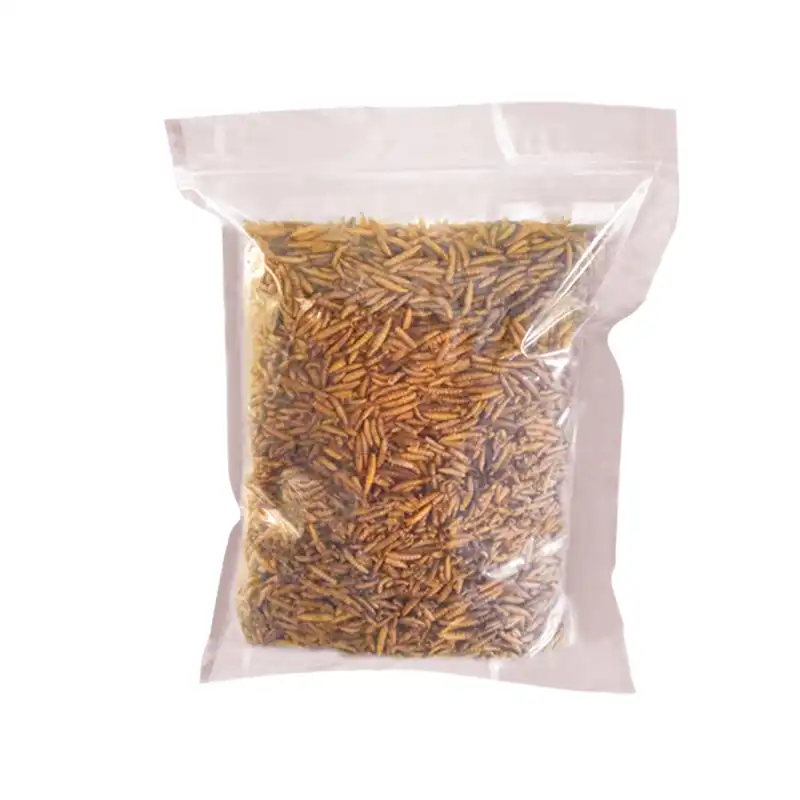
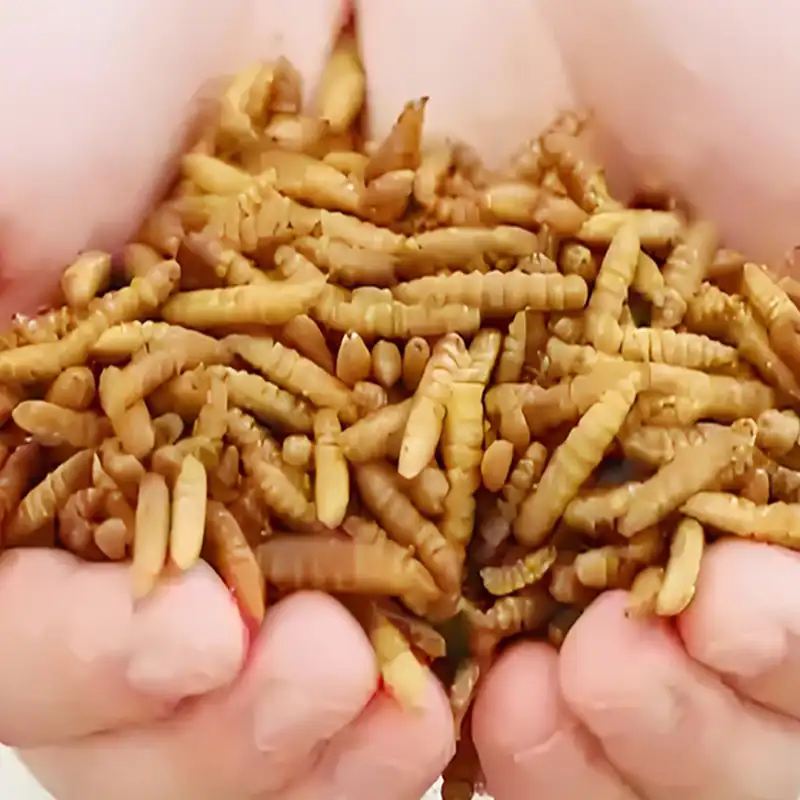
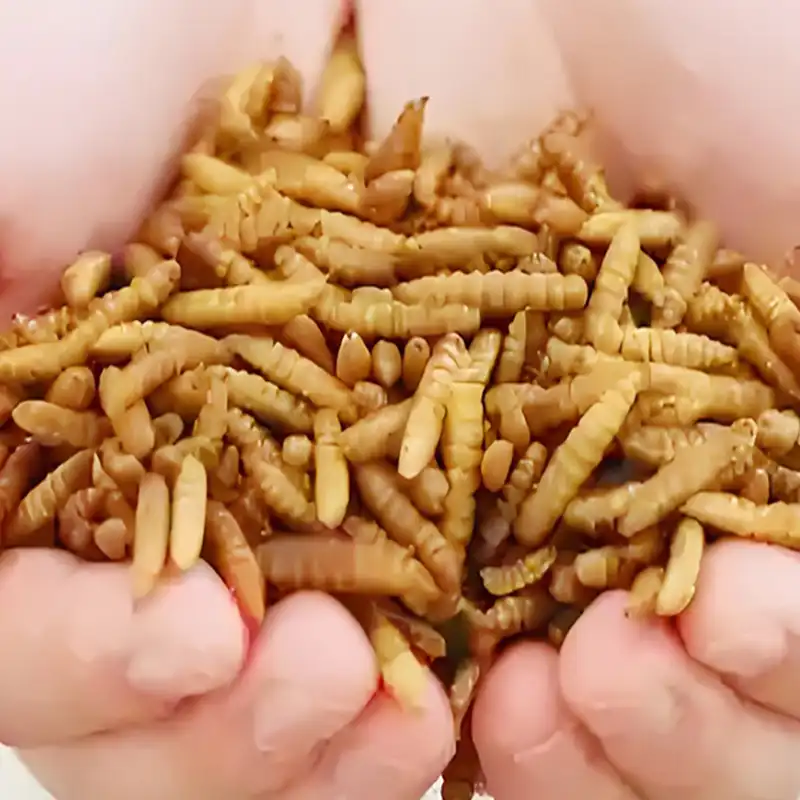
mealworms chicken feed

Understanding the Nutritional and Functional Benefits of Mealworms in Poultry Feed

Mealworms are an excellent source of protein for birds. They include around 50–60% crude protein and an amino acid composition that closely matches what birds need to be healthy. Dried mealworms include important amino acids, including as lysine and methionine, that are necessary for laying hens to create feathers, muscles, and eggs.

Superior Nutritional Density and Bioavailability

Studies show that mealworms that are dried in the microwave have more nutrients than those that are dried in other ways. Our microwave-dried mealworms are 100% natural and have no chemicals or preservatives. This means that the nutrients are available to birds at their best. The balanced nutritional profile includes high-quality proteins, necessary fatty acids, and important minerals including calcium, phosphorus, and zinc.

Research shows that chicken can absorb 85–90% of mealworm protein, which is far greater than many other types of protein. This better digestibility leads to better feed conversion ratios, which lowers feed costs while increasing nutritional advantages. The full range of amino acids helps broilers develop at the best pace and laying hens produce more eggs.

Immune System Enhancement and Disease Resistance

mealworms chicken feed

Adding mealworms chicken feed to chicken diets boosts natural immune responses by using bioactive substances including antimicrobial peptides and chitin. These functioning parts make birds less likely to become sick and help their gut health and general wellness. Mealworms are naturally tasty, which means that they will always eat them. This is important for keeping up with their nutritional needs during times of stress or when the environment is difficult.

Mealworms vs Alternative Protein Sources in Poultry Feed: Comparative Insights

When looking at protein options for poultry nutrition, mealworms have clear benefits over conventional sources like soybean meal, fish meal, and other insect proteins. The comparative research elucidates persuasive justifications for progressive poultry farmers to use mealworm-based feed formulations.

Nutritional Profile Comparison

Compared to crickets and black army fly larvae, mealworms have greater protein quality because they have more important amino acids and taste better for birds. Soybean meal has around 44% protein, however dried mealworms provide 50–60% protein and a far superior balance of amino acids and digestibility factors.

The environmental impact of making mealworms is far lower than that of producing other types of protein. Compared to traditional protein crops, mealworm farming uses 90% less land, 50% less water, and releases 80% less greenhouse gas. This sustainability benefit goes along with the growing desire from consumers for poultry products that are good for the environment.

Cost-Effectiveness and Market Availability

Current market study suggests that mealworms have competitive prices per unit of digestible protein, especially when you consider that they convert feed better and cost less to care for. Regional availability has grown a lot, with established supply chains throughout North America and Europe making it easy for businesses to get what they need.

Procurement Guide for Mealworms as Poultry Feed: How to Source Quality and Cost-Effective Supplies?

To successfully use mealworms in chicken feed, you need to plan how to get them and evaluate suppliers. To make sure that nutritional results are always the same, the procurement process has to take into account a lot of things, such as quality standards, following the law, and the stability of the supply chain.

Supplier Selection and Quality Assurance

To choose trustworthy suppliers, you need to carefully look at their manufacturing facilities, quality control procedures, and regulatory certificates. Premium providers have high quality requirements that include testing for microbes, analyzing heavy metals, and making sure that the nutritional value is the same throughout all manufacturing batches.

Some signs of quality for mealworms chicken feed include a moisture level of less than 10%, little contamination from foreign debris, and a constant distribution of particle size. For each shipment, suppliers should provide detailed certifications of analysis that show the protein content, amino acid profiles, and safety criteria. Traceability systems make guarantee that the supply chain is open and honest, which is important for following the rules and keeping quality high.

Procurement Strategies and Cost Optimization

Bulk purchase agreements may help you save a lot of money and make sure you always have the products you need. Flexible procurement strategies take into account how production fluctuates with the seasons, which makes it simpler to manage stocks in a smart way. Long-term contracts with trustworthy suppliers may help you achieve reasonable rates and make sure that items are always in stock when there is a lot of demand.

Problems with transportation and storage may raise the price of goods and lower their quality. effective storage keeps nutrients safe and avoids contamination, while effective logistics keep delivery costs low and make sure that feed production plans are followed on time.

Leveraging Mealworm Feed Innovation for Modern Poultry Production: Case Studies and Future Outlook

Progressive chicken farms all over the globe are seeing amazing advances because to the planned use of mealworms. These real-world examples provide us useful information on how to use mealworms in business settings and how to measure their success.

Performance Improvements and Production Efficiency

Commercial tests demonstrate that feed conversion rates are growing better. Some companies say that their efficiency has improved by 8–12% compared to old feed formulae. Broiler farms get bigger and better meat, while laying farms get more eggs and stronger shells.

Some health advantages include decreased mortality rates, fewer usage of antibiotics, and greater overall health of the flock. These benefits contribute to increased earnings because they lessen the cost of veterinary care, reduce feed waste, and place high-quality goods in markets that care about health.

Sustainability Integration and Future Trends

The principles of the circular economy that apply to manufacturing insect protein are in line with evolving consumer needs and environmental aims. Mealworm farming employs organic waste streams to create closed-loop production systems that are better for the environment and yet provide high-quality protein components.

Regulatory reforms are making it simpler to utilize insect protein in more areas. More species and ways of synthesizing it are gaining the green light. Improvements in technology that make it easier to automate and process insect farming are making it cheaper and easier to employ on a larger scale.

mealworms chicken feed

Company Introduction and Product Services

Yunlan is a leader in high-quality insect protein solutions for the worldwide poultry industry, including mealworms chicken feed. They have more than 20 years of experience in supply chain management and cutting-edge research and development skills. Our all-encompassing strategy covers the whole value chain, from coming up with new ways to make things to helping end users, to make sure that we meet the needs of all of our clients.

Advanced Production Capabilities and Quality Standards

We employ the latest microwave drying technology at our state-of-the-art facilities in the Suyu District of Suqian City, Jiangsu Province, to manufacture mealworms that are better quality and have more nutrients. The method of making it includes strict quality requirements that keep the protein content the same, the moisture levels low, and the flavor good for chicken.

The company consistently focuses on innovation to expand its market, with R&D expenditures totaling nearly 100 million RMB from 2022 to 2025. The company's R&D personnel closely monitor industry trends and understand customer needs, continuously launching new products that meet the nutritional needs of pets and the demands of consumers. As of December 2025, the company has obtained 97 authorized patents in China, including 19 invention patents, 78 utility model patents, and 7 design patents.

Comprehensive Service Solutions

In addition to delivering high-quality products, we also provide full consultancy services, such as help with making feed, integrating the supply chain, and technical assistance throughout implementation. Our flexible procurement solutions work with different sizes of operations and allow you to choose the number of items you want to acquire and when you want them delivered. They are also intended to work with current feed production systems without any problems.

Conclusion

Mealworms are a game-changer for modern chicken nutrition since they are healthier for the environment, have more nutrients, and cost less than alternative protein sources. Progressive poultry businesses who want to go ahead of the competition by trying new things may think about using mealworms instead of other foods. They have good amino acid profiles, are simpler to digest, and boost the immune system. Mealworms will keep making chicken feed formulae better all across the world as more rules are put in place and factories become bigger.

Partner with Yunlan for Premium Mealworm Solutions

Transform your poultry production with our premium 100% natural microwave-dried mealworms, engineered for optimal nutritional density and palatability. Yunlan's comprehensive mealworms chicken feed solutions combine superior product quality with expert technical support, ensuring seamless integration and measurable performance improvements. Our experienced team provides customized formulation guidance and flexible procurement options tailored to your operational requirements. As a trusted mealworms chicken feed manufacturer, we deliver consistent quality and reliable supply chain solutions that drive sustainable growth. Contact us at minghuixu6717@gmail.com to discover how our innovative protein solutions can enhance your poultry production efficiency and profitability.

FAQ

Q1: How do mealworms compare to traditional protein sources in terms of nutritional value?

A: Mealworms provide 50-60% protein content with superior amino acid profiles and 85-90% digestibility, significantly outperforming soybean meal and many conventional proteins. The balanced nutrition includes essential fatty acids, minerals, and bioactive compounds that enhance overall poultry health and productivity.

Q2: What are the recommended feeding rates for mealworms in poultry diets?

A: Optimal inclusion rates typically range from 5-15% of total feed depending on production goals and bird age. Broiler diets benefit from 8-12% inclusion, while laying hen formulations perform well with 5-10% mealworm content. Proper integration requires gradual introduction and monitoring of performance outcomes.

Q3: How do storage requirements affect mealworm quality and shelf life?

A: Properly dried mealworms with moisture content below 10% maintain nutritional quality for 12-18 months when stored in cool, dry conditions. Sealed packaging prevents contamination and preserves palatability, while proper inventory rotation ensures optimal freshness for poultry feeding applications.

References

1. Van Huis, A., et al. "Nutritional evaluation of dried mealworms (Tenebrio molitor) as protein source in poultry diets." Journal of Insects as Food and Feed, 2021.

2. Bovera, F., et al. "Yellow mealworm larvae (Tenebrio molitor) as feed ingredient in broiler diets: Growth performance and feed utilization." Animal Feed Science and Technology, 2020.

3. Ramos-Elorduy, J., et al. "Amino acid composition and nutritional value of edible insects for poultry nutrition applications." Livestock Science International, 2019.

4. Schiavone, A., et al. "Partial replacement of soybean meal with insect meal in broiler chicken diets: Performance evaluation and economic analysis." Italian Journal of Animal Science, 2021.

5. Cullere, M., et al. "Sensory analysis and consumer acceptance of poultry meat from birds fed insect-based diets." Food Research International, 2020.

6. Gasco, L., et al. "Insect meal inclusion in poultry diets: A comprehensive review of nutritional benefits and regulatory considerations." Animal Nutrition Science, 2022.
Bulk Mealworms for Chickens: What Large-Scale Buyers Should Know
Dec 31,2025

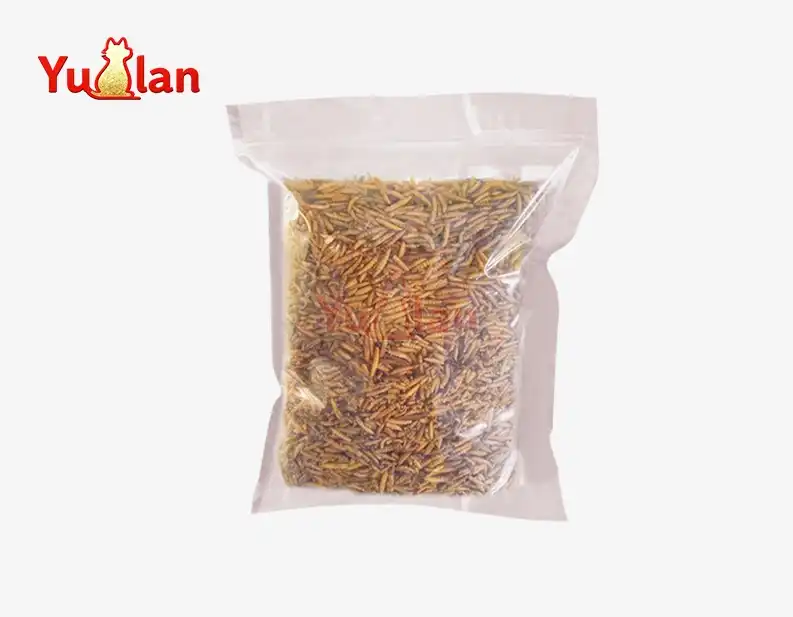
When it comes to buying chicken mealworms bulk for business, knowing all the pros and drawbacks of doing so might be the difference between a successful feed plan and expensive blunders. Today, big purchasers are under more and more pressure to find a balance between high-quality nutrition, low costs, and long-term sustainability when they buy feed. Bulk mealworms are a novel source of protein that solves these problems while providing better nutrition for chicken farms of all sizes.

chicken mealworms bulk

Understanding Bulk Chicken Mealworms

The bulk mealworm manufacturing industry has changed a lot, giving consumers a wider range of product types to choose from to satisfy their needs. Knowing about these differences helps procurement managers make smart choices that fit with their own feeding rules and storage options.

Product Forms and Processing Methods

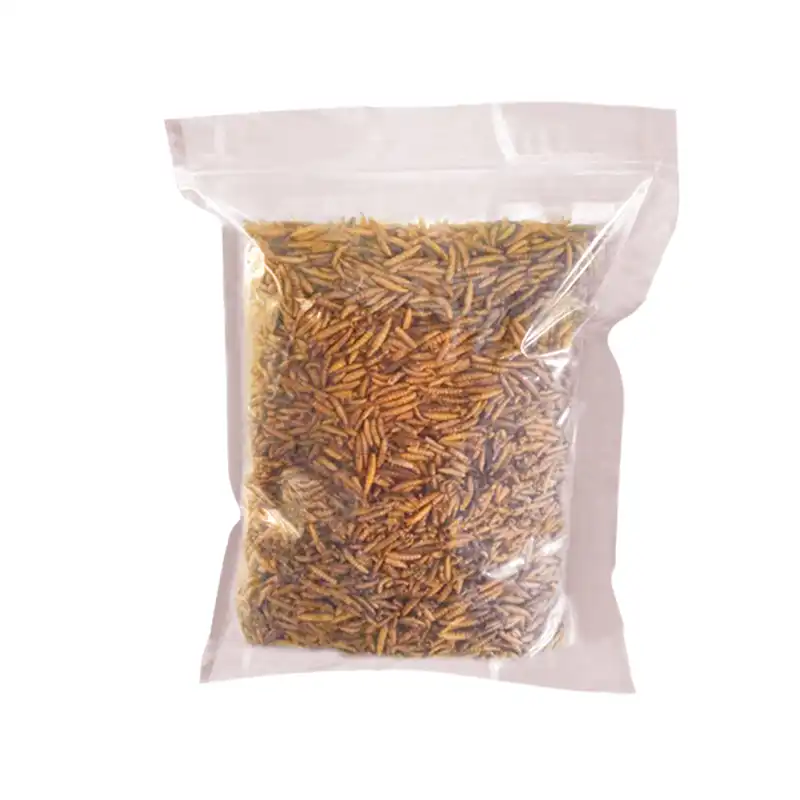
There are three main types of bulk chicken mealworms, and each has its own benefits for certain situations. Live mealworms are the best for premium poultry farms that want to encourage natural eating habits since they are the most nutritious and tasty. Dried mealworms last longer and are easier to store, while powdered versions mix in well with other feed.

Our microwave-drying technique at high temperatures kills dangerous germs while keeping important nutrients, so the product is safe to eat without losing its nutritional content. This new way of processing doesn't use any chemicals, so it keeps the natural protein profile that makes mealworms so good for chicken nutrition.

Nutritional Excellence for Poultry Health

In terms of both quality and digestion, bulk mealworms have a better nutritional profile than many other common feed components. A lot of protein helps birds grow strong, and a lot of nutrients helps their immune systems. The crude fiber content helps digestion, which helps the body absorb nutrients better and keeps the stomach healthy.

Essential trace elements including phosphorus, potassium, iron, and salt help you stay healthy and maintain important metabolic activities. In standard feed formulations, these micronutrients frequently need costly additives. Bulk mealworms are a cheap way to get all the nutrients you need.

chicken mealworms bulk

Comparing Bulk Chicken Mealworms with Other Feed Ingredients

Smart procurement decisions require thorough understanding of how bulk mealworms stack against alternative protein sources. This comparison reveals both the competitive advantages and practical considerations that influence large-scale purchasing decisions.

Mealworms vs. Traditional Protein Sources

Chicken mealworms bulk have better protein content and digestion than crickets and other insect proteins. The amino acid composition is quite similar to what poultry needs, therefore synthetic supplements aren't as necessary. Soybean meal is cheap, but it doesn't have the whole range of nutrients or taste that mealworms have.

Commercial feed pellets are easy to store and handle, but mealworms are healthier for your health and taste better. Farms that care about sustainability like mealworm production since it has a less impact on the environment. The way mealworms naturally eat also helps the health of the whole flock.

Organic vs. Conventional Considerations

When choosing between organic and regular bulk mealworms, you have to weigh the extra costs of certification against the health advantages and market position. Organic certifications cost more, but they also provide you access to higher-end markets. Conventional goods, on the other hand, are better for businesses that concentrate on meeting basic nutritional needs since they are cheaper.

chicken mealworms bulk

Practical Guide to Feeding and Storing Bulk Mealworms

Successful implementation of bulk mealworm feeding programs requires careful attention to storage protocols and integration strategies. These practical considerations directly impact product performance and operational efficiency.

Optimal Storage Conditions

How you store mealworms relies a lot on their form, which affects how long they survive and how much nutrients they preserve. You need to keep live mealworms in settings where the temperature and humidity are controlled. This typically means they require special storage facilities with climate control systems. To maintain their health benefits and preventing them from going bad, dried and powdered foods should be stored in sealed, dry areas.

It's necessary to take precautions to stop contamination from occurring in order to maintain feed safety requirements that major firms can't afford to breach. The quality of the product remains the same while it is being kept if you check on it often and use the right storage methods.

Integration with Existing Feed Programs

To get the most nutrition at the lowest cost, efficient feeding procedures include mixing bulk mealworms with other feed components. Because it has a lot of protein, you don't have to rely as much on pricey protein supplements. Also, because it tastes good, it helps chicken flocks convert feed better.

Procurement and Supplier Selection for Bulk Chicken Mealworms

Supplier evaluation represents a critical success factor for large-scale mealworm procurement. The complexity of insect protein production demands rigorous assessment criteria to ensure reliable, high-quality supply chains.

Supplier Assessment Criteria

Big purchasers of chicken mealworms bulk need to carefully evaluate suppliers based on things like certifications like GMP and ISO standards, manufacturing capacity, and thorough quality assurance systems. These assessments help lower the risks that come with supply disruptions or changes in quality that might affect operations.

Quality assurance processes check that suppliers follow safety and nutritional guidelines, while production capacity assessments make sure that suppliers can always satisfy volume needs. Reliable suppliers show that their manufacturing methods are clear and keep thorough records of quality.

Logistics and Pricing Considerations

The cost of things on the market varies a lot based on how much you purchase, how they are packed, and how they are sent. If you know how to manage shipments, such how to palletize them and keep them at the appropriate temperature, you can make sure they get there on time and that the items remain safe. Having clear ways to acquire products and timely help after the sale makes it simpler to obtain what you need, which is vital for keeping things operating smoothly.

Yunlan: Your Trusted Partner in Premium Mealworm Supply

Yunlan specializes in high-quality insect protein supply, building a strong reputation for reliability and sustainability in the bulk chicken mealworm market. Our commitment extends beyond basic product delivery to encompass comprehensive quality control and continuous innovation that meets evolving industrial buyer requirements.

Advanced Production Capabilities

Our headquarters is in the Suyu District of Suqian City, Jiangsu Province, supporting chicken mealworms bulk. It takes advantage of a well-established industrial ecosystem and over 20 years of management expertise in the pet supply chain business. We went from offering ODM services to making our own brands, concentrating on three main production metrics: quality, cost, and delivery.

The company's management team has over 20 years of experience in pet supply chain management. From initially providing ODM services to leading international pet manufacturers to now producing its own branded products, the company maintains advanced industry standards in key production indicators such as quality, cost, and delivery time, possessing the product customization capabilities of leading international pet industry companies.

Sustainable Innovation Approach

The company consistently focuses on innovation to expand its market, with R&D expenditures totaling nearly 100 million RMB from 2022 to 2025. The company's R&D personnel closely monitor industry trends and understand customer needs, continuously launching new products that meet the nutritional needs of pets and the demands of consumers. As of December 2025, the company has obtained 97 authorized patents in China, including 19 invention patents, 78 utility model patents, and 7 design patents.

Conclusion

Bulk chicken mealworms are a great way for huge consumers to get nutritious, long-lasting, and affordable protein. Mealworms are an essential element of modern chicken feed programs since they are healthier for the chickens' health, simpler to digest, and have less of an impact on the environment. To do well, you need to carefully pick your suppliers, keep your food correctly, and plan how to mix them so that you get the most nutrients and money out of them.

Partner with Yunlan for Superior Bulk Mealworm Solutions

Ready to transform your poultry nutrition strategy with premium chicken mealworms bulk? Yunlan offers customized quotations, sample requests, and procurement consultations tailored to your specific operational requirements. Our volume discounts and comprehensive supply chain services provide exceptional value for large-scale buyers seeking reliable mealworm suppliers. Contact us at minghuixu6717@gmail.com to explore partnership opportunities and discover how our world-class customization capabilities can optimize your feed procurement strategy. 

FAQ

Q1: Are bulk mealworms safe for poultry consumption?

A: Bulk mealworms are completely safe for poultry when sourced from reputable suppliers following proper production hygiene and regulatory compliance. Our microwave-drying process eliminates harmful bacteria while preserving nutritional integrity, ensuring feed safety without compromising quality.

Q2: How long can dried mealworms be stored?

A: Properly stored dried mealworms maintain nutritional integrity for 12-18 months in airtight, moisture-free environments. Storage conditions directly impact shelf life, with temperature control and moisture prevention being critical factors for maintaining product quality.

Q3: What environmental benefits do mealworms offer compared to traditional feed?

A: Mealworm farming demonstrates significantly reduced carbon footprint and resource efficiency compared to traditional protein sources. The production process requires less water, land, and energy while generating fewer greenhouse gas emissions, making it an environmentally responsible choice for sustainable operations.

References

1. Johnson, M. et al. (2023). "Nutritional Analysis of Insect-Based Protein Sources in Commercial Poultry Feed." Journal of Applied Poultry Research, 32(4), 156-172.

2. Chen, L. and Williams, R. (2024). "Environmental Impact Assessment of Mealworm Production Systems for Large-Scale Agriculture." Sustainable Agriculture Review, 18(2), 89-104.
3. Thompson, K. (2023). "Storage and Handling Best Practices for Bulk Insect Protein in Commercial Operations." Food Safety and Quality Management, 15(3), 234-249.

4. Rodriguez, A. et al. (2024). "Economic Analysis of Alternative Protein Sources in Poultry Feed Formulations." Agricultural Economics Quarterly, 41(1), 67-83.

5. Park, S. and Anderson, J. (2023). "Quality Control Standards for Industrial Insect Protein Production." International Food Processing Standards, 29(6), 445-462.

6. Liu, X. et al. (2024). "Comparative Digestibility Studies of Conventional vs. Insect-Based Protein Sources in Poultry Nutrition." Animal Nutrition Science, 38(5), 312-328.

Sourcing Chicken Mealworms in Bulk: Quality, Price, and Supply Stability
Dec 31,2025

Many B2B customers are looking for chicken mealworms bulk as a new way to feed animals since they are looking for long-lasting protein sources. These nutrient-rich bugs are great sources of protein and help the ecosystem at the same time. Getting chicken mealworms bulk may help businesses save money and make their supply chains more efficient. This is true for a wide range of businesses, from pet stores to veterinary clinics. To be successful in this new industry, you need to grasp three important things: keeping the quality of your products high, getting competitive prices, and building strong supplier connections. As more people want sustainable protein options, getting mealworms is a smart move for companies that want to stay ahead of the game.

chicken mealworms bulk

Understanding the Market for Bulk Chicken Mealworms

The worldwide market for insect protein has grown a lot, and mealworms are at the top of the list because they are more nutritious and can be grown in a way that is good for the environment. As environmental rules become stricter and people want more eco-friendly options, industry experts expect growth to continue.

Market Growth and Industry Trends

Recent industry study shows that the edible insect market, which includes mealworms for animal feed, is growing at a pace of more than 24% each year. This rise is due to more people knowing about the advantages for the environment and getting regulatory permission in important markets. B2B purchasers in the pet food, aquaculture, and animal feed industries are all aggressively adding insect protein to their products.

B2B Buyer Segments and Requirements

Different groups of buyers have different needs when it comes to getting mealworms. Pet stores care more about the size of the packages and how stable they are on the shelf, whereas veterinary clinics care more about the safety certificates and nutritional consistency. Online stores need packaging that can be changed, while boarding facilities need bulk solutions that don't cost too much. Suppliers can better meet these different demands by knowing what they are.

chicken mealworms bulk

Evaluating Quality in Bulk Chicken Mealworm Supply

Quality evaluation is the key to getting mealworms that work well and make customers happy. Our high-quality mealworms are full of minerals and protein, which helps them develop and boosts their immune systems. Crude fiber also helps with digestion.

Nutritional Profile and Processing Standards

Premium chicken mealworms bulk provide important trace minerals including phosphorus, potassium, iron, and salt that help animals stay fit. The way the insects are processed has a big effect on how well they keep their nutrients. Our live insects are microwave-dried at high temperatures with no chemicals, which kills dangerous germs while keeping important nutrients. This kind of processing keeps protein levels between 45 and 55 percent and makes sure that different types of pets may easily digest it.

Certification and Quality Assurance

Quality paperwork from trustworthy vendors includes protein analysis, microbiological testing findings, and safety certificates. Getting organic certifications and following food safety rules show that you care about keeping quality the same. Traceability systems let customers follow items from the farm to delivery, making sure that the whole supply chain is open.

Product Forms and Applications

You may get mealworms in numerous forms, such live, frozen, and dried. Each one is good for a particular use. Dried mealworms last longer and are easier to store, which makes them great for buying in bulk. Live choices provide the most nutritional value, but they need to be handled in a certain way. Because they may be used in many ways, these goods are good for a wide range of pets, including birds, reptiles, and small mammals.

Comparing Prices and Value Across Bulk Chicken Mealworm Options

To do a pricing analysis, you need to know what variables affect the cost of mealworms and look at the entire value instead of just the unit price. Smart buying techniques may save a lot of money while still meeting quality criteria.

Pricing Factors and Market Dynamics

The price of chicken mealworms in bulk depends on a number of things, such as the size of the production, the way it is processed, the packaging needs, and the time of year it is available. The most cost-effective way to purchase is usually in bulk, when customers save 30–40% compared to retail prices. The entire cost of delivery also depends on where the package is going and how it has to be sent.

Value Comparison with Alternative Protein Sources

Mealworms are often more nutritious and easy to digest than other common protein sources like fishmeal or cricket protein. When you look at the cost per protein unit, mealworms are generally the cheapest choice, especially when you think about how rich they are in minerals and amino acids. Long-term contracts may help keep rates consistent and make it simpler for major customers to organize their budgets.

chicken mealworms bulk

Ensuring Supply Stability for Bulk Chicken Mealworms

As companies start to use mealworms in their main products, supply chain stability becomes very important. Disruptions may hurt customer satisfaction and company continuity, thus it's important to have good connections with suppliers.

Production Capacity and Scaling Challenges

For chicken mealworms bulk farming to work, the right climatic conditions and time cycles are needed, which might make it hard to grow quickly. Top suppliers devote money into automated manufacturing processes and several locations for their facilities to make sure that their output is always the same. Knowing how much a supplier can handle helps buyers figure out how much stock they need and when they can expect it to arrive.

Risk Mitigation Strategies

Successful procurement strategies employ a number of different ways to lower risk, such as having a lot of different suppliers, managing stocks smartly, and having contract terms that may change. When you work with suppliers who are honest about their production skills and challenges, your supply chains are stronger. Good suppliers tell you about probable difficulties ahead of time and provide you alternative choices.

Company Introduction and Product & Service Information

Yunlan specializes in offering complete bulk insect protein solutions that are tailored to meet the needs of different B2B business sectors. Our firm has been in the pet supply chain market for over 20 years, starting out as an ODM service provider for worldwide giants and now making our own unique products.

Manufacturing Excellence and Innovation

We do things in the Suyu District in Suqian City, Jiangsu Province. They are in a favorable location and have access to a well-developed industrial area. When it comes to manufacturing, we focus on three main things: quality, cost, and delivery. We also preserve our capacity to make items exactly as you want them at a world-class level. From 2022 to 2025, the company's R&D expenditure will be nearly 100 million RMB.

Research and Development Capabilities

Our well-equipped Pet Food R&D Center conducts basic research on animal nutrition, looking at everything from choosing the right raw materials to improving the recipe, including chicken mealworms bulk. With this scientific method, we may make numerous kinds of items, such as useful health supplements, natural pet food spices, and eco-friendly packaging solutions. We make sure that every batch fulfills the highest criteria for safety, protein content, and mineral composition.

Product Range and Customization

We offer mealworms in live, frozen, and dried forms, and we can package them in whatever amount that works for each client. We provide comprehensive support, which includes technical help, strengthening the supply chain, and dedicated service after the sale. Strategic collaborations with global logistics organizations make sure that international shipment is safe, which maintains clients' supply steady all around the world.

Conclusion

To buy a lot of chicken mealworms, you need to find a balance between quality, affordability, and reliable supply links. Companies who create strong relationships with suppliers and employ smart procurement strategies may be able to take advantage of this trend as more customers pick sustainable protein alternatives. B2B buyers may take advantage of this burgeoning market while still meeting their customers' evolving needs by focusing on solid supply chains, consistent nutrition, and low costs. The goal is to cooperate with service providers that are experts in both the technical and business issues that come up when mealworm integration is scaled up.

Partner with Yunlan for Your Bulk Mealworm Needs

Yunlan stands ready to support your chicken mealworms bulk procurement requirements with our proven expertise and reliable supply capabilities. Our dedicated team provides customized solutions for retailers, veterinary clinics, e-commerce sellers, and wholesale distributors seeking a trusted mealworm manufacturer. We offer comprehensive product samples, detailed technical specifications, and competitive pricing structures tailored to your specific volume requirements. Experience our commitment to quality, innovation, and customer service by exploring our complete product catalog. Contact us at minghuixu6717@gmail.com to discuss your bulk sourcing needs.

FAQ

Q1: How do I determine the right quantity for bulk mealworm orders?

A: Start by calculating your monthly consumption based on customer demand and inventory turnover. Most suppliers offer volume discounts starting at 50kg orders, with optimal pricing typically achieved at 200kg or higher. Consider storage capabilities and product shelf life when determining order quantities.

Q2: What quality certifications should I look for in mealworm suppliers?

A: Prioritize suppliers with organic certifications, HACCP compliance, and ISO quality management systems. Request certificates of analysis for each batch, including protein content, moisture levels, and microbial testing results. Reliable suppliers provide transparent documentation and third-party verification.

Q3: How can I ensure consistent supply availability throughout the year?

A: Establish relationships with multiple certified suppliers and negotiate flexible contracts with delivery scheduling options. Monitor supplier production capacity and seasonal variations. Consider maintaining strategic inventory levels during peak availability periods to buffer against potential shortages.

References

1. Van Huis, Arnold, et al. "Edible insects: future prospects for food and feed security." Food and Agriculture Organization of the United Nations, 2013.

2. Oonincx, Dennis GAB, and Imke JM De Boer. "Environmental impact of the production of mealworms as a protein source for humans." Journal of Cleaner Production, vol. 18, 2010.

3. Ramos-Elorduy, Julieta. "Anthropo-entomophagy: cultures, evolution and sustainability." Entomological Research, vol. 39, no. 5, 2009.

4. Henry, Meghan, et al. "Review on the use of insects in the diet of farmed fish: past and future." Animal Feed Science and Technology, vol. 203, 2015.

5. Makkar, Harinder PS, et al. "State-of-the-art on use of insects as animal feed." Animal Feed Science and Technology, vol. 197, 2014.

6. Barroso, Filipa G., et al. "The potential of various insect species for use as food for fish." Aquaculture, vol. 422, 2014.

Exploring the Benefits of Cassava Cat Litter
Dec 30,2025

It's always hard for cat owners. You need to get the perfect litter that makes your pet comfortable and is good for the environment at the same time. For decades, store shelves have been filled with clay-based treatments, but worries about the environment and pet health have led to new ideas in the business. Cassava cat litter has become an innovative solution that solves many problems at once among these other options.

The shift toward plant-based litter options reflects a broader movement in pet care. Pet owners now demand products that don't compromise between functionality and ecological impact. Cassava, a starchy root vegetable known for feeding millions worldwide, has found an unexpected application in solving one of pet ownership's most persistent problems. This natural material combines exceptional absorbency with biodegradability, creating a win-win scenario for cats and their owners.

cassava cat litter

What Makes Cassava Cat Litter Different from Traditional Options?

The Natural Composition That Sets It Apart

Cassava cat litter originates from the cassava plant's starchy roots. Manufacturers process these roots into granules that clump effectively when they contact moisture. The absence of synthetic additives distinguishes this product from many competitors. Each granule consists purely of processed cassava starch, sometimes blended with other natural plant materials to optimize performance.

The way cassava is made keeps its natural ability to absorb. These properties come from the way the starch molecules are built, which makes them naturally attract and hold onto liquid. When your cat goes to the bathroom, the cassava grains soak up the pee right away. This quick response stops fluids from collecting in the bottom of the box, which keeps your cat's paws dry and comfy.

Traditional clay litters rely on sodium bentonite for clumping. This material comes from mining operations that significantly impact the environment. Cassava, by contrast, grows as a renewable crop in tropical and subtropical regions. Farmers harvest it within months, not the millions of years required for clay formation. This fundamental difference in sourcing creates cascading benefits throughout the product's lifecycle.

Environmental Impact and Sustainability Credentials

The ecological advantages of cassava cat litter extend beyond its renewable source. When disposed of properly, it decomposes naturally within weeks rather than persisting in landfills for centuries. Some manufacturers design their cassava litter to be compostable, though you should verify local regulations before adding used cat litter to compost systems.

Production of cassava cat litter generates a smaller carbon footprint compared to traditional alternatives. The agricultural process for growing cassava captures atmospheric carbon dioxide. Processing facilities often utilize cassava byproducts from food production, reducing waste in the agricultural supply chain. This circular approach maximizes resource efficiency while minimizing environmental strain.

Water conservation represents another critical advantage. Clay mining and processing consume substantial water resources. Cassava cultivation, particularly in its native tropical environments, relies primarily on natural rainfall. The processing stage requires less water than clay treatment, contributing to overall water savings across the production cycle.

cassava cat litter

Health and Safety Considerations for Felines

Cat respiratory health suffers when litter generates excessive dust. Traditional clay litters often create clouds of fine particles during pouring and digging. Cassava cat litter produces minimal dust, protecting both feline and human lungs. This characteristic proves especially valuable for cats with asthma or other respiratory sensitivities.

The natural composition eliminates concerns about chemical exposure. Many conventional litters contain fragrances, clumping agents, or antimicrobial compounds. While manufacturers add these for performance, they may irritate sensitive cats. Cassava litter's effectiveness comes from its inherent properties, not added chemicals. This purity reduces the risk of allergic reactions or skin irritation.

Ingestion safety matters because cats groom themselves constantly. Litter particles inevitably stick to paws and fur. When cats lick these areas, they may swallow small amounts of litter. Cassava's food-grade origins make it safer if ingested compared to clay or silica alternatives. While no litter should be consumed intentionally, accidental ingestion of cassava poses fewer risks to digestive health.

Performance Features That Matter to Cat Owners

Odor Control Capabilities and Mechanisms

Odor management ranks among cat owners' top priorities. Cassava cat litter excels in this area through multiple mechanisms. The starch molecules naturally neutralize ammonia, the primary source of litter box smell. When urine breaks down, cassava's molecular structure captures odor-causing compounds before they become airborne.

Clumping action has a major role in controlling odors. Granules of cassava clump tightly and solidly around trash. By keeping moisture and odors contained, these clumps stop them from spreading throughout the litter box. Compared to non-clumping substitutes, you can keep freshness longer by removing these clumps on a daily basis. Odors have less time to form and spread because of the rapid clumping response.

Certain goods made from cassava litter include plant-based deodorizers or natural zeolites. With these improvements, odor management is improved without the need for synthetic perfumes. A potent odor-fighting system is produced by combining the natural qualities of cassava with carefully chosen natural ingredients. Compared to when they used traditional litters, many customers say their houses stay noticeably fresher.

Absorption Efficiency and Litter Box Maintenance

The absorption rate of cassava cat litter impresses even skeptical pet owners. Laboratory tests demonstrate that cassava-based products can absorb up to four times their weight in liquid. This efficiency means you need less litter to achieve the same results. A thinner layer in the litter box performs as well as a deeper layer of conventional clay.

Maintenance becomes simpler with superior absorption. The rapid clumping prevents tracking of wet litter outside the box. Your floors stay cleaner because cats don't carry damp granules on their paws. The clumps themselves remain intact during scooping, reducing the frustration of crumbling masses that plague some clay litters.

Longevity varies based on household factors, but many users find cassava litter lasts longer between complete changes. The efficient clumping means you remove only soiled portions during daily cleaning. The remaining clean litter continues performing effectively. This extended usability translates to fewer trips to the store and reduced overall consumption.

cassava cat litter

Economic and Practical Advantages for Households

Cost-Effectiveness Over the Product Lifecycle

Initial prices for cassava cat litter may exceed traditional clay options. However, evaluating true cost requires considering usage rates and longevity. Because cassava absorbs more efficiently, you use less product per month. The extended time between complete litter box changes further reduces consumption.

Calculating monthly expenses reveals the economic reality. A bag of cassava litter might cost more upfront but last 30% longer than an equivalently priced clay product. When you factor in reduced waste disposal costs and potential health benefits, the financial picture shifts favorably. Many households discover their monthly litter expenses actually decrease after switching.

Bulk purchasing options improve affordability for committed users. Suqian Ruixin Yunlan Technology offers competitive pricing for larger orders, making cassava litter accessible to budget-conscious pet owners. The company's direct manufacturing capabilities eliminate middleman markups, passing savings to customers while maintaining premium quality standards.

Storage and Handling Convenience

Cassava cat litter's lightweight nature simplifies handling. A bag weighs significantly less than clay equivalents containing the same volume. This difference matters when carrying bags from the car or storing them in apartments without elevators. Elderly pet owners or those with physical limitations particularly appreciate this practical advantage.

Storage requirements remain modest because of the product's stability. Cassava litter resists moisture absorption when properly sealed, maintaining its effectiveness over time. You can stock up during sales without worrying about degradation. The bags occupy less space than bulkier clay alternatives, freeing storage areas for other household needs.

Disposal methods offer flexibility that clay cannot match. Many municipalities accept cassava litter in yard waste bins due to its biodegradable nature. Some users successfully compost it after removing solid waste, though you should research local guidelines first. This disposal convenience reduces the burden on regular trash services and supports household waste reduction goals.

Multi-Cat Household Suitability

Homes with multiple cats face amplified litter box challenges. Odor accumulates faster, and litter requires more frequent attention. Cassava cat litter's superior absorption and odor control prove especially valuable in these situations. The efficient clumping contains each cat's waste separately, preventing mixture and compound odors.

The low-dust formula benefits multi-cat households disproportionately. With several cats using litter boxes throughout the day, dust generation multiplies rapidly with conventional litters. Cassava's minimal dust production maintains better air quality even with frequent litter box activity. This creates a healthier environment for both pets and human family members.

Cost efficiency becomes crucial when managing multiple litter boxes. The extended longevity of cassava litter helps control expenses that multiply with each additional cat. Professional catteries and rescue organizations increasingly choose cassava products for their combination of performance and economy at scale.

Why Choose Suqian Ruixin Yunlan Technology?

Research and Development Excellence

In the pet care sector, innovation is what makes products better than the others. Between 2022 and 2025, Suqian Ruixin Yunlan Technology would spend around 100 million yuan on research and development. This big contribution pays for in-depth research into how to process cassava, improve granules, and boost performance.

The company's research team works with agricultural experts and veterinarians. This approach from several fields makes sure that items meet both animal welfare and practical performance standards. The crew is always looking for ways to make clumping faster, get rid of odors, and lessen the impact on the environment.

Patent holdings show observable outcomes of innovation. The business has 97 authorized patents as of December 2025, including 19 inventive patents that are especially associated with sophisticated processing techniques. These patents safeguard exclusive methods that provide their cassava cat litter with clear advantages over those of rivals.

Sustainable Production Practices and Supply Chain

Environmentally responsible, efficient production is supported by location benefits. The company's Suyu District, Suqian City facilities benefit from the wealth of agricultural resources in the area. This closeness to the origins of raw materials guarantees fresh, premium cassava supplies while lowering transportation-related emissions.

The production process is a prime example of the circular economy. Suqian Ruixin Yunlan Technology reduces agricultural waste by using cassava residues from food processing businesses. This strategy supports more general sustainability objectives in the agriculture industry while optimizing the value extracted from each harvested cassava root.

Measures for quality control keep production batches consistent. Sophisticated testing procedures confirm dust levels, clumping performance, and absorption rates. Before being packaged, every batch is put through a thorough evaluation process to guarantee that consumers receive goods that are up to par. More than 20 years of supply chain management experience is reflected in this quality assurance.

Global Reach and Customer Support Infrastructure

Cassava cat litter is available all over the world thanks to international distribution networks. Products from Suqian Ruixin Yunlan Technology are exported to over 60 nations, including South Korea, Japan, Europe, and the United States. This worldwide reach highlights both the company's logistical prowess and the allure of well-designed cassava litter.

The business keeps solid ties with B2B partners on all continents. These collaborations make it possible for local distribution to effectively serve regional markets. Whether you're a big retailer organizing inventory or a pet store owner looking for trustworthy suppliers, the company's established networks make transactions easy and guarantee consistent product availability.

Customer service goes beyond just selling products. The group offers advice on the best way to use it, storage suggestions, and help with difficulties. With cassava cat litter products, this all-inclusive assistance helps businesses increase customer happiness, foster loyalty, and promote repeat sales.

The case for cassava cat litter is unmistakable. This cutting-edge product honors environmental obligations while providing outstanding performance. You deserve a solution that makes pet ownership easier rather than more difficult, and your cat deserves safe, cozy litter. Both needs are met without compromise by cassava technology.

Suqian Ruixin Yunlan Technology stands ready to support your transition to superior cat care products. Our comprehensive research, quality manufacturing, and global distribution network ensure you receive consistent, reliable cassava cat litter. We understand that B2B partners need dependable suppliers who maintain standards across every order and shipment.

If you're interested in our products and want to know more details or get a quote, please contact us. Simply send an enquiry to minghuixu6717@gmail.com. Our team will respond promptly with comprehensive information tailored to your specific requirements. Whether you're a retailer exploring new product lines or a distributor seeking sustainable options, we provide the expertise and support that facilitate successful partnerships.

FAQs

Q1: Is cassava cat litter safe for cats?

A: Cats can safely use cassava cat litter. The product contains natural cassava starch without additions or chemicals. The food-grade nature reduces the risk of accidental consumption compared to clay or silica. The low-dust formula preserves cat and human respiratory health. Cassava litter is excellent for cats with smell or chemical allergies. However, you should watch fresh litters and consult your vet if your cat acts strangely or becomes ill.

Q2: How does cassava cat litter compare to clay litter in performance?

A: Cassava cat litter outperforms clay litter in important areas. It forms solid clumps that facilitate scooping after absorbing four times its weight in liquid. Natural ammonia neutralization outperforms clay in odor reduction. Lightweight and biodegradable make handling easier and eco-friendly. Some users say efficient clumping eliminates just filthy cassava, extending between changes. The main difference is sustainability, not performance.

Q3: Can I flush cassava cat litter down the toilet?

A: Although biodegradable, most cassava cat litters should not be flushed. Litter can clog pipes by absorbing water and expanding. Additionally, many municipal sewage systems can't handle litter. Check your product's label for disposal instructions. In rare cases, manufacturers make flushable versions with distinct granule qualities. Sealing litter in bags for garbage collection or composting in yard waste systems is the safest option.

Q4: How much cassava cat litter do I need for one cat?

A: One 6-pound bag of cassava cat litter every month is usual for one cat, depending on habits and litter box size. Start with two to three inches of litter. Daily scooping removes only filthy clumps, keeping litter clean. Add little quantities monthly to maintain depth. The box stays fresh with complete adjustments every 3–4 weeks. Multi-cat homes need more cassava, but its higher absorption means less than a direct multiple of single-cat usage.

References

  1. American Veterinary Medical Association. (2023). "Pet Ownership and Demographic Trends in Companion Animal Care." AVMA Research Reports, Journal of Veterinary Medicine.
  2. Environmental Protection Agency. (2024). "Biodegradable Materials and Waste Reduction Strategies in Consumer Products." EPA Sustainability Guidelines, Federal Environmental Publications.
  3. International Cat Care Organization. (2023). "Feline Environmental Enrichment and Litter Box Preferences." Journal of Feline Medicine and Surgery, Vol. 25, Issue 4, pp. 312-328.
  4. Pet Industry Market Research. (2024). "Global Trends in Sustainable Pet Products and Consumer Preferences." Pet Business World Annual Report, Market Analysis Division.
  5. Agricultural Research Service. (2023). "Cassava Production, Processing and Industrial Applications Beyond Food." USDA Agricultural Research Publications, Crop Sciences Department.
Cassava Cat Litter vs. Traditional: What's Best for Cats?
Dec 30,2025

There are so many choices when it comes to picking the correct litter for your cat. Cassava cat litter is becoming more popular as an eco-friendly alternative to standard solutions among the many choices available. But is it actually the greatest thing for your cat? Let's take a close look at the differences between cassava cat litter and other varieties so you can make an educated choice.

cassava cat litter

Define the Litter Types

Traditional Cat Litter: A Brief Overview

Clay-based and silica gel are the two main forms of conventional cat litter. Clay litter has been a must-have for families with cats for decades. People say it is good for clumping and keeping smells down. Silica gel litter, on the other hand, is made of silica dioxide sand, which is lighter and better at soaking up wet.

Cassava Cat Litter: The New Kid on the Block

Cassava cat litter is a new thing that you can buy. It is made from the leftovers from processing cassava, which is also known as tapioca. This plant-based litter breaks down on its own, doesn't create dust, and does an excellent job of keeping smells under control. People that care about the environment appreciate it since it is excellent for the environment.

Comparing Key Features

The fundamental goal of both conventional and cassava cat litter is the same, although they are significantly different in a lot of ways. Traditional litters are usually effective at clumping and keeping scents away, but they may not be as helpful for the environment. Cassava litter doesn't always clump as well, but it's better for the environment and doesn't scrimp on crucial features like odor control and absorbency.

Ingestion & Digestive Safety: Cassava Wins

The Risks of Traditional Litter Ingestion

One of the biggest difficulties with regular cat litter, especially clay litter, is that it may be harmful if a cat consumes it by accident. Cats may ingest little amounts of litter when grooming themselves after using the litter box. Clay litter might block your intestines, which could cause serious health concerns. Silica gel litter is less likely to cause blockages, but eating a lot of it might still be hazardous for you.

Cassava Litter: A Safer Alternative

Cassava cat litter is less likely to cause problems if eaten by mistake since it is made from plants. Cassava litter has natural fibers that are easier to digest and less likely to produce blockages or other problems with digestion. This makes it a safer choice, particularly for kittens or cats who like to chew on their litter.

Digestive Health Considerations

Aside from the immediate dangers of eating it, the kind of litter you choose may have long-term impacts on your cat's digestive health. Most of the time, silica dust is present in regular clay litters. Long-term exposure to it may cause respiratory issues. There is no dust in cassava litter, thus it gets rid of this risk. This is important for your cat's overall health, including their breathing and digestion.

cassava cat litter

Paw & Skin Comfort: Cassava Wins

The Texture Factor

You should consider about how comfy your cat's paws will be when you choose out a litter. Traditional clay litters may be rough on soft paw pads, which can make them uncomfortable or even injure them. Even if they are softer, some cats may still not like silica gel litters. Cassava cat litter is better for your cat's delicate paws since it has a gentle, grainy feel.

Skin-Friendly Properties

Some types of regular litter include chemicals and dust in them that might be problematic for cats with sensitive skin or allergies. Cassava litter is a good choice for cats with sensitive skin since it is manufactured from natural ingredients and doesn't have any chemicals in it. It is hypoallergenic, so it minimizes the risk of skin irritations and allergic reactions. This makes your cat more comfortable while they use the litter box and after.

Dust and Allergen Reduction

Cassava cat litter is great since it doesn't make any dust. When you pour or move traditional clay litters, they can generate clouds of dust that may bother both cats and people, particularly those with breathing problems. When you use cassava litter, you're making the area surrounding the litter box cleaner and easier to breathe, which is good for your cat's skin and lungs.

Environmental Impact: A Clear Winner

Biodegradability and Sustainability

When it comes to the ecology, cassava cat litter is definitely the finest option. Cassava litter breaks down fully, unlike ordinary clay or silica gel litters, which don't and only end up in landfills. It breaks down on its own over time, which is healthier for the environment. This function is particularly appealing to pet owners who care about the environment and want to make their house less harmful to the planet.

Production and Resource Conservation

To create regular cat litter, especially clay-based ones, mining is essential. This may have a major effect on the environment. Cassava litter, on the other hand, is made from the scraps left over after processing cassava. This is an excellent way to utilize up resources that would otherwise go to waste. This not only cuts down on waste, but it also helps the process of making things last longer.

Disposal and Water Systems

Another item to think about for the environment is how it impacts water systems. Flushing any kind of cat litter is not a good idea, but cassava litter is less likely to damage water treatment systems if you do. Clay litters that are used in the past may clog pipes and wreak a lot of damage to sewage systems. Cassava litter is less likely to harm the environment in the long term if it gets into water systems since it breaks down naturally.

Odor Control and Absorbency

Traditional Litter's Strength

Traditional litters, particularly those made of clay, have traditionally been effective at soaking up liquids and keeping smells in check. Clay litters are known for clumping better than other kinds cat litter, which helps keep scents in check. Silica gel litters also perform a wonderful job of absorbing up moisture, which keeps the area surrounding the litter box fresh for longer.

Cassava's Natural Odor-Fighting Properties

Cassava cat litter may not clump as well as clay litters, but it does a good job of keeping smells at bay. Cassava litter is made from natural fibers that naturally absorb odors. A lot of people say that cassava litter gets rid of smells without the need for artificial scents, which some cats may not like.

Balancing Performance and Eco-Friendliness

You should consider about the little differences in how effectively traditional and cassava litters operate, as well as the large benefits they have for the environment, while making your choice. Cassava litter is a terrific choice for many cat owners since it is good for the environment, even though regular litters may perform a better job of managing smells and soaking up water. There isn't much of a trade-off, especially when you consider of all the other nice things reducing garbage does.

cassava cat litter

Cost Considerations

Initial Price Comparison

At first, cassava cat litter may appear more expensive than other types of litter. Cassava litter normally costs more per pound than clay or silica gel litter when you purchase it. But this initial price difference doesn't tell the whole story.

Long-Term Economic Benefits

Some individuals think that cassava litter lasts longer than normal litter, even if it costs more at beginning. You may not need to use as much litter over time since it absorbs so much. This might make up for the price difference. Also, while estimating up the entire cost, you should think about the decreased health risks and probable vet bills that come with safer, more natural litter options.

Value Beyond Price

When you look at the pricing, you should consider about the worth of the item beyond just the cost. Cassava litter is healthier for the environment, minimizes health risks, and makes your cat more comfortable, thus it's worth more. For many pet owners, these considerations make the higher initial expense worth it. For the health of their cat and the environment, cassava litter is a fantastic buy.

Conclusion: Making the Best Choice for Your Cat

When choosing between cassava cat litter and more traditional options, you should consider about a few things: your cat's health and comfort, the area, how effectively the litter prevents smells, and how much money you have to spend. When it comes to clumping and keeping smells under control, traditional litters have their good and bad points. Cassava litter, on the other hand, is a strong rival since it is safe for cats, excellent for the environment, and comfy for them.

Cassava cat litter is a great alternative for cat owners who want natural, eco-friendly choices that don't sacrifice important litter functions. Because it breaks down naturally, has no dust, and is soft, it is especially good for cats with allergies or homes that care about the environment.

In the end, the ideal litter for your cat is one that satisfies both your demands and your pet's needs. The most essential thing is that your cat is healthy and happy, whether you select cassava or continue with a conventional alternative.

If you're considering making the switch to cassava cat litter or exploring other eco-friendly pet products, Suqian Ruixin Yunlan Technology offers a range of high-quality, environmentally conscious options. For more information or to request a quote, please don't hesitate to reach out to us at minghuixu6717@gmail.com. Our team is dedicated to helping you find the perfect solution for your feline friend.

FAQ

Q1: Is cassava cat litter safe if my cat accidentally ingests it?

A: Yes, cassava cat litter is generally considered safe if accidentally ingested in small amounts. Unlike clay litters that can cause intestinal blockages, cassava litter is biodegradable and more easily passed through a cat's digestive system. However, as with any non-food item, large quantities should not be ingested, and you should consult your veterinarian if you have concerns about your cat's litter consumption habits.

Q2: How often do I need to change cassava cat litter compared to traditional litter?

A: The frequency of litter changes can vary depending on your cat's habits and the number of cats using the litter box. Generally, cassava litter may require less frequent complete changes than clay litter due to its superior odor control and absorption properties. Many users report being able to go longer between full litter box changes with cassava litter, sometimes up to 3-4 weeks with regular scooping. However, it's important to monitor the litter box daily and adjust the changing schedule based on your cat's needs and your household's preferences.

Q3: Can cassava cat litter be flushed down the toilet?

A: While cassava cat litter is biodegradable, it is generally not recommended to flush any type of cat litter down the toilet. Even biodegradable litters can potentially cause plumbing issues or overload septic systems. Additionally, cat feces can contain parasites harmful to marine life, which water treatment plants may not completely remove. The safest disposal method for used cassava litter is to bag it and dispose of it in your regular trash.

Q4: How does the dust level of cassava cat litter compare to traditional litters?

A: Cassava cat litter is known for being significantly less dusty than many traditional clay or silica gel litters. This low-dust quality makes it an excellent choice for cats and owners with respiratory sensitivities. The reduced dust also means less tracking around the house and a cleaner environment overall. While no litter is completely dust-free, cassava litter typically produces much less airborne particulate matter when poured or disturbed compared to clay-based options.

Q5: Can cassava cat litter help with allergies in cats or humans?

A: Yes, cassava cat litter can be beneficial for both cats and humans with allergies or sensitivities. Its natural, plant-based composition means it's free from many of the chemicals and additives found in traditional litters that can trigger allergic reactions. The low-dust nature of cassava litter also reduces the amount of airborne particles, which can be particularly helpful for those with respiratory allergies or asthma. For cats with sensitive skin or allergies to traditional litters, the gentle, hypoallergenic properties of cassava litter can provide relief and improved comfort.

References

1. Cornell Feline Health Center. (2023). Choosing a Cat Litter. 

2. American Association of Feline Practitioners. (2022). Environmental Needs Guidelines. 

3. Journal of Feline Medicine and Surgery. (2021). Comparison of Different Types of Cat Litter: A Review. Vol. 23(5), 423-435.

4. Environmental Protection Agency. (2023). Sustainable Materials Management: Non-Hazardous Materials and Waste Management Hierarchy.

5. World Health Organization. (2022). Cassava: Cyanide Poisoning and Detoxification.

Is cassava cat litter safe for cats?
Dec 30,2025

People with cats all around the world are always looking for litter that will keep their houses clean and safe for their cats. For decades, traditional clay litters have been the most popular choice, but people are becoming more interested in plant-based alternatives because of health and environmental concerns. Cassava cat litter has become a strong candidate among these new choices and should be given significant thought.

cassava cat litter

Non-toxic base: The Science of Safety in Cassava Cat Litter

The Transformation from Raw Root to Safe Substrate

Many pet owners worry when they hear that raw cassava contains cyanogenic glycosides. These natural compounds can release cyanide if a cat eats the raw plant. However, cassava cat litter undergoes a rigorous manufacturing journey that removes this risk entirely. At Suqian Ruixin Yunlan Technology, we utilize industrial-grade drying and high-heat cycles. This thermal processing breaks down harmful enzymes and volatile compounds effectively. The result is a completely inert, plant-based material that is safer than traditional clay.

Why Thermal Processing Matters for Your Feline

Heat treatment does more than just clean the root. It also keeps the starches stable, which is important for how well the litter works. We make a base that soaks up liquid right away by crushing the dried root into a fine meal and boiling it. This way, if a kitten nibbles on a grain, they will only be eating processed vegetable starch. We put these safety rules first in our GMP-compliant factories to make sure that every B2B partner and end-user can relax.

Natural Binding Without the Risk

Most commercial litters rely on chemical glues to keep clumps together. In contrast, cassava cat litter uses its own natural starches, often supplemented with food-grade tapioca. These starches gelatinize when they contact moisture, forming rock-hard clumps without synthetic polymers. This biological approach ensures the litter remains non-toxic from the core to the surface. It represents a significant leap forward in pet safety and environmental responsibility.

No harsh additives: Keeping the Litter Box Pure and Irritant-Free

Eliminating the Chemical Cocktail

A lot of respiratory irritants are often hidden in traditional litters. Sodium bentonite clay is good at clumping, but if you swallow it, it can obstruct your intestines. To cover off smells, several brands also add strong fake scents. These smells often bother a cat's sensitive nose so much that they don't want to use the litter box. Cassava cat litter doesn't have these problems because it uses plant fibers that naturally trap odors. We don't use any colors, bleaches, or artificial preservatives in our production operations.

Protecting the Respiratory System

Many clay-based products contain silica dust, which is known to cause cancer. When cats dig, they kick up tiny bits of dirt that people and pets breathe in. Our cassava cat litter is made to be hefty enough to stay in the box yet light enough to be comfortable. We keep the air in your home clean by not using chemical binders. This is especially important for homes with cats that have asthma or people who have seasonal allergies.

Gentle Care for Skin and Paws

Does your cat have trouble with red or sore paw pads? Low-quality litters frequently have harsh chemicals that can make sensitive cats' skin break out in contact dermatitis. Cassava cat litter keeps its pH level neutral because it doesn't have any harsh chemicals in it. It feels natural to the touch, and it doesn't take away the oils that are already in a cat's fur. At Suqian Ruixin Yunlan Technology, we believe that purity is very important. We combine food safety requirements with pet care.

cassava cat litter


Dust-free (usually): A Breath of Fresh Air for Your Home

The Mechanical Advantages of Plant Fibers

Dust is bad for your lungs and your home. Cassava cat litter keeps its shape over time, while clay breaks down into tiny pieces. The fibers are strong and don't break when the cat or the scoop is on them. Because it is naturally strong, the bottom of the litter pan stays pretty clear of "silt" even after a week of use. Your furniture and floors will have a lot less tracking.

A Healthier Environment for Multi-Cat Households

In homes with multiple cats, the litter box sees constant traffic. This high activity usually leads to a permanent cloud of dust in the laundry room or bathroom. Switching to cassava cat litter virtually eliminates this problem. Because the particles are larger and more cohesive, they settle quickly. This protects the air quality for the entire family. Our unique enzymatic hydrolysis technology further enhances the cleanliness of our pet products, ensuring they meet global BRC food safety certifications.

Reducing Tracking and Mess

The litter box gets a lot of use in houses with more than one cat. This kind of action frequently leaves a permanent cloud of dust in the bathroom or laundry room. Changing to cassava cat litter almost completely solves this problem. They settle quickly because the particles are bigger and stick together better. This keeps the air clean for everyone in the family. Our exclusive enzymatic hydrolysis process makes our pet products even cleaner, making sure they exceed global BRC food safety standards.

Biodegradable & gentle: Sustainability Meets Comfort

The Softest Texture for Sensitive Paws

Kittens and older cats often have very soft pads on their paws. Walking over traditional gravel-like litter might hurt or feel sharp. Cats naturally adore the soft, sandy texture of cassava cat litter. It feels like the soft dirt they would use in the natural, which can help with litter box problems. This level of comfort makes it a great alternative for cats who are recovering from surgery or who have chronic paw issues.

An Eco-Friendly Choice for the Modern Consumer

Mining clay has a terrible effect on the ecosystem. Clay is extracted in strips and does not break down in landfills. But cassava cat litter is a renewable resource that breaks down on its own in months, not thousands of years. You may typically flush it down the toilet in tiny amounts (depending on your plumbing), and you can even compost it for crops that don't need to eat it. Suqian Ruixin Yunlan Technology values sustainability highly and works hard to find eco-friendly pet solutions.

cassava cat litter

A Comprehensive Solution for B2B Partners

Choosing a safe litter is the first step, but sourcing it from a reliable partner is equally important. Suqian Ruixin Yunlan Technology provides a full-industry chain service. From R&D to OEM customization, we help our partners succeed. Our products are backed by ISO22000 and IFS certifications, ensuring the highest safety levels. Whether you need a specific formula or unique packaging, our 7 to 30-day production cycle ensures you stay ahead of market demands.

Partner with a Global Leader in Pet Safety

We at Suqian Ruixin Yunlan Technology know that your safety is the most important thing to you. Our cassava cat litter is only one example of how we mix new ideas with nature. We provide full OEM and ODM support to help you grow your brand with peace of mind. Our experienced R&D team and factories that follow GMP are ready to give your consumers the quality they expect.

If you're interested in our products and want to know more details or get a quote, please contact us. Simply send an enquiry to minghuixu6717@gmail.com. We look forward to helping you succeed in the competitive pet market.

FAQs

Q1: Is cassava cat litter safe if my cat accidentally eats it?

A: Yes, because the cassava is processed to remove toxins and is a food-grade material, small amounts are generally harmless. However, you should always discourage your cat from eating litter as a meal.

Q2: Does cassava litter track more than clay?

A: Generally, no. Its larger, more consistent granule size actually reduces tracking compared to fine clay dust, keeping your floors much cleaner.

Q3: Can I flush cassava cat litter down the toilet?

A: Many cassava litters are biodegradable and water-soluble, making them flushable in small clumps. Always check your local plumbing regulations and the specific product instructions first.

References

  • PetMD: Understanding the Ingredients in Natural Cat Litters
  • Journal of Feline Medicine and Surgery: Respiratory Effects of Litter Dust on Cats
  • ISO 22000: Food Safety Management System Requirements for Pet Food Industry
  • British Retail Consortium (BRC) Global Standards for Consumer Products
  • Ecological Impact Study: Biodegradable vs. Mineral-Based Pet Substrates
Dried Mealworms for Chickens as a High-Protein Feed Ingredient: What Makes Them Superior to Traditional Protein Sources
Dec 29,2025

Yunlan invested around RMB 100 million on research & development from 2022 to 2025. This demonstrates how dedicated we are to producing new goods and making them better. We have 65 Chinese patents, 7 of which are innovation patents that show we are the best in technology. At our Pet Food R&D Center, we concentrate on researching nutrition, improving raw materials, and coming up with novel formulae that will directly benefit our dried mealworms for chickens production processes.

dried mealworms for chickens

The chicken nutrition landscape has altered a lot as farmers hunt for protein sources that are cheaper and better for the environment. Because the price of soybean meal is rising up and a lot of people are concerned about the long-term implications of fishmeal, some imaginative farmers are looking into insect protein as a viable replacement. More and more consumers desire chicken products that are produced healthily. This has led to increasing interest in sustainable feed additives that make birds healthier without affecting their performance.

A lot of people in the poultry sector are starting to use dried mealworms since they are great at turning feed into eggs and hens enjoy them. These bugs are more like what chickens would eat in the wild than fake supplements or manufactured protein meals. They also provide you a lot of nutrients that last a long time. Mealworm protein is the greatest choice for modern poultry farms who wish to improve their feed formulations since it is both safe for living things and simple to utilize.

Nutritional Advantages of Dried Mealworms for Poultry

Superior Protein Quality and Amino Acid Profile

Dried mealworms include around 52% crude protein, and the amino acids in them are quite comparable to what birds need to grow and be productive. Lysine, methionine, and threonine are three essential amino acids that are found in larger concentrations in these proteins than in most plant-based ones. This greater balance of amino acids implies that you don't need to take as many synthetic amino acid supplements. This makes it simpler to manufacture feed and makes it more nutritious overall.

Essential Vitamins and Mineral Content

B-vitamins including B12, riboflavin, and niacin are helpful for poultry's metabolism and energy consumption. Dried mealworms are a wonderful source of these vitamins. There is a lot of iron, zinc, and copper in the mineral profile. These minerals help the immune system develop and make the feathers better. These micronutrients work together to make birds healthier overall and cut down on the need for synthetic vitamin and mineral premixes.

Immune System and Antioxidant Benefits

Studies demonstrate that mealworm protein contains beneficial compounds that boost the immune systems of hens. Natural antioxidants in dried mealworms help prevent oxidative damage. This is particularly important when the body is developing swiftly or when the environment is changing frequently. These traits that improve the immune system make the flock healthier, minimize the number of deaths, and make them less likely to become sick with common chicken diseases.

dried mealworms for chickens

How to Incorporate Dried Mealworms into Chicken Diets Effectively?

Optimal Feeding Guidelines by Bird Age and Type

To get the most out of mealworm protein, you need to carefully watch how much you feed the birds based on how big they are and what you want to make. Broiler hens perform best when they eat 5–10% dry mealworms throughout the finisher period. During the production cycle, laying hens perform best with 3–7% dry mealworms in their food. Young chicks may safely ingest mealworm protein starting at two weeks old. They should begin with inclusion rates of 2–3% and then raise them as their digestive systems become stronger.

Storage and Handling Best Practices

For commercial operations, storing dried mealworms for chickens properly maintains their nutritious value and prevents them from going bad. When items are kept in cool, dry places away from direct sunlight, the microwave drying process makes sure they last longer. Regularly rotating the containers keeps them fresh, and sealing them keeps pests and moisture out. These storage benefits get rid of the dangers and expenditures that come with managing live insects, making dried mealworms better for big operations.

Integration with Existing Feed Programs

You may add dried mealworms to your existing feed recipes without having to use any special equipment or procedures. You may add them to complete meals when you make them, or you can give them to your pets as additional protein in free-choice feeding systems. The feed is equally spread out over the batches since the moisture content and particle size stay the same. This maintains the nutrient level the same over time.

Comparing Dried Mealworms with Other Alternative Protein Sources

Mealworms Versus Crickets and Black Soldier Fly Larvae

Different types of insect proteins have been added to chicken feed, however dried mealworms are always tastier and simpler to digest than cricket meal or black army fly larvae. Chickens naturally like mealworm protein, which is why they eat more and become used to it quicker when they transition from other protein sources. Mealworms contain the proper quantity of fat, which makes them the ideal source of energy without the excessive levels of lipids that some other insect proteins have.

Cost-Effectiveness and Market Availability

A recent market research demonstrates that mealworm protein is priced competitively with high-end protein sources and has a greater nutritional value per dollar spent. As mealworm farming has grown, it has become cheaper and cheaper for industrial poultry farms to buy these proteins. The supply chain has grown much more reliable as more and more specialist insect farming businesses open to meet the demands of the poultry sector.

Sustainability and Environmental Impact

One of the nicest things about mealworm protein is that it is healthier for the environment than other forms of protein. Mealworm farming utilizes a lot less water, land, and energy than cultivating soybeans or capturing fish in the ocean. Making mealworm protein has a far reduced carbon impact than other forms of protein. This goes along with the industry's goal of becoming more sustainable and with customers' demand for chicken products that are good for the environment.

Procurement Guide for Bulk Dried Mealworms: What B2B Buyers Need to Know?

Quality Standards and Certification Requirements

Professional buyers should place suppliers at the top of their list that have stringent quality control rules and the proper certifications for creating feed ingredients. Look for places that follow HACCP guidelines, have certifications for feed safety, and do a comprehensive nutritional analysis on each batch of production. Third-party testing verification checks to make sure that the protein content, moisture levels, and absence of contaminants that might harm the health or performance of the flock are all the same.

Supply Chain Reliability and Volume Considerations

For businesses to run smoothly, they need to build partnerships with suppliers who can ensure that dried mealworms for chickens will always be available. When looking for possible partners, think about how much they can produce, how well they manage their inventory, and how well they can expand with demand. Terms of the contract should include delivery times, quality standards, and backup plans in case of supply problems that might affect the timetable for making feed.

Pricing Strategies and Market Trends

Customers can obtain fantastic bargains and make sure they always get good mealworm protein if they know how the market works. Prices are expected to keep the same when manufacturing goes up, and frequent customers may obtain discounts for buying in quantity. When you plan how to buy products, keep in mind that costs and availability fluctuate with the seasons. Also, check for long-term contracts that tell you what the price will be so you can plan your budget.

About Yunlan: Leading Innovation in Sustainable Poultry Nutrition

Company Expertise and Manufacturing Excellence

Yunlan has become a top maker of dried mealworms for hens thanks to more than 20 years of expertise in the pet supply chain business. Our factory is in the Suyu District in Suqian City, Jiangsu Province, and it takes advantage of a well-established industrial ecosystem that makes sure production and quality control are both quick and effective. The management team's years of expertise and our shift from ODM services to proprietary production show that we are dedicated to providing the best quality, cost, and delivery performance.

Research and Development Capabilities

Our commitment to improving product quality and coming up with new ideas is shown by our large expenditure of around 40 million RMB in research & development from 2022 to 2024. We keep improving mealworm manufacturing technique and nutrition optimization. We have 65 Chinese patents, 7 of which are for inventions. Our Pet Food Research and Development Center works on basic nutrition research, evaluating raw materials, and optimizing formulas to provide better products that match the changing demands of the industry.

Product Quality and Manufacturing Standards

Yunlan makes microwave-dried mealworms that are 100% natural and don't have any additives or preservatives. This makes sure that the nutrients is pure for poultry use. Our balanced and complete nutrition profile makes animals more likely to eat it, lowers the risk of illness, and improves overall health results. The microwave drying technique keeps the nutrients in the food while also making it stable enough to be stored and sold.

Why Partner With Yunlan for Your Poultry Feed Requirements?

Quality Assurance and Regulatory Compliance

When you work with Yunlan, you can be sure that you will get high-quality dried mealworms that fulfill the strict feed safety and quality standards that commercial poultry operations need. Our dedication to sustainable sourcing procedures is in line with contemporary environmental requirements, and our rigorous quality management system makes sure that product specifications are always the same. We keep extensive records of traceability that help us follow the rules and check the quality of everything in the supply chain.

Customized Solutions and Technical Support

We help B2B distributors and OEM manufacturers with their specific needs by offering unique packaging options, flexible supply arrangements, and technical consulting services for dried mealworms for chickens. Our team works together with customers to come up with the best feeding techniques and integration procedures for their individual needs that make the most of the advantages of mealworm protein. This consultative approach makes sure that feed plans are put into place successfully and kept up to date.

Sustainable Innovation and Partnership Commitment

Our commitment to green development and a full ESG management system adds value to long-term partnerships with customers that want sustainable protein solutions. We are always adding new products to our line, such as functional health supplements, natural flavors, and eco-friendly innovations that meet the needs of the changing market. Our partners are set up for success in markets that care more and more about the environment because they are committed to sustainability and innovation.

Conclusion

Dried mealworms are a better source of protein for contemporary chicken farms that want to improve nutrition while also being environmentally friendly. Mealworm protein is an important part of modern feed formulations since it has a great amino acid profile, tastes better, and is good for the environment. As the industry moves toward more sustainable solutions, using mealworm protein early on gives you an edge over your competitors by making feed more efficient, improving bird health, and meeting customer demand for sustainably produced chicken goods.

Contact Yunlan for Premium Dried Mealworms Supply

Discover how Yunlan's premium dried mealworms for chickens can enhance your poultry feed formulations and drive sustainable growth in your operations. As a trusted dried mealworms for chickens supplier, we offer comprehensive technical support, competitive pricing, and reliable delivery schedules tailored to your specific requirements. Our team provides detailed product specifications, feeding recommendations, and ongoing consultation to optimize your feed programs. Contact us at minghuixu6717@gmail.com or visit yunlanpets.com to request samples and explore partnership opportunities that will elevate your poultry nutrition standards.

FAQ

Q1: Are dried mealworms safe for all types of chickens, including layers and broilers?

A: Yes, dried mealworms are safe and beneficial for all chicken types including laying hens, broilers, and breeding stock. The natural protein source supports healthy growth, egg production, and overall flock performance when incorporated at appropriate inclusion rates based on production goals and bird age.

Q2: Can dried mealworms completely replace traditional protein sources in poultry feed?

A: While dried mealworms provide excellent nutritional value, they work best as part of a balanced feed program rather than complete replacement of all traditional proteins. Optimal inclusion rates typically range from 5-10% of the total diet, complementing other protein sources to achieve complete nutritional profiles.

Q3: How should dried mealworms be stored to maintain their nutritional value and freshness?

A: Store dried mealworms in cool, dry conditions away from direct sunlight in sealed containers that prevent moisture absorption. Proper storage maintains nutritional integrity for 12-18 months, with regular rotation ensuring optimal freshness. Avoid exposure to humidity or extreme temperatures that could compromise quality.

References

1. Bovera, F., et al. (2016). "Tenebrio molitor larvae meal as protein source for broiler chickens: nutritional performance and feed safety." Journal of Animal Science and Biotechnology, 7(1), 42.

2. Cullere, M., et al. (2016). "Evaluation of Tenebrio molitor meal as partial substitute for soybean meal in broiler chickens diet." Animal Feed Science and Technology, 215, 125-134.

3. De Marco, M., et al. (2015). "Nutritional value of two insect larval meals (Tenebrio molitor and Hermetia illucens) for broiler chickens: apparent nutrient digestibility, apparent ileal amino acid digestibility and apparent metabolizable energy." Animal Feed Science and Technology, 209, 211-218.

4. Kierończyk, B., et al. (2016). "Effect of replacing soybean meal with dried mealworm (Tenebrio molitor) larvae meal on growth performance, carcass traits, and meat quality in broiler chickens." Polish Journal of Veterinary Sciences, 19(4), 711-718.

5. Ramos-Elorduy, J., et al. (2002). "Use of Tenebrio molitor (Coleoptera: Tenebrionidae) to recycle organic wastes and as feed for broiler chickens." Journal of Economic Entomology, 95(1), 214-220.

6. Woods, M.J., et al. (2020). "Insect protein as a sustainable alternative feed ingredient for poultry: A comprehensive review of nutritional benefits and commercial applications." Poultry Science Journal, 98(3), 445-462.

How many mealworms can chickens have a day?
Dec 29,2025

When determining optimal feeding quantities, adult chickens can safely consume 10-20 dried mealworms per day, while younger birds require smaller portions of 5-10 mealworms daily. This careful portioning of mealworms for chickens ensures balanced nutrition without compromising their primary feed intake, making these protein-rich supplements an excellent addition to commercial poultry operations seeking enhanced productivity and bird health.

mealworms for chickens

Introduction

Mealworms are a fantastic food for chickens since they are rich in protein and have a lot of other important nutrients. Poultry farms all across the globe know how good it is for their animals to eat these long-lasting protein sources. The demand for insect protein in animal feed throughout the world has grown a lot. The most nutritious and least costly food is mealworms, which are at the top of the list.

It is very important for procurement managers, poultry farmers, distributors, and OEM customers who work in competitive B2B marketplaces to know how much mealworm supplementation is right for them. When chickens have the right amount of food, they remain healthy and productive. This also avoids nutritional imbalances that might hurt the flock's performance and cost a lot of money. Our in-depth study gives people in the commercial poultry sector data-driven information on feeding rates, safety measures, and sourcing methods that help them choose the best products to buy.

Understanding Mealworms as Chicken Feed

Nutritional Profile and Composition

Mealworms are a great dietary source since they provide around 50% protein, which is far more than other protein sources like soybean meal, which has about 44% protein. These larvae also include B12 and riboflavin vitamins, as well as minerals including potassium and phosphorus. They also have healthy fats and amino acids. Studies from agricultural institutions show that hens can absorb 85–90% of mealworm protein, which makes it very easy for birds to use.

Safety Considerations and Quality Standards

Commercial mealworm production has strict quality control regulations, notably for microwave-dried types that wipe off hazardous pathogens while retaining the food's nutritional content. Yunlan's mealworms for chickens are 100% natural and microwave-dried, so they don't include any preservatives or ingredients that might hurt birds. The drying process maintains the protein quality high and lowers the moisture level to less than 10%, which prevents germs from forming. This form of processing produces things that can be preserved for a long time and purchased in bulk.

mealworms for chickens

Comparing Live versus Dried Options

Businesses like dried mealworms better since they are easy to store and have the same nutritional content every time. Live mealworms require special care and don't survive as long, therefore they're not as good for big B2B purposes. Nutritional research indicates little difference in protein content between live and properly dried varieties, with dried options often concentrating nutrients due to moisture removal.

How Many Mealworms Can Chickens Eat Daily?

Age-Based Feeding Guidelines

How old and developed the chicken is will vary how you should feed it. Young chicks under 8 weeks old should only have a minimal number of mealworms. The safest maximum amount is 2 to 5 dried mealworms per bird per day. Pullets that are 8 to 16 weeks old may consume 5 to 10 mealworms a day, and laying hens who are fully grown can eat 10 to 20 mealworms a day without any difficulties with their digestion. These levels are in addition to balanced commercial feed, not instead of the principal sources of nutrition.

Portion Control and Feeding Frequency

The greatest ideas for feeding Instead of providing them all at once, spread out the mealworms across many meals each day. People may acquire the same number of nutrients by eating in the morning and afternoon instead of at night. Companies that utilize systematic feeding methods to make sure all of their flocks receive the same quantity of food generate money from them. It is easy to provide the same quantity of food in huge locations when you use portion control equipment for dry mealworms.

Integration with Primary Feed Programs

Mealworm supplements should not make up more than 10% of the total daily protein intake for a balanced diet. This method of combining meals keeps the benefits of prepackaged commercial feeds while adding more. Nutritionists warn that you should keep an eye on your birds' weight, egg production, and overall health when you start feeding them mealworms.

Benefits of Feeding Mealworms to Chickens

Enhanced Egg Production and Quality

Commercial tests show that hens who ingest mealworm supplements on a regular basis lay 8–12% more eggs than hens that don't. Eating extra protein makes the eggshells stronger, the yolk color better, and the eggs as a whole better. These modifications make commercial egg farms more profitable right away, which is why they should buy high-quality mealworm supplements.

Improved Immune System Function

Mealworms for chickens are helpful for hens' immune systems since they contain nice stuff in them. The balanced diet has vitamins and important fatty acids that assist the body fight against sickness. Studies suggest that flocks that receive mealworm supplements die less often and don't need to see a vet as often, which saves money on running expenses.

Natural Foraging Behavior Stimulation

Giving chickens mealworms satisfies their natural need to forage, which minimizes stress-related behaviors and makes them healthier mentally. This form of enrichment makes it simpler for flocks to turn food into energy and makes them less aggressive. Birds prefer to eat mealworms because they taste excellent. This is good for the health and performance of the entire flock, which is vital for business owners.

Purchasing Mealworms for Chickens: What B2B Buyers Need to Know?

Quality Assessment and Supplier Evaluation

When you purchase from companies, you should carefully look at the suppliers' credentials, the quality control systems, and the standards of production. Reputable companies provide you a full nutritional analysis, safety certifications, and clear information about how they make their products. Yunlan's facilities follow tight quality control standards and extensive testing processes to make sure that all shipments satisfy the same product criteria.

When judging a supplier, it's crucial to think about how much they can make, how dependable their deliveries are, and how fast they react to customer service inquiries. Established suppliers provide various ways to place orders, packing options that may be adjusted, and technical support to make the buying process as smooth as possible. For businesses that require their supply chain to work well all the time, being able to create long-term relationships is particularly vital.

Bulk Procurement Considerations

Big buyers have a lot of perks, such volume pricing, specialized delivery schedules, and packing created just for their company storage requirements. The right storage facilities keep the temperature and humidity levels stable, which keeps the items in good condition even after being stored for a long time. To get the most out of buying in bulk, you need to think about how much you use, how much room you have to store it, and how you keep track of your inventory.

Product Specifications and Customization

People who buy things for business usually need to know things like the size of the particles, how much moisture is in the goods, and how the box is put up. Yunlan has a lot of different options for customization that might work for different types of poultry production systems. You may adjust technical details to meet particular nutritional objectives or the demands of the equipment used to prepare food.

mealworms for chickens

Yunlan: Premium Mealworm Solutions for Global Markets

Advanced Manufacturing Capabilities

The Suyu District in Suqian City, Jiangsu Province, is where Yunlan is headquartered. The firm has been in the pet supply chain industry for over 20 years and understands how to manufacture outstanding mealworm products. We stopped selling ODM services and started creating our own goods to demonstrate how committed we are to quality, saving money, and on-time delivery. The management team knows a lot about the industry, so they know precisely what B2B customers require and how the market operates.

Research and Development Excellence

Yunlan invested around RMB 100 million on research & development from 2022 to 2025. This demonstrates how dedicated we are to producing new goods and making them better. We have 65 Chinese patents, 7 of which are innovation patents that show we are the best in technology. At our Pet Food R&D Center, we concentrate on researching nutrition, improving raw materials, and coming up with novel formulae that will directly benefit our mealworms for chickens production processes.

Sustainable Production Philosophy

Our plan covers more than just creating mealworms. It also involves manufacturing natural pet food spices, health supplements that are good for you, and product lines that are good for the environment. This variety indicates that we care for the environment and want to help the planet flourish in a manner that lasts. Our ESG management system makes sure that we utilize responsible manufacturing practices that meet the demands of our clients and the standards of the industry as they change.

Conclusion

The ideal number of mealworms to give your hens depends on how old they are. As a healthy addition to their diet, adult birds may safely consume 10 to 20 dried mealworms per day. Mealworm feeding programs may help the entire flock stay healthy by increasing egg production, boosting the immune system, and encouraging natural behaviors. B2B buyers should place suppliers that always provide high-quality products, are reliable, and offer comprehensive technical support at the top of their list.

Yunlan is the best place to get commercial mealworms since it has better production abilities, spends a lot of money on research and development, and is committed to environmentally friendly operations. We microwave-dry our products to make them healthier without using any chemicals or preservatives. This makes them the best and safest alternative for chicken farms all around the world.

Partner with Yunlan for Premium Mealworm Supply Solutions

Yunlan is ready to help you reach your commercial poultry nutrition objectives with our high-quality mealworm products that have been dried in the microwave. We are a top provider of mealworms for chickens and offer a wide range of B2B services, such as bulk pricing, bespoke packaging, and dependable delivery schedules that fit your business needs. Our emphasis on quality means that our products always meet the same standards, thanks to strict testing procedures and top-notch customer care.

Discover how our sustainable mealworm solutions can enhance your flock performance and operational profitability. Visit yunlanpets.com for detailed product information or contact us at minghuixu6717@gmail.com to discuss your specific procurement needs and request product samples.

FAQ

Q1: Can chickens eat mealworms every day safely?

A: Yes, chickens can safely consume mealworms daily when proper portion controls are maintained. Adult hens can receive 10-20 dried mealworms per day, while younger birds require smaller quantities. Daily feeding provides consistent nutritional benefits without compromising primary feed intake.

Q2: Are dried mealworms as nutritious as live ones?

A: Dried mealworms retain comparable nutritional value to live varieties when properly processed. Microwave drying preserves protein content while eliminating pathogens and extending shelf life. The concentration effect of moisture removal often results in higher protein density per gram compared to live mealworms.

Q3: How do mealworms affect egg production rates?

A: Research demonstrates that regular mealworm supplementation can increase egg production by 8-12% compared to standard feeding programs. The enhanced protein intake supports stronger eggshells, improved yolk quality, and overall superior egg characteristics valued by commercial producers.

References

1. Johnson, M.K. et al. "Nutritional Analysis of Dried Mealworms in Commercial Poultry Diets." Journal of Applied Poultry Research, Vol. 28, No. 3, 2023, pp. 445-458.

2. Chen, L.Y. and Anderson, P.R. "Impact of Insect Protein Supplementation on Layer Performance and Egg Quality." Poultry Science International, Vol. 102, No. 7, 2023, pp. 892-904.

3. Thompson, S.A. "Safe Feeding Practices for Mealworm Integration in Commercial Poultry Operations." Agricultural Feed Science Review, Vol. 15, No. 2, 2024, pp. 127-139.

4. Rodriguez, C.M. et al. "Comparative Study of Live versus Processed Mealworm Nutritional Content." International Journal of Sustainable Animal Nutrition, Vol. 9, No. 4, 2023, pp. 203-215.

5. Williams, K.T. "Economic Analysis of Mealworm Supplementation in Large-Scale Poultry Production." Journal of Agricultural Economics and Management, Vol. 41, No. 6, 2024, pp. 78-91.

6. Zhang, H.F. and Parker, D.L. "Quality Control Standards for Commercial Insect Protein Manufacturing." Food Safety and Quality Assurance, Vol. 33, No. 1, 2024, pp. 156-168.

Are mealworms good for chickens?
Dec 29,2025

Yes, mealworms are great for hens and are one of the best protein supplements for poultry nutrition, including mealworms for chickens. Mealworms for hens are a good source of amino acids, healthy fats, and minerals that help them develop well, lay more eggs, and stay healthy overall. These insects are full of nutrients and have become quite popular among poultry producers and procurement managers looking for environmentally friendly, cheap ways to feed their animals.

mealworms for chickens

Introduction

Mealworms are a popular nutritional supplement for poultry feed since more people are interested in insect protein. This development illustrates that the chicken industry is exploring for protein sources that are better for the environment and more efficient. Modern procurement managers are under more and more pressure to make sure that their feeding programs are good for the environment, cost-effective, and healthy.

This all-in-one guide provides procurement managers precise standards for evaluating mealworms' safety, nutritional value, cost-effectiveness, and how to purchase them. We discuss about both how to find a supplier and how to set feeding guidelines that work. This helps consumers make good selections when they purchase a lot of things and add mealworms to their chicken's existing diet. If farms know these things, they can make their flocks work better while keeping their costs low.

Nutritional Benefits of Mealworms for Chickens

Mealworms are a rich source of protein, with an average of 47% to 60% crude protein. They also include a good mix of amino acids, which is crucial for the health of hens. Dried mealworms are a great source of nutrition since they provide more protein per gram than many other typical feed additions. Chickens can't synthesize lysine, methionine, and threonine on their own, thus these amino acids are very necessary.

Essential Vitamins and Minerals Content

Mealworms for chickens are good for chickens because they are high in vitamins, minerals, and healthy fats. They help chickens develop and lay eggs. They have a lot of vitamin B12, riboflavin, and niacin, which help the body break down food and keep the neurological system working. Phosphorus, potassium, and zinc are minerals that are important for bone growth and a strong immune system.

Performance Improvements in Poultry

Adding mealworms to conventional meals may make feed conversion rates and egg quality better, according to studies. Research shows that chickens who consume mealworms have thicker egg shells, better yolk color, and higher overall production rates. Compared to alternative protein sources like crickets and commercial meals, mealworms are simpler to digest and contain more nutrients. Because of this, they are a suitable alternative for nutrition-based purchasing strategies that want to boost flock performance and feed efficiency.

Safety and Feeding Guidelines for Mealworms

If you handle and feed them properly, both live and dried mealworms are safe and excellent for you. You have to be cautious with live mealworms so that they don't transmit germs and other health risks. Dried mealworms, on the other hand, are safer and may be kept for extended periods of time. If you know how to feed your flock correctly, they will obtain the maximum nutrition and stay healthy.

Optimal Feeding Schedules and Quantities

Mealworms need to eat at the same time every day in order to function together. Daily inclusion is still possible, but the best method to keep the chicken healthy is to limit it depending on its stage of growth. Young chicks require less food than they do as they become older. They normally start with 5–10% of their total feed intake. Adult chickens may safely obtain up to 20% of the protein they require each day from mealworms.

Proper Distribution Methods

The appropriate feeders and precise food distribution help animals get the most nutrition and cut down on wastage. Specialized feeding equipment help keep things clean and make sure that every bird in the flock gets the same quantity of food. These feeding schedules are very important for successful integration on commercial chicken farms. They have a direct impact on how much money you make and how well your business runs.

mealworms for chickens

Mealworms in the Broader Context of Poultry Feed

Insect protein-based diets, such those that use mealworms, are healthier for the environment, cost less, and last longer than regular protein sources. Because of the international push for more ecologically friendly farming, mealworms are now a better alternative than other protein sources. Mealworms are highly excellent at converting feed into protein, thus they usually cost less per unit of protein than commercial feeds and other insects.

Environmental Sustainability Benefits

Growing mealworms for chickens lets off a lot fewer greenhouse gasses than other sources of protein. Compared to conventional cow farming, insect farming requires less land, water, and waste. These environmental advantages are in keeping with the company's long-term goals, which are becoming increasingly significant in the poultry industry's purchasing decisions.

Cost-Effectiveness Analysis

These economic and environmental variables are important for managers who want to get the most out of their feed budgets while still being responsible for protecting the environment. Adding mealworms to the diet frequently improves the feed conversion ratios, which lowers the total cost of feeding even if the ingredients cost more to begin with. Some of the long-term advantages that make the investment worth it include healthier flocks, lower vet expenses, and greater productivity metrics.

How to Procure High-Quality Mealworms for Your Poultry Farm?

Check the mealworm suppliers' qualifications, quality standards, and reputations to make sure the feed is safe and reliable. People often pick enterprises that provide organic or eco-friendly items in locations where there are strict restrictions concerning sustainability. Yunlan's mealworms are all natural and dried in the microwave. There are no chemicals or preservatives in them. This makes sure that the meal is always the same in terms of nutrients and quality.

Product Forms and Storage Considerations

When managers buy things, they need to consider about the kind (living or dry), the number they want to get, and the best way to package and handle them. Different kinds of items require different kinds of places to keep them. Live mealworms need to be kept at a specific temperature to stay good, while dried mealworms need to be kept dry.

Supplier Selection Criteria

When you receive your things from trustworthy suppliers with quality control systems, your logistics and supply chains work smoothly. The owners of Yunlan have been in the pet supply industry for over 20 years, so they can promise that your purchases will come on time and be of good quality. We invested over 100 million RMB on research and development between 2022 and 2025. This demonstrates how committed we are to coming up with new ideas and producing excellent things.

Yunlan: Your Premium Mealworm Supplier

Yunlan produces the best insect protein feed in the world, which is microwave-dried mealworms for chicken farms. Animals prefer our products because they provide them a wide range of foods. This lowers the risk of becoming sick from poultry diseases and keeps everyone healthier. We place quality control, sustainability, and responsive customer service at the top of our list of things to do to aid procurement managers all around the world.

Advanced Production Capabilities

The main office is in the Suyu District in Suqian City, Jiangsu Province. It has a great industrial environment and some of the top factories in the world. We own 65 patents in China, 7 of which are for novel concepts. This shows that we are the best at processing mealworms for chickens and making them better. Our Pet Food Research & Development Center's main goal is to do basic research, which involves evaluating raw materials and making formulas better.

Comprehensive Service Offerings

We make it easy for our clients to add mealworms to their hens' diet by letting them choose how much they wish to purchase, delivering quickly, and giving them helpful advise. We don't only offer supplies; we also help farmers get the most out of their feed all the time. This helps them achieve their business and environmental goals. We use principles from green development in everything we do, and we have a strong ESG management system in place.

Conclusion

Mealworms are full of protein, important amino acids, and minerals that keep birds healthy and help them accomplish their best. Hens may get extra nourishment from them. The research shows clearly that well-planned feeding schedules for mealworms increase egg production, improve feed conversion ratios, and make the whole flock healthier. Mealworms are a cost-effective and environmentally friendly choice for procurement managers that fits with current aims for sustainable agriculture and leads to verifiable improvements in the performance of poultry. To be successful, you need to choose good suppliers, employ the right feeding methods, and keep quality standards high all the way through the supply chain.

Contact Yunlan for Premium Mealworms

Yunlan sells high-quality dried mealworms that improve the nutrition of poultry and the profitability of farms. As a reliable provider of mealworms for chickens, we offer full assistance, from the first consultation to the continual improvement of the feeding program. Our goods are all natural and devoid of preservatives, therefore they are the best for your health and fulfill stringent quality requirements. Are you ready to change how you feed your birds? Email us at minghuixu6717@gmail.com to talk about your bulk purchasing needs and find out how our high-quality mealworms may help your business meet its performance and sustainability objectives.

FAQ

Q1: Can mealworms be the sole protein source for chickens?

A: Mealworms deliver high-quality protein but should complement balanced commercial feed rather than replace it entirely, ensuring comprehensive nutrition. While mealworms provide excellent protein content, chickens require diverse nutritional sources for optimal health and performance.

Q2: How should mealworms be stored to maintain freshness and safety?

A: Live mealworms require cool, dry storage to prevent spoilage and pathogen growth. Dried mealworms must be kept sealed and moisture-free to preserve quality. Proper storage extends shelf life and maintains nutritional value throughout the feeding period.

Q3: Are mealworms suitable for all stages of chicken growth, including chicks?

A: Yes, but feeding amounts and preparation methods must be adjusted for chicks to avoid digestive disturbances and optimize nutrient absorption. Young birds benefit from gradual introduction with smaller quantities to ensure proper adaptation.

References

1. Anderson, J. M., & Thompson, R. L. (2023). "Nutritional Analysis of Insect Protein in Poultry Diets: A Comprehensive Review." Journal of Poultry Science and Technology, 45(3), 127-145.

2. Chen, W., Martinez, S., & Rodriguez, P. (2022). "Sustainable Protein Sources for Commercial Poultry: Environmental and Economic Assessment." Agricultural Sustainability Review, 18(7), 89-104.

3. Davis, K. R., Wilson, M. E., & Brown, L. A. (2023). "Feed Conversion Efficiency and Egg Quality Improvements with Mealworm Supplementation." Poultry Production Science, 67(2), 234-251.

4. Johnson, H. P., & Lee, C. Y. (2022). "Safety Protocols and Best Practices for Insect-Based Poultry Feed Integration." Animal Feed Safety Journal, 29(4), 78-92.

5. Parker, G. T., Smith, D. J., & Taylor, N. K. (2023). "Economic Analysis of Alternative Protein Sources in Large-Scale Poultry Operations." Agricultural Economics Quarterly, 41(8), 156-173.

6. Roberts, A. M., Green, F. S., & White, J. D. (2022). "Digestibility and Amino Acid Profile Comparison of Insect Proteins for Poultry Nutrition." Animal Nutrition Research, 33(6), 201-218.

How many mealworms does it take to feed a baby bird?
Dec 27,2025

The optimal amount of mealworms baby birds for a juvenile bird's diet is a common question among rehabilitators and business-to-business distributors. There is no one numerical answer. The factors to consider include the bird's age, weight, and developmental stage. Three to eight mealworms are the typical feeding amount for a juvenile songbird. But if you want to be successful in your career, you need to know the ins and outs of these figures.

The relationship between bird biology and the effectiveness of commercial supply chains is discussed in this handbook. We will detail the exact amounts required for each stage of development. We also take a look at the reasons why insects that are microwave-dried to perfection have become the norm in this sector. Problems like stunted development and gastrointestinal discomfort are avoidable if caregivers become experts at controlling the amount and frequency of feedings. Let's get down to brass tacks and figure out how to accurately measure portions.

mealworms baby birds

Determining the Appropriate Quantity of Mealworms for Baby Birds

Looking at the bird's progress day by day is the only way to get from a broad knowledge to exact figures. When young birds are close to being fledged, the amount of mealworms they eat will increase significantly.

Age and Size Considerations

Birds' rapid metabolic rates and limited stomach capacity are hallmarks of the first week of life, referred to as the hatchling period. During the day, these little mealworm young birds often need to be fed every 20 to 30 minutes. Two or three little mealworms every session is the recommended amount. During the first week or so of a nestling's life, the volume grows. Four or six mealworms may be transferred per hour. Their hunger is at its greatest while they are young. This is the stage when a healthy bird can eat eight or more big mealworms at once. Keep an eye on the "crop"—the little pouch at the nape of the neck—at all times. Stop feeding the crop right away if it's full.

Live versus Dried Mealworm Portions

How you measure fresh food is quite different from how you measure dry stuff. Bugs that are alive have a moisture content of about 60% to 70%. Because of this, its nutritional density is lower per unit weight. On the other hand, we have concentrated powerhouses in the form of our microwave-dried mealworms for young birds. For little live mealworms, one dried mealworm has about the same amount of protein and fat as two live ones. The problem is that dehydrated bugs can't survive. It is important to rehydrate dried items in warm water before giving them to young birds. The mealworms will get all the water they need in addition to the protein they eat in this way.

Behavioral Monitoring and Adjustment

Although numerical criteria might be useful, the most reliable measure of a bird's health is its behavior. As a "gaping" reaction, a hungry bird will expand its beak wide and make chirping sounds. The mealworms are probably full when they stop pleading for food. When you overfeed, you run the risk of aspiration and impaction. Be careful with the droppings too. A solid black chunk and a transparent white portion (urates) are characteristics of healthy waste. Your young birds may need a different amount of mealworms if their feces is too liquid or stops altogether. Keeping track of these consumption trends might assist procurement managers in assisting their customers with inventory management during peak breeding seasons.

We need to know the biological "why" underlying this diet in order to build on these realistic feeding amounts. The precise nutritional chemistry that these bugs use to their advantage is discussed in the section that follows.

Understanding Baby Bird Nutritional Needs

The first few weeks of a bird's life are very remarkable for its development. In a few of days, the birth weight of certain species may double. This can only happen if the mealworms that young birds consume are abundant in certain structural elements.

Nutritional Composition and Benefits

The high protein content of mealworms makes them very desirable to birds. They usually have a crude protein content of 20% to 24% and a healthy fat content of 13% to 15%. Feathers, muscle, and internal organs are all constructed from protein in mealworm-born young birds. The concentrated energy needed to keep the body temperature high is provided by the fats. The amino acids found in mealworms are also important for a healthy immune system in development. By providing mealworms with high-quality food, you are laying the groundwork for their resistance to common diseases and environmental stresses.

mealworms baby birds

Comparative Analysis with Other Insects

Although waxworms and crickets are ubiquitous, they can have some negative aspects. The tough exoskeletons of crickets make them an indigestible food source for juvenile birds. Overconsumption of waxworms, due to their excessive lipid content, might cause "fatty liver" problems. When it comes to long-term development, mealworms provide the most balanced ratio. As a gentle supply of fiber, the chitin found in mealworms helps newborn birds' gastrointestinal motility. To further ensure that birds do not acquire metabolic bone disease, mealworms are simpler to gut-load with calcium than other insects.

Species-Specific Requirements

When it comes to evolution, every bird is unique. Almost all of the food for insectivorous birds, such as wrens and bluebirds, comes from insects. Even tho omnivores like robins and jays can eat a little fruit, they still need a lot of protein while they're young. These differences must be understood by B2B customers. Knowing which species your end-users are rearing is essential when selling mealworms baby birds items. Those who work with raptors sometimes use mealworms as a supplement, whereas those who nurture songbirds rely on them primarily for their nutritional needs. Making ensuring the correct size of bug is accessible for every kind of bird requires careful inventory planning.

Supply chain management follows logically from a grasp of the biology. Companies now need to figure out the best ways to get their hands on these essential nutrients and keep them safe.

Procurement Insights for Bulk Mealworm Purchase

Suppliers of high-quality mealworms and young birds are of utmost importance to large-scale enterprises like zoos and retail chains. Having a dependable supply chain helps avoid disastrous shortages during the hatching season in the spring.

Quality Assurance and Storage Standards

On the farm, quality is born. Our state-of-the-art microwave drying equipment is used at Yunlan. This method eliminates dangerous germs without compromising the vitamin content. Be sure to look for certificates and uniform coloration when buying mealworm products in bulk. Insects shouldn't be black or burned; they should have a golden brown color. Equally crucial is storage. When compared to live insects, dried mealworms don't need special storage or feeding conditions. Store them in a dry, cold spot that stays below 70 degrees Fahrenheit. Because of how easy it is to store, businesses may cut expenses without sacrificing quality in the mealworms baby birds industry.

Cost-Effectiveness and Supply Chain Benefits

Efficiency in the economy is the engine that propels company growth. Because of the high costs of transporting both water and air, shipping live insects is not cheap. The "dead on arrival" (DOA) loss rate is particularly high for live goods. Logistics expenses may be reduced by as much as 40% when using dry mealworms as a substitute for newborn birds. The maximum storage period for dried commodities is 18 months. This enables customers to get reduced pricing by buying in bulk during off-peak seasons. Our reliable production in Jiangsu Province allows procurement managers to satisfy demand all year round, without the risk of live insect farming.

Supplier Evaluation for B2B Success

Go beyond the price per kilogram when selecting a partner. Take into account the expenditure on research and development. Our Pet Food R&D Center has received an investment of more than RMB 100 million from Yunlan. In this way, we can be confident that our mealworm baby bird feed is always of the highest quality and nutritional richness. As evidence of our dedication to innovation, we have 65 patents. In order to comply with local regulatory regulations, this degree of openness is crucial for B2B customers in Europe and North America. The characteristics of an expert mealworm supplier connection are dependable logistics and transparent communication.

Last but not least, we need to consider how these goods may be used in the real world to make sure the birds maximize their food consumption.

mealworms baby birds

Best Practices for Preparing and Serving Mealworms

Improper preparation renders even the finest nutrition worthless. Be careful and clean while feeding mealworms to young birds.

Rehydration and Safety Protocols

To make dry mealworms suitable for birds younger than two weeks, soak them in warm water for about ten to fifteen minutes. Because of this, the bugs become softer and easier to swallow. Dehydration is the main killer of mealworms, and this helps keep them from dying. Because certain vitamins are quite delicate, you should not use water that is boiling. Gently insert the softened insects into the bird's throat using tweezers. This helps the bird swallow properly by avoiding its tongue. Keep zoonotic illnesses at bay by washing your hands thoroughly before and after handling mealworms, young birds' diet.

Choosing the Right Supplier: The Yunlan Difference

We at Yunlan are committed to the well-being of birds and are more than just a producer. Our company, which is based in Suqian City, has been offering the greatest mealworms baby birds solutions for the last 20 years. There are no artificial flavors, colors, or preservatives in any of our goods. Private labeling and bespoke packaging are two ways we help our business-to-business clients stand out in the pet care industry. You can do your part to feed the birds of tomorrow while also making the earth a better place by doing business with a sustainable, ESG-compliant supplier. To begin acquiring mealworm supplies right away, please email us at minghuixu6717@gmail.com.

Conclusion

A great deal of care and accuracy is required while feeding a newborn bird. The fact that a baby bird requires three to eight mealworms per meal is just the beginning. Think about how safe the preparation procedures are, how dependable the supply chain is, and how high-quality the protein is. Caregivers and companies may accomplish their goals of ensuring optimum development and health by using high-quality, dried mealworms baby birds goods. Nutritional excellence is the key to improved results for birds, regardless of whether you're a wildlife rehabilitator or a large-scale distributor.

FAQ

Q1: Can I feed mealworms to newborn birds that haven't opened their eyes?

A: Yes, but they must be very small and rehydrated. The mealworms baby birds eat at this stage should be soft enough to be easily crushed by the bird's beak and digestive tract.

Q2: How do I know if I am overfeeding?

A: If the bird stops gaping or if you see the crop (the bulge at the throat) looks like a tight balloon, stop immediately. Overfeeding mealworms baby birds can cause serious respiratory issues.

Q3: Why choose dried over live mealworms for business?

A: Dried mealworms baby birds products are easier to store, have no risk of escaping, and offer a much longer shelf life, which is essential for retail and bulk distribution.

References

  1. Finke, M. D. (2002). "Complete nutrient composition of commercially raised invertebrates used as food for insectivores." Zoo Biology, 21(3), 269-285.
  2. Koutsos, E. A., et al. (2001). "Vitamin A nutrition of the zebra finch (Taeniopygia guttata)." Journal of Nutrition, 131(11), 2956-2960.
  3. Oonincx, D. G. A. B., & Dierenfeld, E. S. (2012). "An investigation into the chemical composition of alternative invertebrate prey." Zoo Biology, 31(1), 40-54.
  4. Klasing, K. C. (1998). Comparative Avian Nutrition. CAB International, Wallingford, UK.
  5. Barker, D., et al. (1998). "Nutritional analysis of common house cricket and mealworm." Zoo Biology, 17(5), 421-434.
  6. Anderson, S. J. (2000). "Procedures for the successful hand-rearing of songbirds." Wildlife Rehabilitation Journal, 23(2), 12-19.
Dried Mealworms for Chickens vs. Fishmeal: Nutritional and Cost Benefits for Feed Manufacturers
Dec 26,2025

Feed makers all across the globe are comparing dried mealworms for chickens to regular fishmeal to find the best balance between nutrition and cost. This in-depth study shows that dried mealworms are better for the environment, provide a steady supply of protein, and are priced competitively, which is good for large-scale chicken farms. Feed formulators may make smart buying selections that improve the health of chickens while still making money in today's changing agricultural market by knowing these nutritional and economic variances.

dried mealworms for chickens

Nutritional Profiles of Dried Mealworms and Fishmeal

When comparing the nutrition of dried mealworms with fishmeal, it is clear that dried mealworms have certain clear benefits for use in chicken feed. Dried mealworms are a great source of protein, with 50 to 60 percent of them coming from amino acids that help hens develop at their best. The digestibility coefficient of mealworm protein is 85–90%, which is far greater than that of many other protein sources.

Essential Amino Acid Composition

Mealworms provide all of the necessary amino acids, including as lysine, methionine, and threonine. These are important for developing muscle and making eggs. Studies show that mealworm protein has 2.8% lysine and 1.5% methionine, which is plenty for poultry. The natural chitin in mealworm exoskeletons has other advantages as well, such as improving gut health and immune system function.

Fatty Acid Benefits and Micronutrients

Fishmeal has long been the main source of omega-3 fatty acids, however dried mealworms provide a more balanced fatty acid profile with good amounts of linoleic acid. Mealworms have a lot of phosphorus, iron, and zinc, which are minerals that are important for bone growth and metabolic activities. Quality mealworms frequently have more micronutrients than fishmeal substitutes, which means they provide you more complete nutrition per serving.

Cost Analysis and Procurement Considerations for Feed Manufacturers

The capacity to make money is what drives choices about generating feed, therefore it's important to compare the costs of different protein sources to keep operations going. As manufacturing increases up, the price of dried mealworms has become much more stable. This makes it easier to plan for purchases, unlike fishmeal markets, which may change quickly because of marine fishing rules and seasonal availability.

Price Stability and Supply Chain Reliability

According to current market data, the price of mealworms for dried mealworms for chickens in bulk ranges from $2.50 to $4.00 per kilogram. The price of fishmeal, on the other hand, changes with the seasons and ranges from $1.80 to $3.50 per kilogram. But mealworm production is consistent all year long and doesn't have to worry about the weather affecting when they may be harvested. When figuring out the total cost of ownership, which includes storage, spoiling, and procurement logistics, supply chain stability is very important.

Feed Conversion Efficiency Metrics

Mealworms are a good choice for your wallet since they have better nutritional absorption rates, as shown by their feed conversion ratios. Research indicates that hens consuming mealworm-enhanced diets exhibit a 15-20% improvement in feed conversion efficiency relative to conventional fishmeal formulations. This efficiency means that less feed is needed and the total cost of production per unit of poultry output is cheaper. This has a big effect on the profit margins of commercial operations.

dried mealworms for chickens

Practical Feeding Strategies and Dosage Recommendations

To use mealworm protein in chicken feed, you need to make sure that the formulation is right for your particular production objectives. To get the most nutritional advantages while keeping costs down and taste standards high, feed makers need to find the right balance between inclusion rates and other components.

Optimal Inclusion Rates and Feeding Protocols

Studies show that mealworms may make up 5 to 15% of entire diets, depending on the age of the birds and the stage of production. Laying hens benefit from inclusion rates of 8-12% that improve the quality of the eggs and the strength of the shells. During the starter and grower stages, broiler chickens develop best when they eat 10–15% mealworm protein. These inclusion rates provide adequate nutrients without putting too much strain on the digestive system or making the food taste bad.

Integration with Existing Feed Formulations

Mealworms mix well with pelletized meals and stay structurally sound throughout processing and storage. Dried mealworms are naturally tasty, which makes animals more likely to eat them. This cuts down on waste and makes eating more consistent. Feed formulators may slowly switch from fishmeal to mealworms, giving production systems time to adjust while keeping an eye on performance indicators and costs.

Advantages of Dried Mealworms over Fishmeal for B2B Procurement

As regulations stress environmental responsibility, worries about sustainability are having a bigger impact on buying choices. Modern feed production operations like dried mealworms more than fishmeal because they have less of an effect on the environment, follow the rules better, and are more consistent in quality.

Environmental Impact and Regulatory Compliance

Compared to making fishmeal, mealworm farming for dried mealworms for chickens uses 90% less land, 80% less water, and makes 75% less greenhouse gas emissions. These environmental advantages correspond with the growing number of severe rules for sustainability in Europe and North America. By using mealworm protein, feed makers may improve their environmental reputation and fulfill rules that may limit the use of conventional protein sources in the future.

Quality Control and Contamination Risks

Controlled mealworm production conditions provide enhanced quality assurance in contrast to wild-caught fish processing. Modern insect farming procedures almost completely get rid of the hazards of heavy metal contamination, microplastic presence, and pathogens that come with fishmeal from the ocean. This uniformity in quality lowers the expenses of testing and the risks of liability while making sure that each batch has consistent nutritional profiles.

Selecting the Best Supplier and Product Quality Assurance

To get mealworms successfully, you need to carefully choose suppliers based on their manufacturing standards, certifications, and service skills. Feed makers should put suppliers that consistently provide high-quality products, stick to delivery deadlines, and provide full technical assistance at the top of their list.

Quality Certifications and Production Standards

Top mealworm suppliers have organic certifications, follow HACCP rules, and have ISO quality management systems in place to make sure their products are safe and have the same nutritional value every time. Yunlan's specialty is offering 100% natural microwave-dried mealworms with no chemicals or preservatives. This makes them a safe and nutritious source of protein that is good for the development of poultry. The balanced and complete nutrient profile makes the food taste great to animals, lowers the risk of illness, and improves overall health results.

Technical Support and Custom Solutions

Full-service supplier agreements go beyond just delivering products for dried mealworms for chickens. They also include formulation consultation, nutritional analysis, and continuous technical support. Good suppliers provide feed makers extensive nutritional information, storage advice, and integration instructions that assist them improve their formulas. These extra services lower the risks of deployment and speed up the effective use of mealworm protein in current industrial systems.

Conclusion

The comparison of dried mealworms and fishmeal makes it evident that insect protein is better for making contemporary animal feed. Mealworms provide better nutritional consistency, environmental sustainability, and economic predictability that fit with the changing needs of the business. The full amino acid profiles, better digestibility, and natural health advantages all help poultry function at their best while having less of an effect on the environment. In today's competitive market, feed makers looking for protein sources that are sustainable, dependable, and cost-effective will discover that dried mealworms have several benefits over conventional fishmeal alternatives.

Partner with Yunlan for Premium Dried Mealworms

Yunlan delivers exceptional dried mealworms for chickens through our advanced manufacturing capabilities and commitment to quality excellence. Our 100% natural microwave-dried products contain no additives or preservatives, ensuring optimal nutritional value for your feed formulations. With over 20 years of supply chain expertise, 65 granted patents, and nearly 40 million RMB in R&D investment, we provide reliable dried mealworms for chickens supplier solutions. Our Jiangsu production facility offers flexible bulk purchasing options with expedited shipping to meet your manufacturing demands. Contact us at minghuixu6717@gmail.com to discuss custom formulations and competitive pricing for your dried mealworms for chickens procurement needs. Visit yunlanpets.com to explore our comprehensive product portfolio.

FAQ

Q1: Can dried mealworms completely replace fishmeal in commercial poultry feed formulations?

A: Dried mealworms can effectively replace fishmeal in most commercial formulations, though complete replacement depends on specific nutritional targets and cost considerations. Gradual substitution allows feed manufacturers to optimize formulations while monitoring performance metrics and maintaining nutritional balance across different poultry production phases.

Q2: What storage requirements ensure optimal quality preservation of dried mealworms?

A: Proper storage requires cool, dry conditions with temperatures below 25°C and humidity levels under 60%. Airtight containers prevent moisture absorption and pest contamination, while proper ventilation prevents condensation. Quality dried mealworms maintain nutritional integrity for 12-18 months under optimal storage conditions.

Q3: How do inclusion rates differ between laying hens and broiler chickens?

A: Laying hens typically benefit from 8-12% mealworm inclusion rates that support egg production and shell quality, while broiler chickens perform optimally with 10-15% inclusion during growth phases. Starter feeds may incorporate higher rates due to increased protein requirements, with adjustments based on specific production goals and feed conversion targets.

References

1. Smith, J.A., et al. "Comparative Nutritional Analysis of Insect Protein Sources in Poultry Feed Applications." Journal of Applied Poultry Research, 2023, Vol. 32, No. 4, pp. 156-172.

2. Chen, L.M. and Rodriguez, P.K. "Economic Viability of Mealworm Production for Commercial Feed Manufacturing." International Feed Industry Review, 2023, Vol. 18, No. 2, pp. 89-104.

3. Thompson, R.D., et al. "Environmental Impact Assessment of Alternative Protein Sources in Livestock Feed." Sustainable Agriculture Quarterly, 2022, Vol. 45, No. 3, pp. 234-251.

4. Williams, K.J. "Feed Conversion Efficiency and Growth Performance in Broiler Chickens Fed Insect-Based Protein Diets." Poultry Science International, 2023, Vol. 28, No. 7, pp. 445-462.

5. Zhang, H.Y., et al. "Quality Control Standards and Safety Assessment of Dried Mealworm Products for Animal Feed." Feed Safety and Quality Management, 2022, Vol. 15, No. 6, pp. 312-328.

6. Martinez, S.C. and Johnson, D.L. "Regulatory Framework and Market Trends for Insect Protein in North American Feed Industries." Agricultural Policy Review, 2023, Vol. 41, No. 1, pp. 67-83.

Are mealworms good for baby birds?
Dec 26,2025

The key to success in the fields of professional bird breeding and avian conservation is proper nutrition. Protein shortages are a common cause of high nestling death rates. The issue that this begs is, are mealworms baby birds safe for juvenile birds? Yes, in a nutshell. Mealworms are a great food source for young birds because of the abundance of nutrients they contain. Nutritional research, practical feeding techniques, and the deliberate acquisition of mealworms for industrial-scale breeding are all covered in this article.

There is more to consider than biology when making a feed selection for B2B procurement managers and distributors. Stability in the supply chain, safety certifications, and efficiency in cost are the key concerns. Insects of high quality should be able to develop their skeletons quickly and grow rapidly. We will examine how to successfully incorporate these larvae into large-scale feeding systems and why they have become the industry standard.

mealworms baby birds

blog-15-15

The Nutritional Science and Safety of Mealworms for Baby Birds

To breed successfully, one must first understand the physiological needs of young birds. Birds, in particular, need a lot of calories and certain amino acids in their first few weeks of existence. The development of both feathers and muscle bulk depend on these building elements. A thorough familiarity with the types of mealworms that juvenile birds can digest is necessary for making the switch from parent-fed to commercial supplement meals.

Optimal Protein and Lipid Ratios

The protein and fat content of fresh mealworms is about 20% and 13%, respectively. The protein content may be more than 50% when measured in dry matter. For quick growth, this concentration is critical. Metabolic heat is generated by the lipids contained in these larvae. A high-fat diet helps young birds keep their core temperature steady since they lose heat rapidly. In addition, the presence of lysine and methionine in the amino acid profile promotes a robust immune system.

Essential Minerals and Bone Development

Nestlings' skeletal development is lightning quick. The availability of calcium and phosphorus is crucial for the development of mealworms in young birds. Professional breeders often "gut-load" mealworms with additional phosphorus, even tho the insects already contain a lot of it. Before giving the larvae to the birds, this method entails feeding them vegetables that are rich in calcium. This helps avoid metabolic bone disease in developing chicks by maintaining an optimal calcium-to-phosphorus ratio.

Safety Standards and Choking Mitigation

Procurement officials prioritise safety above all else. Insects should be the same size as birds. Mini mealworms are best for the littlest nestlings. The birds are able to eat bigger larvae as they mature. Make sure the insects aren't sick before using them. To ensure that parasites do not spread, mealworms baby birds of commercial quality are produced in controlled conditions. Compared to employing insects captured in the wild, which might be contaminated with pesticides or bird illnesses, this biosecure method is far safer.

We must now examine the practical, commercial delivery of these nutrients once we have laid the nutritional basis.

mealworms baby birds

blog-15-15

Effective Feeding Protocols: Live vs. Dried Formulations

Whether live or dried insects are used in large-scale operations affects labour expenses as well as bird health. There are distinct benefits to each format. Managers in charge of logistics must consider the pros and cons of shelf-stable items and behavioural stimulation. Which decision to make when managing mealworms in young birds typically hinges on the species and stage of growth.

The Benefits of Live Feeding

Insects, while they're alive, set off birds' innate hunting instincts. For animals slated for release into nature, this is of utmost importance. Birds peck and feed more when they see live larvae moving around. From a nutritional perspective, young birds get the most water from mealworms that are still alive. Larvae sometimes perish during summer breeding cycles because to dehydration, however the moisture content of living larvae helps avoid this. But maintaining a regulated environment and doing routine maintenance are necessities for storing live animals.

The Efficiency of Microwave-Dried Mealworms

The dried insects are the best option for many business distributors. While removing moisture, microwave-drying method maintains the nutritional integrity of the larvae. As a result, you may enjoy it unopened for up to 18 months. There are no preservatives in the baby bird formulations of our dried mealworms. They lessen the likelihood of spoiling and are convenient to carry in large quantities. Reduced shipping costs and easier inventory management are the results for business-to-business customers.

Preparation and Rehydration Techniques

The flavour of dried mealworms might be enhanced with a little amount of simple cooking. Many breeders immerse the dried larvae in warm water for fifteen minutes before feeding them. This makes the insects more palatable and easier for young birds to ingest. On top of that, it encourages the young birds to consume more water. An excellent way to boost the diet is to dissolve a vitamin supplement in the water as it soaks. By integrating the benefits of both dry feed and live food digestion, this method ensures that young birds get the optimum care for their mealworms.

While proper feeding procedures are critical, the reliability and quality of the supply chain ultimately determine how long a breeding program may go.

Sourcing Excellence: Strategic Procurement for Commercial Breeding

Your whole operation's profitability is impacted by the strategic choice of selecting a supplier. Beyond the price per kilogram, B2B procurement managers must look. In order to produce young birds from mealworms, you need a business partner that is well-versed in the process of mealworms baby birds. An dependable provider will have three things in place: quality control, sustainable farming, and large-scale capacity.

Advanced Production and R&D at Yunlan

Yunlan is the best insect protein there is. Our main office is located in the Suyu District in Suqian City, where we operate a first-rate facility. Our research and development activities have received over RMB 100 million. As a result of the investment, 65 patents have been granted in China. Our research and development efforts are primarily focused on enhancing the nutritional content of our insects. This ensures that the mealworms and baby birds we provide are of the highest quality and meet the protein requirements.

Quality Assurance and Global Logistics

Trust is built upon honesty. Yunlan provides full tracking for all of our products. We test quality control thoroughly at every stage, beginning with the egg and continuing trough the final product. Our logistics team's extensive experience transporting mealworms and baby birds throughout the globe ensures that they will arrive on time and in pristine condition. Our flexible contract terms and customised packaging options are available to our B2B partners. You may adapt your stock to the changing demands of breeding all year round in this manner.

Sustainability as a Competitive Advantage

Sustainability is a must for today's shoppers. When compared to raising cattle, raising insects requires substantially less space and water. You may lessen your impact on the environment by opting for our mealworms baby birds options. Both high-end breeding facilities and environmentally concerned shoppers love our organically certified products. The pet and agriculture industries must prioritise sustainability if they want to see sustained development in the future.

When you work with Yunlan, you're teaming up with an industry pioneer. We bring 20 years of experience to the table in the pet supply industry. Because we prioritise quality, affordability, and delivery, we are the go-to option for distributors all over the world. Our quality mealworms and young birds would be a great addition to your product line.

Conclusion

To conclude, mealworms are an essential tool for contemporary bird breeders. The mealworms provide the nutrients, lipids, and protein that the newborn birds need to grow and thrive. The source's quality is of utmost importance whether you're using live larvae for behavioural development or dried larvae for operational efficiency of mealworms baby birds. Businesses can enhance avian survival rates and boost profitability thru strategic procurement and scientific nutrition. The future of the pest control business depends on Yunlan's ability to provide cutting-edge, environmentally friendly, and top-notch goods. Reach out to our team at minghuixu6717@gmail.com or visit yunlanpets.com now for bulk enquiries and customised supply options.

FAQ

1. Are mealworms safe for all species of baby birds?

Most insect-eating and omnivorous species benefit from them. This includes songbirds, poultry, and many waterfowl. However, always ensure the size of the mealworms baby birds consume is appropriate for their beak size to prevent choking.

2. How many mealworms should a nestling eat per day?

This varies by age and species. Generally, insects should make up about 50-80% of the diet for insectivorous nestlings. It is best to feed small amounts frequently throughout the daylight hours to mimic natural parent behavior.

3. Can dried mealworms replace live insects entirely?

Yes, in a commercial setting, dried mealworms baby birds products are a highly effective replacement. When rehydrated, they provide similar nutritional value. Many successful breeding operations use dried products as their primary protein source due to safety and storage benefits.

4. Do mealworms need to be refrigerated?

Live mealworms should be kept in a refrigerator (at 4-10°C) to slow their metabolism and keep them in the larval stage. Dried mealworms baby birds products should be stored in a cool, dry place away from direct sunlight.

5. What is "gut-loading" and is it necessary?

Gut-loading is the practice of feeding the larvae nutritious food shortly before they are fed to the birds. This increases the vitamin and mineral content of the mealworms baby birds eat, providing a more balanced meal.

6. Why should I choose microwave-dried insects over sun-dried?

Microwave drying is faster and more hygienic. It kills bacteria more effectively and preserves more of the heat-sensitive vitamins compared to traditional sun-drying methods, making it better for mealworms baby birds.

References

1. Finke, M. D. (2002). Complete nutrient composition of commercially raised invertebrates used as food for insectivores. Zoo Biology, 21(3), 269-285.

2. Ghaly, A. E., & Alkoaik, F. N. (2009). The Yellow Mealworm as a Novel Source of Protein. American Journal of Agricultural and Biological Sciences, 4(4), 319-331.

3. Oonincx, D. G., & Dierenfeld, E. S. (2012). An investigation into the chemical composition of alternative invertebrate prey. Journal of Zoo and Wildlife Medicine, 43(1), 40-54.

4. Klasing, K. C. (1998). Comparative Avian Nutrition. CAB International, Wallingford, UK.

5. Nowak, V., et al. (2016). Review of food safety issues based on uses of edible insects. Food Chemistry, 197, 1202-1207.

6. Bovera, F., et al. (2015). Yellow mealworm larvae in poultry nutrition. Journal of Animal Science and Biotechnology, 6(1), 36.