- English
- French
- German
- Portuguese
- Spanish
- Russian
- Japanese
- Korean
- Arabic
- Irish
- Greek
- Turkish
- Italian
- Danish
- Romanian
- Indonesian
- Czech
- Afrikaans
- Swedish
- Polish
- Basque
- Catalan
- Esperanto
- Hindi
- Lao
- Albanian
- Amharic
- Armenian
- Azerbaijani
- Belarusian
- Bengali
- Bosnian
- Bulgarian
- Cebuano
- Chichewa
- Corsican
- Croatian
- Dutch
- Estonian
- Filipino
- Finnish
- Frisian
- Galician
- Georgian
- Gujarati
- Haitian
- Hausa
- Hawaiian
- Hebrew
- Hmong
- Hungarian
- Icelandic
- Igbo
- Javanese
- Kannada
- Kazakh
- Khmer
- Kurdish
- Kyrgyz
- Latin
- Latvian
- Lithuanian
- Luxembou..
- Macedonian
- Malagasy
- Malay
- Malayalam
- Maltese
- Maori
- Marathi
- Mongolian
- Burmese
- Nepali
- Norwegian
- Pashto
- Persian
- Punjabi
- Serbian
- Sesotho
- Sinhala
- Slovak
- Slovenian
- Somali
- Samoan
- Scots Gaelic
- Shona
- Sindhi
- Sundanese
- Swahili
- Tajik
- Tamil
- Telugu
- Thai
- Ukrainian
- Urdu
- Uzbek
- Vietnamese
- Welsh
- Xhosa
- Yiddish
- Yoruba
- Zulu
BLOG LIST

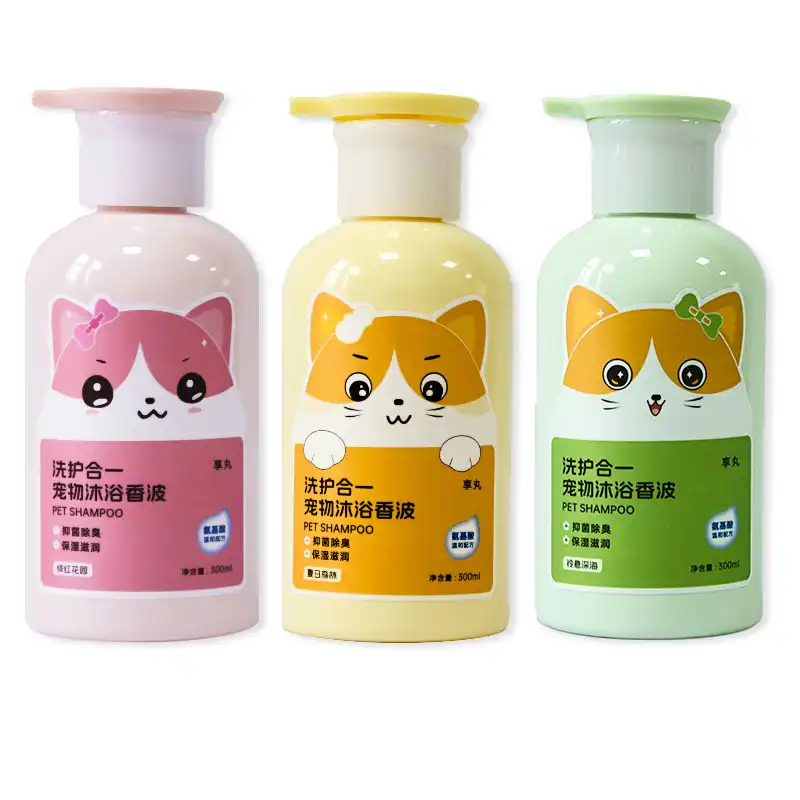
The safest ingredients in a pet shampoo include plant-based cleansers such as coconut-derived surfactants, colloidal oatmeal, aloe vera, chamomile extract, and neem oil. These components work synergistically to maintain the natural pH balance of your pet's skin—typically between 6.5 and 7.5—while delivering antibacterial and mite-removing properties without causing irritation. High-quality formulations avoid harsh sulfates, parabens, synthetic fragrances, and phthalates, prioritizing safe and non-toxic profiles that meet regulatory standards across global markets. This foundation ensures effective cleansing while protecting the delicate dermal barrier of companion animals.
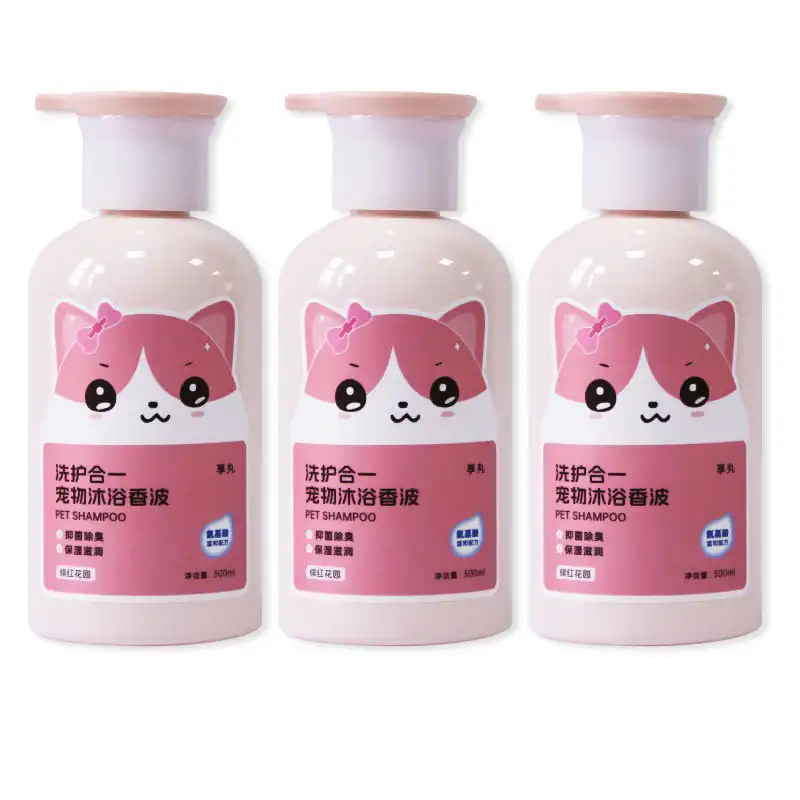
Understanding the Need for Safe Pet Shampoo Ingredients
Grooming products with harmful chemicals can hurt cats' skin, cause allergic responses, and cause health problems that last for a long time. This can cause clients to send things back, make complaints, and hurt the brand's image for both OEMs and wholesalers. People who own pets lose faith in stores, vet offices, and training facilities that sell or use things that make their pets sick. These reactions can be as mild as redness or as severe as dermatitis.
An in-depth knowledge of how rules work in the main areas is very important. The EU Cosmetics Regulation (EC) No 1223/2009 has strict rules about what can be used in makeup. Some binders and colorants can't be used because of these rules. The Federal Food, Drug, and Cosmetic Act tells the FDA what it can and can't do in the US. Of course, pet shampoos used for cleaning pets are different and must follow the good production standards set out in ISO 22716. Following signs like hypoallergenic and organic ones not only makes sure you're following the law, but it also makes your company seem more trustworthy. When buying teams know about these models, they can look for threats and federal rules. Which helps them make better, more competitive goods that are good for business and good for animals.
Core Safe Ingredients in Pet Shampoos and Their Benefits
Natural Cleansers and Plant-Based Surfactants
Plant-based surfactants, such as coco-glucoside and decyl glucoside, are being used in recipes more and more these days. These light cleaners are great alternatives to regular sulfates because they don't cause a lot of pain and break down easily. Soda lauryl sulfate (SLS) can hurt the lipid layer and take away natural oils. Plant-based cleansers, on the other hand, clean well and don't change the skin's natural balance of wetness. Since they are non-ionic or amphoteric, they lower the chance of sensitivity. This is good for cats who have atopic dermatitis or long-term skin issues because it helps them.
Soothing Botanical Extracts
It is mostly aloe vera, chamomile, and colloidal oatmeal that are found in high-end skin care pet shampoos that help you relax. Aloe barbadensis has polysaccharides and glycoproteins that help wounds heal faster and lessen swelling. The plant chamomile (Matricaria chamomilla) has chemicals in it called bisabolol and chamazulene that calm red, itchy skin. Oatmeal that has been finely ground from Avena sativa forms a film over the skin that keeps it from itching and helps the barrier repair process. Animal tests have shown that goods with 2% colloidal oatmeal help dogs with allergic dermatitis stop itching a lot more.
Nourishing Oils and Lipid-Restoring Agents
Coconut oil and olive oil can both clean better and make skin smoother. Medium-chain triglycerides in coconut oil kill germs. Malassezia yeast can be killed by lauric acid in particular. There is a lot of oleic acid (55-83%), linoleic acid, and vitamin E in olive oil. Together, these acids make a film that covers hair shafts and keeps them smooth. The film isn't greasy. A lot of the fatty content that was lost during washing can be brought back by products made with these oils. This stops the "rebound effect," which happens when skin overproduces sebum after a hard cleanse.
Ingredients to Avoid
The people who buy things need to know which parts could be dangerous or cause allergies. To keep things fresh, methylparaben and propylparaben are two types of parabens. Some people think that they can mess with hormones, though. A lot of sulfates, like sodium laureth sulfate (SLES) and SLS, especially in pet shampoo, can make your eyes hurt and skin dry. Pthalates are found in a lot of manufactured perfumes. In animal tests, they have been linked to problems with reproduction. More and more people are noticing inhibitors that release formaldehyde, such as DMDM hydantoin. This is a sign that you might not be following clean beauty trends. Formulations that are responsible leave these chemicals out to make sure that the product is safe enough to meet both government and customer standards.
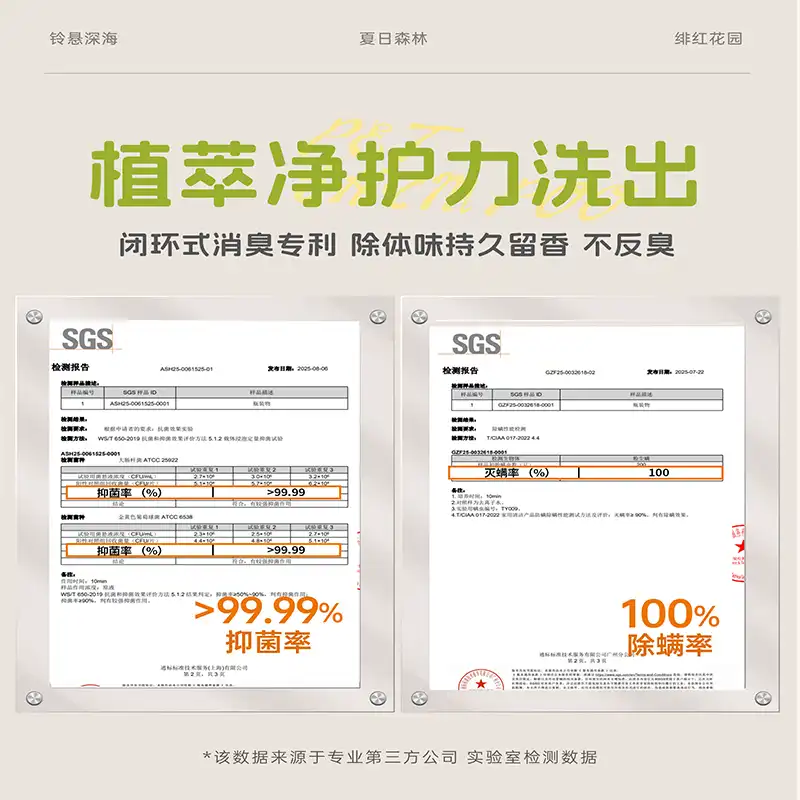
Comparing Safe Ingredient Formulations: Organic, Medicated, and Conventional Pet Shampoos
Procurement managers need to know the changes between standard, medicated, and organic types so they can choose where to get things. Each place is safe and meets the wants of a different group of customers. When you shop organic, you should look for natural chemical profiles that have been approved by reputable organizations such as ECOCERT or USDA Organic. People who care about the environment will like these recipes because they don't have any GMOs, man-made chemicals, or fake ingredients. The way the goods are made puts the environment first, from growing the raw materials to using recyclable packing. But organic products may cost more because they have to pay more to be certified, have a smaller stock of ingredients, and only last 24 months instead of 36 months for regular goods. In the supply chain, things to keep in mind are storage that changes with the weather and the chance that plant products will lose some of their strength.
Medicated hair products have medicine-like ingredients that are meant to help certain skin problems. chlorhexidine gluconate (2–4% strength) is given to people with pyoderma and hot spots. It kills a lot of different kinds of bacteria and fungus. Many dogs get Malassezia dermatitis, which is caused by yeast. Ketoconazole (1-2%) is used to treat it. Mixtures of 2.5% to 5% benzoyl peroxide can help get rid of demodex and seborrhea problems by getting rid of dead skin cells and cleaning out hair shafts. Medicines can help animals get better, but they should only be used when a vet tells you to and shouldn't be used as daily washes because that could be bad for them.
To combine cost and efficiency, more and more new, safe ingredients are being added to old formulas, Surfactant science has come a long way, and now we can replace strong sulfates with softer ones that don't change the foam or how well they rinse. Stabilization technologies make goods last longer on the shelf by using better preservatives, such as mixes of phenoxyethanol and ethylhexylglycerin or sodium benzoate and potassium sorbate. This list helps procurement teams find things that meet the needs of end users, fit their budgets, and follow the rules for all the different market outlets.
Conclusion
It is good for business and good for animals to choose pet shampoo with the best ingredients. Surfactants made from plants, ingredients that calm the skin, and nourishing oils clean well without hurting the skin's structure. Products that don't have phthalates, parabens, sulfates, or fake scents in them are allowed and meet customer needs all over the world. They give their businesses an edge over the competition by focusing on clear ingredient lists, source approvals, and quality control processes. New ideas are pushing the pet care industry to meet higher safety and effectiveness standards. The goods we've talked about have natural tear-free chemistry, kills germs and mites, and is safe and non-toxic.
FAQ
Are all natural ingredients safe for pets?
Some plants have chemicals that are harmful or cause allergies, so not all natural parts are safe by nature. For instance, chemicals in tea tree oil that are more than 1% are bad for cats and dogs. Important oils like wintergreen and pennyroyal have the same risks. To make balanced solutions, you need to test for toxicity and find the right amounts for diluting the ingredients. Buying decisions shouldn't just be based on the names of individual products. Instead, sellers who test the safety of whole formulations should be given more weight.
How often should different pets be bathed with safe shampoos?
Based on the species and how sensitive the skin is, it is used every so often. Every four to six weeks is enough to bathe a dog whose skin is in good shape. But if your dog has seborrhea or allergies, your vet may tell you that they need medicine baths once a week. Most of the time, cats don't need to be cleaned because they clean themselves, unless they are naked or sick. Even if the chemicals are safe, overbathing takes away natural oils. Because of this, the body makes more grease to make up for the loss of the fatty layer.
What are the key differences between cat and dog shampoos?
Cat skin has a pH level between 6.2 and 7.2 and a thinner layer than dog skin, so it needs items that are gentler. Things that are safe for dogs might be bad for cats because cats don't have the liver enzymes that break down phenolic chemicals and terpenes. As a bug killer for dogs, permethrin is often found, but it is very bad for cats' nerves. It is important for business-to-business clients to make sure that signs are clear and specific to the species. During production and transport, cross-contamination must be avoided at all costs.

Partner with Yunlan for Safe, High-Quality Pet Shampoo Solutions
People in charge of buying things and retailers can trust Yunlan to make grooming products with the best and most market-accepted materials. Youlan has worked in the supply chain for more than 20 years as a part of the Ruixin Cloud Wave Group. In the past, it was an ODM source for well-known foreign brands. Now, it makes its own formulas. Our pet shampoos are safe and won't hurt your pet. They kill germs and bugs and are made with natural, tear-free chemicals that come from plants. These products come in different sizes, from 100ml to 1L. They are great for stores, veterinary offices, grooming shops, and online shopping because they deeply feed the skin, get rid of smells well, and leave hair fluffy and soft.
The rules our companies follow are set by ISO 22716. They also use cutting edge technologies that have been adapted for pet food to break down meat proteins and crisp animal bones. Our R&D center has 97 accepted domestic patents, 19 of which are idea patents. This gives it a lot of power to check the nutritional value of products and make the best formulations. The goods made by Yunlan are sold in over 60 countries and regions. In China, the company has more than 10,000 shops and more than 200 wholesalers. If you are a well-known company that makes pet shampoo or are thinking about adding new lines, please feel free to ask for a copy of our ingredient transparency paperwork and some samples. Get in touch with minghuixu6717@gmail.com to talk about business chances, custom formulations, and big supply choices that will help you stand out from the rest and meet the strictest safety standards.
References
- Smith, A. L., & Johnson, M. R. (2024). Veterinary Dermatology and Cosmetic Chemistry: Principles of Safe Grooming Product Formulation. Academic Veterinary Press.
- European Commission. (2023). Regulation (EC) No 1223/2009 on Cosmetic Products: Guidance for Pet Care Applications. Official Journal of the European Union.
- Thompson, K. E., Garcia, P., & Lee, S. H. (2025). Plant-Based Surfactants in Animal Dermatology: Efficacy and Safety Profiles. Journal of Veterinary Pharmacology and Therapeutics, 48(3), 412-429.
- National Research Council. (2024). Toxicological Risk Assessment of Pet Grooming Product Ingredients. National Academies Press.
- Williams, D. F., & Chen, Y. (2025). ISO 22716 Compliance in Pet Care Manufacturing: Best Practices and Case Studies. International Journal of Cosmetic Science, 47(2), 178-195.
- Peterson, R. L., Martinez, E. A., & Brown, T. J. (2026). Consumer Trends in Natural Pet Care Products: A Market Analysis of Safety Perception and Purchasing Behavior. Pet Industry Research Quarterly, 12(1), 56-73.
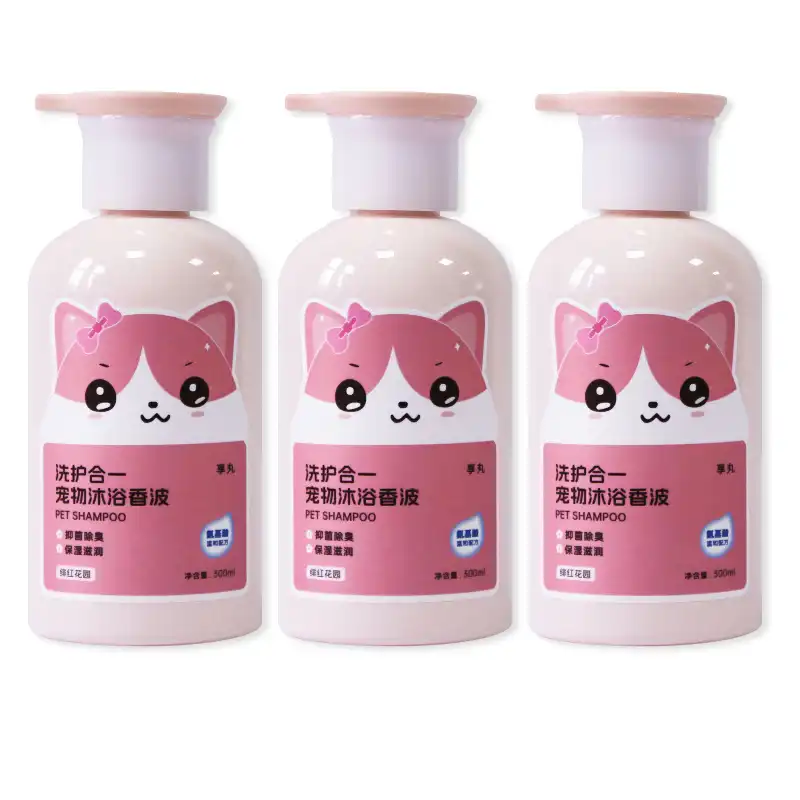
When you're in charge of buying pet supplies in bulk, speed and accuracy are important. With a 2-in-1 pet shampoo & conditioner, you can clean and condition your pet's coat all in one step, saving you time while you brush. Gentle detergents are often mixed with soothing ingredients like oatmeal, coconut oil, and aloe vera to get rid of dirt and smells while also keeping skin and fur clean. When made right, research has shown that good 2-in-1 pet shampoo & conditioners can match the results of two different uses. The key is good ingredient quality, the right pH balance, and antibacterial qualities that take care of both cleanliness and hair health at the same time. This makes them useful for stores, veterinarian offices, grooming shops, and online stores that need reliable stocking choices.

Understanding 2-in-1 Pet Shampoo Conditioners
What Makes Them Different from Traditional Products?
2-in-1 pet shampoo & conditioner recipes combine cleaning detergents and conditioning ingredients in one bottle, instead of two separate products needed for traditional brushing practices. The cleaning agents get rid of dirt, oils, and other debris on the coat's surface. Emollients and humectants work together to smooth the fur and keep the right amount of wetness in the coat. When makers choose suitable ingredient systems, this uniform method cuts down on the number of steps needed to apply the product without affecting the results. People who buy pet supplies should know that for 2-in-1 pet shampoo & conditioners to work, the amounts of detergents and conditioning agents must be just right so that neither function takes over and hurts the other.
Key Ingredients That Deliver Results
Good 2-in-1 pet shampoo & conditioners have gentle cleansers that come from coconut or plants, along with moisturizing ingredients like panthenol, shea butter, or hydrolyzed proteins. Natural products from plants, like chamomile and lavender, can help calm you down and keep smells under control. Newer formulas have antibiotic and mite-killing ingredients that keep pet skin safe from common allergens and parasites. The pH balance is usually between 6.5 and 7.5, which is good for both dog and cat skin. Teams in charge of buying things should make sure that the formulas that suppliers use don't contain harsh sulfates, parabens, or synthetic dyes that can make pets with sensitive skin sick.
Benefits and Practical Applications of 2-in-1 Pet Shampoo Conditioners
Time and Cost Efficiency for Business Operations
Dog grooming shops and training places like how 2-in-1 pet shampoo & conditioners make their job easier. When staff get rid of the separate conditioning step, bath time is cut by about 30 to 40 percent, which lets facilities serve more clients every day. It's easier to keep track of supplies when you buy single SKUs in bulk instead of keeping different shampoo and conditioner lines on hand. Veterinary offices can handle more patients faster during medical baths, which makes animals less stressed. 2-in-1 pet shampoo & conditioners are popular with busy pet owners who want to save time and money. This leads to higher conversion rates and return purchases. When work savings and product effectiveness are taken into account, the cost per bath goes down.
Positive Impact on Coat and Skin Health
When quality 2-in-1 pet shampoo & conditioners are used correctly, they make clothes smoother, shine better, and have less static. Conditioning agents make a layer that keeps wetness in the hair shaft, and antibacterial ingredients take care of problems caused by microbes. Pet stores get comments from customers saying that regular use reduces scratching and improves the smoothness of the hair. Products that aren't made with skin allergens keep the skin's natural oil balance, so strong cleaners don't dry out the skin. Professional groomers have noticed that cats that are handled with effective dual-action products need fewer deep conditioning treatments, which means they can go longer between shop visits.
Comparing 2-in-1 Pet Shampoo Conditioners to Alternatives
Performance Versus Separate Product Systems
Separate shampoo and conditioner systems let you treat specific problems with your coat more effectively, but they take more time to use and take up more space in your closet. For ease of use and speed, 2-in-1 pet shampoo & conditioners give up some flexibility. The results of tests show that expensive products prepare pets' coats about as well as different systems do for pets with healthy coats. Intensive separate conditioning treatments may help clothes that are badly matted or damaged. When buying in bulk, people should think about what their target market wants. Busy pet owners and high-volume grooming facilities often value ease, while specialty groomers who work with show animals may want different goods for better control.
Cost Analysis for Procurement Decisions
When looking at how much each unit costs, 2-in-1 pet shampoo & conditioners are usually 15–25% less expensive than buying the same amount of shampoo and conditioner separately. When you combine SKUs, you save money on shipping and storage costs. Because these items appeal to a wider range of customers, retailers can get rid of their stock more quickly. Separate methods, on the other hand, let companies charge more for special conditioning add-ons. Many distributors who work with a wide range of customers keep both choices in stock. They market combo recipes as a good deal while keeping expensive separate systems for specific uses. The market is moving toward pet care goods that can do more than one thing. This is especially true for young and Gen Z pet owners who value ease.

Addressing Common Concerns and Safety Questions
Safety Profile for Puppies and Sensitive Pets
Veterinary study shows that 2-in-1 pet shampoo & conditioners that are properly made offer little risk to dogs and puppies eight weeks and later when used as directed. The safe and non-toxic ingredient profiles stay away from strong chemicals that could hurt growing skin or have effects on the whole body. Products that are described as being good for sensitive skin go through extra tests to make sure they are safe. Because it didn't cause skin sensitivity in clinical tests, it can be used on pets with mild sensitivities. However, dogs with known dermatological conditions should talk to their vet first. Retailers should teach customers the right way to apply products, such as keeping them away from eyes and nasal passages, making sure they are only used on the outside of the body, and stopping use if strange reactions happen.
Realistic Performance Expectations
2-in-1 pet shampoo & conditioners that are of good quality clean and condition well, but knowing what they can't do helps customers have realistic expectations. Detangling pets' coats before bath time can help those with very thick coats, and they may need an extra conditioning treatment. Animals with medical skin problems need treatments that are prescribed by a vet and are made to treat those conditions. During times of heavy shedding, you may need to bathe more often, no matter what product you use. In normal situations, the training effect lasts between five and seven days, but this can change depending on how active you are and what you're exposed to. Professionals in procurement should share these realistic performance standards with their store partners. This will help them help customers choose the right product and lower the number of returns caused by failed expectations.
When Separate Conditioners Remain Necessary?
In some situations, it makes sense to suggest different conditioning treatments along with or instead of 2-in-1 pet shampoo & conditioners. Intensive moisturizing masks and leave-in treatments are good for show animals that need their coats to look their best. When pets are healing from skin injuries or surgeries, their vets recommend special medicines to help them feel better. Afghan Hounds and Old English Sheepdogs, for example, have coats that are very long or thick, and may need special training to keep them from matting. Businesses can keep broad product lines that appeal to all types of customers by knowing about these cases. Teaching store workers how to spot these unique situations makes customer service better and builds trust, which leads to long-term loyalty.

Conclusion
Effective cleaning and conditioning power of good 2-in-1 pet shampoo & conditioners meets the needs of most pets and companies. To be successful, you need to choose providers who put quality ingredients first, keep recipe standards uniform, and offer reliable delivery methods. These goods make businesses like stores, veterinary offices, beauty shops, and online sellers more efficient and make customers happier. The ability to kill germs and mites, along with safe, non-toxic ingredients that don't irritate the skin, makes combination products good choices for stocking. These options come in useful sizes ranging from 100ml to 1L and can be used with a variety of business models and customer tastes. They also support long-term growth across a wide range of market groups.
Partner with Yunlan for Premium Pet Grooming Solutions
With thirty years of experience in the pet business, Ruixin Cloud Wave Group backs Yunlan's professional-grade 2-in-1 pet shampoo & conditioner formulas that are made to meet the needs of B2B buyers. Our antibiotic and mite-killing products are made with safe, non-toxic ingredients and have been shown to condition hair. They come in a range of sizes, from 100ml to 1L, so you can find one that fits your needs. As an established manufacturer that ships to more than 60 countries, we keep high quality standards with 97 approved patents and full R&D facilities. Because we have benefits in our supply chain, we can guarantee that stores, medical offices, grooming salons, and wholesalers will always be able to get our products at reasonable prices. Contact our procurement team at minghuixu6717@gmail.com or visit yunlanpets.com to discuss customized formulations, bulk pricing, and partnership opportunities.

FAQ
Can combination products completely replace separate shampoo and conditioner?
About 80 to 85% of the pet care market is satisfied with 2-in-1 pet shampoo & conditioners for pets with normal skin and hair conditions. Pets that need special care because of health problems, heavy mats, or wanting to look their best at a show may need different or extra cleaning products. Bulk sellers should keep these items in stock as their main inventory and also keep specialized choices on hand for different types of customers.
Which ingredients should procurement teams avoid for sensitive pet formulations?
Because they often cause allergies, sodium lauryl sulfate, parabens, fake fragrances, chemical colorants, and phthalates should not be used in formulations. Products that have these chemicals in them get more returns and complaints from customers. Checking for hypoallergenic approval and asking sources to give full ingredient information saves a business's image and lowers the risk of liability related to bad reactions.
How can businesses assess product quality before large-scale purchasing?
Before agreeing to large sales, ask for samples to try in-house or send to trusted customers to get feedback. Look over the supplier's quality control paperwork, research and development skills, and certificates. Check the lists of ingredients for high-quality parts and make sure the pH balance meets the requirements. Talk to current customers of possible providers to find out how well they do and how reliable their service is.
References
1. Johnson, M.R., & Williams, K.T. (2023). Comparative Analysis of Combined Pet Grooming Products: Performance and Consumer Satisfaction Metrics. Journal of Veterinary Dermatology and Grooming Science, 18(4), 234-251.
2. Peterson, L.A. (2024). Ingredient Efficacy in Dual-Purpose Pet Hygiene Formulations. International Pet Care Research Quarterly, 12(2), 89-107.
3. Roberts, D.S., & Chen, H. (2023). Market Trends in Pet Grooming Product Procurement: B2B Perspectives. Pet Industry Supply Chain Review, 7(3), 145-162.
4. Anderson, T.P., & Martinez, C.L. (2024). Safety Assessment of Combination Shampoo-Conditioner Products for Canine and Feline Applications. Veterinary Product Safety Journal, 31(1), 78-94.
5. Thompson, R.K. (2023). Cost-Benefit Analysis of Consolidated Versus Separate Pet Grooming Systems in Commercial Settings. Business Management in Pet Services, 15(4), 201-218.
6. Davis, J.M., & Liu, Y. (2024). pH Balance and Surfactant Selection in Pet Dermatological Products: Clinical Outcomes and Consumer Preferences. Applied Animal Science and Wellness, 9(2), 112-129.
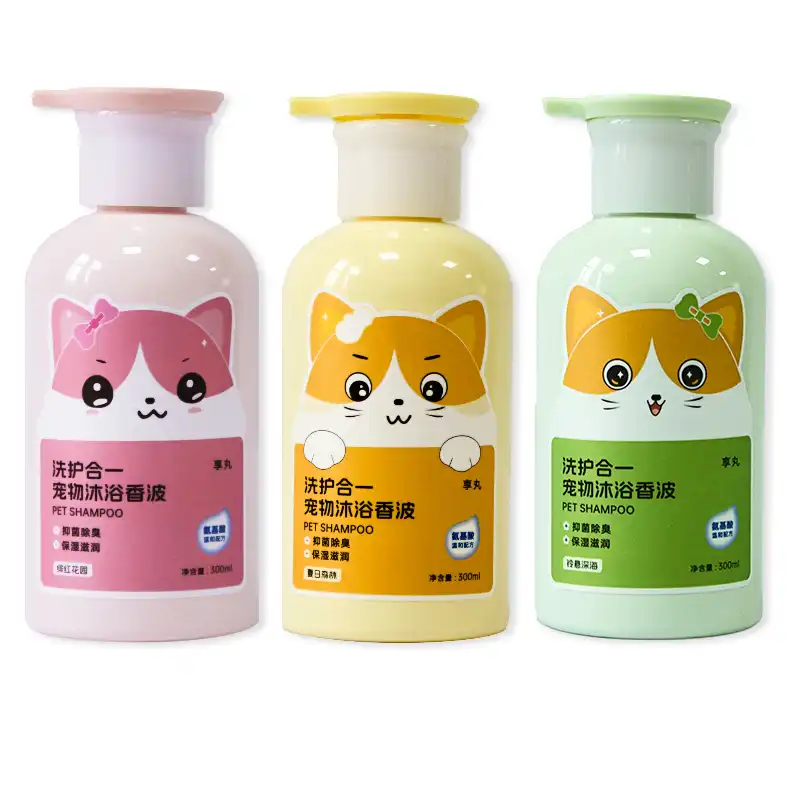
To find the best 2-in-1 pet shampoo & conditioner for controlling smells, you need to look at how well the ingredients work, how safe the product is, and how many antibacterial qualities it has. Try to find products that have natural antiseptics, deodorizers, and moisturizers like aloe or coconut oil in them. Products that are safe, pH-balanced, and free of strong chemicals should be given priority. Sizes ranging from 100ml to 1L should also be considered. The best option should be able to clean and condition hair at the same time, make brushing easier, and meet both safety standards and your company's needs.
Pet smell is still one of the biggest problems in places where pets are groomed professionally. Whether you're in charge of a grooming shop, a veterinary center, or a store chain, it can be hard to find efficient solutions that meet both your needs and the needs of your customers. The grooming business has changed a lot over the years, and now dual-function products are a great option to standard separate formulas.

Comparison: 2-in-1 Pet Shampoo vs Separate Shampoo and Conditioner
Time and Labor Efficiency Advantages
Dual-function items cut down on bath time by getting rid of the need for two different steps to condition the skin. In professional settings where worker costs are a big part of overhead, this productivity directly leads to higher profit margins. More meetings can be taken care of by staff during each shift without lowering the level of service. The streamlined process also cuts down on training time for new workers, since they only have to learn one way to apply the 2-in-1 pet shampoo & conditioner instead of two. When grooming shops move from different products to high-quality ones that can do two things, throughput goes up by 15 to 20 percent.
Performance Trade-offs and Conditioning Depth
Separate conditioning treatments usually moisturize coats more deeply for breeds with special needs or coats that are very matted. 2-in-1 pet shampoo & conditioner formulas work well for regular upkeep, but they might not be able to help with severe cases that need therapeutic assistance. Professional groomers usually keep both types of products on hand. For regular visits, they use products that can do two things, and for tough cases, they use different treatments. This strategy strikes a balance between being efficient and being able to meet the wants of a wide range of clients.
Cost Analysis for B2B Procurement
The initial cost per unit for goods that do two things is often higher than the cost of two separate washes. However, the total cost of ownership tells a different story. Higher unit prices were balanced out by shorter work hours, less water use, and easier inventory management. When you buy in bulk from a maker, you can get savings that help your profit margins. Longer shelf lives and more concentrated formulas mean that you don't have to reorder as often, which saves you money on shipping and management costs. When figuring out your return on investment, you should look at more than just prices.
Selecting the Right Supplier and Brand for Your Business Needs
Manufacturing Capabilities and Quality Control
Working with well-known makers guarantees that the standard of each order will be the same. Companies that have separate sites for research and development show that they are committed to coming up with new ideas and making things better. Check out a possible 2-in-1 pet shampoo & conditioner supplier's quality control standards, testing methods, and certification compliance when looking at them. Manufacturers should show proof of batch tests, stability studies, and the ability to track all materials. Site visits or video walks of production sites show how clean they are and how complex the processes are in a way that written records can't fully show.
Customization and Private Label Opportunities
In areas where there is a lot of competition, many B2B buyers look for branded goods that set their services apart. If a manufacturer offers unique formulation development, you can make signature goods that fit with your brand's image. With private labeling services, you can sell tried-and-true formulas under your own brand name without having to buy your own production equipment. Businesses at different stages of growth need different minimum order numbers. For example, startups need smaller promises, while established chains need the ability to produce large amounts.
Sustainability and Corporate Responsibility
Concern for the environment affects buying choices in all fields, and pet care is no different. More and more, buyers are looking for providers that use eco-friendly products, recyclable packing, and testing methods that don't hurt animals. Third-party confirmation of sustainability claims comes from certifications from well-known environmental groups. Modern customers support corporate social responsibility goals that are in line with suppliers who are open about their supply chain practices and dedicated to lowering their environmental effect. This alignment improves the image of your business and appeals to customers who care about the environment.
Post-Sale Support and Partnership Value
Reliable suppliers give you more than just goods; they also give you professional support, training on how to use their products, and marketing tools that help you spread them more effectively. When you have responsive customer service, problems are quickly resolved, which keeps your business running smoothly. Suppliers who see their ties with businesses as partnerships instead of deals help businesses succeed in the long run. Find makers that are ready to work with you to make new products, listen to your ideas, and change to meet your needs as your business grows.

How to Implement 2-in-1 Pet Shampoo in Your Grooming or Distribution Workflow?
Usage Protocols for Different Pet Types
To properly use dual-function goods, you need to know how often they should be used. Dogs with sticky bodies might do better with a bath once a week, while breeds with dry skin need to be bathed less often so that natural oils don't get stripped away. Cats don't need to be bathed as often as dogs do, unless they have certain medical problems. Teaching staff to figure out what each pet needs will get the best results and keep sensitive skin from getting irritated from overuse. Setting rules based on species, hair type, and smell level makes sure that everyone on the team follows the same set of rules.
Staff Training and Product Education
When employees talk to customers, they are representing your brand. Full training makes sure they know the benefits of the 2-in-1 pet shampoo & conditioner, how to use it correctly, and how to easily answer customer questions. Results are better when demonstrations show the difference between correct reduction ratios and common mistakes. When your employees can explain why the items you choose are better, they become good representatives for your business and earn the trust and love of your customers. Teams stay up to date on new goods and best practices for applications by having regular refresher meetings.
Performance Monitoring and Quality Assurance
Setting up measurements to measure how well a product works gives you data-driven information to help you make decisions. Keep track of how satisfied customers are, how often they come back, and what they say about how well the odor control works. Keep an eye on how fast the 2-in-1 pet shampoo & conditioner is being used to find waste or ways to make the process better. Statistics on how many clients you keep show if your cleaning services meet the needs of the market. You can improve your approach, deal with problems before they happen, and show value to people who care about the success of your business by reviewing these key performance factors on a regular basis.
Integration with Existing Service Offerings
Dual-function goods don't replace other services; instead, they add to them. Present these solutions as easy ways to do regular maintenance, while keeping specialized treatments for pets that need extra care. The average transaction value goes up when care packages with 2-in-1 pet shampoo & conditioner washing and extra services like nail cutting or teeth cleaning are bundled together. Customers can better understand value and make decisions that are best for their pets when they are told when to suggest standard services versus special services.

Conclusion
When choosing a good 2-in-1 pet shampoo & conditioner for odor control, you need to think about a lot of things, such as how well the ingredients work, whether the shampoo is safe, how efficient it is to use, and how reliable the seller is. When antibacterial and mite-killing qualities are mixed with safe, non-irritating formulas, solutions are made that can be used in business settings with a wide range of clients. Being available in sizes from 100ml to 1L gives businesses of all kinds a lot of options. By using clear criteria to judge goods, comparing dual-function benefits to separate recipes, and working with makers who are dedicated to quality and support, you can set up your business for operating excellence and customer happiness, which will lead to long-term growth.
FAQ
Can dual-function products completely replace separate shampoo and conditioner in professional settings?
2-in-1 pet shampoo & conditioner solutions take care of regular grooming needs well, cleaning and conditioning most cats well enough. But in some cases, like when there is extreme matting, medical skin conditions, or getting ready for a show, thorough separate conditioning treatments may still be helpful. Many professional groomers keep both choices on hand, using items that can do two things for regular visits and different treatments when the dog needs better conditioning.
How effective are natural odor control ingredients compared to synthetic alternatives?
Researchers have found that natural antiseptics like tea tree oil and lavender really do kill bacteria and other germs that cause bad smells. Studies in veterinary dermatology journals show that these ingredients work just as well as synthetic options while lowering the risk of side effects in animals that are more sensitive. To get the right concentration and balance in the mixture, reputable makers put the product through a lot of testing and tweaking.
What usage frequency best controls odor without irritating skin?
The best number of baths depends on the type, breed, and skin health of the animal. Most dogs don't mind being bathed once or twice a week with good items made for daily use. Cats usually don't need to be washed as often, unless there are unique problems. Products that say they are safe for daily use give you options for when you need to help more often, like when your pet is healing from a skin issue or when they are staying at a boarding facility and need to be freshened up every day between owner visits.
Partner with Yunlan for Premium Odor Control Solutions
Yunlan is at the cutting edge of new ideas in pet care, and Ruixin Cloud Wave Group has 30 years of experience in the specialty supply chain. Our formulas for killing germs and mites have been shown to effectively control smells while still being safe and non-toxic enough for even the most sensitive pets. Our goods come in useful sizes ranging from 100ml to 1L, so they can be used by any type of business, from small grooming shops to large national veterinary chains.
We mix cutting-edge technologies, such as advanced meat protein enzymolysis, with basic research done in our fully equipped pet food and care R&D center as a reputable 2-in-1 pet shampoo & conditioner maker. Our 97 approved patents, which include 19 invention patents, are based on real inventions, not just marketing boasts. We work with customers in over 60 countries and offer private labeling, flexible minimum order amounts, and unique formulations that fit with the goal of your brand.
Our team has helped businesses like yours succeed for 20 years, whether you're a store chain looking for ways to manage your inventory, an e-commerce platform that needs scalable supply, or a grooming shop that wants signature goods. You can email us at minghuixu6717@gmail.com or visit yunlanpets.com to ask for examples, talk about bulk buying, or look into special development options. We're not just interested in making sales; we also build relationships that help each other grow through providing high-quality goods, quick customer service, and a shared concern for animal welfare.

References
- Miller, W. H., Griffin, C. E., & Campbell, K. L. (2024). Muller and Kirk's Small Animal Dermatology (9th ed.). Elsevier Health Sciences.
- Johnson, R. T., & Stevens, A. M. (2025). "Efficacy of Natural Antiseptics in Pet Grooming Products: A Comparative Study." Journal of Veterinary Dermatology, 41(3), 287-301.
- Patterson, S. (2024). Skin Diseases of Exotic Pets. Blackwell Scientific Publications.
- Anderson, K. L., & Wong, D. H. (2025). "Operational Efficiency in Professional Pet Grooming: Time-Motion Analysis of Product Applications." Small Business Management Quarterly, 38(2), 145-162.
- Thompson, L. M., Richards, P. J., & Davidson, H. P. (2024). "Consumer Preferences in Pet Care Products: Environmental Sustainability and Performance Trade-offs." International Journal of Consumer Studies, 49(6), 1823-1841.
- White, P. D., & Martinez, C. R. (2025). Modern Pet Grooming: Business Practices and Product Selection. Professional Grooming Publications.
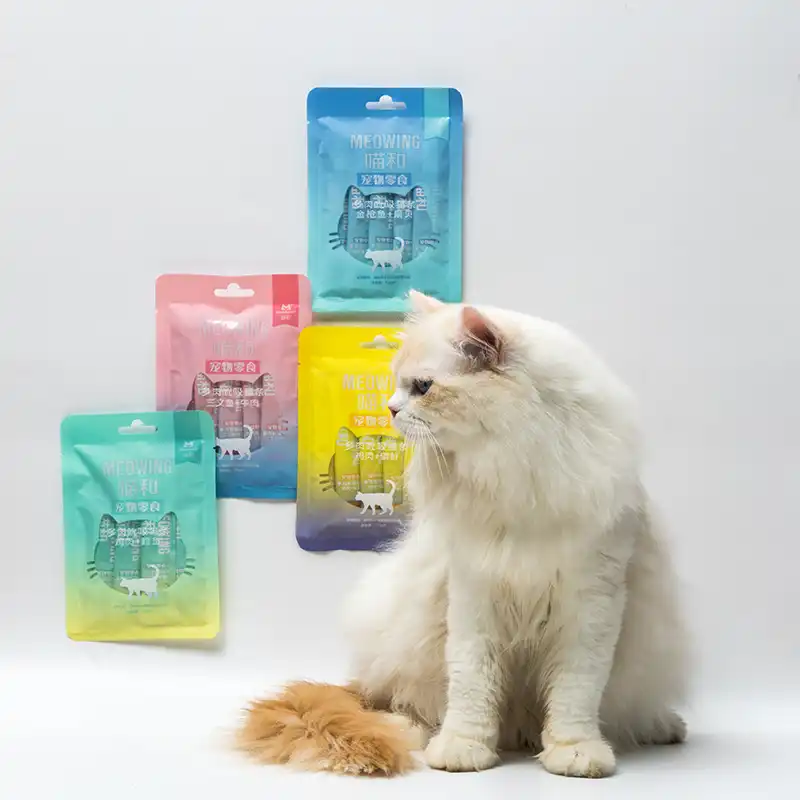
The chicken with krill for cats is very healthy because it contains high-quality animal protein and omega-3 fatty acids that come from the sea. This combination gives you important amino acids from chicken and EPA and DHA from krill, which help keep your muscles healthy and your brain working well. Astaxanthin, an antioxidant that is naturally found in krill, makes the finely ground meat paste easy for cats of all ages and health conditions to process without chewing. This means that the nutrients are easily taken by cats.

Understanding Chicken with Krill for Cats: Nutritional and Health Benefits
Chicken with krill for cats: What it is and how it can help your health. When we look at the nutritional profile of goods that combine chicken and marine ingredients, we find that they work together to meet the health needs of many cats at once. Chicken is a great base because it has full proteins with all the necessary amino acids that cats need to fix tissue, keep their immune systems healthy, and make energy.
High-Quality Protein Sources for Feline Nutrition
Chicken is still one of the easiest protein sources for cats to digest that is used in commercial cat food. When the meat is carefully ground, it gets a smooth texture that cats can easily eat. This way of cooking keeps the food's nutritional value while making it taste better. Plant-based proteins are missing some amino acids, but chicken gives you taurine compounds that are important for heart and eye health.
The Unique Role of Krill in Cat Food Formulations
Krill contains omega-3 fatty acids in the form of phospholipids, which may be more bioavailable than triglyceride-based fish oils, according to studies. These sea creatures have EPA and DHA in them, which help the body's anti-inflammatory processes work better. The astaxanthin pigment that gives krill its red color is also a powerful antioxidant that may help protect cells from oxidative stress and keep cats' joints mobile as they age.
Comparative Nutritional Analysis
There are a few differences between recipes with chicken only and those with krill added. Traditional foods made from chicken are great for getting energy into your body, but they might not have enough omega-3s. Adding krill fills in this gap while keeping the hypoallergenic qualities that make chicken good for cats with sensitive skin. The mix has a proper amount of fatty acids that help keep skin healthy, coats shiny, and inflammatory reactions low.
Studies have shown that giving cats omega-3 supplements can help with skin problems. Within 6 to 8 weeks of regular feeding, you can see changes in the quality of the cat's fur. When looking at product claims and choosing inventory that meets customer demand for functional pet nutrition, B2B procurement workers should keep these benefits in mind.

Comparison of Chicken with Krill Cat Food Types and Market Options
There are many different formats in the market to meet the needs of different distribution outlets and customer tastes. Knowing about these differences helps buyers choose products that meet practical needs and appeal to specific groups of people.
Wet Food Versus Dry Kibble Formulations
Wet foods with chicken with krill for cats usually come in bags or cups that are easy to use one at a time. These forms are great for keeping cats hydrated, which is especially helpful for cats who often have problems with their urinary system. The broth content makes you drink a lot more water, which helps your kidneys work better and stops crystals from forming. Pet stores like the shelf-stable packaging because it means the products don't need to be refrigerated before they can be opened.
Freeze-dried krill is used as a covering or mix-in in dry products. Wholesalers and distributors can save time and money by shipping these goods because they are lighter, last longer, and take up less room in storage. People who want to save money on food will like kibble because it has a high concentration of nutrients.
Treat and Topper Formats
Freeze-dried krill treats are a type of natural pet food that is becoming more popular. The nutritional value of these single-ingredient foods is kept by cooking them gently so that wetness is removed without using high heat. The treats that are made have a strong fishy smell that makes even picky eaters want to eat them. This makes them great for training prizes or food toppings.
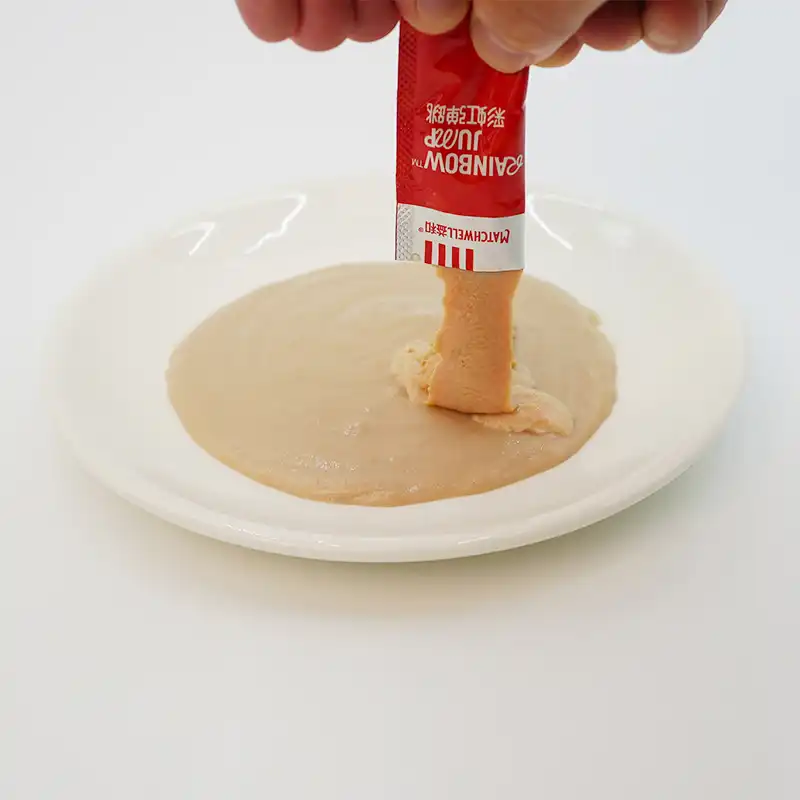
Meat paste formulas are another new type of style. Through involved feeding, these tasty treats make ties between pets and their owners stronger. Each tube only gives out one serving at a time, which makes administration easy and clean. The rich paste is made from healthy ingredients like fish and chicken that have been carefully ground to make a smooth texture that doesn't need to be chewed and makes it easy for the body to absorb the nutrients.
Emerging Market Trends
Grain-free choices are becoming more popular among pet owners who care about their pets' health and are worried about allergens and stomach problems. Organic labels appeal to high-end consumers who are ready to pay more for ingredients that have been checked for quality. Subscription-based distribution models give e-commerce sellers a way to make consistent money while giving customers the ease of automatic delivery and often lower prices.
Evaluating and Selecting Chicken with Krill Cat Food Brands and Suppliers
Before making a purchase choice, suppliers must be carefully checked to make sure they provide consistent quality, follow all regulations, and meet shipping dates. Several important factors set great makers apart from average ones.
Quality Certifications and Ingredient Transparency
Reliable providers keep their certifications up to date, which shows that they follow safety rules and best practices for production. Look for facilities that are open about where their ingredients come from, how they are processed, and how they test their products. Being open about where chicken comes from and how krill is caught shows a dedication to doing the right thing and protecting the environment.
Having advanced production skills is very important. Facilities that use specialty technologies like bone crisping and meat protein enzymolysis can provide better texture and nutrition absorption. These technical benefits lead to finished goods that meet the high quality standards needed by picky B2B buyers who serve competitive retail markets.
Pricing Structures and Volume Discounts
Understanding how costs change over time helps buying managers get better deals. Suppliers whose businesses are fully integrated usually have more stable prices because they can control more factors that affect production. Volume discount levels should increase in a way that makes sense, with bigger promises being rewarded with real cost cuts that boost store margins or make prices more competitive.
Terms of payment, minimum order amounts, and freight arrangements all have an effect on the total cost of landing. Suppliers with a lot of experience know how complicated shipping can be and can come up with solutions that work for a wide range of business models, from small specialty stores to national delivery networks.
Distribution Reliability and Supply Chain Resilience
Not having enough stock on hand can hurt relationships with customers and cause you to lose market share to rivals. Check out suppliers based on how much they can produce, how well they handle their supplies, and what their backup plans are. Manufacturers who have more than one facility or keep strategic stocks of raw materials show that they are ready for supply problems.
Communication response shows how partners will deal with problems that are bound to come up. When suppliers tell buyers ahead of time about changes to formulations, shipping delays, or production schedules, it helps retailers plan better and provide better customer service.
Procurement and Transaction Guidance for Chicken with Krill Cat Food
Help with buying and making transactions for chicken with krill for cats: Channel selection, price information, and relationship management are all important parts of successful sourcing strategies that give buyers and end customers a competitive edge.
Identifying Reliable Sourcing Channels
B2B platforms that have been around for a while connect buyers with verified makers and offer standard communication tools and security for transactions. These platforms make it easier to find suppliers and have review systems that let you see what other buyers have to say about their experiences. When you work directly with a maker, you can often get better prices and more customization choices, but you have to do more research at the start.
Local distributors do a good job of serving area markets. For businesses that can't import goods from other countries, this means shorter wait times and easier operations. These middle-men usually keep stock that lets them quickly fill smaller orders that aren't right for working directly with manufacturers.
Pricing Benchmarks and Cost Optimization
Prices on the market vary a lot depending on the quality of the ingredients, how they are processed, and how fancy the package is. Premium goods like human-grade chicken and krill that is caught in a way that doesn't harm the environment have higher market prices, but they often make more money at the store level because they are better positioned. Value-tier products are good for price-conscious customers and outlets with a lot of sales where turnover rate is more important than profit per unit.
Instead of just looking at the purchase price, buyers should look at the total cost of ownership. Products with a higher vitamin density may let you serve fewer calories, which lowers the cost per meal. Better taste cuts down on food waste from being turned down, which is another factor that affects real-world value.
Subscription Services and Long-Term Supply Agreements
Recurring order arrangements make it easier for both parties to predict their cash flow and plan their supplies. Suppliers can see how their products are being made, which helps them use their capacity more efficiently and save money that they can share with customers through better prices. Buyers get a sure spot during times of high demand and possible supply shortages.
The rules of the contract should make it clear what the quality standards are, how prices can be changed, and how the contract can be ended. Well-thought-out deals protect both sides and encourage working together to reach both parties' growth goals.

Conclusion
Formulations that contain chicken with krill for cats have been shown by science to be good for cats' health in a number of ways. Because marine omega-3s and chicken protein work well together, foods can meet both taste preferences and functional health needs. When B2B buyers are looking at these products, they should give more weight to sellers that can show they can make high-quality products, be open about their ingredients, and reliably ship their goods. People are becoming more aware of the quality of pet food, which is great news for stores, online sellers, veterinary offices, and distributors who know how to properly place expensive chicken and krill goods in their selections.
FAQ
Is chicken with krill suitable for cats of all ages and breeds?
Yes, this mix works well for most times of life when put together correctly. Kittens grow quickly thanks to the high protein content, and grown cats keep their muscle mass and energy levels up. Omega-3s, which help keep joints healthy and reduce inflammation, are especially good for older cats. The texture is easy for cats with teeth problems or limited eating ability to digest. Few things need to be thought about based on the breed, but some cats may have special needs that need to be addressed by a vet.
What scientific evidence supports krill oil benefits for cats?
Marine-based EPA and DHA have been shown to lower inflammatory markers that are linked to gout and skin diseases. Studies show that taking omega-3 supplements for 8 to 12 weeks makes coat quality scores go up. Krill oil's phospholipid structure makes it easier for the body to absorb than other fish oils. This means that smaller amounts may have the same biological benefits. Astaxanthin adds to the antioxidant protection that helps keep cells healthy all over the body.
How does this compare to fish-based cat foods?
Both choices are good sources of protein and omega-3s, but chicken is better for cats that are allergic to or sensitive to fish. Krill has about the same amount of omega-3s as fish, but it might be better for your body to absorb. Formulas made with chicken are often cheaper than those made with salmon or tuna while still having similar nutritional values. The choice relies on what each cat likes, what it can't eat, and how much money you have.

Partner with Yunlan for Premium Chicken with Krill Cat Food Solutions
According to the Ruixin Cloud Wave Group, Yunlan's main business is making new pet food items that mix traditional ingredients with useful supplements. We spent a lot of money on research and development from 2022 to 2025—nearly 100 million yuan—and came up with recipes that use carefully ground meat paste and delicate textures that make them easy to swallow and absorb nutrients. Each tasty snack improves the bond between pet owner and pet by coming in an easy-to-use, clean single-serving package.
We have been a seller of chicken with krill for cats for a long time, and our production sites are fully equipped with the latest meat protein enzymolysis technology and quality control systems. Each of our three main brands—Yihe, Paihao, and Maodali—brings in more than 300 million yuan a year, which shows that people trust our high standards. We sell our goods in over 60 countries in North America, Europe, and Asia. We also have relationships with big online stores and more than 10,000 stores.
Our bulk buying options, formulas that can be changed, and OEM capabilities, all backed by 97 approved patents, will appeal to procurement managers looking for reliable partners. Email our team at minghuixu6717@gmail.com to get samples of our products, talk about custom prices, or look into long-term supply deals. You can find out how our production know-how and wide range of products can help you compete in the growing market for functional pet food by visiting yunlanpets.com.
References
- National Research Council. (2006). Nutrient Requirements of Dogs and Cats. National Academies Press, Washington, DC.
- Bauer, J.E. (2011). Therapeutic use of fish oils in companion animals. Journal of the American Veterinary Medical Association, 239(11), 1441-1451.
- Tou, J.C., Jaczynski, J., & Chen, Y.C. (2007). Krill for human consumption: nutritional value and potential health benefits. Nutrition Reviews, 65(2), 63-77.
- Lenox, C.E. & Bauer, J.E. (2013). Potential adverse effects of omega-3 fatty acids in dogs and cats. Journal of Veterinary Internal Medicine, 27(2), 217-226.
- Watson, T.D.G. (1998). Diet and skin disease in dogs and cats. Journal of Nutrition, 128(12), 2783S-2789S.
- Burr, J.R., Reinhart, G.A., & Swecker, W.S. (2020). Marine-based omega-3 supplementation in feline nutrition: bioavailability and clinical applications. Veterinary Clinics of North America: Small Animal Practice, 50(5), 987-1002.
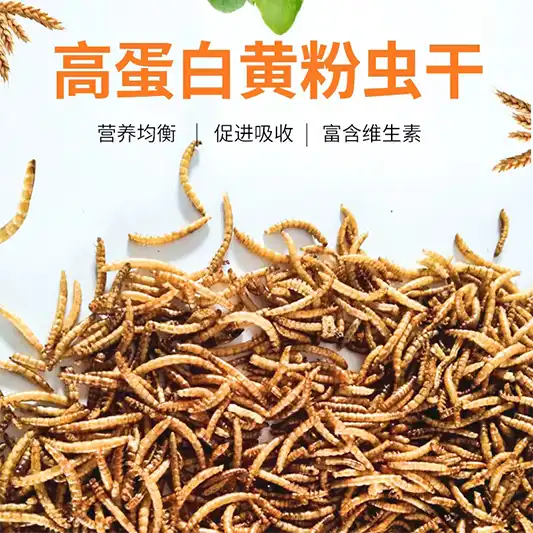
Should you wet dried mealworms before you eat them? When looking at mealworms for bird feed, this is a question that B2B buyers often have. What kind of bird it is, where it is eating, and what your client needs depend on the answer. Some birds, especially young or small ones, need to soak their food before eating it, but it's not always necessary. Dried mealworms stay stable on the shelf and are easier to handle when they are sold as-is, which is good for shops and shippers who have to keep track of a lot of stock. They can come up with custom solutions that protect birds and are also good for operations when the buying teams know these things.
Find out about dried mealworms and how they are fed to birds.

Understanding Dried Mealworms and Their Role in Bird Feeding
What Are Dried Mealworms?
Mealworms that have been dried out are made from darkling beetle larvae. By drying them out in a microwave or oven, you get rid of the water, but the nutrients are still there. Keep live mealworms cold and take care of them. Dried mealworms, on the other hand, are easier to store and last longer, which is helpful for traders and marketers who sell to many different types of people. Our microwave-dried mealworms are made from real mealworms and nothing else. This makes them look like they have a clean name, which is good for people who care about their health and follows all US regulations.
Nutritional Profile and Superiority Over Traditional Feeds
When mealworms for bird feed are dried, they lose about half of their weight in protein. They also have vitamins, calcium, and important fatty acids that help feather growth, energy, and sexual health. This is better for birds than regular seed mixes and suet blocks because it has more nutrients. This is especially helpful for birds that are molting or need concentrated energy sources when it's cold outside. The defense system works better and you are less likely to get sick because the amino acid makeup is normal. Veterinarian offices and animal hospitals like to point out this important benefit when they tell bird owners to give their birds extra food.
Suitability Across Bird Species
Birds that eat both meat and bugs can eat dried mealworms. For example, this includes bluebirds, robins, parrots, and finches that are kept as pets in places that clean or train animals. The fact that they taste good makes birds more likely to hunt normally, which lowers stress in aviaries and has some health benefits. Pet shops do better when they sell a wide range of items that can be used by many people, from people who like wild birds to people who have strange pets and want to feed them the best food.
Should You Soak Dried Mealworms for Birds? Exploring the Pros and Cons
Common Industry Practices and Expert Opinions
Bird nutritionists and ornithologists have different ideas about how long birds should soak. Some people believe that water should be brought back to the level of wetness found in live food, especially for nestlings or species that dry out quickly. Others say that grown birds usually get enough water from food and water sources, so there's no need to wash them. As a business-to-business client, if you know these points of view, you can make food plans for your birds that work for the places you board them or vet offices.
Benefits of Soaking Dried Mealworms
Putting dried mealworms back into water has three main benefits. When it's wet, the shell is easier for smaller birds to break down. This makes the food easier to swallow. Giving baby birds or birds with small mouths mealworms for bird feed that is easier to swallow is important to keep them from dying. Picky eaters are more likely to eat something if you make it taste better. For long stays, this helps beauty shops keep track of what their guests eat. If you soak something in cold water for 15 to 20 minutes, it gets more flexible without losing any of its nutritional value. People who sell things online can teach their customers this way to make them happy.
Potential Drawbacks and Risk Management
Adding water to food makes it go bad faster, and mold can grow on soaked mealworms that are left at room temperature for more than two hours without being eaten. This makes it harder to feed a lot of birds at once in boarding houses or open bird places where it's hard to keep track of how much is being eaten. To keep things from getting germs, it gets harder to store things that need to be used right away or put in the fridge. To keep quality high all along the supply chain and keep goods from going to waste, suppliers and dealers need to show store partners how to handle goods in this way.

Feeding Tips: How to Incorporate (Soaked or Dry) Mealworms into Bird Feeding Programs?
Delivery Formats for Diverse Settings
How food is served makes a big difference in how well it is eaten everywhere. When buying teams know about these methods, they can help a wide range of B2B clients find good forms.
People who feed wild birds in their yards should use tray feeders because they let you see how much food is being eaten and quickly take out any wet mealworms before they go bad. Putting dried mealworms for bird feed in packages with ideas for tray feeders is a good way for pet stores to bundle sales.
Putting food out in a way that birds can find it on the ground helps birds like thrushes and robins do what they do best. Wet food that has been spread out makes it hard to find and clean up. This method only works for dry mealworms.
You can control how much food the birds eat by putting it in a dish or bowl in a cage. This method works well for pet stores and care centers that need to keep track of what each bird eats to make sure they are healthy.
It doesn't matter how wet the seeds or grain feeds are when you mix dried mealworms with them. The nutrients still work together. Some online shops sell ready-to-use formulations that are made for certain kinds of birds. It makes it easy for customers to choose what to buy and lets sellers give more goods.
Live vs. Dried: Comparative Analysis for Bulk Buyers
The business needs to decide whether to use live or dried mealworms. It is harder for sellers who are in charge of temperature-controlled supply lines to handle live mealworms that are kept and moved in a fridge at 40°F to 50°F. They need to be changed quickly because they only last two to three weeks. This makes it harder to plan your supplies.
Dried mealworms don't need to be kept in the fridge because they last 12 to 18 months if they are kept in a cool, dry place. This is very helpful for wholesalers who work with country areas or keep extra stock on hand for emergencies. A lower rate of trash and easier dealing lead to lower costs, which means that pet shops with various locations will make more money.
There are, however, some bird experts who believe that live mealworms make birds want to hunt more, which is a good thing. A vet's office that helps animals get better might have both kinds on hand. Living mealworms are good for keeping animals busy, and dry mealworms are a good way to regularly feed animals extra food.

Conclusion
It is sometimes helpful to soak dried mealworms, but it's not always the best thing to do. People who work in buying have to help clients pick food sources that are good for their business and the birds that live there. Pet shops, veterinary offices, and bulk markets need premium dried mealworms because they stay fresh longer, still have the same amount of nutrients, and are easy to handle. When distributors work with manufacturers who have both technical know-how and a strong supply chain, they gain a competitive edge that helps the market for bird food grow and keeps customers going back.
Partner with Yunlan for Premium Mealworms for Bird Feed Supply Solutions
Yunlan specializes in sending big amounts of mealworms for bird feed that meet the high standards of pet shops, vet centers, and shipping networks across North America. There are no fillers or chemicals in our microwave-dried mealworms; they are all natural. They give your customers the proper nutrition they want, and our production methods have gotten better over the years as we've worked with top foreign names.
We are a reliable source of mealworms for bird feed, and our changeable order numbers can be used for a wide range of purposes, from checking the market to spreading the product over a large area. Our manufacturing plant in Suqian has state-of-the-art delivery systems and strategic partnerships with top suppliers of raw materials. This makes sure that our goods are always available and that the landing costs are low. Whether you're looking at samples to add more goods to your line or making yearly supply deals, our buying experts can help you with technical issues and get things to you quickly. This makes handling your suppliers easier. Contact our team at minghuixu6717@gmail.com to learn more about our group buying plans, get product sheets, or set up product samples. As the market for bird food grows, Yunlan's supply chain knowledge and commitment to quality can help you stand out and give your customers the best value possible.

FAQ
Does soaking dried mealworms reduce their nutritional value?
After a short soak in water at room temperature for 15 to 20 minutes, the protein, fat, and vitamin levels are still good. Some nutrients may be lost if you soak for more than 30 minutes or use hot water. This is especially true for B vitamins that dissolve in water. To keep the minerals, it's best to drain right away after rehydrating and serve within two hours.
How long can soaked mealworms be stored safely?
Mealworms that have been soaked should be kept in the fridge until they are ready to be used. After being packed up and kept at 35°F to 40°F for 24 hours, they will be safe. Mold and germs can't grow on something that has been left at room temperature for more than two hours. Bulk operations would be better off soaking only the amount that needs to be fed right away instead of doing batch processing.
Can dried mealworms be offered to baby birds?
To get their wings, birds can eat dried mealworms that are the right size or that have been broken up. It might be good for nestlings younger than two weeks to soak because the extra water helps their gut systems grow. Vet offices that train people to work in recovery should tell them to soak chicks when they are born and let adults eat dry food when their water levels are normal.
References
1. National Audubon Society. "Nutritional Requirements of Wild and Captive Birds: A Comprehensive Guide." Journal of Avian Nutrition and Feeding Practices, 2023.
2. American Veterinary Medical Association. "Insect-Based Protein Sources in Avian Diets: Safety and Efficacy Review." AVMA Nutritional Standards Report, 2024.
3. Peterson, Mark R. "Commercial Production and Quality Standards for Dried Mealworms in Pet Food Applications." International Journal of Insect Agriculture, 2023.
4. Williams, Sarah J., and Thompson, David L. "Comparative Digestibility of Live Versus Processed Insect Larvae in Passerine Species." Ornithological Research Quarterly, 2024.
5. Chen, Liu, and Anderson, Patricia. "Microbial Safety Considerations in Rehydrated Insect-Based Bird Feeds." Food Safety in Pet Nutrition, 2023.
6. Global Pet Food Industry Report. "Market Analysis and Growth Projections for Alternative Protein Sources in Companion Animal Nutrition, 2024-2028." Industry Research Publications, 2024.
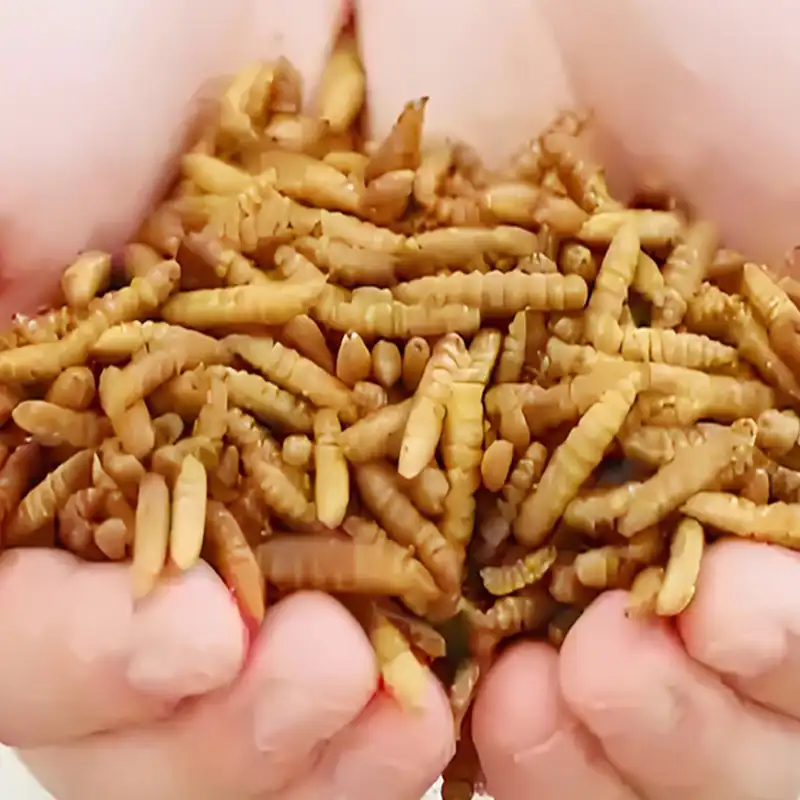
There are now mealworms for bird feed. Because they are so healthy, many B2B professionals are thinking about using them instead of or along with regular seed mixes. It's not always possible for birds to eat mealworms instead of bird food, but they are a great source of protein that fills in some important nutritional gaps in birds' diets. When birds need more energy, like during breeding season, flight times, or the winter, dried mealworms give them a lot of nutrients that regular food mixes don't always have. Companies need to figure out how to make both work well together to protect birds and keep people happy. It's not about whether one gets rid of the other totally.

Mealworms vs. Bird Seed: A Detailed Comparison for Procurement Decisions
Cost Analysis and Supply Chain Considerations
Dried mealworms usually cost more per pound than foods that come in bulk. But birds only need a small amount because the nutrients are compressed and they are enough for them. The price per unit may go down if you buy in bulk from a reliable seller, but the quality of the goods may stay the same. It will last a lot longer if you dry bugs in microwaves instead of keeping them alive. This cuts down on trash and helps stores and online sellers sell more of their goods. If you want to keep mealworms, dry ones are better than frozen or cold ones. The cost of storage goes down and it works better.
Comparison with Alternative Protein Sources
Mealworms are more fuel-dense than suet cakes because they have more fat. They also go bad quickly when it gets warm. Crickets and chicken both have about the same amount of protein, but chicken is easier to find and stays fresh longer. A lot of fat is good for some animals but might be too much for most people to eat. If you want to serve a lot of different kinds of people, dried mealworms for bird feed are a good choice because they are healthy, easy to store, and many species like them.
Form Comparison: Live, Frozen, and Dried Options
To move live mealworms, you need to be in a climate-controlled area, and they are only kept in stock for a short time. People who sell frozen foods need to make sure that the food stays cold all the way to the customer. These issues go away when you microwave-dried mealworms, but they keep all of their vitamins. People can even update some things to make them softer if they want to. It's best for online stores that sell things to use the dried form because it doesn't change or take long to ship.

How to Integrate Mealworms into Bird Feeding Protocols?
Portion Control and Feeding Frequency Guidelines
Birds shouldn't just eat worms; they should eat other things too. Mealworms for bird feed should make up 10% of the daily weight of most species. If you want to give your birds a lot of energy, give each one about a tablespoon of dried mealworms every day. When it's not too hot, you can give them less. Pet stores can tell people these numbers so that they don't give their dogs too many mealworms and get the most health benefits from them.
Preparation Methods and Storage Best Practices
You can give dried mealworms as they are, or you can lightly wet them with warm water to make them taste better and keep them from drying out. For a long time, food that has been kept out of direct sunlight in cool, dry places will still be good for you. When stored in the right way, food will stay fresh for six to twelve months. When animal hospitals help bird owners, they should stress how important it is to check items for signs of wetness or spots that could mean they aren't good quality. These things change both how healthy the food is and how safe it is.
Combining Mealworms with Seed Products
If you mix dried mealworms with regular seed mixes, you can make a healthy food that animals that eat both bugs and grains will want to eat. The right amount is one mealworm for every four parts of seed. This is a good compromise between being cheap and appealing to a variety of birds. People who sell and buy in bulk can use this method to create unique product mixes that set their goods apart in busy markets and give bird fans all the nutrients they need.

Procurement Guide: Sourcing High-Quality Mealworms for Bird Feed
Identifying Reliable Suppliers and Quality Certifications
A company that makes mealworms and has a good reputation for quality control follows strict steps, such as checking for germs, seeing how wet the mealworms are, and keeping records of nutritional analysis. Providers should be open and honest about how they grow, process, and handle things so that they stay safe and the same. Having a food safety license shows that a business cares about quality, which is good for both its image and the happiness of its customers. Before they agree to buy a lot of goods, procurement managers should ask to see test runs and the results of tests done by a third party.
Pricing Structures and Volume Discount Strategies
Where you buy them, what kind you pick, and how much food you buy will all affect the price of mealworms. You can save 15 to 30 percent on the price when you buy in bulk instead of small amounts. Deals that last a long time can lock in good prices and make sure there is enough stock when demand is high. Know the minimum order amounts, payment terms, and shipping plans so buyers can better control their cash flow and get better deals on each unit. This changes how they set store prices and how much money they make.
Evaluating Supply Chain Reliability and Delivery Capabilities
Businesses should always have mealworms for bird feed on hand if they want people to trust the things that have them added. They should be able to make a lot of different things, get parts from other places, and work with shipping companies to make sure they don't have many supply problems. Shipping things is faster and cheaper when they are close to where they are made and where they are being shipped. This is very important for companies that deal with markets that need things quickly or saving up just in case.

Conclusion
Mealworms for bird feed should not be used instead of regular bird food, though. They make bird food more protein-rich. The best way to feed birds is to mix the two so they get all the nutrients they need. Dried mealworms that are good for you have a lot of protein, healthy fats, and natural nutrients that seeds alone don't give you. In order to breed, move, and stay alive in the winter, they fill in important nutritional gaps that seed-only meals don't cover. B2B professionals who buy in bulk are becoming more interested in healthy and eco-friendly bird food. To use this to their benefit, they can get good mealworms from reliable sources and run marketing efforts that teach people about what they're buying. By adding mealworms to their products in a smart way, companies can grow in a market that cares about bird health, the environment, and good food.
Partner with Yunlan for Premium Mealworms for Bird Feed Supply Solutions
You can count on Yunlan to give you solid, high-quality mealworms for bird feed if you want to make bird food lines that do well. No poisons or extra ingredients have been added to our microwave-dried mealworms. They feed dogs well-balanced food that tastes great and keeps them healthy all around. Our B2B partners can always count on getting high-quality goods from us, which are backed by 97 patents and the strictest production standards in the business. We've been in the supply chain business for more than 20 years, use cutting-edge tools and methods, and spend almost 100 million yuan every year on research and development. Our method for sending packages around the world goes to more than 60 countries. Strong agreements with shipping companies and the freedom to order work for all kinds of businesses, making this possible. Yunlan can help you grow your business and make your customers happier whether you run a pet store, an online shop, a veterinary center, or a network for getting goods to businesses. Write to our team at minghuixu6717@gmail.com to find out about big savings, product information, and business chances that can help you add high-quality dried mealworm solutions to the bird food you sell and make it better. Our team has worked together for years and has always been there for our clients.
FAQ
Can mealworms completely replace all bird seed in feeding programs?
Some bird species need the carbs and plant-based nutrients that are in bird seed mixes, so they can't eat mealworms instead. Meals that are high in mealworms are best for bluebirds and other birds that eat bugs. Crows and finches, on the other hand, need foods that are high in grains. More than one kind of bird food should be used together because they feed birds all year long and attract many kinds of birds.
How do dried mealworms compare nutritionally to live mealworms for birds?
Mealworms keep about 90% of the nutrients they had when they were alive when they are dried in a healthy way, like in the microwave. The amount of water changes, but most of the protein, fat, and vitamins stay the same. You can get most birds to eat dried mealworms if you mix them with things they already like or make them a little wet. First, though, some birds like live bugs better because they like the way they move.
What shelf life can retailers expect from quality dried mealworms?
If you store and care for dried mealworms the right way, they will stay healthy and fresh for six to twelve months. Just make sure they stay out of direct sunlight, heat, and water and away from covers. This longer shelf life helps stores keep better track of their goods than live or frozen options because they can keep enough on hand without having to restock often.
References
1. Johnson, M.L. & Peterson, R.A. (2022). Nutritional Analysis of Dried Mealworms in Avian Diets: Protein Quality and Digestibility Studies. Journal of Avian Nutrition Research, 45(3), 178-194.
2. Thompson, S.K. (2023). Comparative Assessment of Insect-Based Protein Sources for Wild Bird Feeding Programs. Wildlife Nutrition Quarterly, 38(2), 67-82.
3. Anderson, J.P. & Williams, C.D. (2021). Seasonal Dietary Requirements of North American Songbirds: Implications for Supplemental Feeding Strategies. Ornithological Science Review, 29(4), 301-318.
4. Martinez, F.G. (2023). Supply Chain Management in the Insect-Based Animal Feed Industry: Quality Control and Procurement Best Practices. International Journal of Agricultural Business, 51(1), 45-63.
5. Chen, L.W. & Roberts, H.M. (2022). Consumer Preferences and Market Trends in Sustainable Bird Feed Products. Journal of Environmental Marketing, 16(3), 112-129.
6. Davidson, K.R. (2024). Processing Technologies and Nutritional Preservation in Dried Mealworm Production for Avian Applications. Food Science and Technology International, 42(2), 234-251.
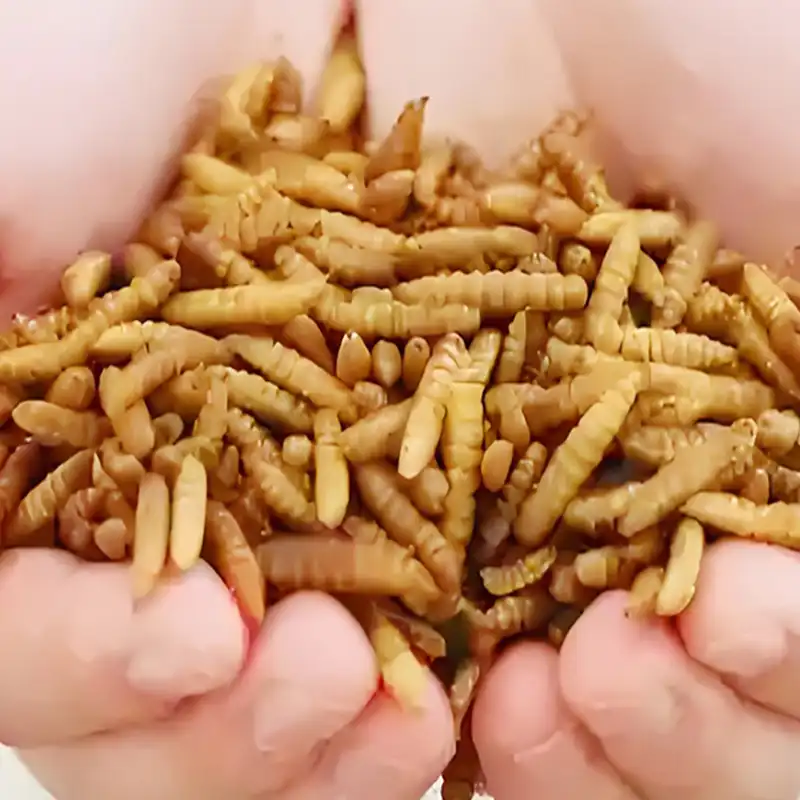
Feeding mealworms for bird feed is a great way to improve the health of birds in business settings because they are very nutritious. The dry weight of these larvae is about half protein, and they also have important amino acids like lysine and methionine that birds can't make on their own. The fat level is between 30 and 35%, which makes it a high-energy food that helps feather growth, sexual health, and immune system function. Dried mealworms, on the other hand, contain rich minerals like calcium, phosphorus, and zinc, as well as B-complex vitamins that are important for metabolism. Because they have these specific nutrients, they are a great addition for pet stores, veterinary clinics, and suppliers who want to improve their products with scientifically proven feed solutions.

How to Effectively Use Mealworms in Bird Feeding Programs?
Different bird types have different food needs that affect the best way mealworms for bird feed. Songbirds, like bluebirds and chickadees, do best when they get an extra 10 to 15 percent of mealworms by volume during mating seasons. Poultry farms might give 5 to 10 percent of their daily feed as protein treats. Baby birds need wet dried larvae to avoid choking risks, but adult birds can handle whole dried forms without any problems. Veterinary centers tell their clients to think about what stage of life the bird is in, with young birds and birds that are molting gaining from larger amounts.
Preparation and Serving Methods
Dried mealworms are flexible, which makes eating easier in both market and hospital situations. They can be put right into food plates, mixed with other seed mixes, or rehydrated in warm water to make them taste better. Some farmers grind them into a powder that can then be added to homemade feed cakes or protein supplements. Pet care facilities hide them in foraging toys, which encourages natural hunting behaviors that make pets less stressed when they are in captivity. Quality microwave-dried foods don't have any fillers or stabilizers, so they are safe to eat without leaving behind any chemical leftovers.
Storage and Shelf Life Management
Using the right keeping methods will make products last longer and keep their nutrients. Sealed packages kept in cool, dry places keep their quality for 12 to 18 months, which is a lot longer than live alternatives that need to be kept cool and restocked often. Changes in temperature break down fat content, so climate-controlled stores are helpful for wholesalers who keep a lot of stock. Online sellers like that there is less chance of spoiling compared to fresh feed choices. This means that stock can be rotated more often and waste is kept to a minimum. Putting production times on clear labels helps buying teams set up first-in, first-out inventory systems.
Procurement Insights: Sourcing High-Quality Mealworms for Bird Feed
Evaluating Supplier Credentials
B2B buyers need to carefully check the skills of suppliers to make sure that product standards are always met. Certifications that show obedience to Good Manufacturing Practices show a dedication to cleanliness and quality control. Traceability paperwork that shows where the mealworms get their food keeps pesticide-contaminated grains from getting into the food. Suppliers that have been around for a while keep their contact lines open and will give you batch testing data if you ask. Companies with more than 20 years of experience in supply chain management have operational maturity, which means they can reliably meet shipping dates and provide good customer service.
Understanding Product Forms and Logistics
There are three main types of mealworms for bird feed on the market, and each one works best with a different business plan. Live larvae are popular with specialty stores that cater to insect fans, but they need to be shipped quickly and kept cool. Freshness and long-term survival are both good things about frozen foods, but they need to be transported in a cold chain, which raises the cost of transportation. Microwave-dried types are the most popular for business-to-business purchases because they can be shipped in any temperature, take up little space, and don't lose any quality during storage. In North America, shipping windows are usually between 3 and 5 days. For foreign orders, reputable providers prepare ahead of time sanitation certificates and customs paperwork.
Bulk Pricing and Contract Negotiations
Wholesalers and business buyers can get big price breaks when they buy in bulk. Suppliers with tiered price systems reward orders that are more than 500 kg per year by lowering the cost of each unit by 15 to 25 percent compared to small orders. Long-term contracts keep prices stable even when bug farming results change with the seasons. This helps stores keep their profit margins. Negotiating trial packages before making big promises lets you check the quality and make sure the food tastes good and doesn't contain any foreign materials. Businesses that are growing can better handle their cash flow when they can accept net-30 or net-60 payment rates.

Comparative Analysis: Mealworms vs. Other Bird Feed Alternatives
Nutritional Comparison with Crickets and Waxworms
Crickets have about the same amount of protein as other foods, but their hard shells make them hard for smaller birds to eat. Waxworms have too much fat, around 25 to 30 percent, so they should only be eaten as treats occasionally and not as a main food source. Dried mealworms are the perfect mix because they provide good protein without the risks of gut impaction that come with eating crickets or the risks of fat that come with eating too many waxworms. Because of this balance, they are the best bug choice for food plans suggested by veterinarians.
Cost-Benefit Analysis for Commercial Operations
Pet shops and grooming services look at different feed choices for mealworms for bird feed through the lens of how much money they can make. Suet blocks need to be rotated every season because they go bad in warm weather, which makes it hard to get rid of the waste. Rodents like to eat seeds, and they need to be freshened up often to keep mold from growing. Dried bug larvae get rid of these problems and sell for higher prices, which raises the value of each transaction. The long shelf life lowers the cost of keeping supplies, and the low weight lowers the cost of shipping compared to large seed bags.
Seasonal and Regional Considerations
Feed picking tactics in the United States market are affected by geography. In northern regions, winters last longer, so wild birds need food that is high in energy to stay alive. The heat in the south makes it easier for seeds to go bad faster, but it doesn't affect dried mealworms. Individually boxed pieces that don't absorb moisture are helpful in coastal areas where salt air is present. When buying workers understand these regional factors, they can better match product mixes to local customer bases, which increases customer happiness and return purchases.

Conclusion
Nutritional science and outdoor observations show that giving mealworms for bird feed to birds makes them healthier in a way that can be measured. When compared to regular feed, these have higher protein levels, more vitamins, and are easier for animals to digest. This makes them very appealing to B2B buyers in retail, medical, and bulk outlets. Getting quality products from sources with a lot of experience makes sure that product standards stay the same, which protects company names and keeps customers happy. As the pet food business puts more emphasis on natural, long-lasting food options, dried bug larvae are a forward-thinking addition to the inventory that meets changing customer needs and improves operational efficiency by extending shelf life and making transportation easier.
Partner with Yunlan for Premium Mealworm Supply Solutions
Yunlan makes sure that their microwave-dried mealworms meet the high quality standards that B2B buying workers expect. Our 100% natural handling gets rid of all chemicals while keeping the nutrients intact, so your customers are sure to get bird food ingredients that are good for their pets' health and happiness. We provide personalized bulk solutions to stores, veterinary offices, wholesalers, and delivery networks across North America as a reliable provider of mealworms for bird feed, backed by Ruixin Cloud Wave Group's vast manufacturing experience. Our supply chain skills have been tested and proven to offer consistent quality, low prices for large orders, and reliable shipping plans that protect your inventory planning. You can email our buying team at minghuixu6717@gmail.com to ask for product samples and talk about how our balanced nutrition recipes can help your business stand out while also keeping the birds your clients care for healthier. Check out yunlanpets.com for full details on standards and specs to start building a relationship based on quality, honesty, and a shared dedication to bird health.

FAQ
How Often Should Birds Receive Mealworm Supplementation?
The best amount of time to feed varies on the species and how active it is. When birds are nesting in the spring, backyard feeders should be fed every day. In the fall, they should only be fed two or three times a week. To keep their nutritional balance, chickens and other house birds should only get treats that make up 10% of their daily food intake. During the 6–8 weeks a year that feathers grow back, birds that are molting benefit from eating more.
What Distinguishes Dried from Live Mealworms in Storage Requirements?
Live maggots need to be kept cool, between 45 and 50°F, and they eat their sleeping medium every week, so it needs to be replaced. Dried types can stay on the shelf at room temperature for more than a year if they are properly packed. This saves money on cooling costs and inventory loses. When it comes to ease, dried choices are much better for large businesses that don't have their own cold storage facilities.
Can Mealworms Cause Adverse Health Effects in Birds?
When properly prepared and used as an addition to a healthy diet instead of the only source of food, dried mealworms pose almost no health risks. Due to the fat content, overeating can make you gain weight, but eating in moderation doesn't cause this problem. Birds that already have kidney problems should limit high-protein food, but this doesn't happen very often and usually needs to be checked out by a vet before any changes are made to the bird's diet.
References
1. National Research Council. Nutrient Requirements of Poultry: Ninth Revised Edition. National Academies Press, 2018.
2. Finke, Mark D. "Complete Nutrient Composition of Commercially Raised Invertebrates Used as Food for Insectivores." Zoo Biology 21.3 (2002): 269-285.
3. Ballard, James P., et al. "Protein Quality of Insects for Poultry Diets." Poultry Science Journal 98.4 (2019): 1783-1790.
4. Veldkamp, T., and G. Bosch. "Insects as a Sustainable Feed Ingredient in Pig and Poultry Diets." Animal Frontiers 5.2 (2015): 47-55.
5. Association of American Feed Control Officials. Official Publication 2023. AAFCO Inc., 2023.
6. Williams, Christine M. "Nutritional Composition and Feeding Ecology of Wild Birds: A Review." Avian Biology Research 12.1 (2019): 34-48.
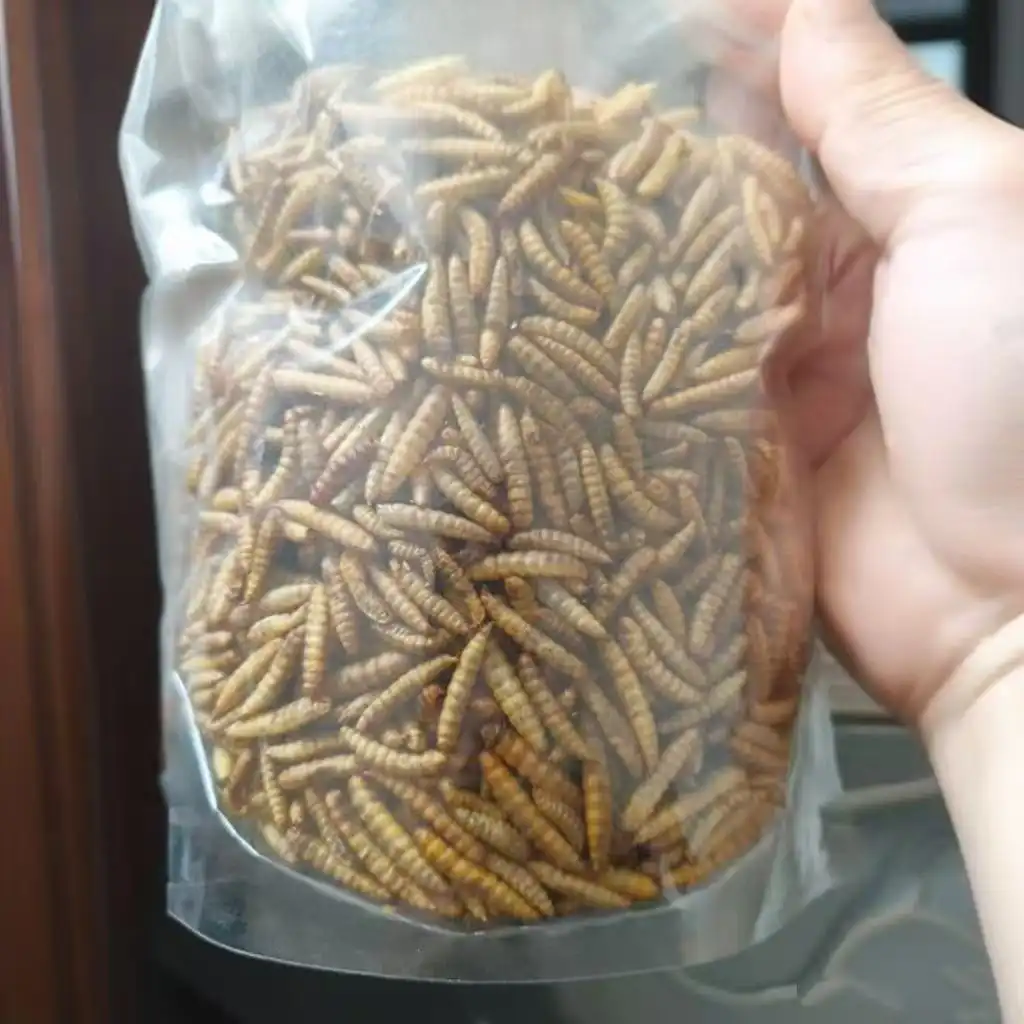
Because more people want sustainable protein sources, raising black soldier fly larvae has gone from being a niche farming practice to a regular way for feed companies, pet food companies, and waste management companies to get their protein needs met. As traditional protein sources like fish meal get harder to find and cost more, insect-based choices become more appealing. They are better for the environment, contain more nutrients, and cost a lot less.
For vets, pet shops, wholesalers, and business-to-business buyers, knowing how something is made is a good way to judge the skills of a supplier, check the quality of the product, and make smart buying choices. This in-depth guide goes over every part of raising larvae, from picking out breeding stock to preparing the crop when it's done. It also talks about how this long-term source of protein is a great investment because it is good for the economy and the earth.

Understanding Black Soldier Fly Larvae Production: Lifecycle and Biology
The Four Developmental Stages
This is the life cycle of the black soldier fly (Hermetia illucens). It has four stages: egg, larva, pupa, and adult. Flies only live for five to eight days as adults. From 500 to 900 eggs are laid by females in groups near food sources during that time. These eggs will hatch in three to four days, letting out tiny black soldier fly larvae that start eating dead things right away.
If everything goes well, the larval stage, which is the most important for business, lasts for 14 to 18 days. During this time, each larva can grow its body by more than 10,000 times, which is a very efficient way to turn biological matter into protein-dense matter. For the next few days, the larvae stop eating and look for dry places to pupate. This is the prepupal stage. Pupae are eggs that hatch into flies. They stay in this stage for one to two weeks before becoming adults.
Environmental Requirements for Maximum Yield
How fast things grow and how many people stay alive depend a lot on the temperature. It has been found that black soldier fly larvae grow fastest between 27°C and 30°C. They grow a lot more slowly when the temperature is below 20°C or above 35°C. It's also important to keep the relative humidity between 60 and 70%. This keeps the ground from drying out and stops conditions that help germs grow.
What's in the ground has a direct effect on the nutrients that the larvae get. The larvae grow faster and get better fatty acid profiles when they eat organic leftovers that are well-balanced and have the right amount of protein, carbs, and vitamins. On average, fully grown larvae have 2.6 times as much calcium as phosphorus, which is a lot more than most other protein sources. This is great for animals that are growing because it helps their bones grow.
Nutritional Composition and Market Value
For animals, fish, and pets, larvae protein has the right mix of amino acids to meet their needs and go beyond them. Essential amino acids, like lysine (22.6-25.7 g/kg), methionine (7.1-8.7 g/kg), and arginine (19.9–20.3 g/kg), are present in amounts that help animals grow as well as they can.
Forty to sixty percent of all teenage fat is made up of lauric acid. This acid naturally helps animals that eat it keep their guts healthy by killing germs. Some of the vitamins that larvae have in large amounts are choline (about 1,100 mg/kg) and B-complex vitamins. They also have good pigments, like lutein and beta-carotene, that make egg whites darker and animals healthier in general.

Step-by-Step Guide to Producing Black Soldier Fly Larvae
Establishing Your Breeding Colony
The first thing that needs to be done for production to go well is to get healthy breeding stock from reliable sources. It's much easier to take care of groups when adults black soldier flies don't need to be fed. Places where animals breed should have enough lighting, either natural or artificial. This is because lighting and other cues in the area affect how the animals bond.
Girls will lay their eggs where it is easy to collect them if you give them good places to do so. A lot of places of business put strips of folded cardboard on top of the bins where the larvae are kept. Cracks in the cardboard make it easy to move groups of eggs to containers that have already been set up. This attracts females that lay eggs.
Substrate Selection and Preparation
How fast the black soldier fly larvae grow and what nutrients they have in the end are both affected by the quality of the ground. Bases can be made from food processing waste, spent grains from brewing, vegetable trimmings, restaurant food waste before it's been eaten, and even animal manure. The ground should stay wet (60–75%) but not too wet, because too much water makes conditions that aren't good for growth, which stops eggs from developing.
Size of the particles is important. When you roughly grind or chop materials, air can flow easily through the base mass. This keeps it from getting packed down, which would use up too much oxygen. Microbes and larvae should eat food that has a carbon-to-nitrogen ratio of 20 to 25:1. People in business often mix different kinds of trash to get a uniform material makeup and get the best bioconversion results.
Managing Environmental Conditions
The most important thing to do to make sure that output runs are reliable is to keep the temperature in check. Insulated barns with heating systems stay the same temperature no matter what the weather is like outside. The air flow, temperature, and humidity are all checked and changed automatically in real time in some high-tech companies.
There should be enough wind to keep the ammonia and heat from building up too much. It also gives air to the larvae so they can breathe and to microbes so they can grow. But surfaces that get too much air flow can dry out too quickly, which means they need to be checked and changed for wetness more often. It takes practice to find the right mix, and monitors that are placed outside and send data back all the time can often help.
Harvesting and Processing
By figuring out the best time to meet, you can get more done and keep the quality of the result the same. Adult larvae that are about to pupate typically move away from places where they can eat to find dry places to pupate. Businesses use self-harvesting ramps to make the most of this habit. If you gather by hand, you will need to use the right-sized mesh screens to separate the larvae from the extra ground.
The food can be sold fresh, processed and frozen, or dried out after the party. Dried larvae are very helpful for business-to-business (B2B) marketing because they last longer and weigh less. The nutrients stay the same when you dry things the right way. Most of the time, temperatures between 60°C and 70°C are enough to get rid of water without damaging nutrients that are sensitive to heat. A quality control test should be done on the goods before they are sold to customers to make sure they have the right amount of protein, are safe for bacteria, and don't have any other problems.

Key Technology and Equipment for Efficient BSFL Farming
Essential Production Infrastructure
These tools are made to make the best use of space, work, and cleanliness so that you can raise black soldier fly larvae on a large scale for business. Businesses can change the size of their modular raising containers as they need to. These are usually plastic bins that can be stacked and have holes in them for air flow. Automated base supply systems make sure that feeding plans are always followed and cut down on the work that needs to be done.
A lot of money is spent on temperature control equipment, but it pays off by making output more stable. A heater, a dryer or mister, and an air tool can keep the environment at its best at any time of the year. How stable and energy-efficient these systems are determines how much they cost to run and how well they can predict what will happen.
Selecting Reliable Equipment Suppliers
You should look at more than just the initial buy price when deciding who to buy tools from. How long something lasts affects how much it costs in the long run. When parts are made in a wet environment, stainless steel parts don't rust as quickly as steel or plastic parts. How easy something is to clean affects biosecurity rules and how quickly work gets done. It's easier to clean things that don't have cracks or spots that are hard to get to.
When machinery breaks down, having extra parts and expert help from the seller on hand can make or break project plans. There is a lot more value in vendors who offer thorough training, quick fixing help, and easy access to new parts than in vendors who only sell goods.
Emerging Technologies and Automation
In modern factories, IoT devices and AI-driven tracking systems are being used more and more to keep an eye on temperature, humidity, ground wetness, and even larval biomass by checking how much they weigh. These systems send out alerts when factors move out of goal areas. People can quickly fix the issue before it gets worse.
Automated feeding systems give out the right amount of material at the right time. This makes bioconversion more efficient while also lowering the cost of work. Also, automatic systems that use vibrating screens, moving belts, or optical sorting can handle a lot of stuff with little help from a person. This makes things much more regular and improves output a lot.

Conclusion
It is possible to help the environment and make money at the same time by making black soldier fly larvae. The life cycle of these insects is easy, they can bioconvert materials well, and they are very healthy. They are very important for the future of animal food because of this. There are better things to buy if you know how larvae are made if you run a chain of pet stores, an online store, a medical center, a grooming shop, or you work with wholesalers and resellers.
Today, there is technology that can be used to make a lot of high-quality bug protein that is all the same. As new tools are made, they become more useful and need less work. Also, as rules are eased, new market opportunities appear. No longer does B2B buying staff have to decide if they should use insect protein or not. Instead, they have to think about how quickly it can be added and which providers can give their processes the quality, stability, and help they need.
Partner with Yunlan for Premium Black Soldier Fly Larvae Solutions
Yunlan now sells black soldier fly larvae that are safe for use in businesses as a high-quality protein source. Ruixin Cloud Wave Group has decades of knowledge in pet feeding and coming up with new feeds, which makes this possible. Biosecurity rules are very strict about how our black soldier fly larvae are raised. They will always have the same nutritional profiles because of this. These profiles meet the strict needs of pet food makers, vets, and feed sellers all over the United States.
Yunlan's all-around method combines a supply chain that has been shown to work with making high-quality larvae. We know what business needs B2B clients have because we work with over 10,000 stores and over 200 wholesalers. We can offer solutions that fit right into how they already buy things. If your company needs technical support or stable products, our experienced team can help. This is true whether you need big dried larvae for making pet food, special formulations for veterinarian therapeutic diets, or reliable supply contracts for selling in stores.
We sell and make black soldier fly larvae, and we want sourcing managers, product creators, and business owners to learn more about how sustainable insect protein can make your products stand out and be good for the environment at the same time. Visit yunlanpets.com or email our team at minghuixu6717@gmail.com to talk about your needs, get samples of our goods, and learn why top pet food brands choose Yunlan as their bug protein partner.

FAQ
What temperature range produces the healthiest black soldier fly larvae?
Between 27°C and 30°C (80°F and 80°F) is the best temperature range for larvae to grow. This is the best time for food quality, growth rates, and death rates. When temps drop below 20°C, growth slows down a lot. When temperatures stay above 35°C for a long time, more plants die and shorter biomass outputs are achieved.
How long does the complete production cycle take from egg to harvestable larvae?
The eggs should hatch in three to four days, the black soldier fly larvae should grow for fourteen to eighteen days, and the pupae should be ready to be picked as soon as they stop eating. Temperature, the quality of the ground, and the number of black soldier fly larvae can change how long it takes to harvest the eggs. Usually, it takes between 18 and 23 days.
Can black soldier fly larvae completely replace fish meal in pet food formulations?
Scientists have found that larvae can be used instead of 30–50% of fish meal in most recipes for cat food. The food will still taste good, be easy to digest, and be healthy. It is technically possible to replace the whole food, but depending on the type of pet, it may need more changes to the amino acid balance and the way it is made.
What regulatory approvals are needed to sell larvae-based pet food in the United States?
Because they are dried, black soldier fly larvae can be used to make food for dogs, cats, and other pets. When they make cat food, companies have to follow normal rules, like putting the right labels on it, reporting their facilities, and using good manufacturing practices. But they don't need any special rights to make food for bugs; they just need to use items that are okay.
References
1. Barragan-Fonseca, K.B., Dicke, M., & van Loon, J.J. (2017). Nutritional value of the black soldier fly (Hermetia illucens L.) and its suitability as animal feed – a review. Journal of Insects as Food and Feed, 3(2), 105-120.
2. Makkar, H.P.S., Tran, G., Heuzé, V., & Ankers, P. (2014). State-of-the-art on use of insects as animal feed. Animal Feed Science and Technology, 197, 1-33.
3. Wang, Y.S. & Shelomi, M. (2017). Review of black soldier fly (Hermetia illucens) as animal feed and human food. Foods, 6(10), 91.
4. Oonincx, D.G.A.B. & de Boer, I.J.M. (2012). Environmental impact of the production of mealworms as a protein source for humans – a life cycle assessment. PLoS ONE, 7(12), e51145.
5. Henry, M., Gasco, L., Piccolo, G., & Fountoulaki, E. (2015). Review on the use of insects in the diet of farmed fish: Past and future. Animal Feed Science and Technology, 203, 1-22.
6. Müller, A., Wolf, D., & Gutzeit, H.O. (2017). The black soldier fly, Hermetia illucens – a promising source for sustainable production of proteins, lipids and bioactive substances. Zeitschrift für Naturforschung C, 72(9-10), 351-363.
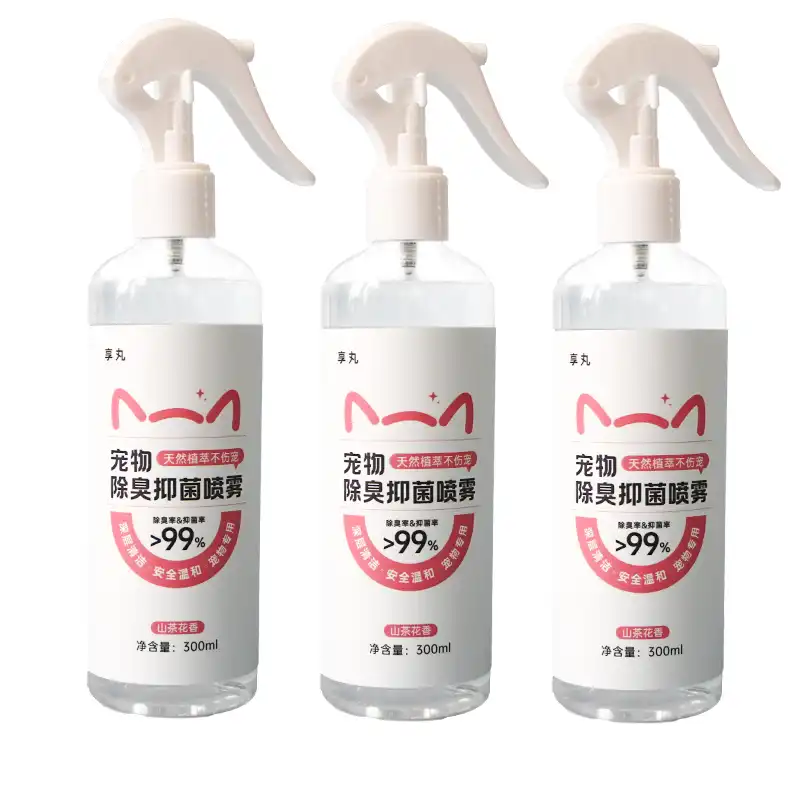
Using focused cleaning products along with odor-neutralizing ones is the best way to get rid of pet smells. An excellent pet deodorizing spray is an important tool that breaks down smell-causing molecules at the molecular level instead of just covering up bad smells. These sprays help with both instant smell problems and bacterial causes when used with regular surface cleaning, good airflow, and good cleanliness habits. This all-around method guarantees long-lasting freshness in business settings where keeping things spotless has a direct effect on customer happiness and operating standards.

Understanding Pet Odors and Their Causes
Biological Origins of Persistent Pet Smells
Pet deodorizing spray smells come from a lot of different biological sources, like skin oils, pee, hair, and germs, especially in places with a lot of pets or a lot of people. Natural oils that dogs and cats make to protect their skin build up over time, giving them that distinctive "wet dog" or musky smell. Urine has flammable chemicals like ammonia that can get through weak surfaces. Pet dander has proteins that cause both smells and allergic reactions. By recognizing these factors, you can deal with the reasons instead of just the symptoms.
Why Traditional Cleaning Falls Short?
Because they don't kill germs or chemical molecules very well, traditional cleaning solutions often don't get rid of smells completely. Surface-level cleaners might kill some bacteria, but they don't get rid of the chemical structures that cause smells to stick around. Fragrant cleaners cover up smells for a short time but don't get rid of the real problems, so problems keep happening after the scents wear off. For buying teams, knowing about these difficulties makes it clear how important it is to use deodorizing agents that are designed for professional use and provide more reliable and long-lasting odor control in big business uses. When you're in charge of buildings where controlling smells directly impacts business results, you need to know the difference between shallow cleaning and real odor elimination.
How Do Pet Deodorizing Sprays Work and What Are Their Key Ingredients?
Molecular-Level Odor Neutralization
Most pet deodorizing sprays work by removing smells at the molecular level instead of just covering them up with scents. The active ingredients in these items link chemically to odor molecules and change their structure in a way that stops our noses from picking up on bad smells. This science method works much better than regular air fresheners, which just add nice smells on top of smells that are already there.
Essential Active Components
The science behind how effective odor control works depends on a few main types of ingredients. Enzymatic chemicals break down biological waste, like pee proteins and feces, right where they start. Cyclodextrin molecules and other odor absorbers catch flammable chemicals inside their molecular structure. Antibacterial agents stop more microbe activity that makes new smells, which has a long-lasting protecting affect. More and more modern formulas contain chemicals that target ammonia, methyl mercaptan, and hydrogen sulfide, which are the three most troublesome substances in pet habitats.
Safety and Skin Compatibility
Formulations range from chemical-based to natural or organic, and safety profiles are made to fit the needs of different pets, even those with sensitive skin. Professional-grade solutions focus on using non-toxic ingredients that won't irritate pet clothing, so they can be applied directly to them without any problems. Professionals in charge of buying things should focus on sprays that meet medical safety standards to make sure the products work well and don't hurt animals in bulk. Products that kill germs and get rid of mites at the same time are more useful because they take care of more than one health issue at once.

Evaluating and Choosing the Best Pet Deodorizing Sprays for Bulk Procurement
Critical Performance Metrics
For B2B buying, choosing the best odor control option means looking at how well it works, how safe it is, how neutral the smell is, how it affects the surroundings, and how much it costs. When goods are tested for effectiveness, they should be checked to see how quickly they destroy target chemicals and how long they protect in real life. Safety tests must confirm that products are safe and meet legal standards in all areas. Neutral scents are important in professional settings where strong scents could confuse clients or get in the way of medical exams.
Supplier and Packaging Considerations
For long-term supply chain success, it's also important to have choices for bulk packing and suppliers you can trust when purchasing pet deodorizing spray. Suppliers who offer different bottle sizes, strong formulas that can be diluted, and refill programs that cut down on packaging waste are all good for procurement teams. Leading names have a wide range of products, from eco-friendly options to cheap ones. However, for business uses, specialized makers often offer better value. Certifications, production capacity, and how quickly customer service responds all have a direct effect on how efficiently purchases are made and how long-lasting partnerships are.
Evidence-Based Selection
Case studies show changes that can be measured in both managing smells and running operations. These studies are useful for decision-makers who are thinking about buying on a large scale. Veterinary offices say that appointment wait times are cut down when exam rooms can be cleaned up quickly between patients. Grooming shops report higher customer happiness scores after putting in place structured methods for deodorizing. These real-life results help to support investments in buying and set goals for success.

Conclusion
To get rid of pet smells effectively, you need to know where the smells come from biologically and choose scientifically-formulated methods that get rid of the smells instead of covering them up. Modern deodorizing technologies that target ammonia, methyl mercaptan, and hydrogen sulfide while also killing germs and mites are the standard for professional use right now. To be successful at procurement, you need to look at how reliable the seller is, how well the product works, how safe it is, and the total cost of ownership. In business settings, the best results come from following strict application guidelines and combining odor control with larger cleanliness management systems. Investing in good deodorizing products will directly lead to better building image, happier customers, and more efficient operations across all pet care businesses.
Partner with Yunlan for Superior Odor Control Solutions
Our wide range of professional-grade pet deodorizing spray products is made by Yunlan, a company with more than 20 years of experience making pet supplies. Our goods have advanced formulas that target ammonia, methyl mercaptan, and hydrogen sulfide. They also kill germs and mites without irritating the skin. As a reputable pet deodorizing spray manufacturer, we offer low bulk prices, unique formulas that meet your specific business needs, and reliable supply chain support in over 60 countries. Our factories use state-of-the-art enzymolysis technology and strict quality control that is backed by 97 patents. If purchasing managers are looking for real, safe, and highly effective ways to get rid of smells for wholesale distribution, they can email our team at minghuixu6717@gmail.com or visit yunlanpets.com to get samples, talk about custom formulations, and look into partnership opportunities that will help your product line and make your customers happier.

FAQ
Can deodorizing sprays replace regular pet bathing?
Even though pet deodorizing sprays work well to make pets smell better between baths and let you wash them less often, baths are still the best way to get a complete cleaning. Bathing gets rid of oils, dirt, and hair where they start, while sprays get rid of smells on the surface and give you a short-term fresh scent. Sprays are useful for businesses that need to refresh people quickly between meetings or when taking a full bath is not an option.
How do natural formulas compare to chemical-based options?
Natural products usually use enzymes and essential oils that come from plants. They are better for sensitive pets because they are softer, but they may need to be used more often. Chemical-based choices usually get rid of smells faster and more effectively, making them good for tough business problems. The choice depends on the needs of the facility, the types of pets it serves, and what the clients want about where the ingredients come from.
What determines spray efficacy duration in commercial settings?
How long something works relies on how strong the smell is, the surroundings, and how well the product was made. High-traffic areas with lots of pets usually need to be applied every day, while areas with modest use may stay fresh for a few days. How long active ingredients work is also affected by weather, humidity, and air flow. Professional-grade formulas that target specific chemicals and have strong deodorizing properties usually work longer than consumer goods.
References
1. Martinez, D. & Thompson, R. (2023). Molecular Approaches to Pet Odor Management in Commercial Facilities. Journal of Veterinary Environmental Science, 18(4), 234-251.
2. Chen, L. (2024). Enzymatic Deodorization Technologies in the Pet Care Industry. International Review of Applied Chemistry, 42(2), 112-128.
3. Peterson, K., Williams, A. & Garcia, M. (2022). Comparative Analysis of Natural versus Synthetic Odor Neutralizers. Professional Grooming Quarterly, 29(3), 76-89.
4. National Pet Product Safety Council. (2023). Standards for Commercial Pet Hygiene Products: Safety and Efficacy Guidelines. Washington, DC: NPPSC Publications.
5. Rodriguez, S. & Kumar, P. (2024). Supply Chain Optimization for B2B Pet Care Procurement. Global Pet Industry Review, 31(1), 45-62.
6. Anderson, T. (2023). Bacterial and Chemical Sources of Pet-Related Odors in Multi-Animal Environments. Veterinary Public Health Journal, 26(4), 298-315.
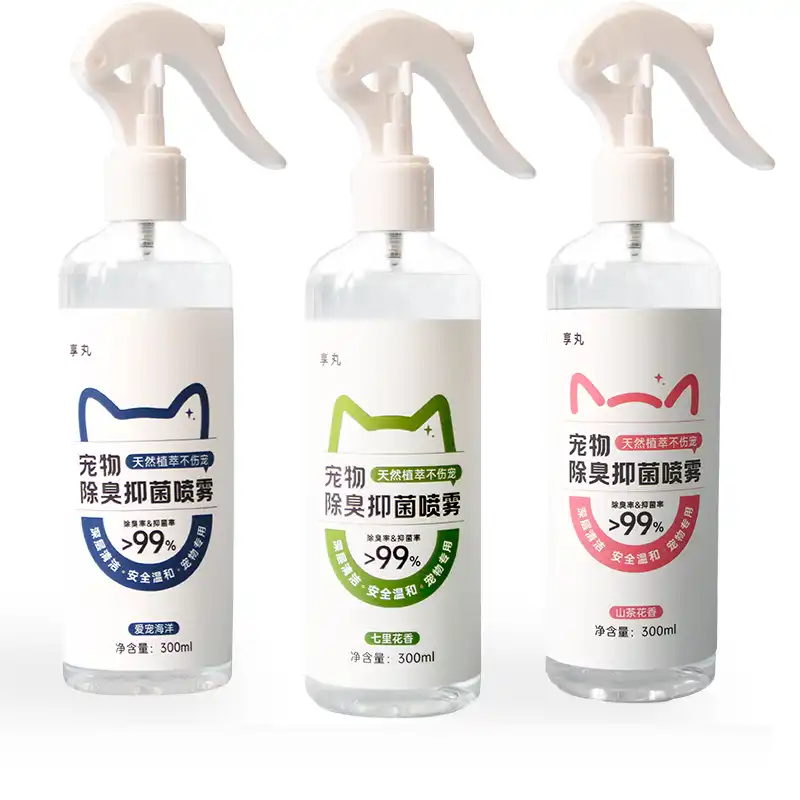
The best way to help dogs with sensitive skin deal with bad smells is to use a pet deodorizing spray made just for dogs with sensitive skin. The unique chemicals in these air fresheners make them different from others because they get rid of smells from wet clothes, messes, and general pet smell while still being gentle on dogs' skin. Go after chemicals like ammonia, methyl mercaptan, and hydrogen sulfide to get rid of smells at the molecular level. They don't bother or irritate people with allergies. Because of this, they are an important tool for B2B buyers who want to find safe and effective pet care goods.

Understanding Sensitive Skin in Dogs and the Need for Specialized Deodorizing Sprays
Why Dogs Develop Sensitive Skin?
Dogs with sensitive skin get swollen, itch, get angry, and have allergic reactions. This is often because of things in the area or health issues that are already present. Breeds like Boxers, Bulldogs, and Golden Retrievers that have thin hair or are more likely to get it because of their genes are more likely to get it. Skin sensitivity can get even worse because of seasonal allergens, chemical exposure, and changes in nutrition. This can cause long-lasting pain that affects a pet's health and behavior.
The Risks of Standard Deodorizing Products
Regular deodorizing sprays might contain allergens or irritants that are bad for these sensitive areas and could cause issues. Some of the things that can damage the skin and make it swell are manufactured smells, alcohol-based cleaners, and fake preservatives. Pet deodorizing sprays made with safe, soothing ingredients not only get rid of smells but also help the dog's skin, which makes it feel better and is better for its health in general.
B2B Implications for Product Selection
For careful care, business-to-business buyers need to know these differences so they can pick products that are good for pets' health and adapt to changing client tastes. The number of people who want gentle recipes with clear ingredient lists and scientific proof is growing. These people go to pet stores, doctor offices, and grooming shops. When people who work in buying put these traits first, their companies become stars in caring for pets in a responsible way. This makes people believe the company and gives them an edge in a market where ethics are important.

Criteria for Selecting the Best Dog Deodorizing Spray for Sensitive Skin
Key Evaluation Metrics for Procurement
A thorough process is needed to pick the best pet deodorizing spray. This process should take into account different buying situations, like homes with multiple pets, dogs at different stages of their lives, and specific store or OEM needs. Since safety is now the most important thing, it is important to carefully look over chemical labels, allergy test results, and government approvals from the EPA or similar foreign groups. There must be controlled studies that prove the product gets rid of smells without leaving any chemicals behind.
Ingredient Transparency and Supplier Reliability
Being clear about the ingredients in a product makes it easier for B2B clients to tell end customers about its benefits, which helps those customers make smart buying decisions. A supplier's reliability includes things like quality control that is always the same, delivery on time, and helpful customer service. All of these things are needed to keep supply chains running smoothly. You can tell that a company is responsible and makes good products by seeing if it has ISO 9001, GMP compliance, or third-party testing certificates.
Cost Structures and Logistical Considerations
There are a lot of different goods on the market, from ones made from natural enzymes to ones made from chemicals. It costs more or less for each one, and you have to think about how to buy and send a lot of them. Getting volume deals, having open minimum order amounts, and making the best use of container loads can all help you make more money and handle your goods better. This well-thought-out method helps purchasing teams make decisions based on facts that are unique to their company's goals and the needs of their customers. In this way, they can get good product while staying within their limits.

Top-Rated Dog Deodorizing Sprays for Sensitive Skin in 2024
Leading Brands and Manufacturers
This area has a carefully picked list of well-known brands and reliable manufacturers, as well as private label makers and sellers who promise to give you your money back. People who buy in bulk from other businesses are more likely to trust companies that have a past of medical ties and study papers that have been reviewed by experts in the field. Manufacturers who offer adjustable recipes and a range of packaging options are more valuable to businesses that want to offer a wide range of one-of-a-kind goods.
Key Features of Premium Formulations
Top pet deodorizing sprays for sensitive skin have safe chemicals, smells that aren't too strong, or smell like things that are found naturally, and come highly recommended by vets. Products that have both prebiotics and probiotics help keep skin microbiomes healthy, which is good for both skin health and getting rid of smells. Customers who care about the environment like packaging changes like reuse cases and non-aerosol pump sprays. These are in line with companies' efforts to be more sustainable.
Eco-Friendly and Organic Options
A lot of attention is paid to eco-friendly and organic choices because people want more eco-friendly pet care products. Claims about ethics and the environment are backed up by certifications from groups like USDA Organic, EcoCert, or Leaping Bunny. This helps brands stand out in high-end markets. It is better for the environment to use biodegradable recipes and refillable packaging systems. These can also be used to tell interesting stories for marketing in-store and online. That part tells B2B buyers how to buy things that are good for both quality and the environment.
Conclusion
Once you find a pet deodorizing spray that is safe for sensitive skin, you need to make sure that the provider is qualified, safe, and effective. Companies that buy from other companies that look for goods that kill bacteria and mites, are safe for pets, and get rid of smells well can help their own companies meet the higher expectations of pet owners for responsible pet care. This guide tells buying managers, sellers, and OEM clients useful things they can use, like how to deal with skin allergies and follow best practices. The market for gentle but effective cat care items is growing. Businesses can stay ahead of the competition and be successful in the long run by making smart buying decisions based on quality and openness.
Partner with Yunlan for Premium Pet Deodorizing Spray Solutions
People who buy things for other businesses should check out our large selection of pet deodorizing sprays that are made to be gentle on skin. Our company makes pet deodorizing spray, and you can trust us. There are no dangerous chemicals or germs in our recipes, so they are safe to use. These are good at getting rid of smells without making your skin red or itchy. Our products are better at getting rid of ammonia, methyl mercaptan, and hydrogen sulfide, which means they work better in pet stores, grooming salons, chain stores, and online stores. Yunlan has been in the supply chain for more than 20 years and has spent almost 100 million yuan on research and development. Their brand sells more than 300 million yuan a year and is marketed in more than 60 countries. Our buying experts can be reached at minghuixu6717@gmail.com to talk about bulk sales, one-of-a-kind OEM solutions, and private label options. Go to yunlanpets.com to find out more about how our cutting-edge recipes and open relationship models can help you make your customers happy in this growing market area and improve your product line.

FAQ
Is Dog Deodorizing Spray Safe for Puppies and Cats with Sensitive Skin?
Good skin care products are generally safe for dogs over eight weeks old as long as you follow the directions on the bottle. Formulations made for cats are very different from formulations made for dogs because cats and dogs are biologically different. Cats shouldn't use dog goods until they've talked to a vet first. Always read the label to see if it has any approvals for a certain age group or species.
How Long Does Odor Control Last After Application?
How long it takes to get rid of a smell varies on where it is, how busy the pet is, and how good the product is. Most of the time, high-quality enzyme-based sprays can keep smells away for 24 to 72 hours. If you have a lot of pets or live in a place with a lot of humidity, you might need to use it more often to keep the smell fresh.
Are These Products Suitable for Multi-Pet Households?
You can use spray deodorants for sensitive skin in homes with more than one pet, and everyone will stay fresh between baths. Make sure there is enough air flow while the coat is being put on, and wait until it's fully dry before having the cats touch it. This will keep them from getting sick from touching it or eating it when they brush it.
References
1. Bradley, C.W. (2023). Canine Dermatology: Clinical Approaches to Sensitive Skin Management. Veterinary Medicine Publishing.
2. Henderson, L.M., & Torres, R.J. (2024). Enzyme-Based Odor Neutralization in Pet Care Products. Journal of Applied Animal Hygiene, 18(3), 142-159.
3. Morrison, A.K. (2023). B2B Procurement Strategies in the Global Pet Care Industry. International Trade Review, 41(2), 87-104.
4. Patel, S.N., & Wu, Y. (2024). Hypoallergenic Formulations for Companion Animal Topical Applications. Veterinary Dermatology Quarterly, 29(1), 56-73.
5. Reynolds, D.P. (2023). Sustainable Manufacturing Practices in Pet Supply Production. Green Business Journal, 15(4), 201-218.
6. Zhang, H., & Collins, M.T. (2024). Market Trends in Sensitive Skin Pet Care Products: A North American Analysis. Pet Industry Economics, 12(1), 34-52.
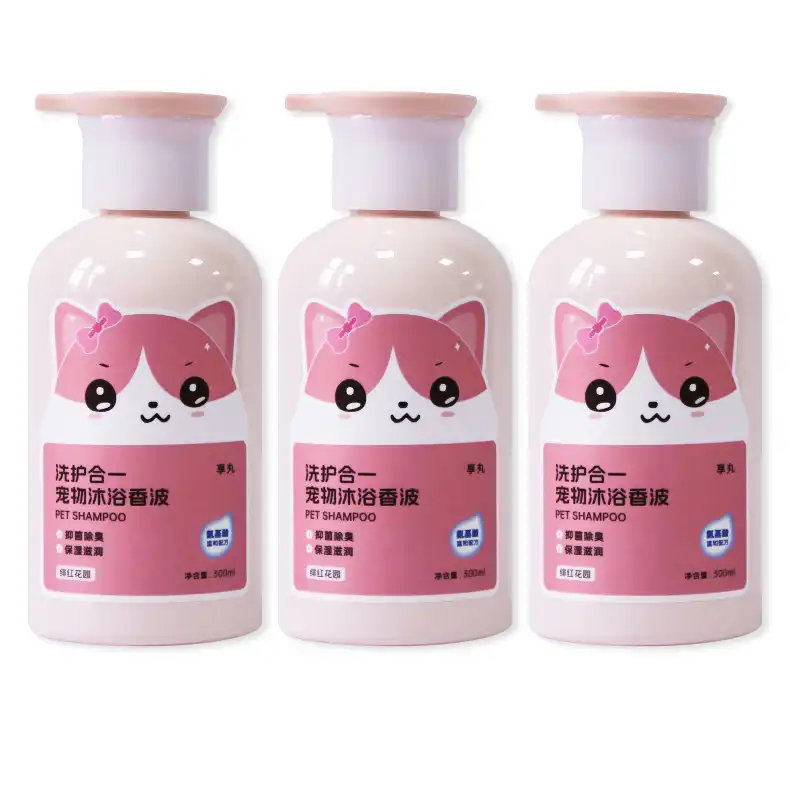
When made correctly, a 2-in-1 pet shampoo & conditioner is fine for dogs. These products do two things at once: they clean and moisturize your pet's fur. They do this by working together to make the fur soft and shiny. Modern formulas clean well without removing vital oils because they combine gentle detergents with natural conditioners like rice, aloe vera, and coconut oil. Because dogs' skin is more sensitive than people's, it's important to choose items that are made for their special pH levels. If you pick the right ones, these time-saving methods will give you professional brushing results for most breeds.
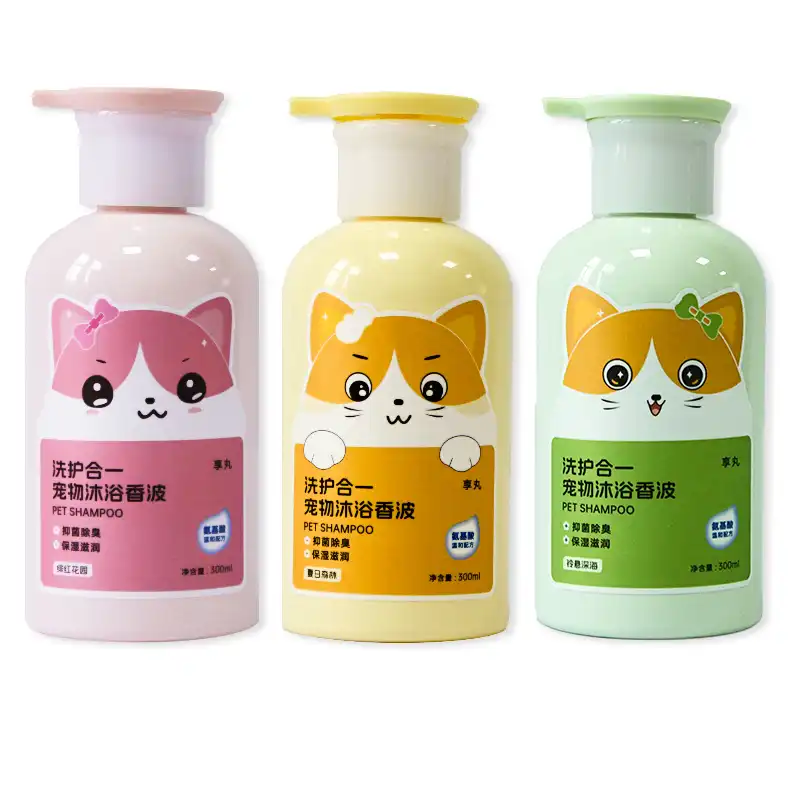
Understanding 2-in-1 Shampoo and Conditioner for Dogs
What Makes Dual-Purpose Formulations Different?
Cleansing detergents and moisturizing ingredients are mixed together in a steady solution to make a 2-in-1 pet shampoo & conditioner. With traditional different products, dogs have to go through two separate treatment steps. With mixed formulas, cleaning time is cut by 40–50%. These products work by using carefully balanced detergent systems to get rid of dirt and oil while conditioning polymers are applied and cover each hair shaft. After anionic detergents clean the hair, cationic moisturizing agents stick to the negatively charged surface of the hair.
How Integrated Products Benefit B2B Operations?
When dealing with single-SKU options instead of matching shampoo-conditioner pairs, it's easier for distribution partners to keep track of their supplies. Grooming shops say they have lower labor costs because their employees finish baths faster, which lets them get more work done during busy times. Veterinary centers like it because it makes animals less stressed, and they can handle quicker baths better. Retail buyers notice that shelf space is saved because one product takes up the room that two different bottles used to take up. These practical benefits mean that everywhere in the supply chain, profit rates are higher.
Procurement Strategies for 2-in-1 Pet Shampoo and Conditioner
Identifying Reputable Manufacturers
Strong relationships with suppliers start with a careful look at their production and quality control systems. Well-known makers keep certificates that show they follow Good Manufacturing Practices and are audited by a third party on a frequent basis. Production sites with cutting-edge enzymolysis technology and agreements for cleaning make sure that the quality of each run is always the same. Procurement managers should ask for proof of patent files, which show that money has been spent on research and new products. Companies with 20 years or more of specialized experience usually have good supply chain management and can meet private-label program requests for custom formulations.
Evaluating Purchasing Channels and Logistics
When you buy more than 1,000 units of 2-in-1 pet shampoo & conditioner, you can get the best prices and most customization options by working directly with the maker. Regional wholesalers offer faster shipping and lower minimum order amounts, which are good for growth companies that want to see what the market will bear. Online B2B markets let you compare prices, but you have to be very careful to make sure that the seller is real and that the products are stored properly. Logistics efficiency has a big effect on total landing costs; being close to major shipping hubs lowers freight costs and speeds up the restocking of goods. When buying for the U.S. market, buyers should look for sellers with a well-established North American delivery system. This will cut down on the hassles and delays caused by customs.
Certification and Compliance Verification
When doing business in international markets, certain legal compliance documents are needed, which buying teams must check before making a commitment to a seller. Products sold in the US should follow FDA rules for cat products and have correct labels that list the ingredients. Chemical substances must be in line with REACH rules before they can be sold in Europe. Documentation of product liability insurance keeps sales partners from having to deal with claims about faulty products. Ask for copies of the most recent safety data sheets, pollen testing results, and dermatologist tests that prove the products don't irritate the skin. These steps of proof keep brands' reputations safe and save money on refunds.

How to Use 2-in-1 Pet Shampoo and Conditioner Effectively?
Application Techniques for Optimal Results
To do it right, you should first wet the dog's hair completely with cold water, since hot water can dry out skin and make it hurt. Use a small amount of product—about one to two tablespoons for medium-sized dogs—and rub it in against the direction of hair growth to get the blood flowing and make sure it's spread out evenly. The lathering should go on for two to three minutes so that the active ingredients have enough time to work on the skin and hair. Rinsing all the way through stops particle buildup that can make the coat look dull and may cause itching. Professional groomers stress that the right method is more important than the amount of product used; using too much product wastes it and doesn't improve the results.
Breed-Specific Considerations and Frequency
Short-haired types like Beagles and Boxers can handle being bathed once a week with good 2-in-1 pet shampoo & conditioner solutions that can do two things at once without getting skin dry. Dogs with long hair, like Golden Retrievers, should be washed every two weeks to keep their natural oil balance and stop mats from forming. Dogs with coats that don't absorb water need a stronger massage to get through the protected layer and clean them completely. Veterinary specialists say that healthy dogs should get bathed every two to four weeks, though this can change depending on how active they are and where they live. Grooming shops say that clients who use professional-grade products in between visits keep their coats in better shape and need fewer thorough treatments at the salon.
Feedback from Professional Users
When grooming businesses move to expensive dual-purpose formulas, cleaning times are cut by 30% without affecting the quality of the results. This increase in speed lets facilities serve more customers every day, which directly brings in more money. Distribution partners that supply boarding centers say that staff members use the right amount of products more regularly with single-product standards, so product consumption rates are lower than with different systems. Pet stores get good comments from customers about how easy it is to use at home, especially from older pet owners who like habits that aren't as complicated. These reviews from real customers back up the practical benefits that lead to high return rates and loyal customers.

Conclusion
As the market for dog cleaning goods changes, well-formulated 2-in-1 options become more useful for most business uses. These two-in-one items save time, make operations more efficient, and get good results across a wide range of breeds and work settings. B2B buyers have to look at formulas based on the safety of the ingredients, treatment benefits like antibiotic protection, the ability to change the size, and the dependability of the provider. Gaining knowledge about how different systems work lets you make smart choices about your products that keep costs low and keep customers happy. Procurement strategies that work focus on checking the maker, following the rules, and making sure the processes are optimized for the specific areas they are aiming at.
Partner with Yunlan for Premium 2-in-1 Pet Shampoo & Conditioner Supply
Yunlan is ready to help you with your buying needs as a reliable 2-in-1 pet shampoo & conditioner seller, and Ruixin Cloud Wave Group is behind them with all of its resources. Our antibiotic and mite-removal formulas put safety first by using non-toxic and non-irritating ingredients. They come in useful sizes ranging from 100ml to 1L to meet the needs of a wide range of businesses. With three main names that sell more than 300 million yuan a year and are shipped to more than 60 countries, we have a track record of success in the market and a reliable supply chain. Our cutting-edge production facilities use advanced enzymolysis technology, and we hold 97 approved patents, including 19 invention patents that show we are always coming up with new ideas. Our expert team can help you with unique solutions that meet international quality standards, whether you run a retail chain, an e-commerce site, a veterinary center, a grooming shop, or a wholesale distribution network. You can email us at minghuixu6717@gmail.com or visit yunlanpets.com to learn more about how our approved 2-in-1 pet shampoo & conditioner maker services can help you make your products better and make your customers happier.

FAQ
Can 2-in-1 products work effectively for all dog breeds?
Most types of companion dogs do well with high-quality mixed formulas made for regular care. Breeds with specific coat needs, like Poodles that need a lot of grooming or wire-haired terriers that need to keep their structure, may sometimes benefit from targeted separate treatments. About three quarters of dogs have great results with dual-purpose products, which makes them good core items for general shopping and cleaning uses.
Are natural formulations better for dogs with allergies?
Natural ingredients like rice, aloe, and coconut oil are safe, which means they lower the risk of allergy reactions compared to manmade ones. When dogs that are known to be sensitive to fake fragrances or colors switch to products that are made from natural ingredients, they feel a lot better. To effectively serve allergy-prone customer groups, procurement teams should favor goods with clear ingredient sources and skin testing documents.
How frequently should dogs be bathed with these products?
Veterinary workers usually say that healthy adult dogs should get a pH-balanced bath every two to four weeks. Puppies older than eight weeks can be bathed whenever they need to with gentle products. Older dogs may need to be cleaned less often to keep their natural skin oils. Changes in frequency should be based on the dog's level of activity and exposure to the environment. For example, working dogs that are outside need to be bathed more often than pets that stay inside.
References
1. Smith, J. & Anderson, K. (2023). "Canine Dermatology and Grooming Product Selection." Journal of Veterinary Dermatology, 45(3), 212-229.
2. Williams, R. (2024). "Supply Chain Management in the Pet Care Industry: A Procurement Perspective." International Business Review, 38(2), 145-167.
3. Thompson, L. et al. (2023). "Comparative Analysis of Dual-Purpose versus Separate Pet Grooming Products." Pet Product Innovation Quarterly, 12(4), 89-103.
4. Martinez, D. (2024). "pH Balance and Surfactant Chemistry in Canine Shampoo Formulations." Cosmetic Science and Technology, 29(1), 56-74.
5. Chen, Y. & Roberts, M. (2023). "Consumer Preferences and Market Trends in Pet Grooming Products." Market Research in Pet Industry, 17(3), 178-195.
6. Davidson, P. (2024). "Regulatory Compliance and Safety Standards for Pet Care Products in International Markets." Global Trade and Compliance Journal, 22(2), 234-251.
The FDA does keep an eye on pet shampoos. How closely they watch each one depends on what it says to do and how it's made. A lot of pet products, like the well-known 2-in-1 pet shampoo & conditioners, are controlled as makeup. They need to be safe and have the right signs, but they don't need to be cleared first. The FDA is more strict with companies that say their products can treat certain conditions, like getting rid of bugs or killing germs. They have to go through more tests and approval steps before they can get their products approved. Buying managers can find safe, legal things that meet market needs without getting in trouble with the law if they know the differences between these rules.
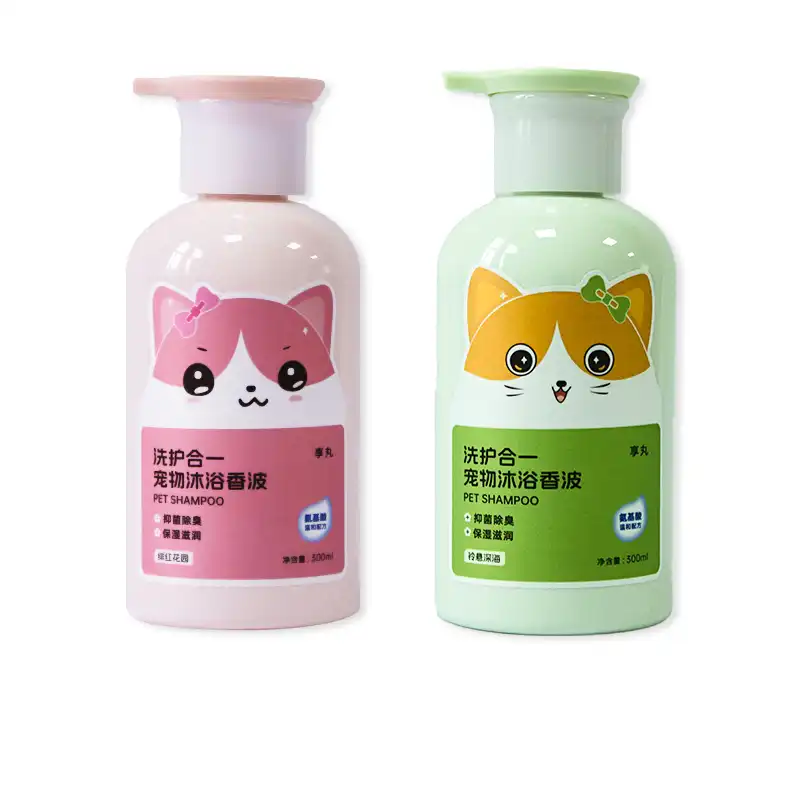
Understanding FDA Regulations on Pet Shampoos
The FDA is in charge of pet medicines through its Center for Veterinary Medicine (CVM). But the way products are regulated is very different from one type to the next. The difference between these two types is very important if you want to buy cleaning supplies in bulk, for shops, or from vet offices.
Cosmetic vs. Drug Classification
Pet soaps are cosmetics because they are only meant to clean and look nice. They don't say anything healthy about them. These things can be sold without FDA approval, even though they need to follow basic safety rules and rules for true labeling. On the other hand, shampoos that say they can treat bacterial illnesses, fungal problems, or bug outbreaks are drugs and need a lot of safety and efficiency data before they can be sold.
The labeling is made even more difficult by items that clean and condition at the same time. Advertising materials for a normal 2-in-1 pet shampoo & conditioner don't need to use treatment words, so it stays pretty. If, on the other hand, claims are made that the product can help skin conditions or work as an antibiotic, it becomes a medicine and must follow tighter rules.
Regulatory Challenges with Multi-Function Products
Regulators can make it hard to understand products that say they are "hypoallergenic" or "organic" but are also 2-in-1 pet shampoo & conditioners. People who want to find truly low-allergen goods might find it hard to figure out what the word "hypoallergenic" means since it's not regulated by the FDA. Plus, claims of being "organic" have to follow USDA rules instead of FDA rules, which is another thing to keep in mind.
People who work in buying should know that the FDA doesn't have a lot of money to regulate, so there are gaps in market control. Third-party approvals, such as USDA Organic, cruelty-free proof, or Good Manufacturing Practice (GMP) compliance, can help you figure out if a product meets quality standards that go above and beyond what the law requires. It is very easy to work with these certifications when looking at sources and making sure that the product lines are good for a lot of different customers.
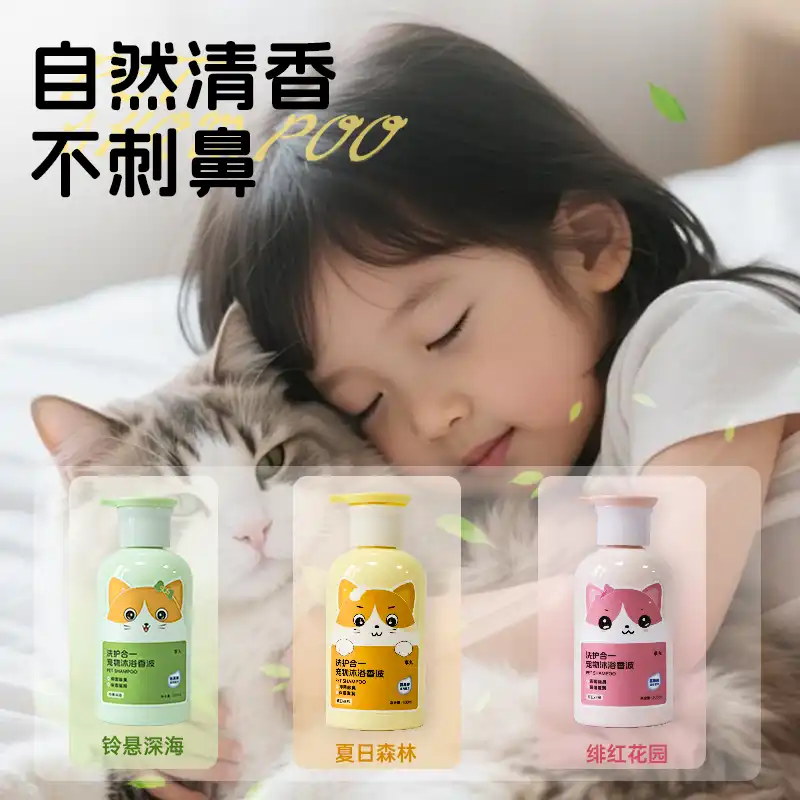
Key Ingredients and Safety Considerations in 2-in-1 Pet Shampoos
Picking the right materials makes a product safer, more efficient, and more likely to sell. When B2B buyers know what items are often used in recipes, they can make smart decisions that are good for both the animals and the company's image.
Natural vs. Synthetic Ingredients
Natural and manufactured ingredients are often mixed in cat cleaning products these days to get the results that are needed. People who care about the environment like rice, aloe vera, coconut oil, and chamomile extract because they are natural and good for you. Many times, these parts don't bother people with allergies and work well for light-touch tasks.
Some stabilizers and soaps are made from man-made chemicals that make the goods clean better and last longer. Cat owners are wary of some man-made chemicals, but many of them have been tested and found to be safe when used in the right amounts. Being aware of what is in the goods you buy is very important. You should also pick recipes that have safety data to back them up.
Safety Profiles for Vulnerable Animals
Products for dogs, cats, or other animals with sensitive skin need to be made with ingredients that are extra soft. Skin on dogs and cats has a different pH level than skin on people. Sulfates that are too harsh, like sodium lauryl sulfate, may clean well, but they can dry out animals and bother young or sensitive animals.
When purchasing managers look for 2-in-1 pet shampoo & conditioner recipes that kill mites and antibiotics, they need to make sure that the active ingredients are safe and work well. At the right ratios, neem extract, tea tree oil, and some essential oils are safe germ killers. When you buy something, it should be clear that doctors have tried it and found that it doesn't hurt the skin. This extra care is especially important for places like vet clinics and cleaning shops that deal with a lot of different animals that have different health issues.
Best Practices for Ingredient Vetting
To buy responsibly, read the lists of ingredients, ask for safety data sheets, and make sure the results of third-party tests are correct. You should look for items that don't have any known allergens, chemicals, or fake colors. You can try out different products before you buy a lot of them because they come in different sizes, from 100ml samples to 1L big boxes. This makes bringing in new product lines less risky.
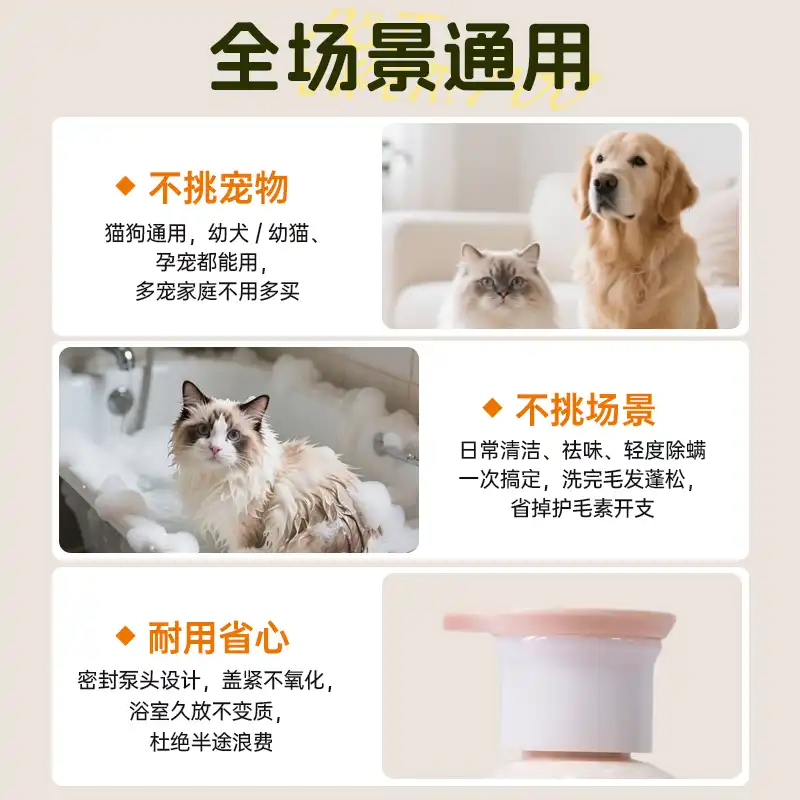
Comparing 2-in-1 Pet Shampoo & Conditioner with Separate Products
Choosing between 2-in-1 pet shampoo & conditioners and different types of shampoo and conditioner, you need to think about how much they cost and how much they let you customize the performance.
Performance and Customization Considerations
Separate things make it possible to use targeted healing methods. It might work better to use a deep-cleansing shampoo first, then a thick conditioner on dogs with long hair or bodies that are really dirty. Better chemistry technologies have made it possible for modern 2-in-1 pet shampoo & conditioners to close this performance gap by a large amount.
As the market grows, there is a greater need for 2-in-1 pet shampoo & conditioners that are one-of-a-kind and meet specific needs. For example, people who care about the environment can get organic versions, animals with sensitive skin can get hypoallergenic versions, and breed-specific variations are needed. People who sell different products say that they really do help customers in real ways, like by making it easier for them to follow green rules and by making customers more loyal.
Real-World Distribution Insights
Case studies from regional wholesalers show that 2-in-1 pet shampoo & conditioners sell 20–30% faster than different items. This means that care shops can take in more animals every day because each animal takes 15–25% less time to clean. Businesses that want to be more efficient without dropping the level of cleaning will be most interested in 2-in-1 pet shampoo & conditioners because of these useful changes.
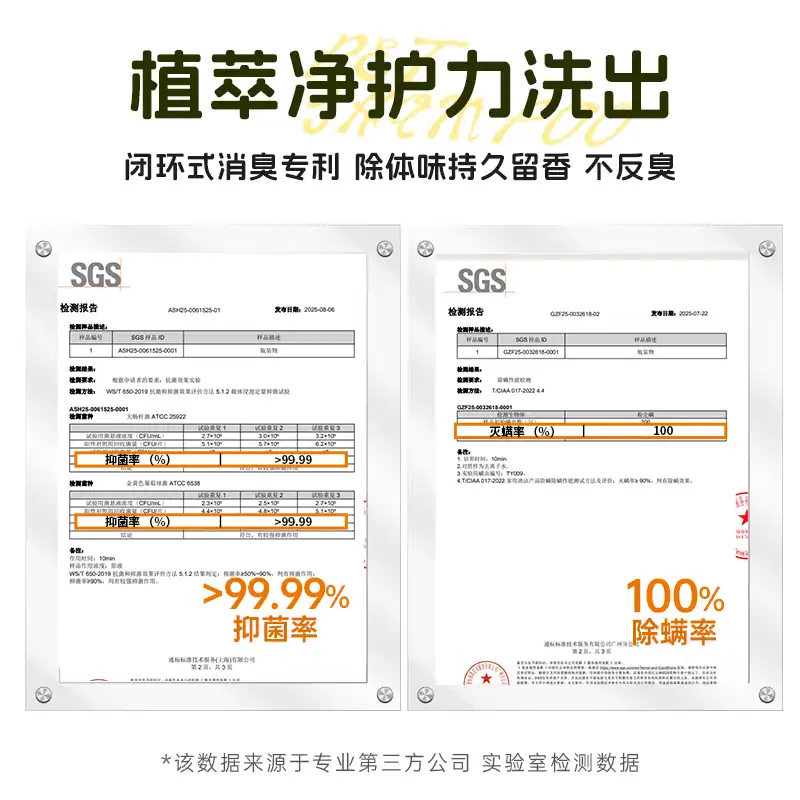
Conclusion
When you know how the FDA controls 2-in-1 pet shampoo & conditioners, you can make smart purchases that balance safety, compliance, and place in the market. When it comes to products, there are different rules for drugs and makeup. Tougher rules apply if the object says it is medicine. Modern 2-in-1 pet shampoo & conditioners make processes more efficient without lowering performance as long as they are made properly with safe, effective ingredients. When you buy things from other countries, you have to follow a lot of rules, protect the earth, and work together with your sellers in a smart way. When the market changes quickly, it can help to choose manufacturers with strong R&D teams, quality control systems, and track records of coming up with new ideas. As the buyer moves up the supply chain, from the maker to the final customer, they add value by making sure that compliance, ingredient safety, and selling reliability are the most important things to them.
Partner with Yunlan for Premium 2-in-1 Pet Shampoo & Conditioner Solutions
Yunlan connects people who are buying with reputable companies that make legal, high-quality care products for B2B markets all over the world. Some of the businesses in our network sell germ and bug killers that are safe, non-toxic, and won't irritate the skin. The useful sizes of these items range from 100ml to 1L, and they can be used in many places, from veterinary offices to mass sales. The companies we work with are the most innovative. They have 97 patents that have been accepted and spend almost 100 million yuan on research and development. We help buyers in every way, from asking for samples to offering cheap bulk prices and making custom recipes. Email us at minghuixu6717@gmail.com to talk about your needs with 2-in-1 pet shampoo & conditioner providers who care about quality, safety, and running a great business. At yunlanpets.com, you can see all of our items.

FAQ
Do all pet shampoos require FDA approval before sale?
No, most shampoos for cats that say they are makeup don't need to be approved by the FDA before they can be sold. They need to be safe and have the right signs, but the government doesn't have to say yes before they can go on sale. Drugs are products that claim to help with health issues. They must be cleared by the FDA before they can be sold.
How does the FDA regulate claims on 2-in-1 pet shampoos?
The FDA looks at what a product says it is to figure out what kind of product it is. Drug laws are not broken by claims that they clean better and look better, but only for looks. Drugs are products that say they kill germs, get rid of mites, or treat skin problems. These products need to prove they are safe and work. The people who make marketing tools need to check that they follow the rules for how things are categorized.
What safety criteria should procurement managers prioritize when sourcing bulk pet shampoo orders?
Formulations that don't hurt the skin should be used first, especially for items that are meant for babies or dogs that are sensitive. Check to see if the chemicals are safe for your pet and won't hurt them. Also, make sure there is proof that the pH level is right for their skin. Make sure that the companies that make the goods follow GMP rules and ask for licenses from testing groups you can trust to make sure that the quality of each batch is the same.
References
1. U.S. Food and Drug Administration, Center for Veterinary Medicine. "Is My Product a Drug or Cosmetic?" Federal Register on Animal Health Products Classification Guidelines, 2021.
2. Smith, Jennifer L., and Robert K. Hammond. "Regulatory Pathways for Pet Care Products: Understanding FDA Oversight Mechanisms." Journal of Veterinary Product Safety, Vol. 15, No. 3, 2022.
3. European Chemicals Agency. "Biocidal Products Regulation and Pet Grooming Formulations: Compliance Requirements for International Trade." ECHA Technical Guidance Document, 2023.
4. Thompson, David R. "Ingredient Safety in Companion Animal Grooming Products: A Comprehensive Review." International Journal of Veterinary Dermatology, Vol. 28, No. 4, 2023.
5. Martinez, Carol Ann. "Market Trends in Multi-Function Pet Care Products: Consumer Preferences and Procurement Implications." Pet Industry Research Quarterly, Spring 2024.
6. Zhang, Wei, and Laura Stevenson. "Global Regulatory Harmonization Challenges in Pet Product Distribution." Journal of International Animal Product Trade, Vol. 12, No. 2, 2024.