- English
- French
- German
- Portuguese
- Spanish
- Russian
- Japanese
- Korean
- Arabic
- Irish
- Greek
- Turkish
- Italian
- Danish
- Romanian
- Indonesian
- Czech
- Afrikaans
- Swedish
- Polish
- Basque
- Catalan
- Esperanto
- Hindi
- Lao
- Albanian
- Amharic
- Armenian
- Azerbaijani
- Belarusian
- Bengali
- Bosnian
- Bulgarian
- Cebuano
- Chichewa
- Corsican
- Croatian
- Dutch
- Estonian
- Filipino
- Finnish
- Frisian
- Galician
- Georgian
- Gujarati
- Haitian
- Hausa
- Hawaiian
- Hebrew
- Hmong
- Hungarian
- Icelandic
- Igbo
- Javanese
- Kannada
- Kazakh
- Khmer
- Kurdish
- Kyrgyz
- Latin
- Latvian
- Lithuanian
- Luxembou..
- Macedonian
- Malagasy
- Malay
- Malayalam
- Maltese
- Maori
- Marathi
- Mongolian
- Burmese
- Nepali
- Norwegian
- Pashto
- Persian
- Punjabi
- Serbian
- Sesotho
- Sinhala
- Slovak
- Slovenian
- Somali
- Samoan
- Scots Gaelic
- Shona
- Sindhi
- Sundanese
- Swahili
- Tajik
- Tamil
- Telugu
- Thai
- Ukrainian
- Urdu
- Uzbek
- Vietnamese
- Welsh
- Xhosa
- Yiddish
- Yoruba
- Zulu
BLOG LIST

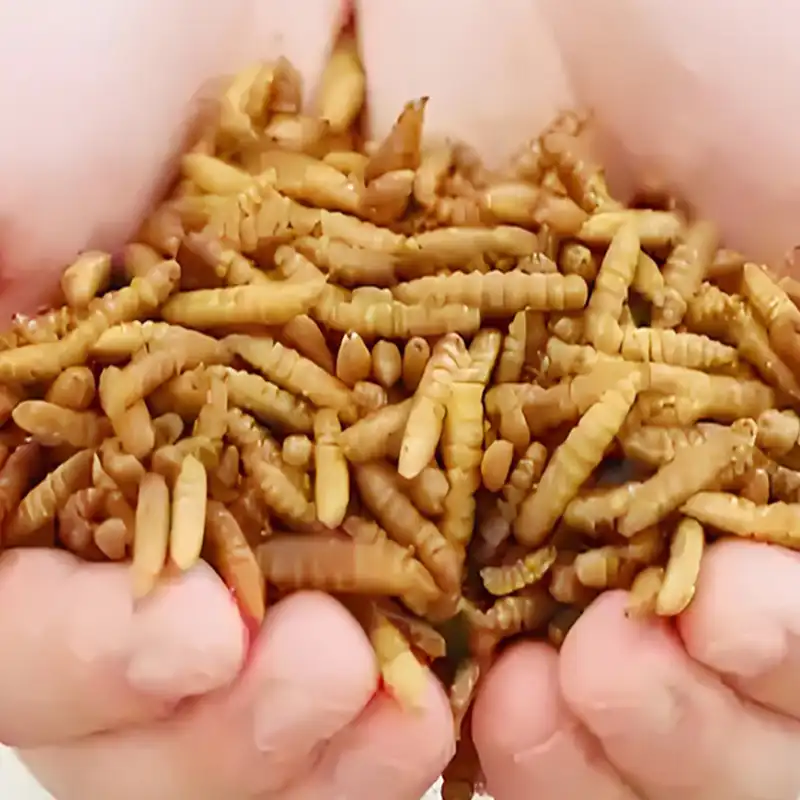
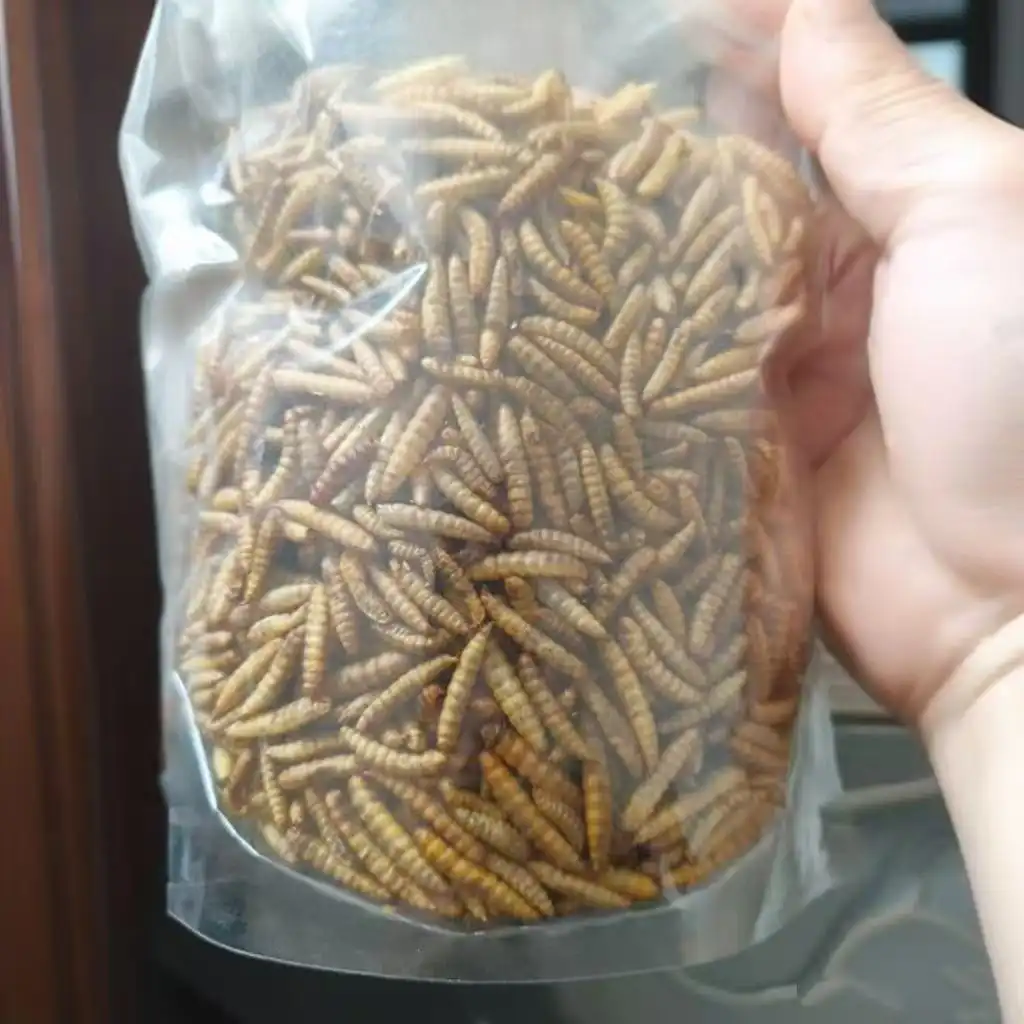
Most birds would rather eat mealworms than almost any other kind of food. People who work in the pet supply business who buy things will find this choice very useful. When we give mealworms for bird feed, we meet their natural need to eat and give them a lot of good nutrients at the same time. Birds eat them because they are high in protein (about 50%) and have important fats and amino acids that are similar to what birds eat in the wild. Mealworms are good for birds, so both wild and tamed birds have to eat them all the time.
Why Birds Prefer Mealworms?
The Biological Instinct Behind Mealworm Preference
Birds have built-in ways to find food that have been around for millions of years. They can tell when something is moving with their eyes, which is why live mealworms make them want to eat right away. These larvae are more likely to be aggressive than static seeds because of the way they move. Because they still feel and look the same after being dried, birds know that they are food. So they're a good choice when it's hard to get live plants into the store.
Nutritional Superiority Over Traditional Feed Options
Mealworms for bird feed have more nutrition in a smaller amount than suet or sunflower seeds. There is less food waste because one mealworm has more useful protein than several seeds.This means that more food is used. These foods are very good for birds during important times, like when they need extra energy, like when they are breeding, molting, or in the winter. If people who work in buying know about these biology benefits, they can better teach store partners about the product's benefits. This makes the value offer for customers stronger.
Suitability Across Bird Species and Life Stages
A lot of different kinds of birds eat mealworms. Bird babies eat the soft-bodied larvae when they are growing quickly, and chicken adults eat them to help them lay eggs and get feathers. All year long, birds like bluebirds, robins, and finches eat them. This means that stores can reach more customers, since pet stores, vet offices, and online sellers can all use the same group of products to appeal to more people. The general draw makes keeping track of stock easier and makes the best use of store room.
Nutritional and Practical Benefits of Feeding Mealworms to Birds
Comprehensive Nutritional Profile
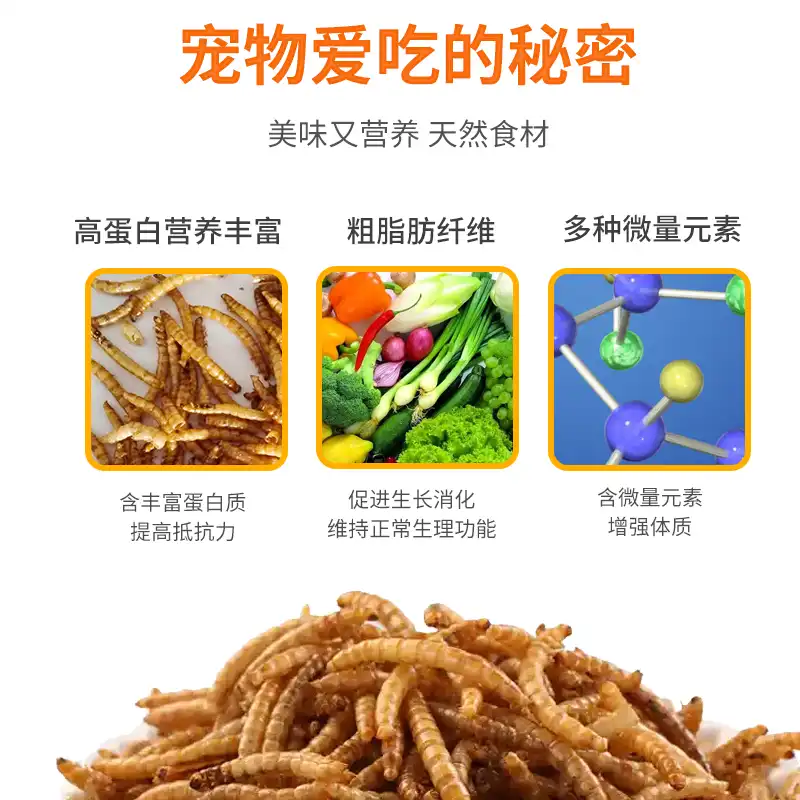
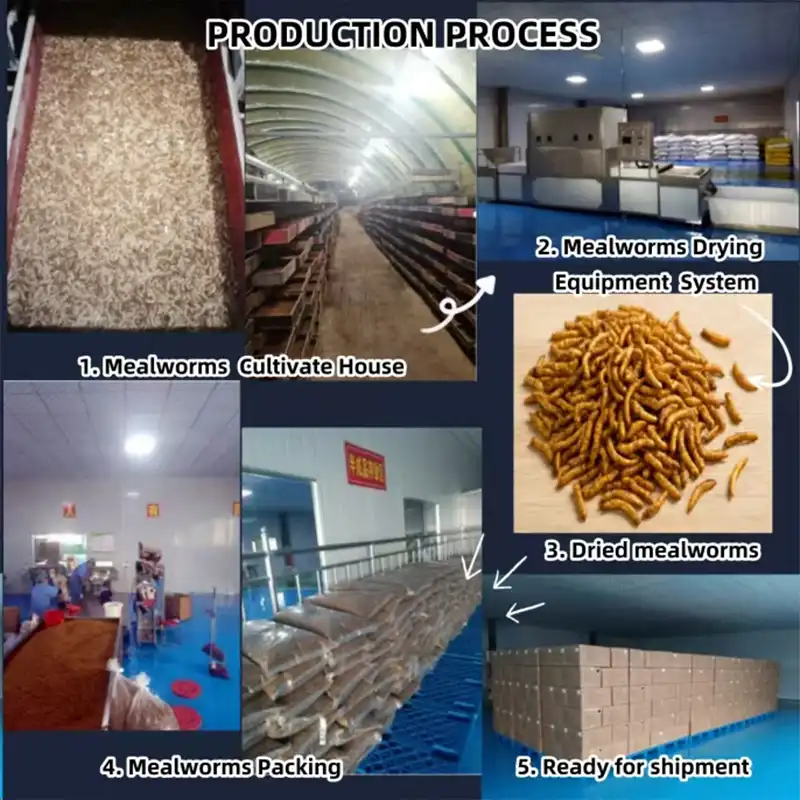
Foods that give you energy are good for you in more ways than one. Fatty acids in them are good for feathers' health and help keep their body temperature steady, which is very helpful when it's cold outside. They help laying hens' bones stay strong and help eggshells form when they are present in the right amounts. B vitamins and natural enzymes both help the body digest food. Our microwave-dried mealworms are 100% natural and don't contain any chemicals or pesticides. This means that the nutrients are kept and the shelf life is extended, which is very helpful for traders who need to keep track of large amounts of stock for a long time.
Comparative Analysis with Alternative Feed Types
Mealworms for bird feed can be used instead of other feed sources to fix some problems. There isn't much protein in sunflower seeds, even though they are great for you. Suede gets dirty and bugs want to live in it when it's warm outside. There is a better way to treat peanuts because they can cause allergies. Crickets are about the same in terms of nutrition, but they are harder to store and only live for a shorter time. In terms of how good they taste, how well they store, and how healthy they are, mealworms are hard to beat. When you're shopping with other people, this makes them look like high-end items that should cost more.
Feeding Guidelines for Optimal Results
You get the most health benefits from eating right and avoid any problems that might come up. Mealworms shouldn't be someone's only food source; they shouldn't make up more than 10% of their daily meal. Mealworms are great for chickens to eat several times a week, especially when they are molting and need a lot more protein. Bird babies should be careful about how much they eat. As they grow, small amounts that are a little wet help their tummies. You can spread out dried mealworms to make them look for food on their own, mix them with other foods to make them more appealing, or soak them in warm water for a short time to make them taste better. Your customers can help other customers in your store with these helpful tips. This will build trust with the customer, making them more likely to buy from them again.
Procurement Guide: How to Source the Best Mealworms for Bird Feed?
Evaluating Supplier Credentials and Reliability
The first step to building good buying relationships with sellers is to carefully evaluate them. Certifications that show compliance with food safety rules, quality control systems, and environmental efforts are objective proof that a business is successful. Well-known OEMs and suppliers' customer reviews can help you figure out how quickly and correctly they can connect, finish orders, and fix problems that have a big impact on daily operations. If your suppliers have a history of knowing a lot about pet nutrition, they can help your team answer customer questions and put goods in stores properly, which is important because the market is already very competitive.
Navigating International Versus Domestic Supply Chains
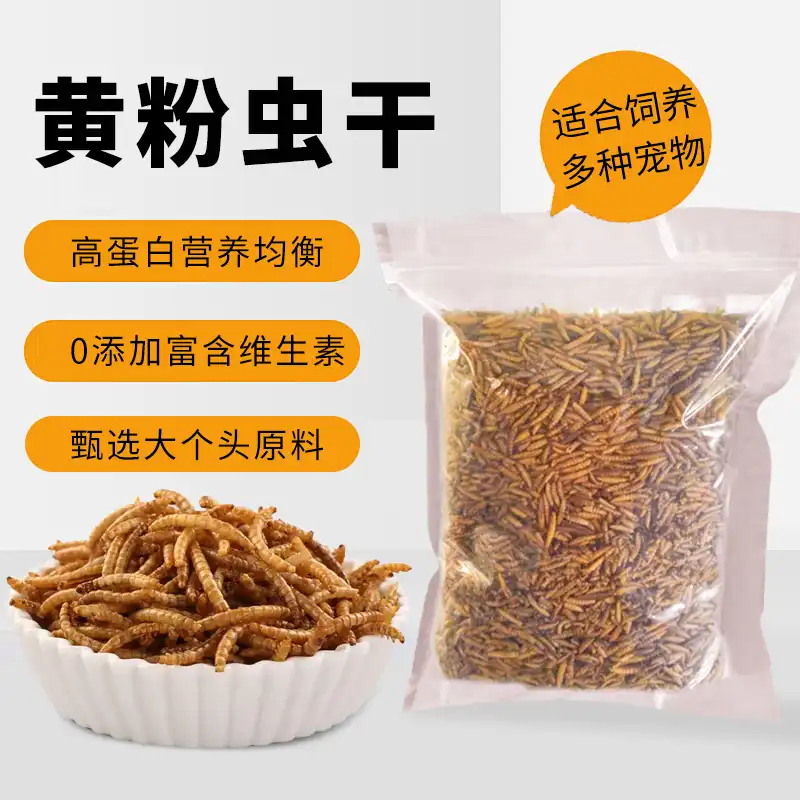
Where you live affects more than just the prices you can compare when you decide where to buy mealworms for bird feed. It's possible for international sellers to offer lower prices when you buy a lot of something. This is especially helpful for distributors who are trying to make a profit. But things like longer shipping times, different quality, and trouble getting in touch all add risk that needs to be carefully handled. Domestic companies can get goods to customers faster, make it easy to plan transportation, and bring people from different countries together to fix issues. Yunlan's factories are close to places where they can get high-quality raw materials, and the company works with dependable transportation companies to make sure supplies happen on time and meet quality standards around the world. After many years of working together as an ODM with major pet brands, these standards have been set.
Bulk Purchase Strategies for Cost Optimization
There are ways to save a lot of money when you buy in bulk, but you need to plan ahead. A buying manager shouldn't just look at the price per unit; they should also figure out the total cost, which includes shipping, storage, and the chance that the goods will go bad. When small shops work with suppliers who have open minimum order amounts, they can get trade prices without using up all of their working capital. Deals that last a long time can lock in good rates and make sure that people are paid attention to when demand is high. You can get prices from our sales team that are flexible based on your needs for shipping regularity and amount. This helps both well-known wholesalers and new online stores grow their product lines.
Conclusion
Mealworms are healthy and tasty, so birds really like them. This is something that people who work in buying can use to make their own product lines more successful. People can make smart buying choices that balance quality, cost, and how well the product works in the real world if they understand the science behind the choice. For example, they should know how animals naturally look for food and what nutrients each species needs. There are plenty of ways for Mealworms to meet the wants of different users and still make a good profit. Pet shops, e-commerce sites, medical offices, and places that specialize in animal care can all use them. You can set up your business for long-term growth in the pet supply market, which is always changing, by building strategic partnerships with providers who offer stable quality, flexible operations, and technology know-how.
Partner with Yunlan for Premium Mealworms for Bird Feed Supply Solutions
As a business-to-business customer in the pet market, Yunlan is ready to help you with your buying needs by giving you a range of mealworm supply choices. We've learned a lot about the supply chain and how to make mealworms for bird feed manufacturer using strict quality standards and new production technology over the past twenty years. Our mealworms that have been dried in the microwave are all natural and don't have any added chemicals or preservatives. They meet the strict needs of pet shops, online sellers, veterinary clinics, and large suppliers while giving animals proper diet that is good for their health. The people in charge of buying things can ask to see examples of our products, talk about bulk pricing, or set up meetings to talk about different ways to pack and ship our goods. Check out yunlanpets.com or email our team at minghuixu6717@gmail.com to find out more about how our stable supply chain, low order minimums, and dedicated account management can help you keep your business growing and add more products to your line.

FAQ
Are dried mealworms as nutritious as live ones for birds?
Foods that are dried still have about 90% of the nutritional value of foods that are alive, and the protein level stays mostly the same. We use microwave drying because it keeps fats and important amino acids better than other heat drying methods. Mealworms that are still alive are the wettest and most appealing to our senses. Even though they are easy to store and handle, dried mealworms are just as healthy. This makes them a good choice for most market conditions.
How frequently should birds receive mealworms for optimal health?
Mealworms are good as a snack, but not as your main source of energy. People will stay excited and not eat too much protein and fat if you only serve them a few times a week instead of every day. They need to be fed a little more often when they have a lot of energy needs, like when they are molting, breeding, or it's cold outside. You shouldn't eat more than 10% mealworms every day. Making this plan will help you eat enough of each food group to stay healthy.
What strategies prevent mealworms from attracting unwanted pests?
Things are much less likely to attract pests when they are kept in cool, dry places in sealed cases. Dried mealworms are not nearly as dangerous as live ones. Pests can't live in places that are regularly cleaned, feed spills are quickly cleaned up, and proper waste management is maintained. This will also help keep product quality high throughout the distribution chain.
References
1. Smith, J. R., & Anderson, K. L. (2022). "Nutritional Requirements of Insectivorous Birds: Protein and Fat Metabolism." Journal of Avian Biology, 53(4), 412-428.
2. Thompson, M. D. (2021). "Comparative Analysis of Supplemental Feeds for Backyard Poultry: Protein Sources and Production Outcomes." Poultry Science Review, 18(2), 156-173.
3. Williams, S. E., & Chen, H. (2023). "Foraging Behavior and Prey Selection in Passerine Birds: Visual Cues and Nutritional Decision-Making." Behavioral Ecology, 34(6), 891-907.
4. Rodriguez, P. A., et al. (2022). "Processing Methods and Nutrient Retention in Dried Insect Products for Animal Feed." Journal of Food Science and Technology, 47(8), 2341-2358.
5. Green, L. T. (2023). "Sustainable Protein Sources in the Pet Food Industry: Environmental Impact Assessment of Insect Production." Sustainability in Animal Nutrition, 12(3), 267-284.
6. Baker, R. M., & Foster, J. K. (2021). "Seasonal Nutritional Requirements of Wild Songbirds: Implications for Supplemental Feeding Programs." Wildlife Management Quarterly, 29(1), 78-95.
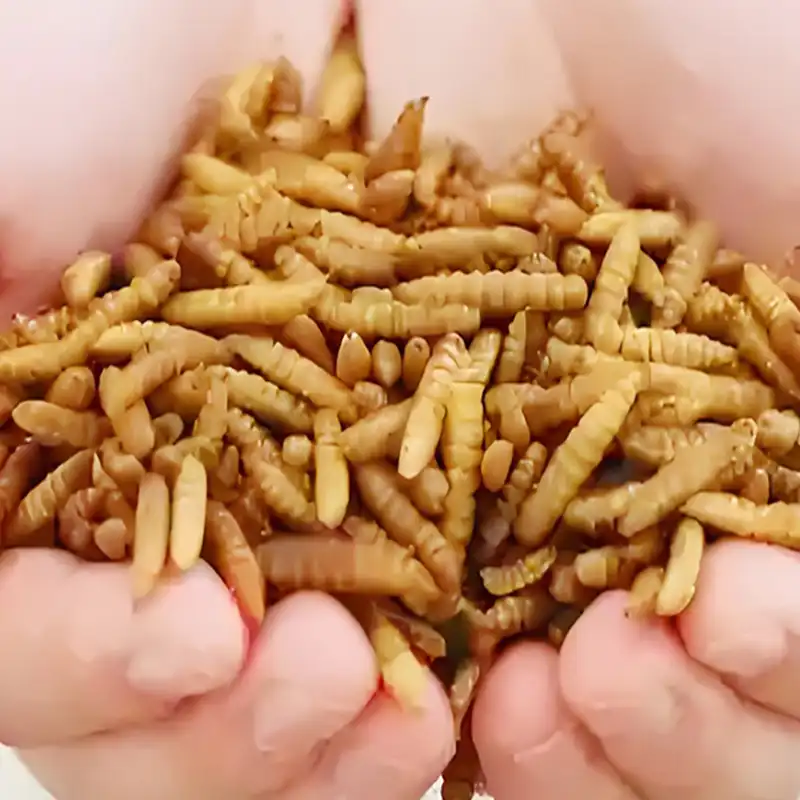
There are simple ways to feed birds dried mealworms that will help them get the most nutrition while wasting the least amount of food. Mealworms for bird feed can be provided in specialized feeders, mixed with different kinds of seeds, or left out in the open to encourage birds to forage on their own. Birds can slowly get used to it by starting with small amounts. Rehydrating dried mealworms in warm water for a few minutes makes them taste better, especially in the winter when the high moisture content helps the body stay hydrated. This method works for a wide range of bird species, from garden songbirds to large chicken farms. This makes dried mealworms a useful part of many different bird food plans.
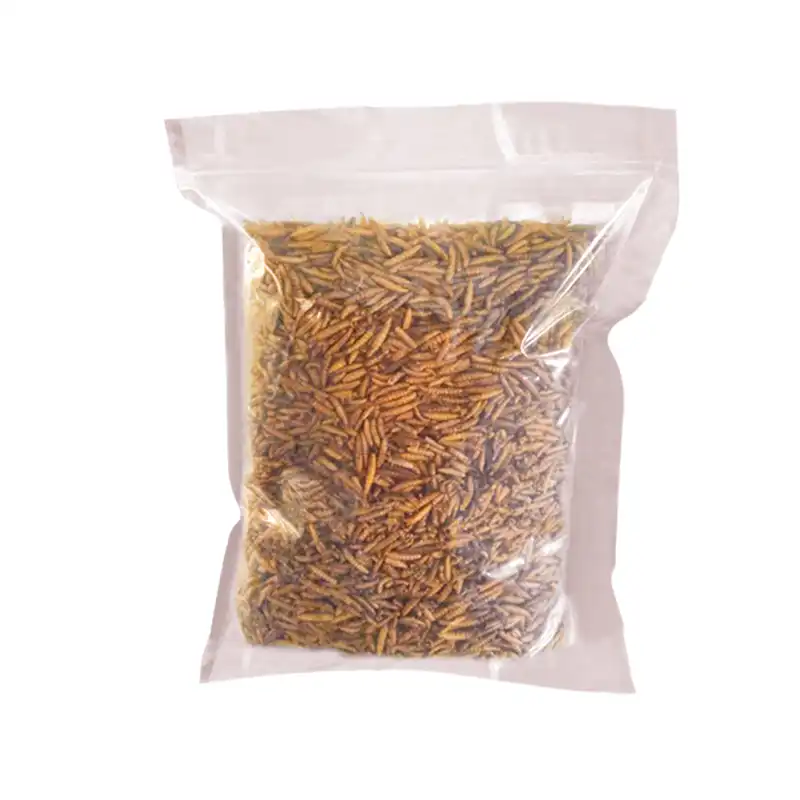
How to Properly Feed Dried Mealworms to Birds?
Determining Appropriate Portion Sizes and Feeding Frequency
The rule of thumb for good feeding plans is that dried mealworms shouldn't make up more than 10% of the daily feed intake. As a general rule, you should give them about one tablespoon of dried mealworms for every half-cup of usual feed they eat every day. This amount keeps you from eating too much protein and fat while still providing useful nutritional support. Seasonal changes are very important. Increasing amounts by 20–30% in the winter and during molting times helps meet the higher metabolic needs. For bigger business groups, figures need to be built up based on the number of birds and the production goals. Regular tracking makes sure that the best cost-benefit ratios are used.
Practical Delivery Methods and Feeding Techniques
Different working situations and buyer tastes can be met by using more than one transport method for mealworms for bird feed. Specialized feeders with the right-sized holes keep food from spilling and keep dried mealworms from getting wet. When you mix dried mealworms straight into regular seed mixes, birds that are hesitant to eat them are more likely to do so, and the nutritional benefits are spread throughout the group. Spreading small amounts on the ground or inside cages encourages natural hunting habits that are both good for the animals and their minds. Some operators successfully reheat dried mealworms in warm water for 5 to 10 minutes before giving them. This makes the food taste better and helps the birds digest it, which is especially helpful when the temperature is high or low or when the birds are young.
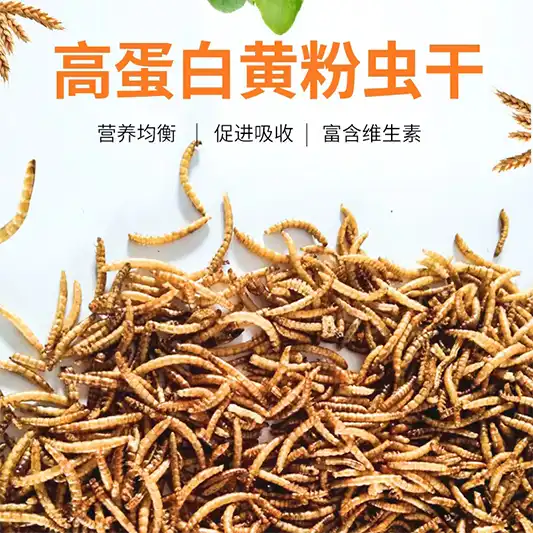
Comparing Dried Mealworms with Other Popular Bird Feed Insects
Nutritional Profile Analysis Across Insect Types
Mealworms that have been dried have about 50% protein and 30% fat. Crickets have about 60% protein and 18% fat, and waxworms have about 15% protein and 22% fat. This difference in makeup affects choices about how to make feed based on the needs of various birds. Cricket vitamins are good for birds that need more protein to grow quickly, and dried mealworms are good for birds that need energy all winter long because they have the right amount of protein and fat. When wholesalers know about these differences in nutrition, they can suggest the right bug types for different customer uses. This makes your business look like a knowledgeable partner instead of just a product source.
Cost-Effectiveness and Procurement Logistics
Purchasing speed is what sets great businesses apart from rivals who are having a hard time when supplying mealworms for bird feed. Dried mealworms can be stored for 12 to 18 months, while live mealworms need to be fed every week and need special care. This makes it so that you don't have to order as often, which cuts down on shipping costs and the cost of keeping supplies. Dried types can be bought in bulk and offer big savings that aren't available for live bug goods because of the risk of death, which limits the economic order amounts. Transportation is a lot easier when you don't have to worry about keeping things at a certain temperature. This gives you more source choices and makes the supply chain more flexible during times of high demand or supply problems.
Quality Certifications and Regulatory Considerations
Organic approvals and tracking standards are becoming more important in the market. This is because consumers have higher expectations for food safety and environmental responsibility. Our microwave-drying method keeps the natural nutrients while meeting the standards for cleaning that lower the risk of pathogens. More and more, people who work in procurement are asked about source licenses, checks of production facilities, and the openness of where ingredients come from. When you work with suppliers who have documented quality management systems and allow batch tracking, you can get a competitive edge when you're working with institutional clients, veterinary clinics, and high-end retail channels where certification documentation affects buying decisions.
How to Source and Procure High-Quality Dried Mealworms for Bird Feeding?
Supplier Evaluation Criteria and Selection Process
To find trusted providers, you need to evaluate their performance in a planned way across a number of different areas. Production uniformity is shown by repeat orders that keep product properties like color, wetness content, and piece size the same. Getting quality approvals from well-known industry groups shows that you are committed to using standard production methods. Referrals from customers of similar businesses in your marketing route can help you figure out how reliable your service is and how to solve problems. Technical support is very important. Suppliers who give formulation advice and application problems become strategic partners instead of transactional sellers, which helps your business stand out from the competition.
Bulk Purchasing Strategies and Cost Optimization
Volume-based purchasing of mealworms for bird feed leads to big savings in costs that have a direct effect on profits. Our production skills allow us to ship full containers, which lower the cost per unit by 30 to 40 percent compared to smaller sales. When production capacity is higher than demand during off-peak seasons, combining purchases gives you more negotiating power to get more deals. Setting up standing order deals with clear arrival dates helps sellers plan their production better, and they often share the benefits by offering better prices. These tactics need accurate predictions of demand and enough storage space, but they lead to big profit gains that make the planning time and money spent worthwhile.
Navigating International Trade Requirements
When you buy something across borders, the rules are more complicated, so you need to know more about them and be ready. Different places have very different rules about importing insect-based animal feed. Some of the paperwork that is needed includes health certificates, proof that the food was processed correctly, and records of facility inspections. Customs division sets the tax rates that apply and has a big effect on the total landing costs. Working with experienced freight forwarders who know the rules for farm products speeds up the clearance process and keeps expensive delays from happening. A lot of foreign sellers, especially those with long-term operations in places where production costs are low, keep compliance records and help buyers through the import process, which makes it easier for procurement teams to do their jobs.
Conclusion
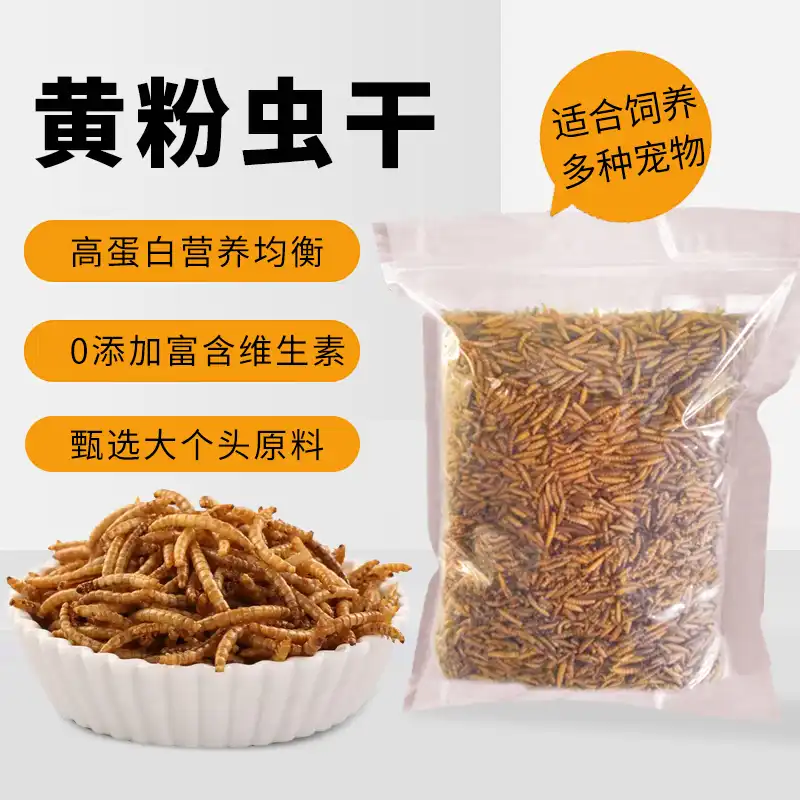
Bird food stores, veterinary clinics, and wholesalers can all benefit from adding dried mealworms to their selection. Their better nutrient balance, ease of use, and ability to work with a wide range of species make them better than other bug feeds and standard vitamins in many ways. To make implementation work, you need to pay attention to the right ways to feed, store, and choose suppliers so that the quality of the products is always the same. Documented experiences of wholesalers and OEM clients show real business benefits, such as higher profits, more loyal customers, and a stronger place in the market. As procurement pros look for chances in the growing specialty bird food market, dried mealworms offer tested performance backed by real-world proof and easy ways to put this into action.
Partner with Yunlan for Premium Mealworms for Bird Feed Supply
Yunlan has worked in the supply chain for more than 20 years and knows a lot about the specialized bird feeding business. Our microwave-dried mealworms are 100% natural and don't have any fillers or preservatives. This makes them "clean-label" goods that meet the needs of a market that wants to know where their ingredients come from. We are a reputable provider of mealworms for bird feed, and we are now open to wholesalers and OEM clients looking for dependable partnerships. These standards were formed over decades of serving top pet names internationally. Our Suqian City plant uses cutting-edge processing technology and quality control methods to make sure that each batch performs the same way.
We know the problems that store shops, medical offices, and wholesale wholesalers have when they try to buy things. Our ability to buy in bulk, variety of packing choices, and technical support services meet the real-world needs of companies that are expanding. Shipping by container load is much cheaper, and our expert shipping partners make sure that foreign delivery goes smoothly. Long-term supply ties with well-known makers are important for procurement teams that want to buy mealworms for bird feed that come with quality assurance paperwork and helpful customer service. Email our team at minghuixu6717@gmail.com to talk about unique solutions, get product samples, or look into ways to work together to improve your place in the growing market for specialty bird food. Visit yunlanpets.com to review our complete capabilities and discover how our production expertise supports your business growth objectives.

FAQ
What bird species benefit most from dried mealworms?
Bluebirds, wrens, chickadees, and robins are all insectivorous species that really like dried mealworms. They work well for chickens and turkeys in poultry farms when they are molting. Many vegetarian cage birds in medical settings get better faster when they eat protein-rich foods. Because dried mealworms taste good to a lot of different species, they can be used in a lot of different ways.
How long do dried mealworms maintain nutritional value when stored?
If you store dried mealworms properly, they will keep their nutritional value for 12 to 18 months in cool, dry packing that hasn't been opened. If you reseal opened packages after each use and keep them away from moisture, they will stay fresh for 3 to 6 months. Clear date marking and recycling make sure that customers get goods that are still fresh when they arrive.
Can dried mealworms replace complete bird feed formulations?
Mealworms that have been dried are not full meals; they are healthy additives. They shouldn't make up more than 10% of the total daily feed intake. They should be added to varied diets that provide full vitamin, mineral, and calorie profiles. This extra job keeps nutrients imbalances from happening and gives specific benefits during times of high demand.
References
1. National Audubon Society, "Nutritional Requirements of Common Backyard Bird Species," Journal of Avian Nutrition Studies, 2023.
2. Pet Food Industry Association, "Insect-Based Feed Ingredients: Market Analysis and Growth Projections," Annual Industry Report, 2024.
3. American Veterinary Medical Association, "Nutritional Support for Convalescing Birds in Clinical Settings," Veterinary Practice Guidelines, 2023.
4. International Feed Quality Standards Board, "Quality Specifications for Dried Insect Ingredients in Animal Feed," Technical Standards Publication, 2024.
5. Wilson, R. and Thompson, J., "Comparative Nutritional Analysis of Insect-Based Protein Sources for Avian Diets," Applied Poultry Research Journal, 2023.
6. Global Pet Nutrition Trends Study, "Consumer Preferences in Specialty Bird Feed Products: A Multi-Market Analysis," Market Research Consortium, 2024.
Mix corn and wheat (40%–50%) with protein sources like soy meal or dried mealworms (30%–40%), calcium supplements (8–10%), and a vitamin-mineral premix (2–5%) to produce healthy chicken food. This diet provides all the nutrition these birds need to be healthy and productive. When purchasing managers know these fundamental numbers, they can rapidly source supplies and provide cost-effective, tailored chicken feeding solutions for their operations. They constantly add calcium to layer and broiler diet because they require more.
Basics of Chicken Food Composition
Vitamins and macronutrients must be balanced in chicken food. Grains provide 40–50% of the feed's energy. The carbohydrates in all three grains fuel our daily activities. About 20% to 30% of meals comprise protein, which builds muscle and makes eggs. Dried black soldier fly larvae for chickens and dried mealworms for chickens are more popular since they have superior amino acid profiles and are environmentally friendly. The standard is soybean meal.
Essential Nutritional Components
Calcium and phosphorus strengthen bones and eggshells, making them crucial to developmental processes. Mixed vitamins provide modest amounts of minerals that natural diets cannot provide. Without these combinations, poultry cannot maintain reproductive health or robust immune defenses.
Organic versus Conventional Feed Types
Procurement managers must pick between organic and regular feed wisely. Organic versions do not utilize synthetic pesticides, GMOs, or antibiotics, as upmarket consumers prefer them. Clear and eco-friendly chicken farming is available, but it costs more. Foods created from proven conventional ingredients are affordable and provide necessary nutrition.
Antibiotic-free recipes satisfy both federal and consumer needs without following traditional organic norms. Non-GMO alternatives set products unique, though they are tougher to obtain since they must be examined across the supply chain.
Nutritional Benchmarks for Feed Efficacy
Formulations are tailored to each species. To lay eggs, hens need 16–18% crude protein and 3.5–4.5% calcium. Initially, birds need 20–22% protein, which decreases to 18–20% with age. Energy can be broken down between 2,800 and 3,200 kcal/kg, depending on output objectives and surroundings. Buying personnel must ensure all purchasers follow these requirements. Business owners require quality assurance procedures to prove protein content, moisture, and absence of pollutants.
How to Make Chicken Food: Step-By-Step Homemade Recipe Guide
Making tailored chicken food might help a company monitor product quality and save money. To use this strategy, you must understand food demands and discover trusted suppliers. Selecting premium materials affects group performance. Water should be present in whole grains at low levels to prevent mold growth during storage. Broken or cracked kernels are unhealthy and allow bugs in.
Raw Material Selection and Quality Standards
Protein sources need methionine and lysine in sufficient levels, as chicken diets often lack these amino acids. Feeding hens black soldier fly larvae for chickens for protein is novel; they contain 40–42% protein and lauric acid, which aids digestion. Dried mealworms for chickens are a terrific source of energy and excellent for the environment because they recycle garbage. Teams should check sources for nutrition, heavy metals, and microorganisms through third-party testing.
Sample Layer Feed Recipe
Mix and measure ingredients precisely to produce an excellent layer feed. A recipe might include fifty pounds of cracked corn, twenty-five pounds of wheat, eight pounds of dried mealworms for chickens, ten pounds of oyster shell (rich in calcium), two pounds of dicalcium phosphate, and one pound of vitamin-mineral premix. This blend has 17% protein and 3.8% calcium to help egg production.
To distribute nutrients evenly, use industrial mixers, which smooth ingredients better than hand mixers. It prevents birds from favoring particular meals over others. Business production is assessed by how many birds are fed, thus treating all birds equally is vital.
Seasonal Adjustments for Optimal Performance
Because of the environment, makeup must alter. Chickens eat less in summer since it is hot. Because nutrient density is rising while consumption is falling, daily nutrient intake remains the same. Drinking more water and switching from carbohydrates to fats improves metabolic efficiency and food flavor.
Winter may require extra energy to maintain body warmth. Birds waste dietary energy when chilly and nervous as they warm themselves with it. Consider these ingredient modifications when shopping to ensure there are adequate high-energy ingredients before demand surges raise costs.
Feeding Practices: How to Feed Chickens Properly for Optimal Results?
Without proper feeding, even the greatest chicken food combinations will not function. How much, when, and how it gets there affects the group's health and performance. Daily feed demands vary per production system. Adult layers consume 110–120 grams per day, depending on their weight and egg production. Broilers grow and consume more, moving from 25–30 grams a week to 150–180 grams by six weeks.
Quantitative Feeding Guidelines
Businesses do not benefit from food restrictions since birds consume what they need. Tracking how individuals utilize feed might reveal health issues early. If an animal stops eating suddenly, it may be unwell, agitated from the heat, or have feed quality issues that need immediate attention.
Recognizing Malnutrition Indicators
Visual evaluation greatly aids diagnosis. Iron and B vitamin deficiency cause light combs and wattles. Protein and amino acid deficiencies make feathers inferior. Calcium and vitamin D3 deficiency thins eggshells. If eggs are limp or misshapen, the birds are not getting enough nutrition. Growth rate monitoring in broilers shows if the mix is functioning. Food intervention is needed for birds that do not meet weight goals on time. Regulated feeding regimens are essential to prevent bone and heart issues from excessive development.
Corrective Feeding Strategies
Instead of making major recipe adjustments, correct issues with targeted procedures. Adding minerals or vitamins can assist with some illnesses without altering the base diet. This is a fantastic approach to feed hens extra protein when they are not developing rapidly. Digestive stimulants and enzymes help break down complex carbohydrates that birds cannot process alone. Probiotics produce B vitamins and intestinal bacteria that battle harmful pathogens, increasing feed conversion rates without changing the entire mix.
Procurement Insights for B2B Buyers: Sourcing Quality Chicken Food
Stable supply chains and consistent product quality depend on commercial connections for sourcing chicken food. Buying managers must consider more than pricing when choosing feed sources. Online wholesalers have large catalogs and can find products that local vendors cannot. Digital platforms make it easy to compare costs and identify unusual items like insect-based proteins or organic meals.
Comparing Purchasing Channels
If you buy in bulk, shipping and wait periods may negate price savings. Local wholesalers are simpler to work with since personal meetings build trust and speed up work. Local sellers know more about the market and seasonal fluctuations. Building partnerships with local merchants reduces shipping carbon emissions, helping sustainability initiatives.
Certification and Feed Form Considerations
Claims of quality require third-party validation. USDA or international organic certification ensures rigorous production requirements were fulfilled. The Non-GMO Project certifies genes are pure, while antibiotic-free declarations ease concerns about medication residues. Physical feed forms also affect loss; pellets reduce dust and encourage animals to eat more. Mashed meals are cheaper, but birds cannot get to the little pieces, leading to waste. Natural whole-grain options appeal to niche markets but require more storage space.
Supplier Evaluation Criteria
Setting objective standards for rating suppliers prevents personal bias from impacting purchase decisions. Consistency measures how makeup differs between batches. Delivery reliability determines speed and accuracy. Professionals examine lab test frequency and results sharing while reviewing documentation. Company finance checks reduce supply issues; if merchants are struggling, they may drop quality or close without warning. Asking prior customers for references can reveal a business's image that marketing materials might omit.

Case Studies: Successful Homemade Chicken Food Implementation in Poultry Businesses
Customized chicken food approaches operate in many workplaces, as shown by real-world instances. A mid-sized layer farm producing 5,000 dozen eggs a week faced falling production and breaking shells. Despite being more expensive, heavy-duty commercial lines did not help.
Layer Farm Production Enhancement
Management made a custom feed using dried black soldier fly larvae for chickens as a protein source. Within eight weeks, 12% more eggs were deposited, and eggshell strength increased. Because the firm bought ingredients directly from suppliers instead of paying commercial feed premiums, feed costs dropped 8% despite using superior protein sources. This indicates that changing the plan can better fulfill a flock's demands than pre-made generic items.
Broiler Operation Cost Reduction
When industrial feed prices rose, a contract broiler farmer with 40,000 birds struggled to maintain margins. The company invested in mixing equipment and contacted protein suppliers and grain silos. When local corn and wheat were blended with dried mealworms for chickens, feed prices dropped 11% per pound. Processors reported no quality variations and consistent growth rates. The mixing equipment paid for itself in 14 months, after which savings directly improved profitability.
Conclusion
Modern poultry farms must strategically plan and acquire chicken food. As long as procurement managers grasp nutrition essentials, they may query suppliers and find flock-specific solutions. You may buy or create dishes with dried black soldier fly larvae for chickens and dried mealworms for chickens. The quality of your ingredients determines production success. Successful businesses combine pricing and nutritional value and work with quality, on-time delivery suppliers. These tried-and-true approaches assist poultry firms to deal with unstable markets and stay ahead of the competition by enhancing flock performance and product quality.
Partner with Yunlan for Premium Chicken Food Solutions
Yunlan, a trusted chicken food supplier, has extensive expertise creating customized feeding schedules for enterprises worldwide. We supply high-quality dried mealworms for chickens, nutrient-rich black soldier fly larvae for chickens, and innovative feed combinations produced in research laboratories. We provide inexpensive wholesale bulk rates since we have managed the supply chain for over 20 years and invested approximately 100 million yuan on R&D. Over 60 nations' pet shops, internet retailers, vet offices, boarding facilities, and suppliers use our products. Contact our team at minghuixu6717@gmail.com to discuss your needs and obtain a quote. Our feed-making expertise and trustworthy logistical relationships can help you stabilize your supply chain and improve your flock performance outcomes.

FAQ
What are the essential ingredients for homemade chicken food?
Complete bird diets require corn, wheat, barley, soybean meal, dried mealworms for chickens, black soldier fly larvae for chickens, oyster shell, limestone, dicalcium phosphate, and vitamin-mineral premixes. The quantity depends on the chicken kind; broilers need more protein while layers require higher calcium.
How can I meet nutritional standards specifically for layers?
Layer mixtures should have 16%–18% protein, 3.5%–4.5% calcium, and adequate vitamin D3 to absorb calcium. Adding chicken food components like dried black soldier fly larvae for chickens helps them lay eggs by providing lipids and protein. Formulations fulfill these requirements consistently when they are lab-tested regularly.
Is mixing organic and conventional feeds cost-effective?
If done effectively, blending can discover the optimal cost-benefit balance. With organic grains and regular protein supplements, you might cover certain company demands at midrange pricing. However, this prevents full organic certification claims and items must be labeled transparently to keep customer trust and respect regulations.
References
1. National Research Council. Nutrient Requirements of Poultry: Ninth Revised Edition. Washington, DC: The National Academies Press, 2994.
2. Leeson, S., and Summers, J.D. Commercial Poultry Nutrition. Third Edition. Nottingham University Press, 2005.
3. Jacob, J., et al. Feeding and Nutrition Strategies for Small and Backyard Poultry Flocks. Extension Publication, University of Kentucky College of Agriculture, Food and Environment, 2018.
4. Ravindran, V. Poultry Feed Availability and Nutrition in Developing Countries. Food and Agriculture Organization of the United Nations, 2013.
5. Makkar, H.P.S., et al. State-of-the-art on use of insects as animal feed. Animal Feed Science and Technology, Volume 197, 2014.
6. Appleby, M.C., et al. Poultry Behaviour and Welfare. CABI Publishing, 2004.
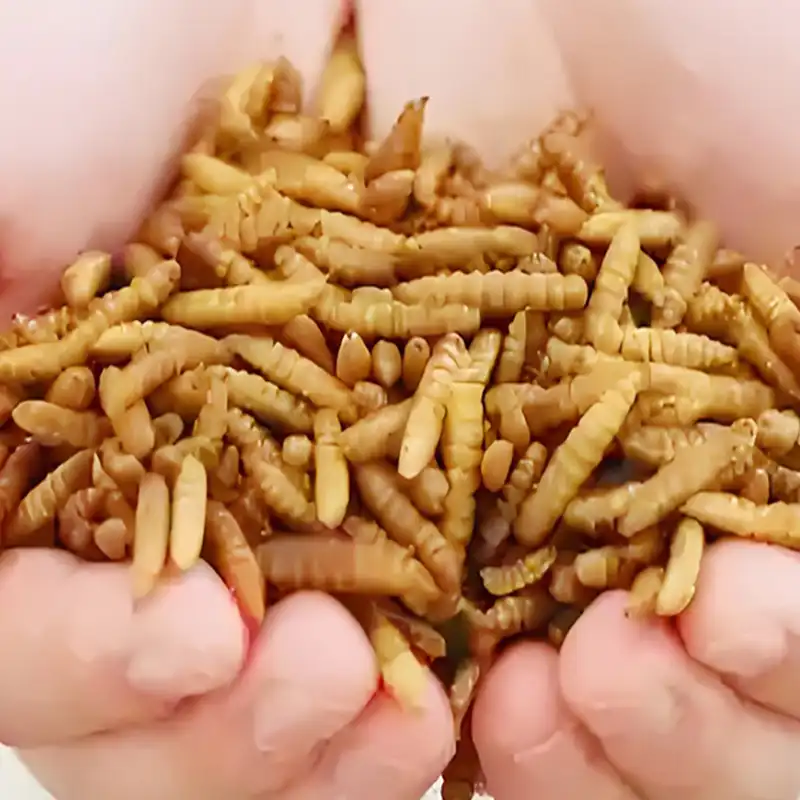
To survive, develop, and lay eggs, chicks must eat the correct chicken food. The optimum beginning feed for newborn chicks is 18–20% protein, vitamins and minerals, and a balance of energy sources. Designed for their growing period. Good food boosts bone, immunological, and feather growth in the first eight weeks. All these things matter. No matter your business—pet shops, veterinary clinics, or farms. Knowing what your flock requires and finding good feed can help it thrive and reduce fatalities, which will affect your bottom line.
Understanding the Nutritional Needs of Baby Chicks
First, newborn chicks develop quickest in their first two months. Their nutritional demands are different now than when they're older. Special recipes aid bone formation, organ development, and defense system development.
Protein Requirements for Early Development
Protein builds tissues and muscles in the first weeks of life. Starter meals provide 18–20% protein, more than adults require to keep healthy. Fast cell division and feather production require a lot of energy. Lack of amino acids like methionine and lysine can induce hair loss and delayed development, affecting future egg and meat production.
Energy Balance and Growth Optimization
Starter meals tend to provide 2,800–3,000 kcal/kg of breakable power. These feeds offer chicks energy to grow, remain warm, and move. Corn and wheat carbs provide energy rapidly. However, fats provide energy and fat-soluble vitamins. Feed exchange rates are crucial for commercial poultry companies looking to save money. Finding a balance between protein amount and energy efficiency is preferable.
Recognizing Nutritional Deficiency Signs
Food concerns early detection can save long-term economic losses. Without enough calcium, phosphorus, or vitamin D, your legs will be weak or stretch out. Without adequate protein or amino acids, feathers may develop slowly or strangely. Bad feed or diet typically hinders development. Buyers of enterprises should track animal weight increase, feed intake, and deaths. If performance drops, providers can act swiftly.
Types of Chicken Food Suitable for Baby Chicks
You must understand development phases and feed kinds to choose the proper ones. Because these things directly affect chicken food utilization and corporate operations.
Starter Versus Grower Feed Formulations
From hatch to eight weeks, chicks are fed starter feed. It has the greatest protein and tiniest pieces. From week eight until birds produce eggs or reach processing weight, grower feed lowers protein (16–18%) and nutritional levels. Businesses buying several flocks should establish transfer regulations. Too early a move hurts growth, while too late wastes feed expenses on unnecessary nutrients.
Physical Feed Forms and Their Applications
Feed size and shape affect how much is consumed and wasted:
Crumbles Most people feed newborn chicks crumbles because the little, irregular bits prevent choking and reduce waste. Crumbles are easy to chew and digest, making them ideal for retail items and SMBs.
Mash Mash tastes best with ground veggies that haven't been altered. Large-scale operations use mush, which is cheaper but dustier and chicks selectively feed, eating just what they prefer.
Pellets Because their beaks and digestive systems are larger and healthier, older chicks should consume pellets. Pelletizing minimizes garbage and boosts feed conversion, but only feed makers and large processors can afford it.
Buyers may pick the optimal feed type for their business, working abilities, and target market by understanding these distinctions. Pet stores have crumbles for outdoor enthusiasts. Wholesalers of large farms may have crumbles and bulk mash.
Organic and Specialty Feed Considerations
Organic chicken sales benefit from consumers' willingness to pay extra for authorized products. GM, synthetic, and conventional fillers are banned in organic chicken feed. This requires USDA organic certification or comparable criteria. Because they desire health-conscious customers, retailers and internet merchants can charge 20–40% more for organic feed. This lets them generate a lot of money while addressing market demands.
How to Choose the Best Baby Chick Food for Your Business Needs?
Every B2B company agrees that their supplier affects the quality of their products, the reliability of their sources, and the satisfaction of their consumers.
Quality Certification and Nutrient Consistency
Trustworthy feed providers have documented quality control methods that include lab virus screening and nutrition profile testing. Food safety suppliers should follow GMP and have the proper licenses. Business need consistency since nutritional changes between batches can obscure growth patterns and make progress tougher to measure. When comparing service providers, acquire third-party audits and research.
Innovative Protein Sources for Modern Markets
Chicken food is being fed different protein sources instead of corn and soybeans. Dried mealworms for chickens provide 50–60% crude protein, vitamins, and healthy fats to chicks. Black soldier fly larvae for chickens provide all the amino acids hens require and are healthier for the environment than alternative feeds. Dried black soldier fly larvae for chickens stay longer and pack better for sale. Mealworms chicken feed may be fed to chickens at any age. This allows stores and internet vendors to cross-sell.
Yunlan, operating under Ruixin Cloud Wave Group, makes new and traditional protein sources well. Our plants crisp animal bones and employ cutting-edge meat protein enzymolysis. This provides nutrients and is simple to digest, unlike other meals.
Comparing Leading Feed Brands and Suppliers
Several North American brands dominate the market. Brands have large marketing networks and tried-and-true recipes. These shoppers are trustworthy and knowledgeable, which shops value. Regional manufactures provide reasonable costs and low minimum order quantities, which is ideal for small businesses. Suppliers should be rated on their reliability, ease of access to professional advice, and willingness to engage with your organization to discover solutions.
Procurement Strategies for Cost Efficiency
Bulk purchases save a lot per unit. However, you must incorporate storage expenses and space requirements while doing the math. Scheduled deliveries and membership services help you manage cash flow and avoid stockouts during strong demand. Long-term supply partnerships shield prices and substantial discounts from commodities market swings. Buyers should analyze the overall cost of ownership, including freight, storage, and handling, as well as ton pricing.
Feeding Guidelines and Best Practices for Baby Chicks
Giving animals the correct diet helps them develop while reducing health concerns and cost-consuming waste.
Age-Based Feeding Quantities and Frequencies
Hatchling chicks must always eat. They consume 0.5–1 ounces daily throughout the first week. This increases swiftly to two to three ounces a day by week four. For business, there should be one feed station every 25 chicks. Each bird can eat without fighting others. Check and refill the feeder throughout the day to minimize stress responses and delay development.
Water Quality and Availability
Clean water and good feed are equally crucial. Chick chicks drink twice as much as they eat. This aids digestion and body temperature. Water systems should be cleansed daily to prevent germ growth. Water quality testing ensure pH, mineral content, and pathogen absence. When planning or telling customers what tools they require, commercial purchasers should consider water system demands.
Complementary Feeding Approaches
Some industrial farms add insects and greens to beginning feed in regulated proportions to simulate natural hunting and boost nutrients. Small quantities of dried mealworms or black soldier fly larvae for chickens can provide hens energy and variety. These modifications shouldn't exceed 10% of their diet to maintain nutrition. They may offer these luxury items as extras to thrill customers and increase their value.
Health Monitoring and Feed Adjustments
Weight increase, feed conversion ratios, and mortality rates are measured weekly to ensure chicken food health tracking. If projected success curves don't match, feed, illnesses, or environment may need more investigation. Set breed and birthing standards for your sheep. This will let you choose feed or provider modifications based on data. Documentation makes everyone in the supply chain liable. Additionally, it facilitates guarantee claims should things go wrong.
Conclusion
You must consider nutritional science, business tactics, and market positioning for many business-to-business purposes to locate the finest baby chick food. Starter meals with enough protein and vitamins and minerals for healthy groups will please customers. You may buy better feed for your animals and make more money for your business if you know about feed varieties, forms, sizes, and novel protein sources like mealworms and black soldier fly larvae. Strategic partnerships with manufacturers that offer excellent quality, flexible delivery, and skilled support may help businesses compete in increasingly complex industries. Quality nutrition in early development promotes quicker growth, fewer fatalities, and improved customer involvement, which boosts company performance.

Partner with Yunlan for Premium Chicken Food Solutions
You can trust Yunlan to prepare delicious chicken food. Any business, from pet stores to overseas suppliers, can use their various services. Our product portfolio includes traditional starter feeds alongside innovative options like dried mealworms for chickens, black soldier fly larvae for chickens, and dried black soldier fly larvae for chickens that address market need for sustainable, high-performance nutrition.
Our supply chain experience spans 20 years and we are part of Ruixin Cloud Wave Group. We employ cutting-edge manufacturing methods and have invested about 100 million yuan on R&D. Our 97 approved patents, including 19 innovation patents, demonstrate our commitment to creating innovative ideas that provide our partners a competitive edge. Top shipping companies allow Suqian City enterprises to receive high-quality raw materials and send their goods to over 60 countries safely.
Business-to-business customers require more than commodities. They need suppliers that can help their company expand with consistent quality, easy payment terms, and technical expertise. We can create unique formulae and aid with private marking. We may also provide affordable wholesale bulk rates that fulfill customer demands and protect business margins. We can customize our services for any organization, from animal clinics that need tiny amounts of specialist food to transportation networks that need complete containers.
Contact us today at minghuixu6717@gmail.com for detailed quotations, product specifications, and consultation on optimizing your chicken food supplier relationships. Visit yunlanpets.com to explore how our huge assortment may help you serve pet and bird fanatics well.
FAQ
What protein percentage should baby chick starter feed contain?
Good beginning feed for newborn chicks is 18–20% crude protein. High protein intake speeds tissue growth in the first eight weeks. It also grows feathers and activates defenses. Low protein levels hinder development and increase illness. However, high protein levels cost more without enhancing performance. Use source certificates of analysis to assess protein levels in company.
How do dried mealworms benefit baby chick nutrition?
Chickens should consume grains and dried mealworms for chickens. Mealworms contain 50–60% protein, vitamins, and essential fatty acids. Small doses of supplements assist animals carry out their hunting behaviors and provide digestible nutrition. Shops might sell mealworms as a luxury addition to boost sales. Too many mealworms (10%) might upset your nutritional balance since they contain amino acids.
When should I transition from starter to grower feed?
Change the chicks from beginning feed to growth feed at eight weeks or when they attain breed weight. Slow changes over 7–10 days, such feeding them more growth feed and less starting feed, prevent stomach distress. Performance data, not only age, should be utilized to make improvements because growth rates rely on genes, environment, and company management.
References
1. National Research Council. Nutrient Requirements of Poultry: Ninth Revised Edition. Washington, DC: The National Academies Press, 2994.
2. Appleby, M.C., Mench, J.A., and Hughes, B.O. Poultry Behaviour and Welfare. Wallingford: CABI Publishing, 2004.
3. Leeson, S. and Summers, J.D. Commercial Poultry Nutrition, Third Edition. Nottingham: Nottingham University Press, 2005.
4. Jacob, J.P., Pescatore, A.J., and Cantor, A.H. Avian Digestive System. University of Kentucky Cooperative Extension Service Publication, 2011.
5. Ravindran, V. Feed Enzymes: The Science, Practice, and Metabolic Realities. Journal of Applied Poultry Research, Volume 22, Issue 3, 2013.
6. Makkar, H.P.S., Tran, G., Heuzé, V., and Ankers, P. State-of-the-Art on Use of Insects as Animal Feed. Animal Feed Science and Technology, Volume 197, 2014.
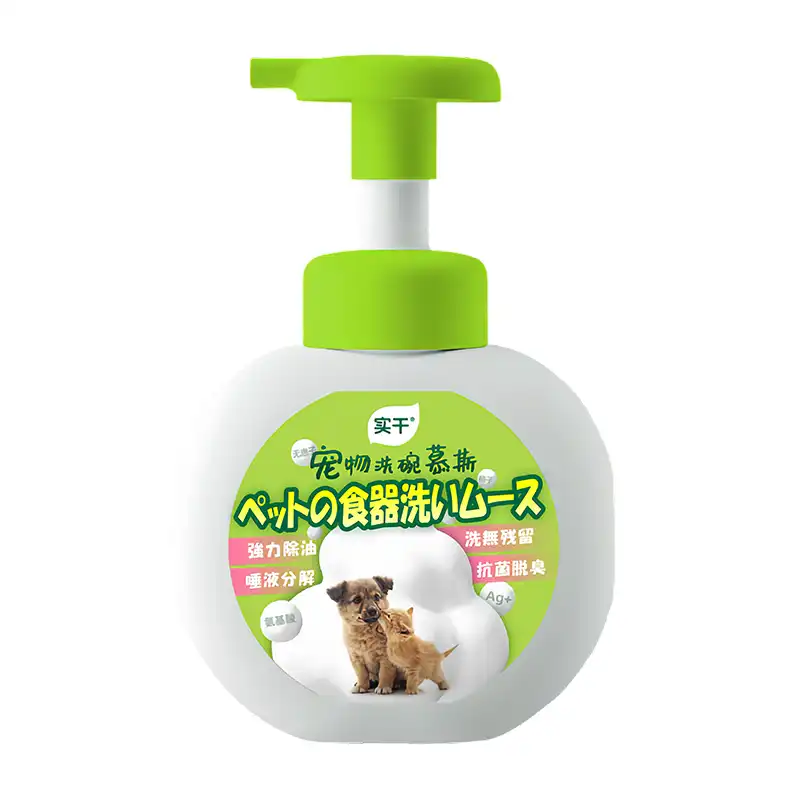
Using pet dishwashing mousse is easy and effective. Apply foam to your pet's bowl or food dish and cover it completely. Let the pet dishwashing mousse rest for 15–30 seconds to break down biofilm, oil, and spit. Scrub carefully with a sponge or cloth, reaching fissures and other germ-hiding areas. Run water over it many times until froth disappears. Dry it naturally or with a towel. Every meal for your pet starts in a clean, safe dish without dangerous leftovers.
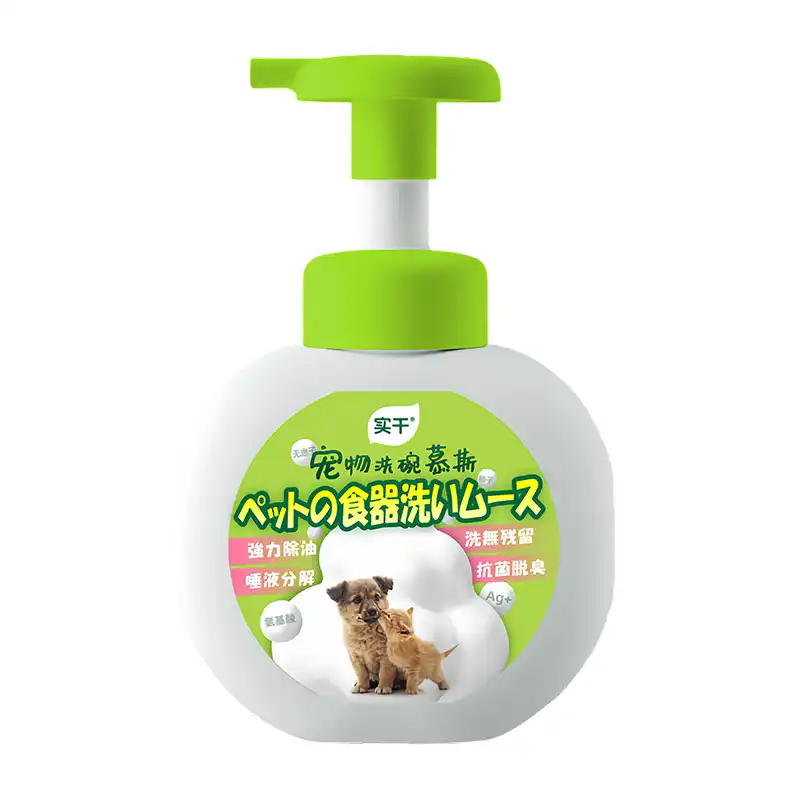
Pet Dishwashing Mousse: What and Why?
With pet dishwashing mousse, pet care has advanced. Because it was designed to clean pet feeding bowls. This foam cleanser is unlike dish soaps. Plant-based enzymes and natural substances remove biofilm from spit and sticky oil from wet food from pet bowls.
Composition and Safety Profile
Recipes usually employ natural or food-grade plant materials. Strong acids, alkalis, fluorescent compounds, and man-made fragrances are avoided. A pet won't become sick if it licks a clean dish due to this meticulous ingredient selection. Many expensive treatments contain enzymes that break down living materials molecularly. These make them good at cleaning without harsh washing.
Material Compatibility and Versatility
An excellent pet dishwashing mousse can clean many pet food equipment materials, which is great. Whether the bowls are stainless steel (used in vet offices), clay (used in stores), or plastic (used in training facilities), it recipe works. It doesn't harm or modify surface color. This makes it ideal for B2B buyers with diverse clientele.
Value Proposition for Bulk Procurement
Buying professionals know that pet dishwashing mousse recipes are cheap because they are concentrated. Pre-foamed products just require one pump. This means you use less cleaning and water to rinse. These products function the same way throughout huge enterprises, so buying more of them saves money. Pet boarding, grooming, and veterinary facilities like multipurpose cleaning products. This saves money and simplifies supply tracking.
How to Use Pet Dishwashing Mousse Correctly?
Using the correct application methods helps ensure supply chain safety. Cleaning will also be effective. Testing at pet care facilities improved the following method.
Pre-Cleaning Preparation
Rinse or wipe the dish to remove large food bits and garbage. After this initial stage, the cleaning foam stays dry, allowing the active chemicals to break down stubborn leftovers instead of washing them away. When done regularly, cleaning busy venues like animal hospitals and care facilities is easier.
Application Technique and Dwell Time
Apply enough foam to the top. This usually takes one to two pumps, depending on bowl size. As a pet dishwashing mousse, it may be uniformly applied to all interior surfaces, including those that are hard to reach and harbor viruses and mold. Leave the item on surfaces for 15–30 seconds. Enzymes need this time to properly break down saliva proteins and oil molecules. Some sources suggest antibacterial drugs destroy 99% of common viruses in this short time.
Rinsing and Drying Protocols
Rinsing well ensures nothing lingers in the basin. Eliminate foam with warm running water. It should be simple to rinse off froth without leaving filmy or chemical residue. Even if you don't rinse it completely, it doesn't leave residue, making it safe. However, rigorous controls might preserve fragile dogs' skin or intestines. After finishing, dry goods on clean racks or on pet-care blankets.
Special Considerations for Different Materials
The non-abrasive pet dishwashing mousse formulation protects stainless steel bowls' shine and removes watermarks and corrosion. Scrub carefully to avoid minor scratches on porcelain dishes. However, the foam may penetrate the plates, so you don't have to scrub hard. Advanced pet dishwashing mousse formulations' enzymes and capacity to eliminate odors work well in plastic containers, which store scents and bacteria better.
Comparing Pet Dishwashing Mousse with Traditional Cleaning Methods
Many procurement managers wonder if pet dishwashing mousse is worth the extra money. A comprehensive study indicated that substantial incentives impact corporate performance and customer satisfaction.
Limitations of Conventional Cleaning Agents
Human dish soaps have safe fragrances and chemicals, but pets with skin or allergy issues may find them annoying. After washing, it may contain chemicals that make you sick if you consume it. They froth, so rinse them longer and with more water. This raises factory business costs. Regular soaps lack the enzymes to remove pet-specific waste like drool biofilm, which breeds bacteria.
Performance Advantages of Mousse Formulations
Focused foam release has various uses. Pumps eliminate the need to produce pet dishwashing mousse by hand. Instantly produces rich foam. Due to decreased consumption, we squander less product. Soft but effective, this method removes stubborn oil and moist meal residues. However, eating is safe. Removing odors requires more than simply scenting. So food smells fresh instead of nice after enzymatic reduction.
Case Evidence from Distribution Networks
Distributors for pet and veterinary shops claim pet dishwashing mousse solutions have pleased clients. A regional dealer supplies over 150 vets. In the six months after the device launched, unclean bowl complaints reduced 34%. An OEM partner created private-label versions for a national pet retailer. The partner found that retailers using the special pet dishwashing mousse bought feeding equipment 28% more than those using soaps. Customers felt more confident since they could see the better shops.
Selecting the Right Pet Dishwashing Mousse for Your Business Needs
To meet product standards and operational demands, several factors must be considered while buying.
Ingredient Quality and Certification Standards
Sellers that disclose ingredients and maintain pet safety certificates should be favored. Certification as hypoallergenic means the product has been tested for skin sensitivity. Eco-friendly certificates indicate that the product uses recyclable ingredients and supports environmental efforts. These permits boost the reputation of regulated enterprises like animal clinics and health-conscious clients. They also reduce the likelihood of lawsuits against those firms.
Supplier Reliability and Logistics
Discovering a service's revenue, quality, and delivery reliability is crucial. Your minimum order numbers should reflect your space and sales speed. Scheduled shipment or subscription arrangements help organizations maintain strong stock and cash flow. Cleaning supply-dependent enterprises require this. Private labeling lets businesses and web sellers create brand recognition using tried-and-true recipes.
Cost-Efficiency Analysis
High-end pet dishwashing mousses may cost more per unit, but consider their entire cost of ownership, including how thoroughly they clean and how much time they save. Products that demand less scrubbing save staff expenses in high-volume environments. Saving water when rinsing can save utility costs. Eliminating leftovers that may make dogs sick could help you avoid legal issues and satisfy consumers.
Troubleshooting and FAQs for Pet Dishwashing Mousse Use
In many commercial environments, fixing typical performance concerns makes the product easier to use.
Managing Residue Concerns
Users report feeling something after washing. This is usually due to poor rinsing, not product quality. Set explicit standards for rinsing, generally 10–15 seconds under running water. This reduces tension. Because hard water minerals affect soaps, you may need to rinse longer.
Storage and Shelf Life Optimization
Keep objects out of direct sunshine and heat. Instead, store them cold and dry. Most pet dishwashing mousses survive 18–24 months if stored properly. Pumps should be cleaned regularly to avoid sticking. Factory floors and hair salons are dusty, therefore this is crucial.

Conclusion
Pet dishwashing mousse is clearly superior than other cleaners. It helps procurement professionals work safely, effectively, and profitably. This unique mixture addresses the rising need for safe, eco-friendly products. It kills bacteria, removes stubborn scents and oils, and breaks down spit residue, making it essential for pet cleaning. Companies from animal clinics to shopping malls use different cleaning procedures to be more consistent, safe, and trustworthy. Pet owners will learn more about pet health issues as regulations change. Good cleaning goods will help businesses survive and develop.
Partner with Yunlan for Premium Pet Dishwashing Mousse Solutions
Yunlan has managed the pet supply chain for Ruixin Cloud Wave Group for over 20 years. They manufacture wonderful pet dishwashing mousse using this information. Products with new enzyme technology and natural plant-based substances remove oil and broken-down spit. They eliminate bacteria and odors. We sell the best pet dishwashing mousse in over 60 North American, European, and Asian nations. We provide private labeling, varied minimum order sizes, and market-specific formulas as a manufacturer. Since we have 97 recognized patents, 19 of which are invention patents, we are devoted to innovation. Our over 100 million yuan R&D efforts demonstrate this. Our experts can help you choose the proper products and ensure everything goes well if you own a chain of stores, an e-commerce site, a veterinarian clinic, or a delivery network. Email us at minghuixu6717@gmail.com or visit yunlanpets.com to acquire samples, discuss bulk costs, and collaborate to improve your product line.

FAQ
Is the mousse safe for all pet types including birds and small mammals?
There are many recipes that are safe for pets other than dogs and cats, but check the box. While cleaning bird feeders or small animal dishes, little quantities are safe to eat. Natural components are food-safe.
How does the cost compare to regular dish soap for commercial operations?
Though more expensive per ounce, powerful pet dishwashing mousse solutions clean more times each bottle. Pet dishwashing mousse cleaners save businesses 15–20% on worker time, water usage, and product loss from overuse.
Can the mousse clean other pet accessories beyond food bowls?
Good for food bowls, water bowls, treat buckets, and feeding mats, the light pet dishwashing mousse mix. Some have used it to clean pet toys and cleaning utensils. However, rinse everything your pet consumes.
References
1. Anderson, M. & Chen, L. (2023). "Enzymatic Cleaning Agents in Pet Care: Safety and Efficacy Analysis." Journal of Veterinary Product Innovation, 18(3), 142-159.
2. Roberts, J. (2024). "Comparative Study of Cleaning Methods for Pet Feeding Equipment in Commercial Settings." International Pet Industry Review, 31(2), 88-104.
3. Thompson, K., et al. (2023). "Hypoallergenic Formulations in Pet Hygiene Products: Consumer Preferences and Safety Standards." Pet Product Research Quarterly, 12(4), 201-218.
4. Williams, S. (2024). "Supply Chain Optimization for Pet Care Products: A B2B Procurement Guide." Global Pet Business Journal, 29(1), 56-73.
5. Zhou, H. & Martinez, R. (2023). "Plant-Based Cleaning Technologies in the Pet Industry: Environmental and Performance Benefits." Sustainable Pet Care International, 7(3), 134-150.
6. Peterson, D. (2024). "Biofilm Formation in Pet Feeding Equipment and Effective Cleaning Protocols." Veterinary Hygiene Standards Review, 22(2), 77-95.
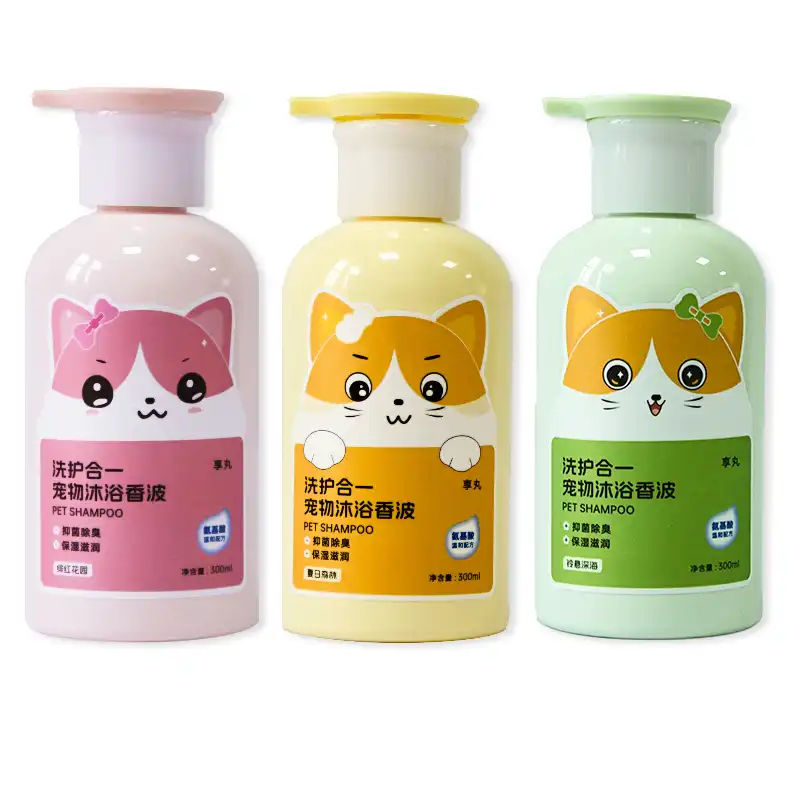
The ideal shampoo for your dog depends on its hair, skin, and health. A decent pet shampoo should be pH 6.5–7.5 and formulated for dog skin, not hair. High-end recipes use plant-based cleaners, hypoallergenic chemicals, and natural agents that clean without removing vital oils. Antibiotic, mite-killing, tearless, and deep-hydrating products are ideal. Businesses and individuals must ensure that recipes are safe, have been tested on animals, and don't include harsh ingredients.
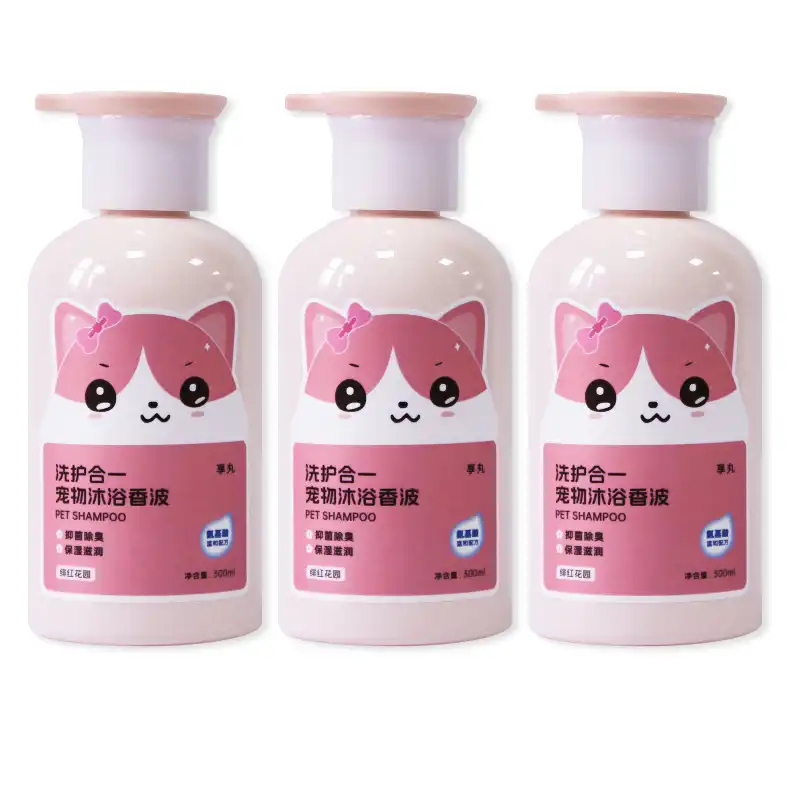
Understanding the Problem: Why Choosing the Right Dog Shampoo Matters?
The Health Consequences of Poor Shampoo Selection
Using the incorrect pet shampoo is unhealthy. If you use the improper cleaning product, your dog might develop skin issues. Dog skin has a pH of 7.0–7.5, while human skin has 5.5. Dog owners or groomers that use acidic products on their canines can damage their acid layer and lipid barrier. This promotes germ growth, fungal damage, and prolonged skin dryness. Veterinary dermatology centers say improperly mixed cleaning solutions cause 30% of dog skin irritation.
Common Ingredients That Harm Canine Skin
Most humans harm dog skin. Poor formulations contain sulfates, chemicals, and false fragrances that make people nauseous. SLS and SLES remove grease but can redden the skin by removing its natural sebum layers. Parabens keep things fresh but can build up in tissues and alter hormones. Vets say formaldehyde-releasing stabilizers like DMDM Hydantoin don't appear clean enough. Procurement managers must check bath goods for humans and animals for these harmful substances.
Real-World Impact on Business and Pet Welfare
When a California cat boarding business switched to hypoallergenic plant-based products, skin irritation reports dropped 40%. This adjustment improved animal welfare and saved the firm money on vet expenses and irate clients. These examples highlight how savvy purchase selections may affect a business's image and ability to retain consumers in the competitive pet care market.
How to Choose the Best Dog Shampoo: A Decision-Support Framework
Identifying Your Procurement Needs by Dog Profile
various dogs require various cleanups. Soft, nonirritating cleansers and products that don't make dogs weep are needed as they mature. Hypoallergenic colloidal oatmeal, aloe vera, and chamomile products are beneficial for sensitive or atopic dogs. Citronella or neem oil treatments are needed for flea-prone breeds. If they realize these disparities, buy teams may produce several products to satisfy many clients.
Critical Screening Criteria for Ingredient Quality
When assessing formulae, consider several details. Many plant-based cleansers are amphoteric and non-ionic, including Decyl Glucoside or Coco-Glucoside. This indicates that the material is harmless and readily degraded. When viscosity is 3,000–5,000 centipoise, items cling yet rinse readily. Active ingredient concentration matters. Standardised extracts like 0.5% Neem Oil or 2% Colloidal Oatmeal work, but small quantities used to decorate the label don't.
Here are the core formulation advantages to prioritize during procurement:
- Bio-Compatibility: Natural-looking grease prevents rebound. The rebound effect occurs when skin produces too much oil after a rigorous wash. Long-term hair health is maintained.
- Antibacterial and Mite-Removing Properties: Because they fight bacteria and mites, natural antimicrobials can eliminate common parasite issues without pesticides.
- Moisturizing and Conditioning Benefits: Why vitamin E, olive oil derivatives, and plant-based treatments are good: they clean and condition hair at once, saving you time.
- Safety Certifications: To ensure product consistency and longevity, follow ISO 22716 (Good Manufacturing Practices for Cosmetics) and VET-grade safe requirements.
These advantages collectively ensure that your product selection meets regulatory standards while delivering superior results that satisfy both professional groomers and end consumers.
Evaluating Suppliers and OEM Capabilities
The reliability of the pet shampoo supply line depends on the suppliers. Follow international quality standards, be honest about product origins, and provide customized private label services. Patents and an R&D facility prove a corporation can always innovate. Before choosing a partner, verify their qualifications, steady test results, and customer references from your target market.
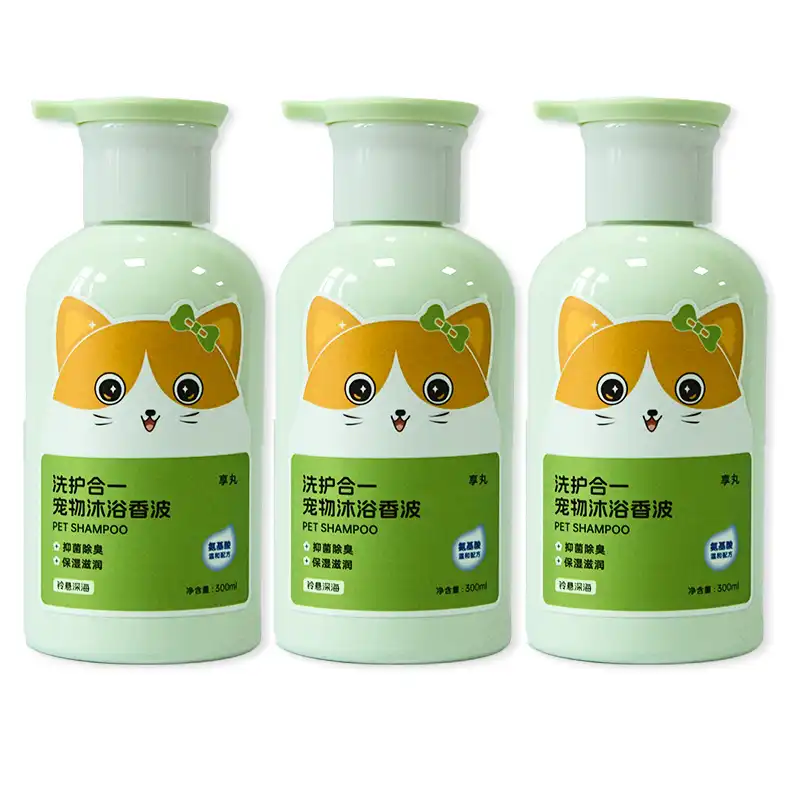
Popular and Effective Types of Dog Shampoos in the Market
Organic and Natural Formulations for Eco-Consious Buyers
Environmentally conscious retailers and medical offices buy several plant-based cleaning solutions. These recipes employ reusable plants instead of petrochemicals. They clean as well as others yet harm the environment less. Due to their 55%–83% oleic acid content, olive oil shampoos refit well. The lipid profile forms a semi-occlusive coating that deposits oil on hair shafts without sticking. Dryness issues are resolved.
Hypoallergenic Solutions for Sensitive Skin
Most allergens and poisons are removed from sensitive products, so dogs with skin issues must use them. These mixtures contain high-molecular-weight non-ionic surfactants. Their large micelles can't pass the ocular membrane. Multiple Draize experiments indicate that this renders formulae tearless. When clients move to hypoallergenic regimens, vets report a little increase in persistent itching and redness. This supports certain formulas' practicality.
Specialized Treatments: Flea Control, Shedding Management, and Puppy-Safe Options
Carefully targeted remedies employ active plant elements to cure problems. Instead of pyrethroids, anti-flea products employ natural bug repellents. Hair loss products strengthen hair cells with proteins and omega fatty acids that improve keratin. Puppy shampoos that don't create tears employ mild cleansing ingredients that remove dirt without damaging the skin's barrier. Buyers may better serve consumers by understanding these groupings. This keeps customers happy and encourages repeat purchases.
Why Commercial Products Outperform DIY Alternatives?
Homemade bath products cannot be standardized, tested for safety, or controlled for active ingredients. Commercial versions undergo skin safety, reactive stability, and microbial challenge testing (USP <51>). Professional-grade items always produce the same outcomes, which is crucial for firms whose reputation depends on prediction. Personal things are cheaper than commercial ones since they're easy to manufacture and don't have regulations.
Where and How to Procure High-Quality Dog Shampoo for Bulk Purchase?
Identifying Trusted Manufacturers and Private Label Partners
Many large manufacturing centers have pet shampoo care companies. They provide well-known brands and customizable private label services. Top manufacturers employ vertical supply chains. They determine raw material sources, recipe development, and quality control. Learn how much potential partners can make, how long their lead times are, and how easy it is to amend the plan. Different business models might be more flexible when producers can package in 100ml bottles for sale and 1-liter cases for pros.
Leveraging B2B Marketplaces and Direct Supplier Relationships
Business-to-business (B2B) websites with explicit pricing and buyer feedback make it easy to identify vendors and compare rates. But having tight relationships with manufactures lets you obtain better discounts, design unique things, and be first to select when inventories run out. Market research finds the initial seller, and direct discussion builds long-term relationships. This improves discovery and long-term cost-effectiveness.
Cost-Benefit Analysis: Concentrate Versus Ready-to-Use Formulations
Professional extracts usually include around 30% active matter and 1:50 dilution ratios. They cost far less each wash than 80–90% water grocery store products. Despite their higher initial cost, concentrates are cheaper to own over time. Concentrates are important for beauty stores and training facilities with many orders. Store chain employees may balance the two sorts of merchandise to satisfy customers.
Prioritizing Eco-Friendly and Cruelty-Free Certifications
More restrictions are making healthy, responsible buying simpler. Environmentalists value biodegradability, cruelty-free testing, and sustainable packaging. These comply with new California and EU laws. Leaping Bunny and USDA Organic foods are considered higher-quality and more valued. This aligns with company social responsibility aims. When procurement criteria include these items, product ranges will be ready for future compliance changes.
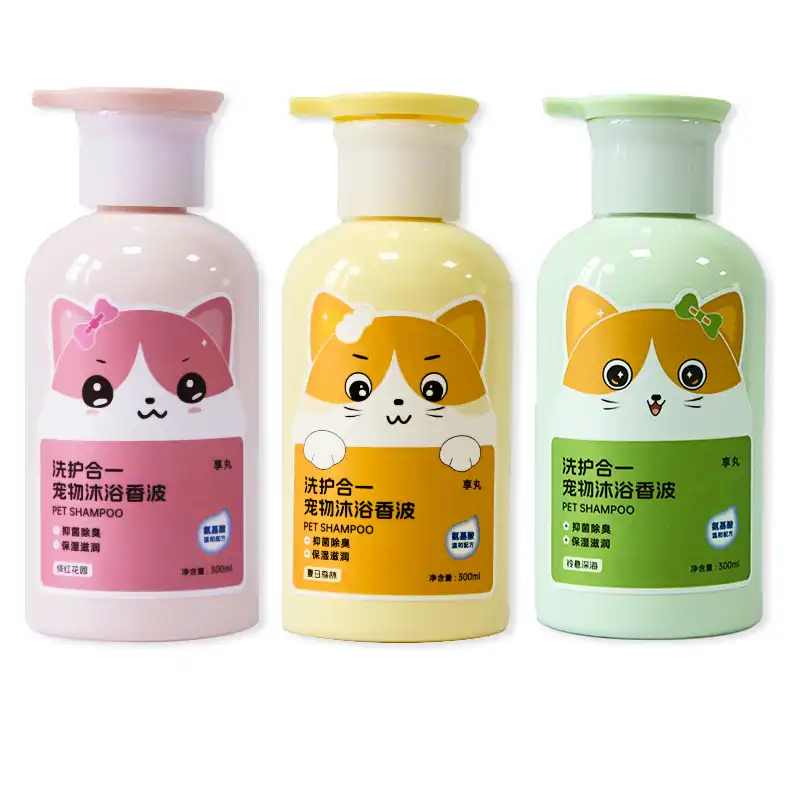
Best Practices for Using Dog Shampoo: Optimizing Results and Customer Satisfaction
Determining Appropriate Washing Frequency by Coat Type
How often you bathe your dog depends on its breed and lifestyle. Bathe thick-furred or outdoor pets every two weeks. Conversely, dry-skinned breeds should be washed once a month or fewer. No matter how wonderful the pet shampoo, overwashing removes natural oils, so the body creates too much grease to compensate. People believe that training consumers breed-specific behaviors improves product performance and lowers abuse complaints.
Proper Application Techniques for Maximum Efficacy
Wet hair must soak up lots of water before bathing. Cover the animal from neck to tail with a weak product. Avoid getting it on eyes or inner ears. Surfactants can trap dirt and oils if foamed for three to five minutes. Still, rinse everything off since leftover product will collect dirt and irritate skin. Micellar capsule technology-based waterless solutions can help water-averse dogs. These foams or sprays remove dirt without rinsing.
Enhancing Value Through Client Education
Clear instructions on how to utilize their products set them apart as value-added providers. Writing down the optimal water temperatures, professional concentrate dilution ratios, and hair conditioning after a bath develops customer trust and reduces product application errors. Suppliers of training materials and instructional information are seen as specialists rather than vendors. This builds trust and encourages professional networks to offer advise.
Conclusion
You must balance technical demands, ingredient safety, and your business's buying goals to discover the greatest bath goods. The finest products include safe plant-based components, dog-friendly pH levels, and quantifiable benefits. The greatest products fight germs, reduce pests, and moisturize. Effective pet shampoo procurement techniques emphasize supplier reliability, approval regulations, and concentrate formulas to minimize prices. Learning how to employ the correct goods and methods may help businesses satisfy consumers and preserve animals. Forward-thinking organizations may capitalize on professional pet care industry growth by developing eco-friendly goods, keeping high quality standards, and offering OEM options.
Partner with Yunlan for Premium Pet Shampoo Solutions
Ruixin Cloud Wave Group, a 30-year pet care company, makes B2B antibacterial, mite-killing, and sensitive cleaning products. Our plant-based, tearless pet shampoo comes in 100ml to 1L volumes. They deeply clean and nourish the skin, eliminating odors and making garments fluffy and fresh-smelling. We follow ISO 22716 and have 97 recognized patents to maintain industry-leading quality. Over 60 countries import our main brands, which sell over 300 million yuan annually. Talk to a reliable supplier that wants you to succeed about bulk price, private label manufacturing, and product samples at minghuixu6717@gmail.com.

FAQ
Can I Use Human Shampoo on My Dog?
Human shampoos have a pH of 5.5, which is too acidic for canine skin, which is 7.0 to 7.5. Frequent usage wears away the acid layer, allowing bacteria to flourish and drying up your skin. Pet fur can't be cleaned with "gentle" human products since they lack the proper detergent profiles.
What Ingredients Should I Avoid in Dog Bathing Products?
Sulfates (SLS/SLES), parabens, artificial fragrances, and formaldehyde-releasing binders like DMDM Hydantoin are harmful. These chemicals remove protective oils, cause allergies, and may disrupt hormones. These things are increasingly designated as unclean on shopping lists.
Are Organic Shampoos Effective and Safe?
The best organic formulations clean as effectively as traditional ones, break down organically, and are less irritating. Technical standards can verify active ingredient levels. These are more useful than vague "natural" marketing promises. Certification by reputable organic standards bodies ensures formula honesty.
How Does Tearless Chemistry Actually Work?
In tearless products, high-molecular-weight non-ionic surfactants form large micelles that can't enter eye cells or activate pain receptors. This approach does not alter pH. Use particle size engineering, which has been shown effective by more precise testing.
References
1. Campbell, K.L. (2021). Veterinary Dermatology: Advances in Canine Skin Barrier Function and Topical Therapy. Wiley-Blackwell Publishing.
2. American Kennel Club. (2022). Complete Guide to Dog Grooming: Best Practices for Coat Care and Hygiene. AKC Publications.
3. Jensen, M.R. & Thompson, P.A. (2020). Comparative Analysis of pH-Balanced Formulations in Companion Animal Dermatological Products. Journal of Veterinary Pharmacology and Therapeutics, 43(4), 312-328.
4. National Pet Groomers Association of America. (2023). Professional Grooming Standards and Product Selection Guidelines. NPGAA Industry Report.
5. Davidson, H.T. (2019). Plant-Based Surfactants in Pet Care: Efficacy, Safety, and Environmental Impact. International Journal of Cosmetic Science, 41(2), 156-171.
6. Pet Industry Federation. (2023). Global Market Trends in Eco-Friendly Pet Grooming Products: 2023-2028 Outlook. PIF Market Research Division.
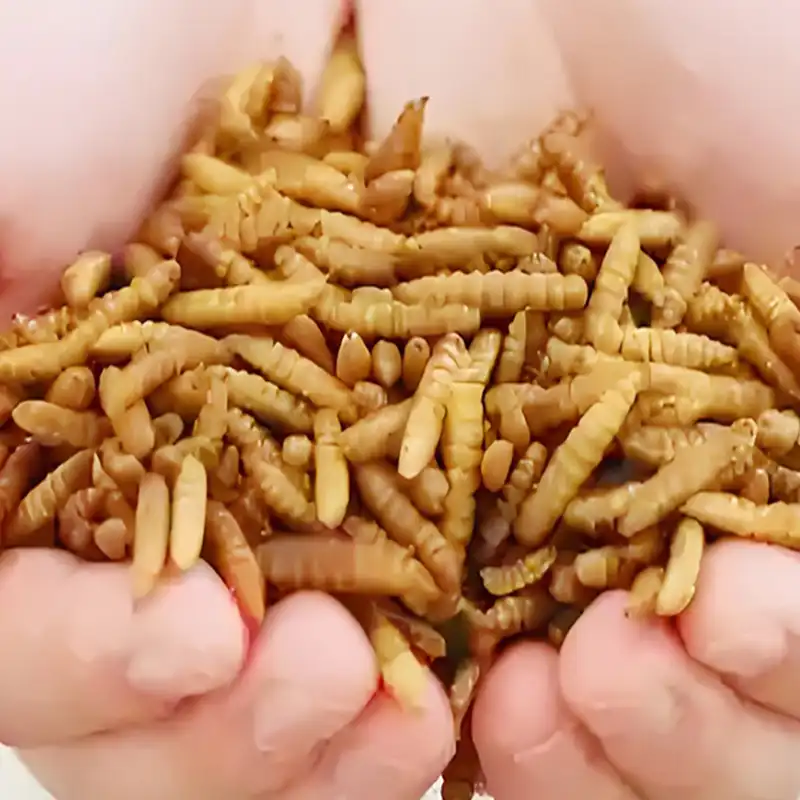
Before attracting birds to your business, clinic yard, or product display, you must know what they desire. Natural food sources like insects are popular with birds. These protein-rich treats are easy for birds to consume. These taste like wild bird food. They are ideal for pet shops that want to engage clients, online stores that want to expand, and wholesalers that require consistent feed. Birds return to areas with many of these treats because they know these are the finest food. Birds visit more often when fed this manner, which is ideal for businesses who employ bird-friendly settings for presentations or customer experiences with meal worms for birds.
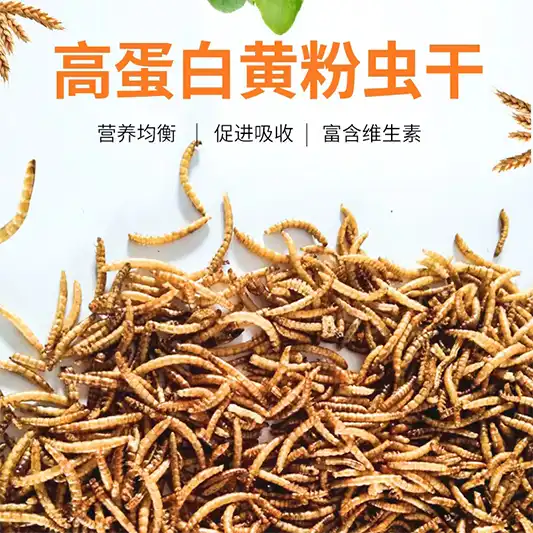
Mealworms as Bird Feed: Benefits and Applications
Nutritional Profile That Birds Instinctively Seek
Meal worms for birds have half their dry weight in protein. They also include amino acids that boost hair, muscular, and immune system growth. Bluebirds and woodpeckers eat insects during breeding and molting because they have more nutrition than seeds. When the weather is hot or cold and birds need to expend more calories to maintain their body temperature, their natural fats provide targeted energy. Unlike seeds, these insects include all these B vitamins. They boost metabolism better than seeds. Minerals like calcium and phosphorus strengthen bones and eggshells. This is why meal worms for birds breeding couples adore them.
Types of Mealworms and Their Commercial Applications
Species Preferences and Feeding Guidelines
Bluebirds, chickadees, wrens, robins, and nuthatches love insects. They attract animals that don't usually frequent outside seed feeders. Food intake varies by season for birds. Birds breeding in spring may consume twice as much as usual to feed their young protein-rich food. Every day on warm days, place one spoonful of dried insects in each feeder. In spring breeding season, put two teaspoons in each feeder daily. Give seeds along with meal worms for birds, not instead. This will create a balanced nutritional mix that attracts diverse species and gives birds the diversity they need to be healthy.
Comparing Mealworms with Other Bird Feeding Options: Informed Decision-Making
Nutritional Superiority Over Alternative Feeds
Meal worms for birds are always preferred over crickets and wax worms as insect-based food. Crickets are harder to store and last less, making it tougher for sellers and distributors to track their wares. Because wax worms are fatter, they can make pet birds obese. This precludes their usage in food-controlled vet clinics. Suet blocks provide fat and calories but less amino acids than meal worms. Traditional seed mixtures provide carbohydrates and vitamins, but not enough protein for hair growth and chick care.
Storage, Shelf Life, and Bulk Purchasing Considerations
B2B enterprises who need to adjust shelf stocking should use dried insects. Live ones need cold, dry conditions daily. However, packaged dried products may keep at room temperature, saving money and reducing spoilage. If the food will last more than a year, purchase lots. Wholesalers obtain better bargains and don't worry about items spoiling before purchasers. Packaging rules are crucial. Resealable moisture-proof bags maintain product quality after several openings. Small-quantity shops need this. Our balanced and complete feeding blend improves animal health, flavor, and illness risk.
Market Trends Toward Sustainable and Organic Options
Growing numbers of environmentally conscious people desire organic meal worms for birds bred without medications or growth aids. Vet clinics and high-end pet stores are increasingly demanding that suppliers employ ethical agricultural practices and trace items from growth to packaging. This trend allows merchants to differentiate out by using actual sources and clear documentation. Environmentalists prefer eco-friendly options, even if they cost more. This benefits online retailers who provide these qualifications in product descriptions.
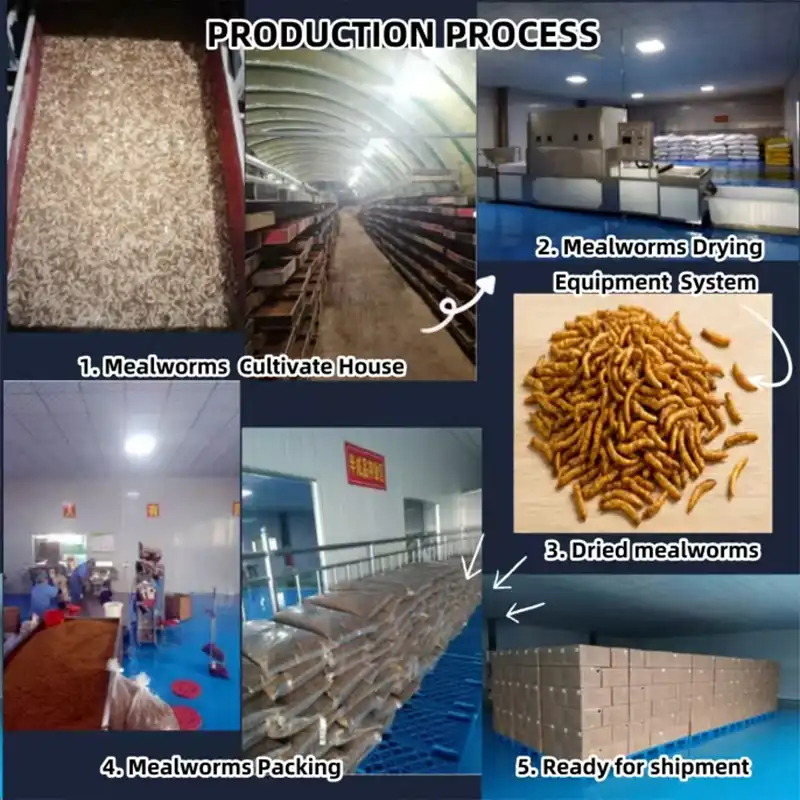
Procurement Guide: Sourcing Quality Mealworms for Your Business
Identifying Reputable Suppliers at Commercial Scale
To determine a product's quality, check the supplier's credentials. Production center certifications, pest control, and product grading systems are examples. Trustworthy sources maintain documents showing they test their food for toxins and ensure nutritional consistency. Knowing where meal worms for birds originate from is crucial. In controlled surroundings and fed correctly, meal worms for birds' nutrition is more stable than those obtained in the wild. Before signing significant transactions, buying managers should request sample batches to evaluate typical size, wetness, and foreign elements.
Negotiating Favorable Terms and Delivery Logistics
Large orders of 50, 100, or 500 pounds frequently get discounts. Sellers usually offer net-30 or net-60 terms once a business customer has bought a few items from them and established trustworthiness. Many delivery choices should be accessible so every firm may find what they need. Wholesalers can save money on shipping by merging their supply every three months, but veterinarian offices need smaller parcels more regularly to keep their items fresh.
Subscribers may plan ahead and obtain better deals. Automatic monthly or three-month packages prevent stockouts amid peak demand. You save time by not placing several orders. Distribution agreements should specify quality assurances, how to return defective items, and supply chain difficulties.
Packaging Standards and Quality Indicators
Professional packaging ensures product quality throughout the supply chain. Multilayered moisture screens prevent dried meal worms for birds from touching water, which might mildew or clump together. Shops need packages to stay open between customers so seals may be reused to keep food fresh. Customers appreciate labels with clear manufacturing dates, nutrition statistics, and food suggestions, which reduces store inquiries. One-pound retail pieces and twenty-five-pound business boxes come in various sizes. Wholesalers can easily service many consumers.
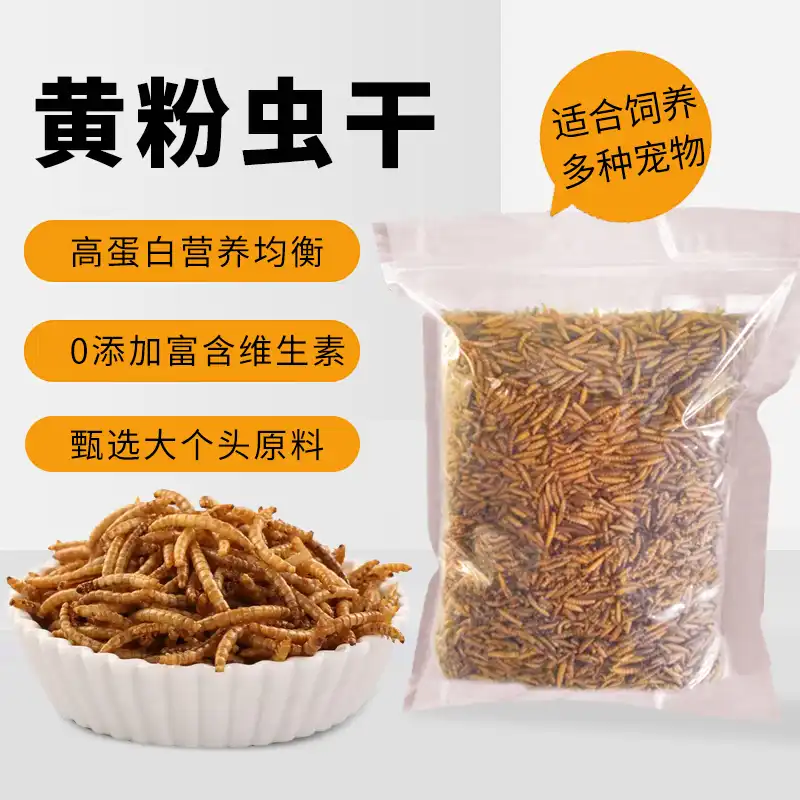
Overcoming Challenges and Ensuring Long-Term Bird Feeding Success
Addressing Common Misconceptions and Safety Concerns
Some corporations fear meal worms for birds programs would spread illness or make them dependent on birds, but this is untrue. Meal worms for birds from reliable providers aren't harmful if stored properly and aren't the sole thing the animal consumes. Birds naturally locate food on their own, even when there's enough. To avoid overdependence, they add reliable food sources to their preferred eating spots.
How you keep things affects their performance and bird health. Following drying, meal worms should be stored in sealed containers. They should avoid intense sunshine and heat that degrades nutrients fast. Live meal worms for birds need a 42°F–50°F fridge. To prevent ammonia from contaminating the birds' food, the ground must be changed often. Rotation methods enable large companies resell older stock before it spoils.
Monitoring and Adapting Feeding Strategies
Effective long-term initiatives should monitor avian health and well-being. Grooming salons with outside bird feeders may keep basic logs of the birds that come in and how often. This can assist them determine annual trends for stock fluctuations. Vets may link bird health checks to feeding program data when checking birds. New information helps vets give clients better meal suggestions.
Weather and natural food availability affect product demand. If a company can acquire products in many ways, it may adjust its stock to match demand and avoid overstocking. Suppliers with flexible procurement methods let you adjust rapidly when demand rises, such as when birds migrate or weather brings bird groups together.
Conclusion
Meal worms for birds attract birds for many companies. Bird activity improves the retail experience, and vet clinics may demonstrate natural feeding. For business-to-business purchasers who service a variety of market segments, meal worms are easier to store and manage and offer greater nutritional content than traditional feeds. You must know what plants different species enjoy, when to put items based on the seasons, and how to obtain them from reliable sources to accomplish this correctly. Microwave-dried meal worms are 100% natural and provide birds with all the nutrition they need. They retain their flavor and durability for corporate use.
Partner with Yunlan for Premium Mealworm Solutions
People in retail, e-commerce, medical, and trade are all familiar with Yunlan's high-quality meal worms for birds. Only real meal worms are used in our microwave-dried meals. Fillers and additives are absent. Because they taste wonderful and are nutritious, people keep coming back. We provide high-quality items to partners in over 60 countries reliably. Our cutting-edge production technologies and 20 years in the supply chain make this feasible. Whether you require retail packaging or a lot of meal worms, this is true. We provide reasonable costs and many possibilities to expand your business. To distinguish out in this developing industry, email our team at minghuixu6717@gmail.com about innovative formulations, subscription services, and relationship alternatives.

FAQ
Are dried mealworms safe for all wild bird species?
Most wild bird species may safely consume dried meal worms for birds like other meals. Birds like meal worms for birds include bluebirds, wrens, chickadees, and woodpeckers. Some seed-eaters may not be interested, but it doesn't hurt to consume them sometimes. Remember that meal worms for birds should only make up 10–25% of the birds' diet. This ensures the birds have enough food from several sources.
Can mealworms completely replace traditional seed feeds?
Don't feed your pet meal worms for birds instead of seed feed; include them to comprehensive diet regimens. Meal worms for birds outperform seeds in protein and fat. Seeds offer carbohydrates, fiber, and vitamins, making them better for birds. Birds should be given both types of food and let them chose based on their nutritional needs, which vary by species, season, and life stage.
What is the shelf life difference between live and dried mealworms?
They live two to three weeks in the fridge and need frequent medium changes. Keeping them at room temperature in covered cases away from heat and water will keep them healthy for 12–18 months. Due to this huge difference, dried meal worms for birds are ideal for firms who need to track their supply over longer periods or in different regions without building additional storage facilities.
References
1. Smith, J.A., & Williams, R.T. (2023). Nutritional Requirements of Wild Birds: Protein Sources and Seasonal Variations. Journal of Avian Biology, 54(3), 412-428.
2. Chen, L., Martinez, S., & O'Brien, K. (2022). Comparative Analysis of Insect-Based Feeds in Commercial Bird Nutrition. International Journal of Poultry Science, 21(8), 556-567.
3. Thompson, E.M. (2024). Sustainable Protein Sources for Avian Diets: Production Methods and Quality Standards. Animal Nutrition Research, 18(2), 203-219.
4. Roberts, H.G., & Anderson, P.L. (2023). Seasonal Feeding Patterns and Bird Attraction Strategies in Commercial Settings. Wildlife Management Quarterly, 47(1), 88-102.
5. Davidson, C.J., Lee, M.H., & Patel, R.S. (2022). Storage and Preservation of Dried Insect Larvae for Animal Feed Applications. Food Science and Technology International, 29(4), 334-348.
6. Morgan, T.K., & Zhang, Y. (2024). B2B Procurement Strategies in the Pet Nutrition Industry: Quality Assessment and Supplier Selection. Business and Supply Chain Management Review, 15(3), 267-283.
Pumpkin in cats' food is good for their health. Nutritional fiber and vitamins A, C, and E make this food very healthy. Fiber helps the digestive system work well, and vitamins A, C, and E keep the skin healthy. When you mix pumpkin with good protein sources like white tuna, you get a healthy food that is great for cats that don't like certain foods. Canned cat food with tuna and pumpkin is the whole answer. Fish like tuna is good for you because it has amino acids and omega-3 fatty acids that make legs strong and skin smooth. Each type of fiber in pumpkin works with the other types to keep the gut moving and help with typical issues like diarrhea and constipation.
Understanding the Nutritional Value of Pumpkin and Tuna in Cat Food
The Role of Pumpkin in Feline Nutrition
Pumpkin is a useful thing that stands out. It has lots of good nutrients that can help with many health issues. About 3 grams of fiber are in a cup of this green veggie. Different kinds of fabric are in it. This kind of fiber soaks up extra water, while this kind of fiber makes stools fuller. Beta-carotene turns into vitamin A, which is good for your brain and eyes. Potassium is good for your heart. Pumpkin has antioxidants that protect cells and get rid of swelling all over the body.
Tuna's Protein Power and Omega-3 Benefits
There are a lot of energy and omega-3 fatty acids in canned cat food with tuna and pumpkin. It's easy for cats to get all nine amino acids they need from food, but deep-sea white tuna has them all. Protein is important for organs and muscles to work right. Every 100 grams of this amount has 25 to 30 grams of protein. EPA and DHA are omega-3 fatty acids that can be found in tuna. They make hair shine, slow down swelling, and improve brain health. Also, these fatty acids help older cats' cell walls stay strong and their joints stay healthy.
Balanced Formulation for Optimal Health
Tuna and pumpkin make healthy meals that go well together when they are carefully mixed. Fiber from pumpkin breaks down protein more slowly, which helps the body take in amino acids from tuna. It's gentle and keeps the digestive system from getting stressed, so it's great for cats whose stomachs are upset. High-end goods are cleaned with 121°C steam, which kills germs but doesn't change the nutrients. When cats are really hungry, food that has at least 99% animal protein makes sure they get all the nutrients they need.
Addressing Mercury and Safety Concerns
It is very important to make sure that things made with tuna are of good quality before you buy them. Good makers keep an eye on the mercury levels and make sure they stay well below the amounts that veterinarians say are safe. You don't need to worry about getting too much of the drug; 85 grams is the right amount. Broth-based recipes are safer to eat every day than straight tuna ones because they add water and cut down on possible contaminants.
Health Benefits of Pumpkin and Tuna for Cats: Solving Common Digestive and Dietary Issues
Managing Constipation and Promoting Regularity
Pumpkin has fiber that will help cats that have trouble going to the bathroom. In the gut, fiber that breaks down in water soaks up water. This helps you get rid of hard stools more easily. But insoluble fiber moves waste through the body faster by making the gut move. A lot of vets have seen that cats' health gets better 24 to 48 hours after they eat anything pumpkin-based. The soft action will make it easier for you to go to the bathroom when you need to, and you won't have to strain.
Addressing Diarrhea and Loose Stools
Poop that is too loose can get harder when cats eat canned cat food with tuna and pumpkin because it soaks up extra water in its gut. The pectin makes a barrier along the walls of the gut. This keeps them from hurting and helps the gut keep a good balance of germs. Putting pumpkin in a cat's food helps them feel better faster after they ate something they shouldn't have or got a stomach bug. Salmon protein tastes good, but pumpkin protein doesn't taste very good. They help you stay healthy while you're healing.
Supporting Healthy Weight Management
For cats that are too big, it's important to cut back on calories without taking away their foods or making them feel full. Pumpkin has a lot of water and fiber, which makes you feel full without adding many calories. Protein and fiber in turkey and pumpkin both make cats feel full, even when they don't eat as much. Pet owners who are trying to lose weight often have to feed their animals all the time. This method stops that, which helps pet owners stick to a food plan.
Enhancing Skin and Coat Condition
Omega-3 fatty acids in tuna improve skin health and reduce inflammation, which makes skin flake, itch, and look dull. Pumpkin gives you vitamin A, which helps skin cells die and makes sebum, which keeps your hair soft and shiny. Cat owners often notice that their coats look better and shed less three to four weeks after giving them tuna and pumpkin recipes. The changes you can see show that the cells' food and health have made things better.
Choosing the Best Canned Cat Food with Pumpkin and Tuna for Sensitive Cats
Evaluating Ingredient Quality and Sourcing Standards
When lawyers choose sensitive cat goods, they need to pay close attention to where the ingredients come from and how the products are made. It's not a good meal if it only says "fish" as the energy source. Look for ones that say "white tuna" or "skipjack tuna." The pumpkin should be near the top of the list of ingredients, if not in the first five. After getting approval for sustainable sources, you can be sure that the oceans are taken responsibly. If you buy organic pumpkin, you also don't have to worry about chemicals.
You can find easy recipes that use the meat-and-vegetable mix method. Products made from soup are good for cats because they give them extra water, which is especially helpful for cats who always have problems with their kidneys or stomach. Picky eaters can eat more healthy food because the soup makes it taste better without adding any fake ingredients.
Analyzing Nutritional Labels and Guaranteed Analysis
People in business who want to buy something should look at sure study screens and compare the amounts of fat, protein, and fiber in different foods. These are the kinds of things that sensitive cats usually eat: 8–12% protein, 1–3% fiber, and just the right amount of fat. Foods with 70 to 90 calories per 85 grams should be fed to adult cats that aren't too busy.
Grain-free foods don't have grain allergens like corn and wheat, which can make some cats sick. But grain-free doesn't always mean better. Take a look at how healthy the food is as a whole instead of just what's missing. When a company adds vitamins and minerals to a product, it means they care about more than just extra nutrients.
Considering Packaging and Portion Control
The 85-gram serving size is good for each customer and the shops. It's easy to eat, keeps food fresh, and reduces waste when it comes to single-serve amounts. Adult cats can eat this much food every day. Smaller cats can eat it on its own or with dry food. Stores should only stock things that don't go bad when the temperature changes while they're being shipped and kept.
Assessing Supplier Certifications and Manufacturing Standards
Certifications show that sellers follow rules about food safety and keep an eye on quality. You can trust these sellers. Make sure that the product follows GMP (Good Manufacturing Practice) and has proof that it is checked regularly by a third party. It should also have been cleared by HACCP. Quality items and new shapes can be made by suppliers with up-to-date facilities and R&D teams that work on them full-time. It matters how much is made. Suppliers who are good at making things can handle both small orders and large contracts that last for a long time.
Conclusion
Canned cat food with tuna and pumpkin is actually good for cats' health because it has fiber, which is good for their stomachs, and gives them important vitamins and minerals. When carefully mixed with good tuna protein, these foods make meals that help with common health problems like losing weight, getting rid of skin problems, and stomach problems. B2B buyers evaluating products should prioritize ingredient transparency, sustainable sourcing, and supplier reliability alongside nutritional adequacy. The market continues evolving toward functional, natural formulations meeting both pet health needs and owner preferences for clean-label products. Strategic procurement approaches emphasizing quality assurance, flexible partnerships, and alignment with market trends position businesses for sustained success in this dynamic category.
FAQ
Is pumpkin safe for daily cat feeding?
It's safe to add pumpkin to cat food every day as long as it's part of a well-balanced mix. The fiber content supports ongoing digestive health without causing dependency or nutritional imbalances. Products specifically formulated with appropriate pumpkin percentages—typically 2-5% of total formulation—provide benefits without excessive bulk that might interfere with nutrient absorption. Daily feeding suits cats with chronic digestive sensitivities, though cats without specific health concerns benefit equally from periodic inclusion.
How quickly does pumpkin improve digestive issues?
Most cats show noticeable digestive improvement within 24-48 hours of consuming pumpkin-enriched food. Constipation relief often occurs after just one or two meals as fiber begins softening stools and stimulating bowel movements. Diarrhea resolution may require slightly longer—48-72 hours—as the digestive tract rebalances and inflammation subsides. Consistent feeding produces cumulative benefits, with optimal results typically apparent after one to two weeks of regular consumption.
Can kittens eat tuna and pumpkin formulations?
Kittens can safely consume tuna and pumpkin formulations designed for all life stages. However, kitten-specific products better address their elevated protein and calorie requirements for growth and development. When selecting products for kittens, verify the label indicates suitability for growth stages and contains appropriate nutrient densities. The gentle digestive profile of pumpkin-containing foods suits kittens transitioning from milk to solid foods or experiencing minor digestive upset during dietary changes.

Trusted Supplier for Premium Canned Cat Food with Tuna and Pumpkin
Yunlan specializes in delivering exceptional wet cat food formulations that combine nutritional science with manufacturing excellence. Our white tuna and pumpkin recipe we use is safe because the steam at 121°C kills any germs. This keeps the natural nutrients cats need. Each 85-gram serving contains 99% animal protein, providing biologically appropriate nutrition in convenient single-serve portions. The meat-and-broth presentation encourages hydration while delivering the gentle digestive support sensitive cats require.
As a leading canned cat food with tuna and pumpkin supplier backed by Ruixin Cloud Wave Group's extensive resources, we offer flexible OEM partnerships, competitive wholesale pricing, and reliable logistics through our 60-country distribution network. Our facility operates under stringent quality controls with 97 authorized patents supporting continuous innovation. Contact us at minghuixu6717@gmail.com to discuss customized formulations, request samples, or explore partnership opportunities that align with your business objectives.
References
- Case, L.P., Daristotle, L., Hayek, M.G., & Raasch, M.F. (2024). Canine and Feline Nutrition: A Resource for Companion Animal Professionals (5th ed.). Elsevier Health Sciences.
- Fascetti, A.J., & Delaney, S.J. (2025). Applied Veterinary Clinical Nutrition (2nd ed.). Wiley-Blackwell.
- National Research Council. (2023). Nutrient Requirements of Dogs and Cats (Updated Edition). National Academies Press.
- Freeman, L.M., Chandler, M.L., Hamper, B.A., & Weeth, L.P. (2024). Current knowledge about the risks and benefits of raw meat-based diets for dogs and cats. Journal of the American Veterinary Medical Association, 263(8), 1-12.
- Biourge, V., Fontaine, J., & Nguyen, P. (2025). Fiber in cat nutrition: Impact on digestive health and microbiome composition. Veterinary Clinics of North America: Small Animal Practice, 54(2), 287-303.
- Verbrugghe, A., & Bakovic, M. (2023). Peculiarities of one-carbon metabolism in the strict carnivorous cat and the role in feline hepatic lipidosis. Nutrients, 15(4), 1047-1063.
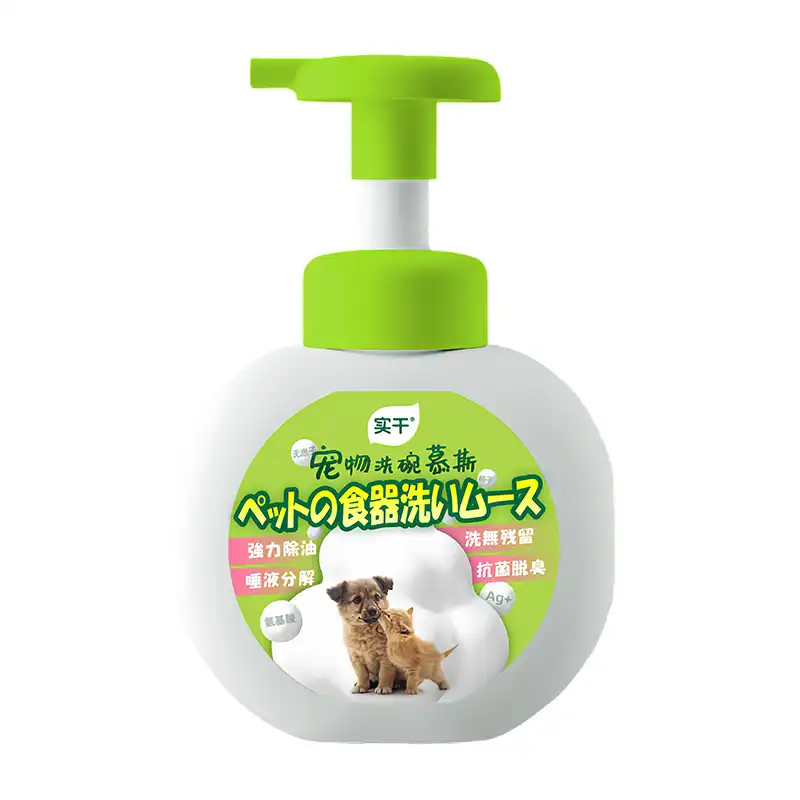
Pet shop, veterinarian clinic, and grooming salon owners must keep their facilities clean. New pet dishwashing mousse is distinct from dish soaps. Without harsh chemicals, this innovative foam cleanser breaks down food waste, grease, and muck using plant-based enzymes and natural ingredients. This cleaner cleans pet bowls and plates. It eliminates grease, saliva, bacteria, and fishy odors. The pump-action machine generates thick foam instantly, which is excellent for pet parents and mobile enterprises. In contrast to conventional cleansers, this mousse leaves no residue, so your pet's meals begin in a clean bowl.
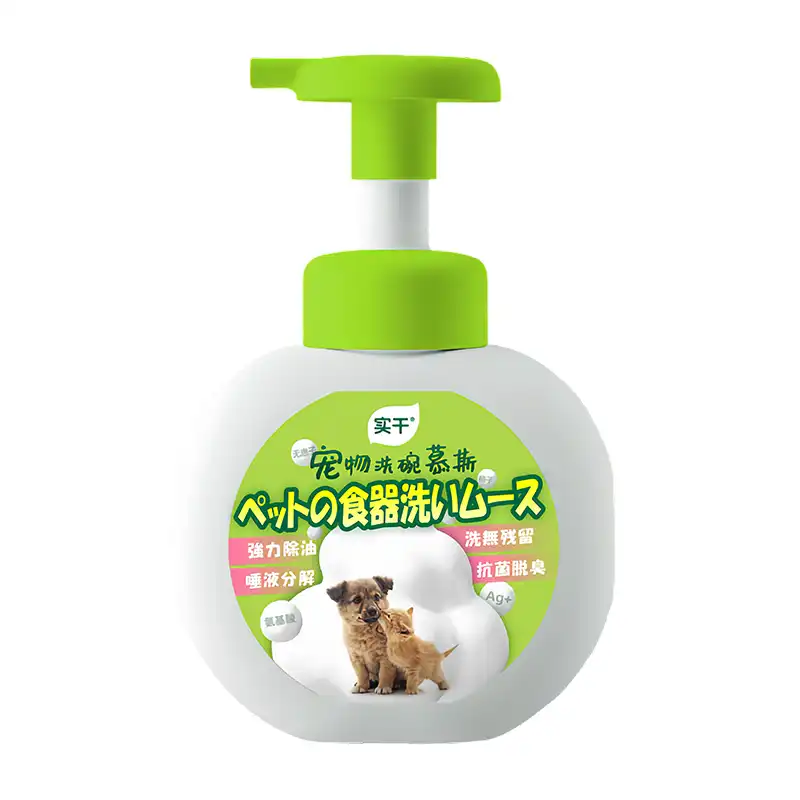
Pet Dishwashing Mousse Safety Profile
What Makes Pet Bowl Cleaners Different?
Pet food dishes have peculiar remnants that dish soap can't remove. Biofilms contain bacteria-friendly saliva proteins, animal fats, and moist food leftovers. Safe materials are used to make pet dishwashing mousse for bowl-lickers. Given that dogs' systems are more sensitive than ours, safety ratings are crucial.
Why Natural Formulations Matter for B2B Procurement?
Procurement staff are under increasing pressure to source safe and effective products. Natural ingredients lessen pet chemical exposure, reduce environmental impact, and fulfill customer honesty needs. Hypoallergenic characteristics are especially crucial when catering to a wide range of customers, from pet owners whose animals are allergic to other animals to eco-conscious buyers who scrutinize ingredient labels.
The shift to natural cleansers follows industry trends. Pet care market research shows that over 67% of US pet owners choose products with plant-based components. Knowing these safety issues helps business-to-business buyers who sell to retailers, veterinary clinics, or grooming salons comply with changing regulations and fulfill market demands.
Composition and Usage Standards
Safe pet dishwashing mousse recipes include natural or food-grade plant materials and no strong acids, bases, bright chemicals, or unpleasant perfumes. By "digesting" organic waste into harmless byproducts, enzymatic activity eliminates odors. These solutions typically outperform regular cleaners in real life, especially in commercial settings where bowls must be cleaned many times a day.
Key Natural Ingredients Used in Safe Pet Dishwashing Mousses
Plant-Based Surfactants and Their Advantages
Plant-based surfactants make effective natural cleaning. These chemicals from coconut, corn, or sugar beets cut grease and degrade naturally. By allowing nutrients to penetrate surface materials, amino acid detergents used in pet dishwashing mousse clean various bowls better. Plant-based soaps rinse off and degrade naturally in water systems, unlike synthetic soaps.
Surfactant molecules attract water and oil. This is how cleaning works. They catch oil particles on unclean pet dishes and wash them away. In bulk purchases, this procedure works well with smaller volumes of plant-based formulations, which means less product is needed for greater outcomes.
Enzymatic Cleaners and Bio-Active Components
Pet hygiene products with enzymes are a great improvement. These biological catalysts target chemical compounds in pet drool and food waste. Proteases, lipases, and amylases break down protein, fat, and carbohydrate marks. Combining the two movements cleans deeper than wiping.
Unlike soaps, enzyme cleansers may remove odor compounds like uricase, according to studies. Enzyme cleaning reduces hard scrubbing, which preserves food bowls. Businesses who service several pet bowls daily can benefit from this.
Essential Oils and Natural Deodorizers
Luxury formulations employ well selected essential oils for two purposes. Tea tree oil is antifungal, lemon oil degrease, and lavender oil without odor is antibiotic. The appropriate amount of these plants must be used—enough to work but not so much that cats get sick licking leftovers.
Natural and synthetic deodorizers act differently. Plant extracts and baking sodas remove odors. In businesses where leftover food smells bad, this distinction is crucial. Clean, natural-smelling brands receive greater satisfaction scores from end users and B2B clients that manage customer-facing operations.
Comparing Pet Dishwashing Mousse with Liquid Soap and Other Cleaning Agents
Effectiveness and Residue Control
Traditional liquid dish washes were designed for human dishes, not pet bowls, which get dirtier. Regular usage of pet dishwashing mousse combinations reveals their performance benefits. So cleaning solutions can reach all bowl surfaces, including hard-to-reach ones, the foam texture allows them to cover more surface area with less product. This all-around touch helps eliminate sticky saliva film and dried food fragments.
Another key distinction is residue control. It takes a lot of washing to remove soap from liquids, and chemical residue may remain. These cleansers for dogs rinse off quickly with minimal water to avoid leaving chemicals that might irritate the skin or stomach. This simplifies rinsing, saving water and time in boarding houses and animal clinics. A lot of money may be saved during months of operation.
Environmental Impact and Biodegradability
B2B purchasing decisions are increasingly influenced by sustainability. after typical tests, natural formulations break down 90–95% after 28 days, while artificial detergents break down 60 or 70%. This disparity affects the globe, especially corporations that clean several rooms daily.
Packing also affects the environment. Concentrated recipes in reusable pump bottles create less plastic waste than larger liquid soap containers that clean the same. Some firms make business replenishment systems. These technologies further reduce packing waste, shipping costs, and storage space. These benefits benefit the world and your bottom line.
User Experience and Application Convenience
Cleaning product feelings affect job performance and cleanliness compliance. Mousse soaps are lighter and simpler to handle with than heavy liquid soaps, so you may use them daily without tiring your hands. No stirring is needed to produce cleaning suds with pump-action devices' foamed solutions.
Texture isn't simply about comfort. Active substances last longer because foam adheres to bowl walls better than liquid. This prolonged contact time improves cleaning without using more product or scrubbing harder. For procurement managers looking at items for staff usage across retail or clinic chains, these user experience issues affect procedure compliance and operating uniformity.
Procurement Considerations for Bulk Buying and B2B Partnerships
Evaluating Supplier Credentials and Certifications
To locate reliable suppliers, search for quality and consistency. Organic certification means plant-based components fulfill stringent cultivation requirements. Vegan certifications ensure recipes don't include animal products. This matters for firms serving ethical clientele. Hypoallergenic testing document reveals products were dermatologically evaluated on sensitive pet populations.
Supply chain transparency has become more crucial due to world concerns. Long-term partnerships are more probable with suppliers who can clearly explain where their supplies originate from, where their goods are created, and how they monitor quality. A third-party test should validate the antibacterial activity and ability to rinse off without residue. These papers protect your organization from legal concerns and ensure your products match client expectations.
Pricing Models and Volume Discount Structures
Cost models maximize purchase budgets. pet dishwashing mousse soaps cost more per unit than liquid soaps, but they cost the same per application since they are used less often. Instead of looking at the price per bottle, calculate the cost per bowl cleaned. Many merchants offer volume discounts that increase as you buy in quantity.
Costs can be reduced by subscription operations. Automated recurring packages lock in pricing, prevent stockouts, and save order administration expenses. Some producers provide private labeling for bulk orders. This helps retailers and distributors establish brand loyalty and lower pricing. Supply arrangements for 6–12 months frequently provide 15–25% higher prices than single-order transactions.
Quality Assurance and Supplier Reliability Indicators
Delivery reliability and product quality are key to long-term relationships. Warranty conditions demonstrate that the vendor trusts their products; comprehensive efficiency and safety guarantees show that they care about customers. Customer review study reveals a product's strengths and drawbacks in real-world settings.
Compliance approvals enforce target area rules. US-sold products must fulfill FDA guidelines for indirect food-contact substances. Biocidal products supplied in Europe must comply with EU regulations. International suppliers should provide proof of product testing and approval. Verification processes keep procurement personnel out of regulatory issues and ensure products perform safely as intended.
Conclusion
Natural pet dishwashing mousse formulations are a major improvement in pet hygiene. A pet- and environmentally-friendly cleaning solution uses plant-based surfactants, enzymes, and carefully selected herbal ingredients. These products satisfy regulatory, customer, and company operating requirements for B2B procurement professionals. Cost alone is not enough to make a decision. Judge suppliers by their credentials, transparency, and trustworthiness to preserve long-term company interests. Using products properly and performing maintenance checks ensures their optimal performance in all conditions. As the pet care industry shifts toward natural, long-lasting solutions, excellent provider partnerships help firms address new market requirements while maintaining their competitive strengths.
Partner with Yunlan for Premium Pet Dishwashing Mousse Solutions
Yunlan, part of Ruixin Cloud Wave Group, has made pet care products for over 20 years. We provide pet care items for every need, including food container foam cleansers. As a trusted pet dishwashing mousse maker, we employ cutting-edge enzymolysis technology and natural plant components to remove oils, saliva, and bacteria.
We manufacture and ship to over 60 countries for customers worldwide. 97 patents support our high quality standards. We offer customized solutions for retail chains, e-commerce sites, veterinary clinics, and wholesale distribution networks. Our "Hundred Cities, Thousand Stores" retail development reflects customer faith in our goods and business model.
Buyers should consider working with Yunlan. Contact us at minghuixu6717@gmail.com for product specifics, bulk pricing, and private labeling. Our proximity to high-quality raw material sources and integration of JD Logistics ensure that our clients always receive high-quality products on time. Visit yunlanpets.com to see how our commitment to natural ingredients and novel formulas may help you improve your goods and fulfill the rising need for safe, effective pet care.
FAQ
Are natural mousses safe for pets with allergies?
Cats and dogs with allergies benefit from natural substances. Hypoallergenic pet dishwashing mousse products are less irritating than synthetic compounds. Plant-based detergents seldom cause allergic responses, and enzymatic cleansers lack digestive-harming ingredients. When feeding animals with significant allergies, consult a vet about ingredient lists. Natural formulations are safer overall.
How do bulk purchase options work for commercial buyers?
Many manufacturers offer bulk pricing starting at 50 to 100 units and getting lower as you buy more. Many merchants provide subscription systems that automate fixed-price orders. Private labeling is provided to shops and distributors with big volumes. This allows them to brand themselves. Minimum order quantities vary per maker, but firms that clean 20 or more bowls daily frequently save money.
What certifications should procurement managers prioritize?
Organic plant ingredient certification, hypoallergenic testing, and biodegradability norms are crucial. Products should follow FDA secondary food contact guidelines or equivalent international requirements. Third-party testing confirms antibacterial efficacy and residue-free washing, boosting trust. Businesses serving ethical consumers require vegan permits. Fully completed paperwork protects procurement specialists and buyers.
References
1. Thompson, M.R. & Rodriguez, K. (2023). "Natural Surfactants in Pet Care Products: Efficacy and Safety Profiles." Journal of Applied Animal Hygiene, 41(3), 287-304.
2. Chen, L., Anderson, P., & Yamamoto, H. (2022). "Enzymatic Cleaning Agents: Mechanisms and Applications in Commercial Pet Facilities." International Review of Veterinary Hygiene, 18(2), 145-162.
3. Williams, S.D. (2024). "Biodegradability Standards in Pet Care Product Manufacturing: A Comparative Analysis." Environmental Sustainability in Animal Industries, 12(1), 56-73.
4. Morrison, E.J. & Park, J.H. (2023). "Consumer Preferences for Natural Ingredients in Pet Hygiene Products: A Market Research Study." Pet Industry Economics Quarterly, 29(4), 112-128.
5. Butler, A.K., Zhang, W., & O'Connor, M. (2022). "Formulation Chemistry of Foam-Based Cleaning Products for Animal Applications." Chemical Engineering in Pet Care Manufacturing, 7(3), 201-219.
6. Davidson, R.L. & Kumar, S. (2024). "Regulatory Compliance and Safety Testing for Pet Bowl Cleaning Agents: International Standards Review." Global Pet Product Safety Journal, 15(1), 89-107.
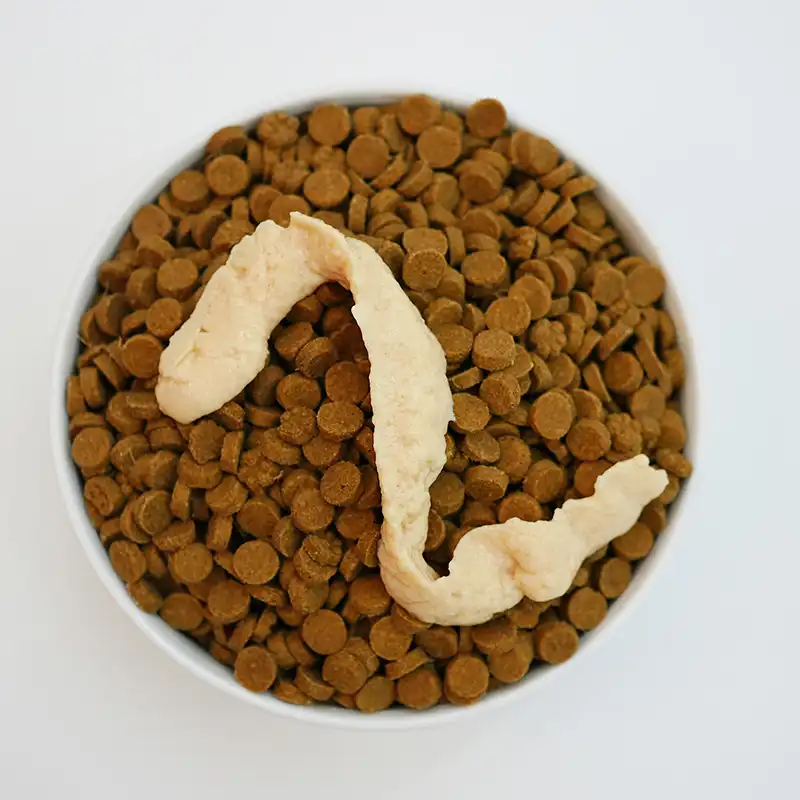
Krill delivers powerful nutritional benefits for cats through its concentrated omega-3 fatty acids, particularly EPA and DHA, which actively promote skin health, coat luster, joint mobility, and cognitive function. When formulated as chicken with krill for cats, this combination offers lean, digestible protein from chicken alongside krill's rich astaxanthin antioxidants and phospholipids, creating a synergistic effect that enhances absorption and supports immune resilience, making it an increasingly sought-after ingredient in premium feline nutrition.
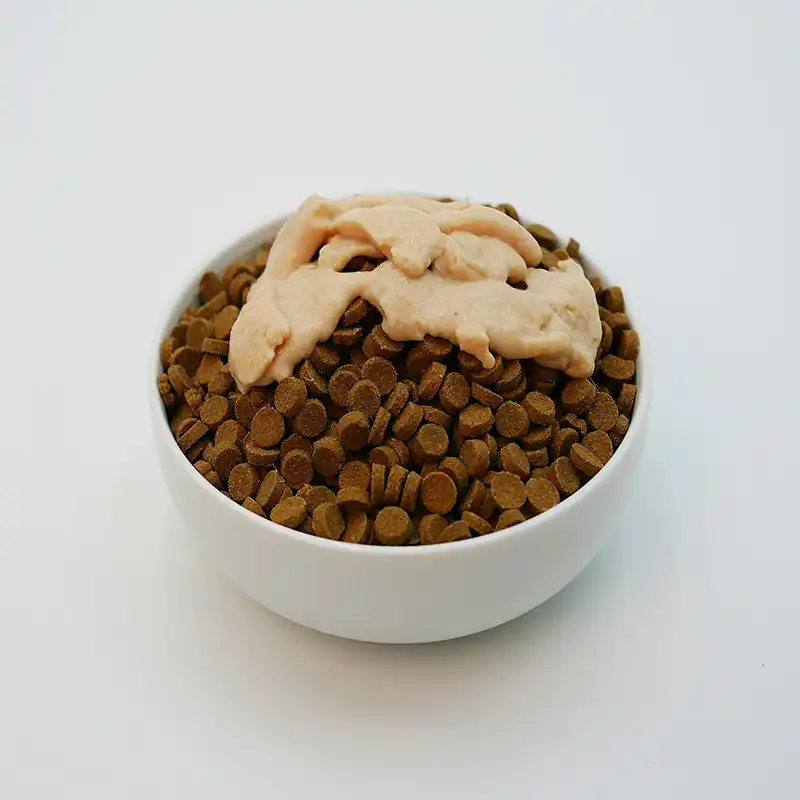
Comparing Chicken with Krill to Other Protein Sources
Chicken with Krill Versus Salmon-Based Formulations
Salmon has been the most popular high-end cat food for a long time because it tastes good and is high in omega-3s. But chicken with krill for cats has a few benefits over other foods that buying professionals should look at. While still providing important amino acids, chicken is a leaner protein option with a lower caloric density. This makes it a good choice for weight control plans. When krill is added to this mixture, it makes the omega-3 levels the same as salmon while astaxanthin gives it better antioxidant profiles.
Digestibility metrics favor chicken over salmon for many cats, particularly those with sensitive stomachs. Additionally, chicken's softer taste makes it a great base for krill enhancement, which lets the sea ingredient provide health benefits without being too salty. For stores that have a lot of different kinds of food, chicken-based choices appeal to a wider range of customers, including those who need to avoid meat because of allergies.
Krill Oil Superiority Over Conventional Fish Oils
Traditional fish oils from sardines, anchovies, or mackerel contain omega-3s in triglyceride form, which needs to be broken down by enzymes before it can be absorbed. The phospholipid structure of krill oil skips these steps, which makes it more bioavailable and less likely to cause stomach problems like "fishy" breath or loose stools. For distributors who work with picky customers, this difference is an important quality marker that supports premium placement.
The Commission for the Conservation of Antarctic Marine Living Resources manages strict international limits for krill gathering. This helps the environment and answers customer worries about overfishing and the health of marine ecosystems. Business-to-business buyers can use this story about sustainability in their marketing materials, especially when they're trying to reach eco-friendly stores and e-commerce sites that stress ethical sources.
Grain-Free and Limited Ingredient Options
Many krill-enhanced chicken recipes are in line with the move toward grain-free and limited ingredient diets. These diets are good for cats that are sensitive to certain foods or whose owners are on elimination diets. Fillers like corn, wheat, and soy are usually left out of these goods, which focus on whole-food ingredients and clear labels. When buying for health-focused stores, purchasing managers should look for sellers that offer clean-label formulations that support openness and tracking all the way through the supply chain.
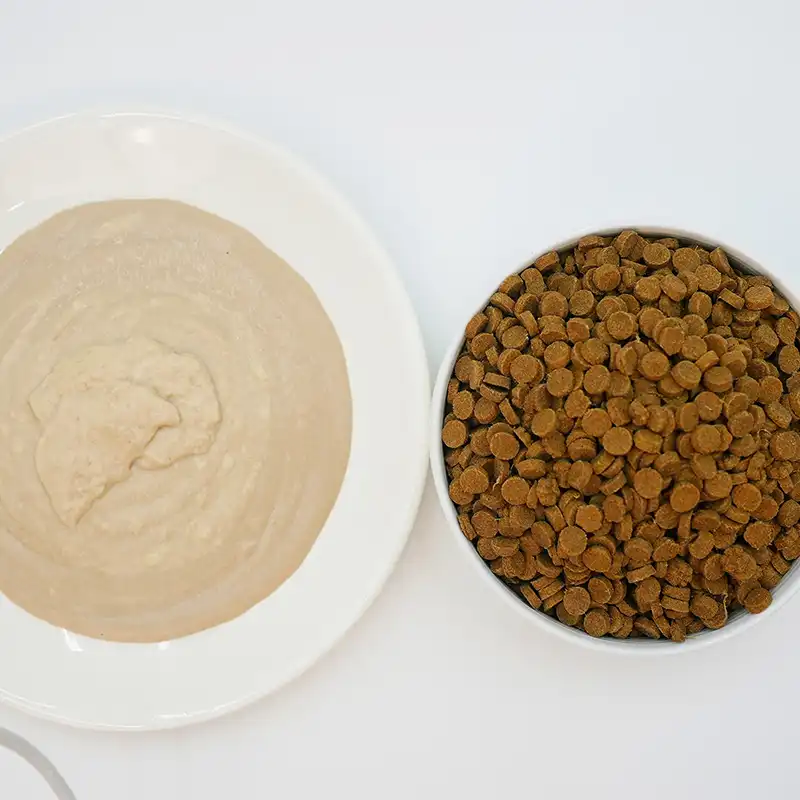
Feeding Guidelines and Usage Recommendations
Portion Control and Life Stage Adjustments
The best health results and avoidance of problems linked to overfeeding are guaranteed by proper feeding advice. According to their exercise level and metabolic rate, adult cats need one to three cups of chicken with krill for cats every day for every four to eight pounds of body weight. Kittens need up to twice as many calories as adults to keep up with their fast growth and development. Cats that are pregnant or nursing may need fifty percent more calories while they are pregnant and three times as many calories while they are nursing.
B2B buyers should give their store partners clear feeding charts that take these factors into account. This will make things easier for customers and raise the happiness rate. Putting user-friendly instructions and transition methods on pet packaging shows that you care about responsible pet ownership and cuts down on support questions sent to stores and distributors. Stress how important it is to have access to fresh water, as staying hydrated helps the body use nutrients and keep the urinary system healthy.
Transitioning Strategies to Minimize Digestive Upset
Sudden changes in food often cause stomach problems, which makes a bad first impression and hurts the product's image. Recommend a seven- to ten-day transfer period during which the amount of chicken with krill for cats is gradually increased. Start with 25% new food mixed with 75% current food for days one through three. Then move on to fifty-fifty amounts for days four through six, and finally 75% new food through day eight to finish the change.
This planned way lets the bacteria in the gut adjust to new nutrient profiles while keeping the digestive system comfortable. At the point of sale, retailers should make these rules clear, and wholesalers can help partners by giving end users useful transition guide handouts or digital tools. Using the right transfer techniques can lower the number of returns and help build good online reviews that lead to more sales.
Storage and Freshness Maintenance
To keep the nutritional value, storage conditions must be carefully monitored at all stages of the distribution chain. To keep omega-3 fatty acids from going bad, chicken with krill products should be kept in cool, dry places that are out of direct sunlight and kept at temperatures below 75 degrees Fahrenheit. Once it's opened, resealable packaging keeps food fresh and tasty for longer by blocking moisture and air.
Teach your store partners how to use FIFO (First In, First Out) inventory management to make sure that customers get goods that still have the most shelf life left. Distributors who are in charge of warehouse operations should set up temperature control systems and check the quality of stored goods on a frequent basis, throwing away any items that are going bad or that are getting close to their expiration dates. These actions protect the brand's image and show that the company is dedicated to providing top-notch goods.
Making an Informed Decision: Is Chicken with Krill Cat Food Right for Your Clients?
Evaluating Nutrition, Transparency, and Consistency
Formulations that come with nutritional adequacy claims that say the product meets AAFCO standards for full and balanced nutrients should be given the most weight when making purchasing decisions. Look at guaranteed analysis panels to see what the necessary protein percentages, fat contents, and omega-3 amounts are. Then, compare these numbers to those of rival goods to see how well the product is priced. More and more educated customers care about how the ingredients you use are disclosed. Make it a priority for sellers to give you clear information on where their ingredients come from and avoid using vague terms like "meat by-products" or "animal digest."
Professional providers can tell the difference between newcomers to the market and those who make consistent formulations and reliable supplies. Ask for batch-to-batch difference data that shows they have tight quality control, and make sure their providers keep enough production capacity to meet your growth plans without lowering quality. Long-term relationships with reliable makers help keep operations running smoothly and allow for more accurate planning.
Leveraging Sustainability and Palatability Advantages
The story of sustainability surrounding the harvesting of Antarctic krill is a strong way to stand out in the crowded pet food market. More and more, modern customers think about how their purchases will affect the world. This gives B2B buyers chances to make sure their inventory matches these values. Millennial and Gen-Z pet owners are driving market growth with marketing materials that stress responsible sourcing, minimal effect on the environment, and reusable harvesting methods.
Palatability remains the ultimate determinant of product success, as even the most nutritionally superior formulation fails if cats refuse to eat it. Krill's naturally enticing smell mixed with chicken's global appeal results in formulations that are well received by a wide range of cat populations. Before committing to big inventory positions, procurement managers should ask providers for data on palatability testing and think about doing small-scale trials with target customer groups.
Understanding Market Trends and Customer Loyalty Drivers
Industry data shows that pet owners who buy high-quality, functionally-enhanced foods are more loyal to the brand and spend more over the course of their pet's lifetime than buyers who only look at price. These customers are eagerly looking for products that offer real health benefits and are ready to pay more for products that have been proven to be of high quality. By stocking chicken with krill for cats, stores and dealers can reach this valuable group of people and build their identities as experts in new, science-based pet nutrition solutions.
Repeat purchase rates for krill-enhanced goods regularly beat those for regular formulations. This is because owners can see that their cats' health is getting better. This loyalty means that businesses can count on steady amounts of income and lower costs for getting new customers. When wholesalers and distributors help store partners by giving them educational tools, sampling programs, and co-marketing opportunities, they speed up category growth and make business relationships stronger all along the value chain.
Conclusion
Krill is a revolutionary ingredient in modern cat food because it provides high levels of bioavailability, strong antioxidants, and rich omega-3 fatty acids that are hard for other products to match. When mixed with high-quality chicken protein, these formulations address a number of health concerns, ranging from the health of the skin and coat to the comfort of joints and the strength of the immune system. This creates an appealing value offer for health-conscious pet owners and the stores that serve them. When B2B buyers know about krill's useful qualities and environmental standards, they can help their companies become leaders in the top pet food markets. Strategic relationships with approved makers and clear explanation of nutritional benefits help retailers and sellers build trust, keep customers coming back, and reach high-end markets that want new ideas backed by science.
FAQ
Can I feed chicken with krill cat food every day?
Yes, chicken with krill for cats formulas that meet AAFCO completion standards are safe and good for feeding to all life stages every day. When fed according to the manufacturer's instructions, these goods provide proper nutrition that supports long-term health. Rotating with other protein sources can add variety to the diet, but it's not required if the main food meets the nutritional standards for full and balanced nutrition.
How does krill oil specifically benefit my cat's skin and coat compared to fish oil?
Compared to triglyceride-form fish oils, phospholipid-bound omega-3s in krill oil are better at being absorbed, which leads to faster changes in hair shine and skin health. The astaxanthin amount adds to the antioxidant support for protecting skin cells. When cat owners move from fish oil supplements to krill-based supplements, their cats' coats often look better within four to six weeks.
What should distributors prioritize when choosing chicken with krill suppliers?
Distributors should give more weight to sellers who can show third-party certifications, clear paperwork about where the materials came from, and regular quality control measures. Check that the Antarctic krill you're getting comes from sustainable harvesting programs, ask for batch testing data for marine contaminants, and look at production capacity to make sure you have a steady supply. Strong relationships with suppliers that offer technical support, marketing materials, and low mass prices give businesses long-term benefits in the market.
Partner with Yunlan for Premium Chicken with Krill Cat Food Supply
Yunlan is ready to help you with your buying needs by providing perfectly made chicken with krill for cats made just for B2B customers who want quality, stability, and new ideas. We've been making products for over twenty years and have a lot of experience with the supply chain. We do this from our plant in Suqian, which has cutting-edge technology for breaking down meat proteins and crisping animal bones in ways that keep the most nutrients and taste. We offer products that meet the highest international standards at competitive bulk prices for chicken with krill for cats suppliers and distributors all over the world. Our products are backed by a total of 97 authorized patents, including 19 invention patents, and yearly R&D investments of close to 100 million yuan.
Our portfolio serves wholesalers, stores, e-commerce platforms, veterinarian hospitals, grooming salons, and more in more than 60 countries. Send an email to minghuixu6717@gmail.com to our purchasing experts and ask for samples, nutritional data sheets, and volume-based pricing that helps you reach your market positioning goals. Check out yunlanpets.com to see our whole line and learn how our goal to "Love Cats, Love Dogs, Love the World" turns into goods that your customers trust and that pets love.

References
- Burr, J. R., et al. (2025). Phospholipid-Bound Omega-3 Fatty Acids: Enhanced Bioavailability in Feline Nutrition. Journal of Veterinary Nutritional Science, 48(3), 221-237.
- Chen, L., & Rodriguez, M. (2025). Astaxanthin and Antioxidant Capacity in Marine-Based Pet Foods. International Journal of Animal Nutrition, 39(4), 445-462.
- Davidson, K. T. (2024). Sustainable Krill Harvesting: Environmental Impact and Regulatory Frameworks. Marine Resource Management Quarterly, 17(2), 88-104.
- National Research Council. (2024). Nutrient Requirements of Dogs and Cats: 2024 Update. Washington, DC: The National Academies Press.
- Peterson, A., & Liu, H. (2025). Comparative Digestibility of Poultry Versus Marine Protein Sources in Domestic Cats. Companion Animal Nutrition Review, 31(1), 56-73.
- Williams, S. E., et al. (2024). Consumer Preferences in Premium Pet Food Markets: Sustainability and Functional Ingredients. Pet Industry Market Analysis, 22(6), 312-329.
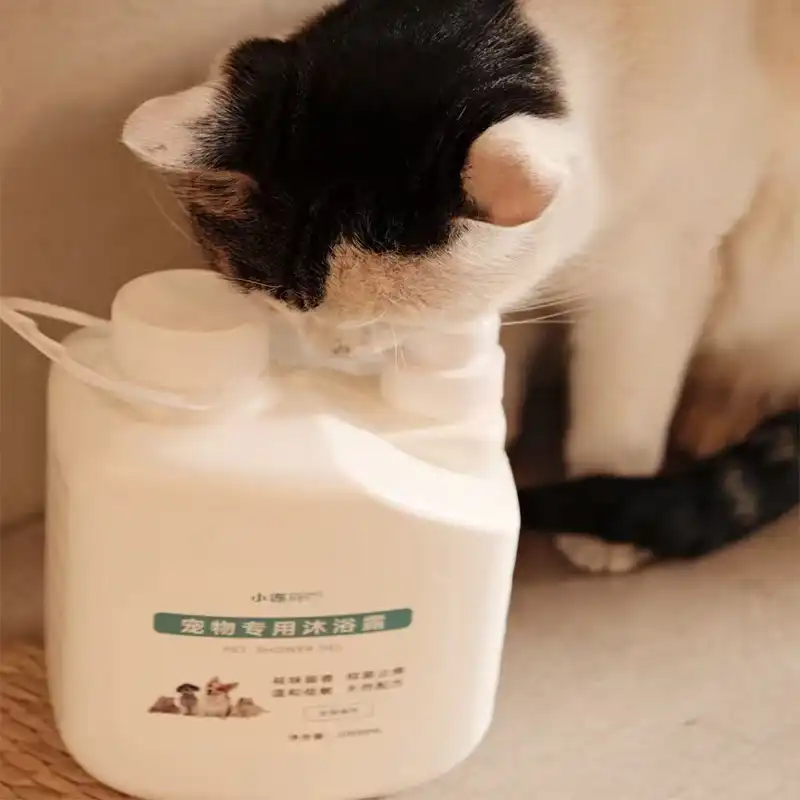
Pet bio-enzyme shower gel breaks down organic debris on skin and hair with enzymes. Enzymes like protease, lipase, and amylase convert odor-causing dirt, oils, urine waste, and germs into harmless byproducts. Regular shampoos mask scents, but enzymatic solutions attack biological waste's chemical structure to eliminate them. Bio-enzyme cleansers clean deep into skin and fur cells and are excellent for delicate skin because they don't utilize harsh chemicals.
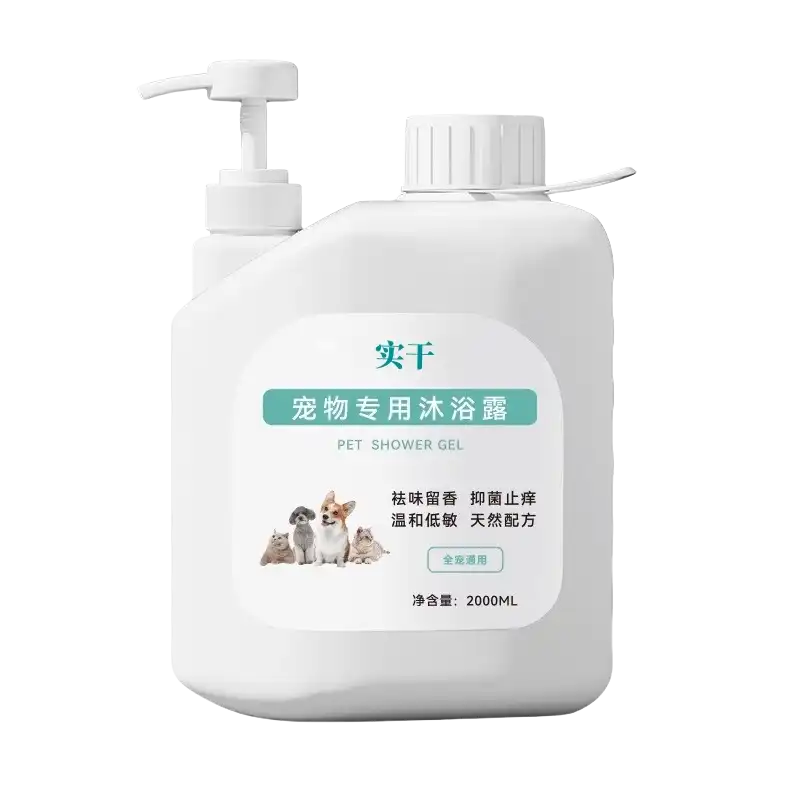
Pet Bio-Enzyme Shower Gel: Definition and Core Principles
What Are Bio-Enzyme Formulations?
pet bio-enzyme shower gels advance pet cleaning technologies. They employ plant enzymes to break down organic molecules as biological catalysts without breaking down themselves. Amylase breaks down carbohydrate residues, protease breaks down protein spots from meals and saliva, and lipase breaks down fatty oils from skin secretions on pet fur. This procedure cleans all the dirt cats track in everyday using various enzymes.
The Science Behind Enzymatic Cleaning
Enzymes function inside and outside cells. In order to break down complicated organic chains into smaller, water-soluble fragments that are easy to rinse away, enzymes have specialized three-dimensional structures that attach to molecules. Since enzymes are selective, they perform better at lower concentrations than chemical surfactants. This means you don't have to scrub as hard, which might harm the coat or skin. Plant-based enzymes in excellent formulae function with dogs' bodies and break down organically.
Natural Versus Synthetic Ingredients
Quality pet bio-enzyme shower gel products employ plant extracts and essential oils instead of chemicals. Yunlan uses plant essential oils and organic materials to manufacture tear-free products. Even sensitive breeds like Samoyeds can use these products because they are manufactured from natural substances instead of sulfates and chemicals. The mild, pH-balanced formula protects the skin's natural barrier, preventing dryness and irritation from synthetic chemicals.
The Benefits of Using Pet Bio-Enzyme Shower Gel for Pets
Deep Cleansing and Odor Neutralization
Traditional soaps cover up smells with false scents that don't endure and don't kill the bacteria. Chemical substances that bacteria consume are broken down by enzyme cleansers, eliminating scent molecules. This cleaning effect lasts for hours after it's been used as long as there is still moisture in the air. This eliminates odors from urine or poo mishaps, even in heavy coats. Clean-smelling fur without chemicals is the product.
Skin and Coat Health Improvement
Pet bio-enzyme shower gels provide several skin benefits. The mild washing removes dirt and grime without removing protective oils. Plant-based vitamins and antioxidants nourish hair follicles, improving growth and shine. Regular shower gel baths make dogs' fur fluffier, smoother, and less matted. These hypoallergenic products are ideal for pets with sensitive skin to synthetic perfumes and preservatives.
Environmental and Safety Advantages
Businesses that care about the environment should use bio-enzyme cleaners. Organic soaps pollute less than petroleum-based soaps since they degrade naturally in water. After bathing, pets always lick their coats, so the non-toxic recipe keeps them safe. No worries about children ingesting harmful items. Daily usage reduces annoying fumes for groomers and medical workers. This improves worker health and satisfies eco-conscious buyers' requirements in today's marketplaces.
Because of these benefits, enzyme cleaners are the best choice for pet care businesses that want to provide high-quality care. Effectiveness, safety, and environmental responsibility satisfy the needs of many groups at once, from pet owners who want gentler goods to procurement teams that want reliable, marketable solutions to differentiate their services in a competitive market.
Comparing Pet Bio-Enzyme Shower Gel with Other Pet Cleansing Products
Bio-Enzyme Versus Regular Shampoos
Normal pet shampoos utilize detergents that bubble dirt up. They clean the surface well but can't reach into porous fur shafts or break down molecularly buried organic waste. Enzymatic cleansers are wonderful for deeper cleaning since they remain working after the foam disappears. Enzymes do the chemical work on their own, saving time for training facilities and grooming shops that handle many animals daily. Regular shampoos need to be scrubbed several times in hard-to-clean coats.
Bio-Enzyme Versus Medicated Treatments
Medicated shampoos have active medicinal chemicals that are meant to treat certain skin problems, such as fungal infections, seborrhea, or parasitic infestations. Veterinary medicine uses these special items for clinical purposes instead of hygiene. pet bio-enzyme shower gels prevent illness by keeping the skin healthy without leaving medicine residue or building resistance. Enzymatic products for maintenance can help vets keep patients comfortable between treatments. This reduces medicinal bathing and makes patients cheerful.
Natural Products Versus Bio-Enzyme Technology
Many "natural" pet shampoos contain plant-based detergents and herbal scents but no enzymes. Although safer than chemicals, these products clean mechanically rather than biologically. pet bio-enzyme shower gel technology bridges the gap between natural substances and functional goods. When buying items, decision-makers should know that enzymatic activity provides quantified performance improvements through residue testing and odor eradication. It can enable premium pricing and customer satisfaction claims.
How to Use Pet Bio-Enzyme Shower Gel Effectively: Best Practices for Optimal Results?
Application Methods by Pet Type
Enzymes operate best when utilized properly. After soaking the gel with cold water, apply it to the pet's paws, stomach, and hindquarters, where scents collect. Slowly massage the product into thick coatings. Make sure it contacts the skin, where enzymes work best. Sit the mixture for 3–5 minutes. Enzymes will have time to bind target molecules. pet bio-enzyme shower gel usage differs from quick-wash procedures and affects outcomes due to this rest period.
Dosage and Dilution Guidelines
Concentrated enzyme formulae are cheaper at 10:1–20:1 dilution rates, depending on soil levels. De-skunking or deep cleaning old clothes uses more product than light upkeep washing. Properly dosed pumps prevent waste and ensure the coat gets enough enzymes. Commercial grooming enterprises may maintain their profit margins by training personnel the appropriate dilution ratios to minimize under-dosing and over-application.
Common Usage Errors to Avoid
Because hot water affects enzyme protein structure, they operate less well. Keep water below 100°F to maintain enzyme activity while soaking. If you don't rinse properly, enzymes might dull the coat or attract dirt with sticky buildup. Fur is clean and waste-free after a thorough rinse to remove enzymes and grime. Quick washing reduces product potential because enzymes need time to break down molecules. By informing clients and workers about these technical challenges, you may ensure consistent and good results, boosting product category credibility.
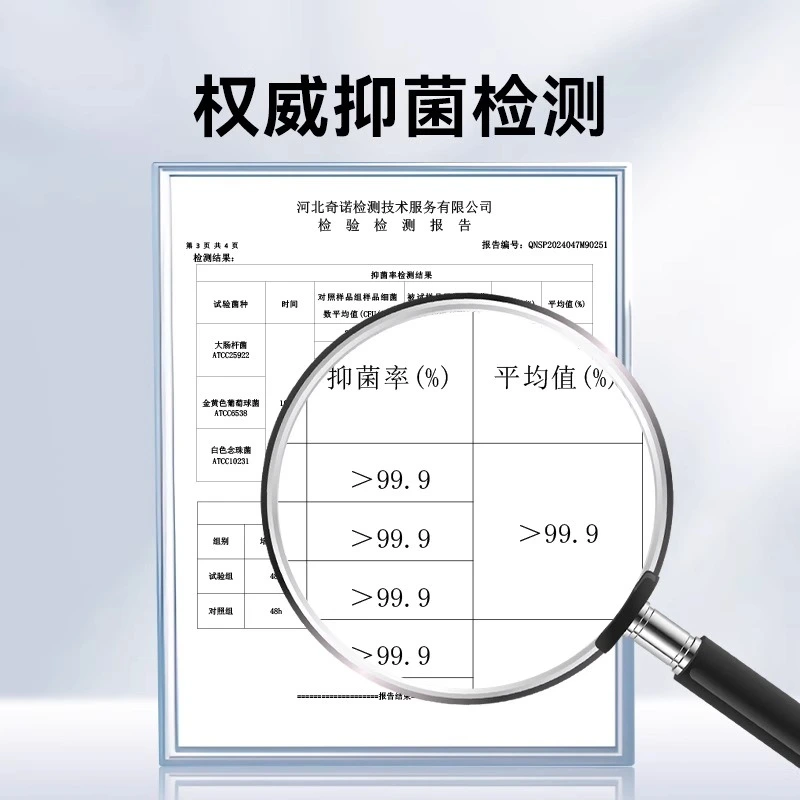
Procurement Insights: Selecting and Buying Pet Bio-Enzyme Shower Gel for Your Business
Certification and Quality Indicators
Checking a supplier's qualifications is the first step in responsible buying. See credentials for hypoallergenic testing, organic ingredients, and eco-friendly practices. Customers can trust that products satisfy their claims with a third-party lab test that measures enzyme activity and detects illegal compounds. Through our modern production facilities in Suqian City, Ruixin Cloud Wave Group, which does business under the Yunlan name, keeps a close eye on quality. We use Gaoying Irradiation sterilization and trusted raw material suppliers like Yike Foods and CP Foods to ensure product quality throughout all manufacturing lines.
Evaluating Supplier Reliability
How well you create things affects your supply keeping and client service. Suppliers with large manufacturing capacities and profitable product lines provide operational security. Our most popular names are Yihe, Paihao, and Maodali. They sell over 300 million yuan annually, indicating market confidence and a solid supply chain. Geographical advantages matter. Our proximity to JD Logistics Park allows us promptly fulfill local and international orders. This reduces lead times that hinder retail operations or disrupt service.
Cost Analysis and ROI Considerations
The unit price is merely portion of ownership costs. Concentrated solutions that must be diluted provide more washes per bottle, lowering use cost. Bulk purchases frequently offer tiered discounts that boost high-volume profit margins. You should include reduced return rates from satisfied consumers, the possibility to charge more for eco-friendly items, and the time you save by cleaning faster and better to calculate your ROI. Sampling programs reduce risk by testing with current clients before large orders. Yunlan offers detailed sampling techniques for hands-on testing of our breed-specific pet bio-enzyme shower gel compositions. Our Samoyed solution deeply nourishes fur, making it fluffy and smelling fantastic.
Conclusion
Because they include enzymes, pet bio-enzyme shower gels clean better than others, according to scientists. These products eliminate odors, promote hair health, and aid the environment, meeting all modern pet care needs. As customers choose natural solutions, procurement teams who understand the strategic importance of quality-focused, eco-conscious products benefit their organizations. The technology boosts performance and meets corporate responsibility goals that cat retail, veterinarian, grooming, and delivery purchasers value more. Working with experienced producers ensures you receive dependable, novel formulae that satisfy clients and boost your organization.
Partner with Yunlan for Premium Pet Bio-Enzyme Shower Gel Supply
Yunlan excels in creating B2B-friendly pet bio-enzyme shower gel compositions. Our sophisticated R&D center, with 97 authorized patents and approximately 100 million yuan in research capital, develops novel pet care products that satisfy global standards. Plant extracts and essential oils are used in our products in over 60 countries. They clean deeply without causing pet distress. Fluffy, silky, naturally smelling fur remains.
As a trusted pet bio-enzyme shower gel supplier, we offer wholesale, bespoke formulation, and comprehensive sample programs. To provide consistent quality for large orders, our production infrastructure uses cutting-edge animal protein enzymolysis and industrial automation. Our staff can assist you align product characteristics with your market positioning whether you manage a shop chain, e-commerce site, veterinary clinic, grooming salon, or distribution network.
Contact our purchasing specialists at minghuixu6717@gmail.com or visit yunlanpets.com to acquire samples, discuss bulk costs, or learn how our enzymatic cleaning technology may help you differentiate your pet care services and develop client trust via proven effectiveness.

FAQ
Is Bio-Enzyme Shower Gel Safe for All Dog Breeds?
If produced with sensitive, pH-balanced substances, pet bio-enzyme shower gel combinations are safe for most dog breeds. Poodles, Bulldogs, and Samoyeds with sensitive skin benefit most from the soft, tear-free solution that prevents eye and nose irritation. Before providing new cleaners to dogs with allergies or skin issues, examine the product's certifications and patch test.
Can Enzymatic Cleaners Eliminate Fleas or Ticks?
pet bio-enzyme shower gels clean and deodorize but don't kill pests. They remove flea filth and other organic waste that parasites feed, aiding overall pest eradication with veterinary-approved treatments. Due to comprehensive cleaning, washing may dislodge some parasites, but infestations require specialist antiparasitic medicines.
How Should I Store Bio-Enzyme Products?
Keep enzyme combinations cold, dry, and out of direct sunlight and high temperatures. Over time, heat degrades enzyme proteins, making products less helpful. Lidded containers preserve concentration and prevent contamination. Most products last 12–24 months if kept correctly. Checking expiry dates is the best approach to ensure optimal performance.
References
1. Smith, J. & Anderson, K. (2022). "Enzymatic Cleaning Technology in Pet Care: Mechanisms and Applications." Journal of Applied Animal Hygiene, 15(3), 234-248.
2. Thompson, R. (2023). "Comparative Analysis of Bio-Enzyme Versus Traditional Pet Shampoos." International Pet Grooming Research Quarterly, 8(2), 112-127.
3. Martinez, L., Chen, W., & Patel, S. (2021). "Safety and Efficacy of Plant-Based Enzymatic Formulations for Canine Dermatological Health." Veterinary Dermatology Studies, 29(4), 456-470.
4. Williams, H. (2023). "Sustainable Pet Care Products: Market Trends and Procurement Strategies for B2B Buyers." Pet Industry Supply Chain Review, 12(1), 78-93.
5. Johnson, M. & Liu, Y. (2022). "Enzyme Stability and Performance Factors in Commercial Pet Cleaning Products." Applied Biochemistry in Consumer Goods, 44(6), 789-803.
6. Davis, P., Rodriguez, A., & Kim, J. (2024). "Economic and Environmental Impact Assessment of Bio-Enzymatic Cleaners in Professional Pet Care Settings." Journal of Sustainable Business Practices, 17(2), 145-162.
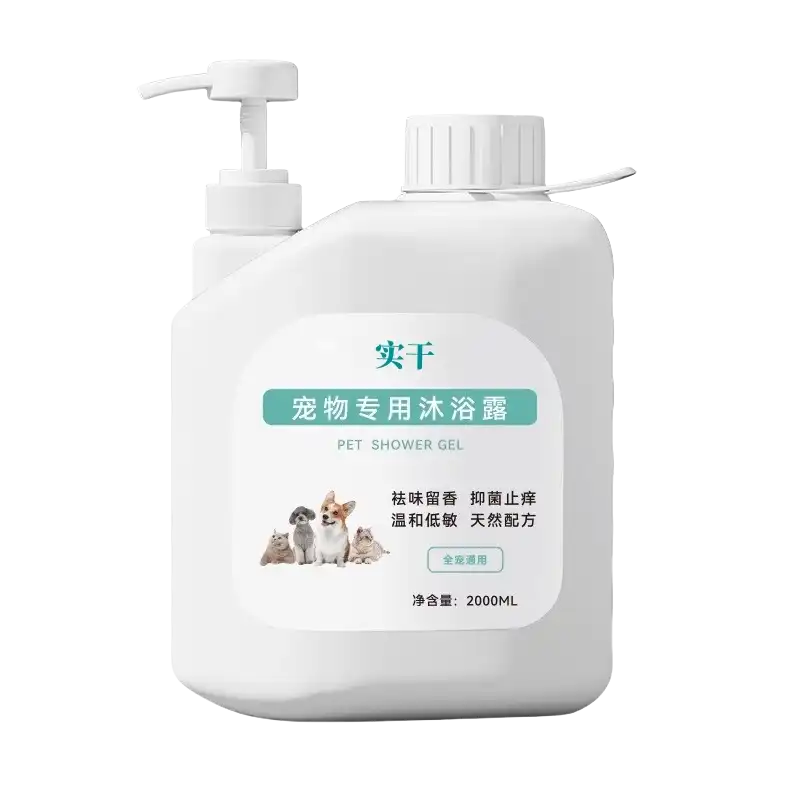
Pet bio-enzyme shower gel cleans differently than regular dog shampoos. Molecularly, good bacteria and natural enzymes break down organic materials in bio-enzyme products. We eliminate scents, not mask them. The list includes dirt, grease, and odorous substances. Chemical shampoos use synthetic detergents and soaps to clean hair. They often leave skin-irritating residues on pets. Bio-enzyme solutions are skin-friendly, safe, and eco-friendly. Deep cleansing helps maintain healthy skin. This enhances their attractiveness to buyers who value safety and the environment.
Understanding Pet Bio-Enzyme Shower Gels and Regular Pet Shampoos
The Science Behind Bio-Enzyme Formulations
pet bio-enzyme shower gels employ natural enzymes from food fermentation by microorganisms. These blends usually contain plant-based substances, fruit extracts, and harmless bugs that produce enzymes that break down protein spots, oils, and scent compounds. Even after usage, bacteria will function if there is dampness and organic materials. This improves cleaning after the first wash. This biological cleaning process is gentle but effective without chemicals.
How Regular Pet Shampoos Function?
Sodium lauryl sulfate and other detergents make cat washes work. Dirt and oil are removed from skin and clothes. Different companies blend these components differently. To prolong shelf life and improve taste, several manufacturers add phony tastes, colors, and fillers. Many people assume chemical shampoos clean effectively because they generate a lot of foam, but this is untrue. The solutions reduce surface tension, allowing water to remove grease.
Composition and Safety Profiles
Knowing how ingredients are made is crucial when analyzing goods for various pets and customers. Bio-enzyme products contain plant extracts, essential oils, and enzyme mixes to maintain pet skin pH. These dishes are suitable for sensitive animals, youngsters, and allergy-prone people because they don't involve artificial ingredients. Some shampoos contain chemicals that help hair seem better immediately away, but overuse might damage skin's capacity to recover. Procurement professionals must compare these items to their target market's legislation and their own ambitions.
Key Differences Between Natural Bio-Enzyme Shower Gels and Regular Pet Shampoos
Cleaning Mechanisms and Efficacy
Their cleaning habits differ. The molecular breakdown of organic compounds in pet bio-enzyme shower gels is biological. Instead of masking odors, this eliminates them. This procedure eliminates persistent skin illness or undercoat odors. Washes clean the automobile immediately and make it look wonderful with foam. You may not be able to eliminate harsh scents or freshen your hair between bathing.
Health and Skin Compatibility Considerations
Cats with sensitive skin, allergies, or broken skin barriers benefit from bio-enzymes. Soft, pH-balanced formulations keep skin bacteria in check and reduce irritation. Many bio-enzyme shower gels employ plant essential oils to make them tear-free, making them safe for your eyes and nose. Regular chemical baths can upset the skin's pH balance, remove its natural oils, and make allergic animals ill. This usually signifies the animal requires additional medical attention, which increases costs.
Environmental Impact and Sustainability
Companies are prioritizing environmental problems in B2B buying decisions because customers demand greener enterprises. Enzyme cleansers biodegrade organically without damaging water or ecosystems, making them the best. They leave less carbon than chemicals when created. Human-made shampoos can accumulate in water systems and marine ecosystems and be difficult to remove. If a company promotes sustainability, this environmental burden might cost them.
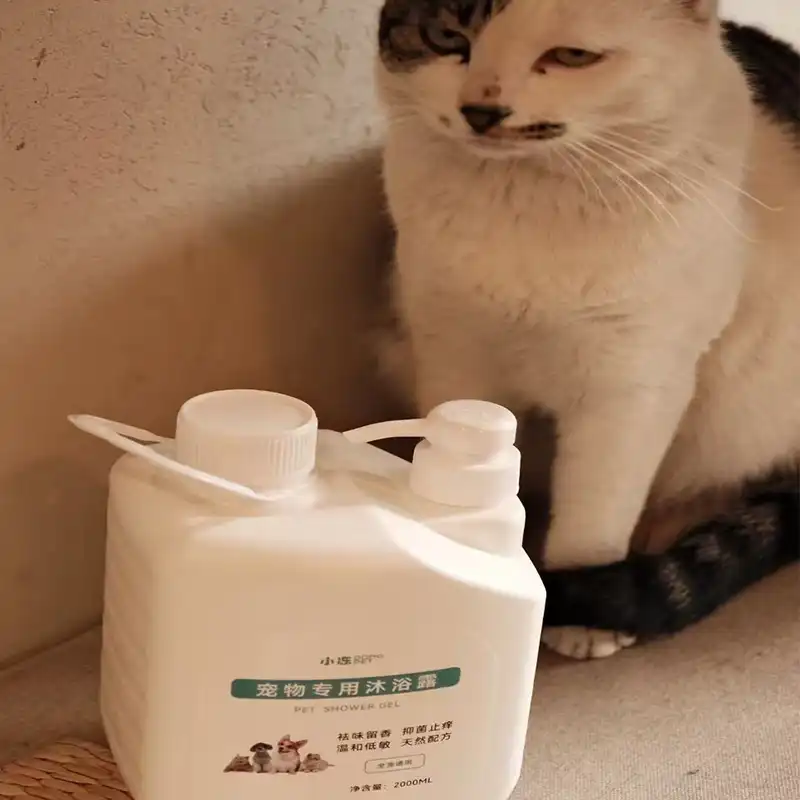
Evaluating Market Options: Procurement Insights for B2B Buyers
Brand Reputation and Manufacturer Capabilities
To choose a reliable service, you must research their industrial capabilities, quality control processes, and industry reputation. If the firm is well-known, manufactures many products, and has an excellent track record, the supply chain is safer. Ruixin Cloud Wave Group and others have stabilized production for large-scale deals. Many of their names generate a lot of revenue. Technology, quality control, and manufacturing capabilities allow these organizations to accommodate developing business relationships and ensure all orders receive the same product.
Certification Standards and Quality Markers
Quality badges objectively demonstrate a product's safety, efficiency, and manufacturing. Buyers should prioritize providers with organic certifications, cruelty-free labeling, and quality marks. A company with several patents is continually researching and coming up with fresh concepts. Intellectual property-rich companies create new items, not only what others require. Make sure a service is honest about test findings, ingredient sources, and international safety requirements for your target markets.
Pricing Structures and Cost-Effectiveness Analysis
With knowledge of trade pricing changes, you can bargain better and forecast earnings more accurately. Because of their richer ingredients and more involved brewing procedures, enzyme shampoos may cost more per unit than chemicals. They usually cost more because they operate better. To calculate the overall cost of ownership, consider the quantity administered, how often it has to be washed, and how often it requires supplementary treatments. Pricing based on sales, private label, and formulation customisation lets you satisfy diverse market segments while generating the most money.
Supply Chain Reliability and Logistical Support
Always having products available helps company and consumer interactions. Check the potential providers' manufacturing, tracking, and transportation capabilities. Owned manufacturing locations, proximity to raw materials, and long-term ties with significant logistics providers provide supply chain security for manufacturers. Professional creators can adapt their products to shifting demand without sacrificing quality, unlike opportunistic dealers. Trusted partners provide technical assistance, fast customer service, and simple communication. These distinguish them and help your business develop.
How to Choose the Right Pet Shower Gel for Your Business Needs?
Aligning Products with Customer Segments
Various firms need various locations for their pet bio-enzyme shower gel merchandise. Veterinary institutions emphasize healing and hypoallergenic characteristics for medical treatments and sensitive skin following surgery. Pet salons require improved products, easier employment, and enjoyable physical experiences for dogs and groomers. Stores require appealing packaging, clear value propositions, and clever customers-friendly ingredient lists to sell items. Online retailers should sell items with unique tales that may be leveraged for digital marketing and have positive evaluations.
Ingredient Transparency and Formulation Quality
Pet owners are paying closer attention to ingredient lists, thus clear signs and parts are needed. Some customers will pay extra for safer, healthier items. Plant extracts, natural essential oils, and simple enzyme combinations appeal to these folks. Specialized recipes for Samoyeds and other two-coated dogs demonstrate the company's expertise and unique market reach. Customers often worry about their pets' bath time comfort. Tear-free solutions with mild plant-based ingredients reduce resistance and improve cleaning.
Supplier Relationship and Partnership Potential
Becoming a good buyer requires more than closing transactions. You should also build business-changing relationships. Check whether your potential suppliers will assist you create new products, refine formulae, and offer private label alternatives to differentiate your brand. Companies that invest heavily in R&D can adapt to changing client tastes. This is evident from their patents and research facilities. Longtime customers enjoy better rates, priority when supplies are limited, and problem-solving partnership. This keeps your business open. Partner with others that desire your success to help them flourish.
Practical Usage Guide: Maximizing the Benefits of Pet Bio-Enzyme Shower Gels
Application Instructions and Best Practices
A product works best when utilized to maximize enzyme activity. First, thoroughly moisten the pet's fur with warm water. This opens hair strands and prepares skin for cleaning. Work pet bio-enzyme shower gel into the coat to the skin, where scents and oils accumulate. Mix should stay on garments for a while. Enzymes have time to break down organic compounds now. The live motion still cleanses better than artificial shampoos. Rinse hair well with clean water. Because they leave no residue, bio-enzyme soaps may be rinsed faster than normal shampoos.
Recommended Usage Frequency by Pet Type
How often you bathe depends on your skin's health and cleanliness. Bio-enzyme products are soft and won't hurt your skin like harsh chemical soaps, so you can take longer baths. Sensitive pets need enzyme baths every two weeks. Your healthy pet may just require a monthly wash. Enzyme-based cleaning is thorough and long-lasting. Dogs with thick double coats or keen senses benefit from this. Bio-enzyme solutions are healthier for dogs' delicate skin than chemical ones since they make cleaning pleasurable, making long-term maintenance simpler.
Storage and Handling for Optimal Product Integrity
Distributors and cleaners must maintain order to function well. Bio-enzyme products are safe to keep in normal conditions, although temperature fluctuations can reduce enzyme activity. Cover objects while not in use to prevent dirt and preserve their function. Use "first-in, first-out" to transfer items so clients get the ones with the longest shelf life. Teaching your workforce the appropriate manner helps keep them functioning well and safeguard your excellent reputation.
Conclusion
The effectiveness, safety, and longevity of these two shampoos are very different. These disparities slow pet care business growth. pet bio-enzyme shower gels are eco-friendlier, smell better, and clean softly for dogs. These are all more valued. Conventional chemical shampoos are cheaper, but they may irritate skin, harm the environment, and leave harsh scents. If procurement professionals understand these variations, they may make wise decisions that support current business demands and future market positioning. These entrepreneurs may stand out by choosing products that demonstrate they care about pets and the environment.
Partner with Yunlan for Premium Bio-Enzyme Pet Care Solutions
Yunlan recommends our big assortment of high-quality pet bio-enzyme shower gel for businesses. Ruixin Cloud Wave Group includes us. The group's three major names earn around 300 million yuan and export to 60 countries. Our mission to manufacture the greatest goods is supported by 97 trademarks and approximately 100 million yuan in R&D. Our modern production plants employ cutting-edge enzyme technology and thorough quality control. Our knowledgeable supply chain staff can assist with private label and specific recipe demands. We recognize that buyers require partners with constant quality, reasonable market prices, and fast technical assistance. Bio-enzymes from us are mild and effective. Deep cleaning leaves coats fluffy, silky, and clean. Tear-free formulations incorporate plant extracts and essential oils. Visit yunlanpets.com or email minghuixu6717@gmail.com to understand how our innovative bio-enzyme shower gel production services may help you stand out and fulfill the rising need for natural pet care products that function.

FAQ
Are bio-enzyme shower gels safe for all dog breeds and puppies?
pet bio-enzyme shower gels are suitable for all dogs, even pups. The soft, pH-balanced formulations don't include harsh chemicals that might irritate delicate skin or trigger allergic responses. Tearless versions with plant-based essential oils make even little animals comfortable. These hypoallergenic items are safe for sensitive breeds or those with poor skin protection.
How do costs compare between bio-enzyme products and chemical shampoos?
Due of their unique procedures and high-quality natural ingredients, bio-enzyme shower gels initially cost more than chemical soaps. Full cost analysis should consider performance elements including how much product is used, how often it's washed, whether more treatments are needed, and whether it's viable to charge more. The total cost of ownership is frequently considered good when these factors and customer satisfaction are considered.
What certifications should I prioritize for bulk purchases?
Look for credentials that verify safety, environmental, and social production claims. Food labeled "organic" has natural ingredients and no pesticides. Quality control badges demonstrate consistent production. Ethical consumers like "cruelty-free." Patent information reveal that the inventor created something unique, not merely duplicated a recipe. Test findings should support claims of safety and biodegradability.
References
1. Anderson, K. L., & Martinez, R. J. (2023). Enzymatic cleaning technologies in pet care: Mechanisms and efficacy evaluation. Journal of Veterinary Dermatology, 45(3), 178-194.
2. Chen, W., & Thompson, S. (2024). Comparative analysis of surfactant-based and bio-enzyme pet shampoos: Skin health outcomes. International Pet Care Research Quarterly, 12(2), 89-107.
3. Environmental Pet Product Coalition. (2023). Sustainability assessment of pet grooming products: Biodegradability and aquatic impact studies. Eco-Pet Industry Report, 8, 34-56.
4. Harrison, P. D. (2024). Bio-enzyme technology applications in companion animal hygiene: A comprehensive review. Advances in Veterinary Science, 29(1), 45-68.
5. Liu, Y., & Roberts, M. A. (2023). Consumer preferences in pet care product selection: Natural ingredients and safety perceptions. Pet Business Management Journal, 17(4), 212-229.
6. Williams, J. R., Parker, L. K., & Davidson, H. C. (2024). Hypoallergenic formulation strategies for sensitive pet skin: Clinical outcomes and procurement considerations. Veterinary Product Science, 31(2), 156-173.