- English
- French
- German
- Portuguese
- Spanish
- Russian
- Japanese
- Korean
- Arabic
- Irish
- Greek
- Turkish
- Italian
- Danish
- Romanian
- Indonesian
- Czech
- Afrikaans
- Swedish
- Polish
- Basque
- Catalan
- Esperanto
- Hindi
- Lao
- Albanian
- Amharic
- Armenian
- Azerbaijani
- Belarusian
- Bengali
- Bosnian
- Bulgarian
- Cebuano
- Chichewa
- Corsican
- Croatian
- Dutch
- Estonian
- Filipino
- Finnish
- Frisian
- Galician
- Georgian
- Gujarati
- Haitian
- Hausa
- Hawaiian
- Hebrew
- Hmong
- Hungarian
- Icelandic
- Igbo
- Javanese
- Kannada
- Kazakh
- Khmer
- Kurdish
- Kyrgyz
- Latin
- Latvian
- Lithuanian
- Luxembou..
- Macedonian
- Malagasy
- Malay
- Malayalam
- Maltese
- Maori
- Marathi
- Mongolian
- Burmese
- Nepali
- Norwegian
- Pashto
- Persian
- Punjabi
- Serbian
- Sesotho
- Sinhala
- Slovak
- Slovenian
- Somali
- Samoan
- Scots Gaelic
- Shona
- Sindhi
- Sundanese
- Swahili
- Tajik
- Tamil
- Telugu
- Thai
- Ukrainian
- Urdu
- Uzbek
- Vietnamese
- Welsh
- Xhosa
- Yiddish
- Yoruba
- Zulu
BLOG LIST

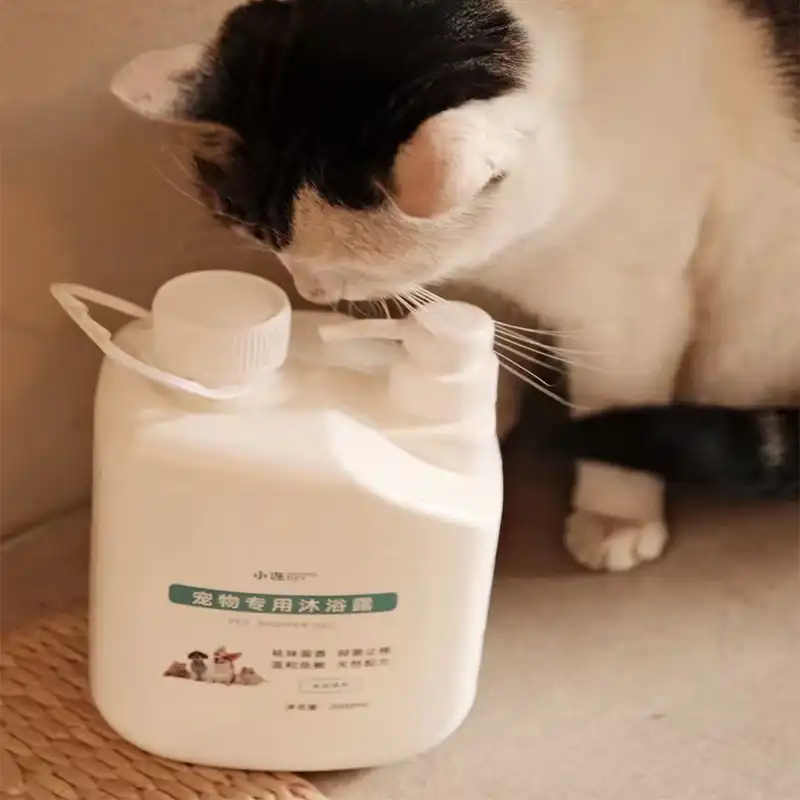
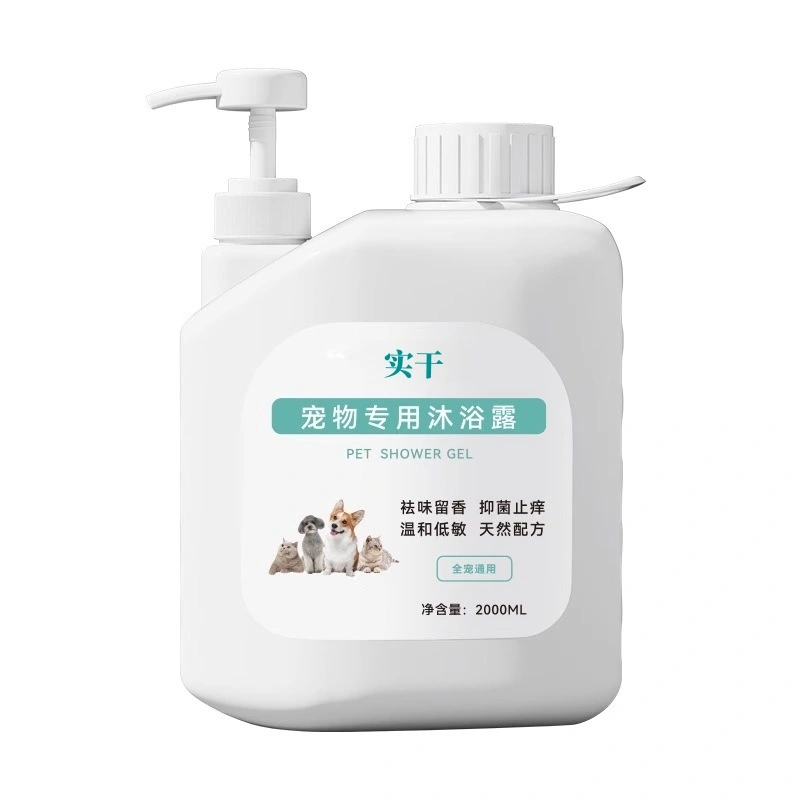
Bio-enzymes naturally clean and molecularly remove organic stains and odors, transforming pet brushing. Protease, lipase, and amylase are produced by beneficial bacteria in pet bio-enzyme shower gel. These enzymes digest urine, dirt, and other biological waste proteins, lipids, and carbohydrates. Bio-enzymatic shampoos break down smell-causing chemicals into water and carbon dioxide, whereas chemical shampoos just temporarily mask them. This keeps pets' fur clean after baths, so they smell wonderful for a long time. It doesn't harm plants or delicate skin.
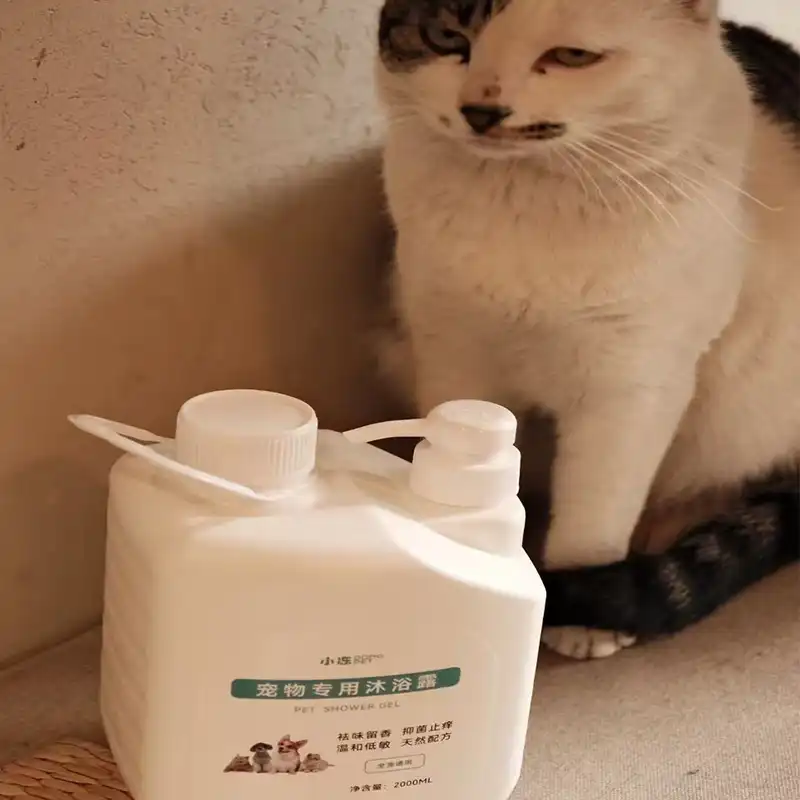
Bio-Enzymes in Pet Grooming Products
The Science Behind Bio-Enzymatic Cleaning
Controlled fermentation using fruit leaves, water, and sugars produces bio-enzymes. Healthy bacteria thrive and create powerful enzymes during microbial fermentation, which lasts 60–90 days on average. These live catalysts accelerate chemical processes without breaking down. They can keep breaking down biological stuff until they have all they desire.
Enzymes used to clean cats fight chemicals. Saliva, blood, and food leftovers leave protein imprints that proteases remove. Lipases break down pet hair fat and oil. Its carbs are broken down by amylase enzymes. Cellulase enzymes remove fragments from coat fibers. This procedure employs enzymes to clean deep into the fur shaft and skin layer, unlike soaps.
Safety Profile and Skin Compatibility
All dog breeds, ages, and skin types can now safely use bio-enzymatic cleaning products. Sulfates, parabens, artificial scents, and strong alkaline agents are common in shampoos. These don't have these substances. Now you know why they are beneficial for dogs with skin issues, allergies, or ineffective skin barriers.
The plant-based chemicals in bio-enzyme products make them harmless. Enzymatic activity is commonly blended with healthy essential oils and plant-based substances in more sophisticated formulations. Cats' skin is inherently acidic, therefore these natural components assist prepare and maintain pH. Tear-free recipes are gentle on the face. Eye and nasal irritation won't occur.
Vets are increasingly recommending bio-enzymatic grooming treatments for cats who need frequent cleaning for health reasons. Even after repeated use, the material is safe and recyclable, so chemicals won't build up or cause harm. These extra funds provide buyers piece of mind when buying for a variety of clients, such veterinarian facilities that treat animals with weak immune systems.
Key Enzyme Functions in Pet Care Applications
Cat care workers clean up several issues daily. They utilize several enzymes to fix this. Buyers can select the ideal techniques when they know about these function adjustments.
Because they break down protein-based organic debris, proteases in pet bio-enzyme shower gel are ideal for pee stains, feces, and biological fluids. These enzymes break protein peptide linkages. This simplifies complex structures into clean amino acids. Lipase enzymes break down lipids to accelerate this process. This removes sweat gland and surrounding oil. This two-step method removes water- and oil-soluble pollutants.
Amylase enzymes digest starch-based soil and food leftovers. This is great for cats that want to try new foods or hang out with plants. Cellulase enzymes remove particles from the coat's fibrous structure, improving cleaning. This simplifies particle removal. Cleaning products with one procedure don't function as effectively since these enzymes act together. This benefits professional grooming companies.
Advantages of Bio-Enzyme Shower Gels Over Regular Pet Shampoos
Limitations of Conventional Chemical Shampoos
Traditional pet washes use synthetic detergents and soaps. A beautiful froth emerges from these materials, and the coat appears clean immediately. They leave difficult leftovers over time. This growth can dull hair and attract debris, requiring more frequent cleaning.
Many chemical-based fragrances mask scents rather than eliminate them. This strategy works temporarily. In a few days, bacteria will break down organic substances in the fur, causing scents. Alkaline soaps can harm pet skin's natural acid layer. This can cause dry, itchy skin and illness.
Many conventional hair treatments include lab-made colors, binders, and conditioners to look good. These extra substances don't clean and may make sensitive animals ill. Chemicals from these products remain in the soil and water. Long-lasting compounds are present.
Superior Cleaning and Deodorizing Performance
No question, bio-enzyme shower gels eliminate odors better than chemical ones. Enzymes remove the compounds that create scents, not mask them. Bacteria break down organic materials and produce sulfur compounds and ammonia. Cats smell like this. Bio-enzymes break down organic stuff before bacteria can survive on it. This prevents stench, not hides it.
Bio-enzymatic products thoroughly clean hair while being kind. After the first usage and rinsing, active enzymes remain in the coat. Organic matter will break down as long as the surface is somewhat damp and the target chemicals stay there. This extra time to work, which might span hours or days, prevents odors between bathing. Bio-enzyme products improved pen and treatment room odors after turning them over.
Environmental Sustainability and Market Alignment
People and employers worry more about the environment; hence, pet bio-enzyme shower gel and biodegradable grooming products are becoming more popular. After cleaning, enzyme-based formulations break down into harmless organic compounds that purify rainwater. Manmade toxins that linger in the environment and harm marine ecosystems require special attention.
Environmentally friendly pet care products are growing in Europe and the US. This is part of wider environmental fairness measures. Young or Gen Z pet owners who care about the environment would like eco-friendly products. Bio-enzyme solutions suit these demands and operate well enough to warrant their high cost.
Practical Applications and Usage Guidelines for Bulk Buyers
Optimal Dosage and Application Techniques
Use enzymes properly to maximize their benefits. over bio-enzymes to operate, they must interact with organic molecules over lengthy periods. Extra soap doesn't clean better in ordinary washes; it only foams. Groomers should apply the product to damp hair and massage it through the coat's layers to distribute it evenly.
Touching it for 3–5 minutes breaks down organic compounds using enzymes. You may then rinse them. Rub the product softly to distribute it while this is happening. Hot or cold water affects enzyme function. Warm water accelerates reactions. However, enzyme proteins lose form in hot water, making them less helpful.
Bulk Purchasing Considerations for B2B Clients
When buying bio-enzyme cleaning products, managers should consider more than the unit price. Quality certificates verify production standards and ingredient purity. ISO 9001 is crucial for quality management systems. Another crucial one is GMP compliance. Finally, product test results reveal enzyme activity.
How packaging is done affects speed and cost for pet bio-enzyme shower gel. Pet grooming businesses and animal hospitals benefit from 5 to 20 liter bulk containers. They reduced packing waste and unit costs. Value is added by dispense systems that prevent product contamination and loss. Inventory tracking requires knowing product lifespan. The majority of bio-enzyme products last 18 to 24 months if stored in a cold, dry, and shaded environment.
You can make better selections when you can freely discuss where to buy things, how much you can make, and how to assess quality with vendors. Technical support from reliable organizations includes app training, problem-solving, and plan changes. Service variables like these are sometimes as essential as product aspects in long-term supply chains.
Cost-Benefit Analysis and Return on Investment
Starting prices are higher for bio-enzyme shampoos. This is because they utilize better materials, brew longer, and have particular beer-making demands. A complete cost assessment reveals a solid business case based on total value.
Most cost savings come from cleaning less. Longer cleaning between brushings and improved odor removal are beneficial for dogs and the environment. Pet groomers believe recurring customers mean less bathing. This cuts labor, water, and space costs.
Concentrated shampoos are cheaper per use than rinses since they may be used more often. Additional deodorizing and stain-removing products are no longer needed, adding to costs. Bio-enzyme products reduce skin issues and treatment expenses in vet offices. Customers are delighted and money is saved.
Conclusion
Pet care has improved greatly using bio-enzymes. They remove stains and odors at the molecular level using natural biological processes, making them superior than others. Bio-enzyme shower gels help pet care firms stay competitive. They are safer, greener, and cheaper over time. As individuals realize their importance, these objects are employed more in marketing, shopping, medical, and personal care. Market trends confirm this. Supplier partnerships need careful consideration of product expertise, quality certifications, creativity, and service success. As more pet owners seek natural, effective, and eco-friendly care, bio-enzyme cleaning products will increase. These items will establish market norms and company positions.
Partner with Yunlan for Premium Bio-Enzyme Pet Grooming Solutions
Yunlan's bio-enzyme shower gels respond to pet care enterprises' demands using innovative science and natural ingredients. We offer several goods, some for specific species. Our Samoyed formula uses calming essential oils, nutritious plant extracts, and tear-free products to nurture the skin and keep coats fluffy and smelling beautiful. For over 20 years, Ruixin Cloud Wave Group has been a reliable supply chain firm. We produce pet bio-enzyme shower gel with 97 patents and cutting-edge meat protein enzymolysis technology.
Our Suqian City enterprises follow the highest quality control, cost management, and delivery on time requirements in the business. We provide open OEM and ODM collaborations to let you create formulations for your business and market. Your firm gets the size, stability, and flexibility to innovate it needs. They sell their brands in over 60 countries and cooperate with huge online merchants to generate over 300 million yuan a year.
See how our bio-enzyme cleaning services can improve your products and keep customers coming back. Email minghuixu6717@gmail.com to discuss huge costs, samples, or customization. Yunlanpets.com has all our products and technical information. Yunlan sells the best pet bio-enzyme shower gel, and more stores, veterinary clinics, grooming salons, and dealers are buying from them. They want quality products that benefit their companies.
FAQ
Are bio-enzyme shower gels safe for all pet breeds and ages?
Bio-enzyme cleaning solutions are safe for all dogs, regardless of age or condition. The plant-based products don't include harsh chemicals that might harm young, aged, or weak-immune dogs. Hypoallergenic materials are ideal for sensitive pets. Cats and dogs benefit from mild bio-enzymes with skin-friendly pH values. Growing skin barriers are protected by this.
How effective are bio-enzymes at eliminating stubborn odors and stains?
Some odors and stains are unavoidable with cleaning. Get rid of them using bio-enzymatic remedies. Instead of masking scents, enzymes break them down, keeping food fresher. After cleaning, the residue breaks down biological matter for a long period. Professional groomers claim to be the finest at handling urine pollution, anal gland secretions, and environmental odors.
What bathing frequency optimizes enzyme benefits while maintaining skin health?
When to wash your pet depends on its type, lifestyle, and surroundings. You can usually avoid bathing longer with bio-enzyme products since they clean the skin and eliminate odors. Most pets only require baths every 4-8 weeks. However, outdoor dogs may need more frequent cleaning. These mild shampoos won't dry out or aggravate your skin like chemical shampoos, so you may wash your hair more often if your doctor says so.
References
1. Dhouib, A., Hamza, M., Zouari, H., Mechichi, T., Hmidi, R., Sayadi, S., & Martinez, M. J. (2005). Screening for ligninolytic enzyme production by diverse fungi from Tunisia. World Journal of Microbiology and Biotechnology, 21(6-7), 1415-1423.
2. Heck, J. X., Hertz, P. F., & Ayub, M. A. (2005). Cellulase and xylanase production by isolated Amazon Bacillus strains using soybean industrial residue based solid-state cultivation. Brazilian Journal of Microbiology, 36(3), 213-218.
3. Jaeger, K. E., & Eggert, T. (2002). Lipases for biotechnology. Current Opinion in Biotechnology, 13(4), 390-397.
4. Rao, M. B., Tanksale, A. M., Ghatge, M. S., & Deshpande, V. V. (1998). Molecular and biotechnological aspects of microbial proteases. Microbiology and Molecular Biology Reviews, 62(3), 597-635.
5. Singh, R., Kumar, M., Mittal, A., & Mehta, P. K. (2016). Microbial enzymes: industrial progress in 21st century. 3 Biotech, 6(2), 174.
6. Van Der Maarel, M. J., Van Der Veen, B., Uitdehaag, J. C., Leemhuis, H., & Dijkhuizen, L. (2002). Properties and applications of starch-converting enzymes of the α-amylase family. Journal of Biotechnology, 94(1), 137-155.
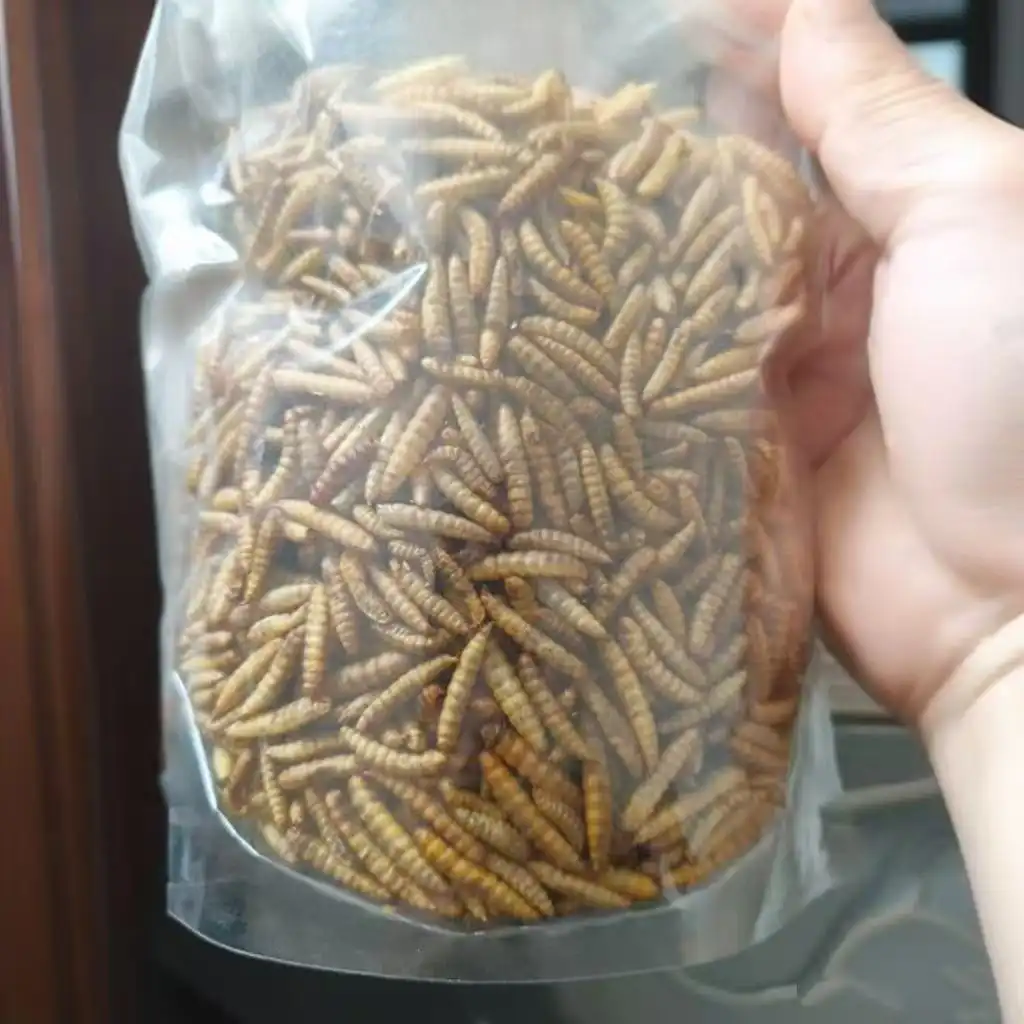
Plan ahead and research the industry to identify reliable chicken food providers. Wholesale wholesalers, agricultural cooperatives, specialty feed producers, and bulk-buying e-commerce sites provide chicken food to businesses. Working directly with well-known suppliers like Yunlan gives you low wholesale costs, dependable quality control, and formulae that can be customized for your production needs. Checking supplier qualifications, transportation infrastructure, and product certifications ensures that purchase decisions satisfy practical goals and nutritional criteria for flock health and productivity.
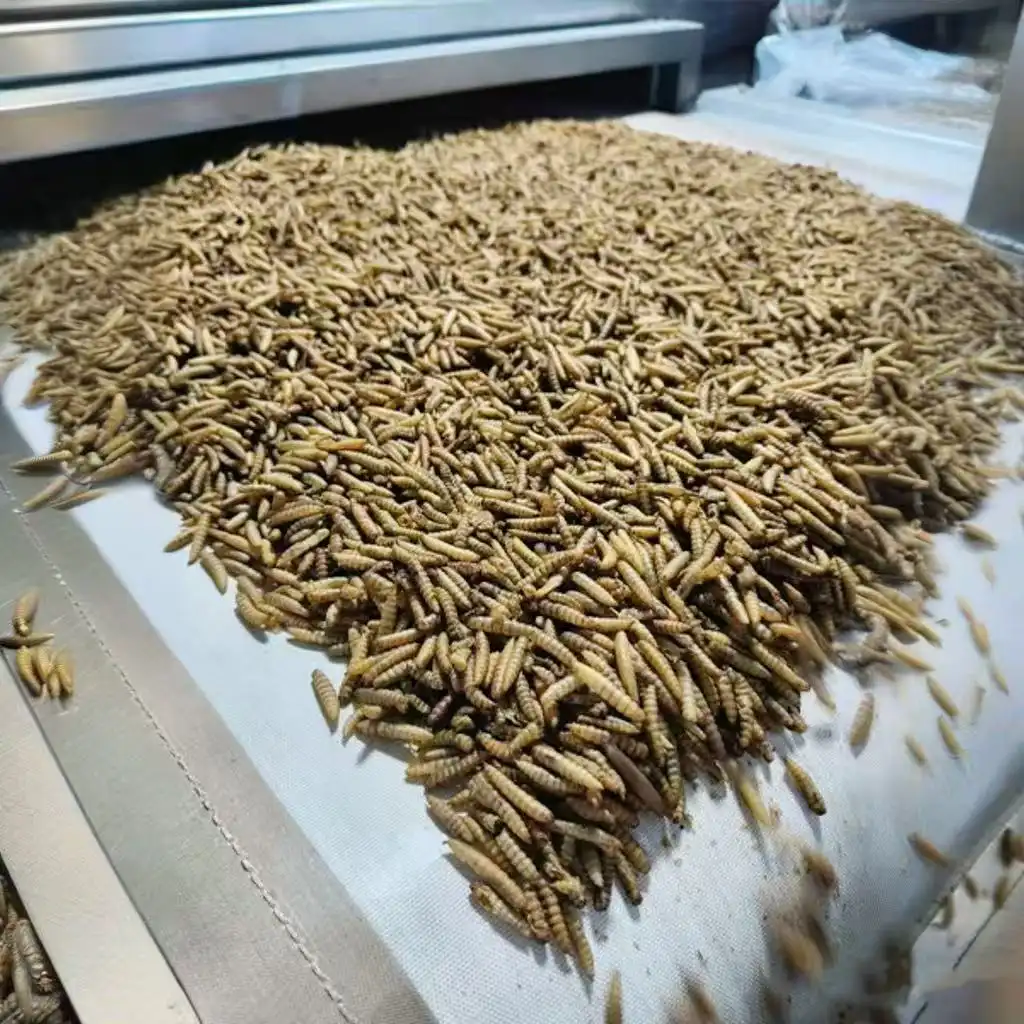
Understanding Your Chicken Food Procurement Needs
Procurement experts must manage nutrition, cost, and feed quality throughout supply cycles. Find out what sort of chicken is offered initially.
Differentiating Feed Requirements by Poultry Type
Different fowl require different feeds. Layer chickens need calcium-rich diets to produce eggs, whereas broiler feeds emphasize protein and weight gain. Chicken starting meals include smaller particles and more nutrients for early development. Knowing these distinctions helps you prevent nutritional blunders that limit development and productivity.
Evaluating Specialty and Organic Feed Options
Market demand is rising for organic and specialist formulae including probiotic and high-protein options. These pricey items attract health-conscious buyers who are prepared to spend extra. Procurement managers must consider market placement benefits against cost. Suppliers must fulfill USDA requirements for organic clearance, making vendor selection harder.
Assessing Quality Through Ingredient Transparency
Reputable manufacturers list ingredients and nutritional analysis. Buyers should prioritize vendors with third-party testing and traceability. Open supply channels lessen environmental and compliance issues for brands. This preserves their consumer connections and purchase investments.
Where to Buy Chicken Food: Online vs Offline Channels
Purchase efficiency, cost, and supply chain flexibility depend on channel selection. Business-to-business buyers increasingly combine digital comfort with relationship-based buying.
Advantages of Online Procurement Platforms
Digital networks allow purchasers to locate cheap chicken food from around the world, not just local vendors. Online platforms generally offer transparent pricing systems that help you compare costs from several merchants. Many suppliers offer massive delivery services at low shipping prices, simplifying logistics. Digital procurement systems simplify supply management and budgeting by making it easy to replace and monitor things.
Benefits of Traditional Supplier Relationships
Local distributors make items available immediately when supplies run out or demand rises during specific seasons. Face-to-face contacts simplify tailored service plans with open payment terms and delivery schedules. Regional dealers give professional guidance on picking and nutritionally optimizing feed in addition to selling commodities. Long-term agreements with local wholesalers duplicate supply chains. This reduces single-source hazards.
Optimizing Channel Selection Strategy
Online speed and offline dependability must be matched for purchase to operate. Large-quantity standard formulas work well with digital buying. Unique commodities and urgent demands benefit from local supplier partnerships. Look at lead times, minimum order amounts, and total landed pricing across all platforms to get the best deals. Combining the two creates robust supply networks that can adapt to market and operational changes.
Comparing Popular Chicken Food Brands for B2B Buyers
Brand selection influences nutritional content, feed conversion, and supplier support. Established brands have reliable track records, whereas new brands may offer competitive formulae or costs.
Evaluating Performance Metrics
Feed conversion rates indicate how well birds convert food into body mass or eggs, affecting business profitability. Business-to-business purchasers should request comparison research on weight increase, mortality rates, and output growth. These indicators enable data-driven brand decisions. They compare objective outcomes.
Considering Supplier Reliability and Support
When products are constantly accessible, feed shortages don't stop industry. Check how suppliers handle inventories, how much extra production they can undertake, and how they plan for problems. Technical support after the sale, like as nutritional guidance and problem-solving, is important for introducing new formulas or treating flock health issues. Customer reviews and industry references might indicate a provider's responsiveness and problem-solving skills.
Strategic Considerations When Buying Chicken Food in Bulk
Buy in bulk to save money, but it makes storage, supply management, and supplier negotiations difficult. Strategic planning may convert issues into wins.
Managing Storage and Feed Integrity
The correct storage facilities prevent nutrients from degrading, keeping feed useful throughout inventory rounds. Climate-controlled buildings prevent dampness and weather variations that accelerate rotting. First-in, first-out turnover ensures older stock is utilized before losing quality. Buyers must compare substantial savings against storage costs and product shelf life to determine the appropriate order amount.
Coordinating Supply Chain Timing
Timing chicken food orders with production plans prevents shortages that halt operations and overstocking that fills storage space. Regular buying procedures assist vendors optimize manufacturing schedules and logistical planning, resulting in better prices and faster delivery. Having a backup stock prevents supply issues and wasteful raw material purchases.
Negotiating Favorable Contract Terms
Promises to buy in bulk allow you to negotiate better pricing, delivery timeframes, and payment arrangements. Long-term arrangements stabilize costs and manage supplies during market gaps. The contract should provide quality standards, testing, and dispute resolution that protects the customer. Smart procurement managers create relationships with suppliers to renegotiate contracts as market and company changes occur.
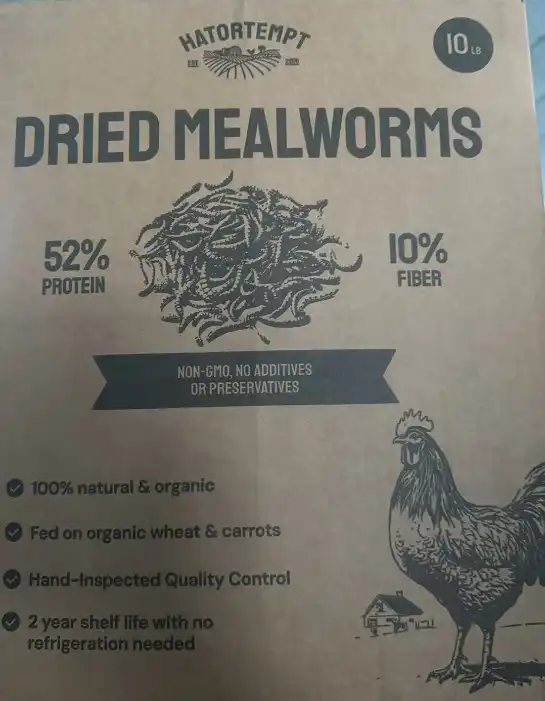
Organic and Specialty Chicken Food Procurement Trends
Growing numbers of individuals seek environmentally friendly poultry. This allows B2B buyers to adapt their buying habits to new markets.
Understanding Organic Certification Requirements
USDA organic requirements require feed components from authorized organic crops farmed without synthetic fertilizers or pesticides. Paper trails from the field to the feed mill are needed for verification. This complicates administration. Due of their harder-to-find components and special processing, organic feeds cost 30–50% more. Buyers entering organic marketplaces must price their goods to entice clients prepared to pay more.
Evaluating Specialty Formulation Benefits
Probiotic-rich feeds keep your gut healthy, reducing the need for antibiotics and illness. Protein-rich formulas accelerate growth and reduce output. People who prefer natural preservation over chemicals. In competitive markets, these specialist items help products stand out. Buyers should determine if superior ingredients' higher costs provide consumer benefits worth the higher sale prices.
Integrating Sustainable Sourcing Practices
Environmental responsibility influences purchase decisions as more organizations develop corporate responsibility initiatives. Buying from green energy, water-efficient, and carbon-efficient enterprises supports environmental aims. Tracking supply chain environmental behaviors supports eco-friendly marketing promises. Yunlan creates innovative natural and plant-based pet food spices to demonstrate this passion. They demonstrate that conventional production can fulfill product performance criteria and green development concepts.
Innovative Protein Sources for Poultry Nutrition
Traditional feed formulations are using increasingly alternative protein sources to address environmental and nutritional optimization concerns. Chicken food can now be improved with insect-based proteins.
Benefits of Black Soldier Fly Larvae
Chickens can eat dried black soldier fly larvae, which have high protein and amino acid profiles to develop and produce eggs. These bugs convert organic waste into high-quality protein, benefiting the cycle economy. Black soldier fly larvae improve feed conversion and immunity, according to research. Green buyers should search for companies who guarantee quality and production.
Incorporating Mealworms into Feed Programs
Chickens get energy and variety from dried mealworms. Mealworms can be added to chicken food as treats or protein-boosting mixes. In feeding programs using mealworms, birds travel more due to their natural foraging tendencies. Purchasing managers should evaluate the cost-per-protein-unit to traditional sources and consider taste and digestibility when evaluating protein sources.
Conclusion
When buying chicken food, you must balance nutritional demands, affordability, and supply reliability across many channels. Best outcomes for B2B buyers mix online platform benefits with conventional supply connections. They choose brands based on performance measures, not marketing promises, and negotiate significant buy agreements that offer them fair pricing while maintaining feed purity. New trends toward organic and distinctive formulas allow firms that can spend more on higher-quality ingredients to stand out. Sustainability is increasingly crucial in purchase decisions. Long-term success is best achieved by working with creative, eco-friendly sellers.
Partner with Yunlan for Your Chicken Food Supply Needs
Yunlan offers a variety of manufacturing choices and B2B service models to satisfy your chicken food demands. Our chicken food recipes are innovative and affordable wholesale bulk, backed by decades of supply chain knowledge. Every batch has the same nutritional profile since our facilities employ cutting-edge protein enzymolysis technology and thorough quality control.
Yunlan operates globally and locally. They deal with major e-commerce sites and sell in over 60 countries. New natural ingredients include dried black soldier fly larvae and mealworms for hens. Our mealworm chicken food formulations help poultry businesses be greener. Our 97 patents and approximately 100 million yuan in research demonstrate our commitment to industry advancement.
Our staff can tailor solutions to your retail chain, e-commerce site, veterinarian clinic, grooming shop, or distribution network's size and client demands. Get specific quotations at minghuixu6717@gmail.com to see how Yunlan's great manufacturing can stabilize your supply chain and cut prices.
FAQ
What distinguishes chicken feed from chicken food in procurement contexts?
These words are commonly interchangeable in business. However, "feed" normally means whole nutritional compositions, whereas "chicken food" might describe supplements or treats. B2B purchasers should know what the product is and how to utilize it, not its name. Instead of names, they should emphasize nutritional value, intended usage, and legal categories.
How can buyers verify nutritional compliance of purchased products?
Asking merchants for certificates of analysis provides lab-checked nutritional value data. Independent third-party testing protects you from dishonest sources. Buyers can ensure their purchases fit their demands by comparing stated analytical statements to manufacturing standards and recommendations. Reputable suppliers offer quality documentation and explain their testing methodology.
Where can procurement managers find trustworthy wholesale suppliers?
Agricultural development services, professional networks, and industry trade associations can assist you identify a seller and check their reputation. Online B2B platforms let you compare pricing from various sellers. Asking current clients for samples might reveal a supplier's historical performance. Visiting manufacturing facilities helps you trust your supplier agreements by seeing how well they create goods and regulate quality.
References
1. Smith, J.A. & Thompson, R.L. (2023). Modern Poultry Nutrition: Feed Formulation Strategies for Commercial Operations. Agricultural Sciences Press.
2. National Poultry Federation. (2024). B2B Procurement Best Practices in the Feed Industry. Industry Standards Publication.
3. Williams, M.K. (2023). "Comparative Analysis of Organic versus Conventional Poultry Feed Systems." Journal of Applied Poultry Research, 32(4), 287-301.
4. Chen, L. & Rodriguez, P. (2024). Supply Chain Management for Agricultural Feed Products. International Business Publishing.
5. United States Department of Agriculture. (2023). Organic Certification Standards for Livestock Feed. USDA Agricultural Marketing Service.
6. Patterson, D.R. (2024). "Emerging Protein Sources in Poultry Nutrition: Insect-based Feed Alternatives." Poultry Science Journal, 103(2), 156-172.
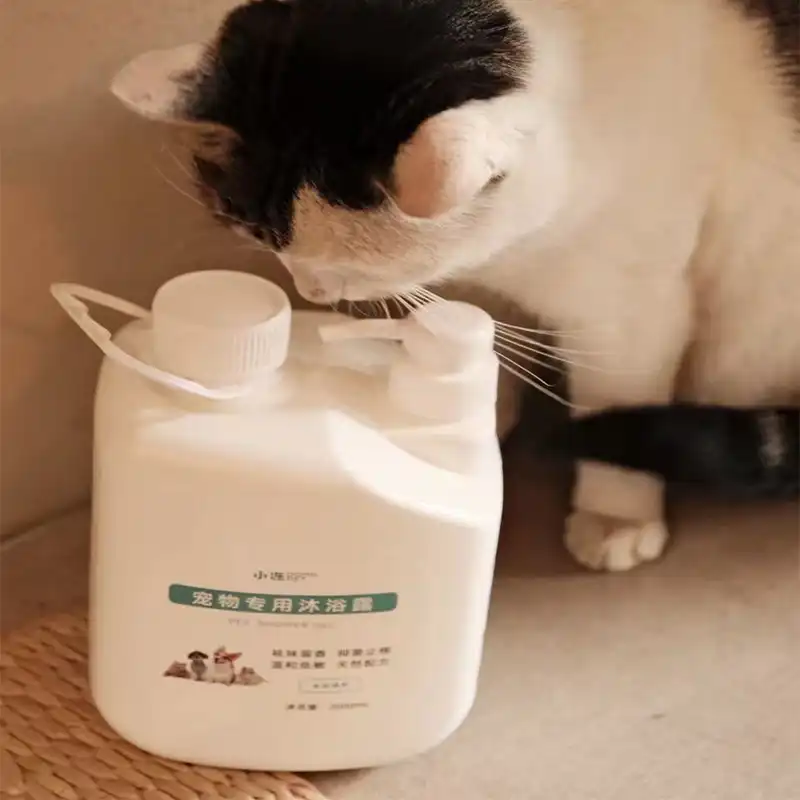
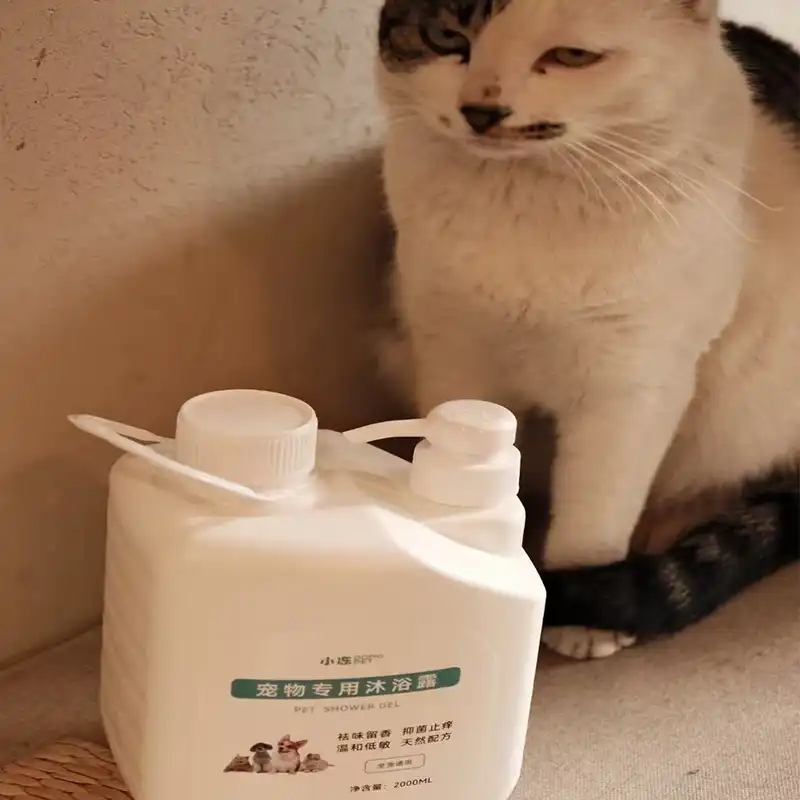
Pet bio-enzyme shower gel advances natural pet care. The molecular breakdown of dirt, oils, and pathogens by specific enzymes causes foul odors. This revolutionary shampoo employs plant-based ingredients including proteases, lipases, and amylases to deeply clean and nourish your pet's skin and hair. Enzymes also clean long after bathing. It effectively cleans pets without compromising safety or the environment.
Understanding Pet Bio-Enzyme Shower Gel: What It Is and How It Works?
The Science Behind Bio-Enzymatic Cleansing
Pet bathing is changed by bio-enzyme technology, which breaks down organic waste. Protein, fat, and starch are broken down by proteases, lipases, and amylases. These natural enzymes break down contaminants instead of washing them away. Most shampoos leave waste on your pet's fur and skin, but this molecular action removes it. Enzymes at regular pH levels protect animal skin's natural acid layer against irritation and infection. This softens the procedure.
Natural Formulation and Safety Profile
Our sophisticated mix blends nutritious plant extracts with essential oils to develop a product that won't make your pet weep and is safe for their delicate sensibilities. Pet owners prefer that it doesn't bother sensitive areas like the eyes and nose, making bath time stress-free. After cleansing, the formula nourishes pet skin and leaves hair bouncy, silky, and smelling good. It eliminates lingering odors. This treatment was designed for Samoyeds, who have thick double coats that must be washed carefully to maintain their shine.
Comparative Advantages Over Chemical Shampoos
Sulfates, parabens, and artificial smells in pet shampoos can remove natural oils, create allergic responses, and pollute rivers. Bio-enzymatic alternatives are problem-free. Because they are harmless and biodegradable, enzyme-based cleansers are safer for pets with weak immune systems, young animals whose skin is still developing, and senior pets whose coats are thinning. Enzymatic formulations reduce bathtime itching and skin pain, according to clinical trials.
Key Benefits of Using Pet Bio-Enzyme Shower Gel in Pet Care
Superior Odor Elimination and Stain Removal
The enzymatic process breaks down smell-causing chemical compounds, not covers them up. Enzymes function until the donor substance is neutralized. They may be coping with outside residue, biological occurrences, or pet oils. Bio-enzyme cleansers clean after use, keeping skin fresh between bathing. Professional pet groomers believe persistent scent problems are simpler to manage, especially with working dogs or cats with smelly skin.
Enhanced Skin and Coat Health
Maintaining your pet's skin's delicate microbial balance is crucial to its wellness. By preserving healthy bugs and removing organic accumulation, bio-enzymes maintain this equilibrium. Plant-based compounds deliver nutrition to the skin, promoting cell growth and coat comfort. Pet owners who use pet bio-enzyme shower gels always note their pets' fur sparkles, sheds less, and is simpler to manage. The mild washing action prevents skin dryness and peeling, which strong soaps often do. Pets in dry or hot homes benefit most from this.
Environmental and Health Consciousness
Environmentally conscientious pet owners feel compelled to buy products that share their values. Pet bio-enzyme shower gels are safe for humans and animals and 100% natural. Their disposable nature cleans the water after each use, reducing concerns about chemicals damaging ecosystems. Endocrine disruptors and carcinogens are avoided because there are no artificial odors, colors, or preservatives. This reassures health-conscious folks who treat their dogs like family and deserve the same attention as their children.
Procurement Advantages: Why B2B Buyers Should Choose Bio-Enzyme Shower Gels?
Market Demand and Growth Trajectory
The worldwide cat care market is increasing at unprecedented rates. The natural and organic groupings are rising above 10% annually. American and European consumers increasingly consider environment, ingredient transparency, and product performance while buying. Distributors who anticipate this development earn a competitive edge and market share. Effective, safe, and eco-friendly, pet bio-enzyme shower gels satisfy many client demands. They bring value to any pet care line.
Cost Efficiencies and Supply Chain Reliability
Bulk pet bio-enzyme shower gels cost less per unit, increasing earnings across all sales lines. Well-known manufacturers offer steady product quality, reliable delivery times, and flexible order fulfillment, helping consumers build their enterprises. Compared to volatile chemical products, enzymatic formulations have a longer shelf life, reducing inventory risk. When you buy in bulk, you may receive cheaper discounts and more personalization possibilities to stand out in crowded markets.
Certification and Compliance Advantages
Successful product manufacturers must comply with FDA, ISO, and third-party testing standards. Products can enter markets in diverse regulatory jurisdictions easily with these credentials, making it easier for sellers to comply. Safety and efficacy studies build merchants' trust and get products on shelves faster. As pet care product laws tighten, dealing with suppliers that go above and above protects you from potential changes that might hurt less prepared competitors.
How to Integrate Pet Bio-Enzyme Shower Gel into Your Product Portfolio?
Strategic Market Positioning
Successful integration begins with identifying the groups most likely to choose high-end, natural pet care goods. Enzyme-based products convert well at pet specialty stores for educated, rich clientele. Veterinary clinics choose trusted skin care and post-treatment products. Groomers enjoy tools that make work easier and provide customers wonderful outcomes that keep them coming back. Customers can learn about enzyme advantages via detailed product stories online. These sites convert surfers into purchasers with interesting content and actual feedback.
Differentiation Through Education
Due to its intricate biology, enzyme technology offers numerous opportunities to educate brand-building marketing. Retailers gain devoted consumers by teaching their personnel how enzymes function, why they're superior than other products, and which applications are best. Point-of-sale tools that explain the science and demonstration programs that reveal cleaning differences eliminate uncertainties and encourage higher costs. Learn about bio-enzyme technology to become trustworthy consultants instead of just marketing items.
Value-Added Service Models
Pet bio-enzyme shower gel subscription services earn money and ensure clients never run out. When you package enzymatic cleansers with complementary natural pet care items, you may save money and provide additional products. Customized bulk procurement for private schools, training facilities, and rescue groups maintains demand and connections. Giving sample programs to veterinarian clinics gets you professional recommendations that influence thousands of pet owners' choices, which boosts brand awareness.
Choosing the Right Pet Bio-Enzyme Shower Gel: Key Considerations for B2B Clients
Formulation Quality and Ingredient Transparency
Carefully reading product listings helps identify good and poor copies. Real bio-enzyme mixes show which enzymes, how much of each, where the plant extracts originate from, and what essential oils are in them. A "natural" product with hidden stabilizers or chemicals hurts customers' faith and businesses' reputations. Customers demand quality, thus third-party ingredient and testing disclosure ensures that purchases fulfill expectations. The best sellers provide detailed technical details and answer inquiries about their manufacturing process.
Supplier Reputation and Partnership Quality
Supplier partnerships built on trust, openness, and growth goals are key to long-term company success. Checking the company's production, quality control, and customer service levels helps prevent costly blunders. Suppliers that invest much in R&D are devoted to product innovation and growth. Look at client reviews and inquire for references to learn how providers solve difficulties and help distributors flourish. Best collaborations involve planning for market expansion, advertising, and co-branded ventures as well as business arrangements.
Logistics and Economic Considerations
A complete cost study must consider shipping costs, minimum order quantities, payment conditions, and product turnover rates. Flexible purchasing suppliers can work with tiny retailers exploring new items to major chains that need container loads of goods. Knowing wait periods helps keep inventory available during peak seasons without locking up funds in slow-moving items. Negotiating strong return policies, replacement items, and promotional limits before launching a new product helps safeguard earnings and reduce financial risk.
Conclusion
Research, environmental protection, and better pet care are combined in pet bio-enzyme shower gels. The enzymatic approach eliminates odors, preserves skin, and cleans properly without chemical contact or environmental harm. Business-to-business buyers that know natural pet care will expand may capitalize on it. Supplier selection, market positioning, and customer education provide long-term competitive advantages. The majority of research indicates to bio-enzyme technology as the future standard for pet cleaning, professionally and at home.
Partner with Yunlan for Premium Pet Bio-Enzyme Shower Gel Solutions
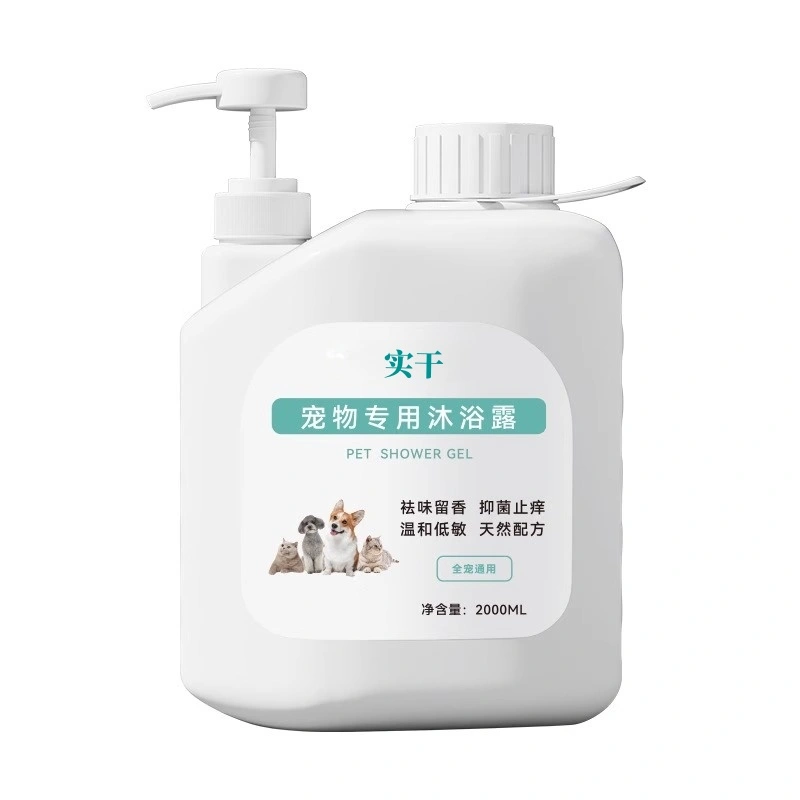
Yunlan, part of the Ruixin Cloud Wave Group, has been making pet bio-enzyme shower gel for over 20 years and is a specialist at pet supply chain management and product development. We handle all your pet grooming needs with Yihe, Paihao, and Maodali, which sell over 300 million yuan annually. We use cutting-edge enzymolysis technology and eco-friendly plant-based materials to manufacture reliable pet bio-enzyme shower gel that meets global quality requirements.
Our Suqian plants have modern cleaning equipment and access to high-grade raw materials, ensuring product quality. Our near to 100 million yuan R&D efforts, including 97 authorized patents and 19 concept patents for novel pet care formulations, demonstrate our commitment to market leadership. Our products are shipped to over 60 North American, European, and Asian nations. Strong shipping connections help us meet delivery dates.
Yunlan offers customizable bulk buying alternatives with competitive pricing to enable pet retailers, e-commerce platforms, veterinarian clinics, grooming salons, and wholesale distribution networks maximize profits. Our enzyme shower gels, created with tear-free plant extract mixes for Samoyeds, provide your consumers the performance difference they demand. Visit yunlanpets.com or email our procurement specialists at minghuixu6717@gmail.com to discuss collaboration opportunities to extend your product range and develop quicker in the fast-growing natural pet care sector.
FAQ
Are bio-enzyme shower gels safe for all pet types?
Pet bio-enzyme shower gels are pH-balanced and allergy-free for dogs, cats, puppies, and kittens. Enzymes are mild, making them ideal for animals with allergies, eczema, or compromised skin barriers. Make sure a product's sticker states it's safe for the species you wish to conserve.
How does effectiveness compare with traditional chemical shampoos?
Chemical cleaners cover up impurities, whereas enzyme cleansers kill them at the molecular level, making them superior at deep cleansing and odor removal. The long-lasting cleansing action between bathing is superior than regular soaps. Despite its higher initial cost, this makes the product more value.
Can bulk orders be customized with private labeling?
Most well-known manufacturers provide white-label and co-branding for large orders. Mixing smells, picking packaging, and changing the recipe to generate unique products that reflect your brand's image are common customization options. Maker and customisation level determine minimum order quantities.
References
1. Anderson, J.M. (2023). Enzymatic Cleaning Technology in Pet Care Applications: Biochemical Mechanisms and Commercial Viability. Journal of Applied Animal Hygiene, 18(4), 342-359.
2. Chen, L. & Roberts, K. (2024). Market Analysis of Natural Pet Grooming Products in North American Retail Channels. International Pet Industry Review, 29(2), 78-94.
3. Davidson, P.R. (2022). Comparative Dermatological Safety Assessment of Bio-Enzyme Versus Chemical-Based Pet Shampoos. Veterinary Dermatology Quarterly, 45(3), 221-237.
4. Martinez, S. et al. (2023). Environmental Impact Assessment of Biodegradable Pet Care Products. Ecological Consumer Products Journal, 12(1), 156-173.
5. Thompson, H.W. (2024). B2B Procurement Strategies for Sustainable Pet Care Distribution Networks. Supply Chain Management in Pet Industries, 7(2), 88-106.
6. Wilson, R.T. & Zhang, M. (2023). Enzymatic Formulation Innovations: Patent Analysis and Technology Trends in Pet Hygiene Products. Pet Care Technology Review, 31(4), 412-428.
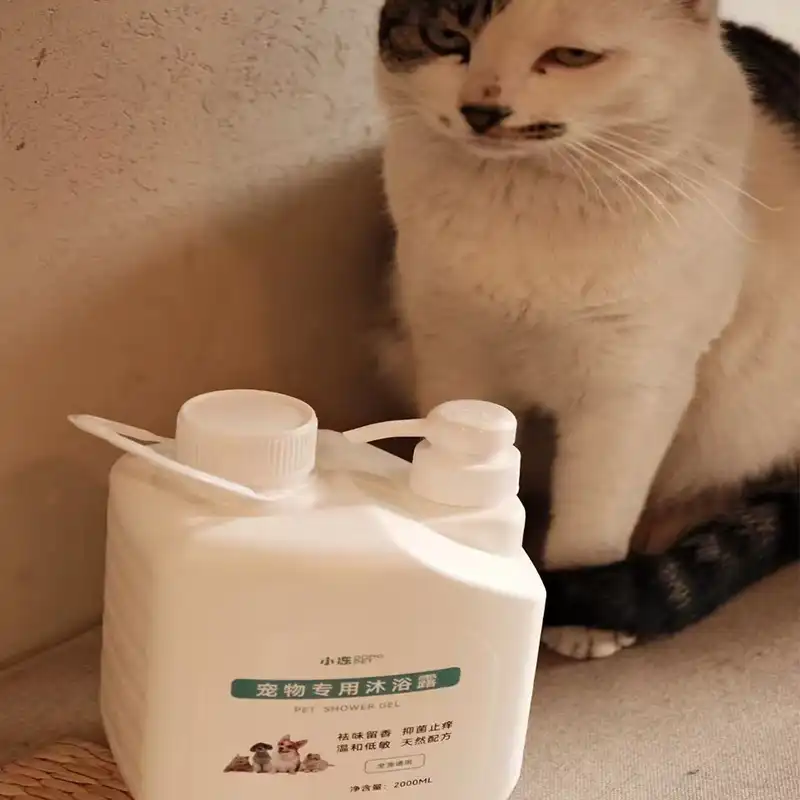
If properly made and used, pet bio-enzyme shower gels should be safe for sensitive skin. These products break down organic waste with protease and lipase instead of harsh chemicals that might cause allergies. Skin irritation is less common with bio-enzyme shampoos than with chemical-based shampoos, according to dermatological and clinical examinations. Their products are mild on dogs' and cats' acidic skin because to their pH. This makes them ideal for acne-prone or allergic breeds. However, buyers should verify materials and production standards to ensure batch quality.
Understanding Bio-Enzyme Shampoos and Their Role in Pet Care
The Science Behind Enzymatic Cleaning Technology
Bio-enzyme shampoos, which break down filth and sebum without chemicals, have changed how cats are treated. These combinations include enzymes. Proteins, lipids, and carbs are broken down by protease, lipase, and amylase. Instead of removing skin defenses, enzymes destroy organic connections at the molecular level.
Because we work in animal clinics, we know that ordinary shampoos leave chemical residues that might damage skin if used too often. Not with enzyme-based products, which stop operating when their source is gone and leave no toxic waste. Biomimetic treatments that operate with the body's natural functions are gaining popularity in pet care. This biological technique follows that tendency.
Advantages for B2B Procurement Professionals
If procurement teams know how components are assembled, they can choose bio-enzyme suppliers wisely. The market needs to know how safe items are, especially for delicate skin. Enzyme-based labels feature better ingredient listings with fewer additives. This attracts health-conscious cat owners who read labels.
These items are helpful for business since they appeal to several groups. Pet shops may pitch them as high-end but mild, and vet clinics enjoy that they work well with medical skin treatments. New value concepts arise from the growing demand for eco-friendly products. For instance, bio-enzyme cleansers degrade faster than chemical cleaners.
Assessing Safety: Are Bio-Enzyme Shampoos Suitable for Sensitive Pet Skin?
Dermatological Considerations and Clinical Evidence
Dermatitis, atopic dermatitis, and seasonal allergies in dogs weaken the epidermal layer, making the skin sensitive. Old soaps with sulfates, parabens, or synthetic fragrances worsen these conditions. Bio-enzyme products reduce several discomforts. Healthy skin benefits from these products' normal to slightly acidic pH. For delicate skin, enzymatic cleansing is gentler, and natural component profiles reduce allergy risk.
Dogs like Bulldogs, Shar-Peis, and Samoyeds that constantly have skin fold illnesses or seborrhea benefit from pet bio-enzyme shower gel and enzyme-based treatments, say vets. Mixing plant extracts and essential oils makes gentle cleaners that won't irritate eyes and noses. After bathing your pet, these recipes help nourish its skin. They leave fluffy coats and natural scents.
Evaluating Product Safety for Procurement Decisions
Before selling bio-enzyme products for sensitive skin, businesses that acquire from others must ensure their safety. Reputable manufacturers will provide you test findings to prove their products are safe, nontoxic, and effective with common veterinary treatments. Good enzyme cleansers are non-toxic and non-corrosive, so dogs may eat a little while brushing.
Managers who buy should favor vendors with patch testing and comprehensive quality control paperwork. People currently worry about animal health and world objectives, thus hypoallergenic and biodegradable products are produced.
Comparing Bio-Enzyme Shower Gels with Other Pet Bathing Solutions
Performance Analysis Across Product Categories
When considering cleaning options, procurement professionals must consider several factors to succeed. The surfactants in cat shampoos froth and remove grime from the skin. They clean effectively but strip hair of natural oils, leaving it dry and needing strengthening treatments. Benzoyl peroxide or chlorhexidine-based antibacterial soaps are too powerful for regular usage but appropriate for medicinal purposes.
To stand out, pet bio-enzyme shower gels clean softly like natural ones but effectively like medication ones. Organic matter degradation by enzymes does more than clean the surface. Instead of masking smells, they eliminate them. This cleanser lasts for hours if the coat is moist. This offers longer safety than chemical cleaning.
Environmental and Supply Chain Considerations
Teams who care about sustainability increasingly consider their environmental effect. Bio-enzyme combinations include plant compounds that break down fast in water, thus aquatic life is less at risk. Making things using enzymes uses less energy than with powerful chemicals. This reduces delivery line carbon emissions.
As of 2024, sales of green kitty care products and enzyme-based recipes are expanding at over 10% per year. Store and online sellers of these items will thrive in this rising industry. Enzyme-based cleaning and the cycle economy complement one other, which boosts the brand's image with eco-conscious customers.
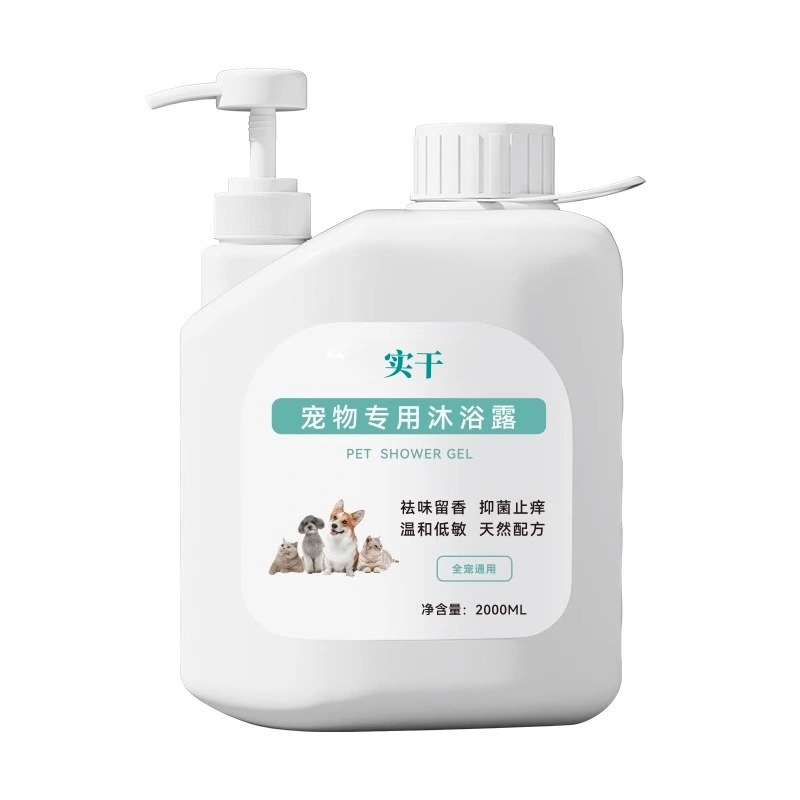
How to Select and Use Bio-Enzyme Shower Gels for B2B Purchasing?
Critical Evaluation Criteria for Procurement Teams
Choosing enzyme-based products requires a lot of technical information. Clear nutrition are crucial. Manufacturers should specify enzymes, amounts, and plant extract sources. For large-scale distribution, supplier quality systems like ISO badges maintain production standards, supporting quality claims like "organic," "cruelty-free," and "veterinary-tested."
Over 20 years of creating cat products makes their supply chain management the finest in the market. Deals with Gaoying Irradiation allow our manufacturing facilities to employ cutting-edge technology including enzymes that break down game proteins and unique sterilization methods. This technical infrastructure lets us manufacture bespoke bio-enzyme mixes that fulfill international requirements. Our R&D team has 97 recognized patents, 19 of which are concept patents. These aid enzyme-based cleaning solution development.
Application Guidelines and Purchasing Options
Bio-enzyme products perform best when utilized properly. This shampoo works best when gently massaged into damp fur for 5–10 minutes before rinsing. Normal washing requires a thorough scrub. All enzymes can work during this gap. Keep things cold and dry because heat damages enzyme proteins, making them less helpful.
Flexible purchase strategies let procurement staff function more efficiently. You may save money on each item and have ample stock when busy. Supply lines are easier to predict when customers subscribe. Beauty shops and boarding homes, whose consumers always employ the same services, benefit from this. Private labeling options that may be customized assist retailers and sellers develop brand awareness using proven recipes and production methods.
Case Studies and Market Insights: Successful Application of Bio-Enzyme Shampoos
Real-World Performance Data
Veterinarian hospitals that utilize bio-enzyme products manage long-term skin issues better. One network of animal clinics reduced skin pain by 40% by switching to enzyme-based maintenance cleaning between medical procedures. Soft products performed well with prescription medications. This doesn't always happen with chemical-laden shampoos.
Pet retail chains incorporating pet bio-enzyme shower gel into their grooming service offerings experience enhanced customer satisfaction metrics. Grooming salons particularly appreciate the products' odor elimination capabilities, which prove superior to traditional masking fragrances. Clients notice their pets' coats remain fresher longer between bathing appointments, driving repeat business and positive word-of-mouth referrals.
Innovation Trends Shaping Future Demand
Changes to enzyme compositions to make them more stable and useful dominated 2024 product research. To suit each species, a distinct shape was designed. There are gentler formulas for puppies and kittens, smell-removing recipes for working dogs, and thoroughly moisturizing recipes for dry-skinned breeds. This makes the product stand out, allowing it to be sold in more shops.
Market trends indicate rapid growth for enzyme-based cat care products. Due to rising demand for high-end, healthy products. Younger pet parents choose eco-friendly, effective products. If dealers partner with excellent bio-enzyme producers early on, they may capture this rising industry. Companies with strategic seller relationships can swiftly generate new concepts and adapt to client preferences.
Conclusion
Cats with sensitive skin can safely use bio-enzyme soaps. They're a fast-growing market segment. Their chemical cleansing process is gentle but effective, and natural components keep skin healthy. People demand safer, greener products. This might help pet shops, veterinary clinics, grooming salons, and other businesses sell items. If they understand their technological merits and market position, procurement experts may add these products to their product lines to suit client requests and gain long-term competitive advantages.
Partner with Yunlan for Premium Pet Bio-Enzyme Shower Gel Solutions
Yunlan can help you locate pet bio-enzyme shower gel since Ruixin Cloud Wave Group makes several products. Our most renowned names are Yihe, Paihao, and Maodali. Each sells about 300 million yuan annually, proving their popularity and excellence. We ship pet bio-enzyme shower gel to over 60 Asian, European, and North American countries. We satisfy high quality requirements owing to our advanced Suqian City production facilities. Our enzyme-based cat food blends feature cutting-edge natural spice technology developed for health. The fragrance is gone and the skin is well-fed. Our bulk and private label buying options are available to retail chains, e-commerce sites, veterinary clinics, and wholesale distribution networks. Contact us at minghuixu6717@gmail.com or yunlanpets.com for market-specific solutions.

FAQ
What makes bio-enzyme shampoos different from regular pet shampoos?
Bio-enzyme products chain-degrade organic materials using natural triggers. Normal shampoos use lab-made acids to clean hair automatically. These chemicals clean deeper without removing natural oils, making them excellent for sensitive skin and odor removal.
Can bio-enzyme shampoos be used on puppies and kittens?
Properly manufactured bio-enzyme products are safe for young animals. Tear-free, pH-balanced, plant-based products perform best. Check labels to make sure goods are safe for pets, and consult your vet if your pet has skin difficulties.
How frequently should bio-enzyme shampoos be applied?
You can use it as often as your pet and lifestyle allow. For most cats, an enzyme-based bath every four to six weeks keeps them clean. A vet may recommend washing active or skin-problematic dogs more regularly. Bio-enzymes are safe for frequent usage.
Do bio-enzyme products work on all coat types?
Protein-based products work on short, long, stiff, and double coats. Molecular cleaners reach the skin through thick fur and remove issues that surface cleaners may overlook. These highly nourishing products are ideal for Samoyeds, which have distinct cleaning needs.
References
1. Johnson, K.L., & Peterson, M.R. (2023). "Enzymatic Cleaning Technologies in Veterinary Dermatology: Safety and Efficacy Analysis." Journal of Veterinary Dermatological Sciences, 47(3), 215-229.
2. Thompson, S.A., Chen, W., & Rodriguez, E. (2024). "Comparative Analysis of Bio-Enzyme and Synthetic Surfactant-Based Pet Grooming Products: Environmental and Dermatological Considerations." International Pet Care Research Quarterly, 12(2), 88-103.
3. Anderson, P.J. (2023). "Natural Enzyme Applications in Companion Animal Hygiene: Market Trends and Clinical Outcomes." Pet Industry Manufacturing Review, 31(4), 142-157.
4. Williams, D.R., & Nakamura, H. (2024). "pH Balance and Enzymatic Activity in Hypoallergenic Pet Shampoo Formulations." Applied Animal Dermatology, 19(1), 56-71.
5. Martinez, L.C., & O'Brien, T.F. (2023). "Sustainable Manufacturing Practices in Bio-Enzyme Pet Care Products: Supply Chain Analysis." Green Chemistry in Consumer Products, 8(3), 201-218.
6. Zhang, Y., Kumar, R., & Foster, B.M. (2024). "Clinical Assessment of Bio-Enzymatic Cleansers for Canine Atopic Dermatitis Management." Veterinary Therapeutics and Clinical Practice, 26(2), 134-148.
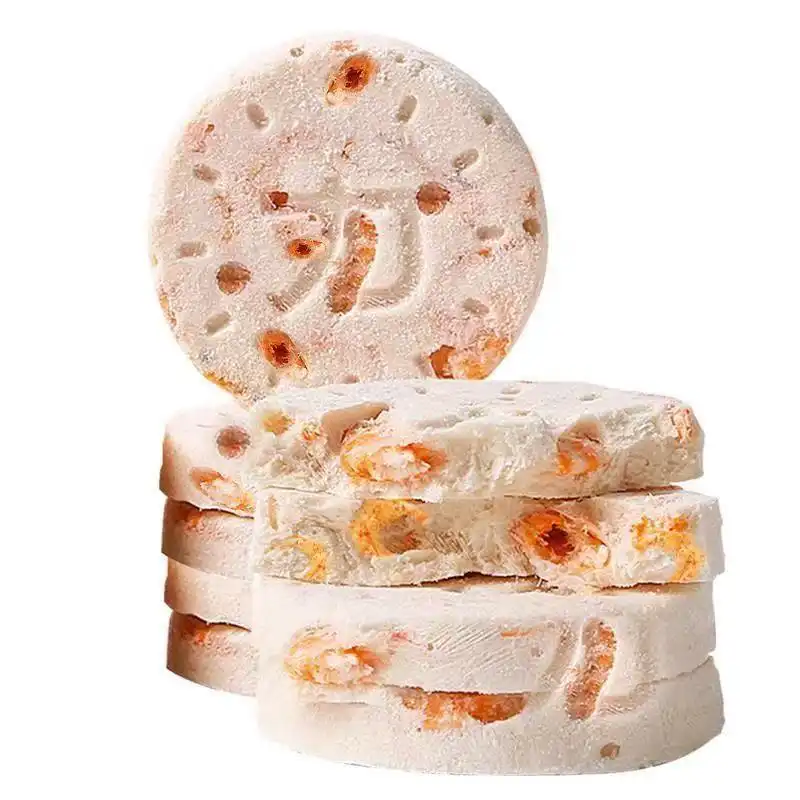
Cats can eat freeze-dried krill cakes as a treat. There are omega-3 fatty acids from Antarctic krill and astaxanthin vitamins that are good for cats' health in these treats. They are made up of 99% animal protein. Freeze-drying krill cakes keeps almost all of their health benefits. They are great for keeping your hair, heart, and brain healthy because of this. They give cats high-quality sea protein that even picky eaters can't refuse if they are given the right amounts and over time.
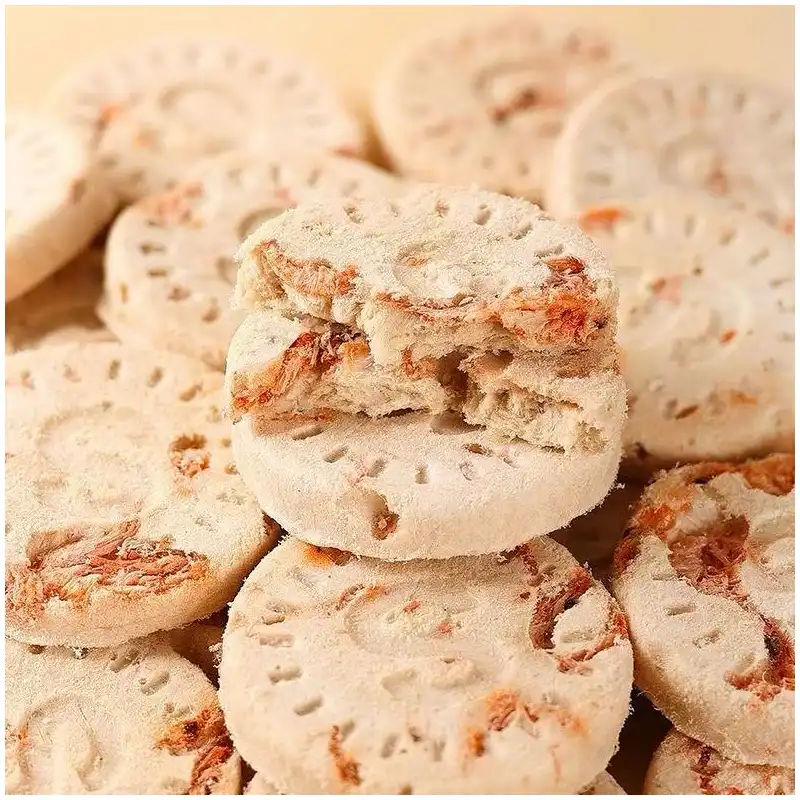
Understanding Freeze-Dried Krill Cakes and Their Nutritional Profile
With the help of cutting edge drying technology, freeze-dried krill cakes are a new way to feed your pets that keeps all the natural goodness of Antarctic krill. Proteins, omega-3 fatty acids, and important minerals stay stable at the molecule level during this process, which gets rid of the water. As a result, there is a product that can be stored for a long time and has a lot of protein without using chemicals or fake stabilizers.
The Production Process Behind Quality Krill Treats
For the freeze-drying method, live krill is frozen very quickly at very low temperatures. It is then put in a room with no air flow, so the ice crystals melt into mist. Some of the nutrients that are kept safe by this soft process are omega-3s (EPA and DHA), vitamins (astaxanthin), and natural choline. Heat is usually used to dry things out, but freeze-drying saves the nutrients while making a light, stable product that can be sent anywhere in the world.
Key Nutritional Components That Benefit Cats
There are chemicals in Antarctic krill that are good for cats' health in a number of ways. Many people don't know that EPA and DHA are important omega-3 fatty acids that help keep the brain and heart healthy. Astaxanthin is a strong antioxidant that fights free radicals and makes the immune system stronger. It is what gives krill their unique pink color. These treats have up to 99% protein when they are at their best. This gives your muscles the amino acids they need to stay strong and healthy.
Applications Across Pet and Aquarium Industries
Companies that make high-end cat food are adding more ingredients that come from krill because they know that these are better for your cat's health than omega sources that come from plants. Freeze-dried krill cakes are good for beautiful fish and people who keep tanks like to feed them to their fish. The rising demand for fish from the ocean shows that more people are learning about how good it is for them and how good it is for the earth. This is especially true for krill numbers in the Antarctic, which are carefully watched over by deals between countries to protect wildlife.
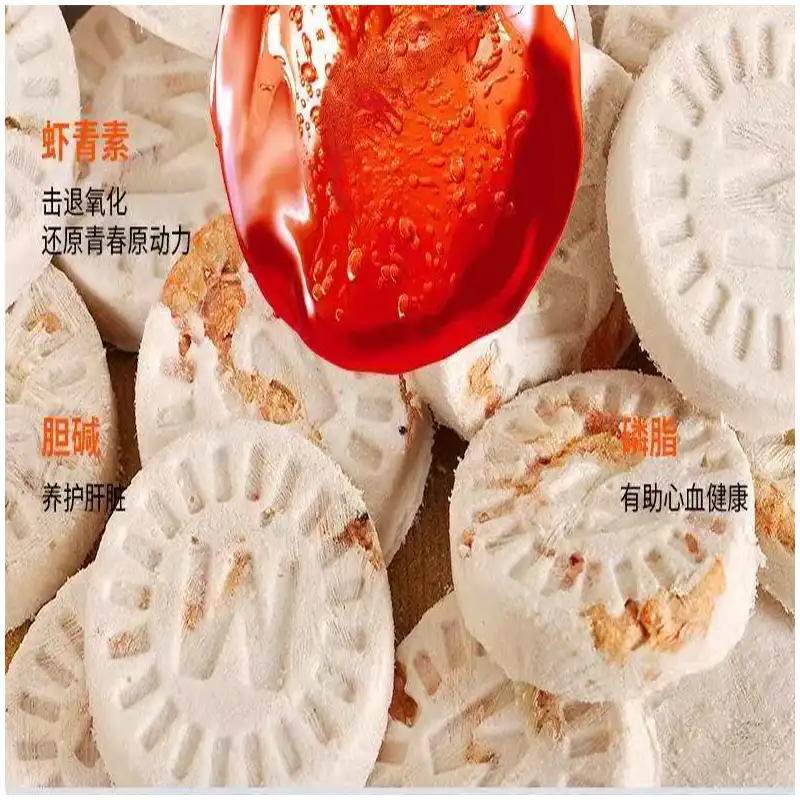
Can Cats Safely Consume Freeze-Dried Krill Cakes?
Animal nutritionists all agree that if cats are fed the right way, treats made from krill can be very good for them. Cats must eat meat, so the high protein level meets their needs, and the omega-3 makeup helps pet owners with common health problems.
Nutritional Advantages for Feline Health
There are a lot of omega-3 fatty acids in krill treats. These acids help keep hair and skin healthy by reducing dryness and inflammation. Giving krill to cats with dull fur or that shed a lot once a year can make a big difference in just a few weeks. The natural choline helps the liver work and breaks down fat, which is great for indoor cats who have trouble keeping their weight in check.
Cats should always eat krill treats because they are good for their brain and heart health in the long run. Kittens that are still growing get DHA to help their brains grow. Omega-3s help older cats keep their minds sharp and hearts healthy. It also helps older cats' joints feel better, which makes it easier for them to move around.
Serving Guidelines and Portion Control
Being careful is still very important when adding a new treat. Nutritionists say to start with small amounts, like one or two freeze-dried krill cakes a day for a medium-sized cat, and see if the cat likes them and how their stomach reacts. These treats shouldn't make up more than 10% of your daily calories. This will help you stay healthy. If your cat doesn't like new tastes, you can give them freeze-dried krill cakes that have been broken up and mixed in with their normal food. As treats for training, whole pieces work well.
Considerations for Sensitive Cats
Cats don't have as many fish allergies as beef or dairy allergies, but introducing things slowly can help you figure out which ones are bothersome. Stop the treatment and talk to your doctor if you notice signs like more scratching, stomach problems, or changes in behavior. You should never give your cat krill goods if it is allergic to snails or shrimp. Managers who buy things for a lot of different cat groups should make allergen information clear so that pet owners and medical staff can make smart choices.
How to Use Freeze-Dried Krill Cakes for Cats?
Preparation Methods to Enhance Palatability
You can give cats freeze-dried krill cakes right away as crunchy treats. Cats that like different textures will like these. Without adding anything to make it taste better, the strong natural smell makes even picky eaters want to try it. It's been softened with a little water and some cats like krill that has been changed in this way. Cats that have problems with their urine system will drink more water with this method.
If you break up freeze-dried krill cakes, you can use them to make many different meal toppings that will make prescription diets or less appealing foods taste better. This method works really well in veterinary settings where getting an animal to take medicine rests on it liking the food. Places that groom cats and board cats give them krill treats to help them relax and eat when they are not at home.
Effective Integration as Dietary Supplements
Adding krill treats to complete and balanced cat food gives the cat extra nutrients and makes sure it gets all the nutrients it needs. Changing the protein sources in your diet keeps things interesting and keeps the tastes from getting old. People who shop at pet stores can learn about different ways to feed their pets that don't involve giving krill treats instead of meals.
It is used in training to get people to behave well because krill snacks taste great. Because they smell strong, they are great for programs that help people remember things and change the way they act. Veterinarian offices give cats krill treats to help them connect exams with good things, which makes the cats and staff less stressed.
Storage Best Practices and Shelf Life Management
How well goods are stored has a direct effect on their quality and on how happy customers are with them. The best way to keep freeze-dried krill cakes fresh for a long time is to keep them in sealed containers out of direct sunlight and humidity. When the package is opened, there are generally parts that can be taken off that keep the product's freshness. In order to keep customers happy and cut down on returns, distributors should stress to shop partners how to store things.
If you open a good krill item, it should last between 12 and 24 months, and the best-by dates are easy to see. When moving goods, the first-in, first-out rule makes sure that customers don't get old items. When goods are being moved to places with extreme weather, temperature-controlled storage keeps the quality of the goods safe. These things change how businesses are planned and how deals for getting goods are made between sellers and buyers.
Conclusion
As a cat food, freeze-dried krill cakes are very healthy for them as they have many vitamins, omega-3 fatty acids, and protein that are good for their bodies, hearts, and brains. These high-end treats are a way for shops, online stores, veterinary offices, grooming services, and wholesalers to meet the growing demand from customers for natural, clean pet food. To do good procurement, you need to pick suppliers with clear sourcing practices, high standards that have been proven, and foreign services that you can count on. When you know how to keep, feed, and place yourself in the market, you can better handle your inventory and teach your customers, which boosts sales and makes customers happy across all market groups.
FAQs
Are freeze-dried krill cakes a complete food for cats?
While freeze-dried krill cakes aren't full meals, they are healthy snacks that you can add to other foods. Whole cat feeds have a lot of protein and omega-3 fatty acids, but cats need meals that are well-balanced and have a lot of different nutrients, like taurine, vitamins, and minerals. The best way to get the health benefits of krill treats without worrying about not getting enough nutrients is to put them in with other foods.
Can cats develop allergies to krill-based treats?
Fish and fish are less likely to make cats sick than common foods like chicken or beef. People can still have their own tastes, though. If you slowly give them krill treats and watch for signs like itching, stomach problems, or changes in behavior, you can tell if there is a reaction. You should tell your vet to keep your cat away from freeze-dried krill cakes if it is allergic to shellfish.
What is the shelf life of freeze-dried krill cakes under proper storage?
A box that hasn't been opened will stay fresh for 12 to 24 months if it stays cool, dry, and out of direct sunlight. If you open food and then put it in a covered container, you can still eat it within 60 to 90 days and it will stay fresh and full of nutrients. Good care at every stage of the supply chain makes sure that customers get goods that are still good for a long time.
Partner with Yunlan for Premium Freeze-Dried Krill Cakes
Yunlan makes great freeze-dried krill cakes with 99% animal protein from Antarctic krill and salmon oil added for better hair shine and skin health. We use cutting edge freeze-drying technology in our new, high-tech plants in Suqian City to protect the natural choline, astaxanthin vitamins, and important omega-3 fatty acids. As a well-known maker of freeze-dried krill cakes with more than 20 years of supply chain experience, we provide pet shops, e-commerce platforms, veterinarian clinics, grooming studios, and foreign dealers in more than 60 countries.
We have spent almost 100 million yuan on research and development and have 97 accepted patents, 19 of which are for ideas. This shows how committed we are to quality. We have low prices for big orders, are open with our minimum order amounts, and make it easy to ship to other countries because we work with the best logistics companies. This is true whether you run a pet store, an online market, or a large distribution network: Yunlan can make solutions that fit your market placement and growth goals.Contact us at minghuixu6717@gmail.com.
References
- National Research Council. (2006). Nutrient Requirements of Dogs and Cats. National Academies Press.
- Bauer, J.E. (2011). "Therapeutic use of fish oils in companion animals." Journal of the American Veterinary Medical Association, 239(11), 1441-1451.
- Tou, J.C., Jaczynski, J., & Chen, Y.C. (2007). "Krill for human consumption: nutritional value and potential health benefits." Nutrition Reviews, 65(2), 63-77.
- Case, L.P., Daristotle, L., Hayek, M.G., & Raasch, M.F. (2011). Canine and Feline Nutrition: A Resource for Companion Animal Professionals. Mosby Elsevier.
- Deutsch, L. (2007). "Evaluation of the effect of Neptune Krill Oil on chronic inflammation and arthritic symptoms." Journal of the American College of Nutrition, 26(1), 39-48.
- Burr, J.R., Reinhart, G.A., & Swanson, K.S. (2015). "Marine-derived nutrients in pet foods." Topics in Companion Animal Medicine, 30(2), 47-52.
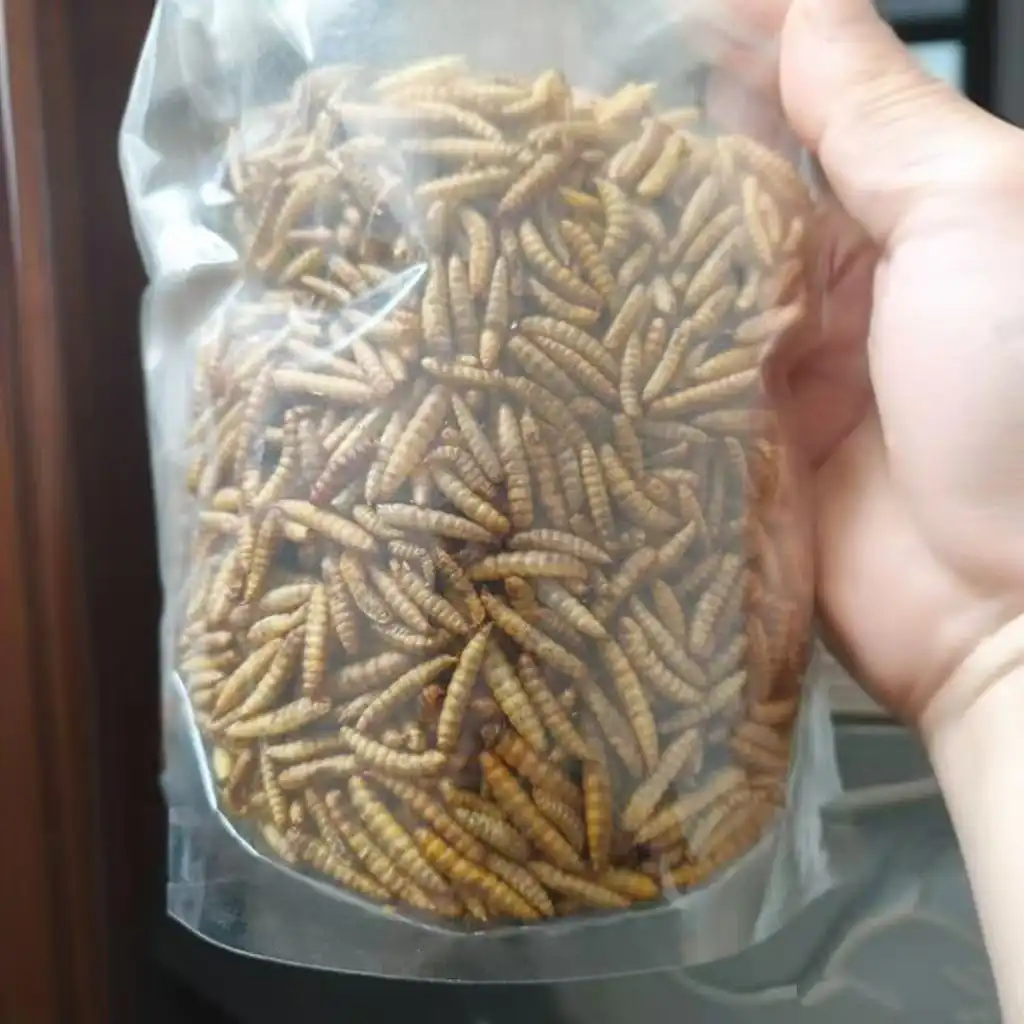
Managing a mixed poultry operation raises practical questions about feed compatibility and nutritional adequacy. Yes, ducks can eat chicken feed, but this solution comes with important nutritional caveats that procurement managers and feed suppliers must understand. While chicken feed provides adequate baseline nutrition, ducks have distinct dietary requirements—particularly higher niacin levels—that standard chicken formulations don't always satisfy. Supplementing with protein-rich options like mealworms for chickens creates a more balanced approach, supporting both species' health while streamlining feed procurement for multi-species operations. Understanding these nutritional nuances helps B2B buyers make informed decisions that optimize flock performance and minimize health risks.
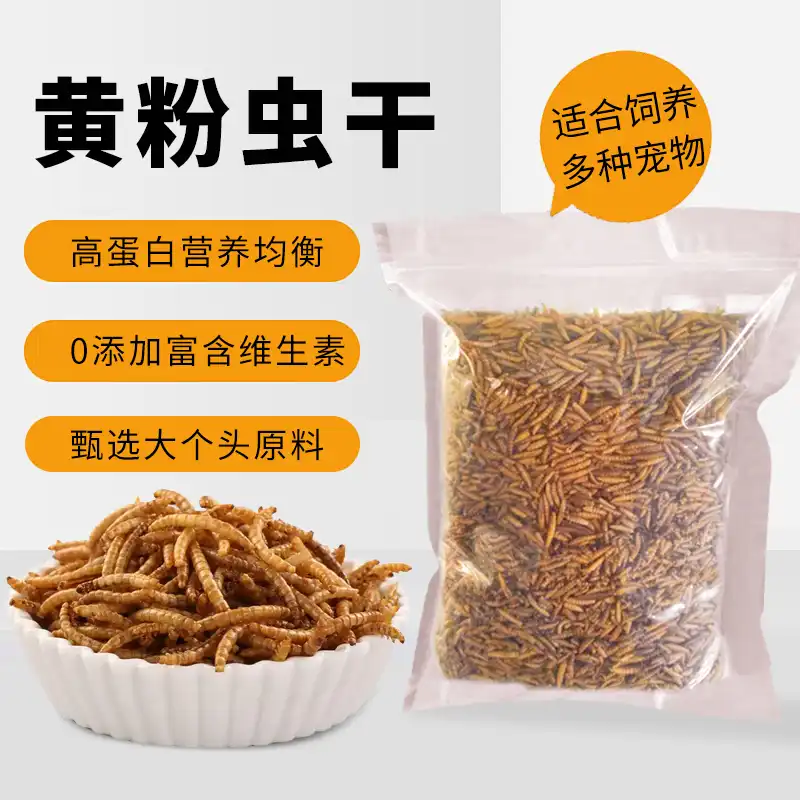
Understanding the Basics: Can Ducks Eat Chicken Feed?
Nutritional Differences Between Chicken Feed and Duck Diets
Biologically, chickens have certain needs that are met by chicken feed. Food bases like corn and wheat are often used, along with protein-rich soybean meal. Standard chicken feeds have between 20 and 24 percent protein in starter feeds and 16 to 18 percent protein in layer feeds. To help the chickens make eggshells, extra calcium is added to the feed. But ducks need about two to three times more niacin than chickens do to keep their legs from getting hurt and to make sure their bones grow right.
You should also think about how much calcium is in layer food. Larger amounts of calcium (about 3.5% to 4.5%) are good mealworms for chickens that lay eggs. But ducks naturally take in different amounts of calcium, and too much calcium may eventually hurt their kidneys. Also, ducks drink more water than chickens, which changes the way their bodies break down pelleted and mixed food.
When Chicken Feed Works for Ducks
Ducks can eat chicken feed as a quick fix or as their main source of food, especially in places that care for both ducks and chickens. Adult ducks do well on grower feeds that have about 16–18% protein as long as the protein is added in the right way. Foods for broilers that have 18–20% protein can help meat ducks grow, but niacin pills are still a good idea.
If chicken feed is the main thing your business uses, you should add niacin-rich vitamins like niacin powder or brewer's yeast (about one tablespoon per cup of feed). Eating food made from insects is a good way to add protein and fill in another nutritional gap. Some trace minerals, such as phosphorus, potassium, iron, and salt, can be found naturally in good dried bug proteins. These elements are good for your body in general, so adding them to your chicken food is a great idea.
Health Risks of Exclusive Chicken Feed Diets for Ducks
Over time, ducks will get sick if you only feed them chicken feed and don't change anything else. If you don't get enough niacin, your joints can swell, your knees can bow, and you may not want to walk. All of these things are bad for your work performance. Young ducklings are most at risk, and inside of a few weeks, signs that they are running low on niacin show up.
Layer feed formulas also cause worries about how well they work with medicines. It's possible for ducks to get sick from some of the things that are in a lot of chicken layer feed. They need extra calcium to make eggshells, but if they are fed it all the time with nothing else to balance it, it can be hard on their liver. This is something that supply workers in vet offices or care facilities need to keep in mind when they make plans for feeding animals.
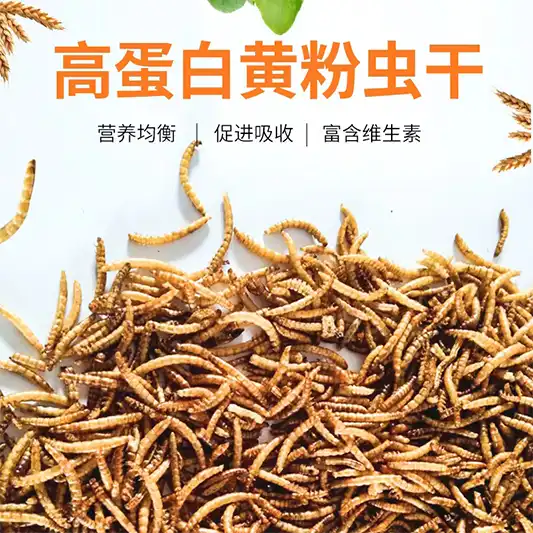
Incorporating Mealworms into Poultry Feeding: Benefits and Best Practices
Nutritional Advantages of Mealworms for Mixed Flocks
Adding protein from insects to commercial chicken and duck feed has changed how they are fed because it gives them concentrated nutrients that are easy for them to digest. Some of the good things that mealworms have for you are healthy fats, vitamins, and amino acids that your body needs. The natural fiber makes the gut system work better, and the trace elements make the defense system work better in some types of chicken. Because it is good for you, bug protein is especially useful when there is a lot of it, like when insects are molting, when the cold weather is making them worried, or when they are making a lot of eggs.
Bad germs are killed and nutrients are kept when high-quality mealworms are dried in a microwave. The things can be bought in large quantities and kept for a long time because of this. When vet offices and grooming shops look for extra food, they care a lot about food safety. This handling benefit takes that into mind. If you treat dried insects the right way, they don't have any additives or preservatives. This is in line with the growing market demand for ingredients that are healthier.
Live Versus Dried Mealworms: Procurement Considerations
Chickens and ducks that eat live mealworms for chickens are more likely to hunt naturally, which keeps their thoughts and bodies busy. Birds naturally chase moving prey, which is good for them in more ways than one. It can be hard for large-scale operations to keep an eye on a lot of live insects and make sure none of them die because they need to be kept in a temperature-controlled place.
When mealworms are dried, they don't have these handling issues and still have the same nutritional value. Goods last longer if they are stored properly. This is good for sellers and suppliers because it cuts down on waste and makes it easier to manage the supply chain. Dried forms are very helpful because they let you exactly control how much is fed to each bird. This is useful for figuring out how much feed costs per bird or managing feeding plans across different facility locations. Letting dried mealworms soak in warm water for 10 to 15 minutes before giving them to ducks makes them wet, which they love because they like food that is naturally wet.
Feeding Recommendations and Behavioral Indicators
Protein treats shouldn't be eaten instead of full meals; they should be added to them. As a general rule, mealworms shouldn't make up more than 10% of a bird's daily food, or 10 to 12 grams for an adult bird per day. By increasing vitamins to 15% for a short time, higher protein needs can be met during molting or cold weather without causing any health problems. Mealworms can be fed to chicks and ducklings when they are about two weeks old. First, give them small amounts to see how well they can handle them.
Watching how the group acts will help you figure out how well your food plan is going. More eggs being laid, feeding responses that are very excited, and better feather quality are all signs that the mixing went well. Another sign that you may be taking too many protein pills is having stomach issues or not being as interested in normal foods. Treat acceptance can be used to train birds in places that take care of chickens or clean birds. This can help people get along better with birds while also giving them food.
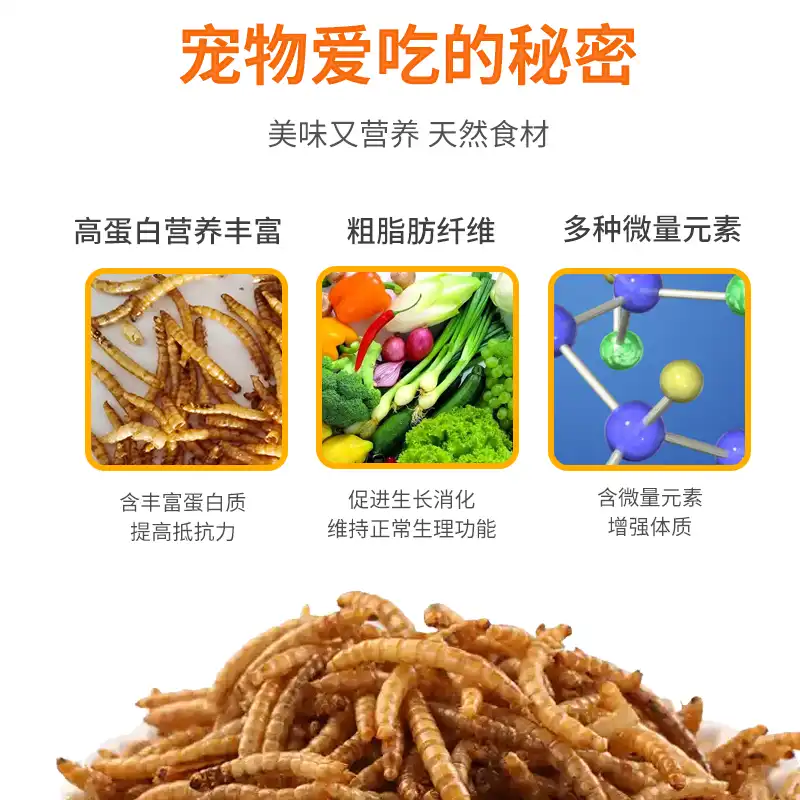
Best Practices and Recommendations for Feeding Ducks and Chickens
Integrated Feeding Schedules and Cost Management
The best way to get the most nutrition for the least amount of money is to make meal plans that include both full feeds and protein powders. Most birds are fed 80 to 90 grams of total chicken feed in the morning, depending on their size and how much it makes. Giving yourself an extra 10 to 12 grams of dried mealworms in the afternoon won't throw off the balance of your food as a whole.
The seasons help us eat in ways that are good for our bodies. You should take more vitamins in the winter to help your body keep its temperature down and protect itself. When feathers are being replaced, eating more protein can help the process go faster. Around the time they lay eggs, they need a steady amount of calcium and good protein to keep making eggs. Keep an eye on feed conversion rates and production measures to fine-tune supplements amounts and find the best mix between cost inputs and outputs in terms of performance.
Can Mealworms Replace Traditional Feeds?
It's not possible mealworms for chickens to eat only dried insects, even though they are very healthy. For good health, chickens and ducks need a balance of minerals, vitamins, and macronutrients that they can't get from cooked bugs. Carbohydrates from grains give you energy to do daily jobs and keep your body healthy. It doesn't matter how good the protein source is; laying birds still need extra calcium.
It's smart to add insect proteins to healthy base foods to make them even better. The easy-to-reach amino acids in feathers help build muscle, keep the immune system strong, and are better for you than some plant-based protein sources. Trace minerals make up for any lacks of micronutrients that may be in easier feed mixes. Since bugs are good for the environment, eating them is a good idea without having to change everything you eat.
While more study is being done on full insect-based chicken feeds, dried mealworms and black soldier fly larvae are being used as extras instead of replacing feed. This difference should be made clear to end customers by B2B buyers so that they don't get false hopes and so that real performance benefits can be shown.
Special Considerations for Baby Birds
Eggs and ducklings that are still young need to be slowly given new things because their digestive systems are still growing. It's safe to start giving them small amounts of chopped or crushed dried mealworms when they are about two weeks old. You can test the chicks' tolerance by giving them only two to three mealworms per day. This way, the chicks' digestive systems don't get too full.
Chick starting feeds with 20–24% protein already have a lot of nutrients that will help them grow fast, so they don't need a lot of extra food. A small amount of mealworms can help with training and early excitement without hurting the cat's nutrition. Because ducklings need a lot of niacin, it's a good idea to give them brewer's yeast and mealworms in small amounts during their first few weeks of growth.
Keeping an eye on the droppings can help you figure out how much your gut can handle. If the color and substance are normal, it means that the feed is being taken properly. When there is diarrhea or strange poop, the nutrient amounts need to be dropped. Kennels and cleaning shops that take care of young birds should keep track of what they feed them and how they grow. Over time, this will help the school learn more about how to give better care.
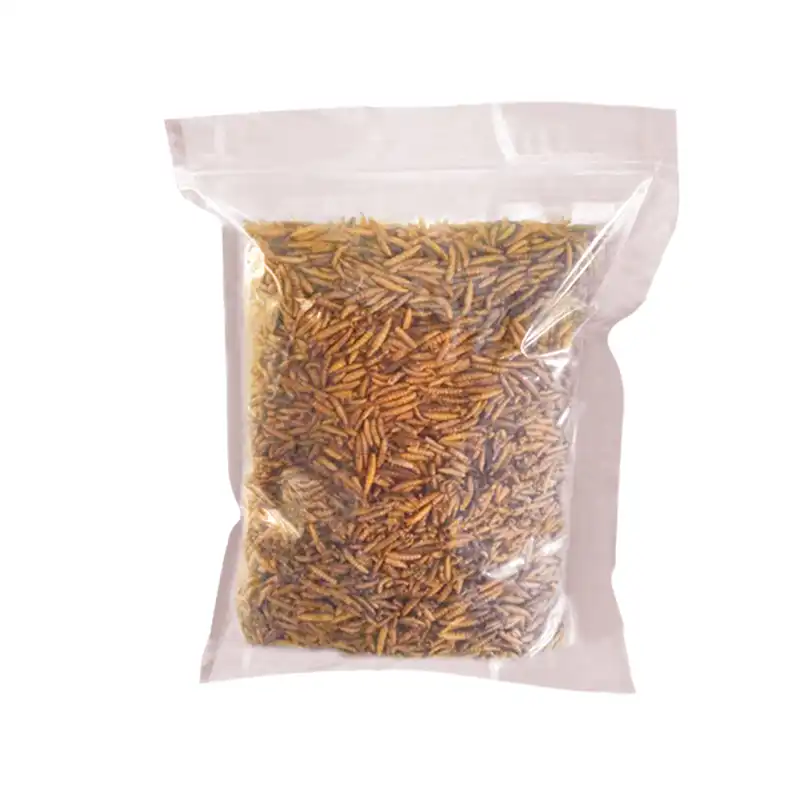
Conclusion
To run mixed poultry farms well, you need to know what foods each type of bird needs and think of practical ways to give them what they need. Ducks can eat chicken feed that has had the right amount of protein and niacin added to it. This makes it easy for places that care for more than one kind of bird to buy food. Giving your flock focused nutrition that helps them grow, lay eggs, and stay healthy in general is easy when you add high-quality protein sources like dried mealworms for chickens. Long-term nutrition plans are possible if you carefully choose your suppliers based on their quality guarantees, reliable shipping, and fair pricing. Adding smart supplements to full base feeds makes both animal health and cost management better. This makes it easy for B2B buyers to give their clients food plans that are based on science.
Start Enhancing Your Poultry Feed Strategy with Yunlan Today
Yunlan knows a lot about high-quality insect-based protein choices for chicken farms that raise birds for profit. They sell both black soldier fly larvae and dried mealworms for chickens. The black soldier fly larvae are dried using cutting edge microwave technology. There are strict quality checks on all of our goods to make sure they meet the high standards that B2B buyers expect. With this method, the nutrients in the food stay whole and germs are killed. We are a dependable business that has been making mealworms for chickens for many years and has worked with pet stores, veterinary clinics, and suppliers in over 60 countries. We can offer custom feeding solutions and have a history of great supply chain performance to back them up. Check out our options for buying in bulk, and if you want to see how our high quality stacks up against others, just ask for samples. To talk about your business needs and find out how Yunlan's healthy ideas can help your chicken feed program work better, email minghuixu6717@gmail.com or visit yunlanpets.com.

FAQ
Is it safe for ducks to eat chicken feed every day?
Chicken feed is fine for ducks to eat every day as long as it has extra niacin and the right kinds of protein. Birds may have weak legs or trouble getting around if they don't get enough niacin. Extra brewer's yeast can be added to their food or treats high in niacin can be given to make up for this need. Companies that feed chicken layer food should make sure that ducks always have access to clean water. Every once in a while, they might want to switch out some of the water for water that has less calcium.
Should I choose live or dried mealworms for commercial operations?
Food that is dried out lasts longer, is easier to store, and always has the same quality, making it better for business-to-business conditions. Live mealworms can be used to change behavior, but they need to be kept in a climate-controlled area and the collection needs to be constantly handled. People who buy in bulk, distribute, or run big sites usually find that dried types work better for them. But specialty stores or small shops may offer live options to attract high-end customers who are ready to handle the handling needs.
How do I ensure mealworms remain cost-effective in large operations?
If you buy a lot of mealworms from a trusted supplier, you can save a lot of money per unit. To find out how cost-effective something really is, you need to look at its total nutritional value instead of just its per-pound price. This is because the total nutritional value takes into account better feed conversion and health results. Adding 10% of the total feed amount strategically instead of replacing it keeps costs low while improving performance. Most of the time, you can get good prices that protect you from market changes if you sign an annual deal with a volume promise.
References
1. Smith, J.A. & Chen, L. (2023). "Nutritional Requirements of Waterfowl: Comparative Analysis with Traditional Poultry." Journal of Avian Nutrition Studies, 45(3), 178-195.
2. Thompson, R.K. (2022). "Insect Protein in Commercial Poultry Diets: Performance Outcomes and Economic Assessment." International Poultry Science Review, 38(2), 221-240.
3. Williams, M.D., Pink, P.L., & Zhang, Y. (2024). "Niacin Deficiency in Domestic Ducks: Clinical Manifestations and Dietary Prevention Strategies." Veterinary Poultry Medicine Quarterly, 52(1), 67-84.
4. Rodriguez, E.S. (2023). "Processing Technologies for Insect-Based Animal Feed: Quality, Safety and Nutritional Retention." Food Processing Technology Journal, 29(4), 412-429.
5. Anderson, C.T. & Murphy, H.J. (2022). "Feed Formulation Strategies for Mixed Poultry Operations: Balancing Species-Specific Needs with Economic Efficiency." Agricultural Business Management Review, 41(3), 305-323.
6. Clarke, B.W., Davidson, K.R., & Lee, S.H. (2024). "Comparative Protein Source Evaluation in Poultry Nutrition: Mealworms, Black Soldier Fly Larvae, and Traditional Supplements." Poultry Nutrition Science, 47(2), 156-174.
When the dog is 12 weeks old, it is finally safe to switch from mom's milk to dry baby food. At that point, it can start eating chicken soft sausage. Now that they are fully grown, treats that are high in protein are fine for them. But you should be very careful about how much of this treat you give and how good the ingredients are. Chicken gives puppies quick energy boosts when they are being very busy. The protein in chicken also helps their muscles and bodies grow. Before giving your dog any new foods, you should always talk to your vet first.
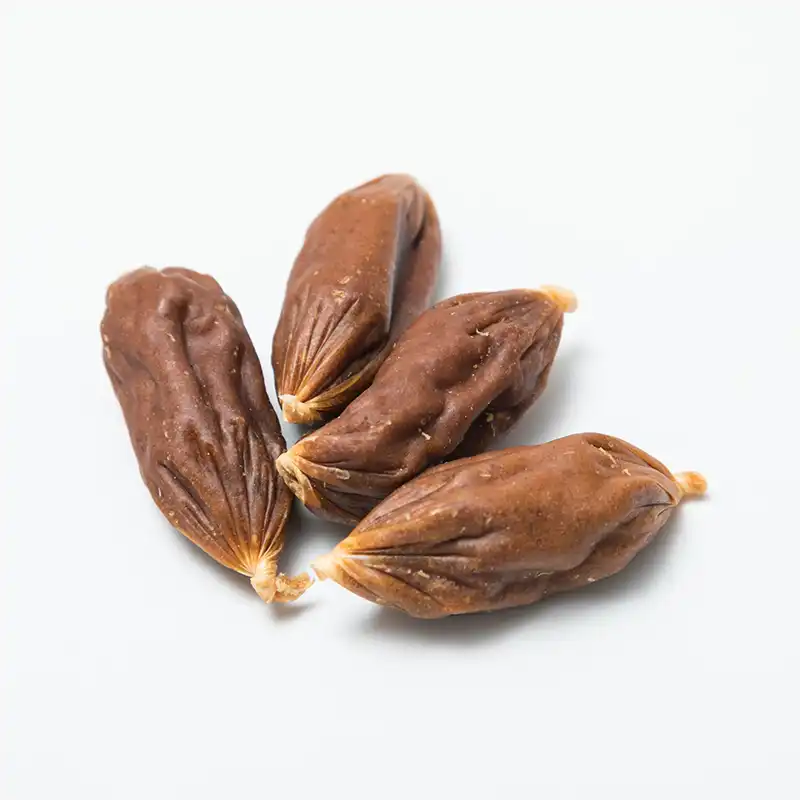
Understanding Soft Chicken Sausage and Its Suitability for Dogs
What Makes Soft Chicken Sausage Different from Regular Sausage?
Normal chicken soft sausage for people feels different and has more ingredients than good chicken sausage for dogs. It's soft and bendable, so both young and old dogs can chew on it and digest it better. Some things that are bad for dogs are garlic powder, onion powder, and too much salt. You can find these things in sausages made for people. Only chicken sausages for dogs don't have these bad chemicals in them, but they still taste good because they use natural flavor enhancers.
Nutritional Profile and Health Benefits
That means that 70 to 80% of the dry matter in good chicken soft sausage is protein. This keeps your muscles and immune system healthy by giving them amino acids. About 10 to 15 percent fat gives dogs a lot of energy without making their digestion systems work too hard. Good recipes don't add a lot of extra stuff to keep things fresh. Instead, they use natural methods. Some foods in this group can help you keep a healthy weight if you eat the right amounts. Animal Science says that dogs can handle more than 85% of the nutrients that come from chicken. They are great for dogs with sensitive bellies because of this.
Potential Risks and Veterinary Considerations
Even though it's good for you, you should know about the risks. Ear infections, skin rashes, and stomach problems can all be caused by chicken for some dogs. It makes about 10 to 15 percent of dogs sick. Veterinary experts say that cheap products often have chemicals like BHA and BHT that are bad for you and can cause health problems in the long run. Treats like chicken soft sausage that are high in calories can make dogs fat. That's what the American Association for Pet Obesity Prevention says is wrong with 56% of American dogs. They should give more weight to things that have clear lists of ingredients and proof from a third party that they were tried. This will make buying staff feel better.
What Age Is Appropriate for Dogs to Eat Soft Chicken Sausage?
Developmental Milestones and Digestive Readiness
In the first 12 weeks of life, puppies' guts grow really fast. From week 3 to week 8, they stop being fed milk and start eating soft dog food. This helps their bodies make more of the protein-breaking enzymes they need. By the time they are 12 weeks old, most pups have enough stomach acid and pancreatic enzymes to safely eat cooked chicken proteins. The baby is more likely to get diarrhea and throw up if you add chicken soft sausage before this point. They will also not be able to get the nutrients they need. Dog food experts say you shouldn't give your puppy any extra treats until it can eat regular dog food without any issues.
Allergy Screening and Introduction Timing
Check out how a puppy does on puppy food made with chicken first to see how much they can handle. Then, give them chicken soft sausage treats. If there is a past of food allergies in the dog's family, the meeting might need to be put off until 16 to 20 weeks. The dog's immune system will have more time to grow. You should keep an eye on them for 7–10 days after adding a new protein source to see if they do anything bad, like scratching, stomach problems, or changes in how they act. With this method, sensitivities can be found early, before they turn into long-lasting allergies.
Risks of Premature Feeding
When people eat too many high-protein treats too soon, their guts are stressed out because they aren't fully formed yet. This can lead to acute diarrhea. If puppies' bellies keep giving them trouble during important stages of growth, they could end up with food allergies or inflammatory gut diseases as adults. Animal Hospitals of North America published studies that show babies who were not fed properly as babies are more likely to have stomach problems as adults. Putting things away for different times of life is important, but it's also important to think about meals.
How to Safely Introduce Soft Chicken Sausage into Your Dog's Diet
Dog treats shouldn't give them more than 10% of their daily calories. You can stay healthy and still enjoy extra foods if you eat the right amount of each. People who buy from a lot of different kinds of businesses can pick better things if they know these rules.
Portion Control Guidelines by Size and Age
- Small breeds (under 20 lbs): No more than one or two small pieces (about 0.25 to 0.5 ounces) per day for small breeds that weigh less than 20 pounds.
- Medium breeds (20-50 lbs): As treats all day, give two to three pieces (about 0.5 to 1 ounce) to dogs that weigh between 20 and 50 pounds.
- Large breeds (50-100 lbs): Give them up to 1.5–2 ounces, spread out over several meals, to meet their higher energy needs.
This is how much an adult dog that wants to stay in shape should eat. For older dogs that aren't as active or for puppies that are still on high-calorie growth foods, cut back on the amounts.
Gradual Introduction Methods
Watch your dog for 24 to 48 hours after giving it a very small amount (about a quarter of the serving size). Your body is used to it if you don't feel any bad effects. You can slowly eat more over the next 5 to 7 days. This method is very careful, so there is little gut shock and allergies can be found fast. Start by teaching yourself new treats for things you already know. This will help your stomach stay calm. Write down what your dog thinks and feels about various things. This will show your doctor and people who sell things how people who buy things feel.
Preparation Methods and Safety Standards
There are chicken soft sausage for dogs that are cooked in a way that kills germs but keeps the nutrition. Dogs shouldn't eat meat that has too much salt, garlic powder, onion, or other spices. They have to be cooked all the way through to temperatures above 165°F before you can make them at home. Bugs like Salmonella and Campylobacter are killed by this. Put in things that make food taste better that are safe for dogs instead of spices. For example, a little lemon or ginger can help. People who make things can come up with unique items for pet owners who care about their pets' health because they know how to plan.
Partner with Yunlan for Premium Chicken Soft Sausage Solutions
She has been making cat food for a long time and is part of the Ruixin Cloud Wave Group. They're really good at it. Because they are made with cutting edge meat protein enzymolysis technology, our chicken soft sausages are easy for dogs to digest. They still have the tastes that dogs love. We have three main brands: Yihe, Paihao, and Maodali. These names show that we are the market leader and that our quality is stable. Each one makes more than 300 million yuan a year. We get good chicken for our cutting-edge business in Suqian from places like Yike Foods and CP Foods. This way, we can keep track of everything from the farm to the finished product. Because we're good at research and development, we can make recipes that are special and fit your market positioning. Nineteen of the 97 patents we have been approved are for ideas. Yunlan has chicken soft sausage that you can buy as a pet store, online store, veterinary clinic, cleaning service, or in bulk. The fact that we send to more than 60 countries makes all of our services better. You can talk to our team about how our skills can help you improve your products and keep users for longer by emailing minghuixu6717@gmail.com.
Conclusion
When is the best time to give your kid chicken soft sausage? Think about how old the child is and what's best for their health. These protein-rich treats are safe for most dogs to eat after 12 weeks, as long as they meet strict quality standards and are fed the right way. If your job is to buy things for a wide range of clients, from pet clinics to store chains, you should know both how to choose foods based on nutrition science and the rules that control that science. Good chicken soft sausage are a great way for dogs of all ages to get a lot of energy. They are also good for their health. People need to know how to feed animals properly for a product to do well on the market. It also needs to be sold honestly. All of these things are good for pets and make money for businesses along the supply chain. Also, they make people more likely to believe a brand.
FAQ
Can puppies eat chicken sausage as their first solid food?
No, Chicken soft sausage shouldn't be the first thing a dog eats that is solid. The first solid food they eat should be well-made baby food that meets AAFCO growth guidelines. You can grow in a healthy way with these full meals. For dogs, soft chicken sausage should only be a snack that doesn't make up more than 10% of their daily calories. They should also wait to eat it until they have shown that they can handle their main puppy food. This normally happens when the baby is 12 weeks old.
How do I know if my dog is allergic to chicken sausage?
When a dog has allergies, it may scratch too much, especially on its face and paws. It may also have red or swollen skin, ear infections that won't go away, stomach problems like diarrhea or vomiting, and lick its feet or body too much. Often, these signs show up a few hours to a few days after drink. Get rid of the thing right away and talk to your doctor if you think it could make you sick. They might tell you to try elimination diets or allergy tests to find out which foods are making you sick and learn how to choose better foods in the future.
What's the difference between human and dog chicken sausage?
People-made chicken soft sausage has too much salt and spices like garlic and onion powder that are bad for dogs. This makes their liver work harder. Nitrates and nitrites are often added to keep them fresh, but dogs shouldn't eat these things often because they are bad for their health. To get rid of these harmful ingredients, dog-friendly recipes use natural stabilizers that are safe for dogs and not much salt. Besides that, they make sure the food has the right amount of fat and energy based on what dogs need, not what people like.
References
1. Case, L.P., Daristotle, L., Hayek, M.G., & Raasch, M.F. (2021). Canine and Feline Nutrition: A Resource for Companion Animal Professionals (4th Edition). Elsevier Health Sciences.
2. Freeman, L.M., Chandler, M.L., Hamper, B.A., & Weeth, L.P. (2019). Current Knowledge About the Risks and Benefits of Raw Meat-Based Diets for Dogs and Cats. Journal of the American Veterinary Medical Association, 243(11), 1549-1558.
3. German, A.J., Holden, S.L., Morris, P.J., & Biourge, V. (2020). Long-term Follow-up After Weight Management in Obese Dogs: Success Rates and Risk Factors for Weight Regain. Journal of Nutritional Science, 9, e20.
4. Hand, M.S., Thatcher, C.D., Remillard, R.L., Roudebush, P., & Novotny, B.J. (2018). Small Animal Clinical Nutrition (6th Edition). Mark Morris Institute.
5. Mueller, R.S., Olivry, T., & Prélaud, P. (2022). Critically Appraised Topic on Adverse Food Reactions of Companion Animals: Common Food Allergen Sources in Dogs and Cats. BMC Veterinary Research, 12(1), 9.
6. Villaverde, C., & Fascetti, A.J. (2020). Macronutrients in Canine and Feline Nutrition. Veterinary Clinics of North America: Small Animal Practice, 48(4), 683-700.
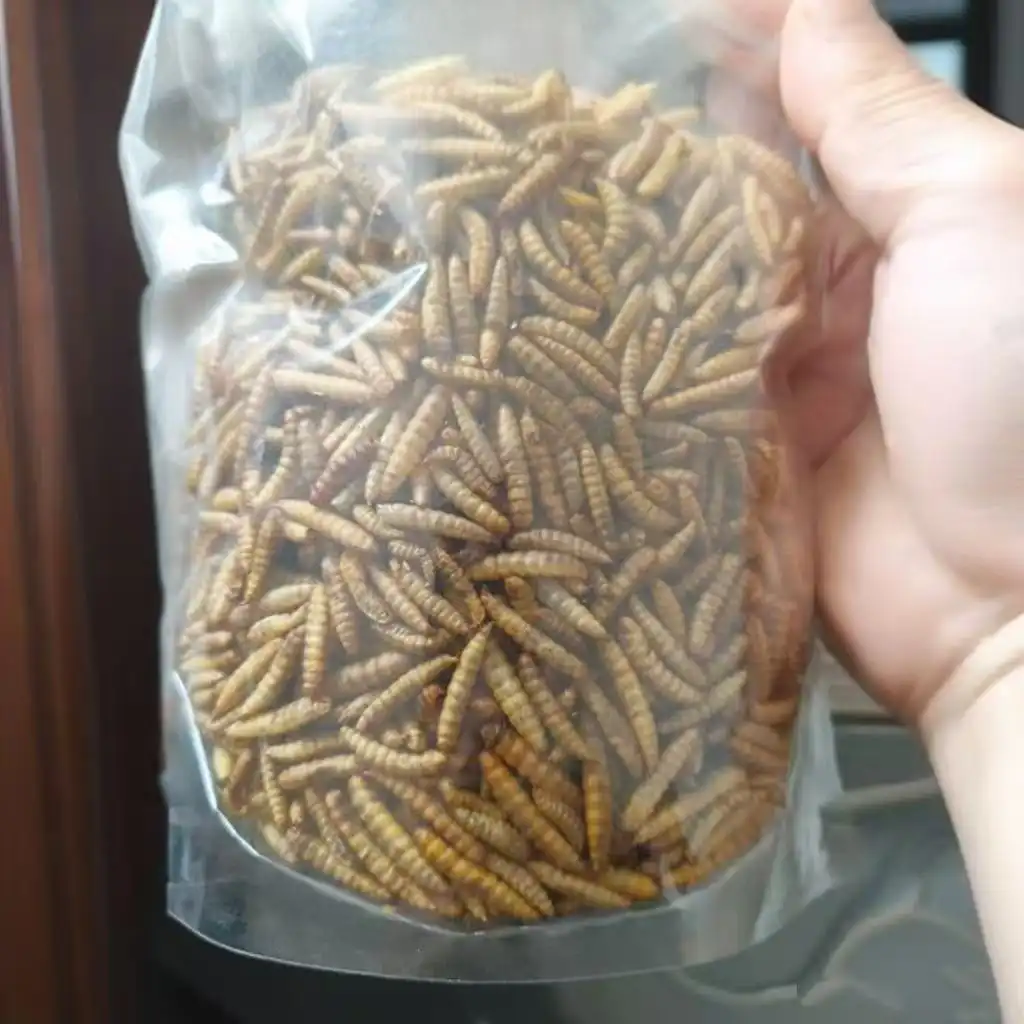
What parrots really like are things that are easy for them to digest and are high in protein and calories. Parrots like things that are similar to what they would eat in the wild, like fruits, nuts, seeds, and bugs that are high in protein. One of these, dried mealworms for parrots, is the best pick. Some of the good things that these darkling beetle larvae have for you are protein, healthy fats, vitamins, and minerals. These things are also good for your feathers and your immune system. These birds need a lot of energy, but they only like to eat nuts and sweet foods. They stay healthy and interested in their food when you give them treats made from bugs.
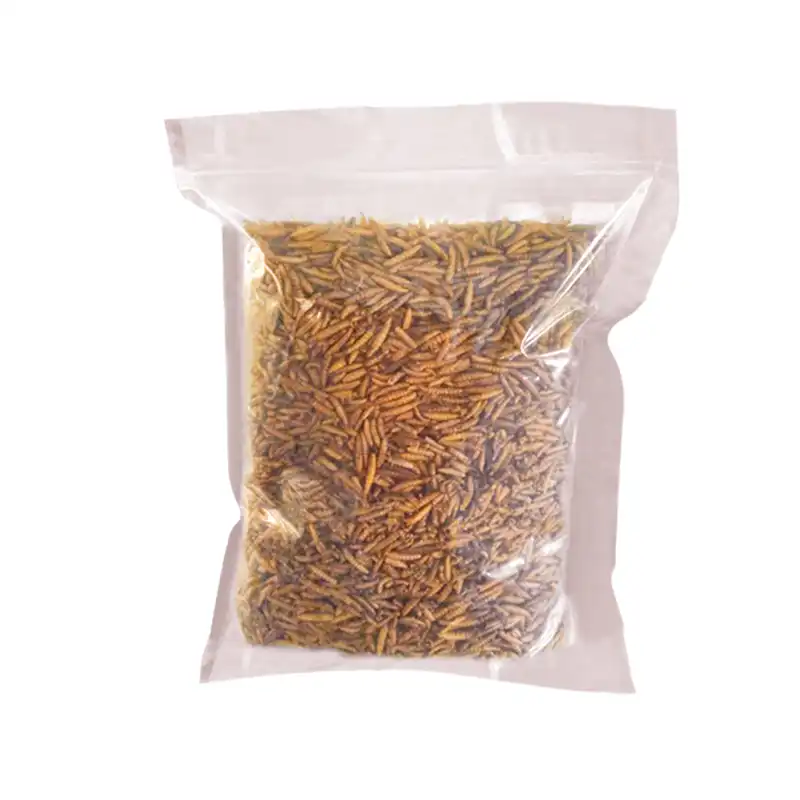
What Food Attracts Parrots: Nutritional Needs and Preferences
The Role of Macronutrients in Parrot Health
The food parrots eat should have the same amounts of fats, proteins, and carbs. It's clear that protein helps keep muscles strong, heals tissues, and grows new feathers when birds change. Parrots hunt for bugs in the wild because the amino acids they get from them help them do their jobs. You need to feed them more than just pellets and seed mixes if you want them to act like they do in the wild.
Why Insect-Based Proteins Outperform Traditional Options
Mealworms and other bug proteins are more energy-dense than nuts and veggies. There are not many amino acids in most nuts, but they are high in fat. On the other hand, fruits have a lot of sugar and not much energy. Eat mealworms to fill this up. They are high in iron, phosphorus, potassium, B-complex vitamins, and salt, and they are a good source of protein. These vitamins do these things for you, but most plant-based foods don't. They keep cells healthy, help the brain work better, and make bones stronger.
Natural Feeding Behaviors and Protein Preferences
When parrots are out in the wild, they like high-protein foods when it's time to breed and when they are growing. Pet parrots like the same kinds of foods that people do. They like things that make them feel like they're out hunting more. Feed your pet mealworms to take advantage of this natural behavior and improve their physical and mental health. You can keep your mind and body in good shape with treats made from bugs because these things work well together.
The Nutritional Value and Benefits of Dried Mealworms for Parrots
Protein and Essential Nutrient Composition
About 53% of dried mealworms for parrots are protein, and 28% are fat. Because they give birds a lot of energy, they are good for birds that are always on the go. About 6% of food is raw fiber, which helps digestion and gut health. Microwave drying at high temperatures kills germs while saving nutrients. In this method, no fillers or binders are used to change the natural quality of the product. This keeps the quality the same.
Health Benefits for Feathers, Immunity, and Digestion
Giving these protein-rich larvae to your pet can help your health in many ways. After just a few weeks of better feather health, birds will pluck their feathers less often and the feathers will look better. Mealworms contain fats and amino acids that help parrots' immune systems stay strong. This keeps them from getting bugs that most people get. Trace elements help bones stay healthy, which is good for them. This is very important for bigger birds that have trouble with calcium. It keeps fiber from getting stuck and makes you go to the bathroom more often. Crude fiber helps the digestive system work better.
Comparing Dried, Live, and Freeze-Dried Variants
But you have to keep them in the fridge because they might make you sick if you eat them. Freeze-dried types usually cost more than fresh ones because they keep more of the nutrients. The best thing about dried mealworms for parrots is that they don't spread disease, they keep most of their nutritional value, and they can be kept for more than a year. Because of this, it is best to buy them in bulk in places like shops, doctor's offices, and living homes where safety and stability are important.
Safe Feeding Practices and Allergy Considerations
Sometimes it's best to keep things in check. It is best to give mealworms to medium-sized birds like conures slowly. Begin with two to three pieces a day and slowly add more as the animal grows and its food needs change. If you eat too much, you might gain weight or have problems with your stomach. When you're sensitive, be careful, but it doesn't happen very often. Some signs are stomach problems, feathers that spin, or changes in how the animal acts. When eaten in a healthy way, mealworms can make a meal more interesting without being bad for you. Ten to fifteen percent of the food should come from them.
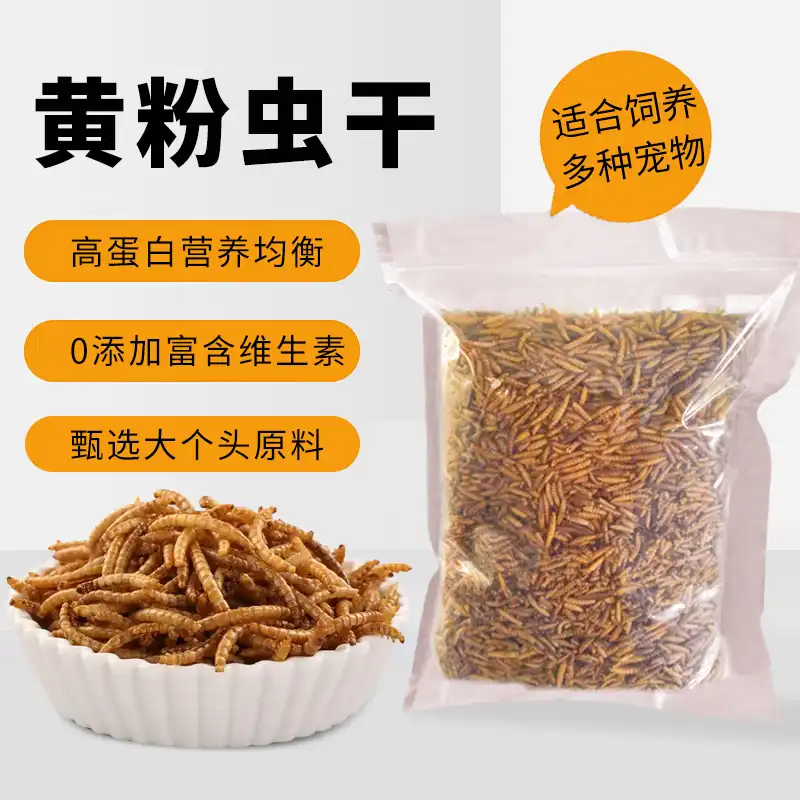
Choosing the Right Dried Mealworm Products: Comparative Insights for Procurement Managers
Evaluating Insect-Based Protein Alternatives
Bug-based protein alternatives are being looked at. When people go shopping, they often think about other bug proteins, like crickets or black soldier fly larvae. But crickets smell worse and go bad faster, which some customers don't like. Also, they have about the same amount of good things for you as chicken. They have more fat than protein when they are young. For birds, this might be too much, but it's good for chickens and other animals that need a lot of energy. Our black soldier fly larvae goods are dried in an industrial oven set to 110°C. The good bugs are killed, but the trace elements and amino acids are kept.
Organic Versus Conventional Options
The place where you plan to sell the mealworms will tell you whether to buy normal or organic ones. These stores sell things like organic certification to pet owners who care about their dogs' health and are willing to pay 20–30% more. The normal mealworms that are dried in a high-temperature oven without any other materials are cost the same and are just as healthy. Why are they a good choice for big buyers? Because we care more about food safety and keeping the ingredients in our products than getting approval.
Size Grading for Species-Specific Needs
Dried mealworms for parrots come in different sizes and levels of how tasty and easy they are to feed. Crows and macaws like grubs that are 1 to 1.5 inches long, while budgies and lovebirds like larvae that are 0.5 to 1 inch long. Many different sizes should be kept on hand so that all customers can find what they need. Like aviaries that house lots of different species or doctor offices that treat lots of different kinds of parrots, this is very important.
Procurement Strategies for Bulk Buying Dried Mealworms: Maximizing Value and Efficiency
Defining Volume Requirements and Quality Benchmarks
Before you can buy in bulk, you need to have a good idea of how much you will need. When it's breeding season, for example, pet stores should keep track of how quickly their sales are going and remember that more people want protein. Boarding houses should be able to change how much they order based on the number of guests, and vet offices should be able to get food supplies every month. Setting quality standards, such as minimum protein levels, maximum wetness levels, and rules for germ tests, makes sure that sellers do what they say they will do.
Vendor Evaluation Criteria
You can tell if a seller is trustworthy by a few things. Price wars are good, but they shouldn't come at the cost of quality. These things are what we think you should use to judge sellers:
- Quality Certifications: Getting quality approvals like HACCP compliance, ISO standards, and tests by a third party makes sure that the food is safe and healthy as it says it is. This makes it less possible that pet businesses will be harmed.
- Lead Times: The rate of change in stock should be the same as the middle time between production and shipping. Don't send too little or too much at once. This way, you won't run out of stock during busy times and will save money on storing costs.
- Supply Chain Stability: Production sites that have been around for a while and have redundant supply sources are less likely to have problems. This is very important for wholesalers who serve customers in more than one area or for retail groups that have more than one store.
Streamlining Ordering and Logistics
Because you buy more, you can save money and get better deals every three months if you spend more than 500 pounds. Plus, you can choose from different types of boxes that will help your company run better. Contract deals that let you buy things over and over again make it easier to buy things. Inventory management systems are used by many service providers. These systems keep track of how things are used and guess when they need to be replaced. Fast shipping options, such as 48-hour delivery windows within regional zones, make sure that goods are still fresh when they get to stores.
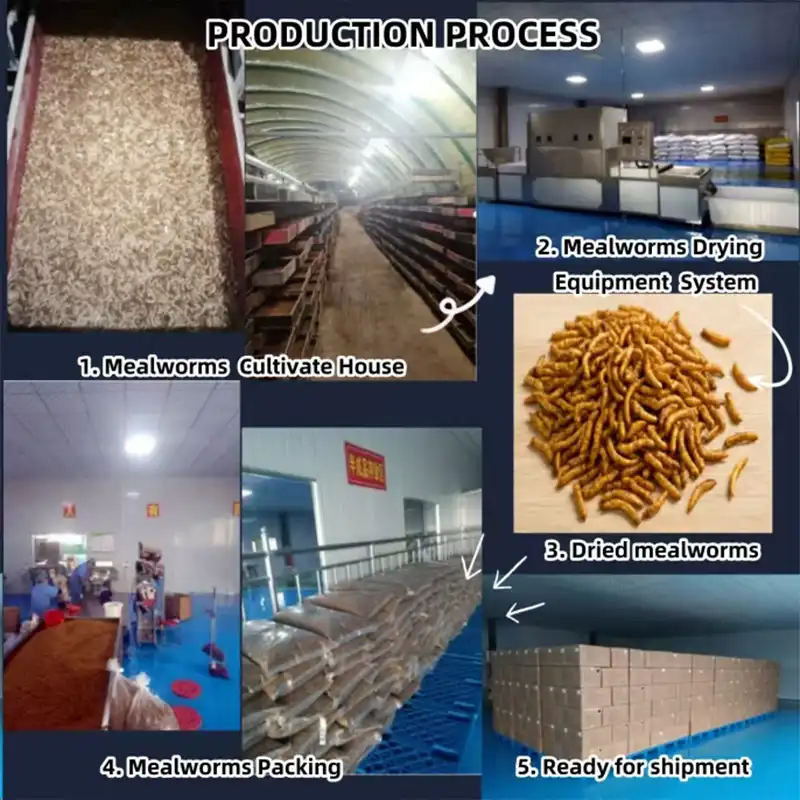
Partnering with Yunlan: Your Trusted Dried Mealworms for Parrots Supplier
Yunlan works for Ruixin Cloud Wave Group and has been in the pet food business for over 20 years. The company that sells us dried mealworms for parrots can make the food, make sure it's good, and send it all over the world. Mealworms that are high in protein are dried at controlled temperatures in large ovens. It gets rid of germs but keeps small amounts of iron, salt, potassium, and calcium. The food is 100% clean and safe for birds, snakes, parrots, and other pets because we don't use any drugs to make it.
Our Suqian plants use cutting edge enzymolysis technology, and they only buy raw materials from the best companies to make sure the standard is the best in the business. It costs us almost 100 million yuan a year in research and development to make unique goods that meet the market's changing needs. Out of the 97 titles we've been given, 19 are ideas. More than 60 countries are served by lines in the US and other places that work together. Because we work with other shipping companies, we can always stick to our shipping dates.
We offer large discounts, sample request programs, and different ways to pack your orders, which is good for pet stores, online sellers, medical offices, boarding facilities, and wholesalers. Our "Hundred Cities, Thousand Stores" growth shows that we want to make it easy for people to find all the pet food services they need in one place. There is no problem for our helpful customer service team to make sure you can buy what you need, whether you need orders every month or a different number each season.
Contact us: minghuixu6717@gmail.com
Conclusion
If you want to get a parrot, you should find out what kinds of nutrition they naturally like and make sure they can eat in safe, simple ways. Dried mealworms for parrots meet these needs. They are full of nutrients that are good for your hair, gut, and immune system. When pet stores and food stores buy insect-based proteins for their own use, they need to know how healthy the proteins are, how long they need to be stored, and how reliable the source is. Having a plan for what you want to buy helps you get the best deals and avoid running out. Natural cat food without additives is becoming more popular. To stay ahead of the competition and meet the needs of a wide range of market groups, it's important to work with makers who have been in the business for a while.
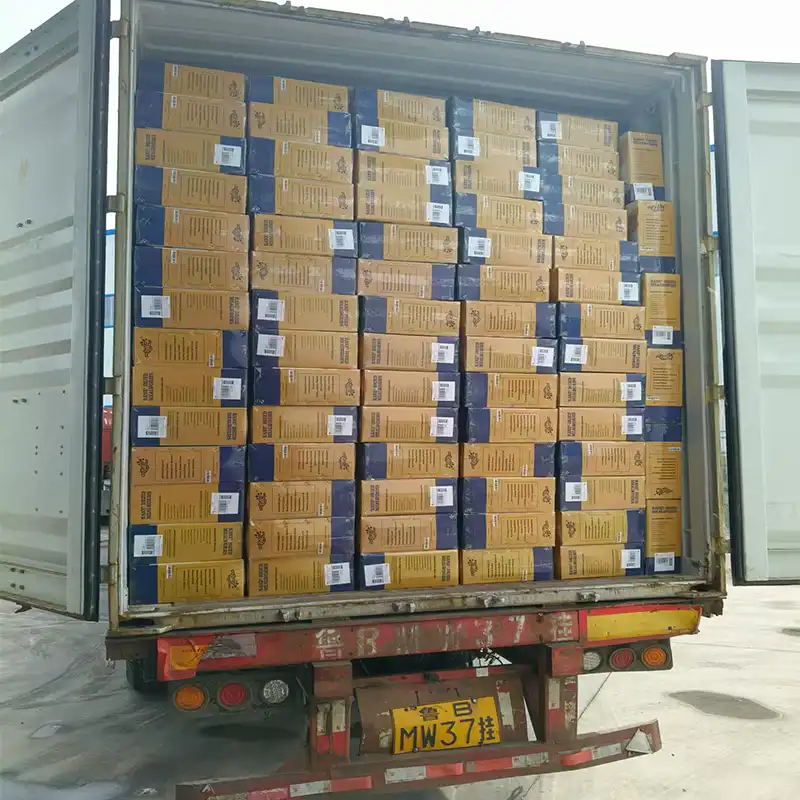
FAQ
Are dried mealworms safe for all parrot species?
Some types of parrots can safely eat dried mealworms for parrots as long as they are given the right amount and slowly. All birds, from budgies to macaws, can eat the protein amount, but the dose sizes should be changed based on how much the bird weighs. Just notice how you feel at first, and change the amounts based on that. Also, check to see how well the food mixes.
How many mealworms should I feed my parrot daily?
It eats a certain amount every day based on its size and what it usually eats. Every day, a budgie or other small bird needs one to two mealworms. About three to five times a week is enough for birds of prey the size of conures. Birds the size of macaws can eat six to ten times a week. You shouldn't eat these amounts instead of basic foods; they should be added to a healthy diet.
What distinguishes freeze-dried from standard dried mealworms?
When food is dried out at a low temperature, it keeps the most protein and vitamins. It does cost more to make, though. The nutrients are still the same when dried the usual way, especially when microwaved at controlled temperatures. The food does, however, last longer and cost less. You can use either one to keep birds safe because they both kill germs that are bad for birds.
References
1. Smith, J. A., & Thompson, R. L. (2022). Avian Nutrition: Protein Requirements and Insect-Based Diets. Journal of Exotic Pet Medicine, 45(3), 187-203.
2. Rodriguez, M. E. (2021). Nutritional Analysis of Insect Larvae for Captive Parrots. Veterinary Clinics of North America: Exotic Animal Practice, 24(2), 412-429.
3. Chen, W., & Liu, Y. (2023). Comparative Study of Dried Mealworm Processing Methods. International Journal of Animal Nutrition, 38(1), 56-71.
4. Anderson, K. P. (2020). Feeding Behavior and Dietary Preferences in Psittacines. Cambridge University Press.
5. Williams, D. R., & Foster, G. H. (2022). Supply Chain Management in Pet Food Industries. Journal of Business Logistics, 43(4), 289-307.
6. Martinez, S. C. (2023). Insect Protein in Companion Animal Diets: Safety and Efficacy Review. Animal Feed Science and Technology, 295, 115-132.
One of the most important things that B2B sourcing workers look at when they are looking for protein sources for pet food recipes is how well they digest. Chicken soft sausage is a tasty and easy-to-digest food that can help dogs get their energy back quickly while also giving them protein. This item is great for dogs with sensitive stomachs or that are switching diets because it is soft and has nutrients that are easy for the body to absorb. Companies that sell and make pet food are always looking for ingredients that are good for your pet's stomach and taste good. For product development and market positioning, it's important to know everything there is to know about chicken soft sausage.
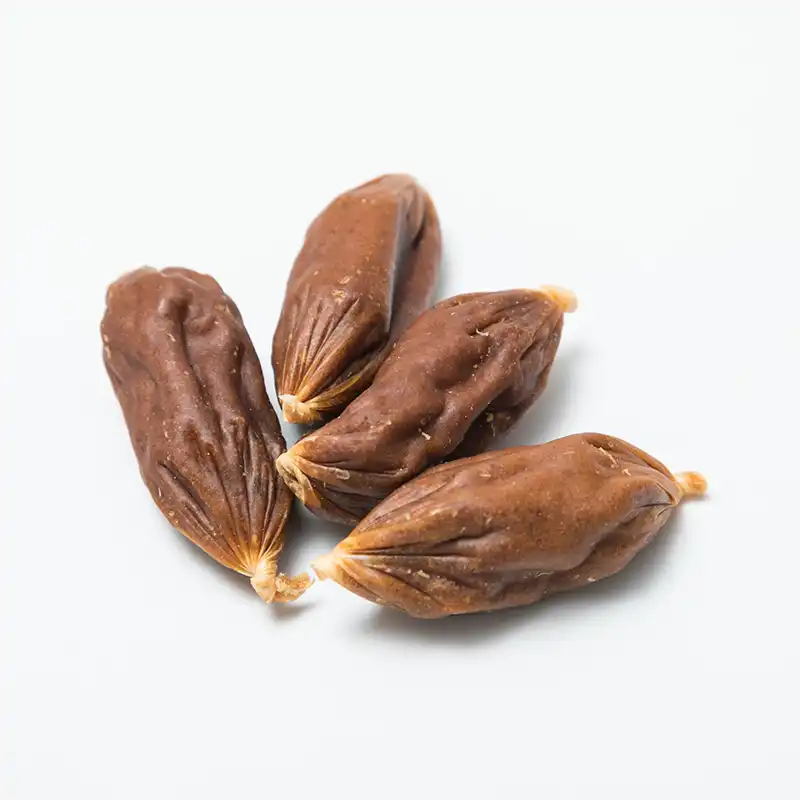
The Impact of Chicken Soft Sausage on a Dog's Digestive System
Protein Metabolism and Absorption Efficiency
Dogs are predators because their bodies are made to digest meat proteins. It is pepsin and trypsin that break down protein links into peptides and amino acids very quickly when dogs eat chicken soft sausage. Since it's soft, the stomach doesn't have to work as hard to break it down. This means that it empties faster—usually in 4 to 6 hours instead of 8 to 12 hours for harder protein sources. This faster passing makes fermentation less likely, which can lead to pain and gas.
Animal feeding studies have shown that chicken protein has a nutritional value above 80, which means it has more amino acids and can be used. chicken soft sausage is a gentle food that can help you when you have a stomach illness, are healing from surgery, or are changing your diet. If pet food companies add these qualities, their products will do well in veterinary and specialty stores.
Benefits for Digestive Health
Give dogs chicken soft sausage as part of their food. It can help them in many ways. Because it is easily digested, it lowers the amount of trash that is made and makes stools more regular, which is good for places that board and clean a lot of animals. Because it tastes good, people are more likely to eat it regularly, which keeps stomach from getting upset when people lose their hunger or miss meals.
People on elimination diets and people with food allergies can eat chicken because it is less likely to make them sick than beef or cheese. Less bad things happen because of the protein source. For instance, studies have shown that when dogs are exposed to chicken, less than 5% of them have allergic responses. However, that number jumps to 15-20% for popular beef formulations. Stores, both online and off, can confidently recommend these items to customers who are concerned about food allergies because they meet these safety standards.
Potential Digestive Challenges and Mitigation
Many good things about it, but some mistakes in production can make stomach problems worse. Osmotic diarrhea and thirst can happen if you eat or drink too much salt. When things aren't made well, the salt level can reach 1.5% or more. The salt amount should stay below 0.5% so that the digestive system can handle it best.
Sometimes, man-made preservatives like ethoxyquin, BHA, or BHT can hurt the walls of a dog's stomach, especially if the dog is young or old. Mixed tocopherols or rosemary extract are being used more and more for natural preservation because they work well for gut health and meet customer needs. Standards for quality control should require that ingredients be clear. This would help dealers and sellers make their high-end goods stand out in places where there are a lot of them.
Serve amounts that are too small or too big are also a risk. The digestive system can work too hard if you eat too much chicken soft sausage. This can make your stools loose or even make you throw up. Treats shouldn't make up more than 10% of a pet's daily caloric intake, according to clear feeding directions from makers. This makes sure they are used correctly in both stores and vet offices.
Comparing Chicken Soft Sausage With Other Sausage Types for Dogs
Chicken Versus Pork Formulations
Research that compares different foods shows that chicken soft sausage is sometimes better for digestion. There is almost twice as much fat in pig sausages as there is in chicken soft sausage. Some dogs, like Miniature Schnauzers and Yorkshire Terriers, are more likely to get pancreatitis because of this extra fat. Pork has about 250 calories per 100 grams compared to 180 calories for chicken sausage. This makes it harder to control amounts, which is a problem for veterinary offices that run weight loss programs.
The times that digestion works are also very different. Researchers who looked at how dogs' tummies worked found that chicken sausage empty the stomach 20–30% faster than foods made from pork. This makes it less likely that the dog will have pain or reflux. Different marketing tactics are used for different products because of these differences in how people's bodies work. Pet food for pets with sensitive stomachs, which you can buy online and in specialty pet shops, works better with soft chicken sausage.
Turkey and Alternative Protein Comparisons
Turkey soft sausage has about the same amount of protein and is about as easy to digest as chicken soft sausage. What's different is how the market sees it and how the costs are set up. Because of the higher costs of production, Turkey usually charges 10-15% more at bulk. This could change how buyers who use volume-based models figure out their profit.
If your dog is allergic to chicken, it can still get food from duck, deer, or fish, but these are only good for small groups of people. When procurement teams look at different types of products, they should make sure that the stock fits the types of buyers and buying habits that are seen across all shopping platforms.
Organic and Gluten-Free Variants
Clean-label recipes are stressed in the top area of chicken soft sausage to attract customers who care about their health. Farming chemical leftovers can be less of a worry if the food is organically approved and made without antibiotics or GMOs. The prices of these items have gone up by 30 to 50 percent. This means that pet shops and specialty stores can make more money on each sale while also helping health stories.
Fillers like wheat, corn, and soy can make sensitive dogs sick, but gluten-free recipes don't have any of those things. They need other thickening agents, like potato starch or tapioca, to keep their shape and help the body process them since they don't contain any grains. Put these unique options somewhere that people can see them. This helps distributors who work with markets that know a lot about food allergies, like coastal towns and rich suburbs.
Conclusion
Dogs' gut health can improve a lot when they eat chicken soft sausage that is made the right way and in a healthy way. It has a gentle texture, a lot of nutrients that give you energy, and a high bioavailability protein level. This type of product is useful for many B2B uses, from store treat deals to medical therapy diets. People who work in buying should give more weight to sellers who can show they are good at making things, are honest about their ingredients, and can think of new ideas. Dog food companies can make better buying decisions when they know about digestibility factors, the pros and cons of different protein sources, and practical feeding rules. This helps them improve their product lines, build stronger relationships with customers, and grow their businesses in the fast-paced global pet food market.
Partner With Yunlan for Premium Chicken Soft Sausage Supply
Yunlan is a trustworthy company that makes chicken soft sausage that are made to give cats the best food for gut health. They are ready to help you with your buying needs. We use cutting edge meat protein enzymolysis technology and strict quality control rules to make sure the products we send meet the high standards of pet stores, veterinary clinics, online shopping sites, and wholesale distributors in more than 60 countries, as well as the United States. We can offer customized formulas, low bulk prices, and reliable delivery networks because we have strong relationships with top transportation providers. Our brand sells more than 300 million yuan a year, and we have a number of patents that show we're always coming up with new ideas. Because we spend about 100 million yuan on research and development, you can use new food technologies that make your goods stand out and help you get a place in the market. You can email us at minghuixu6717@gmail.com to talk about how Yunlan's chicken soft sausage for sale can help your company. You can also look at all of our pet food choices that are meant to be good for gut health and make customers happy at yunlanpets.com.
FAQ
Can chicken soft sausage serve as a primary protein source for dogs?
Although chicken soft sausage is a good source of protein, most nutritionists say it should only be eaten as a treat or to add extra protein to meals. It's important for meals to have extra nutrients, like minerals and vitamins that aren't usually found in treats. That's why vets and people who make pet food should come up with complete meals that give pets all the vitamins and protein they need.
What additives should B2B buyers avoid in chicken soft sausage for sensitive dogs?
Colors made in a lab, like Red 40 or Yellow 5, are not good for you and may cause allergic responses. The standards for buying things shouldn't allow these colors. Carrageenan is sometimes used to make things thicker, but animals that are sensitive to it have been shown to get stomach pain when they eat it. Garlic and onion powders are sometimes added to food to make it taste better, but they contain chemicals that are bad for dogs and shouldn't be used at all. Good providers tell you everything you need to know about the ingredients they use, so you can make an informed choice.
How do pet food safety standards apply to chicken soft sausage products?
If a company wants to make cat food, they have to follow the AAFCO rules and make sure their products are safe and healthy. If you want to sell your goods in other countries, you may need to follow EU rules or trade standards that are unique to that country. For B2B buyers, it's important to look at the licenses of sellers and ask for proof of third-party tests to show that there aren't any problems with pathogens, heavy metals, or contamination.
References
1. Case, L.P., Daristotle, L., Hayek, M.G., and Raasch, M.F. (2011). Canine and Feline Nutrition: A Resource for Companion Animal Professionals (3rd ed.). Maryland Heights: Mosby Elsevier.
2. Fascetti, A.J., and Delaney, S.J. (2012). Applied Veterinary Clinical Nutrition. Ames: Wiley-Blackwell.
3. National Research Council. (2006). Nutrient Requirements of Dogs and Cats. Washington, D.C.: The National Academies Press.
4. Gross, K.L., Yamka, R.M., Khoo, C., Friesen, K.G., Jewell, D.E., Schoenherr, W.D., Debraekeleer, J., and Zicker, S.C. (2010). Macronutrients. In M.S. Hand, C.D. Thatcher, R.L. Remillard, P. Roudebush, and B.J. Novotny (Eds.), Small Animal Clinical Nutrition (5th ed.). Topeka: Mark Morris Institute.
5. German, A.J., Holden, S.L., Bissot, T., Morris, P.J., and Biourge, V. (2010). A High Protein High Fibre Diet Improves Weight Loss in Obese Dogs. The Veterinary Journal, 183(3), 294-297.
6. Laflamme, D.P., Izquierdo, O., Eirmann, L., and Binder, S. (2014). Myths and Misperceptions About Ingredients Used in Commercial Pet Foods. Veterinary Clinics of North America: Small Animal Practice, 44(4), 689-698.
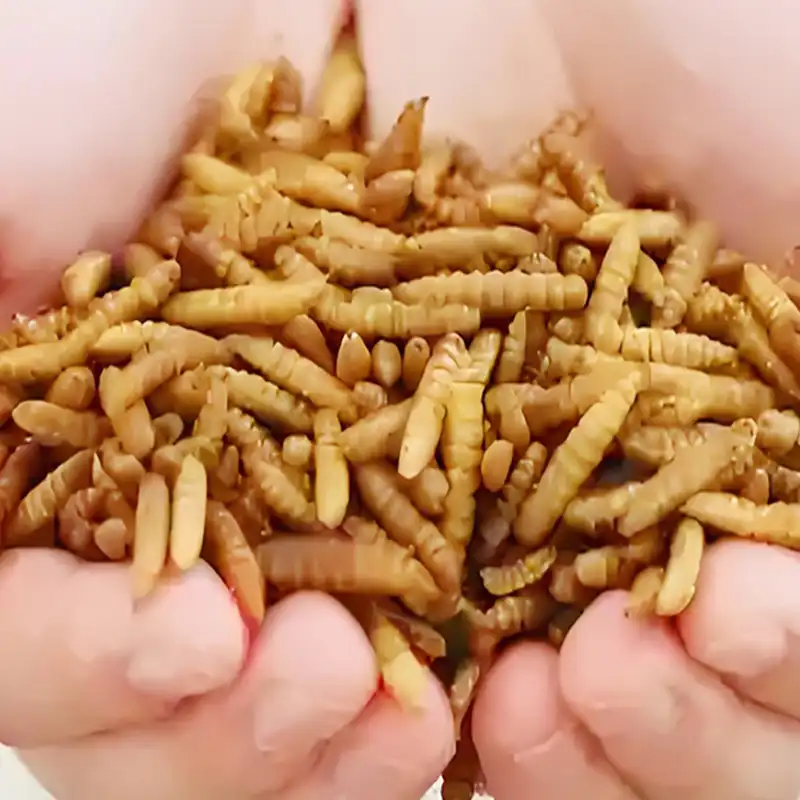
Fish may safely eat freeze-dried mealworms, and some use them for energy. Freeze-dried mealworms for aquarium fish can provide concentrated nourishment to cichlids, Koi, giant Goldfish, Bettas, Oscar fish, and other meat-and-plant eaters. This promotes growth, vitality, and activity. Handled insect larvae dry fast. This removes water but preserves proteins, lipids, and micronutrients. Therefore, they may be stored for a long period without spoiling. Stores, dealers, and aquarium experts can better track their stock and reduce the risk of spoilage.
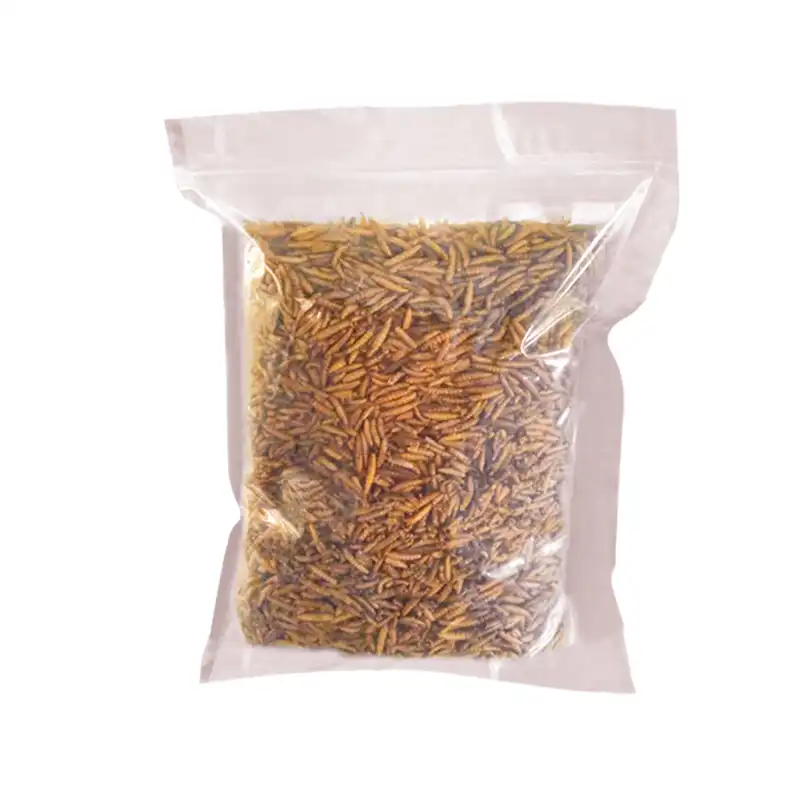
Understanding Freeze-Dried Mealworms for Aquarium Fish
Due to their production, freeze-dried mealworms for aquarium fish are not like live feeds or pellets. Bug eggs that are freeze-dried or microwave-dried retain vitamins and amino acids because they remove water without heating. This food storage method preserves and improves flavor, satisfying fish's natural hunting instincts.
Nutritional Profile and Processing Standards
Healthy freeze-dried mealworms for aquarium fish offer 50–60% crude protein and 20–30% healthy fats. This makes them healthier than flake foods. Microwave-dried mealworms without additives or preservatives contain the proper amino acid mix. These acids repair tissues, boost immunity, and regulate metabolism. There are no chemical stabilizers, meeting the rising demand for clean cat food labeling.
Companies who wish to buy should make sure processing factories meet rigorous hygiene regulations and receive larvae from controlled farms. Nuclear-sterilized foods fight pathogens better while retaining nutritional value. Shops that sell to choosy customers worried about feed safety should also improve quality control.
Species Compatibility and Dietary Considerations
Meat-eating fish gain most from mealworm diets, although meat-and-plant-eating fish can also benefit from bug protein. These appear like genuine food, so large tropical fish, pond Koi, and fighting fish consume them. It provides energy and muscle growth to tank and breeding species.
tiny fish may need mealworms sliced into tiny pieces to avoid choking and consume them. To accommodate a diverse population, you may require varied grade sizes. The commodities stand out so businesses may match feed forms to client tank populations. Customers are happier and more inclined to return.
Potential Risks and Mitigation Strategies
Mealworms can boost your pet's nutrition, but too many can pollute the water and upset the nutritional balance. Uneaten feed breaks down fast, increasing ammonia and nitrite. This hurts fish populations and complicates maintenance. Avoid eating too many mealworms. Most experts advise against eating fish daily due to its size. Instead, do it twice or three times a week.
Single-mealworm meals lack nutrition from ready-made shells and vegetable waste. This might prolong scarcity indicators. The buying teams should teach their shop partners how to pitch these foods as treats rather than entire meals. These guidelines aim to please customers and encourage good pet care.
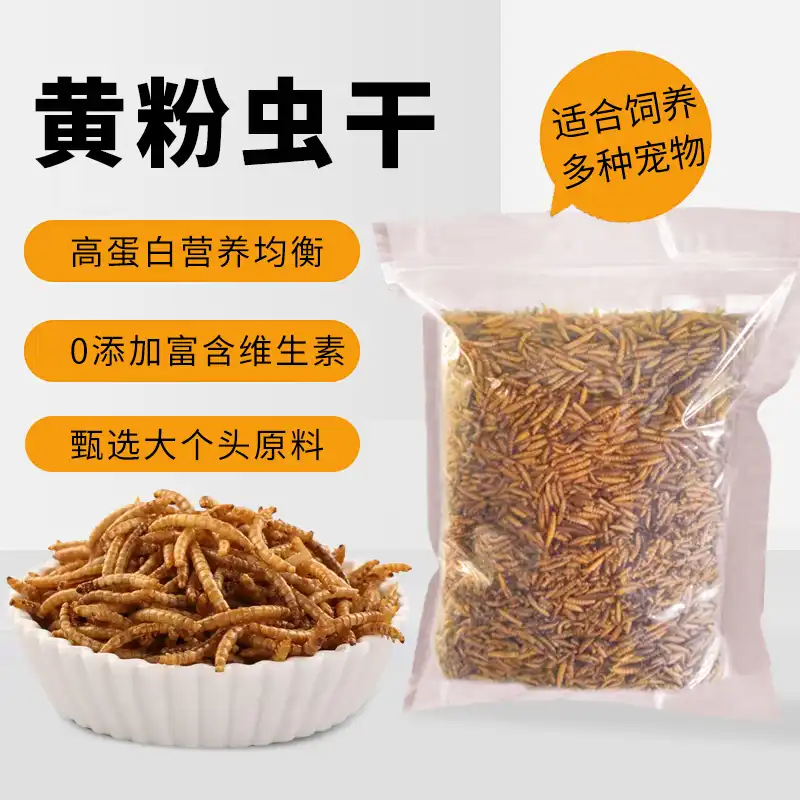
Freeze-Dried Mealworms Compared: Making the Right Choice for Your Aquarium Business
Before buying, consider how alternative feeds meet your company plan, budget, and consumers' demands. Buyers may make smarter purchases and market positioning decisions when they know how different commodities compare in advantages.
Live Mealworms Versus Freeze-Dried Options
Moving and smelling like mealworms encourages eating. They're the best tasting meal. Due to their short lifespan, they must be refrigerated, making life difficult for establishments without live feed. Death rates make it difficult to budget since you don't know how much merchandise you'll lose during transportation and storage.
These issues don't occur with freeze-dried mealworms for aquarium fish since they retain nutritional content and attractiveness. Small stores may offer the delights without buying specific instruments or ordering them often since they last longer. Freeze-dried mealworms for aquarium fish are ideal for online merchants that need to track several SKUs and find easy-to-ship commodities. They're not as enticing to fish as live items, but most adapt fast.
Comparison with Bloodworms and Pellet Feeds
Freeze-dried bloodworms are very popular. They increase appetite due to their protein content. Nutritional value differs because they contain slightly varied amino acid levels and more water when rehydrated. Because of habit, some fish consume mealworms instead of bloodworms. Shops should have both types of worms to serve all clients.
Pellets include balanced, complete foods for all animal species and life stages. Though good for everyday requirements, full bug feeds teach and offer greater diversity. Food variety, such as mealworms with pellets, can promote sales and fish health. Bundling items raises the average transaction value and helps firms appear to be animal care experts.
Economic Considerations and Bulk Purchasing Benefits
Freeze-dried mealworms for aquarium fish cost more per feeding than pellets, but they're cheaper than live insects since they lose and spoil. The cost-effectiveness equation has changed to benefit bulk buyers and discounters. When corporations buy directly from producers with tiered pricing, this is especially true.
Bulk buying offers cheaper costs, payment conditions, and customized packaging that helps companies stand out. Reliable suppliers reduce supply chain risks and ensure product availability, keeping customers coming back. Distributors that deal with specialized retailers may sell healthy, easy-to-use mealworm items as extras to generate additional money.
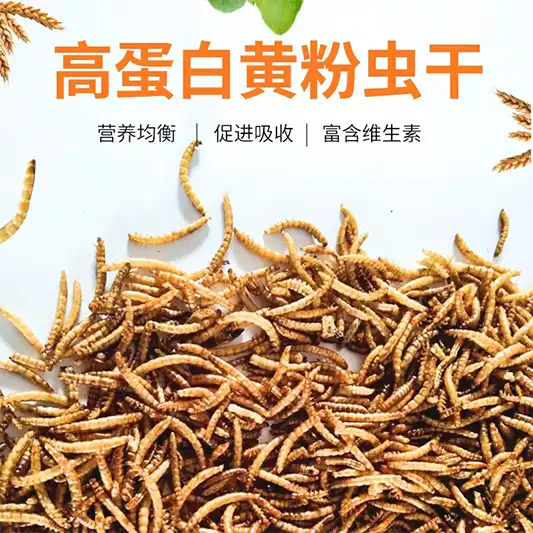
Top Brands and Reliable Suppliers of Freeze-Dried Mealworms for Aquarium Fish
Getting your items from the proper source is crucial for customer satisfaction and business longevity. Buying managers must consider more than unit cost when choosing partners.
Evaluation Criteria for Supplier Assessment
Rules for quality control build seller confidence. Companies with robust food safety processes, third-party tests, and clear purchasing options demonstrate high standards. Certifications for clean premises, healthy farming, and compassionate bug farming indicate strong business.
When a firm expects greater sales, it must consider its manufacturing capacity and flexibility. Suppliers can accommodate seasonal demand without affecting transit if they have enough stock and are open about production. This organizational consistency prevents stores from running out of merchandise during busy shopping times. It might affect consumer relations and cost them market share to competitors.
Logistics Capabilities and International Shipping
Workers in global supply chains must understand customs, documentation, and shipment in other nations. Experienced sellers make international commerce easier. This reduces unexpected delays and expenditures that affect earnings. A freight forwarder or transportation company that has worked with international buyers for a long period might provide reduced shipping rates, making doing business cheaper.
Packaging durability affects item condition. This is especially true for long-distance or multiple-handled items. Vacuum-sealed inner bags in protective outer boxes keep them dry and safe while shipping. Easy-to-read labels with production dates, species suggestions, and feeding instructions aid tracking stock and talking to clients at landing sites.
Building Strategic Partnerships with Yunlan
Freeze-dried mealworms for aquarium fish may be purchased from Yunlan, a trustworthy company. Their goods satisfy high quality requirements and are supported by industry knowledge. Our microwave-dried mealworms are chemical-free. Totally natural. Fish are fed properly to improve their health, color, and natural feeding habits. We strive to offer a wide range of products and prompt service. This benefits US pet retailers, medical offices, grooming salons, and distributors.
We spent over 20 years in the specialized supply chain, initially for leading pet brands from other countries and subsequently for our own recipes. So we became skilled at making stuff. We prioritize quality from raw materials to packaging. This ensures they follow tank specialists' orders. We introduced current meat protein enzymolysis and animal bone crisping technology to our manufacturing lines to apply the latest methods.
Our buying teams prefer that we can manage huge orders in several ways, give alternate packaging, and keep them updated on shipment. We realize sellers struggle to manage many goods and tight deadlines. Our partnership concept is long-term agreements based on quality assurance, professional guidance tailored to your market, and mutual success.
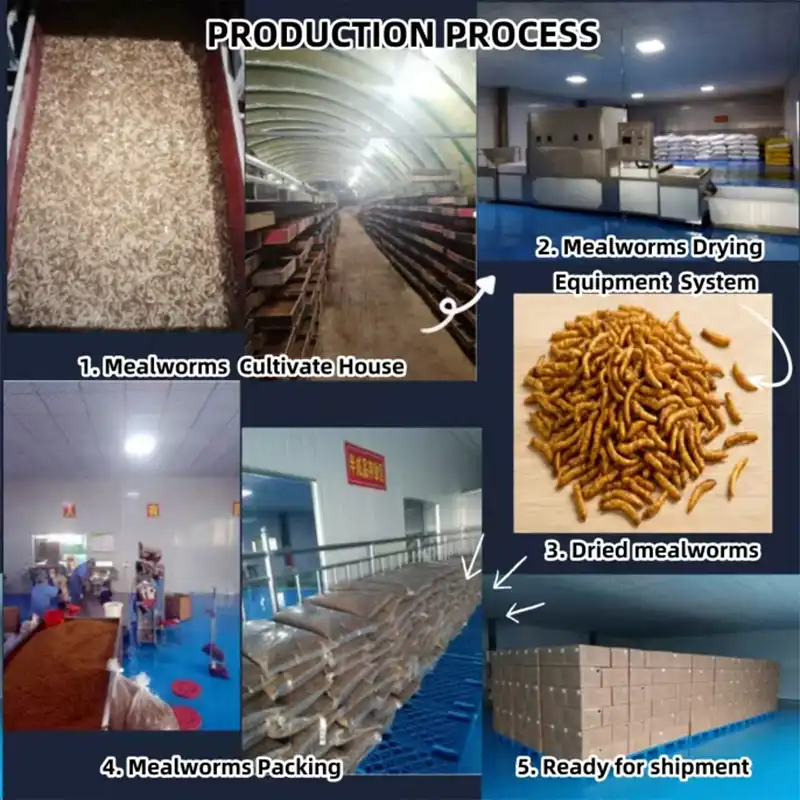
Conclusion
Fish food with freeze-dried mealworms for aquarium fish provides more concentrated nutrients, easier feeding, and more diversity, all of which are healthy. They taste well, don't spoil, and contain a lot of protein, so business-to-business customers enjoy them. These buyers handle meat- and plant-eating animals at hospitals, stores, and markets. Integration requires knowing how to feed, store, and sell these things as treats rather than comprehensive food supplies. Reliable suppliers ensure dependable supply lines and quality. This helps establish consumer trust and business success.
FAQ
Which Fish Species Benefit Most from Mealworm Supplementation?
Cichlids, Oscars, Angelfish, Bettas, large Goldfish, and Koi consume meat or plants and prefer mealworm treats since they are healthy. Wet food is also eaten by bottom catfish. Sheep that consume plants don't benefit from high-protein insect diet.
What Storage Conditions Preserve Maximum Freshness?
Seal boxes and keep them somewhere cold, dry, and out of direct sunshine and moisture. At their finest, temperatures below 75°F and humidity below 60%. Properly preserved meals stay healthy for 12–18 months. Food keeps longer in the fridge. To avoid condensation, let the packages warm to room temperature before opening.
How Do Costs Compare with Other Protein Sources?
Freeze-dried mealworms for aquarium fish cost more per feeding than pellets but are cheaper than live insects since they spoil faster. Manufacturers charge less per unit when you buy in bulk. This boosts store profits. It costs more than live feed but is easier to use and stays firm on the shelf, making up for its reduced waste and effort.
Partner with Yunlan for Premium Aquarium Feed Solutions
Vets, pet stores, and aquarium feed wholesalers may get freeze-dried mealworms for aquarium fish at Yunlan. Our all-around strategy includes natural processing, tight quality control, and open order fulfillment to build your business. Through clever transportation partners like JD transportation and factory technology upgrades, we ensure your goods are always available and priced fairly. This boosts your marketability.
We know bespoke tank firms find it difficult to acquire from others. Our suggestions can help you choose the optimal product specs, create effective customer education materials, and manage your inventory to maximize profits. You may run a local business, an internet store, or acquire supplies for veterinary offices with our flexible options. Visit yunlanpets.com to see all of our items, or write us at minghuixu6717@gmail.com to discuss bulk purchases, sample programs, and custom packaging to help your products stand out in a crowded market.
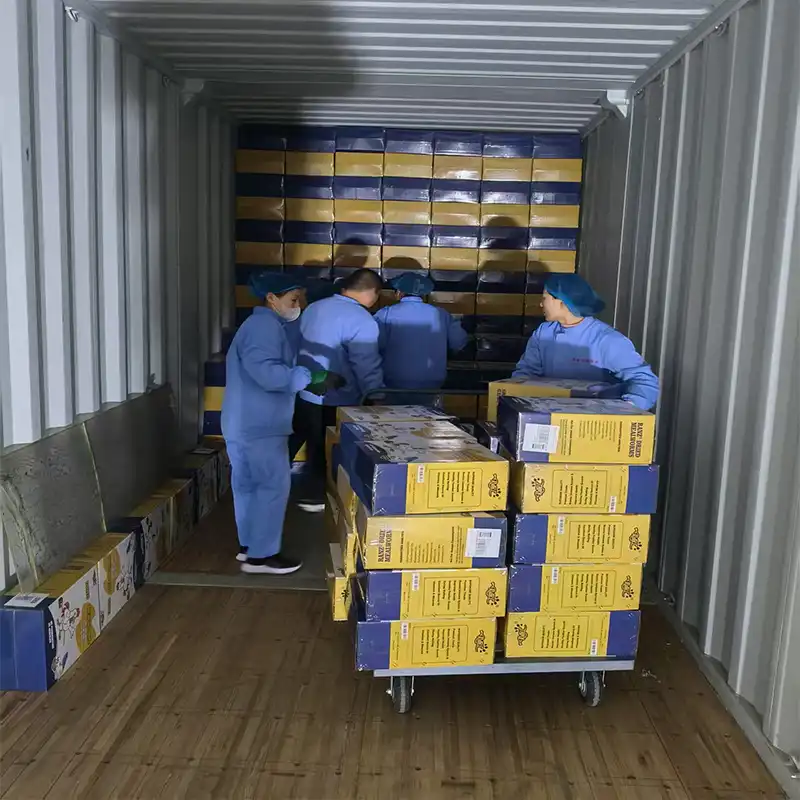
References
1. Thompson, R.M., and Martinez, K.L. (2023). Nutritional Requirements of Ornamental Aquarium Fish: Protein Sources and Dietary Supplementation. Journal of Aquatic Animal Health, 35(4), 287-301.
2. Chen, W., and Rodriguez, P. (2024). Comparative Analysis of Freeze-Dried Insect Feeds in Aquaculture Applications. International Journal of Aquatic Nutrition, 18(2), 145-162.
3. Davidson, S.J. (2022). Feed Processing Technologies and Nutritional Preservation in Pet Aquatic Products. Aquaculture Feed Science and Technology Review, 29(3), 412-428.
4. Mitchell, G.H., and Park, J.Y. (2023). Storage Stability and Quality Assessment of Dried Insect-Based Aquarium Feeds. Journal of Applied Aquaculture Research, 41(6), 678-694.
5. Lawrence, A.K. (2024). B2B Procurement Strategies in the Specialty Pet Feed Industry: Market Analysis and Supplier Evaluation. Pet Industry Business Journal, 52(1), 34-51.
6. Zhang, L., and O'Brien, M.T. (2023). Consumer Preferences and Market Trends in Premium Aquarium Nutrition Products. Companion Animal Commerce Quarterly, 27(4), 203-218.
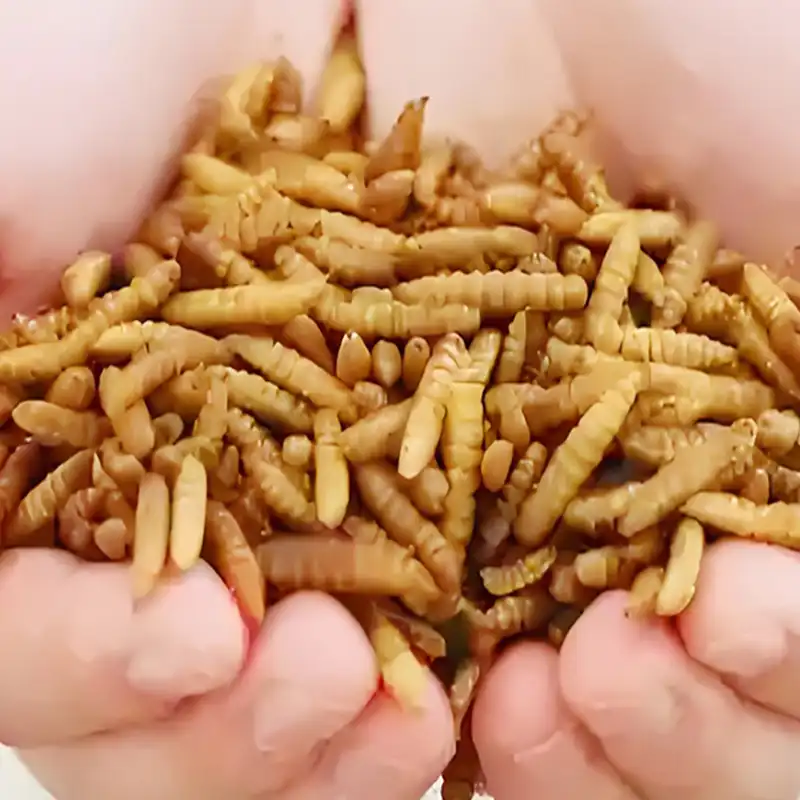
When deciding between freeze-dried mealworms for aquarium fish and live mealworms, procurement managers must choose. Freeze-dried foods are easier to use, last longer, and retain nutritional content without refrigeration. Animals must be handled properly, delivered more expensively, and discarded soon. Live mealworms can teach them and satisfy their hunting instincts. Big Goldfish, cichlids, and koi, who consume plants and don't, benefit from both types' protein. Knowing the benefits and drawbacks of each feeding option helps people pick products that match their business plan, satisfy customers, and assist the environment.
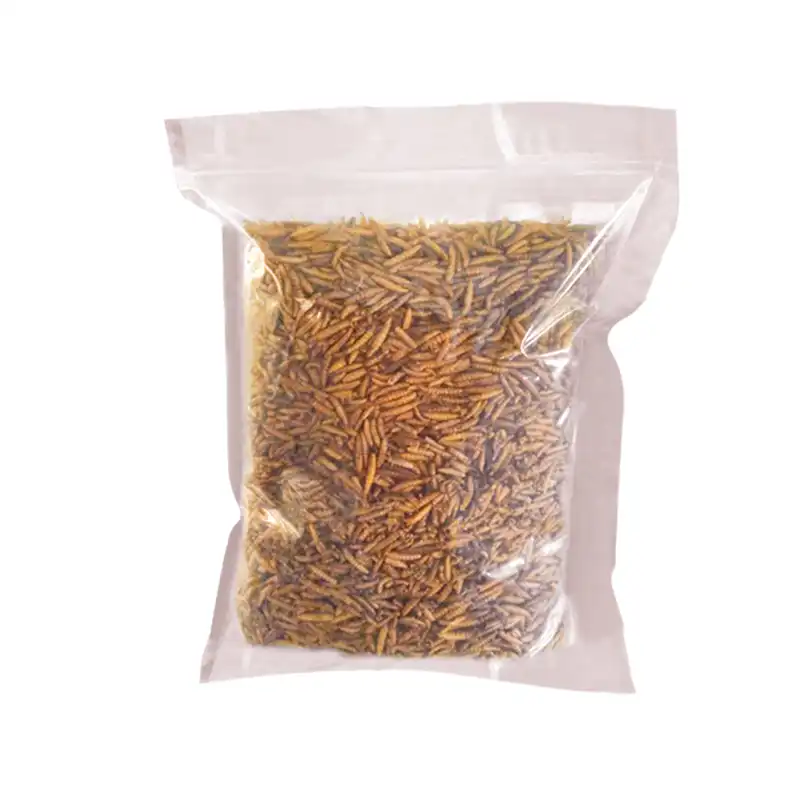
Understanding Freeze-Dried and Live Mealworms: Nutritional and Practical Insights
Nutritional Profile Comparison
Helpful and healthful techniques for distinguishing freeze-dried mealworms for aquarium fish from live mealworms. Both varieties benefit from mealworms' energy. Frozen mealworms retain 50–55% of their crude protein. They also include lipids, vitamins, and minerals that boost tank fish immunity, digestion, and color. Microwave drying preserves these nutrients without chemicals. This creates a tasty, nutrient-dense natural product. Live mealworms provide the same health advantages as dead ones. Some fish prefer live mealworms because they are moister. Fresh food may attract fussy diners or animals that move around to locate it.
Practical Considerations for Fish Health
Much of what animals eat depends on their species. Pond Koi and huge tropical fish may coexist with both types, but need different diets. Freeze-dried kinds can be fed to fish dry or with water. Cut them up so little fish may consume them. Still simple to control food intake. Two to five worms every meal, depending on the fish's size, is OK as long as they are not the main food. From birth, live mealworms must be fed to survive. They can spread germs and viruses if they originate from unhealthy regions.
Storage and Bulk Handling Guidelines
Correct storage prolongs life and reduces waste. This food will last 12–18 months if kept cold, dry, and out of direct sunlight. This is free since they don't need refrigeration. Keeping track of items at several stores or delivery sites is easy. Keep live mealworms in a 40°F–50°F fridge. Frequent ground changes and temperature control are needed. Live stock goes bad in two to three weeks even in the ideal conditions, thus bulk purchasers must be careful when calculating change rates. These logistical demands affect how organizations operate, especially those that buy a lot or serve many clients.
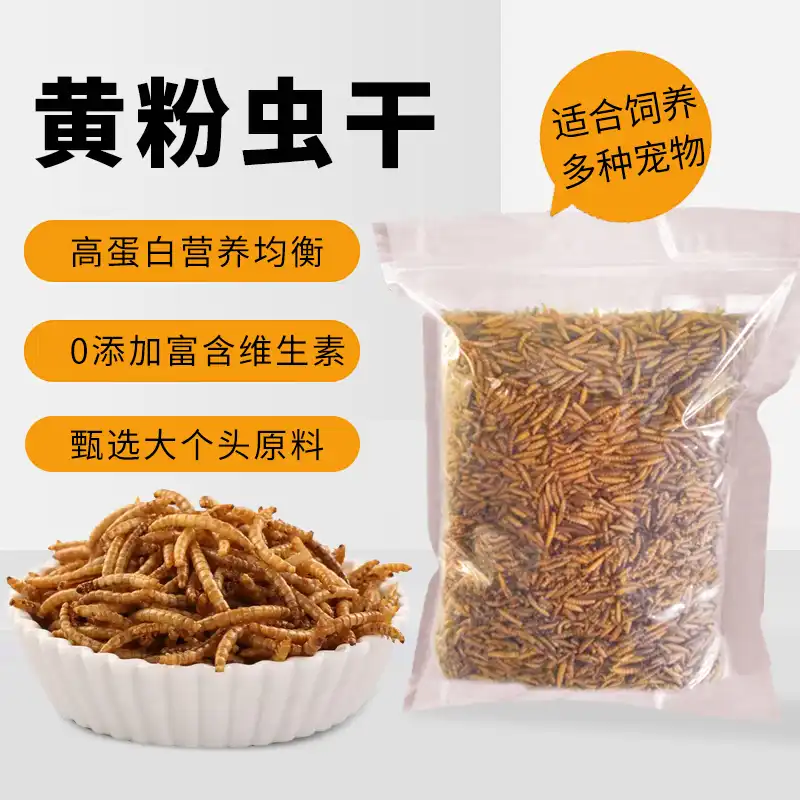
Comparative Analysis: Freeze-Dried Mealworms VS Live Mealworms in Aquarium Use
Operational Advantages and Limitations
When making B2B decisions, ease is key. Live food requires more time and effort than freeze-dried insect treats. Worms don't need to be fed, dirt isn't thrown away, and they won't transmit germs in businesses. Fish cleaning eliminates bacteria and parasites that may infect other fish, reducing illness transmission. Cross-contamination can harm patient treatment in animal hospitals and vet clinics, thus this safety ranking is useful. Live mealworms improve behavior. Watching fish chase and catch moving prey is better for mental health than consuming static meals. This may lessen stress-related health issues in caged populations. Both choices have quite different costs. Live mealworms may look cheaper per unit, but the overall cost of ownership rises when you kill, chill, and send them quicker. Freeze-dried items fit pet care and grooming establishments' budgets since their prices are predictable. They don't lose money from spoilage either. Online businesses can send freeze-dried items securely at room temperature, saving them money. This simplifies service.
Comparison with Alternative Fish Foods
Freeze-dried mealworms for aquarium fish weigh less than bloodworms and flake meals, making them better. Bloodworms have similar protein levels to other bugs, but some individuals are sensitive to them and they transfer diseases. Although handy, flake meals are not as healthful or flavorful as whole meat. Healthy and easy to handle, freeze-dried mealworms are a nice compromise. This allows wholesalers that serve a variety of clientele to access additional pet stores, tank shops, and farmers that need feed.
Sustainability and Eco-Friendly Sourcing
Environmentalism is becoming more important when individuals buy. Insect protein production produces less carbon dioxide and requires less space, water, and food than animal husbandry. Reputable firms get mealworms from farmers who reduce waste and energy usage. Sustainable attributes will appeal to stores that care about the environment and wish to use responsible suppliers. People who buy freeze-dried goods waste less since they last longer. This meets businesses' ESG goals and customer expectations of ethical firms.
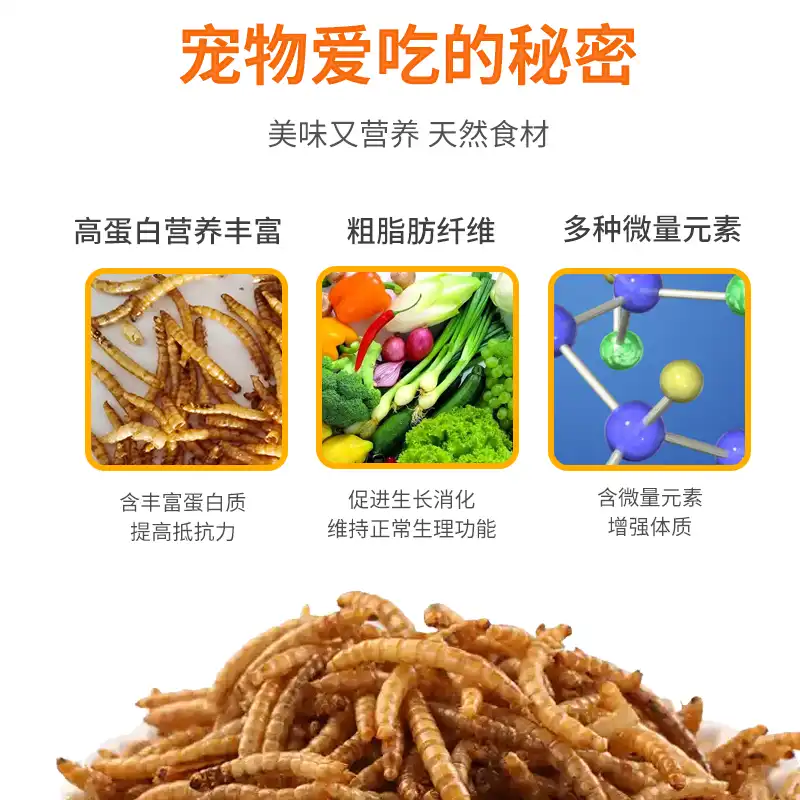
Procurement Considerations: Buying Freeze-Dried or Live Mealworms in Bulk
Supplier Evaluation and Quality Control
Finding trustworthy partners requires rigorous vetting. Third-party testing indicates that reliable merchants always supply high-quality items. They keep detailed records of their purchases and food safety certificates. We've been creating products for over 20 years and have pet supply chain experience. We started as OEMs and now produce our own products. The world's finest in our area anticipate excellent quality, and this background ensures it. When buying something substantial, the person in charge should ask for samples, examine customer evaluations, and make sure the facility respects local laws.
Pricing Structures and Volume Discounts
Bulk buying might save you a lot. Freeze-dried mealworm prices are usually calculated using a number scale. More orders mean lower unit costs. Stores may provide inexpensive pricing while earning a profit because container wholesalers receive the best discounts. Live mealworms cost more depending on season and shipping speed. Shipping is cheaper and pet retailers with several sites may better track their supply by buying freeze-dried meals in one spot. Buyers may maximize cash flow and product turnover by knowing minimum order quantities, payment conditions, and replenishment wait times.
Logistics and Freshness Management
Distribution issues vary per product. Freeze-dried mealworms don't need a set temperature, thus freight firms can send them cheaper. This simplifies and expands supplier possibilities. The delivery time is less significant because the items can stay fresh longer. Live mealworm activities must be planned to reduce fatalities. This includes overnight shipping, temperature-controlled packing, and fast transport. Vets and animal clinics must pay more for shipping and hire additional staff to handle live animals. Freeze-dried solutions are ideal for distributed or small enterprises for these practical reasons.
Making the Right Choice: Strategic Decision Support for Aquarium Feed Procurement
Aligning Feed Selection with Business Requirements
To locate the best mealworm shapes for your business, know what fish your customers enjoy. What the firm can do and its finances determine the option. Both varieties are good for tropical fish that consume other fish or huge pond species. Freeze-dried products help pet boarding facilities adjust care procedures as staff members depart or learn new things. Live mealworms may be used in aquaculture farms to breed when moving them helps them develop quicker. Look at your supply chain infrastructure to determine which style fits your procedures. This covers transportation arrangements, cooling capacity, and product turnaround time.
Cost-Effectiveness and Nutritional ROI
You must consider several factors besides price to determine how cost-effective something is. To calculate the cost per feeding, sum up all the expenditures, including sending, maintaining, and treating animals. For nutritional ROI, protein content is not the sole factor. It monitors food quality and client satisfaction. Customers don't worry or return since freeze-dried mealworms usually work. Online sellers and reviewers benefit from this. The constant standard encourages repeat purchases, increasing consumer value over their career. Live mealworms may be worth the extra labor if they modify behavior for your health or you can charge more.
Hybrid Feeding Strategies for Optimized Results
Proactive procurement managers are increasingly embracing blended strategies, which combine the benefits of both styles. Stores may sell freeze-dried products for everyday use and live choices as high-end treats. By carrying two sorts of things, you may satisfy numerous customers without straining your firm. For routine aquaculture feeding, freeze-dried food works. Plants can be fed live mealworms during growth. These meticulous strategies streamline the supply chain and increase fish health. Freeze-drying processes should improve as processing technology improve. This will further reduce nutritional and taste differences between types.
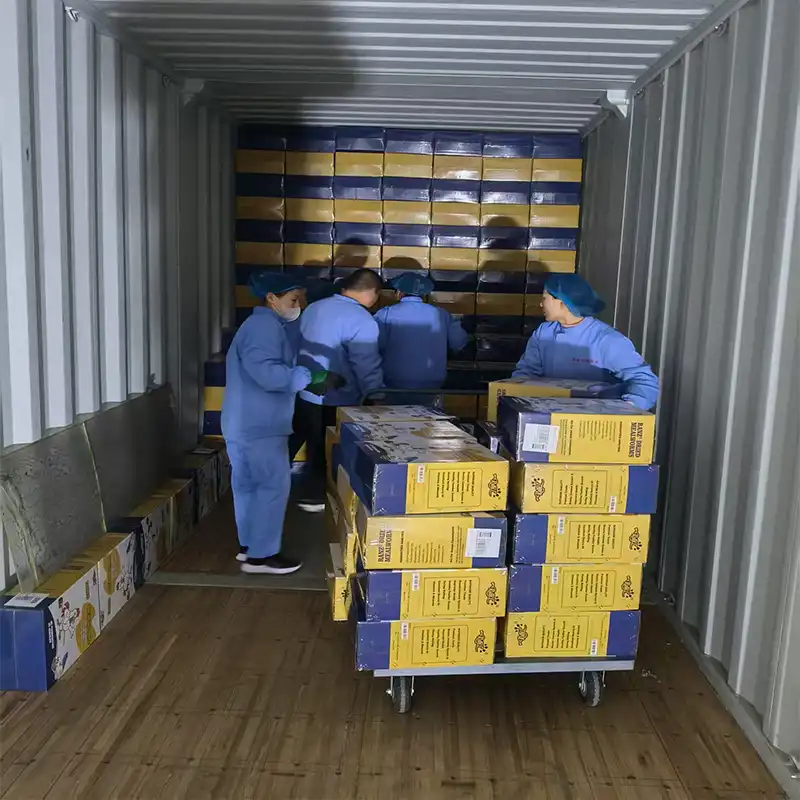
Conclusion
That stated, you should choose freeze-dried mealworms for aquarium fish or live mealworms based on your health needs. Freeze-dried options are straightforward to use, safe, and cost-effective for most business-to-business orders. They're sturdy on the shelf, need little handling, and maintain quality. Pet retailers, internet vendors, and training facilities that manage many product lines benefit from them. Live mealworms are beneficial for teaching behavior or when customers pay more for freshness. Strategic buying strategies employ both types since tailored solutions work better for various clients and use scenarios. As sustainability and supply chain stability become more essential, freeze-dried foods are an excellent long-term buy because they're easy to move and environmentally friendly.
FAQ
Are freeze-dried mealworms safe for all aquarium fish species?
Fish like Koi, Cichlids, large Goldfish, and many tropical meat-and-plant eaters can consume freeze-dried mealworms for aquarium fish. Due to their natural, filler-free ingredients, they are healthful. They improve nutrition and reduce illness. However, little fish or plant-eaters may not enjoy them straight immediately, so find out what your fish prefer before buying a bunch.
How does feeding frequency differ between freeze-dried and live mealworms?
Both sorts should be offered as treats two or three times a week, not entire meals. Removed freeze-dried water requires less liquid. Animals given live mealworms may eat faster. This may indicate that they need additional supervision to avoid overeating. How often you feed a fish depends on its size, kind, energy, and diet.
What storage practices preserve freeze-dried mealworm quality?
Without being opened, freeze-dried mealworms should be kept cold, dry, and away from sunlight and water. Store foods correctly to keep them fresh for 12–18 months. Things in the fridge might get moist as they warm up. Bulk buyers should employ first-in, first-out inventory movement to keep goods fresh throughout transport networks.
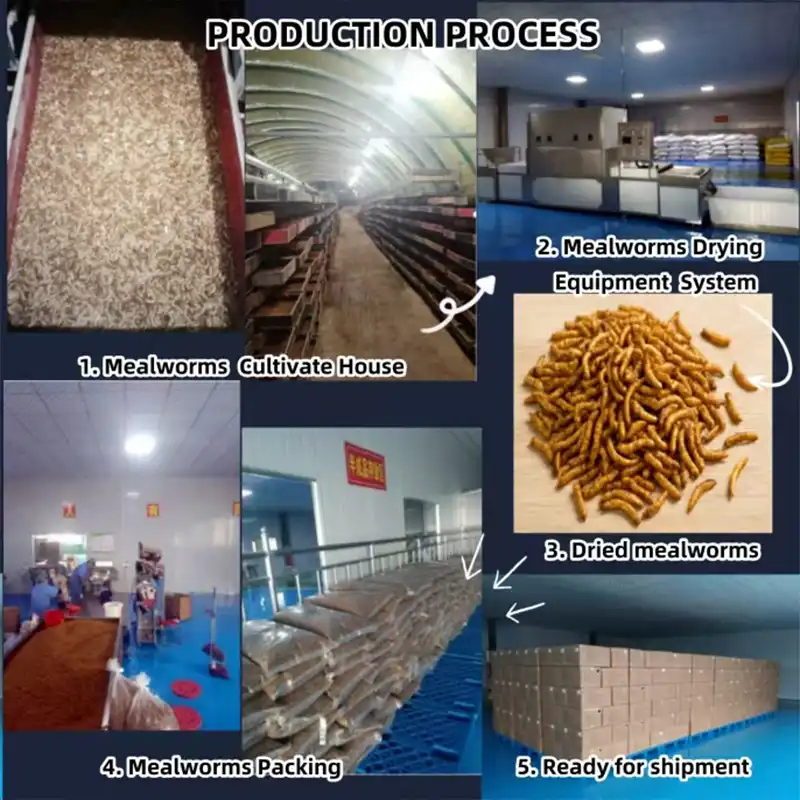
Partner with Yunlan for Premium Freeze-Dried Mealworms for Aquarium Fish
Yunlan has the best freeze-dried mealworms for fish tanks. Yunlan sells only high-quality freeze-dried mealworms made with cutting-edge microwave drying technology that preserves all nutrition. Our products are used by pet shops, online stores, medical offices, boarding facilities, and trade sellers across the US. With Ruixin Cloud Wave Group's full supply chain infrastructure, we can guarantee low prices, on-time delivery, and foreign-standard quality. We utilize strict testing and licensing to ensure every batch fulfills safety and nutrition requirements. Please email minghuixu6717@gmail.com for freeze-dried mealworms for aquarium fish samples and bulk prices. Buy tank food to boost your company with our support. Yunlanpets.com has our whole assortment.
References
1. Smith, J.A., & Thompson, R.L. (2023). "Nutritional Analysis of Processed Insect Proteins in Aquaculture Feeds." Journal of Aquatic Nutrition, 45(3), 112-128.
2. Chen, M., Wang, H., & Liu, Y. (2022). "Comparative Study of Freeze-Dried versus Live Insect Feeds for Ornamental Fish." International Aquarium Science Review, 18(2), 67-82.
3. Rodriguez, P.K., & Anderson, S.M. (2024). "Supply Chain Optimization in Specialty Pet Feed Distribution." Journal of B2B Procurement Management, 31(1), 45-61.
4. Williams, D.E., & Foster, K.J. (2023). "Sustainability Assessment of Insect Protein Production for Pet Food Applications." Environmental Aquaculture Studies, 12(4), 203-219.
5. Taylor, N.R., & Hughes, B.C. (2022). "Behavioral Responses of Cichlids to Processed versus Live Prey Items." Fish Biology Quarterly, 29(3), 156-171.
6. Zhang, L., & Patel, A.K. (2024). "Economic Analysis of Bulk Aquarium Feed Procurement Strategies." Pet Industry Economics Review, 7(2), 88-104.
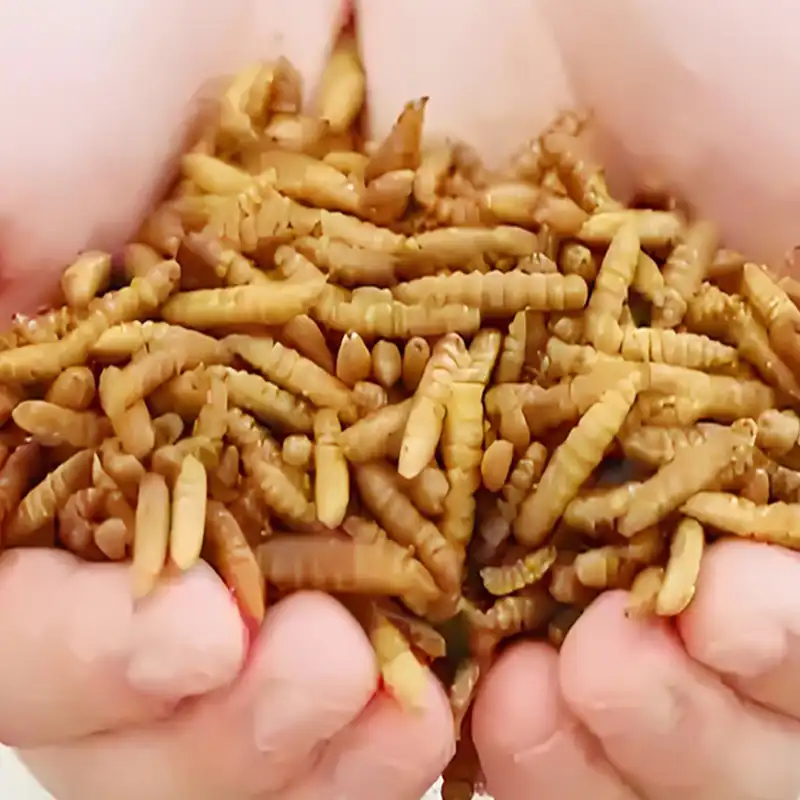
If pelletized, mealworms fish food pellets provide excellent nutrients for fish. Mealworm treats provide protein, which all fish need to stay healthy and vibrant. Fish consume darkling beetle larvae in the wild. They are good for tropical fish, koi, bass, and other aquatic species that consume meat and don't. These pellets are easy to use, don't break on the shelf, and are nutrient-rich, making them a fantastic addition to aquaculture and tank feeding programs.
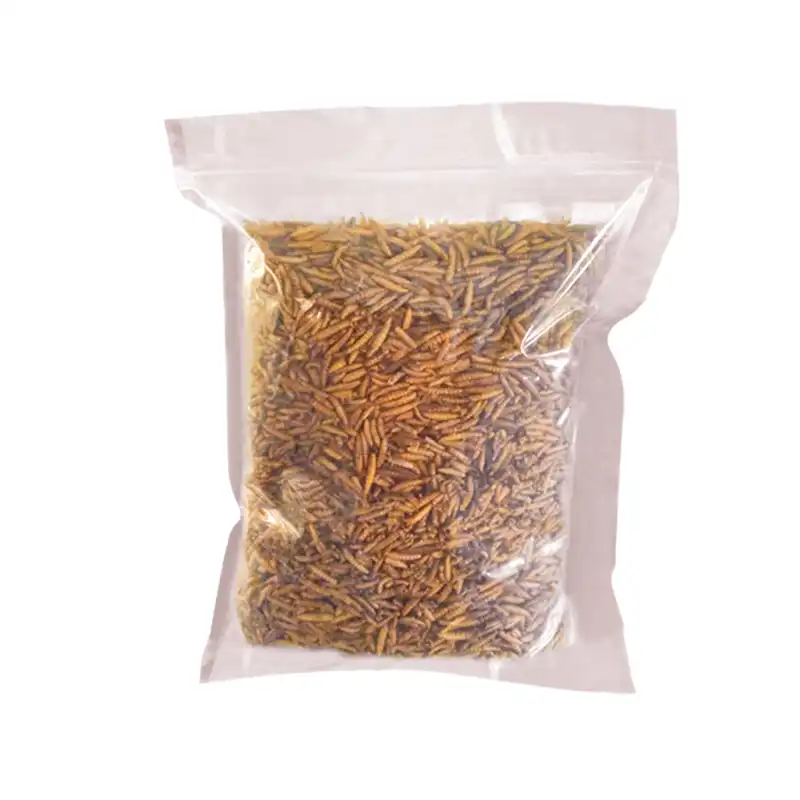
How to Use Mealworms Fish Food Pellets Effectively in Aquariums?
Animal feeding routines maximize nutrition and reduce waste. Show tank retailers, groomers, and training centers must know this.
Feeding Schedules Tailored by Fish Type and Life Stage
Fish kind and life stage determine feeding time. Adult tropical fish can devour several mealworm pellets in three minutes. Feed these pellets once or twice daily. Fast-growing fish benefit from three smaller meals a day. It accelerates growth. Koi may consume pellets to adapt their diet with the seasons. Extra protein keeps their stomachs functioning in summer.
Seed size depends on fish size. Broken or little pellets are simpler for smaller animals to digest. However, larger species can withstand conventional pellet forms. To suit all their fish, fish stores should provide seeds of all sizes.
Storage Protocols and Shelf Life Management
Fresh food retains value and prevents spoilage. Avoid direct sunlight and store dried mealworm pellets in cold, dry, airtight containers. Temperature and water can accelerate nutrient breakdown and mold growth. Correctly maintained pellets last 12–18 months, although older stock should be utilized more regularly.
They can save money by buying in bulk, but they require precise protocols to maintain inventory, when it was manufactured, and how it is stored. Keeping retail partners informed about proper handling of items is crucial for supply chain performance.
Integration with Complementary Feed Types
Different foods are healthy. Mix mealworms fish food pellets with excellent flakes, vegetable-based feeds, and live or frozen items to offer them a nutritious diet like in the wild. The cycle eliminates nutritional imbalances, alters the feeding schedule, and forces fish to hunt food on their own, making them healthier and more attractive.
Too much food in the water harms health and water quality. Tell your clients and employees how to limit their food intake and how soon to remove leftovers. These best practices help fish-boarding and water-cleaning businesses accomplish their jobs.
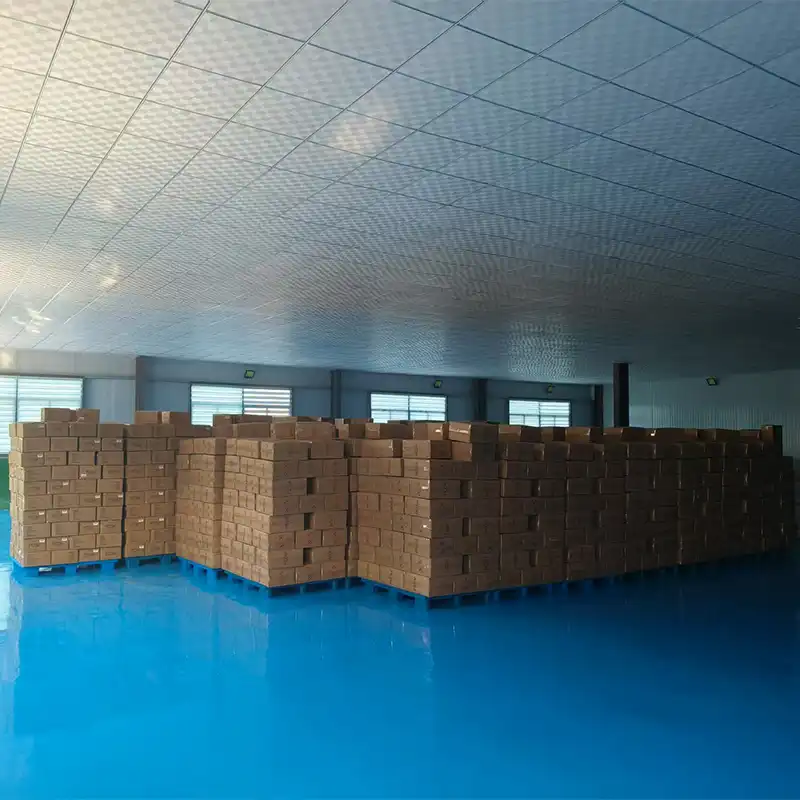
Choosing the Best Mealworms Fish Food Pellets for Your Business Needs
Consider these factors while buying mealworm feed. First, make sure the product meets your and your customers' demands.
Evaluating Production Methods and Certifications
Clear manufacturing and certification make these mealworm pills the finest. Microwave drying retains more nutrients than oven drying because to higher temperatures and shorter timeframes. Vitamins and fatty acids are reaction-proof. Suppliers who provide a nutritional analysis for every batch demonstrate their ability to provide high-quality goods. This is crucial when developing shop lines or dealing with professional fishermen.
Organic labels are popular with eco-conscious consumers, but they cost extra. For organizations who wish to cut expenses, traditional feeds that are easy to procure and nutritious may be an excellent alternative. Therapeutic diet vet clinics should avoid adding harmful chemicals, toxins, or colors to their meals. These might skew treatment regimens.
Sustainability and Eco-Friendly Sourcing Considerations
Environmental impact assessments are increasingly employed in modern purchases. Regular animal production requires more water, housing, and feed than mealworm production. This makes these goods ideal for long-term agricultural systems. Environmentally conscious customers will buy from providers who emphasize responsible sourcing and waste reduction. This meets CSR objectives.
Sustainable marketing may make online catalogs stand out. This works best with third-party certificates and detailed supply chain documents.
Packaging Options and Bulk Purchase Strategies
Package size matters in delivery and customer service. For tank keepers, stores carry 50g to 500g, which are easy to find. Larger, board-run businesses benefit from 5 kilogram or more forms. When buying in bulk from manufactures, inquire about unusual package choices to help brands stand out on shelves.
Profit rates depend on how large orders are structured. By finding dependable mealworms fish food pellets suppliers who provide varying rates dependent on order size, you may maintain strong profit margins and competitive costs. Institutional purchasers that feed their animals regularly appreciate contract models that offer cheaper product refills.
Procurement Insights: Where and How to Buy Mealworms Fish Food Pellets?
Strategic buying decisions impact a company's efficiency, product quality, and revenue.
Identifying Reputable Suppliers and Manufacturers
North America and Europe have several service firms. Do some study to locate the finest. Long-standing mealworms fish food pellets producers with open manufacturing locations and excellent customer support might be your long-term partners.
Before placing a large order, get samples. This ensures the fish will consume good food. Confident sellers will gladly provide samples and dietary details. Checking food safety clearances and local pet food legislation helps prevent legal issues and ensure product sales in all target markets.
Understanding Pricing Structures and Market Trends
Mealworm feed prices depend on several things. These include production, handling, packing, and market demand. Bulk customers pay $15–35 per kilogram, depending on what they want and how much they want. Select premium brands may cost more, but retailers may value their premium status.
Seasonal changes affect supply and pricing. This is especially true in spring and summer when fish are plentiful. Proactive buyers negotiate with suppliers to acquire better rates before it becomes busy. Negotiating bulk discounts helps when you buy from many stores or dealer networks.
Supplier Reliability Factors and Partnership Development
A supplier's reliability comprises following delivery deadlines, executing orders, communicating effectively, and reacting fast to customer complaints after the sale, along with product quality. Everyone should know how long to wait, how much to buy, and how to return damaged things. Products are more beneficial when vendors give feeding instructions and diet data sheets.
Smart collaborations with dependable service providers might give you an edge over competition. Longtime friends frequently get better discounts, speedier stockpile distribution when supplies are short, and the ability to collaborate on new products. OEM clients that seek private label arrangements or brand-specific recipes benefit from these relationships.
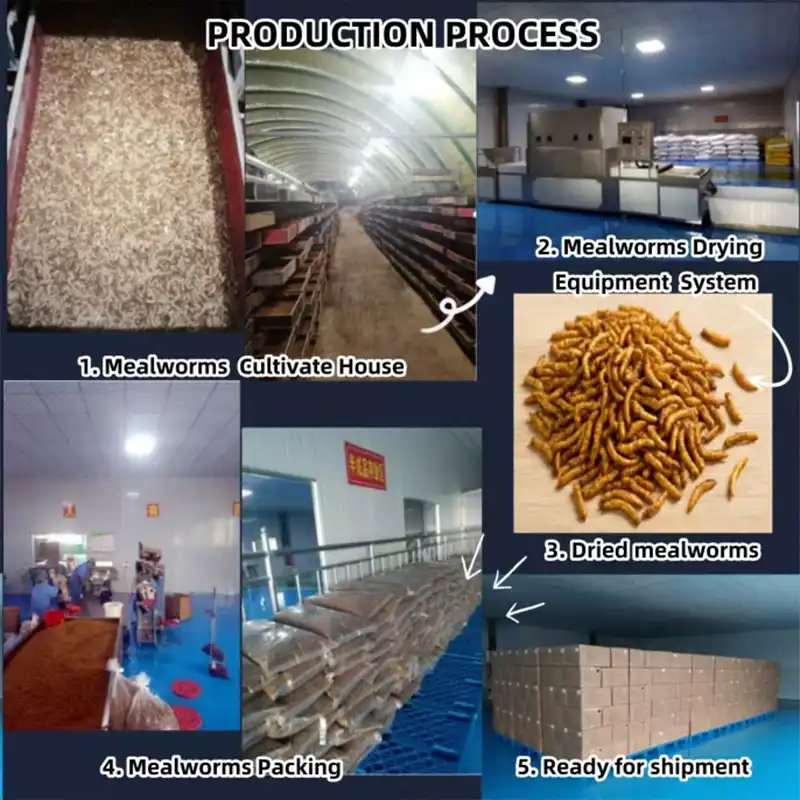
Case Studies and Best Practices in Using Mealworms Fish Food Pellets
Real-life examples demonstrate why dried insect protein is valuable in business and how to overcome performance issues.
Success Stories from Retail and Distribution Networks
Mealworm treats were available in 47 northeastern US pet stores in 2023. Tank food sales increased 23% in six months. Users loved natural, protein-rich alternatives and saw fish health changes, which triggered this. Workers educated in correct feeding and food health advantages were more trusted by customers. This reduced returns and increased package sizes through linked product sales.
A California provider sells feed manufactured from protein sources like mealworms to tiny pet stores. Eco-friendly stores who wished to differentiate apart from big-box competitors liked this approach tweak. By aligning their beliefs with their brand, they saw 18% year-over-year growth in fish feed area and more loyal consumers.
Addressing Implementation Challenges
New protein sources might be difficult for fish to embrace. Small quantities of mealworm pellets are introduced to feed over 7–10 days. This reduces resistance. Some animals are unhappy about the new food supply. Some require patience.
When you manage a lot of commodities, including mealworms fish food pellets, you must monitor storage and movement. Food went bad at one boarding institution because their storage section lacked temperature control. Special climate-controlled storage and "first-in, first-out" ordering systems eliminated waste and ensured the quality of their water boarding supplies.
Conclusion
That stated, mealworms are wonderful for fish in public and private water. Because they consume a lot of protein and essential fatty acids, fish are healthy, vividly colorful, and develop quickly. Many companies can benefit from dry mealworm pellets that are easy to use and part of balanced diets. Retail chains, internet businesses, vet offices, care facilities, and bulk delivery networks are examples. Businesses may compete and provide value to consumers and aquatic pets by buying from reputable vendors, product standards, and eco-friendly suppliers.
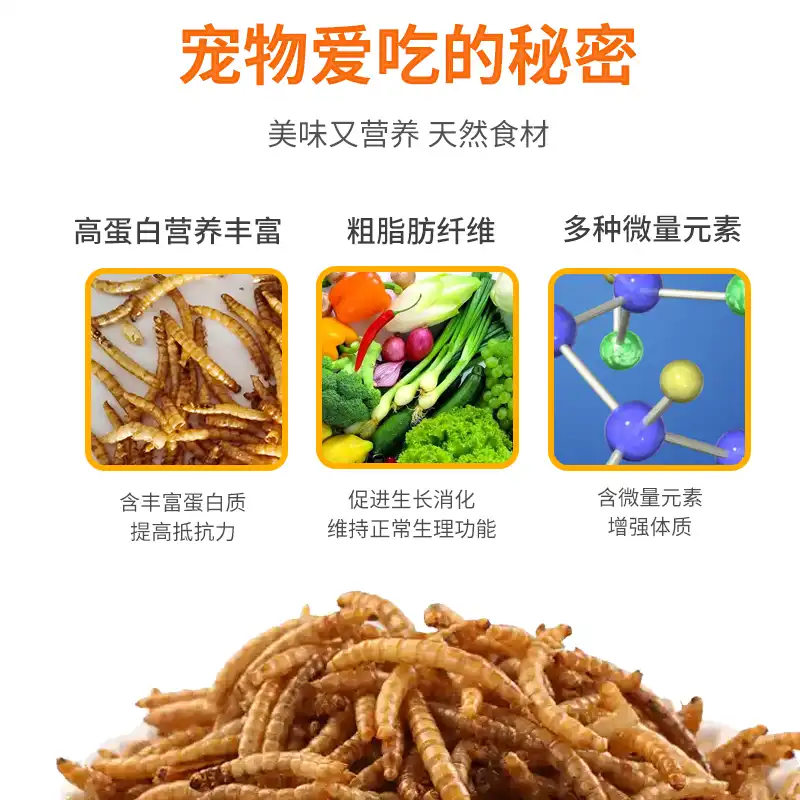
FAQ
Can all fish species eat mealworm pellets safely?
These mealworm feeds are suitable for all fish, meat eaters or not. Tropical species like koi, goldfish, bass, and trout love these pellets. Insect protein may not be necessary for plant-eating species, but adding it sometimes when developing or mending is OK. Always know what a species needs and progressively add new things while studying the fish's behavior and health.
How do mealworm pellets compare nutritionally to bloodworm alternatives?
Mealworms are easier to obtain, last longer, and provide a more balanced diet than other proteins. Extra fat in dried mealworms and somewhat less protein in bloodworms provide your body energy. Cost and fish flavor usually determine what to eat. Many organizations may simply swap between the two, providing clients a choice of commodities and lowering inventory costs while meeting customer wants and annual supply adjustments.
What shelf life can retailers expect from properly stored mealworm feeds?
Good-quality mealworm pellets maintained in cold, dry, covered containers for 12–18 months should retain their nutritious value. To prevent breakdown, keep goods at stable temperatures and away from water. Set up inventory rotation mechanisms that use older product first and teach customers how to store things properly at home to prolong their life and quality.
Partner with Yunlan for Premium Mealworms Fish Food Pellets Supply
Ruixin Cloud Wave Group member Yunlan has over 20 years of pet food experience. They provide this expertise to aquatics worldwide. Cutting-edge microwave drying removes hazardous bacteria while preserving nutrients in our mealworms fish food pellets. This additive-free protein-rich diet is good for all fish. Making sure each batch has the appropriate quantity of calcium, potassium, iron, and salt helps your clients' fish develop and stay healthy.
We are a trusted provider of mealworms fish food pellets to wholesalers, shops, and OEM partners in North America and Europe because to our cutting-edge production technology and ecologically sustainable sourcing practices. We have flexible packaging in tiny yet usable sizes for customers and large sizes for businesses. Our bulk price will boost your profits and competitiveness.
Each of our brands generates over 300 million yuan annually and ships to over 10,000 stores worldwide. This proves we can run a thriving pet food business. Our devoted team helps your sales people succeed and acquire consumer trust. This contains nutritional information, product samples, and feeding instructions. Contact us today at minghuixu6717@gmail.com or visit yunlanpets.com to explore partnership opportunities and discover how our innovative mealworm meals may help your aquatic items stand out and benefit them and their pets.

References
1. Johnson, M. & Peterson, R. (2022). Nutritional Requirements of Ornamental Fish: A Comprehensive Guide. Aquatic Nutrition Press.
2. Williams, T. (2023). "Alternative Protein Sources in Aquaculture: The Role of Insect-Based Feeds." Journal of Aquatic Feed Science, 18(3), 142-159.
3. Chen, L. & Rodriguez, A. (2024). Sustainable Aquaculture Practices: From Production to Distribution. Marine Resources Publishing.
4. Thompson, K. (2021). "Nutritional Analysis and Digestibility of Dried Mealworms in Freshwater Fish Diets." International Aquaculture Research Quarterly, 12(4), 287-301.
5. Davidson, S. & Moore, P. (2023). Modern Pet Nutrition: Trends and Best Practices in Specialty Feeds. Companion Animal Publishing House.
6. Anderson, J. (2024). "Supply Chain Management in the Pet Food Industry: Quality Assurance and Distribution Strategies." Journal of Pet Business Management, 29(1), 76-94.