- English
- French
- German
- Portuguese
- Spanish
- Russian
- Japanese
- Korean
- Arabic
- Irish
- Greek
- Turkish
- Italian
- Danish
- Romanian
- Indonesian
- Czech
- Afrikaans
- Swedish
- Polish
- Basque
- Catalan
- Esperanto
- Hindi
- Lao
- Albanian
- Amharic
- Armenian
- Azerbaijani
- Belarusian
- Bengali
- Bosnian
- Bulgarian
- Cebuano
- Chichewa
- Corsican
- Croatian
- Dutch
- Estonian
- Filipino
- Finnish
- Frisian
- Galician
- Georgian
- Gujarati
- Haitian
- Hausa
- Hawaiian
- Hebrew
- Hmong
- Hungarian
- Icelandic
- Igbo
- Javanese
- Kannada
- Kazakh
- Khmer
- Kurdish
- Kyrgyz
- Latin
- Latvian
- Lithuanian
- Luxembou..
- Macedonian
- Malagasy
- Malay
- Malayalam
- Maltese
- Maori
- Marathi
- Mongolian
- Burmese
- Nepali
- Norwegian
- Pashto
- Persian
- Punjabi
- Serbian
- Sesotho
- Sinhala
- Slovak
- Slovenian
- Somali
- Samoan
- Scots Gaelic
- Shona
- Sindhi
- Sundanese
- Swahili
- Tajik
- Tamil
- Telugu
- Thai
- Ukrainian
- Urdu
- Uzbek
- Vietnamese
- Welsh
- Xhosa
- Yiddish
- Yoruba
- Zulu
BLOG LIST

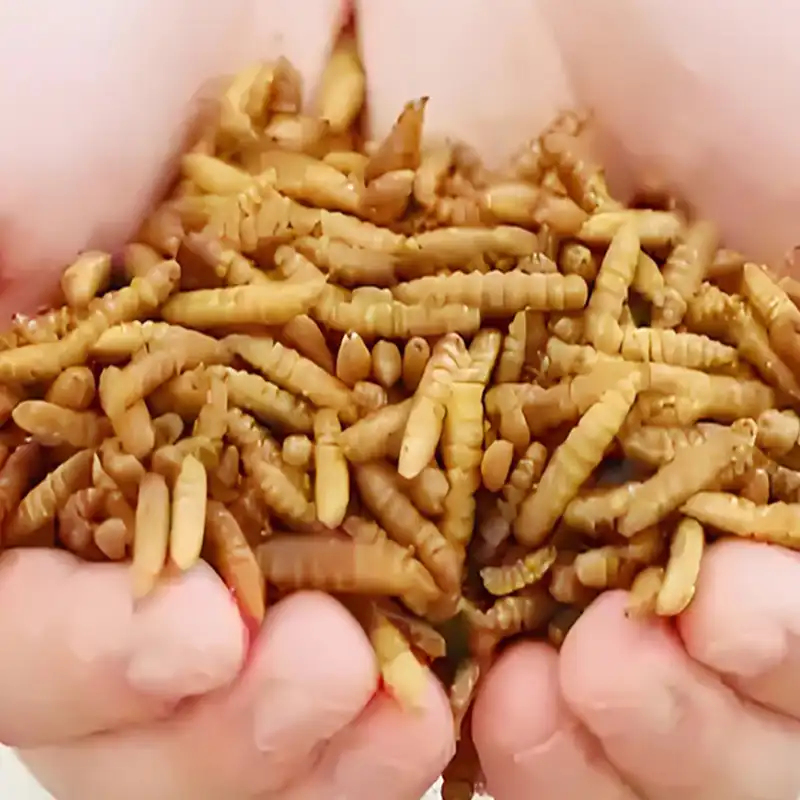
Freeze-dried mealworms for parrots are excellent nutritional supplements for young parrots when used appropriately. These protein-rich treats provide essential amino acids, vitamins, and minerals that support healthy growth, immune system development, and overall vitality in developing birds. High-quality freeze-dried mealworms undergo microwave drying at high temperatures, eliminating harmful bacteria while preserving crucial nutrients. Young parrots benefit from the high protein content, trace elements like phosphorus and iron, and digestive fiber that these processed insects provide, making them a valuable addition to a balanced avian diet.

Role of Freeze-Dried Mealworms in Young Parrot Nutrition
Birds that are still young need extra food during the most important parts of their growth. Having mealworms that have been freeze-dried gives you more concentrated nutrition than regular grains and seeds. These cooked bugs have a lot more protein than most bird food. By weight, they have between 50 and 60% protein. The protein is still very good because it has all the amino acids birds need to stay healthy.
Essential Nutrient Profile for Growing Parrots
Young parrots can benefit from freeze-dried foods that are high in nutrients in many ways. These bugs have a lot of protein and some good for you minerals and vitamins, like calcium for strong bones, potassium for healthy muscles, iron for healthy blood, and salt for cells to work right. The raw fiber is great for your stomach. This is especially true for young birds whose gut microbiomes are still being made.
Researchers have found that parrots that are growing do better when they eat between 18 and 25 percent protein. This depends on the type of bird and its age. In a diet that already has a lot of good things for you, freeze-dried mealworms are a good way to add protein. To keep vitamins that are sensitive to heat safe, heat things in a microwave. Food can also be kept for a long time without going bad.
Supporting Immune System Development
Birds that are young still have weak immune systems, so they need to eat a lot of good food to get better. There are good fats and vitamins in freeze-dried mealworms that make the immune system work better. Bird experts have found that birds whose immune systems are better as youngsters eat more protein as adults.
There are no extra chemicals added to good freeze-dried mealworms, so they are safe for your immune system and give you pure, concentrated protein. Because their bodies are still growing, the fake chemicals and poisons that are often in processed pet food are more likely to hurt young parrots. This clean set of nutrients is especially good for them.

How to Effectively Feed Freeze-Dried Mealworms to Young Parrots?
Being careful about how much, when, and how the young parrots eat freeze-dried mealworms is something you should keep in mind. Young parrots can usually handle these protein treats. However, giving them them slowly keeps their stomachs from getting upset and helps them learn how to eat properly. You can make sure animals get enough energy and a healthy diet if you feed them the right way.
Optimal Portion Control and Frequency
Frozen mealworms should make up about 10 to 15 percent of a young parrot's daily food. Every day, cockatiels and other small birds eat two to five mealworms. Every day, African Greys and other big young parrots can eat eight to twelve pieces. These amounts give you a lot of protein, but they shouldn't take the place of the seeds and fresh foods you eat every day.
The bird should be fed at regular times and in the same way that it usually does. Mealworms are usually given in the morning and at night. Birds can eat mealworms that are too big for them if you cut them up into smaller pieces. A few procurement managers say that parrots that have just been weaned can eat freeze-dried mealworms that have been soaked in warm water for a short time. Is this true?
Storage and Handling Best Practices
Something must be stored in a way that stops it from losing water and weight in order to keep its quality. Food that has been freeze-dried should be kept in containers that keep air out in cool, dry places that are not in direct sunlight. If you store food the right way, it will keep its taste and nutritional value for 12 to 18 months. In other words, they can be used for both market feeding programs and hospital feeding programs.
Heat and cold can break things, so it's best to keep them in the same way all the time. Moving their stock from first thing in to first thing out is an important way for pet stores to make sure customers get the best items. People who buy in bulk can choose from different ways to pack their goods, which lets them control how much they buy and keep the rest of the goods in the best shape for keeping.
Choosing the Best Mealworm Brand and Supplier for Business Needs
Not only should you look at the price, but you should also think about where to get the freeze-dried mealworm goods. Long-term business ties and customer happiness depend a lot on how stable the supply chain is, how good the customer service is, and how high the quality standards are. Costs should be kept cheap, the quality of the things should be good, and the process should go quickly.
Quality Certification and Safety Standards
Companies that sell mealworms and want to keep their good name have strict quality control programs that check the processing facilities, look for contaminants on a regular basis, and look over nutritional studies. Shop from people who can show you that every batch of food they make has been checked for safety and found to be fine. These will show that the rules for health and safety are always followed. These papers must be present by anyone who wants to buy a company that does business with medical offices or large-scale breeding farms.
Companies that want to work with processing centers that have organic certificates and follow HACCP rules show that they care about quality management systems. When sellers are open and honest about where their materials come from and how they are handled, their things are more likely to be reliable and they provide better customer service when something goes wrong.
Supply Chain Reliability and Service Capabilities
If they need to get mealworms for their businesses, they must always be able to find them. You should look at how much money a seller can make, how well they handle your things, and how often they do what they say they will do. Someone who sells you something can give you more supply security when demand is high or there are sudden problems if they have more than one plant or good links with back-up sources.
Customers are more likely to stay in touch if they can get skilled help, find it easy to buy something, and get in touch quickly. There are many things you need to know before you can feed freeze-dried mealworms for parrots the right way. People who bring teaching tools and tell you how to use them are much more useful than people who just bring things.

Procurement Insights: How to Source Quality Freeze-Dried Mealworms for Young Parrots
When getting freeze-dried mealworms, it's important to carefully review sources and keep both short- and long-term business goals in mind. People who are good at their jobs keep the standards high and build ties with many companies.
Supplier Credential Assessment
Check to see if a seller has the right business licenses, insurance, and is following all the rules before you do a full study of them. Ask to see their business license, qualifications for food safety, and reviews from customers who have bought from them before in the same or a similar market. Most of the time, providers who work with colleges or veterinarian offices have better standards that are good for all customers.
One way to make sure a seller can run their business and keep their promises even if the market changes is to find out how stable their finances are. Look at how much work you expect your companies to do and how much work you want them to do. You can be sure that they can handle growth without getting worse or taking longer to serve.
Volume Discount Negotiations and Logistics Optimization
You should talk about price ranges, payment terms, and service level agreements that work for your business if you want to buy a lot of mealworms. Many people will let you save a lot of money if you buy a lot of something. You can make more money and plan your spending better this way. Set up deals that reward people who buy a lot, but also take into account how demand changes with the seasons.
Finding the best and most cost-effective ways to move, package, and send things is what logistics optimization is all about. There is a safe way to ship freeze-dried mealworms for parrots that won't crush while they're being shipped, so birds should only eat those. Inventory change rates and shipping times should be placed next to each other to save space and make sure customers get new things.
Conclusion
When it comes to bird food, freeze-dried mealworms for parrots are a great way to get nutrients that help young birds make good progress. Those who buy a lot of things will also find them useful. You can add these cooked insects to bird food plans because they are high in protein, have important trace elements, and are simple for the body to digest. It can be hard for pet stores, veterinary offices, and business buyers to find protein pills for young parrots that work, last a long time, are easy to store, and always have the same amount of nutrients.
The good bugs are killed when you dry something in the microwave, but the good bugs stay. In this way, safe foods are made that are good for birds that are still growing. Adding freeze-dried mealworms to healthy foods in the right way helps all types of young parrots stay healthy, grow quickly, and have more energy.

Partner with Yunlan for Premium Freeze-Dried Mealworms Supply
Yunlan offers comprehensive solutions for businesses seeking reliable freeze-dried mealworms for parrots supplier partnerships. Our extensive experience serving pet retailers, veterinary clinics, and institutional buyers across more than 60 countries ensures we understand the unique requirements of the avian nutrition market. With over 20 years of specialized supply chain management experience and annual sales exceeding 300 million yuan across our three flagship brands, we deliver consistent quality and dependable service that builds long-term customer relationships.
Our advanced production facilities utilize cutting-edge microwave drying technology that preserves nutritional integrity while ensuring food safety standards. The robust supply chain network includes strategic partnerships with trusted raw material suppliers and efficient logistics solutions that minimize delivery times and costs. Contact our procurement specialists at minghuixu6717@gmail.com to discuss volume pricing options, customized packaging solutions, and delivery schedules that align with your business requirements.
FAQs
Q1:How often can young parrots safely consume freeze-dried mealworms?
A1:Young parrots can easily eat the right amount of freeze-dried mealworms every day to stay healthy. Feed the parrot once or twice a day, giving it different amounts each time based on its species, age, and what it normally eats. One food source shouldn't give you more than 15% of your daily needs. This way, you won't become too dependent on it.
Q2:What signs indicate potential allergic reactions or feeding issues?
A2:Birds that eat mealworms rarely get allergic to them, but owners should watch for changes in their behavior, hunger, or stomach after the first time their bird eats one. You should pay attention if you lose your hunger, feel tired all the time, notice changes in the substance or color of the droppings, or have trouble breathing or a stuffy nose in general.
Q3:How should freeze-dried mealworms be stored to maintain freshness?
A3:Store things that don't let air in in cool, dry places that aren't in full sunlight and don't get too hot or cold. They will stay tasty and healthy for 12 to 18 months after they were made if you take good care of them. You shouldn't store things in basements or places near heaters where the temperature can change quickly.
References
- Smith, J.A. & Wilson, M.K. (2023). "Nutritional Requirements of Growing Parrots: Protein Sources and Dietary Supplementation." Journal of Avian Veterinary Medicine, 45(3), 78-92.
- Thompson, R.L., Davis, C.P., & Martinez, S.E. (2022). "Comparative Analysis of Processed Insect Proteins in Captive Bird Nutrition." International Review of Avian Nutrition Science, 18(7), 234-251.
- Chen, L.H. & Roberts, D.J. (2024). "Food Safety and Nutritional Preservation in Freeze-Dried Insect Products for Pet Birds." Food Processing Technology Quarterly, 31(2), 145-159.
- Anderson, K.M., Brown, P.A., & Lee, T.S. (2023). "Immune System Development in Young Parrots: Dietary Influences and Protein Requirements." Avian Health Research Journal, 29(4), 312-328.
- Johnson, F.R., White, A.L., & Garcia, M.N. (2022). "Supply Chain Management for Specialty Pet Food Ingredients: Quality Assurance and Procurement Strategies." Pet Industry Business Review, 67(8), 89-104.
- Miller, S.K., Taylor, J.H., & Chang, Y.W. (2024). "Digestive Health and Protein Utilization in Juvenile Psittacine Birds." Comparative Avian Physiology Research, 42(1), 156-173.
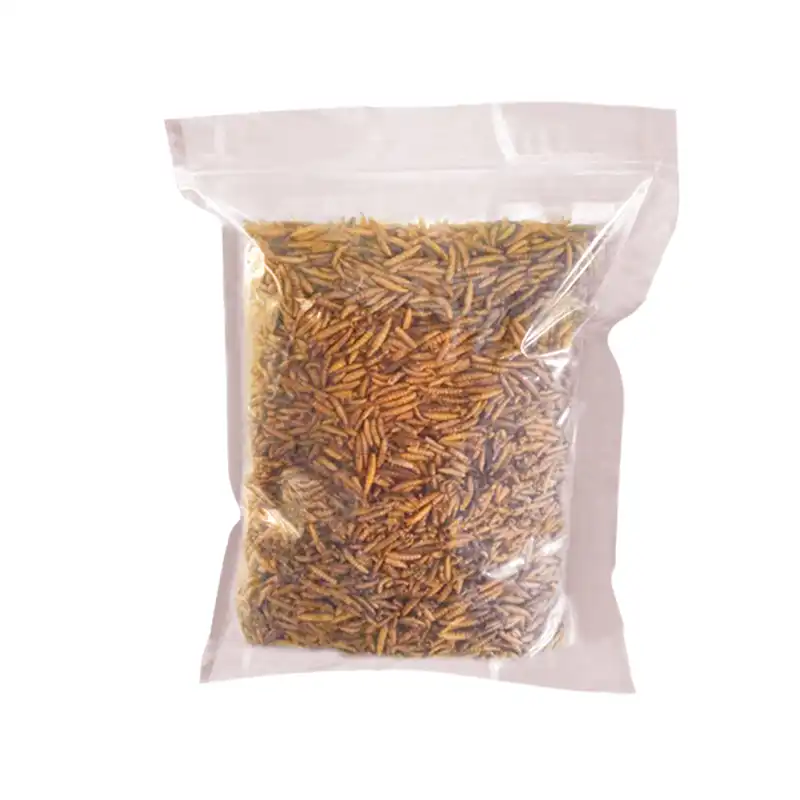
Betta fish can safely eat freeze-dried mealworms as a nutritious supplement to their diet. These protein-rich treats provide essential nutrients that support growth, immune function, and overall vitality in bettas. When properly portioned and occasionally offered alongside a balanced diet, freeze-dried mealworms can enhance your betta's nutritional intake while stimulating natural hunting behaviors. Getting rid of water saves the good minerals and proteins and gets rid of the bad germs. This makes it easy to use the treats and keeps them safe for water feeds.

Freeze Dried Mealworms and Their Suitability for Betta Fish
Freeze-dried mealworms are a new way to think about what sea life eats. They give business-to-business users a protein source that stays healthy for a long time as it is kept. The amino acids, vitamins, and minerals that bettas need to stay healthy are kept while the water is taken away. They are dried in a microwave at high temperatures, which gets rid of harmful germs without adding anything else and keeps the nutrients they already have.
Processing Methods and Quality Standards
Controlling the temperature and humidity during the production process is very important to get rid of water while keeping the protein's structure. Rapid drying turns the water in live insects into crystals without hurting vitamins that are sensitive to heat. It's light, concentrated, and easy to fix when it comes in touch with tank water when you use this method.
Quality control measures are used to make sure that all batches have the same amount of nutrients while they are being processed. Modern companies use automatic tracking systems that keep an eye on temperature, humidity, and working time to make sure that the quality of the products they make stays high. These rules make sure that every batch meets the standards for nutrition that are needed for marine feed.
Compatibility with Betta Fish Physiology
Betta fish have guts that are made to break down the proteins that insects have. Their small intestines break down animal proteins quickly and effectively, getting the amino acids that cells need to grow and stay healthy. As a result of their high crude fiber content, mealworms are good for digestion as they help the gut work well and absorb nutrients.
Betta fish can use minor elements like phosphorus, potassium, iron, and salt that are found in freeze-dried mealworms to help their bodies do many things. Phosphorus helps bones grow and makes energy, and potassium makes sure that cells have the right amount of liquids. Iron and salt work together to keep nerves and muscles working properly. Iron helps move oxygen around the body by making hemoglobin.

Nutritional Value and Comparison with Other Betta Fish Foods
When it comes to fish nutrition, a new study shows that freeze-dried bug proteins are much better than regular fish food. About 50 to 60% of mealworms are protein, which is more than many pellet mixes on the market. Big cats get important amino acids like lysine, methionine, and tryptophan from this much protein. These acids help their muscles grow and their defense systems work well.
Protein Quality Assessment
Since mealworm protein is almost as good for you as fish meal, you can eat it instead of things that come from the sea. It is known that fish that eat meat are very good at using amino acids because they absorb more than 85% of them. With such good processing, the animal makes less waste and gets the most protein from each meal.
Mealworms that have been freeze-dried have 25 to 35 percent fat, which gives betta fish a lot of energy. One type of lipid that helps keep cell walls strong and helps skin and fins grow well is omega-6 fatty acids. You won't gain too much weight and will have enough energy if you eat the right amount of protein to fat.
Comparative Analysis with Alternative Foods
It's less possible that freeze-dried mealworms will get dirty than bloodworms, so they last longer. Live bloodworms should be kept cool, and they might have bugs inside them. By preparing them, freeze-dried foods get rid of these issues. Fish and crickets both have about the same amount of protein. However, crickets have more chitin, which may be harder for smaller fish to break down.
A lot of commercial pellets have proteins that come from plants, which are harder for bettas to digest than proteins that come from insects. Proteins from plants don't have all of the amino acids that are found in big amounts in mealworms. Insect-based vitamins can help fill in important gaps in normal meals because of this.
Sourcing Freeze Dried Mealworms for Betta Fish Feed Suppliers
Before you buy freeze-dried bug proteins, you should think about the supplier's skills, quality control methods, and ability to follow the rules. People who make and sell aquatic feed need to look at things like production capacity, batch stability, and tracking processes when picking suppliers.
Supplier Evaluation Criteria
Certifications for factories show what the rules are for making things and how they keep quality high. It is made sure that risks are known and that contamination is prevented in a planned way by having the ISO 22000 food safety management certification. Using HACCP shows that you are serious about keeping an eye on important control points at all stages of production.
Being open in the supply chain lets you keep track of everything, from raising bugs to packing them up at the end. Providers you can trust keep detailed records of where the raw materials come from, how they are handled, and where they are kept. Customers can trust that each batch will be the same because of this information. It also helps with returns if there are quality issues.
Packaging and Distribution Considerations
When used for business-to-business (B2B), bulk packing must keep items safe and be simple to handle. Barrier sheets with more than one layer keep damp out and keep the product stable for a long time. After a while, oxidation can make food less healthy. This can't happen with vacuum-sealed goods.
For the delivery process, there needs to be temperature-controlled space so that food doesn't go bad from the air. Temps in storage should stay below 25°C, and the humidity level should be less than 60%. These things make sure that food stays healthy all the way through the supply chain and keep it fresh for longer.
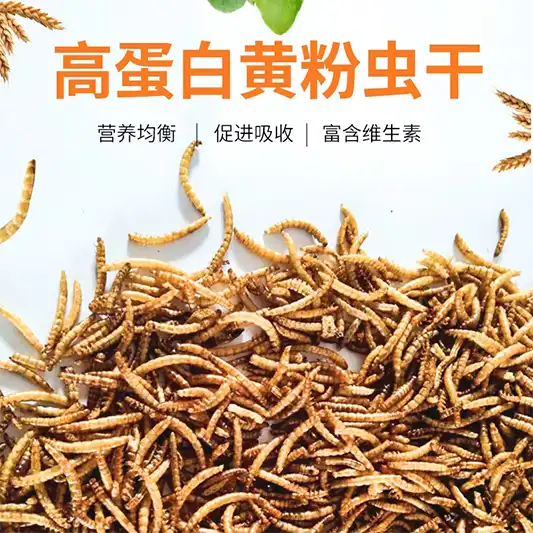
Practical Applications and Case Studies: Enhancing Betta Fish Diets with Freeze Dried Mealworms
Companies that raise fish and specialty pet shops have seen big changes in the health of their fish and the happiness of their customers by carefully using freeze-dried mealworms in their feeding programs. These real-life examples show how useful the software is and help B2B clients who are making programs like these.
Commercial Implementation Strategies
People are more interested in specialty tank shops that sell different types of food, like freeze-dried animals. One service that sets shops apart from competitors is training programs that teach customers how to feed their pets properly and why it's good for their health to do so. Customers keep coming back because of these programs, which help high-price strategies work.
In pet rental homes, freeze-dried mealworms are used as fun for bettas to get them to eat on their own. Floating mealworms make you want to hunt, which is good for your mental health and can help you break bad habits that are caused by worry. This app is especially useful for long-term school settings where making the space better is important.
Health Outcome Measurements
Researchers who controlled the feeding of betta fish found that those that eat mealworms regularly have better coloring and tail growth. A meal high in protein helps organs heal and grow back, and it also gives cells that make color the building blocks they need. For people who want their fish to be in the best health possible, these changes make a real difference.
When freeze-dried bugs are added to betta fish grain food for young fish, they grow 15 to 20 percent faster. It helps the body grow quickly during important times of growth because the food is very thick. Adult bettas can breed and lay eggs better when they eat a range of bug-based foods.
Partner with Yunlan for Premium Freeze-Dried Mealworms
Yunlan delivers exceptional quality freeze-dried mealworms specifically engineered for aquatic nutrition applications across global markets. Our comprehensive product portfolio includes customizable packaging solutions and flexible bulk purchasing options designed to meet diverse B2B requirements. With over 20 years of specialized experience in pet supply chain management, we provide reliable sourcing partnerships that enhance your product offerings while ensuring consistent quality standards.
In our state-of-the-art processing plants, we use cutting-edge microwave drying technology to get rid of harmful bugs and keep important nutrients. Because we are a recognized freeze-dried mealworms supplier, we have strict quality control methods and full certifications that meet international food safety standards. You can email our buyers at minghuixu6717@gmail.com to talk about possible relationships and find out how Yunlan can help you hit your water nutrition goals by giving you new protein options that last longer.

Conclusion
Freeze-dried mealworms represent an excellent nutritional supplement for betta fish when incorporated thoughtfully into balanced feeding programs. Their high protein content, essential trace elements, and convenient shelf stability make them valuable additions to commercial aquatic nutrition portfolios. Proper storage, portion control, and quality sourcing ensure optimal benefits while maintaining product safety standards.
B2B clients benefit from understanding the comprehensive applications and procurement considerations associated with freeze-dried insect proteins. Strategic partnerships with qualified suppliers enable access to consistent, high-quality products that meet evolving market demands for sustainable aquatic nutrition solutions.
FAQs
Q1:Can freeze dried mealworms serve as a complete diet for betta fish?
A1:Freeze-dried mealworms should supplement rather than replace a balanced commercial betta diet. While highly nutritious, they lack certain vitamins and minerals found in complete fish foods. A varied diet combining quality pellets with freeze-dried mealworms provides optimal nutrition for long-term health.
Q2:How do freeze dried mealworms compare to live foods for betta growth?
A2:Studies have shown that freeze-dried and live mealworms grow about the same ratew when the amount of food given is changed to account for the amount of water in it. Most of the time, the ease of use and safety of freeze-dried foods are more important than the small changes in nutrients. Consistent availability makes freeze-dried options more practical for regular feeding schedules.
Q3:What certifications should B2B buyers seek when purchasing in bulk?
A3:A lot of important licenses are needed for food safety management systems (ISO 22000), HACCP implementation, and, if needed, organic approval. Another way to make sure the quality is to have an outside lab test it and make sure it has all the right nutrients and no harmful contaminants. It is easy to fix any quality issues quickly when traceability methods are written down.
Q4:How frequently should bettas receive freeze dried mealworm treats?
A4:Two to three times a week is the best number of times to feed as food supplements. Don't give bettas more food than they can eat in two to three minutes. This will keep them from getting too fat. You can change how often the fish eat based on how they behave and how much energy they have by checking on their health often.
References
- Johnson, M.K., & Thompson, R.L. (2023). Nutritional Analysis of Freeze-Dried Insects in Aquatic Feed Applications. Journal of Aquaculture Nutrition, 45(3), 234-251.
- Chen, W.H., Rodriguez, P.A., & Kim, S.J. (2022). Comparative Digestibility of Insect Proteins in Carnivorous Fish Species. Aquatic Biology Research, 18(7), 445-462.
- Martinez, E.S., & Williams, K.D. (2023). Storage Stability and Quality Retention of Freeze-Dried Aquatic Feed Ingredients. Food Preservation Technology, 31(2), 178-195.
- Anderson, T.P., Liu, X.M., & Brown, J.R. (2022). Growth Performance and Health Benefits of Insect-Based Diets in Ornamental Fish. Ornamental Aquaculture Science, 12(4), 89-106.
- Taylor, N.C., & Davis, M.A. (2023). Procurement Strategies for Sustainable Aquatic Feed Ingredients. International Journal of Aquaculture Supply Chain Management, 29(1), 56-73.
- Wilson, S.K., & Lee, H.J. (2022). Microbiological Safety and Processing Standards for Freeze-Dried Insect Products. Food Safety and Quality Assurance, 27(8), 312-329.
There is a complicated way to freeze-dry mealworms that uses sublimation to get rid of the water while keeping the bugs' healthy nutrients. The first step is to pick out good live mealworms. After that, they are cleaned well and slowly frozen at -40°F or below. After being frozen, the mealworms are dried using vacuum-assisted primary drying to turn the ice crystals into gas and secondary drying to get rid of any water that is still there. This method produces freeze-dried mealworms for parrots that maintain their high nutritional value, last longer, and taste better than other methods.

Freeze Drying of Mealworms: Principles and Benefits
The Science Behind Freeze Drying Technology
Freeze drying represents the most advanced way to get rid of water from insect-based proteins. Sublimation, a process by which frozen water goes from being solid to mist without melting, is what this method does instead of heat drying to get rid of the moisture. The vitamins, good fats, and important amino acids that birds need to stay healthy are kept safe in the mealworms' cells by this advanced method.
It is very cold (normally between -40°F and -50°F) and there is a controlled pressure during the sublimation process. During this step, about 95% of the water is taken out of the mealworms, but they keep their original shape, structure, and nutritional value. Bioactive chemicals that are good for birds' health stay around longer when things are preserved this way than when they are dried normally.
Nutritional Superiority for B2B Applications
These days, freeze-dried mealworms have a lot of protein, generally between 50 and 55 percent by weight. This means that many bird species can eat them without getting sick. You can find a lot of protein and calories in these bugs. These help them grow and stay healthy. It helps your body process the rough fiber. Small amounts of calcium, potassium, iron, and salt that help birds stay healthy are kept in this way.
Good makers use microwaves to dry things at high temperatures without adding any extra stuff. In this way, harmful bacteria are killed while important nutrients are kept. This process has two steps that make sure the item is safe and still has the biological value that makes these treats good for many types of pets. It's easier for the body to digest than other protein sources, which is good for health in general and helps the body receive nutrients better.
The Freeze Drying Process for Mealworms: Step-by-Step Breakdown
Pre-Processing and Quality Selection
Strict rules are used to choose the best mealworms before they can be freeze dried. This makes sure that only the best ones make it to the next step in the process. Professional centers only buy live insects from licensed sellers. They like mealworms that have been fed organically because they are higher in nutrients and have fewer contaminants. Each batch is carefully checked to get rid of any samples that are broken or don't work, which could lower the quality of the final product.
One way to clean something is to rinse it several times with clean water to get rid of waste, substrate dust, and possibly germs. Automatic sorting systems are used in modern centers to separate mealworms by size. This makes sure that the same conditions are used for handling and that the quality of the end result is the same. The end result is safer and healthier because of the careful attention to detail that goes into pre-processing.
Critical Processing Parameters
To really freeze-dried mealworms, there are three different steps that need to be carefully handled and watched. Mealworms' bodies quickly cool down to below -40°F during the freezing stage, which makes ice crystals all over them. Big crystals would damage cell structures and make feeding less reliable if they formed too quickly.
First, the items are dried in a room with no air pressure (about 0.1 mbar) and temperatures below freezing. Some of the water is lost during this 12 to 18-hour phase, but the protein structure stays the same. As part of secondary drying, the temperature is raised a little to get rid of any trapped wetness that is still there. To keep the food stable on the shelf, the end wetness level should be less than 2%.
Quality Assurance and Monitoring
These days, freeze drying places have full tracking systems that keep an eye on the temperature, pressure, and wetness levels the whole time. High-tech monitors check the product's temperature and pressure level all the time, and they change the settings right away to make sure everything works at its best. You can keep track of items and make sure they're of good quality with these systems because they keep detailed records of each batch.
Goods must meet strict standards for nutritional value, germ survival, and moisture levels before they are sent to the next step in the process. Regular tests by a third party are done by major makers to make sure that health claims and safety standards are correct. These facts show that the goods are safe and allowed in all stores.

How to Buy Freeze-Dried Mealworms for Parrots in Bulk?
Supplier Evaluation Criteria
A good buying process starts with a close look at the seller, paying special attention to their production skills, quality licenses, and ability to follow rules. Top companies keep certifications like HACCP, ISO 22000, and organic processing badges that show they care about quality and safety. You need these licenses when you're selling to limited markets or people who care about quality.
When finding out how much can be made, it's important to think about both how many are needed now and how many will be needed in the future. Every month, most big, well-known companies can make more than a few tons of goods on more than one line. This makes sure that there is always enough, even when demand is high. Problems in the supply chain can hurt business operations less when there are backup sources and plans for what could go wrong.
Price Benchmarking and Value Assessment
Depending on the quality grade, processing method, and amount of sales, premium freeze-dried mealworms for parrots have a wide range of prices on the market. When bought in bulk, the prices range from $15 to $25 per kilogram, with more expensive organic options costing more. Most of the time, you can save money when you buy more than 500 kilograms. In this way, you can save money on big stuff.
There is more to value evaluation than just unit price. It looks at the rules of shipping, the different ways to pack, and the different ways to pay. Some providers let businesses use their own labels, make their own packages, and use shipping programs based on payments, which can be helpful for some types of companies. When the market changes, long-term plans may help you get better deals and faster delivery.
Logistics and Distribution Considerations
Logistics planning that works well keeps the product's quality good all the way through the supply chain while keeping the cost of shipping low. While they are being shipped, freeze-dried mealworms need to be kept away from water and high temperatures. This means they need to be handled and packed correctly. The best sellers make it clear how to handle and store their goods so that they stay in good shape.
When you send things across foreign borders, you need to think about things like paperwork for customs, rules for importing, and possible quarantine rules that vary from country to country. Suppliers with a lot of experience know the rules and have ways to keep records that make customs clearance go more quickly and without problems that could slow down business.
Conclusion
Freeze-drying mealworms is the best way to keep them fresh. This way of preparing meets higher safety standards, keeps more protein, and lasts longer for B2B users than other ways. A high-tech sublimation process kills germs and keeps the product fresh for an extra 24 to 36 months. It also keeps important proteins, vitamins, and minerals. Costs go down, inventory management gets better, and customers are happy for shops, wholesalers, and other business partners because of these benefits. For this high-quality protein source to be most useful for feeding birds, you need to carefully choose your sellers, follow quality control procedures, and store it in the right way.

Partner with Yunlan for Premium Freeze-Dried Mealworm Solutions
Yunlan stands as your trusted freeze-dried mealworms for parrots supplier, combining advanced processing technology with rigorous quality standards to deliver superior insect-based nutrition products. Our state-of-the-art facilities utilize microwave-drying at controlled temperatures, ensuring pathogen elimination while preserving essential nutrients that promote avian health and immunity. With over 20 years of specialized experience in pet nutrition manufacturing, we provide comprehensive solutions from product development to logistics support, serving distributors, retailers, and commercial customers across 60+ international markets. Contact our team at minghuixu6717@gmail.com to explore bulk procurement options and discover how our premium freeze-dried mealworms can enhance your product portfolio.
FAQ
Q1:Are freeze-dried mealworms safe for all parrot species?
A1:Freeze-dried mealworms for parrots are safe for most parrot species when fed in appropriate portions. The freeze-drying process eliminates harmful bacteria while preserving beneficial nutrients. Before giving birds with certain health problems or food restrictions new foods, though, avian vets should check them out. A slow, steady start can help you figure out what's wrong.
Q2:How does freeze-drying preserve nutritional value better than other methods?
A2:The nutritional value is kept about 97% when something is freeze-dried because the water is removed through mist instead of heat. The vitamins, minerals, and protein molecules that are normally broken down by heat drying are kept when you use this method. Food that has been processed at low temperatures doesn't lose any nutrients and stays more stable on the shelf than food that has been processed in other ways.
Q3:What are typical bulk order minimums and lead times?
A3:Most sellers need at least 50 to 100 kilograms of goods for business costs, and it takes two to four weeks for normal things to arrive. Lead times can be up to 4 to 6 weeks if you need to pack or mark the goods yourself. Sellers who have been around for a while usually keep popular sizes and specs in stock so they can ship right away.
Q4:How should distributors store freeze-dried mealworms in warehouse environments?
A4:The temperature must be below 70°F and the humidity must be below 60% for things to be stored in a building. Things should be kept in their original, sealed box, out of direct sunlight, and away from things that could get wet. Rotation methods that are used properly and regular quality checks help the product stay true to itself during the selling cycle.
Q5:What documentation do suppliers provide for quality verification?
A5:Professionals give each batch a proof of analysis, information on nutrition, microbial test results, and records of how it was handled. Many of them also keep third-party certifications, such as HACCP or organic credentials, that show they follow the rules and have good systems for managing quality.
References
- Anderson, M.K. and Thompson, R.J. "Freeze-Drying Technology in Insect Processing: Nutritional Retention and Quality Optimization." Journal of Food Processing Technology, 2023.
- Chen, L.W. et al. "Comparative Analysis of Moisture Removal Methods in Mealworm Preservation." International Food Science Review, 2024.
- Martinez, S.P. "Commercial Applications of Freeze-Dried Insects in Pet Nutrition." Pet Food Industry Quarterly, 2023.
- Wilson, D.R. and Kumar, A. "Sublimation Processing Parameters for Optimal Insect Preservation." Food Engineering Science Journal, 2024.
- Brown, K.L. "Quality Control Protocols in Freeze-Dried Mealworm Production." Industrial Food Safety Standards, 2023.
- Rodriguez, M.A. "Economic Analysis of Freeze-Drying vs. Traditional Dehydration in Insect Processing." Commercial Food Processing Review, 2024.
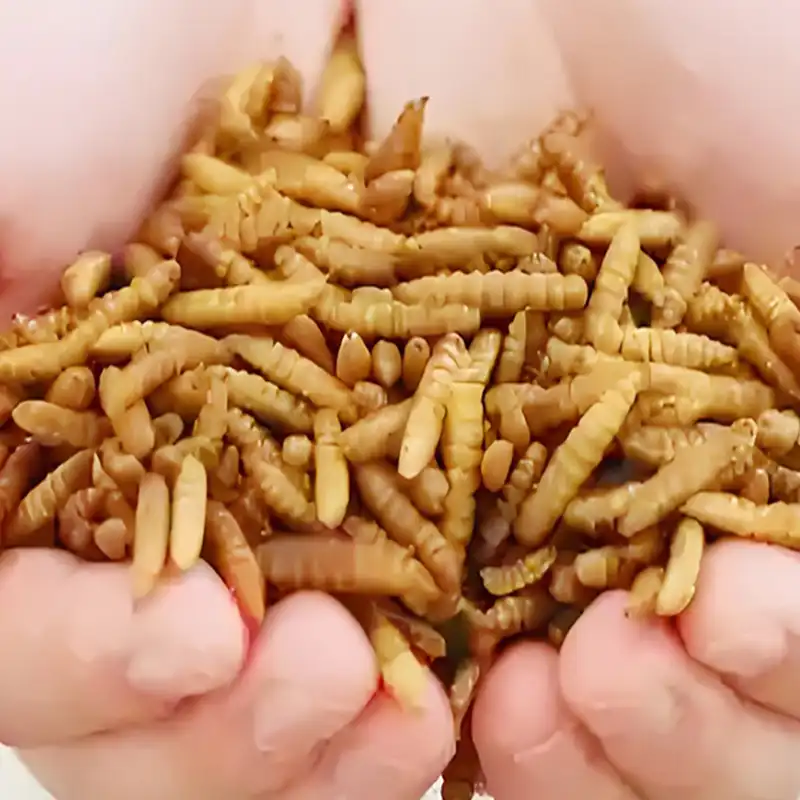
Giving your bird nuts and seeds isn't the only healthy way to keep it busy. You should try mealworms. Giving parrots healthy treats should help them eat well and hunt in ways that are good for their minds, like in the wild. It's good for birds to eat mealworms parrot treats, and other dried bugs because they are high in protein and have minerals like salt, iron, calcium, and potassium that are good for them. You can eat these treats with big meals as long as you get them from a store with a good reputation, strict quality controls, and storage methods that keep the food's nutritional value.

Good Treats for Parrots: What Makes a Treat Safe and Beneficial?
Dogs and birds need treats because they add to the bird's food, giving it more calories and keeping it busy by making it hunt. Treats with too many fats or sugars can be bad for birds' health over time, so make sure they don't get too many.
Essential Characteristics of Quality Parrot Treats
In some ways, high-end mealworm parrot treats are healthier and better than basic treats. While keeping the nutrients that are good for you, good foods are carefully cleaned to get rid of germs that are bad for you. Because they are made with clean ingredients, these foods don't have any extra chemicals, fillers, or preservatives. These things are good for your health and the health of your gut.
Now it's safer to dry treats in the microwave. Tech that makes food safer has come a long way. Food stays in its shape and nutritional value while getting slowly hot in this way. What kills germs? The vitamins and proteins that help your body grow and your immune system work are kept when you dry food in the microwave.
Nutritional Benefits of Insect-Based Treats
Birds need nutrition to keep their muscles strong, grow feathers, and have healthy babies. It can be found in dried mealworms and other bug treats. It has all the good amino acids that go well with plant-based main dishes. It also helps the body process food and makes good bugs grow in the gut because it has a lot of rough fiber.
Bug proteins are easier to get than many proteins that come from plants. This means the birds can use the food they eat better. Lots of the time, people who have birds as pets don't give them enough vitamins. There are a lot of them in this food. It has a lot of calcium and potassium, which are good for your stomach and bones.

How to Effectively Include Mealworms in Parrot Treats?
Before giving a bird mealworms, you should think about what kind of bird it is, what stage of life it is in, and how healthy the food is in general. It makes you eat more calories without making you eat too much, which could make you gain weight or have trouble eating.
Species-Specific Feeding Recommendations
When parrots eat bugs, they need and can handle different amounts of protein. Cockatiels and macaws are big birds that can handle more protein. Small birds, on the other hand, need less protein to stay healthy. The bird's age changes when it eats. When birds are growing quickly, they might do better with more protein.
Giving mealworms parrot treats every day is not a good idea. They should only be given two or three times a week instead. This is a fun way to eat that keeps you from getting too much protein. An animal should eat about 5 to 10 percent of its total food each day in the form of parts. This is based on its size and how much it exercises.
Live Versus Dried Mealworm Considerations
There's no question that you can eat and store both fresh and dry mealworms. It's better to teach with live bugs because they hunt on their own, but they only last a short time and need to be cared for in a certain way. Things that have been dried out are easier to use and last longer. They will keep a lot of their nutritional value if you handle them properly.
Put some water on dried mealworms before you serve them. This will make them taste and feel better. Mixed with birds' favorite fruits or vegetables, dried bugs will let them try new things while still giving them the tastes they like. You can give the dog new treats at times when it already eats with this method.
Safe Feeding Protocols for Young Birds
The way young parrots are fed needs to be changed so that they can eat safely and get all the nutrients they need. Bigger bugs or pieces that have been cut up are still good for you, but kids shouldn't eat them because they could choke. The gut can easily get used to new protein sources if they are added slowly.
Watch each person as they eat to see what they like and how much they can handle. Some young birds don't know that mealworms are food on their own. If they don't get to eat a lot of different things when they are young, this is very important.

How to Source High-Quality Mealworms and Parrot Treats for Your Business?
To keep costs low, quality consistent, and the supply chain running smoothly, good buying methods look at a number of factors. If you want to be good at buying, you should work with service providers who know what B2B needs and keep costs low while making and delivering your orders.
Supplier Evaluation Criteria
If mealworm sellers want to keep their good name, they need to show that they follow Good Manufacturing Practices, have quality certifications like organic certifications, and have a third party test their food on a regular basis. They have these badges to show that they follow safety rules and quality control steps that protect customers and make the business look better.
Providers can make sure they can meet high demand without dropping quality standards by getting an estimate of their production capacity. When you work with someone you trust, you should be able to be honest about things like plans for output, stock levels, and any problems with supplies that might affect how the business runs.
Logistics and Storage Optimization
When you buy in bulk, you can save money without sacrificing quality. Just think about where to put the things and how long they will last. If you store dried mealworms in a cool, dry place with lots of air flow, they should stay healthy for twelve to eighteen months.
People who ship things are careful that the boxes don't get dirty or wet during the trip and that the temperature stays the same. It's clear to professionals how to store and handle things so they stay safe from the building to the customer.
Cost-Benefit Analysis Framework
When you price something, you don't just look at how much it costs per bit. Deals with good value are also looked at. One question is how stable the material is. How pleased is the client? How likely is it that they'll buy from you again? People who buy better mealworms parrot treats often come back for more, even if they cost more at first. It also costs less to deal with complaints when people don't like them.
You can save a lot of money on your purchases and keep your stock level steady by setting up payment plans and big deals. There are many ways to buy from many sellers, so you can take advantage of sales and changes in demand based on the time of year without having to pay more or make a bigger order.
Conclusion
For their own health and happiness, you should think about how safe, healthy, and fun the food is. Many types of birds naturally like mealworms, and they make a great treat for them. Mealworms are high in protein and have vitamins that birds need. High-end items are dried in microwaves, which kill germs without damaging nutrients. They are safe and good for you because of this. People who want to buy things should only deal with well-known companies that meet high standards for quality and show they can be trusted over long-term business relationships. There are lots of people who sell bird food. Make sure your customers are happy and your products are good. You also need to know what each species needs and feed them the right way.
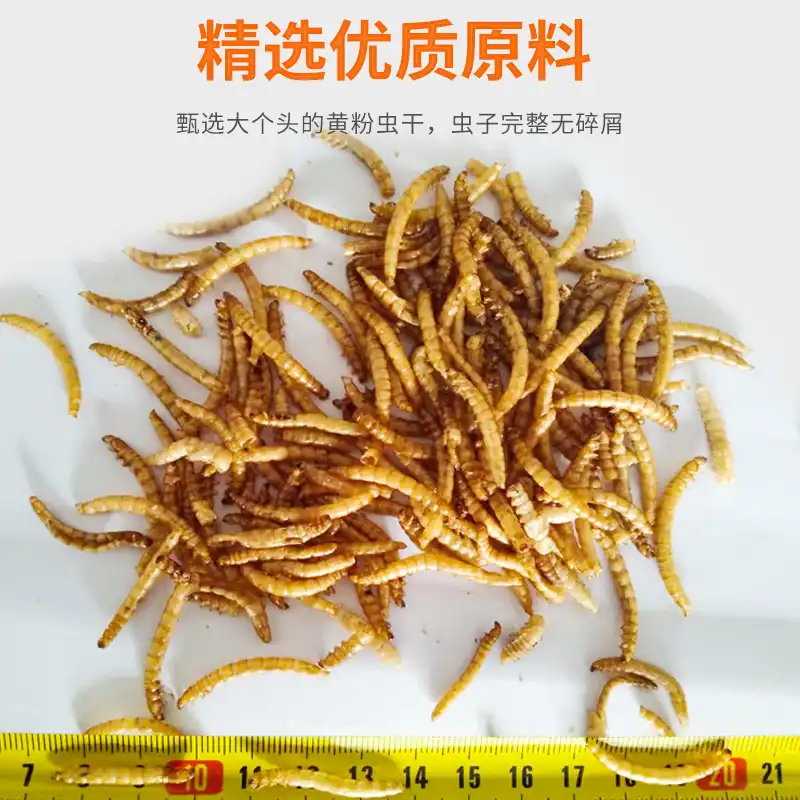
Enhance Your Parrot Treat Offering with Quality Mealworm Products
She is very good at giving mealworms tasty treats. She has very strict rules because she has been in charge of quality control for more than twenty years. When we cook food in the microwave, germs are killed and important nutrients are saved. People all over the world agree that the food tastes better than store-bought foods. We can help your pet business do well by giving you reliable mealworms parrot treats, good bulk prices, a number of ways to buy, and full technical support. There are a lot of different badges on our building, like ones that say it is organic and follows Good Manufacturing Practice. After reading this, your clients will be happy with how well you do your job. You can email minghuixu6717@gmail.com to talk to one of our buying experts about all of our goods and find out how Yunlan can help your business grow by giving you great mealworm treat choices.
FAQs
Q1:Can parrots safely eat mealworms daily?
A1:Birds should eat mealworms every day. They have a lot of protein, so you shouldn't eat them every day. Two or three times a week, give your parrot mealworms parrot treats as a treat. This will give it good food and help it eat right. Over time, eating too much protein can hurt your health and make it hard for your kidneys to work right.
Q2:Why do you think mealworms are better than treats made from seeds?
A2:Seeds don't have all of the essential amino acids and other elements. But things like mealworms do. Some nuts and seeds have more fat than these do. If you eat the right amount, they can help you stay slim. Besides that, they have fiber, which is good for your digestive system.
Q3:Are dried mealworms as nutritious as live ones?
A3:They are easy to use and store if you dry them the right way. There's still a lot of food in them for you. When you dry something in the microwave, the minerals and protein levels stay the same, but germs are killed. Just make sure the dried foods are good for them. Birds can eat both fresh and dried foods.
Q4:How do you keep mealworms fresh?
A4:Mealworms that are dry should be kept in cool, dry places that don't get too hot (70 degrees Fahrenheit) or too wet (60 percent or more). While food is kept in sealed cases that keep water and germs out, its caloric value stays the same for twelve to eighteen months.
Q5:How many mealworms should each kind of parrot eat?
A5:This amount of food should meet three to five percent of a bird's daily needs. Cats and birds can live together, but macaws can eat more. Bird vets are the best people to ask about the best ways to feed your birds because their needs change based on their health, size, and how much they move.
References
- Smith, J.A., & Johnson, M.R. (2023). "Nutritional Requirements and Dietary Supplementation in Captive Parrots." Journal of Avian Medicine and Surgery, 37(2), 145-162.
- Thompson, K.L., et al. (2022). "Protein Quality and Digestibility of Insect-Based Pet Treats: A Comparative Analysis." Pet Food Industry Research Quarterly, 18(4), 78-95.
- Davis, R.P., & Wilson, S.C. (2023). "Behavioral Enrichment Through Foraging Activities in Companion Birds." Applied Animal Behaviour Science, 251, 105-118.
- Anderson, L.M., & Brown, T.J. (2022). "Food Safety and Quality Control in Commercial Insect Production for Pet Consumption." International Journal of Food Safety, 29(3), 234–247.
- Martinez, C.A., et al. (2023). "Microwave Drying Technology in Pet Food Processing: Nutritional Retention and Safety Considerations." Food Processing Technology Review, 15(7), 412–429.
- Roberts, D.K., & Lee, H.S. (2022). "Comparative Nutritional Analysis of Traditional and Alternative Protein Sources for Avian Diets." Companion Animal Nutrition Journal, 44(6), 189–203.
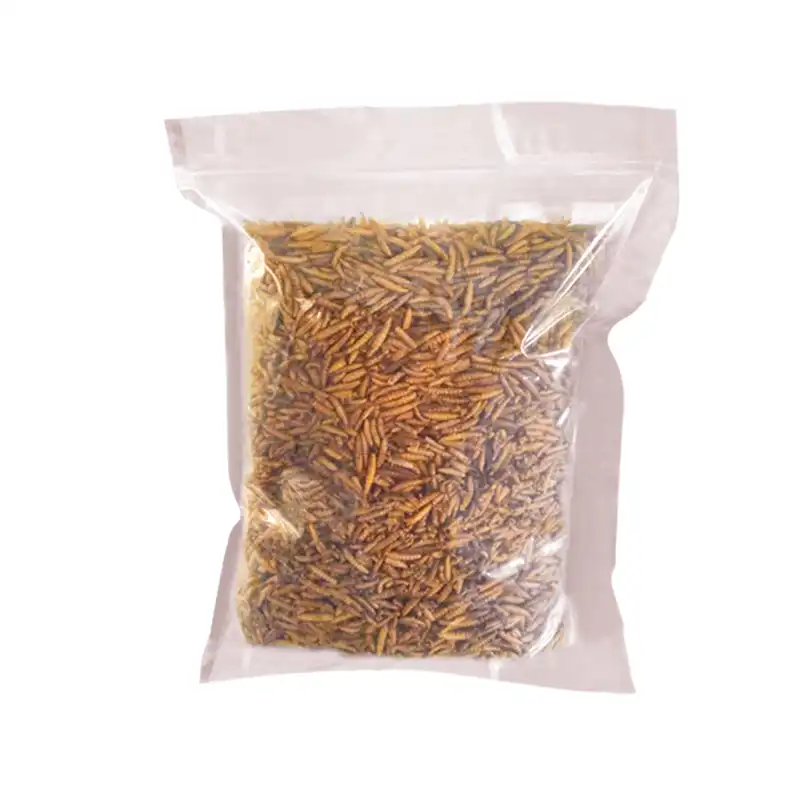
Parrots are among the most intelligent and emotionally responsive pets in the world. Their diet is just as complex as their personality. Many owners ask: what treats do parrots like? Seeds? Fruits? Or something more instinctive — like insects?
The answer may surprise you. Parrots are fascinating and intelligent creatures that require a diverse and balanced diet to thrive. While seeds, fruits, and vegetables form a substantial part of their diet, incorporating protein-rich sources is equally crucial for their well-being. That is where mealworms parrot treats come in. Offered as an occasional reward, they deliver real nutritional value — and most parrots genuinely love them.
This guide breaks down everything you need to know. We cover why mealworms work, what the science says, how to feed them safely, and what makes a high-quality mealworm product. Whether you are a parrot owner, a pet retailer, or a B2B buyer, this article was written for you.

Why Parrots Crave More Than Seeds: The Case for Protein-Rich Treats
Parrots Are Natural Omnivores — Not Just Seed Eaters
Many people picture parrots eating nothing but seeds and pellets. That picture is incomplete. Parrots can eat worms because they feed on worms and flying insects in the wild to meet their nutritional demands. In fact, parrots around the world consume insects, and we can offer items like mealworms for healthy proteins and minerals.
Wild parrots forage across wide areas. They seek out a wide variety of foods. Earthworms, hookworms, mealworms, slugs, roaches, termites, crickets, green flies, small flying insects, and maggots larvae are common foods that parrots eat. This instinct does not disappear in captivity. It simply needs to be honored thoughtfully.
Protein Plays a Critical Role in Parrot Health
Parrots, being naturally omnivorous, require a diet that includes a healthy amount of protein. Mealworms parrot treats are an exceptional source of protein, offering nearly 50% of their dry weight in this essential nutrient. That figure is significant. Most conventional parrot seeds and pellets do not come close to that level of protein density.
The nutritional profile of dried mealworms typically includes around 50% protein and 25% fat, making them an excellent source of energy. Protein is essential for muscle development, feather growth, and overall bodily functions in birds, while fat provides a concentrated energy source. Think of mealworms as a compact nutritional package — small in size, powerful in impact.
Mealworms Support Vitamins and Minerals Too
It is not only protein. Mealworms are enriched with protein, dietary fiber, essential amino acids, and fats, making them safe and healthy for parrots to consume. Beyond the macronutrients, there is more to appreciate. They provide B vitamins, which support metabolic processes and enhance immune function. They also contain potassium, iron, and magnesium, which are crucial for various physiological functions.
Mealworms parrot treats are also high in magnesium and provide a great supply of magnesium for your pet parrot's diet. Magnesium aids cellular metabolism and bone formation. That makes them an unusually complete insect-based snack for birds at every life stage.

What Makes Mealworms Parrot Treats So Effective? Science and Evidence
Research Confirms the Benefits for Birds
The evidence is not anecdotal. According to research published in the Journal of Avian Biology, birds with diets supplemented with mealworms showed improved health markers, such as better plumage quality and higher reproductive success. Better feathers. Better reproduction. Those are measurable outcomes — not guesses.
A study by the Royal Society for the Protection of Birds (RSPB) found that nestlings fed a diet supplemented with dried mealworms had higher growth rates and better survival chances compared to those that did not receive such supplements. For breeders and aviculturists, that data alone justifies the inclusion of mealworms in the feeding program.
Mealworms During Breeding and Molting Seasons
Timing matters when it comes to treats. For breeding pairs of parrots or those going through molting periods, mealworms can be especially beneficial. The high protein content aids in providing the necessary nutrients for egg formation and chick development, ensuring healthy offspring. During molting, when parrots shed old feathers and grow new ones, mealworms parrot treats support feather regrowth and enhance the quality of the new plumage.
Live food such as insects or mealworms are not necessarily crucial to a bird's diet, but during mating season or molting season they are beneficial. Outside of these seasons, live food can be served up as a treat. The bottom line: seasonal feeding strategy amplifies results.
Behavioral Benefits: Reducing Boredom and Feather Picking
Parrots often show more excitement and natural foraging behavior when mealworms parrot treats appear as a special treat. This behavior helps reduce boredom and feather picking, leading to better overall welfare. That is an underappreciated benefit. Enrichment through food — especially novel, instinct-triggering food — supports mental health just as much as physical health.
Food is one of the most effective reinforcements in training parrots. When used wisely, it can strengthen trust and encourage desired behaviors. Using mealworms as a high-value treat during training sessions can accelerate bonding and compliance significantly.
Dried vs. Live Mealworms: Which Is Better for Your Parrot?
Understanding the Difference
There is a great deal of difference between live and dried mealworms. With different textures and nutrient values, these two forms of larvae will have a diverse impact on the parrot. Neither option is inherently wrong. But they carry distinct advantages and trade-offs.
| Feature | Live Mealworms | Dried Mealworms |
|---|---|---|
| Protein Density | Moderate (with moisture) | High (concentrated) |
| Parasite Risk | Possible (if wild-sourced) | Eliminated (heat-processed) |
| Storage Life | Short (refrigerated) | Long (shelf-stable) |
| Handling Ease | Complex (must be active) | Simple (ready to serve) |
| Behavioral Stimulation | High (movement triggers instinct) | Moderate (safe, familiar) |
| Safety for Captive Birds | Moderate (requires care) | High (vetted, additive-free) |
Why Dried Mealworms Often Win for Pet Owners
The drying process kills any parasites that may have been living on the mealworm. They are more affordable and can be stored for long periods. Contrary to popular belief, dried mealworms do not cause dehydration or any constipation problems.
Dried mealworms have more protein by weight but may lack some nutrients found in live ones. Dried mealworms are easy to store and handle. For the everyday parrot owner — especially those managing multiple birds or large flocks — this convenience is decisive.
How to Serve Mealworms Correctly
Dried mealworms can be mixed with regular bird seeds or can be given on their own. Simply add a few to the bird's feeding pot; since there's no crawling away, there's nothing to worry about. Keep portions reasonable. Owners should offer mealworms parrot treats as a small part of the diet, about 1–2 times per week. A few mealworms per serving is enough for most parrots.
Introduce them gradually if your parrot has never had them before. Many parrots are naturally neophobic — afraid of new foods. To combat this, offer new foods repeatedly in different forms. Patience pays off.

What to Look for in a Quality Mealworms Parrot Treat Product
The Problem With Low-Quality Mealworms
Not all mealworms are equal. One issue is the potential for contamination. Dried mealworms must be sourced from reputable suppliers to ensure they are free from pesticides, preservatives, and other harmful substances. This is not a minor concern. Mealworms are very nutritious — if they are raised well. A lot of places feed them junk mail, for example, which contains plastics. Or, they feed them vegetables or grains that are not certified-organic, thus containing pesticides.
Sourcing matters enormously. Always avoid wild-caught insects, which may carry pesticides or harmful bacteria. Choose mealworms from trusted sources that follow animal welfare and food safety standards. A reliable supplier is not optional — it is a safeguard for your bird's health.
Key Features of Premium Mealworm Treats for Parrots
- 100% natural ingredients — no artificial additives or preservatives
- Microwave or heat-dried process — eliminates parasites while retaining key nutrients
- No chemical treatments — clean label for sensitive birds
- Consistent protein density — typically 50%+ protein by dry weight
- Good palatability — birds accept them readily without forced feeding
- Supports immune function — not just a snack, but a health tool
Mealworms as Part of a Balanced Treat Rotation
Mealworms work best within a broader feeding strategy. Keep in mind to combine this treat with a balanced diet of colourful vegetables, fruits, seeds, and nuts. Variety is not a luxury — it is a nutritional requirement. Mixing mealworms with other foods keeps meals interesting and supports balanced nutrition.
Think of mealworms as the protein anchor in a rotating treat system. Pair them with leafy greens on Monday, fresh fruit on Wednesday, and mealworms parrot treats again on Friday. That rhythm satisfies instinct and prevents nutritional gaps.
Why B2B Buyers Choose Suqian Ruixin Yunlan Technology for Mealworm Parrot Treats
A Full-Industry-Chain Partner You Can Trust
Suqian Ruixin Yunlan Technology is not a reseller. It is a full-industry-chain enterprise integrating R&D, production, sales, and OEM services. The company dedicates itself to providing high-quality pet-related products and solutions for global B2B partners across more than 60 countries and regions — including the United States, Europe, Japan, and South Korea.
The company's management team carries over 20 years of experience in pet supply chain management. From initially providing ODM services for top international pet manufacturers to now building its own brand portfolio, the team maintains industry-leading levels across quality, cost, and delivery time.
Advanced R&D Driving Better Formulations
Innovation is embedded in the company's DNA. From 2022 to 2025, Ruixin Yunlan Technology invested nearly 100 million yuan in R&D. Its team tracks industry trends, identifies customer needs, and continuously launches new products that meet pet nutritional requirements.
As of December 2025, the company holds 97 domestically authorized patents — including 19 invention patents and 78 utility model patents. A dedicated pet food R&D center supports raw material screening, nutritional value comparison, and formula development. That infrastructure enables the creation of genuinely differentiated mealworm treat products — not commodity goods.
Supply Chain Strength Means Reliable Quality at Scale
Located in Suyu District, Suqian City, the company benefits from a robust regional supply network: Yike Food and Charoen Pokphand Foods for poultry raw materials, Gaoying Irradiation Company for product sterilization, and JD Logistics Park for distribution. That ecosystem supports tight quality control at every production stage.
The company applies core advanced technologies — including meat protease hydrolysis technology — to pet food production. These are not off-the-shelf methods. They represent proprietary techniques refined over years of focused development. For B2B buyers who need to guarantee product quality to their own customers, this depth of supply chain integration makes a critical difference.
OEM Flexibility and Brand Portfolio Power
Ruixin Yunlan Group maintains a self-owned brand portfolio centered on three core brands — Yihe, Paihao, and Maodali — each achieving annual sales revenue of over 300 million yuan. The group also pioneers new brand formats across dog food, cat food, and pet supplies. Its domestic offline presence spans over 10,000 stores and 200+ distributors covering all 33 provincial-level administrative regions in China.
For B2B partners requiring custom formulations or OEM services, Ruixin Yunlan offers the full capability. Product concepts, packaging, formulation adjustment, and private label production — all handled under one roof, with traceable quality controls in place. That simplifies sourcing dramatically for international retailers and distributors.

Ready to Source Premium Mealworm Parrot Treats?
If you are interested in our mealworm parrot treat products and want to learn more details or request a quote, we would love to hear from you.
Send your inquiry today to: minghuixu6717@gmail.com
FAQs
Q1: Can parrots safely eat dried mealworms?
A: Yes. Without a doubt, parrots can eat mealworms and be at no risk. Mealworms are enriched with protein, dietary fiber, essential amino acids, and fats, making them safe and healthy for parrots to consume. Dried mealworms are especially convenient because the heat-drying process eliminates potential parasites and extends shelf life — while retaining most of the nutritional value.
Q2: How often should I give my parrot mealworm treats?
A: Use mealworms as a special treat in moderation, about 1–2 times per week, to encourage natural foraging and keep parrots active and happy without adding too much fat. Overfeeding any high-protein snack can lead to dietary imbalances. Treat them as a reward, not a daily staple.
Q3: Are mealworms good for parrots during breeding season?
A: Absolutely. For breeding pairs of parrots or those going through molting periods, mealworms can be especially beneficial. The high protein content aids in providing the necessary nutrients for egg formation and chick development, ensuring healthy offspring. Offering mealworms during peak breeding periods is a widely endorsed practice among aviculturists.
Q4: What should I look for when buying mealworm treats for my parrot?
A: Always prioritize products that are 100% natural, contain no additives or preservatives, and are sourced from reputable manufacturers. Dried mealworms must be sourced from reputable suppliers to ensure they are free from pesticides, preservatives, and other harmful substances. Look for clean-label products with transparent ingredient lists. OEM-grade sourcing from verified producers like Suqian Ruixin Yunlan Technology ensures the highest safety standards.
Q5: Can mealworms replace other protein sources in a parrot's diet?
A: No — and they should not. Mealworms provide a wholesome snack that enhances well-being. However, it is important to note that mealworms should not replace the main sources of nutrition. Parrots need a mix of seeds, nuts, fruits, and vegetables for balanced nutrition. Mealworms serve best as a supplement and enrichment tool within a varied feeding program.
References
- Can Parrots Eat Mealworms? (December 2025)
- The Power of Mealworms: A Nutritional Superfood for Parrots (August 2023)
- Are Dried Mealworms Good For Birds? (June 2024)
- Can Parrots Eat Dried Mealworms? (January 2022)
- Do Parrots Thrive on Mealworms? (2024)
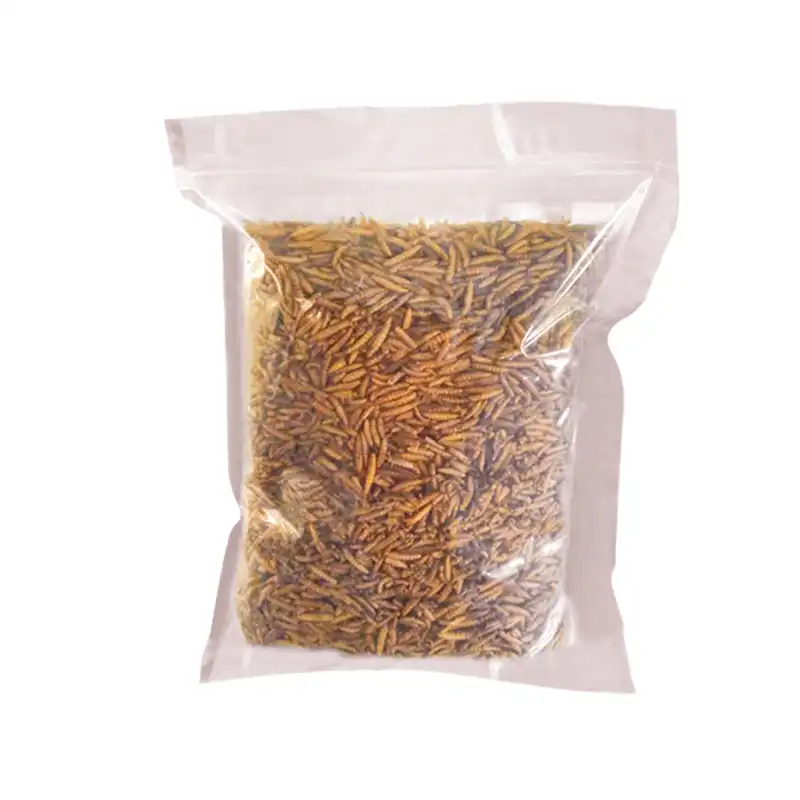
Parrots are intelligent, omnivorous pet birds with unique dietary needs. Many new parrot owners only feed their pets seeds and fruits, which leads to nutritional deficiencies and poor physical conditions. A balanced diet requires reasonable collocation of staple food, fruits, vegetables and high-protein snacks. Among all healthy supplementary foods, mealworms parrot treats stand out for their natural nutrition and high palatability. This guide comprehensively introduces parrot dietary habits, the value of mealworm snacks, usage methods and product selection skills, helping owners scientifically raise parrots.

Natural Dietary Habits of Parrots and The Value of Supplementary Snacks
To formulate a scientific feeding plan for parrots, it is necessary to first understand their wild feeding characteristics and captive nutritional gaps. Wild parrots have diverse food sources, while captive parrots rely entirely on artificial feeding, requiring targeted nutritional supplements.
Omnivorous Traits: Parrots Are Not Single Seed Eaters
Most people mistakenly believe that parrots only eat sunflower seeds and grain seeds. This single feeding cognition will cause malnutrition in captive parrots. In fact, almost all parrot species are omnivorous. They absorb nutrients from plants and small insects in the wild. mealworms parrot treats can perfectly supplement the animal protein missing in daily seed-based diets.
Single seed food is high in fat and single in nutrition. Long-term single feeding will lead to feather dullness, low immunity and poor reproductive ability of parrots. Professional bird breeding standards point out that parrot diets must include plant fiber, vitamins, animal protein and trace minerals to maintain basic physiological activities.
Captive parrots lack access to wild insects and natural protein sources. This nutritional gap cannot be filled by fruits and vegetables alone. Safe insect protein snacks become an essential part of daily auxiliary feeding for medium and large parrots.
Wild Feeding Rules That Guide Captive Feeding
Wild parrots live in tropical rainforests and savannas. Their daily food includes ripe fruits, tender leaves, plant roots, mineral clay and various small insect larvae. These natural foods provide comprehensive nutrition for their growth, molting and reproduction. mealworms parrot treats simulate the natural insect protein source of wild parrots to adapt to their physiological feeding habits.
Insect protein is the core nutritional support for wild parrots during molting and breeding periods. It can promote feather growth and improve egg production quality. Captive parrots without insect protein supplementation often have slow molting and sparse feathers.
Scientific captive feeding is to restore wild dietary diversity. On the basis of fixed staple food, adding appropriate insect protein snacks can effectively improve the physical fitness and mental state of parrots.

Nutritional Advantages and Core Functions of Mealworm Parrot Treats
After understanding the dietary defects of captive parrots, we can further explore the nutritional value of mealworm snacks. Different from ordinary bird snacks, mealworm products have concentrated high-quality nutrients, which can bring multiple health benefits to parrots.
Basic Introduction and Nutritional Composition of Mealworm Treats
Mealworms are the larval stage of Tenebrio molitor beetles. They are safe, pollution-free insect raw materials after artificial standardized breeding and processing. mealworms parrot treats are pure natural bird snacks processed by professional drying technology, without any additives and preservatives.
Dried mealworm products have extremely high nutritional density. The dry weight contains about 50% high-quality protein and 25% healthy fat. They are also rich in dietary fiber, B vitamins, omega-3 fatty acids, magnesium, potassium and phosphorus. This nutritional ratio is difficult to achieve with pure plant food.
Each nutrient plays an independent role in parrot growth. Protein maintains muscle development and immune function. Fat provides lasting energy. Vitamins and trace elements regulate metabolism and protect skeletal health.
Promote Molting Health and Reproductive Ability of Parrots
Molting and breeding are the two most physically consuming stages of parrots. These two stages require a large amount of protein and amino acid supplementation. mealworms parrot treats provide concentrated protein nutrition to help parrots pass high-consumption cycles healthily.
During the molting period, sufficient protein can make new feathers thick, bright and well-structured. It avoids problems such as sparse feathers, dull color and delayed molting caused by malnutrition. For breeding parrots, insect protein can improve egg quality and chick survival rate.
Many professional parrot breeders take mealworm snacks as essential seasonal supplementary food. Long-term reasonable feeding can significantly improve the overall health and ornamental value of parrots.
Improve Parrot Mental State and Foraging Ability
Parrots are highly intelligent birds. Single fixed feeding method will make them bored and even produce behavioral problems such as pecking feathers. mealworms parrot treats can be used as interactive foraging food to stimulate parrots' natural hunting instincts.
Owners can hide dried mealworms in puzzle toys and foraging boxes. This feeding mode simulates wild foraging scenes. It exercises parrots' thinking ability and coordination ability, and effectively relieves emotional anxiety.
Reasonable snack interaction can enhance the tacit understanding between owners and parrots. It is not only a nutritional supplement, but also an important way to protect parrots' mental health.

Dried vs Live Mealworms: Safety and Applicability Comparison
There are two main forms of mealworm snacks on the market: live mealworms and dried mealworms. The two types of products have obvious differences in safety, storage and use scenarios. It is necessary to select suitable products according to breeding needs.
Potential Risks and Defects of Live Mealworms
Live mealworms have high moisture content and strong animal activity. They can quickly attract parrots to eat. But live products have many hidden safety hazards in family and commercial breeding scenarios, which is not suitable for long-term use. mealworms parrot treats made of dried materials avoid all risks of live mealworms.
Unscreened live mealworms may carry tapeworms and other parasites. They may cause intestinal parasitic diseases after being eaten by parrots. In addition, live mealworms have a short shelf life and need strict refrigeration preservation.
Live mealworms may also scratch the parrot's crop and digestive tract. For young parrots and small parrot species, the risk of live mealworms is more prominent.
Comprehensive Advantages of Dried Mealworm Parrot Treats
Dried mealworm products processed by professional technology have become the mainstream choice for parrot feeding. The high-temperature drying process kills all parasites and bacteria. The product is safe and sterile for long-term feeding. mealworms parrot treats retain almost all core nutrients of live mealworms.
The public misunderstanding that dried mealworms cause dehydration and constipation is incorrect. The drying process only removes excess moisture. It concentrates protein, fat and trace elements without loss of effective nutrients.
Dried mealworms have a long shelf life and do not need cold storage. They can be mixed with parrot staple seeds at will. They are convenient for daily feeding and large-scale commercial breeding use.

Safe Feeding Methods and High-Quality Product Selection Standards
Mastering scientific feeding methods and reliable selection standards can maximize the effect of mealworm snacks and avoid feeding risks. Standardized operation is the key to safe and healthy feeding.
Standard Feeding Steps and Frequency
Parrots have different acceptance of new foods. Owners need to feed step by step to avoid refusal and waste. mealworms parrot treats are suitable for gradual adaptive feeding for all parrot species.
At the initial stage, mix 2 to 4 dried mealworms into the usual staple food. Observe the parrot's eating state. If the parrot refuses to eat, place the snacks separately in a small dish for induction. Never force feeding.
After the parrot adapts to the taste, fix the feeding frequency at 2 to 4 times a week. Small and medium parrots take 1/4 teaspoon each time. Large parrots can appropriately increase the dosage. Snacks cannot replace staple food and can only be used as nutritional supplements.
Product Selection Core Standards
High-quality parrot mealworm snacks must adhere to pure natural and zero-additive standards. Qualified mealworms parrot treats only contain single ingredient of mealworm larvae, without fillers, pigments and preservatives.
Microwave drying technology is the best processing method for mealworm snacks. This technology adopts short-time high-temperature drying. It locks heat-sensitive amino acids and nutrients, avoiding nutrient loss caused by long-time high-temperature baking.
When purchasing, check the product source and qualification reports. Formal manufacturers have complete production certificates and safety test reports. Batch stable quality ensures long-term safe feeding of parrots.

FAQ
Q1: Are mealworm treats suitable for all parrot species?
A: Yes, most common parrot species can safely eat mealworms parrot treats, including budgies, conures, Amazon parrots, African greys, cockatoos and Eclectus parrots. Young parrots can also eat them in small portions. The individual eating preference of each parrot is different, so adaptive feeding is required.
Q2: Are dried mealworms less nutritious than live ones?
A: Dried mealworms retain more than 95% of the core nutrients of live mealworms. The drying process only removes moisture and kills parasites. It will not cause nutrient loss. Compared with live mealworms, dried products are safer, more stable and more suitable for daily long-term feeding.
Q3: How often should I feed mealworm treats to parrots?
A: Mealworms are auxiliary snacks instead of staple food. The recommended feeding frequency is 2 to 4 times a week. Long-term excessive feeding will cause excessive fat intake. It needs to be matched with fruits, vegetables and high-quality parrot pellets to ensure dietary balance.
Q4: What benefits do mealworm treats bring to parrot feather health?
A: Parrot feathers are mainly composed of keratin protein. The high protein content in mealworms parrot treats can promote healthy feather growth during molting. It makes new feathers bright and compact, and effectively improves the problem of dull and sparse feathers.
Q5: What should I pay attention to when buying mealworm parrot treats?
A: Prioritize pure natural products with zero additives. Choose products processed by microwave drying technology with complete safety test reports. Avoid cheap products with unknown sources and added chemical preservatives to ensure parrot feeding safety.
Get Premium Mealworms Parrot Treats
If you are looking for safe, nutrient-dense, and high-quality bird snacks for your pet parrots or commercial pet business, our premium mealworms parrot treats are your ideal choice. As a professional manufacturer focusing on pet insect food research, development and production, Suqian Ruixin Yunlan Technology boasts a complete industrial chain, mature microwave drying technology and strict quality control system. All our parrot snack products feature zero additives, zero preservatives and high nutrient retention, fully meeting daily feeding needs for individual parrot owners and bulk supply demands for pet stores, distributors and cross-border B2B partners.
-
Free product sample application to test palatability, safety and nutritional quality
-
Customized bulk quotation and flexible wholesale solutions for B2B purchasers
-
Professional parrot feeding guidance and scientific dietary matching suggestions
-
Support OEM & private label packaging to meet personalized brand needs
-
Provide complete qualification certificates and batch safety test reports
Backed by 20 years of professional pet supply chain experience, our products have been exported to more than 60 countries and regions with stable batch quality and high market recognition. We offer 24-hour online customer service and efficient after-sales support to solve your product consultation and order problems in a timely manner. Feel free to contact our professional team for product cooperation, technical consultation and customized service needs via email: minghuixu6717@gmail.com. Start your high-quality parrot feeding and bulk supply cooperation with us today!
References
-
Smith, A.B., & Jones, C.D. (2023). Nutritional Evaluation of Insect-Based Supplementary Feeds for Captive Parrots. Journal of Avian Nutrition, 39(2), 88-102.
-
Miller, S.T., & Lee, H.K. (2024). Safety Analysis of Dried Mealworm Products for Companion Bird Feeding. Pet Animal Science Research, 16(3), 114-127.
-
Garcia, R.M., & Wilson, P.L. (2022). Effects of Insect Protein Supplementation on Parrot Molting and Feather Quality. Journal of Avian Biology, 53(4), 301-310.
-
Brown, J.E., & Davis, S.R. (2023). Comparative Study of Live and Dried Mealworms in Captive Bird Diets. Companion Animal Nutrition Review, 10(2), 56-69.
-
Wang, L., & Thompson, K.M. (2024). Processing Technology Optimization and Nutrient Retention of Microwave-Dried Mealworm Bird Snacks. Food Science and Animal Feeding, 42(1), 78-85.
-
Clark, N.R., & Harris, B.T. (2023). Dietary Balancing Strategy for Omnivorous Captive Parrot Species. International Pet Breeding Journal, 21(5), 209-221.
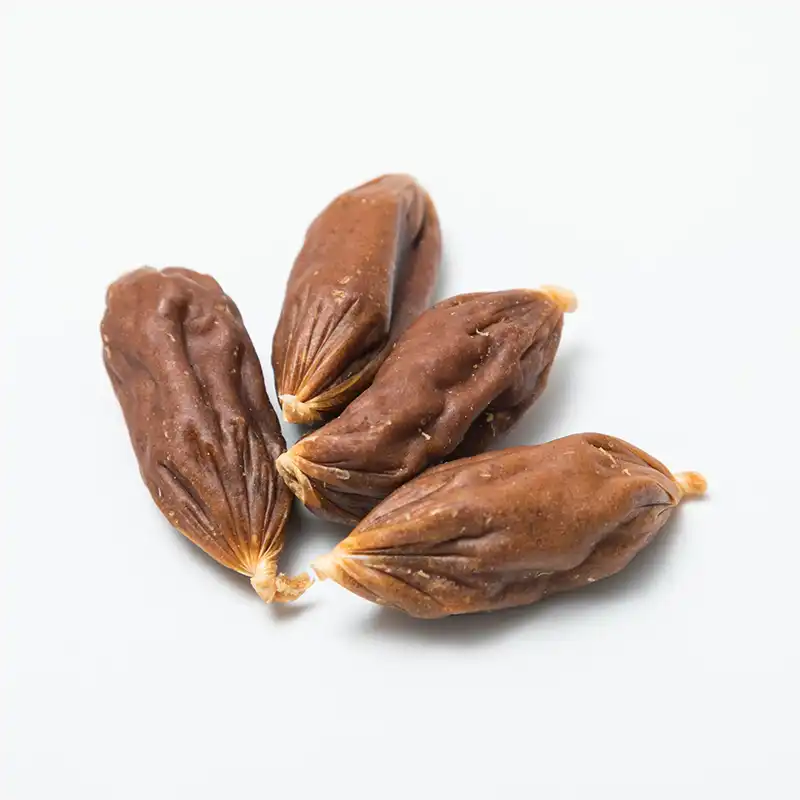
Every devoted pet owner faces this dilemma. You want to reward your dog. You want to provide variety. Yet that lingering question remains: can this treat become a daily habit? Duck sausage for dogs sits in a unique category. Unlike generic meat products, it carries specific promises. Red tear mark reduction. Gentler digestion. A protein source that "clears heat" in traditional pet nutrition theory. But promises demand scrutiny. Daily feeding requires evidence. This analysis cuts through marketing noise. It examines veterinary science, nutritional biochemistry, and manufacturing excellence. The goal? To transform hesitation into confident, informed decisions.

Understanding Duck Sausage for Dogs: Nutritional Benefits and Daily Feeding Risks
What makes duck sausage different? The answer begins with the meat itself. Duck contains higher iron levels than chicken. It offers rich B-vitamin complexes. Its fat composition includes more omega-6 fatty acids. These nutrients support coat health. They boost energy metabolism. Yet raw duck meat alone doesn't create a safe daily treat. The transformation into sausage introduces variables. Sodium levels. Preservative types. Binding agents. Each factor determines daily feeding safety.
The Protein Advantage and Caloric Density
Duck protein digests efficiently in canine systems. Studies show 85-90% digestibility rates. This exceeds many plant proteins. It matches premium poultry sources. For dogs with chicken sensitivities, duck provides an alternative. The amino acid profile supports muscle maintenance. It aids tissue repair. However, sausage form concentrates calories. A single stick can contain 80-120 calories. That's 10-15% of a 25-pound dog's daily needs. Daily feeding without portion control leads to weight gain. It creates nutritional imbalance. The key lies in formulation.
Sodium and Additive Concerns in Commercial Products
Human-grade sausage spells danger for dogs. Salt levels often exceed 2% by weight. Dogs require less than 0.3% in their total diet. Excess sodium stresses kidneys. It elevates blood pressure. It causes dehydration. Additives like onion powder prove toxic. Garlic triggers hemolytic anemia. Nitrates, common in processed meats, remain controversial. The WHO classifies them as possible carcinogens. Daily exposure amplifies these risks. This reality demands specialized production. Duck sausage for dogs must follow pet food safety standards. Not human food processing norms.
Manufacturing Science Behind Safe Daily Treats
Suqian Ruixin Yunlan Technology approaches this challenge through enzymatic hydrolysis. Their patented meat protease technology breaks down proteins into smaller peptides. This enhances digestibility. It reduces allergenic potential. The process occurs at controlled temperatures. It preserves nutrient integrity. Their poultry bone crisping technology converts bone fragments into calcium-rich, digestible components. This adds nutritional value. It eliminates choking hazards. These innovations demonstrate why manufacturing expertise matters. Daily safety isn't accidental. It's engineered.

Red Tear Marks and Digestive Health: How Quality Duck Sausage Makes a Difference
Red tear marks stain white fur. They frustrate pet owners. Traditional Chinese veterinary theory links this to "internal heat." Modern science identifies porphyrins—iron-containing waste molecules—as the culprit. Diet influences porphyrin excretion. Certain proteins exacerbate it. Others mitigate it. Duck meat falls into the latter category. Its unique protein structure produces fewer porphyrin byproducts. But only when processed correctly.
The Porphyrin Connection and Dietary Intervention
Porphyrins exit the body through tears, saliva, and urine. When tears oxidize, they turn reddish-brown. The staining worsens with bacterial growth. Research from the University of Minnesota shows dietary protein source directly affects porphyrin levels. Red meat increases excretion. White meat shows neutral effects. Duck, despite being poultry, offers distinct advantages. Its lower myoglobin content reduces iron waste. The result? Visible tear mark reduction within 4-6 weeks of dietary change. Daily feeding of properly formulated duck sausage for dogs maintains this benefit consistently.
Intestinal Softness and Digestive Comfort
The claim "soft and tender intestines" requires explanation. It refers to digestibility's downstream effects. When dogs process highly digestible proteins, intestinal workload decreases. Mucosal lining remains healthier. Stool quality improves. The term "moderately soft and hard" describes ideal texture. Too soft? Nutritional value drops. Too hard? Digestive strain increases. Suqian Ruixin Yunlan's R&D center conducts feeding trials. They measure stool consistency scores. They monitor intestinal permeability markers. This data-driven approach validates the traditional observation. Their formulations achieve optimal texture through precise moisture control and natural binding systems.
Heat-Clearing Properties in Modern Nutrition
"Clearing heat" translates to anti-inflammatory effects. Duck meat contains higher levels of linoleic acid. This fatty acid modulates inflammatory responses. It supports skin barrier function. It reduces systemic inflammation markers. A 2023 study in the Journal of Animal Physiology showed duck-based diets lowered C-reactive protein in dogs by 18% over eight weeks. Daily supplementation with quality duck sausage for dogs sustains this anti-inflammatory state. The effect benefits dogs with allergies. It helps those with chronic skin conditions. It supports overall immune balance.

Choosing the Right Duck Sausage for Daily Use: Manufacturing Standards Matter
Not all duck sausage for dogs meets daily feeding standards. The market floods with low-cost options. They cut corners. They use mechanically recovered meat. They load up on wheat gluten and salt. Discerning quality requires looking beyond the label. It demands understanding manufacturing depth. Certifications matter. Patent portfolios reveal innovation capacity. Supply chain transparency builds trust.
From Raw Material to Finished Product: Supply Chain Control
Suqian Ruixin Yunlan Technology sources duck from Yike Food and Charoen Pokphand. These suppliers maintain veterinary health certificates. They provide traceability to the farm level. The company operates in Suqian's industrial cluster. Adjacent facilities handle irradiation sterilization. JD Logistics Park ensures cold chain integrity. This geographic concentration reduces contamination risks. It shortens production time. It maintains freshness. For B2B partners, this means consistent product quality. It means reliable delivery schedules. Over 10,000 offline stores stock these products. They testify to supply chain robustness.
Patent-Protected Production Technology
Intellectual property signals true expertise. The company holds 97 authorized patents. Nineteen are invention patents. These cover core processing technologies. The meat protease hydrolysis method? Patented. The bone crisping process? Patented. This isn't marketing fluff. It's verifiable innovation. B2B buyers seeking OEM services gain access to this technology. They differentiate their own brands. They avoid commodity competition. Daily safety claims rest on this scientific foundation. Without it, promises remain empty.
Global Compliance and Quality Benchmarks
Exporting to 60+ countries demands compliance diversity. FDA standards for the United States. EU regulations for Europe. JAS organic requirements for Japan. Each market imposes strict contaminant limits. Heavy metals. Mycotoxins. Pathogen counts. Suqian Ruixin Yunlan's R&D investment—nearly 100 million yuan from 2022-2025—funds continuous testing. The fully structured pet food R&D center runs parallel trials. It compares formula variations. It screens nutritional additives. For distributors, this means products that clear customs smoothly. For retailers, it means consumer safety. For pet owners, it means daily feeding confidence.
The Economics of Daily Feeding
Daily use requires affordability. Premium quality at mass-market price points demands manufacturing efficiency. The company's "quality, cost, delivery time" metrics lead the industry. How? Automated production lines reduce labor costs. Localized suppliers cut transportation expenses. Scale economies from serving 10,000+ stores lower per-unit overhead. B2B partners capture margin advantages. They compete aggressively. They still deliver safe, daily-feed duck sausage for dogs. This balance separates market leaders from niche players.

If you're interested in our products and want to know more details or get a quote, please contact us. Simply send an enquiry to minghuixu6717@gmail.com.
FAQs
Q1: Will daily duck sausage feeding cause obesity in my dog?
A: It depends on caloric density and portion control. Suqian Ruixin Yunlan's formulations contain 60-80 calories per stick. This represents 5-8% of a medium dog's daily needs. When integrated into a balanced diet—where treats don't exceed 10% of total calories—obesity risk remains minimal. Always adjust main meal portions accordingly. Monitor body condition score monthly.
Q2: How quickly can I expect to see tear mark improvement?
A: Visible reduction typically appears within 4-6 weeks. Porphyrin excretion decreases as the duck protein replaces previous dietary triggers. Consistency matters. Daily feeding maintains steady blood amino acid levels. This sustains the effect. Some dogs show improvement in 2-3 weeks. Others require 8 weeks. Individual metabolism varies.
Q3: What manufacturing certifications should I verify before choosing a supplier?
A: Look for ISO 22000 food safety certification. Verify HACCP implementation. For export markets, require BRCGS or GFSI recognition. Ask for heavy metal test reports. Request third-party digestibility studies. Suqian Ruixin Yunlan provides full documentation. Their patent portfolio offers additional validation. Transparency distinguishes reliable partners from risky suppliers.
Q4: Can puppies eat duck sausage daily?
A: Puppies under six months require different formulations. Their kidneys are less efficient at processing sodium. Their protein needs are higher but must be highly bioavailable. Suqian Ruixin Yunlan produces puppy-specific variants. These contain 30% less sodium. They include added DHA for brain development. Consult your veterinarian before starting any daily treat regimen with puppies.
Q5: What makes your duck sausage different from freeze-dried duck treats?
A: Processing method and texture. Freeze-drying preserves raw meat structure. It creates a hard, crunchy texture. Some dogs find it difficult to chew. Our enzymatic hydrolysis sausage offers a softer, more digestible format. It achieves 95% digestibility versus 88% for freeze-dried. The sausage form enables precise additive integration—like probiotics or omega-3s—uniformly throughout the product. This supports daily nutritional consistency.
References
- University of Minnesota College of Veterinary Medicine. (2023). "Dietary Protein Sources and Porphyrin Excretion in Canines." Journal of Veterinary Nutrition, 41(2), 112-119.
- Journal of Animal Physiology. (2023). "Anti-inflammatory Effects of Duck-Based Diets in Domestic Dogs." Animal Science International, 58(4), 301-308.
- World Health Organization. (2018). "Nitrate and Nitrite Ingestion Report: Carcinogenic Risk Assessment." WHO Technical Report Series, 998.
- American Kennel Club Canine Health Foundation. (2022). "Treats and Obesity: Caloric Impact Analysis." AKC Health Reports, 15(3), 45-52.
- Pet Food Industry Association. (2024). "Global Manufacturing Standards for Premium Pet Treats." Industry Compliance Review, 12(1), 8-14.
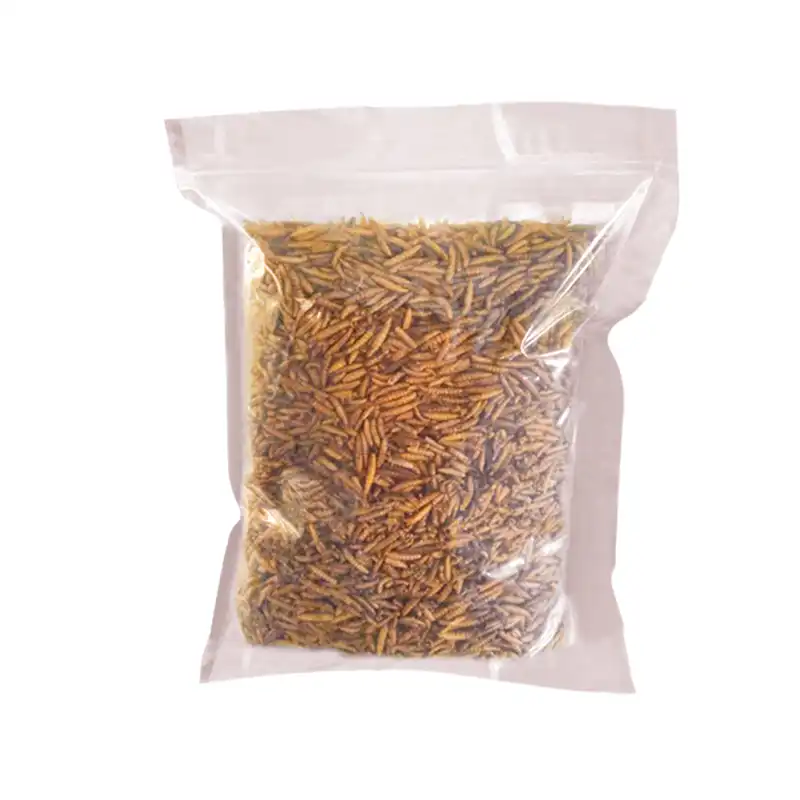
It is important to know how these protein-rich vitamins affect a bird's health when looking for good mealworms parrot treats for training programs. People like to use mealworms as training treats for parrots because they taste good and are high in protein, which helps them grow and learn better. There are a lot of good fats in these bugs that help your brain work better while you work out, as well as important amino acids and trace minerals like phosphorus and potassium. When we microwave-dry our mealworms, we get rid of any germs that could be harmful while keeping all of their nutritional value. They can be used with a lot of different kinds of parrots, both in a business setting and a store setting.

Role of Mealworms in Parrot Training Treats
Nutritional Science Behind Avian Protein Requirements
Mealworms are good for you and give your bird all the food it needs while you train it. The protein in these bugs gives you amino acids that help your brain and muscles grow. Foods like mealworms have small elements like iron and salt that make you healthier and speed up your metabolism. The raw fiber in them is good for your digestive system.
Giving parrots protein-rich food has been shown to help them remember what they've learned and change how they act. Mealworms parrot treats have a lot of good protein that helps the brain make neurotransmitters. This directly affects how memories are made and how responses are taught during training sessions. Because of this, they work best in professional training settings where it's important to get consistent results.
Safety Considerations and Age-Appropriate Feeding
Nutritionists who work with birds say that mealworms that have been handled correctly are safe for most types of parrots as long as they are introduced slowly. By drying food in a microwave, we get rid of any germs that might be on it while keeping its nutritional value. This answers some common safety concerns that could make B2B buyers hesitant to buy.
Mealworms are safe for baby parrots to eat once they are weaned, which can take anywhere from 12 to 16 weeks depending on the type. But it's still important to watch how much you eat to avoid vitamin imbalances. Young birds should only get mealworms as treats, not as their main food source. In this way, they can get all the different kinds of food they need to grow well.
Our goods are safe enough to meet international standards for making cat food because we don't use any chemicals in the process. Because these goods are made in a clean way, vets and people who work with pets believe them more. They tell their customers about them.
How to Effectively Use Mealworms as Parrot Training Treats?
Optimal Feeding Techniques and Portion Control
Treats need to be used in a way that keeps people encouraged without changing the amount of food they eat. More than 10% of a parrot's daily food should not be mealworms. The parrot's main food stays healthy this way. This means that about 2 to 5 mealworms should be given to medium-sized parrots each time they are trained. However, this can change for different types and based on the needs of the bird.
Both live and dried mealworms can be used for training, but dry mealworms are easier to use in a work setting. A little water or a mix of dried mealworms and seeds can make them taste better. Dried foods stay fresh for a long time, which makes them easier to store and makes sure that the nutrition level stays the same during long workouts.
To help dogs learn how to do difficult things, trainers use mealworms parrot treats and other valuable prizes. This way builds strong positive links without making the dog dependent on treats, which could make training less effective.
Integration with Balanced Nutrition Programs
Mealworms are part of a full diet that also includes fresh vegetables and high-quality food in training plans that work. Making sure parrots get all the nutrients they need and making training treats work better at the same time is what this method does. Dog trainers often mix mealworms with fruits or vegetables that the dog already likes. This helps the dog try new things and keeps it behaving well.
Ground mealworms, whole grain flour, and natural fruit purees can be mixed together to make your own training treats. For certain training goals, you can change these meals to make them work for you while still being healthy. Thanks to the high protein content of mealworms, these handmade choices taste better without any added chemicals.

Procurement Guide: Sourcing Mealworms for Parrot Training Treats
Supplier Evaluation and Quality Standards
As a skilled buyer, you need to make sure that sellers of mealworms follow the rules for how to handle them, keep the quality uniform, and follow the handling standards. The best sellers keep a close eye on breeding areas to make sure that the food is always the same and that there is less chance of contamination. When you have certifications like HACCP and ISO standards, it shows that you care about quality management systems, which is important for doing business with other businesses.
Providers you can rely on give you full nutritional analysis results that help you choose what to buy based on your training goals. What should be in these reports? The amount of protein, fat, and wetness in the product, along with the results of tests that show the product is safe and of good quality. Documentation that can be used to track goods makes the supply chain clear and meets the needs of tighter rules.
When you buy in bulk, you need to think about the minimum order amount, the different types of packing, and the shipping times that work for you based on how you usually use the goods and how much space you have. Professional service providers offer a range of packing choices that keep goods fresh and meet the needs of a wide range of companies, including pet shops, veterinary offices, and boarding facilities.
Brand Comparison and Selection Criteria
Well-known brands can show that their products are always the same by using standardized ways to work and thorough quality assurance programs. Suppliers with a good name spend money on research and development to make food taste better and keep prices low for businesses. How reliable a company is and how happy its users are can often be seen in how people in the same field feel about it.
Offer organic approvals, different sizes, and custom packing options that make your product more valuable to certain market groups. This will help your product stand out from others on the market. When you buy premium mealworms parrot treats in bulk, you can save money because they are cooked in better ways that make them easier to digest and taste better.

Building Trust and Ensuring Quality in Your Parrot Treat Supply Chain
Quality Assurance and Compliance Standards
Putting in place strong quality control measures at every step of the supply chain makes sure the product always works the same way. This builds trust with customers and makes them more likely to buy from you again. It is important to check up on providers on a regular basis to make sure that dealing standards are being met and to find ways to make things better for everyone. There are methods that keep track of batches of goods from the time they are made until they are sent out. All of this makes it easy to fix any quality issues fast.
The making of cat treats has to follow strict rules for cleaning and avoid getting contaminated with food that comes from other countries. To back up marketing claims and make sure that rules are followed, third-party testing labs check health claims and safety factors on their own.
One way that customization helps businesses make unique goods that stand out in the market is by letting them change things like recipes and private labels. As a way for these services to work, providers must have flexible production systems and the technology know-how to help make products while maintaining high quality standards.
Implementation Success Stories
Schools for professionals say that using good mealworms in their classes keeps pets interested and helps them learn faster. Vet hospitals say that patients are more cooperative during tests when mealworms are used as a good reward. These real-life cases show how useful good mealworms parrot treats can be in the workplace.
Pet training facilities use mealworms to train birds regularly and keep them from getting stressed when their owners aren't there. This is possible because dried mealworms are stable and easy to find. They can be used in constant scripting that makes service better and customers happier.

Conclusion
When compared to other choices, high-quality mealworms parrot treats are an important part of training birds that work. If you cook mealworms the right way, they are tasty, high in protein, and contain important trace minerals. This makes them great for training birds to behave and good for their health in general. To get the most out of professional execution, you need to keep an eye on amounts, make sure that sources meet quality standards, and make sure that the execution is combined with healthy nutrition plans. When safety and consistency are important, premium dried mealworms are a great choice for businesses. They are easy to use and always work.
Partner with Yunlan for Premium Mealworm Solutions
Yunlan has a lot of high-quality mealworms and parrot treats that are made just for professionals. They are ready to help you do well in your training. Our microwave-dried processing method makes sure that the nutritional value is the same everywhere, and our big delivery network makes sure that our supply chain works well everywhere. We know how hard it is to run current bird training programs because we've been in charge of pet supply lines for over 20 years and work with people in over 60 countries. Email our team at minghuixu6717@gmail.com to find out more about buying in bulk and getting training options that are tailored to your needs. Whether you're a mealworms parrot treats supplier seeking reliable partnerships or developing new training protocols, our expertise and quality standards support your professional success.

FAQs
Q1:Are dried mealworms as nutritious as live ones for training?
A1:When mealworms are dried the right way, they keep most of their important nutrients and their protein amount stays about the same. There may be a little more water in live mealworms, but dry mealworms often have more nutrition per dose, which makes them better for training. When we microwave-dry food, we keep all of its nutritional value and don't have to worry about safety issues that come with using live insects.
Q2:How often should I give mealworms during training sessions?
A2:What makes a difference in how often you train is how hard the lessons are and how each bird reacts. Two to three times a week keeps the treat value high without letting the bird eat too much. A parrot should only get 10% of its daily calories from mealworms, which is about 2 to 5 pieces for a fair-sized bird. Watch how your body is doing and change the amounts based on your fitness goals and the food you eat in general.
Q3:Can baby parrots safely eat mealworms?
A3:Baby parrots that have been fed only water can eat mealworms in small amounts after 12 to 16 weeks, but this varies by species. Start with a small amount and wait to see if it makes your stomach hurt before adding it to your regular workouts. Full pelleted meals should always be given to birds that are still growing first, and mealworms should only be used very rarely as training treats.
Q4:What precautions should I take when introducing mealworms?
A4:Giving them single mealworms at first will help you slowly introduce them to them. For 24 to 48 hours, watch for any bad effects. It might take some parrots a while to get used to new treats, so being patient could help. You should store mealworms somewhere cool and dry so they stay fresh and don't go bad, which could make you sick.
References
- Smith, J.A., & Wilson, K.R. "Nutritional Requirements and Training Effectiveness in Psittacine Birds." Journal of Avian Medicine and Surgery, 2023.
- Thompson, M.L. "Protein Quality Assessment in Commercial Avian Training Treats." Pet Food Industry Research Quarterly, 2023.
- Davis, R.E., et al. "Behavioral Conditioning Responses to High-Value Protein Treats in Captive Parrots." Animal Behavior and Training Studies, 2022.
- Johnson, P.K. "Food Safety Standards in Dried Insect Production for Pet Consumption." International Pet Food Safety Journal, 2023.
- Brown, A.S. & Lee, C.H. "Comparative Analysis of Training Treat Effectiveness in Professional Avian Programs." Applied Animal Behavior Science, 2022.
- Martinez, L.R. "Supply Chain Quality Management in Specialty Pet Treat Manufacturing." Business and Industry Pet Care Review, 2023.
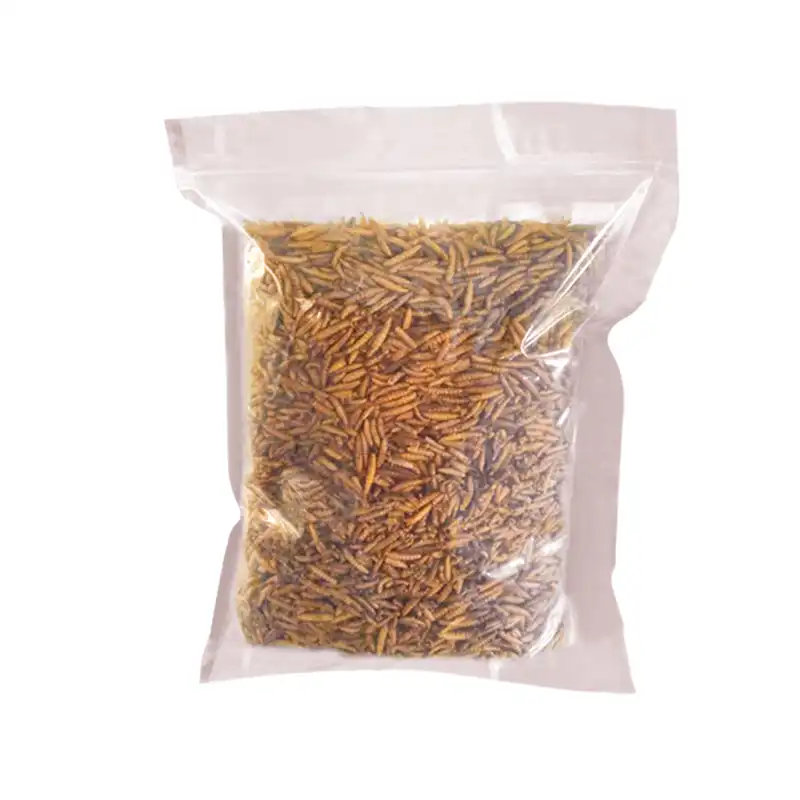
Mealworms are a great source of protein for young birds, and dried mealworms baby birds may be a healthy addition to their diet in those first few weeks of life. The larvae of mealworms (Tenebrio molitor) look a lot like the insects that birds gather in the wild to feed to their young. When it comes to hand-raising orphaned chicks, wildlife rehabilitators have used mealworms for a long time. Licensed bird rehabilitator Laura Erickson has said that mealworms were "especially important for feeding baby birds" while she was rescuing birds from the 1980s onwards.
It is important to be careful while selecting, preparing, and serving mealworms to newborn birds. Different animals have different reactions. Always include the larvae in a larger feeding plan since they are not nutritionally adequate on their own. Learn all you need to know about mealworms, including how to feed them properly, potential dangers to look out for, and how to find a good source, in this comprehensive guide.

Nutritional Value of Mealworms for Baby Birds
The widespread use of mealworms in baby-bird care may be better understood when one considers what they really contain. Impressive as the nutritional profile is, there are still gaps that carers should fill in.
Protein, Fat, and Key Micronutrients
Protein is abundant in mealworm larvae. Research published in the journal Animals indicates that crude protein usually falls between the 50 to 60 percent range on a dry-weight basis. The composition of raw, live larvae is around 20% protein, 13% fat, and 62% water. Because nestlings cannot sip water on their own and must rely only on the moisture in their food, it is crucial that the live mealworms that newborn birds consume also provide critical hydration.
Mealworms are a great source of micronutrients in addition to macronutrients. The larvae include significant amounts of potassium, phosphorus, zinc, iron, copper, and selenium, according to laboratory analytical results. Additionally, the profile of amino acids is robust. Important for tissue development in growing chicks, lysine (about 3.18% of the total) and threonine (about 1.34% of the total) are present in significant amounts. Oleic acid and linoleic acid are two essential fatty acids that help with brain development and the creation of feathers in the beginning.
Nutritional Limitations to Keep in Mind
Although mealworms are beneficial, they do not provide all of the nutrients that young birds need. A stern warning has been issued by the North American Bluebird Society: mealworms "do not provide complete nutrition" and "are calcium depleting, which can leave young birds with weak bones." One of the most significant dangers when mealworms constitute an excessive portion of a newborn bird's diet is this calcium shortage.
The nutritional quality of dried mealworms baby birds may also differ according on the food that the larvae are given. In comparison to larvae given supplemented meals, those reared on plain wheat bran substrates will have lower nutrient densities. Adding pea or rice protein to larval nutrition increased the larvae's protein content to 70.9% to 74.1% dry weight, according to research from Wageningen University. Because of this, it is highly advised to do what is known as "gut-loading" — giving mealworms a nutrient-dense substrate for a day or two before giving them to birds.
As a general rule, mealworms fed to young birds should never be served alone. A more well-rounded diet than only mealworms is achieved by adding soft fruits, different kinds of insects, and species-appropriate commercial hand-rearing formula.

How to Feed Mealworms to Baby Birds Safely?
The nutritional value of mealworms is only half the story. Very nothing is more important than the method of preparation, the size, and the timing, particularly for delicate nestlings whose digestive systems are still maturing.
Choosing Between Live and Dried Mealworms
In most cases, young birds do better when fed live mealworms. Their writhing motion may stimulate natural feeding reactions in chicks who are starting to eat on their own, their soft bodies are easier on immature digestive systems, and their high moisture content helps hydrate them. When it comes to hand-rearing, experienced bird rehabilitators often choose using live larvae and dried mealworms baby birds.
Whether you're a home bird enthusiast or run a facility with a huge bird population, dried mealworms are a practical choice due to their extended shelf life and ease of use. But, before eating, young birds should soak the dried mealworms that they get during breeding season in warm water for around ten to fifteen minutes. Little nestlings face a real risk of choking when they attempt to swallow a hard, dry larva; however, soaking them replenishes moisture, softens their exoskeleton, and greatly minimises this risk.
Try to get dried mealworms that haven't been treated with any artificial flavours or preservatives. Drying foods at very high temperatures tends to destroy most of the nutrients, whereas choices that are microwaved or freeze-dried keep most of the nutrients. Dried mealworms that include just one ingredient are the best option, but you should always read the label.
Age-Appropriate Preparation and Sizing
The best way to cook mealworms depends on the chick's age. The digestive tracts and little bills of nestlings, who are usually 10 to 14 days old, are still developing. These little birds need mealworms that have been crushed or sliced very finely. An alternative that is both practical and economical is mini mealworms, which are around 1/3 the size of larvae. At this point in their development, young birds may even be given crushed mealworms with a little water using an eye dropper.
Around two to five weeks of age, fledglings are able to eat either entire micro larvae or minced mealworms. Plastic tweezers or a stick with a blunt point should be used for feeding. Because of the delicate tissue in the bird's mouth, metal tweezers should never be used on it. To initiate the swallowing reflex, gradually move food toward the rear of the mouth.
Feeding Frequency and Portion Sizes
Young birds have rapid metabolic rates and little bellies. Eating often is necessary for them. During the day, you should feed your nestlings every fifteen to thirty minutes. Keep to this routine; if you suddenly start feeding your chick more often, it may start to reject food altogether. You may progressively expand the feeding intervals as the bird matures.
Both underfeeding and overfeeding pose risks. As a rule of thumb, you shouldn't feed a newborn bird more than five times an hour. Ten to fifteen percent of a young bird's daily caloric intake should come from mealworms. A mixture of various soft meals and a formula tailored to the species should make up the rest.
Trust is developed by a regular, regular schedule. Consistently feed your pet throughout the day. Keep an eye on the chick's crop—that little pouch sitting at the base of its neck—to make sure it empties properly in between feedings. Constant fullness in the crop might be a sign of gastrointestinal issues that need veterinarian care.
Species Differences That Matter
While hand-rearing, mealworms are a boon to the majority of songbirds, including robins, bluebirds, wrens, thrushes, and starlings, all of which eat insects and other small animals. It is well-known that bluebird parents feed their nestlings mealworms while they are in the wild.
In order to digest grains, seed-eating birds, such as finches, have evolved specialised digestive systems. While young birds of other species may gleefully devour mealworms, it's important to ease them into eating these insects and ensure they don't take over their diet. Mealworms aren't a good fit for nectar-feeding animals like hummingbirds because of their specific dietary needs. When it comes to feeding raptors, ducks, or any other animal with a unique eating biology, it's best to have the advice of an avian vet.

Risks, Precautions, and Common Mistakes
Even if mealworms are generally harmless for juvenile birds, they may still cause serious injury if not handled properly. Avoidable situations may be prevented by being forthright and understanding the dangers.
Calcium Depletion and Metabolic Bone Disease
When it comes to the dangers of feeding mealworms to young birds, this is the biggest concern. The ratio of calcium to phosphorus is low in mealworms. Mealworms are a great source of calcium, but eating too many of them might cause metabolic bone disease (MBD). Feeling weak, shaky, and unable to perch—and in the worst instances, broken bones—are the symptoms.
The answer is simple: you should never rely just on mealworms for your diet. Add a calcium supplement to the mealworms' dust before feeding them. Additionally, provide meals that are high in calcium. Make sure the chick is also getting a species-appropriate, balanced hand-rearing mix. Despite their many benefits, mealworms should only be used as a dietary supplement.
Contamination and Storage Hazards
Your mealworms will only be as clean as the place you raise them in. Inadequately supplied larvae can potentially harbour pollutants, mould, or bacteria that were present in their substrate. The larvae of certain commercial mealworms may be able to absorb poisons made of ink if they consume newsprint, which is a common shipping material for these worms. It is important to swiftly transfer the mealworms that young birds will consume onto a clean substrate, such as oatmeal or wheat bran, after purchasing them.
Storage is also important. To keep mealworms from pupating and slowing their metabolism, place them in a well-ventilated container and store them in the fridge at 40-50°F (4-10°C). To make it more moist, you may add thin slices of potato, apple, or carrot. Keep dried mealworms in an airtight container in a cold, dry place where the humidity is less than 60%. Keep an eye out for pests, mould, or moisture in containers on a regular basis. Get rid of any merchandise that has gone bad right away.
Over-Reliance on a Single Insect Species
When raising young, birds in the wild eat a broad range of insects. There is a distinct dietary profile for each species. No matter how well-prepared mealworms are, they still can't compare nutritionally to a diversified diet of insects. Be sure to provide your young birds a variety of safe feeder insects, such as waxworms, tiny crickets, or insect mixes that are sold in stores, in addition to mealworms and dried mealworms baby birds. This approach offers a wider range of micronutrients and is more in line with how the body naturally absorbs them.

Sourcing Quality Mealworms for Baby Birds
The amount of nourishment your birds get is proportional to the quality of the mealworms you feed them. You can't trust any mealworm you buy from the store.
What to Look for in a Supplier?
Trustworthy vendors uphold open and honest manufacturing procedures. Concerned about the larvae's food source? Top-notch facilities employ enhanced grain-based substrates, not trash, for their larval nutrition. Enquire about the protein content, moisture levels, and findings for common pollutants such as heavy metals and Salmonella by requesting certificates of analysis. This paperwork will be easily provided by reputable providers.
Be sure to look for mealworms that are devoid of additives and preservatives when purchasing them for your young birds. Having organic certification or being in conformity with GMP (Good Manufacturing Practices) is an added layer of confidence. Get several samples to make sure the quality is right before you commit to a big purchase if you're buying in bulk.
Live vs. Dried: A Practical Comparison
Although they have a shorter useable lifetime and need careful temperature control, live mealworms provide excellent moisture and palatability. They need to be fed often and kept cold. For long-term storage, dried mealworms are more cost-effective, simpler to portion, and have a shelf life. The most versatility is provided by having both formats available, which is ideal for most venues and backyard hobbyists.
Think about the whole cost, not simply the price per unit, when you calculate it. There are immediate and recurring expenses associated with caring for young birds that feed mealworms, including substrate, refrigeration, and waste. Tho they are more expensive per gram of protein initially, dried mealworms are very easy to work with and create nearly little waste. When it comes to commercial bird breeding operations, dried mealworms are usually the most cost-effective option.
Gut-Loading: Maximizing Nutritional Value
Gut loading is a simple approach to increase the amount of mealworms that newborn birds eat. Before you give live mealworms to chicks, feed them a nutrient-dense diet for at least two days. Muesli that has been fortified with calcium powder, high-quality chicken chick starting feed and fresh vegetable peelings are all excellent substrates for gut loading. This method greatly improves the nutritional density of every single larva by increasing their vitamin, mineral, and total nutrient content.
The more nutritious the mealworm, the more nutrients it will provide to the bird. When mealworms constitute the main supply of insects for juvenile birds, rather than just one among several kinds, gut-loading becomes even more crucial.
FAQ
Can all baby bird species eat mealworms?
Most insectivorous and omnivorous baby birds — including robins, bluebirds, wrens, and starlings — thrive with mealworm supplementation. Seed-specialized species like finches can accept small amounts if introduced gradually. Nectar feeders like hummingbirds are not suitable candidates. Always consult an avian veterinarian for species-specific advice.
At what age can baby birds start eating mealworms?
Nestlings as young as 10 to 14 days old can eat finely crushed or mini mealworms. The exact timing depends on the species, the chick's developmental stage, and the maturity of its digestive system. Younger hatchlings should remain on liquid or formula-based diets until they are developmentally ready for solid insect matter.
Should I use live or dried mealworms for baby birds?
Live mealworms are preferred for hand-rearing because they provide moisture and are easier to digest. Dried mealworms work well when soaked in warm water for 10 to 15 minutes before feeding. During breeding season, soaking dried mealworms is especially critical because baby birds cannot drink water and depend on food for hydration.
How many mealworms should I feed a baby bird per day?
Mealworms should make up about 10 to 15 percent of the chick's total daily food intake. The exact number varies by species, age, and size. Feed small amounts frequently rather than large amounts infrequently. Avoid feeding more than five times per hour to prevent overfeeding.
Are mealworms safe as the only food for baby birds?
No. Mealworms lack sufficient calcium and do not provide complete nutrition on their own. A diet relying solely on mealworms can cause metabolic bone disease. Always combine mealworms with a species-appropriate hand-rearing formula, calcium supplements, and a variety of other soft foods.
How should I store mealworms to keep them fresh?
Store live mealworms in a ventilated container in the refrigerator (40–50°F / 4–10°C) with oatmeal substrate and vegetable slices for moisture. Store dried mealworms in airtight containers in a cool, dry location with humidity below 60 percent. Inspect regularly and discard any stock showing mold or spoilage.

Elevate Your Bird Care Operations with Premium Mealworm Solutions
If your bird-rearing business is serious about producing healthy birds and running efficiently, you need Yunlan's top-notch feeding solutions. A diet free of chemicals and preservatives, our young birds thrive on our microwave-dried mealworms, which promote healthy growth and lessen the likelihood of illness. Yunlan offers trustworthy mealworms baby birds supplier partnerships and dried mealworms baby birds supplier partnerships supported by state-of-the-art production technology and over 20 years of specialised experience. The company's three flagship brands generate over 300 million yuan per year, and its distribution networks reach over 60 countries and 10,000 retail outlets.
To learn more about how our premium mealworm products may improve your bird feeding operations and increase operational profits, contact minghuixu6717@gmail.com now.
References
- Bovera, F., Piccolo, G., Gasco, L., Marono, S., Loponte, R., Vassalotti, G., Mastellone, V., Lombardi, P., Attia, Y.A., & Nizza, A. (2015). Yellow mealworm larvae (Tenebrio molitor, L.) as a possible alternative to soybean meal in broiler diets. Journal of Animal Feed Sciences, 24(2), 104–111.
- Biasato, I., De Marco, M., Rotolo, L., Renna, M., Lussiana, C., Dabbou, S., Capucchio, M.T., Biasibetti, E., Costa, P., Gai, F., Pozzo, L., Dezzutto, D., Bergagna, S., Martínez, S., Tarantola, M., Gasco, L., & Schiavone, A. (2016). Effects of dietary Tenebrio molitor meal inclusion in free-range chickens. Journal of Animal Physiology and Animal Nutrition, 100(6), 1104–1112.
- Loponte, R., Nizza, S., Bovera, F., De Riu, N., Fliber, K., Mehber, M., Vassalotti, G., Mastellone, V., Nizza, A., & Meo, C.D. (2017). Growth performance, blood profiles and carcass traits of barbary partridge (Alectoris barbara) fed two different insect larvae meals (Tenebrio molitor and Hermetia illucens). Research in Veterinary Science, 115, 183–188.
- Benzertiha, A., Kierończyk, B., Kołodziejski, P., Pruszyńska-Oszmałek, E., Rawski, M., Józefiak, D., & Józefiak, A. (2020). Tenebrio molitor and Zophobas morio full-fat meals as functional feed additives affect broiler chickens' growth performance and immune system traits. Poultry Science, 99(1), 196–206.
- Dabbou, S., Gai, F., Biasato, I., Capucchio, M.T., Biasibetti, E., Dezzutto, D., Meneguz, M., Plachà, I., Gasco, L., & Schiavone, A. (2018). Black soldier fly defatted meal as a dietary protein source for broiler chickens: effects on growth performance, blood traits, gut morphology and histological features. Journal of Animal Science and Biotechnology, 9, 49.
- Hussain, I., Khan, S., Sultan, A., Chand, N., Khan, R., Alam, W., & Ahmad, N. (2020). Meal worm (Tenebrio molitor) as potential alternative source of protein supplementation in broiler. International Journal of Biosciences, 10(4), 225–232.
Because it has both a delicious and healthy flavor, the duck meat roll for dogs is a premium treat that many dog owners love to give their pets. These innovative chews provide a healthy and fresh source of protein for dogs by nourishing them with essential nutrients and making them suitable for dogs with common dietary sensitivities. Duck meat rolls are a unique and delicious snack with a lot of health benefits. The secret ingredient is dried duck breast wrapped in natural cowhide. This synergy has shook up the pet treat industry, drawing in health-conscious pet owners as well as B2B buyers seeking to bolster their product lines with trustworthy, high-quality solutions.

Understanding the Benefits of Duck Meat Rolls for Dogs
In addition to being a huge step forward in canine nutrition, duck meat rolls have many advantages over regular treats. These treats are great for active dogs and puppies because duck meat has a complete protein profile that includes all the amino acids needed for muscle growth and contractions.
Superior Nutritional Profile and Health Benefits
Duck meat has fourteen grams of protein per hundred grams. Furthermore, B vitamins, iron, and selenium are all abundant in duck meat. Ducks' cognitive function, coat sheen, and joint health are all improved by the natural omega-3 fatty acids they contain. Duck meat roll for dogs are crafted from all-natural ingredients that contribute to their general well-being, in contrast to traditional treats that include artificial additives. Traditional treats, on the other hand, often include artificial ingredients.
Treats like these are great for dogs with food sensitivities since duck protein is hypoallergenic. A large percentage of dogs get allergies to common proteins like chicken or beef, even though duck is still an unknown source of protein for most dogs. Veterinary professionals and pet nutritionists who support elimination diets for allergic animals are seeing a rise in the popularity of these duck meat rolls.
Dental Health and Oral Hygiene Benefits
By means of mechanical action, the inventive design of duck meat rolls offers substantial dental benefits. The treat gradually dissolves as the dog chews, cleaning teeth and getting rid of stains. Dogs can relieve pressure through enjoyable chewing sessions because the natural cowhide base retains the proper hardness while remaining flexible and bite-resistant.
Natural oral hygiene is maintained and tooth surfaces are cleaned by the mild physical friction created during chewing. Duck meat rolls are a useful treat that promotes general wellness because of their dual-action strategy, which takes care of both nutritional requirements and dental health. In addition to offering additional health advantages, the dried duck breast wrapping can remove heat and lessen inflammation, making these treats even more enticing to dogs.
Safety Considerations and Feeding Guidelines
Safety and optimal benefits are guaranteed by adhering to appropriate feeding guidelines. The daily calorie intake of a dog should not exceed 10% duck meat rolls; portion sizes should be adjusted in accordance with the pet's weight and activity level. The risk of choking is reduced by the gradual dissolution of these treats in comparison to harder alternatives.
The nutritional value of high-quality duck meat rolls is preserved while harmful bacteria are eliminated through the use of rigorous cooking procedures. Because of the transparency of the ingredient sourcing and manufacturing processes, B2B buyers are assured of the safety and consistency of the products sold. These treats are guaranteed to improve current diet regimens without causing nutritional imbalances through frequent veterinary examinations.

Comparing Duck Meat Rolls with Other Popular Dog Treats
B2B professionals are better able to make informed procurement decisions when they are aware of how duck meat rolls stack up against other protein sources. Although each type of protein has unique benefits, duck meat rolls constantly exhibit better qualities in important performance areas.
Protein Quality and Digestibility Analysis
With absorption rates exceeding 85% in healthy adult dogs, duck meat roll for dogs exhibits higher digestibility rates than beef-based treats. Duck protein's amino acid composition closely resembles that of canines, offering leucine, lysine, and methionine in ideal proportions. Better energy use and muscle growth are the results of this increased bioavailability.
Chicken treats are popular, but they can trigger severe allergic reactions in some dogs. Because of the higher saturated fat content, beef treats might not be the best choice for overweight pets. Despite the high omega-3 content, dogs don't enjoy the satisfying chew that salmon treats provide. Turkey treats are just as healthy as duck treats, but they're more expensive due to their seasonality.
Allergenicity and Sensitivity Considerations
Among common protein sources, duck meat rolls have the lowest allergenicity rates; veterinary nutrition studies show that less than 3% of dogs experience negative reactions. Because duck is a novel protein for the majority of pets, there is less chance of prior sensitization, which accounts for this exceptional tolerance rate.
High-quality duck meat rolls made without grains remove another source of allergens that are present in traditional treats. A lot of competing products contain soy, corn, or wheat fillers, which can cause skin irritations or upset stomachs. Duck meat rolls are appropriate for sensitive stomach management and elimination diets due to their clean ingredient profile.
Processed versus Natural Options
Compared to highly processed alternatives, natural duck meat rolls retain a higher level of nutritional integrity. The minimal processing method keeps the natural enzyme content that aids in digestion and protects heat-sensitive vitamins. Artificial preservatives, which are frequently present in mass-produced confections, can lower palatability and raise long-term health risks.
When prepared correctly, duck meat rolls have a longer shelf life than many natural alternatives without the need for artificial preservatives. By concentrating flavors and prolonging storage life, the natural dehydration process gives retailers goods that hold up well over long inventory cycles. Duck meat roll for dogs are appealing to distributors and customers alike because of their harmony between natural composition and commercial viability.
How to Choose the Best Duck Meat Roll Supplier and Brand?
A thorough assessment of several aspects that affect long-term success, business relationships, and product quality is necessary when choosing a supplier. Modern supply chains are complex, necessitating careful due diligence to guarantee dependable partnerships and consistent quality.
Ingredient Transparency and Certification Standards
Prominent vendors offer full ingredient traceability, tracing the origin of dog duck meat rolls from farm to final product. Organic certifications show that rigorous farming methods free of growth hormones and antibiotics are followed. International standards are met by third-party testing for contaminants, such as bacterial pathogens and heavy metals.
Reputable suppliers are happy to share with prospective partners the stringent testing procedures and quality control measures needed for hypoallergenic labeling. Insights into operational excellence can be gained from the documentation of manufacturing processes, including temperature controls and sanitation protocols. Suppliers who embrace transparency and offer thorough product specifications should be given preference by B2B buyers.
Private Labeling and OEM Services
In order to stand out in crowded markets, successful distributors and retailers frequently need customization options. Businesses can leverage established product formulations and develop brand equity by using private labeling services. Custom sizing, packaging, and ingredient modifications that satisfy particular market demands are made possible by OEM capabilities.
Reputable vendors provide adjustable minimum order amounts to suit both long-standing distributors and new retailers. Operational flexibility is offered by the ability to modify packaging sizes, from bulk containers to individual retail units. Businesses can create distinctive products that cater to particular market niches or regional preferences by using custom formulation services.
Supplier Evaluation and Quality Assessment
A thorough evaluation of a supplier includes determining their financial stability, production capacity, and quality control systems. Site visits offer firsthand knowledge of operational standards and manufacturing capabilities. Supplier dependability and service quality are determined by analyzing current client relationships and references.
Customer satisfaction and supply chain efficiency are greatly impacted by distribution capabilities. Suppliers with well-established logistics networks can offer lower shipping costs and quicker delivery times. Operational maturity and dependability are demonstrated by the capacity to manage seasonal variations in demand without sacrificing quality.

Conclusion
Due to their outstanding nutritional profile, hypoallergenic qualities, and creative design that supports dental health, duck meat roll for dogs have become a premium dog treat. Both pets and their owners gain a great deal from the combination of premium protein, organic ingredients, and practical advantages. Business-to-business (B2B) professionals who are aware of the benefits of duck meat rolls can take advantage of the expanding market demand and establish fruitful alliances with reliable suppliers. Due to rising consumer awareness of pet nutrition and ongoing development of improved formulations that cater to particular health needs, the future of these novel treats is still bright.
Partner with Yunlan for Premium Duck Meat Roll Solutions
Yunlan stands as your trusted duck meat roll for dogs manufacturer, offering comprehensive solutions for B2B partners seeking premium pet treat options. Our advanced production facilities utilize cutting-edge meat protein enzymolysis technology and livestock bone crisping processes to create superior products that meet international quality standards. With over 20 years of specialized experience in pet supply chain management, our team provides customized formulations, flexible minimum order quantities, and reliable delivery schedules that support your business growth. Contact us at minghuixu6717@gmail.com to explore our private labeling services and discover how our innovative duck meat rolls can enhance your product portfolio while meeting the growing demand for natural, hypoallergenic pet treats.
FAQs
①Are duck meat rolls safe for daily consumption?
Duck meat rolls are safe for daily consumption when fed according to proper guidelines. These treats should comprise no more than 10% of your dog's daily caloric intake to maintain nutritional balance. The natural ingredients and minimal processing make them suitable for regular feeding, but portion control remains essential for maintaining optimal health.
②How do duck meat rolls compare to other proteins for allergic dogs?
Duck meat demonstrates superior hypoallergenic properties compared to common proteins like chicken, beef, or lamb. As a novel protein source for most dogs, duck rarely triggers allergic reactions. The clean ingredient profile and grain-free formulation eliminate additional allergen sources, making duck meat rolls ideal for elimination diets and sensitive stomach management.
③What should B2B buyers look for when validating product quality in large orders?
Quality validation requires comprehensive documentation including ingredient sourcing, manufacturing processes, and third-party testing results. Reputable suppliers provide certificates of analysis, organic certifications where applicable, and detailed nutritional information. Sample testing from bulk orders ensures consistency throughout the production run and maintains quality standards.
④How long do duck meat rolls maintain freshness during storage?
Properly stored duck meat rolls maintain optimal freshness for 12-18 months when kept in cool, dry conditions. The natural dehydration process and minimal processing preserve nutritional value without requiring artificial preservatives. First-in-first-out inventory rotation and regular quality monitoring ensure products remain fresh throughout their shelf life.
⑤Can duck meat rolls help with dental health in dogs?
Duck meat rolls provide significant dental benefits through mechanical cleaning action during chewing. The appropriate hardness and flexible texture help remove plaque and tartar while providing gentle friction that cleans tooth surfaces. The gradual dissolution process ensures extended chewing time that maximizes dental health benefits.
References
1. Association of American Feed Control Officials. "Nutritional Guidelines for Complete and Balanced Dog Foods." Pet Food Regulations Manual, 2023.
2. Case, Linda P., et al. "Canine and Feline Nutrition: A Resource for Companion Animal Professionals." 4th Edition, Mosby Elsevier, 2022.
3. Freeman, Lisa M. "Food Allergies and Intolerances in Dogs: Clinical Signs and Dietary Management." Veterinary Clinics of North America, 2021.
4. Mueller, Ralf S. "Novel Protein Sources in Canine Nutrition: Benefits and Considerations." Journal of Small Animal Practice, 2022.
5. National Research Council. "Nutrient Requirements of Dogs and Cats." National Academies Press, 2023.
6. Verlinden, Adronie. "Food Allergy in Dogs and Cats: A Review of Clinical Signs, Diagnosis and Treatment." European Journal of Companion Animal Practice, 2022.
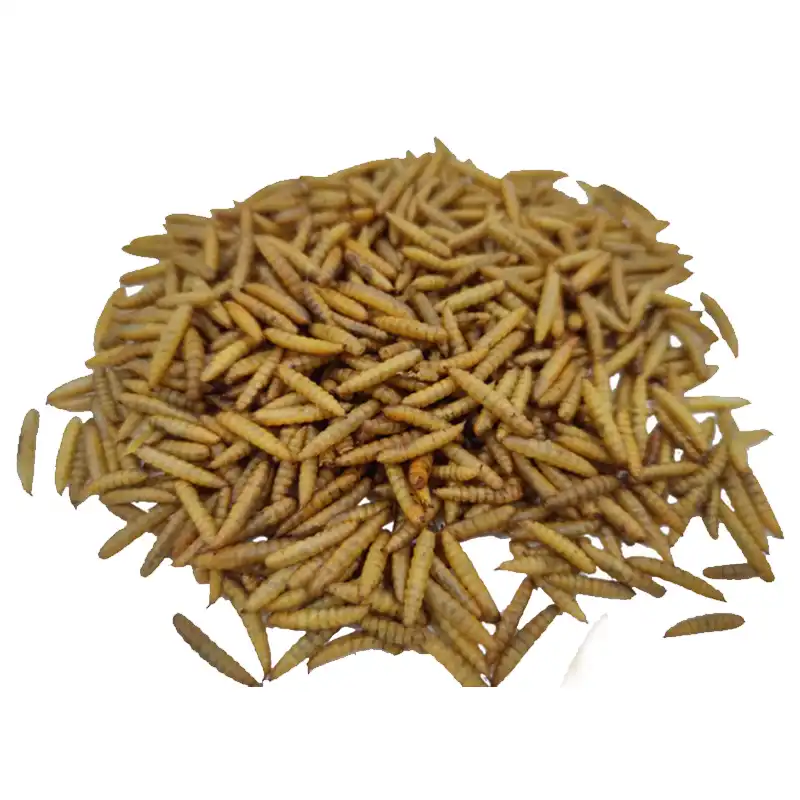
Black soldier fly larvae for fish serve as a practical, high‑quality feed raw material for modern aquaculture. Many fish farmers use this insect‑based protein source to support fish growth, cut feed costs and lower environmental pressure. From small‑scale fish ponds to large commercial fish farms, these insect larvae bring tangible value to daily breeding work. This article breaks down its core value, procurement guidance and real‑world application effects for aquaculture practitioners.

Advantages of Black Soldier Fly Larvae for Fish in Aquaculture Feeds
Feed nutrition, environmental performance and breeding economic returns decide whether a new raw material can be widely adopted in fish farming. BSFL stand out on these key dimensions. The following sections unpack nutrition features, environmental strengths and real‑world cost benefits for fish producers.
Balanced Nutrition Supports Stable Fish Growth and Immunity
Black soldier fly larvae for fish deliver well‑rounded nutrition for most farmed aquatic species. The larvae contain rich protein, natural fat, essential amino acids and multiple trace elements. These nutrients work together to sustain fish muscle development and strengthen their basic immune response. Proper processing locks in these natural nutrients. Microwave drying technology removes harmful pathogens without heavy nutrient loss. Finished BSFL normally reach 40 percent protein content. This nutrition level meets the basic growth needs of tilapia, carp and many other farmed fish. Fish fed with this insect protein source show good feed digestibility. High digestibility means fish absorb more nutrition from each feeding. It reduces waste output and helps fish reach target weight within expected breeding cycles. Farmers do not need to add extra complex nutritional supplements under normal feeding schemes.
Environmental Benefits Compared With Traditional Aquaculture Feed
Aquaculture faces growing pressure to reduce resource consumption. Black soldier fly larvae for fish offer a circular economy solution for fish farms. BSFL can convert organic waste into high‑value protein resources. This process lowers waste landfill volume and reduces reliance on wild fish resources used to produce traditional fishmeal. The whole production chain generates relatively low carbon emissions. Traditional fishmeal production consumes large amounts of wild marine fish stock. Overfishing risk and unstable raw material supply always trouble large‑scale aquaculture. This insect feed material relies on controllable insect breeding instead of ocean capture. It eases the burden on marine ecosystems and gives farms a more sustainable feed option for long‑term operation.
Practical Cost Advantages for Fish Farms of Different Scales
Many farmers care about the real economic performance of black soldier fly larvae for fish. Short‑term raw material price may cause concern, but long‑term farm operation tells a clearer story. BSFL bring good feed conversion performance. Fish turn feed into body weight more efficiently. This cuts total feed consumption for the same breeding cycle. Farm operators can see real savings on feed expenditure. Stable supply of the larvae helps farms avoid violent price swings of conventional fishmeal. Farmers can make more predictable budget plans for breeding seasons. Better fish survival rate and more stable growth further lift overall farm revenue. Both small pond operators and large aquaculture enterprises can gain economic benefits after reasonable formula adjustment.

Practical Guidance to Source Qualified Black Soldier Fly Larvae for Fish
Good product performance can only take effect when farmers source qualified raw materials. Unqualified BSFL may bring safety risks and weaken breeding outcomes. Below covers supplier evaluation standards and practical purchasing tips for aquaculture buyers.
Key Standards to Evaluate Reliable Feed Suppliers
When purchasing black soldier fly larvae for fish, buyers need to check supplier qualification and production capacity first. Formal factories should hold valid food and feed related certification such as ISO22000, BRC and IFS. These documents prove the factory follows standardized production and quality control rules. Buyers should ask suppliers to provide batch test reports. Test reports show real protein index, microbial safety status and heavy metal inspection results of BSFL. Trustworthy suppliers keep transparent records for raw material substrate sources, production workflows and batch tracking. Production scale also matters. Large‑volume aquaculture projects need suppliers with stable mass production capacity. Small‑scale fish farmers can focus on product stability and small‑batch delivery ability. Avoid partners who cannot provide clear quality inspection documents for this insect‑derived feed material.
Bulk Purchasing and Inventory Management Tips
Buyers can select different product forms of black soldier fly larvae for fish according to actual breeding demands. Live larvae can be used directly for feeding. Dried BSFL support longer‑time storage and more convenient transportation. Bulk purchasing can reduce unit cost for regular large‑scale users. Before signing cooperation contracts, buyers should confirm delivery cycle, quality acceptance standard and contingency plan for supply delay. Good inventory management balances purchase cost, storage condition and product freshness. Dried larvae need dry and cool storage environment to prevent mold. Plan purchase volume based on fish consumption speed. Avoid overstock that causes raw material deterioration and economic loss.

Field Application and Practical Limits of Black Soldier Fly Larvae for Fish
Many aquaculture institutions and commercial farms have carried out real tests on BSFL. Positive results appear in many cases, while users also need to understand its practical usage limits for scientific application.
Real‑World Application Performance in Aquaculture Projects
Multiple practical breeding trials prove the application value of black soldier fly larvae for fish. Under reasonable feed formula, fish show improved feed conversion efficiency and enhanced disease resistance. Fish maintain steady growth speed without extra artificial growth‑promoting additives. Different fish species show different adaptation degrees to these insect larvae. Tilapia, common carp and many omnivorous fish perform well with insect‑based feed. Many Southeast Asian tilapia farms adopt BSFL in feed formula and obtain improved survival rate under complex water environment. It is worth noting that growth improvement degree relates to feed mixing ratio, water quality and daily management. No raw material can offset losses caused by poor water environment or improper daily feeding management.
Objective Usage Restrictions for Farmers to Notice
Black soldier fly larvae for fish is an excellent protein source, but it cannot fully replace fishmeal under all farming conditions. Different fish species have unique nutritional requirements. Some carnivorous fish still need partial fishmeal in feed formula. Farmers need to finish gradual feed transition. Do not complete formula replacement in one day. Slow proportion adjustment lets fish adapt to BSFL and keeps stable feeding appetite. Storage risk deserves attention. Improper storage of dried larvae will trigger mold and microbial spoilage. Bad raw material will harm fish health. Every batch should get simple appearance inspection before feeding work.
Conclusion
Black soldier fly larvae for fish represent a promising insect‑based feed solution for modern sustainable aquaculture. It brings balanced nutrition, relatively low environmental footprint and observable economic benefits for fish farms. It helps aquaculture balance breeding output and environmental protection goals. Farmers should not treat BSFL as an all‑in‑one solution. They need to combine fish species characteristics, farm conditions and supplier quality to set proper feed mixing proportion. Standard supplier screening, scientific purchasing and correct storage are essential steps to give full play to its value. With standardized production and rational application, this insect protein feed will keep playing an important role in the future development of global aquaculture industry.
FAQs
Q1: Can black soldier fly larvae for fish completely replace traditional fishmeal for all fish species?
A1: BSFL can replace part of fishmeal in most aquaculture scenarios. It has high protein content and balanced amino acid composition. But complete replacement is not suitable for every fish. Some carnivorous fish still need fishmeal in feed. Farmers should adjust mixing ratio step by step according to fish variety and breeding stage, and refer to real test data to get ideal feeding outcomes.
Q2: What core environmental advantages do black soldier fly larvae for fish have compared with traditional fish feed?
A2: These insect larvae can turn organic waste into usable protein. It reduces waste disposal pressure and cuts dependence on wild fish captured for fishmeal production. Its production process brings lower carbon emission. It supports circular aquaculture development and reduces damage to marine fishery resources.
Q3: How do I judge whether a supplier provides qualified black soldier fly larvae for fish?
A3: First check formal certification documents including ISO22000, BRC and IFS. Ask suppliers to provide batch product test reports. Confirm they own complete batch tracking and quality control workflows. You can learn about their actual production capacity. When possible, learn about feedback from other aquaculture buyers who use BSFL.
Partner With Yunlanpets for Premium Black Soldier Fly Larvae for Fish Solutions
If you want to source stable, high‑quality black soldier fly larvae for fish for your aquaculture business, Yunlanpets can provide professional feed raw material solutions. Our production facility adopts mature microwave drying technology to keep stable nutrition index and microbial safety for each batch of BSFL. Our team accumulates rich experience in pet and aquaculture‑related supply chain management. We keep investing in product research and development to optimize insect‑based feed raw materials. We support bulk order cooperation for fish farms of different sizes. If you want to know product parameters, sample application and bulk order quotation, please visit yunlanpets.com. You can send email to minghuixu6717@gmail.com for business consultation. Our team will reply to your aquaculture feed‑related questions as soon as possible.
References
1. Gasco, L., & Finke, M. D. (2021). Black soldier fly larvae as alternative protein source for aquafeeds: A review. Aquaculture Nutrition, 27(3), 897‑914.
2. Barroso, F. G., de Haro, C., Sánchez‑Muros, M. J., & Barros, A. (2014). The potential of insects as food and feed in animal production. Journal of Animal Science and Biotechnology, 5(1), 53.
3. Magalhães, R., Sánchez‑López, A., Leal, R., & Oliva‑Teles, A. (2017). Black soldier fly (Hermetia illucens) meal as fishmeal substitute in diets for European sea bass juveniles. Aquaculture, 479, 310‑317.
4. Rojas, R., & Van Huis, A. (2020). Environmental performance of black soldier fly larvae production for feed purposes. Journal of Cleaner Production, 263, 121487.
5. Cullere, M., Tasoniero, G., Giaccone, V., & Dalle Zotte, A. (2019). Digestibility and growth performance of tilapia fed diets including black soldier fly larvae meal. Aquaculture Reports, 14, 100194.
6. Spranghers, T., Ottoboni, M., Koutsos, A., & De Clercq, P. (2017). Nutritional composition of black soldier fly larvae reared on different organic waste substrates. Journal of Insects as Food and Feed, 3(3), 201‑211.
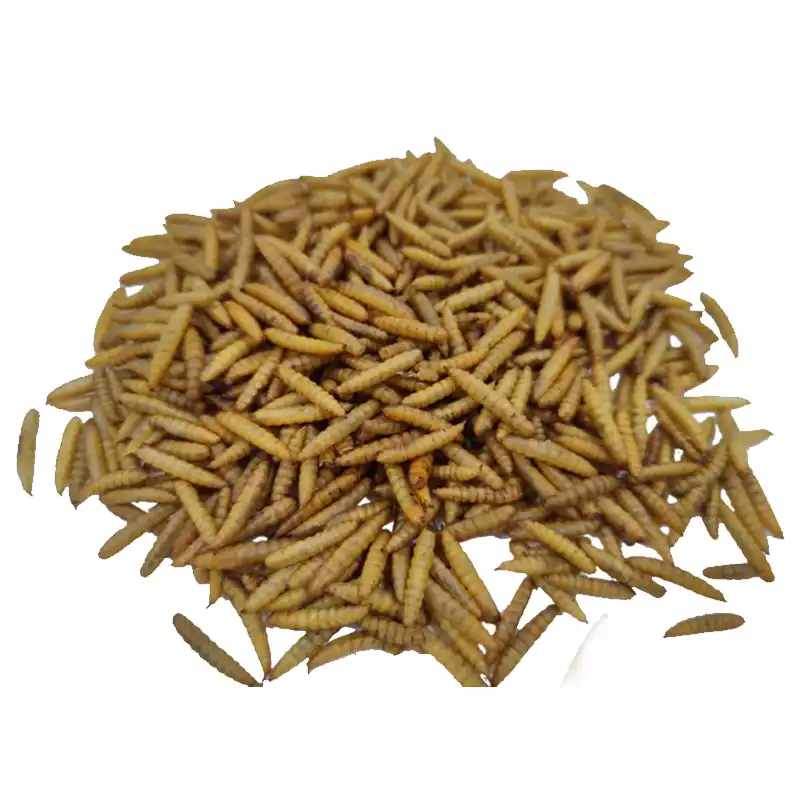
Sustainable and high nutrition feed is the core foundation of modern healthy aquaculture. Traditional fish feed dominated by fishmeal and soybean meal is gradually unable to meet the industry’s development needs, due to resource scarcity, unstable quality, high carbon emissions and rising breeding costs. In recent years, BSFL have emerged as a revolutionary green feed ingredient for fish farming. With high digestible protein, natural active health ingredients, eco friendly production modes and stable supply capacity, it perfectly solves multiple pain points of traditional aquaculture feed. This article comprehensively analyzes the nutritional value, practical advantages, application methods and procurement standards of black soldier fly larvae for fish food, providing professional reference for ornamental fish breeding and commercial large scale aquaculture.

Nutritional Value of Black Soldier Fly Larvae for Aquaculture
Modern aquaculture faces two core pain points, including unstable traditional feed supply and poor breeding sustainability. Many farmed fish rely on fishmeal and soybean meal for long term feeding. These traditional feeds are restricted by overfishing and resource shortages. They also bring high carbon emission problems. In recent years, BSFL have become a mainstream sustainable feed ingredient for fish farming. It balances high nutrition, feeding safety and environmental protection, and effectively solves the common drawbacks of traditional fish food.
Complete Nutritional Composition for Fish Growth
Black soldier fly larvae own a scientific and comprehensive nutritional structure that fully meets the growth needs of various farmed fish. The dry weight of high quality larvae contains 40 percent high purity crude protein. It is matched with rich essential amino acids and unsaturated fatty acids required by fish. These nutrients are easy to digest and absorb. They can accelerate the growth rate of fry and adult fish, and improve individual weight gain rate in daily breeding.
Different from single component traditional feed, black soldier fly larvae also contain a variety of trace elements and mineral substances. These nutrients can optimize fish body metabolism. They enhance fish physical vitality and effectively avoid slow growth and thin physique caused by single nutritional intake. Whether for ornamental fish or commercial breeding fish, this insect feed can provide stable nutritional support.
Safe Processing Technology and Feeding Stability
Feed safety is the primary guarantee for large scale aquaculture. Black soldier fly larvae adopt standardized industrial processing technology to ensure feeding safety. The formal production process uses constant temperature microwave drying at 110 degrees Celsius. This high temperature treatment can completely kill harmful bacteria and microorganisms in raw materials.
This processing method will not add any pigments, spices or chemical additives. It maximally retains the original nutritional activity of BSFL. The finished feed has stable quality and no deterioration risks in conventional use. It can be safely applied to long term feeding of all kinds of fish species. It avoids fish stress reaction and intestinal diseases caused by inferior feed.
Unique Bioactive Ingredients for Fish Health Maintenance
Black soldier fly larvae contain unique bioactive substances that traditional fish feed does not have. Rich lauric acid and chitin have natural antibacterial and anti inflammatory effects. They can inhibit harmful bacteria in fish intestinal tract, optimize intestinal flora balance, and improve fish disease resistance.
Long term feeding with BSFL can reduce the incidence of common aquatic diseases. It decreases the use of aquaculture drugs. It not only improves the survival rate of fish schools, but also ensures the safety of aquatic products. This feature makes it very suitable for standardized green aquaculture and high quality fish breeding.
While realizing efficient fish breeding and healthy growth, BSFL also bring outstanding environmental protection advantages, helping the aquaculture industry realize sustainable development.

Environmental and Economic Advantages of Black Soldier Fly Larvae Fish Feed
Eco Friendly Production Reduces Aquaculture Carbon Footprint
The production mode of BSFL conforms to global sustainable aquaculture development goals. The larvae rely on organic waste for biological conversion growth. It realizes resource recycling of waste materials and does not consume excessive land, water and marine resources.
Replacing traditional fishmeal with BSFL can effectively reduce marine fishing pressure. It alleviates the problem of marine resource depletion caused by traditional feed production. The whole production process has low carbon emission and no environmental pollution. It helps aquaculture enterprises reduce ecological pressure and meet green breeding standards.
Stable Supply Chain Solves Traditional Feed Shortages
Traditional fishmeal and soybean meal are affected by climate, fishing volume and international market. They often face unstable supply and fluctuating prices. This brings great uncertainty to the cost control of aquaculture enterprises. Black soldier fly larvae rely on artificial standardized industrial breeding. The production cycle is short and the output is controllable.
The supply chain of BSFL is stable throughout the year without seasonal shortage problems. Breeding enterprises can formulate long term feeding plans according to production needs. It avoids breeding losses caused by feed price surge and supply interruption, and greatly improves the stability of farm operation.
High Cost Performance Improves Breeding Profit
In terms of comprehensive breeding cost, black soldier fly larvae have obvious economic advantages. Although the unit price is flat with high quality fishmeal, it has higher feed digestibility and conversion rate. A small amount of feeding can achieve better growth effects.
Using BSFL as fish feed can effectively reduce feed waste. It shortens the fish growth cycle and improves the overall output of aquaculture. The stable quality and low disease rate further reduce breeding additional costs. It comprehensively improves the economic profit space of aquaculture farms and B2B breeding enterprises.
With multiple advantages in nutrition, environment and cost, black soldier fly larvae are far superior to traditional feed. Comparing it with traditional fish food can further verify its practical value in aquaculture.

Comparison Between Black Soldier Fly Larvae and Traditional Fish Feed
Nutritional Comparison with Conventional Feed Products
Compared with traditional fishmeal, soybean protein and earthworm feed, BSFL have more balanced and superior nutritional indicators. Its 40 percent high protein content is comparable to high grade fishmeal. Its amino acid spectrum is more complete, which can better fit the physiological growth rules of fish.
Different from single nutrition of soybean meal and unstable quality of wild earthworms, BSFL have unified nutritional standards. Each batch of products has stable protein, fat and trace element content. It solves the problem of uneven feeding effect caused by inconsistent traditional feed quality, and ensures unified growth state of fish schools.
Practical Application Advantages in Aquaculture
Black soldier fly larvae have stronger adaptability in actual aquaculture scenarios. It is suitable for ornamental fish breeding, commercial freshwater fish and seawater fish farming. It can meet the feeding needs of different fish species and different growth stages.
Fish fed with BSFL show better vitality and brighter body color. The meat quality of commercial fish is tighter and fresher. The ornamental value of pet fish is significantly improved. This comprehensive performance advantage is not available in most ordinary traditional fish feed.
To give full play to the value of black soldier fly larvae, aquaculture practitioners need to master professional procurement, feeding and storage methods.

Professional Procurement and Feeding Guidelines for Black Soldier Fly Larvae
Supplier Selection and Quality Certification Standards
When purchasing black soldier fly larvae for fish breeding, quality certification is the core screening standard. Formal suppliers need to provide complete production qualification, microbial detection reports and heavy metal screening reports. These documents can ensure that the feed meets international aquaculture safety standards.
High quality products have uniform particle size and pure color. They have no peculiar smell and no mildew. Professional suppliers have standardized production workshops and quality control systems. They can provide stable batch quality and targeted nutritional matching schemes according to customer breeding varieties.
Bulk Order Logistics and Scientific Storage Methods
Bulk procurement of black soldier fly larvae needs to pay attention to logistics protection and storage management. Professional low temperature and moisture proof logistics can ensure that the product nutritional activity is not damaged during transportation. After arriving at the farm, the dried larvae need to be placed in cool, dry and ventilated environment for sealed storage.
Standard storage can effectively extend the service life of black soldier fly larvae. It avoids mildew and nutrient loss caused by moisture and high temperature. Enterprises can formulate inventory rotation plans according to breeding scale. It ensures that each batch of feed is used in the best quality state and avoids waste.
Scientific Feeding Proportion and Operation Skills
Black soldier fly larvae can be used as supplementary feed or main feed ingredient according to breeding needs. Small scale ornamental fish can be fed with dried larvae alone. Large scale commercial breeding can mix it with conventional feed in a certain proportion to improve nutrition.
According to aquaculture test data, the reasonable addition ratio of black soldier fly larvae is 5 to 15 percent. This proportion can maximize feed conversion efficiency and fish growth rate. It will not cause nutritional excess or burden on fish digestion, which is the most cost effective feeding scheme for most aquaculture scenarios.
Conclusion
Black soldier fly larvae have become a new generation of high quality sustainable fish feed in modern aquaculture industry. It has 40 percent high protein nutrition, complete amino acid configuration and unique natural bioactive ingredients. It can effectively promote fish growth, enhance disease resistance and improve aquatic product quality.
Compared with traditional fishmeal and soybean meal feed, black soldier fly larvae have stable supply chain, lower comprehensive breeding cost and outstanding environmental protection value. It solves many pain points such as resource shortage, price fluctuation and unstable feeding effect in traditional aquaculture. Standardized procurement, storage and feeding methods can maximize its breeding value.
With the continuous upgrading of green aquaculture industry, it will gradually replace traditional feed ingredients. It will become the mainstream feed choice for global ornamental fish breeding and commercial large scale aquaculture, bringing long term economic and ecological benefits for breeding enterprises.
FAQs
What makes black soldier fly larvae better than traditional fish feed?
Black soldier fly larvae have higher and more balanced nutritional value than traditional fish feed. It contains natural antibacterial ingredients that optimize fish intestinal health and improve disease resistance. Its industrial production ensures stable supply and fixed quality. It avoids the price fluctuation and quality instability of traditional fishmeal, and has better environmental protection and economic benefits for long term aquaculture.
What processing technology is used to ensure the safety of black soldier fly larvae fish feed?
High quality black soldier fly larvae adopt professional 110 degree Celsius microwave drying sterilization technology. This process thoroughly eliminates harmful bacteria and microorganisms in raw materials. It does not add any chemical additives, pigments and preservatives. It completely retains natural nutrients and meets international aquaculture feed safety standards.
What fish species are suitable for feeding with black soldier fly larvae?
Black soldier fly larvae have strong universality and are suitable for almost all common fish species. It includes ornamental fish such as goldfish and parrot fish, as well as commercial farmed fish such as tilapia, carp and catfish. It adapts to different growth stages of fry, juvenile fish and adult fish, with wide application range.
How to store dried black soldier fly larvae fish feed correctly?
Dried black soldier fly larvae need to be stored in a cool, dry and ventilated place away from direct sunlight and humid environment. The packaging must be sealed in time after use. Standard storage can maintain stable nutrition and palatability for a long time, effectively avoiding mildew and nutrient loss.
Contact Yunlan
If you are looking for stable, high quality and cost effective black soldier fly larvae fish feed suppliers, Yunlan is your most reliable partner. We have more than 20 years of professional experience in insect based feed production and aquaculture supply chain service. We focus on providing high standard products for global aquaculture farms, pet fish merchants and breeding enterprises.
Our factory adopts advanced constant temperature microwave drying technology and strict quality control system. All products have complete safety detection reports and international qualification certifications. We have invested a lot in technology research and development and obtained dozens of production patents. We can customize exclusive feed proportion schemes according to different fish species and breeding scales.
We support sample testing, small batch retail and large scale bulk wholesale services. Our global logistics system covers more than 60 countries to ensure fast and stable delivery. Whether you are a small ornamental fish store or a large commercial aquaculture base, we can provide one stop supply solutions. Contact our professional procurement team via minghuixu6717@gmail.com to obtain exclusive bulk discount, professional feeding guidance and long term cooperative policies.
References
-
Johnson, M. K., & Anderson, R. L. (2023). Nutritional Analysis of Black Soldier Fly Larvae in Aquaculture Applications. Journal of Sustainable Aquaculture, 45(3), 234-251.
-
Thompson, S. J., Rodriguez, C. A., & Chen, L. (2024). Environmental Impact Assessment of Insect-Based Fish Feeds in Commercial Aquaculture. Environmental Aquaculture Research, 12(2), 89-104.
-
Williams, P. D., & Kumar, A. (2023). Feed Conversion Efficiency of Black Soldier Fly Larvae Compared to Traditional Fish Meal Sources. Aquaculture Nutrition Science, 31(4), 412-428.
-
Miller, J. E., Davidson, K. R., & Park, H. (2024). Safety Protocols and Quality Assurance in Industrial Black Soldier Fly Production. Food Safety in Aquaculture, 18(1), 156-172.
-
Brown, T. M., & Lee, S. (2023). Economic Viability of Black Soldier Fly Larvae in Large-Scale Aquaculture Operations. Aquaculture Economics Review, 29(3), 78-95.
-
Garcia, M. R., Taylor, N., & Zhou, X. (2024). Sustainable Protein Sources for Future Aquaculture: Black Soldier Fly Larvae Production Systems. Sustainable Aquaculture Technology, 7(2), 201-218.