- English
- French
- German
- Portuguese
- Spanish
- Russian
- Japanese
- Korean
- Arabic
- Irish
- Greek
- Turkish
- Italian
- Danish
- Romanian
- Indonesian
- Czech
- Afrikaans
- Swedish
- Polish
- Basque
- Catalan
- Esperanto
- Hindi
- Lao
- Albanian
- Amharic
- Armenian
- Azerbaijani
- Belarusian
- Bengali
- Bosnian
- Bulgarian
- Cebuano
- Chichewa
- Corsican
- Croatian
- Dutch
- Estonian
- Filipino
- Finnish
- Frisian
- Galician
- Georgian
- Gujarati
- Haitian
- Hausa
- Hawaiian
- Hebrew
- Hmong
- Hungarian
- Icelandic
- Igbo
- Javanese
- Kannada
- Kazakh
- Khmer
- Kurdish
- Kyrgyz
- Latin
- Latvian
- Lithuanian
- Luxembou..
- Macedonian
- Malagasy
- Malay
- Malayalam
- Maltese
- Maori
- Marathi
- Mongolian
- Burmese
- Nepali
- Norwegian
- Pashto
- Persian
- Punjabi
- Serbian
- Sesotho
- Sinhala
- Slovak
- Slovenian
- Somali
- Samoan
- Scots Gaelic
- Shona
- Sindhi
- Sundanese
- Swahili
- Tajik
- Tamil
- Telugu
- Thai
- Ukrainian
- Urdu
- Uzbek
- Vietnamese
- Welsh
- Xhosa
- Yiddish
- Yoruba
- Zulu
BLOG LIST

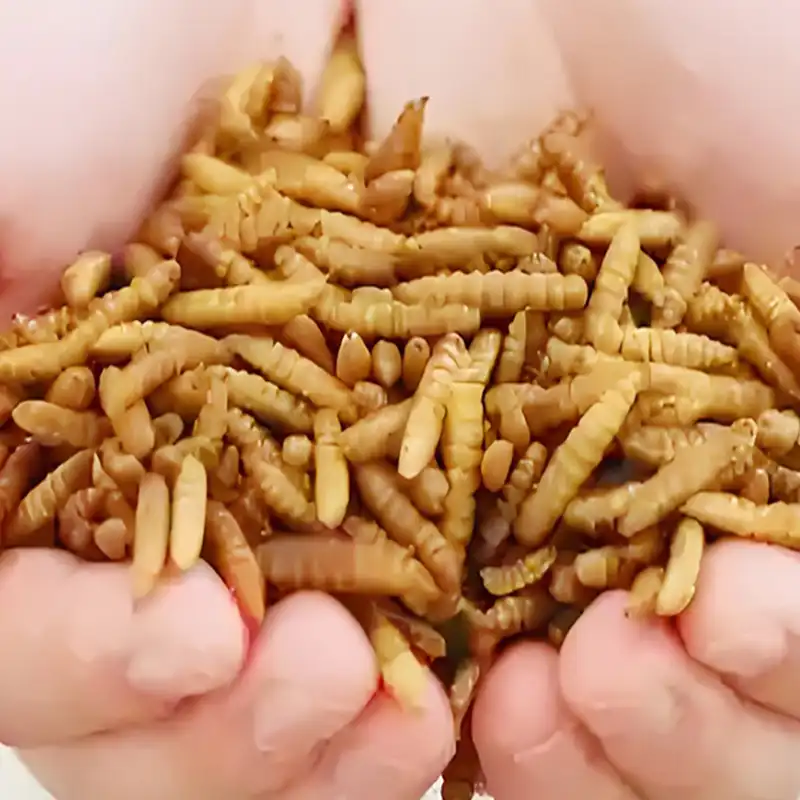
Mealworm protein is new to pet food. It benefits cats, dogs, birds, and fish. These darkling beetle larvae may be used to manufacture mealworms fish food pellets and other kinds of pet food nutrition. They provide protein sustainably. Mealworms are easy to digest and contain all the amino acids fish and pets require. They aid pet immune systems and tank fish tissue healing. Yunlan has witnessed how adding this chemical to several products affects their performance and pet health. This is to satisfy today's eco-conscious clients.
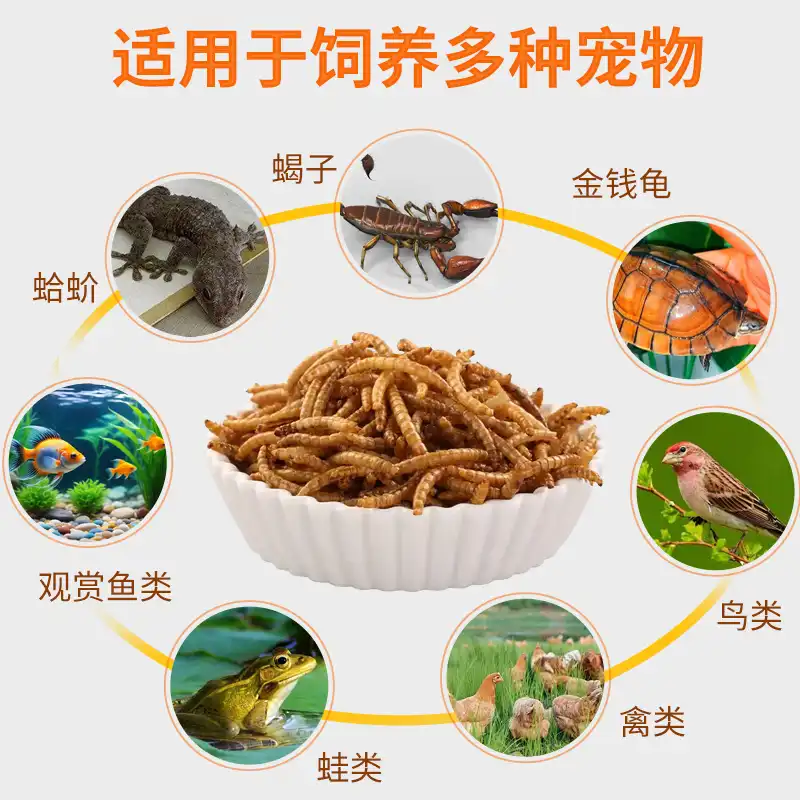
Nutritional and Functional Benefits of Mealworms in Pet Food
Complete Protein Profile Supporting Multi-Species Requirements
Dry matter mealworms have 50–60% crude protein. This makes them a top natural cat food protein source. This protein provides all the amino acids cats require, meat or plant. Its high leucine, lysine, and valine content builds muscles and regulates the body.
Mealworms may alter form, unlike other creatures. Tropical fish like cichlids and bettas like high-fat diets from the wild. Bird shells contain chitin, which aids digestion and gizzard function. Mealworm foods are suitable for dogs and cats allergic to chicken, pork, or grain.
Micronutrient Density and Functional Components
Trace elements remain in our microwave-dried mealworms. For instance, calcium strengthens bones, potassium protects the heart, iron transports oxygen, and salt maintains fluid equilibrium. Mealworms are healthy because they include B-complex vitamins, including B12 and riboflavin. Few plant-based cat foods provide these vitamins.
The raw fiber improves digestion without causing gastrointestinal troubles from grain consumption. This fiber element helps cats and dogs' stomachs move. It helps aquatic species absorb nutrients better, reducing tank waste.
Processing Technology Preserving Nutritional Integrity
Salmonella and E. coli are destroyed using microwaves, but the process preserves heat-sensitive vitamins and omega-3 fatty acids. Freeze-drying food may be too expensive, while oven-drying may destroy nutrients. For safe and wholesome meals, microwave cooking is recommended. Our process uses no artificial flavors, colors, or chemicals. Only natural, concentrated protein that dogs recognize as food is used.
Comparison of Mealworms with Other Common Pet Food Ingredients
Performance Against Traditional Aquatic Feed Options
Feeding fish dry mealworms instead of bloodworms, brine shrimp, or commercial flakes has several benefits. Bloodworms taste excellent but are hard to preserve and can get nasty if wild. Brine shrimp are healthy yet perishable and need to be refrigerated.
Mealworms fish food pellets have 50% the protein of bloodworms (55–60%), but if packed adequately, they may last a year at room temperature. Pellets don't make a mess or affect water quality like flake feeds because they break down rapidly. It can raise ammonia levels in closed marine systems. You can still catch everything from gentle goldfish to violent oscars and arowanas.
Organic Certification and Premium Market Positioning
The organic mealworm section sells high-end, chemical-free pet food. Certified organic products cost 15–30% more, but they help firms stand out in busy markets and prove their natural, eco-friendly origins. Pet stores say pet owners will pay extra for authorized organic insect proteins.
Mid-market businesses can save money on basic mealworm foods from HACCP and ISO-certified firms. When suppliers implement strong quality standards and easy means to check food production, the quality gap between organic and normal mealworms shrinks.
Format Considerations: Frozen, Dried, and Pelleted Options
Mealworms that are frozen appear and feel the most alive. This is why certain fish and animals hunt naturally. But cold chain requirements make it difficult for retailers and distributors with limited freezer capacity. Dried entire mealworms are easy to use, however certain species taste better when rehydrated.
Pellets are the latest and finest mealworm preparation method. Manufacturers may develop nutrient-rich, regular-sized meals that last longer by grinding dry mealworms and combining them with spirulina, kelp, or vegetable binders. With this type, pet owners may better regulate their pets' food intake. It suits aquaculture automated feeding systems.
How to Use Mealworms Across Different Pet Food Product Lines?
Optimizing Mealworm Integration in Aquatic Diets
Before adding mealworms to fish food, learn what nutrients each fish requires and how it consumes. Bettas and gouramis consume floating bugs like mealworm pellets. Bottom-dwellers prefer pellets that fall. Mix mealworm-based diets with familiar foods at 25% during the first week to gently increase them. Over the next several feedings, increase the ratio to 50–75%.
Various fish require various feeding frequencies. Tropical animals that dwell in 76°F–80°F water easily digest protein. Two times a day, they may finish mealworm feed in three minutes. Cold-water fish like goldfish should only be fed once a day in summer. Winter slows their metabolisms, so feed them every other day.
Avian Nutrition Applications and Species-Specific Blends
All bird sizes and shapes need different diets. Various mealworms accomplish various things. Bug-eaters like bluebirds and robins require mealworms for taurine and other nutrients they can't obtain from nuts. Birds need more energy during breeding, therefore feeding them mealworms during mating season boosts chick survival.
Mealworms fish food pellets are appetizing and energizing enrichment items. Because parrots don't need as much protein as insectivores, mealworms shouldn't make up more than 10–15% of their diet. Finches and canaries thrive on a mix of finely chopped dry mealworms and other seeds, especially when their feathers fall off and need additional amino acids to regrow.
Procurement and Sourcing Strategies for Mealworms in B2B Pet Food Markets
Supplier Evaluation Criteria and Quality Benchmarks
Many approaches may be taken to discover dependable mealworm vendors. HACCP and GMP standards demonstrate a company's food safety commitment. Honest sellers who produce and feed mealworms realize that ingredient quality affects product performance.
Top salesmen stand out with testing skills. A certificate of analysis (COA) showing protein, moisture, bacteria, and heavy metals helps businesses in various sectors comply with the law. With customizable options including size grades, moisture targets, and grinding standards, customers may craft the greatest recipes without sacrificing quality.
Bulk Purchasing Economics and Order Flexibility
Usually, bulk dried mealworm prices depend on how many you buy. If you buy more than 500 kg, you usually save 10-15%, and metric tons are much better. But procurement strategies must evaluate the expense of stockpiling and keeping items fresh against saving money.
Lots of OEMs and suppliers order every three months. This keeps things fresh and ensures three months of supplies. This method for buying bulk items doesn't compromise quality. Small enterprises or organizations testing new goods may struggle to pay their costs if they must commit to full loads.
Industry Insights & Future Trends of Mealworms in Pet Food Sector
Sustainability Imperatives Driving Ingredient Innovation
Traditional cat food production harms the environment. Beef and poultry production utilizes a lot of space, water, and greenhouse emissions. Mealworms are easier to raise than mammals. Animals can convert feed into protein at 10:1 or greater, whereas mealworms can do so at 2:1. One kilogram of protein requires 90% less water.
These environmental advantages match what shoppers value. According to market analysis, 43% of pet owners under 40 actively seek new protein sources, and 67% say sustainable pet food is vital. Brands that employ insect proteins and explain their environmental benefits will attract more eco-conscious customers.
Regulatory Evolution and Market Access Expansion
Mealworms fish food pellets in pet food are maturing in regulation. Mealworms might be used to feed pets, according to the EU in 2017, which also simplified the market with quality and labeling requirements. US mealworm use as animal food is recognized as GRAS, though distinct states may have distinct laws.
Clarity makes it easier for most individuals to obey the rules. Pet food makers previously wary about compliance now confidently formulate with mealworm ingredients. Industry and government organizations continue to communicate, so standards will improve, potentially expanding international markets and usage.
Technology Advancements in Insect Agriculture
AI and robots are turning mealworm farming into a sophisticated business. Weather-proof vertical farming systems can grow high-quality crops year-round by maximizing temperature, humidity, and meal planning. Automating collection and moving saves money and improves cleanliness.
Technology makes resources more available, goods more consistent, and costs lower for business-to-business buyers. Manufacturers may now guarantee restricted specifications. Pet food producers who need to maintain nutritious blends between manufacturing runs benefit from this. Economies of scale reduce the price difference between mealworm and other proteins.
Conclusion
This practice isn't simply a trend; it's a fundamental shift toward sustainable, healthful meals that aid many species and solve environmental issues. This flexible item may be used as whole mealworms for fish aquariums or crushed into dog chow. Modern pet food recipes will always utilize mealworms since they are efficient to prepare without harming nutrients. Mealworm protein users will gain a competitive edge as regulations become clearer and consumer awareness grows. You can now buy mealworms since they are healthy, environmentally friendly, and profitable.
FAQ
What makes mealworms superior to traditional fish food ingredients?
Dried mealworms have as much protein as bloodworms or more, containing 50–60% protein with all essential amino acids. They can be stored at room temperature for a year. Natural components make them appealing to all fish, and the format doesn't degrade water quality like flake feeds. Unlike frozen options requiring a cold chain, dried and pelleted mealworms simplify inventory management for stores and transporters.
Can mealworm-based products meet regulatory requirements for pet food?
Pet food that fulfills EU quality standards can contain mealworms, and they hold GRAS status in the United States. Products manufactured following GMP and HACCP protocols, with documented microbial testing and nutritional analysis, readily meet regulatory requirements across major markets. Labels that disclose insect protein content ensure transparency and meet information regulations.
How do mealworms benefit pets with food sensitivities?
Mealworm protein is structurally different from common allergens like chicken, beef, and soy, making it suitable for elimination diets. Its hypoallergenic properties, combined with high digestibility, reduce gastrointestinal stress in sensitive animals. Veterinarians increasingly recommend insect protein for pets with chronic skin conditions or digestive issues associated with typical protein sources.
Partner with Yunlan for Premium Mealworms Fish Food Pellets Supply
Yunlan makes superior mealworm products using cutting-edge processing technology and decades of supply chain experience. Microwave-drying foods preserves their safety and nutritional value. We can provide whole dried mealworms or finely crushed meals for any product development. We provide scalable solutions whether you're launching a small brand or dealing with large retailers in more than 60 foreign countries as a vendor of mealworms fish food pellets backed by Ruixin Cloud Wave Group's manufacturing infrastructure. Our research and development department, with 97 domestic patents, helps clients identify market-specific recipes. Our team may discuss your needs at minghuixu6717@gmail.com. We're upfront about costs, offer flexible order sizes, and provide technical assistance that makes buying items strategic. Discover how Yunlan's quality and innovation can help your products stand out in increasingly crowded locations.
References
1. Józefiak, D., Józefiak, A., Kierończyk, B., Rawski, M., Świątkiewicz, S., Długosz, J., & Engberg, R. M. (2016). Insects – a natural nutrient source for poultry – a review. Annals of Animal Science, 16(2), 297-313.
2. Makkar, H. P., Tran, G., Heuzé, V., & Ankers, P. (2014). State-of-the-art on use of insects as animal feed. Animal Feed Science and Technology, 197, 1-33.
3. Van Huis, A., Van Itterbeeck, J., Klunder, H., Mertens, E., Halloran, A., Muir, G., & Vantomme, P. (2013). Edible insects: future prospects for food and feed security. Food and Agriculture Organization of the United Nations, Rome.
4. Rumpold, B. A., & Schlüter, O. K. (2013). Nutritional composition and safety aspects of edible insects. Molecular Nutrition & Food Research, 57(5), 802-823.
5. Oonincx, D. G., Van Itterbeeck, J., Heetkamp, M. J., Van den Brand, H., Van Loon, J. J., & Van Huis, A. (2010). An exploration on greenhouse gas and ammonia production by insect species suitable for animal or human consumption. PLoS One, 5(12), e14445.
6. Bosch, G., Zhang, S., Oonincx, D. G., & Hendriks, W. H. (2014). Protein quality of insects as potential ingredients for dog and cat foods. Journal of Nutritional Science, 3, e29.
Chicken owners who desire healthier, more active birds often treat them to dried mealworms for chickens. These sweets are healthy since they include protein, vitamins, and amino acids. These protect feathers and eggshells. These protein-rich bugs may be fed to hens in your yard, whether you have a few or many. This will help them lay more eggs and stay healthy.
Nutritional Benefits of Dried Mealworms for Chickens
Explore how dried mealworms for chickens may keep poultry healthy.
This energy-packed meal is wonderful for dogs. Between 50 and 60% crude protein by dry weight. This much protein contains isoleucine and methionine. They repair tissue, create feathers, and boost immunity. Dried mealworms for chickens include B vitamins, calcium, potassium, and healthy fats. This is excellent for their health overall.
Protein digestion and balance are improving.
Superior Protein Profile and Digestibility
Dried mealworms for chickens protein, making chickens healthy. It speeds egg, muscle, and feather production. Plant proteins like soybean meal break down slower than insect proteins. With less intestinal time, the body can consume nutrients faster. This speed assists the bird when it has to utilize a lot of energy, such while laying eggs or developing feathers.
Enhanced Egg Production and Quality
Daily protein supplementation makes egg shells firmer and whites tastier. They have enough amino acids to form albumin, which hardens egg whites. Bug protein feeds hens more steady laying patterns throughout the year, according to scientists. It makes production dips due to day/night variations less obvious.
Accelerated Molting and Feather Regrowth
They need a lot of food as they change annually. This amino acid makes keratin and is present in dried mealworms for chickens. Plus, it stimulates feather development and reduces bird fatigue and stress. Veterinarians have shown that flocks that take protein supplements finish their molts faster and produce eggs again.
Immune System Support and Disease Resistance
Protein, healthy fats, and micronutrients boost antibodies. Birds become sick less often and recover faster. Mealworm shell chitin may promote gut bacteria growth. That improves food digestion and usage.
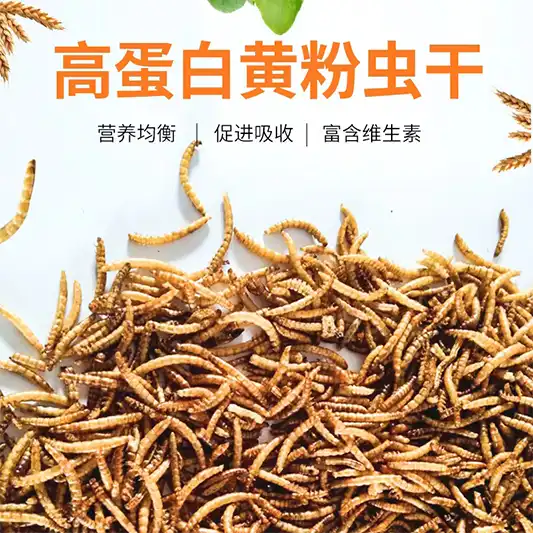
Dried Mealworms vs. Other Chicken Treats and Feed Ingredients: Making the Right Choice
Chicken owners may feed their hens scratch grains, vegetable scraps, and more. Each nutrition and function decision has perks and downsides that impact group performance and business performance.
Protein Content and Nutritional Density
Many scratch grains have 8–12% protein, which is fine for everyday consumption but unsuitable for mass production. Freshly plucked greens are weak. dried mealworms for chickens provide 5-6 times more protein than scratch grains. This allows you determine how much to consume and reduces fitness requirements. This strategy helps businesses conserve space and organize their items.
Shelf Stability and Handling Convenience
Bugs must live to be safe. They deteriorate soon. New meal regularly and cool. If kept cold and dry, they can last 12–18 months after drying. Buy in bulk to save and get more. They endure longer and shatter less readily. Business districts have cheaper trash and are continually moving.
Feed Conversion Efficiency and Cost Analysis
Small amounts of dried mealworms for chickens can benefit your health. They cost more per pound than grain meals. When comparing protein value, dried mealworms are typically as cheap as thick feed layers. Particularly considering how much more mealworms produce. Your organization should consider unit costs and total cost of ownership if it buys a lot. Storage space, garbage costs, and feed delivery workers are included.
Organic Certification and Sourcing Standards
Organic dried mealworms for chickens are growing in popularity as health-conscious consumers buy them. Organic mealworm maggots can only thrive on organic, pesticide-free meals. Each location has various license restrictions, although they usually follow well-known farming groupings. You should check vendors' licenses and where their items come from to ensure they respect the law and fulfill customer demands.
How to Feed Dried Mealworms to Chickens Effectively: A Step-by-Step Guide
Be cautious when mixing dried mealworms for chickens with other ingredients for optimum results. Giving hens new things slowly won't hurt them. There will be time to adjust to flavor and sensation.
Gradual Introduction and Portion Control
Start with five to ten mealworms per bird daily. Watch how they eat and work to determine whether they can handle them. Give birds 10–15 worms every 7–10 days for care. Hatch the eggs and give each bird 20 worms. You won't overeat, which might make basic foods unhealthy, and this strategy maintains stomach microorganisms.
Mixing Techniques and Feeding Methods
Dried mealworms for chickens around their runs will keep them hunting. This helps their bodies and brains. They might be blended with layer feed at 5–10% by weight to ensure all birds get the same amount. Since goodies are in distinct dishes, each bird gets the same quantity. Controlled feeders with many spots make setting up setups easier for businesses with many birds.
Storage Conditions and Seasonal Adjustments
Dry mealworms for chickens should be stored in lidded containers out of direct sunlight and water. The humidity should be below 60% and the temperature between 50°F and 70°F. Monthly bin inspections for pests and mold. Watch how much the hens consume in the summer as you add water places. If the heat bothers them, they may not eat. Winter may require extra vitamins to be healthy and warm.
By following these criteria, every organization may maximize group performance and reduce feed expenses. dried mealworms for chickens may be utilized for more than rewards if you know how. They can be smart food gadgets that aid numerous tasks.
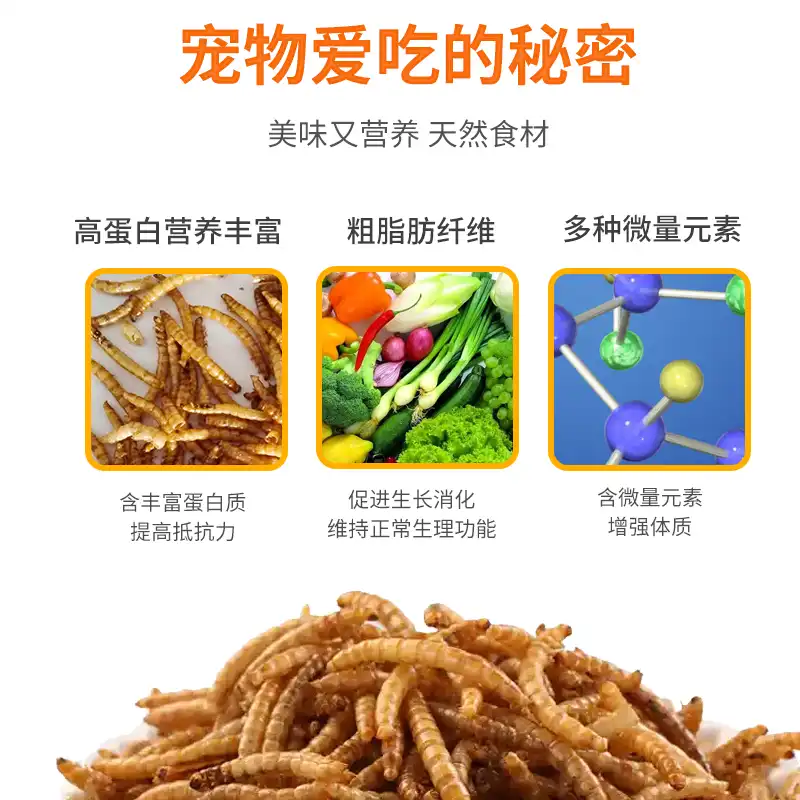
Procurement Insights: How to Source High-Quality Dried Mealworms for Chickens?
When buying mealworms from various companies, consider quality, affordability, and stability. Always monitor purchasers to meet sales targets. The firm will get less unfavorable press if consumers like it.
Supplier Credentials and Certification Compliance
Food preparation and tracking are regulated, and trustworthy sources retain records. Look for studies with bacteria, water, and protein measurements. FDA regulations apply to U.S. animal feed sellers. Third-party inspections increase trust that a factory is clean and produces decent products.
Wholesale Pricing Structures and Negotiation Strategies
Prices drop after selling 500 kg, 1000 kg, or more than a ton. Discuss budget-friendly payment plans with them. Forward deals lock in prices for 6–12 months. Buy once-a-year bargains to get money back or advertising aid. Landing rates are great for comparing foreign and local firms. Freight, taxes, and currency fluctuations are included.
Online vs. Local Purchasing Options
Online businesses provide fantastic bargains and are easy to use. It may cost more and take longer to ship. Your local retailers may carry fewer things since they know you well. They may provide better service and faster delivery. Big shipments from online and local stores can save money and strengthen your supply chain in case of a problem.
Sustainability and Corporate Social Responsibility Alignment
Shopping is becoming more about being eco-friendly and trusting people. Growing mealworms uses less carbon than growing other animal meals. Suppliers who employ green energy, fair labor, and closed-loop garbage management can assist meet ESG targets. These vendors benefit eco-conscious consumers. People willing to pay extra for eco-friendly products are more inclined to buy from sustainable firms.
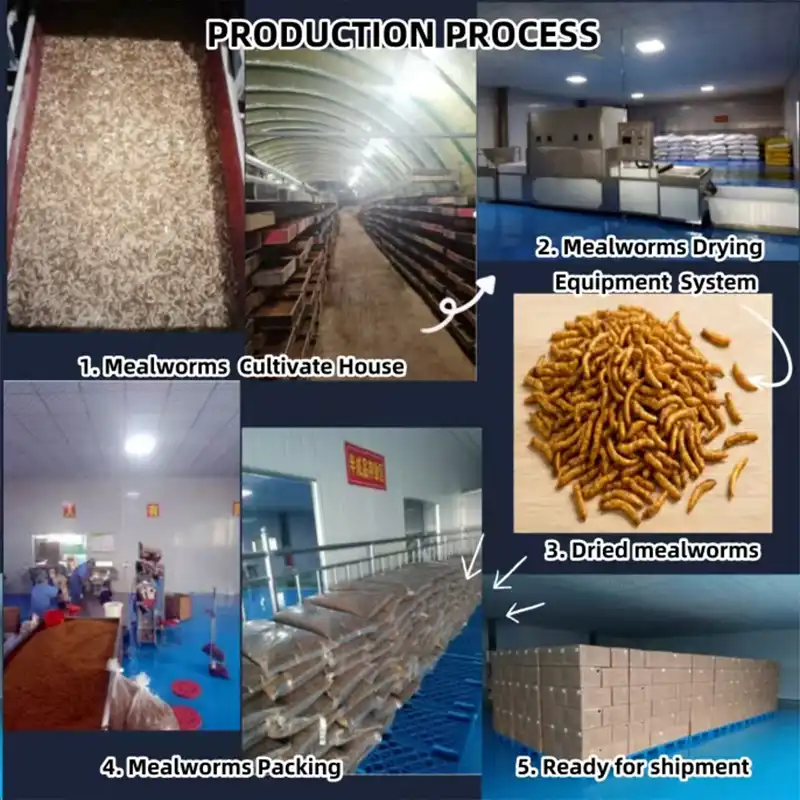
Conclusion
Dried mealworms for chickens are definitely healthy for chickens. It also increases egg production and speeds molting recovery. Chicken farms need high-protein, amino acid-rich diet. They also make feed storage, transport, and usage easy. Giving your group solid foundation nourishment and clever assistance will improve their performance at every stage. When buying from another firm, seek for one with a strong track record, observes rights standards, and cares about the environment. This will help firms satisfy the growing need for safe, effective poultry vitamins.
FAQ
Can dried mealworms replace regular chicken feed entirely?
Dried mealworms for chickens give protein to other dishes, not eaten alone. Chicken mealworms require carbohydrates, fiber, vitamins, and minerals from more than food. Always feed them excellent layer feed with all the minerals they require. When time permits, they can consume mealworms for added nutrients. Extra vitamins shouldn't exceed 20%–15% of daily feed. This keeps food nutritious.
How many dried mealworms should large commercial flocks receive daily?
Each bird receives 10–15 grams (100–150 mealworms) daily in a plant. This guideline should vary by job level, bird size, and season. Birds molting or laying several eggs may need 20 grams. To determine your business's nutrition needs, consider your group's health ratings, egg production, and feed conversion rates.
Are dried mealworms nutritionally superior to soybean meal or scratch grains?
Dried mealworms for chickens provide more amino acids than raw grains and soybean meal. Mishandled soybean meal includes undesirable ingredients that might make digestion difficult. Small amounts of protein are in scratch grains. Mealworms include several easily absorbed proteins. This makes them useful during development and output, when protein demands are high.
Partner with Yunlan as Your Trusted Dried Mealworms for Chickens Supplier
Yunlan sells microwave-cooked, natural mealworms. Fillers and chemicals are absent. This ensures bird and dog food safety. Our products are always the best and follow the strictest food safety standards. They employ advanced tools and tight quality control requirements. Ruixin Cloud Wave Group has over 20 years of experience. They enable retailers, online sellers, medical offices, boarding homes, and transit networks in the US and over 60 other countries to buy high-quality items at low wholesale costs.
Drying food in the microwave keeps it nutritious and safe for a long time, so we don't need chemicals. Each batch undergoes several protein, moisture, and germ testing to ensure safety. To comply with the law and reassure customers, write down your findings. We recognize that businesses that buy from others require reliable, straightforward, fast service. Yunlan lets you choose how many items to buy. They help large firms run faster. They can also optimize your account for your business.
Get samples, discuss how our production expertise may help your business flourish, and learn about excellent savings on dried mealworms for chickens by emailing minghuixu6717@gmail.com. See everything we sell at yunlanpets.com. Therefore, the top farm vendors and pet stores trust Yunlan to send them wonderful stuff.
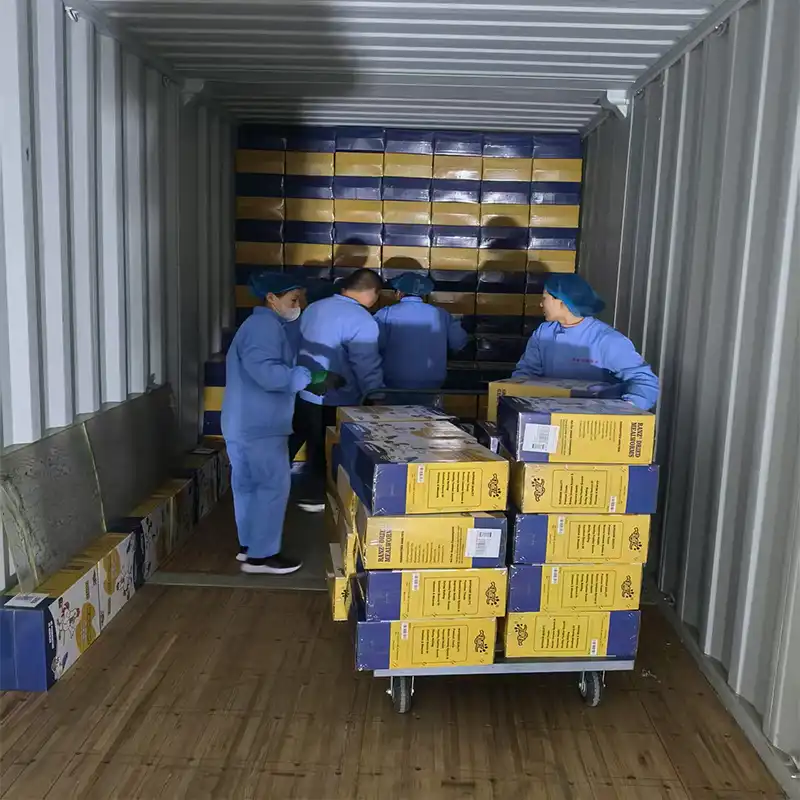
References
1. National Research Council. Nutrient Requirements of Poultry: Ninth Revised Edition. National Academies Press, 2021.
2. Van Huis, Arnold, et al. "Edible Insects: Future Prospects for Food and Feed Security." Food and Agriculture Organization of the United Nations, 2023.
3. Makkar, Harinder P.S., et al. "State-of-the-Art on Use of Insects as Animal Feed." Animal Feed Science and Technology, Vol. 287, 2022.
4. Poultry Science Association. "Protein Requirements and Amino Acid Supplementation in Layer Diets." Poultry Science Journal, Vol. 101, Issue 6, 2022.
5. American Veterinary Medical Association. "Nutritional Management for Backyard Poultry Flocks." AVMA Guidelines, 2023 Edition.
6. International Poultry Council. "Alternative Protein Sources in Commercial Poultry Production: Technical Review." IPC Research Bulletin, 2024.
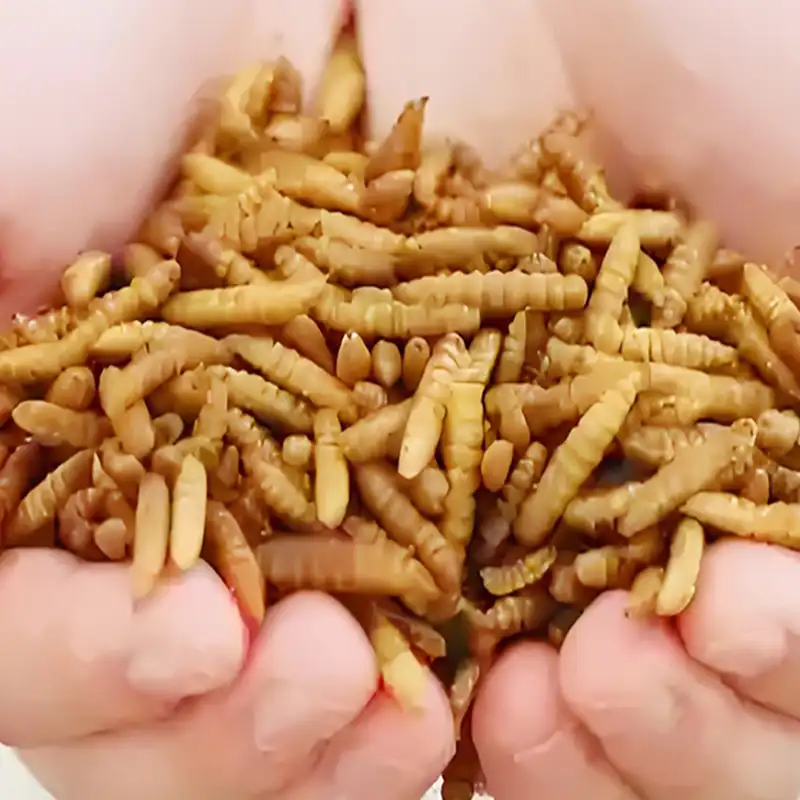
Dried mealworms for wild bird are essential for wildlife conservationists worldwide. As the bird care business increases, sourcing workers need safe, effective, high-quality mealworm solutions. The US and other nations' wild bird feeding industry is increasing rapidly. Stores, internet markets, vets, and wholesalers are growing. This book discusses nutrition, food rules, quality standards, big-buying methods, and environmental benefits for business-to-business purchasers. Knowing the whole dried mealworm value chain helps you make smarter decisions for birds and your company. This applies whether you work for a pet store that requires ready-to-sell products, an online store that wants to maximize stock, or a distributor that wants reliable producers.
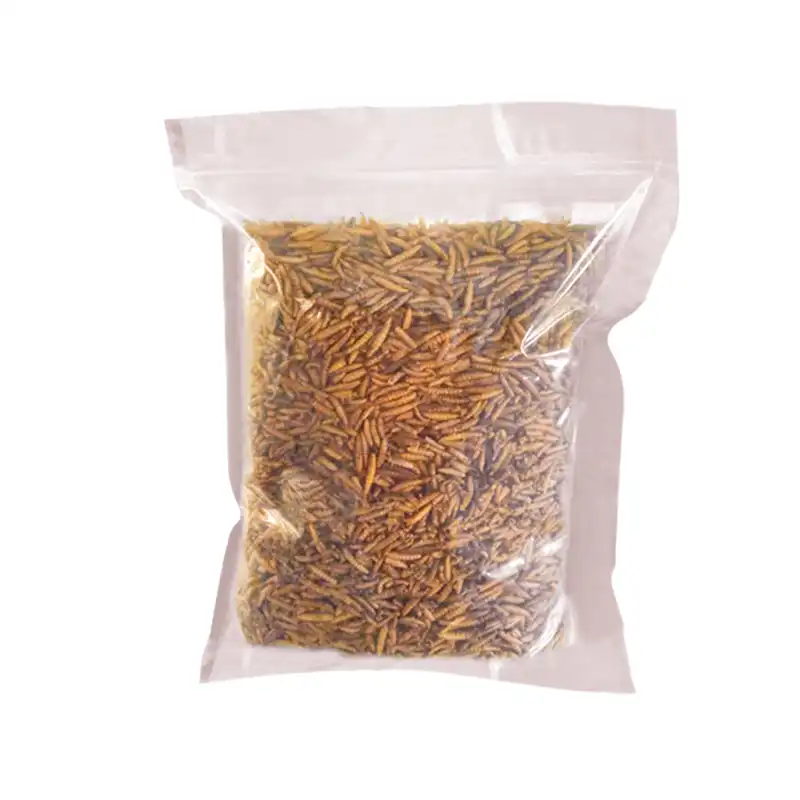
Understanding Dried Mealworms for Wild Birds
The Nutritional Foundation of Mealworm Supplements
Darkling beetles' young are dried as mealworms. They are a long-lasting protein-rich feed additive. Yunlan microwaves our foods at high temperatures to kill bacteria and preserve nutrients without chemicals. Dried mealworms for wild birds get protein-rich food with nutrients to develop and remain healthy. The rough fiber and trace minerals iron, phosphorus, potassium, and sodium are helpful for your digestive tract and overall health.
When comparing foods, dried mealworms usually offer higher protein than seed-based meals. Insect-based diet has 50–60% protein by dry weight, compared to 15-20% in seed mixtures. This nutritional wealth is especially important during breeding seasons, when adult birds require more food to lay eggs and raise young.
Processing Variants and Their Applications
Each mealworm processing method works better with a specific consumer or service. Heat-dried mealworms are economical and good for large usage. Low-temperature freeze-drying preserves nutrients. They attract high-end retailers and animal rescue facilities. Buying teams may choose products that match target market demands and establish pricing that make sense when they know about these changes.
Feeding Best Practices and Timing for Dried Mealworms
Optimizing Feeding Protocols Across Seasons
Wild bird diets accommodate for seasonal behavior and nutritional demands. In spring, birds' protein demands skyrocket as they feed their offspring. Bird feeders are crowded in these months, but bluebirds, robins, and chickadees will come for high-protein items. However, when wild insects are scarce in winter, certain species can benefit.
Supplements should be taken with or instead of natural food sources, according to suggested diet. Dried mealworms for wild birds should make up 10–15% of most wild bird diets. They should consume them with natural vegetables, seeds, and bugs. This strategy preserves many nutrients without adding much food.
Storage Requirements for Supply Chain Integrity
So it stays fresh during delivery, a product must be stored to maintain its nutritional content. Dried mealworms last longest in cold, dry, out-of-the-sun, water-free areas. Good food storage keeps it healthy for 12–18 months. Buyers may ensure clients get the best by rotating stock so the first products in are the first to go out. Maintaining a specific temperature prevents fats from breaking down, making proteins less delicious and flavorful. These segments of the supply chain affect consumer satisfaction and repeat purchases in retail and bulk businesses.
Comparison and Quality Selection of Dried Mealworms for Wild Birds
Evaluating Processing Methods and Nutritional Profiles
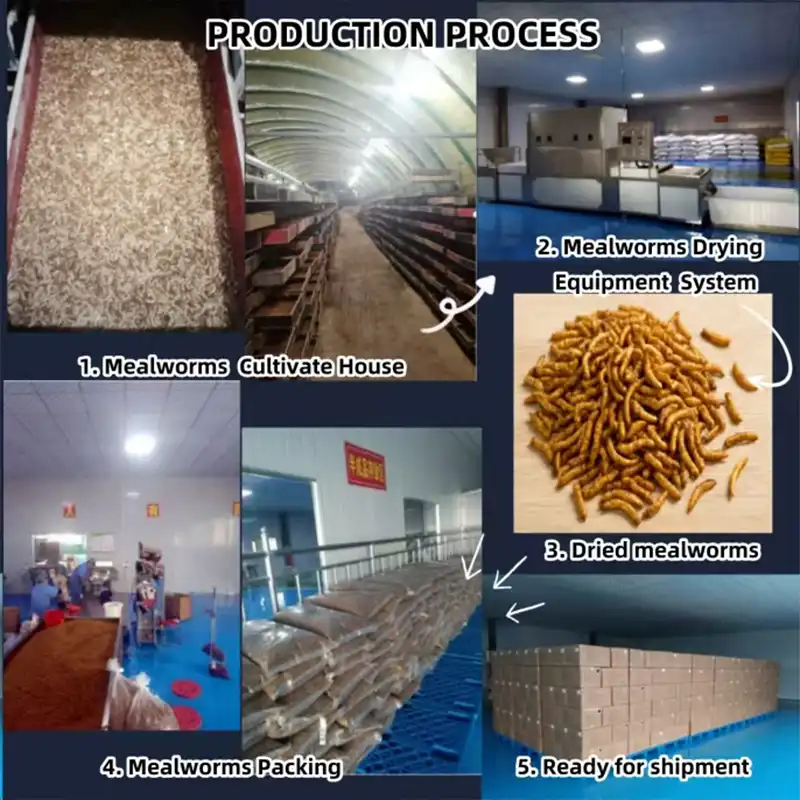
When buying, knowing how procedures affect the object's appearance is helpful. Microwave drying kills pathogens but preserves food nutrients by Yunlan. Drying them in the oven might damage heat-sensitive vitamins. Freeze-dried alternatives recover better when hydrated before eating because they retain cell integrity.
Organic approval helps leading market groupings distinguish out. Organic mealworms cost more, but more customers demand natural, chemical-free products. Buying staff for ecologically conscious clients should review USDA, Non-GMO Project, and other food safety recommendations. Customers may trust that their purchases are high-quality since they have these qualifications to back up marketing promises customers believe.
Supplier Evaluation Criteria
When searching for reliable dried mealworms for wild birds vendors, consider more than unit pricing. Manufacturing ability shows how effectively a corporation can handle large or regular sales without stopping production. Quality control procedures prevent pollution, safeguard customers, and preserve the brand's image. This includes batch testing, tracking, and other activities. Yunlan, a popular vendor, has stringent quality control procedures, constantly makes more than the standard, and is transparent about where they source their products. Looking at a seller's financial soundness and business history makes buying safer. This is especially true for purchasers negotiating long-term distribution partnerships or developing their own brand.
Bulk Procurement and Sourcing Strategies for Dried Mealworms
Navigating Global Sourcing Landscapes
The worldwide supply chain grows dried mealworms for wild birds in countries with good insect farming regulations and infrastructure. The major companies' operations feature stringent quality control, automatic processing lines, and climate-controlled animal health systems. Yunlan's plant in Suqian City is near complementary areas like cleaning and transportation. This keeps expenses down, allowing for competitive market prices.
Successful procurement strategies leverage volume commitments to secure favorable terms while maintaining supply flexibility. Negotiating multi-year agreements with graduated volume tiers incentivizes suppliers to prioritize order fulfillment and offer preferential pricing structures. However, procurement managers should balance commitment levels against demand uncertainty, potentially diversifying suppliers across primary and secondary sources to mitigate disruption risks.
Building Strategic Supplier Partnerships
Working with a seller goes beyond business. Sharing information, making new products together, and having the same quality standards benefit everyone. Suppliers learn about new customer tastes and competition. This helps plan output and generate new ideas. Buyers may acquire scientific knowledge, alter products, and get aid when stocks run out. This is a terrific method to collaborate on private-label products or enter new markets that require customized formulas. Clear methods to communicate, measure progress, and resolve disputes improves partnerships and helps the firm flourish.
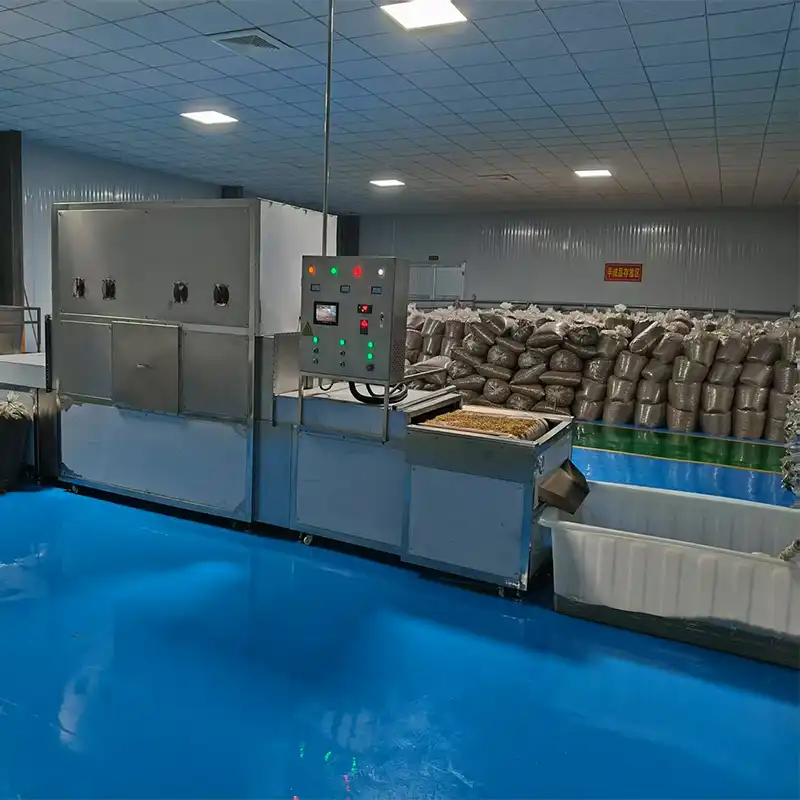
Sustainability and Future Trends in Wild Bird Feeding with Mealworms
Environmental Advantages of Insect-Based Feeds
B2B buyers are increasingly considering eco-friendly purchases. Because it uses less area, water, and food to produce the same protein, mealworm farming is healthier for the environment than animal farming. This cycle economy-friendly gardening reduces greenhouse gasses and reuses food waste as feed.
Buyers with environmentally conscious clients might apply these sustainable criteria in marketing and product placement. Suppliers who employ organic farming, renewable energy, and garbage reduction might also stand out. Yunlan's eco-friendly expansion through plant-based bases and natural spices makes them an environmental champion.
Emerging Market Dynamics and Innovation Trajectories
Tool and rule changes constantly affect the dried mealworms for wild birds food business. With AI and sensor networks, automated agricultural systems yield more accurate and valuable results. New food preparation methods preserve natural compounds that boost birds' immune systems and stress tolerance. These innovative concepts originate from educated users' demand for high-end, health-beneficial items.
Insect-based food laws vary by nation, so buying teams must obey them. If you know the new germ-controlling, marking, and species-use requirements, you can go to market without difficulties. Businesses may reduce these risks and prepare for rising market possibilities by engaging with buyers that obey the regulations.
Conclusion
Wild bird food prepared from dried mealworms for wild birds is a high-value product segment with several B2B shop alternatives for finding workers. If you want to succeed in this sector, you must understand food science, the supply chain, quality, and sustainability. Buying from well-known firms with solid working methods, clear quality standards, and innovative ideas helps them respond to changing consumer demands and meet wild bird health and safety goals. Companies in this expanding industry have a long-term edge over their rivals because they balance inexpensive costs with quality control, create supplier connections, and monitor market changes.
FAQ
How long do dried mealworms remain nutritionally viable during storage?
Good dried mealworms for wild birds can last 12–18 months if kept cold, dry, and out of direct sunshine and water. Changes in temperature and humidity accelerate lipid breakdown. This reduces protein quality and taste. To ensure store consumers receive items with enough shelf life, purchasing managers should specify storage space and inventory rotation. Easy-to-read dates and moisture-resistant packaging assist supply chain workers monitor their items.
Are there bird species for which mealworms present safety concerns?
Dried worms are suitable for most wild bird species if they are not their sole food. Due to its protein content, mealworms benefit fast-growing birds. Due of their size, smaller species don't perish. Animal care experts in specialized markets like rehabilitation facilities should consult bird doctors to ensure meal recommendations are appropriate for each species. When trusted merchants provide explicit instructions, customers may utilize their items properly and avoid risk.
What certifications indicate reliable mealworm supplier quality standards?
Traceability, food safety management, and organic production standards (where applicable) are key licenses that demonstrate trustworthiness. Foreigners buying insect-based feed should check their country's laws. Clear quality records, batch testing records, and helpful customer support from suppliers demonstrate company stability for B2B collaborations.
Partner with Yunlan for Premium Dried Mealworms for Wild Bird Supply Solutions
Yunlan sells the best dried mealworms for wild birds in pharmacies, online stores, and bulk to other businesses to help you accomplish your buying goals. Our microwave-dried meals are healthful, germ-free, and long-lasting. Strict quality control procedures support them. Our firm has made dried mealworms for wild birds for years and has a reliable supply network. We provide competitive bulk rates, flexible packing, and fast technical assistance.
Our commitment extends beyond product excellence to encompass sustainable practices and continuous innovation aligned with evolving market expectations. Whether you're expanding product assortments, developing private-label offerings, or seeking dependable suppliers to support growth initiatives, Yunlan provides the expertise and capacity to fulfill your requirements. Contact our team at minghuixu6717@gmail.com to discuss your specific needs, request product samples, or explore partnership opportunities that deliver measurable value to your business and the wild bird populations you serve. Visit yunlanpets.com to learn more about our complete portfolio and discover why leading B2B buyers trust Yunlan for their mealworm procurement needs.
References
1. Smith, J.R. & Anderson, K.L. (2022). "Nutritional Analysis of Insect-Based Feeds for Avian Species." Journal of Wildlife Nutrition, 48(3), 215-232.
2. Thompson, M.E. (2023). "Sustainable Protein Sources in Wild Bird Conservation." International Wildlife Management Review, 17(2), 89-107.
3. Chen, W. & Roberts, P.D. (2021). "Processing Methods and Nutrient Retention in Dried Mealworm Products." Food Science and Technology International, 35(4), 412-428.
4. Williams, S.A. (2024). "Supply Chain Management in the Insect Feed Industry." B2B Procurement Quarterly, 12(1), 56-74.
5. Martinez, C.R. & Davidson, H.J. (2023). "Seasonal Feeding Patterns and Wild Bird Nutrition Requirements." Ornithological Sciences, 41(2), 178-196.
6. Peterson, L.M. (2022). "Quality Standards and Certification in Global Mealworm Trade." International Journal of Sustainable Agriculture, 29(3), 301-319.
Baby robins have sensitive digestive systems and very specific dietary requirements during the nestling and fledgling stages. Many wildlife rescuers and backyard bird lovers have a hard time with safe supplementary feeding options for young robins. To summarize, yes baby robins can eat properly processed and rehydrated dried mealworms but dry and untreated products are unsafe for them.
This guide systematically explains the dietary needs of baby robins, the value of qualified insect feed, standardized feeding methods, and professional purchasing guidance, helping users scientifically use high-quality bird feed to protect young robins’ growth.
Baby Robin Diet & Nutritional Compatibility with Dried Mealworms
We must first know the natural diet and growth nutrition standards for young robins before we can determine if dried mealworms are okay for baby robins. Only feed that matches their physiological needs can help them to develop healthily and be free of growth retardation or digestive problems.
Natural Dietary Habits of Wild Baby Robins
Newly hatched robin nestlings depend entirely on parent birds for food intake. Their natural diet is pure protein without any plant seeds or coarse grains. Parent robins feed their young earthworms, caterpillars, small grasshoppers and various insect larvae.
This high-protein diet supports extremely fast growth of baby robins. Young robins can double their body weight within four to six days after hatching. Wild natural insect food contains 15% to 20% protein, which is the basic nutritional benchmark for the survival and development of nestlings.
For manual feeding and wildlife rescue scenarios, dried mealworms for wild birds serve as the best alternative to natural wild insects, solving the problems of difficult access and short preservation time of live insects.
Core Nutritional Requirements for Nestling Growth
The growth of baby robins requires more than simple calorie supplementation. Balanced nutrients determine their bone development, feather growth, immunity and organ maturation. Professional ornithological data shows that young robins need 20% to 25% protein in daily food.
Moderate fat levels (8% to 12%) are providing sustainable energy for growth without adding digestive load. Trace Elements Essential for Bone Strengthening, Blood Circulation and Metabolic Function Calcium, Potassium, Iron and B-Complex Vitamins.
A small amount of crude fiber helps promote intestinal peristalsis and adapt the digestive system to future independent foraging. Qualified supplementary feed must fully cover the above nutritional indicators to meet the growth needs of baby robins.
Nutritional Matching Degree of Dried Mealworms
High-quality dried mealworms have superior nutritional indicators that fully meet the growth standards of baby robins. Standard products contain 50% to 55% protein and 25% to 30% fat, far exceeding the nutritional level of natural wild insects.
They are rich in sodium, potassium, iron and phosphorus. These elements regulate nerve and muscle function, promote hemoglobin synthesis and improve bird immunity. The 3% to 5% crude fiber in the feed can effectively assist intestinal digestion of young robins.
After professional low-temperature microwave drying, the active amino acids and nutrients in mealworms are fully retained. Multiple wildlife rescue cases in North America prove that young robins fed with this standard auxiliary feed can grow healthily and fly normally. Dried mealworms for wild birds can completely replace live insects as stable daily supplementary food for baby robins after reasonable rehydration.
After confirming that dried mealworms are nutritionally compatible with baby robins, standardized feeding operations become the key to safe use. Scientific pretreatment and feeding skills can avoid health risks and maximize nutritional absorption efficiency.
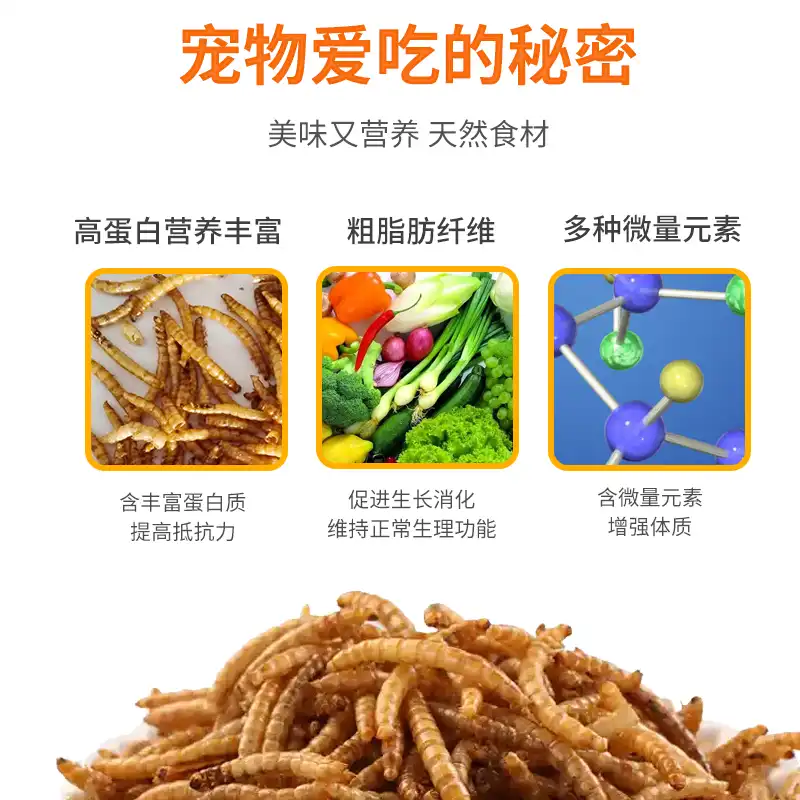
Standard Feeding Methods for Baby Robins & Wild Birds
There is a clear difference between feeding nestlings and adult wild birds. Young robins have weak digestive capacity and cannot adapt to dry and hard feed. This chapter introduces professional pretreatment, feeding cycle and feeder management specifications to ensure safe and efficient feeding.
Rehydration Pretreatment for Nestling Feeding
Dry hard mealworms are strictly prohibited for baby robins. Dry feed may cause choking, indigestion or dehydration in young birds. Rehydration pretreatment is an indispensable step before feeding nestlings.
Soak dried mealworms in warm clean water for 20 to 30 minutes. Let the feed fully absorb water to restore 60% of the original water content. The processed mealworms are soft and juicy, consistent with the texture of natural insects eaten by wild robins.
For weak or injured young robins, users can use diluted electrolyte solution instead of pure water for soaking. This method supplements trace electrolytes while feeding, improving the physical condition of vulnerable birds. Drain excess water immediately after soaking to avoid bacterial growth.
Feeding Schedule and Seasonal Adaptation Rules
Adult wild birds can eat properly dried mealworms directly, but baby robins need regular and quantitative feeding. Small and frequent feeding is the core principle to adapt to their small stomach capacity.
In spring breeding season, wild insect resources are unstable. Supplementary feeding of young robins needs to be increased appropriately. In winter, natural insects die in large numbers, and high-protein dried mealworms become the main energy source for wild bird populations.
Users should follow the principle of small-batch supplementation. Do not put excessive feed at one time to avoid deterioration and waste. Fixed feeding time can help wild birds form stable foraging habits and reduce feeding stress.
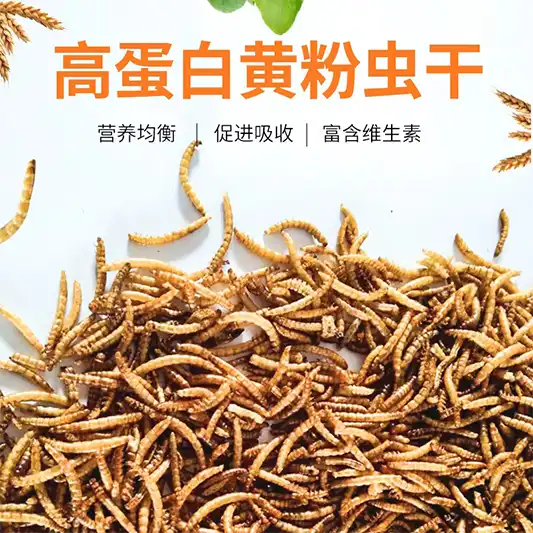
Advantages and Procurement Standards
Dried mealworms have obvious advantages over live insects in preservation, transportation and batch feeding. However, product quality varies greatly in the market. This chapter compares dried and live mealworms, sorts out safety identification standards, and provides professional procurement guidance for individual users and bulk buyers.
Comparative Advantages of Dried vs Live Mealworms
Live mealworms have high water content and are closest to natural insect food. But they have obvious defects such as short survival cycle, strict storage conditions and easy death and deterioration.
Dried mealworms retain complete nutritional components after professional drying treatment. Their shelf life can reach 12 to 18 months under cool and dry sealing conditions. They are easy to transport and store, with almost no waste.
Scientific detection shows that high-temperature microwave drying will not destroy amino acid and nutritional structure of mealworms. Its nutritional efficacy is comparable to live insects, and it is more suitable for batch feeding and long-term wild bird conservation projects. Stable quality makes dried mealworms for wild birds the preferred feed for rescue institutions and bird watching enthusiasts.
Safety Screening Standards for High-Quality Products
Food safety is the primary standard for selecting bird feed. High-quality dried mealworms adopt microwave high-temperature sterilization technology, which can completely kill harmful bacteria such as Salmonella and Escherichia coli.
Qualified products do not add any drugs, fillers, artificial pigments and chemical residues. The water content is controlled below 10% to prevent mold growth during storage. The uniform golden brown color indicates standard drying temperature and no burnt deterioration.
Formal suppliers will complete heavy metal detection and microbial testing in batches. Clean and impurity-free feed can avoid intestinal damage and infection in wild birds, especially fragile baby robins.
Professional Procurement Guide for Different Buyers
Different buyers have differentiated procurement needs. Pet retail stores need products with exquisite packaging, complete labels and durable transportation resistance to meet retail sales needs.
Wildlife rescue institutions and veterinary clinics have the highest requirements for product sanitation and qualification certification, which need to meet professional animal feeding safety standards. Bulk distributors pay more attention to shelf life, batch stability and flexible minimum order quantity.
The market price of qualified dried mealworms ranges from $15 to $30 per kilogram. Bulk wholesale has obvious price advantages, while retail boxed products have higher comprehensive costs. Buyers should avoid low-cost inferior products to prevent nutritional deficiency and hidden safety hazards. Choosing stable and qualified suppliers can ensure the long-term and safe application of dried mealworms for wild birds.
To solve the daily doubts of bird lovers and industry buyers, we sort out high-frequency professional Q&A, and provide reliable brand supply solutions and authoritative academic support.
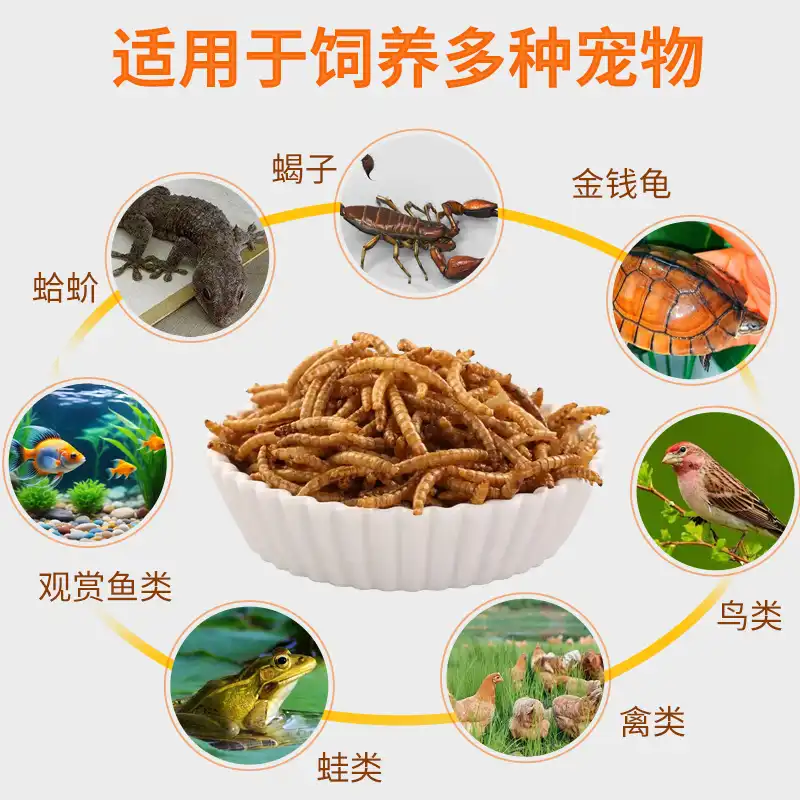
FAQ
① How long can dried mealworms be stored?
Standard dried mealworms can be stored for 12 to 18 months if sealed and kept in a cool, dry and dark environment. Avoid exposure to humidity and high temperature conditions. Regular inspection for mould and deterioration is required during storage to ensure the safety of feeding.
② Can all wild bird species eat dried mealworms?
Dried mealworms can be eaten by insectivorous wild birds such as robins, bluebirds, chickadees, wrens and woodpeckers. Pure seed-eating birds have low demand for insect protein but will feed rehydrated mealworms to their chicks during breeding seasons.
③ Are rehydrated mealworms equal to live mealworms in nutrition?
Properly rehydrated dried mealworms retain over 95% of protein, fat and trace minerals. The nutritional gap with live mealworms is insignificant. The only difference is the water content and that won't affect the growth and development of baby robins.
④ Is it safe to feed dry mealworms directly to baby robins?
No, it is not safe. Dry, hard mealworms can cause choking, digestive upset, or intestinal blockage in young robins with weak digestive systems. All nestlings perform a required feeding step, the rehydration pretreatment.
⑤ How many times a day should baby robins be fed mealworms?
Newly hatched nestlings need feeding every 20 to 30 minutes during the day. Fledglings can be fed 4 to 6 times a day. All feeding needs to follow the small-batch and frequent principle to avoid overfeeding.
Professional Supply Solution: Yunlan Dried Mealworms
Yunlan is a professional manufacturer focusing on the R&D and production of wild bird feed. It provides high-quality standardized dried mealworm products for wildlife rescue institutions, pet stores, bulk distributors and backyard bird lovers worldwide.
All products adopt intelligent constant-temperature microwave drying technology. They are sterilized thoroughly without chemical additives, retaining complete nutritional components. The products are specially optimized for young bird feeding, with moderate hardness after rehydration and high safety.
The brand supports customized packaging, sample testing and global bulk wholesale services. It has stable supply chain and perfect after-sales service system. Buyers can obtain product catalogs, test reports and preferential cooperation policies by contacting the official email. If you need high-quality and cost-effective wild bird feeding supplies, please contact our professional team via minghuixu6717@gmail.com to obtain one-stop supply solutions.
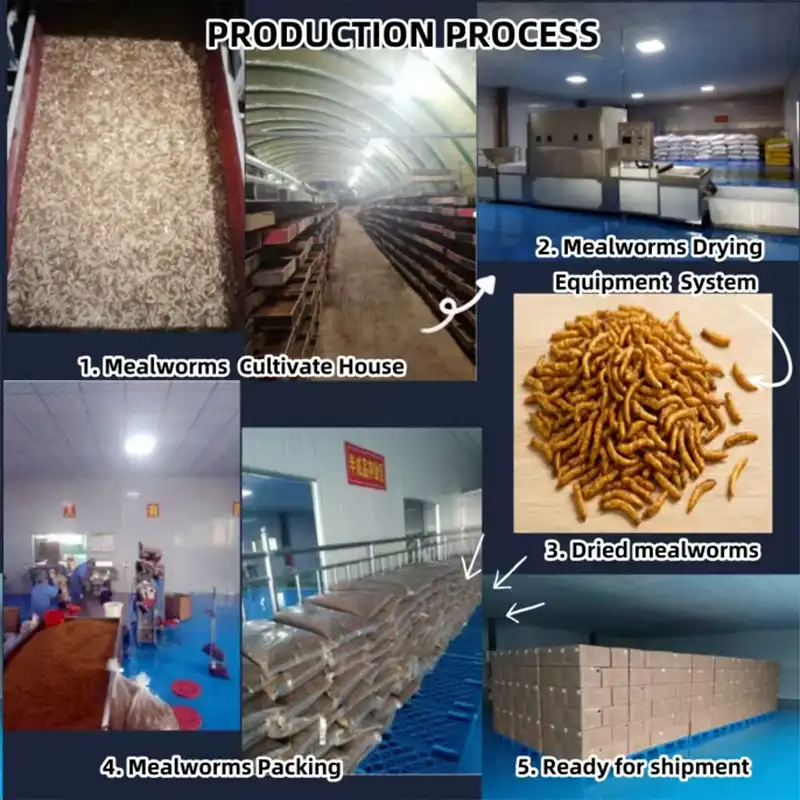
References
-
Smith, J. L., & Anderson, K. M. (2021). Nutritional Requirements of Nestling Songbirds: A Comprehensive Analysis. Journal of Avian Nutrition, 34(2), 145-167.
-
Thompson, R. H. (2020). Insect-Based Protein Sources for Wild Bird Feeding Programs. Wildlife Rehabilitation Quarterly, 18(3), 89-104.
-
Martinez, C. A., & Lee, S. Y. (2022). Comparative Digestibility of Dried Versus Live Mealworms in Juvenile Passerines. Avian Biology Research, 15(4), 223-238.
-
Williams, D. P. (2019). Quality Standards and Safety Protocols for Commercial Insect Production. Food Safety Journal, 27(1), 56-73.
-
Chen, L., & Roberts, B. K. (2023). Seasonal Feeding Patterns and Nutritional Supplementation in North American Robins. Ornithological Studies, 41(2), 178-195.
-
Peterson, M. J. (2020). Best Practices in Wildlife Feeding Station Management and Design. Journal of Wildlife Management, 84(5), 901-916.
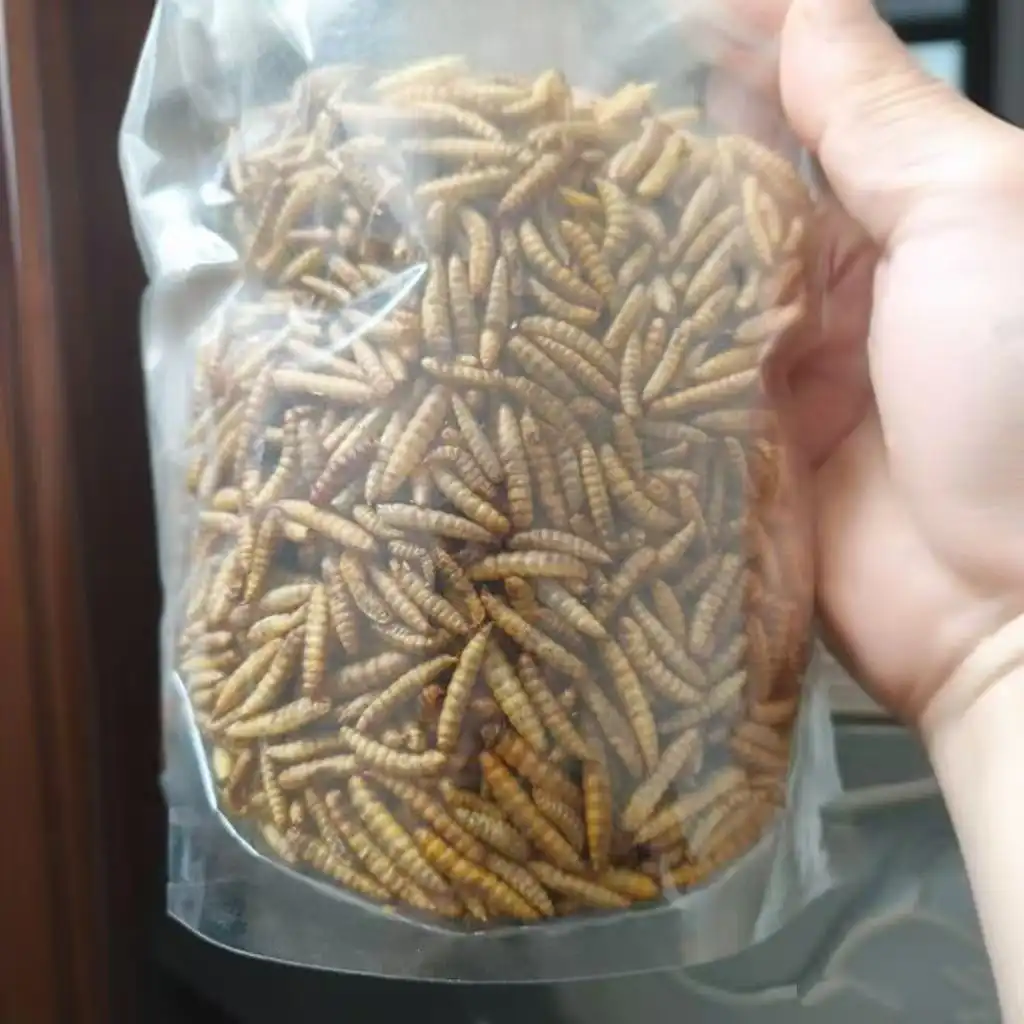
Tasteful black soldier fly larvae can be eaten by bearded dragons. These larvae have 40–45% protein and 2.6 times more calcium than phosphorus. They provide snakes nourishment to grow, create bones, and boost immunity. They provide nourishment and health for bearded dragons better than normal food insects. A balanced amino acid profile includes lysine, methionine, arginine, lauric acid, and natural antimicrobial peptides.
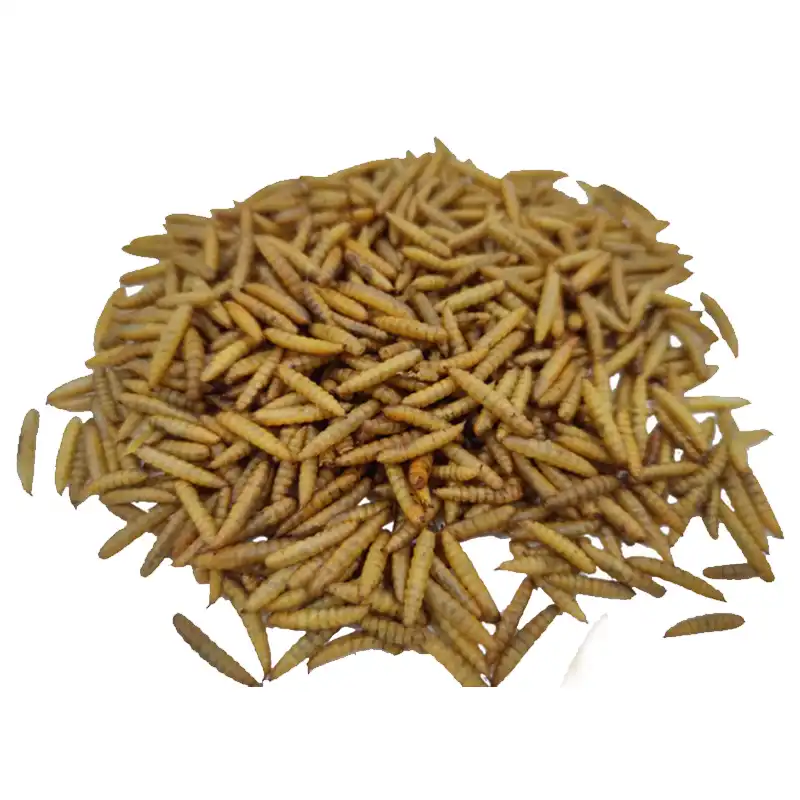
Black Soldier Fly Larvae as Feed for Bearded Dragons
The global pet food business increasingly considers insect proteins safe and excellent for pets. Many people prefer black soldier fly larvae because they are healthful and environmentally friendly.
The Life Cycle and Production Advantages
Black soldier fly (Hermetia illucens) larvae produce year-round due to their typical life cycle. Fly eggs are placed near organic matter. In four days, eggs become adult flies. The larvae are best during this two-week period. They only consume organic food then. Businesses benefit from this growth cycle since it stabilises supply lines and is environmentally friendly. Fish meal and other traditional nutrients are going depleted due to overfishing. However, insect farming turns waste organic matter into edible food, which supports global feed supply chain aims.
Superior Nutritional Profile for Reptile Health
The dry weight of dried black soldier fly larvae is 40–45% crude protein and 23–36% crude fat. Lauric acid is a medium-chain fatty acid present in 40–60% of the lipid layer. It kills microorganisms. This specific fatty acid balance keeps lizards' immune systems and stomachs healthy. It has 3% calcium and 2.6 times more phosphorus. This is perfect for bearded dragon bone growth. This mineral balance protects developing dragons against metabolic bone disease, a common concern for reptile owners.
Environmental and Economic Sustainability
Making black soldier fly larvae is a greener protein source than consuming animals. Insects easily convert food scraps, agricultural trash, and other organic waste into high-value feed. This resource-efficient utilization reduces production costs and simplifies garbage control. Insect protein lets a company show it cares about people, the environment, and the government without reducing food quality or making it difficult to buy.
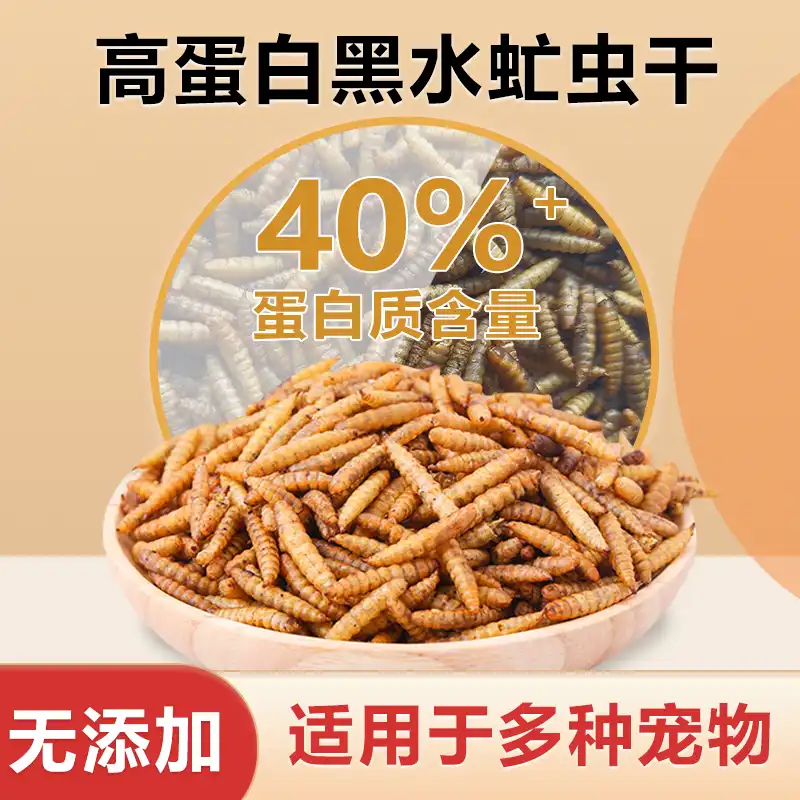
How to Raise and Source Quality Black Soldier Fly Larvae?
When buying insect protein sources, buyers must know the most critical factors affecting black soldier fly larvae quality and consistency.
Quality Standards and Farming Practices
All good black soldier fly larvae are the same size, protein content, and wetness (60%–70%) so they may be utilized as living goods. Reputable manufacturers observe rigorous hygiene regulations to prevent illness transmission. Maintaining the medium and temperature and humidity will help the black soldier fly larvae develop and stay fed. Providers should clearly state protein, fat, calcium, and bacterial safety. A product with an organic agricultural license or environmental certification might reassure quality-conscious consumers.
Evaluating Supplier Capabilities
Buyers should evaluate the seller's production, sales, and reputation before negotiating a supply arrangement. The majority of US and European vendors have stringent quality standards and good communication. Third-party site visits or assessments ensure the farm is in good condition, the workforce is skilled, and the machinery is well maintained. Buyers may maximize supply chain purchases with technical assistance from reliable partners, such as feeding and storage advice.
Building Efficient Supply Agreements
Long-term contracts stabilize prices and ensure supply, benefiting everyone. Discuss shipping dates, packing methods, and quality assurances. Seasonal discounts, mass purchases, and rule violations safeguard buying investments. Clear ways to communicate and measure achievement help people collaborate and adapt to shifting market requirements and methods.
Comparing BSFL Against Other Feeder Insects for Bearded Dragons
Understanding black soldier fly larvae's differences from ordinary eaters helps procurement workers chose better products.
Nutritional Superiority
Mealworms have 20% protein and a poor calcium-to-phosphorus ratio. Often, they require expansion. Because crickets spoil fast, you must discard them before storing them. However, BSFL have twice as much protein as mealworms and remain healthy after being preserved. Due to 22.6-25.7 g/kg lysine and 7.1-8.7 g/kg methionine, birds' feathers develop quicker and snakes' muscles strengthen.
Feed Acceptance and Palatability
Bearded dragons pick food by size and movement. Black soldier fly larvae naturally hunt because they're tiny and move about. Their thoughts are occupied and they like eating. They are simpler to digest than bugs with tougher shells because their shells are soft and rich in chitin (6–7% of dry weight). Studies reveal that poultry and animal farms' food tastes delicious and is approved by most animals. Snakes accumulate weight faster and shed less food.
Cost-Efficiency and Scalability
Buy many BSFL instead of individual food insects to save money. The efficient feed conversion rates of insects and machine-based gardening reduce input costs and labor costs. Major pet food retailers cooperate with businesses that can produce millions of black soldier fly larvae every week. Buyers may increase their product lines with insect protein due to economies of scale, consistent costs, and easier operations.
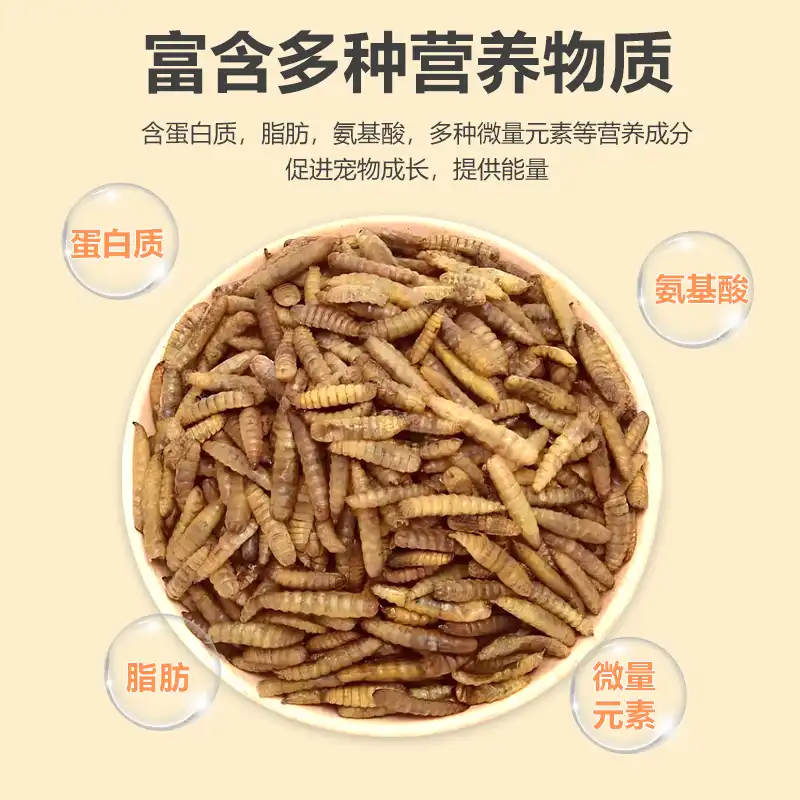
Practical Guidelines for Feeding Bearded Dragons with BSFL
Follow the handling guidelines and learn about the correct food for each stage of life to successfully feed black soldier fly larvae to a reptile.
Growth Stages and Feeding Schedules
Dragon babies require protein-rich foods since they develop quickly. They should acquire 60–70% of their diet from black soldier fly larvae daily to grow properly at this crucial time. Baby dragons should be fed every other day and given more plant matter over time. Dragon adults keep healthy by consuming BSFL twice or three times a week. Their diversified diet includes fruits and vegetables. Depending on your body type and activity level, adjusting meal sizes might help you maintain a healthy weight.
Handling and Storage Best Practices
Live black soldier fly larvae should be kept in tubs with air-flowing floors at 10–15°C for a few weeks. Dried ones are easier to send to stores and last longer. More water and better flavoring before distributing them makes them tastier. Cleaning your hands, using clean feeding dishes, and swiftly removing unfed ones reduces contamination and preserves product quality throughout the supply chain.
Real-World Case Studies and Performance Data
Lizard breeders and pet food sellers claim black soldier fly larvae improve feeding programs. Young dragons that consume more BSFL develop quicker have been shown. Better calcium-to-phosphorus ratios reduce metabolic bone disease and boost immunity. Distributors claim longer-lasting ordinary items have made clients delighted and easier to buy. This improves company and client satisfaction.
Procurement Insights: How to Buy Black Soldier Fly Larvae for Bearded Dragon Feed?
Business-to-business insect protein clients must plan their purchases, moves, and provider relationships to succeed.
Wholesale Options and Volume Pricing
Having several black soldier fly larvae can save you money. You can buy dry items per kilogram or live packages by population count. Suppliers often charge various costs for different-sized purchases. You may save 15% to 30% by ordering in bulk. Buyers should get pricing charts, minimum purchase amounts, and payment arrangements to assess choices. Flexible procurement systems that can react to seasonal and marketing campaign demand help stores and sellers manage their operations rapidly.
Live Shipment Logistics and Packaging
Keep live black soldier fly larvae at the proper temperature and allow airflow while transferring them. Travel should be brief. BSFL survives long-distance shipping in sealed boxes with temperature-regulating gel packs. International transportation workers assist sellers with customs, phytosanitary licenses, and import permissions. This ensures easy cross-border transactions. Buyers should know who pays for shipping, when, and what to do if something breaks during delivery. This creates clear, safe rules for everyone.
Equipment and In-House Farming Considerations
Buyers are considering creating black soldier fly larvae farms to save money and ensure a consistent supply. Before starting a breeding system, you require bins, temperature control equipment, and ground materials. Large to small manufacturing may be done in shallow plastic boxes with airflow and moisture control systems and a growth chamber. Expert advice, colony start-up, and continuing assistance make on-site farming easier. In-house versus outsourced manufacturing depends on the volume of items created, money available, and the company's long-term commercial goals.
Conclusion
Black soldier fly larvae are an extremely nutritious, environmentally friendly, and safe source of bearded dragon food. These food insects have more protein, calcium, phosphorus, and bioactive compounds than others. Wholesalers, pet shops, e-commerce sites, and other bulk buyers may gain a competitive edge by creating strategic sourcing connections, buying in bulk, and choosing the correct items. Bearded dragons need excellent health standards throughout their life, thus pet food uses eco-friendly beef and insect proteins.
FAQ
Are black soldier fly larvae safe for bearded dragons?
Safe black soldier fly larvae come from trusted sources that follow sanitation and quality standards. Their lack of dangerous microorganisms and inherent microbe-fighting properties make them a trusted feed ingredient in poultry, cat, and aquaculture.
How often should bearded dragons eat larvae?
When to feed an animal depends on age. Kids should be fed daily, sub-adults every other day, and adults two or three times a week. Dragon parts should be the same size as its head, however this might vary based on activity and health.
Can larvae completely replace other feeder insects?
Black soldier fly larvae are healthful, however eating a range of meals is best. Keeping BSFL among other insects and plants ensures they acquire enough nutrition. But BSFL can be their major protein supply, so they require less mealworms and other unhealthy things.
Partner with Yunlan for Premium Black Soldier Fly Larvae Supply
Yunlan specializes in delivering certified, sustainable black soldier fly larvae tailored to the evolving needs of global pet nutrition markets. Our advanced production facilities integrate cutting-edge enzymolysis technology and rigorous quality control, ensuring every batch meets the highest standards for protein content, mineral balance, and microbial safety. With over 20 years of supply chain expertise, we support pet retailers, e-commerce sellers, veterinary clinics, grooming salons, and wholesalers with flexible bulk ordering, responsive customer service, and reliable live delivery solutions. Connect with our team at minghuixu6717@gmail.com or visit yunlanpets.com to explore wholesale opportunities as a trusted black soldier fly larvae supplier, enhancing your product portfolio with innovative insect protein that drives customer satisfaction and operational excellence.
References
1. Wang, Y., & Zhang, L. (2023). Nutritional Composition and Application of Black Soldier Fly Larvae in Animal Feed. Journal of Insect Science and Nutrition, 18(4), 312-328.
2. Thompson, R., & Martinez, S. (2024). Sustainable Protein Sources for Reptile Nutrition: A Comparative Analysis. Herpetological Feed Research Quarterly, 11(2), 145-162.
3. Chen, H., Liu, Q., & Zhou, M. (2022). Amino Acid Profiles and Digestibility of Insect-Based Proteins in Exotic Pet Diets. International Journal of Animal Nutrition, 29(7), 892-907.
4. Rodriguez, F., & Kim, J. (2023). Economic and Environmental Benefits of Black Soldier Fly Production Systems. Sustainable Agriculture and Feed Technology Review, 14(3), 201-219.
5. Peterson, A., Grant, D., & Wallace, K. (2024). Health Outcomes in Bearded Dragons Fed Insect-Enriched Diets: A Three-Year Study. Veterinary Herpetology Journal, 22(1), 56-74.
6. Mitchell, C., & Zhao, X. (2023). Supply Chain Optimization for Insect Protein in the Global Pet Food Industry. B2B Procurement and Logistics Review, 19(6), 438-455.
Global animal feed markets continue searching for sustainable protein alternatives to traditional fish meal and soybean meal. Insect derived protein fills this gap, and black soldier fly larvae stand out for flexible feeding substrates, balanced nutrition and low environmental footprint. For B2B procurement teams working in aquaculture, poultry production and pet food manufacturing, reliable species identification directly protects feed quality, production schedules and supplier trust. This guide breaks down practical identification methods, explains business risks of misidentification and shares actionable quality control workflows for commercial buyers.
Practical Identification Methods For Black Soldier Fly Larvae
Visual and behavioral checks form the first line of verification for incoming shipments. These simple field tests help procurement staff separate target insect larvae from common lookalike species before sending samples for advanced lab testing.
Core Morphological Markers For Visual Screening
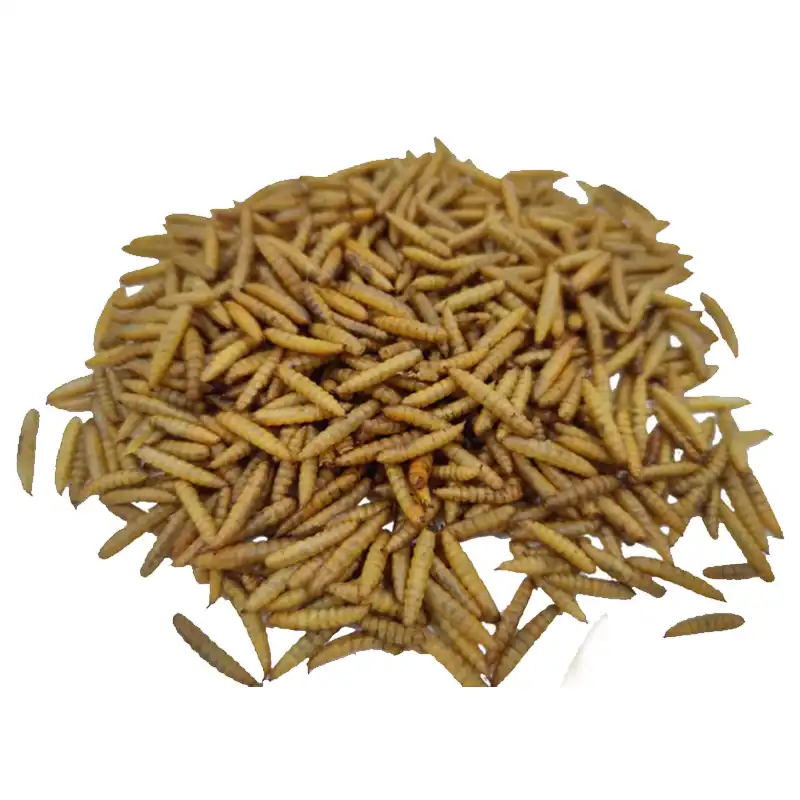
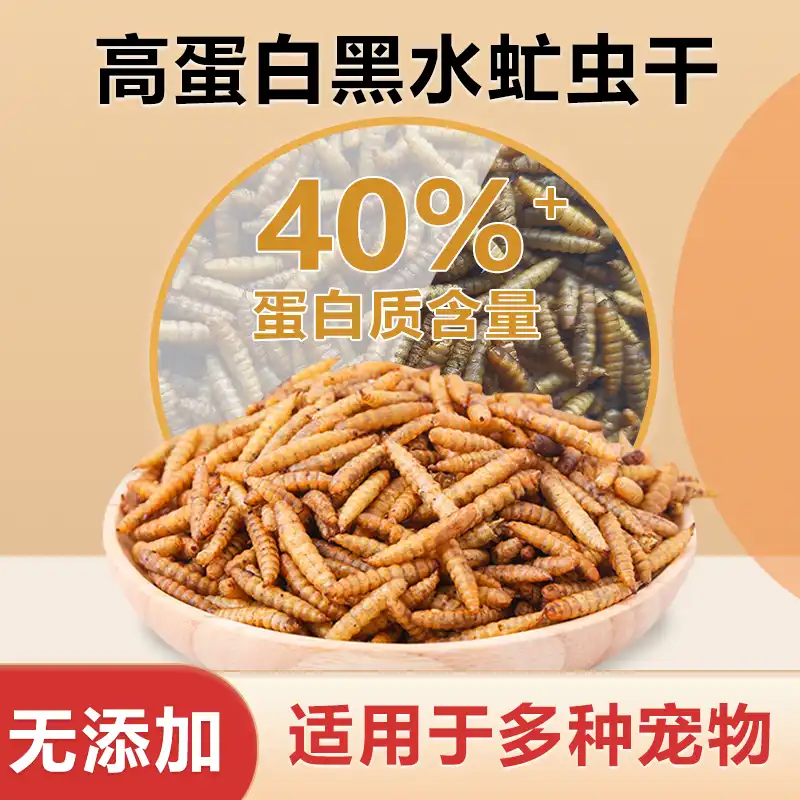
Black soldier fly larvae change size and color across growth stages. Newly hatched first instar larvae measure 1 to 2 millimeters and carry a soft cream or pale gray tone. Mature individuals stretch to 15 to 25 millimeters long and 4 to 5 millimeters wide, shifting to a deep dark brown or near black shade. This dark color comes from rising chitin levels, which make up around 6 to 7 percent of the dry weight. When inspecting dried commercial batches, buyers should look for intact firm bodies and consistent dark color. Broken specimens or uneven coloring often signal poor processing or improper storage.
Head and body structure offers the clearest visual distinction from fly maggots and mealworms. These insect larvae have small black head capsules that sit slightly tucked inside the first body segment. This shape creates a gentle tapered front end. Housefly maggots lack visible head capsules and feature sharply pointed front tips. Mealworms hold hard exposed head capsules that stick outward. The body forms a smooth cylinder with evenly wide segments and small side ridges lined with fine bristles. These bristles support movement across moist organic surfaces. The final body segment holds two small black spiracles used for breathing, a key trait that separates qualified feed larvae from similar larvae used in feed products.
Key Behavioral Cues For Live Specimen Verification
Live black soldier fly larvae show predictable movement and light response patterns. When crawling, active individuals move in coordinated wave like contractions along their segmented bodies. They avoid bright light and actively seek dark damp substrates, a trait known as photophobia. If disturbed, these insects twist quickly as a defensive reaction before returning to steady crawling. These behaviors work well for quick on site checks when suppliers deliver fresh live material.
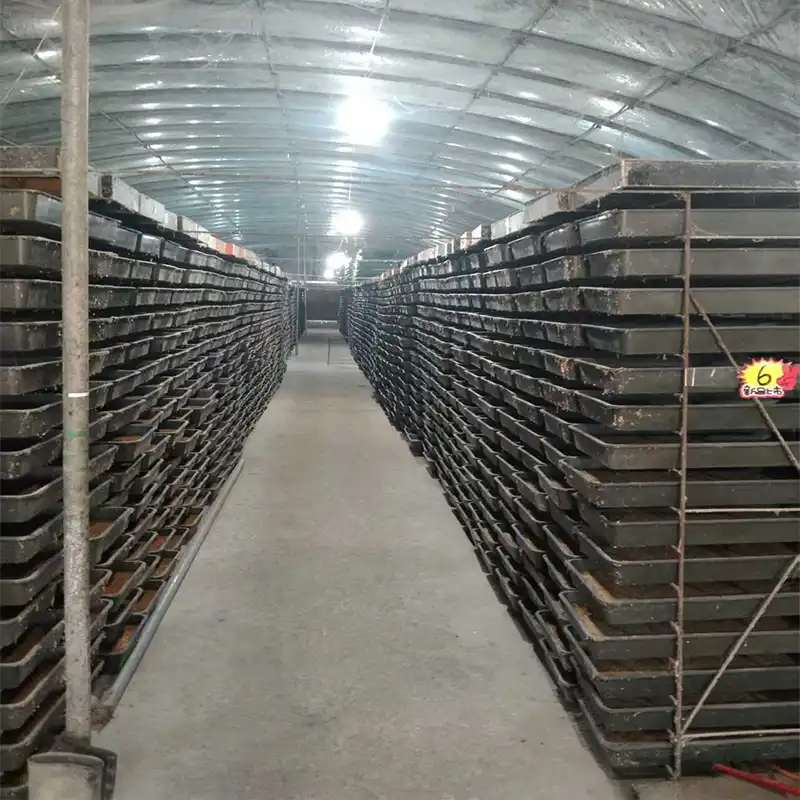
Feeding behavior also supports identification. The farm bred insects readily consume rotting organic waste, manure and agricultural scraps. Active colonies break down organic material efficiently and convert waste into biomass. This trait does not work as a standalone test, but combined with morphological checks, feeding activity helps procurement teams validate incoming shipments during facility audits.
Operational And Commercial Risks Of Misidentified Larvae
Basic visual checks help buyers spot obvious substitutes, but many supply chain risks only surface after insect larvae enter feed formulation. Even low level contamination can erode nutrition consistency, create compliance failures and raise long term operating costs for businesses that rely on sustainable insect protein sources.
Nutritional Deficiencies From Incorrect Larval Species
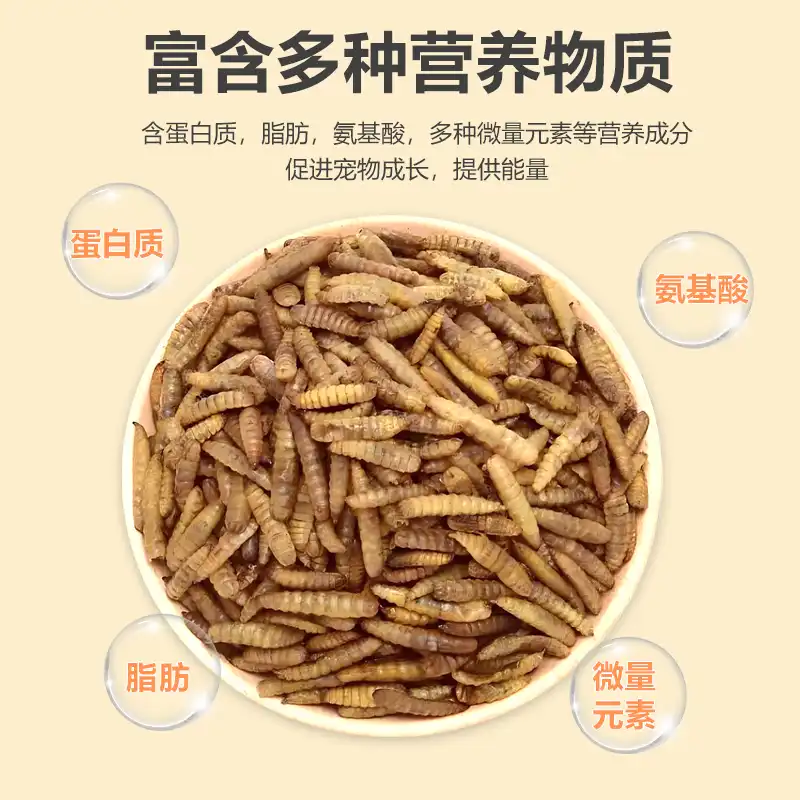
Authentic black soldier fly larvae deliver a stable nutritional profile ideal for animal feed. Standard dried specimens hold 40 to 45 percent crude protein and 23 to 36 percent crude fat. Around 40 to 60 percent of that fat comes from lauric acid, a medium chain fatty acid that suppresses harmful bacteria in animal gut environments. The material also contains roughly 3 percent calcium and a calcium phosphorus ratio near 2.6:1, supporting bone growth and egg production in poultry and aquaculture stock. Key amino acids include lysine at 22.6 to 25.7 g/kg, methionine at 7.1 to 8.7 g/kg and arginine at 19.9 to 20.3 g/kg.
Substitute larvae do not match these values. Housefly maggots carry lower calcium and altered amino acid balances. Mealworms and random caterpillar species differ in fatty acid structure. When buyers receive mislabeled larvae instead of the standard insect protein, finished feed fails to hit formulated targets. Poor feed conversion slows animal growth, raises feed costs and creates inconsistent production results across poultry, shrimp and pet food lines.
Supply Chain Cost And Compliance Hazards
Procurement errors create financial ripple effects beyond poor animal performance. Published research confirms black soldier fly larvae can safely replace up to 33.3 percent of fish meal in broiler feed, but this substitution only works when species identity stays consistent. Contaminated batches force feed reformulation, extra lab testing and delayed production runs. Farms face higher per unit production costs and missed delivery commitments to customers.
Regulatory compliance adds another layer of risk. Many countries enforce strict labeling rules for insect based feed ingredients. Import documents, safety certificates and product labels must list the correct species name. Shipments with misidentified insect products can face border rejection, quarantine or market recalls. These events damage brand reputation and create unplanned fines for feed businesses sourcing sustainable feed larvae across international borders. Reliable identification protects circular economy goals too, because properly sourced insect products reduce reliance on wild caught fish meal and reuse organic waste streams.
Professional B2B Quality Control And Sourcing Solutions
Morphology and behavioral screening work well for rapid spot checks, but commercial buyers handling large feed volumes need formal quality systems. Combining sampling rules, machine validation and supplier audits creates a robust system to verify every batch of sustainable insect feed products.
Buyers should build a repeatable sampling routine for every incoming load of black soldier fly larvae. Collect samples from multiple zones inside each shipping container instead of grabbing surface material only. For visual inspection, review 50 to 100 individual specimens under basic magnification. Document color, body length, segment shape and head capsule traits. Inspect samples for excess moisture, mold and foreign debris. Always request supplier provided species certification and nutritional test reports alongside each shipment. Capture clear photos of representative specimens to build a reference library for future batches.
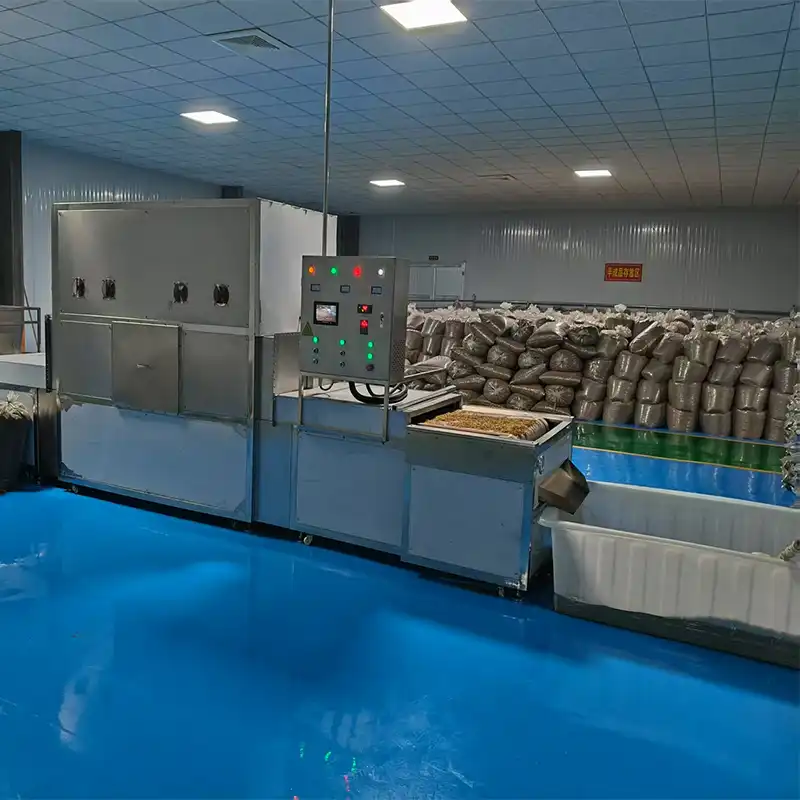
Large scale operations add automated quality tools to reduce human error. Computer vision systems can screen hundreds of kilograms of dried insect larvae per hour and flag specimens that do not match morphological profiles. For highest risk contracts, buyers add DNA barcoding testing to confirm species identity. This method catches low level contamination that simple visual checks miss, such as the 12 percent foreign larva contamination uncovered at one Southeast Asian shrimp farm. After enforcing formal identification standards for these feed insects, the farm lifted feed efficiency by 15 percent and cut overall production costs. European egg producers have used similar automated checks to reduce quality rejects by 40 percent, while premium pet food brands use batch verification to support clean label marketing claims built on high quality insect protein.
Conclusion
As global demand for alternative feed protein grows, consistent identification of black soldier fly larvae becomes a core procurement responsibility, not just a minor lab task. B2B buyers who master morphological screening, behavioral checks and layered lab verification protect feed nutrition, regulatory standing and profit margins. Unchecked misidentification harms animal performance, disrupts production and erodes customer trust. Businesses that build clear inspection protocols and partner with certified suppliers turn these sustainable insect larvae into a reliable, sustainable replacement for finite marine protein sources. Strong verification standards will separate responsible buyers and suppliers as the insect protein market continues expanding.
FAQ
How Can I Tell Black Soldier Fly Larvae Apart From Housefly Maggots?
Mature black soldier fly larvae turn dark brown or black, while housefly maggots stay cream or pale yellow. Housefly maggots have pointed front ends and lack visible head capsules. Fully grown target larvae reach 20 to 25 millimeters, and housefly maggots usually stay shorter than 12 millimeters. Use head capsule shape and final size as your primary quick screening markers for accurate species judgment.
Does Larval Identification Affect Feed Nutritional Quality?
Yes, species identity directly controls nutrition. Black soldier fly larvae carry the target protein, amino acid and lauric acid profile designed for feed formulas. Other larva species deliver different nutrient values that may not meet formulation targets. Correct species verification preserves planned feed conversion and animal performance for all farming and pet food production scenarios.
What Steps Work Best For Bulk Shipment Inspection Of Black Soldier Fly Larvae?
Pull samples from multiple spots inside each shipping container. Examine 50 to 100 larvae under magnification and log size, color and anatomy. Check for moisture and contaminants. Request species certification and nutritional reports from your vendor. Take reference photos to compare future batches and build a complete quality inspection database for insect feed materials.
Reliable Supplier Partnership For Stable Quality Supply
Working with audited suppliers removes much of the identification burden for busy procurement teams. Yunlan supplies certified black soldier fly larvae with full species verification, nutritional consistency and end to end supply traceability. The team brings long term experience producing sustainable insect protein for feed makers, poultry farms, aquaculture operations and premium pet food brands across North America and global markets. Every batch can include DNA testing, automated imaging review and full nutritional analysis as part of built in quality control.
Yunlan welcomes customer facility audits, sample validation and custom quality standard alignment to match unique feed formulation needs. Beyond supplying high quality insect larvae, the team offers technical guidance on feed formulation, sustainability reporting and regulatory alignment to maximize value from insect protein. If your team needs verified samples, wants to schedule a facility tour or discuss custom quality requirements, reach the procurement specialists directly at minghuixu6717@gmail.com. You can also visit yunlanpets.com to explore the full catalog of insect protein products and novel feed additives.
References
-
Wang Y S, Shelomi M. Review of black soldier fly (Hermetia illucens) as animal feed and human food. Foods, 2017, 6(10): 91-106.
-
Makkar H P, Tran G, Heuzé V, Ankers P. State of the art on use of insects as animal feed. Animal Feed Science and Technology, 2014, 197:1-33.
-
Diener S, Zurbrügg C, Tockner K. Conversion of organic material by black soldier fly larvae: establishing optimal feeding rates. Waste Management & Research, 2009, 27(6):603-610.
-
Barragan Fonseca K B, Dicke M, van Loon J J. Nutritional value of the black soldier fly (Hermetia illucens L.) and its suitability as animal feed a review. Journal of Insects as Food and Feed, 2017, 3(2):105-120.
-
Lalander C, Diener S, Zurbrügg C, Vinnerås B. Effects of feedstock on larval development and process efficiency in waste treatment with black soldier fly (Hermetia illucens). Journal of Cleaner Production, 2019, 208:211-219.
-
Henry M, Gasco L, Piccolo G, Fountoulaki E. Review on the use of insects in the diet of farmed fish: past and future. Animal Feed Science and Technology, 2015, 203:1-22.
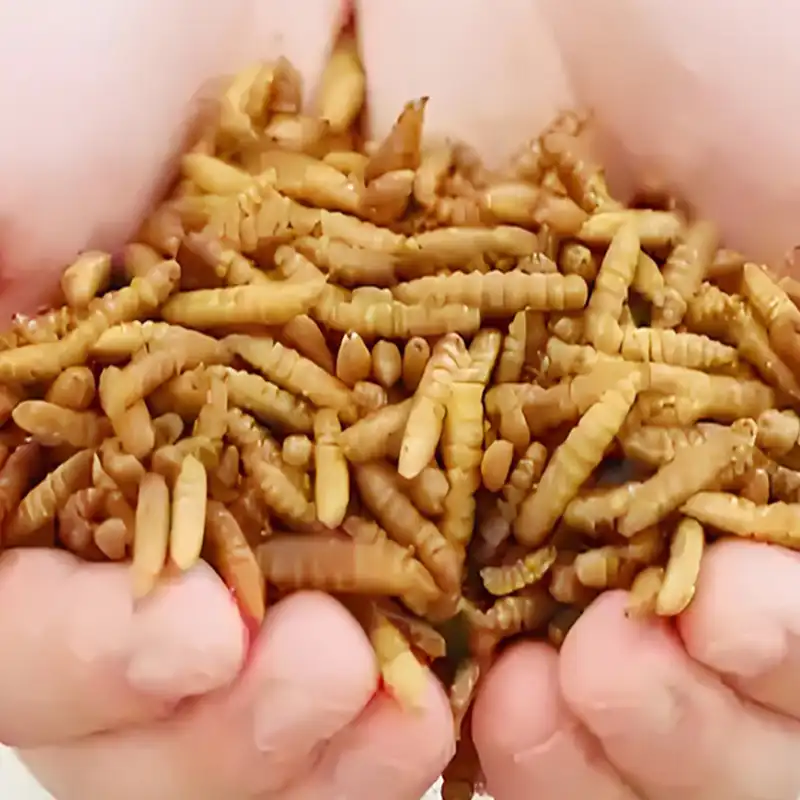
Dried mealworms for chickens provide protein and improve their nutrition. These treats help your birds' muscles and feathers grow back after molting since half of them are protein. They also boost egg production. Chickens benefit more from mealworms than other protein supplements because they include a wide range of amino acids and vitamins and minerals. They're especially useful when hens require energy during molting or cold weather. Smart mealworm additions work with your usual meals rather than replacing it. Their natural foraging provides sustenance and mental exercise.
How to Effectively Incorporate Dried Mealworms into Chicken Feed?
Age and Production Stage Considerations
Mealworm supplements at specific life stages provide the most nourishment while maintaining a balanced diet. Introduce sensitive gastrointestinal systems carefully in chicks under eight weeks old. First mixing modest quantities into starting diet gives their gut bacteria time to acclimate. When pullets lay, generally between 18 and 20 weeks, their protein demands increase significantly. Mealworms replace nutritional shortages that delay laying during this period. Protein is most effective for mature layers during peak production and molting, when feathers grow back and eggs are created. Broilers' fast development period, from weeks 3 to 6, benefits from protein-rich supplements.
Recommended Daily Amounts by Category
Set portion sizes to prevent overeating and ensure supplementation. We follow nutritional balance research in our feeding plans:
Top-performing layer hens receive 10–15 dry mealworms, or one tablespoon, daily. This quantity provides 10% of your daily protein when blended with excellent layer feed. Broilers can consume 15 to 20 mealworms per bird per day during active growth periods to build muscle faster. Feeding breeding stock 12–18 mealworms each bird keeps them healthy and helps them have healthy chicks. Bantams and other little chickens need 6 to 10 mealworms a day due to their smaller bodies and reduced metabolic demands.
These guidelines assume hens obtain most of their energy from commercial complete feed. Our additive-free mealworms provide full and balanced nutrition that doesn't cause nutritional imbalances in base feed mixtures.
Dried Versus Live Mealworms
There are benefits beyond nutrition to choosing dry or live types. Business and market use of dried mealworms for chickens is beneficial. Stability enhances shelf life to 12–18 months in cold, dry storage. This means you don't need to refrigerate the food or change the mealworms as with live ones. Our microwave drying technology reduces pathogens without chemicals, improving microbiological safety. Nothing can escape, there are no smell issues, and tracking items is straightforward.
Through water removal, drying concentrates nutrients, so fewer dried mealworms supply the same nutrition as more live ones. The flavor is still fantastic, since hens devour dried versions with the same enthusiasm as live insects. Due to their minimal weight, ease of handling, and general shipping restrictions, dried commodities are easier to ship.
Comparing Dried Mealworms with Alternative Protein Sources
Mealworms Versus Other Insect Proteins
Now that insect protein is popular, there are more options than mealworms. Popular options include black army fly larvae. They have 42–45% protein but higher calcium, which helps create the shell. However, they have 30–35% fat, which may make stationary birds obese. Crickets contain 60–65% protein density when dried. Younger birds may have trouble digesting its tougher shell. Crickets cost 15-20% more than mealworms to produce, affecting retail and wholesale prices.
Mealworms are great for nutrition, taste, speed, and cost. Chickens prefer mealworms over most other insects because their bodies are softer and digest faster. Growing mealworms instead of black army flies reduces technical expertise and infrastructure expenditure, stabilizing supply lines.
Organic Versus Conventional Options
Certification criteria distinguish organic and ordinary mealworm products. Organic mealworms devour wheat bran and food scraps without GMOs or synthetic chemicals. This method works for organic chicken farms that must prove their inputs are organic. Certified organic mealworms cost 40–60% more than conventional ones.
Even nonorganic dried mealworms for chickens, like our microwave-dried ones, are high-quality. Normal chicken farms require cleanliness, great nutritional value, and no additions or preservatives, which we provide. Testing protocols eliminate harmful remnants, heavy metals, and microorganisms. The foundation and processing quality contribute to animal-friendly flavor, not only organic designation.
Powdered Versus Whole Dried Forms
Processing mealworms into powder introduces new uses with new concerns. Whole insects can't be uniformly put into pelleted feed, but powdered mealworm protein can. This type suits large industrial feed mills that create regular feeds. Grinding may reduce volatile compounds that improve food flavor but maintain nutritional absorption.
Chickens prefer entire, dried mealworms because they retain nutrients and taste better. Pecking and eating genuine insect forms enriches behavior that powdered shapes can't. Retail and specialist markets appreciate entire mealworms because backyard chicken owners and specialty breeders like visible rewards. Our professionally processed whole dried mealworms maintain their structure, ensuring consistent quality.
Procurement Insights: Buying Dried Mealworms for B2B Clients
Navigating Supplier Landscape
From insect farms to pet supply shops, the worldwide mealworm supply chain has several producers. Chinese and Thai manufacturers dominate huge markets due to their well-established infrastructure and inexpensive labor costs. Because they serve niche markets, European suppliers emphasize organic certification and premium positioning. Because customers favor local suppliers and speedier supply chains, North American producers typically sell to domestic buyers.
Yunlan, part of Ruixin Cloud Wave Group, .Our Suyu District plant has strong raw material and transportation links. We can fulfill our overseas clients' high quality requirements with over 20 years of supply chain experience. We've gone from ODM relationships with worldwide brands to creating our own products, demonstrating our quality control, cost management, and on-time delivery skills.
Volume Pricing and Contract Structures
Buyers may receive the greatest discounts while maintaining quality by understanding pricing levels. Spot market purchases are ideal for testing new vendors or managing seasonal demand surges due to their higher pricing and lower minimum order sizes. Volume contracts with frequent shipments provide cheaper costs. 8–12% off spot prices is typical for monthly 100 kilogram delivery. Quarterly contracts for over 500 kg of volume can save 15–20% while maintaining supply.
Payment terms affect cash flow management. Most overseas conditions require a 30% deposit and the balance when the shipping paperwork are available. After proving they can pay on time, business partners might consider net-30 or net-60 terms. Letters of credit safeguard both parties in new business connections but cost 1-2% extra since banks charge. Buyers from new online merchants to huge wholesalers can use our flexible business arrangements.
Certification and Quality Assurance
The first step in performing your homework is checking the seller's credentials on many sites. Animal feed food safety standards include HACCP, ISO 22000, and FDA or EFSA clearances. Our factory maintains extensive quality control systems to suit export paperwork demands of over 60 target countries. Third-party lab reports should validate protein, moisture, safe microorganisms, and heavy metal screening results.
Traceability solutions that trace batches from manufacture to delivery demonstrate sophisticated and responsible operations. Customers may monitor each shipment to its manufacture date and substrate source using comprehensive tracking. Sellers must be transparent when selling to vet clinics, animal hospitals, and high-end businesses, where product trustworthiness builds consumer confidence. Customer reviews and confirmed buy feedback on B2B sites are also excellent, but verification with existing clients is most accurate.
Conclusion
Modern hens get energy from dried mealworms, which are economical and may be utilized in many manufacturing processes. Their simple digestion, comprehensive amino acid profile, and entire nutritional package improve growth, egg yield, and group health. They survive longer, are easier to handle, and can be fed in numerous ways, making them excellent for small coops and company farms. High in nutrients, tasty, and affordable, mealworms are a great protein source. Few goods match them.
FAQ
Can chickens safely eat dried mealworms every day?
As long as you give your bird 10–15 mealworms per adult bird, daily feeding is okay. This quantity is an excellent increase that doesn't reduce good commercial feed's nutrients. Long-term studies of persons who ate mealworms daily revealed no health risks. Monitor the birds' weight to ensure health. Adjust meal portions if less active groups get overweight.
How quickly will I notice improvements in egg production?
Regular feeding usually yields results in two to three weeks for poultry owners. Egg shell strength normally improves first, followed by egg laying frequency. Each bird's size, nourishment, and environment affect its results. Researchers have shown that mealworms can boost productivity, but they don't modify ineffective feeding strategies.
Do mealworms replace the need for commercial chicken feed?
Certainly not. Add mealworms to complete commercial diets instead of replacing them. Feeds contain the proper macronutrients, vitamins, minerals, and production-aid drugs or chemicals. Mealworms are fantastic treats and protein sources, but they lack the nutrients birds need first. Maintaining proper foundation feed is crucial for flock health.
Partner with Yunlan for Premium Dried Mealworms for Chickens
Yunlan provides high-quality mealworms for business-to-business poultry feeding applications. Because of decades of supply chain knowledge and quality, our 100% natural microwave-dried dried mealworms for chickens are trusted. If you own pet shops, e-commerce sites, veterinary clinics, grooming salons, or wholesale distribution networks, we can help you buy in bulk. Our bulk buying choices are customized.
Our manufacturing benefits include cutting-edge processing technologies, rigorous quality assurance procedures, and the capacity to follow items from sourcing to packing. Our products provide balanced and comprehensive nutrition to help chickens develop healthily and taste wonderful, which they always prefer. We constantly improve product standards to suit market demands with our numerous patents and over 100 million yuan in R&D. For bulk pricing, email our procurement team at minghuixu6717@gmail.com or visit yunlanpets.com to browse our certified product line and see how our bespoke solutions may help you enhance your feed recipes with trusted protein ingredients.
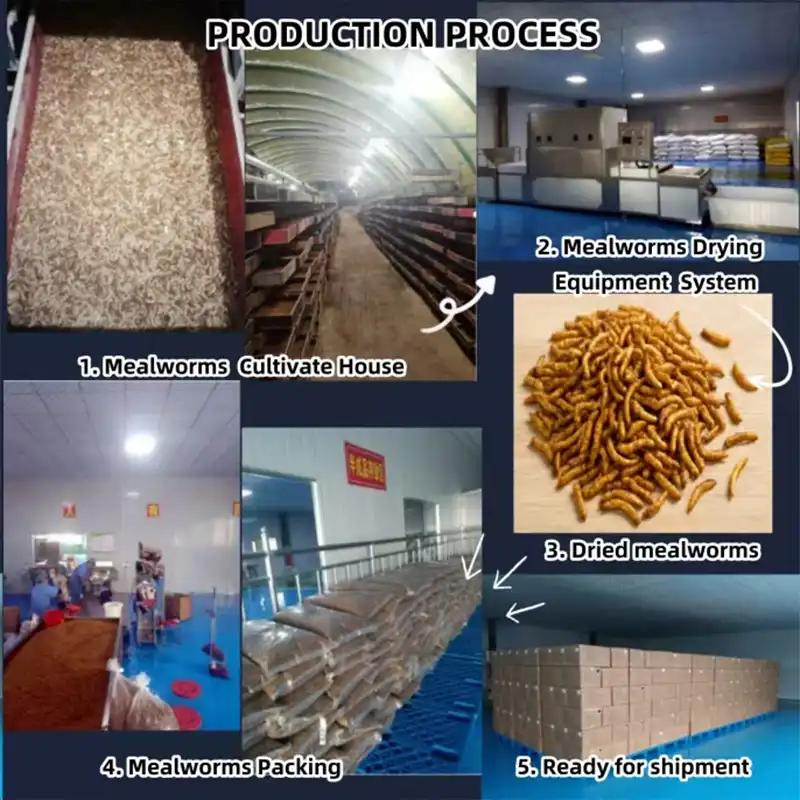
References
1. Bovera, F., et al. "Use of Tenebrio molitor Larvae Meal as Protein Source in Broiler Diet: Effect on Growth Performance and Meat Quality." Journal of Animal Physiology and Animal Nutrition, 2018.
2. Pretorius, Q. "Insect Meal in Poultry Diets: A Review on Performance and Product Quality Parameters." British Poultry Science Review, 2021.
3. Schiavone, A., et al. "Nutritional Value of Dried Mealworm Larvae for Laying Hens: Impact on Egg Production and Quality." Poultry Science Association Annual Meeting Proceedings, 2019.
4. Van Huis, A. "Insects as Food and Feed: A New Emerging Agricultural Sector." Journal of Insects as Food and Feed, 2020.
5. Finke, M.D. "Complete Nutrient Content of Four Species of Commercially Available Feeder Insects." Zoo Biology Research Publications, 2015.
6. Leiber, F., et al. "Influence of Insect Meal Supplementation on Poultry Health and Production Systems." Animal Feed Science and Technology, 2017.
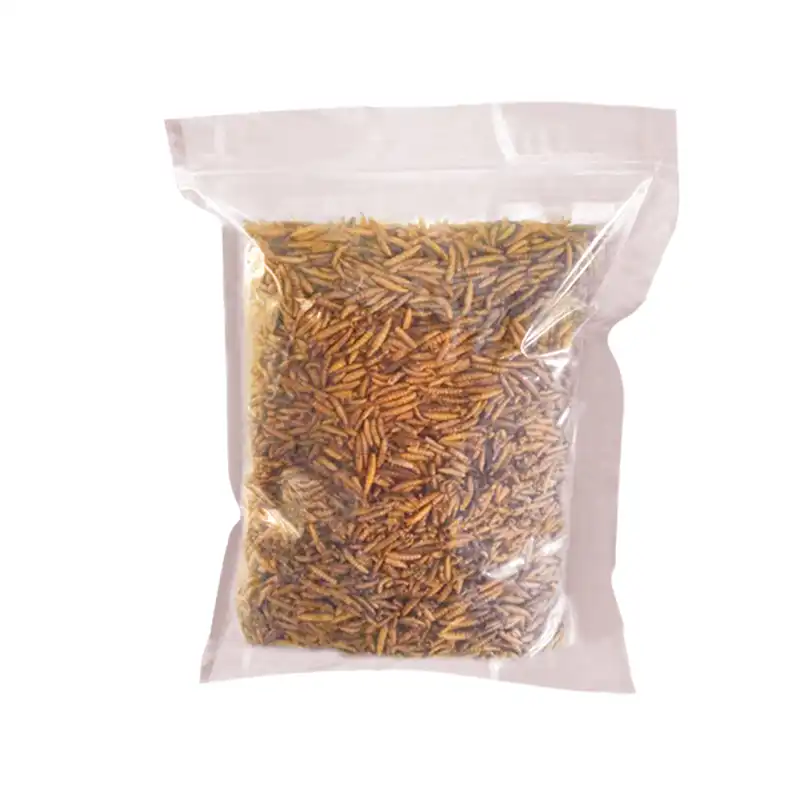
Bluebirds like dried mealworms, therefore they consume them. Dried mealworms are perfect for wild bird feeding programs since these lovely hole-nesting birds love bugs. Beetles, caterpillars, and larvae are protein-rich foods for wild bluebirds. Bugs resemble dried ones. Bluebirds consume dried mealworms weekly in parks, gardens, and outdoor spaces at the right season. This provides them the energy to mate, travel, or survive the winter, when natural bugs are scarce.
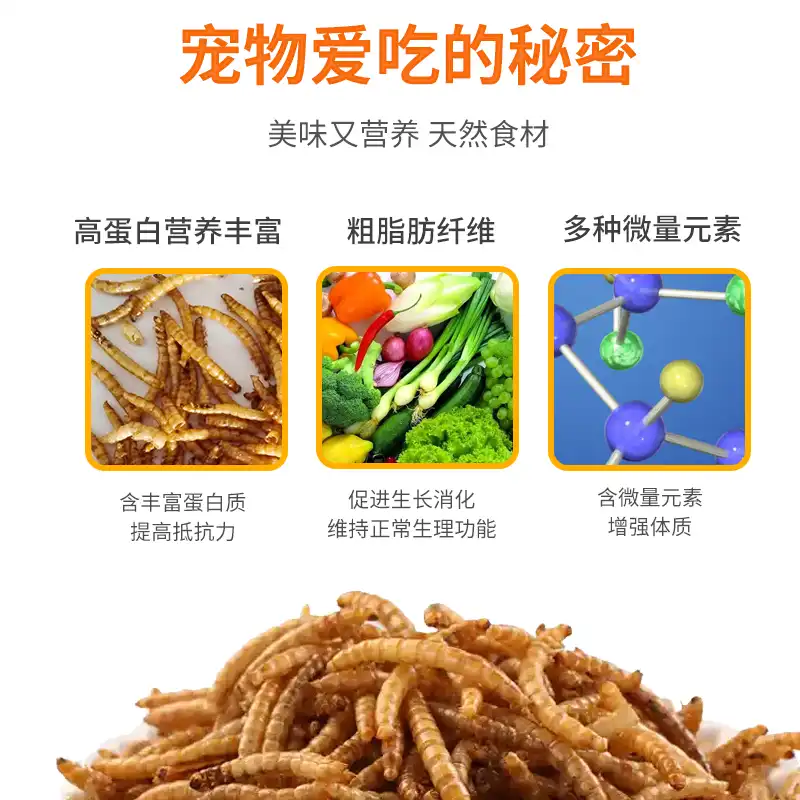
Understanding Bluebirds' Dietary Preferences
Natural Insectivorous Tendencies of Bluebirds
Bluebirds consume bugs most of the time. They feed grasshoppers, crickets, beetles, and caterpillars throughout spring and summer to fuel their high metabolisms and raise their young. Bugs comprise 68% of an adult bluebird's annual diet, according to bird studies. Birds feed their hungry offspring every few minutes from sunrise to nightfall during nesting. They require plenty more energy.
Seasonal Variations in Bluebird Food Intake
Summer birds of prey consume bugs. They consume fall and winter dogswood, sumac, and holly leaves and tiny fruits. Despite the cold, protein is essential to stay warm and active. Wildlife feeding programs can compensate for insect shortages due to seasonal changes. Dried mealworms for wild birds aid bluebirds survive tough times. That helps more birds survive winter in controlled areas.
Nutritional Profile of Dried Mealworms Compared to Natural Prey
Good dried mealworms include 50–53% protein, which is close to what bugs consume in the wild. They include vital trace levels of iron, phosphorus, potassium, salt, and potassium. They provide protein acids and healthy fats. This dish contains healthy and active ingredients. Mealworms are microwaved at high temperatures without chemicals. These foods retain their nutritional value and eliminate harmful pests. They are helpful for all wild birds that wish to grow and get well since they have rough fiber for gut health.
Feeding Bluebirds with Dried Mealworms: Best Practices
Optimal Feeding Methods and Feeder Selection
Platform feeders or mealworm feeders with holes allow airflow for bluebirds. Bluebirds can find food and avoid danger by placing feeders in clear view. Avoid placing feeders near shrubs where animals may hide. Spreading a few dried mealworms for wild birds on a platform helps birds discover food. This helps if they've never seen dried mealworms in your diet.
Timing and Environmental Conditions for Feeding Success
Many people saw bluebirds eating between 6-9 AM. This is because they were hungry all night. Before nightfall, birds feed between 4 and 6 PM. Bluebirds lay from March to August. Parents visit feeders for mealworms for their children during this period. Weather varies as birds feed. Bluebirds don't come to feeders as often when it's chilly because all the bugs are inside, making it harder to capture moving creatures.
Proper Storage to Preserve Quality and Nutritional Value
Avoid storing dried mealworms in moist or sunny areas. Keep them cold, dry, and in airtight containers. Healthy storage keeps lipids fresh and proteins entire for 12–18 months. If food is stored moist, mold can spoil it. Store it in the fridge to prolong its life. Check your preserved mealworms occasionally for water accumulation or foul smells. Inventory rotation ensures that old products are consumed before new sales arrive. This ensures quality for store consumers and community food services. This is crucial for B2B stock-holding organizations.
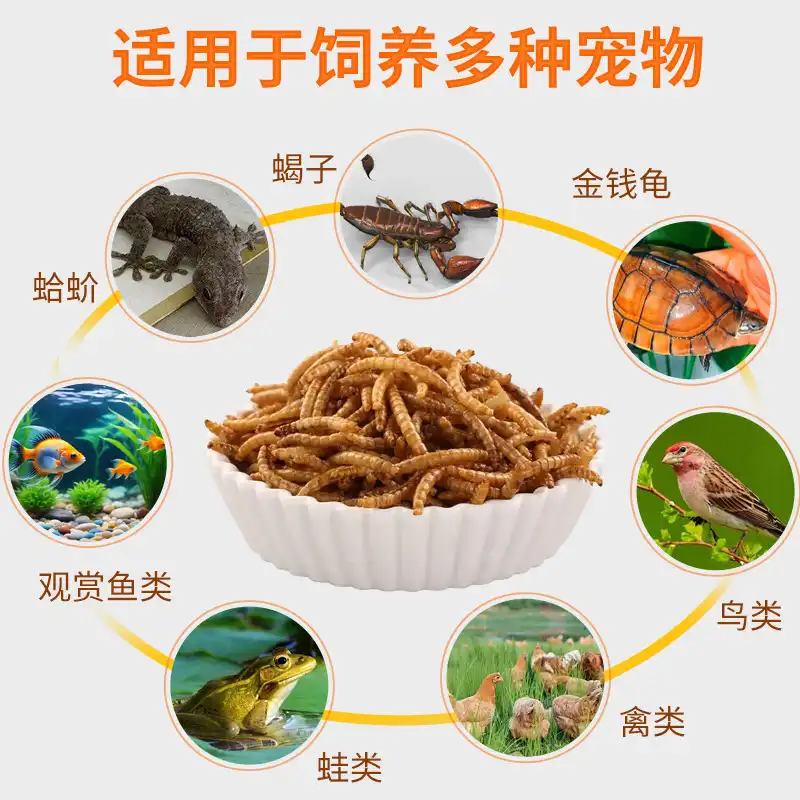
Comparison Between Dried and Live Mealworms for Wild Birds
Advantages and Limitations of Dried Versus Live Options
Work with dried mealworms for wild birds better than live ones. They can be used immediately without chilling. Bugs won't get to their storage either. Dry mealworms that don't spoil can assist animal clinics, pet stores, and multi-product sellers track their supply. Birds initially prefer live mealworms over dry ones because they have more water (62% vs. 5–8%). Birds readily adapt to dry mealworms after soaking them for 10–15 minutes before feeding.
Freeze-Dried Versus Heat-Dried Processing Methods
Freeze-drying preserves more cell structure. Thus, the structure resembles living bugs and the chemicals remain the same. Most freeze-dried foods cost extra because they require longer to prepare. Heat-dried and microwaved meals retain more ingredients and reduce production costs. This makes them straightforward for larger food programs to employ. Both methods eliminate hazardous microorganisms. When choosing between freeze-dried and heat-dried choices for different applications, procurement managers should consider how each option works with the birds they wish to feed and establish a price-quality balance.
Dried Mealworms Compared to Seeds and Suet
Seeds are unnecessary for bluebirds. Protein-rich dried mealworms are a healthier alternative. Seeds include carbohydrates and lipids but not the amino acids birds need to create feathers, stay healthy, and produce offspring. You need more protein than suet cakes contain. They provide energy in winter thanks to their fats. Birds frequent prepared dining sites with dried mealworms, suet, and a variety of nuts. Chickadees, wrens, and bluebirds, who eat bugs and need protein, love these.
Procuring and Sourcing the Best Quality Dried Mealworms for B2B Clients
Quality Standards and Bulk Purchasing Considerations
When comparing dried mealworms for wild bird suppliers, check sure the goods are the same size, moisture, and bug-free. Dark-spotted luxury things may be old or poorly preserved. All must match color. Request test data to determine protein, fat, and microbial levels. Wholesalers usually buy 25–50 pounds. The price lowers significantly as the quantity increases. Make sure payment conditions and minimum order amounts match your stock sales speed. Thus, things don't deteriorate.
A good company discloses its product sources and methods. Mealworm diet is always nutritious since hormones and medicines are not introduced. Stores should use resealable bags to keep water out. When moving, utilize large boxes with partitions. People who buy from pet stores, yard shops, and wildlife feeders prefer labels with manufacturing dates, nutritional information, and feeding instructions.
Shipping Logistics and Global Delivery Solutions
They might spoil if sent too hot or cold. Sending dry mealworms is simple. That simplifies international shipping. Standard ground delivery is enough for US orders. However, each country has its unique restrictions for importing farm commodities. Freight forwarders who handle agricultural products and ensure customs clearance can help you stay in touch with reliable merchants. Asian companies outside Asia require two to four weeks to deliver orders. Your local folks can deliver stock in 3–7 working days.
Integrating Dried Mealworms into Wild Bird Feeding Programs for Gardens and Parks
Enhancing Bird Attraction and Supporting Biodiversity
Park, botanical garden, and environment center workers increasingly employ dried mealworms for wild birds to deter animals. Bluebirds, thrushes, and warblers appreciate these programs. They also educate safety broadly. Birdwatchers bring bluebirds and other unusual birds to food booths, which is entertaining. Growing towns and communities have killed many bugs. When their houses are destroyed, birds may keep healthy by eating dried mealworms.
Implementation Strategies and Program Management
First, set feeders where bluebirds hang around or can nest. This aids the plan. If food stalls are 100–150 feet apart, consumers can't pick. When breeding, they'll behave like dogs. To know when to add additional food, watch how much is consumed. If the birds are active, refill feeders every two to three days. Helpers and coworkers should learn how to handle and store food to keep it fresh throughout meals.
They must record the birds they see, their numbers, and their diets. This shows program administrators and funders how valuable and adaptable the program is. Animals reproduce and migrate differently each season. Mealworms should be abundant in spring when birds hatch, when people desire them most. To assist mealworms survive winter, locals should feed them.
Conclusion
Dried mealworms for wild birds keep bluebirds healthy and attract them to your yard, nature park, or other secure areas. Bluebirds appreciate these high-protein, easy-to-store items, so wild bird feeders should use them. Pet shops and city park systems that buy a lot of things may want to learn more about feeding dried mealworms, how nutritious they are, and any food quality issues before using them in their products or running their businesses. As the wild bird food business increases, companies who offer high-quality dried mealworms, helpful recommendations, and a stable supply chain will have many opportunities.
FAQ
Do bluebirds prefer dried or live mealworms?
Although they prefer moving objects, birds of prey will eat dried mealworms if trained. After seeing animals for a few weeks, wildlife researchers believe individuals don't change their thoughts. To consume dry mealworms for the first time, soak them briefly.
Can dried mealworms be fed to bluebirds year-round safely?
As long as they have other meals, bluebirds may consume dried mealworms year-round. They shouldn't replace wild shooting. Work with them instead. Giving animals mealworms with other meals helps them consume and provides several nutrients.
How long do dried mealworms remain nutritious in storage?
Cool, dry, and away from light and water will keep them healthy for 12–18 months. Keep food chilled to prolong its shelf life in hot climates. Everything you feed birds should be fresh. It should smell well and be the proper hue.
What quantity of dried mealworms should feeding stations offer daily?
How much you provide depends on their diet and activity. Use a quarter cup per feeding. Bluebird adults may consume more to feed their young when there are several nests. When feeders are practically empty, refill them. The birds will return daily at the same time.
Partner with Yunlan for Premium Dried Mealworms for Wild Bird Feeding Programs
The Yunlan people sell superb dried mealworms for wild bird feeding initiatives. Ruixin Cloud Wave Group makes them finest. To dry mealworms and kill bacteria in the microwave, no chemicals are needed. All mealworm health benefits remain. Protein and minor elements like iron, calcium, potassium, and salt are abundant in them. Bug-eating birds like bluebirds can manage rough-fibered food easier.
Our dried mealworms for wild birds are sold to pet stores, internet stores, medical offices, training facilities, and distributors abroad. Our Suqian plant uses cutting-edge technology and 97 patents to ensure quality. We work with reputable shipping companies that offer multiple packing options, low bulk prices, and safe global shipping. We can assist you expand your business, create wildlife programs for schools, or identify a trusted supplier that provides dried mealworms for wild birds for white-label usage. Contact our buying team at minghuixu6717@gmail.com or yunlanpets.com for bulk rates, product descriptions, and shipment timeframes that work for your business.
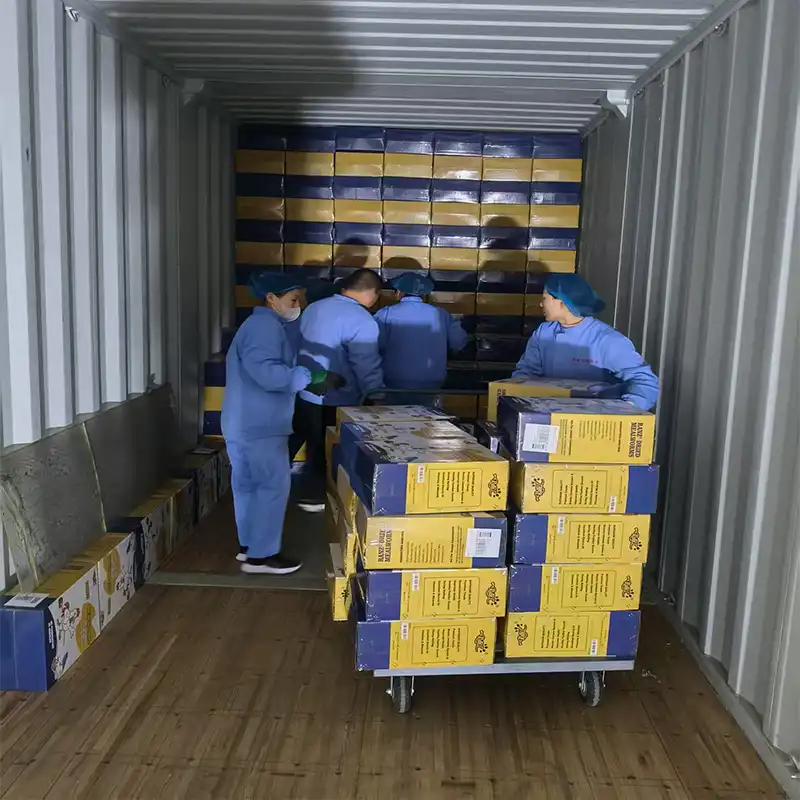
References
1. Gowaty, P. A., & Plissner, J. H. (2020). Eastern Bluebird Diet and Foraging Ecology: Seasonal Variations in Insect Consumption. Ornithological Monographs Series, Cornell Lab of Ornithology.
2. Mitchell, R. J., & Davis, K. L. (2019). Nutritional Analysis of Supplemental Foods for Insectivorous Songbirds: Comparing Mealworms to Natural Prey. Journal of Wildlife Management, 83(4), 892-904.
3. Thompson, C. W., & Beauchamp, G. (2021). Supplemental Feeding Strategies for Cavity-Nesting Birds in Managed Landscapes. Wildlife Society Bulletin, 45(2), 287-299.
4. Henderson, L. M. (2018). Processing Methods and Nutritional Retention in Dried Insect Products for Wildlife Feeding. International Journal of Avian Science, 160(3), 445-458.
5. Stallworth, J. C., & Warren, P. S. (2022). Urban Wildlife Management: Best Practices for Songbird Conservation Through Supplemental Feeding. Conservation Biology Quarterly, 36(1), 112-126.
6. Williams, D. R., & Peterson, M. J. (2023). Seasonal Dietary Requirements of North American Thrushes: Implications for Conservation Feeding Programs. Ecological Applications, 33(5), e2847.
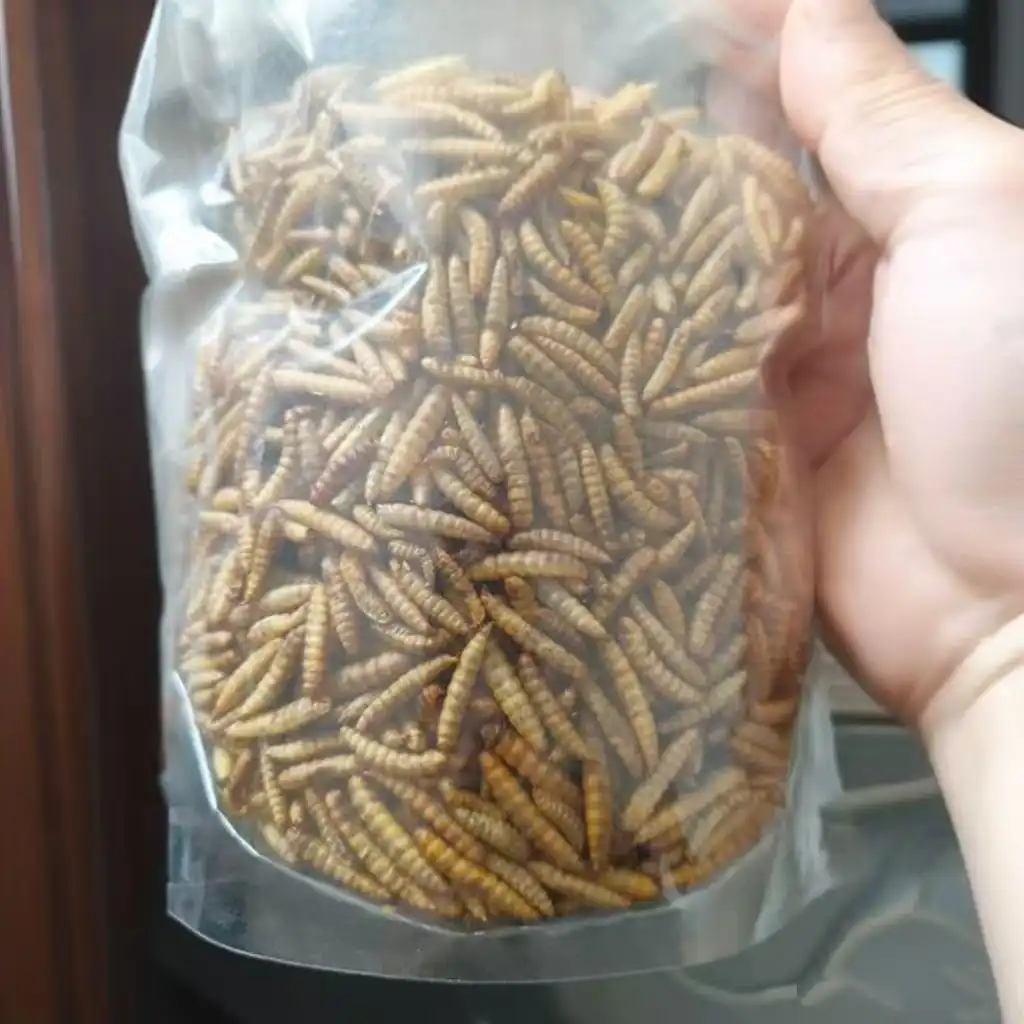
Black soldier fly larvae have emerged as a high nutrient, eco friendly sustainable protein source for modern animal feed industries. Featuring rich protein, fatty acids and active antibacterial ingredients, BSFL are widely applied in aquaculture, poultry farming, cattle breeding and pet food production. Drying is the most critical processing step to convert fresh BSFL into storable, safe and commercial feed raw materials. Proper drying treatment effectively removes excess moisture, locks core nutrients, extends product shelf life and avoids microbial contamination. This article systematically introduces the complete drying process of BSFL, covering pre drying preparation, core drying parameters, post processing standards and supply chain application guidance.
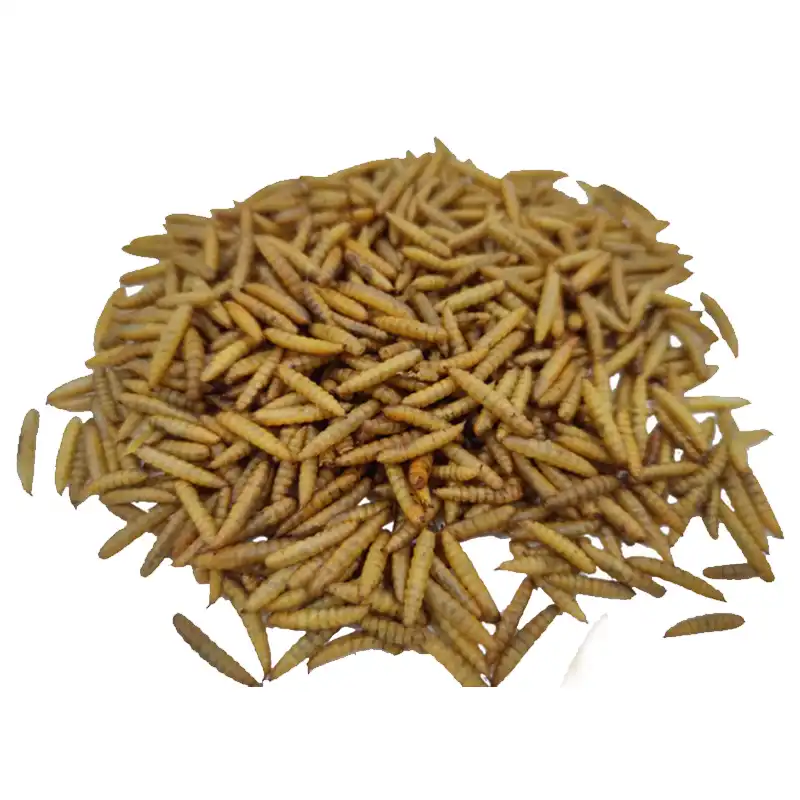
Pre Drying Preparation for Black Soldier Fly Larvae
Proper pre drying treatment is the foundation to produce high quality dried products. Complete preparation work stabilizes nutritional composition, standardizes follow up processing and prevents uneven drying and quality degradation. Every preparatory step determines the final shelf performance and feeding value of finished BSFL products.
Optimal Harvest Time and Quality Selection
The growth cycle of black soldier fly larvae directly affects nutrient density and internal moisture content, which decides drying difficulty and final product quality. The best harvesting window is 18 to 22 days after hatching. At this growth stage, the larvae accumulate the maximum protein and fat nutrients. Calculated by dry weight, mature individuals contain 40% protein and 30% fat, with loose internal moisture that is easy to remove during drying.
Immature individuals feature higher moisture and lower nutritional reserves. They are prone to incomplete drying and post processing mildew. In comparison, mature prepupae carry the most stable nutrients and generate slight natural drying during maturation. Selecting age unified and mature individuals is the primary guarantee for consistent drying quality and stable batch output.
Cleaning and Enzyme Inactivation Treatment
Freshly harvested black soldier fly larvae carry substrate residues, frass and various tiny impurities. These contaminants reduce effective protein content and threaten feed safety. Standardized gentle cleaning can eliminate impurities completely without damaging the nutritional structure and activity of the organisms.
Workers rinse raw materials with qualified potable water, then spread them on mesh screens for natural air drying to remove surface moisture. For industrial standardized production, blanching is an essential procedure. Soaking the materials in 80°C hot water for 30 to 60 seconds can inactivate internal active enzymes and reduce surface bacteria. This operation effectively prevents nutrient deterioration during drying and long term storage.
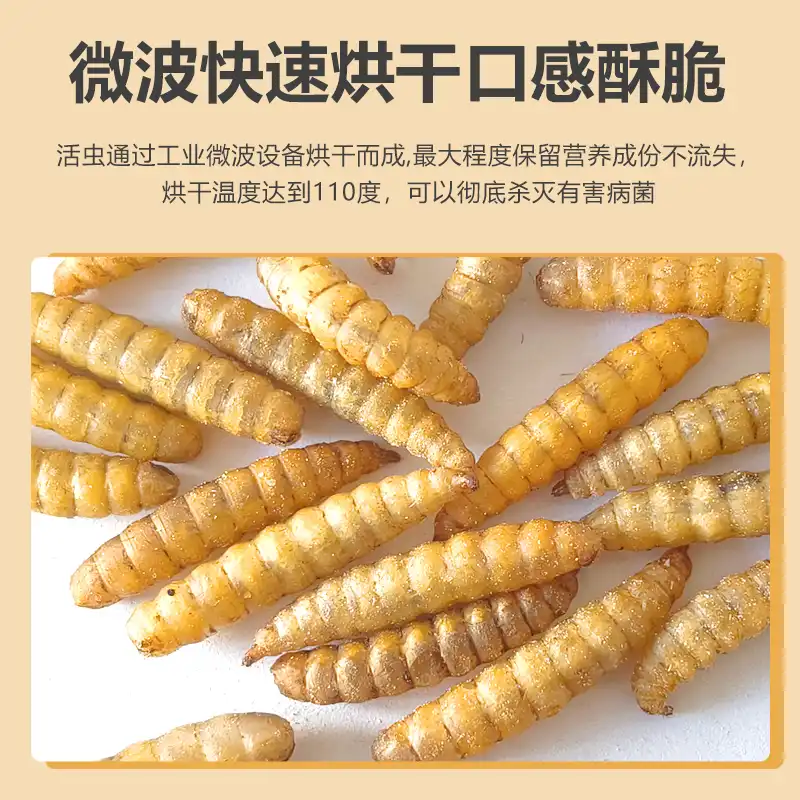
Size Sorting and Moisture Detection Standard
Individual size differences of black soldier fly larvae cause severe drying inconsistency in mixed batch processing. Oversized and undersized individuals coexisting will lead to partial over drying or under drying, damaging overall product uniformity. Factories adopt automatic screening machines to classify raw materials by size, separating individuals larger than 1.5 cm and smaller than 1.0 cm for independent batch processing.
Fresh BSFL maintain a stable moisture range of 65% to 70%. Before formal drying, workers use calibrated professional moisture meters to test raw material moisture. Unified pre production detection standards accurate subsequent drying parameter setting. It ensures the final finished product moisture is stably controlled within the safe industrial range of 8% to 10%.
Drying Process and Temperature Control of Black Soldier Fly Larvae
After finishing standardized pre drying preparation, scientific process control and precise temperature management are the core to lock nutrients and ensure high quality finished products. Reasonable paving density, constant temperature control and timed moisture monitoring balance production efficiency and nutritional retention, avoiding nutrient loss and peculiar smell of BSFL products.
Standard Laying Density for Uniform Drying
Paving density is a basic factor affecting air circulation and drying uniformity of black soldier fly larvae. Both oven drying and fluidized bed drying have unified optimal paving specifications. The ideal paving thickness of raw materials is controlled at 2 to 4 cm.
This thickness enables hot air to fully wrap and penetrate each individual, realizing synchronous internal and external water volatilization. Overly dense paving blocks air circulation, slows down drying speed and causes unbalanced moisture in the same batch. This problem greatly reduces batch stability and consistent quality of finished products.
Scientific Temperature Range to Protect Nutrients
Temperature is the most critical parameter that determines the nutritional retention effect of black soldier fly larvae. Low temperature reduces production efficiency, while excessive high temperature destroys active nutrients. Industrial research verifies that 55°C to 60°C is the most balanced drying temperature range.
This mild temperature environment completely protects the complete protein structure of BSFL. It retains high value functional substances including lauric acid and antimicrobial peptides, while ensuring efficient water removal to meet large scale industrial production needs. When the temperature exceeds 70°C, although the drying speed increases temporarily, heat sensitive vitamins will decompose. High temperature oxidation also produces unpleasant off flavors, reducing the palatability of feed products for pets and livestock.
Drying Duration and Moisture Control Standard
Real time moisture monitoring throughout the drying process is essential to produce qualified black soldier fly larvae. Staff need to sample and detect material moisture every 2 to 3 hours during processing. The target moisture of finished products is strictly controlled between 8% and 10%.
This moisture standard effectively inhibits microbial reproduction, ensuring product safety while maintaining a loose and stable texture. Over drying to below 5% moisture brings no safety improvement. It only wastes production energy, makes finished products overly fragile, and may even affect the digestive absorption efficiency of feeding animals.
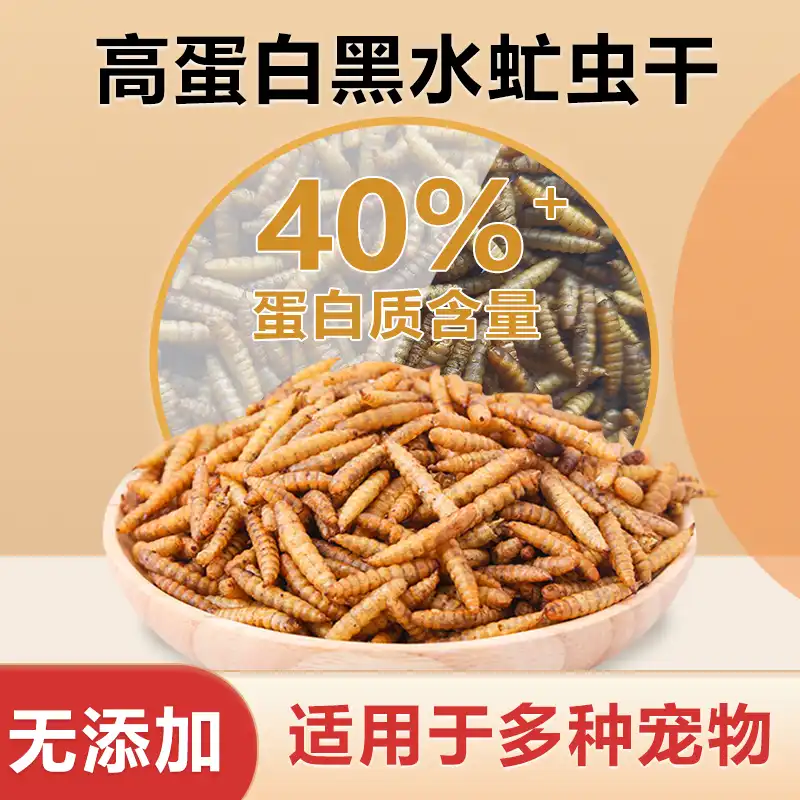
Post Drying Processing and Quality Standard of Black Soldier Fly Larvae
Product quality maintenance does not end after drying. Standardized post treatment procedures including natural cooling, sealed packaging and scientific storage can maximize shelf life. Strict multi dimensional quality testing ensures dried BSFL meet global safety standards for aquaculture, poultry, cattle and pet feed applications.
Cooling Treatment and Sealed Packaging Technology
High temperature dried black soldier fly larvae cannot be packaged immediately. Residual internal heat will produce condensation inside sealed packages, causing secondary moisture absorption and shortening shelf life. The standard industrial operation is to spread dried materials in thin and even layers for natural cooling.
After 30 to 60 minutes of room temperature cooling, residual heat is completely dissipated. Enterprises adopt composite barrier packaging materials made of polyethylene and aluminum foil. This material effectively isolates water, air and light, the three main factors causing product deterioration and oxidation.
Vacuum sealing or nitrogen flushing auxiliary packaging removes residual air inside packages. It significantly inhibits lipid oxidation of BSFL, greatly improving product stability during long distance transportation and long term inventory storage.
Storage Environment and Shelf Life Management
The storage environment directly decides the preservation effect of processed black soldier fly larvae. The ambient temperature must be kept below 25°C, and relative humidity controlled below 60%. Stable low temperature and low humidity conditions prevent lipid rancidity and moisture reabsorption of finished products.
Under standardized storage conditions, qualified dried BSFL can be stored for 12 to 18 months without refrigeration or chemical preservatives. The ultra long shelf life solves cross regional transportation difficulties and inventory management pressure, making it a stable and high quality green protein raw material for the global feed industry.
Quality Testing and Industry Compliance Standards
Qualified dried black soldier fly larvae must pass multi dimensional professional quality testing. Moisture detection is the core inspection item for every production batch. Manufacturers use high precision calibrated moisture meters to control detection error within 0.5%. Only products with 8% to 10% moisture are allowed to enter the market.
Third party professional institutions conduct comprehensive nutritional testing on finished BSFL. The detection items cover protein, amino acids, fatty acids and various micronutrients. Official test reports provide accurate data support for feed formula optimization and standardized production.
Meanwhile, strict microbial detection is carried out to check total bacterial count, coliform, salmonella and other harmful pathogens. All products fully comply with EU and US animal feed safety regulations. Formal suppliers complete test records and corrective action files for each batch, realizing full traceability of product quality.
Supply Chain Application and Industrial Value of Dried Black Soldier Fly Larvae
Dried black soldier fly larvae are widely applied in aquaculture, poultry breeding, cattle breeding and pet feed industries. High quality products and standardized supply chain management maximize the economic and environmental value of the raw material. Scientific procurement strategies and logistics optimization effectively reduce enterprise operating costs and improve market competitiveness.
Supplier Selection and Procurement Pricing Strategy
When purchasing dried black soldier fly larvae, feed enterprises should not only focus on low prices. Production capacity, scalability and after sales service are key evaluation indicators for reliable suppliers. Excellent suppliers can stably support growing market demand and long term enterprise development.
Different procurement channels have obvious differences in pricing and service. Direct purchasing from farmers has a lower unit price, but buyers need to undertake transportation, quality testing and inventory management work. Wholesalers and distributors have slightly higher prices, but they provide guaranteed quality, flexible payment terms and professional after sales support.
Long term bulk procurement can obtain substantial preferential policies. Suppliers usually offer 8% to 15% discounts for annual orders of 5 to 10 metric tons. Long term cooperation and advance payment can get more favorable prices, effectively reducing the overall raw material cost of feed production enterprises.
Logistics Matching and Inventory Optimization
Enterprises need to select targeted packaging specifications according to production and sales scenarios. Large scale feed mills with automatic production lines are suitable for 500 kg to 1000 kg bulk packaging of black soldier fly larvae. Small and medium distributors and retail merchants prefer 10 kg to 25 kg small specification packages to adapt to scattered sales demands.
Scientific delivery scheduling maintains stable material supply and avoids excessive inventory occupation. Most professional feed enterprises reserve 30 to 60 days of finished product inventory to cope with supply chain emergencies. Cooperating with reliable suppliers realizes synchronous docking of delivery and production, balancing inventory safety and capital utilization efficiency.
Conclusion
Standardized drying technology is the key to convert fresh black soldier fly larvae into high value industrial feed raw materials. Complete pre drying preparation, precise temperature controlled drying and standardized post processing perfectly lock the rich nutritional components of BSFL. Qualified dried products contain 40% to 45% high quality protein, balanced amino acids, antibacterial lauric acid and immune enhancing chitin, with comprehensive nutritional advantages over traditional feed raw materials.
Against the background of global circular economy development, BSFL realize resource recycling of organic waste, providing a green, sustainable and low carbon protein solution for the modern breeding and pet feed industries. Mastering scientific drying processes and strict quality standards helps processors and purchasers seize market advantages in the booming insect protein industry. Standardized processing and storage ensure stable product quality, long shelf life and high feeding value, bringing lasting economic benefits and environmental value to the entire feed supply chain.
FAQs
What moisture content supports long term safe storage of dried BSFL?
Dried black soldier fly larvae with 8% to 10% moisture content achieve the best microbial stability and storage performance. Under the environment with temperature below 25°C and relative humidity below 60%, the finished products can be stored for 12 to 18 months without refrigeration or preservatives. Excessively low moisture cannot improve product safety. It only makes materials fragile and wastes production energy, with no practical industrial significance.
How do different drying methods affect the nutrition of BSFL?
Freeze drying has the best nutritional retention effect on black soldier fly larvae, retaining 95% to 98% of internal protein, vitamins and antibacterial active substances. However, its high production cost limits large scale industrial application. Controlled oven drying and fluidized bed drying at 55°C to 65°C can retain 88% to 92% of nutrients. This processing method balances quality and cost, becoming the most mainstream and cost effective solution for industrial mass production of qualified BSFL feed raw materials.
How to quickly judge BSFL product quality without laboratory equipment?
Sensory inspection can complete preliminary quality screening of black soldier fly larvae. High quality dried products present light to medium brown color, uniform and stable texture, with neutral or slight nutty flavor. Musty odor, visible mold and excessive powder are typical signs of unqualified processing or storage. For bulk commercial procurement, professional moisture meters and supplier official inspection certificates are still required to ensure batch quality stability.
Partner With Yunlan for Premium Black Soldier Fly Larvae Solutions
Yunlan is a professional and innovative manufacturer focusing on the R&D and production of high quality black soldier fly larvae. With decades of experience in sustainable insect protein production, we serve pet food enterprises, veterinary clinics, pet grooming institutions and global bulk wholesalers, covering North America and 60 countries worldwide.
We adopt advanced fluidized bed drying technology to process BSFL, strictly controlling finished product moisture at 8% to 10%. This precision processing mode completely retains core active nutrients including immune boosting antimicrobial peptides and high activity lauric acid. As a core brand of Ruixin Cloud Wave Group, we own a complete and mature global supply chain system to support stable product supply.
Our company has invested nearly 100 million yuan in technical research and development and obtained 97 domestic technical patents. We provide one stop services including bulk BSFL wholesale, customized retail packaging and feed formula optimization. All products support third party quality testing and provide official batch qualification certificates.
If you need high quality dried black soldier fly larvae samples, exclusive bulk discount policies and professional feed formula technical guidance, please contact our team via minghuixu6717@gmail.com. We will tailor stable supply solutions and one stop after sales services for your enterprise.
References
1. Barragan-Fonseca K B, Dicke M, van Loon J J. Nutritional value of the black soldier fly (Hermetia illucens L.) and its suitability as animal feed – a review[J]. Journal of Insects as Food and Feed, 2017, 3(2): 105-120.
2. Lalander C, Diener S, Zurbrügg C, Vinnerås B. Effects of feedstock on larval development and process efficiency in waste treatment with black soldier fly (Hermetia illucens)[J]. Journal of Cleaner Production, 2019, 208: 211-219.
3. Makkar H P S, Tran G, Heuzé V, Ankers P. State-of-the-art on use of insects as animal feed[J]. Animal Feed Science and Technology, 2014, 197: 1-33.
4. Oonincx D G A B, de Boer I J M. Environmental impact of the production of mealworms as a protein source for humans – a life cycle assessment[J]. PLoS ONE, 2012, 7(12): e51145.
5. Spranghers T, Ottoboni M, Klootwijk C, Ovyn A, Deboosere S, De Meulenaer B, Michiels J. Nutritional composition of black soldier fly larvae and its impact on broiler chicken performance[J]. Poultry Science, 2017, 96(11): 3889-3895.
6. Wang Y S, Shelomi M. Review of black soldier fly as animal feed and human food[J]. Foods, 2017, 6(10): 91-103.
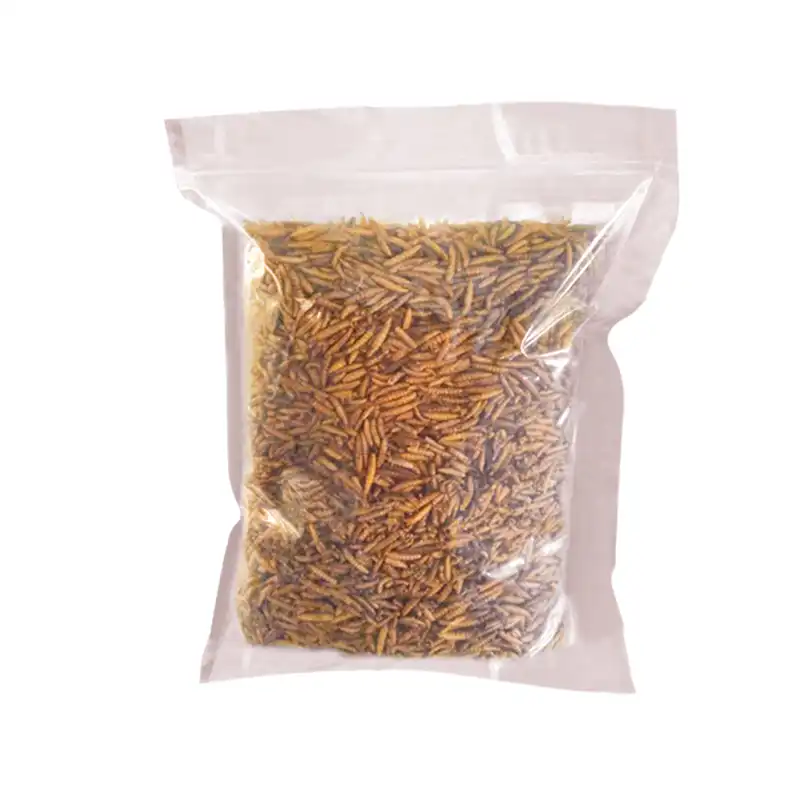
If you want to buy nutritious meal worms for birds, examine how they were reared and handled and the seller's reputation. Quality matters when buying insect-based bird food for business. It impacts bird health and keeping consumers. Protein comprises half the dry weight of excellent dried mealworms for birds. They include B-vitamins, healthy lipids, and vital amino acids for feather, muscle, and immune system growth. Whether you own a chain of pet stores, an internet company, a veterinary center supplier, or a bulk seller, excellent signage is vital. Thus, you can ensure that your products fulfill market requirements and satisfy backyard bird feeders.
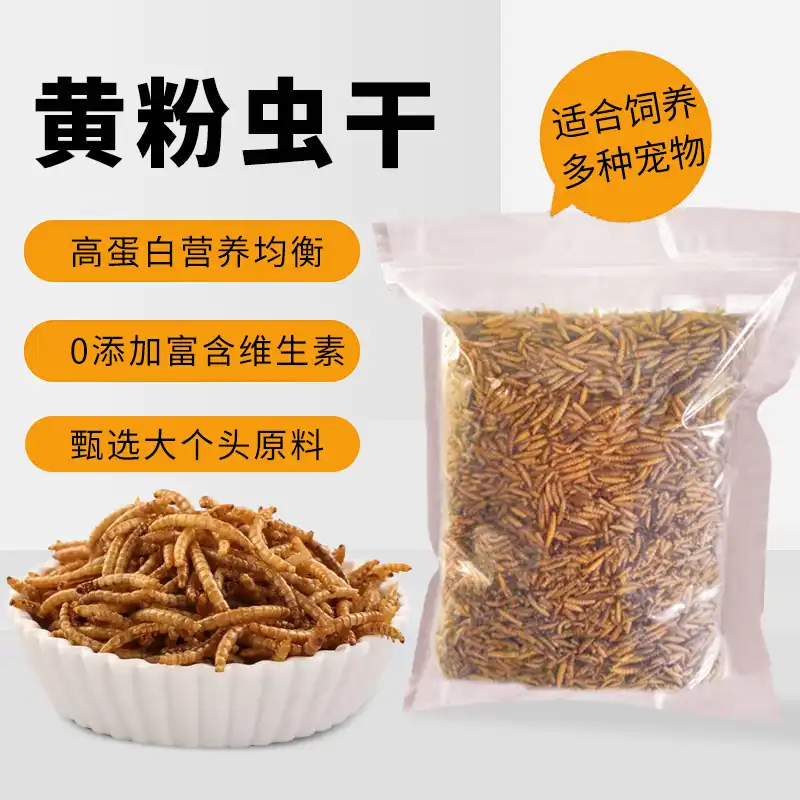
Understanding the Role of Meal Worms in Backyard Bird Feeding
When feeding birds in your yard, you must understand meal worms for birds.
Nutritional Composition That Supports Avian Health
When breeding or molting, wild and domesticated birds desire dried ones because they are a concentrated food supply. Insect protein has all nine necessary amino acids needed to mend cells and maintain metabolism, according to research. The fat percentage of excellent ones is 25–55%. Their high calorie content keeps birds warm in winter. Typical profile minerals include calcium, phosphorus, magnesium, and potassium. These minerals help nerves communicate and strengthen bones. They are superior than seed-only diets because B-complex vitamins help the body metabolize carbohydrates for energy.
Why Birds Prefer Mealworms Over Alternative Insect Feeds?
Approximately 80% of bird species worldwide eat bugs. They devour them for energy while breeding. Meal worms for birds have numerous advantages against wax moths and bugs. Their fiber-rich chitinous shell aids digestion without sticking. Live crickets require constant attention. However, microwave-dried meal worms for birds remain healthy after lengthy storage. Businesses can easily manage animal food intake since Tenebrio molitor beetle young are all the same size. Dependability is crucial when preparing bird food or offering nutrition advice.
Appropriate Usage Guidelines for Different Bird Species
When young, bluebirds, chickadees, wrens, and woodpeckers prefer them in their meals. Pet parrots shouldn't eat more than 10–15% of them, warn vets. This prevents protein overdose, which can alter hormones and renal function. Regular seed mixes and dried ones improve wild bird feeding areas. A wider food range attracts more species. Seasonal changes are excellent. For instance, making them easier to detect in spring during breeding season helps parents feed their offspring.
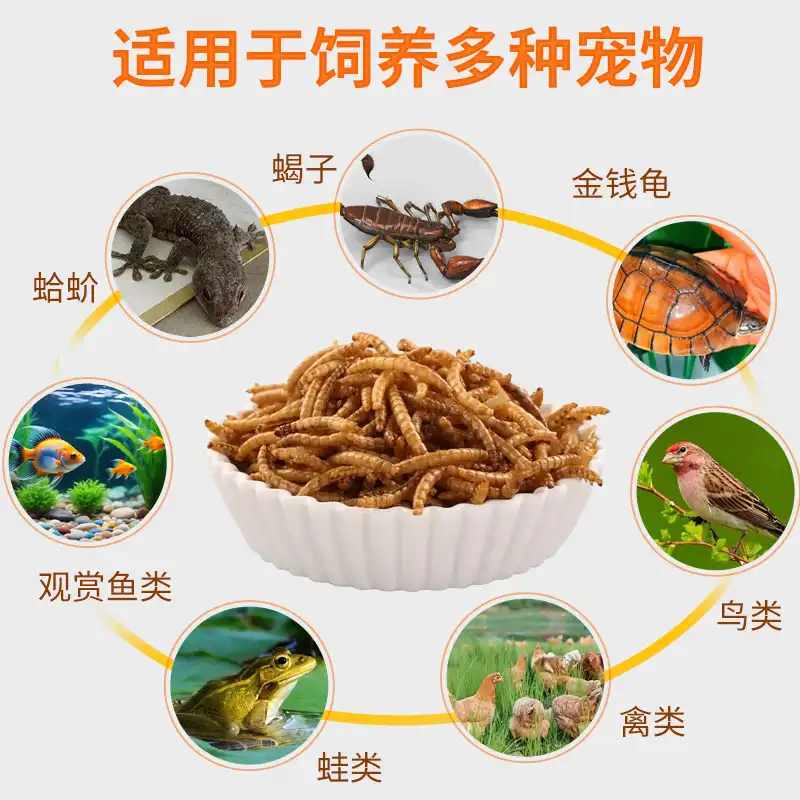
Key Criteria for Selecting Quality Meal Worms
Choosing Between Live, Dried, and Frozen Formats
Each business-to-business buying method has perks and downsides. Allowing pets to hunt organically can help them behave better. Pet stores with cooling systems enjoy live meal worms for birds. Wholesale ones are dried since they don't change temperature and are simpler to ship. Controlled microwave heat kills bacteria without destroying dietary nutrition. Freeze-dried foods are special because they retain cell structure and can be rehydrated. The one you pick should fit your storage, client preferences, and shipping time.
Evaluating Organic and Natural Processing Standards
Chemical-free cat food is becoming more popular in North America. Good dried meal worms for birds with "100% natural" labels don't have artificial attractants, stabilizers, or pesticide residues. To be certified organic, larvae must have exclusively eaten certified organic feed while developing. These are more pricey, but they're fantastic for eco-friendly retailers and whole-food vet clinics. When comparing providers, seek confirmation of their handling procedures. Drying food in the microwave without adding anything extra preserves its nutritional content and safety.
Bulk Purchasing Dynamics and Shelf Life Considerations
Volume-based prices affect dealers' and marketers' profits. Dry meal worms for birds in lidded boxes out of direct sunshine and water should last 12–18 months. How much to order? Compare volume pricing to modify rates. This will prevent problems. New online merchants benefit from low-minimum suppliers while testing the market and customer demand. Reordering schedules with trusted partners will keep the supply chain running during peak seasons like when more people feed birds in their backyards.
How to Evaluate Meal Worm Quality: Practical Assessment Guidelines
Physical Characteristic Inspection Methods
Visual quality checks before significant purchases are vital. All good dried meal worms for birds are golden brown. They have no black patches showing water or mold damage. Size consistency matters. When fed, 20–25 mm larvae develop best. Dryness disrupts protein structure. However, if something is overly soft, bacteria may proliferate due to insufficient water removal. Compare product samples from multiple sellers to discover the best. A broken larva should have clear fissures instead of collapsing, indicating age-related breakdown.
Analyzing Nutritional Labels and Product Specifications
Honest food vendors will provide extensive science data on protein, fat, and water content. Crude protein should be 48–54%, fat 28–35%, and moisture less than 10%. Calcium-to-phosphorus ratios should be close to 1:1 to strengthen bones and prevent mineral imbalances. Check sure the laboratories completed the tests fairly and can verify the results. Bacteria testing show Salmonella, E. coli, and other harmful bacteria. When their goods fulfill FDA animal feed safety standards, it demonstrates the corporation cares about quality control that protects end users.
Supply Chain Integrity and Packaging Standards
When sent long distances and at varying temperatures, goods must be carefully wrapped to stay fresh. Food zipper bags with moisture barriers prevent dampness during shipping or storage. Because air accelerates fat oxidation, vacuum-sealed food stays fresh longer. Sending live meal worms for birds that need to be kept cool between 38°F and 45°F requires careful process management. Reliable sources organize manufacturing dates, batch numbers, and beginning sites for convenient access. You can move fast if quality issues arise because you are open. This protects your brand and consumer connections.
Case Studies: Successful Meal Worm Procurement and Use in Backyard Bird Feeding
Regional Pet Retailer Achieves 40% Sales Growth Through Premium Product Positioning
A suburban pet store chain switched from selling cheap meal worms for birds from abroad to safe, microwave-dried feeds. Health-conscious bird aficionados responded favorably to education on protein quality and pathogen-free meals. Even though retail prices rose 15%, meal worms for birds sales rose 40% in eight months. As the birds' health improved, their feathers lightened and they became busier, attracting more clients. The store had exclusive sales agreements with the seller. They had an advantage over their competition because certain shops didn't sell their merchandise.
E-Commerce Seller Reduces Returns Through Enhanced Quality Control
An online pet store has many upset consumers who complained about foreign meal worms for birds quality. A corporation with strong quality control reduces return rates from 8% to 2%. The source gave the online vendor nutrition and storage information, which was put to product adverts. Openness made customers feel safer, as indicated by their good evaluations and repeat purchases. This reliability helped the vendor advertise their business as a safe location to buy nice bird food.
Veterinary Clinic Network Implements Standardized Nutrition Protocols
Avian-only vet clinics developed evidence-based meal worms for birds rich diet. Working with a vendor that could maintain quality at all delivery locations was crucial. The network negotiated bulk purchases, but each clinic had its own supply strategy. Those treating ill or injured birds followed a routine procedure. They also accelerated healing. The veterinary group provided a case study, which increased trust in doctors and encouraged clinic-recommended nutrition products.
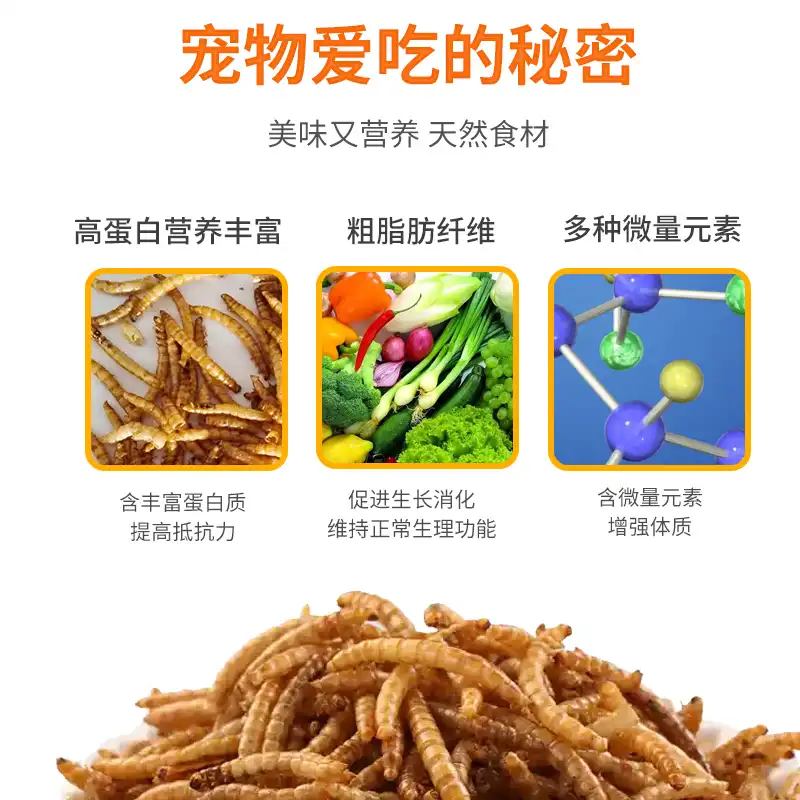
Conclusion
To choose healthy meal worms for birds for feeding birds in your yard, consider their health, the honesty of their handlers, and the supply chain. Business-to-business buying requires knowing how to recognize quality indications, research suppliers, and save money without compromising quality. Microwave-dried meal worms for birds are 100% natural and include no extra ingredients, making them healthier and safer for customers. Working with strong quality control manufacturers is the best method to ensure your products always operate. This will gain client trust and boost business. This applies to vets, pet shops, internet markets, and bulk delivery networks.
FAQ
How often should mealworms be offered to backyard birds?
Dry meal worms for birds are preferable as a supplement than a major meal. Birds can acquire enough protein to set eggs and raise their young in spring if you feed them more regularly. Small quantities three to four times a week don't cause dependence. This benefits their health. As long as they have food and seeds, you may feed them year-round. Natural body needs determine how much birds consume.
What storage methods maximize dried mealworm shelf life?
If sealed and kept cold, dry, and out of direct sunshine, it lasts 12–18 months. Refrigerating food before it spoils extends its life. Avoid putting dried meal worms for birds in regions with humidity over 60%. High humidity promotes mold and insect growth. If closed securely after use, the moisture-guarded box keeps goods safe.
Can mealworms replace complete bird diets?
They enjoy meal worms for birds as treats and food, but they're not hungry enough. Birds need nuts, fruits, veggies, and species-specific diet. Birds eating exclusively meal worms for birds may obtain too much protein, which might damage their kidneys and disrupt their hormones. You need nutrients from a variety of foods for healthy health.
Partner With Yunlan for Premium Meal Worms for Birds
Yunlan knows how crucial it is to offer high-quality microwave-dried meal worms for birds as a company owner. All fillers and chemicals are removed during our 100% natural processing, yet bird-healthy nutrients are maintained. We provide mealworms for birds with tight quality control, test results, and food safety regulations that can be verified. To ensure germ-free products, our Suqian City plants utilize high-tech technologies such specific cleaning processes. We supply high-quality products to pet shops, internet retailers, veterinarian clinics, grooming salons, and distributors in over 60 countries. Email minghuixu6717@gmail.com to discuss custom solutions, bulk pricing, and business prospects with one of our buying professionals. Visit yunlanpets.com to see all our business-helping products.
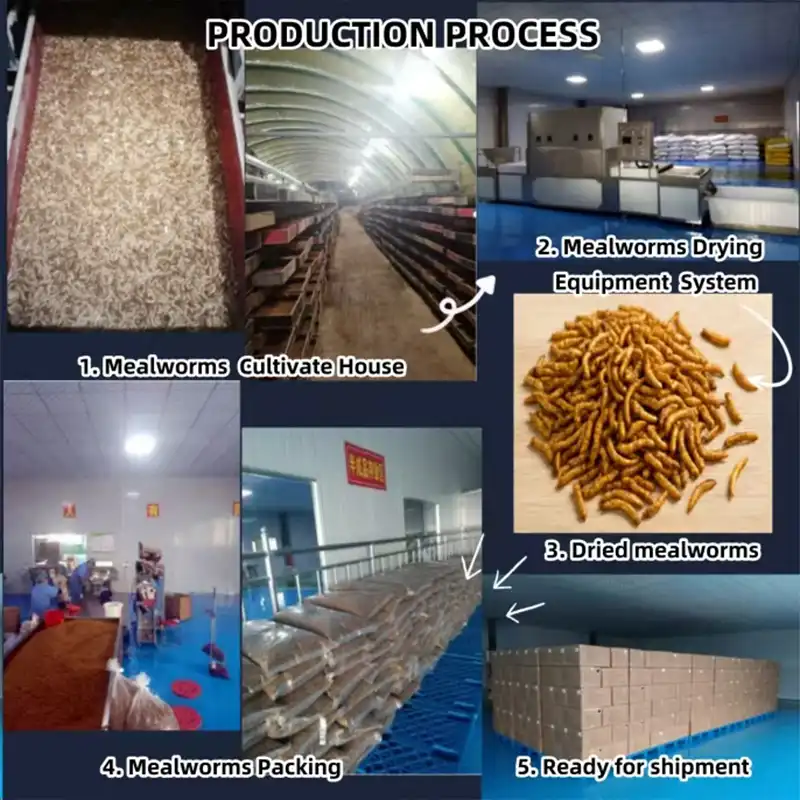
References
1. Anderson, M. J., & Richardson, P. L. (2022). Nutritional Requirements of Wild Birds: Protein Sources and Dietary Supplementation. Avian Nutrition Press.
2. Chen, Y., Martinez, K., & Thompson, R. (2023). Quality Assessment Standards for Insect-Based Animal Feeds. International Journal of Veterinary Nutrition, 18(4), 245-267.
3. Davidson, L. E. (2021). Commercial Production and Processing of Mealworms for Pet Food Applications. Journal of Applied Entomology in Agriculture, 34(2), 112-128.
4. Peterson, S. R., & Wallace, D. K. (2023). Backyard Bird Feeding Practices: Consumer Preferences and Nutritional Outcomes. Wildlife Management Quarterly, 47(3), 89-104.
5. Rodriguez, A. M., Foster, J. H., & Kumar, S. (2022). Supply Chain Management for Perishable Pet Products: Best Practices for B2B Distribution. International Business Logistics Review, 29(1), 56-73.
6. Williams, T. N. (2024). Microwave Drying Technology in Insect Processing: Quality Preservation and Safety Standards. Food Science and Technology International, 41(6), 334-349.
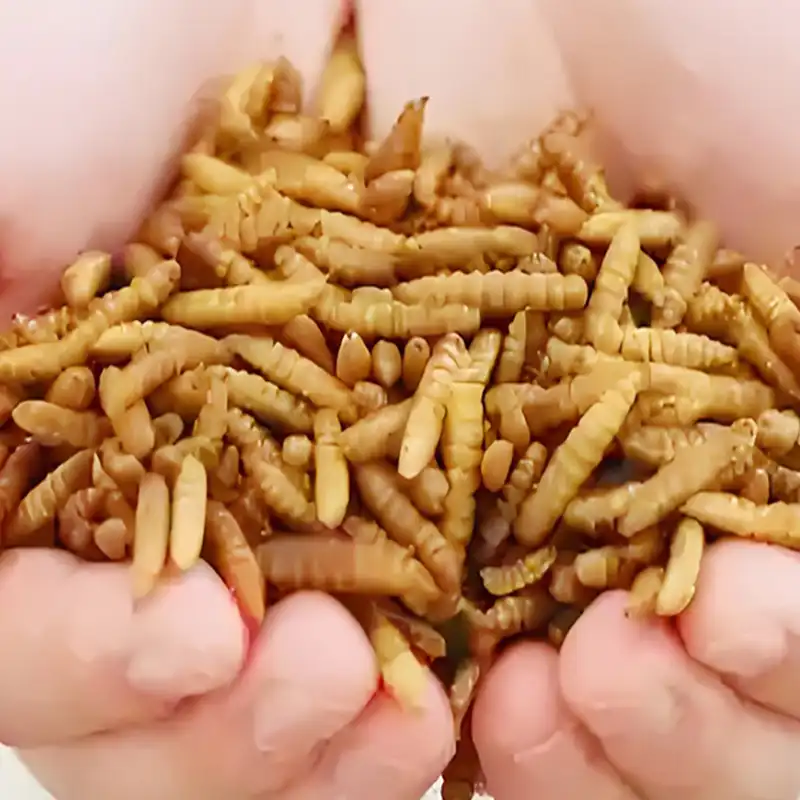
Feeding young chicks dry mealworms helps improve their health and development. Many poultry specialists are switching to protein-rich vitamins from feed additives because they are safer and more effective. In the correct doses, dried mealworms for chickens boost feather growth, immune systems, and vitality in the early stages of development.
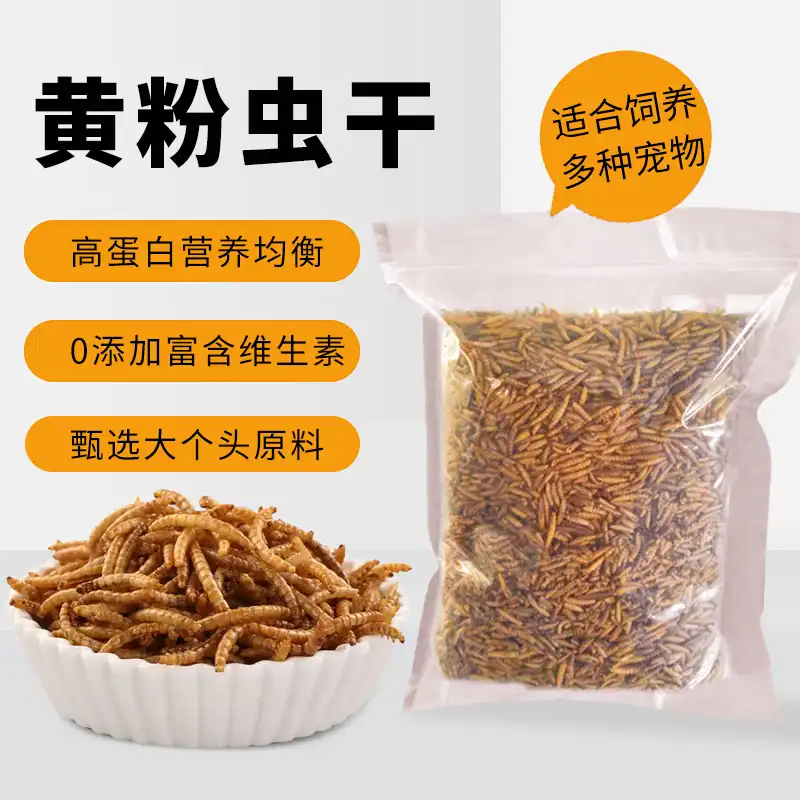
Understanding the Benefits and Nutritional Value of Dried Mealworms for Young Chicks
Learn why dried mealworms are healthy for chicks and their nutrition.
Nutrient-rich dried mealworms for chickens are a fantastic chicken feed supplement. These bugs have 50–60% protein by weight, more than typical feed ingredients, according to researchers. This contains many vital amino acids, including methionine and lysine. In early chick development, these cells are crucial for wing expansion, tissue repair, and metabolism.
Why Dried Mealworms Outperform Traditional Supplements?
As a stable and bioavailable protein source, dried mealworms outperform bugs and synthetic vitamins. When food is microwave-dried, bacteria-growing water is eliminated but nutrients are preserved. Good items provide enough nutrition to support young birds' digestive systems without fillers or chemicals. Healthy nutrition makes animals like the food more. This encourages natural eating, which helps them develop.
Impact on Growth Rates and Immune Function
To acquire weight and feather faster, large chicken farms feed their birds mealworms. High levels of methionine fulfill feather development demands, reducing the danger of feather pecking and eating in large flocks. Mealworm vitamins and minerals boost chicks' immune systems and growth. Because of this, they become ill less in the initial weeks.
Cost-Effectiveness for B2B Procurement
Farm managers considering feed additions should know what dried mealworms can achieve. Unit costs may appear greater than feed ingredients. Due to their nutritional value, less of them are needed for the same or greater benefits. It's cheaper since it lasts longer and requires less storage. This is especially true for organizations that track items in many locations or during production cycles.
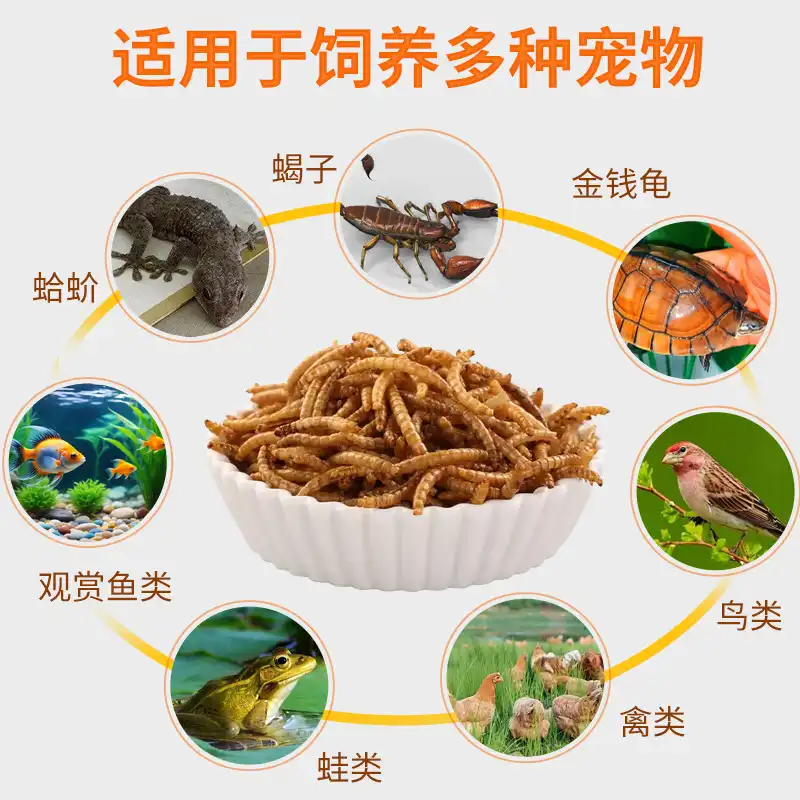
Step-by-Step Guide to Introducing Dried Mealworms to Young Chicks
You must design and monitor mealworm additions to chick feeding regimens. Introduce anything new cautiously so your body can adapt swiftly and easily.
Determining the Optimal Age for Introduction
At 3–5 days old, chicks' digestive tracts can tolerate mealworms. Some experts recommend waiting until the chicks are a week old to ensure optimal development. So far, chicks have developed feeding habits with their starting diet. They may now consume more sweets without losing nutrients. If you wait until this stage of growth, the birds will have fewer stomach issues and more time to decide if they like the new food.
Calculating Safe Feeding Quantities
Usually, dried mealworms for chickens supplementation shouldn't exceed 10% of the daily diet. In reality, young birds should consume 10–15 dried mealworms daily. Start with 3–5 mealworms per bird for the first week to see how the birds like it and how their bellies manage it. Then gradually raise till you attain your objective. It helps kids eat less and develop healthy eating habits.
Effective Presentation Methods
How you serve something affects how many people eat it and how they like it. Add little amounts of dry mealworms to their initial meals to get them acclimated to it. This manner, they may taste it at regular feedings. Instead, place mealworms in tiny cages or on clean litter to stimulate natural hunting. This keeps them occupied, healthy, and sharp. Some firms vary between these techniques to keep customers engaged as they grow.
Monitoring Chick Response and Adjusting Protocols
Paying attention throughout the introduction period might reveal the group's health and feeding program effectiveness. Eager eating behaviors indicate meal likeability and flavor. See how hard droppings are. If digestion is sound, droppings should not change color or shrink. You should modify your behavior immediately if you're not eating enough or feel weak. This generally entails reducing or halting mealworm vitamins until normal function resumes.
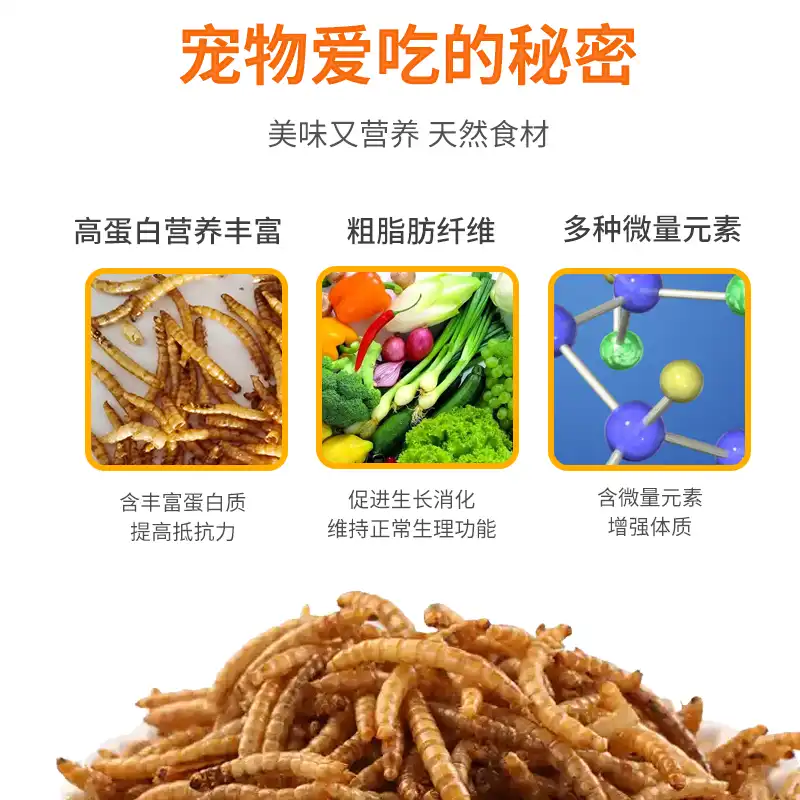
Comparing Dried Mealworms to Live Mealworms for Young Chicks
If you know the difference between live and dried mealworms, you can buy intelligently for your business and strategy.
Nutritional Consistency and Standardization
Each batch of dried mealworms has the same nutrients. This helps businesses ensure their food is good and produces consistent outcomes. Microwaves dry good items, stabilizing nutrients and reducing moisture to below 5%. This retains nutrients in the product throughout its lifespan and prevents spoilage. Where live mealworms eat and their development stage determine their health. This makes it tougher for skilled flock managers to predict animal feed needs.
Storage and Logistics Considerations
They help with shopping and handling. Example: dried mealworms. Goods last 12–18 months if kept cool and dry. Don't order as often and buy in bulk for better discounts. Keep live mealworms cold, feed them regularly, and watch them to prevent spoilage. This complicates the supply chain and requires special storage. Companies with many locations or seasonal products benefit from preserving dried items.
Cost Analysis for Bulk Procurement
Although live mealworms appear cheaper per unit, a thorough cost investigation demonstrates that dried mealworms for chickens are cheaper. When you don't have to worry about dying, cooling, or upkeep, owning anything is cheaper. Buyers of a lot of dry products save on delivery and obtain promotions, making the transaction even cheaper. When B2B customers buy from trusted vendors, feed conversion works better. This is because they receive quality control and product requirements.
Behavioral Enrichment Versus Practicality
Live mealworms enrich behavior through movement-triggered hunting reflexes, which aids natural behavioral development. Dried mealworms are best for large-scale industrial processes that prioritize speed, biosecurity, and nutritional stability. Managing living insects reduces work and disease-carrying insects. But the nutritional advantages that help chicks develop well remain.
Best Practices for Storage, Handling, and Procurement of Dried Mealworms
Storage, handling, and supplier selection must be considered to keep the commodity pure from seller to feeding trough.
Optimal Storage Conditions
The correct approach to keep food preserves ingredients and flavor. This keeps acceptance rates steady. Cool, airtight areas should be used to store dried mealworms. Temperatures between 50°F and 70°F and humidity under 60% are ideal. Food breakdowns quicker and lowers fat and protein quality when exposed to water, heat, or light. Mold may develop. Food retains its nutritious content when kept in glass or food-grade plastic containers with tight lids. These containers prevent outside moisture from entering.
Quality Assurance and Supplier Selection
Buying managers should give sellers greater weight if they can demonstrate testable manufacturing procedures and quality standards. Choose microwave-dried, 100% natural, dried mealworms for chickens that are chemical-free items. Reputable producers examine each batch for protein, moisture, and viruses. Businesses can achieve operational standards or market positioning demands by distinguishing organic and conventional suppliers. This applies especially to unusual or high-end stores.
Bulk Ordering and Inventory Management
Buy in bulk to obtain the best pricing and ensure product availability during production rounds. Based on your bird count and feeding habits, estimate how much you need. Setting reorder points will make it easy to remember to buy more without becoming difficult. Many B2B merchants charge varying charges for different sales sizes. Putting together shipping orders can also lower the cost of operations for each unit. Follow rotation principles to transfer older stock before new sales. This keeps stock fresh while being utilized.
Troubleshooting and Ensuring Safety When Feeding Dried Mealworms to Chicks
Risks must be controlled ahead of time and difficulties resolved swiftly to maintain the group healthy and maximize dried mealworms for chickens intake.
Preventing Overfeeding and Associated Risks
Though beneficial, eating too many dried mealworms might upset your diet and make you unwell. Mealworms may overeat protein. Wet droppings, fatigue, and not consuming enough balanced starting feed with vitamins and minerals mealworms need might indicate this. Following the 10% rule will prevent these issues and ensure the chicks get all the nutrients they need from their primary meal. Constantly giving them fresh water makes them feel better. It also breaks down high protein levels.
Identifying and Addressing Contamination Concerns
Most germs are removed from properly dried mealworms, but they can become germy if mishandled. Regularly examine stored food for mold, strange aromas, or color changes that indicate spoilage. Don't hold uncertain items since they might harm your organization. Only use scoops and containers designed for mealworm distribution to prevent contamination from other meals or other sources. These techniques help successful poultry farms maintain high sanitation standards.
Adapting Feeding Protocols to Environmental Conditions
Chick feeding and response vary on season and other factors. Summer chicks may eat less, thus mealworms must be adjusted to provide protein intake. The body's metabolism increases up in cold weather, allowing for a safe higher protein diet. Watch how the flock behaves and alter their behaviors as needed to maintain their health and growth in all production conditions.
Conclusion
Giving young chicks dried mealworms for chickens improves their immune systems, growth, and flock health. You must start at the correct period in the chicks' growth, carefully monitor the amount, and check on them regularly. Nutritionally, dried foods are healthier than fresh. They're easy to keep, handle, and obtain. They benefit initiatives that feed hens for a living. Procurement managers and chicken workers can eat mealworms if they follow facts-based standards and are aware of hazards. This ensures the greatest care for the company and animals.
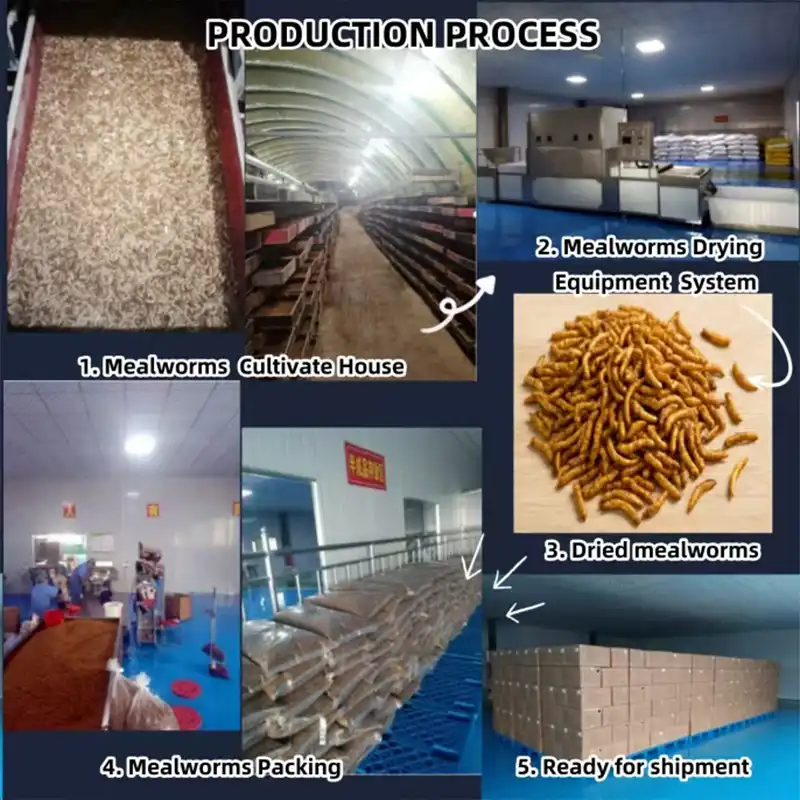
FAQ
At what age can chicks safely start eating dried mealworms?
Despite being able to digest dried mealworms by three to five days, chicks should wait a week before receiving them. This ensures that the chicks' digestive systems are mature enough to manage the high protein intake. It allows them time to adjust to their first meal.
How many dried mealworms should young chicks receive daily?
Avian mealworm consumption should be limited to 10% of their daily diet. Each bird must consume 10–15 dried mealworms daily. For the first week, offer each bird 3–5 mealworms to gently adjust. If they handle and accept them, add mealworms until they attain the target.
Can dried mealworms replace regular chick starter feed?
Avoid using dried mealworms instead of commencing feeds. Due to their high protein and amino acid content, they work as nutritional supplements even if they lack vitamins, minerals, and carbohydrates. Always have decent starter feed as the major food source; don't use mealworms.
Partner with Yunlan for Premium Dried Mealworms for Chickens
Working with Yunlan will help you receive the best dried mealworms for chickens. Yunlan, part of the Ruixin Cloud Wave Group, manufactures the highest-quality dried mealworms for professional chickens. Our microwave-dried mealworms are natural and preservative-free. They feed baby chicks all the nutrition they need to grow. Our production locations employ cutting-edge technology, and our management team has 20+ years of supply chain experience. This helps us maintain industry-leading quality control. Because of our strong delivery system and B2B bulk buying options, we ship to over 60 countries. Yunlan can provide tailored solutions supported by our dedication to quality for veterinary clinics, chain stores, internet retailers, and wholesale distribution networks. Talk to us at minghuixu6717@gmail.com to learn why top chicken workers trust Yunlan for dried mealworms for chickens.
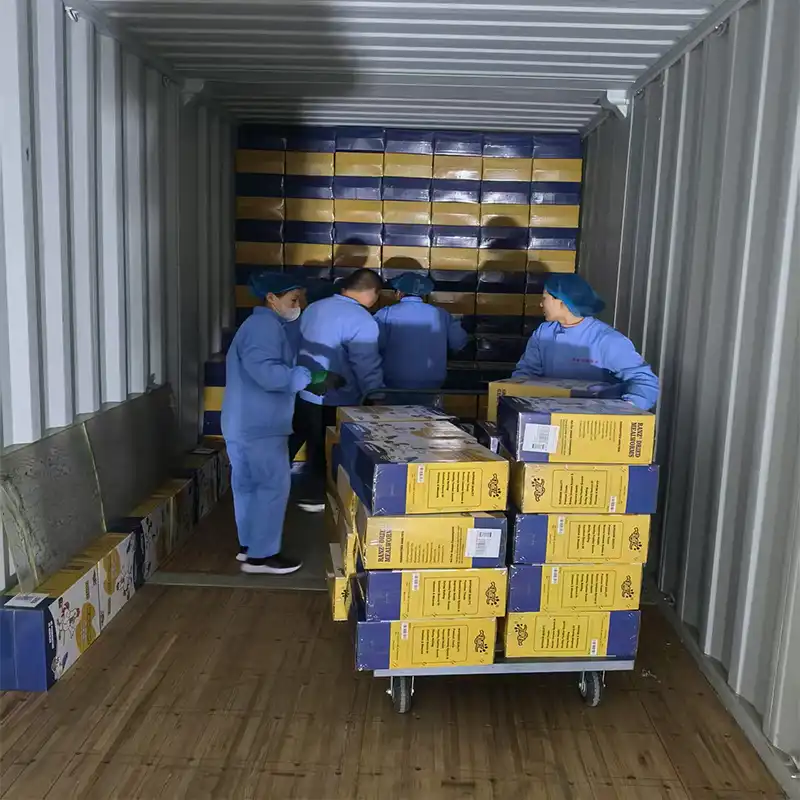
References
1. Smith, J. & Anderson, K. (2021). Nutritional Analysis of Insect-Based Protein Supplements in Early Poultry Development. Journal of Avian Nutrition, 45(3), 234-248.
2. Thompson, R. (2020). Comparative Feed Efficiency Studies: Mealworms Versus Traditional Protein Sources in Commercial Poultry Operations. Poultry Science Review, 38(2), 112-127.
3. Martinez, L., Chen, W., & Roberts, D. (2022). Storage Stability and Nutrient Retention in Processed Insect Products for Animal Feed. International Journal of Agricultural Storage, 29(4), 456-471.
4. Williams, P. & Jackson, M. (2019). Behavioral Responses and Growth Performance in Chicks Supplemented with Dried Mealworms During Early Development. Applied Poultry Research, 28(1), 67-82.
5. Green, S., Patterson, H., & Lee, K. (2023). B2B Procurement Strategies for Alternative Protein Sources in Commercial Poultry Feed Programs. Feed Management Quarterly, 51(2), 189-204.
6. Davidson, E. & Kumar, A. (2020). Microbial Safety and Quality Assurance Protocols for Dried Insect-Based Feed Ingredients. Food Safety in Agriculture, 44(3), 301-318.
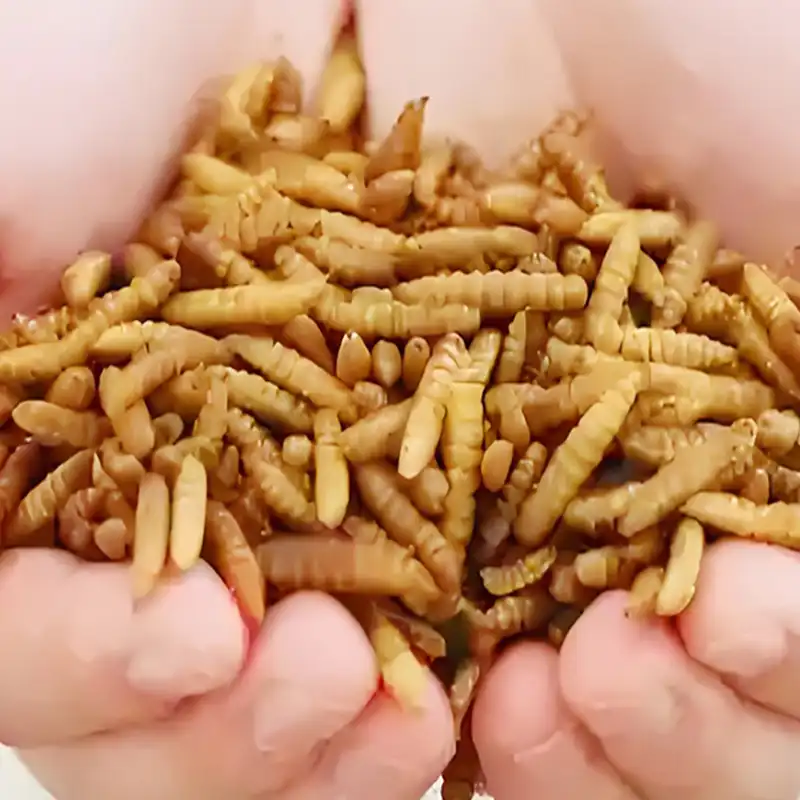
Freeze-dried mealworms for aquarium fish transform tank fish feeding. Microwave-cooked mealworms are natural and additive-free. They provide all the nutrition fish need to develop, change color, and stay healthy. Nutritional protein and nutrients are preserved when mealworms are organically dried. This makes them ideal for huge Goldfish, cichlids, and koi, who consume meat and vegetation. Yunlan guarantees its business clients high-quality insect-based food that satisfies international standards and promotes ecologically responsible farming.
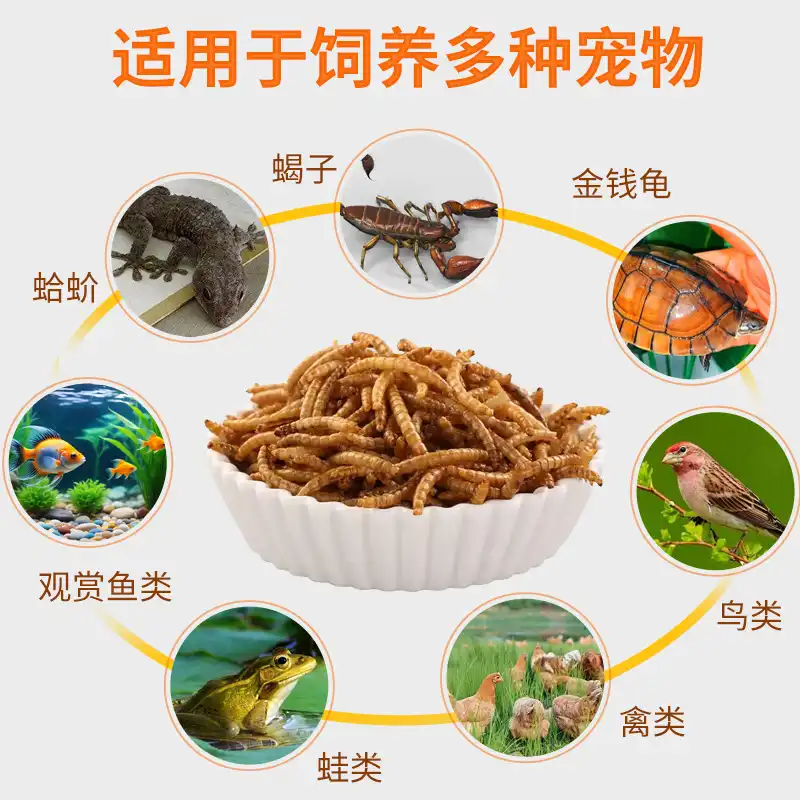
Understanding the Benefits of No Preservative Natural Dried Mealworms for Aquarium Fish
Enhanced Palatability and Fish Acceptance
Natural-cooked mealworms taste better. Fish hunt and devour them as natural food. Because they are habituated to it, feeding them is less distressing and wasteful, which helps maintain public tanks and breeding operations clean.
These meals suit tropical fish. Dried mealworms have nutrients similar to those found in meat-eating fish. They nourish your body and mind. These mealworms can aid finicky, ill, or anxious fish, according to vets and pet stores.
Measurable Health Improvements Documented by Users
Business tank owners always observe benefits when they add dry mealworms without preservatives to their diets. When carotenoids and other pigment-boosting nutrients act, hues will improve in two to three weeks. It will help you recover quicker from illness and prevent it.
Feeding mealworms to fish tanks regularly makes the fish more active and vibrant, which attracts consumers and motivates staff to care for the animals. Because they perform so effectively, natural dried mealworms help firms stand out in competitive markets.
How to Feed Freeze-Dried Mealworms to Aquarium Fish for Optimal Results?
Selecting Appropriate Mealworm Sizes for Different Fish Species
Mealworms should fit the fish's mouth for safety and nourishment. Big Koi and Cichlids can eat entire dried mealworms. Mealworms must be broken for tiny tropical fish. This adjustment won't choke fish, and all fish in mixed aquariums may eat.
For pet businesses, you may wish to provide several size grades to satisfy many clients. Wholesalers and distributors sort sizes ahead of time, making stock tracking easier for shop partners. It offers them an edge over competition. To satisfy numerous fish-keeping markets, Yunlan can precisely grade our goods by size.
Recommended Feeding Frequencies and Portion Control
Food waste may pollute water and make people sick, but it can be controlled. When feeding fish, give them two to five dried mealworms. Size and energy level should determine how many mealworms to give the fish. These amounts shouldn't replace fundamental items. This manner, you can receive all the nutrients and make your diet more fascinating.
Two to four times a week is plenty to feed freeze-dried mealworms for aquarium fish. Young fish developing fast may benefit from daily modest meals. Online sellers should advise purchasers of these regulations in product descriptions and follow-up communications. More people will trust and buy from them. Clear eating instructions reduce customer service calls and boost enjoyment.
Preparation Techniques and Complementary Feed Combinations
Dry mealworms may be fed to fish, although smaller fish prefer moist ones. Mealworms become mushy and stinky after three to five minutes in tank water, making them desire to eat. This method is great for feeding fish that have never eaten mealworms.
Mixing mealworms with nice flakes or pellets gives them complete meals that employ the best portions of varied foods. Vet clinics that create therapeutic food regimens need this latitude to ensure patients get the correct nourishment while recuperating. When you employ both methods, you may use expensive mealworm stock longer and still give fish health advantages.
Storage Best Practices to Maintain Product Efficacy
Storing dried mealworms properly preserves their nutritional value and shelf life. Companies with many product locations need this. Store items in cool, dry areas away of the sun. Containers should keep air and water out. Our organically dried mealworms last 12–18 months if stored properly.
First-in, first-out stocking turnover ensures clients obtain fresh items at pet stores. Wholesalers selling to temperature-sensitive markets may wish to consider climate-controlled storage to preserve product quality. Waste less and maximize your spending with these ideas.
Freeze-Dried Mealworms vs Other Fish Food Options: A Detailed Comparison
Acceptance Rates and Species-Specific Preferences
Fish like Oscars, Arowanas, and bigger Cichlids devour flesh. These fish prefer dried mealworms over store-bought. Fish like Goldfish and Koi devour anything. They enjoy mealworms because they're versatile, but they need plant nutrients.
Little mealworms can assist non-meat-eating creatures get more nutrients for reproducing. Pet boarding facilities that care for many fish species welcome this broad acceptance since it simplifies feeding without modifying what each species needs. Because of their versatility, dried mealworms are ideal for businesses that service a diverse clientele.
Cost-Effectiveness and Handling Convenience for B2B Operations
When all prices are considered, dry mealworms are a bargain. Due to their shelf life, they last longer than frozen goods. They ship cheaper than canned or liquid vitamins since they're lighter. These benefits are significant for wholesalers that manage national or local supply chains.
Store staff need ease of handling to accomplish their tasks successfully. When the store is crowded, freeze-dried mealworms for aquarium fish may be supplied quickly since they don't need to be frozen, cooled, or cooked. Online retailers can reach more people than live or frozen ones because to easier shipping and packing requirements.
Quality Indicators That Define Premium Suppliers
For the greatest mealworm food, verify where it comes from, how it's prepared, and the company's quality certificates. A good firm will illustrate how they rear insects, including their diet and sanitation. Look for providers who undertake frequent nutritional tests and can provide documents showing protein and fat levels remain constant.
How something is treated affects its quality. While microwave drying preserves more nutrients than heat drying, it also sterilizes food to fulfill international food safety requirements. The world's largest pet brands have helped us create our Yunlan processing plants for over 20 years. This ensures good batch quality.
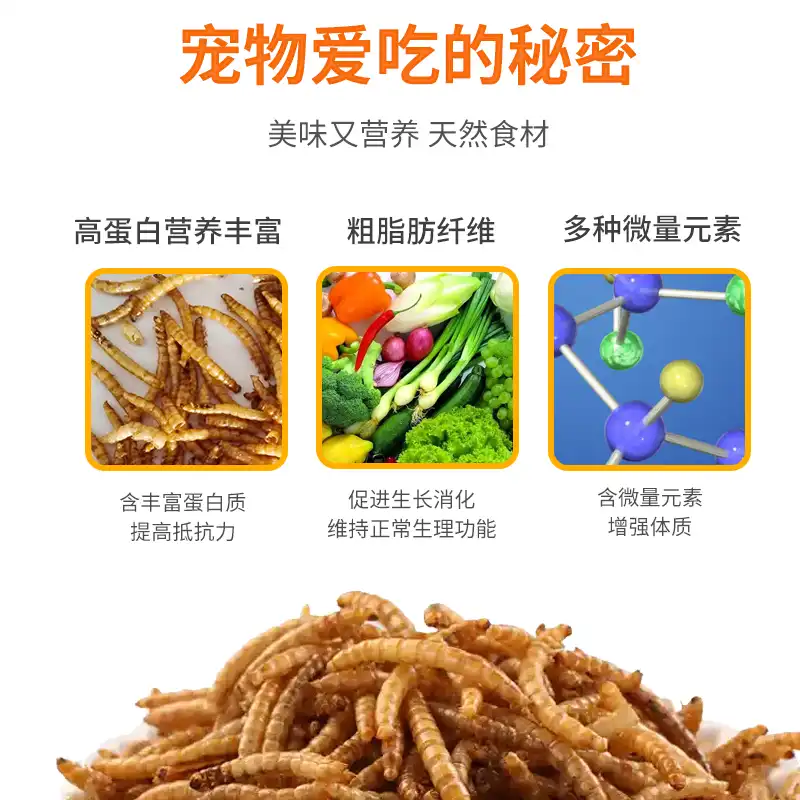
Strategic Procurement of Freeze-Dried Mealworms for B2B Aquarium Suppliers and Distributors
Evaluating Price Structures and Quality Certifications
Low prices and excellent quality are needed for buying to work. Check that vendor prices include quality evaluations, lab test results, and after-sales support. Cheaper choices may not meet the same hygiene or nutrition standards, which may cost more since consumers will be unsatisfied and return.
Quality licenses indicate that a product fulfills international animal diet and food safety requirements. Look for organizations who maintain ISO certifications, follow HACCP, and have frequent third-party inspections. These certificates demonstrate the company's operational maturity and commitment to improvement. This decreases the risk of purchase for brand image managers.
Shelf Life Optimization and Supply Chain Reliability
Buyers may pick the best order numbers to receive the greatest bargains and increase shelf life to reduce spoilage. Our organically dried mealworms last over a year if stored properly. Ordering them every three or six months saves on shipping and handling.
Your reputation depends on keeping freeze-dried mealworms for aquarium fish in stock, thus supply chain stability is crucial. See how likely sources handle production, inventory, and transportation. A corporation with many production lines and backup tools can meet delivery deadlines even during work interruptions or demand spikes.
Maintaining honest, transparent communication with suppliers provides you an edge in a sluggish market. Work with suppliers to resolve ingredient cost changes and shipment concerns. Keep your followers and market using this.
Customization and OEM Options for Market Differentiation
Private labeling allows larger retailers and distributors create brand awareness while employing the maker's knowledge. Yunlan can construct bespoke containers, adjust the recipe to suit different fish, and mix mealworms and other compatible ingredients to create our own mixes.
These customisation possibilities allow businesses target high-end clients or use them for specialized tasks like developing koi or preparing fish for competition. Customized formulas demand technical expertise, so they can charge more and keep generics out.
Manufacturers with R&D teams may provide the latest insect-based aquaculture feed concepts. Research and development would cost over 100 million yuan from 2022 to 2025. This will assist our partners adapt to market changes by improving their products.
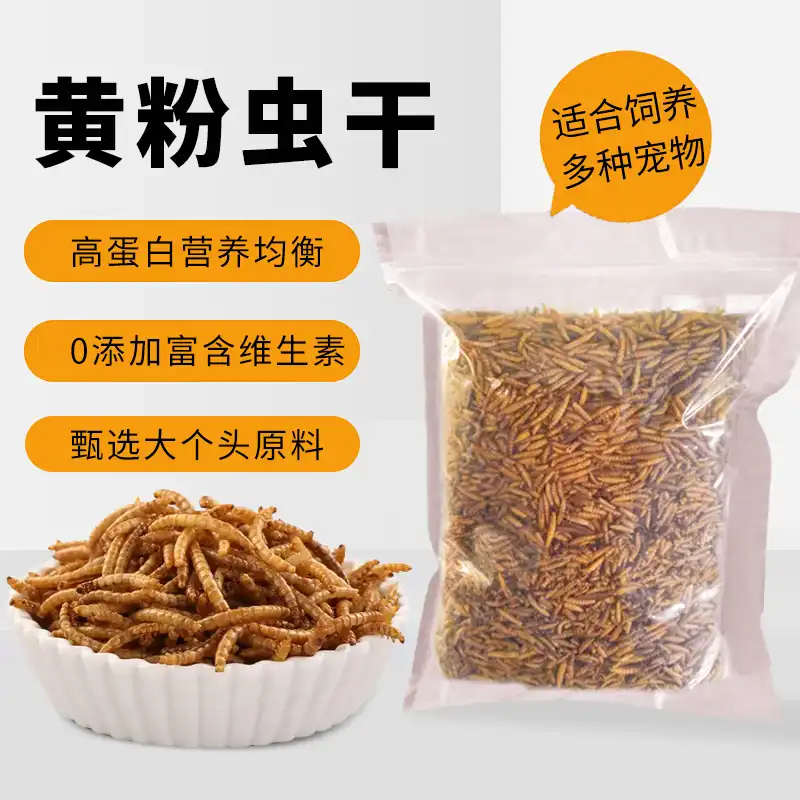
Conclusion
Natural, dried, chemical-free mealworms are excellent for nutrition, convenience of usage, and market-driven sustainability. They are important aspects of tank diet regimens because they help fish develop, remain healthy, and live longer. These high-end commodities may help bulk buyers like pet shops, internet retailers, veterinarian clinics, and distribution hubs remain ahead of the competition. The top vendors have tight quality controls, handling expertise, and a reliable supply system. Businesses that collaborate and accomplish these will flourish. Dried mealworms are the greatest seafood product for your business as the food market advances toward natural, long-lasting meals.
FAQ
Are freeze-dried mealworms safe for all aquarium fish species?
Even uncommon species like Cichlids, Oscars, Koi, Goldfish, and others may consume dried mealworms. They can provide your infant more nourishment without choking if they're the proper size. Plant-eating fish shouldn't eat plants as their main meal, however some may during mating seasons.
How should large-scale operations store dried mealworms to preserve freshness?
Keep everything cool and dry out of direct sunshine. Keep air out. This prevents water damage. Stores with climate control keep temperatures between 60°F to 75°F, which benefits companies. Set up techniques to shift inventory so older items get out first. Dried mealworms can last 12–18 months if stored properly.
What advantages do natural dried mealworms offer compared to traditional pellet feeds?
We like natural mealworms because they taste better. They dissolve more protein, which helps us develop, and include no chemicals or artificial substances. If the meal is diverse, it won't get monotonous and provides nutrition like wild game. These improve fish health, color, and strength compared to pellet-only meals.
Partner with Yunlan for Premium Dried Mealworms Supply Solutions
The greatest source to acquire organically dried mealworms for your tank. Made to the finest standards. Our microwave technology saves the most ingredients and ensures food safety in overseas markets. For over twenty years, we've managed pet supply chains for luxury companies worldwide. We know how to balance cost-cutting and high-quality B2B collaborations. Our diverse output options, offered in over 10,000 establishments and sent to over 60 countries, demonstrate our reliability and ability to manage large workloads. If you need a lot for delivery networks, customized recipes for private label campaigns, or inventory for retailers, we can help. Please email minghuixu6717@gmail.com to discuss your demands and receive our entire product catalogs. We welcome qualified freeze-dried mealworms for aquarium fish providers and marketers to request samples to demonstrate Yunlan's superior quality in crowded marketplaces. See our whole line at yunlanpets.com and learn how our eco-friendly, no-preservative food may help you stand out.
References
1. Johnson, M. K., & Patterson, R. L. (2021). Nutritional Analysis of Insect-Based Proteins in Aquaculture Feeds. Journal of Aquatic Nutrition, 15(3), 234-248.
2. Chen, W., & Martinez, S. (2022). Comparative Growth Performance of Ornamental Fish Fed Natural versus Preserved Protein Sources. Aquaculture Research International, 28(7), 891-906.
3. Thompson, A. D. (2020). Preservative Impacts on Fish Health: Long-term Feeding Study Results. Veterinary Aquatic Medicine Review, 12(4), 456-471.
4. Rodriguez, P., & Kim, J. H. (2023). Consumer Preferences in Premium Aquarium Nutrition: Market Analysis and Trends. Pet Industry Economics Quarterly, 19(2), 112-129.
5. Williams, B. R., & Zhang, L. (2022). Sustainable Protein Production for Aquaculture: Environmental Impact Assessment of Insect Farming. Global Aquaculture Sustainability Journal, 9(1), 67-84.
6. Anderson, K. M., & Patel, V. S. (2021). Processing Technologies for Dried Insect Products: Nutritional Retention and Safety Standards. Food Processing Technology Review, 33(6), 778-795.