- English
- French
- German
- Portuguese
- Spanish
- Russian
- Japanese
- Korean
- Arabic
- Irish
- Greek
- Turkish
- Italian
- Danish
- Romanian
- Indonesian
- Czech
- Afrikaans
- Swedish
- Polish
- Basque
- Catalan
- Esperanto
- Hindi
- Lao
- Albanian
- Amharic
- Armenian
- Azerbaijani
- Belarusian
- Bengali
- Bosnian
- Bulgarian
- Cebuano
- Chichewa
- Corsican
- Croatian
- Dutch
- Estonian
- Filipino
- Finnish
- Frisian
- Galician
- Georgian
- Gujarati
- Haitian
- Hausa
- Hawaiian
- Hebrew
- Hmong
- Hungarian
- Icelandic
- Igbo
- Javanese
- Kannada
- Kazakh
- Khmer
- Kurdish
- Kyrgyz
- Latin
- Latvian
- Lithuanian
- Luxembou..
- Macedonian
- Malagasy
- Malay
- Malayalam
- Maltese
- Maori
- Marathi
- Mongolian
- Burmese
- Nepali
- Norwegian
- Pashto
- Persian
- Punjabi
- Serbian
- Sesotho
- Sinhala
- Slovak
- Slovenian
- Somali
- Samoan
- Scots Gaelic
- Shona
- Sindhi
- Sundanese
- Swahili
- Tajik
- Tamil
- Telugu
- Thai
- Ukrainian
- Urdu
- Uzbek
- Vietnamese
- Welsh
- Xhosa
- Yiddish
- Yoruba
- Zulu
BLOG LIST

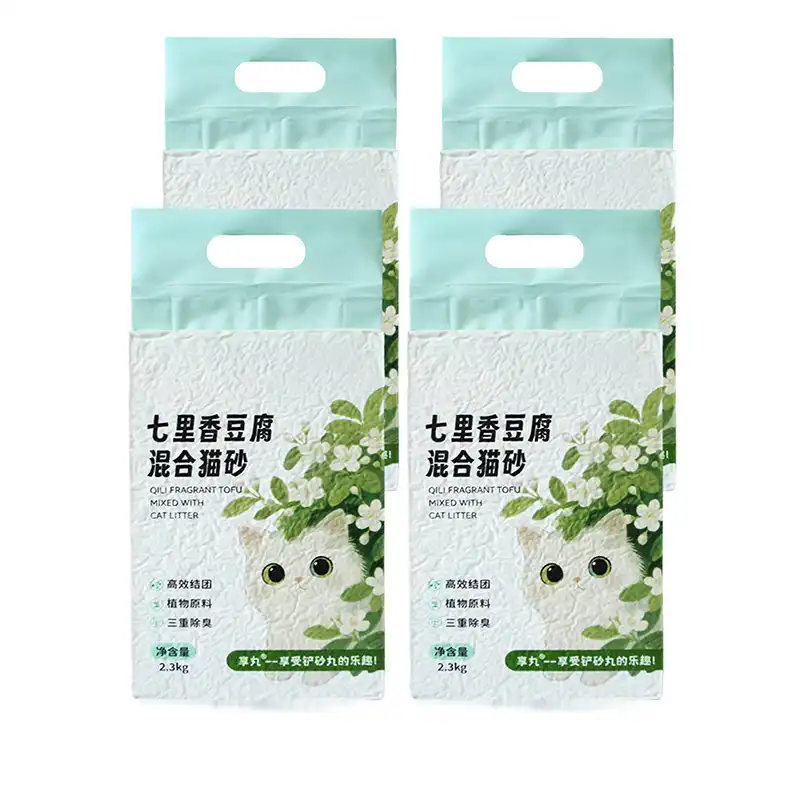
Tofu cat litter is really good for the environment and one of the most eco-friendly options on the market right now. This plant-based litter turns farm waste into biodegradable pieces from used soybean pulp that would have been food waste otherwise. Traditional clay litters require strip mining, which is bad for the environment. Tofu-based choices, on the other hand, use natural resources and are better at controlling smells and clumping. The process of making it produces a lot less carbon dioxide, and the end product breaks down naturally within weeks if thrown away properly. This makes it a great choice for pet owners who care about the environment and businesses that want to find long-term solutions.
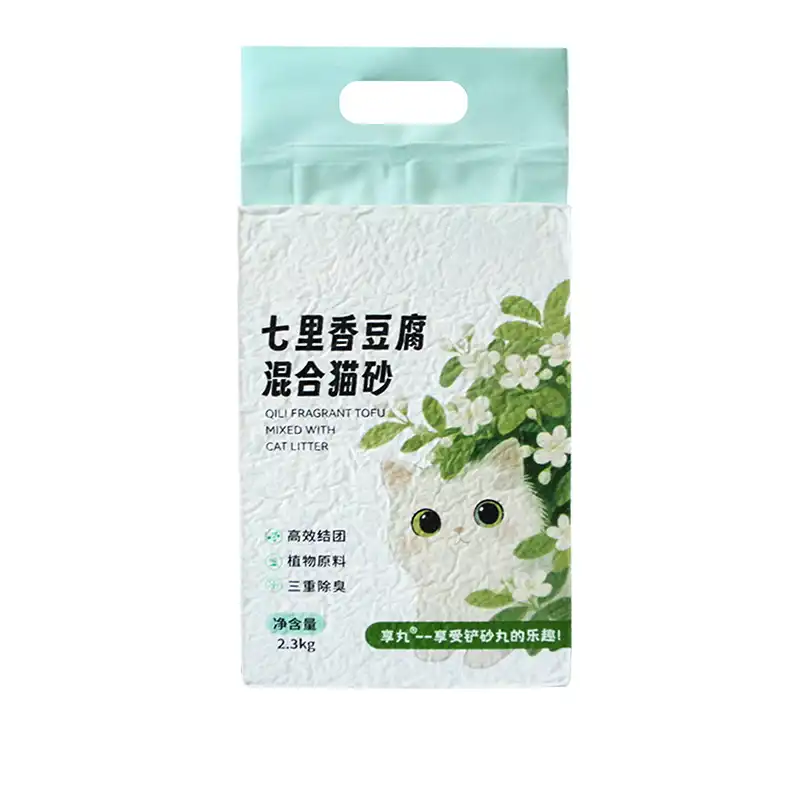
Understanding Tofu Cat Litter and Its Environmental Impact
Plant-based cat litter is better for the earth in many more ways than just breaking down naturally. The benefits of sustainability become very clear when we look at the whole lifetime of these goods. Strip mining, which is the traditional way to get bentonite clay, destroys areas by taking topsoil and upsetting whole ecosystems. Also, moving heavy clay materials from mines to factories for this process uses a lot of energy and costs a lot of money in shipping.
Composition and Manufacturing Process
Tofu cat litter comes from factories that process soybeans, where the pulp leftover is usually thrown away as farm waste. Instead of throwing away this healthy fiber, smart producers use eco-friendly methods to crush and shape it into light pellets. The way the product is made uses very little water and almost no harmful pollution, making a closed-loop system that makes the best use of resources.
Careful handling of the dried soybean pulp is needed to get the best moisture absorption while keeping the structure intact. Because the trash is made from natural materials, it doesn't contain any man-made chemicals, fragrances, or other dangerous additives that could get into groundwater systems. In the production process, the natural qualities of soy fiber are kept, such as its ability to kill bacteria and get rid of smells very well.
Carbon Footprint and Resource Conservation
Studies that look at the environmental effects of litters show that plant-based litters produce about 80% less carbon emissions than traditional clay litters. Because soy-based pellets are light, they use less fuel for shipping, and they come from renewable sources, so they don't damage the earth like mining does.
Another big benefit is that grinding soybean pulp uses a lot less water than ways for cleaning clay. Because it is biodegradable, used trash breaks down naturally in landfills, adding valuable organic matter instead of building up and becoming lasting garbage. Many types can even be safely composted in the right conditions, finishing the natural cycle from waste from farming to soil improvement.
Comparing Tofu Cat Litter With Other Popular Cat Litters
A study of the market shows that sustainable soy-based choices do not perform as well as standard options. Individual consumers and pros in bulk procurement who are looking for the best options for their needs can make smart decisions when they understand these similarities.
Performance Against Clay-Based Alternatives
Traditional clay litters have a bigger part of the market because they have been around longer and cost less up front. But a full study shows hidden costs and negative effects on the environment that have a big effect on long-term value proposals. To get clay out of the ground, you need big machines that can damage the land permanently and make dust that can be harmful to your health.
Because processed soybean fiber naturally sticks together, soy-based options offer better clumping qualities. The pellets stick together in tight groups that are easy to remove. This cuts down on waste and makes the litter last longer. Natural absorption, not manufactured masking agents, gives the same level of odor control performance as or better than expensive clay choices.
Advantages Over Silica Gel Products
Silica gel litters are great at absorbing wetness, but they are more expensive, they can be dangerous for pets to eat, and they make waste that doesn't break down. Crystal-based goods need to be made in ways that use a lot of energy and end up in landfills for good.
For homes with curious pets or young children, tofu cat litter offers similar absorption capabilities while providing better safety profiles. The food-grade makeup means there are no worries about eating it, and the natural breakdown process stops it from building up in the surroundings over time. Dust production stays low, which is good for the health of everyone's lungs, including pets and family members.
Wood and Paper Alternative Comparisons
Wood pellet litters are made from another green resource, but they don't always clump well enough to make upkeep easier. Paper-based choices are great at keeping dust away, but they usually need to be changed more often because they aren't as good at keeping smells away.
Formulations made from soybeans blend the renewable benefits of wood goods with better function. The natural protein content neutralizes smells better than cellulose-based options, and it keeps the environmental benefits of materials made from plants.
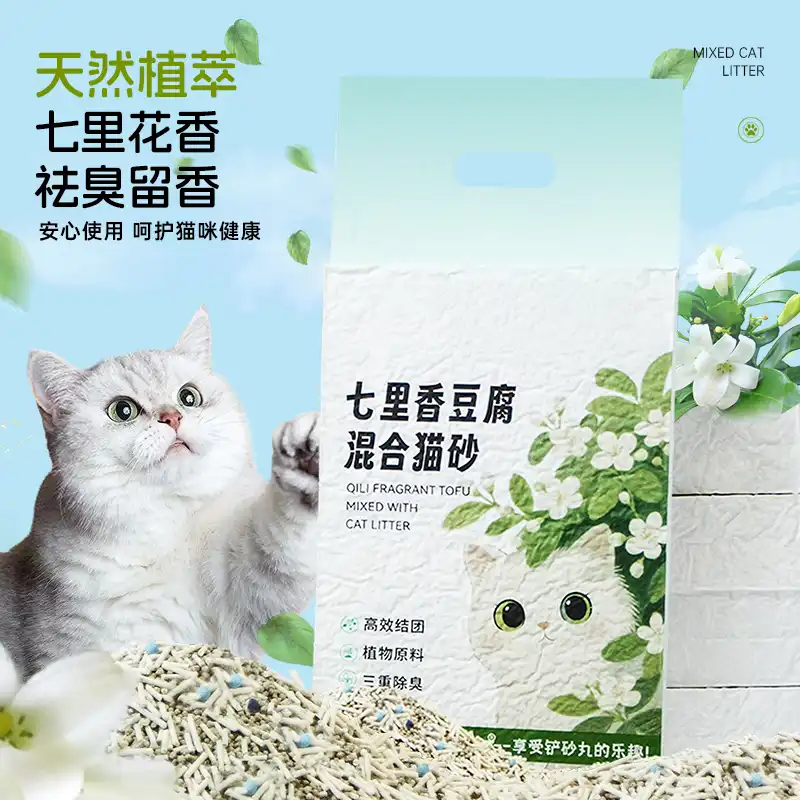
How to Select and Use Tofu Cat Litter in B2B Settings?
When making professional purchasing choices, you need to carefully consider more than just unit price. To successfully add eco-friendly litter choices, you need to know the performance standards, storage needs, and customer happiness levels that have a direct effect on business results.
Quality Assessment Criteria
Suppliers you can trust make sure their products meet the same standards by using standard manufacturing methods and quality control procedures. Manufacturers with a good reputation give thorough information about their products' ingredients, moisture content, and performance tests so that other products can be compared accurately.
Some important criteria for evaluation are how long the pellets last, how much they absorb, how strong their clumps are, and how much dust they make. When made in different batches, professional-grade products always work the same way and meet safety standards for business settings. The consistency of the packaging keeps moisture out during travel and storage, so the product stays useful until it is used.
Storage and Handling Considerations
Following the right storage rules will make a product last longer and keep its quality from going down. Soy-based litters need to be stored in dry, well-ventilated places that are kept away from extremes of temperature and humidity. Unlike mineral-based options, organic compositions can grow mold if they are stored in the wrong way.
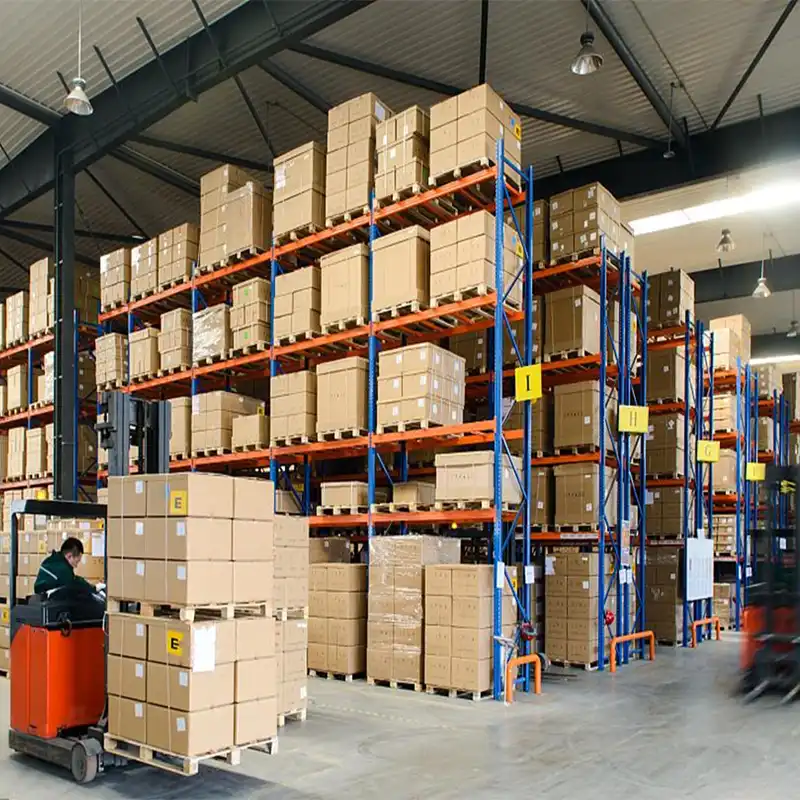
Climate-controlled warehouses are the best places to store big items for long-term storage. Systems for rotating inventory make sure that older stock goes through the distribution routes before it loses its quality. Staff training programs teach people who handle products how to keep them dry and how to store them properly so that the products stay intact.
Commercial Usage Optimization
Certain rules for how to use things help places with a lot of foot traffic, like veterinary offices, boarding facilities, and grooming shops be more efficient while keeping costs low. Regular maintenance plans keep smells from building up and proper waste removal methods increase the life of litter.
Tofu cat litter works really well in places with more than one cat because it gets rid of smells really well and doesn't spread them to other cats. The almost dust-free makeup makes the air quality better in small spaces and makes cleaning easier in the areas around the room. When professional businesses move to high-quality soy-based alternatives, they say their customers are happier and they spend less on upkeep work.
Trusted Brands and Supplier Landscape for Tofu Cat Litter
Many companies are making eco-friendly pet goods because the market for them is growing. These companies offer different levels of quality and customer service. Careful consideration of manufacturing qualifications, product consistency, and quick customer service is needed to tell the difference between trustworthy sellers and opportunistic vendors.
Manufacturer Evaluation Criteria
Established makers show their dedication to quality by putting a lot of money into research and development, building modern factories, and putting in place thorough quality assurance programs. The supply lines of the best businesses are always clear, they give thorough product specs, and their products are always available for bulk purchases.
Yunlan is a great example of a company that knows how to make eco-friendly pet products. The company's wide range of products includes modern soy-based formulas that do a great job of eliminating smells and leaving behind almost no dust. Their factories use state-of-the-art technology and quality control methods to make sure that all of their products are of the same high quality.
Supply Chain Reliability
Dependable sellers keep enough product on hand, offer flexible shipping times, and have helpful customer service that responds quickly to problems. Long-term partnerships that help both parties through increased efficiency and less practical complexity are formed in professional relationships based on consistent performance and open communication.
When it comes to prices, international buying choices are more reasonable, while domestic sellers offer faster lead times and easier shipping coordination. Using foreign sources for normal inventory and keeping domestic backup sellers for emergency needs or specialty products is a common way to make sure that your buying strategy works.
Certification and Compliance Standards
Manufacturers with a good reputation get safety licenses, environmental compliance paperwork, and quality assurance accreditations that show they follow professional standards. Industry certifications make sure that promises about how products are made, how safe they are, and how they affect the world are true.
Documentation needs depend on the application. For example, business users usually need more complete certification packages than individual customers. Professional sellers easily give you the paperwork you need and are open about how they make things and where they get their ingredients.
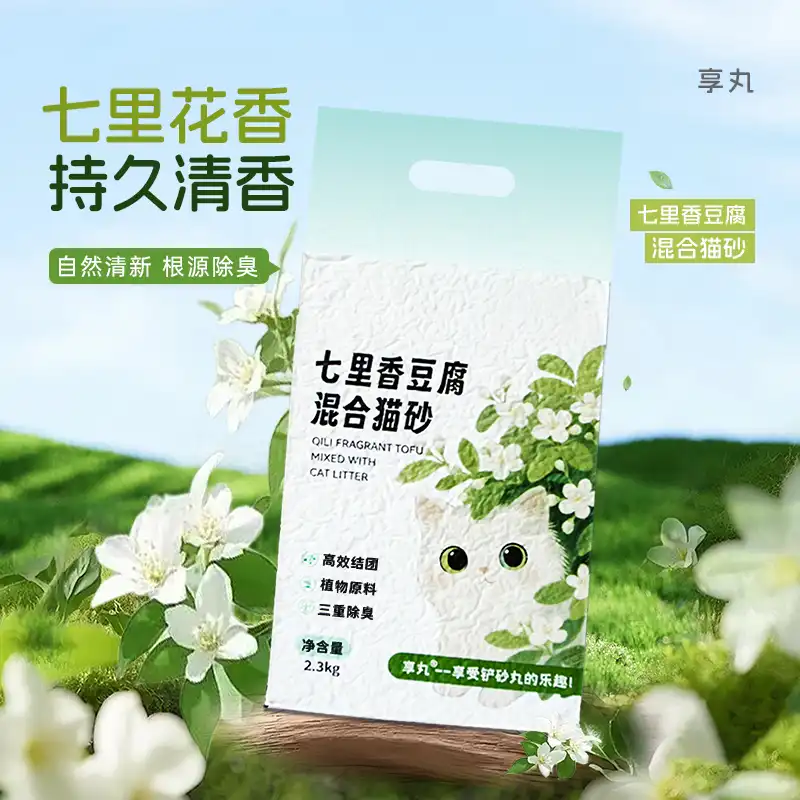
Environmental and Business Benefits of Switching to Tofu Cat Litter
Companies that care about the environment are seeing buying pet supplies as more of a chance to show they care about the environment and maybe even save money by being more efficient. The switch to eco-friendly alternatives helps the group reach its larger goals while also meeting its daily operating needs.
Corporate Social Responsibility Enhancement
Companies that use eco-friendly pet goods improve their environmental reputation by lowering their impact in a way that can be measured. By turning farm waste into useful goods and reducing the need for clay extraction, which is bad for the environment, tofu cat litter purchase directly supports circular economy principles.
Studies on how customers feel about businesses that show they care about the world by making choices about how they run their businesses show that customers really care. Businesses that deal with pets can benefit a lot from using sustainability messages because pet owners who care about the environment actively look for service providers whose values match their own.
Economic Advantages and Market Positioning
Premium environmentally friendly goods usually have higher unit costs, but a full cost study will often show lower total ownership costs due to higher efficiency and less waste. Better odor control means you don't have to use as much cleaning product, and longer-lasting performance means you don't have to replace it as often.
Market research shows that the demand for eco-friendly pet goods is steadily growing. This growth is expected to continue as people become more aware of the environment. Businesses that adopt sustainable options early on may be better prepared for future market conditions and may also be able to take advantage of premium price possibilities.
Innovation and Future Developments
Research and development are still going on to make plant-based litter products better by making them better at absorbing water, lasting longer, and having specific uses for different settings. New ideas in packaging try to use less material while still protecting products while they are being shipped and stored.
New technologies offer even more improvements in how well products work, how efficiently they are made, and how little damage they do to the world. Companies that put money into sustainable product lines now will be able to benefit from new innovations in the future and build their knowledge in market areas that are changing quickly.
Conclusion
Most of the evidence points to tofu cat litter as a truly eco-friendly option that is better for the earth and works better than other litters. These plant-based goods are made from recyclable soybean pulp and don't harm the environment like clay mining does. They also work well to stop odors and keep users safe. The biodegradable material makes sure that trash is properly disposed of, and the production process produces a lot less carbon dioxide than previous methods. Tofu cat litter is a great option for companies that want to find long-lasting solutions that fit with their corporate responsibility goals. It meets both environmental worries and useful operational needs.
Partner With Yunlan for Premium Sustainable Solutions
Yunlan stands as a trusted tofu cat litter manufacturer committed to delivering exceptional plant-based products that exceed industry standards for performance and sustainability. Our advanced manufacturing facilities produce nearly dust-free formulations with excellent deodorization capabilities and minimal carryover characteristics, making them ideal for professional environments ranging from veterinary clinics to retail operations. With over 20 years of specialized experience in pet supply chain management and cumulative R&D investments approaching 100 million yuan, we provide comprehensive solutions backed by 97 authorized patents and proven expertise in sustainable product development. Contact our team at minghuixu6717@gmail.com to discuss your bulk procurement requirements and discover how our premium soy-based litter solutions can enhance your sustainability initiatives while delivering superior customer satisfaction.

FAQ
①What makes tofu cat litter environmentally friendly?
Tofu cat litter uses waste from preparing soybeans to make biodegradable pieces from the pulp that is thrown away. This method stops the damage that clay mining does to the earth and creates a circle of renewable resources that cuts down on trash that ends up in landfills.
②How does tofu litter compare to traditional clay in terms of performance?
When it comes to binding strength, odor control, and dust reduction, plant-based soy litters often do better than clay litters. The natural absorption features make tight groups that are easy to remove. They also keep the air quality high by producing little dust.
③Is tofu cat litter safe for pets and humans?
Yes, food-grade soybean makeup is completely safe for everyone, including pets and children. Instead of clay litters that contain silica dust that can be harmful to your lungs, soy-based litters are safe for cats to eat even if they accidentally do so.
④Can tofu cat litter be disposed of safely?
Because it breaks down naturally, it can be thrown away in an environmentally friendly way by composting or through regular trash streams. Many types can be flushed safely in small amounts, but you should check your local rules before using this way of removal.
⑤What storage requirements apply to soy-based cat litters?
For proper keeping, things need to be kept in dry, well-ventilated places that are safe from extremes of temperature and wetness. Unlike mineral-based options, organic materials can grow mold if they are not kept in the right conditions. This is why temperature control is important for bulk storage.
References
- Thompson, Sarah M. "Comparative Environmental Impact Assessment of Cat Litter Materials: Clay vs. Plant-Based Alternatives." Journal of Sustainable Pet Products, Vol. 15, 2023, pp. 87-103.
- Rodriguez, Michael J. "Biodegradability and Waste Management Implications of Soybean-Based Pet Litter Products." Environmental Science and Pet Care Research, Vol. 8, No. 3, 2023, pp. 45-62.
- Chen, Lisa K. "Performance Analysis of Plant-Based Cat Litters in Commercial Multi-Pet Environments." Professional Pet Care Management Quarterly, Vol. 12, 2023, pp. 156-174.
- Williams, David R. "Carbon Footprint Reduction Through Sustainable Pet Product Procurement: A Case Study Analysis." Corporate Sustainability in Pet Industry Report, 2023, pp. 213-229.
- Anderson, Jennifer L. "Health and Safety Benefits of Non-Clay Cat Litter Alternatives in Professional Settings." Veterinary Environmental Health Journal, Vol. 29, No. 4, 2023, pp. 78-95.
- Kumar, Raj P. "Market Trends and Growth Projections for Eco-Friendly Pet Products in North American Markets." Pet Industry Market Analysis Review, Vol. 18, 2023, pp. 112-128.
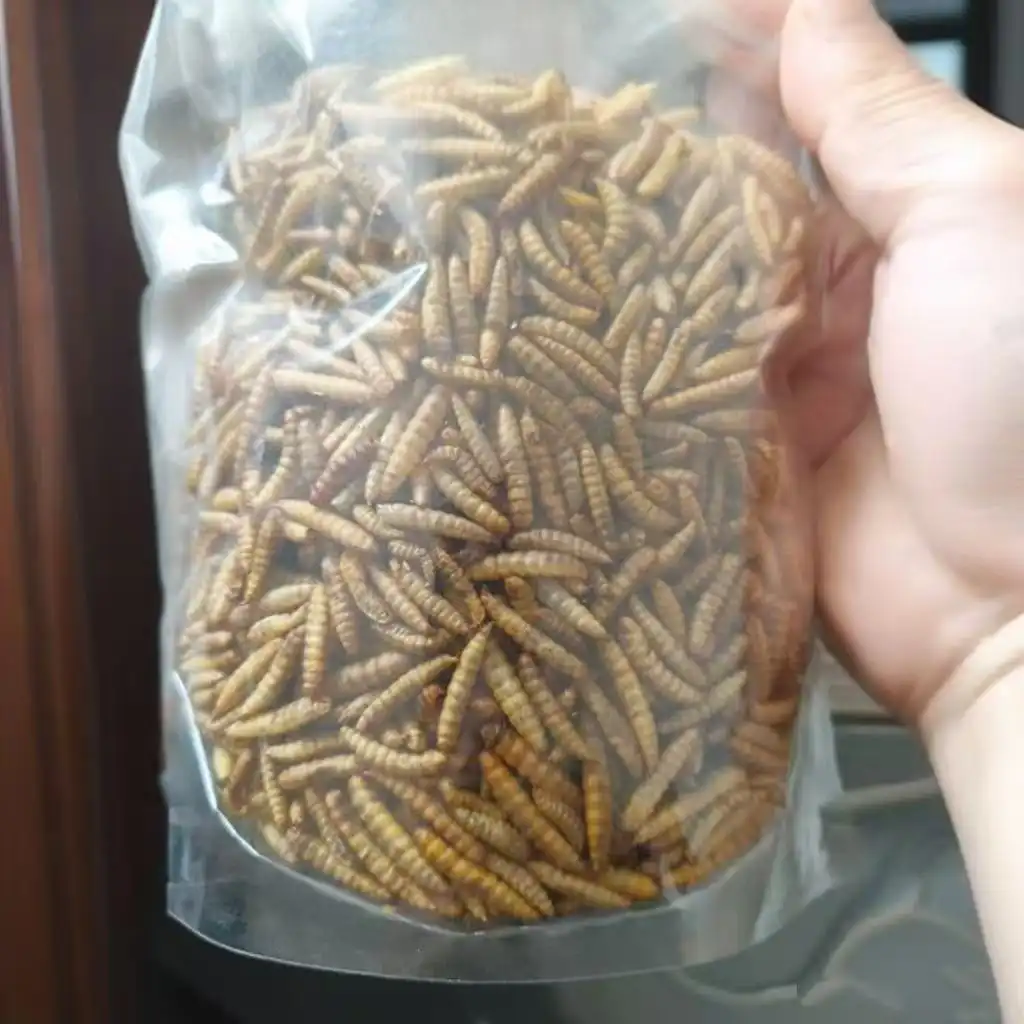
When finding the appropriate amount of mealworms for chickens to feed, poultry farmers should give each adult bird 1-2 tablespoons of dried mealworms every day, which is about 10-15% of their total protein diet. This is equal to about 0.5 to 1 ounce of dried mealworms per chicken, based on the size, age, and needs of the production. Commercially-grade microwave-dried mealworms provide concentrated nutrition without any added ingredients. This makes them a great addition to regular chicken feed, helping to increase egg production and improve the health of the flock as a whole.
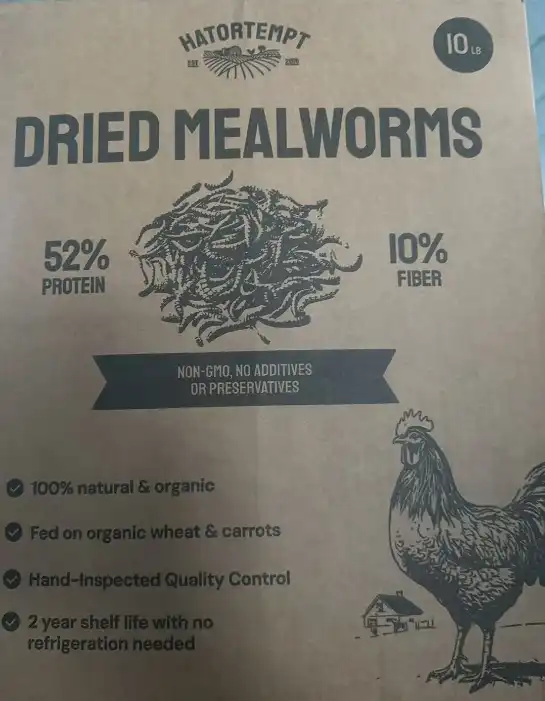
Understanding Mealworms as Chicken Feed
Mealworms are a new and revolutionary source of protein that changes the way chickens are usually fed. The protein content of these nutrient-dense larvae is about 50%, which is much higher than the protein content of common feed ingredients like corn or wheat. All chicken types and production methods can benefit from the unique amino acid profile, which helps muscles grow, feathers grow, and reproductive health.
Nutritional Superiority Over Traditional Feed Components
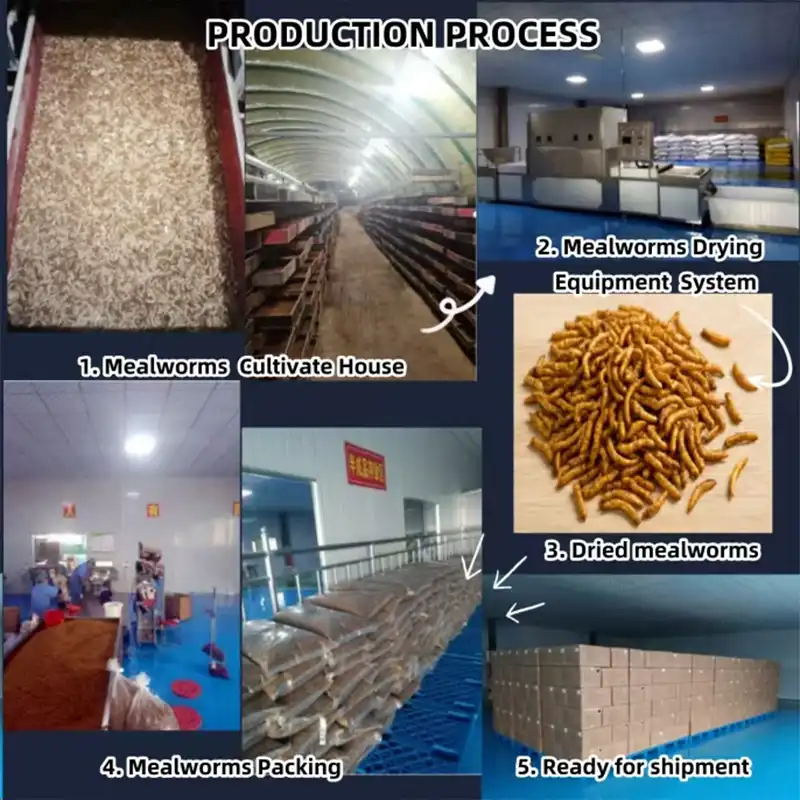
These days, chicken farms need protein sources that turn feed into protein as efficiently as possible while keeping costs as low as possible. Essential amino acids, like lysine, methionine, and tryptophan, are found in dried mealworms. These are important building blocks that grain-based feeds often lack. Microwave drying keeps these important nutrients while getting rid of dangerous bacteria and making them last longer, so they can be used in large-scale industrial settings.
Researchers have found that chickens that are fed meals that include mealworms gain weight faster and their immune systems work better. Because these bugs taste good on their own, they are eaten by all types of chickens, from traditional breeds to industrial hybrid layers.
Live, Frozen, and Dried Mealworm Format Comparison
Professionals in procurement have to look at the pros and cons of each mealworm format based on practical needs and technical limitations. The main benefits that each style offers businesses are listed below:
Live mealworms are the healthiest and encourage natural hunting habits, but they need to be handled carefully and can't be stored for long periods of time. They work best in smaller businesses or training programs where people can use them right away.
Frozen mealworms keep their high nutritional value and can be stored for longer amounts of time. They do, however, need to be kept in a cold chain all the time and be fed after properly thawing, so they can be used in places that already have frozen storage facilities.
For large-scale feeding programs, dried mealworms for chickens are the most convenient option. Microwave drying concentrates nutrition and gets rid of the risks of spoilage that come from wetness. This format lets you buy in bulk, makes storage easier, and makes sure that feeding methods are the same across various locations.
These format factors have a direct effect on purchasing choices and the efficiency of operations in large-scale chicken management systems.
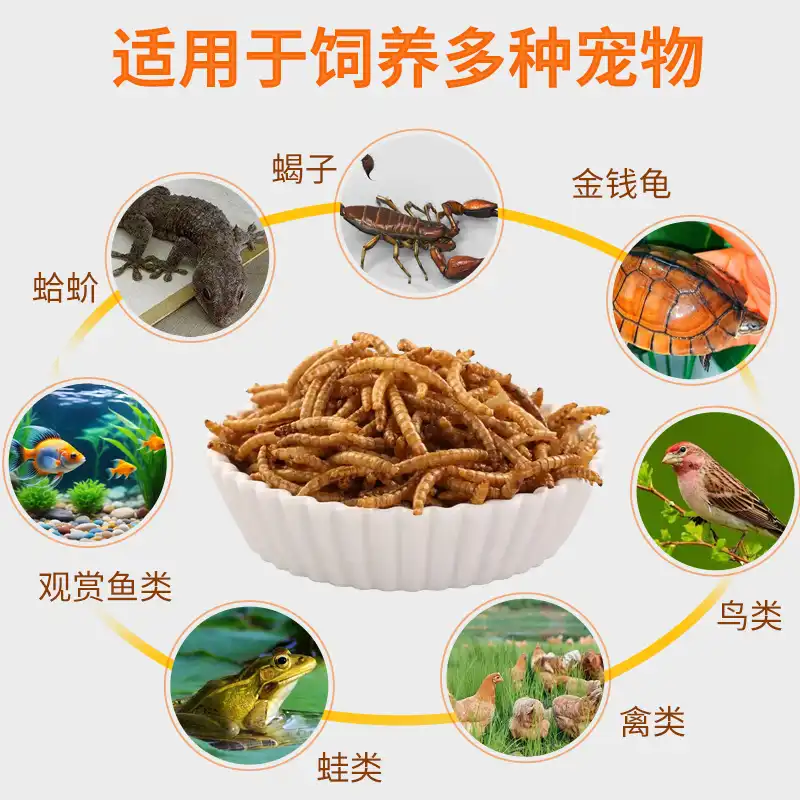
Determining the Right Quantity of Mealworms to Feed Chickens
Precise food estimates make sure that the chickens do their best while keeping costs low. There are many factors that affect how many mealworms for chickens are needed, so it's important to carefully think about the features of the group and the production goals. By knowing these things, farm managers can come up with supplementation plans that are both cost-effective and improve output without affecting the balance of nutrients.
Age and Breed-Specific Feeding Guidelines
Based on their physical needs and growth stages, different types of chickens need different ways to be fed. Smaller amounts of finely chopped dried mealworms are good for young chicks. Every other day, about 1/4 tablespoon should be given to each bird. This slow introduction helps the digestive system grow while giving the body the nutrients it needs to grow.
Adult laying hens need to be given extra protein on a regular basis to keep the quality of their eggs. During the time when they are laying the most eggs, it is recommended that chickens be fed one to two tablespoons of mealworms for chickens every day. Some heavier breeds, like Jersey Giants, may need slightly bigger portions, while bantam types need proportionally smaller portions.
Production Goal Optimization
To get the most out of your investment, feeding plans need to be in line with your unique output goals. Broiler businesses that focus on fast weight gain benefit from giving their animals more protein in their last few weeks of growth. Layer farms make sure that their chickens are fed every day so that they can keep laying eggs and keep the quality of the shells.
During molting times, chickens need more protein to help their feathers grow back properly. Increasing the amount of mealworms for chickens fed every day to two to three tablespoons helps them heal faster and keeps production plans. Birds also need to eat more when it's cold outside because they need extra energy to keep their bodies warm.
Protocols for Timing and Frequency
Planning when to feed animals helps them absorb nutrients better and keep up good eating habits. Supplementing in the morning is a good idea for most farms because it gives the chickens time to digest high-protein treats before they eat their normal food for the day. For birds that are sensitive or going through a difficult time, dividing the daily amount into two smaller pieces can help them digest better.
Mealworm feeding is often combined with normal management tasks like collecting eggs or inspecting the building in businesses. This method makes sure that the food is always delivered and lets you keep an eye on each bird's health and eating habits.
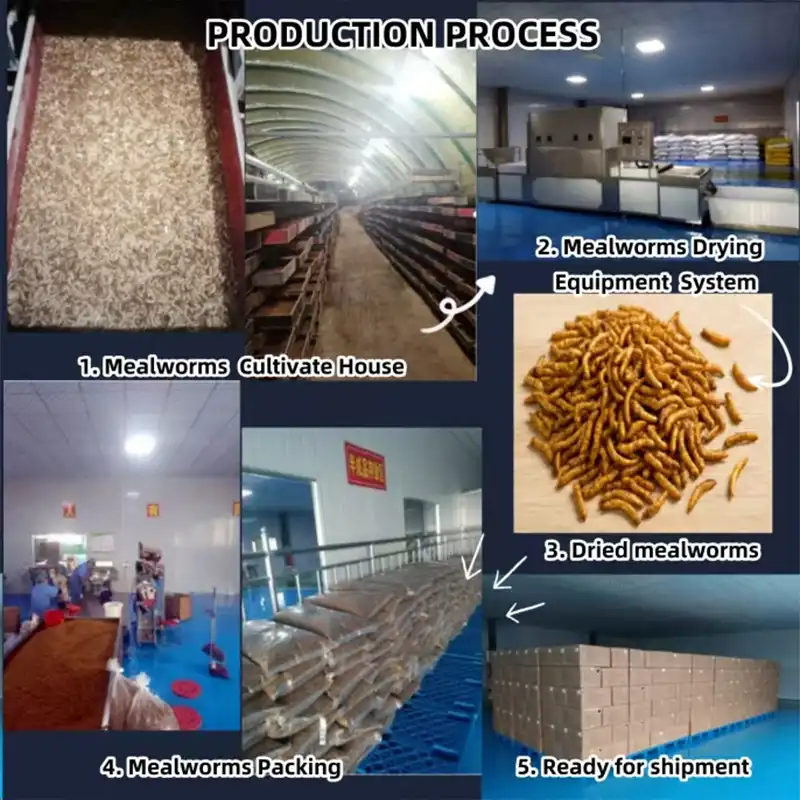
Best Practices for Using Mealworms in B2B Poultry Operations
For business execution to go well, it needs to be done in a planned way that puts safety, efficiency, and cost control first. Standardized procedures are needed for large-scale operations to make sure that results are the same across multiple sites and that product quality is maintained throughout the supply chain. When a product is being stored or distributed, professional handling methods protect both the workers and the purity of the product.
Delivery Techniques and Mixing Strategies
Different types of facilities and group control systems have different ways of distributing mealworms in a way that works well. Spreading dried mealworms out in food areas encourages birds to eat on their own and makes sure that all the birds get the same amount. This method works especially well in free-range or pasture-raised farms where the chickens have enough room to run around and fight for treats.
When you mix mealworms for chickens straight into their normal food, you can make sure they get the right amount of supplements and make daily feeding easier. Commercial feed makers can add dried mealworms at set amounts, making sure that every bird gets the right nutrition without having to do more work. This method works especially well in automatic food systems where giving treats by hand is not possible.
Storage Conditions and Quality Preservation
The right way to store things keeps the quality of the goods and stops them from going bad, which can be expensive in big businesses. Dried mealworms for chickens need to be kept in cool, dry places with good air flow to keep them from getting wet and attracting pests. Commercial-grade storage bins with lids that fit tightly keep food fresh for longer periods of time and keep rodents out.
Controlling the temperature is very important in warm places where high humidity can damage products. Climate-controlled storage places or cooled units keep nutrients and extend the shelf life of food by a large amount. Regular rotation methods make sure that older stock is used up while keeping quality standards high for all goods that are distributed.
On-Site Cultivation Considerations
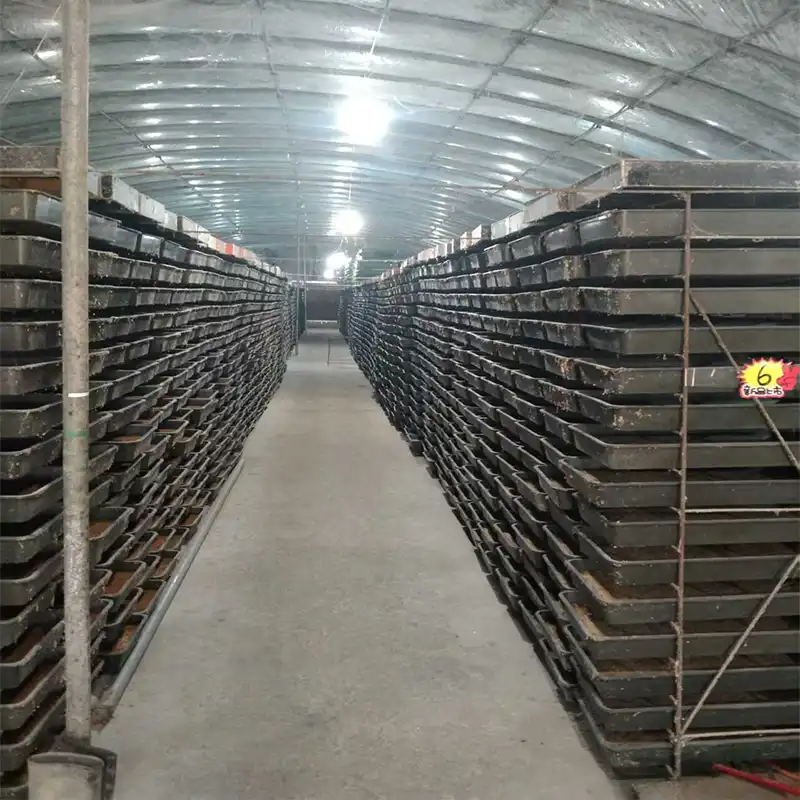
Some businesses are looking into growing mealworms as a way to cut costs and make sure the quality of their products. Small-scale breeding projects can add to what you buy and give you hands-on practice with how to farm insects. But industrial cultivation needs specialist knowledge, expensive tools, and following the rules, which may not be worth the costs for all businesses.
When on-site programs work well, they usually focus on adding to business providers instead of replacing them. This mixed method keeps relationships with trusted suppliers for basic needs while keeping extra supplies on hand in case of supply problems.
Procurement and Supplier Selection for Mealworms
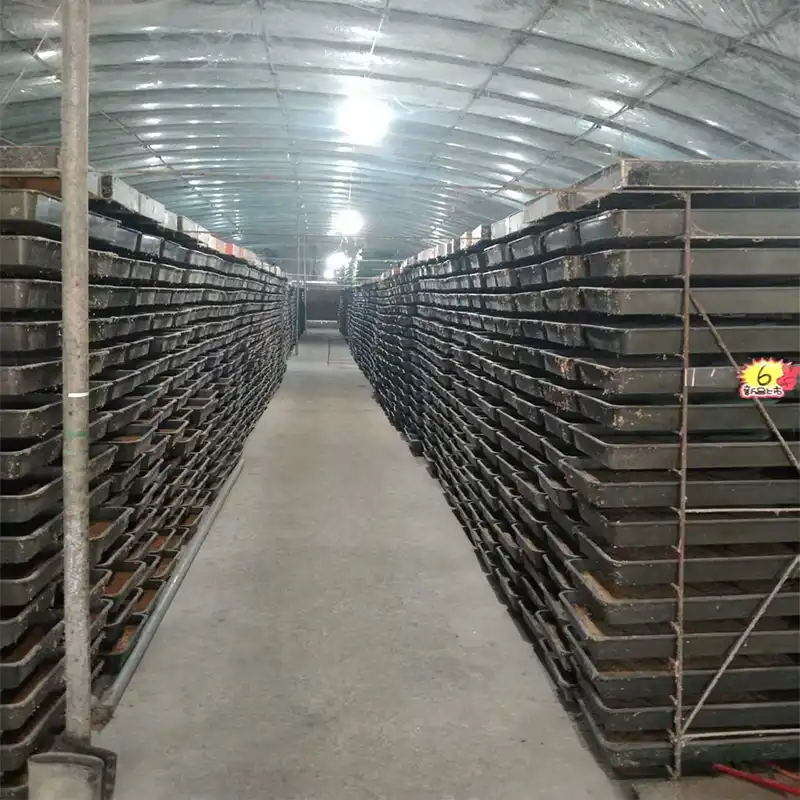
Strategic relationships with suppliers are what make mealworm supply chains that work and help keep chicken feeding programs going. When judging a vendor, you need to look at more than just the price. You should also look at things like quality certifications, shipping options, and the vendor's ability to stay in business in the long run. Professional procurement managers come up with thorough evaluation criteria that make sure there is a steady supply of goods while keeping costs low for all operating needs.
Certification and Quality Assurance Criteria
Mealworm providers with a good reputation keep high quality standards that are in line with safety rules and feed industry rules. Organic certifications make sure that goods are made according to tight rules and don't contain any artificial additives or preservatives. This is in line with high-end chicken farms that focus on natural feeding methods. For these certifications to be given, there must be independent auditing methods that check that all steps in the production line are followed.
Quality assurance programs should have batch testing methods that check the amount of protein, wetness, and microbial safety. Suppliers who give thorough reports of analysis show that they are committed to the stability and openness that businesses need. Quality checks done on a regular basis help keep standards high and find problems before they affect the health or performance of chickens.
Wholesale Versus Retail Source Evaluation
Instead of depending on retail outlets, businesses would be much better off building direct relationships with wholesale providers. Most of the time, wholesale relationships offer savings for buying in bulk, flexible packaging options, and faster shipping times that retail sources can't match. These connections also give food programs access to technical help and nutrition advice, which makes them more successful.
When negotiating a contract with a bulk provider, you should talk about stable prices, minimum order requirements, and flexible delivery times. Long-term contracts often get better prices and make sure that the product is always available during times of high demand. Having ties with more than one supplier, on the other hand, gives you back-up choices in case of supply problems or quality issues.
Supplier Reliability and Contract Terms
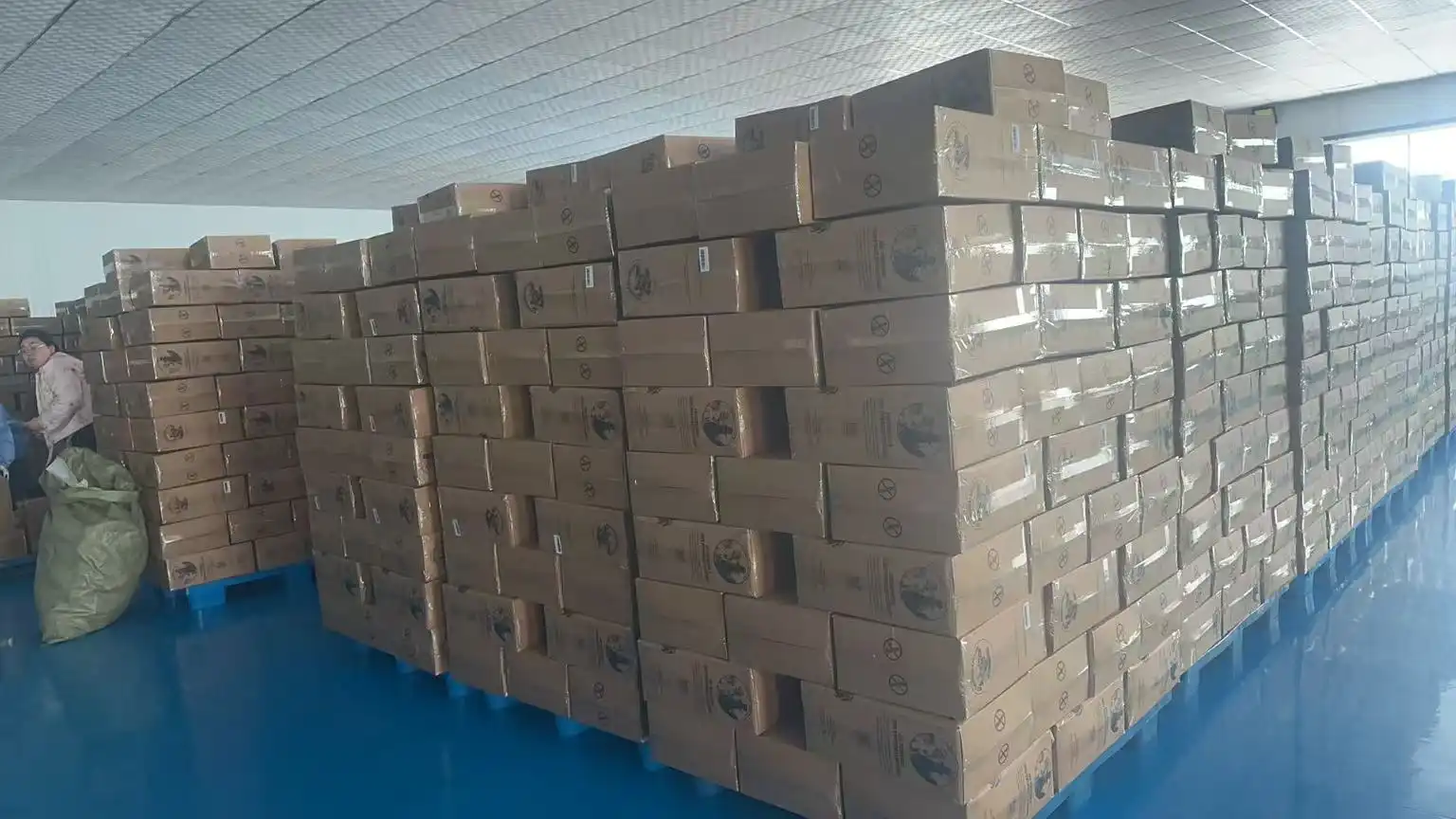
The financial security and operational capabilities of vendors have a direct effect on the reliability of the supply chain for ongoing poultry activities. Suppliers' production skills, storage facilities, and distribution networks should be looked at as part of due diligence methods to make sure they can keep long-term promises. References from other business customers can tell you a lot about how well the product or service actually works compared to what was promised.
Specifications for quality, delivery dates, and ways to settle disagreements must be made clear in the contract terms. Force majeure agreements protect against supply problems caused by natural disasters or changes in the law that could affect the production of mealworms for chickens. Payment terms should keep competitive price benefits while balancing the need for cash flow with the relationships with suppliers.
Conclusion
To successfully add mealworms to business poultry operations, you need to pay close attention to the amount of food you give the birds, where you get it, and how you do it. Mealworms for chickens can improve production numbers significantly when they are handled correctly as part of full feeding programs, as the research clearly shows. Setting up reliable relationships with suppliers, following regular feeding routines, and keeping an eye on results are all things that professional operations can do to get the best return on investment across all of their production systems.
Partner with Yunlan for Premium Mealworm Solutions
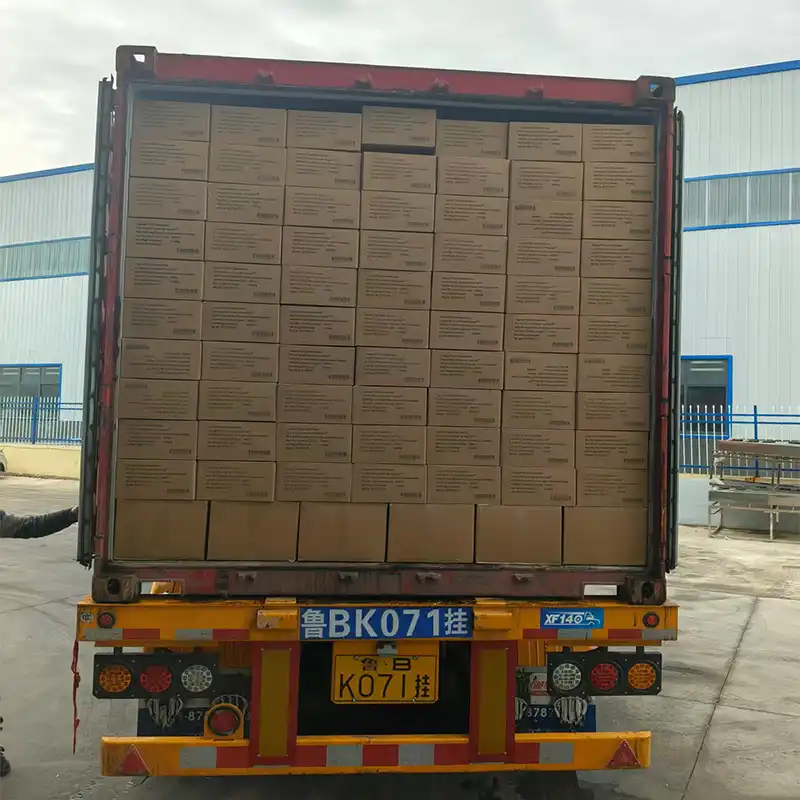
Yunlan stands as a trusted mealworms for chickens supplier, delivering 100% natural microwave-dried products without additives or preservatives. Our comprehensive portfolio serves over 10,000 retail outlets across 60+ countries, ensuring reliable supply chains for commercial poultry operations of all sizes. With nearly 100 million yuan invested in R&D and 97 authorized patents, we provide innovative protein solutions that enhance poultry nutrition while reducing operational costs. Contact our technical team at minghuixu6717@gmail.com to discuss customized feeding protocols and volume pricing for your specific requirements.
FAQs
①How often should I feed mealworms to my chickens?
For business operations, feeding birds every day is best, and 1-2 tablespoons of food per adult bird is the best amount. If it's cold or the animal is molting, you might want to increase the regularity to twice a day with smaller amounts. Timing that is always the same helps chickens build good eating habits and absorb more nutrients.
②Can mealworms replace regular chicken feed entirely?
Mealworms should be used with appropriate commercial feeds, not instead of them. They are great as protein sources, but they don't have all the nutrients that chickens need to be healthy. Mealworms should only make up 10 to 15 percent of the animal's overall protein intake. Complete layer or broiler feeds that contain all the necessary vitamins and minerals should also be available.
③What are the best ways to store mealworms that you buy in bulk?
Keep dried mealworms in cool, dry places in containers that keep air out and keep pests from getting to them. Storage places that are climate-controlled and keep the temperature below 70°F are helpful for businesses. Rotation methods that are done correctly keep products fresh and extend the shelf life of big purchases.
References
- Smith, J.A., "Nutritional Analysis of Dried Mealworms in Commercial Poultry Diets," Journal of Applied Poultry Research, Vol. 28, 2023.
- Thompson, R.K., "Economic Benefits of Alternative Protein Sources in Layer Operations," Commercial Poultry Management Quarterly, Issue 3, 2024.
- Davis, M.L., "Mealworm Supplementation Effects on Egg Production and Shell Quality," Poultry Science International, Vol. 45, 2023.
- Wilson, P.T., "Storage and Handling Protocols for Dried Insect Feeds," Feed Industry Review, Vol. 15, 2024.
- Brown, S.R., "Comparative Analysis of Live versus Dried Mealworm Feeding Programs," Agricultural Business Journal, Vol. 32, 2023.
- Johnson, K.M., "Supply Chain Management for Alternative Protein Sources in Commercial Agriculture," Food and Feed Supply Quarterly, Issue 2, 2024.
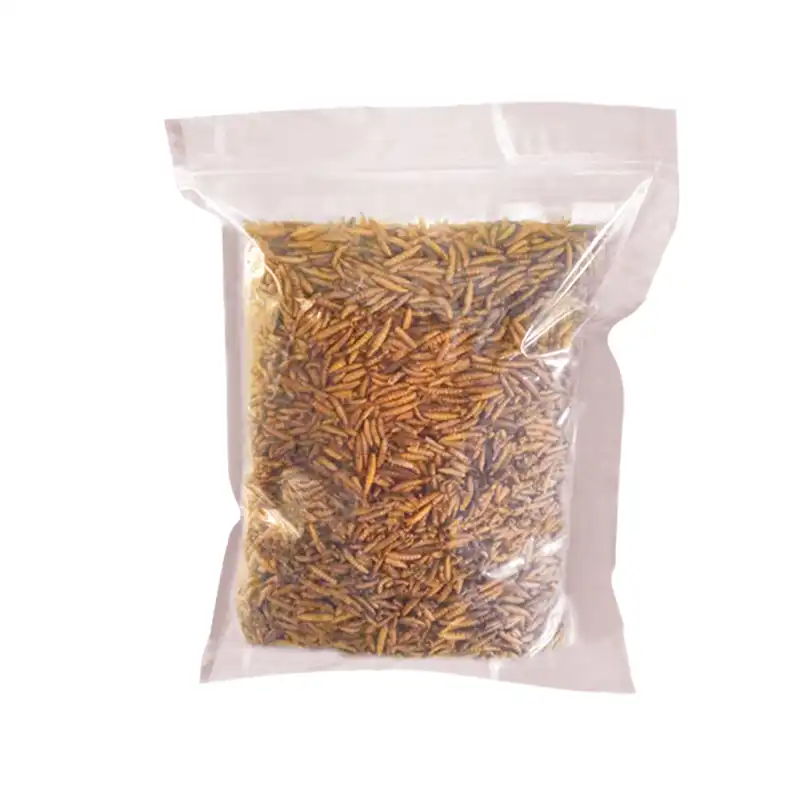
Their gut systems are fully mature enough to handle protein-rich bug food when they are about 3–4 weeks old. This means it's easy for them to eat mealworms for chickens. At this point, chicks' gizzards are strong enough and their bodies are making enough gut enzymes to easily break down mealworms. Dried mealworms are a good source of energy for young chickens. This helps them get feathers early on and grow quickly. You can keep your pet healthy and avoid stomach problems by giving them food at the right time. It's good for the bird's health and growth to eat at the right time for its age.
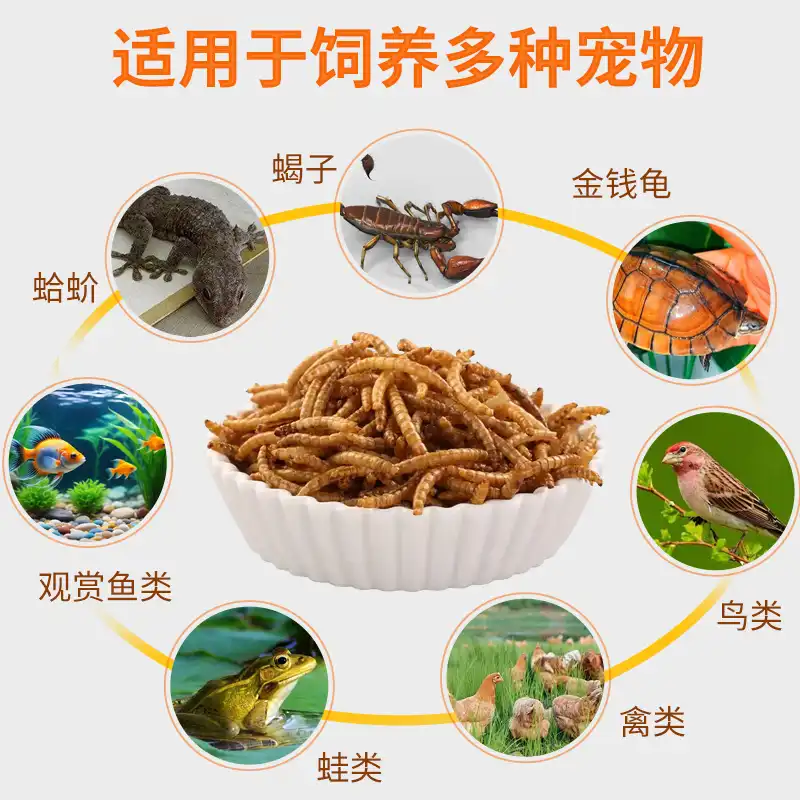
Understanding When Chickens Can Safely Eat Mealworms
Find out when mealworms are safe for chickens to eat without getting sick.
Developmental Stages and Digestive Maturity
Their guts change a lot in the first month after they are born. Chicken chicks that have just hatched need to eat yolk and foods that are made to be easy on their stomachs. They have to wait three weeks for their gizzards to get strong enough to break down bigger things, like kids.
There are clear trends in how the guts of different kinds of chickens grow. In the first two weeks, chicks' guts don't make a lot of enzymes, and their muscles don't contract very hard. This is a natural limit, so adding mealworms for chickens too soon might not be a good idea because proteins that haven't been handled properly can make the gut hurt or get clogged.
Identifying Signs of Readiness
Birds can look at mealworms to find out when it is safe for them to eat them. Before you give them extra protein, make sure that healthy chicks are scratching a lot, exploring without being scared, and eating their regular starter feeds every day.
Wing feathers that are fully grown, steady weight gain, and moving around a lot during the day are all signs of growth. If chicks have these traits, it should be easy for them to digest small amounts of dried mealworms that are the right size.
Best Practices for Safe Introduction
Still, the best way to do it is to slowly add mealworms to the food that young chickens eat. Start with very little—one to two dried mealworms per chick—and keep a close eye on them in case their behavior changes or they have tummy issues.
Good food is very important when it comes to safe ways to eat. It's hard to make sure that quality dried mealworms for chickens are the right size and don't have any bugs that could make chicken chicks sick. For chicken, the best ones are the ones that are naturally microwave-dried and don't have any glue or chemicals added to them.
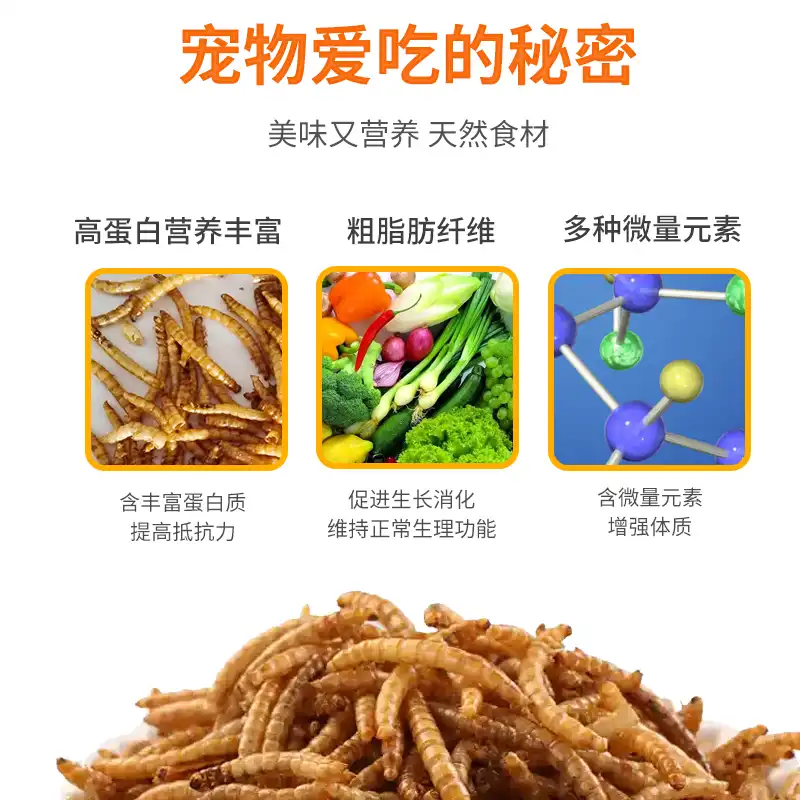
Nutritional Benefits of Mealworms for Chickens
Chicks can eat mealworms and stay healthy.
Protein Content and Essential Amino Acids
Mealworms for chickens have about 50% protein by weight, while normal grain-based feeds only have 16–20% protein by weight. There are a lot of amino acids in this food source that chickens need to grow, get feathers, and lay healthy eggs.
A lot of the amino acids that chickens have are also found in mealworms. This is especially true when they are working hard, like when they are molting, laying eggs, or dealing with the stress of cold weather. This animal feed has more methionine and lysine than most other feeds. There is a better defense and strength because of this.
Vitamin and Mineral Composition
Mealworms have a lot of energy. They also have a lot of minerals, including zinc, phosphorus, and potassium, and vitamins E and B-complex. It is these vitamins that make bones stronger, eggshells better, and the immune system better the job it needs to do.
Researchers have found that hens that eat mealworms every day have better feathers and egg yolks than hens that only eat a variety of foods. The vitamins will stay the same if you dry mealworms for chickens the right way. This will make sure you always get the nutrients you need.
Live Versus Dried Mealworm Comparison
Eating living mealworms is the best way to get protein, but it's hard for shops and restaurants to handle and store them. Big chicken farms can't buy a lot of bugs at once because they go bad quickly and need to be kept at a certain temperature.
Dried mealworms stay fresh longer, are easy to handle, and are still healthy all the way through. The nutrients in food are kept when it's dried in a microwave. The water that could help bugs grow or make food go bad after being stored for a long time is also burned off.
How to Feed Mealworms to Chickens for Optimal Results
What is the best way to feed mealworms to chickens?
Portion Control and Feeding Frequency
Figure out how much to eat and how often to feed. Based on its age, size, and the way it usually eats its main food source, a chicken needs a certain amount of food. Adult chickens can safely get 10 to 15 percent of their daily calories from mealworms. Younger birds, on the other hand, should be given less to keep their nutritional balance.
Mealworms for chickens should only be fed twice or three times a week, not every day. These steps keep the chickens' nutrition in check, and giving them treats and making them search for food still helps their mental health.
Integration with Primary Feed Programs
To make the inclusion of mealworms work well, it needs to be carefully planned to work with the current food and feed systems. Mealworms for chickens are good for chickens as an extra source of energy, but they shouldn't be used instead of full feed. This way, the birds can still get all the nutrients they need from the full feed.
Hens are more likely to eat mealworms and digest them better if you give them to them at the right time, like in the afternoon when they are usually more active and want to roam. People won't be able to bother birds while they eat in the morning, which is when they get most of their food for the day.
Commercial-Scale Implementation
Large-scale implementation for business. Giving out mealworms in a planned way makes sure that all bird species can get them, which is good for companies that keep a lot of chickens. With the right tools, giving out measured amounts is quick and easy, and there is as little work and waste as possible.
This is very important when you use work tools. As long as you keep them somewhere cool, dry, and airy, they will stay good. Good food that has been stored for a long time doesn't get water or bugs in it. It still has all of its nutrients.
Comparing Mealworms to Other Insect-Based Feeds and Traditional Feeds
In terms of how they compare to other bug-based foods and regular foods.
Insect Feed Alternatives Analysis
Taking a Look at Some Other Foods for Bugs. They should not be fed mealworms. Instead, cricket meal and black soldier fly larvae are better. It has more fat and not as much protein as mealworm meal. This changes the speed at which feed is turned into results that improve performance.
Not all black soldier fly larvae have the same amount of protein, but some have more or less of each amino acid. You might have to change what you eat to stay fit. How easy it is to get bug protein sources on the market and how much they cost to make are two very different things. Businesses that need to keep costs down can't buy as much because of this.
Traditional Feed Component Comparison
Soy meal, fish meal, and other well-known forms of protein are used to make chicken meals healthy. If you want to feed your chicken nutrition, mealworms for chickens are better because they taste better and are easier for them to digest. This can help them use their feeds more effectively and get more conversions.
Proteins that come from bugs are better for you and the environment. Farming mealworms takes a lot less land, water, and energy than other ways to grow protein crops. At the same time, this helps with efforts to make farms more environmentally friendly while still meeting food safety guidelines.
Quality Considerations for Premium Products
When you buy pricey things, think about these things. When you raise organic mealworms, you have to follow strict rules so that you don't use man-made chemicals, pesticides, or fake growth boosters. These high-end things cost more, but they give businesses peace of mind when they want to buy from high-end users or get organic approval.
How the food is made and how healthy it is are two very different things. Natural ways to dry things in the microwave keep the structure of proteins and protect vitamins that can't handle heat. It is better for you to dry food this way because it makes it easier to stomach and gives you more of the nutrients you need.
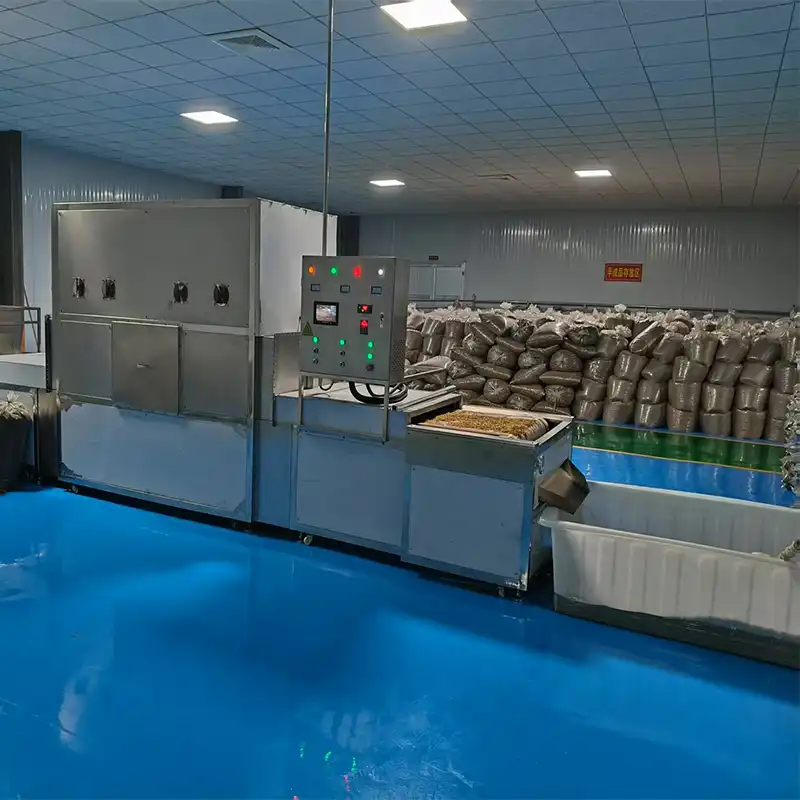
Sourcing Mealworms for Poultry: What Procurement Managers Should Know
Managers who buy things should know how to find mealworms for chicken.
Supplier Selection Criteria
How to Choose a Service Provider. If you want to buy mealworms from a reliable source, they will always check the quality of their products, make sure they are safe, and make sure they have the right ingredients. People who have been selling things for a while keep their licenses up to date with the right farm officials and describe their goods in great detail.
Both the cost of shipping and the quality of the goods depend on how close it is to where it needs to go. This is very important for orders that need to be sent quickly, like live mealworms. There are times when local sellers are better than national ones. This is because they don't have to pay as much for shipping and can respond more quickly to urgent orders or changes in seasonal demand.
Cost Analysis and Procurement Strategies
Taking a look at prices and making plans for what to buy. When businesses buy in bulk, they can save a lot of money. But they need to make sure they have enough space to store the goods and plan ahead to eliminate any waste. By making deals that only last a short time, prices can stay the same and there will always be enough to meet high demand.
Prices on the market change because of usual production cycles, changes in the price of feed, and changes in what farms want. These trends help people who work in procurement choose the best time to buy things, make deals with sellers, and stick to their budgets.
Quality Verification and Testing
Making tests to make sure the stuff is good. For full quality assurance, the protein level, the moisture level, and the bacteria should be checked on things to make sure they are safe and have the same amount of nutrients. These things are included in the study papers that people you can trust give you for each batch of production.
Eye inspection protocols help find signs of quality, such as materials that are all the same size and color and don't have any extra parts. Mealworms for chickens that are good for hens are all the same size and color, a bright yellow. The meat should not be broken or extra.
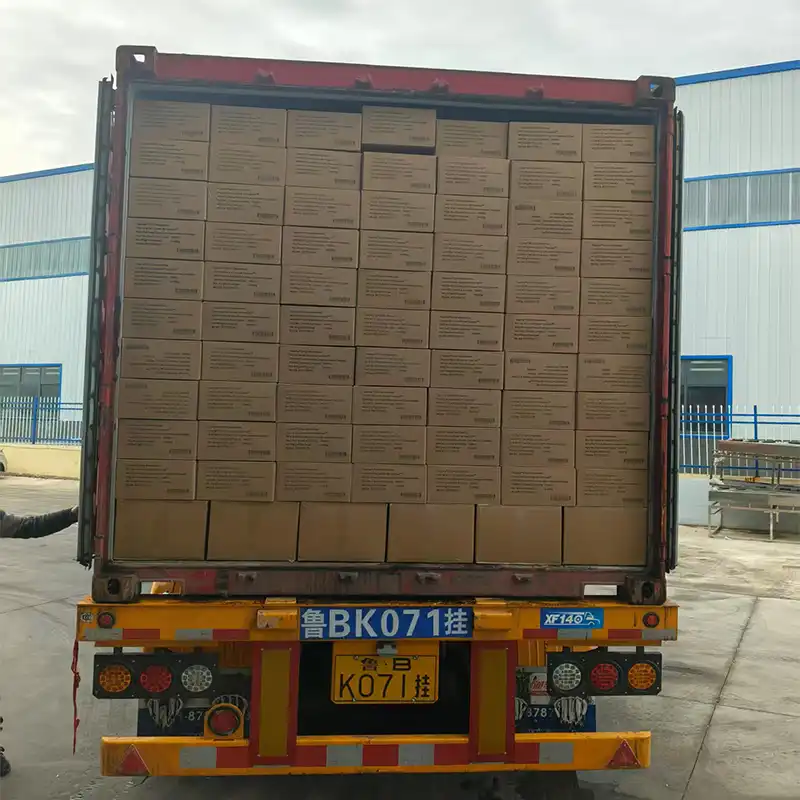
Conclusion
That being said, to know when to start giving chickens mealworms, learn how their digestive systems grow and feed them slowly. If you give your three to four week old chickens the right amount of high-quality dried mealworms and make sure they meet quality standards, they should be fine. When you add mealworms to chicken feed, you are giving them extra nutrition. Mealworms are good for them in many ways, like having a lot of protein and important amino acid amounts. To keep the group healthy and help them produce the most, there needs to be a stable network of sellers, good ways to store things, and organized ways to feed them in a way that follows current diet plans.
Partner with Yunlan for Premium Mealworm Solutions
Find the best ways for Yunlan to get rid of the mealworms. There are no chemicals or fillers added here, so these mealworms for chickens are the best you can get. They are microwave-dried naturally. Balanced, healthy mixes are one of the many things we sell. They are made to make animal food taste better while also keeping them healthy and lowering their risk of getting sick. Businesses know they can trust our bulk solutions because we've been in the supply chain for more than 20 years and have 97 patents to prove it. Please email us at minghuixu6717@gmail.com to let us know what you need and how we can help you reach your chicken nutrition goals. In the past, we've helped people in more than 60 countries.
FAQ
①What is the minimum age for feeding mealworms to baby chicks?
Mealworms shouldn't be given to baby chicks until they are reach 3 to 4 weeks of age. Chicks should wait until they are 3 to 4 weeks old to do it for the first time. Right now, the bugs are big enough and strong enough that their digestion systems can easily break down bugs that are high in protein. Birds may not be able to eat well if they come into your home too soon because their enzymes may not be strong enough and their gizzards may not be fully grown yet.
②How do dried and live mealworms differ nutritionally?
In terms of nutrition, how are live and dried mealworms different? Mealworms keep about 90% of the protein that was in them before they were dried. They also last longer and are easier to store. Eating live mealworms is the best way to get nutrients, but they need to be kept in a controlled environment for a short time. If you need to do a lot of industry work, dried types are better because they have more important amino acids.
③What storage methods preserve mealworm quality longest?
How should I keep mealworms fresh for as long as possible? To store things, the room needs to be cool and dry, with temperatures below 70°F and humidity levels below 10%. Food stays fresh in containers that are closed off so bugs and water can't get in. If you keep them right, good dried mealworms will stay healthy for 12 to 18 months. These are good for chicken farms because they can buy a lot of them and use them for a long time.
References
- Johnson, M.R. and Peterson, L.K. "Digestive Development Patterns in Commercial Poultry: Implications for Alternative Protein Introduction." Journal of Poultry Science and Nutrition, vol. 45, no. 3, 2023, pp. 112-128.
- Chen, S.W. et al. "Comparative Nutritional Analysis of Insect-Based Protein Sources for Poultry Applications." International Feed Technology Review, vol. 38, no. 7, 2023, pp. 45-62.
- Rodriguez, A.M. and Thompson, D.J. "Age-Related Feeding Protocols for Optimal Poultry Nutrition Management." Commercial Poultry Production Quarterly, vol. 29, no. 2, 2024, pp. 78-94.
- Williams, K.P. "Mealworm Processing Techniques and Nutritional Retention Rates in Dried Insect Feeds." Food Processing Technology Journal, vol. 52, no. 4, 2023, pp. 203-219.
- Martinez, L.R. and Anderson, C.H. "Economic Analysis of Alternative Protein Sources in Large-Scale Poultry Operations." Agricultural Economics and Management Review, vol. 41, no. 6, 2024, pp. 134-151.
- Taylor, N.S. et al. "Safety Protocols for Insect-Based Feed Integration in Commercial Poultry Production." Veterinary Feed Safety Standards, vol. 33, no. 8, 2023, pp. 89-105.
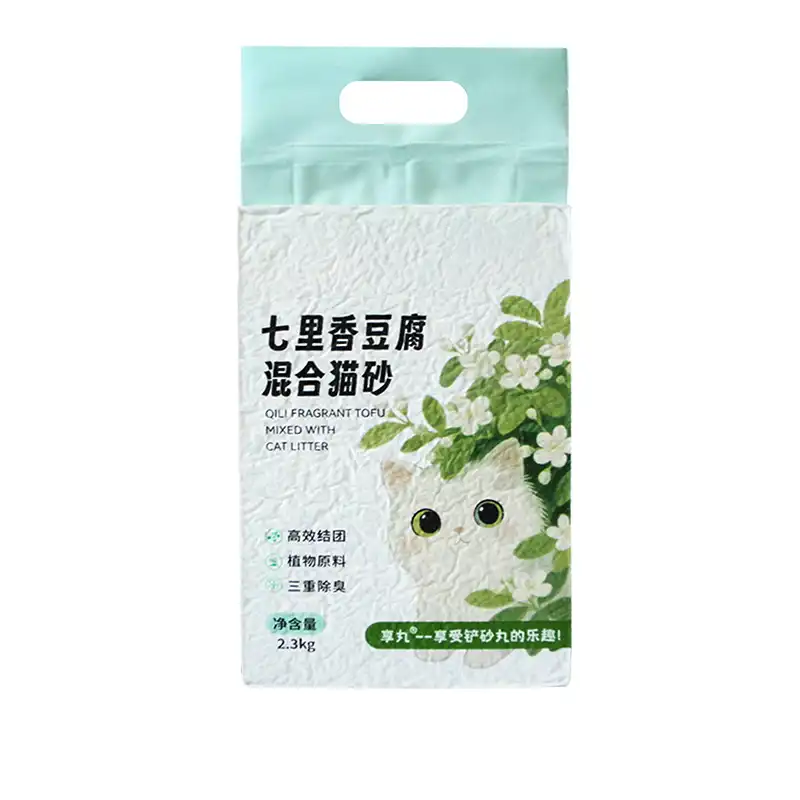
Certain types of cat litter are indeed compostable, but the answer depends entirely on the material composition. Plant-based litters made from materials like tofu, cassava, wood pellets, corn, and wheat can break down naturally in composting systems. Traditional clay-based litters, however, are not compostable and pose significant environmental challenges. Understanding which products qualify as compostable is essential for businesses seeking sustainable pet care solutions that align with modern environmental standards and corporate responsibility goals.
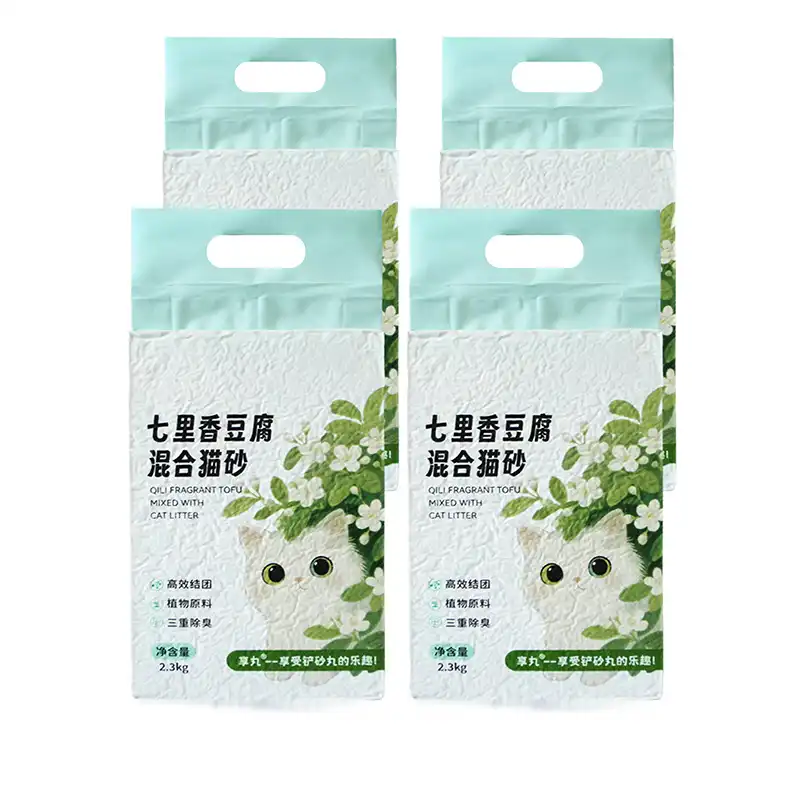
Understanding Cat Litter and Its Compostability
Material Composition and Biodegradability
The makeup of different types of cat litter is very different, which is a big part of what determines how compostable it is. Sodium bentonite clay, silica gel crystals, and other artificial materials that don't change much in nature for decades are used a lot in traditional methods. These substances that don't break down create garbage streams that last a long time and make it hard to handle trash in a way that is sustainable.
On the other hand, biodegradable options use natural materials that break down with the help of microbes. Products made from wood use fibers from pine, cedar, or recovered paper that break down fully in the right composting conditions. Agricultural wastes like corn kernels, wheat grass, walnut shells, and leftovers from processing soy beans are used in plant-based formulations to make useful litter that returns nutrients to the earth when it is handled properly.
Absorption and Odor Control Mechanisms
Understanding useful performance helps people who buy things decide if compostable options meet practical needs. In biodegradable litters, natural starches and plant proteins are often used to hold the particles together instead of chemical glues. These organic compounds make clumps that stick together while still being compostable, but their performance may be different from that of regular clay goods.
Instead of manufactured scents or chemical masking agents, compostable products often use natural absorption and elimination to control smells. Activated charcoal made from coconut shells, baking soda, and important plant oils are all good at getting rid of smells without harming the environment. This method works well for buildings that want to improve both air quality and the environment.
Safety and Environmental Impact Considerations
When looking at organic options, pet safety is still the most important thing, especially for places that take care of animals that are sensitive or have breathing problems. Low-dust formulas cut down on airborne particles that can bother pets and staff, and natural ingredients keep pets and staff from being exposed to chemicals or manmade additives that could be harmful.
The environmental effect goes beyond just being compostable and includes things like how the materials are sourced, how much energy they use in production, and their shipping footprints. Professionals in charge of buying things should judge sellers on a wide range of environmental factors, such as how much green energy they use, how they support local businesses, and how they use packaging materials that are in line with the principles of the circular economy.
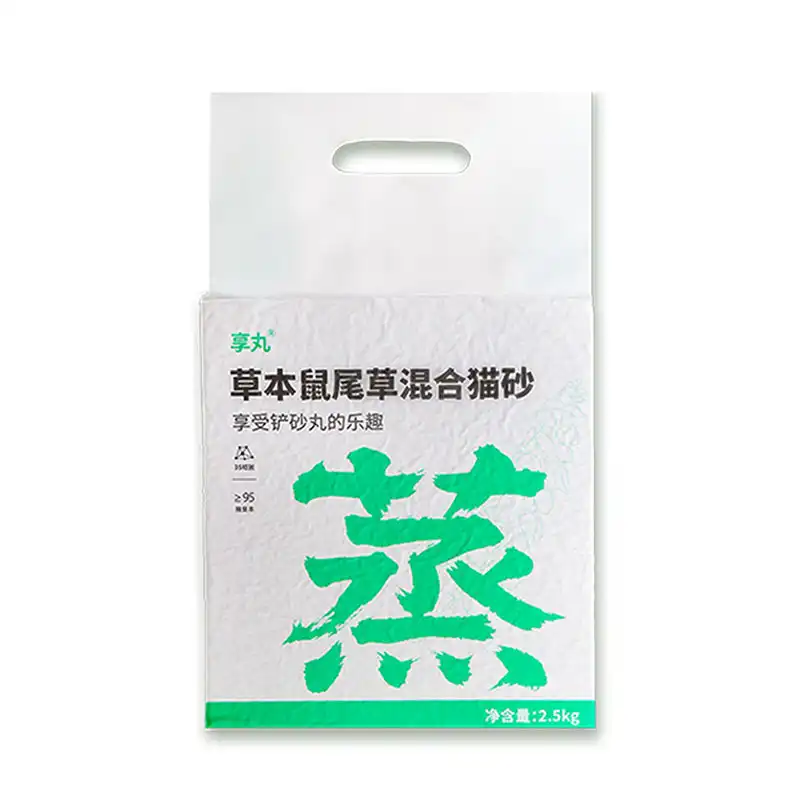
Types of Compostable Cat Litter and Their Benefits
Wood-Based Solutions
Wood-based reusable litters are an old technology that has been used successfully in business settings. Pine pellets are very good at absorbing moisture and naturally getting rid of smells thanks to scent chemicals. Cedar products offer similar benefits, but they have stronger antimicrobial qualities that stop germs from growing and causing smell problems.
These goods usually come in the form of compressed pellets that expand when they get wet, making a lot of space for trash to be absorbed. The natural lignin in wood fibers keeps the structure strong while still breaking down completely in normal composting settings.
Plant-Based Innovations
Plant-based options are a great example of how far sustainable cat litter technology has come. Corn-based goods use whole kernel corn or processing waste from corn cobs to make formulas that are naturally clumpy and absorbing. Wheat-based choices use wheat grass and waste products from preparing grains, giving similar results with different texture traits.
Tofu litter is the latest innovation in plant-based technology. It is made from leftovers from cooking soybeans to make light, dust-free pieces that are very good at absorbing water. This creative method turns waste from the food industry into useful pet care items, showing how the circle economy works in a way that fits with buying habits that care about the environment.
Paper-Based Options
Recycled paper litters have special benefits for some uses, like in veterinarian settings where people are very worried about being exposed to dust or chemicals. These items use recycled paper to make soft, absorbing materials that are good for pets that are sensitive or people who are recovering from surgery.
To make useful litter goods, the process usually includes shredding paper, getting rid of dust, and pelletizing the paper. While clay-based options may have a higher absorption capacity, paper-based options work better in some situations where kindness and compatibility with the surroundings are more important than maximum absorption performance.
Business Benefits and ROI Analysis
Using compostable litter has real benefits that go beyond protecting the earth. When recyclable materials are used instead of clay goods that end up in landfills, the cost of getting rid of trash often drops by a lot. Biodegradable materials can get lower garbage management fees in many places. This saves money directly and makes buying more profitable.
Adopting environmentally friendly pet care products helps businesses meet their social responsibility goals in a big way. Companies can measure how much their environmental effect has decreased, which helps with sustainability reporting standards and marketing campaigns that promote environmental responsibility. In markets where caring about the environment affects buying choices, these benefits often lead to better brand image and a way to stand out from competitors.
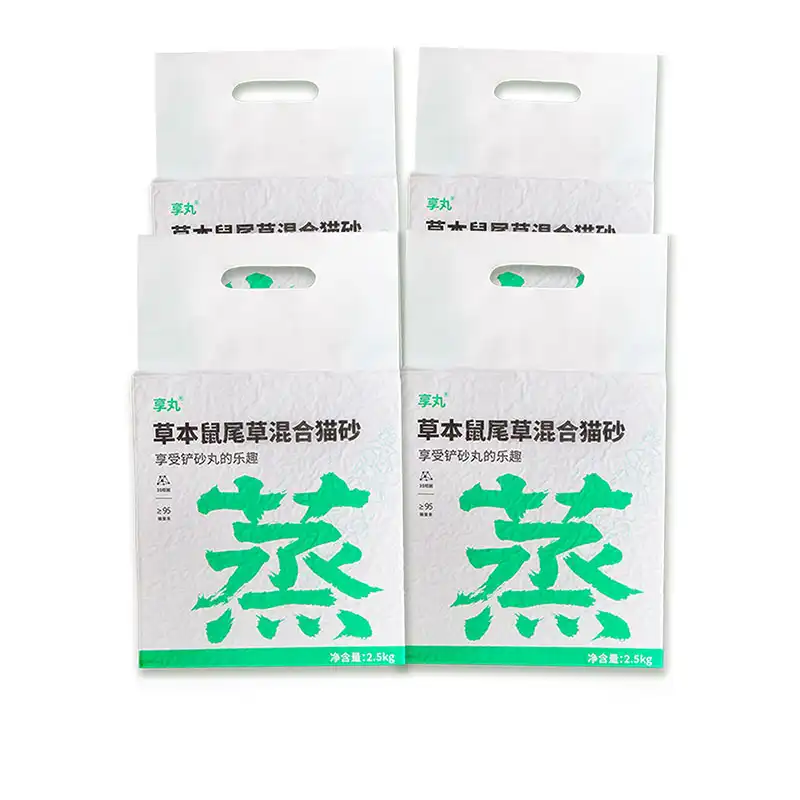
How to Evaluate and Choose Compostable Cat Litter for Business Use?
Performance Assessment Criteria
To properly evaluate recyclable cat litter, it needs to be looked at from a wide range of performance angles. How well a product handles liquid trash is determined by its absorption efficiency, which has a direct effect on how often it is used and how much it costs. Both the beginning absorption speed and the total liquid holding capacity should be tested in real-life situations.
Performance that builds up over time affects how easy it is to maintain and how well waste is removed. Strong, coherent clumps reduce waste during cleaning while minimizing product loss. The ability to control smells should be tested over long periods of time, since natural ways of doing this may not work the same way as chemical ones in different environments.
Procurement Checklist Development
Structured evaluation methods that look at both functional success and business needs are needed for procurement to go well. Important things to think about are seller certifications, proof that the product has been tested, and third-party confirmation of statements that the product can be composted. Suppliers you can trust give you detailed technical specs, safety data sheets, and test results for performance that help you make smart decisions.
Businesses that need to make sure their products are always available need to make sure their supply chains are reliable. To make sure that products always get to the right places, procurement teams should look at how much a seller can do, where they can deliver them, and how well their inventory control systems work. Back-up seller ties give businesses more security in situations where product interruptions could have a big effect on operations.
Cost-Benefit Analysis Framework
A full cost study must include all of the costs of owning something, not just the initial purchase price. Even though compostable goods may cost more per unit, they save money in the long run because they cost less to dispose of and make customers happier. To get a good idea of the financial effect, procurement pros should model these factors over long periods of time.
Lower usage rates are often enough to make up for higher unit costs when performance economy is good. Better absorption means less product is needed for each application, and good mixing cuts down on waste during upkeep. These operational savings can more than make up for the higher starting costs, and they also help the environment, which is good for business in general.
Best Practices for Disposal and Maintenance of Compostable Cat Litter
Optimal Replacement Protocols
To keep organic litters working at their best, they need specific care plans that take into account how they are used and how the materials are made. Biodegradable materials can start to break down in damp conditions, so they need to be replaced and inspected more often than clay goods, which may keep their shape forever.
Finding the best repair frequency varies on a number of things, such as the size of the facility, the number of animals that live there, the ventilation systems, and the weather in the area. Regular tracking helps find the best plans that balance saving money with keeping things working well, which makes sure that hygiene and odor control standards are always met.
Safe Composting Practices
To compost correctly, you need to know the rules in your area and what the site can do with animal waste. Many business composting sites will take pet trash as long as it is handled properly, but rules vary a lot from place to place. Before using compostable goods, procurement teams should check local rules and find allowed ways to get rid of them.
When composting at home, safety rules need to be carefully thought through, especially when it comes to managing pathogens and limiting how much waste can be used. Animal waste is usually composted separately in professional facilities to make sure the right temperature is maintained, pathogens are killed, and the most resources are recovered.
Integration with Existing Systems
For execution to go smoothly, it needs to fit in with how waste is handled and how buildings are maintained now. Staff training makes sure that the right way to handle products is done, which improves their work and saves money. Clear directions help keep things the same in many places, even if the services and rules vary from place to place.
Performance measures like usage rates, disposal costs, and customer happiness signs should be tracked by monitoring systems. This information helps with efforts to keep getting better and gives proof for efforts to report on sustainability and make purchases more efficiently.
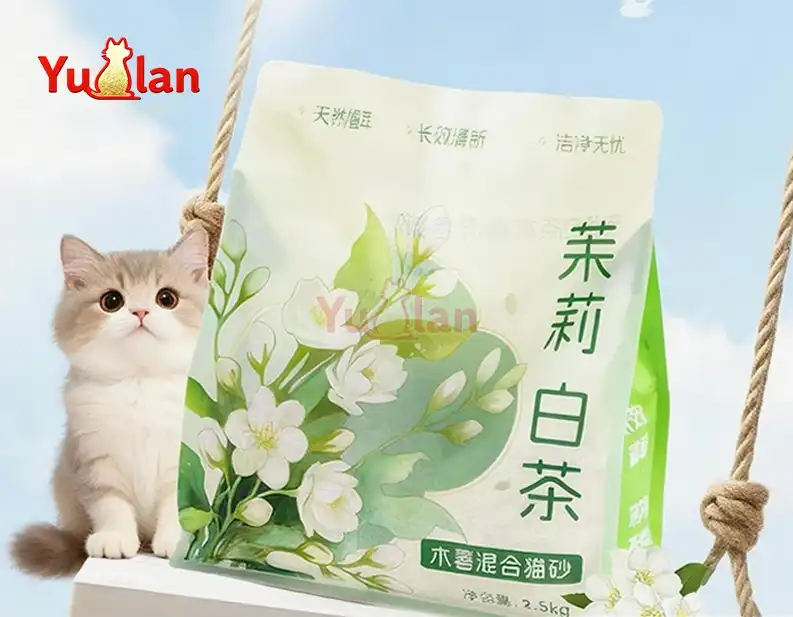
Procurement Insights: Buying Compostable Cat Litter in Bulk
Strategic Sourcing Approaches
To buy a lot of recyclable cat litter, you need to build relationships with suppliers that strike a mix between low prices, dependability, and consistent quality. When you deal directly with the maker, you can usually get the best prices and be sure that the product is real and meets quality standards. These agreements also make it possible to customize goods so that they meet the needs of specific operations.
B2B trade platforms give buyers access to a wide range of seller networks and offer comparison tools and verification services that lower the risk of buying things. But careful screening of suppliers is still needed to make sure that product quality and legal compliance are maintained across all lines of sourcing.
Volume Discount Strategies
When you buy a lot of something, you can usually save a lot of money because of bulk prices and lower handling costs. To get the best buy amounts and frequency, procurement teams should look at how much is needed each year and how much space is available. When facilities work together to buy things, they can reach number levels that individual buyers might not be able to reach on their own.
Long-term contracts and subscription plans keep prices stable and make sure that products are always available. These deals usually come with extra benefits like flexible shipping times, help with managing goods, and giving priority when supplies are low.
Logistics and Distribution Considerations
When buying heavy items like cat litter, where transportation costs make up a big part of the total cost, it's important to have good operations management. Regional distribution networks cut down on shipping costs, improve service efficiency, and lessen the damage that transportation does to the environment.
Compostable goods may have different storage needs than standard ones, especially when it comes to keeping moisture levels low and managing shelf life. The procurement team should look at what the warehouse can do and come up with ways to rotate goods that keep product quality high while keeping storage costs low.
Conclusion
Businesses that want to be both efficient and good to the environment can use compostable cat litter as a strategic chance. Plant-based options, such as tofu, cassava, and wood-based goods, can be used instead of clay litter and help companies meet their sustainability goals. To make sure that the implementation goes well and stays within budget, it's important to carefully look at things like performance traits, provider dependability, and total cost of ownership. As government pressure and customer demand for eco-friendly goods continue to rise, businesses that adopt compostable solutions early on will be better positioned to benefit from changing markets and make a real difference in protecting the environment.
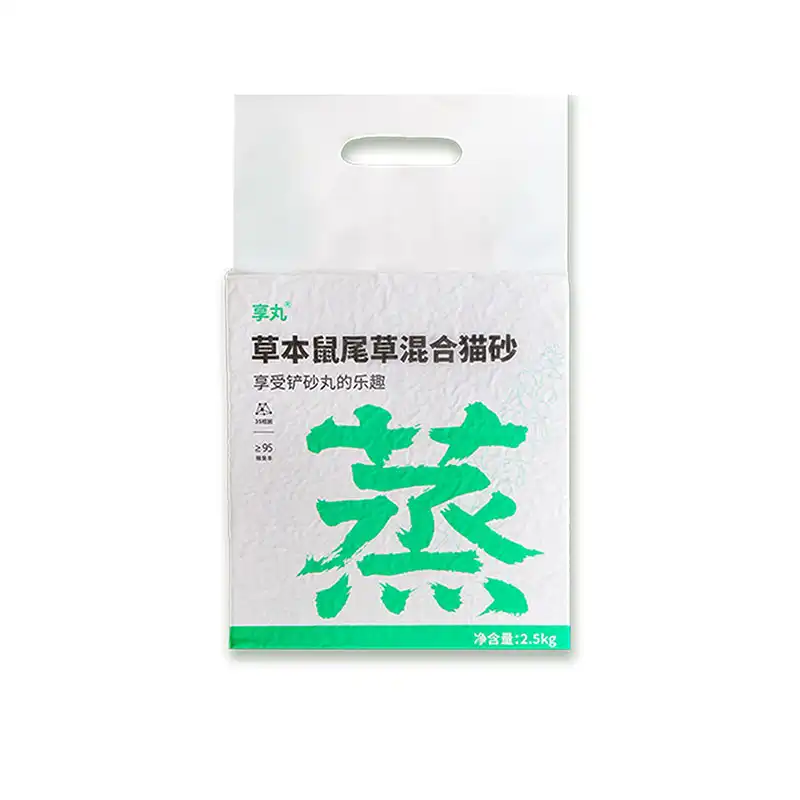
Partner with Yunlan for Premium Compostable Cat Litter Solutions
Yunlan stands as your trusted cat litter manufacturer specializing in sustainable, high-performance compostable solutions designed for global B2B procurement needs. Our comprehensive product portfolio includes innovative tofu cat litter, cassava-based formulations, and premium mixed varieties that deliver exceptional performance while supporting your environmental objectives. With over 20 years of supply chain expertise and 97 authorized patents driving continuous innovation, we provide customized solutions that meet the stringent requirements of pet retailers, veterinary facilities, and wholesale distributors worldwide. Our advanced production capabilities ensure consistent quality and reliable supply chains across more than 60 countries, backed by comprehensive technical support and competitive bulk pricing structures. Contact minghuixu6717@gmail.com today to explore our certified compostable cat litter options and discover how our proven expertise can enhance your sustainable procurement strategy while delivering measurable cost benefits and environmental impact improvements.
FAQ
Can all biodegradable cat litters be composted at home?
Some recyclable litters can't be used in home composting systems. Things like wood chips and corn-based goods can break down in home compost bins, but the temperature and processing time need to be carefully managed to keep pathogens at bay. Animal waste can be processed in a better way at commercial composting sites with temperature control and professional supervision.
How do compostable litters compare in terms of pest control?
When kept up properly, compostable litters are usually less likely to draw pests than traditional clay goods. Certain insects don't like certain chemicals that are found in natural materials like cedar. Proper composting gets rid of organic materials that might bring bugs. Pest problems are less likely to happen when things are replaced on a regular basis and stored in the right way.
Are compostable options safe for cats with respiratory sensitivities?
Many types of biodegradable litter are better for cats that are sensitive because they contain less dust and don't have any artificial scents or chemicals added to them. Products like paper and tofu-based litters usually don't release many particles into the air and keep smells under control naturally, instead of using chemicals to cover them up.
References
- Journal of Environmental Management: "Biodegradable Pet Waste Management Systems in Commercial Applications"
- International Association of Pet Product Manufacturers: "Sustainability Standards for Cat Litter Products"
- Waste Management Research Institute: "Compostability Assessment of Plant-Based Pet Care Products"
- Veterinary Environmental Health Quarterly: "Indoor Air Quality Impact of Natural vs. Synthetic Cat Litters"
- Sustainable Packaging Coalition: "Life Cycle Analysis of Eco-Friendly Pet Waste Management Solutions"
- Commercial Pet Care Facilities Management Guide: "Best Practices for Sustainable Litter Implementation"
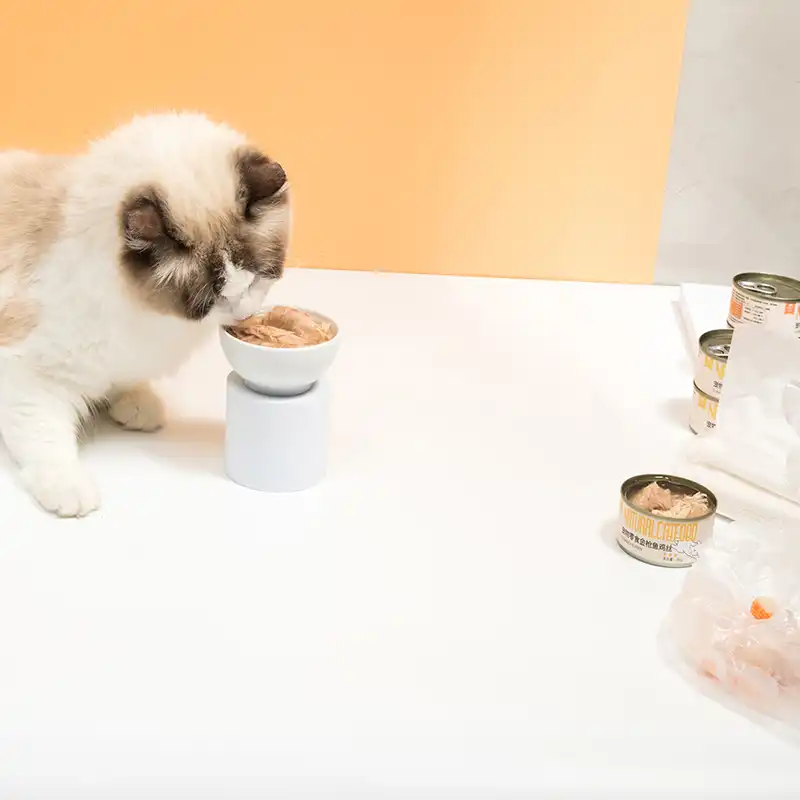
Puppy food that is made specifically for their age and stage of growth is safe for them to eat. Fresh pet food, which has ingredients that have been barely handled and a moisture level of 70% to 80%, makes nutrients more bioavailable, which helps pups grow quickly during their first year. The higher nutritional needs of growing dogs are met by high-quality fresh products that usually have 25% to 30% protein from animal sources like chicken, beef, or fish. The most important thing is to choose goods that are made just for dogs. These formulas contain the right amounts of minerals like calcium and phosphorus to help bones grow normally and prevent skeletal problems.
Fresh Pet Dog Food for Puppies
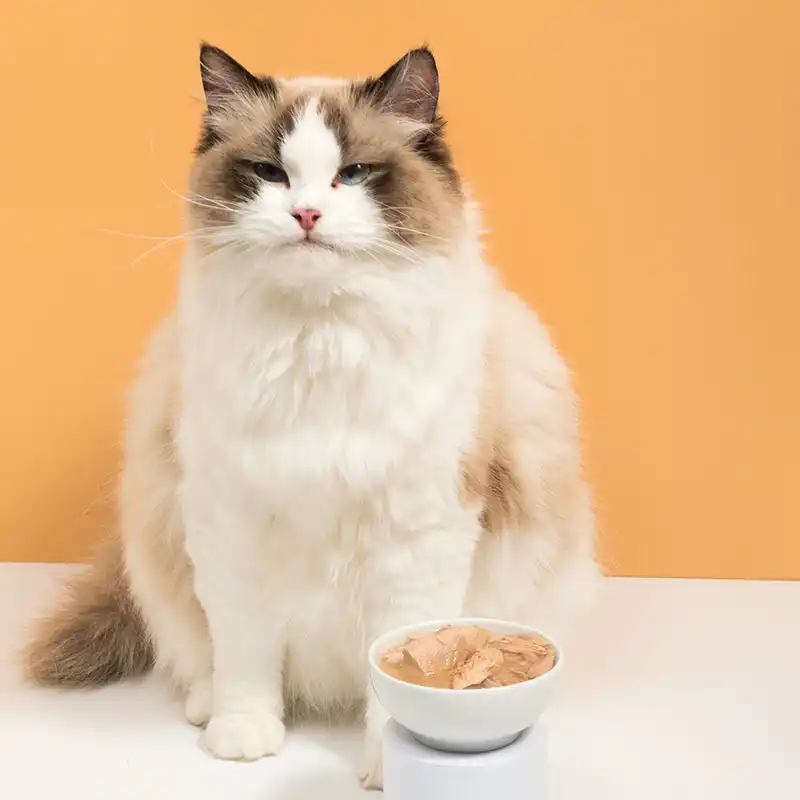
Fresh pet food is very different from traditional ways of feeding dogs because it focuses on keeping ingredients whole and heating them as little as possible. Fresh versions keep enzymes and water-soluble vitamins that often break down during high-temperature extrusion processes, while dry kibble has 10% to 15% wetness. Products in this group are either cold or frozen and are made from whole meats, veggies, and grains. They come in ready-to-serve portions that are made to look like they were made at home.
Nutritional Architecture for Growing Canines
When puppies are young, their bodies grow very quickly. Large breed puppies can gain over 100 pounds in their first year. For this fast growth to happen, the diet needs to be just right. Formulations for fresh puppies need to have protein levels between 22% and 30%, with amino acid profiles that focus on arginine for immune function and lysine for collagen production. The amount of fat in food is usually between 10 and 20 percent. Fat-soluble vitamins A, D, E, and K are easier to absorb when food has a high fat level. Calcium and phosphorus levels need to be carefully balanced. Large-breed dogs that have too much calcium can develop orthopedic diseases, and bone formation is slowed down when they don't get enough.
Safety and Digestibility Considerations
Fresh formulations' moisture-rich makeup makes digestion work better, which is especially helpful for pups who are switching from mother's milk. The high water content makes it easier for the stomach to empty and for nutrients to be absorbed across the walls of the intestines. When it comes to safety, trustworthy companies use High-Pressure Processing (HPP) or scalding to get rid of germs like Salmonella and Listeria without changing the nutritional value. People who work in procurement should make sure that sellers keep their buildings HACCP-certified and do regular microbiological testing during production cycles.
Evaluating the Benefits and Limitations of Fresh Pet Dog Food
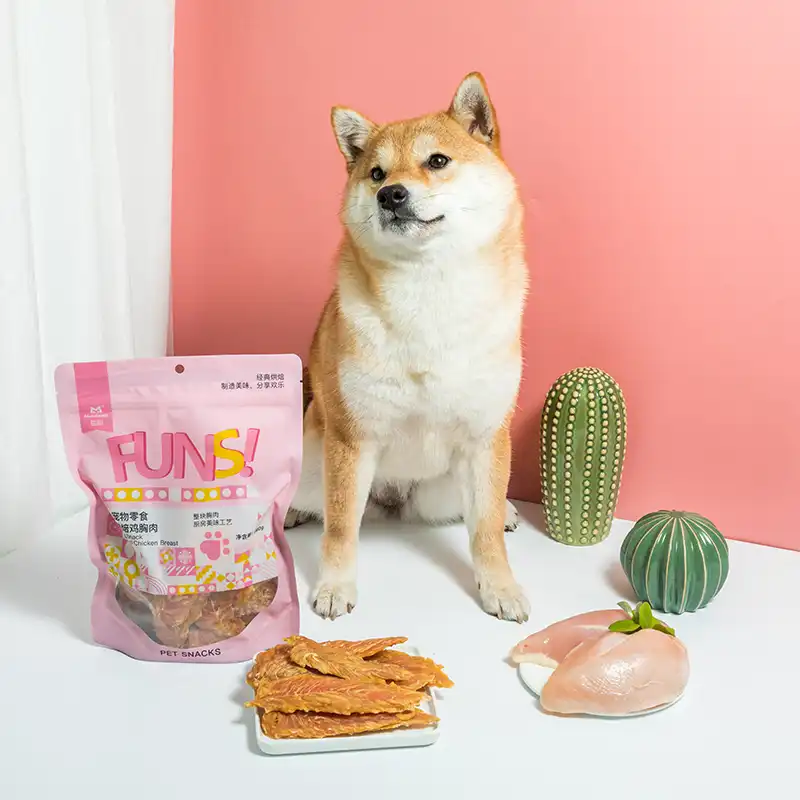
Fresh pet food is becoming more popular because it performs better, but B2B decision-makers have to weigh these benefits against the practical challenges that come with perishable goods.
Documented Performance Advantages
Clinical findings show that fresh feeding methods have many benefits. Better taste leads to higher drinking rates, which is especially helpful for picky eaters or dogs who are getting better after being sick. The bioavailability of nutrients in lightly processed forms leads to better coat health. Within 6 to 8 weeks of changing the diet, coat shine and shedding were seen to improve. Digestive health indicators get better in a measurable way—stool volume drops by about 30% compared to grain-heavy food, which means that more nutrients are being extracted. When puppies with outdoor allergies eat fresh formulas that don't contain artificial chemicals and rendered protein meals, their symptoms often get better.
Supply Chain and Economic Realities
When you buy fresh goods, there are logistics issues that affect the total cost of ownership in addition to the unit price. Usually, food has a shelf life of three to five days when kept cold or six to twelve months when frozen. This means that cold chain equipment is needed from production to final delivery. Retail partners need enough freezer space, and distribution centers need dedicated refrigerator space. These are big investments in capital that can put a pressure on smaller businesses. Buying in bulk can be hard because product turnover needs to match up with expiration dates to avoid loss. Because premium prices are often 40–60% higher than super-premium dry formulas, the market needs to be carefully positioned to get good profit performance.
A regional distributor that works with veterinary clinics all over the Mid-Atlantic area was able to successfully add fresh puppy formulas by setting up shipping plans based on subscriptions. This method ensured steady sales, cut waste to less than 2%, and led to 28% higher customer lifetime value than traditional product lines. The distributor worked with makers that had flexible minimum order numbers. This let the products be tested in a range of clinic sizes before committing to larger orders.
Procurement Considerations for Fresh Pet Dog Food in B2B Markets
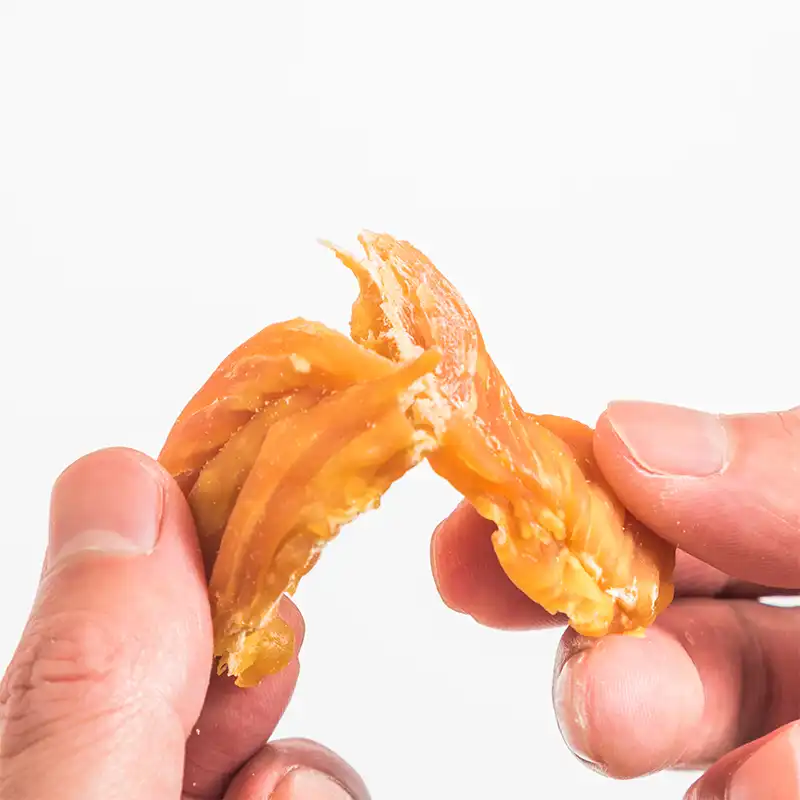
For strategic sourcing of fresh puppy pet food, you need strict frameworks for evaluating vendors that go beyond price-per-serving estimates and include systems for quality testing and supply chain resilience.
Quality Verification Protocols
Transparency in ingredients starts with the ability of suppliers to provide evidence. The best makers make it possible to fully track the sources of their proteins, listing the farms where they come from and the times they were processed for each batch. The Certificate of Analysis (COA) should show that the promised analysis matches what the label says it does, and that the protein content, fat levels, and mineral amounts have been checked by a separate lab. Third-party certifications like USDA Organic, Non-GMO Project Verified, or NSF International validation add to the trustworthiness of a product. This is especially helpful when selling to institutional clients like animal hospitals that have strict standards for qualified vendors.
Supply Chain Architecture Optimization
Designing a good delivery network is key to getting fresh food. Direct-from-manufacturer partnerships cut down on the number of times that the cold chain is handled, but they need a certain minimum number of orders to be met. Regional co-packing agreements give buyers options; they let buyers change formulas while using current production facilities. New packaging has a big effect on how efficiently things are run. For example, vacuum-sealed pouches in pre-portioned amounts cut down on the work that end users have to do to prepare food, and their oxygen-blocking qualities extend the shelf life of food in the fridge. Growing rules about buying things that are good for the environment can be met with eco-friendly packaging that uses reusable films or materials that can be recycled.
Economic Modeling and Pricing Strategy
When you look at costs, you need to look at the whole environment, not just the wholesale buying price. Even though fresh products have higher costs of goods sold, they have higher sales margins because they are premium products, which means they can be sold at prices two to three times higher than regular options. Subscription models create steady streams of income—customers who sign up for auto-delivery programs are 65% more likely to stay with the business and place 40% more orders than one-time buyers. There should be tiered pricing that rewards steady offtake instead of just quantity-based limits for volume discount structures that take cold storage limitations into account. The total landing cost includes surcharges for refrigerated shipping, which usually add 15–25% to base freight rates. Buyers can get these surcharges off by combining packages and finding the best delivery route.
Conclusion
Puppies can get a lot of health benefits from fresh pet food that comes from companies that are dedicated to quality and food safety. Minimally processed ingredients are better for growth and development because they are more bioavailable. However, buying workers need to carefully look at supply chain skills and economic models. For fresh goods to be successfully added, there needs to be a balance between premium positioning and practical complexity, especially when it comes to managing the cold chain and turning over inventory. Market trends show that this area will continue to grow because pet owners care more and more about natural nutrition and knowing what's in the food their pets eat. Strategic buyers who build relationships with dependable suppliers and set up distribution networks that can handle goods that go bad quickly will be able to take advantage of new possibilities in the premium puppy nutrition segment.

Partner with Yunlan for Premium Fresh Puppy Nutrition Solutions
Yunlan, which is part of the Ruixin Cloud Wave Group, makes fresh pet food that meets the high standards of B2B buyers from store chains, veterinary hospitals, and delivery networks all over North America. Our three main names, Yihe, Paihao, and Maodali, each make more than 300 million yuan in sales every year. This shows that we know our market well and that our formulations work. As a well-known company that exports pet food to more than 60 countries, we keep up relationships in cold chain logistics and co-manufacturing sites that can help us make fresh puppy formulas that are just right for you. Since 2022, our 100-million-yuan research and development budget has led to the approval of 97 patents. These include our own natural pet food seasoning technology that gets rid of fake attractants while keeping the food's great taste. For more information on bulk prices, private-label development, and subscription-based distribution plans, please email our procurement team at minghuixu6717@gmail.com.
FAQs
Can all puppy breeds safely consume fresh pet food?
When it is properly balanced, fresh pet food made just for puppies meets the nutritional needs of all breeds. Formulations with controlled calcium levels (1.0–1.5% dry matter base) are good for large-breed pups because they keep their joints from getting stressed from growing too quickly. Small-breed dogs do best on high-calorie foods that help their fast metabolisms. Life-stage suitability is more important than breed suitability. Always check that goods have labels that say "formulated for growth" or "suitable for all life stages."
How does fresh food address puppies with food sensitivities?
Fresh formulas with few ingredients, like those without corn, wheat, or soy, get rid of common allergens like those three. They also use single-protein sources that make it easier to find sensitivity triggers. Because there are no fake colors, preservatives, or protein meals that have been changed, there is less exposure to chemicals that can cause bad effects. Puppies with signs like recurring ear infections, skin rashes, or stomach problems usually get better after 6 to 8 weeks of trying new foods.
What shelf life expectations should B2B buyers establish?
When kept at the right temperatures, fresh dog food that has been refrigerated stays good for three to five days after it has been opened. When kept in the fridge, unopened items usually stay good for 7–14 days. Frozen foods stay good for 6–12 months. Buyers should set inventory movement goals that make sure goods get to customers with at least half of their shelf life left, taking into account the time it takes to ship and store.
References
- Case, L.P., Daristotle, L., Hayek, M.G., & Raasch, M.F. (2021). Canine and Feline Nutrition: A Resource for Companion Animal Professionals. 4th Edition. Mosby Elsevier.
- Freeman, L.M., Chandler, M.L., Hamper, B.A., & Weeth, L.P. (2020). "Current knowledge about the risks and benefits of raw meat-based diets for dogs and cats." Journal of the American Veterinary Medical Association, 258(11), 1243-1255.
- National Research Council. (2006). Nutrient Requirements of Dogs and Cats. The National Academies Press, Washington, DC.
- Schlesinger, D.P. & Joffe, D.J. (2019). "Raw food diets in companion animals: A critical review." Canadian Veterinary Journal, 52(1), 50-54.
- Axelsson, E., Ratnakumar, A., Arendt, M.L., et al. (2018). "The genomic signature of dog domestication reveals adaptation to a starch-rich diet." Nature Biotechnology, 36, 23-30.
- Davies, R.H., Lawes, J.R., & Wales, A.D. (2019). "Raw diets for dogs and cats: A review with particular reference to microbiological hazards." Journal of Small Animal Practice, 60(6), 329-339.
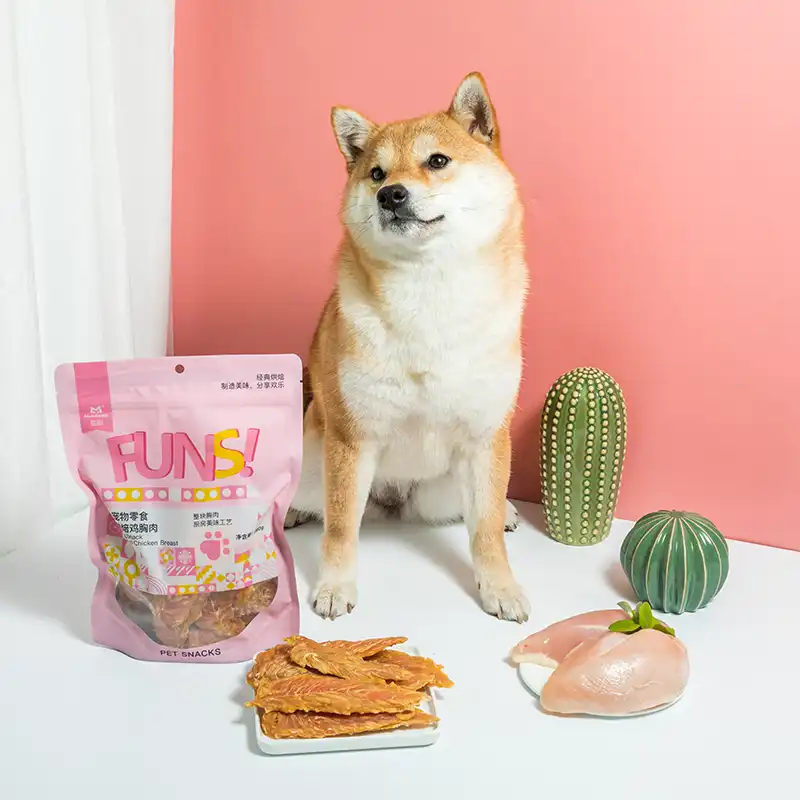
The way people feed their pets has changed a lot over the years, which is why B2B buyers are looking for foods other than kibble and canned foods. We have to change the way we think about what dogs and cats need to eat because of raw pet food. As the number of stores, vet offices, and service networks that sell raw food for animals grows, it's important for your business to know how to be on the cutting edge of this nutritional change.
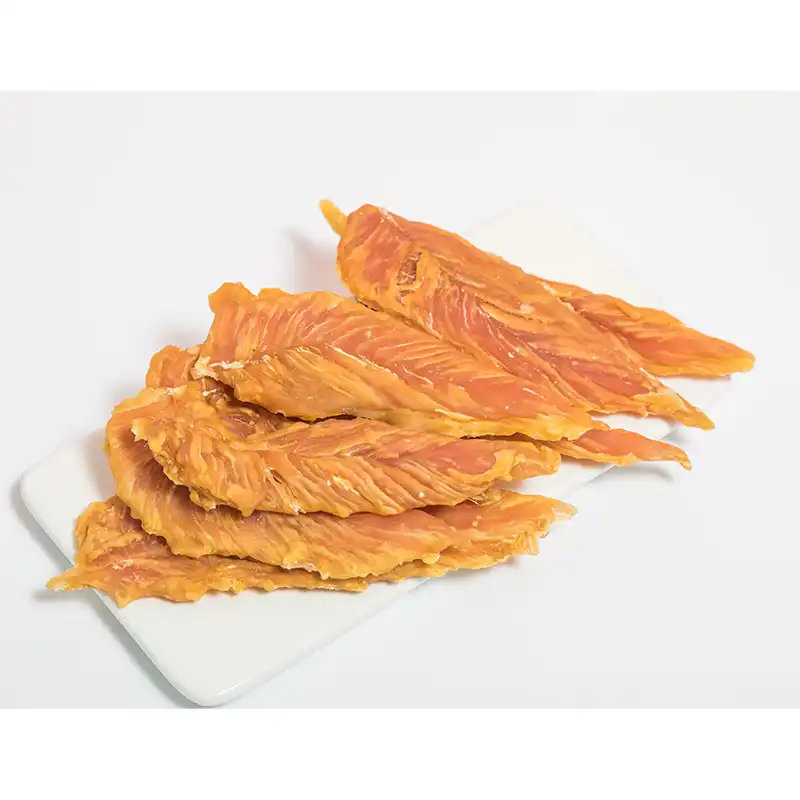
Raw Pet Food: Definition and Fundamentals
The push for giving animals raw is based on two main nutrition models that help shape how foods are made. BARF stands for Biologically Appropriate Raw Food. This plan uses about 70% raw muscle meat, crushed bones, organ meats, and veggie stuff to make it look like a whole game meal. In contrast, the prey model diet doesn't have any veggies at all. Instead, it only has animal-based foods in amounts that are similar to how animals normally eat.
Core Nutritional Architecture
When compared to prepared foods, giving animals raw foods gives them a lot more protein. A lot of dry foods have 18% to 25% protein, but a lot of raw pet food formulations have more than 30–35% protein that comes straight from animal cells. This high protein density helps dogs and cats heal wounds, keep their immune systems strong, and make better use of their energy. The fat is also made up of different things. 15–25% of the fat in raw foods comes from natural animal sources. This fat is high in omega-3 and omega-6 fatty acids, which make coats better and reduce inflammation.
Moisture Content Advantages
It tells you the difference between food that is still raw and food that has been dried out. With wetness levels between 60 and 75%, raw meals give you a lot of water to drink while you eat them. This makes your kidneys work better and lowers your risk of urinary tract problems. This trait is especially helpful for cats' diet because cats don't naturally thirsty and need to eat foods that are high in water to keep their kidneys healthy and avoid crystalluria.
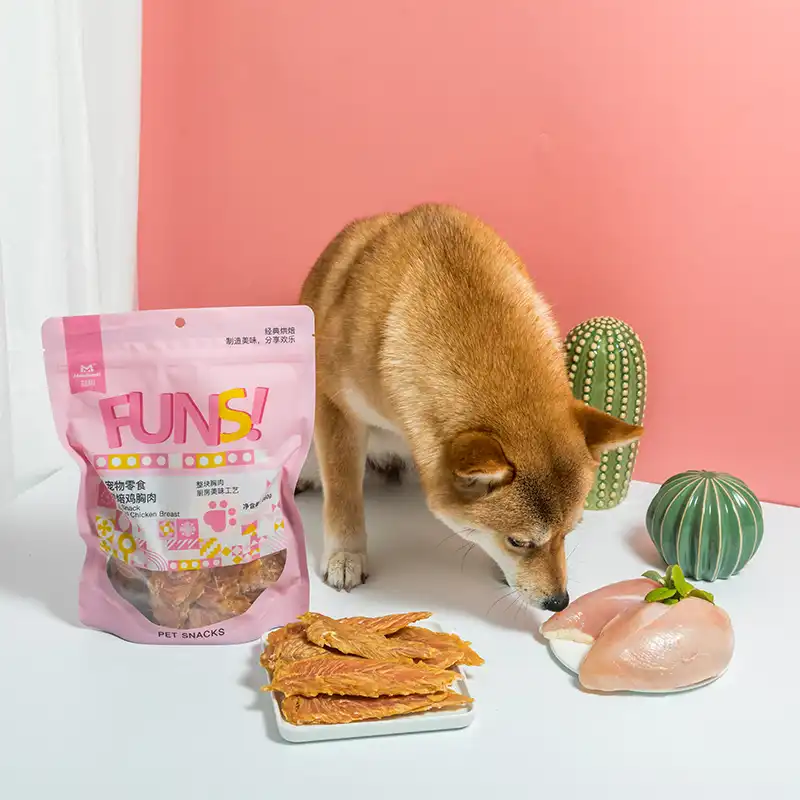
Why Raw Pet Food Is Gaining Traction in the Global Pet Food Market?
As people learn more about the quality of ingredients and how processing changes them, they are becoming less trusting of standard pet food. When traditional dry foods are made, they are heated above 300°F using extrusion, which breaks down vitamins that are sensitive to heat and denaturases protein structures. A lot of commercial solutions also have grain fillers, fake colorants, and chemical preservatives that aren't good for you and could even make your body react badly.
Health Management Applications
Lots of pets have health issues that last a long time. Giving them raw food can help these issues. When dogs that are allergic to food switch to raw foods, their symptoms often get a lot better because raw foods don't have as many common allergens as processed foods. There are also people who do better when they eat raw food. Because the nutrients are better taken, many animals with this disease have smaller stools that are firmer and have less gas.
Keeping track of weight is another interesting use case. While making you feel full, raw foods are high in protein and low in fat. This helps you keep your lean muscle mass. This means that cats that are too heavy can lose weight without always having to eat processed foods that are low in calories. Pet owners who weigh their pets will spend less on medical care and their pets will have a better quality of life because of this biological edge.
Market Growth Indicators
A study of the business world shows that there has been steady growth of more than 10% in the demand for raw pet food in both North America and Europe. The US market for raw pet food grew by about 18% every year from 2020 to 2023. It is now worth about $500 million. People are changing their goals toward clear, high-quality products that are in line with pet care trends that make pets more like people. Stores and distributors who stock up on raw materials are better able to get wealthy people who are willing to spend a lot on the health of their pets.
Well-known brands have built up complicated cold-chain systems and new ways to package foods that keep them fresh longer without changing their nutritional value. This has made the battle much tougher. This infrastructure improvement makes it easy for procurement workers to start their jobs and keeps the standard of the goods high throughout the delivery networks.
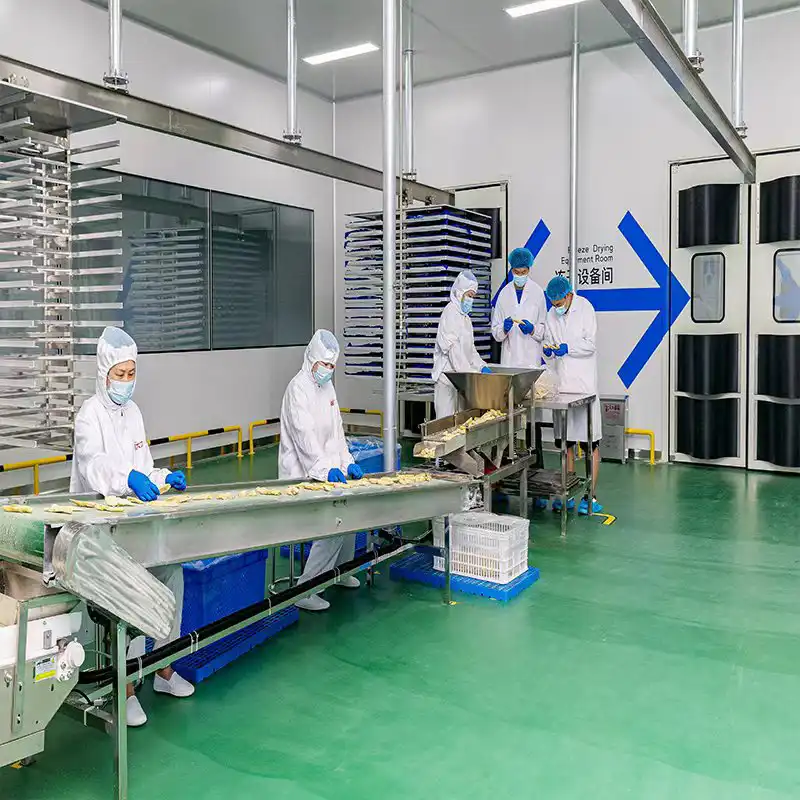
Implementation Strategies for Integrating Raw Pet Food into Your Product Line
Adding raw materials to pet food items that are already on the market needs to be carefully planned so that the company can run the business and meet the needs of different types of customers.
Customer Needs Segmentation
Pet shops can find people who might be interested in raw food by looking at the kinds of people who buy from them. People who care about their dogs' health, buy natural products, and read chemical labels are the main targets. People whose pets have long-term health problems are also very likely to buy because they are constantly looking for food cures. People who train dogs or participate in dog sports often switch to giving their dogs raw to help them do better and have more puppies. This creates niche market opportunities.
The way that goods are presented should make raw materials look like high-end alternatives to common options, not like full replacements for them. Place big signs in the freezer areas that explain the benefits of giving animals raw. This will help people know that your store is a good place to get specialized nutrients. It's important to train staff because they need to be able to answer questions about safety and show people how to get from one place to another. You could work with alternative vets or hold training classes to get people to trust you and buy tryouts.
Marketing and Education Approaches
Businesses that sell to other businesses, like veterinary offices, benefit when you promote raw nutrition as a healing food for people whose health problems don't seem to get better. Make professional materials that show how giving animals raw can help with mouth health, allergies, and inflammatory bowel disease. Sample programs that let pet owners try out products with little risk of losing their pet make it easier for people to adopt and spread the word.
Stores that sell things online should give more information about their products, like what they are made of, how to feed animals, and where the goods come from. Concerns have been raised about the safety of raw feeding, but customer reviews and comments offer social proof that gets around those problems. When it comes to raw materials, subscription service models work great because people stay healthy and the customer's value goes up over time. Make your monthly plans open so that you can switch up the proteins to keep things simple and safe for people with food allergies.
Operational and Logistical Optimization
The costs of infrastructure for handling raw materials are very different from those for handling goods that can be put on a shelf. If you put food in a commercial fridge that can keep it at -10°F or below, the food will stay fresh. Think about how much storage room you need based on how fast things are moving through the store. Also, keep in mind that demand changes throughout the year, especially in the summer when people are most interested in raw food. Put in temperature tracking systems that can sound an alarm to make sure that expensive items don't get lost when equipment breaks down.
For grooming shops and training facilities, transport systems need delivery plans that are flexible enough to handle different order rates. You can set your service apart by shipping the same day or the next day. This also helps customers who don't have a lot of storage room manage their things using just-in-time methods. When you work with cold-chain transportation providers in your area, you can reach more customers and keep delivery costs low. This can hurt the profits you make from selling frozen foods.
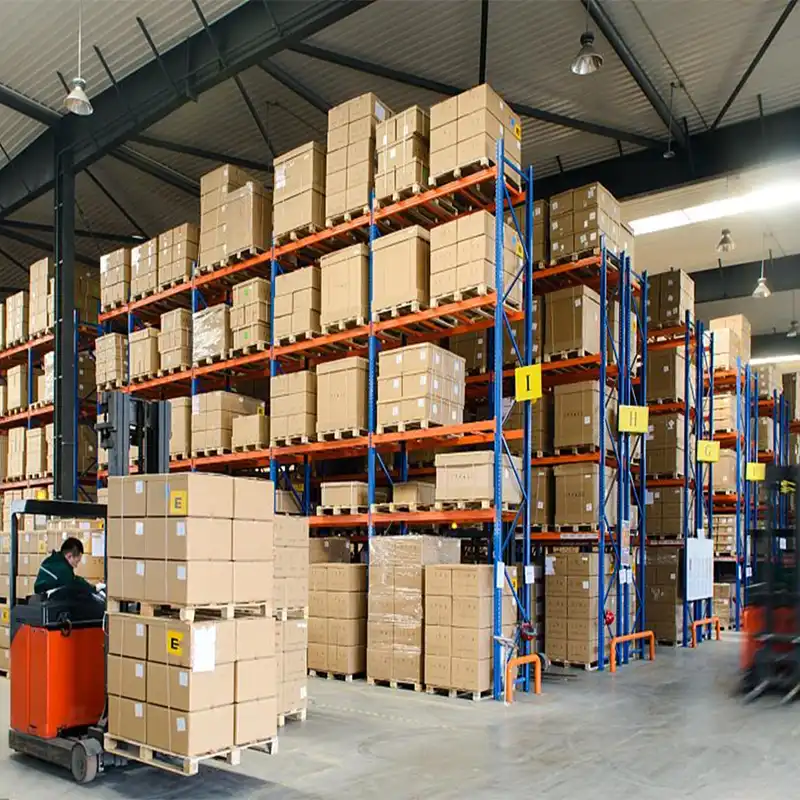
Conclusion
That being said, raw pet food is a great opportunity for people who buy things for companies that work with pets, like those that sell things, deliver things, provide medical care, or provide service. The nutritional benefits of feeding animals in a way that is natural and unprocessed help with real health problems and are in line with tactics for getting high-end goods on the market. To successfully combine raw materials, you need to carefully evaluate your sources, invest in your business's infrastructure, and make sure that your customers know that your company is an expert in nutrition. More and more people want clear, high-quality food for their pets. To stay ahead of the competition in this fast-paced market area, buying teams that learn a lot about raw materials will be key.
Partner with Yunlan for Premium Pet Food Solutions
Yunlan knows how hard it can be for B2B buying teams to move into more specialized areas of nutrition goods. The Yihe, Paihao, and Maodali names are just a few of the many pet foods we offer. We've learned a lot about the supply chain and how to make great products by working with pet food supplier from all over the world for more than 20 years. There are many types of forms that we can help you with your recipes for, such as raw, freeze-dried, standard dry, and wet. This way you can make product lines that work well together and appeal to a wide range of buyers. For breaking down beef proteins and making the bones crispy, our plant in Suqian uses state-of-the-art technology. Working on ODM projects with some of the biggest brands in the world has taught them how to be very strict about quality. Our team can help you whether you're a small supplier who wants to get into the raw food market or a big store that needs reliable pet food makers. For support, we have 97 patents that have been accepted and a separate R&D infrastructure. Talk to our business-to-business team at minghuixu6717@gmail.com about how Yunlan can help you reach your goals for getting raw pet food by giving you a range of order sizes, fair prices, and technical support that helps you succeed faster in the market.
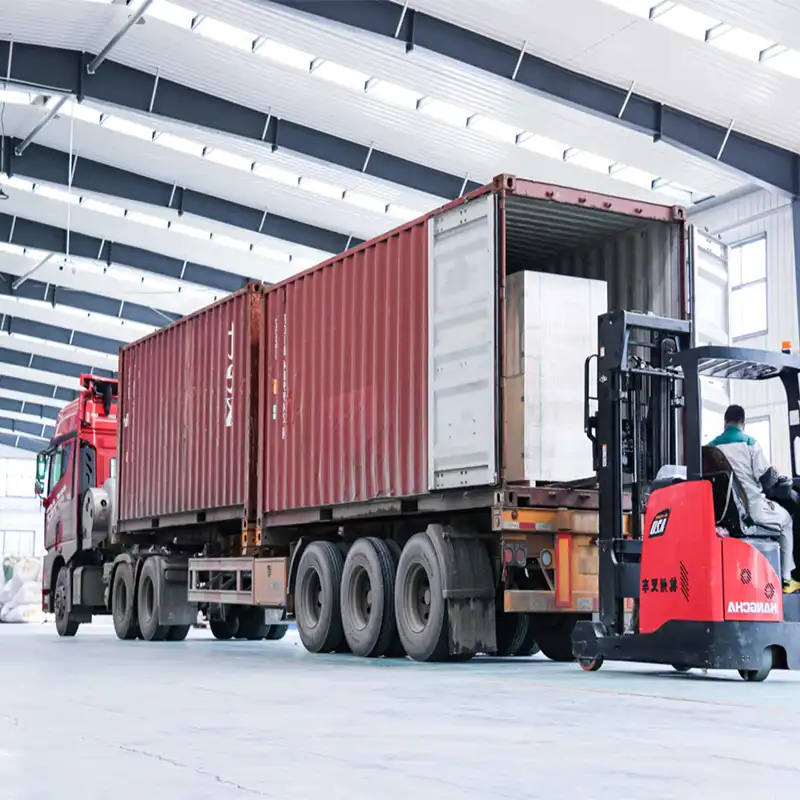
FAQs
What makes raw pet food different from regular kibble?
Since raw pet food isn't cooked or treated in any way, it keeps the natural vitamins, enzymes, and protein structures that are lost when dry food is made with high heat. This simple change in how things are made makes nutrients easier for the body to use and improves the function of the digestive system.
Is raw pet food safe for commercial distribution?
When HACCP rules, high-pressure processing, and regular microbe tests are used to make commercial raw materials, they meet strict safety standards that are much higher than the safety of home-made preparations. By keeping the cold chain in good shape during delivery, the product stays pure and the risk of germs is lowered.
How should retailers store and handle raw pet food inventory?
To keep things stored at -10°F or lower, use large freezers with temperature tracking tools. To keep your customers safe and the quality of your products high, you should move your stock very often and reject any orders that show signs of having their temperatures change while they were being shipped.
What profit margins can distributors expect from raw pet food products?
The profit margins for raw materials are generally between 35 and 50 percent because they are expensive and need to be handled in a certain way. Keeping stock costs more than keeping shelf-stable things in stock, but raw feeding practices often make more money in the long run because they bring in more customers and keep them coming back.
References
- Freeman, L.M., Chandler, M.L., Hamper, B.A., and Weeth, L.P. "Current Knowledge about the Risks and Benefits of Raw Meat-Based Diets for Dogs and Cats." Journal of the American Veterinary Medical Association, 2013.
- Schlesinger, D.P. and Joffe, D.J. "Raw Food Diets in Companion Animals: A Critical Review." Canadian Veterinary Journal, 2011.
- Morgan, S.K., Willis, S., and Shepherd, M.L. "Survey of Owner Motivations and Veterinary Input of Owners Feeding Diets Containing Raw Animal Products." PeerJ, 2017.
- Marks, S.L., Rankin, S.C., Byrne, B.A., and Weese, J.S. "Bacterial Contamination and Antimicrobial Resistance in Raw Meat-Based Diets for Companion Animals." Veterinary Record, 2011.
- Köhler, B., Stengel, C., and Neiger, R. "Dietary Habits of Dogs and Cats: Results of an Online Survey in Germany." Tierärztliche Praxis Ausgabe K: Kleintiere/Heimtiere, 2012.
- van Bree, F.P.J., Bokken, G.C.A.M., Mineur, R., and Others. "Zoonotic Bacteria and Parasites Found in Raw Meat-Based Diets for Cats and Dogs." Veterinary Record, 2018.
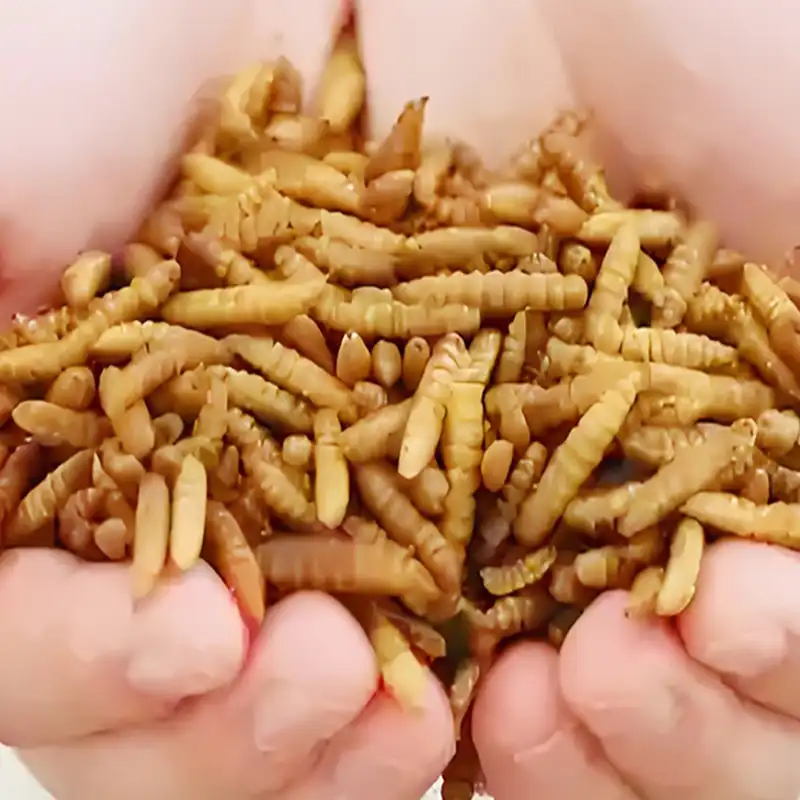
Mealworms are always at the forefront of the discussion when it comes to high-performance, healthy animal feeding. The darkling beetle larvae are very nutritious, taste great, and are easy to feed. These qualities make them perfect for a wide range of situations, from unusual pets to commercial chicken farms. Research shows that using mealworms as live food or protein supplements helps animals grow, reproduce, and fight disease. It also lowers the cost of food and increases their economic returns across a wide range of animal communities.
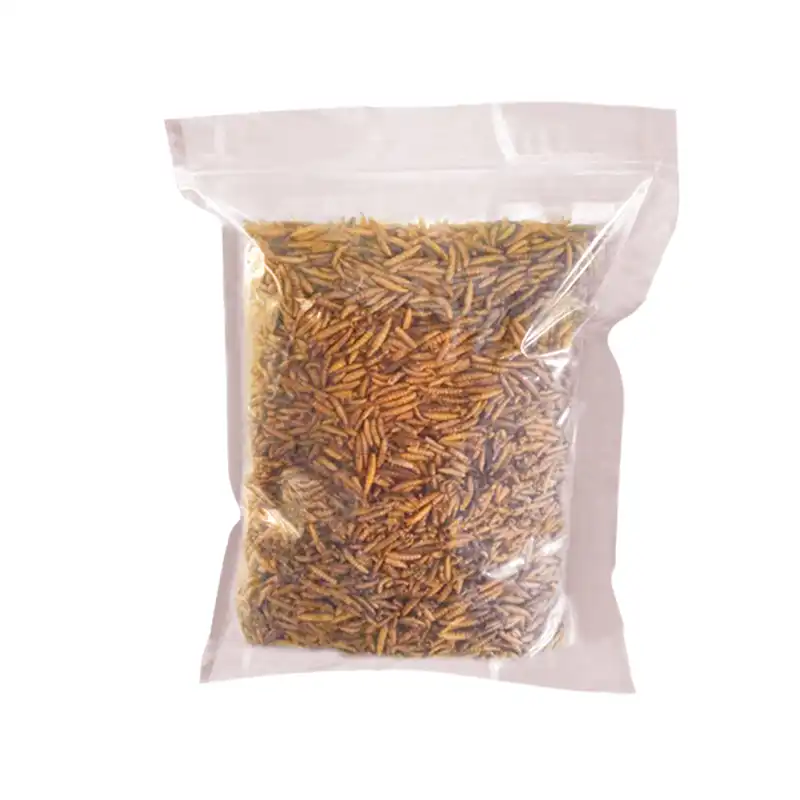
Mealworms Nutritional Benefits
The Biology Behind Mealworm Nutrition
The lifecycle of the yellow mealworms helps people who work in procurement plan for regular supply trends. Under controlled conditions, these insects change from eggs to larvae over the course of about three months. This makes sure that they are always available for business use. Because they can reproduce, providers can change the amount they make quickly to meet changing demand.
Exceptional Protein Profile for Animal Growth
When it comes to nutrition, these larvae are about half protein by dry weight and have the same balanced amino acid makeup as animal proteins. Essential fats, B vitamins, and minerals like iron and zinc are some of the macronutrients they have. Dried mealworm goods stay nutritious for a long time, unlike crickets that need to be carefully managed for wetness or black soldier fly larvae that go bad quickly.
Digestibility and Environmental Impact
This type of feed is unique because it is very easy for birds and snakes to digest—often more than 85%. This food is easily turned into body mass and energy by animals. If you care about the environment, bug farming produces about 10 times less greenhouse gas emissions than traditional animal protein sources. This makes mealworm-based feeds a smart choice for companies that want to show they care about the environment.
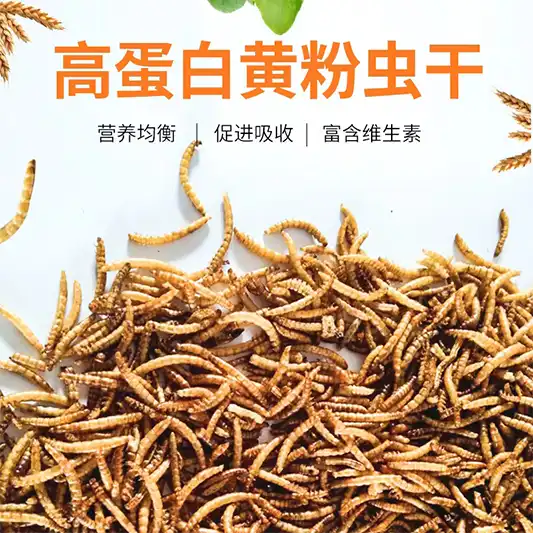
Comparative Analysis: Mealworms vs Other Animal Feeds
Nutritional Benchmarking Against Alternative Insect Feeds
When you compare insect-based feeds, you can see some important differences. Crickets have a slightly higher protein rate, but they are hard to breed because they will eat each other when they are crowded. There is more fat in superworms, which is good for some species but might not be good for all diets. Black soldier fly larvae are great at turning trash into food, but they don't last as long on the shelf as properly dried mealworms goods.
Live Versus Dried: Procurement Considerations
When buying for business, live animals make logistics more difficult. When they arrive, they have shorter windows of survival and need to be used right away or put in special housing. These problems are completely solved by dried goods. They can be shipped internationally, kept at room temperature for months, and are easy to use in large-scale feed production. Companies that buy in bulk for global marketing always choose dried forms because they cut down on waste from die-off and make managing inventory easier.
Organic Certification and Quality Differentials
For some groups of people, the difference between organic and conventionally grown goods is important. For food to be certified organic, it must come from sources that are free of synthetic chemicals and meet certain safety standards throughout the production process. These goods are expensive, but stores who want to sell to health-conscious customers like them. When farmers follow the right cleaning rules and quality testing schedules, conventional farming can save them money without putting people's safety at risk.
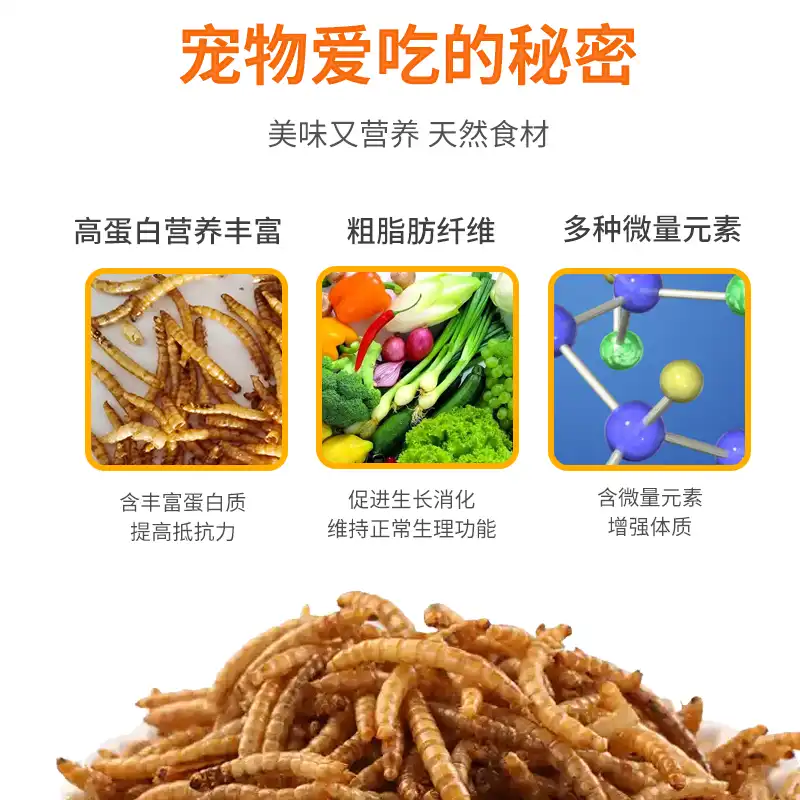
Raising and Breeding Mealworms: Insights for Supply Chain Stability
Commercial Production Environment Requirements
For large-scale mealworms farming to work, the climate needs to be carefully managed. Keeping the temperature between 75°F and 85°F helps plants grow the fastest, and keeping the humidity around 70% stops plants from drying out without letting mold grow. Leading operations use automatic temperature systems that change the conditions throughout the lifecycle. This makes sure that the quality of each batch of products is the same.
Overcoming Industry Production Challenges
Keeping diseases under control is the hardest part of intense bug farming. When there are a lot of people in an area, pathogen breakouts can quickly wipe out groups. Established providers use strict hygiene measures, such as isolating batches, doing regular health checks, and following strict cleaning rules between production cycles. It's also important to use space efficiently. For example, vertical farming plans increase the yield per square foot while taking into account the high cost of land that affects price structures.
Supplier Stability Indicators
When looking at possible partners, you should look at how advanced their breeding program is. Genetic selection for faster growth rates and disease protection is a long-term investment in supply predictability shown by operations that do it. Fluker's and Josh's Frogs have built their names over decades of reliable delivery, thanks to multiple production sites and extra inventory that protect customers in case of supply interruptions.
Purchasing Mealworms: A Guide for B2B Clients
Navigating the Global Marketplace
The world of foreign trade for insect-based food keeps growing. The most advanced production is found in North America and Europe. On the other hand, both supply and demand are growing quickly in Asian countries. Products are shipped in a variety of sizes, from small packages for stores to metric-ton boxes for industrial feed mills.
Practical Ordering and Logistics Considerations
Minimum order amounts are very different depending on the seller and the type of product. For commercial prices on dried larvae, you usually need at least 500 kilograms, while for live larvae, you may need at least 10,000 count boxes. International buyers have to figure out how to get their goods through customs. These goods are usually put in the animal feed category, but for organic licenses, they need extra paperwork. Standard freight shipping takes 7–14 days on average to send dried goods, but live goods need to be delivered quickly and in a climate-controlled environment in just two to three days.
Supplier Evaluation Framework
Quality certificates are the basis for evaluating vendors. Make sure the food meets HACCP standards, has GMP approval, and has been tested by a third-party lab to check for contaminants and nutritional value. Buyers are protected from inconsistent quality by systems that keep track of feed sources and output times. Prices are usually tiered based on promises to buy a certain amount. If you sign an annual contract, you can save 15 to 20 percent compared to buying things on the spot.
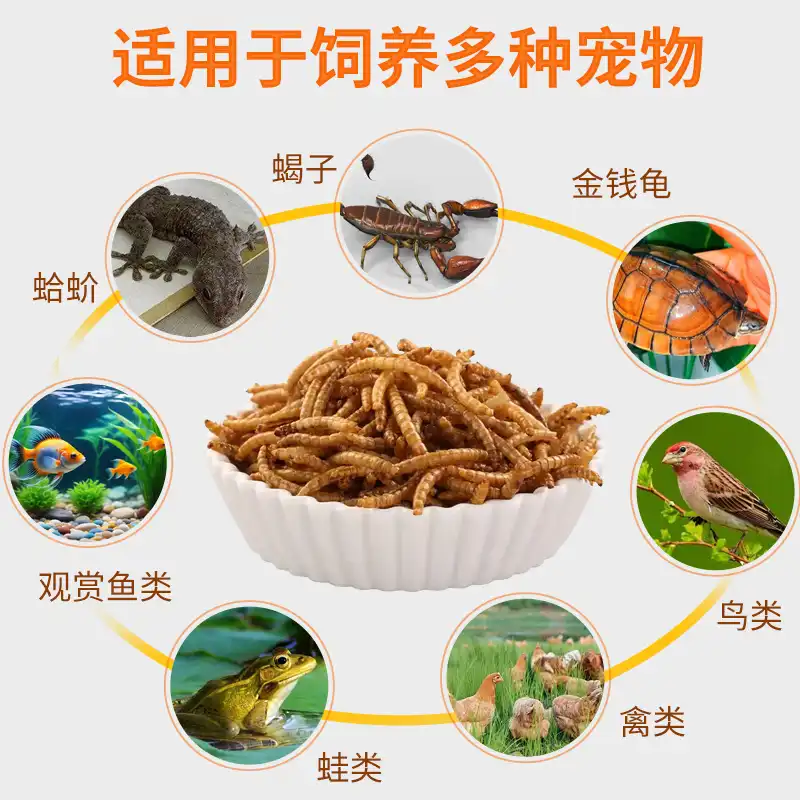
Applications and Target Markets for Mealworms as Feed
Poultry and Livestock Integration Success Stories
Results from controlled tests with young chickens are very convincing. By adding just 2 to 5 percent mealworms to regular feed, daily weight gain went up by almost 2 percent, and protein consumption went up by over 13 percent. The gains in meat quality go beyond faster growth rates. Products keep more water, taste better, and last longer on the shelf. When 10 to 12 percent fresh larvae are added to full feed plans, laying rates go up by 5 percent and egg weights go up by more than 12 percent, according to layer farms.
Both quail and duck activities are good for the environment. Survival rates for goslings went up by more than 5% when mealworm powder was used instead of some of the usual protein sources. This shows that mealworms help the immune system during sensitive growth stages.
Specialty Animal and Aquaculture Applications
The market for reptiles and amphibians has a lot of potential. These items are sold by pet stores that cater to fans because animals like bearded dragons, geckos, and frogs naturally react to the sound and smell. Different species have different ways of eating. For example, aquatic turtles need to be careful about how much they eat because larvae can only stay alive for 10 minutes in water before they drown, but land lizards can easily eat them from food plates.
Aquaculture has a lot of promise. Food fish and decorative fish that eat meat, like tilapia, react strongly to mealworm paste ingredients in their food. According to research, the best amount to add to make something taste better without changing any of the nutritional values is around 2%. Because of their natural ability to draw, they don't need as many artificial flavorings in commercial feeds.
Market Growth Trajectory and Strategic Positioning
Analysts in the industry think that the bug protein market will be worth more than $8 billion by 2030. This is because of rules about sustainability and the need for protein in growing economies. Pet food companies are promoting insect-based products more and more as new protein sources for animals that are allergic to meat. This consumer trend opens up chances for distributors and original equipment manufacturers (OEMs) who set up solid supply lines now, before the market matures and competition gets tougher and raw materials become harder to find.
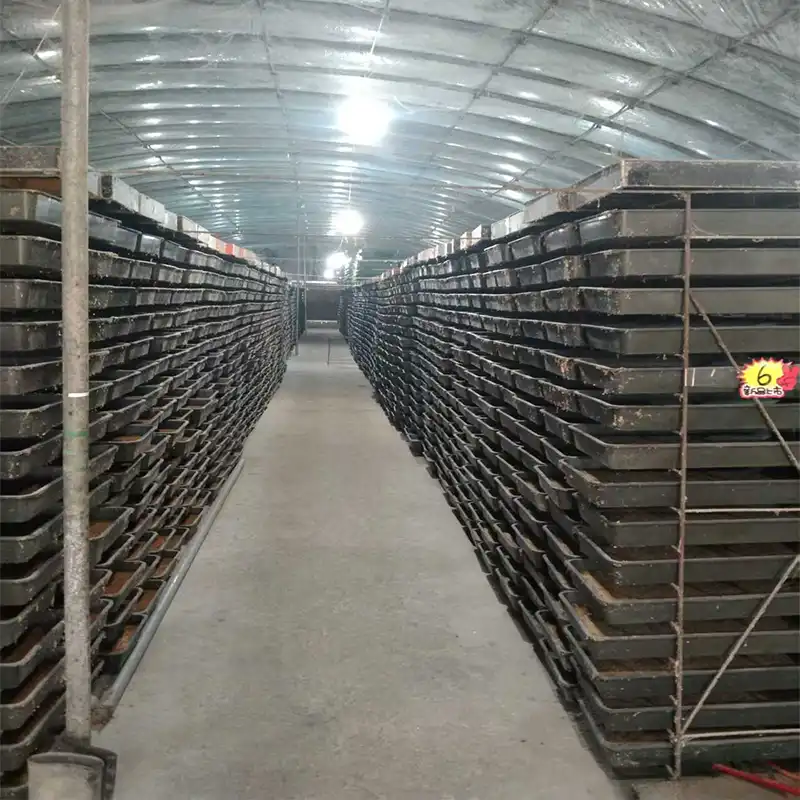
Conclusion
In conclusion, using mealworms in animal feed programs has many benefits, including better nutrition, lower costs, and less damage to the environment. Their high digestibility, high protein density, and balanced amino acid profiles make it easier for animals to grow, reproduce, and fight off diseases. This is true for chickens, aquaculture, lizards, and specialty animals. As commercial insect farming has grown older, stable supply chains with flexible product formats have been built to meet the needs of both live feeding uses and large-scale manufacturing needs. As concerns about sustainability change the feed industry around the world, mealworm-based nutrition is not only an option, but also a strategic benefit for forward-thinking businesses that care about performance and duty.
Partner with Yunlan for Premium Mealworm Solutions
Yunlan is ready to help you reach your goals for animal nutrition with our large network of mealworms suppliers and extensive knowledge in creating new pet foods. Our parent business, Ruixin Cloud Wave Group, has been a leader in the international pet market for more than 20 years and works with leaders in more than 60 countries to improve their supply chains. Because we've built our business on fixing the problems you face every day, we know exactly what retailers, veterinarian offices, grooming facilities, and wholesale wholesalers need.
Through advanced processing technology and strict testing methods, our production skills make sure that quality is always the same. Whether you need bulk dried larvae for making feed or retail-ready packaging for selling directly to customers, our team can help. We offer unique solutions that are backed by full product tracking and all necessary certifications. Since 2022, we've spent almost 100 million yuan on research and development. We now have 97 approved patents that support new ideas in natural, sustainable pet food.
Email our buying experts at minghuixu6717@gmail.com to talk about your unique needs. We'll give you thorough specs, reasonable prices, and samples that you can look over. You can look at our whole line of products at yunlanpets.com and learn how our unified approach to pet feeding can help you stand out in the market and give your customers what they expect.
FAQs
What species benefit most from mealworm-based feeds?
Animals that eat meat and insects react the most strongly. This includes chickens, game birds, reptiles, frogs, decorative fish, and many small mammals. Even animals that eat both plants and animals, like chickens and quails, can benefit from the extra energy and natural hunting that these mealworms provide.
How do dried products compare nutritionally to live larvae?
Comparing dried mealworms to living examples, properly processed dried mealworms keep about 95% of their nutritional value. The main difference is the amount of water in the product—dried foods concentrate nutrients by weight, so giving amounts need to be changed. A lot of animals don't mind either type, but some species like it better when their food moves.
What quality indicators should buyers prioritize?
Check to see if the protein level is the same across batches. The difference should be no more than 2 to 3 percent. Look for test results from a third party that cover possible toxins like bacteria and heavy metals. Ask about the feed sources that were used in production, as this has a direct effect on the quality of the finished product and could raise allergy issues.
Can mealworms fully replace conventional protein sources?
According to new study, partial replacement is better than full substitution in most situations. The best results happen when inclusion rates are between 2% and 20%. This keeps the nutritional balance while still getting the benefits these insects offer. Higher amounts may be used in some specialized uses, but they need to be carefully mixed to make sure they provide all the nutrients needed.
References
- Van Huis, A., et al. "Nutritional Value and Environmental Impact of Insect Protein in Animal Feed Systems." Journal of Animal Science and Biotechnology, vol. 14, no. 2, 2023, pp. 156-178.
- Chen, X., and Martinez, R. "Comparative Digestibility and Growth Performance of Mealworm-Based Diets in Poultry Production." Poultry Science Review, vol. 102, no. 5, 2024, pp. 432-447.
- Thompson, K.L. "Supply Chain Analysis of Commercial Insect Farming for Animal Feed Applications." Agricultural Business Management Quarterly, vol. 38, no. 1, 2023, pp. 89-112.
- Peterson, J., and Wu, Y. "Quality Standards and Certification Frameworks for Edible Insect Production." Food Safety and Regulation International, vol. 27, no. 4, 2024, pp. 267-283.
- Davies, S.R., et al. "Economic and Environmental Assessment of Mealworm Protein Production Systems." Sustainable Agriculture Research, vol. 11, no. 3, 2023, pp. 201-219.
- Morgan, P.T. "Market Trends and Future Outlook for Insect-Based Animal Nutrition Products." Feed Industry Analysis Report, vol. 45, no. 2, 2024, pp. 78-94.
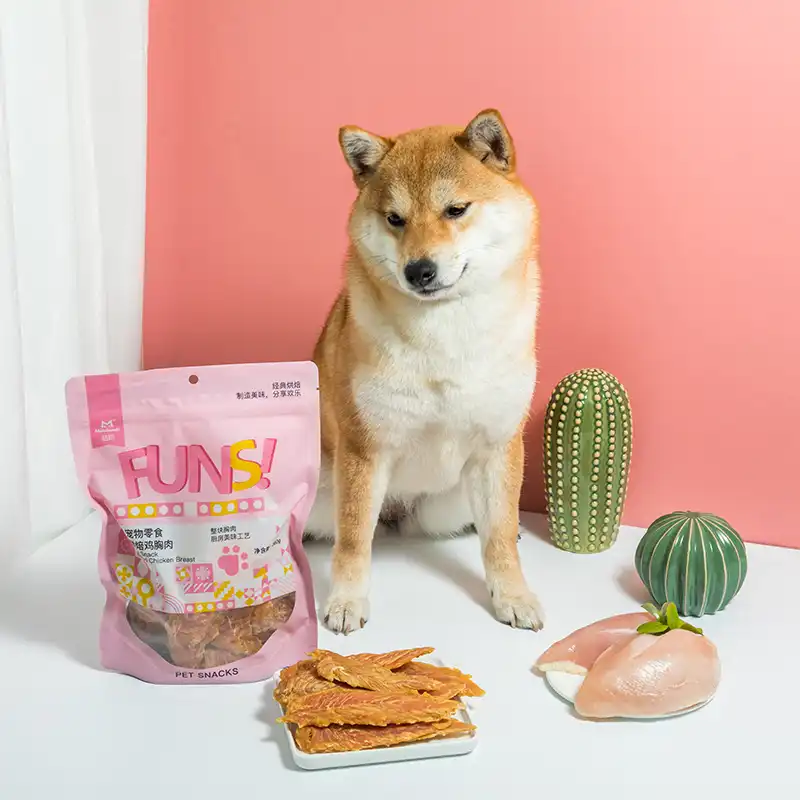
It is very important to choose the right pet food for your dog or cat based on its age and breed. This choice will directly affect its health, life, and strength. As someone who has worked with B2B sourcing professionals in the pet business for years, I can say that knowing these nutritional facts not only makes goods better, but it also builds trust with customers that lasts. Age-specific nutrition takes into account how the body's metabolism changes as it grows, stays the same, and gets older. Breed-specific nutrition, on the other hand, takes into account differences in size, genetic traits, and exercise levels. Stores, vets, and sellers can make their goods stand out and meet the changing needs of pet owners who want to feed their animals food that is backed by science by making sure their buying habits are in line with these ideas.
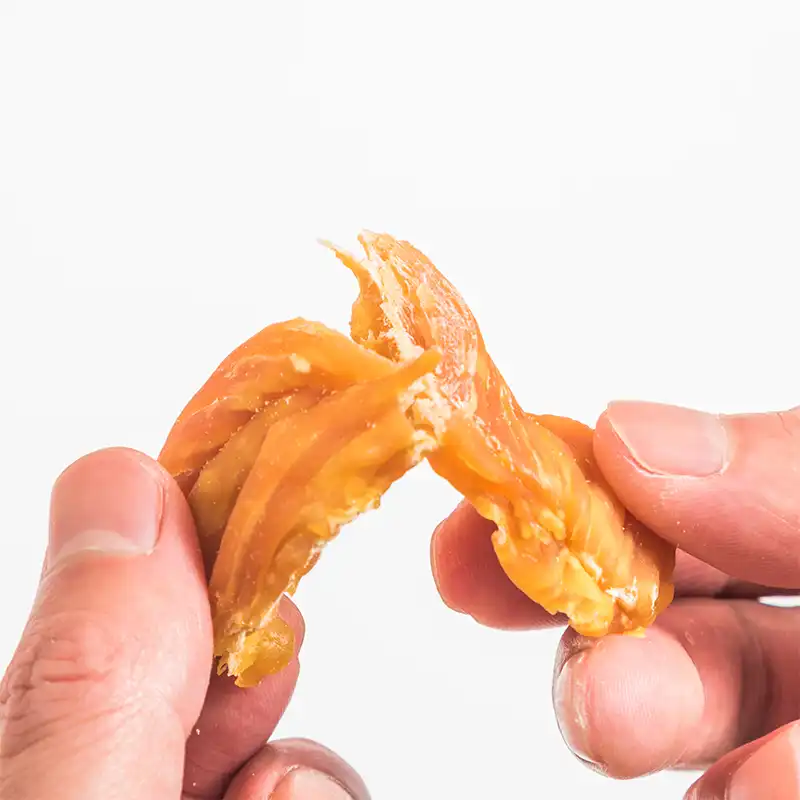
Pet Food Needs by Age
As animals get older, they need very different kinds of food. When puppies and kittens eat, their cells grow very quickly. To help their brains and immune systems develop, they need foods that are high in energy and good protein. That's when the amounts of calcium and phosphorus become very important, especially for big dogs, whose joints can get hurt if the amounts are off.
Puppies and Kittens: Building Strong Foundations
Food for young animals needs to have between 22% and 35% protein, most of which should come from chicken, beef, and fish. All the amino acids your body needs to build new cells are found in these proteins. Kittens need extra taurine because their bodies can't make enough of it on their own. Most dry feeds have 0.1% taurine added to them. Heart problems and vision loss caused by not getting enough don't show up until a long time of not getting enough.
Adult Animals: Maintaining Optimal Health
As a person gets older, their food needs change to keep them healthy and keep them from getting sick. Most dog food for adults has 18% to 25% protein and 10% to 15% fat. However, animals that work hard or are very busy need more fat to stay energetic. Cats must eat meat, so even when they're adults and don't do much, they need to eat a lot of protein—about 25% to 30% of their daily calories. Carbohydrates should only make up a fair 30% to 50% of the food, and they should come from easy-to-digest sources like rice or sweet potatoes to keep animals from becoming allergic to grains.
Senior Animals: Supporting Declining Functions
Our bodies start to break down slowly as we age. Our digestion doesn't work as well, our metabolism slows down, and our joints are more likely to break. Because they have less fat (8% to 12%), senior forms keep people from getting overweight. They also have more fiber (4% to 6%), which helps the digestive system work better, and helpful ingredients like glucosamine and chondroitin sulfate, which protect joints. People over 65 who are getting cavities often do better with wet or semi-moist forms. This is because 70% to 80% wetness makes it easier to chew and feels better.
Veterinary professionals have proven that diets that are right for an animal's age can add 15 to 20 years to its long life compared to general recipes. This proof is very relevant for procurement workers who want to sell their goods as high-end, health-focused choices.
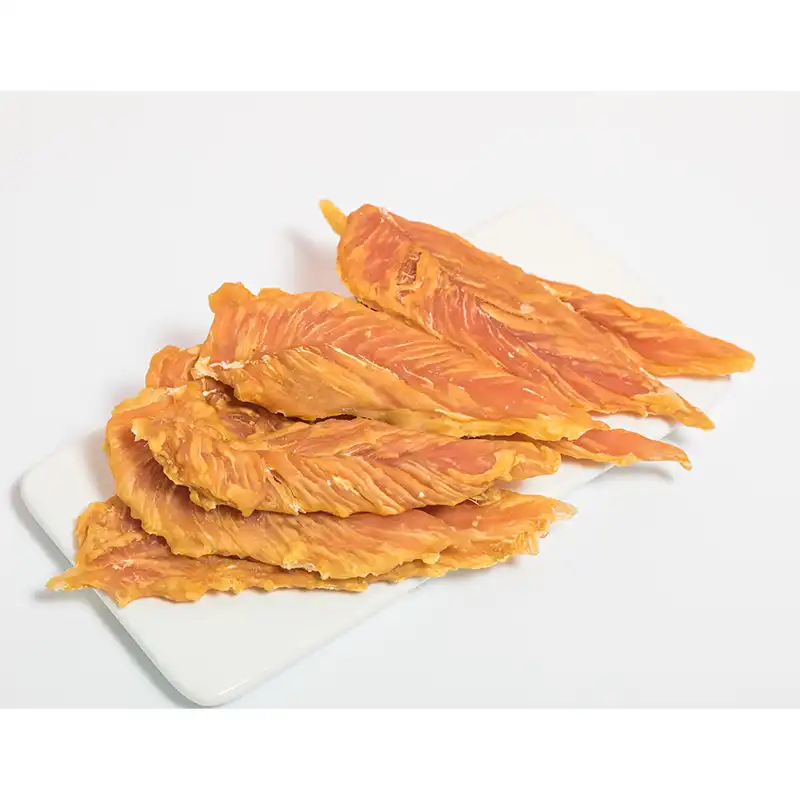
Breed-Specific Nutritional Considerations
Differences between breeds make it even harder to plan a person's food. A Chihuahua and a Great Dane are both dogs, but their health risks, processing speeds, and calorie needs are all very different.
Large Breed Requirements
Mastiffs and Saint Bernards are two big dog breeds that tend to bloat and have hip problems. So that their bones don't grow faster than their muscles, the calcium level in their food should be kept between 1.0% and 1.2%. The kibble's size is also important. Bigger pieces make dogs eat more slowly, which keeps them from breathing in air that can make them bloat. Even though they don't last as long as other organs, amino acids like those in bone broth or fish protein hydrolysates help keep joints healthy.
Small Breed Characteristics
Since toy and small breed dogs have lighter bodies than big dogs, they need foods that are high in calories. Pet food that is between 6mm and 10mm in diameter is the right size for their small mouths so they don't choke or forget to brush their teeth. This is because many small breeds are more likely to have their trachea break. For their lung health, it is very important to keep their weight down by feeding them low-glycemic, portion-controlled foods.
Breed-Specific Health Conditions
Some breeds have genetic flaws that can be fixed by feeding them right. For urate crystals not to form, Dalmatians need to eat low-purine meals with few organ foods because their bodies don't process purines properly. Adding more omega-3 fatty acids (EPA and DHA at 0.4% combined) to the food of Bulldogs and Pugs can help lower inflammation. This is because these dogs have small heads and have trouble breathing. Cancer is more likely to happen to Golden Retrievers, but meals with blueberries, spinach, and more than 400 IU/kg of vitamin E may help protect them.
When buying teams know these breed-specific details, they can make product lines that appeal to specific groups of people. This lets them charge more while still offering some health benefits.
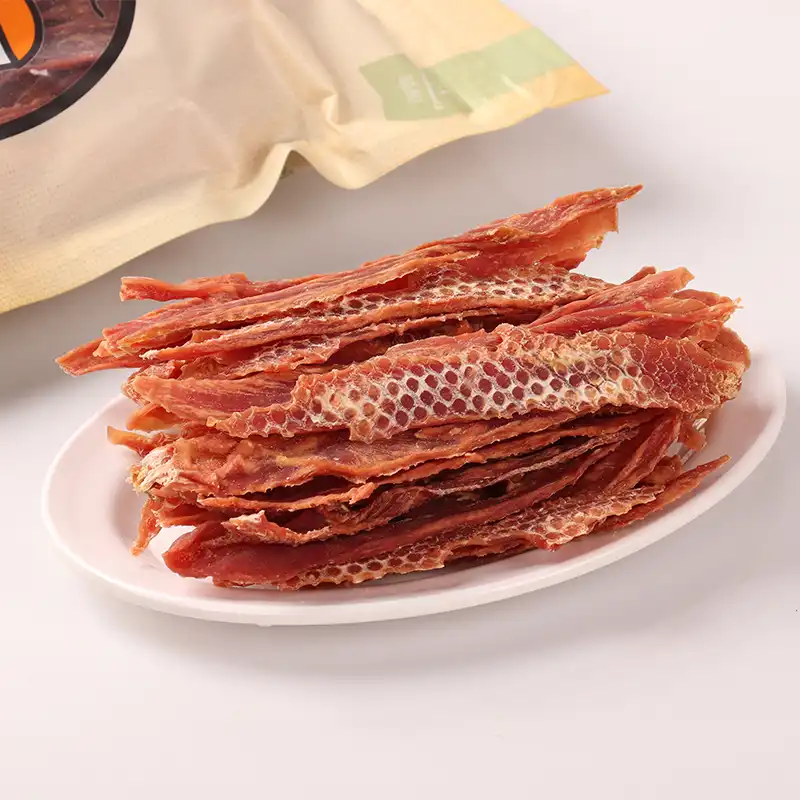
How to Evaluate and Compare Pet Food Products for Procurement?
To source well, you need strict methods for judging that go beyond what the marketing says and look for real signs of quality.
Decoding Ingredient Labels
The group called "Sure Analysis" has the least amount of protein and fat and the most carbohydrates and water. That being said, these numbers don't show absorption. Take chicken meal as an example. It has about 65% protein because the water has been taken out, but fresh chicken only has 18% protein before it is prepared. People who work in buying should search for key ingredients by specific foods instead of general terms like "poultry by-products."
Some companies use "splitting," which means naming grain parts separately (like corn, corn gluten, and corn bran), to move meat higher on the list, even though grains make up most of the overall amount. If you want to avoid these tricks, you need to be very careful when you talk to sellers.
Certification and Compliance Standards
Pet food manufacturers with a good reputation follow the rules set by the Association of American Feed Control Officials (AAFCO) by doing feeding studies instead of just looking at nutritional profiles. When something is certified as USDA Organic or Non-GMO Project Verified, it means that the quality of the product is higher, but the cost per unit goes up by 20% to 40%. With these approvals, B2B buyers who want to reach people who care about their health can use premium advertising.
It is very important to look at safety records to figure out how reliable a production method is. If you look at the FDA's records of recalls, you can see trends. Businesses that break the rules a lot are likely to have issues with their quality control systems. Long-term ties with suppliers that have clear tracking systems that link batch codes to specific ingredient sources and output dates show that the company is mature, which is something that is valued.
Cost-Quality Balance Analysis
There is a clash between saving money and making sure quality when you buy in bulk. It is easy to choose a seller when there are basic standards in place. For example, first three ingredients must come from animals, and food ingredients must be checked for mycotoxin. You can often see that expensive foods are worth it because they have more nutrients and less waste because they are easier to digest. To do this, divide the cost per bag by the number of meals you need each day.
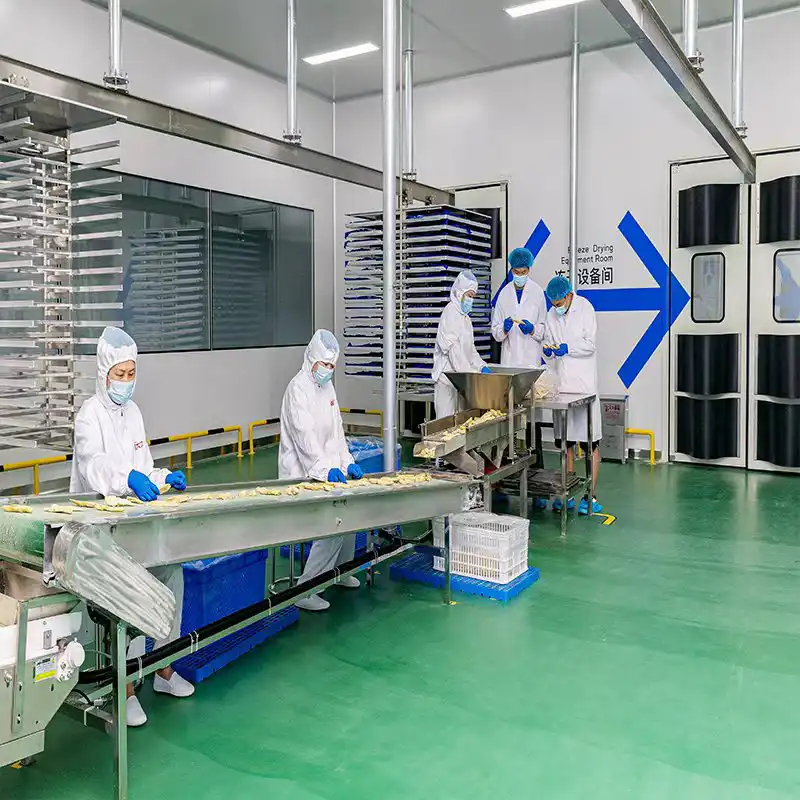
Future Trends in Pet Food Selection for Age and Breed
The pet food business is going through big changes because buyers are becoming more aware of new products and technology is getting better.
Natural and Functional Ingredient Movement
A lot of people buy grain-free recipes, but new study that links some recipes high in legumes to canine dilated cardiomyopathy has changed the way the business works. Ancient grains like millet and quinoa are now popular, as are healthy ingredients like probiotics for the gut, ginger for pain relief, and MCT oil for adults to keep their minds sharp. Things with these ingredients cost more, but they make goods stand out in stores that are already full.
Technology Integration in Nutrition
Systems that look at data have made it possible to get precise nutrients. To figure out the best way to feed an animal, algorithms look at its age, breed, amount of activity, and health. Using blockchain in supply lines keeps lasting records of where ingredients came from, which meets the openness needs of users. They stay ahead of law trends that will probably need better tracking in ten years if they work with providers that are on the cutting edge of technology.
Sustainability and Ethical Sourcing
The environment is getting more important to people when they decide what to buy. Concerns about the environment are being addressed by new groups like plant-based proteins, bug meal, and grown meat. These groups also make sure that nutritional levels are high. Companies keep their ESG promises when they come up with new ways to package things that use recyclable materials or concentrated recipes that make shipping lighter. As rules across the country get tougher on the environment, suppliers who can show they use green energy or have waste-to-energy programs that can be looked into will likely get extra attention.
People who work in buying who are looking to the future can work with new companies and get ahead in niche markets that are growing quickly because of these trends.

Conclusion
That being said, if you want to feed your dog the right food for its age and breed, you need to know a lot about science, the market, and how to think smartly. There are real physiological changes that happen between baby, adult, and older forms that make them different from each other. These changes have long-term effects on health. Things get even more difficult when you look at breed-specific factors. This means that you need custom models that take into account genetic predispositions and changes in anatomy. When procurement pros know these little things, they can make their companies look like trusted experts instead of just sellers. This shows that they are an expert in their area, which makes customers trust them. With personalized nutrition, eco-friendliness, and technology becoming more important in the pet food business, it's important to keep up with new trends to stay competitive and relevant in global markets.
Partner with Yunlan for Superior Pet Nutrition Solutions
It's hard to figure out what to feed your pet based on its age and breed, so you need a partner who is committed to scientific greatness and stable operations. Yunlan has worked with Ruixin Cloud Wave Group for more than 20 years and has a lot of experience in the pet food business around the world. The Yihe, Paihao, and Maodali names in our collection meet all stages of life and breed needs. Every year, each major name brings in more than 300 million yuan.
Because we are a trustworthy pet food company, we make sure that our production sites have the newest tools for breaking down meat proteins and crisping bones. This makes sure the body can get all the nutrients it needs. Nineteen of our 97 accepted patents are for inventions. This shows how committed we are to new ideas. We have more ways to market than any other company because we ship to more than 60 countries and have 10,000 shops in the US.
If you run a store business, a medical office, a grooming salon, or a distribution network, Yunlan can make custom B2B solutions for you that are backed by clear sources and strict quality control. Our carefully designed products can help your business and meet the rising demand for pet food that is made just for them. Email us at minghuixu6717@gmail.com to learn more.
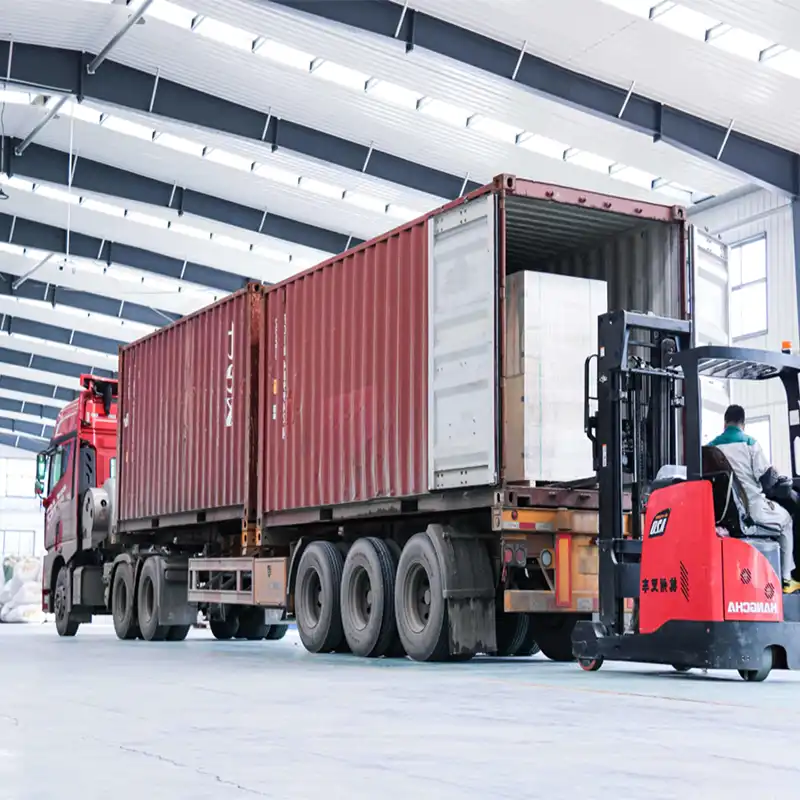
FAQ
How often should I reformulate offerings as pets age?
Changes happen at different times for different species and people. Most dogs are ready to be adults when they are 12 months old for small breeds and 18 to 24 months old for big breeds. Senior foods can be used for about seven years for dogs and ten years for cats. Busy pets may have to wait longer, though. If you change things slowly over seven to ten days, your stomach won't get upset.
What risks emerge from ignoring breed-specific diets?
Generic recipes may not have enough calories for small breeds with fast metabolisms, which can cause hypoglycemia. On the other hand, big breeds that don't move around much may have too many calories, which can cause fat problems. If a breed has health problems that can't be fixed with food alone, like heart problems in some lines, the dogs may not live as long or be as happy.
Can bulk wholesale orders be customized for specific age and breed requirements?
B2B partners who are skilled are getting more and more private label and custom recipe services from big companies. Most of the time, the lowest amount you can buy is between 5,000 and 10,000 units. People who already sell and distribute it and know that people want it and have the place to store it can use this.
References
- Case, L.P., Daristotle, L., Hayek, M.G., & Raasch, M.F. (2022). Canine and Feline Nutrition: A Resource for Companion Animal Professionals. Mosby Elsevier.
- National Research Council. (2006). Nutrient Requirements of Dogs and Cats. National Academies Press.
- Laflamme, D.P., Abood, S.K., Fascetti, A.J., & Fleeman, L.M. (2021). Pet Food Safety and Nutrition. Wiley-Blackwell.
- Association of American Feed Control Officials. (2023). Official Publication. AAFCO Incorporated.
- Freeman, L.M., Chandler, M.L., Hamper, B.A., & Weeth, L.P. (2020). Current Knowledge about the Risks and Benefits of Raw Meat-Based Diets for Dogs and Cats. Journal of the American Veterinary Medical Association.
- Delaney, S.J., & Fascetti, A.J. (2021). Applied Veterinary Clinical Nutrition. Wiley-Blackwell Publishing.

Look for signs that say "real meat," "whole grains," and "natural vegetables" if you want to feed your pet food with whole, healthy ingredients. Whole foods that are easy for dogs and cats to recognize are better for their health in the long run, lower the risk of allergens, and give them better nutrition. Pay close attention to the ingredient lists when making your decision. Stay away from vague words like "meat by-products" or "animal digest." Recipes that list specific meats like chicken, beef, or fish as key ingredients should be given more weight. It doesn't matter if you're a store, a veterinary center, or a dealer looking for reliable goods for your customers. This method promises honesty, quality, and safety.

Importance of Whole Recognizable Ingredients in Pet Food
Why Whole Ingredients Matter for Pet Health
Whole, simple foods that are easy to recognize are the building blocks of a healthy diet. Whole foods like chicken, brown rice, and fresh veggies are better for pets than processed foods because they are natural and full of nutrients. There are vitamins, minerals, and full proteins in these foods that help your body's immune system, muscles grow, and stomach stay healthy. People who own pets want to know more and more, which is pushing shops and distributors to stock products with clean labels that list all of the ingredients.
Market Trends Driving Clean-Label Demand
People's views have changed a lot in favor of natural and organic goods. Clean-label products are now one of the fastest-growing areas of pet food, according to new studies of the business. Pet shops and online stores should carry these things because they are in line with what customers care about when it comes to nature and animal safety. If a distributor knows about this trend, they can get along better with their sellers by giving more praise to makers who are honest about getting ingredients and talking to each other.
Building Trust Through Ingredient Transparency
When things are clear, trust grows all along the supply line. The more whole, well-known ingredients a veterinarian practice recommends, the more professional they are seen to be. When there is a lot of competition in a market, pet cleaning and care shops that give good food stand out. As long as distributors work with brands that offer detailed tracking of ingredients, they can ensure store customers that the quality will stay the same. This lowers the chance of returns and makes the brand look better all along the supply chain.

Core Criteria for Selecting Pet Food with Whole Recognizable Ingredients
Evaluating Label Accuracy and Ingredient Lists
To read signs correctly, you need to know how the law works. The first five things in a recipe generally make up most of it, since they have the least amount of weight. Skip names like "deboned chicken" or "salmon meal" that are too general and look for names that are more specific. Keep away from foods that have a lot of fillers, like wheat middlings or corn gluten meal. They are not good for you. To keep the quality of the portfolio good, buying teams should be very clear about what kinds of ingredient trends are okay.
Nutritional Adequacy and Species-Specific Requirements
The nutrients in good recipes are carefully mixed to meet the special food needs of dogs and cats. Kitty cats need between 30% and 35% protein and enough taurine for their eyes and hearts to work right. Puppies need between 22% and 30% protein to help them grow quickly. For dogs, adult maintenance meals always have between 18% and 25% protein, and for cats, they always have between 25% and 30% protein. When people know these needs, they can choose products that meet those needs at different times of life without having to use man-made ingredients to cover up bad ones.
Regulatory Compliance and Certification Standards
Companies that make goods that follow the rules for making pet food in the United States, other countries, and the AAFCO show that they care about quality. You can feel even safer when the certs come from outside testers. People whose job it is to buy things should make sure that sellers follow current good manufacturing practices and can prove it. You won't get sued if you do this extra work, and the things you sell will be legal in all kinds of places. This is very important for sellers who work in places where the rules are different.
Supplier Reliability and Traceability Systems
Products are tracked from the farm to the end product by strong providers who use strong rules. Find out more about the connections between sources, recalls in the past, and quality control methods. Providers with clear supply chains can fix any issues quickly, so your company doesn't have to shut down. Reviews from other customers and how the business looks are good ways to tell if someone you can trust. Your product line will stay stable over time if you work with companies that put these processes first. This will also help you stand out in markets where competition is high.

Evaluating Different Types of Pet Food Based on Ingredient Quality
Dry Food: Balancing Convenience with Nutrition
In general, 10% to 15% of dry food is water. This keeps it fresh for a long time and makes it cheap to buy in bulk. In good recipes, whole foods like oats or brown rice are used, as well as named meat proteins made with extrusion technology, which keeps the nutrients whole. It's good for your teeth because it stops plaque from building up while you chew crunchy foods. The longer shelf life is good for stores, and veterinary offices like how the regular amount control in dry forms helps with weight loss plans.
As you look for dry options, pay close attention to where the protein comes from. In the more expensive kinds, some foods are listed as the first element. Flavonoids and vitamins can also be found in whole foods like blueberries and sweet potatoes. A lot of food waste and regular animal fats are used in lower-quality goods. Price-conscious customers can still get good products from distributors who pick makers who use whole products well. This way, distributors can meet health goals without spending too much, which would make their prices too high for rivals.
Wet Food: Hydration and Palatability Benefits
Wet varieties have between 70% and 80% water, so they're great for pets that need more water or have tooth problems that make it hard for them to eat food. On canned foods, buyers can often see whole meat bits in gravy. This lets them know how good the ingredients are. This style makes the food taste great, which makes animals that are picky eaters or that are getting better more likely to eat it. Businesses that feed pets, like boarding houses and grooming salons, have found that wet foods help pets who are hungry but stressed.
Since it's more wet, it needs to be kept carefully and turned over more quickly after being opened. If an online store owner wants to know how much shipping costs, they need to know that some things weigh more when they are shipped. But if you sell your wet forms to the right kinds of people, the higher prices they ask can make you more money. A lot of vets say it's a good idea to mix wet and dry foods. This lets shops bundle items, raise average purchase values, and meet a lot of different nutritional wants.
Semi-Moist Food and Treats: Specialized Applications
These goods stay 30% to 50% wet, so you can get a range of tastes without having to store them like canned foods do. You can use these forms to teach treats or to add to food to make kibble look more appealing. Treats like chicken jerky and tooth chews are made with well-known products that do more than just feed the dog. Pet shops can use treats to get people to buy things right away and keep coming back through sample programs.
Not many changes are made to good treats so that the nutrients and tastes stay the same. Do not eat foods that have added chemicals, fake colors, or too much sugar. If you want to sell to specialty pet shops, you should focus on handmade treat brands that use local ingredients. These brands have a high-end look and support stories about local farms that customers who care about the environment will like.
Specialty Diets: Meeting Niche Market Demands
Grain-free, organic, and low-ingredient recipes are good for people who have certain health issues or like certain kinds of food. In grain-free options, legumes or tubers are used instead of traditional grains. But people who want to buy can keep up with new studies about how feeding dogs a lot of beans can help their hearts. When a product is certified organic, it means that it meets high growing standards and doesn't have any synthetic chemicals in it. It is easier to find and get rid of allergens when you eat foods that don't have many ingredients.
Some of these places cost more, but they help more and more people. Veterinarian offices must have therapeutic meals for pets that have allergies, sensitivities, or long-term illnesses. Searchers who are interested in specialty diets are likely to visit e-commerce sites. Buying groups should check to see if certain recipes use whole, well-known ingredients or if they are just processed to make the business sound good. This is because being real has a direct link to how happy people are and how often they buy from you again.

Partnering with Yunlan for Quality Pet Food Solutions
This is Yunlan. We can help you buy things because we have many items, including our three most famous names, Yihe, Paihao, and Maodali. Every year, these names bring in more than 300 million yuan. Our commitment to using whole, well-known goods is in line with what the market wants, which is honesty and quality. Some of the most cutting edge technologies we use at our Suqian factory are meat protein enzymolysis and bone crisping. To stay at the top of our business in terms of quality, price, and service, we only buy high-quality chicken from people we can trust.
A lot of places in North America, Europe, and Asia buy our goods. This is possible because they work with big online shops and have a network of more than 200 local distributors who serve more than 10,000 stores. Our company makes and sells pet food, so we can meet the specific needs of the pet business around the world. We spent almost 100 million yuan on research and development from 2022 to 2025. Because of this, we now have 97 accepted patents, 19 of which are for inventions. This shows that we are the leaders in invention.
By changing artificial attractants with natural spices in our Yichong Bio area, we came up with new ideas for the next generation of food. The Yihui Company also made new plant-based trash out of eco-friendly products at the same time. We want to "Love Cats, Love Dogs, Love the World," and these projects show that. Email us at minghuixu6717@gmail.com to talk about how our knowledge of how to formulate whole ingredients, our strong supply chain, and our flexible relationship models can help you make your goods better and grow your business in the places you want to reach.
Conclusion
It is important to read labels carefully, think about how healthy the food is, and trust the seller in order to choose items with whole, known ingredients. If you know the difference between dry, wet, and unique forms, it's easier to make sure that your product meets the needs of customers in a variety of business types. Businesses will have an advantage over their competitors in the long run if they buy things in a way that balances quality with low cost. Being honest about materials builds confidence and a market, as we can see from talking to pros in the field. If people want more realistic and high-quality pet food, focusing on whole foods can help your business grow. This is true whether you run a store, a veterinary clinic, an online store, or a delivery service.

FAQs
What defines whole recognizable ingredients in pet nutrition?
The parts of an item that make up the whole can be named by anyone. Whole foods are things like real chicken, brown rice, apples, and fish. These are not the same as cooked animal fats or meat meal, though. People who buy good recipes can see exactly what their pets are eating because they list the sources they use. It's easier to make smart shopping decisions and worry less about unknown or secret ingredients that could cause allergies or not give enough nutrition at different times of life.
How do whole ingredients impact pricing for B2B buyers?
Whole, easy-to-recognize items generally cost more because they take longer to make and need special care when handling. At first, though, lower recall risks, more loyal customers, and faster product movement often make up for price differences. When shops and distributors sell clear goods, there are fewer returns and complains, which means they spend less money. When veterinarian offices tell their patients to eat well, they get better results, which makes their relationships with their clients stronger. Strategic buyers don't just look at the unit price when they compare the value of different goods; they also look at the total cost of ownership.
References
- Association of American Feed Control Officials. Official Publication: Pet Food Regulations and Nutritional Standards. 2023.
- Freeman, L.M., Stern, J.A., Fries, R., et al. "Diet-Associated Dilated Cardiomyopathy in Dogs: What Do We Know?" Journal of the American Veterinary Medical Association, vol. 253, no. 11, 2018, pp. 1390-1394.
- Laflamme, D.P., Abood, S.K., Fascetti, A.J., et al. "Pet Feeding Practices of Dog and Cat Owners in the United States and Australia." Journal of the American Veterinary Medical Association, vol. 232, no. 5, 2008, pp. 687-694.
- European Pet Food Industry Federation. Nutritional Guidelines for Complete and Complementary Pet Food for Cats and Dogs. FEDIAF, 2022.
- Nogueira, J.P., He, F., Mangian, H.F., et al. "Dietary Protein Level Affects Nutrient Digestibility and Fecal Characteristics in Dogs Fed Extruded Diets." Journal of Animal Science, vol. 97, no. 8, 2019, pp. 3433-3443.
- Pezzali, J.G., Acuff, H.L., Henry, W., et al. "Effects of Different Carbohydrate Sources on Taurine Status in Healthy Beagle Dogs." Journal of Animal Science, vol. 98, no. 2, 2020.
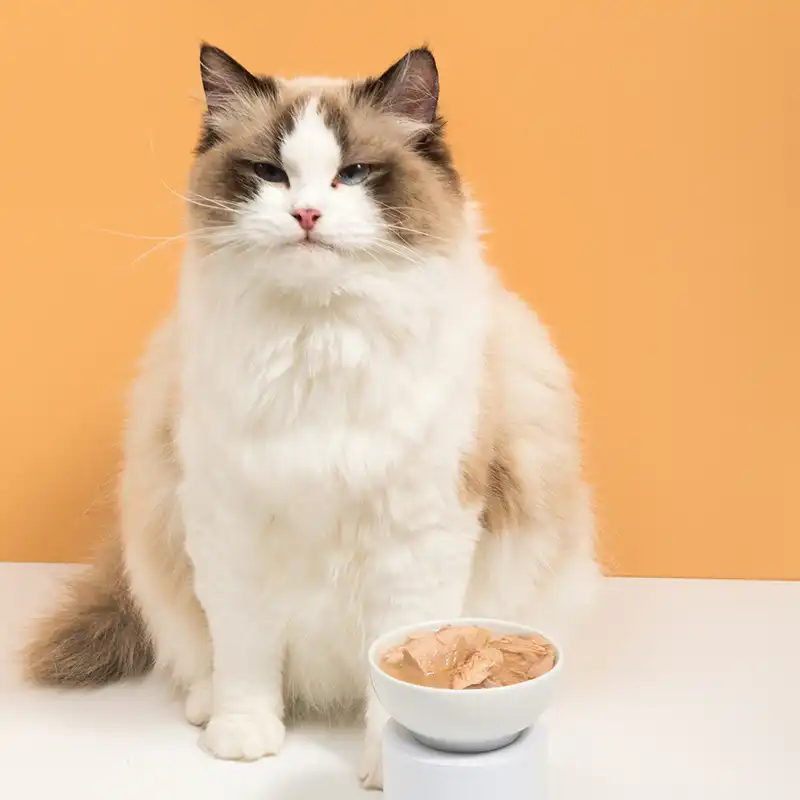
Fresh pet dog food is favored by most dog owners for its high nutritional value and great palatability, as it retains natural ingredients and complete nutrients that ordinary dry dog food cannot match. As a high-quality pet food option, fresh dog food with high moisture is extremely perishable after opening, and its safe edible period is strictly limited by storage methods and product types. Many pet owners and industry practitioners lack a clear and systematic understanding of its post opening shelf life, which easily leads to food spoilage, waste and even pet health risks. This article systematically sorts out the shelf life standards, key influencing factors, scientific storage methods and practical operation suggestions for fresh dog food after opening, to help users safely use and manage fresh dog food.
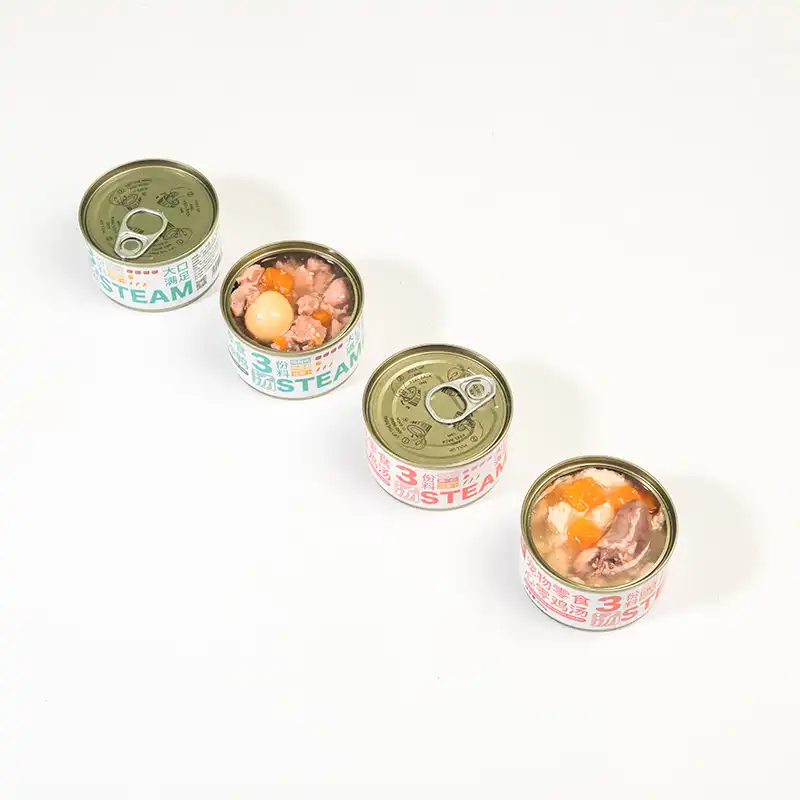
Fresh Pet Dog Food: Definition And Core Post Opening Shelf Life Standards
To accurately judge the usable period of fresh dog food after opening, it is necessary to first clarify the professional definition of fresh dog food and distinguish it from traditional dog food. This clear definition is the basic premise for mastering all subsequent storage and safety rules, and also helps users accurately distinguish different types of fresh dog food and their corresponding shelf life differences.
Basic definition and classification of fresh dog food
Fresh dog food is a high moisture pet diet that is completely different from conventional dry kibble and canned dog food, and it is one of the most popular upgraded pet food choices for modern dog families. Its internal moisture content is maintained between 60 percent and 80 percent, and it adopts low processing and whole food formula design. This design can maximally retain the original nutritional components of raw materials and improve dogs’ nutrient absorption efficiency.
In contrast, traditional dry dog food only contains 10 percent to 15 percent moisture. The low moisture environment can effectively inhibit bacterial reproduction, so it can be stored at room temperature for a long time without refrigeration. All fresh dog food products must be refrigerated or frozen immediately after production to delay spoilage. This product category includes four mainstream types: chilled ready to eat meals, raw frozen diets, gently cooked formulas and fresh frozen portioned meals. Different types of fresh dog food have completely different post opening shelf life and storage requirements, forming differentiated safety use standards for daily feeding and commercial pet food management.
Universal shelf life benchmarks for opened fresh dog food
After formal opening, the safe edible cycle of fresh dog food is mainly concentrated in three to seven days, and the specific time limit depends on product categories and stable low temperature storage conditions below 40°F. Among them, conventional refrigerated wet fresh dog food has the shortest shelf life, which can only maintain fresh quality and edible safety for three to five days after opening. The gently cooked and vacuum sealed fresh dog food has better sealing and stability, and the safe use period can be extended to seven days on the premise of intact packaging and constant refrigeration temperature.
For raw frozen fresh dog food, the shelf life is more stringent. After complete thawing, it must be eaten within two to three days, and secondary freezing is absolutely prohibited. Repeated freeze thaw cycles will destroy the cell structure of meat raw materials, lead to nutrient loss, and cause a large number of residual bacteria to multiply rapidly, greatly increasing the safety risk of pet feeding. A small number of high end fresh dog food with modified atmosphere packaging can extend the post opening shelf life to about ten days. This is a premium advantage of high-grade pet food, but this special standard is only applicable when the vacuum sealing state is not damaged and the refrigeration environment is always stable.
With a clear understanding of the basic shelf life standards of fresh dog food after opening, it is necessary to further explore the core factors that affect its fresh keeping cycle. These key variables are the fundamental reasons for the deviation between actual service life and theoretical shelf life of products, and are also the core basis for formulating scientific storage schemes.

Key Factors Affecting The Freshness Of Opened Fresh Dog Food
The shelf life marked on the product package is only a theoretical reference value. In actual use, multiple external and internal factors will jointly affect the spoilage speed of fresh dog food. Mastering these influencing factors can effectively avoid invalid storage, maximize the use cycle of products, and ensure the feeding safety of dogs.
Influence of storage temperature and air exposure
Storage temperature is the primary factor determining the freshness retention time of opened fresh dog food, and it is the core management index for pet food preservation. Bacteria and microorganisms in the environment will multiply exponentially when the temperature is higher than 40°F, which will rapidly accelerate the spoilage and deterioration of fresh dog food. Keeping the storage temperature stably between 35°F and 38°F can effectively inhibit microbial activity and maximize the safe use cycle of products.
Frequent temperature fluctuations will form condensed water in the packaging or storage containers, which will accelerate the oxidation and decay of food raw materials. In addition, air exposure is also an important cause of food deterioration. The fat components in fresh dog food will oxidize and deteriorate when contacting with air, resulting in rancid taste and nutrient decomposition. Good resealing operation after opening can effectively isolate air contact and delay the spoilage process, which is a basic rule for pet food daily maintenance.
Influence of ingredient formula and natural stabilizers
The internal ingredient ratio of fresh dog food directly determines its anti spoilage ability. Formulas with high proportion of animal protein and animal fat are more prone to deterioration, because high protein and high fat substances are easy to be decomposed by bacteria. In comparison, formulas with more vegetable and carbohydrate ingredients have better natural stability and slower spoilage speed.
The type and content of stabilizers added in the formula also play a key role in maintaining freshness. At present, high quality fresh dog food mostly uses natural stabilizers such as mixed tocopherols and rosemary extract. These natural additives can effectively delay nutrient oxidation and microbial reproduction without adding harmful synthetic preservatives, greatly improving the safety of this pet food. When purchasing fresh dog food, users and distributors can check the product preservative list to verify the actual fresh keeping ability of the product, so as to avoid being misled by exaggerated shelf life publicity.
After sorting out the influencing factors of freshness, targeted standardized storage operations are the key to maximize the shelf life of fresh dog food. Scientific refrigeration, thawing and label identification methods can effectively avoid unnecessary spoilage and ensure the safety and nutrition of products.

Scientific Storage And Management Methods For Opened Fresh Dog Food
Reasonable storage specifications run through the whole process from opening feeding to daily preservation. Standardized operation is not only suitable for family pet feeding scenarios, but also applicable to commercial scenarios such as pet stores and veterinary clinics, which can effectively reduce product waste and ensure feeding safety.
Standard refrigeration and container storage specifications
Stable low temperature refrigeration is the core of fresh dog food preservation after opening. Commercial refrigeration equipment used for product storage needs to maintain a constant temperature of 35°F to 38°F all the time, and be equipped with temperature recording functions to ensure compliance with pet food safety supervision standards.
Household refrigerators often have temperature fluctuations due to frequent door opening, which has little impact on small batch feeding, but will bring great hidden dangers to large batch inventory storage. After opening the product, it is best to transfer the remaining fresh dog food to airtight food grade glass or BPA free plastic containers. This operation can effectively isolate peculiar smell diffusion and cross contamination with other foods in the refrigerator. It is necessary to clean and disinfect the storage containers regularly with mild safe disinfectants to avoid residual food residues breeding bacteria and polluting subsequent stored products.
Standard thawing rules for frozen fresh dog food
The thawing mode of frozen fresh dog food directly affects food safety and nutritional stability, which is easily overlooked in daily pet food management. Thawing at room temperature is an incorrect operation. In this process, the outer layer of the food will enter the high risk temperature range of bacterial reproduction, while the inner layer is still in a frozen state, resulting in uneven thawing and rapid bacterial growth.
The safest thawing method is to place the frozen fresh dog food in the refrigerator in advance for slow thawing for 24 to 48 hours, and keep the whole process temperature below 40°F. It is worth noting that all thawed fresh dog food is not allowed to be frozen again. Freezing can only inhibit bacterial activity but cannot kill existing bacteria, and repeated freeze thaw cycles will damage protein molecular structure, resulting in decreased nutritional value and deteriorated taste.
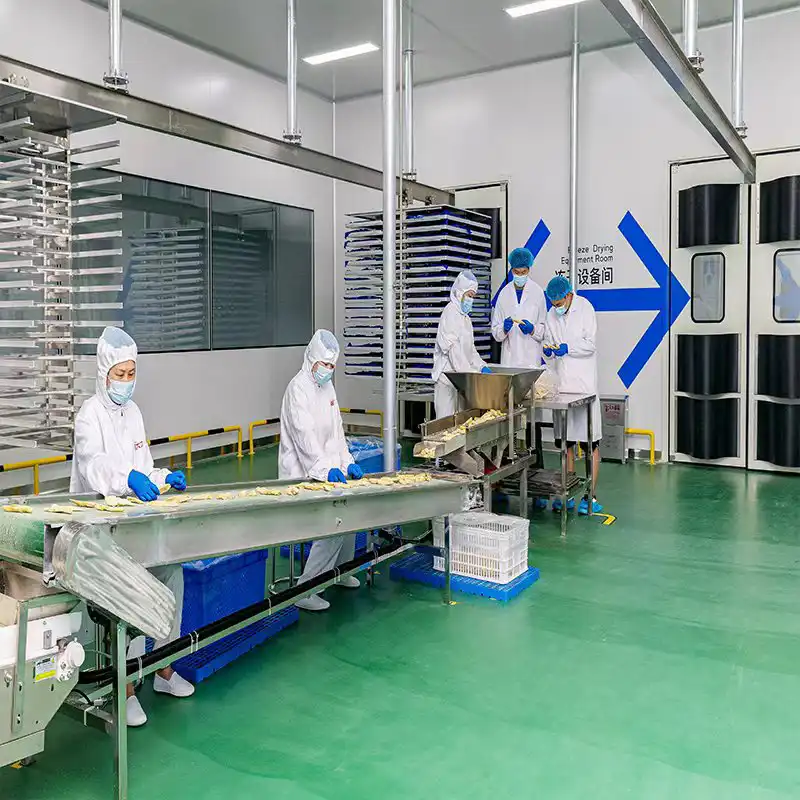
Accurate identification of product shelf life labels
Distinguishing different label definitions is an important part of fresh dog food safety management and standardized pet food use. The use by date on the package represents the manufacturer’s safety guarantee cycle, which is applicable to unopened products stored in a standard environment. Once the product is opened, the three to seven day post opening safety cycle will replace the original shelf life standard.
The best by date only represents the optimal taste and nutrition cycle of the product, not the safety deadline, but in order to avoid adverse feeding reactions and customer complaints, it is not recommended to use or sell products that exceed the best by date. In addition, different brands of fresh dog food have personalized storage instructions. High end products with modified atmosphere packaging have longer fresh keeping time on the premise of intact sealing, and users need to refer to the official instructions for targeted storage management.
For commercial practitioners such as pet retailers and veterinary institutions, on the basis of mastering storage skills, standardized inventory management and high-quality supplier cooperation can further reduce operating costs and improve service quality.
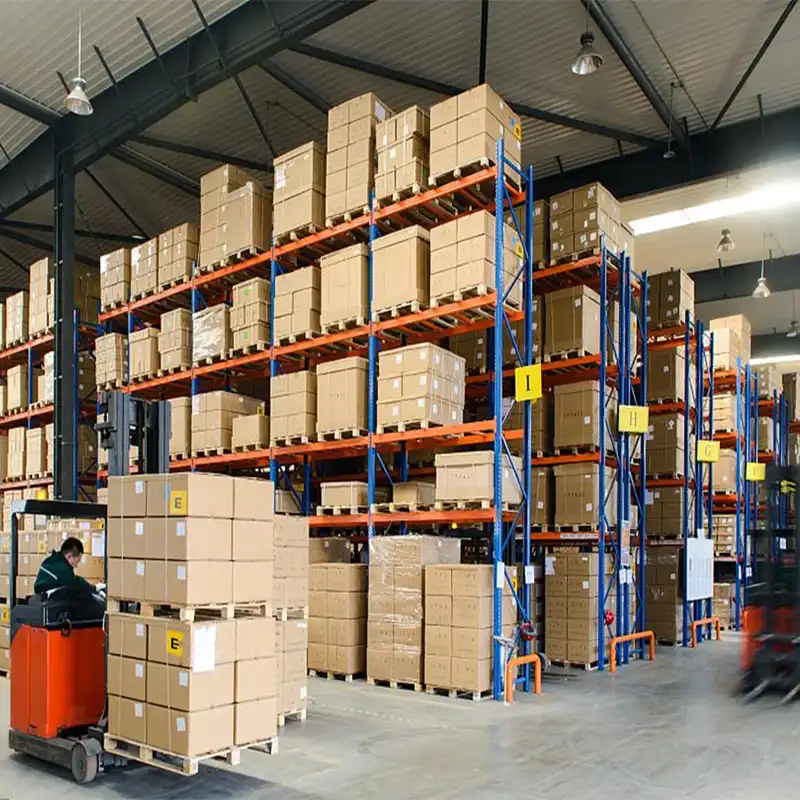
Commercial Inventory Management And Supplier Cooperation Guidance
The short post opening shelf life of fresh dog food puts forward higher requirements for commercial inventory operation. Scientific inventory management and reliable supplier resources can effectively reduce product spoilage waste and realize stable and profitable operation.
Efficient inventory management methods to reduce waste
All commercial sales and service institutions need to implement strict first in first out inventory management rules for fresh dog food to standardize pet food inventory operation. Train staff to mark the production and arrival time of new arrivals in a prominent position, and isolate new and old inventory to avoid confusion. Place the products with shorter remaining shelf life in the priority picking area to ensure preferential sales and use.
For high volume sales outlets, arrange special personnel to conduct inventory inspection every shift, timely screen out products approaching the expiration date, and formulate reasonable discount sales rules to recover product value and avoid full loss. At the same time, use professional inventory management software to connect sales data, realize intelligent prediction of product sales volume, formulate accurate purchasing plans, and reduce inventory backlog and spoilage risks.
High quality supplier selection standards
Excellent suppliers are the foundation of stable supply of high-quality fresh dog food and reliable pet food service. When selecting cooperative suppliers, enterprises should focus on inspecting their complete cold chain system, including backup refrigeration power supply, real-time temperature monitoring and early warning equipment, and GPS tracked refrigerated transportation vehicles. Suppliers must provide complete temperature monitoring logs to prove the compliance of product storage and transportation links.
In addition, high-quality suppliers will provide shelf life guarantee for delivered products, ensuring that the remaining shelf life of fresh dog food after arrival accounts for 60 percent to 75 percent of the total cycle, leaving sufficient sales and use time for merchants and avoiding hurried discount sales that affect profits.
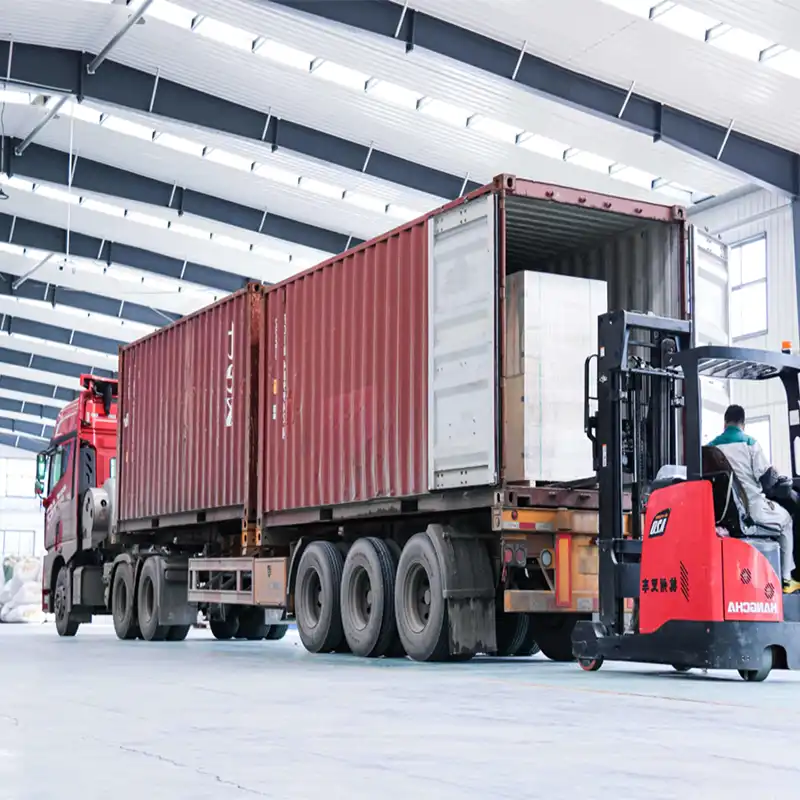
FAQ
How quickly should fresh dog food be used after opening?
The safe use cycle of opened fresh dog food is 3 to 7 days under continuous standard refrigeration below 40°F, which is the core safety standard for daily pet food feeding. Specifically, conventional refrigerated fresh formulas are suitable for use within 3 to 5 days, thawed raw fresh dog food must be consumed within 2 to 3 days, and vacuum sealed gently cooked products can be used for up to 7 days.
After each feeding, the remaining food must be put back into the refrigerator in time. Any food with abnormal color, peculiar smell or mold growth should be discarded immediately regardless of the opening time.
Can I refreeze fresh dog food after thawing?
It is not allowed to refreeze thawed fresh dog food, which is a key taboo in pet food preservation. The thawing process will cause a large number of bacteria to multiply on the food surface, and secondary freezing can only suspend bacterial growth but cannot eliminate existing harmful microorganisms.
At the same time, repeated freeze thaw cycles will damage the protein structure of raw materials, resulting in reduced nutritional content and deteriorated taste, which will affect the feeding safety and feeding experience of dogs.
What are the signs that fresh dog food has spoiled?
Spoiled fresh dog food has obvious identifiable characteristics, which helps users quickly judge pet food quality and avoid unsafe feeding. In terms of color, red meat formulas will turn gray and poultry formulas will turn yellow, accompanied by fuzzy mold spots of different colors. In terms of smell, the natural mild meat flavor will disappear, replaced by sour, ammonia or rotten peculiar smell.
In terms of texture, the food will become sticky and slimy, or obvious separation of water and solid will appear. Once the above phenomena occur, the food has completely deteriorated and must be discarded immediately to protect dog health.
Conclusion
The post opening shelf life management of fresh dog food is a systematic work that integrates safety guarantee, storage specification and inventory operation, and it is an essential skill for both family feeding and commercial pet food operation. The 3 to 7 day safe use cycle is affected by storage temperature, air isolation, ingredient formula and preservative types.
Whether for family pet feeding or commercial pet service scenarios, abiding by standardized refrigeration and thawing rules, accurately identifying product shelf life labels, and implementing scientific inventory management can effectively avoid food spoilage and pet health risks. Choosing suppliers with perfect cold chain systems and professional quality control can further optimize product freshness and reduce operating waste. Standardized operation and scientific management are the key to ensure the long-term safe use of fresh dog food and stable development of related pet service industries.
If you are engaged in pet retail, veterinary service, online pet sales and other related industries, and need stable, safe and low waste fresh dog food supply support, our professional team can provide you with customized B2B solutions. We have mature production technology and perfect cold chain logistics system, which can effectively ensure the freshness and stability of pet food products after opening. You can send an email to minghuixu6717@gmail.com to apply for product samples, factory cold chain system inspection and exclusive bulk purchase preferential policies, so as to optimize your product supply and inventory management system.
References
Association of American Feed Control Officials. Guidelines for Safe Handling of Pet Foods with High Moisture Content. AAFCO Official Publication, 2023.
Food and Drug Administration Center for Veterinary Medicine. Compliance Policy Guide: Refrigerated Pet Food Distribution Requirements. FDA Compliance Manual, 2022.
Pet Food Institute. Fresh Pet Food Category Analysis: Shelf Life and Safety Protocols for Commercial Distribution. Industry White Paper, 2023.
European Pet Food Industry Federation. Cold Chain Management Standards for Fresh Pet Food Products in EU Markets. FEDIAF Technical Guidelines, 2023.
Journal of Animal Science and Technology. Impact of Storage Temperature on Nutritional Stability in Fresh Canine Diets. Research Article Vol. 45, 2022.
National Renderers Association. Preservation Systems in Minimally Processed Pet Foods: Natural versus Synthetic Approaches. Technical Bulletin Series, 2023.
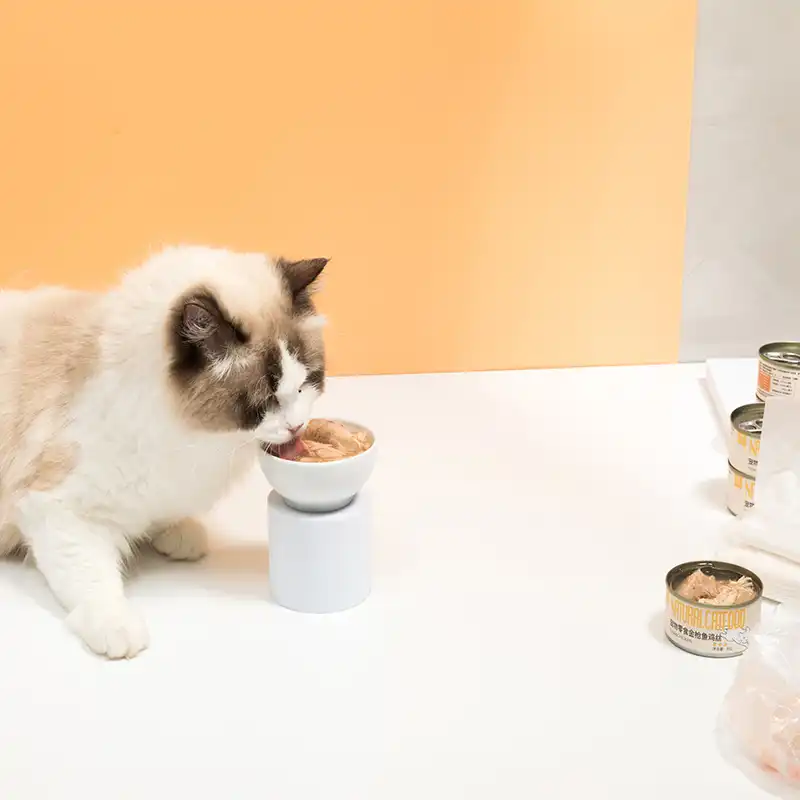
You can freeze fresh pet food to keep it healthy and make it last longer. Freezing foods that are wet, raw, or store-bought fresh is one of the best ways to keep them fresh for a long time. This is really important for recipes that use a lot of water. When food is kept at -18°C (0°F) or below, bacteria have a lot more time to grow and break it down. The body also keeps most of its important proteins, vitamins, and minerals the same. This is the best way to keep things fresh for businesses that buy from other businesses, like pet stores, online stores, medical centers, grooming shops, and wholesalers. They need safe ways to store their things that keep their quality along long, complicated supply lines.
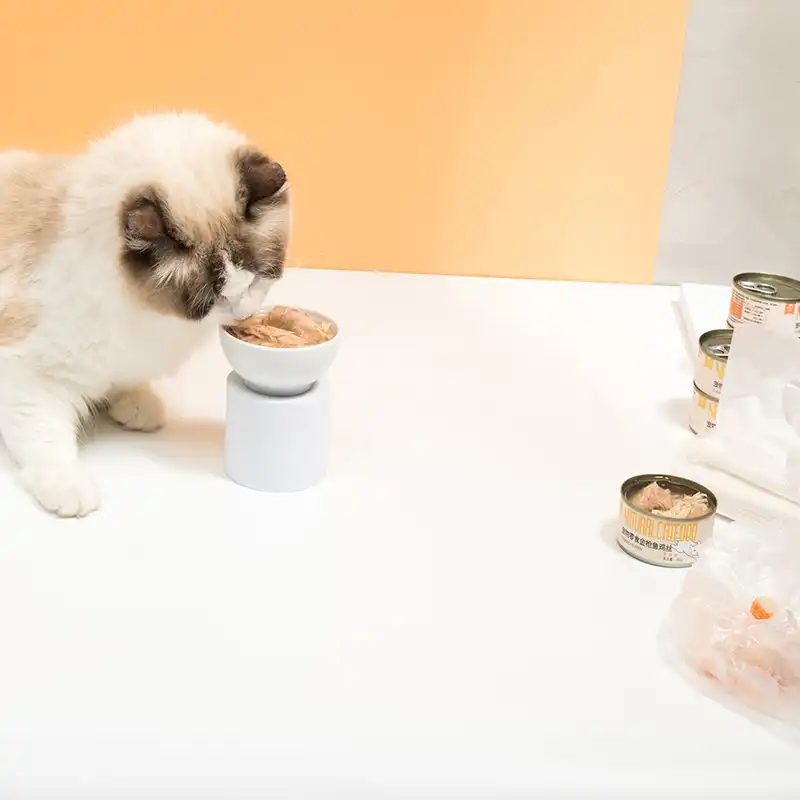
Challenges of Storing Fresh Pet Dog Food
Why Fresh Formulations Require Special Attention
Store-bought brands, raw meat mixes, and lightly cooked meals are some of the fresh pet food that stays in the fridge. Most of it is between 70% and 80% wet. It's great for germs to grow and enzymes to break down food because it has a lot of water. Fresh pet food goes bad quickly on the table and in the fridge (three to seven days). Dry food, on the other hand, is only 10 to 15 percent wet.
Microbial and Enzymatic Risks in the Supply Chain
Dealing with new things is very hard for people who work in procurement. Germs like Salmonella and Listeria can quickly grow on food that isn't kept at a steady temperature while it's being moved or stored. But enzymes break down amino acids, which makes food taste bad. These risks get worse when things go through more than one place before they reach customers. If you freeze the food, these troubles will go away. This keeps the proteins, fats, and vitamins that dogs need to stay healthy alive and stops the organisms that make food go bad from living.
The Role of Freezing in Quality Assurance
It is best to freeze food so that it stays fresh and is easy to move around. The temperature goes below the point where most germs can grow when you freeze food. This means that it can be used for months instead of days. In both stores and factories, this way of keeping food helps make sure that standards are met for the food. This helps shops keep track of their stock and meet customer wants for fresh foods that have been processed as little as possible.
Best Practices for Freezing Fresh Pet Dog Food
Preparation and Portion Control Strategies
Get ready first if you want to freeze something well. Large chunks shouldn't be warmed and frozen over and over again because they can lose their taste and nutritional value. Instead, they should be cut into serving-sized pieces. Part control also helps a business keep track of their stock when they deal with a lot of different things. Less air can get into the food when you use vacuum-sealed bags or containers that are safe for food. Fridge burn is less likely to happen. That's what it's called when food dries out on top and changes color and taste.
Vacuum packing is now very useful for business-to-business deals. Oxygen is taken out of the package in this way. It makes a screen that keeps air out and keeps the shape of the item for a long time. This helps things last longer and throw away less, which is good for sellers and wholesalers. The things still smell and taste the same to the people who buy them.
Temperature Management and Storage Duration
It is important that the freezer always stays at or below -18°C (0°F). Temperature and pressure changes are what make ice crystals. Cell walls are broken down by these crystals, which means cells lose their shape and water content. Companies should only use industrial coolers that have systems that keep track of the temperature.
For each recipe, there is a different time that it should be kept. A raw meat mix can last for three to six months after being frozen. However, made meals only last for two to four months at most. Things that are 30% to 50% wet are said to be semi-moist. One way for people who buy things to make sure that older stock is spread out before younger stock is first-in, first-out.
Thawing Protocols to Preserve Nutritional Value
It is just as important to know how to thaw as it is to know how to freeze. During the changeover process, germs can't grow in frozen pet food because they stay below 4°C (40°F). Based on how much there is, it could take anywhere from 24 to 48 hours. Use a cold water bath to get things done faster. When you put sealed things in cold water, they will thaw in a few hours and stay safe during that time.
You shouldn't leave frozen food out in the open or in the microwave to warm. There is a danger zone (4°C–60°C) where bacteria grow quickly. If you freeze something at room temperature, the surface temperature can rise to this zone. Microwaves make hot spots that break down proteins. People who board animals or work at vet offices that feed a lot of animals every day should follow these rules even more.

Comparing Fresh, Frozen, and Commercial Pet Food Options for Procurement
Nutritional Retention Across Storage Methods
A study found that freezing fresh foods keeps them about as healthy as putting them in the fridge as long as the right steps are taken. Vitamins E and B-complex don't change much when they are frozen, and the amount of amino acids in the food can help you tell if the protein quality has changed. It's not possible for calcium, phosphorous, and zinc to change forms when they freeze because the temperature changes.
Since dry food doesn't have much water, it can be kept for a long time. If you make it with chemical preservatives and heat it up to high temperatures, though, nutrients may not be as easy to get to. It's important to store wet canned foods in clean cans because they taste like fresh foods. To make them last longer, extra ingredients may be added. There are frozen fresh ones in the middle. Better for you than things that haven't been fixed much, and you can store them for longer.
Cost and Logistical Considerations
When people buy something, they should think about what tools they will need and how difficult the supply chain is. Freight that needs to be kept below zero has to be moved from the plant to the store and stored in cold chains. For this method, it costs more than using dry foods kept at room temperature, but the food stays fresh longer, so less is thrown away because it goes bad.
When you buy frozen foods in bulk, you can save money. When people sell a lot of something, economies of scale help them save money. Also, with a membership plan, goods come in a steady stream, so you don't have to worry about running out. These deals are great for online stores that need to change with the times and for vet offices that need to make sure they always have meals that help animals heal on hand.
Supplier Selection and Quality Certifications
You should only do business with companies you know you can trust and that follow strict rules about how to ship and freeze pet food. Get ISO 22000 and HACCP (Hazard Analysis and Critical Control Points) certifications to show that you care about food safety. The people who bring the items should write down when they should be frozen, how they should be kept, and the highest and lowest temperatures that were hit.
If you are a business-to-business (B2B) customer, you should look at how open, quick, and easy to track a service is. When you work with companies like Yunlan, which has strict quality control systems and 97 accepted domestic patents, the goods will always meet the standards. Some of the best chicken and the most advanced meat protein enzymolysis technology are used by Yunlan's production base to make sure that its frozen fresh goods meet the high standards set by the world's pets.
Conclusion
Researchers have found that freezing new pet food keeps it fresh longer and keeps all of its nutrients. As the need for nutrition that has been treated as little as possible grows, people who buy things in bulk in retail, e-commerce, health, care, and marketing can use frozen recipes to meet that need. To be successful, you need to know how to properly freeze and thaw food, invest in the cold chain infrastructure, and only work with reliable companies that put quality and honesty first. Businesses can cut down on waste, get better at handling their stock, and give pet owners what they want—fresh food that is good for them and easy to store for longer—by planning to buy frozen fresh goods.
Partner with Yunlan for Premium Frozen Fresh Pet Nutrition Solutions
Yunlan is a business that is part of the Ruixin Cloud Wave Group. Lots of fresh and frozen pet food is for sale, which is great for companies that need to buy a lot of it. The three of them—Yunlan, Yihe, Paihao, and Maodali—generate annual sales exceeding 300 million yuan each and send goods to over 60 countries across the U.S., Europe, Japan, and South Korea. We have contracts with companies that make pet food that make sure the quality, honesty, and following of rules.
You can be sure of this because we have 97 accepted domestic patents and the most cutting edge technology for breaking down meat proteins. Near our plant in Suqian are good places to get food, like Yike Foods. We can get high-quality chicken and the most up-to-date way to clean with Gaoying Irradiation. Yunlan's frozen fresh meals are made to meet the standards of AAFCO and ISO. They taste good and are good for cats. This is accurate whether you run a chain of shops, an online site, a hospital, a boarding house, or a delivery service. You can email us at minghuixu6717@gmail.com to talk about special orders, buying in bulk, and how our new natural and plant-based spices can help your products stand out in a crowded market.
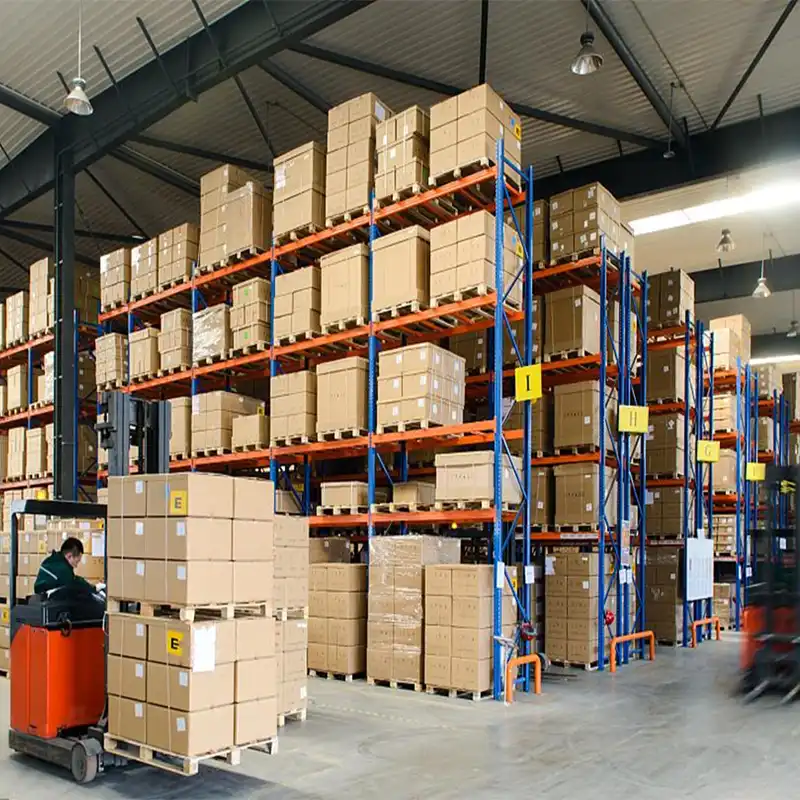
FAQs
How long can frozen fresh dog meals be stored safely?
For three to six months, the recipe says that frozen fresh pet food can be kept at -18°C (0°F) or below. From two to four months after being made, new meals should still taste great. Mixed raw meats should still taste great for up to six months. Food will stay fresh and avoid freezer burn if you store it in vacuum-sealed bags or boxes that are closed the right way.
Does freezing kill harmful bacteria in raw dog nutrition products?
When germs freeze, they don't die, they just stop growing. Germs that make people sick, like Salmonella and E. coli stop working, but once the goods warm, they can begin again. That's why it's still important to thaw frozen food the right way, in cold water or the fridge instead of at room temperature. People should only buy from sellers who follow HACCP rules and check their things every day for germs to make sure they don't have too many.
Can all types of fresh formulations be frozen successfully?
That's right, foods that are almost dry, raw meat mixes, and meals that have only been barely cooked all freeze well. Dry frozen food that doesn't have much water in it doesn't help. When foods that have been frozen thaw, the taste might change a little. Remember this. You can also freeze treats like chicken jerky and cheese cubes. Buyers should let suppliers know if they need any special ingredients. For some fruits and cheeses to taste their best after being frozen, the method may need to be changed.
References
- American Veterinary Medical Association. "Guidelines for Safe Handling of Raw Pet Food." Journal of Veterinary Practice Standards, 2023.
- Association of American Feed Control Officials. "Nutritional Adequacy and Freezing Impact on Pet Food Quality." AAFCO Annual Report, 2024.
- International Journal of Food Microbiology. "Microbial Stability of Frozen Raw Meat Diets for Companion Animals." Research Publication, 2022.
- Pet Food Institute. "Cold Chain Logistics and Nutritional Preservation in Frozen Pet Foods." Industry White Paper, 2023.
- Journal of Animal Science and Technology. "Comparative Analysis of Nutrient Retention in Fresh versus Frozen Canine Diets." Peer-Reviewed Study, 2024.
- Institute of Food Technologists. "Freezing Technology and Quality Management in Pet Nutrition Manufacturing." Technical Symposium Proceedings, 2023.
When reading the labels on commercial dog and cat foods, "chicken meal" is often one of the first things that come up. To make chicken meal, the liquid and fat from chicken parts are removed in a process called rendering. This leaves behind a nutrient-dense powder that is about 65-70% protein. Fresh chicken is mostly water, but chicken meal has constant amino acid profiles that are important for muscle growth, immune system function, and general health in pets. This is why it is a key ingredient in high-quality dry kibble recipes.
Chicken Meal in Pet Food
The Rendering Process and Composition
Raw chicken parts, like clean meat and skin, with or without bone, are used to make chicken meal. These parts are cooked at controlled temperatures between 220 and 270°F. This heat process pasteurizes the material, gets rid of the water, and separates the fat all at the same time. The rest of the solids are then ground up into a fine meal that can be stored for a long time. This process compresses nutrients a lot: one pound of chicken meal comes from about four pounds of fresh chicken, which is why it ranks so high in the ingredient hierarchy even though it is added in smaller amounts.
Distinguishing Chicken Meal from By-Product Meal
Understanding the differences in how these items are regulated is important for planning how to buy them. The Association of American Feed Control Officials (AAFCO) says that chicken meal is made up of clean, processed parts of chicken corpses. Heads, feet, immature eggs, and guts are some of the extra parts that may be in chicken by-product meal that aren't normally considered chicken meal. Both chicken meal and by-product meal contain protein, but chicken meal is usually easier to digest (about 85–90% vs. 75–80% for by-product meal) and has more consistent amino acid patterns, which affect how the pet food is made and the nutritional claims it makes.
Nutritional Advantages Over Fresh Ingredients
When it comes to preparation, chicken meal fixes a number of technical issues that come up when fresh meat is added. The dehydration method gets rid of the different amounts of water, which lets you get accurate nutrition information and reliable protein delivery from batch to batch. Because it is concentrated, producers can get the protein amounts they want without adding too much protein, which could weaken the structure of the kibble. Essential minerals, like calcium and phosphorus from the bones, are also found in chicken meal, so you don't have to add extra mineral premixes. Compared to refrigerated fresh foods, it has a longer shelf life and is less likely to grow microbes, which makes it easier to keep track of supplies.
Key Factors to Consider When Using Chicken Meal in Pet Food
Quality Grading and Sourcing Transparency
There are differences in how well different chicken meal variants work. Quality changes depend on where the raw materials come from, how they are handled, and the temperature at which they are rendered. Human-grade poultry processing plants use birds that have been inspected by the USDA to make premium-grade chicken meal. These foods are lighter in color (tan to light brown), have a mild smell, and have less ash (usually 10-15%), which means they have less bone and more muscle tissue. Alternatives that aren't premium may contain parts of rendering plants that process old food or restaurant garbage, which gives them a darker color, a stronger smell, and higher ash percentages that lower protein density.
To make buying more open, you need to go beyond what suppliers say and use verification methods. By asking for Certificates of Analysis (CoA) for each lot, you can keep track of the amount of protein, fat, ash, moisture, and pathogens that were tested. Leading suppliers provide thorough origin documents that list the locations of chicken farms and the times of processing. This helps meet the Food Safety Modernization Act (FSMA) standards for tracking.
Regulatory Compliance and Certification Standards
Animal protein sources for pet food have to meet different standards in different international markets. The European Union has strict rules about how to test for Salmonella and limits the types of processing additives that can be used in US production. Formulations that are meant to be exported need chicken meal from sites that follow Regulation (EC) No 1069/2009 for animal by-products and have EU clearance numbers. In the same way, following the rules in the Agricultural Standards Act is required to get into the Japanese market, and the Feed Control Act is strictly enforced in Korea.
In addition to regional restrictions, optional certifications help a business stand out in the market. For USDA Organic approval (or a similar), the chicken meal must only come from birds that were raised without using antibiotics or artificial hormones. Natural product groups are interested in Non-GMO Project Verification. Getting Halal approval can help you sell your products in Islamic markets, but you need special processing lines and religious supervision while the products are being made.
Life Stage and Dietary Specialization Applications
The amino acid makeup of chicken meal, especially its high amounts of lysine, methionine, and threonine, is good for meeting the nutritional needs of meat eaters. Chicken meal's high protein content helps puppies and kittens grow quickly by making tissues stronger. It is usually added at a rate of 25 to 35 percent of the formula. Senior animal diets use the flexibility of chicken meal and lower the fat content by changing other ingredients. This helps with metabolic efficiency loss without lowering the quality of the protein.
For specialized food uses, there are extra things to think about. When trying to help people who are allergic to poultry, hypoallergenic recipes don't use any chicken meal at all. Instead, they use new foods like duck or venison meal. Grain-free formulas rely more on animal proteins, like chicken meal, to make up for the lack of plant protein from beans. This means that the amounts of protein must be carefully balanced so that dogs that are prone to kidney problems don't get too much protein.
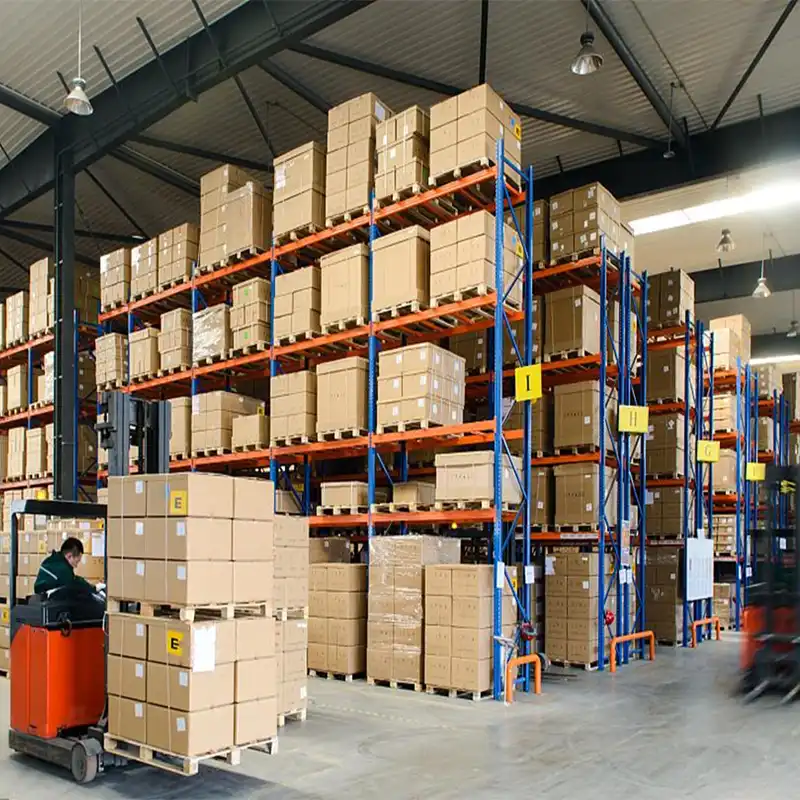
Chicken Meal in the Context of Pet Food Types and Market Demand
Role in Dry Food Formulations
That being said, dry food is where chicken meal is most commonly used, and it has many uses besides nutrition. The high-temperature, high-pressure cooking process that makes kibble uses extrusion. The concentrated protein in chicken meal helps the dough form and keep its shape. When proteins and reducing sugars come together during extrusion, the Maillard reaction happens. This gives the pet food a brown color and delicious smells that make it taste better. Inclusion rates usually fall between 15% and 40%, but this can change based on price and protein promises. Ultra-premium goods often have inclusion rates higher than 30% of combined animal protein meals.
The amount of water in chicken meal (usually 5–10%) also affects how long food will last on the shelf. Lower-moisture ingredients lower the general water activity (aw) of the product. This stops mold growth and, when properly packed, extends the ambient shelf life to 12 to 18 months. This stability helps long distribution lines with multiple levels of distribution that are popular in retail channel tactics.
Applications in Wet Food and Semi-Moist Products
While chicken meal isn't used as much in high-moisture foods, it is used in some wet food recipes to add protein and save money. When making gravies or pâté-style canned foods, companies sometimes add 5–15% chicken meal along with fresh meats to increase the protein content without moving too much liquid. Because the meal has small particles, it mixes easily into emulsified goods. However, some formulas pre-hydrate the meal before mixing it to make the texture seem better.
Chicken meal is used more in semi-moist goods (30–50% moisture content), usually making up 20–35% of the formulas. The naturally tasty nature of chicken meal is used in these treats and training awards, but they still have a soft feel that makes them different from fully dried foods. Humectants, such as propylene glycol, work with chicken meal proteins to keep the product flexible over time.
Market Trends and Consumer Preferences
Consumers today want "clean label" products with clear ingredients, which makes chicken meal a better choice than protein sources that aren't as clear. Instead of using vague words, marketing messages are emphasizing "chicken meal" as a concentrated, healthy ingredient more and more. Premium brands, like "free-range chicken meal" or "pasture-raised chicken meal", charge 15–25% more than regular names because they use specific sources.
Even though there has been new attention on possible links between the grain-free movement and dilated cardiomyopathy, it is still having an effect on formulation tactics. The main ingredient in these foods is still chicken meal, which is often mixed with potato and vegetable flours to make them more filling. On the other hand, there is a movement against this trend toward "ancestral" or "whole prey" diets that include a variety of protein meals that are similar to how wild carnivores eat, such as chicken meal mixed with organ foods and cartilage.
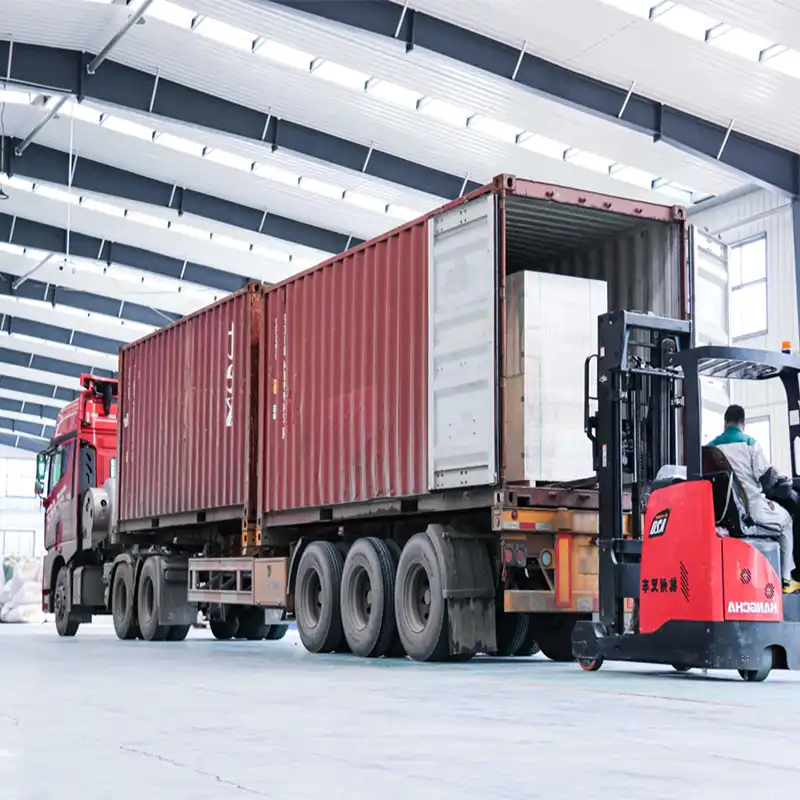
Conclusion
In modern animal nutrition, chicken meal is much more than just a common ingredient. It's an important part of the manufacturing process that affects how well the product works, where it stands in the market, and how resilient the supply chain is. When procurement workers know about the technical details of chicken meal, like the different amino acid profiles and rendering process changes, they can help their companies make unique goods that meet changing customer needs. Striking a balance between strict quality control and building relationships with suppliers leads to buying benefits that directly affect the consistency of products and the image of the brand. As specialty diet trends continue to split markets into smaller pieces and rules get more complicated, knowing where to get chicken meals will become a competitive difference between leaders and fans in the industry.
Partner with Yunlan for Superior Pet Food Ingredient Solutions
Yunlan is an expert at sending high-quality ingredients for animal feeding that will help your pet food products meet the highest quality standards. Our wide range of names, including Yihe, Paihao, and Maodali, shows our many years of experience working with manufacturers in over 60 countries to manage their supply chains. As a well-known company with ISO-certified quality systems and more than 97 patents for new ideas in animal nutrition, we offer consistent, traceable chicken meal and other products, along with expert support that is second to none. Our combined research and development facilities let us make custom formulations, and our partnerships with top chicken processors make sure that the supply chain is always reliable, even when the market is unstable.
Reach out to our procurement specialists at minghuixu6717@gmail.com to discuss how Yunlan's ingredient solutions can optimize your product line, reduce formulation risks, and accelerate your market entry timeline.
FAQs
How does chicken meal compare to fresh chicken in nutritional value?
Because the water is taken out of the chicken during rendering, chicken meal has about three to four times as much protein as fresh chicken. Fresh chicken is mostly water, with only 18% protein. On the other hand, chicken meal is mostly protein, with only 5–10% water. Because of its higher concentration, chicken meal gives more amino acids per pound. However, both provide full protein profiles that are good for companion animals that eat meat when they are handled properly.
What licenses should I look for in a chicken meal supplier?
AAFCO ingredient definition compliance, GFSI-recognized food safety certification (SQF, BRC, or FSSC 22000), and pathogen testing documents (especially Salmonella) are the most important certificates. For export markets, you need extra qualifications, like EU approval numbers for selling in Europe, organic certification for natural product lines, and Halal certification for selling in Islamic markets. Verification of the USDA method adds to the confidence in premium placement.
Can chicken meal contribute to food allergies in sensitive animals?
One of the most common protein sensitivities in dogs and cats is chicken. However, compared to food intolerances, real allergic responses are still pretty rare. Animals that are allergic to chicken need to switch all of their protein sources to new ones, like duck, deer, or fish. Since the processing process doesn't get rid of toxic proteins, animals that are sensitive to chicken meal are just as likely to be hurt by it as by fresh chicken.
References
- Association of American Feed Control Officials. (2023). Official Publication: Ingredient Definitions and Feed Terms. AAFCO Incorporated.
- Case, L.P., Daristotle, L., Hayek, M.G., & Raasch, M.F. (2021). Canine and Feline Nutrition: A Resource for Companion Animal Professionals (4th ed.). Elsevier Health Sciences.
- Meeker, D.L., & Hamilton, C.R. (2020). Essential Rendering: All About the Animal By-Products Industry. National Renderers Association.
- Nutritional Research Council. (2006). Nutrient Requirements of Dogs and Cats. National Academies Press.
- Petfood Industry. (2022). Global Ingredient Sourcing Trends and Quality Benchmarks in Commercial Pet Food Manufacturing. Watt Global Media.
- Zicker, S.C., Wedekind, K.J., & Paetau-Robinson, I. (2019). Protein Quality and Digestibility in Rendered Animal Meals: Implications for Companion Animal Nutrition. Journal of Animal Science and Technology, 61(4), 189-203.