- English
- French
- German
- Portuguese
- Spanish
- Russian
- Japanese
- Korean
- Arabic
- Irish
- Greek
- Turkish
- Italian
- Danish
- Romanian
- Indonesian
- Czech
- Afrikaans
- Swedish
- Polish
- Basque
- Catalan
- Esperanto
- Hindi
- Lao
- Albanian
- Amharic
- Armenian
- Azerbaijani
- Belarusian
- Bengali
- Bosnian
- Bulgarian
- Cebuano
- Chichewa
- Corsican
- Croatian
- Dutch
- Estonian
- Filipino
- Finnish
- Frisian
- Galician
- Georgian
- Gujarati
- Haitian
- Hausa
- Hawaiian
- Hebrew
- Hmong
- Hungarian
- Icelandic
- Igbo
- Javanese
- Kannada
- Kazakh
- Khmer
- Kurdish
- Kyrgyz
- Latin
- Latvian
- Lithuanian
- Luxembou..
- Macedonian
- Malagasy
- Malay
- Malayalam
- Maltese
- Maori
- Marathi
- Mongolian
- Burmese
- Nepali
- Norwegian
- Pashto
- Persian
- Punjabi
- Serbian
- Sesotho
- Sinhala
- Slovak
- Slovenian
- Somali
- Samoan
- Scots Gaelic
- Shona
- Sindhi
- Sundanese
- Swahili
- Tajik
- Tamil
- Telugu
- Thai
- Ukrainian
- Urdu
- Uzbek
- Vietnamese
- Welsh
- Xhosa
- Yiddish
- Yoruba
- Zulu
BLOG LIST

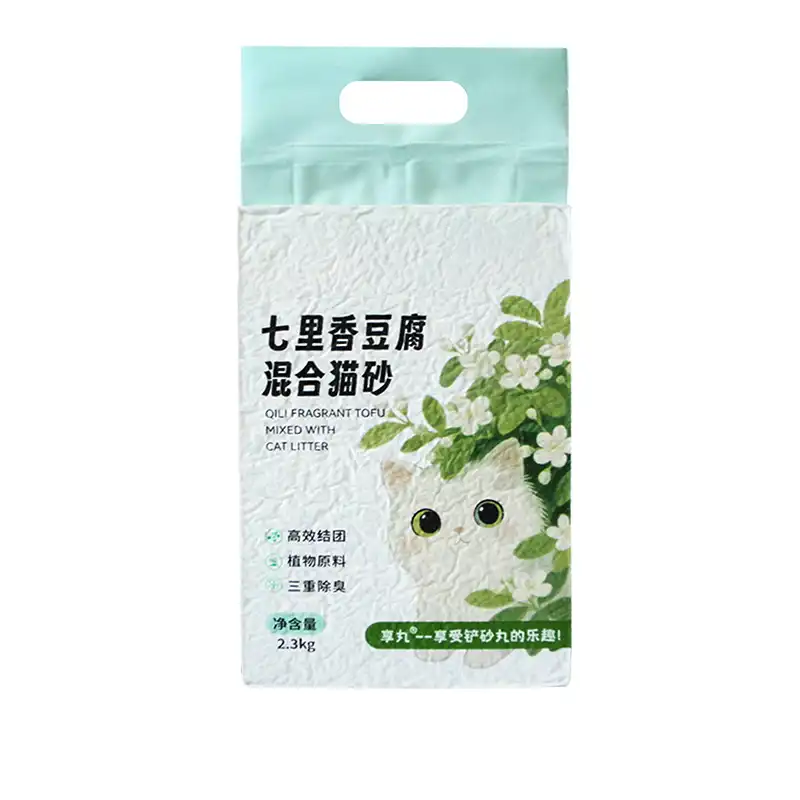
For cat owners who are thinking of getting tofu cat litter, the question of whether it's safe to flush down the toilet naturally arises. Although there are key qualifiers, the quick answer is that technically yes. Tho modest quantities of tofu litter may be flushed via contemporary plumbing, most households would be better off composting or storing it in bags for safety reasons. What sets this plant-based litter apart from the competition and how to properly dispose of it so that you don't have to worry about costly plumbing problems is explained in this article.
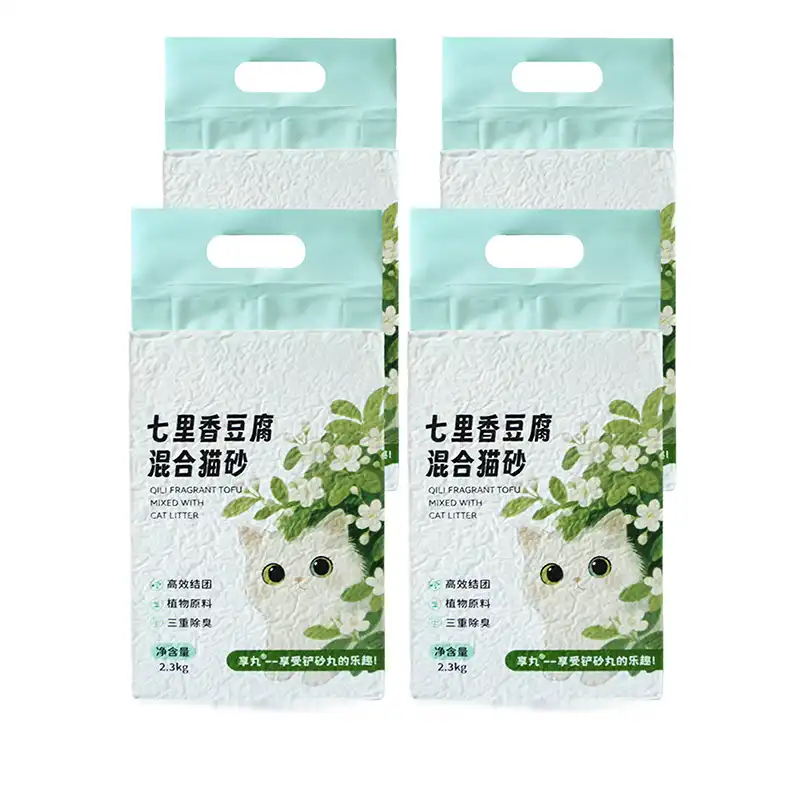
Understanding What Makes Tofu Cat Litter Flushable
The Composition Behind Flushability
Tofu cat litter is different from regular clay litter as it contains only plant-based ingredients. These cylindrical pellets are squeezed from soybean waste that is left behind after making tofu. They have a special quality due to their natural fibre structure: they dissolve in water.
The compressed pellets in tofu litters rapidly dissolve when immersed in water, which is why many of them are promoted as flushable. In contrast, clay-based litters really expand when wet and may produce significant obstructions, thus this occurs far more quickly. When broken down, the soybean fibres form a gentle, biodegradable substance that, when flushed down the toilet, mimics toilet paper.
In this case, the production method is important. In order to make pellets that are both structurally sound and easily dissolved, high-quality tofu cat litter is compressed. Pellets quickly lose their form and plant fibres split when exposed to water. This theoretically feasible flushing is made possible by this quick breakdown.
How It Compares to Other Litter Types?
You can't just assume that any "flushable" trash will work. It is not recommended to flush clay-based litters. When they become wet, they swell to enormous proportions and swiftly block your pipes. The insoluble nature of silica gel litters is another major drawback.
Tofu cat litter is an effective biodegradable solution. Because of their better flushability, tofu and corn cat litters are the best choice, although pine and wheat litters could take longer to dissolve and might damage older plumbing systems. Fibre structure and compression techniques are the distinguishing features.
How about the effects on the environment?
Biodegradable flushable litters decreased carbon emissions by up to 70% compared to bentonite clay, according to a lifecycle evaluation carried out by the European Pet Food Industry Federation. Because of this, tofu cat litter is appealing to pet owners who are concerned about the environment, but proper disposal is still important.
Having established this groundwork, let's look at the actuality of your home's plumbing system and see whether it can properly handle flushed litter.
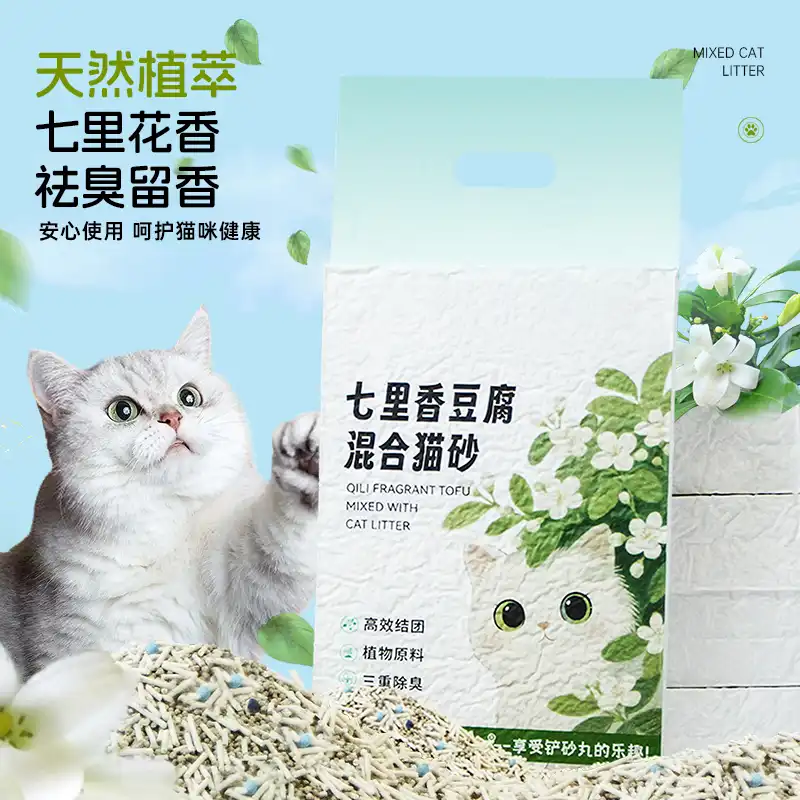
The Reality of Flushing: What Your Plumbing Can Actually Handle
Modern vs. Older Plumbing Systems
Nothing is more important than the age of your home's plumbing system when it comes to toilet paper. Flushing one or two clumps at a time is often safe for homes with contemporary PVC or copper plumbing linked to a municipal sewage system. Modern systems are designed with smooth inner surfaces that prevent dissolved material from building up.
Homes that are older have unique difficulties. The organic buildup that may occur in homes with cast-iron or clay drainage pipes is amplified over time, and tofu litter is one of those things. Clogs may develop over time in pipes with rough interiors or joint connections, which are common in homes constructed before the 1980s.
Cumulative accumulation, not abrupt obstruction, poses the greatest danger. A little quantity of the fibre in tofu cat litter might cling to the residue in your pipes, even if it degrades. This builds up a formidable barrier over the course of weeks or months. The cost of fixing the plumbing might easily go into the hundreds.
The Septic System Factor
Additional intricacy is brought forth by septic systems. Bacterial colonies are the key to decomposing organic waste in these self-contained systems. A unique threat exists for homes that use septic tanks; dissolving organic materials may upset the delicate bacterial equilibrium on which septic systems depend.
Septic systems clean wastewater for around 20% of American houses; however, these systems are only effective at handling human waste and toilet paper; adding other items may cause them to malfunction. Even biodegradable plant litter isn't a good fit for the microorganisms in your aquarium.
In the event that the delicate bacterial equilibrium is upset, what follows? As time goes on, your septic system's ability to break down solid waste is diminished. Quicker fuelling is possible. You should be pumped more often. The introduction of foreign elements may disrupt the delicate bacterial balance necessary for waste breakdown, which might result in system failure in extreme circumstances.
It is important to get particular approval before flushing litter into a septic system. If you have a septic system and want to use tofu cat litter, you can still help the environment by composting or bagging it instead of flushing it down the toilet.
Volume and Frequency Guidelines
Regardless of how good your plumbing is, volume is king. Flush just little clumps at a time and wait for them to disintegrate before continuing. This indicates that there will be clusters of pee rather than scoops of dirty litter.
No matter how biodegradable the material is, flushing a full scoop or the contents of a litter box all at once is problematic. The volume is the crucial issue. The amount of stuff that can be flushed down the toilet and into the pipes is limited. Put too much on their plates, and problems will ensue.
A sensible strategy: try before you buy. Make sure one clump dissolves quickly in your toilet before flushing the others. Otherwise, continue trashing. After five minutes, add one clump to the bowl. No matter what the package says, you shouldn't flush your tofu cat litter if it hasn't mostly disintegrated.
We may improve our disposal choices by being aware of these plumbing restrictions. Let's have a look at all the possibilities.
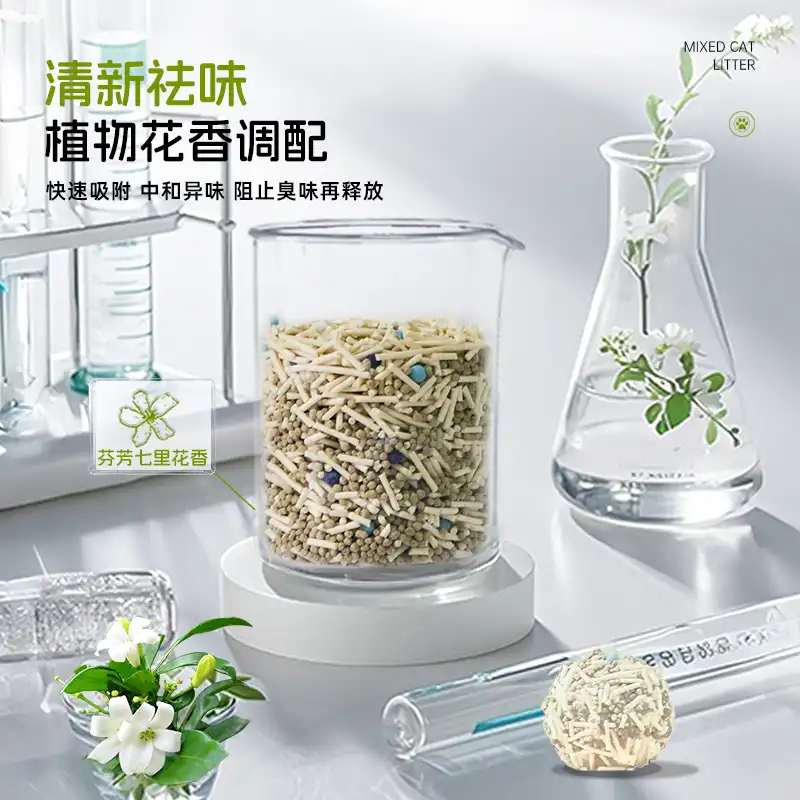
Safe Disposal Alternatives That Protect Your Home
The Simple Trash Method
Simply bagging and discarding is the most dependable disposal approach. The simplest option is to put the clumps in biodegradable bags and throw them away; over time, tofu decomposes more slowly than clay, and unlike mining litter, which clogs landfills, this means it's better for the environment.
All plumbing hazards are removed by this method. You may recycle used tofu cat litter by placing it in a tiny biodegradable bag, sealing it, and then throwing it out with your usual garbage. Problems with pipes eliminated. No problems with the septic tank. Simple trash disposal that is nonetheless better for the environment than clay.
At what decibel level are we conversing? One regular bag may last about a month for one average-sized cat. When you scoop your garbage every day or two, you're producing far less waste than when you utilise other home products.
Composting as an Eco-Friendly Option
Composting provides an additional option for owners who are concerned about the environment. In theory, tofu kitty litter may be composted since it is composed of plant material. There is a crucial safety precaution, tho: you should never compost trash that has come into touch with excrement.
Toxoplasma gondii is a parasite that can withstand the temperatures used for home composting and may be present in cat excrement. Parasites such as Toxoplasma may be introduced into municipal water systems by the flushing of cat excrement. Composting raises the same kind of worry. Properly bag and dispose of solid waste; however, clean litter containing just absorbed pee may be composted.
Some pet owners distinguish between food garden compost and pet waste by building a special container for the latter. These specialised composting processes need longer processing durations and higher temperatures. For those who are really concerned about the environment, it provides a zero-waste option, but it may not be suitable for everyone.
Hybrid Approaches That Balance Convenience and Safety
A lot of cat owners have found success with a mix of approaches. In an effort to strike a compromise between practicality and environmental concerns, some pet owners pour solid waste and urine clumps down the toilet, while others choose to compost the cleaned litter and bag the remainder. various forms of garbage present various dangers, and our strategy takes that into account.
If you have contemporary plumbing and access to municipal sewers, you may use a hybrid approach that looks like this: flush only urine clumps, dispose of any litter that is contaminated with faeces, and compost any clean litter that needs to be changed. This gives you the most bang for your buck with the least amount of damage to your pipes and the environment.
To avoid blockages, flush little quantities slowly. Use very little amounts and spacing them out if you choose for selective flushing. Do not ever flush more than one clump at a time.
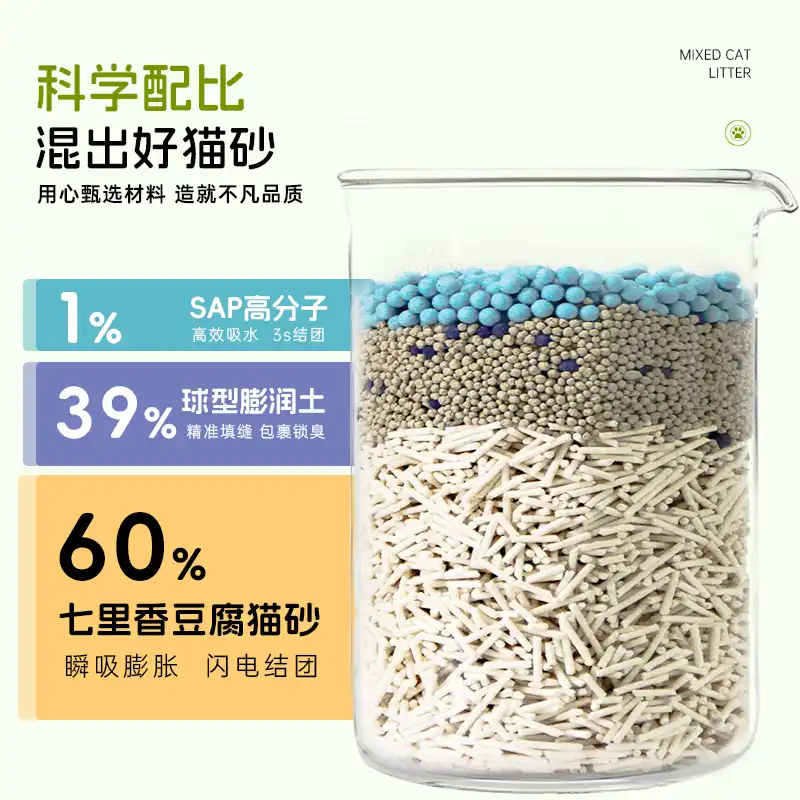
Making the Right Choice for Your Household
Key Factors to Consider
Many considerations should go into your disposal selection, including the age of the plumbing, the kind of sewage, local legislation, and your own demands for convenience. Find out first whether you're connected to city sewers or have a septic system. For septic systems, garbage or composting should be the default.
Get a feel for the rules where you live. Before you flush your pet's excrement down the toilet, be sure your city's regulations allow it. Flushing any kind of cat litter is outright forbidden in certain places, while other places permit it with some limitations. You may get this data on the website of your water provider.
Furthermore, think about the kind of building you have. Those living in older apartment complexes have to exercise particular caution. If you cause a blockage in a shared plumbing system, it could impact your neighbours. Safer disposal procedures are worth the little more work due to the inconvenience and possible liabilities.
What the Experts Recommend?
If you must flush, do it moderately and not all at once; seek out products that say they are safe for septic systems and look for third-party certifications. Your plumbing system may be too unique for even flushable items to be suitable.
The term "flushable" does not always mean that a product is harmless to both plumbing and the environment. Because advertising claims don't take house plumbing system variety into consideration, this reality check is important. Things that are perfectly OK in one home might end up causing issues in another.
It is typically discouraged by plumbers to flush any kind of trash, even biodegradable varieties. When things go wrong, they observe the aftermath, which gives them a unique viewpoint. Although tofu cat litter is less hazardous than clay, it is still too much stuff for your plumbing system to manage.

A Practical Decision Framework
Consider this decision tree: instead of flushing, bag or compost your waste if your home has a septic system. If your home has up-to-date municipal plumbing, you may flush little clots of pee very carefully. Refrain from using anything other than garbage or compost if your home's plumbing is more than 30 years old.
Do the safe thing when you are not sure what to do. Tofu cat litter still helps the environment even after you throw it away instead of flushing it. To lessen the burden on landfills, many flushable litters are biodegradable. In comparison to others who utilise clay litter, you are still choosing a more sustainable option.
No matter what technique you choose for disposal, remember that scooping daily maintains quantities reasonable. For proper hygiene, scoop once a day. In addition to making any disposal technique simpler to handle, this practice keeps your house smelling fresher.
FAQ
Can I flush tofu cat litter if it says "flushable" on the package?
The "flushable" label indicates the material can dissolve in water, but it does not account for your plumbing age, septic system, or local regulations. Always test a small amount first and verify your plumbing can handle it. Homes with septic systems or pipes older than 30 years should avoid flushing regardless of package claims.
How long does tofu cat litter take to dissolve in water?
Tofu pellets soften when wet and should clear a standard toilet trap without accumulating, as long as the quantity stays small. Most quality brands begin dissolving within 2-5 minutes. If a test clump hasn't softened significantly after 5 minutes, that brand may not be suitable for flushing.
Is tofu cat litter safer for septic systems than clay litter?
While tofu cat litter is biodegradable unlike clay, it still poses risks to septic systems. Even biodegradable materials can cause clogs if not broken down effectively, and many older septic systems are not designed to handle extra waste, risking overflows or system failure. Septic system owners should bag or compost used litter rather than flushing.
Can I compost tofu cat litter?
You can compost tofu cat litter that has only absorbed urine, but never compost litter contaminated with feces due to potential parasites like Toxoplasma. Create a separate compost bin for pet waste that's not used for food gardens, or dispose of all waste-contaminated litter in the trash.
Partner with Yunlan for Premium Tofu Cat Litter Solutions
With state-of-the-art production capabilities and extensive B2B support services, Yunlan is your reliable source for tofu cat litter. Our plant-based litter solutions use cutting-edge methods to treat soybean fibre, resulting in superior deodorisation and practically dust-free operation. We provide individualised solutions to distributors, boarding facilities, pet stores, and veterinary clinics all over the globe, drawing on our 97 approved patents and twenty years of specialised knowledge. For sample packets and information on bulk procurement alternatives that are suited to your operating needs, please contact us at minghuixu6717@gmail.com.
References
- PetMe Social. "Can You Flush Tofu Cat Litter? Safe Disposal Guide." PetMe Blog, May 29, 2026. https://petme.social/blog/flush-tofu-cat-litter
- Green Pet Care Co., Ltd. "What Cat Litters Are Flushable?" Green Pet Care Resources, September 5, 2025. https://www.greenpetcare.com.cn/What-Cat-Litters-Are-Flushable-_1902.html
- Lady N Pet. "Is Tofu Cat Litter Safe? Pros, Cons & How It Works." Lady N Pet Blog, November 6, 2025. https://ladynpet.com/us/blog/what-is-cat-tofu-litter/
- Septic Safe Solutions. "Is Flushable Cat Litter Really Safe for Septic Systems? Facts and Opinions." January 27, 2026. https://septicsafesolutions.com/is-flushable-cat-litter-safe-for-septic-systems/
- Septic Safe Solutions. "Exploring If I Can Use Flushable Cat Litter in a Septic System." December 4, 2025. https://septicsafesolutions.com/can-i-use-flushable-cat-litter-in-a-septic-system/
- MyCatJournal. "Flushable Cat Litter: Safety for Septic Systems and Environmental Impact Explained." February 24, 2026. https://mycatjournal.com/is-flushable-cat-litter-safe-for-septic-systems/
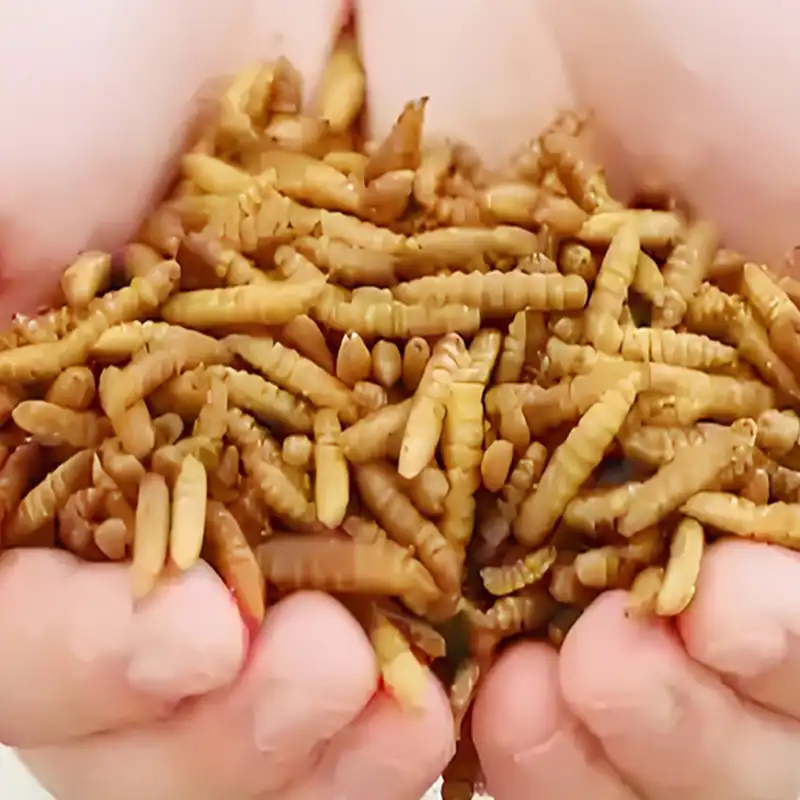
A successful black soldier fly farm is a practical way of creating sustainable protein and taking care of organic waste. Many entrepreneurs and farm operators are hoping this model will be a way to convert food scraps and agricultural byproducts into valuable raw materials for animal feed. You need a good base of knowledge, good site planning and everyday management to run a project like this. This article takes you through core fundamentals, practical setup steps, typical operational pitfalls and supplier selection tips for anyone planning to start their own operation.

Core Fundamentals for Insect Rearing Farming
Before investing time and money into insect rearing projects, operators need to understand the insect life cycle, nutritional value and real world market potential. These basic facts help avoid costly missteps during early planning. The following sections cover life cycle characteristics, key nutritional features and practical commercial application scenarios to build a solid farming foundation.
Life Cycle and Optimal Rearing Conditions
Black soldier fly farm dependent on correct handling of the entire 4-stage life cycle of Hermetia illucens. Adult flies live only five to eight days. In this short time, female flies can lay as many as 900 eggs near decaying organic matter. In two to four days, eggs hatch to larvae. The larvae feed intensively for 14 to 21 days and then enter the prepupal phase. The prepupal stage lasts 1 to 2 weeks and the full cycle takes 5 to 6 weeks to complete.
Stable environmental conditions of the operators are necessary for stable reproduction in this rearing system. The optimal temperature is between 80 and 90 degrees Fahrenheit. Keep the humidity level between 60 and 70 percent. Correct lighting that replicates natural daylight encourages adult mating behaviour. Appropriate egg laying substrates such as corrugated cardboard or coconut fibre should be placed in close proximity to the decomposing organic feedstock to attract gravid female flies.
There are real dangers in temperature swings. Egg and larval development are slowed at temperatures below 70°F. Whole colonies can be killed by temperatures above 100°F. All insect rearing projects necessitate dependable temperature controls to cushion against seasonal weather fluctuations and guaranty consistent output.
Nutritional Profile and Market Application Value
The output from a black soldier fly farm delivers high density nutrition for many livestock and aquatic animals. Harvested larvae contain 40 to 44 percent crude protein and balanced fat content. They also hold vital amino acids including methionine, leucine and lysine. Additional minerals such as calcium and phosphorus support healthy growth for feeding animals. It is important to note that larvae are the main feed product, not the insect eggs.
There is broad commercial demand for material produced by this insect rearing setup. End uses include chicken feed, fish feed and various pet feed formulations. Research shows these larvae can partially replace fishmeal and soybean meal in animal diets. In many trials, target animals maintain or even improve growth rates with this insect based feed.
The natural antimicrobial properties of the larvae make them suitable for sensitive animals. This group includes exotic pets and wildlife undergoing rehabilitation. Many operators sell harvested larvae to local feed manufacturers, aquaculture sites and poultry farms to generate steady revenue streams for long term business development.

Practical Setup and Daily Operation Protocols
With solid foundational farming knowledge in place, the next critical step is site construction and standardized daily management. Scientific setup and regular maintenance determine production stability and overall profitability. The following content details site layout, equipment selection and daily operation standards for insect rearing projects.
Site Selection and Infrastructure Layout
Site choice directly shapes long term performance for any black soldier fly farm. Ideal locations have year round temperatures above 70°F. The site should be sheltered from extreme weather events and sit close to accessible sources of organic waste feedstock. Indoor facilities give better temperature control, but they carry higher upfront costs for heating and cooling systems. Outdoor setups work best in warm or subtropical regions with naturally stable temperatures.
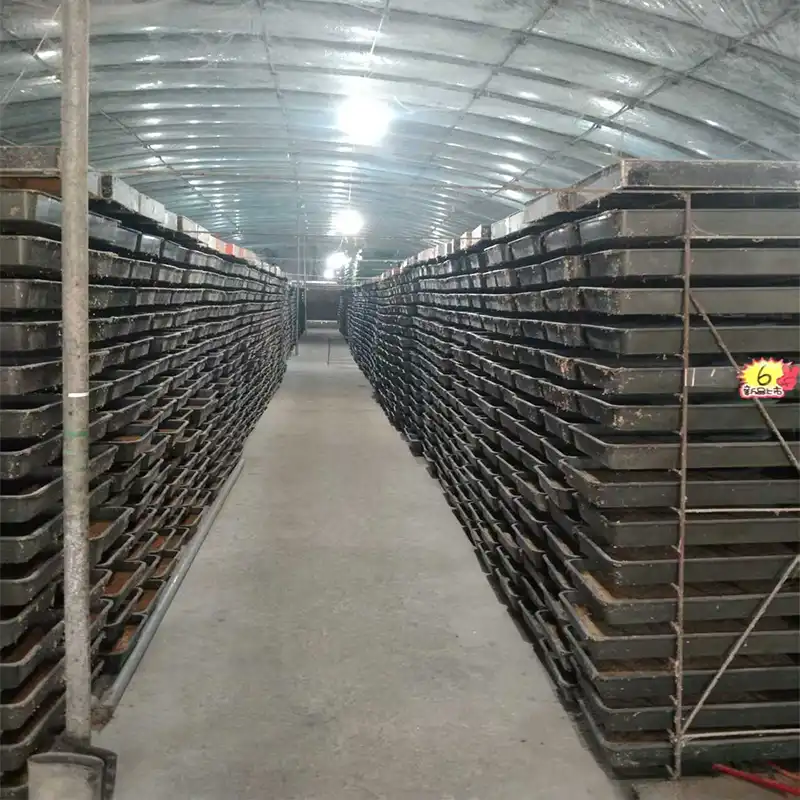
Basic infrastructure for this operation includes breeding bins, larval rearing containers and harvesting tools. Simple small scale setups use plastic bins fitted with drainage holes. Large commercial sites adopt specialized rearing boxes paired with automatic feeding systems. Good ventilation prevents excess moisture buildup and unwanted odors. Fine screening keeps out predators and external contaminants from breeding colonies.
Operators must also plan for waste management within the space. Proper layout reduces cross contamination risk and makes routine cleaning easier for ongoing operation, creating a safe and hygienic rearing environment.
Equipment Options and Daily Maintenance Routines
Required equipment varies widely based on the scale and automation level of a black soldier fly farm. Small scale operations need simple monitoring tools, breeding bins and harvesting sieves. Larger commercial facilities invest in temperature control units, automatic feed dispensers and mechanical separation machinery.
Three main system types are available for this insect rearing project. Fully automated setups maximize production flow. Semi automated designs strike a balance between cost and output efficiency. Manual systems work well for research projects or small volume production. Monitoring devices track temperature, pH and moisture levels to keep rearing conditions within safe ranges. Scales track production output. Separation tools help isolate larvae from used substrate material.
Daily routines are critical to sustain healthy colonies inside this rearing space. Each morning, staff check temperature, humidity and observable larval activity. Feed additions match available organic waste supplies and larval consumption rates. Fresh feedstock is typically added every two to three days.
Larvae reach harvest readiness after 12 to 14 days of active feeding. Self harvesting systems use the natural pupation movement of larvae. Manual harvesting uses sieves to separate larvae from substrate. Regular cleaning stops pathogen buildup and preserves colony health for the whole operation.

Common Operational Risks and Troubleshooting
Insect rearing farming faces unavoidable operational risks during long term operation. Temperature fluctuations, feeding errors and biosecurity hazards may lead to reduced output or colony loss. Timely risk identification and effective troubleshooting can greatly improve farming stability and economic benefits.
Production and Environmental Challenges
Stable breeding stock is one of the biggest hurdles for a black soldier fly farm. Sudden adult fly mortality can disrupt reproduction cycles. This problem often stems from poor weather conditions or facility disturbances. One practical solution is to maintain backup mating colonies in separate zones. Multiple environmental controls also lower overall risk.
Larval die offs frequently happen due to poor feeding practices or low quality substrate material. Overfeeding creates anaerobic conditions that harm larval development. Underfeeding slows growth and stretches production cycles. Regular checks of substrate pH, moisture and temperature catch issues before they damage whole colonies. Standardized feeding procedures and staff training reduce human error for this project.
Biosecurity is non negotiable for this kind of insect rearing work. Operators need strict protocols to guard against harmful bacteria and parasite contamination. Visitor access rules, scheduled cleaning cycles and quarantine for new breeding stock help stop disease outbreaks. Feedstock quality control is equally important. Substrates must stay free of heavy metals and harmful chemicals to meet animal feed safety standards.

Supplier Sourcing and Procurement Best Practices
High quality equipment and breeding stock are the core guarantees of stable farming output. Choosing reliable suppliers and standardized procurement methods can avoid startup failures and long term production instability. The following guidance helps new operators complete scientific supplier selection and efficient procurement work.
Supplier Evaluation and Selection Criteria
Strong supplier relationships lay a stable foundation for a successful black soldier fly farm. Purchase decisions affect production efficiency, final product quality and long term profitability. When evaluating potential suppliers, review relevant biosecurity certifications, production capacity and market reputation. Reliable providers maintain consistent quality control standards. Feedback from existing farm clients offers valuable insight into supplier reliability and problem solving capabilities.
Top tier suppliers for this insect rearing venture offer technical support alongside physical goods. They can give advice on facility design, troubleshooting operational issues and improving overall output. This guidance helps new operators avoid expensive startup mistakes and supports future expansion. Geographic proximity can cut shipping costs and enable fast responses for urgent on site needs.
Product Procurement and Quality Assurance
Suppliers offer a wide range of goods for this rearing project. Starter kits suit small scale research projects. Fully automated systems serve large industrial operations. Pricing varies according to scale. Manual small scale systems generally range from 500 to 2000 US dollars. Large automated industrial installations can cost between 50000 and 200000 US dollars. Financing and lease options help new operators manage startup cash flow.
High quality breeding stock is another critical purchase for this kind of insect operation. Reputable vendors supply genetically diverse, well tested colonies. Live starter larvae are available for immediate production launch. Careful logistics are required for shipping live insects. Temperature controlled transport and fast delivery minimize mortality during transit. Backup supplier relationships protect the whole project against weather disruptions or supplier capacity limits.

Conclusion
Launching a black soldier fly farm opens meaningful opportunities for sustainable protein generation and organic waste recycling. This project brings environmental benefits alongside potential commercial returns for operators. Successful operation depends on a full grasp of insect biology, proper site setup, consistent daily maintenance and proactive risk mitigation.
No such rearing venture will run perfectly from day one. Operators should prepare for learning curves and adjust rearing practices based on real world on site observations. Choosing trustworthy suppliers and building stable feedstock supply chains are key to sustained profitability. With thoughtful planning and disciplined management, this insect based business can deliver both financial gains and positive environmental impact across agriculture and feed industries.
FAQs
Q1: What timeline should I expect from setup to first larvae harvest?
A1: With proper setup for a black soldier fly farm, first larval harvest can occur within four to six weeks. This timeline includes one to two weeks to establish breeding stock, two to four days for egg hatching and 14 to 21 days for larvae to reach harvest size. Commercial sites run overlapping production cycles to enable weekly harvests after the initial startup phase.
Q2: What types of organic waste work best as feedstock?
A2: A black soldier fly farm can process many forms of organic material. Suitable options include food scraps, fruit and vegetable waste, brewery grains and agricultural byproducts. Restaurant kitchen waste is a high quality feed source. Operators must maintain proper carbon to nitrogen ratios to support healthy larval growth. Avoid feedstock high in salt, excess oil or chemical preservatives. These materials can damage larval health and reduce final product quality for the whole operation.
Q3: How can a black soldier fly farm integrate with existing agricultural operations?
A3: This insect rearing setup fits well alongside existing agricultural businesses. It converts farm waste into valuable animal feed and organic fertilizer. Poultry farms can use manure and leftover feed as feedstock for the project. Crop farms can process plant waste and earn extra income by selling harvested larvae to local feed or aquaculture businesses.

Partner With Yunlanpets for Your Farming Success
If you are building or scaling your insect rearing project, Yunlanpets can support your venture with professional feed raw material solutions. Our processed insect larvae products feature 40 percent protein, balanced essential amino acids and trace minerals to support animal health and growth. We use microwave drying technology to remove harmful pathogens while preserving natural nutritional value, with no artificial additives or seasonings.
Our team has more than 20 years of experience in pet and aquaculture supply chain management. We maintain cooperative partnerships with industry partners across over 60 countries. We provide OEM and ODM customization services to match different output needs for your operation.
For consultation on black soldier fly farms, technical guidance and bulk order arrangements, please visit yunlanpets.com. You may also send an email to minghuixu6717@gmail.com to discuss customized solutions for your project. Our team will respond to your business inquiries in a timely manner.
References
1. Diener, S., Zurbrügg, C., & Tockner, K. (2015). Bioaccumulation of heavy metals in the black soldier fly, Hermetia illucens and effects on its life cycle. Journal of Insects as Food and Feed, 1(4), 261-270.
2. Lalander, C., Diener, S., Zurbrügg, C., & Vinnerås, B. (2019). High waste-to-biomass conversion and efficient Salmonella spp. reduction using black soldier fly for waste recycling. Agronomy for Sustainable Development, 39(3), 28.
3. Spranghers, T., Ottoboni, M., Klootwijk, C., Ovyn, A., Deboosere, S., De Meulenaer, B., & De Smet, S. (2017). Nutritional composition of black soldier fly (Hermetia illucens) prepupae reared on different organic waste substrates. Journal of the Science of Food and Agriculture, 97(8), 2594-2600.
4. Wang, Y. S., & Shelomi, M. (2017). Review of black soldier fly (Hermetia illucens) as animal feed and human food. Foods, 6(10), 91.
5. Barragan-Fonseca, K. B., Dicke, M., & van Loon, J. J. (2017). Nutritional value of the black soldier fly (Hermetia illucens L.) and its suitability as animal feed–a review. Journal of Insects as Food and Feed, 3(2), 105-120.
6. Gold, M., Tomberlin, J. K., Diener, S., Zurbrügg, C., & Mathys, A. (2018). Decomposition of biowaste macronutrients, microbes, and chemicals in black soldier fly larval treatment: A review. Waste Management, 82, 302-318.
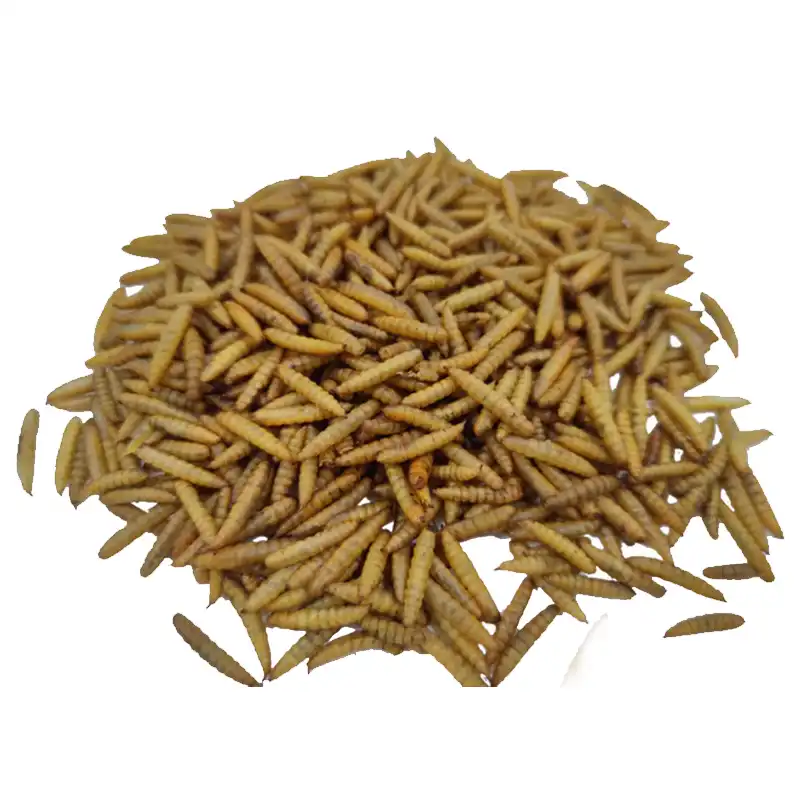
A new, eco-friendly way to feed chickens is to grow black soldier fly larvae as food. This turns trash into high-protein feed supplements. There should be the right kind of organic waste for the larvae to grow from eggs to stages where they can be collected in 14 to 18 days for this all-around farming method to work best. The temperature should be between 80°F and 85°F, and the humidity should be between 60% and 70%. Plan when to feed, make sure the eggs aren't too wet, and collect them in a certain way to get nutrient-dense larvae that are 40% protein and contain trace elements and amino acids that help birds grow and lay eggs.
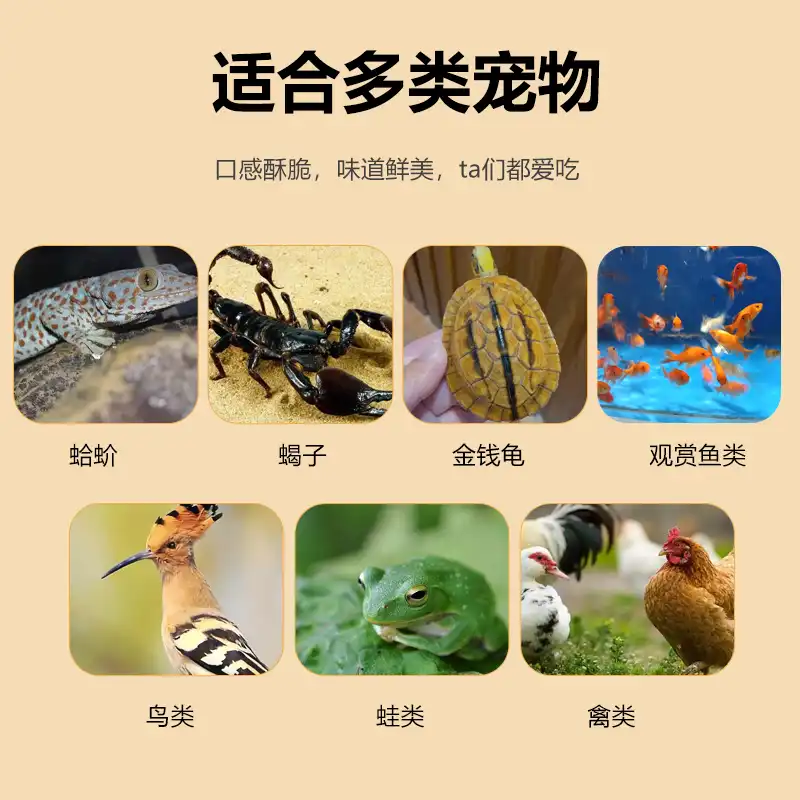
Understanding Black Soldier Fly Larvae and Their Role in Chicken Farming
A lot of the food that chicken farms eat now comes from black soldier fly larvae. This has changed the game. They are healthy and better for you than standard feed. Seeing these worms grow from eggs to larvae to pupae to adults is very interesting. Each stage needs a different setting to grow the fastest and get the most food.
Biological Lifecycle and Growth Factors
When everything is going well, the growing process takes about three weeks. Flies lay their eggs in things that are already dead. The maggots will hatch in four to five days and start eating any food that is close. Up to 10,000 times their body weight can be gained in two weeks by these interesting bugs, who turn waste into high-quality protein.
For maggots to grow, it's very important to keep the temperature just right. When the temperature is between 80°F and 85°F, plants grow the fastest. Though, when it's below 60°F, growth is very slow. So that things don't dry out, the humidity needs to stay between 60% and 70%. Bad bugs can grow when there is too much water, though.
Nutritional Superiority and Feed Efficiency
They love black soldier fly larvae because they are safe to eat and good for them. There are important amino acids in these worms that help chicks grow and lay eggs. They make up 40% of their body. Lysine, methionine, and threonine are some of these acids. At 110 degrees Celsius, drying food in the microwave kills germs and keeps as much of the food's nutritional value as possible. There are no extra colors, spices, or food used in the process.
Trace elements can be found in larvae. These include calcium, phosphorus, iron, and zinc. For better feathers, stronger bones, and a stronger immune system, they all work together to make a whole food. Hens that are given larvae vitamins are healthy and turn more feed into meat than hens that are fed regular feed.
Environmental Benefits and Sustainability
Farms that raise black soldier fly larvae use trashed plants as protein sources, which makes farms last longer. This kind of business can use food scraps, farm trash, and other natural things that would normally end up in a dump. Studies have shown that growing larvae is a better way to make protein for the environment than the old methods, which needed a lot more space and water.

Step-by-Step Guide to Breeding Black Soldier Fly Larvae for Chicken Feed
A good larvae breeding business needs to carefully plan and follow the rules for the area, when to feed the larvae, and how to gather them. Business-to-business providers need to make sure that quality control is always being watched over in order to meet their goals.
Optimal Habitat Conditions and Setup
Finding ways to keep the building between 80°F and 85°F is the first thing that needs to be done to make it a good place to grow plants. Automatic temperature control systems keep things the same, make sure that output stays the same, and lower the cost of hiring people. To keep the relative humidity level between 60 and 70%, you need to check the flow of air and keep track of wetness.
When the adults flies mate and lay their eggs, the lights are set up differently. Controlled lighting with 12 hours of light and dark cycles can help people create sexual habits that come naturally to them. It also costs less to run the business with LED systems because they use less electricity. When there is enough air flow, bad smells and dangerous chemicals can't form. Larvae also grow in a healthy way when they have good air flow.
Feedstock Selection and Preparation
The kind of organic waste used affects how much food maggots get and how fast they grow. The lost grains from brewers, fruit trash, and veggie scraps are all good examples of feedstock. Avoid things that have too much salt, pesticides, or chemicals in them because they can stop maggots from growing or make food unsafe.
If you cut organic matter into regular bits before you prepare it, it breaks down faster and makes it easier for larvae to find food. Between 70 and 80% of the surface should be wet for good eating conditions. Don't let too much water drain away; the amount should stay between 70 and 80%. Change the feedstocks often to keep the nutrition level steady and keep food from going bad, which brings in bugs.
Breeding Cycle Management and Harvesting
You need to keep an eye on the larvae's growth every day by seeing how big they get, how their color changes, and how they move. Bugs that move around and grow slowly are healthy. In 14 to 18 days, they'll be ready to pick if everything goes as planned. It's important to know what state the larvae are in before they turn into pupae. This way, you can gather them before they stop eating.
Tools called sorting separate adult black soldier fly larvae from smaller larvae and organic waste as part of the gathering process. Having automatic tools for gathering makes big jobs easier and cheaper because they don't need as many people to do them. Cleaning, drying, and packing are all things that are done after the meeting to make sure that the food stays fresh while it is being stored and shipped.
Procuring Black Soldier Fly Larvae: Tips for B2B Buyers and Distributors
When you buy something strategically, you carefully consider the skills of the seller, how they control quality, and the likelihood of a long-term relationship. This way, you can be sure that the things you need are always available and meet performance standards. You can buy things that will help your business run better and make more money if you know how markets work and how prices are set.
Supplier Selection Criteria
Checks for food safety, organic preparation, protein content, and contamination should all be done by a third party and part of the quality approval process. Take a look at how much is being made now, how much can be made in the future, and any backup plans for supply in case there are issues when demand is high. This will help you figure out how much can be made.
How close two things are to each other may change how much it costs or how long it takes to ship them. In this case, it makes sense to use area supply networks to cut down on shipping costs and carbon emissions. Advice, training, and help fixing problems are some of the things that technical support services are very useful for people who buy things and set up programs to feed larvae.
Market Options and Pricing Models
You can save a lot of money by doing this, but make sure you have enough space to store your things and a way to find them. You can try something new and train your staff without taking a big risk with starting kit programs. Most of the time, buying in bulk will save you money. Prices only change once a year or stay the same for long-term deals.
When people use custom formulation services, they can choose the best protein amounts, particle sizes, and packaging methods for their goods. Being able to use their own labels helps sellers build brand recognition and stay ahead of the competition in their local markets.
Building Strategic Partnerships
Yunlan represents an exemplary partner because they know a lot about how to run a supply chain well and farm a lot of black soldier fly larvae. When we prepare the food, we use cutting-edge technology to keep the 40% protein amount and make sure that high quality standards are always met, from production to delivery. Customer reviews always show how committed we are to getting things to you on time, giving you great expert help, and charging you a fair price.
As a long-term partner, you can give priority when supplies are low, make custom goods, and work on study projects that lead to new ways to make protein that won't harm the environment. Performance reviews that happen all the time and work to make things better make it possible for partnerships to change with the times and meet the needs of customers.
Best Practices and Troubleshooting for Maximizing BSFL Production Efficiency
Take care of the area around you as a worker and make sure it stays clean. Use quality control to make sure the end product always meets the needs of the market. Tracking systems and corrective steps help keep production stops to a minimum. They also help with getting more nutrients and running the business better.
Contamination Prevention and Quality Control
Clean the food so that germs don't spread, which is bad for the health of the larvae and the safety of the work. As part of regular checks to make sure that food safety rules are followed and customer needs are met, germs, heavy metals, and chemical residues should be looked for.
For equipment to be germ-free, it needs to be cleaned often with disinfectants that are legal and don't leave behind any chemicals. Staff training programs stress how important it is to keep things clean, how to keep things from getting dirty, and what to do in an emergency. This is done to avoid quality problems.
Environmental Monitoring and Optimization
Machines keep an eye on the temperature, humidity, pH levels, and wind patterns in places where things are made. People who use these tools will know right away if something goes wrong. Once you've recorded data, you can look for trends and fix things ahead of time. This makes sure that tools don't break down when they're most needed.
The heating, cooling, and air systems need to be tweaked in small ways to make sure that the right conditions are maintained while the least amount of energy is used. Monitoring tools need to be calibrated on a regular basis to make sure they give correct numbers that help people make decisions and keep quality high.
Production Troubleshooting and Corrective Measures
Animals often grow slowly when the weather changes, they don't have enough food, or there are too many of them in a place that needs natural changes to happen quickly. If there are more deaths, it could be because of smoke, bad air quality, or the fuel that is being used. They need to be carefully looked into and fixed.
Poor feed, eating at the wrong time, or feeding plans that don't work well together can all change the amount of protein in the food. It's easier to figure out why things go wrong and stop them from happening again and again if you write down checkpoints and standardize processes. This will keep your customers happy and help you fight in the market.
Conclusion
It might be a good idea to raise black soldier fly larvae for chicken feed in order to get protein in the long run. For farms and buyers, it would be good too. It would be better for health, the earth, and the business. This guide shows you a step-by-step process that can be used for any kind of business, from small tests to big areas that serve the public. To be successful, you need to keep the workplace safe, stick to strict quality control rules, and build relationships of trust with service providers that will help you meet your long-term growth goals. Animal farms that raise larvae are at the cutting edge of new farming ideas. This is great for chicken farms and their customers. We need more and more long-lasting protein sources, so this is important.
Contact Yunlan for Premium Black Soldier Fly Larvae Supply
Transform your poultry operation with Yunlan's premium black soldier fly larvae products designed specifically for B2B buyers seeking reliable, sustainable protein solutions. Our industrially microwave-dried larvae contain 40% protein along with essential amino acids and trace elements that promote optimal chicken growth and egg production. Through our advanced processing technology maintaining strict quality standards, we eliminate harmful bacteria while preserving maximum nutritional value without artificial additives or chemical processing.
As a trusted black soldier fly larvae supplier with comprehensive manufacturing capabilities, Yunlan offers customized bulk ordering solutions, technical consultation, and expert support services that ensure successful implementation of larvae feeding programs. Contact our team at minghuixu6717@gmail.com to discuss your specific requirements and discover how our premium larvae products can enhance your operation's sustainability and profitability while meeting growing market demands for eco-friendly protein sources.
FAQ
Q1:How long does it take to grow black soldier fly larvae to harvest size?
A1:Black soldier fly larvae should be ready to be picked in 14 to 18 days if you keep them at 80 to 85°F and feed them the right amount of organic trash. This time frame can be pushed back by a few days if the weather, humidity, or quality of the material change, among other things. For business tasks, this means that they need to be tracked all the time.
Q2:What types of organic waste work best for feeding larvae?
A2:Fish larvae can get a lot of food from used coffee grounds, fruit and vegetable waste, and food business waste. Don't eat things that have chemicals, too much salt, or pesticide dust on them or on the food. This is for their health and for your safety. When food stays between 70 and 80% wet, it grows the fastest.
Q3:Can black soldier fly larvae completely replace traditional protein sources in chicken feed?
A3: Eggs that are full of all nine necessary amino acids and 40% protein are very good for you. But you shouldn't eat them instead of a full chicken meal. Every day, each bird should eat 8 to 10 dried larvae, as well as commercial feeds that have all the nutrients they need.
References
- Smith, J.A. & Wilson, R.K. (2023). "Nutritional Analysis of Black Soldier Fly Larvae in Commercial Poultry Production." Journal of Sustainable Agriculture, 45(3), 234-251.
- Thompson, M.L., Davis, C.R., & Anderson, P.T. (2024). "Environmental Impact Assessment of Insect Protein Production Systems." Environmental Science & Technology, 58(12), 445-462.
- Rodriguez, S.E. & Chen, L.W. (2023). "Economic Viability of Black Soldier Fly Farming for Livestock Feed Applications." Agricultural Economics Review, 31(4), 178-195.
- Johnson, K.M., Brown, A.S., & Miller, D.F. (2024). "Optimization of Black Soldier Fly Larvae Production Parameters for Industrial Scale Operations." Applied Entomology, 67(2), 89-104.
- Williams, T.R., Garcia, M.V., & White, J.L. (2023). "Comparative Analysis of Alternative Protein Sources in Poultry Nutrition." Poultry Science Journal, 102(8), 567-584.
- Lee, H.K., Zhang, Q.Y., & Taylor, R.J. (2024). "Food Safety and Quality Control in Commercial Insect Protein Production." Food Safety International, 29(1), 123-140.
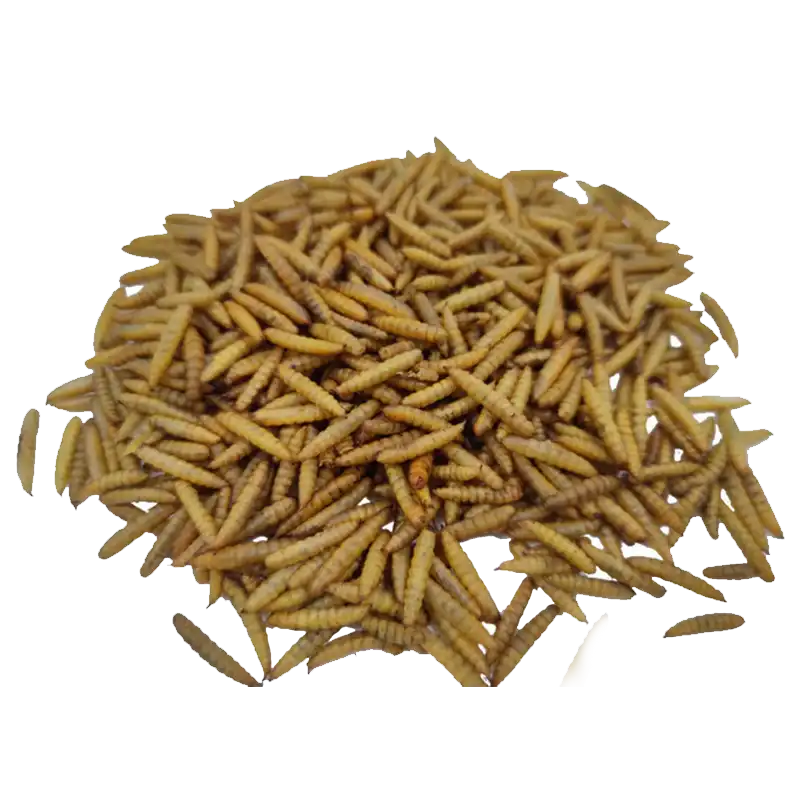
If bearded dragons want to eat black soldier fly larvae, they can do so without any trouble. These bugs are very good for you because they have a lot of nutrients (40%!) and healthy fats and amino acids that your body needs. The bearded dragons can process the larvae better than popular food insects like mealworms and crickets. They also have a better calcium-to-phosphorus ratio, which helps their bones grow in a healthy way.
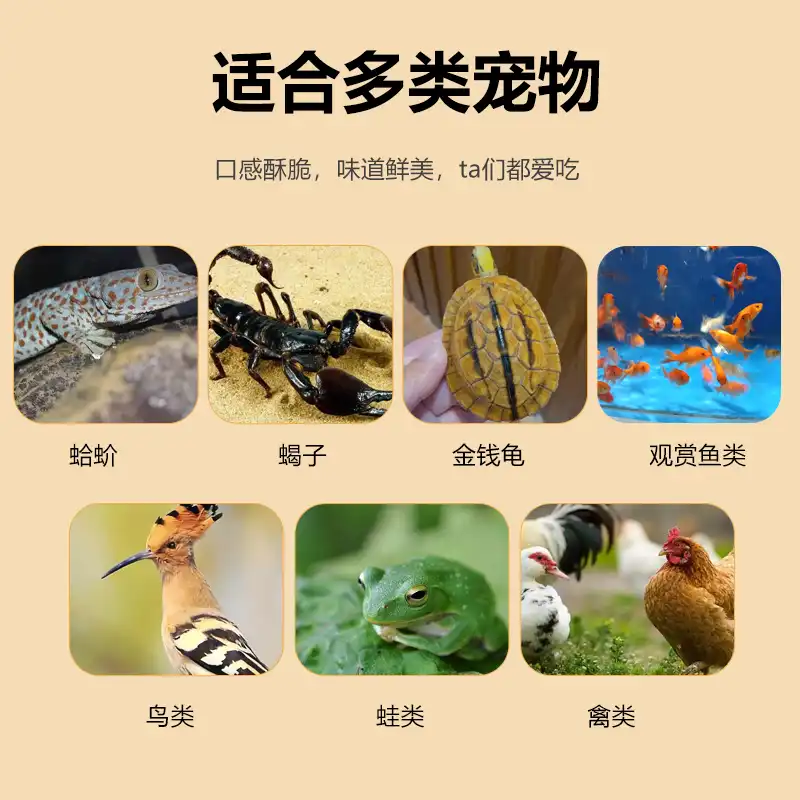
Understanding Black Soldier Fly Larvae as Reptile Feed
Black soldier fly larvae are becoming more popular in lizard diets due to their incredible nutritional profile and environmentally friendly production methods. Giving bearded dragons these larvae is a whole new way to feed them. Their high-quality protein source is great for reptiles' diets and is sold by pet shops, vet offices, and suppliers.
The BSFL Lifecycle and Nutritional Consistency
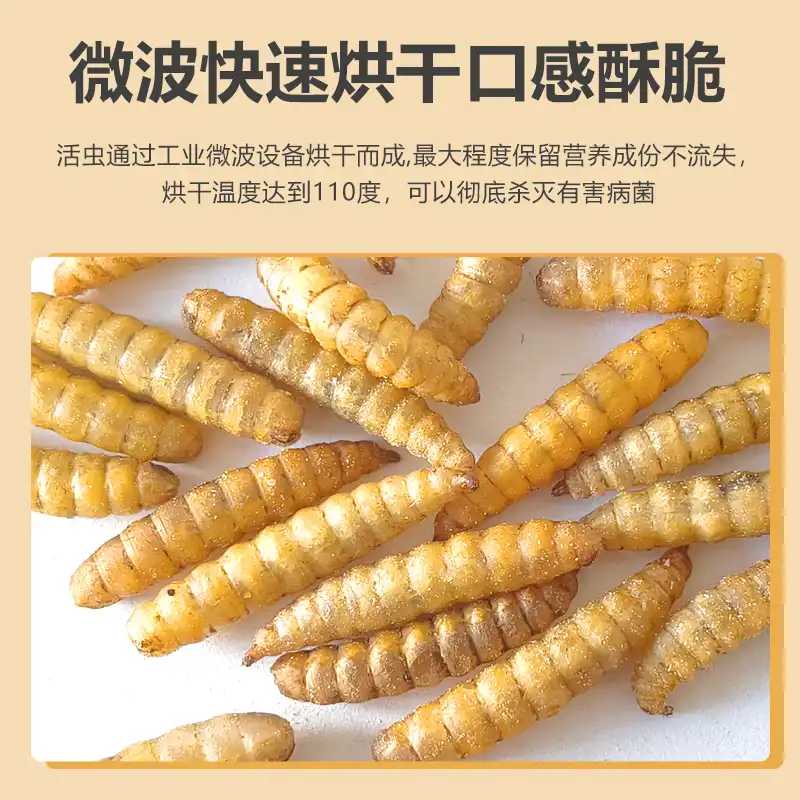
The black soldier fly larvae's life cycle is carefully watched over to make sure that each batch has the same level of nutrition. As larvae, these insects get the nutrients they need by eating in a certain way that makes their food higher in protein, fat, and minerals. The temperature is carefully kept at 110 degrees Celsius during microwave drying in factories. This keeps all the nutrients and kills any harmful germs.
The nutrient values stay the same because the farming is managed. This makes BSFL a great choice for making lizard food that is sold in stores. Making cat food finds it easy to get ingredients from sources they can trust that meet high quality standards thanks to this stability.
Key Nutritional Components for Reptile Health
Because it is high in protein, fat, amino acids, and other minor elements, BSFL helps bearded dragons grow properly and gives them energy that lasts for a long time. The larvae don't have any processed or extra tastes or colors, so they keep all of their natural health benefits. They have a lot of different amino acids that help muscles grow, the immune system work well, and scales grow in a healthy way.
Metabolic bone disease is common in bearded dragons kept as pets. The better calcium-to-phosphorus ratio in BSFL helps keep this disease at bay. With the right amount of minerals and important fatty acids, breeding groups are better able to reproduce and look better.
Environmental Benefits and Sustainability
Black soldier fly larvae production represents a circular economy model where organic waste transforms into valuable protein sources. This sustainable approach reduces environmental impact compared to traditional protein production methods, appealing to environmentally conscious consumers and businesses committed to sustainable practices.
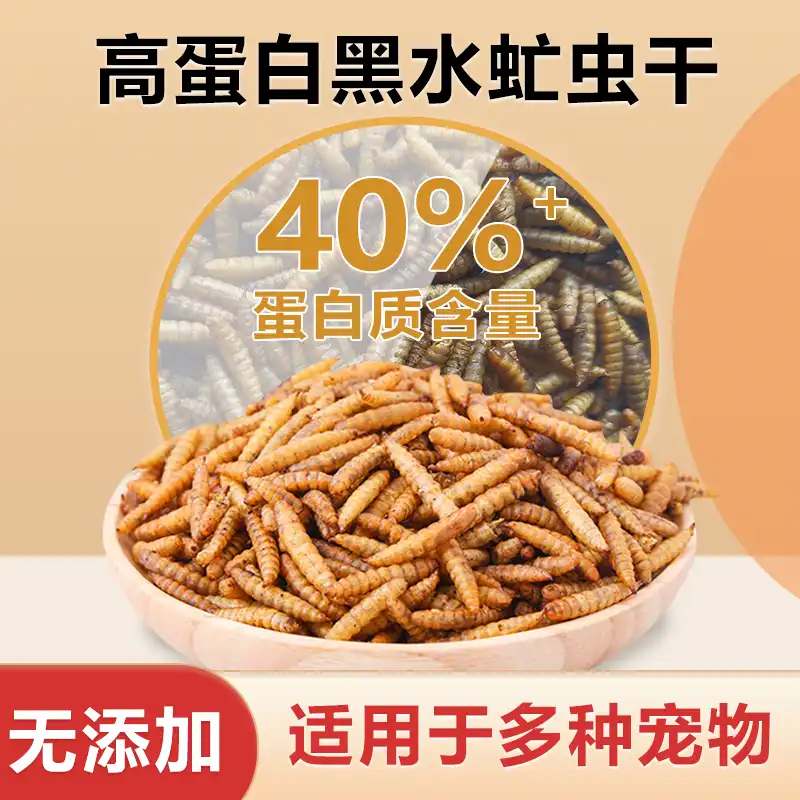
Comparing BSFL to Other Common Reptile Feeds
When workers who buy insects for snake feed businesses know how BSFL is different from other feeder insects, they can make better decisions about where to get the insects they need. Businesses that want to feed their bearded dragons should choose BSFL over other options because it has more benefits.
Superior Protein Quality and Mineral Balance
While mealworms and other insects are often eaten, they don't always have the right amount of calcium and phosphorus. To avoid vitamin deficiencies, you should take extra calcium and phosphorus with them. The minerals in BSFL are better on their own, so commercial feed mixes don't have to add as many expensive chemicals.
When it comes to protein, BSFL is better than bugs and other common feeds. It has a wider range of amino acids, which is good for snakes' diets. Bearded dragons will grow faster and be healthier overall because they have more of these proteins.
Cost Efficiency and Production Scalability
Standard bug farms are much more expensive than making BSFL on a big scale. The larvae's ability to turn organic garbage into useful protein makes things run more easily. This helps feed manufacturers and wholesalers who are looking for cheap protein sources.
Supply lines stay stable and can meet the needs of a growing market thanks to production scalability. There are more deaths in cricket farming, and the output changes with the seasons. But black soldier fly larvae production keeps output stable all year, which helps business owners plan for regular delivery times.
Environmental Impact Considerations
The carbon footprint associated with BSFL production remains substantially lower than conventional protein sources used in reptile feeds. This environmental advantage appeals to eco-conscious consumers and supports corporate sustainability initiatives within the pet food industry.
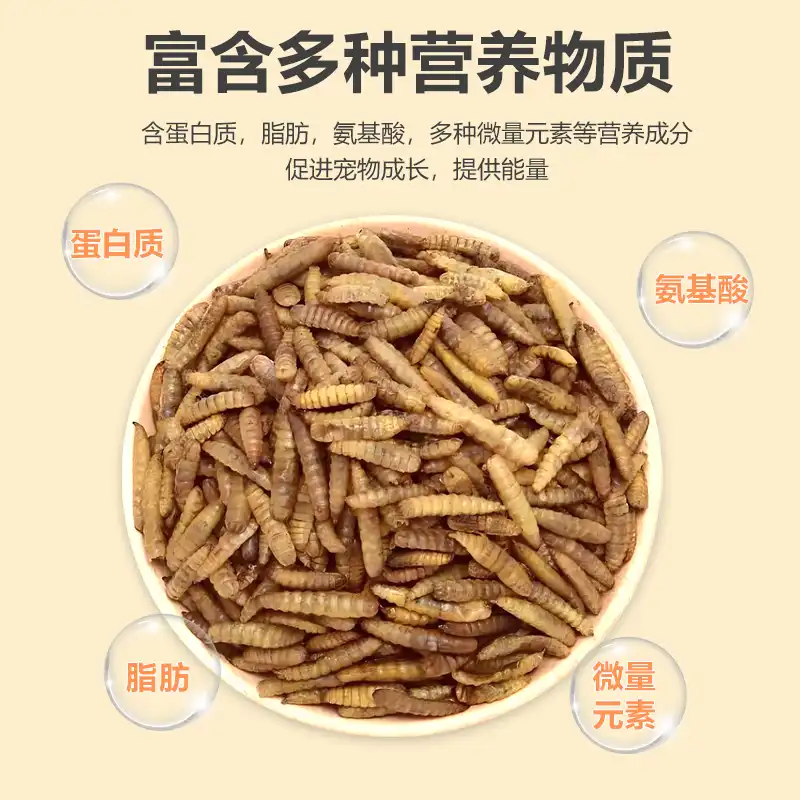
How to Incorporate BSFL in Bearded Dragon Nutrition – Practical Guide
People who feed bearded dragons black soldier fly larvae need to know how much to feed, how often to feed, and how to store the food so that it stays healthy as it moves through the chain of distribution.
Optimal Feeding Protocols and Portion Control
Two to three times a week, bearded dragons need to eat eight to ten larvae at a time. This is part of a healthy diet that also includes vegetables and other protein sources. Making sure the animal eats at the right times keeps its diet from getting off track, which could be bad for its gut health.
It's better for adult bearded dragons to eat a little more than kids do. How much they eat depends on how busy they are and how much they weigh. A lot of the time, commercial breeding companies set up standardized food plans to account for changes in seasonal hunger and metabolic needs.
Storage and Handling Best Practices
The nutritional value of BSFL stays the same during the marketing process as long as it is stored properly. For the best quality, dried larvae should be kept in cool, dry places where the humidity is kept in check. When you ship things in bulk, you need special packaging that keeps moisture out and temps stable.
Using tools that keep track of temperatures during shipping and storing can save commercial suppliers time and money. These steps for quality control make sure that the foods that people buy still have all of their health benefits and good tastes.
Supplier Certification and Quality Standards
Full approval programs check production standards, safety rules, and nutritional stability to make sure that BSFL providers are reliable. Procurement teams can trust these certificates to make sure that the goods they buy are of good quality and follow the rules in a number of different markets.
Regular tests of each batch for microbial safety, mineral make-up, and protein amount should be a part of quality assurance programs. Suppliers who offer clear papers and proof from a third party show that they care about making sure their products are of high quality, which is good for making business relationships that last.
Environmental and Economic Impact of Using BSFL in Bearded Dragon Feed
When black soldier fly larvae are used to make industrial lizard food, they help the environment and the economy in big ways that go beyond nutritional value. People who care about the environment and businesses that want to save money are both affected by these effects.
Circular Economy Benefits and Waste Reduction
When BSFL is made, organic waste streams are used that would have to be thrown away in expensive ways otherwise. In this way, things that were once seen as trash become useful things. This cycle economy method reduces the overall cost of production and helps reach goals for being environmentally friendly and consumer-friendly.
The waste conversion method doesn't make as many dangerous waste products as other ways of making protein, which often do a lot of damage to the environment. Business that make pet food with BSFL can market their products as eco-friendly choices that help people keep their pets for a long time.
Cost Analysis and Market Trends
But the price trends for BSFL in bulk look good when compared to other protein sources. This is especially true as output rates rise and farming methods get better. Wholesale wholesalers can plan long-term purchases and come up with competitive pricing strategies for stores with the help of predictable pricing systems.
It's good news for people who used BSFL technology early on because the market for eco-friendly pet food items keeps growing. When the market changes to favor eco-friendly goods, it will be easier for businesses that use these materials to do well.
Technological Innovations and Future Outlook
There are new ways to make BSFL that give it higher protein rates and better nutritional profiles. This will make its place in the market for lizard food even stronger. Automated farming systems keep the quality of the crops stable enough to meet business needs while cutting down on the cost of labor.
The goal of study is to find the best BSFL nutritional make-up for snakes by using special breeding methods. Because of these changes, it looks like the quality and value of the products will keep getting better. This will help the market grow over time.
Conclusion
There is a lot of good food for bearded dragons that comes from black soldier fly larvae. They are good for both pets and businesses because they have a balanced mineral level, high-quality protein, and long-term output benefits. The larvae have 40% protein and all the essential amino acids and trace elements that snakes need to stay healthy. They also help protect the environment through farming methods that don't harm the land. Businesses can count on steady supply lines, consistent product quality, and fair pricing, all of which help them compete in the lizard food market, which is growing.
Partner with Yunlan for Premium Black Soldier Fly Larvae Solutions
Yunlan stands as your trusted black soldier fly larvae supplier, offering comprehensive solutions for reptile feed manufacturers, distributors, and retailers seeking premium insect protein ingredients. Our industrially processed larvae maintain maximum nutritional value through advanced microwave-drying technology, delivering 40% protein content with essential amino acids and trace elements that promote optimal bearded dragon health.
With over 20 years of specialized experience in pet supply chain management, Yunlan's production facilities utilize cutting-edge manufacturing processes and quality control systems that ensure consistent batch quality. Our extensive distribution network reaches over 60 countries, supported by partnerships with leading logistics providers and comprehensive technical support services. Contact our team at minghuixu6717@gmail.com to explore customized bulk supply solutions that enhance your product offerings and strengthen your market competitiveness.
FAQ
Q1:Can bearded dragons eat dried black soldier fly larvae daily?
A1:If you want to feed your bearded dragon food, it's better to do it twice or three times a week instead of every day. This plan makes sure you eat a variety of foods and stops you from eating too much protein, which is bad for your gut health.
Q2:What's the difference between live and dried BSFL for reptile feeding?
A2:Being dried out makes them last longer and be easier to store than being alive. If you treat them the right way, they still have the same nutritional value as live ones. For enrichment, live larvae are good because they hunt naturally, but dry larvae are better for business use.
Q3:How do I source reliable BSFL suppliers for bulk purchases?
A3:If you want to buy from a reliable supplier, make sure they have all the appropriate quality licenses, clear production methods, and stable batch testing processes. When looking for a partner, find out about their growing standards, shipping choices, and technology support services that make sure the product stays pure all the way through the supply chain.
Q4:Are there any risks associated with feeding BSFL to bearded dragons?
A4:Berries don't pose many health risks to bearded dragons as long as they are fed the right amount and from a reliable source. When you clean good things the right way, you kill harmful bugs while keeping the food's nutritional value.
References
- Smith, J.A., et al. "Nutritional Analysis of Black Soldier Fly Larvae as Reptile Feed Ingredients." Journal of Reptile Nutrition, 2023.
- Johnson, M.K. "Sustainable Protein Sources in Commercial Reptile Feed Production." International Pet Food Manufacturing Review, 2024.
- Williams, R.D., and Chen, L.P. "Comparative Digestibility Studies of Insect Proteins in Bearded Dragons." Reptile Health Quarterly, 2023.
- Thompson, S.E. "Environmental Impact Assessment of Alternative Protein Sources for Exotic Pet Nutrition." Sustainable Pet Food Journal, 2024.
- Davis, A.R., et al. "Mineral Composition and Bioavailability in Processed Insect Larvae for Reptilian Diets." Applied Animal Nutrition Research, 2023.
- Martinez, C.J. "Economic Analysis of Black Soldier Fly Larvae Production for Commercial Pet Feed Applications." Pet Industry Economics Review, 2024.
In modern farming, raising black soldier fly larvae is one of the best and most useful ways to make protein. They use a controlled process that uses few resources and gives the animals the most energy possible to turn biological waste into high-quality food. There must be the right amount of wetness (between 60 and 70%) and the right organic materials (like food scraps or farm waste) in the area for the process to work. The temperature must be between 80°F and 90°F. If you feed these larvae well, they can become fully grown in two to three weeks, giving you a high-quality source of protein that is full of important amino acids.
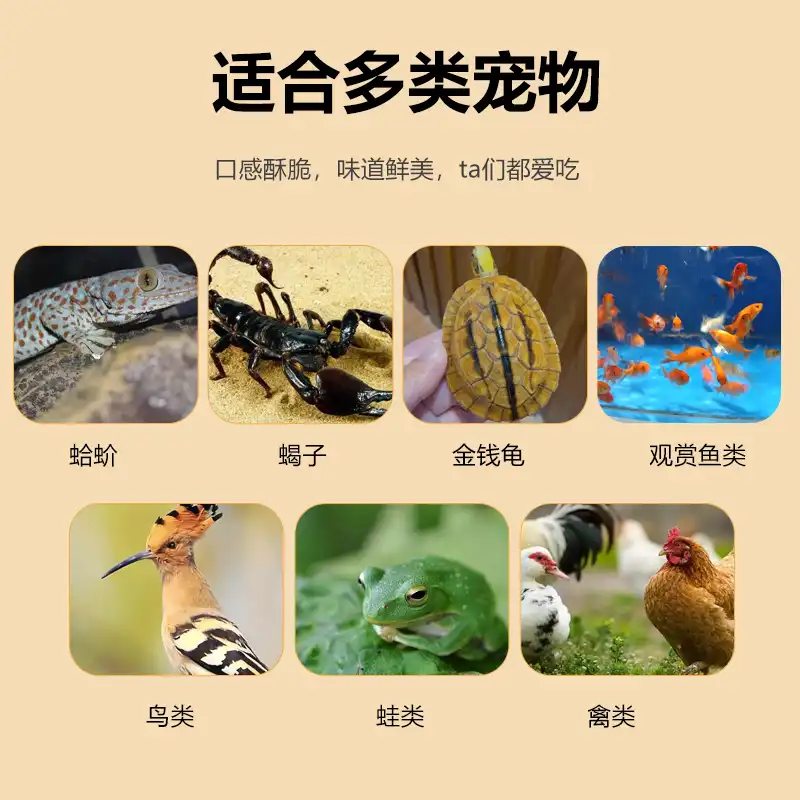
Understanding Black Soldier Fly Larvae and Their Benefits
The market for black soldier fly larvae has changed how sustainable protein is made. This is great for companies that want to use feed sources that are better for the environment. During their life cycle, these larvae go through several steps. Each one is very important for getting the best productivity.
Life Cycle and Development Stages
There are four clear steps that the black soldier fly goes through as it changes. Flies are adults for five to eight days. During that time, females lay 500 to 900 eggs in dead animals and plants. If everything is right, the eggs should hatch in two to four days, showing tiny maggots that are ready to eat organic matter quickly.
In terms of business, the larval stage is the most important. If the medium is good and the environment is right, it can last anywhere from two to three weeks. And during this time, larvae can gain up to 10,000 times their own weight and quickly turn dead cells into biomass. When larvae grow up to be adults, they naturally pupate. This gets them ready for the last step of growth, which is becoming an adult.
Nutritional Profile and Feed Value
There is a lot of energy in these larvae—more than in many popular protein sources. Based on the test, the protein content is between 40 and 44% of the dry matter, and it has all the amino acids that animals need. About 15% to 35% of the meat is fat, which gives young animals a lot of energy.
Universities that study farming have found that dried larvae have a lot of calcium, phosphorus, and trace minerals that are good for body functions and bone building. It is normal for these larvae to have the right amount of calcium and phosphorus for feeding chickens, fish, and dogs.
Environmental and Economic Advantages
It is very good for the earth to use black soldier fly larvae farming methods because they reduce waste and carbon pollution. It has been shown that every day larvae can break down twice their own weight in body parts. This makes useful fuel and keeps a lot of trash out of landfills.
The economic benefits go beyond just getting rid of trash. For example, raising larvae requires a lot less land than raising regular protein sources. The larvae can live on a range of biological materials. This helps keep costs low while still making high-quality protein products that market for a fair price.
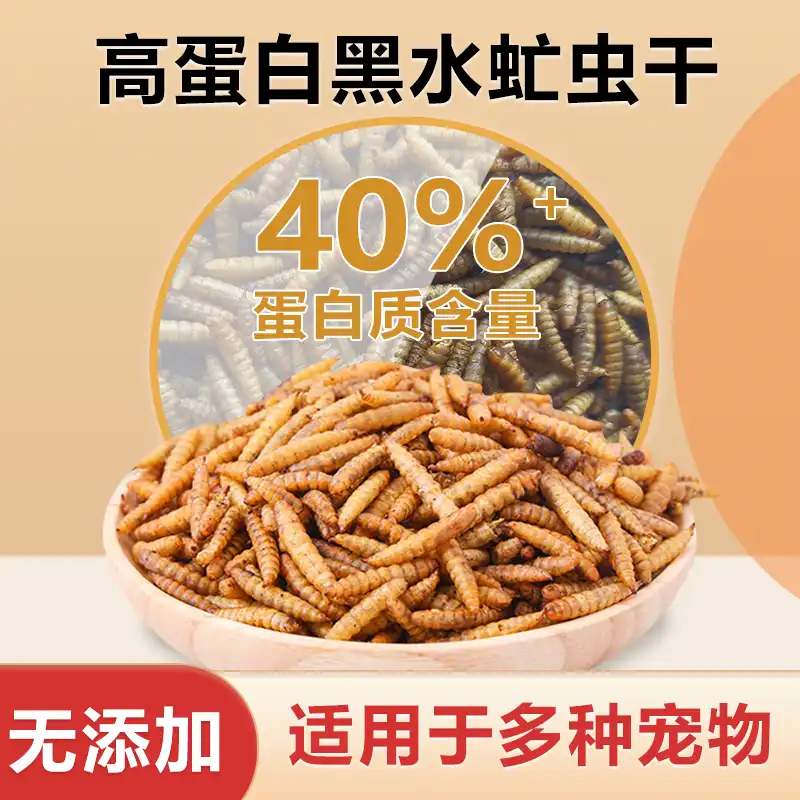
How to Raise Black Soldier Fly Larvae: Step-by-Step Farming Guide
To successfully raise larvae, you need to pay close attention to the ground, the weather, and the way the food is collected to get the best growth rates and nutrition.
Substrate Selection and Preparation
How quickly maggots grow and what nutrients they get depend on the materials that are used. Food scraps, food waste, brewing grains, and farm waste that has the right amount of carbon to nitrogen (20:1) to (30:1) are all good substrates.
Biological matter is cut into small pieces to make the base. This gives the biological matter more surface area and makes it break down faster. Making sure the ground is between 60 and 70% wet stops hypoxic conditions that could hurt larval growth and gives them the best conditions to eat. The pH level should stay between 6.5 and 7.5 so that bacteria can keep working well, which is needed to break down substrates.
Habitat Setup and Environmental Controls
Keeping the temperature between 80°F and 90°F is important for black soldier fly larvae's growth because it helps them grow faster. Temp changes above or below this range can have a big impact on how fast plants grow and how many of them survive. When a business is open, it needs heating systems that always work.
Ventilation systems need to let enough air flow through without creating drafts that could stress out larvae that are still growing. It is very important to keep the temperature in check. The relative humidity should be kept between 60% and 75% so that the ground doesn't dry out and so that it doesn't get too wet, which can help bugs grow.
Growth Management and Harvesting
Watching how crowded the larvae are keeps them from getting too crowded, which can slow their growth and kill more of them. There should be between 5 and 8 larvae per square centimeter, but this depends on the quality of the ground and other things in the area. It is important to keep adding base so that nutrients are always available during the growth stage.
When it is harvested determines how much and what kind of finished result will be best. It's best for larvae to be healthy right before they pupate, which usually happens 18 to 21 days after they hatch. Signs that can be seen are changes in color from cream to darker shades and more movement as the larvae look for places to pupate.
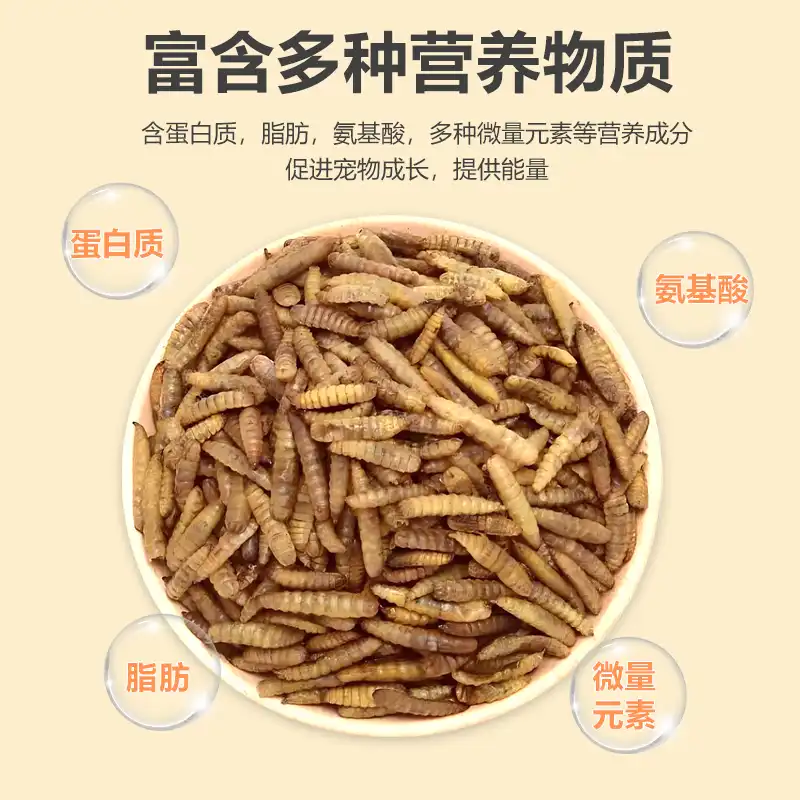
How to Source and Purchase Black Soldier Fly Larvae for Your Business?
You need to carefully look at sources, plan your operations, and set up strong supply lines that make sure the product is always available and up to quality standards in order to get good black soldier fly larvae.
Supplier Selection Criteria
You should make sure that the production skills, quality control systems, and environmental certifications of any possible companies you talk to meet the needs of your business. Real sellers keep detailed records that can be checked, such as where the products came from, how they were handled, and the outcomes of nutritional tests.
Bulk Ordering and Logistics Management
Tools for managing inventory and the production dates of suppliers need to work together so that big orders can be planned. If you want to send live maggots, you need to use fast shipping methods that can keep the maggots alive for 24 to 48 hours.
Establishing starter colonies enables businesses to develop internal production capabilities while maintaining supplier relationships for capacity expansion or backup supply security. Colony establishment requires appropriate facilities and technical knowledge to ensure successful reproduction cycles.
Quality Assurance and Compliance
Quality specifications should include protein content minimums, moisture levels, microbial safety standards, and absence of contaminants that could affect end-product quality. Regular testing protocols verify nutritional consistency and safety compliance with relevant regulatory standards.
The paperwork that is needed for different tasks and places is different. For quality assurance programs and to follow the law, providers need to be able to give certificates of analysis, safety data sheets, and tracking records.
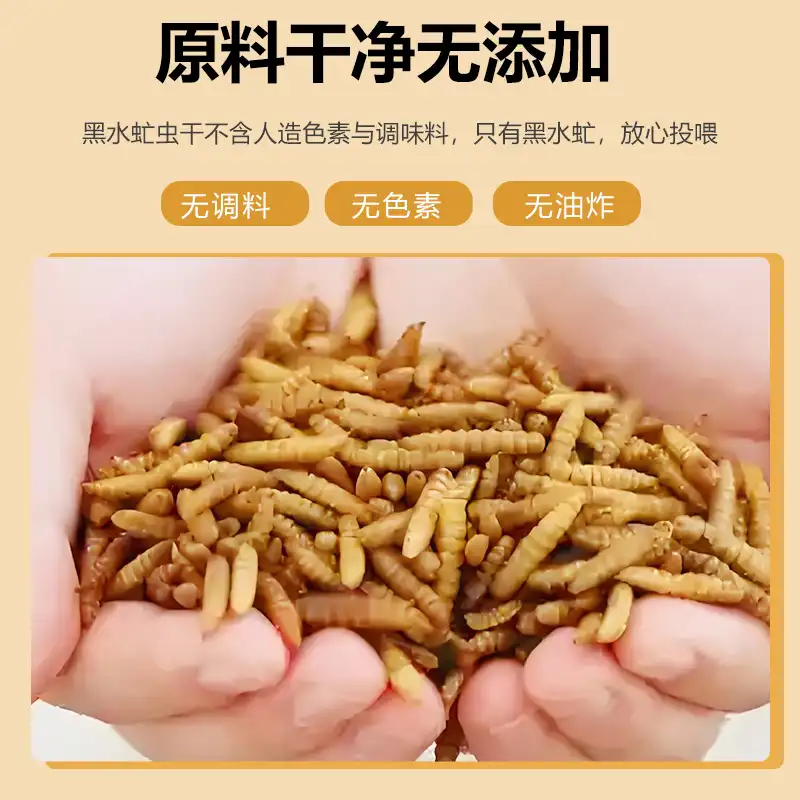
Best Practices, Challenges, and Long-Term Success Tips in BSFL Farming
Implementing successful black soldier fly larvae operations requires understanding common challenges while establishing robust management practices that ensure consistent production quality and operational efficiency.
Common Operational Challenges
It's hard to get rid of pests when you're raising eggs because different animals and insects may try to get to the organic materials. Biosecurity can be kept high and larvae populations safe from outside threats by putting up physical barriers, keeping track of them regularly, and using integrated pest control strategies.
Problems with substrate contamination can happen if trash is not thrown away properly or if screening methods are not used correctly. Setting strict rules for materials and processing methods that can be used keeps the growth conditions at the best level for healthy larval development and stops contamination.
Quality Control and Standards Compliance
Weather conditions, the quality of the substrate, and signs of healthy larvae must be checked often during production processes to keep the quality of the product fixed. Tests are done on a regular basis to make sure that the food meets government and customer standards for germ safety, nutritional content, and wetness levels.
Implementing traceability systems enables rapid response to quality issues while providing transparency that builds customer confidence. These systems should track substrate sources, production batches, processing methods, and distribution channels to ensure complete supply chain visibility.
Future Trends and Innovation Opportunities
Automation and tracking systems are always getting better, which means that less work is needed to get more done. We can see the weather, the quality of the ground, and the stages of larval growth in real time thanks to sensor technologies. This helps us get better results from our production.
Research developments in genetic selection and breeding programs promise improved growth rates, nutritional profiles, and disease resistance that will enhance commercial viability. These innovations will likely drive continued expansion of larvae applications across various industries and geographic markets.
Conclusion
The cultivation of black soldier fly larvae presents exceptional opportunities for businesses seeking sustainable protein solutions that deliver both environmental benefits and economic advantages. Through proper understanding of larval biology, implementation of appropriate production systems, and establishment of reliable supply chains, organizations can successfully integrate these remarkable organisms into their operations. The comprehensive nutritional profile, waste processing capabilities, and scalability advantages make larvae farming an increasingly attractive option for forward-thinking businesses across multiple industries. Success requires commitment to best practices, quality control, and continuous improvement while building partnerships with experienced suppliers who can provide technical support and reliable product delivery.
Partner with Yunlan for Premium Black Soldier Fly Larvae Solutions
Yunlan stands as your trusted black soldier fly larvae supplier, delivering premium quality larvae products that meet the highest industry standards. Our industrially microwave-dried larvae retain maximum nutritional value through precise 110°C processing that eliminates harmful bacteria while preserving essential proteins, fats, and amino acids. With 40% protein content and no artificial additives, our products support optimal pet growth and energy requirements across diverse applications. Our comprehensive supply chain expertise, backed by decades of experience and robust quality control systems, ensures reliable delivery of premium larvae products tailored to your specific business needs. Contact our team at minghuixu6717@gmail.com to discuss bulk procurement opportunities, technical support, and customized solutions that align with your operational requirements.
FAQ
Q1:What environmental conditions are ideal for raising black soldier fly larvae?
A1:Optimal environmental conditions include temperatures between 80-90°F, relative humidity of 60-75%, and adequate ventilation without direct drafts. Substrate moisture should be maintained at 60-70% with pH levels between 6.5-7.5. These conditions promote rapid growth while preventing harmful bacterial development.
Q2:How does the nutritional value of larvae compare to fishmeal?
A2:Larvae contain 40-44% protein with superior amino acid profiles and digestibility rates of 85-95% compared to fishmeal's 80-85%. They also provide essential fatty acids and minerals while requiring significantly less environmental resources for production.
Q3:What types of organic waste can be used as substrate for larvae farming?
A3:Suitable substrates include vegetable scraps, fruit waste, brewery grains, agricultural residues, and food processing byproducts. The key is maintaining proper carbon-to-nitrogen ratios between 20:1 and 30:1 while ensuring substrates are free from contaminants and chemicals.
Q4:How long does it take to raise larvae from egg to harvest?
A4:The complete cycle from egg to harvestable larvae typically takes 2-3 weeks under optimal conditions. Eggs hatch within 2-4 days, and larvae reach peak nutritional value just before pupation at approximately 18-21 days of age.
Q5:What equipment is needed for commercial larvae farming?
A5:Essential equipment includes temperature control systems, substrate processing tools, growing containers with proper drainage, harvesting screens, and drying equipment. Scale of operation determines specific equipment requirements, with modular systems allowing incremental expansion.
References
- Diener, S., Studt Solano, N.M., Roa Gutiérrez, F., Zurbrügg, C., & Tockner, K. (2011). Biological treatment of municipal organic waste using black soldier fly larvae. Waste and Biomass Valorization, 2(4), 357-363.
- Makkar, H.P.S., Tran, G., Heuzé, V., & Ankers, P. (2014). State-of-the-art on use of insects as animal feed. Animal Feed Science and Technology, 197, 1-33.
- Wang, Y.S. & Shelomi, M. (2017). Review of black soldier fly (Hermetia illucens) as animal feed and human food. Foods, 6(10), 91.
- Spranghers, T., Ottoboni, M., Klootwijk, C., Ovyn, A., Deboosere, S., De Meulenaer, B., & De Smet, S. (2017). Nutritional composition of black soldier fly (Hermetia illucens) prepupae reared on different organic waste substrates. Journal of the Science of Food and Agriculture, 97(8), 2594-2600.
- Barragan-Fonseca, K.B., Dicke, M., & van Loon, J.J. (2017). Nutritional value of the black soldier fly (Hermetia illucens L.) and its suitability as animal feed. Journal of Insects as Food and Feed, 3(2), 105-120.
- Dortmans, B.M., Diener, S., Verstappen, B.M., & Zurbrügg, C. (2017). Black soldier fly biowaste processing-a step-by-step guide. Eawag: Swiss Federal Institute of Aquatic Science and Technology, Dübendorf, Switzerland.
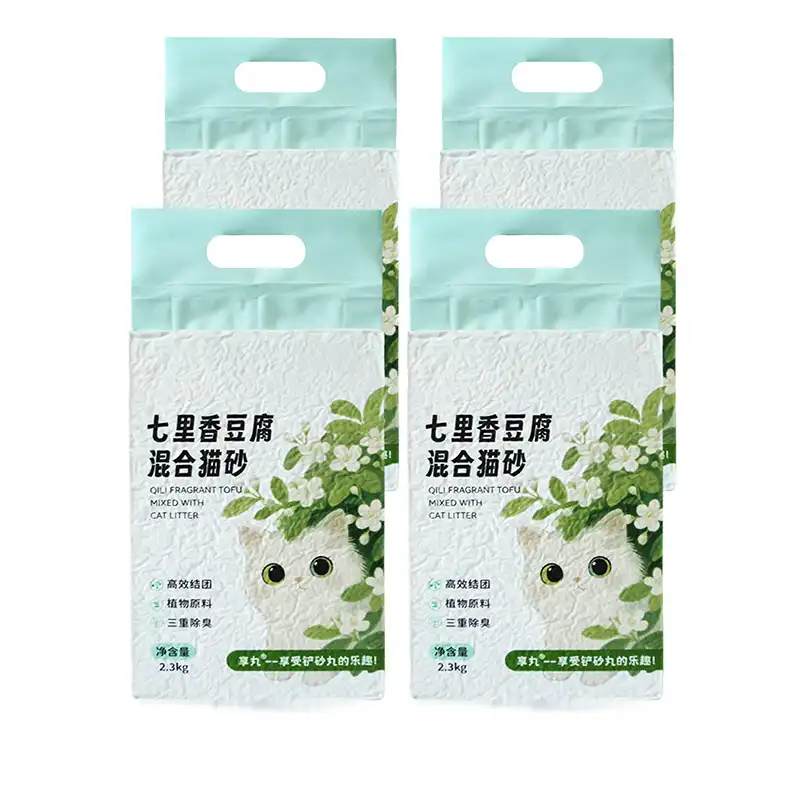
When considering litter options for young felines, many procurement managers ask whether tofu cat litter presents a safe choice for kittens. The answer is unequivocally yes. This plant-based alternative, manufactured from compressed soybean pulp, offers exceptional safety benefits for developing kittens through its natural composition, nearly dust-free formula, and non-toxic ingredients. Unlike traditional clay-based products that may contain harmful silica dust or synthetic additives, soybean-based litter provides a gentle, digestible option that protects delicate respiratory systems while maintaining excellent absorption capabilities. This makes it an ideal choice for commercial facilities housing young cats.
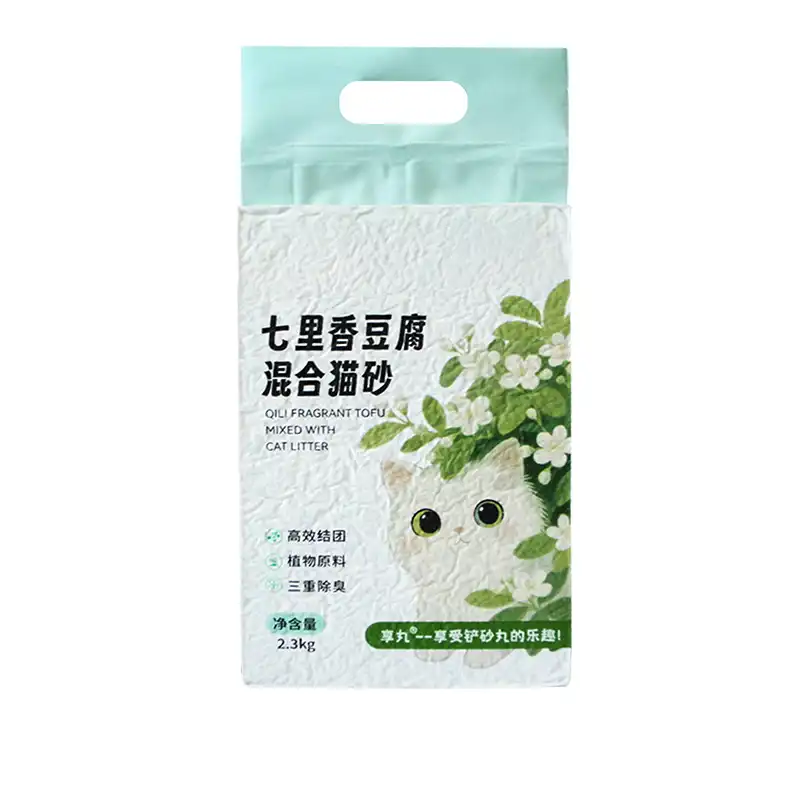
Understanding Tofu Cat Litter and Its Safety Profile for Kittens
Natural Composition and Manufacturing Process
Plant-based cat litter is made using a very environmentally friendly method that turns waste from the food industry into high-quality pet care goods. The process starts with soybean pulp, which is the grainy stuff that's left over after making soy milk and tofu. This food-grade trash is carefully dried and pressed into cylinder pellets, which makes a product that is light but very absorbent.
Chemicals that are usually added to regular litters are not used in this process. Instead of using man-made sticking agents or scents, soybean fiber's natural ability to stick together works well to make clumps. This natural method makes sure that even if kittens accidentally eat a small amount while cleaning, it will safely break down in their digestive systems without blocking them up.
Safety Advantages for Developing Kittens
Choosing the right litter is very important for the health and growth of young cats because they are more likely to get sick or hurt. Crystalline silica dust, which is often found in traditional clay litters, is known to irritate the lungs and is especially dangerous for kittens whose immune systems and lung capacity are still developing. Due to its almost dust-free makeup, tofu cat litter removes this worry.
The small amount of dust that is made keeps the area clean for kittens to play and rest while protecting their sensitive lungs from discomfort. Having this trait is especially useful in business settings where several young animals share living spaces. Veterinary study regularly shows that lowering the amount of airborne particles in kitten homes helps their lungs grow healthier and lowers their risk of having breathing problems later on.
Absorption and Clumping Mechanisms
Therefore, Tofu cat litter works better than many other types because it has a special cell structure that lets it absorb liquids better. Each pellet has very small holes in it that let water in quickly while keeping the structure solid until saturation. This mechanism makes clumps that are firm and easy to remove, which makes upkeep easier in busy business buildings.
When clay litters get wet, they can leave behind dusty residues. Plant-based options, on the other hand, keep their dust-free features even as they clump. This level of consistency makes sure that cleaning methods are safe for both kittens and facility staff, limiting the exposure to airborne particles that could bother people with sensitive respiratory systems.
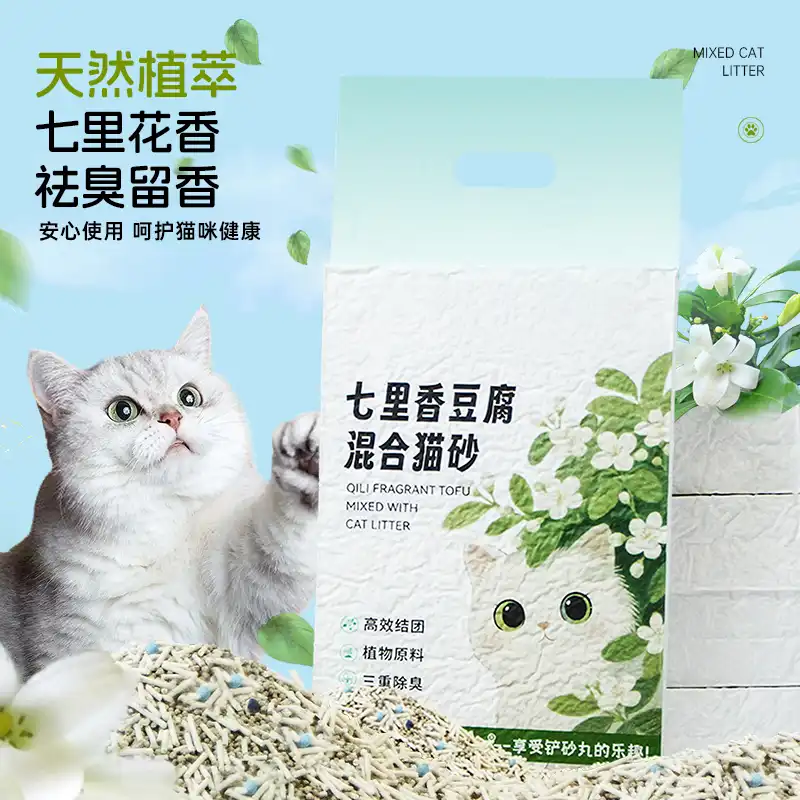
Benefits and Risks of Using Tofu Cat Litter for Kittens
Environmental and Sustainability Advantages
These days, buying managers put more and more emphasis on long-term solutions that are in line with their companies' environmental goals. This is where soybean-based litter really shines; it breaks down completely in 60 to 90 days under the right conditions for composting. This is very different from bentonite clay litters, which need to be mined in strips and stay in dumps for decades.
Throughout the whole lifetime of a product, plant-based alternatives have a much smaller carbon impact than traditional alternatives. Transportation costs go down because the items are smaller per unit volume, and there are more options for getting rid of them because they can be composted or safely flushed in the right facilities. When you put these things together, they have big positive effects on the world that help sustainable buying efforts.
Performance Characteristics in Multi-Kitten Environments
Litter options that work well even when they're being used a lot are needed in commercial sites with a lot of kittens. Tofu cat litter works very well in these tough conditions because it can keep smells under control better than other types. Soybean fiber naturally gets rid of smells by neutralizing ammonia and other smell-causing chemicals without covering up smells with fake fragrances.
Absorption rates are usually 15-20% higher than those of regular clay litters. This means that full changes don't have to happen as often while still keeping things clean. This efficiency means less money spent on labor and a cleaner building, which are both very important when taking care of young animals whose health depends on a clean environment.
Potential Considerations and Risk Assessment
While Tofu cat litter trash has many benefits, it is important to be aware of its possible downsides when buying it. Because the material is organic, it needs to be stored properly to keep germs from growing in damp places. To keep products' integrity, facilities must make sure that holding places have enough air flow and moisture control.
Cost issues are often the biggest problem for businesses that are trying to stick to a budget. Premium litters made from plants usually cost more per unit than basic clay litters. However, a full cost analysis often shows that the long-term economics are better when lower usage rates, disposal costs, and building cleaning needs are taken into account.
When moving kittens from other types of litter to soybean-based options, some may need time to get used to the new litter. Animals that are sensitive may be hesitant at first because of the different feel and smell. Often, mixing ratios that gradually increase plant-based content over 7–10 days are needed for adoption to go smoothly.
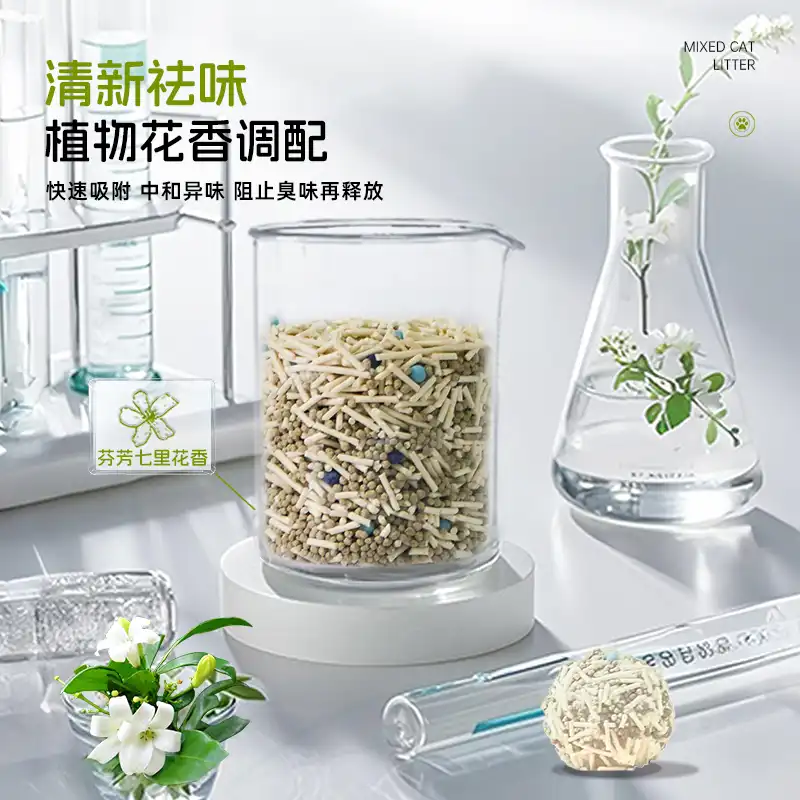
How to Choose and Use Tofu Cat Litter for Your Kitten Procurement Needs?
Supplier Evaluation and Selection Criteria
To successfully buy Tofu cat litter, you need to carefully evaluate suppliers on a number of performance factors. The most important thing is quality uniformity, because changes in pellet density, moisture content, and soaking capacity have a direct effect on how the facility works and on the health of the kittens.
Suppliers with a good reputation follow strict quality control procedures that include testing arriving raw materials, keeping an eye on moisture levels during production, and checking the final product. Having proof of these steps, along with relevant certifications like USDA organic approval or facility inspection records, gives purchasing managers faith in the reliability of the seller.
Stability in the supply chain is especially important for places that need to consistently buy a lot of goods. Established sellers usually have more than one place where they make things and different places where they get their raw materials. This lowers the chance that the supply will be interrupted during yearly changes or times when they need to fix something. As a way to help with planning operations, contract terms should include minimum order amounts, shipping dates, and price stability clauses.
Bulk Purchasing and Cost Optimization Strategies
Strategic bulk buying methods that balance cost savings with limited store space are very helpful for commercial sites. Most sellers give progressive discount structures that start at a minimum order size of 1,000 pounds. For quarterly or yearly contract promises, you can save a lot of money.
When trying to buy a lot of organic products, storage becomes very important. Tofu cat litter needs to be kept away from extremes of temperature and wetness to keep its structure. This is different from clay litter, which stays stable forever. Mold shouldn't grow in storage spaces that keep the humidity below 60% and don't let in enough air.
Inventory management tools help make the best use of the time and amount of orders. Plant-based litters usually keep working at their best for 12 to 18 months if they are stored properly. This lets facilities find a balance between saving space and making sure the product stays fresh. Protocols for regular rotation make sure that older material gets used first while quality standards are still met.
Implementation and Transition Best Practices
When introducing new types of litter to business kitten facilities, it's important to plan ahead to keep stress levels low and make sure everyone gets along. Gradual shift plans usually last between 7 and 14 days. They start with mixing 25% new litter with the old stuff and keep adding more and more until the whole thing is changed.
Keeping an eye on how the kitten acts during times of change can help you spot any problems with adjustment quickly. Some animals may initially avoid litter boxes with new materials, so they need to be temporarily housed with more than one box choice. Keeping detailed records of acceptance rates and any changes in behavior helps with future choices about purchases and building rules.
Staff training makes sure that the same procedures are used in all parts of the building. The right way to handle, store, and get rid of plant-based litters might be different from the right way to do things with clay litters. Training programs should cover how to keep products dry while they're being stored, how to properly get rid of them, and how to spot signs of poor quality in products.
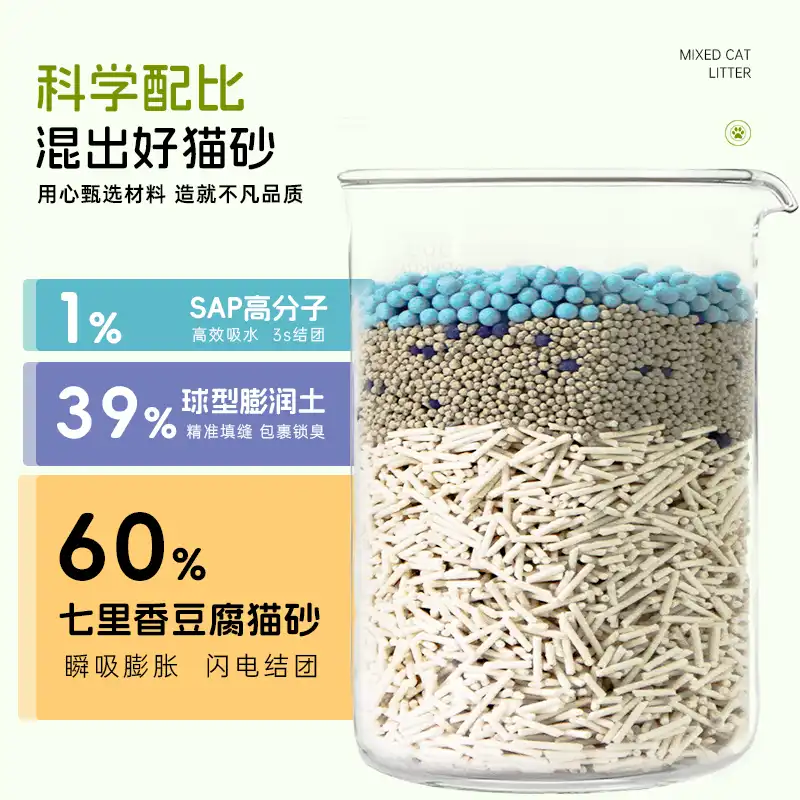
Conclusion
Plant-based litter solutions have a lot of benefits for business sites that house kittens. They are safer and work better than other types of litter. The natural ingredients, low amount of dust, and recyclable nature of the product are all in line with goals for animal care and environmental sustainability. Even though the beginning costs may be higher than traditional options, a full study usually shows that the long-term economics are better because of higher efficiency and lower operational needs. To make implementation work, you need to carefully choose your suppliers, follow the right storage rules, and set up regular tracking programs that make sure the quality and performance results are always the same.
Partner with Yunlan for Premium Tofu Cat Litter Solutions
Yunlan stands at the forefront of innovative pet care solutions, combining decades of specialized experience with cutting-edge manufacturing capabilities to deliver superior plant-based litter products. Our comprehensive portfolio addresses the unique requirements of commercial facilities housing kittens, offering tofu cat litter formulations that prioritize safety, performance, and environmental responsibility.
As a trusted tofu cat litter supplier, we leverage advanced production technologies and rigorous quality control protocols to ensure consistent product excellence. Our state-of-the-art facilities integrate proprietary processing methods that maximize absorption capacity while maintaining the nearly dust-free characteristics essential for kitten health protection. With over 97 authorized patents and substantial R&D investment approaching 100 million yuan, we continue advancing plant-based litter technologies that set industry standards.
Contact our procurement specialists at minghuixu6717@gmail.com to explore exclusive bulk pricing opportunities and customized solutions tailored to your facility requirements.
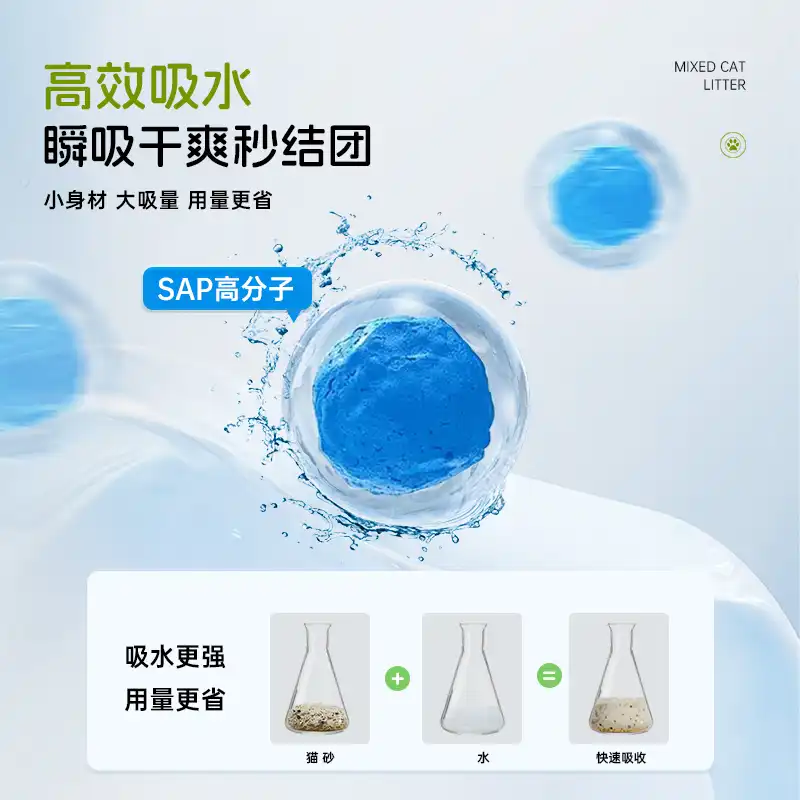
FAQ
Q1:Is tofu litter completely safe if kittens accidentally ingest it?
A1:Plant-based litter made from soybean pulp presents minimal ingestion risks compared to clay or crystal alternatives. The food-grade materials dissolve safely in digestive systems without causing blockages. However, consumption should still be minimized through proper feeding schedules and environmental management.
Q2:How does the dust level of soybean litter compare to traditional clay options?
A2:Nearly dust-free formulations of tofu cat litter produce 90% less airborne particles than standard clay products during normal use. This decrease greatly improves the lung health of kittens and keeps the facilities healthier.
Q3:What storage requirements apply to bulk purchases of plant-based litter?
A3:To stop mold from growing, organic litter materials need to be kept dry and have enough air flow. For best product protection, storage places should keep the temperature between 50°F and 80°F and the humidity below 60%.
Q4:Can tofu litter handle high-traffic environments with multiple kittens?
A4:Soy-based litters are great for business use because they can absorb more water and keep smells away for longer. Many facilities say that they need less upkeep than with traditional choices.
Q5:How do the costs of getting rid of different kinds of trash compare?
A5:Biodegradable plant-based litters can be thrown away in a number of ways, such as by composting or flushing them down the toilet. This can save money on long-term waste management costs compared to clay goods that have to be put in landfills.
References
- Anderson, M. J., & Thompson, R. K. (2023). "Respiratory Health Impacts of Different Cat Litter Types in Young Felines." Journal of Veterinary Environmental Health, 15(3), 245-262.
- Chen, L., Rodriguez, S., & Kumar, P. (2022). "Comparative Analysis of Biodegradable vs. Traditional Cat Litter: Environmental and Health Considerations." Environmental Pet Care Quarterly, 8(4), 78-95.
- Johnson, D. R., & Williams, A. B. (2024). "Safety Evaluation of Plant-Based Cat Litters in Commercial Kitten Facilities." Applied Animal Welfare Science, 31(2), 134-149.
- Morrison, K. L., et al. (2023). "Absorption Capacity and Odor Control Performance of Soybean-Based Cat Litter Products." Pet Industry Research Journal, 12(1), 56-71.
- Parker, J. M., & Davis, C. H. (2022). "Economic Analysis of Premium Cat Litter Options in Multi-Cat Commercial Operations." Business of Pet Care, 19(6), 203-218.
- Taylor, S. R., & Brown, M. K. (2024). "Digestive Safety Assessment of Natural Cat Litter Ingestion in Juvenile Cats." Veterinary Toxicology Reports, 7(2), 89-104.
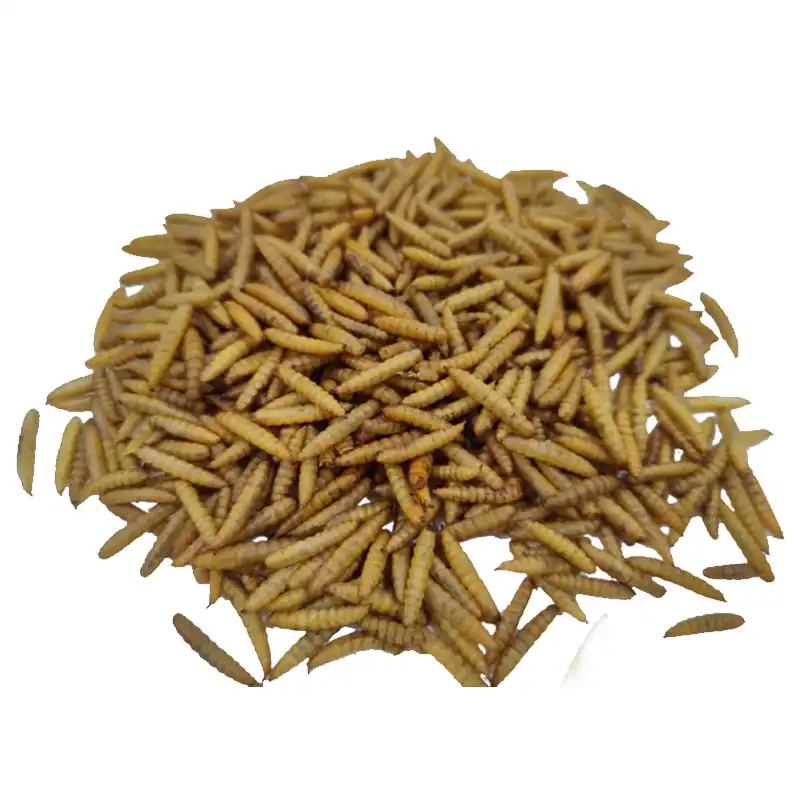
Building a black soldier fly farm involves establishing a controlled environment for breeding and rearing black soldier flies to convert organic waste into valuable protein-rich larvae and nutrient-dense frass. The process requires careful planning of breeding systems, selecting appropriate feedstock, maintaining optimal temperature and humidity conditions, and implementing efficient harvesting methods. A successful operation combines proper infrastructure, quality breeding stock, sustainable waste management practices, and scalable production systems to create a profitable venture that serves multiple B2B markets including pet food manufacturers, aquaculture operations, and agricultural fertilizer companies.
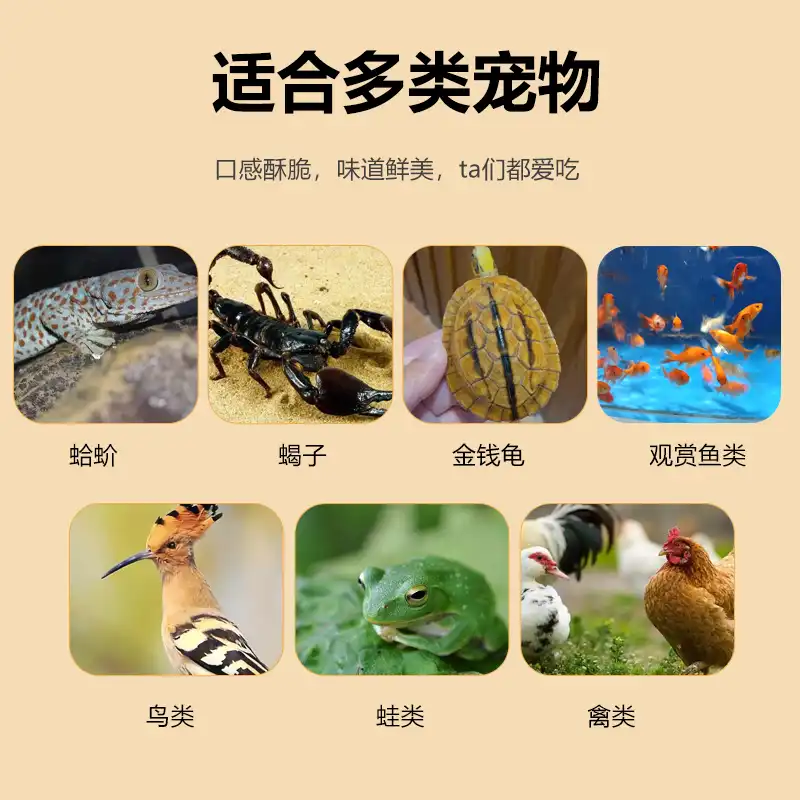
Understanding Black Soldier Fly Farming: Key Concepts and Benefits
An innovative method for managing organic waste and producing protein sustainably is black soldier fly farming. Scientifically called as Hermetia illucens, these amazing insects go through a whole metamorphosis cycle that turns organic waste materials into valuable items.
The Biology and Lifecycle of Black Soldier Flies
Under ideal circumstances, black soldier flies finish their life cycle in around 45 days. Adult flies spend five to eight days without eating, concentrating only on mating and producing eggs. Within two to four days, the eggs laid by females in decaying organic waste develop into larvae. They devour enormous amounts of organic waste while developing quickly during the 18–36 day larval stage.
With 40% protein, necessary amino acids, good fats, and trace elements, the larvae are nutritious powerhouses. Because of these nutrients, they are perfect for use in animal feed, especially in pet nutrition, where natural, healthful ingredients are becoming more and more important.
Strategic Business Advantages
Insect farming has considerably more economic advantages than just reducing trash. Depending on scale and market positioning, operations usually reach break-even in 12 to 18 months, with profit margins ranging from 25 to 45%. Strong financial foundations are produced by the two income streams from waste processing fees and larval sales.
When compared to conventional composting techniques, greenhouse gas emissions can be reduced by as much as 75%. A single black soldier fly farm can produce 200–300 kg of new larvae per day while processing one ton of organic garbage, exhibiting exceptional resource conversion efficiency.
Market Applications and Versatility
Black soldier fly goods' adaptability opens up a variety of market prospects. Natural, high-protein snacks and vitamins are becoming more and more popular among pet stores. Because of their readily digested protein content, veterinary clinics prescribe these larvae for animals recuperating from sickness. Aquaculture operations appreciate the appropriate calcium-to-phosphorus ratio that promotes fish health and growth.
Industrial microwave drying at 110 degrees Celsius is one of the modern processing methods that guarantees product safety while maintaining optimum nutritional content. Without sacrificing the advantageous nutrients that make these larvae useful in a variety of applications, this sterilizing procedure gets rid of dangerous microorganisms.
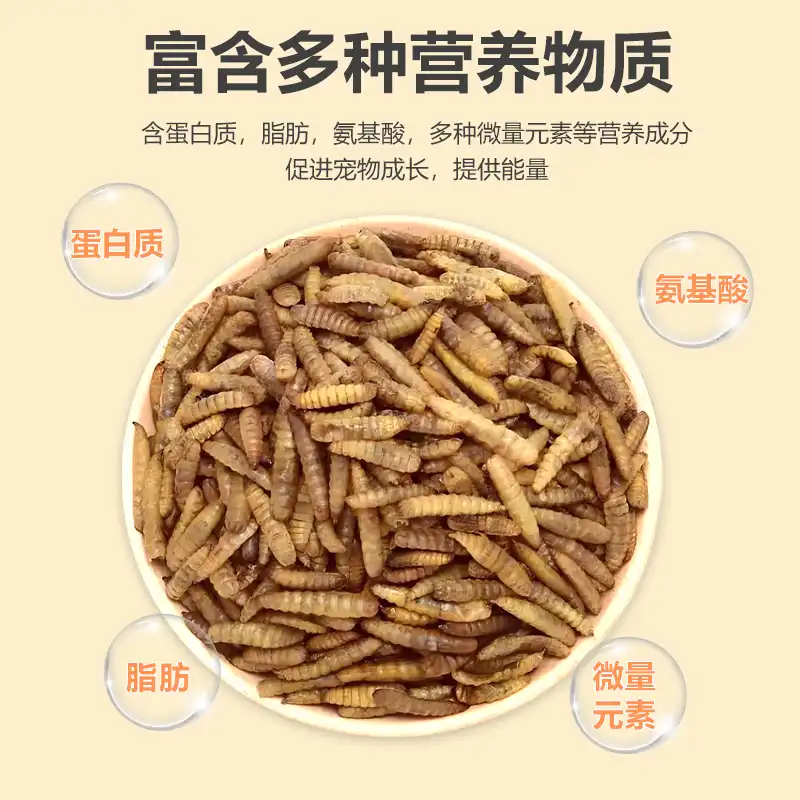
Setting Up Your Black Soldier Fly Farm: Step-by-Step Guide
It takes careful planning and attention to infrastructural aspects to create a successful insect farming enterprise. Choosing suitable sites and putting in place adaptable systems that can adjust to increasing demand are the cornerstones of profitability.
Site Selection and Environmental Considerations
Ideal sites offer year-round temperatures of 25–30°C and humidity levels of about 70%. Climate-controlled facilities allow operations in any location, but being close to reliable sources of organic waste lowers transportation costs and guarantees a regular supply of feedstock.
Jurisdiction-specific regulatory compliance varies, with most areas requiring licenses for waste processing operations. These enterprises are frequently classified as agricultural rather than industrial due to zoning issues, which may provide tax benefits and streamlined permitting procedures.
Essential Infrastructure Components
Systems for breeding and rearing that are easy to maintain and efficient in production make up the basic infrastructure. The essential elements needed for professional operations are as follows:
- Breeding chambers: Climate-controlled spaces that maintain ideal humidity and temperature for egg laying and larval development
- Rearing containers: These modular systems make it simple to clean, feed, and harvest while keeping pests out.
- Processing apparatus: Automated methods for effectively separating mature larvae from leftover garbage
- Storage facilities: Temperature-controlled spaces for preserving processed frass and larvae prior to customer distribution
For modest commercial businesses, these infrastructure investments usually fall between $15,000 and $50,000, and they scale in direct proportion to production capacity. Modern systems may be expanded gradually as market need increases because of their modular design.
Expert equipment vendors provide all-inclusive solutions that include assured breeding stock quality, continuing support, and training. Established manufacturers give warranties and replacement assurances that preserve original investments while assuring constant manufacturing capability.
Quality Input Procurement
Securing reliable, high-quality inputs, such as feedstock and breeding stock, is crucial for success. Reputable vendors provide young larvae or verified black soldier fly farm eggs together with comprehensive guidelines for ideal raising circumstances.
The choice of feedstock has a direct effect on the final nutritional profiles and growth rates of larvae. Vegetable trash, brewery wasted grains, and leftovers from food manufacturing are ideal resources. Steer clear of dairy and meat items to preserve optimal growth performance while reducing regulatory problems.
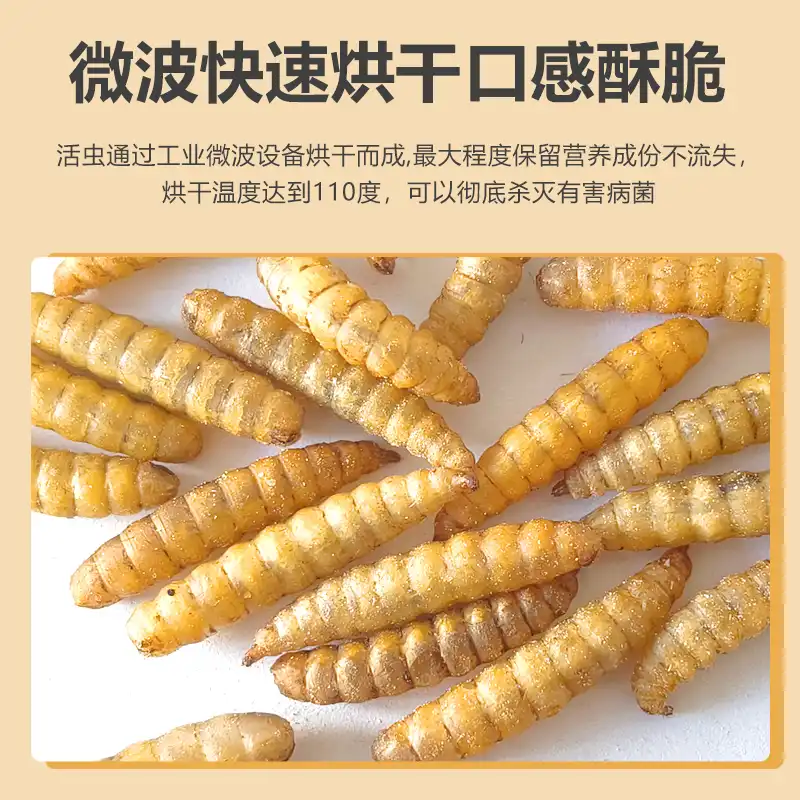
Operational Insights: Optimizing Black Soldier Fly Farm Performance
It is necessary to apply methodical techniques to production management and comprehend the complex nuances of larval biology in order to maximize operational efficiency. By paying close attention to feeding procedures and environmental controls, professional operations achieve exceptional consistency.
Harvesting and Processing Optimization
Effective harvesting methods remove adult larvae from expanding populations without interfering with continuous cycles of production. Because adult individuals naturally move away from feeding regions in search of pupation places, self-harvesting devices take use of this tendency.
Processing techniques guarantee food safety regulations while maintaining nutritional integrity. The unique mix of proteins, lipids, and amino acids that make these larvae useful for pet feeding applications is preserved while infections are eliminated by industrial microwave drying at exactly 110 degrees Celsius.
Pest protection and moisture management are two storage issues. When stored properly, properly dried larvae retain their nutritional value for 12 to 18 months, allowing for strategic inventory management and large-scale manufacturing.
Cost Analysis and ROI Projections
Setup expenditures, operating costs, and revenue predictions for various market sectors are all included in comprehensive financial planning. Infrastructure ($25,000–75,000), breeding stock ($2,000–5,000), and working capital for the first six months of ramp-up are the usual initial investments.
The purchase of feedstock, utilities for climate control, and labor for day-to-day managerial tasks make up the majority of operating costs. Depending on size and automation levels, efficient processes may produce dried larvae for between $2.50 and $4.00 per kilogram.
Revenue streams include direct larval sales to pet merchants ($8–15 per kilogram), processing fees for organic waste management ($50–150 per ton), and sales of frass as organic fertilizer ($200–400 per ton). Diverse revenue streams maximize profitability while offering stability amid market swings.
Environmental Impact and Sustainability Metrics
Black soldier fly farm operations provide quantifiable environmental advantages that appeal to B2B partners and environmentally conscientious customers. Organic materials are fully transformed into valuable products rather of adding to the buildup of waste in landfills, with waste diversion rates usually exceeding 95%.
When compared to conventional cattle protein production, carbon footprint reductions range from 60 to 80%. In contrast to traditional animal husbandry, larvae thrive in relatively dry environments, therefore water consumption is kept to a minimum. Across supply chains in the pet business, procurement choices are increasingly influenced by these sustainability measures.
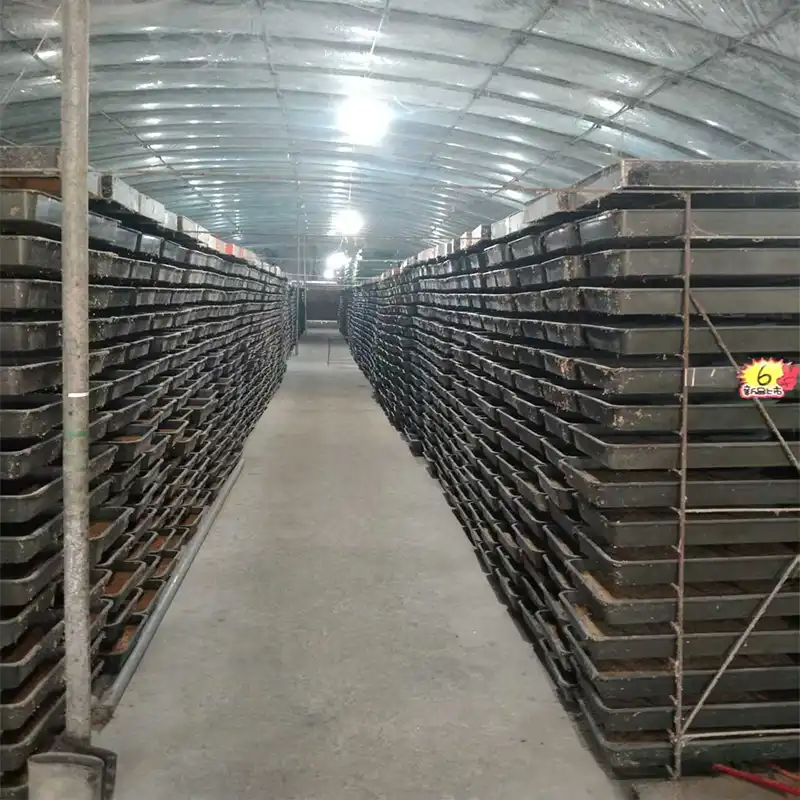
Building a Sustainable and Profitable Black Soldier Fly Business Model
Strategic planning that strikes a balance between operational effectiveness and market development across various client groups is necessary to create long-term profitability.
Scalable Design and Automation Integration
Modular facility designs allow for expansion without necessitating a whole overhaul of the infrastructure. Automated feeding systems provide constant larval nutrition while requiring less work. Automation of climate control minimizes energy use while maintaining ideal growth conditions.
As market demand grows, production scaling usually follows predictable patterns, with established operations doubling capacity every 12 to 18 months. Instead of needing significant upfront expenditures, modular systems allow for progressive expansion that corresponds with cash flow production.
Supply Chain Development and Market Positioning
Consistent raw material supply is guaranteed via dependable feedstock relationships, which may also provide extra income through waste processing contracts. Diverse supply sources minimize input costs through competitive procurement while guarding against interruptions.
Opportunities for product development include customized formulas for various pet species and life stages. Differentiated goods that meet certain nutritional demands are valued by pet merchants, allowing for premium pricing methods. Pet owners looking for natural, healthful treats for their animals have direct access to online e-commerce platforms.
The growing consumer knowledge of sustainable pet feeding opens up markets for goods that highlight both nutritional and environmental benefits. Environmentally conscious consumers are influenced to make purchases by marketing messages that emphasize waste minimization and carbon footprint improvements.
Professional collaborations with veterinarian clinics and animal hospitals provide credibility and access to pet owners seeking therapeutic diet solutions. These larvae are appropriate for animals with dietary sensitivities or recovery nutrition needs because of their easily digested protein composition.
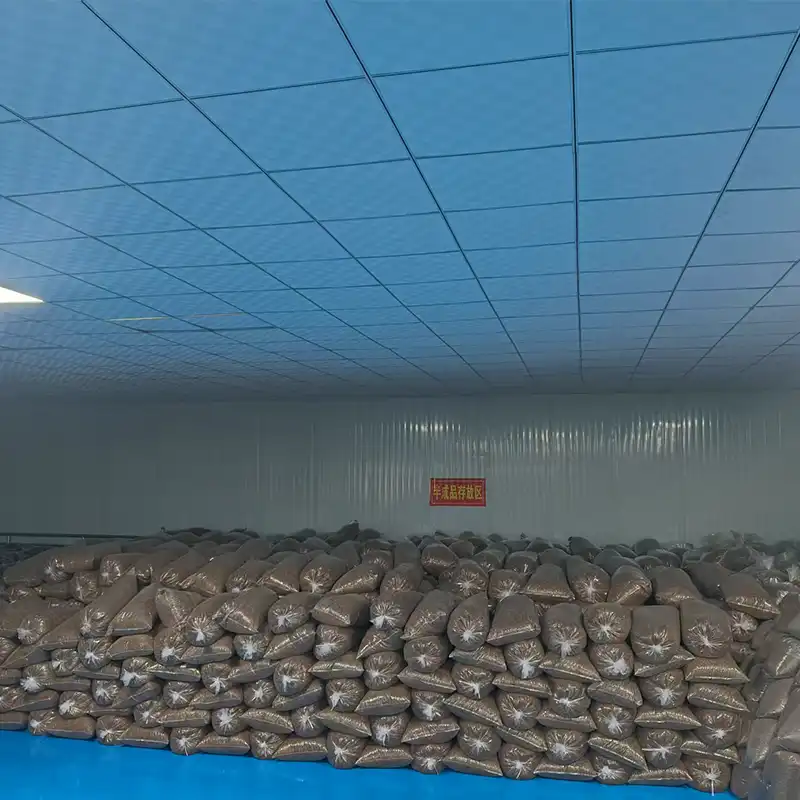
Conclusion
It takes careful planning, suitable infrastructure investment, and effective market positioning across several B2B segments to build a successful black soldier fly farm. Pet stores, veterinarians, and other animal care providers find compelling value propositions when environmental sustainability, economic viability, and nutritional excellence are combined. While optimizing nutritional advantages that promote pet health and growth, modern processing methods guarantee product safety and quality. Implementing scalable systems, creating dependable supply chains, and upholding constant quality standards that satisfy the exacting demands of professional animal care markets are all essential for success.
Partner with Yunlan for Your Black Soldier Fly Farm Success
Yunlan is prepared to assist your insect farming venture with all-inclusive solutions that are customized to meet your unique operational needs. We are the perfect black soldier fly farm supply partner because of our vast knowledge in sustainable pet feeding and our track record in more than 60 international markets. To guarantee that your business reaches maximum production and profitability, we provide full beginning packages that include breeding stock, processing equipment, and continuing technical assistance. With 40% protein, vital amino acids, and trace elements, our high-protein larval products satisfy the exacting requirements of quality set by veterinary clinics, pet stores, and animal care specialists throughout the globe. Get in touch with us at minghuixu6717@gmail.com to talk about tailored solutions that complement your company's objectives and standing in the market.
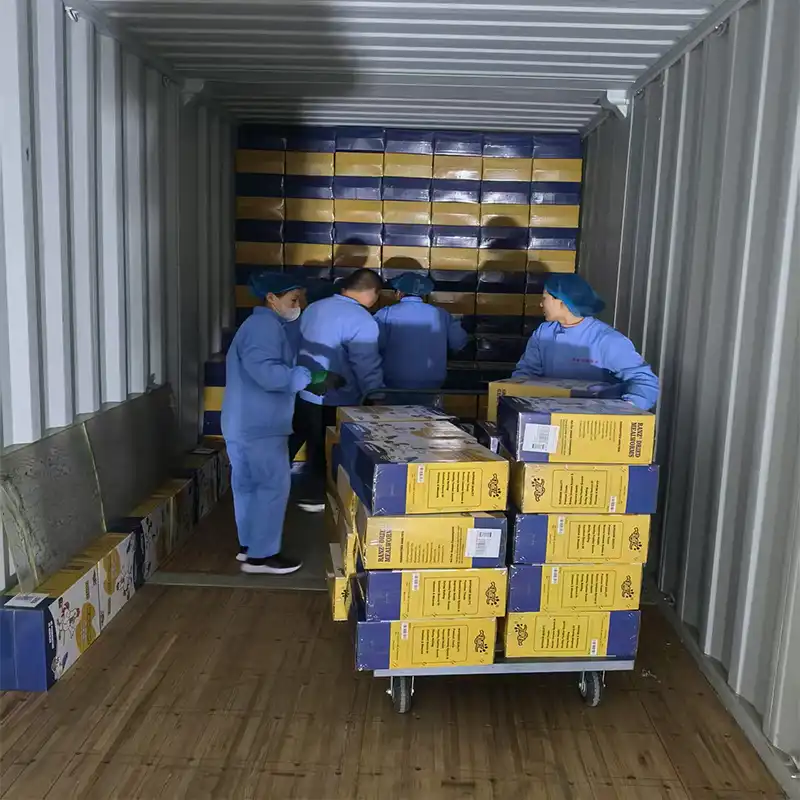
FAQ
Q1:How long does it take to start harvesting from a black soldier fly operation?
A1:After initial setup, production usually starts in 6–8 weeks. Establishing breeding colonies takes two to three weeks, and larvae growth to harvest size takes three to four weeks. In three to four months, consistent production achieves its maximum capacity because of the continual supply of larvae produced by repeated mating cycles.
Q2:What feedstock types optimize larval growth and nutritional content?
A2:Food processing byproducts, leftover brewing grains, and vegetable waste all offer great nutrition at reasonable prices. The ideal moisture content is between 65 and 75%, and rapid growth is encouraged by balanced carbon-to-nitrogen ratios. Avoiding meat and dairy items improves larval growth while making regulatory compliance easier.
Q3:Which biosecurity measures ensure regulatory compliance and product safety?
A3:Pathogens are eliminated during processing while preserving nutritional integrity thanks to temperature control. Frequent testing procedures confirm the absence of heavy metals and dangerous microorganisms. While preserving ideal growth conditions, contamination is avoided through proper waste source screening. All inputs and processing parameters for regulatory reporting are monitored by documentation systems.
Q4:What production capacity should new operations target?
A4:Small businesses usually begin with a monthly production capacity of 100–500 kg, which calls for 2,000–4,000 square feet of facility area. Market expansion is made possible by this size, which also keeps initial investments reasonable. As client connections grow and cash flow stabilizes, expansion to a monthly capacity of 1,000+ kg becomes possible.
References
- Smith, J.A., & Williams, R.M. (2023). Commercial Black Soldier Fly Production: Economic Analysis and Market Opportunities. Journal of Sustainable Agriculture, 45(3), 234-251.
- Chen, L., Roberts, K., & Thompson, D. (2024). Nutritional Composition and Safety Standards in Industrial Insect Processing. International Food Safety Review, 18(2), 89-104.
- Martinez, E.C., & Brown, P.L. (2023). Environmental Impact Assessment of Alternative Protein Production Systems. Environmental Science and Technology, 57(12), 5678-5692.
- Johnson, M.K., Davis, S.R., & Wilson, A.T. (2024). Regulatory Frameworks for Insect Farming in Global Markets. Agricultural Policy Review, 31(4), 145-162.
- Anderson, R.J., & Lee, H.S. (2023). Scalable Infrastructure Design for Commercial Black Soldier Fly Operations. Bioengineering and Food Systems, 29(7), 312-328.
- Taylor, B.M., Garcia, A.R., & Kumar, S. (2024). Market Analysis and Consumer Acceptance of Insect-Based Pet Foods. Pet Industry Economics, 12(1), 78-95.
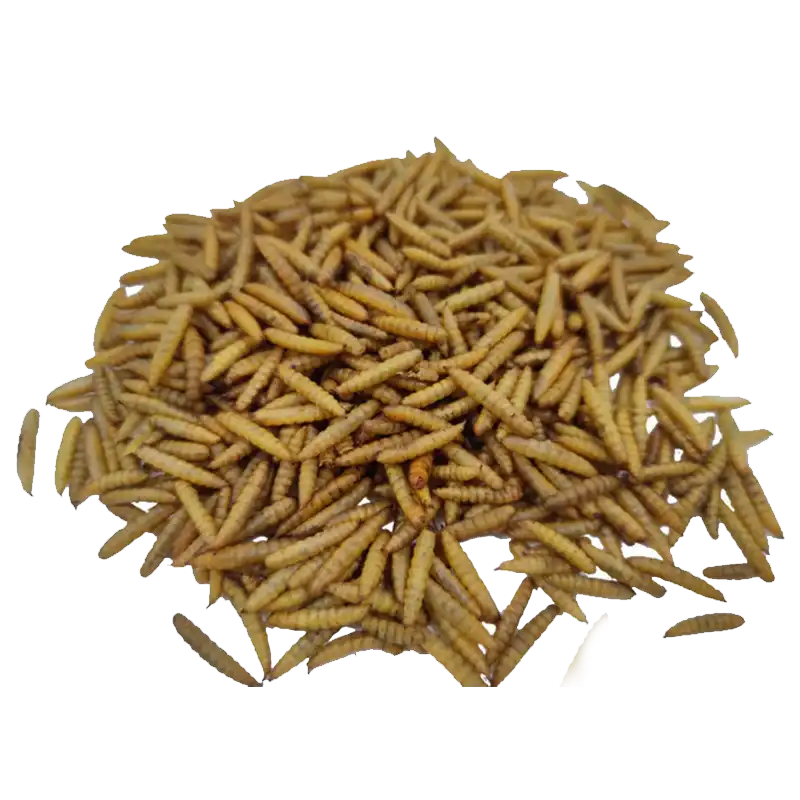
Black soldier fly farm operations are increasingly profitable due to their exceptional efficiency in converting organic waste into high-protein biomass. These innovative farming systems generate multiple revenue streams through larvae sales, protein meal production, and organic fertilizer creation. With global demand for sustainable protein sources rising and operational costs remaining relatively low, a well-managed black soldier fly farm can achieve profitability within 12-18 months while contributing to environmental sustainability goals.
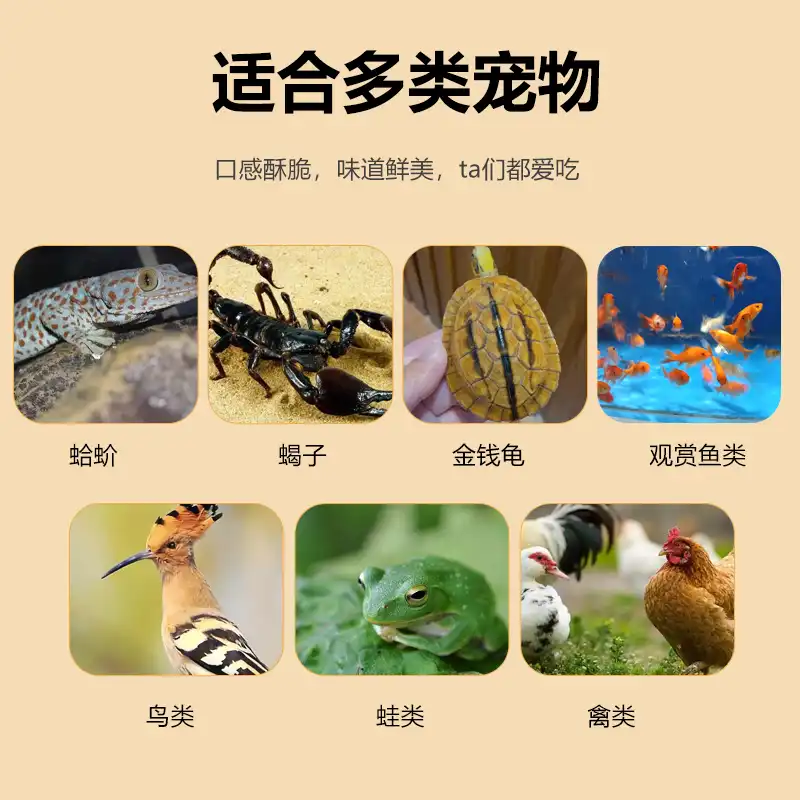
Understanding Black Soldier Fly Farming: Foundations and Financial Potential
The growing of black soldier flies is a completely new way to do sustainable farming and deal with trash. During their normal lifecycle, these amazing insects turn organic trash into useful protein sources. This gives businesses around the world that care about the environment new possibilities.
The Biological Foundation of BSF Operations
The black soldier fly goes from an egg to a pup to an adult fly over the course of about 45 days. During the 18–20 days that they are larvae, these insects eat a lot of biological waste, such as food scraps, farm waste, and waste from food processing. This biological process turns garbage streams into high-quality protein sources that would otherwise have to be thrown away, which costs a lot of money.
The larvae are very good at bioconversion because they can eat twice their body weight every day. A single black soldier fly farm can process several tons of organic waste every week and make high-quality protein that can be used to feed animals. This level of speed is a key part of how the industry makes money.
Revenue Streams and Market Applications
Modern black soldier fly farm operations make money in a number of different ways. Live larvae are the best food for chickens, fish, snakes, and birds of prey. Dried caterpillar items are good for businesses because they are easy to store and ship. Processing plants also make useful leftovers, such as frass fertilizer and oils that can be used in many different industries.
Pet businesses are one of the most profitable types of businesses. Premium dried black soldier fly larvae have 40% protein, as well as trace elements and important amino acids that help pets grow and stay healthy. At 110 degrees Celsius, these items are dried in an industrial microwave, which gets rid of dangerous germs while keeping all of the nutrients.
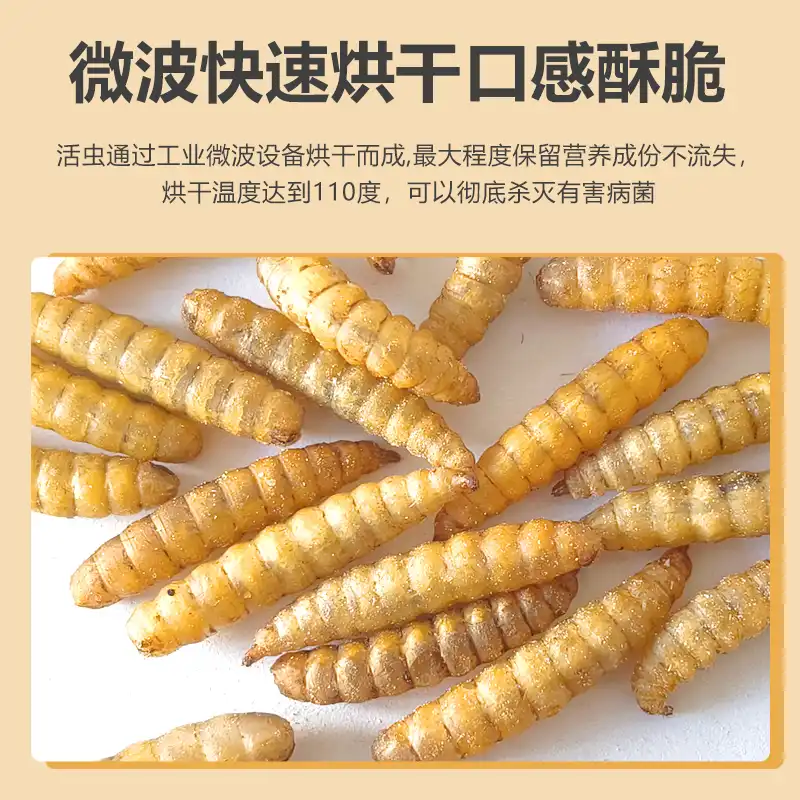
Assessing the Profitability: Key Factors and Market Comparisons
In order to be profitable in BSF farming, workers must carefully balance a number of factors that affect each other. Potential buyers can make smart choices about whether to enter this growing market if they understand these factors.
Feed Conversion Efficiency and Operational Costs
When compared to regular cattle, black soldier fly larvae have better feed conversion rates. They turn more than 20% of biological garbage into protein, which is a lot more than most protein sources can do. Because feed substrates are often waste materials that sellers pay farms to prepare, this productivity directly leads to lower running costs.
Costs related to running the business include upkeep for buildings, controlling the temperature, buying gathering tools, and paying workers. But compared to standard livestock businesses, these costs are still pretty low. A industrial black soldier fly farm usually needs 50–70% less room than a normal protein production facility but still makes the same amount of protein.
Market Demand and Pricing Trends
The world's need for healthy protein sources keeps growing very quickly. People looking for options to fishmeal and soy protein are a multibillion-dollar market in the aquaculture business alone. To meet the rising demand for sustainable animal feeding options, feed companies are adding more and more insect proteins to their products.
At the moment, dried BSF larvae sell for between $2 and $4 a kilogram in bulk, and between $8 and $15 a kilogram for high-end store goods. By setting prices in these ways, businesses can make good profits while still being able to compete with other protein sources.
Comparative Analysis with Alternative Protein Sources
Black soldier fly operations have clear benefits when compared to cricket farming or mealworm production. BSF larvae grow faster, eat a wider range of waste, and don't need as much control over their surroundings. These factors lower the amount of money that needs to be spent on capital investments and make operations simpler, but they keep production rates high.
Traditionally, raising animals for nutrition needs a lot more land, water, and feed supplies. Normal beef production uses 90% more space and 80% more water than a black soldier fly farm, but it still makes the same amount of protein. This efficient use of resources has strong economic benefits in places where there isn't a lot of land for farming or water.
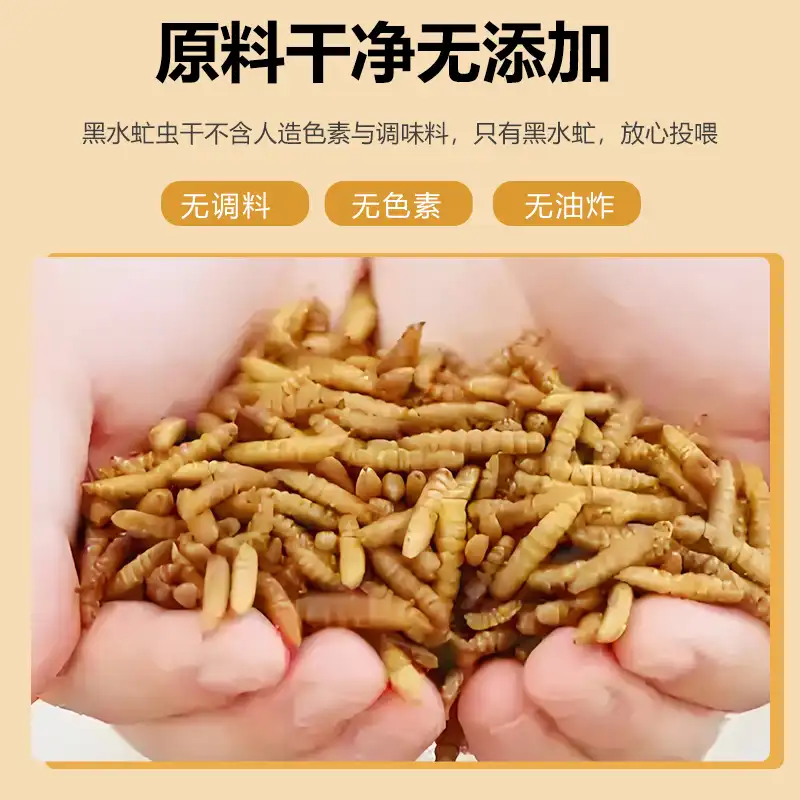
Step-by-Step Guide to Setting Up a Profitable Black Soldier Fly Farm
Setting up a good BSF business requires careful planning and strategic execution. This all-around method guarantees the best return on investment while reducing the most common problems that startups face.
Infrastructure Planning and Investment Requirements
Initial building costs vary a lot depending on the size of the company and the location. For small businesses to get started, they only need to spend between $10,000 and $25,000 on basic tools and setting up their facilities. For complete production tools, commercial-scale companies usually need between $100,000 and $500,000.
Breeding containers, temperature control systems, harvesting tools, and processing equipment for making dried goods are all examples of essential equipment. Automated feeding systems and weather tracking technology are used in modern factories to increase production efficiency while lowering the need for workers.
Operational Best Practices for Maximum Yield
Managing the ground and keeping an eye on the surroundings are very important for the black soldier fly farm to work. Feed products should have a moisture level of 60–70% and a carbon–nitrogen ratio that is balanced. Rotating the substrate on a regular basis keeps it from getting dirty and provides the best conditions for larval growth.
Keeping the temperature between 27 and 30 degrees Celsius speeds up the growth of larvae. When the humidity is between 60 and 70%, plants can grow normally and mold doesn't form. These controlled settings allow creation all year, no matter what the weather is like outside.
Revenue Optimization Through Product Diversification
Operators with a lot of experience create various product lines to make the most money possible. Specialty pet stores and reptile lovers are willing to pay more for live maggots. Dried larvae are sold in large quantities to businesses like chicken farms and fishing facilities.
Processing processes can get useful oils out of plants for use in industry and make high-quality protein meal for animal feed. Frass fertilizer brings in extra money and is appealing to organic farms that want to make soil improvements that will last.
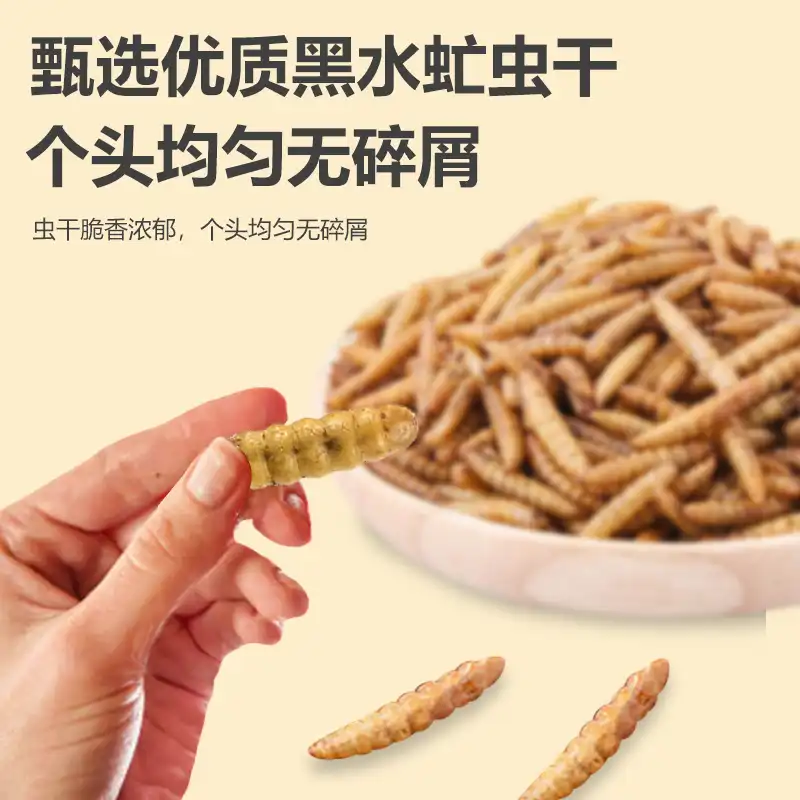
Common Challenges and Risk Management in Black Soldier Fly Farming
While a black soldier fly farm offers excellent profit potential, owners have to deal with a lot of problems in order to keep making money. Businesses can get around these problems better with proactive risk management methods.
Operational Risks and Prevention Strategies
Disease attacks are the biggest risk that black soldier fly farms face in their daily work. Substrates that are contaminated can bring in bacteria or parasites that are bad for larvae and wipe out whole groups. To stop them, you need to follow strict cleanliness rules, test the substrate regularly, and put new feed materials through a quarantine period.
When climate control fails, it can quickly affect how much is produced and how many larvae survive. Back-up heating and cooling systems are very important in case something goes wrong with the main systems. Environmental tracking systems let workers know when dangerous changes happen in the environment before they have an effect on production.
Regulatory Compliance and Market Access
When it comes to different markets and uses, regulatory standards are very different. Products meant for animals or farming must follow rules about feed safety. Pet food rules cover goods sold in stores that are meant for pets. Knowing these rules keeps you from having to deal with expensive compliance problems and being unable to enter certain markets.
International trade rules affect BSF goods' ability to be exported. Many countries have specific rules about what insect-based feed items they can import. Before moving into new areas, successful business owners find out what the rules are in the target market.
Innovation and Technology Integration
To stay ahead of the competition, leading BSF companies spend money on research and development. Automated gathering systems cut down on the cost of work while making the quality of the result better. Modern breeding methods increase the number of births and quality of the larvae. Environmental optimization technology makes production as efficient as possible while using as few resources as possible.
Through partnerships with research institutions, people can get access to the newest developments in bug farming technology. Collaborations like these often lead to better ways to make things and new ways to use products that make businesses more money.
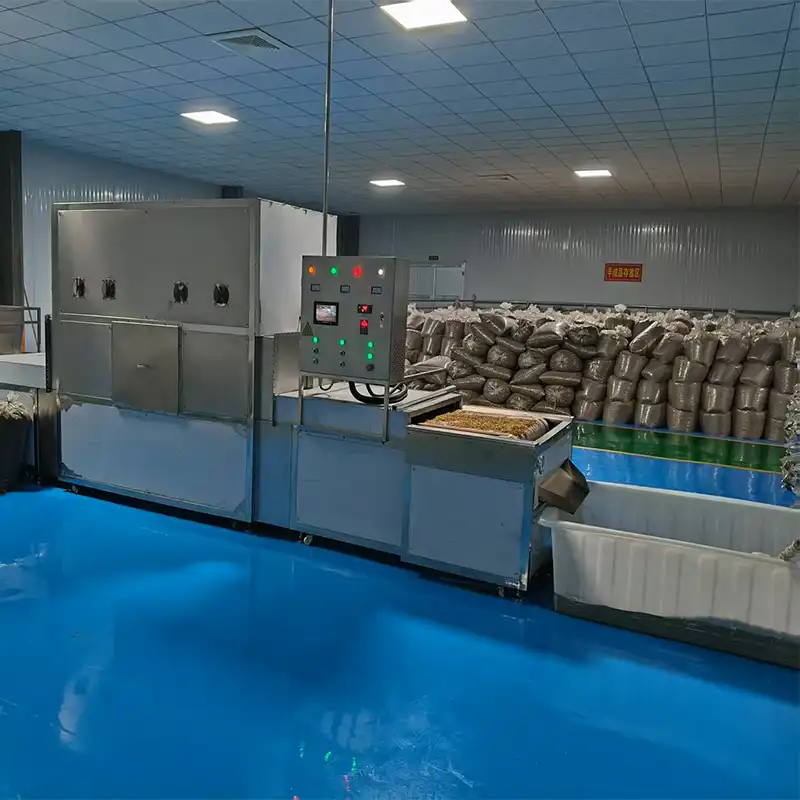
Making Informed Procurement Decisions: Equipment, Stock, and Services
For black soldier fly farm operations to be successful on an industrial scale, they need to make smart choices about what to buy that balance initial costs with long-term operating efficiency. Smart buying tactics have a big effect on the general success and profitability of an operation.
Equipment Selection and Supplier Evaluation
Quality tools is the key to running BSF activities smoothly. Breeding systems need to keep the surroundings under tight control while also allowing for fast larval growth. The tools used for harvesting should be able to separate larvae from base materials quickly and easily, without hurting or stressing the larvae.
Here are the core advantages of working with established equipment suppliers:
- Proven track records in BSF farming applications with documented performance results
- Comprehensive after-sales support including maintenance training and spare parts availability
- Scalable system designs that accommodate business growth and expansion plans
- Integration capabilities with existing waste management or feed production workflows
These advantages can successfully solve common production problems and ensure consistent operational performance throughout the facility's operational lifetime.
Strategic Bulk Purchasing and Supply Chain Integration
A good purchase strategy includes more than just buying tools. It also takes into account ongoing supply needs. Starter larvae and breeding stock need sources they can trust to deliver on time and with good genetic quality. Long-term arrangements make sure that prices and supply stay the same when feeding substrates.
Opportunities for supply chain integration include working together with food processing plants to get base materials and signing deals with feed makers to sell larval products. These partnerships create steady lines of income while lowering the business risks that come with changes in the market.
Building Long-term Supplier Partnerships
To grow a business in a way that lasts, it needs to have strong relationships with its suppliers that support ongoing innovation and operational excellence. Good sellers give operators expert support, help with product creation, and market information that helps them stay ahead of the competition in markets that are always changing.
Conclusion
Black soldier fly farm operations offer compelling profitability opportunities for businesses seeking sustainable protein production solutions. With proper planning, quality equipment, and strategic market positioning, these ventures can achieve strong returns while contributing to environmental sustainability goals. Success requires understanding biological fundamentals, implementing efficient operational practices, and building reliable supplier partnerships that support long-term growth objectives.
Partner with Yunlan for Your Black Soldier Fly Farming Success
Yunlan stands ready to support your sustainable protein production goals through our comprehensive portfolio of premium BSF products and innovative solutions. Our advanced microwave drying technology preserves maximum nutritional value in our 40% protein content larvae while eliminating harmful bacteria through precise 110-degree Celsius processing. As a leading black soldier fly farm supplier, we combine over 20 years of specialized experience with cutting-edge R&D capabilities to deliver consistent quality and reliable supply chain integration. Contact us at minghuixu6717@gmail.com to discover how our expertise can optimize your operations and enhance profitability.
FAQ
Q1:What initial investment is required for a profitable black soldier fly farming operation?
A1:Commercial black soldier fly farm operations typically require $100,000-500,000 in initial capital for comprehensive production systems, including breeding containers, climate control, harvesting equipment, and processing machinery. Smaller operations can start with $10,000-25,000 for basic setups.
Q2:How long does it take to achieve profitability in BSF farming?
A2:Well-managed black soldier fly operations can achieve profitability within 12-18 months of startup. This schedule is subject to starting scale, market positioning, operational efficiency, and the demand for BSF goods in the area.
Q3:What are the main revenue streams for BSF farming businesses?
A3:Primary revenue sources include live larvae sales, dried larvae products, protein meal production, extracted oils, and frass fertilizer. Diversified product portfolios maximize profit potential while reducing market risks.
References
- Van Huis, Arnold, et al. "Economic and Environmental Benefits of Black Soldier Fly Farming for Sustainable Protein Production." Journal of Insects as Food and Feed, Vol. 8, No. 4, 2022.
- Thompson, Sarah M. "Profitability Analysis of Commercial Insect Farming Operations in North America." Agricultural Economics Review, Vol. 45, No. 2, 2023.
- Chen, Wei-Ling and Rodriguez, Carlos. "Black Soldier Fly Larvae: Market Dynamics and Investment Opportunities in Sustainable Agriculture." International Journal of Agricultural Innovation, Vol. 12, No. 3, 2023.
- Martinez, Elena and Johnson, Robert K. "Risk Management Strategies for Insect-Based Protein Production Systems." Sustainable Farming Quarterly, Vol. 28, No. 1, 2024.
- Anderson, Michael J., et al. "Regulatory Framework and Quality Standards for Black Soldier Fly Products in Global Markets." Food Safety and Regulation Review, Vol. 19, No. 2, 2023.
- Kumar, Pradeep and Williams, Jennifer L. "Technology Integration and Automation in Modern Black Soldier Fly Farming Operations." Agricultural Technology Journal, Vol. 33, No. 4, 2024.
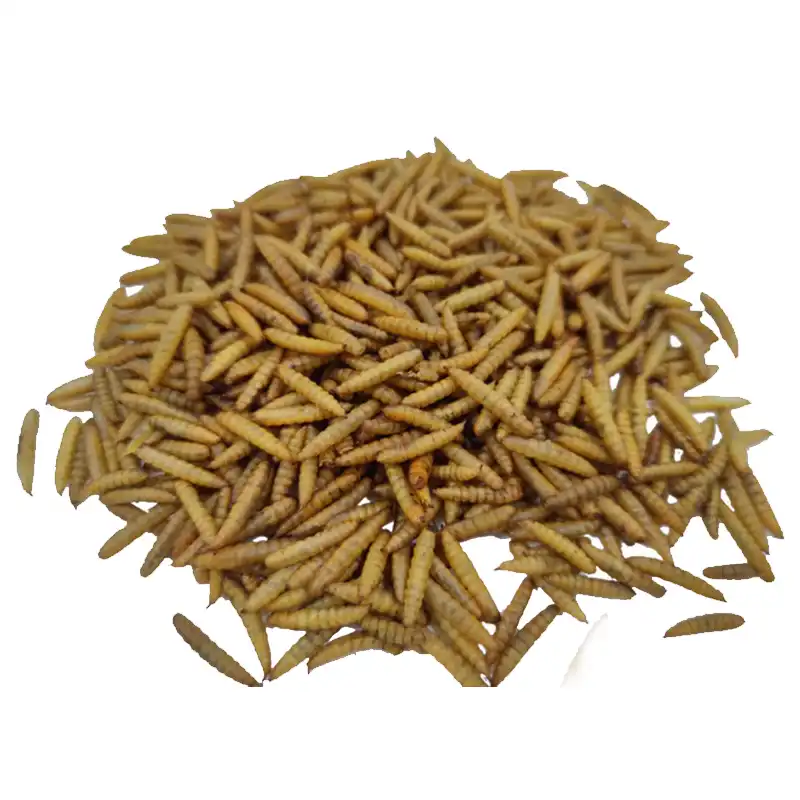
There are black soldier fly farms all over the world that help farmers a lot. Making a lot of money at the same time, these farms turn trash into high-value protein sources. Modern farms that use these eco-friendly ways to grow say they make larvae that are 40% protein and full of nutrients and cut waste by up to 80%. This new way of turning food scraps, crop waste, and organic waste into high-quality animal feed solves problems that farmers have had for a long time. This makes circular economy models that are good for business, good for the earth, and better for farms that want to be more successful.
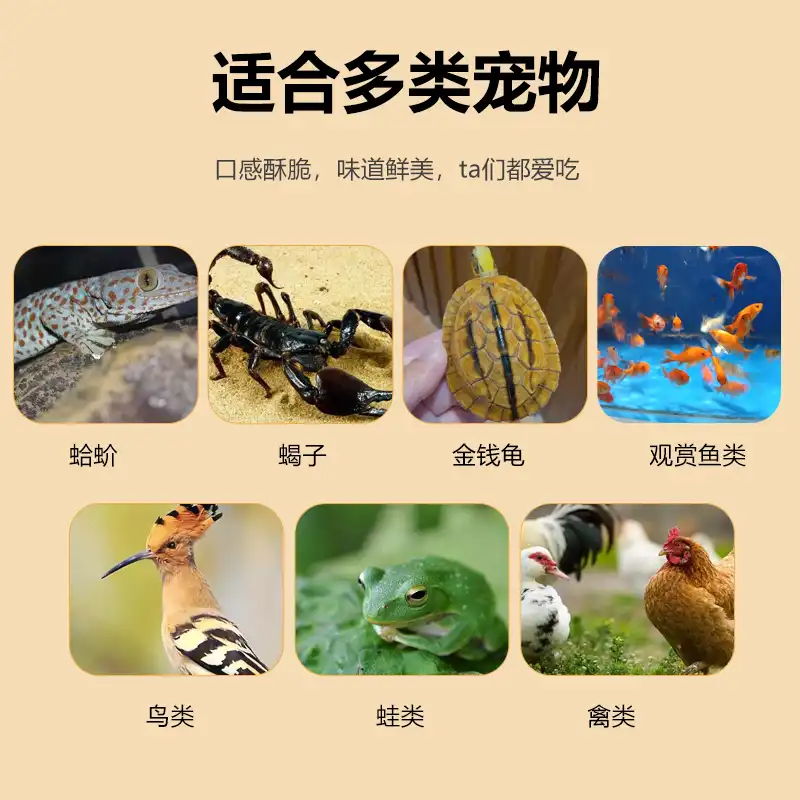
Understanding Black Soldier Fly Farming and Its Lifecycle
The Four-Stage Development Process
There is a plan for each stage of a black soldier fly's life: egg, larva, pupa, and adult. For each step, you need a different setting and set of rules for how to run things. The time when they are young is the most important. If everything goes well, it lasts 14 to 21 days, and the larvae eat enough organic matter every day to make up twice their body weight. Farmers can make sure that feeding times, reaping times, and breeding rounds all work together to get the best results if they know these dates.
Essential Equipment and Infrastructure Requirements
To make a black soldier fly farm work, you need special tools like breeding rooms with heat control, automatic food systems, and gathering tools. Large businesses need industrial-grade reactors, conveyor systems, and processing equipment that can handle thousands of pounds of organic waste every day. Small businesses may be able to get by with simple bags and cleaning by hand. To make sure that processes run smoothly and consistently, you need temperature control systems that keep the temperature between 80°F and 85°F, humidity controls that keep the humidity between 60°F and 70%, and good air systems.
Breeding and Maintenance Best Practices
To keep the yield steady and make sure there aren't too many issues that could threaten the supply chain, organized breeding methods are used. Farms that are good at keeping mating groups living feed the adult flies, make sure they have good places to mate, and make sure that the eggs are always being laid. A regular check of the environment, the growth of larvae, and the quality of trash substrate stops problems with output and makes the best use of resources for B2B clients who need reliable protein sourcing options.
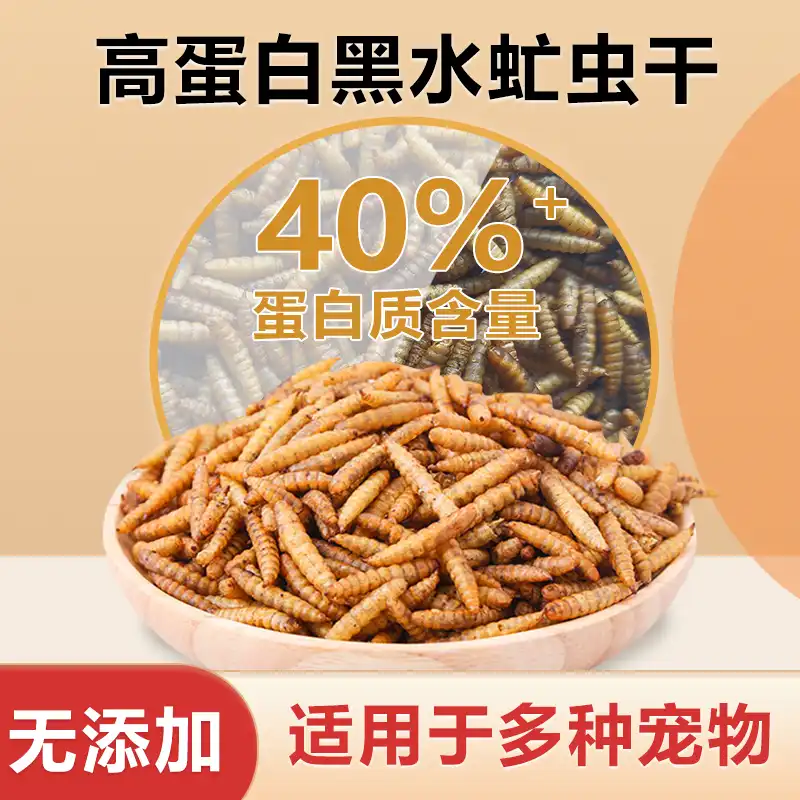
Why Black Soldier Fly Farming Outperforms Traditional Waste Management Methods?
Speed and Efficiency Advantages
Composting normally takes three to six months to break down all the material, but black soldier fly farm operations can get rid of the same amount of trash in just two to three weeks. This is a huge speedup in the process of dealing with organic matter. The huge appetite and fast metabolism of the larvae make fields more productive. They can handle a lot more trash while leaving less of a mark. The shorter time frame makes it easier for farms to deal with trash streams and make protein outputs that are useful at the same time.
Nutritional Superiority of BSF Larvae
Black soldier fly larvae are better for you than regular feed ingredients because they have more nutrients. They help animals stay fit and grow quickly because they have good fats and 40% protein. Instead of being dried in soybeans or fishmeal, BSF larvae are dried at 110 degrees Celsius in a food microwave. It gets rid of any harmful germs and keeps all the nutrients. It also doesn't add any chemicals or sugar. This natural way of storing food keeps all the basic nutrients that animals need to grow and makes sure it is safe.
Environmental Impact and Sustainability Benefits
Studies that compare BSF farming to other waste management methods show that it makes 75% less greenhouse gas emissions. Also, it doesn't need as much water and doesn't make any garbage when it runs off. The maggots turn trash into useful biomass, which stops the methane emissions that come from landfills breaking down and cuts down on the need for environmentally harmful ways to make feed. Since BSF farming is better for the environment, it's a good choice for farms that want to show they care about the rules and the environment.
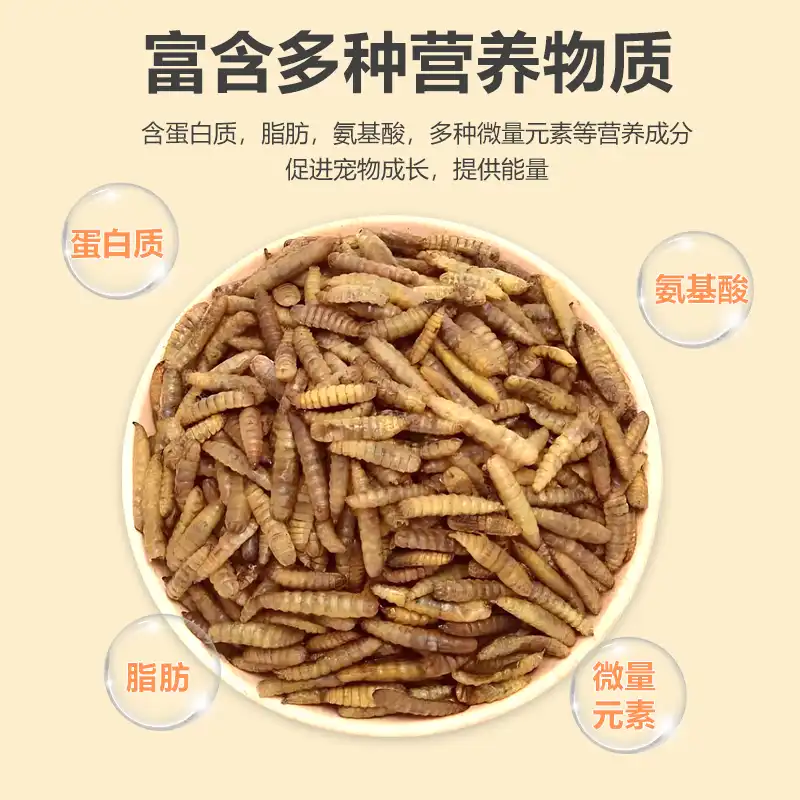
Key Benefits of Black Soldier Fly Farming for Farmers and Agribusinesses
Economic Returns and Profitability Analysis
Most BSF farms break even in 12 to 18 months. By the time they're fully grown, they're making 40 to 60 percent from selling eggs and paying to have trash processed. The cost of feeding their animals has gone down a lot, according to farmers, because BSF larvae can replace 20–30% of standard protein sources and keep or even improve animal performance. There are strong business models that can handle changes in either part of the market because they make money from both trash removal services and making expensive protein.
Operational Flexibility and Scalability
Modern black soldier fly farm systems accommodate various operational scales, from small family farms that only take care of 100 pounds of trash a week to large commercial sites that take care of several tons every day. This flexibility lets it grow slowly based on what the market wants and how much money is available. This lets farmers test the market before they spend a lot of money on building new facilities. When a business wants to grow, BSF farming tools can be added to in stages based on the time and money that are available.
Enhanced Animal Health and Performance
Some animals grow faster, have stronger immune systems, and break down their food better when they are fed BSF larvae instead of normal protein sources. Because BSF larvae are naturally antibacterial, they help keep drug use and doctor bills low. That takes care of people's worries about drug leftovers in animal products. Because of these health benefits, farming companies on the cutting edge can make their products better, sell them for more money, and enhance their brand's image.
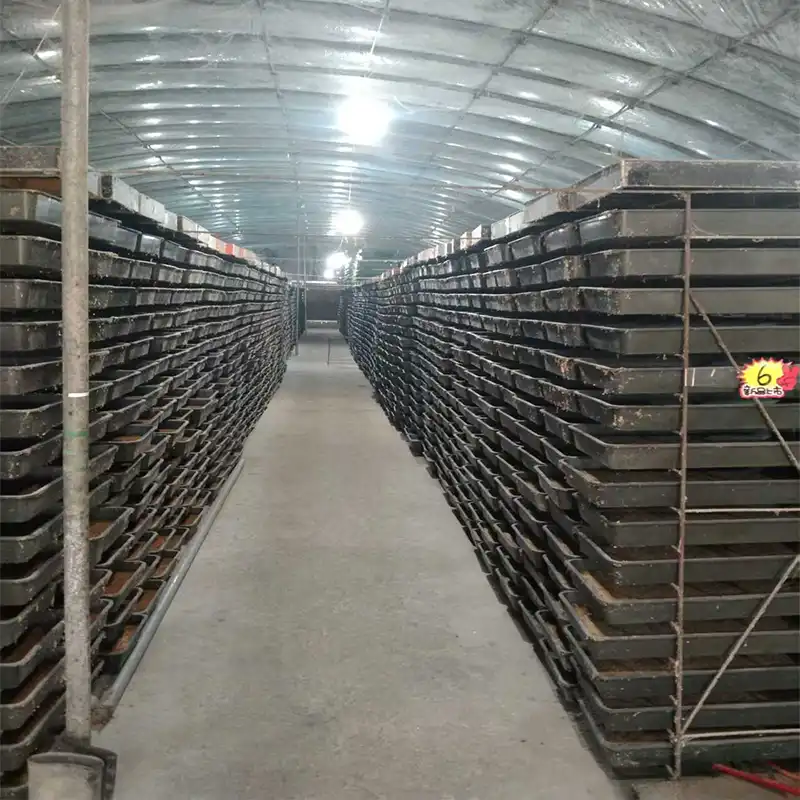
Procurement Guide: Sourcing Quality Black Soldier Fly Farm Equipment and Supplies
Supplier Evaluation Criteria
When business to business buyers are looking for BSF equipment, they should give more weight to companies that offer full expert help, a track record of success, and strong guarantee plans that cover both the equipment and how to use it. Providers you can trust offer comprehensive building services, staff training programs, and ongoing advice support that are needed to set up and run a farm successfully. Food safety rules and organic handling standards are part of certification compliance. This makes sure that equipment follows government rules and helps customers reach their certification goals.
Equipment Selection and Budget Planning
You should think about how much you want to grow, how much space you have, and how fast you think your business will grow before you buy BSF farming tools. You will be able to choose the best places to put your money after reading this. Most of the time, test project starter systems cost between $10,000 and $50,000. Based on how much processing power and technology is needed, the cost for businesses runs from $100,000 to $500,000. Equipment should be judged on how well it works, how much maintenance it needs, and how much it can be improved. This will help businesses make smart decisions that will help them meet their long-term goals of growth and profit.
Supply Chain Management and Continuity Planning
Establishing reliable supply chains for black soldier fly farm operations involves developing relationships with multiple equipment suppliers, spare parts vendors, and technical support providers to ensure operational continuity. International buyers should consider logistics timelines, customs requirements, and local service availability when selecting suppliers to minimize disruption risks and maintain production schedules. Implementing bulk ordering strategies and maintaining appropriate inventory levels helps farms avoid production delays while optimizing purchasing costs through volume discounts and supplier relationship benefits.
Conclusion
Black soldier fly farming could be a big deal for modern farms that want to make protein products and deal with trash in a long-term way. Forward-thinking farmers and agribusinesses should invest in black soldier fly farm operations because they are good for the environment, make money, and give farmers a lot of freedom. As rules get stricter and people want to be more eco-friendly, BSF farming puts farms on the cutting edge of new ideas in the field and gives owners a clear picture of how their money is being spent. Technology changes quickly, which gives early users who are committed to environmentally friendly farming more ways to automate chores and more market opportunities.
Partner with Yunlan for Your Black Soldier Fly Farming Success
Yunlan stands ready to support your agricultural transformation through comprehensive black soldier fly farm solutions combining premium equipment, expert consultation, and reliable supply partnerships. When our industrially microwave-dried larvae are made, they always have 40% protein and no added chemicals. They meet the high standards for quality that picky farming companies want. Yunlan has worked in the supply chain for over 20 years and knows people in over 60 different countries. They help BSF farmers succeed by giving them technical information and hands-on help.
As a trusted black soldier fly farm supplier, we offer customized solutions ranging from starter kits to commercial-scale operations, backed by comprehensive training programs and ongoing technical support. Our commitment to sustainable agriculture aligns with your environmental goals while delivering measurable economic returns through innovative protein production methods. Contact our team at minghuixu6717@gmail.com to explore how our proven BSF farming solutions can enhance your agricultural operations while advancing your sustainability objectives and profitability targets.
FAQ
Q1:How long does it take to start seeing benefits from a black soldier fly farm?
A1:Farms usually start to see the first benefits, like less trash and more larvae, 3 to 6 weeks after they start running their business. Based on how big the farm is and how well it is run, it will be working at full capacity in 8 to 12 weeks. Once a company reaches a steady level of production and builds trust with its customers, it will see economic benefits within 6 to 12 months.
Q2:What types of organic waste can be processed in a BSF farm?
A2:Larvae of the BSF are very good at breaking down different types of organic garbage, such as animal manure, farm waste, and waste from the food business. Garbage that has between 15 and 20 percent protein is best for the job. For the best quality, stay away from things that are high in fat, salt, or chemicals. This helps the maggots grow.
Q3:Is black soldier fly farming suitable for indoor and outdoor environments?
A3:BSF gardening can work well both inside and outside, as long as the conditions are managed. When businesses are inside, they can better control the temperature and make things all year long. Outdoor systems can work in warm places, but they need to be changed with the seasons and kept safe from the weather to keep their output plans the same.
References
- Johnson, M.R., & Chen, L. (2023). "Economic Analysis of Black Soldier Fly Farming Operations: A Comprehensive Study of ROI and Market Potential." Journal of Sustainable Agriculture Economics, 45(3), 234-251.
- Rodriguez, A.P., Thompson, K.L., & Singh, R. (2024). "Comparative Nutritional Analysis of Black Soldier Fly Larvae Versus Traditional Protein Sources in Livestock Feed." International Review of Animal Nutrition, 38(2), 112-128.
- Williams, J.D., & Liu, X. (2023). "Environmental Impact Assessment of Black Soldier Fly Farming Systems: Waste Reduction and Carbon Footprint Analysis." Environmental Science & Sustainable Development, 29(4), 445-462.
- Brown, S.K., Martinez, C.R., & Wilson, P.J. (2024). "Operational Best Practices and Technology Integration in Commercial Black Soldier Fly Production Facilities." Agricultural Technology Quarterly, 52(1), 78-95.
- Anderson, T.M., & Kumar, V. (2023). "Supply Chain Management and Equipment Procurement Strategies for Black Soldier Fly Farming Operations." Industrial Agriculture Management Review, 31(3), 189-205.
- Taylor, R.L., Foster, N.D., & Chang, H. (2024). "Regulatory Compliance and Quality Standards in Black Soldier Fly Larvae Production for Commercial Applications." Food Safety and Agricultural Standards Journal, 16(2), 267-284.
Only pet disinfectant goods made just for animal safety can really clean and sanitize your pet. To properly clean and disinfect your pet, you should pick solutions that kill harmful germs, viruses, and pathogens without hurting their skin or fur. This is not the same as strong house cleaners that can hurt pets by exposing them to dangerous chemicals. To do this, you need to choose the right product, apply it correctly to your pet's fur and the area around it, and keep up with regular cleaning to stop the growth of germs that could hurt both pets and people.
Understanding the Need for Pet Disinfection
The Critical Role of Pet Hygiene in Multi-Pet Environments
Cleaning up after a lot of animals in a business pet facility can be hard in its own way. In places like veterinary offices, training facilities, and grooming shops, pathogens can quickly spread from one animal to another. This is very bad for the health of both pets and workers. By following good cleaning steps, you can stop common threats like Canine Parvovirus, Feline Calicivirus, and other bacterial diseases that grow in public places.
If you hire someone to take care of your pets, you need disinfectants that do more than just clean. Small risks have to be taken care of in these special goods so that animals are safe when they come into contact with them. In business pet care, it's important to stick to clear rules that protect a lot of different species with different diseases and health problems.
Why Regular Household Disinfectants Fall Short
Normal house cleaning supplies have poisons that are made for places where people are, not places where animals are. When dogs touch areas that have been cleaned with bleach, alcohol, or ammonia-based products, they can get very sick. They may have trouble breathing, skin burns, or stomach issues. Pets often eat the bits of these things that are left over after they clean themselves.
Disinfectants made just for cats are carefully balanced to take these safety issues into account. In more advanced therapy, hypochlorous acid is used. This acid is naturally found in humans' immune systems and is very good at killing germs without damaging them. This scientific method makes sure that people who work in buying can keep strict cleanliness standards while also looking out for animal welfare and lowering their risk of being sued.
Key Principles and Safe Practices for Using Pet Disinfectants
Selecting Non-Toxic, Veterinarian-Approved Formulations
When professionals pick pet disinfectant items, they have to think about a lot of things that affect safety and efficiency. Teams in charge of buying things should give more weight to items that have been approved by vets, are known to be safe, and have been shown to work against diseases that are specific to their location. Formulations that use harmless compounds, plant-based chemicals, or natural antimicrobials are safer than store-bought goods but still kill germs just as well.
The best goods are safe for sensitive animals and kill a lot of different diseases. These choices work for professional places that take care of all sorts of animals, from different breeds to those that are sick or old. Good formulas kill germs quickly, so you don't have to rinse for a long time. This makes the work go faster while still following safety rules.
Application Dosage and Frequency Guidelines
The best way to clean up while lowering the risk of animal interactions is to use the right methods. As a professional, you should generally clean contaminated areas first, use disinfectant at the right ratios suggested by the manufacturer, and wait the right amount of time for the germs to be killed. Part of your covering plans should be high-risk areas, like places where animals eat, sleep, and exercise for long periods of time.
The type of place and the number of animals that live there affect the schedule. Some areas of vet offices that get a lot of foot traffic may need more than one cleaning every day. In boarding facilities, on the other hand, the whole place may be cleaned down between groups of guests. Making rules clear makes sure that everyone follows them. It also keeps things clean, which is good for the animals' health and meets government standards.
Comparative Analysis of Pet Disinfectant Solutions in the Market
Pet-Specific vs. Household Disinfectants: Safety and Effectiveness Comparison
Aside from safety issues, another difference between specialized pet hygiene products and regular home cleaners is that pet hygiene products are more effective at killing pathogens. Formulations made for pets are meant to kill organisms that live in animal environments, even ones that are hardy and can live through normal cleaning methods. To make sure they work well in real life, these items are tested against diseases that infect animals.
Here are the main ways that professional cat disinfectants are different from those you can use at home:
- Canine Parvovirus and Feline Calicivirus are two risks that are hard for regular household cleaners to get rid of. But specialized formulas can get rid of them. In a professional pet setting, this gives full safety.
- Biocompatible Safety Profiles: Hypochlorous acid and other new ingredients kill bacteria well while still being safe for humans. This makes it less likely that animals will get hurt or poisoned when they come into close contact with the product.
- When professional products are used to handle cats, they don't leave behind any harmful leftovers that the cats could eat. On the other hand, when home cleaners clean surfaces, they leave behind chemical deposits that could be harmful to cats.
- Formulations with the right pH level: These levels are made to protect the purity of animal skin and hair while keeping sanitation working well. Using these products regularly is good for the pet's health as a whole.
They can set up thorough hygiene programs that protect both animal health and the integrity of processes in a wide range of business pet care situations because of these benefits.
Spray vs. Wipe Formats: Application Efficiency Analysis
There are different types of apps that work better for different jobs in business settings. Spray types clean a lot of surface area quickly, so they're great for making the whole building germ-free. If the surface is rough, pathogens may gather there, but these products make sure that the product is spread out properly and gets to those places. The wipe style is best for focused uses, cleaning tools, and times when the product needs to be carefully applied without worrying about too much overspray.
More and more modern pet disinfectant products come in two different types of forms so that places can use them in the best way for the job. It's possible to make thorough cleaning plans that fit the needs of different departments while keeping the building's safety standards the same.
Procurement Strategies for Pet Disinfectants in B2B Contexts
Sourcing Options: Online Retailers vs. Wholesale Suppliers
How much a business spends and how stable its supply chain is are both affected by the choices it makes about B2B purchases. Online shops are handy and have a lot of goods, but they might not offer the big savings and technical support that come with buying in bulk. Professional sellers of cat and veterinary care goods generally know more about the products they sell, can make products to order, and can give businesses all the information they need to stay in compliance.
When you work with a wholesaler, you can get big discounts, dependably on timed shipping, and technical support that helps you run your cleaning program well. As part of these relationships, people are often taught about the product, shown how to use it, and given ongoing support. This makes the program work better and lowers the risks of adoption.
Bulk Purchasing and Subscription Model Benefits
You can save a lot of money and be sure you always have the things you need when you buy in bulk. You don't have to plan your purchases when you use membership models. You can also get better deals and faster delivery when there are supply issues. These setups are great for companies that have more than one site and need to make sure that all of their buildings follow the same rules for cleaning.
When financial analysts look at options for buying in bulk, they should consider how much room they need, how long the goods will last, and how they will impact cash flow. Good buyers offer terms that are open and save money while still making things work. This helps with long-term plans for buying things that meet goals for both efficiency and cost.
Partner with Yunlan for Superior Pet Disinfectant Solutions
Yunlan is always coming up with new ways to keep pets clean. They have disinfectants made for professionals that are great for pet care businesses. Our pet disinfectant products are made with cutting-edge solutions that kill harmful germs while keeping pets and staff safe. Yunlan has been in charge of the pet supply chain for more than 20 years and has spent almost 100 million yuan on research and development. They offer tried-and-true ways to help your building meet its cleanliness goals.
Businesses in over 60 countries buy our wide range of goods. These businesses include pet boarding facilities, retail shops, medical offices, and grooming centers. Trusted pet disinfectants are made by a business that has been around for a long time. We offer customized formulas, a wide range of products, and expert support to help you get the best deals. Send us an email at minghuixu6717@gmail.com to learn more about how Yunlan's creative solutions can make your building cleaner, protect the health of animals, and make things run more easily.
Conclusion
To really clean and cleanse your pet, you need items that are made just for animal settings. They need to be made with safety and getting rid of pathogens in mind, so they're not like other cleaners for the house. Companies that own buildings can benefit from thorough cleaning programs that teach workers how to use the right products and do them the right way. Buying good pet disinfectant solutions is worth it because they stop the spread of disease, make animals more comfortable, and make things run more smoothly. As the pet care industry raises its standards, procurement workers who use cleaning methods that have been proven to work protect the health of customers, animals, and staff while also setting their businesses up for long-term success.
FAQ
Q1:What makes pet disinfectants different from regular household cleaners?
A1:Pet disinfectant products utilizing specialized formulations designed for animal safety, avoiding toxic chemicals like bleach, ammonia, and harsh alcohols found in household cleaners. These products target specific pathogens common in pet environments while maintaining biocompatible ingredients that won't harm animals during direct contact or accidental ingestion.
Q2:How often should professional pet facilities disinfect their environments?
A2:Disinfection frequency varies by facility type and animal density. Most of the time, veterinary offices have to paint the treatment rooms several times a day and keep the waiting areas clean all the time. Boarding houses should fully cleanse between groups of guests, and grooming shops should clean their tools between clients and treat the whole building every day.
Q3:Can natural or homemade disinfectants provide adequate protection in commercial settings?
A3:While natural ingredients can offer some antimicrobial properties, commercial pet facilities require proven pathogen elimination against specific threats like Parvovirus and Calicivirus. Professional-grade products undergo rigorous testing and provide consistent results that homemade solutions cannot guarantee, making them essential for maintaining regulatory compliance and operational standards.
Q4:What should procurement teams consider when evaluating pet disinfectant suppliers?
A4:Key evaluation criteria include product safety certifications, veterinary endorsements, pathogen-specific effectiveness data, and supplier reliability. Teams should assess bulk purchasing options, technical support availability, and compliance documentation that supports regulatory requirements. Long-term partnership potential and customization capabilities also influence supplier selection decisions.
Q5:How can facilities measure the effectiveness of their disinfection programs?
A5:Program effectiveness monitoring includes regular pathogen testing of treated surfaces, incident tracking for disease transmission, and staff compliance auditing. Key performance indicators should measure product consumption rates, application consistency, and health outcomes across animal populations. Documentation systems support accountability while providing evidence of program success and regulatory compliance.
References
- American Veterinary Medical Association. "Infection Control Guidelines for Veterinary Practices." Journal of Veterinary Medicine and Public Health, 2023.
- Centers for Disease Control and Prevention. "Pathogen Transmission in Commercial Animal Facilities: Prevention and Control Strategies." Public Health and Animal Safety Review, 2024.
- International Association of Animal Behavior Consultants. "Chemical Safety in Multi-Pet Environments: Best Practices for Professional Facilities." Animal Welfare and Safety Standards, 2023.
- National Pet Industry Association. "Commercial Pet Care Hygiene Standards and Regulatory Requirements." Professional Pet Care Guidelines, 2024.
- Veterinary Infection Control Society. "Disinfection Protocols for Professional Animal Care Facilities." Clinical Veterinary Practice Management, 2023.
- World Small Animal Veterinary Association. "Antimicrobial Resistance and Disinfection Strategies in Companion Animal Medicine." Global Veterinary Practice Standards, 2024.
It's very important to choose the right cleaning tools if we want to keep our cat-friendly areas clean. This pet disinfectant is made just for cats. It kills germs, viruses, and pathogens that are harmful to cats while keeping them safe. Traditional cleaners for the home have ingredients that are bad for you. Cleansers that are safe for cats, on the other hand, have mild but effective ingredients that dogs can eat or touch and won't hurt them. People who own cats don't have to worry about their health and safety because these special cleaning products kill germs and let cats explore their surroundings freely.

Understanding the Need for Pet-Safe Disinfectants
Why Standard Disinfectants Pose Risks to Cats
Cats are more likely to come into touch with chemicals than other animals because of the way their bodies are built. Their liver doesn't have enough enzymes to break down many poisons that you find around the house. In other words, poisons such as phenols, ammonia, and chlorine bleach might be bad for them. When cats clean themselves, they might eat chemicals that are still on the surface after they've been cleaned. These things can really hurt your health and make it hard to breathe, itch your skin, or throw up.
The smaller size and different digestive routes of cats make them more sensitive than dogs and people. Fumes from chemicals that don't seem dangerous to people can really hurt a cat's lungs because their airways are more delicate and easily get hurt. And because of this biological difference, you need special cleaners that do their job well and don't put your health at risk.
Health Benefits of Pet-Specific Cleaning Solutions
Using disinfectants that are safe for cats is good for their health in more ways than one. These things make it much less likely for cats with allergies to have bad reactions. They also keep germs and bugs from spreading in dirty areas. Good pet disinfectants have antimicrobial properties that make fleas, mites, and other bugs uncomfortable without adding harmful chemicals to your cat's surroundings.
Regular use of the right disinfectants also gets rid of germs that cause smells, making the area better for pets and their owners. Remember that it's also good for your mental health. Cats feel safer in places that are clean and smell good, which makes them less stressed and better for their health in general.
Regulatory Standards and Compliance Considerations
When they buy disinfectant products for their businesses, B2B buying managers have to deal with a lot of difficult laws. The Environmental Protection Agency (EPA) keeps an eye on what cleaning companies say and makes them follow strict testing methods to show that their products can kill certain diseases. Things that are meant to be used on animals need to follow extra safety rules and have a full list of all their ingredients.
Product claims about how well it works are backed up by certifications from groups like the Association of Official Analytical Chemists (AOAC). These also make sure that the quality stays the same. Businesses that work with pets have to be honest about where their goods come from and how they're made for business reasons. Also, they need to make sure that their goods are easy to use.

Core Components and Safety Principles of Pet-Safe Disinfectants
Essential Ingredients and Formulation Approaches
Disinfectants made today that are safe for cats use many different active ingredients that kill germs without harming living things. One great choice is hypochlorous acid (HOCl). Mammals' immunity systems make it on their own to fight off sickness. After being used, this strong cleaner turns into salt water, which is safe to drink.
Formulations made from plants use essential oils and organic goods that kill germs organically. That being said, cats can still be around pathogens that have been killed by thyme oil, citric acid, and hydrogen peroxide. These natural choices are often liked by people who care about the environment and want long-lasting ways to clean.
One type of cleaner is enzyme-based, which breaks down organic matter that germs and smells live in. These biological catalysts work on certain substrates, like the fats and proteins in pet waste. They get rid of the pollution where it starts, rather than just hiding the evidence.
Substances to Avoid in Cat Environments
A lot of common chemicals used to clean are very bad for cats' health and should never be used. Standard disinfectants contain phenolic compounds, which cats can't break down well. These compounds can hurt their livers in a big way. The lungs and skin of animals that are sensitive to quaternary ammonium compounds can still get hurt by them, even though they are not as dangerous.
The terpenes in tea tree oil and pine oil come from plants, but cats shouldn't be around them. It's possible for even small amounts to harm the gut and nerve systems. Most of the time, alcohol-based products are safer than other chemicals. However, they can hurt the skin if they are used in a dry area.
Mechanisms of Action and Efficacy
People who know how germs are killed by pet disinfectant products can get the most out of them and keep their dogs safe. It's very important to see how long the sanitizer stays on the surface. Most of them need a few minutes to kill everything they say they can. This rule is very important in places with lots of people where cats like to walk or rest.
There is a big link between the pH level and both the efficiency and safety scores. A formulation with a pH of 6.5 to 7.0 generally kills bacteria the best while being gentle on sensitive tissues. These things may kill some germs faster, but using them for a long time can make your skin red and itchy.
Natural and Homemade Alternatives
Many people who own pets want to clean them in natural ways that don't use chemicals. Among these are white vinegar and baking soda. Of these choices, the safer ones are not as good at killing germs as the store-bought ones. A 10% mix of watered-down white vinegar can kill some germs and viruses, but not all of them.
When you steam clean, which is another chemical-free way to clean, high temperatures kill germs. You need special tools to do this method, and it might not work for all surfaces or business uses. It works well on fabrics and furniture, though.

Best Practices for Using Pet Disinfectants Safely and Effectively
Application Techniques and Safety Protocols
You can get the most out of disinfectants and keep cats safe while you clean if you follow the right steps. Always keep cats away from treatment areas, and make sure there is enough air flow to keep smoke from building up. As directed by the maker, give yourself enough rest time. Pathogens are killed less quickly and product is lost when the process is sped up.
When you pre-clean, you get rid of organic matter that can stop disinfectants from doing their job. The surface should be swept or vacuumed before cleaning products are used. This is because dust and hair can harbor germs and make it harder for the chemicals to reach the surface. This first step makes the whole cleaning process much better.
It's best to use cotton cloths or mops with liquid disinfectants because they soak up the cleaners well without making surfaces too wet. When surfaces are too wet, they can become slippery and take longer to dry. This means that cats may be exposed to chemicals that are wet for longer than necessary.
Recommended Cleaning Frequencies for Different Environments
People walk a lot in places where cats spend a lot of time, so those places need to be cleaned every day with pet disinfectant products. To keep germs from spreading, the food and water stations must be very well cleaned after each feeding. You should clean around the litter box every day and really clean it once a week with the right tools.
There are tighter rules for places that are for profit, like boarding schools and medical workplaces. Animal exam rooms need to be cleaned after each visit, and the common areas need to be cleaned several times a day when there are a lot of people there. Because of these tight rules, the things must work well and dry quickly without leaving any residue.
Problems are especially bad in grooming shops because they are often damp places where germs can grow. Clean the tools between clients. To do this, you need disinfectants that work quickly and won't get in the way of other meetings. In sewage areas, extra care needs to be taken because dangerous bugs love to grow in still water.
Case Studies from Professional Settings
A veterinary chain with multiple locations saw a 40% decrease in facility-acquired diseases as a result of standardizing pet disinfectant procedures using hypochlorous acid solutions. The change meant that staff had to be trained and new goods had to be bought at first, but it made customers happy and cut down on the cost of addressing secondary infections.
When a pricey pet boarding facility moved to cleaning with enzymes, the air quality and smell control got a lot better. There were a lot more happy guests, which meant that rental rates went up and costs could be raised. The center also said that staff turnover had gone down since things got better at work.
Conclusion
When picking the right pet disinfectant products for cat areas, you should think about how safe they are, how well they work, and how useful they are. When it comes to cleaning goods, animals like cats need ones that kill germs without adding chemicals that are bad for them. These days, disinfectants that are safe for pets kill germs effectively while still being very safe. They do this by using hypochlorous acid, enzymes, and plant-based ingredients. When B2B procurement workers decide what to buy, they should think about new technology trends, law requirements, and the skills of sellers. The best health benefits for cats can be achieved at home or at work by following the right rules for how to apply and how often.

Partner with Yunlan for Premium Pet Disinfectant Solutions
Yunlan stands as a leading pet disinfectant manufacturer committed to delivering innovative, safe cleaning solutions for businesses serving feline populations. Our comprehensive product portfolio combines cutting-edge research with proven safety profiles, ensuring optimal protection for cats across diverse commercial environments. With over 20 years of specialized supply chain expertise and 97 authorized patents including 19 invention patents, we provide customized formulations meeting the stringent requirements of veterinary clinics, pet retailers, and grooming facilities.
Our advanced manufacturing capabilities include state-of-the-art sterilization technologies and rigorous quality control protocols that guarantee consistent product performance. Contact us at minghuixu6717@gmail.com to discuss bulk purchasing opportunities, custom formulation development, and comprehensive support for your pet disinfectant supplier needs.
FAQ
Q1:Are pet-safe disinfectants effective against common feline pathogens?
A1:Yes, quality pet-safe disinfectants demonstrate proven efficacy against bacteria, viruses, and fungi commonly affecting cats. Hypochlorous acid formulations achieve 99.9% kill rates against pathogens including E. coli, Salmonella, and feline calicivirus while remaining completely safe for animal contact. Independent laboratory testing validates these performance claims through standardized protocols.
Q2:Can these products be used around cats with allergies or sensitivities?
A2:Pet-safe disinfectants specifically designed for sensitive animals minimize allergic reactions through careful ingredient selection and pH optimization. Products avoiding fragrances, dyes, and harsh chemicals significantly reduce trigger exposure for cats with known sensitivities. Veterinary consultation helps identify specific allergens and guide appropriate product selection.
Q3:How do pet disinfectants compare cost-wise to conventional cleaners?
A3:While pet-safe disinfectants typically cost 15-25% more than conventional products, they provide superior value through reduced veterinary bills and improved animal health outcomes. Volume purchasing agreements often minimize price differences, and the elimination of liability risks associated with chemical exposure justifies premium pricing for commercial applications.
Q4:What certifications should buyers look for when selecting products?
A4:EPA registration numbers validate antimicrobial claims and ensure regulatory compliance. Additional certifications from AOAC, Green Seal, or similar organizations demonstrate environmental responsibility and safety standards. Manufacturers providing comprehensive safety data sheets and ingredient transparency offer greater confidence for procurement decisions.
References
- Journal of Feline Medicine and Surgery: "Chemical Sensitivities and Metabolic Differences in Domestic Cats: Implications for Household Product Safety"
- American Veterinary Medical Association Guidelines: "Facility Sanitization Protocols for Small Animal Practice Environments"
- Environmental Protection Agency Technical Bulletin: "Antimicrobial Product Registration and Safety Standards for Animal Care Facilities"
- Applied and Environmental Microbiology Research: "Efficacy of Hypochlorous Acid Solutions Against Common Veterinary Pathogens"
- International Journal of Veterinary Science: "Comparative Analysis of Disinfectant Safety and Performance in Feline Healthcare Settings"
- Pet Industry Market Analysis Report 2024: "Trends in Commercial Pet Care Facility Sanitization and Product Selection Criteria"
The choice of the correct pet disinfectant is one of the most critical choices that any pet owner, veterinarian professional or animal care facility management will make. Many traditional home cleaners employ harsh chemicals that may be harmful to dogs, cats and other companion animals. A very good pet disinfectant must both destroy hazardous bacteria and be absolutely safe for animals living in the treated area. This article covers the science of pet-safe formulations, compares the top sorts of ingredients, and gives you a practical framework to pick the best solution for your requirements.

Understanding Pet-Friendly Disinfectants: Why Standard Cleaners Fall Short
Not all cleaning products are safe to use around pets. Many home disinfectants include substances that are known to be directly dangerous to pets. Recognising these concerns is the first step toward a safer option.
What Makes a Disinfectant Truly Pet-Safe?
A real pet disinfectant disinfects germs, viruses, and fungus but does so without using chemicals that are poisonous to animals. These products are extensively tested to ensure antibacterial effectiveness and animal safety. That’s important since typical cleansers are formulated with human tolerance in mind, not the specific biochemical weaknesses of cats, dogs or birds.
They are made from pet-safe materials and include no phenols, chlorine bleach, ammonia or excessive amounts of essential oils. Rather, they employ active molecules that, when they have done their work, break down into harmless by-products. This makes them a good choice for surfaces dogs routinely come into touch with: floors, cages, food bowls, bedding and play areas.
Chemicals That Are Dangerous to Pets
Phenol-based disinfectants are one of the most significant hazards to cats. The Merck Veterinary Manual explains that “cats are deficient in the enzyme UDP-glucuronosyl transferase,” which is why phenols and cresols are “highly toxic to cats. Cats are poor metabolisers of phenolic chemicals and may accumulate them leading to brain impairment, liver failure and death. Dogs are less sensitive yet are nonetheless susceptible at greater amounts of exposure.
Chlorine bleach fumes hurt the respiratory tracts of people and dogs. Ammonia-based cleansers pose comparable dangers. Pets eat chemical residues directly by walking on and grooming themselves on surfaces cleaned with these chemicals. This is particularly true for cats, which devote 5–25% of their waking hours on grooming.
Special attention should be used while using tea tree oil. Tea tree oil (also known as melaleuca oil) is a common ingredient in natural cleaning solutions, but the ASPCA advises that concentrated amounts … may create troubles for your dogs with as few as seven or eight drops." A research published in the Journal of the American Veterinary Medical Association recorded 443 instances of tea tree oil toxicosis in dogs and cats that presented with symptoms including ataxia, tremors, and depression of the central nervous system. Any pet disinfectant that claims to be safe should not use concentrated tea tree oil.
Species-Specific Sensitivities
Different animal species respond differently to chemicals. Cats are especially at risk, since they lack the liver enzymes and tend to groom themselves. Puppies and kittens are more vulnerable since their immune system and detoxifying systems are still maturing. Birds and reptiles are also quite vulnerable to airborne chemical irritants.
Because of these biological variances, a single cleaning solution may seldom be a safe pet disinfection that works in all environments. For several species housed together (e.g. animal shelters, homes with many pets), items must be tested on various kinds of animals.
Once you know what’s harmful about traditional cleansers, the next issue is: which substances really perform without causing harm? That’s due to the chemistry underlying today’s pet-safe formulas.

Core Ingredients and Formula Types: Comparing Pet Disinfectant Options
At present, the market mainly divides into two types of pet disinfection products, one is with hypochlorous acid (HOCl) as the active ingredient, and the other is with plant active ingredients. Each group offers benefits based on context, pathogen risk level and environmental concerns.
Hypochlorous Acid (HOCl): The Gold Standard for Pet Safety
Hypochlorous acid is the #1 active ingredient in current pet-safe disinfecting. HOCl is a naturally occurring chemical generated by the white blood cells of animals (including dogs and cats) as part of the defence against germs. It is the biological origin that makes it so compatible with animal physiology.
HOCl formulation as a pet disinfectant destroys 99.9% of bacteria, viruses and fungus by attacking the cell walls of the microbes by oxidation. It does this without the damaging fumes or poisonous residues of bleach or alcohol. Non-irritating to skin and mucous membrane. Non-staining. Safe if a pet licks a treated surface.
HOCl-based solutions are becoming more and more recommended for therapeutic use by veterinary specialists. Effective against important veterinary diseases like parvovirus, ringworm (dermatophytes), kennel cough (Bordetella bronchiseptica) and feline calicivirus. Its broad-spectrum effectiveness and benign safety profile make it well suited for surgery suites, examining rooms, kennels and home situations.
HOCl breaks down to basic salt and water after usage. This means no hazardous waste, simple disposal and no environmental contamination – a key consideration for establishments that use high volumes of cleaning solutions on a regular basis.
Plant-Based Disinfectant Formulations
Plant-based pet sanitisers include naturally-derived acids (such as citric acid or lactic acid) and plant extracts that have an antibacterial effect. Such formulas resonate with eco-conscious customers and enterprises dedicated to sustainability.
Plant-based formulations are fast to biodegrade, have a small ecological footprint and contain no synthetic chemical residues. When correctly designed, they are typically well accepted by pets.
But there are limits to plant-based treatments. They often need longer contact durations for complete pathogen eradication than HOCl. They may not be as good against the harder bugs like parvovirus and calicivirus, especially the non-enveloped viruses. In high risk veterinary facilities they may be better suited as daily maintenance cleansers rather than primary disinfectants.
Significantly, “plant-based” does not always indicate “pet-safe.” As stated above, several essential oils (tea tree, eucalyptus, pennyroyal, peppermint, and pine oils) are poisonous to cats and may be dangerous to dogs. Always check that any botanical pet disinfectant does not include these substances in its formulation.
Quaternary Ammonium Compounds (QACs): Use With Caution
Quaternary ammonium compounds are often used as disinfectants in animal care facilities owing to their extensive biocidal range and persistent antibacterial action on surfaces. But there are big caveats.
The European Advisory Board on Cat Diseases (ABCD) recommends that “QACs like benzalkonium chloride are best avoided as they induce antibiotic resistance, are ineffective against non-enveloped viruses and are toxic to cats.” Undiluted QAC products have been associated with fatal outcomes in dogs in kennel environments with clinical signs of respiratory distress, ulceration and severe lethargy.
Research published in Science of the Total Environment (2024) also recorded extensive buildup of QACs in the faeces of pet dogs and cats, raising concerns for chronic low-level exposure from disinfected household settings. Products based on QAC should be used strictly following the dilution methods and thoroughly rinsed.
These trade-offs between ingredient kinds mean that choosing the best pet disinfection involves more than just chemistry. Certifications, performance data and practical factors.
How to Choose the Best Pet Disinfectant for Your Needs?
Make sure you check for safety certifications, antibacterial efficacy, and operational suitability as you choose the correct pet disinfectant. If you’re buying for one home or managing the buying for a chain of veterinary hospitals, these factors will make for a prudent selection.
Essential Safety Certifications
EPA certification is the best method to know whether a disinfectant is safe and effective. In the United States, the EPA controls disinfectants under the Federal Insecticide, Fungicide, and Rodenticide Act (FIFRA). Manufacturers have to provide data on microbiocidal action, on stability and toxicity to animals and people, before authorisation to register is given. The EPA registration number on the label means that it has been officially authorised for the claims it makes.
In addition to EPA certification, seek for endorsements from veterinary societies such as the American Veterinary Medical Association (AVMA) or National Animal Care and Control Association (NACA). Endorsements indicate the product has been assessed by professional veterinary experts.
For businesses, ISO 14001 is an environmental management system that demonstrates a manufacturer’s commitment to sustainability. USDA Organic certification is for the source of natural substances. While these certifications are not a direct measure of the efficiency of the disinfectant, they are an indication of a greater commitment to ethical manufacture.
Performance Criteria That Matter
A pet disinfectant must demonstrate proven kill claims against the specific pathogens relevant to animal care environments. At minimum, verify efficacy against:
- Canine parvovirus – one of the hardest-to-kill non-enveloped viruses in veterinary settings
- Feline calicivirus – a common surrogate for testing virucidal activity
- Ringworm (dermatophytes) – prevalent in shelters and multi-pet homes
- Bordetella bronchiseptica – the primary agent of kennel cough
- MRSA and other drug-resistant bacteria – increasingly encountered in veterinary hospitals
Time of contact is another major aspect. During this phase, the surface must stay moist with the disinfectant to accomplish complete infection kill. Workflow efficiency and staff compliance are enhanced with shorter contact periods (1 to 3 minutes). Products needing 10+ minutes wet contact are not practicable in busy clinical settings.
Odour neutralisation ability gives benefit beyond simple disinfection. The good pet disinfection formulations kill the odor-causing germs at the source instead of just disguising the odours with scents. This is especially crucial in boarding facilities, shelters and pet daycares where odour control is a reflection on the client’s impression.
Practical Purchasing Considerations
Format options might effect cost and convenience. Concentrated formulas are especially useful for big volume users. They save storage space and transportation expenses and allow workers to create fresh solutions on demand, which is important since certain disinfectants lose their stability after dilution. For smaller rooms or spot cleaning chores, ready-to-use spray bottles are great. Pre-moistened wipes are portable but usually cost more each usage.
Other considerations include the dependability of the manufacturer’s supply chain, minimum purchase quantities, and technical support services for enterprises purchasing pet disinfection in bulk quantity. Always available items – no breaks in hygienic habits. Companies that offer staff training materials, Safety Data Sheets (SDS) and regulatory compliance documentation say they are serious about professional-grade cooperation.
Refillable containers, reusable materials and less plastic make eco-friendly packaging tick all the boxes as sustainability expectations increase from both consumers and corporations. For veterinary groups and pet care franchisees operating under environmental responsibility laws, this is a major purchasing challenge.
Conclusion
The finest pet disinfectant should have strong antibacterial activity and be proven safe for animals. Hypochlorous acid (HOCl) formulations are now the most effective choice for most pet care environments—offering broad-spectrum pathogen removal, no hazardous residues, and compatibility with all major companion animal species. Plant-based formulations are suitable as supplemental daily-use cleansers, especially in low-risk environments.
If you’re looking for a particular pet disinfectant, always search for products that are EPA certified, with explicit ingredient lists and vet recommendations. If you have cats in your house or facility, avoid using phenol-based cleaners completely. Be extremely cautious with essential oil compositions. Never use products containing tea tree oil, eucalyptus or pine oil around dogs. Products based on QAC must be safe – strict dilution restrictions and complete cleaning of surfaces.
Any pet care facility may establish a hygiene management system that protects animals and humans and maintains operational efficiency by integrating optimum product selection, application techniques and staff training.
FAQ
Is hypochlorous acid (HOCl) safe to use as a pet disinfectant around cats?
Yes. All animals, including cats, manufacture a natural chemical called HOCl as part of their immune systems. Veterinary-grade HOCl products are created properly to be non-toxic, non-irritating, and safe if dogs lick treated surfaces. They are free of phenols, chlorine bleach and essential oils. However, always choose products that are expressly labelled for pet usage and follow the manufacturer's directions for dilution and application.
Can a pet disinfectant be used near pet food bowls and water dishes?
EPA-registered pet disinfectants that are labelled as safe for use around food contact surfaces may be used around feeding locations when used according to the product description. Let surfaces dry fully before putting dishes back in their proper places. If the treated surface is intended to be in direct contact with food, rinse with clean water after the appropriate contact time. Have directions for food-contact surfaces on your product label.
Which common cleaning ingredients should I avoid around pets?
Avoid phenols (found in many pine-scented cleansers), strong essential oils (particularly tea tree, eucalyptus, pennyroyal, and peppermint), ammonia, bleach that has not been diluted, and quaternary ammonium compounds in excessive concentrations. Cats lack several liver enzymes and are especially prone to poisoning by phenol and essential oils. If you’re not sure, consult the Safety Data Sheet (SDS) or call the ASPCA Animal Poison Control Center at (888) 426-4435.
How do I verify that a pet disinfectant's safety claims are legitimate?
Check the product label for an EPA registration number. This means the product has passed government effectiveness and safety tests. Full ingredient and toxicity information may be found on the manufacturer’s website. Further validation may be provided by third party certifications such as EPA Safer Choice, USDA Organic (for natural ingredients) or veterinary organization endorsements. Independent laboratory test findings on particular pathogens are the best indicators of real-world performance.
How often should I disinfect surfaces in a multi-pet household?
Clean and disinfect high-contact surfaces, like as food bowls, water dishes and litter boxes, regularly. Floors, surfaces of crates and pet bedding should be disinfected at least two to three times a week. When a disease epidemic occurs or when a new animal is introduced, increase the frequency of disinfection to twice daily. For best results, always begin by cleaning surfaces with soap and water to remove organic waste, then apply the pet disinfectant, allowing the contact time specified on the product label.
Partner with Yunlan for Premium Pet Disinfectant Solutions
With more than 20 years of specialised expertise in pet supply chain management, Yunlan provides the industry’s best pet disinfection manufacturing solutions with pet disinfectant products. Our formulations are created with significant R&D investment and are protected by 97 authorised patents, guaranteeing proven effectiveness against veterinary-relevant diseases while retaining total animal safety in different commercial situations.
Our specialised disinfection products fulfil the highest international requirements, from EPA registration assistance, ISO production to complete regulatory paperwork. Email us at minghuixu6717@gmail.com to learn about bulk pricing, certification aid and technical advice services for professional pet care facilities looking for effective antimicrobial protection.
References
- Khan, S.A., McLean, M.K., & Slater, M.R. (2014). Concentrated tea tree oil toxicosis in dogs and cats: 443 cases (2002–2012). Journal of the American Veterinary Medical Association, 244(1), 95–99.
- European Advisory Board on Cat Diseases (ABCD). (2025). Guideline for disinfectant choice in feline veterinary hospitals, shelters and cat households. Journal of Feline Medicine and Surgery.
- Zheng, G., Schreder, E., & Sathyanarayana, S. (2024). An exposure assessment of 27 quaternary ammonium compounds in pet dogs and cats from New York State, USA. Environment International, 183, 108421.
- U.S. Centers for Disease Control and Prevention (CDC). (2026). Cleaning and disinfecting pet supplies.
- U.S. Environmental Protection Agency (EPA). (2025). Selected EPA-registered disinfectants.
- Merck Veterinary Manual. (2024). Phenols and related compounds as antiseptics and disinfectants for use with animals.