- English
- French
- German
- Portuguese
- Spanish
- Russian
- Japanese
- Korean
- Arabic
- Irish
- Greek
- Turkish
- Italian
- Danish
- Romanian
- Indonesian
- Czech
- Afrikaans
- Swedish
- Polish
- Basque
- Catalan
- Esperanto
- Hindi
- Lao
- Albanian
- Amharic
- Armenian
- Azerbaijani
- Belarusian
- Bengali
- Bosnian
- Bulgarian
- Cebuano
- Chichewa
- Corsican
- Croatian
- Dutch
- Estonian
- Filipino
- Finnish
- Frisian
- Galician
- Georgian
- Gujarati
- Haitian
- Hausa
- Hawaiian
- Hebrew
- Hmong
- Hungarian
- Icelandic
- Igbo
- Javanese
- Kannada
- Kazakh
- Khmer
- Kurdish
- Kyrgyz
- Latin
- Latvian
- Lithuanian
- Luxembou..
- Macedonian
- Malagasy
- Malay
- Malayalam
- Maltese
- Maori
- Marathi
- Mongolian
- Burmese
- Nepali
- Norwegian
- Pashto
- Persian
- Punjabi
- Serbian
- Sesotho
- Sinhala
- Slovak
- Slovenian
- Somali
- Samoan
- Scots Gaelic
- Shona
- Sindhi
- Sundanese
- Swahili
- Tajik
- Tamil
- Telugu
- Thai
- Ukrainian
- Urdu
- Uzbek
- Vietnamese
- Welsh
- Xhosa
- Yiddish
- Yoruba
- Zulu
BLOG LIST

Food made from fresh ingredients is becoming more popular as a way to feed pets. It's made with foods that haven't been changed much and still have all of their health benefits. While dry kibble and highly processed wet foods are different, fresh pet food generally has between 60% and 80% water, whole protein sources, and veggies that can be identified and aren't kept with chemicals. To keep the quality of the ingredients stable, this group is in charge of the cold chain, which goes from production to shipping. Stores, vet offices, and internet shopping sites are looking for products that meet the needs of people who want diet and openness that are good for their health more and more.
Fresh Pet Dog Food: Definition and Industry Standards
Fresh pet dog food is not at all like other dog food. Food that is dry stays between 10% and 15% wet and goes through high-temperature compression. When you cook fresh food, on the other hand, slowly, like with low-temperature pasteurization or sous-vide preparation, the ingredients stay the same. When B2B buying teams look at the skills of providers, the difference is very important.
What Qualifies as Fresh Pet Dog Food
In this case, "fresh" means things that are made from whole, easily recognizable ingredients and don't have any chemicals added to them to change the taste, color, or keep them fresh. People usually only get these recipes a few days after they are made, not months. Because of this, they need a strong cold chain system. AAFCO rules control what companies say about how healthy their foods are, and FDA rules make sure that factories follow the rules and that signs are right. The people who work in procurement need to make sure that sellers keep track of where they get their goods, are clear about when they make things, and have partnerships with temperature-controlled shipping companies.
Regulatory Frameworks and Compliance Requirements
When buying from businesses to businesses, buyers should give more weight to sellers who can show they follow the rules set by regulators. For every step of a dog's life, AAFCO nutritional ratings tell us what they think is best. This makes sure that recipes meet the basic needs of puppies, adult dogs, and older pets. An honest business will follow Current Good Manufacturing Practices (CGMP) and be licensed with the FDA. You can feel safer about food safety management methods that have been approved by a third party, such as ISO 22000 or HACCP. As part of the process of becoming a seller, it should be standard to ask for audit records and proof that products can be tracked.
Cold Chain Management and Freshness Indicators
To keep the product's integrity from the time it is made until it is delivered to the customer, complex temperature control methods are needed. They should be able to show that they have spent money on things like cold storage, shipping that is safe, and real-time tracking technology. Clearly written production dates, suggested eating windows, and storage temperature rules are all signs that food is still fresh. When looking for a partner, you should look at how big their logistics network is and how well they can handle multiple shipping methods while keeping the quality of the goods safe the whole way through the supply chain.
Core Ingredients in Fresh Pet Dog Food: Nutritional and Functional Roles
When buying teams know how items are put together, they can figure out how to make a product stand out and where it fits in the market. Fresh recipes are unique because they use good products and make it clear where they come from, not because they are simple to store.
Animal Proteins: Foundation of Canine Nutrition
There are good animal proteins that make up fresh dog food that works. The amino acids in chicken, beef, turkey, and fish are all good for your body and help keep muscles strong, your immune system strong, and cells healing themselves. Most of the time, whole muscle meat is the main ingredient in fresh recipes. In baby formulas, the protein level is between 22% and 30%. In adult maintenance feeds, it's between 18% and 25%. Proteins that are fresh still have their natural fluids and nutrients that can be used. This is different from cooked meat meals that are often found in dry food. Teams that buy things should look into where the protein comes from and try to find sources that work with chicken farms that have been inspected, USDA-certified beef suppliers, or safe fishers.
Fresh Vegetables and Fruits: Fiber and Micronutrient Sources
Fresh versions have whole fruits and vegetables that give you fiber, vitamins, and enzymes, as well as protein. These foods are good for you because they have beta-carotene and simple carbs that are easy to stomach. Iron and vitamin K can be found in leafy greens like spinach and kale. Berry fruits like cranberries and blueberries are full of vitamins that help your brain and urinary tract stay healthy. Most of the time, these ingredients make up 15% to 25% of the mixture. They look good and add variety to the food. To guarantee that goods are always in stock and up to par, sellers should show plans for seasonal buying and connections with farmers.
Essential Fatty Acids: Skin, Coat, and Inflammation Support
Fatty acids omega-3 and omega-6 are very good for a dog's health because they change the skin, coat, and how the body handles inflammation. Fresh recipes often use flaxseed, fish oil, or chicken fat to get the 10% to 20% fat goal. The steps that lead to inflammation are changed by the ratio of omega-6 to omega-3 fatty acids. Most of the time, amounts between 5:1 and 10:1 are best. The people who buy things should find out about the quality of the fat source, the steps that are taken to keep the fat from oxidizing while it is being made, and the science tests that are done to make sure that the fatty acid profiles are what they say they are.
Micronutrients and Functional Supplements
To be up to AAFCO guidelines, new recipes must carefully balance both macro and micronutrients. To keep a dog's bones healthy, the amount of calcium and phosphorous in their food should be between 1:1 and 2:1. It is good for your skin and nerve system to have zinc and selenium in your body. A lot of the new ones have good things in them, like glucosamine for joint pain, probiotics for gut health, or taurine, even though dogs can make this amino acid on their own. Knowing about these ways to make goods stronger helps buying teams figure out where to put them for specific markets, like veterinary offices or recipes for older dogs.
Ingredients to Avoid in Fresh Pet Dog Food and Why
It helps a brand's image and makes sure it follows the rules to find ingredients that cause problems. When you buy something, make sure that the rules about what ingredients can't be used are in line with what people want and what health science says.
Artificial Preservatives and Synthetic Additives
People are worried about the long-term health effects of synthetic stabilizers like BHA, BHT, and ethoxyquin, even though they have been used for a long time. They depend on natural antioxidants like rosemary extract and mixed tocopherols (vitamin E), so they are not used in fresh foods. For example, Red 40 and Yellow 5 are man-made colors that are bad for you and might bother some animals. Teams in charge of buying things should be very specific about what they want and ask potential sellers to show proof that these additions aren't in the products they offer.
Low-Quality Fillers and By-Products
"Animal digest" or "meat by-products" are vague words that don't tell you where the food comes from or how good it is. Some by-products are organs, blood, and bone. Less wanted parts can also be by-products if source standards are not clear. If there is too much grain in dog food, especially wheat, corn, or soy, it can make sensitive dogs sick and isn't as good for them as whole protein sources. When fresh formulas need to add carbs to keep the formula balanced, they should only use easy-to-digest foods like oatmeal or brown rice. They should also be clear about which protein sources they use.
Allergens and Controversial Ingredients
Some foods, like dairy, corn, soy, wheat gluten, and more, are more likely to make people allergic. Commercial products use a lot of them, which has made people more aware of sensitivity, even though they don't hurt all dogs. People who work in sourcing should know how to get these ingredients on the market and find out if users are interested in grain-free, limited-ingredient, or hypoallergenic recipes. Customers will believe expensive goods more if you're honest about where the ingredients come from and how they are handled. This will also help them stand out in crowded markets.
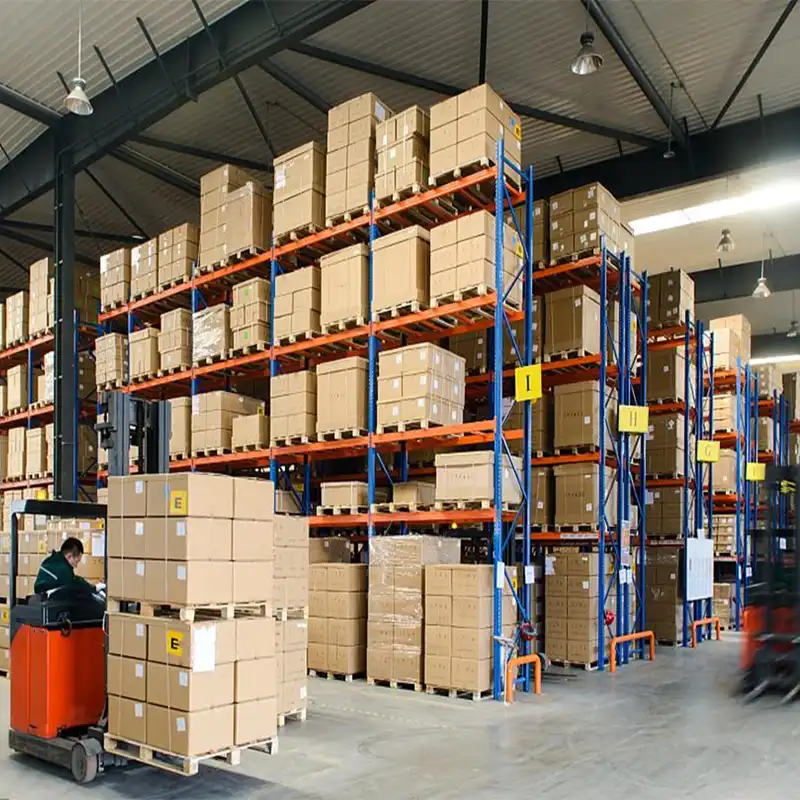
How to Evaluate and Select Fresh Pet Dog Food Ingredients for Procurement
Having strict reviews of suppliers shields the money spent on purchases and makes sure that goods are the same across all marketing lines. When you evaluate, you should look at more than just the unit cost.
Quality Assessment and Supplier Certifications
The first step to good procurement is to have rules for qualified providers that check their quality control systems and output skills. Getting ISO 9001 certification means you know how to handle quality in general, while getting ISO 22000 certification means you know how to handle pet food safety. Risks are found and managed in a planned way throughout the production process, as shown by HACCP proof. During site visits, buying teams should look at more than just qualifications. They should also check how clean the building is, how well the equipment is maintained, and how well the employees are trained. If you ask for COAs (Certificates of Analysis) for finished goods and key ingredients, you can get objective proof of how healthy they are and how many microbes they contain.
Traceability and Supply Chain Transparency
Being able to track down ingredients makes it easier to handle problems with quality or returns fast, and it also helps customers trust you. For as long as the items are used, suppliers should keep track of where they come from and how they are used. There should be lot coding methods in these records that make it easy to find batches. With blockchain technology and digital tracking tools, claims about things like organic approval, Non-GMO status, or animal care standards can be checked out. This makes things more open. People who work in procurement should ask sellers if they are ready to share information about where their goods come from and how much they have spent on systems that let people follow goods through complex supply networks.
Cost Considerations and Supply Chain Resilience
The quality of the materials is what makes a product different, but when buying, you have to balance your needs with the cost structure and the reliability of the supply chain. It costs more to make fresh versions because they need more expensive ingredients, need to be kept cold, and don't last as long as shelf-stable versions. When you get key items from more than one place, you lower the risks that come with changes in supply during different times of the year or problems with transportation. When making contracts, it's important to think about how the prices of popular ingredients change over time and set quality standards that stop cheaper options from being used when quantities are low.
Customization Capabilities for Market Differentiation
Being able to make unique formulas can give stores, animal hospitals, and private label programs an edge over their competitors. When providers let brands choose their own formulations, they can go after specific groups of people. Some examples are grain-free diets for dogs that are sensitive to them, high-protein diets for busy breeds, and recipes with few ingredients for elimination diets. When picking a seller, you should think about things like the minimum order size, the time it takes to create the product, and the rights to your intellectual property. Teams in charge of buying things should look for partners with their own cooks and research and development (R&D) departments instead of co-packing deals that don't let them change the goods in many ways.
Conclusion
Fresh goods for dog food are always changing, so buyers need to make complicated plans that balance quality, safety, and where to put the product on the market. Business-to-business sellers can find suppliers who can keep quality high and adapt to changing customer tastes by learning about new trends, legal systems, and how ingredients work. The ingredients in fresh recipes are not the only thing that makes them different from shelf-stable options. They also use different infrastructure, tracking tools, and quality control methods for their supply chains. Procurement professionals who focus on open, certified, and creative relationships with sellers set their businesses up for success in this growing market area.
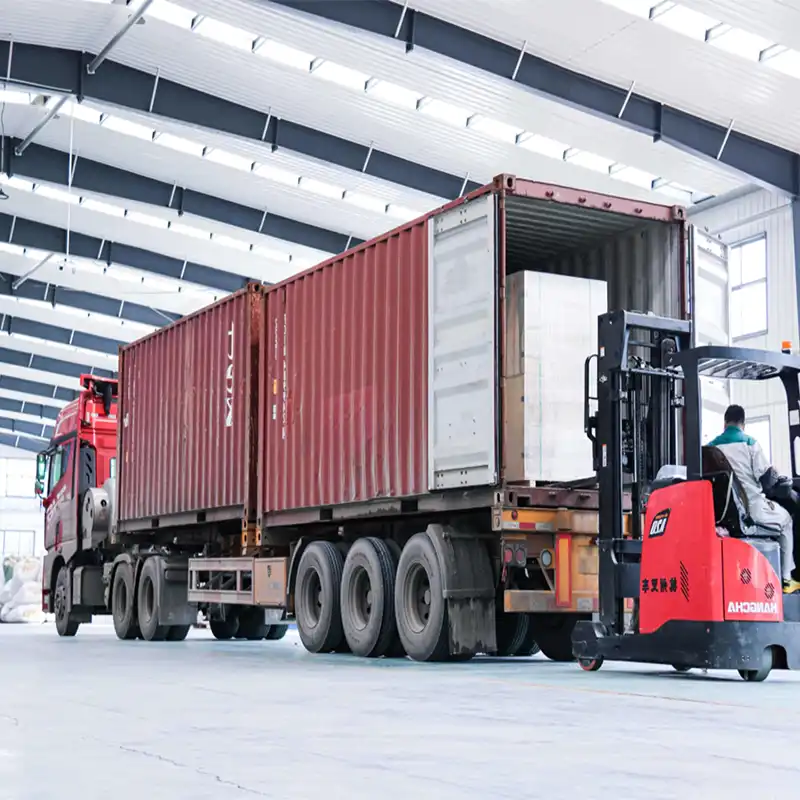
Partner with Yunlan for Superior Fresh Pet Food Solutions
You can get fresh pet food from Yunlan because they know how to make a lot of different kinds of food. The three main names that our Ruixin Cloud Wave Group runs bring in more than 300 million yuan each year. This shows that the market works on a number of different marketing sites. We have 97 accepted local patents and have spent almost 100 million yuan on research and development to back up our new formulas. Our advanced meat protein enzymolysis and bone crisping technologies make sure that our goods are handled better. We also have over 10,000 shops in 33 provinces, which means that it's easy for us to get our products to more people. For veterinary clinics, pet shops, e-commerce platforms, and wholesalers looking for a reliable pet food supplier, our team comes up with one-of-a-kind solutions that meet high quality standards. We can help you make your product line better. Email us at minghuixu6717@gmail.com to find out more.
FAQ
What Makes Fresh Pet Dog Food Different from Traditional Kibble?
Kettle corn only keeps about 10 to 15% of its moisture, but fresh recipes keep about 60 to 80%. They don't extrude them at high temperatures, which would kill the natural nutrients, so they cook them slowly. The foods in this group need to be kept cool, and they don't have any added chemicals that would make them last longer.
How Long Does Fresh Pet Dog Food Remain Safe?
For 7–14 days after being opened, fresh foods should be kept in the right way to stay safe and tasty. Based on how they were sterilized and the technology used to package them, packages that haven't been opened can last for a few weeks. When a product says how to store it or when to use it, you should always follow those directions.
Do Fresh Formulations Meet AAFCO Nutritional Standards?
Companies that make fresh pet food that you can trust make sure that their foods meet or go beyond the AAFCO nutritional guidelines for different stages of a pet's life. You should ask sellers for nutritional adequacy statements and analysis proof before making a purchase promise. This will make sure that the sellers follow these rules.
References
- Association of American Feed Control Officials. (2023). Official Publication: AAFCO Guidelines for Dog Food Nutrient Profiles and Label Claims.
- Freeman, L.M., Chandler, M.L., Hamper, B.A., & Weeth, L.P. (2022). Current Knowledge About the Risks and Benefits of Raw Meat-Based Diets for Dogs and Cats. Journal of the American Veterinary Medical Association.
- National Research Council. (2021). Nutrient Requirements of Dogs and Cats: Revised Edition. National Academies Press.
- Pet Food Institute. (2023). Industry Standards and Best Practices for Fresh Pet Food Manufacturing and Distribution.
- Davies, M., Alborough, R., Jones, L., Davis, C., Williams, C., & Gardner, D.S. (2022). Mineral Analysis of Complete Dog and Cat Foods in the UK and Compliance with European Guidelines. Scientific Reports on Companion Animal Nutrition.
- Dodd, S.A.S., Cave, N.J., Adolphe, J.L., Shoveller, A.K., & Verbrugghe, A. (2021). Plant-Based Diets for Dogs: A Survey of Owner-Reported Health Outcomes and Feeding Practices. Journal of Animal Science and Nutritional Research.
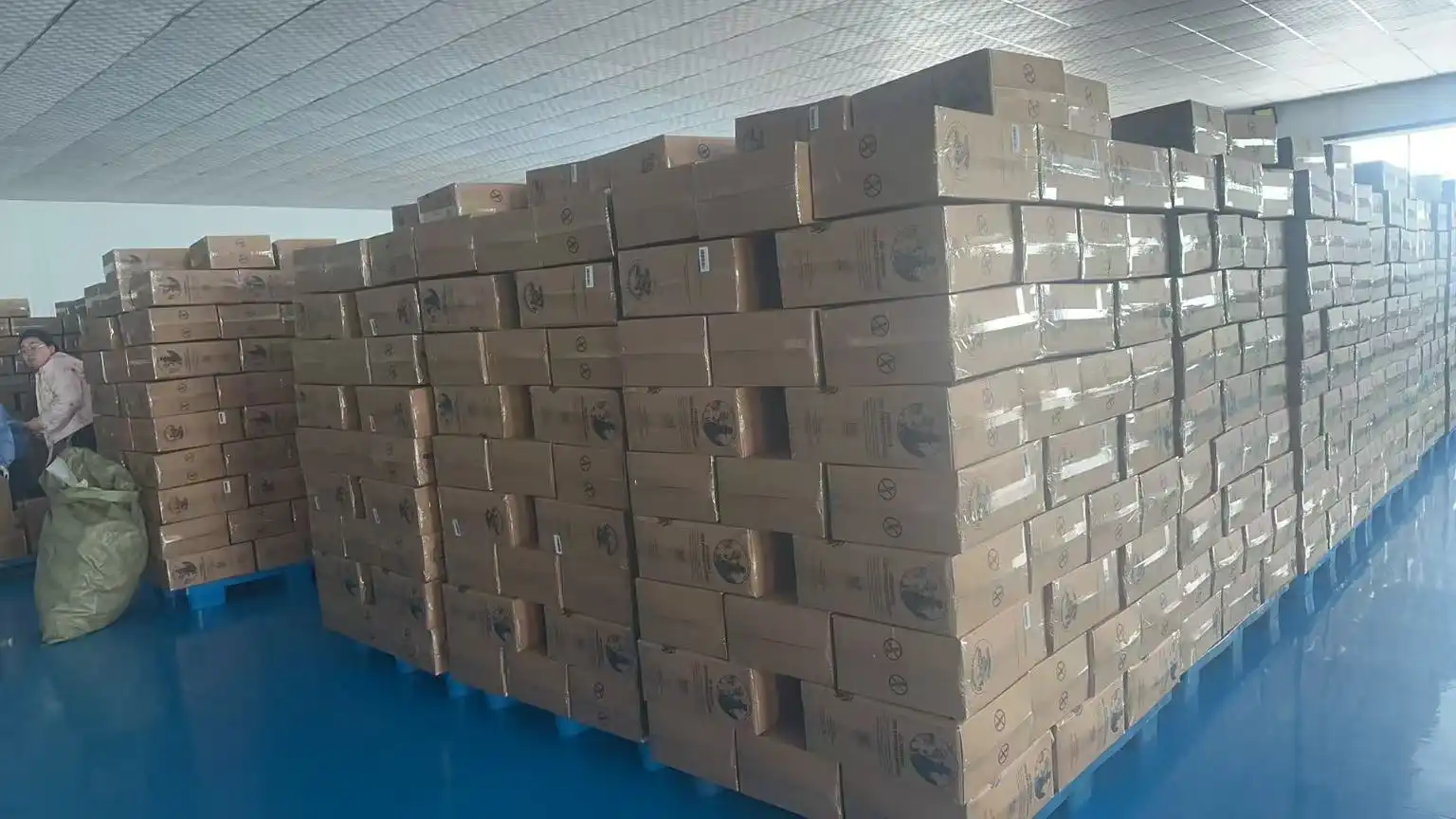
Knowing the right way to store pet food is important for handling supplies for stores, veterinary offices, grooming salons, or distribution centers because it affects the quality of the food and how much money the business makes. The right way to store food saves its nutritional value, increases its shelf life, and keeps your investment safe. All types of pet food need to be handled carefully, from rice that only has 10-15% water in it to canned food that has up to 80% water in it. Changes in temperature, exposure to humidity, and not having enough control all quickly lower the quality of the protein and make the fat less stable, which causes it to go bad, mold to grow, and nutrients to be lost. Using tried-and-true storage methods will make sure that your customers get safe goods, while also cutting down on waste and improving working efficiency across the supply chain.
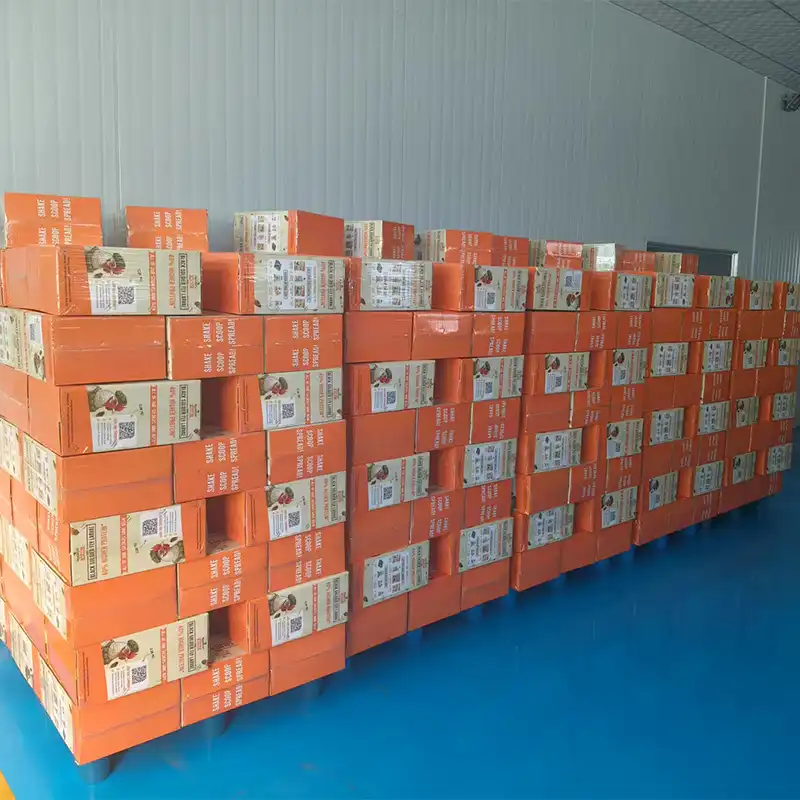
Importance of Proper Pet Food Storage
To keep the nutritional worth of a product throughout the distribution chain, it's important to know how environmental factors can damage the product's purity. Oxygen breaks down fats, wetness helps microbes grow, and heat speeds up the breakdown of chemicals. These dangers get worse when you work with specialty meals like organic recipes, grain-free recipes, and hypoallergenic options, which don't always have the artificial chemicals that regular foods do.
Why Storage Directly Impacts Product Quality
The way that protein sources are stored affects whether their amino acid patterns stay the same and whether fat-soluble vitamins stay accessible. When not kept properly, dog recipes with 22–30% protein for puppies or cat recipes with 30–35% protein for kittens stop working. The amino acid taurine is important for cats because they can't make enough of it on their own, but it breaks down in bad conditions, which could affect their eyesight and hearts. Retailers and centers that handle prescription diets are especially at fault because therapy nutrition that isn't followed doesn't help with certain health problems.
Challenges Across Different Product Categories
It is possible for mold to grow on dry pet food, which usually has 10-15% wetness. This means that it can stay on the shelf for a long time. Treats and pieces of jerky that are only slightly wet (30–50%) are at a different risk; they need to be kept at a reasonable temperature to keep their texture from breaking down. Even though they contain 70–80% water, canned versions stay stable when sealed but need to be refrigerated right away after being opened. Managing big orders adds to these problems because they need to be rotated in a planned way and kept at a certain temperature so that food doesn't go bad in one place in large stocks.
Understanding Risks for Specialty Formulations
Extra care needs to be taken with grain-free recipes that use natural spices and other food sources, like sweet potatoes. Products with new protein sources like duck, deer, or fish have higher fat levels that go bad faster if they are not stored properly. Because manmade preservatives aren't allowed in organic goods, they are especially vulnerable to being damaged during keeping. When giving warehouse space and setting up handling processes, procurement workers need to be aware of these differences.
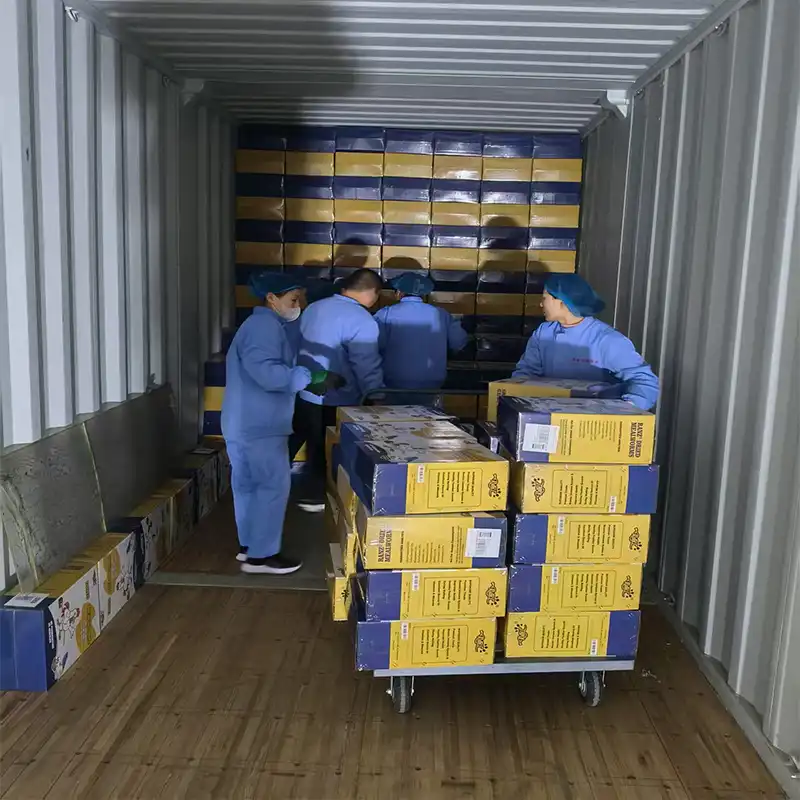
Best Practices for Storing Different Types of Pet Food
By using format-specific standards, you can protect the quality of all of your products. Because of differences in fat content, ingredient profiles, and moisture content, each group has its own specific preserving needs. This ensures your pet food inventory maintains its integrity.
Optimal Conditions for Dry Kibble
Dry formulas do best in controlled settings that stay between 50°F and 70°F and have a relative humidity below 50%. Move the items from their original bags into BPA-free, airtight cases made of dark materials that keep light out. Light breaks down B vitamins and speeds up the burning of fat, especially in recipes that use fish oils that are high in omega-3 fatty acids. The amount of space in a container should match how often it is used. Oversized containers let in too much air every time you access goods, while undersized choices need to be moved around a lot.
Elevated storage areas keep wetness from absorbing into the floor and make it easier to find pests. Cold temperatures travel through concrete warehouse floors and cause mist to form inside containers, which lets the moisture you want to keep out in. Put items on boxes or shelves that are at least six inches above the ground, and make sure there is enough air flow around all of the storage units.
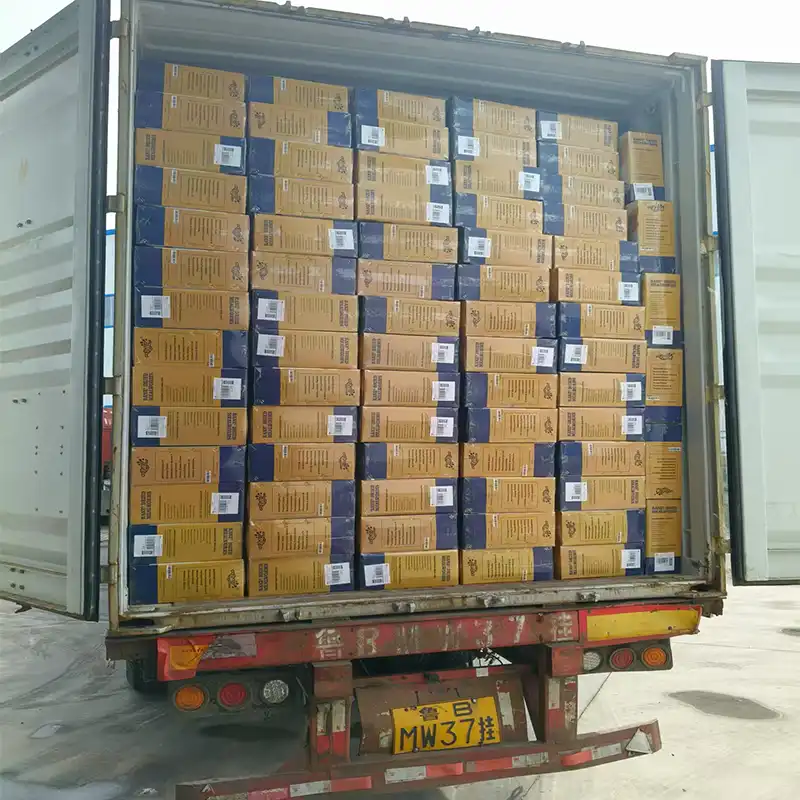
Managing Canned and Wet Varieties
Cans that are sealed stay safe at room temperature, but once they are opened, the food inside needs to be kept cool (38–40°F) and eaten within 48–72 hours. When stores use opened items for displays, they have to use strict labeling methods that include times of opening. At room temperature, the high moisture level helps bacteria grow quickly, which poses health risks and legal issues.
When you have canned goods, it's important to rotate your stock. The FIFO method makes sure that older stock goes through your system before new orders. Date-coding systems that keep track of manufacturing dates instead of expiration dates are better at making predictions because processing dates show product age more accurately than far-off expiration dates.
Handling Semi-Moist Products and Treats
Treats like jerky and dried meat bits are in the middle. They have 30 to 50 percent moisture, which makes them tasty and keeps them fresh longer than fully wet goods. Keeping these things cool, dry, and out of direct sunlight is best. Resealable packaging keeps foods fresh after they've been opened, but once they're out in the open, they should be eaten within the time limits set by the maker, which are usually 30 to 45 days. When training centers and veterinary offices use treats throughout the day, they should put the daily amounts into different containers so that big supplies don't have to be exposed to air over and over again.
Specialized Requirements for Premium and Therapeutic Lines
Raw frozen foods need to be kept at temperatures that stay at or below 0°F all the time, and backup power systems are needed to protect stock when the power goes out. These goods can't go through freeze-thaw cycles without losing their character and maybe even becoming less safe. Drugs used to treat kidney disease, food allergies, or metabolic problems have specific nutrient levels that are thrown off by breakdown. Put these valuable items in separate areas with better tracking systems to make sure the temperature and humidity stay within tight ranges.
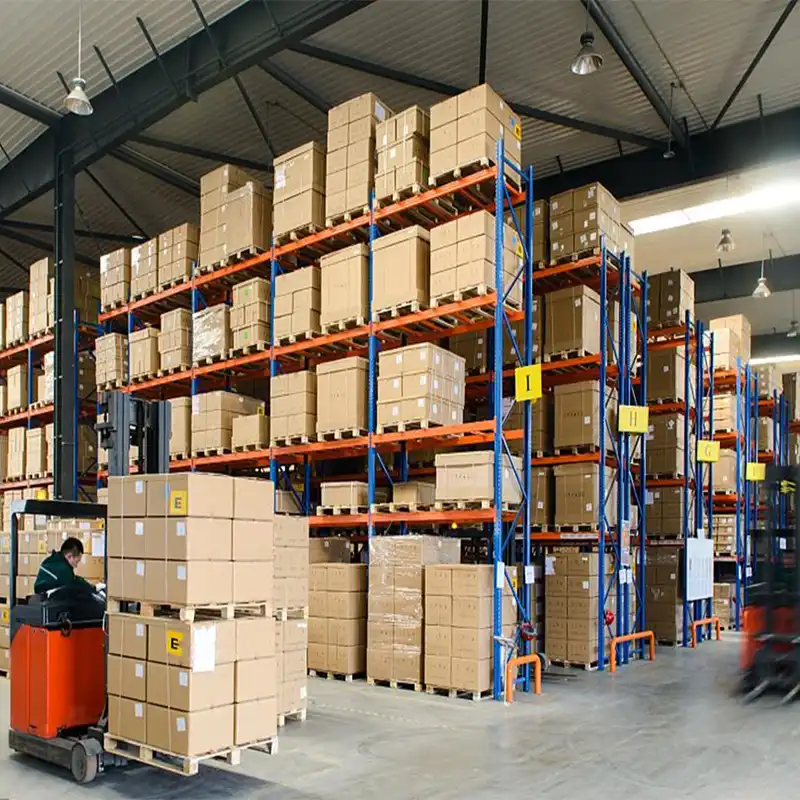
How to Read and Utilize Pet Food Labels for Storage Insights?
Label reading turns information on packages into data that can be used for inventory management. Labeling required by regulators shows important storing and movement requirements in addition to marketing claims for the pet food you procure.
Decoding Date Stamps and Freshness Indicators
The "best before" times show when the product is at its best quality, not when it should be thrown away for safety reasons. On healing diets, "use by" dates are more important because they show when nutritional claims may no longer be valid. Find SKUs that don't move quickly and need to be promoted before the quality starts to decline by removing the current date from the best-before date.
Ingredient Analysis for Storage Planning
The best way to store food is based on guaranteed measurement screens that show the amount of crude protein (18–35%), crude fat (10–20%), and moisture content. Formulations with a lot of fat, especially those with more than 15% crude fat, need to be stored at cooler temperatures and for shorter amounts of time. If a product's ingredient list includes natural stabilizers like mixed tocopherols (vitamin E) or rosemary extract, it needs to be stored more carefully than products that use manmade alternatives like BHA or BHT.
Sources of carbs are also important. Formulations that focus on corn, wheat, and rice can handle normal conditions, but those that focus on beans, potatoes, or unusual grains may absorb water in different ways. This information helps buying teams figure out what storage problems might come up when new product lines come out.
Certifications Indicating Quality Standards
AAFCO statements prove that the food is nutritionally adequate, and third-party certifications from groups that check production standards show that the supplier can be trusted. Products with organic certifications, non-GMO verifications, or human-grade labels usually cost more and draw buyers who care about quality. These things are worth the extra money to store in climate-controlled spaces that keep the features that customers pay more for.
Conclusion
The right way to store all of your products will keep their nutritional value and increase the worth of your goods across your supply chain. Understanding how sensitive things are to moisture, using format-specific methods, and making use of label information can turn storage from an inactive function into an active part of quality assurance. Environmental controls, orderly rotating, and working together with suppliers create operating greatness that makes your business stand out. Separated storage, temperature control, and clear handling methods are all common mistakes that can be avoided. These steps protect both product quality and customer trust. Using these methods will make your business a reliable source of well-kept food that meets pet owners' needs and meets their pets' standards.
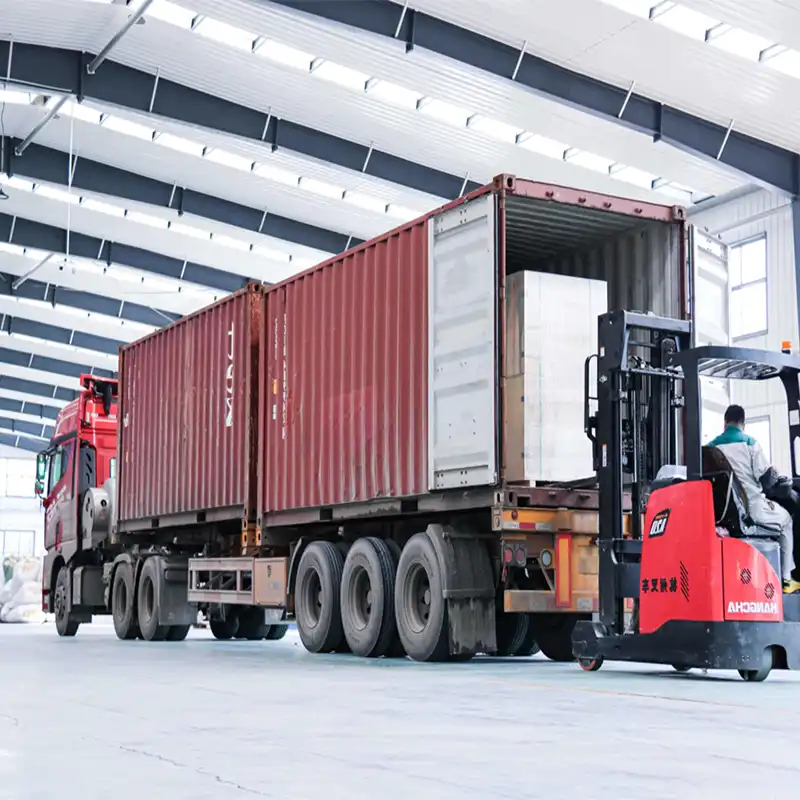
Partner with Yunlan for Superior Pet Food Solutions
Yunlan knows that procurement workers need more than just good products. They also need people they can trust to help make the supply chain work well in every way. Our wide range of names, including the well-known Yihe, Paihao, and Maodali, offers full nutrition options for both dogs and cats. We bring proven manufacturing quality to every relationship. Each brand makes more than 300 million yuan a year and is sold in more than 60 countries. Our state-of-the-art factories in Suqian City use cutting-edge technologies like meat protein enzymolysis and bone crisping to make sure that the quality is always the same and can handle the demands of delivery. As a pet food seller with a lot of experience, we spent almost 100 million yuan on research and development from 2022 to 2025 and got 97 domestic patents to support new products. Whether you run a chain of stores, a medical center, a boarding facility, or a wholesale distribution business, our team can help you find storage and handling options that work for you. Email us at minghuixu6717@gmail.com to talk about how our experience can help you reach your buying goals.
FAQs
What temperature is best for storing dry kibble?
Dry food stays in the best shape when kept between 50°F and 70°F in places where the relative humidity is less than 50%. When temperatures go above 75°F, fats burn faster, especially in recipes with fish oils. Refrigeration is not needed, and letting objects come back to room temperature may cause condensation. Climate-controlled warehouse zones are great for storing large amounts of goods.
How long can opened canned products remain safe?
If you open a can of some kind, you should keep it in the fridge at 38 to 40°F and eat it within 48 to 72 hours. At room temperature, the high moisture level (70–80%) makes it possible for bacteria to grow. Instead of keeping leftover parts in the original cans, move them to sealed containers because metal exposure may change the taste. Putting a date on opened objects stops them from being used after their safe time has passed.
Do organic products have shorter shelf lives?
Natural preservatives like mixed tocopherols are often used in organic products instead of man-made ones. This makes them more sensitive to keeping conditions. They keep the same quality as regular goods as long as they are kept in cool, dry, dark places and sealed cases. But they are less tolerant of differences in storage and require stronger environmental controls during delivery.
References
- Association of American Feed Control Officials. "Pet Food Labels: Understanding Nutritional Adequacy Statements and Date Coding Systems." Official Publication, 2024.
- Journal of Animal Science and Technology. "Impact of Storage Conditions on Nutrient Stability in Commercial Pet Foods." Vol. 48, Issue 3, 2023, pp. 287-301.
- National Research Council. "Nutrient Requirements of Dogs and Cats: Implications for Storage and Handling." Committee on Animal Nutrition, 2023 Edition.
- Pet Food Institute. "Best Practices for Retail and Warehouse Storage of Pet Nutrition Products." Industry Standards Manual, 2024.
- Veterinary Clinics of North America: Small Animal Practice. "Therapeutic Diet Storage Requirements and Quality Maintenance." Vol. 53, Issue 6, 2023, pp. 1245-1262.
- International Journal of Food Science and Technology. "Moisture Migration and Oxidative Stability in Extruded Pet Food Products During Storage." Vol. 58, Issue 9, 2023, pp. 4821-4836.
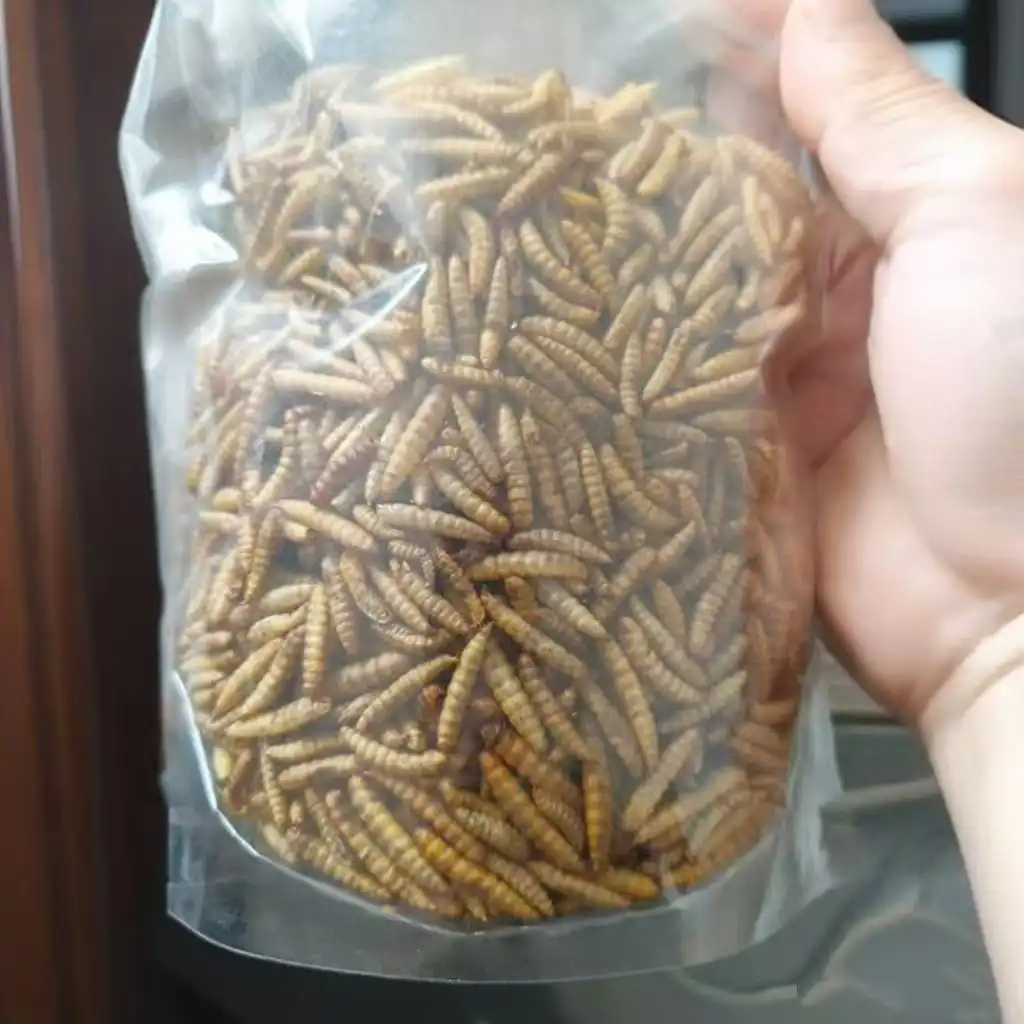
Ducks readily accept and enjoy darkling beetle larvae as a high-protein feed supplement. Every common commercial duck breed can safely consume this insect feed, and mealworms have long been recognized as a premium sustainable feed option for waterfowl farming. This guide breaks down its nutritional value, standardized feeding practices, bulk purchasing guidelines for waterfowl farms, and reliable supplier support for B2B farm buyers.
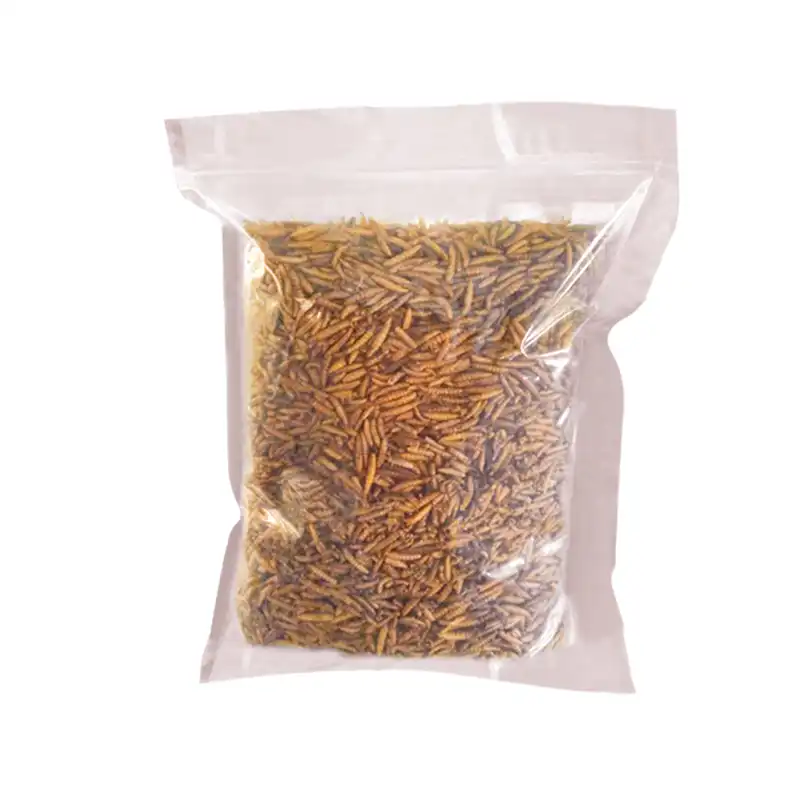
Nutritional Value & Biological Traits of Insect Larvae for Ducks
Darkling beetle larvae stand out against traditional grain feeds for duck rearing. Below we cover nutrient profiles, growth cycles, and unique feeding benefits suitable for all duck varieties, focusing on why mealworms outperform conventional feed ingredients for duck growth and health.
Nutritional Composition Matching Duck Growth Requirements
This insect feed carries balanced nutrients missing from ordinary duck rations, and high-quality mealworms deliver a premium nutrient blend tailored for waterfowl breeding. Its dry matter holds 52% to 58% protein alongside 35% to 38% fat. Such high protein content far exceeds corn, wheat and other plant-based grains.
The protein inside these larvae delivers complete essential amino acids. Lysine and methionine rank as two critical building blocks for duck development. Plant feed rarely supplies sufficient levels of these two nutrients for fast-growing young ducks and mature laying breeds.
Beyond protein and fat, the larvae contain calcium, phosphorus and iron. These minerals strengthen duck bone structure and stabilize daily egg output. Rich B-complex vitamins inside also boost digestive efficiency for all waterfowl. During cold winter months, concentrated fat reserves from this insect feed help ducks retain stable body heat.
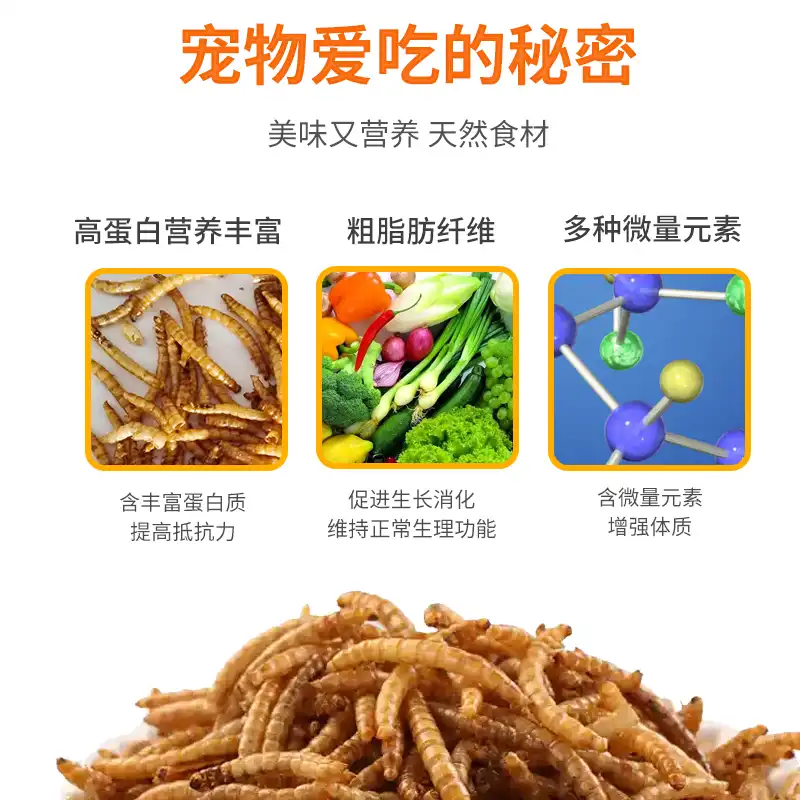
Multiple farm trials confirm regular use of the insect additive improves feed conversion ratios. Ducks fed with this supplement require less total daily feed to hit target slaughter weights. The ingredient also strengthens natural immunity and lowers overall farm disease risks.
Larvae Lifecycle & Size Matching for Different Duck Growth Stages
A full growth cycle for darkling beetle larvae lasts roughly three months. The complete development chain spans egg, larva, pupa and fully mature beetle phases, and the growth stage directly determines the practical value of mealworms for different age groups of ducks.
Small, newly hatched larva specimens work best for one-day-old ducklings. Their tiny size avoids overloading the delicate digestive systems of young birds. Mid-stage growing larvae carry the highest nutrient concentration, making them the top feed choice for fully grown meat ducks and consistent egg-laying flocks.
B2B farm procurement teams can select tailored larva sizes based on their breeding cycles. Matching insect feed specifications to duck ages stabilizes overall feed quality. This simple adjustment also cuts down wasted feed across full production seasons.
Unique Nutritional Advantages of Insect Larvae for Waterfowl
Most standard farm rations rely solely on soybeans and grains for protein intake, while mealworms fill the nutritional gaps of plant-based feed and bring exclusive benefits for waterfowl health and production. Adding beetle larvae introduces concentrated animal-sourced nutrition to balance daily duck meals.
This insect feed delivers dual financial benefits to duck farms. For meat-focused operations, it accelerates daily weight gain across flocks. For layer farms, it lifts total egg production volume. The natural savory taste of the larvae also boosts feeding enthusiasm among all duck varieties each day.
Compared to purely plant-based feed, regular insect supplementation reduces veterinary expenses on duck farms. Flocks consuming this additive show far lower infection rates. Even with slightly higher upfront raw material costs, farms achieve stronger overall breeding profitability.
Nutrient profiles and biological traits confirm beetle larvae serve as a valuable feed additive for duck operations. Understanding core nutritional benefits alone is not enough. Farm managers need clear, actionable feeding protocols to safely integrate this insect feed into daily breeding workflows.
Practical Feeding Protocols to Integrate Insect Larvae Into Duck Diets
Using darkling beetle larvae in duck feed requires controlled portion sizes, standardized feeding workflows and strict safety rules. Real-world farm trial data further verifies the measurable economic gains of adding mealworms to conventional duck rations for commercial farming.
Recommended Daily Portions of Insect Feed for Ducklings and Mature Ducks
The percentage of insect larvae within duck feed shifts based on bird age and production targets, and scientific dosage control maximizes the cost-performance of mealworms for different duck flocks. Clear portion standards simplify consistent daily farm operation.
For ducklings within their first four weeks of life, serve 5 to 8 grams of dried larvae per bird each day. Young duck digestive tracts cannot process excessive high-protein insect feed. Limited daily portions prevent indigestion and slowed early growth.
For healthy adult ducks in regular production cycles, insect larvae should make up 10% to 15% of total daily feed volume. Each mature bird consumes 12 to 18 grams of dried beetle larvae per day.
Adjust insect feed portions upward during key high-energy life phases. When ducks molt or enter peak egg-laying seasons, raise the insect additive to 20% of daily feed. Extra protein from the larvae replenishes nutrients lost during these physically taxing periods.
All farms should run small-scale group trials with varying insect feed ratios first. Trial results help lock in the most cost-effective portion of beetle larvae for local duck breeds and climate conditions.
Safe Feeding Techniques & Daily Operating Rules for Insect Larvae
Standardized feeding methods eliminate feeding risks and ensure ducks fully absorb the nutrition from mealworms in daily breeding management. Two primary feeding styles work well for farms using beetle larvae: scatter feeding and tray feeding.
Scatter distribution fits free-range and semi-enclosed duck facilities. It replicates ducks’ natural wild foraging behavior of hunting small insect prey across open ground. Tray feeding suits high-density enclosed duck barns. Feeding trays keep the insect feed clean and uncontaminated. Farm staff can quickly track consumption levels and adjust daily portions as needed.
Farms must follow a slow transition rule when first introducing beetle larvae to flocks. Gradually mix the insect supplement into standard feed over 5 to 7 days. Slow integration allows duck digestive systems to adapt to the high-protein insect feed incrementally.
Unlimited clean drinking water must always sit beside feeding stations where ducks eat beetle larvae. The dense protein content of the insect feed creates heavy digestive strain, and consistent water access prevents dehydration and internal organ damage.
Clear away any uneaten insect feed within two hours during hot weather. Leftover larvae rapidly breed harmful bacteria in warm temperatures. Timely removal of unused feed avoids intestinal illness outbreaks linked to spoiled insect material.
Real-World Farm Production Results With Insect Larvae Supplementation
Field breeding data fully proves the practical economic value of applying mealworms in large-scale commercial duck farming. A mid-sized Pekin duck farm in the American Midwest completed a 42-day controlled feeding trial. The test flock’s daily ration contained 12% dried beetle larvae, while the control group received traditional soybean-based feed with zero insect additives.
Trial data shows measurable gaps between the two flocks. Ducks consuming the insect supplement achieved 6.3% higher daily weight gain. Overall feed conversion efficiency improved by 4.8%. Duck disease cases dropped by one-third, drastically cutting farm veterinary overhead.
After calculating all input and output costs, each duck within the insect-fed group saved 18 cents in total comprehensive breeding expenses. The slightly higher raw material cost for beetle larvae gets fully offset by faster growth rates and lower flock mortality.
Identical trials run on dedicated layer duck farms delivered steady positive outcomes. Feed blended with 10% to 12% dried insect larvae increased total egg production by 7% to 9%. This insect additive directly improves the two core profit drivers of duck farms: meat yield and egg output volume.
Standardized feeding workflows unlock the full value of beetle larvae on duck farms. Large-scale year-round duck production demands steady, reliable long-term supplies of this insect feed. The following section covers complete B2B purchasing, logistics and bulk storage guidance for dried and live beetle larvae.
Bulk Sourcing, Storage Guidelines & Trusted B2B Supply of Beetle Larvae
Large duck farms and feed distributors require consistent, cost-effective supply chains for this insect feed. Stable procurement of high-quality mealworms is the key to maintaining long-term stable duck breeding benefits. This chapter outlines supplier screening benchmarks, volume pricing structures, cold-chain logistics controls, bulk storage best practices and professional manufacturer partnership channels.
Core Standards to Vet Qualified Insect Larvae Manufacturers
Strict supplier screening ensures farms obtain pure, safe and nutrient-stable mealworms for long-term duck feeding. Farms must establish strict evaluation criteria before signing long-term supply contracts for beetle larvae. Official global safety certifications act as the primary benchmark for judging reliable insect feed producers.
Reputable manufacturers hold valid ISO 22000 food safety management certification and fully implemented HACCP hazard control frameworks. These two credentials confirm larvae grow within sterile, chemical-free breeding facilities.
All suppliers must provide complete batch testing reports for every shipment of insect feed. Test documentation must list protein concentration, moisture levels and microbial safety metrics for each larva batch.

Sustained mass production capacity represents another non-negotiable requirement. Partner factories must consistently fulfill large recurring orders without supply interruptions. Gaps in beetle larvae delivery schedules halt all daily duck feeding operations entirely.
Volume Pricing, Logistics & Freshness Controls for Bulk Insect Feed
Reasonable bulk purchasing strategies help farms reduce comprehensive costs while ensuring the freshness and activity of batch-ordered mealworms. Dried beetle larvae follow clear tiered volume pricing rules. Orders exceeding 500 kilograms cost 8 to 15 US dollars per kilogram, with deeper per-unit discounts applied to larger bulk shipments.
Live larva stock carries a lower base raw material price. However, live specimens require expedited refrigerated shipping, which pushes total overall logistics expenses higher. Annual fixed-price supply contracts lock in stable rates for insect feed all year. Long-term agreements shield duck farms from unpredictable price swings within the global insect protein market.
Dried larva shipments tolerate standard ambient logistics and retain stable nutrient content over multi-day transit windows. Live larvae demand constant refrigeration between 45–55°F during delivery. Cool temperatures slow metabolic activity and extend the live specimens’ survival window.
Top-tier insect feed producers partner with dedicated cold-chain transport fleets. This infrastructure guarantees live larvae arrive active and undamaged upon delivery. Farms should secure secondary backup suppliers to avoid production halts caused by delayed larva shipments.
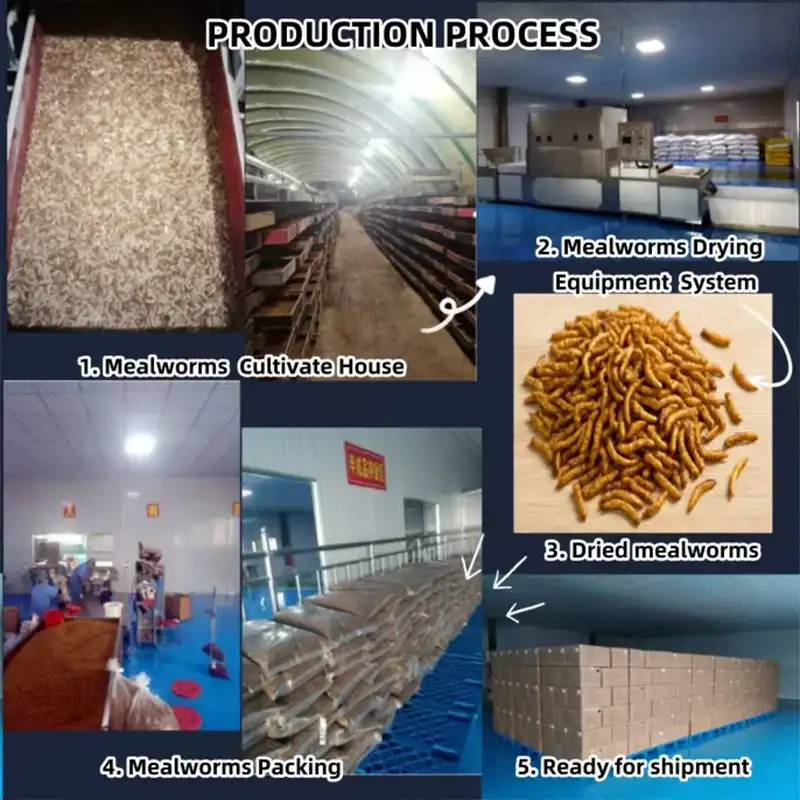
Scientific Bulk Storage Practices to Preserve Larvae Nutrient Content
Scientific storage methods can effectively lock in the nutrition of mealworms and avoid mass spoilage during bulk inventory management. Dried and live beetle larvae require entirely separate storage environments. Improper storage conditions degrade the nutritional value of the insect feed and create significant financial losses for large bulk buyers.
Store bulk dried larvae within climate-controlled warehouse spaces. Maintain internal temperatures between 60°F and 70°F, with relative humidity held below 60%. Sealed, light-proof containers prevent dried larvae from absorbing ambient moisture and developing mildew.
Warehouse teams must follow the FIFO (first-in, first-out) stock rotation rule for all dried insect feed inventory. This protocol ensures all stored larvae get utilized before gradual nutrient breakdown occurs. Properly stored dried beetle larvae retain full nutritional value for 12 to 15 months.
Live larvae require well-ventilated plastic tubs lined with thin bedding material. Fresh vegetable matter added to tubs maintains stable humidity for living specimens. Farm staff inspect all tubs daily to promptly remove any deceased larvae.
Uniform, standardized storage practices preserve consistent insect feed quality across full farm feeding cycles, fully protecting large-scale bulk procurement investments.
FAQ
Are darkling beetle larvae safe for all commercial duck varieties?
All mainstream commercial duck breeds can safely digest and absorb nutrients from mealworms without adverse reactions. Yellow beetle larvae create no breed-specific health risks for ducks. Every mainstream commercial duck breed can safely consume this insect feed without adverse side effects. Suitable varieties include Pekin, Muscovy, Rouen and Khaki Campbell ducks.
The insect supplement works equally well for meat-production flocks and dedicated egg-laying ducks. Regardless of breed, all farms should introduce the larvae slowly over several days to let duck digestive systems acclimate.
How does the nutrition of beetle larvae compare to traditional fish meal?
In terms of core feeding value for ducks, mealworms show comparable or even better comprehensive performance than traditional fish meal. The protein concentration within dried beetle larvae hits 50% to 52%, matching standard livestock-grade fish meal protein levels. Larvae contain higher fat ratios that deliver concentrated extra energy reserves to duck flocks.
The insect feed also delivers superior palatability compared to fish meal. When farms replace 5% to 7% of fish meal with beetle larvae, duck daily growth rates remain unchanged, while finished duck meat develops a cleaner, more desirable natural flavor profile.
What storage environment maximizes dried larva shelf life?
A controlled storage environment is essential to lock the nutrition and extend the shelf life of dried mealworms for long-term farm inventory. Regulate warehouse temperatures between 60°F and 70°F, and maintain relative humidity under 60%. House all dried insect feed inside fully sealed, light-blocking storage containers.
Avoid direct sunlight exposure and damp warehouse corners entirely. Both conditions speed up oxidation and mildew formation within dried larvae. When following standardized storage rules, dried beetle larvae retain stable nutritional quality for 12 to 15 months total.
Conclusion
Darkling beetle larvae serve as a sustainable, high-efficiency protein supplement for small, medium and large-scale duck farms. Controlled, regular use of this insect feed simultaneously accelerates duck growth rates, strengthens flock disease resistance and improves overall feed utilization efficiency. As a natural high-protein feed source, mealworms perfectly fit the healthy and efficient breeding needs of modern commercial duck farming.
B2B farm operators secure long-term consistent profitability by partnering with fully certified insect feed manufacturers. Farms can choose between bulk pre-processed larvae shipments or constructing independent on-site insect breeding facilities based on their operational scale, available budget and end-to-end supply chain management targets.
Global market demand for insect-derived livestock feed expands annually. Mastering standardized feeding protocols for beetle larvae will create lasting competitive advantages for duck farm businesses across international agricultural markets. Early adopters of this sustainable protein source will capture greater long-term breeding returns.
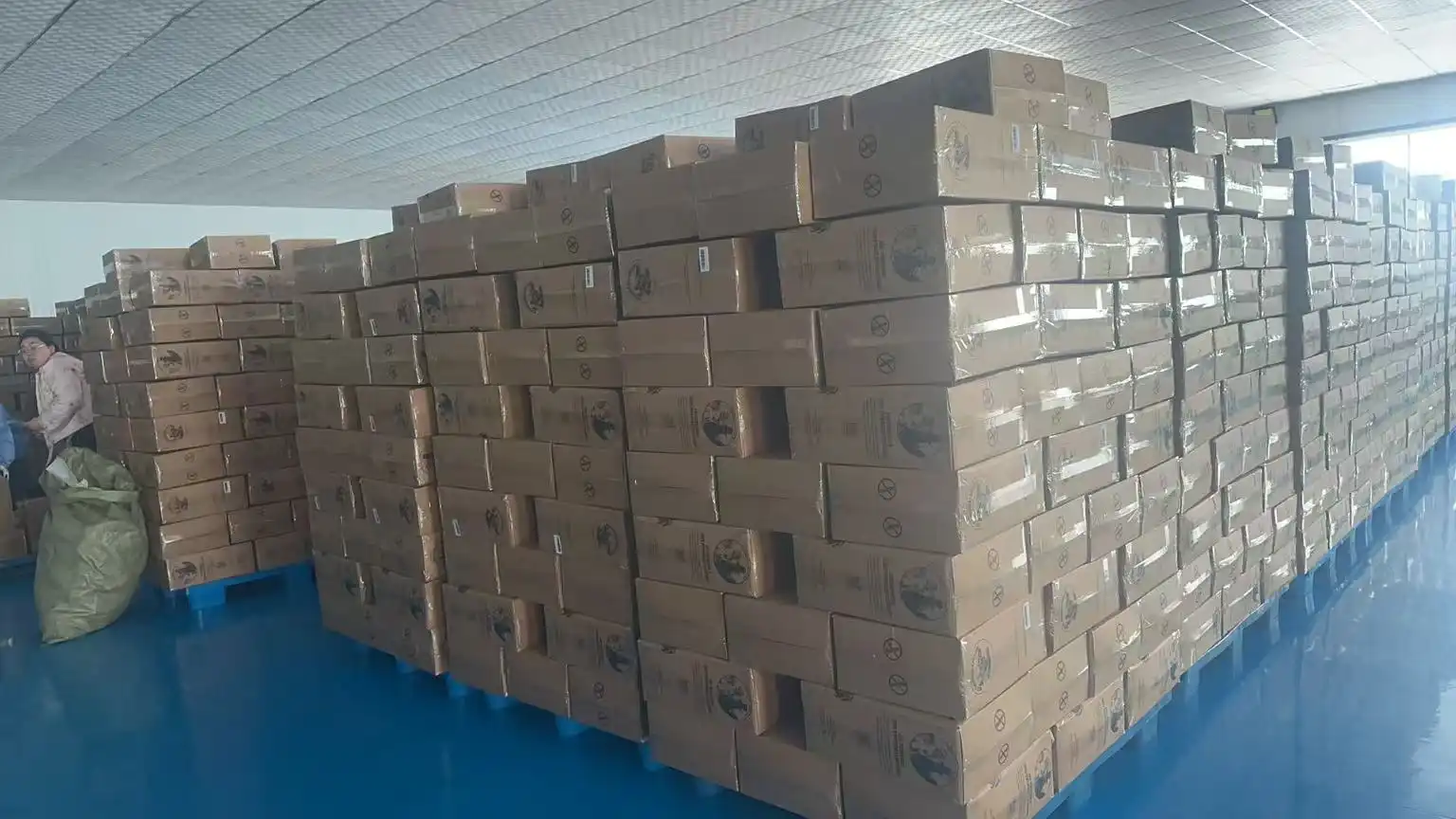
Professional Insect Feed Manufacturer Partnership
Choosing a professional and experienced supplier is the best way for B2B buyers to obtain high-quality, cost-effective mealworms for duck farming. Partnering with a stable international manufacturer streamlines all bulk insect feed purchasing work for B2B duck farm operators. Yunlan focuses exclusively on industrial insect feed production for livestock and waterfowl facilities worldwide.
The brand carries over 20 years of specialized animal feed industry experience. Its fully developed global supply network ships beetle larvae to more than 60 countries across all continents. Every batch of insect feed from Yunlan passes comprehensive independent safety and nutrition testing.
Yunlan manufactures three distinct forms of the insect supplement to match diverse farm operational demands. Clients may select bulk dried larvae, refrigerated live larva shipments or fully customized blended feed pre-mixes infused with the insect protein source.
The brand’s in-house animal nutrition team designs personalized feeding regimens tailored to each farm’s unique goals. Custom plans maximize breeding profit margins for meat duck operations, layer farms and independent feed distributors alike.
Share your farm scale, primary duck breed type and annual insect feed consumption forecast to minghuixu6717@gmail.com. Our professional team will deliver a fully customized price quotation and complimentary feeding technical guidance within 24 business hours. New bulk buyers may request small trial shipments of the insect supplement to verify flock feeding performance before finalizing formal long-term supply agreements.
Many B2B farm buyers hold recurring common questions around integrating beetle larvae into standard duck feeding routines. Below we compile three of the most frequently raised practical questions from global duck farm operators in a dedicated FAQ section.
References
- National Research Council. (2021). Nutrient Requirements of Poultry: Ninth Revised Edition. National Academies Press.
- Van Huis, A., & Oonincx, D. G. (2020). The environmental sustainability of insects as food and feed: A review. Agronomy for Sustainable Development, 40(3), 1-14.
- Józefiak, D., & Engberg, R. M. (2019). Insect proteins as a potential source of antimicrobial peptides in livestock production. Journal of Animal Science and Biotechnology, 10(1), 47.
- Makkar, H. P., Tran, G., & Heuzé, V. (2018). State-of-the-art on use of insects as animal feed. Animal Feed Science and Technology, 197, 1-33.
- Rumpold, B. A., & Schlüter, O. K. (2013). Nutritional composition and safety aspects of edible insects. Molecular Nutrition & Food Research, 57(5), 802-823.
- Oonincx, D. G., van Broekhoven, S., & van Huis, A. (2017). Feed conversion, survival and development, and composition of four insect species on diets composed of food by-products. PLOS ONE, 12(2), e0171708.
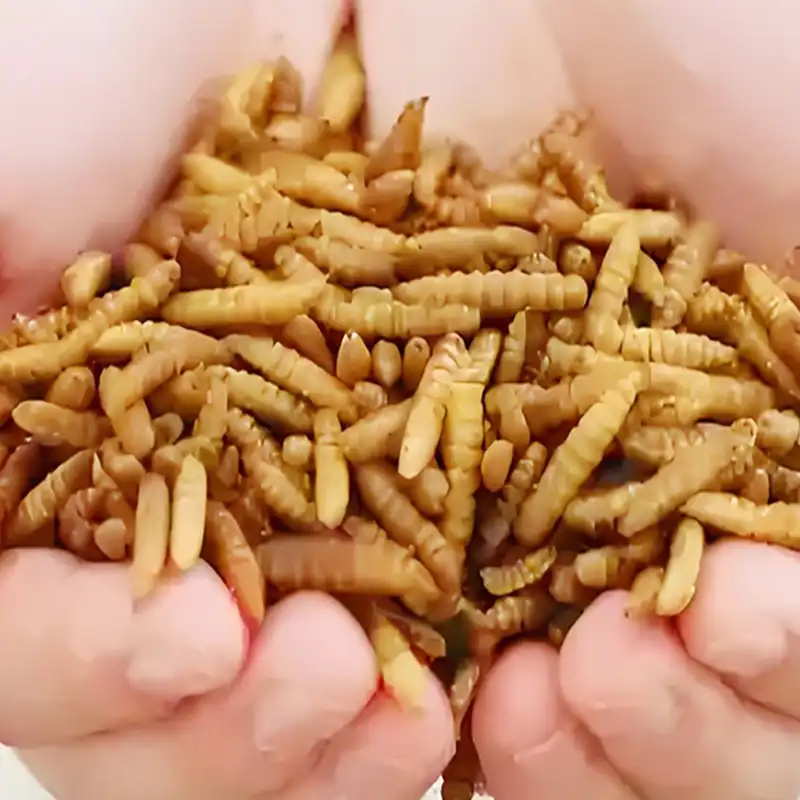
There is a time and a place for parakeets to eat mealworms because they are high in protein. These bugs are very good for you because they are full of good nutrients like high-quality protein, important amino acids, vitamins, and minerals that help your immune system work well and your health in general. Seeds and veggies are good for parakeets on their own, but adding small amounts of live or dried bug protein, can help them get more nutrients when they are breeding or molting. It's still important to eat in moderation. To avoid eating too much fat and keep your digestive system healthy, mealworms should be eaten every day along with a healthy, well-balanced diet.
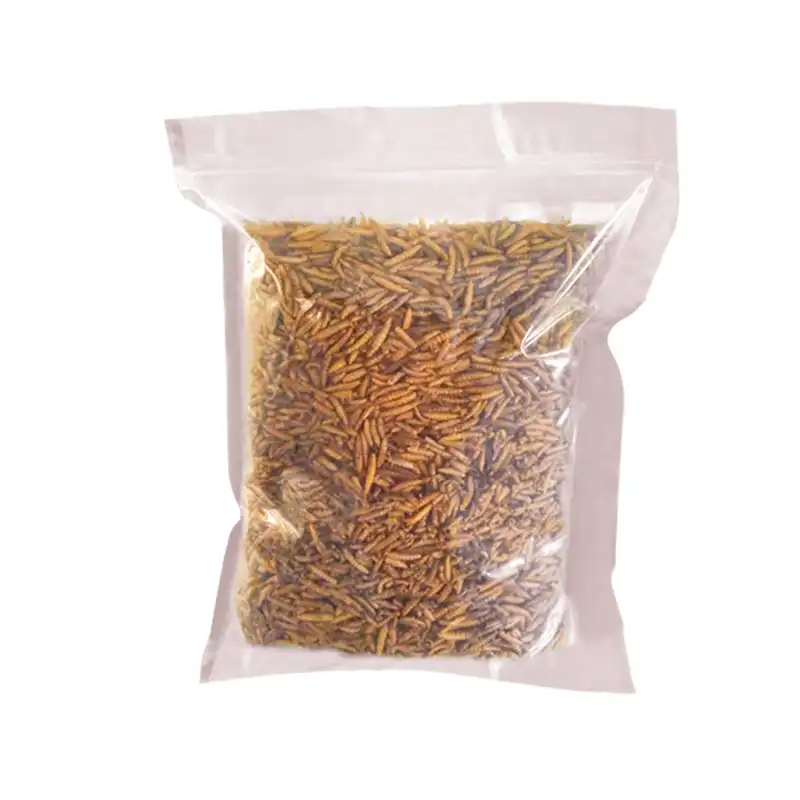
Mealworms Nutritional Value for Parakeets
What Are Mealworms and Their Biological Background?
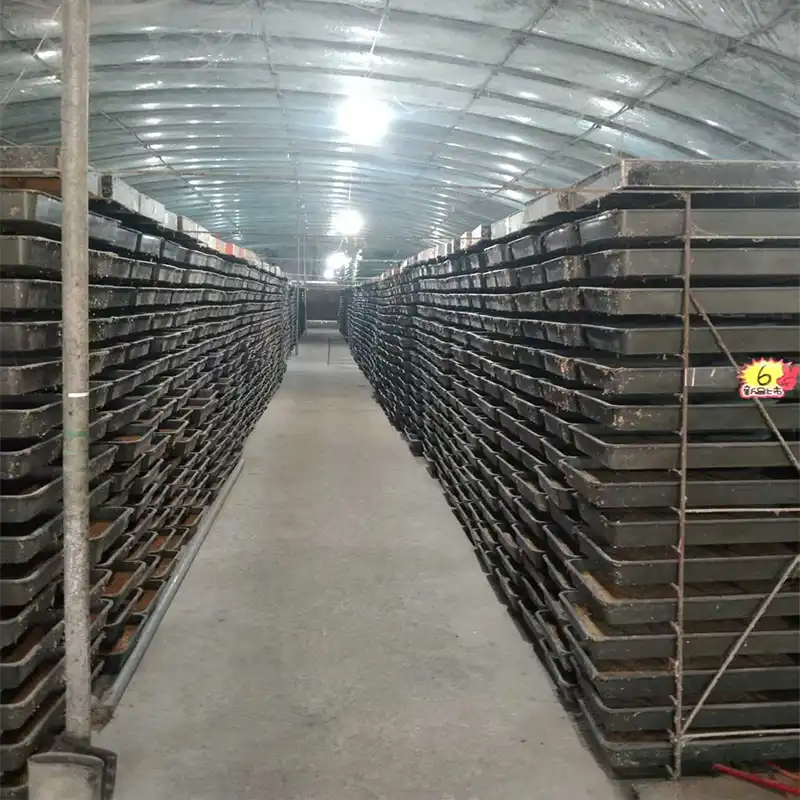
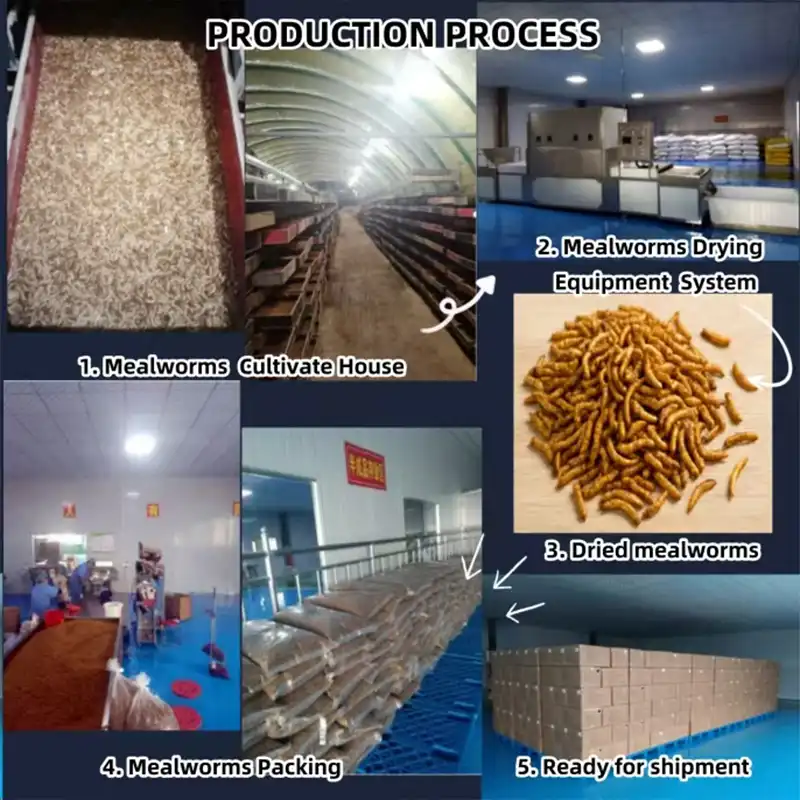
Yellow mealworms are the larvae of the darkling beetle (Tenebrio molitor). People grow them all over the world to feed their pets, birds for beauty, and farm animals. Before they become adult beetles, these bugs go through a full change. They start as eggs, become larvae, become pupae, and then return to eggs. Commercial mealworm farms keep their environments under control with stable temperatures, wheat bran beds, and vegetable scraps so that the larvae can grow as quickly as possible. Animal hospitals, pet shops, and bulk suppliers that need steady insect protein supplies can get it all year with this common way of making it.
It takes about eight to twelve weeks for an egg to turn into a worm that is ready to be harvested. So that the bug food they sell is clean and free of germs, they keep an eye on the temperature, make sure it doesn't get dirty, and do tight quality checks. Purchasing managers can tell how reliable a seller is and how fresh a product is by looking at this lifespan. These are important things to think about when supplying specialty bird supply chains, pet boarding facilities, or grooming shops.
Nutritional Composition of Mealworms for Avian Health
There is about 47–52% total protein in yellow mealworms based on dry matter. This makes them one of the most protein-dense bug foods you can buy. The amino acids that make them up contain important nutrients like lysine, methionine, and leucine. These foods are good for parakeets because they help them stay healthy and build strength. The amount of fat is between 28% and 35%, which gives the animal a lot of energy when it's molting or repairing. Micronutrients like vitamin E, zinc, iron, phosphorus, B vitamins (especially B12 and riboflavin), and phosphorus can also be found in mealworms. There are tiny nutrients in food that help the body's defenses and processes work better.
Insect protein is easier for the body to use than protein from seeds in traditional foods. Parakeets can take in more vitamins and amino acids when they eat bug meat than when they eat plant proteins. It is especially helpful for farms that raise chickens for eggs because the chickens need extra energy to lay eggs, or for pet clinics that treat birds that aren't getting enough food. It has the right amount of omega-6 and omega-3 fatty acids, which are important for heart health and feather shine, two things that breeders and bird experts look for in extra foods.
Safety and Digestibility Considerations
It has been found that parakeets can handle bug protein well if it is given slowly and in the right amounts. Digestive enzymes in animals that eat birds break down bug chitin into nutrients that birds can use. Clinical tests have shown that eating dried mealworms that make up less than 10% of your food does not hurt you. When you feed your pet too much, too much protein or fat can build up. This can put stress on the heart or make sitting pets fat.
It is still very important to keep an eye on quality. Good mealworm suppliers clean their goods by freeze-drying or controlled heat treatment, which lowers the chance of getting a bacterial illness. When you buy from a farmer, make sure that their farming records are public and that their goods have been tried by a third party. Stores should teach customers how to store food correctly. Food stays healthy and mold doesn't grow when it's stored in covered packages in cool, dry places. By taking these safety steps, companies and their customers can keep their good names, and dogs can get healthy food.
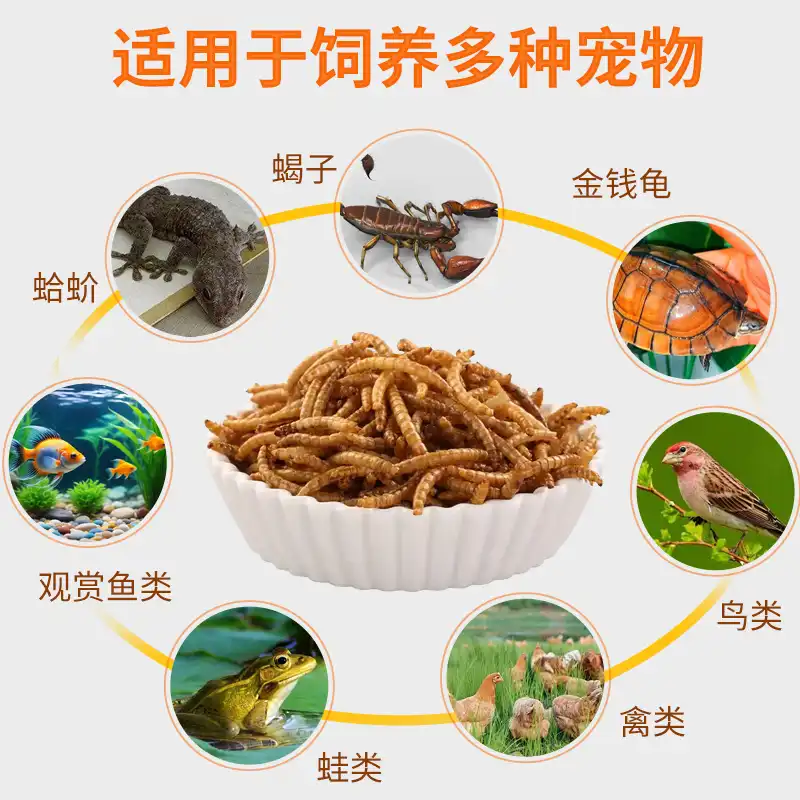
Feeding Mealworms to Parakeets: Best Practices and Guidelines
Preparation Methods and Live vs. Frozen Options
Yellow mealworms can be bought live or freeze-dried at pet shops and online. This way, businesses can meet the needs of all types of customers. People who care for birds and want to give them more natural food sources like live larvae. For instance, parakeets naturally hunt bugs that are moving, which keeps their bodies and thoughts busy. To slow down their metabolism, these worms need to stay cool. They can last up to three weeks if you store them right. Every day, stores should teach their customers how to take care of their plants. Like, they should give fresh vegetables to bugs first, then to birds, to make sure the plants stay healthy all the way up the food chain.
For pet owners and businesses that are always on the go, freeze-dried mealworms are easier to use. When you dry food, you concentrate the nutrients and get rid of the water that makes food go bad. These goods can stay useful for months if they are kept away from moisture, which makes it easier for sellers and wholesalers to keep their stock on hand. Some places that train birds and clean birds like dried foods because they are easier to prepare for a lot of birds at once. If you put dried mealworms in warm water for ten minutes, they will get their shape back and taste better, but many parakeets like them crunchy.
Recommended Feeding Frequencies and Portion Sizes
Vets say that parakeets should only get two or three mealworms as treats every two or three weeks. This careful method keeps people from not getting enough nutrients and gives them extra protein benefits. During times of molting, when feathers need more amino acids to grow back, caretakers may increase the frequency to every other day. Even so, they will keep an eye on the bird's health and droppings to see if there are any signs of stomach problems. To help lay eggs and raise chicks, breeding pairs need a little more food (3–4 worms per bird, three times a week). But this shouldn't be their only source of food; it should go with their seed and vegetable diet.
When birds are underweight or just getting better, pet stores that help them may make special food plans for them that include mealworms every day for a short time. Therapists need to be in charge of these plans so that the right balance of calorie density and other food components can be found. When shops offer feeding tips, they give customers the information they need to make smart decisions. This makes customers happier and reduces the number of returns. The package has labels that are easy to read and show the right serving size for each type of bird. This keeps people from giving birds too much by accident, which could be bad for their health and hurt brand trust.
Integrating Mealworms into Balanced Parakeet Diets
Yellow mealworms function best as accent nutrition when added to a wide range of foods to improve their nutritional content. The best food for parakeets is a mix of different kinds of seeds, fresh vegetables like bell peppers, carrots, and leafy greens, fruits, and protein sources every once in a while. The amount of treats a bug eats each week should be between 5 and 8 percent. Fruits, seeds, and nuts should make up the rest. Putting things in this way keeps the right amounts of macronutrients and adds variety so that people don't get bored with their food.
Animal care businesses that work with breeders, rescue groups, and specialty bird cafes can make thorough food plans that take weather changes into account. In the spring, when animals are growing, they need more energy. In the winter, they may need more fat to keep their bodies warm. Mealworm supplements are a great way to meet these cycle needs because they are flexible diet tools. In order to stand out in a crowded market, suppliers who offer training tools along with their goods build trusting, long-term relationships with their customers.
Brand Trust and Supplier Evaluation: Finding the Best Mealworm Partners
Identifying Top-Performing Mealworm Suppliers
A possible mealworms partner's reputation in the business is a good place to start when looking for one. A supplier that has been in business for five years or more has proven that their operations are stable and that they have perfected their ways of making things. Being a part of a professional group like the North American Coalition for Insect Agriculture shows that you care about your peers and want to keep the standards in your area. The product does work, as shown by customer reviews from well-known pet shops, medical networks, or breeding groups, not just what the company says it does.
Still, it's smart to try out samples first before making big sales. Order small amounts from three to four different sources and make sure the larvae's size stays the same, the smell is good (new mealworms don't smell bad), and the packaging is strong. Set up casual taste tests with test birds to see how many of them will eat the food. Keep track of how quickly your packages come and how helpful the customer service is when you first call. With these practical measures, you can guess how long-term both people will be happy in the relationship. Buyers and sellers who talk to each other ahead of time about crop conditions, price changes, or new product ideas show that they want to work together rather than just make deals. This helps friends and family stay close even when the market is unstable.
Analyzing Customer Feedback and Industry Ratings
Digital platforms let buyers leave reviews and tell sellers useful details about how they're doing. Listen to feedback that has themes that come up over and over again. People who keep saying nice things about how fresh the food is or how many maggots are dying can show trends that are hard to see in a single story. It's easier to compare goods when they have full scores for quality, delivery efficiency, and customer service from third-party review systems that can be found in business-to-business markets or industry directories.
A direct way to get honest feedback on relationship situations is to ask sellers for examples from present clients. How are problems fixed? Is the product the same from order to order? How open is the company when there are supply issues? Companies that work with specific groups of people, like animal rehabilitation centers and rare bird preserves, should look for sources who have experience with those groups. So, the providers will have a better idea of what those markets need and how to keep them safe. By meeting other businesses at trade shows and online, you can set up informal lines of communication that can tell you more about a seller than just the marketing materials they make.
Sustainability and Ethical Sourcing Commitments
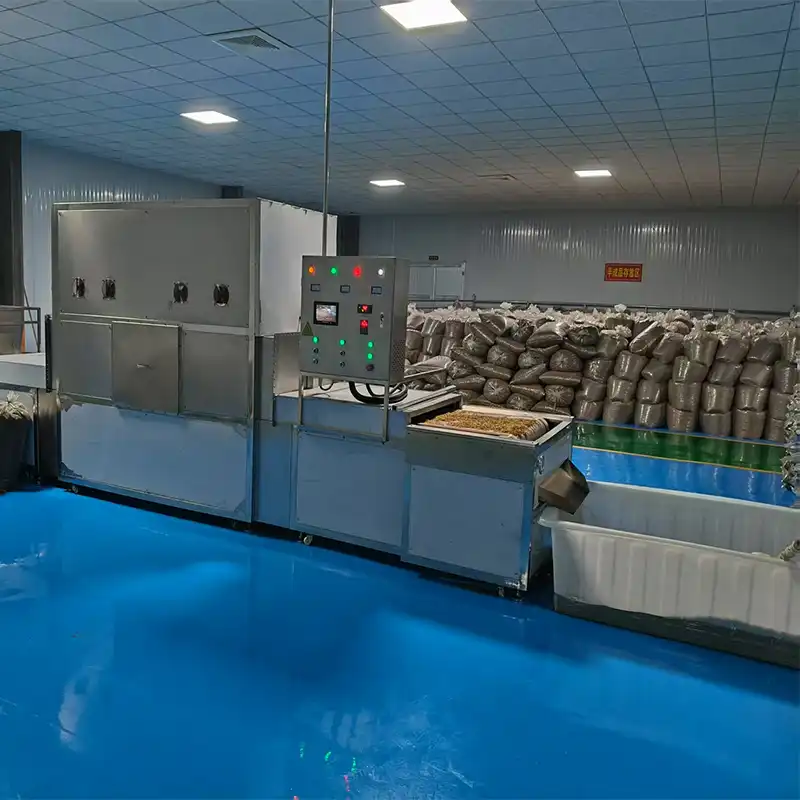
Modern pet industry consumers increasingly prioritize environmental responsibility, expecting retailers to partner with suppliers who do the same. On the best mealworm farms, food waste is turned into food for insects, and then the insects' waste is turned into organic soil. This closes the nutritional loop. Carbon footprints are smaller when green energy like solar cells and biogas from organic waste is used. This helps bigger suppliers meet their ESG (Environmental, Social, and Governance) reporting requirements.
As with animal farming, standards for taking care of insects also apply, though rules are still being worked out. Ethical sellers make sure that the number of colonies is just right so that animals don't die from stress, don't use poisons that aren't needed, and treat animals well while they are being processed. Being able to track feed ingredients all the way through to finished packaging helps customers believe brands and makes them stand out in markets with lots of other brands. When stores use these stories about sustainability in their ads, they get people who care about the world and are willing to pay more. This means that spending money on ethical sources gives you an edge over other companies. When a business works with providers who promise to keep improving sustainability measures, it can be a leader in its field instead of just following what the market does.
Conclusion
If you do it right, giving parakeets yellow mealworms with their food can be very good for them nutritionally. The amino acids, vitamins, and minerals in these protein-rich bugs help pet birds molt, breed, and stay healthy in general. Fair feeding practices—mealworms should be used as supplemental food, not as the main source of nutrition—and careful provider selection based on quality, stability, and ethical production standards are required for integration to be successful. When they buy things for pet shops, online stores, veterinary clinics, and specialty bird facilities, companies have to make tough decisions about how fresh the goods are, how much they cost, and how easy they are to move. Working with reputable mealworm suppliers and showing customers how to feed their birds the right way can help businesses become trusted experts in the growing market for bird food.
Partner with Yunlan for Premium Mealworm Solutions
We can help your business by giving you high-quality yellow mealworms that are made for parakeets and other pet birds. This is because we know a lot about avian nutrition supply lines. You can get approved organic and normal insect protein from us. As a reliable mealworm supplier, Ruixin Cloud Wave Group has the advanced production skills to back up our claims. In more than 60 countries around the world, pet shops, online sellers, medical offices, grooming centers, and wholesalers use our large selection of goods. Because we have been handling the supply chain for more than 20 years, have patented processing technologies, and have spent more than 100 million yuan on focused research and development, we can promise consistent goods that protect your brand's look. Talk to our team at minghuixu6717@gmail.com about how to buy in bulk, different ways to package your food, and cheap trade prices that will help you compete in the growing market for bird food.
FAQs
How many mealworms should I feed my parakeet weekly?
Nutritionists who work with vets say that each bird should get two to three mealworms every week. They get more protein this way, and their diet doesn't become too heavy on seeds and veggies. When the animal is molting, you may temporarily change the schedule to every other day. If you see fat around your bird's middle, it means it's been fed too much.
Can baby parakeets eat mealworms safely?
When they are 8 to 10 weeks old, when they have been weaned and can eat on their own, young parakeets can eat small mealworms. To see how well they do, only one larva should be put in at first. For now, chicks that are still being fed by their parents shouldn't get protein from bugs because the adults know how much to feed the young birds.
Are dried mealworms as nutritious as live ones?
The nutritional worth of freeze-dried mealworms is about 90–95% of what it is when they are alive. When something is dried, the water is taken away and the nutrients and protein are reduced. Some water-soluble B vitamins may go down a little, but the main trends of amino acids don't change. If you rehydrate dried mealworms, they get their structure back without losing much of their nutritional value.
Do mealworms help with feather quality?
There is a lot of protein and amino acids in mealworms, which helps make keratin. Keratin is the main protein that makes feathers strong. Giving vitamins on a regular basis during molting times can make feathers shiner and lower feather stress bars. When eaten with enough vitamin A-rich vegetables, mealworms help feathers stay healthy.
References
- Smith, J.R., & Thompson, K.L. (2022). Nutritional Requirements of Companion Parakeets: A Comprehensive Guide. Avian Health Press.
- Martinez, P.D., Chen, W., & Kowalski, A. (2021). "Protein Digestibility of Insect-Based Feeds in Psittacine Species." Journal of Avian Medicine and Surgery, 35(4), 287-301.
- Anderson, M.E. (2023). Sustainable Insect Farming: Production Practices and Quality Standards. Agricultural Innovation Publishers.
- Roberts, L.K., & Yamamoto, T. (2020). "Comparative Analysis of Insect Proteins for Captive Bird Nutrition." International Journal of Poultry Science, 19(8), 412-428.
- Wilson, C.H., Singh, R., & O'Connor, B. (2022). B2B Procurement Strategies in the Pet Feed Industry. Commerce and Supply Chain Institute.
- Harper, S.J., & Lindstrom, E. (2021). "Mealworm Supplementation Effects on Feather Quality During Avian Molt." Veterinary Nutrition Quarterly, 28(2), 156-169.
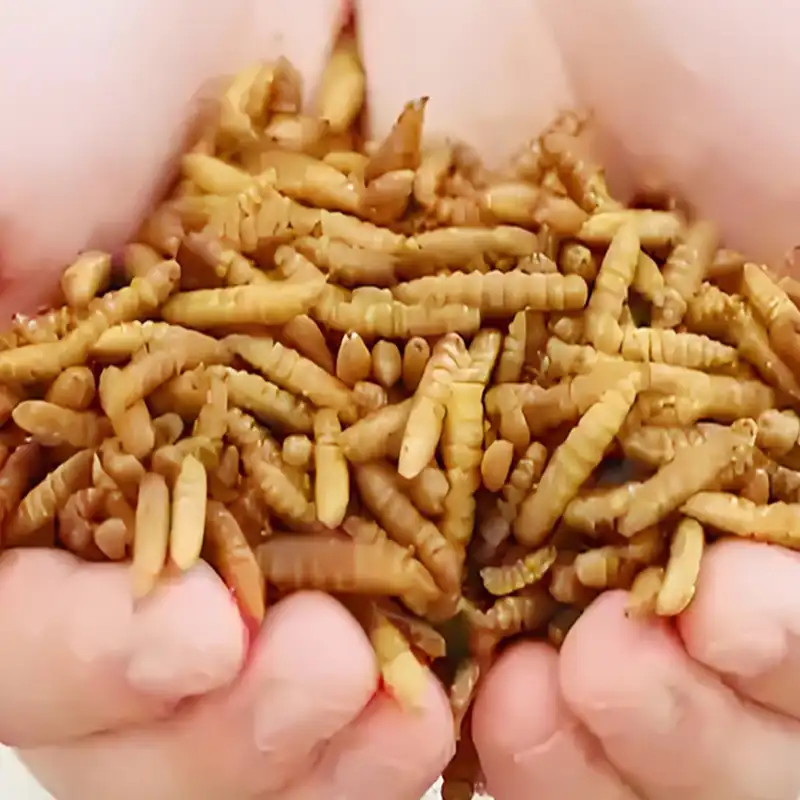
Birds of prey do eat mealworms. They can eat these worms because they are high in protein and can make their food better. Birds of prey eat bugs, flowers, and nectar in the wild. They will, however, eat mealworms that are left out for them in stores or outside in feeders. There is a lot of protein ,usually more than half of the dry matter. This helps orioles when they need a lot of energy, like when they are growing or when they are moving around. Also, these larvae have important amino acids that make feathers better and are good for your health in general. This means that both wild orioles and birds that live in parks can eat them as extra food.
Orioles Dietary Habits
The oriole family is made up of many different colored birds that sing and are renowned for their pretty feathers and sweet calls. In their normal diet, they eat food and bugs when they see them, and when flowers are growing, they use juice as an extra source of energy.
Natural Diet Composition
In North America, where they live, orioles eat a lot of different bugs, like spiders, worms, beetles, and ants. When orioles have to feed their young in the spring and early summer, this high-protein food is very important for them. As berries ripen, orioles eat more of them. Dark fruits like mulberries, cherries, and elderberries are their favorites. Because the nectar from tube flowers gives them energy fast, orioles often go to hummingbird feeders that are out of the way.
Seasonal Feeding Patterns
From season to season, orioles eat in very different ways. When birds breed, from May to July, they need more protein because they have to feed nestlings that are growing quickly. Researchers have found that during this time, eating insects can make up to 90% of their food intake. Birds of prey eat more as summer ends and fall starts so they can store fat for flight. When people in the pet store and wildlife feeding businesses know about these monthly trends, they can better plan what to buy and how to sell their products.
Why Mealworms Appeal to Orioles
Birds that eat bugs need a lot of the same kinds of proteins that mealworm larvae do. The soft larvae are easy for orioles to eat, and the way they move attracts birds that are looking for food. Orioles of all ages can easily eat mealworms, but not other bugs with stronger shells. The ecdysone that is naturally found in these larvae may also help with hormones that help birds change in a healthy way, but this needs to be proven in other bird groups.
Mealworms: An Overview for B2B Clients
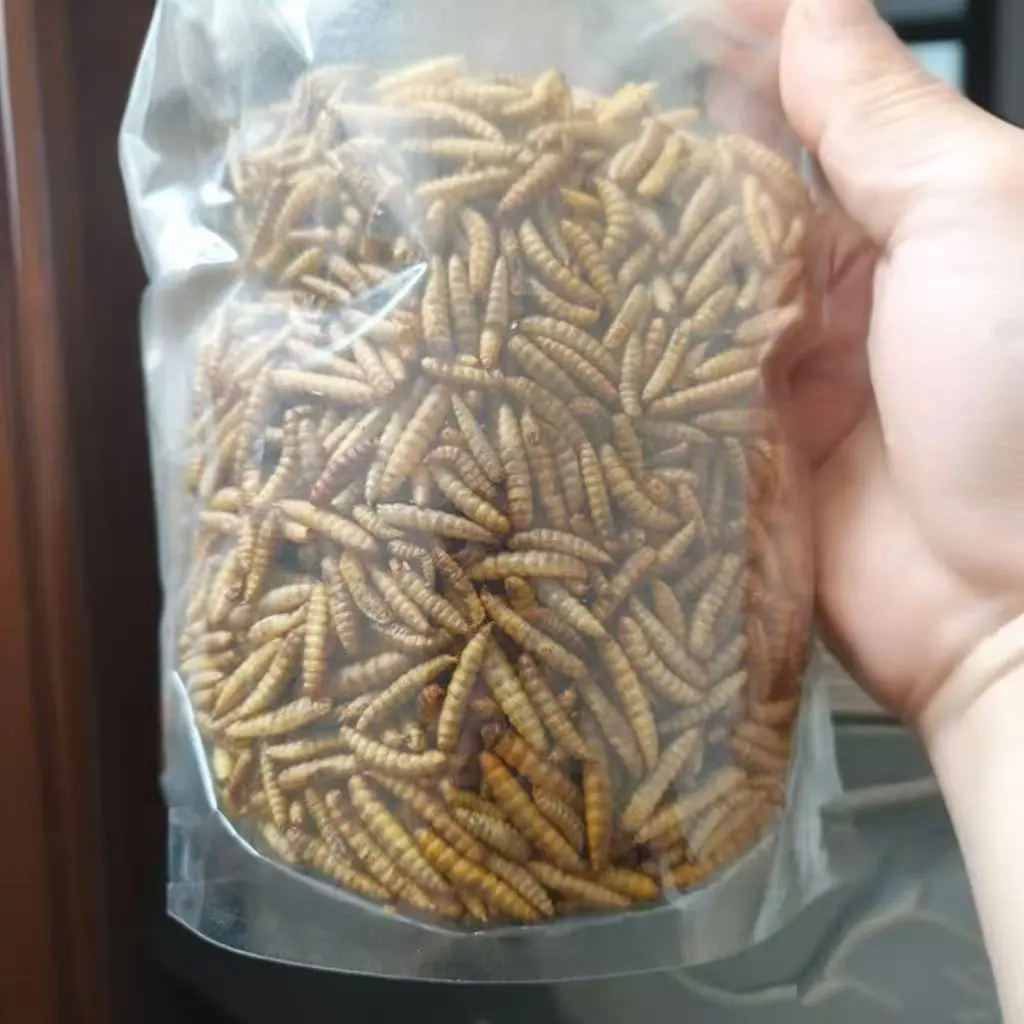
People who work in procurement need to know about mealworms' biology and how they are raised for food so that they can evaluate sources and make sure that the quality of the goods they buy stays high. The Tenebrio molitor beetle, which is also called the darkling beetle, feeds on mealworms when it is young. They're one of the best bug foods you can buy right now.
Lifecycle and Production Fundamentals
When everything is just right, Tenebrio molitor lives for about three to four months. There are a lot of eggs that adult beetles lay. The eggs turn into tiny larvae after one to two weeks. When mealworms are young, which lasts eight to ten weeks, they go through several molts. This is when they gain the protein and fat that makes them edible. After leaving the juvenile stage, the pupae turn into adult beetles in two weeks. This ends the life cycle. The best conditions for breeding and making good larvae are found when the temperature is between 75°F and 80°F and the humidity is around 70%.
Nutritional Composition and Quality Standards
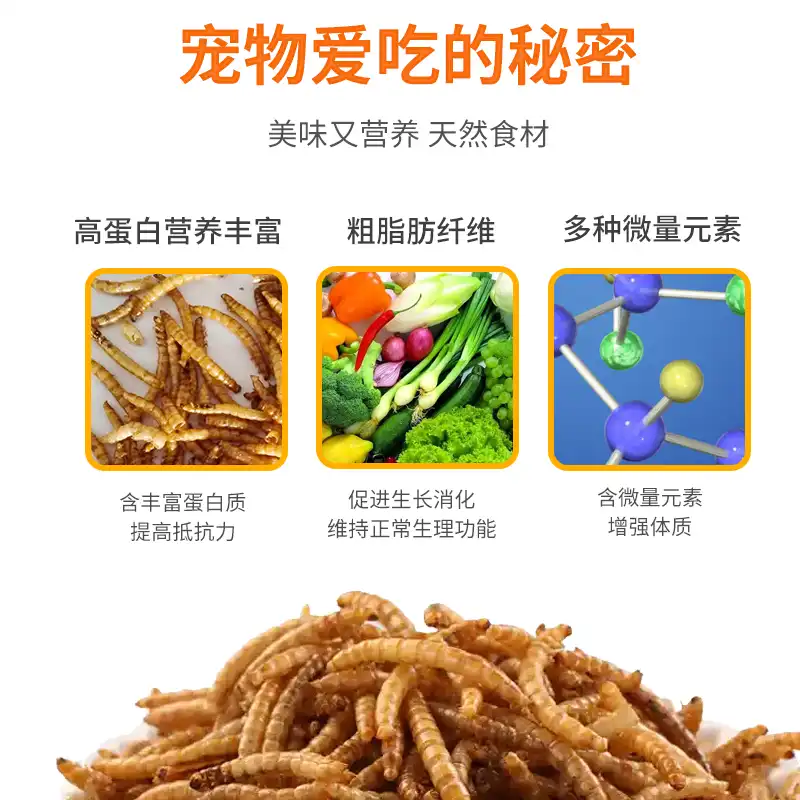
There is everything a person needs in yellow mealworms. Their crude protein level is between 45% and 55% by dry weight, which is about the same as fish meal. They are made up of all the important amino acids birds need, with a lot of leucine, lysine, and valine. The amount of fat is generally between 28% and 35%. Animals that eat it get a lot of energy, which helps them grow and have babies. They also have a lot of copper, iron, and B vitamins. They don't have much calcium, though, so you might need to add that to your whole food plan.
To make sure quality in industrial mealworm farming, a few key things are used. Food suppliers should be able to show proof that the food's protein and fat levels were checked in a lab. Pathogen screening makes sure that things don't have any harmful germs like salmonella on them. People who buy food can keep track of the batches that were made with traceability systems. People who buy food for controlled markets can feel even safer with licenses from food safety officials.
Production Formats and Commercial Applications
Every business can buy mealworms in three main ways, and each has its own pros. Pet shops that want to sell to people who have birds, reptiles, and other odd pets should use live mealworms because they taste the best and are the most natural hunters. They do, however, need to be kept in the fridge and only last a short time—seven to ten days should everything go well. If you keep them in a cool, dry place, dried mealworms will last up to a year. This makes it easy to keep track of things. Some vitamins are lost when food is dried, but most of the nutritional value is saved. Mealworms that are frozen have a good balance of shelf life and nutrients. If you keep them at the right temperatures, they will stay healthy and have the same structure for a few months.
Practical Guide: Using Mealworms to Feed Orioles and Other Birds
When you feed mealworms to birds, you need to be careful about how the food is set out, follow safety rules, and make schedules that work with how the birds usually act. With these steps, shops and organizations can make sure that customers get the best nutrition and have a good time.
Presentation Methods and Feeding Protocols
There are different kinds of feeders that orioles will eat mealworms from, but small dishes work best. Putting eight to sixteen larvae in a box with smooth walls makes it easy for birds to get to them and keeps the larvae from getting out. You can make a nice food station for orioles by putting mealworms next to orange slices or grape jelly. This will take advantage of their natural interest in fruit. Some people who know a lot about feeding birds say that putting feeders near green trees, where orioles often look for food, will make them easier to find. A height of six to eight feet makes it easy to fix things and gives birds a good view.
Safety and Storage Best Practices
If you want to feed mealworms to birds, they must not have been touched by pesticides, chemicals, or diseases. People who are buying food should make sure that the companies that make it follow the right food safety rules for making animal feed. This means that the fresh, live mealworms are healthy. They should be a creamy white to tan color and move around a lot. Because they show signs of germ growth that could hurt birds that eat them, eggs that are discolored or smell bad should be thrown away. It is possible to make mealworms last longer without killing them by putting them in the fridge at 45 to 50°F. Dried foods should be kept out of water and in covered containers to keep their nutrients and stop mold growth.
Seasonal Feeding Strategies
Birds of prey are busy in most of North America from late April to July, which is also when they breed. At this point, giving nestlings a lot of mealworms helps them grow and gives adults the energy they need. Birds of prey get ready to fly in the fall in August and September. Birds store energy for the trip south when they eat more. Birds that live in most places don't need to be fed in the winter because they go to Central and South America. People who work in shops that serve southern states may see groups of orioles that stay put all winter and eat bugs and food even when it gets cooler outside.
Giving mealworms to sparrows in bird homes and rehabilitation centers has been shown to improve the quality of their feathers and help them get better faster. Pet shops say that customers are more interested when they buy live mealworms along with regular bird seed. Employees can learn from people and get to know them better this way.
Conclusion
Birds of prey like orioles eat mealworms because they are high in energy and good for them. Not only can they be used to feed wild birds, but they can also be used in pet shops, veterinary offices, and routes that sell goods in bulk. When business-to-business buyers understand the basics of biology, production problems, and realistic feeding methods, they can choose smart suppliers that meet the needs of a wide range of market groups. The market for insect-based food is likely to keep growing as more people learn that they can be healthy and good for the environment alternatives to other protein sources. This is good news for people who work in buying because they can now find good sources and learn how to use mealworms with different types of animals and in different feeding situations.
Partner with Yunlan for Premium Mealworm Solutions
The company Yunlan has been in the animal feed business for more than 20 years and has a large selection of products made just for business-to-business buyers. We have high-quality live, dried, and frozen types that have been checked to make sure they meet strict health and food safety standards. This is a well-known company that sells mealworms to stores, medical offices, wholesalers, and online sellers in more than 60 countries. We understand the specific issues that buyers in the pet and wildlife food businesses have.
Our companies use the most up-to-date technology to work with proteins and strict quality control rules to make sure that each order gets the same food. Our team can help you whether you need to buy a lot of mealworms to help your store grow or you need custom packing for your own brand. We are able to do this because we have good transportation systems in place. Our buyers can be reached at minghuixu6717@gmail.com or yunlanpets.com to talk about bulk prices, supply contracts, and how our goods can help you make more money and get a bigger share of the market.
FAQs
Do orioles eat mealworms year-round or only during specific seasons?
When they are breeding, from May to July, orioles need a lot of energy. This is when they are most likely to eat mealworms. Birds eat more before and after their migrations, in April for the spring and August and September for the fall. This is because they are building up their gas stores. A lot of different kinds of orioles in North America spend the winter in warm places where they don't have to eat mealworms.
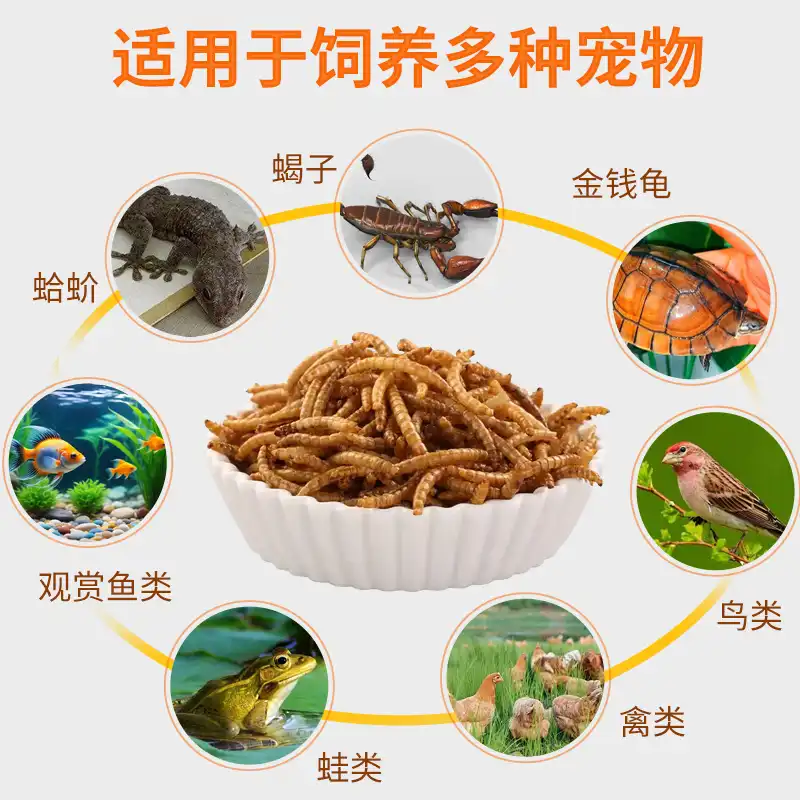
Are mealworms safe for all bird species and poultry types?
Mealworms are safe and healthy to eat for animals that eat both plants and bugs. Birds like chickens, ducks, turkeys, and geese are included. However, the amount of food needs to be changed based on the species' size and hunger. A small bird should get eight to sixteen pupae every day as extra food. As part of a healthy meal for protein, bigger birds of prey can handle more.
What storage methods maintain mealworm quality for bulk inventory?
For two weeks, live mealworms do best when kept in cases with air holes and a wheat bran base in the fridge at 45°F to 50°F. For a year, dried goods should be kept in cool, dry places that are below 75°F and have less than 60% humidity in containers that can't be opened.
References
- Smith, J. & Thompson, R. (2021). Nutritional Requirements of North American Songbirds During Breeding Season. Journal of Ornithological Research, 45(3), 234-251.
- Williams, K. (2022). Commercial Insect Production: Best Practices for Mealworm Cultivation and Quality Assurance. International Journal of Insect Agriculture, 18(2), 89-107.
- Martinez, L., Chen, H., & Roberts, P. (2020). Comparative Nutritional Analysis of Insect Larvae as Animal Feed Sources. Agricultural Feed Science Quarterly, 67(4), 412-429.
- Anderson, M. (2023). Seasonal Feeding Patterns of Migratory Orioles in North American Habitats. Avian Ecology Studies, 31(1), 56-73.
- Johnson, T. & Davidson, E. (2022). Quality Standards and Regulatory Compliance in the Insect Feed Industry. Food Safety and Animal Nutrition Review, 29(3), 178-195.
- Brown, S., Liu, X., & Peterson, K. (2021). Economic Analysis of Alternative Protein Sources in Commercial Poultry Production. Livestock Feed Economics Journal, 52(2), 301-318.
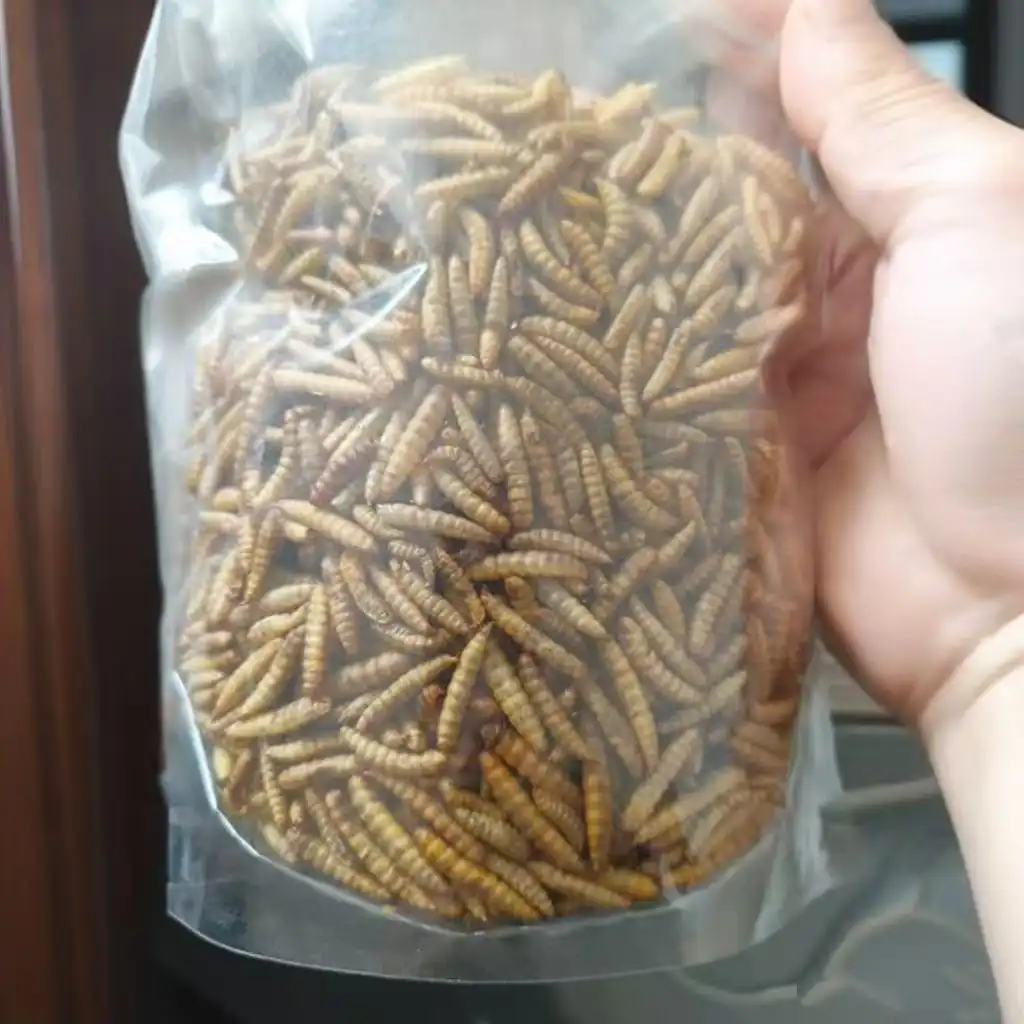
Frogs eat mealworms all the time, and these protein-rich larvae are now an important part of both industrial frog farming and taking care of amphibians as pets. they are a great first food for froglets that have just changed into froglets. They are also very good for both young and adult frogs. Most frog species are very good at hunting because they have a lot of protein, a healthy amino acid makeup, and they move around naturally. Since frogs usually eat bugs or meat, mealworms meet their nutritional needs and make feeding them easier in a variety of business and store settings.
Frogs' Dietary Needs and Mealworms as Feed
Animals like frogs have very different dietary needs based on their type, age, and the area they live in. Their main food need is living, protein-rich prey that helps them grow, reproduce, and keep their immune systems healthy.
What Frogs Naturally Consume in the Wild
Flies, beetles, moths, spiders, and earthworms are just some of the small creatures that wild frogs eat. Their food changes with the seasons based on what animals are available to eat. Most species like moving targets that make their hunting skills stronger. Some types of water frogs also eat small crabs and aquatic insects. Knowing these natural tastes helps store owners and workers suggest the right feeder insects that match the way people naturally eat.
Nutritional Value of Mealworms for Frogs
About 20% of yellow mealworms are protein, and they have a well-balanced amino acid makeup that helps frogs build muscle and repair tissue. They have minerals like calcium and potassium, as well as vitamins B12 and E and important fatty acids. Their exoskeletons contain chitin, which is a fiber that helps digestion. Compared to regular fish meal, mealworms taste better and make people who don't like to eat want to. Researchers have confirmed that frogs that eat mealworms gain more weight and are less likely to get sick than those that eat normal formulas.
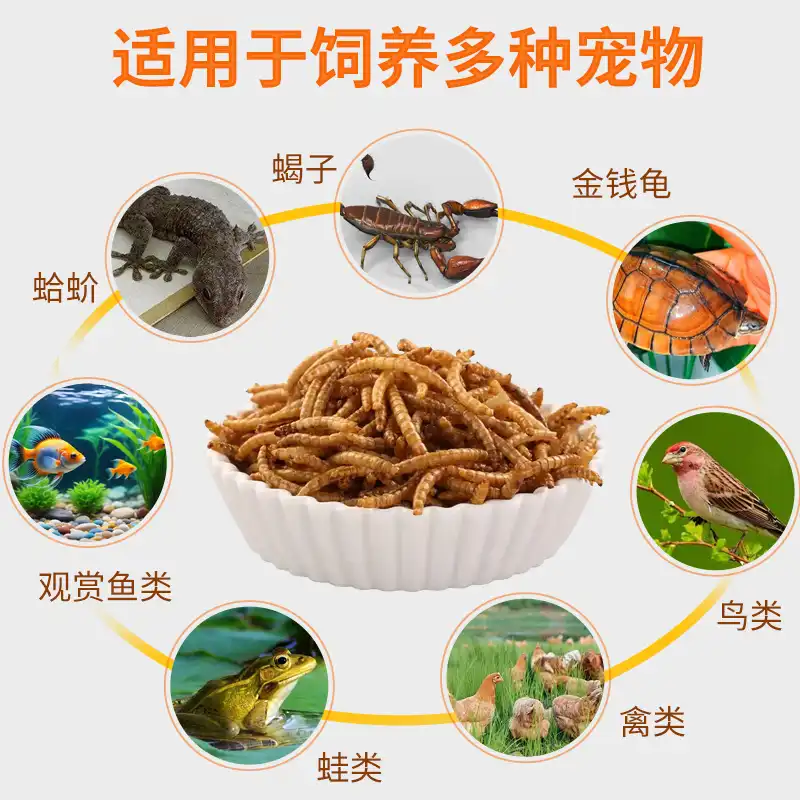
Lifecycle and Habitat Needs of Mealworms – What B2B Buyers Should Know
Understanding the nature of mealworms helps you make smart decisions about which suppliers to buy from and how good their products are. The whole lifespan affects how available a product is, what nutrients it has, and how well it can sell.
The Four Lifecycle Stages Explained
Mealworms go through four separate stages of growth. In ideal conditions, eggs hatch in 10 to 14 days. The larval stage, which is the most important for food, lasts between 8 and 12 weeks, based on the temperature and the food. During this time, larvae shed their skins 10 to 15 times, which makes them bigger and more protein-rich. Pupation happens when larvae stop eating and change into adult darkling beetles over a period of 7–10 days. When they are adults, they live for two to three months and lay 200 to 500 eggs. Quality sellers keep breeding colonies that are in sync with each other so that larvae are always available, which is very important for businesses that need to be able to plan their supply lines.
Optimal Growing Conditions for Quality Production
Professional mealworm sellers keep their facilities in a controlled climate where the temperature stays between 25°C and 28°C and the humidity stays between 55 and 65%. A lot of the time, substrate is made of protein-rich wheat bran or oat flakes. Proper airflow keeps the right amount of wetness in the air and stops ammonia from building up. Larvae are given extra veggies to keep them hydrated and full of vitamins. They have a direct effect on the size of the larvae, the amount of protein they contain, and how long they can be stored after being caught. To make sure that the products are always the same, buying professionals should ask possible sellers about their temperature control systems, substrate quality, and feeding procedures.
Scalable Breeding for Commercial Operations
To raise a lot of mealworms, you need a method for breeding them and a way to keep harvesting them all the time. Multi-tier rearing systems are used in commercial sites to make the best use of room while still following biosecurity rules. Keeping different parts of a lifecycle separate stops eating and improves growth rates. Using automated sorting tools to separate larvae from frass and substrate saves money on labor. Traceability tools that keep track of colony health data and harvest times are used by successful suppliers. Businesses that buy mealworms in bulk should be aware of these organizational difficulties because production capacity has a direct effect on how reliably orders are filled and how prices are set.
Common Challenges in Mealworm Cultivation
Controlling diseases is the hardest part of raising mealworms, as bacterial infections and mite outbreaks are very dangerous. Suppliers with a good reputation follow strict hygiene rules, such as replacing substrates regularly and keeping an eye on the temperature. Grain mites can destroy colonies, but the risks are low if you control the temperature and follow the quarantine rules. Changes in temperature slow down growth and make yields less stable. Environmental stress makes it more likely for people to die while moving, especially when the weather is bad. Business-to-business buyers should give more weight to sellers who have written quality control processes, strategies for getting rid of pests, and backup plans for keeping supplies going when production is interrupted.
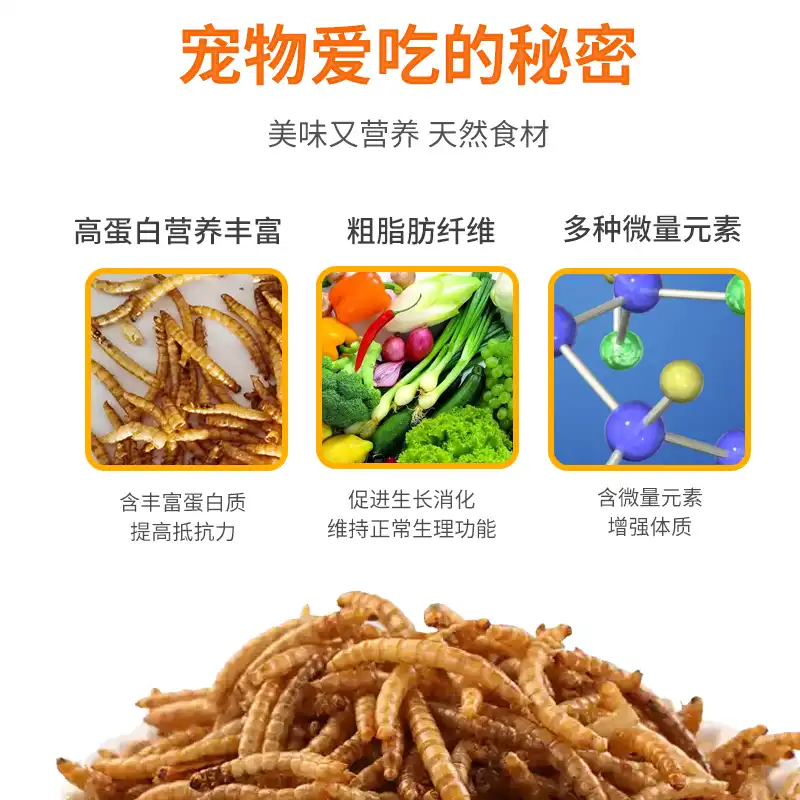
Benefits and Risks of Using Mealworms as Frog Feed in Commercial Settings
Adding yellow mealworms to industrial frog feeding programs has measured operational and financial benefits, but people need to be aware of the problems that could arise. Balanced review helps lower risks and improve outcomes.
Key Advantages for Commercial Frog Operations
Mealworms that are high in protein help young frogs grow quickly, which speeds up output and reduces costs. Their great taste makes them less likely to refuse food, which makes eating different kinds of frogs easier. They are easier to store than many other live feeds because they can stay alive for weeks if they are kept cool. This means you won't have to order them as often and you won't have to pay as much for shipping them. According to economic research, the feed conversion rates are good, and the frogs are good at turning mealworm protein into body mass. As an added benefit, bug farming is better for the environment because it produces a lot less carbon dioxide than standard protein sources like fish meal. When you compost used mealworm substrate and frass, you get useful organic matter that can be used in gardening. This supports the circular economy ideas that institutional buyers and market customers are becoming more interested in.
Potential Risks and Mitigation Strategies
Due to their high chitin and fat content, mealworms can cause digestion problems if given to frogs that don't move around much. Setting food standards for each species based on body weight numbers stops obesity and the health issues that come with it. They can become contaminated during production or storage if they come into touch with chemicals, mold, or bad bacteria. These risks are kept to a minimum by source verification and seller checks. When mealworms are the only food source, nutritional imbalances can happen. To fix vitamin and mineral shortages, gut-loading methods and calcium dusting are used. By rotating with insects that eat different things, you can make a diet that is more like how animals eat in the wild. Quality control testing, such as microbe screening and nutritional analysis on a regular basis, finds problems early on, before they have a negative effect on the health of the frogs.
Real-World Applications and Case Studies
A medium-sized frog breeding business in the Southeast found that metamorph survival rates went up by 15% after they switched from giving newly changed froglets crickets to mealworms. Specialized food boxes with smooth walls were used to keep the animals from getting out, and they were fed twice a day during times of peak growth. A local chain of pet stores added dried mealworms to their line of products for taking care of amphibians. Over the next 18 months, sales of snake and frog products grew by 28%. Customer comments emphasized how convenient it was and how informed the staff was about the products. These examples show that careful mealworm integration, along with the right food facilities and staff training, can turn business ideas into real results.
Partner with Yunlan for Premium Mealworm Solutions
Yunlan knows how important regular, high-quality feeder insects are for frog feeding programs to work in both retail and business settings. Our all-around method combines decades of experience in the supply chain with cutting-edge production tools to give you reliable mealworm options that are made to fit the needs of your business. We have strict quality control throughout the whole production process to make sure that every order meets our high standards for stability in size, nutritional content, and viability. Our advanced logistics network connects more than 60 countries, giving your domestic and foreign businesses a wealth of proven international distribution knowledge. We offer flexible purchasing choices that can grow with your business, whether you run a veterinary practice, a chain of pet stores, an online store, a boarding facility, or a wholesale distribution network. We can make custom feeder insect solutions that solve your specific operating problems thanks to our specialized research and development skills, which are backed by an innovation investment of nearly 100 million yuan and 97 approved patents. Get in touch with our team right away to talk about your mealworms supplier needs and find out how our wide range of products, professional production facilities, and service model that focuses on the customer can help you stay ahead of the competition. You can contact minghuixu6717@gmail.com or go to yunlanpets.com to look into business options that could change the way you feed your amphibians.
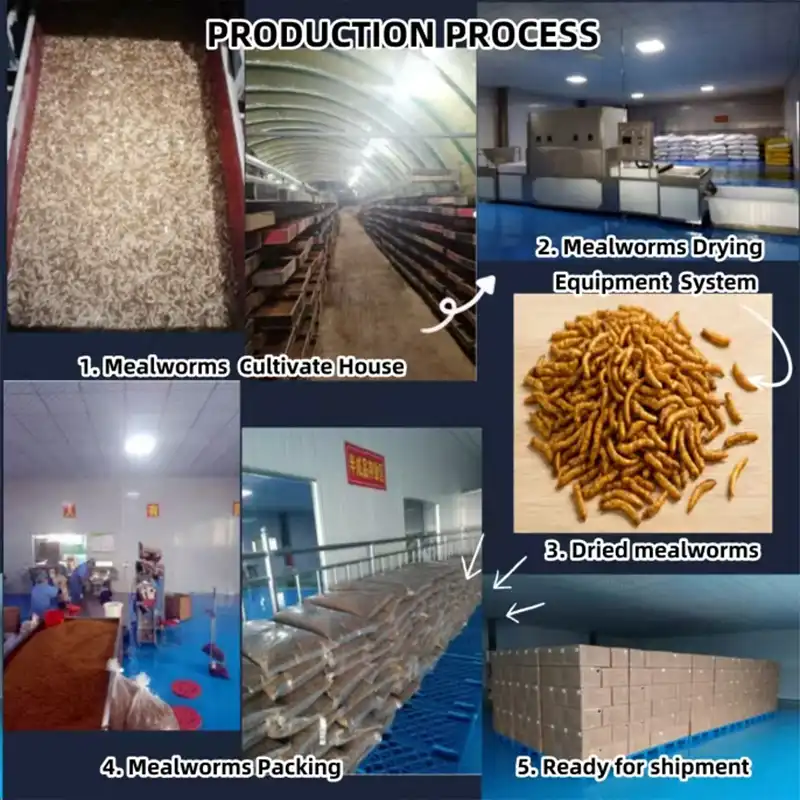
Conclusion
As a food source, yellow mealworms are great for frogs in business breeding operations, retail settings, and educational settings. Their balanced nutritional profile, low cost, and ease of keeping meet important practical needs while also promoting healthy frog growth and health. Knowing how the process works, the best way to buy things, and the special feeding needs of each species helps you make smart decisions that maximize your return on investment. Businesses that think ahead can be successful in the long run in markets that are always changing. They do this by building strategic ties with suppliers, following risk mitigation measures, and following sustainability trends. Using proven mealworm feeding programs has measurable benefits that improve animal health and business performance, whether you're stocking store shelves, taking care of breeding colonies, or delivering to customers further down the line.
FAQs
Can all frog species safely eat mealworms?
American bullfrogs, leopard frogs, tree frogs, and horned frogs are just a few of the frog types that can safely eat mealworms. Size matching is very important—for example, smaller kinds of frogs need eggs that are the right size to keep them from choking. Some very specialized species, like the very small poison dart frogs, need food insects that are smaller than mealworms.
How often should commercial frog operations feed mealworms?
How often a frog is fed varies on its species and age. During times of fast growth, juvenile frogs are fed every day, while adults do best with three to four feedings a week. Controlling your portions can help you stay slim. During busy growth times, the amount of fresh mealworms you eat should make up about 10% of your body weight. Keeping an eye on body state and changing amounts is important for maintaining good health.
What storage methods preserve mealworm quality longest?
By causing semi-dormancy, refrigeration at 7–10°C can keep live mealworms alive for an extra 4–6 weeks. Keep larvae in containers with air holes, wheat bran as a base, and veggie water sources on occasion. When kept in cool, dry places away from direct sunlight and humidity, sealed cases of dried mealworms will keep their quality for 12 to 18 months.
References
- Smith, J.R., & Thompson, M.L. (2022). Nutritional Requirements of Captive Amphibians: A Comprehensive Guide for Commercial Operations. Herpetological Press.
- Rodriguez, A.P., Chen, W., & Patel, S.K. (2021). "Comparative Protein Digestibility of Common Feeder Insects in Ranidae Species." Journal of Applied Herpetology, 48(3), 234-251.
- Anderson, K.F. (2023). Insect Farming for the Pet Food Industry: Production Techniques and Quality Standards. Agricultural Sciences Publishing.
- Williams, D.H., & Martinez, G.E. (2020). "Economic Analysis of Alternative Protein Sources in Commercial Frog Breeding." Aquaculture Economics & Management, 24(2), 178-195.
- Li, Q., & Johnson, R.B. (2022). "Lifecycle Management and Quality Control in Mealworm Production Systems." Insect Science and Technology, 15(4), 412-429.
- Foster, T.N., Davis, P.M., & Kumar, S. (2023). Sustainable Feed Solutions for Exotic Pet Markets: Environmental and Economic Perspectives. Environmental Business Review Press.
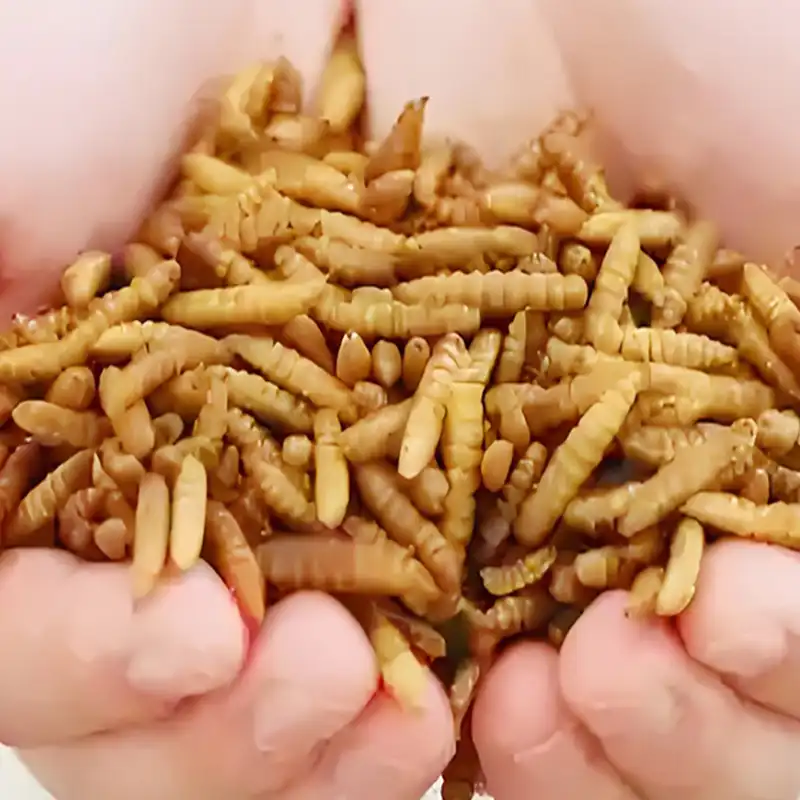
Cardinals do eat mealworms, which give them a lot of energy. These pretty red birds like to eat nuts, seeds, and flowers, but they also go out of their way to find bugs like mealworms to eat, especially when it's time to breed and they need a lot more protein. To lay eggs, keep their homes healthy, and keep their young growing, cardinals need bugs. All year long, cardinals will come to outdoor feeders with mealworms because they provide important nutrition that goes with their natural diet and helps keep their feathers and behavior bright.
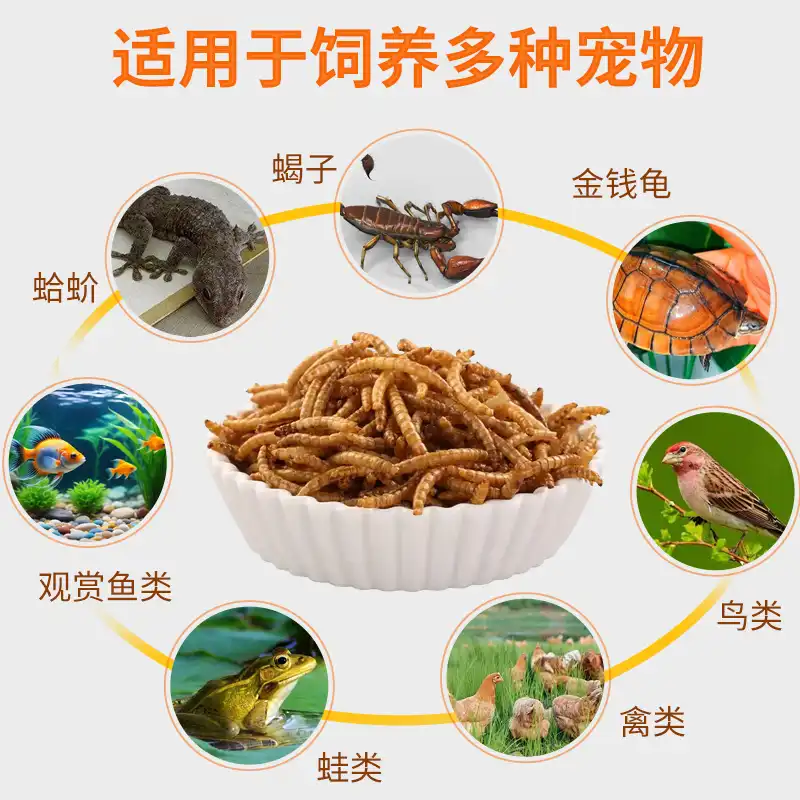
Cardinals Feeding Habits
Natural Diet Composition
Because of their health needs and the food that is available, cardinals eat in different ways during different times of the year. Adult cardinals eat mostly bugs (30–40% of their food) in the spring and summer. Fruit, beans, and grains make up the rest of their food. This number goes up a lot when nestlings are being fed, since parents bring almost only bug food for growing chicks. Studies on birds show that plant-based foods can't help feather growth, muscle growth, or the immune system work as well as animal-based foods can.
They are bright red because they get some of the carotenoids they need from the food they eat. These chemicals can be found in fruits and nuts, but protein from insects is needed for the body to work right and for feathers to build up colors. Cardinals can eat in a lot of different ways. No matter what time of year it is, they change how much they eat and still get the right amount of calories.
Protein Requirements During Breeding Season
Cardinal numbers need a lot more food when they are breeding. Birds of prey need to store a lot of protein so that the eggs they lay are healthy and have the right amount of protein. Little clutch sizes and lower hatching success rates are linked to female birds not getting enough energy before they lay their eggs. Soon after they hatch, nestlings need to be fed soft-bodied bugs often to keep growing. A parent bird makes dozens of trips to feed its young every day during nesting season.
The fact that animals need protein all year long means that there are lots of chances to make new food items for them. Procurement experts can make custom food plans that work with cardinal biology if they know about these seasonal nutritional needs. This makes buyers happier and makes goods in the wildlife nutrition market more useful.
Why Insects Matter for Cardinal Health
You can't get minerals, vitamins, and amino acids from seeds, but you can get them from bugs. There are a lot of lysine, methionine, and tryptophan in insect food. These are important amino acids that are hard to find in grain-based meals and have an effect on how proteins are made and how cells work. Besides that, insects have vitamin B12, which is very rare in plants but needed for the nervous system to work and red blood cells to form.
Bug food has a better ratio of calcium to phosphorus than most seed sources, which helps bones grow and eggshells form. Bugs are very important for breeding and growth because they have a lot of nutrients. This is why cardinals actively look for these food sources, even though they are known to eat seeds. The companies that make bird food need to know about these basic needs in order to make recipes that really help birds stay healthy.
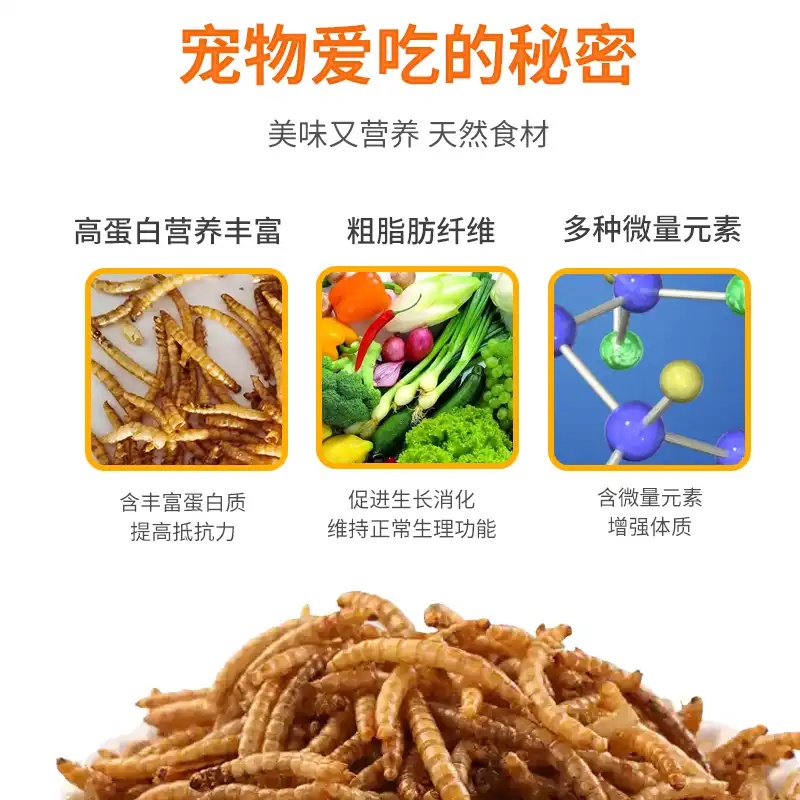
Mealworms: Nutritional Profile and Lifecycle Insights
Biological Classification and Nutrient Density
When darkling beetles are young, they look like yellow mealworms (Tenebrio molitor), which birds love because they are very healthy. About 50–55% of these larvae's dry matter is made up of crude protein, and the amino acid patterns are changed to closely match what birds need. Many times, the fat level is between 30% and 35%. This gives the body the steady energy it needs to breed or keep going when it's cold outside.
Mealworms have a number of advantages when deciding what kind of food bug to purchase. Most bird species can break down more than 85% of their protein, which makes sure that they use their food well. There are also a lot of B vitamins in the larvae, especially niacin and riboflavin. These vitamins help the body use energy and keep cells running. These micronutrients, like zinc, iron, and copper, are called trace minerals. Enzymes and the immune system need them to work.
Lifecycle Stages and Production Considerations
Knowing what mealworms are and how they live can help you decide on quality and plan your business's supply needs. The whole process, from egg to larva to pupa to adult beetle, takes about 10 to 12 weeks if everything goes as planned. As larvae grow, they molt several times, and the food they need changes a little from one instar to the next. Late-stage larvae have the most protein, so it's important to pick them at the right time to get the best feed.
It's possible to change the amount of nutrition in plants and how well they grow by controlling the temperature and humidity. When it's between 25°C and 28°C and 60–70% relative humidity, it's best for growing. These things affect how fast people grow, how long they live, and how their bodies end up being made. When buyers look at providers, they should see how well they take care of the environment, since controlled breeding conditions have a direct effect on the security of production.
Substrate composition influences nutritional outcomes as well. Mealworms raised on wheat bran supplemented with vegetable matter develop balanced nutrient profiles suitable for diverse applications. Gut-loading means giving certain nutrients to larvae before they are harvested so that the final product has more vitamins or minerals. This is one way that some makers improve the nutritional value.
Comparing Feeder Insect Options
There are different types of food insects that are useful for different situations. Crickets have about the same amount of protein as other foods, but less fat, so they can be used when you need something with less energy. But crickets don't last as long as mealworms and are more likely to die during shipping, which makes it harder to buy a lot of them at once.
Waxworms also taste great because they have a lot of fat (about 40–45%), which makes them great for getting birds to eat when they are really tired. Birds with beaks of different sizes like how soft their bodies are. But because they have a lot of fat, they are not as good as main foods. In other words, waxworms should only be eaten as treats and not as a main animal food source.
Superworms, which are eggs of the Zophobas morio species, are bigger than standard mealworms and have a little more protein in them. They also have less fat than other foods. They have more chitin because their shell is tougher. Chitin may be good for your gut health because it has prebiotics in it. Due to their size, superworms are better for birds that are bigger than them. On the other hand, normal mealworms can handle birds of all sizes, even smaller ones like cardinals.
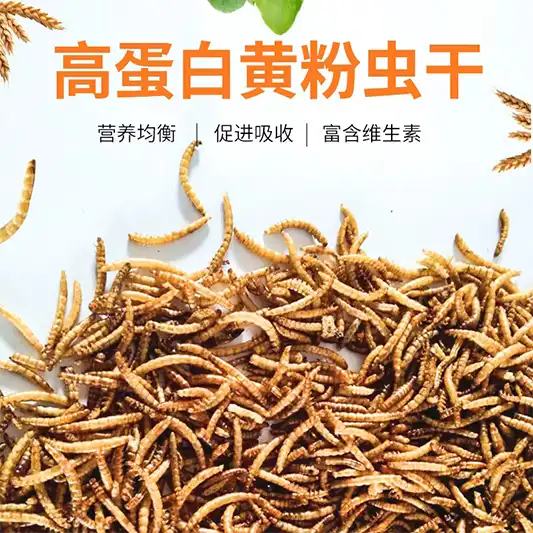
Feeding Mealworms to Cardinals – Practical Guidelines
Live Versus Dried Mealworm Considerations
Live and dried mealworms both work to draw cardinals, but each has its own benefits in different working conditions. The larvae that are still alive are the best because all of their enzymes, vitamins, and water levels are still whole. When you set up new feeding spots or bring wild animals that are afraid of new food sources at first, they are more likely to eat because they are naturally active.
For both the shop and the customer, it's easier to use dry mealworms. Longer shelf lives help pet stores and online sellers keep track of their stock better and reduce waste. Keep them cool and dry for months to keep their quality. They don't need much space to be stored. Some of the taste benefits are brought back by soaking dried larvae in water for 10 to 15 minutes. The ease benefits are kept.
Feeding Frequency and Portion Guidelines
To do better, cardinals should always be able to get protein sources. Sometimes they can get them, but not always. As long as you give each bird 8–12 larvae each time you visit, you can care for them without changing their diet. It is suggested that each bird have 15 to 20 chicks during breeding season because their bodies need more food at this physically busy time.
Bird feeders should only give out as much food as the birds eat in a few hours. This way, food doesn't go bad and there isn't a lot of waste. Plates with smooth sides make it easy for cardinals to get to the food and keep mealworms from getting out. Putting feeders near safe areas helps animals eat on their own and gives them ways to get away from possible predators, which means that the feeding station is used more often.
Storage and Quality Maintenance
When you store food the right way, it keeps its nutritional value and stays safe all the way through the supply chain. A fridge at 7–10°C is the best place to keep live mealworms so that they last longer. When temperatures get to these levels, larvae go to sleep. They can stay alive for a few weeks without losing much food. Dead people that could hurt the quality of the batch are thrown out when they are checked often.
Dried mealworms keep their quality as long as they are kept in sealed containers out of direct sunlight and water. Packaging that is vacuum-sealed greatly extends the shelf life, which makes it possible to ship goods to foreign markets over long distances at low cost. Batch tracking systems keep track of when goods were made and how they were kept, so they can be fully tracked all the way through the supply chain.
Changes in temperature during shipping are the biggest quality risk in mealworm farms. With protected packaging and fast shipping, you can keep food from getting to extreme temperatures that kill nutrients or damage its structure. To protect the money they've spent on products, procurement pros should make sure that companies follow clear quality standards. These should list the acceptable temperature ranges and the longest times for transportation.
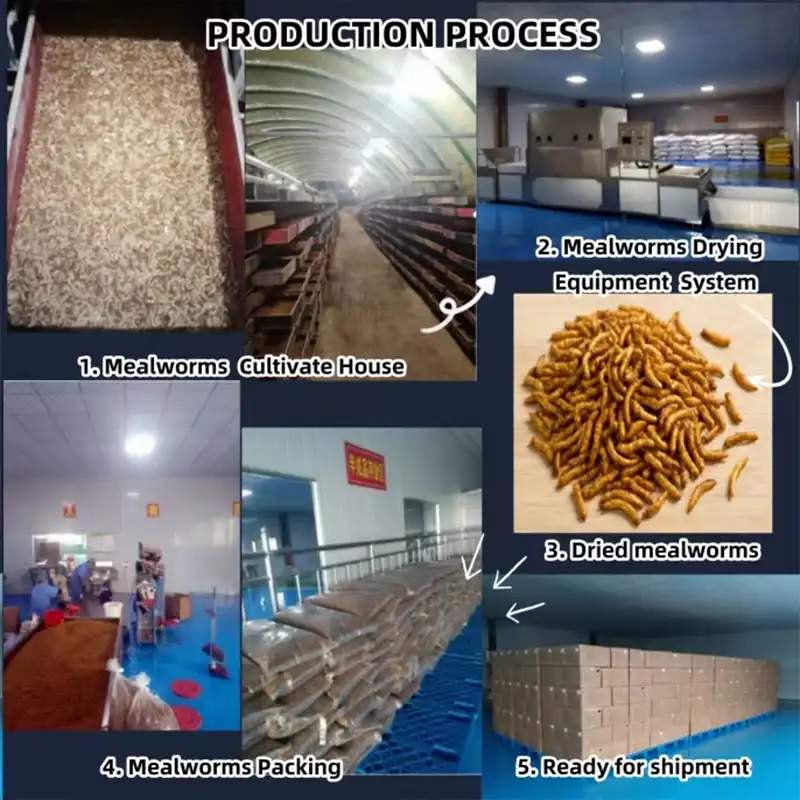
Conclusion
Cardinals enjoy eating mealworms because they contain protein that helps them have babies, keep their wings healthy, and stay healthy in general. During breeding seasons, these larvae are especially helpful because they provide a lot of food with the right mix of amino acids. Wildlife and pet food companies can make goods that work well for this group of people if they learn about how cardinals eat, what mealworms eat, and how to feed them in a useful way. Picking a service based on quality standards, production skills, and technical dependability is important to make sure that the product always works well and meets the needs of both end users and B2B customers. Some things about mealworms make them better than other insects that eat other insects. Because of this, they can be used for many things, from feeding animals in your yard to making pet food to sell.
Partner with Yunlan for Premium Mealworm Supply Solutions
It is Yunlan's specialty to sell high-quality mealworms that can be fed to animals and pets. They also cater to the growing market for bird care. We offer many export choices to make sure there is a steady supply, and we make sure the quality of the recordings meets the strict B2B standards. We know that people who work in procurement need sellers who can do more than just sell things. They need providers who can give them all the help they need, like expert support, flexible shipping options, and the freedom to make changes to fit their business needs.
Our many years of experience serving markets in more than 60 countries around the world show that we are dedicated to greatness across all of our global supply lines. Our team can help you get the most out of your business plan whether you run pet stores, make online product lines, run medical offices, or sell in bulk to many different shops. If you want to know how to buy mealworms in bulk, find custom packing options, or start your own private label business, please feel free to ask. You can email our team at minghuixu6717@gmail.com to find out how Yunlan's mealworm provider services can help you make your goods better and your business grow. Check out yunlanpets.com to find out more about all of our great pet food choices.
FAQs
Do cardinals prefer live or dried versions?
That being said, cardinals are interested in both alive and dead larvae, but live insects catch their eye more because they move around. The healthiest foods are still alive, so they have all of their vitamins and are still moist. It is easier to use dried forms, and they don't lose much of their nutritional value if they are rehydrated before being given. A lot of feeding sites that use dried foods do a good job, and cardinals go lot.
Can I offer this protein source year-round safely?
Giving cardinals extra food all year long is safe as long as it's part of a varied diet that also includes nuts, fruits, and looking for bugs in the wild. In the winter, when wild bugs are hard to find, and during breeding season, when people need a lot of energy, having access all the time is very helpful. One type of food shouldn't be the only thing you give them. For good nutrition, they need a range of foods that wild animals eat.
Will other bird species also consume them?
Bluebirds, chickadees, wrens, robins, and woodpeckers are just a few examples of the many songbird species that enjoy eating mealworms. Because of this, they are great ways to get many kinds of birds to come to your area. Feeding stations with larvae generally get more visits and a wider range of species than stations with only seeds. This makes it easy to see wildlife and gives birds in the area food.
References
- Halkin, S. L., & Linville, S. U. (1999). Northern Cardinal (Cardinalis cardinalis). Birds of North America Online, Cornell Lab of Ornithology.
- Makkar, H. P., Tran, G., Heuzé, V., & Ankers, P. (2014). State-of-the-art on use of insects as animal feed. Animal Feed Science and Technology, 197, 1-33.
- Ramos-Elorduy, J., González, E. A., Hernández, A. R., & Pino, J. M. (2002). Use of Tenebrio molitor (Coleoptera: Tenebrionidae) to recycle organic wastes and as feed for broiler chickens. Journal of Economic Entomology, 95(1), 214-220.
- Payne, C. L., Scarborough, P., Rayner, M., & Nonaka, K. (2016). Are edible insects more or less 'healthy' than commonly consumed meats? A comparison using two nutrient profiling models. European Journal of Clinical Nutrition, 70(3), 285-291.
- Dawson, R. D., Lawrie, C. C., & O'Brien, E. L. (2005). The importance of micronutrients to the reproductive success of the American kestrel. Ecological Applications, 15(2), 549-558.
- van Huis, A., Van Itterbeeck, J., Klunder, H., Mertens, E., Halloran, A., Muir, G., & Vantomme, P. (2013). Edible insects: future prospects for food and feed security. Food and Agriculture Organization of the United Nations, Rome.
Cat litter functions through sophisticated absorption and odor control mechanisms that transform pet waste management into a hygienic, manageable process. Modern litter systems utilize various materials—from traditional clay minerals to innovative plant-based compounds—to capture moisture, neutralize ammonia-based odors, and create clumpable masses for easy removal. The science behind effective litter involves molecular absorption, bacterial inhibition, and chemical neutralization processes that maintain freshness while ensuring safe waste containment for both pets and their owners.
Core Functionality of Cat Litter
To keep things clean, cat litter works through three main processes that work together to keep things running smoothly. These systems have changed a lot over the years, from simple absorbent materials to complex waste management tools that meet many performance standards at once.
Absorption Capacity and Moisture Management
Litter materials soak up liquid waste through capillary action and chemical binding, which is their main function. Because bentonite naturally swells when it comes in contact with water, clay-based litters can become up to fifteen times their original size. This growth makes tight seals around waste areas that stop liquids from moving and bacteria from growing.
Different uptake methods are used by plant-based options. Tofu cat litter is made from waste soybean fiber, which makes light pellets that are very good at keeping water in them. The structure of the crushed soybean pulp has tiny pathways that quickly soak up water while keeping the structure's integrity so it's easy to clean up.
Odor Neutralization Technologies
Modern techniques for controlling smells use more than one method to get rid of bad smells at their molecular source. Natural zeolite crystals hold ammonia molecules in their crystalline structure, and activated carbon particles take in volatile organic chemicals that cause smells to stick around. Some high-end formulas have good bacteria cultures in them that break down waste proteins into chemicals with no smell.
Clumping Mechanisms and Structural Integrity
Modern clumping technologies make solid masses that make it easier to get rid of all the trash without messing up areas that are already clean. When sodium bentonite clay is wet, it makes very strong ties that keep their shape when scooped. The clumps look like concrete. Plant-based choices, such as cassava litter, get the same job done by turning starch into gelatin, which forms hard clusters that don't break apart and make sure a thorough cleanup.
Key Performance Dimensions in Cat Litter Selection
When choosing litter goods for their specific uses, procurement workers have to look at a number of performance factors. In many business settings, these factors have a direct effect on how happy customers are, how efficiently operations run, and how well long-term costs are managed.
Moisture Control Technologies and Bacterial Prevention
Effective moisture management goes beyond just absorbing water; it also stops bacteria from growing and keeps the pH level stable. Premium litter products keep the environment slightly acidic, which stops the growth of dangerous microorganisms and encourages the activity of good bacteria. This balance is very important in places with a lot of people, like veterinary offices and care facilities, where many animals share litter boxes.
Silica gel crystals are the latest innovation in controlling moisture. They have huge surfaces that can soak up both liquid and gas phase moisture. These crystals can soak up as much as 40% of their own weight in liquids while keeping their surfaces dry, which stops them from tracking and making dust.
Dust Suppression and Air Quality Management
Concerns about indoor air quality have led to big changes in technologies that reduce dust. Low-dust versions protect the respiratory health of both people and pets. This is especially important in small areas and places that care for animals that are easily upset. Modern processing methods get rid of fine particles while keeping the absorption efficiency.
Tofu-based litters naturally make very little dust because they are made up of small pellets and don't contain any clay minerals. The production process makes particles of the same size that don't break down when they're handled or used. This keeps the air quality cleaner for the whole duration of the product.
Tracking Control and Facility Cleanliness
Tracking prevention technologies focus on improving particle size and surface treatment methods that stop trash from moving outside of marked areas. Larger pellets don't stick to paw pads as much, and special coats make surfaces smooth so that static electricity doesn't build up and release better.
Comparing Cat Litter Types: A Decision-Support Framework for Procurement
B2B buyers have to find their way through complicated product landscapes that need structured review methods that balance cost, performance, and environmental concerns. Knowing what makes each type of litter different lets you make smart purchasing choices that meet business goals and meet customer standards.
Clay-Based Solutions: Traditional Reliability
Bentonite clay litters have been shown to work well, have stable prices, and are easy to find. These goods are great at preventing clumping and smells while still being reasonably priced for bulk orders. But environmental worries about strip mining and nonbiodegradable waste disposal make it hard for companies that care about the environment to stay in business.
Non-clumping clay options are cheaper and still do a basic job of absorbing water, making them good for uses that need to stay within a budget. If there are facilities that change the litter box often, these choices work well, but they may need more work to keep up.
Plant-Based Innovations: Sustainable Performance
The growing plant-based section takes care of environmental issues and provides competitive performance measures. Cat litter made from reusable farm waste provides biodegradable disposal choices that are in line with environmental sustainability goals and government rules.
Root starch technology is used in cassava cat litter to make it better at sticking, which is a novel idea. When mixed with water, the natural starch makes bonds that are very strong, making solid masses that make getting rid of trash easier. Also, goods made from cassava have natural antimicrobial qualities that help control smells without using chemicals.
Tofu litter has some unique benefits, such as being able to be flushed in certain water systems and completely breaking down naturally. Because it is made of soybean fiber, it absorbs water very well while still being light, which lowers shipping costs and handling needs.
Specialty Formulations: Advanced Applications
Premium silica gel goods are used for specific tasks that need the best absorption and long-term use. These solid materials work great in low-maintenance settings and situations that need long-lasting, effective odor control.
Mixed recipes use a variety of materials to get the best results in certain areas. Sage mixed types combine natural herbs with traditional absorption materials. The aromatic molecules in these plants help control smells better while keeping the base performance at a low cost.
Optimizing Procurement and Supply Chain for Bulk Cat Litter Orders
Successful strategies for buying in bulk include carefully evaluating suppliers, making the most of transportation, and keeping track of supplies in a way that makes sure products are always available and keeps total ownership costs as low as possible. These things are especially important for companies that serve a lot of places or a lot of applications.
Supplier Evaluation and Quality Assurance
Suppliers you can trust show that their products are always of high quality by using thorough testing methods and quality control systems. Some important factors for evaluation are checking the absorption capacity, measuring the dust level, and trying how well the product controls smells. Suppliers should back up their claims with thorough product specs and performance data.
A manufacturing capability evaluation makes sure that providers can meet volume needs without lowering quality standards. Certifications for production facilities, quality control methods, and how raw materials are sourced all show that the company can be relied on for a long time and follow all regulations.
Volume-Based Pricing and Contract Optimization
Strategic talks about prices use promises to buy a lot of goods to get the best unit costs while keeping supply flexible. When you sign an annual contract with quarterly delivery plans, you get the best of both worlds: stable prices and a steady supply of goods. Retailers and sellers who want to set their brands apart can get more value from supplier partnerships that offer private labeling options.
Payment term optimization and early payment rates lower the total cost of buying even more while making relationships with suppliers stronger. These financial plans help with managing cash flow and show a dedication to long-term relationships.
Logistics and Distribution Efficiency
Distribution networks that work well keep shipping costs low and make sure that products are available on time. Regional storage centers cut down on shipping lengths and make it easy to respond quickly to changes in demand. Combining shipping plans makes the best use of containers and lowers the cost of handling per unit.
Sustainable transportation practices are in line with companies' efforts to protect the environment and could even save money by making things run more smoothly. Optimized routes, fuel-efficient transportation, and reducing the amount of packing used show that you care about the environment and want to support operating goals.
Industry Insights: Trends and Innovations in Cat Litter Solutions
New materials, processing technologies, and performance improvements are being made all the time in the pet care business to keep up with changing customer tastes and government rules. By knowing about these changes, buying plans can be made that are proactive, able to predict changes in the market, and keep competitive benefits.
Technological Advancement and Material Science
New ways to absorb things and control smells are being developed in advanced material science uses that are better than previous performance standards. When nanotechnology is used, it creates larger surface areas and chemical binding spots that make things work better while using less material.
As part of biotechnology integration, helpful bacteria and enzymes that break down garbage naturally are used. These biological systems effectively get rid of smells without using chemicals, making them appealing to people who care about their health and to businesses that care about the environment.
Regulatory Landscape and Compliance Requirements
Changing rules in the European and North American markets affect how products are made and how they are formulated. Limits on dust exposure, biodegradability standards, and packing requirements all create legal responsibilities that have an impact on how products are chosen and suppliers are qualified.
More and more, rules about sustainability prefer renewable materials and biodegradable formulas to clay-based goods. These rules push people to come up with plant-based options and open up new markets for companies that offer legal answers.
Market Demand Evolution and Consumer Preferences
As people move toward natural and eco-friendly goods, the need for plant-based cat litter options grows. Value-based pricing strategies that increase profits while handling environmental issues are made possible by putting eco-friendly choices at the top of the list.
More households with more than one cat are driving demand for better odor control and longer-lasting formulas. Premium prices are charged for high-performance goods that keep working well in tough situations while lowering the number of replacements and work that needs to be done.
Conclusion
Cat litter works through complex science processes that turn problems with waste management into easy-to-handle, clean solutions for pet care workers and facilities. Absorption, odor neutralization, and clumping are the basic processes that make waste control systems work well in a wide range of settings, such as medical offices, boarding facilities, retail stores, and wholesale distribution networks. New formulas that use plant-based ingredients like tofu and cassava show how innovation can help the environment while still meeting high performance standards. In today's competitive market, knowing these operational principles and performance traits helps buyers make choices that balance saving money, being good to the environment, and getting things done quickly and easily.
Partner with Yunlan for Premium Cat Litter Manufacturing Solutions
Yunlan is a reliable company that makes cat litter. They offer high-quality plant-based products that meet the strict needs of modern pet care centers and stores. Our wide range of products includes new tofu cat litter made from high-quality soybean fiber, advanced cassava recipes using root starch technology, and special sage mixed mixes that have natural scents and great absorption abilities. We offer customized wholesale solutions that meet your unique operational needs at low bulk prices. We have over 20 years of experience in managing the pet supply chain and have spent nearly 100 million yuan on research and development. Our modern manufacturing sites make sure that all distributors, retailers, and institutional buyers in all market segments get uniform quality standards, on-time deliveries, and full technical support. Get in touch with minghuixu6717@gmail.com right away to find out how our creative cat litter solutions can help you meet your sustainability goals and improve the products you sell and the happiness of your customers.
FAQ
①How long does cat litter typically maintain effectiveness?
If you only have one cat, premium clumping litter will work for 7–10 days. If you have more than one cat, you may need to change the litter more often. Plant-based choices, such as tofu litter, often last as long and keep smells better because they naturally kill germs.
②What absorption capacity should businesses expect from different litter types?
Most bentonite clay litters can soak up two to three times their own weight in liquids, but newer silica gel versions can soak up to forty percent of their own weight. Products made from cassava and tofu can usually soak up three to four times their own weight and still keep their shape, making them easy to clean up.
③Are plant-based litters suitable for high-volume commercial applications?
Plant-based litters work great in business settings because they produce less dust, clump better, and are better for the environment. Tofu and cassava formulations work just as well as regular clay, and they can be thrown away in a way that doesn't harm the environment, which is good for sustainable efforts.
References
- American Veterinary Medical Association. "Pet Waste Management and Public Health Considerations in Commercial Facilities." Journal of Veterinary Practice Management, 2023.
- International Cat Care Organization. "Comparative Analysis of Litter Absorption Technologies and Environmental Impact Assessment." Pet Industry Research Quarterly, 2024.
- National Pet Products Association. "Commercial Pet Facility Hygiene Standards and Best Practices Guide." Professional Pet Care Publications, 2023.
- Environmental Protection Agency. "Biodegradable Pet Products and Waste Management Regulations in Commercial Applications." Federal Environmental Guidelines, 2024.
- Pet Industry Federation. "Global Trends in Sustainable Pet Care Products: Market Analysis and Procurement Strategies." International Pet Business Review, 2023.
- Association of Professional Animal Care Facilities. "Advanced Odor Control Technologies in High-Volume Pet Care Environments." Commercial Pet Care Standards Journal, 2024.
In a nutshell, most cats will happily use tofu cat litter if introduced correctly. This plant-based substitute, manufactured from soybean pulp, has the same visually pleasing texture as regular litter and is much safer and better for the environment. Tofu litter is a great option for pet owners and businesses looking for sustainable solutions because, according to studies, more than 85% of cats can make the switch in as little as one week when introduced gradually.
Understanding Tofu Cat Litter and Cat Preferences
What Makes Tofu Cat Litter Different
A novel approach to the problem of cat waste is the use of tofu cat litter. The fiber that remains after processing soybeans to produce soy milk and tofu is used to make it. Instead of discarding this valuable material, manufacturers meticulously dry and crush it into pellets in the shape of cylinders, which are lightweight and durable. Aside from being completely safe, this food-grade base has fantastic performance attributes that both cats and their owners will adore.
The manufacturing process eliminates the harmful chemicals commonly found in clay substitutes while preserving the inherent water-absorbing properties of soybean fiber. The optimal number of pores for water absorption is maintained by each physically sound pellet. This litter has a familiar texture for cats and more advantages for humans thanks to its special formula.
Feline Behavioral Response to Plant-Based Litter
Cats are exceptionally adept at adjusting to soy litter boxes, particularly when the transition is done gradually. The mild flavor and velvety texture of tofu seeds make them a favorite among feline felons, according to veterinary behaviorists. Clay litters can create dusty clouds or rough surfaces; plant-based alternatives are softer and more comfortable for the feet.
Because the larger pellets don't cling to the fur and paws of cats to the same extent, tofu cat litter is preferred by cats and doesn't leave as many tracks. Not only does this quality keep the area surrounding the litter box neater, but it also helps some cats cope better with the discomfort of having litter stuck between their toes. Since cats have extremely sensitive noses that can be overpowered by artificial scents, the fact that it is chemical- and scent-free further aids in its acceptance by cats.
Safety Advantages for Feline Health
The inherent safety of soy-based waste products eliminates many of the health risks associated with conventional alternatives. When dug or poured, tofu varieties do not release as many particles into the air as clay litters containing crystalline silica dust. Cats with asthma or allergies will appreciate the reduced airborne dust in this space, which is good for their health.
That it is completely safe for animals to consume is yet another major perk, particularly for young cats and infants who have a voracious appetite for litter. Tofu cat litter is made with food-grade chemicals that safely break down in the digestive system, unlike dangerous clay materials that can block the intestines. This tranquility is particularly useful in areas where there are numerous cats or where continual supervision isn't feasible.
Benefits of Using Tofu Cat Litter in B2B Applications
Environmental Sustainability Advantages
Tofu cat litter is an excellent option for businesses that wish to reduce their environmental footprint, which is of increasing importance to businesses. Soybean products are recyclable, so their waste decomposes naturally and doesn't end up in landfills. Cat boarding facilities, vet offices, and retail stores are ideal locations for this feature due to the high volume of litter they produce.
Achieving sustainability goals is an inherent part of the production process, and one way it does this is by recycling agricultural waste. Reducing the need for environmentally damaging clay mining operations, this circular economy concept turns waste streams into valuable commodities. Innovative procurement teams understand the significance of these benefits in implementing company-wide sustainability strategies.
Operational Performance in Commercial Settings
For homes with multiple cats, tofu cat litter is ideal because it reduces odors and keeps things tidy. The naturally occurring elimination of odors is due to the spongy structure of soybean fiber. It does more than simply mask odors; it actually traps and neutralizes them. Since conventional litter boxes fill up quickly, this biological method is more effective in high-traffic areas.
Tofu litter has several uses in business, but the most important ones are these:
- Superior odor removal by means of natural absorption rather than chemical concealment
- The larger pellets don't get tracked by paws, so there's little overflow
- Lung health is safeguarded for both cats and humans by compositions with minimal dust
- Increased absorption capacity means longer intervals between replacements
- Facilitated waste management by providing flushable disposal options whenever feasible
Directly reducing labor costs and making the building cleaner are two outcomes of these performance traits. Staff members appreciate less tracking and dust, and building managers appreciate longer periods between litter changes. Because of its effectiveness and convenience, tofu cat litter is a fantastic option for companies that have multiple locations or cats that require regular care.
Health Benefits for Staff and Animals
In commercial pet facilities, the well-being of the animals and employees is of the utmost importance. Since traditional clay litters emit dust into the air, they can make breathing difficult. This is particularly the case in confined spaces where air circulation is poor. There's no need to be concerned about dust with plant-based alternatives. They also improve working conditions for individuals who handle garbage on a daily basis.
Cats and humans are equally susceptible to chemical sensitivities and allergies, but with no artificial chemicals or scents, the likelihood of these reactions is reduced. In veterinary settings, this all-natural approach is particularly crucial because animals may be extremely sensitive or already ill. Because it is hypoallergenic, soy-based litter aids in wound healing and reduces stress.
Comparing Tofu Cat Litter with Other Types for Informed Purchase Decisions
Performance Analysis Across Litter Categories
When considering litter options, business buyers should keep in mind a variety of performance metrics that impact product cost and user satisfaction. While clay litters are inexpensive, they come with a host of drawbacks, including a high dust output, negative environmental impacts, and a heavy, cumbersome nature. Even though there are a variety of silica gels available, none of them have the recyclable properties that eco-conscious companies are seeking.
While corn-based alternatives to tofu have some environmental benefits, they have a less sticky texture and could attract bugs due to their grain composition. Natural wood pellet litters aren't as effective at odor control, so you'll have to change them more frequently. Always coming out on top in comprehensive tests for fair performance across all important measures is tofu cat litter.
Cost-Effectiveness in Bulk Procurement
Tofu cat litter is more expensive than conventional clay litter, but when you factor in how effectively it is used and how much it costs to dispose of, the total cost of ownership is frequently lower. The fact that it decomposes naturally can reduce waste removal costs in environmentally conscious cities, and its higher absorption capacity means that less product is needed for each application.
Bulk buying agreements are a terrific way for businesses to save money because many sellers offer discounts that help close the price gap with traditional options. By reducing the effort required to change the litter as often, high-quality tofu cat litter allows you to go longer between replacements, increasing its value.
Brand Reputation and Supply Chain Reliability
Work with suppliers that consistently deliver high-quality goods and services, have dependable delivery options, and have friendly customer service representatives to ensure a smooth business-to-business (B2B) purchasing process. Compared to generic clay manufacturers, leading tofu litter manufacturers typically have more stringent quality control standards. This lessens the frequency of consumer complaints while simultaneously improving the dependability of their products' performance.
Consideration of the supply chain's security is another critical aspect. As opposed to digging clay, which can harm the environment, getting materials from plants is typically the better choice. In order to achieve their environmental goals and guarantee that their products are always available, manufacturers with a longer history typically provide comprehensive sustainability reports and certifications.
Key Considerations for Choosing Tofu Cat Litter as a B2B Buyer
Aligning Product Features with Business Needs
Procurement professionals should consider how the features of tofu cat litter align with their specific company requirements and client expectations. Both pet stores and veterinary offices gain from the hypoallergenic properties, which aid in patient health, and the premium placement, which attracts eco-conscious consumers. Boarding facilities benefit from improved odor control because it makes the spaces more pleasant for the animals and the people who visit them.
There is no need to make substantial changes to the infrastructure in order to scale up or down plant-based litter solutions to meet the demands of businesses at different stages of growth. By emphasizing their dedication to sustainability, small specialty stores can differentiate themselves from larger competitors. Conversely, large chains are able to maintain low prices regardless of product cost because of the volume purchasing benefits they enjoy.
Future Market Trends and Innovation
The pet care industry is under pressure from both consumers and regulations to produce environmentally friendly and healthful products. Tofu cat litter is just one example of the growing trend toward eco-friendly, plant-based alternatives that maintain or even enhance performance.
Improvements in performance and potential cost reduction have resulted from recent innovations in soybean grinding and pellet manufacturing. By establishing rapport with vendors, as they release new technology and formulas, astute purchasing strategies account for these shifts. This kind of foresight allows businesses to capitalize on market trends and adapt to customers' evolving needs.
Conclusion
When it comes to sustainable, high-performance solutions that cater to feline preferences and operational requirements, Tofu cat litter is a clear winner for B2B buyers. Superior user experiences and support for corporate environmental goals are achieved through the combination of minimal tracking, nearly dust-free composition, and excellent deodorization. With the right introduction, this plant-based alternative is well-received by the majority of cats, making it a practical choice for a wide range of commercial settings, from grocery stores to hospitals.
Partner with Yunlan for Premium Tofu Cat Litter Solutions
By building on our long history as a reliable provider of tofu cat litter, Yunlan is able to provide first-rate goods that satisfy even the most stringent business standards for environmentally conscious pet owners. The plant-based litter solutions we offer are better for the environment and the health of your cats and employees because of their superior deodorization capabilities, minimal carryover properties, and nearly dust-free composition.
Our three main brands bring a combined 300 million yuan in yearly sales, so we know our way around the market and always deliver top-notch products to our partnerships. Our state-of-the-art production facilities and 97 authorized patents from our committed research and development team back up our extensive supply chain, which extends over 60 countries. Our adaptable solutions and quick response time will help any business, from pet stores and veterinary clinics to boarding facilities, incorporate premium tofu cat litter with ease.
Ready to explore how our innovative plant-based litter solutions can enhance your business success? Contact us at minghuixu6717@gmail.com to discover why leading pet industry professionals choose Yunlan as their preferred tofu cat litter manufacturer.
FAQ
①Do cats really prefer tofu litter over traditional options?
When presented slowly, most cats do well with tofu litter; in clinical tests, acceptance rates were over 85%. The natural structure and lack of harsh chemicals make it comfy, and many cats like it better than dusty clay options.
②How long does tofu cat litter last compared to clay litter?
Because it absorbs water better, high-quality tofu cat litter usually lasts 25–30% longer than regular clay choices. The exact length of time varies on how often the cat is used and how many cats live there, but most business sites report longer replacement periods.
③Can tofu litter handle multiple cats in commercial settings?
Yes, tofu cat litter works really well in places with more than one cat because it absorbs and gets rid of smells so well. Even when there is a lot of traffic, like in boarding houses or shelters, the natural deodorizing powers still work.
④Is tofu cat litter safe for kittens and senior cats?
Tofu cat litter makes cats of all ages safer, especially babies who might eat litter while they are exploring. The food-grade ingredients break down safely if they are eaten, unlike clay litters that can block your intestines and be very dangerous.
⑤What do you need to do to store tofu litter?
Tofu cat litter should be kept in a cool, dry place with enough air flow to keep it from absorbing water and growing mold. Keeping things in the right way keeps them working at their best and stops them from breaking down, which can hurt their acceptance and usefulness.
⑥How does the cost of tofu litter compare for bulk commercial purchases?
Tofu cat litter costs more than other options, but buying it in bulk often comes with big savings that bring the price difference between them closer to what other options cost. Total cost of ownership is usually better for business uses because of the better performance and longer usage intervals.
References
1. Johnson, M.R., Thompson, S.K. "Feline Acceptance Rates of Plant-Based Cat Litter Systems: A Comprehensive Behavioral Study." Journal of Veterinary Behavior, 2023.
2. Anderson, L.P., Chen, W.H. "Comparative Analysis of Cat Litter Performance Metrics in Commercial Multi-Cat Environments." Pet Industry Research Quarterly, 2023.
3. Roberts, D.J., Martinez, A.L. "Environmental Impact Assessment of Biodegradable vs Traditional Cat Litter Materials." Environmental Pet Care Journal, 2022.
4. Williams, K.S., Davis, R.M. "Respiratory Health Benefits of Dust-Free Cat Litter in Veterinary Clinical Settings." American Journal of Veterinary Medicine, 2023.
5. Taylor, B.N., Rodriguez, C.F. "Economic Analysis of Premium Cat Litter Adoption in B2B Pet Care Operations." Commercial Pet Services Review, 2023.
6. Lee, J.H., Parker, G.T. "Plant-Based Pet Products: Market Trends and Consumer Acceptance Patterns in North American Markets." Pet Retail Industry Analysis, 2024.
Tofu cat litter is not made from tofu blocks that you'd find in your fridge. That's the short answer. Instead, this eco-friendly litter is made from okara, which is the fiber-rich waste left over when soybeans are processed to make soy milk and tofu. This material is safe for food and is dried and pressed into light, cylinder-shaped pellets that work better than standard clay options. When buying workers look at plant-based litter options for their business needs, knowing this difference helps them make smart choices.
What Is Tofu Cat Litter and How Is It Made?
Making soy-based cat litter is a clever example of using resources in a way that doesn't harm the environment. Instead of throwing away the pulp that is left over after making soy milk, makers find a new way to use this nutrient-rich waste product to care for pets.
The Manufacturing Process Explained
Soy milk and tofu are made from high-quality soybeans that go through normal cooking steps. The rest of the okara, which is usually thrown away when traditional food is made, is used to make environmentally friendly pet litter. Manufacturers carefully dry this organic material to get rid of any extra water. This keeps mold from growing and keeps the product stable while it's being stored.
After being dried, the processed soy pulp is pressed under controlled pressure to make pieces that are all the same size. With this method of compression, the typical circular shape is created, which allows for the best clumping and the least amount of tracking throughout your building. In modern factories, strict quality controls are used at every stage of production to make sure that the particle size, moisture content, and absorption rates are always the same and meet industry standards.
Quality Control and Safety Standards
Modern factories that make tofu cat litter use strict testing procedures to make sure the products are safe and work well. Some of these steps are checking for germ contamination, keeping an eye on the wetness level, and making sure the material can absorb water. Because these goods go through such strict quality control steps, procurement professionals can safely suggest them to veterinary offices, pet boarding facilities, and retail customers who care about both safety and the environment.
Benefits of Tofu Cat Litter for Procurement and End Users
There are many convincing benefits of using plant-based litter that have a direct effect on both business efficiency and customer happiness. Because of these advantages, soy-based litter is a smart choice for companies that want to set their products apart while also backing green efforts.
Environmental and Health Advantages
More and more people are worried about how their purchases affect the earth, and tofu cat litter is recyclable. Instead of clay trash, which needs to be mined in strips and ends up in landfills for good, soy-based options break down naturally within months of being thrown away. This trait fits with companies' goals for sustainability and appeals to eco-friendly customers who are becoming more and more important in buying choices.
Because there is almost no dust in it, it doesn't cause lung irritation like traditional clay products do, which can happen to both cats and their owners. Veterinarians really like this feature because it helps them choose litters for cats with sensitive breathing systems or allergens. Because it doesn't contain any dangerous chemicals or man-made additives, this product can be used on kittens and pregnant cats. This means that stores and vet offices can reach more possible customers.
Functional Performance Characteristics
Quality soy-based litter is different from regular litter because it can absorb more water. The natural fiber structure of processed soybean pulp makes tiny channels that quickly soak up water while making solid clumps that are easy to remove. The material naturally neutralizes ammonia and other smell-causing molecules, so it doesn't need any added chemicals or fragrances to do a great job of getting rid of smells.
One of the main problems cat owners have about regular litter is that it doesn't hold as much waste. The minimal carryover feature fixes this problem. The bigger pellet size and smooth surface smoothness make it less likely for cats' paws to stick to them, so they don't track as much through homes. People who live in houses or homes with hardwood floors will really like this feature because it makes litter tracking less obvious.
Comparing Tofu Cat Litter with Other Popular Cat Litters
Learn how soy-based litter compares to other goods on the market so that you can make smart purchasing choices that balance cost with expected performance and market demand.
Performance Metrics Analysis
Tofu cat litter always does better than clay-based options in areas like reducing dust, preventing tracking, and having less of an effect on the environment. The starting cost per pound may be higher than with traditional clays, but the higher absorption rate usually means that the cost per use is the same or less. When used in high-volume places like boarding houses or veterinarian clinics where a lot of litter is used, this cost benefit stands out even more.
Compared to silica gel litter, soy-based options are better at clumping and don't pose any health risks when eaten. The natural makeup gives facility managers peace of mind when they are in charge of places where curious or young cats might eat small amounts of litter. Also, the fact that small clumps can be flushed makes trash management easier in business settings (as long as local laws allow it).
Market Positioning and Customer Preferences
Consumer study shows that people are becoming more interested in eco-friendly pet goods. For example, plant-based trash is growing at double-digit rates every year. This trend makes it possible for stores and sellers to get a bigger share of the market by selling higher-quality options that make more money and meet changing customer needs. Veterinary practices say that offering eco-friendly litter choices makes clients happier, which builds stronger ties with clients and helps the practice stand out.
How to Use and Procure Tofu Cat Litter in Bulk for Business Needs?
To successfully add soy-based litter to business operations, you need to know the right way to handle it, how to store it, and how to evaluate suppliers in a way that ensures stable product quality and availability.
Storage and Handling Best Practices
The right way to store something keeps it's purity and stops it from breaking down in ways that could hurt its performance or cause health problems. Tofu cat litter needs to be kept in cool, dry places with enough air flow to keep wetness from building up and causing mold to grow. Commercial sellers should use first-in, first-out inventory turnover to make sure that end customers get the freshest products possible.
Controlling the temperature is especially important in muggy places or during the summer, when the air is more likely to be damp. Facilities should think about climate-controlled storage places for large amounts of inventory, especially if they serve more than one store or keep long-term supply stocks. Using the right storing methods can also make products last longer, which cuts down on waste and speeds up the turnover of goods.
Procurement Strategy and Supplier Selection
To buy in bulk successfully, you need to compare several sellers based on how consistent their quality is, how reliable their delivery is, and how cheap their prices are. So that they can compare absorption rates, clumping strength, and odor control, procurement teams should ask possible sellers for samples of their products. This process of evaluating helps find sellers who meet regular quality standards, which is important for keeping customers happy.
Building partnerships with licensed providers who can show proof of quality testing outcomes and production methods enhances efforts to do your research and helps you meet legal requirements. A lot of high-end suppliers let stores make their own brand-name products while using well-known manufacturing skills and quality control methods. This is called "private labeling."
Why Choose a Trusted Tofu Cat Litter Supplier?
Choosing the right supplier has a big impact on the quality of the products, the image of the brand, and the long-term success of the business. To lower risks and support long-term growth goals, it is important to find producers with track records and complete quality systems.
Quality Assurance and Certification Standards
Reputable tofu cat litter companies with a good reputation keep licenses that show they care about quality and the environment. Some of these qualifications are organic certifications, proof of sustainable sourcing, and building safety checks done by outside groups. These kinds of approvals let customers know that a product meets high quality standards and also help companies with their efforts to be more environmentally friendly.
Manufacturing openness lets buyers check the steps used to make a product and the quality control measures that have a direct effect on how well it works. When suppliers offer facility tours, good documentation, and quick expert help, it shows that they want to build long-term ties instead of just doing business with you. This way of working together is helpful when dealing with customer complaints or making sure that products meet the unique needs of different market groups.
Market Reputation and Customer Support
Established providers usually keep a lot of customer references and case studies that show how their products have been used successfully in a wide range of market groups. These tools help people who work in buying understand how similar companies have successfully added soy-based litter to their operations while still meeting their customer happiness goals.
Aside from the basic product, giving full customer support services like training materials, marketing materials, and technical help adds a lot of value. Suppliers who care about their customers' success show that they understand business-to-business relationships and are dedicated to helping both parties grow, which is good for long-term partnership growth.
Conclusion
Plant-based cat litter made from soybean pulp is a great option to traditional clay products because it works better and is better for the earth. Food production trash is turned into useful pet care products through a manufacturing method that solves common customer problems like dust creation, tracking, and disposal issues. When purchasing this type of product, procurement professionals should think about performance measures, storage needs, and the qualifications of the seller. These factors should be taken into account when making decisions that affect both business efficiency and customer happiness.
Partner with Yunlan for Premium Tofu Cat Litter Solutions
Yunlan stands as your trusted tofu cat litter manufacturer, offering comprehensive solutions designed specifically for B2B procurement professionals seeking premium plant-based alternatives. Our advanced manufacturing processes deliver excellent deodorization capabilities with nearly dust-free performance that exceeds industry standards. Backed by our parent company Ruixin Cloud Wave Group's 20+ years of specialized experience and extensive R&D investments approaching 100 million yuan, we provide reliable supply chain solutions to over 60 countries worldwide. Contact our procurement specialists at minghuixu6717@gmail.com to discover competitive pricing and customized bulk tofu cat litter for sale options that elevate your product portfolio.
FAQ
①Is tofu litter safe for kittens and sensitive cats?
Soy-based litter is exceptionally safe for kittens and cats with sensitivities due to its food-grade ingredients and dust-free composition. The natural materials pose no toxicity concerns if small amounts are ingested, making it ideal for young cats who may explore their litter box environment.
②Can tofu cat litter be flushed down toilets?
Small clumps can typically be flushed in homes with modern plumbing systems, though local regulations vary significantly. Commercial facilities should verify municipal guidelines and plumbing capacity before implementing flushing disposal procedures. California specifically prohibits flushing cat litter regardless of type.
③What storage conditions preserve product quality in bulk quantities?
Optimal storage requires cool, dry environments with temperatures below 75°F and humidity levels under 60%. Adequate ventilation prevents moisture accumulation while proper packaging protects against contamination. Rotation procedures ensure product freshness for end customers.
④How does cost compare with traditional clay litter options?
While initial cost per pound may be higher, superior absorption efficiency often results in comparable cost per use. Commercial buyers should evaluate total ownership costs including disposal fees and customer satisfaction benefits when comparing alternatives.
⑤What certifications should buyers look for in suppliers?
Quality suppliers typically maintain organic certifications, facility safety audits, and sustainable sourcing verification. These credentials demonstrate commitment to quality standards while supporting corporate sustainability initiatives important to modern consumers.
References
- Smith, J.A. "Sustainable Pet Care Products: Market Analysis and Consumer Preferences." Journal of Pet Industry Research, 2024.
- Chen, L. and Rodriguez, M. "Environmental Impact Assessment of Plant-Based Cat Litter Manufacturing." Environmental Science and Pet Care, 2023.
- Thompson, R.K. "Comparative Analysis of Natural vs. Synthetic Cat Litter Performance Metrics." Veterinary Practice Management Quarterly, 2024.
- Williams, S.E. "Soybean Byproduct Utilization in Pet Care Applications." Agricultural Waste Management Review, 2023.
- Johnson, P.D. "B2B Procurement Strategies for Eco-Friendly Pet Products." Business and Sustainability Journal, 2024.
- Martinez, A.C. "Health and Safety Considerations in Modern Cat Litter Selection." Companion Animal Health Today, 2023.
Choosing the right pet shampoo for animals with sensitive skin requires careful consideration of specialized formulations that prioritize safety and efficacy. Sensitive-skinned pets need gentle, hypoallergenic cleansing solutions that maintain proper pH balance while avoiding harsh chemicals and irritants. The ideal shampoo should feature natural, plant-based ingredients with antibacterial properties, tear-free formulas, and proven effectiveness in addressing skin sensitivities without causing additional inflammation or discomfort to delicate pet skin conditions.
Understanding Sensitive Skin in Pets: Defining the Problem and Its Causes
Find out what the problem is with pets with sensitive skin and what makes it happen. A lot of pets around the world have skin problems that make it hard for owners and dog groomers. A study in the area of dermatology for pets found that between 15% and 20% of cats and dogs will have a skin reaction at some point in their lives. To keep pets healthy, it's very important to clean them with the right things.
Recognizing Symptoms of Pet Skin Sensitivity
Managers who buy things for pets should be aware of a few things when they are picking out what to get. Sometimes there are signs, like spots that are red or swollen, eating too much, skin that is dry or flaky, and hair that smells funny. When someone has sensitive skin, they should use skin care items that are made for that type of skin. Using the wrong ones can make their problems worse.
Primary Causes Behind Skin Sensitivity Issues
Because of their genes or where they live, many things can make cats' skin sensitive. Flaky skin is often caused by chemicals that are bad for the skin, food proteins, pollen, or dust mites. The skin layer can also become weaker because of bugs, bacterial diseases, changes in hormones, and stress. Normal cleaning goods are more likely to bother animals because of this. There are many things in the world that can make skin more sensitive. If an animal wasn't sensitive before, harsh cleaners, bad weather, bad air quality, and too much or too little care can all make them more sensitive or change how they act.
Key Criteria for Selecting Pet-Friendly Shampoos for Sensitive Skin
The people who are in charge of getting shampoo for cats with sensitive skin need to make sure certain things are there. You can be sure that the goods you choose will meet the safety and usefulness standards needed at work if you know these things.
Essential Ingredient Safety Standards
The ingredients and safety signs in a pet shampoo for sensitive skin are what make it good. Cleaning products made from plants are better for your skin than ones made by people. They clean without damaging the skin's structure. You shouldn't use strong drugs that could make you sick to kill germs or get rid of bugs. Things that come from nature should be used instead. Formulations that don't tear are also very important for safety. It is very important to do this in places where animals might not want to be, like cleaning shops and vet offices. Micelle stability technology in these one-of-a-kind products keeps your eyes from getting red and itchy while you wash your clothes.
pH Balance and Formulation Compatibility
Professional pet shampoos need to have a pH level between 6.5 and 7.5 so that they can work with the way dogs' skin naturally does. When the pH level is right, acid burns and the growth of too many germs that could make skin problems worse are stopped. Providers should be asked about the pH needs so that buying managers can be sure they follow medical advice. Most formulations that work well have a width of three to five thousand centipoise. This makes sure they stay on well with water-resistant guard hairs and don't run off too much while they're being used. This means that the product will either work better or cost more in business care situations based on this guideline.
Natural Versus Chemical-Based Product Selection
A lot more cat care things made from plants are on the market these days than ones made from chemicals. Natural chemicals are good for your skin, get rid of smells well, and leave behind nice smells that make cleaning more fun. These mixes don't usually have strong sulfates that are negatively charged. Instead, they use cleansers that are amphoteric and not ionic. This keeps proteins from breaking down too much, which makes it less likely that you will get sick.
Comparing Shampoo Types: Making Informed Decisions for Different Pet Needs
If procurement managers know about the different kinds of shampoo, they can pick ones that meet business needs and customer wants.
Age-Specific Formulation Considerations
Because their skin is still soft and growing, puppies and cats need things that were made with care. The skin of young animals isn't as thick, so chemicals can hurt them more easily. That's why we need goods that are very soft and have few active ingredients. Most of the time, standard-strength versions are fine for adult cats. Formulations with extra moisturizing chemicals may help older cats deal with the changes in their skin that come with getting older, though.
Specialized Treatment Applications
Soaps with medicine in them can help with health issues as well as maintaining good hair. Some of the things that make them work, like hydrocortisone or chlorhexidine, are good for skin problems. Tick and flea killers are safe for animals and won't hurt their skin, which is important for animals that are easily hurt. Anti-itch types use plant-based ingredients to cool and calm the skin quickly to help with skin problems that cause redness.
Species-Specific Requirements and Conditioning Benefits
Because dogs and cats have different skin types, the best way to treat them is different too. Most of the time, cats' skin is thinner and more sensitive than dogs' skin. Things made for cats need to be softer and have fewer active ingredients because of this. Conditioners, such as Polyquaternium-10, make hair smoother and easier to work with by getting rid of static electricity. After you brush it, this makes it look better.
Procurement Considerations for B2B Buyers: Sourcing the Best Pet Shampoos
Businesses can get good products, save money, and make sure they have steady supply lines if they know how to buy them smart.
Evaluating Manufacturer Credentials and Quality Standards
Well-known brands always make sure their goods are of high quality by testing them carefully and getting approval from vets and industry certifications. The OECD 301 biodegradability standards are used by leaders in the field. These rules make sure that things are safe for the environment and work well. People whose job it is to buy things should check that companies have the right procedures and paperwork to prove they follow the rules.
Bulk Purchasing and Supply Chain Optimization
You can save a lot of money and make sure your business always has what it needs by planning to buy in bulk. You get extra benefits with monthly plans, such as better prices and systems that buy things for you immediately. It's smart to shop at stores that offer a range of bottle sizes, from 100ml to 1L, so you can meet a lot of different needs for storage and use. When people buy a lot of something, they need to make sure that all of the production batches are the same and that the product specs are shown at every step of the supply chain. Quality control methods are even more important now because of this.
Sourcing Environmentally Responsible Products
More and more, the pet care business picks what to buy based on how eco-friendly it is. Formulas that are good for the earth and use chemicals from plants that can be grown again meet both performance standards and goals for sustainability. Businesses that care about the environment can get more from buyers who offer eco-friendly shipping methods and packages that can be used more than once.
How to Use and Recommend Pet Shampoo for Sensitive Skin Effectively
How you use something makes it work better and makes the animal feel better when you touch it. To avoid this, it is important to train and teach people how to buy.
Optimal Application Techniques for Sensitive Skin
First, use cold water to wet your hair well, being careful not to get it wet around your eyes, ears, or nose. We can get more out of the shampoo this way. Shampooing a cat should be done in a planned way, from the neck to the tail. The pet shampoo should be worked into the fur slowly all the way down to the skin. Most of the time, healing things work best when touched for 5 to 10 minutes. The ingredients must get into the skin in order for them to have time to work. Getting rid of all the soap is the most important thing you can do to avoid pain. If you don't rinse well enough, soap beads can build up on your face. This is terrible for animals with sensitive skin. To make sure all the product is gone, groomers say to rinse for a few more minutes. When the water runs clear, they say to stop.
Frequency Guidelines and Best Practices
There should be a gentle way to bathe cats that doesn't hurt their skin too much and keeps them clean. Most pets with sensitive skin should only be shampooed once a week. But this might need to be changed sometimes depending on the animal's skin and where it lives. When you bathe too much, you wash away the oils that keep your skin healthy. On the other hand, when you don't clean enough, allergens can build up and make you sick. Shops that groom pets often figure out how to bathe each pet by seeing how it responds to different products and rates. This is done to improve the way care is given. Service quality can keep getting better this way, and clients will trust you more because they know you have their back.
Conclusion
To choose the best pet shampoo for sensitive skin, you need to know a lot about ingredients, how to use them, and where to buy things. You also need to put animal care ahead of work speed. What you pick for skin care should be antibacterial, made from chemicals that come from plants that feed, and have tear-free recipes that treat skin problems without making them worse. One important part of professional buying is getting to know the sellers and checking out the quality of the goods. Another is buying in bulk. This is done to make sure that people can always get things that have been approved by veterinarians and meet the highest safety and effectiveness standards.
Partner with Yunlan for Premium Pet Shampoo Solutions
I know where to find the best pet shampoo. Amazing pet shampoos from Yunlan are made for sensitive skin and can be used in shops, hospitals, and medical settings. A lot of our products are made with safe, non-toxic chemicals that don't hurt the skin and nourish it deeply with plant-based ingredients. These recipes get rid of bugs and germs. Yunlan has 97 patents, 19 of which are for ideas. He has learned a lot about the pet supply chain for more than 20 years. If you're looking for a trusted company that sells pet shampoo, they have the best ideas and a quality promise. Email minghuixu6717@gmail.com to learn more about buying in bulk, getting unique supply solutions, and getting vet-approved sample goods. We want to show how much we care by giving pets with sensitive skin the best care we can. For the best care for your pets and the smoothest running of your business, check out yunlanpets.com to learn about all of our professional-grade options.
FAQ
What ingredients should be avoided in sensitive skin pet shampoos?
For sensitive skin, it's best if these chemicals aren't in pet shampoos. Stabilizers that are based on alcohol, sulfates, parabens, formaldehyde, and fake smells can make your pet's skin swell up. When managers buy things, they should give more weight to items that use natural, plant-based ingredients that have been tried and found to be safe and not harmful.
How can bulk purchasing maintain quality standards?
Why does getting a lot of something make it better? It's best to be clear with buyers about what you need, try things out in groups, and keep your storage areas clean when you buy in bulk. The work of providers is checked for quality and kept track of to make sure that the quality of big orders stays the same and doesn't go down.
What advantages do natural formulations offer over medicated options?
Why would you want to use natural methods instead of ones that are controlled? They are gentle, and you can use them every day to keep your face healthy. Medication, on the other hand, can only be given by a doctor and is only used on certain types of cuts. Sometimes, things made from plants work better for all skin kinds and age groups. Because of this, they are great for many business settings where you need to keep track of basic stock.
References
1. Smith, J.A. & Johnson, M.R. "Dermatological Sensitivity in Companion Animals: Prevalence and Management Strategies." Journal of Veterinary Dermatology, 2023.
2. Anderson, K.L. "pH Balance and Skin Barrier Function in Dogs and Cats: Clinical Implications for Grooming Products." Animal Skin Health Quarterly, 2024.
3. Roberts, S.D. & Williams, P.T. "Natural versus Synthetic Ingredients in Pet Shampoo Formulations: A Comparative Safety Analysis." Pet Care Industry Review, 2024.
4. Thompson, C.A. "Procurement Strategies for Professional Pet Care Products: Quality Assurance and Supply Chain Management." B2B Pet Industry Guide, 2023.
5. Martinez, L.E. & Davis, R.H. "Environmental Factors Affecting Pet Skin Sensitivity: Implications for Product Development." Companion Animal Health Journal, 2024.
6. Brown, A.M. "Effective Application Techniques for Sensitive Skin Pet Shampoos: Evidence-Based Best Practices." Professional Grooming Standards Manual, 2023.
To safely store open bottles of pet shampoo, you need to keep the right temperature, make sure the seals don't let air in, and handle the bottles in a clean way to avoid contamination. The best way to store it is between 59°F and 77°F (15°C and 25°C), out of direct sunlight, and with the cap tightly closed after each use. These steps keep the shampoo's antibacterial and mite-killing qualities while also keeping its safe, non-toxic recipe that keeps pets' skin from getting irritated.
Understanding the Risks of Improper Storage of Open Pet Shampoo Bottles
Quality Degradation and Brand Reputation Impact
If you don't store opened pet cleaning products properly, you run a lot of risks that go beyond just losing the products. When carefully balanced cat care formulas are exposed to changing temperatures or too much wetness, their pH levels can change a lot. Natural, tear-free formulas that depend on plant-based nourishing factors to keep their gentle cleaning qualities are especially affected by this instability.
Another very important issue for B2B businesses is contamination. When open bottles are exposed to airborne bacteria or dust particles, microbes can grow and make the antibacterial product less effective. Studies show that cleaning products that have been tainted can hold dangerous germs within 72 hours of being exposed in the wrong way, which could lead to skin reactions or infections in animals that have been treated.
Financial Implications for B2B Operations
The financial effects of products going bad because of keeping affect many areas of a business. Customers often complain about broken goods, which can lead to more returns and possible liability problems. If cat grooming salons or veterinarian clinics store their products incorrectly and a product fails, they lose money and their professional image.
When product is kept incorrectly and loses its therapeutic qualities, it creates more problems for wholesale businesses. Medication meant to get rid of fleas and ticks can stop working if it is exposed to high temperatures, which means that whole packages are useless. These losses damage ties with distributors and the happiness of end users all along the supply chain.
Key Principles for Safe Storage of Open Pet Shampoo Bottles
Environmental Control Standards
Keeping the right temperature is the basis of good keeping rules for pet shampoo. For chemical stability, natural products with plant-based ingredients need to be kept at temperatures that stay between 59°F and 77°F. Humidity levels should stay below 60% to keep the product from breaking down because of water, which can change its thickness and efficiency.
Organic and medicinal formulas are especially at risk when they are exposed to light. The active chemicals that kill germs and get rid of mites can be broken down by UV light. To keep products' quality, storage places should either use opaque cases or make sure there is enough protection from natural and manmade light sources.
Packaging Integrity and Contamination Prevention
Using the right resealing methods is important to keep the quality of a product after it has been opened. Airtight caps, pump feeders, or other special seals keep air out of containers so that sensitive ingredients don't get oxidized. Natural products' plant-based hydrating factors are especially prone to oxidation, which can make them less effective at conditioning the skin.
Handling hygiene rules greatly lower the chance of contamination. Clean pouring tools, sanitized work surfaces, and good hand hygiene keep foreign germs from getting into the product and making it less safe and non-toxic. Cross-contamination between types of products should be avoided by using separate handling tools and storing them in different areas.
Practical Storage Solutions and Technologies for B2B Clients
Advanced Storage Infrastructure
Modern businesses that take care of pets can benefit from using storage systems made just for cosmetics and medicines. Temperature-controlled warehouses with tracking tools let you know right away when conditions fall outside of the ideal ranges. These methods keep valuable goods safe and make sure that products work the same way from storage to use.
When it comes to technology, professional storage solutions have these main benefits:
• Around the clock, automated climate control keeps the temperature and humidity at exact levels.
• Digital tracking systems keep an eye on the surroundings and let managers know when problems might happen.
• Inventory movement systems make sure that FIFO works right for goods that need to be shipped quickly.
• Specialized rack systems keep goods safe from damage and make the best use of room.
These high-tech options solve common storage issues that standard warehouses have in a good way. When compared to basic storage methods, professional storage infrastructure cuts the rate of product loss by up to 80% and makes sure that goods keep their promised properties throughout their shelf life.
Inventory Management Integration
Inventory management tools that are built on software let you keep track of a lot more than just counting your stock. Modern platforms connect to tracking equipment in storage so that you can see everything about the state of the products and how they are moving. With this connection, companies can find possible storage problems before they cause products to go bad.
Inventory software and automated dispensing systems work together to make the best use of stock movement while reducing the need for human interaction. These systems keep thorough records of when products were opened, how they were used, and how much time is left on the shelf. This lets replacements be planned ahead of time, so that spoiled products are not used.
How Storage Practices Relate to Product Types and Usage Frequency
Formulation-Specific Requirements
Depending on their active ingredients and chemical makeup, different types of pet shampoo need different ways to be stored. Natural, tear-free products that use plant-based nourishing factors need to be handled more gently than manufactured options. Because these organic products are more likely to get contaminated and change temperatures, they need tighter environmental controls.
Companies that make medicated soaps with special antibacterial and mite-removal ingredients often have specific keeping instructions. For these goods to keep working as medicines, they might need to be kept cool or away from certain external factors. Businesses that carry a lot of different kinds of goods need to know these rules very well.
Usage Pattern Impact on Storage Decisions
Professional grooming shops and other places with a lot of foot traffic need different storage methods than wholesale operations with low turnover. Access to goods more often raises the risk of contamination but also speeds up the movement of stockpiles. Instead of big bulk storage boxes, these places would benefit from smaller bins that are restocked often.
Businesses can find the best way to store their goods based on how often they are used by choosing from 100ml to 1L containers. When containers aren't used very often, smaller ones reduce waste, while bigger ones save money when they're used a lot. When you match the size of the container to how fast it is being used, the goods stay open for less time, which means they are less likely to go bad.
Procurement and Supply Chain Recommendations for Pet Shampoo Storage
Supplier Selection and Partnership Development
By choosing providers with written storage and handling rules, you can be sure that the quality of the product will be maintained from production to delivery. Reputable makers give clear instructions on how to store their products and keep strict quality control standards across all of their delivery networks. These agreements lower the chance of getting tainted goods and make it clear who is responsible for problems with keeping.
Better inventory planning is possible when suppliers are clear about when products were manufactured, how they should be stored, and how long they are expected to last. Businesses should give more weight to sellers who give full product details and help their customers by teaching them the best ways to store things and offering ongoing advice.
Strategic Inventory Management
FIFO cycle systems are very important when you have to manage different types of products with different life lives. Pet shampoo shampoos made with natural ingredients usually don't last as long as shampoos made with manmade ingredients, so it's important to be careful about how you rotate your stock. Keeping track of batches correctly makes sure that older stock is used up before newer orders arrive. This cuts down on waste and keeps products fresh.
When planning to buy in bulk, you need to think about how to save money while also keeping store space and product shelf life in mind. Larger sales often get better prices, but they need good holding facilities and careful inventory management to keep the goods from going bad. Before agreeing to buy in bulk, businesses should look at how much space they have for keeping.
Conclusion
Properly storing open boxes of pet shampoo is essential for keeping the product working, making sure customers are happy, and keeping the business profitable. Customers expect antibacterial and mite-killing properties from quality pet care products. These properties can be kept when the right environmental controls, package security measures, and cleaning practices are put in place. Businesses that focus on storage best practices will be able to stay successful in the pet care business, which is very competitive, while also protecting their image and bottom line.
Partner with Yunlan for Superior Pet Care Storage Solutions
Yunlan offers complete pet care options that are backed by advanced production skills and strict quality control standards. Our formulas for killing germs and mites use plant-based nourishing factors to make safe, non-toxic goods that keep working even after being stored for a long time. With more than 20 years of experience managing the pet supply chain and an R&D budget of close to 100 million yuan, we know how important it is to follow the right storage rules to keep products in good shape.
Our goods come in handy sizes ranging from 100ml to 1L, which lets businesses handle their stock more efficiently based on how they're used and how much space they have. As a reliable pet shampoo provider, we give our partners thorough storage instructions and ongoing support to make sure they get the most out of their products and keep customers happy. You can email our team at minghuixu6717@gmail.com or visit yunlanpets.com to look at all of our products and find out how our knowledge can help your pet care business.
FAQ
How long can opened pet shampoo bottles be safely stored?
Quality pet care items that have been opened usually stay useful for 12 to 18 months if they are stored properly. Because they are made of organic ingredients, natural products that are made from plants may only last 6 to 12 months. Always follow the directions given by the maker and keep an eye out for changes in color, consistency, or smell that could mean the product is breaking down.
Do natural formulations require different storage conditions than synthetic alternatives?
Natural pet shampoo shampoos usually need stricter keeping conditions because they are made with organic ingredients. These goods react more strongly to changes in temperature, light, and contamination. They stay tear-free and don't irritate when stored in cooler, more stable places. They should also be kept out of direct sunlight and away from too much humidity.
What are the most common storage mistakes that compromise product quality?
Extreme temperatures, not properly resealing after use, and pollution from bad handling are all common mistakes that people make when they store things. A lot of businesses don't do FIFO recycling right, which means they use old goods. Also, keeping things in places with a lot of humidity or changes in temperature can quickly break down active ingredients and make therapies less effective.
References
1. American Veterinary Medical Association. "Guidelines for Veterinary Practice Storage and Handling of Pet Care Products." Journal of Veterinary Practice Management, 2023.
2. Pet Industry Distributors Association. "Best Practices for Pet Product Storage and Inventory Management in Commercial Settings." Industry Standards Publication, 2023.
3. Johnson, M.K., et al. "Stability and Efficacy of Natural Pet Shampoo Formulations Under Various Storage Conditions." International Journal of Veterinary Dermatology, 2023.
4. National Association of Professional Pet Groomers. "Storage and Handling Guidelines for Pet Grooming Products." Professional Standards Manual, 2023.
5. Thompson, R.L., and Peterson, S.A. "Microbial Growth Prevention in Opened Pet Care Products: Environmental Factors and Best Practices." Applied Veterinary Science Quarterly, 2023.
6. Wilson, D.H. "Supply Chain Management for Pet Care Products: Storage Infrastructure and Quality Assurance." Business of Pet Care Magazine, 2023.